EP3869877A1 - Configuring usage of a communication network - Google Patents
Configuring usage of a communication network Download PDFInfo
- Publication number
- EP3869877A1 EP3869877A1 EP20159073.4A EP20159073A EP3869877A1 EP 3869877 A1 EP3869877 A1 EP 3869877A1 EP 20159073 A EP20159073 A EP 20159073A EP 3869877 A1 EP3869877 A1 EP 3869877A1
- Authority
- EP
- European Patent Office
- Prior art keywords
- communication network
- communication terminal
- communication
- network
- subscriptions
- Prior art date
- Legal status (The legal status is an assumption and is not a legal conclusion. Google has not performed a legal analysis and makes no representation as to the accuracy of the status listed.)
- Granted
Links
Images






Classifications
-
- H—ELECTRICITY
- H04—ELECTRIC COMMUNICATION TECHNIQUE
- H04W—WIRELESS COMMUNICATION NETWORKS
- H04W60/00—Affiliation to network, e.g. registration; Terminating affiliation with the network, e.g. de-registration
- H04W60/005—Multiple registrations, e.g. multihoming
-
- H—ELECTRICITY
- H04—ELECTRIC COMMUNICATION TECHNIQUE
- H04W—WIRELESS COMMUNICATION NETWORKS
- H04W8/00—Network data management
- H04W8/18—Processing of user or subscriber data, e.g. subscribed services, user preferences or user profiles; Transfer of user or subscriber data
- H04W8/183—Processing at user equipment or user record carrier
-
- H—ELECTRICITY
- H04—ELECTRIC COMMUNICATION TECHNIQUE
- H04W—WIRELESS COMMUNICATION NETWORKS
- H04W8/00—Network data management
- H04W8/18—Processing of user or subscriber data, e.g. subscribed services, user preferences or user profiles; Transfer of user or subscriber data
- H04W8/20—Transfer of user or subscriber data
Definitions
- the present disclosure relates to communication network arrangements, communication terminals and methods for configuring usage of a communication network.
- a mobile communication terminal may include two subscriber identity modules. This is also referred to Multi-USIM or MUSIM, e.g. a UE may be a Multi-USIM terminal. Multi-USIM is currently handled in an implementation-specific manner without any support from 3GPP (3 rd generation partnership project) specifications.
- a communication network arrangement of a (mobile) communication network including a receiver configured to receive a request message from a communication terminal and a transmitter configured to transmit a notification message to the communication terminal indicating whether the communication network supports that the communication terminal simultaneously uses multiple mobile communication network subscriptions.
- a communication terminal including a transmitter configured to transmit a message to a communication network indicating whether the communication terminal supports that the communication terminal simultaneously uses multiple mobile communication network subscriptions and a receiver configured to receive a response message from the communication network indicating whether the communication network supports that the communication terminal simultaneously uses multiple mobile communication network subscriptions.
- a computer program and a computer readable medium including instructions, which, when executed by a computer, make the computer perform the method of any one of the above Examples are provided.
- Figure 1 shows a radio communication system 100.
- the radio communication system 100 includes a mobile radio terminal device 102 such as a UE (user equipment), a nano equipment (NE), and the like.
- the mobile radio terminal device 102 also referred to as subscriber terminal, forms the terminal side while the other components of the radio communication system 100 described in the following are part of the mobile radio communication network side, i.e. part of a mobile radio communication network (e.g. a Public Land Mobile communication network PLMN).
- a mobile radio communication network e.g. a Public Land Mobile communication network PLMN
- the radio communication system 100 includes a radio access network 103, which may include a plurality of radio access network nodes, i.e. base stations configured to provide radio access in accordance with a 5G (Fifth Generation) radio access technology (5G New Radio). It should be noted that the radio communication system 100 may also be configured in accordance with LTE (Long Term Evolution) or another radio communication standard but 5G is herein used as an example. Each radio access network node may provide a radio communication with the mobile radio terminal device 102 over an air interface. It should be noted that the radio access network 103 may include any number of radio access network nodes.
- the radio communication system 100 further includes a core network 118 including an Access and Mobility Management Function (AMF) 101 connected to the RAN 103, a Unified Data Management (UDM) 104 and a Network Slice Selection Function (NSSF) 105.
- AMF Access and Mobility Management Function
- UDM Unified Data Management
- NSSF Network Slice Selection Function
- the UDM may further consist of the actual UE's subscription database, which is known as, for example, the UDR (Unified Data Repository).
- the core network 118 further includes an AUSF (Authentication Server Function) 114 and a PCF (Policy Control Function) 115.
- AUSF Authentication Server Function
- PCF Policy Control Function
- the core network 118 may have multiple network slices 106, 107 and for each network slice 106, 107, the operator may create multiple network slice instances (NSIs) 108, 109.
- the core network 118 includes a first core network slice 106 with three core network slice instances (CNIs) 108 for providing Enhanced Mobile Broadband (eMBB) and a second core network slice 107 with three core network slice instances (CNIs) 109 for providing Vehicle-to-Everything (V2X).
- CNIs core network slice instances
- V2X Vehicle-to-Everything
- NFs network functions
- NSI network slice instance
- each instance 108 of the first core network slice 106 includes a first Session Management Function (SMF) 110 and a first User Plane Function (UPF) 111 and each instance 109 of the second core network slice 107 includes a second Session Management Function (SMF) 112 and a second User Plane Function (UPF) 113.
- SMF Session Management Function
- UPF User Plane Function
- the core network 118 may further include an NRF (Network Repository Function) 117, which provides network function/network function service registration, network function/network function service discovery.
- the NRF may have an interface to any network function in the mobile radio communication network side, e.g. have an interface to the AMF 101, the SMFs 110, 112. For simplicity, only the interface between the NRF 117 and the AMF 101 is depicted.
- the radio communication system 100 may further include an OAM (Operation, Administration and Maintenance) function (or entity) 116, e.g. implemented by one or more OAM servers which is connected to the RAN 103 and the core network 118 (connections are not shown for simplicity).
- OAM Operaation, Administration and Maintenance
- entity e.g. implemented by one or more OAM servers which is connected to the RAN 103 and the core network 118 (connections are not shown for simplicity).
- a 5G mobile terminal 102 is typically capable to connect to both a 5G communication network, as illustrated in figure 1 , and communication networks according to older communication networks, i.e. legacy networks, e.g. a 4G communication network, as it is illustrated in figure 2 .
- legacy networks e.g. a 4G communication network
- Figure 2 shows a communication arrangement 200.
- the communication arrangement 200 includes a UE 201, 202 which may operate as a 4G UE 201 and as a 5G 202.
- the UE When operating as 4G UE 201, the UE is connected via a 4G radio access network 203, i.e. an E-UTRAN (evolved UMTS (Universal Mobile Telecommunications System) Terrestrial Radio Access Network) to an MME (Mobility Management Entity) 204 and an SGW (Serving Gateway) 205 which are part of a 4G core network.
- a 4G radio access network 203 i.e. an E-UTRAN (evolved UMTS (Universal Mobile Telecommunications System) Terrestrial Radio Access Network) to an MME (Mobility Management Entity) 204 and an SGW (Serving Gateway) 205 which are part of a 4G core network.
- E-UTRAN evolved UMTS (Universal Mobile Telecommunications System) Terrestrial Radio Access Network)
- MME Mobility Management Entity
- SGW Serving Gateway
- the UE When operating as 5G UE 202, the UE is connected to a 5G radio access network 206 and an AMF 207 which are part of a 5G core network.
- the communication arrangement 200 is shown to include components which combine (similar) 4G and 5G functionalities and can be seen to belong both the 4G core network and the 5G core network.
- these components may also be implemented separately, i.e. the 4G core network (EPC) 212 may be separate from the 5G core network 5GC 213 (and the various components may be split accordingly e.g. HSS in EPC and UDM in 5GC), in particular when the operator of the 4G communication network is different from the operator of the 5G communication network.
- EPC 4G core network
- UPF + PGW-U PGW User Plane
- SMF + PGW-C SMF + PGW-C
- PCF + PCRF Policy and Charging Rules Function
- HSS Home Subscriber Server
- UDM Unified Data Management
- the SGW 205 is connected to the SMF + PGW-C 209 and the UPF + PGW-U 208.
- the MME 204 is connected to the HSS + UDM 211.
- the AMF 207 is connected to the PCF PCRF 210, the HSS + UDM 211 and the SMF + PGW-C 209.
- the 5G RAN 206 is connected to the UPF + PGW-U 208. Furthermore, the MME 204 and the AMF 207 are connected.
- the UE 201, 202 may be a UE including with multiple subscriber identity modules, also referred to as a Multi-USIM (Universal Subscriber Identity Module) UE. This is illustrated in figure 3 .
- Multi-USIM Universal Subscriber Identity Module
- Figure 3 shows a communication arrangement 300 with a Multi-USIM UE 301.
- the Multi-USIM UE 301 includes a first subscriber identity module (e.g. a first USIM) 302 for a first (serving) PLMN 304 (PLMN#1) and a second subscriber identity module (e.g. a second USIM) 303 for a second (serving) PLMN 305 (PLMN#2).
- a first subscriber identity module e.g. a first USIM
- PLMN#1 first (serving) PLMN 304
- PLMN#2 a second subscriber identity module for a second (serving) PLMN 305
- Each of the PLMNs 304, 305 is for example a 5G communication network or a 4G communication network or 5G and 4G communication networks and accordingly includes a 5G or 4G core network 306, 307.
- the Multi-SIM UE 301 may be registered or attach in both PLMNs 304, 305, but the UE 301 can only be in CONNECTED mode or active in one of the PLMNs and is in the meantime in IDLE mode or unactive in the other PLMN or is in IDLE mode in both the PLMNs.
- the UE 301 is in IDLE mode in PLMN#1 and in CONNECTED mode in PLMN#2.
- the PLMNs 304, 305 support a mechanism or feature which is referred to as MUSIM mechanism or MUSIM feature in the following.
- the MUSIM feature may include one or more of the following:
- the MUSIM feature is optional and an operator (of a PLMN) is not required to support it.
- approaches are described which allow a UE to know whether a PLMN supports the MUSIM feature. Further, approaches are described how the UE behaves with regard to the MUSIM feature (i.e. when having multiple SIMs) if the network does not support the MUSIM feature.
- Figure 4 shows a message flow diagram 400 between a UE 401, e.g. corresponding to UE 202 (and/or UE 301) and a network function 402, e.g. an AMF or an SMF, e.g. corresponding to AMF 207 or SMF 209 (e.g. of PLMN 304 or PLMN 305).
- a network function 402 e.g. an AMF or an SMF, e.g. corresponding to AMF 207 or SMF 209 (e.g. of PLMN 304 or PLMN 305).
- the UE 401 provides "MUSIM capability" in the MM (Mobility Management) Core Network Capability and/or SM (Session Management) Core Network Capability to the network function 402 of one or multiple of the available (serving) PLMNs (e.g. PLMN 304 or PLMN 305 or both).
- MUSIM capability in the MM (Mobility Management) Core Network Capability and/or SM (Session Management) Core Network Capability to the network function 402 of one or multiple of the available (serving) PLMNs (e.g. PLMN 304 or PLMN 305 or both).
- a network function of the respective PLMN (AMF/SMF 402 in this example) considers the UE capability and determines (e.g. based on local policy of the network funtion) whether it supports MUSIM capability (i.e. the MUSIM feature) or not. If not, the network function 402 notifies the UE 401 that the MUSIM capability is not supported.
- the serving network function of the serving PLMN (AMF/SMF 402 in visited PLMN in this example) or the home network function of the home PLMN (SMF 110, 112 in home PLMN in this example) considers the UE capability and determines (e.g. based on local policy of the network funtion) whether it supports MUSIM capability (i.e. the MUSIM feature) or not. If not, the network function 402 notifies the UE 401 that the MUSIM capability is not supported.
- MUSIM capability i.e. the MUSIM feature
- the PLMN For example, if the PLMN supports MUSIM, it sends a "MUSIM capability" information element with enable indication and if the PLMN does not support MUSIM it sends a "MUSIM capability” information element with disable indication.
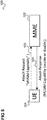
- Figure 5 shows a message flow diagram 500 between a UE 501, e.g. corresponding to UE 201 (and/or UE 301) and an MME 502, e.g. corresponding to MME 204 (e.g. of PLMN 304 or PLMN 305 or both).
- a UE 501 e.g. corresponding to UE 201 (and/or UE 301)
- an MME 502 e.g. corresponding to MME 204 (e.g. of PLMN 304 or PLMN 305 or both).
- the UE 501 in EPC of an available (serving) PLMN, the UE 501 provides MUSIM capability in 503 and depending on MUSIM support the EPC, i.e. the MME 502 in this example, of the PLMN notifies the UE 501 in 504 whether it supports the MUSIM feature, e.g. in form of an instruction to the UE to enable or disable the MUSIM capability.
- roaming i.e.
- the serving network function of the serving PLMN MME 502 of visited PLMN in this example
- the home network function of the home PLMN PGW 209 in home PLMN in this example
- a UE 401, 501 receives from a serving PLMN (e.g. either PLMN 304 or PLMN 305) the notification that it does not support the MUSIM, then UE 401, 501 disables usage of the MUSIM feature with regard to the serving PLMN and does not trigger any MUSIM specific triggers or mechanism.
- the UE 401, 501 may handle all capability of MUSIM locally with specific UE implementation logic.
- Figure 6 shows a message flow diagram 600 between a network component 601, e.g. an AMF or an SMF corresponding to the network function 402 or an MME corresponding to MME 502, and a UDM or HSS 602, e.g. corresponding to HSS + UDM 211.
- a network component 601 e.g. an AMF or an SMF corresponding to the network function 402 or an MME corresponding to MME 502
- a UDM or HSS 602 e.g. corresponding to HSS + UDM 211.
- the UDM/HSS 602 informs the network component 601 about the subscription of one or more UEs including information specifying (or from which it may derived) whether MUSIM capability is enabled or disabled for a respective UE.
- the PCF or PCRF informs the network component 601 about the policy of one or more UEs including information specifying (or from which it may derived) whether MUSIM capability is enabled or disabled for a respective UE.
- the serving network component based on local policy which can be determined based mutual agreement between operators (i.e. visited and home operators/PLMNs).
- the network component may then notify the respective UE accordingly, e.g. as described with reference to figures 4 and 5 .
- Figure 7 shows a message flow diagram 700 according to an embodiment.
- the message flow takes place between a UE 701, e.g. corresponding to UE 202, a RAN 702, e.g. corresponding to RAN 206, and an AMF 703, e.g. corresponding to AMF 207.
- the RAN 702 and the AMF 703 belong to a PLMN (a serving PLMN of the UE 701).
- the UE 701 provides information about its MUSIM capability (e.g. a "MUSIM capability" information element) in the MM Core Network Capability (and/or SM Core Network Capability) to the AMF 703 (and/or SMF) in the PLMN.
- MUSIM capability e.g. a "MUSIM capability” information element
- the PLMN i.e. the AMF 703 in this example, considers the UE capability and determines (e.g. based on local policy of respective network function, e.g. AMF 703 in this example) whether it support MUSIM capability or not. If not, the PLMN notifies the UE 701 that it does not support MUSIM capability. In the present example, in 706, the AMF 703 informs the UE 701 with a registration response that the PLMN does not support MUSIM capability. The AMF 703 also notifies the RAN 702 (e.g. with an N2 message) that the MUSIM capability is not supported or is disabled. In 707, the RAN (e.g. a corresponding RAN component or node) stores this information as part of UE context for the UE 701.
- the RAN e.g. a corresponding RAN component or node
- the RAN 702 will, in 709, reject the UE's request.
- AMF 703 rejects the UE's request.
- a similar procedure may be used for the case of an EPC PLMN (instead of a 5G PLMN): AMF may be replaced by MME and the UE triggers an EPC procedure like sending an Attach Procedure message instead of a Registration Request.
- a communication network arrangement is provided as illustrated in figure 8 .
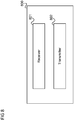
- Figure 8 shows a communication network arrangement 800 of a (mobile) communication network.
- the communication network arrangement 800 includes a receiver 801 configured to receive a request message from a communication terminal.
- the communication network arrangement 800 further includes a transmitter configured to transmit a notification message to the communication terminal indicating whether the communication network supports that the communication terminal simultaneously uses multiple mobile communication network subscriptions (e.g. is registered in or attached to multiple communication networks by means of multiple mobile communication subscriptions).
- a transmitter configured to transmit a notification message to the communication terminal indicating whether the communication network supports that the communication terminal simultaneously uses multiple mobile communication network subscriptions (e.g. is registered in or attached to multiple communication networks by means of multiple mobile communication subscriptions).
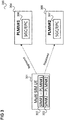
- the communication network arrangement 800 for example carries out a method as illustrated in figure 9 .
- Figure 9 shows a flow diagram 900 illustrating a method for configuring usage of a communication network.
- a request message from a communication terminal is received.
- a notification message is transmitted to the communication terminal indicating whether the communication network supports that the communication terminal simultaneously uses multiple mobile communication network subscriptions.
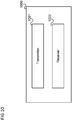
- Figure 10 shows a communication terminal 1000 according to an embodiment.
- the communication terminal 1000 includes a transmitter 1001 configured to transmit a message to a communication network indicating whether the communication terminal supports that the communication terminal simultaneously uses multiple mobile communication network subscriptions.
- the communication terminal 1000 further includes a receiver 1002 configured to receive a response message from the communication network indicating whether the communication network supports that the communication terminal simultaneously uses multiple mobile communication network subscriptions.
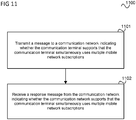
- the communication terminal 1000 for example carries out a method as illustrated in figure 11 .
- Figure 11 shows a flow diagram 1100 illustrating a method for configuring usage of a communication network.
- a message is transmitted to a communication network indicating whether the communication terminal supports that the communication terminal simultaneously uses multiple mobile communication network subscriptions.
- a response message is received from the communication network indicating whether the communication network supports that the communication terminal simultaneously uses multiple mobile communication network subscriptions.
- a communication network and a communication terminal exchange their capabilities or support regarding MUSIM.
- the communication network and the communication terminal may be configured with respect to the usage of MUSIM mechanisms or features.
- the communication network arrangement may decide whether it is to be supported that the communication terminal uses multiple subscriptions, for example based on policy information stored in the communication arrangement (e.g. in a network function such as an AMF, an SMF or an MME), specifying a policy of the operator of the communication network with respect to MUSIM (i.e. usage of multiple subscriptions).
- policy information stored in the communication arrangement (e.g. in a network function such as an AMF, an SMF or an MME), specifying a policy of the operator of the communication network with respect to MUSIM (i.e. usage of multiple subscriptions).
- a mechanism is provided for a communication terminal (e.g. a UE) to share a Multi-USIM devices support notification (with a communication network).
- the communication terminal may take a corresponding action if a serving PLMN does not support Multi-USIM devices.
- the communication terminal may avoid requesting services related to MUSIM (i.e. related to usage of multiple subscriptions) from the communication network.
- the request message received by the communication network arrangement and the message transmitted by the communication terminal may for example be a registration request message, an attach request message, a session establishment request message or a session modification request message (e.g. a PDU Session Establishment/Modification Request message or a PDN (Packet Date Network) Connection Establishment/Modification Request message).
- the components of the communication network arrangement and the communication terminal may for example be implemented by one or more circuits.
- a “circuit” may be understood as any kind of a logic implementing entity, which may be special purpose circuitry or a processor executing software stored in a memory, firmware, or any combination thereof.
- a “circuit” may be a hardwired logic circuit or a programmable logic circuit such as a programmable processor, e.g. a microprocessor.
- a “circuit” may also be a processor executing software, e.g. any kind of computer program. Any other kind of implementation of the respective functions described above may also be understood as a "circuit".
Landscapes
- Engineering & Computer Science (AREA)
- Computer Networks & Wireless Communication (AREA)
- Signal Processing (AREA)
- Mobile Radio Communication Systems (AREA)
Abstract
Description
- The present disclosure relates to communication network arrangements, communication terminals and methods for configuring usage of a communication network.
- To be able to use two mobile communication networks at the same time (e.g. to be able to receive calls via both communication networks), a mobile communication terminal may include two subscriber identity modules. This is also referred to Multi-USIM or MUSIM, e.g. a UE may be a Multi-USIM terminal. Multi-USIM is currently handled in an implementation-specific manner without any support from 3GPP (3rd generation partnership project) specifications.
- Since the usage of MUSIM features and mechanisms is thus optional and may be supported (or desired) or not, approaches for configuring usage of MUSIM features are desirable.
- According to one embodiment, a communication network arrangement of a (mobile) communication network is provided including a receiver configured to receive a request message from a communication terminal and a transmitter configured to transmit a notification message to the communication terminal indicating whether the communication network supports that the communication terminal simultaneously uses multiple mobile communication network subscriptions.
- According to a further embodiment, a communication terminal is provided including a transmitter configured to transmit a message to a communication network indicating whether the communication terminal supports that the communication terminal simultaneously uses multiple mobile communication network subscriptions and a receiver configured to receive a response message from the communication network indicating whether the communication network supports that the communication terminal simultaneously uses multiple mobile communication network subscriptions.
- According to further embodiments, methods for configuring usage of a communication network according to the communication network arrangement and the communication terminal described above are provided.
- In the drawings, like reference characters generally refer to the same parts throughout the different views. The drawings are not necessarily to scale, emphasis instead generally being placed upon illustrating the principles of the invention. In the following description, various aspects are described with reference to the following drawings, in which:
- Figure 1
- shows a radio communication system.
- Figure 2
- shows a communication arrangement.
- Figure 3
- shows a communication arrangement with a Multi-USIM communication terminal.
- Figure 4
- shows a message flow diagram for exchanging MUSIM capability information in a 5G communication system.
- Figure 5
- shows a message flow diagram for exchanging MUSIM capability information in a 4G communication system.
- Figure 6
- shows a message flow diagram for obtaining capability information from subscription information.
- Figure 7
- shows a message flow diagram according to an embodiment illustrating a MUSIM capbaility exchange between a communication terminal and a communication network.
- Figure 8
- shows a communication network arrangement of a communication network according to an embodiment.
- Figure 9
- shows a flow diagram illustrating a method for configuring usage of a communication network according to an embodiment.
- Figure 10
- shows a communication terminal according to an embodiment.
- Figure 11
- shows a flow diagram illustrating a method for configuring usage of a communication network according to an embodiment.
- The following detailed description refers to the accompanying drawings that show, by way of illustration, specific details and aspects of this disclosure in which the invention may be practiced. Other aspects may be utilized and structural, logical, and electrical changes may be made without departing from the scope of the invention. The various aspects of this disclosure are not necessarily mutually exclusive, as some aspects of this disclosure can be combined with one or more other aspects of this disclosure to form new aspects.
- Various examples corresponding to aspects of this disclosure are described below:
- Example 1 is a communication network arrangement of a communication network including a receiver configured to receive a request message from a communication terminal and a transmitter configured to transmit a notification message to the communication terminal indicating whether the communication network supports that the communication terminal simultaneously uses multiple mobile communication network subscriptions.
- Example 2 is the communication network arrangement of Example 1, wherein the request message is a registration request message to request registration of the communication terminal in the communication network or an attach request message to request an attachment of the communication terminal at the communication network to request a session or a connection of the communication terminal at the communication network.
- Example 3 is the communication network arrangement of Example 2, wherein the notification message is a registration response message or an attach response message.
- Example 4 is the communication network arrangement of any one of Examples 1 to 3, including a core network component of the communication network including the receiver and the transmitter.
- Example 5 is the communication network arrangement of Example 4, wherein the core network component is an access and mobility management function, a session management function or a mobility management entity.
- Example 6 is the communication network arrangement of Example 4 or 5, further including a radio access network, wherein, if the communication network does not support that the communication terminal simultaneously uses multiple mobile communication network subscriptions, the core network component notifies the radio access network that the communication network does not support that the communication terminal simultaneously uses multiple mobile communication network subscriptions.
- Example 7 is the communication network arrangement of any one of Examples 4 to 6, wherein the radio access network or the core network component is configured to store the information that the communication network does not support that the communication terminal simultaneously uses multiple mobile communication network subscriptions and is configured to reject requests by the communication terminal for services related to the usage of a multiple mobile communication network subscriptions.
- Example 8 is the communication network arrangement of any one of Examples 1 to 7, wherein the notification message indicates whether the communication network supports that the communication terminal simultaneously uses multiple subscriber identity modules.
- Example 9 is the communication network arrangement of any one of Examples 1 to 8, wherein the notification message indicates whether the communication network supports that the communication terminal is simultaneously registered or attached in the communication network and registered or attached in another communication network.
- Example 10 is the communication network arrangement of any one of Examples 1 to 9, wherein the communication network and/or the other communication network is a 4G or a 5G or 4G and 5G communication network(s).
- Example 11 is the communication network arrangement of any one of Examples 1 to 10, wherein the notification message includes a capability information element including a value indicating whether the communication network supports that the communication terminal simultaneously uses multiple mobile communication network subscriptions.
- Example 12 is the communication network arrangement of any one of Examples 1 to 11, including a determiner configured to determine whether it is to be supported for the communication terminal that the communication terminal simultaneously uses multiple mobile communication network subscriptions.
- Example 13 is the communication network arrangement of Example 12, wherein the determiner is configured to determine based on subscription information of the communication terminal (e.g. received from subscription information database such as a home location register or unified data management) and/or a policy of an operator of the communication network whether it is to be supported for the communication terminal that the communication terminal simultaneously uses multiple mobile communication network subscriptions.
- Example 14 is the communication network arrangement of Example 12 or 13, wherein the determiner is configured to receive information about the policy of an operator from a policy control function or policy and charging rules function of the communication network or a home communication network of the communication terminal.
- Example 15 is the communication network arrangement of any one of Examples 1 to 14, wherein the request message indicates whether the communication terminal supports that the communication terminal simultaneously uses multiple mobile communication network subscriptions and wherein the transmitter is configured to transmit the notification message in response to the request message.
- Example 16 is the communication network arrangement of any one of Examples 1 to 15, wherein the communication network arrangement is a visited network of the communication terminal.
- Example 17 is a method for configuring usage of a communication network including receiving a request message from a communication terminal and transmitting a notification message to the communication terminal indicating whether the communication network supports that the communication terminal simultaneously uses multiple mobile communication network subscriptions.
- Example 18 is the method of Example 17, wherein the request message is a registration request message to request registration of the communication terminal in the communication network or an attach request message to request an attachment of the communication terminal at the communication network to request a session or a connection of the communication terminal at the communication network.
- Example 19 is the method of Example 18, wherein the notification message is a registration response message or an attach response message.
- Example 20 is the method of any one of Examples 17 to 19, performed by a core network component of the communication network.
- Example 21 is the method of Example 20, wherein the core network component is an access and mobility management function, a session management function or a mobility management entity.
- Example 22 is the method of Example 20 or 21, including, if the communication network does not support that the communication terminal simultaneously uses multiple mobile communication network subscriptions, notifying a radio access network of the communication network that the communication network does not support that the communication terminal simultaneously uses multiple mobile communication network subscriptions.
- Example 23 is the method of any one of Examples 20 to 22, including the radio access network or the core network component storing the information that the communication network does not support that the communication terminal simultaneously uses multiple mobile communication network subscriptions and rejecting requests by the communication terminal for services related to the usage of a multiple mobile communication network subscriptions.
- Example 24 is the method of any one of Examples 17 to 23, wherein the notification message indicates whether the communication network supports that the communication terminal simultaneously uses multiple subscriber identity modules.
- Example 25 is the method of any one of Examples 17 to 24, wherein the notification message indicates whether the communication network supports that the communication terminal is simultaneously registered or attached in the communication network and registered or attached in another communication network.
- Example 26 is the method of any one of Examples 17 to 25, wherein the communication network and/or the other communication network is a 4G or a 5G or 4G and 5G communication network(s).
- Example 27 is the method of any one of Examples 17 to 26, wherein the notification message includes a capability information element including a value indicating whether the communication network supports that the communication terminal simultaneously uses multiple mobile communication network subscriptions.
- Example 28 is the method of any one of Examples 17 to 27, including determining whether it is to be supported for the communication terminal that the communication terminal simultaneously uses multiple mobile communication network subscriptions.
- Example 29 is the method of Example 28, including determining based on subscription information of the communication terminal (e.g. received from subscription information database such as a home location register or unified data management) and/or a policy of an operator of the communication network whether it is to be supported for the communication terminal that the communication terminal simultaneously uses multiple mobile communication network subscriptions.
- Example 30 is the method of Example 28 or 29, including receiving information about the policy of an operator from a policy control function or policy and charging rules function of the communication network or a home communication network of the communication terminal.
- Example 31 is the method of any one of Examples 17 to 30, wherein the request message indicates whether the communication terminal supports that the communication terminal simultaneously uses multiple mobile communication network subscriptions and the method including transmitting the notification message in response to the request message.
- Example 32 is the method of any one of Examples 17 to 31, performed by a visited network of the communication terminal.
- Example 33 is a communication terminal including a transmitter configured to transmit a message to a communication network indicating whether the communication terminal supports that the communication terminal simultaneously uses multiple mobile communication network subscriptions and a receiver configured to receive a response message from the communication network indicating whether the communication network supports that the communication terminal simultaneously uses multiple mobile communication network subscriptions.
- Example 34 is the communication terminal of Example 33, wherein the message is a request message for requesting a communication service from the communication network.
- Example 35 is a method for configuring usage of a communication network including transmitting a message to a communication network indicating whether the communication terminal supports that the communication terminal simultaneously uses multiple mobile communication network subscriptions and receiving a response message from the communication network indicating whether the communication network supports that the communication terminal simultaneously uses multiple mobile communication network subscriptions.
- Example 36 is the method of Example 35, wherein the message is a request message for requesting a communication service from the communication network.
- It should be noted that one or more of the features of any of the examples above may be combined with any one of the other examples.
- According to further embodiments, a computer program and a computer readable medium including instructions, which, when executed by a computer, make the computer perform the method of any one of the above Examples are provided.
- In the following, various examples will be described in more detail.
-
Figure 1 shows aradio communication system 100. - The
radio communication system 100 includes a mobileradio terminal device 102 such as a UE (user equipment), a nano equipment (NE), and the like. The mobileradio terminal device 102, also referred to as subscriber terminal, forms the terminal side while the other components of theradio communication system 100 described in the following are part of the mobile radio communication network side, i.e. part of a mobile radio communication network (e.g. a Public Land Mobile communication network PLMN). - Furthermore, the
radio communication system 100 includes aradio access network 103, which may include a plurality of radio access network nodes, i.e. base stations configured to provide radio access in accordance with a 5G (Fifth Generation) radio access technology (5G New Radio). It should be noted that theradio communication system 100 may also be configured in accordance with LTE (Long Term Evolution) or another radio communication standard but 5G is herein used as an example. Each radio access network node may provide a radio communication with the mobileradio terminal device 102 over an air interface. It should be noted that theradio access network 103 may include any number of radio access network nodes. - The
radio communication system 100 further includes acore network 118 including an Access and Mobility Management Function (AMF) 101 connected to theRAN 103, a Unified Data Management (UDM) 104 and a Network Slice Selection Function (NSSF) 105. Here and in the following examples, the UDM may further consist of the actual UE's subscription database, which is known as, for example, the UDR (Unified Data Repository). Thecore network 118 further includes an AUSF (Authentication Server Function) 114 and a PCF (Policy Control Function) 115. - The
core network 118 may have multiple network slices 106, 107 and for eachnetwork slice core network 118 includes a firstcore network slice 106 with three core network slice instances (CNIs) 108 for providing Enhanced Mobile Broadband (eMBB) and a secondcore network slice 107 with three core network slice instances (CNIs) 109 for providing Vehicle-to-Everything (V2X). - Typically, when a network slice is deployed, network functions (NFs) are instantiated, or (if already instantiated) referenced to form a network slice instance (NSI) and network functions that belong to a network slice instance are configured with a network slice instance identification.
- Specifically, in the shown example, each
instance 108 of the firstcore network slice 106 includes a first Session Management Function (SMF) 110 and a first User Plane Function (UPF) 111 and eachinstance 109 of the secondcore network slice 107 includes a second Session Management Function (SMF) 112 and a second User Plane Function (UPF) 113. - The
core network 118 may further include an NRF (Network Repository Function) 117, which provides network function/network function service registration, network function/network function service discovery. The NRF may have an interface to any network function in the mobile radio communication network side, e.g. have an interface to theAMF 101, theSMFs NRF 117 and theAMF 101 is depicted. - The
radio communication system 100 may further include an OAM (Operation, Administration and Maintenance) function (or entity) 116, e.g. implemented by one or more OAM servers which is connected to theRAN 103 and the core network 118 (connections are not shown for simplicity). - To ensure mobile network coverage a 5G
mobile terminal 102 is typically capable to connect to both a 5G communication network, as illustrated infigure 1 , and communication networks according to older communication networks, i.e. legacy networks, e.g. a 4G communication network, as it is illustrated infigure 2 . -
Figure 2 shows a communication arrangement 200. - The communication arrangement 200 includes a
UE 4G UE 201 and as a5G 202. - When operating as
4G UE 201, the UE is connected via a 4Gradio access network 203, i.e. an E-UTRAN (evolved UMTS (Universal Mobile Telecommunications System) Terrestrial Radio Access Network) to an MME (Mobility Management Entity) 204 and an SGW (Serving Gateway) 205 which are part of a 4G core network. - When operating as
5G UE 202, the UE is connected to a 5Gradio access network 206 and anAMF 207 which are part of a 5G core network. - In the present example, the communication arrangement 200 is shown to include components which combine (similar) 4G and 5G functionalities and can be seen to belong both the 4G core network and the 5G core network. However, these components may also be implemented separately, i.e. the 4G core network (EPC) 212 may be separate from the 5G core network 5GC 213 (and the various components may be split accordingly e.g. HSS in EPC and UDM in 5GC), in particular when the operator of the 4G communication network is different from the operator of the 5G communication network. These components include a UPF + PGW-U (PGW User Plane) 208, an SMF + PGW-C 209, a PCF + PCRF (Policy and Charging Rules Function) 210 and an HSS (Home Subscriber Server) + UDM (Unified Data Management) 211.
- The
SGW 205 is connected to the SMF + PGW-C 209 and the UPF + PGW-U 208. TheMME 204 is connected to the HSS +UDM 211. TheAMF 207 is connected to thePCF PCRF 210, the HSS +UDM 211 and the SMF + PGW-C 209. The5G RAN 206 is connected to the UPF + PGW-U 208. Furthermore, theMME 204 and theAMF 207 are connected. - To be able to use in two communication networks, e.g. a 4G communication network and a 5G communication network simultaneously (e.g. to be registered in the
EPC 212 and the5GC 213 simultaneously within a PLMN or different PLMNs) or a 5G communication network and a 5G communication network simultaneously, theUE figure 3 . -
Figure 3 shows acommunication arrangement 300 with aMulti-USIM UE 301. - The
Multi-USIM UE 301 includes a first subscriber identity module (e.g. a first USIM) 302 for a first (serving) PLMN 304 (PLMN#1) and a second subscriber identity module (e.g. a second USIM) 303 for a second (serving) PLMN 305 (PLMN#2). - Each of the
PLMNs 4G core network - It should be noted that while here and in the following it is assumed that there are two
PLMNs core networks PLMNs - The
Multi-SIM UE 301 may be registered or attach in bothPLMNs UE 301 can only be in CONNECTED mode or active in one of the PLMNs and is in the meantime in IDLE mode or unactive in the other PLMN or is in IDLE mode in both the PLMNs. For example, theUE 301 is in IDLE mode inPLMN# 1 and in CONNECTED mode inPLMN# 2. - To support that the
UE PLMNs - The MUSIM feature may include one or more of the following:
- A mechanism for delivering paging information (e.g. a paging message) destined to one subscription (e.g. the first SIM 302) while the communication terminal (e.g. UE 301) is actively communicating via a second subscription (e.g. the second SIM 303).
- A mechanism allowing for suspension (or release) and resumption of an ongoing connection via a first subscription (e.g. in the
PLMN# 1 associated with the first SIM 302), so that the communication terminal can temporarily use a second subscription (e.g. leave to thePLMN# 2 associated with thesecond SIM 303 and then return toPLMN# 1 in a network-controlled manner). This may include a mechanism to determine how the network handles MT (mobile-terminated) data or MT control-plane activity occurrence on a suspended connection. - A mechanism for avoidance of paging collisions occurring in the UE between two subscriptions (e.g. the
first SIM 302 and the second SIM 303). - A mechanism for service prioritization e.g. the terminal behaviour upon reception of paging information may be driven by USIM configuration or user preferences or both.
- The MUSIM feature is optional and an operator (of a PLMN) is not required to support it. In the following, approaches are described which allow a UE to know whether a PLMN supports the MUSIM feature. Further, approaches are described how the UE behaves with regard to the MUSIM feature (i.e. when having multiple SIMs) if the network does not support the MUSIM feature.
-
Figure 4 shows a message flow diagram 400 between aUE 401, e.g. corresponding to UE 202 (and/or UE 301) and anetwork function 402, e.g. an AMF or an SMF, e.g. corresponding toAMF 207 or SMF 209 (e.g. ofPLMN 304 or PLMN 305). - In 403, during a Registration Request or a PDU (Protocol Data Unit) Session Establishment/Modification Request, the
UE 401 provides "MUSIM capability" in the MM (Mobility Management) Core Network Capability and/or SM (Session Management) Core Network Capability to thenetwork function 402 of one or multiple of the available (serving) PLMNs (e.g. PLMN 304 orPLMN 305 or both). - A network function of the respective PLMN (AMF/
SMF 402 in this example) considers the UE capability and determines (e.g. based on local policy of the network funtion) whether it supports MUSIM capability (i.e. the MUSIM feature) or not. If not, thenetwork function 402 notifies theUE 401 that the MUSIM capability is not supported. - In case of roaming (i.e. Local break-out (LBO) or Home routed (HR) scenarions), the serving network function of the serving PLMN (AMF/
SMF 402 in visited PLMN in this example) or the home network function of the home PLMN (SMF network function 402 notifies theUE 401 that the MUSIM capability is not supported. - For example, if the PLMN supports MUSIM, it sends a "MUSIM capability" information element with enable indication and if the PLMN does not support MUSIM it sends a "MUSIM capability" information element with disable indication.
-
Figure 5 shows a message flow diagram 500 between aUE 501, e.g. corresponding to UE 201 (and/or UE 301) and anMME 502, e.g. corresponding to MME 204 (e.g. ofPLMN 304 orPLMN 305 or both). - Similarly to the 5GC case of
figure 4 , in EPC of an available (serving) PLMN, theUE 501 provides MUSIM capability in 503 and depending on MUSIM support the EPC, i.e. theMME 502 in this example, of the PLMN notifies theUE 501 in 504 whether it supports the MUSIM feature, e.g. in form of an instruction to the UE to enable or disable the MUSIM capability. In case of roaming (i.e. Local break-out (LBO) or Home routed (HR) scenarions), the serving network function of the serving PLMN (MME 502 of visited PLMN in this example) or the home network function of the home PLMN (PGW 209 in home PLMN in this example) notifies theUE 501 in 504 whether it supports the MUSIM feature or not. - If a
UE PLMN 304 or PLMN 305) the notification that it does not support the MUSIM, thenUE UE - Regarding the decision in the PLMN (e.g. in AMF/
SMF 402 or in MME 502) whether notify theUE - The AMF/SMF 402 (or generally a network component, e.g. MME 502) is configured by operator policy locally which determines whether the MUSIM feature is disabled or not (and UEs should be notified accordingly)
- OAM configures the policy in the AMF/SMF/MME e.g. during initiation of an AMF in the PLMN
- The serving PLMN can enable or disable the MUSIM feature for a specific UE based on a local policy. For example, a Serving PLMN can provide MUSIM capability as a service to customers. In this case, the serving PLMN can enable the MUSIM capability for a
UE# 1 and disable for aUE# 2. This may be based on subscription of a UE (e.g. MUSIM capability is enabled for high tariff users and disabled for low tariff users). -
Figure 6 shows a message flow diagram 600 between anetwork component 601, e.g. an AMF or an SMF corresponding to thenetwork function 402 or an MME corresponding toMME 502, and a UDM orHSS 602, e.g. corresponding to HSS +UDM 211. - In 603, the UDM/
HSS 602 informs thenetwork component 601 about the subscription of one or more UEs including information specifying (or from which it may derived) whether MUSIM capability is enabled or disabled for a respective UE. - Alternatively, the PCF or PCRF (e.g. corresponding to PCF + PCRF 210) informs the
network component 601 about the policy of one or more UEs including information specifying (or from which it may derived) whether MUSIM capability is enabled or disabled for a respective UE. In case of roaming, either visited or home PCF/PCRF informs the serving network component based on local policy which can be determined based mutual agreement between operators (i.e. visited and home operators/PLMNs). - The network component may then notify the respective UE accordingly, e.g. as described with reference to
figures 4 and5 . - In the following, an example of an exchange of information about MUSIM capability between a UE and a PLMN is described with reference to
figure 7 . -
Figure 7 shows a message flow diagram 700 according to an embodiment. - The message flow takes place between a
UE 701, e.g. corresponding toUE 202, aRAN 702, e.g. corresponding toRAN 206, and anAMF 703, e.g. corresponding toAMF 207. TheRAN 702 and theAMF 703 belong to a PLMN (a serving PLMN of the UE 701). - In 704, with a Registration Request to the AMF 702 (or similarly with a PDU Session Establishment or Modification Request to an SMF or Attach Request to an MME), the
UE 701 provides information about its MUSIM capability (e.g. a "MUSIM capability" information element) in the MM Core Network Capability (and/or SM Core Network Capability) to the AMF 703 (and/or SMF) in the PLMN. - In 705, the PLMN, i.e. the
AMF 703 in this example, considers the UE capability and determines (e.g. based on local policy of respective network function, e.g.AMF 703 in this example) whether it support MUSIM capability or not. If not, the PLMN notifies theUE 701 that it does not support MUSIM capability. In the present example, in 706, theAMF 703 informs theUE 701 with a registration response that the PLMN does not support MUSIM capability. TheAMF 703 also notifies the RAN 702 (e.g. with an N2 message) that the MUSIM capability is not supported or is disabled. In 707, the RAN (e.g. a corresponding RAN component or node) stores this information as part of UE context for theUE 701. - In case that in 708, the
UE 701 ignores the MUSIM capability information (i.e. ignores that MUSIM is not supported by the PLMN) and requests a MUSIM service, theRAN 702 will, in 709, reject the UE's request. - Alternatively, even if the
RAN 702 accepts the UE's request, the AMF 703 (and/or SMF) rejects the UE's request. A similar procedure may be used for the case of an EPC PLMN (instead of a 5G PLMN): AMF may be replaced by MME and the UE triggers an EPC procedure like sending an Attach Procedure message instead of a Registration Request. - In summary, according to various embodiments, a communication network arrangement is provided as illustrated in
figure 8 . -
Figure 8 shows acommunication network arrangement 800 of a (mobile) communication network. - The
communication network arrangement 800 includes areceiver 801 configured to receive a request message from a communication terminal. - The
communication network arrangement 800 further includes a transmitter configured to transmit a notification message to the communication terminal indicating whether the communication network supports that the communication terminal simultaneously uses multiple mobile communication network subscriptions (e.g. is registered in or attached to multiple communication networks by means of multiple mobile communication subscriptions). - The
communication network arrangement 800 for example carries out a method as illustrated infigure 9 . -
Figure 9 shows a flow diagram 900 illustrating a method for configuring usage of a communication network. - In 901, a request message from a communication terminal is received.
- In 902, a notification message is transmitted to the communication terminal indicating whether the communication network supports that the communication terminal simultaneously uses multiple mobile communication network subscriptions.
-
Figure 10 shows acommunication terminal 1000 according to an embodiment. - The
communication terminal 1000 includes atransmitter 1001 configured to transmit a message to a communication network indicating whether the communication terminal supports that the communication terminal simultaneously uses multiple mobile communication network subscriptions. - The
communication terminal 1000 further includes areceiver 1002 configured to receive a response message from the communication network indicating whether the communication network supports that the communication terminal simultaneously uses multiple mobile communication network subscriptions. - The
communication terminal 1000 for example carries out a method as illustrated infigure 11 . -
Figure 11 shows a flow diagram 1100 illustrating a method for configuring usage of a communication network. - In 1101, a message is transmitted to a communication network indicating whether the communication terminal supports that the communication terminal simultaneously uses multiple mobile communication network subscriptions. In 1102, a response message is received from the communication network indicating whether the communication network supports that the communication terminal simultaneously uses multiple mobile communication network subscriptions.
- According to various embodiments, in other words, a communication network and a communication terminal exchange their capabilities or support regarding MUSIM. Thus, the communication network and the communication terminal may be configured with respect to the usage of MUSIM mechanisms or features.
- The communication network arrangement may decide whether it is to be supported that the communication terminal uses multiple subscriptions, for example based on policy information stored in the communication arrangement (e.g. in a network function such as an AMF, an SMF or an MME), specifying a policy of the operator of the communication network with respect to MUSIM (i.e. usage of multiple subscriptions).
- In particular, according to various embodiments, a mechanism is provided for a communication terminal (e.g. a UE) to share a Multi-USIM devices support notification (with a communication network). The communication terminal may take a corresponding action if a serving PLMN does not support Multi-USIM devices. For example, the communication terminal may avoid requesting services related to MUSIM (i.e. related to usage of multiple subscriptions) from the communication network.
- The request message received by the communication network arrangement and the message transmitted by the communication terminal may for example be a registration request message, an attach request message, a session establishment request message or a session modification request message (e.g. a PDU Session Establishment/Modification Request message or a PDN (Packet Date Network) Connection Establishment/Modification Request message).
- The components of the communication network arrangement and the communication terminal (e.g. the receiver, the controller, the detector and the transmitter) may for example be implemented by one or more circuits. A "circuit" may be understood as any kind of a logic implementing entity, which may be special purpose circuitry or a processor executing software stored in a memory, firmware, or any combination thereof. Thus a "circuit" may be a hardwired logic circuit or a programmable logic circuit such as a programmable processor, e.g. a microprocessor. A "circuit" may also be a processor executing software, e.g. any kind of computer program. Any other kind of implementation of the respective functions described above may also be understood as a "circuit".
- While specific aspects have been described, it should be understood by those skilled in the art that various changes in form and detail may be made therein without departing from the spirit and scope of the aspects of this disclosure as defined by the appended claims. The scope is thus indicated by the appended claims and all changes which come within the meaning and range of equivalency of the claims are therefore intended to be embraced.
Claims (15)
- A communication network arrangement of a communication network comprising
A receiver configured to receive a request message from a communication terminal; and
A transmitter configured to transmit a notification message to the communication terminal indicating whether the communication network supports that the communication terminal simultaneously uses multiple mobile communication network subscriptions. - The communication network arrangement of claim 1, wherein the request message is a registration request message to request registration of the communication terminal in the communication network or an attach request message to request an attachment of the communication terminal at the communication network to request a session or a connection of the communication terminal at the communication network.
- The communication network arrangement of claim 2, wherein the notification message is a registration response message or an attach response message.
- The communication network arrangement of any one of claims 1 to 3, comprising a core network component of the communication network comprising the receiver and the transmitter.
- The communication network arrangement of claim 4, wherein the core network component is an access and mobility management function, a session management function or a mobility management entity.
- The communication network arrangement of any one of claims 1 to 5, further comprising a radio access network, wherein, if the communication network does not support that the communication terminal simultaneously uses multiple mobile communication network subscriptions, the core network component notifies the radio access network that the communication network does not support that the communication terminal simultaneously uses multiple mobile communication network subscriptions.
- The communication network arrangement of any one of claims 4 to 6, wherein the radio access network or the core network component is configured to store the information that the communication network does not support that the communication terminal simultaneously uses multiple mobile communication network subscriptions and is configured to reject requests by the communication terminal for services related to the usage of a multiple mobile communication network subscriptions.
- The communication network arrangement of any one of claims 1 to 7, wherein the communication network and/or the other communication network is a 4G or a 5G or 4G and 5G communication network(s).
- The communication network arrangement of any one of claims 1 to 8, comprising a determiner configured to determine whether it is to be supported for the communication terminal that the communication terminal simultaneously uses multiple mobile communication network subscriptions.
- The communication network arrangement of claim 9, wherein the determiner is configured to determine based on subscription information of the communication terminal and/or a policy of an operator of the communication network whether it is to be supported for the communication terminal that the communication terminal simultaneously uses multiple mobile communication network subscriptions.
- The communication network arrangement of claim 9 or 10, wherein the determiner is configured to receive information about the policy of an operator from a policy control function or policy and charging rules function of the communication network or a home communication network of the communication terminal.
- The communication network arrangement of any one of claims 1 to 11, wherein the communication network arrangement is a visited network of the communication terminal.
- A method for configuring usage of a communication network comprising
receiving a request message from a communication terminal; and
transmitting a notification message to the communication terminal indicating whether the communication network supports that the communication terminal simultaneously uses multiple mobile communication network subscriptions. - A communication terminal comprising:a transmitter configured to transmit a message to a communication network indicating whether the communication terminal supports that the communication terminal simultaneously uses multiple mobile communication network subscriptions; anda receiver configured to receive a response message from the communication network indicating whether the communication network supports that the communication terminal simultaneously uses multiple mobile communication network subscriptions.
- A method for configuring usage of a communication network comprising:transmitting a message to a communication network indicating whether the communication terminal supports that the communication terminal simultaneously uses multiple mobile communication network subscriptions; andreceiving a response message from the communication network indicating whether the communication network supports that the communication terminal simultaneously uses multiple mobile communication network subscriptions.
Priority Applications (3)
| Application Number | Priority Date | Filing Date | Title |
|---|---|---|---|
| EP20159073.4A EP3869877B1 (en) | 2020-02-24 | 2020-02-24 | Configuring usage of a communication network |
| PCT/EP2021/054482 WO2021170597A1 (en) | 2020-02-24 | 2021-02-24 | Configuring usage of a communication network |
| JP2021542186A JP7154423B2 (en) | 2020-02-24 | 2021-02-24 | COMMUNICATION NETWORK DEVICE AND COMMUNICATION NETWORK USAGE SETTING METHOD |
Applications Claiming Priority (1)
| Application Number | Priority Date | Filing Date | Title |
|---|---|---|---|
| EP20159073.4A EP3869877B1 (en) | 2020-02-24 | 2020-02-24 | Configuring usage of a communication network |
Publications (2)
| Publication Number | Publication Date |
|---|---|
| EP3869877A1 true EP3869877A1 (en) | 2021-08-25 |
| EP3869877B1 EP3869877B1 (en) | 2024-03-13 |
Family
ID=69740127
Family Applications (1)
| Application Number | Title | Priority Date | Filing Date |
|---|---|---|---|
| EP20159073.4A Active EP3869877B1 (en) | 2020-02-24 | 2020-02-24 | Configuring usage of a communication network |
Country Status (3)
| Country | Link |
|---|---|
| EP (1) | EP3869877B1 (en) |
| JP (1) | JP7154423B2 (en) |
| WO (1) | WO2021170597A1 (en) |
Cited By (2)
| Publication number | Priority date | Publication date | Assignee | Title |
|---|---|---|---|---|
| US20240056988A1 (en) * | 2022-08-09 | 2024-02-15 | Apple Inc. | Device and method for handling multiple sim transmission power restrictions |
| WO2024072280A1 (en) * | 2022-09-27 | 2024-04-04 | Telefonaktiebolaget Lm Ericsson (Publ) | Methods and apparatuses for providing a capability restricted indication from multi-universal subscriber identity module user equipment to network |
-
2020
- 2020-02-24 EP EP20159073.4A patent/EP3869877B1/en active Active
-
2021
- 2021-02-24 WO PCT/EP2021/054482 patent/WO2021170597A1/en not_active Ceased
- 2021-02-24 JP JP2021542186A patent/JP7154423B2/en active Active
Non-Patent Citations (3)
| Title |
|---|
| "3rd Generation Partnership Project; Technical Specification Group Services and System Aspects; Study on system enablers for devices having multiple Universal Subscriber Identity Modules (USIM) (Release 17)", 28 January 2020 (2020-01-28), XP051845692, Retrieved from the Internet <URL:https://ftp.3gpp.org/tsg_sa/WG2_Arch/Latest_SA2_Specs/Latest_draft_S2_Specs/23761-030.zip 23761-030_MCCclean.docx> [retrieved on 20200128] * |
| LG ELECTRONICS: "Solution: MT Service notification for MUSIM UE", vol. SA WG2, no. Incheon, Korea (Republic Of); 20200113 - 20200117, 7 January 2020 (2020-01-07), XP051842707, Retrieved from the Internet <URL:https://ftp.3gpp.org/tsg_sa/WG2_Arch/TSGS2_136AH_Incheon/Docs/S2-2000650.zip S2-2000650_MUSIM_Sol_Paging Notification.docx> [retrieved on 20200107] * |
| NOKIA ET AL: "Solution for improved paging in MUSIM devices (KI#1,2,3)", vol. SA WG2, no. Incheon, Korea; 20200113 - 20200117, 7 January 2020 (2020-01-07), XP051842909, Retrieved from the Internet <URL:https://ftp.3gpp.org/tsg_sa/WG2_Arch/TSGS2_136AH_Incheon/Docs/S2-2000855.zip S2-2000855 Solution paging MUSIM.docx> [retrieved on 20200107] * |
Cited By (2)
| Publication number | Priority date | Publication date | Assignee | Title |
|---|---|---|---|---|
| US20240056988A1 (en) * | 2022-08-09 | 2024-02-15 | Apple Inc. | Device and method for handling multiple sim transmission power restrictions |
| WO2024072280A1 (en) * | 2022-09-27 | 2024-04-04 | Telefonaktiebolaget Lm Ericsson (Publ) | Methods and apparatuses for providing a capability restricted indication from multi-universal subscriber identity module user equipment to network |
Also Published As
| Publication number | Publication date |
|---|---|
| JP7154423B2 (en) | 2022-10-17 |
| WO2021170597A1 (en) | 2021-09-02 |
| EP3869877B1 (en) | 2024-03-13 |
| JP2022526068A (en) | 2022-05-23 |
Similar Documents
| Publication | Publication Date | Title |
|---|---|---|
| US12156280B2 (en) | UE controlled PDU sessions on a network slice | |
| EP3800916A1 (en) | Communication network arrangement and method for handling registration and/or session requests | |
| US9622054B2 (en) | Apparatus and method for delivering short message service efficiently in wireless communication system | |
| US11797359B2 (en) | Report application programming interface (API) capability change based on API filter | |
| US12219463B2 (en) | Enforcement of maximum number of admitted terminals per network slice | |
| EP3634041A1 (en) | Communication terminal, method for requesting a connection, network component and method for serving a communication terminal | |
| US11337139B2 (en) | Enforcement of service exemption on a per access network technology type | |
| US20220346052A1 (en) | Support of network slicing for sms | |
| WO2023017036A1 (en) | Methods and systems for steering of roaming | |
| JP7186879B2 (en) | Communication terminal, method of configuring communication terminal, access control component and method for access control of non-public network | |
| US20250113216A1 (en) | Dynamic retrieval of nsac information | |
| EP3955650B1 (en) | Access management component and method for controlling usage of a mobile communication system | |
| US20240314886A1 (en) | Method for slice resource release | |
| CN111328019B (en) | Method and device for identifying terminal | |
| JP7154423B2 (en) | COMMUNICATION NETWORK DEVICE AND COMMUNICATION NETWORK USAGE SETTING METHOD | |
| EP3648480A1 (en) | Core network resource selection for roaming terminals | |
| US12101851B2 (en) | Methods, network function nodes and computer readable media for contents communication management | |
| US20250358765A1 (en) | Support for session continuity in multiple nsacf scenarios | |
| WO2011147362A1 (en) | Method and apparatus for selecting public land mobile-communication network access network | |
| EP4416987B1 (en) | Network slice admission control function (nsacf) triggered ue deregistration | |
| KR102090507B1 (en) | Method and apparatus for delivering short message service efficiently in wireless communication system | |
| US20250142449A1 (en) | Centralized counting in multi service areas | |
| CN118556427A (en) | Dynamic retrieval of NSAC information |
Legal Events
| Date | Code | Title | Description |
|---|---|---|---|
| PUAI | Public reference made under article 153(3) epc to a published international application that has entered the european phase |
Free format text: ORIGINAL CODE: 0009012 |
|
| STAA | Information on the status of an ep patent application or granted ep patent |
Free format text: STATUS: REQUEST FOR EXAMINATION WAS MADE |
|
| 17P | Request for examination filed |
Effective date: 20210126 |
|
| AK | Designated contracting states |
Kind code of ref document: A1 Designated state(s): AL AT BE BG CH CY CZ DE DK EE ES FI FR GB GR HR HU IE IS IT LI LT LU LV MC MK MT NL NO PL PT RO RS SE SI SK SM TR |
|
| STAA | Information on the status of an ep patent application or granted ep patent |
Free format text: STATUS: EXAMINATION IS IN PROGRESS |
|
| 17Q | First examination report despatched |
Effective date: 20220316 |
|
| P01 | Opt-out of the competence of the unified patent court (upc) registered |
Effective date: 20230328 |
|
| RIC1 | Information provided on ipc code assigned before grant |
Ipc: H04W 8/18 20090101ALN20230814BHEP Ipc: H04W 8/20 20090101ALN20230814BHEP Ipc: H04W 60/00 20090101AFI20230814BHEP |
|
| GRAP | Despatch of communication of intention to grant a patent |
Free format text: ORIGINAL CODE: EPIDOSNIGR1 |
|
| STAA | Information on the status of an ep patent application or granted ep patent |
Free format text: STATUS: GRANT OF PATENT IS INTENDED |
|
| RIC1 | Information provided on ipc code assigned before grant |
Ipc: H04W 8/18 20090101ALN20230908BHEP Ipc: H04W 8/20 20090101ALN20230908BHEP Ipc: H04W 60/00 20090101AFI20230908BHEP |
|
| INTG | Intention to grant announced |
Effective date: 20230926 |
|
| GRAS | Grant fee paid |
Free format text: ORIGINAL CODE: EPIDOSNIGR3 |
|
| GRAA | (expected) grant |
Free format text: ORIGINAL CODE: 0009210 |
|
| STAA | Information on the status of an ep patent application or granted ep patent |
Free format text: STATUS: THE PATENT HAS BEEN GRANTED |
|
| AK | Designated contracting states |
Kind code of ref document: B1 Designated state(s): AL AT BE BG CH CY CZ DE DK EE ES FI FR GB GR HR HU IE IS IT LI LT LU LV MC MK MT NL NO PL PT RO RS SE SI SK SM TR |
|
| REG | Reference to a national code |
Ref country code: GB Ref legal event code: FG4D |
|
| REG | Reference to a national code |
Ref country code: CH Ref legal event code: EP |
|
| REG | Reference to a national code |
Ref country code: DE Ref legal event code: R081 Ref document number: 602020027039 Country of ref document: DE Owner name: NTT DOCOMO, INC., JP Free format text: FORMER OWNER: NTT DOCOMO, INC., TOKYO, JP |
|
| RAP4 | Party data changed (patent owner data changed or rights of a patent transferred) |
Owner name: NTT DOCOMO, INC. |
|
| REG | Reference to a national code |
Ref country code: DE Ref legal event code: R096 Ref document number: 602020027039 Country of ref document: DE |
|
| REG | Reference to a national code |
Ref country code: IE Ref legal event code: FG4D |
|
| PG25 | Lapsed in a contracting state [announced via postgrant information from national office to epo] |
Ref country code: LT Free format text: LAPSE BECAUSE OF FAILURE TO SUBMIT A TRANSLATION OF THE DESCRIPTION OR TO PAY THE FEE WITHIN THE PRESCRIBED TIME-LIMIT Effective date: 20240313 |
|
| REG | Reference to a national code |
Ref country code: LT Ref legal event code: MG9D |
|
| REG | Reference to a national code |
Ref country code: NL Ref legal event code: MP Effective date: 20240313 |
|
| PG25 | Lapsed in a contracting state [announced via postgrant information from national office to epo] |
Ref country code: RS Free format text: LAPSE BECAUSE OF FAILURE TO SUBMIT A TRANSLATION OF THE DESCRIPTION OR TO PAY THE FEE WITHIN THE PRESCRIBED TIME-LIMIT Effective date: 20240613 Ref country code: HR Free format text: LAPSE BECAUSE OF FAILURE TO SUBMIT A TRANSLATION OF THE DESCRIPTION OR TO PAY THE FEE WITHIN THE PRESCRIBED TIME-LIMIT Effective date: 20240313 |
|
| PG25 | Lapsed in a contracting state [announced via postgrant information from national office to epo] |
Ref country code: ES Free format text: LAPSE BECAUSE OF FAILURE TO SUBMIT A TRANSLATION OF THE DESCRIPTION OR TO PAY THE FEE WITHIN THE PRESCRIBED TIME-LIMIT Effective date: 20240313 |
|
| REG | Reference to a national code |
Ref country code: GR Ref legal event code: EP Ref document number: 20240401335 Country of ref document: GR Effective date: 20240716 |
|
| PG25 | Lapsed in a contracting state [announced via postgrant information from national office to epo] |
Ref country code: RS Free format text: LAPSE BECAUSE OF FAILURE TO SUBMIT A TRANSLATION OF THE DESCRIPTION OR TO PAY THE FEE WITHIN THE PRESCRIBED TIME-LIMIT Effective date: 20240613 Ref country code: NO Free format text: LAPSE BECAUSE OF FAILURE TO SUBMIT A TRANSLATION OF THE DESCRIPTION OR TO PAY THE FEE WITHIN THE PRESCRIBED TIME-LIMIT Effective date: 20240613 Ref country code: LT Free format text: LAPSE BECAUSE OF FAILURE TO SUBMIT A TRANSLATION OF THE DESCRIPTION OR TO PAY THE FEE WITHIN THE PRESCRIBED TIME-LIMIT Effective date: 20240313 Ref country code: HR Free format text: LAPSE BECAUSE OF FAILURE TO SUBMIT A TRANSLATION OF THE DESCRIPTION OR TO PAY THE FEE WITHIN THE PRESCRIBED TIME-LIMIT Effective date: 20240313 Ref country code: FI Free format text: LAPSE BECAUSE OF FAILURE TO SUBMIT A TRANSLATION OF THE DESCRIPTION OR TO PAY THE FEE WITHIN THE PRESCRIBED TIME-LIMIT Effective date: 20240313 Ref country code: ES Free format text: LAPSE BECAUSE OF FAILURE TO SUBMIT A TRANSLATION OF THE DESCRIPTION OR TO PAY THE FEE WITHIN THE PRESCRIBED TIME-LIMIT Effective date: 20240313 Ref country code: BG Free format text: LAPSE BECAUSE OF FAILURE TO SUBMIT A TRANSLATION OF THE DESCRIPTION OR TO PAY THE FEE WITHIN THE PRESCRIBED TIME-LIMIT Effective date: 20240313 |
|
| REG | Reference to a national code |
Ref country code: AT Ref legal event code: MK05 Ref document number: 1666893 Country of ref document: AT Kind code of ref document: T Effective date: 20240313 |
|
| PG25 | Lapsed in a contracting state [announced via postgrant information from national office to epo] |
Ref country code: SE Free format text: LAPSE BECAUSE OF FAILURE TO SUBMIT A TRANSLATION OF THE DESCRIPTION OR TO PAY THE FEE WITHIN THE PRESCRIBED TIME-LIMIT Effective date: 20240313 Ref country code: LV Free format text: LAPSE BECAUSE OF FAILURE TO SUBMIT A TRANSLATION OF THE DESCRIPTION OR TO PAY THE FEE WITHIN THE PRESCRIBED TIME-LIMIT Effective date: 20240313 |
|
| PG25 | Lapsed in a contracting state [announced via postgrant information from national office to epo] |
Ref country code: NL Free format text: LAPSE BECAUSE OF FAILURE TO SUBMIT A TRANSLATION OF THE DESCRIPTION OR TO PAY THE FEE WITHIN THE PRESCRIBED TIME-LIMIT Effective date: 20240313 |
|
| PG25 | Lapsed in a contracting state [announced via postgrant information from national office to epo] |
Ref country code: NL Free format text: LAPSE BECAUSE OF FAILURE TO SUBMIT A TRANSLATION OF THE DESCRIPTION OR TO PAY THE FEE WITHIN THE PRESCRIBED TIME-LIMIT Effective date: 20240313 |
|
| PG25 | Lapsed in a contracting state [announced via postgrant information from national office to epo] |
Ref country code: IS Free format text: LAPSE BECAUSE OF FAILURE TO SUBMIT A TRANSLATION OF THE DESCRIPTION OR TO PAY THE FEE WITHIN THE PRESCRIBED TIME-LIMIT Effective date: 20240713 |
|
| PG25 | Lapsed in a contracting state [announced via postgrant information from national office to epo] |
Ref country code: SM Free format text: LAPSE BECAUSE OF FAILURE TO SUBMIT A TRANSLATION OF THE DESCRIPTION OR TO PAY THE FEE WITHIN THE PRESCRIBED TIME-LIMIT Effective date: 20240313 Ref country code: PT Free format text: LAPSE BECAUSE OF FAILURE TO SUBMIT A TRANSLATION OF THE DESCRIPTION OR TO PAY THE FEE WITHIN THE PRESCRIBED TIME-LIMIT Effective date: 20240715 |
|
| PG25 | Lapsed in a contracting state [announced via postgrant information from national office to epo] |
Ref country code: EE Free format text: LAPSE BECAUSE OF FAILURE TO SUBMIT A TRANSLATION OF THE DESCRIPTION OR TO PAY THE FEE WITHIN THE PRESCRIBED TIME-LIMIT Effective date: 20240313 Ref country code: CZ Free format text: LAPSE BECAUSE OF FAILURE TO SUBMIT A TRANSLATION OF THE DESCRIPTION OR TO PAY THE FEE WITHIN THE PRESCRIBED TIME-LIMIT Effective date: 20240313 |
|
| PG25 | Lapsed in a contracting state [announced via postgrant information from national office to epo] |
Ref country code: AT Free format text: LAPSE BECAUSE OF FAILURE TO SUBMIT A TRANSLATION OF THE DESCRIPTION OR TO PAY THE FEE WITHIN THE PRESCRIBED TIME-LIMIT Effective date: 20240313 |
|
| PG25 | Lapsed in a contracting state [announced via postgrant information from national office to epo] |
Ref country code: PL Free format text: LAPSE BECAUSE OF FAILURE TO SUBMIT A TRANSLATION OF THE DESCRIPTION OR TO PAY THE FEE WITHIN THE PRESCRIBED TIME-LIMIT Effective date: 20240313 |
|
| PG25 | Lapsed in a contracting state [announced via postgrant information from national office to epo] |
Ref country code: SK Free format text: LAPSE BECAUSE OF FAILURE TO SUBMIT A TRANSLATION OF THE DESCRIPTION OR TO PAY THE FEE WITHIN THE PRESCRIBED TIME-LIMIT Effective date: 20240313 |
|
| PG25 | Lapsed in a contracting state [announced via postgrant information from national office to epo] |
Ref country code: SM Free format text: LAPSE BECAUSE OF FAILURE TO SUBMIT A TRANSLATION OF THE DESCRIPTION OR TO PAY THE FEE WITHIN THE PRESCRIBED TIME-LIMIT Effective date: 20240313 Ref country code: SK Free format text: LAPSE BECAUSE OF FAILURE TO SUBMIT A TRANSLATION OF THE DESCRIPTION OR TO PAY THE FEE WITHIN THE PRESCRIBED TIME-LIMIT Effective date: 20240313 Ref country code: RO Free format text: LAPSE BECAUSE OF FAILURE TO SUBMIT A TRANSLATION OF THE DESCRIPTION OR TO PAY THE FEE WITHIN THE PRESCRIBED TIME-LIMIT Effective date: 20240313 Ref country code: PT Free format text: LAPSE BECAUSE OF FAILURE TO SUBMIT A TRANSLATION OF THE DESCRIPTION OR TO PAY THE FEE WITHIN THE PRESCRIBED TIME-LIMIT Effective date: 20240715 Ref country code: PL Free format text: LAPSE BECAUSE OF FAILURE TO SUBMIT A TRANSLATION OF THE DESCRIPTION OR TO PAY THE FEE WITHIN THE PRESCRIBED TIME-LIMIT Effective date: 20240313 Ref country code: IS Free format text: LAPSE BECAUSE OF FAILURE TO SUBMIT A TRANSLATION OF THE DESCRIPTION OR TO PAY THE FEE WITHIN THE PRESCRIBED TIME-LIMIT Effective date: 20240713 Ref country code: EE Free format text: LAPSE BECAUSE OF FAILURE TO SUBMIT A TRANSLATION OF THE DESCRIPTION OR TO PAY THE FEE WITHIN THE PRESCRIBED TIME-LIMIT Effective date: 20240313 Ref country code: CZ Free format text: LAPSE BECAUSE OF FAILURE TO SUBMIT A TRANSLATION OF THE DESCRIPTION OR TO PAY THE FEE WITHIN THE PRESCRIBED TIME-LIMIT Effective date: 20240313 Ref country code: AT Free format text: LAPSE BECAUSE OF FAILURE TO SUBMIT A TRANSLATION OF THE DESCRIPTION OR TO PAY THE FEE WITHIN THE PRESCRIBED TIME-LIMIT Effective date: 20240313 |
|
| PG25 | Lapsed in a contracting state [announced via postgrant information from national office to epo] |
Ref country code: IT Free format text: LAPSE BECAUSE OF FAILURE TO SUBMIT A TRANSLATION OF THE DESCRIPTION OR TO PAY THE FEE WITHIN THE PRESCRIBED TIME-LIMIT Effective date: 20240313 |
|
| REG | Reference to a national code |
Ref country code: DE Ref legal event code: R097 Ref document number: 602020027039 Country of ref document: DE |
|
| PG25 | Lapsed in a contracting state [announced via postgrant information from national office to epo] |
Ref country code: IT Free format text: LAPSE BECAUSE OF FAILURE TO SUBMIT A TRANSLATION OF THE DESCRIPTION OR TO PAY THE FEE WITHIN THE PRESCRIBED TIME-LIMIT Effective date: 20240313 |
|
| PG25 | Lapsed in a contracting state [announced via postgrant information from national office to epo] |
Ref country code: DK Free format text: LAPSE BECAUSE OF FAILURE TO SUBMIT A TRANSLATION OF THE DESCRIPTION OR TO PAY THE FEE WITHIN THE PRESCRIBED TIME-LIMIT Effective date: 20240313 |
|
| PLBE | No opposition filed within time limit |
Free format text: ORIGINAL CODE: 0009261 |
|
| STAA | Information on the status of an ep patent application or granted ep patent |
Free format text: STATUS: NO OPPOSITION FILED WITHIN TIME LIMIT |
|
| PG25 | Lapsed in a contracting state [announced via postgrant information from national office to epo] |
Ref country code: DK Free format text: LAPSE BECAUSE OF FAILURE TO SUBMIT A TRANSLATION OF THE DESCRIPTION OR TO PAY THE FEE WITHIN THE PRESCRIBED TIME-LIMIT Effective date: 20240313 |
|
| 26N | No opposition filed |
Effective date: 20241216 |
|
| PG25 | Lapsed in a contracting state [announced via postgrant information from national office to epo] |
Ref country code: SI Free format text: LAPSE BECAUSE OF FAILURE TO SUBMIT A TRANSLATION OF THE DESCRIPTION OR TO PAY THE FEE WITHIN THE PRESCRIBED TIME-LIMIT Effective date: 20240313 |
|
| PG25 | Lapsed in a contracting state [announced via postgrant information from national office to epo] |
Ref country code: MC Free format text: LAPSE BECAUSE OF FAILURE TO SUBMIT A TRANSLATION OF THE DESCRIPTION OR TO PAY THE FEE WITHIN THE PRESCRIBED TIME-LIMIT Effective date: 20240313 |
|
| REG | Reference to a national code |
Ref country code: CH Ref legal event code: PL |
|
| PG25 | Lapsed in a contracting state [announced via postgrant information from national office to epo] |
Ref country code: LU Free format text: LAPSE BECAUSE OF NON-PAYMENT OF DUE FEES Effective date: 20250224 |
|
| PG25 | Lapsed in a contracting state [announced via postgrant information from national office to epo] |
Ref country code: CH Free format text: LAPSE BECAUSE OF NON-PAYMENT OF DUE FEES Effective date: 20250228 |
|
| REG | Reference to a national code |
Ref country code: BE Ref legal event code: MM Effective date: 20250228 |
|
| PG25 | Lapsed in a contracting state [announced via postgrant information from national office to epo] |
Ref country code: BE Free format text: LAPSE BECAUSE OF NON-PAYMENT OF DUE FEES Effective date: 20250228 |
|
| PG25 | Lapsed in a contracting state [announced via postgrant information from national office to epo] |
Ref country code: IE Free format text: LAPSE BECAUSE OF NON-PAYMENT OF DUE FEES Effective date: 20250224 |
|
| PGFP | Annual fee paid to national office [announced via postgrant information from national office to epo] |
Ref country code: GB Payment date: 20260220 Year of fee payment: 7 |
|
| PGFP | Annual fee paid to national office [announced via postgrant information from national office to epo] |
Ref country code: DE Payment date: 20260218 Year of fee payment: 7 |
|
| PGFP | Annual fee paid to national office [announced via postgrant information from national office to epo] |
Ref country code: FR Payment date: 20260218 Year of fee payment: 7 |
|
| PGFP | Annual fee paid to national office [announced via postgrant information from national office to epo] |
Ref country code: GR Payment date: 20260218 Year of fee payment: 7 |