EP3869849A1 - Method, apparatus and radio network optimization control function unit (rcf) for network optimization - Google Patents
Method, apparatus and radio network optimization control function unit (rcf) for network optimization Download PDFInfo
- Publication number
- EP3869849A1 EP3869849A1 EP20831624.0A EP20831624A EP3869849A1 EP 3869849 A1 EP3869849 A1 EP 3869849A1 EP 20831624 A EP20831624 A EP 20831624A EP 3869849 A1 EP3869849 A1 EP 3869849A1
- Authority
- EP
- European Patent Office
- Prior art keywords
- rcf
- real
- radio
- optimization
- time
- Prior art date
- Legal status (The legal status is an assumption and is not a legal conclusion. Google has not performed a legal analysis and makes no representation as to the accuracy of the status listed.)
- Granted
Links
Images





Classifications
-
- G—PHYSICS
- G06—COMPUTING OR CALCULATING; COUNTING
- G06N—COMPUTING ARRANGEMENTS BASED ON SPECIFIC COMPUTATIONAL MODELS
- G06N20/00—Machine learning
-
- H—ELECTRICITY
- H04—ELECTRIC COMMUNICATION TECHNIQUE
- H04L—TRANSMISSION OF DIGITAL INFORMATION, e.g. TELEGRAPHIC COMMUNICATION
- H04L41/00—Arrangements for maintenance, administration or management of data switching networks, e.g. of packet switching networks
- H04L41/08—Configuration management of networks or network elements
- H04L41/0803—Configuration setting
- H04L41/0823—Configuration setting characterised by the purposes of a change of settings, e.g. optimising configuration for enhancing reliability
-
- H—ELECTRICITY
- H04—ELECTRIC COMMUNICATION TECHNIQUE
- H04L—TRANSMISSION OF DIGITAL INFORMATION, e.g. TELEGRAPHIC COMMUNICATION
- H04L41/00—Arrangements for maintenance, administration or management of data switching networks, e.g. of packet switching networks
- H04L41/14—Network analysis or design
- H04L41/145—Network analysis or design involving simulating, designing, planning or modelling of a network
-
- H—ELECTRICITY
- H04—ELECTRIC COMMUNICATION TECHNIQUE
- H04L—TRANSMISSION OF DIGITAL INFORMATION, e.g. TELEGRAPHIC COMMUNICATION
- H04L41/00—Arrangements for maintenance, administration or management of data switching networks, e.g. of packet switching networks
- H04L41/16—Arrangements for maintenance, administration or management of data switching networks, e.g. of packet switching networks using machine learning or artificial intelligence
-
- H—ELECTRICITY
- H04—ELECTRIC COMMUNICATION TECHNIQUE
- H04W—WIRELESS COMMUNICATION NETWORKS
- H04W24/00—Supervisory, monitoring or testing arrangements
- H04W24/02—Arrangements for optimising operational condition
Definitions
- the present disclosure relates to, but not limited to, a method and apparatus for network optimization, a Radio network optimization Control Functional unit (RCF), and a computer-readable storage medium.
- RCF Radio network optimization Control Functional unit
- eMBB enhance mobile broadband
- uRLLC ultra-Reliable & Low Latency Communication
- mMTC massive machine type communication
- Multi-access edge computing emerges under the background of increasing demands on low-latency and high-bandwidth services.
- edge computing technology by deploying a server on the edge of the radio network, cloud computing resources are sunk to radio access networks, to shorten the physical distance between a user equipment (UE) terminal and a service application (APP), for the purposes of greatly reducing latency and saving the bandwidth of the backhaul network.
- the edge computing effectively integrates the mobile communication network with the Internet technology, and has the advantages of service localization, short distance, low latency and the like.
- a distributed cloud computing architecture shown in Fig. 1 can be constructed.
- the ETSI (European Telecommunications Standards Institute)-MEC standard defines an edge computing framework as shown in Fig. 2 , of which main functional units include:
- the ETSI-MEC is mainly deployed round the 4G communication network, and evolves in combination with the 3GPP 5G communication network.
- a method and apparatus for network optimization a Radio network optimization Control Functional unit (RCF), and a non-transitory computer-readable storage medium are provided.
- RCF Radio network optimization Control Functional unit
- the method for network opamization may include steps of: determining real-time features according to real-time data of a radio access network by a Radio network optimization Control Functional unit (RCF) in an edge computing system, generating a radio optimization assistance policy according to the real-time features by the RCF; and issuing the radio optimization assistance policy by the RCF.
- RCF Radio network optimization Control Functional unit
- the apparatus for network opamization may include: a real-time feature module configured to determine real-time features according to real-time data of a radio access network by an RCF in an edge computing system, a policy generation module configured to generate a radio optimization assistance policy according to the real-time features, and a policy issuing module configured to issue the radio optimization assistance policy.
- the RCF may include a memory, a processor and computer programs stored in the memory and executable by the processor.
- the computer programs when executed by the processor, cause the processor to perform the method.
- the computer-readable storage medium stores computer-executable instructions which, when executed, perform the method.
- Intelligentization is an important development direction for the mobile communication network. For this, new artificial intelligence and deep learning technologies are utilized to obtain the abilities of self-adaptation and self-driving, for reduction in the operation cost of the network and for creating a new era for network operation.
- a flat architecture is adopted, as shown in Fig. 3 .
- a flat network of the Evolved UMTS Terrestrial Radio Access Network is formed among the Mobility Management Entity (MME), the Serving GateWay (S-GW) and the enhanced Node B (eNB) through an S1 interface and between eNBs through an X2 interface; and, a 5G flat network including the Fifth-Generation Core network (5GC) and the Next-Generation Radio Access Network (NG-RAN) is formed among the Access and Management Function (AMF), the User Plane Function (UPF) and the new air interface next-generation Node B (gNB) through an NG interface and between gNBs directly through an Xn interface.
- MME Mobility Management Entity
- S-GW Serving GateWay
- eNB enhanced Node B
- NG-RAN Next-Generation Radio Access Network
- AMF Access and Management Function
- UPF User Plane Function
- gNB next-generation Node B
- the MEC technology is deeply integrated with the 4/5G radio access network of the 3GPP to realize efficient interaction, so that a technical support is provided for regionally-concentrated near-real-time radio network intelligent optimization, and the edge computing system is extended to the application field of the radio network intelligent optimization.
- new functional units are added in the edge computing system, including downloading or generation of an intelligent model based on artificial intelligence or machine learning algorithms, collection of real-time data in a regional range, execution of online model inference and issuing of a radio optimization assistance policy.
- an RCF is added in the edge computing system, and the RCF can be connected to an MEC management system, radio access network elements in the 3GPP network, and MEC APPs.
- the radio access network elements of the 3GPP include: eNBs, gNBs, and eNBs supporting the NG interface (ng-eNBs).
- the MEC APPs are APPs on a server side, generally third-party APPs.
- the MEC APPs may be classified into two categories, i.e., service APPs and intelligent algorithm APPs.
- a method for network optimization includes the following steps.
- an RCF in an edge computing system is configured to determine real-time features according to real-time data of a radio access network.
- the RCF is configured to collect real-time data and extracts real-time features.
- the real-time data refers to non-historical data, which may include data acquired timely at a current time or data acquired in a current period of time.
- the data acquired in the current period of time may also be referred to as near-real-time data.
- the real-time data includes real-time information.
- the RCF is configured to acquire real-time information from a radio access network element and then extract real-time features from the real-time information.
- the RCF may also be configured to extract real-time features from a data stream of a data plane.
- the method before the step 101, the method further includes the following step.
- the RCF is configured to determine an intelligent model.
- the RCF may determine the intelligent model in the following three ways.
- the RCF generates a local intelligent model by training according to the real-time collected by itself.
- the intelligent model is generated based on a certain amount of data with artificial intelligence and machine learning algorithms.
- the RCF updates the local intelligent model according to the real-time features.
- the local intelligent model may be an intelligent offline model.
- the RCF is configured to generate a radio optimization assistance policy according to the real-time features.
- the step 102 includes: performing, by the RCF, online inference based on the intelligent model and according to the real-time features to generate a radio optimization assistance policy.
- the step 102 includes: reporting, by the RCF, the real-time features to the MEC intelligent algorithm APP, and generating a radio optimization assistance policy according to an online inference result indication provided by the MEC intelligent algorithm APP.
- the RCF is configured to issue the radio optimization assistance policy.
- the RCF transmits the radio optimization assistance policy to a radio access network element, allowing the radio access network element to perform radio resource optimization.
- the RCF transmits the radio optimization assistance policy to a radio access network element, such that the radio access network element performs radio resource optimization according to the indication of the policy and in combination with its own radio resource management algorithm.
- the RCF transmits the radio optimization assistance policy to an MEC service APP, allowing the MEC APP to perform optimization for an application of a UE.
- the RCF transmits the radio optimization assistance policy to an MEC service APP, and the MEC APP performs optimization for an application of the UE according to a policy indication and in combination with its own service application layer algorithm.
- the method further includes step 104 following step 103.
- the RCF is configured to evaluate the intelligent model according to the execution of online inference.
- the method further includes step 105.
- the RCF is configured to feed back an evaluation report to a provider of the intelligent model.
- the provider of the intelligent model can accordingly restart offline model training.
- the MEC technology is integrated with the radio access network to realize efficient interaction of real-time radio data and intelligent radio optimization assistance policy between the MEC and the radio access network, such that a closed-loop control for radio network intelligent optimization is formed and the self-driven optimization of the radio network is realized.
- a system for network optimization based on edge computing includes a management system 21 in the MEC, an MEC APP 22, and a 3GPP radio access network element 23 in the MEC network.
- the system further includes a new module - an RCF 24 in the MEC.
- the position of the RCF in the ETSI-MEC edge computing framework is shown in Fig. 4 .
- the step of acquiring, by the RCF, real-time information from the radio access network element includes steps S301 to S303.
- the RCF transmits a real-time information request message to the radio access network element.
- the message may include, but not limited to: base station identifier, cell identifier, type of acquired information, acquisition state or the like.
- the RCF receives a real-time information response message from the radio access network element.
- the message may include, but not limited to: execution result or the like.
- the RCF receives a real-time information report message from the radio access network element.
- the message may include, but not limited to: base station identifier, cell identifier, cell load, neighbor interference, neighbor load, UE identifier, intra-frequency/inter-frequency/inter-system measurement, handover count, acquisition time, event/cycle type or the like.
- the RCF may issue the radio optimization assistance policy actively or by inquiring.
- issuing actively may include steps 401-402.
- the RCF transmits a radio optimization assistance policy indication message to the radio access network element.
- the message may include, but not limited to: base station identifier, cell identifier, neighbor auxiliary information, UE identifier, algorithm type, recommended target cell, recommended QoS (Quality of Service) priority, recommended POLICY type or the like.
- the RCF receives a radio optimization assistance policy indication acknowledgement message from the radio access network element.
- the message may include, but not limited to, execution result or the like.
- issuing by inquiring may include steps 501-502.
- the RCF receives a radio optimization assistance policy request message transmitted by the radio access network element.
- the message may include, but not limited to, base station identifier, UE identifier, cell identifier, real-time information, neighbor information or the like.
- the RCF transmits a radio optimization assistance policy response message to the radio access network element.
- the content of the message is as described in the step 401.
- the message may include, but not limited to, base station identifier, cell identifier, neighbor auxiliary information, UE identifier, algorithm type, recommended target cell, recommended QoS priority, recommended POLICY type or the like.
- the interface between the RCF 24 and the management system 21 is a second interface, through which the RCF 24 acquires the trained intelligent offline model from the management system 21 and the RCF 24 reports a result of evaluation of the intelligent model application to the management system 21. As shown in Fig. 11 , steps S601 to S604 are included.
- the RCF receives an intelligent model update command message from the management system.
- the message may include, but not limited to, user name, password, download address, file name or the like.
- the RCF initiates a transmission process to download the intelligent model.
- This process may include, but not limited to, a file transmission process.
- the content of the file may include, but not limited to, the type of the intelligent model, the identifier of the changed model, model data or the like.
- the type of the intelligent model may include, but not limited to, radio frequency fingerprint database, intelligent positioning fingerprint database, cell interference model, TCP (Transmission Control Protocol) layer intelligent optimization model, service intelligent identification model, service intelligent prediction model or the like.
- TCP Transmission Control Protocol
- the RCF transmits a model update command result message to the management system.
- the message may include, but not limited to, execution result or the like.
- the RCF may further transmits an intelligent model evaluation report message to the management system.
- the message may include, but not limited to, type of the intelligent model, model identifier, model availability, model execution count or the like.
- the interface between the RCF 24 and the MEC APP 22 is a third interface.
- the interface between the RCF and a service APP is a third interface a, and the interface between the RCF and an intelligent algorithm APP is a third interface b.
- the RCF transmits a radio optimization assistance policy indication to a service APP, to trigger the APP to perform service application layer optimization.
- Active issuing or issuing by inquiring is applicable.
- steps S701 to S702 are included for active issuing, and steps S703 and S704 are included for issuing by inquiring.
- the RCF transmits a radio optimization assistance policy indication message to the service APP.
- the message may include, but not limited to, APP identifier, UE identifier, recommended video code rate or the like.
- the RCF receives a radio optimization assistance policy indication acknowledgement message returned by the service APP.
- the message may include, but not limited to, APP identifier, UE identifier, execution result or the like.
- the RCF receives a radio optimization assistance policy request message transmitted by the service APP.
- the message may include, but not limited to, APP identifier, UE identifier, recommended policy type or the like.
- the RCF transmits a radio optimization assistance policy response message to the service APP.
- the content in this message is as described in the step 701.
- way I and II are available.
- Way I the RCF performs feature extraction and online inference.
- the RCF acquires the trained intelligent offline model from an intelligent algorithm APP, and the RCF reports a result of evaluation of the intelligent model application to the intelligent algorithm APP.
- the following steps S801 to S804 are included.
- the RCF receives an intelligent model update command message from the intelligent algorithm APP.
- the message may include, but not limited to, user name, password, download address, file name or the like.
- the RCF starts a transmission process to download the intelligent model.
- This process may include, but not limited to, a file transmission process.
- the content of the file may include, but not limited to, the type of the intelligent model, the identification of the changed model, model data or the like.
- the type of the intelligent model may include, but not limited to, radio frequency fingerprint database, intelligent positioning fingerprint database, cell interference model, TCP layer intelligent optimization model, service intelligent identification model, service intelligent prediction model or the like.
- the RCF transmits a model update command result message to the intelligent algorithm APP.
- the message may include, but not limited to, the result of execution or the like.
- the RCF may further transmit an intelligent model evaluation report message to the intelligent algorithm APP.
- the message may include, but not limited to, the type of the intelligent model, model identifier, model availability, model execution count or the like.
- the RCF performs feature extraction, and the APP performs online inference.
- the RCF transmits a real-time feature report to the intelligent algorithm APP and receives an online inference result indication transmitted by the intelligent algorithm APP, and the RCF generates a radio optimization assistance policy.
- steps S901 and S902 are included.
- the RCF transmits a real-time feature report message to the intelligent algorithm APP.
- the message may include, but not limited to, APP identifier, type of the intelligent model, model identifier, statistical value of specified features or the like.
- the RCF receives an online inference result indication message from the intelligent algorithm APP.
- the message may include, but not limited to, APP identifier, type of the intelligent model, model identifier, result of service prediction or the like.
- a global real-time (near-real-time) radio data view can be established in an edge computing region to realize rationally-concentrated near-real-time radio intelligent optimization control, taking the advantages of resource centralized decision and unified scheduling, and eventually improving the utilization of radio resources and the user's perception experience.
- the method, apparatus and RCF of the embodiments of the present disclosure are compatible with the 4/5G radio access networks.
- the 4/5G radio access network elements focus on the processing of the 3GPP protocol stack.
- the radio optimization algorithm can be enhanced without frequently upgrading the version, without introducing the performance overhead of acquiring/analyzing the intelligent and extracting real-time features and without facing the security risk of directly opening to the third-party MEC APP. Therefore, the evolution of the intelligent optimization function for the radio networks is promoted.
- An RCF acquires an intelligent offline model from a management system, and issues an assistance policy to a radio access network element. As shown Fig. 15 , main processing steps S1001 to S 1012 are described below.
- the RCF acquires the intelligent offline model from the management system.
- the RCF receives an intelligent model update command from the management system.
- the message includes, but not limited to, user name, password, download address and file name.
- the RCF initiates a transmission process to download the intelligent model.
- This process may include, but not limited to, a file transmission process.
- the content of the file may include, but not limited to, type of the intelligent model, identifier of the model changed, and model data.
- the RCF returns an intelligent model update command result transmitted to the management system.
- the signal in this message may include, but not limited to, execution result.
- the RCF acquires real-time data of the radio access network element.
- the RCF transmits a real-time information request to the radio access network element.
- the message may include, but not limited to, base station identifier, cell identifier, type of information acquired, and acquisition state.
- the radio access network element returns a response.
- the message may include, but not limited to, execution result.
- the radio access network element executes reporting.
- the message may include, but not limited to, base station identifier, cell identifier, cell load, neighbor interference, neighbor load, UE identifier, intra-frequency/inter-frequency/inter-system measurement, handover count, acquisition time, and event/cycle type.
- the RCF extracts real-time features and performs online inference.
- the RCF extracts specified real-time features from the real-time information, and extracts real-time features from a data stream of a data plane.
- the RCF performs online inference according to the real-time features, and the RCF updates the local intelligent offline model.
- the RCF generates a radio optimization assistance policy according to the result of inference.
- the RCF issues the radio optimization assistance policy to the radio access network element.
- the RCF receives a radio optimization assistance policy request from the radio access network element.
- the message may include, but not limited to, base station identifier, UE identifier, cell identifier and real-time information thereof, and neighbor information.
- the RCF transmits a radio optimization assistance policy response to the radio access network element.
- the message may include, but not limited to, base station identifier, cell identifier, neighbor auxiliary information, UE identifier, algorithm type, recommended target cell, and recommended QoS priority.
- the RCF reports intelligent model evaluation to the management system.
- the RCF transmits an intelligent model evaluation report to the management system.
- the message includes, but not limited to, type of the intelligent model, model identifier, model availability, and model execution count.
- the management system may accordingly determine whether to re-train the intelligent offline model.
- the RCF acquires a result of online inference from an intelligent algorithm APP, and issues an assistance policy to a radio access network element and a service APP. As shown in Fig. 16 , main processing steps S1101 to S1113 are described below.
- the RCF receives an optimization service request from a service APP.
- the RCF receives an optimization service registration request from the service APP.
- the message may include, but not limited to, APP identifier, UE identifier, and service type.
- the RCF transmits an optimization service registration response to the service APP.
- the message may include, but not limited to, APP identifier, UE identifier, service type, and the result of execution.
- the RCF accepts an algorithm service request from an intelligent algorithm APP.
- the RCF receives a service registration request message from the intelligent algorithm APP.
- the message may include, but not limited to, APP identifier, service type, the type of the intelligent model, model identifier, and specified features.
- the RCF transmits a service registration response to the intelligent algorithm APP.
- the message may include, but not limited to, APP identifier, service type, and execution result.
- the RCF acquires real-time data of the radio access network element.
- the RCF transmits a real-time information request to the radio access network element.
- the message may include, but not limited to, base station identifier, cell identifier, type of acquired information, and acquisition state.
- the radio access network element returns a response.
- the message may include, but not limited to, the result of execution.
- the radio access network element executes reporting.
- the message may include, but not limited to, base station identifier, cell identifier, cell load, neighbor interference, neighbor load, UE identifier, intra-frequency/inter-frequency/inter-system measurement, handover count, acquisition time, and event/cycle type.
- the RCF reports real-time features to the intelligent algorithm APP.
- the RCF extracts specified feature from the real-time information, and transmits a real-time feature report to the APP.
- the message may include, but not limited to, APP identifier, the type of the intelligent model, model identifier, and statistical value of specified features.
- the RCF receives an online inference result indication message transmitted by the intelligent algorithm APP.
- the message may include, but not limited to, APP identifier, the type of the intelligent model, model identifier, and result of service prediction.
- the RCF may issue the radio optimization assistance policy to the radio access network element.
- the RCF transmits a radio optimization assistance policy indication to the radio access network element.
- the message may include, but not limited to, base station identifier, cell identifier, UE identifier, algorithm type, and recommended QoS priority.
- the RCF receives an indication acknowledgement returned by the radio access network element.
- the message may include, but not limited to, the result of execution.
- the RCF may also issue the radio optimization assistance policy to the service APP.
- the RCF transmits a radio optimization assistance policy indication to the service APP.
- the message may include, but not limited to, APP identifier, UE identifier, and recommended video code rate.
- the RCF receives indication acknowledgement returned by the service APP.
- the message may include, but not limited to, execution result.
- an apparatus for network optimization including:
- the real-time data includes real-time information.
- the real-time feature module 1201 is configured to acquire real-time information from a radio access network element and then extract real-time features from the real-time information.
- the real-time feature module 1201 is configured to extract real-time features from a data stream of a data plane.
- the apparatus further includes: an intelligent model determination module 1200 configured to determine an intelligent model.
- the intelligent model determination module 1200 is configured to determine the intelligent model in at least one of following ways:
- the intelligent model determination module 1200 is further configured to update the local intelligent model according to the real-time features.
- the policy generation module 1202 is configured to perform, based on the intelligent model, online inference according to the real-time features to generate a radio optimization assistance policy.
- the apparatus further includes: an intelligent model evaluation module 1204 configured to evaluate the intelligent model according to the execution of online inference.
- the apparatus further includes: a feedback module 1205 configured to feed back an evaluation report to a provider of the intelligent model.
- the policy generation module 1202 is configured to report the real-time features to an MEC intelligent algorithm APP, and generate a radio optimization assistance policy according to an online inference result indication provided by the MEC intelligent algorithm APP.
- the policy issuing module 1203 is configured to transmit the radio optimization assistance policy to a radio access network element, allowing the radio access network element to perform radio resource optimization.
- the policy issuing module 1203 is configured to transmit the radio optimization assistance policy to an MEC service APP, allowing the MEC APP to perform optimization for an application of a user equipment (UE).
- UE user equipment
- an RCF including: a memory, a processor, and computer programs that are stored in the memory and executable by the processor.
- the computer programs when executed by the processor, cause the processor to perform the method for network optimization described above.
- a computer-readable storage medium storing computer-executable instructions which, when executed, perform the method for implementing optimization control.
- the storage medium may include, but not limited to, USB flash drives, ROMs (read-only memories), RAMs (random access memories), mobile hard disks, magnetic disks, optical disks, or various mediums that can store program codes.
- the term computer storage medium includes volatile and non-volatile, removable and non-removable media implemented in any method or technique for storing information, such as computer-readable instructions, data structures, program modules or other data.
- the computer storage media include, but are not limited to, RAMs, ROMs, EEPROMs, flash memory or other memory technologies, CD-ROM, digital versatile disks (DVDs) or other optical disk storage, magnetic cassettes, magnetic tapes, magnetic disk storage or other magnetic storage devices, or any other media that may be used to store desired information and that may be accessed by a computer.
- a communication medium typically contains computer-readable instructions, data structures, program modules, or other data in a modulated data signal such as a carrier wave or other transmission mechanism, and may include any information delivery medium.
Landscapes
- Engineering & Computer Science (AREA)
- Signal Processing (AREA)
- Computer Networks & Wireless Communication (AREA)
- Software Systems (AREA)
- Evolutionary Computation (AREA)
- Medical Informatics (AREA)
- Computer Vision & Pattern Recognition (AREA)
- Artificial Intelligence (AREA)
- Databases & Information Systems (AREA)
- Theoretical Computer Science (AREA)
- Data Mining & Analysis (AREA)
- Physics & Mathematics (AREA)
- Computing Systems (AREA)
- General Engineering & Computer Science (AREA)
- General Physics & Mathematics (AREA)
- Mathematical Physics (AREA)
- Mobile Radio Communication Systems (AREA)
Abstract
Description
- The application claims priority to
Chinese patent application No. 201910551380.0, filed Jun. 24, 2019 - The present disclosure relates to, but not limited to, a method and apparatus for network optimization, a Radio network optimization Control Functional unit (RCF), and a computer-readable storage medium.
- With the rapid development of the radio access technology, the mobile Internet is spread all over the world, and mobile applications are becoming increasingly richer. The mobile communication network has become an indispensable necessity for people's life and entertainment. In the fifth-generation mobile communication (5G) era, three main application scenarios, i.e., enhance mobile broadband (eMBB), ultra-Reliable & Low Latency Communication (uRLLC) and massive machine type communication (mMTC), will further lead to the rapid increase of mobile data traffic and diversity.
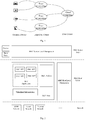
- Multi-access edge computing (MEC) emerges under the background of increasing demands on low-latency and high-bandwidth services. With the edge computing technology, by deploying a server on the edge of the radio network, cloud computing resources are sunk to radio access networks, to shorten the physical distance between a user equipment (UE) terminal and a service application (APP), for the purposes of greatly reducing latency and saving the bandwidth of the backhaul network. The edge computing effectively integrates the mobile communication network with the Internet technology, and has the advantages of service localization, short distance, low latency and the like. By deploying the edge computing in the mobile network, a distributed cloud computing architecture shown in
Fig. 1 can be constructed. - The ETSI (European Telecommunications Standards Institute)-MEC standard defines an edge computing framework as shown in
Fig. 2 , of which main functional units include: - MEC host, including an MEC platform mainly responsible for providing multi-access edge services and collecting operation information required for edge applications, MEC applications (APPs), and a virtualized infrastructure including a data plane;
- MEC host level management, including MEC platform management responsible for MEC platform functional management, application rules and life cycle management, and virtualized infrastructure management responsible for allocating, managing and releasing virtualization resources;
- MEC system level management, including an edge composer responsible for selecting the MEC host, loading applications and triggering initialization and termination of application instances, and an operation support system responsible for operation and maintenance, authorization of terminal devices and third-party client requests, and transferring to the edge composer; and
- Networks for MEC, including 3rd Generation Partnership Project (3GPP) networks, local networks, external networks or the like.
- As one of the most mainstream reference architectures of the edge computing system, the ETSI-MEC is mainly deployed round the 4G communication network, and evolves in combination with the 3GPP 5G communication network.
- On the other hand, with the growth of increasingly dense, rich and demanding mobile applications, the mobile networks have increasing complexity, which cannot be handled by conventional manual methods for network deployment and network optimization.
- The following is a summary of the subject matters described in detail in the disclosure, which is not intended to limit the scope of the claims.
- In embodiments of the disclosure, a method and apparatus for network optimization, a Radio network optimization Control Functional unit (RCF), and a non-transitory computer-readable storage medium are provided.
- In an embodiment of the disclosure, the method for network opamization may include steps of: determining real-time features according to real-time data of a radio access network by a Radio network optimization Control Functional unit (RCF) in an edge computing system, generating a radio optimization assistance policy according to the real-time features by the RCF; and issuing the radio optimization assistance policy by the RCF.
- In an embodiment of the disclosure, the apparatus for network opamization may include: a real-time feature module configured to determine real-time features according to real-time data of a radio access network by an RCF in an edge computing system, a policy generation module configured to generate a radio optimization assistance policy according to the real-time features, and a policy issuing module configured to issue the radio optimization assistance policy.
- In an embodiment of the disclosure, the RCF may include a memory, a processor and computer programs stored in the memory and executable by the processor. The computer programs, when executed by the processor, cause the processor to perform the method.
- In an embodiment of the disclosure, the computer-readable storage medium stores computer-executable instructions which, when executed, perform the method.
- Other aspects will be apparent from reading and understanding the drawings and detailed description.
-
-
Fig. 1 shows the position of the MEC in a cloud computing network; -
Fig. 2 shows an ETSI-MEC system framework; -
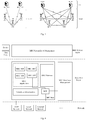
Fig. 3 shows an overall architecture of a 4G/5G radio access network; -
Fig. 4 shows the position of an RCF in the ETSI-MEC system framework according to an embodiment of the present disclosure; -
Fig. 5 is a flowchart of a method for network optimization according to an embodiment of the present disclosure; -
Fig. 6 is a flowchart of the method for network optimization according to another embodiment of the present disclosure; -
Fig. 7 is a composition diagram of a system for network optimization based on edge computing according to an embodiment of the present disclosure; -
Fig. 8 is a flowchart of acquiring, by the RCF, real-time information from a radio access network element according to an embodiment of the present disclosure; -
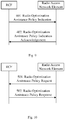
Fig. 9 is a flowchart of actively issuing a radio optimization assistance policy by the RCF according to an embodiment of the present disclosure; -
Fig. 10 is a flowchart of issuing, by the RCF, the radio optimization assistance policy by inquiring according to an embodiment of the present disclosure; -
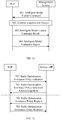
Fig. 11 is a flowchart of acquiring, by the RCF, an intelligent offline model from a management system and reporting a result of evaluation of an intelligent model application to the management system according to an embodiment of the present disclosure; -
Fig. 12 is a flowchart of transmitting, by the RCF, a radio optimization assistance policy indication to a service APP via a third interface a according to an embodiment of the present disclosure; -
Fig. 13 is a flowchart of acquiring, by the RCF, an intelligent offline model from an intelligent algorithm APP and reporting a result of evaluation of an intelligent model application to the intelligent algorithm APP according to an embodiment of the present disclosure; -
Fig. 14 is a flowchart of extracting features by the RCF and performing online inference by the intelligent algorithm application according to an embodiment of the present disclosure; -
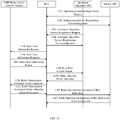
Fig. 15 is a flowchart of application instance I of the present disclosure; -
Fig. 16 is a flowchart of application instance II of the present disclosure; -
Fig. 17 is a flowchart of a apparatus for network optimization according to an embodiment of the present disclosure; and -
Fig. 18 is a flowchart of the apparatus for network optimization according to another embodiment of the present disclosure. - The embodiments of the present disclosure will be described below in detail with reference to the drawings.
- The steps shown in the flowcharts in the drawings may be executed in a computer system containing a set of computer-executable instructions. Moreover, although a logical order is shown in the flowcharts, in some cases, the steps shown or described may be executed in an order different from the logical order.
- Intelligentization is an important development direction for the mobile communication network. For this, new artificial intelligence and deep learning technologies are utilized to obtain the abilities of self-adaptation and self-driving, for reduction in the operation cost of the network and for creating a new era for network operation.
- To reduce user plane latency and avoid single point of failure, in the 4/5G radio access network of the 3GPP, a flat architecture is adopted, as shown in
Fig. 3 . A flat network of the Evolved UMTS Terrestrial Radio Access Network (E-UTRAN) is formed among the Mobility Management Entity (MME), the Serving GateWay (S-GW) and the enhanced Node B (eNB) through an S1 interface and between eNBs through an X2 interface; and, a 5G flat network including the Fifth-Generation Core network (5GC) and the Next-Generation Radio Access Network (NG-RAN) is formed among the Access and Management Function (AMF), the User Plane Function (UPF) and the new air interface next-generation Node B (gNB) through an NG interface and between gNBs directly through an Xn interface. There are no distributed computing anchors in the flat network, so it is impossible to establish a global real-time/near-real-time data view for a specific region, and it is also impossible to realize regionally-concentrated near-real-time intelligent optimization control. This will become a major obstacle to the intelligent and comprehensive development of the mobile communication network. - In accordance with the embodiments of the present disclosure, the MEC technology is deeply integrated with the 4/5G radio access network of the 3GPP to realize efficient interaction, so that a technical support is provided for regionally-concentrated near-real-time radio network intelligent optimization, and the edge computing system is extended to the application field of the radio network intelligent optimization.
- According to the embodiments of the present disclosure, new functional units are added in the edge computing system, including downloading or generation of an intelligent model based on artificial intelligence or machine learning algorithms, collection of real-time data in a regional range, execution of online model inference and issuing of a radio optimization assistance policy.
- As shown in
Fig. 4 , in the embodiments of the present disclosure, an RCF is added in the edge computing system, and the RCF can be connected to an MEC management system, radio access network elements in the 3GPP network, and MEC APPs. - The radio access network elements of the 3GPP include: eNBs, gNBs, and eNBs supporting the NG interface (ng-eNBs). The MEC APPs are APPs on a server side, generally third-party APPs. The MEC APPs may be classified into two categories, i.e., service APPs and intelligent algorithm APPs.
- As shown in
Fig. 5 , a method for network optimization according to an embodiment of the present disclosure includes the following steps. - At
Step 101, an RCF in an edge computing system is configured to determine real-time features according to real-time data of a radio access network. - In this step, the RCF is configured to collect real-time data and extracts real-time features.
- The real-time data refers to non-historical data, which may include data acquired timely at a current time or data acquired in a current period of time. The data acquired in the current period of time may also be referred to as near-real-time data.
- In an embodiment, the real-time data includes real-time information. The RCF is configured to acquire real-time information from a radio access network element and then extract real-time features from the real-time information.
- The RCF may also be configured to extract real-time features from a data stream of a data plane.
- As shown in
Fig. 6 , in an embodiment, before thestep 101, the method further includes the following step. - At
step 100, the RCF is configured to determine an intelligent model. - The RCF may determine the intelligent model in the following three ways.
- I. The RCP acquires the intelligent model from an MEC management system.
In this way, the RCF can receive a trained intelligent offline model from the MEC management system. - II. The RCF acquires the intelligent model from an MEC intelligent algorithm application (APP).
In this way, the RCF receives a customized intelligent offline model from the intelligent algorithm APP. - III. The RCF obtains the intelligent model by training according to the real-time data acquired by itself.
- In this way, the RCF generates a local intelligent model by training according to the real-time collected by itself.
- The intelligent model is generated based on a certain amount of data with artificial intelligence and machine learning algorithms.
- In an embodiment, the RCF updates the local intelligent model according to the real-time features.
- The local intelligent model may be an intelligent offline model.
- At
step 102, the RCF is configured to generate a radio optimization assistance policy according to the real-time features. - In an embodiment, the
step 102 includes: performing, by the RCF, online inference based on the intelligent model and according to the real-time features to generate a radio optimization assistance policy. - In another embodiment, the
step 102 includes: reporting, by the RCF, the real-time features to the MEC intelligent algorithm APP, and generating a radio optimization assistance policy according to an online inference result indication provided by the MEC intelligent algorithm APP. - At
step 103, the RCF is configured to issue the radio optimization assistance policy. - In an embodiment, the RCF transmits the radio optimization assistance policy to a radio access network element, allowing the radio access network element to perform radio resource optimization.
- The RCF transmits the radio optimization assistance policy to a radio access network element, such that the radio access network element performs radio resource optimization according to the indication of the policy and in combination with its own radio resource management algorithm.
- In an embodiment, the RCF transmits the radio optimization assistance policy to an MEC service APP, allowing the MEC APP to perform optimization for an application of a UE.
- The RCF transmits the radio optimization assistance policy to an MEC service APP, and the MEC APP performs optimization for an application of the UE according to a policy indication and in combination with its own service application layer algorithm.
- As shown in
Fig. 6 , in an embodiment, for the intelligent offline model downloaded locally, the method further includesstep 104 followingstep 103. - At
step 104, the RCF is configured to evaluate the intelligent model according to the execution of online inference. - In an embodiment, after the RCF evaluates the intelligent model according to the execution of online inference, the method further includes
step 105. - At
step 105, the RCF is configured to feed back an evaluation report to a provider of the intelligent model. - The provider of the intelligent model can accordingly restart offline model training.
- In the embodiment of the present disclosure, the MEC technology is integrated with the radio access network to realize efficient interaction of real-time radio data and intelligent radio optimization assistance policy between the MEC and the radio access network, such that a closed-loop control for radio network intelligent optimization is formed and the self-driven optimization of the radio network is realized.
- As shown in
Fig. 7 , a system for network optimization based on edge computing according to an embodiment of the present disclosure includes amanagement system 21 in the MEC, anMEC APP 22, and a 3GPP radioaccess network element 23 in the MEC network. The system further includes a new module - anRCF 24 in the MEC. - The position of the RCF in the ETSI-MEC edge computing framework is shown in
Fig. 4 . - The relationship between the RCF and other modules is shown in
Fig. 7 . - I. The interface between the
RCF 24 and the 3GPP radioaccess network element 23 is a first interface, through which the RCF acquires real-time information from the radio access network element and the RCF transmits the radio optimization assistance policy to the radio access network element. - As shown in
Fig. 8 , the step of acquiring, by the RCF, real-time information from the radio access network element includes steps S301 to S303. - At
step 301, the RCF transmits a real-time information request message to the radio access network element. The message may include, but not limited to: base station identifier, cell identifier, type of acquired information, acquisition state or the like. - At
step 302, the RCF receives a real-time information response message from the radio access network element. The message may include, but not limited to: execution result or the like. - At
step 303, the RCF receives a real-time information report message from the radio access network element. The message may include, but not limited to: base station identifier, cell identifier, cell load, neighbor interference, neighbor load, UE identifier, intra-frequency/inter-frequency/inter-system measurement, handover count, acquisition time, event/cycle type or the like. - The RCF may issue the radio optimization assistance policy actively or by inquiring.
- As shown in
Fig. 9 , issuing actively may include steps 401-402. - At
step 401, the RCF transmits a radio optimization assistance policy indication message to the radio access network element. The message may include, but not limited to: base station identifier, cell identifier, neighbor auxiliary information, UE identifier, algorithm type, recommended target cell, recommended QoS (Quality of Service) priority, recommended POLICY type or the like. - At
step 402, the RCF receives a radio optimization assistance policy indication acknowledgement message from the radio access network element. The message may include, but not limited to, execution result or the like. - As shown in
Fig. 10 , issuing by inquiring may include steps 501-502. - At
step 501, the RCF receives a radio optimization assistance policy request message transmitted by the radio access network element. The message may include, but not limited to, base station identifier, UE identifier, cell identifier, real-time information, neighbor information or the like. - At
step 502, the RCF transmits a radio optimization assistance policy response message to the radio access network element. The content of the message is as described in thestep 401. The message may include, but not limited to, base station identifier, cell identifier, neighbor auxiliary information, UE identifier, algorithm type, recommended target cell, recommended QoS priority, recommended POLICY type or the like. - II. The interface between the
RCF 24 and themanagement system 21 is a second interface, through which theRCF 24 acquires the trained intelligent offline model from themanagement system 21 and theRCF 24 reports a result of evaluation of the intelligent model application to themanagement system 21. As shown inFig. 11 , steps S601 to S604 are included. - At
step 601, the RCF receives an intelligent model update command message from the management system. The message may include, but not limited to, user name, password, download address, file name or the like. - At
step 602, the RCF initiates a transmission process to download the intelligent model. This process may include, but not limited to, a file transmission process. - The content of the file may include, but not limited to, the type of the intelligent model, the identifier of the changed model, model data or the like.
- The type of the intelligent model may include, but not limited to, radio frequency fingerprint database, intelligent positioning fingerprint database, cell interference model, TCP (Transmission Control Protocol) layer intelligent optimization model, service intelligent identification model, service intelligent prediction model or the like.
- At
step 603, the RCF transmits a model update command result message to the management system. The message may include, but not limited to, execution result or the like. - At
step 604, the RCF may further transmits an intelligent model evaluation report message to the management system. The message may include, but not limited to, type of the intelligent model, model identifier, model availability, model execution count or the like. - III. The interface between the
RCF 24 and theMEC APP 22 is a third interface. The interface between the RCF and a service APP is a third interface a, and the interface between the RCF and an intelligent algorithm APP is a third interface b. - Through the third interface a, the RCF transmits a radio optimization assistance policy indication to a service APP, to trigger the APP to perform service application layer optimization. Active issuing or issuing by inquiring is applicable. As shown in
Fig. 12 , steps S701 to S702 are included for active issuing, and steps S703 and S704 are included for issuing by inquiring. - At
step 701, the RCF transmits a radio optimization assistance policy indication message to the service APP. The message may include, but not limited to, APP identifier, UE identifier, recommended video code rate or the like. - At step 702, the RCF receives a radio optimization assistance policy indication acknowledgement message returned by the service APP. The message may include, but not limited to, APP identifier, UE identifier, execution result or the like.
- At
step 703, the RCF receives a radio optimization assistance policy request message transmitted by the service APP. The message may include, but not limited to, APP identifier, UE identifier, recommended policy type or the like. - At
step 704, the RCF transmits a radio optimization assistance policy response message to the service APP. The content in this message is as described in thestep 701. - For the third interface b, two ways, i.e., way I and II, are available.
- Way I: the RCF performs feature extraction and online inference.
- In this case, through the third interface b, the RCF acquires the trained intelligent offline model from an intelligent algorithm APP, and the RCF reports a result of evaluation of the intelligent model application to the intelligent algorithm APP. As shown in
Fig. 13 , similar to the second interface, the following steps S801 to S804 are included. - At
step 801, the RCF receives an intelligent model update command message from the intelligent algorithm APP. The message may include, but not limited to, user name, password, download address, file name or the like. - At
step 802, the RCF starts a transmission process to download the intelligent model. This process may include, but not limited to, a file transmission process. - The content of the file may include, but not limited to, the type of the intelligent model, the identification of the changed model, model data or the like.
- The type of the intelligent model may include, but not limited to, radio frequency fingerprint database, intelligent positioning fingerprint database, cell interference model, TCP layer intelligent optimization model, service intelligent identification model, service intelligent prediction model or the like.
- At
step 803, the RCF transmits a model update command result message to the intelligent algorithm APP. The message may include, but not limited to, the result of execution or the like. - At
step 804, the RCF may further transmit an intelligent model evaluation report message to the intelligent algorithm APP. The message may include, but not limited to, the type of the intelligent model, model identifier, model availability, model execution count or the like. - Way II: The RCF performs feature extraction, and the APP performs online inference. In this case, through the third interface b, the RCF transmits a real-time feature report to the intelligent algorithm APP and receives an online inference result indication transmitted by the intelligent algorithm APP, and the RCF generates a radio optimization assistance policy. As shown in
Fig. 14 , steps S901 and S902 are included. - At
step 901, the RCF transmits a real-time feature report message to the intelligent algorithm APP. The message may include, but not limited to, APP identifier, type of the intelligent model, model identifier, statistical value of specified features or the like. - At
step 902, the RCF receives an online inference result indication message from the intelligent algorithm APP. The message may include, but not limited to, APP identifier, type of the intelligent model, model identifier, result of service prediction or the like. - In conclusion, in accordance with the embodiments of the present disclosure, a global real-time (near-real-time) radio data view can be established in an edge computing region to realize rationally-concentrated near-real-time radio intelligent optimization control, taking the advantages of resource centralized decision and unified scheduling, and eventually improving the utilization of radio resources and the user's perception experience. Moreover, the method, apparatus and RCF of the embodiments of the present disclosure are compatible with the 4/5G radio access networks. The 4/5G radio access network elements focus on the processing of the 3GPP protocol stack. The radio optimization algorithm can be enhanced without frequently upgrading the version, without introducing the performance overhead of acquiring/analyzing the intelligent and extracting real-time features and without facing the security risk of directly opening to the third-party MEC APP. Therefore, the evolution of the intelligent optimization function for the radio networks is promoted.
- The following description will be given by some application instances.
- An RCF acquires an intelligent offline model from a management system, and issues an assistance policy to a radio access network element. As shown
Fig. 15 , main processing steps S1001 toS 1012 are described below. - At steps 1001-1003, the RCF acquires the intelligent offline model from the management system.
- At
step 1001, the RCF receives an intelligent model update command from the management system. The message includes, but not limited to, user name, password, download address and file name. - At
step 1002, the RCF initiates a transmission process to download the intelligent model. This process may include, but not limited to, a file transmission process. The content of the file may include, but not limited to, type of the intelligent model, identifier of the model changed, and model data. - At
step 1003, the RCF returns an intelligent model update command result transmitted to the management system. The signal in this message may include, but not limited to, execution result. - At steps 1004-1006, the RCF acquires real-time data of the radio access network element.
- At
step 1004, the RCF transmits a real-time information request to the radio access network element. The message may include, but not limited to, base station identifier, cell identifier, type of information acquired, and acquisition state. - At step 1005, the radio access network element returns a response. The message may include, but not limited to, execution result.
- At
step 1006, the radio access network element executes reporting. The message may include, but not limited to, base station identifier, cell identifier, cell load, neighbor interference, neighbor load, UE identifier, intra-frequency/inter-frequency/inter-system measurement, handover count, acquisition time, and event/cycle type. - At steps 1007-1009, the RCF extracts real-time features and performs online inference.
- At
step 1007, according to the requirements of the intelligent model, the RCF extracts specified real-time features from the real-time information, and extracts real-time features from a data stream of a data plane. - At
step 1008, the RCF performs online inference according to the real-time features, and the RCF updates the local intelligent offline model. - At
step 1009, the RCF generates a radio optimization assistance policy according to the result of inference. - At steps 1010-1011, the RCF issues the radio optimization assistance policy to the radio access network element.
- At
step 1010, the RCF receives a radio optimization assistance policy request from the radio access network element. The message may include, but not limited to, base station identifier, UE identifier, cell identifier and real-time information thereof, and neighbor information. - At
step 1011, the RCF transmits a radio optimization assistance policy response to the radio access network element. The message may include, but not limited to, base station identifier, cell identifier, neighbor auxiliary information, UE identifier, algorithm type, recommended target cell, and recommended QoS priority. - At
step 1012, the RCF reports intelligent model evaluation to the management system. - The RCF transmits an intelligent model evaluation report to the management system. The message includes, but not limited to, type of the intelligent model, model identifier, model availability, and model execution count. The management system may accordingly determine whether to re-train the intelligent offline model.
- The RCF acquires a result of online inference from an intelligent algorithm APP, and issues an assistance policy to a radio access network element and a service APP. As shown in
Fig. 16 , main processing steps S1101 to S1113 are described below. - At steps 1101-1102, the RCF receives an optimization service request from a service APP.
- At
step 1101, the RCF receives an optimization service registration request from the service APP. The message may include, but not limited to, APP identifier, UE identifier, and service type. - At
step 1102, the RCF transmits an optimization service registration response to the service APP. The message may include, but not limited to, APP identifier, UE identifier, service type, and the result of execution. - At steps 1103-1104, the RCF accepts an algorithm service request from an intelligent algorithm APP.
- At
step 1103, the RCF receives a service registration request message from the intelligent algorithm APP. The message may include, but not limited to, APP identifier, service type, the type of the intelligent model, model identifier, and specified features. - At step 1104, the RCF transmits a service registration response to the intelligent algorithm APP. The message may include, but not limited to, APP identifier, service type, and execution result.
- At steps 1105-1107, the RCF acquires real-time data of the radio access network element.
- At
step 1105, the RCF transmits a real-time information request to the radio access network element. The message may include, but not limited to, base station identifier, cell identifier, type of acquired information, and acquisition state. - At
step 1106, the radio access network element returns a response. The message may include, but not limited to, the result of execution. - At step 1107, the radio access network element executes reporting. The message may include, but not limited to, base station identifier, cell identifier, cell load, neighbor interference, neighbor load, UE identifier, intra-frequency/inter-frequency/inter-system measurement, handover count, acquisition time, and event/cycle type.
- At steps 1108-1109, the RCF reports real-time features to the intelligent algorithm APP.
- At
step 1108, the RCF extracts specified feature from the real-time information, and transmits a real-time feature report to the APP. The message may include, but not limited to, APP identifier, the type of the intelligent model, model identifier, and statistical value of specified features. - At step 1109, the RCF receives an online inference result indication message transmitted by the intelligent algorithm APP. The message may include, but not limited to, APP identifier, the type of the intelligent model, model identifier, and result of service prediction.
- At steps 1110-1011, the RCF may issue the radio optimization assistance policy to the radio access network element.
- At
step 1110, the RCF transmits a radio optimization assistance policy indication to the radio access network element. The message may include, but not limited to, base station identifier, cell identifier, UE identifier, algorithm type, and recommended QoS priority. - At
step 1111, the RCF receives an indication acknowledgement returned by the radio access network element. The message may include, but not limited to, the result of execution. - At steps 1112-1113, the RCF may also issue the radio optimization assistance policy to the service APP.
- At
step 1112, the RCF transmits a radio optimization assistance policy indication to the service APP. The message may include, but not limited to, APP identifier, UE identifier, and recommended video code rate. - At
step 1113, the RCF receives indication acknowledgement returned by the service APP. The message may include, but not limited to, execution result. - As shown in
Fig. 17 , in an embodiment of the present disclosure an apparatus for network optimization is further provided, including: - a real-
time feature module 1201 configured to determine, by an RCF in an edge computing system, real-time features according to real-time data of a radio access network; - a
policy generation module 1202 configured to generate a radio optimization assistance policy according to the real-time features; and - a
policy issuing module 1203 configured to issue the radio optimization assistance policy. - In an embodiment, the real-time data includes real-time information. The real-
time feature module 1201 is configured to acquire real-time information from a radio access network element and then extract real-time features from the real-time information. - In an embodiment, the real-
time feature module 1201 is configured to extract real-time features from a data stream of a data plane. - As shown in
Fig. 18 , in an embodiment, the apparatus further includes:
an intelligentmodel determination module 1200 configured to determine an intelligent model. - In an embodiment, the intelligent
model determination module 1200 is configured to determine the intelligent model in at least one of following ways: - acquiring the intelligent model from an MEC management system;
- acquiring the intelligent model from an MES intelligent algorithm application (APP); and
- obtaining the intelligent model by training according to the real-time data acquired by itself.
- In an embodiment, the intelligent
model determination module 1200 is further configured to update the local intelligent model according to the real-time features. - In an embodiment, the
policy generation module 1202 is configured to perform, based on the intelligent model, online inference according to the real-time features to generate a radio optimization assistance policy. - As shown in
Fig. 18 , in an embodiment, the apparatus further includes:
an intelligentmodel evaluation module 1204 configured to evaluate the intelligent model according to the execution of online inference. - In an embodiment, the apparatus further includes:
afeedback module 1205 configured to feed back an evaluation report to a provider of the intelligent model. - In an embodiment, the
policy generation module 1202 is configured to report the real-time features to an MEC intelligent algorithm APP, and generate a radio optimization assistance policy according to an online inference result indication provided by the MEC intelligent algorithm APP. - In an embodiment, the
policy issuing module 1203 is configured to transmit the radio optimization assistance policy to a radio access network element, allowing the radio access network element to perform radio resource optimization. - In an embodiment, the
policy issuing module 1203 is configured to transmit the radio optimization assistance policy to an MEC service APP, allowing the MEC APP to perform optimization for an application of a user equipment (UE). - In an embodiment of the present disclosure an RCF is further provided, including: a memory, a processor, and computer programs that are stored in the memory and executable by the processor. The computer programs, when executed by the processor, cause the processor to perform the method for network optimization described above.
- In an embodiment of the present disclosure further provided is a computer-readable storage medium, storing computer-executable instructions which, when executed, perform the method for implementing optimization control.
- In this embodiment, the storage medium may include, but not limited to, USB flash drives, ROMs (read-only memories), RAMs (random access memories), mobile hard disks, magnetic disks, optical disks, or various mediums that can store program codes.
- Those of ordinary skill in the art will appreciate that, all or some of the steps in the method and the functional modules/units in the system and apparatus disclosed above may be implemented as software, firmware, hardware, and appropriate combinations thereof. In hardware implementations, partitioning between functional modules/units mentioned in the above description does not necessarily correspond to partitioning of physical components. For example, a physical component may have multiple functions, or a function or step may be performed by several physical components in cooperation. Some or all components may be implemented as software executed by a processor, such as a digital signal processor or a microprocessor, or as hardware, or as an integrated circuit, such as an application-specific integrated circuit. Such software may be distributed over computer-readable media, which may include computer storage media (or non-transitory media) and communication media (or transitory media). As known to those of ordinary skill in the art, the term computer storage medium includes volatile and non-volatile, removable and non-removable media implemented in any method or technique for storing information, such as computer-readable instructions, data structures, program modules or other data. The computer storage media include, but are not limited to, RAMs, ROMs, EEPROMs, flash memory or other memory technologies, CD-ROM, digital versatile disks (DVDs) or other optical disk storage, magnetic cassettes, magnetic tapes, magnetic disk storage or other magnetic storage devices, or any other media that may be used to store desired information and that may be accessed by a computer. Furthermore, as is well known to those of ordinary skill in the art, a communication medium typically contains computer-readable instructions, data structures, program modules, or other data in a modulated data signal such as a carrier wave or other transmission mechanism, and may include any information delivery medium.
Claims (15)
- A method for network optimization, comprising steps of:determining, by a Radio network optimization Control Functional unit (RCF) in an edge computing system, real-time features according to real-time data of a radio access network;generating, by the RCF, a radio optimization assistance policy according to the real-time features; andissuing, by the RCF, the radio optimization assistance policy.
- The method of claim 1, wherein the real-time data comprises real-time information, and the step of determining, by an RCF, real-time features according to real-time data of a radio access network comprises:
acquiring, by the RCF, real-time information from the radio access network, and extracting real-time features from the real-time information. - The method of claim 1, wherein the step of determining, by an RCF, real-time features according to real-time data of a radio access network comprises:
extracting, by the RCF, real-time features from a data stream of a data plane. - The method of claim 1, before the step of determining, by the RCF in the edge computing system, real-time features according to the real-time data of the radio access network, further comprising a step of:
determining, by the RCF, an intelligent model. - The method of claim 4, wherein the RCF acquires the intelligent model in at last one of a) from a multi-access edge computing (MEC) management system, b) from an MEC intelligent algorithm application (APP); and c) by training according to the real-time data acquired by the RCF per se.
- The method of claim 1, after the step of determining, by the RCF, the real-time features, further comprising a step of:
updating, by the RCF, a local intelligent model according to the real-time features. - The method of claim 1, wherein the step of generating, by the RCF, a radio optimization assistance policy according to the real-time features comprises:
performing, by the RCF, online inference based on the intelligent model and according to the real-time features to generate a radio optimization assistance policy. - The method of claim 7, after the step of issuing, by the RCF, the radio optimization assistance policy, further comprising a step of:
evaluating, by the RCF, the intelligent model according to the execution of online inference. - The method of claim 8, after the step of evaluating, by the RCF, the intelligent model according to the execution of online inference, further comprising a step of:
feeding back, by the RCF, an evaluation report to a provider of the intelligent model. - The method of claim 1, wherein the step of generating, by the RCF, a radio optimization assistance policy according to the real-time features comprises:
reporting, by the RCF, the real-time features to the MEC intelligent algorithm APP, and generating the radio optimization assistance policy according to an online inference result indication provided by the MEC intelligent algorithm APP. - The method of claim 1, wherein the step of issuing, by the RCF, the radio optimization assistance policy comprises:
transmitting, by the RCF, the radio optimization assistance policy to a radio access network element to allow the radio access network element to realize radio resource optimization. - The method of claim 1, wherein the step of issuing, by the RCF, the radio optimization assistance policy comprises:
transmitting, by the RCF, the radio optimization assistance policy to an MEC service APP, to allow the MEC APP to realize optimization for an application of a user equipment (UE). - An apparatus for network optimization, comprising:a real-time feature module, configured to determine, by a Radio network optimization Control Functional unit (RCF) in an edge computing system, real-time features according to real-time data of a radio access network;a policy generation module, configured to generate a radio optimization assistance policy according to the real-time features; anda policy issuing module, configured to issue the radio optimization assistance policy.
- A Radio network optimization Control Functional unit (RCF), comprising: a memory, a processor and computer programs stored in the memory and executable by the processor, wherein the computer programs, when executed by the processor, cause the processor to perform the method of one of claims 1 to 12.
- A computer-readable storage medium storing computer-executable instructions which, when executed, perform the method of one of claims 1 to 12.
Applications Claiming Priority (2)
| Application Number | Priority Date | Filing Date | Title |
|---|---|---|---|
| CN201910551380.0A CN112135305B (en) | 2019-06-24 | 2019-06-24 | A network optimization method, device and wireless network optimization control function element |
| PCT/CN2020/095113 WO2020259276A1 (en) | 2019-06-24 | 2020-06-09 | Method, apparatus and radio network optimization control function unit (rcf) for network optimization |
Publications (3)
| Publication Number | Publication Date |
|---|---|
| EP3869849A1 true EP3869849A1 (en) | 2021-08-25 |
| EP3869849A4 EP3869849A4 (en) | 2021-12-29 |
| EP3869849B1 EP3869849B1 (en) | 2024-07-31 |
Family
ID=73849815
Family Applications (1)
| Application Number | Title | Priority Date | Filing Date |
|---|---|---|---|
| EP20831624.0A Active EP3869849B1 (en) | 2019-06-24 | 2020-06-09 | Method, apparatus and radio network optimization control function unit (rcf) for network optimization |
Country Status (4)
| Country | Link |
|---|---|
| US (1) | US20210409974A1 (en) |
| EP (1) | EP3869849B1 (en) |
| CN (1) | CN112135305B (en) |
| WO (1) | WO2020259276A1 (en) |
Families Citing this family (6)
| Publication number | Priority date | Publication date | Assignee | Title |
|---|---|---|---|---|
| WO2021048831A1 (en) * | 2019-09-12 | 2021-03-18 | Telefonaktiebolaget Lm Ericsson (Publ) | Data sharing between a non-rt-ric and a nearrt-ric for radio resource management |
| US20210112440A1 (en) * | 2019-10-10 | 2021-04-15 | Parallel Wireless, Inc. | Distributing UEs for Service with Throughput and Delay Guarantees |
| WO2022164732A1 (en) * | 2021-01-29 | 2022-08-04 | Assia Spe, Llc | System and method for network and computation performance probing for edge computing |
| WO2022226713A1 (en) * | 2021-04-26 | 2022-11-03 | 华为技术有限公司 | Method and apparatus for determining policy |
| CN115484621B (en) * | 2021-05-31 | 2026-04-14 | 紫金山实验室 | Policy optimization method and device, electronic equipment and storage medium |
| CN118338306A (en) * | 2023-01-04 | 2024-07-12 | 锐捷网络股份有限公司 | A wireless network optimization method and system based on digital twin |
Family Cites Families (12)
| Publication number | Priority date | Publication date | Assignee | Title |
|---|---|---|---|---|
| WO2015180173A1 (en) * | 2014-05-30 | 2015-12-03 | 华为技术有限公司 | Radio network control method and radio network controller |
| CN105898762B (en) * | 2015-01-26 | 2020-04-14 | 华为技术有限公司 | Base station optimization and deployment method and device |
| CN107018534A (en) * | 2016-01-28 | 2017-08-04 | 中兴通讯股份有限公司 | A kind of method for realizing mobile edge calculations service, apparatus and system |
| WO2017220158A1 (en) * | 2016-06-24 | 2017-12-28 | Nokia Solutions And Networks Oy | Policy control of mobile edge applications |
| CN107846270B (en) * | 2016-09-20 | 2021-05-28 | 中国移动通信有限公司研究院 | Transmission strategy configuration method and device, and information transmission method and device |
| CN110999513B (en) * | 2017-06-06 | 2023-08-11 | 瑞典爱立信有限公司 | Method of establishing a connection between a neutral host network and one or more virtual radio access networks |
| CN109561444A (en) * | 2017-09-26 | 2019-04-02 | 中国移动通信有限公司研究院 | A wireless data processing method and system |
| US11244242B2 (en) * | 2018-09-07 | 2022-02-08 | Intel Corporation | Technologies for distributing gradient descent computation in a heterogeneous multi-access edge computing (MEC) networks |
| CN109688597B (en) * | 2018-12-18 | 2020-09-01 | 北京邮电大学 | A fog wireless access network networking method and device based on artificial intelligence |
| US11373099B2 (en) * | 2018-12-28 | 2022-06-28 | Intel Corporation | Artificial intelligence inference architecture with hardware acceleration |
| EP3935814B1 (en) * | 2019-03-08 | 2024-02-14 | Telefonaktiebolaget Lm Ericsson (Publ) | Dynamic access network selection based on application orchestration information in an edge cloud system |
| US20220159525A1 (en) * | 2019-05-24 | 2022-05-19 | Apple Inc. | 5g new radio load balancing and mobility robustness |
-
2019
- 2019-06-24 CN CN201910551380.0A patent/CN112135305B/en active Active
-
2020
- 2020-06-09 WO PCT/CN2020/095113 patent/WO2020259276A1/en not_active Ceased
- 2020-06-09 EP EP20831624.0A patent/EP3869849B1/en active Active
- 2020-06-09 US US17/294,904 patent/US20210409974A1/en not_active Abandoned
Also Published As
| Publication number | Publication date |
|---|---|
| WO2020259276A1 (en) | 2020-12-30 |
| CN112135305A (en) | 2020-12-25 |
| EP3869849A4 (en) | 2021-12-29 |
| US20210409974A1 (en) | 2021-12-30 |
| EP3869849B1 (en) | 2024-07-31 |
| CN112135305B (en) | 2024-04-16 |
Similar Documents
| Publication | Publication Date | Title |
|---|---|---|
| EP3869849A1 (en) | Method, apparatus and radio network optimization control function unit (rcf) for network optimization | |
| US20240298225A1 (en) | Using ai-based models for network energy savings | |
| US20220279403A1 (en) | Information transmission method and apparatus, storage medium and electronic apparatus | |
| US20210051762A1 (en) | System and method for session relocation at edge networks | |
| CN110831261B (en) | Apparatus for combined RRC inactivity recovery, RRC RNA & NAS registration procedures | |
| US10966122B2 (en) | Method and migration managing module for managing a migration of a service | |
| EP3860176B1 (en) | Method, apparatus, and system for obtaining capability information of terminal | |
| EP3301973B1 (en) | Communication control method, node changing device, and communication system | |
| US11343660B2 (en) | Mobile edge computing applications management for wireless networks | |
| CN109936615A (en) | Mobile edge platform server and user equipment content migration management method | |
| US20230247512A1 (en) | Method and apparatus for managing conditional handover of a user equipment | |
| WO2019011408A1 (en) | Handover of mec application | |
| US20250203406A1 (en) | Communication control method based on user intent prediction and communication apparatus | |
| US20250113277A1 (en) | Systems and methods for time-based handover in non-terrestrial networks | |
| US20250193743A1 (en) | Communication method and apparatus | |
| US20250184854A1 (en) | Systems and methods for time-based triggered handover in non-terrestrial networks | |
| CN109995836A (en) | Cache decision method and device | |
| US20250380190A1 (en) | System and method for delivering quality of service | |
| US20220038534A1 (en) | Methods and system for training and reinforcing computer vision models using distributed computing | |
| EP3833107B1 (en) | Information transmission method and device | |
| EP4500733A1 (en) | Data collection method for beam management based on machine learning and wireless communication device | |
| US20250081075A1 (en) | Ltm failure handling using a fallback configuration for one of a radio link failure (rlf) or a handover (ho) failure of a user equipment (ue) | |
| CN116055339A (en) | Method, device and storage medium for optimizing network performance | |
| Wang | Fast and Energy-Efficient Mobility Management in Mobile Edge Computing Networks | |
| WO2026073834A1 (en) | Monitoring suboptimal successful handovers in mobility robustness optimization procedures |
Legal Events
| Date | Code | Title | Description |
|---|---|---|---|
| STAA | Information on the status of an ep patent application or granted ep patent |
Free format text: STATUS: THE INTERNATIONAL PUBLICATION HAS BEEN MADE |
|
| PUAI | Public reference made under article 153(3) epc to a published international application that has entered the european phase |
Free format text: ORIGINAL CODE: 0009012 |
|
| STAA | Information on the status of an ep patent application or granted ep patent |
Free format text: STATUS: REQUEST FOR EXAMINATION WAS MADE |
|
| 17P | Request for examination filed |
Effective date: 20210520 |
|
| AK | Designated contracting states |
Kind code of ref document: A1 Designated state(s): AL AT BE BG CH CY CZ DE DK EE ES FI FR GB GR HR HU IE IS IT LI LT LU LV MC MK MT NL NO PL PT RO RS SE SI SK SM TR |
|
| A4 | Supplementary search report drawn up and despatched |
Effective date: 20211129 |
|
| RIC1 | Information provided on ipc code assigned before grant |
Ipc: G06N 20/00 20190101ALI20211123BHEP Ipc: G06N 5/00 20060101ALI20211123BHEP Ipc: G06N 3/00 20060101ALI20211123BHEP Ipc: H04W 24/02 20090101AFI20211123BHEP |
|
| DAV | Request for validation of the european patent (deleted) | ||
| DAX | Request for extension of the european patent (deleted) | ||
| STAA | Information on the status of an ep patent application or granted ep patent |
Free format text: STATUS: EXAMINATION IS IN PROGRESS |
|
| 17Q | First examination report despatched |
Effective date: 20230328 |
|
| GRAP | Despatch of communication of intention to grant a patent |
Free format text: ORIGINAL CODE: EPIDOSNIGR1 |
|
| STAA | Information on the status of an ep patent application or granted ep patent |
Free format text: STATUS: GRANT OF PATENT IS INTENDED |
|
| RIC1 | Information provided on ipc code assigned before grant |
Ipc: H04W 24/02 20090101AFI20240227BHEP |
|
| INTG | Intention to grant announced |
Effective date: 20240322 |
|
| GRAS | Grant fee paid |
Free format text: ORIGINAL CODE: EPIDOSNIGR3 |
|
| GRAA | (expected) grant |
Free format text: ORIGINAL CODE: 0009210 |
|
| STAA | Information on the status of an ep patent application or granted ep patent |
Free format text: STATUS: THE PATENT HAS BEEN GRANTED |
|
| AK | Designated contracting states |
Kind code of ref document: B1 Designated state(s): AL AT BE BG CH CY CZ DE DK EE ES FI FR GB GR HR HU IE IS IT LI LT LU LV MC MK MT NL NO PL PT RO RS SE SI SK SM TR |
|
| REG | Reference to a national code |
Ref country code: CH Ref legal event code: EP Ref country code: GB Ref legal event code: FG4D |
|
| REG | Reference to a national code |
Ref country code: DE Ref legal event code: R096 Ref document number: 602020035003 Country of ref document: DE |
|
| REG | Reference to a national code |
Ref country code: IE Ref legal event code: FG4D |
|
| REG | Reference to a national code |
Ref country code: LT Ref legal event code: MG9D |
|
| REG | Reference to a national code |
Ref country code: NL Ref legal event code: MP Effective date: 20240731 |
|
| PG25 | Lapsed in a contracting state [announced via postgrant information from national office to epo] |
Ref country code: PT Free format text: LAPSE BECAUSE OF FAILURE TO SUBMIT A TRANSLATION OF THE DESCRIPTION OR TO PAY THE FEE WITHIN THE PRESCRIBED TIME-LIMIT Effective date: 20241202 |
|
| REG | Reference to a national code |
Ref country code: AT Ref legal event code: MK05 Ref document number: 1709709 Country of ref document: AT Kind code of ref document: T Effective date: 20240731 |
|
| PG25 | Lapsed in a contracting state [announced via postgrant information from national office to epo] |
Ref country code: PT Free format text: LAPSE BECAUSE OF FAILURE TO SUBMIT A TRANSLATION OF THE DESCRIPTION OR TO PAY THE FEE WITHIN THE PRESCRIBED TIME-LIMIT Effective date: 20241202 |
|
| PG25 | Lapsed in a contracting state [announced via postgrant information from national office to epo] |
Ref country code: NO Free format text: LAPSE BECAUSE OF FAILURE TO SUBMIT A TRANSLATION OF THE DESCRIPTION OR TO PAY THE FEE WITHIN THE PRESCRIBED TIME-LIMIT Effective date: 20241031 |
|
| PG25 | Lapsed in a contracting state [announced via postgrant information from national office to epo] |
Ref country code: FI Free format text: LAPSE BECAUSE OF FAILURE TO SUBMIT A TRANSLATION OF THE DESCRIPTION OR TO PAY THE FEE WITHIN THE PRESCRIBED TIME-LIMIT Effective date: 20240731 Ref country code: NL Free format text: LAPSE BECAUSE OF FAILURE TO SUBMIT A TRANSLATION OF THE DESCRIPTION OR TO PAY THE FEE WITHIN THE PRESCRIBED TIME-LIMIT Effective date: 20240731 Ref country code: GR Free format text: LAPSE BECAUSE OF FAILURE TO SUBMIT A TRANSLATION OF THE DESCRIPTION OR TO PAY THE FEE WITHIN THE PRESCRIBED TIME-LIMIT Effective date: 20241101 Ref country code: PL Free format text: LAPSE BECAUSE OF FAILURE TO SUBMIT A TRANSLATION OF THE DESCRIPTION OR TO PAY THE FEE WITHIN THE PRESCRIBED TIME-LIMIT Effective date: 20240731 |
|
| PG25 | Lapsed in a contracting state [announced via postgrant information from national office to epo] |
Ref country code: BG Free format text: LAPSE BECAUSE OF FAILURE TO SUBMIT A TRANSLATION OF THE DESCRIPTION OR TO PAY THE FEE WITHIN THE PRESCRIBED TIME-LIMIT Effective date: 20240731 |
|
| PG25 | Lapsed in a contracting state [announced via postgrant information from national office to epo] |
Ref country code: LV Free format text: LAPSE BECAUSE OF FAILURE TO SUBMIT A TRANSLATION OF THE DESCRIPTION OR TO PAY THE FEE WITHIN THE PRESCRIBED TIME-LIMIT Effective date: 20240731 |
|
| PG25 | Lapsed in a contracting state [announced via postgrant information from national office to epo] |
Ref country code: IS Free format text: LAPSE BECAUSE OF FAILURE TO SUBMIT A TRANSLATION OF THE DESCRIPTION OR TO PAY THE FEE WITHIN THE PRESCRIBED TIME-LIMIT Effective date: 20241130 Ref country code: AT Free format text: LAPSE BECAUSE OF FAILURE TO SUBMIT A TRANSLATION OF THE DESCRIPTION OR TO PAY THE FEE WITHIN THE PRESCRIBED TIME-LIMIT Effective date: 20240731 |
|
| PG25 | Lapsed in a contracting state [announced via postgrant information from national office to epo] |
Ref country code: HR Free format text: LAPSE BECAUSE OF FAILURE TO SUBMIT A TRANSLATION OF THE DESCRIPTION OR TO PAY THE FEE WITHIN THE PRESCRIBED TIME-LIMIT Effective date: 20240731 |
|
| PG25 | Lapsed in a contracting state [announced via postgrant information from national office to epo] |
Ref country code: RS Free format text: LAPSE BECAUSE OF FAILURE TO SUBMIT A TRANSLATION OF THE DESCRIPTION OR TO PAY THE FEE WITHIN THE PRESCRIBED TIME-LIMIT Effective date: 20241031 Ref country code: ES Free format text: LAPSE BECAUSE OF FAILURE TO SUBMIT A TRANSLATION OF THE DESCRIPTION OR TO PAY THE FEE WITHIN THE PRESCRIBED TIME-LIMIT Effective date: 20240731 |
|
| PG25 | Lapsed in a contracting state [announced via postgrant information from national office to epo] |
Ref country code: RS Free format text: LAPSE BECAUSE OF FAILURE TO SUBMIT A TRANSLATION OF THE DESCRIPTION OR TO PAY THE FEE WITHIN THE PRESCRIBED TIME-LIMIT Effective date: 20241031 Ref country code: PL Free format text: LAPSE BECAUSE OF FAILURE TO SUBMIT A TRANSLATION OF THE DESCRIPTION OR TO PAY THE FEE WITHIN THE PRESCRIBED TIME-LIMIT Effective date: 20240731 Ref country code: NO Free format text: LAPSE BECAUSE OF FAILURE TO SUBMIT A TRANSLATION OF THE DESCRIPTION OR TO PAY THE FEE WITHIN THE PRESCRIBED TIME-LIMIT Effective date: 20241031 Ref country code: NL Free format text: LAPSE BECAUSE OF FAILURE TO SUBMIT A TRANSLATION OF THE DESCRIPTION OR TO PAY THE FEE WITHIN THE PRESCRIBED TIME-LIMIT Effective date: 20240731 Ref country code: LV Free format text: LAPSE BECAUSE OF FAILURE TO SUBMIT A TRANSLATION OF THE DESCRIPTION OR TO PAY THE FEE WITHIN THE PRESCRIBED TIME-LIMIT Effective date: 20240731 Ref country code: IS Free format text: LAPSE BECAUSE OF FAILURE TO SUBMIT A TRANSLATION OF THE DESCRIPTION OR TO PAY THE FEE WITHIN THE PRESCRIBED TIME-LIMIT Effective date: 20241130 Ref country code: HR Free format text: LAPSE BECAUSE OF FAILURE TO SUBMIT A TRANSLATION OF THE DESCRIPTION OR TO PAY THE FEE WITHIN THE PRESCRIBED TIME-LIMIT Effective date: 20240731 Ref country code: GR Free format text: LAPSE BECAUSE OF FAILURE TO SUBMIT A TRANSLATION OF THE DESCRIPTION OR TO PAY THE FEE WITHIN THE PRESCRIBED TIME-LIMIT Effective date: 20241101 Ref country code: FI Free format text: LAPSE BECAUSE OF FAILURE TO SUBMIT A TRANSLATION OF THE DESCRIPTION OR TO PAY THE FEE WITHIN THE PRESCRIBED TIME-LIMIT Effective date: 20240731 Ref country code: ES Free format text: LAPSE BECAUSE OF FAILURE TO SUBMIT A TRANSLATION OF THE DESCRIPTION OR TO PAY THE FEE WITHIN THE PRESCRIBED TIME-LIMIT Effective date: 20240731 Ref country code: BG Free format text: LAPSE BECAUSE OF FAILURE TO SUBMIT A TRANSLATION OF THE DESCRIPTION OR TO PAY THE FEE WITHIN THE PRESCRIBED TIME-LIMIT Effective date: 20240731 Ref country code: AT Free format text: LAPSE BECAUSE OF FAILURE TO SUBMIT A TRANSLATION OF THE DESCRIPTION OR TO PAY THE FEE WITHIN THE PRESCRIBED TIME-LIMIT Effective date: 20240731 |
|
| PG25 | Lapsed in a contracting state [announced via postgrant information from national office to epo] |
Ref country code: RO Free format text: LAPSE BECAUSE OF FAILURE TO SUBMIT A TRANSLATION OF THE DESCRIPTION OR TO PAY THE FEE WITHIN THE PRESCRIBED TIME-LIMIT Effective date: 20240731 Ref country code: SM Free format text: LAPSE BECAUSE OF FAILURE TO SUBMIT A TRANSLATION OF THE DESCRIPTION OR TO PAY THE FEE WITHIN THE PRESCRIBED TIME-LIMIT Effective date: 20240731 Ref country code: DK Free format text: LAPSE BECAUSE OF FAILURE TO SUBMIT A TRANSLATION OF THE DESCRIPTION OR TO PAY THE FEE WITHIN THE PRESCRIBED TIME-LIMIT Effective date: 20240731 |
|
| PG25 | Lapsed in a contracting state [announced via postgrant information from national office to epo] |
Ref country code: EE Free format text: LAPSE BECAUSE OF FAILURE TO SUBMIT A TRANSLATION OF THE DESCRIPTION OR TO PAY THE FEE WITHIN THE PRESCRIBED TIME-LIMIT Effective date: 20240731 |
|
| PG25 | Lapsed in a contracting state [announced via postgrant information from national office to epo] |
Ref country code: CZ Free format text: LAPSE BECAUSE OF FAILURE TO SUBMIT A TRANSLATION OF THE DESCRIPTION OR TO PAY THE FEE WITHIN THE PRESCRIBED TIME-LIMIT Effective date: 20240731 |
|
| PG25 | Lapsed in a contracting state [announced via postgrant information from national office to epo] |
Ref country code: IT Free format text: LAPSE BECAUSE OF FAILURE TO SUBMIT A TRANSLATION OF THE DESCRIPTION OR TO PAY THE FEE WITHIN THE PRESCRIBED TIME-LIMIT Effective date: 20240731 Ref country code: SK Free format text: LAPSE BECAUSE OF FAILURE TO SUBMIT A TRANSLATION OF THE DESCRIPTION OR TO PAY THE FEE WITHIN THE PRESCRIBED TIME-LIMIT Effective date: 20240731 |
|
| REG | Reference to a national code |
Ref country code: DE Ref legal event code: R097 Ref document number: 602020035003 Country of ref document: DE |
|
| PLBE | No opposition filed within time limit |
Free format text: ORIGINAL CODE: 0009261 |
|
| STAA | Information on the status of an ep patent application or granted ep patent |
Free format text: STATUS: NO OPPOSITION FILED WITHIN TIME LIMIT |
|
| 26N | No opposition filed |
Effective date: 20250501 |
|
| PGFP | Annual fee paid to national office [announced via postgrant information from national office to epo] |
Ref country code: DE Payment date: 20250618 Year of fee payment: 6 |
|
| PGFP | Annual fee paid to national office [announced via postgrant information from national office to epo] |
Ref country code: GB Payment date: 20250618 Year of fee payment: 6 |
|
| PGFP | Annual fee paid to national office [announced via postgrant information from national office to epo] |
Ref country code: FR Payment date: 20250627 Year of fee payment: 6 |
|
| PG25 | Lapsed in a contracting state [announced via postgrant information from national office to epo] |
Ref country code: SE Free format text: LAPSE BECAUSE OF FAILURE TO SUBMIT A TRANSLATION OF THE DESCRIPTION OR TO PAY THE FEE WITHIN THE PRESCRIBED TIME-LIMIT Effective date: 20240731 |
|
| REG | Reference to a national code |
Ref country code: CH Ref legal event code: H13 Free format text: ST27 STATUS EVENT CODE: U-0-0-H10-H13 (AS PROVIDED BY THE NATIONAL OFFICE) Effective date: 20260127 |
|
| PG25 | Lapsed in a contracting state [announced via postgrant information from national office to epo] |
Ref country code: MC Free format text: LAPSE BECAUSE OF FAILURE TO SUBMIT A TRANSLATION OF THE DESCRIPTION OR TO PAY THE FEE WITHIN THE PRESCRIBED TIME-LIMIT Effective date: 20240731 |
|
| PG25 | Lapsed in a contracting state [announced via postgrant information from national office to epo] |
Ref country code: LU Free format text: LAPSE BECAUSE OF NON-PAYMENT OF DUE FEES Effective date: 20250609 |
|
| REG | Reference to a national code |
Ref country code: BE Ref legal event code: MM Effective date: 20250630 |
|
| PG25 | Lapsed in a contracting state [announced via postgrant information from national office to epo] |
Ref country code: IE Free format text: LAPSE BECAUSE OF NON-PAYMENT OF DUE FEES Effective date: 20250609 |
|
| PG25 | Lapsed in a contracting state [announced via postgrant information from national office to epo] |
Ref country code: BE Free format text: LAPSE BECAUSE OF NON-PAYMENT OF DUE FEES Effective date: 20250630 |
|
| PG25 | Lapsed in a contracting state [announced via postgrant information from national office to epo] |
Ref country code: CH Free format text: LAPSE BECAUSE OF NON-PAYMENT OF DUE FEES Effective date: 20250630 |