EP3869729A1 - Wireless network security system and method - Google Patents
Wireless network security system and method Download PDFInfo
- Publication number
- EP3869729A1 EP3869729A1 EP21156599.9A EP21156599A EP3869729A1 EP 3869729 A1 EP3869729 A1 EP 3869729A1 EP 21156599 A EP21156599 A EP 21156599A EP 3869729 A1 EP3869729 A1 EP 3869729A1
- Authority
- EP
- European Patent Office
- Prior art keywords
- record
- wireless network
- authorising
- amended record
- updated
- Prior art date
- Legal status (The legal status is an assumption and is not a legal conclusion. Google has not performed a legal analysis and makes no representation as to the accuracy of the status listed.)
- Granted
Links
Images

Classifications
-
- H—ELECTRICITY
- H04—ELECTRIC COMMUNICATION TECHNIQUE
- H04W—WIRELESS COMMUNICATION NETWORKS
- H04W12/00—Security arrangements; Authentication; Protecting privacy or anonymity
- H04W12/08—Access security
-
- H—ELECTRICITY
- H04—ELECTRIC COMMUNICATION TECHNIQUE
- H04L—TRANSMISSION OF DIGITAL INFORMATION, e.g. TELEGRAPHIC COMMUNICATION
- H04L61/00—Network arrangements, protocols or services for addressing or naming
- H04L61/50—Address allocation
- H04L61/5007—Internet protocol [IP] addresses
- H04L61/5014—Internet protocol [IP] addresses using dynamic host configuration protocol [DHCP] or bootstrap protocol [BOOTP]
-
- H—ELECTRICITY
- H04—ELECTRIC COMMUNICATION TECHNIQUE
- H04L—TRANSMISSION OF DIGITAL INFORMATION, e.g. TELEGRAPHIC COMMUNICATION
- H04L63/00—Network architectures or network communication protocols for network security
- H04L63/08—Network architectures or network communication protocols for network security for authentication of entities
- H04L63/0861—Network architectures or network communication protocols for network security for authentication of entities using biometrical features, e.g. fingerprint, retina-scan
-
- H—ELECTRICITY
- H04—ELECTRIC COMMUNICATION TECHNIQUE
- H04L—TRANSMISSION OF DIGITAL INFORMATION, e.g. TELEGRAPHIC COMMUNICATION
- H04L9/00—Cryptographic mechanisms or cryptographic arrangements for secret or secure communications; Network security protocols
- H04L9/08—Key distribution or management, e.g. generation, sharing or updating, of cryptographic keys or passwords
- H04L9/0891—Revocation or update of secret information, e.g. encryption key update or rekeying
-
- H—ELECTRICITY
- H04—ELECTRIC COMMUNICATION TECHNIQUE
- H04L—TRANSMISSION OF DIGITAL INFORMATION, e.g. TELEGRAPHIC COMMUNICATION
- H04L9/00—Cryptographic mechanisms or cryptographic arrangements for secret or secure communications; Network security protocols
- H04L9/32—Cryptographic mechanisms or cryptographic arrangements for secret or secure communications; Network security protocols including means for verifying the identity or authority of a user of the system or for message authentication, e.g. authorization, entity authentication, data integrity or data verification, non-repudiation, key authentication or verification of credentials
- H04L9/3226—Cryptographic mechanisms or cryptographic arrangements for secret or secure communications; Network security protocols including means for verifying the identity or authority of a user of the system or for message authentication, e.g. authorization, entity authentication, data integrity or data verification, non-repudiation, key authentication or verification of credentials using a predetermined code, e.g. password, passphrase or PIN
- H04L9/3231—Biological data, e.g. fingerprint, voice or retina
-
- H—ELECTRICITY
- H04—ELECTRIC COMMUNICATION TECHNIQUE
- H04L—TRANSMISSION OF DIGITAL INFORMATION, e.g. TELEGRAPHIC COMMUNICATION
- H04L9/00—Cryptographic mechanisms or cryptographic arrangements for secret or secure communications; Network security protocols
- H04L9/32—Cryptographic mechanisms or cryptographic arrangements for secret or secure communications; Network security protocols including means for verifying the identity or authority of a user of the system or for message authentication, e.g. authorization, entity authentication, data integrity or data verification, non-repudiation, key authentication or verification of credentials
- H04L9/3236—Cryptographic mechanisms or cryptographic arrangements for secret or secure communications; Network security protocols including means for verifying the identity or authority of a user of the system or for message authentication, e.g. authorization, entity authentication, data integrity or data verification, non-repudiation, key authentication or verification of credentials using cryptographic hash functions
- H04L9/3239—Cryptographic mechanisms or cryptographic arrangements for secret or secure communications; Network security protocols including means for verifying the identity or authority of a user of the system or for message authentication, e.g. authorization, entity authentication, data integrity or data verification, non-repudiation, key authentication or verification of credentials using cryptographic hash functions involving non-keyed hash functions, e.g. modification detection codes [MDCs], MD5, SHA or RIPEMD
-
- H—ELECTRICITY
- H04—ELECTRIC COMMUNICATION TECHNIQUE
- H04L—TRANSMISSION OF DIGITAL INFORMATION, e.g. TELEGRAPHIC COMMUNICATION
- H04L9/00—Cryptographic mechanisms or cryptographic arrangements for secret or secure communications; Network security protocols
- H04L9/50—Cryptographic mechanisms or cryptographic arrangements for secret or secure communications; Network security protocols using hash chains, e.g. blockchains or hash trees
-
- H—ELECTRICITY
- H04—ELECTRIC COMMUNICATION TECHNIQUE
- H04W—WIRELESS COMMUNICATION NETWORKS
- H04W12/00—Security arrangements; Authentication; Protecting privacy or anonymity
- H04W12/06—Authentication
-
- H—ELECTRICITY
- H04—ELECTRIC COMMUNICATION TECHNIQUE
- H04W—WIRELESS COMMUNICATION NETWORKS
- H04W4/00—Services specially adapted for wireless communication networks; Facilities therefor
- H04W4/50—Service provisioning or reconfiguring
-
- H—ELECTRICITY
- H04—ELECTRIC COMMUNICATION TECHNIQUE
- H04W—WIRELESS COMMUNICATION NETWORKS
- H04W4/00—Services specially adapted for wireless communication networks; Facilities therefor
- H04W4/70—Services for machine-to-machine communication [M2M] or machine type communication [MTC]
-
- G—PHYSICS
- G16—INFORMATION AND COMMUNICATION TECHNOLOGY [ICT] SPECIALLY ADAPTED FOR SPECIFIC APPLICATION FIELDS
- G16Y—INFORMATION AND COMMUNICATION TECHNOLOGY SPECIALLY ADAPTED FOR THE INTERNET OF THINGS [IoT]
- G16Y30/00—IoT infrastructure
- G16Y30/10—Security thereof
-
- H—ELECTRICITY
- H04—ELECTRIC COMMUNICATION TECHNIQUE
- H04L—TRANSMISSION OF DIGITAL INFORMATION, e.g. TELEGRAPHIC COMMUNICATION
- H04L2101/00—Indexing scheme associated with group H04L61/00
- H04L2101/60—Types of network addresses
- H04L2101/618—Details of network addresses
- H04L2101/622—Layer-2 addresses, e.g. medium access control [MAC] addresses
-
- H—ELECTRICITY
- H04—ELECTRIC COMMUNICATION TECHNIQUE
- H04L—TRANSMISSION OF DIGITAL INFORMATION, e.g. TELEGRAPHIC COMMUNICATION
- H04L2209/00—Additional information or applications relating to cryptographic mechanisms or cryptographic arrangements for secret or secure communication H04L9/00
- H04L2209/80—Wireless
-
- H—ELECTRICITY
- H04—ELECTRIC COMMUNICATION TECHNIQUE
- H04W—WIRELESS COMMUNICATION NETWORKS
- H04W84/00—Network topologies
- H04W84/02—Hierarchically pre-organised networks, e.g. paging networks, cellular networks, WLAN [Wireless Local Area Network] or WLL [Wireless Local Loop]
- H04W84/10—Small scale networks; Flat hierarchical networks
- H04W84/12—WLAN [Wireless Local Area Networks]
Definitions
- the present invention relates to a wireless network security system and method; and more specifically a physically regulated system and method for controlling access of a wireless device to a wireless network.
- loT The Internet of things
- the current digital password approach is intrinsically insecure, as once shared by the owner of the network with another person, the owner no longer has control over the password/username (beyond resetting them which is itself an inconvenient process).
- the person in receipt of the password/username receiving visitor may share it with other people without the knowledge or consent of the network owner.
- insecure encryption technology and careless password naming strategies e.g. using pet names or family names, simple numbers or common dictionary words etc.
- a smart home is vulnerable to security threats because it uses the Internet that utilizes Radio Frequency Identification (RFID), Wireless Sensor Network (WSN), Wi-Fi, 3G, and 4G.
- RFID Radio Frequency Identification
- WSN Wireless Sensor Network
- Wi-Fi 3G, and 4G.
- the information collected by the sensors installed in loT devices can leak personal information to the attacker owing to their vulnerability.
- a key stroke inference attack relies on the fact that most commercially available loT devices comprise input devices such as touch screens, touch pads, and keyboards.
- the device tilts and rotates to create a deviation of the data in the sensor (e.g., accelerometer, gyroscope, audio, light sensor, etc.) for each instance.
- An attacker can use this deviation of sensor data to infer a keystroke.
- Keystroke inference attacks can be made on loT devices, but they can also affect nearby devices (for example, by putting the smartphone on a desk with a keyboard).
- loT devices can also leak wi-fi passwords through insecure servers.
- data can also be intercepted while in transit to and from the device, for example, through the application controlling the device, or the server where the application is hosted.
- a wireless network security method comprising the steps of:
- the steps of sharing the amended record with an authorising device; sharing the updated amended record with the verifying device; and sharing the updated amended record with the DHCP server are conducted through a distributed ledger infrastructure.
- the step of requesting a user input to the authorising device comprises the step of requesting the user to perform a physical act to be detected by the authorising device; and the step of requesting a user input to the verifying device comprises the step of requesting the user to perform a physical act to be detected by the verifying device.
- the step of requesting the user to perform a physical act to be detected by the authorising device comprises the step of requesting the user to perform the physical act selected from the group comprising:
- the method comprises the step of preconfiguring the authorising device with a reference example of a required motion or gesture
- the step of requesting the user to perform a physical act to be detected by the verifying device comprises the step of requesting the user to perform the physical act selected from the group comprising
- the method comprises the step of preconfiguring the verifying device with a reference example of a required motion or gesture
- the step of requesting the user to perform a physical act to be detected by the verifying device comprises the step of requesting the user to perform a physical act that differs from that detected by the authorising device.
- the steps of sharing the amended record with an authorising device; sharing the updated amended record with the verifying device; and sharing the updated amended record with the DHCP server are conducted through a smart contract.
- the step of detecting by a DHCP server an identifier of a first Wi-Fi enabled device on its entering the range of the wireless network comprises the step of detecting a MAC address or other unique identifier of the first Wi-Fi enabled device.
- a wireless network security system comprising a DHCP server coupled with an authorising device and a verifying device through a distributed ledger infrastructure
- the distributed ledger infrastructure supports smart contracts and the record, amended record and updated amended record takes the form of a smart contract.
- the authorising device and the verifying device each comprises at least one sensor selected from the set comprising push button, togglable switch, touch sensor, camera, proximity sensor and biometric reader.
- the authorising device is adapted to request and receive a user input selected from the group comprising a click or touch input; a behavioural biometric including the performance of a motion or gesture by the user; and a physical biometric.
- the verifying device is adapted to request and receive a user input selected from the group comprising a click or touch input; a behavioural biometric including the performance of a motion or gesture by the user; and a physical biometric.
- the verifying device is adapted to request and receive a user input which differs from that for which the authorising device is adapted.
- MAC address filtering used to prevent a device from gaining access to a wireless network requires an operator to manually enter the MAC address of the undesirable device into the Dynamic Host Configuration Protocol (DHCP) server of the wireless network.
- DHCP Dynamic Host Configuration Protocol
- the present invention does not require or permit manual entry of MAC addresses into the DHCP server.
- the unique identifiers of devices seeking permission to join the wireless network are contained in a Candidate Joining Device (CJD) Record which resides on a distributed ledger technology infrastructure.
- CJD Candidate Joining Device
- a distributed ledger infrastructure prevents unauthorised users from modifying MAC address records in a DHCP server to grant an unauthorised device access to a wireless network, as any such modification to a CJD Record must be read from and accepted by the members of the distributed ledger infrastructure in accordance with the consensus mechanism thereof.
- the use of the distributed ledger infrastructure also increases the security of the present invention since, for example, the transaction can be written into a smart contract that only the contract owner can initiate the transaction. As a result, only selected devices can update the contract.
- the present invention avoids the necessity for a username and a password; and for the username and a password to be communicated between the device and the wireless network.
- the present invention offers enhanced security over traditional methods of access control, since the risk of the username and/or password being leaked from the Wi-Fi enabled device.
- the present invention offers enhanced security over traditional digital (username/password) methods of access control, since it is considerably more difficult for an unauthorised person to be in sufficient proximity to the authorising device and a verifying device to perform the required physical acts as compared with issuing a username and/or password from afar without any physical interaction with the access control devices for the wireless network.
- the verifying device may be a different device to the authorising device.
- the authorising device and the verifying device may be in different physical locations in the relevant premises.
- the physical actions required to cause the authorising device and the verifying device to respectively update the values of required flags and thereby allow a Wi-Fi enabled device to join a wireless network are more demanding than issuing a username and password.
- a hacker would need to physically contact with the wireless network and interact inside the physical premises and physically interact with the authorising and verifying devices to enable an unauthorised device to gain access to the wireless network.
- the method of the present invention is considerably more secure than traditional network access control mechanisms; and less likely to be hacked by an unauthorised person.
- the present invention By combining a distributed ledger technology infrastructure and the necessity for physical actions to be performed in connection with an authorising device and a verifying device, the present invention removes the responsibility for authentication from the Wi-Fi enabled device seeking to join the wireless network; and ensures that the wireless network retains full responsibility and control over the process of deciding what Wi-Fi enabled devices can join the wireless network. In the process, the present invention overcomes the security risks posed by the leakage of passwords and usernames from wireless devices to persons or devices outside the wireless network.
- the present invention will thus alleviate the leakage of Wi-Fi passwords from loT devices and/or as part of data in transit through the application controlling the device, or the server where the application is hosted.
- a password does not exist in the present invention as authentication is achieved through the invention's distributed ledger-based device validation and authorisation methodology.
- the present invention essentially removes the ability for key stroke or key logger attacks as a wireless network implementing the invention will effectively become impenetrable.
- the wireless network security system of the preferred embodiment comprises a wireless network 10 in which a router (not shown) or an access point (not shown) can support communications between wireless devices (not shown) located within an area whose limits are defined by an outer periphery 12 beyond which such communication is no longer supported. For brevity, this area will be referred to henceforth as the range of the wireless network 10.
- DHCP Dynamic Host Configuration Protocol
- IP Internet Protocol
- the DHCP server 14 forms part of the wireless network 10 and is used to manage Internet Protocol (IP) addressing and lease periods for access to the wireless network 10.
- IP Internet Protocol
- the preferred embodiment is not limited to a specific DHCP configuration.
- the router acts as the DHCP server and or vice versa.
- the DHCP server can embrace any form of DHCP server router configuration.
- the DHCP server 14, the authorising device 16 and the verifying device 18 may be configured to share, read and edit device-related records (known henceforth as Candidate Joiner Device Records (not shown)) through a public or private distributed ledger technology infrastructure (e.g. Ethereum, IOTA etc.) 20.
- the distributed ledger technology infrastructure may be operable through the wireless network 10 or another communications channel.
- the authorising device 16 is adapted to use a wireless networking technology such as Wi-Fi.
- a device which is adapted to use a wireless networking technology such as Wi-Fi will henceforth be referred to as a Wi-Fi enabled device.
- the authorising device 16 may have been previously authenticated to the wireless network 10 and may have been authorised by the DHCP server 14 to join the wireless network 10.
- the authorising device 16 is adapted to initiate the authentication of any new Wi-Fi enabled devices to the wireless network 10.
- the verifying device 18 is a second Wi-Fi enabled device which may have been previously authenticated to the wireless network 10 and authorised by the DHCP server 14 to join the wireless network 10.
- the verifying device 18 is adapted to verify the authorisation performed by the authorising device 16. Both or either of the authorising device 16 and the verifying device 18 may also take the form of distributed applications (DApps) installed on a network-validated Wi-Fi enabled device.
- DApps distributed applications
- the distributed ledger technology infrastructure (e.g. Ethereum, IOTA etc.) 20 enables the DHCP server 14, the authorising device 16 and the verifying device 18 to share a Candidate Joining Device (CJD) Record 22.
- the CJD Record 22 lists all Wi-Fi enabled devices detected by the DHCP server 14 on entering the range of the wireless network 10.
- the CJD Record 22 may take the form of a smart contract 22 or other shared file structure. When in smart contract form, the CJD Record 22 may comprise an identifier of the contract owner (for example, an Ethereum account address), so that the DHCP server 14 need only read a specific contract pertaining to a specific wireless network.
- Network isolation and identification can take the form of a unique contract address for any network accessible only by a specific authorised account address (wherein the contract address and account address are hashed data strings that identify the user and the contract itself), or any other means of unique contract identification on any distributed ledger technology.
- a Wi-Fi enabled device 24 that enters 32 the range of the wireless network 10 is detected 34 by the DHCP server 14. More specifically, the Wi-Fi enabled device 24 broadcasts (not shown) a DHCP discover message, which is a request for configuration information of the wireless network 10. On receipt of the DHCP discover message (not shown), the DHCP server 14 identifies 36 the Wi-Fi enabled device 24 by a unique identifier thereof (which may be contained in the DHCP discover request).
- the unique identifier may comprise a Media Access Control (MAC) address, a Universal Unique Identifier (UUID), or any alternative device identifier which can be applied to the Wi-Fi enabled device 24 by the manufacturer thereof (for example, the hardware-level MAC address in the underlying transport layer may be used if an identifier of the Wi-Fi enabled device 24 is not included in the DHCP discover message).
- MAC Media Access Control
- UUID Universal Unique Identifier
- the CJD Record 22 comprises details of all WIFI enabled devices that have historically entered the range of the wireless network 10. Individual records in the CJD Record 22 comprise the unique identifiers of each such WIFI enabled device, wherein each such unique identifier is coupled with two Boolean variables, namely the Authorising Device Flag (not shown) and the Verifying Device Flag (not shown).
- the CJD Record 22 may be stored on the distributed ledger technology infrastructure 20 or stored on the DHCP server 14. However, the CJD Record 22 may only be stored in the DHCP server 14 if the CJD Record 22 has first been retrieved from the distributed ledger technology infrastructure 20. Thus, the CJD Record 22 may not be manually entered into storage onto the DHCP server 14. This limits the opportunities for unauthorised parties to alter the CJD Record 22 to include identifiers of unauthorised devices to allow these devices to gain access to the wireless network 10.
- the DHCP server 14 determines 40 whether the unique ID of the Wi-Fi enabled device 24 appears in the CJD Record 22. If the unique ID is not included in the CJD Record 22, (i.e. the Wi-Fi enabled device 24 has not entered the range of the wireless network 10 before), the DHCP server 14 amends the CJD Record 22 by adding 42 thereto a new entry for the Wi-Fi enabled device 24. In this way, the CJD Record 22 grows as more devices seek permission to join the wireless network 10.
- a new entry in the CJD Record 22 comprises the unique ID of the Wi-Fi enabled device 24 and the two Boolean variables (i.e. the Authorising Device Flag and the Verifying Device Flag which are each set to a default value of FALSE.
- a new entry in the CJD Record 22 could comprise the following:
- the person skilled in the art will understand that the above representation of an entry in the CJD Record 22 is provided for example only and in no way limits the scope of the preferred embodiment.
- the preferred embodiment is operable with any form of entry in the CJD Record 22 which includes any information suitable for implementing the identification, authorisation and verification of a Wi-Fi enabled device.
- the device identifier "JO:IN:IN:GD:EV:IC:E1" is provided herein for illustration purposes only.
- the preferred embodiment is in no way limited to this device identifier or form of device identifier.
- the preferred embodiment is operable with any form or representation of device identifier capable of identifying a Wi-Fi enabled device.
- Individual entries in the CJD Record 22 may be in plain text form or in encrypted form as required by the network operator or the DHCP server manufacturer.
- the new entry into the CJD Record 22 for the Wi-Fi enabled device 24 will be referred to henceforth as the "New Entry; and the CJD Record 22 resulting from the addition thereto of the New Entry will be referred to henceforth as the "Amended CJD Record"
- the DHCP server 14 then issues 44 (using either a wireless or wired communication protocol) the Amended CJD Record 22 through the distributed ledger technology infrastructure 20 so that the Amended CJD Record 22 may be received 45 and read by the Authorising Device 16 and the Verifying Device 18.
- the Authorising Device 16 On receipt of the Amended CJD Record 22 by the Authorising Device 16, it may request 46 the owner of the wireless network 10 for an input.
- the input may take the form of one of the following:
- the motion or gesture is detected by a sensor system (not shown) and compared (not shown) with a known reference example of the same motion or gesture which may have been stored in the Authorising Device 16 by the owner of the wireless network 10 on initially setting up the wireless network 10.
- the purpose of the comparison is to determine if the detected motion or gesture substantially matches the known reference example of the same.
- the comparison comprises
- the user input could include the provision of a physical biometric by the owner (e.g. a fingerprint) and the provided physical biometric is compared against preconfigured known example of the physical biometric to determine if the provided physical biometric substantially matches the known example of the same.
- the comparison is performed in an analogous manner to that performed for the behavioural biometric.
- the Wi-Fi enabled device is denied 48 permission to join the wireless network 10. Otherwise, the Authorising Device 16 updates 50 the value of the Authorising Device Flag in the New Entry to TRUE. The updated Amended CJD Record is then reissued 52 through the distributed ledger technology infrastructure 20.
- the Verifying Device 18 If the Amended CJD Record 22 is received by the Verifying Device 18, the Verifying Device 18 first checks 54 the New Entry to determine if the Authorising Device Flag therein is set to a value of FALSE. If the Authorising Device Flag is set to a value of FALSE, it suggests that the Authorising Device 16 has not yet received the Amended CJD Record 22 and the Verifying Device 18 takes 56 no further action. If the Authorising Device Flag is set to a value of TRUE, the Verifying Device 18 may request 58 the owner of the wireless network 10, or an already authenticated device for an input. The input may take the form of one of the following:
- the motion or gesture is detected by a sensor system (not shown) and compared (not shown) with a known reference example of the same motion or gesture which may have been stored in the Verifying Device 18 by the owner of the wireless network 10 on initially setting up the wireless network 10.
- the purpose of the comparison is to determine if the detected motion or gesture substantially matches the known reference example of the same.
- the comparison comprises:
- the user input could include the provision of a physical biometric by the owner (e.g. a fingerprint) and the provided physical biometric is compared against preconfigured known example of the physical biometric to determine if the provided physical biometric substantially matches the known example of the same.
- the comparison is performed in an analogous manner to that performed for the behavioural biometric.
- the required input is deemed to have been received by the Verifying Device 18, otherwise the required user input is deemed not to have been received by the Verifying Device 18.
- the physical act required by the Authorising Device 16 may be the same or different from that required by the Verifying Device 18.
- the required input to the Authorising Device 16 should differ from the required input to the Verifying Device 18.
- the Authorising Device 16 could be manufactured to have a button on top that the network owner must press to enable a wireless to be authorised to join the wireless network.
- the Verifying Device 18could have an icon on a touch screen that must be pressed by the network owner to enable the authorisation of the wireless device to be verified. This means that two different physical actions must be performed by the network owner to allow the wireless device to be allowed to join the wireless network. Nevertheless, in practice, the required input to both the Authorising Device 16 and the Verifying Device 18 may be determined by the manufacturers thereof.
- the Wi-Fi enabled device is denied 60 permission to join the wireless network 10. Otherwise, the Verifying Device 18 updates 62 the value of the Verifying Device Flag in the New Entry to TRUE. The updated Amended CJD Record is then reissued 64 through the distributed ledger technology infrastructure 20 to the DHCP server 14.
- the DHCP server 14 determines 40 whether the Wi-Fi enabled device 24 unique ID appears in the CJD Record 22, if the answer is in the affirmative, it means that the Wi-Fi enabled device 24 had previously entered the range of the wireless network 10.
- an entry in the CJD Record 22 containing the unique ID of the Wi-Fi enabled device 24 will be referred to henceforth as the Wi-Fi enabled device's entry.
- the DHCP server 14 checks 66 the values of the Boolean variables (i.e. the Authorising Device Flag and the Verifying Device Flag) in the Wi-Fi enabled device's entry. If both Boolean variables have a value of TRUE, the Wi-Fi enabled device 24 has been previously registered as an authorised WI-FI enabled device for the wireless network 10; and the Wi-Fi enabled device 24 is granted 68 permission to join the wireless network 10. Permission to join the wireless network 10 may take the form of:
- the above-mentioned device authorisation and validation steps can be written into a smart contract so that only the contract owner can initiate the transaction.
- only selected devices can update the contract.
- an onlyOwner function modifier could be applied to a smart contract based on a specific loT device validated on the wireless network 10. This would mean that a verification process can only be initiated by that device and no external device could initiate the authentication process.
- the Authorising Device 16 can be the only one device on the wireless network 10 that initiates updating of CJD device record. This cannot be done from any other device on the wireless network 10 and only works from the contract owner device.
- a first person visits a second person in their home.
- the first person brings their mobile phone with them and desires to avail of the facilities of a wireless network in the second person's home.
- the second person performs:
- the first and second physical acts may include a button press, a mouse click, a touch screen input, a biometric recognition or any possible input that is able to be accepted by the authorising device and the verifying device respectively.
- neither the form of the first and second physical acts or the execution thereof is a configurable option of the authorising device or the verifying device.
- both the required form of the first and second physical acts and the required execution of both is pre-configured as a mandatory requirement for a Wi-Fi enabled device to be allowed to join a wireless network.
Landscapes
- Engineering & Computer Science (AREA)
- Computer Security & Cryptography (AREA)
- Computer Networks & Wireless Communication (AREA)
- Signal Processing (AREA)
- General Health & Medical Sciences (AREA)
- Biomedical Technology (AREA)
- Health & Medical Sciences (AREA)
- Computer Hardware Design (AREA)
- Computing Systems (AREA)
- General Engineering & Computer Science (AREA)
- Life Sciences & Earth Sciences (AREA)
- Biodiversity & Conservation Biology (AREA)
- Mobile Radio Communication Systems (AREA)
Abstract
Description
- The present invention relates to a wireless network security system and method; and more specifically a physically regulated system and method for controlling access of a wireless device to a wireless network.
- An ever-increasing consumer demand, improved technological advancements (e.g. software/hardware infrastructure) and industry collaboration has driven significant growth in modern telecommunications networks and continues to drive its evolution. More recently, a transition is underway from existing 4th Generation (4G) networks to new 5G networks offering the promise of greater data transfer speeds, reduced latency and increased connectivity enabling more people and devices to communicate at the same time.
- The Internet of things (loT) is a rapidly emerging paradigm in which a great variety of objects are instrumented so that they can be queried and/or operated over the Internet either directly by their users or by programs that encapsulate their behaviours and objectives. The practical realization of loT requires the development of a number of new platforms and technologies including device and process identification and tracking, sensing and actuation, communication, computational sensing, etc. However, the most challenging of requirements will be security. With loT, the potential for malicious attacks can and will be greatly spread and actuated from the Internet to the physical word. Hence, security of loT is of essential importance
- Current mechanisms for regulating access to a wireless network are primarily digital and rely on passwords and usernames to be communicated between the network and a device seeking access to the network. The necessity of remembering password/username combinations is inconvenient for network owners and the necessity of typing such combinations is inconvenient for the owners of devices seeking to join the network. A further complication is that many loT devices lack the necessary computational power of to process complex username/password combinations.
- But perhaps even more importantly, the current digital password approach is intrinsically insecure, as once shared by the owner of the network with another person, the owner no longer has control over the password/username (beyond resetting them which is itself an inconvenient process). In particular, the person in receipt of the password/username receiving visitor may share it with other people without the knowledge or consent of the network owner. Similarly, insecure encryption technology and careless password naming strategies (e.g. using pet names or family names, simple numbers or common dictionary words etc.) also enable usernames and passwords to be acquired by unauthorised persons.
- A smart home is vulnerable to security threats because it uses the Internet that utilizes Radio Frequency Identification (RFID), Wireless Sensor Network (WSN), Wi-Fi, 3G, and 4G. Thus, the information collected by the sensors installed in loT devices can leak personal information to the attacker owing to their vulnerability. For example, a key stroke inference attack relies on the fact that most commercially available loT devices comprise input devices such as touch screens, touch pads, and keyboards. When a user enters an ID, password, or word into a smart device, the device tilts and rotates to create a deviation of the data in the sensor (e.g., accelerometer, gyroscope, audio, light sensor, etc.) for each instance. An attacker can use this deviation of sensor data to infer a keystroke. Keystroke inference attacks can be made on loT devices, but they can also affect nearby devices (for example, by putting the smartphone on a desk with a keyboard).
- Similarly, loT devices can also leak wi-fi passwords through insecure servers. Furthermore, data can also be intercepted while in transit to and from the device, for example, through the application controlling the device, or the server where the application is hosted.
- According to a first aspect of the invention there is provided a wireless network security method comprising the steps of:
- preconfiguring the values of a first time interval and a second time interval for receipt of a user input to an authorising device and a verifying device respectively;
- detecting by a DHCP server forming part of the wireless network an identifier of a first Wi-Fi enabled device on its entering the range of the wireless network
- interrogating a record of Wi-Fi enabled devices that previously sought permission to join the wireless network to find an entry with a identifier that matches that of the first Wi-Fi enabled device;
- checking the values of a first and second indicator in a matching entry in the event a matching entry is found in the record,
- granting by the DHCP server, permission to the first Wi-Fi enabled device to join the wireless network in the event the first and second indicator in the matching entry both have a first value, thereby indicating that a Wi-Fi enabled device corresponding to the matching entry had been previously granted permission to join the network and otherwise refusing the first Wi-Fi enabled device permission to join the wireless network;
- adding a new entry to the record for the first Wi-Fi enabled device in the event a matching entry is not found in the record and thereby creating an amended record, wherein the new entry in the amended record comprises two indicators both of which are set to a second value;
- sharing the amended record with an authorising device;
- requesting a user input to the authorising device on its receipt of the amended record;
- updating the first indicator in the matching entry to the first value in the event the user input is received by the authorising device within the first time interval to thereby create an updated amended record; sharing the updated amended record with the verifying device; and otherwise denying the first Wi-Fi enabled device permission to join the wireless network;
- requesting a user input to the verifying device on its receipt of the updated amended record; and
- updating the second indicator in the matching entry to the first value in the event the user input is received by the verifying device within the second time interval to thereby create an further updated amended record; sharing the updated amended record with the DHCP server and replacing the record with the updated amended record; and otherwise denying the first Wi-Fi enabled device permission to join the wireless network.
- Preferably, the steps of sharing the amended record with an authorising device; sharing the updated amended record with the verifying device; and sharing the updated amended record with the DHCP server are conducted through a distributed ledger infrastructure.
- Preferably, the step of requesting a user input to the authorising device comprises the step of requesting the user to perform a physical act to be detected by the authorising device; and the step of requesting a user input to the verifying device comprises the step of requesting the user to perform a physical act to be detected by the verifying device.
- Preferably, the step of requesting the user to perform a physical act to be detected by the authorising device comprises the step of requesting the user to perform the physical act selected from the group comprising:
- clicking a switchable member on the authorising device;
- touching a sensor on the authorising device,
- providing a behavioural biometric comprising performing a motion or gesture proximal to the authorising device; and
- providing a physical biometric to the authorising device.
- Desirably, the method comprises the step of preconfiguring the authorising device with a reference example of a required motion or gesture;
- the step of requesting the user to perform a motion or gesture proximal to the authorising device and the step of updating the first indicator in the matching entry to the first value in the event the user input is received by the authorising device, comprises the steps of
- establishing a similarity metric for comparing a detected motion or gesture with a reference example of the same and establishing a threshold for the similarity metric;
- detecting a motion or gesture performed by the user;
- calculating a similarity metric by comparing the detected motion or gesture with the reference example of the required motion or gesture; and
- updating the first indicator in the matching entry to the first value in the event the calculated similarity metric exceeds the threshold.
- Desirably, the step of requesting the user to perform a physical act to be detected by the verifying device comprises the step of requesting the user to perform the physical act selected from the group comprising
- clicking a switchable member on the verifying device;
- touching a sensor on the verifying device,
- providing a behavioural biometric comprising performing a motion or gesture proximal to the verifying device; and
- providing a physical biometric to the verifying device.
- Preferably, the method comprises the step of preconfiguring the verifying device with a reference example of a required motion or gesture;
- the step of requesting the user to perform a motion or gesture proximal to the verifying device and the step of updating the second indicator in the matching entry to the first value in the event the user input is received by the verifying device within the second time interval, comprises the steps of
- establishing a similarity metric for comparing a detected motion or gesture with a reference example of the same and establishing a threshold for the similarity metric;
- detecting a motion or gesture performed by the user;
- calculating a similarity metric by comparing the detected motion or gesture with the reference example of the required motion or gesture; and
- updating the second indicator in the matching entry to the first value in the event the calculated similarity metric exceeds the threshold.
- Preferably, the step of requesting the user to perform a physical act to be detected by the verifying device comprises the step of requesting the user to perform a physical act that differs from that detected by the authorising device.
- Desirably, the steps of sharing the amended record with an authorising device; sharing the updated amended record with the verifying device; and sharing the updated amended record with the DHCP server are conducted through a smart contract.
- Desirably, the step of detecting by a DHCP server an identifier of a first Wi-Fi enabled device on its entering the range of the wireless network comprises the step of detecting a MAC address or other unique identifier of the first Wi-Fi enabled device.
- According to a second aspect of the invention there is provided a wireless network security system comprising a DHCP server coupled with an authorising device and a verifying device through a distributed ledger infrastructure
- wherein the DHCP server forms part of a wireless network and is adapted to
- receive a preconfigured record of Wi-Fi enabled devices that previously sought permission to join the wireless network
- replace the record with an updated amended record on receipt from the verifying device
- detect an identifier of a first Wi-Fi enabled device on its entering the range of the wireless network;
- interrogate a record of Wi-Fi enabled devices that previously sought permission to join the wireless network to find an entry with a identifier that matches that of the first Wi-Fi enabled device;
- grant permission to the first Wi-Fi enabled device to join the wireless network in the event a first and second indicator in the matching entry both have a first value, and otherwise refuse the first Wi-Fi enabled device permission to join the wireless network;
- add a new entry to the record for the first Wi-Fi enabled device in the event a matching entry is not found in the record, to create an amended record, wherein the new entry in the amended record comprises two indicators both of which are set to a second value;
- share the amended record with the authorising device; and
- wherein the authorising device is adapted to
- request and receive a user input on receipt of the amended record;
- update the first indicator in the matching entry to the first value in the event the user input is received within the first preconfigured time interval to thereby create an updated amended record; and share the updated amended record with the verifying device; and otherwise deny the first Wi-Fi enabled device permission to join the wireless network; and
- wherein the verifying device is adapted to
- request and receive a user input on receipt of the updated amended record;
- update the second indicator in the matching entry to the first value in the event the user input is received by the verifying device within the second time interval to thereby create an further updated amended record; share the updated amended record with the DHCP server; and otherwise deny the first Wi-Fi enabled device permission to join the wireless network.
- Preferably, the distributed ledger infrastructure supports smart contracts and the record, amended record and updated amended record takes the form of a smart contract.
- Preferably, the authorising device and the verifying device each comprises at least one sensor selected from the set comprising push button, togglable switch, touch sensor, camera, proximity sensor and biometric reader.
- Desirably, the authorising device is adapted to request and receive a user input selected from the group comprising a click or touch input; a behavioural biometric including the performance of a motion or gesture by the user; and a physical biometric.
- Desirably, the verifying device is adapted to request and receive a user input selected from the group comprising a click or touch input; a behavioural biometric including the performance of a motion or gesture by the user; and a physical biometric.
- Preferably, the verifying device is adapted to request and receive a user input which differs from that for which the authorising device is adapted.
- Traditional Media Access Channel (MAC) address filtering used to prevent a device from gaining access to a wireless network requires an operator to manually enter the MAC address of the undesirable device into the Dynamic Host Configuration Protocol (DHCP) server of the wireless network. However, the present invention does not require or permit manual entry of MAC addresses into the DHCP server. Instead, the unique identifiers of devices seeking permission to join the wireless network are contained in a Candidate Joining Device (CJD) Record which resides on a distributed ledger technology infrastructure. The use of a distributed ledger infrastructure, prevents unauthorised users from modifying MAC address records in a DHCP server to grant an unauthorised device access to a wireless network, as any such modification to a CJD Record must be read from and accepted by the members of the distributed ledger infrastructure in accordance with the consensus mechanism thereof.
- Similarly, the use of the distributed ledger infrastructure also increases the security of the present invention since, for example, the transaction can be written into a smart contract that only the contract owner can initiate the transaction. As a result, only selected devices can update the contract.
- Furthermore, by requiring a physical action to be performed in connection with an authorising device and a verifying device to enable a Wi-Fi enabled device to join a wireless network, the present invention avoids the necessity for a username and a password; and for the username and a password to be communicated between the device and the wireless network. Thus, the present invention offers enhanced security over traditional methods of access control, since the risk of the username and/or password being leaked from the Wi-Fi enabled device.
- Indeed, by requiring a physical act to be performed in connection with the authorising device and a verifying device, the present invention offers enhanced security over traditional digital (username/password) methods of access control, since it is considerably more difficult for an unauthorised person to be in sufficient proximity to the authorising device and a verifying device to perform the required physical acts as compared with issuing a username and/or password from afar without any physical interaction with the access control devices for the wireless network.
- Indeed, the verifying device may be a different device to the authorising device. Thus, further enhancing the security of the invention since the authorising device and the verifying device may be in different physical locations in the relevant premises. Thus, the physical actions required to cause the authorising device and the verifying device to respectively update the values of required flags and thereby allow a Wi-Fi enabled device to join a wireless network are more demanding than issuing a username and password. In particular, a hacker would need to physically contact with the wireless network and interact inside the physical premises and physically interact with the authorising and verifying devices to enable an unauthorised device to gain access to the wireless network. Thus, the method of the present invention is considerably more secure than traditional network access control mechanisms; and less likely to be hacked by an unauthorised person.
- By combining a distributed ledger technology infrastructure and the necessity for physical actions to be performed in connection with an authorising device and a verifying device, the present invention removes the responsibility for authentication from the Wi-Fi enabled device seeking to join the wireless network; and ensures that the wireless network retains full responsibility and control over the process of deciding what Wi-Fi enabled devices can join the wireless network. In the process, the present invention overcomes the security risks posed by the leakage of passwords and usernames from wireless devices to persons or devices outside the wireless network.
- Accordingly, the present invention will thus alleviate the leakage of Wi-Fi passwords from loT devices and/or as part of data in transit through the application controlling the device, or the server where the application is hosted. In particular, a password does not exist in the present invention as authentication is achieved through the invention's distributed ledger-based device validation and authorisation methodology. More specifically, the present invention essentially removes the ability for key stroke or key logger attacks as a wireless network implementing the invention will effectively become impenetrable.
- An embodiment of the invention is herein described by way of example only with reference to the accompanying drawings in which:
-
Figure 1 is a block diagram of the wireless network security system according to the second aspect of the invention; and -
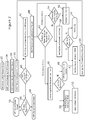
Figure 2 is a flow chart of the wireless network security method according to the first aspect of the invention. - While certain specific features are illustrated in the above figures, those skilled in the art will appreciate from the present disclosure that various other features have not been illustrated for the sake of brevity and so as not to obscure more pertinent aspects of the implementations disclosed herein.
- Referring to
Figure 1 , the wireless network security system of the preferred embodiment comprises awireless network 10 in which a router (not shown) or an access point (not shown) can support communications between wireless devices (not shown) located within an area whose limits are defined by anouter periphery 12 beyond which such communication is no longer supported. For brevity, this area will be referred to henceforth as the range of thewireless network 10. - Access to the
wireless network 10 is controlled by a Dynamic Host Configuration Protocol (DHCP)server 14, an authorisingdevice 16 and a verifyingdevice 18. TheDHCP server 14 forms part of thewireless network 10 and is used to manage Internet Protocol (IP) addressing and lease periods for access to thewireless network 10. The person skilled in the art will understand that the preferred embodiment is not limited to a specific DHCP configuration. For example, in a standard home wireless network, the router acts as the DHCP server and or vice versa. Thus, the skilled person will understand that the DHCP server can embrace any form of DHCP server router configuration. - The
DHCP server 14, the authorisingdevice 16 and the verifyingdevice 18 may be configured to share, read and edit device-related records (known henceforth as Candidate Joiner Device Records (not shown)) through a public or private distributed ledger technology infrastructure (e.g. Ethereum, IOTA etc.) 20. The distributed ledger technology infrastructure may be operable through thewireless network 10 or another communications channel. - The authorising
device 16 is adapted to use a wireless networking technology such as Wi-Fi. For brevity, a device which is adapted to use a wireless networking technology such as Wi-Fi will henceforth be referred to as a Wi-Fi enabled device. The authorisingdevice 16 may have been previously authenticated to thewireless network 10 and may have been authorised by theDHCP server 14 to join thewireless network 10. The authorisingdevice 16 is adapted to initiate the authentication of any new Wi-Fi enabled devices to thewireless network 10. The verifyingdevice 18 is a second Wi-Fi enabled device which may have been previously authenticated to thewireless network 10 and authorised by theDHCP server 14 to join thewireless network 10. The verifyingdevice 18 is adapted to verify the authorisation performed by the authorisingdevice 16. Both or either of the authorisingdevice 16 and the verifyingdevice 18 may also take the form of distributed applications (DApps) installed on a network-validated Wi-Fi enabled device. - The distributed ledger technology infrastructure (e.g. Ethereum, IOTA etc.) 20 enables the
DHCP server 14, the authorisingdevice 16 and the verifyingdevice 18 to share a Candidate Joining Device (CJD)Record 22. TheCJD Record 22 lists all Wi-Fi enabled devices detected by theDHCP server 14 on entering the range of thewireless network 10. TheCJD Record 22 may take the form of asmart contract 22 or other shared file structure. When in smart contract form, theCJD Record 22 may comprise an identifier of the contract owner (for example, an Ethereum account address), so that theDHCP server 14 need only read a specific contract pertaining to a specific wireless network. Network isolation and identification can take the form of a unique contract address for any network accessible only by a specific authorised account address (wherein the contract address and account address are hashed data strings that identify the user and the contract itself), or any other means of unique contract identification on any distributed ledger technology. - Referring to
Figure 1 together withFigure 2 , a Wi-Fi enableddevice 24 that enters 32 the range of thewireless network 10 is detected 34 by theDHCP server 14. More specifically, the Wi-Fi enableddevice 24 broadcasts (not shown) a DHCP discover message, which is a request for configuration information of thewireless network 10. On receipt of the DHCP discover message (not shown), theDHCP server 14 identifies 36 the Wi-Fi enableddevice 24 by a unique identifier thereof (which may be contained in the DHCP discover request). The unique identifier may comprise a Media Access Control (MAC) address, a Universal Unique Identifier (UUID), or any alternative device identifier which can be applied to the Wi-Fi enableddevice 24 by the manufacturer thereof (for example, the hardware-level MAC address in the underlying transport layer may be used if an identifier of the Wi-Fi enableddevice 24 is not included in the DHCP discover message). - On receipt of the unique identifier of the Wi-Fi enabled
device 24, theDHCP server 14 interrogates 38 theCJD Record 22. TheCJD Record 22 comprises details of all WIFI enabled devices that have historically entered the range of thewireless network 10. Individual records in theCJD Record 22 comprise the unique identifiers of each such WIFI enabled device, wherein each such unique identifier is coupled with two Boolean variables, namely the Authorising Device Flag (not shown) and the Verifying Device Flag (not shown). TheCJD Record 22 may be stored on the distributedledger technology infrastructure 20 or stored on theDHCP server 14. However, theCJD Record 22 may only be stored in theDHCP server 14 if theCJD Record 22 has first been retrieved from the distributedledger technology infrastructure 20. Thus, theCJD Record 22 may not be manually entered into storage onto theDHCP server 14. This limits the opportunities for unauthorised parties to alter theCJD Record 22 to include identifiers of unauthorised devices to allow these devices to gain access to thewireless network 10. - The
DHCP server 14 determines 40 whether the unique ID of the Wi-Fi enableddevice 24 appears in theCJD Record 22. If the unique ID is not included in theCJD Record 22, (i.e. the Wi-Fi enableddevice 24 has not entered the range of thewireless network 10 before), theDHCP server 14 amends theCJD Record 22 by adding 42 thereto a new entry for the Wi-Fi enableddevice 24. In this way, theCJD Record 22 grows as more devices seek permission to join thewireless network 10. - A new entry in the
CJD Record 22 comprises the unique ID of the Wi-Fi enableddevice 24 and the two Boolean variables (i.e. the Authorising Device Flag and the Verifying Device Flag which are each set to a default value of FALSE. - For example, a new entry in the
CJD Record 22 could comprise the following:
       ["deviceIdentifier": "JO:IN:IN:GD:EV:IC:E1",
       "authorisingDevice": true,
       "verifyingDevice": true
       }
- click or touch input from the owner
- a behavioural biometric including the performance of a motion or gesture by the owner
- any other mechanism which can receive an input from the owner.
- establishing a similarity metric for assessing the degree of similarity of the detected motion or gesture with the known reference example;
- establishing a threshold for the similarity metric
- calculating the value of the similarity metric for the detected motion or gesture and establishing that the detected motion or gesture is a match with the known reference example in the event the calculated similarity metric exceeds the threshold; and
- establishing that the required user input has been received in the event a match is found between the detected motion or gesture and the reference example.
- click or touch input from the owner
- a behavioural biometric including the performance of a motion or gesture by the owner
- any other mechanism which can receive an input from the owner
- establishing a similarity metric for assessing the degree of similarity of the detected motion or gesture with the known reference example;
- establishing a threshold for the similarity metric
- calculating the value of the similarity metric for the detected motion or gesture and establishing that the detected motion or gesture is a match with the known reference example in the event the calculated similarity metric exceeds the threshold; and
- establishing that the required user input has been received in the event a match is found between the detected motion or gesture and the reference example.
- assigning a valid Internet Protocol (IP) address to the Wi-Fi enabled
device 24; - assigning a valid lease period to the Wi-Fi enabled
device 24; - any other access control mechanism which can be installed on a modem by the modem manufacturer.
- a first physical act in connection with the authorising device to authorise the first person's mobile phone; and
- a second physical act in connection with the verifying device to verify the authorisation of the first person's mobile phone.
Claims (15)
- A wireless network security method comprising the steps of:preconfiguring the values of a first time interval and a second time interval for receipt of a user input to an authorising device (16) and a verifying device (18) respectively;detecting (34) by a DHCP server (14) forming part of the wireless network (10) an identifier of a first Wi-Fi enabled device (24) on its entering the range of the wireless network (10);interrogating (38), a record (22) of Wi-Fi enabled devices that previously sought permission to join the wireless network (10) to find an entry with a identifier that matches that of the first Wi-Fi enabled device (24);checking (66) the values of a first and second indicator in a matching entry in the event a matching entry is found in the record (22);granting (68) by the DHCP server (14), permission to the first Wi-Fi enabled device (24) to join the wireless network (10) in the event the first and second indicator in the matching entry both have a first value, thereby indicating that a Wi-Fi enabled device corresponding to the matching entry had been previously granted permission to join the wireless network (10) and otherwise refusing (70) the first Wi-Fi enabled device (24) permission to join the wireless network (10);adding (42) a new entry to the record for the first Wi-Fi enabled device (24) in the event a matching entry is not found in the record (22) and thereby creating an amended record, wherein the new entry in the amended record comprises two indicators both of which are set to a second value;sharing (44) the amended record with an authorising device (16);requesting (46) a user input to the authorising device (16) on its receipt of the amended record;updating (50) the first indicator in the matching entry to the first value in the event the user input is received by the authorising device (16) within the first time interval to thereby create an updated amended record; sharing (52) the updated amended record with the verifying device (18); and otherwise denying (48) the first Wi-Fi enabled device (24) permission to join the wireless network (10);requesting (58) a user input to the verifying device (18) on its receipt of the updated amended record; andupdating (62) the second indicator in the matching entry to the first value in the event the user input is received by the verifying device (18) within the second time interval to thereby create an further updated amended record; sharing (64) the updated amended record with the DHCP server (14) and replacing the record (22) with the updated amended record; and otherwise denying (60) the first Wi-Fi enabled device (24) permission to join the wireless network (10).
- The method according to Claim 1 wherein the steps of sharing (44) the amended record with an authorising device (16); sharing (52) the updated amended record with the verifying device (18); and sharing (64) the updated amended record with the DHCP server (14) are conducted through a distributed ledger infrastructure (20)..
- The method according to any of the preceding claims wherein the step of requesting (46) a user input to the authorising device (16) comprises the step of requesting the user to perform a physical act to be detected by the authorising device (16); and the step of requesting (58) a user input to the verifying device (18) comprises the step of requesting the user to perform a physical act to be detected by the verifying device (18).
- The method according to Claim 3 wherein
the step of requesting the user to perform a physical act to be detected by the authorising device (16) comprises the step of requesting the user to perform the physical act selected from the group comprising:clicking a switchable member on the authorising device (16);touching a sensor on the authorising device (16);providing a behavioural biometric comprising performing a motion or gesture proximal to the authorising device (16); andproviding a physical biometric to the authorising device (16). - The method according to Claim 4 whereinthe method comprises the step of preconfiguring the authorising device (16) with a reference example of a required motion or gesture;the step of requesting the user to perform a motion or gesture proximal to the authorising device (16) and the step of updating (50) the first indicator in the matching entry to the first value in the event the user input is received by the authorising device (16), comprises the steps ofestablishing a similarity metric for comparing a detected motion or gesture with a reference example of the same and establishing a threshold for the similarity metric;detecting a motion or gesture performed by the user;calculating a similarity metric by comparing the detected motion or gesture with the reference example of the required motion or gesture; andupdating the first indicator in the matching entry to the first value in the event the calculated similarity metric exceeds the threshold.
- The method according to Claim 3 wherein the step of requesting (58) the user to perform a physical act to be detected by the verifying device (18) comprises the step of requesting the user to perform the physical act selected from the group comprisingclicking a switchable member on the verifying device (18);touching a sensor on the verifying device (18);providing a behavioural biometric comprising performing a motion or gesture proximal to the verifying device (18); andproviding a physical biometric to the verifying device (18).
- The method according to Claim 6 whereinthe method comprises the step of preconfiguring the verifying device (18) with a reference example of a required motion or gesture;the step of requesting the user to perform a motion or gesture proximal to the verifying device (18) and the step of updating (62) the second indicator in the matching entry to the first value in the event the user input is received by the verifying device (18) within the second time interval, comprises the steps ofestablishing a similarity metric for comparing a detected motion or gesture with a reference example of the same and establishing a threshold for the similarity metric;detecting a motion or gesture performed by the user;calculating a similarity metric by comparing the detected motion or gesture with the reference example of the required motion or gesture; and updating the second indicator in the matching entry to the first value in the event the calculated similarity metric exceeds the threshold.
- The method according to any one of Claim 3 to Claim 7, wherein the step of requesting the user to perform a physical act to be detected by the verifying device (18) comprises the step of requesting the user to perform a physical act that differs from that detected by the authorising device (16).
- The method of any of the preceding claims wherein the steps of sharing (44) the amended record with an authorising device (16); sharing (52) the updated amended record with the verifying device (18); and sharing (64) the updated amended record with the DHCP server (14) are conducted through a distributed ledger smart contract.
- A wireless network security system comprising a DHCP server (14) coupled with an authorising device (16) and a verifying device (18) through a distributed ledger infrastructure (20)wherein the DHCP server (14) forms part of a wireless network (10) and is adapted toreceive a preconfigured record (22) of Wi-Fi enabled devices that previously sought permission to join the wireless network (10);replace the record (22) with an updated amended record on receipt from the verifying device (18);detect an identifier of a first Wi-Fi enabled device (24) on its entering the range of the wireless network (10);interrogate the record (22) to find an entry with a identifier that matches that of the first Wi-Fi enabled device (24);grant permission to the first Wi-Fi enabled device (24) to join the wireless network (10) in the event a first and second indicator in the matching entry both have a first value, and otherwise refuse the first Wi-Fi enabled device (24) permission to join the wireless network (10);add a new entry to the record for the first Wi-Fi enabled device (24) in the event a matching entry is not found in the record (22), to create an amended record, wherein the new entry in the amended record comprises two indicators both of which are set to a second value;share the amended record with the authorising device (16); andwherein the authorising device (16) is adapted to request and receive a user input on receipt of the amended record;update the first indicator in the matching entry to the first value in the event the user input is received within the first preconfigured time interval, to thereby create an updated amended record; and share the updated amended record with the verifying device (18); and otherwise deny the first Wi-Fi enabled device permission (24) to join the wireless network (10);wherein the verifying device (18) is adapted torequest and receive a user input on receipt of the updated amended record;update the second indicator in the matching entry to the first value, in the event the user input is received by the verifying device within the second time interval, to thereby create an further updated amended record; share the updated amended record with the DHCP server (14); and otherwise deny the first Wi-Fi enabled device (24) permission to join the wireless network (10).
- The wireless network security system according to Claim 10 wherein the distributed ledger infrastructure (22) supports smart contracts and the record, amended record and updated amended record takes the form of a smart contract.
- The wireless network security system according to Claim 10 or Claim 11 wherein the authorising device (16) and the verifying device (18) each comprises at least one sensor selected from the set comprising push button, togglable switch, touch sensor, camera, proximity sensor and biometric reader.
- The wireless network security system according to Claim 12 wherein the authorising device (16) is adapted to request and receive a user input selected from the group comprising a click or touch input; a behavioural biometric including the performance of a motion or gesture by the user; and a physical biometric.
- The wireless network security system according to Claim 12 or Claim 13 wherein the verifying device (18) is adapted to request and receive a user input selected from the group comprising a click or touch input; a behavioural biometric including the performance of a motion or gesture by the user; and a physical biometric.
- The wireless network security system according to any one of Claims 12 to 14 wherein the verifying device (18) is adapted to request and receive a user input which differs from that for which the authorising device (16) is adapted.
Applications Claiming Priority (1)
| Application Number | Priority Date | Filing Date | Title |
|---|---|---|---|
| GB2002516.9A GB2592364A (en) | 2020-02-22 | 2020-02-22 | Wireless network security system and method |
Publications (3)
| Publication Number | Publication Date |
|---|---|
| EP3869729A1 true EP3869729A1 (en) | 2021-08-25 |
| EP3869729B1 EP3869729B1 (en) | 2023-06-07 |
| EP3869729C0 EP3869729C0 (en) | 2023-06-07 |
Family
ID=70108416
Family Applications (1)
| Application Number | Title | Priority Date | Filing Date |
|---|---|---|---|
| EP21156599.9A Active EP3869729B1 (en) | 2020-02-22 | 2021-02-11 | Wireless network security system and method |
Country Status (3)
| Country | Link |
|---|---|
| US (1) | US11871229B2 (en) |
| EP (1) | EP3869729B1 (en) |
| GB (1) | GB2592364A (en) |
Families Citing this family (1)
| Publication number | Priority date | Publication date | Assignee | Title |
|---|---|---|---|---|
| CN114785611B (en) * | 2022-05-10 | 2024-05-07 | 山东高速信息集团有限公司 | Communication protocol configuration method, equipment and medium for intelligent monitoring terminal |
Citations (1)
| Publication number | Priority date | Publication date | Assignee | Title |
|---|---|---|---|---|
| US20110211219A1 (en) * | 2009-09-30 | 2011-09-01 | Apple Inc. | Methods and apparatus for solicited activation for protected wireless networking |
Family Cites Families (5)
| Publication number | Priority date | Publication date | Assignee | Title |
|---|---|---|---|---|
| US11100085B2 (en) * | 2018-08-23 | 2021-08-24 | Mastercard International Incorporated | Systems and methods for validating database integrity |
| US11245576B2 (en) * | 2018-09-07 | 2022-02-08 | Dell Products L.P. | Blockchain-based configuration profile provisioning system |
| US11122411B2 (en) * | 2018-09-14 | 2021-09-14 | RaGaPa Inc. | Distributed, crowdsourced internet of things (IoT) discovery and identification using block chain |
| KR102696425B1 (en) * | 2018-11-15 | 2024-08-19 | 비자 인터네셔널 서비스 어소시에이션 | Collaborative Risk Awareness Certification |
| US12141251B2 (en) * | 2019-02-21 | 2024-11-12 | Jumio Corporation | Authentication of a user based on analyzing touch interactions with a device |
-
2020
- 2020-02-22 GB GB2002516.9A patent/GB2592364A/en not_active Withdrawn
-
2021
- 2021-02-11 EP EP21156599.9A patent/EP3869729B1/en active Active
- 2021-02-19 US US17/180,042 patent/US11871229B2/en active Active
Patent Citations (1)
| Publication number | Priority date | Publication date | Assignee | Title |
|---|---|---|---|---|
| US20110211219A1 (en) * | 2009-09-30 | 2011-09-01 | Apple Inc. | Methods and apparatus for solicited activation for protected wireless networking |
Non-Patent Citations (1)
| Title |
|---|
| BRINCAT ALBERTO ATTILIO ET AL: "On the use of Blockchain technologies in WiFi networks", COMPUTER NETWORKS, ELSEVIER, AMSTERDAM, NL, vol. 162, 15 July 2019 (2019-07-15), XP085848323, ISSN: 1389-1286, [retrieved on 20190715], DOI: 10.1016/J.COMNET.2019.07.011 * |
Also Published As
| Publication number | Publication date |
|---|---|
| EP3869729B1 (en) | 2023-06-07 |
| GB202002516D0 (en) | 2020-04-08 |
| EP3869729C0 (en) | 2023-06-07 |
| US20210266744A1 (en) | 2021-08-26 |
| US11871229B2 (en) | 2024-01-09 |
| GB2592364A (en) | 2021-09-01 |
Similar Documents
| Publication | Publication Date | Title |
|---|---|---|
| JP7178729B2 (en) | Selective pairing of wireless devices using shared keys | |
| CN110463161B (en) | Password state machine for accessing protected resources | |
| AU2014235174B2 (en) | Controlling physical access to secure areas via client devices in a networked environment | |
| US9160743B2 (en) | Biometrics based electronic device authentication and authorization | |
| US7519816B2 (en) | Portable computing environment solution | |
| CN102713926B (en) | Confidential information is revealed and is prevented system and method | |
| US9763094B2 (en) | Methods, devices and systems for dynamic network access administration | |
| US12081544B2 (en) | Systems and methods for preventing unauthorized network access | |
| US20200084097A1 (en) | Blockchain-based configuration profile provisioning system | |
| CN104346548A (en) | Wearable equipment and authentication method thereof | |
| KR102010488B1 (en) | SYSTEM AND METHOD FOR SECURE IoT TERMINAL REMOTE ACCESS AND IP ADDRESS ALLOTING METHOD | |
| JP2006085697A (en) | Method and system for controlling access privilege for trusted network node | |
| US20190268341A1 (en) | Method, entity and system for managing access to data through a late dynamic binding of its associated metadata | |
| CN104052829A (en) | Adaptive name resolution | |
| KR100320119B1 (en) | System and method for monitoring fraudulent use of id and media for storing program source thereof | |
| US11871229B2 (en) | Wireless network security system and method | |
| KR101545897B1 (en) | A server access control system by periodic authentification of the smart card | |
| Anton et al. | Putting things in context: Securing industrial authentication with context information | |
| CN117478326B (en) | Key escrow method, device, terminal equipment and storage medium | |
| US12512998B2 (en) | System and method for storing and validating credentials to access a restricted area | |
| KR20050009945A (en) | Method and system for managing virtual storage space using mobile storage | |
| WO2021035000A1 (en) | Method for registering a device to a registration server | |
| US12363070B2 (en) | Management service domain join orchestration | |
| JP2007510984A (en) | User control points in a network environment | |
| KR101502800B1 (en) | Digital system having rights identification information, application system, and service system |
Legal Events
| Date | Code | Title | Description |
|---|---|---|---|
| PUAI | Public reference made under article 153(3) epc to a published international application that has entered the european phase |
Free format text: ORIGINAL CODE: 0009012 |
|
| STAA | Information on the status of an ep patent application or granted ep patent |
Free format text: STATUS: THE APPLICATION HAS BEEN PUBLISHED |
|
| AK | Designated contracting states |
Kind code of ref document: A1 Designated state(s): AL AT BE BG CH CY CZ DE DK EE ES FI FR GB GR HR HU IE IS IT LI LT LU LV MC MK MT NL NO PL PT RO RS SE SI SK SM TR |
|
| STAA | Information on the status of an ep patent application or granted ep patent |
Free format text: STATUS: REQUEST FOR EXAMINATION WAS MADE |
|
| 17P | Request for examination filed |
Effective date: 20220127 |
|
| RBV | Designated contracting states (corrected) |
Designated state(s): AL AT BE BG CH CY CZ DE DK EE ES FI FR GB GR HR HU IE IS IT LI LT LU LV MC MK MT NL NO PL PT RO RS SE SI SK SM TR |
|
| GRAP | Despatch of communication of intention to grant a patent |
Free format text: ORIGINAL CODE: EPIDOSNIGR1 |
|
| STAA | Information on the status of an ep patent application or granted ep patent |
Free format text: STATUS: GRANT OF PATENT IS INTENDED |
|
| INTG | Intention to grant announced |
Effective date: 20221028 |
|
| RIC1 | Information provided on ipc code assigned before grant |
Ipc: H04L 61/5014 20220101ALI20221014BHEP Ipc: H04L 9/00 20060101ALI20221014BHEP Ipc: H04L 9/32 20060101ALI20221014BHEP Ipc: H04L 9/08 20060101ALI20221014BHEP Ipc: H04W 12/08 20210101ALI20221014BHEP Ipc: H04W 4/50 20180101ALI20221014BHEP Ipc: H04W 4/70 20180101ALI20221014BHEP Ipc: H04L 9/06 20060101AFI20221014BHEP |
|
| GRAS | Grant fee paid |
Free format text: ORIGINAL CODE: EPIDOSNIGR3 |
|
| RAP3 | Party data changed (applicant data changed or rights of an application transferred) |
Owner name: MCCABE, LIAM |
|
| RIN1 | Information on inventor provided before grant (corrected) |
Inventor name: MCCABE, LIAM |
|
| GRAA | (expected) grant |
Free format text: ORIGINAL CODE: 0009210 |
|
| STAA | Information on the status of an ep patent application or granted ep patent |
Free format text: STATUS: THE PATENT HAS BEEN GRANTED |
|
| AK | Designated contracting states |
Kind code of ref document: B1 Designated state(s): AL AT BE BG CH CY CZ DE DK EE ES FI FR GB GR HR HU IE IS IT LI LT LU LV MC MK MT NL NO PL PT RO RS SE SI SK SM TR |
|
| REG | Reference to a national code |
Ref country code: GB Ref legal event code: FG4D |
|
| REG | Reference to a national code |
Ref country code: CH Ref legal event code: EP Ref country code: AT Ref legal event code: REF Ref document number: 1578020 Country of ref document: AT Kind code of ref document: T Effective date: 20230615 Ref country code: DE Ref legal event code: R096 Ref document number: 602021002608 Country of ref document: DE |
|
| U01 | Request for unitary effect filed |
Effective date: 20230628 |
|
| U07 | Unitary effect registered |
Designated state(s): AT BE BG DE DK EE FI FR IT LT LU LV MT NL PT SE SI Effective date: 20230705 |
|
| REG | Reference to a national code |
Ref country code: LT Ref legal event code: MG9D |
|
| PG25 | Lapsed in a contracting state [announced via postgrant information from national office to epo] |
Ref country code: NO Free format text: LAPSE BECAUSE OF FAILURE TO SUBMIT A TRANSLATION OF THE DESCRIPTION OR TO PAY THE FEE WITHIN THE PRESCRIBED TIME-LIMIT Effective date: 20230907 Ref country code: ES Free format text: LAPSE BECAUSE OF FAILURE TO SUBMIT A TRANSLATION OF THE DESCRIPTION OR TO PAY THE FEE WITHIN THE PRESCRIBED TIME-LIMIT Effective date: 20230607 |
|
| PG25 | Lapsed in a contracting state [announced via postgrant information from national office to epo] |
Ref country code: RS Free format text: LAPSE BECAUSE OF FAILURE TO SUBMIT A TRANSLATION OF THE DESCRIPTION OR TO PAY THE FEE WITHIN THE PRESCRIBED TIME-LIMIT Effective date: 20230607 Ref country code: HR Free format text: LAPSE BECAUSE OF FAILURE TO SUBMIT A TRANSLATION OF THE DESCRIPTION OR TO PAY THE FEE WITHIN THE PRESCRIBED TIME-LIMIT Effective date: 20230607 Ref country code: GR Free format text: LAPSE BECAUSE OF FAILURE TO SUBMIT A TRANSLATION OF THE DESCRIPTION OR TO PAY THE FEE WITHIN THE PRESCRIBED TIME-LIMIT Effective date: 20230908 |
|
| PG25 | Lapsed in a contracting state [announced via postgrant information from national office to epo] |
Ref country code: SK Free format text: LAPSE BECAUSE OF FAILURE TO SUBMIT A TRANSLATION OF THE DESCRIPTION OR TO PAY THE FEE WITHIN THE PRESCRIBED TIME-LIMIT Effective date: 20230607 |
|
| PG25 | Lapsed in a contracting state [announced via postgrant information from national office to epo] |
Ref country code: IS Free format text: LAPSE BECAUSE OF FAILURE TO SUBMIT A TRANSLATION OF THE DESCRIPTION OR TO PAY THE FEE WITHIN THE PRESCRIBED TIME-LIMIT Effective date: 20231007 |
|
| PG25 | Lapsed in a contracting state [announced via postgrant information from national office to epo] |
Ref country code: SM Free format text: LAPSE BECAUSE OF FAILURE TO SUBMIT A TRANSLATION OF THE DESCRIPTION OR TO PAY THE FEE WITHIN THE PRESCRIBED TIME-LIMIT Effective date: 20230607 Ref country code: SK Free format text: LAPSE BECAUSE OF FAILURE TO SUBMIT A TRANSLATION OF THE DESCRIPTION OR TO PAY THE FEE WITHIN THE PRESCRIBED TIME-LIMIT Effective date: 20230607 Ref country code: RO Free format text: LAPSE BECAUSE OF FAILURE TO SUBMIT A TRANSLATION OF THE DESCRIPTION OR TO PAY THE FEE WITHIN THE PRESCRIBED TIME-LIMIT Effective date: 20230607 Ref country code: IS Free format text: LAPSE BECAUSE OF FAILURE TO SUBMIT A TRANSLATION OF THE DESCRIPTION OR TO PAY THE FEE WITHIN THE PRESCRIBED TIME-LIMIT Effective date: 20231007 Ref country code: CZ Free format text: LAPSE BECAUSE OF FAILURE TO SUBMIT A TRANSLATION OF THE DESCRIPTION OR TO PAY THE FEE WITHIN THE PRESCRIBED TIME-LIMIT Effective date: 20230607 |
|
| U20 | Renewal fee for the european patent with unitary effect paid |
Year of fee payment: 4 Effective date: 20240122 |
|
| PG25 | Lapsed in a contracting state [announced via postgrant information from national office to epo] |
Ref country code: PL Free format text: LAPSE BECAUSE OF FAILURE TO SUBMIT A TRANSLATION OF THE DESCRIPTION OR TO PAY THE FEE WITHIN THE PRESCRIBED TIME-LIMIT Effective date: 20230607 |
|
| REG | Reference to a national code |
Ref country code: DE Ref legal event code: R097 Ref document number: 602021002608 Country of ref document: DE |
|
| PLBE | No opposition filed within time limit |
Free format text: ORIGINAL CODE: 0009261 |
|
| STAA | Information on the status of an ep patent application or granted ep patent |
Free format text: STATUS: NO OPPOSITION FILED WITHIN TIME LIMIT |
|
| 26N | No opposition filed |
Effective date: 20240308 |
|
| PG25 | Lapsed in a contracting state [announced via postgrant information from national office to epo] |
Ref country code: MC Free format text: LAPSE BECAUSE OF FAILURE TO SUBMIT A TRANSLATION OF THE DESCRIPTION OR TO PAY THE FEE WITHIN THE PRESCRIBED TIME-LIMIT Effective date: 20230607 |
|
| REG | Reference to a national code |
Ref country code: CH Ref legal event code: PL |
|
| PG25 | Lapsed in a contracting state [announced via postgrant information from national office to epo] |
Ref country code: CH Free format text: LAPSE BECAUSE OF NON-PAYMENT OF DUE FEES Effective date: 20240229 |
|
| PG25 | Lapsed in a contracting state [announced via postgrant information from national office to epo] |
Ref country code: CH Free format text: LAPSE BECAUSE OF NON-PAYMENT OF DUE FEES Effective date: 20240229 |
|
| U20 | Renewal fee for the european patent with unitary effect paid |
Year of fee payment: 5 Effective date: 20250110 |
|
| PG25 | Lapsed in a contracting state [announced via postgrant information from national office to epo] |
Ref country code: CY Free format text: LAPSE BECAUSE OF FAILURE TO SUBMIT A TRANSLATION OF THE DESCRIPTION OR TO PAY THE FEE WITHIN THE PRESCRIBED TIME-LIMIT; INVALID AB INITIO Effective date: 20210211 |
|
| PG25 | Lapsed in a contracting state [announced via postgrant information from national office to epo] |
Ref country code: HU Free format text: LAPSE BECAUSE OF FAILURE TO SUBMIT A TRANSLATION OF THE DESCRIPTION OR TO PAY THE FEE WITHIN THE PRESCRIBED TIME-LIMIT; INVALID AB INITIO Effective date: 20210211 |
|
| PG25 | Lapsed in a contracting state [announced via postgrant information from national office to epo] |
Ref country code: TR Free format text: LAPSE BECAUSE OF FAILURE TO SUBMIT A TRANSLATION OF THE DESCRIPTION OR TO PAY THE FEE WITHIN THE PRESCRIBED TIME-LIMIT Effective date: 20230607 |
|
| U20 | Renewal fee for the european patent with unitary effect paid |
Year of fee payment: 6 Effective date: 20260122 |
|
| PGFP | Annual fee paid to national office [announced via postgrant information from national office to epo] |
Ref country code: GB Payment date: 20260130 Year of fee payment: 6 |
|
| PGFP | Annual fee paid to national office [announced via postgrant information from national office to epo] |
Ref country code: IE Payment date: 20260111 Year of fee payment: 6 |