EP3866291B1 - Dc home power system and home appliance wiring method based on the system - Google Patents
Dc home power system and home appliance wiring method based on the system Download PDFInfo
- Publication number
- EP3866291B1 EP3866291B1 EP19870629.3A EP19870629A EP3866291B1 EP 3866291 B1 EP3866291 B1 EP 3866291B1 EP 19870629 A EP19870629 A EP 19870629A EP 3866291 B1 EP3866291 B1 EP 3866291B1
- Authority
- EP
- European Patent Office
- Prior art keywords
- voltage
- bus
- home
- low
- power
- Prior art date
- Legal status (The legal status is an assumption and is not a legal conclusion. Google has not performed a legal analysis and makes no representation as to the accuracy of the status listed.)
- Active
Links
Images

Classifications
-
- H—ELECTRICITY
- H02—GENERATION; CONVERSION OR DISTRIBUTION OF ELECTRIC POWER
- H02J—ELECTRIC POWER NETWORKS; CIRCUIT ARRANGEMENTS OR SYSTEMS FOR SUPPLYING OR DISTRIBUTING ELECTRIC POWER; SYSTEMS FOR STORING ELECTRIC ENERGY
- H02J1/00—Circuit arrangements for DC mains or DC distribution networks
- H02J1/10—Parallel operation of DC sources
-
- H—ELECTRICITY
- H02—GENERATION; CONVERSION OR DISTRIBUTION OF ELECTRIC POWER
- H02J—ELECTRIC POWER NETWORKS; CIRCUIT ARRANGEMENTS OR SYSTEMS FOR SUPPLYING OR DISTRIBUTING ELECTRIC POWER; SYSTEMS FOR STORING ELECTRIC ENERGY
- H02J1/00—Circuit arrangements for DC mains or DC distribution networks
- H02J1/08—Three-wire DC power distribution systems; Systems having more than three wires
- H02J1/084—Three-wire DC power distribution systems; Systems having more than three wires for selectively connecting the load or loads to one or several among a plurality of power lines or power sources
-
- H—ELECTRICITY
- H02—GENERATION; CONVERSION OR DISTRIBUTION OF ELECTRIC POWER
- H02J—ELECTRIC POWER NETWORKS; CIRCUIT ARRANGEMENTS OR SYSTEMS FOR SUPPLYING OR DISTRIBUTING ELECTRIC POWER; SYSTEMS FOR STORING ELECTRIC ENERGY
- H02J1/00—Circuit arrangements for DC mains or DC distribution networks
- H02J1/10—Parallel operation of DC sources
- H02J1/109—Scheduling or re-scheduling the operation of the DC sources in a particular order, e.g. connecting or disconnecting the sources in sequential, alternating or in subsets, to meet a given demand
-
- G—PHYSICS
- G05—CONTROLLING; REGULATING
- G05B—CONTROL OR REGULATING SYSTEMS IN GENERAL; FUNCTIONAL ELEMENTS OF SUCH SYSTEMS; MONITORING OR TESTING ARRANGEMENTS FOR SUCH SYSTEMS OR ELEMENTS
- G05B19/00—Program-control systems
- G05B19/02—Program-control systems electric
- G05B19/04—Program control other than numerical control, i.e. in sequence controllers or logic controllers
- G05B19/042—Program control other than numerical control, i.e. in sequence controllers or logic controllers using digital processors
- G05B19/0421—Multiprocessor system
-
- H—ELECTRICITY
- H02—GENERATION; CONVERSION OR DISTRIBUTION OF ELECTRIC POWER
- H02J—ELECTRIC POWER NETWORKS; CIRCUIT ARRANGEMENTS OR SYSTEMS FOR SUPPLYING OR DISTRIBUTING ELECTRIC POWER; SYSTEMS FOR STORING ELECTRIC ENERGY
- H02J1/00—Circuit arrangements for DC mains or DC distribution networks
- H02J1/08—Three-wire DC power distribution systems; Systems having more than three wires
- H02J1/082—DC supplies with two or more different DC voltage levels
-
- H—ELECTRICITY
- H02—GENERATION; CONVERSION OR DISTRIBUTION OF ELECTRIC POWER
- H02J—ELECTRIC POWER NETWORKS; CIRCUIT ARRANGEMENTS OR SYSTEMS FOR SUPPLYING OR DISTRIBUTING ELECTRIC POWER; SYSTEMS FOR STORING ELECTRIC ENERGY
- H02J3/00—Circuit arrangements for AC mains or AC distribution networks
-
- H—ELECTRICITY
- H02—GENERATION; CONVERSION OR DISTRIBUTION OF ELECTRIC POWER
- H02J—ELECTRIC POWER NETWORKS; CIRCUIT ARRANGEMENTS OR SYSTEMS FOR SUPPLYING OR DISTRIBUTING ELECTRIC POWER; SYSTEMS FOR STORING ELECTRIC ENERGY
- H02J3/00—Circuit arrangements for AC mains or AC distribution networks
- H02J3/17—Demand-responsive operation of AC power transmission or distribution networks
-
- G—PHYSICS
- G05—CONTROLLING; REGULATING
- G05B—CONTROL OR REGULATING SYSTEMS IN GENERAL; FUNCTIONAL ELEMENTS OF SUCH SYSTEMS; MONITORING OR TESTING ARRANGEMENTS FOR SUCH SYSTEMS OR ELEMENTS
- G05B2219/00—Program-control systems
- G05B2219/20—Pc systems
- G05B2219/26—Pc applications
- G05B2219/2613—Household appliance in general
-
- H—ELECTRICITY
- H02—GENERATION; CONVERSION OR DISTRIBUTION OF ELECTRIC POWER
- H02J—ELECTRIC POWER NETWORKS; CIRCUIT ARRANGEMENTS OR SYSTEMS FOR SUPPLYING OR DISTRIBUTING ELECTRIC POWER; SYSTEMS FOR STORING ELECTRIC ENERGY
- H02J2105/00—Networks for supplying or distributing electric power characterised by their spatial reach or by the load
- H02J2105/10—Local stationary networks having a local or delimited stationary reach
- H02J2105/12—Local stationary networks having a local or delimited stationary reach supplying households or buildings
-
- H—ELECTRICITY
- H02—GENERATION; CONVERSION OR DISTRIBUTION OF ELECTRIC POWER
- H02J—ELECTRIC POWER NETWORKS; CIRCUIT ARRANGEMENTS OR SYSTEMS FOR SUPPLYING OR DISTRIBUTING ELECTRIC POWER; SYSTEMS FOR STORING ELECTRIC ENERGY
- H02J2105/00—Networks for supplying or distributing electric power characterised by their spatial reach or by the load
- H02J2105/40—Networks for supplying or distributing electric power characterised by their spatial reach or by the load characterised by the loads connecting to the networks or being supplied by the networks
- H02J2105/42—Home appliances
Definitions
- the present disclosure relates to DC home technical field, in particular, relates to a DC home power consumption system and a wiring method for home appliances based on the system.
- US9819179B2 discloses an aircraft electric power system.
- the electric power system 1 has a plurality of DC buses 10 (11 to 16), a plurality of main power units 21, 22, and 23, etc.
- the DC buses 10 each have a first high-voltage bus 11, a second high-voltage bus 12, an emergency high-voltage bus 13, an FCS (flight control system) high-voltage bus 14, a medium-voltage bus 15, and a low-voltage bus 16. All these DC buses 11 to 16 are used to distribute DC power.
- the FCS high-voltage bus 14 is connected to the electric actuator 41 in the aileron drive apparatus 40 serving as an electric device included in the flight control system.
- the low-voltage bus 16 is connected to a flight control computer (FCC) 33 and the like that serve as electric devices included in the flight control system.
- FCC flight control computer
- CN106451409A discloses a DC residential micro-grid system, including a high voltage DC bus B H , a medium pressure DC bus B M , a low voltage DC bus B L , an Energy storage unit, a network unit, a renewable energy power generating unit, and a household appliance load.
- the household appliance load includes a high-voltage DC load connected to the high-voltage DC bus B H , a DC lighting load connected to the medium-voltage DC bus B M , and an electronic load connected to the low-voltage DC bus B L .
- the present disclosure provides a building including a DC home power consumption system according to claim 1 and a wiring method for home appliances based on the system according to claim 9, so as to at least solve the problems of complexity and poor security of DC home wiring in the prior art.
- a building including a DC home power consumption system includes a plurality of home appliances.
- the DC home power consumption system includes: a home power supply configured to supply power for the home power consumption system; a high-voltage DC bus connected to the home power supply and configured to supply power for a high-power appliance; and a low-voltage DC bus connected to the home power supply or the high-voltage DC bus and configured to supply power for a low-power appliance.
- the high-voltage DC bus is located in an upper part of a home space, and the low-voltage DC bus is located in a lower part of the home space for realizing space isolation of high and low voltage to ensure safety and reliability of overall home electricity, wherein the high-voltage DC bus is configured to supply power for a high-power appliance and the low-voltage DC bus is configured to supply power for a low-power appliance according to a priority of electricity parameters of a home appliance, the electricity parameters at least include: power, a usage frequency and a user requirement, and the priority of the electricity parameters is: a priority of the power > a priority of the usage frequency > a priority of the user requirement.
- the home appliance is connected to the high-voltage DC bus when the power of the home appliance is greater than a first preset power; the home appliance is connected to the low-voltage DC bus when the power of the home appliance is less than a second preset power; and the home appliance is connected to the high-voltage DC bus or the low-voltage DC bus according to the usage frequency of the home appliance when the power of the home appliance is less than or equal to the first preset power and greater than or equal to the second preset power.
- the home appliance is connected to the low-voltage DC bus when the home appliance is in a frequent activity area; and the home appliance is connected to the high-voltage DC bus or the low-voltage DC bus according to the use requirement of the home appliance, when the home appliance is in a living function area.
- the home power supply is a DC grid or a non-DC grid;
- the non-DC grid includes at least one of the following: an AC power grid, a new energy resource and an energy storage device.
Landscapes
- Engineering & Computer Science (AREA)
- Power Engineering (AREA)
- Physics & Mathematics (AREA)
- General Physics & Mathematics (AREA)
- Automation & Control Theory (AREA)
- Direct Current Feeding And Distribution (AREA)
- Supply And Distribution Of Alternating Current (AREA)
Description
- The present disclosure relates to DC home technical field, in particular, relates to a DC home power consumption system and a wiring method for home appliances based on the system.
- With the rapid development of DC application, DC home, DC buildings, and DC appliances have gradually become hot topics in various industries in recent years. The differences in power level, working voltage, and so on, of DC appliances causes that the DC home and the DC buildings have multiple DC voltages. Wiring of the entire system is complex and thus easily leads to intersection and interference of strong and weak electricity, etc.
-
US9819179B2 electric power system 1 has a plurality of DC buses 10 (11 to 16), a plurality of main power units 21, 22, and 23, etc. The DC buses 10 each have a first high-voltage bus 11, a second high-voltage bus 12, an emergency high-voltage bus 13, an FCS (flight control system) high-voltage bus 14, a medium-voltage bus 15, and a low-voltage bus 16. All these DC buses 11 to 16 are used to distribute DC power. The FCS high-voltage bus 14 is connected to the electric actuator 41 in the aileron drive apparatus 40 serving as an electric device included in the flight control system. The low-voltage bus 16 is connected to a flight control computer (FCC) 33 and the like that serve as electric devices included in the flight control system. - CN106451409A discloses a DC residential micro-grid system, including a high voltage DC bus BH, a medium pressure DC bus BM, a low voltage DC bus BL, an Energy storage unit, a network unit, a renewable energy power generating unit, and a household appliance load. The household appliance load includes a high-voltage DC load connected to the high-voltage DC bus BH, a DC lighting load connected to the medium-voltage DC bus BM, and an electronic load connected to the low-voltage DC bus BL.
- Regarding to the complexity and poor security of DC home wiring in related technologies, no effective solutions have been proposed yet.
- The present disclosure provides a building including a DC home power consumption system according to
claim 1 and a wiring method for home appliances based on the system according to claim 9, so as to at least solve the problems of complexity and poor security of DC home wiring in the prior art. - In order to solve the above technical problems, according to one of the embodiments of the present disclosure, a building including a DC home power consumption system is provided. The building includes a plurality of home appliances. The DC home power consumption system includes: a home power supply configured to supply power for the home power consumption system; a high-voltage DC bus connected to the home power supply and configured to supply power for a high-power appliance; and a low-voltage DC bus connected to the home power supply or the high-voltage DC bus and configured to supply power for a low-power appliance. The high-voltage DC bus is located in an upper part of a home space, and the low-voltage DC bus is located in a lower part of the home space for realizing space isolation of high and low voltage to ensure safety and reliability of overall home electricity, wherein the high-voltage DC bus is configured to supply power for a high-power appliance and the low-voltage DC bus is configured to supply power for a low-power appliance according to a priority of electricity parameters of a home appliance, the electricity parameters at least include: power, a usage frequency and a user requirement, and the priority of the electricity parameters is: a priority of the power > a priority of the usage frequency > a priority of the user requirement. The home appliance is connected to the high-voltage DC bus when the power of the home appliance is greater than a first preset power; the home appliance is connected to the low-voltage DC bus when the power of the home appliance is less than a second preset power; and the home appliance is connected to the high-voltage DC bus or the low-voltage DC bus according to the usage frequency of the home appliance when the power of the home appliance is less than or equal to the first preset power and greater than or equal to the second preset power. The home appliance is connected to the low-voltage DC bus when the home appliance is in a frequent activity area; and the home appliance is connected to the high-voltage DC bus or the low-voltage DC bus according to the use requirement of the home appliance, when the home appliance is in a living function area.
- Further, the home power supply is a DC grid or a non-DC grid; the non-DC grid includes at least one of the following: an AC power grid, a new energy resource and an energy storage device.
- Further, when the home power supply is the DC grid, the high-voltage DC bus is directly connected to the DC grid, and the low-voltage DC bus is connected to the high-voltage DC bus; when the home power supply is the non-DC grid, the high-voltage DC bus is connected to the non-DC grid through an energy router, and the low-voltage DC bus is connected to the energy router or the high-voltage DC bus.
- Further, the low-voltage DC bus is connected to the energy router or the high-voltage DC bus, includes: it is determined that the low-voltage DC bus is connected to the energy router or the high-voltage DC bus according to an output capability of the low-voltage DC bus and/or an output line of the energy router.
- Further, the output capability of the low-voltage DC bus is a transmission capability of the low-voltage DC bus or a transmission distance of the low-voltage DC bus; the output capability of the low-voltage DC bus includes meeting a low-voltage home requirement or not meeting a low-voltage home requirement; the output line of the energy router includes a high-voltage DC line or a high-voltage DC line and a low-voltage DC line.
- Further, when the output capability of the low-voltage DC bus meets the low-voltage home requirement, and the output line of the energy router includes the high-voltage DC line and the low-voltage DC line, the low-voltage DC bus is connected to the energy router through the low-voltage DC line; when the output capability of the low-voltage DC bus does not meet the low-voltage home requirement, or the output line of the energy router is the high-voltage DC line, the low-voltage DC bus is connected to the high-voltage DC bus; and the high-voltage DC bus is connected to the high-voltage DC line.
- Further, the low-voltage DC bus is divided into different low-voltage bus areas according to a use area, and when the low-voltage DC bus is connected to the high-voltage DC bus, each of the low-voltage bus areas is connected to the high-voltage DC bus through a DC converter.
- Further, the voltages of the high-voltage DC bus and the low-voltage DC bus are determined according to an area where the home power consumption system is located.
- According to one of the embodiments of the present disclosure, a wiring method for home appliances is provided based on the building including a DC home power consumption system, includes: obtaining electricity parameters of each of the home appliances; connecting the home appliance to the high-voltage DC bus or the low-voltage DC bus according to the electricity parameters of the home appliance, the electricity parameters at least include: power, a usage frequency, and a user requirement, a priority of the electricity parameters is: the priority of the power > the priority of the usage frequency > the priority of the user requirements; the connecting the home appliance to the high-voltage DC bus or the low-voltage DC bus according to the electricity parameters of the home appliance includes: connecting the home appliance to the high-voltage DC bus or the low-voltage DC bus according to the priority of the electricity parameters of the home appliance. The connecting the home appliance to the high-voltage DC bus or the low-voltage DC bus according to the priority of the electricity parameters of the home appliance includes: connecting the home appliance to the high-voltage DC bus when the power of the home appliance is greater than a first preset power; connecting the home appliance to the low-voltage DC bus when the power of the home appliance is less than a second preset power; and connecting the home appliance to the high-voltage DC bus or the low-voltage DC bus according to the usage frequency of the home appliance, when the power of the home appliance is less than or equal to the first preset power and greater than or equal to the second preset power; connecting the home appliance to the low-voltage DC bus when the home appliance is in a frequent activity area; and connecting the home appliance to the high-voltage DC bus or the low-voltage DC bus according to the use requirement of the home appliance, when the home appliance is in a living function area.
- Further, according to the usage frequency of the home appliance, the home appliance is divided into different using areas, and the using areas include at least one of the following: a bedroom area, a living room area, a study area, a dining area, a bathroom area, and a kitchen area. The bedroom area, the living room area, the study area, and the dining room area are frequent activity areas; and the bathroom area and the kitchen area are living functional areas.
- Further, the connecting the home appliance to the high-voltage DC bus or the low-voltage DC bus according to the use requirement of the home appliance includes: connecting the home appliance to the high-voltage DC bus when the use requirement is to be located in an upper part of a home environment; and connecting the home appliance to the low-voltage DC bus when the use requirement is to be located in a lower part of the home environment.
- A computer device is provided according to one of the embodiments of the present disclosure, including: a memory, a processor, and a computer program stored in the memory and run on the processor. The processor executes the computer program to implementing a wiring method for home appliances as described hereinabove.
- A storage medium containing computer-executable instructions is provided according to one of the embodiments of the present disclosure, the computer-executable instructions are configured to perform a wiring method for home appliances as described hereinabove when executed by a computer processor.
- In the present disclosure, a full-DC home power consumption system and a wiring method for home appliances are proposed, which greatly reduces the DC home voltage level, and form a basic DC home wiring principle according to a concept of high and low voltage partitions and DC appliance application partitions, to ensure safety and reliability of using electricity of the DC home appliances.
-
-
FIG. 1 is an optional structural block diagram of a DC home power consumption system according to an embodiment of the present disclosure. -
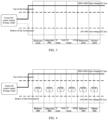
FIG. 2 is an optional structural block diagram of a distributed full DC home system according to an embodiment of the present disclosure. -
FIG. 3 is an optional structural block diagram of a centralized full DC home system according to an embodiment of the present disclosure. -
FIG. 4 is an optional structural block diagram of a centralized-distributed full DC home system according to an embodiment of the present disclosure. -
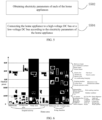
FIG. 5 is an optional flowchart of a wiring method for home appliances according to an embodiment of the present disclosure. -
FIG. 6 is an optional schematic diagram of home appliances distribution in home areas according to an embodiment of the present disclosure. - Exemplary embodiments will be described in detail herein, and the examples thereof are shown in the accompanying drawings. When the following description refers to the drawings, unless otherwise indicated, the same numbers in different accompanying drawings denote the same or similar element. The implementations described in the following exemplary embodiments do not represent all implementations consistent with the present disclosure. On the contrary, they are merely examples of devices and methods consistent with some aspects of the present disclosure as detailed in the appended claims.
- In the
preferred embodiment 1 of the present disclosure, a DC home power consumption system is provided. Specifically,FIG. 1 shows an optional structural block diagram of the system, as shown inFIG. 1 , and the system includes: - a
home power supply 102 which is configured to supply power for the home power consumption system; - a high-voltage DC bus 104 which is connected to the
home power supply 102 and configured to supply power for a high-power appliance; - a low-voltage DC bus 106 which is connected to the
home power supply 102 or the high-voltage DC bus 104 and configured to supply power for a low-power appliance. - The high-power appliance is optionally an appliance of which power is greater than the first preset power, and the low-power appliance is optionally an appliance of which power is less than the second preset power.
- In the above embodiments, a full DC home power consumption system is proposed, which greatly reduces the DC home voltage level, and forms a basic DC home wiring principle according to a concept of high and low voltage partitions and DC appliance application partitions, to ensure safety and reliability of using electricity of the DC home appliances.
- In a preferred embodiment of the present disclosure, the home power supply is a DC grid or a non-DC grid; the Non-DC grid includes at least one of the following: an AC power grid, a new energy resource and an energy storage device.
- When the home power supply is the DC grid, the high-voltage DC bus is directly connected to the DC grid, and the low-voltage DC bus is connected to the high-voltage DC bus. When the home power supply is the non-DC grid, the high-voltage DC bus is connected to the non-DC grid through an energy router, and the low-voltage DC bus is connected to the energy router or the high-voltage DC bus.
- When the home power supply is the DC grid, the DC home power consumption system, as shown in
FIG. 2 , is a distributed full DC home system, the home DC power supply is a 360V-400V DC power supply provided by the DC grid directly, and the low-voltage DC bus is connected to the high voltage DC bus through a DC convertor. - Further, that the low-voltage DC bus is connected to the energy router or the high-voltage DC bus includes: it is determined that the low-voltage DC bus is connected to the energy router or the high-voltage DC bus according to an output capability of the low-voltage DC bus and/or an output line of the energy router. The output capability of the low-voltage DC bus is a transmission capability of the low-voltage DC bus or a transmission distance of the low-voltage DC bus. The output capability of the low-voltage DC bus includes meeting a low-voltage home requirement or not meeting a low-voltage home requirement. The output line of the energy router includes a high-voltage DC line or a high-voltage DC line and a low-voltage DC line. When the output capability of the low-voltage DC bus meets a low-voltage home requirement, and the output line of the energy router includes the high-voltage DC line and the low-voltage DC line, the low-voltage DC bus is connected to the energy router through the low-voltage DC line. As shown in
FIG. 3 , it is a centralized full DC home system, and the home DC power supply may be an AC grid/a new energy plus an energy router, or a DC grid plus an energy router; when the output capability of the low-voltage DC bus does not meet the low-voltage home requirement, or the output line of the energy router is the high-voltage DC line, the low-voltage DC bus is connected to the high-voltage DC bus; the high-voltage DC bus is connected to the high-voltage DC line. Further, the low-voltage DC bus is divided into different low-voltage bus areas according to a use area, and when the low-voltage DC bus is connected to the high-voltage DC bus, each of the low-voltage bus areas is connected to the high-voltage DC bus through a DC converter. As shown inFIG. 4 , it is a centralized-distributed full DC home system, and the home DC power supply may be an AC grid/a new energy plus an energy router, or a DC grid and an energy router. - The low-voltage DC bus is divided into different low-voltage bus areas according to a use area, and when the low-voltage DC bus is connected to the high-voltage DC bus, each of the low-voltage bus areas is connected to the high-voltage DC bus through a DC converter.
- Further, the high-voltage DC bus is located in an upper part of the home space, and the low-voltage DC bus is located in a lower part of the home space. The voltages of the high-voltage DC bus and the low-voltage DC bus are determined according to an area where the home power system is located.
- The basic architecture of the three kinds of full DC home power consumption systems adopts a basic thought of high and low voltage safety isolation. The high voltage has a range from 360V to 400V (according to actual application scenarios or national standards); the safe low voltage has a value 48V/24V (according to actual application scenarios or national standard implementation). The basic architecture reduces the multiple DC voltages of the full DC home power consumption system to a high-voltage and a safe low-voltage. At the same time, according to the architecture and daily application habits of an appliance, it is recommended to locate the high-voltage wiring in a upper part of the home space when wiring for the home; it is convenient to use that the safe low-voltage wiring is located in the lower part of the home space; at the same time, the space isolation of high and low voltage is realized to ensure the safety and reliability of the overall home electricity.
- According to the system provided in the
above embodiment 1, a preferred embodiment 2 of the present disclosure also provides a wiring method for home appliances. The wiring method may be directly applied to the system described above. Specifically,FIG. 5 shows an optional flow chart of the method, and as shown inFIG. 5 , the method includes the following steps S502-S504: - Step 502: obtaining electricity parameters of each of the home appliances;
- Step 504: connecting the home appliance to a high-voltage DC bus or a low-voltage DC bus according to the electricity parameters of the home appliance.
- In the above embodiment, a wiring method for home appliances is proposed, which greatly reduces the DC home voltage level, and forms a basic DC home wiring principle according to a concept of high and low voltage partitions and DC appliance application partitions, to solve safety and reliability of using electricity of the DC home appliances.
- The electricity parameters at least include: power, a usage frequency, and a user requirement. A priority of the electricity parameters is: the priority of the power > the priority of the usage frequency > the priority of the user requirement; and the connecting home appliance to a high-voltage DC bus or a low-voltage DC bus according to the electricity parameters of the home appliance, includes: connecting the home appliance to the high-voltage DC bus or the low-voltage DC bus according to the priority of the electricity parameters of the home appliance.
- Preferably, the connecting the home appliance to the high-voltage DC bus or the low-voltage DC bus according to the priority of the electricity parameters of the home appliance, includes: connecting the home appliance to the high-voltage DC bus or the low-voltage DC bus according to the power of the home appliance, including: connecting the home appliance to the high-voltage DC bus when the power of the home appliance is greater than a first preset power; connecting the home appliance to the low-voltage DC bus when the power of the home appliance is less than a second preset power; and connecting the home appliance to the high-voltage DC bus or the low-voltage DC bus according to the usage frequency of the home appliance when the power of the home appliance is less than or equal to the first preset power and greater than or equal to the second preset power.
- Further, according to the usage frequency of the home appliance, the home appliance is divided into different using areas, and the using areas include at least one of the following: a bedroom area, a living room area, a study area, a dining area, a bathroom area, and a kitchen area, The bedroom area, the living room area, the study area, and the dining area are frequent activity areas; and the bathroom area and the kitchen area are living functional areas. The connecting the home appliance to the high-voltage DC bus or the low-voltage DC bus according to the usage frequency of the home appliance, includes: connecting the home appliance to the low-voltage DC bus when the home appliance is in a frequent activity area; and connecting the home appliance to the high-voltage DC bus or the low-voltage DC bus according to the use requirement of the home appliance, when the home appliance is in a living function area.
- Preferably, the connecting the home appliance to the high-voltage DC bus or the low-voltage DC bus according to the use requirement of the home appliance, includes: connecting the home appliance to the high-voltage DC bus when the use requirement is to be located in an upper part of a home environment; and connecting the home appliance to the low-voltage DC bus when the use requirement is to be located in a lower part of the home environment.
- According to the usage area and habits, the home DC appliances are evaluated from the three dimensions of power, voltage, and usage area, and the distribution diagram of the DC appliances in the full DC home application environment is determined as shown in
FIG. 6 . In frequent activities areas, such as, a bedroom area, a living room area, a study area, a dining area and so on, DC appliances are often configured as low-power, safe low-voltage and removable at any time. Additionally, air conditioners involved in frequent activity areas are installed in the upper part of the home environment according to the installation location and electricity requirements, in order to realize isolated from voltage level and physical space and ensure electricity safety. In living function areas, such as a bathing area and a kitchen area, DC appliances usually have a slightly higher power level, high-voltage DC bus or low-voltage DC bus should be selected reasonably according to the electricity requirements, and wiring design should be carried out according to the principle of high and low voltage partition. - In a preferred embodiment 3 of the present disclosure, a computer device is provided based on the wiring method for the home appliances provided in the above-mentioned embodiment 2, including: a memory, a processor, and a computer program stored in the memory and run on the processor. The processor executes the computer program to implementing the wiring method for home appliances as described above.
- In the above embodiments, a wiring method for home appliances is proposed, which greatly reduces the DC home voltage level, and forms a basic DC home wiring principle according to a concept of high and low voltage partitions and DC appliance application partitions, to ensure safety and reliability of using electricity of the DC home appliances.
- In a preferred embodiment 4 of the present disclosure, a storage medium containing computer-executable instructions is provided based on the wiring method for the home appliances provided in the above-mentioned embodiment 2, and the computer-executable instructions are configured to perform the wiring method for the home appliances as described above.
- In the above embodiments, a wiring method for home appliances is proposed, which greatly reduces the DC home voltage level, and forms a basic DC home wiring principle according to a concept of high and low voltage partitions and DC electrical application partitions, to ensure safety and reliability of using electricity of the DC home appliances.
- Those skilled in the art can easily implement the rest of embodiments of the present disclosure after considering the detailed description and practicing the invention disclosed herein. The present disclosure is intended to cover any variations, uses, or adaptive changes of the present disclosure. These variations, uses, or adaptive changes follow the general principles of the present disclosure and include common knowledge or conventional technical skills in the technical field not invented by the present disclosure. The detailed description and embodiments are merely regarded as exemplary.
- It should be understood that the present disclosure is not limited to the precise structure that has been described above and shown in the drawings, and various modifications and changes can be made without departing from its scope. The scope of the present disclosure is merely limited by the accompanying claims.
Claims (11)
- A building comprising a DC home power consumption system, wherein the building comprises a plurality of home appliances, the DC home power consumption system comprises:a home power supply (102), configured to supply power for the home power consumption system;a high-voltage DC bus (104), connected to the home power supply (102) and configured to supply power for a high-power appliance; anda low-voltage DC bus (106), connected to the home power supply (102) or the high-voltage DC bus (104) and configured to supply power for a low-power appliance,wherein the high-voltage DC bus (104) is located in an upper part of a home space, and the low-voltage DC bus (106) is located in a lower part of the home space for realizing space isolation of high and low voltage to ensure safety and reliability of overall home electricity,wherein the high-voltage DC bus is configured to supply power for a high-power appliance and the low-voltage DC bus is configured to supply power for a low-power appliance according to a priority of electricity parameters of a home appliance, the electricity parameters at least comprise: power, a usage frequency and a user requirement, and the priority of the electricity parameters is: a priority of the power > a priority of the usage frequency > a priority of the user requirement,wherein the home appliance is connected to the high-voltage DC bus when the power of the home appliance is greater than a first preset power; the home appliance is connected to the low-voltage DC bus when the power of the home appliance is less than a second preset power; and the home appliance is connected to the high-voltage DC bus or the low-voltage DC bus according to the usage frequency of the home appliance when the power of the home appliance is less than or equal to the first preset power and greater than or equal to the second preset power;wherein the home appliance is connected to the low-voltage DC bus when the home appliance is in a frequent activity area; and the home appliance is connected to the high-voltage DC bus or the low-voltage DC bus according to the use requirement of the home appliance, when the home appliance is in a living function area.
- The building comprising the DC home power consumption system of claim 1, wherein the home power supply (102) is a DC grid or a non-DC grid; the Non-DC grid comprises at least one of the following: an AC power grid, a new energy resource and an energy storage device.
- The building comprising the DC home power consumption system of claim 2, wherein when the home power supply (102) is the DC grid, the high-voltage DC bus (104) is directly connected to the DC grid, and the low-voltage DC bus (104) is connected to the high-voltage DC bus (104); when the home power supply (102) is the non-DC grid, the high-voltage DC bus (104) is connected to the non-DC grid through an energy router, and the low-voltage DC bus (106) is connected to the energy router or the high-voltage DC bus (104).
- The building comprising the DC home power consumption system of claim 3, wherein the low-voltage DC bus (106) is connected to the energy router or the high-voltage DC bus (104), comprises: it is determined that the low-voltage DC bus (106) is connected to the energy router or the high-voltage DC bus (104) according to an output capability of the low-voltage DC bus (106) and/or an output line of the energy router.
- The building comprising the DC home power consumption system of claim 4, wherein the output capability of the low-voltage DC bus (106) is a transmission capability of the low-voltage DC bus (106) or a transmission distance of the low-voltage DC bus (106); the output capability of the low-voltage DC bus (106) comprises meeting a low-voltage home requirement or not meeting a low-voltage home requirement; the output line of the energy router comprises a high-voltage DC line or a high-voltage DC line and a low-voltage DC line.
- The building comprising the DC home power consumption system of claim 5, wherein when the output capability of the low-voltage DC bus (106) meets the low-voltage home requirement, and the output line of the energy router comprises the high-voltage DC line and the low-voltage DC line, the low-voltage DC bus (106) is connected to the energy router through the low-voltage DC line; when the output capability of the low-voltage DC bus (106) does not meet the low-voltage home requirement, or the output line of the energy router is the high-voltage DC line, the low-voltage DC bus (106) is connected to the high-voltage DC bus; and the high-voltage DC bus (104) is connected to the high-voltage DC line.
- The building comprising the DC home power consumption system of claim 6, wherein the low-voltage DC bus (106) is divided into different low-voltage bus areas according to a use area, and when the low-voltage DC bus (106) is connected to the high-voltage DC bus (104), each of the low-voltage bus areas is connected to the high-voltage DC bus (104) through a DC converter.
- The building comprising the DC home power consumption system of any one of claims 1 to 7, wherein the voltages of the high-voltage DC bus (104) and the low-voltage DC bus (106) are determined according to an area where the home power consumption system is located.
- A wiring method for home appliances, characterized by, based on the building comprising the DC home power consumption system according to any one of claims 1 to 8, comprising:obtaining (502) electricity parameters of each of the home appliances;connecting (504) the home appliance to a high-voltage DC bus or a low-voltage DC bus according to the electricity parameters of the home appliance,wherein the electricity parameters at least comprise: power, a usage frequency and a user requirement,a priority of the electricity parameters is: a priority of the power > a priority of the usage frequency > a priority of the user requirement; andthe connecting the home appliance to a high-voltage DC bus or a low-voltage DC bus according to the electricity parameters of the home appliance, comprises:connecting the home appliance to the high-voltage DC bus or the low-voltage DC bus according to the priority of the electricity parameters of the home appliance,wherein the connecting the home appliance to the high-voltage DC bus or the low-voltage DC bus according to the priority of the electricity parameters of the home appliance, comprises:connecting the home appliance to the high-voltage DC bus when the power of the home appliance is greater than a first preset power; connecting the home appliance to the low-voltage DC bus when the power of the home appliance is less than a second preset power; and connecting the home appliance to the high-voltage DC bus or the low-voltage DC bus according to the usage frequency of the home appliance, when the power of the home appliance is less than or equal to the first preset power and greater than or equal to the second preset power;connecting the home appliance to the low-voltage DC bus when the home appliance is in a frequent activity area; andconnecting the home appliance to the high-voltage DC bus or the low-voltage DC bus according to the use requirement of the home appliance, when the home appliance is in a living function area.
- The wiring method of claim 9, wherein the home appliance is divided into different using areas according to the usage frequency of the home appliance, and the using areas comprise at least one of the following: a bedroom area, a living room area, a study area, a dining area, a bathroom area, and a kitchen area; wherein the bedroom area, the living room area, the study area, and the dining area are frequent activity areas; the bathroom area and the kitchen area are living functional areas.
- The wiring method of claim 9, wherein the connecting the home appliance to the high-voltage DC bus or the low-voltage DC bus according to the use requirement of the home appliance, comprises:connecting the home appliance to the high-voltage DC bus when the use requirement is to be located in an upper part of a home environment; andconnecting the home appliance to the low-voltage DC bus when the use requirement is to be located in a lower part of the home environment.
Applications Claiming Priority (2)
| Application Number | Priority Date | Filing Date | Title |
|---|---|---|---|
| CN201811192023.1A CN109274087B (en) | 2018-10-12 | 2018-10-12 | DC household power system and wiring method of household appliances based on the system |
| PCT/CN2019/098490 WO2020073721A1 (en) | 2018-10-12 | 2019-07-31 | Dc home power system and home appliance wiring method based on the system |
Publications (3)
| Publication Number | Publication Date |
|---|---|
| EP3866291A1 EP3866291A1 (en) | 2021-08-18 |
| EP3866291A4 EP3866291A4 (en) | 2021-11-10 |
| EP3866291B1 true EP3866291B1 (en) | 2025-07-02 |
Family
ID=65196588
Family Applications (1)
| Application Number | Title | Priority Date | Filing Date |
|---|---|---|---|
| EP19870629.3A Active EP3866291B1 (en) | 2018-10-12 | 2019-07-31 | Dc home power system and home appliance wiring method based on the system |
Country Status (7)
| Country | Link |
|---|---|
| US (1) | US11862970B2 (en) |
| EP (1) | EP3866291B1 (en) |
| CN (1) | CN109274087B (en) |
| AU (1) | AU2019357100B2 (en) |
| CA (1) | CA3121403A1 (en) |
| SG (1) | SG11202105676PA (en) |
| WO (1) | WO2020073721A1 (en) |
Families Citing this family (2)
| Publication number | Priority date | Publication date | Assignee | Title |
|---|---|---|---|---|
| CN109274087B (en) | 2018-10-12 | 2024-08-09 | 珠海格力电器股份有限公司 | DC household power system and wiring method of household appliances based on the system |
| EP4655853A2 (en) * | 2023-01-27 | 2025-12-03 | Patton, Ronald, Edmund | Residential dc voltage infrastructure |
Family Cites Families (16)
| Publication number | Priority date | Publication date | Assignee | Title |
|---|---|---|---|---|
| CN102340138B (en) * | 2010-07-28 | 2013-11-20 | 北京迎希科技有限公司 | Power supply and distribution system for building |
| US20120326516A1 (en) * | 2011-06-27 | 2012-12-27 | Bloom Energy Corporation | Fuel Cell Power Generation System with Isolated and Non-Isolated Buses |
| EP3022721B1 (en) * | 2013-07-18 | 2024-04-17 | Google LLC | Bifurcated processor hazard detection systems |
| JP6396007B2 (en) * | 2013-08-30 | 2018-09-26 | ナブテスコ株式会社 | Aircraft power system |
| CN104682533A (en) | 2013-11-29 | 2015-06-03 | 华北电力大学(保定) | Double-bus direct current ultra-micro grid system suitable for sustainable building |
| JP6365550B2 (en) * | 2014-01-08 | 2018-08-01 | ソニー株式会社 | Power control apparatus and power control method |
| US11757304B2 (en) * | 2014-06-23 | 2023-09-12 | Gridbridge, Inc. | Versatile site energy router |
| CN106451409B (en) * | 2016-12-16 | 2019-04-23 | 合肥工业大学 | A DC residential microgrid system and voltage compensation control method |
| CN107769189B (en) * | 2017-10-31 | 2023-08-25 | 珠海格力电器股份有限公司 | DC micro-grid structure |
| CN108063438B (en) * | 2017-11-22 | 2020-11-10 | 珠海格力电器股份有限公司 | Control method and device for direct-current micro-grid system |
| CN108023353A (en) | 2017-12-27 | 2018-05-11 | 广东工业大学 | A kind of family's centralization polymorphic type electric energy outgoing management system |
| CN108199376B (en) * | 2018-02-02 | 2024-03-26 | 珠海格力电器股份有限公司 | Energy internet system, energy route conversion device and energy control method |
| CN209472387U (en) * | 2018-10-12 | 2019-10-08 | 珠海格力电器股份有限公司 | Direct current household power utilization system |
| CN109274087B (en) * | 2018-10-12 | 2024-08-09 | 珠海格力电器股份有限公司 | DC household power system and wiring method of household appliances based on the system |
| US10938211B2 (en) * | 2018-11-21 | 2021-03-02 | Ford Global Technologies, Llc | Integrated vehicle-to-home energy management system |
| CN109921409B (en) * | 2019-04-16 | 2024-01-16 | 清华大学 | A building full DC power supply and storage system and control method |
-
2018
- 2018-10-12 CN CN201811192023.1A patent/CN109274087B/en active Active
-
2019
- 2019-07-31 AU AU2019357100A patent/AU2019357100B2/en active Active
- 2019-07-31 EP EP19870629.3A patent/EP3866291B1/en active Active
- 2019-07-31 WO PCT/CN2019/098490 patent/WO2020073721A1/en not_active Ceased
- 2019-07-31 SG SG11202105676PA patent/SG11202105676PA/en unknown
- 2019-07-31 CA CA3121403A patent/CA3121403A1/en active Pending
-
2021
- 2021-05-20 US US17/325,537 patent/US11862970B2/en active Active
Also Published As
| Publication number | Publication date |
|---|---|
| US11862970B2 (en) | 2024-01-02 |
| WO2020073721A1 (en) | 2020-04-16 |
| EP3866291A1 (en) | 2021-08-18 |
| EP3866291A4 (en) | 2021-11-10 |
| AU2019357100A1 (en) | 2021-06-03 |
| CA3121403A1 (en) | 2020-04-16 |
| US20210273449A1 (en) | 2021-09-02 |
| CN109274087B (en) | 2024-08-09 |
| AU2019357100B2 (en) | 2022-11-17 |
| CN109274087A (en) | 2019-01-25 |
| SG11202105676PA (en) | 2021-07-29 |
Similar Documents
| Publication | Publication Date | Title |
|---|---|---|
| AU2024205489B2 (en) | System and methods for creating dynamic nano grids and for aggregating electric power consumers to participate in energy markets | |
| Rodriguez-Diaz et al. | An overview of low voltage DC distribution systems for residential applications | |
| EP3101617B1 (en) | Power control system and method, and information communication ability control system and method | |
| CN106505603B (en) | A Hierarchical Energy Storage Microgrid Containing Multiple Energy Storage Units | |
| CN106385024B (en) | A modular power router device and its realization method | |
| EP3866291B1 (en) | Dc home power system and home appliance wiring method based on the system | |
| JP2023509841A (en) | Method and system for power integration and control for consumer power circuits | |
| CN205377310U (en) | A device for controlling distributed electric wire netting | |
| Martirano et al. | Smart micro grids for nearly zero energy buildings | |
| JP2012228044A (en) | Electric power management system | |
| CN103472784A (en) | Household energy management system | |
| Guan et al. | An enhanced hierarchical control strategy for the Internet of Things-based home scale microgrid | |
| Ore | The DC Nanogrid House: Converting a Residential Building from AC to DC Power to Improve Energy Efficiency | |
| Wunder et al. | Droop controlled cognitive power electronics for DC microgrids | |
| Hagh et al. | Smart hybrid nanogrids using modular multiport power electronic interface | |
| CN205304370U (en) | A intelligence distribution management ware for distributing solar photovoltaic electric power and commercial power | |
| CN115765008A (en) | A multi-port power router based on DC microgrid | |
| CN209472387U (en) | Direct current household power utilization system | |
| Zacharaki et al. | Demand response with residential and commercial loads for phase balancing in secondary distribution networks | |
| CN215185884U (en) | Distributed BIPV direct-current low-voltage access grid-connected power distribution device system capable of realizing countercurrent | |
| Laveyne et al. | Potential of domestically provided ancillary services to the electrical grid | |
| JP2021197865A (en) | Power supply control unit for detached house | |
| Zhao et al. | Construction of low voltage DC smart buildings with generation-storage-distribution-utilization | |
| Watson | Control and optimization of modern power networks: hybrid AC/DC networks and inverter-based microgrids | |
| Nasrallah et al. | Smart Buildings as Smart Loads: A Real-World Methodology for Demand Management in the Smart Grid |
Legal Events
| Date | Code | Title | Description |
|---|---|---|---|
| STAA | Information on the status of an ep patent application or granted ep patent |
Free format text: STATUS: THE INTERNATIONAL PUBLICATION HAS BEEN MADE |
|
| PUAI | Public reference made under article 153(3) epc to a published international application that has entered the european phase |
Free format text: ORIGINAL CODE: 0009012 |
|
| STAA | Information on the status of an ep patent application or granted ep patent |
Free format text: STATUS: REQUEST FOR EXAMINATION WAS MADE |
|
| 17P | Request for examination filed |
Effective date: 20210511 |
|
| AK | Designated contracting states |
Kind code of ref document: A1 Designated state(s): AL AT BE BG CH CY CZ DE DK EE ES FI FR GB GR HR HU IE IS IT LI LT LU LV MC MK MT NL NO PL PT RO RS SE SI SK SM TR |
|
| A4 | Supplementary search report drawn up and despatched |
Effective date: 20211007 |
|
| RIC1 | Information provided on ipc code assigned before grant |
Ipc: H02J 1/08 20060101ALI20211002BHEP Ipc: H02J 3/00 20060101ALI20211002BHEP Ipc: H02J 1/10 20060101AFI20211002BHEP |
|
| DAV | Request for validation of the european patent (deleted) | ||
| DAX | Request for extension of the european patent (deleted) | ||
| STAA | Information on the status of an ep patent application or granted ep patent |
Free format text: STATUS: EXAMINATION IS IN PROGRESS |
|
| 17Q | First examination report despatched |
Effective date: 20220624 |
|
| P01 | Opt-out of the competence of the unified patent court (upc) registered |
Effective date: 20230530 |
|
| GRAP | Despatch of communication of intention to grant a patent |
Free format text: ORIGINAL CODE: EPIDOSNIGR1 |
|
| STAA | Information on the status of an ep patent application or granted ep patent |
Free format text: STATUS: GRANT OF PATENT IS INTENDED |
|
| INTG | Intention to grant announced |
Effective date: 20250402 |
|
| GRAS | Grant fee paid |
Free format text: ORIGINAL CODE: EPIDOSNIGR3 |
|
| GRAA | (expected) grant |
Free format text: ORIGINAL CODE: 0009210 |
|
| STAA | Information on the status of an ep patent application or granted ep patent |
Free format text: STATUS: THE PATENT HAS BEEN GRANTED |
|
| AK | Designated contracting states |
Kind code of ref document: B1 Designated state(s): AL AT BE BG CH CY CZ DE DK EE ES FI FR GB GR HR HU IE IS IT LI LT LU LV MC MK MT NL NO PL PT RO RS SE SI SK SM TR |
|
| REG | Reference to a national code |
Ref country code: GB Ref legal event code: FG4D |
|
| REG | Reference to a national code |
Ref country code: CH Ref legal event code: EP |
|
| REG | Reference to a national code |
Ref country code: DE Ref legal event code: R096 Ref document number: 602019072094 Country of ref document: DE |
|
| REG | Reference to a national code |
Ref country code: IE Ref legal event code: FG4D |
|
| PGFP | Annual fee paid to national office [announced via postgrant information from national office to epo] |
Ref country code: DE Payment date: 20250711 Year of fee payment: 7 |
|
| PGFP | Annual fee paid to national office [announced via postgrant information from national office to epo] |
Ref country code: IT Payment date: 20250714 Year of fee payment: 7 |
|
| REG | Reference to a national code |
Ref country code: NL Ref legal event code: MP Effective date: 20250702 |
|
| PG25 | Lapsed in a contracting state [announced via postgrant information from national office to epo] |
Ref country code: PT Free format text: LAPSE BECAUSE OF FAILURE TO SUBMIT A TRANSLATION OF THE DESCRIPTION OR TO PAY THE FEE WITHIN THE PRESCRIBED TIME-LIMIT Effective date: 20251103 |
|
| PG25 | Lapsed in a contracting state [announced via postgrant information from national office to epo] |
Ref country code: NL Free format text: LAPSE BECAUSE OF FAILURE TO SUBMIT A TRANSLATION OF THE DESCRIPTION OR TO PAY THE FEE WITHIN THE PRESCRIBED TIME-LIMIT Effective date: 20250702 |
|
| REG | Reference to a national code |
Ref country code: AT Ref legal event code: MK05 Ref document number: 1810385 Country of ref document: AT Kind code of ref document: T Effective date: 20250702 |
|
| PG25 | Lapsed in a contracting state [announced via postgrant information from national office to epo] |
Ref country code: IS Free format text: LAPSE BECAUSE OF FAILURE TO SUBMIT A TRANSLATION OF THE DESCRIPTION OR TO PAY THE FEE WITHIN THE PRESCRIBED TIME-LIMIT Effective date: 20251102 |
|
| PG25 | Lapsed in a contracting state [announced via postgrant information from national office to epo] |
Ref country code: NO Free format text: LAPSE BECAUSE OF FAILURE TO SUBMIT A TRANSLATION OF THE DESCRIPTION OR TO PAY THE FEE WITHIN THE PRESCRIBED TIME-LIMIT Effective date: 20251002 |
|
| REG | Reference to a national code |
Ref country code: LT Ref legal event code: MG9D |
|
| PG25 | Lapsed in a contracting state [announced via postgrant information from national office to epo] |
Ref country code: AT Free format text: LAPSE BECAUSE OF FAILURE TO SUBMIT A TRANSLATION OF THE DESCRIPTION OR TO PAY THE FEE WITHIN THE PRESCRIBED TIME-LIMIT Effective date: 20250702 |
|
| PG25 | Lapsed in a contracting state [announced via postgrant information from national office to epo] |
Ref country code: FI Free format text: LAPSE BECAUSE OF FAILURE TO SUBMIT A TRANSLATION OF THE DESCRIPTION OR TO PAY THE FEE WITHIN THE PRESCRIBED TIME-LIMIT Effective date: 20250702 |
|
| PG25 | Lapsed in a contracting state [announced via postgrant information from national office to epo] |
Ref country code: HR Free format text: LAPSE BECAUSE OF FAILURE TO SUBMIT A TRANSLATION OF THE DESCRIPTION OR TO PAY THE FEE WITHIN THE PRESCRIBED TIME-LIMIT Effective date: 20250702 |
|
| PG25 | Lapsed in a contracting state [announced via postgrant information from national office to epo] |
Ref country code: GR Free format text: LAPSE BECAUSE OF FAILURE TO SUBMIT A TRANSLATION OF THE DESCRIPTION OR TO PAY THE FEE WITHIN THE PRESCRIBED TIME-LIMIT Effective date: 20251003 |
|
| PG25 | Lapsed in a contracting state [announced via postgrant information from national office to epo] |
Ref country code: CZ Free format text: LAPSE BECAUSE OF FAILURE TO SUBMIT A TRANSLATION OF THE DESCRIPTION OR TO PAY THE FEE WITHIN THE PRESCRIBED TIME-LIMIT Effective date: 20250702 Ref country code: SE Free format text: LAPSE BECAUSE OF FAILURE TO SUBMIT A TRANSLATION OF THE DESCRIPTION OR TO PAY THE FEE WITHIN THE PRESCRIBED TIME-LIMIT Effective date: 20250702 |
|
| PG25 | Lapsed in a contracting state [announced via postgrant information from national office to epo] |
Ref country code: LV Free format text: LAPSE BECAUSE OF FAILURE TO SUBMIT A TRANSLATION OF THE DESCRIPTION OR TO PAY THE FEE WITHIN THE PRESCRIBED TIME-LIMIT Effective date: 20250702 |
|
| PG25 | Lapsed in a contracting state [announced via postgrant information from national office to epo] |
Ref country code: PL Free format text: LAPSE BECAUSE OF FAILURE TO SUBMIT A TRANSLATION OF THE DESCRIPTION OR TO PAY THE FEE WITHIN THE PRESCRIBED TIME-LIMIT Effective date: 20250702 Ref country code: BG Free format text: LAPSE BECAUSE OF FAILURE TO SUBMIT A TRANSLATION OF THE DESCRIPTION OR TO PAY THE FEE WITHIN THE PRESCRIBED TIME-LIMIT Effective date: 20250702 |
|
| PG25 | Lapsed in a contracting state [announced via postgrant information from national office to epo] |
Ref country code: RS Free format text: LAPSE BECAUSE OF FAILURE TO SUBMIT A TRANSLATION OF THE DESCRIPTION OR TO PAY THE FEE WITHIN THE PRESCRIBED TIME-LIMIT Effective date: 20251002 |
|
| PG25 | Lapsed in a contracting state [announced via postgrant information from national office to epo] |
Ref country code: ES Free format text: LAPSE BECAUSE OF FAILURE TO SUBMIT A TRANSLATION OF THE DESCRIPTION OR TO PAY THE FEE WITHIN THE PRESCRIBED TIME-LIMIT Effective date: 20250702 |
|
| REG | Reference to a national code |
Ref country code: CH Ref legal event code: H13 Free format text: ST27 STATUS EVENT CODE: U-0-0-H10-H13 (AS PROVIDED BY THE NATIONAL OFFICE) Effective date: 20260224 |
|
| PG25 | Lapsed in a contracting state [announced via postgrant information from national office to epo] |
Ref country code: RO Free format text: LAPSE BECAUSE OF FAILURE TO SUBMIT A TRANSLATION OF THE DESCRIPTION OR TO PAY THE FEE WITHIN THE PRESCRIBED TIME-LIMIT Effective date: 20250702 Ref country code: LU Free format text: LAPSE BECAUSE OF NON-PAYMENT OF DUE FEES Effective date: 20250731 |
|
| REG | Reference to a national code |
Ref country code: BE Ref legal event code: MM Effective date: 20250731 |
|
| PG25 | Lapsed in a contracting state [announced via postgrant information from national office to epo] |
Ref country code: SM Free format text: LAPSE BECAUSE OF FAILURE TO SUBMIT A TRANSLATION OF THE DESCRIPTION OR TO PAY THE FEE WITHIN THE PRESCRIBED TIME-LIMIT Effective date: 20250702 |
|
| PG25 | Lapsed in a contracting state [announced via postgrant information from national office to epo] |
Ref country code: DK Free format text: LAPSE BECAUSE OF FAILURE TO SUBMIT A TRANSLATION OF THE DESCRIPTION OR TO PAY THE FEE WITHIN THE PRESCRIBED TIME-LIMIT Effective date: 20250702 |
|
| PG25 | Lapsed in a contracting state [announced via postgrant information from national office to epo] |
Ref country code: BE Free format text: LAPSE BECAUSE OF NON-PAYMENT OF DUE FEES Effective date: 20250731 |
|
| PG25 | Lapsed in a contracting state [announced via postgrant information from national office to epo] |
Ref country code: CH Free format text: LAPSE BECAUSE OF NON-PAYMENT OF DUE FEES Effective date: 20250731 |
|
| PG25 | Lapsed in a contracting state [announced via postgrant information from national office to epo] |
Ref country code: EE Free format text: LAPSE BECAUSE OF FAILURE TO SUBMIT A TRANSLATION OF THE DESCRIPTION OR TO PAY THE FEE WITHIN THE PRESCRIBED TIME-LIMIT Effective date: 20250702 Ref country code: SK Free format text: LAPSE BECAUSE OF FAILURE TO SUBMIT A TRANSLATION OF THE DESCRIPTION OR TO PAY THE FEE WITHIN THE PRESCRIBED TIME-LIMIT Effective date: 20250702 |