EP3865595B1 - Steel for wind turbine main shaft bearing and production method therefor - Google Patents
Steel for wind turbine main shaft bearing and production method therefor Download PDFInfo
- Publication number
- EP3865595B1 EP3865595B1 EP19871603.7A EP19871603A EP3865595B1 EP 3865595 B1 EP3865595 B1 EP 3865595B1 EP 19871603 A EP19871603 A EP 19871603A EP 3865595 B1 EP3865595 B1 EP 3865595B1
- Authority
- EP
- European Patent Office
- Prior art keywords
- steel
- temperature
- billet
- pit
- continuous casting
- Prior art date
- Legal status (The legal status is an assumption and is not a legal conclusion. Google has not performed a legal analysis and makes no representation as to the accuracy of the status listed.)
- Active
Links
Images

Classifications
-
- C—CHEMISTRY; METALLURGY
- C22—METALLURGY; FERROUS OR NON-FERROUS ALLOYS; TREATMENT OF ALLOYS OR NON-FERROUS METALS
- C22C—ALLOYS
- C22C38/00—Ferrous alloys, e.g. steel alloys
- C22C38/18—Ferrous alloys, e.g. steel alloys containing chromium
- C22C38/40—Ferrous alloys, e.g. steel alloys containing chromium with nickel
- C22C38/42—Ferrous alloys, e.g. steel alloys containing chromium with nickel with copper
-
- B—PERFORMING OPERATIONS; TRANSPORTING
- B22—CASTING; POWDER METALLURGY
- B22D—CASTING OF METALS; CASTING OF OTHER SUBSTANCES BY THE SAME PROCESSES OR DEVICES
- B22D11/00—Continuous casting of metals, i.e. casting in indefinite lengths
- B22D11/001—Continuous casting of metals, i.e. casting in indefinite lengths of specific alloys
-
- B—PERFORMING OPERATIONS; TRANSPORTING
- B22—CASTING; POWDER METALLURGY
- B22D—CASTING OF METALS; CASTING OF OTHER SUBSTANCES BY THE SAME PROCESSES OR DEVICES
- B22D11/00—Continuous casting of metals, i.e. casting in indefinite lengths
- B22D11/12—Accessories for subsequent treating or working cast stock in situ
- B22D11/124—Accessories for subsequent treating or working cast stock in situ for cooling
-
- B—PERFORMING OPERATIONS; TRANSPORTING
- B22—CASTING; POWDER METALLURGY
- B22D—CASTING OF METALS; CASTING OF OTHER SUBSTANCES BY THE SAME PROCESSES OR DEVICES
- B22D11/00—Continuous casting of metals, i.e. casting in indefinite lengths
- B22D11/16—Controlling or regulating processes or operations
- B22D11/22—Controlling or regulating processes or operations for cooling cast stock or mould
- B22D11/225—Controlling or regulating processes or operations for cooling cast stock or mould for secondary cooling
-
- C—CHEMISTRY; METALLURGY
- C21—METALLURGY OF IRON
- C21D—MODIFYING THE PHYSICAL STRUCTURE OF FERROUS METALS; GENERAL DEVICES FOR HEAT TREATMENT OF FERROUS OR NON-FERROUS METALS OR ALLOYS; MAKING METAL MALLEABLE, e.g. BY DECARBURISATION OR TEMPERING
- C21D1/00—General methods or devices for heat treatment, e.g. annealing, hardening, quenching or tempering
- C21D1/02—Hardening articles or materials formed by forging or rolling, with no further heating beyond that required for the formation
-
- C—CHEMISTRY; METALLURGY
- C21—METALLURGY OF IRON
- C21D—MODIFYING THE PHYSICAL STRUCTURE OF FERROUS METALS; GENERAL DEVICES FOR HEAT TREATMENT OF FERROUS OR NON-FERROUS METALS OR ALLOYS; MAKING METAL MALLEABLE, e.g. BY DECARBURISATION OR TEMPERING
- C21D1/00—General methods or devices for heat treatment, e.g. annealing, hardening, quenching or tempering
- C21D1/18—Hardening; Quenching with or without subsequent tempering
- C21D1/19—Hardening; Quenching with or without subsequent tempering by interrupted quenching
-
- C—CHEMISTRY; METALLURGY
- C21—METALLURGY OF IRON
- C21D—MODIFYING THE PHYSICAL STRUCTURE OF FERROUS METALS; GENERAL DEVICES FOR HEAT TREATMENT OF FERROUS OR NON-FERROUS METALS OR ALLOYS; MAKING METAL MALLEABLE, e.g. BY DECARBURISATION OR TEMPERING
- C21D1/00—General methods or devices for heat treatment, e.g. annealing, hardening, quenching or tempering
- C21D1/26—Methods of annealing
- C21D1/32—Soft annealing, e.g. spheroidising
-
- C—CHEMISTRY; METALLURGY
- C21—METALLURGY OF IRON
- C21D—MODIFYING THE PHYSICAL STRUCTURE OF FERROUS METALS; GENERAL DEVICES FOR HEAT TREATMENT OF FERROUS OR NON-FERROUS METALS OR ALLOYS; MAKING METAL MALLEABLE, e.g. BY DECARBURISATION OR TEMPERING
- C21D1/00—General methods or devices for heat treatment, e.g. annealing, hardening, quenching or tempering
- C21D1/84—Controlled slow cooling
-
- C—CHEMISTRY; METALLURGY
- C21—METALLURGY OF IRON
- C21D—MODIFYING THE PHYSICAL STRUCTURE OF FERROUS METALS; GENERAL DEVICES FOR HEAT TREATMENT OF FERROUS OR NON-FERROUS METALS OR ALLOYS; MAKING METAL MALLEABLE, e.g. BY DECARBURISATION OR TEMPERING
- C21D6/00—Heat treatment of ferrous alloys
- C21D6/004—Heat treatment of ferrous alloys containing Cr and Ni
-
- C—CHEMISTRY; METALLURGY
- C21—METALLURGY OF IRON
- C21D—MODIFYING THE PHYSICAL STRUCTURE OF FERROUS METALS; GENERAL DEVICES FOR HEAT TREATMENT OF FERROUS OR NON-FERROUS METALS OR ALLOYS; MAKING METAL MALLEABLE, e.g. BY DECARBURISATION OR TEMPERING
- C21D7/00—Modifying the physical properties of iron or steel by deformation
- C21D7/02—Modifying the physical properties of iron or steel by deformation by cold working
- C21D7/04—Modifying the physical properties of iron or steel by deformation by cold working of the surface
- C21D7/06—Modifying the physical properties of iron or steel by deformation by cold working of the surface by shot-peening or the like
-
- C—CHEMISTRY; METALLURGY
- C21—METALLURGY OF IRON
- C21D—MODIFYING THE PHYSICAL STRUCTURE OF FERROUS METALS; GENERAL DEVICES FOR HEAT TREATMENT OF FERROUS OR NON-FERROUS METALS OR ALLOYS; MAKING METAL MALLEABLE, e.g. BY DECARBURISATION OR TEMPERING
- C21D7/00—Modifying the physical properties of iron or steel by deformation
- C21D7/13—Modifying the physical properties of iron or steel by deformation by hot working
-
- C—CHEMISTRY; METALLURGY
- C21—METALLURGY OF IRON
- C21D—MODIFYING THE PHYSICAL STRUCTURE OF FERROUS METALS; GENERAL DEVICES FOR HEAT TREATMENT OF FERROUS OR NON-FERROUS METALS OR ALLOYS; MAKING METAL MALLEABLE, e.g. BY DECARBURISATION OR TEMPERING
- C21D8/00—Modifying the physical properties of ferrous metals or ferrous alloys by deformation combined with, or followed by, heat treatment
-
- C—CHEMISTRY; METALLURGY
- C21—METALLURGY OF IRON
- C21D—MODIFYING THE PHYSICAL STRUCTURE OF FERROUS METALS; GENERAL DEVICES FOR HEAT TREATMENT OF FERROUS OR NON-FERROUS METALS OR ALLOYS; MAKING METAL MALLEABLE, e.g. BY DECARBURISATION OR TEMPERING
- C21D8/00—Modifying the physical properties of ferrous metals or ferrous alloys by deformation combined with, or followed by, heat treatment
- C21D8/06—Modifying the physical properties of ferrous metals or ferrous alloys by deformation combined with, or followed by, heat treatment during manufacturing of rods or wires
-
- C—CHEMISTRY; METALLURGY
- C21—METALLURGY OF IRON
- C21D—MODIFYING THE PHYSICAL STRUCTURE OF FERROUS METALS; GENERAL DEVICES FOR HEAT TREATMENT OF FERROUS OR NON-FERROUS METALS OR ALLOYS; MAKING METAL MALLEABLE, e.g. BY DECARBURISATION OR TEMPERING
- C21D9/00—Heat treatment, e.g. annealing, hardening, quenching or tempering, adapted for particular articles; Furnaces therefor
- C21D9/0075—Heat treatment, e.g. annealing, hardening, quenching or tempering, adapted for particular articles; Furnaces therefor for rods of limited length
-
- C—CHEMISTRY; METALLURGY
- C21—METALLURGY OF IRON
- C21D—MODIFYING THE PHYSICAL STRUCTURE OF FERROUS METALS; GENERAL DEVICES FOR HEAT TREATMENT OF FERROUS OR NON-FERROUS METALS OR ALLOYS; MAKING METAL MALLEABLE, e.g. BY DECARBURISATION OR TEMPERING
- C21D9/00—Heat treatment, e.g. annealing, hardening, quenching or tempering, adapted for particular articles; Furnaces therefor
- C21D9/28—Heat treatment, e.g. annealing, hardening, quenching or tempering, adapted for particular articles; Furnaces therefor for plain shafts
-
- C—CHEMISTRY; METALLURGY
- C22—METALLURGY; FERROUS OR NON-FERROUS ALLOYS; TREATMENT OF ALLOYS OR NON-FERROUS METALS
- C22C—ALLOYS
- C22C38/00—Ferrous alloys, e.g. steel alloys
- C22C38/001—Ferrous alloys, e.g. steel alloys containing N
-
- C—CHEMISTRY; METALLURGY
- C22—METALLURGY; FERROUS OR NON-FERROUS ALLOYS; TREATMENT OF ALLOYS OR NON-FERROUS METALS
- C22C—ALLOYS
- C22C38/00—Ferrous alloys, e.g. steel alloys
- C22C38/002—Ferrous alloys, e.g. steel alloys containing In, Mg, or other elements not provided for in one single group C22C38/001 - C22C38/60
-
- C—CHEMISTRY; METALLURGY
- C22—METALLURGY; FERROUS OR NON-FERROUS ALLOYS; TREATMENT OF ALLOYS OR NON-FERROUS METALS
- C22C—ALLOYS
- C22C38/00—Ferrous alloys, e.g. steel alloys
- C22C38/008—Ferrous alloys, e.g. steel alloys containing tin
-
- C—CHEMISTRY; METALLURGY
- C22—METALLURGY; FERROUS OR NON-FERROUS ALLOYS; TREATMENT OF ALLOYS OR NON-FERROUS METALS
- C22C—ALLOYS
- C22C38/00—Ferrous alloys, e.g. steel alloys
- C22C38/02—Ferrous alloys, e.g. steel alloys containing silicon
-
- C—CHEMISTRY; METALLURGY
- C22—METALLURGY; FERROUS OR NON-FERROUS ALLOYS; TREATMENT OF ALLOYS OR NON-FERROUS METALS
- C22C—ALLOYS
- C22C38/00—Ferrous alloys, e.g. steel alloys
- C22C38/04—Ferrous alloys, e.g. steel alloys containing manganese
-
- C—CHEMISTRY; METALLURGY
- C22—METALLURGY; FERROUS OR NON-FERROUS ALLOYS; TREATMENT OF ALLOYS OR NON-FERROUS METALS
- C22C—ALLOYS
- C22C38/00—Ferrous alloys, e.g. steel alloys
- C22C38/06—Ferrous alloys, e.g. steel alloys containing aluminium
-
- C—CHEMISTRY; METALLURGY
- C22—METALLURGY; FERROUS OR NON-FERROUS ALLOYS; TREATMENT OF ALLOYS OR NON-FERROUS METALS
- C22C—ALLOYS
- C22C38/00—Ferrous alloys, e.g. steel alloys
- C22C38/18—Ferrous alloys, e.g. steel alloys containing chromium
- C22C38/40—Ferrous alloys, e.g. steel alloys containing chromium with nickel
- C22C38/44—Ferrous alloys, e.g. steel alloys containing chromium with nickel with molybdenum or tungsten
-
- C—CHEMISTRY; METALLURGY
- C22—METALLURGY; FERROUS OR NON-FERROUS ALLOYS; TREATMENT OF ALLOYS OR NON-FERROUS METALS
- C22C—ALLOYS
- C22C38/00—Ferrous alloys, e.g. steel alloys
- C22C38/18—Ferrous alloys, e.g. steel alloys containing chromium
- C22C38/40—Ferrous alloys, e.g. steel alloys containing chromium with nickel
- C22C38/50—Ferrous alloys, e.g. steel alloys containing chromium with nickel with titanium or zirconium
-
- C—CHEMISTRY; METALLURGY
- C22—METALLURGY; FERROUS OR NON-FERROUS ALLOYS; TREATMENT OF ALLOYS OR NON-FERROUS METALS
- C22C—ALLOYS
- C22C38/00—Ferrous alloys, e.g. steel alloys
- C22C38/60—Ferrous alloys, e.g. steel alloys containing lead, selenium, tellurium, or antimony, or more than 0.04% by weight of sulfur
-
- F—MECHANICAL ENGINEERING; LIGHTING; HEATING; WEAPONS; BLASTING
- F16—ENGINEERING ELEMENTS AND UNITS; GENERAL MEASURES FOR PRODUCING AND MAINTAINING EFFECTIVE FUNCTIONING OF MACHINES OR INSTALLATIONS; THERMAL INSULATION IN GENERAL
- F16C—SHAFTS; FLEXIBLE SHAFTS; ELEMENTS OR CRANKSHAFT MECHANISMS; ROTARY BODIES OTHER THAN GEARING ELEMENTS; BEARINGS
- F16C33/00—Parts of bearings; Special methods for making bearings or parts thereof
- F16C33/30—Parts of ball or roller bearings
- F16C33/32—Balls
-
- F—MECHANICAL ENGINEERING; LIGHTING; HEATING; WEAPONS; BLASTING
- F16—ENGINEERING ELEMENTS AND UNITS; GENERAL MEASURES FOR PRODUCING AND MAINTAINING EFFECTIVE FUNCTIONING OF MACHINES OR INSTALLATIONS; THERMAL INSULATION IN GENERAL
- F16C—SHAFTS; FLEXIBLE SHAFTS; ELEMENTS OR CRANKSHAFT MECHANISMS; ROTARY BODIES OTHER THAN GEARING ELEMENTS; BEARINGS
- F16C33/00—Parts of bearings; Special methods for making bearings or parts thereof
- F16C33/30—Parts of ball or roller bearings
- F16C33/34—Rollers; Needles
-
- F—MECHANICAL ENGINEERING; LIGHTING; HEATING; WEAPONS; BLASTING
- F16—ENGINEERING ELEMENTS AND UNITS; GENERAL MEASURES FOR PRODUCING AND MAINTAINING EFFECTIVE FUNCTIONING OF MACHINES OR INSTALLATIONS; THERMAL INSULATION IN GENERAL
- F16C—SHAFTS; FLEXIBLE SHAFTS; ELEMENTS OR CRANKSHAFT MECHANISMS; ROTARY BODIES OTHER THAN GEARING ELEMENTS; BEARINGS
- F16C33/00—Parts of bearings; Special methods for making bearings or parts thereof
- F16C33/30—Parts of ball or roller bearings
- F16C33/58—Raceways; Race rings
- F16C33/62—Selection of substances
-
- F—MECHANICAL ENGINEERING; LIGHTING; HEATING; WEAPONS; BLASTING
- F16—ENGINEERING ELEMENTS AND UNITS; GENERAL MEASURES FOR PRODUCING AND MAINTAINING EFFECTIVE FUNCTIONING OF MACHINES OR INSTALLATIONS; THERMAL INSULATION IN GENERAL
- F16C—SHAFTS; FLEXIBLE SHAFTS; ELEMENTS OR CRANKSHAFT MECHANISMS; ROTARY BODIES OTHER THAN GEARING ELEMENTS; BEARINGS
- F16C33/00—Parts of bearings; Special methods for making bearings or parts thereof
- F16C33/30—Parts of ball or roller bearings
- F16C33/58—Raceways; Race rings
- F16C33/64—Special methods of manufacture
-
- C—CHEMISTRY; METALLURGY
- C21—METALLURGY OF IRON
- C21D—MODIFYING THE PHYSICAL STRUCTURE OF FERROUS METALS; GENERAL DEVICES FOR HEAT TREATMENT OF FERROUS OR NON-FERROUS METALS OR ALLOYS; MAKING METAL MALLEABLE, e.g. BY DECARBURISATION OR TEMPERING
- C21D2211/00—Microstructure comprising significant phases
- C21D2211/005—Ferrite
-
- F—MECHANICAL ENGINEERING; LIGHTING; HEATING; WEAPONS; BLASTING
- F16—ENGINEERING ELEMENTS AND UNITS; GENERAL MEASURES FOR PRODUCING AND MAINTAINING EFFECTIVE FUNCTIONING OF MACHINES OR INSTALLATIONS; THERMAL INSULATION IN GENERAL
- F16C—SHAFTS; FLEXIBLE SHAFTS; ELEMENTS OR CRANKSHAFT MECHANISMS; ROTARY BODIES OTHER THAN GEARING ELEMENTS; BEARINGS
- F16C2202/00—Solid materials defined by their properties
- F16C2202/02—Mechanical properties
- F16C2202/06—Strength or rigidity
-
- F—MECHANICAL ENGINEERING; LIGHTING; HEATING; WEAPONS; BLASTING
- F16—ENGINEERING ELEMENTS AND UNITS; GENERAL MEASURES FOR PRODUCING AND MAINTAINING EFFECTIVE FUNCTIONING OF MACHINES OR INSTALLATIONS; THERMAL INSULATION IN GENERAL
- F16C—SHAFTS; FLEXIBLE SHAFTS; ELEMENTS OR CRANKSHAFT MECHANISMS; ROTARY BODIES OTHER THAN GEARING ELEMENTS; BEARINGS
- F16C2202/00—Solid materials defined by their properties
- F16C2202/02—Mechanical properties
- F16C2202/10—Porosity
-
- F—MECHANICAL ENGINEERING; LIGHTING; HEATING; WEAPONS; BLASTING
- F16—ENGINEERING ELEMENTS AND UNITS; GENERAL MEASURES FOR PRODUCING AND MAINTAINING EFFECTIVE FUNCTIONING OF MACHINES OR INSTALLATIONS; THERMAL INSULATION IN GENERAL
- F16C—SHAFTS; FLEXIBLE SHAFTS; ELEMENTS OR CRANKSHAFT MECHANISMS; ROTARY BODIES OTHER THAN GEARING ELEMENTS; BEARINGS
- F16C2204/00—Metallic materials; Alloys
- F16C2204/60—Ferrous alloys, e.g. steel alloys
- F16C2204/62—Low carbon steel, i.e. carbon content below 0.4 wt%
-
- F—MECHANICAL ENGINEERING; LIGHTING; HEATING; WEAPONS; BLASTING
- F16—ENGINEERING ELEMENTS AND UNITS; GENERAL MEASURES FOR PRODUCING AND MAINTAINING EFFECTIVE FUNCTIONING OF MACHINES OR INSTALLATIONS; THERMAL INSULATION IN GENERAL
- F16C—SHAFTS; FLEXIBLE SHAFTS; ELEMENTS OR CRANKSHAFT MECHANISMS; ROTARY BODIES OTHER THAN GEARING ELEMENTS; BEARINGS
- F16C2240/00—Specified values or numerical ranges of parameters; Relations between them
- F16C2240/06—Temperature
-
- F—MECHANICAL ENGINEERING; LIGHTING; HEATING; WEAPONS; BLASTING
- F16—ENGINEERING ELEMENTS AND UNITS; GENERAL MEASURES FOR PRODUCING AND MAINTAINING EFFECTIVE FUNCTIONING OF MACHINES OR INSTALLATIONS; THERMAL INSULATION IN GENERAL
- F16C—SHAFTS; FLEXIBLE SHAFTS; ELEMENTS OR CRANKSHAFT MECHANISMS; ROTARY BODIES OTHER THAN GEARING ELEMENTS; BEARINGS
- F16C2300/00—Application independent of particular apparatuses
- F16C2300/10—Application independent of particular apparatuses related to size
- F16C2300/14—Large applications, e.g. bearings having an inner diameter exceeding 500 mm
-
- F—MECHANICAL ENGINEERING; LIGHTING; HEATING; WEAPONS; BLASTING
- F16—ENGINEERING ELEMENTS AND UNITS; GENERAL MEASURES FOR PRODUCING AND MAINTAINING EFFECTIVE FUNCTIONING OF MACHINES OR INSTALLATIONS; THERMAL INSULATION IN GENERAL
- F16C—SHAFTS; FLEXIBLE SHAFTS; ELEMENTS OR CRANKSHAFT MECHANISMS; ROTARY BODIES OTHER THAN GEARING ELEMENTS; BEARINGS
- F16C2360/00—Engines or pumps
- F16C2360/31—Wind motors
Definitions
- the present invention belongs to the field of metallurgical technology, in particular to a method for producing a steel for a main shaft bearing of a wind turbine.
- Wind energy which represents the most promising renewable energy, is a green energy that is clean and pollution-free, and is now being increasingly concerned by the countries all over the world, for its broadest utilization prospects among the alternative energy resources and huge reserves.
- a wind turbine bearing is an important transmission device of a wind turbine, with 32 sets of bearings used on one wind turbine. Hence, proper selection of bearings is very important to ensure the safe and stable operation of wind turbines.
- Wind turbine bearings are generally divided into the following types including yaw bearings, pitch bearings, main shaft bearings, speed-increasing bearings and turbine bearings. Different technical requirements are provided depending on different types of bearings.
- the wind turbine bearings normally work under harsh conditions, and are subject to a wide range of temperature, humidity and load changes.
- the main shaft bearing of the wind turbine is the main component to absorb a wind load and transmits the load, the performance of which not only affects the transmission efficiency, but also determines the maintenance cost of the main drive chain. It should be pointed out that, one-time installation and disassembly can reach up to hundreds to thousands of millions due to inconvenience and high cost in hoisting and replacing bearings, therefore, minimum requirements of main shaft bearings for wind turbine are given, which includes a 20-year service life and high reliability.
- the main shaft bearing of wind turbine mainly adopts bearing steel produced by application of electroslag remelting process, especially carburized bearing steel G20Cr2Ni4 that is produced by electroslag remelting process.
- the steel produced by the electroslag remelting has the quality advantages such as non-metallic inclusion particles with small size and uniform distribution, high uniformity in organization and high density, which ensures stable quality.
- there are also obvious disadvantages such as production efficiency, very low productivity, and very high energy consumption and production costs in electroslag remelting production process. Therefore, the electroslag remelting steel has low market competitiveness.
- CN 106521324B discloses a carburized steel for an intermediate shaft gear for wind power, as well as a production method thereof.
- the present application conducts optimized research and control of key processes by application of high efficiency, high capacity, and low cost process routes incorporating vacuum degassing, continuous casting, and rolling to attain steels having high purity, high uniformity and high density, which can substitute the current electroslag remelting production process, and meet the main shaft bearing steel requirements of wind turbine with regards to performance.
- the present invention adopts rational design of steel chemical constituents and invents a steel for main shaft bearing produced by new vacuum degassing + continuous casting.
- the present invention puts forward strict requirements on both micro-inclusions and macro-inclusions, wherein the micro-inclusions includes type A and type C plastic inclusions and type B and type D brittle inclusions.
- Brittle inclusions are hard inclusions in steel, which can cause stress concentration during the bearing movement. Such inclusions are tend to be easily separated from the matrix in the process of steel deformation and lead to cracks in such a way to intensify stress concentration and thus cause cracking, the hazard may be increased in case of inclusions that have large particles and longer length.
- the plastic inclusions are soft inclusions in steel and are prone to get separated from the matrix during the deformation of the steel, so they have fewer hazards.
- the present invention requires fine micro brittle inclusions: Index of Group B fine type ⁇ 1.5, Index of Group B course type ⁇ 1.0, Index of Group D fine type ⁇ 1.0, Index of Group D coarse type ⁇ 1.0, Index of Group DS type ⁇ 1.0, the specific requirements are shown in Table 1 below.
- the macro-inclusions can lead to significantly reduced wear resistance of steel and serious stress concentration, thereby causing early failure in the use process of bearing.
- the present invention detects the macro defects based on SEP 1927 (Ultrasonic immersion testing method for determining the macroscopic cleanliness rate of rolled or forged steel bars), i.e. water immersion high-frequency detection methods, and the length of a single inclusion is required not to exceed 5mm.
- the uniformity and density of the steel macrostructure have an impact on the service life of the bearing.
- the present invention requires to evaluate the steel macrostructure in accordance with GB/T 1979, which specifies the grade of center porosity ⁇ 1.5, the grade of general porosity ⁇ 1.0, grade of ingot segregation ⁇ 1.0, and grade of center segregation ⁇ 1.5, and no shrinkage cavity, cracks or subcutaneous bubbles.
- the present invention requires the grain size number to be ⁇ 5, while the tensile strength to be ⁇ 1200MPa, and the impact performance AKU to be ⁇ 65J; for the purpose of ensuring the cold workability of the steel, the hardness is required to be ⁇ 260HBW, and the depth of decarburization to be ⁇ 0.8%D (D refers to the diameter).
- the hardenability of the steel described in the present invention the hardenability requirements are shown in Table 2 below.
- the present invention adopts the following technical solution to solve the above problems: a steel for main shaft bearing of wind turbine, with the chemical constituents including: C: 0.10 ⁇ 0.30%, Si: 0.10 ⁇ 0.50%, Mn: 0.30 ⁇ 0.80%, Cr: 1.30 ⁇ 1.60%, S ⁇ 0.025%, P ⁇ 0.025%, Ni: 3.25 ⁇ 3.75%, Cu ⁇ 0.30%, Mo: 0.15 ⁇ 0.25%, Al: 0.005-0.05%, N: 0.005-0.015%, Ca ⁇ 0.0010 %, Ti ⁇ 0.003%, O ⁇ 0.0015%, As ⁇ 0.04%, Sn ⁇ 0.03%, Sb ⁇ 0.005%, Pb ⁇ 0.002%, the balance is Fe and unavoidable impurities.
- the chemical constituents including: C: 0.10 ⁇ 0.30%, Si: 0.10 ⁇ 0.50%, Mn: 0.30 ⁇ 0.80%, Cr: 1.30 ⁇ 1.60%, S ⁇ 0.025%, P ⁇ 0.025%, Ni: 3.25 ⁇ 3.75%, Cu ⁇ 0.30%, Mo: 0.15 ⁇ 0.25%, Al: 0.005-0.0
- Another purpose of the present application is to provide a method for producing the steel for the main shaft bearing of a wind turbine, i.e. smelting billet by continuous casting instead of electroslag remelting, comprising the following main steps:
- step 1 treating the smelting raw materials sequentially by KR pretreatment of molten iron, electric furnace or converter smelting, LF refining, and RH or VD vacuum degassing to obtain pure molten steel with the required chemical constituents.
- the raw smelting materials comprise high-quality molten iron, steel scrap, and auxiliary materials, wherein high-quality refractory materials are selected, high-performance refined synthetic slag are used in the smelting process to control the quantity and shape of various inclusions in steel, the ladle arc refining furnace carries out a long-term inclusion removal process to make the non-metallic inclusions fully floated, and it is necessary to select special refined slag and tundish protective slag to absorb the inclusions.
- step 2 implementing tundish induction heating, light reduction and electromagnetic stirring for continuous casting to effectively improve the segregation and material structure of the cast billet; applying continuous casting with whole-process protection and large cross-section to make the steel compression ratio greater than 4, thereby effectively ensuring the material density; adopting low superheat pouring for continuous casting to control the continuous casting superheat as ⁇ 35°C and effectively improve the uniformity of the material, thus to produce a rectangular billet of 390 ⁇ 510mm or above or a round continuous casting billet of ⁇ 600 or above, which is in compliance with the chemical constituents of the finished steel product.
- Step 6 finishing includes the finishing processes such as straightening and detecting to obtain the target finished bar product.
- FIG. 1 The macrostructure of any product in the embodiment is shown in FIG. 1
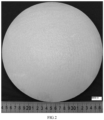
- FIG.2 The macrostructure of the comparison embodiment is shown in FIG.2 .
- BOF high-power electric arc furnace EAF
- ladle arc refining furnace LF-vacuum degassing furnace
- RH VD furnace
- the smelting materials comprise high-quality molten iron, steel scrap, and auxiliary materials, wherein high-quality desoxidant and refractory materials are selected.
- the tapping endpoint C of the three embodiments is respectively controlled ⁇ 0.10%
- the endpoint P is controlled ⁇ 0.015%
- the continuous casting superheat is controlled within 10-35°C.
- the slow cooling in pit is performed for the produced continuous casting billet, wherein the temperature of the billet entering the pit is greater than 600°C, the slow cooling duration in pit is greater than 48 hours, and the temperature of the billet exiting the pit is less than 200°C, and softening annealing is carried out within 24 hours after the billet is removed out of the pit.
- the softening annealing temperature is 600-700°C
- the heating and holding time is ⁇ 10h
- the billets are cooled to 450°C with the furnace and then air-cooled to the room temperature after being removed out of the furnace; after being subjected to shot blasting, the said continuous casting round billets are heated and rolled into the target bars in a heating furnace in a neutral or weak oxidizing atmosphere, which are slowly cooled in the lower pit after the rolling is completed.
- the heating, rolling and cooling processes of rolled steel are shown in Table 8 below. The bars are treated with softening annealing again within 24 hours after getting out of the pit.
- the softening annealing temperature is 600-700°C, the holding time is ⁇ 7h, and then the bars are cooled to 500°C with the furnace and then air-cooled to the room temperature after being removed out of the furnace; After that, the bars are further straightened and detected to obtain the target bars.
- Table 8 SN Heating process Hot rolling process Rolled material cooling process Heating temperature (°C) Heating time (h) Rolling temperature (°C) Final rolling temperature (°C) Temperature of the billet entering the pit (°C) Slow cooling time in pit (h) Temperature of the billet exiting the pit (°C) 1 1250 11h25min 1100 870 510 62 120 2 1254 12h30min 1115 900 525 65 150 3 1256 10h50min 1112 880 505 62 160
- the steel for the main shaft bearing of the wind turbine in each embodiment of the present invention has better control over harmful elements such as oxygen, titanium and non-metallic inclusions, that is, the steel purity is obviously superior to that of products produced by electroslag remelting; from the microstructure test results, the microstructure quality of the present invention is not inferior to the G20Cr2Ni4 steel produced by the electroslag remelting, which suggests the uniformity and density of the present invention are equivalent to the quality of the steel produced by the electroslag remelting.
- the steel for main shaft bearing of wind turbine produced by the vacuum degassing + continuous casting production process of the present invention can replace the product produced by application of the original electroslag remelting, which significantly improves the production efficiency, reduces the production costs, thus significantly enhancing the product competitiveness.
- the present invention relates to a steel for main shaft bearing of wind turbine and a production method thereof.
- the present application conducts optimized research and control of key processes by application of high efficiency, high capacity, and low cost process routes incorporating vacuum degassing, continuous casting, and rolling to attain steels having high purity, high uniformity and high density, which can substitute the current electroslag remelting production process, and make the performance meet the main shaft bearing steel requirements of wind turbine. It is more competitive in production efficiency, production cost and product quality stability.
Landscapes
- Chemical & Material Sciences (AREA)
- Engineering & Computer Science (AREA)
- Mechanical Engineering (AREA)
- Materials Engineering (AREA)
- Metallurgy (AREA)
- Organic Chemistry (AREA)
- Crystallography & Structural Chemistry (AREA)
- Thermal Sciences (AREA)
- Physics & Mathematics (AREA)
- General Engineering & Computer Science (AREA)
- Manufacturing & Machinery (AREA)
- Heat Treatment Of Articles (AREA)
- Treatment Of Steel In Its Molten State (AREA)
- Rolling Contact Bearings (AREA)
Description
- The present invention belongs to the field of metallurgical technology, in particular to a method for producing a steel for a main shaft bearing of a wind turbine.
- Wind energy, which represents the most promising renewable energy, is a green energy that is clean and pollution-free, and is now being increasingly concerned by the countries all over the world, for its broadest utilization prospects among the alternative energy resources and huge reserves.
- A wind turbine bearing is an important transmission device of a wind turbine, with 32 sets of bearings used on one wind turbine. Hence, proper selection of bearings is very important to ensure the safe and stable operation of wind turbines. Wind turbine bearings are generally divided into the following types including yaw bearings, pitch bearings, main shaft bearings, speed-increasing bearings and turbine bearings. Different technical requirements are provided depending on different types of bearings.
- The wind turbine bearings normally work under harsh conditions, and are subject to a wide range of temperature, humidity and load changes. Wherein, the main shaft bearing of the wind turbine is the main component to absorb a wind load and transmits the load, the performance of which not only affects the transmission efficiency, but also determines the maintenance cost of the main drive chain. It should be pointed out that, one-time installation and disassembly can reach up to hundreds to thousands of millions due to inconvenience and high cost in hoisting and replacing bearings, therefore, minimum requirements of main shaft bearings for wind turbine are given, which includes a 20-year service life and high reliability. To sum up, with view to the harsh working conditions and long service life, as well as high-reliability requirements of wind turbine, the bearings are challenged by high complexity with regards to technology, which has been recognized as one of the most difficult technologies in the process of localization, and also becomes the weakness in development of China wind power manufacturing industry.
- Currently, the global wind turbine bearing market is dominant by foreign bearing giants. The domestic manufactures involved in wind turbine bearings deploy their main production capacity on the yaw bearing and pitch bearing which requires relatively low technology; while the main shaft bearing and the speed-increasing bearing with high technology are still dependent on imports as they are under development stage in China.
- At present, the main shaft bearing of wind turbine mainly adopts bearing steel produced by application of electroslag remelting process, especially carburized bearing steel G20Cr2Ni4 that is produced by electroslag remelting process. The steel produced by the electroslag remelting has the quality advantages such as non-metallic inclusion particles with small size and uniform distribution, high uniformity in organization and high density, which ensures stable quality. However, there are also obvious disadvantages such as production efficiency, very low productivity, and very high energy consumption and production costs in electroslag remelting production process. Therefore, the electroslag remelting steel has low market competitiveness.
-
CN 106521324B discloses a carburized steel for an intermediate shaft gear for wind power, as well as a production method thereof. - The invention is set out in the appended set of claims.
- Based on the production of carburized bearing steel, the present application conducts optimized research and control of key processes by application of high efficiency, high capacity, and low cost process routes incorporating vacuum degassing, continuous casting, and rolling to attain steels having high purity, high uniformity and high density, which can substitute the current electroslag remelting production process, and meet the main shaft bearing steel requirements of wind turbine with regards to performance.
- In order to fulfill the purity, uniformity, compactness, wear resistance and hardenability requirements of the steel used for the main shaft bearing of the wind turbine, the present invention adopts rational design of steel chemical constituents and invents a steel for main shaft bearing produced by new vacuum degassing + continuous casting.
- The present invention puts forward strict requirements on both micro-inclusions and macro-inclusions, wherein the micro-inclusions includes type A and type C plastic inclusions and type B and type D brittle inclusions. Brittle inclusions are hard inclusions in steel, which can cause stress concentration during the bearing movement. Such inclusions are tend to be easily separated from the matrix in the process of steel deformation and lead to cracks in such a way to intensify stress concentration and thus cause cracking, the hazard may be increased in case of inclusions that have large particles and longer length. The plastic inclusions are soft inclusions in steel and are prone to get separated from the matrix during the deformation of the steel, so they have fewer hazards.
- The present invention requires fine micro brittle inclusions: Index of Group B fine type ≤ 1.5, Index of Group B course type ≤ 1.0, Index of Group D fine type ≤ 1.0, Index of Group D coarse type ≤ 1.0, Index of Group DS type ≤ 1.0, the specific requirements are shown in Table 1 below. The macro-inclusions can lead to significantly reduced wear resistance of steel and serious stress concentration, thereby causing early failure in the use process of bearing. The present invention detects the macro defects based on SEP 1927 (Ultrasonic immersion testing method for determining the macroscopic cleanliness rate of rolled or forged steel bars), i.e. water immersion high-frequency detection methods, and the length of a single inclusion is required not to exceed 5mm.
Table 1 Category A B C D DS Fine type Coarse type Fine type Coarse type Fine type Coarse type Fine type Coarse type Level 1.5 1.0 1.5 1.0 0 0 1.0 1.0 1.0 - The uniformity and density of the steel macrostructure have an impact on the service life of the bearing. The present invention requires to evaluate the steel macrostructure in accordance with GB/T 1979, which specifies the grade of center porosity ≤1.5, the grade of general porosity ≤ 1.0, grade of ingot segregation ≤1.0, and grade of center segregation ≤1.5, and no shrinkage cavity, cracks or subcutaneous bubbles.
- In order to ensure the strength, toughness and impact resistance of the steel, the present invention requires the grain size number to be ≥5, while the tensile strength to be ≥1200MPa, and the impact performance AKU to be ≥65J; for the purpose of ensuring the cold workability of the steel, the hardness is required to be ≤260HBW, and the depth of decarburization to be ≤0.8%D (D refers to the diameter). In order to meet the use requirements of the main shaft bearing, the hardenability of the steel described in the present invention: the hardenability requirements are shown in Table 2 below.
Table 2 Position J1.5 J3 J5 J7 J9 J11 J13 J15 J20 J25 J30 J35 J40 J45 J50 Standard 43 42 42 41 41 41 41 40 40 39 38 37 36 35 34 - - - - - - - - - - - - - - - 48 47 47 46 46 46 46 46 46 46 45 45 44 44 43 - The present invention adopts the following technical solution to solve the above problems: a steel for main shaft bearing of wind turbine, with the chemical constituents including: C: 0.10~0.30%, Si: 0.10~0.50%, Mn: 0.30~0.80%, Cr: 1.30 ~1.60%, S≤0.025%, P≤0.025%, Ni: 3.25~3.75%, Cu≤0.30%, Mo: 0.15~0.25%, Al: 0.005-0.05%, N: 0.005-0.015%, Ca≤0.0010 %, Ti≤0.003%, O≤0.0015%, As≤0.04%, Sn≤0.03%, Sb≤0.005%, Pb≤0.002%, the balance is Fe and unavoidable impurities. Below is considered as the design basis of the chemical constituents of the steel for main shaft bearing of wind turbine:
- 1) Determination of C content
In carburized bearing steel, carbon content is one of the most important elements that determine the core hardness and hardenability of the parts after carburizing and quenching. Increasing the C content will bring in improvement in hardness and strength of the steel, thereby improving the wear resistance. But excessive C content can lead to adverse impact on the toughness of steel. Therefore, for carburized bearing steel, the bearing steel must not only have sound impact resistance inside but also sufficient strength. The present invention constrains its content within 0.10-0.30% - 2) Determination of Si content
Si is a deoxidizing element in steel, which improves the hardness and strength of steel in the form of solid solution strengthening. It reduces the diffusion rate of C in the ferrite in such a way to make the carbides precipitated during tempering not easily accumulated, and increase the tempering stability of the steel, therefore, it not only contributes to reduction of internal stress in material but also maintenance of high hardness when the steel is tempered at a lower temperature. Besides, Si reduces oxidation during frictional heating and improves the cold deformation hardening rate of steel, thus improving the wear resistance of the material. However, high content of Si can cause low toughness of the steel becomes low, and Si may also increase the tendency of overheating sensitivity, cracking and decarburization the steel. The present invention constrains the Si content within 0.10 to 0.50%. - 3) Determination of Mn content
As a deoxidizing element in steelmaking, Mn is an element effective for strengthening steel, which has a solid solution strengthening effect; Mn can increase the hardenability of steel, thereby improving the hot workability of steel. Mn's ability in elimination of the impact of S (sulfur): Mn reacts S with in steel smelting to produce high-melting MnS, thereby weakening and eliminating the adverse effects of S. But high Mn content can reduce the toughness of steel. The Mn content of the present invention is constrained within 0.30 to 0.80%. - 4) Determination of Cr content
Cr is a carbide-forming element that can improve the hardenability, wear resistance and corrosion resistance of steel. However, excessive high content of Cr content, if combined with the carbon in the steel, may easily produce large carbides, which are insoluble and may cause reduced toughness of the steel. Chromium in carburized bearing steel can adjust the hardenability, improve the wear resistance of the carburized layer, and improve the mechanical properties of the steel. In addition, chromium contributes to stabilized heat treatment of steel, enabling good carburizing performance and reduced unevenness of carbides. The Cr content of the present invention is determined within the range of 1.30-1.60%. - 5) Determination of Al content
Al is added as a deoxidizing element in steel, Al and N reacts to form small and dispersed aluminum nitride inclusions that refine grains, besides reduction of the dissolved oxygen in molten steel. But in case of excessive Al content, brittle inclusions, such as large-particle Al2O3, may be easily produced in molten steel melting, which can cause reduced purity of the molten steel, thereby affecting the service life of the finished product. The Al content of the present invention is determined within the range of 0.005%-0.05%. - 6) Determination of Ni content
Nickel can reduce the ability of the surface to absorb carbon atoms in steel, accelerate the diffusion of carbon atoms in austenite, and reduce the concentration of carbon in the carburized layer, so nickel is able to slow down the carburizing rate; and, adding nickel will improve the steel toughness. The Ni content of the present invention is determined within the range of 3.25%-3.75%. - 7) Determination of Mo content
The molybdenum, in carburizing bearing steel, plays a key role of improving the hardenability, improving the mechanical properties of the steel, especially with regards to improving toughness. It can also improve the wear resistance and carburizing properties. The Mo content of the present invention is determined within the range 0.15%-0.25%. - 8) Determination of N content
In case that supersaturated nitrogen is dissolved in steel, nitrogen will precipitate in the form of nitrides after a long period of time, then the hardness and strength of the steel will be increased, the plasticity will be decreased, and aging will occur. Adding an appropriate amount of aluminum in the steel can generate stable AlN, which can suppress the formation and precipitation of Fe4N. In this way, it not only improves the aging property of the steel, but also prevents the growth of austenite grains and has the effect of grain refinement. However, nitrogen may react with an alloying element in steel to produce nitride non-metallic inclusions, more importantly, reducing the effect of alloying elements. In case of high nitrogen content in steel, the strength of the steel will increase and the impact toughness may be reduced. The N content of the present invention is determined within the range of 0.005-0.015%. - 9) Determination of Ca content
Ca content can increase the number and size of point oxides in the steel. Due to high hardness and poor plasticity, point oxides may not be deformed when the steel is deformed, instead, they will easily form voids at the joint interface, resulting in degraded performance of the steel. The Ca content in the present invention is determined within the range of ≤0.001%. - 10) Determination of Ti content
Ti element combines with N element to form titanium nitride inclusions, due to its high hardness and sharp angle, which can easily cause stress concentration during bearing transfer and impose great impact on the service life of bearings. Thus, Ti is controlled ≤0.0030%. - 11) Determination of O content
Oxygen content represents the total amount of oxide inclusions, and limiting the brittle oxide inclusions affects the service life of the finished product. It is demonstrated by a huge number of tests that the reduction of oxygen content is significantly beneficial to improving the steel purity, especially reducing the content of brittle oxide inclusions in steel. The oxygen content of the present invention is determined within the range of ≤0.0015%. - 12) Determination of P and S content
P element causes element segregation during the process of steel solidification, makes the grains become distorted and coarser when it is dissolved in ferrite, and increases cold brittleness, therefore, it is determined as P≤0.025%; S element tends to cause hot brittleness of steel and reduce the steel ductility and toughness, and the sulfide formed thereof destroys the continuity of the steel, it is therefore determined as S≤0.025%. - 13) Determination of As, Sn, Sb, Pb content
As, Sn, Sb, Pb and other micro-element all belong to all low-melting non-ferrous metals, which, if existing in steel, may cause presence of soft spots and uneven hardness on the surface of parts. Hence, they are regarded as harmful elements in steel, and their content in the present invention are determined as follows: As≤0.04%, Sn≤0.03%, Sb≤0.005%, Pb≤0.002%. - Another purpose of the present application is to provide a method for producing the steel for the main shaft bearing of a wind turbine, i.e. smelting billet by continuous casting instead of electroslag remelting, comprising the following main steps:
- (1) Molten steel smelting;
- (2) CCM large continuous casting billet with large cross-section continuous casting; and ensure that the steel compression ratio is greater than 4;
- (3) Slow cooling of continuous casting billet, followed by softening annealing: Slow cooling of continuous casting billet is to perform slow cooling of the continuous casting billet in pit, wherein the temperature of the billet entering the pit is greater than 600°C, and the slow cooling duration in pit is greater than 48 hours, the temperature of the billet exiting the pit is less than 200°C, and the softening annealing is carried out within 24 hours after the billet is removed out of the pit; the softening annealing temperature is 600-700°C, the time of heating and holding the temperature is ≥10h, and then the billet is cooled to 450°C with the furnace and then air-cooled to the room temperature after removal out of the furnace;
- (4) Continuous rolling: after heating to 1150°C-1280°C in a heating furnace with a neutral or weak oxidizing atmosphere (with the time of heating and holding the temperature ≥7h), the continuous casting billet out of the furnace is dephosphorized by high pressure water and then rolled into round bars in the rough rolling-medium rolling - finishing rolling machine, with the total compression ratio of ≥4, and the rough rolling temperature within 1000-1150°C; after that, the austenite grains heated at high temperature are recrystallized and refined, and the final rolling temperature is controlled at 800-950°C to make the final rolling performed in the non-recrystallization temperature range, which lengthens the deformed austenite grains. As there are many deformation bands in the grains, the ferrite grains after phase transformation can be refined in order to improve the strength and toughness of steel;
- (5) Slow cooling and softening annealing of the rolled material: the rolled bars are slowly cooled in the pit at a temperature of 480°C or above for more than 60 hours, the temperature of the bars exiting the pit is less than 200°C, and the bars are subjected to softening annealing within 24 hours after being removed out of the pit; the softening annealing temperature is controlled at 600-700°C, the holding time is ≥7h, and then the billet is cooled to 500°C with the furnace and then air-cooled to the room temperature after removal from the furnace;
- (6) Finishing.
- In step 1: treating the smelting raw materials sequentially by KR pretreatment of molten iron, electric furnace or converter smelting, LF refining, and RH or VD vacuum degassing to obtain pure molten steel with the required chemical constituents.
- The raw smelting materials comprise high-quality molten iron, steel scrap, and auxiliary materials, wherein high-quality refractory materials are selected, high-performance refined synthetic slag are used in the smelting process to control the quantity and shape of various inclusions in steel, the ladle arc refining furnace carries out a long-term inclusion removal process to make the non-metallic inclusions fully floated, and it is necessary to select special refined slag and tundish protective slag to absorb the inclusions.
- Preferably, step 2: implementing tundish induction heating, light reduction and electromagnetic stirring for continuous casting to effectively improve the segregation and material structure of the cast billet; applying continuous casting with whole-process protection and large cross-section to make the steel compression ratio greater than 4, thereby effectively ensuring the material density; adopting low superheat pouring for continuous casting to control the continuous casting superheat as ≤35°C and effectively improve the uniformity of the material, thus to produce a rectangular billet of 390×510mm or above or a round continuous casting billet of ϕ600 or above, which is in compliance with the chemical constituents of the finished steel product.
- Specifically, Step 6: finishing includes the finishing processes such as straightening and detecting to obtain the target finished bar product.
- All products must be subjected to 100% non-destructive testing, which are considered as qualified products after passing the test.
- The production process mainly has the following characteristics:
- 1. The iron must undergo molten iron pretreatment during molten steel smelting, and strict control is made over the quality of steel scrap, with priority given to low-titanium alloys, deoxidizers and refractory materials; the converter tapping adopts such process technologies as slag cutoff tapping, dedrossing behind the furnace to solve the problem of high content of harmful elements Ti, Ca, As, Sn, Pb, and Sb in the prior art;
- 2. Deoxidation technology and RH vacuum degassing process are applied to reduce the content of O and H in the steel to an extremely low level, and effectively control the quantity and size of inclusions. The test shows that the quantity and size of inclusions in the product of the present invention have reached the world leading level.
- 3. Continuous casting applies low superheat pouring, and also tundish induction heating, light reduction and electromagnetic stirring technologies to effectively improve the segregation and material structure of the cast billet; adopts continuous casting with whole-process protection and large cross-section to make the steel compression ratio greater than 4, thereby effectively ensuring the material density;
- 4. Continuous casting billet and rolling materials are subjected to slow cooling in pit + softening annealing treatment to avoid cracking of steel due to changes in surface and internal thermal stress as well as structural stress.
- 5. With regards to manufacturing process, the vacuum degassing + continuous casting is adopted and the process has the advantages of reducing the production cycle, improving the production efficiency, effectively reducing the manufacturing cost as compared with electroslag remelting, which enables realization of large-scale production, favorable for improving the material composition and product quality stability;
- 6. The steel for the main shaft bearing of the wind turbine of the present invention meets the following index requirements:
Micro-inclusions are tested according to GB/T 10561 A method, and the results show Index of Group B fine type ≤ 1.5, Index of Group B course type ≤ 1.0, Index of Group D fine type ≤ 1.0, Index of Group D coarse type ≤ 1.0, Index of Group DS type ≤ 1.0; macro defects are tested according to the SEP 1927 method, and the results show the length of a single inclusion does not exceed 5mm; the macrostructure is required to evaluate according to GB/T 1979, which specifies the grade of center porosity ≤ 1.5, grade of general porosity ≤ 1.0, and grade of ingot segregation ≤ 1.0. grade of center segregation ≤1.5, and no shrinkage cavity, cracks or subcutaneous bubbles. -
-
FIG. 1 depicts a microstructure view of an embodiment product; -
FIG.2 depicts a microstructure view of a comparison product. - In conjunction with the embodiments, the present invention is illustrated in detailed below.
- See Table 3 for the chemical constituents (wt%) of each embodiment of the present invention and (for comparison) the electroslag remelted G20Cr2Ni4 currently used in the market.

Table 4 Inclusions in the steel of each embodiment Embodiment A fine A coarse B fine B coarse C fine C coarse D fine D coarse Ds Φ230 for the present invention 1 0.5 0 0∼0.5 0 0 0 0.5 0∼0.5 0∼0.5 Φ230 for the present invention 2 0.5 0 0∼0.5 0∼0.5 0 0 0.5 0 0 The present invention Φ230 3 0.5 0 0∼0.5 0 0 0 0.5 0 0∼0.5 Contrast steel 4 0.5 0 0∼0.5 0∼1.0 0 0 0.5-∼1 0.5 0∼1.0 Table 5 End-hardenability of steel in various embodiments J1.5 J3 J5 J7 J9 J11 J13 J15 J20 J25 J30 J35 J40 J45 J50 Embodiment 1 of the present invention 44 43.5 43.5 43 43 43 43 43 43 43 41 41 41 40 39.5 Embodiment 2 of the present invention 45 42 42 42 42 42 42 42 41.5 41.5 41 40 40 38 38 Embodiment 3 of the present invention 44 43 43 43 43 43 43 43 43 42.5 41.5 41.5 40 39.5 39 Contrast steel 43 41.5 41 41.5 40 40 39.5 39 39 39 38.5 38 38 37 37 Table 6 The grain size number, hardness and mechanical property of each embodiment Grain size number Hardness (HBW) Tensile strength (MPa) Impact toughness AKU (1) Embodiment 1 of the present invention 7.5 209 1457 88 Embodiment 2 of the present invention 7 213 1468 76 Embodiment 3 of the present invention 7.5 206 1465 82 Contrast steel 6 201 1410 79 Table 7 Microstructure data of steel in various embodiments Grade of center porosity Grade of general porosity Grade of ingot segregation Grade of center segregation Crack Shrinkage cavity Subcutaneous bubble Embodiment 1 of the present invention 1 1.0 1.0 1.0 None None None Embodiment 2 of the present invention 1 1.0 1.0 1.0 None None None Embodiment 3 of the present invention 1 1.0 1.0 1.0 None None None Contrast steel 1.5 1.0 1.0 1.0 None None None - The macrostructure of any product in the embodiment is shown in
FIG. 1 , and the macrostructure of the comparison embodiment is shown inFIG.2 . - The manufacturing process of the steel for the main shaft bearing of the wind turbine of the embodiment of the present invention is given as below: molten iron pretreatment + top-bottom combined blowing converter BOF (high-power electric arc furnace EAF)-ladle arc refining furnace LF-vacuum degassing furnace RH (VD furnace) -CCM large continuous casting billet with large cross-section continuous casting-continuous rolling-finishing process.
- Specifically, the smelting materials comprise high-quality molten iron, steel scrap, and auxiliary materials, wherein high-quality desoxidant and refractory materials are selected. In the electric furnace/converter production process, the tapping endpoint C of the three embodiments is respectively controlled ≥0.10%, the endpoint P is controlled ≤0.015%, and the continuous casting superheat is controlled within 10-35°C. The slow cooling in pit is performed for the produced continuous casting billet, wherein the temperature of the billet entering the pit is greater than 600°C, the slow cooling duration in pit is greater than 48 hours, and the temperature of the billet exiting the pit is less than 200°C, and softening annealing is carried out within 24 hours after the billet is removed out of the pit. The softening annealing temperature is 600-700°C, the heating and holding time is ≥10h, and then the billets are cooled to 450°C with the furnace and then air-cooled to the room temperature after being removed out of the furnace; after being subjected to shot blasting, the said continuous casting round billets are heated and rolled into the target bars in a heating furnace in a neutral or weak oxidizing atmosphere, which are slowly cooled in the lower pit after the rolling is completed. The heating, rolling and cooling processes of rolled steel are shown in Table 8 below. The bars are treated with softening annealing again within 24 hours after getting out of the pit. The softening annealing temperature is 600-700°C, the holding time is ≥7h, and then the bars are cooled to 500°C with the furnace and then air-cooled to the room temperature after being removed out of the furnace; After that, the bars are further straightened and detected to obtain the target bars.
Table 8 SN Heating process Hot rolling process Rolled material cooling process Heating temperature (°C) Heating time (h) Rolling temperature (°C) Final rolling temperature (°C) Temperature of the billet entering the pit (°C) Slow cooling time in pit (h) Temperature of the billet exiting the pit (°C) 1 1250 11h25min 1100 870 510 62 120 2 1254 12h30min 1115 900 525 65 150 3 1256 10h50min 1112 880 505 62 160 - As can be observed by comparison of Tables 3, 4, 5, 6, and 7, compared with the G20Cr2Ni4 steel produced by electroslag remelting, the steel for the main shaft bearing of the wind turbine in each embodiment of the present invention has better control over harmful elements such as oxygen, titanium and non-metallic inclusions, that is, the steel purity is obviously superior to that of products produced by electroslag remelting; from the microstructure test results, the microstructure quality of the present invention is not inferior to the G20Cr2Ni4 steel produced by the electroslag remelting, which suggests the uniformity and density of the present invention are equivalent to the quality of the steel produced by the electroslag remelting. Based on the above analysis, the steel for main shaft bearing of wind turbine produced by the vacuum degassing + continuous casting production process of the present invention can replace the product produced by application of the original electroslag remelting, which significantly improves the production efficiency, reduces the production costs, thus significantly enhancing the product competitiveness.
- In summary, the present invention relates to a steel for main shaft bearing of wind turbine and a production method thereof. In view of the overall concept of improving the purity of the steel, the present application conducts optimized research and control of key processes by application of high efficiency, high capacity, and low cost process routes incorporating vacuum degassing, continuous casting, and rolling to attain steels having high purity, high uniformity and high density, which can substitute the current electroslag remelting production process, and make the performance meet the main shaft bearing steel requirements of wind turbine. It is more competitive in production efficiency, production cost and product quality stability.
Claims (2)
- A method for producing a steel for a main shaft bearing of a wind turbine, comprising the following steps:(1) smelting of molten steel, wherein raw materials are sequentially treated by KR pretreatment of molten iron, smelting by electric furnace or converter, LF refining, and RH or VD vacuum degassing;(2) continuous casting of CCM large continuous casting billet with large cross-section; wherein the continuous casting billet meets the following requirements: C: 0.10~0.30%, Si: 0.10~0.50%, Mn: 0.30 ~ 0.80%, Cr: 1.30 ~ 1.60%, S≤0.025%, P≤0.025%, Ni: 3.25 ~ 3.75%, Cu≤0.30%, Mo: 0.15 ~ 0.25%, Al: 0.005-0.05%, N: 0.005 -0.015%, Ca≤0.0010%, Ti≤0.003%, O≤0.0015%, As≤0.04%, Sn≤0.03%, Sb≤0.005%, Pb≤0.002%, the balance is Fe and unavoidable impurities;(3) slow cooling of continuous casting billet, followed by softening annealing, wherein the slow cooling of continuous casting billet is performing the slow cooling in a pit, wherein a temperature of the billet entering the pit is greater than 600°C, and the duration of the slow cooling in the pit is greater than 48 hours, a temperature of the billet exiting the pit is less than 200°C, and the softening annealing is carried out within 24 hours after the billet is removed out of the pit, the softening annealing temperature is 600-700°C, the time of heating and holding the temperature is ≥10h, and then the billets are cooled to 450°C with the furnace, and then air-cooled to the room temperature after being removed out of the furnace;(4) continuous rolling: after heating to 1150°C-1280°C in a heating furnace with a neutral atmosphere, and the time of heating and holding the temperature is ≥7h, the continuous casting billet out of the furnace is dephosphorized by high pressure water and then rolled into round bars in rough rolling - medium rolling - finishing rolling machines, with the total compression ratio of ≥ 4, and the rough rolling temperature is 1000-1150°C; after that, the austenite grains heated at high temperature are recrystallized and refined, and the final rolling temperature is controlled at 800-950°C to make the final rolling performed in the non-recrystallization temperature range, which lengthens the deformed austenite grains; as there are many deformation bands in the grains, the ferrite grains after phase transformation can be refined;(5) slow cooling and softening annealing, wherein the rolled bars having a temperature of 480°C or above are slowly cooled in a pit, wherein the slow cooling lasts more than 60 hours, a temperature of the bars exiting the pit is less than 200°C, and the bars are subjected to softening annealing within 24 hours after being removed out of the pit,
the softening annealing temperature is 600-700°C, the holding time is ≥7h, and then the material is cooled to 500°C in the furnace, and then air-cooled to the room temperature after being removed out of the furnace;(6) finishing. - The method for producing the steel for the main shaft bearing of wind turbine according to Claim 1, wherein in step 2 implementing induction heating of tundish, light reduction and electromagnetic stirring to effectively improve the segregation and material structure of the cast billet; applying casting with whole-process protection and low superheat pouring to control the continuous casting superheat as ≤35°C, thereby producing a rectangular billet of 390x510 mm or above, or a round continuous casting billet of ϕ600 or above, which is in compliance with the chemical constituents of the finished steel product.
Applications Claiming Priority (2)
| Application Number | Priority Date | Filing Date | Title |
|---|---|---|---|
| CN201811180693.1A CN109161658B (en) | 2018-10-09 | 2018-10-09 | A kind of steel for wind turbine main shaft bearing and production method thereof |
| PCT/CN2019/075851 WO2020073576A1 (en) | 2018-10-09 | 2019-02-22 | Steel for wind turbine main shaft bearing and production method therefor |
Publications (3)
| Publication Number | Publication Date |
|---|---|
| EP3865595A1 EP3865595A1 (en) | 2021-08-18 |
| EP3865595A4 EP3865595A4 (en) | 2021-12-08 |
| EP3865595B1 true EP3865595B1 (en) | 2023-04-05 |
Family
ID=64877635
Family Applications (1)
| Application Number | Title | Priority Date | Filing Date |
|---|---|---|---|
| EP19871603.7A Active EP3865595B1 (en) | 2018-10-09 | 2019-02-22 | Steel for wind turbine main shaft bearing and production method therefor |
Country Status (4)
| Country | Link |
|---|---|
| EP (1) | EP3865595B1 (en) |
| KR (1) | KR102516710B1 (en) |
| CN (1) | CN109161658B (en) |
| WO (1) | WO2020073576A1 (en) |
Cited By (1)
| Publication number | Priority date | Publication date | Assignee | Title |
|---|---|---|---|---|
| RU2836665C1 (en) * | 2024-06-27 | 2025-03-18 | Федеральное Государственное Унитарное Предприятие "Центральный научно-исследовательский институт черной металлургии им. И.П. Бардина" (ФГУП "ЦНИИчермет им. И.П. Бардина") | Method of producing hot-rolled sections for making large-size bearings |
Families Citing this family (32)
| Publication number | Priority date | Publication date | Assignee | Title |
|---|---|---|---|---|
| CN109161658B (en) * | 2018-10-09 | 2020-04-21 | 江阴兴澄特种钢铁有限公司 | A kind of steel for wind turbine main shaft bearing and production method thereof |
| CN110129656A (en) * | 2019-05-22 | 2019-08-16 | 湖南华菱湘潭钢铁有限公司 | The production method of steel is saved in a kind of motor turning |
| CN110373523B (en) * | 2019-07-16 | 2021-05-11 | 河钢股份有限公司承德分公司 | Heat treatment softening method for steel for 90 kg-grade welding wire |
| CN112853206B (en) * | 2020-12-31 | 2021-11-09 | 大冶特殊钢有限公司 | Wind power gear steel for improving purity and reliability and smelting method thereof |
| CN112981236B (en) * | 2021-01-27 | 2022-10-25 | 江阴兴澄特种钢铁有限公司 | Steel for inner raceway of constant velocity universal joint and production method thereof |
| CN113151652B (en) * | 2021-02-08 | 2023-03-31 | 衡阳市金则利特种合金股份有限公司 | Production process and application of small-section high-temperature alloy steel bar |
| CN113680815B (en) * | 2021-08-25 | 2023-05-16 | 张家港荣盛特钢有限公司 | Steel rolling method for reducing impurity clamping size of cord steel plate |
| CN114058818A (en) * | 2021-11-02 | 2022-02-18 | 河钢股份有限公司 | Rolling and heat treatment method of 55Ni40Cr3Al bearing steel |
| CN114150219B (en) * | 2021-11-23 | 2023-05-26 | 本钢板材股份有限公司 | Steel for large-specification high-strength mining machinery drill bit and production process |
| CN114774771B (en) * | 2022-03-02 | 2023-09-15 | 江阴兴澄特种钢铁有限公司 | Carburized bearing steel for large-load rolling mill bearings and production method thereof |
| CN114669724B (en) * | 2022-03-31 | 2024-01-23 | 中天钢铁集团有限公司 | Control method of carbides in large-size wind turbine bearing steel produced by continuous casting and rolling process |
| CN114774762A (en) * | 2022-04-21 | 2022-07-22 | 江苏永钢集团有限公司 | Production method of H13 hot-work die steel bar with good low-power quality |
| CN114807759B (en) * | 2022-04-25 | 2024-01-09 | 江阴兴澄特种钢铁有限公司 | New energy automobile gear box bearing steel material and manufacturing method thereof |
| CN114807773B (en) * | 2022-04-28 | 2023-09-12 | 张家港联峰钢铁研究所有限公司 | High mechanical property wind driven generator shaft steel and preparation process thereof |
| CN114891947B (en) * | 2022-04-29 | 2023-08-22 | 石钢京诚装备技术有限公司 | Method for improving low-temperature impact performance of steel for wind power flange |
| CN114959459B (en) * | 2022-05-06 | 2023-06-16 | 鞍钢股份有限公司 | Steel plate for advanced nuclear power unit reactor core shell cylinder and manufacturing method thereof |
| CN114908292B (en) * | 2022-05-06 | 2023-05-16 | 鞍钢股份有限公司 | Steel plate for evaporator of advanced nuclear power unit and manufacturing method thereof |
| CN114875298A (en) * | 2022-05-16 | 2022-08-09 | 承德建龙特殊钢有限公司 | Steel bar for ball core of thrust rod and preparation method thereof |
| CN115007776B (en) * | 2022-05-17 | 2025-06-06 | 振宏重工(江苏)股份有限公司 | A method for manufacturing a heavy-weight solid wind turbine main shaft made of 42CrMo4 material |
| CN115369333B (en) * | 2022-07-12 | 2023-03-31 | 江阴兴澄特种钢铁有限公司 | Steel for high-speed bullet train bearing rolling body and manufacturing method thereof |
| CN117467890A (en) * | 2022-07-21 | 2024-01-30 | 宝山钢铁股份有限公司 | High-temperature carburized bearing steel and manufacturing method thereof |
| CN115491511B (en) * | 2022-09-01 | 2023-11-28 | 大冶特殊钢有限公司 | High-toughness ultrahigh-strength steel and preparation method thereof |
| CN116121629B (en) * | 2022-12-19 | 2024-05-14 | 本钢板材股份有限公司 | Preparation method of gear steel 18CrNiMo7-6 |
| CN116274436B (en) * | 2023-02-10 | 2025-08-29 | 马鞍山钢铁股份有限公司 | A method for eliminating extremely fine structure on the surface of GCr15 bearing steel bar |
| CN116445800A (en) * | 2023-03-23 | 2023-07-18 | 石钢京诚装备技术有限公司 | A production method of low aluminum electrode blank G20Cr2Ni4 electroslag steel |
| CN116695022A (en) * | 2023-06-27 | 2023-09-05 | 本钢板材股份有限公司 | A kind of high strength and toughness gear round steel for wind power and its preparation method |
| CN116790994A (en) * | 2023-06-30 | 2023-09-22 | 本钢板材股份有限公司 | Production and preparation method of converter process carburized gear shaft bar |
| CN117867374B (en) * | 2023-11-27 | 2024-12-10 | 江阴兴澄特种钢铁有限公司 | Steel material for large breaker piston shaft and manufacturing method thereof |
| CN117867377A (en) * | 2023-12-07 | 2024-04-12 | 舞阳钢铁有限责任公司 | A method for producing a thick Mn-Ni-Mo quenched and tempered steel plate by rolling instead of forging and a method for producing the same |
| CN118256823B (en) * | 2024-03-19 | 2026-01-23 | 新余钢铁股份有限公司 | Production method for fine blanking steel 65Mn-Cr continuous casting slab and control center segregation |
| CN119411028A (en) * | 2024-08-12 | 2025-02-11 | 江阴兴澄特种钢铁有限公司 | Carburized bearing steel for large-size oil drilling rig turntable bearing and production method thereof |
| CN120679834B (en) * | 2025-08-25 | 2025-11-21 | 洛阳龙鼎铝业有限公司 | Method for producing flat tube strip for high corrosion resistance automobile radiator by continuous casting and rolling method |
Family Cites Families (11)
| Publication number | Priority date | Publication date | Assignee | Title |
|---|---|---|---|---|
| JPS57126957A (en) * | 1981-01-29 | 1982-08-06 | Japan Steel Works Ltd:The | High strength and high toughness case hardening steel |
| JPS59129756A (en) * | 1983-01-12 | 1984-07-26 | Sanyo Tokushu Seikou Kk | High-strength carburized and quenched steel for drive shaft cross pins |
| JP2001234284A (en) * | 2000-02-18 | 2001-08-28 | Sanyo Special Steel Co Ltd | Steel excellent in crystal grain size characteristics and method for producing the same |
| JP3738004B2 (en) * | 2002-12-24 | 2006-01-25 | 新日本製鐵株式会社 | Case-hardening steel with excellent cold workability and prevention of coarse grains during carburizing, and its manufacturing method |
| CN102653843A (en) * | 2012-05-24 | 2012-09-05 | 宝山钢铁股份有限公司 | Carburizing bearing steel |
| CN102965589B (en) * | 2012-12-13 | 2014-07-16 | 湘潭华进科技有限公司 | Mechanical expanding machine pull rod shaft with high fatigue strength and preparation method thereof |
| US9695875B2 (en) * | 2013-07-17 | 2017-07-04 | Roller Bearing Company Of America, Inc. | Top drive bearing for use in a top drive system, and made of non-vacuum arc remelted steel configured to achieve an extended life cycle at least equivalent to a life factor of three for a vacuum arc remelted steel |
| CN106521324B (en) * | 2016-12-08 | 2018-08-14 | 山东钢铁股份有限公司 | A kind of wind-powered electricity generation countershaft-gear carburizing steel and preparation method thereof |
| CN107904498B (en) * | 2017-10-20 | 2020-05-22 | 江阴兴澄特种钢铁有限公司 | Carburized bearing steel for railway wagon and preparation method thereof |
| CN109182901B (en) * | 2018-09-17 | 2020-09-29 | 江阴兴澄特种钢铁有限公司 | Steel for linear guide rail and hot rolling production method thereof |
| CN109161658B (en) * | 2018-10-09 | 2020-04-21 | 江阴兴澄特种钢铁有限公司 | A kind of steel for wind turbine main shaft bearing and production method thereof |
-
2018
- 2018-10-09 CN CN201811180693.1A patent/CN109161658B/en active Active
-
2019
- 2019-02-22 WO PCT/CN2019/075851 patent/WO2020073576A1/en not_active Ceased
- 2019-02-22 KR KR1020217012169A patent/KR102516710B1/en active Active
- 2019-02-22 EP EP19871603.7A patent/EP3865595B1/en active Active
Cited By (1)
| Publication number | Priority date | Publication date | Assignee | Title |
|---|---|---|---|---|
| RU2836665C1 (en) * | 2024-06-27 | 2025-03-18 | Федеральное Государственное Унитарное Предприятие "Центральный научно-исследовательский институт черной металлургии им. И.П. Бардина" (ФГУП "ЦНИИчермет им. И.П. Бардина") | Method of producing hot-rolled sections for making large-size bearings |
Also Published As
| Publication number | Publication date |
|---|---|
| EP3865595A1 (en) | 2021-08-18 |
| CN109161658B (en) | 2020-04-21 |
| CN109161658A (en) | 2019-01-08 |
| WO2020073576A1 (en) | 2020-04-16 |
| KR102516710B1 (en) | 2023-04-03 |
| KR20210064320A (en) | 2021-06-02 |
| EP3865595A4 (en) | 2021-12-08 |
Similar Documents
| Publication | Publication Date | Title |
|---|---|---|
| EP3865595A1 (en) | Steel for wind turbine main shaft bearing and production method therefor | |
| CN110983178B (en) | Steel for ball screw bearing and manufacturing method thereof | |
| CN109338035B (en) | Steel for wind driven generator gear box bearing and production method thereof | |
| EP4488403A1 (en) | Carburized bearing steel for large-load rolling mill bearing and production method therefor | |
| CN109182901B (en) | Steel for linear guide rail and hot rolling production method thereof | |
| US20240254577A1 (en) | Spheroidizing-annealed steel for ball screw having high strength and resistance to low temperatures and manufacturing method thereof | |
| EP3050994A1 (en) | Non-quenched and tempered steel and manufacturing method therefor | |
| JP2018525520A (en) | Microalloying passenger car carbon hub bearing steel and manufacturing method thereof | |
| CN113481427B (en) | Medium-carbon low-alloy CrMnSiB series steel forging and rolling bar for producing cold heading module by continuous casting billet and manufacturing method thereof | |
| CN114134397B (en) | Steel suitable for cold extrusion of ball screw and production method thereof | |
| CN102676947B (en) | Welded structural steel and manufacturing method thereof | |
| CN110484837A (en) | A kind of steel for ball screw and its manufacturing method | |
| CN107904498A (en) | A kind of railway freight-car carburizing bearing steel and preparation method thereof | |
| CN115418560A (en) | Steel for high-speed motor train traction motor bearing and production method thereof | |
| CN100467655C (en) | A micro-alloyed high-strength fork steel | |
| CN110184534A (en) | One kind 100 ~ 150mm thickness has the super-thick steel plate and its production method of performance after the processing of excellent die welding | |
| CN112981266A (en) | Steel for rack of steering gear of passenger car and manufacturing method thereof | |
| CN114134409A (en) | Steel for ball screw bearing and manufacturing method thereof | |
| KR20250011976A (en) | Special thickness Q500qE bridge steel plate and its production method | |
| CN107130172B (en) | 400HBW grades of Brinell hardness whole constrictive type high tenacity easily weld special thick wear-resisting steel plate and its manufacturing method | |
| CN109930063B (en) | Steel for engineering machinery crawler chassis wheel body and production method thereof | |
| CN115747647A (en) | High-wear-resistance and heat-treatment-resistant deformed steel for linear guide rail and preparation method thereof | |
| CN110042324B (en) | A production process for container corner pieces | |
| EP4729650A1 (en) | High-strength, high-toughness and high-hardenability gear shaft steel, and manufacturing method therefor | |
| CN118531293A (en) | A deep-processed steel for low-temperature resistant oil service bolts and a manufacturing method thereof |
Legal Events
| Date | Code | Title | Description |
|---|---|---|---|
| STAA | Information on the status of an ep patent application or granted ep patent |
Free format text: STATUS: THE INTERNATIONAL PUBLICATION HAS BEEN MADE |
|
| PUAI | Public reference made under article 153(3) epc to a published international application that has entered the european phase |
Free format text: ORIGINAL CODE: 0009012 |
|
| STAA | Information on the status of an ep patent application or granted ep patent |
Free format text: STATUS: REQUEST FOR EXAMINATION WAS MADE |
|
| 17P | Request for examination filed |
Effective date: 20210508 |
|
| AK | Designated contracting states |
Kind code of ref document: A1 Designated state(s): AL AT BE BG CH CY CZ DE DK EE ES FI FR GB GR HR HU IE IS IT LI LT LU LV MC MK MT NL NO PL PT RO RS SE SI SK SM TR |
|
| A4 | Supplementary search report drawn up and despatched |
Effective date: 20211110 |
|
| RIC1 | Information provided on ipc code assigned before grant |
Ipc: C22C 38/40 20060101ALI20211104BHEP Ipc: C22C 38/22 20060101ALI20211104BHEP Ipc: C22C 38/18 20060101ALI20211104BHEP Ipc: C22C 38/08 20060101ALI20211104BHEP Ipc: C21D 8/02 20060101ALI20211104BHEP Ipc: C21D 8/00 20060101ALI20211104BHEP Ipc: C21D 1/06 20060101ALI20211104BHEP Ipc: C22C 38/60 20060101ALI20211104BHEP Ipc: C22C 38/50 20060101ALI20211104BHEP Ipc: C22C 38/44 20060101ALI20211104BHEP Ipc: C22C 38/42 20060101ALI20211104BHEP Ipc: C22C 38/06 20060101ALI20211104BHEP Ipc: C22C 38/04 20060101ALI20211104BHEP Ipc: C22C 38/02 20060101ALI20211104BHEP Ipc: C21D 8/06 20060101ALI20211104BHEP Ipc: C21D 1/32 20060101AFI20211104BHEP |
|
| DAV | Request for validation of the european patent (deleted) | ||
| DAX | Request for extension of the european patent (deleted) | ||
| STAA | Information on the status of an ep patent application or granted ep patent |
Free format text: STATUS: EXAMINATION IS IN PROGRESS |
|
| 17Q | First examination report despatched |
Effective date: 20220801 |
|
| GRAP | Despatch of communication of intention to grant a patent |
Free format text: ORIGINAL CODE: EPIDOSNIGR1 |
|
| STAA | Information on the status of an ep patent application or granted ep patent |
Free format text: STATUS: GRANT OF PATENT IS INTENDED |
|
| INTG | Intention to grant announced |
Effective date: 20221117 |
|
| GRAS | Grant fee paid |
Free format text: ORIGINAL CODE: EPIDOSNIGR3 |
|
| GRAA | (expected) grant |
Free format text: ORIGINAL CODE: 0009210 |
|
| STAA | Information on the status of an ep patent application or granted ep patent |
Free format text: STATUS: THE PATENT HAS BEEN GRANTED |
|
| AK | Designated contracting states |
Kind code of ref document: B1 Designated state(s): AL AT BE BG CH CY CZ DE DK EE ES FI FR GB GR HR HU IE IS IT LI LT LU LV MC MK MT NL NO PL PT RO RS SE SI SK SM TR |
|
| REG | Reference to a national code |
Ref country code: GB Ref legal event code: FG4D |
|
| REG | Reference to a national code |
Ref country code: CH Ref legal event code: EP |
|
| REG | Reference to a national code |
Ref country code: AT Ref legal event code: REF Ref document number: 1558290 Country of ref document: AT Kind code of ref document: T Effective date: 20230415 |
|
| REG | Reference to a national code |
Ref country code: DE Ref legal event code: R096 Ref document number: 602019027332 Country of ref document: DE |
|
| REG | Reference to a national code |
Ref country code: IE Ref legal event code: FG4D |
|
| REG | Reference to a national code |
Ref country code: SE Ref legal event code: TRGR |
|
| REG | Reference to a national code |
Ref country code: LT Ref legal event code: MG9D |
|
| REG | Reference to a national code |
Ref country code: NL Ref legal event code: MP Effective date: 20230405 |
|
| REG | Reference to a national code |
Ref country code: AT Ref legal event code: MK05 Ref document number: 1558290 Country of ref document: AT Kind code of ref document: T Effective date: 20230405 |
|
| PG25 | Lapsed in a contracting state [announced via postgrant information from national office to epo] |
Ref country code: NL Free format text: LAPSE BECAUSE OF FAILURE TO SUBMIT A TRANSLATION OF THE DESCRIPTION OR TO PAY THE FEE WITHIN THE PRESCRIBED TIME-LIMIT Effective date: 20230405 |
|
| PG25 | Lapsed in a contracting state [announced via postgrant information from national office to epo] |
Ref country code: PT Free format text: LAPSE BECAUSE OF FAILURE TO SUBMIT A TRANSLATION OF THE DESCRIPTION OR TO PAY THE FEE WITHIN THE PRESCRIBED TIME-LIMIT Effective date: 20230807 Ref country code: NO Free format text: LAPSE BECAUSE OF FAILURE TO SUBMIT A TRANSLATION OF THE DESCRIPTION OR TO PAY THE FEE WITHIN THE PRESCRIBED TIME-LIMIT Effective date: 20230705 Ref country code: ES Free format text: LAPSE BECAUSE OF FAILURE TO SUBMIT A TRANSLATION OF THE DESCRIPTION OR TO PAY THE FEE WITHIN THE PRESCRIBED TIME-LIMIT Effective date: 20230405 Ref country code: AT Free format text: LAPSE BECAUSE OF FAILURE TO SUBMIT A TRANSLATION OF THE DESCRIPTION OR TO PAY THE FEE WITHIN THE PRESCRIBED TIME-LIMIT Effective date: 20230405 |
|
| PG25 | Lapsed in a contracting state [announced via postgrant information from national office to epo] |
Ref country code: RS Free format text: LAPSE BECAUSE OF FAILURE TO SUBMIT A TRANSLATION OF THE DESCRIPTION OR TO PAY THE FEE WITHIN THE PRESCRIBED TIME-LIMIT Effective date: 20230405 Ref country code: PL Free format text: LAPSE BECAUSE OF FAILURE TO SUBMIT A TRANSLATION OF THE DESCRIPTION OR TO PAY THE FEE WITHIN THE PRESCRIBED TIME-LIMIT Effective date: 20230405 Ref country code: LV Free format text: LAPSE BECAUSE OF FAILURE TO SUBMIT A TRANSLATION OF THE DESCRIPTION OR TO PAY THE FEE WITHIN THE PRESCRIBED TIME-LIMIT Effective date: 20230405 Ref country code: LT Free format text: LAPSE BECAUSE OF FAILURE TO SUBMIT A TRANSLATION OF THE DESCRIPTION OR TO PAY THE FEE WITHIN THE PRESCRIBED TIME-LIMIT Effective date: 20230405 Ref country code: IS Free format text: LAPSE BECAUSE OF FAILURE TO SUBMIT A TRANSLATION OF THE DESCRIPTION OR TO PAY THE FEE WITHIN THE PRESCRIBED TIME-LIMIT Effective date: 20230805 Ref country code: HR Free format text: LAPSE BECAUSE OF FAILURE TO SUBMIT A TRANSLATION OF THE DESCRIPTION OR TO PAY THE FEE WITHIN THE PRESCRIBED TIME-LIMIT Effective date: 20230405 Ref country code: GR Free format text: LAPSE BECAUSE OF FAILURE TO SUBMIT A TRANSLATION OF THE DESCRIPTION OR TO PAY THE FEE WITHIN THE PRESCRIBED TIME-LIMIT Effective date: 20230706 Ref country code: AL Free format text: LAPSE BECAUSE OF FAILURE TO SUBMIT A TRANSLATION OF THE DESCRIPTION OR TO PAY THE FEE WITHIN THE PRESCRIBED TIME-LIMIT Effective date: 20230405 |
|
| PG25 | Lapsed in a contracting state [announced via postgrant information from national office to epo] |
Ref country code: FI Free format text: LAPSE BECAUSE OF FAILURE TO SUBMIT A TRANSLATION OF THE DESCRIPTION OR TO PAY THE FEE WITHIN THE PRESCRIBED TIME-LIMIT Effective date: 20230405 |
|
| REG | Reference to a national code |
Ref country code: DE Ref legal event code: R097 Ref document number: 602019027332 Country of ref document: DE |
|
| PG25 | Lapsed in a contracting state [announced via postgrant information from national office to epo] |
Ref country code: SK Free format text: LAPSE BECAUSE OF FAILURE TO SUBMIT A TRANSLATION OF THE DESCRIPTION OR TO PAY THE FEE WITHIN THE PRESCRIBED TIME-LIMIT Effective date: 20230405 |
|
| PG25 | Lapsed in a contracting state [announced via postgrant information from national office to epo] |
Ref country code: SM Free format text: LAPSE BECAUSE OF FAILURE TO SUBMIT A TRANSLATION OF THE DESCRIPTION OR TO PAY THE FEE WITHIN THE PRESCRIBED TIME-LIMIT Effective date: 20230405 Ref country code: SK Free format text: LAPSE BECAUSE OF FAILURE TO SUBMIT A TRANSLATION OF THE DESCRIPTION OR TO PAY THE FEE WITHIN THE PRESCRIBED TIME-LIMIT Effective date: 20230405 Ref country code: RO Free format text: LAPSE BECAUSE OF FAILURE TO SUBMIT A TRANSLATION OF THE DESCRIPTION OR TO PAY THE FEE WITHIN THE PRESCRIBED TIME-LIMIT Effective date: 20230405 Ref country code: EE Free format text: LAPSE BECAUSE OF FAILURE TO SUBMIT A TRANSLATION OF THE DESCRIPTION OR TO PAY THE FEE WITHIN THE PRESCRIBED TIME-LIMIT Effective date: 20230405 Ref country code: DK Free format text: LAPSE BECAUSE OF FAILURE TO SUBMIT A TRANSLATION OF THE DESCRIPTION OR TO PAY THE FEE WITHIN THE PRESCRIBED TIME-LIMIT Effective date: 20230405 Ref country code: CZ Free format text: LAPSE BECAUSE OF FAILURE TO SUBMIT A TRANSLATION OF THE DESCRIPTION OR TO PAY THE FEE WITHIN THE PRESCRIBED TIME-LIMIT Effective date: 20230405 |
|
| PLBE | No opposition filed within time limit |
Free format text: ORIGINAL CODE: 0009261 |
|
| STAA | Information on the status of an ep patent application or granted ep patent |
Free format text: STATUS: NO OPPOSITION FILED WITHIN TIME LIMIT |
|
| 26N | No opposition filed |
Effective date: 20240108 |
|
| PG25 | Lapsed in a contracting state [announced via postgrant information from national office to epo] |
Ref country code: SI Free format text: LAPSE BECAUSE OF FAILURE TO SUBMIT A TRANSLATION OF THE DESCRIPTION OR TO PAY THE FEE WITHIN THE PRESCRIBED TIME-LIMIT Effective date: 20230405 |
|
| PG25 | Lapsed in a contracting state [announced via postgrant information from national office to epo] |
Ref country code: SI Free format text: LAPSE BECAUSE OF FAILURE TO SUBMIT A TRANSLATION OF THE DESCRIPTION OR TO PAY THE FEE WITHIN THE PRESCRIBED TIME-LIMIT Effective date: 20230405 |
|
| PG25 | Lapsed in a contracting state [announced via postgrant information from national office to epo] |
Ref country code: MC Free format text: LAPSE BECAUSE OF FAILURE TO SUBMIT A TRANSLATION OF THE DESCRIPTION OR TO PAY THE FEE WITHIN THE PRESCRIBED TIME-LIMIT Effective date: 20230405 |
|
| REG | Reference to a national code |
Ref country code: CH Ref legal event code: PL |
|
| PG25 | Lapsed in a contracting state [announced via postgrant information from national office to epo] |
Ref country code: LU Free format text: LAPSE BECAUSE OF NON-PAYMENT OF DUE FEES Effective date: 20240222 |
|
| PG25 | Lapsed in a contracting state [announced via postgrant information from national office to epo] |
Ref country code: CH Free format text: LAPSE BECAUSE OF NON-PAYMENT OF DUE FEES Effective date: 20240229 |
|
| GBPC | Gb: european patent ceased through non-payment of renewal fee |
Effective date: 20240222 |
|
| PG25 | Lapsed in a contracting state [announced via postgrant information from national office to epo] |
Ref country code: LU Free format text: LAPSE BECAUSE OF NON-PAYMENT OF DUE FEES Effective date: 20240222 Ref country code: CH Free format text: LAPSE BECAUSE OF NON-PAYMENT OF DUE FEES Effective date: 20240229 |
|
| PG25 | Lapsed in a contracting state [announced via postgrant information from national office to epo] |
Ref country code: BG Free format text: LAPSE BECAUSE OF FAILURE TO SUBMIT A TRANSLATION OF THE DESCRIPTION OR TO PAY THE FEE WITHIN THE PRESCRIBED TIME-LIMIT Effective date: 20230405 |
|
| PG25 | Lapsed in a contracting state [announced via postgrant information from national office to epo] |
Ref country code: BG Free format text: LAPSE BECAUSE OF FAILURE TO SUBMIT A TRANSLATION OF THE DESCRIPTION OR TO PAY THE FEE WITHIN THE PRESCRIBED TIME-LIMIT Effective date: 20230405 |
|
| REG | Reference to a national code |
Ref country code: BE Ref legal event code: MM Effective date: 20240229 |
|
| PG25 | Lapsed in a contracting state [announced via postgrant information from national office to epo] |
Ref country code: BE Free format text: LAPSE BECAUSE OF NON-PAYMENT OF DUE FEES Effective date: 20240229 |
|
| PG25 | Lapsed in a contracting state [announced via postgrant information from national office to epo] |
Ref country code: GB Free format text: LAPSE BECAUSE OF NON-PAYMENT OF DUE FEES Effective date: 20240222 |
|
| PG25 | Lapsed in a contracting state [announced via postgrant information from national office to epo] |
Ref country code: IE Free format text: LAPSE BECAUSE OF NON-PAYMENT OF DUE FEES Effective date: 20240222 |
|
| PG25 | Lapsed in a contracting state [announced via postgrant information from national office to epo] |
Ref country code: IE Free format text: LAPSE BECAUSE OF NON-PAYMENT OF DUE FEES Effective date: 20240222 Ref country code: GB Free format text: LAPSE BECAUSE OF NON-PAYMENT OF DUE FEES Effective date: 20240222 Ref country code: BE Free format text: LAPSE BECAUSE OF NON-PAYMENT OF DUE FEES Effective date: 20240229 |
|
| PG25 | Lapsed in a contracting state [announced via postgrant information from national office to epo] |
Ref country code: CY Free format text: LAPSE BECAUSE OF FAILURE TO SUBMIT A TRANSLATION OF THE DESCRIPTION OR TO PAY THE FEE WITHIN THE PRESCRIBED TIME-LIMIT; INVALID AB INITIO Effective date: 20190222 |
|
| PG25 | Lapsed in a contracting state [announced via postgrant information from national office to epo] |
Ref country code: HU Free format text: LAPSE BECAUSE OF FAILURE TO SUBMIT A TRANSLATION OF THE DESCRIPTION OR TO PAY THE FEE WITHIN THE PRESCRIBED TIME-LIMIT; INVALID AB INITIO Effective date: 20190222 |
|
| PG25 | Lapsed in a contracting state [announced via postgrant information from national office to epo] |
Ref country code: TR Free format text: LAPSE BECAUSE OF FAILURE TO SUBMIT A TRANSLATION OF THE DESCRIPTION OR TO PAY THE FEE WITHIN THE PRESCRIBED TIME-LIMIT Effective date: 20230405 |
|
| PGFP | Annual fee paid to national office [announced via postgrant information from national office to epo] |
Ref country code: SE Payment date: 20260219 Year of fee payment: 8 |
|
| PGFP | Annual fee paid to national office [announced via postgrant information from national office to epo] |
Ref country code: DE Payment date: 20260206 Year of fee payment: 8 |
|
| PGFP | Annual fee paid to national office [announced via postgrant information from national office to epo] |
Ref country code: IT Payment date: 20260209 Year of fee payment: 8 |
|
| PGFP | Annual fee paid to national office [announced via postgrant information from national office to epo] |
Ref country code: FR Payment date: 20260227 Year of fee payment: 8 |