EP3865179A1 - Therapeutic medication for cartilage disorder - Google Patents
Therapeutic medication for cartilage disorder Download PDFInfo
- Publication number
- EP3865179A1 EP3865179A1 EP19875071.3A EP19875071A EP3865179A1 EP 3865179 A1 EP3865179 A1 EP 3865179A1 EP 19875071 A EP19875071 A EP 19875071A EP 3865179 A1 EP3865179 A1 EP 3865179A1
- Authority
- EP
- European Patent Office
- Prior art keywords
- cartilage
- peptide
- amino acid
- acid sequence
- disorder
- Prior art date
- Legal status (The legal status is an assumption and is not a legal conclusion. Google has not performed a legal analysis and makes no representation as to the accuracy of the status listed.)
- Granted
Links
Images


Classifications
-
- A—HUMAN NECESSITIES
- A61—MEDICAL OR VETERINARY SCIENCE; HYGIENE
- A61K—PREPARATIONS FOR MEDICAL, DENTAL OR TOILETRY PURPOSES
- A61K38/00—Medicinal preparations containing peptides
- A61K38/16—Peptides having more than 20 amino acids; Gastrins; Somatostatins; Melanotropins; Derivatives thereof
-
- A—HUMAN NECESSITIES
- A61—MEDICAL OR VETERINARY SCIENCE; HYGIENE
- A61K—PREPARATIONS FOR MEDICAL, DENTAL OR TOILETRY PURPOSES
- A61K38/00—Medicinal preparations containing peptides
- A61K38/16—Peptides having more than 20 amino acids; Gastrins; Somatostatins; Melanotropins; Derivatives thereof
- A61K38/17—Peptides having more than 20 amino acids; Gastrins; Somatostatins; Melanotropins; Derivatives thereof from animals; from humans
- A61K38/1703—Peptides having more than 20 amino acids; Gastrins; Somatostatins; Melanotropins; Derivatives thereof from animals; from humans from vertebrates
- A61K38/1709—Peptides having more than 20 amino acids; Gastrins; Somatostatins; Melanotropins; Derivatives thereof from animals; from humans from vertebrates from mammals
-
- A—HUMAN NECESSITIES
- A61—MEDICAL OR VETERINARY SCIENCE; HYGIENE
- A61P—SPECIFIC THERAPEUTIC ACTIVITY OF CHEMICAL COMPOUNDS OR MEDICINAL PREPARATIONS
- A61P19/00—Drugs for skeletal disorders
-
- A—HUMAN NECESSITIES
- A61—MEDICAL OR VETERINARY SCIENCE; HYGIENE
- A61P—SPECIFIC THERAPEUTIC ACTIVITY OF CHEMICAL COMPOUNDS OR MEDICINAL PREPARATIONS
- A61P19/00—Drugs for skeletal disorders
- A61P19/02—Drugs for skeletal disorders for joint disorders, e.g. arthritis, arthrosis
-
- C—CHEMISTRY; METALLURGY
- C07—ORGANIC CHEMISTRY
- C07K—PEPTIDES
- C07K14/00—Peptides having more than 20 amino acids; Gastrins; Somatostatins; Melanotropins; Derivatives thereof
- C07K14/435—Peptides having more than 20 amino acids; Gastrins; Somatostatins; Melanotropins; Derivatives thereof from animals; from humans
- C07K14/46—Peptides having more than 20 amino acids; Gastrins; Somatostatins; Melanotropins; Derivatives thereof from animals; from humans from vertebrates
- C07K14/47—Peptides having more than 20 amino acids; Gastrins; Somatostatins; Melanotropins; Derivatives thereof from animals; from humans from vertebrates from mammals
Definitions
- the present application relates to a pharmaceutical composition for preventing and/or treating a cartilage disorder, containing a fragment peptide of a high mobility group box 1 (HMGB1) protein.
- HMGB1 high mobility group box 1
- Cartilage tissue such as articular cartilage is less repairable, and almost impossible to naturally regenerate once it is damaged.
- therapies for traumatic articular cartilage defect are mainly symptomatic therapies such as oral administration of analgesics and intraarticular injection of hyaluronic acid, and no curative therapy for traumatic articular cartilage defect has yet been established.
- surgical treatment methods such as autologous osteochondral column transplantation for traumatic articular cartilage defect, but they have problems such as the inability to cope with large defects because of the need to collect normal tissues of the patient.
- An object of the present application is to provide a novel medicament effective for treating a cartilage disorder.
- the present inventors have searched for a substance effective for treating a cartilage disorder, and consequently have found that an HMGB1 fragment peptide having a particular amino acid sequence have an effect of regenerating normal cartilage tissue including hyaline cartilage in an animal model with articular cartilage defect. Based on this finding, the present application provides a pharmaceutical composition for preventing and/or treating a cartilage disorder, containing the specific HMGB1 fragment peptide.
- the present application provides a pharmaceutical composition for preventing and/or treating a cartilage disorder, containing an HMGB1 fragment peptide comprising an amino acid sequence set forth in SEQ ID NO: 1.
- the cartilage disorder refers to a disorder involving abnormalities of cartilage tissue.
- the abnormalities of cartilage tissue include damage, wear, defects, and degeneration of cartilage.
- cartilage disorder in the present application examples include, but are not limited to, traumatic cartilage defect, osteoarthritis, osteochondritis dissecans, meniscal damage, traumatic arthritis, inflammatory arthritis (e.g., rheumatoid arthritis), and infectious arthritis (e.g., suppurative arthritis).
- Osteoarthritis includes primary osteoarthritis for which the cause is unclear and secondary osteoarthritis for which the cause is clear.
- the secondary osteoarthritis include, but are not limited to, osteoarthritis caused by ligament damage, cartilage damage, meniscal damage, or the like.
- the cartilage disorder treated with the HMGB1 fragment peptide of the present application is traumatic cartilage defect, osteoarthritis, or osteochondritis dissecans.
- the cartilage disorder treated with the HMGB1 fragment peptide of the present application is traumatic cartilage defect or osteoarthritis.
- the cartilage disorder treated with the HMGB1 fragment peptide of the present application is traumatic cartilage defect.
- the cartilage disorder treated with the HMGB1 fragment peptide of the present application is osteoarthritis.
- Examples of the type (site) of cartilage treated with the HMGB1 fragment peptide of the present application include, but are not limited to, cartilage of joint.
- Examples of the joint include, but are not limited to, extremity joint (shoulder joint, elbow joint, hand joint, hip joint, knee joint, ankle joint), jaw joint, and intervertebral joint.
- the cartilage disorder treated with the HMGB1 fragment peptide of the present application is a cartilage disorder of extremity joint.
- the cartilage disorder treated with the HMGB1 fragment peptide of the present application is a cartilage disorder of elbow joint or knee joint.
- the cartilage disorder treated with the HMGB1 fragment peptide of the present application is a cartilage disorder of knee joint.
- cartilage disorder treated with the HMGB1 fragment peptide of the present application can include traumatic cartilage defect of joint, traumatic cartilage defect of elbow joint, traumatic cartilage defect of knee joint, elbow osteoarthritis, knee osteoarthritis, osteochondritis dissecans of joint, osteochondritis dissecans of elbow joint, and osteochondritis dissecans of knee joint.
- the cartilage disorder treated with the HMGB1 fragment peptide of the present application is traumatic cartilage defect of knee joint.
- the cartilage disorder treated with the HMGB1 fragment peptide of the present application is knee osteoarthritis.
- composition is used interchangeably with the term “medicament”, “agent” or “medical composition”.
- the present application also provides a pharmaceutical composition for regenerating hyaline cartilage in a patient with a cartilage disorder, containing an HMGB1 fragment peptide comprising the amino acid sequence set forth in SEQ ID NO: 1.
- the pharmaceutical composition of the present application is for use in regenerating hyaline cartilage in a patient with traumatic cartilage defect, osteoarthritis, or osteochondritis dissecans.
- the HMGB1 fragment peptide comprising an amino acid sequence set forth in SEQ ID NO: 1 means a peptide consisting of a portion of an HMGB1 protein, wherein the peptide comprises the amino acid sequence set forth in SEQ ID NO: 1.
- a peptide can be obtained by incorporating a DNA encoding the peptide into an appropriate expression system to prepare a recombinant, or can be synthesized artificially.
- HMGB1 protein in the present application examples include, but are not limited to, a protein comprising an amino acid sequence set forth in SEQ ID NO: 2 and a protein encoded by a DNA containing a nucleotide sequence set forth in SEQ ID NO: 3.
- a peptide comprising an amino acid sequence set forth in SEQ ID NO: 1 with one or more amino acid residues modified (substituted, deleted, inserted or added), wherein the peptide is functionally equivalent to the HMGB1 fragment peptide comprising the amino acid sequence set forth in SEQ ID NO: 1, can be used.
- Examples of such peptide include, but are not limited to, the following:
- an effective amount of the peptide or a pharmaceutical composition containing the same (hereinafter referred to as the peptide or the like) of the present application is administered to a subject for the treatment or prevention of a disorder or symptom described herein.
- An effective amount in the present application refers to an amount sufficient to treat or prevent the disorder or symptom described herein.
- Examples of the treatment in the present application include, but are not limited to, alleviation, delay, arrest, amelioration, remission, cure, and complete remission.
- Examples of the prevention in the present application include, but are not limited to, alleviation, delay, and arrest.
- the subject in the present application is not particularly limited, and examples thereof include a mammal, a bird, and a fish.
- the mammal include, but are not limited to, human and a non-human animal, e.g., human, mouse, rat, monkey, pig, dog, rabbit, hamster, guinea pig, horse, sheep, or whale.
- the term "subject” is used interchangeably with the term "patient”, “individual”, or "animal.”
- the administration site of the peptide or the like of the present application is not limited, and the peptide or the like of the present application can exert its effect at wherever site it is administered, such as a site where a symptom of a cartilage disorder appears or a vicinity thereof, a site different from these (a site other than these), a site remote from a site where a symptom of a cartilage disorder appears, a site distal from a site where a symptom of a cartilage disorder appears, or a site distal and ectopic from a site where a symptom of a cartilage disorder appears.
- the peptide or the like of the present application can also exert its effect at whichever tissue it is administered, such as a tissue different from a tissue in which a symptom of a cartilage disorder appears (e.g., a joint), a tissue remote from a tissue in which a symptom of a cartilage disorder appears, a tissue distal from a tissue in which a symptom of a cartilage disorder appears, or a tissue distal and ectopic from a tissue in which a symptom of a cartilage disorder appears.
- tissue different from a tissue in which a symptom of a cartilage disorder appears e.g., a joint
- a tissue remote from a tissue in which a symptom of a cartilage disorder appears e.g., a joint
- a tissue distal from a tissue in which a symptom of a cartilage disorder appears e.g., a joint
- tissue distal and ectopic from a tissue in which a symptom of a cartilage disorder appears
- Examples of the administration method of the peptide or the like of the present application include oral administration and parenteral administration, and examples of the parenteral administration method include, but are not limited to, intravascular administration (intraarterial administration, intravenous administration, and the like), intramuscular administration, subcutaneous administration, intradermal administration, intraperitoneal administration, transnasal administration, transpulmonary administration, and transdermal administration.
- intravascular administration intraarterial administration, intravenous administration, and the like
- intramuscular administration subcutaneous administration
- intradermal administration intraperitoneal administration
- transnasal administration transpulmonary administration
- transdermal administration transdermal administration
- the peptide or the like of the present application can also be administered systemically or topically (e.g., subcutaneously, intradermally, on the surface of the skin, to the eyeball or eyelid conjunctiva, nasal mucosa, intraorally, and to gastrointestinal mucosa, vaginal/intrauterine mucosa, or an injury site) by injection, e.g., intravenous injection, intramuscular injection, intraperitoneal injection, or subcutaneous injection.
- systemically or topically e.g., subcutaneously, intradermally, on the surface of the skin, to the eyeball or eyelid conjunctiva, nasal mucosa, intraorally, and to gastrointestinal mucosa, vaginal/intrauterine mucosa, or an injury site
- injection e.g., intravenous injection, intramuscular injection, intraperitoneal injection, or subcutaneous injection.
- a cell that secretes the peptide of the present application a DNA encoding the peptide, a vector having the DNA inserted therein, a cell containing the vector, and a pharmaceutical composition containing the same can be used.
- the administration method can be appropriately selected depending on the age and symptoms of the patient.
- the administration amount can be selected, for example, in the range of about 0.0000001 mg to about 1000 mg per kg of body weight per administration.
- the administration amount can be selected, for example, in the range of about 0.00001 to about 100000 mg/body per patient.
- the cell or the vector can be administered such that the amount of the peptide is within the above range.
- the pharmaceutical composition of the present application is not limited to these administration amounts.
- the pharmaceutical composition of the present application can be formulated according to conventional methods (e.g., Remington's Pharmaceutical Science, latest edition, Mark Publishing Company, Easton, U.S.A ), and may contain a pharmaceutically acceptable carrier or an additive in addition to the peptide.
- a pharmaceutically acceptable carrier or an additive in addition to the peptide.
- the carrier and the additive include a surfactant, an excipient, a colorant, a fragrance, a preservative, a stabilizer, a buffer, a suspending agent, an isotonic agent, a binder, a disintegrant, a lubricant, a fluidity promoter, and a flavor modifier, but are not limited to these, and other conventional carriers and additives can be used as appropriate.
- Specific examples thereof include light anhydrous silicic acid, lactose, crystalline cellulose, mannitol, starch, carmellose calcium, carmellose sodium, hydroxypropyl cellulose, hydroxypropyl methyl cellulose, polyvinyl acetal diethylamino acetate, polyvinylpyrrolidone, gelatin, medium chain fatty acid triglyceride, polyoxyethylene cured castor oil 60, white sugar, carboxymethyl cellulose, corn starch, inorganic salts, purified water, physiological saline, and glycerin.
- HMGB1 peptide (1-44), and in the drawings corresponding to Examples, the peptide is simply indicated as "1-44".
- mice C57BL/6J mice (6-7 weeks old, male, wild type) were purchased from CLEA Japan, Inc., and then acclimated to animal facilities until they were 8 weeks old (weighing approximately 25 g at 8 weeks old). While the mice were under 1.5-2.0% (v/v) isoflurane inhalation anesthesia, shaving was performed on the lower extremity of the side to create a cartilage defect, and a longitudinal skin incision of approximately 1 cm was applied with scissors to the middle of the knee joint. An articular dissection of approximately 1 cm was performed under the microscope with a sharp blade (#11) in the parapatellar medial approach to dislocate the patella laterally.
- the femoral pulley was confirmed, and a 0.5 x 0.5 x 0.5 mm cartilage defect was created at the center of the pulley using a 0.5 mm diameter hand-turned drill (manufactured by MEISINGER USA, L.L.C.). Inside of the joint was washed with saline, then the articular capsule was continuously sutured with 8-0 vicryl to prevent patellar dislocation, and the skin was sutured with 5-0 nylon thread.
- a solution of HMGB1 peptide (1-44) adjusted to a concentration of 1 ⁇ g/ ⁇ L with saline as solvent was administered from the tail vein in an amount of 100 ⁇ L/mouse (4 mg/kg as the dose of peptide) immediately after the cartilage defect was created, and thereafter, the same dose was administered twice a week until 4 weeks after the cartilage defect was created (hereinafter also referred to simply as "post-operative").
- post-operative To the control group, saline was administered from the tail vein in an amount of 100 ⁇ L to each mouse on the same schedule as in the HMGB1 peptide (1-44) administration group.
- HMGB1 peptide (1-44) administration group and the control group four mice were sacrificed at each time point of 2, 4, 8 and 12 weeks post-operative, and the cartilage defect creation sites of knee joints were removed for microscopic observation and tissue staining.
- the status of cartilage tissue was evaluated by scoring the gross appearance according to the criteria shown in Table 1 below using the Wayne scoring system.
- sections of cartilage tissue were created for histological evaluation and subjected to safranin O staining, and the status of cartilage tissue was evaluated by calculating the Wakitani score from the tissue images according to the criteria shown in Table 2 below.
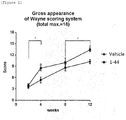
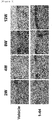
- Figure 1 shows the results of microscopic observations at and around the cartilage defect sites of knee joints at 2, 4, 8 and 12 weeks post-operative. It was observed that the cartilage defect sites of the HMGB1 peptide (1-44) administration group were recovered to a state closer to normal than those of the control group. Also in the Wayne scores, the HMGB1 peptide (1-44) administration group was higher than the control group ( Figure 2 ).
- Cartilage defect model mice were created in the same manner as in Example 1 and were bred continuously. Tissues containing the cartilage defect creation sites of knee joints were removed from the mice at 12 weeks post-operative to create paraffin sections, and the sections were subjected to immunostaining with anti-type II collagen antibodies and safranin O staining. In addition, cartilage tissues of knee joints were removed from normal mice of the same strain to create paraffin sections, and the sections were subjected to immunostaining of type II collagen and safranin O staining in the same way.
- Tissues of cartilage defect creation sites of knee joints at 12 weeks post-operative in the cartilage defect model mice i.e., tissues left to natural recovery after creation of cartilage defects
- cartilage tissues of knee joints of normal mice (known to be hyaline cartilage) showed a significantly stronger positive response in both safranin O staining and immunostaining of type II collagen compared to the cartilage defect creation sites at 12 weeks post-operative in the cartilage defect model mice described above ( Figure 8 ). It was also confirmed that the positive regions in the safranin O staining and the positive regions in the type II collagen immunostaining corresponded well.
- Cartilage tissues of knee joints ( Figures 3 and 5 ) at 12 weeks post-operative in the HMGB1 peptide (1-44) administration group described in Example 1 show a strong positive response similar to cartilage tissues of knee joints of normal mice ( Figure 8 , left) in safranin O staining. Accordingly, the cartilage tissue regenerated by administration of the HMGB1 peptide (1-44) is believed to be a tissue equivalent to the normal articular cartilage tissue composed of hyaline cartilage.
- the pharmaceutical composition containing the peptide of the present application can regenerate a complete form of articular cartilage that cannot be regenerated naturally, it is expected that the pharmaceutical composition provides significant benefits for patients with cartilage disorders who don't have sufficient effects with existing therapeutic agents.
Landscapes
- Health & Medical Sciences (AREA)
- Life Sciences & Earth Sciences (AREA)
- Chemical & Material Sciences (AREA)
- Medicinal Chemistry (AREA)
- General Health & Medical Sciences (AREA)
- Pharmacology & Pharmacy (AREA)
- Animal Behavior & Ethology (AREA)
- Public Health (AREA)
- Bioinformatics & Cheminformatics (AREA)
- Veterinary Medicine (AREA)
- Engineering & Computer Science (AREA)
- Organic Chemistry (AREA)
- Immunology (AREA)
- General Chemical & Material Sciences (AREA)
- Physical Education & Sports Medicine (AREA)
- Chemical Kinetics & Catalysis (AREA)
- Nuclear Medicine, Radiotherapy & Molecular Imaging (AREA)
- Gastroenterology & Hepatology (AREA)
- Proteomics, Peptides & Aminoacids (AREA)
- Orthopedic Medicine & Surgery (AREA)
- Rheumatology (AREA)
- Epidemiology (AREA)
- Zoology (AREA)
- Marine Sciences & Fisheries (AREA)
- Genetics & Genomics (AREA)
- Biochemistry (AREA)
- Toxicology (AREA)
- Biophysics (AREA)
- Molecular Biology (AREA)
- Medicines That Contain Protein Lipid Enzymes And Other Medicines (AREA)
- Peptides Or Proteins (AREA)
Abstract
Description
- The present application relates to a pharmaceutical composition for preventing and/or treating a cartilage disorder, containing a fragment peptide of a high mobility group box 1 (HMGB1) protein. This application claims priority to
Japanese Patent Application No. 2018-200866, filed on October 25, 2018 - Cartilage tissue such as articular cartilage is less repairable, and almost impossible to naturally regenerate once it is damaged. For example, therapies for traumatic articular cartilage defect are mainly symptomatic therapies such as oral administration of analgesics and intraarticular injection of hyaluronic acid, and no curative therapy for traumatic articular cartilage defect has yet been established. In addition, there are surgical treatment methods such as autologous osteochondral column transplantation for traumatic articular cartilage defect, but they have problems such as the inability to cope with large defects because of the need to collect normal tissues of the patient. Thus, it is desired to develop a more effective and less invasive therapeutic agent for cartilage disorders.
-
- Patent Literature 1:
WO2012/147470 - Patent Literature 2:
WO2014/065347 - Patent Literature 3:
WO2014/065348 - Patent Literature 4:
WO2018/139562 - Patent Literature 5:
WO2018/186480 - An object of the present application is to provide a novel medicament effective for treating a cartilage disorder.
- The present inventors have searched for a substance effective for treating a cartilage disorder, and consequently have found that an HMGB1 fragment peptide having a particular amino acid sequence have an effect of regenerating normal cartilage tissue including hyaline cartilage in an animal model with articular cartilage defect. Based on this finding, the present application provides a pharmaceutical composition for preventing and/or treating a cartilage disorder, containing the specific HMGB1 fragment peptide.
- That is, the present application provides the following:
- [1] A pharmaceutical composition for preventing and/or treating a cartilage disorder, comprising any one substance of (a) to (c) (hereinafter referred to as substance A):
- (a) an HMGB1 fragment peptide comprising an amino acid sequence set forth in SEQ ID NO: 1;
- (b) a peptide comprising an amino acid sequence set forth in SEQ ID NO: 1 with one or more amino acids substituted, deleted, inserted, or added; and
- (c) a peptide comprising an amino acid sequence having a sequence identity of about 80% or more to the amino acid sequence set forth in SEQ ID NO: 1.
- [2] The pharmaceutical composition according to [1], wherein the cartilage disorder is traumatic cartilage defect, osteoarthritis, or osteochondritis dissecans.
- [3] A pharmaceutical composition for regenerating hyaline cartilage in a patient with a cartilage disorder, comprising a substance A.
- [4] The pharmaceutical composition according to [3], wherein the cartilage disorder is traumatic cartilage defect, osteoarthritis, or osteochondritis dissecans.
- [A1] A method for preventing and/or treating a cartilage disorder, comprising administering to a subject an effective amount of a substance A.
- [A2] The method according to [A1], wherein the cartilage disorder is traumatic cartilage defect, osteoarthritis, or osteochondritis dissecans.
- [A3] A method for regenerating hyaline cartilage in a patient with a cartilage disorder, comprising administering to a subject an effective amount of a substance A.
- [A4] The method according to [A3], wherein the cartilage disorder is traumatic cartilage defect, osteoarthritis, or osteochondritis dissecans.
- [B1] A substance A for use in preventing and/or treating a cartilage disorder.
- [B2] The substance A according to [B1], wherein the cartilage disorder is traumatic cartilage defect, osteoarthritis, or osteochondritis dissecans.
- [B3] A substance A for use in regenerating hyaline cartilage in a patient with a cartilage disorder.
- [B4] The substance A according to [B3], wherein the cartilage disorder is traumatic cartilage defect, osteoarthritis, or osteochondritis dissecans.
- [C1] A use of a substance A in the manufacture of a medicament for preventing and/or treating a cartilage disorder.
- [C2] The use according to [C1], wherein the cartilage disorder is traumatic cartilage defect, osteoarthritis, or osteochondritis dissecans.
- [C3] A use of a substance A in the manufacture of a medicament for regenerating hyaline cartilage in a patient with a cartilage disorder.
- [C4] The use according to [C3], wherein the cartilage disorder is traumatic cartilage defect, osteoarthritis, or osteochondritis dissecans.
-
- [
Figure 1] Figure 1 is photographs showing the results of microscopic observations at and around the cartilage defect sites of knee joints at 2, 4, 8 and 12 weeks post-operative ("Vehicle" indicates the control group and "1-44" indicates the HMGB1 peptide (1-44) administration group, respectively). - [
Figure 2] Figure 2 is a graph showing the scores of gross appearance by the Wayne scoring system of the cartilage defect sites of knee joints at 2, 4, 8 and 12 weeks post-operative ("Vehicle" shows the control group and "1-44" shows the HMGB1 peptide (1-44) administration group, respectively). The vertical axis shows the score and the horizontal axis shows the number of weeks after creation of the cartilage defect. * p<0.05 (Two-tailed unpaired t-test), † p<0.05 (Two-way ANOVA with post-hoc Tukey's test) - [
Figure 3] Figure 3 is photographs showing the results of safranin O staining of the cartilage tissue sections of knee joints at 2, 4, 8 and 12 weeks post-operative ("Vehicle" indicates the control group and "1-44" indicates the HMGB1 peptide (1-44) administration group, respectively). - [
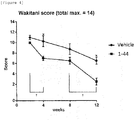
Figure 4] Figure 4 is a graph showing the Wakitani scores of the cartilage tissues of knee joints at 2, 4, 8 and 12 weeks post-operative ("Vehicle" indicates the control group and "1-44" indicates the HMGB1 peptide (1-44) administration group, respectively). The vertical axis shows the score and the horizontal axis shows the number of weeks after creation of the cartilage defect. * p<0.05 (Two-tailed unpaired t-test), † p<0.05 (Two-way ANOVA with post-hoc Tukey's test) - [
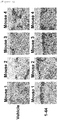
Figure 5] Figure 5 is photographs showing the results by individual of safranin O staining of the cartilage tissue sections of knee joints at 12 weeks post-operative ("Vehicle" indicates the control group and "1-44" indicates the HMGB1 peptide (1-44) administration group, respectively). - [
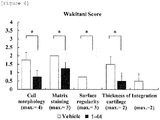
Figure 6] Figure 6 is a graph showing the Wakitani scores by item of the cartilage tissues of knee joints at 12 weeks post-operative ("Vehicle" indicates the control group and "1-44" indicates the HMGB1 peptide (1-44) administration group, respectively). The vertical axis shows the score and the horizontal axis shows the items that constitute the Wakitani score. * p<0.05 (Two-tailed unpaired t-test) - [
Figure 7] Figure 7 is photographs showing staining results of the cartilage tissue sections of knee joints at 12 weeks post-operative in the cartilage defect model mice. Left shows the result of safranin O staining, and right shows the result of immunostaining of type II collagen. - [
Figure 8] Figure 8 is photographs showing staining results of the cartilage tissue sections of knee joints of normal mice. Left shows the result of safranin O staining, and right shows the result of immunostaining of type II collagen. - The present application provides a pharmaceutical composition for preventing and/or treating a cartilage disorder, containing an HMGB1 fragment peptide comprising an amino acid sequence set forth in SEQ ID NO: 1.
- The cartilage disorder refers to a disorder involving abnormalities of cartilage tissue. Examples of the abnormalities of cartilage tissue include damage, wear, defects, and degeneration of cartilage.
- Examples of the cartilage disorder in the present application include, but are not limited to, traumatic cartilage defect, osteoarthritis, osteochondritis dissecans, meniscal damage, traumatic arthritis, inflammatory arthritis (e.g., rheumatoid arthritis), and infectious arthritis (e.g., suppurative arthritis). Osteoarthritis includes primary osteoarthritis for which the cause is unclear and secondary osteoarthritis for which the cause is clear. Examples of the secondary osteoarthritis include, but are not limited to, osteoarthritis caused by ligament damage, cartilage damage, meniscal damage, or the like.
- In one preferred aspect, the cartilage disorder treated with the HMGB1 fragment peptide of the present application is traumatic cartilage defect, osteoarthritis, or osteochondritis dissecans. In another preferred aspect, the cartilage disorder treated with the HMGB1 fragment peptide of the present application is traumatic cartilage defect or osteoarthritis. In a further aspect, the cartilage disorder treated with the HMGB1 fragment peptide of the present application is traumatic cartilage defect. In another aspect, the cartilage disorder treated with the HMGB1 fragment peptide of the present application is osteoarthritis.
- Examples of the type (site) of cartilage treated with the HMGB1 fragment peptide of the present application include, but are not limited to, cartilage of joint. Examples of the joint include, but are not limited to, extremity joint (shoulder joint, elbow joint, hand joint, hip joint, knee joint, ankle joint), jaw joint, and intervertebral joint.
- In one aspect, the cartilage disorder treated with the HMGB1 fragment peptide of the present application is a cartilage disorder of extremity joint. In another aspect, the cartilage disorder treated with the HMGB1 fragment peptide of the present application is a cartilage disorder of elbow joint or knee joint. In a further aspect, the cartilage disorder treated with the HMGB1 fragment peptide of the present application is a cartilage disorder of knee joint.
- Further examples of the cartilage disorder treated with the HMGB1 fragment peptide of the present application can include traumatic cartilage defect of joint, traumatic cartilage defect of elbow joint, traumatic cartilage defect of knee joint, elbow osteoarthritis, knee osteoarthritis, osteochondritis dissecans of joint, osteochondritis dissecans of elbow joint, and osteochondritis dissecans of knee joint. In one aspect, the cartilage disorder treated with the HMGB1 fragment peptide of the present application is traumatic cartilage defect of knee joint. In another aspect, the cartilage disorder treated with the HMGB1 fragment peptide of the present application is knee osteoarthritis.
- In the present application, the term "pharmaceutical composition" is used interchangeably with the term "medicament", "agent" or "medical composition".
- The present application also provides a pharmaceutical composition for regenerating hyaline cartilage in a patient with a cartilage disorder, containing an HMGB1 fragment peptide comprising the amino acid sequence set forth in SEQ ID NO: 1. In one aspect, the pharmaceutical composition of the present application is for use in regenerating hyaline cartilage in a patient with traumatic cartilage defect, osteoarthritis, or osteochondritis dissecans.
- In the present application, the HMGB1 fragment peptide comprising an amino acid sequence set forth in SEQ ID NO: 1 means a peptide consisting of a portion of an HMGB1 protein, wherein the peptide comprises the amino acid sequence set forth in SEQ ID NO: 1. Such a peptide can be obtained by incorporating a DNA encoding the peptide into an appropriate expression system to prepare a recombinant, or can be synthesized artificially.
- Examples of the HMGB1 protein in the present application include, but are not limited to, a protein comprising an amino acid sequence set forth in SEQ ID NO: 2 and a protein encoded by a DNA containing a nucleotide sequence set forth in SEQ ID NO: 3.
- Examples of the HMGB1 fragment peptide comprising the amino acid sequence set forth in SEQ ID NO: 1 in the present application include, but are not limited to, an HMGB1 fragment peptide consisting of the amino acid sequence set forth in SEQ ID NO: 1.
- In the pharmaceutical composition of the present application, alternatively or additionally to the HMGB1 fragment peptide comprising the amino acid sequence set forth in SEQ ID NO: 1, a peptide comprising an amino acid sequence set forth in SEQ ID NO: 1 with one or more amino acid residues modified (substituted, deleted, inserted or added), wherein the peptide is functionally equivalent to the HMGB1 fragment peptide comprising the amino acid sequence set forth in SEQ ID NO: 1, can be used. Examples of such peptide include, but are not limited to, the following:
- i) a peptide comprising an amino acid sequence set forth in SEQ ID NO: 1 with one or more (e.g., 1 to 10, 1 to 9, 1 to 8, 1 to 7, 1 to 6, 1 to 5, 1 to 4, 1 to 3, or 1 to 2) amino acids substituted, deleted, inserted, or added;
- ii) a peptide consisting of an amino acid sequence set forth in SEQ ID NO: 1 with one or more (e.g., 1 to 10, 1 to 9, 1 to 8, 1 to 7, 1 to 6, 1 to 5, 1 to 4, 1 to 3, or 1 to 2) amino acids substituted, deleted, inserted, or added;
- iii) a peptide comprising an amino acid sequence having a sequence identity of about 80% or more, e.g., about 85% or more, about 90% or more, about 91% or more, about 92% or more, about 93% or more, about 94% or more, about 95% or more, about 96% or more, about 97% or more, or about 98% or more to the amino acid sequence set forth in SEQ ID NO: 1;
- iv) a peptide consisting of an amino acid sequence having a sequence identity of about 80% or more, e.g., about 85% or more, about 90% or more, about 91% or more, about 92% or more, about 93% or more, about 94% or more, about 95% or more, about 96% or more, about 97% or more, or about 98% or more to the amino acid sequence set forth in SEQ ID NO: 1.
- An effective amount of the peptide or a pharmaceutical composition containing the same (hereinafter referred to as the peptide or the like) of the present application is administered to a subject for the treatment or prevention of a disorder or symptom described herein.
- An effective amount in the present application refers to an amount sufficient to treat or prevent the disorder or symptom described herein. Examples of the treatment in the present application include, but are not limited to, alleviation, delay, arrest, amelioration, remission, cure, and complete remission. Examples of the prevention in the present application include, but are not limited to, alleviation, delay, and arrest.
- The subject in the present application is not particularly limited, and examples thereof include a mammal, a bird, and a fish. Examples of the mammal include, but are not limited to, human and a non-human animal, e.g., human, mouse, rat, monkey, pig, dog, rabbit, hamster, guinea pig, horse, sheep, or whale. In the present application, the term "subject" is used interchangeably with the term "patient", "individual", or "animal."
- The administration site of the peptide or the like of the present application is not limited, and the peptide or the like of the present application can exert its effect at wherever site it is administered, such as a site where a symptom of a cartilage disorder appears or a vicinity thereof, a site different from these (a site other than these), a site remote from a site where a symptom of a cartilage disorder appears, a site distal from a site where a symptom of a cartilage disorder appears, or a site distal and ectopic from a site where a symptom of a cartilage disorder appears.
- The peptide or the like of the present application can also exert its effect at whichever tissue it is administered, such as a tissue different from a tissue in which a symptom of a cartilage disorder appears (e.g., a joint), a tissue remote from a tissue in which a symptom of a cartilage disorder appears, a tissue distal from a tissue in which a symptom of a cartilage disorder appears, or a tissue distal and ectopic from a tissue in which a symptom of a cartilage disorder appears.
- Examples of the administration method of the peptide or the like of the present application include oral administration and parenteral administration, and examples of the parenteral administration method include, but are not limited to, intravascular administration (intraarterial administration, intravenous administration, and the like), intramuscular administration, subcutaneous administration, intradermal administration, intraperitoneal administration, transnasal administration, transpulmonary administration, and transdermal administration. The peptide or the like of the present application can also be administered systemically or topically (e.g., subcutaneously, intradermally, on the surface of the skin, to the eyeball or eyelid conjunctiva, nasal mucosa, intraorally, and to gastrointestinal mucosa, vaginal/intrauterine mucosa, or an injury site) by injection, e.g., intravenous injection, intramuscular injection, intraperitoneal injection, or subcutaneous injection.
- Alternatively to the peptide or the like of the present application, a cell that secretes the peptide of the present application, a DNA encoding the peptide, a vector having the DNA inserted therein, a cell containing the vector, and a pharmaceutical composition containing the same can be used.
- The administration method can be appropriately selected depending on the age and symptoms of the patient. When the peptide of the present application is administered, the administration amount can be selected, for example, in the range of about 0.0000001 mg to about 1000 mg per kg of body weight per administration. Alternatively, the administration amount can be selected, for example, in the range of about 0.00001 to about 100000 mg/body per patient. When a cell secreting the peptide of the present application or a gene therapy vector having a DNA encoding the peptide inserted therein is administered, the cell or the vector can be administered such that the amount of the peptide is within the above range. However, the pharmaceutical composition of the present application is not limited to these administration amounts.
- The pharmaceutical composition of the present application can be formulated according to conventional methods (e.g., Remington's Pharmaceutical Science, latest edition, Mark Publishing Company, Easton, U.S.A), and may contain a pharmaceutically acceptable carrier or an additive in addition to the peptide. Examples of the carrier and the additive include a surfactant, an excipient, a colorant, a fragrance, a preservative, a stabilizer, a buffer, a suspending agent, an isotonic agent, a binder, a disintegrant, a lubricant, a fluidity promoter, and a flavor modifier, but are not limited to these, and other conventional carriers and additives can be used as appropriate. Specific examples thereof include light anhydrous silicic acid, lactose, crystalline cellulose, mannitol, starch, carmellose calcium, carmellose sodium, hydroxypropyl cellulose, hydroxypropyl methyl cellulose, polyvinyl acetal diethylamino acetate, polyvinylpyrrolidone, gelatin, medium chain fatty acid triglyceride, polyoxyethylene cured castor oil 60, white sugar, carboxymethyl cellulose, corn starch, inorganic salts, purified water, physiological saline, and glycerin.
- It should be noted that all the prior art literatures cited herein are incorporated herein as references.
- The present invention is further illustrated by the following Examples, but the present invention is not limited thereto.
- Evaluation of efficacy of HMGB1 fragment peptide on articular cartilage defect
- A peptide consisting of amino acid residues 1-44 (SEQ ID NO: 1) of human-derived HMGB1 protein was chemically synthesized by a solid-phase method. Hereinafter, the HMGB1 fragment peptide is referred to as HMGB1 peptide (1-44), and in the drawings corresponding to Examples, the peptide is simply indicated as "1-44".
- C57BL/6J mice (6-7 weeks old, male, wild type) were purchased from CLEA Japan, Inc., and then acclimated to animal facilities until they were 8 weeks old (weighing approximately 25 g at 8 weeks old). While the mice were under 1.5-2.0% (v/v) isoflurane inhalation anesthesia, shaving was performed on the lower extremity of the side to create a cartilage defect, and a longitudinal skin incision of approximately 1 cm was applied with scissors to the middle of the knee joint. An articular dissection of approximately 1 cm was performed under the microscope with a sharp blade (#11) in the parapatellar medial approach to dislocate the patella laterally. The femoral pulley was confirmed, and a 0.5 x 0.5 x 0.5 mm cartilage defect was created at the center of the pulley using a 0.5 mm diameter hand-turned drill (manufactured by MEISINGER USA, L.L.C.). Inside of the joint was washed with saline, then the articular capsule was continuously sutured with 8-0 vicryl to prevent patellar dislocation, and the skin was sutured with 5-0 nylon thread.
- Cartilage defect model mice created as described above were divided into an HMGB1 peptide (1-44) administration group (n = 16) and a control group (n = 16). To the HMGB1 peptide (1-44) administration group, a solution of HMGB1 peptide (1-44) adjusted to a concentration of 1 µg/µL with saline as solvent was administered from the tail vein in an amount of 100 µL/mouse (4 mg/kg as the dose of peptide) immediately after the cartilage defect was created, and thereafter, the same dose was administered twice a week until 4 weeks after the cartilage defect was created (hereinafter also referred to simply as "post-operative"). To the control group, saline was administered from the tail vein in an amount of 100 µL to each mouse on the same schedule as in the HMGB1 peptide (1-44) administration group.
- In both the HMGB1 peptide (1-44) administration group and the control group, four mice were sacrificed at each time point of 2, 4, 8 and 12 weeks post-operative, and the cartilage defect creation sites of knee joints were removed for microscopic observation and tissue staining. For microscopic observation, the status of cartilage tissue was evaluated by scoring the gross appearance according to the criteria shown in Table 1 below using the Wayne scoring system. In addition, sections of cartilage tissue were created for histological evaluation and subjected to safranin O staining, and the status of cartilage tissue was evaluated by calculating the Wakitani score from the tissue images according to the criteria shown in Table 2 below.
[Table 1] Wayne score Gross appearance Grade Coverage >75% filled 4 50-75% filled 3 25-50% filled 2 <25% filled 1 No filling 0 Neocartilage color Normal 4 25% yellow/brown 3 50% yellow/brown 2 75% yellow/brown 1 100% yellow/brown 0 Defect margins Invisible 4 25% circumference visible 3 50% circumference visible 2 75% circumference visible 1 Entire circumference visible 0 Surface Smooth/level with normal 4 Smooth but raised 3 Irregular 25-50% 2 Irregular 50-75% 1 Irregular 75% 0 [Table 2] Wakitani score Category Score Cell morphology Hyaline cartilage 0 Mostly hyaline cartilage 1 Mostly fibrocartilage 2 Mostly non-cartilage 1 Only non-cartilage 0 Matrix staining (metachromasia) Normal 0 (compared with adjacent host cartilage) Slightly reduced 1 Markedly reduced 2 No metachromatic stain 3 Surface regularityt Smooth(>3/4) 0 Moderate (>1/2-3/4) 1 Irregular(1/4-1/2) 2 Severely irregular(<1/4) 3 Thickness of cartilage >2/3 0 1/3-2/3 1 <1/3 2 Integration of donor with adjacent host cartilage Both edges integrated 0 One edge integrated 1 Neither edge integrated 2 Total maximum 14 †Total smooth region of regenerated cartilage compared with entire region of cartilage defect -
Figure 1 shows the results of microscopic observations at and around the cartilage defect sites of knee joints at 2, 4, 8 and 12 weeks post-operative. It was observed that the cartilage defect sites of the HMGB1 peptide (1-44) administration group were recovered to a state closer to normal than those of the control group. Also in the Wayne scores, the HMGB1 peptide (1-44) administration group was higher than the control group (Figure 2 ). - As a result of the safranin O staining of cartilage tissue sections, regions strongly stained with red (considered hyaline cartilage) were observed throughout the cartilage defect creation sites in the HMGB1 peptide (1-44) administration group, confirming that the defective cartilage tissue was fully regenerated (
Figures 3 and5 ). Evaluation by the Wakitani score also showed that the value of the HMGB1 peptide (1-44) administration group was significantly lower compared to that of the control group, showing the therapeutic effect of the HMGB1 peptide on cartilage defects of joints (Figures 4 and6 ). - Cartilage defect model mice were created in the same manner as in Example 1 and were bred continuously. Tissues containing the cartilage defect creation sites of knee joints were removed from the mice at 12 weeks post-operative to create paraffin sections, and the sections were subjected to immunostaining with anti-type II collagen antibodies and safranin O staining. In addition, cartilage tissues of knee joints were removed from normal mice of the same strain to create paraffin sections, and the sections were subjected to immunostaining of type II collagen and safranin O staining in the same way.
- Tissues of cartilage defect creation sites of knee joints at 12 weeks post-operative in the cartilage defect model mice (i.e., tissues left to natural recovery after creation of cartilage defects) showed little positive response in either safranin O staining or immunostaining of type II collagen, thus confirming that they were not hyaline cartilage (
Figure 7 ). - In contrast, cartilage tissues of knee joints of normal mice (known to be hyaline cartilage) showed a significantly stronger positive response in both safranin O staining and immunostaining of type II collagen compared to the cartilage defect creation sites at 12 weeks post-operative in the cartilage defect model mice described above (
Figure 8 ). It was also confirmed that the positive regions in the safranin O staining and the positive regions in the type II collagen immunostaining corresponded well. - Cartilage tissues of knee joints (
Figures 3 and5 ) at 12 weeks post-operative in the HMGB1 peptide (1-44) administration group described in Example 1 show a strong positive response similar to cartilage tissues of knee joints of normal mice (Figure 8 , left) in safranin O staining. Accordingly, the cartilage tissue regenerated by administration of the HMGB1 peptide (1-44) is believed to be a tissue equivalent to the normal articular cartilage tissue composed of hyaline cartilage. - Since the pharmaceutical composition containing the peptide of the present application can regenerate a complete form of articular cartilage that cannot be regenerated naturally, it is expected that the pharmaceutical composition provides significant benefits for patients with cartilage disorders who don't have sufficient effects with existing therapeutic agents.



Claims (4)
- A pharmaceutical composition for preventing and/or treating a cartilage disorder, comprising any one substance of (a) to (c):(a) an HMGB1 fragment peptide comprising an amino acid sequence set forth in SEQ ID NO: 1;(b) a peptide comprising an amino acid sequence set forth in SEQ ID NO: 1 with one or more amino acids substituted, deleted, inserted, or added; and(c) a peptide comprising an amino acid sequence having a sequence identity of about 80% or more to the amino acid sequence set forth in SEQ ID NO: 1.
- The pharmaceutical composition according to claim 1, wherein the cartilage disorder is traumatic cartilage defect, osteoarthritis, or osteochondritis dissecans.
- A pharmaceutical composition for regenerating hyaline cartilage in a patient with a cartilage disorder, comprising any one substance of (a) to (c):(a) an HMGB1 fragment peptide comprising an amino acid sequence set forth in SEQ ID NO: 1;(b) a peptide comprising an amino acid sequence set forth in SEQ ID NO: 1 with one or more amino acids substituted, deleted, inserted, or added; and(c) a peptide comprising an amino acid sequence having a sequence identity of about 80% or more to the amino acid sequence set forth in SEQ ID NO: 1.
- The pharmaceutical composition according to claim 3, wherein the cartilage disorder is traumatic cartilage defect, osteoarthritis, or osteochondritis dissecans.
Applications Claiming Priority (2)
| Application Number | Priority Date | Filing Date | Title |
|---|---|---|---|
| JP2018200866 | 2018-10-25 | ||
| PCT/JP2019/042015 WO2020085506A1 (en) | 2018-10-25 | 2019-10-25 | Therapeutic medication for cartilage disorder |
Publications (4)
| Publication Number | Publication Date |
|---|---|
| EP3865179A1 true EP3865179A1 (en) | 2021-08-18 |
| EP3865179A4 EP3865179A4 (en) | 2022-07-27 |
| EP3865179B1 EP3865179B1 (en) | 2025-07-23 |
| EP3865179C0 EP3865179C0 (en) | 2025-07-23 |
Family
ID=70331194
Family Applications (1)
| Application Number | Title | Priority Date | Filing Date |
|---|---|---|---|
| EP19875071.3A Active EP3865179B1 (en) | 2018-10-25 | 2019-10-25 | Hmgb1 derived peptide for treating or preventing a cartilage disorder |
Country Status (13)
| Country | Link |
|---|---|
| US (1) | US20210386823A1 (en) |
| EP (1) | EP3865179B1 (en) |
| JP (1) | JP7448126B2 (en) |
| KR (1) | KR20210082478A (en) |
| CN (1) | CN113423466B (en) |
| AU (1) | AU2019367943B2 (en) |
| BR (1) | BR112021007732A2 (en) |
| CA (1) | CA3117107A1 (en) |
| ES (1) | ES3041501T3 (en) |
| IL (1) | IL282377A (en) |
| MX (1) | MX2021004758A (en) |
| SG (1) | SG11202104015YA (en) |
| WO (1) | WO2020085506A1 (en) |
Families Citing this family (1)
| Publication number | Priority date | Publication date | Assignee | Title |
|---|---|---|---|---|
| JP2025135028A (en) * | 2022-06-30 | 2025-09-18 | 国立大学法人大阪大学 | Meniscus medication |
Family Cites Families (18)
| Publication number | Priority date | Publication date | Assignee | Title |
|---|---|---|---|---|
| US20040156851A1 (en) * | 2002-11-20 | 2004-08-12 | Critical Therapeutics, Inc. | HMGB1 combination therapies |
| CA2579094C (en) * | 2004-09-03 | 2014-12-02 | Creabilis Therapeutics S.P.A. | Use of polypeptides obtained through systematic mutations of single amino acids of human and non-human box-a of hmgb1 to prevent and/or antagonize pathologies induced by hmgb1 |
| CN101341254A (en) * | 2005-12-24 | 2009-01-07 | 蒂加斯克乳制品研究中心 | Method for producing trans-10, cis-12 octadecadienoic acid |
| US20090028832A1 (en) * | 2006-08-10 | 2009-01-29 | Chung Leland F | Compositions and methods for targeted tumor therapy |
| DK2068935T3 (en) * | 2006-09-15 | 2011-08-01 | Creabilis Therapeutics S R L | Box-A polymer conjugates of HMBG1 and box-A variants of HMBG1 |
| JP2010503630A (en) * | 2006-09-15 | 2010-02-04 | クレアビリス・セラピューティクス・エスピーエー | Polymer complex of HMGB1 Box-A and HMGB1 Box-A variant |
| WO2009133943A1 (en) * | 2008-04-30 | 2009-11-05 | 株式会社ジェノミックス | Method for collecting functional cells in vivo with high efficiency |
| JP2013533217A (en) * | 2010-05-17 | 2013-08-22 | セビックス・インコーポレイテッド | PEGylated C-peptide |
| EP3358011B1 (en) | 2011-04-26 | 2020-03-04 | StemRIM Inc. | Peptide for inducing regeneration of tissue and use thereof |
| JP6253589B2 (en) | 2012-10-25 | 2017-12-27 | 株式会社ジェノミックス | A novel method for treating myocardial infarction using HMGB1 fragment |
| DK2913059T3 (en) | 2012-10-25 | 2018-06-25 | Genomix Co Ltd | Hitherto UNKNOWN PROCEDURE FOR TREATMENT OF SPINE INJURY USING HMGB1 FRAGMENT |
| AU2018213671B2 (en) | 2017-01-27 | 2024-06-06 | Osaka University | Therapeutic agent for cardiomyopathy, old myocardial infarction and chronic heart failure |
| JPWO2018186480A1 (en) | 2017-04-07 | 2020-02-20 | 株式会社ステムリム | Drugs for treating fibrotic diseases |
| MX2019012738A (en) * | 2017-04-25 | 2020-02-07 | Shionogi & Co | Peptide for inducing regeneration of tissue, and use thereof. |
| US11196087B2 (en) | 2017-05-19 | 2021-12-07 | Panasonic Intellectual Property Management Co., Ltd. | Nonaqueous electrolyte containing perfluoropolyether and nitrile compound, and secondary battery including the same |
| EP3718561A4 (en) * | 2017-12-01 | 2021-07-21 | Stemrim Inc. | THERAPEUTIC AGENT FOR INFLAMMATORY DISEASE OF THE INTESTINE |
| AU2018376452A1 (en) * | 2017-12-01 | 2020-06-25 | Osaka University | Ectodermal mesenchymal stem cells and method for producing same |
| US20210024594A1 (en) * | 2018-02-08 | 2021-01-28 | StemRIM Inc. | Therapeutic Agent for Psoriasis |
-
2019
- 2019-10-25 ES ES19875071T patent/ES3041501T3/en active Active
- 2019-10-25 AU AU2019367943A patent/AU2019367943B2/en active Active
- 2019-10-25 WO PCT/JP2019/042015 patent/WO2020085506A1/en not_active Ceased
- 2019-10-25 BR BR112021007732-4A patent/BR112021007732A2/en unknown
- 2019-10-25 EP EP19875071.3A patent/EP3865179B1/en active Active
- 2019-10-25 JP JP2020552636A patent/JP7448126B2/en active Active
- 2019-10-25 CN CN201980085703.XA patent/CN113423466B/en active Active
- 2019-10-25 KR KR1020217015301A patent/KR20210082478A/en active Pending
- 2019-10-25 SG SG11202104015YA patent/SG11202104015YA/en unknown
- 2019-10-25 US US17/287,636 patent/US20210386823A1/en active Pending
- 2019-10-25 CA CA3117107A patent/CA3117107A1/en active Pending
- 2019-10-25 MX MX2021004758A patent/MX2021004758A/en unknown
-
2021
- 2021-04-18 IL IL282377A patent/IL282377A/en unknown
Also Published As
| Publication number | Publication date |
|---|---|
| KR20210082478A (en) | 2021-07-05 |
| AU2019367943A1 (en) | 2021-05-27 |
| CN113423466B (en) | 2025-04-25 |
| EP3865179B1 (en) | 2025-07-23 |
| SG11202104015YA (en) | 2021-05-28 |
| CN113423466A (en) | 2021-09-21 |
| IL282377A (en) | 2021-06-30 |
| EP3865179C0 (en) | 2025-07-23 |
| WO2020085506A1 (en) | 2020-04-30 |
| EP3865179A4 (en) | 2022-07-27 |
| ES3041501T3 (en) | 2025-11-12 |
| JPWO2020085506A1 (en) | 2021-09-16 |
| CA3117107A1 (en) | 2020-04-30 |
| AU2019367943B2 (en) | 2026-05-21 |
| BR112021007732A2 (en) | 2021-08-03 |
| MX2021004758A (en) | 2021-08-24 |
| US20210386823A1 (en) | 2021-12-16 |
| JP7448126B2 (en) | 2024-03-12 |
Similar Documents
| Publication | Publication Date | Title |
|---|---|---|
| JP7590724B2 (en) | Drugs for treating inflammatory bowel disease | |
| EP2054050B1 (en) | Treatment of cartilage disorders with fgf-18 | |
| CN102892776B (en) | Novel Peptides and Their Uses | |
| JP6431083B2 (en) | Administration schedule of FGF-18 compound | |
| JP6510547B2 (en) | Implant containing FGF-18 | |
| EP3865179B1 (en) | Hmgb1 derived peptide for treating or preventing a cartilage disorder | |
| WO2022269001A1 (en) | Pharmaceutical compositions comprising glp-1r agonists | |
| WO2016144146A1 (en) | Pharmaceutical composition for preventing or treating arthritis | |
| HK40060107A (en) | Hmgb1 derived peptide for treating or preventing a cartilage disorder | |
| HK40060107B (en) | Hmgb1 derived peptide for treating or preventing a cartilage disorder | |
| RU2813889C2 (en) | Therapeutic agent for cartilage disease | |
| JPWO2008078588A1 (en) | Medicament and method for treating or preventing articular cartilage degeneration | |
| KR20250086669A (en) | Pharmaceutical composition for the prevention or treatment of hemangioma | |
| WO2020097345A1 (en) | Therapeutic approaches for tissue reconstruction and wound healing treatment |
Legal Events
| Date | Code | Title | Description |
|---|---|---|---|
| STAA | Information on the status of an ep patent application or granted ep patent |
Free format text: STATUS: THE INTERNATIONAL PUBLICATION HAS BEEN MADE |
|
| PUAI | Public reference made under article 153(3) epc to a published international application that has entered the european phase |
Free format text: ORIGINAL CODE: 0009012 |
|
| STAA | Information on the status of an ep patent application or granted ep patent |
Free format text: STATUS: REQUEST FOR EXAMINATION WAS MADE |
|
| 17P | Request for examination filed |
Effective date: 20210511 |
|
| AK | Designated contracting states |
Kind code of ref document: A1 Designated state(s): AL AT BE BG CH CY CZ DE DK EE ES FI FR GB GR HR HU IE IS IT LI LT LU LV MC MK MT NL NO PL PT RO RS SE SI SK SM TR |
|
| DAV | Request for validation of the european patent (deleted) | ||
| DAX | Request for extension of the european patent (deleted) | ||
| REG | Reference to a national code |
Ref country code: HK Ref legal event code: DE Ref document number: 40060107 Country of ref document: HK |
|
| REG | Reference to a national code |
Ref country code: DE Ipc: A61K0038170000 Ref country code: DE Ref legal event code: R079 Ref document number: 602019073043 Country of ref document: DE Free format text: PREVIOUS MAIN CLASS: A61P0019000000 Ipc: A61K0038170000 |
|
| A4 | Supplementary search report drawn up and despatched |
Effective date: 20220628 |
|
| RIC1 | Information provided on ipc code assigned before grant |
Ipc: A61P 19/02 20060101ALI20220622BHEP Ipc: A61P 19/00 20060101ALI20220622BHEP Ipc: A61K 38/17 20060101AFI20220622BHEP |
|
| GRAP | Despatch of communication of intention to grant a patent |
Free format text: ORIGINAL CODE: EPIDOSNIGR1 |
|
| STAA | Information on the status of an ep patent application or granted ep patent |
Free format text: STATUS: GRANT OF PATENT IS INTENDED |
|
| INTG | Intention to grant announced |
Effective date: 20250314 |
|
| GRAS | Grant fee paid |
Free format text: ORIGINAL CODE: EPIDOSNIGR3 |
|
| GRAA | (expected) grant |
Free format text: ORIGINAL CODE: 0009210 |
|
| STAA | Information on the status of an ep patent application or granted ep patent |
Free format text: STATUS: THE PATENT HAS BEEN GRANTED |
|
| RIN1 | Information on inventor provided before grant (corrected) |
Inventor name: TAMAI, KATSUTO Inventor name: SHIMBO, TAKASHI Inventor name: SASAKI, EIJI Inventor name: TSUSHIMA, TAKAHIRO Inventor name: YAMAZAKI, TAKEHIKO |
|
| AK | Designated contracting states |
Kind code of ref document: B1 Designated state(s): AL AT BE BG CH CY CZ DE DK EE ES FI FR GB GR HR HU IE IS IT LI LT LU LV MC MK MT NL NO PL PT RO RS SE SI SK SM TR |
|
| RAP3 | Party data changed (applicant data changed or rights of an application transferred) |
Owner name: THE UNIVERSITY OF OSAKA Owner name: STEMRIM INC. |
|
| REG | Reference to a national code |
Ref country code: GB Ref legal event code: FG4D |
|
| REG | Reference to a national code |
Ref country code: CH Ref legal event code: EP |
|
| REG | Reference to a national code |
Ref country code: IE Ref legal event code: FG4D |
|
| REG | Reference to a national code |
Ref country code: DE Ref legal event code: R096 Ref document number: 602019073043 Country of ref document: DE |
|
| U01 | Request for unitary effect filed |
Effective date: 20250806 |
|
| U07 | Unitary effect registered |
Designated state(s): AT BE BG DE DK EE FI FR IT LT LU LV MT NL PT RO SE SI Effective date: 20250819 |
|
| REG | Reference to a national code |
Ref country code: ES Ref legal event code: FG2A Ref document number: 3041501 Country of ref document: ES Kind code of ref document: T3 Effective date: 20251112 |
|
| U20 | Renewal fee for the european patent with unitary effect paid |
Year of fee payment: 7 Effective date: 20251028 |
|
| PG25 | Lapsed in a contracting state [announced via postgrant information from national office to epo] |
Ref country code: IS Free format text: LAPSE BECAUSE OF FAILURE TO SUBMIT A TRANSLATION OF THE DESCRIPTION OR TO PAY THE FEE WITHIN THE PRESCRIBED TIME-LIMIT Effective date: 20251123 |
|
| PGFP | Annual fee paid to national office [announced via postgrant information from national office to epo] |
Ref country code: GB Payment date: 20251022 Year of fee payment: 7 |
|
| PG25 | Lapsed in a contracting state [announced via postgrant information from national office to epo] |
Ref country code: NO Free format text: LAPSE BECAUSE OF FAILURE TO SUBMIT A TRANSLATION OF THE DESCRIPTION OR TO PAY THE FEE WITHIN THE PRESCRIBED TIME-LIMIT Effective date: 20251023 |
|
| PG25 | Lapsed in a contracting state [announced via postgrant information from national office to epo] |
Ref country code: HR Free format text: LAPSE BECAUSE OF FAILURE TO SUBMIT A TRANSLATION OF THE DESCRIPTION OR TO PAY THE FEE WITHIN THE PRESCRIBED TIME-LIMIT Effective date: 20250723 |
|
| PG25 | Lapsed in a contracting state [announced via postgrant information from national office to epo] |
Ref country code: GR Free format text: LAPSE BECAUSE OF FAILURE TO SUBMIT A TRANSLATION OF THE DESCRIPTION OR TO PAY THE FEE WITHIN THE PRESCRIBED TIME-LIMIT Effective date: 20251024 |
|
| PG25 | Lapsed in a contracting state [announced via postgrant information from national office to epo] |
Ref country code: PL Free format text: LAPSE BECAUSE OF FAILURE TO SUBMIT A TRANSLATION OF THE DESCRIPTION OR TO PAY THE FEE WITHIN THE PRESCRIBED TIME-LIMIT Effective date: 20250723 |
|
| PG25 | Lapsed in a contracting state [announced via postgrant information from national office to epo] |
Ref country code: RS Free format text: LAPSE BECAUSE OF FAILURE TO SUBMIT A TRANSLATION OF THE DESCRIPTION OR TO PAY THE FEE WITHIN THE PRESCRIBED TIME-LIMIT Effective date: 20251023 |
|
| PGFP | Annual fee paid to national office [announced via postgrant information from national office to epo] |
Ref country code: ES Payment date: 20251216 Year of fee payment: 7 |
|
| PG25 | Lapsed in a contracting state [announced via postgrant information from national office to epo] |
Ref country code: SM Free format text: LAPSE BECAUSE OF FAILURE TO SUBMIT A TRANSLATION OF THE DESCRIPTION OR TO PAY THE FEE WITHIN THE PRESCRIBED TIME-LIMIT Effective date: 20250723 |
|
| PG25 | Lapsed in a contracting state [announced via postgrant information from national office to epo] |
Ref country code: CZ Free format text: LAPSE BECAUSE OF FAILURE TO SUBMIT A TRANSLATION OF THE DESCRIPTION OR TO PAY THE FEE WITHIN THE PRESCRIBED TIME-LIMIT Effective date: 20250723 |
|
| PG25 | Lapsed in a contracting state [announced via postgrant information from national office to epo] |
Ref country code: SK Free format text: LAPSE BECAUSE OF FAILURE TO SUBMIT A TRANSLATION OF THE DESCRIPTION OR TO PAY THE FEE WITHIN THE PRESCRIBED TIME-LIMIT Effective date: 20250723 |
|
| REG | Reference to a national code |
Ref country code: CH Ref legal event code: H13 Free format text: ST27 STATUS EVENT CODE: U-0-0-H10-H13 (AS PROVIDED BY THE NATIONAL OFFICE) Effective date: 20260527 |
|
| PLBE | No opposition filed within time limit |
Free format text: ORIGINAL CODE: 0009261 |
|
| STAA | Information on the status of an ep patent application or granted ep patent |
Free format text: STATUS: NO OPPOSITION FILED WITHIN TIME LIMIT |
|
| REG | Reference to a national code |
Ref country code: CH Ref legal event code: L10 Free format text: ST27 STATUS EVENT CODE: U-0-0-L10-L00 (AS PROVIDED BY THE NATIONAL OFFICE) Effective date: 20260604 |
|
| PG25 | Lapsed in a contracting state [announced via postgrant information from national office to epo] |
Ref country code: MC Free format text: LAPSE BECAUSE OF FAILURE TO SUBMIT A TRANSLATION OF THE DESCRIPTION OR TO PAY THE FEE WITHIN THE PRESCRIBED TIME-LIMIT Effective date: 20250723 |
|
| 26N | No opposition filed |
Effective date: 20260424 |
|
| PG25 | Lapsed in a contracting state [announced via postgrant information from national office to epo] |
Ref country code: CH Free format text: LAPSE BECAUSE OF NON-PAYMENT OF DUE FEES Effective date: 20251031 |