EP3864968A1 - Rice gel production system and rice gel production method - Google Patents
Rice gel production system and rice gel production method Download PDFInfo
- Publication number
- EP3864968A1 EP3864968A1 EP19871634.2A EP19871634A EP3864968A1 EP 3864968 A1 EP3864968 A1 EP 3864968A1 EP 19871634 A EP19871634 A EP 19871634A EP 3864968 A1 EP3864968 A1 EP 3864968A1
- Authority
- EP
- European Patent Office
- Prior art keywords
- rice
- heating
- pulverizing
- gel
- rice gel
- Prior art date
- Legal status (The legal status is an assumption and is not a legal conclusion. Google has not performed a legal analysis and makes no representation as to the accuracy of the status listed.)
- Granted
Links
Images
Classifications
-
- A—HUMAN NECESSITIES
- A23—FOODS OR FOODSTUFFS; TREATMENT THEREOF, NOT COVERED BY OTHER CLASSES
- A23L—FOODS, FOODSTUFFS OR NON-ALCOHOLIC BEVERAGES, NOT OTHERWISE PROVIDED FOR; PREPARATION OR TREATMENT THEREOF
- A23L7/00—Cereal-derived products; Malt products; Preparation or treatment thereof
- A23L7/10—Cereal-derived products
- A23L7/143—Cereal granules or flakes to be cooked and eaten hot, e.g. oatmeal; Reformed rice products
-
- A—HUMAN NECESSITIES
- A23—FOODS OR FOODSTUFFS; TREATMENT THEREOF, NOT COVERED BY OTHER CLASSES
- A23B—PRESERVATION OF FOODS, FOODSTUFFS OR NON-ALCOHOLIC BEVERAGES; CHEMICAL RIPENING OF FRUIT OR VEGETABLES
- A23B2/00—Preservation of foods or foodstuffs, in general
- A23B2/40—Preservation of foods or foodstuffs, in general by heating loose unpacked materials
-
- A—HUMAN NECESSITIES
- A23—FOODS OR FOODSTUFFS; TREATMENT THEREOF, NOT COVERED BY OTHER CLASSES
- A23B—PRESERVATION OF FOODS, FOODSTUFFS OR NON-ALCOHOLIC BEVERAGES; CHEMICAL RIPENING OF FRUIT OR VEGETABLES
- A23B2/00—Preservation of foods or foodstuffs, in general
- A23B2/40—Preservation of foods or foodstuffs, in general by heating loose unpacked materials
- A23B2/42—Preservation of foods or foodstuffs, in general by heating loose unpacked materials while they are progressively transported through the apparatus
- A23B2/425—Preservation of foods or foodstuffs, in general by heating loose unpacked materials while they are progressively transported through the apparatus in solid state
-
- A—HUMAN NECESSITIES
- A23—FOODS OR FOODSTUFFS; TREATMENT THEREOF, NOT COVERED BY OTHER CLASSES
- A23L—FOODS, FOODSTUFFS OR NON-ALCOHOLIC BEVERAGES, NOT OTHERWISE PROVIDED FOR; PREPARATION OR TREATMENT THEREOF
- A23L29/00—Foods or foodstuffs containing additives; Preparation or treatment thereof
- A23L29/20—Foods or foodstuffs containing additives; Preparation or treatment thereof containing gelling or thickening agents
- A23L29/206—Foods or foodstuffs containing additives; Preparation or treatment thereof containing gelling or thickening agents of vegetable origin
- A23L29/212—Starch; Modified starch; Starch derivatives, e.g. esters or ethers
- A23L29/225—Farinaceous thickening agents other than isolated starch or derivatives
-
- A—HUMAN NECESSITIES
- A23—FOODS OR FOODSTUFFS; TREATMENT THEREOF, NOT COVERED BY OTHER CLASSES
- A23L—FOODS, FOODSTUFFS OR NON-ALCOHOLIC BEVERAGES, NOT OTHERWISE PROVIDED FOR; PREPARATION OR TREATMENT THEREOF
- A23L5/00—Preparation or treatment of foods or foodstuffs, in general; Food or foodstuffs obtained thereby; Materials therefor
- A23L5/30—Physical treatment, e.g. electrical or magnetic means, wave energy or irradiation
-
- A—HUMAN NECESSITIES
- A23—FOODS OR FOODSTUFFS; TREATMENT THEREOF, NOT COVERED BY OTHER CLASSES
- A23L—FOODS, FOODSTUFFS OR NON-ALCOHOLIC BEVERAGES, NOT OTHERWISE PROVIDED FOR; PREPARATION OR TREATMENT THEREOF
- A23L7/00—Cereal-derived products; Malt products; Preparation or treatment thereof
- A23L7/10—Cereal-derived products
-
- B—PERFORMING OPERATIONS; TRANSPORTING
- B01—PHYSICAL OR CHEMICAL PROCESSES OR APPARATUS IN GENERAL
- B01F—MIXING, e.g. DISSOLVING, EMULSIFYING OR DISPERSING
- B01F23/00—Mixing according to the phases to be mixed, e.g. dispersing or emulsifying
- B01F23/80—After-treatment of the mixture
- B01F23/81—Grinding the mixture
-
- B—PERFORMING OPERATIONS; TRANSPORTING
- B01—PHYSICAL OR CHEMICAL PROCESSES OR APPARATUS IN GENERAL
- B01F—MIXING, e.g. DISSOLVING, EMULSIFYING OR DISPERSING
- B01F23/00—Mixing according to the phases to be mixed, e.g. dispersing or emulsifying
- B01F23/80—After-treatment of the mixture
- B01F23/811—Heating the mixture
-
- B—PERFORMING OPERATIONS; TRANSPORTING
- B01—PHYSICAL OR CHEMICAL PROCESSES OR APPARATUS IN GENERAL
- B01F—MIXING, e.g. DISSOLVING, EMULSIFYING OR DISPERSING
- B01F27/00—Mixers with rotary stirring devices in fixed receptacles; Kneaders
- B01F27/05—Stirrers
- B01F27/09—Stirrers characterised by the mounting of the stirrers with respect to the receptacle
- B01F27/091—Stirrers characterised by the mounting of the stirrers with respect to the receptacle with elements co-operating with receptacle wall or bottom, e.g. for scraping the receptacle wall
-
- B—PERFORMING OPERATIONS; TRANSPORTING
- B01—PHYSICAL OR CHEMICAL PROCESSES OR APPARATUS IN GENERAL
- B01F—MIXING, e.g. DISSOLVING, EMULSIFYING OR DISPERSING
- B01F27/00—Mixers with rotary stirring devices in fixed receptacles; Kneaders
- B01F27/80—Mixers with rotary stirring devices in fixed receptacles; Kneaders with stirrers rotating about a substantially vertical axis
- B01F27/84—Mixers with rotary stirring devices in fixed receptacles; Kneaders with stirrers rotating about a substantially vertical axis with two or more stirrers rotating at different speeds or in opposite directions about the same axis
-
- B—PERFORMING OPERATIONS; TRANSPORTING
- B01—PHYSICAL OR CHEMICAL PROCESSES OR APPARATUS IN GENERAL
- B01F—MIXING, e.g. DISSOLVING, EMULSIFYING OR DISPERSING
- B01F35/00—Accessories for mixers; Auxiliary operations or auxiliary devices; Parts or details of general application
- B01F35/90—Heating or cooling systems
- B01F35/92—Heating or cooling systems for heating the outside of the receptacle, e.g. heated jackets or burners
Definitions
- the present invention relates to a rice gel production system and a rice gel production method that produce a gel-form rice gel from a rice material such as polished white rice, unpolished rice, or rice bran.
- rice gel which can maintain eating quality for a relatively long term and provides good handling, has drawn attention as an alternative food of rice powder.
- a production method for such rice gel includes conveying to a pulverizing unit, cooked rice obtained by cooking or steaming a rice material such as polished white rice or unpolished rice in a rice cooking part, and then pulverizing the cooked rice thus conveyed in the pulverizing unit, thereby providing a rice gel (see e.g., Patent Literature 1).
- this production method for a rice gel described in Patent Literature 1 includes a two-stage pulverizing unit having a tandem arrangement of a first pulverizing unit and a second pulverizing unit, and produces a rice gel by relatively coarsely pulverizing cooked rice in the first pulverizing unit and then more finely pulverizing the post-pulverized first pulverized rice in the second pulverizing unit, thereby producing a high-quality rice gel with reducing pulverizing load in each of the pulverizing units.
- rice bran which is obtained by polishing row rice, has also been recently investigated to be utilized as a rice material used for production of a rice gel.
- Patent Literature 1 WO2018/088092
- the conventional production system for a rice gel requires three processes, rice cooking, first pulverizing, and second pulverizing, for production of a high-quality rice gel, and further requires a conveyer, such as a belt conveyer, for conveying cooked rice to the pulverizing units.
- a conveyer such as a belt conveyer
- Such a conveyer that conveys cooked rice is configured as a so-called open system, in which a conveyed object is exposed to air, because of the conveyed object having a solid form, and therefore a heat sterilization treatment in a later step has always been required for commercialization of a rice gel in a shelf-stable condition.
- a major issue of the present invention is to provide a technology that enables highly-efficient, low-cost production of a high-quality rice gel, with eliminating a rice cooking treatment that cooks or steams a rice material beforehand and provides cooked rice, in a rice gel production system and a rice gel production method that produce a rice gel.
- a first characteristic configuration of the rice gel production system according to the present invention is a rice gel production system of producing a gel-form rice gel, and includes:
- a characteristic configuration of the rice gel production method according to the present invention is a rice gel production method of producing a gel-form rice gel and includes:
- the configuration can produce a rice gel from a rice material only by performing in a heating and stirring unit, heating of a rice material, such as water-added polished white rice, unpolished rice, or rice bran, with stirring in a sealed container, and provides a gelatinized material, and then performing in a pulverizing unit, pulverizing of the obtained gelatinized material.
- a rice cooking treatment that cooks or steams a rice material beforehand and provides cooked rice, thereby reducing cost of facilities, improving efficiency of production, and the like.
- the heating and stirring unit since the heating and stirring unit generates a gelatinized material by heating a rice material with stirring, rice grains contained in the gelatinized material are to be broken to some extent. This can reduce pulverizing load in a pulverizing unit that pulverizes the gelatinized material.
- the present invention can provide a technology that enables highly-efficient, low-cost production of a high-quality rice gel, with eliminating a rice cooking treatment that cooks or steams a rice material beforehand and provides cooked rice, in a rice gel production system and a rice gel production method that produce a rice gel.
- the second characteristic configuration of the rice gel production system according to the present invention is that the heating and stirring unit has a coarse pulverizing blade that rotates inside the sealed container and coarsely pulverizes the rice material.
- the configuration can include in the heating and stirring unit, in addition to a stirrer for stirring a water-added rice material in a sealed container, a rotary coarse pulverizing blade that coarsely pulverizes a rice material being stirred in the sealed container.
- the gelatinized material thus obtained by coarsely pulverized in this manner is then more finely pulverized in a pulverizing unit to produce a rice gel, leading to reduced pulverizing load in the pulverizing unit, which gives a more limited throughput compared to the heating and stirring unit, thereby providing more improved efficiency of production.
- such reduced pulverizing load in the pulverizing unit further reduces frictional heat applied in the pulverizing unit, thus allowing for production of a higher-quality rice gel.
- the third characteristic configuration of the rice gel production system according to the present invention is that the heating and stirring unit includes a scraping stirrer blade that rotates inside the sealed container and stirs the rice material with scraping an adhered material on an inner peripheral face of the sealed container, and a heating part that heats an outer peripheral face of the sealed container.
- the configuration can employ, as the heating and stirring unit, a scraping heating and stirring device that heats an outer peripheral surface of a sealed container by the heating part with scraping an adhered material on an inner peripheral face of the sealed container by the scraping stirrer blade. Employment of such scraping heating and stirring device allows preventing the adhered material on the inner peripheral face of the sealed container from burning and sticking because of long-time continuous heating, thereby avoiding reduction in quality due to the burnt deposit.
- the fourth characteristic configuration of the rice gel production system according to the present invention is that the pulverizing unit has a rotor that includes shearing pulverizer teeth formed on an outer peripheral face and rotarily drives about an axis, and a liner that surrounds the outer peripheral face of the rotor via a gap that receives passing of the gelatinized material.
- the configuration can employ, as the pulverizing unit, a rotary pulverizing device that passes a gelatinized material through a gap formed between an outer peripheral face having a shearing pulverizer teeth formed on the rotor rotarily driving and an inner peripheral face of a liner surrounding the outer peripheral face.
- a rotary pulverizing device that passes a gelatinized material through a gap formed between an outer peripheral face having a shearing pulverizer teeth formed on the rotor rotarily driving and an inner peripheral face of a liner surrounding the outer peripheral face.
- Employment of such rotary pulverizing device enables fine pulverization of the gelatinized material in a short time, and thus allows for minute fine pulverization of the gelatinized material with suppressing generation of a burnt deposit due to frictional heat arising in pulverization, thereby providing a high-quality rice gel in a short time.
- the fifth characteristic configuration of the rice gel production system according to the present invention is to include a sealed conveying unit that performs conveyance to the pulverizing unit without exposing to air the gelatinized material emitted from the heating and stirring unit.
- the configuration will allow heating and sterilizing a rice material and subsequently generating a gelatinized material in the heating and stirring unit. Furthermore, the gelatinized material thus generated has a slurry fluid form, and therefore can be conveyed to a pulverizing unit without being exposed to air, using the sealed conveying unit described above, which for example, conveys by a pump the gelatinized material emitted via a piping from the heating and stirring unit.
- This enables the rice gel to be commercialized in a shelf-stable condition through finely pulverizing the gelatinized material under a substantially aseptic condition and generating a rice gel, in the pulverizing unit, even with eliminating a heat sterilization treatment for the rice gel.
- the first embodiment of the rice gel production method and the rice gel production system according to the present invention will be described with reference to FIG. 1 .
- the rice gel production system shown in FIG. 1 includes a heating and stirring device 20 (an example of the heating and stirring unit) and a pulverizing device 40A (an example of a pulverizing unit 40), and is configured as a system that produces a gel-form rice gel RG from a rice material R0.
- the heating and stirring device 20 performs heating of the water-added rice material R0 with stirring in a sealed container 21 and provides a gelatinized material R1.
- the pulverizing device 40A performs pulverizing of the gelatinized material R1, which is obtained in the heating and stirring performed by the heating and stirring device 20, and provides the rice gel RG.
- the system employs polished white rice, unpolished rice, or the like appropriately experiencing rice washing, water immersion, and the like, as the rice material R0.
- a method of charging the rice material R0 in the embodiment employs a so-called pneumatic transportation mode that transports the rice material R0, which is charged from a hopper 10 to a conveying duct 16, to the inside of the sealed container 21 of the heating and stirring device 20 using airflow generated by a fan 15.
- another mode may be configured to transport the rice material R0.
- the heating and stirring device 20 includes scraping stirrer blades 22 that rotates about a vertical axis inside the sealed container 21, with a motor 24 arranged in the center of the top face of the sealed container 21 as a power source.
- the scraping stirrer blade 22 includes a scraper plate 22a, and the scraper plate 22a is biased so as to make an edge part come into contact with an inner peripheral face 21a of the sealed container 21.
- the heating and stirring device 20 performs a so-called stirring treatment that rotates such scraping stirrer blade 22 inside the sealed container 21, which reserves the water-added rice material R0.
- the rice material R0 in the sealed container 21 can be stirred with scraping an adhered material adhering to the inner peripheral face 21a by the scraper plate 22a sliding along the inner peripheral face 21a of the sealed container 21.
- the heating and stirring device 20 includes a jacket 27 (an example of the heating part) surrounding the whole periphery of the outer peripheral face of the sealed container 21.
- the heating and stirring device 20 can heat the outer peripheral face of the sealed container 21 in a manner of performing a so-called heating treatment that passes heating medium S such as overheated water vapor through the jacket 27, thereby indirectly heating the rice material R0 in the sealed container 21.
- the heating and stirring device 20 includes a coarse pulverizing blade 25 that rotates about a vertical axis in the vicinity of the bottom inside the sealed container 21, with a motor 26 arranged in the center of the bottom face of the sealed container 21 as a power source. Then, the heating and stirring device 20 can appropriately, coarsely pulverize the rice material R0 in the sealed container 21 in a manner of performing a so-called coarse pulverization treatment that rotates such coarse pulverizing blade 25 in the vicinity of the bottom inside the sealed container 21, which reserves the water-added rice material R0.
- the scraping stirrer blade 22 rotates at a relatively low speed, e.g., about 34 rpm, water W with a specified temperature and the rice material R0 are charged at a specified proportion into the sealed container 21, and then a stirring treatment starts.
- the heating medium S such as overheated water vapor is started to be supplied into the jacket 27 in the heating and stirring device 20 to start a heating treatment, and such state continues for a specified duration.
- the sealed container 21 include therein a mixture liquid of the water W and the rice material R0 being stirred with heating indirectly.
- the mixture liquid in the sealed container 21 boils (100°C) in about 10 minutes, and such state is retained for 10 minutes.
- the heating of the mixture liquid of the water W and the rice material R0 stirred in the sealed container 21 generates the gelatinized material R1, in which starch components contained in the rice material R0 are gelatinized.
- the gelatinized material R1 thus generated is also retained at a high temperature for a specified duration inside the sealed container 21 of the heating and stirring device 20, thereby being heat-sterilized.
- the gelatinized material R1 since the gelatinized material R1 is generated by heating the rice material R0 with stirring , the gelatinized material R1 has a slurry fluid form containing rice grains broken to some extent.
- the embodiment employs hot water at 80°C as the water W in view of improving water immersion of the rice material R0, shortening heating time, and the like, but the temperature of the water W can be changed appropriately.
- longer immersion time is preferably set because of less water immersion in unpolished rice compared to use of polished white rice as the rice material R0.
- use of polished white rice as the rice material R0 can include a setting of water immersion time to about 1.5 hours
- use of unpolished rice as the rice material R0 can include a setting of water immersion time to about 4 hours.
- a proportion by weight of the water W and the rice material R0 to be charged into the sealed container 21 can be set appropriately.
- a proportion of the weight of the water W to the weight of the rice material R0 is set in the range of 1/4-1/2, parameters indicating qualities, such as viscosity and elasticity, of the rice gel RG produced finally can be kept within appropriate ranges.
- the outer peripheral face of the sealed container 21 is heated by the jacket 27 with scraping an adhered material on the inner peripheral face 21a of the sealed container 21 by the scraping stirrer blade 22. This prevents the adhered material adhering to the inner peripheral face 21a of the sealed container 21 from burning and sticking because of long-time continuous heating, thereby avoiding reduction in quality due to the burnt deposit.
- a coarse pulverization treatment is appropriately performed which rotates the coarse pulverizing blade 25 at relatively high speed, e.g., about 1800 rpm with reserving the gelatinized material R1 in the sealed container 21. Moreover, such coarse pulverization treatment pulverizes the gelatinized rice grains contained in the gelatinized material R1 into pieces of appropriate sizes, thus reducing pulverizing load in the pulverizing device 40A described later.
- the gelatinized material R1 which is obtained by heating and stirring performed in the heating and stirring device 20 described above, has a slurry fluid form. This allows for delivery from the bottom of the sealed container 21 to a conveying duct 31, and subsequent conveyance via a conveying duct 33 to the pulverizing device 40A in the next process by a uniaxial decentering screw pump 32, e.g., called as MOHNO pump.
- a uniaxial decentering screw pump 32 e.g., called as MOHNO pump.
- these conveying ducts 31 and 33 and pump 32 function as a sealed conveying unit 30 that conveys the gelatinized material R1 emitted from the heating and stirring device 20, to the pulverizing device 40A without exposing to air.
- the embodiment employs the sealed conveying unit 30, but the conveyer for the gelatinized material R1 can be changed appropriately; for example, an open-air conveyer or the like may be used to convey the gelatinized material R1 to the pulverizing device 40A.
- the pulverizing device 40A includes a rotor 41 that rotarily drives about a horizontal axis with a motor 42 as a power source.
- the rotor 41 is configured to have a truncated cone shape that includes an outer peripheral face 41a having the same angle of inclination to a rotation axis, and the outer peripheral face 41a forms shearing pulverizer teeth formed of grooves extending along the rotation axis or the like.
- the pulverizing device 40A includes a liner 43 that surrounds the outer peripheral face 41a of the rotor 41 via a gap 44 having a specified width. Namely, the liner 43 is formed into a bottomed tubular shape with a tip part of the rotor 41 (the left side in FIG. 1 ) as a bottom face, and its inner peripheral face 43a is formed into a truncated cone shape with the gap 44 interposed relative to the outer peripheral face 41a of the rotor 41.
- the gap 44 is formed between the outer peripheral face 41a having the shearing pulverizer teeth formed thereon and the inner peripheral face 43a of the liner 43 surrounding the outer peripheral face 41a.
- the pulverizing device 40A is configured as a rotary pulverizing device that pulverizes the gelatinized material R1 in a manner of passing the gelatinized material R1 through the gap 44.
- the gelatinized material R1 conveyed from the pump 32 is supplied from the center of the bottom of the liner 43 to the gap 44 with rotating the rotor 41 at a high speed, e.g., about 3600 rpm. Then, the gelatinized material R1 passes through the gap 44, which is formed between the outer peripheral face 41a of the rotor 41 rotarily driving and the inner peripheral face 43a of the liner 43 at rest.
- the gelatinized material R1 receives shear force by relative displacement of the shearing pulverizer teeth, which is formed on the outer peripheral face 41a of the rotor 41, thereby allowing rice grains contained in the gelatinized material R1 to be more finely pulverized in a short time. Then, the gelatinized material R1, which passes the gap 44 and is finely pulverized, is delivered as the rice gel RG from the pulverizing device 40A to the conveying duct 46.
- the rice gel RG which is emitted from the pulverizing device 40A to the conveying duct 46, has a temperature of nearly boiling point (100°C), and thus makes a concern for generation of bumping associated with sharply reduced pressure. In such case, generation of bumping can also be suppressed by providing a restrictor part or the like in the conveying duct 46 to add back pressure to the rice gel RG delivered from the pulverizing device 40A.
- the rice gel RG which is delivered to the conveying duct 46, can be divided and packaged into sealed bags B e.g., by a back-in-box packaging device 60, and shipped.
- the gelatinized material R1 treated with heat sterilization in the heating and stirring device 20 passes through the pulverizing device 40Aaseptically without being exposed to air, forms into the rice gel RG, and is packaged in the sealed bag B, and thus a heat sterilization treatment for the rice gel RG is eliminated.
- the embodiment differs from the first embodiment described above, only in including a pulverizing unit 40 that has a different form from the pulverizing device 40A of the first embodiment, and adding a heat sterilization device 50 that applies a heat sterilization treatment to the rice gel RG. Therefore, for a configuration similar to the first embodiment described above, the description below may provide the same signs in the drawings, as well as omit a detailed description.
- the rice gel production system shown in FIG. 2 includes a heating and stirring device 20 (an example of the heating and stirring unit) and a pulverizing unit 40, and is configured as a system that produces a gel-form rice gel RG from a rice material R0.
- the heating and stirring device 20 performs a heating and stirring that heats the water-added rice material R0 with stirring in a sealed container 21 and provides a gelatinized material R1.
- the pulverizing unit 40 performs pulverizing of the gelatinized material R1, which is obtained in the heating and stirring performed by the heating and stirring device 20, and provides the rice gel RG.
- the system employs polished white rice, unpolished rice, or the like appropriately experiencing rice washing, water immersion, and the like, as the rice material R0.
- the pulverizing unit 40 in the system is configured as a known quern milling device 40B.
- such milling device 40B can produce the rice gel RG in a manner of passing the gelatinized material R1, which is supplied from the heating and stirring device 20, through a gap between an upper quern part and a bottom quern part relatively rotating, and by pulverizing the gelatinized material R1 by shear force generated in the passing.
- the rice gel RG obtained after the pulverization is preferably subjected to a heat sterilization treatment.
- the system is applies a heat sterilization treatment in the heat sterilization device 50 to the rice gel RG obtained in the milling device 40B, and to then perform division and packaging into the sealed bags B by the packaging device 60.
- the heat sterilization device 50 includes a so-called scraping heat exchanger.
- the heat sterilization device 50 includes, in a cylindrical conveyer space 51 that passes the rice gel RG, a scraping blade 52 for rotarily driving about a horizontal axis with a motor 54 as a driving source and scraping the rice gel RG adhered to an outer peripheral wall face of the conveyer space 51.
- a jacket 53 is disposed which surrounds the whole periphery of the outer peripheral face of the conveyer space 51.
- the heat sterilization device 50 can apply a heat sterilization treatment by heating an outer peripheral face of the conveyer space 51 in a manner of performing a so-called heating treatment that passes heating medium S such as overheated water vapor through the jacket 53, thereby indirectly heating the rice gel RG passing through the conveyer space 51.
- the rice gel RG which is adhered to the outer peripheral wall face of the conveyer space 51 heated by the jacket 53, is constantly scraped by the scraping blade 52. This prevents the adhered material of the rice gel RG from burning and sticking because of long-time continuous heating, thereby avoiding reduction in quality caused by the burnt deposit.
- a heat sterilization treatment to the rice gel RG causes a gelatinized starch to be reheated and promotes collapse of starch particles, thereby slightly reducing viscosity and elasticity of the rice gel RG thus obtained.
- such slight variation of viscosity and elasticity of the rice gel RG can be kept within an acceptable range by adjusting a heating condition or the like in the heat sterilization treatment.
- such application of a heat sterilization treatment to the rice gel RG can also eliminate a heat sterilization treatment, reheating, or the like to be applied to the gelatinized material R1, which is a semiprocessed product in the heating and stirring device 20 or other sites.
- the present invention can be preferably employed for a rice gel production system and a rice gel production method that enable highly-efficient, low-cost production of a high-quality rice gel, with eliminating a rice cooking treatment that cooks or steams a rice material beforehand and provides cooked rice.
Landscapes
- Life Sciences & Earth Sciences (AREA)
- Engineering & Computer Science (AREA)
- Chemical & Material Sciences (AREA)
- Food Science & Technology (AREA)
- Polymers & Plastics (AREA)
- Health & Medical Sciences (AREA)
- Nutrition Science (AREA)
- Wood Science & Technology (AREA)
- Zoology (AREA)
- Dispersion Chemistry (AREA)
- Cereal-Derived Products (AREA)
Abstract
Description
- The present invention relates to a rice gel production system and a rice gel production method that produce a gel-form rice gel from a rice material such as polished white rice, unpolished rice, or rice bran.
- Recently, rice gel, which can maintain eating quality for a relatively long term and provides good handling, has drawn attention as an alternative food of rice powder.
- A production method for such rice gel has been proposed which includes conveying to a pulverizing unit, cooked rice obtained by cooking or steaming a rice material such as polished white rice or unpolished rice in a rice cooking part, and then pulverizing the cooked rice thus conveyed in the pulverizing unit, thereby providing a rice gel (see e.g., Patent Literature 1). Furthermore, this production method for a rice gel described in Patent Literature 1 includes a two-stage pulverizing unit having a tandem arrangement of a first pulverizing unit and a second pulverizing unit, and produces a rice gel by relatively coarsely pulverizing cooked rice in the first pulverizing unit and then more finely pulverizing the post-pulverized first pulverized rice in the second pulverizing unit, thereby producing a high-quality rice gel with reducing pulverizing load in each of the pulverizing units.
- In addition, rice bran, which is obtained by polishing row rice, has also been recently investigated to be utilized as a rice material used for production of a rice gel.
- Patent Literature 1:
WO2018/088092 - The conventional production system for a rice gel requires three processes, rice cooking, first pulverizing, and second pulverizing, for production of a high-quality rice gel, and further requires a conveyer, such as a belt conveyer, for conveying cooked rice to the pulverizing units. Thus, there have been issues of increased cost of facilities and reduced efficiency of production due to such requirements.
- Moreover, such a conveyer that conveys cooked rice is configured as a so-called open system, in which a conveyed object is exposed to air, because of the conveyed object having a solid form, and therefore a heat sterilization treatment in a later step has always been required for commercialization of a rice gel in a shelf-stable condition.
- In view of such actual circumstances, a major issue of the present invention is to provide a technology that enables highly-efficient, low-cost production of a high-quality rice gel, with eliminating a rice cooking treatment that cooks or steams a rice material beforehand and provides cooked rice, in a rice gel production system and a rice gel production method that produce a rice gel.
- A first characteristic configuration of the rice gel production system according to the present invention is a rice gel production system of producing a gel-form rice gel, and includes:
- a heating and stirring unit that heats a water-added rice material in a sealed container with stirring and provides a gelatinized material, and
- a pulverizing unit that pulverizes the gelatinized material obtained in the heating and stirring unit and provides the rice gel.
- Moreover, a characteristic configuration of the rice gel production method according to the present invention is a rice gel production method of producing a gel-form rice gel and includes:
- heating a water-added rice material with stirring in a sealed container and obtaining a gelatinized material, and
- pulverizing the obtained gelatinized material and provides the rice gel.
- The configuration can produce a rice gel from a rice material only by performing in a heating and stirring unit, heating of a rice material, such as water-added polished white rice, unpolished rice, or rice bran, with stirring in a sealed container, and provides a gelatinized material, and then performing in a pulverizing unit, pulverizing of the obtained gelatinized material. This can eliminate a rice cooking treatment that cooks or steams a rice material beforehand and provides cooked rice, thereby reducing cost of facilities, improving efficiency of production, and the like.
- Furthermore, since the heating and stirring unit generates a gelatinized material by heating a rice material with stirring, rice grains contained in the gelatinized material are to be broken to some extent. This can reduce pulverizing load in a pulverizing unit that pulverizes the gelatinized material. Thus, it is possible to increase production of rice gel in a manner of increasing a throughput in the pulverizing unit, as well as to reduce frictional heat applied to the gelatinized material in pulverizing the gelatinized material in the pulverizing unit so as to lessen lumpy texture. This can suppress discoloration of the rice gel caused by the frictional heat, thereby producing high-quality rice gel.
- Accordingly, the present invention can provide a technology that enables highly-efficient, low-cost production of a high-quality rice gel, with eliminating a rice cooking treatment that cooks or steams a rice material beforehand and provides cooked rice, in a rice gel production system and a rice gel production method that produce a rice gel.
- The second characteristic configuration of the rice gel production system according to the present invention is that the heating and stirring unit has a coarse pulverizing blade that rotates inside the sealed container and coarsely pulverizes the rice material.
- The configuration can include in the heating and stirring unit, in addition to a stirrer for stirring a water-added rice material in a sealed container, a rotary coarse pulverizing blade that coarsely pulverizes a rice material being stirred in the sealed container. The gelatinized material thus obtained by coarsely pulverized in this manner is then more finely pulverized in a pulverizing unit to produce a rice gel, leading to reduced pulverizing load in the pulverizing unit, which gives a more limited throughput compared to the heating and stirring unit, thereby providing more improved efficiency of production. Moreover, such reduced pulverizing load in the pulverizing unit further reduces frictional heat applied in the pulverizing unit, thus allowing for production of a higher-quality rice gel.
- The third characteristic configuration of the rice gel production system according to the present invention is that the heating and stirring unit includes a scraping stirrer blade that rotates inside the sealed container and stirs the rice material with scraping an adhered material on an inner peripheral face of the sealed container, and a heating part that heats an outer peripheral face of the sealed container.
- The configuration can employ, as the heating and stirring unit, a scraping heating and stirring device that heats an outer peripheral surface of a sealed container by the heating part with scraping an adhered material on an inner peripheral face of the sealed container by the scraping stirrer blade. Employment of such scraping heating and stirring device allows preventing the adhered material on the inner peripheral face of the sealed container from burning and sticking because of long-time continuous heating, thereby avoiding reduction in quality due to the burnt deposit.
- The fourth characteristic configuration of the rice gel production system according to the present invention is that the pulverizing unit has a rotor that includes shearing pulverizer teeth formed on an outer peripheral face and rotarily drives about an axis, and a liner that surrounds the outer peripheral face of the rotor via a gap that receives passing of the gelatinized material.
- The configuration can employ, as the pulverizing unit, a rotary pulverizing device that passes a gelatinized material through a gap formed between an outer peripheral face having a shearing pulverizer teeth formed on the rotor rotarily driving and an inner peripheral face of a liner surrounding the outer peripheral face. Employment of such rotary pulverizing device enables fine pulverization of the gelatinized material in a short time, and thus allows for minute fine pulverization of the gelatinized material with suppressing generation of a burnt deposit due to frictional heat arising in pulverization, thereby providing a high-quality rice gel in a short time.
- The fifth characteristic configuration of the rice gel production system according to the present invention is to include a sealed conveying unit that performs conveyance to the pulverizing unit without exposing to air the gelatinized material emitted from the heating and stirring unit.
- The configuration will allow heating and sterilizing a rice material and subsequently generating a gelatinized material in the heating and stirring unit. Furthermore, the gelatinized material thus generated has a slurry fluid form, and therefore can be conveyed to a pulverizing unit without being exposed to air, using the sealed conveying unit described above, which for example, conveys by a pump the gelatinized material emitted via a piping from the heating and stirring unit. This enables the rice gel to be commercialized in a shelf-stable condition through finely pulverizing the gelatinized material under a substantially aseptic condition and generating a rice gel, in the pulverizing unit, even with eliminating a heat sterilization treatment for the rice gel.
-
-
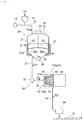
FIG. 1 is a schematic configuration diagram of a rice gel production system of a first embodiment. -
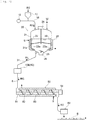
FIG. 2 is a schematic configuration diagram of a rice gel production system of a second embodiment. - The first embodiment of the rice gel production method and the rice gel production system according to the present invention will be described with reference to
FIG. 1 . - The rice gel production system shown in
FIG. 1 (hereinafter sometimes referred to as the system) includes a heating and stirring device 20 (an example of the heating and stirring unit) and a pulverizingdevice 40A (an example of a pulverizing unit 40), and is configured as a system that produces a gel-form rice gel RG from a rice material R0. The heating and stirringdevice 20 performs heating of the water-added rice material R0 with stirring in a sealedcontainer 21 and provides a gelatinized material R1. The pulverizingdevice 40A performs pulverizing of the gelatinized material R1, which is obtained in the heating and stirring performed by the heating and stirringdevice 20, and provides the rice gel RG. Incidentally, the system employs polished white rice, unpolished rice, or the like appropriately experiencing rice washing, water immersion, and the like, as the rice material R0. - A method of charging the rice material R0 in the embodiment employs a so-called pneumatic transportation mode that transports the rice material R0, which is charged from a
hopper 10 to aconveying duct 16, to the inside of the sealedcontainer 21 of the heating and stirringdevice 20 using airflow generated by afan 15. However, another mode may be configured to transport the rice material R0. - The heating and stirring
device 20 includesscraping stirrer blades 22 that rotates about a vertical axis inside the sealedcontainer 21, with amotor 24 arranged in the center of the top face of the sealedcontainer 21 as a power source. Thescraping stirrer blade 22 includes ascraper plate 22a, and thescraper plate 22a is biased so as to make an edge part come into contact with an innerperipheral face 21a of the sealedcontainer 21. Then, the heating and stirringdevice 20 performs a so-called stirring treatment that rotates suchscraping stirrer blade 22 inside the sealedcontainer 21, which reserves the water-added rice material R0. In this manner, the rice material R0 in the sealedcontainer 21 can be stirred with scraping an adhered material adhering to the innerperipheral face 21a by thescraper plate 22a sliding along the innerperipheral face 21a of the sealedcontainer 21. - The heating and stirring
device 20 includes a jacket 27 (an example of the heating part) surrounding the whole periphery of the outer peripheral face of the sealedcontainer 21. In addition, the heating and stirringdevice 20 can heat the outer peripheral face of the sealedcontainer 21 in a manner of performing a so-called heating treatment that passes heating medium S such as overheated water vapor through thejacket 27, thereby indirectly heating the rice material R0 in the sealedcontainer 21. - Furthermore, the heating and stirring
device 20 includes a coarse pulverizingblade 25 that rotates about a vertical axis in the vicinity of the bottom inside the sealedcontainer 21, with amotor 26 arranged in the center of the bottom face of the sealedcontainer 21 as a power source. Then, the heating and stirringdevice 20 can appropriately, coarsely pulverize the rice material R0 in the sealedcontainer 21 in a manner of performing a so-called coarse pulverization treatment that rotates such coarse pulverizingblade 25 in the vicinity of the bottom inside the sealedcontainer 21, which reserves the water-added rice material R0. - In the heating and stirring performed in the heating and stirring
device 20 configured as described above, while thescraping stirrer blade 22 rotates at a relatively low speed, e.g., about 34 rpm, water W with a specified temperature and the rice material R0 are charged at a specified proportion into the sealedcontainer 21, and then a stirring treatment starts. In addition, the heating medium S such as overheated water vapor is started to be supplied into thejacket 27 in the heating and stirringdevice 20 to start a heating treatment, and such state continues for a specified duration. This makes the sealedcontainer 21 include therein a mixture liquid of the water W and the rice material R0 being stirred with heating indirectly. - Moreover, in the heating and stirring in this embodiment, for example, the mixture liquid in the sealed
container 21 boils (100°C) in about 10 minutes, and such state is retained for 10 minutes. - Then, the heating of the mixture liquid of the water W and the rice material R0 stirred in the sealed
container 21 generates the gelatinized material R1, in which starch components contained in the rice material R0 are gelatinized. The gelatinized material R1 thus generated is also retained at a high temperature for a specified duration inside the sealedcontainer 21 of the heating and stirringdevice 20, thereby being heat-sterilized. Furthermore, since the gelatinized material R1 is generated by heating the rice material R0 with stirring , the gelatinized material R1 has a slurry fluid form containing rice grains broken to some extent. - With regard to the temperature of the water W charged into the sealed
container 21, the embodiment employs hot water at 80°C as the water W in view of improving water immersion of the rice material R0, shortening heating time, and the like, but the temperature of the water W can be changed appropriately. - Additionally, with regard to pretreatment of the rice material R0 to be charged into the sealed
container 21, when unpolished rice is used as the rice material R0, longer immersion time is preferably set because of less water immersion in unpolished rice compared to use of polished white rice as the rice material R0. For example, use of polished white rice as the rice material R0 can include a setting of water immersion time to about 1.5 hours, and use of unpolished rice as the rice material R0 can include a setting of water immersion time to about 4 hours. - Furthermore, a proportion by weight of the water W and the rice material R0 to be charged into the sealed
container 21 can be set appropriately. For example, when a proportion of the weight of the water W to the weight of the rice material R0 is set in the range of 1/4-1/2, parameters indicating qualities, such as viscosity and elasticity, of the rice gel RG produced finally can be kept within appropriate ranges. - In the heating and stirring, the outer peripheral face of the sealed
container 21 is heated by thejacket 27 with scraping an adhered material on the innerperipheral face 21a of the sealedcontainer 21 by thescraping stirrer blade 22. This prevents the adhered material adhering to the innerperipheral face 21a of the sealedcontainer 21 from burning and sticking because of long-time continuous heating, thereby avoiding reduction in quality due to the burnt deposit. - During or after execution of the heating and stirring, a coarse pulverization treatment is appropriately performed which rotates the
coarse pulverizing blade 25 at relatively high speed, e.g., about 1800 rpm with reserving the gelatinized material R1 in the sealedcontainer 21. Moreover, such coarse pulverization treatment pulverizes the gelatinized rice grains contained in the gelatinized material R1 into pieces of appropriate sizes, thus reducing pulverizing load in thepulverizing device 40A described later. - Here, when a coarse pulverization treatment is performed by rotating the
coarse pulverizing blade 25 with a high speed for the reason of low water content rate of the gelatinized material R1 in the sealedcontainer 21 or the like, there is concern that bubbles may be generated in the gelatinized material R1, and such bubbles can be a factor of reduced quality of the rice gel RG, which is finally produced. In such case, some approaches can be employed such as reduction in rotation speed of thecoarse pulverizing blade 25 in the coarse pulverization treatment, or elimination of the coarse pulverization treatment. - The gelatinized material R1, which is obtained by heating and stirring performed in the heating and stirring
device 20 described above, has a slurry fluid form. This allows for delivery from the bottom of the sealedcontainer 21 to a conveyingduct 31, and subsequent conveyance via a conveyingduct 33 to thepulverizing device 40A in the next process by a uniaxialdecentering screw pump 32, e.g., called as MOHNO pump. In other words, these conveyingducts unit 30 that conveys the gelatinized material R1 emitted from the heating and stirringdevice 20, to thepulverizing device 40A without exposing to air. This makes the gelatinized material R1, which is heat-sterilized in the heating and stirringdevice 20, conveyed to thepulverizing device 40A without being exposed to air. - In this regard, the embodiment employs the sealed conveying
unit 30, but the conveyer for the gelatinized material R1 can be changed appropriately; for example, an open-air conveyer or the like may be used to convey the gelatinized material R1 to thepulverizing device 40A. - The pulverizing
device 40A includes arotor 41 that rotarily drives about a horizontal axis with amotor 42 as a power source. Therotor 41 is configured to have a truncated cone shape that includes an outerperipheral face 41a having the same angle of inclination to a rotation axis, and the outerperipheral face 41a forms shearing pulverizer teeth formed of grooves extending along the rotation axis or the like. Furthermore, the pulverizingdevice 40A includes aliner 43 that surrounds the outerperipheral face 41a of therotor 41 via agap 44 having a specified width. Namely, theliner 43 is formed into a bottomed tubular shape with a tip part of the rotor 41 (the left side inFIG. 1 ) as a bottom face, and its innerperipheral face 43a is formed into a truncated cone shape with thegap 44 interposed relative to the outerperipheral face 41a of therotor 41. - That is, in the
rotor 41 that rotarily drives, thegap 44 is formed between the outerperipheral face 41a having the shearing pulverizer teeth formed thereon and the innerperipheral face 43a of theliner 43 surrounding the outerperipheral face 41a. In addition, the pulverizingdevice 40A is configured as a rotary pulverizing device that pulverizes the gelatinized material R1 in a manner of passing the gelatinized material R1 through thegap 44. - In the pulverizing performed in the
pulverizing device 40A configured as described above, the gelatinized material R1 conveyed from thepump 32 is supplied from the center of the bottom of theliner 43 to thegap 44 with rotating therotor 41 at a high speed, e.g., about 3600 rpm. Then, the gelatinized material R1 passes through thegap 44, which is formed between the outerperipheral face 41a of therotor 41 rotarily driving and the innerperipheral face 43a of theliner 43 at rest. The gelatinized material R1 receives shear force by relative displacement of the shearing pulverizer teeth, which is formed on the outerperipheral face 41a of therotor 41, thereby allowing rice grains contained in the gelatinized material R1 to be more finely pulverized in a short time. Then, the gelatinized material R1, which passes thegap 44 and is finely pulverized, is delivered as the rice gel RG from the pulverizingdevice 40A to the conveyingduct 46. - Meanwhile, the rice gel RG, which is emitted from the pulverizing
device 40A to the conveyingduct 46, has a temperature of nearly boiling point (100°C), and thus makes a concern for generation of bumping associated with sharply reduced pressure. In such case, generation of bumping can also be suppressed by providing a restrictor part or the like in the conveyingduct 46 to add back pressure to the rice gel RG delivered from the pulverizingdevice 40A. - Thus, the rice gel RG, which is delivered to the conveying
duct 46, can be divided and packaged into sealed bags B e.g., by a back-in-box packaging device 60, and shipped. - Additionally, in the system, the gelatinized material R1 treated with heat sterilization in the heating and stirring
device 20 passes through the pulverizing device 40Aaseptically without being exposed to air, forms into the rice gel RG, and is packaged in the sealed bag B, and thus a heat sterilization treatment for the rice gel RG is eliminated. - The second embodiment of the rice gel production method and the rice gel production system according to the present invention will be described with reference to
FIG. 2 . - Here, the embodiment differs from the first embodiment described above, only in including a pulverizing
unit 40 that has a different form from the pulverizingdevice 40A of the first embodiment, and adding aheat sterilization device 50 that applies a heat sterilization treatment to the rice gel RG. Therefore, for a configuration similar to the first embodiment described above, the description below may provide the same signs in the drawings, as well as omit a detailed description. - The rice gel production system shown in
FIG. 2 (hereinafter sometimes referred to as the system) includes a heating and stirring device 20 (an example of the heating and stirring unit) and a pulverizingunit 40, and is configured as a system that produces a gel-form rice gel RG from a rice material R0. The heating and stirringdevice 20 performs a heating and stirring that heats the water-added rice material R0 with stirring in a sealedcontainer 21 and provides a gelatinized material R1. The pulverizingunit 40 performs pulverizing of the gelatinized material R1, which is obtained in the heating and stirring performed by the heating and stirringdevice 20, and provides the rice gel RG. Incidentally, the system employs polished white rice, unpolished rice, or the like appropriately experiencing rice washing, water immersion, and the like, as the rice material R0. - Although a rotary pulverizing device similar to the
pulverizing device 40A as described in the aforementioned first embodiment (seeFIG. 1 ) can also be employed as the pulverizingunit 40, the pulverizingunit 40 in the system is configured as a knownquern milling device 40B. Namely,such milling device 40B can produce the rice gel RG in a manner of passing the gelatinized material R1, which is supplied from the heating and stirringdevice 20, through a gap between an upper quern part and a bottom quern part relatively rotating, and by pulverizing the gelatinized material R1 by shear force generated in the passing. - For example, if, in the pulverizing
unit 40, the gelatinized material R1 to be pulverized is exposed to air as in themilling device 40B, the rice gel RG obtained after the pulverization is preferably subjected to a heat sterilization treatment. Thus, the system is applies a heat sterilization treatment in theheat sterilization device 50 to the rice gel RG obtained in themilling device 40B, and to then perform division and packaging into the sealed bags B by thepackaging device 60. - For example, the
heat sterilization device 50 includes a so-called scraping heat exchanger. In other words, theheat sterilization device 50 includes, in acylindrical conveyer space 51 that passes the rice gel RG, ascraping blade 52 for rotarily driving about a horizontal axis with amotor 54 as a driving source and scraping the rice gel RG adhered to an outer peripheral wall face of theconveyer space 51. In addition, ajacket 53 is disposed which surrounds the whole periphery of the outer peripheral face of theconveyer space 51. Thus, theheat sterilization device 50 can apply a heat sterilization treatment by heating an outer peripheral face of theconveyer space 51 in a manner of performing a so-called heating treatment that passes heating medium S such as overheated water vapor through thejacket 53, thereby indirectly heating the rice gel RG passing through theconveyer space 51. - Moreover, in such
heat sterilization device 50, the rice gel RG, which is adhered to the outer peripheral wall face of theconveyer space 51 heated by thejacket 53, is constantly scraped by thescraping blade 52. This prevents the adhered material of the rice gel RG from burning and sticking because of long-time continuous heating, thereby avoiding reduction in quality caused by the burnt deposit. - It is contemplated that application of a heat sterilization treatment to the rice gel RG as mentioned above causes a gelatinized starch to be reheated and promotes collapse of starch particles, thereby slightly reducing viscosity and elasticity of the rice gel RG thus obtained. In this case, such slight variation of viscosity and elasticity of the rice gel RG can be kept within an acceptable range by adjusting a heating condition or the like in the heat sterilization treatment. Additionally, such application of a heat sterilization treatment to the rice gel RG can also eliminate a heat sterilization treatment, reheating, or the like to be applied to the gelatinized material R1, which is a semiprocessed product in the heating and stirring
device 20 or other sites. - Other embodiments of the present invention will be described. Here, a configuration of each of the embodiments described below is not only applied singly, but can also be applied in combination with a configuration of another embodiment.
- (1) The embodiment described above has employed polished white rice or unpolished rice as the rice material R0, but can also alternatively employ rice bran as the rice material R0 to generate the rice gel RG from the rice bran.
- (2) The embodiment described above has employed a heating and stirring
device 20 with thecoarse pulverizing blade 25, but can employ a heating and stirringdevice 20 without thecoarse pulverizing blade 25 in the case of eliminating a coarse pulverization treatment using thecoarse pulverizing blade 25. - (3) The embodiment described above includes a heating and stirring
device 20 configured to stir the rice material R0 with scraping an adhered material adhering to the innerperipheral face 21a in the sealedcontainer 21 by thescraper plate 22a of thescraping stirrer blade 22. However, the device may be configured to stir the rice material R0 by a stirrer blade having another form, such as with eliminating thescraper plate 22a described above. - (4) The embodiment have employed the
rotary pulverizing device 40A or themilling device 40B as the pulverizingunit 40, but may also employ a pulverizing device that pulverizes the gelatinized material R1 in another manner. In addition, the embodiment is configured to pulverize the gelatinized material R1 in a single-stage pulverizing unit 40, but can also be configured to pulverize the gelatinized material R1 in a two- or morestage pulverizing unit 40. - The present invention can be preferably employed for a rice gel production system and a rice gel production method that enable highly-efficient, low-cost production of a high-quality rice gel, with eliminating a rice cooking treatment that cooks or steams a rice material beforehand and provides cooked rice.
-
- 20 Heating and stirring device (heating and stirring unit)
- 21 Sealed container
- 21a Inner peripheral face
- 22 Scraping stirrer blade
- 25 Coarse pulverizing blade
- 30 Sealed conveying unit
- 40 Pulverizing device (pulverizing unit)
- 41 Rotor
- 41a Outer peripheral face
- 43 Liner
- 44 Gap
- R0 Rice material
- R1 Gelatinized material
- RG Rice gel
- W Water
Claims (6)
- A rice gel production system of producing a gel-form rice gel, the system comprising:a heating and stirring unit that heats a water-added rice material with stirring in a sealed container and obtains a gelatinized material, anda pulverizing unit that pulverizes the gelatinized material obtained in the heating and stirring unit and obtains the rice gel.
- The rice gel production system according to claim 1, the heating and stirring unit having a coarse pulverizing blade that rotates inside the sealed container and coarsely pulverizes the rice material.
- The rice gel production system according to claim 1 or 2, wherein the heating and stirring unit includes:a scraping stirrer blade that rotates inside the sealed container and stirs the rice material with scraping an adhered material on an inner peripheral face of the sealed container; anda heating part that heats an outer peripheral face of the sealed container.
- The rice gel production system according to any one of claims 1 to 3, wherein the pulverizing unit includes:a rotor that includes shearing pulverizer teeth formed on an outer peripheral face and rotarily drives about an axis; anda liner that surrounds the outer peripheral face of the rotor via a gap that receives passing of the gelatinized material.
- The rice gel production system according to any one of claims 1 to 4, comprising a sealed conveying unit that conveys to the pulverizing unit without exposing to air, the gelatinized material emitted from the heating and stirring unit.
- A rice gel production method of producing a gel-form rice gel, the method comprising:heating a water-added rice material with stirring in a sealed container and obtaining a gelatinized material, andpulverizing the obtained gelatinized material and obtaining the rice gel.
Applications Claiming Priority (2)
| Application Number | Priority Date | Filing Date | Title |
|---|---|---|---|
| JP2018191679A JP2020058287A (en) | 2018-10-10 | 2018-10-10 | Rice gel manufacturing system and rice gel manufacturing method |
| PCT/JP2019/037297 WO2020075488A1 (en) | 2018-10-10 | 2019-09-24 | Rice gel production system and rice gel production method |
Publications (3)
| Publication Number | Publication Date |
|---|---|
| EP3864968A1 true EP3864968A1 (en) | 2021-08-18 |
| EP3864968A4 EP3864968A4 (en) | 2022-07-06 |
| EP3864968B1 EP3864968B1 (en) | 2023-08-09 |
Family
ID=70164712
Family Applications (1)
| Application Number | Title | Priority Date | Filing Date |
|---|---|---|---|
| EP19871634.2A Active EP3864968B1 (en) | 2018-10-10 | 2019-09-24 | Rice gel production system and rice gel production method |
Country Status (6)
| Country | Link |
|---|---|
| US (1) | US20220030920A1 (en) |
| EP (1) | EP3864968B1 (en) |
| JP (2) | JP2020058287A (en) |
| CN (1) | CN112839526A (en) |
| ES (1) | ES2954765T3 (en) |
| WO (1) | WO2020075488A1 (en) |
Families Citing this family (3)
| Publication number | Priority date | Publication date | Assignee | Title |
|---|---|---|---|---|
| JP6843482B2 (en) * | 2017-06-30 | 2021-03-17 | ヤンマーパワーテクノロジー株式会社 | Rice gel manufacturing method |
| JP2020058287A (en) * | 2018-10-10 | 2020-04-16 | ヤンマー株式会社 | Rice gel manufacturing system and rice gel manufacturing method |
| GB202005843D0 (en) * | 2020-04-22 | 2020-06-03 | Ianson Bros Ltd | Improvements to the hydration of foodstuff components |
Family Cites Families (14)
| Publication number | Priority date | Publication date | Assignee | Title |
|---|---|---|---|---|
| JPH0523119A (en) * | 1991-07-15 | 1993-02-02 | Asahi Chem Ind Co Ltd | Powdery edible material and water suspension |
| JPH06133752A (en) * | 1992-10-27 | 1994-05-17 | Osaka Gas Co Ltd | Dryer for viscous food |
| JPH11123057A (en) * | 1997-10-24 | 1999-05-11 | Ehime Prefecture Nogyo Kyodo Kumiai Rengokai | Manufacturing method of cooked rice porridge beverage |
| JP3149065B2 (en) * | 1998-03-12 | 2001-03-26 | 梶原工業株式会社 | Oblique stirrer |
| JP3154692B2 (en) * | 1998-07-24 | 2001-04-09 | 増幸産業株式会社 | Fine grinding equipment |
| EP1929884A1 (en) * | 2006-12-04 | 2008-06-11 | Cognis IP Management GmbH | Process for the manufacture of sterol preparations |
| JP2013059723A (en) * | 2011-09-13 | 2013-04-04 | Fuji Xerox Co Ltd | Medium stirring type disperser |
| PH12014500731A1 (en) * | 2011-10-12 | 2014-06-30 | Intercontinental Great Brands Llc | Production of whole grain rice shredded product |
| WO2014199961A1 (en) * | 2013-06-10 | 2014-12-18 | 独立行政法人農業・食品産業技術総合研究機構 | Method for manufacturing processed food material or processed food |
| WO2016106564A1 (en) * | 2014-12-30 | 2016-07-07 | Nestec S.A. | Cooking apparatus |
| JP2018023330A (en) * | 2016-08-10 | 2018-02-15 | 三栄源エフ・エフ・アイ株式会社 | Instant food |
| CN109890218A (en) * | 2016-11-10 | 2019-06-14 | 洋马株式会社 | Rice gel manufacture system and rice gel manufacturing method |
| JP6726084B2 (en) * | 2016-11-10 | 2020-07-22 | ヤンマーパワーテクノロジー株式会社 | Rice gel manufacturing system |
| JP2020058287A (en) * | 2018-10-10 | 2020-04-16 | ヤンマー株式会社 | Rice gel manufacturing system and rice gel manufacturing method |
-
2018
- 2018-10-10 JP JP2018191679A patent/JP2020058287A/en active Pending
-
2019
- 2019-09-24 EP EP19871634.2A patent/EP3864968B1/en active Active
- 2019-09-24 ES ES19871634T patent/ES2954765T3/en active Active
- 2019-09-24 WO PCT/JP2019/037297 patent/WO2020075488A1/en not_active Ceased
- 2019-09-24 US US17/279,005 patent/US20220030920A1/en not_active Abandoned
- 2019-09-24 CN CN201980066320.8A patent/CN112839526A/en active Pending
-
2022
- 2022-06-03 JP JP2022090564A patent/JP2022107785A/en active Pending
Also Published As
| Publication number | Publication date |
|---|---|
| JP2022107785A (en) | 2022-07-22 |
| ES2954765T3 (en) | 2023-11-24 |
| CN112839526A (en) | 2021-05-25 |
| EP3864968A4 (en) | 2022-07-06 |
| US20220030920A1 (en) | 2022-02-03 |
| JP2020058287A (en) | 2020-04-16 |
| WO2020075488A1 (en) | 2020-04-16 |
| EP3864968B1 (en) | 2023-08-09 |
Similar Documents
| Publication | Publication Date | Title |
|---|---|---|
| EP3864968B1 (en) | Rice gel production system and rice gel production method | |
| WO2014123466A1 (en) | Liquid oat base | |
| US20250197530A1 (en) | Method and device for the digestion of starch | |
| WO2018219869A1 (en) | A process for preparation of oat or barley fractions | |
| WO2018011400A1 (en) | Process for preparation of food product comprising hydrolyzed starch | |
| CN111447841A (en) | Methods for sugar modulation | |
| CN111465330B (en) | Methods for sugar regulation | |
| CN115590073A (en) | Preparation method and construction method of oat milk | |
| US11583127B2 (en) | Rice gel production system and rice gel production method | |
| KR20160018320A (en) | Airstream grinding facilities and low temperature grinding method utilizing the same | |
| JP2016209872A (en) | Rice powder manufacturing apparatus | |
| JPH03232540A (en) | Production of polished rice for brewing | |
| JP6767373B2 (en) | Manufacturing method and equipment for powdery porous products | |
| CN209715246U (en) | A kind of coarse grain food flour mill with the ripe function of roasting | |
| JP2008017784A (en) | Seed powder and method for producing the same | |
| RU2729153C2 (en) | Microwave plant with conical resonators for thermal treatment of non-food wastes of animal origin in continuous mode | |
| JP2019010044A (en) | Rice gel manufacturing system and rice gel manufacturing method | |
| RU2797428C2 (en) | Method for regulation of sugar formation | |
| JP2016096731A (en) | Method for producing mousse food | |
| JP6171460B2 (en) | Stable production method of fried chicken | |
| JP3053853B2 (en) | Method and apparatus for promoting crushing and sorting of grains | |
| CN203355667U (en) | Novel closed colloid mill | |
| WO2021015150A1 (en) | Pulverizing system | |
| CN113924033A (en) | Improved grinder | |
| JP2021068659A (en) | Mixing heating device |
Legal Events
| Date | Code | Title | Description |
|---|---|---|---|
| STAA | Information on the status of an ep patent application or granted ep patent |
Free format text: STATUS: THE INTERNATIONAL PUBLICATION HAS BEEN MADE |
|
| PUAI | Public reference made under article 153(3) epc to a published international application that has entered the european phase |
Free format text: ORIGINAL CODE: 0009012 |
|
| STAA | Information on the status of an ep patent application or granted ep patent |
Free format text: STATUS: REQUEST FOR EXAMINATION WAS MADE |
|
| 17P | Request for examination filed |
Effective date: 20210507 |
|
| AK | Designated contracting states |
Kind code of ref document: A1 Designated state(s): AL AT BE BG CH CY CZ DE DK EE ES FI FR GB GR HR HU IE IS IT LI LT LU LV MC MK MT NL NO PL PT RO RS SE SI SK SM TR |
|
| DAV | Request for validation of the european patent (deleted) | ||
| DAX | Request for extension of the european patent (deleted) | ||
| A4 | Supplementary search report drawn up and despatched |
Effective date: 20220608 |
|
| RIC1 | Information provided on ipc code assigned before grant |
Ipc: B01F 35/90 20220101ALI20220601BHEP Ipc: B01F 27/091 20220101ALI20220601BHEP Ipc: A23L 7/10 20160101AFI20220601BHEP |
|
| GRAP | Despatch of communication of intention to grant a patent |
Free format text: ORIGINAL CODE: EPIDOSNIGR1 |
|
| STAA | Information on the status of an ep patent application or granted ep patent |
Free format text: STATUS: GRANT OF PATENT IS INTENDED |
|
| INTG | Intention to grant announced |
Effective date: 20230315 |
|
| GRAS | Grant fee paid |
Free format text: ORIGINAL CODE: EPIDOSNIGR3 |
|
| GRAA | (expected) grant |
Free format text: ORIGINAL CODE: 0009210 |
|
| STAA | Information on the status of an ep patent application or granted ep patent |
Free format text: STATUS: THE PATENT HAS BEEN GRANTED |
|
| AK | Designated contracting states |
Kind code of ref document: B1 Designated state(s): AL AT BE BG CH CY CZ DE DK EE ES FI FR GB GR HR HU IE IS IT LI LT LU LV MC MK MT NL NO PL PT RO RS SE SI SK SM TR |
|
| REG | Reference to a national code |
Ref country code: GB Ref legal event code: FG4D |
|
| REG | Reference to a national code |
Ref country code: CH Ref legal event code: EP |
|
| REG | Reference to a national code |
Ref country code: IE Ref legal event code: FG4D |
|
| REG | Reference to a national code |
Ref country code: DE Ref legal event code: R096 Ref document number: 602019034853 Country of ref document: DE |
|
| REG | Reference to a national code |
Ref country code: ES Ref legal event code: FG2A Ref document number: 2954765 Country of ref document: ES Kind code of ref document: T3 Effective date: 20231124 |
|
| REG | Reference to a national code |
Ref country code: LT Ref legal event code: MG9D |
|
| REG | Reference to a national code |
Ref country code: NL Ref legal event code: MP Effective date: 20230809 |
|
| REG | Reference to a national code |
Ref country code: AT Ref legal event code: MK05 Ref document number: 1596422 Country of ref document: AT Kind code of ref document: T Effective date: 20230809 |
|
| PG25 | Lapsed in a contracting state [announced via postgrant information from national office to epo] |
Ref country code: GR Free format text: LAPSE BECAUSE OF FAILURE TO SUBMIT A TRANSLATION OF THE DESCRIPTION OR TO PAY THE FEE WITHIN THE PRESCRIBED TIME-LIMIT Effective date: 20231110 |
|
| PG25 | Lapsed in a contracting state [announced via postgrant information from national office to epo] |
Ref country code: IS Free format text: LAPSE BECAUSE OF FAILURE TO SUBMIT A TRANSLATION OF THE DESCRIPTION OR TO PAY THE FEE WITHIN THE PRESCRIBED TIME-LIMIT Effective date: 20231209 |
|
| PG25 | Lapsed in a contracting state [announced via postgrant information from national office to epo] |
Ref country code: SE Free format text: LAPSE BECAUSE OF FAILURE TO SUBMIT A TRANSLATION OF THE DESCRIPTION OR TO PAY THE FEE WITHIN THE PRESCRIBED TIME-LIMIT Effective date: 20230809 Ref country code: RS Free format text: LAPSE BECAUSE OF FAILURE TO SUBMIT A TRANSLATION OF THE DESCRIPTION OR TO PAY THE FEE WITHIN THE PRESCRIBED TIME-LIMIT Effective date: 20230809 Ref country code: PT Free format text: LAPSE BECAUSE OF FAILURE TO SUBMIT A TRANSLATION OF THE DESCRIPTION OR TO PAY THE FEE WITHIN THE PRESCRIBED TIME-LIMIT Effective date: 20231211 Ref country code: NO Free format text: LAPSE BECAUSE OF FAILURE TO SUBMIT A TRANSLATION OF THE DESCRIPTION OR TO PAY THE FEE WITHIN THE PRESCRIBED TIME-LIMIT Effective date: 20231109 Ref country code: NL Free format text: LAPSE BECAUSE OF FAILURE TO SUBMIT A TRANSLATION OF THE DESCRIPTION OR TO PAY THE FEE WITHIN THE PRESCRIBED TIME-LIMIT Effective date: 20230809 Ref country code: LV Free format text: LAPSE BECAUSE OF FAILURE TO SUBMIT A TRANSLATION OF THE DESCRIPTION OR TO PAY THE FEE WITHIN THE PRESCRIBED TIME-LIMIT Effective date: 20230809 Ref country code: LT Free format text: LAPSE BECAUSE OF FAILURE TO SUBMIT A TRANSLATION OF THE DESCRIPTION OR TO PAY THE FEE WITHIN THE PRESCRIBED TIME-LIMIT Effective date: 20230809 Ref country code: IS Free format text: LAPSE BECAUSE OF FAILURE TO SUBMIT A TRANSLATION OF THE DESCRIPTION OR TO PAY THE FEE WITHIN THE PRESCRIBED TIME-LIMIT Effective date: 20231209 Ref country code: HR Free format text: LAPSE BECAUSE OF FAILURE TO SUBMIT A TRANSLATION OF THE DESCRIPTION OR TO PAY THE FEE WITHIN THE PRESCRIBED TIME-LIMIT Effective date: 20230809 Ref country code: GR Free format text: LAPSE BECAUSE OF FAILURE TO SUBMIT A TRANSLATION OF THE DESCRIPTION OR TO PAY THE FEE WITHIN THE PRESCRIBED TIME-LIMIT Effective date: 20231110 Ref country code: FI Free format text: LAPSE BECAUSE OF FAILURE TO SUBMIT A TRANSLATION OF THE DESCRIPTION OR TO PAY THE FEE WITHIN THE PRESCRIBED TIME-LIMIT Effective date: 20230809 Ref country code: AT Free format text: LAPSE BECAUSE OF FAILURE TO SUBMIT A TRANSLATION OF THE DESCRIPTION OR TO PAY THE FEE WITHIN THE PRESCRIBED TIME-LIMIT Effective date: 20230809 |
|
| PG25 | Lapsed in a contracting state [announced via postgrant information from national office to epo] |
Ref country code: PL Free format text: LAPSE BECAUSE OF FAILURE TO SUBMIT A TRANSLATION OF THE DESCRIPTION OR TO PAY THE FEE WITHIN THE PRESCRIBED TIME-LIMIT Effective date: 20230809 |
|
| REG | Reference to a national code |
Ref country code: DE Ref legal event code: R119 Ref document number: 602019034853 Country of ref document: DE |
|
| PG25 | Lapsed in a contracting state [announced via postgrant information from national office to epo] |
Ref country code: SM Free format text: LAPSE BECAUSE OF FAILURE TO SUBMIT A TRANSLATION OF THE DESCRIPTION OR TO PAY THE FEE WITHIN THE PRESCRIBED TIME-LIMIT Effective date: 20230809 Ref country code: RO Free format text: LAPSE BECAUSE OF FAILURE TO SUBMIT A TRANSLATION OF THE DESCRIPTION OR TO PAY THE FEE WITHIN THE PRESCRIBED TIME-LIMIT Effective date: 20230809 Ref country code: EE Free format text: LAPSE BECAUSE OF FAILURE TO SUBMIT A TRANSLATION OF THE DESCRIPTION OR TO PAY THE FEE WITHIN THE PRESCRIBED TIME-LIMIT Effective date: 20230809 Ref country code: DK Free format text: LAPSE BECAUSE OF FAILURE TO SUBMIT A TRANSLATION OF THE DESCRIPTION OR TO PAY THE FEE WITHIN THE PRESCRIBED TIME-LIMIT Effective date: 20230809 Ref country code: CZ Free format text: LAPSE BECAUSE OF FAILURE TO SUBMIT A TRANSLATION OF THE DESCRIPTION OR TO PAY THE FEE WITHIN THE PRESCRIBED TIME-LIMIT Effective date: 20230809 Ref country code: SK Free format text: LAPSE BECAUSE OF FAILURE TO SUBMIT A TRANSLATION OF THE DESCRIPTION OR TO PAY THE FEE WITHIN THE PRESCRIBED TIME-LIMIT Effective date: 20230809 |
|
| REG | Reference to a national code |
Ref country code: CH Ref legal event code: PL |
|
| PG25 | Lapsed in a contracting state [announced via postgrant information from national office to epo] |
Ref country code: LU Free format text: LAPSE BECAUSE OF NON-PAYMENT OF DUE FEES Effective date: 20230924 |
|
| REG | Reference to a national code |
Ref country code: BE Ref legal event code: MM Effective date: 20230930 |
|
| PG25 | Lapsed in a contracting state [announced via postgrant information from national office to epo] |
Ref country code: LU Free format text: LAPSE BECAUSE OF NON-PAYMENT OF DUE FEES Effective date: 20230924 Ref country code: MC Free format text: LAPSE BECAUSE OF FAILURE TO SUBMIT A TRANSLATION OF THE DESCRIPTION OR TO PAY THE FEE WITHIN THE PRESCRIBED TIME-LIMIT Effective date: 20230809 |
|
| PLBE | No opposition filed within time limit |
Free format text: ORIGINAL CODE: 0009261 |
|
| STAA | Information on the status of an ep patent application or granted ep patent |
Free format text: STATUS: NO OPPOSITION FILED WITHIN TIME LIMIT |
|
| REG | Reference to a national code |
Ref country code: IE Ref legal event code: MM4A |
|
| PG25 | Lapsed in a contracting state [announced via postgrant information from national office to epo] |
Ref country code: IE Free format text: LAPSE BECAUSE OF NON-PAYMENT OF DUE FEES Effective date: 20230924 |
|
| 26N | No opposition filed |
Effective date: 20240513 |
|
| PG25 | Lapsed in a contracting state [announced via postgrant information from national office to epo] |
Ref country code: CH Free format text: LAPSE BECAUSE OF NON-PAYMENT OF DUE FEES Effective date: 20230930 |
|
| GBPC | Gb: european patent ceased through non-payment of renewal fee |
Effective date: 20231109 |
|
| PG25 | Lapsed in a contracting state [announced via postgrant information from national office to epo] |
Ref country code: IE Free format text: LAPSE BECAUSE OF NON-PAYMENT OF DUE FEES Effective date: 20230924 Ref country code: FR Free format text: LAPSE BECAUSE OF NON-PAYMENT OF DUE FEES Effective date: 20231009 Ref country code: DE Free format text: LAPSE BECAUSE OF NON-PAYMENT OF DUE FEES Effective date: 20240403 Ref country code: CH Free format text: LAPSE BECAUSE OF NON-PAYMENT OF DUE FEES Effective date: 20230930 Ref country code: SI Free format text: LAPSE BECAUSE OF FAILURE TO SUBMIT A TRANSLATION OF THE DESCRIPTION OR TO PAY THE FEE WITHIN THE PRESCRIBED TIME-LIMIT Effective date: 20230809 |
|
| PG25 | Lapsed in a contracting state [announced via postgrant information from national office to epo] |
Ref country code: BE Free format text: LAPSE BECAUSE OF NON-PAYMENT OF DUE FEES Effective date: 20230930 |
|
| PG25 | Lapsed in a contracting state [announced via postgrant information from national office to epo] |
Ref country code: GB Free format text: LAPSE BECAUSE OF NON-PAYMENT OF DUE FEES Effective date: 20231109 |
|
| REG | Reference to a national code |
Ref country code: ES Ref legal event code: FD2A Effective date: 20241025 |
|
| PG25 | Lapsed in a contracting state [announced via postgrant information from national office to epo] |
Ref country code: GB Free format text: LAPSE BECAUSE OF NON-PAYMENT OF DUE FEES Effective date: 20231109 |
|
| PG25 | Lapsed in a contracting state [announced via postgrant information from national office to epo] |
Ref country code: BG Free format text: LAPSE BECAUSE OF FAILURE TO SUBMIT A TRANSLATION OF THE DESCRIPTION OR TO PAY THE FEE WITHIN THE PRESCRIBED TIME-LIMIT Effective date: 20230809 |
|
| PG25 | Lapsed in a contracting state [announced via postgrant information from national office to epo] |
Ref country code: BG Free format text: LAPSE BECAUSE OF FAILURE TO SUBMIT A TRANSLATION OF THE DESCRIPTION OR TO PAY THE FEE WITHIN THE PRESCRIBED TIME-LIMIT Effective date: 20230809 |
|
| PG25 | Lapsed in a contracting state [announced via postgrant information from national office to epo] |
Ref country code: IT Free format text: LAPSE BECAUSE OF NON-PAYMENT OF DUE FEES Effective date: 20230924 |
|
| PG25 | Lapsed in a contracting state [announced via postgrant information from national office to epo] |
Ref country code: IT Free format text: LAPSE BECAUSE OF NON-PAYMENT OF DUE FEES Effective date: 20230924 |
|
| PG25 | Lapsed in a contracting state [announced via postgrant information from national office to epo] |
Ref country code: ES Free format text: LAPSE BECAUSE OF NON-PAYMENT OF DUE FEES Effective date: 20230925 |
|
| PG25 | Lapsed in a contracting state [announced via postgrant information from national office to epo] |
Ref country code: ES Free format text: LAPSE BECAUSE OF NON-PAYMENT OF DUE FEES Effective date: 20230925 |
|
| PG25 | Lapsed in a contracting state [announced via postgrant information from national office to epo] |
Ref country code: CY Free format text: LAPSE BECAUSE OF FAILURE TO SUBMIT A TRANSLATION OF THE DESCRIPTION OR TO PAY THE FEE WITHIN THE PRESCRIBED TIME-LIMIT; INVALID AB INITIO Effective date: 20190924 |
|
| PG25 | Lapsed in a contracting state [announced via postgrant information from national office to epo] |
Ref country code: HU Free format text: LAPSE BECAUSE OF FAILURE TO SUBMIT A TRANSLATION OF THE DESCRIPTION OR TO PAY THE FEE WITHIN THE PRESCRIBED TIME-LIMIT; INVALID AB INITIO Effective date: 20190924 |
|
| PG25 | Lapsed in a contracting state [announced via postgrant information from national office to epo] |
Ref country code: TR Free format text: LAPSE BECAUSE OF FAILURE TO SUBMIT A TRANSLATION OF THE DESCRIPTION OR TO PAY THE FEE WITHIN THE PRESCRIBED TIME-LIMIT Effective date: 20230809 |