EP3859579A1 - Trusted computing method, and server - Google Patents
Trusted computing method, and server Download PDFInfo
- Publication number
- EP3859579A1 EP3859579A1 EP20779173.2A EP20779173A EP3859579A1 EP 3859579 A1 EP3859579 A1 EP 3859579A1 EP 20779173 A EP20779173 A EP 20779173A EP 3859579 A1 EP3859579 A1 EP 3859579A1
- Authority
- EP
- European Patent Office
- Prior art keywords
- trusted computing
- server
- computing chip
- measurement result
- program code
- Prior art date
- Legal status (The legal status is an assumption and is not a legal conclusion. Google has not performed a legal analysis and makes no representation as to the accuracy of the status listed.)
- Granted
Links
Images

Classifications
-
- G—PHYSICS
- G06—COMPUTING OR CALCULATING; COUNTING
- G06F—ELECTRIC DIGITAL DATA PROCESSING
- G06F21/00—Security arrangements for protecting computers, components thereof, programs or data against unauthorised activity
- G06F21/30—Authentication, i.e. establishing the identity or authorisation of security principals
- G06F21/31—User authentication
- G06F21/33—User authentication using certificates
-
- G—PHYSICS
- G06—COMPUTING OR CALCULATING; COUNTING
- G06F—ELECTRIC DIGITAL DATA PROCESSING
- G06F21/00—Security arrangements for protecting computers, components thereof, programs or data against unauthorised activity
- G06F21/50—Monitoring users, programs or devices to maintain the integrity of platforms, e.g. of processors, firmware or operating systems
- G06F21/57—Certifying or maintaining trusted computer platforms, e.g. secure boots or power-downs, version controls, system software checks, secure updates or assessing vulnerabilities
-
- G—PHYSICS
- G06—COMPUTING OR CALCULATING; COUNTING
- G06F—ELECTRIC DIGITAL DATA PROCESSING
- G06F21/00—Security arrangements for protecting computers, components thereof, programs or data against unauthorised activity
- G06F21/50—Monitoring users, programs or devices to maintain the integrity of platforms, e.g. of processors, firmware or operating systems
- G06F21/57—Certifying or maintaining trusted computer platforms, e.g. secure boots or power-downs, version controls, system software checks, secure updates or assessing vulnerabilities
- G06F21/575—Secure boot
Definitions
- Embodiments of this specification relate to the field of Internet technologies, and in particular, to a trusted computing method and a server.
- a trusted computing technology is mainly used for protecting system software from being tampered with by an attacker, and currently is mainly implemented by static measurements.
- the static measurement is mainly to guarantee the integrity of software during startup of a system, but cannot guarantee the integrity of the software during operations of the system.
- a dynamic measurement is mainly to guarantee the integrity of software during operations of a system.
- the dynamic measurement has not been really used. As a result, the reliability of results of trusted computing is low, which cannot meet the requirements of some high-security scenarios (such as data centers of financial companies).
- a technical problem in existing technologies that the reliability of computing results of trusted computing is lower when trusted computing is performed on a server is resolved.
- this specification conducts both a static measurement and a dynamic measurement, and improves the reliability of trusted computing, thereby achieving a technical effect of meeting requirements of high-security scenarios.
- this specification provides the following technical solution by using an embodiment of this specification.
- a trusted computing method is provided, applicable to a server, where the server is equipped with a first trusted computing chip and a second trusted computing chip, and the method includes:
- the first trusted computing chip is inserted into a serial peripheral interface (SPI) interface or a low pin count (LPC) interface on the server
- the second trusted computing chip is inserted into a peripheral component interconnect express (PCIE) interface, a serial advanced technology attachment (SATA) interface, or a universal serial bus (USB) interface on the server.
- PCIE peripheral component interconnect express
- SATA serial advanced technology attachment
- USB universal serial bus
- the method before the performing, by the first trusted computing chip, a static measurement on the server, the method further includes:
- the method further includes: receiving, by the second trusted computing chip, the association evidence signed by the CA.
- the association evidence includes:
- the performing, by the first trusted computing chip, a static measurement on the server to obtain a static measurement result includes:
- the performing, by the second trusted computing chip, a dynamic measurement on the server to obtain a dynamic measurement result includes:
- the method further includes:
- this specification provides the following technical solution by using an embodiment of this specification.
- a server including:
- the first trusted computing chip is inserted into a serial peripheral interface (SPI) interface or a low pin count (LPC) interface on the server
- the second trusted computing chip is inserted into a peripheral component interconnect express (PCIE) interface, a serial advanced technology attachment (SATA) interface, or a universal serial bus (USB) interface on the server.
- PCIE peripheral component interconnect express
- SATA serial advanced technology attachment
- USB universal serial bus
- the first trusted computing chip is further configured to:
- the second trusted computing chip is further configured to: receive the association evidence signed by the CA before the first trusted computing chip performs the static measurement on the server.
- the association evidence includes:
- the first trusted computing chip is configured to: acquire program code of a basic input/output system (BIOS), program code of a Bootloader, and program code of an operating system (OS) that are in the server; and generate the static measurement result based on the program code of the BIOS, the program code of the Bootloader, and the program code of the OS.
- BIOS basic input/output system
- OS operating system
- the second trusted computing chip is configured to: acquire static executable program code of application programs and program code of the application programs in an internal memory during the operations, where the application programs are installed on the server; and generate the dynamic measurement result based on the static executable program code of the application programs and the program code of the application programs in the internal memory during the operations.
- the first trusted computing chip is further configured to receive a first verification result fed back by the verification center, where the first verification result corresponds to the static measurement.
- the second trusted computing chip is further configured to receive a second verification result fed back by the verification center, where the second verification result corresponds to the dynamic measurement, and the second verification result carries the association evidence.
- An embodiment of this specification discloses a trusted computing method, applicable to a server, where the server is equipped with a first trusted computing chip and a second trusted computing chip, and the method includes: performing, by the first trusted computing chip, a static measurement on the server during startup of the server to obtain a static measurement result, and sending the static measurement result to a verification center; and performing, by the second trusted computing chip, a dynamic measurement on the server during operations after the startup of the server to obtain a dynamic measurement result, and sending the dynamic measurement result and association evidence to the verification center, where the association evidence is used for indicating that the first trusted computing chip and the second trusted computing chip are disposed in the same server, for the verification center to associate the static measurement result with the dynamic measurement result based on the association evidence, and to verify integrity of a software system of the server based on associated results.
- Two associated trusted computing chips are disposed in the server, where the first trusted computing chip is configured to perform a static measurement on the server, and the second trusted computing chip is configured to perform a dynamic measurement on the server; and both the static measurement result and the dynamic measurement result are sent to a verification center. Therefore, the verification center may verify the integrity of a software system of a service server based on the static measurement result and the dynamic measurement result. In this way, a technical problem in existing technologies that the reliability of computing results of trusted computing is lower when trusted computing is performed on a server is resolved. This specification conducts both a static measurement and a dynamic measurement, and improves the reliability of trusted computing, thereby achieving a technical effect of meeting requirements of high-security scenarios.
- a trusted computing chip is a trust foundation of trusted computing, and performs the functions of trusted computing together with upper-level verification software.
- the trusted computing chip is generally called trusted platform module (TPM) abroad and trusted platform control module (TPCM) in China.
- a trusted computing technology is mainly used for protecting system software from being tampered with by an attacker, and currently is mainly implemented by static measurements.
- the static measurement is mainly to guarantee the integrity of software during startup of a system, but cannot guarantee the integrity of the software during operations of the system.
- a dynamic measurement is mainly to guarantee the integrity of software during operations of a system, but the dynamic measurement has not been really used.
- each existing TPM/TPCM adopts an SPI interface.
- This interface has very low transmission performance and is adopted because only this interface is available in the early stage of the system, and the TPM/TPCM is required to be run in the early stage of the system to verify the integrity of a BIOS.
- the dynamic measurement is required for some high-security scenarios (such as data centers of financial companies). In this case, a high-speed transmission interface is required, but the SPI interface cannot meet such a requirement.
- a technical problem in existing technologies that the reliability of computing results of trusted computing is lower when trusted computing is performed on a server is resolved.
- this specification conducts both a static measurement and a dynamic measurement, and improves the reliability of trusted computing, thereby achieving a technical effect of meeting requirements of high-security scenarios.
- a trusted computing method applicable to a server is provided, where the server is equipped with a first trusted computing chip and a second trusted computing chip.
- the method includes: performing, by the first trusted computing chip, a static measurement on the server during startup of the server to obtain a static measurement result, and sending the static measurement result to a verification center; and performing, by the second trusted computing chip, a dynamic measurement on the server during operations after the startup of the server to obtain a dynamic measurement result, and sending the dynamic measurement result and association evidence to the verification center, where the association evidence is used for indicating that the first trusted computing chip and the second trusted computing chip are disposed in the same server, for the verification center to associate the static measurement result with the dynamic measurement result based on the association evidence, and to verify integrity of a software system of the server based on associated results.
- This embodiment provides a trusted computing method, applicable to a server, and the server is equipped with both a first trusted computing chip and a second trusted computing chip (that is, has dual roots of trust).
- the first trusted computing chip is inserted into an SPI interface on a main board of the server
- the second trusted computing chip is inserted into a PCIE interface on the main board of the server
- the second trusted computing chip has a better performance than that of the first trusted computing chip.
- the SPI interface is a low-speed interface, and can be used during startup of the server (for example, can be used when the main board is powered on).
- the first trusted computing chip is inserted into the SPI interface and may be configured to perform a static measurement on the server.
- a software environment of the server is simpler during the startup of the server (or may be understood as during the startup of the OS of the server), so that a computing amount required for the static measurement is smaller. Therefore, the TPM/TPCM chip may be used as the first trusted computing chip.
- the TPM/TPCM may meet requirements of the static measurement, and is generally low in price to save cost.
- the first trusted computing chip may alternatively be inserted into an LPC interface on the main board of the server.
- the LPC interface is similar to the SPI interface and can be used during startup of the server (that is, can be used when the main board is powered on).
- the PCIE interface is a high-speed interface and can be used only after the server is started up (that is, can be used only during operations of the server). During the operations of the server after being started up, there are a larger quantity of application programs with complex functions on the OS, leading to a relatively large computing amount required for a dynamic measurement. Therefore, a high-performance security chip (is generally higher in price) is used as the second trusted computing chip, and the second trusted computing chip has much better performance than that of the first trusted computing chip. Combined with the PCIE high-speed interface, the second trusted computing chip may meet the requirements of the dynamic measurement.
- the second trusted computing chip may alternatively be inserted into a SATA interface or a USB interface on the main board of the server.
- the SATA interface is also a high-speed interface and may meet requirements of high-speed data transmission.
- the trusted computing method includes the following steps.
- Step S101 The first trusted computing chip and the second trusted computing chip perform initializations, respectively.
- the first trusted computing chip may receive a first device certificate issued by a CA.
- the first trusted computing chip may not have a device certificate, or may have a device certificate before leaving the factory.
- a new device certificate (that is, the first device certificate) is reissued by the CA during the initialization, and the original device certificate is invalidated.
- the first device certificate stores a public key corresponding to a private key of the first trusted computing chip.
- the CA issues the first device certificate to the first trusted computing chip, indicating that the CA approves the validity of the first trusted computing chip.
- the second trusted computing chip may receive a second device certificate issued by the CA.
- the second trusted computing chip may not have a device certificate, or may have a device certificate before leaving the factory.
- a new device certificate that is, the second device certificate
- the second device certificate stores a public key corresponding to a private key of the second trusted computing chip.
- the CA issues the second device certificate to the second trusted computing chip, indicating that the CA approves the validity of the second trusted computing chip.
- the CA may be a server or a server cluster.
- the second trusted computing chip when the first trusted computing chip and the second trusted computing chip need to perform the initialization, the second trusted computing chip further receives association evidence signed by the CA.
- the association evidence is used for representing that the first trusted computing chip and the second trusted computing chip are disposed in the same server, and is used for binding the first trusted computing chip and the second trusted computing chip in the same server.
- the use of the association evidence may prevent an attacker from using measurement results from different hosts to piece together a valid measurement result.
- the association evidence mainly includes identification information (for example, an ID number) of the first trusted computing chip, identification information (for example, an ID number) of the second trusted computing chip, and a signature of the CA.
- the CA may perform signing (that is, perform private key encryption) on the ID number of the first trusted computing chip and the ID number of the second trusted computing chip based on a private key (that is, a private key of the CA) to obtain the association evidence.
- signing that is, perform private key encryption
- a private key that is, a private key of the CA
- step S102 may be performed.
- Step S102 The first trusted computing chip performs a static measurement on the server during startup of the server to obtain a static measurement result, and sends the static measurement result to a verification center.
- Static measurement the static measurement occurs during the startup, and can ensure the security of the system at the beginning of the startup.
- the static measurement is mainly performed on code of a BIOS, a Bootloader, and an OS, to detect whether the code has been tampered with.
- the measurement process is completed along with the startup of the system, and before being run, each part of software is measured by software that calls that software.
- the first trusted computing chip is mainly responsible for acquiring data required for the static measurement and generating the static measurement result.
- the first trusted computing chip may acquire program code of a BIOS in the server, program code in an option read-only memory (OPROM) in the server, program code in a Bootloader in the server, and program code of an OS in the server, and generate the static measurement result (including the program code acquired by the first trusted computing chip) based on the program code of the BIOS, the program code in the OPROM, the program code of the Bootloader, and the program code of the OS.
- OPROM option read-only memory
- Step S 103 The second trusted computing chip performs a dynamic measurement on the server during operations after the startup of the server to obtain a dynamic measurement result, and sends the dynamic measurement result and association evidence to the verification center, where the association evidence is used for indicating that the first trusted computing chip and the second trusted computing chip are disposed in the same server, for the verification center to associate the static measurement result with the dynamic measurement result based on the association evidence, and to verify integrity of a software system of the server based on associated results.
- Dynamic measurement the dynamic measurement is mainly to ensure the security of the software (or application programs) during the operations after a system is started up, where the software is installed on the OS.
- the integrity of the system is detected in a manner such as calling a monitoring system or periodically verifying the code integrity.
- the second trusted computing chip is mainly responsible for acquiring data required for the dynamic measurement and generating the dynamic measurement result.
- the second trusted computing chip may acquire static executable program code of application programs and program code of the application programs in an internal memory during the operations, (the "application programs” herein refer to all application programs or a part of designated application programs in the server, and are installed on the OS), and generate the dynamic measurement result (including the program code acquired by the second trusted computing chip) based on the static executable program code of the application programs and the program code of the application programs in the internal memory during the operations.
- the second trusted computing chip may perform a dynamic measurement on the server based on a preset frequency, for example, once every 1 hour, once every 2 hours, once every 6 hours, or the like.
- the preset frequency may be adjusted freely according to actual requirements, and is not limited herein.
- the verification center may be a server or a server cluster, and be used for verifying the measurement results sent by trusted computing chips (that is, the static measurement result sent by the first trusted computing chip and the dynamic measurement result sent by the second trusted computing chip) and for determining the security of the software by the verification center (that is, whether the programs are complete or whether the programs have been tampered with).
- the first trusted computing chip may send the static measurement result to the verification center, for the verification center to verify the static measurement result.
- the first trusted computing chip may send the static measurement result and the first device certificate to the verification center, for the verification center to perform the security verification.
- the first device certificate is used for representing that the first trusted computing chip is a trusted chip approved by the CA.
- the verification center sends a verification result (that is, the first verification result) to the first trusted computing chip, so as to notify the first trusted computing chip of whether the program code of the BIOS, the OPROM, the Bootloader, and the OS is secure (that is, whether the program code is complete or whether the program code has been tampered with).
- the second trusted computing chip may send the dynamic measurement result to the verification center, for the verification center to verify the dynamic measurement result.
- the second trusted computing chip may send a dynamic measurement result, a second device certificate, and association evidence to the verification center, for the verification center to perform the security verification.
- the second device certificate is used for representing that the second trusted computing chip is a trusted chip approved by the CA.
- the association evidence is used for representing that the first trusted computing chip and the second trusted computing chip are in the same server (that is, this dynamic measurement result and the foregoing static measurement result are from the same server).
- the verification center After successively verifying the second device certificate, the association evidence, and the dynamic measurement result, the verification center sends a verification result (that is, the second verification result) to the second trusted computing chip, so as to notify the second trusted computing chip of whether application programs on the server are secure (that is, whether the programs are complete or whether the programs have been tampered with).
- a verification result that is, the second verification result
- the verification center may associate a static measurement result with a dynamic measurement result from the same server based on the association evidence, and then verify integrity of a software system of the server based on associated results.
- the verification center may generate a first verification result for the static measurement result and return the first verification result to the first trusted computing chip.
- the verification center may generate a second verification result for the dynamic measurement result, add association evidence to the second verification result, and then return the second verification result to the second trusted computing chip.
- the addition of the association evidence can prove that the first verification result and the second verification result are results obtained by performing the verification for the same server.
- first prompt information is outputted to prompt a technician to perform a security check on the server.
- second prompt information is outputted to prompt a technician to perform a security check on the server.
- the server may perform a remote attestation to a remote host.
- the remote host is a device that has a service connection with the server.
- the server when performing the remote attestation to the remote host, the server may use the private key of the first trusted computing chip to perform signing (that is, perform private key encryption) on the first verification result, and moreover, use the private key of the second trusted computing chip to perform signing (that is, perform private key encryption) on the second verification result; and send the first verification result, the first device certificate, the second verification result, and the second device certificate that are packaged to the remote host. After verifying the validity of the device certificates and the signatures, the remote host may trust the verification result.
- the remote host may not trust the verification result and reject to provide any service for the server.
- the verification result indicates that the software environment of the server is not secure (that is, the programs are incomplete, or the programs have been tampered with)
- the remote host may also reject to provide any service for the server.
- An embodiment of this specification discloses a trusted computing method, applicable to a server, where the server is equipped with a first trusted computing chip and a second trusted computing chip, and the method includes: performing, by the first trusted computing chip, a static measurement on the server during startup of the server to obtain a static measurement result, and sending the static measurement result to a verification center; and performing, by the second trusted computing chip, a dynamic measurement on the server during operations after the startup of the server to obtain a dynamic measurement result, and sending the dynamic measurement result and association evidence to the verification center, where the association evidence is used for indicating that the first trusted computing chip and the second trusted computing chip are disposed in the same server, for the verification center to associate the static measurement result with the dynamic measurement result based on the association evidence, and to verify integrity of a software system of the server based on associated results.
- Two associated trusted computing chips are disposed in the server, where the first trusted computing chip is configured to perform a static measurement on the server, and the second trusted computing chip is configured to perform a dynamic measurement on the server. Both the static measurement result and the dynamic measurement result are sent to a verification center. Therefore, the verification center may verify the integrity of a software system of a service server based on the static measurement result and the dynamic measurement result. In this way, a technical problem in existing technologies that the reliability of computing results of trusted computing is lower when trusted computing is performed on a server is resolved. This specification conducts both a static measurement and a dynamic measurement, and improves the reliability of trusted computing, thereby achieving a technical effect of meeting requirements of high-security scenarios.
- this embodiment provides a server 200, including:
- the first trusted computing chip 201 is inserted into an SPI interface or an LPC interface on the server, and the second trusted computing chip 202 is inserted into a PCIE interface, a SATA interface, or a USB interface on the server.
- the first trusted computing chip 201 is further configured to: perform an initialization, and receive a first device certificate issued by a CA.
- the first trusted computing chip 201 is further configured to: further send the first device certificate to the verification center when sending the static measurement result to the verification center, for the verification center to verify the first device certificate.
- the second trusted computing chip 202 is further configured to: perform an initialization, and receive a second device certificate issued by the CA.
- the second trusted computing chip 202 is further configured to: further send the first device certificate to the verification center when sending the static measurement result to the verification center, for the verification center to verify the first device certificate.
- the second trusted computing chip 202 is further configured to: receive the association evidence signed by the CA before the first trusted computing chip 201 performs the static measurement on the server, where the association evidence is used for representing that the first trusted computing chip 201 and the second trusted computing chip 202 are disposed in the same server.
- association evidence includes:
- the first trusted computing chip 201 is configured to: acquire program code of a basic input/output system (BIOS), program code of a Bootloader, and program code of an operating system (OS) that are in the server; and generate the static measurement result based on the program code of the BIOS, the program code of the Bootloader, and the program code of the OS.
- BIOS basic input/output system
- OS operating system
- the second trusted computing chip 202 is configured to: acquire static executable program code of application programs and program code of the application programs in an internal memory during operations, where the application programs are installed on the server; and generate the dynamic measurement result based on the static executable program code of the application programs and the program code of the application programs in the internal memory during the operations.
- the first trusted computing chip 201 is further configured to: receive a first verification result fed back by the verification center, where the first verification result corresponds to the static measurement.
- the second trusted computing chip 202 is further configured to: receive a second verification result fed back by the verification center, where the second verification result corresponds to the dynamic measurement, and the second verification result carries the association evidence.
- the server described in this embodiment is a device adopted to implement a trusted computing method according to embodiments of this specification. Therefore, based on the trusted computing method described in the embodiments of this specification, a person skilled in the art can learn specific implementations of the server in this embodiment and various variations thereof, so details of how the server implements the method in the embodiments of this specification will not be described herein. Any device that can be adopted by a person skilled in the art to implement the trusted computing method in the embodiments of this specification shall fall within the protection scope of this specification.
- the embodiments of this specification may be provided as a method, a system, or a computer program product. Therefore, the embodiments of this specification may use a form of hardware only embodiments, software only embodiments, or embodiments with a combination of software and hardware. Moreover, the embodiments of this specification may use a form of a computer program product that is implemented on one or more computer-usable storage media (including but not limited to a disk memory, a CD-ROM, an optical memory, and the like) that include computer-usable program code.
- computer-usable storage media including but not limited to a disk memory, a CD-ROM, an optical memory, and the like
- These computer program instructions may be provided to a general-purpose computer, a special-purpose computer, an embedded processor, or a processor of another programmable data processing device to generate a machine, so that an apparatus configured to implement functions specified in one or more procedures in the flowcharts and/or one or more blocks in the block diagrams is generated by using instructions executed by the computer or the processor of another programmable data processing device.
- These computer program instructions may alternatively be stored in a computer-readable memory that can instruct a computer or another programmable data processing device to work in a specific manner, so that the instructions stored in the computer-readable memory generate an artifact that includes an instruction apparatus.
- the instruction apparatus implements a specific function in one or more procedures in the flowcharts and/or in one or more blocks in the block diagrams.
- These computer program instructions may further be loaded onto a computer or another programmable data processing device, so that a series of operations and steps are performed on the computer or the another programmable device, thereby generating computer-implemented processing. Therefore, the instructions executed on the computer or the another programmable device provide steps for implementing a specific function in one or more processes in the flowcharts and/or in one or more blocks in the block diagrams.
Landscapes
- Engineering & Computer Science (AREA)
- Computer Security & Cryptography (AREA)
- Theoretical Computer Science (AREA)
- Computer Hardware Design (AREA)
- General Engineering & Computer Science (AREA)
- Software Systems (AREA)
- Physics & Mathematics (AREA)
- General Physics & Mathematics (AREA)
- Stored Programmes (AREA)
- Storage Device Security (AREA)
- Debugging And Monitoring (AREA)
Abstract
Description
- Embodiments of this specification relate to the field of Internet technologies, and in particular, to a trusted computing method and a server.
- A trusted computing technology is mainly used for protecting system software from being tampered with by an attacker, and currently is mainly implemented by static measurements. The static measurement is mainly to guarantee the integrity of software during startup of a system, but cannot guarantee the integrity of the software during operations of the system. A dynamic measurement is mainly to guarantee the integrity of software during operations of a system. However, the dynamic measurement has not been really used. As a result, the reliability of results of trusted computing is low, which cannot meet the requirements of some high-security scenarios (such as data centers of financial companies).
- According to a trusted computing method and a server provided in embodiments of this specification, a technical problem in existing technologies that the reliability of computing results of trusted computing is lower when trusted computing is performed on a server is resolved. In this way, this specification conducts both a static measurement and a dynamic measurement, and improves the reliability of trusted computing, thereby achieving a technical effect of meeting requirements of high-security scenarios.
- According to an aspect, this specification provides the following technical solution by using an embodiment of this specification.
- A trusted computing method is provided, applicable to a server, where the server is equipped with a first trusted computing chip and a second trusted computing chip, and the method includes:
- performing, by the first trusted computing chip, a static measurement on the server during startup of the server to obtain a static measurement result, and sending the static measurement result to a verification center; and
- performing, by the second trusted computing chip, a dynamic measurement on the server during operations after the startup of the server to obtain a dynamic measurement result, and sending the dynamic measurement result and association evidence to the verification center, where the association evidence is used for indicating that the first trusted computing chip and the second trusted computing chip are disposed in the same server, for the verification center to associate the static measurement result with the dynamic measurement result based on the association evidence, and to verify integrity of a software system of the server based on associated results.
- Preferably, the first trusted computing chip is inserted into a serial peripheral interface (SPI) interface or a low pin count (LPC) interface on the server, and the second trusted computing chip is inserted into a peripheral component interconnect express (PCIE) interface, a serial advanced technology attachment (SATA) interface, or a universal serial bus (USB) interface on the server.
- Preferably, before the performing, by the first trusted computing chip, a static measurement on the server, the method further includes:
- receiving, by the first trusted computing chip, a first device certificate issued by a certificate authority (CA), and receiving, by the second trusted computing chip, a second device certificate issued by the CA, where
- when the first trusted computing chip sends the static measurement result to the verification center, the first trusted computing chip further sends the first device certificate to the verification center, for the verification center to verify the first device certificate; and
- when the second trusted computing chip sends the dynamic measurement result to the verification center, the second trusted computing chip further sends the second device certificate to the verification center, for the verification center to verify the second device certificate.
- Preferably, before the performing, by the first trusted computing chip, a static measurement on the server, the method further includes:
receiving, by the second trusted computing chip, the association evidence signed by the CA. - Preferably, the association evidence includes:
- identification information of the first trusted computing chip;
- identification information of the second trusted computing chip; and
- a signature of the CA.
- Preferably, the performing, by the first trusted computing chip, a static measurement on the server to obtain a static measurement result includes:
- acquiring, by the first trusted computing chip, program code of a basic input/output system (BIOS), program code of a Bootloader, and program code of an operating system (OS) that are in the server; and
- generating, by the first trusted computing chip, the static measurement result based on the program code of the BIOS, the program code of the Bootloader, and the program code of the OS.
- Preferably, the performing, by the second trusted computing chip, a dynamic measurement on the server to obtain a dynamic measurement result includes:
- acquiring, by the second trusted computing chip, static executable program code of application programs and program code of the application programs in an internal memory during the operations, where the application programs are installed on the server; and
- generating, by the second trusted computing chip, the dynamic measurement result based on the static executable program code of the application programs and the program code of the application programs in the internal memory during the operations.
- Preferably, after the sending, by the second trusted computing chip, the dynamic measurement result and association evidence to the verification center, the method further includes:
- receiving, by the first trusted computing chip, a first verification result fed back by the verification center, where the first verification result corresponds to the static measurement; and
- receiving, by the second trusted computing chip, a second verification result fed back by the verification center, where the second verification result corresponds to the dynamic measurement, and the second verification result carries the association evidence.
- According to another aspect, this specification provides the following technical solution by using an embodiment of this specification.
- A server is provided, including:
- a main board;
- a first trusted computing chip, disposed on the main board and configured to perform a static measurement on the server during startup of the server to obtain a static measurement result, and send the static measurement result to a verification center; and
- a second trusted computing chip, disposed on the main board and configured to perform a dynamic measurement on the server during operations after the startup of the server to obtain a dynamic measurement result, and send the dynamic measurement result and association evidence to the verification center, where
- the association evidence is used for indicating that the first trusted computing chip and the second trusted computing chip are disposed in the same server, for the verification center to associate the static measurement result with the dynamic measurement result based on the association evidence, and to verify integrity of a software system of the server based on associated results.
- Preferably, the first trusted computing chip is inserted into a serial peripheral interface (SPI) interface or a low pin count (LPC) interface on the server, and the second trusted computing chip is inserted into a peripheral component interconnect express (PCIE) interface, a serial advanced technology attachment (SATA) interface, or a universal serial bus (USB) interface on the server.
- Preferably, the first trusted computing chip is further configured to:
- receive a first device certificate issued by a certificate authority (CA) before performing the static measurement on the server; and further send the first device certificate to the verification center when sending the static measurement result to the verification center, for the verification center to verify the first device certificate; and
- the second trusted computing chip is further configured to:
- receive a second device certificate issued by the CA before the first trusted computing chip performs the static measurement on the server; and further send the second device certificate to the verification center when sending the dynamic measurement result to the verification center, for the verification center to verify the second device certificate.
- Preferably, the second trusted computing chip is further configured to:
receive the association evidence signed by the CA before the first trusted computing chip performs the static measurement on the server. - Preferably, the association evidence includes:
- identification information of the first trusted computing chip;
- identification information of the second trusted computing chip; and
- a signature of the CA.
- Preferably, the first trusted computing chip is configured to:
acquire program code of a basic input/output system (BIOS), program code of a Bootloader, and program code of an operating system (OS) that are in the server; and generate the static measurement result based on the program code of the BIOS, the program code of the Bootloader, and the program code of the OS. - Preferably, the second trusted computing chip is configured to:
acquire static executable program code of application programs and program code of the application programs in an internal memory during the operations, where the application programs are installed on the server; and generate the dynamic measurement result based on the static executable program code of the application programs and the program code of the application programs in the internal memory during the operations. - Preferably, the first trusted computing chip is further configured to receive a first verification result fed back by the verification center, where the first verification result corresponds to the static measurement.
- The second trusted computing chip is further configured to receive a second verification result fed back by the verification center, where the second verification result corresponds to the dynamic measurement, and the second verification result carries the association evidence.
- One or more technical solutions provided in the embodiments of this specification have at least the following technical effects or advantages.
- An embodiment of this specification discloses a trusted computing method, applicable to a server, where the server is equipped with a first trusted computing chip and a second trusted computing chip, and the method includes: performing, by the first trusted computing chip, a static measurement on the server during startup of the server to obtain a static measurement result, and sending the static measurement result to a verification center; and performing, by the second trusted computing chip, a dynamic measurement on the server during operations after the startup of the server to obtain a dynamic measurement result, and sending the dynamic measurement result and association evidence to the verification center, where the association evidence is used for indicating that the first trusted computing chip and the second trusted computing chip are disposed in the same server, for the verification center to associate the static measurement result with the dynamic measurement result based on the association evidence, and to verify integrity of a software system of the server based on associated results. Two associated trusted computing chips are disposed in the server, where the first trusted computing chip is configured to perform a static measurement on the server, and the second trusted computing chip is configured to perform a dynamic measurement on the server; and both the static measurement result and the dynamic measurement result are sent to a verification center. Therefore, the verification center may verify the integrity of a software system of a service server based on the static measurement result and the dynamic measurement result. In this way, a technical problem in existing technologies that the reliability of computing results of trusted computing is lower when trusted computing is performed on a server is resolved. This specification conducts both a static measurement and a dynamic measurement, and improves the reliability of trusted computing, thereby achieving a technical effect of meeting requirements of high-security scenarios.
- To describe the technical solutions in embodiments of this specification more clearly, the following briefly describes accompanying drawings required for describing the embodiments. Apparently, the accompanying drawings in the following description show some of the embodiments of this specification, and a person of ordinary skill in the art may still derive other drawings from these accompanying drawings without creative efforts.
-
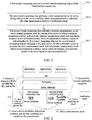
FIG. 1 is a flowchart of a trusted computing method, according to an embodiment of this specification. -
FIG. 2 is a dynamic presentation diagram of a trusted computing method, according to an embodiment of this specification. -
FIG. 3 is a structural diagram of a server, according to an embodiment of this specification. - Before formally introducing this method, the following is an introduction to existing technologies.
- A trusted computing chip is a trust foundation of trusted computing, and performs the functions of trusted computing together with upper-level verification software. The trusted computing chip is generally called trusted platform module (TPM) abroad and trusted platform control module (TPCM) in China.
- A trusted computing technology is mainly used for protecting system software from being tampered with by an attacker, and currently is mainly implemented by static measurements. The static measurement is mainly to guarantee the integrity of software during startup of a system, but cannot guarantee the integrity of the software during operations of the system. A dynamic measurement is mainly to guarantee the integrity of software during operations of a system, but the dynamic measurement has not been really used.
- One of reasons is that the dynamic measurement is very performance demanding, and the dynamic measurement is usually performed periodically and performed on all software each time. However, each existing TPM/TPCM chip is a low-cost and low-performance cryptographic chip and cannot meet the requirements of the dynamic measurement.
- Another reason is that each existing TPM/TPCM adopts an SPI interface. This interface has very low transmission performance and is adopted because only this interface is available in the early stage of the system, and the TPM/TPCM is required to be run in the early stage of the system to verify the integrity of a BIOS. However, the dynamic measurement is required for some high-security scenarios (such as data centers of financial companies). In this case, a high-speed transmission interface is required, but the SPI interface cannot meet such a requirement.
- In conclusion, as a result, the reliability of computing results of trusted computing in existing technologies is lower when trusted computing is performed on the server, which cannot meet the requirements of some high-security scenarios (such as data centers of financial companies).
- According to a trusted computing method and a server provided in the embodiments of this specification, a technical problem in existing technologies that the reliability of computing results of trusted computing is lower when trusted computing is performed on a server is resolved. In this way, this specification conducts both a static measurement and a dynamic measurement, and improves the reliability of trusted computing, thereby achieving a technical effect of meeting requirements of high-security scenarios.
- In technical solutions in the embodiments of this specification, to resolve the foregoing technical problem, a general idea is as follows.
- A trusted computing method applicable to a server is provided, where the server is equipped with a first trusted computing chip and a second trusted computing chip. The method includes: performing, by the first trusted computing chip, a static measurement on the server during startup of the server to obtain a static measurement result, and sending the static measurement result to a verification center; and performing, by the second trusted computing chip, a dynamic measurement on the server during operations after the startup of the server to obtain a dynamic measurement result, and sending the dynamic measurement result and association evidence to the verification center, where the association evidence is used for indicating that the first trusted computing chip and the second trusted computing chip are disposed in the same server, for the verification center to associate the static measurement result with the dynamic measurement result based on the association evidence, and to verify integrity of a software system of the server based on associated results.
- To better understand the foregoing technical solution, the following describes the foregoing technical solution in detail with reference to the accompanying drawings of the specification and specific implementations.
- This embodiment provides a trusted computing method, applicable to a server, and the server is equipped with both a first trusted computing chip and a second trusted computing chip (that is, has dual roots of trust). The first trusted computing chip is inserted into an SPI interface on a main board of the server, the second trusted computing chip is inserted into a PCIE interface on the main board of the server, and the second trusted computing chip has a better performance than that of the first trusted computing chip.
- The SPI interface is a low-speed interface, and can be used during startup of the server (for example, can be used when the main board is powered on). The first trusted computing chip is inserted into the SPI interface and may be configured to perform a static measurement on the server. A software environment of the server is simpler during the startup of the server (or may be understood as during the startup of the OS of the server), so that a computing amount required for the static measurement is smaller. Therefore, the TPM/TPCM chip may be used as the first trusted computing chip. Generally, the TPM/TPCM may meet requirements of the static measurement, and is generally low in price to save cost.
- During a specific implementation, the first trusted computing chip may alternatively be inserted into an LPC interface on the main board of the server. The LPC interface is similar to the SPI interface and can be used during startup of the server (that is, can be used when the main board is powered on).
- The PCIE interface is a high-speed interface and can be used only after the server is started up (that is, can be used only during operations of the server). During the operations of the server after being started up, there are a larger quantity of application programs with complex functions on the OS, leading to a relatively large computing amount required for a dynamic measurement. Therefore, a high-performance security chip (is generally higher in price) is used as the second trusted computing chip, and the second trusted computing chip has much better performance than that of the first trusted computing chip. Combined with the PCIE high-speed interface, the second trusted computing chip may meet the requirements of the dynamic measurement.
- During a specific implementation, the second trusted computing chip may alternatively be inserted into a SATA interface or a USB interface on the main board of the server. The SATA interface is also a high-speed interface and may meet requirements of high-speed data transmission.
- As shown in
FIG. 1 , the trusted computing method includes the following steps. - Step S101. The first trusted computing chip and the second trusted computing chip perform initializations, respectively.
- For example, when the first trusted computing chip performs the initialization, the first trusted computing chip may receive a first device certificate issued by a CA.
- During a specific implementation, as shown in
FIG. 2 , before the initialization, the first trusted computing chip may not have a device certificate, or may have a device certificate before leaving the factory. For the sake of security, regardless of whether or not there is an original device certificate in the first trusted computing chip, a new device certificate (that is, the first device certificate) is reissued by the CA during the initialization, and the original device certificate is invalidated. The first device certificate stores a public key corresponding to a private key of the first trusted computing chip. The CA issues the first device certificate to the first trusted computing chip, indicating that the CA approves the validity of the first trusted computing chip. - Similarly, when the second trusted computing chip performs the initialization, the second trusted computing chip may receive a second device certificate issued by the CA.
- During a specific implementation, before initialization, the second trusted computing chip may not have a device certificate, or may have a device certificate before leaving the factory. For the sake of security, regardless of whether or not there is an original device certificate in the second trusted computing chip, a new device certificate (that is, the second device certificate) is reissued by the CA, and the original device certificate is invalidated. The second device certificate stores a public key corresponding to a private key of the second trusted computing chip. The CA issues the second device certificate to the second trusted computing chip, indicating that the CA approves the validity of the second trusted computing chip.
- During a specific implementation, the CA may be a server or a server cluster.
- In an optional embodiment, when the first trusted computing chip and the second trusted computing chip need to perform the initialization, the second trusted computing chip further receives association evidence signed by the CA. The association evidence is used for representing that the first trusted computing chip and the second trusted computing chip are disposed in the same server, and is used for binding the first trusted computing chip and the second trusted computing chip in the same server. The use of the association evidence may prevent an attacker from using measurement results from different hosts to piece together a valid measurement result.
- During a specific implementation, the association evidence mainly includes identification information (for example, an ID number) of the first trusted computing chip, identification information (for example, an ID number) of the second trusted computing chip, and a signature of the CA.
- For example, the CA may perform signing (that is, perform private key encryption) on the ID number of the first trusted computing chip and the ID number of the second trusted computing chip based on a private key (that is, a private key of the CA) to obtain the association evidence.
- After the first trusted computing chip and the second trusted computing chip complete the initialization, step S102 may be performed.
- Step S102. The first trusted computing chip performs a static measurement on the server during startup of the server to obtain a static measurement result, and sends the static measurement result to a verification center.
- Static measurement: the static measurement occurs during the startup, and can ensure the security of the system at the beginning of the startup. The static measurement is mainly performed on code of a BIOS, a Bootloader, and an OS, to detect whether the code has been tampered with. The measurement process is completed along with the startup of the system, and before being run, each part of software is measured by software that calls that software.
- During a specific implementation, the first trusted computing chip is mainly responsible for acquiring data required for the static measurement and generating the static measurement result.
- For example, the first trusted computing chip may acquire program code of a BIOS in the server, program code in an option read-only memory (OPROM) in the server, program code in a Bootloader in the server, and program code of an OS in the server, and generate the static measurement result (including the program code acquired by the first trusted computing chip) based on the program code of the BIOS, the program code in the OPROM, the program code of the Bootloader, and the program code of the OS.
-
Step S 103. The second trusted computing chip performs a dynamic measurement on the server during operations after the startup of the server to obtain a dynamic measurement result, and sends the dynamic measurement result and association evidence to the verification center, where the association evidence is used for indicating that the first trusted computing chip and the second trusted computing chip are disposed in the same server, for the verification center to associate the static measurement result with the dynamic measurement result based on the association evidence, and to verify integrity of a software system of the server based on associated results. - Dynamic measurement: the dynamic measurement is mainly to ensure the security of the software (or application programs) during the operations after a system is started up, where the software is installed on the OS. The integrity of the system is detected in a manner such as calling a monitoring system or periodically verifying the code integrity.
- During a specific implementation, the second trusted computing chip is mainly responsible for acquiring data required for the dynamic measurement and generating the dynamic measurement result.
- For example, the second trusted computing chip may acquire static executable program code of application programs and program code of the application programs in an internal memory during the operations, (the "application programs" herein refer to all application programs or a part of designated application programs in the server, and are installed on the OS), and generate the dynamic measurement result (including the program code acquired by the second trusted computing chip) based on the static executable program code of the application programs and the program code of the application programs in the internal memory during the operations.
- During a specific implementation, the second trusted computing chip may perform a dynamic measurement on the server based on a preset frequency, for example, once every 1 hour, once every 2 hours, once every 6 hours, or the like. The preset frequency may be adjusted freely according to actual requirements, and is not limited herein.
- During a specific implementation, the verification center may be a server or a server cluster, and be used for verifying the measurement results sent by trusted computing chips (that is, the static measurement result sent by the first trusted computing chip and the dynamic measurement result sent by the second trusted computing chip) and for determining the security of the software by the verification center (that is, whether the programs are complete or whether the programs have been tampered with).
- During a specific implementation, after obtaining a static measurement result, the first trusted computing chip may send the static measurement result to the verification center, for the verification center to verify the static measurement result.
- For example, the first trusted computing chip may send the static measurement result and the first device certificate to the verification center, for the verification center to perform the security verification. The first device certificate is used for representing that the first trusted computing chip is a trusted chip approved by the CA. After successively verifying the first device certificate and the static measurement result, the verification center sends a verification result (that is, the first verification result) to the first trusted computing chip, so as to notify the first trusted computing chip of whether the program code of the BIOS, the OPROM, the Bootloader, and the OS is secure (that is, whether the program code is complete or whether the program code has been tampered with).
- Similarly, after obtaining a dynamic measurement result each time, the second trusted computing chip may send the dynamic measurement result to the verification center, for the verification center to verify the dynamic measurement result.
- For example, the second trusted computing chip may send a dynamic measurement result, a second device certificate, and association evidence to the verification center, for the verification center to perform the security verification. The second device certificate is used for representing that the second trusted computing chip is a trusted chip approved by the CA. The association evidence is used for representing that the first trusted computing chip and the second trusted computing chip are in the same server (that is, this dynamic measurement result and the foregoing static measurement result are from the same server). After successively verifying the second device certificate, the association evidence, and the dynamic measurement result, the verification center sends a verification result (that is, the second verification result) to the second trusted computing chip, so as to notify the second trusted computing chip of whether application programs on the server are secure (that is, whether the programs are complete or whether the programs have been tampered with).
- During a specific implementation, the verification center may associate a static measurement result with a dynamic measurement result from the same server based on the association evidence, and then verify integrity of a software system of the server based on associated results.
- The verification center may generate a first verification result for the static measurement result and return the first verification result to the first trusted computing chip. In addition, the verification center may generate a second verification result for the dynamic measurement result, add association evidence to the second verification result, and then return the second verification result to the second trusted computing chip. The addition of the association evidence can prove that the first verification result and the second verification result are results obtained by performing the verification for the same server.
- During a specific implementation, if the server finds that the first verification result indicates that there are insecure factors (for example, whether the programs are complete, or the programs have been tampered with) in the program code of the BIOS, the OPROM, the Bootloader, and the OS, first prompt information is outputted to prompt a technician to perform a security check on the server.
- Similarly, if the server finds that the second verification result indicates that there are insecure factors (for example, whether the programs are complete, or the programs have been tampered with) in the application programs on the server, second prompt information is outputted to prompt a technician to perform a security check on the server.
- Further, the server may perform a remote attestation to a remote host. The remote host is a device that has a service connection with the server.
- For example, when performing the remote attestation to the remote host, the server may use the private key of the first trusted computing chip to perform signing (that is, perform private key encryption) on the first verification result, and moreover, use the private key of the second trusted computing chip to perform signing (that is, perform private key encryption) on the second verification result; and send the first verification result, the first device certificate, the second verification result, and the second device certificate that are packaged to the remote host. After verifying the validity of the device certificates and the signatures, the remote host may trust the verification result.
- During a specific implementation, if it is found that the device certificates or the signatures are invalid after verifying the device certificates and the signatures, the remote host may not trust the verification result and reject to provide any service for the server. Alternatively, if it is found that the verification result indicates that the software environment of the server is not secure (that is, the programs are incomplete, or the programs have been tampered with), the remote host may also reject to provide any service for the server.
- The technical solution in this embodiment of this specification has at least the following technical effects or advantages.
- An embodiment of this specification discloses a trusted computing method, applicable to a server, where the server is equipped with a first trusted computing chip and a second trusted computing chip, and the method includes: performing, by the first trusted computing chip, a static measurement on the server during startup of the server to obtain a static measurement result, and sending the static measurement result to a verification center; and performing, by the second trusted computing chip, a dynamic measurement on the server during operations after the startup of the server to obtain a dynamic measurement result, and sending the dynamic measurement result and association evidence to the verification center, where the association evidence is used for indicating that the first trusted computing chip and the second trusted computing chip are disposed in the same server, for the verification center to associate the static measurement result with the dynamic measurement result based on the association evidence, and to verify integrity of a software system of the server based on associated results. Two associated trusted computing chips are disposed in the server, where the first trusted computing chip is configured to perform a static measurement on the server, and the second trusted computing chip is configured to perform a dynamic measurement on the server. Both the static measurement result and the dynamic measurement result are sent to a verification center. Therefore, the verification center may verify the integrity of a software system of a service server based on the static measurement result and the dynamic measurement result. In this way, a technical problem in existing technologies that the reliability of computing results of trusted computing is lower when trusted computing is performed on a server is resolved. This specification conducts both a static measurement and a dynamic measurement, and improves the reliability of trusted computing, thereby achieving a technical effect of meeting requirements of high-security scenarios.
- Based on the same inventive concept, as shown in
FIG. 3 , this embodiment provides aserver 200, including: - a
main board 210; - a first trusted
computing chip 201, disposed on the main board and configured to perform a static measurement on the server during startup of the server to obtain a static measurement result, and send the static measurement result to a verification center; and - a second trusted
computing chip 202, disposed on the main board and configured to perform a dynamic measurement on the server during operations after the startup of the server to obtain a dynamic measurement result, and send the dynamic measurement result and association evidence to the verification center, where - the association evidence is used for indicating that the first trusted
computing chip 201 and the second trustedcomputing chip 202 are disposed in the same server, for the verification center to associate the static measurement result with the dynamic measurement result based on the association evidence, and to verify integrity of a software system of the server based on associated results. - In an optional embodiment, the first trusted
computing chip 201 is inserted into an SPI interface or an LPC interface on the server, and the second trustedcomputing chip 202 is inserted into a PCIE interface, a SATA interface, or a USB interface on the server. - In an optional embodiment, the first trusted
computing chip 201 is further configured to:
perform an initialization, and receive a first device certificate issued by a CA. - In an optional embodiment, the first trusted
computing chip 201 is further configured to:
further send the first device certificate to the verification center when sending the static measurement result to the verification center, for the verification center to verify the first device certificate. - In an optional embodiment, the second trusted
computing chip 202 is further configured to:
perform an initialization, and receive a second device certificate issued by the CA. - In an optional embodiment, the second trusted
computing chip 202 is further configured to:
further send the first device certificate to the verification center when sending the static measurement result to the verification center, for the verification center to verify the first device certificate. - In an optional embodiment, the second trusted
computing chip 202 is further configured to:
receive the association evidence signed by the CA before the first trustedcomputing chip 201 performs the static measurement on the server, where the association evidence is used for representing that the first trustedcomputing chip 201 and the second trustedcomputing chip 202 are disposed in the same server. - In an optional embodiment, the association evidence includes:
- identification information of the first trusted
computing chip 201; - identification information of the second trusted
computing chip 202; and - a signature of the CA.
- In an optional embodiment, the first trusted
computing chip 201 is configured to:
acquire program code of a basic input/output system (BIOS), program code of a Bootloader, and program code of an operating system (OS) that are in the server; and generate the static measurement result based on the program code of the BIOS, the program code of the Bootloader, and the program code of the OS. - In an optional embodiment, the second trusted
computing chip 202 is configured to:
acquire static executable program code of application programs and program code of the application programs in an internal memory during operations, where the application programs are installed on the server; and generate the dynamic measurement result based on the static executable program code of the application programs and the program code of the application programs in the internal memory during the operations. - In an optional embodiment, the first trusted
computing chip 201 is further configured to:
receive a first verification result fed back by the verification center, where the first verification result corresponds to the static measurement. - In an optional embodiment, the second trusted
computing chip 202 is further configured to:
receive a second verification result fed back by the verification center, where the second verification result corresponds to the dynamic measurement, and the second verification result carries the association evidence. - The server described in this embodiment is a device adopted to implement a trusted computing method according to embodiments of this specification. Therefore, based on the trusted computing method described in the embodiments of this specification, a person skilled in the art can learn specific implementations of the server in this embodiment and various variations thereof, so details of how the server implements the method in the embodiments of this specification will not be described herein. Any device that can be adopted by a person skilled in the art to implement the trusted computing method in the embodiments of this specification shall fall within the protection scope of this specification.
- A person skilled in the art should understand that the embodiments of this specification may be provided as a method, a system, or a computer program product. Therefore, the embodiments of this specification may use a form of hardware only embodiments, software only embodiments, or embodiments with a combination of software and hardware. Moreover, the embodiments of this specification may use a form of a computer program product that is implemented on one or more computer-usable storage media (including but not limited to a disk memory, a CD-ROM, an optical memory, and the like) that include computer-usable program code.
- The embodiments of this specification are described with reference to the flowcharts and/or block diagrams of a method, a device (system), and a computer program product according to the embodiments of this specification. It should be understood that computer program instructions can implement each procedure and/or block in the flowcharts and/or block diagrams and a combination of procedures and/or blocks in the flowcharts and/or block diagrams. These computer program instructions may be provided to a general-purpose computer, a special-purpose computer, an embedded processor, or a processor of another programmable data processing device to generate a machine, so that an apparatus configured to implement functions specified in one or more procedures in the flowcharts and/or one or more blocks in the block diagrams is generated by using instructions executed by the computer or the processor of another programmable data processing device.
- These computer program instructions may alternatively be stored in a computer-readable memory that can instruct a computer or another programmable data processing device to work in a specific manner, so that the instructions stored in the computer-readable memory generate an artifact that includes an instruction apparatus. The instruction apparatus implements a specific function in one or more procedures in the flowcharts and/or in one or more blocks in the block diagrams.
- These computer program instructions may further be loaded onto a computer or another programmable data processing device, so that a series of operations and steps are performed on the computer or the another programmable device, thereby generating computer-implemented processing. Therefore, the instructions executed on the computer or the another programmable device provide steps for implementing a specific function in one or more processes in the flowcharts and/or in one or more blocks in the block diagrams.
- Although preferable embodiments in the embodiments of this specification have been described, once a person skilled in the art learns of the basic creative concept, additional changes and modifications may be made to the embodiments. Therefore, the following claims are intended to be construed as covering the exemplary embodiments and all changes and modifications falling within the scope of the embodiments of this specification.
- Apparently, a person skilled in the art may make various modifications and variations to the embodiments of this specification without departing from the spirit and scope of the embodiments of this specification. In this way, if the modifications and variations of the embodiments of this specification fall within the scope of the claims of the embodiments of this specification and equivalent technologies thereof, the embodiments of this specification also intend to include the changes and variations.
Claims (16)
- A trusted computing method, applicable to a server, wherein the server is equipped with a first trusted computing chip and a second trusted computing chip, and the method comprises:performing, by the first trusted computing chip, a static measurement on the server during startup of the server to obtain a static measurement result, and sending the static measurement result to a verification center; andperforming, by the second trusted computing chip, a dynamic measurement on the server during operations after the startup of the server to obtain a dynamic measurement result, and sending the dynamic measurement result and association evidence to the verification center; whereinthe association evidence is used for indicating that the first trusted computing chip and the second trusted computing chip are disposed in the same server, for the verification center to associate the static measurement result with the dynamic measurement result based on the association evidence, and to verify integrity of a software system of the server based on associated results.
- The method according to claim 1, wherein
the first trusted computing chip is inserted into a serial peripheral interface (SPI) interface or a low pin count (LPC) interface on the server, and
the second trusted computing chip is inserted into a peripheral component interconnect express (PCIE) interface, a serial advanced technology attachment (SATA) interface, or a universal serial bus (USB) interface on the server. - The method according to claim 1, wherein
before the performing, by the first trusted computing chip, a static measurement on the server, the method further comprises: receiving, by the first trusted computing chip, a first device certificate issued by a certificate authority (CA); and receiving, by the second trusted computing chip, a second device certificate issued by the CA, wherein
when the first trusted computing chip sends the static measurement result to the verification center, the first trusted computing chip further sends the first device certificate to the verification center, for the verification center to verify the first device certificate, and
when the second trusted computing chip sends the dynamic measurement result to the verification center, the second trusted computing chip further sends the second device certificate to the verification center, for the verification center to verify the second device certificate. - The method according to claim 3, wherein before the performing, by the first trusted computing chip, a static measurement on the server, the method further comprises:
receiving, by the second trusted computing chip, the association evidence signed by the CA. - The method according to claim 1, wherein the association evidence comprises:identification information of the first trusted computing chip;identification information of the second trusted computing chip; anda signature of a certificate authority (CA).
- The method according to claim 1, wherein the performing, by the first trusted computing chip, a static measurement on the server to obtain a static measurement result comprises:acquiring, by the first trusted computing chip, program code of a basic input/output system (BIOS), program code of a Bootloader, and program code of an operating system (OS) that are in the server; andgenerating, by the first trusted computing chip, the static measurement result based on the program code of the BIOS, the program code of the Bootloader, and the program code of the OS.
- The method according to claim 1, wherein the performing, by the second trusted computing chip, a dynamic measurement on the server to obtain a dynamic measurement result comprises:acquiring, by the second trusted computing chip, static executable program code of application programs and program code of the application programs in an internal memory during the operations, wherein the application programs are installed on the server; andgenerating, by the second trusted computing chip, the dynamic measurement result based on the static executable program code of the application programs and the program code of the application programs in the internal memory during the operations.
- The method according to any one of claims 1 to 7, wherein after the sending, by the second trusted computing chip, the dynamic measurement result and association evidence to the verification center, the method further comprises:receiving, by the first trusted computing chip, a first verification result fed back by the verification center, wherein the first verification result corresponds to the static measurement; andreceiving, by the second trusted computing chip, a second verification result fed back by the verification center, wherein the second verification result corresponds to the dynamic measurement, and the second verification result carries the association evidence.
- A server, comprising:a main board;a first trusted computing chip, disposed on the main board and configured to perform a static measurement on the server during startup of the server to obtain a static measurement result, and send the static measurement result to a verification center; anda second trusted computing chip, disposed on the main board and configured to perform a dynamic measurement on the server during operations after the startup of the server to obtain a dynamic measurement result, and send the dynamic measurement result and association evidence to the verification center; whereinthe association evidence is used for indicating that the first trusted computing chip and the second trusted computing chip are disposed in the same server, for the verification center to associate the static measurement result with the dynamic measurement result based on the association evidence, and to verify integrity of a software system of the server based on associated results.
- The server according to claim 9, wherein
the first trusted computing chip is inserted into a serial peripheral interface (SPI) interface or a low pin count (LPC) interface on the server, and
the second trusted computing chip is inserted into a peripheral component interconnect express (PCIE) interface, a serial advanced technology attachment (SATA) interface, or a universal serial bus (USB) interface on the server. - The server according to claim 9, wherein
the first trusted computing chip is further configured to:receive a first device certificate issued by a certificate authority (CA) before performing the static measurement on the server; and further send the first device certificate to the verification center when sending the static measurement result to the verification center, for the verification center to verify the first device certificate; andthe second trusted computing chip is further configured to:
receive a second device certificate issued by the CA before the first trusted computing chip performs the static measurement on the server; and further send the second device certificate to the verification center when sending the dynamic measurement result to the verification center, for the verification center to verify the second device certificate. - The server according to claim 11, wherein the second trusted computing chip is further configured to:
receive the association evidence signed by the CA before the first trusted computing chip performs the static measurement on the server. - The server according to claim 9, wherein the association evidence comprises:identification information of the first trusted computing chip;identification information of the second trusted computing chip; anda signature of a certificate authority (CA).
- The server according to claim 9, wherein the first trusted computing chip is further configured to:
acquire program code of a basic input/output system (BIOS), program code of a Bootloader, and program code of an operating system (OS) that are in the server; and generate the static measurement result based on the program code of the BIOS, the program code of the Bootloader, and the program code of the OS. - The server according to claim 9, wherein the second trusted computing chip is further configured to:
acquire static executable program code of application programs and program code of the application programs in an internal memory during the operations, wherein the application programs are installed on the server; and generate the dynamic measurement result based on the static executable program code of the application programs and the program code of the application programs in the internal memory during the operations. - The server according to any one of claims 9 to 15, wherein
the first trusted computing chip is further configured to: receive a first verification result fed back by the verification center, wherein the first verification result corresponds to the static measurement; and
the second trusted computing chip is further configured to receive a second verification result fed back by the verification center, wherein the second verification result corresponds to the dynamic measurement, and the second verification result carries the association evidence.
Applications Claiming Priority (2)
| Application Number | Priority Date | Filing Date | Title |
|---|---|---|---|
| CN201910224103.9A CN110096887B (en) | 2019-03-22 | 2019-03-22 | Trusted computing method and server |
| PCT/CN2020/074980 WO2020192287A1 (en) | 2019-03-22 | 2020-02-13 | Trusted computing method, and server |
Publications (3)
| Publication Number | Publication Date |
|---|---|
| EP3859579A1 true EP3859579A1 (en) | 2021-08-04 |
| EP3859579A4 EP3859579A4 (en) | 2021-12-29 |
| EP3859579B1 EP3859579B1 (en) | 2023-04-05 |
Family
ID=67443302
Family Applications (1)
| Application Number | Title | Priority Date | Filing Date |
|---|---|---|---|
| EP20779173.2A Active EP3859579B1 (en) | 2019-03-22 | 2020-02-13 | Trusted computing method, and server |
Country Status (7)
| Country | Link |
|---|---|
| US (1) | US11163865B2 (en) |
| EP (1) | EP3859579B1 (en) |
| JP (1) | JP7100201B2 (en) |
| CN (1) | CN110096887B (en) |
| SG (1) | SG11202104481UA (en) |
| TW (1) | TWI723554B (en) |
| WO (1) | WO2020192287A1 (en) |
Families Citing this family (8)
| Publication number | Priority date | Publication date | Assignee | Title |
|---|---|---|---|---|
| CN110096887B (en) * | 2019-03-22 | 2020-06-30 | 阿里巴巴集团控股有限公司 | Trusted computing method and server |
| CN110737902B (en) * | 2019-10-10 | 2022-02-11 | 北京智芯微电子科技有限公司 | Firmware design method for embedded terminal and its trusted security module |
| CN113420297B (en) * | 2020-09-16 | 2025-07-25 | 阿里巴巴集团控股有限公司 | System, method, main board, micro board card and storage medium for trusted verification |
| CN112417455A (en) * | 2020-11-05 | 2021-02-26 | 北京八分量信息科技有限公司 | Trusted computing based asynchronous storage data access method and use method |
| CN112597505B (en) * | 2020-12-29 | 2022-11-22 | 海光信息技术股份有限公司 | Credibility measuring method, control method, processor, chip, device and medium |
| CN113536317A (en) * | 2021-06-17 | 2021-10-22 | 杭州加速科技有限公司 | A method and system for enhancing the security of an ATE testing machine |
| CN114201747B (en) * | 2021-11-29 | 2022-12-13 | 海光信息技术股份有限公司 | Dynamic measurement root implementation method, device, system and storage medium |
| CN114780327A (en) * | 2021-12-06 | 2022-07-22 | 支付宝(杭州)信息技术有限公司 | Server monitoring method, asset management method and PCIE card |
Family Cites Families (32)
| Publication number | Priority date | Publication date | Assignee | Title |
|---|---|---|---|---|
| US20080046752A1 (en) * | 2006-08-09 | 2008-02-21 | Stefan Berger | Method, system, and program product for remotely attesting to a state of a computer system |
| CN101247410B (en) * | 2008-03-28 | 2011-06-08 | 上海中标软件有限公司 | Method for implementing reliable network system based on reliable computation |
| US8468356B2 (en) | 2008-06-30 | 2013-06-18 | Intel Corporation | Software copy protection via protected execution of applications |
| US8572692B2 (en) | 2008-06-30 | 2013-10-29 | Intel Corporation | Method and system for a platform-based trust verifying service for multi-party verification |
| US8213618B2 (en) | 2008-12-30 | 2012-07-03 | Intel Corporation | Protecting content on client platforms |
| US8738932B2 (en) | 2009-01-16 | 2014-05-27 | Teleputers, Llc | System and method for processor-based security |
| CN101996154B (en) * | 2009-08-10 | 2012-09-26 | 北京多思科技发展有限公司 | General processor supporting reconfigurable safety design |
| GB2481563B (en) | 2009-12-22 | 2017-07-19 | Intel Corp | Method and apparatus to provide secure application execution |
| US8667263B2 (en) * | 2010-02-12 | 2014-03-04 | The Johns Hopkins University | System and method for measuring staleness of attestation during booting between a first and second device by generating a first and second time and calculating a difference between the first and second time to measure the staleness |
| US8782435B1 (en) | 2010-07-15 | 2014-07-15 | The Research Foundation For The State University Of New York | System and method for validating program execution at run-time using control flow signatures |
| US9087196B2 (en) | 2010-12-24 | 2015-07-21 | Intel Corporation | Secure application attestation using dynamic measurement kernels |
| CN102063593B (en) * | 2011-01-07 | 2013-01-09 | 北京工业大学 | Credible device with active control function and authentication method thereof |
| US20130031371A1 (en) * | 2011-07-25 | 2013-01-31 | Alcatel-Lucent Usa Inc. | Software Run-Time Provenance |
| CN102436566B (en) * | 2012-01-12 | 2014-07-09 | 冶金自动化研究设计院 | Dynamic trusted measurement method and safe embedded system |
| US8793504B2 (en) * | 2012-02-22 | 2014-07-29 | International Business Machines Corporation | Validating a system with multiple subsystems using trusted platform modules and virtual platform modules |
| CN103501303B (en) * | 2013-10-12 | 2017-02-22 | 武汉大学 | Active remote attestation method for measurement of cloud platform virtual machine |
| WO2015080698A1 (en) * | 2013-11-26 | 2015-06-04 | Intel Corporation | Techniques for extending communications chain of trust to client applications |
| CN103841198B (en) | 2014-03-07 | 2017-03-29 | 中南大学 | A kind of clean room cloud computing data processing method and system |
| CN104506532B (en) * | 2014-12-24 | 2018-06-26 | 北京智捷伟讯科技有限公司 | A kind of remote certification method suitable for emergency relief platform |
| US9697359B2 (en) * | 2015-04-15 | 2017-07-04 | Qualcomm Incorporated | Secure software authentication and verification |
| US9578008B2 (en) | 2015-05-11 | 2017-02-21 | Intel Corporation | Technologies for secure bootstrapping of virtual network functions |
| US10778720B2 (en) | 2015-06-12 | 2020-09-15 | Teleputers, Llc | System and method for security health monitoring and attestation of virtual machines in cloud computing systems |
| CN105227319A (en) * | 2015-10-23 | 2016-01-06 | 浪潮电子信息产业股份有限公司 | A kind of method of authentication server and device |
| CN106656915A (en) * | 2015-10-30 | 2017-05-10 | 深圳市中电智慧信息安全技术有限公司 | Cloud security server based on trusted computing |
| CN105306301B (en) * | 2015-11-03 | 2019-03-01 | 北京电子科技学院 | A kind of method and system monitoring credible counting device |
| CN105468978B (en) | 2015-11-16 | 2019-11-01 | 全球能源互联网研究院 | A kind of creditable calculation password platform suitable for electric system universal computing platform |
| EP3229164B1 (en) * | 2016-04-07 | 2020-03-25 | Huawei Technologies Co., Ltd. | Devices for measuring and verifying system states |
| US10708067B2 (en) | 2016-06-18 | 2020-07-07 | Intel Corporation | Platform attestation and registration for servers |
| US10984108B2 (en) | 2018-10-05 | 2021-04-20 | International Business Machines Corporation | Trusted computing attestation of system validation state |
| US11328075B2 (en) | 2019-01-04 | 2022-05-10 | Baidu Usa Llc | Method and system for providing secure communications between a host system and a data processing accelerator |
| EP3794477B1 (en) | 2019-01-04 | 2023-05-10 | Baidu.com Times Technology (Beijing) Co., Ltd. | Method and system for validating kernel objects to be executed by a data processing accelerator of a host system |
| CN110096887B (en) * | 2019-03-22 | 2020-06-30 | 阿里巴巴集团控股有限公司 | Trusted computing method and server |
-
2019
- 2019-03-22 CN CN201910224103.9A patent/CN110096887B/en active Active
- 2019-09-24 TW TW108134421A patent/TWI723554B/en not_active IP Right Cessation
-
2020
- 2020-02-13 SG SG11202104481UA patent/SG11202104481UA/en unknown
- 2020-02-13 WO PCT/CN2020/074980 patent/WO2020192287A1/en not_active Ceased
- 2020-02-13 JP JP2021523692A patent/JP7100201B2/en active Active
- 2020-02-13 EP EP20779173.2A patent/EP3859579B1/en active Active
-
2021
- 2021-04-30 US US17/245,886 patent/US11163865B2/en active Active
Also Published As
| Publication number | Publication date |
|---|---|
| JP2022517056A (en) | 2022-03-04 |
| SG11202104481UA (en) | 2021-05-28 |
| TWI723554B (en) | 2021-04-01 |
| CN110096887B (en) | 2020-06-30 |
| US11163865B2 (en) | 2021-11-02 |
| US20210256105A1 (en) | 2021-08-19 |
| JP7100201B2 (en) | 2022-07-12 |
| EP3859579A4 (en) | 2021-12-29 |
| TW202101192A (en) | 2021-01-01 |
| WO2020192287A1 (en) | 2020-10-01 |
| EP3859579B1 (en) | 2023-04-05 |
| CN110096887A (en) | 2019-08-06 |
Similar Documents
| Publication | Publication Date | Title |
|---|---|---|
| US11163865B2 (en) | Trusted computing method, and server | |
| US8341393B2 (en) | Security to extend trust | |
| US20110246778A1 (en) | Providing security mechanisms for virtual machine images | |
| US9792440B1 (en) | Secure boot for vehicular systems | |
| US9288155B2 (en) | Computer system and virtual computer management method | |
| US9509720B2 (en) | Techniques for improved run time trustworthiness | |
| US11455396B2 (en) | Using trusted platform module (TPM) emulator engines to measure firmware images | |
| US20100082987A1 (en) | Transparent trust validation of an unknown platform | |
| CN114116026B (en) | Cloud platform trust chain layered model construction method | |
| US9038179B2 (en) | Secure code verification enforcement in a trusted computing device | |
| CN106355081A (en) | Android program start verification method and device | |
| WO2017143757A1 (en) | Trustworthiness measuring method and device for cloud computing platform | |
| EP3048550B1 (en) | Measurement method, electronic device and measurement system | |
| CN113448681B (en) | Registration method, equipment and storage medium of virtual machine monitor public key | |
| CN115329321A (en) | Firmware starting method, chip and computing device | |
| CN108345805B (en) | Method and device for verifying firmware | |
| CN111191216A (en) | OFD signature client with JAVA interface and method and system for signature and signature verification thereof | |
| CN114721693B (en) | Microprocessor, BIOS firmware updating method, computer equipment and storage medium | |
| CN116305092A (en) | Method and system for realizing trusted virtualization system | |
| CN116070289A (en) | Security chips and electronic devices for system firmware | |
| CN112861137A (en) | Secure firmware | |
| CN112231714A (en) | A method for controlling trusted startup and a trusted platform control module | |
| CN119065793A (en) | Virtual machine startup measurement method, device, equipment and storage medium | |
| CN116032484B (en) | Method and device for safely starting communication equipment and electronic equipment | |
| CN117370983A (en) | Trusted execution system and method based on cloud technology |
Legal Events
| Date | Code | Title | Description |
|---|---|---|---|
| STAA | Information on the status of an ep patent application or granted ep patent |
Free format text: STATUS: THE INTERNATIONAL PUBLICATION HAS BEEN MADE |
|
| PUAI | Public reference made under article 153(3) epc to a published international application that has entered the european phase |
Free format text: ORIGINAL CODE: 0009012 |
|
| STAA | Information on the status of an ep patent application or granted ep patent |
Free format text: STATUS: REQUEST FOR EXAMINATION WAS MADE |
|
| 17P | Request for examination filed |
Effective date: 20210430 |
|
| AK | Designated contracting states |
Kind code of ref document: A1 Designated state(s): AL AT BE BG CH CY CZ DE DK EE ES FI FR GB GR HR HU IE IS IT LI LT LU LV MC MK MT NL NO PL PT RO RS SE SI SK SM TR |
|
| A4 | Supplementary search report drawn up and despatched |
Effective date: 20211125 |
|
| RIC1 | Information provided on ipc code assigned before grant |
Ipc: G06F 21/57 20130101AFI20211119BHEP |
|
| DAV | Request for validation of the european patent (deleted) | ||
| DAX | Request for extension of the european patent (deleted) | ||
| GRAP | Despatch of communication of intention to grant a patent |
Free format text: ORIGINAL CODE: EPIDOSNIGR1 |
|
| STAA | Information on the status of an ep patent application or granted ep patent |
Free format text: STATUS: GRANT OF PATENT IS INTENDED |
|
| INTG | Intention to grant announced |
Effective date: 20220906 |
|
| RIN1 | Information on inventor provided before grant (corrected) |
Inventor name: PAN, WUQIONG |
|
| GRAS | Grant fee paid |
Free format text: ORIGINAL CODE: EPIDOSNIGR3 |
|
| GRAA | (expected) grant |
Free format text: ORIGINAL CODE: 0009210 |
|
| STAA | Information on the status of an ep patent application or granted ep patent |
Free format text: STATUS: THE PATENT HAS BEEN GRANTED |
|
| AK | Designated contracting states |
Kind code of ref document: B1 Designated state(s): AL AT BE BG CH CY CZ DE DK EE ES FI FR GB GR HR HU IE IS IT LI LT LU LV MC MK MT NL NO PL PT RO RS SE SI SK SM TR |
|
| REG | Reference to a national code |
Ref country code: GB Ref legal event code: FG4D |
|
| REG | Reference to a national code |
Ref country code: DE Ref legal event code: R096 Ref document number: 602020009567 Country of ref document: DE |
|
| REG | Reference to a national code |
Ref country code: CH Ref legal event code: EP |
|
| REG | Reference to a national code |
Ref country code: AT Ref legal event code: REF Ref document number: 1558797 Country of ref document: AT Kind code of ref document: T Effective date: 20230415 |
|
| REG | Reference to a national code |
Ref country code: IE Ref legal event code: FG4D |
|
| REG | Reference to a national code |
Ref country code: LT Ref legal event code: MG9D |
|
| REG | Reference to a national code |
Ref country code: NL Ref legal event code: MP Effective date: 20230405 |
|
| REG | Reference to a national code |
Ref country code: AT Ref legal event code: MK05 Ref document number: 1558797 Country of ref document: AT Kind code of ref document: T Effective date: 20230405 |
|
| PG25 | Lapsed in a contracting state [announced via postgrant information from national office to epo] |
Ref country code: NL Free format text: LAPSE BECAUSE OF FAILURE TO SUBMIT A TRANSLATION OF THE DESCRIPTION OR TO PAY THE FEE WITHIN THE PRESCRIBED TIME-LIMIT Effective date: 20230405 |
|
| PG25 | Lapsed in a contracting state [announced via postgrant information from national office to epo] |
Ref country code: SE Free format text: LAPSE BECAUSE OF FAILURE TO SUBMIT A TRANSLATION OF THE DESCRIPTION OR TO PAY THE FEE WITHIN THE PRESCRIBED TIME-LIMIT Effective date: 20230405 Ref country code: PT Free format text: LAPSE BECAUSE OF FAILURE TO SUBMIT A TRANSLATION OF THE DESCRIPTION OR TO PAY THE FEE WITHIN THE PRESCRIBED TIME-LIMIT Effective date: 20230807 Ref country code: NO Free format text: LAPSE BECAUSE OF FAILURE TO SUBMIT A TRANSLATION OF THE DESCRIPTION OR TO PAY THE FEE WITHIN THE PRESCRIBED TIME-LIMIT Effective date: 20230705 Ref country code: ES Free format text: LAPSE BECAUSE OF FAILURE TO SUBMIT A TRANSLATION OF THE DESCRIPTION OR TO PAY THE FEE WITHIN THE PRESCRIBED TIME-LIMIT Effective date: 20230405 Ref country code: AT Free format text: LAPSE BECAUSE OF FAILURE TO SUBMIT A TRANSLATION OF THE DESCRIPTION OR TO PAY THE FEE WITHIN THE PRESCRIBED TIME-LIMIT Effective date: 20230405 |
|
| PG25 | Lapsed in a contracting state [announced via postgrant information from national office to epo] |
Ref country code: RS Free format text: LAPSE BECAUSE OF FAILURE TO SUBMIT A TRANSLATION OF THE DESCRIPTION OR TO PAY THE FEE WITHIN THE PRESCRIBED TIME-LIMIT Effective date: 20230405 Ref country code: PL Free format text: LAPSE BECAUSE OF FAILURE TO SUBMIT A TRANSLATION OF THE DESCRIPTION OR TO PAY THE FEE WITHIN THE PRESCRIBED TIME-LIMIT Effective date: 20230405 Ref country code: LV Free format text: LAPSE BECAUSE OF FAILURE TO SUBMIT A TRANSLATION OF THE DESCRIPTION OR TO PAY THE FEE WITHIN THE PRESCRIBED TIME-LIMIT Effective date: 20230405 Ref country code: LT Free format text: LAPSE BECAUSE OF FAILURE TO SUBMIT A TRANSLATION OF THE DESCRIPTION OR TO PAY THE FEE WITHIN THE PRESCRIBED TIME-LIMIT Effective date: 20230405 Ref country code: IS Free format text: LAPSE BECAUSE OF FAILURE TO SUBMIT A TRANSLATION OF THE DESCRIPTION OR TO PAY THE FEE WITHIN THE PRESCRIBED TIME-LIMIT Effective date: 20230805 Ref country code: HR Free format text: LAPSE BECAUSE OF FAILURE TO SUBMIT A TRANSLATION OF THE DESCRIPTION OR TO PAY THE FEE WITHIN THE PRESCRIBED TIME-LIMIT Effective date: 20230405 Ref country code: GR Free format text: LAPSE BECAUSE OF FAILURE TO SUBMIT A TRANSLATION OF THE DESCRIPTION OR TO PAY THE FEE WITHIN THE PRESCRIBED TIME-LIMIT Effective date: 20230706 Ref country code: AL Free format text: LAPSE BECAUSE OF FAILURE TO SUBMIT A TRANSLATION OF THE DESCRIPTION OR TO PAY THE FEE WITHIN THE PRESCRIBED TIME-LIMIT Effective date: 20230405 |
|
| PG25 | Lapsed in a contracting state [announced via postgrant information from national office to epo] |
Ref country code: FI Free format text: LAPSE BECAUSE OF FAILURE TO SUBMIT A TRANSLATION OF THE DESCRIPTION OR TO PAY THE FEE WITHIN THE PRESCRIBED TIME-LIMIT Effective date: 20230405 |
|
| REG | Reference to a national code |
Ref country code: DE Ref legal event code: R097 Ref document number: 602020009567 Country of ref document: DE |
|
| PG25 | Lapsed in a contracting state [announced via postgrant information from national office to epo] |
Ref country code: SK Free format text: LAPSE BECAUSE OF FAILURE TO SUBMIT A TRANSLATION OF THE DESCRIPTION OR TO PAY THE FEE WITHIN THE PRESCRIBED TIME-LIMIT Effective date: 20230405 |
|
| PG25 | Lapsed in a contracting state [announced via postgrant information from national office to epo] |
Ref country code: SM Free format text: LAPSE BECAUSE OF FAILURE TO SUBMIT A TRANSLATION OF THE DESCRIPTION OR TO PAY THE FEE WITHIN THE PRESCRIBED TIME-LIMIT Effective date: 20230405 Ref country code: SK Free format text: LAPSE BECAUSE OF FAILURE TO SUBMIT A TRANSLATION OF THE DESCRIPTION OR TO PAY THE FEE WITHIN THE PRESCRIBED TIME-LIMIT Effective date: 20230405 Ref country code: RO Free format text: LAPSE BECAUSE OF FAILURE TO SUBMIT A TRANSLATION OF THE DESCRIPTION OR TO PAY THE FEE WITHIN THE PRESCRIBED TIME-LIMIT Effective date: 20230405 Ref country code: EE Free format text: LAPSE BECAUSE OF FAILURE TO SUBMIT A TRANSLATION OF THE DESCRIPTION OR TO PAY THE FEE WITHIN THE PRESCRIBED TIME-LIMIT Effective date: 20230405 Ref country code: DK Free format text: LAPSE BECAUSE OF FAILURE TO SUBMIT A TRANSLATION OF THE DESCRIPTION OR TO PAY THE FEE WITHIN THE PRESCRIBED TIME-LIMIT Effective date: 20230405 Ref country code: CZ Free format text: LAPSE BECAUSE OF FAILURE TO SUBMIT A TRANSLATION OF THE DESCRIPTION OR TO PAY THE FEE WITHIN THE PRESCRIBED TIME-LIMIT Effective date: 20230405 |
|
| PLBE | No opposition filed within time limit |
Free format text: ORIGINAL CODE: 0009261 |
|
| STAA | Information on the status of an ep patent application or granted ep patent |
Free format text: STATUS: NO OPPOSITION FILED WITHIN TIME LIMIT |
|
| 26N | No opposition filed |
Effective date: 20240108 |
|
| PG25 | Lapsed in a contracting state [announced via postgrant information from national office to epo] |
Ref country code: SI Free format text: LAPSE BECAUSE OF FAILURE TO SUBMIT A TRANSLATION OF THE DESCRIPTION OR TO PAY THE FEE WITHIN THE PRESCRIBED TIME-LIMIT Effective date: 20230405 |
|
| PG25 | Lapsed in a contracting state [announced via postgrant information from national office to epo] |
Ref country code: SI Free format text: LAPSE BECAUSE OF FAILURE TO SUBMIT A TRANSLATION OF THE DESCRIPTION OR TO PAY THE FEE WITHIN THE PRESCRIBED TIME-LIMIT Effective date: 20230405 Ref country code: IT Free format text: LAPSE BECAUSE OF FAILURE TO SUBMIT A TRANSLATION OF THE DESCRIPTION OR TO PAY THE FEE WITHIN THE PRESCRIBED TIME-LIMIT Effective date: 20230405 |
|
| PG25 | Lapsed in a contracting state [announced via postgrant information from national office to epo] |
Ref country code: MC Free format text: LAPSE BECAUSE OF FAILURE TO SUBMIT A TRANSLATION OF THE DESCRIPTION OR TO PAY THE FEE WITHIN THE PRESCRIBED TIME-LIMIT Effective date: 20230405 |
|
| REG | Reference to a national code |
Ref country code: CH Ref legal event code: PL |
|
| PG25 | Lapsed in a contracting state [announced via postgrant information from national office to epo] |
Ref country code: LU Free format text: LAPSE BECAUSE OF NON-PAYMENT OF DUE FEES Effective date: 20240213 |
|
| PG25 | Lapsed in a contracting state [announced via postgrant information from national office to epo] |
Ref country code: CH Free format text: LAPSE BECAUSE OF NON-PAYMENT OF DUE FEES Effective date: 20240229 |
|
| GBPC | Gb: european patent ceased through non-payment of renewal fee |
Effective date: 20240213 |
|
| PG25 | Lapsed in a contracting state [announced via postgrant information from national office to epo] |
Ref country code: LU Free format text: LAPSE BECAUSE OF NON-PAYMENT OF DUE FEES Effective date: 20240213 Ref country code: CH Free format text: LAPSE BECAUSE OF NON-PAYMENT OF DUE FEES Effective date: 20240229 |
|
| PG25 | Lapsed in a contracting state [announced via postgrant information from national office to epo] |
Ref country code: BG Free format text: LAPSE BECAUSE OF FAILURE TO SUBMIT A TRANSLATION OF THE DESCRIPTION OR TO PAY THE FEE WITHIN THE PRESCRIBED TIME-LIMIT Effective date: 20230405 |
|
| P01 | Opt-out of the competence of the unified patent court (upc) registered |
Free format text: CASE NUMBER: UPC_APP_430116/2023 Effective date: 20230524 |
|
| PG25 | Lapsed in a contracting state [announced via postgrant information from national office to epo] |
Ref country code: BG Free format text: LAPSE BECAUSE OF FAILURE TO SUBMIT A TRANSLATION OF THE DESCRIPTION OR TO PAY THE FEE WITHIN THE PRESCRIBED TIME-LIMIT Effective date: 20230405 |
|
| REG | Reference to a national code |
Ref country code: BE Ref legal event code: MM Effective date: 20240229 |
|
| PG25 | Lapsed in a contracting state [announced via postgrant information from national office to epo] |
Ref country code: BE Free format text: LAPSE BECAUSE OF NON-PAYMENT OF DUE FEES Effective date: 20240229 |
|
| PG25 | Lapsed in a contracting state [announced via postgrant information from national office to epo] |
Ref country code: GB Free format text: LAPSE BECAUSE OF NON-PAYMENT OF DUE FEES Effective date: 20240213 |
|
| PG25 | Lapsed in a contracting state [announced via postgrant information from national office to epo] |
Ref country code: FR Free format text: LAPSE BECAUSE OF NON-PAYMENT OF DUE FEES Effective date: 20240229 |
|
| PG25 | Lapsed in a contracting state [announced via postgrant information from national office to epo] |
Ref country code: IE Free format text: LAPSE BECAUSE OF NON-PAYMENT OF DUE FEES Effective date: 20240213 |
|
| PG25 | Lapsed in a contracting state [announced via postgrant information from national office to epo] |
Ref country code: IE Free format text: LAPSE BECAUSE OF NON-PAYMENT OF DUE FEES Effective date: 20240213 Ref country code: GB Free format text: LAPSE BECAUSE OF NON-PAYMENT OF DUE FEES Effective date: 20240213 Ref country code: FR Free format text: LAPSE BECAUSE OF NON-PAYMENT OF DUE FEES Effective date: 20240229 Ref country code: BE Free format text: LAPSE BECAUSE OF NON-PAYMENT OF DUE FEES Effective date: 20240229 |
|
| PG25 | Lapsed in a contracting state [announced via postgrant information from national office to epo] |
Ref country code: CY Free format text: LAPSE BECAUSE OF FAILURE TO SUBMIT A TRANSLATION OF THE DESCRIPTION OR TO PAY THE FEE WITHIN THE PRESCRIBED TIME-LIMIT; INVALID AB INITIO Effective date: 20200213 |
|
| PG25 | Lapsed in a contracting state [announced via postgrant information from national office to epo] |
Ref country code: HU Free format text: LAPSE BECAUSE OF FAILURE TO SUBMIT A TRANSLATION OF THE DESCRIPTION OR TO PAY THE FEE WITHIN THE PRESCRIBED TIME-LIMIT; INVALID AB INITIO Effective date: 20200213 |
|
| PG25 | Lapsed in a contracting state [announced via postgrant information from national office to epo] |
Ref country code: TR Free format text: LAPSE BECAUSE OF FAILURE TO SUBMIT A TRANSLATION OF THE DESCRIPTION OR TO PAY THE FEE WITHIN THE PRESCRIBED TIME-LIMIT Effective date: 20230405 |
|
| PGFP | Annual fee paid to national office [announced via postgrant information from national office to epo] |
Ref country code: DE Payment date: 20251216 Year of fee payment: 7 |