EP3859133B1 - Gas turbine engine with clutch system - Google Patents
Gas turbine engine with clutch system Download PDFInfo
- Publication number
- EP3859133B1 EP3859133B1 EP21153424.3A EP21153424A EP3859133B1 EP 3859133 B1 EP3859133 B1 EP 3859133B1 EP 21153424 A EP21153424 A EP 21153424A EP 3859133 B1 EP3859133 B1 EP 3859133B1
- Authority
- EP
- European Patent Office
- Prior art keywords
- low
- pressure
- compressor
- turbine
- engine
- Prior art date
- Legal status (The legal status is an assumption and is not a legal conclusion. Google has not performed a legal analysis and makes no representation as to the accuracy of the status listed.)
- Active
Links
Images
Classifications
-
- F—MECHANICAL ENGINEERING; LIGHTING; HEATING; WEAPONS; BLASTING
- F02—COMBUSTION ENGINES; HOT-GAS OR COMBUSTION-PRODUCT ENGINE PLANTS
- F02C—GAS-TURBINE PLANTS; AIR INTAKES FOR JET-PROPULSION PLANTS; CONTROLLING FUEL SUPPLY IN AIR-BREATHING JET-PROPULSION PLANTS
- F02C7/00—Features, components parts, details or accessories, not provided for in, or of interest apart form groups F02C1/00 - F02C6/00; Air intakes for jet-propulsion plants
-
- F—MECHANICAL ENGINEERING; LIGHTING; HEATING; WEAPONS; BLASTING
- F02—COMBUSTION ENGINES; HOT-GAS OR COMBUSTION-PRODUCT ENGINE PLANTS
- F02C—GAS-TURBINE PLANTS; AIR INTAKES FOR JET-PROPULSION PLANTS; CONTROLLING FUEL SUPPLY IN AIR-BREATHING JET-PROPULSION PLANTS
- F02C3/00—Gas-turbine plants characterised by the use of combustion products as the working fluid
- F02C3/04—Gas-turbine plants characterised by the use of combustion products as the working fluid having a turbine driving a compressor
-
- F—MECHANICAL ENGINEERING; LIGHTING; HEATING; WEAPONS; BLASTING
- F02—COMBUSTION ENGINES; HOT-GAS OR COMBUSTION-PRODUCT ENGINE PLANTS
- F02C—GAS-TURBINE PLANTS; AIR INTAKES FOR JET-PROPULSION PLANTS; CONTROLLING FUEL SUPPLY IN AIR-BREATHING JET-PROPULSION PLANTS
- F02C7/00—Features, components parts, details or accessories, not provided for in, or of interest apart form groups F02C1/00 - F02C6/00; Air intakes for jet-propulsion plants
- F02C7/32—Arrangement, mounting, or driving, of auxiliaries
-
- F—MECHANICAL ENGINEERING; LIGHTING; HEATING; WEAPONS; BLASTING
- F02—COMBUSTION ENGINES; HOT-GAS OR COMBUSTION-PRODUCT ENGINE PLANTS
- F02C—GAS-TURBINE PLANTS; AIR INTAKES FOR JET-PROPULSION PLANTS; CONTROLLING FUEL SUPPLY IN AIR-BREATHING JET-PROPULSION PLANTS
- F02C7/00—Features, components parts, details or accessories, not provided for in, or of interest apart form groups F02C1/00 - F02C6/00; Air intakes for jet-propulsion plants
- F02C7/36—Power transmission arrangements between the different shafts of the gas turbine plant, or between the gas-turbine plant and the power user
-
- F—MECHANICAL ENGINEERING; LIGHTING; HEATING; WEAPONS; BLASTING
- F02—COMBUSTION ENGINES; HOT-GAS OR COMBUSTION-PRODUCT ENGINE PLANTS
- F02C—GAS-TURBINE PLANTS; AIR INTAKES FOR JET-PROPULSION PLANTS; CONTROLLING FUEL SUPPLY IN AIR-BREATHING JET-PROPULSION PLANTS
- F02C3/00—Gas-turbine plants characterised by the use of combustion products as the working fluid
- F02C3/04—Gas-turbine plants characterised by the use of combustion products as the working fluid having a turbine driving a compressor
- F02C3/107—Gas-turbine plants characterised by the use of combustion products as the working fluid having a turbine driving a compressor with two or more rotors connected by power transmission
-
- F—MECHANICAL ENGINEERING; LIGHTING; HEATING; WEAPONS; BLASTING
- F02—COMBUSTION ENGINES; HOT-GAS OR COMBUSTION-PRODUCT ENGINE PLANTS
- F02C—GAS-TURBINE PLANTS; AIR INTAKES FOR JET-PROPULSION PLANTS; CONTROLLING FUEL SUPPLY IN AIR-BREATHING JET-PROPULSION PLANTS
- F02C7/00—Features, components parts, details or accessories, not provided for in, or of interest apart form groups F02C1/00 - F02C6/00; Air intakes for jet-propulsion plants
- F02C7/26—Starting; Ignition
- F02C7/268—Starting drives for the rotor, acting directly on the rotor of the gas turbine to be started
-
- F—MECHANICAL ENGINEERING; LIGHTING; HEATING; WEAPONS; BLASTING
- F05—INDEXING SCHEMES RELATING TO ENGINES OR PUMPS IN VARIOUS SUBCLASSES OF CLASSES F01-F04
- F05B—INDEXING SCHEME RELATING TO WIND, SPRING, WEIGHT, INERTIA OR LIKE MOTORS, TO MACHINES OR ENGINES FOR LIQUIDS COVERED BY SUBCLASSES F03B, F03D AND F03G
- F05B2220/00—Application
- F05B2220/70—Application in combination with
- F05B2220/706—Application in combination with an electrical generator
-
- F—MECHANICAL ENGINEERING; LIGHTING; HEATING; WEAPONS; BLASTING
- F05—INDEXING SCHEMES RELATING TO ENGINES OR PUMPS IN VARIOUS SUBCLASSES OF CLASSES F01-F04
- F05D—INDEXING SCHEME FOR ASPECTS RELATING TO NON-POSITIVE-DISPLACEMENT MACHINES OR ENGINES, GAS-TURBINES OR JET-PROPULSION PLANTS
- F05D2220/00—Application
- F05D2220/30—Application in turbines
- F05D2220/32—Application in turbines in gas turbines
- F05D2220/323—Application in turbines in gas turbines for aircraft propulsion, e.g. jet engines
-
- F—MECHANICAL ENGINEERING; LIGHTING; HEATING; WEAPONS; BLASTING
- F05—INDEXING SCHEMES RELATING TO ENGINES OR PUMPS IN VARIOUS SUBCLASSES OF CLASSES F01-F04
- F05D—INDEXING SCHEME FOR ASPECTS RELATING TO NON-POSITIVE-DISPLACEMENT MACHINES OR ENGINES, GAS-TURBINES OR JET-PROPULSION PLANTS
- F05D2220/00—Application
- F05D2220/30—Application in turbines
- F05D2220/32—Application in turbines in gas turbines
- F05D2220/329—Application in turbines in gas turbines in helicopters
-
- F—MECHANICAL ENGINEERING; LIGHTING; HEATING; WEAPONS; BLASTING
- F05—INDEXING SCHEMES RELATING TO ENGINES OR PUMPS IN VARIOUS SUBCLASSES OF CLASSES F01-F04
- F05D—INDEXING SCHEME FOR ASPECTS RELATING TO NON-POSITIVE-DISPLACEMENT MACHINES OR ENGINES, GAS-TURBINES OR JET-PROPULSION PLANTS
- F05D2230/00—Manufacture
- F05D2230/72—Maintenance
-
- F—MECHANICAL ENGINEERING; LIGHTING; HEATING; WEAPONS; BLASTING
- F05—INDEXING SCHEMES RELATING TO ENGINES OR PUMPS IN VARIOUS SUBCLASSES OF CLASSES F01-F04
- F05D—INDEXING SCHEME FOR ASPECTS RELATING TO NON-POSITIVE-DISPLACEMENT MACHINES OR ENGINES, GAS-TURBINES OR JET-PROPULSION PLANTS
- F05D2240/00—Components
- F05D2240/60—Shafts
-
- F—MECHANICAL ENGINEERING; LIGHTING; HEATING; WEAPONS; BLASTING
- F05—INDEXING SCHEMES RELATING TO ENGINES OR PUMPS IN VARIOUS SUBCLASSES OF CLASSES F01-F04
- F05D—INDEXING SCHEME FOR ASPECTS RELATING TO NON-POSITIVE-DISPLACEMENT MACHINES OR ENGINES, GAS-TURBINES OR JET-PROPULSION PLANTS
- F05D2260/00—Function
- F05D2260/40—Transmission of power
- F05D2260/402—Transmission of power through friction drives
- F05D2260/4023—Transmission of power through friction drives through a friction clutch
-
- F—MECHANICAL ENGINEERING; LIGHTING; HEATING; WEAPONS; BLASTING
- F05—INDEXING SCHEMES RELATING TO ENGINES OR PUMPS IN VARIOUS SUBCLASSES OF CLASSES F01-F04
- F05D—INDEXING SCHEME FOR ASPECTS RELATING TO NON-POSITIVE-DISPLACEMENT MACHINES OR ENGINES, GAS-TURBINES OR JET-PROPULSION PLANTS
- F05D2260/00—Function
- F05D2260/40—Transmission of power
- F05D2260/403—Transmission of power through the shape of the drive components
- F05D2260/4031—Transmission of power through the shape of the drive components as in toothed gearing
-
- F—MECHANICAL ENGINEERING; LIGHTING; HEATING; WEAPONS; BLASTING
- F05—INDEXING SCHEMES RELATING TO ENGINES OR PUMPS IN VARIOUS SUBCLASSES OF CLASSES F01-F04
- F05D—INDEXING SCHEME FOR ASPECTS RELATING TO NON-POSITIVE-DISPLACEMENT MACHINES OR ENGINES, GAS-TURBINES OR JET-PROPULSION PLANTS
- F05D2270/00—Control
- F05D2270/30—Control parameters, e.g. input parameters
- F05D2270/304—Spool rotational speed
-
- Y—GENERAL TAGGING OF NEW TECHNOLOGICAL DEVELOPMENTS; GENERAL TAGGING OF CROSS-SECTIONAL TECHNOLOGIES SPANNING OVER SEVERAL SECTIONS OF THE IPC; TECHNICAL SUBJECTS COVERED BY FORMER USPC CROSS-REFERENCE ART COLLECTIONS [XRACs] AND DIGESTS
- Y02—TECHNOLOGIES OR APPLICATIONS FOR MITIGATION OR ADAPTATION AGAINST CLIMATE CHANGE
- Y02T—CLIMATE CHANGE MITIGATION TECHNOLOGIES RELATED TO TRANSPORTATION
- Y02T50/00—Aeronautics or air transport
- Y02T50/60—Efficient propulsion technologies, e.g. for aircraft
Definitions
- the application relates generally to gas turbine engines and, more particularly, to a multi-spool engine architecture.
- low pressure compressor high pressure compressor, high pressure turbine and low pressure turbine arranged sequentially in this order along the engine axial direction.
- the low pressure compressor at a first end of the engine is drivingly connected to the low pressure turbine at the opposed end of the engine via a low pressure shaft extending concentrically through a hollow high pressure shaft, which, in turn, drivingly connects the high pressure turbine to the high pressure compressor.
- Fig. 1 illustrates a first example of a multi-spool gas turbine engine 10 of a type preferably provided for use in subsonic flight, and generally comprising an engine core having a turbomachinery with multiple spools which perform compression to pressurize atmospheric air received through an air inlet 13, and which extract energy from combustion gases before they exit the engine via an exhaust outlet 17.
- the engine core further comprises a core gaspath 11 to direct gases from the air inlet 13 to the exhaust outlet 17, as depicted by the flow arrows in Fig. 1 .
- the core gaspath 11 may be annular and concentric relative to the engine centerline CL.
- spool is herein intended to broadly refer to drivingly connected turbine and compressor rotors and is, thus, not limited to a compressor and turbine assembly on a single shaft. As will be seen hereinafter, it also includes a rotary assembly with multiple shafts geared together.
- the engine core includes a low pressure (LP) spool 12 and a high pressure (HP) spool 14.
- the LP spool 12 generally comprises an LP compressor 12a for pressurizing air received from the air inlet 13 and an LP turbine 12b for extracting energy from combustion gases discharged from a combustor 15 in which compressed air is mixed with fuel and ignited for generating an annular stream of hot combustion gases.
- the LP turbine 12b may be connected mechanically to the LP compressor 12a. Flow communication between the two LP compressor 12a and the low pressure turbine 12b is through the high pressure spool 14 and the combustor 15 via the core gaspath 11.
- the LP compressor 12a and the LP turbine 12b are coaxially mounted for rotation about a common axis, which may correspond to the engine centerline CL.
- the HP spool 14 generally comprises an HP compressor 14a connected in flow communication with the LP compressor 12a for receiving pressurized air therefrom via the core gaspath 11.
- the HP spool further comprises an HP turbine 14b, which may be located immediately downstream of the combustor 15.
- the HP turbine 14b is drivingly connected to the HP compressor 14a via an HP shaft 14c.
- the HP shaft 14c may be coaxial to the engine centerline CL.
- the LP compressor 12a , the LP turbine 12b, the HP turbine 14b and the HP compressor 14a are all mounted for rotation about the engine centerline CL.
- the HP spool may be drivingly connected to an accessory gearbox (AGB) 28 that may be side mounted and drivingly connected to the HP pressure spool via a tower shaft 29.
- AGB accessory gearbox
- the AGB 28 may be coaxially mounted at the rear end of the engine 10 for providing drive outputs to various accessories (e.g. fuel pump, starter-generator, oil pump, scavenge pump, etc.).
- the HP shaft 14c may be extended axially beyond the HP compressor 14a through a central bore of the LP compressor 12a to provide a drive input to the AGB 28.
- the LP turbine 12b is also known as the power turbine.
- the LP turbine 12b may drive two or more rotatable loads.
- the first load is a propeller 16, which provides thrust for flight and taxiing in aircraft applications.
- the first load could be any suitable component, or any combination of suitable components, that is capable of receiving a rotational drive from the LP turbine 12b.
- the first load could include helicopter main rotor(s) and/or tail rotor(s), pump(s), generator(s), gas compressor(s), marine propeller(s), etc.
- the first load i.e. the propeller 16
- the first load is drivingly coupled to an output shaft 18 extending axially from an output end of a reduction gearbox (RGB) 20.
- the input end of the RGB 20 is mechanically coupled to a LP turbine shaft 12c drivingly connected to the LP turbine 12b.
- the LP turbine shaft 12c and the output shaft 18 may be coaxial to the engine centerline CL.
- the RGB 20 processes and outputs the rotational drive transferred thereto from the LP turbine 12b via the LP turbine shaft 12c through known gear reduction techniques.
- the RGB 20 allows for the propeller 16 to be driven at a rotational speed, which is different from the rotational speed of the LP turbine 12b, which may thereby provide for better efficiency.
- the LP turbine 12b may selectively drive the LP compressor 12a.
- the LP compressor 12a may be selectively drivingly connected to the LP turbine 12b via an LP compressor drive shaft 12d.
- the LP compressor drive shaft 12d is an external shaft.
- the LP compressor drive shaft 12d may be internal, that is, radially inward of the core gas path 11 and may extend through the engine HP shaft 14c.
- the LP compressor drive shaft 12d is disposed radially outwardly of the engine core and, more particularly, radially outwardly of an outer circumference of the core gaspath 11.
- the LP compressor drive shaft 12d is radially offset from the core gas path 11.
- the external shaft 12d can be parallel to the HP shaft 14c but radially offset with respect thereto.
- the LP compressor drive shaft 12d axially spans the HP spool 14, which includes the HP turbine 14b, the HP compressor 14a, and the HP pressure shaft 14c, and is connected at an input end to the LP turbine shaft 12c by a first mechanical link 30 and at an output end thereof to the LP compressor 12a via a second mechanical link 32.
- the LP compressor drive shaft 12d may axially overlap the core gas path 11.
- the first and second mechanical links 30, 32 could be provided at various axially spaced-apart locations relative to the LP turbine 12b and the LP compressor 12a.
- the first mechanical link 30 is shown next to the RGB 20 downstream of the LP turbine 12b relative to the gas flowing through the core gaspath 11.
- the second mechanical link 32 is shown adjacent to the AGB 28 on an upstream side of the LP compressor 12a.
- the LP compressor 12a could be provided with a shaft extension 12a' projecting axially from the upstream side of the LP compressor rotor for connection with the mechanical link 32.
- first and second mechanical links 30, 32 could be respectively located closer to the LP turbine 12b and the LP compressor 12a and even be located on an upstream side of the LP turbine 12b and the downstream side of the LP compressor 12a, respectively.
- These alternative mechanical locations could be used to reduce the length of the LP compressor drive shaft 12d or to accommodate different mechanical constraints.
- the mechanical links 30, 32 may be provided in the form gear sets, thereby allowing changing the mechanical speed between each segment.
- the LP turbine 12b and the LP compressor 12a could, thus, have different speeds to optimize performance or accommodate mechanical constraints.
- the gears could be configured so that the LP compressor rotational direction (clockwise or counter-clockwise) is opposite to that of the HP compressor 14a.
- the configuration could set to have the LP turbine 12b rotating in the opposite direction of the HP turbine 14b. This could allow reducing the flow turning losses in transition between the turbomachinery components.
- Each mechanical link 30, 32 could further comprise a tower shaft or the like to allow positioning of the external LP compressor shaft 12d further away from the engine centerline CL. Also, it is understood that any suitable type of mechanical link adapted to transfer a torque from the LP turbine 12b to the LP compressor 12a could be used (i.e. the mechanical links are not limited to gear sets and the like).
- the disconnection of the LP compressor drive shaft 12d may be facilitated when it is desired or required to perform engine inspection or maintenance operations on the hot engine section of the engine 10.
- the external LP compressor shaft 12d one could simply disconnect the shaft 12d from one of its mechanical links 30, 32 and split the engine 10 through a plane between the LP turbine 12b and the HP turbine 14b.
- the proposed external shaft architecture may allow to preserve the ability of splitting the engine 10 in the turbine section while accommodating a compressor boost in a compact axially in-line turbomachinery arrangement.
- the engine 10 shown in Fig. 1 is a "reverse-flow” engine 10 because gases flow through the core gaspath 11 from the air inlet 13 at a rear portion of the engine, to the exhaust outlet 17 at a front portion thereof.
- This is in contrast to a "through-flow” gas turbine engine ( Fig. 2 ) in which gases flow through the core gaspath 11 of the engine from a front portion to a rear portion.
- the direction of the flow of gases through the core gaspath 11 of the engine 10 disclosed herein can be better appreciated by considering that the gases flow through the core gaspath 11 in the same direction D as the one along which the engine 10 travels during flight. Stated differently, gases flow through the engine 10 from a rear end thereof towards the propeller 16.
- forward and “aft” used herein refer to the relative disposition of components of the engine 10, in correspondence to the “forward” and “aft” directions of the engine 10 and aircraft including the engine 10 as defined with respect to the direction of travel.
- a component of the engine 10 that is “forward” of another component is arranged within the engine 10 such that it is located closer to the propeller 16.
- a component of the engine 10 that is “aft” of another component is arranged within the engine 10 such that it is further away from the propeller 16.
- the LP compressor 12a is disposed aft of the LP turbine 12b.
- the HP compressor 14a is disposed aft of the HP turbine 14b.
- the LP and HP turbines 12b, 14b are disposed immediately adjacent to one another with no concentric HP and LP shafts extending therebetween.
- the use of an external LP compressor drive shaft 12d eliminates the need for a concentric shaft arrangement to interconnect LP spool components disposed on axially opposite ends of the HP spool. This may allow for the provision of an engine split plane between the LP and HP turbines 12b, 14b.
- Such a modular approach facilitates engine disassembly and, thus, access to the engine internal components for inspection purposes and the like.
- the LP compressor 12a pressurizes the air received from air inlet 13. The air is then directed from the LP compressor 12a to the HP compressor 14a via the core gaspath 11, which is annular in the illustrated embodiment.
- the HP compressor 14a further pressurized the air before the compressed air is mixed with fuel and ignited in the combustor 15.
- the combustion gases discharged from the combustor 15 flow through the various stages of the HP turbine 14b where energy is extracted to drive the HP compressor 14a and the AGB 28.
- the combustion gases flow through the core gaspath 11 from the HP turbine 14b to the LP turbine 12b where further energy is extracted from the combustion gases by the LP turbine 12b to drive the LP compressor 12a and the RGB 20 and the propeller 16.
- the combustion gases are then discharged from the engine 10 via exhaust 17.
- the LP compressor 12a driven by the LP turbine 12b feeds pressurized air to the HP compressor 14a. Therefore, the pressurized air flow produced by the LP compressor 12a is provided to the HP compressor 14a and contributes to the work of both the LP turbine 12b and the HP turbine 14b.
- At least some of the embodiments of the engine 10 disclosed herein provide a mechanical architecture of turbomachinery that allows for a split compressor system and easy disassembly of the engine between the LP turbine 12b and the HP turbine 14b.
- Such a split compressor engine arrangement with an externally disposed LP compressor shaft 12d may be used for aircraft nose installations, as well as for wing installations. It can also be used for industrial applications.
- This engine architecture also allows for a geared LP compressor which may be advantageous from an aerodynamic / thermodynamic point of view. Performance gains might also result from a leaner mechanical arrangement, i.e. less parasitic losses associated to support bearings and transfer gears.
- the engine 10 is operable in a first configuration in which the LP compressor 12a is drivingly disconnected from both of the LP turbine 12b and the HP compressor 12b; in a second configuration in which the LP compressor 12a is drivingly connected to the HP compressor 14a and drivingly disconnected from the LP turbine 12b; in a third configuration in which the LP compressor 12a is drivingly connected to the LP turbine 12b and drivingly disconnected from the HP compressor 14a; and in a fourth configuration in which the LP compressor 12a is drivingly connected to both of the HP compressor 14a and to the LP turbine 12b.
- Operating the engine 10 in the fourth configuration may allow to operate the engine 10 as a single spool engine since all of the rotating components, that is the LP compressor 12a, the HP compressor 14a, the HP turbine 14b and the LP turbine 12b, rotate at substantially the same rotational speed.
- the LP turbine 12b is a free power turbine and may drive solely the rotatable load (e.g., propeller 16).
- the engine 10 is operated in a free power turbine mode.
- the engine 10 is operated in a boosted mode.
- the low-pressure turbine 12b is drivingly connected to the output shaft 18 of the engine 10 in all of the first, second, third, and fourth configurations.
- the engine 10 includes a clutch system CS.
- the clutch system CS includes two clutches, namely a first clutch 40 and a second clutch 42. Both of the first and second clutches 40, 42 may be any suitable type of clutches known in the art. It is understood that configurations of the engine 10 using only either one of the two clutches 40, 42 are contemplated, but are outside the scope of the claims..
- the first clutch 40 is located on the LP compressor drive shaft 12d and the second clutch 42 is located axially between the LP and HP compressors 12a, 14a relative to the engine center line CL.
- the first clutch 40 is operable in an engaged configuration in which the LP compressor 12a is drivingly connected to the LP turbine 12b via the LP compressor drive shaft 12d and a disengaged configuration in which the LP compressor 12a is drivingly disconnected from the LP turbine 12b.
- the second clutch 42 is operable in an engaged configuration in which the LP compressor 12a is drivingly connected to the HP compressor 14a via the HP shaft 14c and in a disengaged configuration in which the LP compressor 12a is drivingly disconnected from the HP compressor 14a.
- both of the first and second clutches 40, 42 may be simultaneously in the engaged configurations. Both of the first and second clutches 40, 42 may be simultaneously in the disengaged configurations.
- the engine 10 may be in the first configuration by having both the first and second clutches 40, 42 in their disengaged configurations.
- the engine 10 may be in the second configuration by having the first clutch 40 in the disengaged configuration and by having the second clutch 42 in the engaged configuration.
- the engine 10 may be in the third configuration by having the first clutch 40 in the engaged configuration and by having the second clutch 42 in the disengaged configuration.
- the engine 10 may be in the fourth configuration by having both of the first and second clutches 40, 42 in their engaged configurations.
- the engine 10 has two clutches 40, 42.
- the first clutch 40 is operable to link the LP compressor 12a to the LP drive shaft 12d and the second clutch 42 is operable to link the LP compressor 12a to the HP shaft 14c.
- the intended modes of operations are for either clutch systems 40, 42 to be engaged exclusively, or no clutch engaged. If the first clutch 40 is engaged, that is to couple the LP turbine 12b with LP compressor 12a, a boosted engine type may be achieved. If the second clutch 42 is engaged, that is to couple the LP compressor 12a to the HP compressor 14a, or if none of the clutch systems 40, 42 are engaged, a free power turbine engine may be achieved. In other words, the free power turbine configuration is achieved by having the first clutch 40 in the disengaged configuration.
- Disengaging the first clutch 40 to decouple the LP compressor 12a from the LP turbine 12b may benefit in low output power conditions such as ground idle / taxi mode where the LP drive shaft 12d runs at low rotational speeds or may be non-rotating.
- Disengaging the first clutch 40 and with the second clutch 42 in the engaged configuration may allow to have the LP compressor 12a running faster than if the second clutch 42 were in the disengaged configuration.
- Having the second clutch 42 in the engaged configuration and the first clutch 40 in the disengaged configuration may help to maintain a higher pressure ratio engine at low output power, which may be desirable for the environmental control system (ECS) bleed system.
- ECS environmental control system
- Higher compressor work may mean higher temperature drop across the HP turbine 12b, which may result in lower temperature at the entry of the LP turbine 12b, which may in turn result in higher durability.
- the LP shaft 12d may have a fixed rotational speed that may increase the risks of compressor stability and operability.
- Using the option to transfer the LP compressor 12a mechanical link from the LP shaft 12d to the HP shaft 14c, which may have a variable, self-adjusting, rotational speed, may reduce these risks. In other words, these risks may be alleviated by having the LP compressor 12a drivingly disconnected from the LP turbine 12b and drivingly connected to the HP compressor 14a.
- the LP and HP compressors 12a, 14a may allow the engine to have the capability to change the number of compressor stages drivingly connected to the HP turbine 14b.
- the arrangement of the two clutches 40, 42 may allow the engine to switch from a free power turbine to a boosted configuration.
- the engine 10 may include only the first clutch 40 to selectively engage or disengage the LP compressor 12a to the LP turbine 12b.
- the engine 10 may include only the second clutch 42 to selectively engage or disengage the LP compressor 12a to the HP compressor 14a.
- a through-flow configuration corresponds to an engine in which the gas flow through the core gaspath 11 from a front end 100a of the engine 100 to a rear end 100b thereof.
- front and rear are used in reference to a flying direction of the engine 100, which is depicted by arrow D.
- the airflow direction through the engine 100 is depicted by arrow A.
- the engine 100 includes a low-pressure shaft 120d and a high-pressure shaft 14c.
- both of the low-pressure shaft 120d and the high-pressure shaft 14c are located radially inwardly of the core gas path 11 relative to the engine center line CL of the engine 100.
- the low- and high-pressure shafts 120d, 14c are concentric.
- the high-pressure shaft 120d may be located radially inwardly of the high pressure shaft 14c relative to the center line CL.
- the through-flow configuration 100 may embodied an external shaft such as the shaft 12d described above with reference to Fig. 1 .
- the clutch system CS has two clutches, namely a first clutch 140 and a second clutch 142. As shown in Fig. 2 , both of the first and second clutches 140, 142 are located axially between the LP compressor 12a and the HP compressor 14a relative to the center line CL. The first clutch 140 is located forward of the second clutch 142. Other configurations are however contemplated.
- the first clutch 140 is operable in an engaged configuration in which the LP turbine 12b is in driving engagement with the LP compressor 12a via the LP shaft 120d and in a disengaged configuration in which the LP compressor 12a is drivingly disconnected from the LP pressure turbine 12b.
- the second clutch 142 is operable in an engaged configuration in which the LP compressor 12a is in driving engagement with the HP compressor 14a via the HP shaft 14c and in a disengaged configuration in which the LP compressor 12a is drivingly disconnected from the HP compressor 14a.
- both of the engines 10, 100 of Figs. 1-2 may be operated as shown in said figures, that is, by having the propeller 16 forward of a remainder of the engine relative to the direction of travel depicted by arrow D.
- both of the engines 10, 100 of Figs. 1-2 may be operated in a "pusher" configuration in which the propeller 16 is located aft of a remainder of the engines 10, 100 relative to the direction of travel D. This may be achieved by rotating the engines 10, 100 by 180 degrees thereby making the engine 10 of Fig. 1 a through-flow engine and making the engine 100 of Fig. 2 a reverse-flow engine. It is understood that such flip over of the engine would require some modifications.
- the disclosed engines 10, 100 are able to be operated both in boosted and un-boosted configurations.
- the boosted configuration corresponds to a configuration in which the LP turbine 12b drivingly engages the LP compressor 12a
- the un-boosted configuration corresponds to a configuration in which the LP turbine is free.
- the disclosed engines 10, 100 are able to allow a variable work-split between the stages of the compressor section of the engine by selectively coupling or decoupling the LP and HP compressors 12a, 14a.
- the gas turbine engine 10, 100 For operating the engine, a power request is received; the gas turbine engine 10, 100 is set in a free-turbine configuration by disengaging the low-pressure compressor 12a from the low-pressure turbine 12b if the power request is below a power threshold while keeping the low-pressure turbine 12b drivingly connected to the output shaft 18; and the gas turbine engine 10, 100 is set in a boosted configuration by engaging the low-pressure compressor 12a to the low-pressure turbine 12b if the power request is below a power threshold while keeping the low-pressure turbine 12b drivingly connected to the output shaft 18.
- the setting of the engines 10, 100 in the free-turbine and boosted configurations may be done based on the power request and a rotational speed of the propeller.
- the low-pressure compressor 12a is engaged to the high-pressure compressor 14a if the power request is below the power threshold while keeping the low-pressure turbine 12b drivingly connected to the output shaft 18. This can be done based on the power request and the rotational speed of the propeller.
- drivingly engaging the low-pressure compressor 12a to the high-pressure compressor 14a include setting the second clutch 42 in the engaged configuration, the second clutch 42 operatively connected to the high-pressure shaft 14c drivingly engaging the high-pressure compressor 14a to the high-pressure turbine 14b.
- setting the gas turbine engine 10, 100 in the free-turbine configuration includes setting the first clutch 40 in a disengaged configuration in which the low-pressure turbine 12b is drivingly disconnected from the low-pressure compressor 12a.
- setting the gas turbine engine 10, 100 in the boosted configuration includes setting the first clutch 40 in an engaged configuration in which the low-pressure turbine 12b is drivingly connected to the low-pressure compressor 12a.
Landscapes
- Engineering & Computer Science (AREA)
- Chemical & Material Sciences (AREA)
- Combustion & Propulsion (AREA)
- Mechanical Engineering (AREA)
- General Engineering & Computer Science (AREA)
- Structures Of Non-Positive Displacement Pumps (AREA)
Description
- The application relates generally to gas turbine engines and, more particularly, to a multi-spool engine architecture.
- Many gas turbine engine architectures with multiple stages have a low pressure compressor, high pressure compressor, high pressure turbine and low pressure turbine arranged sequentially in this order along the engine axial direction. The low pressure compressor at a first end of the engine is drivingly connected to the low pressure turbine at the opposed end of the engine via a low pressure shaft extending concentrically through a hollow high pressure shaft, which, in turn, drivingly connects the high pressure turbine to the high pressure compressor.
- A prior art gas turbine engine and method for the same having the features of the preamble to
claims US 2010/154383 . - In one aspect, there is provided a gas turbine engine according to
claim 1. - In another aspect, there is provided a method for a gas turbine engine according to
claim 10. - Features of embodiments are recited in the dependent claims.
- Reference is now made to the accompanying figures in which:
-
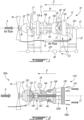
Fig. 1 is a schematic cross-sectional view of a reverse flow gas turbine engine in accordance with one embodiment; and -
Fig. 2 is a schematic cross-sectional view of a through flow engine in accordance with one embodiment. -
Fig. 1 illustrates a first example of a multi-spoolgas turbine engine 10 of a type preferably provided for use in subsonic flight, and generally comprising an engine core having a turbomachinery with multiple spools which perform compression to pressurize atmospheric air received through anair inlet 13, and which extract energy from combustion gases before they exit the engine via anexhaust outlet 17. The engine core further comprises acore gaspath 11 to direct gases from theair inlet 13 to theexhaust outlet 17, as depicted by the flow arrows inFig. 1 . Thecore gaspath 11 may be annular and concentric relative to the engine centerline CL. - The term "spool" is herein intended to broadly refer to drivingly connected turbine and compressor rotors and is, thus, not limited to a compressor and turbine assembly on a single shaft. As will be seen hereinafter, it also includes a rotary assembly with multiple shafts geared together.
- In the embodiment shown in
Fig. 1 , the engine core includes a low pressure (LP)spool 12 and a high pressure (HP)spool 14. TheLP spool 12 generally comprises anLP compressor 12a for pressurizing air received from theair inlet 13 and anLP turbine 12b for extracting energy from combustion gases discharged from acombustor 15 in which compressed air is mixed with fuel and ignited for generating an annular stream of hot combustion gases. TheLP turbine 12b may be connected mechanically to theLP compressor 12a. Flow communication between the twoLP compressor 12a and thelow pressure turbine 12b is through thehigh pressure spool 14 and thecombustor 15 via thecore gaspath 11. According to one aspect of the embodiment shown inFig. 1 , theLP compressor 12a and theLP turbine 12b are coaxially mounted for rotation about a common axis, which may correspond to the engine centerline CL. - The HP spool 14 generally comprises an HP
compressor 14a connected in flow communication with theLP compressor 12a for receiving pressurized air therefrom via thecore gaspath 11. The HP spool further comprises an HPturbine 14b, which may be located immediately downstream of thecombustor 15. The HPturbine 14b is drivingly connected to the HPcompressor 14a via an HPshaft 14c. The HPshaft 14c may be coaxial to the engine centerline CL. In the illustrated embodiment, theLP compressor 12a , theLP turbine 12b, the HPturbine 14b and the HPcompressor 14a are all mounted for rotation about the engine centerline CL. The HP spool may be drivingly connected to an accessory gearbox (AGB) 28 that may be side mounted and drivingly connected to the HP pressure spool via atower shaft 29. Alternatively, the AGB 28 may be coaxially mounted at the rear end of theengine 10 for providing drive outputs to various accessories (e.g. fuel pump, starter-generator, oil pump, scavenge pump, etc.). For instance, the HPshaft 14c may be extended axially beyond the HPcompressor 14a through a central bore of theLP compressor 12a to provide a drive input to the AGB 28. - The
LP turbine 12b is also known as the power turbine. TheLP turbine 12b may drive two or more rotatable loads. According to the illustrated embodiment, the first load is apropeller 16, which provides thrust for flight and taxiing in aircraft applications. However, it is understood that the first load could be any suitable component, or any combination of suitable components, that is capable of receiving a rotational drive from theLP turbine 12b. For instance, in an alternate embodiment where theengine 10 is a turboshaft instead of a turboprop as depicted inFig. 1 , the first load could include helicopter main rotor(s) and/or tail rotor(s), pump(s), generator(s), gas compressor(s), marine propeller(s), etc. - In the embodiment shown in
Fig. 1 , the first load (i.e. the propeller 16) is drivingly coupled to anoutput shaft 18 extending axially from an output end of a reduction gearbox (RGB) 20. The input end of theRGB 20 is mechanically coupled to aLP turbine shaft 12c drivingly connected to theLP turbine 12b. As shown inFig. 1 , theLP turbine shaft 12c and theoutput shaft 18 may be coaxial to the engine centerline CL. TheRGB 20 processes and outputs the rotational drive transferred thereto from theLP turbine 12b via theLP turbine shaft 12c through known gear reduction techniques. TheRGB 20 allows for thepropeller 16 to be driven at a rotational speed, which is different from the rotational speed of theLP turbine 12b, which may thereby provide for better efficiency. - Still referring to
Fig. 1 , theLP turbine 12b may selectively drive theLP compressor 12a. According to one aspect of the illustrated embodiment, theLP compressor 12a may be selectively drivingly connected to theLP turbine 12b via an LPcompressor drive shaft 12d. It can be appreciated fromFig. 1 that the LPcompressor drive shaft 12d is an external shaft. It will be appreciated that the LPcompressor drive shaft 12d may be internal, that is, radially inward of thecore gas path 11 and may extend through theengine HP shaft 14c. In the illustrated embodiment, the LPcompressor drive shaft 12d is disposed radially outwardly of the engine core and, more particularly, radially outwardly of an outer circumference of thecore gaspath 11. In other words, the LPcompressor drive shaft 12d is radially offset from thecore gas path 11. As illustrated, theexternal shaft 12d can be parallel to the HPshaft 14c but radially offset with respect thereto. In the illustrated embodiment, the LPcompressor drive shaft 12d axially spans the HPspool 14, which includes the HPturbine 14b, the HPcompressor 14a, and the HPpressure shaft 14c, and is connected at an input end to theLP turbine shaft 12c by a firstmechanical link 30 and at an output end thereof to theLP compressor 12a via a secondmechanical link 32. The LPcompressor drive shaft 12d may axially overlap thecore gas path 11. - As schematically depicted in dotted lines in
Fig. 1 , the first and secondmechanical links LP turbine 12b and theLP compressor 12a. For instance, the firstmechanical link 30 is shown next to theRGB 20 downstream of theLP turbine 12b relative to the gas flowing through thecore gaspath 11. The secondmechanical link 32 is shown adjacent to theAGB 28 on an upstream side of theLP compressor 12a. TheLP compressor 12a could be provided with ashaft extension 12a' projecting axially from the upstream side of the LP compressor rotor for connection with themechanical link 32. Alternatively, the first and secondmechanical links LP turbine 12b and theLP compressor 12a and even be located on an upstream side of theLP turbine 12b and the downstream side of theLP compressor 12a, respectively. These alternative mechanical locations could be used to reduce the length of the LPcompressor drive shaft 12d or to accommodate different mechanical constraints. - The
mechanical links LP turbine 12b and theLP compressor 12a could, thus, have different speeds to optimize performance or accommodate mechanical constraints. Also, the gears could be configured so that the LP compressor rotational direction (clockwise or counter-clockwise) is opposite to that of the HPcompressor 14a. On another version, the configuration could set to have theLP turbine 12b rotating in the opposite direction of the HPturbine 14b. This could allow reducing the flow turning losses in transition between the turbomachinery components. - Each
mechanical link LP compressor shaft 12d further away from the engine centerline CL. Also, it is understood that any suitable type of mechanical link adapted to transfer a torque from theLP turbine 12b to theLP compressor 12a could be used (i.e. the mechanical links are not limited to gear sets and the like). - By positioning the LP
compressor drive shaft 12d outside of the engine core as described herein above, the disconnection of the LPcompressor drive shaft 12d may be facilitated when it is desired or required to perform engine inspection or maintenance operations on the hot engine section of theengine 10. With the externalLP compressor shaft 12d, one could simply disconnect theshaft 12d from one of itsmechanical links engine 10 through a plane between theLP turbine 12b and theHP turbine 14b. The proposed external shaft architecture may allow to preserve the ability of splitting theengine 10 in the turbine section while accommodating a compressor boost in a compact axially in-line turbomachinery arrangement. - The
engine 10 shown inFig. 1 is a "reverse-flow"engine 10 because gases flow through the core gaspath 11 from theair inlet 13 at a rear portion of the engine, to theexhaust outlet 17 at a front portion thereof. This is in contrast to a "through-flow" gas turbine engine (Fig. 2 ) in which gases flow through thecore gaspath 11 of the engine from a front portion to a rear portion. The direction of the flow of gases through thecore gaspath 11 of theengine 10 disclosed herein can be better appreciated by considering that the gases flow through thecore gaspath 11 in the same direction D as the one along which theengine 10 travels during flight. Stated differently, gases flow through theengine 10 from a rear end thereof towards thepropeller 16. - It will thus be appreciated that the expressions "forward" and "aft" used herein refer to the relative disposition of components of the
engine 10, in correspondence to the "forward" and "aft" directions of theengine 10 and aircraft including theengine 10 as defined with respect to the direction of travel. In the embodiment shown, a component of theengine 10 that is "forward" of another component is arranged within theengine 10 such that it is located closer to thepropeller 16. Similarly, a component of theengine 10 that is "aft" of another component is arranged within theengine 10 such that it is further away from thepropeller 16. - In view of the foregoing, it can also be appreciated that the
LP compressor 12a is disposed aft of theLP turbine 12b. Likewise, theHP compressor 14a is disposed aft of theHP turbine 14b. The LP andHP turbines compressor drive shaft 12d eliminates the need for a concentric shaft arrangement to interconnect LP spool components disposed on axially opposite ends of the HP spool. This may allow for the provision of an engine split plane between the LP andHP turbines - In operation, the
LP compressor 12a pressurizes the air received fromair inlet 13. The air is then directed from theLP compressor 12a to theHP compressor 14a via thecore gaspath 11, which is annular in the illustrated embodiment. TheHP compressor 14a further pressurized the air before the compressed air is mixed with fuel and ignited in thecombustor 15. The combustion gases discharged from thecombustor 15 flow through the various stages of theHP turbine 14b where energy is extracted to drive theHP compressor 14a and theAGB 28. The combustion gases flow through the core gaspath 11 from theHP turbine 14b to theLP turbine 12b where further energy is extracted from the combustion gases by theLP turbine 12b to drive theLP compressor 12a and theRGB 20 and thepropeller 16. The combustion gases are then discharged from theengine 10 viaexhaust 17. - It can be appreciated that during operation of the
engine 10, theLP compressor 12a driven by theLP turbine 12b feeds pressurized air to theHP compressor 14a. Therefore, the pressurized air flow produced by theLP compressor 12a is provided to theHP compressor 14a and contributes to the work of both theLP turbine 12b and theHP turbine 14b. - It can thus be appreciated that the presence of the above-described LP and HP spools 12, 14 provides the
engine 10 with a "split compressor" arrangement. More particularly, some of the work required to compress the incoming air is transferred from theHP compressor 14a to theLP compressor 12a. In other words, some of the turbine work allocated to compression is transferred from theHP turbine 14b to theLP turbine 12b. This transfer of work may contribute to higher pressure ratios while maintaining a relatively small number of rotors. In a particular embodiment, higher pressure ratios allow for higher power to weight ratio, better engine specific fuel consumption (SFC), and a lower combustor exit temperature (sometimes referred to as "T4") for a given power. These factors can contribute to a lower overall weight for theengine 10. The transfer of compression work from theHP compressor 14a to theLP compressor 12a contrasts with some conventional reverse-flow engines, in which the high pressure compressor (and thus the high pressure turbine) perform all of the compression work. - It can thus be appreciated that at least some of the embodiments of the
engine 10 disclosed herein provide a mechanical architecture of turbomachinery that allows for a split compressor system and easy disassembly of the engine between theLP turbine 12b and theHP turbine 14b. Such a split compressor engine arrangement with an externally disposedLP compressor shaft 12d may be used for aircraft nose installations, as well as for wing installations. It can also be used for industrial applications. This engine architecture also allows for a geared LP compressor which may be advantageous from an aerodynamic / thermodynamic point of view. Performance gains might also result from a leaner mechanical arrangement, i.e. less parasitic losses associated to support bearings and transfer gears. - In some cases, it may be desired to drivingly disengage the
LP compressor 12a from theLP turbine 12b. In some cases, it may be desired to drivingly engage theLP compressor 12a to theHP compressor 14a. In some cases, it may be desired to allow free rotation of theLP compressor 12a by drivingly disengaging it from both of theLP turbine 12b and theHP compressor 14a. Theengine 10 is operable in a first configuration in which theLP compressor 12a is drivingly disconnected from both of theLP turbine 12b and theHP compressor 12b; in a second configuration in which theLP compressor 12a is drivingly connected to theHP compressor 14a and drivingly disconnected from theLP turbine 12b; in a third configuration in which theLP compressor 12a is drivingly connected to theLP turbine 12b and drivingly disconnected from theHP compressor 14a; and in a fourth configuration in which theLP compressor 12a is drivingly connected to both of theHP compressor 14a and to theLP turbine 12b. Operating theengine 10 in the fourth configuration, also referred to as a single-spool configuration, may allow to operate theengine 10 as a single spool engine since all of the rotating components, that is theLP compressor 12a, theHP compressor 14a, theHP turbine 14b and theLP turbine 12b, rotate at substantially the same rotational speed. In both of the first and second configurations, theLP turbine 12b is a free power turbine and may drive solely the rotatable load (e.g., propeller 16). In other words, in both of the first and second configurations, theengine 10 is operated in a free power turbine mode. In the third configuration, theengine 10 is operated in a boosted mode. In the embodiment shown, the low-pressure turbine 12b is drivingly connected to theoutput shaft 18 of theengine 10 in all of the first, second, third, and fourth configurations. - In the embodiment shown, the
engine 10 includes a clutch system CS. In accordance with the claims, the clutch system CS includes two clutches, namely a first clutch 40 and asecond clutch 42. Both of the first andsecond clutches engine 10 using only either one of the twoclutches - In the depicted embodiment, the first clutch 40 is located on the LP
compressor drive shaft 12d and the second clutch 42 is located axially between the LP andHP compressors LP compressor 12a is drivingly connected to theLP turbine 12b via the LPcompressor drive shaft 12d and a disengaged configuration in which theLP compressor 12a is drivingly disconnected from theLP turbine 12b. The second clutch 42 is operable in an engaged configuration in which theLP compressor 12a is drivingly connected to theHP compressor 14a via theHP shaft 14c and in a disengaged configuration in which theLP compressor 12a is drivingly disconnected from theHP compressor 14a. It will be appreciated that, in the embodiment shown, both of the first andsecond clutches second clutches - The
engine 10 may be in the first configuration by having both the first andsecond clutches engine 10 may be in the second configuration by having the first clutch 40 in the disengaged configuration and by having the second clutch 42 in the engaged configuration. Theengine 10 may be in the third configuration by having the first clutch 40 in the engaged configuration and by having the second clutch 42 in the disengaged configuration. Theengine 10 may be in the fourth configuration by having both of the first andsecond clutches - Stated differently, the
engine 10 has twoclutches LP compressor 12a to theLP drive shaft 12d and the second clutch 42 is operable to link theLP compressor 12a to theHP shaft 14c. The intended modes of operations are for eitherclutch systems LP turbine 12b withLP compressor 12a, a boosted engine type may be achieved. If the second clutch 42 is engaged, that is to couple theLP compressor 12a to theHP compressor 14a, or if none of theclutch systems - Disengaging the first clutch 40 to decouple the
LP compressor 12a from theLP turbine 12b may benefit in low output power conditions such as ground idle / taxi mode where theLP drive shaft 12d runs at low rotational speeds or may be non-rotating. Disengaging the first clutch 40 and with the second clutch 42 in the engaged configuration may allow to have theLP compressor 12a running faster than if the second clutch 42 were in the disengaged configuration. Having the second clutch 42 in the engaged configuration and the first clutch 40 in the disengaged configuration may help to maintain a higher pressure ratio engine at low output power, which may be desirable for the environmental control system (ECS) bleed system. Higher compressor work may mean higher temperature drop across theHP turbine 12b, which may result in lower temperature at the entry of theLP turbine 12b, which may in turn result in higher durability. - In flight idle mode, it may be desirable in some circumstances for an aircraft equipped with the
engine 10 to be operated such as to keep thepropeller 16 running at 100% speed. However, if the engine is operated in the boosted engine mode, theLP shaft 12d may have a fixed rotational speed that may increase the risks of compressor stability and operability. Using the option to transfer theLP compressor 12a mechanical link from theLP shaft 12d to theHP shaft 14c, which may have a variable, self-adjusting, rotational speed, may reduce these risks. In other words, these risks may be alleviated by having theLP compressor 12a drivingly disconnected from theLP turbine 12b and drivingly connected to theHP compressor 14a. - Having the ability to drivingly engage together the LP and
HP compressors HP turbine 14b. The arrangement of the twoclutches - It is understood that the
engine 10 may include only the first clutch 40 to selectively engage or disengage theLP compressor 12a to theLP turbine 12b. Alternatively, theengine 10 may include only the second clutch 42 to selectively engage or disengage theLP compressor 12a to theHP compressor 14a. - Referring now to
Fig. 2 , a gas turbine engine in a through-flow configuration is generally shown at 100. A through-flow configuration corresponds to an engine in which the gas flow through the core gaspath 11 from afront end 100a of theengine 100 to arear end 100b thereof. Herein, "front" and "rear" are used in reference to a flying direction of theengine 100, which is depicted by arrow D. The airflow direction through theengine 100 is depicted by arrow A. For the sake of conciseness, only elements that differ from theengine 10 described above with reference toFig. 1 are described herein below. - In the embodiment shown, the
engine 100 includes a low-pressure shaft 120d and a high-pressure shaft 14c. Herein, both of the low-pressure shaft 120d and the high-pressure shaft 14c are located radially inwardly of thecore gas path 11 relative to the engine center line CL of theengine 100. In the embodiment shown, the low- and high-pressure shafts pressure shaft 120d may be located radially inwardly of thehigh pressure shaft 14c relative to the center line CL. It will be appreciated that the through-flow configuration 100 may embodied an external shaft such as theshaft 12d described above with reference toFig. 1 . - In the present embodiment, the clutch system CS has two clutches, namely a
first clutch 140 and asecond clutch 142. As shown inFig. 2 , both of the first andsecond clutches LP compressor 12a and theHP compressor 14a relative to the center line CL. Thefirst clutch 140 is located forward of thesecond clutch 142. Other configurations are however contemplated. - The
first clutch 140 is operable in an engaged configuration in which theLP turbine 12b is in driving engagement with theLP compressor 12a via theLP shaft 120d and in a disengaged configuration in which theLP compressor 12a is drivingly disconnected from theLP pressure turbine 12b. Thesecond clutch 142 is operable in an engaged configuration in which theLP compressor 12a is in driving engagement with theHP compressor 14a via theHP shaft 14c and in a disengaged configuration in which theLP compressor 12a is drivingly disconnected from theHP compressor 14a. - It is understood that both of the
engines Figs. 1-2 may be operated as shown in said figures, that is, by having thepropeller 16 forward of a remainder of the engine relative to the direction of travel depicted by arrow D. Alternatively, both of theengines Figs. 1-2 may be operated in a "pusher" configuration in which thepropeller 16 is located aft of a remainder of theengines engines engine 10 ofFig. 1 a through-flow engine and making theengine 100 ofFig. 2 a reverse-flow engine. It is understood that such flip over of the engine would require some modifications. - The disclosed
engines LP turbine 12b drivingly engages theLP compressor 12a and the un-boosted configuration corresponds to a configuration in which the LP turbine is free. The disclosedengines HP compressors - For operating the engine, a power request is received; the
gas turbine engine pressure compressor 12a from the low-pressure turbine 12b if the power request is below a power threshold while keeping the low-pressure turbine 12b drivingly connected to theoutput shaft 18; and thegas turbine engine pressure compressor 12a to the low-pressure turbine 12b if the power request is below a power threshold while keeping the low-pressure turbine 12b drivingly connected to theoutput shaft 18. The setting of theengines - In some cases, the low-
pressure compressor 12a is engaged to the high-pressure compressor 14a if the power request is below the power threshold while keeping the low-pressure turbine 12b drivingly connected to theoutput shaft 18. This can be done based on the power request and the rotational speed of the propeller. In the disclosed embodiment, drivingly engaging the low-pressure compressor 12a to the high-pressure compressor 14a include setting the second clutch 42 in the engaged configuration, the second clutch 42 operatively connected to the high-pressure shaft 14c drivingly engaging the high-pressure compressor 14a to the high-pressure turbine 14b. In the embodiment shown, setting thegas turbine engine pressure turbine 12b is drivingly disconnected from the low-pressure compressor 12a. In the embodiment shown, setting thegas turbine engine pressure turbine 12b is drivingly connected to the low-pressure compressor 12a.
Claims (13)
- A gas turbine engine (10; 100) comprising:an engine core having, in serial flow communication, a low-pressure compressor (12a), a high-pressure compressor (14a), a high-pressure turbine (14b) drivingly connected to the high-pressure compressor (14a), and a low-pressure turbine (12b) drivingly connected to an output shaft (18); and characterised bya first clutch (40; 140) having a disengaged configuration in which the low-pressure turbine (12b) is drivingly disconnected from the low-pressure compressor (12a) such that, in the disengaged configuration, the first clutch (40; 140) disengages the low-pressure turbine (12b) from the low-pressure compressor (12a), and an engaged configuration in which the low-pressure turbine (12b) is drivingly connected to the low-pressure compressor (12a), the low-pressure turbine (12b) drivingly connected to the output shaft (18) in both of the engaged and disengaged configurations of the first clutch (40; 140); and bya second clutch (42; 142) having a second engaged configuration in which the low-pressure compressor (12a) is drivingly connected to the high-pressure compressor (14a) and in a second disengaged configuration in which the high-pressure compressor (14a) is drivingly disconnected from the low-pressure compressor (12a).
- The gas turbine engine (10; 100) of claim 1, wherein the gas turbine engine (10; 100) is operable in a single-spool configuration in which the low-pressure turbine (12b) is drivingly connected to the low-pressure compressor (12a) via the first clutch (40; 140) being in the engaged configuration and in which the low-pressure compressor (12a) is drivingly connected to the high-pressure compressor (14a) via the second clutch (42; 142) being in the second engaged configuration.
- The gas turbine engine (10; 100) of any preceding claim, having a low-pressure shaft (12d; 120d) for drivingly engaging the low-pressure compressor (12a) to the low-pressure turbine (12b), the first clutch (40; 140) operatively connected to the low-pressure shaft (12d; 120d).
- The gas turbine engine (10; 100) of claim 3, wherein the low-pressure shaft (12d) is radially offset from a core gas path (11) of the engine core relative to a center line (CL) of the gas turbine engine (10; 100).
- The gas turbine engine (10; 100) of any preceding claim, wherein the gas turbine engine (10) is a reverse-flow gas turbine engine (10).
- The gas turbine engine (10; 100) of claim 3, wherein the low-pressure shaft (120d) is concentric with a high-pressure shaft (14c), the high-pressure shaft (14c) drivingly connecting the high-pressure compressor (14a) to the high-pressure turbine (14b).
- The gas turbine engine (10; 100) of claim 1, having a low-pressure shaft (12d; 120d) for drivingly engaging the low-pressure compressor (12a) to the low-pressure turbine (12b), the first clutch (40; 140) operatively connected to the low-pressure shaft (12d; 120d) and wherein the high-pressure compressor (14a) is in driving engagement with a high-pressure shaft (14c), the second clutch (42; 142) operatively connected to the high-pressure shaft (14c).
- The gas turbine engine (10; 100) of claim 1 or 7, wherein the first clutch (40; 140) and the second clutch (42; 142) are simultaneously operable in engaged configurations for engaging the low-pressure compressor (12a) to both of the low-pressure turbine (12b) and the high-pressure compressor (14a).
- The gas turbine engine (10; 100) of any preceding claim, wherein the gas turbine engine (10; 100) is a turboshaft or turboprop reverse-flow engine.
- A method for a gas turbine engine (10; 100) having a low-pressure compressor (12a), a high-pressure compressor (14a), a high-pressure turbine (14b) drivingly engaging the high-pressure compressor (14a), and a low-pressure turbine (12b) drivingly connected to an output shaft (18), comprising:receiving a power request; and characterised bysetting the gas turbine engine (10; 100) in a free-turbine configuration by disengaging the low-pressure compressor (12a) from the low-pressure turbine (12b) if the power request is below a power threshold while keeping the low-pressure turbine (12b) drivingly connected to the output shaft (18);setting the gas turbine engine (10; 100) in a boosted configuration by engaging the low-pressure compressor (12a) to the low-pressure turbine (12b) if the power request is above the power threshold while keeping the low-pressure turbine (12b) drivingly connected to the output shaft (18); and bydrivingly engaging the low-pressure compressor (12a) to the high-pressure compressor (14a) if the power request is below the power threshold while keeping the low-pressure turbine (12b) drivingly connected to the output shaft (18).
- The method of claim 10, wherein the gas turbine engine (10; 100) has a low-pressure shaft (12d; 120d) for drivingly engaging the low-pressure turbine (12b) to the low-pressure compressor (12a) and a first clutch (40; 140d) operatively connected to the low-pressure shaft (12d; 120d), and wherein setting the gas turbine engine (10; 100) in the free-turbine configuration includes setting the first clutch (40; 140) in a disengaged configuration in which the low-pressure turbine (12b) is drivingly disconnected from the low-pressure compressor (12a).
- The method of claim 10 or 11, wherein the gas turbine engine (10; 100) has a low-pressure shaft (12d; 120d) for drivingly engaging the low-pressure turbine (12b) to the low-pressure compressor (12a) and a/the first clutch (40; 140) operatively connected to the low-pressure shaft (12d; 120d), and wherein setting the gas turbine engine (10; 100) in the boosted configuration includes setting the first clutch (40; 140) in an engaged configuration in which the low-pressure turbine (12b) is drivingly connected to the low-pressure compressor (12a).
- The method of any of claims 10 to 12, wherein drivingly engaging the low-pressure compressor (12a) to the high-pressure compressor (14a) includes setting a/the first clutch (40; 140) in an engaged configuration, the first clutch (40; 140) operatively connected to a high-pressure shaft (14c) drivingly engaging the high-pressure compressor (14a) to the high-pressure turbine (14b).
Applications Claiming Priority (1)
| Application Number | Priority Date | Filing Date | Title |
|---|---|---|---|
| US16/774,221 US11668245B2 (en) | 2020-01-28 | 2020-01-28 | Gas turbine engine with clutch system between low-pressure compressor and low-pressure turbine |
Publications (2)
| Publication Number | Publication Date |
|---|---|
| EP3859133A1 EP3859133A1 (en) | 2021-08-04 |
| EP3859133B1 true EP3859133B1 (en) | 2024-08-07 |
Family
ID=74285219
Family Applications (1)
| Application Number | Title | Priority Date | Filing Date |
|---|---|---|---|
| EP21153424.3A Active EP3859133B1 (en) | 2020-01-28 | 2021-01-26 | Gas turbine engine with clutch system |
Country Status (4)
| Country | Link |
|---|---|
| US (2) | US11668245B2 (en) |
| EP (1) | EP3859133B1 (en) |
| CN (1) | CN113250820B (en) |
| CA (1) | CA3106766A1 (en) |
Families Citing this family (11)
| Publication number | Priority date | Publication date | Assignee | Title |
|---|---|---|---|---|
| US12486797B2 (en) * | 2023-02-17 | 2025-12-02 | General Electric Company | Reverse flow gas turbine engine having electric machine |
| US12188414B2 (en) * | 2023-02-17 | 2025-01-07 | General Electric Company | Reverse flow gas turbine engine having electric machine |
| US12416262B2 (en) * | 2023-02-17 | 2025-09-16 | General Electric Company | Reverse flow gas turbine engine having electric machine |
| US12319417B2 (en) | 2023-02-17 | 2025-06-03 | General Electric Company | Reverse flow gas turbine engine having electric machine |
| US12366201B2 (en) | 2023-02-17 | 2025-07-22 | General Electric Company | Reverse flow gas turbine engine having electric machine |
| US12460576B2 (en) * | 2023-02-17 | 2025-11-04 | General Electric Company | Reverse flow gas turbine engine having electric machine |
| US12510025B2 (en) | 2023-02-17 | 2025-12-30 | General Electric Company | Reverse flow gas turbine engine having electric machine |
| EP4417796B1 (en) * | 2023-02-17 | 2026-03-04 | General Electric Company | Reverse flow gas turbine engine having electric machine |
| US12116928B2 (en) * | 2023-03-16 | 2024-10-15 | Pratt & Whitney Canada Corp. | Aircraft engine having two radially offset turbines |
| US12163465B1 (en) * | 2023-10-05 | 2024-12-10 | Rtx Corporation | Turbine engine with couplable rotating assemblies |
| US12404812B1 (en) | 2024-03-04 | 2025-09-02 | Rtx Corporation | Open rotor aircraft propulsion system with bypass flowpath |
Family Cites Families (16)
| Publication number | Priority date | Publication date | Assignee | Title |
|---|---|---|---|---|
| US2619797A (en) | 1948-01-28 | 1952-12-02 | Rolls Royce | Gas turbine engine driving a propeller |
| GB711789A (en) | 1951-01-02 | 1954-07-14 | Rolls Royce | Improvements in or relating to gas-turbine power plants |
| EP1362984B1 (en) * | 2002-05-16 | 2007-04-25 | ROLLS-ROYCE plc | Gas turbine engine |
| WO2008105815A2 (en) * | 2006-08-22 | 2008-09-04 | Rolls-Royce North American Technologies, Inc. | Gas turbine engine with intermediate speed booster |
| GB0809336D0 (en) | 2008-05-23 | 2008-07-02 | Rolls Royce Plc | A gas turbine engine arrangement |
| US8887485B2 (en) | 2008-10-20 | 2014-11-18 | Rolls-Royce North American Technologies, Inc. | Three spool gas turbine engine having a clutch and compressor bypass |
| FR2948151B1 (en) * | 2009-07-17 | 2011-11-25 | Snecma | METHOD AND SYSTEM FOR CONTROLLING AN AIRCRAFT ENGINE STARTER-GENERATOR |
| WO2014134256A1 (en) * | 2013-02-27 | 2014-09-04 | United Technologies Corporation | Low spool starter system for gas turbine engine |
| FR3029172B1 (en) | 2014-11-27 | 2018-05-25 | Safran Helicopter Engines | PROPULSE GROUP WITH SELECTIVE COUPLING MEANS |
| FR3050761B1 (en) * | 2016-04-27 | 2019-07-05 | Safran Aircraft Engines | CONTROL OF OIL FLOW IN A COOLING CIRCUIT OF A TURBOMACHINE |
| US20170321600A1 (en) * | 2016-05-06 | 2017-11-09 | General Electric Company | System and method for a gas turbine power generation system with a high pressure compressor with an added forward stage |
| US10883424B2 (en) | 2016-07-19 | 2021-01-05 | Pratt & Whitney Canada Corp. | Multi-spool gas turbine engine architecture |
| US10533559B2 (en) * | 2016-12-20 | 2020-01-14 | Pratt & Whitney Canada Corp. | Reverse flow engine architecture |
| US20180216525A1 (en) * | 2017-01-30 | 2018-08-02 | Pratt & Whitney Canada Corp. | Gas turbine engine architecture with split compressor system |
| US10738709B2 (en) * | 2017-02-09 | 2020-08-11 | Pratt & Whitney Canada Corp. | Multi-spool gas turbine engine |
| US10808624B2 (en) * | 2017-02-09 | 2020-10-20 | Pratt & Whitney Canada Corp. | Turbine rotor with low over-speed requirements |
-
2020
- 2020-01-28 US US16/774,221 patent/US11668245B2/en active Active
-
2021
- 2021-01-21 CA CA3106766A patent/CA3106766A1/en active Pending
- 2021-01-26 EP EP21153424.3A patent/EP3859133B1/en active Active
- 2021-01-27 CN CN202110110214.4A patent/CN113250820B/en active Active
-
2023
- 2023-04-13 US US18/299,754 patent/US12467412B2/en active Active
Also Published As
| Publication number | Publication date |
|---|---|
| US20230243310A1 (en) | 2023-08-03 |
| CN113250820B (en) | 2025-03-18 |
| CN113250820A (en) | 2021-08-13 |
| US11668245B2 (en) | 2023-06-06 |
| EP3859133A1 (en) | 2021-08-04 |
| US12467412B2 (en) | 2025-11-11 |
| CA3106766A1 (en) | 2021-07-28 |
| US20210231058A1 (en) | 2021-07-29 |
Similar Documents
| Publication | Publication Date | Title |
|---|---|---|
| EP3859133B1 (en) | Gas turbine engine with clutch system | |
| US11408352B2 (en) | Reverse-flow gas turbine engine | |
| US11041443B2 (en) | Multi-spool gas turbine engine architecture | |
| EP3354876B1 (en) | Gas turbine engine architecture with split compressor system | |
| US10767567B2 (en) | Multi-spool gas turbine engine architecture | |
| EP3321488B1 (en) | Gas turbine engine accessories arrangement | |
| EP3597884B1 (en) | A multi-spool gas turbine engine architecture | |
| EP3623601B1 (en) | Split compressor system on multi-spool engine | |
| CA2970386C (en) | A multi-spool gas turbine engine architecture | |
| CA2970386A1 (en) | A multi-spool gas turbine engine architecture |
Legal Events
| Date | Code | Title | Description |
|---|---|---|---|
| PUAI | Public reference made under article 153(3) epc to a published international application that has entered the european phase |
Free format text: ORIGINAL CODE: 0009012 |
|
| STAA | Information on the status of an ep patent application or granted ep patent |
Free format text: STATUS: THE APPLICATION HAS BEEN PUBLISHED |
|
| AK | Designated contracting states |
Kind code of ref document: A1 Designated state(s): AL AT BE BG CH CY CZ DE DK EE ES FI FR GB GR HR HU IE IS IT LI LT LU LV MC MK MT NL NO PL PT RO RS SE SI SK SM TR |
|
| STAA | Information on the status of an ep patent application or granted ep patent |
Free format text: STATUS: REQUEST FOR EXAMINATION WAS MADE |
|
| 17P | Request for examination filed |
Effective date: 20220128 |
|
| RBV | Designated contracting states (corrected) |
Designated state(s): AL AT BE BG CH CY CZ DE DK EE ES FI FR GB GR HR HU IE IS IT LI LT LU LV MC MK MT NL NO PL PT RO RS SE SI SK SM TR |
|
| GRAP | Despatch of communication of intention to grant a patent |
Free format text: ORIGINAL CODE: EPIDOSNIGR1 |
|
| STAA | Information on the status of an ep patent application or granted ep patent |
Free format text: STATUS: GRANT OF PATENT IS INTENDED |
|
| RIC1 | Information provided on ipc code assigned before grant |
Ipc: F02C 7/36 20060101ALI20240215BHEP Ipc: F02C 3/107 20060101AFI20240215BHEP |
|
| INTG | Intention to grant announced |
Effective date: 20240301 |
|
| GRAS | Grant fee paid |
Free format text: ORIGINAL CODE: EPIDOSNIGR3 |
|
| GRAA | (expected) grant |
Free format text: ORIGINAL CODE: 0009210 |
|
| STAA | Information on the status of an ep patent application or granted ep patent |
Free format text: STATUS: THE PATENT HAS BEEN GRANTED |
|
| AK | Designated contracting states |
Kind code of ref document: B1 Designated state(s): AL AT BE BG CH CY CZ DE DK EE ES FI FR GB GR HR HU IE IS IT LI LT LU LV MC MK MT NL NO PL PT RO RS SE SI SK SM TR |
|
| REG | Reference to a national code |
Ref country code: GB Ref legal event code: FG4D |
|
| REG | Reference to a national code |
Ref country code: CH Ref legal event code: EP |
|
| REG | Reference to a national code |
Ref country code: IE Ref legal event code: FG4D |
|
| REG | Reference to a national code |
Ref country code: DE Ref legal event code: R096 Ref document number: 602021016638 Country of ref document: DE |
|
| REG | Reference to a national code |
Ref country code: LT Ref legal event code: MG9D |
|
| REG | Reference to a national code |
Ref country code: NL Ref legal event code: MP Effective date: 20240807 |
|
| PG25 | Lapsed in a contracting state [announced via postgrant information from national office to epo] |
Ref country code: NO Free format text: LAPSE BECAUSE OF FAILURE TO SUBMIT A TRANSLATION OF THE DESCRIPTION OR TO PAY THE FEE WITHIN THE PRESCRIBED TIME-LIMIT Effective date: 20241107 |
|
| REG | Reference to a national code |
Ref country code: AT Ref legal event code: MK05 Ref document number: 1711166 Country of ref document: AT Kind code of ref document: T Effective date: 20240807 |
|
| PG25 | Lapsed in a contracting state [announced via postgrant information from national office to epo] |
Ref country code: GR Free format text: LAPSE BECAUSE OF FAILURE TO SUBMIT A TRANSLATION OF THE DESCRIPTION OR TO PAY THE FEE WITHIN THE PRESCRIBED TIME-LIMIT Effective date: 20241108 Ref country code: NL Free format text: LAPSE BECAUSE OF FAILURE TO SUBMIT A TRANSLATION OF THE DESCRIPTION OR TO PAY THE FEE WITHIN THE PRESCRIBED TIME-LIMIT Effective date: 20240807 Ref country code: FI Free format text: LAPSE BECAUSE OF FAILURE TO SUBMIT A TRANSLATION OF THE DESCRIPTION OR TO PAY THE FEE WITHIN THE PRESCRIBED TIME-LIMIT Effective date: 20240807 Ref country code: PL Free format text: LAPSE BECAUSE OF FAILURE TO SUBMIT A TRANSLATION OF THE DESCRIPTION OR TO PAY THE FEE WITHIN THE PRESCRIBED TIME-LIMIT Effective date: 20240807 Ref country code: PT Free format text: LAPSE BECAUSE OF FAILURE TO SUBMIT A TRANSLATION OF THE DESCRIPTION OR TO PAY THE FEE WITHIN THE PRESCRIBED TIME-LIMIT Effective date: 20241209 |
|
| PG25 | Lapsed in a contracting state [announced via postgrant information from national office to epo] |
Ref country code: BG Free format text: LAPSE BECAUSE OF FAILURE TO SUBMIT A TRANSLATION OF THE DESCRIPTION OR TO PAY THE FEE WITHIN THE PRESCRIBED TIME-LIMIT Effective date: 20240807 |
|
| PG25 | Lapsed in a contracting state [announced via postgrant information from national office to epo] |
Ref country code: LV Free format text: LAPSE BECAUSE OF FAILURE TO SUBMIT A TRANSLATION OF THE DESCRIPTION OR TO PAY THE FEE WITHIN THE PRESCRIBED TIME-LIMIT Effective date: 20240807 |
|
| PG25 | Lapsed in a contracting state [announced via postgrant information from national office to epo] |
Ref country code: IS Free format text: LAPSE BECAUSE OF FAILURE TO SUBMIT A TRANSLATION OF THE DESCRIPTION OR TO PAY THE FEE WITHIN THE PRESCRIBED TIME-LIMIT Effective date: 20241207 Ref country code: AT Free format text: LAPSE BECAUSE OF FAILURE TO SUBMIT A TRANSLATION OF THE DESCRIPTION OR TO PAY THE FEE WITHIN THE PRESCRIBED TIME-LIMIT Effective date: 20240807 |
|
| PG25 | Lapsed in a contracting state [announced via postgrant information from national office to epo] |
Ref country code: HR Free format text: LAPSE BECAUSE OF FAILURE TO SUBMIT A TRANSLATION OF THE DESCRIPTION OR TO PAY THE FEE WITHIN THE PRESCRIBED TIME-LIMIT Effective date: 20240807 |
|
| PG25 | Lapsed in a contracting state [announced via postgrant information from national office to epo] |
Ref country code: RS Free format text: LAPSE BECAUSE OF FAILURE TO SUBMIT A TRANSLATION OF THE DESCRIPTION OR TO PAY THE FEE WITHIN THE PRESCRIBED TIME-LIMIT Effective date: 20241107 Ref country code: ES Free format text: LAPSE BECAUSE OF FAILURE TO SUBMIT A TRANSLATION OF THE DESCRIPTION OR TO PAY THE FEE WITHIN THE PRESCRIBED TIME-LIMIT Effective date: 20240807 |
|
| PG25 | Lapsed in a contracting state [announced via postgrant information from national office to epo] |
Ref country code: RS Free format text: LAPSE BECAUSE OF FAILURE TO SUBMIT A TRANSLATION OF THE DESCRIPTION OR TO PAY THE FEE WITHIN THE PRESCRIBED TIME-LIMIT Effective date: 20241107 Ref country code: PT Free format text: LAPSE BECAUSE OF FAILURE TO SUBMIT A TRANSLATION OF THE DESCRIPTION OR TO PAY THE FEE WITHIN THE PRESCRIBED TIME-LIMIT Effective date: 20241209 Ref country code: PL Free format text: LAPSE BECAUSE OF FAILURE TO SUBMIT A TRANSLATION OF THE DESCRIPTION OR TO PAY THE FEE WITHIN THE PRESCRIBED TIME-LIMIT Effective date: 20240807 Ref country code: NO Free format text: LAPSE BECAUSE OF FAILURE TO SUBMIT A TRANSLATION OF THE DESCRIPTION OR TO PAY THE FEE WITHIN THE PRESCRIBED TIME-LIMIT Effective date: 20241107 Ref country code: NL Free format text: LAPSE BECAUSE OF FAILURE TO SUBMIT A TRANSLATION OF THE DESCRIPTION OR TO PAY THE FEE WITHIN THE PRESCRIBED TIME-LIMIT Effective date: 20240807 Ref country code: LV Free format text: LAPSE BECAUSE OF FAILURE TO SUBMIT A TRANSLATION OF THE DESCRIPTION OR TO PAY THE FEE WITHIN THE PRESCRIBED TIME-LIMIT Effective date: 20240807 Ref country code: IS Free format text: LAPSE BECAUSE OF FAILURE TO SUBMIT A TRANSLATION OF THE DESCRIPTION OR TO PAY THE FEE WITHIN THE PRESCRIBED TIME-LIMIT Effective date: 20241207 Ref country code: HR Free format text: LAPSE BECAUSE OF FAILURE TO SUBMIT A TRANSLATION OF THE DESCRIPTION OR TO PAY THE FEE WITHIN THE PRESCRIBED TIME-LIMIT Effective date: 20240807 Ref country code: GR Free format text: LAPSE BECAUSE OF FAILURE TO SUBMIT A TRANSLATION OF THE DESCRIPTION OR TO PAY THE FEE WITHIN THE PRESCRIBED TIME-LIMIT Effective date: 20241108 Ref country code: FI Free format text: LAPSE BECAUSE OF FAILURE TO SUBMIT A TRANSLATION OF THE DESCRIPTION OR TO PAY THE FEE WITHIN THE PRESCRIBED TIME-LIMIT Effective date: 20240807 Ref country code: ES Free format text: LAPSE BECAUSE OF FAILURE TO SUBMIT A TRANSLATION OF THE DESCRIPTION OR TO PAY THE FEE WITHIN THE PRESCRIBED TIME-LIMIT Effective date: 20240807 Ref country code: BG Free format text: LAPSE BECAUSE OF FAILURE TO SUBMIT A TRANSLATION OF THE DESCRIPTION OR TO PAY THE FEE WITHIN THE PRESCRIBED TIME-LIMIT Effective date: 20240807 Ref country code: AT Free format text: LAPSE BECAUSE OF FAILURE TO SUBMIT A TRANSLATION OF THE DESCRIPTION OR TO PAY THE FEE WITHIN THE PRESCRIBED TIME-LIMIT Effective date: 20240807 |
|
| PG25 | Lapsed in a contracting state [announced via postgrant information from national office to epo] |
Ref country code: SM Free format text: LAPSE BECAUSE OF FAILURE TO SUBMIT A TRANSLATION OF THE DESCRIPTION OR TO PAY THE FEE WITHIN THE PRESCRIBED TIME-LIMIT Effective date: 20240807 Ref country code: DK Free format text: LAPSE BECAUSE OF FAILURE TO SUBMIT A TRANSLATION OF THE DESCRIPTION OR TO PAY THE FEE WITHIN THE PRESCRIBED TIME-LIMIT Effective date: 20240807 |
|
| PG25 | Lapsed in a contracting state [announced via postgrant information from national office to epo] |
Ref country code: EE Free format text: LAPSE BECAUSE OF FAILURE TO SUBMIT A TRANSLATION OF THE DESCRIPTION OR TO PAY THE FEE WITHIN THE PRESCRIBED TIME-LIMIT Effective date: 20240807 |
|
| PG25 | Lapsed in a contracting state [announced via postgrant information from national office to epo] |
Ref country code: CZ Free format text: LAPSE BECAUSE OF FAILURE TO SUBMIT A TRANSLATION OF THE DESCRIPTION OR TO PAY THE FEE WITHIN THE PRESCRIBED TIME-LIMIT Effective date: 20240807 |
|
| PG25 | Lapsed in a contracting state [announced via postgrant information from national office to epo] |
Ref country code: SK Free format text: LAPSE BECAUSE OF FAILURE TO SUBMIT A TRANSLATION OF THE DESCRIPTION OR TO PAY THE FEE WITHIN THE PRESCRIBED TIME-LIMIT Effective date: 20240807 |
|
| REG | Reference to a national code |
Ref country code: DE Ref legal event code: R097 Ref document number: 602021016638 Country of ref document: DE |
|
| PLBE | No opposition filed within time limit |
Free format text: ORIGINAL CODE: 0009261 |
|
| STAA | Information on the status of an ep patent application or granted ep patent |
Free format text: STATUS: NO OPPOSITION FILED WITHIN TIME LIMIT |
|
| 26N | No opposition filed |
Effective date: 20250508 |
|
| REG | Reference to a national code |
Ref country code: CH Ref legal event code: PL |
|
| PG25 | Lapsed in a contracting state [announced via postgrant information from national office to epo] |
Ref country code: SE Free format text: LAPSE BECAUSE OF FAILURE TO SUBMIT A TRANSLATION OF THE DESCRIPTION OR TO PAY THE FEE WITHIN THE PRESCRIBED TIME-LIMIT Effective date: 20240807 |
|
| PG25 | Lapsed in a contracting state [announced via postgrant information from national office to epo] |
Ref country code: MC Free format text: LAPSE BECAUSE OF FAILURE TO SUBMIT A TRANSLATION OF THE DESCRIPTION OR TO PAY THE FEE WITHIN THE PRESCRIBED TIME-LIMIT Effective date: 20240807 Ref country code: LU Free format text: LAPSE BECAUSE OF NON-PAYMENT OF DUE FEES Effective date: 20250126 |
|
| PG25 | Lapsed in a contracting state [announced via postgrant information from national office to epo] |
Ref country code: BE Free format text: LAPSE BECAUSE OF NON-PAYMENT OF DUE FEES Effective date: 20250131 |
|
| PG25 | Lapsed in a contracting state [announced via postgrant information from national office to epo] |
Ref country code: CH Free format text: LAPSE BECAUSE OF NON-PAYMENT OF DUE FEES Effective date: 20250131 |
|
| REG | Reference to a national code |
Ref country code: BE Ref legal event code: MM Effective date: 20250131 |
|
| PGFP | Annual fee paid to national office [announced via postgrant information from national office to epo] |
Ref country code: GB Payment date: 20251220 Year of fee payment: 6 |
|
| PGFP | Annual fee paid to national office [announced via postgrant information from national office to epo] |
Ref country code: FR Payment date: 20251218 Year of fee payment: 6 |
|
| PG25 | Lapsed in a contracting state [announced via postgrant information from national office to epo] |
Ref country code: IE Free format text: LAPSE BECAUSE OF NON-PAYMENT OF DUE FEES Effective date: 20250126 |
|
| PG25 | Lapsed in a contracting state [announced via postgrant information from national office to epo] |
Ref country code: IT Free format text: LAPSE BECAUSE OF FAILURE TO SUBMIT A TRANSLATION OF THE DESCRIPTION OR TO PAY THE FEE WITHIN THE PRESCRIBED TIME-LIMIT Effective date: 20240807 |
|
| PGFP | Annual fee paid to national office [announced via postgrant information from national office to epo] |
Ref country code: DE Payment date: 20251217 Year of fee payment: 6 |
|
| PG25 | Lapsed in a contracting state [announced via postgrant information from national office to epo] |
Ref country code: RO Free format text: LAPSE BECAUSE OF FAILURE TO SUBMIT A TRANSLATION OF THE DESCRIPTION OR TO PAY THE FEE WITHIN THE PRESCRIBED TIME-LIMIT Effective date: 20240807 |