EP3858388B1 - Chimeric antigen receptor (car) t cells as therapeutic interventions for gvhd - Google Patents
Chimeric antigen receptor (car) t cells as therapeutic interventions for gvhd Download PDFInfo
- Publication number
- EP3858388B1 EP3858388B1 EP21154942.3A EP21154942A EP3858388B1 EP 3858388 B1 EP3858388 B1 EP 3858388B1 EP 21154942 A EP21154942 A EP 21154942A EP 3858388 B1 EP3858388 B1 EP 3858388B1
- Authority
- EP
- European Patent Office
- Prior art keywords
- cells
- car
- human
- composition
- human patient
- Prior art date
- Legal status (The legal status is an assumption and is not a legal conclusion. Google has not performed a legal analysis and makes no representation as to the accuracy of the status listed.)
- Active
Links
Images






Classifications
-
- A—HUMAN NECESSITIES
- A61—MEDICAL OR VETERINARY SCIENCE; HYGIENE
- A61K—PREPARATIONS FOR MEDICAL, DENTAL OR TOILETRY PURPOSES
- A61K48/00—Medicinal preparations containing genetic material which is inserted into cells of the living body to treat genetic diseases; Gene therapy
- A61K48/005—Medicinal preparations containing genetic material which is inserted into cells of the living body to treat genetic diseases; Gene therapy characterised by an aspect of the 'active' part of the composition delivered, i.e. the nucleic acid delivered
-
- A—HUMAN NECESSITIES
- A61—MEDICAL OR VETERINARY SCIENCE; HYGIENE
- A61K—PREPARATIONS FOR MEDICAL, DENTAL OR TOILETRY PURPOSES
- A61K40/00—Cellular immunotherapy
- A61K40/10—Cellular immunotherapy characterised by the cell type used
- A61K40/11—T-cells, e.g. tumour infiltrating lymphocytes [TIL] or regulatory T [Treg] cells; Lymphokine-activated killer [LAK] cells
-
- A—HUMAN NECESSITIES
- A61—MEDICAL OR VETERINARY SCIENCE; HYGIENE
- A61K—PREPARATIONS FOR MEDICAL, DENTAL OR TOILETRY PURPOSES
- A61K40/00—Cellular immunotherapy
- A61K40/20—Cellular immunotherapy characterised by the effect or the function of the cells
- A61K40/22—Immunosuppressive or immunotolerising
-
- A—HUMAN NECESSITIES
- A61—MEDICAL OR VETERINARY SCIENCE; HYGIENE
- A61K—PREPARATIONS FOR MEDICAL, DENTAL OR TOILETRY PURPOSES
- A61K40/00—Cellular immunotherapy
- A61K40/30—Cellular immunotherapy characterised by the recombinant expression of specific molecules in the cells of the immune system
- A61K40/31—Chimeric antigen receptors [CAR]
-
- A—HUMAN NECESSITIES
- A61—MEDICAL OR VETERINARY SCIENCE; HYGIENE
- A61K—PREPARATIONS FOR MEDICAL, DENTAL OR TOILETRY PURPOSES
- A61K40/00—Cellular immunotherapy
- A61K40/40—Cellular immunotherapy characterised by antigens that are targeted or presented by cells of the immune system
- A61K40/41—Vertebrate antigens
- A61K40/418—Antigens related to induction of tolerance to non-self
-
- A—HUMAN NECESSITIES
- A61—MEDICAL OR VETERINARY SCIENCE; HYGIENE
- A61K—PREPARATIONS FOR MEDICAL, DENTAL OR TOILETRY PURPOSES
- A61K40/00—Cellular immunotherapy
- A61K40/40—Cellular immunotherapy characterised by antigens that are targeted or presented by cells of the immune system
- A61K40/41—Vertebrate antigens
- A61K40/42—Cancer antigens
- A61K40/4202—Receptors, cell surface antigens or cell surface determinants
- A61K40/4203—Receptors for growth factors
- A61K40/4204—Epidermal growth factor receptors [EGFR]
-
- A—HUMAN NECESSITIES
- A61—MEDICAL OR VETERINARY SCIENCE; HYGIENE
- A61K—PREPARATIONS FOR MEDICAL, DENTAL OR TOILETRY PURPOSES
- A61K40/00—Cellular immunotherapy
- A61K40/40—Cellular immunotherapy characterised by antigens that are targeted or presented by cells of the immune system
- A61K40/41—Vertebrate antigens
- A61K40/42—Cancer antigens
- A61K40/4202—Receptors, cell surface antigens or cell surface determinants
- A61K40/421—Immunoglobulin superfamily
- A61K40/4211—CD19 or B4
-
- A—HUMAN NECESSITIES
- A61—MEDICAL OR VETERINARY SCIENCE; HYGIENE
- A61K—PREPARATIONS FOR MEDICAL, DENTAL OR TOILETRY PURPOSES
- A61K9/00—Medicinal preparations characterised by special physical form
- A61K9/0012—Galenical forms characterised by the site of application
- A61K9/0019—Injectable compositions; Intramuscular, intravenous, arterial, subcutaneous administration; Compositions to be administered through the skin in an invasive manner
-
- A—HUMAN NECESSITIES
- A61—MEDICAL OR VETERINARY SCIENCE; HYGIENE
- A61P—SPECIFIC THERAPEUTIC ACTIVITY OF CHEMICAL COMPOUNDS OR MEDICINAL PREPARATIONS
- A61P37/00—Drugs for immunological or allergic disorders
- A61P37/02—Immunomodulators
-
- C—CHEMISTRY; METALLURGY
- C07—ORGANIC CHEMISTRY
- C07K—PEPTIDES
- C07K16/00—Immunoglobulins [IG], e.g. monoclonal or polyclonal antibodies
- C07K16/18—Immunoglobulins [IG], e.g. monoclonal or polyclonal antibodies against material from animals or humans
- C07K16/28—Immunoglobulins [IG], e.g. monoclonal or polyclonal antibodies against material from animals or humans against receptors, cell surface antigens or cell surface determinants
- C07K16/2803—Immunoglobulins [IG], e.g. monoclonal or polyclonal antibodies against material from animals or humans against receptors, cell surface antigens or cell surface determinants against the immunoglobulin superfamily
-
- A—HUMAN NECESSITIES
- A01—AGRICULTURE; FORESTRY; ANIMAL HUSBANDRY; HUNTING; TRAPPING; FISHING
- A01K—ANIMAL HUSBANDRY; AVICULTURE; APICULTURE; PISCICULTURE; FISHING; REARING OR BREEDING ANIMALS, NOT OTHERWISE PROVIDED FOR; NEW BREEDS OF ANIMALS
- A01K2207/00—Modified animals
- A01K2207/15—Humanized animals
-
- A—HUMAN NECESSITIES
- A01—AGRICULTURE; FORESTRY; ANIMAL HUSBANDRY; HUNTING; TRAPPING; FISHING
- A01K—ANIMAL HUSBANDRY; AVICULTURE; APICULTURE; PISCICULTURE; FISHING; REARING OR BREEDING ANIMALS, NOT OTHERWISE PROVIDED FOR; NEW BREEDS OF ANIMALS
- A01K2227/00—Animals characterised by species
- A01K2227/10—Mammal
- A01K2227/105—Murine
-
- A—HUMAN NECESSITIES
- A01—AGRICULTURE; FORESTRY; ANIMAL HUSBANDRY; HUNTING; TRAPPING; FISHING
- A01K—ANIMAL HUSBANDRY; AVICULTURE; APICULTURE; PISCICULTURE; FISHING; REARING OR BREEDING ANIMALS, NOT OTHERWISE PROVIDED FOR; NEW BREEDS OF ANIMALS
- A01K2267/00—Animals characterised by purpose
- A01K2267/03—Animal model, e.g. for test or diseases
- A01K2267/035—Animal model for multifactorial diseases
- A01K2267/0387—Animal model for diseases of the immune system
-
- A—HUMAN NECESSITIES
- A61—MEDICAL OR VETERINARY SCIENCE; HYGIENE
- A61K—PREPARATIONS FOR MEDICAL, DENTAL OR TOILETRY PURPOSES
- A61K2239/00—Indexing codes associated with cellular immunotherapy of group A61K40/00
- A61K2239/31—Indexing codes associated with cellular immunotherapy of group A61K40/00 characterized by the route of administration
-
- A—HUMAN NECESSITIES
- A61—MEDICAL OR VETERINARY SCIENCE; HYGIENE
- A61K—PREPARATIONS FOR MEDICAL, DENTAL OR TOILETRY PURPOSES
- A61K2239/00—Indexing codes associated with cellular immunotherapy of group A61K40/00
- A61K2239/38—Indexing codes associated with cellular immunotherapy of group A61K40/00 characterised by the dose, timing or administration schedule
-
- A—HUMAN NECESSITIES
- A61—MEDICAL OR VETERINARY SCIENCE; HYGIENE
- A61P—SPECIFIC THERAPEUTIC ACTIVITY OF CHEMICAL COMPOUNDS OR MEDICINAL PREPARATIONS
- A61P37/00—Drugs for immunological or allergic disorders
- A61P37/02—Immunomodulators
- A61P37/06—Immunosuppressants, e.g. drugs for graft rejection
-
- C—CHEMISTRY; METALLURGY
- C07—ORGANIC CHEMISTRY
- C07K—PEPTIDES
- C07K2317/00—Immunoglobulins specific features
- C07K2317/60—Immunoglobulins specific features characterized by non-natural combinations of immunoglobulin fragments
- C07K2317/62—Immunoglobulins specific features characterized by non-natural combinations of immunoglobulin fragments comprising only variable region components
- C07K2317/622—Single chain antibody (scFv)
-
- C—CHEMISTRY; METALLURGY
- C07—ORGANIC CHEMISTRY
- C07K—PEPTIDES
- C07K2319/00—Fusion polypeptide
- C07K2319/01—Fusion polypeptide containing a localisation/targetting motif
- C07K2319/03—Fusion polypeptide containing a localisation/targetting motif containing a transmembrane segment
-
- C—CHEMISTRY; METALLURGY
- C07—ORGANIC CHEMISTRY
- C07K—PEPTIDES
- C07K2319/00—Fusion polypeptide
- C07K2319/33—Fusion polypeptide fusions for targeting to specific cell types, e.g. tissue specific targeting, targeting of a bacterial subspecies
-
- C—CHEMISTRY; METALLURGY
- C12—BIOCHEMISTRY; BEER; SPIRITS; WINE; VINEGAR; MICROBIOLOGY; ENZYMOLOGY; MUTATION OR GENETIC ENGINEERING
- C12N—MICROORGANISMS OR ENZYMES; COMPOSITIONS THEREOF; PROPAGATING, PRESERVING, OR MAINTAINING MICROORGANISMS; MUTATION OR GENETIC ENGINEERING; CULTURE MEDIA
- C12N2740/00—Reverse transcribing RNA viruses
- C12N2740/00011—Details
- C12N2740/10011—Retroviridae
- C12N2740/10041—Use of virus, viral particle or viral elements as a vector
- C12N2740/10043—Use of virus, viral particle or viral elements as a vector viral genome or elements thereof as genetic vector
Definitions
- treatment refers to reversing, alleviating, or inhibiting the progress of an autoimmune or alloimmune disease, or one or more symptoms associated with such an autoimmune or alloimmune disease. It would be understood that the particular therapeutic endpoint(s) that determines whether or not treatment has been achieved (e.g., whether or not a patient has been treated) will depend upon whether the patient suffers from an autoimmune disease or an alloimmune disease as well as the particular type of autoimmune or alloimmune disease.
- a 24-well tissue culture plate was coated with 100 ⁇ g/mL RetroNectin in PBS. Samples were incubated at room temperature for 3 hr OR overnight at 4°C.
- T cell counts were obtained daily or every other day to maintain a T cell concentration of 1-2 x 10 ⁇ 6 cells/mL for optimal expansion and viability. 1-2 wells per condition were reserved to use for counting and not for eventual ACT.
- transduction efficiency of T cells was analyzed by FACS. Cells were harvested as appropriate for functional assays.
- transduction efficiency of T cells was analyzed by FACS. Optimal efficiency was generally observed between day 6 and day 7. Cells were harvested for functional assays, typically on the day of adoptive transfer.
- TBL12.huCD19 The human CD19 gene, along with reporter genes encoding green fluorescent protein (GFP) and luciferase, were introduced into a mouse B cell tumor called TBL12. This derivative was designated TBL12.huCD19. Both the parental TBL12 and the derivative TBL12.huCD19 lines express mouse CD19, but only the derivative line, TBL12.huCD19, expresses human CD19 and GFP. Both of these proteins are detectable by flow cytometry.
- GFP green fluorescent protein
- the anti-human CAR T cells specifically kill human CD19-bearing tumor targets in vitro.
- Anti-human CD19 CAR T cells (0.3 x 10 ⁇ 6), or control T cells transduced with a retrovirus encoding the reporter protein GFP (0.3 x 10 ⁇ 6), were injected intravenously into huCD19TG +/- mice. After four days, mice were euthanized and their spleens removed and frozen in optimal cutting temperature tissue medium. Thin (10 ⁇ m) sections were cut on a cryostat, fixed, and stained with fluorophore-conjugated antibodies specific for endogenous B cells or the adoptively transferred T cells. Tissue images were captured by confocal microscopy at 20X magnification.
- Figure 4A shows massive accumulation of CAR T cells (green) in the spleen of a huCD19TG +/- mouse, and no detectable endogenous B cells (red).
- Figure 4B shows the spleen from a control huCD19TG +/- mouse injected with T cells treated identically to the CAR T cells except the retrovirus encoded GFP, not the anti-human CD19 CAR. Endogenous B cells (red) are plentiful and the infiltrating T cells (green) are detectable but have not expanded to the extent seen in Figure 4A .
- the experimental results shown in Figures 4A and 4B demonstrate that CAR T cells engineered and expanded ex vivo kill human CD19 + B cells when transferred into huCD19TG +/- mice.
- the huCD19TG +/- model is suitable to assess on-target/off-tumor toxicity.
- Tregs were purified from LN + SP of 115 wild type (WT) B6 mice using EasySep CD4 negative selection and CD25 positive selection. Analysis showed that the resulting product contained 99.9% CD4+ CD25+. Once purified, Tregs were activated for 4 days using plate-bound anti-CD3+ (2 ⁇ g) and CD28+ antibodies (4 ⁇ g).
- Tregs were then transduced with either CAR hCD19-EGFR or Control RV-EGFR using routine methods. On day 5 post-transduction efficiency was low, so cells were transduced a second time using the same methods. On day 7 post-transduction, transduction efficiency was about 30% for both CAR hCD19 Treg cells and control Treg cells. At day 7 post-transduction, the purity was >93% for both groups, and the yield was 26.75 million CAR hCD19 Treg cells and 22.5 million control Treg cells.
- Figure 5 shows pulmonary function after 60 days;
- Figure 5A shows resistance of mice without or with chronic GVHD, and chronic GVHD mice treated on day 28 with CAR-T cells or GFP-T cells. High resistance indicative of chronic GVHD was reversed by CAR-T cells but not GFP-T cells;
- Figure 5B shows elastance of transplantation mice without or with chronic GVHD, and chronic GVHD mice treated on day 28 with CAR-T cells or GFP-T cells. High elastance indicative of chronic GVHD was reversed by CAR-T cells but not GFP-T cells;
- Figure 5C shows low compliance of transplantation mice without or with chronic GVHD, and chronic GVHD mice treated on day 28 with CAR-T cells or GFP T-cells. Low compliance indicative of chronic GVHD was reversed by CAR-T cells but not GFP-T cells.
- Figure 6 shows that hCD19+ cells persist in recipient mice at 4 days post-transplantation (from CD4- lymphocytes).
- Figure 7 shows that the addition of CAR CD19 Treg cells significantly improved survival of transplanted mice compared to mice transplanted with only bone marrow and T cells or mice transplanted with bone marrow and control Treg cells.
- Figure 8 shows that the weight loss of transplanted mice were similar, irrespective of whether T cells and/or CAR CD 19 Treg cells were delivered to the mice.
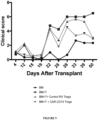
- Figure 9 shows that mice transplanted with bone marrow, T cells and CAR CD 19 Treg cells exhibited a better clinical score than mice transplanted with bone marrow alone and a clinical score similar to mice transplanted with bone marrow and T cells or bone marrow, T cells and control Treg cells.
- CAR-T cells, but not GFP-T cells caused weight loss and clinical findings consistent with a cytokine release syndrome in CD19 heterozygous mice, unexpectedly, neither CAR-T cells nor GFP-T cells adversely affected survival.
Landscapes
- Health & Medical Sciences (AREA)
- Life Sciences & Earth Sciences (AREA)
- General Health & Medical Sciences (AREA)
- Animal Behavior & Ethology (AREA)
- Public Health (AREA)
- Veterinary Medicine (AREA)
- Epidemiology (AREA)
- Chemical & Material Sciences (AREA)
- Immunology (AREA)
- Medicinal Chemistry (AREA)
- Organic Chemistry (AREA)
- Pharmacology & Pharmacy (AREA)
- Genetics & Genomics (AREA)
- Molecular Biology (AREA)
- Engineering & Computer Science (AREA)
- Biotechnology (AREA)
- Proteomics, Peptides & Aminoacids (AREA)
- Biophysics (AREA)
- Biochemistry (AREA)
- Dermatology (AREA)
- Bioinformatics & Cheminformatics (AREA)
- Chemical Kinetics & Catalysis (AREA)
- General Chemical & Material Sciences (AREA)
- Nuclear Medicine, Radiotherapy & Molecular Imaging (AREA)
- Medicines Containing Material From Animals Or Micro-Organisms (AREA)
- Medicines That Contain Protein Lipid Enzymes And Other Medicines (AREA)
- Peptides Or Proteins (AREA)
- Micro-Organisms Or Cultivation Processes Thereof (AREA)
- Cell Biology (AREA)
- Medicines Containing Antibodies Or Antigens For Use As Internal Diagnostic Agents (AREA)
- Hematology (AREA)
- Biomedical Technology (AREA)
- Developmental Biology & Embryology (AREA)
- Virology (AREA)
- Zoology (AREA)
Description
- This disclosure generally relates to immunology and, more specifically, to chimeric antigen receptor (CAR) T cell technology.
- Currently, therapies for autoimmune diseases and alloimmune diseases are limited, and typically treat the symptoms as opposed to the actual disease. Accordingly, novel therapies for autoimmune diseases and alloimmune diseases would be beneficial.
- Lee et al., Cancer Research, 2011, 71(8):2871-2881 suggests a potential of CAR-modified natural T-regulatory cells as an approach for the treatment of autoimmune diseases. Different methods of treating Graft-vs-Host Disease (GVHD) comprising the use of Tregs are disclosed in Ukena et al., Experimental Hematalogy, 2011, 39(12):1152-1160,
WO 2011/060218 A1 , Jethwa et al., Clinical Immunology, 2013, 150(1):51-63, andWO 2014/012001 A2 . - The invention is defined by the appended claims.
- In one aspect, a pharmaceutical composition for use in treating graft-vs-host disease (GVHD) in a human patient, wherein the pharmaceutical composition comprises a therapeutically effective amount of a population of modified human regulatory T cells (Treg cells), wherein the human Treg cells are modified to express a nucleic acid sequence that encodes a chimeric antigen receptor (CAR) construct, wherein the CAR construct comprises an antigen binding domain, wherein the antigen binding domain is specific for CD19 is provided.
- In some embodiments, the T cells are autologous to the human patient. In some embodiments, the T cells are allogeneic to the human patient.
- In some embodiments, the modified T cells replicate in vivo in the human patient. In some embodiments, the modified T cells form memory T cells in the human patient against B cells, plasma cells or plasmablasts expressing a ligand recognized by the antigen binding domainIn some embodiments, the effective amount of T cells is between about 10^4 to about 10^9 cells per kg body weight of the human patient (e.g., between about 10^5 and about 10^6 cells per kg body weight of the human patient). In some embodiments, the modified T cells are administered intravenously to the human patient.
- In some embodiments, the antigen binding domain is an antibody or an antigen-binding fragment thereof. In some embodiments, the antigen binding fragment is a Fab or scFv.
-
-
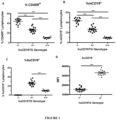
Figure 1A is a scatter graph showing the frequency of CD45R B cells in the peripheral blood of mice having the genotype indicated on the x-axis. Each symbol represents a different mouse. The "***" denotes a statistically significant difference between groups with a p-value of <0.001. -
Figure 1B is a scatter graph showing the frequency of mouse (m)CD19 B cells in the peripheral blood of mice having the genotype indicated on the x-axis. Each symbol represents a different mouse. The "***" denotes a statistically significant difference between groups with a p-value of <0.001. -
Figure 1C is a scatter graph showing that B cell frequencies, as determined by expression of the human CD19 protein, were consistent with the values determined by the other B cell-specific markers, CD45R and mouse CD19. Each symbol represents a different mouse. The "***" denotes a statistically significant difference between groups with a p-value of <0.001. -
Figure 1D is a graph showing the median fluorescence intensity (MFI), which was measured to determine the expression of human CD19 protein on mouse B cells. Each symbol represents a different mouse. The "***" denotes a statistically significant difference between groups with a p-value of <0.001. -
Figure 2 is a line graph showing that mouse T cells retrovirally transduced with a construct encoding a human CD19-specific CAR expanded significantly in vitro under the appropriate culture conditions. The y axis shows the fold expansion in cell number over 5 days relative to the starting cell number onday 1. -
Figure 3A depicts percent specific lysis, which means killing only of thehuman CD 19+ tumor targets, and not of the admixedhuman CD 19 negative tumor cells. The numbers of both cell types were determined 4 and 14 hours after the addition of varying numbers of CART-19 cells. The ratio of effector CART-19 cells to the human CD19+ tumor target cells (the E:T ratio) varied from 0 to 10. -
Figure 3B is a bar graph showing there was no off-target cytotoxicity of CART-19 cells in vitro. This is evidenced by the similar numbers of TBL12 (human CD19 negative) tumor cells in wells containing varying numbers of CART-19 cells; TBL12 cells were enumerated 4 and 14 hours after the addition of CART-19 cells in vitro. -
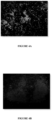
Figure 4A is a photograph showing that, in huCD19TG+/- mice, CAR T-19 cells (green) deplete B cells (red). -
Figure 4B is a photograph showing that, in control huCD19TG+/- mice, CAR T cells (green) are present but did not expand to the extent shown inFigure 4A , and that B cells (red) are plentiful and have not been depleted. -
Figure 5A is a bar graph showing the pulmonary resistance in mice measured in intubated mice that were mechanically ventilated onday 60 post-transplant. Pulmonary function tests were measured by whole-body plethysmography using the Flexivent system (Scireq) onday 60 post-transplant. All mice received bone marrow. In the absence of supplemental T cells, the mice did not develop chronic GVHD and served as the bone marrow transplant (BMT) controls. Mice receiving BM+T cells had been given supplemental T cells to induce chronic GVHD. Onday 28, indicated groups received no additional therapy or donor T cells that were transduced to express anti-CD19 ScFv CAR or a green fluorescent protein (GFP) control protein, expanded in vitro as perFigure 2 , and then infused in vivo at a dose of 0.3 x 10^6 CAR-T cells or GFP-T cells. The high resistance is indicative of chronic GVHD which is ameliorated by CAR but not GFP T cells. **P≤0.01; ****P<0.0001. -
Figure 5B is a bar graph showing the pulmonary elastance in mice after 60 days as perFigure 5A . The high elastance in chronic GVHD mice is indicative of loss of recoil properties which is restored by CAR-T cells but not GFP-T cells. **P ≤ 0.01; ***P ≤ 0.001. -
Figure 5C is a bar graph showing the compliance after 60 days as perFigure 5A . The low compliance in chronic GVHD mice is indicative of stiff lungs, which is restored by CAR-T cells but not GFP-T cells. **P ≤ 0.01; ***P ≤ 0.001; ****P ≤ 0.0001. -
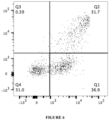
Figure 6 is a scatter graph showing that hCD19+ cells persist in recipient mice atday 4 post transplantation (from CD4- lymphocytes). -
Figure 7 is a graph showing survival of mice. -
Figure 8 is a graph showing the weight of mice. -
Figure 9 is a graph showing the clinical scores of mice after transplant. - Immunotherapeutic methods are described herein that can be used to treat an autoimmune disease or an alloimmune disease in a human patient. Such a method typically includes administering a pharmaceutical composition to the human patient that includes an effective amount of modified human T cells. The modified T cells as used herein refer to T cells that have been modified to include a nucleic acid sequence that expresses and encodes a chimeric antigen receptor (CAR). These modified T cells oftentimes are referred to as CAR-T cells. As an alternative to CAR-T cells, modified human T cells can be used, wherein the modified human T cells refer to T cells in which the T cell receptor gene has been modified so as to recognize an antigen (or peptide) on B cells, plasma cells or plasmablasts.
- CAR-T cells are known in the art and typically include a CAR construct. In addition to a nucleic acid encoding at least one antigen binding domain that is specific for any ligand that is present on B cells, plasma cells or plasmablasts, a typical CAR construct includes nucleic acids encoding a signal peptide (e.g., the signal peptide native to a scFv light chain, the signal peptide native to a scFv heavy chain), a hinge region (e.g., from CD8 alpha, CD3 or IgG1), a transmembrane domain (e.g., from CD8 alpha, CD3 zeta or CD28), a signal transmitting domain (e.g., from CD3 zeta or CD28) and, as necessary, a co-stimulatory signaling domain (e.g., from CD27, CD28 or OX40). See, for example,
U.S. Patent Nos. 8,822,647 and9,328,156 - Methods of making CAR constructs and CAR-T cells are known in the art. Methods of making CAR constructs typically include standard recombinant and molecular biology techniques. CAR constructs then can be introduced into T cells using transfection techniques that are known in the art. Alternatively, T cell receptor genes can be modified using, for example, zinc finger nucleases (see, e.g.,
US Patent No. 8,956,828 ). - The CAR construct is introduced into T cells using known methods. In some instances, the T cells are autologous to the patient (obtained from the patient, modified with the CAR construct, and introduced back into the patient), while in other instances, the T cells are allogeneic to the patient (obtained from a related or unrelated individual).
- The methods described herein can be applied to autoimmune diseases and alloimmune diseases. Exemplary non-limiting examples of autoimmune diseases include chronic graft-vs-host disease (GVHD), lupus, arthritis, immune complex glomerulonephritis, goodpasture, uveitis, hepatitis, systemic sclerosis or scleroderma, type I diabetes, multiple sclerosis, cold agglutinin disease, Pemphigus vulgaris, Grave's disease, autoimmune hemolytic anemia, Hemophilia A, Primary Sjogren's Syndrome, thrombotic thrombocytopenia purrpura, neuromyelits optica, Evan's syndrome, IgM mediated neuropathy, cyroglobulinemia, dermatomyositis, idiopathic thrombocytopenia, ankylosing spondylitis, bullous pemphigoid, acquired angioedema, chronic urticarial, antiphospholipid demyelinating polyneuropathy, and autoimmune thrombocytopenia or neutropenia or pure red cell aplasias, while exemplary non-limiting examples of alloimmune diseases include allosensitization (see, for example, Blazar et al., 2015, Am. J. Transplant., 15(4):931-41) or xenosensitization from hematopoietic or solid organ transplantation, blood transfusions, pregnancy with fetal allosensitization, neonatal alloimmune thrombocytopenia, hemolytic disease of the newborn, sensitization to foreign antigens such as can occur with replacement of inherited or acquired deficiency disorders treated with enzyme or protein replacement therapy, blood products, and gene therapy.
- Antigen binding domains that are specific for a ligand on B cells, plasma cells or plasmablasts are useful in the methods of treating autoimmune diseases or alloimmune diseases as described herein. For example, a CAR construct can contain an antigen binding domain that is specific for, without limitation, CD19, CD20, CD22, CD138, BCMA, CD319, CD10, CD24, CD27, CD38, or CD45R. In addition, a CAR construct can contain an antigen binding domain that is specific for, without limitation, an autoimmune specific antigen. Autoimmune specific antigens include, for example, the antigen that results in systemic lupus erythematosus (SLE), Graves' disease, celiac disease,
diabetes mellitus type 1, rheumatoid arthritis (RA), sarcoidosis, Sjögren's syndrome, polymyositis (PM), and dermatomyositis (DM). See, for example, Ellebrecht et al., 2016, Science, 353:179-84. - The nucleic acid sequence of a representative CAR construct is shown in SEQ ID NO:1. The CAR construct shown in SEQ ID NO:1 has an antigen binding domain that is specific for CD19 (nt 1-8 10 of SEQ ID NO:1), however, it would be understood by a skilled artisan that a CAR construct expressing any number of antigen binding domains can be used in the methods described herein. For example, Uckun et al., 2011, Brit. J. Hematol., 153:15-23;
US 2012/0141505 ; andUS Patent Nos. 5,484,892 ;5,573,924 ;6,379,668 ;7,744,877 ;8,362,211 ;9,023,999 9,034,324 - It would be appreciated that the antigen binding domain can be, for example, an antigen binding domain from an immunoglobulin, or an alpha or a beta chain of a T cell receptor (TCR), or an antigen binding domain can be an antigen binding fragment (e.g., a scFv or a Fab). It also would be appreciated that a CAR construct can be designed to have elements that express the CAR constitutively or inducibly, thus providing further control over the therapeutic ability of the CAR-T cells.
- As used herein, an effective amount of CAR-T cells refers to an amount that results in the desired therapeutic endpoint (e.g., a reduction, amelioration or elimination of symptoms, a reduction in or elimination of the autoantibodies or alloantibodies in the human patient) without resulting in toxicity to the human patient. Simply by way of example, an effective amount of CAR-T cells that are administered to a human patient can refer to between about 10^4 and about 10^9 CAR-T cells (e.g., between about 10^5 and about 10^6 CAR-T cells) per kg body weight of the human patient. It would be appreciated that a CAR-T cells typically are administered intravenously to a human patient.
- As used herein, "treatment" refers to reversing, alleviating, or inhibiting the progress of an autoimmune or alloimmune disease, or one or more symptoms associated with such an autoimmune or alloimmune disease. It would be understood that the particular therapeutic endpoint(s) that determines whether or not treatment has been achieved (e.g., whether or not a patient has been treated) will depend upon whether the patient suffers from an autoimmune disease or an alloimmune disease as well as the particular type of autoimmune or alloimmune disease. In addition, the symptoms of many autoimmune and alloimmune diseases are widespread, nonspecific and/or diffuse, so the particular therapeutic endpoint(s) also depends upon the manifestation of the particular autoimmune or alloimmune disease (e.g., the tissue or organs affected, the severity or acuteness of the disease, or the coexistence of more than one disease) in each patient. Simply by way of example, Lee et al. (2015, Biol. Blood Marrow Transplant., 21:984-999) and Jagasia et al. (2015, Biol. Blood Marrow Transplant., 21:389-401) provide therapeutic and clinical guidelines for GVHD.
- It would be appreciated by a skilled artisan that replication of the modified T cells in vivo in the human patient is indicative of successful treatment. In addition, it would be appreciated by a skilled artisan that the formation of memory T cells in the human patient also is a measure of success. It also would be appreciated by a skilled artisan that the modified T cells can persist in the human patient for a period of time of at least three months after administration (e.g., at least four months, at last five months, at least six months, at least seven months, at least eight months, at least nine months, at least ten months, at least eleven months, at least twelve months, at least two years, or at least three years after administration).
- In addition to immunotherapy, the methods described herein also can be used for research in disruption of the B cell compartment by a cellular mechanism. For example, compounds can be screened to identify those that deplete B cells (e.g., so that T cells do not receive the proper signals to cause disease) or prevents or interferes with the cooperativity that takes place between B cells and T cells and is required for B cell-mediated antibody production. Representative compounds that can be screened include, without limitation, cells, drugs, small molecules, nucleic acids (e.g., DNAs, RNAs (e.g., interfering RNA (RNAi); e.g., shRNA or siRNA), protein, peptides, and small molecules.
- Mice were used that express a human CD19 transgene (huCD19TG) exclusively in healthy B cells. These cells should be killed upon transfer of human CD19-specific CAR T cells, and should measure on target/off tumor toxicity. This provides the closest animal model to the observed on target/off tumor toxicity observed in human clinical trials of human CD19-specific CAR T cells.
- The first decision is whether to use mice that are huCD19TG homozygous (+/+) or hemizygous (+/-). The two key criteria are B cell frequencies and B cell levels of huCD19TG expression. Our goal is to choose the mouse that best models the human conditions. The huCD19TG mice are on the C57BL/6 background. The experiment below describes how B cell frequencies and huCD19TG expression levels were measured.
- 75-200 µl of blood per mouse was obtained via venipuncture of the facial vein. Blood was collected from wild type (huCD19TG-/-), hemizygous (huCD19TG+/-), and homozygous (CD19+/+) mice, and collected in a 1.5 ml Eppendorf tubes containing the anticoagulant, heparin. Fluorophore-conjugated antibodies that were specific for B cell-specific proteins were added to 75 µl blood per mouse. The antibody specificities were mouse CD19 (a B cell specific marker), human CD19 (encoded by the transgene), and mouse CD45R (a B cell-specific marker). Samples were incubated for 15-30 minutes at room temperature in the dark. Red blood cells were lysed using 1X ACK lysis buffer. The remaining white bloods cells were washed two times in FACS buffer.
- Each sample then was analyzed by flow cytometry to determine the frequencies of B cells in the lymphocyte populations. To do this, lymphocytes were selected based on their characteristic forward (FSC) and side scatter (SSC) light properties. Forward scatter measures size and side scatter measures intracellular complexity. The frequencies of lymphocytes that express mouse CD19, human CD19, and mouse CD45R were determined by dividing the number of antibody binding cells in the lymphocyte gate by the total number of cells in the lymphocyte gate.
- The data in
Figures 1A, 1B, and 1C are presented as scatter grams in which the y axis depicts the frequency of antibody binding lymphocytes and the x axis displays the lymphocyte source. The data inFigure 1D show the relative levels of the human CD19 protein expressed on peripheral blood B cells from huCD19TG+/+ and huCD19TG+/- mice. MFI is an abbreviation for median fluorescence intensity, a direct measure of specific antibody binding and, therefore, an indirect measure of the cell surface quantity of protein detected by the antibody (in this case, human CD19). - The average frequencies of B cells in peripheral blood lymphocytes in wildtype (-/-), huCD19 hemizygous (+/-), and huCD19 homozygous (+/+) mice are, respectively, 43%, 26%, and 10%. These frequencies are consistent when using either mouse CD45R or mouse CD19 to identify peripheral blood B cells. These frequencies also are consistent when using
human CD 19 to identify peripheral B cells from huCD 19TG+/+ and huCD 19TG+/- mice. It is noted that wild type mice (huCD19TG-/-) do not express the human CD19 protein and so have no lymphocytes that are detectable using an anti-human CD19 antibody. Peripheral blood B cells from huCD19TG hemizygous (+/-) mice express about half the level of human CD19 as compared to peripheral blood B cells from huCD19TG homozygous (+/+) mice. This expression level correlates with there being twice as many copies of the huCD19TG in the genomes of homozygous versus hemizygous huCD19TG mice. - Based on data presented in
Figure 1 , it was decided to use huCD19TG hemizygous (+/-) mice, rather than huCD19TG homozygous (+/+) mice, as recipients of adoptively transferred human CD19-specific CAR T cells because the frequency of peripheral blood B cells in hemizygous mice more closely approximates the frequency of peripheral blood B cells in normal, non-transgenic mice. In tumor therapy experiments, the expression levels of human CD19 on tumors can be matched with the levels on peripheral blood B cells from huCD19TG hemizygous (+/-), in order to better model the human situation. - The CAR construct, hCD19CAR, which has been used in clinical trials, was provided by Dr. Michael Jensen (University of Washington, Seattle). See, for example, SEQ ID NO:1, which contains a CD19RscFv portion (nt 1-810 of SEQ ID NO:1), an IgG4 hinge portion (nt 811-846 of SEQ ID NO:1), a CD28tm portion (nt 847-930 of SEQ ID NO:1), a 4-1BB portion (nt 931-1056 of SEQ ID NO:1), a Zeta portion (nt 1057-1392 of SEQ ID NO:1), a T2A portion (nt 1393-1464 of SEQ ID NO: 1), and a EGFRt portion (nt 1465-2538 of SEQ ID NO:1). A published protocol to expand and infect mouse T cells with the retrovirus was modified as follows.
- Magnetic beads were used to negatively enrich mouse splenocytes for conventional CD3+ alpha / beta T cells. Single cell suspensions of splenocytes were incubated with biotinylated antibodies specific for myeloid cells (CD 11b, CD11c), B cells (CD19, CD45R), NK cells (NK1), gamma / delta T cells, and T regulatory cells (CD25). Iron particles conjugated to streptavidin were added. Cells specifically bound by the biotinylated antibodies then were coated with iron particles. The tube containing the cell/iron particle cocktail was placed in a strong magnetic, and the unbound cells were removed. These "negatively enriched" cells contained between 91-95% CD3+ T cells. The in-house laboratory protocol was followed to expand and infect mouse T cells (see below).
- The amount of beads (Gibco by Life Technologies Dynabeads mouse T activator CD3/CD28) required to obtain a 2:1 bead:cell ratio was calculated. Beads were washed by diluting the required number of beads in ~3mL PBS + 2% FCS in a FACS or 15 mL tube. Suspended beads were placed into the MPC-50 magnet and beads were allowed to collect on the side of the tube for 1 min. Samples were aspirated with PBS + 2% FCS solution and the tube was removed from the magnet. Beads were resuspended in new PBS + 2% FCS4 and washed two additional times. After the last wash, beads were resuspended in up to 1 mL complete RPMI (DMEM). The washed, resuspended beads were added to T cells, making sure that the final concentration of cell is 2 x 10^6 cells/mL with a bead to cell ratio of 2:1. The cell solution was supplemented with 100 IU/mL rHuman IL-2. 2 mL of cell solution was added to each well in a 24-well tissue culture treated plate. Cells were incubated at 37°C with 5% CO2 for 48 hr.
- To prepare for spinoculation #1 (on day 0), a 24-well tissue culture plate was coated with 100 µg/mL RetroNectin in PBS. Samples were incubated at room temperature for 3 hr OR overnight at 4°C.
- Transduction of murine T cells was performed with the viral supernatant by spinoculation #1 (on day 1) as follows. A volume from each condition was pipetted and pooled into an appropriate sized Falcon tube and activated T-cells were counted from day -1. Cells were gently spun (e.g., 1200 rpm for 10 minutes) and resuspended at 2 x 10^6 cells/mL in complete RPMI (DMEM) supplemented with 100 IU of rHuman IL-2. Prior to spinoculation, the RN/PBS solution was aspirated from RetroNectin-coated plates. The wells were washed and aspirated once more with 1 mL PBS. 1 mL (or dilutions) of previously fresh or thawed viral supernatant were added per well. Immediately after adding the viral supernatant, 1 mL of T cells was added. Each well contained a total volume of 2 mL with 2 x 10^6 T cells and viral supernatant. The plate(s) were immediately centrifuged at 2,000 g (2960 rpm) at 30°C for 1 h (first spinoculation). Cells were incubated at 37°C in 5% CO2 overnight.
- For spinoculation #2 (on day 2), media from each well was aspirated, taking care not to disturb the T cells at the bottom of the well. The amount of media removed was equal to the amount of virus added to the well on
Day 1. Each well was replenished with 1 mL (or dilutions) of fresh or thawed viral supernatant. Plates were centrifuged at 2,000 g (2960 rpm) at 30°C for 1 h (second spinoculation). Cells were incubated at 37°C in 5% CO2 overnight. - On
day 3, 0.5-1 mL of media was removed from each well and 0.5-1 mL fresh complete RPMI (DMEM) media supplemented with 100 IU rHuman IL-2 was added back to each well. On days 4-7, T cell counts were obtained daily or every other day to maintain a T cell concentration of 1-2x 10^6 cells/mL for optimal expansion and viability. 1-2 wells per condition were reserved to use for counting and not for eventual ACT. On day 5, transduction efficiency of T cells was analyzed by FACS. Cells were harvested as appropriate for functional assays. On day 7, transduction efficiency of T cells was analyzed by FACS. Optimal efficiency was generally observed betweenday 6 and day 7. Cells were harvested for functional assays, typically on the day of adoptive transfer. - As shown in
Figure 2 , these experiments demonstrated that the ex vivo retroviral transductions and expansion were successful. - The human CD19 gene, along with reporter genes encoding green fluorescent protein (GFP) and luciferase, were introduced into a mouse B cell tumor called TBL12. This derivative was designated TBL12.huCD19. Both the parental TBL12 and the derivative TBL12.huCD19 lines express mouse CD19, but only the derivative line, TBL12.huCD19, expresses human CD19 and GFP. Both of these proteins are detectable by flow cytometry.
- Equal numbers of TBL12 and TBL12.huCD19 tumor cells along with varying numbers of CAR T cells taken on day 7 in the transduction protocol were combined in 24 well tissue culture plates. Cells were incubated together for either 4 or 14 hours at 37°C and then analyzed by flow cytometry as follows. A defined number of CountBright beads was added to a defined volume of cells in each FACS tube. Sorting was gated on mCD19+ targets (both TBL12 lines are mCD19+), and GFP+ and GFP- cells were quantitated (GFP+ = TBL12.hCD19; GFP- = TBL12). Triplicate measurements per condition were obtained.
- Determining the percent specific lysis was calculated as follows. The total number of target cells / FACS tube was solved ("d"): a/b = c/d where a = number of bead events collected (5000), b = total number of beads/FACS tube (18800 beads based on 20 µl at 940 beads/µl); c = cell count in GFP+ or GFP- gated population; and d = total number of gated cells/FACS tube. The TBL12/TBL12.hCD19 ratios were calculated using the absolute numbers of gated cells ("d"). The percent specific lysis = (1 - [Control ratio/Exp ratio]) x 100, where the Control = TBL12/TBL12.hCD19 ratio in the 0:1 E:T sample and the Experimental = TBL12/TBL12.hCD19 ratios in the 1:1, 3:1, 10:1 E:T samples.
- The data in
Figure 3A are presented as the percent specific lysis (y axis) of TBL12.huCD19 target cells at varying ratios of effector (CAR T cells) to target cells (x axis). Data are shown as mean percent specific lysis (from triplicate samples) ± standard error of the mean. The data inFigure 3B are presented as the absolute number of TBL12 (parental, non-target) cells/well in the various test conditions. Black columns depict cell numbers after 4 hours of culture while open columns depict cell numbers after 14 hours of culture. All the E:T ratios were significantly different from controls (0:1) within a group (Figure 3A ); all E:T ratios between groups are significantly different (Figure 3A ); and there were no significant differences in TBL12 cell numbers among treatment groups within a given culture period (Figure 3B ). - As shown in
Figure 3A and 3B , the anti-human CAR T cells specifically kill human CD19-bearing tumor targets in vitro. - Anti-human CD19 CAR T cells (0.3 x 10^6), or control T cells transduced with a retrovirus encoding the reporter protein GFP (0.3 x 10^6), were injected intravenously into huCD19TG+/- mice. After four days, mice were euthanized and their spleens removed and frozen in optimal cutting temperature tissue medium. Thin (10 µm) sections were cut on a cryostat, fixed, and stained with fluorophore-conjugated antibodies specific for endogenous B cells or the adoptively transferred T cells. Tissue images were captured by confocal microscopy at 20X magnification.
-
Figure 4A shows massive accumulation of CAR T cells (green) in the spleen of a huCD19TG+/- mouse, and no detectable endogenous B cells (red).Figure 4B shows the spleen from a control huCD19TG+/- mouse injected with T cells treated identically to the CAR T cells except the retrovirus encoded GFP, not the anti-human CD19 CAR. Endogenous B cells (red) are plentiful and the infiltrating T cells (green) are detectable but have not expanded to the extent seen inFigure 4A . The experimental results shown inFigures 4A and 4B demonstrate that CAR T cells engineered and expanded ex vivo kill human CD19+ B cells when transferred into huCD19TG+/- mice. Thus, the huCD19TG+/- model is suitable to assess on-target/off-tumor toxicity.Group N TBI Conditioning Treatment Recipients BM Splenocytes (Purified T cells) Treatment Day -1 Day -2 and -3 Day 0Day 0D28 1 10 830X 120 mg/kg Cytoxan B10.BR 10^7 B6 CD19 Tg -- -- 2 10 830X 120 mg/kg Cytoxan B10.BR 10^7 B6 CD19 Tg 0.8 x 10^5 B6 WT -- 3 10 830X 120 mg/kg Cytoxan B10.BR 10^7 B6 CD19 Tg 0.8 x 10^5 B6 WT CAR CD19 T cells iv 4 10 830X 120 mg/kg Cytoxan B10.BR 10^7 B6 CD19 Tg 0.8 x 10^5 B6 WT Transduced GFP T cells iv - Tregs were purified from LN + SP of 115 wild type (WT) B6 mice using EasySep CD4 negative selection and CD25 positive selection. Analysis showed that the resulting product contained 99.9% CD4+ CD25+. Once purified, Tregs were activated for 4 days using plate-bound anti-CD3+ (2 µg) and CD28+ antibodies (4 µg).
- Tregs were then transduced with either CAR hCD19-EGFR or Control RV-EGFR using routine methods. On day 5 post-transduction efficiency was low, so cells were transduced a second time using the same methods. On day 7 post-transduction, transduction efficiency was about 30% for both CAR hCD19 Treg cells and control Treg cells. At day 7 post-transduction, the purity was >93% for both groups, and the yield was 26.75 million CAR hCD19 Treg cells and 22.5 million control Treg cells.
Group N Donor Recipient X-Ray BM T-cell Dose Treg Dose 1 5 BALB/c hCD19-tg B6 1100 10^7 0 0 2 5 BALB/c hCD19-tg B6 1100 10^7 2.5 x 10^6 0 3 5 BALB/c hCD19-tg B6 1100 10^7 2.5 x 10^6 1.25 x 10^6 Control RV Tregs 4 5 BALB/c hCD19-tg B6 1100 10^7 2.5 x 10^6 1.25 x 10^6 hCD19-CAR Tregs -
Figure 5 shows pulmonary function after 60 days;Figure 5A shows resistance of mice without or with chronic GVHD, and chronic GVHD mice treated onday 28 with CAR-T cells or GFP-T cells. High resistance indicative of chronic GVHD was reversed by CAR-T cells but not GFP-T cells;Figure 5B shows elastance of transplantation mice without or with chronic GVHD, and chronic GVHD mice treated onday 28 with CAR-T cells or GFP-T cells. High elastance indicative of chronic GVHD was reversed by CAR-T cells but not GFP-T cells; andFigure 5C shows low compliance of transplantation mice without or with chronic GVHD, and chronic GVHD mice treated onday 28 with CAR-T cells or GFP T-cells. Low compliance indicative of chronic GVHD was reversed by CAR-T cells but not GFP-T cells. -
Figure 6 shows that hCD19+ cells persist in recipient mice at 4 days post-transplantation (from CD4- lymphocytes).Figure 7 shows that the addition of CAR CD19 Treg cells significantly improved survival of transplanted mice compared to mice transplanted with only bone marrow and T cells or mice transplanted with bone marrow and control Treg cells.Figure 8 shows that the weight loss of transplanted mice were similar, irrespective of whether T cells and/orCAR CD 19 Treg cells were delivered to the mice. Significantly,Figure 9 shows that mice transplanted with bone marrow, T cells andCAR CD 19 Treg cells exhibited a better clinical score than mice transplanted with bone marrow alone and a clinical score similar to mice transplanted with bone marrow and T cells or bone marrow, T cells and control Treg cells. Despite the fact that CAR-T cells, but not GFP-T cells, caused weight loss and clinical findings consistent with a cytokine release syndrome in CD19 heterozygous mice, unexpectedly, neither CAR-T cells nor GFP-T cells adversely affected survival.
Claims (10)
- A pharmaceutical composition for use in treating graft-vs-host disease (GVHD) in a human patient, wherein the pharmaceutical composition comprises a therapeutically effective amount of a population of modified human regulatory T cells (Treg cells), wherein the human Treg cells are modified to express a nucleic acid sequence that encodes a chimeric antigen receptor (CAR) construct, wherein the CAR construct comprises an antigen binding domain, wherein the antigen binding domain is specific for CD 19.
- The composition for the use of claim 1, wherein the Treg cells are autologous to the human patient.
- The composition for the use of claim 1, wherein the Treg cells are allogeneic to the human patient.
- The composition for the use of any of the preceding claims, wherein the modified Treg cells replicate in vivo in the human patient.
- The composition for the use of any of the preceding claims, wherein the modified Treg cells form memory T cells in the human patient against B cells, plasma cells or plasmablasts expressing a ligand recognized by the antigen binding domain.
- The composition for the use of any of the preceding claims, wherein the effective amount of Treg cells is between about 10^4 to about 10^9 cells per kg body weight of the human patient.
- The composition for the use of any of the preceding claims, wherein the effective amount of Treg cells is between about 10^5 and about 10^6 cells per kg body weight of the human patient.
- The composition for the use of any of the preceding claims, wherein the antigen binding domain is an antibody or an antigen-binding fragment thereof.
- The composition for the use of claim 8, wherein the antigen binding fragment is a Fab or scFv.
- The composition for the use of any of the preceding claims, wherein the modified Treg cells are to be administered intravenously to the human patient.
Applications Claiming Priority (3)
| Application Number | Priority Date | Filing Date | Title |
|---|---|---|---|
| US201562233908P | 2015-09-28 | 2015-09-28 | |
| EP16852441.1A EP3355937A4 (en) | 2015-09-28 | 2016-09-28 | CHIMERIC ANTIGEN RECEPTOR TYPE T LYMPHOCYTES AS SELF-EMERGING AND ALLO-IMMUNITY INTERVENTIONS |
| PCT/US2016/054076 WO2017058850A1 (en) | 2015-09-28 | 2016-09-28 | Chimeric antigen receptor (car) t cells as therapeutic interventions for auto- and allo-immunity |
Related Parent Applications (1)
| Application Number | Title | Priority Date | Filing Date |
|---|---|---|---|
| EP16852441.1A Division EP3355937A4 (en) | 2015-09-28 | 2016-09-28 | CHIMERIC ANTIGEN RECEPTOR TYPE T LYMPHOCYTES AS SELF-EMERGING AND ALLO-IMMUNITY INTERVENTIONS |
Publications (2)
| Publication Number | Publication Date |
|---|---|
| EP3858388A1 EP3858388A1 (en) | 2021-08-04 |
| EP3858388B1 true EP3858388B1 (en) | 2024-07-03 |
Family
ID=58427315
Family Applications (2)
| Application Number | Title | Priority Date | Filing Date |
|---|---|---|---|
| EP21154942.3A Active EP3858388B1 (en) | 2015-09-28 | 2016-09-28 | Chimeric antigen receptor (car) t cells as therapeutic interventions for gvhd |
| EP16852441.1A Withdrawn EP3355937A4 (en) | 2015-09-28 | 2016-09-28 | CHIMERIC ANTIGEN RECEPTOR TYPE T LYMPHOCYTES AS SELF-EMERGING AND ALLO-IMMUNITY INTERVENTIONS |
Family Applications After (1)
| Application Number | Title | Priority Date | Filing Date |
|---|---|---|---|
| EP16852441.1A Withdrawn EP3355937A4 (en) | 2015-09-28 | 2016-09-28 | CHIMERIC ANTIGEN RECEPTOR TYPE T LYMPHOCYTES AS SELF-EMERGING AND ALLO-IMMUNITY INTERVENTIONS |
Country Status (6)
| Country | Link |
|---|---|
| US (1) | US20180264038A1 (en) |
| EP (2) | EP3858388B1 (en) |
| JP (2) | JP2018534264A (en) |
| CN (1) | CN108348620A (en) |
| HK (1) | HK1258726A1 (en) |
| WO (1) | WO2017058850A1 (en) |
Families Citing this family (55)
| Publication number | Priority date | Publication date | Assignee | Title |
|---|---|---|---|---|
| CA3053539A1 (en) | 2017-02-27 | 2018-08-30 | Juno Therapeutics, Inc. | Compositions, articles of manufacture and methods related to dosing in cell therapy |
| US11166985B2 (en) | 2017-05-12 | 2021-11-09 | Crispr Therapeutics Ag | Materials and methods for engineering cells and uses thereof in immuno-oncology |
| BR112019023608A2 (en) | 2017-05-12 | 2020-05-26 | Crispr Therapeutics Ag | MATERIALS AND METHODS FOR HANDLED CELLS AND THEIR USES IN IMMUNO-ONCOLOGY |
| CN111225675B (en) | 2017-06-02 | 2024-05-03 | 朱诺治疗学股份有限公司 | Articles and methods of treatment using adoptive cell therapy |
| MA50855A (en) | 2017-11-01 | 2020-09-09 | Juno Therapeutics Inc | PROCESS FOR GENERATING THERAPEUTIC COMPOSITIONS OF MODIFIED CELLS |
| US12031975B2 (en) | 2017-11-01 | 2024-07-09 | Juno Therapeutics, Inc. | Methods of assessing or monitoring a response to a cell therapy |
| CN111373261B (en) * | 2017-11-20 | 2024-06-14 | 尤利乌斯·马克西米利安维尔茨堡大学 | CD19 CAR T cells can eliminate myeloma cells expressing very low levels of CD19 |
| EP3720480A2 (en) | 2017-12-08 | 2020-10-14 | Juno Therapeutics, Inc. | Phenotypic markers for cell therapy and related methods |
| US11311576B2 (en) * | 2018-01-22 | 2022-04-26 | Seattle Children's Hospital | Methods of use for CAR T cells |
| SG11202007606QA (en) | 2018-02-17 | 2020-09-29 | Flagship Pioneering Innovations V Inc | Compositions and methods for membrane protein delivery |
| EP3790629A1 (en) | 2018-05-11 | 2021-03-17 | CRISPR Therapeutics AG | Methods and compositions for treating cancer |
| CN109021114B (en) * | 2018-08-08 | 2020-06-09 | 武汉波睿达生物科技有限公司 | Bispecific chimeric antigen receptor combining two single-chain antibodies and expression vector |
| WO2020102503A2 (en) | 2018-11-14 | 2020-05-22 | Flagship Pioneering Innovations V, Inc. | Fusosome compositions for t cell delivery |
| AU2019378036B2 (en) | 2018-11-14 | 2026-05-07 | Flagship Pioneering Innovations V, Inc | Compositions and methods for compartment-specific cargo delivery |
| CA3120563A1 (en) | 2018-11-26 | 2020-06-04 | Nkarta, Inc. | Methods for the simultaneous expansion of multiple immune cell types, related compositions and uses of same in cancer immunotherapy |
| CN111454358A (en) * | 2019-01-18 | 2020-07-28 | 四川科伦博泰生物医药股份有限公司 | A kind of chimeric antigen receptor and its application |
| WO2020180882A1 (en) | 2019-03-05 | 2020-09-10 | Nkarta, Inc. | Cd19-directed chimeric antigen receptors and uses thereof in immunotherapy |
| AU2020267057A1 (en) | 2019-04-30 | 2021-11-18 | Crispr Therapeutics Ag | Allogeneic cell therapy of B cell malignancies using genetically engineered T cells targeting CD19 |
| US11162079B2 (en) | 2019-05-10 | 2021-11-02 | The Regents Of The University Of California | Blood type O Rh-hypo-immunogenic pluripotent cells |
| CA3224385A1 (en) * | 2019-08-16 | 2021-02-25 | H. Lee Moffitt Cancer Center And Research Institute Inc. | Chimeric antigen receptors for treating myeloid malignancies |
| AU2020341454A1 (en) | 2019-09-03 | 2022-03-10 | Sana Biotechnology, Inc. | CD24-associated particles and related methods and uses thereof |
| EP4025597A2 (en) * | 2019-09-06 | 2022-07-13 | Avectas Limited | Engineering of immune cells for ex vivo cell therapy applications |
| KR20220163940A (en) | 2020-02-04 | 2022-12-12 | 시애틀 칠드런즈 호스피탈 디/비/에이 시애틀 칠드런즈 리서치 인스티튜트 | Anti-dinitrophenol Chimeric Antigen Receptor |
| IL300516A (en) | 2020-08-13 | 2023-04-01 | Sana Biotechnology Inc | Methods of treating sensitized patients with hypoimmunogenic cells, and associated methods and compositions |
| CA3200509A1 (en) | 2020-12-31 | 2022-07-07 | Sonja SCHREPFER | Methods and compositions for modulating car-t activity |
| CA3204161A1 (en) | 2021-01-11 | 2022-07-14 | Jagesh Vijaykumar SHAH | Use of cd8-targeted viral vectors |
| IL308637A (en) | 2021-05-19 | 2024-01-01 | Sana Biotechnology Inc | Hypoimmunogenic rhd negative primary t cells |
| BR112023024434A2 (en) | 2021-05-27 | 2024-02-20 | Sana Biotechnology Inc | HYPOIMMUNOGENIC CELLS COMPRISING GENETICALLY MODIFIED HLA-E OR HLA-G |
| WO2022251712A1 (en) | 2021-05-28 | 2022-12-01 | Sana Biotechnology, Inc. | Lipid particles containing a truncated baboon endogenous retrovirus (baev) envelope glycoprotein and related methods and uses |
| EP4370544A2 (en) | 2021-07-14 | 2024-05-22 | Sana Biotechnology, Inc. | Altered expression of y chromosome-linked antigens in hypoimmunogenic cells |
| CN113663061A (en) * | 2021-08-04 | 2021-11-19 | 上海优卡迪生物医药科技有限公司 | Application of CD38 in preparation of CAR-T medicine |
| US20240344083A1 (en) | 2021-08-04 | 2024-10-17 | Sana Biotechnology, Inc. | Use of cd4-targeted viral vectors |
| AU2022325955A1 (en) | 2021-08-11 | 2024-02-08 | Sana Biotechnology, Inc. | Genetically modified cells for allogeneic cell therapy to reduce instant blood mediated inflammatory reactions |
| MX2024001443A (en) | 2021-08-11 | 2024-05-15 | Sana Biotechnology Inc | Inducible systems for altering gene expression in hypoimmunogenic cells. |
| JP2024531234A (en) | 2021-08-11 | 2024-08-29 | サナ バイオテクノロジー,インコーポレイテッド | Genetically modified primary cells for allogeneic cell therapy |
| WO2023019226A1 (en) | 2021-08-11 | 2023-02-16 | Sana Biotechnology, Inc. | Genetically modified cells for allogeneic cell therapy |
| JP2024534771A (en) | 2021-08-11 | 2024-09-26 | サナ バイオテクノロジー,インコーポレイテッド | Genetically modified cells for allogeneic cell therapy to reduce complement-mediated inflammatory responses - Patent Application 20070229633 |
| WO2023115041A1 (en) | 2021-12-17 | 2023-06-22 | Sana Biotechnology, Inc. | Modified paramyxoviridae attachment glycoproteins |
| US20250059239A1 (en) | 2021-12-17 | 2025-02-20 | Sana Biotechnology, Inc. | Modified paramyxoviridae fusion glycoproteins |
| MX2024007528A (en) | 2021-12-23 | 2024-08-30 | Sana Biotechnology Inc | CHIMERIC ANTIGEN RECEPTOR (CAR) T LYMPHOCYTES FOR THE TREATMENT OF AUTOIMMUNE DISEASES AND ASSOCIATED METHODS. |
| EP4472646A1 (en) | 2022-02-01 | 2024-12-11 | Sana Biotechnology, Inc. | Cd3-targeted lentiviral vectors and uses thereof |
| US20250302953A1 (en) | 2022-02-14 | 2025-10-02 | Sana Biotechnology, Inc. | Methods of treating patients exhibiting a prior failed therapy with hypoimmunogenic cells |
| JP2025508720A (en) | 2022-02-17 | 2025-04-10 | サナ バイオテクノロジー,インコーポレイテッド | CROSS-REFERENCE TO RELATED APPLICATIONS REGARDING ENGINEERED CD47 PROTEINS AND USES THEREOF |
| US20250222027A1 (en) | 2022-04-01 | 2025-07-10 | Sana Biotechnology, Inc. | Cytokine receptor agonist and viral vector combination therapies |
| EP4511057A1 (en) | 2022-06-06 | 2025-02-26 | Caribou Biosciences, Inc. | Treatment of autoimmune diseases with engineered immune cells |
| WO2024081820A1 (en) | 2022-10-13 | 2024-04-18 | Sana Biotechnology, Inc. | Viral particles targeting hematopoietic stem cells |
| WO2024097315A2 (en) | 2022-11-02 | 2024-05-10 | Sana Biotechnology, Inc. | Cell therapy products and methods for producing same |
| WO2024220574A1 (en) | 2023-04-18 | 2024-10-24 | Sana Biotechnology, Inc. | Universal protein g fusogens and adapter systems thereof and related lipid particles and uses |
| WO2024220560A1 (en) | 2023-04-18 | 2024-10-24 | Sana Biotechnology, Inc. | Engineered protein g fusogens and related lipid particles and methods thereof |
| WO2024220598A2 (en) | 2023-04-18 | 2024-10-24 | Sana Biotechnology, Inc. | Lentiviral vectors with two or more genomes |
| US20260014254A1 (en) | 2023-05-01 | 2026-01-15 | Caribou Bioscience, Inc. | Treatment of autoimmune diseases with bcma-targeting engineered immune cells |
| IL326710A (en) | 2023-08-23 | 2026-04-01 | Sana Biotechnology Inc | Modified cd47 proteins and their uses |
| WO2025054202A1 (en) | 2023-09-05 | 2025-03-13 | Sana Biotechnology, Inc. | Method of screening a sample comprising a transgene with a unique barcode |
| WO2025096757A1 (en) | 2023-11-01 | 2025-05-08 | Sana Biotechnology, Inc. | Hypoimmunogenic cd22-targeted car t cells for the treatment of relapsed and/or refractory b cell lymphomas |
| WO2025151838A1 (en) | 2024-01-12 | 2025-07-17 | Sana Biotechnology, Inc. | Safety switches to control in vitro and in vivo proliferation of cell therapy products |
Citations (3)
| Publication number | Priority date | Publication date | Assignee | Title |
|---|---|---|---|---|
| WO2003066072A2 (en) | 2002-02-07 | 2003-08-14 | Universite Pierre Et Marie Curie (Paris Vi) | Cell therapy using immunoregulatory t-cells |
| WO2015075468A1 (en) | 2013-11-21 | 2015-05-28 | Ucl Business Plc | Cell |
| WO2015095895A1 (en) | 2013-12-20 | 2015-06-25 | Fred Hutchinson Cancer Research Center | Tagged chimeric effector molecules and receptors thereof |
Family Cites Families (14)
| Publication number | Priority date | Publication date | Assignee | Title |
|---|---|---|---|---|
| US5573924A (en) | 1992-09-08 | 1996-11-12 | Immunex Corporation | CD27 ligand |
| US7744877B2 (en) | 1992-11-13 | 2010-06-29 | Biogen Idec Inc. | Expression and use of anti-CD20 Antibodies |
| US5484892A (en) | 1993-05-21 | 1996-01-16 | Dana-Farber Cancer Institute, Inc. | Monoclonal antibodies that block ligand binding to the CD22 receptor in mature B cells |
| US6106834A (en) | 1993-06-02 | 2000-08-22 | Research Corporation Technologies, Inc. | Use of anti-CD45 leukocyte antigen antibodies for immunomodulation |
| CA2729567C (en) | 2008-06-30 | 2018-04-24 | Kyowa Hakko Kirin Co., Ltd. | Anti-cd27 antibody |
| US8822647B2 (en) | 2008-08-26 | 2014-09-02 | City Of Hope | Method and compositions using a chimeric antigen receptor for enhanced anti-tumor effector functioning of T cells |
| KR101589785B1 (en) | 2009-03-10 | 2016-01-28 | 바이오젠 엠에이 인코포레이티드 | Anti-bcma antibodies |
| US8956828B2 (en) | 2009-11-10 | 2015-02-17 | Sangamo Biosciences, Inc. | Targeted disruption of T cell receptor genes using engineered zinc finger protein nucleases |
| WO2011060218A1 (en) * | 2009-11-13 | 2011-05-19 | The United States Of America, As Represented By The Secretary, Department Of Health And Human Services | Modulated programmed death ligand-1 |
| US20120141505A1 (en) | 2010-11-01 | 2012-06-07 | Fatih M. Uckun | Cd19-ligand and use |
| PH12013501201A1 (en) | 2010-12-09 | 2013-07-29 | Univ Pennsylvania | Use of chimeric antigen receptor-modified t cells to treat cancer |
| JOP20210044A1 (en) | 2010-12-30 | 2017-06-16 | Takeda Pharmaceuticals Co | Anti-CD38 . antibody |
| US20150290244A1 (en) * | 2012-07-13 | 2015-10-15 | The Trustees Of The University Of Pennsylvania | Use of cart19 to deplete normal b cells to induce tolerance |
| TWI654206B (en) * | 2013-03-16 | 2019-03-21 | 諾華公司 | Treatment of cancer with a humanized anti-CD19 chimeric antigen receptor |
-
2016
- 2016-09-28 WO PCT/US2016/054076 patent/WO2017058850A1/en not_active Ceased
- 2016-09-28 HK HK19101127.3A patent/HK1258726A1/en unknown
- 2016-09-28 CN CN201680062620.5A patent/CN108348620A/en active Pending
- 2016-09-28 EP EP21154942.3A patent/EP3858388B1/en active Active
- 2016-09-28 US US15/764,187 patent/US20180264038A1/en active Pending
- 2016-09-28 EP EP16852441.1A patent/EP3355937A4/en not_active Withdrawn
- 2016-09-28 JP JP2018516558A patent/JP2018534264A/en active Pending
-
2021
- 2021-10-29 JP JP2021177696A patent/JP2022023194A/en active Pending
Patent Citations (3)
| Publication number | Priority date | Publication date | Assignee | Title |
|---|---|---|---|---|
| WO2003066072A2 (en) | 2002-02-07 | 2003-08-14 | Universite Pierre Et Marie Curie (Paris Vi) | Cell therapy using immunoregulatory t-cells |
| WO2015075468A1 (en) | 2013-11-21 | 2015-05-28 | Ucl Business Plc | Cell |
| WO2015095895A1 (en) | 2013-12-20 | 2015-06-25 | Fred Hutchinson Cancer Research Center | Tagged chimeric effector molecules and receptors thereof |
Non-Patent Citations (19)
| Title |
|---|
| "Encyclopedia of Signaling Molecules", 1 January 2016, SPRINGER NEW YORK, ISBN: 978-1-4614-6438-9, article KUMAR RASHMI: "B Lymphocyte Antigen CD19", pages: 1 - 10, XP093269211, DOI: 10.1007/978-1-4614-6438-9_101837-1 |
| BLUESTONE JEFFREY A, TROTTA ELEONORA, XU DAQI: "The therapeutic potential of regulatory T cells for the treatment of autoimmune disease", EXPERT OPINION ON THERAPEUTIC TARGETS, vol. 19, no. 8, 3 August 2015 (2015-08-03), UK , pages 1091 - 1103, XP055569196, ISSN: 1472-8222, DOI: 10.1517/14728222.2015.1037282 |
| COHEN JOSÉ L., TRENADO AURÉLIE, VASEY DOUGLAS, KLATZMANN DAVID, SALOMON BENOÎT L.: "CD4+CD25+ Immunoregulatory T Cells: New Therapeutics for Graft-Versus-Host Disease", JOURNAL OF EXPERIMENTAL MEDICINE, vol. 196, no. 3, 5 August 2002 (2002-08-05), US , pages 401 - 406, XP093269195, ISSN: 0022-1007, DOI: 10.1084/jem.20020090 |
| D21 - Letter from the patentee during prosecufion filed 6 May 2022 |
| D22 - Letter from the patentee during prosecufion filed 12 October 2023 |
| DI IANNI MAURO, FALZETTI FRANCA, CAROTTI ALESSANDRA, TERENZI ADELMO, CASTELLINO FLORA, BONIFACIO ELISABETTA, PAPA BEATRICE DEL, ZE: "Tregs prevent GVHD and promote immune reconstitution in HLA-haploidentical transplantation", BLOOD, vol. 117, no. 14, 7 April 2011 (2011-04-07), pages 3921 - 3928, XP093269232, DOI: 10.1182/blood-2010-10- |
| J. C. LEE, E. HAYMAN, H. J. PEGRAM, E. SANTOS, G. HELLER, M. SADELAIN, R. BRENTJENS: "In vivo Inhibition of Human CD19-Targeted Effector T Cells by Natural T Regulatory Cells in a Xenotransplant Murine Model of B Cell Malignancy", CANCER RESEARCH, vol. 71, no. 8, 15 April 2011 (2011-04-15), pages 2871 - 2881, XP055109419, ISSN: 0008-5472, DOI: 10.1158/0008-5472.CAN-10-0552 |
| JETHWA HANNAH; ADAMI ANTONELLA A.; MAHER JOHN: "Use of gene-modified regulatory T-cells to control autoimmune and alloimmune pathology: Is now the right time?", CLINICAL IMMUNOLOGY, vol. 150, no. 1, 16 November 2013 (2013-11-16), AMSTERDAM, NL , pages 51 - 63, XP028671363, ISSN: 1521-6616, DOI: 10.1016/j.clim.2013.11.004 |
| KATHERINE G. MACDONALD, ROMY E. HOEPPLI, QING HUANG, JANA GILLIES, DAN S. LUCIANI, PAUL C. ORBAN, RAEWYN BROADY, MEGAN K. LEVINGS: "Alloantigen-specific regulatory T cells generated with a chimeric antigen receptor", THE JOURNAL OF CLINICAL INVESTIGATION, vol. 126, no. 4, 1 April 2016 (2016-04-01), pages 1413 - 1424, XP055489068, DOI: 10.1172/JCI82771 |
| NGUYEN VU H.; ZEISER ROBERT; DASILVA DANIEL L.; CHANG DAISY S.; BEILHACK ANDREAS; CONTAG CHRISTOPHER H.; NEGRIN ROBERT S.: "In vivo dynamics of regulatory T-cell trafficking and survival predict effective strategies to control graft-versus-host disease following allogeneic transplantation", BLOOD, vol. 109, no. 6, 15 March 2007 (2007-03-15), pages 2649 - 2656, XP086510387, ISSN: 0006-4971, DOI: 10.1182/blood-2006-08-044529 |
| SCHMIDT ANGELIKA, OBERLE NINA, KRAMMER PETER H.: "Molecular Mechanisms of Treg-Mediated T Cell Suppression", FRONTIERS IN IMMUNOLOGY, vol. 3, 21 March 2012 (2012-03-21), pages 1 - 20, XP055794848, DOI: 10.3389/fimmu.2012.00051 |
| SHANNON L MAUDE, TEACHEY DAVID T, PORTER DAVID L, GRUPP STEPHAN A: "CD19-targeted chimeric antigen receptor T-cell therapy for acute lymphoblastic leukemia", BLOOD, vol. 125, no. 26, 25 June 2015 (2015-06-25), pages 4017 - 4023, XP055565639, DOI: 10.1182/blood-2014-12-580068 |
| SHIMABUKURO-VORNHAGEN ALEXANDER, HALLEK MICHAEL J, STORB RAINER F, VON BERGWELT-BAILDON MICHAEL S: "The role of B cells in the pathogenesis of graft-versus-host disease", BLOOD, vol. 114, no. 24, 3 December 2009 (2009-12-03), pages 4919 - 4927, XP093269155, DOI: 10.1182/blood-2008-10-161638 |
| TOUBAI, T. ; SUN, Y. ; REDDY, P.: "GVHD pathophysiology: is acute different from chronic?", BEST PRACTICE & RESEARCH CLINICAL HAEMATOLOGY, vol. 21, no. 2, 1 June 2008 (2008-06-01), AMSTERDAM, NL , pages 101 - 117, XP022675682, ISSN: 1521-6926, DOI: 10.1016/j.beha.2008.02.005 |
| TRENADO AURÉLIE, SUDRES MURIEL, TANG QIZHI, MAURY SÉBASTIEN, CHARLOTTE FRÉDÉRIC, GRÉGOIRE SYLVIE, BONYHADI MARK, KLATZMANN DA: "Ex Vivo-Expanded CD4+CD25+ Immunoregulatory T Cells Prevent Graft-versus-Host-Disease by Inhibiting Activation/Differentiation of Pathogenic T Cells", JOURNAL OF IMMUNOLOGY, vol. 176, no. 2, 15 January 2006 (2006-01-15), pages 1266 - 1273, XP093269142, ISSN: 0022-1767, DOI: 10.4049/jimmunol.176.2.1266 |
| TRENADO AURÉLIE; CHARLOTTE FRÉDÉRIC; FISSON SYLVAIN; YAGELLO MICAEL; KLATZMANN DAVID; SALOMON BENOIT L; COHEN JOSÉ L: "Recipient-type specific CD4+CD25+ regulatory T cells favor immune reconstitution and control graft-versus-host disease while maintaining graft-versus-leukemia.", THE JOURNAL OF CLINICAL INVESTIGATION, vol. 112, no. 11, 1 December 2003 (2003-12-01), pages 1688 - 1696, XP009127461 |
| TRZONKOWSKI, P. ; BIENIASZEWSKA, M. ; JUSCINSKA, J. ; DOBYSZUK, A. ; KRZYSTYNIAK, A. ; MAREK, N. ; MYSLIWSKA, J. ; HELLMANN, A.: "First-in-man clinical results of the treatment of patients with graft versus host disease with human ex vivo expanded CD4+CD25+CD127- T regulatory cells", CLINICAL IMMUNOLOGY, vol. 133, no. 1, 1 October 2009 (2009-10-01), AMSTERDAM, NL , pages 22 - 26, XP026601595, ISSN: 1521-6616, DOI: 10.1016/j.clim.2009.06.001 |
| WEINGARTNER ELIZABETH; GOLDING AMIT: "Direct control of B cells by Tregs: An opportunity for long-term modulation of the humoral response", CELLULAR IMMUNOLOGY, vol. 318, 1 June 2017 (2017-06-01), US , pages 8 - 16, XP085134507, ISSN: 0008-8749, DOI: 10.1016/j.cellimm.2017.05.007 |
| Y. CHERNAJOVSKY, A. NISSIM: "Therapeutic Antibodies. Handbook of Experimental Pharmacology", 1 January 2008, SPRINGER- VERLAG , article ESHHAR Z.: "The T-body approach: redirecting T cells with antibody specificity", pages: 329 - 338, XP055606267, DOI: 10.1007/978-3-540-73259-4_14 |
Also Published As
| Publication number | Publication date |
|---|---|
| WO2017058850A1 (en) | 2017-04-06 |
| EP3355937A1 (en) | 2018-08-08 |
| JP2022023194A (en) | 2022-02-07 |
| JP2018534264A (en) | 2018-11-22 |
| US20180264038A1 (en) | 2018-09-20 |
| EP3858388A1 (en) | 2021-08-04 |
| HK1258726A1 (en) | 2019-11-15 |
| CN108348620A (en) | 2018-07-31 |
| EP3355937A4 (en) | 2019-04-17 |
Similar Documents
| Publication | Publication Date | Title |
|---|---|---|
| EP3858388A1 (en) | Chimeric antigen receptor (car) t cells as therapeutic interventions for auto- and allo-immunity | |
| US20250034217A1 (en) | Nucleic acid constructs for co-expression of chimeric antigen receptor and transcription factor, cells containing and therapeutic use thereof | |
| US10906984B2 (en) | CAR expression vector and CAR-expressing T cells | |
| JP2023015098A (en) | Methods and compositions for dosing in adoptive cell therapy | |
| US20240139248A1 (en) | Immunocompetent cell that expresses a cell surface molecule specifically recognizing human mesothelin, il-7 and ccl19 | |
| EP3833682B1 (en) | Suicide module compositions and methods | |
| US20230183313A1 (en) | Isolated chimeric antigen receptor, modified t cell comprising same and use thereof | |
| KR20220003586A (en) | Allogeneic cell therapy of B cell malignancies using genetically engineered T cells targeting CD19 | |
| US12365918B2 (en) | Engineered regulatory T cells | |
| CN121263436A (en) | Engineered immune cells, constructs and methods for treating disorders | |
| JP2023516538A (en) | Methods and applications for purifying UCART cells | |
| JP2022512789A (en) | T cells with suicide switch | |
| HK40057045A (en) | Chimeric antigen receptor (car) t cells as therapeutic interventions for auto- and allo-immunity | |
| WO2022031597A1 (en) | Methods of producing t regulatory cells, methods of transducing t cells, and uses of the same | |
| WO2024222701A1 (en) | T cell receptor and use thereof | |
| WO2025255030A1 (en) | Interferon gamma responsive chimeric t cell costimulatory receptor | |
| WO2025218187A1 (en) | Gene-edited tumor-infiltrating lymphocytes and t cell receptor-engineered t cells, and use thereof in immunotherapy | |
| CN121378503A (en) | Chimeric antigen receptors targeting CD19 and/or CD20 and their applications | |
| HK40068210A (en) | Allogeneic cell therapy of b cell malignancies using genetically engineered t cells targeting cd19 | |
| HK40050291A (en) | Suicide module compositions and methods | |
| HK40050291B (en) | Suicide module compositions and methods | |
| HK1235426A1 (en) | Car expression vector and car-expressing t cells | |
| HK1235426B (en) | Car expression vector and car-expressing t cells |
Legal Events
| Date | Code | Title | Description |
|---|---|---|---|
| PUAI | Public reference made under article 153(3) epc to a published international application that has entered the european phase |
Free format text: ORIGINAL CODE: 0009012 |
|
| STAA | Information on the status of an ep patent application or granted ep patent |
Free format text: STATUS: THE APPLICATION HAS BEEN PUBLISHED |
|
| AC | Divisional application: reference to earlier application |
Ref document number: 3355937 Country of ref document: EP Kind code of ref document: P |
|
| AK | Designated contracting states |
Kind code of ref document: A1 Designated state(s): AL AT BE BG CH CY CZ DE DK EE ES FI FR GB GR HR HU IE IS IT LI LT LU LV MC MK MT NL NO PL PT RO RS SE SI SK SM TR |
|
| STAA | Information on the status of an ep patent application or granted ep patent |
Free format text: STATUS: REQUEST FOR EXAMINATION WAS MADE |
|
| 17P | Request for examination filed |
Effective date: 20220202 |
|
| RBV | Designated contracting states (corrected) |
Designated state(s): AL AT BE BG CH CY CZ DE DK EE ES FI FR GB GR HR HU IE IS IT LI LT LU LV MC MK MT NL NO PL PT RO RS SE SI SK SM TR |
|
| REG | Reference to a national code |
Ref country code: HK Ref legal event code: DE Ref document number: 40057045 Country of ref document: HK |
|
| STAA | Information on the status of an ep patent application or granted ep patent |
Free format text: STATUS: EXAMINATION IS IN PROGRESS |
|
| 17Q | First examination report despatched |
Effective date: 20230706 |
|
| GRAP | Despatch of communication of intention to grant a patent |
Free format text: ORIGINAL CODE: EPIDOSNIGR1 |
|
| STAA | Information on the status of an ep patent application or granted ep patent |
Free format text: STATUS: GRANT OF PATENT IS INTENDED |
|
| INTG | Intention to grant announced |
Effective date: 20240130 |
|
| RIN1 | Information on inventor provided before grant (corrected) |
Inventor name: PENNELL, CHRISTOPHER A. Inventor name: FLYNN, RYAN P. Inventor name: BLAZAR, BRUCE R. |
|
| GRAS | Grant fee paid |
Free format text: ORIGINAL CODE: EPIDOSNIGR3 |
|
| GRAA | (expected) grant |
Free format text: ORIGINAL CODE: 0009210 |
|
| STAA | Information on the status of an ep patent application or granted ep patent |
Free format text: STATUS: THE PATENT HAS BEEN GRANTED |
|
| AC | Divisional application: reference to earlier application |
Ref document number: 3355937 Country of ref document: EP Kind code of ref document: P |
|
| AK | Designated contracting states |
Kind code of ref document: B1 Designated state(s): AL AT BE BG CH CY CZ DE DK EE ES FI FR GB GR HR HU IE IS IT LI LT LU LV MC MK MT NL NO PL PT RO RS SE SI SK SM TR |
|
| REG | Reference to a national code |
Ref country code: CH Ref legal event code: EP |
|
| REG | Reference to a national code |
Ref country code: DE Ref legal event code: R096 Ref document number: 602016088300 Country of ref document: DE |
|
| P01 | Opt-out of the competence of the unified patent court (upc) registered |
Free format text: CASE NUMBER: APP_39265/2024 Effective date: 20240702 |
|
| PGFP | Annual fee paid to national office [announced via postgrant information from national office to epo] |
Ref country code: DE Payment date: 20240927 Year of fee payment: 9 |
|
| PGFP | Annual fee paid to national office [announced via postgrant information from national office to epo] |
Ref country code: GB Payment date: 20240927 Year of fee payment: 9 |
|
| PGFP | Annual fee paid to national office [announced via postgrant information from national office to epo] |
Ref country code: FR Payment date: 20240925 Year of fee payment: 9 |
|
| REG | Reference to a national code |
Ref country code: LT Ref legal event code: MG9D |
|
| REG | Reference to a national code |
Ref country code: NL Ref legal event code: MP Effective date: 20240703 |
|
| PG25 | Lapsed in a contracting state [announced via postgrant information from national office to epo] |
Ref country code: PT Free format text: LAPSE BECAUSE OF FAILURE TO SUBMIT A TRANSLATION OF THE DESCRIPTION OR TO PAY THE FEE WITHIN THE PRESCRIBED TIME-LIMIT Effective date: 20241104 |
|
| REG | Reference to a national code |
Ref country code: AT Ref legal event code: MK05 Ref document number: 1699128 Country of ref document: AT Kind code of ref document: T Effective date: 20240703 |
|
| PG25 | Lapsed in a contracting state [announced via postgrant information from national office to epo] |
Ref country code: NL Free format text: LAPSE BECAUSE OF FAILURE TO SUBMIT A TRANSLATION OF THE DESCRIPTION OR TO PAY THE FEE WITHIN THE PRESCRIBED TIME-LIMIT Effective date: 20240703 |
|
| PG25 | Lapsed in a contracting state [announced via postgrant information from national office to epo] |
Ref country code: PT Free format text: LAPSE BECAUSE OF FAILURE TO SUBMIT A TRANSLATION OF THE DESCRIPTION OR TO PAY THE FEE WITHIN THE PRESCRIBED TIME-LIMIT Effective date: 20241104 Ref country code: NL Free format text: LAPSE BECAUSE OF FAILURE TO SUBMIT A TRANSLATION OF THE DESCRIPTION OR TO PAY THE FEE WITHIN THE PRESCRIBED TIME-LIMIT Effective date: 20240703 |
|
| PG25 | Lapsed in a contracting state [announced via postgrant information from national office to epo] |
Ref country code: NO Free format text: LAPSE BECAUSE OF FAILURE TO SUBMIT A TRANSLATION OF THE DESCRIPTION OR TO PAY THE FEE WITHIN THE PRESCRIBED TIME-LIMIT Effective date: 20241003 |
|
| PG25 | Lapsed in a contracting state [announced via postgrant information from national office to epo] |
Ref country code: FI Free format text: LAPSE BECAUSE OF FAILURE TO SUBMIT A TRANSLATION OF THE DESCRIPTION OR TO PAY THE FEE WITHIN THE PRESCRIBED TIME-LIMIT Effective date: 20240703 Ref country code: PL Free format text: LAPSE BECAUSE OF FAILURE TO SUBMIT A TRANSLATION OF THE DESCRIPTION OR TO PAY THE FEE WITHIN THE PRESCRIBED TIME-LIMIT Effective date: 20240703 Ref country code: GR Free format text: LAPSE BECAUSE OF FAILURE TO SUBMIT A TRANSLATION OF THE DESCRIPTION OR TO PAY THE FEE WITHIN THE PRESCRIBED TIME-LIMIT Effective date: 20241004 |
|
| PG25 | Lapsed in a contracting state [announced via postgrant information from national office to epo] |
Ref country code: BG Free format text: LAPSE BECAUSE OF FAILURE TO SUBMIT A TRANSLATION OF THE DESCRIPTION OR TO PAY THE FEE WITHIN THE PRESCRIBED TIME-LIMIT Effective date: 20240703 |
|
| PG25 | Lapsed in a contracting state [announced via postgrant information from national office to epo] |
Ref country code: LV Free format text: LAPSE BECAUSE OF FAILURE TO SUBMIT A TRANSLATION OF THE DESCRIPTION OR TO PAY THE FEE WITHIN THE PRESCRIBED TIME-LIMIT Effective date: 20240703 |
|
| PG25 | Lapsed in a contracting state [announced via postgrant information from national office to epo] |
Ref country code: IS Free format text: LAPSE BECAUSE OF FAILURE TO SUBMIT A TRANSLATION OF THE DESCRIPTION OR TO PAY THE FEE WITHIN THE PRESCRIBED TIME-LIMIT Effective date: 20241103 Ref country code: AT Free format text: LAPSE BECAUSE OF FAILURE TO SUBMIT A TRANSLATION OF THE DESCRIPTION OR TO PAY THE FEE WITHIN THE PRESCRIBED TIME-LIMIT Effective date: 20240703 |
|
| PG25 | Lapsed in a contracting state [announced via postgrant information from national office to epo] |
Ref country code: CZ Free format text: LAPSE BECAUSE OF FAILURE TO SUBMIT A TRANSLATION OF THE DESCRIPTION OR TO PAY THE FEE WITHIN THE PRESCRIBED TIME-LIMIT Effective date: 20240703 Ref country code: HR Free format text: LAPSE BECAUSE OF FAILURE TO SUBMIT A TRANSLATION OF THE DESCRIPTION OR TO PAY THE FEE WITHIN THE PRESCRIBED TIME-LIMIT Effective date: 20240703 |
|
| PG25 | Lapsed in a contracting state [announced via postgrant information from national office to epo] |
Ref country code: RS Free format text: LAPSE BECAUSE OF FAILURE TO SUBMIT A TRANSLATION OF THE DESCRIPTION OR TO PAY THE FEE WITHIN THE PRESCRIBED TIME-LIMIT Effective date: 20241003 Ref country code: ES Free format text: LAPSE BECAUSE OF FAILURE TO SUBMIT A TRANSLATION OF THE DESCRIPTION OR TO PAY THE FEE WITHIN THE PRESCRIBED TIME-LIMIT Effective date: 20240703 |
|
| PG25 | Lapsed in a contracting state [announced via postgrant information from national office to epo] |
Ref country code: RS Free format text: LAPSE BECAUSE OF FAILURE TO SUBMIT A TRANSLATION OF THE DESCRIPTION OR TO PAY THE FEE WITHIN THE PRESCRIBED TIME-LIMIT Effective date: 20241003 Ref country code: PL Free format text: LAPSE BECAUSE OF FAILURE TO SUBMIT A TRANSLATION OF THE DESCRIPTION OR TO PAY THE FEE WITHIN THE PRESCRIBED TIME-LIMIT Effective date: 20240703 Ref country code: NO Free format text: LAPSE BECAUSE OF FAILURE TO SUBMIT A TRANSLATION OF THE DESCRIPTION OR TO PAY THE FEE WITHIN THE PRESCRIBED TIME-LIMIT Effective date: 20241003 Ref country code: LV Free format text: LAPSE BECAUSE OF FAILURE TO SUBMIT A TRANSLATION OF THE DESCRIPTION OR TO PAY THE FEE WITHIN THE PRESCRIBED TIME-LIMIT Effective date: 20240703 Ref country code: IS Free format text: LAPSE BECAUSE OF FAILURE TO SUBMIT A TRANSLATION OF THE DESCRIPTION OR TO PAY THE FEE WITHIN THE PRESCRIBED TIME-LIMIT Effective date: 20241103 Ref country code: HR Free format text: LAPSE BECAUSE OF FAILURE TO SUBMIT A TRANSLATION OF THE DESCRIPTION OR TO PAY THE FEE WITHIN THE PRESCRIBED TIME-LIMIT Effective date: 20240703 Ref country code: GR Free format text: LAPSE BECAUSE OF FAILURE TO SUBMIT A TRANSLATION OF THE DESCRIPTION OR TO PAY THE FEE WITHIN THE PRESCRIBED TIME-LIMIT Effective date: 20241004 Ref country code: FI Free format text: LAPSE BECAUSE OF FAILURE TO SUBMIT A TRANSLATION OF THE DESCRIPTION OR TO PAY THE FEE WITHIN THE PRESCRIBED TIME-LIMIT Effective date: 20240703 Ref country code: ES Free format text: LAPSE BECAUSE OF FAILURE TO SUBMIT A TRANSLATION OF THE DESCRIPTION OR TO PAY THE FEE WITHIN THE PRESCRIBED TIME-LIMIT Effective date: 20240703 Ref country code: CZ Free format text: LAPSE BECAUSE OF FAILURE TO SUBMIT A TRANSLATION OF THE DESCRIPTION OR TO PAY THE FEE WITHIN THE PRESCRIBED TIME-LIMIT Effective date: 20240703 Ref country code: BG Free format text: LAPSE BECAUSE OF FAILURE TO SUBMIT A TRANSLATION OF THE DESCRIPTION OR TO PAY THE FEE WITHIN THE PRESCRIBED TIME-LIMIT Effective date: 20240703 Ref country code: AT Free format text: LAPSE BECAUSE OF FAILURE TO SUBMIT A TRANSLATION OF THE DESCRIPTION OR TO PAY THE FEE WITHIN THE PRESCRIBED TIME-LIMIT Effective date: 20240703 |
|
| REG | Reference to a national code |
Ref country code: DE Ref legal event code: R026 Ref document number: 602016088300 Country of ref document: DE |
|
| PLBI | Opposition filed |
Free format text: ORIGINAL CODE: 0009260 |
|
| PLAB | Opposition data, opponent's data or that of the opponent's representative modified |
Free format text: ORIGINAL CODE: 0009299OPPO |
|
| PLAX | Notice of opposition and request to file observation + time limit sent |
Free format text: ORIGINAL CODE: EPIDOSNOBS2 |
|
| PG25 | Lapsed in a contracting state [announced via postgrant information from national office to epo] |
Ref country code: DK Free format text: LAPSE BECAUSE OF FAILURE TO SUBMIT A TRANSLATION OF THE DESCRIPTION OR TO PAY THE FEE WITHIN THE PRESCRIBED TIME-LIMIT Effective date: 20240703 Ref country code: SM Free format text: LAPSE BECAUSE OF FAILURE TO SUBMIT A TRANSLATION OF THE DESCRIPTION OR TO PAY THE FEE WITHIN THE PRESCRIBED TIME-LIMIT Effective date: 20240703 Ref country code: RO Free format text: LAPSE BECAUSE OF FAILURE TO SUBMIT A TRANSLATION OF THE DESCRIPTION OR TO PAY THE FEE WITHIN THE PRESCRIBED TIME-LIMIT Effective date: 20240703 |
|
| PG25 | Lapsed in a contracting state [announced via postgrant information from national office to epo] |
Ref country code: MC Free format text: LAPSE BECAUSE OF FAILURE TO SUBMIT A TRANSLATION OF THE DESCRIPTION OR TO PAY THE FEE WITHIN THE PRESCRIBED TIME-LIMIT Effective date: 20240703 Ref country code: EE Free format text: LAPSE BECAUSE OF FAILURE TO SUBMIT A TRANSLATION OF THE DESCRIPTION OR TO PAY THE FEE WITHIN THE PRESCRIBED TIME-LIMIT Effective date: 20240703 |
|
| PG25 | Lapsed in a contracting state [announced via postgrant information from national office to epo] |
Ref country code: SK Free format text: LAPSE BECAUSE OF FAILURE TO SUBMIT A TRANSLATION OF THE DESCRIPTION OR TO PAY THE FEE WITHIN THE PRESCRIBED TIME-LIMIT Effective date: 20240703 Ref country code: IT Free format text: LAPSE BECAUSE OF FAILURE TO SUBMIT A TRANSLATION OF THE DESCRIPTION OR TO PAY THE FEE WITHIN THE PRESCRIBED TIME-LIMIT Effective date: 20240703 |
|
| REG | Reference to a national code |
Ref country code: CH Ref legal event code: PL |
|
| 26 | Opposition filed |
Opponent name: STRAWMAN LIMITED Effective date: 20250402 |
|
| R26 | Opposition filed (corrected) |
Opponent name: STRAWMAN LIMITED Effective date: 20250402 |
|
| PG25 | Lapsed in a contracting state [announced via postgrant information from national office to epo] |
Ref country code: LU Free format text: LAPSE BECAUSE OF NON-PAYMENT OF DUE FEES Effective date: 20240928 |
|
| REG | Reference to a national code |
Ref country code: BE Ref legal event code: MM Effective date: 20240930 |
|
| PG25 | Lapsed in a contracting state [announced via postgrant information from national office to epo] |
Ref country code: BE Free format text: LAPSE BECAUSE OF NON-PAYMENT OF DUE FEES Effective date: 20240930 |
|
| PG25 | Lapsed in a contracting state [announced via postgrant information from national office to epo] |
Ref country code: CH Free format text: LAPSE BECAUSE OF NON-PAYMENT OF DUE FEES Effective date: 20240930 |
|
| PG25 | Lapsed in a contracting state [announced via postgrant information from national office to epo] |
Ref country code: IE Free format text: LAPSE BECAUSE OF NON-PAYMENT OF DUE FEES Effective date: 20240928 |
|
| PLBB | Reply of patent proprietor to notice(s) of opposition received |
Free format text: ORIGINAL CODE: EPIDOSNOBS3 |
|
| PG25 | Lapsed in a contracting state [announced via postgrant information from national office to epo] |
Ref country code: SE Free format text: LAPSE BECAUSE OF FAILURE TO SUBMIT A TRANSLATION OF THE DESCRIPTION OR TO PAY THE FEE WITHIN THE PRESCRIBED TIME-LIMIT Effective date: 20240703 |
|
| PLAY | Examination report in opposition despatched + time limit |
Free format text: ORIGINAL CODE: EPIDOSNORE2 |
|
| PLAP | Information related to despatch of examination report in opposition + time limit deleted |
Free format text: ORIGINAL CODE: EPIDOSDORE2 |
|
| PLAY | Examination report in opposition despatched + time limit |
Free format text: ORIGINAL CODE: EPIDOSNORE2 |
|
| PLAB | Opposition data, opponent's data or that of the opponent's representative modified |
Free format text: ORIGINAL CODE: 0009299OPPO |
|
| R26 | Opposition filed (corrected) |
Opponent name: STRAWMAN LIMITED Effective date: 20250402 |
|
| PG25 | Lapsed in a contracting state [announced via postgrant information from national office to epo] |
Ref country code: CY Free format text: LAPSE BECAUSE OF FAILURE TO SUBMIT A TRANSLATION OF THE DESCRIPTION OR TO PAY THE FEE WITHIN THE PRESCRIBED TIME-LIMIT; INVALID AB INITIO Effective date: 20160928 |
|
| PG25 | Lapsed in a contracting state [announced via postgrant information from national office to epo] |
Ref country code: HU Free format text: LAPSE BECAUSE OF FAILURE TO SUBMIT A TRANSLATION OF THE DESCRIPTION OR TO PAY THE FEE WITHIN THE PRESCRIBED TIME-LIMIT; INVALID AB INITIO Effective date: 20160928 |
|
| PLAP | Information related to despatch of examination report in opposition + time limit deleted |
Free format text: ORIGINAL CODE: EPIDOSDORE2 |
|
| RDAF | Communication despatched that patent is revoked |
Free format text: ORIGINAL CODE: EPIDOSNREV1 |