EP3850807B1 - Secure device-bound edge workload delivery - Google Patents
Secure device-bound edge workload delivery Download PDFInfo
- Publication number
- EP3850807B1 EP3850807B1 EP19739811.8A EP19739811A EP3850807B1 EP 3850807 B1 EP3850807 B1 EP 3850807B1 EP 19739811 A EP19739811 A EP 19739811A EP 3850807 B1 EP3850807 B1 EP 3850807B1
- Authority
- EP
- European Patent Office
- Prior art keywords
- workload
- secure cloud
- edge device
- identifier
- nonce
- Prior art date
- Legal status (The legal status is an assumption and is not a legal conclusion. Google has not performed a legal analysis and makes no representation as to the accuracy of the status listed.)
- Active
Links
Images



Classifications
-
- G—PHYSICS
- G06—COMPUTING OR CALCULATING; COUNTING
- G06F—ELECTRIC DIGITAL DATA PROCESSING
- G06F9/00—Arrangements for program control, e.g. control units
- G06F9/06—Arrangements for program control, e.g. control units using stored programs, i.e. using an internal store of processing equipment to receive or retain programs
- G06F9/46—Multiprogramming arrangements
- G06F9/50—Allocation of resources, e.g. of the central processing unit [CPU]
- G06F9/5061—Partitioning or combining of resources
- G06F9/5072—Grid computing
-
- G—PHYSICS
- G06—COMPUTING OR CALCULATING; COUNTING
- G06F—ELECTRIC DIGITAL DATA PROCESSING
- G06F8/00—Arrangements for software engineering
- G06F8/60—Software deployment
-
- G—PHYSICS
- G06—COMPUTING OR CALCULATING; COUNTING
- G06F—ELECTRIC DIGITAL DATA PROCESSING
- G06F21/00—Security arrangements for protecting computers, components thereof, programs or data against unauthorised activity
- G06F21/50—Monitoring users, programs or devices to maintain the integrity of platforms, e.g. of processors, firmware or operating systems
- G06F21/52—Monitoring users, programs or devices to maintain the integrity of platforms, e.g. of processors, firmware or operating systems during program execution, e.g. stack integrity ; Preventing unwanted data erasure; Buffer overflow
- G06F21/53—Monitoring users, programs or devices to maintain the integrity of platforms, e.g. of processors, firmware or operating systems during program execution, e.g. stack integrity ; Preventing unwanted data erasure; Buffer overflow by executing in a restricted environment, e.g. sandbox or secure virtual machine
-
- G—PHYSICS
- G06—COMPUTING OR CALCULATING; COUNTING
- G06F—ELECTRIC DIGITAL DATA PROCESSING
- G06F21/00—Security arrangements for protecting computers, components thereof, programs or data against unauthorised activity
- G06F21/50—Monitoring users, programs or devices to maintain the integrity of platforms, e.g. of processors, firmware or operating systems
- G06F21/57—Certifying or maintaining trusted computer platforms, e.g. secure boots or power-downs, version controls, system software checks, secure updates or assessing vulnerabilities
-
- H—ELECTRICITY
- H04—ELECTRIC COMMUNICATION TECHNIQUE
- H04L—TRANSMISSION OF DIGITAL INFORMATION, e.g. TELEGRAPHIC COMMUNICATION
- H04L63/00—Network architectures or network communication protocols for network security
- H04L63/06—Network architectures or network communication protocols for network security for supporting key management in a packet data network
- H04L63/062—Network architectures or network communication protocols for network security for supporting key management in a packet data network for key distribution, e.g. centrally by trusted party
-
- H—ELECTRICITY
- H04—ELECTRIC COMMUNICATION TECHNIQUE
- H04L—TRANSMISSION OF DIGITAL INFORMATION, e.g. TELEGRAPHIC COMMUNICATION
- H04L67/00—Network arrangements or protocols for supporting network services or applications
- H04L67/34—Network arrangements or protocols for supporting network services or applications involving the movement of software or configuration parameters
-
- H—ELECTRICITY
- H04—ELECTRIC COMMUNICATION TECHNIQUE
- H04L—TRANSMISSION OF DIGITAL INFORMATION, e.g. TELEGRAPHIC COMMUNICATION
- H04L9/00—Cryptographic mechanisms or cryptographic arrangements for secret or secure communications; Network security protocols
- H04L9/08—Key distribution or management, e.g. generation, sharing or updating, of cryptographic keys or passwords
- H04L9/0861—Generation of secret information including derivation or calculation of cryptographic keys or passwords
- H04L9/0866—Generation of secret information including derivation or calculation of cryptographic keys or passwords involving user or device identifiers, e.g. serial number, physical or biometrical information, DNA, hand-signature or measurable physical characteristics
-
- H—ELECTRICITY
- H04—ELECTRIC COMMUNICATION TECHNIQUE
- H04L—TRANSMISSION OF DIGITAL INFORMATION, e.g. TELEGRAPHIC COMMUNICATION
- H04L9/00—Cryptographic mechanisms or cryptographic arrangements for secret or secure communications; Network security protocols
- H04L9/08—Key distribution or management, e.g. generation, sharing or updating, of cryptographic keys or passwords
- H04L9/0861—Generation of secret information including derivation or calculation of cryptographic keys or passwords
- H04L9/0869—Generation of secret information including derivation or calculation of cryptographic keys or passwords involving random numbers or seeds
-
- H—ELECTRICITY
- H04—ELECTRIC COMMUNICATION TECHNIQUE
- H04L—TRANSMISSION OF DIGITAL INFORMATION, e.g. TELEGRAPHIC COMMUNICATION
- H04L9/00—Cryptographic mechanisms or cryptographic arrangements for secret or secure communications; Network security protocols
- H04L9/08—Key distribution or management, e.g. generation, sharing or updating, of cryptographic keys or passwords
- H04L9/0894—Escrow, recovery or storing of secret information, e.g. secret key escrow or cryptographic key storage
- H04L9/0897—Escrow, recovery or storing of secret information, e.g. secret key escrow or cryptographic key storage involving additional devices, e.g. trusted platform module [TPM], smartcard or USB
Definitions
- a workload server computing device that receives a workload encryption key from a workload client computing device over a network.
- the workload encryption key is encrypted with a public encryption key of the workload server computing device.
- the workload server computing device decrypts the workload encryption key using a private encryption key of the workload server computing device corresponding to the public encryption key.
- the workload server computing device receives a workload from the workload client computing device over the network.
- the workload is encrypted with the workload encryption key.
- the workload server computing device decrypts the workload using the workload encryption key, and executes the decrypted workload for the workload client computing device.
- the object of the invention is to provide enhanced secure deploying of a secure workload to an edge device. This object is solved by the subject matter of the independent claims. Preferred embodiments are defined in the dependent claims.
- An example system of any previous system further includes means for transmitting the nonce form the one or more workload provisioning servers to the edge device as part of the packaged secure cloud workload.
- An example system of any previous system further includes means for transmitting the nonce from the one or more workload provisioning servers to the edge device separately from the packaged secure cloud workload.
- An example computing system of any previous computing system is provided, where the network communications interface transmits the nonce to the edge device as part of the packaged secure cloud workload.
- An example computing system of any previous computing system is provided, where the network communications interface transmits the nonce to the edge device separately from the packaged secure cloud workload.
- An example computing system of any previous computing system is provided, where the secure cloud workload is configured to be executed by the edge device.
- An example computing system of any previous computing system is provided, where the secure cloud workload is configured to be executed by the edge device is a trusted execution environment.
- An example computing system of any previous computing system is provided, where the generated unique packaging key is configured to be stored in a trusted platform module and the secure cloud workload is configured to be executed outside of the trusted platform module.
- the process also includes encrypting, by the one or more workload provisioning servers, the packaged secure cloud workload to the edge device, the edge device being configured to independently cryptographically generate the unique packaging key using the device identifier, the workload identifier, and the nonce.
- the edge device is further configured to decrypt the packaged secure cloud workload using the generated unique packaging key cryptographically generated by the edge device.
- Another example one or more tangible processor-readable storage media are embodied with instructions for executing on one or more processors and circuits of a device a process of any preceding process, further including transmitting the nonce from the one or more workload provisioning servers to the edge device as part of the packaged secure cloud workload.
- FIG. 1 Another example one or more tangible processor-readable storage media are embodied with instructions for executing on one or more processors and circuits of a device a process of any preceding process, where the secure cloud workload is configured to be executed by the edge device.
- FIG. 1 Another example one or more tangible processor-readable storage media are embodied with instructions for executing on one or more processors and circuits of a device a process of any preceding process, where the secure cloud workload is configured to be executed by the edge device in a trusted execution environment.
- Another example one or more tangible processor-readable storage media are embodied with instructions for executing on one or more processors and circuits of a device a process of any preceding process, where the generated unique packaging key is configured to be stored in a trusted platform module and the secure cloud workload is configured to be executed outside of the trusted platform module.
- An article of manufacture may comprise a tangible storage medium to store logic.
- Examples of a storage medium may include one or more types of computer-readable storage media capable of storing electronic data, including volatile memory or non-volatile memory, removable or non-removable memory, erasable or non-erasable memory, writeable or rewriteable memory, and so forth.
- Examples of the logic may include various software elements, such as software components, programs, applications, computer programs, application programs, system programs, machine programs, operating system software, middleware, firmware, software modules, routines, subroutines, operation segments, methods, procedures, software interfaces, application program interfaces (API), instruction sets, computing code, computer code, code segments, computer code segments, words, values, symbols, or any combination thereof.
- API application program interfaces
- an article of manufacture may store executable computer program instructions that, when executed by a computer, cause the computer to perform methods and/or operations in accordance with the described embodiments.
- the executable computer program instructions may include any suitable type of code, such as source code, compiled code, interpreted code, executable code, static code, dynamic code, and the like.
- the executable computer program instructions may be implemented according to a predefined computer language, manner or syntax, for instructing a computer to perform a certain operation segment.
- the instructions may be implemented using any suitable high-level, low-level, object-oriented, visual, compiled and/or interpreted programming language.
- the implementations described herein are implemented as logical steps in one or more computer systems.
- the logical operations may be implemented (1) as a sequence of processor-implemented steps executing in one or more computer systems and (2) as interconnected machine or circuit modules within one or more computer systems.
- the implementation is a matter of choice, dependent on the performance requirements of the computer system being utilized. Accordingly, the logical operations making up the implementations described herein are referred to variously as operations, steps, objects, or modules.
- logical operations may be performed in any order, unless explicitly claimed otherwise or a specific order is inherently necessitated by the claim language.
Landscapes
- Engineering & Computer Science (AREA)
- Computer Security & Cryptography (AREA)
- Theoretical Computer Science (AREA)
- Software Systems (AREA)
- General Engineering & Computer Science (AREA)
- Signal Processing (AREA)
- Computer Networks & Wireless Communication (AREA)
- Physics & Mathematics (AREA)
- Computer Hardware Design (AREA)
- General Physics & Mathematics (AREA)
- Mathematical Physics (AREA)
- Computing Systems (AREA)
- Mobile Radio Communication Systems (AREA)
Description
- Moving some aspects of workload execution, such as artificial intelligence modules, from the cloud to edge devices can improve workload execution speed and can allow for execution of a workload without a connection to the cloud. However, the workload may not be as secure on the edge device as on the cloud.
US 2017/0359170 A1 describes a workload server computing device that receives a workload encryption key from a workload client computing device over a network. The workload encryption key is encrypted with a public encryption key of the workload server computing device. The workload server computing device decrypts the workload encryption key using a private encryption key of the workload server computing device corresponding to the public encryption key. The workload server computing device receives a workload from the workload client computing device over the network. The workload is encrypted with the workload encryption key. The workload server computing device decrypts the workload using the workload encryption key, and executes the decrypted workload for the workload client computing device. - The object of the invention is to provide enhanced secure deploying of a secure workload to an edge device.
This object is solved by the subject matter of the independent claims.
Preferred embodiments are defined in the dependent claims. - In at least one implementation, the disclosed technology provides for packaging a secure cloud workload at a workload provisioning service. A unique device identifier is received from an edge device. The unique identifier is associated with the edge device. A unique packaging key is cryptographically generated based on the received unique device identifier, a unique workload identifier corresponding to a secure cloud workload to be executed on the edge device, and a nonce. The secure cloud workload is encrypted to generate a packaged secure cloud workload using the cryptographically generated unique packaging key. The encrypted secure cloud workload is transmitted to the edge device. The edge device is capable of independently cryptographically generating the unique packaging key using the unique device identifier, the unique workload identifier, and the nonce. The edge device is also capable of decrypting the packaged secure cloud workload using the generated unique packaging key cryptographically generated by the edge device.
- This summary is provided to introduce a selection of concepts in a simplified form that are further described below in the Detailed Description. This summary is not intended to identify key features or essential features of the claimed subject matter, nor is it intended to be used to limit the scope of the claimed subject matter.
- Other implementations are also described and recited herein.
-
-
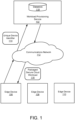
FIG. 1 illustrates an example workload provisioning service in communication with edge devices through a communications network. -
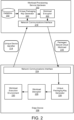
FIG. 2 illustrates an example workload provisioning service delivering an encrypted secure cloud workload to an edge device. -
FIG. 3 illustrates example operations for generating an encrypted secure cloud workload for an edge device at a workload provisioning service. -
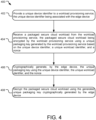
FIG. 4 illustrates example operations for receiving and processing a secure cloud workload received from a workload provisioning service at an edge device. -
FIG. 5 illustrates an example computing device for use in generating an encrypted secure cloud workload. -
FIG. 6 illustrates an example computing device for use in processing an encrypted secure cloud workload. - When a workload is executed on an edge device instead of in the cloud, the execution of the workload may be faster, partially because an internet connection may not be required. However, it is often less secure to execute a workload on an edge device, because the edge device may be more susceptible to corruption or unauthorized entry. Using a unique packaging key that is separately generated at both a workload provisioning service and at the edge device makes execution of workloads on edge devices more secure.
-
FIG. 1 illustrates an example workloadprovisioning service hardware 102 in communication withedge devices communications network 112. Generally, the workloadprovisioning service hardware 102 is comprised of one or more workload provisioning servers and includes adatastore 118 including workloads for various edge devices, such as theedge devices - The workload
provisioning service hardware 102 may send workloads to any of theedge devices communications network 112. Some workloads may include sensitive, confidential, or otherwise restricted data that may be encrypted before being sent over thecommunications network 112. The workloadprovisioning service hardware 102 may encrypt and package the workload before sending it to an edge device (i.e., theedge device 106. The workload is encrypted using a unique packaging key unique to the workload and the device. The unique packaging key is generated by the workloadprovisioning service hardware 102. The encrypted workload is communicated to theedge device 106. Theedge device 106 separately generates the unique packaging key to decrypt the workload before execution of the workload. - The
edge device 106 communicates a unique device identifier 114 to the workloadprovisioning service hardware 102 using thecommunications network 112. Theedge device 106 may communicate the unique device identifier 114 in response to a request from the workloadprovisioning service hardware 102 or as part of a request from theedge device 106 to the workloadprovisioning service hardware 102. The unique device identifier 114 may be a unique string of characters corresponding to theedge device 106. - The workload
provisioning service hardware 102 uses the unique device identifier 114 along with a unique workload identifier and a nonce to generate the unique packaging key. The unique workload identifier corresponds to the workload. The nonce may be generated by the workloadprovisioning service hardware 102 or may be requested by the workload provisioning service. The workloadprovisioning service hardware 102 uses the unique packaging key to encrypt the secure cloud workload to generate a packaged secure cloud workload 116. -
FIG. 2 illustrates an exampleworkload provisioning service 202 delivering an encrypted secure cloud workload 216 to anedge device 206. Theworkload provisioning service 202 includes at least anetwork communications interface 218, a uniquepackaging key generator 220, aworkload encryptor 222, and adatastore 232. - The
network communications interface 218 receives aunique device identifier 214 from theedge device 206. In some implementations, theedge device 206 may communicate theunique device identifier 214 to theworkload provisioning service 202 in response to a request from theworkload provisioning service 202. In other implementations, theedge device 206 may communicate theunique device identifier 214 to theworkload provisioning service 202 as part of a request by theedge device 206 for a workload from theworkload provisioning service 202. - The
unique device identifier 214 is communicated to the uniquepackaging key generator 220. The uniquepackaging key generator 220 generates a unique packaging key corresponding to the secure cloud workload and to theedge device 206 using theunique device identifier 214, a unique workload identifier corresponding to the secure cloud workload to be communicated to theedge device 206, and a nonce. The nonce may be generated by a nonce generator located on theworkload provisioning service 202 on thedatastore 232 or may be retrieved by theworkload provisioning service 202 via a communications network. - The generated unique packaging key is used by the
workload encryptor 222 to encrypt the secure cloud workload to be sent to theedge device 206. The secure cloud workload may be stored on a datastore located on theworkload provisioning service 202 accessible by theworkload encryptor 222, along with other secure cloud workloads for various edge devices. In some implementations, the secure cloud workload may be stored in another location communicatively connected to theworkload provisioning service 202. - Along with encrypting the secure cloud workload, the
workload encryptor 222 may, in some implementations, further package the secure cloud workload for communication to theedge device 206. For example, theworkload encryptor 222 may, in some implementations, package the nonce for communication with the encrypted secure cloud workload as a single package. Theworkload encryptor 222 then communicates a packaged secure cloud workload 216 to theedge device 206 by communicating the packaged secure cloud workload 216 to thenetwork communications interface 218. Thenetwork communications interface 218 communicates the packaged secure cloud workload 216 to theedge device 206 over a communications network. - The
edge device 206 receives the packaged secure cloud workload 216 at anetwork communications interface 224. Thenetwork communications interface 224 communicates the packaged secure cloud workload 216 to a unique packagingkey generator 226 on theedge device 206. The unique packagingkey generator 226 cryptographically generates the unique packaging key using the unique device identifier, the unique workload identifier, and the nonce. The unique workload identifier may be communicated in a package with the packaged secure cloud workload 216. In some implementations, the nonce may also be communicated in the package with the packaged secure cloud workload 216. In other implementations, the nonce may be separately received by theedge device 206 from theworkload provisioning service 202. - The unique packaging
key generator 226 communicates the packaged secure cloud workload 216 and the generated unique packaging key to aworkload decryptor 228. In some implementations, theworkload decryptor 228 may be a trusted platform module (TPM) or part of a trusted execution environment (TEE) so that the unique packaging key is protected in a secure enclave. Theworkload decryptor 228 uses the generated unique packaging key to decrypt the secure cloud workload. Theworkload decryptor 228 then communicates the secure cloud workload to a workload execution environment 330. When theworkload decryptor 228 is a TPM, theworkload decryptor 228 communicates the secure cloud workload to theworkload execution environment 230 outside of the secure enclave of the TPM. - When the
workload decryptor 228 is part of a TEE, theworkload execution environment 230 may be either fully or partially within the secure enclave. In some implementations, theworkload execution environment 230 may be located partially within the secure enclave of the TEE. When theworkload execution environment 230 is located partially within the secure enclave of the TEE, portions of the secure cloud workload requiring sensitive information or data may be executed within the secure enclave, while the remainder of the workload may be executed in a less secure portion of theworkload execution environment 230. -
FIG. 3 illustratesexample operations 300 for generating an encrypted secure cloud workload for an edge device at a workload provisioning service. A receivingoperation 302 receives a unique device identifier from an edge device. The unique device identifier is associated with the edge device. In some implementations, the edge device may send the unique device identifier to the workload provisioning service in response to a request from the workload provisioning service. In other implementations, the edge device may send the unique device identifier to the workload provisioning service as part of a request for a workload from the edge device to the workload provisioning service. - A generating
operation 304 cryptographically generates a unique packaging key based on the received unique device identifier, a unique workload identifier corresponding to a secure cloud workload to be executed on the edge device, and a nonce. The nonce may be generated by a nonce generator that is part of the workload provisioning service. Alternatively, the workload provisioning service may receive the nonce from a nonce generator through a communications network. The nonce is unique to the generation of the unique packaging key for the secure cloud workload on the edge device. The unique workload identifier corresponds to the secure cloud workload and may, in some implementations, be retrieved from a datastore located on the workload provisioning service. In other implementations, the unique workload identifier may be stored at another location and retrieved by the workload provisioning service via a communications network. - An encrypting
operation 306 encrypts the secure cloud workload to generate a packaged secure cloud workload using the cryptographically generated unique packaging key. In some implementations, encrypting the secure cloud workload may include further packaging the secure cloud workload for communication to the edge device. For example, in some implementations, the nonce may be packaged for communication with the packaged secure cloud workload as a single package. - A transmitting
operation 308 transmits the packaged secure cloud workload to the edge device. The edge device is capable of independently cryptographically generating the unique packaging key using the unique device identifier, the unique workload identifier, and the nonce. The edge device is also capable of decrypting the packaged secure cloud workload using the generated unique packaging key cryptographically generated by the edge device. The packaged secure cloud workload is transmitted over a communications network and sent from a network communications interface of the workload provisioning service to a network communications interface of the edge device. -
FIG. 4 illustratesexample operations 400 for receiving and processing a secure cloud workload received from a workload provisioning service at an edge device. A providingoperation 402 provides a unique device identifier to a workload provisioning service. The unique device identifier is associated with the edge device. The unique device identifier may be provided to the workload provisioning service in response to a request from the workload provisioning service. The unique device identifier may also be provided to the workload provisioning service as part of a request from the edge device to the workload provisioning service for a particular workload. - A receiving
operation 404 receives a packaged secure cloud workload from the workload provisioning service. The packaged secure cloud workload is encrypted by the workload provisioning service using a unique packaging key generated by the workload provisioning service based on the unique device identifier, a unique workload identifier, and a nonce. In some implementations, the packaged secure cloud workload may include other information, including the nonce and unique workload identifier. - A generating
operation 406 cryptographically generates, by the edge device, the unique packaging key using the unique device identifier, the unique workload identifier, and the nonce. The unique workload identifier may be communicated in a package with the packaged secure cloud workload. In some implementations, the nonce may also be communicated in the package with the packaged secure cloud workload. In other implementations, the nonce may be separately received by the edge device from the workload provisioning service. - A decrypting
operation 408 decrypts the packaged secure cloud workload using the cryptographically generated unique packaging key cryptographically generated by the edge device. The decryptingoperation 408 may occur at a workload decryptor of the edge device. In some implementations, the workload decryptor may be a trusted platform module (TPM) or part of a trusted execution environment (TEE) so that the unique packaging key is protected in a secure enclave. The workload decryptor uses the generated unique packaging key to decrypt the secure cloud workload. - When the workload decryptor is a TPM, the workload decryptor communicates the secure cloud workload to a workload execution environment outside of the secure enclave of the TPM. When the workload decryptor is part of a TEE, the workload may be executed either wholly or partially within the secure enclave of the TEE.
-
FIG. 5 illustrates an example computing device for use in generating an encrypted secure cloud workload. Theexample computing device 500 may be used to generate a packaged secure cloud workload for processing by an edge device. Thecomputing device 500 may be a client device, such as a laptop, mobile device, desktop, tablet, or a server/cloud device. Thecomputing device 500 includes one or more processor(s) 502, and amemory 504. Thememory 504 generally includes both volatile memory (e.g., RAM) and non-volatile memory (e.g., flash memory). Anoperating system 510 resides in thememory 504 and is executed by the processor(s) 502. - One or more modules or segments, such as a
workload provisioning service 540 are loaded into theoperating system 510 on thememory 504 and/orstorage 520 and executed by the processor(s) 502. The modules may include theworkload provisioning service 540 implemented by a unique packagingkey generator 542 and aworkload encryptor 544. The unique packagingkey generator 542 cryptographically generates a unique packaging key for encrypting a secure cloud workload. Theworkload encryptor 544 uses the generated unique packaging key to encrypt a secure cloud workload for communication to an edge device. Thestorage 520 may be local to thecomputing device 500 or may be remote and communicatively connected to thecomputing device 500 and may include another server. Thestorage 520 may store resources that are requestable by client devices (not shown). - The
computing device 500 includes apower supply 516, which is powered by one or more batteries or other power sources and which provides power to other components of thecomputing device 500. Thepower supply 516 may also be connected to an external power source that overrides or recharges the built-in batteries or other power sources. - The
computing device 500 may include one ormore communication transceivers 530 which may be connected to one or more antenna(s) 532 to provide network connectivity (e.g., mobile phone network, Wi-Fi®, Bluetooth®) to one or more other servers and/or client devices (e.g., mobile devices, desktop computers, or laptop computers). Thecomputing device 500 may further include anetwork adapter 536, which is a type of communication device. Thecomputing device 500 may use the adapter and any other types of communication devices for establishing connections over a wide-area network (WAN) or local-area network (LAN). It should be appreciated that the network connections shown are exemplary and that other communications devices and means for establishing a communications link between thecomputing device 500 and other devices may be used. - The
computing device 500 may include one ormore input devices 534 such that a user may enter commands and information (e.g., a keyboard or mouse). These and other input devices may be coupled to the server by one ormore interfaces 538 such as a serial port interface, parallel port, or universal serial bus (USB). Thecomputing device 500 may further include adisplay 522 such as a touch screen display. - The
computing device 500 may include a variety of tangible processor-readable storage media and intangible processor-readable communication signals. Tangible processor-readable storage can be embodied by any available media that can be accessed by thecomputing device 500 and includes both volatile and nonvolatile storage media, removable and non-removable storage media. Tangible processor-readable storage media excludes intangible communications signals and includes volatile and nonvolatile, removable and non-removable storage media implemented in any method or technology for storage of information such as processor-readable instructions, data structures, program modules or other data. Tangible processor-readable storage media includes, but is not limited to, RAM, ROM, EEPROM, flash memory or other memory technology, CDROM, digital versatile disks (DVD) or other optical disk storage, magnetic cassettes, magnetic tape, magnetic disk storage or other magnetic storage devices, or any other tangible medium which can be used to store the desired information and which can be accessed by thecomputing device 500. In contrast to tangible processor-readable storage media, intangible processor-readable communication signals may embody processor-readable instructions, data structures, program modules or other data resident in a modulated data signal, such as a carrier wave or other signal transport mechanism. The term "modulated data signal" means a signal that has one or more of its characteristics set or changed in such a manner as to encode information in the signal. By way of example, and not limitation, intangible communication signals include signals traveling through wired media such as a wired network or direct-wired connection, and wireless media such as acoustic, RF, infrared, and other wireless media. -
FIG. 6 illustrates an example computing device for use in processing an encrypted secure cloud workload. Theexample computing device 600 may be used to process a packaged secure cloud workload received from a workload provisioning service. Thecomputing device 600 may be a client device, such as a laptop, mobile device, desktop, tablet, or a server/cloud device. Thecomputing device 600 includes one or more processor(s) 602, and amemory 604. Thememory 604 generally includes both volatile memory (e.g., RAM) and non-volatile memory (e.g., flash memory). Anoperating system 610 resides in thememory 604 and is executed by the processor(s) 602. - One or more modules or segments, such as a
secure workload processor 640 are loaded into theoperating system 610 on thememory 604 and/orstorage 620 and executed by the processor(s) 602. The modules may include thesecure workload processor 640 implemented by a unique packagingkey generator 642, aworkload decryptor 644, and aworkload execution environment 646. Thestorage 620 may be local to thecomputing device 600 or may be remote and communicatively connected to thecomputing device 600 and may include another server. Thestorage 620 may store resources that are requestable by client devices (not shown). - The
computing device 600 includes apower supply 616, which is powered by one or more batteries or other power sources and which provides power to other components of thecomputing device 600. Thepower supply 616 may also be connected to an external power source that overrides or recharges the built-in batteries or other power sources. - The
computing device 600 may include one ormore communication transceivers 630 which may be connected to one or more antenna(s) 632 to provide network connectivity (e.g., mobile phone network, Wi-Fi®, Bluetooth®) to one or more other servers and/or client devices (e.g., mobile devices, desktop computers, or laptop computers). Thecomputing device 600 may further include anetwork adapter 636, which is a type of communication device. Thecomputing device 600 may use the adapter and any other types of communication devices for establishing connections over a wide-area network (WAN) or local-area network (LAN). It should be appreciated that the network connections shown are exemplary and that other communications devices and means for establishing a communications link between thecomputing device 600 and other devices may be used. - The
computing device 600 may include one ormore input devices 634 such that a user may enter commands and information (e.g., a keyboard or mouse). These and other input devices may be coupled to the server by one ormore interfaces 638 such as a serial port interface, parallel port, or universal serial bus (USB). Thecomputing device 600 may further include adisplay 622 such as a touch screen display. - The
computing device 600 may include a variety of tangible processor-readable storage media and intangible processor-readable communication signals. Tangible processor-readable storage can be embodied by any available media that can be accessed by thecomputing device 600 and includes both volatile and nonvolatile storage media, removable and non-removable storage media. Tangible processor-readable storage media excludes intangible communications signals and includes volatile and nonvolatile, removable and non-removable storage media implemented in any method or technology for storage of information such as processor-readable instructions, data structures, program modules or other data. Tangible processor-readable storage media includes, but is not limited to, RAM, ROM, EEPROM, flash memory or other memory technology, CDROM, digital versatile disks (DVD) or other optical disk storage, magnetic cassettes, magnetic tape, magnetic disk storage or other magnetic storage devices, or any other tangible medium which can be used to store the desired information and which can be accessed by thecomputing device 600. In contrast to tangible processor-readable storage media, intangible processor-readable communication signals may embody processor-readable instructions, data structures, program modules or other data resident in a modulated data signal, such as a carrier wave or other signal transport mechanism. The term "modulated data signal" means a signal that has one or more of its characteristics set or changed in such a manner as to encode information in the signal. By way of example, and not limitation, intangible communication signals include signals traveling through wired media such as a wired network or direct-wired connection, and wireless media such as acoustic, RF, infrared, and other wireless media. - An example method of securely deploying, to an edge device, a secure cloud workload with a workload identifier uniquely identifying the secure cloud workload from a workload provisioning service including one or more workload provisioning servers is provided. The method includes receiving, at the one or more workload provisioning servers, a device identifier uniquely identifying the edge device and cryptographically generating, by the one or more workload provisioning servers, a unique packaging key based on the received device identifier, the workload identifier, and a nonce. The method further includes encrypting, by the one or more workload provisioning servers, the secure cloud workload to generate a packaged secure cloud workload using the cryptographically generated unique packaging key. The method also includes transmitting, from the one or more workload provisioning servers, the packaged secure cloud workload to the edge device, the edge device being configured to independently cryptographically generate the unique packaging key using the device identifier, the workload identifier, and the nonce, the edge device being further configured to decrypt the packaged secure cloud workload using the generated unique packaging key cryptographically generated by the edge device.
- A method of any previous method is provided, where the nonce is generated by the one or more workload provisioning servers.
- A method of any previous method is provided, where the method also includes transmitting the nonce from the one or more workload provisioning servers to the edge device as part of the packaged secure cloud workload.
- A method of any previous method is provided, where the method also includes transmitting the nonce from the one or more workload provisioning servers to the edge device separately from the packaged secure cloud workload.
- A method of any previous method is provided, where the secure cloud workload is configured to be executed by the edge device.
- A method of any previous method is provided, where the secure cloud workload is configured to be executed by the edge device in a trusted execution environment.
- A method of any previous method is provided, where the generated unique packaging key is configured to be stored in a trusted platform module and the secure cloud workload is configured to be executed outside of the trusted platform module.
- An example system for securely deploying, to an edge device, a secure cloud workload with a workload identifier uniquely identifying the secure cloud workload form a workload provisioning service including one or more workload provisioning servers is provided. The system includes means for receiving, at the one or more workload provisioning servers, a device identifier uniquely identifying the edge device and for cryptographically generating, by the one or more workload provisioning servers, a unique packaging key based on the received device identifier, the workload identifier, and a nonce. The system also includes means for encrypting, by the one or more workload provisioning servers, the secure cloud workload to generate a packaged secure cloud workload using the cryptographically generated unique packaging key. The system also includes means for transmitting, from the one or more workload provisioning servers, the packaged secure cloud workload to the edge device, the edge device being configured to independently cryptographically generate the unique packaging key using the device identifier, the workload identifier, and the nonce, the edge device being further configured to decrypt the packaged secure cloud workload using the generated unique packaging key cryptographically generated by the edge device.
- An example system of any previous system is provided, where the nonce is generated by the one or more workload provisioning servers.
- An example system of any previous system further includes means for transmitting the nonce form the one or more workload provisioning servers to the edge device as part of the packaged secure cloud workload.
- An example system of any previous system further includes means for transmitting the nonce from the one or more workload provisioning servers to the edge device separately from the packaged secure cloud workload.
- An example system of any previous system is provided, where the secure cloud workload is configured to be executed by the edge device.
- An example system of any previous system is provided, where the secure cloud workload is configured to be executed by the edge device in a trusted execution environment.
- An example system of any previous system is provided, where the generated unique packaging key is configured to be stored in a trusted platform module and the secure cloud workload is configured to be executed outside of the trusted platform module.
- An example computing device for securely deploying, to an edge device, a secure cloud workload with a workload identifier uniquely identifying the secure cloud workload from a workload provisioning service including one or more workload provisioning servers is provided. The computing device includes a unique packaging key generator configured receive a device identifier uniquely identifying the edge device and to cryptographically generate a unique packaging key based on the received device identifier, the workload identifier, and a nonce. The computing device further includes a workload encryptor configured to encrypt the secure cloud workload to generate a packaged secure cloud workload using the cryptographically generated unique packaging key. The computing device also includes a network communications interface configured to transmit the packaged secure cloud workload to the edge device, the edge device being configured to independently cryptographically generate the unique packaging key using the device identifier, the workload identifier, and the nonce, the edge device being further configured to decrypt the packaged secure cloud workload using the generated unique packaging key cryptographically generated by the edge device.
- An example computing system of any previous computing system is provided, where the network communications interface is further configured to transmit the nonce to the edge device.
- An example computing system of any previous computing system is provided, where the network communications interface transmits the nonce to the edge device as part of the packaged secure cloud workload.
- An example computing system of any previous computing system is provided, where the network communications interface transmits the nonce to the edge device separately from the packaged secure cloud workload.
- An example computing system of any previous computing system is provided, where the secure cloud workload is configured to be executed by the edge device.
- An example computing system of any previous computing system is provided, where the secure cloud workload is configured to be executed by the edge device is a trusted execution environment.
- An example computing system of any previous computing system is provided, where the generated unique packaging key is configured to be stored in a trusted platform module and the secure cloud workload is configured to be executed outside of the trusted platform module.
- Example one or more tangible processor-readable storage media are embodied with instructions for executing on one or more processors and circuits of a computing device a process for securely deploying, to an edge device, a secure cloud workload with a workload identifier uniquely identifying the secure cloud workload from a workload provisioning service including one or more workload provisioning servers. The process includes receiving, at the one or more workload provisioning servers, a device identifier uniquely identifying the edge device and cryptographically generating, by the one or more workload provisioning servers, a unique packaging key based on the received device identifier, the workload identifier, and a nonce. The process also includes encrypting, by the one or more workload provisioning servers, the packaged secure cloud workload to the edge device, the edge device being configured to independently cryptographically generate the unique packaging key using the device identifier, the workload identifier, and the nonce. The edge device is further configured to decrypt the packaged secure cloud workload using the generated unique packaging key cryptographically generated by the edge device.
- Another example one or more tangible processor-readable storage media are embodied with instructions for executing on one or more processors and circuits of a device a process of any preceding process, further including transmitting the nonce from the one or more workload provisioning servers to the edge device as part of the packaged secure cloud workload.
- Another example one or more tangible processor-readable storage media are embodied with instructions for executing on one or more processors and circuits of a device a process of any preceding process, further including transmitting the nonce from the one or more workload provisioning servers to the edge device separately from the packaged secure cloud workload.
- Another example one or more tangible processor-readable storage media are embodied with instructions for executing on one or more processors and circuits of a device a process of any preceding process, where the secure cloud workload is configured to be executed by the edge device.
- Another example one or more tangible processor-readable storage media are embodied with instructions for executing on one or more processors and circuits of a device a process of any preceding process, where the secure cloud workload is configured to be executed by the edge device in a trusted execution environment.
- Another example one or more tangible processor-readable storage media are embodied with instructions for executing on one or more processors and circuits of a device a process of any preceding process, where the generated unique packaging key is configured to be stored in a trusted platform module and the secure cloud workload is configured to be executed outside of the trusted platform module.
- Some implementations may comprise an article of manufacture. An article of manufacture may comprise a tangible storage medium to store logic. Examples of a storage medium may include one or more types of computer-readable storage media capable of storing electronic data, including volatile memory or non-volatile memory, removable or non-removable memory, erasable or non-erasable memory, writeable or rewriteable memory, and so forth. Examples of the logic may include various software elements, such as software components, programs, applications, computer programs, application programs, system programs, machine programs, operating system software, middleware, firmware, software modules, routines, subroutines, operation segments, methods, procedures, software interfaces, application program interfaces (API), instruction sets, computing code, computer code, code segments, computer code segments, words, values, symbols, or any combination thereof. In one implementation, for example, an article of manufacture may store executable computer program instructions that, when executed by a computer, cause the computer to perform methods and/or operations in accordance with the described embodiments. The executable computer program instructions may include any suitable type of code, such as source code, compiled code, interpreted code, executable code, static code, dynamic code, and the like. The executable computer program instructions may be implemented according to a predefined computer language, manner or syntax, for instructing a computer to perform a certain operation segment. The instructions may be implemented using any suitable high-level, low-level, object-oriented, visual, compiled and/or interpreted programming language.
- The implementations described herein are implemented as logical steps in one or more computer systems. The logical operations may be implemented (1) as a sequence of processor-implemented steps executing in one or more computer systems and (2) as interconnected machine or circuit modules within one or more computer systems. The implementation is a matter of choice, dependent on the performance requirements of the computer system being utilized. Accordingly, the logical operations making up the implementations described herein are referred to variously as operations, steps, objects, or modules. Furthermore, it should be understood that logical operations may be performed in any order, unless explicitly claimed otherwise or a specific order is inherently necessitated by the claim language.
Claims (15)
- A method of securely deploying, to an edge device (106, 108, 110, 206), a secure cloud workload (216) with a workload identifier uniquely identifying the secure cloud workload from a workload provisioning service (202) including one or more workload provisioning servers, the method comprising:receiving (302), at the one or more workload provisioning servers, a device identifier (114, 214) uniquely identifying the edge device;cryptographically generating (304), by the one or more workload provisioning servers, a unique packaging key based on the received device identifier, the workload identifier, and a nonce;encrypting (306), by the one or more workload provisioning servers, the secure cloud workload to generate a packaged secure cloud workload using the cryptographically generated unique packaging key; andtransmitting (308), from the one or more workload provisioning servers, the packaged secure cloud workload to the edge device, the edge device being configured to independently cryptographically generate the unique packaging key using the device identifier, the workload identifier, and the nonce, the edge device being further configured to decrypt the packaged secure cloud workload using the generated unique packaging key cryptographically generated by the edge device.
- The method of claim 1, wherein the nonce is generated by the one or more workload provisioning servers.
- The method of claim 1, further comprising:
transmitting the nonce from the one or more workload provisioning servers to the edge device as part of the packaged secure cloud workload. - The method of claim 1, further comprising:
transmitting the nonce from the one or more workload provisioning servers to the edge device separately from the packaged secure cloud workload. - The method of claim 1, wherein the secure cloud workload is configured to be executed by the edge device.
- The method of claim 5, wherein the secure cloud workload is configured to be executed by the edge device in a trusted execution environment.
- The method of claim 5, wherein the generated unique packaging key is configured to be stored in a trusted platform module and the secure cloud workload is configured to be executed outside of the trusted platform module.
- A system comprising an edge device (106, 108, 110, 206) and a computing device (500) for securely deploying, to the edge device, a secure cloud workload (216) with a workload identifier uniquely identifying the secure cloud workload from a workload provisioning service (202) including one or more workload provisioning servers, the computing device comprising:a unique packaging key generator (220) configured to receive a device identifier (114, 214) uniquely identifying the edge device and to cryptographically generate a unique packaging key based on the received device identifier, the workload identifier, and a nonce;a workload encryptor (222) configured to encrypt the secure cloud workload to generate a packaged secure cloud workload using the cryptographically generated unique packaging key; anda network communications interface (218) configured to transmit the packaged secure cloud workload to the edge device,wherein the edge device is configured to:independently cryptographically generate the unique packaging key using the device identifier, the workload identifier, and the nonce; anddecrypt the packaged secure cloud workload using the generated unique packaging key cryptographically generated by the edge device.
- The system of claim 8, wherein the network communications interface of the computing device is further configured to transmit the nonce to the edge device.
- The system of claim 9, wherein the network communications interface of the computing device transmits the nonce to the edge device as part of the packaged secure cloud workload.
- The system of claim 9, wherein the network communications interface of the computing device transmits the nonce to the edge device separately from the packaged secure cloud workload.
- The system of claim 8, wherein the secure cloud workload is configured to be executed by the edge device.
- The system of claim 12, wherein the secure cloud workload is configured to be executed by the edge device in a trusted execution environment.
- The computing system of claim 12, wherein the generated unique packaging key is configured to be stored in a trusted platform module and the secure cloud workload is configured to be executed outside of the trusted platform module.
- One or more tangible processor-readable storage media (504) embodied with instructions for executing on one or more processors (502) and circuits of a computing device (500) a process for securely deploying, to an edge device (106, 108, 110, 206), a secure cloud workload (216) with a workload identifier uniquely identifying the secure cloud workload from a workload provisioning service (220) including one or more workload provisioning servers, the process comprising:receiving (302), at the one or more workload provisioning servers, a device identifier (114, 214) uniquely identifying the edge device;cryptographically generating (304), by the one or more workload provisioning servers, a unique packaging key based on the received device identifier, the workload identifier, and a nonce;encrypting (306), by the one or more workload provisioning servers, the secure cloud workload to generate a packaged secure cloud workload using the cryptographically generated unique packaging key; andtransmitting (308), from the one or more workload provisioning servers, the packaged secure cloud workload to the edge device, the edge device being configured to independently cryptographically generate the unique packaging key using the device identifier, the workload identifier, and the nonce, the edge device being further configured to decrypt the packaged secure cloud workload using the generated unique packaging key cryptographically generated by the edge device.
Applications Claiming Priority (2)
| Application Number | Priority Date | Filing Date | Title |
|---|---|---|---|
| US16/132,174 US11106441B2 (en) | 2018-09-14 | 2018-09-14 | Secure device-bound edge workload delivery |
| PCT/US2019/038839 WO2020055479A1 (en) | 2018-09-14 | 2019-06-25 | Secure device-bound edge workload delivery |
Publications (2)
| Publication Number | Publication Date |
|---|---|
| EP3850807A1 EP3850807A1 (en) | 2021-07-21 |
| EP3850807B1 true EP3850807B1 (en) | 2025-04-02 |
Family
ID=67263093
Family Applications (1)
| Application Number | Title | Priority Date | Filing Date |
|---|---|---|---|
| EP19739811.8A Active EP3850807B1 (en) | 2018-09-14 | 2019-06-25 | Secure device-bound edge workload delivery |
Country Status (3)
| Country | Link |
|---|---|
| US (2) | US11106441B2 (en) |
| EP (1) | EP3850807B1 (en) |
| WO (1) | WO2020055479A1 (en) |
Families Citing this family (10)
| Publication number | Priority date | Publication date | Assignee | Title |
|---|---|---|---|---|
| US11106441B2 (en) | 2018-09-14 | 2021-08-31 | Microsoft Technology Licensing, Llc | Secure device-bound edge workload delivery |
| US10834017B2 (en) * | 2018-11-11 | 2020-11-10 | International Business Machines Corporation | Cloud-driven hybrid data flow and collection |
| DE102018009903A1 (en) * | 2018-12-20 | 2020-06-25 | Volkswagen Aktiengesellschaft | Device for a vehicle for outsourcing computing power |
| EP4040741B1 (en) * | 2019-10-01 | 2026-05-27 | NTT DOCOMO BUSINESS, Inc. | Setting device, communication system, setting method, and program |
| EP4040740A4 (en) * | 2019-10-01 | 2023-06-07 | NTT Communications Corporation | ADJUSTMENT DEVICE, COMMUNICATION SYSTEM, ADJUSTMENT METHOD, AND PROGRAM |
| CN112264309B (en) * | 2020-09-30 | 2022-12-27 | 北京京东振世信息技术有限公司 | Package sorting method, server and storage medium |
| US11475140B1 (en) | 2020-11-24 | 2022-10-18 | Amazon Technologies, Inc. | Enclave-based cryptography services in edge computing environments |
| CN112866197A (en) * | 2020-12-31 | 2021-05-28 | 北京安御道合科技有限公司 | Password edge calculation method and system for realizing security of terminal of Internet of things and terminal |
| EP4437685A4 (en) * | 2021-11-23 | 2025-07-16 | Intel Corp | CUSTOMER KEY PROTECTION FOR CLOUD-NATIV DEPLOYMENTS |
| US20230185624A1 (en) * | 2022-08-06 | 2023-06-15 | Intel Corporation | Adaptive framework to manage workload execution by computing device including one or more accelerators |
Citations (1)
| Publication number | Priority date | Publication date | Assignee | Title |
|---|---|---|---|---|
| WO2016032975A1 (en) * | 2014-08-28 | 2016-03-03 | Cryptography Research, Inc. | Generating a device identification key from a base key for authentication with a network |
Family Cites Families (44)
| Publication number | Priority date | Publication date | Assignee | Title |
|---|---|---|---|---|
| US20020019932A1 (en) * | 1999-06-10 | 2002-02-14 | Eng-Whatt Toh | Cryptographically secure network |
| US7757280B2 (en) * | 2006-01-17 | 2010-07-13 | International Business Machines Corporation | Method and system for memory protection and security using credentials |
| US20070283170A1 (en) | 2006-06-05 | 2007-12-06 | Kabushiki Kaisha Toshiba | System and method for secure inter-process data communication |
| US8402277B2 (en) * | 2006-09-12 | 2013-03-19 | Kyocera Document Solutions Inc. | Secure mailbox printing system with authentication on both host and device |
| JP2008269246A (en) | 2007-04-19 | 2008-11-06 | Oki Data Corp | Image forming apparatus |
| US8566838B2 (en) * | 2011-03-11 | 2013-10-22 | Novell, Inc. | Techniques for workload coordination |
| EP2689375B1 (en) | 2011-03-21 | 2021-09-15 | Irdeto B.V. | System and method for securely binding and node-locking program execution to a trusted signature authority |
| US8948399B2 (en) | 2011-05-27 | 2015-02-03 | Novell, Inc. | Dynamic key management |
| US9038083B2 (en) | 2012-02-09 | 2015-05-19 | Citrix Systems, Inc. | Virtual machine provisioning based on tagged physical resources in a cloud computing environment |
| US8719590B1 (en) | 2012-06-18 | 2014-05-06 | Emc Corporation | Secure processing in multi-tenant cloud infrastructure |
| JP5968156B2 (en) | 2012-08-08 | 2016-08-10 | キヤノン株式会社 | Job processing system, information processing system, job processing method, information processing method, and program |
| US9215249B2 (en) | 2012-09-29 | 2015-12-15 | Intel Corporation | Systems and methods for distributed trust computing and key management |
| CN105027494B (en) | 2013-03-14 | 2018-03-23 | 英特尔公司 | The data processing of trust in public cloud |
| CN104468458B (en) | 2013-09-12 | 2018-09-11 | 中国电信股份有限公司 | Method and system and migration agency of the Client Work load migration to cloud environment |
| US8745390B1 (en) * | 2013-11-13 | 2014-06-03 | Google Inc. | Mutual authentication and key exchange for inter-application communication |
| US9792427B2 (en) | 2014-02-07 | 2017-10-17 | Microsoft Technology Licensing, Llc | Trusted execution within a distributed computing system |
| US9928080B2 (en) * | 2014-09-30 | 2018-03-27 | International Business Machines Corporation | Hardware security module access management in a cloud computing environment |
| US9825954B2 (en) | 2015-05-26 | 2017-11-21 | Holonet Security, Inc. | Stateful user device identification and binding for cloud application security |
| US10178164B2 (en) | 2015-08-31 | 2019-01-08 | Visa International Service Association | Secure binding of software application to communication device |
| US9578063B1 (en) * | 2015-11-20 | 2017-02-21 | International Business Machines Corporation | Application self-service for assured log management in cloud environments |
| US10616266B1 (en) * | 2016-03-25 | 2020-04-07 | Fireeye, Inc. | Distributed malware detection system and submission workflow thereof |
| US10616249B2 (en) * | 2016-03-31 | 2020-04-07 | Intel Corporation | Adaptive internet of things edge device security |
| US10277407B2 (en) | 2016-04-19 | 2019-04-30 | Microsoft Technology Licensing, Llc | Key-attestation-contingent certificate issuance |
| US10581603B2 (en) | 2016-05-06 | 2020-03-03 | ZeroDB, Inc. | Method and system for secure delegated access to encrypted data in big data computing clusters |
| WO2017193108A2 (en) | 2016-05-06 | 2017-11-09 | ZeroDB, Inc. | Encryption for distributed storage and processing |
| US10298388B2 (en) * | 2016-06-10 | 2019-05-21 | Lenovo Enterprise Solutions (Singapore) Pte. Ltd. | Workload encryption key |
| EP3270321B1 (en) * | 2016-07-14 | 2020-02-19 | Kontron Modular Computers SAS | Technique for securely performing an operation in an iot environment |
| US10721067B2 (en) | 2016-08-10 | 2020-07-21 | Lenovo Enterprise Solutions (Singapore) Pte. Ltd. | Secure processor for multi-tenant cloud workloads |
| EP3497614B1 (en) | 2016-08-10 | 2022-01-05 | Nextlabs, Inc. | Sharing encrypted documents within and outside an organization |
| WO2018112482A1 (en) | 2016-12-15 | 2018-06-21 | Alibaba Group Holding Limited | Method and system for distributing attestation key and certificate in trusted computing |
| US20180191718A1 (en) * | 2016-12-29 | 2018-07-05 | Ingram Micro Inc. | Technologies for securely extending cloud service apis in a cloud service marketplace |
| US11068606B2 (en) | 2017-09-20 | 2021-07-20 | Citrix Systems, Inc. | Secured encrypted shared cloud storage |
| US10372628B2 (en) * | 2017-09-29 | 2019-08-06 | Intel Corporation | Cross-domain security in cryptographically partitioned cloud |
| US10826889B2 (en) * | 2017-10-26 | 2020-11-03 | Cisco Techology, Inc. | Techniques for onboarding devices based on multifactor authentication |
| US10671737B2 (en) * | 2017-11-10 | 2020-06-02 | Intel Corporation | Cryptographic memory ownership table for secure public cloud |
| US10756776B2 (en) * | 2017-12-01 | 2020-08-25 | Ram Photonics, LLC | Method and system for spread spectrum code acquisition |
| US10887293B2 (en) * | 2018-03-20 | 2021-01-05 | International Business Machines Corporation | Key identifiers in an obliviousness pseudorandom function (OPRF)-based key management service (KMS) |
| EP3777253B1 (en) * | 2018-04-11 | 2023-09-27 | Ookla, LLC | Wireless network service assessment |
| US20200092263A1 (en) | 2018-09-14 | 2020-03-19 | Microsoft Technology Licensing, Llc | Secure device-bound edge workload receipt |
| US11106441B2 (en) * | 2018-09-14 | 2021-08-31 | Microsoft Technology Licensing, Llc | Secure device-bound edge workload delivery |
| US11074198B2 (en) * | 2018-09-18 | 2021-07-27 | Micron Technology, Inc. | Key management in computer processors |
| WO2020205741A1 (en) * | 2019-03-29 | 2020-10-08 | Apple Inc. | Resource allocation and user multiplexing capacity enhancements for interlace based physical uplink control channel formats in new radio (nr)-unlicensed |
| US11226867B2 (en) * | 2019-04-29 | 2022-01-18 | Hewlett Packard Enterprise Development Lp | Backups of file system instances of encrypted data objects |
| US11580234B2 (en) * | 2019-06-29 | 2023-02-14 | Intel Corporation | Implicit integrity for cryptographic computing |
-
2018
- 2018-09-14 US US16/132,174 patent/US11106441B2/en active Active
-
2019
- 2019-06-25 WO PCT/US2019/038839 patent/WO2020055479A1/en not_active Ceased
- 2019-06-25 EP EP19739811.8A patent/EP3850807B1/en active Active
-
2021
- 2021-08-02 US US17/391,777 patent/US11573778B2/en active Active
Patent Citations (1)
| Publication number | Priority date | Publication date | Assignee | Title |
|---|---|---|---|---|
| WO2016032975A1 (en) * | 2014-08-28 | 2016-03-03 | Cryptography Research, Inc. | Generating a device identification key from a base key for authentication with a network |
Also Published As
| Publication number | Publication date |
|---|---|
| US11106441B2 (en) | 2021-08-31 |
| US11573778B2 (en) | 2023-02-07 |
| US20210357197A1 (en) | 2021-11-18 |
| EP3850807A1 (en) | 2021-07-21 |
| WO2020055479A1 (en) | 2020-03-19 |
| US20200089481A1 (en) | 2020-03-19 |
Similar Documents
| Publication | Publication Date | Title |
|---|---|---|
| US11573778B2 (en) | Secure device-bound edge workload delivery | |
| US10558812B2 (en) | Mutual authentication with integrity attestation | |
| EP3916604A1 (en) | Method and apparatus for processing privacy data of block chain, device, storage medium and coputer program product | |
| CN111737366B (en) | Private data processing method, device, equipment and storage medium of block chain | |
| US10938560B2 (en) | Authorization key escrow | |
| US10601590B1 (en) | Secure secrets in hardware security module for use by protected function in trusted execution environment | |
| US11599378B2 (en) | Data encryption key management system | |
| WO2020055481A1 (en) | Secure device-bound edge workload receipt | |
| US11245527B2 (en) | Secure distribution networks | |
| US20230222230A1 (en) | Key distribution system in a secure enclave | |
| US9767293B2 (en) | Content based hardware security module assignment to virtual machines | |
| CN105718794A (en) | Safety protection method and system for virtual machine based on VTPM | |
| US20200344048A1 (en) | Secure installation of application keys | |
| US20210173950A1 (en) | Data sharing between trusted execution environments | |
| CN112182518A (en) | A software deployment method and device | |
| CN107103211A (en) | SDK is sent, using issue, using operation method and device | |
| US11637704B2 (en) | Method and apparatus for determining trust status of TPM, and storage medium | |
| CN107995230B (en) | A kind of method for down loading and terminal | |
| US20210344483A1 (en) | Methods, apparatus, and articles of manufacture to securely audit communications | |
| US20250358107A1 (en) | Eavesdropper identification and container image layer invalidation | |
| CN115967905A (en) | A data transmission system and method | |
| CN114339630B (en) | Method and device for protecting short message | |
| KR20210071813A (en) | Data sharing between trusted execution environments | |
| KR102644153B1 (en) | Apparatus and method for data security | |
| CN116722985A (en) | Sensitive data protection method and system |
Legal Events
| Date | Code | Title | Description |
|---|---|---|---|
| STAA | Information on the status of an ep patent application or granted ep patent |
Free format text: STATUS: UNKNOWN |
|
| STAA | Information on the status of an ep patent application or granted ep patent |
Free format text: STATUS: THE INTERNATIONAL PUBLICATION HAS BEEN MADE |
|
| PUAI | Public reference made under article 153(3) epc to a published international application that has entered the european phase |
Free format text: ORIGINAL CODE: 0009012 |
|
| STAA | Information on the status of an ep patent application or granted ep patent |
Free format text: STATUS: REQUEST FOR EXAMINATION WAS MADE |
|
| 17P | Request for examination filed |
Effective date: 20210208 |
|
| AK | Designated contracting states |
Kind code of ref document: A1 Designated state(s): AL AT BE BG CH CY CZ DE DK EE ES FI FR GB GR HR HU IE IS IT LI LT LU LV MC MK MT NL NO PL PT RO RS SE SI SK SM TR |
|
| RAP3 | Party data changed (applicant data changed or rights of an application transferred) |
Owner name: MICROSOFT TECHNOLOGY LICENSING, LLC |
|
| DAV | Request for validation of the european patent (deleted) | ||
| DAX | Request for extension of the european patent (deleted) | ||
| STAA | Information on the status of an ep patent application or granted ep patent |
Free format text: STATUS: EXAMINATION IS IN PROGRESS |
|
| 17Q | First examination report despatched |
Effective date: 20240416 |
|
| REG | Reference to a national code |
Ref country code: DE Ref legal event code: R079 Free format text: PREVIOUS MAIN CLASS: H04L0029060000 Ipc: H04L0009400000 Ref document number: 602019068080 Country of ref document: DE |
|
| GRAP | Despatch of communication of intention to grant a patent |
Free format text: ORIGINAL CODE: EPIDOSNIGR1 |
|
| STAA | Information on the status of an ep patent application or granted ep patent |
Free format text: STATUS: GRANT OF PATENT IS INTENDED |
|
| RIC1 | Information provided on ipc code assigned before grant |
Ipc: G06F 21/53 20130101ALN20241022BHEP Ipc: H04L 9/08 20060101ALI20241022BHEP Ipc: G06F 9/50 20060101ALI20241022BHEP Ipc: H04L 9/40 20220101AFI20241022BHEP |
|
| INTG | Intention to grant announced |
Effective date: 20241111 |
|
| P01 | Opt-out of the competence of the unified patent court (upc) registered |
Free format text: CASE NUMBER: APP_64578/2024 Effective date: 20241205 |
|
| GRAS | Grant fee paid |
Free format text: ORIGINAL CODE: EPIDOSNIGR3 |
|
| GRAA | (expected) grant |
Free format text: ORIGINAL CODE: 0009210 |
|
| STAA | Information on the status of an ep patent application or granted ep patent |
Free format text: STATUS: THE PATENT HAS BEEN GRANTED |
|
| AK | Designated contracting states |
Kind code of ref document: B1 Designated state(s): AL AT BE BG CH CY CZ DE DK EE ES FI FR GB GR HR HU IE IS IT LI LT LU LV MC MK MT NL NO PL PT RO RS SE SI SK SM TR |
|
| REG | Reference to a national code |
Ref country code: GB Ref legal event code: FG4D |
|
| REG | Reference to a national code |
Ref country code: CH Ref legal event code: EP |
|
| REG | Reference to a national code |
Ref country code: IE Ref legal event code: FG4D |
|
| REG | Reference to a national code |
Ref country code: DE Ref legal event code: R096 Ref document number: 602019068080 Country of ref document: DE |
|
| REG | Reference to a national code |
Ref country code: NL Ref legal event code: MP Effective date: 20250402 |
|
| PG25 | Lapsed in a contracting state [announced via postgrant information from national office to epo] |
Ref country code: NL Free format text: LAPSE BECAUSE OF FAILURE TO SUBMIT A TRANSLATION OF THE DESCRIPTION OR TO PAY THE FEE WITHIN THE PRESCRIBED TIME-LIMIT Effective date: 20250402 |
|
| REG | Reference to a national code |
Ref country code: AT Ref legal event code: MK05 Ref document number: 1782383 Country of ref document: AT Kind code of ref document: T Effective date: 20250402 |
|
| PG25 | Lapsed in a contracting state [announced via postgrant information from national office to epo] |
Ref country code: PT Free format text: LAPSE BECAUSE OF FAILURE TO SUBMIT A TRANSLATION OF THE DESCRIPTION OR TO PAY THE FEE WITHIN THE PRESCRIBED TIME-LIMIT Effective date: 20250804 Ref country code: ES Free format text: LAPSE BECAUSE OF FAILURE TO SUBMIT A TRANSLATION OF THE DESCRIPTION OR TO PAY THE FEE WITHIN THE PRESCRIBED TIME-LIMIT Effective date: 20250402 Ref country code: FI Free format text: LAPSE BECAUSE OF FAILURE TO SUBMIT A TRANSLATION OF THE DESCRIPTION OR TO PAY THE FEE WITHIN THE PRESCRIBED TIME-LIMIT Effective date: 20250402 |
|
| REG | Reference to a national code |
Ref country code: LT Ref legal event code: MG9D |
|
| PG25 | Lapsed in a contracting state [announced via postgrant information from national office to epo] |
Ref country code: NO Free format text: LAPSE BECAUSE OF FAILURE TO SUBMIT A TRANSLATION OF THE DESCRIPTION OR TO PAY THE FEE WITHIN THE PRESCRIBED TIME-LIMIT Effective date: 20250702 Ref country code: GR Free format text: LAPSE BECAUSE OF FAILURE TO SUBMIT A TRANSLATION OF THE DESCRIPTION OR TO PAY THE FEE WITHIN THE PRESCRIBED TIME-LIMIT Effective date: 20250703 |
|
| PG25 | Lapsed in a contracting state [announced via postgrant information from national office to epo] |
Ref country code: PL Free format text: LAPSE BECAUSE OF FAILURE TO SUBMIT A TRANSLATION OF THE DESCRIPTION OR TO PAY THE FEE WITHIN THE PRESCRIBED TIME-LIMIT Effective date: 20250402 |
|
| PG25 | Lapsed in a contracting state [announced via postgrant information from national office to epo] |
Ref country code: BG Free format text: LAPSE BECAUSE OF FAILURE TO SUBMIT A TRANSLATION OF THE DESCRIPTION OR TO PAY THE FEE WITHIN THE PRESCRIBED TIME-LIMIT Effective date: 20250402 |
|
| PG25 | Lapsed in a contracting state [announced via postgrant information from national office to epo] |
Ref country code: HR Free format text: LAPSE BECAUSE OF FAILURE TO SUBMIT A TRANSLATION OF THE DESCRIPTION OR TO PAY THE FEE WITHIN THE PRESCRIBED TIME-LIMIT Effective date: 20250402 |
|
| PG25 | Lapsed in a contracting state [announced via postgrant information from national office to epo] |
Ref country code: AT Free format text: LAPSE BECAUSE OF FAILURE TO SUBMIT A TRANSLATION OF THE DESCRIPTION OR TO PAY THE FEE WITHIN THE PRESCRIBED TIME-LIMIT Effective date: 20250402 |
|
| PG25 | Lapsed in a contracting state [announced via postgrant information from national office to epo] |
Ref country code: RS Free format text: LAPSE BECAUSE OF FAILURE TO SUBMIT A TRANSLATION OF THE DESCRIPTION OR TO PAY THE FEE WITHIN THE PRESCRIBED TIME-LIMIT Effective date: 20250702 |
|
| PG25 | Lapsed in a contracting state [announced via postgrant information from national office to epo] |
Ref country code: IS Free format text: LAPSE BECAUSE OF FAILURE TO SUBMIT A TRANSLATION OF THE DESCRIPTION OR TO PAY THE FEE WITHIN THE PRESCRIBED TIME-LIMIT Effective date: 20250802 |
|
| PG25 | Lapsed in a contracting state [announced via postgrant information from national office to epo] |
Ref country code: LV Free format text: LAPSE BECAUSE OF FAILURE TO SUBMIT A TRANSLATION OF THE DESCRIPTION OR TO PAY THE FEE WITHIN THE PRESCRIBED TIME-LIMIT Effective date: 20250402 |
|
| REG | Reference to a national code |
Ref country code: DE Ref legal event code: R097 Ref document number: 602019068080 Country of ref document: DE |
|
| PG25 | Lapsed in a contracting state [announced via postgrant information from national office to epo] |
Ref country code: DK Free format text: LAPSE BECAUSE OF FAILURE TO SUBMIT A TRANSLATION OF THE DESCRIPTION OR TO PAY THE FEE WITHIN THE PRESCRIBED TIME-LIMIT Effective date: 20250402 Ref country code: SM Free format text: LAPSE BECAUSE OF FAILURE TO SUBMIT A TRANSLATION OF THE DESCRIPTION OR TO PAY THE FEE WITHIN THE PRESCRIBED TIME-LIMIT Effective date: 20250402 |
|
| PG25 | Lapsed in a contracting state [announced via postgrant information from national office to epo] |
Ref country code: CZ Free format text: LAPSE BECAUSE OF FAILURE TO SUBMIT A TRANSLATION OF THE DESCRIPTION OR TO PAY THE FEE WITHIN THE PRESCRIBED TIME-LIMIT Effective date: 20250402 |
|
| PG25 | Lapsed in a contracting state [announced via postgrant information from national office to epo] |
Ref country code: EE Free format text: LAPSE BECAUSE OF FAILURE TO SUBMIT A TRANSLATION OF THE DESCRIPTION OR TO PAY THE FEE WITHIN THE PRESCRIBED TIME-LIMIT Effective date: 20250402 |
|
| PG25 | Lapsed in a contracting state [announced via postgrant information from national office to epo] |
Ref country code: RO Free format text: LAPSE BECAUSE OF FAILURE TO SUBMIT A TRANSLATION OF THE DESCRIPTION OR TO PAY THE FEE WITHIN THE PRESCRIBED TIME-LIMIT Effective date: 20250402 Ref country code: SK Free format text: LAPSE BECAUSE OF FAILURE TO SUBMIT A TRANSLATION OF THE DESCRIPTION OR TO PAY THE FEE WITHIN THE PRESCRIBED TIME-LIMIT Effective date: 20250402 |
|
| REG | Reference to a national code |
Ref country code: CH Ref legal event code: H13 Free format text: ST27 STATUS EVENT CODE: U-0-0-H10-H13 (AS PROVIDED BY THE NATIONAL OFFICE) Effective date: 20260127 |
|
| PG25 | Lapsed in a contracting state [announced via postgrant information from national office to epo] |
Ref country code: IT Free format text: LAPSE BECAUSE OF FAILURE TO SUBMIT A TRANSLATION OF THE DESCRIPTION OR TO PAY THE FEE WITHIN THE PRESCRIBED TIME-LIMIT Effective date: 20250402 |
|
| PG25 | Lapsed in a contracting state [announced via postgrant information from national office to epo] |
Ref country code: MC Free format text: LAPSE BECAUSE OF FAILURE TO SUBMIT A TRANSLATION OF THE DESCRIPTION OR TO PAY THE FEE WITHIN THE PRESCRIBED TIME-LIMIT Effective date: 20250402 |
|
| PLBE | No opposition filed within time limit |
Free format text: ORIGINAL CODE: 0009261 |
|
| STAA | Information on the status of an ep patent application or granted ep patent |
Free format text: STATUS: NO OPPOSITION FILED WITHIN TIME LIMIT |
|
| REG | Reference to a national code |
Ref country code: CH Ref legal event code: L10 Free format text: ST27 STATUS EVENT CODE: U-0-0-L10-L00 (AS PROVIDED BY THE NATIONAL OFFICE) Effective date: 20260211 |
|
| PG25 | Lapsed in a contracting state [announced via postgrant information from national office to epo] |
Ref country code: LU Free format text: LAPSE BECAUSE OF NON-PAYMENT OF DUE FEES Effective date: 20250625 |
|
| REG | Reference to a national code |
Ref country code: BE Ref legal event code: MM Effective date: 20250630 |
|
| 26N | No opposition filed |
Effective date: 20260105 |
|
| PG25 | Lapsed in a contracting state [announced via postgrant information from national office to epo] |
Ref country code: IE Free format text: LAPSE BECAUSE OF NON-PAYMENT OF DUE FEES Effective date: 20250625 |
|
| PG25 | Lapsed in a contracting state [announced via postgrant information from national office to epo] |
Ref country code: BE Free format text: LAPSE BECAUSE OF NON-PAYMENT OF DUE FEES Effective date: 20250630 |
|
| PG25 | Lapsed in a contracting state [announced via postgrant information from national office to epo] |
Ref country code: FR Free format text: LAPSE BECAUSE OF NON-PAYMENT OF DUE FEES Effective date: 20250630 |
|
| PG25 | Lapsed in a contracting state [announced via postgrant information from national office to epo] |
Ref country code: CH Free format text: LAPSE BECAUSE OF NON-PAYMENT OF DUE FEES Effective date: 20250630 |
|
| PG25 | Lapsed in a contracting state [announced via postgrant information from national office to epo] |
Ref country code: LT Free format text: LAPSE BECAUSE OF FAILURE TO SUBMIT A TRANSLATION OF THE DESCRIPTION OR TO PAY THE FEE WITHIN THE PRESCRIBED TIME-LIMIT Effective date: 20250402 |
|
| PGFP | Annual fee paid to national office [announced via postgrant information from national office to epo] |
Ref country code: GB Payment date: 20260525 Year of fee payment: 8 |
|
| PGFP | Annual fee paid to national office [announced via postgrant information from national office to epo] |
Ref country code: DE Payment date: 20260520 Year of fee payment: 8 |
|
| PG25 | Lapsed in a contracting state [announced via postgrant information from national office to epo] |
Ref country code: CY Free format text: LAPSE BECAUSE OF FAILURE TO SUBMIT A TRANSLATION OF THE DESCRIPTION OR TO PAY THE FEE WITHIN THE PRESCRIBED TIME-LIMIT Effective date: 20250402 Ref country code: SE Free format text: LAPSE BECAUSE OF FAILURE TO SUBMIT A TRANSLATION OF THE DESCRIPTION OR TO PAY THE FEE WITHIN THE PRESCRIBED TIME-LIMIT Effective date: 20250402 |