EP3845887A1 - Skin sensitization measuring method and skin sensitization measuring reagent - Google Patents
Skin sensitization measuring method and skin sensitization measuring reagent Download PDFInfo
- Publication number
- EP3845887A1 EP3845887A1 EP19856288.6A EP19856288A EP3845887A1 EP 3845887 A1 EP3845887 A1 EP 3845887A1 EP 19856288 A EP19856288 A EP 19856288A EP 3845887 A1 EP3845887 A1 EP 3845887A1
- Authority
- EP
- European Patent Office
- Prior art keywords
- organic compound
- depletion
- fluorescence
- emits fluorescence
- reaction
- Prior art date
- Legal status (The legal status is an assumption and is not a legal conclusion. Google has not performed a legal analysis and makes no representation as to the accuracy of the status listed.)
- Granted
Links
Images










Classifications
-
- G—PHYSICS
- G01—MEASURING; TESTING
- G01N—INVESTIGATING OR ANALYSING MATERIALS BY DETERMINING THEIR CHEMICAL OR PHYSICAL PROPERTIES
- G01N21/00—Investigating or analysing materials by the use of optical means, i.e. using sub-millimetre waves, infrared, visible or ultraviolet light
- G01N21/62—Systems in which the material investigated is excited whereby it emits light or causes a change in wavelength of the incident light
- G01N21/63—Systems in which the material investigated is excited whereby it emits light or causes a change in wavelength of the incident light optically excited
- G01N21/64—Fluorescence; Phosphorescence
- G01N21/6428—Measuring fluorescence of fluorescent products of reactions or of fluorochrome labelled reactive substances, e.g. measuring quenching effects, using measuring "optrodes"
-
- C—CHEMISTRY; METALLURGY
- C09—DYES; PAINTS; POLISHES; NATURAL RESINS; ADHESIVES; COMPOSITIONS NOT OTHERWISE PROVIDED FOR; APPLICATIONS OF MATERIALS NOT OTHERWISE PROVIDED FOR
- C09K—MATERIALS FOR MISCELLANEOUS APPLICATIONS, NOT PROVIDED FOR ELSEWHERE
- C09K11/00—Luminescent materials, e.g. electroluminescent or chemiluminescent
- C09K11/06—Luminescent materials, e.g. electroluminescent or chemiluminescent containing organic luminescent materials
-
- G—PHYSICS
- G01—MEASURING; TESTING
- G01N—INVESTIGATING OR ANALYSING MATERIALS BY DETERMINING THEIR CHEMICAL OR PHYSICAL PROPERTIES
- G01N21/00—Investigating or analysing materials by the use of optical means, i.e. using sub-millimetre waves, infrared, visible or ultraviolet light
- G01N21/75—Systems in which material is subjected to a chemical reaction, the progress or the result of the reaction being investigated
- G01N21/77—Systems in which material is subjected to a chemical reaction, the progress or the result of the reaction being investigated by observing the effect on a chemical indicator
- G01N21/78—Systems in which material is subjected to a chemical reaction, the progress or the result of the reaction being investigated by observing the effect on a chemical indicator producing a change of colour
-
- G—PHYSICS
- G01—MEASURING; TESTING
- G01N—INVESTIGATING OR ANALYSING MATERIALS BY DETERMINING THEIR CHEMICAL OR PHYSICAL PROPERTIES
- G01N33/00—Investigating or analysing materials by specific methods not covered by groups G01N1/00 - G01N31/00
- G01N33/48—Biological material, e.g. blood, urine; Haemocytometers
- G01N33/50—Chemical analysis of biological material, e.g. blood, urine; Testing involving biospecific ligand binding methods; Immunological testing
- G01N33/58—Chemical analysis of biological material, e.g. blood, urine; Testing involving biospecific ligand binding methods; Immunological testing involving labelled substances
- G01N33/582—Chemical analysis of biological material, e.g. blood, urine; Testing involving biospecific ligand binding methods; Immunological testing involving labelled substances with fluorescent label
-
- G—PHYSICS
- G01—MEASURING; TESTING
- G01N—INVESTIGATING OR ANALYSING MATERIALS BY DETERMINING THEIR CHEMICAL OR PHYSICAL PROPERTIES
- G01N21/00—Investigating or analysing materials by the use of optical means, i.e. using sub-millimetre waves, infrared, visible or ultraviolet light
- G01N21/62—Systems in which the material investigated is excited whereby it emits light or causes a change in wavelength of the incident light
- G01N21/63—Systems in which the material investigated is excited whereby it emits light or causes a change in wavelength of the incident light optically excited
- G01N21/64—Fluorescence; Phosphorescence
- G01N21/6428—Measuring fluorescence of fluorescent products of reactions or of fluorochrome labelled reactive substances, e.g. measuring quenching effects, using measuring "optrodes"
- G01N2021/6439—Measuring fluorescence of fluorescent products of reactions or of fluorochrome labelled reactive substances, e.g. measuring quenching effects, using measuring "optrodes" with indicators, stains, dyes, tags, labels, marks
Definitions
- the present invention relates to a method for determining, with a fluorescence detector, skin allergenicity of a mixture containing two or more test substances, and a reagent for determining the skin allergenicity.
- Skin allergenicity involves, in some cases, not only symptoms such as blisters or erythema locally occurring at spots exposed to a substance, but also anaphylaxis, which is a systemic allergic reaction that is severe and threatens the life.
- skin allergenicity which, after the onset, causes, for example, requirement of care for avoiding the exposure for a long term, is considered as one of serious toxic properties.
- chemical substances included in products such as pharmaceuticals, agricultural chemicals, and cosmetics are substances that do not cause allergic reactions; in the development of products, chemical substances employed need to be checked for skin allergenicity.
- test methods As methods for evaluating skin allergenicity of chemical substances, there are well-known test methods using guinea pigs. Test methods such as GPMT (Guinea Pig Maximisation Test) using adjuvant and Buehler Test, which is a non-adjuvant test, have been widely used for many years.
- GPMT Guinea Pig Maximisation Test
- Buehler Test which is a non-adjuvant test
- ARE-Nrf2 luciferase KeratinoSensTM test method KeratinoSens is a registered trademark
- LuSens ARE-NrF2 lusiferase LuSens test method
- h-CLAT human Cell Line Activation Test
- U-SENS Myeloid U937 Skin Sensitization Test
- IL-8 Luc assay ARE-Nrf2 luciferase KeratinoSensTM test method (KeratinoSens is a registered trademark)
- LuSens ARE-NrF2 lusiferase LuSens test method
- h-CLAT human Cell Line Activation Test
- U-SENS Myeloid U937 Skin Sensitization Test
- IL-8 Luc assay ARE-Nrf2 luciferase KeratinoSensTM test method
- LuSens ARE-NrF2 lusiferase LuSens test method
- Non-Patent Documents 1 and 2 describe a method of using two peptide species (cysteine peptide and lysine peptide) as nucleophilic reagents.
- Patent Documents 1 and 2 describe reagents for determining skin allergenicity and methods for determining skin allergenicity in which an aryl-ring-introduced cysteine derivative and an aryl-ring-introduced lysine derivative are used as nucleophilic reagents.
- Non-Patent Documents 1 and 2 are good test methods that are simple and have high prediction accuracy; however, the two peptides used have themselves low molar absorption coefficients, and are detectable only at a short wavelength of 220 nm, so that, in quantification of the remaining percent of the peptides by HPLC-UV method (high-performance liquid chromatography-ultraviolet method), the quantification sensitivity is low and phenomena such as coelution of a peptide and a test substance tend to occur, and hence the quantification is often difficult to achieve, which is problematic.
- the reagents for determining skin allergenicity described in Patent Documents 1 and 2 are good reagents that address such problems.
- the methods for determining skin allergenicity described in Non-Patent Documents 1 and 2 are applicable when the chemical structure of the test substance serving as the subject is known; and since the determination methods require preparation of a 100 mmol/L solution of the test substance, the molecular weight of the test substance is necessary.
- the methods for determining skin allergenicity described in Non-Patent Documents 1 and 2 cannot be used for evaluating substances (including mixtures) having unknown molecular weights.
- the methods for determining skin allergenicity described in Patent Documents 1 and 2 are basically based on the same principle as in the methods for determining skin allergenicity described in Non-Patent Documents 1 and 2.
- Patent Documents 1 and 2 describe determination for a single test substance that has a known chemical structure.
- test substance to be subjected to prediction for skin allergenicity is not necessarily a single substance, but is conversely often a multi-component mixtures composed of a plurality of components.
- evaluation is achieved even for components having unknown molecular weights, and quantification is achieved in chromatography measurement without occurrence of coelution of a nucleophilic reagent and two or more test substances.
- An object of the present invention is to provide a method for determining skin allergenicity of a mixture containing two or more test substances, and a reagent for determining the skin allergenicity.
- the inventors of the present invention performed thorough studies on how to achieve the above-described object. As a result, they have found that, by causing a reaction between an organic compound that has at least one thiol group or amino group and emits fluorescence, and a mixture containing two or more test substances, and by determining the amount of the organic compound after the reaction or the amount of the reaction product by an optical measurement using a fluorescence detector, the skin allergenicity of the mixture containing two or more test substances is accurately determined.
- the present invention has been accomplished on the basis of these findings.
- the present invention provides the following invention.
- a method for determining skin allergenicity and a reagent for determining skin allergenicity according to the present invention enable determination of the skin allergenicity of a mixture containing two or more test substances.
- 'a value "to" a value' is intended to include these values as the lower limit value and the upper limit value.
- the present invention relates to a method for determining skin allergenicity, the method including causing a reaction between an organic compound that has at least one thiol group or amino group and emits fluorescence, and a mixture containing two or more test substances, and determining an amount of the organic compound after the reaction or an amount of a product of the reaction by an optical measurement using a fluorescence detector.
- the present invention also relates to a reagent for determining skin allergenicity, the reagent including, as a measurement basis, an organic compound that has at least one thiol group or amino group and emits fluorescence, and being used for determining skin allergenicity of a mixture containing two or more test substances by an optical measurement using a fluorescence detector.
- evaluation is achieved even for components having unknown molecular weights, and quantification is achieved in chromatography measurement without occurrence of coelution of a nucleophilic reagent and two or more test substances.
- the nucleophilic reagent by using, as a nucleophilic reagent, an organic compound that has at least one thiol group or amino group and emits fluorescence, the nucleophilic reagent can be detected at high sensitivity, which is advantageous.
- the organic compound used as the nucleophilic reagent is detectable for fluorescence and, by using this, it is quantified as being completely distinguished from the test substances.
- the present invention enables determination of the skin allergenicity of a mixture including two or more test substances, which cannot be evaluated by the methods for determining skin allergenicity described in Gerberick, G. F. et al. (2004). Development of a peptide reactivity assay for screening contact allergens.
- the meaning of determination of skin allergenicity includes testing for skin allergenicity, and includes judgement of the presence or absence of skin allergenicity based on predetermined criteria and quantitative measurement of skin allergenicity.
- Skin allergenicity causes a complicated process composed of many stages, resulting in symptoms.
- the first stage is that the test substance permeates the skin and then forms covalent bonds with protein within the skin.
- the covalent bondability is evaluated to thereby inferentially predict whether or not the test substance serving as the subject has skin allergenicity.
- the reaction between the protein within the skin and the test substance is known to be composed of about five organic chemical reactions.
- amino acids involving these five reactions the SH group of cysteine and an NH 2 group of lysine are known.
- the method for determining skin allergenicity according to the present invention is a test method of calculating the reactivity of a nucleophilic reagent and test substances, to predict skin allergenicity.
- the mixture containing two or more test substances means a mixture that includes, as components corresponding to main components, the two or more test substances, and does not mean a mixture that includes a single test substance and various impurities.
- Non-limiting specific examples of the mixture in the present invention include at least one selected from the group consisting of perfume, essential oil, polymers, pharmaceuticals, agricultural chemicals, foods, chemical products, and plant extracts composed of natural-product-derived components.
- an organic compound that has at least one thiol group or amino group and emits fluorescence also referred to as a nucleophilic reagent is used.
- the organic compound that has at least one thiol group or amino group and emits fluorescence is preferably an organic compound that emits fluorescence in 200 to 400 nm, and has a molar absorption coefficient at a maximal absorption wavelength of 10 L/mol ⁇ cm or more and 500000 L/mol ⁇ cm or less.
- the organic compound that has at least one thiol group and emits fluorescence is preferably a compound that, itself or in the form of solution, exhibits absorption in a wavelength range of 190 to 2500 nm, more preferably exhibits absorption in a wavelength range of 200 to 700 nm, more preferably a compound that has the maximal absorption in such a wavelength range.
- the organic compound that has at least one thiol group and emits fluorescence is preferably a compound that has absorption having a molar absorption coefficient (L/mol ⁇ cm) of 10 or more at the maximal absorption, more preferably a compound that has absorption having a molar absorption coefficient of 100 or more, particularly preferably a compound that has absorption having the maximal absorption in a wavelength range of 200 to 700 nm and having, at the maximal absorption, a molar absorption coefficient of 100 or more.
- Examples of the organic compound that has at least one thiol group and emits fluorescence include cysteine derivatives that have an aromatic group.
- Examples of the aromatic group include hydrocarbon aromatic groups such as a phenyl group and a naphthyl group, and aromatic groups having a hetero element such as a pyridyl group, a furyl group, and a thiophenyl group.
- examples of the organic compound include compounds in which, to the amino group or the carboxyl group of cysteine, an aryl group such as a benzene ring or a naphthalene ring is bonded via, for example, an amide bond.
- N-(arylalkylcarbonyl)cysteine is particularly preferred.
- the aryl group may have 6 to about 16 carbon atoms.
- the alkylcarbonyl group may have 2 to about 11 carbon atoms.
- the alkyl group bonded to the carbonyl group may be linear, branched, or cyclic, and examples include a methyl group, an ethyl group, a propyl group, an isopropyl group, a butyl group, an isobutyl group, a sec-butyl group, a tert-butyl group, a pentyl group, an isopentyl group, a neopentyl group, a tert-pentyl group, a hexyl group, a heptyl group, an octyl group, a nonyl group, a decyl group, a 2-ethylhexyl group, and a cyclopropyl group.
- the organic compound that has at least one thiol group and emits fluorescence can be produced by a publicly known method.
- N-(2-phenylacetyl)cysteine can be synthesized by a method described in Paragraphs 0015 to 0017 of JP2011-59102A .
- N-[2-(naphthalen-1-yl)acetyl]cysteine can be synthesized by the following method.
- 1-Naphthylacetic acid 50 g is dissolved in 270 mL of toluene; while N,N-dimethylformamide (DMF) is added dropwise, 95.8 g of thionyl chloride is added dropwise at 20°C. A reaction was caused at 60°C for 2 hours, and subsequently cooling is performed; 200 mL of toluene is added, and then drying under a reduced pressure is performed to obtain 1-naphthylacetyl chloride (56 g).
- DMF N,N-dimethylformamide
- N-[2-(naphthalen-1-yl)acetyl]cysteine emits fluorescence in 200 to 400 nm, exhibits maximal absorption at 281 nm, has a molar absorption coefficient of about 7000 (L/mol ⁇ cm), and has a maximum fluorescence wavelength of 335 nm.
- the organic compound that has at least one amino group and emits fluorescence which has an amino group, has reactivity even to skin allergenic substances that have low reactivity to cysteine residues, can be measured using a general-purpose simple analysis device, and has sufficient solubility and stability even in a reaction solution used for dissolving hydrophobic chemical substances and having a high organic solvent ratio.
- the organic compound that has at least one amino group and emits fluorescence is preferably a compound that, itself or in the form of solution, exhibits absorption in the wavelength range of 190 to 2500 nm, more preferably exhibits absorption in the wavelength range of 200 to 700 nm, more preferably a compound that has the maximal absorption in such a wavelength range.
- the organic compound that has at least one amino group and emits fluorescence is preferably a compound that has a molar absorption coefficient (L/mol ⁇ cm) at the maximal absorption wavelength of 10 or more and 500000 or less, more preferably a compound that has a molar absorption coefficient (L/mol ⁇ cm) at the maximal absorption wavelength of 10 to 2000, still more preferably a compound that has a molar absorption coefficient at the maximal absorption wavelength of 100 to 2000, particularly preferably a compound that has the maximal absorption in a wavelength range of 200 to 700 nm, and has a molar absorption coefficient at the maximal absorption wavelength of 100 to 2000.
- the molar absorption coefficient can be determined by using a commercially available spectrophotometer to measure the absorption spectrum or absorbance.
- the organic compound that has at least one amino group and emits fluorescence, from the viewpoint of reactivity to the test substances, preferably has a primary amino group, more preferably is a lysine derivative having an ⁇ -amino group.
- the lysine derivative is, for example, a lysine derivative in which the carboxyl group and/or ⁇ -amino group of lysine is modified with at least one substituent.
- the organic compound that has at least one amino group and emits fluorescence preferably has an aromatic group.
- the aromatic group include hydrocarbon aromatic groups such as a phenyl group and a naphthyl group, and aromatic groups having a hetero element such as a pyridyl group, a furyl group, and a thiophenyl group.
- the aromatic group is preferably a phenyl group or a naphthyl group.
- Examples of the organic compound that has at least one amino group and emits fluorescence include lysine derivatives having an ⁇ -amino group and an aromatic group.
- examples of the organic compound that has at least one amino group and emits fluorescence include compounds in which, to the ⁇ -amino group or carboxyl group of lysine, an aryl group such as a benzene ring or a naphthalene ring is bonded via, for example, an amide bond.
- an aryl group such as a benzene ring or a naphthalene ring is bonded via, for example, an amide bond.
- ⁇ -N-(arylalkylcarbonyl)lysine is particularly preferred.
- the aryl group may have 6 to about 16 carbon atoms.
- Examples of the aryl group include a benzene ring and a naphthalene ring.
- the alkylcarbonyl group may have 2 to about 11 carbon atoms.
- the alkyl group bonded to the carbonyl group may be linear, branched, or cyclic, and examples include a methyl group, an ethyl group, a propyl group, an isopropyl group, a butyl group, an isobutyl group, a sec-butyl group, a tert-butyl group, a pentyl group, an isopentyl group, a neopentyl group, a tert-pentyl group, a hexyl group, a heptyl group, an octyl group, a nonyl group, a decyl group, a 2-ethylhexyl group, and a cyclopropyl group.
- organic compound included in a reagent for determining skin allergenicity examples include ⁇ -N-(2-phenylacetyl)lysine (hereafter, also referred to as PAL) and ⁇ -N-[2-(naphthalen-1-yl)acetyl]lysine (hereafter, also referred to as NAL).
- PAL ⁇ -N-(2-phenylacetyl)lysine
- NAL ⁇ -N-[2-(naphthalen-1-yl)acetyl]lysine
- the organic compound that has at least one amino group and emits fluorescence can be produced by a publicly known method.
- PAL and NAL can be synthesized by a method described in Paragraphs 0025 to 0031 of JP2014-37995A .
- ⁇ -N-(2-phenylacetyl)lysine emits fluorescence in 200 to 400 nm, and has a molar absorption coefficient at the maximal absorption wavelength (about 255 nm) of about 200 L/mol ⁇ cm.
- ⁇ -N-[2-(naphthalen-1-yl)acetyl]lysine emits fluorescence in 200 to 400 nm, has a molar absorption coefficient at the maximal absorption wavelength (about 280 nm) of about 400 L/mol ⁇ cm, and has a maximum fluorescence wavelength of 332 nm.
- a reagent for determining skin allergenicity according to the present invention may be composed of the above-described organic compound alone, or may include, in addition to the above-described organic compound serving as a measurement basis, one or two or more additives.
- the additives include pH adjusting agents, stabilizing agents, and chelating agents.
- a reagent for determining skin allergenicity according to the present invention may be a reagent prepared by dissolving the above-described measurement basis and, as needed, the above-described additives in, for example, water, an aqueous buffer solution, an organic solvent, or a solvent mixture of one of the foregoing.
- a reagent for determining skin allergenicity according to the present invention may be provided in any of forms of solution, liquid, or solid (for example, powder, granules, freeze-dried products, or tablets).
- a reagent for determining skin allergenicity according to the present invention may be used, for example, in the form of being dissolved in an aqueous buffer solution including an organic acid salt such as ammonium acetate or an inorganic salt such as phosphate, or water, or a solvent mixture of the foregoing and an organic solvent, such that the concentration of the organic compound is, for example, about 0.01 ⁇ mol/L to about 1 mol/L, ordinarily about 0.1 mmol/L to about 500 mmol/L.
- the molarity of the test substance may be dissolved in, for example, water, an organic solvent such as methanol, ethanol, acetonitrile, or acetone, or a solvent mixture of the foregoing (a solvent mixture of water and an organic solvent, or a solvent mixture of two or more organic solvents) such that the concentration becomes, for example, about 0.01 ⁇ mol/L to about 1 mol/L, ordinarily about 0.1 mmol/L to about 500 mmol/L, or about 1 mmol/L to about 500 mmol/L.
- an organic solvent such as methanol, ethanol, acetonitrile, or acetone
- a solvent mixture of the foregoing a solvent mixture of water and an organic solvent, or a solvent mixture of two or more organic solvents
- the above-described organic compound serving as a measurement basis of a reagent for determining skin allergenicity according to the present invention may be mixed with the test substance solution such that the molarity ratio of the organic compound to the test substance becomes, for example, 1:100 to 20:1, or 1:100 to 10:1 to cause a reaction.
- the reaction can be caused in the following manner: while the solution including the organic compound and the test substance is kept in a temperature range of, for example, about 4°C to about 60°C, it is stirred or left at stand for ordinarily about 1 minute to about 2 days.
- the molarity of the test substance may be dissolved in, for example, water, an organic solvent such as methanol, ethanol, acetonitrile, or acetone, or a solvent mixture of the foregoing (a solvent mixture of water and an organic solvent, or a solvent mixture of two or more organic solvents) such that the concentration becomes, for example, about 0.01 mg/mL to about 10 mg/mL, ordinarily about 0.1 mg/L to about 1 mg/mL.
- an organic solvent such as methanol, ethanol, acetonitrile, or acetone
- a solvent mixture of the foregoing a solvent mixture of water and an organic solvent, or a solvent mixture of two or more organic solvents
- a solution of about 0.1 to about 100 ⁇ g/mL, ordinarily 1 to 10 ⁇ g/mL, of the organic compound serving as a measurement basis of a reagent for determining skin allergenicity according to the present invention may be added, to the test substance solution, in an amount equal to that of the test substance solution.
- adjustments may be appropriately performed: for example, the concentration of the measurement reagent is doubled while the amount of the measurement reagent added is halved.
- the reaction can be performed in the following manner: while the solution including the organic compound and the test substance is kept in a temperature range of, for example, about 4°C to about 60°C, it is stirred or left at stand for ordinarily about 1 minute to about 2 days.
- the reactivity between the organic compound and the test substance is determined, to thereby determine the skin allergenicity of the test substance.
- analysis is performed in terms of the residual amount of the organic compound in the solution mixture of the solution of the reagent for determining skin allergenicity and the test substance solution and/or the generation amount of the reaction product of the organic compound and the test substance. This analysis is performed over time, and the reaction rate constant between the organic compound and the test substance is determined and compared with the reaction rate constant of another test substance, or the reaction rate constant of the test substance is compared with the reaction rate constant of a compound that was tested by animal experiments in terms of the presence or absence of and the degree of skin allergenicity. This enables evaluation of the skin allergenicity of the test substance.
- reaction solutions control group not including only the test substance may be separately prepared and analyzed, and the values of the residual amounts of these reaction solutions may be used for correction.
- the reagent for determining skin allergenicity when the reagent for determining skin allergenicity has a thiol group, it may be easily oxidized into a disulfide (dimer).
- the analysis may also be performed for the disulfide, and the total amount of the organic compound and the disulfide may be calculated as the residual amount of the organic compound.
- the reactivity (covalent bondability) between the test substance and the nucleophilic reagent can be estimated by quantification of the unreacted nucleophilic reagent; however, detection and quantification of the product of the reaction (reaction product) between the test substance and the nucleophilic reagent is the most direct and accurate evaluation.
- reaction product product of the reaction between the test substance and the nucleophilic reagent
- the reaction products can be subjected to, for example, an HPLC-fluorescence method to thereby be quantified.
- the method of analyzing the organic compound or the reaction product is not particularly limited, but preferably includes subjecting, to chromatography treatment, a reaction product obtained in the step of causing a reaction between the organic compound and a mixture containing two or more test substances.
- HPLC high-performance liquid chromatography
- GC gas chromatography
- TLC thin layer chromatography
- Examples of the chromatographic technique applicable to such HPLC, GC, or TLC include reversed phase chromatography, normal phase chromatography, and ion exchange.
- examples of LC columns include CAPCELL CORE C18 (manufactured by OSAKA SODA CO., LTD.), CAPCELL-PAK (manufactured by Shiseido Company, Limited), L-column ODS (manufactured by Chemicals Evaluation and Research Institute, Japan), and Shodex Asahipak (manufactured by SHOWA DENKO K. K.); examples of TLC plates include silica gel 60F254 (manufactured by Merck KGaA) and Silica Gel Plate (manufactured by NACALAI TESQUE, INC.).
- the amount of organic compound after the reaction between the test substances and the nucleophilic reagent, or the amount of product of the reaction is determined by an optical measurement using a fluorescence detector.
- Molecules in the ground state absorb excitation light and undergoes transition to the excitation state.
- the absorbed excitation energy partially decays as, for example, vibration energy; non-radiative transition to a lower vibration level occurs, and then returning to the ground state occurs to emit light that is fluorescence.
- the optical measurement using a fluorescence detector is said to be an analytical method that has 10 3 or more times higher sensitivity than absorption spectrophotometry.
- the optical measurement is directed to fluorescent substances, and hence is used as an analytical method that has high selectivity and is used for analyses of very small amounts of substances.
- the fluorescence intensity is proportional to the concentration of the fluorescent substance, and a calibration curve is created to perform quantitative analysis.
- the fluorescence detector may be a commercially available detector, and examples include detectors manufactured by SHIMADZU CORPORATION, Waters Corporation, Hitachi, Ltd., Agilent Technologies, or OSAKA SODA CO., LTD.
- the excitation wavelength is preferably 200 to 350 nm, more preferably 230 to 320 nm, still more preferably 250 to 300 nm, yet more preferably 270 to 300 nm, particularly preferably 280 to 290 nm.
- the fluorescence wavelength is preferably 200 to 400 nm, more preferably 300 to 370 nm, still more preferably 300 to 360 nm, particularly preferably 320 to 350 nm.
- the phrase of performing the reaction step without addition of the test substances means that, in the step of causing a reaction between the organic compound and the test substances, the reaction step is performed without including the test substances.
- Depletion percent % depletion of organic compound that has at least one thiol group and emits fluorescence 1 ⁇ Average value of peak areas of post-reaction unreacted " organic compound that has at least one thiol group and emits fluorescence " / Average value of peak areas of blank-test after performing the reaction step without addition of the test substances " organic compound that has at least one thiol group and emits fluorescence " ⁇ 100
- Depletion percent % depletion of organic compound that has at least one amino group and emits fluorescence 1 ⁇ Average value of peak areas of post-reaction unreacted " organic compound that has at least one amino group and emits fluorescence " / Average value of peak areas of blank-test after performing the reaction step without addition of the test substances " organic compound that has at least one amino group and emits fluorescence
- the depletion percent of the organic compound before and after the reaction is calculated, to thereby determine skin allergenicity.
- the depletion percent of the "organic compound that has at least one thiol group and emits fluorescence” or the “organic compound that has at least one amino group and emits fluorescence” or the average score of the two depletion percents is calculated, and whether the test substances are "allergenic substances" or "non-allergenic substances” can be determined:
- the abscissa axis indicates retention time (min), and the ordinate axis indicates, in the case of UV (ultraviolet), Absorbance Unit (mAU), or, in the case of fluorescence, voltage (mV).
- the stock solution is stored in portions having an amount that can be consumed in each test.
- a specific preparation example is as follows.
- the stock solution is stored in portions having an amount that can be consumed in each test.
- a specific preparation example is as follows.
- test substance undiluted solution is defined as an "undiluted solution", and used.
- this "undiluted solution” may be appropriately diluted to, for example, 1/10, 1/100, or 1/1000, using an appropriate solvent, and the resultant solution may be used.
- test substance is dissolved, to reach the maximum dissolution concentration, in a solvent in which the test substance exhibits the highest solubility.
- solution having the maximum dissolution concentration is defined as an "undiluted solution", and tested.
- this "undiluted solution” may be appropriately diluted to, for example, 1/10, 1/100, or 1/1000, using an appropriate solvent, and the resultant solution may be used.
- test substance single substance
- the test substance is prepared at 1 mmol/L in any of solvents that are water, acetonitrile, acetone, and a 5 mass% dimethyl sulfoxide (DMSO)/acetonitrile solution and used as a test substance solution.
- solvent a solvent in which the test substance dissolves at 1 mmol/L is used; when the test substance is soluble in a plurality of solvents, the solvent is selected in the following order of decreasing precedence: water, acetonitrile, acetone, and 5 mass% DMSO/acetonitrile.
- Test substance solutions are prepared on a 96-well plate (U96 PP-0.5 ML NATURAL, Thermo Fisher Scientific Inc. (NUNC)) mainly using a 12-channel pipette, and a reagent is added in accordance with the following formula.
- Nucleophilic reagent NAC and NAL
- Test substance solution 50 ⁇ L
- the plate is tightly sealed using a plate sealing (Resistant embossed seal, SHIMADZU GLC Ltd.), and stirred using a plate shaker (Titramax 100, Heidolph Instruments GmbH & CO. KG).
- the plate is subjected to spinning down using a centrifuge, and then to incubation at 25°C, for 24 hours, in a light-shielded state.
- the plate sealing is removed; to each sample, 50 ⁇ L of the reaction stopping solution is added to stop the reaction.
- HPLC measurement conditions for the nucleophilic reagents are as follows.
- Table 1 HPLC measurement conditions HPLC apparatus LC-20A (Prominence) series (SHIMADZU CORPORATION) Column CAPCELL CORE C18 column (3.0 ⁇ 150 mm, 2.7 ⁇ m) (OSAKA SODA CO., LTD.) Detectors UV detection: SPD-M20A (SHIMADZU CORPORATION) Fluorescence detection: RF10AXL (SHIMADZU CORPORATION) Detection wavelengths UV detection: 281 nm Fluorescence detection: 284 nm (excitation), 333 nm (fluorescence) Column temperature 40°C Sample temperature 25°C Injection amount 10-20 ⁇ L Eluants A: water (0.1% trifluoroacetic acid) B: acetonitrile (0.1% trifluoroacetic acid) Measurement time 20 minutes Elution conditions NAC Time (min) Flow rate (ml/min) %A %B 0.0 0.3 70 30 9.5 0.3 45 55 10.0 0.3 0 100 13.0
- NAC depletion percent (% depletion) [1 - (Average value of peak areas of post-reaction unreacted NAC/Average value of peak areas of blank-test (after performing the reaction step without addition of the test substances) NAC)] ⁇ 100
- NAL depletion percent (% depletion) [1 - (Average value of peak areas of post-reaction unreacted NAL/Average value of peak areas of blank-test (after performing the reaction step without addition of the test substances) NAL)] ⁇ 100
- the average value of peak areas of the post-reaction unreacted NAC is the average value of areas obtained by measuring three times post-reaction unreacted NAC.
- the average value of peak areas of blank-test (after performing the reaction step without addition of the test substances) NAC is the average value of areas obtained by measuring three times blank-test (after performing the reaction step without addition of the test substances) NAC.
- the average value of peak areas of post-reaction unreacted NAL is the average value of areas obtained by measuring three times post-reaction unreacted NAL.
- the average value of peak areas of blank-test (after performing the reaction step without addition of the test substances) NAL is the average value of areas obtained by measuring three times blank-test (after performing the reaction step without addition of the test substances) NAL.
- Average Score of NAC and NAL depletion percents NAC depletion percent + NAL depletion percent / 2
- the depletion percent of at least one of NAC or NAL or the average score of the depletion percents of NAC and NAL is calculated, and whether or not the test substances are "allergenic substances” or “non-allergenic substances” is determined:
- a commercially available green-tea extract was obtained. This extract was diluted, with acetonitrile, to 1/10, 1/100, and 1/1000. The green-tea extract undiluted solution and diluted solutions were subjected to prediction of skin allergenicity by a fluorescence method.
- a green-tea extract (green-tea liquid obtained from ICHIMARU PHARCOS Co., Ltd.) was used.
- the result of an in vivo skin allergenicity test of this green-tea liquid is positive (skin allergenic substances).
- This extract undiluted solution and solutions prepared by diluting this extract undiluted solution, using acetonitrile, to 1/10, 1/100, and 1/1000 were used in experiments.
- HPLC was performed for measurements by two detection methods that were light absorption detection using a photodiode array (PDA) detector, and fluorescence detection using a fluorescence detector.
- PDA photodiode array
- fluorescence detection using a fluorescence detector.
- the resultant chromatographs and depletion percents (Depletion) of NAC and NAL were compared.
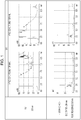
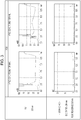
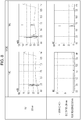
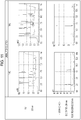
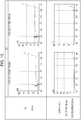
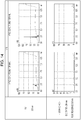
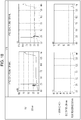
- Fig. 1 to Fig. 4 include HPLC charts by UV detection and fluorescence detection for the green-tea extract and its diluted solutions alone (not including any nucleophilic reagent).
- Fig. 5 to Fig. 8 include HPLC charts by UV detection and fluorescence detection for the reaction solutions of the green-tea extract or its diluted solutions and the nucleophilic reagent (NAC or NAL).
- the green-tea extract undiluted solution could not be evaluated by UV detection.
- the 1/10 diluted solution could not be evaluated.
- depletion of NAC and NAL was calculated and the average scores were determined. All the average scores were found to be about 50%, which are more than 4.9% defined in the criteria and results in determination of being skin allergenic.
- the nucleophilic reagents were quantified, and the average score was calculated.
- the depletion and average scores of the nucleophilic reagents were calculated. All the average scores were found to be about 60% to about 50%.
- the green-tea extract undiluted solution to the 1/1000 diluted solution were determined as having skin allergenicity.
- the 1/100 and 1/1000 diluted solutions in which quantification was achieved by HPLC-UV were respectively found to have average scores of 54.4% and 50.8%, and were found to inferentially have skin allergenicity.
- the average scores of the 1/100 and 1/1000 diluted solutions calculated on the basis of fluorescence detection were respectively found to be 54.1% and 49.8%, which demonstrated that skin allergenicity is inferred as in the UV detection method.
- Comparison between the average scores obtained by the UV method and the fluorescence method has revealed that the scores were perfectly matched except for minor errors as described above. This has demonstrated that the fluorescence detection method provides measurement at the same accuracy as in the UV detection method.
- Example 2 Prediction of skin allergenicity of aloe model extract (solution mixture of 20 components)
- an aloe extract there are 20 or more known components described in a document ( D. T. Loots, F. H. van der Westhuizen, and L. Botes, 2007, Aloe ferox leaf gel phytochemical content, antioxidant capacity, and possible health benefits, Journal of Agricultural and Food Chemistry, 55: 6891-6896 ). These individual components and a model extract as a mixture of all 20 components were prepared and subjected to prediction of skin allergenicity by an UV method and a fluorescence method.
- the components were dissolved in solvents described below to prepare stock solutions; the stock solutions were added so as to satisfy the final concentrations, and made up to volume with ethanol.
- EtOH ethanol
- solvent a solvent for which two solvents are described in "Solvent”
- solvents of ⁇ -sitosterol 3.21% IPA/EtOH are described; however, the preceding solvent, IPA (isopropanol), was used as the solvent.
- ⁇ -sitosterol was dissolved in isopropanol to prepare a 50 mg/mL solution; 32.1 ⁇ L of this solution was taken and diluted to 1000 ⁇ L with ethanol.
- reaction solutions including solvents alone were prepared.
- the reaction solutions were prepared so as to have NAC and NAL concentrations of 5 ⁇ mol/L; the plant components were added, with reference to the concentrations of the extract described in the above-described document (D. T. Loots et al.), for two concentrations that were each concentration described in Table above and the concentration of the 1/10 diluted solution, in a 1/4 amount of the reaction solution (final concentrations: 1/4 and 1/40).
- the 20-component solution mixture and individual components were subjected to HPLC measurement by UV detection and fluorescence detection.
- Fig. 9 and Fig. 10 include HPLC charts by UV detection and fluorescence detection for the 20-component solution mixture or its diluted solution alone (not including any nucleophilic reagent).
- Fig. 11 and Fig. 12 include HPLC charts by UV detection and fluorescence detection for the reaction solution of the 20-component solution mixture or its diluted solution and a nucleophilic reagent (NAC or NAL).
- NAC nucleophilic reagent
- Fig. 13 and Fig. 14 include HPLC charts by UV detection and fluorescence detection for ⁇ -sitosterol or its diluted solution alone (not including any nucleophilic reagent).
- Fig. 15 and Fig. 16 include HPLC charts by UV detection and fluorescence detection for the reaction solution of ⁇ -sitosterol or its diluted solution and a nucleophilic reagent (NAC or NAL).
- NAC nucleophilic reagent
- Fig. 17 and Fig. 18 include HPLC charts by UV detection and fluorescence detection for protocatechuic acid or its diluted solution alone (not including any nucleophilic reagent).
- Fig. 19 and Fig. 20 include HPLC charts by UV detection and fluorescence detection for the reaction solution of protocatechuic acid or its diluted solution and a nucleophilic reagent (NAC or NAL).
- NAC nucleophilic reagent
- ⁇ -sitosterol subjected to HPLC measurement exhibited a single peak at 281 nm, but did not coelute with the nucleophilic reagent, which has demonstrated that it is quantified even by the HPLC-UV method.
- ⁇ -sitosterol subjected to fluorescence detection exhibited no peaks, and the nucleophilic reagent was quantified as a single peak.
- Protocatechuic acid subjected to HPLC measurement basically behaved as with the ⁇ -sitosterol for both of the HPLC-UV method and the HPLC-fluorescence method; however, for the prepared undiluted solution, slight coelution with NAL occurred. The depletion of NAC was high, so that protocatechuic acid was found to partially react with NAC.
- the 20-component solution mixture of the aloe extract and its 1/10 diluted solution measured by the UV method and the fluorescence method were found to have average scores of about 20%, and the average scores matched except for minor error. This has demonstrated that the fluorescence detection method enables measurement at the same accuracy as in the UV detection method.
- Protocatechuic acid in the 20 components of the aloe extract is a catechol derivative, and hence was inferred as a skin allergenic substance (pro-hapten). In fact, as described later, protocatechuic acid was determined as a skin allergenic substance; thus, the prediction that the 20-component solution mixture including the protocatechuic acid has skin allergenicity was correct.
- the mono-component solution and its 1/10 diluted solution measured by the UV method were respectively found to have average scores of 0.0% and 1.9%, and hence were both determined as not having skin allergenicity.
- the mono-component solution and its 1/10 diluted solution measured by the UV method were respectively found to have average scores of 39.7% and 21.0%, and hence were both determined as having skin allergenicity.
- NAL in the prepared undiluted solution coelution was slightly observed, and, because of the coelution, the calculated average score of 39.7% has low reliability (quantification accuracy).
- protocatechuic acid which is a catechol derivative, was inferred as a skin allergenic substance (pro-hapten).
- protocatechuic acid was determined as a skin allergenic substance; thus, the major cause of the skin allergenicity of the 20-component solution mixture is inferred as protocatechuic acid.
- NAC or NAL nucleophilic reagent
- test substance average score or NAC depletion percent (depletion)
- reference values criteria by which allergenicity and non-allergenicity are distinguished from each other were defined.
- a total of 82 substances composed of 53 known allergenic substances (18 strongly allergenic substances, 20 medium allergenic substances, and 15 weakly allergenic substances) and 29 known non-allergenic substances
- the fluorescence method was performed and the depletion and average score of NAC and NAL were determined. The results are described below.
- S represents as being an allergenic substance
- NS represents as being a non-allergenic substance.
- Acetonitrile 24 2-Methyl-2H-isothiazol-3-one 1.9 2682-20-4 Sigma-Aldrich Corporation Acetonitrile 25 1,2-Benzisothiazolin-3-one 2.3 2634-33-5 Tokyo Chemical Industry Co., Ltd. 5% DMSO 26 Methyl 2-nonynoate 2.5 111-80-8 Tokyo Chemical Industry Co., Ltd.
- Acetonitrile 46 Lilial 19 80-54-6 FUJIFILM Wako Pure Chemical Corporation Acetonitrile 47 Cyclamen aldehyde 22 103-95-7 Sigma-Aldrich Corporation Acetonitrile 48 Imidazolidinyl urea 24 39236-46-9 Sigma-Aldrich Corporation Water 49 5-Methyl-2,3-hexanedione 26 13706-86-0 Tokyo Chemical Industry Co., Ltd. Acetonitrile 50 2,2,6,6-Tetramethyl-3,5-heptanedione 27 1118-71-4 Tokyo Chemical Industry Co., Ltd.
- Acetonitrile 51 Ethylene glycol dimethacrylate 28 97-90-5 FUJIFILM Wako Pure Chemical Corporation Acetonitrile 52 Ethyl acrylate 28 140-88-5 FUJIFILM Wako Pure Chemical Corporation Acetonitrile 53 Hydroxycitronellal 33 107-75-5 FUJIFILM Wako Pure Chemical Corporation Acetonitrile Non-allergenic substance 54 Glycerol - 56-81-5 FUJIFILM Wako Pure Chemical Corporation Acetonitrile 55 Hexane - 110-54-3 FUJIFILM Wako Pure Chemical Corporation Acetonitrile 56 Diethyl phthalate - 84-66-2 FUJIFILM Wako Pure Chemical Corporation Acetonitrile 57 Octanoic acid - 124-07-2 FUJIFILM Wako Pure Chemical Corporation Acetonitrile 58 2-Hydroxypropyl methacrylate - 923-26-2 FUJIFILM Wako Pure
- Acetonitrile 70 Isopropanol - 67-63-0 FUJIFILM Wako Pure Chemical Corporation Acetonitrile 71 Propylene glycol - 57-55-6 FUJIFILM Wako Pure Chemical Corporation Acetonitrile 72 Sulfanilamide - 63-74-1 FUJIFILM Wako Pure Chemical Corporation Acetonitrile 73 Isopropyl myristate - 110-27-0 FUJIFILM Wako Pure Chemical Corporation Acetonitrile Table 9 74 Benzaldehyde - 100-52-7 Sigma-Aldrich Corporation Acetonitrile 75 Methylparaben - 99-76-3 FUJIFILM Wako Pure Chemical Corporation Acetonitrile 76 Nonanoic acid 21 (False +) 112-05-0 Tokyo Chemical Industry Co., Ltd.
- Acetonitrile 77 Propylparaben - 94-13-3 FUJIFILM Wako Pure Chemical Corporation Acetonitrile 78 Salicylic acid - 69-72-7 FUJIFILM Wako Pure Chemical Corporation Acetonitrile 79 Sulfanilic acid - 121-57-3 FUJIFILM Wako Pure Chemical Corporation Water 80 Vanillin - 121-33-5 FUJIFILM Wako Pure Chemical Corporation Acetonitrile 81 Coumarin - 91-64-5 FUJIFILM Wako Pure Chemical Corporation Acetonitrile 82 Benzylidene dichloride - 75-35-4 AccuStandard, Inc. Acetonitrile
Landscapes
- Health & Medical Sciences (AREA)
- Chemical & Material Sciences (AREA)
- Life Sciences & Earth Sciences (AREA)
- Immunology (AREA)
- Physics & Mathematics (AREA)
- Engineering & Computer Science (AREA)
- Pathology (AREA)
- Analytical Chemistry (AREA)
- Biochemistry (AREA)
- General Health & Medical Sciences (AREA)
- General Physics & Mathematics (AREA)
- Chemical Kinetics & Catalysis (AREA)
- Urology & Nephrology (AREA)
- Hematology (AREA)
- Biomedical Technology (AREA)
- Molecular Biology (AREA)
- Optics & Photonics (AREA)
- Nuclear Medicine, Radiotherapy & Molecular Imaging (AREA)
- Cell Biology (AREA)
- Microbiology (AREA)
- Biotechnology (AREA)
- Plasma & Fusion (AREA)
- Food Science & Technology (AREA)
- Medicinal Chemistry (AREA)
- Materials Engineering (AREA)
- Organic Chemistry (AREA)
- Investigating Or Analysing Materials By The Use Of Chemical Reactions (AREA)
- Investigating, Analyzing Materials By Fluorescence Or Luminescence (AREA)
- Investigating Or Analysing Biological Materials (AREA)
Abstract
Description
- The present invention relates to a method for determining, with a fluorescence detector, skin allergenicity of a mixture containing two or more test substances, and a reagent for determining the skin allergenicity.
- Skin allergenicity (allergenicity) involves, in some cases, not only symptoms such as blisters or erythema locally occurring at spots exposed to a substance, but also anaphylaxis, which is a systemic allergic reaction that is severe and threatens the life. In addition, skin allergenicity, which, after the onset, causes, for example, requirement of care for avoiding the exposure for a long term, is considered as one of serious toxic properties. It is important that chemical substances included in products such as pharmaceuticals, agricultural chemicals, and cosmetics are substances that do not cause allergic reactions; in the development of products, chemical substances employed need to be checked for skin allergenicity.
- As methods for evaluating skin allergenicity of chemical substances, there are well-known test methods using guinea pigs. Test methods such as GPMT (Guinea Pig Maximisation Test) using adjuvant and Buehler Test, which is a non-adjuvant test, have been widely used for many years.
- Animal experiments involve many problems such as cumbersome operations, tests for long terms, and huge test expenses, and there are also ethical and social needs such as animal welfare, so that alternative methods not using animals are being developed. In particular, development of methods for testing for skin allergenicity that causes severe symptoms is a matter of urgent necessity, and in vitro tests using cultured cells and in chemico tests using chemical reactions have been developed.
- Such in vitro tests that are known are ARE-Nrf2 luciferase KeratinoSens™ test method (KeratinoSens is a registered trademark), LuSens (ARE-NrF2 lusiferase LuSens test method), h-CLAT (human Cell Line Activation Test), U-SENS (Myeloid U937 Skin Sensitization Test), and IL-8 Luc assay.
- The in chemico tests using chemical reactions, which do not use cultured cells, provides many advantages such as elimination of the necessity of special techniques, knowledge, and equipment. For example, Non-Patent
Documents Patent Documents -
- Non-Patent Document 1: Gerberick, G. F. et al. (2004). Development of a peptide reactivity assay for screening contact allergens. Toxicological Sciences, 81(2), 332-43
- Non-Patent Document 2: Gerberick, G. F. et al. (2007). Quantification of chemical peptide reactivity for screening contact allergens: a classification tree model approach. Toxicological Sciences, 97(2), 417-27
-
- Patent Document 1:
JP2011-59102A - Patent Document 2:
JP2014-37995A - The methods for determining skin allergenicity described in
Non-Patent Documents Patent Documents - The methods for determining skin allergenicity described in
Non-Patent Documents Non-Patent Documents Patent Documents Non-Patent Documents Patent Documents - However, the test substance to be subjected to prediction for skin allergenicity is not necessarily a single substance, but is conversely often a multi-component mixtures composed of a plurality of components. In such cases of evaluating the skin allergenicity of a multi-component mixture, the following requirements need to be satisfied: evaluation is achieved even for components having unknown molecular weights, and quantification is achieved in chromatography measurement without occurrence of coelution of a nucleophilic reagent and two or more test substances.
- An object of the present invention is to provide a method for determining skin allergenicity of a mixture containing two or more test substances, and a reagent for determining the skin allergenicity.
- The inventors of the present invention performed thorough studies on how to achieve the above-described object. As a result, they have found that, by causing a reaction between an organic compound that has at least one thiol group or amino group and emits fluorescence, and a mixture containing two or more test substances, and by determining the amount of the organic compound after the reaction or the amount of the reaction product by an optical measurement using a fluorescence detector, the skin allergenicity of the mixture containing two or more test substances is accurately determined. The present invention has been accomplished on the basis of these findings.
- Specifically, the present invention provides the following invention.
- (1) A method for determining skin allergenicity, the method including:
- causing a reaction between an organic compound that has at least one thiol group or amino group and emits fluorescence, and a mixture containing two or more test substances; and
- determining an amount of the organic compound after the reaction or an amount of a product of the reaction by an optical measurement using a fluorescence detector.
- (2) The method for determining skin allergenicity according to (1), wherein the organic compound is N-(arylalkylcarbonyl)cysteine.
- (3) The method for determining skin allergenicity according to (1) or (2), wherein the organic compound is N-(2-phenylacetyl)cysteine or N-[2-(naphthalen-1-yl)acetyl]cysteine.
- (4) The method for determining skin allergenicity according to (1), wherein the organic compound is α-N-(arylalkylcarbonyl)lysine.
- (5) The method for determining skin allergenicity according to (1) or (4), wherein the organic compound is α-N-(2-phenylacetyl)lysine or α-N-[2-(naphthalen-1-yl)acetyl]lysine.
- (6) The method for determining skin allergenicity according to any one of (1) to (5), wherein the organic compound is an organic compound that emits fluorescence at 200 to 400 nm, and has a molar absorption coefficient at a maximal absorption wavelength of 10 L/mol·cm or more and 500000 L/mol·cm or less.
- (7) The method for determining skin allergenicity according to any one of (1) to (6), the method including subjecting, to chromatography treatment, a reaction product of a step of causing the reaction between the organic compound and the mixture.
- (8) The method for determining skin allergenicity according to any one of (1) to (7), wherein, in the optical measurement using the fluorescence detector, an excitation wavelength is 200 to 350 nm, and a fluorescence wavelength is 200 to 400 nm.
- (9) The method for determining skin allergenicity according to any one of (1) to (8), wherein the mixture is at least one selected from the group consisting of perfume, essential oil, polymers, pharmaceuticals, agricultural chemicals, foods, chemical products, and plant extracts composed of natural-product-derived components.
- (10) The method for determining skin allergenicity according to any one of (1) to (9), the method including calculating, by a formula below, a depletion percent of the organic compound from an average value of peak areas of the organic compound determined by the optical measurement using the fluorescence detector,


- (11) The method for determining skin allergenicity according to (10), the method including calculating an average value of the depletion percent of the organic compound that has at least one thiol group and emits fluorescence and the depletion percent of the organic compound that has at least one amino group and emits fluorescence, or calculating the depletion percent of the organic compound that has at least one thiol group and emits fluorescence, and determining whether the test substances are allergenic substances or non-allergenic substances:
- (1) in a case of performing evaluation based on the average value of the depletion percent of the organic compound that has at least one thiol group and emits fluorescence and the depletion percent of the organic compound that has at least one amino group and emits fluorescence,
Average score < 4.9%: the test substances are determined as non-allergenic substances,
Average score ≥ 4.9%: the test substances are determined as allergenic substances, or - (2) in a case of performing evaluation based on only the depletion percent of the organic compound that has at least one thiol group and emits fluorescence,
Depletion percent of organic compound that has at least one thiol group and emits fluorescence < 5.6%: the test substances are determined as non-allergenic substances,
Depletion percent of organic compound that has at least one thiol group and emits fluorescence ≥ 5.6%: the test substances are determined as allergenic substances.
- (1) in a case of performing evaluation based on the average value of the depletion percent of the organic compound that has at least one thiol group and emits fluorescence and the depletion percent of the organic compound that has at least one amino group and emits fluorescence,
- (12) A reagent for determining skin allergenicity, the reagent including, as a measurement basis, an organic compound that has at least one thiol group or amino group and emits fluorescence, and being used for determining skin allergenicity of a mixture containing two or more test substances by an optical measurement using a fluorescence detector.
- A method for determining skin allergenicity and a reagent for determining skin allergenicity according to the present invention enable determination of the skin allergenicity of a mixture containing two or more test substances.
-
-
Fig. 1 includes HPLC charts by UV detection and fluorescence detection for a green-tea extract (undiluted solution) (not including any nucleophilic reagent); -
Fig. 2 includes HPLC charts by UV detection and fluorescence detection for a 1/10 diluted solution of a green-tea extract (not including any nucleophilic reagent); -
Fig. 3 includes HPLC charts by UV detection and fluorescence detection for a 1/100 diluted solution of a green-tea extract (not including any nucleophilic reagent); -
Fig. 4 includes HPLC charts by UV detection and fluorescence detection for a 1/1000 diluted solution of a green-tea extract (not including any nucleophilic reagent); -
Fig. 5 includes HPLC charts by UV detection and fluorescence detection for reaction solutions of a green-tea extract (undiluted solution) and a nucleophilic reagent (NAC or NAL); -
Fig. 6 includes HPLC charts by UV detection and fluorescence detection for reaction solutions of a 1/10 diluted solution of a green-tea extract and a nucleophilic reagent (NAC or NAL); -
Fig. 7 includes HPLC charts by UV detection and fluorescence detection for reaction solutions of a 1/100 diluted solution of a green-tea extract and a nucleophilic reagent (NAC or NAL); -
Fig. 8 includes HPLC charts by UV detection and fluorescence detection for reaction solutions of a 1/1000 diluted solution of a green-tea extract and a nucleophilic reagent (NAC or NAL); -
Fig. 9 includes HPLC charts by UV detection and fluorescence detection for an aloe model extract (20-component solution mixture) (undiluted solution) (not including any nucleophilic reagent); -
Fig. 10 includes HPLC charts by UV detection and fluorescence detection for a 1/10 diluted solution (not including any nucleophilic reagent) of an aloe model extract (20-component solution mixture); -
Fig. 11 includes HPLC charts by UV detection and fluorescence detection for reaction solutions of an aloe model extract (20-component solution mixture) (undiluted solution) and a nucleophilic reagent (NAC or NAL); -
Fig. 12 includes HPLC charts by UV detection and fluorescence detection for reaction solutions of a 1/10 diluted solution of an aloe model extract (20-component solution mixture) and a nucleophilic reagent (NAC or NAL); -
Fig. 13 includes HPLC charts by UV detection and fluorescence detection for β-sitosterol (undiluted solution) (not including any nucleophilic reagent); -
Fig. 14 includes HPLC charts by UV detection and fluorescence detection for a 1/10 diluted solution of β-sitosterol (not including any nucleophilic reagent); -
Fig. 15 includes HPLC charts by UV detection and fluorescence detection for reaction solutions of β-sitosterol (undiluted solution) and a nucleophilic reagent (NAC or NAL); -
Fig. 16 includes HPLC charts by UV detection and fluorescence detection for reaction solutions of a 1/10 diluted solution of β-sitosterol and a nucleophilic reagent (NAC or NAL); -
Fig. 17 includes HPLC charts by UV detection and fluorescence detection for protocatechuic acid (undiluted solution) (not including any nucleophilic reagent); -
Fig. 18 includes HPLC charts by UV detection and fluorescence detection for a 1/10 diluted solution of protocatechuic acid (not including any nucleophilic reagent); -
Fig. 19 includes HPLC charts by UV detection and fluorescence detection for reaction solutions of protocatechuic acid (undiluted solution) and a nucleophilic reagent (NAC or NAL); -
Fig. 20 includes HPLC charts by UV detection and fluorescence detection for reaction solutions of a 1/10 diluted solution of protocatechuic acid and a nucleophilic reagent (NAC or NAL); and -
Fig. 21 includes HPLC charts by UV detection and fluorescence detection for a nucleophilic reagent (NAC or NAL). - In this Specification, 'a value "to" a value' is intended to include these values as the lower limit value and the upper limit value.
- The present invention relates to a method for determining skin allergenicity, the method including causing a reaction between an organic compound that has at least one thiol group or amino group and emits fluorescence, and a mixture containing two or more test substances, and determining an amount of the organic compound after the reaction or an amount of a product of the reaction by an optical measurement using a fluorescence detector. The present invention also relates to a reagent for determining skin allergenicity, the reagent including, as a measurement basis, an organic compound that has at least one thiol group or amino group and emits fluorescence, and being used for determining skin allergenicity of a mixture containing two or more test substances by an optical measurement using a fluorescence detector.
- As described above, in the cases of evaluating the skin allergenicity of a multi-component mixture, the following requirements need to be satisfied: evaluation is achieved even for components having unknown molecular weights, and quantification is achieved in chromatography measurement without occurrence of coelution of a nucleophilic reagent and two or more test substances.
- In the present invention, by using, as a nucleophilic reagent, an organic compound that has at least one thiol group or amino group and emits fluorescence, the nucleophilic reagent can be detected at high sensitivity, which is advantageous. In addition, in the present invention, the organic compound used as the nucleophilic reagent is detectable for fluorescence and, by using this, it is quantified as being completely distinguished from the test substances. Thus, the present invention enables determination of the skin allergenicity of a mixture including two or more test substances, which cannot be evaluated by the methods for determining skin allergenicity described in Gerberick, G. F. et al. (2004). Development of a peptide reactivity assay for screening contact allergens. Toxicological Sciences, 81(2), 332-43 and Gerberick, G. F. et al. (2007). Quantification of chemical peptide reactivity for screening contact allergens: a classification tree model approach. Toxicological Sciences, 97(2), 417-27.
- In the present invention, the meaning of determination of skin allergenicity includes testing for skin allergenicity, and includes judgement of the presence or absence of skin allergenicity based on predetermined criteria and quantitative measurement of skin allergenicity.
- Skin allergenicity causes a complicated process composed of many stages, resulting in symptoms. Of these, the first stage is that the test substance permeates the skin and then forms covalent bonds with protein within the skin. Thus, the covalent bondability is evaluated to thereby inferentially predict whether or not the test substance serving as the subject has skin allergenicity. The reaction between the protein within the skin and the test substance is known to be composed of about five organic chemical reactions. Regarding amino acids involving these five reactions, the SH group of cysteine and an NH2 group of lysine are known. Thus, in Examples of the present invention, compounds provided by introducing, to the N terminus of cysteine or lysine, an aryl ring having high molar absorption coefficient in the UV region were used as nucleophilic reagents, and these two nucleophilic reagents are caused to react with test substances, and the unreacted nucleophilic reagents were quantified. As described above, the method for determining skin allergenicity according to the present invention is a test method of calculating the reactivity of a nucleophilic reagent and test substances, to predict skin allergenicity.
- In the present invention, the mixture containing two or more test substances means a mixture that includes, as components corresponding to main components, the two or more test substances, and does not mean a mixture that includes a single test substance and various impurities.
- Non-limiting specific examples of the mixture in the present invention include at least one selected from the group consisting of perfume, essential oil, polymers, pharmaceuticals, agricultural chemicals, foods, chemical products, and plant extracts composed of natural-product-derived components.
- In the present invention, an organic compound that has at least one thiol group or amino group and emits fluorescence (also referred to as a nucleophilic reagent) is used.
- The organic compound that has at least one thiol group or amino group and emits fluorescence is preferably an organic compound that emits fluorescence in 200 to 400 nm, and has a molar absorption coefficient at a maximal absorption wavelength of 10 L/mol·cm or more and 500000 L/mol·cm or less.
- The organic compound that has at least one thiol group and emits fluorescence is preferably a compound that, itself or in the form of solution, exhibits absorption in a wavelength range of 190 to 2500 nm, more preferably exhibits absorption in a wavelength range of 200 to 700 nm, more preferably a compound that has the maximal absorption in such a wavelength range. The organic compound that has at least one thiol group and emits fluorescence is preferably a compound that has absorption having a molar absorption coefficient (L/mol·cm) of 10 or more at the maximal absorption, more preferably a compound that has absorption having a molar absorption coefficient of 100 or more, particularly preferably a compound that has absorption having the maximal absorption in a wavelength range of 200 to 700 nm and having, at the maximal absorption, a molar absorption coefficient of 100 or more.
- Examples of the organic compound that has at least one thiol group and emits fluorescence include cysteine derivatives that have an aromatic group. Examples of the aromatic group include hydrocarbon aromatic groups such as a phenyl group and a naphthyl group, and aromatic groups having a hetero element such as a pyridyl group, a furyl group, and a thiophenyl group. More specifically, examples of the organic compound include compounds in which, to the amino group or the carboxyl group of cysteine, an aryl group such as a benzene ring or a naphthalene ring is bonded via, for example, an amide bond. Of these, for example, N-(arylalkylcarbonyl)cysteine is particularly preferred. In the N-(arylalkylcarbonyl)cysteine, the aryl group may have 6 to about 16 carbon atoms. The alkylcarbonyl group may have 2 to about 11 carbon atoms. The alkyl group bonded to the carbonyl group may be linear, branched, or cyclic, and examples include a methyl group, an ethyl group, a propyl group, an isopropyl group, a butyl group, an isobutyl group, a sec-butyl group, a tert-butyl group, a pentyl group, an isopentyl group, a neopentyl group, a tert-pentyl group, a hexyl group, a heptyl group, an octyl group, a nonyl group, a decyl group, a 2-ethylhexyl group, and a cyclopropyl group. Specific examples of the organic compound include N-(2-phenylacetyl)cysteine and N-[2-(naphthalen-1-yl)acetyl]cysteine.
- The organic compound that has at least one thiol group and emits fluorescence can be produced by a publicly known method. For example, N-(2-phenylacetyl)cysteine can be synthesized by a method described in Paragraphs 0015 to 0017 of
JP2011-59102A - N-[2-(naphthalen-1-yl)acetyl]cysteine can be synthesized by the following method.
- 1-Naphthylacetic acid (50 g) is dissolved in 270 mL of toluene; while N,N-dimethylformamide (DMF) is added dropwise, 95.8 g of thionyl chloride is added dropwise at 20°C. A reaction was caused at 60°C for 2 hours, and subsequently cooling is performed; 200 mL of toluene is added, and then drying under a reduced pressure is performed to obtain 1-naphthylacetyl chloride (56 g).
- To an aqueous solution of 14 g of sodium hydroxide and 350 mL of water, 20 g of L-cystine is added and dissolved. The solution is cooled with an ice water bath, and 8.76 g of 1-naphthylacetyl chloride is added dropwise. The reaction mixture is stirred at 20°C for 2 hours, and cooled; subsequently, 16.7 mL of concentrated hydrochloric acid is added. About 700 mL of ethyl acetate is added; crystals are collected by filtration, and dried under a reduced pressure to obtain N,N'-bis(1-naphthylacetyl)cystine (39.2 g).
- To a mixture of 20 g of N,N'-bis(1-naphthylacetyl)cysteine, 20 g of zinc powder, and 500 mL of methanol under purging with nitrogen, 120 mL of trifluoroacetic acid is added dropwise over 2 hours. The reaction mixture is stirred for 2 hours, and subsequently extracted with 500 mL of ethyl acetate; the organic layer is dried with magnesium sulfate, subsequently filtered, and concentrated. The resultant residue is recrystallized from ethyl acetate, and dried to obtain N-[2-(naphthalen-1-yl)acetyl]cysteine (5.2 g).
- N-[2-(naphthalen-1-yl)acetyl]cysteine emits fluorescence in 200 to 400 nm, exhibits maximal absorption at 281 nm, has a molar absorption coefficient of about 7000 (L/mol·cm), and has a maximum fluorescence wavelength of 335 nm.
- The organic compound that has at least one amino group and emits fluorescence, which has an amino group, has reactivity even to skin allergenic substances that have low reactivity to cysteine residues, can be measured using a general-purpose simple analysis device, and has sufficient solubility and stability even in a reaction solution used for dissolving hydrophobic chemical substances and having a high organic solvent ratio.
- The organic compound that has at least one amino group and emits fluorescence is preferably a compound that, itself or in the form of solution, exhibits absorption in the wavelength range of 190 to 2500 nm, more preferably exhibits absorption in the wavelength range of 200 to 700 nm, more preferably a compound that has the maximal absorption in such a wavelength range. The organic compound that has at least one amino group and emits fluorescence is preferably a compound that has a molar absorption coefficient (L/mol·cm) at the maximal absorption wavelength of 10 or more and 500000 or less, more preferably a compound that has a molar absorption coefficient (L/mol·cm) at the maximal absorption wavelength of 10 to 2000, still more preferably a compound that has a molar absorption coefficient at the maximal absorption wavelength of 100 to 2000, particularly preferably a compound that has the maximal absorption in a wavelength range of 200 to 700 nm, and has a molar absorption coefficient at the maximal absorption wavelength of 100 to 2000.
- Incidentally, the molar absorption coefficient (ε) is given by the following formula:

- The organic compound that has at least one amino group and emits fluorescence, from the viewpoint of reactivity to the test substances, preferably has a primary amino group, more preferably is a lysine derivative having an ε-amino group. The lysine derivative is, for example, a lysine derivative in which the carboxyl group and/or α-amino group of lysine is modified with at least one substituent.
- The organic compound that has at least one amino group and emits fluorescence preferably has an aromatic group. Examples of the aromatic group include hydrocarbon aromatic groups such as a phenyl group and a naphthyl group, and aromatic groups having a hetero element such as a pyridyl group, a furyl group, and a thiophenyl group. The aromatic group is preferably a phenyl group or a naphthyl group.
- Examples of the organic compound that has at least one amino group and emits fluorescence include lysine derivatives having an ε-amino group and an aromatic group.
- More specifically, examples of the organic compound that has at least one amino group and emits fluorescence include compounds in which, to the α-amino group or carboxyl group of lysine, an aryl group such as a benzene ring or a naphthalene ring is bonded via, for example, an amide bond. Of these, α-N-(arylalkylcarbonyl)lysine is particularly preferred. In N-(arylalkylcarbonyl)lysine, the aryl group may have 6 to about 16 carbon atoms. Examples of the aryl group include a benzene ring and a naphthalene ring. The alkylcarbonyl group may have 2 to about 11 carbon atoms. The alkyl group bonded to the carbonyl group may be linear, branched, or cyclic, and examples include a methyl group, an ethyl group, a propyl group, an isopropyl group, a butyl group, an isobutyl group, a sec-butyl group, a tert-butyl group, a pentyl group, an isopentyl group, a neopentyl group, a tert-pentyl group, a hexyl group, a heptyl group, an octyl group, a nonyl group, a decyl group, a 2-ethylhexyl group, and a cyclopropyl group. Specific examples of the organic compound included in a reagent for determining skin allergenicity according to the present invention include α-N-(2-phenylacetyl)lysine (hereafter, also referred to as PAL) and α-N-[2-(naphthalen-1-yl)acetyl]lysine (hereafter, also referred to as NAL).
- The organic compound that has at least one amino group and emits fluorescence can be produced by a publicly known method. For example, PAL and NAL can be synthesized by a method described in Paragraphs 0025 to 0031 of
JP2014-37995A - α-N-(2-phenylacetyl)lysine emits fluorescence in 200 to 400 nm, and has a molar absorption coefficient at the maximal absorption wavelength (about 255 nm) of about 200 L/mol·cm.
- α-N-[2-(naphthalen-1-yl)acetyl]lysine emits fluorescence in 200 to 400 nm, has a molar absorption coefficient at the maximal absorption wavelength (about 280 nm) of about 400 L/mol·cm, and has a maximum fluorescence wavelength of 332 nm.
- A reagent for determining skin allergenicity according to the present invention may be composed of the above-described organic compound alone, or may include, in addition to the above-described organic compound serving as a measurement basis, one or two or more additives. Examples of the additives include pH adjusting agents, stabilizing agents, and chelating agents. A reagent for determining skin allergenicity according to the present invention may be a reagent prepared by dissolving the above-described measurement basis and, as needed, the above-described additives in, for example, water, an aqueous buffer solution, an organic solvent, or a solvent mixture of one of the foregoing. A reagent for determining skin allergenicity according to the present invention may be provided in any of forms of solution, liquid, or solid (for example, powder, granules, freeze-dried products, or tablets).
- A reagent for determining skin allergenicity according to the present invention may be used, for example, in the form of being dissolved in an aqueous buffer solution including an organic acid salt such as ammonium acetate or an inorganic salt such as phosphate, or water, or a solvent mixture of the foregoing and an organic solvent, such that the concentration of the organic compound is, for example, about 0.01 µmol/L to about 1 mol/L, ordinarily about 0.1 mmol/L to about 500 mmol/L.
- In a case where the molarity of the test substance can be adjusted, it may be dissolved in, for example, water, an organic solvent such as methanol, ethanol, acetonitrile, or acetone, or a solvent mixture of the foregoing (a solvent mixture of water and an organic solvent, or a solvent mixture of two or more organic solvents) such that the concentration becomes, for example, about 0.01 µmol/L to about 1 mol/L, ordinarily about 0.1 mmol/L to about 500 mmol/L, or about 1 mmol/L to about 500 mmol/L. Subsequently, the above-described organic compound serving as a measurement basis of a reagent for determining skin allergenicity according to the present invention may be mixed with the test substance solution such that the molarity ratio of the organic compound to the test substance becomes, for example, 1:100 to 20:1, or 1:100 to 10:1 to cause a reaction. The reaction can be caused in the following manner: while the solution including the organic compound and the test substance is kept in a temperature range of, for example, about 4°C to about 60°C, it is stirred or left at stand for ordinarily about 1 minute to about 2 days.
- In a case where the molarity of the test substance cannot be adjusted, it may be dissolved in, for example, water, an organic solvent such as methanol, ethanol, acetonitrile, or acetone, or a solvent mixture of the foregoing (a solvent mixture of water and an organic solvent, or a solvent mixture of two or more organic solvents) such that the concentration becomes, for example, about 0.01 mg/mL to about 10 mg/mL, ordinarily about 0.1 mg/L to about 1 mg/mL. Subsequently, a solution of about 0.1 to about 100 µg/mL, ordinarily 1 to 10 µg/mL, of the organic compound serving as a measurement basis of a reagent for determining skin allergenicity according to the present invention may be added, to the test substance solution, in an amount equal to that of the test substance solution. However, as long as the concentration and the amount of addition satisfy such ranges, adjustments may be appropriately performed: for example, the concentration of the measurement reagent is doubled while the amount of the measurement reagent added is halved. The reaction can be performed in the following manner: while the solution including the organic compound and the test substance is kept in a temperature range of, for example, about 4°C to about 60°C, it is stirred or left at stand for ordinarily about 1 minute to about 2 days.
- In the reaction, the reactivity between the organic compound and the test substance is determined, to thereby determine the skin allergenicity of the test substance. In order to determine the reactivity, analysis is performed in terms of the residual amount of the organic compound in the solution mixture of the solution of the reagent for determining skin allergenicity and the test substance solution and/or the generation amount of the reaction product of the organic compound and the test substance. This analysis is performed over time, and the reaction rate constant between the organic compound and the test substance is determined and compared with the reaction rate constant of another test substance, or the reaction rate constant of the test substance is compared with the reaction rate constant of a compound that was tested by animal experiments in terms of the presence or absence of and the degree of skin allergenicity. This enables evaluation of the skin allergenicity of the test substance.
- Incidentally, in the analysis of the residual amount, when the reagent for determining skin allergenicity can undergo some change in the reaction solution, as needed, reaction solutions (control group) not including only the test substance may be separately prepared and analyzed, and the values of the residual amounts of these reaction solutions may be used for correction.
- For example, when the reagent for determining skin allergenicity has a thiol group, it may be easily oxidized into a disulfide (dimer). Thus, in the quantification of the residual amount of the organic compound, as needed, the analysis may also be performed for the disulfide, and the total amount of the organic compound and the disulfide may be calculated as the residual amount of the organic compound.
- The reactivity (covalent bondability) between the test substance and the nucleophilic reagent can be estimated by quantification of the unreacted nucleophilic reagent; however, detection and quantification of the product of the reaction (reaction product) between the test substance and the nucleophilic reagent is the most direct and accurate evaluation. In the case of a mixture, when its constituent components are known and the reaction products of the components and the nucleophilic reagent are available, the reaction products can be subjected to, for example, an HPLC-fluorescence method to thereby be quantified.
- The method of analyzing the organic compound or the reaction product is not particularly limited, but preferably includes subjecting, to chromatography treatment, a reaction product obtained in the step of causing a reaction between the organic compound and a mixture containing two or more test substances. For example, high-performance liquid chromatography (HPLC), gas chromatography (GC), or thin layer chromatography (TLC) may be employed to isolate and evaluate the compound generated by the reaction, the organic compound, and the test substances. Examples of the chromatographic technique applicable to such HPLC, GC, or TLC include reversed phase chromatography, normal phase chromatography, and ion exchange. Regarding commercially available columns and TLC usable for such chromatographic techniques, examples of LC columns include CAPCELL CORE C18 (manufactured by OSAKA SODA CO., LTD.), CAPCELL-PAK (manufactured by Shiseido Company, Limited), L-column ODS (manufactured by Chemicals Evaluation and Research Institute, Japan), and Shodex Asahipak (manufactured by SHOWA DENKO K. K.); examples of TLC plates include silica gel 60F254 (manufactured by Merck KGaA) and Silica Gel Plate (manufactured by NACALAI TESQUE, INC.).
- In the present invention, the amount of organic compound after the reaction between the test substances and the nucleophilic reagent, or the amount of product of the reaction is determined by an optical measurement using a fluorescence detector.
- Molecules in the ground state absorb excitation light and undergoes transition to the excitation state. The absorbed excitation energy partially decays as, for example, vibration energy; non-radiative transition to a lower vibration level occurs, and then returning to the ground state occurs to emit light that is fluorescence. In general, the optical measurement using a fluorescence detector is said to be an analytical method that has 103 or more times higher sensitivity than absorption spectrophotometry. In addition, the optical measurement is directed to fluorescent substances, and hence is used as an analytical method that has high selectivity and is used for analyses of very small amounts of substances. The fluorescence intensity is proportional to the concentration of the fluorescent substance, and a calibration curve is created to perform quantitative analysis. The fluorescence detector may be a commercially available detector, and examples include detectors manufactured by SHIMADZU CORPORATION, Waters Corporation, Hitachi, Ltd., Agilent Technologies, or OSAKA SODA CO., LTD.
- In the optical measurement using a fluorescence detector, the excitation wavelength is preferably 200 to 350 nm, more preferably 230 to 320 nm, still more preferably 250 to 300 nm, yet more preferably 270 to 300 nm, particularly preferably 280 to 290 nm. The fluorescence wavelength is preferably 200 to 400 nm, more preferably 300 to 370 nm, still more preferably 300 to 360 nm, particularly preferably 320 to 350 nm.
- From the average values (each, n = 3) of peak areas of the post-reaction unreacted "organic compound that has at least one thiol group and emits fluorescence" or "organic compound that has at least one amino group and emits fluorescence", and the blank-test (after performing the reaction step without addition of the test substances) "organic compound that has at least one thiol group and emits fluorescence" or "organic compound that has at least one amino group and emits fluorescence", the following formula is used to calculate the depletion percent of the "organic compound that has at least one thiol group and emits fluorescence" or the "organic compound that has at least one amino group and emits fluorescence". The phrase of performing the reaction step without addition of the test substances means that, in the step of causing a reaction between the organic compound and the test substances, the reaction step is performed without including the test substances.


- In the case of determining the amount of the post-reaction organic compound by an optical measurement using a fluorescence detector, for example, the depletion percent of the organic compound before and after the reaction is calculated, to thereby determine skin allergenicity. The depletion percent of the "organic compound that has at least one thiol group and emits fluorescence" or the "organic compound that has at least one amino group and emits fluorescence" or the average score of the two depletion percents is calculated, and whether the test substances are "allergenic substances" or "non-allergenic substances" can be determined:
- (1) In the case of performing evaluation based on the average value of the depletion percent of the organic compound that has at least one thiol group and emits fluorescence and the depletion percent of the organic compound that has at least one amino group and emits fluorescence,
Average score < 4.9%: the test substances are determined as non-allergenic substances,
Average score ≥ 4.9%: the test substances are determined as allergenic substances, or - (2) In the case of performing evaluation based on only the depletion percent of the organic compound that has at least one thiol group and emits fluorescence,
Depletion percent of organic compound that has at least one thiol group and emits fluorescence < 5.6%: the test substances are determined as non-allergenic substances,
Depletion percent of organic compound that has at least one thiol group and emits fluorescence ≥ 5.6%: the test substances are determined as allergenic substances. - The present invention will be described further in detail with reference to the following Examples. However, the present invention is not limited to the Examples.
- Abbreviations in EXAMPLES have the following meanings.
- EDTA: ethylenediaminetetraacetic acid
- NAC: N-[2-(naphthalen-1-yl)acetyl]cysteine
- NAL: α-N-[2-(naphthalen-1-yl)acetyl]lysine
- TFA: trifluoroacetic acid
- In
Fig. 1 to Fig. 21 , the abscissa axis indicates retention time (min), and the ordinate axis indicates, in the case of UV (ultraviolet), Absorbance Unit (mAU), or, in the case of fluorescence, voltage (mV). -
- 1) To a 15 mL conical tube, 37.2 mg of EDTA·2Na·2H2O (manufactured by DOJINDO LABORATORIES) is weighed and dissolved by using a 25 mL measuring pipet to add 10 mL of distilled water (manufactured by HIKARI PHARMACEUTICAL CO., LTD., water for injection, Japanese Pharmacopoeia) (10 mmol/L EDTA aqueous solution).
- 2) To a 100 mL vessel, 49.5 mL of distilled water (manufactured by HIKARI PHARMACEUTICAL CO., LTD., water for injection, Japanese Pharmacopoeia) is added using a 50 mL measuring pipet; to this, 0.5 ml of the 10 mmol/L EDTA aqueous solution of 1) above is added and mixed to achieve 100-fold dilution (0.1 mmol/L EDTA aqueous solution).
-
- 1) To a 100 mL vessel, 0.6 g of anhydrous sodium dihydrogenphosphate (manufactured by FUJIFILM Wako Pure Chemical Corporation, Special Grade) is weighed and dissolved by using a 50 mL measuring pipet to add 50 mL of distilled water ((manufactured by HIKARI PHARMACEUTICAL CO., LTD., water for injection, Japanese Pharmacopoeia)).
- 2) To a 500 mL vessel, a 50 mL (or 100 mL) measuring pipet is used to add 300 mL of distilled water (manufactured by HIKARI PHARMACEUTICAL CO., LTD., water for injection, Japanese Pharmacopoeia).
- 3) Anhydrous disodium hydrogenphosphate (manufactured by FUJIFILM Wako Pure Chemical Corporation, Special Grade, 4.26 g) is weighed and dissolved by being added to the distilled water (manufactured by HIKARI PHARMACEUTICAL CO., LTD., water for injection, Japanese Pharmacopoeia) of 2).
- 4) To the anhydrous disodium hydrogenphosphate solution of 3), 16 mL of the anhydrous sodium dihydrogenphosphate solution of 1) is added using a 25 mL measuring pipet.
- 5) A 25 mL measuring pipet is used to remove 17 mL of the solution of 4); to the remaining solution of 4), 1 mL of a 0.1 mmol/L EDTA aqueous solution is added to provide a 300 mL solution. This solution has an EDTA concentration of 0.33 µmol/L, and the concentration becomes 0.25 µmol/L in the reaction solution.
- 6) An aliquot of the solution is taken to another vessel, and measured for pH using a pH meter, to confirm that the pH is in the range of 7.9 to 8.1.
-
- 1) A 50 mL measuring pipet is used to add, to a 500 mL vessel, 286 mL of distilled water (manufactured by HIKARI PHARMACEUTICAL CO., LTD., water for injection, Japanese Pharmacopoeia).
- 2) Anhydrous disodium hydrogenphosphate (4.26 g) is weighed, and dissolved by being added to the distilled water (manufactured by HIKARI PHARMACEUTICAL CO., LTD., water for injection, Japanese Pharmacopoeia) of 1).
- 3) A 0.1 mol/L NaOH aqueous solution (manufactured by FUJIFILM Wako Pure Chemical Corporation, Special Grade, 14 mL) is added using a 25 mL measuring pipet.
- 4) An aliquot of the solution is taken to another vessel, and measured with a pH meter (portable pH meter (HM-20P), TOA Electronics Ltd.) for pH, to confirm that the pH is in a range of 10.1 to 10.3.
- To 100 mL of distilled water (manufactured by FUJIFILM Wako Pure Chemical Corporation), 2.5 mL of TFA (manufactured by FUJIFILM Wako Pure Chemical Corporation, Special Grade) is added.
- To 1 L of distilled water (manufactured by FUJIFILM Wako Pure Chemical Corporation), 1.0 mL of TFA is added.
- To 1 L of HPLC-grade acetonitrile (manufactured by FUJIFILM Wako Pure Chemical Corporation, for HPLC), 1.0 mL of TFA is added.
- Within each test, the same stock solution is used. The stock solution is stored in portions having an amount that can be consumed in each test. A specific preparation example is as follows.
- 1) To a 50 mL vessel, 11.6 mg (±0.1 mg) of NAC is weighed; to this, a 25 mL measuring pipet is used to add 20 mL of 100 mmol/L phosphate buffer (pH: 8.0); and the content is gently stirred using a test tube mixer to achieve dissolution (2 mmol/L).
- 2) To a 500 mL vessel, 149.5 mL of this buffer is added using a 50 mL measuring pipet; to this, 0.5 mL of the above-described 2 mmol/L NAC solution is added; and the content is mixed by inversion to achieve 300-fold dilution (6.667 µmol/L).
- Within each test, the same stock solution is used. The stock solution is stored in portions having an amount that can be consumed in each test. A specific preparation example is as follows.
- 1) To a 50 mL vessel, 12.6 mg (±0.1 mg) of NAL is weighed; to this, a 25 mL measuring pipet is used to add 20 mL of 100 mmol/L phosphate buffer (pH: 10.2); and the content is gently stirred using a test tube mixture to achieve dissolution (2 mmol/L NAL solution).
- 2) To a 500 mL vessel, 149.5 mL of this buffer is added using a 50 mL measuring pipet; to this, 0.5 mL of the above-described 2 mmol/L NAL solution is added; and the content is mixed by inversion to achieve 300-fold dilution (6.667 µmol/L).
- The test substance undiluted solution is defined as an "undiluted solution", and used. Incidentally, this "undiluted solution" may be appropriately diluted to, for example, 1/10, 1/100, or 1/1000, using an appropriate solvent, and the resultant solution may be used.
- The test substance is dissolved, to reach the maximum dissolution concentration, in a solvent in which the test substance exhibits the highest solubility. Subsequently, the solution having the maximum dissolution concentration is defined as an "undiluted solution", and tested. Incidentally, this "undiluted solution" may be appropriately diluted to, for example, 1/10, 1/100, or 1/1000, using an appropriate solvent, and the resultant solution may be used.
- The test substance is prepared at 1 mmol/L in any of solvents that are water, acetonitrile, acetone, and a 5 mass% dimethyl sulfoxide (DMSO)/acetonitrile solution and used as a test substance solution. As the solvent, a solvent in which the test substance dissolves at 1 mmol/L is used; when the test substance is soluble in a plurality of solvents, the solvent is selected in the following order of decreasing precedence: water, acetonitrile, acetone, and 5 mass% DMSO/acetonitrile.
- Test substance solutions are prepared on a 96-well plate (U96 PP-0.5 ML NATURAL, Thermo Fisher Scientific Inc. (NUNC)) mainly using a 12-channel pipette, and a reagent is added in accordance with the following formula.
Nucleophilic reagent (NAC and NAL): 150 µL
Test substance solution: 50 µL - The plate is tightly sealed using a plate sealing (Resistant embossed seal, SHIMADZU GLC Ltd.), and stirred using a plate shaker (
Titramax 100, Heidolph Instruments GmbH & CO. KG). The plate is subjected to spinning down using a centrifuge, and then to incubation at 25°C, for 24 hours, in a light-shielded state. - After the incubation for 24 hours, the plate sealing is removed; to each sample, 50 µL of the reaction stopping solution is added to stop the reaction.
- The HPLC measurement conditions for the nucleophilic reagents are as follows.
-
Table 1: HPLC measurement conditions HPLC apparatus LC-20A (Prominence) series (SHIMADZU CORPORATION) Column CAPCELL CORE C18 column (3.0 × 150 mm, 2.7 µm) (OSAKA SODA CO., LTD.) Detectors UV detection: SPD-M20A (SHIMADZU CORPORATION) Fluorescence detection: RF10AXL (SHIMADZU CORPORATION) Detection wavelengths UV detection: 281 nm Fluorescence detection: 284 nm (excitation), 333 nm (fluorescence) Column temperature 40° C Sample temperature 25°C Injection amount 10-20 µL Eluants A: water (0.1% trifluoroacetic acid) B: acetonitrile (0.1% trifluoroacetic acid) Measurement time 20 minutes Elution conditions NAC Time (min) Flow rate (ml/min) %A %B 0.0 0.3 70 30 9.5 0.3 45 55 10.0 0.3 0 100 13.0 0.3 0 100 13.5 0.3 70 30 20.0 End NAL Time (min) Flow rate (mL/min) %A %B 0.0 0.3 80 20 9.5 0.3 55 45 10.0 0.3 0 100 13.0 0.3 0 100 13.5 0.3 80 20 20.0 End - From the average values (each, n = 3) of peak areas of the post-reaction unreacted NAC or NAL and the blank-test (after performing the reaction step without addition of the test substances) NAC or NAL, the following formula is used to calculate the depletion percent of NAC or NAL.
- NAC depletion percent (% depletion) = [1 - (Average value of peak areas of post-reaction unreacted NAC/Average value of peak areas of blank-test (after performing the reaction step without addition of the test substances) NAC)] × 100
- NAL depletion percent (% depletion) = [1 - (Average value of peak areas of post-reaction unreacted NAL/Average value of peak areas of blank-test (after performing the reaction step without addition of the test substances) NAL)] × 100
- The average value of peak areas of the post-reaction unreacted NAC is the average value of areas obtained by measuring three times post-reaction unreacted NAC. The average value of peak areas of blank-test (after performing the reaction step without addition of the test substances) NAC is the average value of areas obtained by measuring three times blank-test (after performing the reaction step without addition of the test substances) NAC.
- The average value of peak areas of post-reaction unreacted NAL is the average value of areas obtained by measuring three times post-reaction unreacted NAL. The average value of peak areas of blank-test (after performing the reaction step without addition of the test substances) NAL is the average value of areas obtained by measuring three times blank-test (after performing the reaction step without addition of the test substances) NAL.
- The average value (Average Score) of NAC and NAL depletion percents is calculated. In the resultant value, the second decimal place is rounded off.

- The depletion percent of at least one of NAC or NAL or the average score of the depletion percents of NAC and NAL is calculated, and whether or not the test substances are "allergenic substances" or "non-allergenic substances" is determined:
- (1) in a case of performing evaluation based on the average value of the depletion percent of NAC and the depletion percent of NAL,
Average score < 4.9%: the test substances are determined as non-allergenic substances,
Average score ≥ 4.9%: the test substances are determined as allergenic substances, or - (2) in a case of performing evaluation based on only the depletion percent of NAC,
Depletion percent of NAC < 5.6%: the test substances are determined as non-allergenic substances,
Depletion percent of NAC ≥ 5.6%: the test substances are determined as allergenic substances. - A commercially available green-tea extract was obtained. This extract was diluted, with acetonitrile, to 1/10, 1/100, and 1/1000. The green-tea extract undiluted solution and diluted solutions were subjected to prediction of skin allergenicity by a fluorescence method.
- A green-tea extract (green-tea liquid obtained from ICHIMARU PHARCOS Co., Ltd.) was used. The extraction solvent has water:ethanol:1,3-butylene glycol = 2: 1: 1. The result of an in vivo skin allergenicity test of this green-tea liquid is positive (skin allergenic substances). This extract undiluted solution and solutions prepared by diluting this extract undiluted solution, using acetonitrile, to 1/10, 1/100, and 1/1000 were used in experiments.
- The above-described green-tea extract undiluted solution and diluted solutions were individually caused to react, at 25°C for 24 hours, with NAC or NAL serving as a nucleophilic reagent. The reactions were each performed on a 96-well plate, and the number of samples of each case was set to n = 3. In addition, as controls, reaction solutions including the solvent alone were prepared. The reaction solutions were prepared so as to have a NAC or NAL concentration of 5 µmol/L. To the reaction solutions after the lapse of 24 hours, a trifluoroacetic acid (TFA) aqueous solution was added such that the final concentration became 0.5% (v/v) TFA. Subsequently, HPLC was performed for measurements by two detection methods that were light absorption detection using a photodiode array (PDA) detector, and fluorescence detection using a fluorescence detector. The resultant chromatographs and depletion percents (Depletion) of NAC and NAL were compared.
- Under the HPLC measurement conditions described in Table 1 above, depletion (%) of the nucleophilic reagents (NAC and NAL) was determined.
- The green-tea extract and the diluted solutions were subjected to HPLC measurements by UV detection and fluorescence detection.
Fig. 1 to Fig. 4 include HPLC charts by UV detection and fluorescence detection for the green-tea extract and its diluted solutions alone (not including any nucleophilic reagent).Fig. 5 to Fig. 8 include HPLC charts by UV detection and fluorescence detection for the reaction solutions of the green-tea extract or its diluted solutions and the nucleophilic reagent (NAC or NAL). - As a result of the HPLC measurement of the green-tea extract undiluted solution, in the detection of UV at 281 nm, a large number of peaks of multiple components were observed and hence both of the nucleophilic reagents (NAC and NAL) were not detected or quantified. For the 1/10 diluted solution of the green-tea extract, the intensities of the peaks of the multiple components lowered, but did not lower to the baselines at the peaks of the nucleophilic reagents, so that accurate quantification was difficult. For the 1/100 and 1/1000 diluted solutions, the lowering to the baselines occurred at the positions of the nucleophilic reagents to such an extent that the quantification was not affected, so that the nucleophilic reagents were quantified.
- By contrast, when the green-tea component undiluted solutions were subjected to fluorescent detection, most of the multiple components did not emit fluorescence, and hence the baselines were very low and stable. Thus, only the peaks of the nucleophilic reagents (NAC and NAL) were detected, so that accurate quantification was achieved without being affected by the multiple components. However, NAC reacts with green-tea extract components, so that peaks were not detected after the reaction for 24 hours. Similarly, for the 1/10, 1/100, and 1/1000 diluted solutions of the green-tea extract, the nucleophilic reagents were quantified.
- From the HPLC charts in
Fig. 1 to Fig. 8 , the depletion percents (Depletion) of the nucleophilic reagents were calculated, and the average scores (Mean Depletion) were determined. On the basis of these values, skin allergenicity was predicted and the results are as follows. In Tables of EXAMPLES, SD represents standard deviation.
26Table 2 1/1 1/10 NAC NAL Mean Depletion (%) NAC NAL Mean Depletion (%) Depletion (%) SD Depletion (%) SD Depletion (%) SD Depletion (%) SD UV Unmeasurable - Unmeasurable - Unmeasurable Unmeasurable 0.0 Unmeasurable - Unmeasurable Fluorescence method 100.0 0.0 19.7 0.8 59.8 100.0 0.0 30.6 0.1 65.3 1/100 1/1000 NAC NAL Mean Depletion (%) NAC NAL Mean Depletion (%) Depletion (%) SD Depletion (%) SD Depletion (%) SD Depletion (%) SD UV 100.0 0.0 8.7 0.0 54.4 100.0 0.0 1.5 0.2 50.8 Fluorescence method 100.0 0.0 8.2 0.2 54.1 98.3 0.0 1.3 0.1 49.8 - As is understood from the HPLC charts, the green-tea extract undiluted solution could not be evaluated by UV detection. Similarly, the 1/10 diluted solution could not be evaluated. However, for the 1/100 and 1/1000 diluted solutions, depletion of NAC and NAL was calculated and the average scores were determined. All the average scores were found to be about 50%, which are more than 4.9% defined in the criteria and results in determination of being skin allergenic.
- On the other hand, in the fluorescence detection, even for the green-tea extract undiluted solution, the nucleophilic reagents were quantified, and the average score was calculated. Similarly, also for the 1/10, 1/100, and 1/1000 diluted solutions, the depletion and average scores of the nucleophilic reagents were calculated. All the average scores were found to be about 60% to about 50%. Thus, the green-tea extract undiluted solution to the 1/1000 diluted solution were determined as having skin allergenicity.
- Among the green-tea extracts used, for the undiluted solution and the 1/10 diluted solution, quantification was not achieved by the ordinary HPLC-UV method, but accurate quantification was achieved by the HPLC-fluorescence method of detecting the fluorescence of the nucleophilic reagents without being hindered by the green-tea components, and both solutions were found to inferentially have skin allergenicity.
- The 1/100 and 1/1000 diluted solutions in which quantification was achieved by HPLC-UV were respectively found to have average scores of 54.4% and 50.8%, and were found to inferentially have skin allergenicity. Similarly, the average scores of the 1/100 and 1/1000 diluted solutions calculated on the basis of fluorescence detection were respectively found to be 54.1% and 49.8%, which demonstrated that skin allergenicity is inferred as in the UV detection method. Comparison between the average scores obtained by the UV method and the fluorescence method has revealed that the scores were perfectly matched except for minor errors as described above. This has demonstrated that the fluorescence detection method provides measurement at the same accuracy as in the UV detection method. In addition, these results matched the results that the green-tea extract used was determined as being a skin allergenic substance in the in vivo skin allergenicity test. Thus, the results have demonstrated that the fluorescence detection method according to the present invention enables skin-allergenicity evaluation of even a mixture including two or more test substances.
- As main components of an aloe extract, there are 20 or more known components described in a document (D. T. Loots, F. H. van der Westhuizen, and L. Botes, 2007, Aloe ferox leaf gel phytochemical content, antioxidant capacity, and possible health benefits, Journal of Agricultural and Food Chemistry, 55: 6891-6896). These individual components and a model extract as a mixture of all 20 components were prepared and subjected to prediction of skin allergenicity by an UV method and a fluorescence method.
- Regarding 20 main components of the aloe extract, their names, concentrations, and solvents are described in Table below. Solutions of individual components and 20 components were prepared by the following method.
- The components were dissolved in solvents described below to prepare stock solutions; the stock solutions were added so as to satisfy the final concentrations, and made up to volume with ethanol.
- Basically, ethanol (EtOH) was used. However, components for which two solvents are described in "Solvent" were dissolved only in the solvent described before EtOH. For example, as the solvents of β-sitosterol, 3.21% IPA/EtOH are described; however, the preceding solvent, IPA (isopropanol), was used as the solvent.
- Basically, 50 mg/mL solutions were prepared. However, for xanthine, a 1 mg/mL solution was prepared, and, for thymine, a 100 mg/mL solution was prepared.
- Appropriate amounts of solutions were taken from the stock solutions, and made up to volume with ethanol to prepare solutions having the final concentrations. For example, β-sitosterol was dissolved in isopropanol to prepare a 50 mg/mL solution; 32.1 µL of this solution was taken and diluted to 1000 µL with ethanol.
- Appropriate amounts of solutions were taken from the stock solutions of 20 components as described above, and made up to volume with ethanol, to prepare a solution mixture in which the components individually had the final concentrations.
Table 3 Source plant Name of component Concentration Solvent β-Sitosterol 1.605 mg/mL 3.21% IPA/EtOH Xanthine 0.027 mg/mL 2.66% DMSO/EtOH Benzoic acid 0.880 mg/mL EtOH p-Toluic acid 0.840 mg/mL EtOH Uracil 0.700 mg/mL 1.4% DMSO/EtOH p-Coumaric acid 0.455 mg/mL EtOH Thymine 0.430 mg/mL 0.43% DMSO/EtOH 3-Methylglutaric acid 0.385 mg/mL EtOH 2-Methyl- 1,3 -propanediol 0.355 mg/mL EtOH Aloe Glycerol 0.345 mg/ mL EtOH 2,3-Butanediol 0.340 mg/mL EtOH p-Salicylic acid 0.190 mg/mL EtOH Benzyl alcohol 0.165 mg/mL EtOH 1-Propanol 0.160 mg/mL EtOH Protocatechuic acid 0.160 mg/mL EtOH Isovaleric acid 0.150 mg/mL EtOH Lactic acid (L-lactic acid) 0.150 mg/ mL EtOH 2,6-Dimethyl-4-heptanone 0.130 mg/mL EtOH 4-Hydroxyphenylacetic acid 0.115 mg/mL EtOH Linoleic acid 0.105 mg/mL EtOH IPA: isopropanol, DMSO: dimethyl sulfoxide, EtOH: ethanol - The individual components and the solution mixture were individually caused to react, at 25°C for 24 hours, with NAC or NAL serving as a nucleophilic reagent. The reactions were each performed on a 96-well plate; the number of samples of each case was set to n = 3. In addition, as controls, reaction solutions including solvents alone were prepared. The reaction solutions were prepared so as to have NAC and NAL concentrations of 5 µmol/L; the plant components were added, with reference to the concentrations of the extract described in the above-described document (D. T. Loots et al.), for two concentrations that were each concentration described in Table above and the concentration of the 1/10 diluted solution, in a 1/4 amount of the reaction solution (final concentrations: 1/4 and 1/40). To such a reaction solution after the lapse of 24 hours, a trifluoroacetic acid (TFA) aqueous solution was added such that the final concentration became 0.5% (v/v) TFA. Subsequently, HPLC was performed for measurements by two measurement methods that were light absorption detection using a photodiode array (PDA) detector, and fluorescence detection using a fluorescence detector. The resultant chromatographs and depletion percents (Depletion) of NAC and NAL of the two methods were compared.
- Under the HPLC measurement conditions described in Table 1 above, depletion (%) of the nucleophilic reagents (NAC and NAL) was determined.
- The 20-component solution mixture and individual components were subjected to HPLC measurement by UV detection and fluorescence detection.
-
Fig. 9 andFig. 10 include HPLC charts by UV detection and fluorescence detection for the 20-component solution mixture or its diluted solution alone (not including any nucleophilic reagent). -
Fig. 11 andFig. 12 include HPLC charts by UV detection and fluorescence detection for the reaction solution of the 20-component solution mixture or its diluted solution and a nucleophilic reagent (NAC or NAL). -
Fig. 13 andFig. 14 include HPLC charts by UV detection and fluorescence detection for β-sitosterol or its diluted solution alone (not including any nucleophilic reagent). -
Fig. 15 andFig. 16 include HPLC charts by UV detection and fluorescence detection for the reaction solution of β-sitosterol or its diluted solution and a nucleophilic reagent (NAC or NAL). -
Fig. 17 andFig. 18 include HPLC charts by UV detection and fluorescence detection for protocatechuic acid or its diluted solution alone (not including any nucleophilic reagent). -
Fig. 19 andFig. 20 include HPLC charts by UV detection and fluorescence detection for the reaction solution of protocatechuic acid or its diluted solution and a nucleophilic reagent (NAC or NAL). - In the HPLC measurement of the 20-component solution mixture of the aloe extract and its 1/10 diluted solution, in the case of UV detection at 281 nm, coelution for the peaks of the components and the nucleophilic reagents (NAC and NAL) occurred to some extent, but did not hinder quantification; however, depending on HPLC conditions, the quantification can be hindered. On the other hand, in the case of subjecting these to HPLC-fluorescence detection, most of the multiple components did not emit fluorescence, and hence the baseline was very low and stable. As a result, the peaks of the nucleophilic reagents (NAC and NAL) alone were detected, and accurate quantification was achieved without being affected by the multiple components.
- β-sitosterol subjected to HPLC measurement exhibited a single peak at 281 nm, but did not coelute with the nucleophilic reagent, which has demonstrated that it is quantified even by the HPLC-UV method.
- On the other hand, β-sitosterol subjected to fluorescence detection exhibited no peaks, and the nucleophilic reagent was quantified as a single peak.
- Protocatechuic acid subjected to HPLC measurement basically behaved as with the β-sitosterol for both of the HPLC-UV method and the HPLC-fluorescence method; however, for the prepared undiluted solution, slight coelution with NAL occurred. The depletion of NAC was high, so that protocatechuic acid was found to partially react with NAC.
- From the HPLC charts in
Fig. 9 to Fig. 20 , the depletion percents (depletion) of the nucleophilic reagents were calculated, and the average scores were determined. From these values, skin allergenicity was predicted and the results are as follows. -
Table 4 Detection method 1/1 1/10 NAC NAL Mean Depletion (%) NAC NAL Mean Depletion (%) Depletion (%) SD Depletion (%) SD Depletion (%) SD Depletion (%) SD UV method 41.4 0.8 0.0 0.0 20.7 34.1 1.5 12.1 0.4 23.1 Fluorescence method 45.9 1.2 1.8 0.3 23.9 35.7 2.5 10.9 0.6 23.3 - As is understood from the HPLC charts, for the 20-component solution mixture of the aloe extract and its 1/10 diluted solution, depletion of the nucleophilic reagents was calculated by both of the UV detection method and the fluorescence method. The solution mixture and the 1/10 diluted solution measured by the UV method were respectively found to have average scores of 20.7% and 23.1%, and hence both were determined as having skin allergenicity. On the other hand, they were measured by the fluorescence method and respectively found to have average scores of 23.9% and 23.3%, and hence both were similarly determined as having skin allergenicity.
- The 20-component solution mixture of the aloe extract and its 1/10 diluted solution measured by the UV method and the fluorescence method were found to have average scores of about 20%, and the average scores matched except for minor error. This has demonstrated that the fluorescence detection method enables measurement at the same accuracy as in the UV detection method. Protocatechuic acid in the 20 components of the aloe extract is a catechol derivative, and hence was inferred as a skin allergenic substance (pro-hapten). In fact, as described later, protocatechuic acid was determined as a skin allergenic substance; thus, the prediction that the 20-component solution mixture including the protocatechuic acid has skin allergenicity was correct.
-
Table 5 Test substance Detection method 1/1 NAC NAL Mean depletion (%) Depletion (%) SD Depletion (%) SD β-sitosterol UV method 0.0 0.0 0.0 0.0 0.0 Fluorescence method 0.0 0.0 0.1 0.2 0.1 Protocatechuic acid UV method 60.8 1.6 18.6 0.5 39.7 Fluorescence method 58.1 1.0 38.3 0.2 48.2 Test substance Detection method 1/10 NAC NAL Mean Depletion (%) Depletion (%) SD Depletion (%) SD β-sitosterol UV method 3.9 6.7 0.0 0.0 1.9 Fluorescence method 0.6 1.0 0.0 0.0 0.3 Protocatechuic acid UV method 30.1 2.5 11.9 0.2 21.0 Fluorescence method 27.3 1.1 11.5 0.4 19.4 - As is understood from the HPLC charts, for the β-sitosterol and protocatechuic acid mono-component solutions and their 1/10 diluted solutions, depletion of the nucleophilic reagents was determined by both of the UV detection method and the fluorescence method.
- Regarding the β-sitosterol solution, the mono-component solution and its 1/10 diluted solution measured by the UV method were respectively found to have average scores of 0.0% and 1.9%, and hence were both determined as not having skin allergenicity. On the other hand, they were measured by the fluorescence method and respectively found to have average scores of 0.1% and 0.3%, and hence were similarly both determined as not having skin allergenicity.
- Regarding the protocatechuic acid solution, the mono-component solution and its 1/10 diluted solution measured by the UV method were respectively found to have average scores of 39.7% and 21.0%, and hence were both determined as having skin allergenicity. On the other hand, they were measured by the fluorescence method and respectively found to have average scores of 48.2% and 19.4%, and hence were similarly both determined as having skin allergenicity. Incidentally, regarding NAL in the prepared undiluted solution, coelution was slightly observed, and, because of the coelution, the calculated average score of 39.7% has low reliability (quantification accuracy).
- As described above, in the prepared undiluted solution of the protocatechuic acid mono-component solution, coelution with NAL occurred and hence the depletion of NAL and the average score have low reliability. Except for this, the average scores of the β-sitosterol and protocatechuic acid mono-component solutions and their 1/10 diluted solutions measured by the UV method and the fluorescence method were found to match except for minor errors of about 2% or less. This has demonstrated that the fluorescence detection method enables measurement at the same accuracy as in the UV detection method.
- Incidentally, protocatechuic acid, which is a catechol derivative, was inferred as a skin allergenic substance (pro-hapten). In fact, protocatechuic acid was determined as a skin allergenic substance; thus, the major cause of the skin allergenicity of the 20-component solution mixture is inferred as protocatechuic acid.
- On the basis of reactivity between the nucleophilic reagent (NAC or NAL) and a test substance (average score or NAC depletion percent (depletion), skin allergenicity can be predicted. Thus, reference values (criteria) by which allergenicity and non-allergenicity are distinguished from each other were defined. Regarding a total of 82 substances (refer to the following Tables) composed of 53 known allergenic substances (18 strongly allergenic substances, 20 medium allergenic substances, and 15 weakly allergenic substances) and 29 known non-allergenic substances, the fluorescence method was performed and the depletion and average score of NAC and NAL were determined. The results are described below. In the following Tables, S represents as being an allergenic substance and NS represents as being a non-allergenic substance. The average scores of about 2/3 of the substances, that are 56 substances, were calculated by a 2-class classification method of an analysis software ADMEWORKS (FUJITSU KYUSHU SYSTEMS LIMITED), so that a reference value (criterion) for distinguishing allergenicity and non-allergenicity from each other was found to be 4.9%. Similarly, the depletion of NAC alone was calculated by the 2-class classification method, so that a criterion was found to be 5.6%.
-
Table 6 No. Test substance EC3 (%) CAS No. Supplier Solvent Strongly allergenic substance 1 Diphenylcyclopropenone 0.0003 886-38-4 FUJIFILM Wako Pure Chemical Corporation Acetonitrile 2 Oxazolone 0.003 15646-46-5 FUJIFILM Wako Pure Chemical Corporation Acetonitrile 3 Benzyl peroxide 0.004 94-36-0 Tokyo Chemical Industry Co., Ltd. Acetonitrile 4 Kathon CG 0.008 56965-84-9 Sigma-Aldrich Corporation Water 5 Bandrowski's base 0.008 20048-27-5 Alfa Aesar 5% DMSO 6 5-Chloro-methyl-4-isothiazolin-3-one 0.009 26172-55-4 Santa Cruz Biotechnology, Inc. Water 7 p-Benzoquinone 0.0099 106-51-4 FUJIFILM Wako Pure Chemical Corporation Acetonitrile 8 Tetrachlorosalicylanilide 0.04 1154-59-2 AccuStandard, Inc. 5% DMSO 9 2,4-Dinitrochlorobenzene 0.05 97-00-7 FUJIFILM Wako Pure Chemical Corporation Acetonitrile 10 Glutaraldehyde 0.1 111-30-8 FUJIFILM Wako Pure Chemical Corporation Water 11 Fluorescein isothiocyanate 0.14 3326-32-7 DOJINDO LABORATORIES 5% DMSO 12 Phthalic anhydride 0.16 85-44-9 FUJIFILM Wako Pure Chemical Corporation Acetonitrile 13 Lauryl gallate 0.3 1166-52-5 FUJIFILM Wako Pure Chemical Corporation 5% DMSO 14 Propyl gallate 0.32 121-79-9 FUJIFILM Wako Pure Chemical Corporation Acetonitrile 15 CD3 0.6 25646-71-3 FUJIFILM Corporation Water 16 Trimellitic anhydride 0.6 552-30-7 FUJIFILM Wako Pure Chemical Corporation Acetonitrile 17 Formaldehyde 0.61 50-00-0 FUJIFILM Wako Pure Chemical Corporation Acetonitrile 18 Metol 0.8 55-55-0 FUJIFILM Wako Pure Chemical Corporation Water Table 7 No. Test substance EC3 (%) CAS No. Supplier Solvent Medium allergenic substance 19 2-Hydroxyethyl acrylate 1.4 818-61-1 FUJIFILM Wako Pure Chemical Corporation Acetonitrile 20 Glyoxal 1.4 107-22-2 FUJIFILM Wako Pure Chemical Corporation Water 21 Vinylpyridine 1.6 1337-81-1 FUJIFILM Wako Pure Chemical Corporation Acetonitrile 22 2-Mercaptobenzothiazole 1.7 149-30-4 FUJIFILM Wako Pure Chemical Corporation 5% DMSO 23 Nonanoyl chloride 1.8 764-85-2 Tokyo Chemical Industry Co., Ltd. Acetonitrile 24 2-Methyl-2H-isothiazol-3-one 1.9 2682-20-4 Sigma- Aldrich Corporation Acetonitrile 25 1,2-Benzisothiazolin-3-one 2.3 2634-33-5 Tokyo Chemical Industry Co., Ltd. 5% DMSO 26 Methyl 2-nonynoate 2.5 111-80-8 Tokyo Chemical Industry Co., Ltd. Acetonitrile 27 Cinnamaldehyde 3 14371-10-9 FUJIFILM Wako Pure Chemical Corporation Acetonitrile 28 Phenylacetaldehyde 3 122-78-1 Alfa Aesar Acetonitrile 29 Benzylideneacetone 3.7 122-57-6 FUJIFILM Wako Pure Chemical Corporation Acetonitrile 30 2,4-Heptadienal 4 881395 FUJIFILM Wako Pure Chemical Corporation Acetonitrile 31 Squaric acid 4.3 2892-51-5 FUJIFILM Wako Pure Chemical Corporation Water 32 trans-2-Hexanal 5.5 6728-26-3 FUJIFILM Wako Pure Chemical Corporation Acetonitrile 33 Resorcinol 5.5 108-46-3 FUJIFILM Wako Pure Chemical Corporation Acetonitrile 34 Diethyl maleate 5.8 141-05-9 FUJIFILM Wako Pure Chemical Corporation Acetonitrile 35 2-Phenylpropionaldehyde 6.3 93-53-8 Sigma-Aldrich Corporation Acetonitrile 36 Perillaldehyde 8.1 2111-75-3 FUJIFILM Wako Pure Chemical Corporation Acetonitrile 37 Palmitoyl chloride 8.8 112-67-4 FUJIFILM Wako Pure Chemical Corporation Acetone 38 1-(4-Methoxyphenyl)-1-penten-3-one 9.3 104-27-8 AccuStandard, Inc. Acetonitrile Table 8 No. Test substance EC3 (%) CAS No. Supplier Solvent Weakly allergenic substance 39 α-Hexylcinnamaldehyde 11 101-86-0 FUJIFILM Wako Pure Chemical Corporation Acetonitrile 40 α-Amylcinnamaldehyde 11 122-40-7 FUJIFILM Wako Pure Chemical Corporation Acetonitrile 41 2,3-Butanedione 11 431-03-8 FUJIFILM Wako Pure Chemical Corporation Acetonitrile 42 Farnesal 12 19317-11-4 Frinton Laboratories Acetonitrile 43 Oxalic acid 15 144-62-7 FUJIFILM Wako Pure Chemical Corporation Acetonitrile 44 Benzyl benzoate 17 120-51-4 FUJIFILM Wako Pure Chemical Corporation Acetonitrile 45 4-Allylanisole 18 140-67-0 Tokyo Chemical Industry Co., Ltd. Acetonitrile 46 Lilial 19 80-54-6 FUJIFILM Wako Pure Chemical Corporation Acetonitrile 47 Cyclamen aldehyde 22 103-95-7 Sigma-Aldrich Corporation Acetonitrile 48 Imidazolidinyl urea 24 39236-46-9 Sigma-Aldrich Corporation Water 49 5-Methyl-2,3-hexanedione 26 13706-86-0 Tokyo Chemical Industry Co., Ltd. Acetonitrile 50 2,2,6,6-Tetramethyl-3,5-heptanedione 27 1118-71-4 Tokyo Chemical Industry Co., Ltd. Acetonitrile 51 Ethylene glycol dimethacrylate 28 97-90-5 FUJIFILM Wako Pure Chemical Corporation Acetonitrile 52 Ethyl acrylate 28 140-88-5 FUJIFILM Wako Pure Chemical Corporation Acetonitrile 53 Hydroxycitronellal 33 107-75-5 FUJIFILM Wako Pure Chemical Corporation Acetonitrile Non-allergenic substance 54 Glycerol - 56-81-5 FUJIFILM Wako Pure Chemical Corporation Acetonitrile 55 Hexane - 110-54-3 FUJIFILM Wako Pure Chemical Corporation Acetonitrile 56 Diethyl phthalate - 84-66-2 FUJIFILM Wako Pure Chemical Corporation Acetonitrile 57 Octanoic acid - 124-07-2 FUJIFILM Wako Pure Chemical Corporation Acetonitrile 58 2-Hydroxypropyl methacrylate - 923-26-2 FUJIFILM Wako Pure Chemical Corporation Acetonitrile 59 1-Butanol - 71-36-3 FUJIFILM Wako Pure Chemical Corporation Acetonitrile 60 4-Hydroxybenzoic acid - 99-96-7 FUJIFILM Wako Pure Chemical Corporation Acetonitrile 61 6-Methylcoumarin - 92-48-8 Sigma-Aldrich Corporation Acetonitrile 62 Methyl salicylate - 119-36-8 FUJIFILM Wako Pure Chemical Corporation Acetonitrile 63 Chlorobenzene - 108-90-7 FUJIFILM Wako Pure Chemical Corporation Acetonitrile 64 Lactic acid - 50-21-5 Sigma-Aldrich Corporation Acetonitrile 65 1-Bromobutane - 109-65-9 FUJIFILM Wako Pure Chemical Corporation Acetonitrile 66 2-Acetylcyclohexanone - 874-23-7 FUJIFILM Wako Pure Chemical Corporation Acetonitrile 67 4'-Methoxyacetophenone - 100-06-1 FUJIFILM Wako Pure Chemical Corporation Acetonitrile 68 Ethylbenzyl acetate - 94-02-0 FUJIFILM Wako Pure Chemical Corporation Acetonitrile 69 Ethyl vanillin - 121-32-4 Tokyo Chemical Industry Co., Ltd. Acetonitrile 70 Isopropanol - 67-63-0 FUJIFILM Wako Pure Chemical Corporation Acetonitrile 71 Propylene glycol - 57-55-6 FUJIFILM Wako Pure Chemical Corporation Acetonitrile 72 Sulfanilamide - 63-74-1 FUJIFILM Wako Pure Chemical Corporation Acetonitrile 73 Isopropyl myristate - 110-27-0 FUJIFILM Wako Pure Chemical Corporation Acetonitrile Table 9 74 Benzaldehyde - 100-52-7 Sigma- Aldrich Corporation Acetonitrile 75 Methylparaben - 99-76-3 FUJIFILM Wako Pure Chemical Corporation Acetonitrile 76 Nonanoic acid 21 (False +) 112-05-0 Tokyo Chemical Industry Co., Ltd. Acetonitrile 77 Propylparaben - 94-13-3 FUJIFILM Wako Pure Chemical Corporation Acetonitrile 78 Salicylic acid - 69-72-7 FUJIFILM Wako Pure Chemical Corporation Acetonitrile 79 Sulfanilic acid - 121-57-3 FUJIFILM Wako Pure Chemical Corporation Water 80 Vanillin - 121-33-5 FUJIFILM Wako Pure Chemical Corporation Acetonitrile 81 Coumarin - 91-64-5 FUJIFILM Wako Pure Chemical Corporation Acetonitrile 82 Benzylidene dichloride - 75-35-4 AccuStandard, Inc. Acetonitrile -
Table 10 No. Test substance Fluorescence method Reference (UV method) NAC depletion (%) NAL depletion (%) Average score Prediction result depletion (%) depletion (%) Average score Prediction result Strongly allergenic substance 1 Diphenylcyclopropenone 29.7 2.4 16.0 S 28.7 6.3 17.5 S 2 Oxazolone 92.0 65.5 78.8 S 85.3 80.1 82.7 S 3 Benzyl peroxide 100.0 63.7 81.9 S 100.0 50.6 75.3 S 4 Kathon CG 100.0 2.0 51.0 S 100.0 -0.4 49.8 S 5 Bandrowski's base 100.0 1.7 50.8 S 100.0 5.7 52.9 S 6 5-Chloro-methyl-4-isothiazolin-3-one 100.0 9.3 54.7 S 100.0 17.7 58.8 S 7 p-Benzoquinone 100.0 71.8 85.9 S 96.5 83.5 90.0 S 8 Tetrachlorosalicylanilide 44.5 1.2 22.9 S 43.4 2.1 22.7 S 9 2,4-Dinitrochlorobenzene 91.6 0.0 45.8 S 89.3 6.1 47.7 S 10 Glutaraldehyde 0.0 47.4 23.7 S 0.8 53.1 26.9 S 11 Fluorescein isothiocyanate 81.3 97.6 89.4 S 73.6 98.1 85.8 S 12 Phthalic anhydride 0.3 92.6 46.4 S 0.3 96.9 48.6 S 13 Lauryl gallate 99.5 15.9 57.7 S 100.0 19.0 59.5 S 14 Propyl gallate 100.0 65.3 82.6 S 97.1 56.4 76.7 S 15 CD3 100.0 8.1 54.0 S 76.6 16.5 46.6 S 16 Trimellitic anhydride 0.8 94.2 47.5 S 1.9 97.0 49.4 S 17 Formaldehyde 19.6 2.5 11.0 S 25.7 1.6 13.6 S 18 Metol 100.0 15.9 57.9 S 100.0 22.8 61.4 S -
Table 11 No. Test substance Fluorescence method Reference (UV method) NAC depletion (%) NAL depletion (%) Average score Prediction result NAC depletion (%) NAL depletion (%) Average score Prediction result Medium allergenic substance 19 2-Hydroxyethyl acrylate 100.0 19.7 59.9 S 100.0 16.3 58.1 S 20 Glyoxal 24.9 0.4 12.7 S 12.8 0.8 6.8 S 21 Vinylpyridine 19.8 3.6 11.7 S 18.1 7.7 12.9 S 22 2-Mercaptobenzothiazole 65.5 0.0 32.7 S 56.6 0.3 28.4 S 23 Nonanoyl chloride 8.9 54.5 31.7 S 7.4 39.4 23.4 S 24 2-Methyl-2H-isothiazol-3-one 98.5 4.6 51.6 S 94.0 7.0 50.5 S 25 1,2-Benzisothiazolin-3-one 98.8 0.2 49.5 S 100.0 0.4 50.2 S 26 Methyl-2-nonynoate 12.4 3.2 7.8 S 15.0 1.4 8.2 S 27 Cinnamaldehyde 54.1 12.8 33.4 S 37.0 13.1 25.0 S 28 Phenylacetaldehyde 9.5 96.2 52.9 S 22.4 98.3 60.3 S 29 Benzylideneacetone 67.3 10.0 38.6 S 44.9 7.2 26.1 S 30 2,4-Heptadienal 46.2 11.8 29.0 S 35.8 50.1 42.9 S 31 Squaric acid 1.0 0.1 0.5 NS 0.8 0.5 0.6 NS 32 trans-2-Hexanal 97.9 11.4 54.6 S 80.4 12.3 46.3 S 33 Resorcinol 0.8 1.6 1.2 NS 4.0 2.2 3.1 NS 34 Diethyl maleate 31.2 4.7 18.0 S 31.8 7.7 19.8 S 35 2-Phenylpropionaldehyde 8.5 7.3 7.9 S 8.0 4.6 6.3 S 36 Perillaldehyde 42.4 7.1 24.7 S 29.1 18.5 23.8 S 37 Palmitoyl chloride 11.5 98.3 54.9 S 5.8 95.9 50.8 S 38 1-(4-Methoxyphenyl)-1-penten-3-one 1.2 0.4 0.8 NS 1.6 4.2 2.9 NS -
No. Test substance Fluorescence method Reference (UV method) NAC depletion (%) NAL depletion (%) Average score Prediction result NAC depletion (%) NAL depletion (%) Average score Prediction result Weakly allergenic substance 39 α-Hexylcinnamaldehyde 0.0 0.0 0.0 NS 0.0 1.1 0.6 NS 40 α-Amylcinnamaldehyde 0.3 0.4 0.3 NS 0.0 1.6 0.8 NS Table 12 41 2,3-Butanedione 45.2 17.7 31.4 S 41.2 25.5 33.4 S 42 Farnesal 22.4 4.9 13.6 S 17.2 8.8 13.0 S 43 Oxalic acid 0.0 0.3 0.1 NS 0.0 3.6 1.8 NS 44 Benzyl benzoate 0.0 0.3 0.1 NS 0.0 2.8 1.4 NS 45 4-Allylanisole 15.0 0.7 7.9 S 27.0 3.9 15.4 S 46 Lilial 18.0 0.2 9.1 S 7.0 3.9 5.4 S 47 Cyclamen aldehyde 12.2 0.0 6.1 S 3.1 1.7 2.4 NS 48 Imidazolidinyl urea 23.2 6.3 14.8 S 35.4 2.0 18.7 S 49 5 -Methyl-2,3 -hexanedione 14.8 26.1 20.4 S 6.4 34.8 20.6 S 50 2,2,6,6-Tetramethyl-3,5-heptanedione 0.0 0.0 0.0 NS 0.5 1.6 1.1 NS 51 Ethylene glycol dimethacrylate 7.3 1.5 4.4 NS 5.9 2.6 4.3 NS 52 Ethyl acrylate 88.7 10.6 49.6 S 87.8 13.7 50.8 S 53 Hydroxycitronellal 16.0 0.0 8.0 S 17.5 1.5 9.5 S -
Table 13 No Test substance Fluorescence method Reference (UV method) NAC depletio n (%) NAL depletio n (%) Averag e score Predictio n result NAC depletio n (%) NAL depletio n (%) Averag e score Predictio n result Non-allergenic substance 54 Glycerol 0.2 0.0 0.1 NS 0.3 0.7 0.5 NS 55 Hexane 0.0 0.0 0.0 NS 0.2 0.9 0.5 NS 56 Diethyl phthalate 0.0 0.2 0.1 NS 0.0 1.7 0.9 NS 57 Octanoic acid 2-Hydroxypropyl 0.0 0.0 0.0 NS 0.0 1.2 0.6 NS 58 methacrylate 2.0 0.2 1.1 NS 2.4 2.2 2.3 NS 59 1-Butanol 2.1 0.3 1.2 NS 0.1 0.8 0.5 NS 60 4-Hydroxybenzoic acid 2.9 0.1 1.5 NS 0.0 -1.4 -0.7 NS 61 6-Methylcoumarin 1.3 0.1 0.7 NS 0.0 1.0 0.5 NS 62 Methyl salicylate 0.3 0.0 0.1 NS 0.0 0.4 0.2 NS 63 Chlorobenzene 1.3 0.1 0.7 NS 0.0 0.7 0.4 NS 64 Lactic acid 1.4 0.0 0.7 NS 0.0 2.8 1.4 NS 65 1-Bromobutane 0.0 0.0 0.0 NS 0.1 2.4 1.2 NS 66 2-Acetylcyclohexanone 3.5 0.0 1.7 NS 1.3 0.3 0.8 NS 67 4'-Methoxyacetophenon e 1.2 0.0 0.6 NS 3.3 3.3 3.3 NS 68 Ethylbenzyl acetate 3.7 0.0 1.9 NS 4.4 5.3 4.9 NS 69 Ethyl vanillin 1.8 4.9 3.4 NS 1.4 2.1 1.7 NS 70 Isopropanol 1.1 4.6 2.8 NS 0.1 2.8 1.5 NS 71 Propylene glycol 0.7 5.0 2.8 NS 0.1 2.2 1.1 NS 72 Sulfanilamide 0.5 3.6 2.1 NS 0.0 1.4 0.7 NS 73 Isopropyl myristate 0.4 5.8 3.1 NS 0.0 1.8 0.9 NS 74 Benzaldehyde 29.6 7.9 18.8 S 25.3 2.9 14.1 S 75 Methylparaben 0.7 4.7 2.7 NS 0.1 1.3 0.7 NS 76 Nonanoic acid 0.0 0.0 0.0 NS 0.0 1.3 0.6 NS 77 Propylparaben 0.5 4.4 2.5 NS 0.1 1.9 1.0 NS 78 Salicylic acid 0.1 4.3 2.2 NS 0.0 0.4 0.2 NS 79 Sulfanilic acid 0.0 0.1 0.1 NS 0.5 0.4 0.5 NS 80 Vanillin 2.0 0.0 1.0 NS 1.5 1.9 1.7 NS 81 Coumarin 1.2 0.4 0.8 NS 0.5 3.9 2.2 NS 82 Benzylidene dichloride 2.1 1.4 1.7 NS 0.9 -0.3 0.3 NS -
Table 14 Prediction-based classification Fluorescence method Reference (UV method) Allergenic substance Non-allergenic substance Total Allergenic substance Non-allergenic substance Total LLNA-test-based classification Allergenic substance 44 9 53 43 10 53 Non-allergenic substance 1 28 29 1 28 29 Total 45 37 82 44 38 82 Sensitivity: 83% Sensitivity: 81% Specificity: 97% Specificity: 97 % Prediction 88% Prediction 87% accuracy: accuracy: - As is understood from the results, the test results obtained by the fluorescence method and the prediction accuracy for skin allergenicity based on the criterion of 4.9% were substantially perfect reproduction of the results obtained by the UV method. These results have demonstrated that the fluorescence method is usable as with the UV method.
Claims (12)
- A method for determining skin allergenicity, the method comprising:causing a reaction between an organic compound that has at least one thiol group or amino group and emits fluorescence, and a mixture containing two or more test substances; anddetermining an amount of the organic compound after the reaction or an amount of a product of the reaction by an optical measurement using a fluorescence detector.
- The method for determining skin allergenicity according to claim 1, wherein the organic compound is N-(arylalkylcarbonyl)cysteine.
- The method for determining skin allergenicity according to claim 1 or 2, wherein the organic compound is N-(2-phenylacetyl)cysteine or N-[2-(naphthalen-1-yl)acetyl]cysteine.
- The method for determining skin allergenicity according to claim 1, wherein the organic compound is α-N-(arylalkylcarbonyl)lysine.
- The method for determining skin allergenicity according to claim 1 or 4, wherein the organic compound is α-N-(2-phenylacetyl)lysine or α-N-[2-(naphthalen-1-yl)acetyl]lysine.
- The method for determining skin allergenicity according to any one of claims 1 to 5, wherein the organic compound is an organic compound that emits fluorescence at 200 to 400 nm, and has a molar absorption coefficient at a maximal absorption wavelength of 10 L/mol·cm or more and 500000 L/mol·cm or less.
- The method for determining skin allergenicity according to any one of claims 1 to 6, the method comprising subjecting, to chromatography treatment, a reaction product of a step of causing the reaction between the organic compound and the mixture.
- The method for determining skin allergenicity according to any one of claims 1 to 7, wherein, in the optical measurement using the fluorescence detector, an excitation wavelength is 200 to 350 nm, and a fluorescence wavelength is 200 to 400 nm.
- The method for determining skin allergenicity according to any one of claims 1 to 8, wherein the mixture is at least one selected from the group consisting of perfume, essential oil, polymers, pharmaceuticals, agricultural chemicals, foods, chemical products, and plant extracts composed of natural-product-derived components.
- The method for determining skin allergenicity according to any one of claims 1 to 9, the method comprising calculating, by a formula below, a depletion percent of the organic compound from an average value of peak areas of the organic compound determined by the optical measurement using the fluorescence detector,


- The method for determining skin allergenicity according to claim 10, the method comprising calculating an average value of the depletion percent of the organic compound that has at least one thiol group and emits fluorescence and the depletion percent of the organic compound that has at least one amino group and emits fluorescence, or calculating the depletion percent of the organic compound that has at least one thiol group and emits fluorescence, and determining whether the test substances are allergenic substances or non-allergenic substances:(1) in a case of performing evaluation based on the average value of the depletion percent of the organic compound that has at least one thiol group and emits fluorescence and the depletion percent of the organic compound that has at least one amino group and emits fluorescence,
Average score < 4.9%: the test substances are determined as non-allergenic substances,
Average score ≥ 4.9%: the test substances are determined as allergenic substances, or(2) in a case of performing evaluation based on only the depletion percent of the organic compound that has at least one thiol group and emits fluorescence,
Depletion percent of organic compound that has at least one thiol group and emits fluorescence < 5.6%: the test substances are determined as non-allergenic substances,
Depletion percent of organic compound that has at least one thiol group and emits fluorescence ≥ 5.6%: the test substances are determined as allergenic substances. - A reagent for determining skin allergenicity, the reagent comprising, as a measurement basis, an organic compound that has at least one thiol group or amino group and emits fluorescence, and being used for determining skin allergenicity of a mixture containing two or more test substances by an optical measurement using a fluorescence detector.
Applications Claiming Priority (3)
| Application Number | Priority Date | Filing Date | Title |
|---|---|---|---|
| JP2018163423 | 2018-08-31 | ||
| JP2019056675 | 2019-03-25 | ||
| PCT/JP2019/034101 WO2020045621A1 (en) | 2018-08-31 | 2019-08-30 | Skin sensitization measuring method and skin sensitization measuring reagent |
Publications (3)
| Publication Number | Publication Date |
|---|---|
| EP3845887A1 true EP3845887A1 (en) | 2021-07-07 |
| EP3845887A4 EP3845887A4 (en) | 2021-11-03 |
| EP3845887B1 EP3845887B1 (en) | 2024-05-01 |
Family
ID=69644439
Family Applications (1)
| Application Number | Title | Priority Date | Filing Date |
|---|---|---|---|
| EP19856288.6A Active EP3845887B1 (en) | 2018-08-31 | 2019-08-30 | Skin sensitization measuring method |
Country Status (4)
| Country | Link |
|---|---|
| US (1) | US20210181109A1 (en) |
| EP (1) | EP3845887B1 (en) |
| JP (1) | JP7104793B2 (en) |
| WO (1) | WO2020045621A1 (en) |
Families Citing this family (4)
| Publication number | Priority date | Publication date | Assignee | Title |
|---|---|---|---|---|
| EP4130739A4 (en) * | 2020-03-25 | 2023-06-14 | FUJIFILM Corporation | METHOD FOR MEASURING RESPIRATORY SENSITIZATION AND REAGENT FOR MEASURING RESPIRATORY SENSITIZATION |
| JP7750853B2 (en) * | 2020-10-22 | 2025-10-07 | 富士フイルム株式会社 | Skin sensitization measurement reagent, compound, and method for measuring skin sensitization |
| WO2025134136A1 (en) * | 2023-12-19 | 2025-06-26 | L’Oreal | A compound, a probe, and methods thereof |
| CN118330120A (en) * | 2024-04-22 | 2024-07-12 | 山东慧美生物医药科技有限公司 | A detection and sampling method for lubricating oil |
Family Cites Families (4)
| Publication number | Priority date | Publication date | Assignee | Title |
|---|---|---|---|---|
| JP5223391B2 (en) | 2008-03-14 | 2013-06-26 | 住友化学株式会社 | Sensitization assay method using fluorescent cysteine derivative and fluorescent cysteine derivative |
| JP5466105B2 (en) | 2009-08-13 | 2014-04-09 | 富士フイルム株式会社 | Reagent for skin sensitization |
| JP5997543B2 (en) | 2012-08-13 | 2016-09-28 | 富士フイルム株式会社 | Reagent for skin sensitization |
| WO2015200870A2 (en) | 2014-06-26 | 2015-12-30 | University Of Mississippi | Methods for detecting and categorizing skin sensitizers |
-
2019
- 2019-08-30 JP JP2020539621A patent/JP7104793B2/en active Active
- 2019-08-30 WO PCT/JP2019/034101 patent/WO2020045621A1/en not_active Ceased
- 2019-08-30 EP EP19856288.6A patent/EP3845887B1/en active Active
-
2021
- 2021-02-26 US US17/185,968 patent/US20210181109A1/en not_active Abandoned
Also Published As
| Publication number | Publication date |
|---|---|
| JP7104793B2 (en) | 2022-07-21 |
| JPWO2020045621A1 (en) | 2021-09-16 |
| US20210181109A1 (en) | 2021-06-17 |
| WO2020045621A1 (en) | 2020-03-05 |
| EP3845887B1 (en) | 2024-05-01 |
| EP3845887A4 (en) | 2021-11-03 |
Similar Documents
| Publication | Publication Date | Title |
|---|---|---|
| US20210181109A1 (en) | Method for determining skin allergenicity and reagent for determining skin allergenicity | |
| Franzoni et al. | An in vitro study on the free radical scavenging capacity of ergothioneine: comparison with reduced glutathione, uric acid and trolox | |
| Marrocco et al. | Measurement and clinical significance of biomarkers of oxidative stress in humans | |
| Baraibar et al. | Proteomic quantification and identification of carbonylated proteins upon oxidative stress and during cellular aging | |
| Nagababu et al. | Measurement of plasma nitrite by chemiluminescence without interference of S-, N-nitroso and nitrated species | |
| Liu et al. | Forthrightly monitoring ferroptosis induced by endoplasmic reticulum stresses through fluorescence lifetime imaging of microviscosity increases with a specific rotor | |
| EP2972324B1 (en) | A noninvasive method for diagnosing a dandruff condition | |
| Avonto et al. | A fluorescence high throughput screening method for the detection of reactive electrophiles as potential skin sensitizers | |
| JP5997543B2 (en) | Reagent for skin sensitization | |
| Jana et al. | A single benzene fluorescent probe for efficient formaldehyde sensing in living cells using glutathione as an amplifier | |
| Vidal et al. | High throughput assay for evaluation of reactive carbonyl scavenging capacity | |
| Chen et al. | Prenatal hypoxia affected endothelium-dependent vasodilation in mesenteric arteries of aged offspring via increased oxidative stress | |
| US20230258569A1 (en) | Reagent for measuring skin sensitization, compound, and method for measuring skin sensitization | |
| Ivars et al. | Oxidative imbalance in low/intermediate-1-risk myelodysplastic syndrome patients: The influence of iron overload | |
| Wang et al. | A new approach for turn-on fluorescence sensing of l-DOPA | |
| JP5466105B2 (en) | Reagent for skin sensitization | |
| Yang et al. | A sensitive and simple HPLC-FLD-based method for the measurement of intracellular glucose uptake | |
| Bekdeşer et al. | Novel spectroscopic sensor for the hydroxyl radical scavenging activity measurement of biological samples | |
| EP3901620A1 (en) | Phototoxicity or photoallergy measurement method and reagent for use in said measurement method | |
| Cao et al. | Revealing the elevated sulfite levels in acute kidney injury using a promising ratiometric fluorescent probe | |
| Sander et al. | A new method for quantifying causative and diagnostic markers of methylenecyclopropylglycine poisoning | |
| Dunlap et al. | A microtiter plate assay for screening antioxidant activity in extracts of marine organisms | |
| Tan et al. | Alpha-lipoamide prevents acute kidney injury in mouse by inhibiting renal tubular epithelial cell pyroptosis | |
| EP4130739A1 (en) | Method for measuring respiratory sensitization and respiratory sensitization measuring reagent | |
| EP4036570B1 (en) | Reagent for measuring skin sensitization, method for measuring skin sensitization, and compound |
Legal Events
| Date | Code | Title | Description |
|---|---|---|---|
| STAA | Information on the status of an ep patent application or granted ep patent |
Free format text: STATUS: THE INTERNATIONAL PUBLICATION HAS BEEN MADE |
|
| STAA | Information on the status of an ep patent application or granted ep patent |
Free format text: STATUS: REQUEST FOR EXAMINATION WAS MADE |
|
| PUAI | Public reference made under article 153(3) epc to a published international application that has entered the european phase |
Free format text: ORIGINAL CODE: 0009012 |
|
| 17P | Request for examination filed |
Effective date: 20210226 |
|
| AK | Designated contracting states |
Kind code of ref document: A1 Designated state(s): AL AT BE BG CH CY CZ DE DK EE ES FI FR GB GR HR HU IE IS IT LI LT LU LV MC MK MT NL NO PL PT RO RS SE SI SK SM TR |
|
| A4 | Supplementary search report drawn up and despatched |
Effective date: 20211001 |
|
| RIC1 | Information provided on ipc code assigned before grant |
Ipc: G01N 33/50 20060101ALI20210927BHEP Ipc: G01N 30/88 20060101ALI20210927BHEP Ipc: G01N 21/64 20060101ALI20210927BHEP Ipc: G01N 21/78 20060101AFI20210927BHEP |
|
| DAV | Request for validation of the european patent (deleted) | ||
| DAX | Request for extension of the european patent (deleted) | ||
| GRAP | Despatch of communication of intention to grant a patent |
Free format text: ORIGINAL CODE: EPIDOSNIGR1 |
|
| STAA | Information on the status of an ep patent application or granted ep patent |
Free format text: STATUS: GRANT OF PATENT IS INTENDED |
|
| INTG | Intention to grant announced |
Effective date: 20231215 |
|
| GRAS | Grant fee paid |
Free format text: ORIGINAL CODE: EPIDOSNIGR3 |
|
| GRAA | (expected) grant |
Free format text: ORIGINAL CODE: 0009210 |
|
| STAA | Information on the status of an ep patent application or granted ep patent |
Free format text: STATUS: THE PATENT HAS BEEN GRANTED |
|
| AK | Designated contracting states |
Kind code of ref document: B1 Designated state(s): AL AT BE BG CH CY CZ DE DK EE ES FI FR GB GR HR HU IE IS IT LI LT LU LV MC MK MT NL NO PL PT RO RS SE SI SK SM TR |
|
| REG | Reference to a national code |
Ref country code: GB Ref legal event code: FG4D |
|
| REG | Reference to a national code |
Ref country code: CH Ref legal event code: EP |
|
| REG | Reference to a national code |
Ref country code: DE Ref legal event code: R096 Ref document number: 602019051627 Country of ref document: DE |
|
| REG | Reference to a national code |
Ref country code: IE Ref legal event code: FG4D |
|
| REG | Reference to a national code |
Ref country code: LT Ref legal event code: MG9D |
|
| REG | Reference to a national code |
Ref country code: NL Ref legal event code: MP Effective date: 20240501 |
|
| PG25 | Lapsed in a contracting state [announced via postgrant information from national office to epo] |
Ref country code: IS Free format text: LAPSE BECAUSE OF FAILURE TO SUBMIT A TRANSLATION OF THE DESCRIPTION OR TO PAY THE FEE WITHIN THE PRESCRIBED TIME-LIMIT Effective date: 20240901 |
|
| PG25 | Lapsed in a contracting state [announced via postgrant information from national office to epo] |
Ref country code: BG Free format text: LAPSE BECAUSE OF FAILURE TO SUBMIT A TRANSLATION OF THE DESCRIPTION OR TO PAY THE FEE WITHIN THE PRESCRIBED TIME-LIMIT Effective date: 20240501 |
|
| PG25 | Lapsed in a contracting state [announced via postgrant information from national office to epo] |
Ref country code: HR Free format text: LAPSE BECAUSE OF FAILURE TO SUBMIT A TRANSLATION OF THE DESCRIPTION OR TO PAY THE FEE WITHIN THE PRESCRIBED TIME-LIMIT Effective date: 20240501 Ref country code: FI Free format text: LAPSE BECAUSE OF FAILURE TO SUBMIT A TRANSLATION OF THE DESCRIPTION OR TO PAY THE FEE WITHIN THE PRESCRIBED TIME-LIMIT Effective date: 20240501 |
|
| PG25 | Lapsed in a contracting state [announced via postgrant information from national office to epo] |
Ref country code: GR Free format text: LAPSE BECAUSE OF FAILURE TO SUBMIT A TRANSLATION OF THE DESCRIPTION OR TO PAY THE FEE WITHIN THE PRESCRIBED TIME-LIMIT Effective date: 20240802 |
|
| PG25 | Lapsed in a contracting state [announced via postgrant information from national office to epo] |
Ref country code: PT Free format text: LAPSE BECAUSE OF FAILURE TO SUBMIT A TRANSLATION OF THE DESCRIPTION OR TO PAY THE FEE WITHIN THE PRESCRIBED TIME-LIMIT Effective date: 20240902 |
|
| REG | Reference to a national code |
Ref country code: AT Ref legal event code: MK05 Ref document number: 1682986 Country of ref document: AT Kind code of ref document: T Effective date: 20240501 |
|
| PG25 | Lapsed in a contracting state [announced via postgrant information from national office to epo] |
Ref country code: NL Free format text: LAPSE BECAUSE OF FAILURE TO SUBMIT A TRANSLATION OF THE DESCRIPTION OR TO PAY THE FEE WITHIN THE PRESCRIBED TIME-LIMIT Effective date: 20240501 |
|
| PG25 | Lapsed in a contracting state [announced via postgrant information from national office to epo] |
Ref country code: ES Free format text: LAPSE BECAUSE OF FAILURE TO SUBMIT A TRANSLATION OF THE DESCRIPTION OR TO PAY THE FEE WITHIN THE PRESCRIBED TIME-LIMIT Effective date: 20240501 |
|
| PG25 | Lapsed in a contracting state [announced via postgrant information from national office to epo] |
Ref country code: AT Free format text: LAPSE BECAUSE OF FAILURE TO SUBMIT A TRANSLATION OF THE DESCRIPTION OR TO PAY THE FEE WITHIN THE PRESCRIBED TIME-LIMIT Effective date: 20240501 |
|
| PG25 | Lapsed in a contracting state [announced via postgrant information from national office to epo] |
Ref country code: PL Free format text: LAPSE BECAUSE OF FAILURE TO SUBMIT A TRANSLATION OF THE DESCRIPTION OR TO PAY THE FEE WITHIN THE PRESCRIBED TIME-LIMIT Effective date: 20240501 |
|
| PG25 | Lapsed in a contracting state [announced via postgrant information from national office to epo] |
Ref country code: LV Free format text: LAPSE BECAUSE OF FAILURE TO SUBMIT A TRANSLATION OF THE DESCRIPTION OR TO PAY THE FEE WITHIN THE PRESCRIBED TIME-LIMIT Effective date: 20240501 |
|
| PG25 | Lapsed in a contracting state [announced via postgrant information from national office to epo] |
Ref country code: PT Free format text: LAPSE BECAUSE OF FAILURE TO SUBMIT A TRANSLATION OF THE DESCRIPTION OR TO PAY THE FEE WITHIN THE PRESCRIBED TIME-LIMIT Effective date: 20240902 Ref country code: PL Free format text: LAPSE BECAUSE OF FAILURE TO SUBMIT A TRANSLATION OF THE DESCRIPTION OR TO PAY THE FEE WITHIN THE PRESCRIBED TIME-LIMIT Effective date: 20240501 Ref country code: NO Free format text: LAPSE BECAUSE OF FAILURE TO SUBMIT A TRANSLATION OF THE DESCRIPTION OR TO PAY THE FEE WITHIN THE PRESCRIBED TIME-LIMIT Effective date: 20240801 Ref country code: NL Free format text: LAPSE BECAUSE OF FAILURE TO SUBMIT A TRANSLATION OF THE DESCRIPTION OR TO PAY THE FEE WITHIN THE PRESCRIBED TIME-LIMIT Effective date: 20240501 Ref country code: LV Free format text: LAPSE BECAUSE OF FAILURE TO SUBMIT A TRANSLATION OF THE DESCRIPTION OR TO PAY THE FEE WITHIN THE PRESCRIBED TIME-LIMIT Effective date: 20240501 Ref country code: IS Free format text: LAPSE BECAUSE OF FAILURE TO SUBMIT A TRANSLATION OF THE DESCRIPTION OR TO PAY THE FEE WITHIN THE PRESCRIBED TIME-LIMIT Effective date: 20240901 Ref country code: HR Free format text: LAPSE BECAUSE OF FAILURE TO SUBMIT A TRANSLATION OF THE DESCRIPTION OR TO PAY THE FEE WITHIN THE PRESCRIBED TIME-LIMIT Effective date: 20240501 Ref country code: GR Free format text: LAPSE BECAUSE OF FAILURE TO SUBMIT A TRANSLATION OF THE DESCRIPTION OR TO PAY THE FEE WITHIN THE PRESCRIBED TIME-LIMIT Effective date: 20240802 Ref country code: FI Free format text: LAPSE BECAUSE OF FAILURE TO SUBMIT A TRANSLATION OF THE DESCRIPTION OR TO PAY THE FEE WITHIN THE PRESCRIBED TIME-LIMIT Effective date: 20240501 Ref country code: ES Free format text: LAPSE BECAUSE OF FAILURE TO SUBMIT A TRANSLATION OF THE DESCRIPTION OR TO PAY THE FEE WITHIN THE PRESCRIBED TIME-LIMIT Effective date: 20240501 Ref country code: BG Free format text: LAPSE BECAUSE OF FAILURE TO SUBMIT A TRANSLATION OF THE DESCRIPTION OR TO PAY THE FEE WITHIN THE PRESCRIBED TIME-LIMIT Effective date: 20240501 Ref country code: AT Free format text: LAPSE BECAUSE OF FAILURE TO SUBMIT A TRANSLATION OF THE DESCRIPTION OR TO PAY THE FEE WITHIN THE PRESCRIBED TIME-LIMIT Effective date: 20240501 Ref country code: RS Free format text: LAPSE BECAUSE OF FAILURE TO SUBMIT A TRANSLATION OF THE DESCRIPTION OR TO PAY THE FEE WITHIN THE PRESCRIBED TIME-LIMIT Effective date: 20240801 |
|
| PG25 | Lapsed in a contracting state [announced via postgrant information from national office to epo] |
Ref country code: DK Free format text: LAPSE BECAUSE OF FAILURE TO SUBMIT A TRANSLATION OF THE DESCRIPTION OR TO PAY THE FEE WITHIN THE PRESCRIBED TIME-LIMIT Effective date: 20240501 |
|
| PG25 | Lapsed in a contracting state [announced via postgrant information from national office to epo] |
Ref country code: EE Free format text: LAPSE BECAUSE OF FAILURE TO SUBMIT A TRANSLATION OF THE DESCRIPTION OR TO PAY THE FEE WITHIN THE PRESCRIBED TIME-LIMIT Effective date: 20240501 |
|
| PG25 | Lapsed in a contracting state [announced via postgrant information from national office to epo] |
Ref country code: CZ Free format text: LAPSE BECAUSE OF FAILURE TO SUBMIT A TRANSLATION OF THE DESCRIPTION OR TO PAY THE FEE WITHIN THE PRESCRIBED TIME-LIMIT Effective date: 20240501 |
|
| PG25 | Lapsed in a contracting state [announced via postgrant information from national office to epo] |
Ref country code: RO Free format text: LAPSE BECAUSE OF FAILURE TO SUBMIT A TRANSLATION OF THE DESCRIPTION OR TO PAY THE FEE WITHIN THE PRESCRIBED TIME-LIMIT Effective date: 20240501 Ref country code: SK Free format text: LAPSE BECAUSE OF FAILURE TO SUBMIT A TRANSLATION OF THE DESCRIPTION OR TO PAY THE FEE WITHIN THE PRESCRIBED TIME-LIMIT Effective date: 20240501 |
|
| PG25 | Lapsed in a contracting state [announced via postgrant information from national office to epo] |
Ref country code: SM Free format text: LAPSE BECAUSE OF FAILURE TO SUBMIT A TRANSLATION OF THE DESCRIPTION OR TO PAY THE FEE WITHIN THE PRESCRIBED TIME-LIMIT Effective date: 20240501 |
|
| PG25 | Lapsed in a contracting state [announced via postgrant information from national office to epo] |
Ref country code: SM Free format text: LAPSE BECAUSE OF FAILURE TO SUBMIT A TRANSLATION OF THE DESCRIPTION OR TO PAY THE FEE WITHIN THE PRESCRIBED TIME-LIMIT Effective date: 20240501 Ref country code: SK Free format text: LAPSE BECAUSE OF FAILURE TO SUBMIT A TRANSLATION OF THE DESCRIPTION OR TO PAY THE FEE WITHIN THE PRESCRIBED TIME-LIMIT Effective date: 20240501 Ref country code: RO Free format text: LAPSE BECAUSE OF FAILURE TO SUBMIT A TRANSLATION OF THE DESCRIPTION OR TO PAY THE FEE WITHIN THE PRESCRIBED TIME-LIMIT Effective date: 20240501 Ref country code: EE Free format text: LAPSE BECAUSE OF FAILURE TO SUBMIT A TRANSLATION OF THE DESCRIPTION OR TO PAY THE FEE WITHIN THE PRESCRIBED TIME-LIMIT Effective date: 20240501 Ref country code: DK Free format text: LAPSE BECAUSE OF FAILURE TO SUBMIT A TRANSLATION OF THE DESCRIPTION OR TO PAY THE FEE WITHIN THE PRESCRIBED TIME-LIMIT Effective date: 20240501 Ref country code: CZ Free format text: LAPSE BECAUSE OF FAILURE TO SUBMIT A TRANSLATION OF THE DESCRIPTION OR TO PAY THE FEE WITHIN THE PRESCRIBED TIME-LIMIT Effective date: 20240501 |
|
| REG | Reference to a national code |
Ref country code: DE Ref legal event code: R097 Ref document number: 602019051627 Country of ref document: DE |
|
| PG25 | Lapsed in a contracting state [announced via postgrant information from national office to epo] |
Ref country code: IT Free format text: LAPSE BECAUSE OF FAILURE TO SUBMIT A TRANSLATION OF THE DESCRIPTION OR TO PAY THE FEE WITHIN THE PRESCRIBED TIME-LIMIT Effective date: 20240501 |
|
| PLBE | No opposition filed within time limit |
Free format text: ORIGINAL CODE: 0009261 |
|
| STAA | Information on the status of an ep patent application or granted ep patent |
Free format text: STATUS: NO OPPOSITION FILED WITHIN TIME LIMIT |
|
| REG | Reference to a national code |
Ref country code: CH Ref legal event code: PL |
|
| 26N | No opposition filed |
Effective date: 20250204 |
|
| PG25 | Lapsed in a contracting state [announced via postgrant information from national office to epo] |
Ref country code: LU Free format text: LAPSE BECAUSE OF NON-PAYMENT OF DUE FEES Effective date: 20240830 |
|
| PG25 | Lapsed in a contracting state [announced via postgrant information from national office to epo] |
Ref country code: CH Free format text: LAPSE BECAUSE OF NON-PAYMENT OF DUE FEES Effective date: 20240831 Ref country code: SI Free format text: LAPSE BECAUSE OF FAILURE TO SUBMIT A TRANSLATION OF THE DESCRIPTION OR TO PAY THE FEE WITHIN THE PRESCRIBED TIME-LIMIT Effective date: 20240501 Ref country code: MC Free format text: LAPSE BECAUSE OF FAILURE TO SUBMIT A TRANSLATION OF THE DESCRIPTION OR TO PAY THE FEE WITHIN THE PRESCRIBED TIME-LIMIT Effective date: 20240501 |
|
| REG | Reference to a national code |
Ref country code: BE Ref legal event code: MM Effective date: 20240831 |
|
| PG25 | Lapsed in a contracting state [announced via postgrant information from national office to epo] |
Ref country code: BE Free format text: LAPSE BECAUSE OF NON-PAYMENT OF DUE FEES Effective date: 20240831 |
|
| PG25 | Lapsed in a contracting state [announced via postgrant information from national office to epo] |
Ref country code: IE Free format text: LAPSE BECAUSE OF NON-PAYMENT OF DUE FEES Effective date: 20240830 |
|
| PG25 | Lapsed in a contracting state [announced via postgrant information from national office to epo] |
Ref country code: SE Free format text: LAPSE BECAUSE OF FAILURE TO SUBMIT A TRANSLATION OF THE DESCRIPTION OR TO PAY THE FEE WITHIN THE PRESCRIBED TIME-LIMIT Effective date: 20240501 |
|
| PGFP | Annual fee paid to national office [announced via postgrant information from national office to epo] |
Ref country code: DE Payment date: 20250702 Year of fee payment: 7 |
|
| PGFP | Annual fee paid to national office [announced via postgrant information from national office to epo] |
Ref country code: GB Payment date: 20250703 Year of fee payment: 7 |
|
| PGFP | Annual fee paid to national office [announced via postgrant information from national office to epo] |
Ref country code: FR Payment date: 20250703 Year of fee payment: 7 |
|
| PG25 | Lapsed in a contracting state [announced via postgrant information from national office to epo] |
Ref country code: CY Free format text: LAPSE BECAUSE OF FAILURE TO SUBMIT A TRANSLATION OF THE DESCRIPTION OR TO PAY THE FEE WITHIN THE PRESCRIBED TIME-LIMIT; INVALID AB INITIO Effective date: 20190830 |
|
| PG25 | Lapsed in a contracting state [announced via postgrant information from national office to epo] |
Ref country code: HU Free format text: LAPSE BECAUSE OF FAILURE TO SUBMIT A TRANSLATION OF THE DESCRIPTION OR TO PAY THE FEE WITHIN THE PRESCRIBED TIME-LIMIT; INVALID AB INITIO Effective date: 20190830 |