EP3844152B1 - Substituted heterocycles as c-myc targeting agents - Google Patents
Substituted heterocycles as c-myc targeting agents Download PDFInfo
- Publication number
- EP3844152B1 EP3844152B1 EP18931818.1A EP18931818A EP3844152B1 EP 3844152 B1 EP3844152 B1 EP 3844152B1 EP 18931818 A EP18931818 A EP 18931818A EP 3844152 B1 EP3844152 B1 EP 3844152B1
- Authority
- EP
- European Patent Office
- Prior art keywords
- nucc
- equiv
- group
- alkyl
- nmr
- Prior art date
- Legal status (The legal status is an assumption and is not a legal conclusion. Google has not performed a legal analysis and makes no representation as to the accuracy of the status listed.)
- Active
Links
Images








Classifications
-
- C—CHEMISTRY; METALLURGY
- C07—ORGANIC CHEMISTRY
- C07D—HETEROCYCLIC COMPOUNDS
- C07D231/00—Heterocyclic compounds containing 1,2-diazole or hydrogenated 1,2-diazole rings
- C07D231/02—Heterocyclic compounds containing 1,2-diazole or hydrogenated 1,2-diazole rings not condensed with other rings
- C07D231/10—Heterocyclic compounds containing 1,2-diazole or hydrogenated 1,2-diazole rings not condensed with other rings having two or three double bonds between ring members or between ring members and non-ring members
- C07D231/14—Heterocyclic compounds containing 1,2-diazole or hydrogenated 1,2-diazole rings not condensed with other rings having two or three double bonds between ring members or between ring members and non-ring members with hetero atoms or with carbon atoms having three bonds to hetero atoms with at the most one bond to halogen, e.g. ester or nitrile radicals, directly attached to ring carbon atoms
- C07D231/18—One oxygen or sulfur atom
-
- C—CHEMISTRY; METALLURGY
- C07—ORGANIC CHEMISTRY
- C07D—HETEROCYCLIC COMPOUNDS
- C07D231/00—Heterocyclic compounds containing 1,2-diazole or hydrogenated 1,2-diazole rings
- C07D231/02—Heterocyclic compounds containing 1,2-diazole or hydrogenated 1,2-diazole rings not condensed with other rings
- C07D231/10—Heterocyclic compounds containing 1,2-diazole or hydrogenated 1,2-diazole rings not condensed with other rings having two or three double bonds between ring members or between ring members and non-ring members
- C07D231/14—Heterocyclic compounds containing 1,2-diazole or hydrogenated 1,2-diazole rings not condensed with other rings having two or three double bonds between ring members or between ring members and non-ring members with hetero atoms or with carbon atoms having three bonds to hetero atoms with at the most one bond to halogen, e.g. ester or nitrile radicals, directly attached to ring carbon atoms
- C07D231/18—One oxygen or sulfur atom
- C07D231/20—One oxygen atom attached in position 3 or 5
-
- A—HUMAN NECESSITIES
- A61—MEDICAL OR VETERINARY SCIENCE; HYGIENE
- A61P—SPECIFIC THERAPEUTIC ACTIVITY OF CHEMICAL COMPOUNDS OR MEDICINAL PREPARATIONS
- A61P35/00—Antineoplastic agents
-
- A—HUMAN NECESSITIES
- A61—MEDICAL OR VETERINARY SCIENCE; HYGIENE
- A61P—SPECIFIC THERAPEUTIC ACTIVITY OF CHEMICAL COMPOUNDS OR MEDICINAL PREPARATIONS
- A61P35/00—Antineoplastic agents
- A61P35/02—Antineoplastic agents specific for leukemia
-
- C—CHEMISTRY; METALLURGY
- C07—ORGANIC CHEMISTRY
- C07D—HETEROCYCLIC COMPOUNDS
- C07D231/00—Heterocyclic compounds containing 1,2-diazole or hydrogenated 1,2-diazole rings
- C07D231/02—Heterocyclic compounds containing 1,2-diazole or hydrogenated 1,2-diazole rings not condensed with other rings
- C07D231/06—Heterocyclic compounds containing 1,2-diazole or hydrogenated 1,2-diazole rings not condensed with other rings having one double bond between ring members or between a ring member and a non-ring member
-
- C—CHEMISTRY; METALLURGY
- C07—ORGANIC CHEMISTRY
- C07D—HETEROCYCLIC COMPOUNDS
- C07D231/00—Heterocyclic compounds containing 1,2-diazole or hydrogenated 1,2-diazole rings
- C07D231/02—Heterocyclic compounds containing 1,2-diazole or hydrogenated 1,2-diazole rings not condensed with other rings
- C07D231/10—Heterocyclic compounds containing 1,2-diazole or hydrogenated 1,2-diazole rings not condensed with other rings having two or three double bonds between ring members or between ring members and non-ring members
- C07D231/12—Heterocyclic compounds containing 1,2-diazole or hydrogenated 1,2-diazole rings not condensed with other rings having two or three double bonds between ring members or between ring members and non-ring members with only hydrogen atoms, hydrocarbon or substituted hydrocarbon radicals, directly attached to ring carbon atoms
-
- C—CHEMISTRY; METALLURGY
- C07—ORGANIC CHEMISTRY
- C07D—HETEROCYCLIC COMPOUNDS
- C07D231/00—Heterocyclic compounds containing 1,2-diazole or hydrogenated 1,2-diazole rings
- C07D231/02—Heterocyclic compounds containing 1,2-diazole or hydrogenated 1,2-diazole rings not condensed with other rings
- C07D231/10—Heterocyclic compounds containing 1,2-diazole or hydrogenated 1,2-diazole rings not condensed with other rings having two or three double bonds between ring members or between ring members and non-ring members
- C07D231/14—Heterocyclic compounds containing 1,2-diazole or hydrogenated 1,2-diazole rings not condensed with other rings having two or three double bonds between ring members or between ring members and non-ring members with hetero atoms or with carbon atoms having three bonds to hetero atoms with at the most one bond to halogen, e.g. ester or nitrile radicals, directly attached to ring carbon atoms
-
- C—CHEMISTRY; METALLURGY
- C07—ORGANIC CHEMISTRY
- C07D—HETEROCYCLIC COMPOUNDS
- C07D239/00—Heterocyclic compounds containing 1,3-diazine or hydrogenated 1,3-diazine rings
- C07D239/02—Heterocyclic compounds containing 1,3-diazine or hydrogenated 1,3-diazine rings not condensed with other rings
- C07D239/24—Heterocyclic compounds containing 1,3-diazine or hydrogenated 1,3-diazine rings not condensed with other rings having three or more double bonds between ring members or between ring members and non-ring members
- C07D239/26—Heterocyclic compounds containing 1,3-diazine or hydrogenated 1,3-diazine rings not condensed with other rings having three or more double bonds between ring members or between ring members and non-ring members with only hydrogen atoms, hydrocarbon or substituted hydrocarbon radicals, directly attached to ring carbon atoms
-
- C—CHEMISTRY; METALLURGY
- C07—ORGANIC CHEMISTRY
- C07D—HETEROCYCLIC COMPOUNDS
- C07D239/00—Heterocyclic compounds containing 1,3-diazine or hydrogenated 1,3-diazine rings
- C07D239/02—Heterocyclic compounds containing 1,3-diazine or hydrogenated 1,3-diazine rings not condensed with other rings
- C07D239/24—Heterocyclic compounds containing 1,3-diazine or hydrogenated 1,3-diazine rings not condensed with other rings having three or more double bonds between ring members or between ring members and non-ring members
- C07D239/28—Heterocyclic compounds containing 1,3-diazine or hydrogenated 1,3-diazine rings not condensed with other rings having three or more double bonds between ring members or between ring members and non-ring members with hetero atoms or with carbon atoms having three bonds to hetero atoms with at the most one bond to halogen, directly attached to ring carbon atoms
- C07D239/32—One oxygen, sulfur or nitrogen atom
- C07D239/42—One nitrogen atom
-
- C—CHEMISTRY; METALLURGY
- C07—ORGANIC CHEMISTRY
- C07D—HETEROCYCLIC COMPOUNDS
- C07D249/00—Heterocyclic compounds containing five-membered rings having three nitrogen atoms as the only ring hetero atoms
- C07D249/02—Heterocyclic compounds containing five-membered rings having three nitrogen atoms as the only ring hetero atoms not condensed with other rings
- C07D249/04—1,2,3-Triazoles; Hydrogenated 1,2,3-triazoles
- C07D249/06—1,2,3-Triazoles; Hydrogenated 1,2,3-triazoles with aryl radicals directly attached to ring atoms
-
- C—CHEMISTRY; METALLURGY
- C07—ORGANIC CHEMISTRY
- C07D—HETEROCYCLIC COMPOUNDS
- C07D261/00—Heterocyclic compounds containing 1,2-oxazole or hydrogenated 1,2-oxazole rings
- C07D261/02—Heterocyclic compounds containing 1,2-oxazole or hydrogenated 1,2-oxazole rings not condensed with other rings
- C07D261/06—Heterocyclic compounds containing 1,2-oxazole or hydrogenated 1,2-oxazole rings not condensed with other rings having two or more double bonds between ring members or between ring members and non-ring members
- C07D261/08—Heterocyclic compounds containing 1,2-oxazole or hydrogenated 1,2-oxazole rings not condensed with other rings having two or more double bonds between ring members or between ring members and non-ring members with only hydrogen atoms, hydrocarbon or substituted hydrocarbon radicals, directly attached to ring carbon atoms
-
- C—CHEMISTRY; METALLURGY
- C07—ORGANIC CHEMISTRY
- C07D—HETEROCYCLIC COMPOUNDS
- C07D261/00—Heterocyclic compounds containing 1,2-oxazole or hydrogenated 1,2-oxazole rings
- C07D261/02—Heterocyclic compounds containing 1,2-oxazole or hydrogenated 1,2-oxazole rings not condensed with other rings
- C07D261/06—Heterocyclic compounds containing 1,2-oxazole or hydrogenated 1,2-oxazole rings not condensed with other rings having two or more double bonds between ring members or between ring members and non-ring members
- C07D261/10—Heterocyclic compounds containing 1,2-oxazole or hydrogenated 1,2-oxazole rings not condensed with other rings having two or more double bonds between ring members or between ring members and non-ring members with hetero atoms or with carbon atoms having three bonds to hetero atoms with at the most one bond to halogen, e.g. ester or nitrile radicals, directly attached to ring carbon atoms
- C07D261/12—Oxygen atoms
-
- C—CHEMISTRY; METALLURGY
- C07—ORGANIC CHEMISTRY
- C07D—HETEROCYCLIC COMPOUNDS
- C07D401/00—Heterocyclic compounds containing two or more hetero rings, having nitrogen atoms as the only ring hetero atoms, at least one ring being a six-membered ring with only one nitrogen atom
- C07D401/02—Heterocyclic compounds containing two or more hetero rings, having nitrogen atoms as the only ring hetero atoms, at least one ring being a six-membered ring with only one nitrogen atom containing two hetero rings
- C07D401/04—Heterocyclic compounds containing two or more hetero rings, having nitrogen atoms as the only ring hetero atoms, at least one ring being a six-membered ring with only one nitrogen atom containing two hetero rings directly linked by a ring-member-to-ring-member bond
-
- C—CHEMISTRY; METALLURGY
- C07—ORGANIC CHEMISTRY
- C07D—HETEROCYCLIC COMPOUNDS
- C07D401/00—Heterocyclic compounds containing two or more hetero rings, having nitrogen atoms as the only ring hetero atoms, at least one ring being a six-membered ring with only one nitrogen atom
- C07D401/02—Heterocyclic compounds containing two or more hetero rings, having nitrogen atoms as the only ring hetero atoms, at least one ring being a six-membered ring with only one nitrogen atom containing two hetero rings
- C07D401/10—Heterocyclic compounds containing two or more hetero rings, having nitrogen atoms as the only ring hetero atoms, at least one ring being a six-membered ring with only one nitrogen atom containing two hetero rings linked by a carbon chain containing aromatic rings
-
- C—CHEMISTRY; METALLURGY
- C07—ORGANIC CHEMISTRY
- C07D—HETEROCYCLIC COMPOUNDS
- C07D401/00—Heterocyclic compounds containing two or more hetero rings, having nitrogen atoms as the only ring hetero atoms, at least one ring being a six-membered ring with only one nitrogen atom
- C07D401/02—Heterocyclic compounds containing two or more hetero rings, having nitrogen atoms as the only ring hetero atoms, at least one ring being a six-membered ring with only one nitrogen atom containing two hetero rings
- C07D401/12—Heterocyclic compounds containing two or more hetero rings, having nitrogen atoms as the only ring hetero atoms, at least one ring being a six-membered ring with only one nitrogen atom containing two hetero rings linked by a chain containing hetero atoms as chain links
-
- C—CHEMISTRY; METALLURGY
- C07—ORGANIC CHEMISTRY
- C07D—HETEROCYCLIC COMPOUNDS
- C07D401/00—Heterocyclic compounds containing two or more hetero rings, having nitrogen atoms as the only ring hetero atoms, at least one ring being a six-membered ring with only one nitrogen atom
- C07D401/14—Heterocyclic compounds containing two or more hetero rings, having nitrogen atoms as the only ring hetero atoms, at least one ring being a six-membered ring with only one nitrogen atom containing three or more hetero rings
-
- C—CHEMISTRY; METALLURGY
- C07—ORGANIC CHEMISTRY
- C07D—HETEROCYCLIC COMPOUNDS
- C07D403/00—Heterocyclic compounds containing two or more hetero rings, having nitrogen atoms as the only ring hetero atoms, not provided for by group C07D401/00
- C07D403/02—Heterocyclic compounds containing two or more hetero rings, having nitrogen atoms as the only ring hetero atoms, not provided for by group C07D401/00 containing two hetero rings
- C07D403/04—Heterocyclic compounds containing two or more hetero rings, having nitrogen atoms as the only ring hetero atoms, not provided for by group C07D401/00 containing two hetero rings directly linked by a ring-member-to-ring-member bond
-
- C—CHEMISTRY; METALLURGY
- C07—ORGANIC CHEMISTRY
- C07D—HETEROCYCLIC COMPOUNDS
- C07D403/00—Heterocyclic compounds containing two or more hetero rings, having nitrogen atoms as the only ring hetero atoms, not provided for by group C07D401/00
- C07D403/02—Heterocyclic compounds containing two or more hetero rings, having nitrogen atoms as the only ring hetero atoms, not provided for by group C07D401/00 containing two hetero rings
- C07D403/12—Heterocyclic compounds containing two or more hetero rings, having nitrogen atoms as the only ring hetero atoms, not provided for by group C07D401/00 containing two hetero rings linked by a chain containing hetero atoms as chain links
-
- C—CHEMISTRY; METALLURGY
- C07—ORGANIC CHEMISTRY
- C07D—HETEROCYCLIC COMPOUNDS
- C07D405/00—Heterocyclic compounds containing both one or more hetero rings having oxygen atoms as the only ring hetero atoms, and one or more rings having nitrogen as the only ring hetero atom
- C07D405/02—Heterocyclic compounds containing both one or more hetero rings having oxygen atoms as the only ring hetero atoms, and one or more rings having nitrogen as the only ring hetero atom containing two hetero rings
- C07D405/04—Heterocyclic compounds containing both one or more hetero rings having oxygen atoms as the only ring hetero atoms, and one or more rings having nitrogen as the only ring hetero atom containing two hetero rings directly linked by a ring-member-to-ring-member bond
-
- C—CHEMISTRY; METALLURGY
- C07—ORGANIC CHEMISTRY
- C07D—HETEROCYCLIC COMPOUNDS
- C07D405/00—Heterocyclic compounds containing both one or more hetero rings having oxygen atoms as the only ring hetero atoms, and one or more rings having nitrogen as the only ring hetero atom
- C07D405/02—Heterocyclic compounds containing both one or more hetero rings having oxygen atoms as the only ring hetero atoms, and one or more rings having nitrogen as the only ring hetero atom containing two hetero rings
- C07D405/10—Heterocyclic compounds containing both one or more hetero rings having oxygen atoms as the only ring hetero atoms, and one or more rings having nitrogen as the only ring hetero atom containing two hetero rings linked by a carbon chain containing aromatic rings
-
- C—CHEMISTRY; METALLURGY
- C07—ORGANIC CHEMISTRY
- C07D—HETEROCYCLIC COMPOUNDS
- C07D405/00—Heterocyclic compounds containing both one or more hetero rings having oxygen atoms as the only ring hetero atoms, and one or more rings having nitrogen as the only ring hetero atom
- C07D405/02—Heterocyclic compounds containing both one or more hetero rings having oxygen atoms as the only ring hetero atoms, and one or more rings having nitrogen as the only ring hetero atom containing two hetero rings
- C07D405/12—Heterocyclic compounds containing both one or more hetero rings having oxygen atoms as the only ring hetero atoms, and one or more rings having nitrogen as the only ring hetero atom containing two hetero rings linked by a chain containing hetero atoms as chain links
-
- C—CHEMISTRY; METALLURGY
- C07—ORGANIC CHEMISTRY
- C07D—HETEROCYCLIC COMPOUNDS
- C07D409/00—Heterocyclic compounds containing two or more hetero rings, at least one ring having sulfur atoms as the only ring hetero atoms
- C07D409/02—Heterocyclic compounds containing two or more hetero rings, at least one ring having sulfur atoms as the only ring hetero atoms containing two hetero rings
- C07D409/10—Heterocyclic compounds containing two or more hetero rings, at least one ring having sulfur atoms as the only ring hetero atoms containing two hetero rings linked by a carbon chain containing aromatic rings
-
- C—CHEMISTRY; METALLURGY
- C07—ORGANIC CHEMISTRY
- C07D—HETEROCYCLIC COMPOUNDS
- C07D498/00—Heterocyclic compounds containing in the condensed system at least one hetero ring having nitrogen and oxygen atoms as the only ring hetero atoms
- C07D498/02—Heterocyclic compounds containing in the condensed system at least one hetero ring having nitrogen and oxygen atoms as the only ring hetero atoms in which the condensed system contains two hetero rings
- C07D498/04—Ortho-condensed systems
Definitions
- the field of the invention relates to substituted heterocycles as c-MYC targeting agents.
- the field of the invention relates to substituted pyrazoles, pyrimidines, or trizoles as c-MYC targeting agents for the treatment of cell proliferation diseases and disorders such as cancer.
- c-MYC oncogene
- MYC is the most common oncogene involved in human cancers and is overexpressed in up to half of all cancers. Therefore, developing c-MYC inhibitors is among the most attractive potential anti-cancer strategies.
- c-MYC is currently regarded as "undruggable.”
- US 2012/316182 A1 describes compounds which modulate store operated calcium (SOC) channels.
- WO 2007/136703 A1 describes compounds which modulate activity of the 5-HT 2A serotonin receptor.
- EP 0280654 A1 describes a process for changing the photochemical stability of dyeings on fibrous polyester materials.
- FR 1396684 A describes hydroxyaryl-pyrimidine compounds.
- WO 2007/081966 A2 describes compounds that can be used to bind tubulin.
- WO 2006/018082 A1 describes 1,5-diphenylpyrazole compounds.
- JP 2005225787 A describes pyrazole derivative HSP90 inhibitors.
- CN 107739337 A describes a preparation method for a cadmium, aluminum and lead ion chelating agent.
- substituted heterocycles which may be utilized as c-MYC targeting agents.
- the substituted heterocycles may include substituted pyrazoles, substituted pyrimidines, and substituted triazoles.
- the disclosed heterocycles may be used in pharmaceutical compositions and methods for treating cell proliferative disorders such as cancer.
- the invention provides a compound having a formula I(i) or I(ii): wherein
- the invention provides a pharmaceutical composition
- a pharmaceutical composition comprising a compound of the first aspect, and a suitable pharmaceutical carrier, excipient, or diluent.
- the invention provides a composition of the second aspect for use in a method of treating cancer.
- substituted heterocycles which may include substituted pyrazoles having a formula I: wherein
- the disclosed compounds may exhibit one or more biological activities.
- the disclosed compounds may inhibit binding of the MYC/Max complex to DNA (e.g., in a DNA gel shifting assay).
- the disclosed compounds may not produce significant DNA damage (e.g., in an rH2AX staining assay at a concentration greater than about 0.001 ⁇ M, 0.005 ⁇ M , 0.01 ⁇ M, 0.1 ⁇ M, 1.0 ⁇ M, 10 ⁇ M, 100 ⁇ M, or higher).
- the disclosed compounds may inhibit the growth of cells that express c-MYC (preferably by at a concentration of less than about 100 ⁇ M, 50 ⁇ M, 10 ⁇ M, 1 ⁇ M, 0.1 ⁇ M, 0.05 ⁇ M, 0.01 ⁇ M, 0.005 ⁇ M, 0.001 ⁇ M, or less).
- the disclosed compounds may not inhibit the growth of cells that do not express c-MYC (preferably at a concentration of greater than about 0.001 ⁇ M, 0.005 ⁇ M, 0.01 ⁇ M, 0.5 ⁇ M, 0.1 ⁇ M, 1.0 ⁇ M, 10 ⁇ M, and 100 ⁇ M or higher).
- compositions comprising the disclosed compounds and a suitable pharmaceutical carrier, excipient, or diluent.
- suitable pharmaceutical carrier excipient, or diluent.
- the disclosed pharmaceutical compositions may comprise an effective amount of the compound for inhibiting the growth of cancer cells when administered to a subject in need thereof.
- the methods may include administering the disclosed compounds or pharmaceutical compositions comprising the disclosed compounds to a subject in need thereof, for example, to a subject having cancer.
- the disclosed compounds or pharmaceutical compositions comprising the disclosed compounds may be administered with additional therapeutic agents, optionally in combination, in order to treat cell proliferative diseases and disorders.
- Cell proliferative diseases and disorders treated by the disclosed methods may include, but are not limited to, cancers selected from the group consisting of multiple myeloma, leukemia, non-small cell lung cancer, colon cancer, cancer of the central nervous system, melanoma, ovarian cancer, renal cancer, prostate cancer, and breast cancer.
- the terms “include” and “including” have the same meaning as the terms “comprise” and “comprising” in that these latter terms are “open” transitional terms that do not limit claims only to the recited elements succeeding these transitional terms.
- the term “consisting of,” while encompassed by the term “comprising,” should be interpreted as a “closed” transitional term that limits claims only to the recited elements succeeding this transitional term.
- the term “consisting essentially of,” while encompassed by the term “comprising,” should be interpreted as a “partially closed” transitional term which permits additional elements succeeding this transitional term, but only if those additional elements do not materially affect the basic and novel characteristics of the claim.
- a "subject” may be interchangeable with “patient” or “individual” and means an animal, which may be a human or non-human animal, in need of treatment.
- a “subject in need of treatment” may include a subject having a disease, disorder, or condition that is responsive to therapy with a substituted heterocycle such as the presently disclosed substituted pyrazoles, substituted pyrimidines, and substituted triazoles.
- a “subject in need of treatment” may include a subject having a cell proliferative disease, disorder, or condition such as cancer (e . g ., cancers such as multiple myeloma, leukemia, non-small cell lung cancer, colon cancer, cancer of the central nervous system, melanoma, ovarian cancer, renal cancer, prostate cancer, and breast cancer).
- a “subject in need of treatment” may include a subject having a cell proliferative disease, disorder, or condition such as cancer that is associated with c-MYC activity and/or that may be treated by administering an effective amount of an agent that modulates c-MYC activity.
- the phrase "effective amount” shall mean that drug dosage that provides the specific pharmacological response for which the drug is administered in a significant number of subject in need of such treatment.
- An effective amount of a drug that is administered to a particular subject in a particular instance will not always be effective in treating the conditions/diseases described herein, even though such dosage is deemed to be a therapeutically effective amount by those of skill in the art.
- modulate means decreasing or inhibiting activity and/or increasing or augmenting activity.
- modulating c-MYC activity may mean increasing or augmenting c-MYC activity and/or decreasing or inhibiting c-MYC activity.
- the compounds disclosed herein may be administered to modulate c-MYC activity.
- alkyl as contemplated herein includes a straight-chain or branched alkyl radical in all of its isomeric forms, such as a straight or branched group of 1-12, 1-10, or 1-6 carbon atoms, referred to herein as C1-C12 alkyl, C1-C10-alkyl, and C1-C6-alkyl, respectively.
- alkylene refers to a diradical of an alkyl group (e.g., -(CH 2 ) n -where n is an integer such as an integer between 1 and 20).
- An exemplary alkylene group is - CH 2 CH 2 -.
- haloalkyl refers to an alkyl group that is substituted with at least one halogen.
- halogen for example, -CH 2 F, -CHF 2 , -CF 3 , -CH 2 CF 3 , -CF 2 CF 3 , and the like.
- alkenyl refers to an unsaturated straight or branched hydrocarbon having at least one carbon-carbon double bond, such as a straight or branched group of 2-12, 2-10, or 2-6 carbon atoms, referred to herein as C2-C12-alkenyl, C2-C10-alkenyl, and C2-C6-alkenyl, respectively.
- alkynyl refers to an unsaturated straight or branched hydrocarbon having at least one carbon-carbon triple bond, such as a straight or branched group of 2-12, 2-10, or 2-6 carbon atoms, referred to herein as C2-C12-alkynyl, C2-C10-alkynyl, and C2-C6-alkynyl, respectively.
- cycloalkyl refers to a monovalent saturated cyclic, bicyclic, or bridged cyclic (e.g., adamantyl) hydrocarbon group of 3-12, 3-8, 4-8, or 4-6 carbons, referred to herein, e.g., as "C4-8-cycloalkyl,” derived from a cycloalkane.
- the cycloalkyl group is not substituted, i.e., it is unsubstituted.
- cycloheteroalkyl refers to a monovalent saturated cyclic, bicyclic, or bridged cyclic hydrocarbon group of 3-12, 3-8, 4-8, or 4-6 carbons in which at least one carbon of the cycloalkane is replaced with a heteroatom such as, for example, N, O, and/or S.
- cycloalkylene refers to a cycloalkyl group that is unsaturated at one or more ring bonds.
- partially unsaturated carbocyclyl refers to a monovalent cyclic hydrocarbon that contains at least one double bond between ring atoms where at least one ring of the carbocyclyl is not aromatic.
- the partially unsaturated carbocyclyl may be characterized according to the number oring carbon atoms.
- the partially unsaturated carbocyclyl may contain 5-14, 5-12, 5-8, or 5-6 ring carbon atoms, and accordingly be referred to as a 5-14, 5-12, 5-8, or 5-6 membered partially unsaturated carbocyclyl, respectively.
- the partially unsaturated carbocyclyl may be in the form of a monocyclic carbocycle, bicyclic carbocycle, tricyclic carbocycle, bridged carbocycle, spirocyclic carbocycle, or other carbocyclic ring system.
- exemplary partially unsaturated carbocyclyl groups include cycloalkenyl groups and bicyclic carbocyclyl groups that are partially unsaturated.
- partially unsaturated carbocyclyl groups are optionally substituted at one or more ring positions with, for example, alkanoyl, alkoxy, alkyl, haloalkyl, alkenyl, alkynyl, amido, amidino, amino, aryl, arylalkyl, azido, carbamate, carbonate, carboxy, cyano, cycloalkyl, ester, ether, formyl, halogen, haloalkyl, heteroaryl, heterocyclyl, hydroxyl, imino, ketone, nitro, phosphate, phosphonato, phosphinato, sulfate, sulfide, sulfonamido, sulfonyl or thiocarbonyl.
- the partially unsaturated carbocyclyl is not substituted, i.e., it is unsubstituted.
- aryl is art-recognized and refers to a carbocyclic aromatic group. Representative aryl groups include phenyl, naphthyl, anthracenyl, and the like.
- aryl includes polycyclic ring systems having two or more carbocyclic rings in which two or more carbons are common to two adjoining rings (the rings are "fused rings") wherein at least one of the rings is aromatic and, e.g., the other ring(s) may be cycloalkyls, cycloalkenyls, cycloalkynyls, and/or aryls.
- the aromatic ring is not substituted, i.e., it is unsubstituted.
- the aryl group is a 6-10 membered ring structure.
- heterocyclyl and “heterocyclic group” are art-recognized and refer to saturated, partially unsaturated, or aromatic 3- to 10-membered ring structures, alternatively 3-to 7-membered rings, whose ring structures include one to four heteroatoms, such as nitrogen, oxygen, and sulfur.
- the number of ring atoms in the heterocyclyl group can be specified using 5 Cx-Cx nomenclature where x is an integer specifying the number of ring atoms.
- a C3-C7 heterocyclyl group refers to a saturated or partially unsaturated 3- to 7-membered ring structure containing one to four heteroatoms, such as nitrogen, oxygen, and sulfur.
- the designation "C3-C7" indicates that the heterocyclic ring contains a total of from 3 to 7 ring atoms, inclusive of any heteroatoms that occupy a ring atom position.
- alkoxy or "alkoxyl” are art-recognized and refer to an alkyl group, as defined above, having an oxygen radical attached thereto.
- Representative alkoxy groups include methoxy, ethoxy, tert-butoxy and the like.
- an "ether” is two hydrocarbons covalently linked by an oxygen. Accordingly, the substituent of an alkyl that renders that alkyl an ether is or resembles an alkoxyl, such as may be represented by one of -O-alkyl, -O-alkenyl, -O-alkynyl, and the like.
- carbonyl refers to the radical -C(O)-.
- oxo refers to a divalent oxygen atom -O-.
- Carboxamido refers to the radical -C(O)NRR', where R and R' may be the same or different.
- R and R' for example, may be independently alkyl, aryl, arylalkyl, cycloalkyl, formyl, haloalkyl, heteroaryl, or heterocyclyl.
- carboxy refers to the radical -COOH or its corresponding salts, e.g. -COONa, etc.
- amide or “amido” or “amidyl” as used herein refers to a radical of the form -R 1 C(O)N(R 2 )-, -R 1 C(O)N(R 2 )R 3 -, -C(O)NR 2 R 3 , or -C(O)NH 2 , wherein R 1 , R 2 and R 3 , for example, are each independently alkoxy, alkyl, alkenyl, alkynyl, amide, amino, aryl, arylalkyl, carbamate, cycloalkyl, ester, ether, formyl, halogen, haloalkyl, heteroaryl, heterocyclyl, hydrogen, hydroxyl, ketone, or nitro.
- the compounds of the disclosure may contain one or more chiral centers and/or double bonds and, therefore, exist as stereoisomers, such as geometric isomers, enantiomers or diastereomers.
- stereoisomers when used herein consist of all geometric isomers, enantiomers or diastereomers. These compounds may be designated by the symbols “ R “ or “ S ,” or “+” or “-” depending on the configuration of substituents around the stereogenic carbon atom and or the optical rotation observed.
- Stereoisomers include enantiomers and diastereomers.
- compositions comprising, consisting essentially of, or consisting of an enantiopure compound, which composition may comprise, consist essential of, or consist of at least about 50%, 60%, 70%, 80%, 90%, 95%, 96%, 97%, 98%, 99%, or 100% of a single enantiomer of a given compound ( e.g., at least about 99% of an R enantiomer of a given compound).
- the disclosed heterocycles have been shown to inhibit the biological activity of c-MYC.
- the disclosed substituted heterocycles may include substituted pyrazoles, substituted pyrimidines, and substituted triazoles.
- R 2 and R 7 is an aryl group (e.g., phenyl), a benzyl group, a heteroaryl group ( e.g., N-pyridinyl, pyridin-2-yl, pyridin-3-yl, pyridin-4-yl, pyrazol-1-yl, pyrazol-3-yl, pyrazol-4-yl, 1,3-benzodioxol-5-yl, 1,3-benzodioxol-6-yl, furan-2-yl, furan-3-yl), a cycloalkyl group ( e .
- aryl group e.g., phenyl
- a benzyl group e.g., a benzyl group
- a heteroaryl group e.g., N-pyridinyl, pyridin-2-yl, pyridin-3-yl, pyridin-4-yl, pyr
- R 2 and R 7 optionally are substituted at one or more positions with one or more of alkyl (e.g., C 1 -C 6 alkyl), alkoxy ( e.g., C 1 -C 6 alkoxy), haloalkyl ( e.g., trifluoromethyl), haloalkoxy ( e . g., trifluoromethoxy), hydroxyl, halo, cyano, amido, hydrazonyl, carbonyl, carboxyl, and alkoxycarbonyl.
- m is 0 and R 2 is hydrogen, or R 7 is hydrogen.
- R 2 is an aryl group (e.g., phenyl), a benzyl group, a heteroaryl group ( e . g ., N-pyridinyl, pyridin-2-yl, pyridin-3-yl, pyridin-4-yl, pyrazol-1-yl, pyrazol-3-yl, pyrazol-4-yl, 1,3-benzodioxol-5-yl, 1,3-benzodioxol-6-yl, furan-2-yl, furan-3-yl), a cycloalkyl group ( e .
- aryl group e.g., phenyl
- a benzyl group e.g., a benzyl group
- a heteroaryl group e. g ., N-pyridinyl, pyridin-2-yl, pyridin-3-yl, pyridin-4-yl,
- R 2 optionally is substituted at one or more positions with one or more of alkyl (e.g., C 1 -C 6 alkyl), alkoxy ( e.g., C 1 -C 6 alkoxy), haloalkyl ( e.g., trifluoromethyl), haloalkoxy ( e . g ., trifluoromethoxy), hydroxyl, halo, cyano, amido, hydrazonyl, carbonyl, carboxyl, and alkoxycarbonyl; and R 7 is hydrogen.
- alkyl e.g., C 1 -C 6 alkyl
- alkoxy e.g., C 1 -C 6 alkoxy
- haloalkyl e.g., trifluoromethyl
- haloalkoxy e.g ., trifluoromethoxy
- m is 0 and R 2 is hydrogen; and R 7 is an aryl group ( e.g., phenyl), a benzyl group, a heteroaryl group ( e.g., N-pyridinyl, pyridin-2-yl, pyridin-3-yl, pyridin-4-yl, pyrazol-1-yl, pyrazol-3-yl, pyrazol-4-yl, 1,3-benzodioxol-5-yl, 1,3-benzodioxol-6-yl, furan-2-yl, furan-3-yl), a cycloalkyl group ( e.g., cyclohexyl), a cycloheteroalkyl group ( e .
- aryl group e.g., phenyl
- a benzyl group e.g., a benzyl group, a heteroaryl group ( e.g.,
- the formulae of the compounds disclosed herein should be interpreted as encompassing all possible stereoisomers, enantiomers, or epimers of the compounds unless the formulae indicates a specific stereoisomer, enantiomer, or epimer.
- the formulae of the compounds disclosed herein should be interpreted as encompassing salts, esters, amides, or solvates thereof of the compounds.
- the disclosed compounds may exhibit one or more biological activities.
- the disclosed compounds may inhibit binding of the MYC/Max complex to DNA (e.g., in a DNA gel shifting assay).
- the disclosed compounds inhibit binding of the MYC/Max complex to DNA by at least 50%, 60%, 70%, 80%, 90%, 95%, 96%, 97%, 98%, or 99% at a concentration of less than about 100 ⁇ M, 50 ⁇ M, 10 ⁇ M, 1 ⁇ M, 0.1 ⁇ M, 0.05 ⁇ M, 0.01 ⁇ M, 0.005 ⁇ M, 0.001 ⁇ M, or less.
- the disclosed compounds may not produce significant DNA damage ( e .
- the disclosed compounds may inhibit the growth of cells that express c-MYC (preferably by at least 50%, 60%, 70%, 80%, 90%, 95%, 96%, 97%, 98%, or 99% at a concentration of less than about 100 ⁇ M, 50 ⁇ M, 10 ⁇ M, 1 ⁇ M, 0.1 ⁇ M, 0.05 ⁇ M, 0.01 ⁇ M, 0.005 ⁇ M, 0.001 ⁇ M, or less).
- the disclosed compounds may not inhibit the growth of cells that do not express c-MYC (preferably by not more than 50%, 40%, 30%, 20%, 10%, 5%, 4%, 3%, 2% or less at a concentration of greater than about 0.001 ⁇ M, 0.005 ⁇ M, 0.01 ⁇ M, 0.5 ⁇ M, 0.1 ⁇ M, 1.0 ⁇ M, 10 ⁇ M, and 100 ⁇ M or higher). Concentration ranges also are contemplated herein, for example, a concentration range bounded by end-point concentrations selected from 0.001 ⁇ M, 0.005 ⁇ M, 0.01 ⁇ M, 0.5 ⁇ M, 0.1 ⁇ M, 1.0 ⁇ M, 10 ⁇ M, and 100 ⁇ M.
- the disclosed compounds may be effective in inhibiting cell proliferation of cancer cells, including cancer cells that express c-MYC and whose proliferation is inhibiting by inhibiting the biological activity of c-MYC.
- the disclosed compounds may be effective in inhibiting cell proliferation of one or more types of cancer cells including: multiple myeloma cells, such as MM.1S cells; leukemia cells, such as CCRF-CEM, HL-60(TB), MOLT-4, RPMI-8226 and SR; non-small lung cancer cells, such as A549/ATCC, EKVX, HOP-62, HOP-92, NCI-H226, NCI-H23, NCI-H322M, NCI-H460 and NCI-H522; colon cancer cells, such as COLO 205, HCC-2998, HCT-116, HCT-15, HT29, KM12 and SW-620; CNS: SF-268, SF-295, SF-539, SNB-19, SNB-75 and U251
- Cell proliferation and inhibition thereof by the presently disclosed compounds may be assessed by cell viability methods disclosed in the art including colorimetric assays that utilize dyes such as MTT, XTT, and MTS to assess cell viability.
- the disclosed compounds have an IC 50 of less than about 10 ⁇ M, 5 ⁇ M, 1 ⁇ M, 0.5 ⁇ M, 0.01 ⁇ M, 0.005 ⁇ M, 0.001 ⁇ M or lower in the selected assay.
- the disclosed compounds may be formulated as anti-cancer therapeutics, including hematologic malignancies, breast, lung, pancreas and prostate malignancies.
- the disclosed compounds also may be formulated as anti-inflammation therapeutics.
- the compounds utilized in the methods disclosed herein may be formulated as pharmaceutical compositions that include: (a) a therapeutically effective amount of one or more compounds as disclosed herein; and (b) one or more pharmaceutically acceptable carriers, excipients, or diluents.
- the pharmaceutical composition may include the compound in a range of about 0.1 to 2000 mg (preferably about 0.5 to 500 mg, and more preferably about 1 to 100 mg).
- the pharmaceutical composition may be administered to provide the compound at a daily dose of about 0.1 to about 1000 mg/kg body weight (preferably about 0.5 to about 500 mg/kg body weight, more preferably about 50 to about 100 mg/kg body weight).
- a subject e .
- the concentration of the compound at the site of action may be within a concentration range bounded by end-points selected from 0.001 ⁇ M, 0.005 ⁇ M, 0.01 ⁇ M, 0.5 ⁇ M, 0.1 ⁇ M, 1.0 ⁇ M, 10 ⁇ M, and 100 ⁇ M ( e.g., 0.1 ⁇ M - 1.0 ⁇ M).
- a subject in need thereof may include a subject having a cell proliferative disease, disorder, or condition such as cancer (e . g ., cancers such as multiple myeloma, leukemia, non-small cell lung cancer, colon cancer, cancer of the central nervous system, melanoma, ovarian cancer, renal cancer, prostate cancer, and breast cancer).
- cancer e . g ., cancers such as multiple myeloma, leukemia, non-small cell lung cancer, colon cancer, cancer of the central nervous system, melanoma, ovarian cancer, renal cancer, prostate cancer, and breast cancer.
- the subject may be administered a dose of a compound as low as 1.25 mg, 2.5 mg, 5 mg, 7.5 mg, 10 mg, 12.5 mg, 15 mg, 17.5 mg, 20 mg, 22.5 mg, 25 mg, 27.5 mg, 30 mg, 32.5 mg, 35 mg, 37.5 mg, 40 mg, 42.5 mg, 45 mg, 47.5 mg, 50 mg, 52.5 mg, 55 mg, 57.5 mg, 60 mg, 62.5 mg, 65 mg, 67.5 mg, 70 mg, 72.5 mg, 75 mg, 77.5 mg, 80 mg, 82.5 mg, 85 mg, 87.5 mg, 90 mg, 100 mg, 200 mg, 500 mg, 1000 mg, or 2000 mg once daily, twice daily, three times daily, four times daily, once weekly, twice weekly, or three times per week in order to treat the disease or disorder in the subject.
- a compound as low as 1.25 mg, 2.5 mg, 5 mg, 7.5 mg, 10 mg, 12.5 mg, 15 mg, 17.5 mg, 20 mg, 22.5 mg, 25 mg, 27.5 mg, 30 mg, 32.5 mg, 35
- the subject may be administered a dose of a compound as high as 1.25 mg, 2.5 mg, 5 mg, 7.5 mg, 10 mg, 12.5 mg, 15 mg, 17.5 mg, 20 mg, 22.5 mg, 25 mg, 27.5 mg, 30 mg, 32.5 mg, 35 mg, 37.5 mg, 40 mg, 42.5 mg, 45 mg, 47.5 mg, 50 mg, 52.5 mg, 55 mg, 57.5 mg, 60 mg, 62.5 mg, 65 mg, 67.5 mg, 70 mg, 72.5 mg, 75 mg, 77.5 mg, 80 mg, 82.5 mg, 85 mg, 87.5 mg, 90 mg, 100 mg, 200 mg, 500 mg, 1000 mg, or 2000 mg, once daily, twice daily, three times daily, four times daily, once weekly, twice weekly, or three times per week in order to treat the disease or disorder in the subject.
- Minimal and/or maximal doses of the compounds may include doses falling within dose ranges having as end-points any of these disclosed doses (e.g., 2.5 mg - 200 mg).
- a minimal dose level of a compound for achieving therapy in the disclosed methods of treatment may be at least about 10, 20, 30, 40, 50, 60, 70, 80, 90, 100, 150, 200, 250, 300, 350, 400, 450, 500, 550, 600, 650, 700, 750, 800, 850, 900, 950, 1000, 1200, 1400, 1600, 1800, 1900, 2000, 3000, 4000, 5000, 6000, 7000, 8000, 9000, 10000, 15000, or 20000 ng/kg body weight of the subject.
- a maximal dose level of a compound for achieving therapy in the disclosed methods of treatment may not exceed about 10, 20, 30, 40, 50, 60, 70, 80, 90, 100, 150, 200, 250, 300, 350, 400, 450, 500, 550, 600, 650, 700, 750, 800, 850, 900, 950, 1000, 1200, 1400, 1600, 1800, 1900, 2000, 3000, 4000, 5000, 6000, 7000, 8000, 9000, 10000, 15000, or 20000 ng/kg body weight of the subject.
- Minimal and/or maximal dose levels of the compounds for achieving therapy in the disclosed methods of treatment may include dose levels falling within ranges having as end-points any of these disclosed dose levels ( e.g., 500 - 2000 ng/kg body weight of the subject).
- the compounds utilized in the methods disclosed herein may be formulated as a pharmaceutical composition in solid dosage form, although any pharmaceutically acceptable dosage form can be utilized.
- Exemplary solid dosage forms include, but are not limited to, tablets, capsules, sachets, lozenges, powders, pills, or granules, and the solid dosage form can be, for example, a fast melt dosage form, controlled release dosage form, lyophilized dosage form, delayed release dosage form, extended release dosage form, pulsatile release dosage form, mixed immediate release and controlled release dosage form, or a combination thereof.
- the compounds utilized in the methods disclosed herein may be formulated as a pharmaceutical composition that includes a carrier.
- the carrier may be selected from the group consisting of proteins, carbohydrates, sugar, talc, magnesium stearate, cellulose, calcium carbonate, and starch-gelatin paste.
- the compounds utilized in the methods disclosed herein may be formulated as a pharmaceutical composition that includes one or more binding agents, filling agents, lubricating agents, suspending agents, sweeteners, flavoring agents, preservatives, buffers, wetting agents, disintegrants, and effervescent agents.
- Filling agents may include lactose monohydrate, lactose anhydrous, and various starches;
- binding agents are various celluloses and cross-linked polyvinylpyrrolidone, microcrystalline cellulose, such as Avicel ® PH101 and Avicel ® PH102, microcrystalline cellulose, and silicified microcrystalline cellulose (ProSolv SMCC TM ).
- Suitable lubricants may include colloidal silicon dioxide, such as Aerosil ® 200, talc, stearic acid, magnesium stearate, calcium stearate, and silica gel.
- colloidal silicon dioxide such as Aerosil ® 200, talc, stearic acid, magnesium stearate, calcium stearate, and silica gel.
- sweeteners may include any natural or artificial sweetener, such as sucrose, xylitol, sodium saccharin, cyclamate, aspartame, and acsulfame.
- sweeteners may include any natural or artificial sweetener, such as sucrose, xylitol, sodium saccharin, cyclamate, aspartame, and acsulfame.
- flavoring agents are Magnasweet ® (trademark of MAFCO), bubble gum flavor, and fruit flavors, and the like.
- preservatives may include potassium sorbate, methylparaben, propylparaben, benzoic acid and its salts, other esters of parahydroxybenzoic acid such as butylparaben, alcohols such as ethyl or benzyl alcohol, phenolic compounds such as phenol, or quaternary compounds such as benzalkonium chloride.
- Suitable diluents may include pharmaceutically acceptable inert fillers, such as microcrystalline cellulose, lactose, dibasic calcium phosphate, saccharides, and mixtures of any of the foregoing.
- examples of diluents include microcrystalline cellulose, such as Avicel ® PH101 and Avicel ® PH102; lactose such as lactose monohydrate, lactose anhydrous, and Pharmatose ® DCL21; dibasic calcium phosphate such as Emcompress ® ; mannitol; starch; sorbitol; sucrose; and glucose.
- Suitable disintegrants include lightly crosslinked polyvinyl pyrrolidone, corn starch, potato starch, maize starch, and modified starches, croscarmellose sodium, cross-povidone, sodium starch glycolate, and mixtures thereof.
- effervescent agents are effervescent couples such as an organic acid and a carbonate or bicarbonate.
- Suitable organic acids include, for example, citric, tartaric, malic, fumaric, adipic, succinic, and alginic acids and anhydrides and acid salts.
- Suitable carbonates and bicarbonates include, for example, sodium carbonate, sodium bicarbonate, potassium carbonate, potassium bicarbonate, magnesium carbonate, sodium glycine carbonate, L-lysine carbonate, and arginine carbonate.
- sodium bicarbonate component of the effervescent couple may be present.
- the compounds utilized in the methods disclosed herein may be formulated as a pharmaceutical composition for delivery via any suitable route.
- the pharmaceutical composition may be administered via oral, intravenous, intramuscular, subcutaneous, topical, and pulmonary route.
- Examples of pharmaceutical compositions for oral administration include capsules, syrups, concentrates, powders and granules.
- the compounds are formulated as a composition for administration orally (e.g., in a solvent such as 5% DMSO in oil such as vegetable oil).
- the compounds utilized in the methods disclosed herein may be administered in conventional dosage forms prepared by combining the active ingredient with standard pharmaceutical carriers or diluents according to conventional procedures well known in the art. These procedures may involve mixing, granulating and compressing or dissolving the ingredients as appropriate to the desired preparation.
- compositions comprising the compounds may be adapted for administration by any appropriate route, for example by the oral (including buccal or sublingual), rectal, nasal, topical (including buccal, sublingual or transdermal), vaginal or parenteral (including subcutaneous, intramuscular, intravenous or intradermal) route.
- Such formulations may be prepared by any method known in the art of pharmacy, for example by bringing into association the active ingredient with the carrier(s) or excipient(s).
- compositions adapted for oral administration may be presented as discrete units such as capsules or tablets; powders or granules; solutions or suspensions in aqueous or non-aqueous liquids; edible foams or whips; or oil-in-water liquid emulsions or water-in-oil liquid emulsions.
- compositions adapted for transdermal administration may be presented as discrete patches intended to remain in intimate contact with the epidermis of the recipient for a prolonged period of time.
- the active ingredient may be delivered from the patch by iontophoresis.
- compositions adapted for topical administration may be formulated as ointments, creams, suspensions, lotions, powders, solutions, pastes, gels, impregnated dressings, sprays, aerosols or oils and may contain appropriate conventional additives such as preservatives, solvents to assist drug penetration and emollients in ointments and creams.
- the pharmaceutical compositions are preferably applied as a topical ointment or cream.
- the compound When formulated in an ointment, the compound may be employed with either a paraffinic or a water-miscible ointment base. Alternatively, the compound may be formulated in a cream with an oil-in-water cream base or a water-in-oil base.
- Pharmaceutical compositions adapted for topical administration to the eye include eye drops where the active ingredient is dissolved or suspended in a suitable carrier, especially an aqueous solvent.
- compositions adapted for nasal administration where the carrier is a solid include a coarse powder having a particle size (e.g., in the range 20 to 500 microns) which is administered in the manner in which snuff is taken ( i.e., by rapid inhalation through the nasal passage from a container of the powder held close up to the nose).
- Suitable formulations where the carrier is a liquid, for administration as a nasal spray or as nasal drops, include aqueous or oil solutions of the active ingredient.
- compositions adapted for parenteral administration include aqueous and non-aqueous sterile injection solutions which may contain anti-oxidants, buffers, bacteriostats and solutes which render the formulation isotonic with the blood of the intended recipient; and aqueous and non-aqueous sterile suspensions which may include suspending agents and thickening agents.
- the formulations may be presented in unit-dose or multi-dose containers, for example sealed ampoules and vials, and may be stored in a freeze-dried (lyophilized) condition requiring only the addition of the sterile liquid carrier, for example water for injections, immediately prior to use.
- Extemporaneous injection solutions and suspensions may be prepared from sterile powders, granules and tablets.
- Tablets and capsules for oral administration may be in unit dose presentation form, and may contain conventional excipients such as binding agents, for example syrup, acacia, gelatin, sorbitol, tragacanth, or polyvinylpyrrolidone; fillers, for example lactose, sugar, maize-starch, calcium phosphate, sorbitol or glycine; tabletting lubricants, for example magnesium stearate, talc, polyethylene glycol or silica; disintegrants, for example potato starch; or acceptable wetting agents such as sodium lauryl sulphate.
- the tablets may be coated according to methods well known in normal pharmaceutical practice.
- Oral liquid preparations may be in the form of, for example, aqueous or oily suspensions, solutions, emulsions, syrups or elixirs, or may be presented as a dry product for reconstitution with water or other suitable vehicle before use.
- Such liquid preparations may contain conventional additives, such as suspending agents, for example sorbitol, methyl cellulose, glucose syrup, gelatin, hydroxyethyl cellulose, carboxymethyl cellulose, aluminium stearate gel or hydrogenated edible fats, emulsifying agents, for example lecithin, sorbitan monooleate, or acacia; non-aqueous vehicles (which may include edible oils), for example almond oil, oily esters such as glycerine, propylene glycol, or ethyl alcohol; preservatives, for example methyl or propyl p-hydroxybenzoate or sorbic acid, and, if desired, conventional flavoring or coloring agents.
- suspending agents for example sorbitol, methyl cellulose, glucose syrup, gelatin, hydroxyethyl cellulose, carboxymethyl cellulose, aluminium stearate gel or hydrogenated edible fats, emulsifying agents, for example lecithin, sorbitan monooleate, or
- the disclosed compounds or pharmaceutical compositions comprising the disclosed compounds may be administered in methods of treatment.
- the disclosed compounds or pharmaceutical compositions comprising the disclosed compounds may be administered in methods of treating cell proliferative diseases and disorders.
- Cell proliferative diseases and disorders treated by the disclosed methods may include, but are not limited to, cancers selected from the group consisting of multiple myeloma, leukemia, non-small cell lung cancer, colon cancer, cancer of the central nervous system, melanoma, ovarian cancer, renal cancer, prostate cancer, and breast cancer.
- the disclosed compounds or pharmaceutical compositions comprising the disclosed compounds may be administered with additional therapeutic agents, optionally in combination, in order to treat cell proliferative diseases and disorders.
- one or more additional therapeutic agents are administered with the disclosed compounds or with pharmaceutical compositions comprising the disclosed compounds, where the additional therapeutic agent is administered prior to, concurrently with, or after administering the disclosed compounds or the pharmaceutical compositions comprising the disclosed compounds.
- the disclosed pharmaceutical composition may be formulated to comprise the disclosed compounds and further to comprise one or more additional therapeutic agents, for example, one or more additional therapeutic agents for treating cell proliferative diseases and disorders.
- Additional therapeutic agents may include, but are not limited to, therapeutic agents for treating leukemias and lymphomas, such as acute myeloid leukemia (AML), acute lymphocytic leukemia (ALL), chronic myelogenous leukemia (CML), and non-Hodgkin's lymphoma.
- AML acute myeloid leukemia
- ALL acute lymphocytic leukemia
- CML chronic myelogenous leukemia
- non-Hodgkin's lymphoma non-Hodgkin's lymphoma
- Additional therapeutic agents may include, but are not limited to, antimetabolite antineoplastic agents that inhibit the synthesis of DNA.
- Suitable antimetabolite antineoplastic agents that inhibit the synthesis of DNA may include, but are not limited to, nucleoside and/or nucleotide derivatives.
- Suitable nucleoside and/or nucleotide derivatives may include, but are not limited to cytosine arabinoside (ara-C), otherwise called cytarabine.
- MYC is the most frequently amplified oncogene in human cancers. It has been extensively validated as essential for tumor initiation and maintenance in numerous tumor histologies. Numerous studies have provided solid evidence that pharmacologic targeting of MYC would directly affect tumor progression.
- OmoMYC a dominant-negative peptide of MYC that competitively binds MYC in a manner that prevents MYC-Max heterodimerization.
- OmoMYC expression prompts rapid growth arrest and down-regulation of MYC target genes in cancer cells both in vitro and in vivo. Small molecule inhibitors of MYC will be the optimal form for drug development. However, disruption of MYC-Max interactions through small molecules has been difficult because there are no obvious binding regions in the interface.
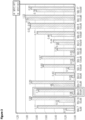
- Min-1 to Min-32 MYC E-Box luciferase reporter assay to measure the effects of these compounds (referred to as Min-1 to Min-32) on MYC transcriptional activity. As shown in Figure 2 , about 10 compounds have similar or better activity compared to positive control 10058-F4 at 25 ⁇ M. (See Figure 2 ).
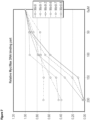
- Min9 (NUCC-0176234 (reference) was also tested in a cell viability assay against a cMYC wild-type (WT) and a cMYC KO line. As shown in Figure 4 , this compound reduces cell viability much more in the WT line than the KO cells, indicating a mechanism directly related to cMYC.
- Min9 (NUCC-0176234 (reference) was also tested for its ability to cause DNA damage in an rH2AX staining assay. We would not expect cMYC-targeting agents to produce significant DNA damage. Compounds that act directly against DNA such as doxorubicin do however. We observed essentially no DNA damage caused by Min9 (NUCC-0176234 (reference)). (See Figure 6 ).
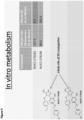
- NUCC-176242 In vitro metabolism of NUCC-176242 (reference) and NUCC-176248 (reference) were tested using mouse liver microsomes and a mouse S9 fraction. (See Figure 9 ). NUCC-176242 (reference) was significantly metabolism by the mouse S9 fraction versus NUCC-176248 (reference) likely due to S9 conjugation at the N-1 nitrogen atom of the pyrazole ring.
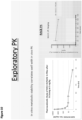
- NUCC-176242 The pharmacokinetics of NUCC-176242 (reference) and NUCC-176248 (reference) were studied in mice by administering a dose of 5 mg/kg intravenously and measuring the plasma concentration versus time. ( See Figure 10 ).
- LCMS Liquid chromatography/mass spectrometry
- Step 1 Over a solution of the phenol (1 equiv.), in 100 mL of acetone, bromoacetonitrile (1 equiv.) were added followed by potassium carbonate (1.5 equiv.) were added. Then, the solution stirred at 60 °C for 4.5 h. The reaction was quenched by adding 30 mL of NaHCO 3 aqueous solution and water, extracted with of EtOAc (3 x 30 mL). The combined organic layers were washed with brine and dried over anhydrous Na 2 SO 4 . Solvent was then removed under reduced pressure and the residue was purified by silica gel chromatography.
- Step 2 Over a cold ice-bath solution of the acetonitrile-phenoxy intermediate (1 equiv.) in 6.5 mL of benzene (1M solution), a HCL solution in dioxane (10 equiv.) was added dropwise. The resulting solution stirred for 1h before a resorcinol (1 equiv.) and ZnCl 2 (1 equiv.) in 10 mL of diethyl ether was added slowly. The resulting solution stirred from 0 °C to RT for 16 h. The resulting suspension was centrifuged and the solid was separated. The solid was washed with water and dried under vacuum.
- Step 3 A suspension of the O-phenoxy-acetophenone (1mmol) with TFFA (5 equiv) and pyridine (5 equiv.) was heated at 120 °C for 4h. Then, it was cool down to r.t. In some cases, product was precipitated, in others water was added and then extracted with EtOAc (3 x 10 mL). The combined organic layers were washed with brine, dried over Na 2 SO 4 , filtrated and concentrated. The residue was purified by silica gel chromatography.
- Step 4 A suspension of the phenoxy-chromenone, (1 equiv.), K 2 CO 3 (2 equiv.) and the halo alkane (1.1 equiv.) in 5 mL of acetone (0.8 M) was heated at 60 °C for 16 h. The reaction was filtered through a funnel and the solvent removed under reduced pressure. The crude residue was triturated with water and dried under reduced pressure until dryness.
- Step 1 Over a suspension of 1-(2,4-dihydroxyphenyl)ethan-1-one (5.00 g, 32.89 mmol, 1 equiv.) in trifluoroacetic anhydride (18.50 mL, 131,56 mmol, 4 equiv.) placed in a high-pressure tube, sodium 2,2,2-trifluoroacetate (9.84 g, 72.36 mmol, 2.2 equiv.) was added and the system was capped and stirred at 110 °C for 24 h. The reaction was allowed to cool down to approximately 70 °C and then was diluted with 200 mL of EtOAc. The mixture was neutralized by adding saturated aqueous K 2 CO 3 solution until no more bubbling was observed.
- Step 2 A suspension of 7-hydroxy-3-iodo-2-(trifluoromethyl)-4H-chromen-4-one, (1 g, 2.8 mmol, 1 equiv.), the halo-alkane (3.4 mmol, 1.2 equiv.) and K 2 CO 3 (0.77 g, 5.6 mmol, 2 equiv.) in 5 mL of acetone was heated at 60 °C for 16 h. The reaction was filtered through a funnel and the solvent removed under reduced pressure. The crude residue was triturated with water and dried under reduced pressure until dryness.
- Step 3 A suspension of the previous alkylated chromenone (0.34 mmol, 1 equiv.), with the corresponding boronic acid (0.37 mmol, 1.1 equiv.), Na 2 CO 3 (0.68 mmol, 2 equiv.) and Pd(dppf)Cl 2 (0.026 mmol, 0.08 equiv.) in 3.5 mL of a mixture 1:2:6 of EtOH:water:toluene was bubbled with nitrogen gas for 10 minutes. Then, the flask was capped, and the mixture was heated at 90 °C for 2 h. The dark solution was cool down to room temperature and diluted with EtOAc.
- Step 1 Over a solution of 1-(2,4-dihydroxyphenyl)ethanone (0.92 g, 6.05 mmol) and pyridinium p -toluenesulfonate (0.061 g, 0.242 mmol) were introduced in 9 mL of dichloromethane, 3,6-dihydro-2H-pyran (1.655 ml, 18.14 mmol, 1 equiv.) was added. Then, the resulting solution stirred at rt for 3h. Reaction was quenched by adding 9 mL of an aqueous saturated solution of NaHCO 3 . Layers were separated and aqueous layer was extracted with dichloromethane (2 x 10) mL.
- the yellow solid obtained was then solved in 50 mL of a mixture 1:1 of dichloromethane:THF and pTsOH (0.6 mmol, 1 equiv.) were added and it stirred at RT for 1.5 hours. The reaction was directly concentrated under reduced pressure. Finally, over a solution of the solid obtained, iodine (24 mmol) in 75 mL of CHCl 3 , pyridine (24 mmol, 4 equiv.) were added. The resulting solution was stirred at room temperature for 16 h. Then, 75 mL of saturated aqueous Na 2 S 2 O 3 were added and the resulting mixture stirred for one hour.
- Step 2 A suspension of 2-carbonyl-chromenone, (3 mmol), the halo-alkane (3.6 mmol, 1.2 equiv.) and K 2 CO 3 (6 mmol) in 30 mL of acetone was heated at 60 °C for 16 h. The reaction was filtered through a funnel and the solvent removed under reduced pressure. The crude residue was triturated with water and dried under reduced pressure until dryness.
- Step 3 A suspension of the previous alkylated chromenone (0.34 mmol, 1 equiv.), with the corresponding boronic acid (0.37 mmol, 1.1 equiv.), Na 2 CO 3 (0.68 mmol, 2 equiv.) and Pd(dppf)Cl 2 (0.026 mmol, 0.08 equiv.) in 3.5 mL of a mixture 1:2:6 of EtOH:water:toluene was bubbled with nitrogen gas for 10 minutes. Then, the flask was capped, and the mixture was heated at 90 °C for 2 h. The dark solution was cool down to room temperature and diluted with EtOAc.
- Step 5 Over a solution of the ethyl-esterpyrazole (0.1 mmol, 1 equiv.) in 0.5 mL of a mixture THF:water 1:1, a drop of 10% NaOH aqueous solution was added stirred at RT for 24 h. The reaction was concentrated to dryness. Then, the resulting solid was solved in 1 mL of DMF and TSTU (0.1 mmol, 1 equiv.) and DIPEA (0.2 mmol) were added and the solution stirred for 20 minutes at RT. After that, the amine (0.2 mmol) were added and stirred at RT for 30 minutes. The reaction was directly purified by preparative reverse phase HPLC.
- Step 1 In an appropriate sized vial, substituted phenol (1 equiv.), aryl/alkyl chloride (1.1 equiv.), K 2 CO 3 (3 equiv.) in dry acetone were added and stirred at 60 °C overnight. On completion, the solvent was evaporated and the residue was suspended in EtOAc (10 mL). The organic porion is washed with H 2 O (2 x 10 mL). The combined aqeous portion was further extracted with EtOAc (10 mL). The combined organic portion was washed with brine, dried over Na 2 SO 4 and evaporated to yield a crude residue. The residue was used for the next step with further purification.
- Step 2 In an appropriae sized vial, (1-methyl-3-(trifluoromethyl)-1H-pyrazol-5-yl)boronic acid (1 equiv.), step 1 product (1equiv.), Pd(dppf) 2 Cl 2 (0.05 equiv.), Na 2 CO 3 (3 equiv.) in a mixture of dioxane:H 2 O (1:1). The vial were flushed with N 2 for 1 min and stirred at 100 °C for 1 h. On completion the reaction mixture was cooled to room temp and passed through a silica plug using DCM:MeOH (10:1). The solvent was evaporated to yield the crude residue. The crude was purified by prep HPLC. To obain the desired product.
- Step 3 In an appropriae sized vial, add step 2 product (1 equiv.) and NaBH 4 (1.2 equiv.) in methanol and stirrred at room temp for 7 h. On completion, the reaction was concentrated and suspended in H 2 O. The suspension was extracted with EtOAc (3 x 3 mL) and the combined organic portion was evaporated to yield crude residue which was purified by prep HPLC
- Step 4 In an appropriate sized vial, add product of step 2 (1 equiv.), NBS (5 equiv.) in anh. DMF and stir the reagents at room temp for 3 days. On completion, the reaction was quenched with water (4 mL) and extracted with EtOAc (3 x 3 mL). The combined organic portion was dried and the residue was purified via Biotage (5:1 Hex/EtOAc; 10 g column). Collected fractions: 11-14.
- Step 5 In an appropriate sized vial, add product of step 2 (1 equiv.), H 2 O 2 (30% aqueous solution, 1 equiv.), Na 2 CO 3 (3 equiv.) in MeOH was stirred at room temp overnight. On completion the solvent was evaporated and the residue was suspended in water (1 mL) and extracted with EtOAc (3 x 1 mL). The combined organic portion was evaporated to yield the crdue which was purified by prep HPLC.
- Step 1 Over a solution of 1-(2,4-dihydroxyphenyl)ethanone (0.92 g, 6.05 mmol, 1 equiv.) and PYRIDINIUM P-TOLUENESULFONATE (0.061 g, 0.242 mmol, 0.04 equiv.) were introduced in 9 mL of dichloromethane, 3,6-dihydro-2H-pyran (1.655 ml, 18.14 mmol, 3 equiv.) was added. Then, the resulting solution stirred at rt for 3h. Reaction was quenched by adding 9 mL of an aqueous saturated solution of NaHCO 3 .
- Step 2 A suspension of the chromenone, (3 mmol,v), the halo-alkane (3.6 mmol, 1.2 equiv.) and K 2 CO 3 (6 mmol) in 30 mL of acetone was heated at 60 °C for 16 h. The reaction was filtered through a funnel and the solvent removed under reduced pressure. The crude residue was triturated with water and dried under reduced pressure until dryness.
- Step 3 A suspension of the previous alkylated chromenone (0.34 mmol, 1 equiv.), with the corresponding boronic acid (0.37 mmol, 1.1 equiv.), Na 2 CO 3 (0.68 mmol, 2 equiv.) and Pd(dppf)Cl 2 (0.026 mmol, 0.08 equiv.) in 3.5 mL of a mixture 1:2:6 of EtOH:water:toluene was bubbled with nitrogen gas for 10 minutes. Then, the flask was capped, and the mixture was heated at 90 °C for 2 h. The dark solution was cool down to room temperature and diluted with EtOAc.
- Step 1 Over a mixture of the 2-phenylacetic acid derivative (10.58 mmol, 1 equiv.) and resorcinol (1.165 g, 10.58 mmol, 1 equiv.), Boron trifluoride etherate ORON (4.02 ml, 31.7 mmol, 3 equiv.) was added. The vial was sealed and it stirred at 90 °C for 1.5 h. The reaction was cool down to RT. The solid obtained was partitioned between 20 mL of water and 20 mL of dichloromethane. Layers were separated and the aqueous one was extracted with dichloromethane 3 x 10 mL). The combined organic layers were dried over Na 2 SO 4 filtrated and concentrated under reduced pressure. Thee residue was purified by silica gel chromatography.
- Step 2 A suspension of the O-phenoxy-acetophenone (1mmol) with TFFA (5 equiv) and pyridine (5 equiv.) was heated at 120 °C for 4h. Then, it was cool down to r.t. In some cases product was precipitated, in others water was added and then extracted with EtOAc (3 x 10 mL). The combined organic layers were washed with brine, dried over Na2SO4, filtrated and concentrated. The residue was purified by silica gel chromatography.
- Step 3 A suspension of the the-chromenone, (0.5 mmol, 1 equiv.), K 2 CO 3 (1 mmol) and the halo alkane (0.6 mmol) in 5 mL of acetone was heated at 60 °C for 16 h. The reaction was filtered through a funnel and the solvent removed under reduced pressure. The crude residue was triturated with water and dried under reduced pressure until dryness.
- Step 1 Over a suspension of 1-(2,4-dihydroxyphenyl)ethan-1-one (5.00 g, 32.89 mmol, 1 equiv.) in trifluoroacetic anhydride (18.50 mL, 131,56 mmol, 4 equiv.) placed in a high-pressure tube, sodium 2,2,2-trifluoroacetate (9.84 g, 72.36 mmol, 2.2 equiv.) was added and the system was capped and stirred at 110 °C for 24 h. The reaction was allowed to cool down to approximately 70 °C and then was diluted with 200 mL of EtOAc. The mixture was neutralized by adding saturated aqueous K 2 CO 3 solution until no more bubbling was observed.
- Step 2 In order to obtain different Pd-catalyzed coupling products in the position 7 of the 2-CF3-chromenone, different conditions were followed:
- Phenol coupling Over a suspension of the chromenone-triflate (150 mg, 0.41 mmol, 1 equiv.), with K 2 CO 3 (113 mg, 0.82 mmol, 2 equiv.), JohnPhos (12 mg, 0.04 mmol, 0.1 equiv.) and Pd 2 dba 3 (19 mg, 0.02 mmol, 0.05 equiv.) in 4 mL of toluene, nitrogen gas was bubbled for 10 minutes. Then, the flask was capped, and the mixture was heated at 90 °C for 16 h. The dark solution was cool down to room temperature and diluted with 5 mL of EtOAc and 5 mL of water.
- Step 1 Over a suspension of 1-(2,4-dihydroxyphenyl)ethan-1-one (5.00 g, 32.89 mmol, 1 equiv.) in trifluoroacetic anhydride (18.50 mL, 131,56 mmol, 4 equiv.) placed in a high-pressure tube, sodium 2,2,2-trifluoroacetate (9.84 g, 72.36 mmol, 2.2 equiv.) was added and the system was capped and stirred at 110 °C for 24 h. The reaction was allowed to cool down to approximately 70 °C and then was diluted with 200 mL of EtOAc. The mixture was neutralized by adding saturated aqueous K 2 CO 3 solution until no more bubbling was observed.
- Step 2 A suspension of 7-hydroxy-2-(trifluoromethyl)-4H-chromen-4-one, (1 g, 2.8 mmol, 1 equiv.), the halo-alkane (3.4 mmol, 1.2 equiv.) and K 2 CO 3 (0.77 g, 5.6 mmol, 2 equiv.) in 5 mL of acetone was heated at 60 °C for 16 h. The reaction was filtered through a funnel and the solvent removed under reduced pressure. The crude residue was triturated with water and dried under reduced pressure until dryness.
- Step 6 In a appropriate sized vial, product from step 5 (1 equiv.), IBX-SO 3 K (1.5 equiv.), NaI (0.2 equiv.), NaN 3 (3.3 equiv.) in anhydrous DMSO were stirred in an ice-cold water bath for 5 min and further heated at 60 °C for 2 h. On completion, the reaction mixture was quenched with sat. Na 2 S 2 O 3 (25 mL) and extracted with Et 2 O (2 x 25 mL). The combined organic portion was washed with sat. NaHCO 3 (2 x 25 mL) and dried over Na 2 SO 4 . The organic portion was evaporated to yield a yellow-colored residue.
- Step 7 In an appropriate sized vial, product from step 4 (1 equiv.), product from step 5 (1.5 equiv.), HATU (1.5 equiv.), DIEA (4 equiv.) in anhydrous DCM was stirred at 30 °C for 6 h. On completion, the solvent was evaporated to yield a crude residue. The crude was purified by prep HPLC.
- Step 5 In an appropriate sized vial, the azido-PEG carboxylic acid (1 equiv.) was stirred with thionyl chloride (39 equiv.) at room temp for 3 h. On completion, (LCMS shows the methyl ester in indicating reaction completion) the excess thionyl chloride was evaporated to yield the crude acid chloride. A solution of product from step 4 (1 equiv.) was added in anhydrous THF was added to the acid chloride and TEA (5 equiv.) and the reaction mixture was stirred at 60 °C for 3 h. On completion the mixture was filtered through a cotton plug and purified by prep HPLC (50x30, C18, 50 mL/min, Rt. 3.3-3.6 min) which was taken up for the coupling step without further purification (assuming quantitative yield).
- Step 6 In an appropriate sized vial, product from step 5 (1 equiv.), CuSO 4 (5 equiv.), sodium ascorbate (5 equiv.), propargyl-CRBN (1 equiv.) in THF:H 2 O (1:1) was stirred at room temp overnight. On completion, the reaction mixture was diluted with ACN (1 mL) and purified by prep HPLC.
- NUCC-176242 The pharmacokinetics of NUCC-176242 (reference) and NUCC-176248 (reference) were studied in mice by administering a dose of 5 mg/kg intravenously and measuring the plasma concentration versus time.
- PC3 prostate cancer cell line with high Myc level and PC12 pheochromocytoma tumor cell line with non functional Max protein, which is not dependent on Myc-Max complex, were phased from ATCC.
- Cells were plated in 96 well plate at 1000 cells per well, and Myc inhibitor 361 at various concentrations was added to the cells next day. After 3 days of treatment, fresh medium with 361 were added again, and cell viability was measured by MTS assay at day 5 after the treatment. (See Figure 11 ).
- Myc Ebox luciferase reporter assay ( Figure 12 ).
- MycCap cells stably expressing luciferase with CMV promoter (MycCap-luc) or c-Myc E-box-luciferase reporter (MycCap Ebox-luc) were plated at 10000 cells per well in 96 well white-wall plate. Serial dilutions of 361 were treated next day. At 4 hours of treatment, luminescence signal was determined immediately after adding 150 ⁇ g/ml of Luciferin to the well. (See Figure 12 ).
- CETSA Cellular Thermal Shift Assay
- c-Myc antibody is from Abcam (Ab32072). Data was generated from three independent experiments, and c-Myc protein intensity was quantified through Imagel. (See Figure 13 ).
- MycCap FVB allograft model ( Figure 15 ).
- FVB mice were inoculated with 1 ⁇ 10 6 of MycCap cells in 100ul of matrigel subcutaneously on both flanks of the mice. When tumor size reached average size of 150mm 3 , mice were randomized based on tumor volume to 2 groups. Mice were administered with 50mg/kg of 361 or vehicle(Veh) twice daily intraperitoneally for two days. The treatment was suspended for 10 day, and initiated the treatment with a lower dose 70mg/kg daily for another 9 days. Tumor size was measured twice a week during the experiment. (See Figure 15 ).
- Myc inhibitor 361 combination with Immunotherapy ( Figure 16 ).
- MycCap FVB allograft model was treated with 361(50mg/kg) for two days, following by two days of anti-PD-1 antibody (100ug/day), and kept this 4-day treatment cycle for 4 cycles. (See Figure 16 ).
- FIG. 17 Myc inhibitor combination treatment with Ara-C in AML xenograft model.
- CB17 SCID mice were inoculated with MV411 cells at the density of 5 ⁇ 10 6 suspended in PBS and matrigel (1:1). The mice were randomized based on tumor volume into 6 different groups after the tumor reached ⁇ 200 to 500 mm 3 . The mice were treated either with vehicle, NU031, NU975 alone or in combination with cytarabine (Ara-C). The combination treatment shows significant difference compared to control group. (See Figure 17 ).
- the One-dose data will be reported as a mean graph of the percent growth of treated cells and will be similar in appearance to mean graphs from the 5-dose assay.
- the number reported for the One-dose assay is growth relative to the no-drug control, and relative to the time zero number of cells. This allows detection of both growth inhibition (values between 0 and 100) and lethality (values less than 0). This is the same as for the 5-dose assay, described below. For example, a value of 100 means no growth inhibition. A value of 40 would mean 60% growth inhibition. A value of 0 means no net growth over the course of the experiment. A value of -40 would mean 40% lethality. A value of -100 means all cells are dead. Information from the One-dose mean graph is available for COMPARE analysis.
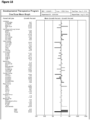
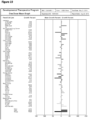
- NCI 60 Cell Five-Dose Screen ( Figure 18 , Figure 19 , and Figure 20 ). Compounds which exhibit significant growth inhibition in the One-Dose Screen are evaluated against the 60 cell panel at five concentration levels.
- the human tumor cell lines of the cancer screening panel are grown in RPMI 1640 medium containing 5% fetal bovine serum and 2 mM L-glutamine.
- RPMI 1640 medium containing 5% fetal bovine serum and 2 mM L-glutamine.
- cells are inoculated into 96 well microtiter plates in 100 ⁇ L at plating densities ranging from 5,000 to 40,000 cells/well depending on the doubling time of individual cell lines. After cell inoculation, the microtiter plates are incubated at 37° C, 5 % CO2, 95 % air and 100 % relative humidity for 24 h prior to addition of experimental drugs.
- the plates are incubated for an additional 48 h at 37°C, 5 % CO2, 95 % air, and 100 % relative humidity.
- the assay is terminated by the addition of cold TCA.
- Cells are fixed in situ by the gentle addition of 50 ⁇ l of cold 50 % (w/v) TCA (final concentration, 10 % TCA) and incubated for 60 minutes at 4°C. The supernatant is discarded, and the plates are washed five times with tap water and air dried.
- Sulforhodamine B (SRB) solution (100 ⁇ l) at 0.4 % (w/v) in 1 % acetic acid is added to each well, and plates are incubated for 10 minutes at room temperature.
- GI50 Growth inhibition of 50 %
Landscapes
- Chemical & Material Sciences (AREA)
- Organic Chemistry (AREA)
- Health & Medical Sciences (AREA)
- Chemical Kinetics & Catalysis (AREA)
- Life Sciences & Earth Sciences (AREA)
- General Chemical & Material Sciences (AREA)
- Medicinal Chemistry (AREA)
- Nuclear Medicine, Radiotherapy & Molecular Imaging (AREA)
- Veterinary Medicine (AREA)
- Pharmacology & Pharmacy (AREA)
- Public Health (AREA)
- Animal Behavior & Ethology (AREA)
- General Health & Medical Sciences (AREA)
- Oncology (AREA)
- Hematology (AREA)
- Pharmaceuticals Containing Other Organic And Inorganic Compounds (AREA)
- Plural Heterocyclic Compounds (AREA)
- Nitrogen And Oxygen Or Sulfur-Condensed Heterocyclic Ring Systems (AREA)
- Nitrogen Condensed Heterocyclic Rings (AREA)
Description
- This invention was made with government support under grant number R01 CA123484 awarded by the National Institutes of Health. The government has certain rights in the invention.
- The field of the invention relates to substituted heterocycles as c-MYC targeting agents. In particular, the field of the invention relates to substituted pyrazoles, pyrimidines, or trizoles as c-MYC targeting agents for the treatment of cell proliferation diseases and disorders such as cancer.
- The c-MYC oncogene is de-regulated and plays a causal role in a majority of human cancer and c-MYC inhibition profoundly affects tumor growth or survival in multiple models. MYC is the most common oncogene involved in human cancers and is overexpressed in up to half of all cancers. Therefore, developing c-MYC inhibitors is among the most attractive potential anti-cancer strategies. Unfortunately, due to the difficulty in targeting transcription factors with small molecules, c-MYC is currently regarded as "undruggable." Here, we disclose a new approach to targeting c-MYC and have developed a series of new small molecule inhibitors. These compounds selectively target c-MYC-driven cell proliferation and interfere with binding of c-MYC to DNA.
-
US 2017/253581 A1 describes substituted heterocycles. -
US 2008/090880 A1 describes 3-(2-hydroxyphenyl) pyrazoles. -
US 2012/316182 A1 describes compounds which modulate store operated calcium (SOC) channels. -
WO 2007/136703 A1 describes compounds which modulate activity of the 5-HT2A serotonin receptor. -
EP 0280654 A1 describes a process for changing the photochemical stability of dyeings on fibrous polyester materials. -
FR 1396684 A -
US 2013/005666 A1 describes a Neh2-luc reporter system. -
WO 2007/081966 A2 describes compounds that can be used to bind tubulin. - Park et al. ("A novel class of Hsp90 inhibitors isolated by structure-based virtual screening", Bioorganic & Medicinal Chemistry Letters, vol. 17, no. 22, 2007, pages 6345-6349) describes 3-phenyl-2-styryl-3H-quinazolin-4-one compounds.
-
WO 2006/018082 A1 describes 1,5-diphenylpyrazole compounds. -
JP 2005225787 A -
CN 107739337 A describes a preparation method for a cadmium, aluminum and lead ion chelating agent. - Sapegin Alexander V et al. ("New tetracyclic 1,4-oxazepines constructed via practically simple tandem condensation strategy from readily available synthons", Tetrahedron, vol. 70, no. 5, 2013, pages 1077-1083) describes 1,4-oxazepine compounds.
- Vishnu Nayak et al. ("Monoamine oxidase inhibitory activity of 3,5-biaryl-4,5-dihydro-1H-pyrazole-1-carboxylate derivatives", European Journal of Medicinal Chemistry, vol. 69, 2013, pages 762-767) describes 3,5-biaryl-4,5-dihydro-1H-pyrazole-1-carboxylate compounds.
- The invention is defined by the claims.
- Disclosed are substituted heterocycles which may be utilized as c-MYC targeting agents. The substituted heterocycles may include substituted pyrazoles, substituted pyrimidines, and substituted triazoles. The disclosed heterocycles may be used in pharmaceutical compositions and methods for treating cell proliferative disorders such as cancer.
- In a first aspect, the invention provides a compound having a formula I(i) or I(ii):


- R1 is hydrogen or R1 is an aryl group, a benzyl group, a heteroaryl group, a cycloalkyl group, or a cycloheteroalkyl group, optionally R1 is substituted at one or more positions with one or more of alkyl, alkoxy, haloalkyl, haloalkoxy, aryl, hydroxyl, halo, cyano, amido, hydrazonyl, carbonyl, carboxyl, and alkoxycarbonyl;
- n is 0, 1, or 2;
- p is 0 or 1;
- X is O or NH, or R1(CH2)n(X)p- is N-piperazinyl optionally N-substituted with alkyl;
- R2 is hydrogen or halo;
- R3 is alkyl, alkoxy, haloalkyl, haloalkoxy, aryl, benzyl, hydroxyl, halo, amido, hydrazonyl, carboxyl, and alkoxycarbonyl;
- R4 is hydrogen, amino, alkyl, or R4 is aryl or benzyl; R4 optionally is substituted at one or more positions with one or more of alkyl, alkoxy, haloalkyl, haloalkoxy, aryl, hydroxyl, halo, cyano, amido, hydrazonyl, carbonyl, carboxyl, alkoxycarbonyl, aryloxy, and alkylaryloxy;
- R5 is alkyl, alkoxy, haloalkyl, haloalkoxy, hydroxyl, or halo;
- R6 is hydrogen, amino, alkyl, or R6 is aryl or benzyl; R6 optionally is substituted at one or more positions with one or more of alkyl, alkoxy, haloalkyl, haloalkoxy, aryl, hydroxyl, halo, cyano, amido, hydrazonyl, carbonyl, carboxyl, alkoxycarbonyl, aryloxy, and alkylaryloxy, or R6 and R5 together form a ring structure having a formula

- R7 is halo, or R7 is an alkyl group, an aryl group, a benzyl group, a heteroaryl group, a cycloalkyl group, or a cycloheteroalkyl group, optionally R7 is substituted at one or more positions with one or more of alkyl, alkoxy, haloalkyl, haloalkoxy, hydroxyl, halo, cyano, amido, hydrazonyl, carbonyl, carboxyl, and alkoxycarbonyl;
- with the proviso that if R1(CH2)n(X)p- is hydrogen, hydroxyl, or alkyl, and R5 is hydroxyl, then at least one of R2 and R3 is not hydrogen;
- or a compound selected from the group consisting of


- In a second aspect, the invention provides a pharmaceutical composition comprising a compound of the first aspect, and a suitable pharmaceutical carrier, excipient, or diluent.
- In a third aspect, the invention provides a composition of the second aspect for use in a method of treating cancer.
- Also disclosed herein are substituted heterocycles which may include substituted pyrazoles having a formula I:

- R1 is hydrogen, or R1 is an aryl group (e.g., phenyl), a benzyl group, a heteroaryl group (e.g., N-pyridinyl, pyridin-2-yl, pyridin-3-yl, pyridin-4-yl, pyrazol-1-yl, pyrazol-3-yl, pyrazol-4-yl, 1,3-benzodioxol-5-yl, 1,3-benzodioxol-6-yl, furan-2-yl, furan-3-yl), a cycloalkyl group (e.g., cyclohexyl), a cycloheteroalkyl group (e.g., piperidinyl, morpholinyl), optionally R1 is substituted at one or more positions with one or more of alkyl (e.g., C1-C6 alkyl), alkoxy (e.g., C1-C6 alkoxy), haloalkyl (e.g., trifluoromethyl), haloalkoxy (e.g., trifluoromethoxy), aryl (e.g., phenyl), hydroxyl, halo, cyano, amido, hydrazonyl, carbonyl, carboxyl, and alkoxycarbonyl;
- n is 0, 1, or 2;
- p is 0 or 1;
- X is O or NH, or R1(CH2)n(X)p- is N-piperazinyl optionally N-substituted with alkyl; m is 0 or 1;
- R2 is hydrogen or halo, or R2 is an alkyl group, an aryl group (e.g., phenyl), a benzyl group, a heteroaryl group (e.g., N-pyridinyl, pyridin-2-yl, pyridin-3-yl, pyridin-4-yl, pyrazol-1-yl, pyrazol-3-yl, pyrazol-4-yl, 1,3-benzodioxol-5-yl, 1,3-benzodioxol-6-yl, furan-2-yl, furan-3-yl), a cycloalkyl group (e.g., cyclohexyl), a cycloheteroalkyl group (e.g., piperidinyl, morpholinyl), optionally R2 is substituted at one or more positions with one or more of alkyl (e.g., C1-C6 alkyl), alkoxy (e.g., C1-C6 alkoxy), haloalkyl (e.g., trifluoromethyl), haloalkoxy (e.g., trifluoromethoxy), hydroxyl, halo, cyano, amido, hydrazonyl, carbonyl, carboxyl, and alkoxycarbonyl;
- R3 is hydrogen, alkyl (e.g., C1-C6 alkyl), alkoxy (e.g., C1-C6 alkoxy), haloalkyl (e.g., trifluoromethyl), haloalkoxy (e.g., trifluoromethoxy), aryl (e.g., phenyl), benzyl, hydroxyl, halo, amido, hydrazonyl, carbonyl, carboxyl, or alkoxycarbonyl;
- R4 is hydrogen, amino, alkyl, or R4 is aryl (e.g., phenyl), or benzyl; R4 optionally is substituted at one or more positions with one or more of alkyl (e.g., C1-C6 alkyl), alkoxy (e.g., C1-C6 alkoxy), haloalkyl (e.g., trifluoromethyl), haloalkoxy (e.g., trifluoromethoxy), aryl (e.g., phenyl), hydroxyl, halo, cyano, amido, hydrazonyl, carbonyl, carboxyl, alkoxycarbonyl, aryloxy (e.g., phenoxy), and alkylaryloxy (e.g., benzyloxy);
- R5 is alkyl (e.g., C1-C6 alkyl), alkoxy (e.g., C1-C6 alkoxy), haloalkyl (e.g., trifluoromethyl), haloalkoxy (e.g., trifluoromethoxy), hydroxyl, or halo;
- R6 is hydrogen, amino, alkyl, or R6 is aryl (e.g., phenyl) or benzyl; R6 optionally is substituted at one or more positions with one or more of alkyl (e.g., C1-C6 alkyl), alkoxy (e.g., C1-C6 alkoxy), haloalkyl (e.g., trifluoromethyl), haloalkoxy (e.g., trifluoromethoxy), aryl (e.g., phenyl), hydroxyl, halo, cyano, amido, hydrazonyl, carbonyl, carboxyl, alkoxycarbonyl, aryloxy (e.g., phenoxy), and alkylaryloxy (e.g., benzyloxy), or R6 and R5 together form a ring structure having a formula

- R7 is hydrogen or halo, or R2 is an alkyl group, an aryl group (e.g., phenyl), a benzyl group, a heteroaryl group (e.g., N-pyridinyl, pyridin-2-yl, pyridin-3-yl, pyridin-4-yl, pyrazol-1-yl, pyrazol-3-yl, pyrazol-4-yl, 1,3-benzodioxol-5-yl, 1,3-benzodioxol-6-yl, furan-2-yl, furan-3-yl), a cycloalkyl group (e.g., cyclohexyl), a cycloheteroalkyl group (e.g., piperidinyl, morpholinyl), optionally R7 is substituted at one or more positions with one or more of alkyl (e.g., C1-C6 alkyl), alkoxy (e.g., C1-C6 alkoxy), haloalkyl (e.g., trifluoromethyl), haloalkoxy (e.g., trifluoromethoxy), hydroxyl, halo, cyano, amido, hydrazonyl, carbonyl, carboxyl, and alkoxycarbonyl;
- optionally with the proviso that at least one of R4 and R6 is hydrogen;
- optionally with the proviso that if R5 is hydrogen, then p is 1 and m is 1; and
- and optionally with the proviso that if R1(CH2)n(X)p- is hydrogen, hydroxyl, or alkyl, and R5 is hydroxyl, then m is 1, or at least one of R2 and R3 is not hydrogen.
- In the disclosed formula I, Pyr is a pyrazole ring having two non-adjacent double bonds.
- The disclosed compounds may exhibit one or more biological activities. The disclosed compounds may inhibit binding of the MYC/Max complex to DNA (e.g., in a DNA gel shifting assay). The disclosed compounds may not produce significant DNA damage (e.g., in an rH2AX staining assay at a concentration greater than about 0.001 µM, 0.005 µM , 0.01 µM, 0.1 µM, 1.0 µM, 10 µM, 100 µM, or higher). The disclosed compounds may inhibit the growth of cells that express c-MYC (preferably by at a concentration of less than about 100 µM, 50 µM, 10 µM, 1 µM, 0.1 µM, 0.05 µM, 0.01 µM, 0.005 µM, 0.001 µM, or less). The disclosed compounds may not inhibit the growth of cells that do not express c-MYC (preferably at a concentration of greater than about 0.001 µM, 0.005 µM, 0.01 µM, 0.5 µM, 0.1 µM, 1.0 µM, 10 µM, and 100 µM or higher).
- Also disclosed are pharmaceutical compositions comprising the disclosed compounds and a suitable pharmaceutical carrier, excipient, or diluent. The disclosed pharmaceutical compositions may comprise an effective amount of the compound for inhibiting the growth of cancer cells when administered to a subject in need thereof.
- Also disclosed are methods for treating cell proliferation diseases and disorders such as cancer. The methods may include administering the disclosed compounds or pharmaceutical compositions comprising the disclosed compounds to a subject in need thereof, for example, to a subject having cancer. The disclosed compounds or pharmaceutical compositions comprising the disclosed compounds may be administered with additional therapeutic agents, optionally in combination, in order to treat cell proliferative diseases and disorders. Cell proliferative diseases and disorders treated by the disclosed methods may include, but are not limited to, cancers selected from the group consisting of multiple myeloma, leukemia, non-small cell lung cancer, colon cancer, cancer of the central nervous system, melanoma, ovarian cancer, renal cancer, prostate cancer, and breast cancer.
-
-
Figure 1 . Scheme for in silico screen to identify c-MYC inhibitors. -
Figure 2 . Relative MYC E-box luciferase inhibitory activity of 32 compounds. -
Figure 3 . Growth inhibition by selected hit compound on MYC WT and KO fibroblasts. -
Figure 4 . Cell viability after treatment with Min9 (NUCC-0176234 (reference)). -
Figure 5 . Electrophoretic mobility shift assay (EMSA) in the presence of 200 µM test compounds. -
Figure 6 . (B) Relative values of DNA bound for test compounds at 200 µM. -
Figure 7 . (C) Relative MYC/Max DNA binding versus concentration of compound. -
Figure 8 . rH2AX assay for DNA damage. -
Figure 9 . In vitro metabolism of NUCC-176242 (reference) versus NUCC-176248 (reference). -
Figure 10 . Pharmacokinetic study of NUCC-176242 (reference) in mice after IV dosing at 5 mg/kg. -
Figure 11 . Myc inhibitor 361 specifically inhibits proliferation of Myc dependent cell line PC3, but not Myc independent cell line PC12. -
Figure 12 . Myc inhibitor 361 inhibits c-Myc transcription activity as an early event before affecting cell viability. -
Figure 13 . Myc inhibitor 361 inhibits c-Myc transcription activity as an early event before affecting cell viability. -
Figure 14 . MYC inhibitor Min9-S1 impairs MYC transcriptional program. -
Figure 15 . Myc inhibitor 361 reduces tumor volume in a mouse prostate cancer allograft model. -
Figure 16 . Myc inhibitor 361 combination with Immunotherapy significantly blocks tumor progression. -
Figure 17 . Myc inihibitor 975 and 031 shows significant synergic anti-tumor effect with Ara-C in a AML mice xenograft model. -
Figure 18 . NCI60 profiling of compound 201195 at a single concentration of 10 uM. -
Figure 19 . NCI60 profiling of compound 200975 at a single concentration of 10 uM. -
Figure 20 . NCI60 profiling of compound 196361 at a single concentration of 10 uM. - Figure 21. NCI60 profiling of compound 196361 across a 5-dose range.
- The present invention is described herein using several definitions, as set forth below and throughout the application.
- Unless otherwise specified or indicated by context, the terms "a", "an", and "the" mean "one or more." For example, "a compound" should be interpreted to mean "one or more compounds."
- As used herein, "about," "approximately," "substantially," and "significantly" will be understood by persons of ordinary skill in the art and will vary to some extent on the context in which they are used. If there are uses of these terms which are not clear to persons of ordinary skill in the art given the context in which they are used, "about" and "approximately" will mean plus or minus ≤10% of the particular term and "substantially" and "significantly" will mean plus or minus >10% of the particular term.
- As used herein, the terms "include" and "including" have the same meaning as the terms "comprise" and "comprising" in that these latter terms are "open" transitional terms that do not limit claims only to the recited elements succeeding these transitional terms. The term "consisting of," while encompassed by the term "comprising," should be interpreted as a "closed" transitional term that limits claims only to the recited elements succeeding this transitional term. The term "consisting essentially of," while encompassed by the term "comprising," should be interpreted as a "partially closed" transitional term which permits additional elements succeeding this transitional term, but only if those additional elements do not materially affect the basic and novel characteristics of the claim.
- As used herein, a "subject" may be interchangeable with "patient" or "individual" and means an animal, which may be a human or non-human animal, in need of treatment.
- A "subject in need of treatment" may include a subject having a disease, disorder, or condition that is responsive to therapy with a substituted heterocycle such as the presently disclosed substituted pyrazoles, substituted pyrimidines, and substituted triazoles. For example, a "subject in need of treatment" may include a subject having a cell proliferative disease, disorder, or condition such as cancer (e.g., cancers such as multiple myeloma, leukemia, non-small cell lung cancer, colon cancer, cancer of the central nervous system, melanoma, ovarian cancer, renal cancer, prostate cancer, and breast cancer). A "subject in need of treatment" may include a subject having a cell proliferative disease, disorder, or condition such as cancer that is associated with c-MYC activity and/or that may be treated by administering an effective amount of an agent that modulates c-MYC activity.
- As used herein, the phrase "effective amount" shall mean that drug dosage that provides the specific pharmacological response for which the drug is administered in a significant number of subject in need of such treatment. An effective amount of a drug that is administered to a particular subject in a particular instance will not always be effective in treating the conditions/diseases described herein, even though such dosage is deemed to be a therapeutically effective amount by those of skill in the art.
- As used herein, the term "modulate" means decreasing or inhibiting activity and/or increasing or augmenting activity. For example, modulating c-MYC activity may mean increasing or augmenting c-MYC activity and/or decreasing or inhibiting c-MYC activity. The compounds disclosed herein may be administered to modulate c-MYC activity.
- New chemical entities and uses for chemical entities are disclosed herein. The chemical entities may be described using terminology known in the art and further discussed below.
- As used herein, an asterisk "*" or a plus sign "+" may be used to designate the point of attachment for any radical group or substituent group.
- The term "alkyl" as contemplated herein includes a straight-chain or branched alkyl radical in all of its isomeric forms, such as a straight or branched group of 1-12, 1-10, or 1-6 carbon atoms, referred to herein as C1-C12 alkyl, C1-C10-alkyl, and C1-C6-alkyl, respectively.
- The term "alkylene" refers to a diradical of an alkyl group (e.g., -(CH2)n-where n is an integer such as an integer between 1 and 20). An exemplary alkylene group is - CH2CH2-.
- The term "haloalkyl" refers to an alkyl group that is substituted with at least one halogen. For example, -CH2F, -CHF2, -CF3, -CH2CF3, -CF2CF3, and the like.
- The term "alkenyl" as used herein refers to an unsaturated straight or branched hydrocarbon having at least one carbon-carbon double bond, such as a straight or branched group of 2-12, 2-10, or 2-6 carbon atoms, referred to herein as C2-C12-alkenyl, C2-C10-alkenyl, and C2-C6-alkenyl, respectively.
- The term "alkynyl" as used herein refers to an unsaturated straight or branched hydrocarbon having at least one carbon-carbon triple bond, such as a straight or branched group of 2-12, 2-10, or 2-6 carbon atoms, referred to herein as C2-C12-alkynyl, C2-C10-alkynyl, and C2-C6-alkynyl, respectively.
- The term "cycloalkyl" refers to a monovalent saturated cyclic, bicyclic, or bridged cyclic (e.g., adamantyl) hydrocarbon group of 3-12, 3-8, 4-8, or 4-6 carbons, referred to herein, e.g., as "C4-8-cycloalkyl," derived from a cycloalkane. In certain embodiments, the cycloalkyl group is not substituted, i.e., it is unsubstituted.
- The term "cycloheteroalkyl" refers to a monovalent saturated cyclic, bicyclic, or bridged cyclic hydrocarbon group of 3-12, 3-8, 4-8, or 4-6 carbons in which at least one carbon of the cycloalkane is replaced with a heteroatom such as, for example, N, O, and/or S.
- The term "cycloalkylene" refers to a cycloalkyl group that is unsaturated at one or more ring bonds.
- The term "partially unsaturated carbocyclyl" refers to a monovalent cyclic hydrocarbon that contains at least one double bond between ring atoms where at least one ring of the carbocyclyl is not aromatic. The partially unsaturated carbocyclyl may be characterized according to the number oring carbon atoms. For example, the partially unsaturated carbocyclyl may contain 5-14, 5-12, 5-8, or 5-6 ring carbon atoms, and accordingly be referred to as a 5-14, 5-12, 5-8, or 5-6 membered partially unsaturated carbocyclyl, respectively. The partially unsaturated carbocyclyl may be in the form of a monocyclic carbocycle, bicyclic carbocycle, tricyclic carbocycle, bridged carbocycle, spirocyclic carbocycle, or other carbocyclic ring system. Exemplary partially unsaturated carbocyclyl groups include cycloalkenyl groups and bicyclic carbocyclyl groups that are partially unsaturated. Unless specified otherwise, partially unsaturated carbocyclyl groups are optionally substituted at one or more ring positions with, for example, alkanoyl, alkoxy, alkyl, haloalkyl, alkenyl, alkynyl, amido, amidino, amino, aryl, arylalkyl, azido, carbamate, carbonate, carboxy, cyano, cycloalkyl, ester, ether, formyl, halogen, haloalkyl, heteroaryl, heterocyclyl, hydroxyl, imino, ketone, nitro, phosphate, phosphonato, phosphinato, sulfate, sulfide, sulfonamido, sulfonyl or thiocarbonyl. In certain embodiments, the partially unsaturated carbocyclyl is not substituted, i.e., it is unsubstituted.
- The term "aryl" is art-recognized and refers to a carbocyclic aromatic group. Representative aryl groups include phenyl, naphthyl, anthracenyl, and the like. The term "aryl" includes polycyclic ring systems having two or more carbocyclic rings in which two or more carbons are common to two adjoining rings (the rings are "fused rings") wherein at least one of the rings is aromatic and, e.g., the other ring(s) may be cycloalkyls, cycloalkenyls, cycloalkynyls, and/or aryls. In certain other embodiments, the aromatic ring is not substituted, i.e., it is unsubstituted. In certain embodiments, the aryl group is a 6-10 membered ring structure.
- The terms "heterocyclyl" and "heterocyclic group" are art-recognized and refer to saturated, partially unsaturated, or aromatic 3- to 10-membered ring structures, alternatively 3-to 7-membered rings, whose ring structures include one to four heteroatoms, such as nitrogen, oxygen, and sulfur. The number of ring atoms in the heterocyclyl group can be specified using 5 Cx-Cx nomenclature where x is an integer specifying the number of ring atoms. For example, a C3-C7 heterocyclyl group refers to a saturated or partially unsaturated 3- to 7-membered ring structure containing one to four heteroatoms, such as nitrogen, oxygen, and sulfur. The designation "C3-C7" indicates that the heterocyclic ring contains a total of from 3 to 7 ring atoms, inclusive of any heteroatoms that occupy a ring atom position.
- The terms "alkoxy" or "alkoxyl" are art-recognized and refer to an alkyl group, as defined above, having an oxygen radical attached thereto. Representative alkoxy groups include methoxy, ethoxy, tert-butoxy and the like.
- An "ether" is two hydrocarbons covalently linked by an oxygen. Accordingly, the substituent of an alkyl that renders that alkyl an ether is or resembles an alkoxyl, such as may be represented by one of -O-alkyl, -O-alkenyl, -O-alkynyl, and the like.
- The term "carbonyl" as used herein refers to the radical -C(O)-.
- The term "oxo" refers to a divalent oxygen atom -O-.
- The term "carboxamido" as used herein refers to the radical -C(O)NRR', where R and R' may be the same or different. R and R', for example, may be independently alkyl, aryl, arylalkyl, cycloalkyl, formyl, haloalkyl, heteroaryl, or heterocyclyl.
- The term "carboxy" as used herein refers to the radical -COOH or its corresponding salts, e.g. -COONa, etc.
- The term "amide" or "amido" or "amidyl" as used herein refers to a radical of the form -R1C(O)N(R2)-, -R1C(O)N(R2)R3-, -C(O)NR2R3, or -C(O)NH2, wherein R1, R2 and R3, for example, are each independently alkoxy, alkyl, alkenyl, alkynyl, amide, amino, aryl, arylalkyl, carbamate, cycloalkyl, ester, ether, formyl, halogen, haloalkyl, heteroaryl, heterocyclyl, hydrogen, hydroxyl, ketone, or nitro.
- The compounds of the disclosure may contain one or more chiral centers and/or double bonds and, therefore, exist as stereoisomers, such as geometric isomers, enantiomers or diastereomers. The term "stereoisomers" when used herein consist of all geometric isomers, enantiomers or diastereomers. These compounds may be designated by the symbols "R" or "S," or "+" or "-" depending on the configuration of substituents around the stereogenic carbon atom and or the optical rotation observed. The present invention encompasses various stereo isomers of these compounds and mixtures thereof. Stereoisomers include enantiomers and diastereomers. Mixtures of enantiomers or diastereomers may be designated (±)" in nomenclature, but the skilled artisan will recognize that a structure may denote a chiral center implicitly. It is understood that graphical depictions of chemical structures, e.g., generic chemical structures, encompass all stereoisomeric forms of the specified compounds, unless indicated otherwise. Also contemplated herein are compositions comprising, consisting essentially of, or consisting of an enantiopure compound, which composition may comprise, consist essential of, or consist of at least about 50%, 60%, 70%, 80%, 90%, 95%, 96%, 97%, 98%, 99%, or 100% of a single enantiomer of a given compound (e.g., at least about 99% of an R enantiomer of a given compound).
- Disclosed herein are substituted heterocycles. The disclosed heterocycles have been shown to inhibit the biological activity of c-MYC. The disclosed substituted heterocycles may include substituted pyrazoles, substituted pyrimidines, and substituted triazoles.
- Disclosed herein are substituted heterocycles which may include substituted pyrazoles having a formula I:

- R1 is hydrogen, or R1 is an aryl group (e.g., phenyl), a benzyl group, a heteroaryl group (e.g., N-pyridinyl, pyridin-2-yl, pyridin-3-yl, pyridin-4-yl, pyrazol-1-yl, pyrazol-3-yl, pyrazol-4-yl, 1,3-benzodioxol-5-yl, 1,3-benzodioxol-6-yl, furan-2-yl, furan-3-yl), a cycloalkyl group (e.g., cyclohexyl), a cycloheteroalkyl group (e.g., piperidinyl, morpholinyl), optionally R1 is substituted at one or more positions with one or more of alkyl (e.g., C1-C6 alkyl), alkoxy (e.g., C1-C6 alkoxy), haloalkyl (e.g., trifluoromethyl), haloalkoxy (e.g., trifluoromethoxy), aryl (e.g., phenyl), hydroxyl, halo, cyano, amido, hydrazonyl, carbonyl, carboxyl, and alkoxycarbonyl;
- n is 0, 1, or 2;
- p is 0 or 1;
- X is O or NH, or R1(CH2)n(X)p- is N-piperazinyl optionally N-substituted with alkyl;
- m is 0 or 1;
- R2 is hydrogen or halo, or R2 is an alkyl group, an aryl group (e.g., phenyl), a benzyl group, a heteroaryl group (e.g., N-pyridinyl, pyridin-2-yl, pyridin-3-yl, pyridin-4-yl, pyrazol-1-yl, pyrazol-3-yl, pyrazol-4-yl, 1,3-benzodioxol-5-yl, 1,3-benzodioxol-6-yl, furan-2-yl, furan-3-yl), a cycloalkyl group (e.g., cyclohexyl), a cycloheteroalkyl group (e.g., piperidinyl, morpholinyl), R2 optionally is substituted at one or more positions with one or more of alkyl (e.g., C1-C6 alkyl), alkoxy (e.g., C1-C6 alkoxy), haloalkyl (e.g., trifluoromethyl), haloalkoxy (e.g., trifluoromethoxy), hydroxyl, halo, cyano, amido, hydrazonyl, carbonyl, carboxyl, and alkoxycarbonyl;
- R3 is hydrogen, alkyl (e.g., C1-C6 alkyl), alkoxy (e.g., C1-C6 alkoxy), haloalkyl (e.g., trifluoromethyl), haloalkoxy (e.g., trifluoromethoxy), aryl (e.g., phenyl), benzyl, hydroxyl, halo, amido, hydrazonyl, carbonyl, carboxyl, or alkoxycarbonyl;
- R4 is hydrogen, amino, alkyl, or R4 is aryl (e.g., phenyl) or benzyl; R4 optionally is substituted at one or more positions with one or more of alkyl (e.g., C1-C6 alkyl), alkoxy (e.g., C1-C6 alkoxy), haloalkyl (e.g., trifluoromethyl), haloalkoxy (e.g., trifluoromethoxy), aryl (e.g., phenyl), hydroxyl, halo, cyano, amido, hydrazonyl, carbonyl, carboxyl, alkoxycarbonyl, aryloxy (e.g., phenoxy), and alkylaryloxy (e.g., benzyloxy);
- R5 is alkyl (e.g., C1-C6 alkyl), alkoxy (e.g., C1-C6 alkoxy), haloalkyl (e.g., trifluoromethyl), haloalkoxy (e.g., trifluoromethoxy), hydroxyl, or halo;
- R6 is hydrogen, amino, alkyl, or R6 is aryl (e.g., phenyl), or benzyl; R6 optionally is substituted at one or more positions with one or more of alkyl (e.g., C1-C6 alkyl), alkoxy (e.g., C1-C6 alkoxy), haloalkyl (e.g., trifluoromethyl), haloalkoxy (e.g., trifluoromethoxy), aryl (e.g., phenyl), hydroxyl, halo, cyano, amido, hydrazonyl, carbonyl, carboxyl, alkoxycarbonyl, aryloxy (e.g., phenoxy), and alkylaryloxy (e.g., benzyloxy), or R6 and R5 together form a ring structure having a formula

- R7 is hydrogen or halo, or R7 is an alkyl group, an aryl group (e.g., phenyl), a benzyl group, a heteroaryl group (e.g., N-pyridinyl, pyridin-2-yl, pyridin-3-yl, pyridin-4-yl, pyrazol-1-yl, pyrazol-3-yl, pyrazol-4-yl, 1,3-benzodioxol-5-yl, 1,3-benzodioxol-6-yl, furan-2-yl, furan-3-yl), a cycloalkyl group (e.g., cyclohexyl), a cycloheteroalkyl group (e.g., piperidinyl, morpholinyl), R7 optionally is substituted at one or more positions with one or more of alkyl (e.g., C1-C6 alkyl), alkoxy (e.g., C1-C6 alkoxy), haloalkyl (e.g., trifluoromethyl), haloalkoxy (e.g., trifluoromethoxy), hydroxyl, halo, cyano, amido, hydrazonyl, carbonyl, carboxyl, and alkoxycarbonyl;
- optionally with the proviso that at least one of R4 and R6 is hydrogen;
- optionally with the proviso that if R5 is hydrogen, then p is 1 and m is 1; and
- optionally with the proviso that if R1(CH2)n(X)p- is hydrogen, hydroxyl, or alkyl, and R5 is hydroxyl, then m is 1, or at least one of R2 and R3 is not hydrogen.
- In some of these disclosed substituted pyrazoles, at least one of R2 and R7 is an aryl group (e.g., phenyl), a benzyl group, a heteroaryl group (e.g., N-pyridinyl, pyridin-2-yl, pyridin-3-yl, pyridin-4-yl, pyrazol-1-yl, pyrazol-3-yl, pyrazol-4-yl, 1,3-benzodioxol-5-yl, 1,3-benzodioxol-6-yl, furan-2-yl, furan-3-yl), a cycloalkyl group (e.g., cyclohexyl), a cycloheteroalkyl group (e.g., piperidinyl, morpholinyl), and R2 and R7 optionally are substituted at one or more positions with one or more of alkyl (e.g., C1-C6 alkyl), alkoxy (e.g., C1-C6 alkoxy), haloalkyl (e.g., trifluoromethyl), haloalkoxy (e.g., trifluoromethoxy), hydroxyl, halo, cyano, amido, hydrazonyl, carbonyl, carboxyl, and alkoxycarbonyl. In some of the disclosed compounds, m is 0 and R2 is hydrogen, or R7 is hydrogen.
- In some of these disclosed substituted pyrazoles, R2 is an aryl group (e.g., phenyl), a benzyl group, a heteroaryl group (e.g., N-pyridinyl, pyridin-2-yl, pyridin-3-yl, pyridin-4-yl, pyrazol-1-yl, pyrazol-3-yl, pyrazol-4-yl, 1,3-benzodioxol-5-yl, 1,3-benzodioxol-6-yl, furan-2-yl, furan-3-yl), a cycloalkyl group (e.g., cyclohexyl), a cycloheteroalkyl group (e.g., piperidinyl, morpholinyl), and R2 optionally is substituted at one or more positions with one or more of alkyl (e.g., C1-C6 alkyl), alkoxy (e.g., C1-C6 alkoxy), haloalkyl (e.g., trifluoromethyl), haloalkoxy (e.g., trifluoromethoxy), hydroxyl, halo, cyano, amido, hydrazonyl, carbonyl, carboxyl, and alkoxycarbonyl; and R7 is hydrogen.
- In some of these disclosed substituted pyrazoles, m is 0 and R2 is hydrogen; and R7 is an aryl group (e.g., phenyl), a benzyl group, a heteroaryl group (e.g., N-pyridinyl, pyridin-2-yl, pyridin-3-yl, pyridin-4-yl, pyrazol-1-yl, pyrazol-3-yl, pyrazol-4-yl, 1,3-benzodioxol-5-yl, 1,3-benzodioxol-6-yl, furan-2-yl, furan-3-yl), a cycloalkyl group (e.g., cyclohexyl), a cycloheteroalkyl group (e.g., piperidinyl, morpholinyl), and R7 optionally is substituted at one or more positions with one or more of alkyl (e.g., C1-C6 alkyl), alkoxy (e.g., C1-C6 alkoxy), haloalkyl (e.g., trifluoromethyl), haloalkoxy (e.g., trifluoromethoxy), hydroxyl, halo, cyano, amido, hydrazonyl, carbonyl, carboxyl, and alkoxycarbonyl.
- In the disclosed formula I, Pyr is a pyrazole ring having two non-adjacent double bonds.
- The formulae of the compounds disclosed herein should be interpreted as encompassing all possible stereoisomers, enantiomers, or epimers of the compounds unless the formulae indicates a specific stereoisomer, enantiomer, or epimer. The formulae of the compounds disclosed herein should be interpreted as encompassing salts, esters, amides, or solvates thereof of the compounds.
- The disclosed compounds may exhibit one or more biological activities. The disclosed compounds may inhibit binding of the MYC/Max complex to DNA (e.g., in a DNA gel shifting assay). In some embodiments, the disclosed compounds inhibit binding of the MYC/Max complex to DNA by at least 50%, 60%, 70%, 80%, 90%, 95%, 96%, 97%, 98%, or 99% at a concentration of less than about 100 µM, 50 µM, 10 µM, 1 µM, 0.1 µM, 0.05 µM, 0.01 µM, 0.005 µM, 0.001 µM, or less. The disclosed compounds may not produce significant DNA damage (e.g., in an rH2AX staining assay at a concentration greater than about 0.001 µM, 0.005 µM , 0.01 µM, 0.1 µM, 1.0 µM, 10 µM, 100 µM, or higher). The disclosed compounds may inhibit the growth of cells that express c-MYC (preferably by at least 50%, 60%, 70%, 80%, 90%, 95%, 96%, 97%, 98%, or 99% at a concentration of less than about 100 µM, 50 µM, 10 µM, 1 µM, 0.1 µM, 0.05 µM, 0.01 µM, 0.005 µM, 0.001 µM, or less). The disclosed compounds may not inhibit the growth of cells that do not express c-MYC (preferably by not more than 50%, 40%, 30%, 20%, 10%, 5%, 4%, 3%, 2% or less at a concentration of greater than about 0.001 µM, 0.005 µM, 0.01 µM, 0.5 µM, 0.1 µM, 1.0 µM, 10 µM, and 100 µM or higher). Concentration ranges also are contemplated herein, for example, a concentration range bounded by end-point concentrations selected from 0.001 µM, 0.005 µM, 0.01 µM, 0.5 µM, 0.1 µM, 1.0 µM, 10 µM, and 100 µM.
- The disclosed compounds may be effective in inhibiting cell proliferation of cancer cells, including cancer cells that express c-MYC and whose proliferation is inhibiting by inhibiting the biological activity of c-MYC. The disclosed compounds may be effective in inhibiting cell proliferation of one or more types of cancer cells including: multiple myeloma cells, such as MM.1S cells; leukemia cells, such as CCRF-CEM, HL-60(TB), MOLT-4, RPMI-8226 and SR; non-small lung cancer cells, such as A549/ATCC, EKVX, HOP-62, HOP-92, NCI-H226, NCI-H23, NCI-H322M, NCI-H460 and NCI-H522; colon cancer cells, such as COLO 205, HCC-2998, HCT-116, HCT-15, HT29, KM12 and SW-620; CNS: SF-268, SF-295, SF-539, SNB-19, SNB-75 and U251; melanoma cancer cells, such as LOX IMVI, MALME-3M, M14, MDA-MB-435, SK-MEL-2, SK-MEL-28, SK-MEL-5, UACC-257 and UACC-62; ovarian cancer cells, such as IGR-OV1, OVCAR-3, OVCAR-4, OVCAR-5, OVCAR-8, NCI/ADR-RES and SK-OV-3; renal cancer cells, such as 786-0, A498, ACHN, CAKI-1, RXF 393, SN12C, TK-10 and UO-31; prostate cancer cells, such as DU-145 and PC-3; and breast cancer cells, such as MCF7, MDA-MB-231/ATCC, MDA-MB-468, HS 578T, BT-549 and T-47D.
- Cell proliferation and inhibition thereof by the presently disclosed compounds may be assessed by cell viability methods disclosed in the art including colorimetric assays that utilize dyes such as MTT, XTT, and MTS to assess cell viability. Preferably, the disclosed compounds have an IC50 of less than about 10 µM, 5 µM, 1 µM, 0.5 µM, 0.01 µM, 0.005 µM, 0.001 µM or lower in the selected assay.
- The disclosed compounds may be formulated as anti-cancer therapeutics, including hematologic malignancies, breast, lung, pancreas and prostate malignancies. The disclosed compounds also may be formulated as anti-inflammation therapeutics.
- The compounds utilized in the methods disclosed herein may be formulated as pharmaceutical compositions that include: (a) a therapeutically effective amount of one or more compounds as disclosed herein; and (b) one or more pharmaceutically acceptable carriers, excipients, or diluents. The pharmaceutical composition may include the compound in a range of about 0.1 to 2000 mg (preferably about 0.5 to 500 mg, and more preferably about 1 to 100 mg). The pharmaceutical composition may be administered to provide the compound at a daily dose of about 0.1 to about 1000 mg/kg body weight (preferably about 0.5 to about 500 mg/kg body weight, more preferably about 50 to about 100 mg/kg body weight). In some embodiments, after the pharmaceutical composition is administered to a subject (e.g., after about 1, 2, 3, 4, 5, or 6 hours post-administration), the concentration of the compound at the site of action may be within a concentration range bounded by end-points selected from 0.001 µM, 0.005 µM, 0.01 µM, 0.5 µM, 0.1 µM, 1.0 µM, 10 µM, and 100 µM (e.g., 0.1 µM - 1.0 µM).
- The disclosed compounds and pharmaceutical compositions comprising the disclosed compounds may be administered in methods of treating a subject in need thereof. For example, in the methods of treatment a subject in need thereof may include a subject having a cell proliferative disease, disorder, or condition such as cancer (e.g., cancers such as multiple myeloma, leukemia, non-small cell lung cancer, colon cancer, cancer of the central nervous system, melanoma, ovarian cancer, renal cancer, prostate cancer, and breast cancer).
- In some of the disclosed treatment methods, the subject may be administered a dose of a compound as low as 1.25 mg, 2.5 mg, 5 mg, 7.5 mg, 10 mg, 12.5 mg, 15 mg, 17.5 mg, 20 mg, 22.5 mg, 25 mg, 27.5 mg, 30 mg, 32.5 mg, 35 mg, 37.5 mg, 40 mg, 42.5 mg, 45 mg, 47.5 mg, 50 mg, 52.5 mg, 55 mg, 57.5 mg, 60 mg, 62.5 mg, 65 mg, 67.5 mg, 70 mg, 72.5 mg, 75 mg, 77.5 mg, 80 mg, 82.5 mg, 85 mg, 87.5 mg, 90 mg, 100 mg, 200 mg, 500 mg, 1000 mg, or 2000 mg once daily, twice daily, three times daily, four times daily, once weekly, twice weekly, or three times per week in order to treat the disease or disorder in the subject. The subject may be administered a dose of a compound as high as 1.25 mg, 2.5 mg, 5 mg, 7.5 mg, 10 mg, 12.5 mg, 15 mg, 17.5 mg, 20 mg, 22.5 mg, 25 mg, 27.5 mg, 30 mg, 32.5 mg, 35 mg, 37.5 mg, 40 mg, 42.5 mg, 45 mg, 47.5 mg, 50 mg, 52.5 mg, 55 mg, 57.5 mg, 60 mg, 62.5 mg, 65 mg, 67.5 mg, 70 mg, 72.5 mg, 75 mg, 77.5 mg, 80 mg, 82.5 mg, 85 mg, 87.5 mg, 90 mg, 100 mg, 200 mg, 500 mg, 1000 mg, or 2000 mg, once daily, twice daily, three times daily, four times daily, once weekly, twice weekly, or three times per week in order to treat the disease or disorder in the subject. Minimal and/or maximal doses of the compounds may include doses falling within dose ranges having as end-points any of these disclosed doses (e.g., 2.5 mg - 200 mg).
- A minimal dose level of a compound for achieving therapy in the disclosed methods of treatment may be at least about 10, 20, 30, 40, 50, 60, 70, 80, 90, 100, 150, 200, 250, 300, 350, 400, 450, 500, 550, 600, 650, 700, 750, 800, 850, 900, 950, 1000, 1200, 1400, 1600, 1800, 1900, 2000, 3000, 4000, 5000, 6000, 7000, 8000, 9000, 10000, 15000, or 20000 ng/kg body weight of the subject. A maximal dose level of a compound for achieving therapy in the disclosed methods of treatment may not exceed about 10, 20, 30, 40, 50, 60, 70, 80, 90, 100, 150, 200, 250, 300, 350, 400, 450, 500, 550, 600, 650, 700, 750, 800, 850, 900, 950, 1000, 1200, 1400, 1600, 1800, 1900, 2000, 3000, 4000, 5000, 6000, 7000, 8000, 9000, 10000, 15000, or 20000 ng/kg body weight of the subject. Minimal and/or maximal dose levels of the compounds for achieving therapy in the disclosed methods of treatment may include dose levels falling within ranges having as end-points any of these disclosed dose levels (e.g., 500 - 2000 ng/kg body weight of the subject).
- The compounds utilized in the methods disclosed herein may be formulated as a pharmaceutical composition in solid dosage form, although any pharmaceutically acceptable dosage form can be utilized. Exemplary solid dosage forms include, but are not limited to, tablets, capsules, sachets, lozenges, powders, pills, or granules, and the solid dosage form can be, for example, a fast melt dosage form, controlled release dosage form, lyophilized dosage form, delayed release dosage form, extended release dosage form, pulsatile release dosage form, mixed immediate release and controlled release dosage form, or a combination thereof.
- The compounds utilized in the methods disclosed herein may be formulated as a pharmaceutical composition that includes a carrier. For example, the carrier may be selected from the group consisting of proteins, carbohydrates, sugar, talc, magnesium stearate, cellulose, calcium carbonate, and starch-gelatin paste.
- The compounds utilized in the methods disclosed herein may be formulated as a pharmaceutical composition that includes one or more binding agents, filling agents, lubricating agents, suspending agents, sweeteners, flavoring agents, preservatives, buffers, wetting agents, disintegrants, and effervescent agents. Filling agents may include lactose monohydrate, lactose anhydrous, and various starches; examples of binding agents are various celluloses and cross-linked polyvinylpyrrolidone, microcrystalline cellulose, such as Avicel® PH101 and Avicel® PH102, microcrystalline cellulose, and silicified microcrystalline cellulose (ProSolv SMCC™). Suitable lubricants, including agents that act on the flowability of the powder to be compressed, may include colloidal silicon dioxide, such as
Aerosil ®200, talc, stearic acid, magnesium stearate, calcium stearate, and silica gel. Examples of sweeteners may include any natural or artificial sweetener, such as sucrose, xylitol, sodium saccharin, cyclamate, aspartame, and acsulfame. Examples of flavoring agents are Magnasweet® (trademark of MAFCO), bubble gum flavor, and fruit flavors, and the like. Examples of preservatives may include potassium sorbate, methylparaben, propylparaben, benzoic acid and its salts, other esters of parahydroxybenzoic acid such as butylparaben, alcohols such as ethyl or benzyl alcohol, phenolic compounds such as phenol, or quaternary compounds such as benzalkonium chloride. - Suitable diluents may include pharmaceutically acceptable inert fillers, such as microcrystalline cellulose, lactose, dibasic calcium phosphate, saccharides, and mixtures of any of the foregoing. Examples of diluents include microcrystalline cellulose, such as Avicel® PH101 and Avicel® PH102; lactose such as lactose monohydrate, lactose anhydrous, and Pharmatose® DCL21; dibasic calcium phosphate such as Emcompress®; mannitol; starch; sorbitol; sucrose; and glucose.
- Suitable disintegrants include lightly crosslinked polyvinyl pyrrolidone, corn starch, potato starch, maize starch, and modified starches, croscarmellose sodium, cross-povidone, sodium starch glycolate, and mixtures thereof.
- Examples of effervescent agents are effervescent couples such as an organic acid and a carbonate or bicarbonate. Suitable organic acids include, for example, citric, tartaric, malic, fumaric, adipic, succinic, and alginic acids and anhydrides and acid salts. Suitable carbonates and bicarbonates include, for example, sodium carbonate, sodium bicarbonate, potassium carbonate, potassium bicarbonate, magnesium carbonate, sodium glycine carbonate, L-lysine carbonate, and arginine carbonate. Alternatively, only the sodium bicarbonate component of the effervescent couple may be present.
- The compounds utilized in the methods disclosed herein may be formulated as a pharmaceutical composition for delivery via any suitable route. For example, the pharmaceutical composition may be administered via oral, intravenous, intramuscular, subcutaneous, topical, and pulmonary route. Examples of pharmaceutical compositions for oral administration include capsules, syrups, concentrates, powders and granules. In some embodiments, the compounds are formulated as a composition for administration orally (e.g., in a solvent such as 5% DMSO in oil such as vegetable oil).
- The compounds utilized in the methods disclosed herein may be administered in conventional dosage forms prepared by combining the active ingredient with standard pharmaceutical carriers or diluents according to conventional procedures well known in the art. These procedures may involve mixing, granulating and compressing or dissolving the ingredients as appropriate to the desired preparation.
- Pharmaceutical compositions comprising the compounds may be adapted for administration by any appropriate route, for example by the oral (including buccal or sublingual), rectal, nasal, topical (including buccal, sublingual or transdermal), vaginal or parenteral (including subcutaneous, intramuscular, intravenous or intradermal) route. Such formulations may be prepared by any method known in the art of pharmacy, for example by bringing into association the active ingredient with the carrier(s) or excipient(s).
- Pharmaceutical compositions adapted for oral administration may be presented as discrete units such as capsules or tablets; powders or granules; solutions or suspensions in aqueous or non-aqueous liquids; edible foams or whips; or oil-in-water liquid emulsions or water-in-oil liquid emulsions.
- Pharmaceutical compositions adapted for transdermal administration may be presented as discrete patches intended to remain in intimate contact with the epidermis of the recipient for a prolonged period of time. For example, the active ingredient may be delivered from the patch by iontophoresis.
- Pharmaceutical compositions adapted for topical administration may be formulated as ointments, creams, suspensions, lotions, powders, solutions, pastes, gels, impregnated dressings, sprays, aerosols or oils and may contain appropriate conventional additives such as preservatives, solvents to assist drug penetration and emollients in ointments and creams.
- For applications to the eye or other external tissues, for example the mouth and skin, the pharmaceutical compositions are preferably applied as a topical ointment or cream. When formulated in an ointment, the compound may be employed with either a paraffinic or a water-miscible ointment base. Alternatively, the compound may be formulated in a cream with an oil-in-water cream base or a water-in-oil base. Pharmaceutical compositions adapted for topical administration to the eye include eye drops where the active ingredient is dissolved or suspended in a suitable carrier, especially an aqueous solvent.
- Pharmaceutical compositions adapted for nasal administration where the carrier is a solid include a coarse powder having a particle size (e.g., in the
range 20 to 500 microns) which is administered in the manner in which snuff is taken (i.e., by rapid inhalation through the nasal passage from a container of the powder held close up to the nose). Suitable formulations where the carrier is a liquid, for administration as a nasal spray or as nasal drops, include aqueous or oil solutions of the active ingredient. - Pharmaceutical compositions adapted for parenteral administration include aqueous and non-aqueous sterile injection solutions which may contain anti-oxidants, buffers, bacteriostats and solutes which render the formulation isotonic with the blood of the intended recipient; and aqueous and non-aqueous sterile suspensions which may include suspending agents and thickening agents. The formulations may be presented in unit-dose or multi-dose containers, for example sealed ampoules and vials, and may be stored in a freeze-dried (lyophilized) condition requiring only the addition of the sterile liquid carrier, for example water for injections, immediately prior to use. Extemporaneous injection solutions and suspensions may be prepared from sterile powders, granules and tablets.
- Tablets and capsules for oral administration may be in unit dose presentation form, and may contain conventional excipients such as binding agents, for example syrup, acacia, gelatin, sorbitol, tragacanth, or polyvinylpyrrolidone; fillers, for example lactose, sugar, maize-starch, calcium phosphate, sorbitol or glycine; tabletting lubricants, for example magnesium stearate, talc, polyethylene glycol or silica; disintegrants, for example potato starch; or acceptable wetting agents such as sodium lauryl sulphate. The tablets may be coated according to methods well known in normal pharmaceutical practice. Oral liquid preparations may be in the form of, for example, aqueous or oily suspensions, solutions, emulsions, syrups or elixirs, or may be presented as a dry product for reconstitution with water or other suitable vehicle before use. Such liquid preparations may contain conventional additives, such as suspending agents, for example sorbitol, methyl cellulose, glucose syrup, gelatin, hydroxyethyl cellulose, carboxymethyl cellulose, aluminium stearate gel or hydrogenated edible fats, emulsifying agents, for example lecithin, sorbitan monooleate, or acacia; non-aqueous vehicles (which may include edible oils), for example almond oil, oily esters such as glycerine, propylene glycol, or ethyl alcohol; preservatives, for example methyl or propyl p-hydroxybenzoate or sorbic acid, and, if desired, conventional flavoring or coloring agents.
- The disclosed compounds or pharmaceutical compositions comprising the disclosed compounds may be administered in methods of treatment. For example, the disclosed compounds or pharmaceutical compositions comprising the disclosed compounds may be administered in methods of treating cell proliferative diseases and disorders. Cell proliferative diseases and disorders treated by the disclosed methods may include, but are not limited to, cancers selected from the group consisting of multiple myeloma, leukemia, non-small cell lung cancer, colon cancer, cancer of the central nervous system, melanoma, ovarian cancer, renal cancer, prostate cancer, and breast cancer.
- Optionally, the disclosed compounds or pharmaceutical compositions comprising the disclosed compounds may be administered with additional therapeutic agents, optionally in combination, in order to treat cell proliferative diseases and disorders. In some of the disclosed methods, one or more additional therapeutic agents are administered with the disclosed compounds or with pharmaceutical compositions comprising the disclosed compounds, where the additional therapeutic agent is administered prior to, concurrently with, or after administering the disclosed compounds or the pharmaceutical compositions comprising the disclosed compounds. The disclosed pharmaceutical composition may be formulated to comprise the disclosed compounds and further to comprise one or more additional therapeutic agents, for example, one or more additional therapeutic agents for treating cell proliferative diseases and disorders.
- Additional therapeutic agents may include, but are not limited to, therapeutic agents for treating leukemias and lymphomas, such as acute myeloid leukemia (AML), acute lymphocytic leukemia (ALL), chronic myelogenous leukemia (CML), and non-Hodgkin's lymphoma.
- Additional therapeutic agents may include, but are not limited to, antimetabolite antineoplastic agents that inhibit the synthesis of DNA. Suitable antimetabolite antineoplastic agents that inhibit the synthesis of DNA may include, but are not limited to, nucleoside and/or nucleotide derivatives. Suitable nucleoside and/or nucleotide derivatives may include, but are not limited to cytosine arabinoside (ara-C), otherwise called cytarabine.
- MYC is the most frequently amplified oncogene in human cancers. It has been extensively validated as essential for tumor initiation and maintenance in numerous tumor histologies. Numerous studies have provided solid evidence that pharmacologic targeting of MYC would directly affect tumor progression. One example is OmoMYC, a dominant-negative peptide of MYC that competitively binds MYC in a manner that prevents MYC-Max heterodimerization. OmoMYC expression prompts rapid growth arrest and down-regulation of MYC target genes in cancer cells both in vitro and in vivo. Small molecule inhibitors of MYC will be the optimal form for drug development. However, disruption of MYC-Max interactions through small molecules has been difficult because there are no obvious binding regions in the interface. Thus far, over 30 small molecules have been documented with MYC inhibition activity in vitro, but the evidence for their in vivo activities is lacking, likely due to their poor drug-like properties. Among these compounds, 10058-f4 and 10075-G5 are well-known for their specificities and relatively clear mechanisms in interrupting MYC-Max binding. However, the in vivo studies were quite disappointing because of their rapid metabolism. Thus, developing new MYC inhibitors with high potency and specificity as well as favorable drug-like properties will be critical to effectively target MYC.
- To this end, we carried out an in silico screen to identify compounds that might inhibit the binding of c-MYC to DNA. These compounds were tested in several cell-based assays to identify the most active hits. The best hit, Min-9 (NUCC-176234 (reference)) and its related analogs were shown to prevent c-MYC/DNA binding. We then synthesized a series of novel structural analogs and these were tested in the same c-MYC-relevant assays. Our new compounds display excellent potency at inhibiting c-MYC/DNA binding. The compounds we have developed using a novel approach possess greatly improved drug-like properties over existing small molecules such as 10058-f4 and therefore represent excellent starting points for developing MYC-targeting therapeutics.
- In the absence of a regular small-molecule ligand-binding pocket in the c-MYC/Max/DNA ternary complex, we applied multiple independent in silico approaches to increase our likelihood of successfully identifying new small molecule inhibitors. (See
Figure 1 ). We carried out in-silico screening of a 10 million compound drug-like library. We applied two different approaches to screen the ZINC compound database after removing promiscuous and non drug-like compounds using PAINS filters. The first approach is based on a 3-tier docking protocol using a published crystal structure of MYC/Max bound to DNA. After defining a putative ligand-binding site as reported in the literature, the compound library was screened using the docking tool. The second approach was based on building a pharmacophore model considering of 32 compounds reported to inhibit MYC and screening the Zinc database against this pharmacophore. We obtained 69 hits from the structure-based screen and 60 hits from the ligand-based pharmacophore screen, with 32 compounds in common between the two approaches. - To test the compounds, we evaluated the in silico hits in a MYC E-Box luciferase reporter assay to measure the effects of these compounds (referred to as Min-1 to Min-32) on MYC transcriptional activity. As shown in
Figure 2 , about 10 compounds have similar or better activity compared to positive control 10058-F4 at 25µM. (SeeFigure 2 ). - We next examined the ability of the compounds to selectively inhibit the proliferation of wild type cells expressing MYC relative to cells with MYC knockout. We tested the top 13 active compounds in the first screen assay.
Figure 3 shows a graph of growth inhibition by each compound on the wild type and MYC knockout rat fibroblasts at the dose with the greatest selectivity. More than half of the tested compounds show better growth inhibitory effect on MYC WT compared to MYC KO cells. Min9-S7 (NUCC-0176248 (reference)) is very promising because of its low effective concentration (6µM) and high specificity. Min9-S9 (NUCC-0176250 (reference)) also shows a great selectivity at an acceptable dosage (50µM). - Min9 (NUCC-0176234 (reference)) was also tested in a cell viability assay against a cMYC wild-type (WT) and a cMYC KO line. As shown in
Figure 4 , this compound reduces cell viability much more in the WT line than the KO cells, indicating a mechanism directly related to cMYC. - We also tested our best hit compound Min9 (NUCC-0176234 (reference)) and newly synthesized analogs for effects of these compounds on MYC/Max binding to DNA in electrophoretic mobility shift assays (EMSAs). (See Figure 5a and Figure 5b). We expected the active compounds to impair MYC/Max binding to DNA. Several strucutural analogs of Min9 were tested over multiple doses for inhibiting MYC-DNA binding and we observed a dose-dependent inhibition. (See Figure 5c).
- Min9 (NUCC-0176234 (reference)) was also tested for its ability to cause DNA damage in an rH2AX staining assay. We would not expect cMYC-targeting agents to produce significant DNA damage. Compounds that act directly against DNA such as doxorubicin do however. We observed essentially no DNA damage caused by Min9 (NUCC-0176234 (reference)). (See
Figure 6 ). - In vitro metabolism of NUCC-176242 (reference) and NUCC-176248 (reference) were tested using mouse liver microsomes and a mouse S9 fraction. (See
Figure 9 ). NUCC-176242 (reference) was significantly metabolism by the mouse S9 fraction versus NUCC-176248 (reference) likely due to S9 conjugation at the N-1 nitrogen atom of the pyrazole ring. - The pharmacokinetics of NUCC-176242 (reference) and NUCC-176248 (reference) were studied in mice by administering a dose of 5 mg/kg intravenously and measuring the plasma concentration versus time. (See
Figure 10 ). The observed in vivo metabolism of NUCC-176242 (reference) and NUCC-176248 (reference) correlated well with the observed in vitro metabolism tested above for of NUCC-176242 (reference) and NUCC-176248 (reference). - General Experimental. All chemical reagents were obtained from commercial suppliers and used without further purification unless otherwise stated. Anhydrous solvents were purchased from Sigma-Aldrich, and dried over 3 Å molecular sieves when necessary. DCM and THF were purified by passage through a bed of activated alumina. Normal-phase flash column chromatography was performed using Biotage KP-Sil 50µm silica gel columns and ACS grade solvents on a Biotage Isolera flash purification system. Analytical thin layer chromatography (TLC) was performed on EM Reagent 0.25 mm silica gel 60 F254 plates and visualized by UV light or iodine vapor. Liquid chromatography/mass spectrometry (LCMS) was performed on a Waters Acquity-H UPLC system with a 2.1 mm × 50 mm, 1.7 µm, reversed phase BEH C18 column and LCMS grade solvents. A gradient elution from 95% water + 0.1% formic acid/5% acetonitrile + 0.1% formic acid to 95% acetonitrile + 0.1% formic acid/ 5% water + 0.1% formic acid over 2 min plus a further minute continuing this mixture at a flow rate of 0.85 mL/min was used as the eluent. Total ion current traces were obtained for electrospray positive and negative ionization (ESI+/ESI-). Proton (1H) and carbon (13C) NMR spectra were recorded on a Bruker Avance III w/ direct cryoprobe spectrometer. Chemical shifts were reported in ppm (δ) and were referenced using residual non-deuterated solvent as an internal standard. The chemical shifts for 1H NMR and 13C NMR are reported to the second decimal place. Proton coupling constants are expressed in hertz (Hz). The following abbreviations were used to denote spin multiplicity for proton NMR: s = singlet, d = doublet, t = triplet, q = quartet, m = multiplet, brs = broad singlet, dd = doublet of doublets, dt= doublet of triplets, quin = quintet, tt = triplet of triplets. In some cases, overlapping signals occurred in the 13C NMR spectra.
-

-
Step 1. Over a solution of the phenol (1 equiv.), in 100 mL of acetone, bromoacetonitrile (1 equiv.) were added followed by potassium carbonate (1.5 equiv.) were added. Then, the solution stirred at 60 °C for 4.5 h. The reaction was quenched by adding 30 mL of NaHCO3 aqueous solution and water, extracted with of EtOAc (3 x 30 mL). The combined organic layers were washed with brine and dried over anhydrous Na2SO4. Solvent was then removed under reduced pressure and the residue was purified by silica gel chromatography. -
Step 2. Over a cold ice-bath solution of the acetonitrile-phenoxy intermediate (1 equiv.) in 6.5 mL of benzene (1M solution), a HCL solution in dioxane (10 equiv.) was added dropwise. The resulting solution stirred for 1h before a resorcinol (1 equiv.) and ZnCl2 (1 equiv.) in 10 mL of diethyl ether was added slowly. The resulting solution stirred from 0 °C to RT for 16 h. The resulting suspension was centrifuged and the solid was separated. The solid was washed with water and dried under vacuum. -
Step 3. A suspension of the O-phenoxy-acetophenone (1mmol) with TFFA (5 equiv) and pyridine (5 equiv.) was heated at 120 °C for 4h. Then, it was cool down to r.t. In some cases, product was precipitated, in others water was added and then extracted with EtOAc (3 x 10 mL). The combined organic layers were washed with brine, dried over Na2SO4, filtrated and concentrated. The residue was purified by silica gel chromatography. -
Step 4. A suspension of the phenoxy-chromenone, (1 equiv.), K2CO3 (2 equiv.) and the halo alkane (1.1 equiv.) in 5 mL of acetone (0.8 M) was heated at 60 °C for 16 h. The reaction was filtered through a funnel and the solvent removed under reduced pressure. The crude residue was triturated with water and dried under reduced pressure until dryness. -
Step 5. A solution of the previous phenoxy-chromenone (1 equiv.) with the desired hydrazine (3 equiv.) in 2 mL of EtOH (0.1M) was heated at 70 °C for 45 minutes. The solution was cooled down to room temperature and concentrated. The solid residue was directly purified by silica gel chromatography (n-hexanes / ethyl acetate = 5:1 to 1:1) providing the desired pyrazole. - NUCC-200683 (reference): 1H NMR (500 MHz, CDCl3) δ 7.81 (dd, J = 7.9, 1.6 Hz, 1H), 7.18 (td, J = 7.7, 1.6 Hz, 1H), 7.10 - 7.02 (m, 2H), 6.92 - 6.86 (m, 2H), 6.86 - 6.79 (m, 2H), 2.56 (q, J = 7.6 Hz, 2H), 1.17 (t, J = 7.6 Hz, 3H) ppm.
- NUCC-198411 (reference): 1H NMR (500 MHz, CDCl3) δ 7.00 - 6.92 (m, 3H), 6.80 - 6.68 (m, 2H), 6.44 - 6.38 (m, 1H), 6.32 (d, J = 8.4 Hz, 1H), 2.52 (q, J = 7.8 Hz, 2H), 1.13 (t, J = 7.4 Hz, 3H) ppm.
- NUCC-198406 (reference): 1H NMR (500 MHz, CDCl3) δ 7.64 (d, J = 8.6 Hz, 1H), 7.06 (d, J = 8.6 Hz, 2H), 6.82 (d, J = 8.6 Hz, 2H), 6.41 (d, J = 2.4 Hz, 1H), 6.33 (dd, J = 8.6, 2.4 Hz, 1H), 2.56 (q, J = 7.5 Hz, 2H), 1.17 (t, J = 7.7 Hz, 3H) ppm.
- NUCC-196355 (reference): 1H NMR (500 MHz, CDCl3) δ 7.69 (d, J = 8.7 Hz, 1H), 7.47 (d, J = 2.0 Hz, 1H), 7.42 (d, J = 8.3 Hz, 1H), 7.19 (dd, J = 8.3, 2.0 Hz, 1H), 7.07 (d, J = 8.7 Hz, 2H), 6.86 - 6.76 (m, 2H), 6.48 (d, J = 13.3 Hz, 2H), 4.95 (s, 2H), 2.57 (q, J = 7.6 Hz, 2H), 1.18 (t, J = 7.6 Hz, 3H) ppm.
- NUCC-196342 (reference): 1H NMR (500 MHz, CDCl3) δ 7.69 (d, J = 8.8 Hz, 1H), 7.43 (dd, J = 7.7, 1.5 Hz, 1H), 7.35 - 7.27 (m, 4H), 7.06 (ddd, J = 8.3, 7.7, 1.6 Hz, 1H), 6.96 (td, J = 7.6, 1.4 Hz, 1H), 6.65 (dd, J = 8.3, 1.5 Hz, 1H), 6.50 (d, J = 14.5 Hz, 2H), 4.97 (s, 2H) ppm.
- NUCC-196295 (reference): 1H NMR (400 MHz, CDCl3) δ 7.70 (d, J = 8.7 Hz, 1H), 7.37 (s, 1H), 7.28 (dd, J = 5.4, 1.2 Hz, 2H), 7.07 (d, J = 8.7 Hz, 2H), 6.86 - 6.79 (m, 2H), 6.50 (s, 2H), 4.98 (s, 2H), 2.57 (q, J = 7.6 Hz, 1H), 1.18 (t, J = 7.6 Hz, 2H) ppm.
-

-
Step 1. Over a suspension of 1-(2,4-dihydroxyphenyl)ethan-1-one (5.00 g, 32.89 mmol, 1 equiv.) in trifluoroacetic anhydride (18.50 mL, 131,56 mmol, 4 equiv.) placed in a high-pressure tube,sodium - Then, over a solution of the solid obtained (4 g, 17.31 mmol, 1 equiv.) and iodine (17.57 g, 69.24 mmol, 4 equiv.) in 110 mL of CHCl3, pyridine (5.59 mL, 69.24 mmol, 4 equiv.) were added. The resulting solution was stirred at room temperature for 16 h. Then, 120 mL of saturated aqueous Na2S2O3 were added and the resulting mixture stirred for one hour. The organic layer was separated and the aqueous phase was extracted with CH2Cl2 (3 x 100 mL). The combined organic layers were washed with brine and dried over anhydrous Na2SO4. Solvent was then removed under reduced pressure and the residue was triturated with diethyl ether several times to obtain a pale white solid in 90% yield (5.55 g, 15.60 mmol) : mp 205 - 206 °C. 1H NMR (500 MHz, CDCl3) δ 8.11 (dd, J = 8.9, 1.0 Hz, 1H), 7.15 (dd, J = 8.9, 1.0 Hz, 1H), 6.77 - 6.69 (m, 1H), 6.36 (s, 1H) ppm. 13C NMR (126 MHz, CDCl3) δ 175.8, 161.5, 156.0, 152.5 (q, 2J = 39.1 Hz), 128.1, 119.0, 118.6 (q, 1J = 272.2 Hz), 117.5, 114.7, 110.9 ppm. LRMS (EI): mass calc for C10H5F3IO3 + [M+H]+= 356.9, found = 357.1.
-
Step 2. A suspension of 7-hydroxy-3-iodo-2-(trifluoromethyl)-4H-chromen-4-one, (1 g, 2.8 mmol, 1 equiv.), the halo-alkane (3.4 mmol, 1.2 equiv.) and K2CO3 (0.77 g, 5.6 mmol, 2 equiv.) in 5 mL of acetone was heated at 60 °C for 16 h. The reaction was filtered through a funnel and the solvent removed under reduced pressure. The crude residue was triturated with water and dried under reduced pressure until dryness. -
Step 3. A suspension of the previous alkylated chromenone (0.34 mmol, 1 equiv.), with the corresponding boronic acid (0.37 mmol, 1.1 equiv.), Na2CO3 (0.68 mmol, 2 equiv.) and Pd(dppf)Cl2 (0.026 mmol, 0.08 equiv.) in 3.5 mL of a mixture 1:2:6 of EtOH:water:toluene was bubbled with nitrogen gas for 10 minutes. Then, the flask was capped, and the mixture was heated at 90 °C for 2 h. The dark solution was cool down to room temperature and diluted with EtOAc. The organic layer was separated and the aqueous phase was extracted with EtOAc (3 x 3 mL). The combined organic layers were washed with brine and dried over anhydrous Na2SO4. Solvent was then removed under reduced pressure and the residue was purified by silica gel chromatography. -
Step 4. A solution of the previous chromenone (0.2 mmol, 1 equiv.) with the desired hydrazine (0.6 mmol, 3 equiv.) in 2 mL of EtOH was heated at 70 °C for 45 minutes. The solution was cooled down to room temperature and concentrated. The solid residue was directly purified by silica gel chromatography (n-hexanes / ethyl acetate = 5:1 to 1:1) providing the desired pyrazole. - NUCC-201634: 1H NMR (500 MHz, CDCl3) δ 7.75 (d, J = 2.2 Hz, 1H), 7.58 (dd, J = 15.0, 8.5 Hz, 2H), 7.52 (dd, J = 8.5, 2.2 Hz, 1H), 6.87 (s, 1H), 6.65 (d, J = 8.8 Hz, 1H), 3.97 (t, J = 6.5 Hz, 2H), 1.63 - 1.47 (m, 5H), 0.84 (d, J = 6.5 Hz, 6H) ppm.
- NUCC-201632: 1H NMR (500 MHz, MeOH-d4) δ 8.82 (d, J = 2.1 Hz, 1H), 8.77 (d, J = 2.1 Hz, 1H), 8.13 (t, J = 2.1 Hz, 1H), 7.33 - 7.25 (m, 2H), 7.23 (d, J = 8.6 Hz, 1H), 7.20 - 7.14 (m, 2H), 6.77 (d, J = 8.6 Hz, 1H), 6.56 (s, 1H), 5.08 (s, 2H), 3.80 (s, 3H) ppm.
- NUCC-201227: 1H NMR (500 MHz, CDCl3) δ 10.59 (s, 1H), 7.80 (d, J = 2.1 Hz, 1H), 7.57 (dd, J = 8.2, 2.1 Hz, 1H), 7.51 (d, J = 8.2 Hz, 1H), 7.47 (d, J = 8.7 Hz, 1H), 6.90 (s, 1H), 6.58 (d, J = 8.7 Hz, 1H), 3.97 (s, 3H), 3.94 (t, J = 6.3 Hz, 2H), 1.61 (dq, J = 7.9, 6.4 Hz, 2H), 1.33 (h, J = 7.5 Hz, 2H), 0.87 (t, J = 7.4 Hz, 3H) ppm.
- NUCC-201226: 1H NMR (500 MHz, CDCl3) δ 7.75 (d, J = 2.1 Hz, 1H), 7.59 (d, J = 8.3 Hz, 1H), 7.50 (dd, J = 8.3, 2.1 Hz, 1H), 7.18 (d, J = 8.5 Hz, 1H), 6.66 (d, J = 8.5 Hz, 1H), 6.54 (s, 1H), 3.96 (t, J = 6.3 Hz, 2H), 3.82 (s, 3H), 1.68 - 1.58 (m, 2H), 1.36 - 1.29 (m, 2H), 0.87 (t, J = 7.4 Hz, 3H) ppm.
- NUCC-0201213: 1H NMR (500 MHz, CDCl3) δ 8.81 (dd, J = 20.5, 2.0 Hz, 2H), 8.03 (d, J = 1.9 Hz, 1H), 7.29 - 7.15 (m, 3H), 6.70 (d, J = 8.6 Hz, 1H), 6.59 (s, 1H), 5.50 (s, 1H), 4.13 - 3.71 (m, 5H), 1.78 - 1.31 (m, 5H), 0.87 (d, J = 6.3 Hz, 7H) ppm.
- NUCC-201208: 1H NMR (500 MHz, CDCl3) δ 8.83 (d, J = 2.1 Hz, 1H), 8.79 (d, J = 2.1 Hz, 1H), 8.04 (t, J = 2.1 Hz, 1H), 7.21 (d, J = 8.7 Hz, 1H), 6.70 (d, J = 8.7 Hz, 1H), 6.59 (s, 1H), 4.01 (t, J = 6.4 Hz, 2H), 3.83 (s, 3H), 1.71 - 1.43 (m, 3H), 0.87 (d, J = 6.4 Hz, 6H) ppm.
- NUCC-0201207: 1H NMR (500 MHz, CDCl3) δ 8.93 - 8.66 (m, 2H), 8.04 (d, J = 2.1 Hz, 1H), 7.34 - 7.12 (m, 2H), 6.82 - 6.45 (m, 3H), 5.85 (s, 1H), 4.10 - 3.71 (m, 7H), 1.65 (q, J = 6.8 Hz, 3H), 1.40 - 1.01 (m, 9H), 1.01 - 0.58 (m, 4H) ppm.
- NUCC-201206: 1H NMR (500 MHz, CDCl3) δ 8.82 (s, 2H), 8.01 (d, J = 2.3 Hz, 1H), 7.21 (d, J = 8.6 Hz, 1H), 6.70 (d, J = 8.6 Hz, 1H), 6.58 (s, 1H), 4.00 (t, J = 6.3 Hz, 2H), 3.84 (s, 3H), 1.65 - 1.53 (m, 3H), 0.84 (dd, J = 6.5, 2.6 Hz, 6H) ppm.
- NUCC-0201205: 1H NMR (500 MHz, CDCl3) δ 8.74 (d, J = 43.1 Hz, 2H), 8.04 (s, 1H), 7.30 - 7.14 (m, 2H), 6.74 - 6.48 (m, 2H), 3.96 (t, J = 6.1 Hz, 3H), 3.83 (d, J = 3.6 Hz, 2H), 1.62 (q, J = 6.7 Hz, 3H), 1.38 - 1.06 (m, 8H), 0.82 (t, J = 6.8 Hz, 4H) ppm.
- NUCC-0201204: 1H NMR (500 MHz, CDCl3) δ 8.84 - 8.61 (m, 2H), 8.04 (s, 1H), 7.31 - 7.14 (m, 1H), 6.67 (d, J = 8.6 Hz, 1H), 6.56 (s, 1H), 3.97 (t, J = 6.2 Hz, 2H), 3.83 (s, 2H), 1.69 - 1.54 (m, 2H), 1.30 (q, J = 7.5 Hz, 2H), 0.85 (t, J = 7.5 Hz, 3H) ppm.
- NUCC-0201201: 1H NMR (500 MHz, CDCl3) δ 8.05 - 7.74 (m, 5H), 7.57 (d, J = 8.8 Hz, 1H), 7.09 - 6.85 (m, 4H), 6.75 (d, J = 8.7 Hz, 1H), 6.59 (d, J = 8.1 Hz, 3H), 4.95 (s, 2H), 2.90 (d, J = 37.0 Hz, 2H) ppm.
- NUCC-0201198: 1H NMR (500 MHz, CDCl3) δ 10.79 (s, 1H), 7.89 (d, J = 40.7 Hz, 3H), 7.57 (d, J = 8.7 Hz, 1H), 6.92 (s, 1H), 6.64 (d, J = 8.8 Hz, 1H), 3.95 (t, J = 6.2 Hz, 2H), 1.77 - 1.49 (m, 2H), 1.46 - 1.06 (m, 7H), 0.81 (t, J = 6.8 Hz, 3H) ppm.
- NUCC-0201197: 1H NMR (500 MHz, CDCl3) δ 8.08 - 7.75 (m, 1H), 3.92 (t, J = 6.3 Hz, 1H), 1.65 (q, J = 6.8 Hz, 1H), 0.87 (t, J = 7.4 Hz, 1H) ppm.
- NUCC-0201196: 1H NMR (500 MHz, Chloroform-d) δ 10.76 (s, 1H), 7.88 (d, J = 35.4 Hz, 3H), 7.57 (d, J = 8.7 Hz, 1H), 6.91 (s, 1H), 6.65 (d, J = 8.7 Hz, 1H), 3.98 (t, J = 6.3 Hz, 2H), 1.54 (dq, J = 37.9, 6.7 Hz, 3H), 0.83 (d, J = 6.5 Hz, 7H) ppm.
- NUCC-0201195: 1H NMR (500 MHz, CDCl3) δ 11.63 (s, 1H), 8.96 (s, 1H), 8.77 (s, 1H), 8.12 (s, 1H), 7.57 (d, J = 8.7 Hz, 1H), 6.95 (s, 1H), 6.63 (d, J = 8.7 Hz, 1H), 4.00 (t, J = 6.5 Hz, 2H), 1.59 (ddt, J = 32.4, 13.3, 6.6 Hz, 6H), 0.87 (d, J = 6.4 Hz, 7H) ppm.
- NUCC-0201193: 1H NMR (500 MHz, CDCl3) δ 11.25 (s, 1H), 8.93 (d, J = 2.1 Hz, 1H), 8.78 (d, J = 2.0 Hz, 1H), 8.11 (d, J = 2.1 Hz, 1H), 7.57 (d, J = 8.8 Hz, 1H), 6.96 (s, 1H), 6.63 (d, J = 8.7 Hz, 1H), 3.98 (t, J = 6.4 Hz, 2H), 1.81 - 1.45 (m, 7H), 1.32 (p, J = 7.4 Hz, 2H), 0.89 (t, J = 7.4 Hz, 4H) ppm.
- NUCC-0201192: 1H NMR (500 MHz, CDCl3) δ 11.64 (s, 2H), 8.87 (d, J = 77.5 Hz, 2H), 8.10 (s, 1H), 7.57 (d, J = 8.7 Hz, 1H), 6.94 (s, 1H), 6.63 (d, J = 8.7 Hz, 1H), 3.96 (t, J = 6.3 Hz, 1H), 1.82 - 1.40 (m, 10H), 1.40 - 1.07 (m, 7H), 0.83 (t, J = 6.7 Hz, 3H) ppm.
- NUCC-0201039: 1H NMR (500 MHz, MeOH-d4) δ 8.50 (s, 1H), 7.83 (d, J = 2.6 Hz, 1H), 7.67 (d, J = 8.5 Hz, 1H), 7.38 - 7.24 (m, 2H), 7.19 (d, J = 8.1 Hz, 2H), 7.04 - 6.91 (m, 1H), 6.79 (d, J = 8.7 Hz, 1H), 5.22 - 4.99 (m, 2H), 4.41 (dd, J = 11.3, 6.9 Hz, 2H), 2.05 (s, 2H), 1.26 (t, J = 7.0 Hz, 3H) ppm; 13C NMR (126 MHz, MeOD) δ 157.2, 135.8, 133.1, 128.6, 128.1, 127.9, 125.3, 101.3, 101.3, 69.1, 62.4, 13.3 ppm.
- NUCC-0201037: 1H NMR (500 MHz, CDCl3) δ 8.70 (d, J = 48.4 Hz, 2H), 8.01 (s, 1H), 7.56 - 7.38 (m, 1H), 7.17 (td, J = 5.1, 2.3 Hz, 2H), 7.04 (dd, J = 8.1, 3.8 Hz, 2H), 6.80 (s, 1H), 6.67 - 6.55 (m, 1H), 4.94 (d, J = 4.0 Hz, 2H) ppm.
- NUCC-0201036: 1H NMR (500 MHz, MeOH-d4) δ 6.49 (d, J = 1.8 Hz, 1H), 6.42 (d, J = 7.7 Hz, 1H), 6.29 - 6.09 (m, 3H), 5.83 - 5.65 (m, 4H), 5.47 (s, 1H), 5.32 (d, J = 8.7 Hz, 1H), 3.52 (s, 2H), 3.35 (s, 7H), 1.81 (s, 1H), 1.54 (s, 3H); 13C NMR (126 MHz, Methanol-d4) δ 161.71, 155.20, 134.93, 134.06, 131.66, 128.50, 126.96, 126.72, 126.63, 99.87, 67.78, 41.46 ppm.
- NUCC-0201031: 1H NMR (500 MHz, CDCl3) δ 7.89 (d, J = 5.8 Hz, 2H), 7.76 (d, J = 5.6 Hz, 1H), 7.64 - 7.36 (m, 1H), 6.82 (d, J = 5.9 Hz, 1H), 6.56 (dd, J = 10.6, 4.7 Hz, 1H), 3.85 (q, J = 6.1, 4.7 Hz, 2H), 3.24 (s, 2H), 1.59 (p, J = 6.8 Hz, 2H), 0.99 - 0.65 (m, 3H); 13C NMR (126 MHz, CDCl3) δ 157.1, 135.8, 131.7, 127.9, 124.6, 122.5, 120.5, 109.9, 103.9, 100.9, 70.04, 49.6, 49.4, 49.2, 49.1, 48.9, 48.7, 48.57, 22.3, 10.2 ppm.
- NUCC-0201027: 1H NMR (500 MHz, CDCl3) δ 7.88 (d, J = 5.1 Hz, 3H), 7.55 (d, J = 8.6 Hz, 1H), 7.35 - 7.16 (m, 1H), 7.03 - 6.80 (m, 3H), 6.80 - 6.66 (m, 2H), 6.61 (d, J = 8.7 Hz, 1H), 4.11 (t, J = 6.5 Hz, 2H), 3.74 (d, J = 1.5 Hz, 3H), 2.84 (t, J = 6.6 Hz, 2H) ppm; 13C NMR (126 MHz, CDCl3) δ 158.2, 157.1, 131.6, 129.8, 129.7, 128.2, 124.5, 122.4, 115.6, 113.7, 109.3, 101.5, 69.7, 55.2, 34.6 ppm.
- NUCC-0201025: 1H NMR (500 MHz, CDCl3) δ 8.00 (d, J = 39.3 Hz, 3H), 7.43 - 7.29 (m, 1H), 7.29 - 7.14 (m, 2H), 7.04 - 6.93 (m, 2H), 6.86 - 6.75 (m, 1H), 6.70 (s, 1H), 5.28 (s, 1H), 4.28 (t, J = 6.6 Hz, 2H), 3.94 (s, 2H), 3.01 (q, J = 6.6 Hz, 2H) ppm; 13C NMR (126 MHz, CDCl3) δ 157.8, 156.9, 151.4, 142.1, 141.8, 139.5, 136.3, 136.2, 134.7, 132.4, 132.3, 132.04, 131.7, 131.5, 131.4, 131.2, 130.1, 130.05, 128.4, 128.4, 128.1, 126.6, 124.4, 122.3, 122.2, 121.5, 121.5, 121.5, 120.05, 115.7, 115.4, 109.5, 109.3, 105.4, 104.7, 104.2, 101.6, 69.3, 69.1, 37.7, 34.9, 34.8 ppm.
- NUCC-200736: 1H NMR (500 MHz, CDCl3) δ 7.82 (d, J = 1.8 Hz, 1H), 7.63 (dd, J = 8.0, 1.8 Hz, 1H), 7.47 (d, J = 8.0 Hz, 1H), 7.28 - 7.20 (m, 3H), 7.11 (dd, J = 8.5, 3.5 Hz, 2H), 6.68 (d, J = 8.5 Hz, 1H), 6.55 (s, 1H), 5.04 (d, J = 2.6 Hz, 2H), 3.81 (s, 3H) ppm.
- NUCC-200723: 1H NMR (500 MHz, CDCl3) δ 13.15 (s, 1H), 7.96 - 7.81 (m, 1H), 7.72 (d, J = 8.9 Hz, 1H), 7.13 (d, J = 8.5 Hz, 1H), 6.66 (d, J = 8.5 Hz, 1H), 6.59 (s, 1H), 6.52 (d, J = 8.9 Hz, 1H), 3.84 (s, 3H) ppm.
- NUCC-200576 (reference): 1H NMR (500 MHz, MeOH-d4) δ 7.49 - 7.44 (m, 2H), 7.42 - 7.37 (m, 2H), 7.34 - 7.30 (m, 1H), 7.30 - 7.24 (m, 1H), 7.13 (d, J = 8.4 Hz, 1H), 7.05 (s, 1H), 6.91 (d, J = 2.3 Hz, 2H), 5.07 (s, 2H), 4.95 (s, 1H) ppm.
- NUCC-200495: 1H NMR (500 MHz, CDCl3) δ 7.96 (d, J = 1.7 Hz, 2H), 7.90 (s, 1H), 7.50 (d, J = 8.6 Hz, 1H), 6.97 - 6.90 (m, 1H), 6.60 (d, J = 8.6 Hz, 1H) ppm.
- NUCC-198407: 1H NMR (500 MHz, CDCl3) δ 7.45 - 7.33 (m, 4H), 7.13 (d, J = 8.5 Hz, 1H), 6.59 (d, J = 8.6 Hz, 1H), 6.48 (s, 1H), 5.15 (s, 2H), 3.79 (s, 3H) ppm.
- NUCC-198399: 1H NMR (500 MHz, CDCl3) δ 7.79 - 7.72 (m, 2H), 7.68 (dt, J = 7.8, 1.4 Hz, 1H), 7.66 - 7.59 (m, 1H), 7.35 - 7.32 (m, 2H), 7.24 (d, J = 8.6 Hz, 1H), 7.17 (t, J = 6.9 Hz, 2H), 6.74 (t, J = 5.7 Hz, 1H), 6.59 (s, 1H), 5.07 (s, 2H), 3.87 (s, 3H) ppm.
- NUCC-198398: 1H NMR (500 MHz, CDCl3) δ 7.78 (s, 1H), 7.75 - 7.66 (m, 2H), 7.61 (t, J = 8.5 Hz, 2H), 7.32 (d, J = 8.5 Hz, 2H), 7.13 (t, J = 12.8 Hz, 2H), 6.93 (s, 1H), 6.72 (d, J = 8.8 Hz, 1H), 5.06 (s, 2H) ppm.
- NUCC-198394: 1H NMR (500 MHz, CDCl3) δ 8.00 (d, J = 8.3 Hz, 1H), 7.62 (d, J = 8.6 Hz, 1H), 7.55 (d, J = 8.3 Hz, 1H), 7.38 (s, 1H), 7.14 (d, J = 8.3 Hz, 1H), 6.88 (s, 1H), 6.74 (d, J = 8.9 Hz, 1H), 5.07 (s, 2H) ppm.
- NUCC-198391: 1H NMR (500 MHz, CDCl3) δ 7.79 (t, J = 8.4 Hz, 1H), 7.59 (d, J = 8.4 Hz, 2H), 7.31 (d, J = 8.4 Hz, 1H), 7.12 (t, J = 10.8 Hz, 2H), 6.93 (s, 1H), 6.76 - 6.65 (m, 1H), 5.06 (s, 2H) ppm.
- NUCC-198363: 1H NMR (500 MHz, CDCl3) δ 7.64 (d, J = 8.7 Hz, 2H), 7.50 - 7.43 (m, 2H), 7.41 - 7.35 (m, 1H), 7.31 - 7.26 (m, 4H), 7.15 (d, J = 8.5 Hz, 1H), 6.86 (s, 1H), 5.07 (s, 2H) ppm.
- NUCC-196362: 1H NMR (500 MHz, CDCl3) δ 7.94 (s, 2H), 7.85 (s, 1H), 7.58 (d, J = 8.7 Hz, 2H), 7.27 (d, J = 2.0 Hz, 1H), 7.13 (d, J = 8.3 Hz, 2H), 6.95 (s, 1H), 6.70 (d, J = 8.7 Hz, 1H), 5.03 (s, 2H) ppm.
- NUCC-196361: 1H NMR (500 MHz, CDCl3) δ 7.88 (s, 2H), 7.84 (s, 1H), 7.28 - 7.16 (m, 3H), 7.11 (d, J = 8.1 Hz, 2H), 6.73 (d, J = 8.5 Hz, 1H), 6.56 (s, 1H), 5.01 (s, 2H), 3.80 (s, 3H) ppm; 13C NMR (126 MHz, CDCl3) δ 157.51, 151.53, 142.21, 141.91, 139.42, 134.56, 134.27, 134.05, 131.82, 131.74, 131.47, 131.41, 131.21, 131.08, 129.16, 128.92, 128.82, 128.33, 128.21, 124.42, 122.26, 122.19, 121.62, 120.05, 115.89, 115.77, 109.80, 107.55, 105.51, 105.30, 69.88 ppm.
- NUCC-196344: 1H NMR (500 MHz, CDCl3) δ 7.53 (d, J = 8.7 Hz, 1H), 7.45 (d, J = 8.3 Hz, 1H), 7.35 (d, J = 7.7 Hz, 2H), 7.26 (t, J = 6.9 Hz, 3H), 7.21 (d, J = 7.7 Hz, 1H), 7.11 (d, J = 8.3 Hz, 2H), 6.78 (s, 1H), 6.66 (d, J = 8.8 Hz, 1H), 5.02 (s, 2H), 2.43 (s, 3H) ppm.
-

-
Step 1. Over a solution of 1-(2,4-dihydroxyphenyl)ethanone (0.92 g, 6.05 mmol) and pyridinium p-toluenesulfonate (0.061 g, 0.242 mmol) were introduced in 9 mL of dichloromethane, 3,6-dihydro-2H-pyran (1.655 ml, 18.14 mmol, 1 equiv.) was added. Then, the resulting solution stirred at rt for 3h. Reaction was quenched by adding 9 mL of an aqueous saturated solution of NaHCO3. Layers were separated and aqueous layer was extracted with dichloromethane (2 x 10) mL. Combined organic layers were dried over filtrated and concentrated. After that, the resulting solid was solved in 50 mL of EtOH and ethyl oxalate was added(18.15 mmol, 3 equiv.). The resulting solution was added dropwise over a suspension of sodium ethoxide (30.3 equiv.) in 10 mL of ethanol. After the addition, the reaction was heated at 90 C for 30 minutes. The reaction was cooled down and 50 mL of DCM and 20 mL ofHCl 3M were added. Layers were separated, and aqueous layer was extracted with dichloromethane (2 x 50 mL). Combined organic layers were dried over Na2SO4, filtrated and concentrated. The yellow solid obtained was then solved in 50 mL of a mixture 1:1 of dichloromethane:THF and pTsOH (0.6 mmol, 1 equiv.) were added and it stirred at RT for 1.5 hours. The reaction was directly concentrated under reduced pressure. Finally, over a solution of the solid obtained, iodine (24 mmol) in 75 mL of CHCl3, pyridine (24 mmol, 4 equiv.) were added. The resulting solution was stirred at room temperature for 16 h. Then, 75 mL of saturated aqueous Na2S2O3 were added and the resulting mixture stirred for one hour. The organic layer was separated and the aqueous phase was extracted with CH2Cl2 (3 x 60 mL). The combined organic layers were washed with brine and dried over anhydrous Na2SO4. Solvent was then removed under reduced pressure and the residue was triturated with diethyl ether several times. -
Step 2. A suspension of 2-carbonyl-chromenone, (3 mmol), the halo-alkane (3.6 mmol, 1.2 equiv.) and K2CO3 (6 mmol) in 30 mL of acetone was heated at 60 °C for 16 h. The reaction was filtered through a funnel and the solvent removed under reduced pressure. The crude residue was triturated with water and dried under reduced pressure until dryness. -
Step 3. A suspension of the previous alkylated chromenone (0.34 mmol, 1 equiv.), with the corresponding boronic acid (0.37 mmol, 1.1 equiv.), Na2CO3 (0.68 mmol, 2 equiv.) and Pd(dppf)Cl2 (0.026 mmol, 0.08 equiv.) in 3.5 mL of a mixture 1:2:6 of EtOH:water:toluene was bubbled with nitrogen gas for 10 minutes. Then, the flask was capped, and the mixture was heated at 90 °C for 2 h. The dark solution was cool down to room temperature and diluted with EtOAc. The organic layer was separated and the aqueous phase was extracted with EtOAc (3 x 3 mL). The combined organic layers were washed with brine and dried over anhydrous Na2SO4. Solvent was then removed under reduced pressure and the residue was purified by silica gel chromatography. -
Step 4. A solution of the previous chromenone (0.2 mmol, 1 equiv.) with the desired hydrazine (0.6 mmol, 3 equiv.) in 2 mL of EtOH was heated at 70 °C for 45 minutes. The solution was cooled down to room temperature and concentrated. The solid residue was directly purified by silica gel chromatography (n-hexanes / ethyl acetate = 5:1 to 1:1) providing the desired pyrazole. -
Step 5. Over a solution of the ethyl-esterpyrazole (0.1 mmol, 1 equiv.) in 0.5 mL of a mixture THF:water 1:1, a drop of 10% NaOH aqueous solution was added stirred at RT for 24 h. The reaction was concentrated to dryness. Then, the resulting solid was solved in 1 mL of DMF and TSTU (0.1 mmol, 1 equiv.) and DIPEA (0.2 mmol) were added and the solution stirred for 20 minutes at RT. After that, the amine (0.2 mmol) were added and stirred at RT for 30 minutes. The reaction was directly purified by preparative reverse phase HPLC. - NUCC-201224: 1H NMR (500 MHz, CDCl3) δ 11.00 (s, 1H), 7.96 (d, J = 1.6 Hz, 2H), 7.79 (s, 1H), 7.46 (d, J = 8.7 Hz, 1H), 7.32 - 7.18 (m, 2H), 7.13 (d, J = 8.4 Hz, 2H), 6.74 (s, 1H), 6.62 (d, J = 8.7 Hz, 1H), 6.09 (q, J = 4.9 Hz, 1H), 4.99 (s, 2H), 4.14 (s, 3H), 2.99 (d, J = 4.9 Hz, 3H) ppm.
- NUCC-200973: 1H NMR (500 MHz, CDCl3) δ 7.90 (s, 2H), 7.72 (s, 1H), 7.52 (d, J = 8.6 Hz, 1H), 7.27 (s, 1H), 7.18 (d, J = 8.0 Hz, 2H), 7.07 (d, J = 8.5 Hz, 2H), 7.03 (s, 1H), 6.60 (d, J = 8.6 Hz, 1H), 4.95 (s, 2H) ppm.
- NUCC-200558: 1H NMR (500 MHz, CDCl3) δ 10.90 (s, 1H), 7.77 (t, J = 1.6 Hz, 1H), 7.70 (dt, J = 7.8, 1.6 Hz, 1H), 7.60 (dt, J = 7.8, 1.6 Hz, 1H), 7.53 - 7.43 (m, 2H), 7.27 (d, J = 8.3 Hz, 2H), 7.12 (d, J = 8.3 Hz, 2H), 6.81 (s, 1H), 6.60 (d, J = 8.7 Hz, 1H), 5.01 (s, 2H), 4.15 (s, 3H) ppm.
-

-
Step 1. In an appropriate sized vial, substituted phenol (1 equiv.), aryl/alkyl chloride (1.1 equiv.), K2CO3 (3 equiv.) in dry acetone were added and stirred at 60 °C overnight. On completion, the solvent was evaporated and the residue was suspended in EtOAc (10 mL). The organic porion is washed with H2O (2 x 10 mL). The combined aqeous portion was further extracted with EtOAc (10 mL). The combined organic portion was washed with brine, dried over Na2SO4 and evaporated to yield a crude residue. The residue was used for the next step with further purification. -
Step 2. In an appropriae sized vial, (1-methyl-3-(trifluoromethyl)-1H-pyrazol-5-yl)boronic acid (1 equiv.),step 1 product (1equiv.), Pd(dppf)2Cl2 (0.05 equiv.), Na2CO3 (3 equiv.) in a mixture of dioxane:H2O (1:1). The vial were flushed with N2 for 1 min and stirred at 100 °C for 1 h. On completion the reaction mixture was cooled to room temp and passed through a silica plug using DCM:MeOH (10:1). The solvent was evaporated to yield the crude residue. The crude was purified by prep HPLC. To obain the desired product. eg NUCC-0200813 (reference): 1H NMR (500 MHz, CDCl3) δ 7.32 (s, 1H), 7.28 - 7.19 (m, 4H), 7.12 (s, 1H), 7.05 (d, J = 8.4 Hz, 1H), 7.01 (d, J = 2.8 Hz, 1H), 6.77 (dd, J = 8.5, 2.8 Hz, 1H), 4.94 (s, 2H), 4.34 (s, 2H), 3.86 (s, 3H); 13C NMR (126 MHz, CDCl3) δ 158.7, 140.9, 135.3, 133.9, 132.5, 131.9, 128.8, 121.7, 118.9, 114.3, 113.7, 69.3, 63.3, 39.6. -
Step 3. In an appropriae sized vial, addstep 2 product (1 equiv.) and NaBH4 (1.2 equiv.) in methanol and stirrred at room temp for 7 h. On completion, the reaction was concentrated and suspended in H2O. The suspension was extracted with EtOAc (3 x 3 mL) and the combined organic portion was evaporated to yield crude residue which was purified by prep HPLC - NUCC-0200813 (reference): prep HPLC condition (40-80%, 5 min, 50x30 mm, Rt = 3.74 min). 1H NMR (500 MHz, CDCl3) δ 7.32 (s, 1H), 7.30 - 7.18 (m, 4H), 7.10 - 6.95 (m, 2H), 6.77 (dd, J = 8.5, 2.8 Hz, 1H), 4.94 (s, 2H), 4.34 (s, 2H), 3.86 (s, 3H) ppm; 13C NMR (126 MHz, CDCl3) δ 158.7, 140.9, 135.3, 133.8, 132.5, 131.9, 128.8, 121.73, 118.9, 114.3, 113.7, 69.3, 63.3, 39.6 ppm.
-
Step 4. In an appropriate sized vial, add product of step 2 (1 equiv.), NBS (5 equiv.) in anh. DMF and stir the reagents at room temp for 3 days. On completion, the reaction was quenched with water (4 mL) and extracted with EtOAc (3 x 3 mL). The combined organic portion was dried and the residue was purified via Biotage (5:1 Hex/EtOAc; 10 g column). Collected fractions: 11-14. eg NUCC-0200979 (reference): 1H NMR (500 MHz, CDCl3) δ 7.42 - 7.34 (m, 6H), 7.31 (dd, J = 8.7, 2.6 Hz, 1H), 5.11 (s, 2H), 3.82 (s, 3H); 13C NMR (126 MHz, CDCl3) δ 159.7, 140.2, 140.1, 139.8, 134.6, 133.6, 133.3, 129.1, 128.8, 123.1, 120.1, 119.4, 119.3, 116.3, 115.1, 93.7, 70.0, 38.8. -
Step 5. In an appropriate sized vial, add product of step 2 (1 equiv.), H2O2 (30% aqueous solution, 1 equiv.), Na2CO3 (3 equiv.) in MeOH was stirred at room temp overnight. On completion the solvent was evaporated and the residue was suspended in water (1 mL) and extracted with EtOAc (3 x 1 mL). The combined organic portion was evaporated to yield the crdue which was purified by prep HPLC. eg NUCC-0200816 (reference): 1H NMR (500 MHz, CDCl3) δ 7.33 (d, J = 2.7 Hz, 1H), 7.24 (s, 4H), 7.19 - 7.04 (m, 2H), 6.99 (dd, J = 8.5, 2.7 Hz, 1H), 6.40 (s, 1H), 5.47 (s, 1H), 5.23 (s, 1H), 4.98 (s, 2H), 3.58 (s, 3H); 13C NMR (126 MHz, CDCl3) δ 168.6, 159.7, 142.6, 136.6, 134.4, 134.2, 132.8, 128.9, 128.8, 119.3, 117.8, 115.1, 104.9, 69.6, 37.5. -

-
Step 1. Over a solution of 1-(2,4-dihydroxyphenyl)ethanone (0.92 g, 6.05 mmol, 1 equiv.) and PYRIDINIUM P-TOLUENESULFONATE (0.061 g, 0.242 mmol, 0.04 equiv.) were introduced in 9 mL of dichloromethane, 3,6-dihydro-2H-pyran (1.655 ml, 18.14 mmol, 3 equiv.) was added. Then, the resulting solution stirred at rt for 3h. Reaction was quenched by adding 9 mL of an aqueous saturated solution of NaHCO3. Layers were separated and aqueous layer was extracted with dichloromethane (2 x 10) mL. Combined organic layers were dried over The redish oil-solid was then solved in DMF-DMA (9.1 mmol) and was heated at 95 °C for 3 h. Then, it was cool down and concentrated under reduced pressure. The solid obtained was then solved in 50 mL of a mixture 1:1 of dichloromethane:THF and pTsOH (0.6 mmol, 1 equiv.) were added and it stirred at RT for 1.5 hours. The reaction was directly concentrated under reduced pressure. Finally, over a solution of the solid obtained, iodine (24 mmol, 4 equiv.) in 75 mL of CHCl3, pyridine (24 mmol, 4 equiv.) were added. The resulting solution was stirred at room temperature for 16 h. Then, 75 mL of saturated aqueous Na2S2O3 were added and the resulting mixture stirred for one hour. The organic layer was separated and the aqueous phase was extracted with CH2Cl2 (3 x 60 mL). The combined organic layers were washed with brine and dried over anhydrous Na2SO4. Solvent was then removed under reduced pressure and the residue was triturated with diethyl ether several times. -
Step 2. A suspension of the chromenone, (3 mmol,v), the halo-alkane (3.6 mmol, 1.2 equiv.) and K2CO3 (6 mmol) in 30 mL of acetone was heated at 60 °C for 16 h. The reaction was filtered through a funnel and the solvent removed under reduced pressure. The crude residue was triturated with water and dried under reduced pressure until dryness. -
Step 3. A suspension of the previous alkylated chromenone (0.34 mmol, 1 equiv.), with the corresponding boronic acid (0.37 mmol, 1.1 equiv.), Na2CO3 (0.68 mmol, 2 equiv.) and Pd(dppf)Cl2 (0.026 mmol, 0.08 equiv.) in 3.5 mL of a mixture 1:2:6 of EtOH:water:toluene was bubbled with nitrogen gas for 10 minutes. Then, the flask was capped, and the mixture was heated at 90 °C for 2 h. The dark solution was cool down to room temperature and diluted with EtOAc. The organic layer was separated and the aqueous phase was extracted with EtOAc (3 x 3 mL). The combined organic layers were washed with brine and dried over anhydrous Na2SO4. Solvent was then removed under reduced pressure and the residue was purified by silica gel chromatography. -
Step 4. A solution of the previous chromenone (0.2 mmol, 1 equiv.) with the desired hydrazine (0.6 mmol, 3 equiv.) in 2 mL of EtOH was heated at 70 °C for 45 minutes. The solution was cooled down to room temperature and concentrated. The solid residue was directly purified by silica gel chromatography (n-hexanes / ethyl acetate = 5:1 to 1:1) providing the desired pyrazole. - NUCC-198359 (reference): 1H NMR (500 MHz, CDCl3) δ 7.45 (s, 1H), 7.35 (s, 3H), 7.00 (s, 2H), 6.82 (d, J = 8.8 Hz, 1H), 6.62 (d, J = 2.6 Hz, 1H), 6.22 (dd, J = 8.8, 2.6 Hz, 1H), 4.99 (s, 3H), 2.38 (s, 3H), 2.03 (d, J = 6.1 Hz, 6H) ppm.
- NUCC-198322 (reference): 1H NMR (500 MHz, CDCl3) δ 7.80 (s, 1H), 7.51 (dt, J = 9.0, 4.5 Hz, 1H), 7.40 - 7.37 (m, 4H), 7.32 (d, J = 7.3 Hz, 1H), 6.66 (d, J = 2.6 Hz, 1H), 6.52 - 6.41 (m, 3H), 5.05 (s, 2H) ppm.
- NUCC-198318 (reference): 1H NMR (500 MHz, CDCl3) δ 7.87 (s, 1H), 7.85 (s, 2H), 7.77 (s, 1H), 7.38 (s, 4H), 6.95 (d, J = 8.7 Hz, 1H), 6.69 (d, J = 2.6 Hz, 1H), 6.34 (dd, J = 8.7, 2.6 Hz, 1H), 5.04 (s, 2H).
- NUCC-196350 (reference): 1H NMR (500 MHz, CDCl3) δ 7.61 (s, 1H), 7.45 (s, 1H), 7.36 (s, 1H), 7.33 (s, 3H), 7.31 - 7.28 (m, 2H), 7.08 - 7.01 (m, 2H), 6.62 (d, J = 2.6 Hz, 1H), 6.29 (dd, J = 8.7, 2.6 Hz, 1H), 4.99 (s, 2H) ppm.
- NUCC-196348: 1H NMR (500 MHz, CDCl3) δ 7.41 - 7.33 (m, 2H), 7.31 - 7.06 (m, 7H), 6.66 (d, J = 8.6 Hz, 1H), 6.51 (s, 1H), 5.02 (s, 2H), 3.82 (s, 3H) ppm.
-

-
Step 1. Over a mixture of the 2-phenylacetic acid derivative (10.58 mmol, 1 equiv.) and resorcinol (1.165 g, 10.58 mmol, 1 equiv.), Boron trifluoride etherate ORON (4.02 ml, 31.7 mmol, 3 equiv.) was added. The vial was sealed and it stirred at 90 °C for 1.5 h. The reaction was cool down to RT. The solid obtained was partitioned between 20 mL of water and 20 mL of dichloromethane. Layers were separated and the aqueous one was extracted with dichloromethane 3 x 10 mL). The combined organic layers were dried over Na2SO4 filtrated and concentrated under reduced pressure. Thee residue was purified by silica gel chromatography. -
Step 2. A suspension of the O-phenoxy-acetophenone (1mmol) with TFFA (5 equiv) and pyridine (5 equiv.) was heated at 120 °C for 4h. Then, it was cool down to r.t. In some cases product was precipitated, in others water was added and then extracted with EtOAc (3 x 10 mL). The combined organic layers were washed with brine, dried over Na2SO4, filtrated and concentrated. The residue was purified by silica gel chromatography. -
Step 3. A suspension of the the-chromenone, (0.5 mmol, 1 equiv.), K2CO3 (1 mmol) and the halo alkane (0.6 mmol) in 5 mL of acetone was heated at 60 °C for 16 h. The reaction was filtered through a funnel and the solvent removed under reduced pressure. The crude residue was triturated with water and dried under reduced pressure until dryness. -
Step 4. A solution of the previous O-alkylated-chromenone (0.2 mmol) with the desired hydrazine (0.6 mmol, 3 equiv.) in 2 mL of EtOH was heated at 70 °C for 45 minutes. The solution was cooled down to room temperature and concentrated. The solid residue was directly purified by silica gel chromatography (n-hexanes / ethyl acetate = 5:1 to 1:1) providing the desired pyrazole. - NUCC-198309 (reference): 1H NMR (500 MHz, CDCl3) δ 7.38 - 7.33 (m, 5H), 7.00 - 6.84 (m, 4H), 6.55 (s, 1H), 6.35 (s, 1H), 5.00 (s, 2H), 3.81 (s, 3H) ppm.
- NUCC-198295 (reference): 1H NMR (500 MHz, CDCl3) δ 7.44 (d, J = 2.2 Hz, 3H), 7.38 - 7.31 (m, 6H), 6.89 (s, 1H), 6.55 (s, 1H), 6.32 (s, 1H), 5.00 (s, 2H) ppm.
- NUCC-196340 (reference): 1H NMR (500 MHz, CDCl3) δ 7.97 (s, 1H), 7.45 (d, J = 9.0 Hz, 1H), 7.37 - 7.28 (m, 2H), 7.18 (d, J = 8.7 Hz, 2H), 6.86 (d, J = 8.7 Hz, 2H), 6.45 (d, J = 2.6 Hz, 1H), 6.37 (dd, J = 9.0, 2.6 Hz, 1H), 5.92 (s, 1H), 5.01 (s, 2H), 3.78 (s, 3H) ppm.
- NUCC-196282 (reference): 1H NMR (500 MHz, CDCl3) δ 7.34 - 7.28 (m, 4H), 6.94 (s, 1H), 6.92 - 6.84 (m, 2H), 6.79 (d, J = 1.8 Hz, 1H), 6.52 (s, 1H), 6.31 (s, 1H), 4.97 (s, 2H), 3.92 (s, 3H), 3.78 (s, 3H) p.
-

-
Step 1. Over a suspension of 1-(2,4-dihydroxyphenyl)ethan-1-one (5.00 g, 32.89 mmol, 1 equiv.) in trifluoroacetic anhydride (18.50 mL, 131,56 mmol, 4 equiv.) placed in a high-pressure tube,sodium - Then, over an ice-bath solution of the solid obtained (2 g, 8.70 mmol, 1 equiv.) and pyridine (2.81 mL, 34.8 mmol, 4 equiv.) in 18 mL of DCM under nitrogen atmosphere, Tf2O (2.20 mL, 13.06 mmol, 1.5 equiv.) was added dropwise for 15 min. Then, the mixture stirred from 0 °C to room temperature for 16 h. The reaction was quenched by adding 15 mL of water. The organic layer was separated and the aqueous one was extracted with EtOAc (3 x 15 mL). The combined organic layers were washed with brine and dried over anhydrous Na2SO4. Solvent was then removed under reduced pressure and the residue was purified by silica gel chromatography (n-hexanes / ethyl acetate = 10:1 to 4:1) providing
compound 2 as a yellow solid in 95% yield (3.0 g): mp 46 - 48 °C. 1H NMR (500 MHz, DMSO-d6) δ 8.32 - 8.20 (m, 2H), 7.74 (dd, J = 8.8, 2.4 Hz, 1H), 7.17 (s, 1H) ppm. 13C NMR (126 MHz, DMSO-d6) δ 175.4, 155.6, 152.4, 151. 4 (q, 2J (C,F) = 38.8 Hz), 128.2, 123.7, 120.1, 118. 5 (q, 1J (C,F) = 274.7 Hz), 112.9, 111.5, 111.4 ppm. HRMS (ESI): mass calc for C11H5F6O5S+ [M+H]+= 362.9756, found = 362.9758. - Conditions A: Aniline coupling: Over a suspension of the chromenone-triflate (150 mg, 0.41 mmol, 1 equiv.), with Cs2CO3 (202 mg, 0.62 mmol, 1 equiv.), BINAP (25 mg, 0.04 mmol, 0.1 equiv.) and PdOAc2 (4.5 mg, 0.02 mmol, 0.05 equiv.) in 4 mL of toluene was bubbled with nitrogen gas for 10 minutes. Then, the flask was capped, and the mixture was heated at 90 °C for 16 h. The dark solution was cool down to room temperature and diluted with 5 mL of EtOAc and 5 mL of water. The organic layer was separated and the aqueous phase was extracted with EtOAc2 (3 x 5 mL). The combined organic layers were washed with brine and dried over anhydrous Na2SO4. Solvent was then removed under reduced pressure and the residue was purified by silica gel chromatography.
- Conditions B: Phenol coupling: Over a suspension of the chromenone-triflate (150 mg, 0.41 mmol, 1 equiv.), with K2CO3 (113 mg, 0.82 mmol, 2 equiv.), JohnPhos (12 mg, 0.04 mmol, 0.1 equiv.) and Pd2dba3 (19 mg, 0.02 mmol, 0.05 equiv.) in 4 mL of toluene, nitrogen gas was bubbled for 10 minutes. Then, the flask was capped, and the mixture was heated at 90 °C for 16 h. The dark solution was cool down to room temperature and diluted with 5 mL of EtOAc and 5 mL of water. The organic layer was separated and the aqueous phase was extracted with EtOAc2 (3 x 5 mL). The combined organic layers were washed with brine and dried over anhydrous Na2SO4. Solvent was then removed under reduced pressure and the residue was purified by silica gel chromatography.
- Conditions C: Boronic acid coupling to biaryl chromenones: A suspension of the chromenone-triflate (150 mg, 0.41 mmol, 1 equiv.), with the corresponding boronic acid (0.46 mmol, 1.1 equiv.), Na2CO3 (87 mg, 0.82 mmol, 2 equiv.) and Pd(dppf)Cl2 (23 mg, 0.03 mmol, 0.08 equiv.) in 4 mL of a mixture 1:2:6 of EtOH:water:toluene was bubbled with nitrogen gas for 10 minutes. Then, the flask was capped, and the mixture was heated at 90 °C for 20 min. The dark solution was cool down to room temperature and diluted with EtOAc. The organic layer was separated and the aqueous one was extracted with EtOAc2 (3 x 3 mL). The combined organic layers were washed with brine and dried over anhydrous Na2SO4. Solvent was then removed under reduced pressure and the residue was purified by silica gel chromatography.
-
Step 3. A solution of the previous 7-functionalized chromenone (0.2 mmol, 1 equiv.) with the desired hydrazine (0.6 mmol, 3 equiv.) in 2 mL of EtOH was heated at 70 °C for 45 minutes. The solution was cooled down to room temperature and concentrated. The solid residue was directly purified by silica gel chromatography (n-hexanes / ethyl acetate = 5:1 to 1:1) providing the desired pyrazole. - NUCC-201223: 1H NMR (500 MHz, CDCl3) δ 10.62 (s, 1H), 7.92 (d, J = 1.7 Hz, 2H), 7.81 (s, 1H), 7.56 (d, J = 8.7 Hz, 1H), 7.23 - 7.19 (m, 2H), 6.98 (s, 1H), 6.86 - 6.77 (m, 2H), 6.61 (d, J = 8.7 Hz, 1H) ppm.
- NUCC-200721 (reference): 1H NMR (500 MHz, CDCl3) δ 7.46 (d, J = 8.4 Hz, 1H), 7.31 (d, J = 8.7 Hz, 1H), 7.20 (d, J = 2.7 Hz, 1H), 6.92 (dd, J = 8.7, 2.7 Hz, 1H), 6.84 (s, 1H), 6.62 (d, J = 7.7 Hz, 2H), 5.78 (s, 1H) ppm.
- NUCC-200681 (reference): 1H NMR (500 MHz, CDCl3) δ 7.72 (d, J = 8.8 Hz, 1H), 7.28 (d, J = 8.8 Hz, 2H), 7.07 (d, J = 8.5 Hz, 2H), 6.94 (d, J = 8.8 Hz, 2H), 6.81 (d, J = 8.7 Hz, 1H), 6.52 (d, J = 2.4 Hz, 1H), 6.45 (d, J = 8.8 Hz, 1H), 2.57 (q, J = 7.6 Hz, 2H), 1.18 (t, J = 7.6 Hz, 3H) ppm.
- NUCC-200679 (reference): 1H NMR (500 MHz, CDCl3) δ 7.51 (d, J = 8.6 Hz, 1H), 7.33 - 7.28 (m, 2H), 7.01 - 6.97 (m, 2H), 6.88 (s, 1H), 6.60 (dd, J = 8.5, 2.4 Hz, 1H), 6.56 (d, J = 2.4 Hz, 1H) ppm.
- NUCC-200559 (reference): 1H NMR (500 MHz, CDCl3) δ 7.58 (d, J = 8.7 Hz, 1H), 7.41 (d, J = 8.4 Hz, 1H), 7.05 (q, J = 9.1 Hz, 1H), 6.96 - 6.90 (m, 2H), 6.87 (dd, J = 8.7, 2.4 Hz, 1H), 6.77 (d, J = 8.2 Hz, 2H), 6.56 (dd, J = 8.5, 2.2 Hz, 1H), 6.52 (d, J = 2.2 Hz, 1H), 5.72 (s, 1H) ppm.
- NUCC-200492(reference): 1H NMR (500 MHz, CDCl3) δ 7.28 - 7.25 (m, 2H), 7.09 - 7.06 (m, 2H), 7.06 - 7.02 (m, 1H), 6.61 (d, J = 7.7 Hz, 2H), 6.53 (s, 1H), 3.81 (s, 3H) ppm.
- NUCC-200491(reference): 1H NMR (500 MHz, CDCl3) δ 7.46 (d, J = 9.0 Hz, 1H), 7.25 (d, J = 8.7 Hz, 2H), 7.10 - 6.97 (m, 2H), 6.81 (s, 1H), 6.62 (dq, J = 5.3, 2.2 Hz, 2H), 5.80 (s, 1H) ppm.
-

-
Step 1. Over a suspension of 1-(2,4-dihydroxyphenyl)ethan-1-one (5.00 g, 32.89 mmol, 1 equiv.) in trifluoroacetic anhydride (18.50 mL, 131,56 mmol, 4 equiv.) placed in a high-pressure tube,sodium -
Step 2. A suspension of 7-hydroxy-2-(trifluoromethyl)-4H-chromen-4-one, (1 g, 2.8 mmol, 1 equiv.), the halo-alkane (3.4 mmol, 1.2 equiv.) and K2CO3 (0.77 g, 5.6 mmol, 2 equiv.) in 5 mL of acetone was heated at 60 °C for 16 h. The reaction was filtered through a funnel and the solvent removed under reduced pressure. The crude residue was triturated with water and dried under reduced pressure until dryness. - Synthesis of pyrazoles. A solution of the previous chromenone (0.2 mmol, 1 equiv.) with the desired hydrazine (0.6 mmol, 3 equiv.) in 2 mL of EtOH was heated at 70 °C for 45 minutes. The solution was cooled down to room temperature and concentrated. The solid residue was directly purified by silica gel chromatography (n-hexanes / ethyl acetate = 5:1 to 1:1) providing the desired pyrazole.
- NUCC-198314 (reference): 1H NMR (500 MHz, CDCl3) δ 7.12 (s, 1H), 6.97 (d, J = 8.5 Hz, 1H), 6.51 (dd, J = 8.5, 2.4 Hz, 1H), 6.46 (d, J = 2.4 Hz, 1H), 6.41 (s, 1H), 4.92 (s, 2H), 3.67 (s, 3H) ppm.
- Synthesis of pyrimidines. A solution of the previous chromenone (0.2 mmol, 1 equiv.) with the desired benzimidamide (0.26 mmol, 1.3 equiv.) and potassium hydroxide (0.6 mmol, 3 equiv.) in 10 mL of EtOH was heated at 80 °C for 14 hours. The solution was diluted in 5 mL of water, extracted 3 x 15 mL of EtOAc. Combined organic layers were dried over Na2SO4, filtrated and concentrated under reduced pressure. The solid residue was directly purified by silica gel chromatography (n-hexanes / ethyl acetate = 5:1 to 1:1) providing the desired pyrimidine.
- NUCC-0200500 (reference): 1H NMR (500 MHz, CDCl3) δ 8.80 - 8.73 (m, 2H), 8.07 (s, 1H), 7.95 (s, 1H), 7.81 (d, J = 8.9 Hz, 1H), 7.37 (s, 4H), 6.69 - 6.59 (m, 2H), 5.10 (s, 2H) ppm.
-

- Steps 1-4. Same as described in Synthetic method B above.
-
Step 5. In a 100 mL round bottom flask, dimethyl malonate (1.1 equiv.), propargyl bromide (1 equiv.), K2CO3 (3 equiv.) in dry acetone was stirred at room temp for 36 h. The reaction mixture was quenched by addition of sat. NH4Cl solution and extracted with DCM (3 times). The combined organic layers were washed with H2O (2 times), dried over Na2SO4 and the solvent was evaporated under reduced pressure to yield a yellow-colored oil which converted into a solid on standing. (Note: Conversion could be monitored by TLC: H:EtOAc:: 5:1, rf = 0.42). The crude was stirred with KOH (1 equiv.) in MeOH at room temp for 4. On completion, the solvent was evaporated and the residue was suspended in H2O and washed with Et2O (2 times). The aqueous portion was acidified with HCl (2N, to pH 3) and extracted with EtOAc (2 times). The organic portion was dried over Na2SO4 and evaporated to yield the crude yellow-colored oil. (Note: LCMS: shows m/z = 157 and 174 (+18)). -
Step 6. In a appropriate sized vial, product from step 5 (1 equiv.), IBX-SO3K (1.5 equiv.), NaI (0.2 equiv.), NaN3 (3.3 equiv.) in anhydrous DMSO were stirred in an ice-cold water bath for 5 min and further heated at 60 °C for 2 h. On completion, the reaction mixture was quenched with sat. Na2S2O3 (25 mL) and extracted with Et2O (2 x 25 mL). The combined organic portion was washed with sat. NaHCO3 (2 x 25 mL) and dried over Na2SO4. The organic portion was evaporated to yield a yellow-colored residue. The crude along with LiOH (2 equiv.) in THF:H2O (1:1) was stirred at room temp for 2 h. (Note:LCMS shows a dimer signal for the SM and product indicating that reaction is complete). The solvent was evaporated and the crude was taken for the next step without any further purification. -
Step 7. In an appropriate sized vial, product from step 4 (1 equiv.), product from step 5 (1.5 equiv.), HATU (1.5 equiv.), DIEA (4 equiv.) in anhydrous DCM was stirred at 30 °C for 6 h. On completion, the solvent was evaporated to yield a crude residue. The crude was purified by prep HPLC. - NUCC_0201698: Prep HPLC: (25-90%, 50x30, C18, 50 mL/min, Rt= 4.3 min). UVmax = 222nm 1H NMR (500 MHz, CDCl3) δ 8.84 (dd, J = 10.0, 1.9 Hz, 3H), 8.16 (s, 1H), 8.02 (s, 2H), 7.50 (d, J = 8.5 Hz, 2H), 7.24 (s, 17H), 6.76 (d, J = 8.6 Hz, 1H), 6.59 (s, 2H), 5.22 (s, 1H), 5.06 (s, 2H), 4.28 (dd, J = 7.6, 4.1 Hz, 1H), 3.83 (s, 3H), 3.09 - 2.75 (m, 3H), 2.23 - 2.06 (m, 1H) ppm.
- NUCC-0201694 (reference): Prep HPLC: (25-90%, 50x30, C18, 50 mL/min, Rt= 3.5 min). UVmax = 222nm 1H NMR (500 MHz, CDCl3) δ 10.63 (s, 1H), 7.80 (d, J = 2.0 Hz, 1H), 7.70 - 7.37 (m, 3H), 6.91 (s, 1H), 6.58 (d, J = 8.7 Hz, 1H), 6.41 (s, 1H), 4.13 - 3.85 (m, 4H), 3.27 (dq, J = 34.6, 6.8 Hz, 1H), 2.99 - 2.57 (m, 2H), 1.94 - 1.77 (m, 1H), 1.23 (s, 1H), 0.81 (s, 1H) ppm.
- NUCC-0201695 (reference): Prep HPLC: (25-90%, 50x30, C18, 50 mL/min, Rt= 4.5-5 min). UVmax = 222nm 1H NMR (500 MHz, CDCl3) δ 7.76 (d, J = 2.0 Hz, 1H), 7.68 - 7.48 (m, 2H), 7.19 (d, J = 8.6 Hz, 1H), 6.65 (d, J = 8.7 Hz, 1H), 6.55 (s, 1H), 6.43 (s, 1H), 5.09 (s, 1H), 4.04 (dt, J = 30.2, 6.5 Hz, 3H), 3.82 (s, 3H), 3.27 (dt, J = 36.6, 6.8 Hz, 2H), 2.96 - 2.82 (m, 1H), 2.77 - 2.62 (m, 1H), 2.05 (t, J = 2.7 Hz, 1H), 1.98 - 1.81 (m, 2H) ppm.
- NUCC-0201696 (reference): Prep HPLC: (25-90%, 50x30, C18, 50 mL/min, Rt= 4.6 min). UVmax = 222nm 1H NMR (500 MHz, CDCl3) δ 8.85 (dd, J = 9.8, 2.1 Hz, 3H), 8.06 (d, J = 2.2 Hz, 1H), 7.24 (s, 13H), 6.69 (d, J = 8.6 Hz, 1H), 6.59 (s, 1H), 6.45 (s, 1H), 5.27 (s, 1H), 4.19 - 3.93 (m, 3H), 3.84 (s, 3H), 3.28 (ddd, J = 47.0, 13.7, 6.8 Hz, 2H), 2.88 (ddd, J = 17.2, 4.3, 2.6 Hz, 1H), 2.69 (ddd, J = 17.1, 7.2, 2.7 Hz, 1H), 1.90 (dt, J = 7.7, 3.9 Hz, 2H) ppm.
- NUCC-0210697: Prep HPLC: (25-90%, 50x30, C18, 50 mL/min, Rt= 3.8-4.1 min). UVmax = 222nm 1H NMR (500 MHz, CDCl3) δ 9.03 - 8.72 (m, 2H), 8.13 (d, J = 11.1 Hz, 1H), 7.69 - 7.40 (m, 1H), 6.95 (d, J = 5.2 Hz, 1H), 6.69 - 6.43 (m, 2H), 4.07 (ddd, J = 11.4, 8.8, 5.1 Hz, 3H), 3.71 - 3.41 (m, 2H), 2.95 - 2.59 (m, 3H), 2.45 (dq, J = 4.9, 2.4 Hz, 1H), 2.04 - 1.88 (m, 1H) ppm.
-

- Steps 1-4. Same as described in Synthetic method B above.
-
Step 5. In an appropriate sized vial, the azido-PEG carboxylic acid (1 equiv.) was stirred with thionyl chloride (39 equiv.) at room temp for 3 h. On completion, (LCMS shows the methyl ester in indicating reaction completion) the excess thionyl chloride was evaporated to yield the crude acid chloride. A solution of product from step 4 (1 equiv.) was added in anhydrous THF was added to the acid chloride and TEA (5 equiv.) and the reaction mixture was stirred at 60 °C for 3 h. On completion the mixture was filtered through a cotton plug and purified by prep HPLC (50x30, C18, 50 mL/min, Rt. 3.3-3.6 min) which was taken up for the coupling step without further purification (assuming quantitative yield). -
Step 6. In an appropriate sized vial, product from step 5 (1 equiv.), CuSO4 (5 equiv.), sodium ascorbate (5 equiv.), propargyl-CRBN (1 equiv.) in THF:H2O (1:1) was stirred at room temp overnight. On completion, the reaction mixture was diluted with ACN (1 mL) and purified by prep HPLC. - NUCC-0201202: Prep HPLC (45-95% 50x30, C18, 50 mL/min, Rt= 3.2-3.7 min). UVmax=222 nm. 1H NMR (500 MHz, CDCl3) δ 8.80 (s, 1H), 8.26 (s, 1H), 7.90 (s, 2H), 7.79 (s, 1H), 7.71 (s, 1H), 7.65 - 7.43 (m, 5H), 7.37 (t, J = 7.9 Hz, 2H), 7.13 (d, J = 8.1 Hz, 2H), 6.86 (s, 1H), 6.68 (d, J = 8.7 Hz, 1H), 5.26 (s, 2H), 5.04 - 4.79 (m, 3H), 4.32 (s, 2H), 4.08 (s, 2H), 3.84 - 3.45 (m, 13H), 3.04 - 2.51 (m, 5H), 2.23 - 1.95 (m, 4H), 1.57 (s, 4H) ppm.
- NUCC-0201203: Prep HPLC (45-95% 50x30, C18, 50 mL/min, Rt= 3.25-4 min). UVmax=222 nm. 1H NMR (500 MHz, CDCl3) δ 8.80 (s, 1H), 8.29 (s, 1H), 7.91 (s, 3H), 7.78 (d, J = 11.5 Hz, 3H), 7.61 (t, J = 7.9 Hz, 2H), 7.52 (d, J = 8.3 Hz, 4H), 7.42 (dd, J = 14.9, 7.9 Hz, 3H), 7.14 (d, J = 8.1 Hz, 2H), 6.87 (s, 1H), 6.68 (d, J = 8.7 Hz, 1H), 5.31 (s, 2H), 5.07 - 4.79 (m, 4H), 4.37 (t, J = 5.1 Hz, 2H), 4.07 (s, 3H), 3.85 - 3.32 (m, 20H), 3.01 - 2.53 (m, 5H), 2.26 - 1.93 (m, 4H), 1.58 (s, 4H) ppm.
- NUCC_0201660: Prep HPLC (45-95% 50x30, C18, 50 mL/min, Rt= 4.25 min). UVmax=222 nm.
- NUCC-0201702 (reference): 1H NMR (500 MHz, CDCl3) δ 8.35 (s, 1H), 7.86 (s, 1H), 7.75 (d, J = 2.0 Hz, 1H), 7.67 (dd, J = 8.5, 7.3 Hz, 1H), 7.61 - 7.37 (m, 4H), 7.17 (d, J = 8.6 Hz, 1H), 6.96 (t, J = 6.2 Hz, 1H), 6.64 (d, J = 8.6 Hz, 1H), 6.53 (s, 1H), 5.39 (d, J = 2.8 Hz, 3H), 4.89 (dd, J = 12.3, 5.4 Hz, 1H), 4.60 - 4.40 (m, 2H), 4.08 - 3.90 (m, 3H), 3.81 (d, J = 5.3 Hz, 4H), 3.69 - 3.48 (m, 7H), 3.27 (q, J = 6.8 Hz, 2H), 2.26 - 2.03 (m, 4H), 1.85 (q, J = 6.4 Hz, 2H), 1.23 (d, J = 2.2 Hz, 3H) ppm.
- NUCC-0201704: Prep HPLC (20-80% 50x30, C18, 50 mL/min, Rt= 4 min). Uvmax= 222 nm. 1H NMR (500 MHz, CDCl3) δ 8.82 (d, J = 33.9 Hz, 2H), 8.07 (s, 1H), 7.97 (s, 1H), 7.77 (s, 1H), 7.63 (t, J = 7.9 Hz, 1H), 7.53 (d, J = 8.8 Hz, 1H), 7.48 - 7.37 (m, 1H), 7.02 (d, J = 4.2 Hz, 1H), 6.88 (s, 1H), 6.61 (d, J = 8.8 Hz, 1H), 5.28 (d, J = 3.0 Hz, 1H), 4.92 (dd, J = 11.9, 5.5 Hz, 1H), 4.40 (t, J = 5.1 Hz, 1H), 4.07 (t, J = 5.1 Hz, 1H), 3.94 (s, 1H), 3.75 (t, J = 5.1 Hz, 1H), 3.68 - 3.41 (m, 4H), 3.02 - 2.64 (m, 2H), 2.15 (s, 1H), 1.24 (s, 2H), 0.84 (d, J = 22.7 Hz, 1H) ppm.
- In vitro metabolism of NUCC-176242 (reference) and NUCC-176248 (reference) were tested using mouse liver microsomes and a mouse S9 fraction. NUCC-176242 (reference) was significantly metabolism by the mouse S9 fraction versus NUCC-176248 (reference) likely due to S9 conjugation at the N-1 nitrogen atom of the pyrazole ring.
- The pharmacokinetics of NUCC-176242 (reference) and NUCC-176248 (reference) were studied in mice by administering a dose of 5 mg/kg intravenously and measuring the plasma concentration versus time. The observed in vivo metabolism of NUCC-176242 (reference) and NUCC-176248 (reference) correlated well with the observed in vitro metabolism tested above for of NUCC-176242 (reference) and NUCC-176248 (reference).
-
Table 1. Representative Compounds Molecule Name Molecular weight (g/mol) Structure Synthesis Method NUCC-0176234 (reference) 452.5 
- NUCC-0176242 (reference) 488.9 
A NUCC-0176243 (reference) 420.9 
A NUCC-0176244 (reference) 454.4 
A NUCC-0176245 (reference) 536.5 
A NUCC-0176246 (reference) 390.4 
A NUCC-0176247 (reference) 392.8 
A NUCC-0176248 (reference) 502.9 
A NUCC-0176249 (reference) 376.4 
A NUCC-0176250 (reference) 455.4 
A NUCC-0176251 (reference) 359.4 
A NUCC-0176252 (reference) 373.4 
A NUCC-0176253 (reference) 406.9 
A NUCC-0176254 (reference) 387.4 
A NUCC-0176255 (reference) 358.4 
A NUCC-0176256 (reference) 392.5 
A NUCC-0176257 (reference) 404.4 
A NUCC-0176258 (reference) 418.5 
A NUCC-0176259 (reference) 390.4 
A NUCC-0176260 (reference) 434.9 
A NUCC-0176261 (reference) 434.9 
A NUCC-0176262 (reference) 420.9 
A NUCC-0196282 (reference) 449.0 
A NUCC-0196283 (reference) 504.9 
F NUCC-0196284 (reference) 420.9 
A NUCC-0196285 (reference) 434.9 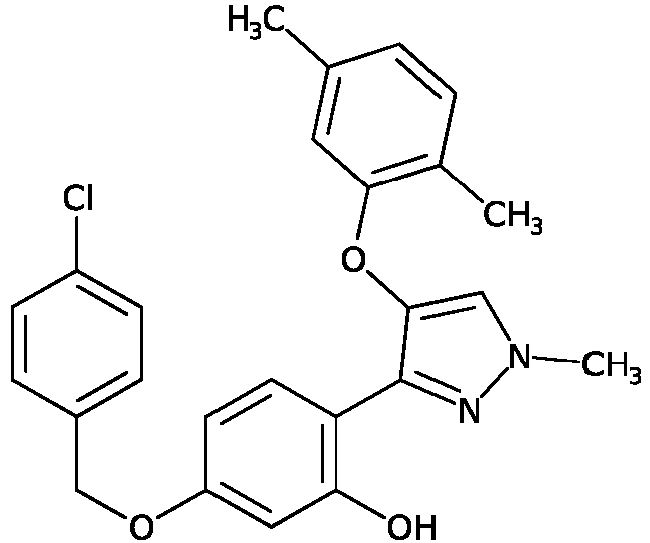
A NUCC-0196286 (reference) 420.9 
A NUCC-0196287 (reference) 434.9 
A NUCC-0196288 (reference) 416.5 
A NUCC-0196289 (reference) 430.5 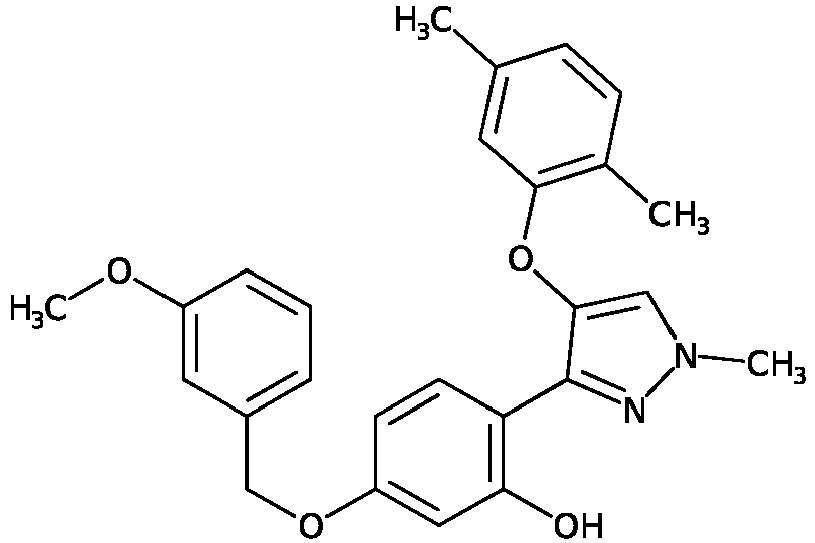
A NUCC-0196290 (reference) 436.5 
A NUCC-0196291 (reference) 450.5 
A NUCC-0196294 (reference) 463.0 
A NUCC-0196295 (reference) 488.9 
A NUCC-0196296 (reference) 502.9 
A NUCC-0196297 (reference) 484.5 
A NUCC-0196298 (reference) 498.5 
A NUCC-0196299 (reference) 421.5 
A NUCC-0196301 (reference) 478.8 
A NUCC-0196302 (reference) 492.9 
A NUCC-0196303 (reference) 427.3 
A NUCC-0196304 (reference) 509.3 
A NUCC-0196305 (reference) 441.3 
F NUCC-0196306 (reference) 505.9 
A NUCC-0196311 (reference) 518.9 
F NUCC-0196312 (reference) 474.9 
F NUCC-0196313 (reference) 368.7 
H NUCC-0196314 (reference) 382.8 
H NUCC-0196340 (reference) 488.9 
F NUCC-0196341 (reference) 497.9 
A NUCC-0196342 (reference) 495.3 
A NUCC-0196343 (reference) 427.3 
A NUCC-0196344 458.9 
B NUCC-0196345 (reference) 390.9 
E NUCC-0196346 (reference) 404.9 
E NUCC-0196347 462.8 
B NUCC-0196348 476.9 
B NUCC-0196349 (reference) 408.9 
E NUCC-0196350 (reference) 411.3 
E NUCC-0196351 (reference) 425.3 
E NUCC-0196352 (reference) 517.0 
A NUCC-0196353 (reference) 486.9 
A NUCC-0196354 (reference) 537.4 
A NUCC-0196355 (reference) 523.3 
A NUCC-0196356 (reference) 517.0 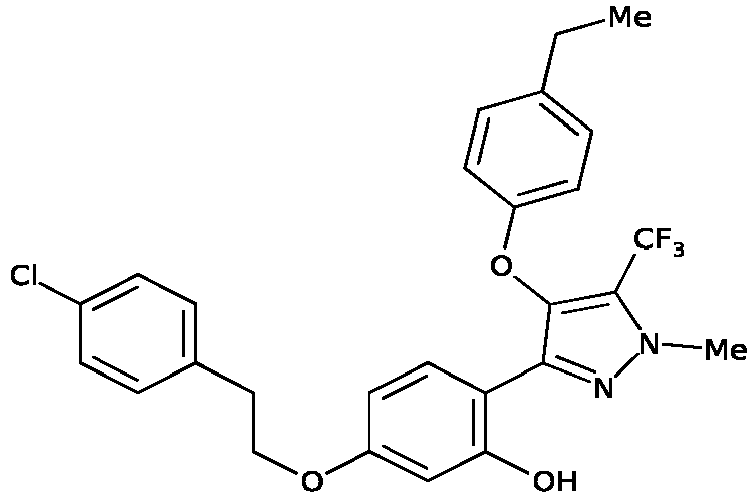
A NUCC-0196357 (reference) 502.9 
A NUCC-0196358 (reference) 498.5 
A NUCC-0196359 (reference) 484.5 
A NUCC-0196360 594.9 
B NUCC-0196361 594.9 
B NUCC-0196362 580.8 
B NUCC-0196363 479.3 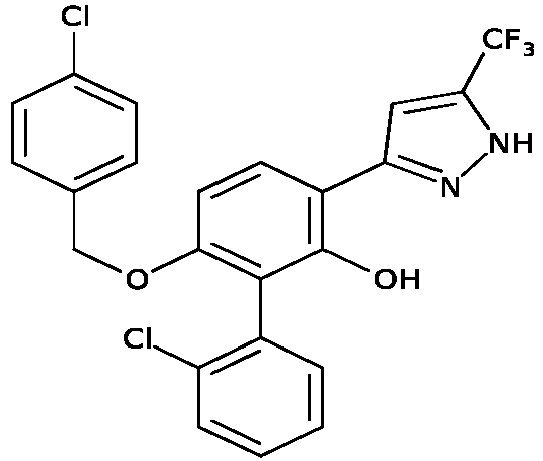
B NUCC-0196364 459.9 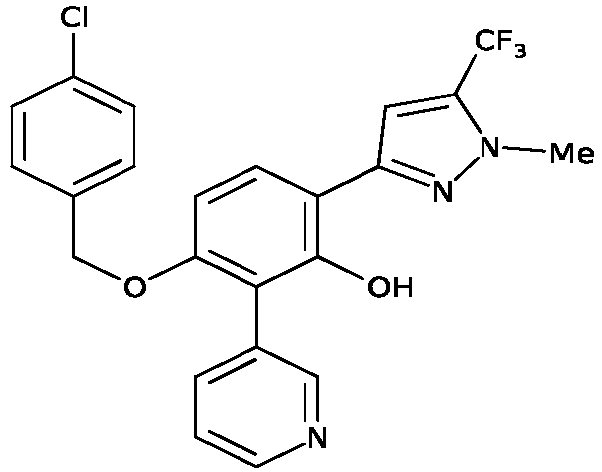
B NUCC-0196365 459.9 
B NUCC-0196366 445.8 
B NUCC-0198293 (reference) 376.8 
F NUCC-0198294 (reference) 390.9 
F NUCC-0198295 (reference) 444.8 
F NUCC-0198296 (reference) 458.9 
F NUCC-0198297 (reference) 458.9 
F NUCC-0198298 (reference) 390.9 
F NUCC-0198299 (reference) 404.9 
F NUCC-0198300 (reference) 404.9 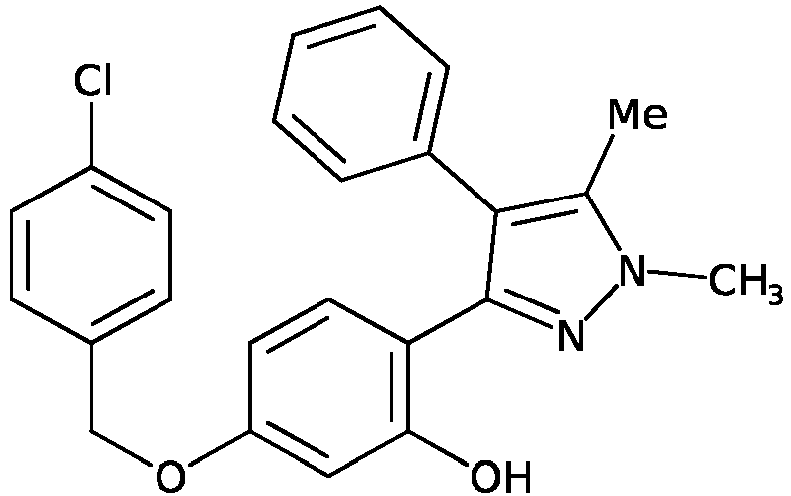
F NUCC-0198301 (reference) 404.9 
F NUCC-0198302 (reference) 418.9 
F NUCC-0198303 (reference) 418.9 
F NUCC-0198304 (reference) 406.9 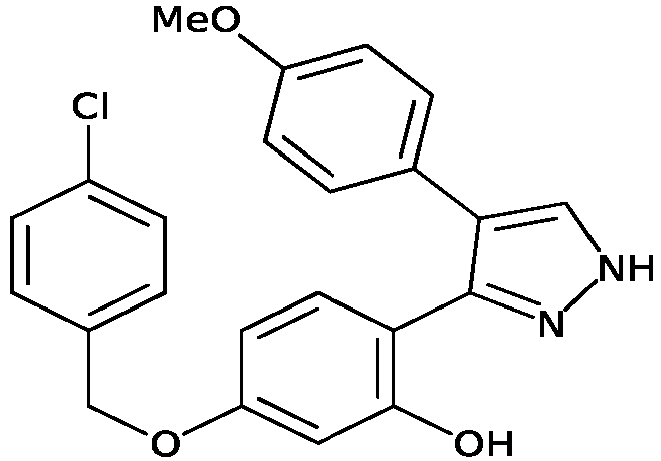
F NUCC-0198305 (reference) 420.9 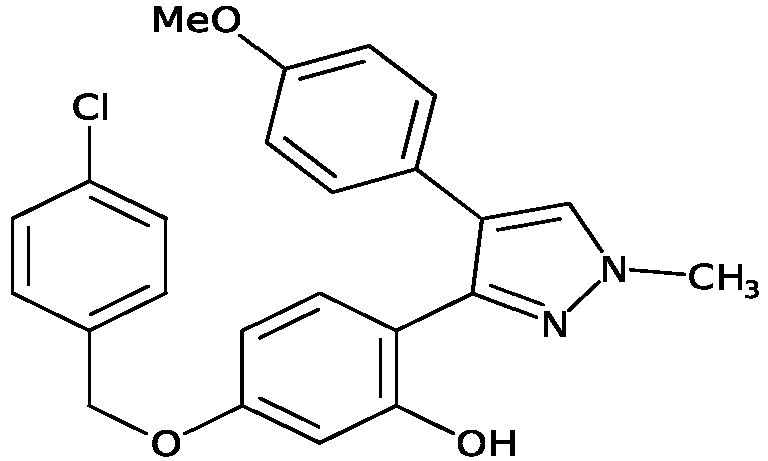
F NUCC-0198306 (reference) 434.9 
F NUCC-0198307 (reference) 434.9 
F NUCC-0198308 (reference) 406.9 
F NUCC-0198309 (reference) 474.9 
F NUCC-0198310 (reference) 488.9 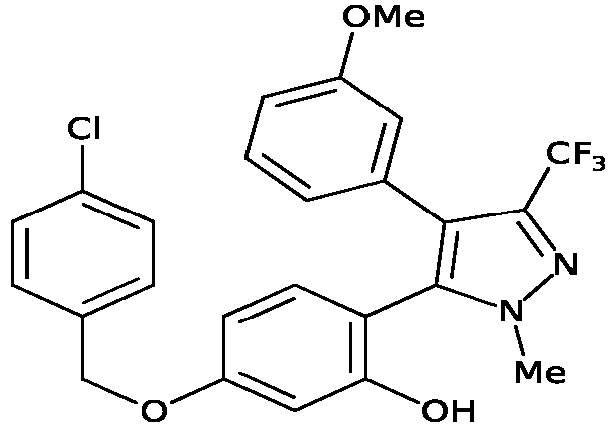
F NUCC-0198311 (reference) 488.9 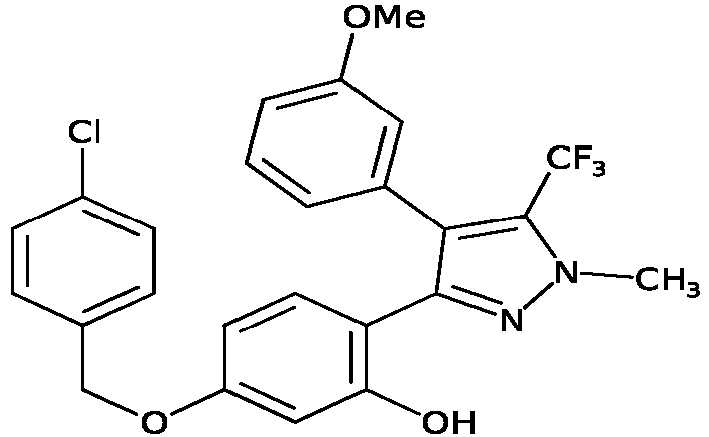
F NUCC-0198312 (reference) 420.9 
F NUCC-0198313 (reference) 434.9 
F NUCC-0198314 (reference) 434.9 
F NUCC-0198315 (reference) 434.9 
F NUCC-0198316 (reference) 449.0 
F NUCC-0198317 (reference) 449.0 
F NUCC-0198318 (reference) 512.8 
E NUCC-0198319 (reference) 526.9 
E NUCC-0198320 (reference) 377.8 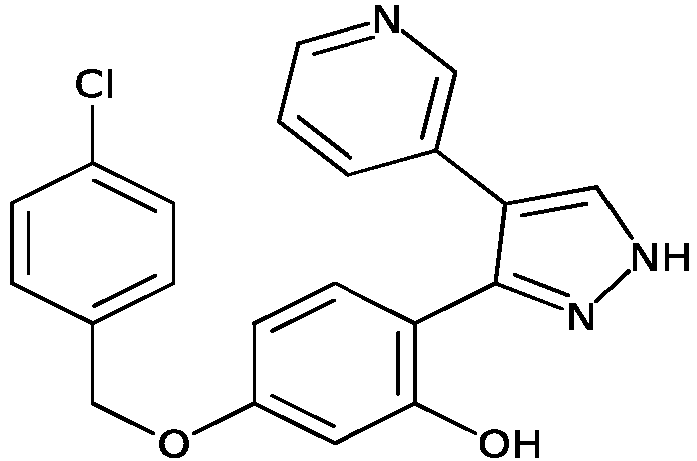
E NUCC-0198321 (reference) 391.9 
E NUCC-0198322 (reference) 366.8 
F NUCC-0198323 (reference) 380.8 
E NUCC-0198324 (reference) 380.8 
E NUCC-0198325 434.8 
B NUCC-0198326 (reference) 420.9 
E NUCC-0198352 (reference) 404.9 
E NUCC-0198353 (reference) 418.9 
E NUCC-0198354 (reference) 418.9 
E NUCC-0198355 (reference) 390.9 
E NUCC-0198356 (reference) 404.9 
E NUCC-0198357 (reference) 406.9 
E NUCC-0198358 (reference) 420.9 
E NUCC-0198359 (reference) 418.9 
E NUCC-0198360 (reference) 433.0 
E NUCC-0198361 (reference) 380.8 
E NUCC-0198362 (reference) 394.9 
E NUCC-0198391 469.9 
B NUCC-0198392 483.9 
B NUCC-0198393 483.9 
B NUCC-0198394 487.9 
B NUCC-0198395 514.9 
B NUCC-0198396 529.0 
B NUCC-0198397 529.0 
B NUCC-0198398 469.9 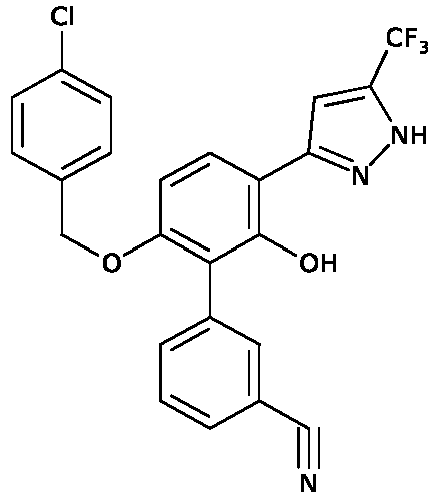
B NUCC-0198399 483.9 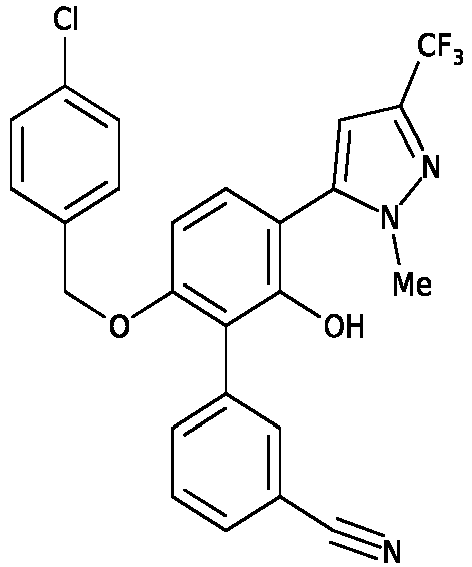
B NUCC-0198400 483.9 
B NUCC-0198401 487.9 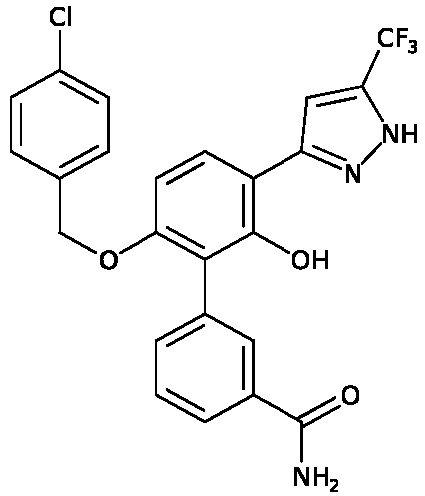
B NUCC-0198402 501.9 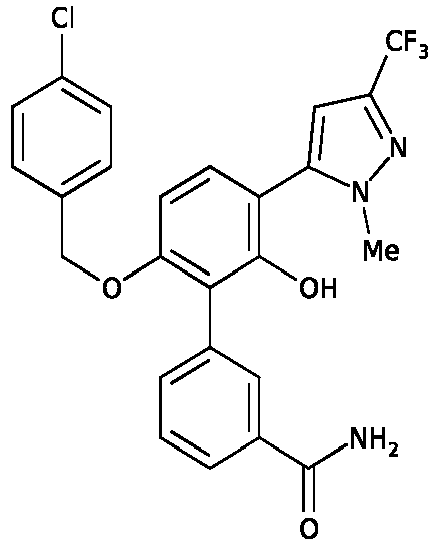
B NUCC-0198403 514.9 
B NUCC-0198404 529.0 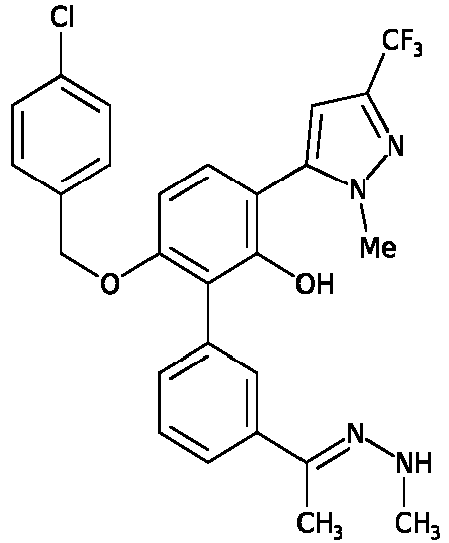
B NUCC-0198405 529.0 
B NUCC-0198406 (reference) 364.3 
A NUCC-0198407 461.7 
B NUCC-0198408 461.7 
B NUCC-0198409 501.9 
B NUCC-0198410 542.9 
B NUCC-0198411 (reference) 378.4 
A NUCC-0198412 (reference) 382.8 
H NUCC-0200489 473.9 
C NUCC-0200490 493.3 
- NUCC-0200491 (reference) 353.7 
G NUCC-0200492 (reference) 367.8 
G NUCC-0200493 (reference) 367.8 
G NUCC-0200494 (reference) 381.8 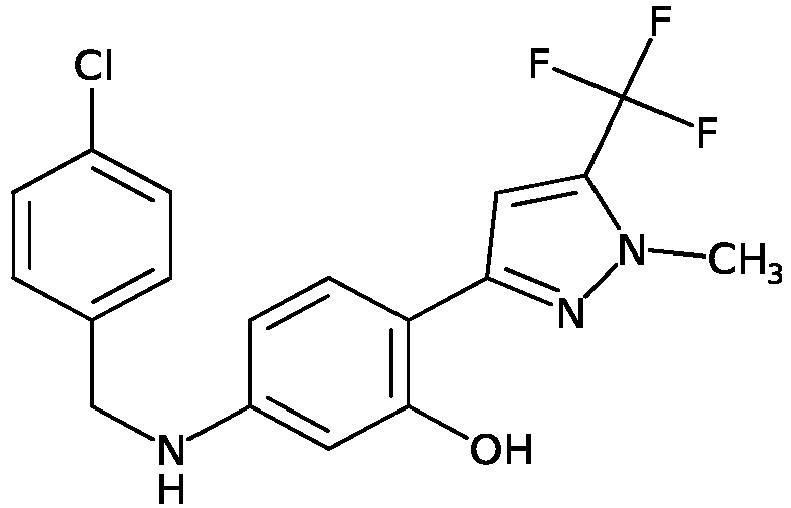
G NUCC-0200495 456.3 
B NUCC-0200496 (reference) 380.3 
F NUCC-0200497 (reference) 243.2 
G NUCC-0200498 (reference) 257.2 
G NUCC-0200499 (reference) 458.9 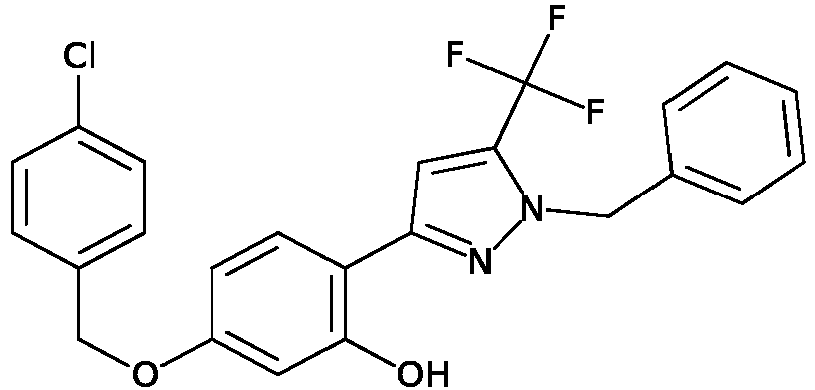
H NUCC-0200500 (reference) 524.9 
H NUCC-0200501 (reference) 592.9 
H NUCC-0200502 (reference) 395.8 
H NUCC-0200503 (reference) 474.8 
H NUCC-0200557 444.9 
B NUCC-0200558 458.9 
B NUCC-0200559 (reference) 355.3 
G NUCC-0200560 (reference) 369.3 
G NUCC-0200561 (reference) 363.3 
G NUCC-0200562 (reference) 377.3 
G NUCC-0200563 (reference) 362.3 
G NUCC-0200564 (reference) 376.3 
G NUCC-0200565 (reference) 320.3 
G NUCC-0200566 (reference) 334.3 
G NUCC-0200567 (reference) 326.3 
G NUCC-0200568 (reference) 340.4 
G NUCC-0200569 (reference) 385.4 
G NUCC-0200570 (reference) 368.7 
D NUCC-0200571 (reference) 469.9 
D NUCC-0200572 (reference) 458.9 
D NUCC-0200573 (reference) 368.7 
D NUCC-0200574 (reference) 228.2 
H NUCC-0200575 (reference) 462.8 
D NUCC-0200576 (reference) 479.3 
D NUCC-0200577 (reference) 442.8 
NUCC-0200677 (reference) 328.8 
G NUCC-0200678 (reference) 310.7 
G NUCC-0200679 (reference) 354.7 
G NUCC-0200680 (reference) 473.9 
G NUCC-0200681 (reference) 474.9 
G NUCC-0200682 (reference) 377.4 
A NUCC-0200683 (reference) 348.3 
A NUCC-0200684 (reference) 362.4 
A NUCC-0200685 (reference) 238.3 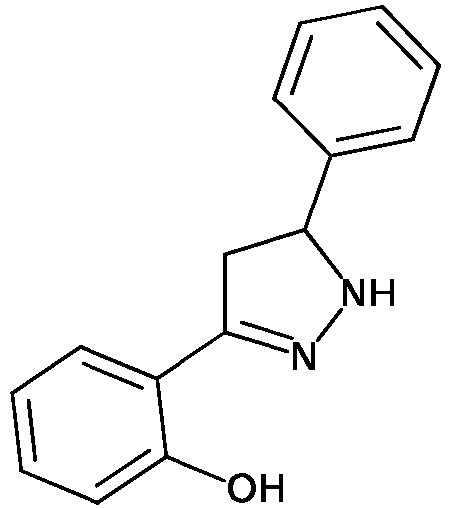
- NUCC-0200686 502.9 
B NUCC-0200687 (reference) 243.2 
D NUCC-0200688 (reference) 242.2 
D NUCC-0200689 (reference) 244.2 
D NUCC-0200690 (reference) 367.8 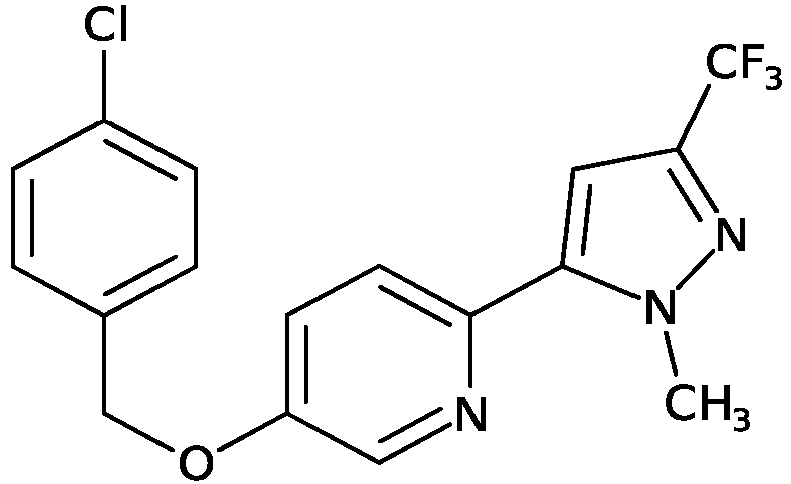
D NUCC-0200691 (reference) 366.8 
D NUCC-0200692 (reference) 368.7 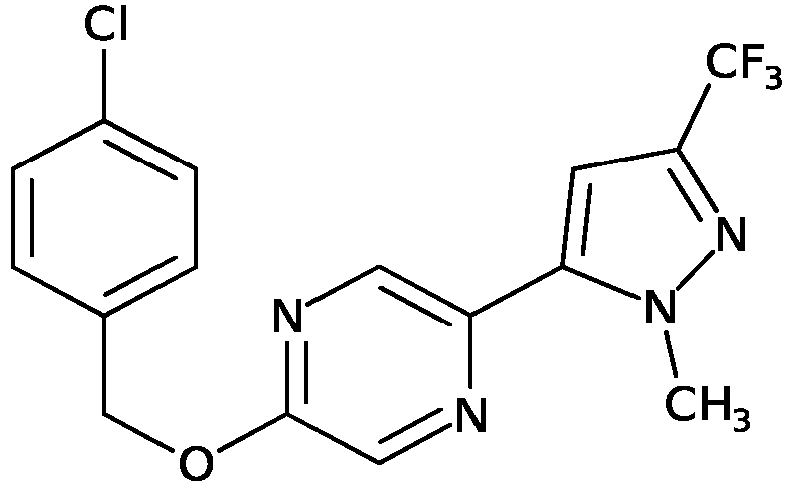
D NUCC-0200721 (reference) 388.2 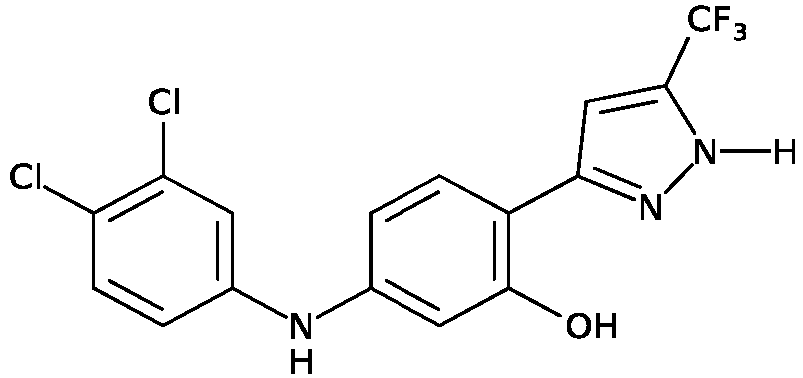
G NUCC-0200722 (reference) 327.4 
- NUCC-0200723 470.3 
B NUCC-0200724 470.3 
B NUCC-0200725 512.8 
B NUCC-0200726 526.9 
B NUCC-0200727 526.9 
B NUCC-0200728 547.3 
B NUCC-0200729 561.3 
B NUCC-0200730 512.8 
B NUCC-0200731 526.9 
B NUCC-0200732 547.3 
B NUCC-0200733 561.3 
B NUCC-0200734 530.8 
B NUCC-0200735 544.9 
B NUCC-0200736 544.9 
B NUCC-0200737 547.3 
B NUCC-0200738 561.3 
B NUCC-0200739 396.8 
D NUCC-0200740 410.8 
D NUCC-0200741 (reference) 367.8 
D NUCC-0200742 (reference) 366.8 
D NUCC-0200743 (reference) 384.8 
D NUCC-0200744 (reference) 401.2 
D NUCC-0200745 (reference) 381.8 
D NUCC-0200746 (reference) 381.8 
D NUCC-0200747 (reference) 368.7 
D NUCC-0196314.2 (reference) 382.8 
H NUCC-0198412.2 (reference) 382.8 
H NUCC-0200812 (reference) 391.8 
D NUCC-0200813 (reference) 396.8 
D NUCC-0200814 (reference) 401.2 
D NUCC-0200815 (reference) 394.8 
D NUCC-0200816 (reference) 409.8 
D NUCC-0200817 (reference) 395.8 
D NUCC-0200970 584.9 
C NUCC-0200971 570.9 
C NUCC-0200972 584.9 
C NUCC-0200973 556.9 
C NUCC-0200974 526.9 
B NUCC-0200975 561.3 
B NUCC-0200976 (reference) 394.8 
D NUCC-0200977 (reference) 384.8 
D NUCC-0200978 (reference) 396.8 
D NUCC-0200979 (reference) 470.7 
- NUCC-0201023 561.4 
B NUCC-0201024 594.9 
B NUCC-0201025 608.9 
B NUCC-0201026 608.9 
B NUCC-0201027 590.4 
B NUCC-0201028 604.5 
B NUCC-0201029 604.5 
B NUCC-0201030 508.4 
B NUCC-0201031 512.4 
B NUCC-0201032 553.4 
B NUCC-0201033 564.4 
B NUCC-0201034 578.4 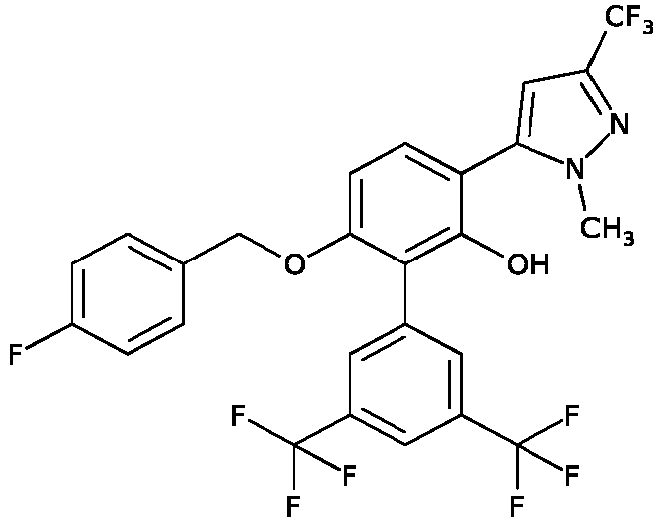
B NUCC-0201035 578.4 
B NUCC-0201036 522.9 
B NUCC-0201037 513.8 
B NUCC-0201038 470.8 
B NUCC-0201039 557.9 
B NUCC-0201040 463.8 
B NUCC-0201041 576.4 
B NUCC-0201042 590.4 
B NUCC-0201043 590.4 
B NUCC-0201192 473.4 
B NUCC-0201193 402.4 
B NUCC-0201194 430.4 
B NUCC-0201195 416.4 
B NUCC-0201196 540.4 
B NUCC-0201197 498.3 
B NUCC-0201198 526.4 
B NUCC-0201199 776.6 
J NUCC-0201200 820.7 
J NUCC-0201201 561.4 
B NUCC-0201202 1088.9 
J NUCC-0201203 1133.0 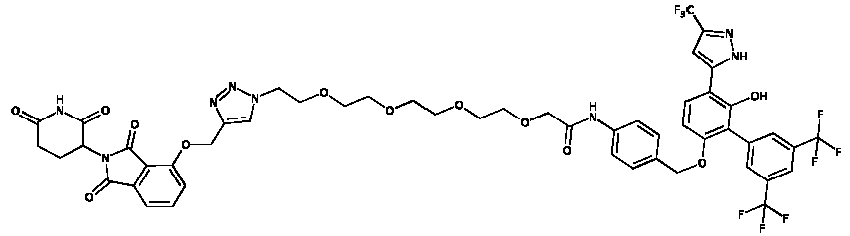
J NUCC-0201204 459.4 
B NUCC-0201205 487.4 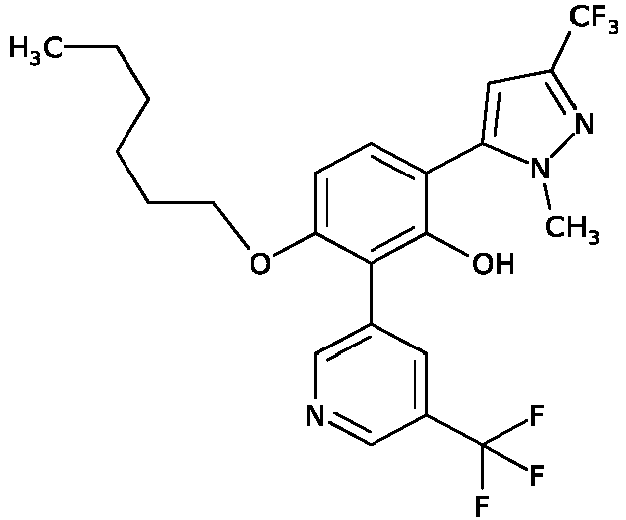
B NUCC-0201206 473.4 
B NUCC-0201207 444.5 
B NUCC-0201208 430.4 
B NUCC-0201209 (reference) 459.4 
B NUCC-0201210 (reference) 487.4 
B NUCC-0201211 (reference) 473.4 
B NUCC-0201212 444.5 
B NUCC-0201213 430.4 
B NUCC-0201219 600.4 
B NUCC-0201220 470.3 
B NUCC-0201221 484.3 
B NUCC-0201222 484.3 
B NUCC-0201223 566.8 
G NUCC-0201224 583.9 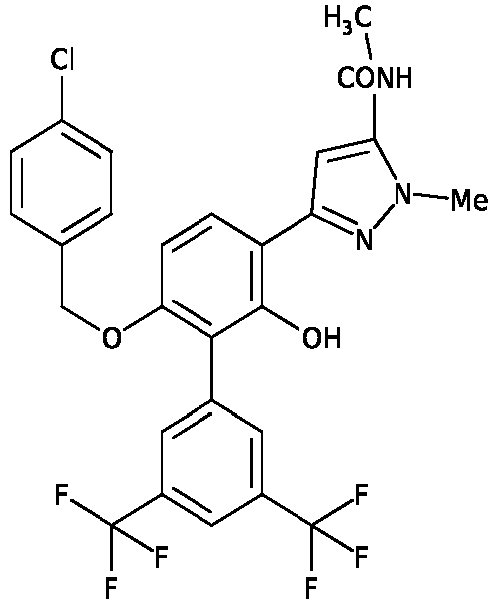
C NUCC-0201225 478.8 
B NUCC-0201226 484.9 
B NUCC-0201227 492.9 
B NUCC-0201630 527.9 
B NUCC-0201631 527.9 
B NUCC-0201632 484.9 
B NUCC-0201633 484.9 
B NUCC-0201634 492.9 
B NUCC-0201635 506.9 
B NUCC-0201636 (reference) 459.4 
B NUCC-0201637 (reference) 445.4 
B NUCC-0201638 416.4 
B NUCC-0201639 (reference) 416.4 
B NUCC-0201640 (reference) 479.8 
B NUCC-0201641 (reference) 479.8 
B NUCC-0201642 (reference) 493.8 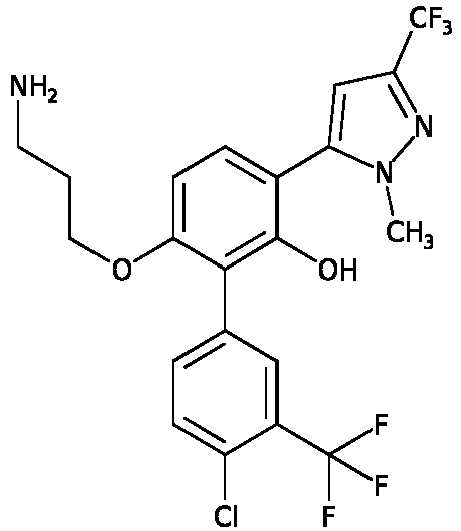
B NUCC-0201643 (reference) 493.8 
B NUCC-0201644 532.4 
B NUCC-0201645 (reference) 432.3 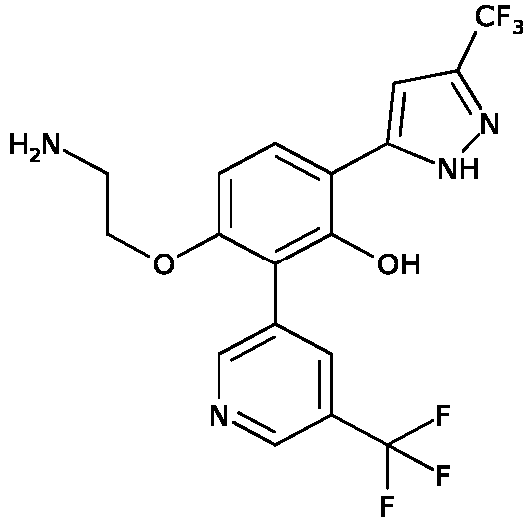
NUCC-0201646 (reference) 479.8 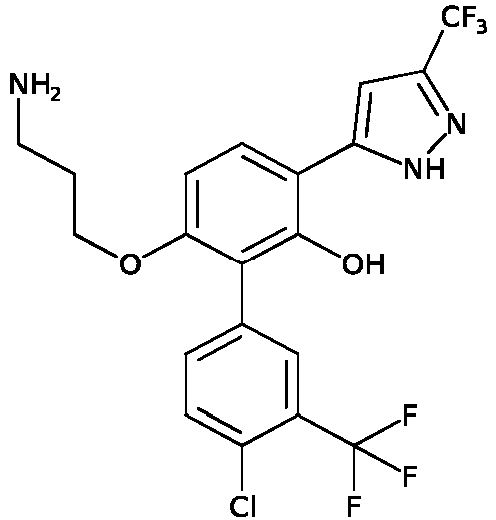
B NUCC-0201647 (reference) 465.8 
B NUCC-0201648 (reference) 605.4 
B NUCC-0201649 (reference) 605.4 
B NUCC-0201650 (reference) 600.9 
NUCC-0201651 526.4 
B NUCC-0201652 (reference) 526.4 
B NUCC-0201653 538.4 
B NUCC-0201654 (reference) 538.4 
B NUCC-0201655 560.5 
B NUCC-0201656 (reference) 560.5 
B NUCC-0201657 (reference) 594.0 
B NUCC-0201658 (reference) 594.0 
B NUCC-0201659 (reference) 559.9 
I NUCC-0201660 1000.9 
J NUCC-0201661 434 
B NUCC-0201694 (reference) 581.5 
I NUCC-0201695 (reference) 614.9 
I NUCC-0201696 (reference) 581.5 
I NUCC-0201697 553.4 
I NUCC-0201698 629.5 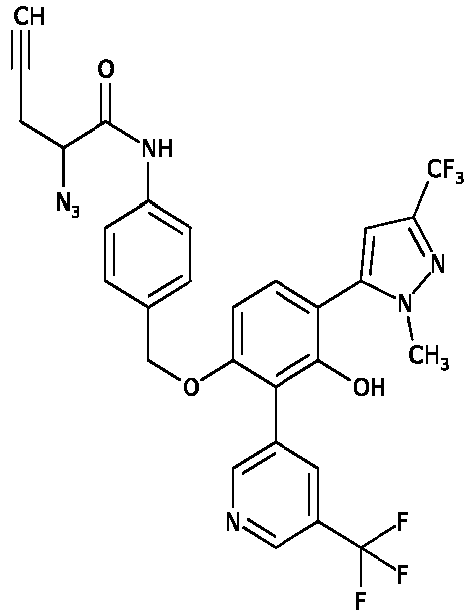
I NUCC-0201699 629.5 
I NUCC-0201702 (reference) 1021.3 
J NUCC-0201703 (reference) 987.9 
J NUCC-0201704 959.8 
J NUCC-0201705 (reference) 312.3 
J NUCC-0201909 450.9 
B NUCC-0201910 408.8 
B NUCC-0201911 537.9 
B NUCC-0201912 551.9 
B NUCC-0201913 551.9 
B Table 2. Biological Activity of Representative Compounds Molecule Name Potency code < 10 ++++ 10-30 +++ 30-40 ++ >40 + EMSA IC50(uM) NUCC-0176234 (reference) + 123.1 NUCC-0176242 (reference) ++ 89 NUCC-0176243 (reference) + NUCC-0176244 (reference) + NUCC-0176245 (reference) ++ 95 NUCC-0176246 (reference) + NUCC-0176247 (reference) + NUCC-0176248 (reference) + 96 NUCC-0176249 (reference) + NUCC-0 176250 (reference) + NUCC-0176251 (reference) + NUCC-0176252 (reference) + NUCC-0 176253 (reference) + NUCC-0176254 (reference) + NUCC-0176255 (reference) + NUCC-0176256 (reference) + NUCC-0176257 (reference) + NUCC-0176258 (reference) + NUCC-0176259 (reference) + NUCC-0176260 (reference) + NUCC-0176261 (reference) + NUCC-0176262 (reference) + NUCC-0196282 (reference) + NUCC-0196283 (reference) ++++ 49 NUCC-0196284 (reference) + NUCC-0196285 (reference) + NUCC-0196286 (reference) + NUCC-0196287 (reference) + NUCC-0196288 (reference) + NUCC-0196289 (reference) + NUCC-0196290 (reference) + NUCC-0196291 (reference) + NUCC-0196294 (reference) + NUCC-0196295 (reference) +++ 66.8 NUCC-0196296 (reference) + NUCC-0196297 (reference) + NUCC-0196298 (reference) ++ NUCC-0196299 (reference) + NUCC-0196301 (reference) + NUCC-0196302 (reference) + NUCC-0196303 (reference) + NUCC-0196304 (reference) +++ NUCC-0196305 (reference) ++++ NUCC-0196306 (reference) + NUCC-0196311 (reference) + NUCC-0196312 (reference) + NUCC-0196313 (reference) ++++ NUCC-0196314 (reference) + NUCC-0196340 (reference) ++ NUCC-0196341 (reference) + NUCC-0196342 (reference) ++++ 64.4 NUCC-0196343 (reference) + NUCC-0196344 +++ NUCC-0196345 (reference) + NUCC-0196346 (reference) + NUCC-0196347 + NUCC-0196348 +++ NUCC-0196349 (reference) + NUCC-0196350 (reference) +++ NUCC-0196351 (reference) + NUCC-0196352 (reference) + NUCC-0196353 (reference) + NUCC-0196354 (reference) + NUCC-0196355 (reference) +++ NUCC-0196356 (reference) + NUCC-0196357 (reference) +++ NUCC-0196358 (reference) + NUCC-0196359 (reference) + NUCC-0196360 + NUCC-0196361 ++++ 63 NUCC-0196362 ++ 102.2 NUCC-0196363 ++++ 61.8 NUCC-0196364 + NUCC-0196365 + NUCC-0196366 + NUCC-0198293 (reference) + NUCC-0198294 (reference) + NUCC-0198295 (reference) ++++ 53.3 NUCC-0198296 (reference) + NUCC-0198297 (reference) + NUCC-0198298 (reference) + NUCC-0198299 (reference) + NUCC-0198300 (reference) + NUCC-0198301 (reference) + NUCC-0198302 (reference) + NUCC-0198303 (reference) + NUCC-0198304 (reference) + NUCC-0198305 (reference) + NUCC-0198306 (reference) + NUCC-0198307 (reference) + NUCC-0198308 (reference) + NUCC-0198309 (reference) ++++ 61.2 NUCC-0198310 (reference) + NUCC-0198311 (reference) + NUCC-0198312 (reference) + NUCC-0198313 (reference) + NUCC-0198314 (reference) + NUCC-0198315 (reference) + NUCC-0198316 (reference) + NUCC-0198317 (reference) + NUCC-0198318 (reference) ++ NUCC-0198319 (reference) + NUCC-0198320 (reference) + NUCC-0198321 (reference) + NUCC-0198322 (reference) ++ NUCC-0198323 (reference) + NUCC-0198324 (reference) + NUCC-0198325 + NUCC-0198326 (reference) + NUCC-0198352 (reference) + NUCC-0198353 (reference) + NUCC-0198354 (reference) + NUCC-0198355 (reference) + NUCC-0198356 (reference) + NUCC-0198357 (reference) + NUCC-0198358 (reference) + NUCC-0198359 (reference) ++ NUCC-0198360 (reference) + NUCC-0198361 (reference) + NUCC-0198362 (reference) + NUCC-0198391 ++++ NUCC-0198392 + NUCC-0198393 + NUCC-0198394 ++ NUCC-0198395 + NUCC-0198396 + NUCC-0198397 + NUCC-0198398 ++++ NUCC-0198399 ++++ NUCC-0198400 + NUCC-0198401 + NUCC-0198402 + NUCC-0198403 + NUCC-0198404 + NUCC-0198405 + NUCC-0198406 (reference) ++++ NUCC-0198407 +++ NUCC-0198408 + NUCC-0198409 + NUCC-0198410 + NUCC-0198411 (reference) +++ NUCC-0198412 (reference) + NUCC-0200489 + NUCC-0200490 + NUCC-0200491 (reference) ++++ NUCC-0200492 (reference) +++ NUCC-0200493 (reference) + NUCC-0200494 (reference) + NUCC-0200495 ++++ NUCC-0200496 (reference) + NUCC-0200497 (reference) + NUCC-0200498 (reference) + NUCC-0200499 (reference) + NUCC-0200500 (reference) + NUCC-0200501 (reference) + NUCC-0200502 (reference) + NUCC-0200503 (reference) + NUCC-0200557 + NUCC-0200558 ++++ NUCC-0200559 (reference) ++ NUCC-0200560 (reference) + NUCC-0200561 (reference) + NUCC-0200562 (reference) + NUCC-0200563 (reference) + NUCC-0200564 (reference) + NUCC-0200565 (reference) + NUCC-0200566 (reference) + NUCC-0200567 (reference) + NUCC-0200568 (reference) + NUCC-0200569 (reference) + NUCC-0200570 (reference) + NUCC-0200571 (reference) + NUCC-0200572 (reference) + NUCC-0200573 (reference) + NUCC-0200574 (reference) + NUCC-0200575 (reference) ++++ NUCC-0200576 (reference) ++++ NUCC-0200677 (reference) + NUCC-0200678 (reference) + NUCC-0200679 (reference) ++ NUCC-0200680 (reference) + NUCC-0200681 (reference) ++++ NUCC-0200682 (reference) + NUCC-0200683 (reference) +++ NUCC-0200684 (reference) + NUCC-0200685 (reference) + NUCC-0200686 + NUCC-0200687 (reference) + NUCC-0200688 (reference) + NUCC-0200689 (reference) + NUCC-0200690 (reference) + NUCC-0200691 (reference) + NUCC-0200692 (reference) + NUCC-0200721 (reference) ++++ NUCC-0200722 (reference) + NUCC-0200723 ++ NUCC-0200724 + NUCC-0200725 + NUCC-0200726 + NUCC-0200727 + NUCC-0200728 + NUCC-0200729 + NUCC-0200730 + NUCC-0200731 + NUCC-0200732 + NUCC-0200733 + NUCC-0200734 + NUCC-0200735 + NUCC-0200736 + NUCC-0200737 + NUCC-0200738 +++ NUCC-0200739 + NUCC-0200740 + NUCC-0200741 (reference) + NUCC-0200742 (reference) + NUCC-0200743 (reference) + NUCC-0200744 (reference) + NUCC-0200745 (reference) + NUCC-0200746 (reference) + NUCC-0200747 (reference) + NUCC-0196314.2 (reference) + NUCC-0198412.2 (reference) + NUCC-0200812 (reference) + NUCC-0200813 (reference) + NUCC-0200814 (reference) + NUCC-0200815 (reference) + NUCC-0200816 (reference) + NUCC-0200817 (reference) + NUCC-0200970 + NUCC-0200971 ++++ NUCC-0200972 + NUCC-0200973 ++++ NUCC-0200974 + NUCC-0200975 + NUCC-0200976 (reference) + NUCC-0200977 (reference) + NUCC-0200978 (reference) + NUCC-0200979 (reference) + NUCC-0201023 + NUCC-0201024 ++++ NUCC-0201025 ++ NUCC-0201026 + NUCC-0201027 +++ NUCC-0201028 + NUCC-0201029 + NUCC-0201030 + NUCC-0201031 + NUCC-0201032 + NUCC-0201033 + NUCC-0201034 + NUCC-0201035 + NUCC-0201036 ++ NUCC-0201037 +++ NUCC-0201038 ++++ NUCC-0201039 +++ NUCC-0201040 +++ NUCC-0201041 + NUCC-0201042 + NUCC-0201043 + NUCC-0201192 +++ NUCC-0201193 ++++ NUCC-0201194 + NUCC-0201195 ++++ NUCC-0201196 +++ NUCC-0201197 +++ NUCC-0201198 +++ NUCC-0201199 +++ NUCC-0201200 + NUCC-0201201 ++++ NUCC-0201202 +++ NUCC-0201203 ++ NUCC-0201204 +++ NUCC-0201205 ++++ NUCC-0201206 ++++ NUCC-0201207 +++ NUCC-0201208 ++++ NUCC-0201209 (reference) + NUCC-0201210 (reference) + NUCC-0201211 (reference) + NUCC-0201212 + NUCC-0201213 ++++ NUCC-0201219 ++++ NUCC-0201220 ++++ NUCC-0201221 + NUCC-0201222 +++ NUCC-0201223 ++++ NUCC-0201224 ++++ NUCC-0201225 + NUCC-0201226 +++ NUCC-0201227 ++++ NUCC-0201630 + NUCC-0201631 + NUCC-0201632 +++ NUCC-0201633 + NUCC-0201634 ++ NUCC-0201635 + NUCC-0201636 (reference) + NUCC-0201637 (reference) + NUCC-0201638 + NUCC-0201639 (reference) + NUCC-0201640 (reference) + NUCC-0201641 (reference) + NUCC-0201642 (reference) + NUCC-0201643 (reference) + NUCC-0201644 + NUCC-0201646 (reference) + NUCC-0201647 (reference) + NUCC-0201648 (reference) + NUCC-0201649 (reference) + NUCC-0201651 + NUCC-0201652 (reference) + NUCC-0201653 +++ NUCC-0201654 (reference) + NUCC-0201655 + NUCC-0201656 (reference) + NUCC-0201657 (reference) + NUCC-0201658 (reference) ++ NUCC-0201659 (reference) + NUCC-0201660 + NUCC-0201661 + NUCC-0201694 (reference) + NUCC-0201695 (reference) + NUCC-0201696 (reference) ++ NUCC-0201697 + NUCC-0201698 + NUCC-0201699 + NUCC-0201702 (reference) + NUCC-0201703 (reference) + NUCC-0201704 + NUCC-0201705 (reference) + NUCC-0201909 + NUCC-0201910 + NUCC-0201911 + NUCC-0201912 + NUCC-0201913 + Table 3. Biological Activity of Representative Compounds Molecule Name MYCCAP IC50(uM)a PC12 IC50 b MLM % at 60 minc Plasma Protein Binding (mouse) NUCC-0176242 (reference) 3.1 9.8 NUCC-0176245 (reference) 4.1 NUCC-0176248 (reference) 3.4 7.8 NUCC-0196283 (reference) 2.3 NUCC-0196295 (reference) 12.2 NUCC-0196312 (reference) 4.8 NUCC-0196313 (reference) 4.2 NUCC-0196342 (reference) 3.5 87.4 NUCC-0196344 6.6 NUCC-0196348 110.0 NUCC-0196350 (reference) 4.3 NUCC-0196355 (reference) 11.8 NUCC-0196357 (reference) 6.9 NUCC-0196360 39.6 NUCC-0196361 3.8 30.7 72.9 > 99.9% NUCC-0196362 4.0 NUCC-0196363 4.0 88.6 NUCC-0198295 (reference) 4.6 NUCC-0198309 (reference) 4.0 74 NUCC-0198318 (reference) 4.3 NUCC-0198322 (reference) 6.5 NUCC-0198359 7.6 (reference) NUCC-0198391 3.4 NUCC-0198394 7.3 NUCC-0198398 4.3 NUCC-0198399 2.5 80.3 NUCC-0198406 (reference) 17.5 NUCC-0198407 7.8 NUCC-0200558 49.3 31.0 NUCC-0200739 2.2 19.4 46.4 NUCC-0200972 5.1 81.0 60.3 > 99.9% NUCC-0200973 68.3 29.6 NUCC-0200974 10.2 NUCC-0200975 6.1 38.4 NUCC-0200976 (reference) 3.9 63.3 21.8 > 99.9% NUCC-0201032 1.0 11.0 30.5 > 99.9% NUCC-0201038 6.8 18.3 NUCC-0201039 13.6 NUCC-0201041 12.6 127.7 NUCC-0201194 4.2 59.8 NUCC-0201195 14.9 70.3 NUCC-0201196 4.5 66.6 NUCC-0201197 3.4 18.6 NUCC-0201198 2.6 8.2 NUCC-0201199 3.0 12.7 NUCC-0201202 4.0 23.1 NUCC-0201203 32.4 NUCC-0201204 23.0 NUCC-0201205 9.5 36.3 NUCC-0201206 5.0 NUCC-0201207 5.7 52.7 NUCC-0201209 (reference) 4.4 10.3 NUCC-0201212 23.7 30.8 NUCC-0201219 9.5 NUCC-0201220 4.9 91.6 NUCC-0201221 1.2 NUCC-0201223 5.1 40.6 75.8 NUCC-0201224 1.1 11.6 NUCC-0201225 19.0 82.6 NUCC-0201227 4.5 1.0 NUCC-0201630 15.4 42.3 NUCC-0201633 4.6 27.3 NUCC-0201656 (reference) 5.5 18.0 NUCC-0201699 24.3 a Cell viability of MycCap cells
b Cell viability of PC12 cells
c % remaining of compound after 60 min treatment with mouse liver microsomes -
- [1] Huang M, Weiss WA. 2013. Neuroblastoma and MYNC. Cold Spring Harb Perspect Med 3: a014415.
- [2] Roussel MF, Robinson GW. 2013. Role of MYC in medulloblastoma. Cold Spring Harb Perspect Med 3: a014308.
- [3] Gabay M, Li Y, Felsher DW. 2014. MYC activation is a hall mark of cancer initiation and maintenance. Cold Spring Harb Perspect Med doi: 10.1101/cshperspect.a014241.
- [4] Schmitz R, Ceribelli M, et. al. 2014. Oncogenic mechanisms in Burkitt lymphoma. Cold Spring Harb Perspect Med 4: a014282.
- [5] Michael R. McKeown and James E. Bradner, Cold Spring Harb Perspect Med 2014;4:a014266
- [6] Soucek L, Whitfield JR, et. al. 2013. Inhibition of MYC family proteins eradicates KRas-driven lung cancer in mice. Genes Dev 27: 504-513.
- [7] S. Fletcher, E.V. Prochownik, Small-molecule inhibitors of the MYC oncoprotein, Biochim. Biophys. Acta (2014).
- Proliferation Assay (
Figure 11 ). PC3 prostate cancer cell line with high Myc level and PC12 pheochromocytoma tumor cell line with non functional Max protein, which is not dependent on Myc-Max complex, were phased from ATCC. Cells were plated in 96 well plate at 1000 cells per well, and Myc inhibitor 361 at various concentrations was added to the cells next day. After 3 days of treatment, fresh medium with 361 were added again, and cell viability was measured by MTS assay atday 5 after the treatment. (SeeFigure 11 ). - Myc Ebox luciferase reporter assay (
Figure 12 ). MycCap cells stably expressing luciferase with CMV promoter (MycCap-luc) or c-Myc E-box-luciferase reporter (MycCap Ebox-luc) were plated at 10000 cells per well in 96 well white-wall plate. Serial dilutions of 361 were treated next day. At 4 hours of treatment, luminescence signal was determined immediately after adding 150 µg/ml of Luciferin to the well. (SeeFigure 12 ). - Cellular Thermal Shift Assay (CETSA) (
Figure 13 ). PC3 cells with 70 to 80% confluence in 15cm culture dish were treated with 6µM of 361 or vehicle (DMSO) for 30 min. Cells were harvested and washed once with PBS, then suspended in 1 mL of PBS supplemented with proteinase and phosphatase inhibitors. The PBS contained 6µM of 361 or vehicle (DMSO) accordingly at this step. The cell suspension was distributed into seven to ten 0.2-ml PCR tubes with 100µl volume (about 1 million cells) and each tube was designated a temperature point. Samples were heated at their designated temperatures for 2 min in AB 96-well thermal cycler. Immediately after heating, remove and incubate the tubes at room temperature for 3 min. After this 3 min incubation, immediately snap-freeze in liquid nitrogen, and stored at -80 C°. To lysis cells, three freeze and thaw cycles in LN was performed. The tubes are vortexed briefly after each thawing. Cell lysis was collected and cell debris together with precipitated and aggregated proteins were removed by centrifuging samples at 20,000g for 20 min at 4 °C. Cell lysis samples were boiled for 5 min at 90 °C after adding loading buffer, and ready for Western Blot analysis. c-Myc antibody is from Abcam (Ab32072). Data was generated from three independent experiments, and c-Myc protein intensity was quantified through Imagel. (SeeFigure 13 ). - Gene expression profiling analysis (
Figure 14 ). PC3 cells were treated with 10µM of Min9-S1 for 24 hours. mRNA was extracted using RNAeasy Plus mini kit(Qiagen, Cat. 74134). The gene expression profiling was analyzed using HTA 2.0 from Affymetrix. GSEA of four Myc-dependent gene signature sets (Zeller et al., 2003; Schuhmacher et al., 2001; Kim et al., 2006; Schlosser et al., 2005) in transcriptional profiles of PC3 treated with Min9-S1 or vehicle (VEH) shows strong correlation with downregulation of expression by Min9-S1 treatment. Gene sets suppressed in Min9-S1 treated PC3 cells including the number of genes in each set (n), the normalized enrichment score (NES), and test of statistical significance (FDR q value) were listed in the table. (SeeFigure 14 ). - MycCap FVB allograft model (
Figure 15 ). FVB mice were inoculated with 1×10⁶ of MycCap cells in 100ul of matrigel subcutaneously on both flanks of the mice. When tumor size reached average size of 150mm3, mice were randomized based on tumor volume to 2 groups. Mice were administered with 50mg/kg of 361 or vehicle(Veh) twice daily intraperitoneally for two days. The treatment was suspended for 10 day, and initiated the treatment with a lower dose 70mg/kg daily for another 9 days. Tumor size was measured twice a week during the experiment. (SeeFigure 15 ). - Myc inhibitor 361 combination with Immunotherapy (
Figure 16 ). MycCap FVB allograft model was treated with 361(50mg/kg) for two days, following by two days of anti-PD-1 antibody (100ug/day), and kept this 4-day treatment cycle for 4 cycles. (SeeFigure 16 ). - Myc inhibitor combination treatment with Ara-C in AML xenograft model (
Figure 17 ). CB17 SCID mice were inoculated with MV411 cells at the density of 5×10⁶ suspended in PBS and matrigel (1:1). The mice were randomized based on tumor volume into 6 different groups after the tumor reached ~200 to 500 mm3. The mice were treated either with vehicle, NU031, NU975 alone or in combination with cytarabine (Ara-C). The combination treatment shows significant difference compared to control group. (SeeFigure 17 ). - General Description. As of early 2007 all compounds submitted to the
NCI 60 Cell screen are tested initially at a single high dose (10-5 M) in thefull NCI 60 cell panel. Only compounds which satisfy pre-determined threshold inhibition criteria in a minimum number of cell lines will progress to the full 5-dose assay. The threshold inhibition criteria for progression to the 5-dose screen was selected to efficiently capture compounds with antiproliferative activity based on careful analysis of historical DTP screening data. The threshold criteria may be updated as additional data becomes available. - Interpretation of One-Dose Data. The One-dose data will be reported as a mean graph of the percent growth of treated cells and will be similar in appearance to mean graphs from the 5-dose assay. The number reported for the One-dose assay is growth relative to the no-drug control, and relative to the time zero number of cells. This allows detection of both growth inhibition (values between 0 and 100) and lethality (values less than 0). This is the same as for the 5-dose assay, described below. For example, a value of 100 means no growth inhibition. A value of 40 would mean 60% growth inhibition. A value of 0 means no net growth over the course of the experiment. A value of -40 would mean 40% lethality. A value of -100 means all cells are dead. Information from the One-dose mean graph is available for COMPARE analysis.
-
NCI 60 Cell Five-Dose Screen (Figure 18 ,Figure 19 , andFigure 20 ). Compounds which exhibit significant growth inhibition in the One-Dose Screen are evaluated against the 60 cell panel at five concentration levels. - The human tumor cell lines of the cancer screening panel are grown in RPMI 1640 medium containing 5% fetal bovine serum and 2 mM L-glutamine. For a typical screening experiment, cells are inoculated into 96 well microtiter plates in 100 µL at plating densities ranging from 5,000 to 40,000 cells/well depending on the doubling time of individual cell lines. After cell inoculation, the microtiter plates are incubated at 37° C, 5 % CO2, 95 % air and 100 % relative humidity for 24 h prior to addition of experimental drugs.
- After 24 h, two plates of each cell line are fixed in situ with TCA, to represent a measurement of the cell population for each cell line at the time of drug addition (Tz). Experimental drugs are solubilized in dimethyl sulfoxide at 400-fold the desired final maximum test concentration and stored frozen prior to use. At the time of drug addition, an aliquot of frozen concentrate is thawed and diluted to twice the desired final maximum test concentration with complete medium containing 50 µg/ml gentamicin. Additional four, 10-fold or ½ log serial dilutions are made to provide a total of five drug concentrations plus control. Aliquots of 100 µl of these different drug dilutions are added to the appropriate microtiter wells already containing 100 µl of medium, resulting in the required final drug concentrations.
- Following drug addition, the plates are incubated for an additional 48 h at 37°C, 5 % CO2, 95 % air, and 100 % relative humidity. For adherent cells, the assay is terminated by the addition of cold TCA. Cells are fixed in situ by the gentle addition of 50 µl of cold 50 % (w/v) TCA (final concentration, 10 % TCA) and incubated for 60 minutes at 4°C. The supernatant is discarded, and the plates are washed five times with tap water and air dried. Sulforhodamine B (SRB) solution (100 µl) at 0.4 % (w/v) in 1 % acetic acid is added to each well, and plates are incubated for 10 minutes at room temperature. After staining, unbound dye is removed by washing five times with 1 % acetic acid and the plates are air dried. Bound stain is subsequently solubilized with 10 mM trizma base, and the absorbance is read on an automated plate reader at a wavelength of 515 nm. For suspension cells, the methodology is the same except that the assay is terminated by fixing settled cells at the bottom of the wells by gently adding 50 µl of 80 % TCA (final concentration, 16 % TCA). Using the seven absorbance measurements [time zero, (Tz), control growth, (C), and test growth in the presence of drug at the five concentration levels (Ti)], the percentage growth is calculated at each of the drug concentrations levels. Percentage growth inhibition is calculated as:
- [(Ti-Tz)/(C-Tz)] x 100 for concentrations for which Ti>/=Tz
- [(Ti-Tz)/Tz] x 100 for concentrations for which Ti<Tz.
- Three dose response parameters are calculated for each experimental agent. Growth inhibition of 50 % (GI50) is calculated from [(Ti-Tz)/(C-Tz)] x 100 = 50, which is the drug concentration resulting in a 50% reduction in the net protein increase (as measured by SRB staining) in control cells during the drug incubation. The drug concentration resulting in total growth inhibition (TGI) is calculated from Ti = Tz. The LC50 (concentration of drug resulting in a 50% reduction in the measured protein at the end of the drug treatment as compared to that at the beginning) indicating a net loss of cells following treatment is calculated from [(Ti-Tz)/Tz] x 100 = -50. Values are calculated for each of these three parameters if the level of activity is reached; however, if the effect is not reached or is exceeded, the value for that parameter is expressed as greater or less than the maximum or minimum concentration tested. Results are shown in
Figure 18 ,Figure 19 , andFigure 20 .
Claims (8)
- A compound having a formula I(i) or I(ii):

 R1 is hydrogen or R1 is an aryl group, a benzyl group, a heteroaryl group, a cycloalkyl group, or a cycloheteroalkyl group, optionally R1 is substituted at one or more positions with one or more of alkyl, alkoxy, haloalkyl, haloalkoxy, aryl, hydroxyl, halo, cyano, amido, hydrazonyl, carbonyl, carboxyl, and alkoxycarbonyl;n is 0, 1, or 2;p is 0 or 1;X is O or NH, or R1(CH2)n(X)p- is N-piperazinyl optionally N-substituted with alkyl;R2 is hydrogen or halo;R3 is alkyl, alkoxy, haloalkyl, haloalkoxy, aryl, benzyl, hydroxyl, halo, amido, hydrazonyl, carboxyl, and alkoxycarbonyl;R4 is hydrogen, amino, alkyl, or R4 is aryl or benzyl; R4 optionally is substituted at one or more positions with one or more of alkyl, alkoxy, haloalkyl, haloalkoxy, aryl, hydroxyl, halo, cyano, amido, hydrazonyl, carbonyl, carboxyl, alkoxycarbonyl, aryloxy, and alkylaryloxy;R5 is alkyl, alkoxy, haloalkyl, haloalkoxy, hydroxyl, or halo;R6 is hydrogen, amino, alkyl, or R6 is aryl or benzyl; R6 optionally is substituted at one or more positions with one or more of alkyl, alkoxy, haloalkyl, haloalkoxy, aryl, hydroxyl, halo, cyano, amido, hydrazonyl, carbonyl, carboxyl, alkoxycarbonyl, aryloxy, and alkylaryloxy, or R6 and R5 together form a ring structure having a formula
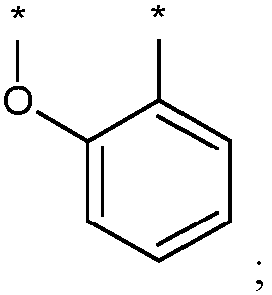 R7 is halo, or R7 is an alkyl group, an aryl group, a benzyl group, a heteroaryl group, a cycloalkyl group, or a cycloheteroalkyl group, optionally R7 is substituted at one or more positions with one or more of alkyl, alkoxy, haloalkyl, haloalkoxy, hydroxyl, halo, cyano, amido, hydrazonyl, carbonyl, carboxyl, and alkoxycarbonyl;with the proviso that if R1(CH2)n(X)p- is hydrogen, hydroxyl, or alkyl, and R5 is hydroxyl, then at least one of R2 and R3 is not hydrogen;or a compound selected from the group consisting of


- The compound of claim 1, wherein at least one of R2 and R7 is an aryl group, a benzyl group, a heteroaryl group, a cycloalkyl group, or a cycloheteroalkyl group, and R2 and R7 optionally are substituted at one or more positions with one or more of alkyl, alkoxy, haloalkyl, haloalkoxy, hydroxyl, halo, cyano, amido, hydrazonyl, carbonyl, carboxyl, and alkoxycarbonyl.
- The compound of claim 1, wherein R2 is hydrogen; or wherein R7 is hydrogen.
- The compound of claim 1, wherein R2 is an aryl group, a benzyl group, a heteroaryl group, a cycloalkyl group, or a cycloheteroalkyl group, and R2 optionally is substituted at one or more positions with one or more of alkyl, alkoxy, haloalkyl, haloalkoxy, hydroxyl, halo, cyano, amido, hydrazonyl, carbonyl, carboxyl, and alkoxycarbonyl; and wherein R7 is hydrogen.
- The compound of claim 1, wherein m is 0 and R2 is hydrogen; and wherein R7 is an aryl group, a benzyl group, a heteroaryl group, a cycloalkyl group, or a cycloheteroalkyl group, and R7 optionally is substituted at one or more positions with one or more of alkyl, alkoxy, haloalkyl, haloalkoxy, hydroxyl, halo, cyano, amido, hydrazonyl, carbonyl, carboxyl, and alkoxycarbonyl.
- The compound of claim 1 having a formula selected from Ia(i), Ia(ii), Ib(i), Ib(ii), Ic(i), and Ic(ii):


- A pharmaceutical composition comprising a compound of claim 1, and a suitable pharmaceutical carrier, excipient, or diluent.
- The composition as defined in claim 7 for use in a method of treating cancer.
Priority Applications (1)
| Application Number | Priority Date | Filing Date | Title |
|---|---|---|---|
| EP25172256.7A EP4613331A3 (en) | 2018-08-31 | 2018-08-31 | Substituted heterocycles as c-myc targeting agents |
Applications Claiming Priority (1)
| Application Number | Priority Date | Filing Date | Title |
|---|---|---|---|
| PCT/US2018/049175 WO2020046382A1 (en) | 2018-08-31 | 2018-08-31 | Substituted heterocycles as c-myc targeting agents |
Related Child Applications (1)
| Application Number | Title | Priority Date | Filing Date |
|---|---|---|---|
| EP25172256.7A Division EP4613331A3 (en) | 2018-08-31 | 2018-08-31 | Substituted heterocycles as c-myc targeting agents |
Publications (4)
| Publication Number | Publication Date |
|---|---|
| EP3844152A1 EP3844152A1 (en) | 2021-07-07 |
| EP3844152A4 EP3844152A4 (en) | 2022-10-26 |
| EP3844152C0 EP3844152C0 (en) | 2025-05-07 |
| EP3844152B1 true EP3844152B1 (en) | 2025-05-07 |
Family
ID=69645319
Family Applications (2)
| Application Number | Title | Priority Date | Filing Date |
|---|---|---|---|
| EP18931818.1A Active EP3844152B1 (en) | 2018-08-31 | 2018-08-31 | Substituted heterocycles as c-myc targeting agents |
| EP25172256.7A Pending EP4613331A3 (en) | 2018-08-31 | 2018-08-31 | Substituted heterocycles as c-myc targeting agents |
Family Applications After (1)
| Application Number | Title | Priority Date | Filing Date |
|---|---|---|---|
| EP25172256.7A Pending EP4613331A3 (en) | 2018-08-31 | 2018-08-31 | Substituted heterocycles as c-myc targeting agents |
Country Status (6)
| Country | Link |
|---|---|
| US (2) | US12152007B2 (en) |
| EP (2) | EP3844152B1 (en) |
| JP (1) | JP2022511287A (en) |
| CN (2) | CN114174265A (en) |
| ES (1) | ES3028184T3 (en) |
| WO (1) | WO2020046382A1 (en) |
Families Citing this family (4)
| Publication number | Priority date | Publication date | Assignee | Title |
|---|---|---|---|---|
| CN112675168A (en) * | 2020-12-23 | 2021-04-20 | 南京景瑞康分子医药科技有限公司 | Application of ITM-2C6 in preparation of drugs for preventing and/or treating tumors |
| JP2025524199A (en) * | 2022-07-29 | 2025-07-25 | ノースウェスタン ユニバーシティ | MYC INHIBITORS AND USES THEREOF |
| CN118125978B (en) * | 2024-01-31 | 2025-08-12 | 安徽中医药大学 | MYC inhibitor and preparation method and application thereof |
| CN120518595B (en) * | 2025-06-10 | 2026-02-17 | 安徽中医药大学 | A class of benzofuran-bipyrazole compounds, their preparation methods and applications |
Family Cites Families (14)
| Publication number | Priority date | Publication date | Assignee | Title |
|---|---|---|---|---|
| CA123484A (en) | 1909-12-04 | 1910-01-25 | John Henry Waterbury | Milk strainer tank for cream separators |
| FR1396684A (en) * | 1963-05-04 | 1965-04-23 | Ciba Geigy | New hydroxyaryl-pyrimidines, their preparation process and their use |
| ES2032594T3 (en) * | 1987-02-27 | 1993-02-16 | Ciba-Geigy Ag | PROCEDURE TO IMPROVE THE PHOTOCHEMICAL STABILITY OF DYES ON POLYESTER FIBER MATERIALS. (RESERVATION OF ART. 167.2 CPE). |
| JP2005225787A (en) | 2004-02-12 | 2005-08-25 | Nippon Kayaku Co Ltd | Hsp90 inhibitor |
| DE102004039280A1 (en) | 2004-08-13 | 2006-02-23 | Merck Patent Gmbh | 1,5-diphenyl-pyrazoles |
| DE102004049078A1 (en) * | 2004-10-08 | 2006-04-13 | Merck Patent Gmbh | phenylpyrazoles |
| US20070203224A1 (en) * | 2006-01-09 | 2007-08-30 | University Of Southern California | Small-molecules for treating cancer and abnormal cell proliferation disorders |
| USRE45336E1 (en) | 2006-05-18 | 2015-01-13 | Arena Pharmaceuticals, Inc. | Primary amines and derivatives thereof as modulators of the 5-HT2A serotonin receptor useful for the treatment of disorders related thereto |
| US20120316182A1 (en) | 2011-06-10 | 2012-12-13 | Calcimedica, Inc. | Compounds that modulate intracellular calcium |
| US9200046B2 (en) * | 2011-06-29 | 2015-12-01 | Cornell University | Reporter system for high throughput screening of compounds and uses thereof |
| JP6142753B2 (en) * | 2012-09-28 | 2017-06-07 | 住友化学株式会社 | Tetrazolinone compounds and uses thereof |
| WO2016176449A1 (en) | 2015-04-29 | 2016-11-03 | Janssen Pharmaceutica Nv | Benzimidazolone and benzothiazolone compounds and their use as ampa receptor modulators |
| EP3426636B1 (en) * | 2016-03-07 | 2021-12-29 | Northwestern University | Specific 2-(4-(phenoxy)-1h-pyrazol-3-yl)phenol derivatives as inhibitors of c-myc/dna binding activity for treating cancer |
| CN107739337A (en) * | 2017-09-08 | 2018-02-27 | 长沙理工大学 | A kind of cadmium, aluminium, the preparation method of lead ion chelating agent |
-
2018
- 2018-08-31 US US17/272,346 patent/US12152007B2/en active Active
- 2018-08-31 CN CN201880099196.0A patent/CN114174265A/en active Pending
- 2018-08-31 ES ES18931818T patent/ES3028184T3/en active Active
- 2018-08-31 WO PCT/US2018/049175 patent/WO2020046382A1/en not_active Ceased
- 2018-08-31 EP EP18931818.1A patent/EP3844152B1/en active Active
- 2018-08-31 CN CN202510602198.9A patent/CN120842150A/en active Pending
- 2018-08-31 EP EP25172256.7A patent/EP4613331A3/en active Pending
- 2018-08-31 JP JP2021511596A patent/JP2022511287A/en active Pending
-
2024
- 2024-11-26 US US18/961,307 patent/US20250084040A1/en active Pending
Also Published As
| Publication number | Publication date |
|---|---|
| CN114174265A (en) | 2022-03-11 |
| EP3844152C0 (en) | 2025-05-07 |
| US12152007B2 (en) | 2024-11-26 |
| US20250084040A1 (en) | 2025-03-13 |
| EP4613331A3 (en) | 2026-02-25 |
| CN120842150A (en) | 2025-10-28 |
| WO2020046382A1 (en) | 2020-03-05 |
| JP2022511287A (en) | 2022-01-31 |
| US20210395206A1 (en) | 2021-12-23 |
| ES3028184T3 (en) | 2025-06-18 |
| EP3844152A4 (en) | 2022-10-26 |
| EP3844152A1 (en) | 2021-07-07 |
| EP4613331A2 (en) | 2025-09-10 |
Similar Documents
| Publication | Publication Date | Title |
|---|---|---|
| US20250084040A1 (en) | SUBSTITUTED HETEROCYCLES AS c-MYC TARGETING AGENTS | |
| JP7749263B2 (en) | Compounds as KAT6 inhibitors | |
| US8389544B2 (en) | Isoquinolone compounds as subtype-selective agonists for melatonin receptors MT1 and MT2 | |
| CN102232073B (en) | Ssao activity inhibitor | |
| US11142504B2 (en) | Substituted heterocycles as c-MYC targeting agents | |
| EP3426636B1 (en) | Specific 2-(4-(phenoxy)-1h-pyrazol-3-yl)phenol derivatives as inhibitors of c-myc/dna binding activity for treating cancer | |
| Cheng et al. | Design, synthesis and biological evaluation of novel indole derivatives as potential HDAC/BRD4 dual inhibitors and anti-leukemia agents | |
| WO2017075367A1 (en) | Substituted aromatic n-heterocyclic compounds as inhibitors of mitogen-activated protein kinase interacting kinase 1 (mnk1) and 2 (mnk2) | |
| EP2991975B1 (en) | Inhibitors of nicotinamide phosphoribosyltransferase, compositions, products and uses thereof | |
| EP4171566A1 (en) | Cereblon binding compounds, compositions thereof, and methods of treatment therewith | |
| WO2010083732A1 (en) | N-acetylneuraminic acid compounds, pharmaceutical composition, preparation method and uses thereof | |
| US11420957B2 (en) | Substituted heterocycles as c-MYC targeting agents | |
| WO2020252398A1 (en) | Proteolysis-targeting protacs inducing degradation of c-mic protein | |
| US20090137664A1 (en) | Saururus cernuus compounds that inhibit cellular responses to hypoxia | |
| JP2004534002A (en) | Compound | |
| CN102838625B (en) | Tetrahydropyridothiazole compound, its preparation method, pharmaceutical composition containing the compound and use thereof | |
| Yadav et al. | Structure-based design, synthesis and biological testing of etoposide analog epipodophyllotoxin–N-mustard hybrid compounds designed to covalently bind to topoisomerase II and DNA | |
| EP4043457A1 (en) | Aromatic heterocyclic compound having tricyclic structure, and preparation method therefor and application thereof | |
| KR20100132553A (en) | Novel N- (2-amino-phenyl) -acrylamide | |
| KR20140057483A (en) | Derivatives of sulindac, use thereof and preparation thereof | |
| CN107793371A (en) | A kind of bromine domain identification protein inhibitor and its production and use | |
| WO2011111675A1 (en) | Novel indole derivative | |
| Bai et al. | Anti-inflammatory hybrids of secondary amines and amide-sulfamide derivatives | |
| HK40056420A (en) | Substituted heterocycles as c-myc targeting agents | |
| HK40056420B (en) | Substituted heterocycles as c-myc targeting agents |
Legal Events
| Date | Code | Title | Description |
|---|---|---|---|
| STAA | Information on the status of an ep patent application or granted ep patent |
Free format text: STATUS: THE INTERNATIONAL PUBLICATION HAS BEEN MADE |
|
| STAA | Information on the status of an ep patent application or granted ep patent |
Free format text: STATUS: REQUEST FOR EXAMINATION WAS MADE |
|
| PUAI | Public reference made under article 153(3) epc to a published international application that has entered the european phase |
Free format text: ORIGINAL CODE: 0009012 |
|
| 17P | Request for examination filed |
Effective date: 20210331 |
|
| AK | Designated contracting states |
Kind code of ref document: A1 Designated state(s): AL AT BE BG CH CY CZ DE DK EE ES FI FR GB GR HR HU IE IS IT LI LT LU LV MC MK MT NL NO PL PT RO RS SE SI SK SM TR |
|
| DAV | Request for validation of the european patent (deleted) | ||
| DAX | Request for extension of the european patent (deleted) | ||
| REG | Reference to a national code |
Ref country code: HK Ref legal event code: DE Ref document number: 40056420 Country of ref document: HK |
|
| RIC1 | Information provided on ipc code assigned before grant |
Ipc: A61P 35/00 20060101ALI20220621BHEP Ipc: A61K 31/505 20060101ALI20220621BHEP Ipc: A61K 31/4192 20060101ALI20220621BHEP Ipc: A61K 31/415 20060101ALI20220621BHEP Ipc: C07D 498/04 20060101ALI20220621BHEP Ipc: C07D 409/10 20060101ALI20220621BHEP Ipc: C07D 405/10 20060101ALI20220621BHEP Ipc: C07D 405/04 20060101ALI20220621BHEP Ipc: C07D 403/04 20060101ALI20220621BHEP Ipc: C07D 401/14 20060101ALI20220621BHEP Ipc: C07D 401/12 20060101ALI20220621BHEP Ipc: C07D 401/10 20060101ALI20220621BHEP Ipc: C07D 401/04 20060101ALI20220621BHEP Ipc: C07D 239/26 20060101ALI20220621BHEP Ipc: C07D 231/18 20060101ALI20220621BHEP Ipc: C07D 231/14 20060101ALI20220621BHEP Ipc: C07D 231/12 20060101AFI20220621BHEP |
|
| REG | Reference to a national code |
Ref country code: DE Free format text: PREVIOUS MAIN CLASS: C07D0231100000 Ref country code: DE Ref legal event code: R079 Ref document number: 602018081837 Country of ref document: DE Free format text: PREVIOUS MAIN CLASS: C07D0231100000 Ipc: C07D0231120000 |
|
| A4 | Supplementary search report drawn up and despatched |
Effective date: 20220928 |
|
| RIC1 | Information provided on ipc code assigned before grant |
Ipc: A61P 35/00 20060101ALI20220922BHEP Ipc: A61K 31/505 20060101ALI20220922BHEP Ipc: A61K 31/4192 20060101ALI20220922BHEP Ipc: A61K 31/415 20060101ALI20220922BHEP Ipc: C07D 498/04 20060101ALI20220922BHEP Ipc: C07D 409/10 20060101ALI20220922BHEP Ipc: C07D 405/10 20060101ALI20220922BHEP Ipc: C07D 405/04 20060101ALI20220922BHEP Ipc: C07D 403/04 20060101ALI20220922BHEP Ipc: C07D 401/14 20060101ALI20220922BHEP Ipc: C07D 401/12 20060101ALI20220922BHEP Ipc: C07D 401/10 20060101ALI20220922BHEP Ipc: C07D 401/04 20060101ALI20220922BHEP Ipc: C07D 239/26 20060101ALI20220922BHEP Ipc: C07D 231/18 20060101ALI20220922BHEP Ipc: C07D 231/14 20060101ALI20220922BHEP Ipc: C07D 231/12 20060101AFI20220922BHEP |
|
| STAA | Information on the status of an ep patent application or granted ep patent |
Free format text: STATUS: EXAMINATION IS IN PROGRESS |
|
| 17Q | First examination report despatched |
Effective date: 20231128 |
|
| GRAP | Despatch of communication of intention to grant a patent |
Free format text: ORIGINAL CODE: EPIDOSNIGR1 |
|
| STAA | Information on the status of an ep patent application or granted ep patent |
Free format text: STATUS: GRANT OF PATENT IS INTENDED |
|
| INTG | Intention to grant announced |
Effective date: 20241202 |
|
| GRAS | Grant fee paid |
Free format text: ORIGINAL CODE: EPIDOSNIGR3 |
|
| GRAA | (expected) grant |
Free format text: ORIGINAL CODE: 0009210 |
|
| STAA | Information on the status of an ep patent application or granted ep patent |
Free format text: STATUS: THE PATENT HAS BEEN GRANTED |
|
| AK | Designated contracting states |
Kind code of ref document: B1 Designated state(s): AL AT BE BG CH CY CZ DE DK EE ES FI FR GB GR HR HU IE IS IT LI LT LU LV MC MK MT NL NO PL PT RO RS SE SI SK SM TR |
|
| REG | Reference to a national code |
Ref country code: GB Ref legal event code: FG4D |
|
| REG | Reference to a national code |
Ref country code: CH Ref legal event code: EP |
|
| REG | Reference to a national code |
Ref country code: DE Ref legal event code: R096 Ref document number: 602018081837 Country of ref document: DE |
|
| REG | Reference to a national code |
Ref country code: IE Ref legal event code: FG4D |
|
| REG | Reference to a national code |
Ref country code: ES Ref legal event code: FG2A Ref document number: 3028184 Country of ref document: ES Kind code of ref document: T3 Effective date: 20250618 |
|
| U01 | Request for unitary effect filed |
Effective date: 20250512 |
|
| U07 | Unitary effect registered |
Designated state(s): AT BE BG DE DK EE FI FR IT LT LU LV MT NL PT RO SE SI Effective date: 20250516 |
|
| U20 | Renewal fee for the european patent with unitary effect paid |
Year of fee payment: 8 Effective date: 20250827 |
|
| PGFP | Annual fee paid to national office [announced via postgrant information from national office to epo] |
Ref country code: ES Payment date: 20250901 Year of fee payment: 8 |
|
| PG25 | Lapsed in a contracting state [announced via postgrant information from national office to epo] |
Ref country code: NO Free format text: LAPSE BECAUSE OF FAILURE TO SUBMIT A TRANSLATION OF THE DESCRIPTION OR TO PAY THE FEE WITHIN THE PRESCRIBED TIME-LIMIT Effective date: 20250807 Ref country code: GR Free format text: LAPSE BECAUSE OF FAILURE TO SUBMIT A TRANSLATION OF THE DESCRIPTION OR TO PAY THE FEE WITHIN THE PRESCRIBED TIME-LIMIT Effective date: 20250808 |
|
| PG25 | Lapsed in a contracting state [announced via postgrant information from national office to epo] |
Ref country code: PL Free format text: LAPSE BECAUSE OF FAILURE TO SUBMIT A TRANSLATION OF THE DESCRIPTION OR TO PAY THE FEE WITHIN THE PRESCRIBED TIME-LIMIT Effective date: 20250507 |
|
| PG25 | Lapsed in a contracting state [announced via postgrant information from national office to epo] |
Ref country code: HR Free format text: LAPSE BECAUSE OF FAILURE TO SUBMIT A TRANSLATION OF THE DESCRIPTION OR TO PAY THE FEE WITHIN THE PRESCRIBED TIME-LIMIT Effective date: 20250507 |
|
| PGFP | Annual fee paid to national office [announced via postgrant information from national office to epo] |
Ref country code: CH Payment date: 20250901 Year of fee payment: 8 |
|
| PG25 | Lapsed in a contracting state [announced via postgrant information from national office to epo] |
Ref country code: RS Free format text: LAPSE BECAUSE OF FAILURE TO SUBMIT A TRANSLATION OF THE DESCRIPTION OR TO PAY THE FEE WITHIN THE PRESCRIBED TIME-LIMIT Effective date: 20250807 |
|
| PG25 | Lapsed in a contracting state [announced via postgrant information from national office to epo] |
Ref country code: IS Free format text: LAPSE BECAUSE OF FAILURE TO SUBMIT A TRANSLATION OF THE DESCRIPTION OR TO PAY THE FEE WITHIN THE PRESCRIBED TIME-LIMIT Effective date: 20250907 |
|
| PG25 | Lapsed in a contracting state [announced via postgrant information from national office to epo] |
Ref country code: SM Free format text: LAPSE BECAUSE OF FAILURE TO SUBMIT A TRANSLATION OF THE DESCRIPTION OR TO PAY THE FEE WITHIN THE PRESCRIBED TIME-LIMIT Effective date: 20250507 |
|
| PG25 | Lapsed in a contracting state [announced via postgrant information from national office to epo] |
Ref country code: CZ Free format text: LAPSE BECAUSE OF FAILURE TO SUBMIT A TRANSLATION OF THE DESCRIPTION OR TO PAY THE FEE WITHIN THE PRESCRIBED TIME-LIMIT Effective date: 20250507 |
|
| PG25 | Lapsed in a contracting state [announced via postgrant information from national office to epo] |
Ref country code: SK Free format text: LAPSE BECAUSE OF FAILURE TO SUBMIT A TRANSLATION OF THE DESCRIPTION OR TO PAY THE FEE WITHIN THE PRESCRIBED TIME-LIMIT Effective date: 20250507 |
|
| PLBE | No opposition filed within time limit |
Free format text: ORIGINAL CODE: 0009261 |
|
| STAA | Information on the status of an ep patent application or granted ep patent |
Free format text: STATUS: NO OPPOSITION FILED WITHIN TIME LIMIT |
|
| REG | Reference to a national code |
Ref country code: CH Ref legal event code: L10 Free format text: ST27 STATUS EVENT CODE: U-0-0-L10-L00 (AS PROVIDED BY THE NATIONAL OFFICE) Effective date: 20260318 |
|
| PG25 | Lapsed in a contracting state [announced via postgrant information from national office to epo] |
Ref country code: MC Free format text: LAPSE BECAUSE OF FAILURE TO SUBMIT A TRANSLATION OF THE DESCRIPTION OR TO PAY THE FEE WITHIN THE PRESCRIBED TIME-LIMIT Effective date: 20250507 |
|
| PGFP | Annual fee paid to national office [announced via postgrant information from national office to epo] |
Ref country code: GB Payment date: 20260227 Year of fee payment: 8 |
|
| 26N | No opposition filed |
Effective date: 20260210 |