EP3842099A1 - Use of losartan for the treatment of fibrotic diseases, in particular epidermolysis bullosa - Google Patents
Use of losartan for the treatment of fibrotic diseases, in particular epidermolysis bullosa Download PDFInfo
- Publication number
- EP3842099A1 EP3842099A1 EP19219232.6A EP19219232A EP3842099A1 EP 3842099 A1 EP3842099 A1 EP 3842099A1 EP 19219232 A EP19219232 A EP 19219232A EP 3842099 A1 EP3842099 A1 EP 3842099A1
- Authority
- EP
- European Patent Office
- Prior art keywords
- losartan
- treatment
- use according
- weeks
- dose
- Prior art date
- Legal status (The legal status is an assumption and is not a legal conclusion. Google has not performed a legal analysis and makes no representation as to the accuracy of the status listed.)
- Withdrawn
Links
Images


Classifications
-
- A—HUMAN NECESSITIES
- A61—MEDICAL OR VETERINARY SCIENCE; HYGIENE
- A61P—SPECIFIC THERAPEUTIC ACTIVITY OF CHEMICAL COMPOUNDS OR MEDICINAL PREPARATIONS
- A61P17/00—Drugs for dermatological disorders
- A61P17/02—Drugs for dermatological disorders for treating wounds, ulcers, burns, scars, keloids, or the like
-
- A—HUMAN NECESSITIES
- A61—MEDICAL OR VETERINARY SCIENCE; HYGIENE
- A61K—PREPARATIONS FOR MEDICAL, DENTAL OR TOILETRY PURPOSES
- A61K31/00—Medicinal preparations containing organic active ingredients
- A61K31/33—Heterocyclic compounds
- A61K31/395—Heterocyclic compounds having nitrogen as a ring hetero atom, e.g. guanethidine or rifamycins
- A61K31/41—Heterocyclic compounds having nitrogen as a ring hetero atom, e.g. guanethidine or rifamycins having five-membered rings with two or more ring hetero atoms, at least one of which being nitrogen, e.g. tetrazole
- A61K31/4164—1,3-Diazoles
- A61K31/4178—1,3-Diazoles not condensed 1,3-diazoles and containing further heterocyclic rings, e.g. pilocarpine, nitrofurantoin
-
- A—HUMAN NECESSITIES
- A61—MEDICAL OR VETERINARY SCIENCE; HYGIENE
- A61K—PREPARATIONS FOR MEDICAL, DENTAL OR TOILETRY PURPOSES
- A61K9/00—Medicinal preparations characterised by special physical form
- A61K9/0012—Galenical forms characterised by the site of application
- A61K9/0019—Injectable compositions; Intramuscular, intravenous, arterial, subcutaneous administration; Compositions to be administered through the skin in an invasive manner
-
- A—HUMAN NECESSITIES
- A61—MEDICAL OR VETERINARY SCIENCE; HYGIENE
- A61K—PREPARATIONS FOR MEDICAL, DENTAL OR TOILETRY PURPOSES
- A61K9/00—Medicinal preparations characterised by special physical form
- A61K9/0012—Galenical forms characterised by the site of application
- A61K9/0053—Mouth and digestive tract, i.e. intraoral and peroral administration
Definitions
- Losartan is the generic name for 2-Butyl-4-chloro-1-[[2'-(1 H -tetrazol-5-yl)[1,1'-biphenyl]-4-yl]methyl]-1H-imidazol-5-methanol.
- the potassium salt of Losartan is commercially available as Cozaar®.
- Losartan is also available as generic drug product under various other designations. The present invention relates to all such products.
- Losartan blocks the interaction of angiotensin II and its receptor and it is mainly used for treating hypertension, heart failure, ischemic peripheral circulatory disorder, myocardial ischemia (angina pectoris), diabetic neuropathy and glaucoma and also for preventing the progression of post-myocardial infarction heart failure.
- Losartan is widely used as an antihypertensive generic drug with a benign safety profile.
- the usual dose for starting the treatment and maintaining the treatment is for most patients around 50 mg once daily. Depending on the weight of the patient this corresponds to about 0.5-1 mg/kg body weight of the patient based on the weight of the patient.
- concentration ranges usually for patients having a weight of from about 50 kg for a slim female up to 100 kg for a somewhat overweight male.
- Losartan has positive effects in the treatment of diseases which are obviously not related to hypertension. Such diseases are related to a malfunction of the skin and may involve fibrotic processes. Moreover, such diseases may be related to inflammatory processes whereby TGF- ⁇ expression is involved. Losartan has surprisingly a beneficial effect in reducing TGF- ⁇ expression and in slowing fibrosis.
- the present invention relates to Losartan for use in the treatment of a fibrotic disease characterized in that a dose of 0.4-1.4 mg/kg body weight of the patient is administered daily, preferably according to the dosage regimen as described in more detail below.
- Losartan can be advantageously used in diseases wherein the patient suffers from inflammatory conditions which are mediated via the TGF- ⁇ signaling.
- Dystrophic epidermolysis bullosa is a monogenic skin fragility disorder caused by mutations in the COL7A1 gene.
- DEB is genetically and clinically heterogeneous, both autosomal dominant (DDEB) and recessive (RDEB) subtypes exist. It has been reported that excessive TGF ⁇ activity in injured RDEB skin was observed. The reason therefore is not completely understood, but a number of different factors, such as its elevated expression and increased release from dermal microstructures or from infiltrating inflammatory cells are possible.
- TGF ⁇ signaling is rather complex. TGF ⁇ is secreted from cells as a latent complex which is sequestered in the extracellular matrix.
- TGF ⁇ needs to be released from the latent complexes, e.g. by tractional forces from integrins and thrombospondin-1 or through proteolysis. Active TGF ⁇ signals through TGF ⁇ receptor I and II. Upon binding of TGF ⁇ , the receptors become phosphorylated and transmit signals through both the canonical TGF ⁇ signaling pathway, involving SMAD proteins, and the non-canonical pathway, involving PI3K, JNK and ERK. Physiologically, the TGF ⁇ signaling pathway is activated during development, and in adulthood in processes like tissue regeneration and regulation of immune responses.
- TGF ⁇ signaling pathological, dysregulated activation occurs in cancer and fibroproliferative disorders, creating strong incentives for pharmacological modulation of TGF ⁇ signaling.
- tissue- and context-specificity of TGF ⁇ signaling has challenged the development of clinically useful TGF ⁇ inhibitors.
- interfering with expression/activation, or sequestering and neutralization of ligands, or inhibition of receptors or downstream signaling proteins can block the activity.
- TGF ⁇ signaling has a remarkable ability to be restored through compensatory upregulation of pathway components. It has been found that a compound with multi-level interference, "Losartan", has positive effects in the treatment of epidermolysis bullosa, in particular when the specific dosage regimen as disclosed herein is observed.
- the disease to be treated is epidermolysis bullosa.
- Epidermolysis bullosa designates a group of inherited skin diseases characterized by defective epithelial cell adhesion leading to skin fragility and trauma-induced blistering.
- Dystrophic epidermolysis bullosa is one of the major subtypes. This disease is caused by mutations in the gene coding for type VII collagen which is the main component of anchoring fibrils. These structures guarantee the firm adhesion of the epidermis to the underlying dermis.
- Epidermolysis bullosa is due to genetic modifications and patients affected with the dystrophic epidermolysis bullosa may have different disease manifestations. It should be noted that the dystrophic epidermolysis bullosa may be dominantly or recessively inherited. Losartan has expected beneficial effects not only in the recessive form but also in the dominant form of dystrophic epidermolysis bullosa. Depending on the severity of the disease the manifestations range from localized blisters to generalized skin and mucosal blistering. The continuous damage to the epidermal barrier leads to frequent skin infections and persistent inflammation. The healing can be strongly compromised, with chronic wound and scar formation. The inflammatory and fibrotic skin environment favors the development of further disease complications including esophageal stenosis, pseudosyndactylies, and aggressive squamous cell carcinomas.
- the recessive DEB form is frequently associated with more severe clinical signs.
- the patients are affected by repeated blistering which leads to protracted wound healing.
- Body sites which are exposed to mechanical stress, continuous cycles of blistering and altered healing develop persistent ulcerations which show incomplete reepithelialization, frequent infections and perilesional skin inflammation, chronic ulcers accompanied by fibrosis and scarring.
- Such patients suffer under severe conditions and there is an urgent need for a medication which makes the life of such patients better tolerable.
- Losartan improves the life quality of such patients substantially when Losartan is applied systemically.
- Losartan is applied either orally in the form of tablets, capsules or as a syrup or suspension or parenterally (e.g. as injection or infusion solution) depending on the patient's condition.
- parenterally e.g. as injection or infusion solution
- Losartan can be used for the treatment of the skin although it has a known hypertensive activity.
- concentration used according to the present treatment scheme is higher than the dosage of Losartan which is usually used for the treatment of hypertension. Nevertheless Losartan can be administered according to the dosage regimen as disclosed herein without negative impact on the blood pressure of the patients.
- the dosage regimen according to the present invention can be divided in three main sections, namely first the dose escalation period, second the target dose treatment and third the dose tapering period.
- the concentration of Losartan is slightly increased.
- a concentration of 0.4 mg/kg body weight of patient is applied.
- This dosage is increased within the dose escalation period up to 1.4 mg/kg body weight of the patient.
- the increase of the dose depends on how the patient can deal with the increase of the concentration. Usually an increase of about 0.05-0.1 mg/kg body weight of the patient is applied per week.
- the dose has been increased in 2 to 5 steps.
- the dosage has been increased from 0.4 mg/kg after about 8 weeks to 0.8 mg/kg, and after further about 8 weeks to 1.4 mg/kg.
- the increase of the concentration can be faster.
- the increase of the dose will be somewhat slower.
- the escalation period lasts from 14 to 18 weeks, in a particularly preferred embodiment the dose escalation period lasts for 16 weeks.
- the effective dosage is about 1.4 mg/kg. This concentration may vary slightly depending on the specific needs of the patient from 1.3 to 1.5 mg/kg.
- the daily dose of preferably 1.4 mg/kg is maintained for the duration of the treatment period (target period).
- the treatment period may preferably last for at least 24 weeks, but it may continue also for a longer period of time up to 52 weeks. Sometimes the treatment dose may be extended. When the patient to be treated does not show adverse reactions the treatment phase may last substantially longer. Sometimes it may be a lifelong treatment.
- the dose of Losartan is slowly reduced over a period of time (tapering period) ranging from 4 weeks to 12 weeks. During this period the concentration is lowered by a range of 0.05 mg/kg up to 0.4 mg/kg body weight per week. Consequently the exit period may last for 2 to 8 weeks, preferably 4 weeks.
- the tapering period may in many cases not be very critical, in particular when the patients take Losartan over a long period of time.
- PGA Physician Global Assessment
- a validated severity score for all subtypes of EB at all ages that was shown to be simple, valid, sensitive and reliable. Eleven items are scored: area of damaged skin, involvement of nails, mouth, eyes, larynx and esophagus, scarring of hands, skin cancer, chronic wounds, alopecia and nutritional compromise. The area of damaged skin is allocated 50 points, and the 10 other items 5 points each, giving a maximum score of 100.
- the BEBS does not differentiate between active lesions and chronically damaged skin, and it has not yet been shown to detect changes with treatment. Therefore, an additional EB-specific scoring instrument was used.
- EBDASI has demonstrated significant inter-investigator reliability and validity. It includes an activity and damage component for: 1. skin; 2. scalp; 3. mucous membranes; 4. nails; 5. other epithelialized surfaces (incl. larynx, esophagus, genitourinary), hands-pseudosyndactyly and skin cancer.
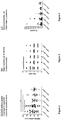
- Statistical values for EBDASI are shown in Figure 2 when determined at the visits in the clinic. From Figure 2 it can be seen that during the treatment (from clinic visit 1 to clinic visit 5) the EBDASI score improved substantially.
- the Mayo Dysphagia Questionnaire-day 30 (MDQ-30) was used to assess esophageal involvement. This validated 28-item tool measures esophageal dysphagia within the last 30 days before the visit and will assess improvement of swallowing and eating during treatment.
- the Itch Assessment Scale for the Pediatric Burn Patients a validated instrument for assessing skin burns, which are similar to RDEB.
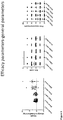
- the scale is based on the Itch Man Scale developed by Blakeney & Marvin (2000), and was used to evaluate the intensity of itch of the trial participants. Since itch is also a sign of inflammation, a reduction of itch after losartan initiation was observed. Values taken at clinical visits were determined. The itch score is shown in Figure 3 which shows an improvement.
- the Wong-Baker FACES Scale for Pain that uses happy or sad faces shown in the score ( http://wongbakerfaces.org/ ) is the preferred method of pain reporting by children. This validated tool is widely used to rate pain severity in children with both chronic and acute pain.
- the scale shows a series of faces ranging from a happy face at 0, "no hurt” to a crying face at 10, "hurts worst”.
- QOLEB Quality Of Life in EB
- CDLQI Children's Dermatology Life Quality Index
- Two skin biopsy specimens were obtained, one at the first clinic visit and one at week 40, at the end of full-dose losartan treatment (Visit 7-clinic).
- a 4-mm punch biopsy was taken from clinically unaffected skin, 1-2 cm from the border of scarred/fibrotic area at a similar site on the hands or feet, in order to increase reproducibility and to minimize variation arising from acute blistering-associated inflammation.
- the biopsies were fixed in formalin immediately after collection and processed for (immuno)histological analysis. First, collagen VII was stained to ensure that the biopsied area does not represent a revertant mosaic spot. Second, TGF ⁇ activity was assessed by staining for TGF ⁇ protein, TGF ⁇ receptor II and pSMAD2/3.
- Inflammation and immune reactions were determined by staining with antibodies to CD3 (mature T-cells), CD4 (mainly T-helper cells), CD8 (mainly cytotoxic T-cells), CD68 (monocytes/macrophages), TNF ⁇ and IL6. Histological stains (H&E, picrosirus red) reveals the extent of fibrotic processes. At least three skin sections were stained for each marker, images captured and the intensity of the signals assessed with Image J software.
- TGF ⁇ levels and biomarkers of inflammation and fibrosis, such as TNF ⁇ , CRP, ferritin, IL6 ( Figure 4 ) and amyloid.
- TGF ⁇ and TNF ⁇ was analyzed by specific quantitative ELISAs (RayBiotech) at the EB Center Freiburg, while CRP, ferritin, IL6 and amyloid are measured at the central laboratories of the Medical Centers in Freiburg.
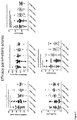
- the systolic and the diastolic blood pressure has been measured on each clinical visit for each patient. The values are presented in Figure 5 . Furthermore, the pulse rate was measured which is also shown in Figure 5 .
- the ejection fraction has been measured, showing no differences in the heart's pump function. Furthermore, the proPNB(pg/ml) was also measured on each visit to evaluate for signs of heart failure. There were no significant changes found in these analyses. In order to show that no negative effect can be observed in the patients, the hemoglobin values were determined from the blood of each patient at the occasion of each visit.
- the result of the dosage regimen according to the present invention can be seen from Figure 6 .
- the weight in relative change to base line is shown in Figure 6 .
- the pain assessment score and the itch score is shown in Figure 6 demonstrating that the dosage regimen is effective since the pain assessment score went statistically to a lower level.
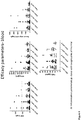
- the efficacy parameter scores are shown in Figure 7 whereby the EBDASI activity and damage score were improved, meaning that the EB-specific manifestations in skin and extracutaneously were improved (as seen in the EBDASI score), followed by improvement of the quality of life scores ( QoLEB und CDLQI).
- An important aspect of the present invention is shown in Figure 8 .
- Several inflammation parameters CRP, IL6, Serum amyloid A and TNFa
Landscapes
- Health & Medical Sciences (AREA)
- Veterinary Medicine (AREA)
- Animal Behavior & Ethology (AREA)
- Public Health (AREA)
- Chemical & Material Sciences (AREA)
- Pharmacology & Pharmacy (AREA)
- Life Sciences & Earth Sciences (AREA)
- Medicinal Chemistry (AREA)
- General Health & Medical Sciences (AREA)
- Epidemiology (AREA)
- Dermatology (AREA)
- Engineering & Computer Science (AREA)
- General Chemical & Material Sciences (AREA)
- Chemical Kinetics & Catalysis (AREA)
- Organic Chemistry (AREA)
- Bioinformatics & Cheminformatics (AREA)
- Nuclear Medicine, Radiotherapy & Molecular Imaging (AREA)
- Physiology (AREA)
- Nutrition Science (AREA)
- Pharmaceuticals Containing Other Organic And Inorganic Compounds (AREA)
- Steroid Compounds (AREA)
- Plural Heterocyclic Compounds (AREA)
- Nitrogen And Oxygen Or Sulfur-Condensed Heterocyclic Ring Systems (AREA)
Abstract
The present invention relates to Losartan for use in the treatment of a fibrotic disease characterized in that a dose of 0.4-1.4 mg/kg body weight of the patient is administered daily, whereby the fibrotic disease is Epidermolysis bullosa
Description
- Losartan is the generic name for 2-Butyl-4-chloro-1-[[2'-(1H-tetrazol-5-yl)[1,1'-biphenyl]-4-yl]methyl]-1H-imidazol-5-methanol. The potassium salt of Losartan is commercially available as Cozaar®. Losartan is also available as generic drug product under various other designations. The present invention relates to all such products. Losartan blocks the interaction of angiotensin II and its receptor and it is mainly used for treating hypertension, heart failure, ischemic peripheral circulatory disorder, myocardial ischemia (angina pectoris), diabetic neuropathy and glaucoma and also for preventing the progression of post-myocardial infarction heart failure.
- Losartan is widely used as an antihypertensive generic drug with a benign safety profile. The usual dose for starting the treatment and maintaining the treatment is for most patients around 50 mg once daily. Depending on the weight of the patient this corresponds to about 0.5-1 mg/kg body weight of the patient based on the weight of the patient. Such concentration ranges usually for patients having a weight of from about 50 kg for a slim female up to 100 kg for a somewhat overweight male.
- In the course of the present invention it was noticed that surprisingly Losartan has positive effects in the treatment of diseases which are obviously not related to hypertension. Such diseases are related to a malfunction of the skin and may involve fibrotic processes. Moreover, such diseases may be related to inflammatory processes whereby TGF-β expression is involved. Losartan has surprisingly a beneficial effect in reducing TGF-β expression and in slowing fibrosis.
- In the broadest scope the present invention relates to Losartan for use in the treatment of a fibrotic disease characterized in that a dose of 0.4-1.4 mg/kg body weight of the patient is administered daily, preferably according to the dosage regimen as described in more detail below.
- In the course of the present invention it was also found that Losartan can be advantageously used in diseases wherein the patient suffers from inflammatory conditions which are mediated via the TGF-β signaling.
- Dystrophic epidermolysis bullosa (DEB) is a monogenic skin fragility disorder caused by mutations in the COL7A1 gene. DEB is genetically and clinically heterogeneous, both autosomal dominant (DDEB) and recessive (RDEB) subtypes exist. It has been reported that excessive TGFβ activity in injured RDEB skin was observed. The reason therefore is not completely understood, but a number of different factors, such as its elevated expression and increased release from dermal microstructures or from infiltrating inflammatory cells are possible. TGFβ signaling is rather complex. TGFβ is secreted from cells as a latent complex which is sequestered in the extracellular matrix. To be active, TGFβ needs to be released from the latent complexes, e.g. by tractional forces from integrins and thrombospondin-1 or through proteolysis. Active TGFβ signals through TGFβ receptor I and II. Upon binding of TGFβ, the receptors become phosphorylated and transmit signals through both the canonical TGFβ signaling pathway, involving SMAD proteins, and the non-canonical pathway, involving PI3K, JNK and ERK. Physiologically, the TGFβ signaling pathway is activated during development, and in adulthood in processes like tissue regeneration and regulation of immune responses. Pathological, dysregulated activation occurs in cancer and fibroproliferative disorders, creating strong incentives for pharmacological modulation of TGFβ signaling. However, the tissue- and context-specificity of TGFβ signaling has challenged the development of clinically useful TGFβ inhibitors. In principle, interfering with expression/activation, or sequestering and neutralization of ligands, or inhibition of receptors or downstream signaling proteins can block the activity. However, a problem has been posed by the fact that TGFβ signaling has a remarkable ability to be restored through compensatory upregulation of pathway components. It has been found that a compound with multi-level interference, "Losartan", has positive effects in the treatment of epidermolysis bullosa, in particular when the specific dosage regimen as disclosed herein is observed.
- In a particularly preferred embodiment the disease to be treated is epidermolysis bullosa. Epidermolysis bullosa designates a group of inherited skin diseases characterized by defective epithelial cell adhesion leading to skin fragility and trauma-induced blistering. Dystrophic epidermolysis bullosa is one of the major subtypes. This disease is caused by mutations in the gene coding for type VII collagen which is the main component of anchoring fibrils. These structures guarantee the firm adhesion of the epidermis to the underlying dermis.
- Epidermolysis bullosa is due to genetic modifications and patients affected with the dystrophic epidermolysis bullosa may have different disease manifestations. It should be noted that the dystrophic epidermolysis bullosa may be dominantly or recessively inherited. Losartan has expected beneficial effects not only in the recessive form but also in the dominant form of dystrophic epidermolysis bullosa. Depending on the severity of the disease the manifestations range from localized blisters to generalized skin and mucosal blistering. The continuous damage to the epidermal barrier leads to frequent skin infections and persistent inflammation. The healing can be strongly compromised, with chronic wound and scar formation. The inflammatory and fibrotic skin environment favors the development of further disease complications including esophageal stenosis, pseudosyndactylies, and aggressive squamous cell carcinomas.
- The recessive DEB form is frequently associated with more severe clinical signs. The patients are affected by repeated blistering which leads to protracted wound healing. Body sites which are exposed to mechanical stress, continuous cycles of blistering and altered healing develop persistent ulcerations which show incomplete reepithelialization, frequent infections and perilesional skin inflammation, chronic ulcers accompanied by fibrosis and scarring. Such patients suffer under severe conditions and there is an urgent need for a medication which makes the life of such patients better tolerable.
- In the course of the present invention it has been found that surprisingly Losartan improves the life quality of such patients substantially when Losartan is applied systemically. According to the teaching of the present invention Losartan is applied either orally in the form of tablets, capsules or as a syrup or suspension or parenterally (e.g. as injection or infusion solution) depending on the patient's condition. This is insofar surprising as the diseases treated according to the teaching of the present invention are manifested in the skin and it would normally be expected to apply the pharmaceutically active agent which is in the present case Losartan topically to the skin in the form of a cream, ointment or the like.
- Another surprising aspect of the present invention is that Losartan can be used for the treatment of the skin although it has a known hypertensive activity. The concentration used according to the present treatment scheme is higher than the dosage of Losartan which is usually used for the treatment of hypertension. Nevertheless Losartan can be administered according to the dosage regimen as disclosed herein without negative impact on the blood pressure of the patients.
- The dosage regimen according to the present invention can be divided in three main sections, namely first the dose escalation period, second the target dose treatment and third the dose tapering period.
- In the dose escalation period which lasts from about 10 to about 20 weeks the concentration of Losartan is slightly increased. As starting concentration preferably a concentration of 0.4 mg/kg body weight of patient is applied. This dosage is increased within the dose escalation period up to 1.4 mg/kg body weight of the patient. The increase of the dose depends on how the patient can deal with the increase of the concentration. Usually an increase of about 0.05-0.1 mg/kg body weight of the patient is applied per week.
- In another preferred embodiment the dose has been increased in 2 to 5 steps. In an especially preferred mode the dosage has been increased from 0.4 mg/kg after about 8 weeks to 0.8 mg/kg, and after further about 8 weeks to 1.4 mg/kg. In case the patient does not show any adverse side effects the increase of the concentration can be faster. When, however, side effects occur, the increase of the dose will be somewhat slower. In preferred embodiments the escalation period lasts from 14 to 18 weeks, in a particularly preferred embodiment the dose escalation period lasts for 16 weeks.
- For the target dose treatment the effective dosage is about 1.4 mg/kg. This concentration may vary slightly depending on the specific needs of the patient from 1.3 to 1.5 mg/kg. The daily dose of preferably 1.4 mg/kg is maintained for the duration of the treatment period (target period). The treatment period may preferably last for at least 24 weeks, but it may continue also for a longer period of time up to 52 weeks. Sometimes the treatment dose may be extended. When the patient to be treated does not show adverse reactions the treatment phase may last substantially longer. Sometimes it may be a lifelong treatment.
- In cases where treatment with Losartan has to be stopped (e.g. in clinical trials) the dose of Losartan is slowly reduced over a period of time (tapering period) ranging from 4 weeks to 12 weeks. During this period the concentration is lowered by a range of 0.05 mg/kg up to 0.4 mg/kg body weight per week. Consequently the exit period may last for 2 to 8 weeks, preferably 4 weeks. The tapering period may in many cases not be very critical, in particular when the patients take Losartan over a long period of time.
- It should be mentioned that in general the concentrations disclosed in this application are to be considered to be average values since it is on the one hand difficult to provide exactly the dosage calculated on the body weight of the patient. On the other hand the strength of a Losartan formulation can often only be adjusted stepwise (e.g. tablets are currently available commercially only with 12.5 mg, 25 mg, 75 mg or 100 mg per tablet). When liquid formulations are used there is a slight variation which may amount to ± 10% caused by the lack of precision of the metering device such as syringe or dispenser. Slight variations in the Losartan dose of 0.1 mg/kg up to 0.2 mg/kg which can be either added or subtracted from the mean values are usually possible. This means for example that 1.4 mg/kg encompasses values ranging from 1.2 mg/kg body weight up to 1.6 mg losartan/kg body weight of the patient.
- In order to check whether beneficial effects could be obtained in human beings, a clinical trial has been performed. In the trial a group of about 30 patients has been selected. The course of the trial is schematically shown in
Figure 1 . - In the course of the clinical trial the following results were obtained which are shown in
Figures 2-8 . - Patient enrollment: 28 children with molecularly confirmed diagnosis of moderate to severe RDEB, age 2-16 years (age of ≥ 25 months), were enrolled at the EB Center Freiburg.
- Clinical RDEB manifestations: Since losartan does not target collagen VII and dermal-epidermal adhesion, the dermatological assessment does not primarily concern blister formation but rather inflammation and fibrosis of the skin, the functionality of the hands and the esophagus / dysphagia, and the well-being of the patient, as also evidenced by pain, itch and quality of life. Such parameters were measured in the course of the trial.
- The Physician Global Assessment (PGA), a ten-point visual analog scale ranging from 0 (perfect health) to 10 (worst skin condition imaginable) was applied. This validated score allows physicians to rate disease activity by their overall impression of the patient's condition. It has been successfully used for inflammatory dermatoses such as psoriasis, eczema or dermatomyositis. Since there is no gold-standard for assessing general RDEB activity, PGA was included expecting its positive correlation with the two EB-specific scores below.
- A validated severity score for all subtypes of EB at all ages that was shown to be simple, valid, sensitive and reliable. Eleven items are scored: area of damaged skin, involvement of nails, mouth, eyes, larynx and esophagus, scarring of hands, skin cancer, chronic wounds, alopecia and nutritional compromise. The area of damaged skin is allocated 50 points, and the 10
other items 5 points each, giving a maximum score of 100. The BEBS does not differentiate between active lesions and chronically damaged skin, and it has not yet been shown to detect changes with treatment. Therefore, an additional EB-specific scoring instrument was used. - A validated scoring instrument for EB that assesses response to therapy separately from chronic damage. It is therefore suitable for interventional trials. EBDASI has demonstrated significant inter-investigator reliability and validity. It includes an activity and damage component for: 1. skin; 2. scalp; 3. mucous membranes; 4. nails; 5. other epithelialized surfaces (incl. larynx, esophagus, genitourinary), hands-pseudosyndactyly and skin cancer. Statistical values for EBDASI are shown in
Figure 2 when determined at the visits in the clinic. FromFigure 2 it can be seen that during the treatment (fromclinic visit 1 to clinic visit 5) the EBDASI score improved substantially. - The progress of finger contractures and pseudosyndactylies were evaluated by the validated hand function assessment score of Colville and Terrill, which assesses the extent of pseudosyndactylies and provides a rough estimation of the hand function.
- The Mayo Dysphagia Questionnaire-day 30 (MDQ-30) was used to assess esophageal involvement. This validated 28-item tool measures esophageal dysphagia within the last 30 days before the visit and will assess improvement of swallowing and eating during treatment.
- The Itch Assessment Scale for the Pediatric Burn Patients, a validated instrument for assessing skin burns, which are similar to RDEB. The scale is based on the Itch Man Scale developed by Blakeney & Marvin (2000), and was used to evaluate the intensity of itch of the trial participants. Since itch is also a sign of inflammation, a reduction of itch after losartan initiation was observed. Values taken at clinical visits were determined. The itch score is shown in
Figure 3 which shows an improvement. - The Wong-Baker FACES Scale for Pain that uses happy or sad faces shown in the score (http://wongbakerfaces.org/) is the preferred method of pain reporting by children. This validated tool is widely used to rate pain severity in children with both chronic and acute pain. The scale shows a series of faces ranging from a happy face at 0, "no hurt" to a crying face at 10, "hurts worst".
- The Quality Of Life in EB (QOLEB) questionnaire.
- Although pain and itch scores partly reflect the patients' quality of life, specific scores were used. The QOLEB questionnaire was developed specifically to measure the quality of life of adults and children with EB and has been shown to be statistically reliable and valid for this group. Notably, in the published study only children above the age of 11 were able to complete it without parental assistance. Therefore, children under the age of 10 years included their parents' advice when completing the questionnaires, and children under 8 years of age or unable to read, have the parents completed the questionnaire.
- The Children's Dermatology Life Quality Index (CDLQI) was used in addition, since it has a version for young children, age of ≥ 4, using cartoon images. It consists of 10 questions regarding how the skin disease has affected the patient's quality of life over the past 1 week, in each of 10 domains, with 4 possible responses graded 0-3 (range of scores 0-30).
- No systematic study of biomarkers for disease activity/progression in RDEB has been published. The current knowledge is based on: i. clinical laboratory data from patient records, ii. individual case reports, iii. preclinical studies using the RDEB mouse model, and iv. literature on biomarkers in other fibrotic conditions. The effects of losartan on inflammation and fibrosis in the skin and circulation of trial participants were investigated. The intention was to identify tissue and serological parameters as biomarkers in RDEB, which reflect progression of fibrosis and the response to treatment.
- Two skin biopsy specimens were obtained, one at the first clinic visit and one at
week 40, at the end of full-dose losartan treatment (Visit 7-clinic). A 4-mm punch biopsy was taken from clinically unaffected skin, 1-2 cm from the border of scarred/fibrotic area at a similar site on the hands or feet, in order to increase reproducibility and to minimize variation arising from acute blistering-associated inflammation. The biopsies were fixed in formalin immediately after collection and processed for (immuno)histological analysis. First, collagen VII was stained to ensure that the biopsied area does not represent a revertant mosaic spot. Second, TGFβ activity was assessed by staining for TGFβ protein, TGFβ receptor II and pSMAD2/3. Inflammation and immune reactions were determined by staining with antibodies to CD3 (mature T-cells), CD4 (mainly T-helper cells), CD8 (mainly cytotoxic T-cells), CD68 (monocytes/macrophages), TNFα and IL6. Histological stains (H&E, picrosirus red) reveals the extent of fibrotic processes. At least three skin sections were stained for each marker, images captured and the intensity of the signals assessed with Image J software. - At the end of the study all biopsy samples were analyzed together and compared.
- A blood sample for serum analysis was collected at all clinic visits. The analyses includes TGFβ levels, and biomarkers of inflammation and fibrosis, such as TNFα, CRP, ferritin, IL6 (
Figure 4 ) and amyloid. TGFβ and TNFα was analyzed by specific quantitative ELISAs (RayBiotech) at the EB Center Freiburg, while CRP, ferritin, IL6 and amyloid are measured at the central laboratories of the Medical Centers in Freiburg. - Overall treatment with Losartan was safe and well tolerated. At an interim analysis (after 18 patients had completed the study) no adverse events had been observed that were related to the Losartan treatment according to the dosage regimen disclosed herein.
- In order to make sure that the losartan treatment does not have a negative influence on the patients to be treated, the systolic and the diastolic blood pressure has been measured on each clinical visit for each patient. The values are presented in
Figure 5 . Furthermore, the pulse rate was measured which is also shown inFigure 5 . - Additionally the ejection fraction has been measured, showing no differences in the heart's pump function. Furthermore, the proPNB(pg/ml) was also measured on each visit to evaluate for signs of heart failure. There were no significant changes found in these analyses. In order to show that no negative effect can be observed in the patients, the hemoglobin values were determined from the blood of each patient at the occasion of each visit.
- The result of the dosage regimen according to the present invention can be seen from
Figure 6 . The weight in relative change to base line is shown inFigure 6 . Also the pain assessment score and the itch score is shown inFigure 6 demonstrating that the dosage regimen is effective since the pain assessment score went statistically to a lower level. - The efficacy parameter scores are shown in
Figure 7 whereby the EBDASI activity and damage score were improved, meaning that the EB-specific manifestations in skin and extracutaneously were improved (as seen in the EBDASI score), followed by improvement of the quality of life scores (QoLEB und CDLQI). An important aspect of the present invention is shown inFigure 8 . Several inflammation parameters (CRP, IL6, Serum amyloid A and TNFa) were measured and it was observed that those parameters went down with progression of the trial. - The various parameters measured relating to the general feeling of the patients (like itch score) and the biochemical values (inflammation parameters) demonstrate clearly the surprising effectivity of the dosage regimen disclosed herein.
Claims (12)
- Losartan for use in the treatment of a fibrotic disease characterized in that a dose of 0.4-1.4 mg/kg body weight of the patient is administered daily.
- Losartan for use according to claim 1 characterized in that the fibrotic disease comprises also inflammatory conditions of the patient mediated via TGF-β signaling.
- Losartan for use according to claim 1 or 2 characterized in that the fibrotic disease is epidermolysis bullosa.
- Losartan for use according to claim 1 to 3 characterized in that the Losartan is administered orally and/or parenterally.
- Losartan for use according to any of the preceding claims characterized in that in the treatment is started during a dose escalation period for 10-20 weeks wherein the dosage of Losartan is continually increased from 0.4 to 1.4 mg/kg daily and that thereafter in the treatment phase Losartan is applied at a dosage of 1.4 mg/kg daily for at least 24 weeks.
- Losartan for use according to claim 5 characterized in that the dose escalation period lasts for 14-18 weeks.
- Losartan for use according to claim 5 characterized in that the dose escalation period lasts for 16 weeks.
- Losartan for use according to any of the preceding claims characterized in that the dosage is increased in the dose escalation period with a rate of 0.1-0.15 mg/kg body weight per week.
- Losartan for use according to any of claims 5-8 wherein the dose escalation period has a duration of 16 weeks.
- Losartan for use according to any of claims 5-9 wherein the treatment after the target dose is continued in a tapering phase for at least 4 weeks whereby the dosage of Losartan is slowly reduced from a dosage of about 1.4 mg/kg to zero.
- Losartan for use according to claim 10 whereby the tapering phase lasts 4 to 6 weeks.
- Losartan for use according to claim 5 wherein the treatment phase is lifelong.
Priority Applications (9)
| Application Number | Priority Date | Filing Date | Title |
|---|---|---|---|
| EP19219232.6A EP3842099A1 (en) | 2019-12-23 | 2019-12-23 | Use of losartan for the treatment of fibrotic diseases, in particular epidermolysis bullosa |
| PCT/EP2020/085907 WO2021130038A1 (en) | 2019-12-23 | 2020-12-14 | Use of losartan for the treatment of fibrotic diseases, in particular epidermolysis bullosa |
| EP20821229.0A EP4081300B1 (en) | 2019-12-23 | 2020-12-14 | Use of losartan for the treatment of fibrotic diseases, in particular epidermolysis bullosa |
| IL293841A IL293841A (en) | 2019-12-23 | 2020-12-14 | Use of losartan for the treatment of fibrotic diseases, in particular epidermolysis bullosa |
| US17/788,615 US12521373B2 (en) | 2019-12-23 | 2020-12-14 | Use of losartan for the treatment of fibrotic diseases, in particular epidermolysis bullosa |
| CA3162018A CA3162018A1 (en) | 2019-12-23 | 2020-12-14 | Use of losartan for the treatment of fibrotic diseases, in particular epidermolysis bullosa |
| AU2020414306A AU2020414306A1 (en) | 2019-12-23 | 2020-12-14 | Use of Losartan for the treatment of fibrotic diseases, in particular epidermolysis bullosa |
| ES20821229T ES2966748T3 (en) | 2019-12-23 | 2020-12-14 | Use of losartan for the treatment of fibrotic diseases, particularly epidermolysis bullosa |
| PL20821229.0T PL4081300T3 (en) | 2019-12-23 | 2020-12-14 | Use of losartan for the treatment of fibrotic diseases, in particular epidermolysis bullosa |
Applications Claiming Priority (1)
| Application Number | Priority Date | Filing Date | Title |
|---|---|---|---|
| EP19219232.6A EP3842099A1 (en) | 2019-12-23 | 2019-12-23 | Use of losartan for the treatment of fibrotic diseases, in particular epidermolysis bullosa |
Publications (1)
| Publication Number | Publication Date |
|---|---|
| EP3842099A1 true EP3842099A1 (en) | 2021-06-30 |
Family
ID=69005524
Family Applications (2)
| Application Number | Title | Priority Date | Filing Date |
|---|---|---|---|
| EP19219232.6A Withdrawn EP3842099A1 (en) | 2019-12-23 | 2019-12-23 | Use of losartan for the treatment of fibrotic diseases, in particular epidermolysis bullosa |
| EP20821229.0A Active EP4081300B1 (en) | 2019-12-23 | 2020-12-14 | Use of losartan for the treatment of fibrotic diseases, in particular epidermolysis bullosa |
Family Applications After (1)
| Application Number | Title | Priority Date | Filing Date |
|---|---|---|---|
| EP20821229.0A Active EP4081300B1 (en) | 2019-12-23 | 2020-12-14 | Use of losartan for the treatment of fibrotic diseases, in particular epidermolysis bullosa |
Country Status (8)
| Country | Link |
|---|---|
| US (1) | US12521373B2 (en) |
| EP (2) | EP3842099A1 (en) |
| AU (1) | AU2020414306A1 (en) |
| CA (1) | CA3162018A1 (en) |
| ES (1) | ES2966748T3 (en) |
| IL (1) | IL293841A (en) |
| PL (1) | PL4081300T3 (en) |
| WO (1) | WO2021130038A1 (en) |
Families Citing this family (1)
| Publication number | Priority date | Publication date | Assignee | Title |
|---|---|---|---|---|
| WO2023140350A1 (en) * | 2022-01-21 | 2023-07-27 | 国立大学法人 長崎大学 | Pharmaceutical composition for suppressing organ fibrosis |
Citations (2)
| Publication number | Priority date | Publication date | Assignee | Title |
|---|---|---|---|---|
| WO2012068531A2 (en) * | 2010-11-18 | 2012-05-24 | The General Hospital Corporation | Novel compositions and uses of anti-hypertension agents for cancer therapy |
| WO2017218623A1 (en) * | 2016-06-14 | 2017-12-21 | Tarix Orphan Llc | Methods and compositions for the treatment of epidermolysis bullosa |
-
2019
- 2019-12-23 EP EP19219232.6A patent/EP3842099A1/en not_active Withdrawn
-
2020
- 2020-12-14 US US17/788,615 patent/US12521373B2/en active Active
- 2020-12-14 PL PL20821229.0T patent/PL4081300T3/en unknown
- 2020-12-14 WO PCT/EP2020/085907 patent/WO2021130038A1/en not_active Ceased
- 2020-12-14 EP EP20821229.0A patent/EP4081300B1/en active Active
- 2020-12-14 IL IL293841A patent/IL293841A/en unknown
- 2020-12-14 AU AU2020414306A patent/AU2020414306A1/en active Pending
- 2020-12-14 ES ES20821229T patent/ES2966748T3/en active Active
- 2020-12-14 CA CA3162018A patent/CA3162018A1/en active Pending
Patent Citations (2)
| Publication number | Priority date | Publication date | Assignee | Title |
|---|---|---|---|---|
| WO2012068531A2 (en) * | 2010-11-18 | 2012-05-24 | The General Hospital Corporation | Novel compositions and uses of anti-hypertension agents for cancer therapy |
| WO2017218623A1 (en) * | 2016-06-14 | 2017-12-21 | Tarix Orphan Llc | Methods and compositions for the treatment of epidermolysis bullosa |
Non-Patent Citations (2)
| Title |
|---|
| FORNES P. ET AL.: "Losartan's Protective Effects in Stroke-Prone Spontaneously Hypertensive Rats Persist Durably After Treatment Withdrawal :", JOURNAL OF CARDIOVASCULAR PHARMACOLOGY, vol. 22, no. 2, 1 August 1993 (1993-08-01), NEW YORK, NY, pages 305 - 313, XP055698763, ISSN: 0160-2446, DOI: 10.1097/00005344-199308000-00021 * |
| NYSTRÖM A. ET AL.: "Losartan ameliorates dystrophic epidermolysis bullosa and uncovers new disease mechanisms", EMBO MOLECULAR MEDICINE, vol. 7, no. 9, 1 September 2015 (2015-09-01), pages 1211 - 1228, XP055596211, ISSN: 1757-4676, DOI: 10.15252/emmm.201505061 * |
Also Published As
| Publication number | Publication date |
|---|---|
| EP4081300C0 (en) | 2023-11-29 |
| AU2020414306A1 (en) | 2022-07-14 |
| EP4081300B1 (en) | 2023-11-29 |
| US20230036732A1 (en) | 2023-02-02 |
| ES2966748T3 (en) | 2024-04-24 |
| IL293841A (en) | 2022-08-01 |
| PL4081300T3 (en) | 2024-03-04 |
| EP4081300A1 (en) | 2022-11-02 |
| US12521373B2 (en) | 2026-01-13 |
| WO2021130038A1 (en) | 2021-07-01 |
| CA3162018A1 (en) | 2021-07-01 |
Similar Documents
| Publication | Publication Date | Title |
|---|---|---|
| Jarauta et al. | Carotid intima-media thickness in subjects with no cardiovascular risk factors | |
| Walters et al. | In vivo pharmacokinetics and in vitro pharmacodynamics of nepafenac, amfenac, ketorolac, and bromfenac | |
| Bishop et al. | A prospective randomized evaluator-blinded trial of two potential wound healing agents for the treatment of venous stasis ulcers | |
| Verrotti et al. | Necrobiosis lipoidica diabeticorum in children and adolescents: a clue for underlying renal and retinal disease | |
| KR20180114250A (en) | Compositions and methods for extended therapy with aminopyridines | |
| IL324175A (en) | Treating psoriasis with a small molecule that inhibits tumor necrosis factor alpha | |
| GÜVENER et al. | Major determinants of the carotid intima-media thickness in type 2 diabetic patients: age and body mass index | |
| WO2023066162A1 (en) | Use of borneol in preparation of drug for treatment of cerebral ischemic stroke | |
| Xia et al. | The effects of systemic diseases, genetic disorders and lifestyle on keloids | |
| EP4081300B1 (en) | Use of losartan for the treatment of fibrotic diseases, in particular epidermolysis bullosa | |
| JPH08505388A (en) | Hyaluronic acid-urea pharmaceutical composition and use thereof | |
| Anderson et al. | No effect of the novel antidiabetic agent nateglinide on the pharmacokinetics and anticoagulant properties of warfarin in healthy volunteers | |
| Raff et al. | Salt intake determines retinal arteriolar structure in treatment resistant hypertension independent of blood pressure | |
| Kim et al. | Normative values of carotid artery intima-media thickness in healthy Korean adults and estimation of macrovascular diseases relative risk using this data in type 2 diabetes patients | |
| KR20200015549A (en) | Use of Coenzyme Q10 Formulations in the Treatment and Prevention of Bullous Epidermolysis | |
| CA3096582A1 (en) | Treatment of skin diseases or disorders by delivery of anti-osmr.beta. antibodies | |
| US20210322354A1 (en) | Methods of treating inflammatory, fibrotic, and proliferative conditions using compositions comprising dgla and/or 15-hetre, and associated methods and compositions | |
| Santo Signorelli et al. | Prevalence of high ankle–brachial index (ABI) in general population of Southern Italy, risk factor profiles and systemic cardiovascular co-morbidity: An epidemiological study | |
| Bhalla et al. | Clinical profile of patients with pure neuritic leprosy: 20 years’ experience at a tertiary referral centre from north India | |
| JP2010535184A (en) | Agents and methods that can be used to control non-ocular scars | |
| Aguirre et al. | Desquamative gingivitis | |
| Phoon et al. | Blistering Disorder | |
| Ten Voorde et al. | A suction blister model to characterize epidermal wound healing and evaluate the efficacy of the topical wound healing agent INM-755 in healthy volunteers | |
| Wei et al. | Blistering Disorder | |
| US20250302804A1 (en) | Resomelagon and its derivatives for the treatment of cardiovascular disease, hypertension and atherosclerosis |
Legal Events
| Date | Code | Title | Description |
|---|---|---|---|
| PUAI | Public reference made under article 153(3) epc to a published international application that has entered the european phase |
Free format text: ORIGINAL CODE: 0009012 |
|
| STAA | Information on the status of an ep patent application or granted ep patent |
Free format text: STATUS: THE APPLICATION HAS BEEN PUBLISHED |
|
| AK | Designated contracting states |
Kind code of ref document: A1 Designated state(s): AL AT BE BG CH CY CZ DE DK EE ES FI FR GB GR HR HU IE IS IT LI LT LU LV MC MK MT NL NO PL PT RO RS SE SI SK SM TR |
|
| STAA | Information on the status of an ep patent application or granted ep patent |
Free format text: STATUS: THE APPLICATION IS DEEMED TO BE WITHDRAWN |
|
| 18D | Application deemed to be withdrawn |
Effective date: 20220104 |