EP3836074B1 - Recognition processing device, recognition processing method and recognition processing program - Google Patents
Recognition processing device, recognition processing method and recognition processing program Download PDFInfo
- Publication number
- EP3836074B1 EP3836074B1 EP19846815.9A EP19846815A EP3836074B1 EP 3836074 B1 EP3836074 B1 EP 3836074B1 EP 19846815 A EP19846815 A EP 19846815A EP 3836074 B1 EP3836074 B1 EP 3836074B1
- Authority
- EP
- European Patent Office
- Prior art keywords
- vehicle
- person
- image data
- captured image
- detected
- Prior art date
- Legal status (The legal status is an assumption and is not a legal conclusion. Google has not performed a legal analysis and makes no representation as to the accuracy of the status listed.)
- Active
Links
Images


Classifications
-
- B—PERFORMING OPERATIONS; TRANSPORTING
- B60—VEHICLES IN GENERAL
- B60W—CONJOINT CONTROL OF VEHICLE SUB-UNITS OF DIFFERENT TYPE OR DIFFERENT FUNCTION; CONTROL SYSTEMS SPECIALLY ADAPTED FOR HYBRID VEHICLES; ROAD VEHICLE DRIVE CONTROL SYSTEMS FOR PURPOSES NOT RELATED TO THE CONTROL OF A PARTICULAR SUB-UNIT
- B60W40/00—Estimation or calculation of non-directly measurable driving parameters for road vehicle drive control systems not related to the control of a particular sub unit, e.g. by using mathematical models
- B60W40/02—Estimation or calculation of non-directly measurable driving parameters for road vehicle drive control systems not related to the control of a particular sub unit, e.g. by using mathematical models related to ambient conditions
- B60W40/04—Traffic conditions
-
- B—PERFORMING OPERATIONS; TRANSPORTING
- B60—VEHICLES IN GENERAL
- B60R—VEHICLES, VEHICLE FITTINGS, OR VEHICLE PARTS, NOT OTHERWISE PROVIDED FOR
- B60R21/00—Arrangements or fittings on vehicles for protecting or preventing injuries to occupants or pedestrians in case of accidents or other traffic risks
- B60R21/01—Electrical circuits for triggering passive safety arrangements, e.g. airbags, safety belt tighteners, in case of vehicle accidents or impending vehicle accidents
- B60R21/013—Electrical circuits for triggering passive safety arrangements, e.g. airbags, safety belt tighteners, in case of vehicle accidents or impending vehicle accidents including means for detecting collisions, impending collisions or roll-over
- B60R21/0134—Electrical circuits for triggering passive safety arrangements, e.g. airbags, safety belt tighteners, in case of vehicle accidents or impending vehicle accidents including means for detecting collisions, impending collisions or roll-over responsive to imminent contact with an obstacle, e.g. using radar systems
-
- B—PERFORMING OPERATIONS; TRANSPORTING
- B60—VEHICLES IN GENERAL
- B60W—CONJOINT CONTROL OF VEHICLE SUB-UNITS OF DIFFERENT TYPE OR DIFFERENT FUNCTION; CONTROL SYSTEMS SPECIALLY ADAPTED FOR HYBRID VEHICLES; ROAD VEHICLE DRIVE CONTROL SYSTEMS FOR PURPOSES NOT RELATED TO THE CONTROL OF A PARTICULAR SUB-UNIT
- B60W50/00—Details of control systems for road vehicle drive control not related to the control of a particular sub-unit, e.g. process diagnostic or vehicle driver interfaces
- B60W50/08—Interaction between the driver and the control system
- B60W50/14—Means for informing the driver, warning the driver or prompting a driver intervention
-
- B—PERFORMING OPERATIONS; TRANSPORTING
- B60—VEHICLES IN GENERAL
- B60W—CONJOINT CONTROL OF VEHICLE SUB-UNITS OF DIFFERENT TYPE OR DIFFERENT FUNCTION; CONTROL SYSTEMS SPECIALLY ADAPTED FOR HYBRID VEHICLES; ROAD VEHICLE DRIVE CONTROL SYSTEMS FOR PURPOSES NOT RELATED TO THE CONTROL OF A PARTICULAR SUB-UNIT
- B60W60/00—Drive control systems specially adapted for autonomous road vehicles
- B60W60/001—Planning or execution of driving tasks
- B60W60/0015—Planning or execution of driving tasks specially adapted for safety
- B60W60/0017—Planning or execution of driving tasks specially adapted for safety of other traffic participants
-
- G—PHYSICS
- G06—COMPUTING OR CALCULATING; COUNTING
- G06T—IMAGE DATA PROCESSING OR GENERATION, IN GENERAL
- G06T7/00—Image analysis
-
- G—PHYSICS
- G06—COMPUTING OR CALCULATING; COUNTING
- G06V—IMAGE OR VIDEO RECOGNITION OR UNDERSTANDING
- G06V10/00—Arrangements for image or video recognition or understanding
- G06V10/10—Image acquisition
- G06V10/12—Details of acquisition arrangements; Constructional details thereof
- G06V10/14—Optical characteristics of the device performing the acquisition or on the illumination arrangements
- G06V10/143—Sensing or illuminating at different wavelengths
-
- G—PHYSICS
- G06—COMPUTING OR CALCULATING; COUNTING
- G06V—IMAGE OR VIDEO RECOGNITION OR UNDERSTANDING
- G06V20/00—Scenes; Scene-specific elements
- G06V20/50—Context or environment of the image
- G06V20/56—Context or environment of the image exterior to a vehicle by using sensors mounted on the vehicle
- G06V20/58—Recognition of moving objects or obstacles, e.g. vehicles or pedestrians; Recognition of traffic objects, e.g. traffic signs, traffic lights or roads
-
- G—PHYSICS
- G06—COMPUTING OR CALCULATING; COUNTING
- G06V—IMAGE OR VIDEO RECOGNITION OR UNDERSTANDING
- G06V40/00—Recognition of biometric, human-related or animal-related patterns in image or video data
- G06V40/10—Human or animal bodies, e.g. vehicle occupants or pedestrians; Body parts, e.g. hands
-
- G—PHYSICS
- G08—SIGNALLING
- G08G—TRAFFIC CONTROL SYSTEMS
- G08G1/00—Traffic control systems for road vehicles
- G08G1/16—Anti-collision systems
- G08G1/166—Anti-collision systems for active traffic, e.g. moving vehicles, pedestrians, bikes
-
- H—ELECTRICITY
- H04—ELECTRIC COMMUNICATION TECHNIQUE
- H04N—PICTORIAL COMMUNICATION, e.g. TELEVISION
- H04N7/00—Television systems
- H04N7/18—Closed-circuit television [CCTV] systems, i.e. systems in which the video signal is not broadcast
- H04N7/181—Closed-circuit television [CCTV] systems, i.e. systems in which the video signal is not broadcast for receiving images from a plurality of remote sources
-
- B—PERFORMING OPERATIONS; TRANSPORTING
- B60—VEHICLES IN GENERAL
- B60R—VEHICLES, VEHICLE FITTINGS, OR VEHICLE PARTS, NOT OTHERWISE PROVIDED FOR
- B60R21/00—Arrangements or fittings on vehicles for protecting or preventing injuries to occupants or pedestrians in case of accidents or other traffic risks
- B60R2021/003—Arrangements or fittings on vehicles for protecting or preventing injuries to occupants or pedestrians in case of accidents or other traffic risks characterised by occupant or pedestian
-
- B—PERFORMING OPERATIONS; TRANSPORTING
- B60—VEHICLES IN GENERAL
- B60W—CONJOINT CONTROL OF VEHICLE SUB-UNITS OF DIFFERENT TYPE OR DIFFERENT FUNCTION; CONTROL SYSTEMS SPECIALLY ADAPTED FOR HYBRID VEHICLES; ROAD VEHICLE DRIVE CONTROL SYSTEMS FOR PURPOSES NOT RELATED TO THE CONTROL OF A PARTICULAR SUB-UNIT
- B60W2420/00—Indexing codes relating to the type of sensors based on the principle of their operation
- B60W2420/40—Photo, light or radio wave sensitive means, e.g. infrared sensors
-
- B—PERFORMING OPERATIONS; TRANSPORTING
- B60—VEHICLES IN GENERAL
- B60W—CONJOINT CONTROL OF VEHICLE SUB-UNITS OF DIFFERENT TYPE OR DIFFERENT FUNCTION; CONTROL SYSTEMS SPECIALLY ADAPTED FOR HYBRID VEHICLES; ROAD VEHICLE DRIVE CONTROL SYSTEMS FOR PURPOSES NOT RELATED TO THE CONTROL OF A PARTICULAR SUB-UNIT
- B60W2420/00—Indexing codes relating to the type of sensors based on the principle of their operation
- B60W2420/40—Photo, light or radio wave sensitive means, e.g. infrared sensors
- B60W2420/403—Image sensing, e.g. optical camera
-
- B—PERFORMING OPERATIONS; TRANSPORTING
- B60—VEHICLES IN GENERAL
- B60W—CONJOINT CONTROL OF VEHICLE SUB-UNITS OF DIFFERENT TYPE OR DIFFERENT FUNCTION; CONTROL SYSTEMS SPECIALLY ADAPTED FOR HYBRID VEHICLES; ROAD VEHICLE DRIVE CONTROL SYSTEMS FOR PURPOSES NOT RELATED TO THE CONTROL OF A PARTICULAR SUB-UNIT
- B60W2554/00—Input parameters relating to objects
- B60W2554/40—Dynamic objects, e.g. animals, windblown objects
- B60W2554/402—Type
- B60W2554/4029—Pedestrians
Definitions
- the present invention relates to a recognition processing apparatus, a recognition processing method, and a recognition processing program.
- Patent Literature 1 discloses a technique with which a pedestrian that might run out from behind a parked or stopped vehicle is detected promptly.
- Patent Literature 1 Japanese Unexamined Patent Application Publication No. 2017-167608
- the controller is configured to determine when the object detected by the object-detection device is a pedestrian based on a detection-characteristic of the pedestrian indicated by the object-detection device.
- the controller is further configured to define a size of a caution-area located proximate to the pedestrian based on a behavior-characteristic (e.g. intent) of the pedestrian indicated by the object-detection device.
- the controller is further configured to operate (e.g. brake, steer) the host-vehicle in order to avoid the caution-area.
- D. Gerónimo, et al. "Survey of Pedestrian Detection for Advanced Driver Assistance Systems," in IEEE Transactions on Pattern Analysis and Machine Intelligence, vol. 32, no. 7, pp.
- US 2013/0235202 A1 discloses a vehicle periphery monitoring apparatus and method of determining type of object for use in vehicle periphery monitoring apparatus. If a pedestrian head candidate extractor extracts a light as a pedestrian head candidate, then when an other vehicle candidate detector detects a horizontal high-luminance area which is greater in area than the light extracted as the pedestrian head candidate, within a prescribed range beneath the horizontal position of the light, an other vehicle determiner determines the light extracted as the pedestrian head candidate as part of another car.
- the recognition processing apparatus 10 detects a person in the vicinity of another vehicle radiating heat associated with its operation and notifies the driver of the host vehicle through a video or a sound, if necessary.
- the recognition processing apparatus 10 also controls an operation of the recognition system 1 as a whole.
- the far-infrared camera 20 and the visible light camera 30 are provided, for example, on the front grille of the host vehicle or its peripheral portion.
- the far-infrared camera 20 and the visible light camera 30 capture, respectively, a far-infrared video (first captured image data) and a visible light video (second captured image data) of the surroundings of the host vehicle, or especially, of the traveling direction of the host vehicle and output the far-infrared video and the visible light video to the recognition processing apparatus 10.
- the recognition system 1 in place of using the two cameras-the far-infrared camera 20 and the visible light camera 30, may use a single camera provided with both the function of a far-infrared camera and the function of a visible light camera to capture each of a far-infrared video and a visible light video, or a single camera that can capture a video including a visible light range and a far-infrared range to capture a video and then separate the video into a visible light video and a far-infrared video.
- the recognition processing apparatus 10 includes a video acquisition unit 11, an other vehicle detection unit 12, a heat detection unit 13, a person detection unit 14, a notification control unit 15, a display control unit 16, and a bus line 17.
- the other vehicle detection unit 12 detects another vehicle in the surroundings of the host vehicle from the far-infrared video or the visible light video with the use of the vehicle detection dictionary read out from the dictionary data storage apparatus 40.
- the notification control unit 15 performs control for notifying the driver of the host vehicle, through a sound, of information concerning a detected person.
- the sound may be output from the recognition processing apparatus 10 or may be output from an apparatus, such as the display apparatus 50, inside or outside the recognition system 1.
- the display control unit 16 performs control for notifying the driver of the host vehicle of the information concerning the detected person through a video or an image.
- the video and so on are displayed on the display apparatus 50.
- Each component implemented by the recognition processing apparatus 10 can be implemented, for example, by executing a program under the control of an arithmetic device (not illustrated), or a computer, included in the recognition processing apparatus 10.
- the recognition processing apparatus 10 implements each component by loading a program stored in a storage unit (not illustrated) onto a main storage device (not illustrated) and executing the program under the control of the arithmetic device.
- the above program can be stored and provided to the recognition processing apparatus 10 with the use of various types of non-transitory computer readable media.
- the non-transitory computer readable media include various types of tangible storage media.
- the other vehicle detection unit 12 detects another vehicle from the far-infrared video or the visible light video with the use of the vehicle detection dictionary (step S20).
- Typical image recognition processing may be used to detect another vehicle.
- step S30 it is determined whether another vehicle has been detected (step S30), and when another vehicle has been detected (YES in step S30), it is determined whether this other vehicle is parked or stopped (step S40).
- the heat detection unit 13 detects heat radiation from this other vehicle based on a thermal distribution in a region corresponding to this other vehicle in the far-infrared image (step S50).
- step S60 it is determined whether the other vehicle is radiating heat associated with its operation.
- the other vehicle is radiating heat associated with its operation if the portions with hatching in Figs. 3 and 4 have a temperature higher by no less than a predetermined value (e.g., 5°C) than the temperature of their peripheral portions or of the road surface.
- a predetermined value e.g., 5°C
- the notification control unit 15 When it is determined that a person getting into or getting out of the other vehicle, a pedestrian, or the like has been detected (YES in step S90), the notification control unit 15 notifies the driver of the host vehicle, through a sound or the like, that a pedestrian or the like has been detected, or the display control unit 16 displays, on the display apparatus 50, a message indicating that a pedestrian or the like has been detected (step S100).
- the recognition system 1 or the recognition processing method according to the present embodiment can, based on the presence of radiated heat from another vehicle detected in a video, ascertain the possibility that a person gets out of the detected vehicle and promptly detect such a person.
- the other vehicle detection unit 12 and the person detection unit 14 can also detect another vehicle and a person with the use of only a far-infrared video. This renders a visible light video unnecessary and in turn renders the visible light camera 30 unnecessary.
- the recognition system 1 may be configured without the visible light camera 30.
- step S70 detection of a person getting into or getting out of the vehicle
- step S80 detection of a pedestrian
- step S70 detection of a person getting into or getting out of the vehicle
- step S80 detection of a pedestrian
- step S60 When it is determined whether the detected other vehicle is radiating heat associated with its operation (step S60), in place of making a determination based on a comparison between the temperature of portions such as the exhaust pipe and the tires and the temperature of their peripheral portions or the road surface, the determination may be made based on the detected temperature of the portions such as the exhaust pipe and the tires. For example, when the detected temperature of the exhaust pipe is no lower than a predetermined value (e.g., 40°C), it may be determined that the detected other vehicle is radiating heat associated with its operation.
- a predetermined value e.g. 40°C
- the determination may be made based on the range where the temperature of the other vehicle is high.
- the configuration of the recognition system 1 is not limited to the one described above.
- a plurality of apparatuses, such as the recognition processing apparatus 10 and the dictionary data storage apparatus 40, may be integrated into a unit to serve as a recognition processing apparatus provided with a dictionary data storage unit.
- all the components of the recognition system 1 may be integrated into a unit to serve as a recognition processing apparatus provided with a far-infrared camera, a visible light camera, a dictionary data storage unit, and a display unit.
- the other vehicle detection unit 12 and person detection unit 14 may perform different image recognition, such as pattern matching with the use of a template of another vehicle, a person, or the like, for example.
- the recognition processing apparatus 10 includes the video acquisition unit 11 that acquires the first captured image data of the surroundings of the host vehicle captured by the far-infrared camera 20, the other vehicle detection unit 12 that detects another vehicle parked or stopped in the surroundings of the host vehicle, the heat detection unit 13 that detects radiated heat associated with an operation of the other vehicle based on a thermal distribution in a region corresponding to the other vehicle in the first captured image data, and the person detection unit 14 that, when the radiated heat has been detected, executes person recognition on the vicinity of the other vehicle to detect a person.
- the other vehicle detection unit 12 detects another vehicle from the first captured image data
- the person detection unit 14 detects a person from the first captured image data
- the video acquisition unit 11 can further acquire the second captured image data of the surroundings of the host vehicle captured by the visible light camera 30, the other vehicle detection unit 12 can detect another vehicle from the first captured image data, and the person detection unit 14 can detect a person from the second captured image data.
- the video acquisition unit 11 can further acquire the second captured image data of the surroundings of the host vehicle captured by the visible light camera 30, the other vehicle detection unit 12 can detect another vehicle from the second captured image data, and the person detection unit 14 can detect a person from the first captured image data.
- the video acquisition unit 11 can further acquire the second captured image data of the surroundings of the host vehicle captured by the visible light camera 30, the other vehicle detection unit 12 can detect another vehicle from the second captured image data, and the person detection unit 14 can detect a person from the second captured image data.
- the person detection unit 14 executes person recognition in the other vehicle's nearby range with the use of the boarding/alighting person recognition dictionary to detect a person.
- the heat detection unit 13 detects radiated heat associated with an operation of the other vehicle based on a thermal distribution range of a region corresponding to the other vehicle in the first captured image data.
- the recognition processing apparatus, the recognition processing method, or the recognition processing program according to the embodiments can be used in a vehicle or the like, ascertain the possibility that a person gets out of a detected other vehicle, and promptly detect such a person, and therefore has industrial applicability.
Landscapes
- Engineering & Computer Science (AREA)
- Physics & Mathematics (AREA)
- General Physics & Mathematics (AREA)
- Multimedia (AREA)
- Theoretical Computer Science (AREA)
- Mechanical Engineering (AREA)
- Automation & Control Theory (AREA)
- Transportation (AREA)
- Human Computer Interaction (AREA)
- Mathematical Physics (AREA)
- Radar, Positioning & Navigation (AREA)
- Remote Sensing (AREA)
- Signal Processing (AREA)
- Computer Vision & Pattern Recognition (AREA)
- Traffic Control Systems (AREA)
- Closed-Circuit Television Systems (AREA)
- Image Analysis (AREA)
- Image Processing (AREA)
Description
- The present invention relates to a recognition processing apparatus, a recognition processing method, and a recognition processing program.
- In one known technique, other vehicles, persons, and so on are detected from a video capturing the surroundings of a host vehicle, and the driver is notified accordingly. For example, Patent Literature 1 discloses a technique with which a pedestrian that might run out from behind a parked or stopped vehicle is detected promptly.
- Patent Literature 1:
Japanese Unexamined Patent Application Publication No. 2017-167608 - Other vehicles that are parked or stopped in the traveling direction of a host vehicle (especially those parked or stopped on a street) are often stopped temporarily, and it is possible that a person gets out of such a stopped vehicle. However, it is difficult, with the technique described in Patent Literature 1, to ascertain the possibility that a person gets out of a detected vehicle and to promptly detect such a person.
- The present invention has been made to address such an issue and comprises a recognition processing apparatus, a recognition processing method, and a recognition processing program for use in a vehicle and as defined in the claims, that can ascertain the possibility that a person gets out of a detected other vehicle and promptly detect such a person.
US 9604639 B2
US 2013/0235202 A1 discloses a vehicle periphery monitoring apparatus and method of determining type of object for use in vehicle periphery monitoring apparatus. If a pedestrian head candidate extractor extracts a light as a pedestrian head candidate, then when an other vehicle candidate detector detects a horizontal high-luminance area which is greater in area than the light extracted as the pedestrian head candidate, within a prescribed range beneath the horizontal position of the light, an other vehicle determiner determines the light extracted as the pedestrian head candidate as part of another car. -
-
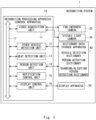
Fig. 1 is a block diagram illustrating a schematic configuration of a recognition system 1 according to an embodiment; -
Fig. 2 is a flowchart illustrating a processing procedure of a recognition processing method according to an embodiment; -
Fig. 3 is an illustration for describing a thermal distribution in a far-infrared image according to an embodiment; and -
Fig. 4 is another illustration for describing a thermal distribution in a far-infrared image according to an embodiment. - Hereinafter, a recognition processing apparatus and a recognition processing method according to an embodiment will be described with reference to the drawings.
- First, a configuration of a recognition system that includes a recognition processing apparatus according to the present embodiment will be described.
-
Fig. 1 is a block diagram illustrating a schematic configuration of a recognition system 1 according to the present embodiment. - The recognition system 1 is a system for use in a vehicle. The recognition system 1 includes a
recognition processing apparatus 10, a far-infrared camera 20, avisible light camera 30, a dictionarydata storage apparatus 40, and adisplay apparatus 50. - The recognition processing apparatus (control apparatus) 10 detects, from a video captured by the far-
infrared camera 20 or thevisible light camera 30, another vehicle that is parked or stopped in the surroundings of a host vehicle provided with the recognition system 1 and detects radiated heat (emitted heat) associated with an operation of the detected other vehicle. The expression "radiated heat associated with an operation" of a vehicle refers to, for example, radiated heat from a hood or a front grille in the front portion of a vehicle, radiated heat from an exhaust pipe (exhaust port) in the rear portion of a vehicle, radiated heat from a tire and its periphery, or the like. In the nighttime, the aforementioned radiated heat also includes radiated heat from a headlight or a tail lamp. - The
recognition processing apparatus 10 detects a person in the vicinity of another vehicle radiating heat associated with its operation and notifies the driver of the host vehicle through a video or a sound, if necessary. Therecognition processing apparatus 10 also controls an operation of the recognition system 1 as a whole. - The far-
infrared camera 20 and thevisible light camera 30 are provided, for example, on the front grille of the host vehicle or its peripheral portion. The far-infrared camera 20 and thevisible light camera 30 capture, respectively, a far-infrared video (first captured image data) and a visible light video (second captured image data) of the surroundings of the host vehicle, or especially, of the traveling direction of the host vehicle and output the far-infrared video and the visible light video to therecognition processing apparatus 10. - In the recognition system 1 according to the present embodiment, when another vehicle and a person are to be detected with the use of both a far-infrared video and a visible light video, it is desirable to clearly define the correspondence relationship between the object positions in these videos through calibration or the like in advance.
- The recognition system 1 according to the present embodiment, in place of using the two cameras-the far-
infrared camera 20 and thevisible light camera 30, may use a single camera provided with both the function of a far-infrared camera and the function of a visible light camera to capture each of a far-infrared video and a visible light video, or a single camera that can capture a video including a visible light range and a far-infrared range to capture a video and then separate the video into a visible light video and a far-infrared video. - The dictionary
data storage apparatus 40 stores various detection dictionaries, including a vehicle detection dictionary (vehicle recognition dictionary), a person detection dictionary (person recognition dictionary), and a boarding/alighting person detection dictionary (boarding/alighting person recognition dictionary). These dictionaries are created through machine learning of videos (images) or the like in which a vehicle, a person such as a pedestrian, or a person getting in or getting out of a vehicle appears, and these dictionaries are used when therecognition processing apparatus 10 detects another vehicle, a pedestrian, or a person getting in or getting out of another vehicle in a far-infrared video or a visible light video. - For example, the boarding/alighting person detection dictionary is created through machine learning of videos captured from the front or the rear of a vehicle, including a video capturing a change in the posture of a person getting out of the vehicle starting from a state in which the person is sitting on the seat to a state in which the person stands outside the vehicle and a video capturing a change in the posture of a person getting into the vehicle starting from a state in which the person is standing outside the vehicle to a state in which the person is sitting on the seat.
- The
display apparatus 50 displays a video to notify the driver of the host vehicle under the control of therecognition processing apparatus 10. - To perform the above operation, the
recognition processing apparatus 10 includes avideo acquisition unit 11, an othervehicle detection unit 12, aheat detection unit 13, aperson detection unit 14, anotification control unit 15, adisplay control unit 16, and abus line 17. - The
video acquisition unit 11 receives an input of a far-infrared video and a visible light video from, respectively, the far-infrared camera 20 and thevisible light camera 30 and subjects these videos to various types of image processing. - The other
vehicle detection unit 12 detects another vehicle in the surroundings of the host vehicle from the far-infrared video or the visible light video with the use of the vehicle detection dictionary read out from the dictionarydata storage apparatus 40. - The
heat detection unit 13 detects heat radiation associated with an operation of another vehicle from a far-infrared video, that is, a thermal distribution in a thermal image of the other vehicle parked or stopped in the surroundings of the host vehicle. - When heat radiation associated with an operation of the other vehicle parked or stopped in the surroundings of the host vehicle has been detected, the
person detection unit 14 detects, with the use of the person detection dictionary or the boarding/alighting person detection dictionary, a person who has gotten out of the other vehicle, a person getting out of the other vehicle, or a person getting into the other vehicle from the other vehicle's nearby region in the far-infrared video or the visible light video. The other vehicle's nearby region is, for example, a region corresponding to the two-or-three-meter range from the other vehicle. The size of this region can, of course, be changed. - When no heat radiation associated with an operation is detected from another vehicle parked or stopped in the surroundings of the host vehicle, the
person detection unit 14 detects, with the use of the person detection dictionary, a person such as a pedestrian from an entire frame or a portion of a frame in a far-infrared video or a visible light video. - The
notification control unit 15 performs control for notifying the driver of the host vehicle, through a sound, of information concerning a detected person. The sound may be output from therecognition processing apparatus 10 or may be output from an apparatus, such as thedisplay apparatus 50, inside or outside the recognition system 1. - The
display control unit 16 performs control for notifying the driver of the host vehicle of the information concerning the detected person through a video or an image. The video and so on are displayed on thedisplay apparatus 50. - A portion of the configuration of the
recognition processing apparatus 10 may be substituted by an apparatus or the like (not illustrated) outside the recognition system 1 and connected via communication means. For example, the othervehicle detection unit 12 and theperson detection unit 14 may be substituted by a recognition server outside the recognition system 1 and connected via communication means. - Each component implemented by the
recognition processing apparatus 10 can be implemented, for example, by executing a program under the control of an arithmetic device (not illustrated), or a computer, included in therecognition processing apparatus 10. To be more specific, therecognition processing apparatus 10 implements each component by loading a program stored in a storage unit (not illustrated) onto a main storage device (not illustrated) and executing the program under the control of the arithmetic device. - Furthermore, each component is not limited to being implemented by software executed by a program and may instead be implemented by any combination of hardware, firmware, and software.
- The above program can be stored and provided to the
recognition processing apparatus 10 with the use of various types of non-transitory computer readable media. The non-transitory computer readable media include various types of tangible storage media. - Examples of the non-transitory computer readable media include magnetic storage media (e.g., a floppy disk, a magnetic tape, a hard disk drive), optical magnetic storage media (e.g., a magneto-optical disk), CD-ROM (Read Only Memory), CD-R, CD-R/W, and semiconductor memories (e.g., a mask ROM, a PROM (Programmable ROM), an EPROM (Erasable PROM), a flash ROM, a RAM (random access memory)).
- The program may also be provided to the
recognition processing apparatus 10 with the use of various types of transitory computer readable media. Examples of the transitory computer readable media include an electric signal, an optical signal, and an electromagnetic wave. The transitory computer readable media can provide the program to therecognition processing apparatus 10 via a wired communication line, such as an electric wire and an optical fiber, or a wireless communication line. - Next, an operation of the recognition system 1 according to the present embodiment, that is, a recognition processing method, will be described.
-
Fig. 2 is a flowchart illustrating a processing procedure of the recognition processing method according to the present embodiment. - When the recognition system 1 starts to operate, the far-
infrared camera 20 and thevisible light camera 30 capture, respectively, a far-infrared video and a visible light video of the traveling direction of the host vehicle, or for example, the forward direction of the host vehicle, and thevideo acquisition unit 11 acquires these videos (step S10). The far-infrared video and the visible light video can be captured when the host vehicle is traveling or also when the host vehicle is parked or stopped. - Next, the other
vehicle detection unit 12 detects another vehicle from the far-infrared video or the visible light video with the use of the vehicle detection dictionary (step S20). Typical image recognition processing may be used to detect another vehicle. - Then, it is determined whether another vehicle has been detected (step S30), and when another vehicle has been detected (YES in step S30), it is determined whether this other vehicle is parked or stopped (step S40).
- When it is determined whether the other vehicle is parked or stopped, the determination is made specifically based on whether the other vehicle is stopped and based on the position and the condition of this other vehicle.
- For example, when the positional relationship between the detected other vehicle and an object (a road surface, a building, or the like) surrounding this vehicle is constant, it is determined that the other vehicle is stopped.
- When the stopped other vehicle is located to the left side of the host vehicle's traveling lane, when the stopped other vehicle is on the outer lane-dividing line (the dividing line located by a curb of a road or a lane), when the hazard warning lamp of the stopped other vehicle is on, or when the brake lamps of the stopped other vehicle are not on, it is determined that this other vehicle is parked or stopped.
- When the detected other vehicle is an oncoming vehicle, or in particular when the detected other vehicle is an oncoming vehicle in a road environment where no center line is present on the road, a determination can be made in a similar manner.
- When it is determined that the detected other vehicle is parked or stopped (YES in step S40), the
heat detection unit 13 detects heat radiation from this other vehicle based on a thermal distribution in a region corresponding to this other vehicle in the far-infrared image (step S50). -
Figs. 3 and 4 are illustrations for describing a thermal distribution in a far-infrared image according to the present embodiment. InFigs. 3 and 4 , to make the drawings easier to understand, hatching is added to a region with a high luminance, that is, a region with a high temperature. -
Fig. 3 illustrates anothervehicle 200 facing the same direction as the host vehicle, and the portions such as the exhaust pipe (exhaust port) and the tires have a high temperature due to radiated heat associated with an operation of this other vehicle.Fig. 4 illustrates anothervehicle 300 facing a direction opposite to the direction of the host vehicle. The portions such as the hood, the front grille, and the tires have a high temperature in a similar manner. In the nighttime, the portions such as the tail lamps and the headlights may also have a high temperature. - Next, it is determined whether the other vehicle is radiating heat associated with its operation (step S60). Herein, it is determined that the other vehicle is radiating heat associated with its operation if the portions with hatching in
Figs. 3 and 4 have a temperature higher by no less than a predetermined value (e.g., 5°C) than the temperature of their peripheral portions or of the road surface. In other words, when a portion that emits heat as the other vehicle operates has a relatively higher temperature than the remaining portion, it is determined that the other vehicle is radiating heat associated with its operation. - Then, when it is determined that the other vehicle is radiating heat associated with its operation (YES in step S60), the
person detection unit 14 preferentially sets the other vehicle's nearby region in the far-infrared video or the visible light video as a detection target region and detects a person getting into or getting out of the other vehicle with the use of the person detection dictionary or the boarding/alighting person detection dictionary read out from the dictionary data storage apparatus 40 (step S70). Typical image recognition processing may be used to detect a person getting into or getting out of a vehicle. The use of the boarding/alighting person detection dictionary allows any person getting into or getting out of the vehicle to be detected with higher accuracy. - Because a person getting into or getting out of a vehicle changes his/her posture more than a pedestrian does, the
person detection unit 14 may detect a person getting into or getting out of the other vehicle based on a change in the posture of the person among a plurality of frames. Theperson detection unit 14 may identify this person as a person getting into or getting out of the other vehicle or as a pedestrian based on the height of the detected person in the image. - The
person detection unit 14 may preferentially set the other vehicle's nearby region as a detection target region and, after a person getting into or getting out of the other vehicle is detected (or not detected), set an entire frame or a portion of a frame in the far-infrared video or the visible light video as a detection target region to detect a pedestrian or the like. - Furthermore, when it is determined that the other vehicle is not radiating heat associated with its operation (NO in step S60), the
person detection unit 14 sets an entire frame or a portion of a frame in the far-infrared video or the visible light video as a detection target region and detect a pedestrian or the like with the use of the person detection dictionary read out from the dictionary data storage apparatus 40 (step S80). Typical image recognition processing may be used to detect a pedestrian. In step S80, a range where a person may be present in the video (image) may be identified through edge detection processing or the like, for example. - Next, it is determined whether a person getting into or getting out of the other vehicle, a pedestrian, or the like has been detected in step S70 or step S80 (step S90).
- When it is determined that a person getting into or getting out of the other vehicle, a pedestrian, or the like has been detected (YES in step S90), the
notification control unit 15 notifies the driver of the host vehicle, through a sound or the like, that a pedestrian or the like has been detected, or thedisplay control unit 16 displays, on thedisplay apparatus 50, a message indicating that a pedestrian or the like has been detected (step S100). - Then, it is determined whether to terminate the recognition processing method (step S110). When it is determined to terminate the recognition processing method (YES in step S110), the processing is terminated. When it is determined not to terminate the recognition processing method (NO in step S110), a next video is acquired (step S10), for example.
- When the other
vehicle detection unit 12 detects no other vehicle (NO in step S30) or when it is determined that the detected other vehicle is not parked or stopped (NO in step S40), theperson detection unit 14 sets the entirety or a portion of each frame in the far-infrared video or the visible light video as a detection target region and detects a pedestrian or the like (step S80). - When it is determined that no person getting into or getting out of the vehicle or no pedestrian is detected (NO in step S90), it is determined whether to terminate the recognition processing method (step S110).
- In this manner, the recognition system 1 or the recognition processing method according to the present embodiment can, based on the presence of radiated heat from another vehicle detected in a video, ascertain the possibility that a person gets out of the detected vehicle and promptly detect such a person.
- It is to be noted that various additions, modifications, and changes can be made to the recognition system 1 or the recognition method according to the present embodiment.
- As described above, the other
vehicle detection unit 12 and theperson detection unit 14 can detect another vehicle and a person (a person getting into or getting out of a vehicle, a pedestrian, etc.) with the use of a far-infrared video and a visible light video. The othervehicle detection unit 12 and theperson detection unit 14 can also detect another vehicle and a person with the use of only one of a far-infrared video and a visible light video. For example, another vehicle can be detected with the use of a far-infrared video, and a person can be detected with the use of a visible light video. - The other
vehicle detection unit 12 and theperson detection unit 14 can also detect another vehicle and a person with the use of only a far-infrared video. This renders a visible light video unnecessary and in turn renders thevisible light camera 30 unnecessary. In other words, the recognition system 1 may be configured without thevisible light camera 30. - When it is determined whether the detected other vehicle is radiating heat associated with its operation (step S60), processing (step S70, step S80) of the
person detection unit 14 performed thereafter may be selected in accordance with which portion of the other vehicle is radiating heat. - For example, when a portion near the exhaust pipe is radiating heat, the engine may be in operation, or not much time has passed after the engine was stopped. Therefore, detection of a person getting into or getting out of the vehicle (step S70) may be performed preferentially. When a portion near the exhaust pipe is not radiating heat, some time has passed after the engine was stopped. Therefore, detection of a pedestrian (step S80) may be performed.
- When a portion near the exhaust pipe and portions near the tires are both radiating heat, the engine may be in operation, or not much time has passed after the engine was stopped, and not much time has passed after the vehicle stopped traveling. Therefore, detection of a person getting into or getting out of the vehicle (step S70) may be performed preferentially. When a portion near the exhaust pipe is radiating heat but portions near the tires are not radiating heat, the engine may be in operation, or not much time has passed after the engine was stopped, but some time has passed after the vehicle stopped traveling. Therefore, detection of a pedestrian (step S80) may be performed.
- When portions near the tires are radiating heat, not much time has passed after the vehicle stopped traveling. Therefore, detection of a person getting into or getting out of the vehicle (step S70) may be performed preferentially. When portions near the tires are not radiating heat, some time has passed after the vehicle stopped traveling. Therefore, detection of a pedestrian (step S80) may be performed.
- When it is determined whether the detected other vehicle is radiating heat associated with its operation (step S60), in place of making a determination based on a comparison between the temperature of portions such as the exhaust pipe and the tires and the temperature of their peripheral portions or the road surface, the determination may be made based on the detected temperature of the portions such as the exhaust pipe and the tires. For example, when the detected temperature of the exhaust pipe is no lower than a predetermined value (e.g., 40°C), it may be determined that the detected other vehicle is radiating heat associated with its operation.
- When it is determined whether the detected other vehicle is radiating heat associated with its operation (step S60), the determination may be made based on the range where the temperature of the other vehicle is high.
- The configuration of the recognition system 1 is not limited to the one described above. A plurality of apparatuses, such as the
recognition processing apparatus 10 and the dictionarydata storage apparatus 40, may be integrated into a unit to serve as a recognition processing apparatus provided with a dictionary data storage unit. Furthermore, all the components of the recognition system 1 may be integrated into a unit to serve as a recognition processing apparatus provided with a far-infrared camera, a visible light camera, a dictionary data storage unit, and a display unit. - With regard to the use in host vehicles, in addition to a mode in which a part or the whole of the recognition system 1 is mounted in a host vehicle, a mode in which the recognition system 1 is portably mounted in a host vehicle or is custom installable may also be employed.
- In place of performing image recognition with the use of a dictionary created through machine learning of images of a vehicle, a person, and so on, or in addition to performing image recognition with the use of a dictionary created through machine learning, the other
vehicle detection unit 12 andperson detection unit 14 may perform different image recognition, such as pattern matching with the use of a template of another vehicle, a person, or the like, for example. - As described thus far, the
recognition processing apparatus 10 according to the present embodiment includes thevideo acquisition unit 11 that acquires the first captured image data of the surroundings of the host vehicle captured by the far-infrared camera 20, the othervehicle detection unit 12 that detects another vehicle parked or stopped in the surroundings of the host vehicle, theheat detection unit 13 that detects radiated heat associated with an operation of the other vehicle based on a thermal distribution in a region corresponding to the other vehicle in the first captured image data, and theperson detection unit 14 that, when the radiated heat has been detected, executes person recognition on the vicinity of the other vehicle to detect a person. - In the
recognition processing apparatus 10 according to the present embodiment, the othervehicle detection unit 12 detects another vehicle from the first captured image data, and theperson detection unit 14 detects a person from the first captured image data. - In the
recognition processing apparatus 10 according to the present embodiment, thevideo acquisition unit 11 can further acquire the second captured image data of the surroundings of the host vehicle captured by thevisible light camera 30, the othervehicle detection unit 12 can detect another vehicle from the first captured image data, and theperson detection unit 14 can detect a person from the second captured image data. - In the
recognition processing apparatus 10 according to the present embodiment, thevideo acquisition unit 11 can further acquire the second captured image data of the surroundings of the host vehicle captured by thevisible light camera 30, the othervehicle detection unit 12 can detect another vehicle from the second captured image data, and theperson detection unit 14 can detect a person from the first captured image data. - In the
recognition processing apparatus 10 according to the present embodiment, thevideo acquisition unit 11 can further acquire the second captured image data of the surroundings of the host vehicle captured by thevisible light camera 30, the othervehicle detection unit 12 can detect another vehicle from the second captured image data, and theperson detection unit 14 can detect a person from the second captured image data. - In the
recognition processing apparatus 10 according to the present embodiment, when theheat detection unit 13 has detected the radiated heat, theperson detection unit 14 executes person recognition in the other vehicle's nearby range with the use of the boarding/alighting person recognition dictionary to detect a person. - In the
recognition processing apparatus 10 according to the present embodiment, theheat detection unit 13 detects radiated heat associated with an operation of the other vehicle based on a thermal distribution range of a region corresponding to the other vehicle in the first captured image data. - The
recognition processing apparatus 10 according to the present embodiment can further include thenotification control unit 15 that, when theperson detection unit 14 has detected a person, notifies the driver of the host vehicle that the person has been detected. - The recognition processing method according to the present embodiment includes step S10 of acquiring the first captured image data of the surroundings of the host vehicle captured by the far-
infrared camera 20, step S20 of detecting another vehicle parked or stopped in the surroundings of the host vehicle, step S50 of detecting radiated heat associated with an operation of the other vehicle based on a thermal distribution in a region corresponding to the other vehicle in the first captured image data, and step S70 of, when the radiated heat has been detected, executing person recognition on the vicinity of the other vehicle to detect a person. - This application claims priority to
Japanese Patent Application No. 2018-150967, filed on August 10, 2018 - The recognition processing apparatus, the recognition processing method, or the recognition processing program according to the embodiments can be used in a vehicle or the like, ascertain the possibility that a person gets out of a detected other vehicle, and promptly detect such a person, and therefore has industrial applicability.
-
- 1 RECOGNITION SYSTEM
- 10 RECOGNITION PROCESSING APPARATUS (CONTROL APPARATUS)
- 11 VIDEO ACQUISITION UNIT
- 12 OTHER VEHICLE DETECTION UNIT
- 13 HEAT DETECTION UNIT
- 14 PERSON DETECTION UNIT
- 15 NOTIFICATION CONTROL UNIT
- 16 DISPLAY CONTROL UNIT
- 20 FAR-INFRARED CAMERA
- 30 VISIBLE LIGHT CAMERA
- 40 DICTIONARY DATA STORAGE APPARATUS
- 50 DISPLAY APPARATUS
- 200, 300 OTHER VEHICLES
Claims (7)
- A recognition processing apparatus (10) for use in a vehicle, the recognition processing apparatus (10) comprising:a video acquisition unit (11) configured to acquire first captured image data of surroundings of a host vehicle captured by a far-infrared camera (20);an other vehicle detection unit (12) configured to detect from the first captured image data another vehicle in the surroundings of the host vehicle and determine the other vehicle is parked or stopped based on a positional relationship between the detected other vehicle and an object surrounding the detected other vehicle being constant;a heat detection unit (13) configured to detect, from a thermal distribution in a region corresponding to the other vehicle determined to be parked or stopped in the first captured image data, radiated heat caused by an operation of the other vehicle; anda person detection unit (14) configured to set a region in a vicinity of the other vehicle in the first captured image data as a detection target region, perform person recognition on an entirety of the first captured image data with the use of a person detection dictionary when no heat radiation caused by an operation of the other vehicle is detected, and to execute the person recognition in the detection target region with the use of a boarding/alighting person detection dictionary to detect a person when the radiated heat associated with the operation of the other vehicle is detected, wherein the person detection dictionary and the boarding/alighting person detection dictionary are created through machine learning of videos or images in which a person appears, or a person getting in or getting out of a vehicle appears, respectively.
- The recognition processing apparatus (10) according to Claim 1, whereinthe video acquisition unit (11) further acquires second captured image data of the surroundings of the host vehicle captured by a visible light camera,the other vehicle detection unit (12) detects the other vehicle from the first captured image data, andthe person detection unit (14) detects the person from the second captured image data.
- The recognition processing apparatus (10) according to Claim 1, whereinthe video acquisition unit (11) further acquires second captured image data of the surroundings of the host vehicle captured by a visible light camera,the other vehicle detection unit (12) detects the other vehicle from the second captured image data, andthe person detection unit (14) detects the person from the first captured image data.
- The recognition processing apparatus according to Claim 1, whereinthe video acquisition unit (11) further acquires second captured image data of the surroundings of the host vehicle captured by a visible light camera,the other vehicle detection unit (12) detects the other vehicle from the second captured image data, andthe person detection unit (14) detects the person from the second captured image data.
- The recognition processing apparatus (10) according to any one of Claims 1 to 4, further comprising a notification control unit that, when the person detection unit (14) has detected the person, notifies a driver of the host vehicle that the person has been detected.
- A recognition processing method executed by a recognition processing apparatus (10) for use in a vehicle, the recognition processing method comprising:a step of acquiring first captured image data of surroundings of a host vehicle captured by a far-infrared camera (20);a step of detecting from the first captured image data another vehicle in the surroundings of the host vehicle;a step of determining the other vehicle is parked or stopped based on a positional relationship between the detected other vehicle and an object surrounding the detected other vehicle being constant;a step of detecting, from a thermal distribution in a region corresponding to the other vehicle determined to be parked or stopped in the first captured image data, radiated heat caused by an operation of the other vehicle; anda step of setting a region in a vicinity of the other vehicle in the first captured image data as a detection target region;a step of performing person recognition on an entirety of the first captured image data with the use of a person detection dictionary when no radiated heat caused by an operation of the other vehicle is detected, from a thermal distribution in a region corresponding to the other vehicle in the first captured image data; anda step of executing the person recognition in the target detection region with the use of a boarding/alighting person detection dictionary to detect a person when the radiated heat caused by the operation of the other vehicle has been detected,wherein the person detection dictionary and the boarding/alighting person detection dictionary are created through machine learning of videos or images in which a person appears, or a person getting in or getting out of a vehicle appears, respectively.
- A recognition processing program causing a computer for use in a vehicle to execute:a procedure of acquiring first captured image data of surroundings of a host vehicle captured by a far-infrared camera (20);a procedure of detecting from the first captured image data another vehicle parked or stopped in the surroundings of the host vehicle and determining the other vehicle is parked or stopped based on a positional relationship between the detected other vehicle and an object surrounding the detected other vehicle being constant;a procedure of detecting, from a thermal distribution in a region corresponding to the other vehicle determined to be parked or stopped in the first captured image data, radiated heat caused by an operation of the other vehicle; anda procedure of setting a region in a vicinity of the other vehicle in the first captured image data as a detection target region, performing person recognition on an entirety of the first captured image data with the use of a person detection dictionary when no heat radiation caused by an operation of the other vehicle is detected, and executing the person recognition in the target detection region with the use of a boarding/alighting person detection dictionary to detect a person when the heat radiation caused by the operation of the other vehicle has been detected, wherein the person detection dictionary and the boarding/alighting person detection dictionary are created through machine learning of videos or images in which a person appears, or a person getting in or getting out of a vehicle appears, respectively.
Applications Claiming Priority (2)
| Application Number | Priority Date | Filing Date | Title |
|---|---|---|---|
| JP2018150967A JP7056458B2 (en) | 2018-08-10 | 2018-08-10 | Recognition processing device, recognition processing method and recognition processing program |
| PCT/JP2019/009896 WO2020031413A1 (en) | 2018-08-10 | 2019-03-12 | Recognition processing device, recognition processing method and recognition processing program |
Publications (3)
| Publication Number | Publication Date |
|---|---|
| EP3836074A1 EP3836074A1 (en) | 2021-06-16 |
| EP3836074A4 EP3836074A4 (en) | 2021-09-15 |
| EP3836074B1 true EP3836074B1 (en) | 2025-04-16 |
Family
ID=69414656
Family Applications (1)
| Application Number | Title | Priority Date | Filing Date |
|---|---|---|---|
| EP19846815.9A Active EP3836074B1 (en) | 2018-08-10 | 2019-03-12 | Recognition processing device, recognition processing method and recognition processing program |
Country Status (5)
| Country | Link |
|---|---|
| US (1) | US11465629B2 (en) |
| EP (1) | EP3836074B1 (en) |
| JP (1) | JP7056458B2 (en) |
| CN (1) | CN111183430B (en) |
| WO (1) | WO2020031413A1 (en) |
Families Citing this family (6)
| Publication number | Priority date | Publication date | Assignee | Title |
|---|---|---|---|---|
| WO2020219694A1 (en) * | 2019-04-23 | 2020-10-29 | Apple Inc. | Systems and methods for resolving hidden features in a field of view |
| JP2021135793A (en) * | 2020-02-27 | 2021-09-13 | ソニーグループ株式会社 | Information processing apparatus, information processing method and program |
| JP7280852B2 (en) * | 2020-04-03 | 2023-05-24 | 戸田建設株式会社 | Person detection system, person detection program, trained model generation program and trained model |
| JP7585909B2 (en) | 2021-03-19 | 2024-11-19 | 株式会社Jvcケンウッド | Warning device and warning method |
| JP7757729B2 (en) * | 2021-11-25 | 2025-10-22 | 株式会社Jvcケンウッド | Driving assistance device and driving assistance method |
| KR102363348B1 (en) * | 2021-12-07 | 2022-02-15 | 주식회사 두루스코이브이 | Charging Device of Stopper-type and Driving Method Thereof |
Family Cites Families (17)
| Publication number | Priority date | Publication date | Assignee | Title |
|---|---|---|---|---|
| JP2006350699A (en) | 2005-06-16 | 2006-12-28 | Nissan Motor Co Ltd | Image processing apparatus and method |
| JP2007241898A (en) | 2006-03-10 | 2007-09-20 | Honda Motor Co Ltd | Stopped vehicle classification detection device and vehicle periphery monitoring device |
| JP4793638B2 (en) * | 2006-03-27 | 2011-10-12 | マツダ株式会社 | Pedestrian detection device for vehicles |
| US8478480B2 (en) * | 2006-10-27 | 2013-07-02 | International Electronic Machines Corp. | Vehicle evaluation using infrared data |
| JP2009033718A (en) * | 2007-06-28 | 2009-02-12 | Olympus Imaging Corp | Electronic camera |
| EP2588847B1 (en) * | 2010-06-29 | 2016-07-13 | Hager Environmental and Atmospheric Technologies, LLC | Device and method for quantification of gases in plumes by remote sensing |
| US8509982B2 (en) * | 2010-10-05 | 2013-08-13 | Google Inc. | Zone driving |
| JP5529910B2 (en) * | 2012-03-12 | 2014-06-25 | 本田技研工業株式会社 | Vehicle periphery monitoring device |
| US9604639B2 (en) * | 2015-08-28 | 2017-03-28 | Delphi Technologies, Inc. | Pedestrian-intent-detection for automated vehicles |
| US10152649B2 (en) * | 2015-12-01 | 2018-12-11 | Mobileye Vision Technologies Ltd. | Detecting visual information corresponding to an animal |
| CN105551178A (en) * | 2015-12-14 | 2016-05-04 | 国网山东省电力公司青岛供电公司 | Power grid intelligent monitoring alarm method and device |
| JP2017167608A (en) | 2016-03-14 | 2017-09-21 | 株式会社Jvcケンウッド | Object recognition apparatus, object recognition method, and object recognition program |
| WO2017158983A1 (en) | 2016-03-18 | 2017-09-21 | 株式会社Jvcケンウッド | Object recognition device, object recognition method, and object recognition program |
| CN105862556A (en) * | 2016-05-30 | 2016-08-17 | 江苏智途科技股份有限公司 | Intelligent vehicle-mounted road information acquisition device and method for acquiring road information |
| KR101967305B1 (en) * | 2016-10-14 | 2019-05-15 | 주식회사 만도 | Pedestrian detecting method in a vehicle and system thereof |
| KR101996419B1 (en) * | 2016-12-30 | 2019-07-04 | 현대자동차주식회사 | Sensor integration based pedestrian detection and pedestrian collision prevention apparatus and method |
| JP2018150967A (en) | 2017-03-10 | 2018-09-27 | 倉敷紡績株式会社 | Pipe fitting |
-
2018
- 2018-08-10 JP JP2018150967A patent/JP7056458B2/en active Active
-
2019
- 2019-03-12 WO PCT/JP2019/009896 patent/WO2020031413A1/en not_active Ceased
- 2019-03-12 CN CN201980004902.3A patent/CN111183430B/en active Active
- 2019-03-12 EP EP19846815.9A patent/EP3836074B1/en active Active
-
2020
- 2020-05-28 US US16/886,603 patent/US11465629B2/en active Active
Also Published As
| Publication number | Publication date |
|---|---|
| CN111183430B (en) | 2023-10-27 |
| US11465629B2 (en) | 2022-10-11 |
| US20200290623A1 (en) | 2020-09-17 |
| JP7056458B2 (en) | 2022-04-19 |
| WO2020031413A1 (en) | 2020-02-13 |
| JP2020027380A (en) | 2020-02-20 |
| CN111183430A (en) | 2020-05-19 |
| EP3836074A1 (en) | 2021-06-16 |
| EP3836074A4 (en) | 2021-09-15 |
Similar Documents
| Publication | Publication Date | Title |
|---|---|---|
| EP3836074B1 (en) | Recognition processing device, recognition processing method and recognition processing program | |
| CN110430401B (en) | Vehicle blind area early warning method, early warning device, MEC platform and storage medium | |
| RU2702291C2 (en) | Method for determining blind area of vehicle with towed trailer and vehicle | |
| JP6459659B2 (en) | Image processing apparatus, image processing method, driving support system, program | |
| JP6424263B2 (en) | Apparatus and method for moving object collision warning of large vehicle | |
| KR101692628B1 (en) | Method for detecting right lane area and left lane area of rear of vehicle using region of interest and image monitoring system for vehicle using the same | |
| EP3410420B1 (en) | Person detection device, person detection method, and person detection program | |
| US7418112B2 (en) | Pedestrian detection apparatus | |
| CN107924465A (en) | Object detector, object identification method and object identification program | |
| EP3202626A1 (en) | In-vehicle image processing device | |
| US10532695B2 (en) | Vehicle monitoring device, vehicle monitoring method and vehicle monitoring program | |
| KR20160137247A (en) | Apparatus and method for providing guidance information using crosswalk recognition result | |
| JP2018097766A (en) | Image processing device, external recognition device | |
| CN102779430A (en) | Vision based night-time rear collision warning system, controller, and method of operating the same | |
| JP6411933B2 (en) | Vehicle state determination device | |
| CN107408288A (en) | Warning device, method for warming and alert program | |
| US11227152B2 (en) | Recognition apparatus, recognition method, and recognition program | |
| CN113228130B (en) | Image processing apparatus | |
| KR101276073B1 (en) | System and method for detecting distance between forward vehicle using image in navigation for vehicle | |
| JP2018148530A (en) | Vehicle display controller, vehicle display system, vehicle display control method, and program | |
| JP2017167608A (en) | Object recognition apparatus, object recognition method, and object recognition program | |
| JP2004257924A (en) | Object detection device | |
| JP2017163345A (en) | VEHICLE DISPLAY CONTROL DEVICE, VEHICLE DISPLAY SYSTEM, VEHICLE DISPLAY CONTROL METHOD, AND PROGRAM | |
| KR101180676B1 (en) | A method for controlling high beam automatically based on image recognition of a vehicle | |
| JP2022144606A (en) | Warning device and warning method |
Legal Events
| Date | Code | Title | Description |
|---|---|---|---|
| STAA | Information on the status of an ep patent application or granted ep patent |
Free format text: STATUS: THE INTERNATIONAL PUBLICATION HAS BEEN MADE |
|
| PUAI | Public reference made under article 153(3) epc to a published international application that has entered the european phase |
Free format text: ORIGINAL CODE: 0009012 |
|
| STAA | Information on the status of an ep patent application or granted ep patent |
Free format text: STATUS: REQUEST FOR EXAMINATION WAS MADE |
|
| 17P | Request for examination filed |
Effective date: 20200519 |
|
| AK | Designated contracting states |
Kind code of ref document: A1 Designated state(s): AL AT BE BG CH CY CZ DE DK EE ES FI FR GB GR HR HU IE IS IT LI LT LU LV MC MK MT NL NO PL PT RO RS SE SI SK SM TR |
|
| A4 | Supplementary search report drawn up and despatched |
Effective date: 20210818 |
|
| RIC1 | Information provided on ipc code assigned before grant |
Ipc: B60W 40/04 20060101ALI20210812BHEP Ipc: G06K 9/20 20060101ALI20210812BHEP Ipc: H04N 7/18 20060101ALI20210812BHEP Ipc: G08G 1/16 20060101ALI20210812BHEP Ipc: B60W 50/14 20200101ALI20210812BHEP Ipc: G06K 9/00 20060101ALI20210812BHEP Ipc: G06T 7/00 20170101AFI20210812BHEP |
|
| DAV | Request for validation of the european patent (deleted) | ||
| DAX | Request for extension of the european patent (deleted) | ||
| STAA | Information on the status of an ep patent application or granted ep patent |
Free format text: STATUS: EXAMINATION IS IN PROGRESS |
|
| 17Q | First examination report despatched |
Effective date: 20230317 |
|
| REG | Reference to a national code |
Ref country code: DE Ref country code: DE Ref legal event code: R079 Ref document number: 602019068807 Country of ref document: DE Free format text: PREVIOUS MAIN CLASS: G06T0007000000 Ipc: G06V0020580000 |
|
| GRAP | Despatch of communication of intention to grant a patent |
Free format text: ORIGINAL CODE: EPIDOSNIGR1 |
|
| STAA | Information on the status of an ep patent application or granted ep patent |
Free format text: STATUS: GRANT OF PATENT IS INTENDED |
|
| RIC1 | Information provided on ipc code assigned before grant |
Ipc: H04N 7/18 20060101ALI20241108BHEP Ipc: G08G 1/16 20060101ALI20241108BHEP Ipc: G06T 7/00 20170101ALI20241108BHEP Ipc: B60W 50/14 20200101ALI20241108BHEP Ipc: B60W 40/04 20060101ALI20241108BHEP Ipc: G06V 40/10 20220101ALI20241108BHEP Ipc: G06V 10/143 20220101ALI20241108BHEP Ipc: G06V 20/58 20220101AFI20241108BHEP |
|
| INTG | Intention to grant announced |
Effective date: 20241212 |
|
| GRAS | Grant fee paid |
Free format text: ORIGINAL CODE: EPIDOSNIGR3 |
|
| GRAA | (expected) grant |
Free format text: ORIGINAL CODE: 0009210 |
|
| STAA | Information on the status of an ep patent application or granted ep patent |
Free format text: STATUS: THE PATENT HAS BEEN GRANTED |
|
| AK | Designated contracting states |
Kind code of ref document: B1 Designated state(s): AL AT BE BG CH CY CZ DE DK EE ES FI FR GB GR HR HU IE IS IT LI LT LU LV MC MK MT NL NO PL PT RO RS SE SI SK SM TR |
|
| REG | Reference to a national code |
Ref country code: GB Ref legal event code: FG4D |
|
| REG | Reference to a national code |
Ref country code: CH Ref legal event code: EP |
|
| REG | Reference to a national code |
Ref country code: IE Ref legal event code: FG4D |
|
| REG | Reference to a national code |
Ref country code: DE Ref legal event code: R096 Ref document number: 602019068807 Country of ref document: DE |
|
| REG | Reference to a national code |
Ref country code: NL Ref legal event code: MP Effective date: 20250416 |
|
| PG25 | Lapsed in a contracting state [announced via postgrant information from national office to epo] |
Ref country code: NL Free format text: LAPSE BECAUSE OF FAILURE TO SUBMIT A TRANSLATION OF THE DESCRIPTION OR TO PAY THE FEE WITHIN THE PRESCRIBED TIME-LIMIT Effective date: 20250416 |
|
| REG | Reference to a national code |
Ref country code: AT Ref legal event code: MK05 Ref document number: 1786310 Country of ref document: AT Kind code of ref document: T Effective date: 20250416 |
|
| PG25 | Lapsed in a contracting state [announced via postgrant information from national office to epo] |
Ref country code: PT Free format text: LAPSE BECAUSE OF FAILURE TO SUBMIT A TRANSLATION OF THE DESCRIPTION OR TO PAY THE FEE WITHIN THE PRESCRIBED TIME-LIMIT Effective date: 20250818 Ref country code: ES Free format text: LAPSE BECAUSE OF FAILURE TO SUBMIT A TRANSLATION OF THE DESCRIPTION OR TO PAY THE FEE WITHIN THE PRESCRIBED TIME-LIMIT Effective date: 20250416 Ref country code: FI Free format text: LAPSE BECAUSE OF FAILURE TO SUBMIT A TRANSLATION OF THE DESCRIPTION OR TO PAY THE FEE WITHIN THE PRESCRIBED TIME-LIMIT Effective date: 20250416 |
|
| REG | Reference to a national code |
Ref country code: LT Ref legal event code: MG9D |
|
| PG25 | Lapsed in a contracting state [announced via postgrant information from national office to epo] |
Ref country code: GR Free format text: LAPSE BECAUSE OF FAILURE TO SUBMIT A TRANSLATION OF THE DESCRIPTION OR TO PAY THE FEE WITHIN THE PRESCRIBED TIME-LIMIT Effective date: 20250717 Ref country code: NO Free format text: LAPSE BECAUSE OF FAILURE TO SUBMIT A TRANSLATION OF THE DESCRIPTION OR TO PAY THE FEE WITHIN THE PRESCRIBED TIME-LIMIT Effective date: 20250716 |
|
| PG25 | Lapsed in a contracting state [announced via postgrant information from national office to epo] |
Ref country code: PL Free format text: LAPSE BECAUSE OF FAILURE TO SUBMIT A TRANSLATION OF THE DESCRIPTION OR TO PAY THE FEE WITHIN THE PRESCRIBED TIME-LIMIT Effective date: 20250416 |
|
| PG25 | Lapsed in a contracting state [announced via postgrant information from national office to epo] |
Ref country code: BG Free format text: LAPSE BECAUSE OF FAILURE TO SUBMIT A TRANSLATION OF THE DESCRIPTION OR TO PAY THE FEE WITHIN THE PRESCRIBED TIME-LIMIT Effective date: 20250416 |
|
| PG25 | Lapsed in a contracting state [announced via postgrant information from national office to epo] |
Ref country code: HR Free format text: LAPSE BECAUSE OF FAILURE TO SUBMIT A TRANSLATION OF THE DESCRIPTION OR TO PAY THE FEE WITHIN THE PRESCRIBED TIME-LIMIT Effective date: 20250416 |
|
| PG25 | Lapsed in a contracting state [announced via postgrant information from national office to epo] |
Ref country code: AT Free format text: LAPSE BECAUSE OF FAILURE TO SUBMIT A TRANSLATION OF THE DESCRIPTION OR TO PAY THE FEE WITHIN THE PRESCRIBED TIME-LIMIT Effective date: 20250416 |
|
| PG25 | Lapsed in a contracting state [announced via postgrant information from national office to epo] |
Ref country code: RS Free format text: LAPSE BECAUSE OF FAILURE TO SUBMIT A TRANSLATION OF THE DESCRIPTION OR TO PAY THE FEE WITHIN THE PRESCRIBED TIME-LIMIT Effective date: 20250716 |
|
| PG25 | Lapsed in a contracting state [announced via postgrant information from national office to epo] |
Ref country code: IS Free format text: LAPSE BECAUSE OF FAILURE TO SUBMIT A TRANSLATION OF THE DESCRIPTION OR TO PAY THE FEE WITHIN THE PRESCRIBED TIME-LIMIT Effective date: 20250816 |
|
| PG25 | Lapsed in a contracting state [announced via postgrant information from national office to epo] |
Ref country code: LV Free format text: LAPSE BECAUSE OF FAILURE TO SUBMIT A TRANSLATION OF THE DESCRIPTION OR TO PAY THE FEE WITHIN THE PRESCRIBED TIME-LIMIT Effective date: 20250416 |
|
| PG25 | Lapsed in a contracting state [announced via postgrant information from national office to epo] |
Ref country code: DK Free format text: LAPSE BECAUSE OF FAILURE TO SUBMIT A TRANSLATION OF THE DESCRIPTION OR TO PAY THE FEE WITHIN THE PRESCRIBED TIME-LIMIT Effective date: 20250416 Ref country code: SM Free format text: LAPSE BECAUSE OF FAILURE TO SUBMIT A TRANSLATION OF THE DESCRIPTION OR TO PAY THE FEE WITHIN THE PRESCRIBED TIME-LIMIT Effective date: 20250416 |
|
| REG | Reference to a national code |
Ref country code: DE Ref legal event code: R097 Ref document number: 602019068807 Country of ref document: DE |
|
| PG25 | Lapsed in a contracting state [announced via postgrant information from national office to epo] |
Ref country code: CZ Free format text: LAPSE BECAUSE OF FAILURE TO SUBMIT A TRANSLATION OF THE DESCRIPTION OR TO PAY THE FEE WITHIN THE PRESCRIBED TIME-LIMIT Effective date: 20250416 |
|
| PG25 | Lapsed in a contracting state [announced via postgrant information from national office to epo] |
Ref country code: EE Free format text: LAPSE BECAUSE OF FAILURE TO SUBMIT A TRANSLATION OF THE DESCRIPTION OR TO PAY THE FEE WITHIN THE PRESCRIBED TIME-LIMIT Effective date: 20250416 |
|
| PG25 | Lapsed in a contracting state [announced via postgrant information from national office to epo] |
Ref country code: RO Free format text: LAPSE BECAUSE OF FAILURE TO SUBMIT A TRANSLATION OF THE DESCRIPTION OR TO PAY THE FEE WITHIN THE PRESCRIBED TIME-LIMIT Effective date: 20250416 Ref country code: SK Free format text: LAPSE BECAUSE OF FAILURE TO SUBMIT A TRANSLATION OF THE DESCRIPTION OR TO PAY THE FEE WITHIN THE PRESCRIBED TIME-LIMIT Effective date: 20250416 |
|
| PG25 | Lapsed in a contracting state [announced via postgrant information from national office to epo] |
Ref country code: IT Free format text: LAPSE BECAUSE OF FAILURE TO SUBMIT A TRANSLATION OF THE DESCRIPTION OR TO PAY THE FEE WITHIN THE PRESCRIBED TIME-LIMIT Effective date: 20250416 |
|
| PLBE | No opposition filed within time limit |
Free format text: ORIGINAL CODE: 0009261 |
|
| STAA | Information on the status of an ep patent application or granted ep patent |
Free format text: STATUS: NO OPPOSITION FILED WITHIN TIME LIMIT |
|
| REG | Reference to a national code |
Ref country code: CH Ref legal event code: L10 Free format text: ST27 STATUS EVENT CODE: U-0-0-L10-L00 (AS PROVIDED BY THE NATIONAL OFFICE) Effective date: 20260225 |
|
| 26N | No opposition filed |
Effective date: 20260119 |
|
| PGFP | Annual fee paid to national office [announced via postgrant information from national office to epo] |
Ref country code: GB Payment date: 20260202 Year of fee payment: 8 |
|
| PGFP | Annual fee paid to national office [announced via postgrant information from national office to epo] |
Ref country code: DE Payment date: 20260128 Year of fee payment: 8 |
|
| PGFP | Annual fee paid to national office [announced via postgrant information from national office to epo] |
Ref country code: FR Payment date: 20260209 Year of fee payment: 8 |