EP3835290A1 - Oxadiazoline compound or salt thereof, agricultural or horticultural bactericide containing said compound, and use method therefor - Google Patents
Oxadiazoline compound or salt thereof, agricultural or horticultural bactericide containing said compound, and use method therefor Download PDFInfo
- Publication number
- EP3835290A1 EP3835290A1 EP19846499.2A EP19846499A EP3835290A1 EP 3835290 A1 EP3835290 A1 EP 3835290A1 EP 19846499 A EP19846499 A EP 19846499A EP 3835290 A1 EP3835290 A1 EP 3835290A1
- Authority
- EP
- European Patent Office
- Prior art keywords
- group
- halo
- alkyl
- alkyl group
- alkoxy
- Prior art date
- Legal status (The legal status is an assumption and is not a legal conclusion. Google has not performed a legal analysis and makes no representation as to the accuracy of the status listed.)
- Granted
Links
- 0 CCCC1*CCCC1 Chemical compound CCCC1*CCCC1 0.000 description 14
- CAWHJQAVHZEVTJ-UHFFFAOYSA-N Cc1nccnc1 Chemical compound Cc1nccnc1 CAWHJQAVHZEVTJ-UHFFFAOYSA-N 0.000 description 2
- PIXZRZBTTJRVFX-UHFFFAOYSA-N CCC12C=CN=NC1C2 Chemical compound CCC12C=CN=NC1C2 PIXZRZBTTJRVFX-UHFFFAOYSA-N 0.000 description 1
- XCSKIORPQVYFMF-UHFFFAOYSA-N CCCC1=CN=CN(CC)C1=O Chemical compound CCCC1=CN=CN(CC)C1=O XCSKIORPQVYFMF-UHFFFAOYSA-N 0.000 description 1
- ZGMNYTHBKUZZMY-UHFFFAOYSA-N CCN(C=NC=C1Br)C1=O Chemical compound CCN(C=NC=C1Br)C1=O ZGMNYTHBKUZZMY-UHFFFAOYSA-N 0.000 description 1
- JRRKCUOTMUHNRR-UHFFFAOYSA-N CCNC(SCC(C)=O)=O Chemical compound CCNC(SCC(C)=O)=O JRRKCUOTMUHNRR-UHFFFAOYSA-N 0.000 description 1
- DPWZDWRRXZXEPD-UHFFFAOYSA-N CCc1cc(C(NC2CC2)=O)c[s]1 Chemical compound CCc1cc(C(NC2CC2)=O)c[s]1 DPWZDWRRXZXEPD-UHFFFAOYSA-N 0.000 description 1
- XKVUYEYANWFIJX-UHFFFAOYSA-N Cc1n[nH]cc1 Chemical compound Cc1n[nH]cc1 XKVUYEYANWFIJX-UHFFFAOYSA-N 0.000 description 1
- RQSCFNPNNLWQBJ-UHFFFAOYSA-N Cc1nnc[s]1 Chemical compound Cc1nnc[s]1 RQSCFNPNNLWQBJ-UHFFFAOYSA-N 0.000 description 1
Classifications
-
- C—CHEMISTRY; METALLURGY
- C07—ORGANIC CHEMISTRY
- C07D—HETEROCYCLIC COMPOUNDS
- C07D487/00—Heterocyclic compounds containing nitrogen atoms as the only ring hetero atoms in the condensed system, not provided for by groups C07D451/00 - C07D477/00
- C07D487/02—Heterocyclic compounds containing nitrogen atoms as the only ring hetero atoms in the condensed system, not provided for by groups C07D451/00 - C07D477/00 in which the condensed system contains two hetero rings
- C07D487/04—Ortho-condensed systems
-
- A—HUMAN NECESSITIES
- A01—AGRICULTURE; FORESTRY; ANIMAL HUSBANDRY; HUNTING; TRAPPING; FISHING
- A01N—PRESERVATION OF BODIES OF HUMANS OR ANIMALS OR PLANTS OR PARTS THEREOF; BIOCIDES, e.g. AS DISINFECTANTS, AS PESTICIDES OR AS HERBICIDES; PEST REPELLANTS OR ATTRACTANTS; PLANT GROWTH REGULATORS
- A01N43/00—Biocides, pest repellants or attractants, or plant growth regulators containing heterocyclic compounds
- A01N43/72—Biocides, pest repellants or attractants, or plant growth regulators containing heterocyclic compounds having rings with nitrogen atoms and oxygen or sulfur atoms as ring hetero atoms
- A01N43/82—Biocides, pest repellants or attractants, or plant growth regulators containing heterocyclic compounds having rings with nitrogen atoms and oxygen or sulfur atoms as ring hetero atoms five-membered rings with three ring hetero atoms
-
- A—HUMAN NECESSITIES
- A01—AGRICULTURE; FORESTRY; ANIMAL HUSBANDRY; HUNTING; TRAPPING; FISHING
- A01N—PRESERVATION OF BODIES OF HUMANS OR ANIMALS OR PLANTS OR PARTS THEREOF; BIOCIDES, e.g. AS DISINFECTANTS, AS PESTICIDES OR AS HERBICIDES; PEST REPELLANTS OR ATTRACTANTS; PLANT GROWTH REGULATORS
- A01N25/00—Biocides, pest repellants or attractants, or plant growth regulators, characterised by their forms, or by their non-active ingredients or by their methods of application, e.g. seed treatment or sequential application; Substances for reducing the noxious effect of the active ingredients to organisms other than pests
- A01N25/02—Biocides, pest repellants or attractants, or plant growth regulators, characterised by their forms, or by their non-active ingredients or by their methods of application, e.g. seed treatment or sequential application; Substances for reducing the noxious effect of the active ingredients to organisms other than pests containing liquids as carriers, diluents or solvents
- A01N25/04—Dispersions, emulsions, suspoemulsions, suspension concentrates or gels
-
- A—HUMAN NECESSITIES
- A01—AGRICULTURE; FORESTRY; ANIMAL HUSBANDRY; HUNTING; TRAPPING; FISHING
- A01N—PRESERVATION OF BODIES OF HUMANS OR ANIMALS OR PLANTS OR PARTS THEREOF; BIOCIDES, e.g. AS DISINFECTANTS, AS PESTICIDES OR AS HERBICIDES; PEST REPELLANTS OR ATTRACTANTS; PLANT GROWTH REGULATORS
- A01N25/00—Biocides, pest repellants or attractants, or plant growth regulators, characterised by their forms, or by their non-active ingredients or by their methods of application, e.g. seed treatment or sequential application; Substances for reducing the noxious effect of the active ingredients to organisms other than pests
- A01N25/12—Powders or granules
- A01N25/14—Powders or granules wettable
-
- A—HUMAN NECESSITIES
- A01—AGRICULTURE; FORESTRY; ANIMAL HUSBANDRY; HUNTING; TRAPPING; FISHING
- A01N—PRESERVATION OF BODIES OF HUMANS OR ANIMALS OR PLANTS OR PARTS THEREOF; BIOCIDES, e.g. AS DISINFECTANTS, AS PESTICIDES OR AS HERBICIDES; PEST REPELLANTS OR ATTRACTANTS; PLANT GROWTH REGULATORS
- A01N43/00—Biocides, pest repellants or attractants, or plant growth regulators containing heterocyclic compounds
- A01N43/90—Biocides, pest repellants or attractants, or plant growth regulators containing heterocyclic compounds having two or more relevant hetero rings, condensed among themselves or with a common carbocyclic ring system
-
- A—HUMAN NECESSITIES
- A01—AGRICULTURE; FORESTRY; ANIMAL HUSBANDRY; HUNTING; TRAPPING; FISHING
- A01P—BIOCIDAL, PEST REPELLANT, PEST ATTRACTANT OR PLANT GROWTH REGULATORY ACTIVITY OF CHEMICAL COMPOUNDS OR PREPARATIONS
- A01P3/00—Fungicides
-
- C—CHEMISTRY; METALLURGY
- C07—ORGANIC CHEMISTRY
- C07D—HETEROCYCLIC COMPOUNDS
- C07D271/00—Heterocyclic compounds containing five-membered rings having two nitrogen atoms and one oxygen atom as the only ring hetero atoms
- C07D271/02—Heterocyclic compounds containing five-membered rings having two nitrogen atoms and one oxygen atom as the only ring hetero atoms not condensed with other rings
- C07D271/06—1,2,4-Oxadiazoles; Hydrogenated 1,2,4-oxadiazoles
-
- C—CHEMISTRY; METALLURGY
- C07—ORGANIC CHEMISTRY
- C07D—HETEROCYCLIC COMPOUNDS
- C07D413/00—Heterocyclic compounds containing two or more hetero rings, at least one ring having nitrogen and oxygen atoms as the only ring hetero atoms
- C07D413/02—Heterocyclic compounds containing two or more hetero rings, at least one ring having nitrogen and oxygen atoms as the only ring hetero atoms containing two hetero rings
- C07D413/10—Heterocyclic compounds containing two or more hetero rings, at least one ring having nitrogen and oxygen atoms as the only ring hetero atoms containing two hetero rings linked by a carbon chain containing aromatic rings
-
- C—CHEMISTRY; METALLURGY
- C07—ORGANIC CHEMISTRY
- C07D—HETEROCYCLIC COMPOUNDS
- C07D413/00—Heterocyclic compounds containing two or more hetero rings, at least one ring having nitrogen and oxygen atoms as the only ring hetero atoms
- C07D413/02—Heterocyclic compounds containing two or more hetero rings, at least one ring having nitrogen and oxygen atoms as the only ring hetero atoms containing two hetero rings
- C07D413/12—Heterocyclic compounds containing two or more hetero rings, at least one ring having nitrogen and oxygen atoms as the only ring hetero atoms containing two hetero rings linked by a chain containing hetero atoms as chain links
-
- C—CHEMISTRY; METALLURGY
- C07—ORGANIC CHEMISTRY
- C07D—HETEROCYCLIC COMPOUNDS
- C07D417/00—Heterocyclic compounds containing two or more hetero rings, at least one ring having nitrogen and sulfur atoms as the only ring hetero atoms, not provided for by group C07D415/00
- C07D417/02—Heterocyclic compounds containing two or more hetero rings, at least one ring having nitrogen and sulfur atoms as the only ring hetero atoms, not provided for by group C07D415/00 containing two hetero rings
- C07D417/10—Heterocyclic compounds containing two or more hetero rings, at least one ring having nitrogen and sulfur atoms as the only ring hetero atoms, not provided for by group C07D415/00 containing two hetero rings linked by a carbon chain containing aromatic rings
-
- C—CHEMISTRY; METALLURGY
- C07—ORGANIC CHEMISTRY
- C07D—HETEROCYCLIC COMPOUNDS
- C07D417/00—Heterocyclic compounds containing two or more hetero rings, at least one ring having nitrogen and sulfur atoms as the only ring hetero atoms, not provided for by group C07D415/00
- C07D417/02—Heterocyclic compounds containing two or more hetero rings, at least one ring having nitrogen and sulfur atoms as the only ring hetero atoms, not provided for by group C07D415/00 containing two hetero rings
- C07D417/12—Heterocyclic compounds containing two or more hetero rings, at least one ring having nitrogen and sulfur atoms as the only ring hetero atoms, not provided for by group C07D415/00 containing two hetero rings linked by a chain containing hetero atoms as chain links
-
- C—CHEMISTRY; METALLURGY
- C07—ORGANIC CHEMISTRY
- C07D—HETEROCYCLIC COMPOUNDS
- C07D471/00—Heterocyclic compounds containing nitrogen atoms as the only ring hetero atoms in the condensed system, at least one ring being a six-membered ring with one nitrogen atom, not provided for by groups C07D451/00 - C07D463/00
- C07D471/02—Heterocyclic compounds containing nitrogen atoms as the only ring hetero atoms in the condensed system, at least one ring being a six-membered ring with one nitrogen atom, not provided for by groups C07D451/00 - C07D463/00 in which the condensed system contains two hetero rings
- C07D471/04—Ortho-condensed systems
-
- C—CHEMISTRY; METALLURGY
- C07—ORGANIC CHEMISTRY
- C07D—HETEROCYCLIC COMPOUNDS
- C07D495/00—Heterocyclic compounds containing in the condensed system at least one hetero ring having sulfur atoms as the only ring hetero atoms
- C07D495/02—Heterocyclic compounds containing in the condensed system at least one hetero ring having sulfur atoms as the only ring hetero atoms in which the condensed system contains two hetero rings
- C07D495/04—Ortho-condensed systems
Definitions
- the present invention relates to an agrohorticultural fungicide containing an oxadiazoline compound or a salt thereof as an active ingredient, and a method of using the same.
- Patent Document 1 describes that certain oxadiazole derivatives have fungicidal activity against plant disease causing fungi.
- Patent Document 2 and Non Patent Document 1 indicate a synthesis method of oxadiazoline having a trifluoromethyl group, these documents fail to disclose or suggest said compound has fungicidal activity against plant disease causing fungi.
- the present inventors found that the compound represented by the general formula (I) of the present invention or a salt thereof is useful as an agrohorticultural fungicide to complete the present invention.
- the present invention relates to the following:
- the present inventive compound or salts thereof have a remarkable effect as an agrohorticultural fungicide.
- halo denotes "halogen atom", representing a chlorine atom, bromine atom, iodine atom or fluorine atom;
- (C 1 -C 6 )alkyl group denotes a straight or branched chain alkyl group of carbon atom number 1-6 such as, for example, a methyl group, ethyl group, normal propyl group, iso-propyl group, normal butyl group, iso-butyl group, secondary butyl group, tertiary butyl group, normal pentyl group, iso-pentyl group, tertiary pentyl group, neopentyl group, 2,3-dimethylpropyl group, 1-ethylpropyl group, 1-methylbutyl group, 2-methylbutyl group, normal hexyl group, iso-hexyl group, 2-hexyl group, 3-hexyl group, 2-methylpentyl group, 3-methylpentyl group, 1, 1,2-trimethylpropyl group, 3,3-dimethylbutyl group or the like;
- (C 2 -C 8 )alkenyl group denotes a straight or branched chain alkenyl group of carbon atom number 2-8 such as, for example, a vinyl group, allyl group, iso-propenyl group, 1-butenyl group, 2-butenyl group, 2-methyl-2-propenyl group, 1-methyl-2-propenyl group, 2-methyl-1-propenyl group, pentenyl group, 1-hexenyl group, 3,3-dimethyl-1-butenyl group, heptenyl group, octenyl group or the like;
- “(C 2 -C 8 )alkynyl group” denotes a straight or branched chain alkynyl group of carbon atom number 2-8 such as, for example, ethynyl group, 1-propynyl group, 2-propynyl group, 1-butynyl group, 2-butynyl group, 3-butynyl group, 3-methyl-1
- (C 3 -C 6 )cycloalkyl group denotes a cyclic alkyl group of carbon atom number 3-6 such as, for example, a cyclopropyl group, cyclobutyl group, cyclopentyl group, cyclohexyl group or the like; as "(C 1 -C 6 )alkoxy group” included is a straight or branched chain alkoxy group of carbon atom number 1-6 such as, for example, methoxy group, ethoxy group, normal propoxy group, iso-propoxy group, normal butoxy group, secondary butoxy group, tertiary butoxy group, normal pentyloxy group, iso-pentyloxy group, tertiary pentyloxy group, neopentyloxy group, 2,3-dimethylpropyloxy group, 1-ethylpropyloxy group, 1-methylbutyloxy group, normal hexyloxy group, iso-hexyloxy group,
- (C 1 -C 6 )alkylthio group denotes a straight or branched chain alkylthio group of carbon atom number 1-6 such as, for example, a methylthio group, ethylthio group, normal propylthio group, iso-propylthio group, normal butylthio group, secondary butylthio group, tertiary butylthio group, normal pentylthio group, iso-pentylthio group, tertiary pentylthio group, neopentylthio group, 2,3-dimethylpropylthio group, 1-ethylpropylthio group, 1-methylbutylthio group, normal hexylthio group, iso-hexylthio group, 1,1,2-trimethylpropylthio group or the like;
- (C 1 -C 6 )alkylsulfinyl group denotes a straight or branched chain alkylsulfinyl group of carbon atom number 1-6 such as, for example, a methyl sulfinyl group, ethyl sulfinyl group, normal propyl sulfinyl group, iso-propyl sulfinyl group, normal butyl sulfinyl group, secondary butyl sulfinyl group, tertiary butyl sulfinyl group, normal pentyl sulfinyl group, iso-pentyl sulfinyl group, tertiary pentyl sulfinyl group, neopentyl sulfinyl group, 2,3-dimethylpropyl sulfinyl group, 1-ethylpropyl sulfinyl group, 1-methylbuty
- (C 1 -C 6 )alkylsulfonyl group denotes a straight or branched chain alkylsulfonyl group of carbon atom number 1-6 such as, for example, a methyl sulfonyl group, ethyl sulfonyl group, normal propyl sulfonyl group, iso-propyl sulfonyl group, normal butyl sulfonyl group, secondary butyl sulfonyl group, tertiary butyl sulfonyl group, normal pentyl sulfonyl group, iso-pentyl sulfonyl group, tertiary pentyl sulfonyl group, neopentyl sulfonyl group, 2,3-dimethylpropyl sulfonyl group, 1-ethylpropyl sulfonyl group, 1-methylbuty
- (C 1 -C 6 )alkylcarbonyl group denotes an alkylcarbonyl group of carbon atom number 2-7 such as those having the above described a (C 1 -C 6 )alkyl group or the like such as, for example, an acetyl group, propanoyl group, butanoyl group, 2-methylpropanoyl group, pentanoyl group, 2-methylbutanoyl group, 3-methylbutanoyl group, pivaloyl group, hexanoyl group, cyclopropylcarbonyl group or the like.
- (C 1 -C 6 )alkoxycarbonyl group denotes an alkoxycarbonyl group of carbon atom number 2-7 such as those having the above described a (C 1 -C 6 )alkoxy group or the like such as, for example, a methoxycarbonyl group, ethoxycarbonyl group, normal propoxycarbonyl group, isopropoxycarbonyl group, normal butoxycarbonyl group, isobutoxycarbonyl group, secondary butoxycarbonyl group, tertiary butoxycarbonyl group, pentyloxycarbonyl group or the like.
- Such halogen-atom substituted groups are each denoted as “halo (C 1 -C 6 )alkyl group", “halo(C 2 -C 6 )alkenyl group”, “halo(C 2 -C 6 )alkynyl group”, “halo(C 3 -C 6 )cycloalkyl group”, “halo (C 1 -C 6 )alkoxy group, “halo(C 1 -C 6 )alkylthio group", “halo(C 1 -C 6 )alkylsulfinyl group” or a “halo(C 1 -C 6 )alkylsulfonyl group”.
- Aryl group and “aryl” denote an aromatic hydrocarbon group of carbon number 6-10 such as, for example, a phenyl group, naphtyl group or the like.
- 8- to 10-membered fused hetero ring denotes, for example, the following structures.
- the dot " ⁇ " denotes a bonding position.
- salts of the present inventive compound represented by the general formula (I) for example, inorganic salts such as hydrochloride, sulfate, nitrate, phosphate or the like , organic salts such as acetate, fumarate, malate, oxalate, methanesulfonate, benzenesulfonate, paratoluenesulfonate or the like , and salts with inorganic or organic bases such as sodium ion, potassium ion, calcium ion, trimethyl ammonium or the like .
- inorganic salts such as hydrochloride, sulfate, nitrate, phosphate or the like
- organic salts such as acetate, fumarate, malate, oxalate, methanesulfonate, benzenesulfonate, paratoluenesulfonate or the like
- salts with inorganic or organic bases such as sodium ion, potassium ion,
- the present inventive compound represented by the general formula (I) and its salt have one or more asymmetry centers in the structural formula and two or more enantiomers and diastreomers exist; the present invention include all of each enantiomers and mixtures in which they are comprised at any ratios.
- the present inventive compound represented by the general formula (I) and a salt thereof in some cases have two stereo isomers resulted from the carbon-carbon or carbon-nitrogen double bond in the structural formula, the present invention including all of each stereo isomers and mixtures in which they are comprised at any ratios.
- A a single bond or the above mentioned structureA 1 ; A 2 ; A 5 ; A 6 or A 7 is preferable.
- Y a single bond; an oxygen atom or N(R 3 ) is preferable.
- R 1 and R 2 each independently
- HDAC4 inhibitory activity those having a low HDAC4 inhibitory activity are preferred. Because HDAC exhibits multiple actions, inhibitors thereof are expected to be used as anti-cancer agents or the like. Because of the multiple actions thereof, however, possible nonselective inhibition or excessive inhibition may result in various toxicities such as teratogenicity as literature ( Haberland M. et al., Nat. Rev. Genet., 2009, 10, 32-42 and Erminio G. et al., Current Pharmaceutical Design, 2014, Vol.20, No.00 ) describes.
- the compounds of the present invention can be produced by the following production methods for example, but production methods of the compounds of the present invention are not limited thereto.
- A, B, Q, R 5 , X 1 , X 2 , X 3 , X 4 and Y denote the same meaning as above, and L denotes a leaving group such as a halogen atom, mesyl group, tosyl group or triflate group.
- the compounds represented by the general formulae (I-1) and (1-2) of the present invention can be produced by the above depicted, following steps [a] and [b] but the present inventive compounds and a production method thereof is not limited thereto.
- the compound represented by the general formula (I-1) can be produced by reacting the compound represented by the general formula (1) with a reducing agent in an inert solvent; the compound represented by the general formula (1) can be produced by methods disclose in WO 2017/213252 pamphlet, WO 2017/055473 pamphlet, WO 2015/185485 pamphlet, WO 2017/118689 pamphlet, WO 2017/080859 pamphlet, WO 2013/008162 pamphlet, WO 2017/076935 pamphlet, WO 2015/185485 pamphlet and JP 63-162680A .
- lithium aluminum hydride, sodium aluminum hydride, sodium borohydride, sodium cyanoborohydride or the like can be recited; the amount to be used may be selected usually from the range of usually 0.25 times mol to 2 times mol with respect to the compound represented by the general formula (1).
- any solvent which does not significantly inhibit the progress of this reaction may be used; those which can be recited are, for example, aliphatic hydrocarbons such as pentane, hexane and cyclohexane or the like; ethers such as diethyl ether, methyl tertiary butyl ether, cyclopentyl methyl ether, tetrahydrofuran and dioxane or the like; alcohols such as methanol, ethanol, 1-propanol, 2-propanol or the like.
- These inert solvents may be used alone or in a mixture of two or more.
- the amount to be used thereof may usually be selected from the range of 0.1 to 100 L with respect to 1 mole of the compound represented by the general formula (1).
- reaction is an equimolar reaction, equimolar amounts of each reactant may be used, and any reactant may be used in excess.
- the reaction temperature can be usually from room temperature to the boiling point range of the inert solvent used, and the reaction time, which varies depending on the reaction scale and reaction temperature, may be usually from several minutes to 48 hours.
- the target product may be isolated from the reaction system containing the target product by an ordinary method, and the target product can be produced by purification by recrystallization, column chromatography or the like, where necessary.
- the compound represented by the general formula (1-2) can be produced by reacting the compound represented by the general formula (I-1) and the compound represented by the general formula (2) in an inert solvent in the presence of a base.
- inorganic bases such as sodium hydroxide, potassium hydroxide, sodium carbonate, potassium carbonate, cesium carbonate, sodium hydrogen carbonate, potassium hydrogen carbonate or the like
- alkali metal hydrides such as sodium hydride, potassium hydride
- alkali metal alkoxides such as potassium tertiary butoxide, sodium methoxide and sodium ethoxide
- tertiary amines such as triethylamine, diisopropylethylamine, 1,8-diazabicyclo [5.4.0] undec-7-ene
- nitrogen-containing aromatic compounds such as pyridine and dimethylaminopyridine or the like.
- the amount to be used thereof is relative to the compound represented by the general formula (I-1) may usually be selected from the range of 1 times mol to 5 times mol.
- the inert solvent used in this reaction may be any solvent which does not significantly inhibit the progress of this reaction, and examples thereof include aromatic hydrocarbons such as benzene, toluene and xylene; halogenated hydrocarbons such as methylene chloride, chloroform, carbon tetrachloride or the like; halogenated aromatic hydrocarbons such as chlorobenzene and dichlorobenzene; linear or cyclic ethers such as diethyl ether, methyl tertiary butyl ether, cyclopentyl methyl ether, dioxane, and tetrahydrofuran; esters such as ethyl acetate; amides such as dimethylformamide and dimethylacetamide; ketones such as acetone and methyl ethyl ketone, and aprotic polar solvents such as dimethyl sulfoxide and 1,3-dimethyl-2-imidazolidinone.
- aromatic hydrocarbons such as benzen
- reaction is an equimolar reaction, equimolar amounts of each reactant may be used, and any reactant may be used in excess.
- the reaction temperature can be usually from room temperature to the boiling point range of the inert solvent used, and the reaction time, which varies depending on the reaction scale and reaction temperature, may be usually from several minutes to 48 hours.
- the target product may be isolated from the reaction system containing the target product by an ordinary method, and the target product can be produced by purification by recrystallization, column chromatography or the like, where necessary.
- the compound represented by the general formula (1-3) can be produced by the following step [c].
- Step [c] A step for producing a compound represented by the general formula (1-3) by reacting a compound represented by the general formula (3) and a compound represented by the general formula (4).
- a compound represented by the general formula (1-3) can be produced by reacting a compound represented by the general formula (3) and a compound represented by the general formula (4) in an inert solvent.
- any solvent which does not significantly inhibit the progress of this reaction may be used; those which can be recited are, for example, linear or cyclic aliphatic hydrocarbons such as pentane, hexane and cyclohexane or the like; aromatic hydrocarbons such as benzene, toluene and xylene; linear or cyclic ethers such as diethyl ether, methyl tertiary butyl ether, cyclopentyl methyl ether, dioxane and tetrahydrofuran or the like.
- These inert solvents may be used alone or in a mixture of two or more.
- the amount to be used thereof may usually be selected from the range of 0.1 to 100 L with respect to 1 mole of the compound represented by the general formula (3).
- reaction is an equimolar reaction, equimolar amounts of each reactant may be used, and any reactant may be used in excess.
- the reaction temperature can be usually from 0°C to the boiling point range of the inert solvent used, and the reaction time, which varies depending on the reaction scale and reaction temperature, may be usually from several minutes to 48 hours.
- the target product may be isolated from the reaction system containing the target product by an ordinary method, and the target product can be produced by purification by recrystallization, column chromatography or the like, where necessary.
- Agrohorticultural fungicides containing the compound represented by the general formula (I) of the present invention or a salt thereof as an active ingredient are suitable for controlling diseases which occur on cereals, fruits, vegetables, other crops and ornamental plants.
- Target diseases include filamentous fungal diseases, bacterial diseases, viral diseases or the like.
- the filamentous fungal diseases that can be recited are, for example, diseases caused by fungi-imperfecti (Botrytis diseases, Helminthosporium diseases, Fusarium diseases, Septoria diseases, Cercospora diseases, Pseudocercosporella diseases, Rhynchosporium diseases, Pyricularia diseases and Alternaria diseases or the like); diseases caused by basidiomycetes (for example, Hemilelia diseases, Rhizoctonia diseases, Ustilago diseases, Typhula diseases and Puccinia diseases or the like); diseases caused by ascomycota (for example, Venturia diseases, Podosphaera diseases, Leptosphaeria diseases, Blumeria diseases, Erysiphe diseases, Microdochium diseases, Sclerotinia diseases, Gaeumannomyces diseases, Monilinia diseases and Unsinula diseases or the like); and diseases caused by other fungi (for example,
- bacterial diseases that can be recited are, for example, Pseudomonas diseases, Xanthomonas diseases and Erwinia diseases or the like.
- viral diseases for example, disease such as those caused by tobacco mosaic virus or the like is recited.
- Specific filamentous fungal disease that can be recited are, for example, rice blast (Pyricularia oryzae), rice sheath blight (Rhizoctonia solani), rice brown spot (Cochiobolus miyabeanus), rice seedling blight (Rhizopus chinensis, Pythium graminicola, Fusarium graminicola, Fusarium roseum, Mucorsp., Phomasp., Tricodermasp.), rice bakanae disease (Gibberella fujikuroi), powdery mildew in barley and wheat or the like (Blumeria graminis), powdery mildew in cucumbers or the like (Sphaerotheca fuliginea), powdery mildew in eggplants or the like (Erysiphe cichoracoarum) and powdery mildew in other host plants, eyespot in barley, wheat, or the like (Pseudocercosporella herpotrichoides), smut in
- diseases caused by Pseudomonasspp. for example, cucumber bacterial spot (Pseudomonas syringae pv. lachrymans), tomato bacterial wilt disease (Pseudomonas solanacearum) and bacterial grain rot of rice (Pseudomonas glumae); diseases caused by Xanthomonasspp., for example, cabbage black rot (Xanthomonas campestris), rice bacterial leaf blight (Xanthomonas oryzae) and citrus canker (Xanthomonas citri); and diseases caused by Erwiniaspp., for example, cabbage soft rot (Erwinia carotovora) or the like.
- the useful plants on which the present inventive compound represented by the general formula (I) or salts thereof can be applied are not particularly limited, and the following plants can be recited as examples thereof: cereals (for example, rice, barley, wheat, rye, oat, corn or the like); beans and peas such as soybean, red bean, broad bean, pea, kidney-bean, peanut or the like; fruit trees (for example, apple, citrus trees and fruits, pear, grape, peach, plum, cherry, walnut, chestnut, almond, banana, strawberry or the like; leafy and fruit vegetables (for example, cabbage, tomato, spinach, broccoli, lettuce, onion, green onions (chives and Welsh onions), green peppers, eggplant, strawberry, , pepper, okra, Chinese chives or the like; root crops (for example, carrot, potato, sweet potato, taro, radish, lotus rhizome, turnip, burdock, garlic, Chinese scallions or the like; processing crops (for example, cotton, flax, beet, hop
- plants also include those to which resistance to HPPD inhibitors such as isoxaflutole, ALS inhibitors such as imazethapyr or thifensulfuron-methyl, EPSP synthetase inhibitors such as glyphosate, glutamine synthetase inhibitors such as glufosinate, acetyl-CoA carboxylase inhibitors such as sethoxydim and herbicides such as bromoxynil, dicamba, 2,4-D or the like has been conferred by a classical breeding method or genetic engineering technique.
- HPPD inhibitors such as isoxaflutole
- ALS inhibitors such as imazethapyr or thifensulfuron-methyl
- EPSP synthetase inhibitors such as glyphosate
- glutamine synthetase inhibitors such as glufosinate
- acetyl-CoA carboxylase inhibitors such as sethoxydim
- herbicides such as bromoxynil
- Examples of the "plant" to which resistance has been conferred by a classical breeding method include rape, wheat, sunflower and rice resistant to imidazolinone ALS inhibitory herbicides such as imazethapyr, which are already commercially available under a product name of Clearfield (registered trademark).
- soy bean to which resistance to sulfonylurea ALS inhibitory herbicides such as thifensulfuron-methyl has been conferred by a classical breeding method, which is already commercially available under a product name of STS soy bean.
- examples to which resistance to acetyl-CoA carboxylase inhibitors such as trione oxime or aryloxy phenoxypropionic acid herbicides has been conferred by a classical breeding method include SR corn.
- a plant resistant to acetyl- CoA carboxylase inhibitors can be generated by introducing a gene of such an acetyl-CoA carboxylase variation into a plant by genetically engineering technology or by introducing a variation conferring resistance into a plant acetyl-CoA carboxylase; furthermore, plants resistant to acetyl-CoA carboxylase inhibitors or ALS inhibitors or the like can be generated by introducing a site-directed amino acid substitution variation into an acetyl-CoA carboxylase gene or the ALS gene of the plant by introduction a nucleic acid into which has been introduced a base substitution variation represented Chimeraplasty Technique ( Gura T. 1999. Repairing the Genome's Spelling Mistakes. Science 285: 316-318 ) into a plant cell.
- the present inventive compound reprecented by the genral formula (I) or salts thereof can be used for these plants as well.
- toxins expressed in such genetically engineered crops include: insecticidal proteins derived from Bacillus cereus or Bacillus popilliae; ⁇ -endotoxins such as CrylAb, CrylAc, CrylF, CrylFa2, Cry2Ab, Cry3A, Cry3Bbl or Cry9C derived from Bacillus thuringiensis; insecticidal proteins such as VIP1, VIP2, VIP3 or VIP3A; insecticidal proteins derived from nematodes; toxins generated by animals such as scorpion toxin, spider toxin, bee toxin or insect-specific neurotoxins; mold fungi toxins; plant lectin; agglutinin; protease inhibitors such as a trypsin inhibitor, a serine protease inhibitor, patatin, cystatin or a papain inhibitor; ribosome- inactivating proteins (RIP) such as lycine, corn-RIP, abrin, luffin, saporin or
- RIP
- toxins expressed in such genetically engineered crops also include: hybrid toxins, partially deleted toxins and modified toxins of ⁇ -endotoxin proteins such as CrylAb, CrylAc, CrylF, CrylFa2, Cry2Ab, Cry3A, Cry3Bbl, Cry9C, Cry34Ab or Cry35Ab; insecticidal proteins such as VIP1, VIP2, VIP3 or VIP3A.
- the hybrid toxins are produced from a new combination of the different domains of such proteins, using a genetic engineering technique.
- CrylAb comprising a deletion of a portion of an amino acid sequence is known.
- the modified toxins one or more amino acids of natural toxins are substituted.
- the present inventive agrohorticultural fungicide can also be used in combination, or systematically, with such technologies.
- the present inventive agrohorticultural fungicide is applied to the plants on which emergence of the diseases is expected, either as it is or in the form of a dilution or suspension in a proper quantity of water or the like at a dosage effective for the control of the diseases.
- the composition may be directly used for foliage treatment or the composition may also be used for seed treatments such as immersion of seeds in the agent solution, seed coating, calper treatment or the like or absorption from the root by soil treatment or the like, such as incorporation into total soil layer, row treatment, soil incorporation, cell seedling treatment, prickling-in-hole treatment, plant foot treatment, top dressing, nursery box application of rice, submerged application or the like.
- seed treatments such as immersion of seeds in the agent solution, seed coating, calper treatment or the like or absorption from the root by soil treatment or the like, such as incorporation into total soil layer, row treatment, soil incorporation, cell seedling treatment, prickling-in-hole treatment, plant foot treatment, top dressing, nursery box application of rice, submerged application or the like.
- application of t the present inventive agrohorticultural insecticide to the nutrient solution in the water culture, the use by fumigation, and the injection into tree stalks or the like are also usable.
- the present inventive agrohorticultural fungicide may be used as it is or with appropriate dilution with water or the like, or in suspension, in an amount effective for disease control to a site where occurrence of the disease is expected.
- a method of dipping seeds in a diluted or undiluted liquid preparation of the liquid or solid composition and thereby making the agent permeate into the seeds; a method of mixing a solid or liquid preparation with seeds for the sake of powder coating and thereby making the agent adhere to the seed surface; a method of mixing the preparation with an adhesive carrier such as resin, polymer or the like and coating seeds with such an adhesive mixture; a method of spraying the preparation to the neighborhood of seeds simultaneously with planting or the like can be referred to.
- “Seed” to be treated with the seed treatment means a plant body of the initial stage of cultivation used for reproduction of plants, encompassing not only the seeds but also plant bodies for nutrient reproduction such as bulb, tuber, seed tuber, stock bud, aerial tuber, scaly bulb or stalks for cuttage or the like.
- so-called soils, nursery mat, water or the like can be used, specific examples for the material being sand, pumice, vermiculite, diatomaceous earth, agar, gelatinous materials, polymeric materials, rock wool, glass wool, wood chips, bark or the like.
- spraying onto foliage parts of crops or the like
- a liquid formulation such as an emulsifiable concentrate, flowable agent or the like or a solid formulation such as a wettable powder or wettable granule or the like having properly been diluted with water, spraying a dust, or fumigation or the like
- spraying a dust, or fumigation or the like can be referred to.
- a liquid preparation either diluted with water or undiluted onto the plant foot, nursery bed for raising seedlings or the like, spraying granules onto the plant foot or nursery bed, spraying a dust, a wettable powder, a wettable granule or granules onto the soil and mixing with the whole soil either before seeding or before transplantation, spraying a dust, wettable powder, wettable granule, granules or the like onto planting holes, planting rows or the like can be recited.
- a solid preparation such as a jumbo-pack, granules, wettable granules or the like or a liquid formulation such as a flowable, emulsifiable concentrate or the like are sprinkled. Otherwise, it is also possible to sprinkle or inject an appropriate agent as it is or in the form of a mixture with fertilizers into the soil at the time of transplantation. Further possible is applying chemical solution of an emulsifiable concentrate to the water inlet or water flow source of the irrigating system, whereby a labor-saving application is achieved with water supplied.
- irrigating treatment onto a seedling raising bed with a liquefied form or to sprinkling granules are preferable. Further, applying granules to the planting holes at the time of set-planting or mixing into the cultivation carrier in the neighborhood of the sites of transplantation are also preferable treatment.
- the present inventive compound represented by the general formula (I) or salts thereof is in general used after having been formulated into a form which is convenient in use by the standard method for formulating agrochemicals.
- the present inventive compound represented by the general formula (I) or salts thereof may be used after having been blended optionally together with an adjuvant in a proper proportion and prepared into a suitable preparation form such as suspension (flowable), emulsifiable concentrate, oil dispersions, soluble concentrate, wettable powder, wettable granules, granules, dust tablets, packs, jumbos, suspoemulsion or the like through dissolution, separation, suspension, mixing, impregnation, adsorption or sticking.
- a suitable preparation form such as suspension (flowable), emulsifiable concentrate, oil dispersions, soluble concentrate, wettable powder, wettable granules, granules, dust tablets, packs, jumbos, suspoemulsion or the like through dissolution, separation, suspension, mixing, impregnation, adsorption or sticking.
- the present inventive agrohorticultural fungicides may contain in addition to the active ingredient, additive components which are commonly used for agricultural formulations if necessary.
- additive components such as a carrier such as a solid carrier or a liquid carrier, a surfactant, a dispersant, a wetting agent, a binder, an adhesion-imparting agent, a thickener, a coloring agent, an extender, a spreader, an anti-freezing agent, an anti-caking agent, a disintegrating agent and a stabilizing agent or the like can be recited.
- an antiseptic agent, plant pieces may be used as additive components if necessary.
- the solid carrier for example, a natural mineral such as quartz, clay, kaolinite, pyrophillite, sericite, talc, bentonite, acid clay, attapulgite, zeolite or diatomaceous earth; an inorganic salt such as calcium carbonate, ammonium sulfate, sodium sulfate or potassium chloride, synthetic silicic acid or synthetic silicate; an organic solid carrier such as starch, cellulose or plant powder such as, for example, saw dust, coconut shellflower, corncob and tobacco stem; a plastic carrier such as polyethylene, polypropylene or polyvinylidene chloride; or urea, inorganic hollow materials, plastic hollow materials or fumed silica such as white carbon can be recited. These may be used either alone or in combination of two or more.
- alcohols such as a monohydric alcohol such as methanol, ethanol, propanol, isopropanol or butanol or a polyhydric alcohol such as ethylene glycol, diethylene glycol, propylene glycol, hexylene glycol, polyethylene glycol, polypropylene glycol or glycerol; a polyhydric alcohol derivative such as propylene type glycol ether; a ketone such as acetone, methyl ethyl ketone, methyl isobutyl ketone, diisobutyl ketone or cyclohexanone; an ether such as ethyl ether, dioxane, ethylene glycol monoethyl ether, dipropyl ether or THF; an aliphatic hydrocarbon such as normal paraffin, naphthene, isoparaffin, kerosine or mineral oil; an aromatic hydrocarbon such as benzene, toluene, x
- surfactants used as a dispersant or wetting agent the following can be recited:
- binder or adhesion-imparting agent for example, carboxymethylcellulose or its salt, dextrin, water-soluble starch, xanthan gum, guar gum, sucrose, polyvinylpyrrolidone, gum arabic, polyvinyl alcohol, polyvinyl acetate, polysodium acrylate, a polyethylene glycol having an average molecular weight of 6,000 to 20,000, a polyethylene oxide having an average molecular weight of 100,000 to 5,000,000 or a natural phosphatide can be recited.
- a water-soluble polymer such as xanthan gum, guar gum, carboxylmethylcellulose, polyvinylpyrrolidone, carboxyvinyl polymer, an acrylic polymer, a starch compound or polysaccharide; or an inorganic fine powder such as high purity bentonite or white carbon can be recited.
- an inorganic pigment such as iron oxide, titanium oxide or Prussian blue
- an organic dye such as an arizarin dye, an azo dye or a metal phthalocyanine dye
- a polyhydric alcohol such as ethylene glycol, diethylene glycol, propylene glycol or glycerol can be recited.
- an anti-caking agent or disintegrating agent for example, starch, alginic acid, a polysaccharide such as mannose or galactose, polyvinylpyrrolidone, white carbon, ester gum or petroleum resin, sodium tripolyphosphate, sodium hexamethaphosphate, stearic acid metal salt, a cellulose powder, dextrin, a methacrylate copolymer, a polyvinylpyrrolidone, a polyaminocarboxylic acid chelate compound, a styrene sulfonate/isobutylene/maleic anhydride copolymer or a starch/polyacrylonitrile graft copolymer can be recited.
- alginic acid a polysaccharide such as mannose or galactose
- polyvinylpyrrolidone white carbon, ester gum or petroleum resin
- sodium tripolyphosphate sodium hexamethaphosphate
- a drying agent such as zeolite, quick lime or magnesium oxide
- an anti-oxidation agent such as a phenol type, an amine type, a sulfur type or a phosphorus type
- an ultraviolet absorber such as a salicylic acid type or a benzophenone type
- antiseptic for example, potassium sorbate or 1,2-benzthiazolin-3-one can be recited.
- an activity enhancer such as piperonyl butoxide
- an anti-freezing agent such as propylene glycol
- an antioxidant such as BHT or other additive agents such as an UV absorber
- the content of the active ingredient compound may be varied according to the need; the content can properly be selected from the range between 0.01 and 90 parts by weight in terms of 100 parts by weight of the present inventive agrohorticultural fungicide.
- the suitable content is from 0.01 to 50 parts by weight (0.01 to 50 weight % for the entire weight of the agrohorticultural fungicide).
- the applying dosage of the harmful organism controlling agent of the present invention varies depending upon various factors such as, for example, a purpose, insect pests to be controlled, a growth state of a plant, tendency of insect pest emergence, weather, environmental conditions, a preparation form, an application method, an application site and an application time; the dosage of the active ingredient compound may be properly chosen in a range of 0.001 g to 10 kg, preferably 0.01 g to 1 kg per 10 ares depending upon the purpose.
- agrohorticultural fungicides comprising the present inventive compound of the general formula (I) or salts thereof, it is diluted to an appropriate concentration for spraying or treated as it is.
- the present inventive agrohorticultural fungicides in particular, the agrohorticultural insecticide can be used in admixture with other agrohorticultural insecticides, acaricides, nematocides, fungicides or biological pesticides, in order to expand both the spectrum of controllable diseases and pests, extend the controlling period or reduce the dosage; in addition, use in admixture with herbicides, plant growth regulators, fertilizer or the like depending on the use occasions.
- Representative compounds are recited below, which does not limit the scope.
- agrohorticultural fungicides to be used for such a purpose, the following agrohorticultural fungicides can be recited for example: aureofungin, azaconazole, azithiram, acypetacs, acibenzolar, acibenzolar-S-methyl, azoxystrobin, anilazine, amisulbrom, ampropylfos, ametoctradin, allyl alcohol, aldimorph, amobam, isotianil, isovaledione, isopyrazam, isofetamid, isoprothiolane, ipconazole, iprodione, iprovalicarb, iprobenfos, imazalil, iminoctadine, iminoctadine-albesilate, iminoctadine-triacetate, imibenconazole, uniconazole, uniconazole-P, echlomezole, edifenphos,
- acaricides As agrohorticultural insecticides, acaricides, nematocides to be used for the same purpose, for example, the following are recited: 3,5-xylyl methylcarbamate (XMC), Bacillus thuringiensis aizawai, Bacillus thuringiensis israelensis, Bacillus thuringiensis japonensis, Bacillus thuringiensis kurstaki, Bacillus thuringiensis tenebrionis, crystal protein toxin produced by Bacillus thuringienses, BPMC, Bt toxin insecticidal compound, CPCBS (chlorfenson, DCIP (dichlorodiisopropyl ether), D-D (1, 3-Dichloropropene), DDT, NAC., O-4-dimethylsulfamoylphenyl O,O-diethyl phosphorothioate (DSP), O-ethyl O
- herbicides to be used for the same purpose the following herbicides can be recited for example: 1- naphthylacetamide, 2, 4-PA, 2,3,6-TBA, 2,4,5-T, 2,4,5-TB, 2,4-D, 2,4-DB, 2,4-DEB, 2,4-DEP, 3,4-DA, 3,4-DB, 3,4-DP, 4-CPA, 4-CPB, 4-CPP, MCP, MCPA, MCPAthioethyl, MCPB, ioxynil, aclonifen, azafenidin, acifluorfen, aziprotryne, azimsulfuron, asulam, acetochlor, atrazine, atraton, anisuron, anilofos, aviglycine, abscisic acid, amicarbazone, amidosulfuron, amitrole, aminocyclopyrachlor, aminopyralid, amibuzin, amiprophos-methyl, ametridione, a
- biological agrochemicals the same effect can be achieved by the use mixed with the following biological agrochemicals for example: virus formulations such as nuclear polyhedrosis virus (NPV), granulosis virus (GV), cytoplasmic polyhedrosis virus (CPV), Entomopox virus (EPV) or the like; microbial agrochemicals known as insecticidal or nematocidal agents such as Monacrosporium phymatophagum, Steinernema carpocapsae, Steinernema kushidai, Pasteuria penetrans or the like; microbial agrochemicals used as fungicidal agents such as Trichoderma lignorum, Agrobacterium radiobactor, nonpathogenic Erwinia carotovora, Bacillus subtilis or the like; and biological agrochemicals utilized as herbicides such as Xanthomonas campestris or the like .
- virus formulations such as nuclear polyhedros
- N-methyl-N- ⁇ 4-[5-(trifluoromethyl)-1,2,4-oxadiazol-3-yl]benzyl ⁇ methane sulfone amide (0.30 g, 0.90 mmol) prepared by the method described in WO 2017/213252 pamphlet was dissolved in methanol (10 ml), cooled to 0 °C, sodium borohydride (0.017 g, 0.45 mmol) was added and stirred at room temperature for 1.5 hours. Thereafter, 1 ml of acetone was added, and the mixture was stirred at room temperature for 15 minutes, added with silica gel, and concentrated under reduced pressure. The residue was purified by silica gel column chromatography to obtain the title compound (0.23 g, 0.67 mmol). Yield: 75% Physical property: Melting point 160-161°C
- N-Methyl-N- ⁇ 4-[5- (trifluoromethyl)-1,2,4-oxadiazol-3-yl]benzyl ⁇ butylamide (0.12 g, 0.36 mmol) prepared by the method described in WO 2017/055469 pamphlet was dissolve in dry THF (3 ml) under argon atmosphere, cool to 0°C, methylmagnesium bromide (3.0 M in Et 2 O) (0.18 ml, 0.55 mmol) was added, and the mixture was stirred at room temperature for 1.7 hours. After that, a saturated aqueous ammonium chloride solution was added, and the mixture was extracted with ethyl acetate.
- An emulsifiable concentrate was prepared by uniformly mixing and dissolving the above ingredients.
- a dust was prepared by mixing uniformly and grinding the above ingredients.
- Granules were prepared by mixing the above ingredients uniformly together with a suitable amount of water, and kneading the resulting mixture, followed by granulation and drying.
- Present inventive compound represented by the general formula (I) 20 parts Mixture of kaolin and synthetic high-dispersion silicic acid 75 parts Mixture of polyoxyethylene nonylphenyl ether and calcium alkylbenzenesulfonate 5 parts
- a wettable powder was prepared by mixing uniformly and grinding the above ingredients.
- Test Example 1 Fungicidal efficacy test for soybean rust
- a chemical agent prepared according to Formulation Examples 1 to 4 containing the present inventive compound represented by the general formula (I) as an active ingredient was diluted with water to a predetermined concentration.
- Soybeans (cultivar: Enrei, 2-leaf stage) grown in pots of 6 cm in diameter were foliage sprayed at a rate of 10 ml per pot. After air-drying the solution, the spore suspension prepared from spores obtained from soybean leaves infected with soybean rust (Phakopsora pachyrhizi) was spray-inoculated, kept at 20°C humidified conditions for 24 hours, and then transferred to a greenhouse to be left about 10 days.
- Control value % Average lesion area ratio in untreated plot ⁇ Average lesion area ratio in treated plot Average lesion area ratio in untreated plot ⁇ 100
- the following compounds showed, at the treatment concentration of50ppm, an effect with a control value of 8 or higher: 1-1, 1-5, 1-9, 1-10, 1-11, 1-12, 1-14, 1-15, 1-19, 1-23, 1-27, 1-28, 1-31, 1-35, 1-39, 1-40, 1-43, 1-47, 1-53, 1-54, 1-55, 1-56, 1-58, 1-63, 1-64, 1-65, 1-69, 1-73, 1-74, 1-76, 1-80, 1-81, 1-82, 1-90, 2-1, 2-2, 2-3, 2-4, 2-5, 2-6, 2-8, 2-10, 2-11, 2-12, 2-13, 2-14, 2-15, 2-16, 2-17, 2-18, 2-20, 2-21, 2-22, 3-1, 3-2, 3-3, 3-4, 3-5, 3-6, 3-7, 3-8, 3-9, 3-10, 3-11, 3-12, 3-14, 3-15, 3-16, 3-17, 3-16, 3-17, 3
- the HDAC inhibitory activity of the present compounds is evaluated in comparison with known compounds.
- test substances were diluted with distilled water, and the concentration was set as follows: Each compound had a maximum concentration of 37.5 ⁇ M, and a total of 6 concentrations at a common ratio of 3 (0.2, 0.5, 1.4, 4.2, 12.5, 37.5 ⁇ M) were provided.
- the positive control agent Tricostatin A was tested at a maximum concentration of 25 ⁇ M with reference to the package insert, and a total of 4 concentrations at a common ratio of 5 (0.2, 1.0, 5.0, 25 ⁇ M) were tested. Distilled water was added to the solvent control instead of the test substances.
- the fluorogenic HDAC4 assay kit (BPS Bioscience, Cat No. 50064) was used for HDAC4 inhibitory activity measurement. Specific amounts of HDAC substrate, Assay buffer, HDAC4 human recombinant enzyme and BSA (1 mg / ml) provided in the kit were mixed and aliquoted into 96 well microplates. After adding a test substance solution (distilled water for solvent control), the mixture was incubated at 37°C for 30 minutes. After adding 2x HDAC Developer and incubating for 15 minutes at room temperature, the fluorescence intensity was measured with a microplate reader (Em: 355, Ex: 450). The ratio to the solvent control (Percent of control activity) was determined as the relative activity, and the relative activity at each concentration was used to calculate the 50% inhibitory concentration (IC50) by logistic regression analysis.
- test substance solution distilled water for solvent control
- the compounds of the present invention were found to have an IC 50 of 36.8 or higher, and turned out to tend to have lower HDAC4 inhibitory activity.
- the present inventive compound represented by the general formula (I) or salts thereof has a remarkable effect as an agrohorticultural fungicide.
Landscapes
- Chemical & Material Sciences (AREA)
- Organic Chemistry (AREA)
- Life Sciences & Earth Sciences (AREA)
- Health & Medical Sciences (AREA)
- General Health & Medical Sciences (AREA)
- Wood Science & Technology (AREA)
- Plant Pathology (AREA)
- Engineering & Computer Science (AREA)
- Pest Control & Pesticides (AREA)
- Zoology (AREA)
- Environmental Sciences (AREA)
- Dentistry (AREA)
- Agronomy & Crop Science (AREA)
- Toxicology (AREA)
- Mycology (AREA)
- Chemical Kinetics & Catalysis (AREA)
- General Chemical & Material Sciences (AREA)
- Dispersion Chemistry (AREA)
- Microbiology (AREA)
- Plural Heterocyclic Compounds (AREA)
- Agricultural Chemicals And Associated Chemicals (AREA)
- Pharmaceuticals Containing Other Organic And Inorganic Compounds (AREA)
Abstract
Description
- The present invention relates to an agrohorticultural fungicide containing an oxadiazoline compound or a salt thereof as an active ingredient, and a method of using the same.
- Patent Document 1 describes that certain oxadiazole derivatives have fungicidal activity against plant disease causing fungi. In addition, even though Patent Document 2 and Non Patent Document 1 indicate a synthesis method of oxadiazoline having a trifluoromethyl group, these documents fail to disclose or suggest said compound has fungicidal activity against plant disease causing fungi.
-
- [Patent Document 1]
WO2017/055473 pamphlet - [Patent Document 2]
WO2003/028729 pamphlet - [Non-Patent Document 1]Synthesis 2011, 21, 3426-3428
- In production of crops of agriculture and horticulture or the like, damage caused by diseases is still large, and, due to factors such as occurrence of resistant diseases to existing drugs, development of new agrohorticultural fungicides is desired.
- As a result of intensive research to develop novel fungicides, the present inventors found that the compound represented by the general formula (I) of the present invention or a salt thereof is useful as an agrohorticultural fungicide to complete the present invention.
- Namely, the present invention relates to the following:
- [1] A compound represented by the general formula (I) or salts thereof:

- {wherein A denotes a single bond or the following structure A1; A2; A3; A4; A5; A6 or A7:

- B denotes a single bond; oxygen atom; C(R1)(R2) or carbonyl group.
- Y denotes a single bond; oxygen atom; C(R1)(R2) or N(R3).
- R1 and R2 each independently denote
- (a1) a hydrogen atom;
- (a2) a halogen atom;
- (a3) a (C1-C6)alkyl group;
- (a4) a (C1-C6)alkoxy group; or
- (a5) a halo(C1-C6)alkyl group;
R1 and R2 may form a cyclopropyl group with a carbon atom to which they bond.
- R3 denotes
- (b1) a hydrogen atom;
- (b2) a (C1-C6)alkyl group;
- (b3) a (C1-C6)alkoxy group;
- (b4) a (C3-C6)cycloalkyl group;
- (b5) a (C1-C6)alkylcarbonyl group;
- (b6) a (C1-C6)alkoxycarbonyl group;
- (b7) a (C2-C6)alkenyl group;
- (b8) a (C2-C6)alkynyl group; or
- (b9) a (C3-C6)cycloalkyl(C1-C6)alkyl group.
- Q denotes
- (c1) a hydrogen atom;
- (c2) a (C1-C6)alkyl group;
- (c3) a (C2-C6)alkenyl group;
- (c4) a (C2-C6)alkynyl group;
- (c5) a (C3-C6)cycloalkyl group;
- (c6) a (C1-C6)alkoxy group;
- (c7) a halo(C1-C6)alkyl group;
- (c8) a halo(C2-C6)alkenyl group;
- (c9) a halo(C2-C6)alkynyl group;
- (c10) a halo(C3-C8)cycloalkyl group;
- (c11) a halo(C1-C6)alkoxy group;
- (c12) a Ra(Rb)N group (wherein Ra and Rb each independently denote a hydrogen atom, (C1-C6)alkyl group, (C2-C6)alkenyl group, (C2-C6)alkynyl group, (C3-C6)cycloalkyl group, (C1-C6)alkoxy group, halo(C1-C6)alkyl group, (C3-C6)cycloalkyl(C1-C6)alkyl group, phenyl group, (C1-C6)alkoxy(C1-C6)alkyl group, di(C1-C6)alkoxy(C1-C6)alkyl group, cyano(C1-C6)alkyl group, (C1-C6)alkylthio(C1-C6)alkyl group, di(C1-C6)alkylamino(C1-C6)alkyl group, (C1-C6)alkylcarbonyl group, (C1-C6)alkoxycarbonyl(C1-C6)alkyl group, phenylcarbonyl group or benzyl group);
- (c13) an aryl group;
- (c14) an aryl group each independently on the ring having 1 to 8 substituents selected from the group consisting of a halogen atom, cyano group, nitro group, (C1-C6)alkyl group, (C1-C6)alkoxy group, (C3-C6)cycloalkyl group, halo(C1-C6)alkyl group, halo(C1-C6)alkoxy group, halo(C3-C6)cycloalkyl group, (C1-C6)alkylthio group, (C1-C6)alkylsulfinyl group, (C1-C6)alkylsulfonyl group, halo(C1-C6)alkylthio group, halo(C1-C6)alkylsulfinyl group, halo(C1-C6)alkylsulfonyl group, Ra(Rb)N group (wherein Ra and Rb are the same as above), (C1-C6)alkoxycarbonyl group and Ra(Rb)Ncarbonyl group (wherein Ra and Rb are the same as above);
- (c15) a 5- to 6-membered hetero ring or 8- to 10-membered fused hetero ring;
- (c16) a 5- to 6-membered hetero ring or 8- to 10-membered fused hetero ring each independently having on the ring 1 to 3 substituents selected from the group consisting of a halogen atom, cyano group, nitro group, (C1-C6)alkyl group, (C1-C6)alkoxy group, (C3-C6)cycloalkyl group, halo(C1-C6)alkyl group, halo(C1-C6)alkoxy group, halo(C3-C6)cycloalkyl group, (C1-C6)alkylthio group, (C1-C6)alkylsulfinyl group, (C1-C6)alkylsulfonyl group, halo(C1-C6)alkylthio group, halo(C1-C6)alkylsulfinyl group, halo(C1-C6)alkylsulfonyl group, Ra(Rb)N group (wherein Ra and Rb are the same as above), (C1-C6)alkylthio(C1-C6)alkyl group, phenyl group, halogen-substituted phenoxy group, (C1-C6)alkoxycarbonyl group and Ra(Rb)Ncarbonyl group (wherein Ra and Rb are the same as above);
- (c17) an aryl (C1-C6)alkyl group;
- (c18) an aryl(C1-C6)alkyl group each independently having on the ring 1 to 8 substituents selected from the group consisting of a halogen atom, cyano group, nitro group, (C1-C6)alkyl group, (C1-C6)alkoxy group, (C3-C6)cycloalkyl group, halo(C1-C6)alkyl group, halo(C1-C6)alkoxy group, halo(C3-C6)cycloalkyl group, (C1-C6)alkylthio group, (C1-C6)alkylsulfinyl group, (C1-C6)alkylsulfonyl group, halo(C1-C6)alkylthio group, halo(C1-C6)alkylsulfinyl group, halo(C1-C6)alkylsulfonyl group, Ra(Rb)N group (wherein Ra and Rb are the same as above), (C1-C6)alkoxycarbonyl group and Ra(Rb)Ncarbonyl group (wherein Ra and Rb are the same as above);
- (c19) a 5- to 6-membered hetero ring or 8- to 10-membered fused hetero ring(C1-C6)alkyl group;
- (c20) a 5- to 6-membered hetero ring or 8- to 10-membered fused hetero ring (C1-C6)alkyl group each independently having on the ring 1 to 3 substituents selected from the group consisting of a halogen atom, cyano group, nitro group, (C1-C6)alkyl group, (C1-C6)alkoxy group, (C3-C6)cycloalkyl group, halo(C1-C6)alkyl group, halo(C1-C6)alkoxy group, halo(C3-C6)cycloalkyl group, (C1-C6)alkylthio group, (C1-C6)alkylsulfinyl group, (C1-C6)alkylsulfonyl group, halo(C1-C6)alkylthio group, halo(C1-C6)alkylsulfinyl group, halo(C1-C6)alkylsulfonyl group, Ra(Rb)N group (wherein Ra and Rb are the same as above), (C1-C6)alkylthio(C1-C6)alkyl group, phenyl group, halogen-substituted phenoxy group, (C1-C6)alkoxycarbonyl group and Ra(Rb)Ncarbonyl group (wherein Ra and Rb are the same as above);
- (c21) a (C1-C6)alkyl group each independently having on the chain 1 to 3 substituents selected from the group consisting of a cyano group, (C1-C6)alkoxy group, Ra(Rb)N group (wherein Ra and Rb are the same as above), (C1-C6)alkylthio group, (C1-C6)alkylsulfinyl group and (C1-C6)alkylsulfonyl group;
- (c22) a RcON=C(Rd)NH group (wherein Rc and Rd each independently denote a hydrogen atom or (C1-C6)alkyl group); or
- (c23) a 3-ethoxyiminoazetidin-1-yl group.
- R5 denotes
- (d1) a hydrogen atom;
- (d2) a (C1-C6)alkyl group;
- (d3) a (C1-C6)alkylcarbonyl group;
- (d4) a (C1-C6)alkoxycarbonyl group; or
- (d5) a benzyl group.
- R6 denotes
(e1) a hydrogen atom. - X1, X2, X3, and X4 each independently denote
- (f1) a hydrogen atom;
- (f2) a halogen atom;
- (f3) a cyano group;
- (f4) a nitro group;
- (f5) a (C1-C6)alkyl group;
- (f6) a (C3-C6)cycloalkyl group;
- (f7) a (C1-C6)alkoxy group;
- (f8) a halo(C1-C6)alkyl group;
- (f9) a halo(C1-C6)alkoxy group;
- (f10) a halo(C3-C6)cycloalkyl group;
- (f11) a (C1-C6)alkylthio group;
- (f12) a (C1-C6)alkylsulfinyl group;
- (f13) a (C1-C6)alkylsulfonyl group;
- (f14) a halo(C1-C6)alkylthio group;
- (f15) a halo(C1-C6)alkylsulfinyl group; or
- (f16) a halo(C1-C6)alkylsulfonyl group)},
- {wherein A denotes a single bond or the following structure A1; A2; A3; A4; A5; A6 or A7:
- [2] The compound according to [1] above or salts thereof, wherein
- A is a single bond or the following structure A1; A2; A5; A6 or A7:

- R1 and R2 each independently are
- (a1) a hydrogen atom;
- (a2) a halogen atom; or
- (a4) a (C1-C6)alkoxy group,
- R3 is
- (b1) a hydrogen atom;
- (b2) a (C1-C6)alkyl group;
- (b3) a (C1-C6)alkoxy group;
- (b4) a (C3-C6)cycloalkyl group;
- (b7) a (C2-C6)alkenyl group;
- (b8) a (C2-C6)alkynyl group; or
- (b9) a (C3-C6)cycloalkyl(C1-C6)alkyl group,
- Q is
- (c1) a hydrogen atom;
- (c2) a (C1-C6)alkyl group;
- (c5) a (C3-C6)cycloalkyl group;
- (c6) a (C1-C6)alkoxy group;
- (c7) a halo(C1-C6)alkyl group;
- (c12) a Ra(Rb)N group (wherein Ra and Rb each independently denote a hydrogen atom, (C1-C6)alkyl group, (C2-C6)alkenyl group, (C2-C6)alkynyl group, (C3-C6)cycloalkyl group, (C1-C6)alkoxy group, halo(C1-C6)alkyl group, (C3-C6)cycloalkyl(C1-C6)alkyl group, phenyl group, (C1-C6)alkoxy(C1-C6)alkyl group, di(C1-C6)alkoxy(C1-C6)alkyl group, cyano(C1-C6)alkyl group, (C1-C6)alkylthio(C1-C6)alkyl group, di(C1-C6)alkylamino(C1-C6)alkyl group, (C1-C6)alkylcarbonyl group, (C1-C6)alkoxycarbonyl(C1-C6)alkyl group, phenylcarbonyl group or benzyl group);
- (c14) an aryl group each independently on the ring having 1 to 8 substituents selected from the group consisting of a halogen atom, cyano group, nitro group, (C1-C6)alkyl group, (C1-C6)alkoxy group, (C3-C6)cycloalkyl group, halo(C1-C6)alkyl group, halo(C1-C6)alkoxy group, halo(C3-C6)cycloalkyl group, (C1-C6)alkylthio group, (C1-C6)alkylsulfinyl group, (C1-C6)alkylsulfonyl group, halo(C1-C6)alkylthio group, halo(C1-C6)alkylsulfinyl group, halo(C1-C6)alkylsulfonyl group, Ra(Rb)N group (wherein Ra and Rb are the same as above), (C1-C6)alkoxycarbonyl group and Ra(Rb)Ncarbonyl group (wherein Ra and Rb are the same as above);
- (c15) a 5- to 6-membered hetero ring or 8- to 10-membered fused hetero ring;
- (c16) a 5- to 6-membered hetero ring or 8- to 10-membered fused hetero ring each independently having on the ring 1 to 3 substituents selected from the group consisting of a halogen atom, cyano group, nitro group, (C1-C6)alkyl group, (C1-C6)alkoxy group, (C3-C6)cycloalkyl group, halo(C1-C6)alkyl group, halo(C1-C6)alkoxy group, halo(C3-C6)cycloalkyl group, (C1-C6)alkylthio group, (C1-C6)alkylsulfinyl group, (C1-C6)alkylsulfonyl group, halo(C1-C6)alkylthio group, halo(C1-C6)alkylsulfinyl group, halo(C1-C6)alkylsulfonyl group, Ra(Rb)N group (wherein Ra and Rb are the same as above), (C1-C6)alkylthio(C1-C6)alkyl group, phenyl group, halogen-substituted phenoxy group, (C1-C6)alkoxycarbonyl group and Ra(Rb)Ncarbonyl group (wherein Ra and Rb are the same as above);
- (c19) a 5- to 6-membered hetero ring or 8- to 10-membered fused hetero ring(C1-C6)alkyl group;
- (c20) a 5- to 6-membered hetero ring or 8- to 10-membered fused hetero ring (C1-C6)alkyl group each independently having on the ring 1 to 3 substituents selected from the group consisting of a halogen atom, cyano group, nitro group, (C1-C6)alkyl group, (C1-C6)alkoxy group, (C3-C6)cycloalkyl group, halo(C1-C6)alkyl group, halo(C1-C6)alkoxy group, halo(C3-C6)cycloalkyl group, (C1-C6)alkylthio group, (C1-C6)alkylsulfinyl group, (C1-C6)alkylsulfonyl group, halo(C1-C6)alkylthio group, halo(C1-C6)alkylsulfinyl group, halo(C1-C6)alkylsulfonyl group, Ra(Rb)N group (wherein Ra and Rb are the same as above), (C1-C6)alkylthio(C1-C6)alkyl group, phenyl group, halogen-substituted phenoxy group, (C1-C6)alkoxycarbonyl group and Ra(Rb)Ncarbonyl group (wherein Ra and Rb are the same as above);
- (c21) a (C1-C6)alkyl group each independently having on the chain 1 to 3 substituents selected from the group consisting of a cyano group, (C1-C6)alkoxy group, Ra(Rb)N group (wherein Ra and Rb are the same as above), (C1-C6)alkylthio group, (C1-C6)alkylsulfinyl group and (C1-C6)alkylsulfonyl group;
- (c22) a RcON=C(Rd)NH group (wherein Rc and Rd each independently denote a hydrogen atom or (C1-C6)alkyl group); or
- (c23) a 3-ethoxyiminoazetidin-1-yl group,
- R5 is
- (d1) a hydrogen atom;
- (d2) a (C1-C6)alkyl group; or
- (d5) a benzyl group,
- X1, X2, X3, and X4 are
(f1) a hydrogen atom,
- A is a single bond or the following structure A1; A2; A5; A6 or A7:
- [3] The compound according to [1] or [2] above or salts thereof, wherein
- R1 and R2 each independently are
- (a1) a hydrogen atom; or
- (a4) a (C1-C6)alkoxy group,
- R3 is
- (b1) a hydrogen atom;
- (b2) a (C1-C6)alkyl group; or
- (b3) a (C1-C6)alkoxy group,
- Q is
- (c1) a hydrogen atom;
- (c2) a (C1-C6)alkyl group;
- (c5) a (C3-C6)cycloalkyl group;
- (c6) a (C1-C6)alkoxy group;
- (c7) a halo(C1-C6)alkyl group;
- (c12) a Ra(Rb)N group (wherein Ra and Rb each independently denote a hydrogen atom, (C1-C6)alkyl group, (C2-C6)alkenyl group, (C2-C6)alkynyl group, (C3-C6)cycloalkyl group, (C1-C6)alkoxy group, halo(C1-C6)alkyl group, (C3-C6)cycloalkyl(C1-C6)alkyl group, phenyl group, (C1-C6)alkoxy(C1-C6)alkyl group, di(C1-C6)alkoxy(C1-C6)alkyl group, cyano(C1-C6)alkyl group, (C1-C6)alkylthio(C1-C6)alkyl group, di(C1-C6)alkylamino(C1-C6)alkyl group, (C1-C6)alkylcarbonyl group, (C1-C6)alkoxycarbonyl(C1-C6)alkyl group, phenylcarbonyl group or benzyl group);
- (c14) an aryl group each independently on the ring having 1 to 8 substituents selected from the group consisting of a halogen atom, cyano group, nitro group, (C1-C6)alkyl group, (C1-C6)alkoxy group, (C3-C6)cycloalkyl group, halo(C1-C6)alkyl group, halo(C1-C6)alkoxy group, halo(C3-C6)cycloalkyl group, (C1-C6)alkylthio group, (C1-C6)alkylsulfinyl group, (C1-C6)alkylsulfonyl group, halo(C1-C6)alkylthio group, halo(C1-C6)alkylsulfinyl group, halo(C1-C6)alkylsulfonyl group, Ra(Rb)N group (wherein Ra and Rb are the same as above), (C1-C6)alkoxycarbonyl group and Ra(Rb)Ncarbonyl group (wherein Ra and Rb are the same as above);
- (c15) a 5- to 6-membered hetero ring or 8- to 10-membered fused hetero ring;
- (c16) a 5- to 6-membered hetero ring or 8- to 10-membered fused hetero ring each independently having on the ring 1 to 3 substituents selected from the group consisting of a halogen atom, cyano group, nitro group, (C1-C6)alkyl group, (C1-C6)alkoxy group, (C3-C6)cycloalkyl group, halo(C1-C6)alkyl group, halo(C1-C6)alkoxy group, halo(C3-C6)cycloalkyl group, (C1-C6)alkylthio group, (C1-C6)alkylsulfinyl group, (C1-C6)alkylsulfonyl group, halo(C1-C6)alkylthio group, halo(C1-C6)alkylsulfinyl group, halo(C1-C6)alkylsulfonyl group, Ra(Rb)N group (wherein Ra and Rb are the same as above), (C1-C6)alkylthio(C1-C6)alkyl group, phenyl group, halogen-substituted phenoxy group, (C1-C6)alkoxycarbonyl group and Ra(Rb)Ncarbonyl group (wherein Ra and Rb are the same as above);
- (c19) a 5- to 6-membered hetero ring or 8- to 10-membered fused hetero ring(C1-C6)alkyl group;
- (c20) a 5- to 6-membered hetero ring or 8- to 10-membered fused hetero ring (C1-C6)alkyl group each independently having on the ring 1 to 3 substituents selected from the group consisting of a halogen atom, cyano group, nitro group, (C1-C6)alkyl group, (C1-C6)alkoxy group, (C3-C6)cycloalkyl group, halo(C1-C6)alkyl group, halo(C1-C6)alkoxy group, halo(C3-C6)cycloalkyl group, (C1-C6)alkylthio group, (C1-C6)alkylsulfinyl group, (C1-C6)alkylsulfonyl group, halo(C1-C6)alkylthio group, halo(C1-C6)alkylsulfinyl group, halo(C1-C6)alkylsulfonyl group, Ra(Rb)N group (wherein Ra and Rb are the same as above), (C1-C6)alkylthio(C1-C6)alkyl group, phenyl group, halogen-substituted phenoxy group, (C1-C6)alkoxycarbonyl group and Ra(Rb)Ncarbonyl group (wherein Ra and Rb are the same as above); or
- (c21) a (C1-C6)alkyl group each independently having on the chain 1 to 3 substituents selected from the group consisting of a cyano group, (C1-C6)alkoxy group, Ra(Rb)N group (wherein Ra and Rb are the same as above), (C1-C6)alkylthio group, (C1-C6)alkylsulfinyl group and (C1-C6)alkylsulfonyl group,
- R1 and R2 each independently are
- [4] A fungicide characterized in containing as an active ingredient the compound according to any one [1] to [3] above or salts thereof,
- [5] A method of controlling plant disease characterized in treating an effective amount of the fungicide according to [4] above to a plant or soil,
- [6] Use of the compound according to any one [1] to [3] above or salts thereof as a fungicide.
- The present inventive compound or salts thereof have a remarkable effect as an agrohorticultural fungicide.
- In the definition in the general formula (I) of the present inventive compound, "halo" denotes "halogen atom", representing a chlorine atom, bromine atom, iodine atom or fluorine atom;
- "(C1-C6)alkyl group" denotes a straight or branched chain alkyl group of carbon atom number 1-6 such as, for example, a methyl group, ethyl group, normal propyl group, iso-propyl group, normal butyl group, iso-butyl group, secondary butyl group, tertiary butyl group, normal pentyl group, iso-pentyl group, tertiary pentyl group, neopentyl group, 2,3-dimethylpropyl group, 1-ethylpropyl group, 1-methylbutyl group, 2-methylbutyl group, normal hexyl group, iso-hexyl group, 2-hexyl group, 3-hexyl group, 2-methylpentyl group, 3-methylpentyl group, 1, 1,2-trimethylpropyl group, 3,3-dimethylbutyl group or the like;
- "(C2-C8)alkenyl group" denotes a straight or branched chain alkenyl group of carbon atom number 2-8 such as, for example, a vinyl group, allyl group, iso-propenyl group, 1-butenyl group, 2-butenyl group, 2-methyl-2-propenyl group, 1-methyl-2-propenyl group, 2-methyl-1-propenyl group, pentenyl group, 1-hexenyl group, 3,3-dimethyl-1-butenyl group, heptenyl group, octenyl group or the like; "(C2-C8)alkynyl group" denotes a straight or branched chain alkynyl group of carbon atom number 2-8 such as, for example, ethynyl group, 1-propynyl group, 2-propynyl group, 1-butynyl group, 2-butynyl group, 3-butynyl group, 3-methyl-1-propynyl group, 2-methyl-3-propynyl group, pentynyl group, 1-hexynyl group, 3-methyl-1-buynyl group, 3,3-dimethyl-1-butynyl group or the like.
- "(C3-C6)cycloalkyl group" denotes a cyclic alkyl group of carbon atom number 3-6 such as, for example, a cyclopropyl group, cyclobutyl group, cyclopentyl group, cyclohexyl group or the like; as "(C1-C6)alkoxy group" included is a straight or branched chain alkoxy group of carbon atom number 1-6 such as, for example, methoxy group, ethoxy group, normal propoxy group, iso-propoxy group, normal butoxy group, secondary butoxy group, tertiary butoxy group, normal pentyloxy group, iso-pentyloxy group, tertiary pentyloxy group, neopentyloxy group, 2,3-dimethylpropyloxy group, 1-ethylpropyloxy group, 1-methylbutyloxy group, normal hexyloxy group, iso-hexyloxy group, 1,1,2-trimethylpropyloxy group or the like;
- "(C1-C6)alkylthio group" denotes a straight or branched chain alkylthio group of carbon atom number 1-6 such as, for example, a methylthio group, ethylthio group, normal propylthio group, iso-propylthio group, normal butylthio group, secondary butylthio group, tertiary butylthio group, normal pentylthio group, iso-pentylthio group, tertiary pentylthio group, neopentylthio group, 2,3-dimethylpropylthio group, 1-ethylpropylthio group, 1-methylbutylthio group, normal hexylthio group, iso-hexylthio group, 1,1,2-trimethylpropylthio group or the like;
- "(C1-C6)alkylsulfinyl group" denotes a straight or branched chain alkylsulfinyl group of carbon atom number 1-6 such as, for example, a methyl sulfinyl group, ethyl sulfinyl group, normal propyl sulfinyl group, iso-propyl sulfinyl group, normal butyl sulfinyl group, secondary butyl sulfinyl group, tertiary butyl sulfinyl group, normal pentyl sulfinyl group, iso-pentyl sulfinyl group, tertiary pentyl sulfinyl group, neopentyl sulfinyl group, 2,3-dimethylpropyl sulfinyl group, 1-ethylpropyl sulfinyl group, 1-methylbutyl sulfinyl group, normal hexyl sulfinyl group, iso-hexyl sulfinyl group, 1,1,2-trimethylpropyl sulfinyl group or the like;
- "(C1-C6)alkylsulfonyl group" denotes a straight or branched chain alkylsulfonyl group of carbon atom number 1-6 such as, for example, a methyl sulfonyl group, ethyl sulfonyl group, normal propyl sulfonyl group, iso-propyl sulfonyl group, normal butyl sulfonyl group, secondary butyl sulfonyl group, tertiary butyl sulfonyl group, normal pentyl sulfonyl group, iso-pentyl sulfonyl group, tertiary pentyl sulfonyl group, neopentyl sulfonyl group, 2,3-dimethylpropyl sulfonyl group, 1-ethylpropyl sulfonyl group, 1-methylbutyl sulfonyl group, normal hexyl sulfonyl group, iso-hexyl sulfonyl group, 1,1,2-trimethylpropyl sulfonyl group or the like.
- "(C1-C6)alkylcarbonyl group" denotes an alkylcarbonyl group of carbon atom number 2-7 such as those having the above described a (C1-C6)alkyl group or the like such as, for example, an acetyl group, propanoyl group, butanoyl group, 2-methylpropanoyl group, pentanoyl group, 2-methylbutanoyl group, 3-methylbutanoyl group, pivaloyl group, hexanoyl group, cyclopropylcarbonyl group or the like.
- "(C1-C6)alkoxycarbonyl group" denotes an alkoxycarbonyl group of carbon atom number 2-7 such as those having the above described a (C1-C6)alkoxy group or the like such as, for example, a methoxycarbonyl group, ethoxycarbonyl group, normal propoxycarbonyl group, isopropoxycarbonyl group, normal butoxycarbonyl group, isobutoxycarbonyl group, secondary butoxycarbonyl group, tertiary butoxycarbonyl group, pentyloxycarbonyl group or the like.
- The above-mentioned groups such as "(C1-C6)alkyl group", "(C2-C6)alkenyl group", "(C2-C6)alkynyl group", "(C3-C6)cycloalkyl group", "(C1-C6)alkoxy group" or "(C1-C6)alkylthio group", "(C1-C6)alkylsulfinyl group" or "(C1-C6)alkylsulfonyl group" or the like, can be substituted with one or two or more halogen atoms at substitutable positions and if these groups are substituted with two or more halogen atoms, the halogen atoms may be the same or different. Such halogen-atom substituted groups are each denoted as "halo (C1-C6)alkyl group", "halo(C2-C6)alkenyl group", "halo(C2-C6)alkynyl group", "halo(C3-C6)cycloalkyl group", "halo (C1-C6)alkoxy group, "halo(C1-C6)alkylthio group", "halo(C1-C6)alkylsulfinyl group" or a "halo(C1-C6)alkylsulfonyl group".
- Expressions such as "(C1-C6)", "(C2-C6)", or "(C3-C6)" or the like define a range of the number of carbon atoms in each substituent. In addition, also for a group to which the above mentioned substituent bonds, the above mentioned definition applies; for example, in the case of "(C1-C6)alkoxy(C1-C6)alkyl group", what is denoted is that a linear or branched alkoxy group of carbon number 1-6 bonds to a linear or branched alkyl group of carbon number 1-6.
- "Aryl group" and "aryl" denote an aromatic hydrocarbon group of carbon number 6-10 such as, for example, a phenyl group, naphtyl group or the like.
- "5- to 6-membered hetero ring" denotes, for example, the following structures. The dot " ▪" denotes a bonding position.

- "8- to 10-membered fused hetero ring" denotes, for example, the following structures. The dot " ▪" denotes a bonding position.


- As the salts of the present inventive compound represented by the general formula (I), for example, inorganic salts such as hydrochloride, sulfate, nitrate, phosphate or the like , organic salts such as acetate, fumarate, malate, oxalate, methanesulfonate, benzenesulfonate, paratoluenesulfonate or the like , and salts with inorganic or organic bases such as sodium ion, potassium ion, calcium ion, trimethyl ammonium or the like .
- In some cases, the present inventive compound represented by the general formula (I) and its salt have one or more asymmetry centers in the structural formula and two or more enantiomers and diastreomers exist; the present invention include all of each enantiomers and mixtures in which they are comprised at any ratios. In addition, the present inventive compound represented by the general formula (I) and a salt thereof in some cases have two stereo isomers resulted from the carbon-carbon or carbon-nitrogen double bond in the structural formula, the present invention including all of each stereo isomers and mixtures in which they are comprised at any ratios.
- For the present inventive compound represented by the general formula (I), preferable embodiments are recited as follows.
- As A, a single bond or the above mentioned structureA1; A2; A5; A6 or A7 is preferable.
- As B, a single bond or C(R1)(R2) is preferable.
- As Y, a single bond; an oxygen atom or N(R3) is preferable.
- As R1 and R2 each independently
- (a1) a hydrogen atom;
- (a2) a halogen atom; or
- (a4) a (C1-C6)alkoxy group is preferable, and
- (a1) a hydrogen atom; or
- (a4) a (C1-C6)alkoxy group is further preferable.
- As R3,
- (b1) a hydrogen atom;
- (b2) a (C1-C6)alkyl group;
- (b3) a (C1-C6)alkoxy group;
- (b4) a (C3-C6)cycloalkyl group;
- (b7) a (C2-C6)alkenyl group;
- (b8) a (C2-C6)alkynyl group; or
- (b9) a (C3-C6)cycloalkyl(C1-C6)alkyl group is preferable,
- (b1) a hydrogen atom;
- (b2) a (C1-C6)alkyl group; or
- (b3) a (C1-C6)alkoxy group is further preferable.
- As Q,
- (c1) a hydrogen atom;
- (c2) a (C1-C6)alkyl group;
- (c5) a (C3-C6)cycloalkyl group;
- (c6) a (C1-C6)alkoxy group;
- (c7) a halo(C1-C6)alkyl group;
- (c12) Ra(Rb)N group (wherein Ra and Rb each independently denote a hydrogen atom, (C1-C6)alkyl group, (C2-C6)alkenyl group, (C2-C6)alkynyl group, (C3-C6)cycloalkyl group, (C1-C6)alkoxy group, halo(C1-C6)alkyl group, (C3-C6)cycloalkyl(C1-C6)alkyl group, phenyl group, (C1-C6)alkoxy(C1-C6)alkyl group, di(C1-C6)alkoxy(C1-C6)alkyl group, cyano(C1-C6)alkyl group, (C1-C6)alkylthio(C1-C6)alkyl group, di(C1-C6)alkylamino(C1-C6)alkyl group, (C1-C6)alkylcarbonyl group, (C1-C6)alkoxycarbonyl(C1-C6)alkyl group, phenylcarbonyl group or benzyl group);
- (c14) an aryl group each independently on the ring having 1 to 8 substituents selected from the group consisting of a halogen atom, cyano group, nitro group, (C1-C6)alkyl group, (C1-C6)alkoxy group, (C3-C6)cycloalkyl group, halo(C1-C6)alkyl group, halo(C1-C6)alkoxy group, halo(C3-C6)cycloalkyl group, (C1-C6)alkylthio group, (C1-C6)alkylsulfinyl group, (C1-C6)alkylsulfonyl group, halo(C1-C6)alkylthio group, halo(C1-C6)alkylsulfinyl group, halo(C1-C6)alkylsulfonyl group, Ra(Rb)N group (wherein Ra and Rb are the same as above), (C1-C6)alkoxycarbonyl group and Ra(Rb)Ncarbonyl group (wherein Ra and Rb are the same as above);
- (c15) a 5- to 6-membered hetero ring or 8- to 10-membered fused hetero ring;
- (c16) a 5- to 6-membered hetero ring or 8- to 10-membered fused hetero ring each independently having on the ring 1 to 3 substituents selected from the group consisting of a halogen atom, cyano group, nitro group, (C1-C6)alkyl group, (C1-C6)alkoxy group, (C3-C6)cycloalkyl group, halo(C1-C6)alkyl group, halo(C1-C6)alkoxy group, halo(C3-C6)cycloalkyl group, (C1-C6)alkylthio group, (C1-C6)alkylsulfinyl group, (C1-C6)alkylsulfonyl group, halo(C1-C6)alkylthio group, halo(C1-C6)alkylsulfinyl group, halo(C1-C6)alkylsulfonyl group, Ra(Rb)N group (wherein Ra and Rb are the same as above), (C1-C6)alkylthio(C1-C6)alkyl group, phenyl group, halogen-substituted phenoxy group, (C1-C6)alkoxycarbonyl group and Ra(Rb)Ncarbonyl group (wherein Ra and Rb are the same as above);
- (c19) a 5- to 6-membered hetero ring or 8- to 10-membered fused hetero ring(C1-C6)alkyl group;
- (c20) a 5- to 6-membered hetero ring or 8- to 10-membered fused hetero ring (C1-C6)alkyl group each independently having on the ring 1 to 3 substituents selected from the group consisting of a halogen atom, cyano group, nitro group, (C1-C6)alkyl group, (C1-C6)alkoxy group, (C3-C6)cycloalkyl group, halo(C1-C6)alkyl group, halo(C1-C6)alkoxy group, halo(C3-C6)cycloalkyl group, (C1-C6)alkylthio group, (C1-C6)alkylsulfinyl group, (C1-C6)alkylsulfonyl group, halo(C1-C6)alkylthio group, halo(C1-C6)alkylsulfinyl group, halo(C1-C6)alkylsulfonyl group, Ra(Rb)N group (wherein Ra and Rb are the same as above), (C1-C6)alkylthio(C1-C6)alkyl group, phenyl group, halogen-substituted phenoxy group, (C1-C6)alkoxycarbonyl group and Ra(Rb)Ncarbonyl group (wherein Ra and Rb are the same as above);
- (c21) a (C1-C6)alkyl group each independently having on the chain 1 to 3 substituents selected from the group consisting of a cyano group, (C1-C6)alkoxy group, Ra(Rb)N group (wherein Ra and Rb are the same as above), (C1-C6)alkylthio group, (C1-C6)alkylsulfinyl group and (C1-C6)alkylsulfonyl group;
- (c22) RcON=C(Rd)NH group (wherein Rc and Rd each independently denote a hydrogen atom or (C1-C6)alkyl group); or
- (c23) 3-ethoxyiminoazetidin-1-yl group is preferable, and
- (c1) a hydrogen atom;
- (c2) a (C1-C6)alkyl group;
- (c5) a (C3-C6)cycloalkyl group;
- (c6) a (C1-C6)alkoxy group;
- (c7) a halo(C1-C6)alkyl group;
- (c12) a Ra(Rb)N group (wherein Ra and Rb each independently denote a hydrogen atom, (C1-C6)alkyl group, (C2-C6)alkenyl group, (C2-C6)alkynyl group, (C3-C6)cycloalkyl group, (C1-C6)alkoxy group, halo(C1-C6)alkyl group, (C3-C6)cycloalkyl(C1-C6)alkyl group, phenyl group, (C1-C6)alkoxy(C1-C6)alkyl group, di(C1-C6)alkoxy(C1-C6)alkyl group, cyano(C1-C6)alkyl group, (C1-C6)alkylthio(C1-C6)alkyl group, di(C1-C6)alkylamino(C1-C6)alkyl group, (C1-C6)alkylcarbonyl group, (C1-C6)alkoxycarbonyl(C1-C6)alkyl group, phenylcarbonyl group or benzyl group);
- (c14) an aryl group each independently on the ring having 1 to 8 substituents selected from the group consisting of a halogen atom, cyano group, nitro group, (C1-C6)alkyl group, (C1-C6)alkoxy group, (C3-C6)cycloalkyl group, halo(C1-C6)alkyl group, halo(C1-C6)alkoxy group, halo(C3-C6)cycloalkyl group, (C1-C6)alkylthio group, (C1-C6)alkylsulfinyl group, (C1-C6)alkylsulfonyl group, halo(C1-C6)alkylthio group, halo(C1-C6)alkylsulfinyl group, halo(C1-C6)alkylsulfonyl group, Ra(Rb)N group (wherein Ra and Rb are the same as above), (C1-C6)alkoxycarbonyl group and Ra(Rb)Ncarbonyl group (wherein Ra and Rb are the same as above);
- (c15) a 5- to 6-membered hetero ring or 8- to 10-membered fused hetero ring;
- (c16) a 5- to 6-membered hetero ring or 8- to 10-membered fused hetero ring each independently having on the ring 1 to 3 substituents selected from the group consisting of a halogen atom, cyano group, nitro group, (C1-C6)alkyl group, (C1-C6)alkoxy group, (C3-C6)cycloalkyl group, halo(C1-C6)alkyl group, halo(C1-C6)alkoxy group, halo(C3-C6)cycloalkyl group, (C1-C6)alkylthio group, (C1-C6)alkylsulfinyl group, (C1-C6)alkylsulfonyl group, halo(C1-C6)alkylthio group, halo(C1-C6)alkylsulfinyl group, halo(C1-C6)alkylsulfonyl group, Ra(Rb)N group (wherein Ra and Rb are the same as above), (C1-C6)alkylthio(C1-C6)alkyl group, phenyl group, halogen-substituted phenoxy group, (C1-C6)alkoxycarbonyl group and Ra(Rb)Ncarbonyl group (wherein Ra and Rb are the same as above);
- (c19) a 5- to 6-membered hetero ring or 8- to 10-membered fused hetero ring(C1-C6)alkyl group;
- (c20) a 5- to 6-membered hetero ring or 8- to 10-membered fused hetero ring (C1-C6)alkyl group each independently having on the ring 1 to 3 substituents selected from the group consisting of a halogen atom, cyano group, nitro group, (C1-C6)alkyl group, (C1-C6)alkoxy group, (C3-C6)cycloalkyl group, halo(C1-C6)alkyl group, halo(C1-C6)alkoxy group, halo(C3-C6)cycloalkyl group, (C1-C6)alkylthio group, (C1-C6)alkylsulfinyl group, (C1-C6)alkylsulfonyl group, halo(C1-C6)alkylthio group, halo(C1-C6)alkylsulfinyl group, halo(C1-C6)alkylsulfonyl group, Ra(Rb)N group (wherein Ra and Rb are the same as above), (C1-C6)alkylthio(C1-C6)alkyl group, phenyl group, halogen-substituted phenoxy group, (C1-C6)alkoxycarbonyl group and Ra(Rb)Ncarbonyl group (wherein Ra and Rb are the same as above); or
- (c21) a (C1-C6)alkyl group each independently having on the chain 1 to 3 substituents selected from the group consisting of a cyano group, (C1-C6)alkoxy group, Ra(Rb)N group (wherein Ra and Rb are the same as above), (C1-C6)alkylthio group, (C1-C6)alkylsulfinyl group and (C1-C6)alkylsulfonyl group is further preferable.
- As R5,
- (d1) a hydrogen atom;
- (d2) a (C1-C6)alkyl group; or
- (d5) benzyl group is preferable.
- As X1, X2, X3, and X4,
(f1) a hydrogen atom is preferable. - Among the compounds of the present invention or salts thereof, those having a low HDAC4 inhibitory activity are preferred. Because HDAC exhibits multiple actions, inhibitors thereof are expected to be used as anti-cancer agents or the like. Because of the multiple actions thereof, however, possible nonselective inhibition or excessive inhibition may result in various toxicities such as teratogenicity as literature (Haberland M. et al., Nat. Rev. Genet., 2009, 10, 32-42 and Erminio G. et al., Current Pharmaceutical Design, 2014, Vol.20, No.00) describes.
- The compounds of the present invention can be produced by the following production methods for example, but production methods of the compounds of the present invention are not limited thereto.
-

- (In the above formula, A, B, Q, R5, X1, X2, X3, X4 and Y denote the same meaning as above, and L denotes a leaving group such as a halogen atom, mesyl group, tosyl group or triflate group.)
- The compounds represented by the general formulae (I-1) and (1-2) of the present invention can be produced by the above depicted, following steps [a] and [b] but the present inventive compounds and a production method thereof is not limited thereto.
- Step [a]: A step for producing a compound represented by the general formula (I-1) by reducing a compound represented by the general formula (1).
- Step [b]: A step of producing a compound represented by the general formula (1-2) by reacting a compound represented by the general formula (I-1) with a compound represented by the general formula (2).
- The compound represented by the general formula (I-1) can be produced by reacting the compound represented by the general formula (1) with a reducing agent in an inert solvent; the compound represented by the general formula (1) can be produced by methods disclose in
WO 2017/213252 pamphlet,WO 2017/055473 pamphlet,WO 2015/185485 pamphlet,WO 2017/118689 pamphlet,WO 2017/080859 pamphlet,WO 2013/008162 pamphlet,WO 2017/076935 pamphlet,WO 2015/185485 pamphlet andJP 63-162680A - As examples of the reducing agent that can be used in the reaction, lithium aluminum hydride, sodium aluminum hydride, sodium borohydride, sodium cyanoborohydride or the like can be recited; the amount to be used may be selected usually from the range of usually 0.25 times mol to 2 times mol with respect to the compound represented by the general formula (1).
- As the inert solvent used in this reaction, any solvent which does not significantly inhibit the progress of this reaction may be used; those which can be recited are, for example, aliphatic hydrocarbons such as pentane, hexane and cyclohexane or the like; ethers such as diethyl ether, methyl tertiary butyl ether, cyclopentyl methyl ether, tetrahydrofuran and dioxane or the like; alcohols such as methanol, ethanol, 1-propanol, 2-propanol or the like. These inert solvents may be used alone or in a mixture of two or more. The amount to be used thereof may usually be selected from the range of 0.1 to 100 L with respect to 1 mole of the compound represented by the general formula (1).
- Since the reaction is an equimolar reaction, equimolar amounts of each reactant may be used, and any reactant may be used in excess. The reaction temperature can be usually from room temperature to the boiling point range of the inert solvent used, and the reaction time, which varies depending on the reaction scale and reaction temperature, may be usually from several minutes to 48 hours. After completion of the reaction, the target product may be isolated from the reaction system containing the target product by an ordinary method, and the target product can be produced by purification by recrystallization, column chromatography or the like, where necessary.
- The compound represented by the general formula (1-2) can be produced by reacting the compound represented by the general formula (I-1) and the compound represented by the general formula (2) in an inert solvent in the presence of a base.
- As a base which can be used in this reaction and recited are, for example, inorganic bases such as sodium hydroxide, potassium hydroxide, sodium carbonate, potassium carbonate, cesium carbonate, sodium hydrogen carbonate, potassium hydrogen carbonate or the like; alkali metal hydrides such as sodium hydride, potassium hydride; alkali metal alkoxides such as potassium tertiary butoxide, sodium methoxide and sodium ethoxide; tertiary amines such as triethylamine, diisopropylethylamine, 1,8-diazabicyclo [5.4.0] undec-7-ene; nitrogen-containing aromatic compounds such as pyridine and dimethylaminopyridine or the like. The amount to be used thereof is relative to the compound represented by the general formula (I-1) may usually be selected from the range of 1 times mol to 5 times mol.
- The inert solvent used in this reaction may be any solvent which does not significantly inhibit the progress of this reaction, and examples thereof include aromatic hydrocarbons such as benzene, toluene and xylene; halogenated hydrocarbons such as methylene chloride, chloroform, carbon tetrachloride or the like; halogenated aromatic hydrocarbons such as chlorobenzene and dichlorobenzene; linear or cyclic ethers such as diethyl ether, methyl tertiary butyl ether, cyclopentyl methyl ether, dioxane, and tetrahydrofuran; esters such as ethyl acetate; amides such as dimethylformamide and dimethylacetamide; ketones such as acetone and methyl ethyl ketone, and aprotic polar solvents such as dimethyl sulfoxide and 1,3-dimethyl-2-imidazolidinone. These inert solvents can be used alone or in a mixture of two or more. The amount thereof to be used may be selected usually from the range of 0.1 to 100 L with respect to 1 mol of the compound represented by the general formula (I-1).
- Since the reaction is an equimolar reaction, equimolar amounts of each reactant may be used, and any reactant may be used in excess. The reaction temperature can be usually from room temperature to the boiling point range of the inert solvent used, and the reaction time, which varies depending on the reaction scale and reaction temperature, may be usually from several minutes to 48 hours. After completion of the reaction, the target product may be isolated from the reaction system containing the target product by an ordinary method, and the target product can be produced by purification by recrystallization, column chromatography or the like, where necessary.
-


- The compound represented by the general formula (1-3) can be produced by the following step [c].
- Step [c] A step for producing a compound represented by the general formula (1-3) by reacting a compound represented by the general formula (3) and a compound represented by the general formula (4).
- A compound represented by the general formula (1-3) can be produced by reacting a compound represented by the general formula (3) and a compound represented by the general formula (4) in an inert solvent.
- As the inert solvent used in this reaction, any solvent which does not significantly inhibit the progress of this reaction may be used; those which can be recited are, for example, linear or cyclic aliphatic hydrocarbons such as pentane, hexane and cyclohexane or the like; aromatic hydrocarbons such as benzene, toluene and xylene; linear or cyclic ethers such as diethyl ether, methyl tertiary butyl ether, cyclopentyl methyl ether, dioxane and tetrahydrofuran or the like. These inert solvents may be used alone or in a mixture of two or more. The amount to be used thereof may usually be selected from the range of 0.1 to 100 L with respect to 1 mole of the compound represented by the general formula (3).
- Since the reaction is an equimolar reaction, equimolar amounts of each reactant may be used, and any reactant may be used in excess. The reaction temperature can be usually from 0°C to the boiling point range of the inert solvent used, and the reaction time, which varies depending on the reaction scale and reaction temperature, may be usually from several minutes to 48 hours. After completion of the reaction, the target product may be isolated from the reaction system containing the target product by an ordinary method, and the target product can be produced by purification by recrystallization, column chromatography or the like, where necessary.
- Representative examples of the compounds represented by the general formula (I) of the present invention are exemplified below in Tables 1 to 3, but the present invention is not limited thereto.
- In the Tables, "Me" denotes a methyl group, "Et" denotes an ethyl group, "n-Pr" denotes a n-propyl group, "i-Pr" denotes an iso-propyl group, "n-Bu" denotes a n-butyl group, "i-Bu" denotes an iso-butyl group, "sec-Bu" denotes a secondary butyl group, "t-Bu" denotes a tertiary butyl group, "Ph" denotes a phenyl group, "cyc-Pr" denotes a cyclopropyl group, and "cyc-Hex" denotes a cyclohexyl group. Physical properties denote a melting point (°C), refractive index nD (measurement temperature) or NMR, NMR data being shown in Table 14.

-
Table 1(1) Compound No. Q A R1 R2 R3 R5 R6 Physical property 1-1 Me 
H H Me H H 160-161 1-2 Me 
H H OMe H H 1-3 Me 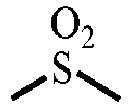
OMe H H H H 1-4 Me 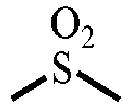
H H Me H Me 1-5 H - H H Me H H 128-129 1-6 H - H H OMe H H 1-7 H - OMe H H H H 1-8 H - H H Me H Me 1-9 n-Pr 
H H Me H H 114-115 1-10 n-Pr 
H H OMe H H 129-130 1-11 n-Pr 
OMe H H H H 166-167 1-12 n-Pr 
H H Me H Me 161-163 1-13 Me 
H H Me Me H 107-109 1-14 Me 
H H Me CH2Ph H 1.3731(25.1) -
Table 1(2) Compound No. Q A R1 R2 R3 R5 R6 Physical property 1-15 i-Pr 
H H Me H H 123-124 1-16 i-Pr 
H H OMe H H 1-17 i-Pr 
OMe H H H H 1-18 i-Pr 
H H Me H Me 1-19 NMe2 
H H Me H H 100-102 1-20 NMe2 
H H OMe H H 1-21 NMe2 
OMe H H H H 1-22 NMe2 
H H Me H Me 1-23 

H H Me H H 1.3332(26.4) 1-24 

H H OMe H H 1-25 

OMe H H H H 1-26 

H H Me H Me -
Table 1(3) Compound No. Q A R1 R2 R3 R5 R6 Physical property 1-27 NH(t-Bu) 
H H Me H H 150-151 1-28 NH(t-Bu) 
H H OMe H H 130-132 1-29 NH(t-Bu) 
OMe H H H H 1-30 NH(t-Bu) 
H H Me H Me 1-31 

H H Me H H 196-197 1-32 

H H OMe H H 1-33 

OMe H H H H 1-34 

H H Me Me H 1-35 

H H Me H H 1.3732(21.6) 1-36 

H H OMe H H 1-37 

OMe H H H H 1-38 

H H Me Me H -
Table 1(4) Compound No. Q A R1 R2 R3 R5 R6 Physical property 1-39 cyc-Pr 
H H Me H H 144-145 1-40 cyc-Pr 
H H OMe H H 118-122 1-41 cyc-Pr 
OMe H H H H 1-42 cyc-Pr 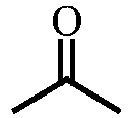
H H Me Me H 1-43 cyc-hex 
H H Me H H 136-138 1-44 cyc-hex 
H H OMe H H 1-45 cyc-hex 
OMe H H H H 1-46 cyc-hex 
H H Me Me H 1-47 i-Pr 
H H Me H H 182-185 1-48 i-Pr 
H H OMe H H 1-49 i-Pr 
OMe H H H H 1-50 i-Pr 
H H Me Me H -
Table 1(5) Compound No. Q A R1 R2 R3 R5 R6 Physical property 1-51 

H H Me H H 1.3780(21.4) 1-52 

H H Me H H 179-181 1-53 
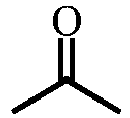
H H Me H H 1.3508(21.4) 1-54 

H H Me H H 195-196 1-55 

H H Me H H 1.3756(21.4) 1-56 
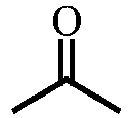
H H Me H H 128-129 1-57 NH(Et) 
H H Me H H 173-174 1-58 NH(Et) 
H H OMe H H 153-155 1-59 NH(Et) 
OMe H H H H 1-60 NH(Et) 
H H Me Me H 1-61 NH(cyc-hex) 
H H Me H H 156-157 1-62 NH(Ph) 
H H Me H H 179-180 -
Table 1(6) Compound No. Q A R1 R2 R3 R5 R6 Physical property 1-63 NH(Et) 
H H Me H H 160-161 1-64 NH(Ph) 
H H Me H H 197-200 1-65 NMe2 
H H Me H H 97-99 1-66 NMe2 
H H OMe H H 1-67 NMe2 
OMe H H H H 1-68 NMe2 
H H Me Me H 1-69 NEt2 
H H Me H H 1.3471(25.1) 1-70 NEt2 
H H OMe H H 1-71 NEt2 
OMe H H H H 1-72 NEt2 
H H Me Me H 1-73 

H H Me H H 118-121 1-74 CH2Cl 
H H Me H H 161-162 -
Table 1(7) Compound No. Q A R1 R2 R3 R5 R6 Physical property 1-75 
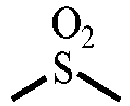
H H Me H H 161-162 1-76 Et 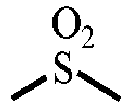
H H Me H H 114-115 1-77 Et 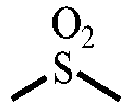
H H OMe H H 1-78 Et 
OMe H H H H 1-79 Et 
H H Me Me H 1-80 n-Pr 
H H Me H H 142-143 1-81 n-Bu 
H H Me H H 147-148 1-82 CH2CH2OCH3 
H H Me H H 154-156 1-83 Me 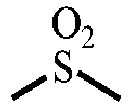
H H Et H H 1-84 i-Pr 
H H Et H H 100-102 1-85 NH(t-Bu) 
H H Et H H 1-86 NH(Me) 
H H Me H H -
Table 1(8) Compound No. Q A R1 R2 R3 R5 R6 Physical property 1-87 NH(Me) 
H H OMe H H 206-208 1-88 

H H OMe H H 1-89 

H H OMe H H 199-200 1-90 Me 
H H H H H 185-186 1-91 Et 
H H H H H 1-92 n-Pr 
H H H H H 192-193 1-93 cyc-Pr 
H H H H H 223-225 1-94 NH(t-Bu) 
H H H H H 197-198 1-95 

H H H H H 254-256 1-96 
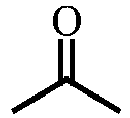
H H H H H 236-238 1-97 
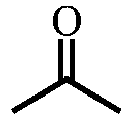
H H H H H 113-115 1-98 NEt2 
H H H H H 159-161 -
Table 1(9) Compound No. Q A R1 R2 R3 R5 R6 Physical property 1-99 Me 
H H 
H H 1-100 Et 
H H 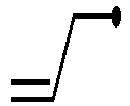
H H 1-101 NH(t-Bu) 
H H 
H H 1-102 Me 
H H 
H H 1-103 Me 
H H 
H H 1-104 Me 
H H 
H H 1-105 Me 
H H 
H H 1-106 

OMe H H H H 191-192 1-107 

OMe H H H H 1-108 

OMe H H H H 113-116 1-109 

OMe H H H H 183-185 1-110 CHCl2 
OMe H H H H 194-195 -
Table 1(10) Compound No. Q A R1 R2 R3 R5 R6 Physical property 1-111 CH2OCH3 
OMe H H H H 118-119 1-112 CH2OCH3 
H H H H H 1-113 O(t-Bu) 
H H H H H 180-181 1-114 Me 
Me H H H H 1-115 n-Pr 
Me H H H H 1-116 NH(Et) 
Me H H H H 1-117 cyc-Pr 
Me H H H H 
-
Table 2(1) Compound No. Q A Physical property 2-1 

188-189 2-2 

212-214 2-3 

220-221 2-4 

226-228 2-5 

250-252 2-6 

196-198 2-7 

2-8 

218-219 2-9 

2-10 

255-257 2-11 
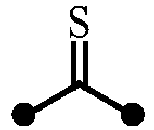
209-210 -
Table 2(2) Compound No. Q A Physical property 2-12 

1.3204(24.6) 2-13 

160-162 2-14 

227-228 2-15 
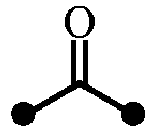
214-215 2-16 

224-225 2-17 

257-258 2-18 

152-153 2-19 
- NMR 2-20 

246-248 2-21 

87-88 2-22 

-
Table 2(3) Compound No. Q A Physical property 2-23 

2-24 

256-258 2-25 

1.3851(22.4) 2-26 

176-178 2-27 

207-208 2-28 

248-249 2-29 

258-261 2-30 
- 2-31 
- 2-32 
- 2-33 


-
Table 3(1) Compound No. Q Physical property 3-1 
133-134 3-2 
186-187 3-3 
181-183 3-4 
128-130 3-5 
212-214 3-6 
241-243 3-7 
190-191 3-8 
171-172 -
Table 3(2) Compound No. Q Physical property 3-9 
1.3459(25.4) 3-10 
187-189 3-11 
1.3576(25.4) 3-12 
139-141 3-13 
248-250 3-14 
270-272 3-15 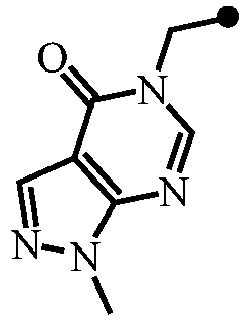
261-263 -
Table 3(3) Compound No. Q Physical property 3-16 
252-253 3-17 
154-156 3-18 
204-206 3-19 
90-92 3-20 
167-168 3-21 
134-135 -
Table 3(4) Compound No. Q Physical property 3-22 
127-128 3-23 
127-128 3-24 
204-205 3-25 
209-211 3-26 
169-170 3-27 
206-207 -
Table 3(5) Compound No. Q Physical property 3-28 
172-173 3-29 
141-142 3-30 
185-187 3-31 
191-193 3-32 
208-210 3-33 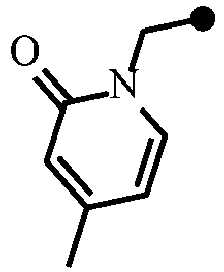
261-262 -
Table 3(6) Compound No. Q Physical property 3-34 
247-248 3-35 
178-180 3-36 
220-221 3-37 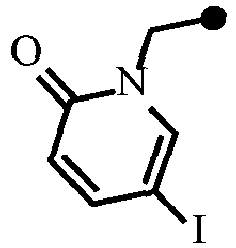
222-223 3-38 
157-158 3-39 
233-235 -
Table 3(7) Compound No. Q Physical property 3-40 
225-226 3-41 
205-207 3-42 
208-210 3-43 
142-144 3-44 
136-137 3-45 
3-46 
3-47 
-
Table 3(8) Compound No. Q Physical property 3-48 
3-49 
3-50 
3-51 
3-52 
NMR 3-53 
160-161 3-54 
3-55 
180-181 -
Table 3(9) Compound No. Q Physical property 3-56 
3-57 
3-58 
3-59 
260-262 3-60 
3-61 
3-62 
127-129 -
Table 3(10) Compound No. Q Physical property 3-63 
180-181 3-64 
204-205 3-65 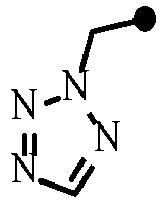
154-156 3-66 
143-144 3-67 
211-212 3-68 
204-206 3-69 
218-220 3-70 
199-201 -
Table 3(11) Compound No. Q Physical property 3-71 
185-186 3-72 
3-73 
230-231 3-74 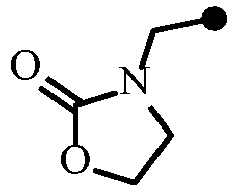
199-201 3-75 
227-228 3-76 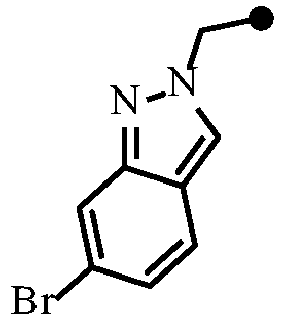
230-232 3-77 
229-230 3-78 
262-263 -
Table 3(12) Compound No. Q Physical property 3-79 
3-80 
3-81 
3-82 
3-83 
3-84 
-
Table 3(13) Compound No. Q Physical property 3-85 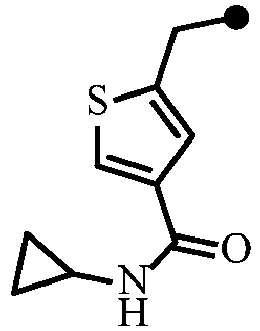
3-86 
3-87 
3-88 
3-89 
192-194 3-90 
3-91 
-
Table 3(14) Compound No. Q Physical property 3-92 
3-93 
3-94 
3-95 

-
Table 4(1) Compound No. Q Physical property 4-1 NHMe 4-2 NHEt 4-3 NH(n-Pr) 139-140 4-4 NH(i-Pr) 4-5 
182-183 4-6 NHCH2Ph 154-156 4-7 NH(cyc-Pr) 4-8 NH(t-Bu) 4-9 NH2 4-10 
4-11 
4-12 

-
Table 5(1) Compound No. Q A Physical property 5-1 Me 
5-2 NH(Et) 
5-3 n-Pr 
220-221 5-4 cyc-Pr 
5-5 NH(OMe) 
5-6 Ph 
5-7 Me 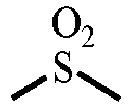
190-192 5-8 NH(Et) 
5-9 n-Pr 
5-10 cyc-Pr 
5-11 NH(OMe) 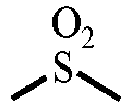
-
Table 5(2) Compound No. Q A Physical property 5-12 Ph 
5-13 Me 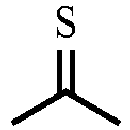
5-14 NH(Et) 
5-15 n-Pr 
5-16 cyc-Pr 
5-17 NH(OMe) 
5-18 Ph 
5-19 NMe(OMe) 
5-20 NMe(OMe) 

-
Table 6(1) Compound No. Q Physical property 6-1 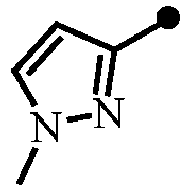
6-2 
276-278 6-3 
265-266 6-4 
283-284 6-5 
263-264 6-6 
275-279 6-7 
251-253 6-8 
244-246 6-9 
244-246 -
Table 6(2) Compound No. Q Physical property 6-10 
6-11 
6-12 

-
Table 7(1) Compound No. Q A Y B Physical property 7-1 NH(Me) 
- -CH2- 129-131 7-2 NH(Et) 
- -CH2- 7-3 NH(n-Pr) 
- -CH2- 7-4 NH(i-Pr) 
- -CH2- 7-5 NH(n-Bu) 
- -CH2- 7-6 NH(i-Bu) 
- -CH2- 7-7 NH(sec-Bu) 
- -CH2- 7-8 NH(tert-Bu) 
- -CH2- 7-9 NH(Me) 
- -CF2- 190-192 7-10 NH(Et) 
- -CF2- 7-11 NH(n-Pr) 
- -CF2- 7-12 NH(i-Pr) 
- -CF2- -
Table 7(2) Compound No. Q A Y B Physical property 7-13 NH(n-Bu) 
- -CF2- 7-14 NH(i-Bu) 
- -CF2- 7-15 NH(sec-Bu) 
- -CF2- 7-16 NH(tert-Bu) 
- -CF2- 7-17 
- O -CH2- 147-148 7-18 
- NH 
235-237 7-19 Et 
- -CH2- 175-180 7-20 Et 
- -CH2- 204-206 7-21 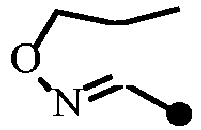
- O -CH2- 103-104 7-22 Me S - - 7-23 Me 
- - 7-24 Me 
- - -
Table 7(3) Compound No. Q A Y B Physical property 7-25 Et S - - 7-26 Et 
- - 151-153 7-27 Et 
- - 114-115 7-28 NH(Me) 
- 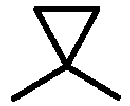
7-29 NH(Me) 
NH(OMe) - 7-30 NH(Et) 
NH(OMe) - 7-31 cyc-Pr 
NH(OMe) - 7-32 NMe2 
NH(OMe) - 7-33 NH(Me) 
NHMe - 7-34 NH(Et) 
NHMe - 7-35 NH(Me) 
- -CH2- 7-36 
- O - 172-174 -
Table 7(4) Compound No. Q A Y B Physical property 7-37 

- -CH2- 189-191 7-38 
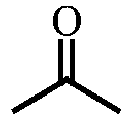
- -CH2- 7-39 NH(Me) 
- -CH(OMe)- 
-
Table 8(1) Compound No. Q A R1 R3 X1 X2 Physical property 8-1 Me 
H Me H F 151-153 8-2 n-Pr 
OMe H H F 158-159 8-3 

OMe H H F 182-183 8-4 n-Pr 
OMe H OMe H 178-180 8-5 

OMe H OMe H 99-100 8-6 n-Pr 
OMe H F H 170-171 8-7 

OMe H F H 170-171 8-8 CH2OCH3 
OMe H F H 137-140 8-9 CH2OCH3 
OMe H H F 122-124 8-10 NH(Et) 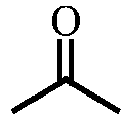
H Me H F 150-151 -
Table 8(2) Compound No. Q A R1 R3 X1 X2 Physical property 8-11 NH(t-Bu) 
H Me H F 132-133 8-12 Me 
H Me F H 163-165 8-13 NH(t-Bu) 
H Me F H 178-179 8-14 NH(Et) 
H OMe F H 152-154 8-15 cyc-Pr 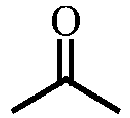
H OMe F H 1.3450(24.1) 8-16 n-Pr 
H OMe F H 8-17 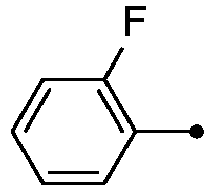

OMe H F H 8-18 CHCl2 
OMe H F H 8-19 cyc-Pr 
OMe H H F 8-20 
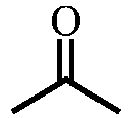
OMe H H F 
-
Table 9(1) Compound No. Q A X1 X2 Physical property 9-1 

F H 236-238 9-2 

Me H 193-195 9-3 

H F 207-208 9-4 

F H 236-237 9-5 

Me H 211-212 9-6 

H F 238-239 9-7 

F H 169-172 9-8 

Me H 145-146 9-9 

H F 172-174 9-10 

F H -
Table 9(2) Compound No. Q A X1 X2 Physical property 9-11 

Me H 9-12 

H F 216-217 9-13 

Cl H 9-14 

Br H 9-15 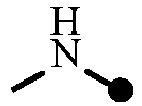

I H 9-16 

H Cl 9-17 

H Br 9-18 

H I 196-198 9-19 

H Me 9-20 

NO2 H -
Table 9(3) Compound No. Q A X1 X2 Physical property 9-21 

OMe H 9-22 

CN H 9-23 

H NO2 9-24 

H OMe 9-25 

H CN 
-
Table 10(1) Compound No. Q X1 X2 Physical property 10-1 
H F 99-101 10-2 
H F 189-190 10-3 
H F 189-190 10-4 
H F 148-149 10-5 
H F 227-229 10-6 
H F 116-117 10-7 
H F 206-209 10-8 
H F 163-165 10-9 
H F 123-125 10-10 
H F 152-153 -
Table 10(2) Compound No. Q X1 X2 Physical property 10-11 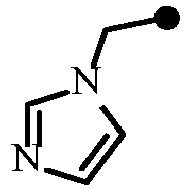
H F 132-133 10-12 
H F 123-125 10-13 
H F 1.3465(25.5) 10-14 
H F 161-163 10-15 
H F 138-139 10-16 
H F 164-165 10-17 
H F 145-146 10-18 
H F 207-208 10-19 
H F 158-159 -
Table 10(3) Compound No. Q X1 X2 Physical property 10-20 
H F 115-116 10-21 
H F 10-22 
H F 10-23 
H F 10-24 
H F 10-25 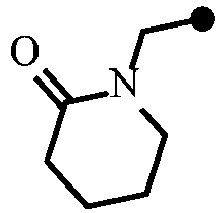
H F 10-26 
F H 10-27 
F H 10-28 
F H 149-150 10-29 
F H 163-165 -
Table 10(4) Compound No. Q X1 X2 Physical property 10-30 
F H 209-211 10-31 
F H 126-127 10-32 
F H 10-33 
F H 10-34 
F H 121-123 10-35 
F H 141-142 10-36 
F H 10-37 
F H 173-175 10-38 
F H 10-39 
F H 1.5043(25.2) -
Table 10(5) Compound No. Q X1 X2 Physical property 10-40 
F H 147-148 10-41 
F H 139-140 10-42 
F H 10-43 
F H 225-226 10-44 
F H 136-138 10-45 
F H 146-148 10-46 
F H 10-47 
F H 10-48 
F H 10-49 
F H -
Table 10(6) Compound No. Q X1 X2 Physical property 10-50 
F H 10-51 
F H 10-52 
F H 10-53 
F H 10-54 
F H 10-55 
H F 151-153 10-56 
F H 
-
Table 11(1) Compound No. Q X1 X2 Physical property 11-1 NHMe F H 11-2 NHEt F H 11-3 NH(n-Pr) F H 11-4 NH(i-Pr) F H 11-5 
F H 11-6 NHCH2Ph F H 11-7 NH(cyc-Pr) F H 11-8 NH(t-Bu) F H 11-9 NH2 F H 11-10 
F H -
Table 11(2) Compound No. Q X1 X2 Physical property 11-11 
F H 11-12 
F H 11-13 NHMe H F 11-14 NHEt H F 11-15 NH(n-Pr) H F 11-16 NH(i-Pr) H F 11-17 
H F 11-18 NHCH2Ph H F 11-19 NH(cyc-Pr) H F 11-20 NH(t-Bu) H F -
Table 11(3) Compound No. Q X1 X2 Physical property 11-21 NH2 H F 11-22 
H F 11-23 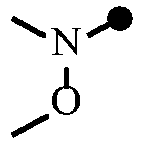
H F 11-24 
H F 
-
Table 12 Compound No. Q A X1 X2 Physical property 12-1 cyc-Pr 
F H 12-2 cyc-Pr 
H F 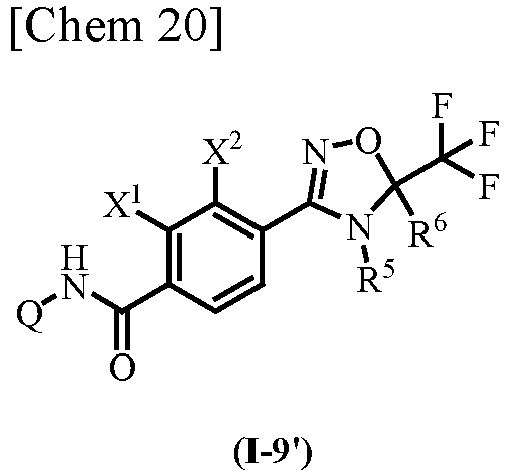
-
Table 13 Compound No. Q X1 X2 Physical property 13-1 
H F 240-242 -
Table 14 Compound No. 1H-NMR data (CDCl3/TMS, ppm) 2-19 δ 7.77-7.75 (d, 2H), 7.40-7.38 (d, 2H), 7.27-7.26 (d, 1H), 5.88-5.84 (t, 1H), 5.61-5.56 (q, 1H), 3.46-3.38 (dd, 1H), 2.91-2.84 (dd, 1H), 2.03 (s, 3H) 3-52 δ 8.15 (s, 1H), 7.80-7.78 (d, 2H), 7.45-7.43 (d, 2H), 5.95-5.90 (q, 1H), 5.48 (s, 2H), 5.05 (br, 1H) - Agrohorticultural fungicides containing the compound represented by the general formula (I) of the present invention or a salt thereof as an active ingredient are suitable for controlling diseases which occur on cereals, fruits, vegetables, other crops and ornamental plants.
- Target diseases include filamentous fungal diseases, bacterial diseases, viral diseases or the like. The filamentous fungal diseases that can be recited are, for example, diseases caused by fungi-imperfecti (Botrytis diseases, Helminthosporium diseases, Fusarium diseases, Septoria diseases, Cercospora diseases, Pseudocercosporella diseases, Rhynchosporium diseases, Pyricularia diseases and Alternaria diseases or the like); diseases caused by basidiomycetes (for example, Hemilelia diseases, Rhizoctonia diseases, Ustilago diseases, Typhula diseases and Puccinia diseases or the like); diseases caused by ascomycota (for example, Venturia diseases, Podosphaera diseases, Leptosphaeria diseases, Blumeria diseases, Erysiphe diseases, Microdochium diseases, Sclerotinia diseases, Gaeumannomyces diseases, Monilinia diseases and Unsinula diseases or the like); and diseases caused by other fungi (for example, Ascochyta diseases, Phoma diseases, Pythium diseases, Corticium diseases and Pyrenophora diseases or the like. As the bacterial diseases that can be recited are, for example, Pseudomonas diseases, Xanthomonas diseases and Erwinia diseases or the like. As the viral diseases, for example, disease such as those caused by tobacco mosaic virus or the like is recited.
- Specific filamentous fungal disease that can be recited are, for example, rice blast (Pyricularia oryzae), rice sheath blight (Rhizoctonia solani), rice brown spot (Cochiobolus miyabeanus), rice seedling blight (Rhizopus chinensis, Pythium graminicola, Fusarium graminicola, Fusarium roseum, Mucorsp., Phomasp., Tricodermasp.), rice bakanae disease (Gibberella fujikuroi), powdery mildew in barley and wheat or the like (Blumeria graminis), powdery mildew in cucumbers or the like (Sphaerotheca fuliginea), powdery mildew in eggplants or the like (Erysiphe cichoracoarum) and powdery mildew in other host plants, eyespot in barley, wheat, or the like (Pseudocercosporella herpotrichoides), smut in wheat or the like (Urocystis tritici), snow mold in barley, wheat or the like (Microdochium nivalis, Pythium iwayamai, Typhla ishikariensis, Typhla incarnata, Sclerotinia borealis), fusarium ear blight in barley, wheat or the like (Fusarium graminearum, Fusarium avenaceum, Fusarium culmorum, Microdochium nivalis), rust in barley, wheat or the like (Puccinia recondita,Puccinia striiformis, Puccinia graminis), take-all in barley, wheat or the like (Gaeumannomyces graminis), oat crown rust (Puccinia coronata), rust in other plants, gray mold in cucumbers, strawberries or the like (Botrytis cinerea), sclerotinia rot in tomatoes, cabbages or the like (Sclerotinia sclerotiorum), late blight in potatoes, tomatoes or the like (Phytophthora infestans), late blight in other plants, cucumber downy mildew (Pseudoperonospora cubensis), grape downy mildew (Plasmopara viticola), downy mildew in various plants, apple scab (Venturia inaequalis), apple alternaria blotch (Alternaria mali), pear black spot (Alternaria kikuchiana), citrus melanose (Diaporthe citri), citrus scab (Elsinoe fawcetti), sugarbeet leaf spot (Cercospora beticola), peanut brown leaf spot (Cercospora arachidicola), peanut late leaf spot (Cercospora personata), leaf blotch in wheat (Septoria tritici), wheat glume blotch (Leptosphaeria nodorum), barley net blotch (Pyrenophora teres), barley stripe (Pyrenophora graminea), barley scald (Rhynchosporium secalis), wheat loose smut (Ustilago nuda), wheat stinking smut (Tilletia caries), brown patch in turfgrass (Rhizoctonia solani) and dollar spot in turfgrass (Sclerotinia homoeocarpa) or the like.
- Specific bacterial diseases that can be recited are diseases caused by Pseudomonasspp., for example, cucumber bacterial spot (Pseudomonas syringae pv. lachrymans), tomato bacterial wilt disease (Pseudomonas solanacearum) and bacterial grain rot of rice (Pseudomonas glumae); diseases caused by Xanthomonasspp., for example, cabbage black rot (Xanthomonas campestris), rice bacterial leaf blight (Xanthomonas oryzae) and citrus canker (Xanthomonas citri); and diseases caused by Erwiniaspp., for example, cabbage soft rot (Erwinia carotovora) or the like.
- The useful plants on which the present inventive compound represented by the general formula (I) or salts thereof can be applied are not particularly limited, and the following plants can be recited as examples thereof:
cereals (for example, rice, barley, wheat, rye, oat, corn or the like); beans and peas such as soybean, red bean, broad bean, pea, kidney-bean, peanut or the like; fruit trees (for example, apple, citrus trees and fruits, pear, grape, peach, plum, cherry, walnut, chestnut, almond, banana, strawberry or the like; leafy and fruit vegetables (for example, cabbage, tomato, spinach, broccoli, lettuce, onion, green onions (chives and Welsh onions), green peppers, eggplant, strawberry, , pepper, okra, Chinese chives or the like; root crops (for example, carrot, potato, sweet potato, taro, radish, lotus rhizome, turnip, burdock, garlic, Chinese scallions or the like; processing crops (for example, cotton, flax, beet, hop, sugar can, sugar beet, olive, gum, coffee, tobacco, tea or the like; cucurbitaceous plants (for example, pumpkin, cucumber, musk melon, water melon, melon or the like; pasture plants (for example, orchard grass, sorghum, timothy, clover, alfalfa or the like; lawn grasses (for example, mascarenegrass, bent grass or the like; perfumery crops (for example, lavender, rosemary, thyme, parsley, pepper, ginger or the like; flowers and ornamental plants (for example, chrysanthemum, rose, carnation, orchid, tulip, lily or the like; garden-trees (for example, ginkgo tree, cherry tree, gold-leaf plant or the like; and timber woods (for example, white fir, silver fir, pine, hatchet-leaved arbor-vitae, Japan cedar, Japanese eypress, eukalyptus or the like. - The aforementioned "plants" also include those to which resistance to HPPD inhibitors such as isoxaflutole, ALS inhibitors such as imazethapyr or thifensulfuron-methyl, EPSP synthetase inhibitors such as glyphosate, glutamine synthetase inhibitors such as glufosinate, acetyl-CoA carboxylase inhibitors such as sethoxydim and herbicides such as bromoxynil, dicamba, 2,4-D or the like has been conferred by a classical breeding method or genetic engineering technique.
- Examples of the "plant" to which resistance has been conferred by a classical breeding method include rape, wheat, sunflower and rice resistant to imidazolinone ALS inhibitory herbicides such as imazethapyr, which are already commercially available under a product name of Clearfield (registered trademark). Likewise there is soy bean to which resistance to sulfonylurea ALS inhibitory herbicides such as thifensulfuron-methyl has been conferred by a classical breeding method, which is already commercially available under a product name of STS soy bean. Likewise examples to which resistance to acetyl-CoA carboxylase inhibitors such as trione oxime or aryloxy phenoxypropionic acid herbicides has been conferred by a classical breeding method include SR corn.
- The plant to which resistance to acetyl-CoA carboxylase inhibitors has been conferred is described in Proceedings of the National Academy of Sciences of the United States of America (Proc. Natl. Acad. Sci. USA), vol. 87, pp. 7175-7179 (1990) or the like. A variation of acetyl-CoA carboxylase resistant to an acetyl-CoA carboxylase inhibitor is reported in Weed Science, vol. 53, pp. 728-746 (2005) or the like and a plant resistant to acetyl- CoA carboxylase inhibitors can be generated by introducing a gene of such an acetyl-CoA carboxylase variation into a plant by genetically engineering technology or by introducing a variation conferring resistance into a plant acetyl-CoA carboxylase; furthermore, plants resistant to acetyl-CoA carboxylase inhibitors or ALS inhibitors or the like can be generated by introducing a site-directed amino acid substitution variation into an acetyl-CoA carboxylase gene or the ALS gene of the plant by introduction a nucleic acid into which has been introduced a base substitution variation represented Chimeraplasty Technique (Gura T. 1999. Repairing the Genome's Spelling Mistakes. Science 285: 316-318) into a plant cell. The present inventive compound reprecented by the genral formula (I) or salts thereof can be used for these plants as well.
- In addition examples of toxins expressed in such genetically engineered crops include: insecticidal proteins derived from Bacillus cereus or Bacillus popilliae; δ-endotoxins such as CrylAb, CrylAc, CrylF, CrylFa2, Cry2Ab, Cry3A, Cry3Bbl or Cry9C derived from Bacillus thuringiensis; insecticidal proteins such as VIP1, VIP2, VIP3 or VIP3A; insecticidal proteins derived from nematodes; toxins generated by animals such as scorpion toxin, spider toxin, bee toxin or insect-specific neurotoxins; mold fungi toxins; plant lectin; agglutinin; protease inhibitors such as a trypsin inhibitor, a serine protease inhibitor, patatin, cystatin or a papain inhibitor; ribosome- inactivating proteins (RIP) such as lycine, corn-RIP, abrin, luffin, saporin or briodin; steroid- metabolizing enzymes such as 3-hydroxysteroid oxidase, ecdysteroid-UDP-glucosyl transferase or cholesterol oxidase; an ecdysone inhibitor; HMG-CoA reductase; ion channel inhibitors such as a sodium channel inhibitor or calcium channel inhibitor; juvenile hormone esterase; a diuretic hormone receptor; stilbene synthase; bibenzyl synthase; chitinase; and glucanase.
- Furthermore, toxins expressed in such genetically engineered crops also include: hybrid toxins, partially deleted toxins and modified toxins of δ-endotoxin proteins such as CrylAb, CrylAc, CrylF, CrylFa2, Cry2Ab, Cry3A, Cry3Bbl, Cry9C, Cry34Ab or Cry35Ab; insecticidal proteins such as VIP1, VIP2, VIP3 or VIP3A. The hybrid toxins are produced from a new combination of the different domains of such proteins, using a genetic engineering technique. As the partially deleted toxins, CrylAb comprising a deletion of a portion of an amino acid sequence is known. In the modified toxins one or more amino acids of natural toxins are substituted.
- Examples of such toxins and genetically engineered plants capable of synthesizing such toxins are described in
EP-A-0 374 753 ,WO 93/07278 WO 95/34656 EP-A-0 427 529 ,EP-A-451 878 WO 03/052073 - The present inventive agrohorticultural fungicide can also be used in combination, or systematically, with such technologies.
- In order to control various diseases, the present inventive agrohorticultural fungicide is applied to the plants on which emergence of the diseases is expected, either as it is or in the form of a dilution or suspension in a proper quantity of water or the like at a dosage effective for the control of the diseases. For instance, with the aim of controlling the appearance of diseases on fruit trees, cereals and vegetables, the composition may be directly used for foliage treatment or the composition may also be used for seed treatments such as immersion of seeds in the agent solution, seed coating, calper treatment or the like or absorption from the root by soil treatment or the like, such as incorporation into total soil layer, row treatment, soil incorporation, cell seedling treatment, prickling-in-hole treatment, plant foot treatment, top dressing, nursery box application of rice, submerged application or the like. In addition, application of t the present inventive agrohorticultural insecticide to the nutrient solution in the water culture, the use by fumigation, and the injection into tree stalks or the like are also usable.
- Furthermore, the present inventive agrohorticultural fungicide may be used as it is or with appropriate dilution with water or the like, or in suspension, in an amount effective for disease control to a site where occurrence of the disease is expected.
- As the method of treating seeds, a method of dipping seeds in a diluted or undiluted liquid preparation of the liquid or solid composition and thereby making the agent permeate into the seeds; a method of mixing a solid or liquid preparation with seeds for the sake of powder coating and thereby making the agent adhere to the seed surface; a method of mixing the preparation with an adhesive carrier such as resin, polymer or the like and coating seeds with such an adhesive mixture; a method of spraying the preparation to the neighborhood of seeds simultaneously with planting or the like can be referred to.
- "Seed" to be treated with the seed treatment means a plant body of the initial stage of cultivation used for reproduction of plants, encompassing not only the seeds but also plant bodies for nutrient reproduction such as bulb, tuber, seed tuber, stock bud, aerial tuber, scaly bulb or stalks for cuttage or the like.
- "Soil" or "cultivation carrier" for plants in carrying out the using method of the present invention means a support for the cultivation of a plant, in particular, a support in which the roots grow; Their material quality is not limited, any material being acceptable as far as the plant can grow therein. For example, so-called soils, nursery mat, water or the like can be used, specific examples for the material being sand, pumice, vermiculite, diatomaceous earth, agar, gelatinous materials, polymeric materials, rock wool, glass wool, wood chips, bark or the like.
- As the method for spraying onto foliage parts of crops or the like, spraying a liquid formulation such as an emulsifiable concentrate, flowable agent or the like or a solid formulation such as a wettable powder or wettable granule or the like having properly been diluted with water, spraying a dust, or fumigation or the like can be referred to.
- As the method of soil application, applying a liquid preparation either diluted with water or undiluted onto the plant foot, nursery bed for raising seedlings or the like, spraying granules onto the plant foot or nursery bed, spraying a dust, a wettable powder, a wettable granule or granules onto the soil and mixing with the whole soil either before seeding or before transplantation, spraying a dust, wettable powder, wettable granule, granules or the like onto planting holes, planting rows or the like can be recited.
- As the method for applying to a nursery box of paddy field rice, even though the preparation form may be varied depending on the time of application such as application at the sowing period, greening period or transplanting period, applying in the form of a dust, wettable granule, granules or the like can be recited. Application by mixing with the soil is also possible, which application is mixing with soil and a dust, wettable granule or granules, examples thereof being mixing into the bed soil, covering soil or whole soil. Further possible method is application by merely making the soil and various formulations into layers.
- For applying to a paddy field, usually to a paddy field in a submerged state, a solid preparation such as a jumbo-pack, granules, wettable granules or the like or a liquid formulation such as a flowable, emulsifiable concentrate or the like are sprinkled. Otherwise, it is also possible to sprinkle or inject an appropriate agent as it is or in the form of a mixture with fertilizers into the soil at the time of transplantation. Further possible is applying chemical solution of an emulsifiable concentrate to the water inlet or water flow source of the irrigating system, whereby a labor-saving application is achieved with water supplied.
- In case of upland field crops, application to the cultivation carrier surrounding the seeds or plant bodies in the period from the seeding to the seedling raising is available. For plants where seeds are directly sown to the field, in addition to direct application to seeds, application onto the base of hills during the cultivation period is preferable. Sprinkling granules or irrigating with a liquid formulation after dilution with water or without dilution or the like is possible. Another preferable treatment is to mix granules with cultivation carriers before seeding and to sow seeds thereafter.
- In cases where cultured plants to be transplanted are treated at the seeding time or in the seedling raising period, in addition to direct treatment onto seeds, irrigating treatment onto a seedling raising bed with a liquefied form or to sprinkling granules are preferable. Further, applying granules to the planting holes at the time of set-planting or mixing into the cultivation carrier in the neighborhood of the sites of transplantation are also preferable treatment.
- The present inventive compound represented by the general formula (I) or salts thereof is in general used after having been formulated into a form which is convenient in use by the standard method for formulating agrochemicals.
- Namely, the present inventive compound represented by the general formula (I) or salts thereof may be used after having been blended optionally together with an adjuvant in a proper proportion and prepared into a suitable preparation form such as suspension (flowable), emulsifiable concentrate, oil dispersions, soluble concentrate, wettable powder, wettable granules, granules, dust tablets, packs, jumbos, suspoemulsion or the like through dissolution, separation, suspension, mixing, impregnation, adsorption or sticking.
- The present inventive agrohorticultural fungicides may contain in addition to the active ingredient, additive components which are commonly used for agricultural formulations if necessary. As such additive components, a carrier such as a solid carrier or a liquid carrier, a surfactant, a dispersant, a wetting agent, a binder, an adhesion-imparting agent, a thickener, a coloring agent, an extender, a spreader, an anti-freezing agent, an anti-caking agent, a disintegrating agent and a stabilizing agent or the like can be recited. Furthermore, an antiseptic agent, plant pieces may be used as additive components if necessary. These additive components may be used either alone or in combination of two or more.
- As the solid carrier, for example, a natural mineral such as quartz, clay, kaolinite, pyrophillite, sericite, talc, bentonite, acid clay, attapulgite, zeolite or diatomaceous earth; an inorganic salt such as calcium carbonate, ammonium sulfate, sodium sulfate or potassium chloride, synthetic silicic acid or synthetic silicate; an organic solid carrier such as starch, cellulose or plant powder such as, for example, saw dust, coconut shellflower, corncob and tobacco stem; a plastic carrier such as polyethylene, polypropylene or polyvinylidene chloride; or urea, inorganic hollow materials, plastic hollow materials or fumed silica such as white carbon can be recited. These may be used either alone or in combination of two or more.
- As the liquid carrier, for example, alcohols such as a monohydric alcohol such as methanol, ethanol, propanol, isopropanol or butanol or a polyhydric alcohol such as ethylene glycol, diethylene glycol, propylene glycol, hexylene glycol, polyethylene glycol, polypropylene glycol or glycerol; a polyhydric alcohol derivative such as propylene type glycol ether; a ketone such as acetone, methyl ethyl ketone, methyl isobutyl ketone, diisobutyl ketone or cyclohexanone; an ether such as ethyl ether, dioxane, ethylene glycol monoethyl ether, dipropyl ether or THF; an aliphatic hydrocarbon such as normal paraffin, naphthene, isoparaffin, kerosine or mineral oil; an aromatic hydrocarbon such as benzene, toluene, xylene, solvent naphtha or alkyl naphthalene; a halogenated hydrocarbon such as dichloroethane, chloroform or carbon tetrachloride; an ester such as ethyl acetate, diisopropyl phthalate, dibutyl phthalate, dioctyl phthalate or dimethyl adipate; a lactone such as [gamma]-butyrolactone; an amide such as dimethylformamide, diethylformamide, dimethylacetamide or N-alkylpyrrolidinone; a nitrile such as acetonitrile; a sulfur compound such as dimethylsulfoxide; a vegetable oil such as soybean oil, rapeseed oil, cotton oil or castor oil; or water can be recited. These may be used either alone or in combination of two or more.
- As surfactants used as a dispersant or wetting agent, the following can be recited:
- a non-ionic surfactant such as a sorbitan fatty acid ester, a polyoxyethylene sorbitan fatty acid eater, a sucrose fatty acid ester, a polyoxyethylene fatty acid ester, a polyoxyethylene resin acid ester, a polyoxyethylene fatty acid diester, a polyoxyethylene alkyl ether, a polyoxyethylene alkyl phenyl ether, a polyoxyethylene dialkyl phenyl ether, a polyoxyethylene alkyl phenyl ether formalin condensate, a polyoxyethylene polyoxypropylene block copolymer, an alkyl polyoxyethylene polypropylene block polymer ether, a polyoxyethylene alkylamine, a polyoxyethylene fatty acid amide, a polyoxyethylene fatty acid bisphenyl ether, a polyalkylene benzyl phenyl ether, a polyoxyalkylene styryl phenyl ether, an acetylenediol, a polyoxyalkylene-added acetylenediol, a polyoxyethylene ether type silicon, an ester type silicon, a fluorinated surfactant, a polyoxyethylene castor oil or a polyoxyethylene hardened castor oil;
- an anionic surfactant such as an alkyl sulfate, a polyoxyethylene alkyl ether sulfate, a polyoxyethylene alkyl phenyl ether sulfate, a polyoxyethylene styryl phenyl ether sulfate, an alkyl benzenesulfonate, a lignin sulfonate, an alkylsulfosuccinate, a naphthalenesulfonate, an alkylnaphthalenesulfonate, a salt of a formalin condensate of naphthalenesulfonate, a salt of a formalin condensate of an alkylnaphthalenesulfonate, a fatty acid salt, a polycarboxylic acid salt, an N-methyl-fatty acid sarcosinate, a resin acid salt, a polyoxyethylene alkyl ether phosphate or a polyoxyethylene alkyl phenyl ether phosphate;
- a cationic surfactant such as a laurylamine hydrochloride, a stearylamine hydrochloride, an oleylamine hydrochloride, a stearylamine acetate, a stearylaminopropylamine acetate, an alkyltrimethylammonium chloride or an alkyldimethylbenzalkonium chloride; and
- an amphoteric surfactant such as an amino acid type or a betain type. These surfactants may be used either alone or in combination of two or more.
- As the binder or adhesion-imparting agent, for example, carboxymethylcellulose or its salt, dextrin, water-soluble starch, xanthan gum, guar gum, sucrose, polyvinylpyrrolidone, gum arabic, polyvinyl alcohol, polyvinyl acetate, polysodium acrylate, a polyethylene glycol having an average molecular weight of 6,000 to 20,000, a polyethylene oxide having an average molecular weight of 100,000 to 5,000,000 or a natural phosphatide can be recited.
- As the thickener, for example, a water-soluble polymer such as xanthan gum, guar gum, carboxylmethylcellulose, polyvinylpyrrolidone, carboxyvinyl polymer, an acrylic polymer, a starch compound or polysaccharide; or an inorganic fine powder such as high purity bentonite or white carbon can be recited.
- As the coloring agent, for example, an inorganic pigment such as iron oxide, titanium oxide or Prussian blue; or an organic dye such as an arizarin dye, an azo dye or a metal phthalocyanine dye can be recited.
- As the anti-freezing agent, for example, a polyhydric alcohol such as ethylene glycol, diethylene glycol, propylene glycol or glycerol can be recited.
- As the additive component for an anti-caking agent or disintegrating agent, for example, starch, alginic acid, a polysaccharide such as mannose or galactose, polyvinylpyrrolidone, white carbon, ester gum or petroleum resin, sodium tripolyphosphate, sodium hexamethaphosphate, stearic acid metal salt, a cellulose powder, dextrin, a methacrylate copolymer, a polyvinylpyrrolidone, a polyaminocarboxylic acid chelate compound, a styrene sulfonate/isobutylene/maleic anhydride copolymer or a starch/polyacrylonitrile graft copolymer can be recited.
- As the stabilizer, for example, a drying agent such as zeolite, quick lime or magnesium oxide; an anti-oxidation agent such as a phenol type, an amine type, a sulfur type or a phosphorus type; or an ultraviolet absorber such as a salicylic acid type or a benzophenone type can be recited.
- As the antiseptic, for example, potassium sorbate or 1,2-benzthiazolin-3-one can be recited.
- In addition, if necessary, a functional spreader, an activity enhancer such as piperonyl butoxide, an anti-freezing agent such as propylene glycol, an antioxidant such as BHT or other additive agents such as an UV absorber can be used.
- The content of the active ingredient compound may be varied according to the need; the content can properly be selected from the range between 0.01 and 90 parts by weight in terms of 100 parts by weight of the present inventive agrohorticultural fungicide. For example, for dusts, granules, emulsifiable concentrates or wettable powders, the suitable content is from 0.01 to 50 parts by weight (0.01 to 50 weight % for the entire weight of the agrohorticultural fungicide).
- The applying dosage of the harmful organism controlling agent of the present invention varies depending upon various factors such as, for example, a purpose, insect pests to be controlled, a growth state of a plant, tendency of insect pest emergence, weather, environmental conditions, a preparation form, an application method, an application site and an application time; the dosage of the active ingredient compound may be properly chosen in a range of 0.001 g to 10 kg, preferably 0.01 g to 1 kg per 10 ares depending upon the purpose.
- In using the agrohorticultural fungicides comprising the present inventive compound of the general formula (I) or salts thereof, it is diluted to an appropriate concentration for spraying or treated as it is.
- The present inventive agrohorticultural fungicides, in particular, the agrohorticultural insecticide can be used in admixture with other agrohorticultural insecticides, acaricides, nematocides, fungicides or biological pesticides, in order to expand both the spectrum of controllable diseases and pests, extend the controlling period or reduce the dosage; in addition, use in admixture with herbicides, plant growth regulators, fertilizer or the like depending on the use occasions. Representative compounds are recited below, which does not limit the scope.
- As agrohorticultural fungicides to be used for such a purpose, the following agrohorticultural fungicides can be recited for example: aureofungin, azaconazole, azithiram, acypetacs, acibenzolar, acibenzolar-S-methyl, azoxystrobin, anilazine, amisulbrom, ampropylfos, ametoctradin, allyl alcohol, aldimorph, amobam, isotianil, isovaledione, isopyrazam, isofetamid, isoprothiolane, ipconazole, iprodione, iprovalicarb, iprobenfos, imazalil, iminoctadine, iminoctadine-albesilate, iminoctadine-triacetate, imibenconazole, uniconazole, uniconazole-P, echlomezole, edifenphos, etaconazole, ethaboxam, ethirimol, etem, ethoxyquin, etridiazole, enestroburin, enoxastrobin, epoxiconazole, oxadixyl, oxathiapiprolin, oxycarboxin, copper-8-quinolinolate, oxytetracycline, copper-oxinate, oxpoconazole, oxpoconazole-fumarate, oxolinic acid, octhilinone, ofurace, orysastrobin, soil fungicides such as carbam (metam-sodium); kasugamycin, carbamorph, carpropamid, carbendazim, carboxin, carvone, quinazamid, quinacetol, quinoxyfen, chinomethionat, quinomethionate, captafol, captan, kiralaxyl, quinconazole, quintozene, guazatine, cufraneb, cuprobam, coumoxystrobin, glyodin, griseofulvin, climbazole, cresol, kresoxim-methyl, chlozolinate, clotrimazole, chlobenthiazone, chloraniformethan, chloranil, chlorquinox, chloropicrin, chlorfenazole, chlorodinitronaphthalene, chlorothalonil, chloroneb, salicylanilide, zarilamid, cyazofamid, diethyl pyrocarbonate, diethofencarb, cyclafuramid, diclocymet, dichlozoline, diclobutrazol, dichlofluanid, cycloheximide, diclomezine, dicloran, dichlorophen, dichlone, disulfiram, ditalimfos, dithianon, diniconazole, diniconazole-M, zineb, dinocap, dinocton, dinosulfon, dinoterbon, dinobuton, dinopenton, dipymetitrone, dipyrithione, diphenylamine, difenoconazole, cyflufenamid, diflumetorim, cyproconazole, cyprodinil, cyprofuram, cypendazole, simeconazole, dimethirimol, dimethomorph, cymoxanil, dimoxystrobin, ziram, silthiofam, streptomycin, spiroxamine, sultropen, sedaxane, zoxamide, dazomet, thiadiazin, tiadinil, thiadifluor, thiabendazole, tioxymid, thiochlorfenphim, thiophanate, thiophanate-methyl, thifluzamide, thicyofen, thioquinox, thiram, decafentin, tecnazene, tecloftalam, tecoram, tetraconazole, debacarb, dehydroacetic acid, tebuconazole, tebufloquin, dodicin, dodine, DBEDC, dodemorph, drazoxolon, triadimenol, triadimefon, triazbutil, triazoxide, triamiphos, triarimol, trichlamide, triclopyricarb, tricyclazole, triticonazole, tridemorph, tributyltin oxide, triflumizole, trifloxystrobin, triforine, tolylfluanid, tolclofos-methyl, tolprocarb, natamycin, nabam, nitrostyrene, nitrothal-isopropyl, nuarimol, copper nonylphenol sulfonate, halacrinate, validamycin, valifenalate, harpin protein, picarbutrazox, bixafen, picoxystrobin, picobenzamide, bithionol, bitertanol, hydroxyisoxazole, hydroisoxazole-potassium, binapacryl, biphenyl, piperalin, hymexazol, pyraoxystrobin, pyracarbolid, pyraclostrobin, pyraziflumid, pyrazophos, pyrametostrobin, pyriofenone, pyridinitril, pydiflumetofen, pydiflumetofen, pyrisoxazole, pyrifenox, pyribencarb, pyrimethanil, pyroxychlor, pyroxyfur, pyroquilon, vinclozolin, famoxadone, fenapanil, fenamidone, fenaminosulf, fenaminstrobin, fenarimol, fenitropan, fenoxanil, ferimzone, ferbam, fentin, fenpiclonil, fenpyrazamine, fenbuconazole, fenfuram, fenpropidin, fenpropimorph, fenhexamid, phthalide, buthiobate, butylamine, bupirimate, fuberidazole, blasticidin-S, furametpyr, furalaxyl, fluacrypyrim, fluazinam, fluoxastrobin, fluotrimazole, fluopicolide, fluopyram, fluoroimide, furcarbanil, fluxapyroxad, fluquinconazole, furconazole, furconazole-cis, fludioxonil, flusilazole, flusulfamide, flutianil, flutolanil, flutriafol, furfural, furmecyclox, flumetover, flumorph, proquinazid, prochloraz, procymidone, prothiocarb, prothioconazole, propamocarb, propiconazole, propineb, furophanate, probenazole, bromuconazole, hexachlorobutadiene, hexaconazole, hexylthiofos, bethoxazin, benalaxyl, benalaxyl-M, benodanil, benomyl, pefurazoate, benquinox, penconazole, benzamorf, pencycuron, benzohydroxamic acid, benzovindiflupyr, bentaluron, benthiazole, benthiavalicarb-isopropyl, penthiopyrad, penflufen, boscalid, phosdiphen, fosetyl, fosetyl-Al, polyoxins, polyoxorim, polycarbamate, folpet, formaldehyde, machine oil, maneb, mancozeb, mandipropamid, mandestrobin, myclozolin, myclobutanil, mildiomycin, milneb, mecarbinzid, methasulfocarb, metazoxolon, metam, metam - sodium, metalaxyl, metalaxyl-M, metiram, methyl isothiocyanate, mepthyldinocap, metconazole, metsulfovax, methfuroxam, metominostrobin, metrafenone, mepanipyrim, mefenoxam, meptyldinocap, mepronil, mebenil, iodomethane, rabenzazole, methyl bromide, benzalkonium chloride, basic copper chloride, basic copper sulfate; inorganic fungicides such as silver or the like; sodium hypochlorote, cupric hydroxide, wettable sulfur, calcium polysulfide, potassium hydrogen carbonate, sodium hydrogen carbonate, sulfur, copper sulfate anhydride, nickel dimethyldithiocarbamate, oxine copper, zinc sulfate, copper sulfate pentahydrate or the like.
- As agrohorticultural insecticides, acaricides, nematocides to be used for the same purpose, for example, the following are recited: 3,5-xylyl methylcarbamate (XMC), Bacillus thuringiensis aizawai, Bacillus thuringiensis israelensis, Bacillus thuringiensis japonensis, Bacillus thuringiensis kurstaki, Bacillus thuringiensis tenebrionis, crystal protein toxin produced by Bacillus thuringienses, BPMC, Bt toxin insecticidal compound, CPCBS (chlorfenson, DCIP (dichlorodiisopropyl ether), D-D (1, 3-Dichloropropene), DDT, NAC., O-4-dimethylsulfamoylphenyl O,O-diethyl phosphorothioate (DSP), O-ethyl O-4-nitrophenyl phenylphosphonothioate (EPN), tripropylisocyanurate (TPIC), acrinathrin, azadirachtin, azinphos-methyl, acequinocyl, acetamiprid, acetoprole, acephate, abamectin, afidopyropen, avermectin-B, amidoflumet, amitraz, alanycarb, aldicarb, aldoxycarb, aldrin, alpha-endosulfan, alpha-cypermethrin, albendazole, allethrin, isazofos, isamidofos, isoamidofos, isoxathion, isofenphos, isoprocarb: MIPC, epsilon-metofluthrin, epsilon-momfluorothrin, ivermectin, imicyafos, imidacloprid, imiprothrin, indoxacarb, esfenvalerate, ethiofencarb, ethion, ethiprole, etoxazole, ethofenprox, ethoprophos, etrimfos, emamectin, emamectin-benzoate, endosulfan, empenthrin, oxamyl, oxydemeton-methyl, oxydeprofos: ESP, oxibendazole, oxfendazole, Potassium oleate, sodium oleate, cadusafos, kappa-bifenthrin, cartap, carbaryl, carbosulfan, carbofuryl, gamma-cyhalothrin, xylylcarb, quinalphos, kinoprene, chinomethionat, cloethocarb, clothianidin, clofentezine, chromafenozide, chlorantraniliprole, chlorethoxyfos, chlordimeform, chlordane, chlorpyrifos, chlorpyrifos-methyl, chlorphenapyr, chlorfenson, chlorfenvinphos, chlorfluazuron, chlorobenzilate, chlorobenzoate, chloroprallethrin, kelthane(dicofol, salithion, cyhalodiamide, cyanophos: CYAP, diafenthiuron, diamidafos, cyantraniliprole, theta-cypermethrin, dienochlor, cyenopyrafen, dioxabenzofos, diofenolan, sigma-cypermethrin, cyclaniliprole, dichlofenthion: ECP, cycloprothrin, dichlorvos: DDVP, disulfoton, dinotefuryl, cyhalothrin, cyphenothrin, cyfluthrin, diflubenzuron, cyflumetofen, diflovidazin, cyhexatin, cypermethrin, dimethylvinphos, dimethoate, dimefluthrin, silafluofen, cyromazine, spinetoram, spinosad, spirodiclofen, spirotetramat, spiromesifen, sulfluramid, sulprofos, sulfoxaflor, zetacypermethrin, diazinon, tau-fluvalinate, dazomet, thiacloprid, thiamethoxam, tioxazafen, thiodicarb, thiocyclam, thiosultap, thiosultap-sodium, thionazin, thiometon, deet, dieldrin, tetrachlorvinphos, tetradifon, tetraniliprole, tetramethylfluthrin, tetramethrin, tebupirimfos, tebufenozide, tebufenpyrad, tefluthrin, teflubenzuron, demeton-S-methyl, temephos, deltamethrin, terbufos, tralopyril, tralomethrin, transfluthrin, triazamate, triazuron, trichlamide, trichlorphon: DEP, triflumezopyrim, triflumuron, tolfenpyrad, naled: BRP, nithiazine, nitenpyram, novaluron, noviflumuron, hydroprene, vaniliprole, vamidothion, parathion, parathion-methyl, halfenprox, halofenozide, bistrifluron, bisultap, hydramethylnon, hydroxy propyl starch, binapacryl, pyflubumide, bifenazate, bifenthrin, pymetrozine, pyraclorfos, pyrafluprole, pyridafenthion, pyridaben, pyridalyl, pyrifluquinazon, pyriprole, pyriproxyfen, pirimicarb, pyrimidifen, pyriminostrobin, pirimiphos-methy1, pyrethrins, fipronil, fenazaquin, fenamiphos, bromopropylate, fenitrothion: MEP, fenoxycarb, fenothiocarb, phenothrin, fenobucarb, fensulfothion, fenthion: MPP, phenthoate: PAP, fenvalerate, fenpyroximate, fenpropathrin, fenbendazole, fosthiazate, formetanate, butathiofos, buprofezin, furathiocarb, prallethrin, fluacrypyrim, fluazaindolizine, fluazinam, fluazuron, fluensulfone, fluxametamide, flucycloxuron, flucythrinate, fluvalinate, flufiprole, flupyradifurone, flupyrazofos, flufenerim, flufenoxystrobin, flufenoxuron, flufenzine, flufenoprox, fluproxyfen, flubrocythrinate, fluhexafon, flubendiamide, flumethrin, flurimfen, prothiofos, protrifenbute, flonicamid, propaphos, propargite: BPPS, profenofos, profluthrin, propoxur: PHC, flometoquin, bromopropylate, beta-cyfluthrin, hexaflumuron, hexythiazox, heptafluthrin, heptenophos, permethrin, benclothiaz, bendiocarb, bensultap, benzoximate, benfuracarb, phoxim, phosalone, fosthiazate, fosthietan, phosphamidon, phosphocarb, phosmet: PMP, polynactins, formetanate, formothion, phorate, machine oil, malathion, milbemycin, milbemycin-A, milbemectin, mecarbam, mesulfenfos, methomyl, metaldehyde, metaflumizone, methamidophos, metamammonium, metam-sodium, methiocarb, methidathion: DMTP, methylisothiocyanate, methylneodecanamide, methylparathion, metoxadiazone, methoxychlor, methoxyfenozide, metofluthrin, methoprene, metolcarb, meperfluthrin, mevinphos, monocrotophos, monosultap, momfluorothrin, lambda-cyhalothrin, ryanodine, lufenuron, rescalure, resmethrin, lepimectin, rotenone, levamisol hydrochloride, fenbutatin oxide, morantel tartarate, methyl bromide, cyhexatin, calcium cyanamide, calcium polysulfide, sulfur, nicotine-sulfate or the like.
- As herbicides to be used for the same purpose, the following herbicides can be recited for example: 1- naphthylacetamide, 2, 4-PA, 2,3,6-TBA, 2,4,5-T, 2,4,5-TB, 2,4-D, 2,4-DB, 2,4-DEB, 2,4-DEP, 3,4-DA, 3,4-DB, 3,4-DP, 4-CPA, 4-CPB, 4-CPP, MCP, MCPA, MCPAthioethyl, MCPB, ioxynil, aclonifen, azafenidin, acifluorfen, aziprotryne, azimsulfuron, asulam, acetochlor, atrazine, atraton, anisuron, anilofos, aviglycine, abscisic acid, amicarbazone, amidosulfuron, amitrole, aminocyclopyrachlor, aminopyralid, amibuzin, amiprophos-methyl, ametridione, ametryn, alachlor, allidochlor, alloxydim, alorac, iofensulfuron, isouron, isocarbamid, isoxachlortole, isoxapyrifop, isoxaflutole, isoxaben, isocil, isonoruron, isoproturon, isopropalin, isopolinate, isomethiozin, inabenfide, ipazine, ipfencarbazone, iprymidam, imazaquin, imazapic, imazapyr, imazamethapyr, imazamethabenz, imazamethabenz-methyl, imazamox, imazethapyr, imazosulfuron, indaziflam, indanofan, indolebutyric acid, uniconazole-P, eglinazine, esprocarb, ethametsulfuron, ethametsulfuron-methyl, ethalfluralin, ethiolate, ethychlozate ethyl, ethidimuron, etinofen, ethephon, ethoxysulfuron, ethoxyfen, etnipromid, ethofumesate, etobenzanid, epronaz, erbon, endothal, oxadiazon, oxadiargyl, oxaziclomefone, oxasulfuron, oxapyrazon, oxyfluorfen, oryzalin, orthosulfamuron, orbencarb, cafenstrole, cambendichlor, carbasulam, carfentrazone,carfentrazone-ethyl, karbutilate, carbetamide, carboxazole, quizalofop, quizalofop-P, quizalofop-ethyl, xylachlor, quinoclamine, quinonamid, quinclorac, quinmerac, cumyluron, cliodinate, glyphosate, glufosinate, glufosinate-P, credazine, clethodim, cloxyfonac, clodinafop, clodinafop-propargyl, chlorotoluron, clopyralid, cloproxydim, cloprop, chlorbromuron, clofop, clomazone, chlomethoxyni1, chlomethoxyfen, clomeprop, chlorazifop, chlorazine, cloransulam, chloranocryl, chloramben, cloransulam-methyl, chloridazon, chlorimuron, chlorimuron-ethyl, chlorsulfuron, chlorthal, chlorthiamid, chlortoluron, chlornitrofen, chlorfenac, chlorfenprop, chlorbufam, chlorflurazole, chlorflurenol, chlorprocarb, chlorpropham, chlormequat, chloreturon, chloroxynil, chloroxuron, chloropon, saflufenacil, cyanazine, cyanatryn, di-allate, diuron, diethamquat, dicamba, cycluron, cycloate, cycloxydim, diclosulam, cyclosulfamuron, cyclopyrimorate, dichlorprop, dichlorprop-P, dichlobenil, diclofop, diclofop-methyl, dichlormate, dichloralurea, diquat, cisanilide, disul, siduron, dithiopyr, dinitramine, cinidon-ethyl, dinosam, cinosulfuron, dinoseb, dinoterb, dinofenate, dinoprop, cyhalofop-butyl, diphenamid, difenoxuron, difenopenten, difenzoquat, cybutryne, cyprazine, cyprazole, diflufenican, diflufenzopyr, dipropetryn, cypromid, cyperquat, gibberellin, simazine, dimexano, dimethachlor, dimidazon, dimethametryn, dimethenamid, simetryn, simeton, dimepiperate, dimefuron, cinmethylin, swep, sulglycapin, sulcotrione, sulfallate, sulfentrazone, sulfosulfuron, sulfometuron, sulfometuron-methyl, secbumeton, sethoxydim, sebuthylazine, terbacil, daimuron, dazomet, dalapon, thiazafluron, thiazopyr, tiafenacil, thiencarbazone, thiencarbazone-methyl, tiocarbazil, tioclorim, thiobencarb, thidiazimin, thidiazuron, thifensulfuron, thifensulfuron-methyl, desmedipham, desmetryn, tetrafluron, thenylchlor, tebutam, tebuthiuron, terbumeton, tepraloxydim, tefuryltrione, tembotrione, delachlor, terbacil, terbucarb, terbuchlor, terbuthylazine, terbutryn, topramezone, tralkoxydim, triaziflam, triasulfuron, triafamone, tri-allate, trietazine, tricamba, triclopyr, tridiphane, tritac, tritosulfuron, trifludimoxazin, triflusulfuron, triflusulfuron-methyl, trifluralin, trifloxysulfuron, tripropindan, tribenuron-methyl, tribenuron, trifop, trifopsime, trimeturon, tolpyralate, naptalam, naproanilide, napropamide, nicosulfuron, nitralin, nitrofen, nitrofluorfen, nipyraclofen, neburon, norflurazon, noruron, barban, paclobutrazol, paraquat, parafluron, haloxydine, halauxifen, haloxyfop, haloxyfop-P, haloxyfop-methyl, halosafen, halosulfuron, halosulfuron-methyl, picloram, picolinafen, bicyclopyrone, ispyribac, bispyribac-sodium, pydanon, pinoxaden, bifenox, piperophos, hymexazol, pyraclonil, pyrasulfotole, pyrazoxyfen, pyrazosulfuron, pyrazosulfuron-ethyl, pyrazolate, bilanafos, pyraflufen-ethyl, pyriclor, pyridafol, pyrithiobac, pyrithiobac-sodium, pyridate, pyriftalid, pyributicarb, pyribenzoxim, pyrimisulfan, primisulfuron, pyriminobac-methyl, pyroxasulfone, pyroxsulam, fenasulam, phenisopham, fenuron, fenoxasulfone, fenoxaprop, fenoxaprop-P, fenoxaprop-ethyl, phenothio1, fenoprop, phenobenzuron, fenquinotrione, fenthiaprop, fenteracol, fentrazamide, phenmedipham, phenmedipham-ethyl, butachlor, butafenacil, butamifos, buthiuron, buthidazole, butylate, buturon, butenachlor, butroxydim, butralin, flazasulfuron, flamprop, furyloxyfen, prynachlor, primisulfuron-methyl, fluazifop, fluazifop-P, fluazifop-butyl, fluazolate, fluroxypyr, fluothiuron, fluometuron, fluoroglycofen, flurochloridone, fluorodifen, fluoronitrofen, fluoromidine, flucarbazone, flucarbazone-sodium, fluchloralin, flucetosulfuron, fluthiacet, fluthiacet-methyl, flupyrsulfuron, flufenacet, flufenican, flufenpyr, flupropacil, flupropanate, flupoxam, flumioxazin, flumiclorac, flumiclorac-pentyl, flumipropyn, flumezin, fluometuron, flumetsulam, fluridone, flurtamone, fluroxypyr, pretilachlor, proxan, proglinazine, procyazine, prodiamine, prosulfalin, prosulfuron, prosulfocarb, propaquizafop, propachlor, propazine, propanil, propyzamide, propisochlor, prohydrojasmon, propyrisulfuron, propham, profluazol, profluralin, prohexadione-calcium, propoxycarbazone, propoxycarbazone-sodium, profoxydim, romacil, brompyrazon, prometryn, prometon, bromoxynil, bromofenoxim, bromobutide, bromobonil, florasulam, florpyrauxifen, hexachloroacetone, hexazinone, pethoxamid, benazolin, penoxsulam, pebulate, beflubutamid, vernolate, perfluidone, bencarbazone, benzadox, benzipram, benzylaminopurine, benzthiazuron, benzfendizone, bensulide, bensulfuron-methyl, benzoylprop, benzobicyclon, benzofenap, benzofluor, bentazone, pentanochlor, benthiocarb, pendimethalin, pentoxazone, benfluralin, benfuresate, fosamine, fomesafen, foramsulfuron, forchlorfenuron, maleic hydrazide, mecoprop, mecoprop-P, medinoterb, mesosulfuron, mesosulfuron-methyl, mesotrione, mesoprazine, methoprotryne, metazachlor, methazole, metazosulfuron, methabenzthiazuron, metamitron, metamifop, metam, methalpropalin, methiuron, methiozolin, methiobencarb, methyldymron, metoxuron, metosulam, metsulfuron, metsulfuron-methyl, metflurazon, metobromuron, metobenzuron, methometon, metolachlor, metribuzin, mepiquat-chloride, mefenacet, mefluidide, monalide, monisouron, monuron, monochloroacetic acid, monolinuron, molinate, morfamquat, iodosulfuron, iodosulfuron-methyl-sodium, iodobonil, iodomethane, lactofen, linuron, rimsulfuron, lenacil, rhodethanil, calcium peroxide, methyl bromide or the like.
- Further, as biological agrochemicals, the same effect can be achieved by the use mixed with the following biological agrochemicals for example: virus formulations such as nuclear polyhedrosis virus (NPV), granulosis virus (GV), cytoplasmic polyhedrosis virus (CPV), Entomopox virus (EPV) or the like; microbial agrochemicals known as insecticidal or nematocidal agents such as Monacrosporium phymatophagum, Steinernema carpocapsae, Steinernema kushidai, Pasteuria penetrans or the like; microbial agrochemicals used as fungicidal agents such as Trichoderma lignorum, Agrobacterium radiobactor, nonpathogenic Erwinia carotovora, Bacillus subtilis or the like; and biological agrochemicals utilized as herbicides such as Xanthomonas campestris or the like .
- Furthermore, co-use with biological agrochemicals such as, for example, natural enemies such as Encarsia wasp (Encarsia formosa), colemani wasp (Aphidius colemani), aphid midge (Aphidoletes aphidimyza), warm weather leafminer parasitoid (Diglyphus isaea), leafminer parasitoid Dacnusa sibirica), Persimilis (Phytoseiulus persimilis), springtails(Amblyseius cucumeris), anthocorid predatory bug (Orius sauteri) or the like; microbial agrochemicals such as Beauveria brongniartii; and pheromone agents such as (Z)-10-tetradecenyl=acetate, (E,Z)-4,10-tetradecadienyl=acetate, (Z)-8-dodecenyl=acetate, (Z)-11-tetradecenyl=acetate, (Z)-13-icocene-10-one, 14-methyl-1-octadecene or the like is also possible.
- Representative examples of the present invention are recited but the present invention is not limited thereto.
-
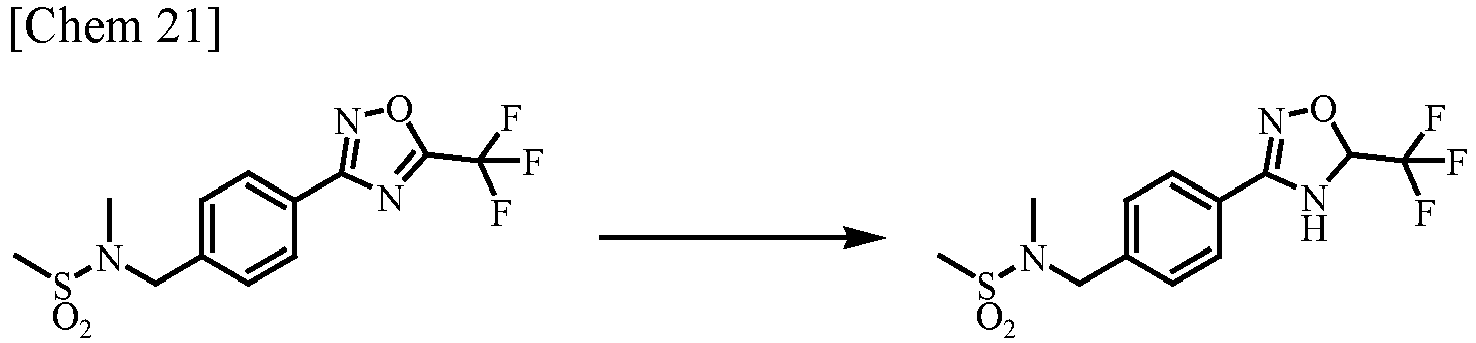
- N-methyl-N-{4-[5-(trifluoromethyl)-1,2,4-oxadiazol-3-yl]benzyl}methane sulfone amide (0.30 g, 0.90 mmol) prepared by the method described in
WO 2017/213252 pamphlet was dissolved in methanol (10 ml), cooled to 0 °C, sodium borohydride (0.017 g, 0.45 mmol) was added and stirred at room temperature for 1.5 hours. Thereafter, 1 ml of acetone was added, and the mixture was stirred at room temperature for 15 minutes, added with silica gel, and concentrated under reduced pressure. The residue was purified by silica gel column chromatography to obtain the title compound (0.23 g, 0.67 mmol).
Yield: 75%
Physical property: Melting point 160-161°C -


- N-methyl-N-{4-[5-(trifluoromethyl)-4,5-dihydro-1,2,4-oxadiazol-3-yl]benzyl} methane sulfonamide (0.060 g, 0. 018 mmol) was dissolved in DMA (3 ml), cesium carbonate (0.087 g, 0.27 mmol) and methyl iodide (0.038 g, 0.27 mmol) were added at room temperature and stirred at room temperature for 3.4 hours. It was cooled to 0°C, quenched with water and extracted with ethyl acetate. The organic layer was washed with saturated brine, dried over sodium sulfate and concentrated under reduced pressure. The residue was purified by silica gel column chromatography to obtain the title compound (0.046 g, 0.13 mmol).
Yield: 73%
Physical property: 107-109°C -
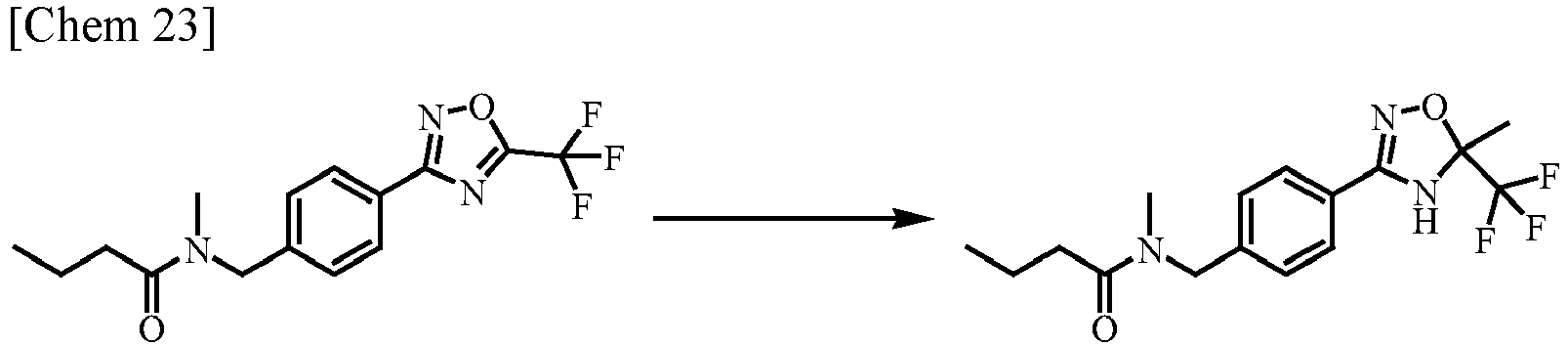
- N-Methyl-N- {4-[5- (trifluoromethyl)-1,2,4-oxadiazol-3-yl]benzyl}butylamide (0.12 g, 0.36 mmol) prepared by the method described in
WO 2017/055469 pamphlet was dissolve in dry THF (3 ml) under argon atmosphere, cool to 0°C, methylmagnesium bromide (3.0 M in Et2O) (0.18 ml, 0.55 mmol) was added, and the mixture was stirred at room temperature for 1.7 hours. After that, a saturated aqueous ammonium chloride solution was added, and the mixture was extracted with ethyl acetate. The organic layer was washed with saturated brine, dried over sodium sulfate and concentrated under reduced pressure. The residue was purified by silica gel column chromatography to obtain the title compound (0.077 g, 0.22 mmol).
Yield: 62%
Physical property: Melting point 161-163°C -

- 3-[4- (Bromomethyl) phenyl]-5- (trifluoromethyl)-1,2,4-oxadiazole (0.25 g, 0.81 mmol) prepared by the method described in
WO 2017/118689 pamphlet was dissolved in DMA (2 ml) and potassium carbonate (0.17 g, 1.21 mmol) and 5-chloro-2-hydroxypyridine (0.125 g, 0.97 mmol) were added at room temperature and stirred for 1.5 hours at 100°C. It was cooled to 0°C, quenched with water and extracted with ethyl acetate. The organic layer was washed with saturated brine, dried over sodium sulfate and concentrated under reduced pressure. The residue was purified by silica gel column chromatography to obtain the title compound (0.112 g, 0.32 mmol).
Yield: 39% -

- 4-iodobenzonitrile (11 g, 64 mmol) was dissolved in 70 mL of ethanol, sodium acetate (5.6 g, 68 mmol) and hydroxylamine hydrochloride (4.7 g, 68 mmol) were added, and the mixture was stirred for 4 hours while heating under reflux. Ethanol was removed thereafter, water was added, and the mixture was extracted with ethyl acetate. The organic layer was washed with saturated brine, dried over sodium sulfate, concentrated under reduced pressure. The precipitated solid was washed with ethyl acetate: hexane = 10: 1. To remove ethyl acetate, the obtained solid was dried under reduced pressure at 40°C for 1 hour using a sample drier and allowed to stand for 1 day to obtain the title compound (12 g) as a crude product. Yield: quantitative
-

- (Z) -N'-hydroxy-4-iodobenzimidate (12 g, 45 mmol) was dissolved in 100 mL of chloroform, pyridine (14 g, 180 mmol), trifluoroacetic anhydride (19 g, 90 mmol) were added, and stirred for 5 hours at room temperature. Thereafter, water was added and the mixture was extracted with chloroform. The organic layer was washed with saturated brine, dried over sodium sulfate, concentrated under reduced pressure. The residue was purified by silica gel column chromatography to btain the title compound (11 g, 31 mmol).
Yield: 43%
Physical property: Melting point 73-75°C -
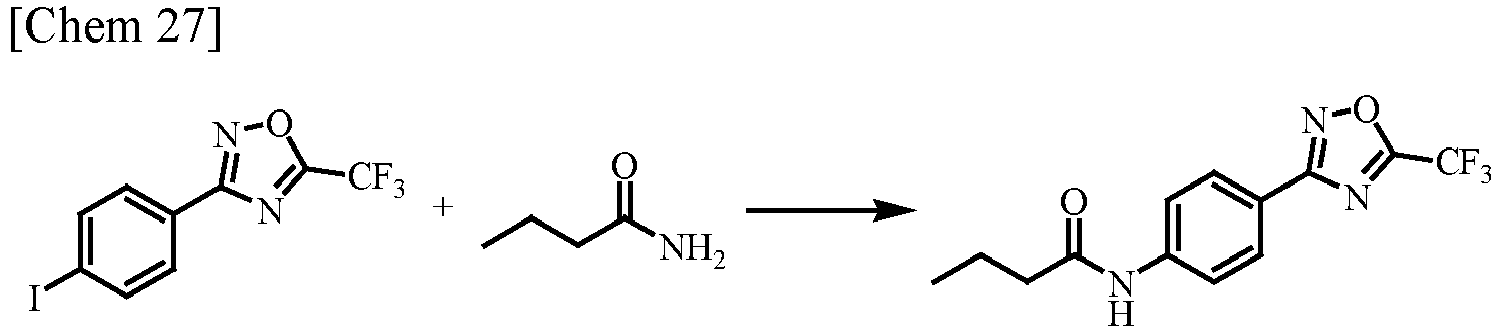
- 3- (4-iodophenyl) -5- (trifluoromethyl) -1,2,4-oxadiazole (0.31 g, 0.90 mmol) was dissolved in 8 mL of toluene, cesium carbonate (0.44 g, 1.4 mmol), n -Butylamide (0.094 g, 1.1 mmol), xanthophos (0.16 g, 0.27 mmol), tris (dibenzylideneacetone)dipalladium (0) (0.084 g, 0.090 mmol) were added at room temperature, and the mixture was heated to reflux for 2.5 hours. The residue was purified by silica gel column chromatography to obtain the title compound (0.19 g, 0.62 mmol).
Yield: 69%
Physical property value: Melting point 112-115°C - The following recite examples of present inventive formulations. In the formulation examples, the term "parts" denotes "parts by weight".
-
Present inventive compound represented by the general formula (I) 10 parts Xylene 70 parts N-methylpyrrolidone 10 parts Mixture of polyoxyethylene nonylphenyl ether and calcium alkylbenzenesulfonate 10 parts - An emulsifiable concentrate was prepared by uniformly mixing and dissolving the above ingredients.
-
Present inventive compound represented by the general formula (I) 3 parts Clay powder 82 parts Diatomaceous earth powder 15 parts - A dust was prepared by mixing uniformly and grinding the above ingredients.
-
Present inventive compound represented by the general formula (I) 5 parts Mixed powder of bentonite and clay 90 parts Calcium lignin sulfonate 5 parts - Granules were prepared by mixing the above ingredients uniformly together with a suitable amount of water, and kneading the resulting mixture, followed by granulation and drying.
-
Present inventive compound represented by the general formula (I) 20 parts Mixture of kaolin and synthetic high-dispersion silicic acid 75 parts Mixture of polyoxyethylene nonylphenyl ether and calcium alkylbenzenesulfonate 5 parts - A wettable powder was prepared by mixing uniformly and grinding the above ingredients.
- A chemical agent prepared according to Formulation Examples 1 to 4 containing the present inventive compound represented by the general formula (I) as an active ingredient was diluted with water to a predetermined concentration. Soybeans (cultivar: Enrei, 2-leaf stage) grown in pots of 6 cm in diameter were foliage sprayed at a rate of 10 ml per pot. After air-drying the solution, the spore suspension prepared from spores obtained from soybean leaves infected with soybean rust (Phakopsora pachyrhizi) was spray-inoculated, kept at 20°C humidified conditions for 24 hours, and then transferred to a greenhouse to be left about 10 days.
- For evaluation, various diseased area ratios were assessed to calculate the control value from the following formula 1.

-
- 0 : Control value 9% or lower
- 1 : Control value 10-19%
- 2 : Control value 20-29%
- 3 : Control value 30-39%
- 4 : Control value 40-49%
- 5 : Control value 50-59%
- 6 : Control value 60-69%
- 7 : Control value 70-79%
- 8 : Control value 80-89%
- 9 : Control value 90-99%
- 10 : Control value 100%
- As the result of the above mentioned test, of the present inventive compounds represented by the general formula (I), the following compounds showed, at the treatment concentration of50ppm, an effect with a control value of 8 or higher: 1-1, 1-5, 1-9, 1-10, 1-11, 1-12, 1-14, 1-15, 1-19, 1-23, 1-27, 1-28, 1-31, 1-35, 1-39, 1-40, 1-43, 1-47, 1-53, 1-54, 1-55, 1-56, 1-58, 1-63, 1-64, 1-65, 1-69, 1-73, 1-74, 1-76, 1-80, 1-81, 1-82, 1-90, 2-1, 2-2, 2-3, 2-4, 2-5, 2-6, 2-8, 2-10, 2-11, 2-12, 2-13, 2-14, 2-15, 2-16, 2-17, 2-18, 2-20, 2-21, 2-22, 3-1, 3-2, 3-3, 3-4, 3-5, 3-6, 3-7, 3-8, 3-9, 3-10, 3-11, 3-12, 3-14, 3-15, 3-16, 3-17, 3-18, 3-19, 3-20, 3-21, 3-22, 3-23, 3-24, 3-28, 3-29, 3-30, 3-32, 3-35, 3-36, 3-38, 3-39, 3-40, 3-41, 3-42, 3-43, 3-44, 3-45, 3-46, 3-53, 3-55, 4-3, 5-3, 6-3, 6-6 and 6-9.
- The HDAC inhibitory activity of the present compounds is evaluated in comparison with known compounds.
- The test substances were diluted with distilled water, and the concentration was set as follows: Each compound had a maximum concentration of 37.5 µM, and a total of 6 concentrations at a common ratio of 3 (0.2, 0.5, 1.4, 4.2, 12.5, 37.5 µM) were provided. The positive control agent Tricostatin A was tested at a maximum concentration of 25 µM with reference to the package insert, and a total of 4 concentrations at a common ratio of 5 (0.2, 1.0, 5.0, 25 µM) were tested. Distilled water was added to the solvent control instead of the test substances.
- The fluorogenic HDAC4 assay kit (BPS Bioscience, Cat No. 50064) was used for HDAC4 inhibitory activity measurement. Specific amounts of HDAC substrate, Assay buffer, HDAC4 human recombinant enzyme and BSA (1 mg / ml) provided in the kit were mixed and aliquoted into 96 well microplates. After adding a test substance solution (distilled water for solvent control), the mixture was incubated at 37°C for 30 minutes. After adding 2x HDAC Developer and incubating for 15 minutes at room temperature, the fluorescence intensity was measured with a microplate reader (Em: 355, Ex: 450). The ratio to the solvent control (Percent of control activity) was determined as the relative activity, and the relative activity at each concentration was used to calculate the 50% inhibitory concentration (IC50) by logistic regression analysis.
- The compounds of the present invention were found to have an IC50 of 36.8 or higher, and turned out to tend to have lower HDAC4 inhibitory activity.
- The present inventive compound represented by the general formula (I) or salts thereof has a remarkable effect as an agrohorticultural fungicide.
Claims (6)
- A compound represented by the general formula (I) or salts thereof:
 {wherein, A denotes a single bond or the following structure A1; A2; A3; A4; A5; A6 or A7:
 B denotes a single bond; oxygen atom; C(R1)(R2) or carbonyl group.Y denotes a single bond; oxygen atom; C(R1)(R2) or N(R3).R1 and R2 each independently denote(a1) a hydrogen atom;(a2) a halogen atom; or(a3) a (C1-C6)alkyl group;(a4) a (C1-C6)alkoxy group; or(a5) a halo(C1-C6)alkyl group;R1 and R2 may form a cyclopropyl group with a carbon atom to which they bond.R3 denotes(b1) a hydrogen atom;(b2) a (C1-C6)alkyl group;(b3) a (C1-C6)alkoxy group;(b4) a (C3-C6)cycloalkyl group;(b5) a (C1-C6)alkylcarbonyl group;(b6) a (C1-C6)alkoxycarbonyl group;(b7) a (C2-C6)alkenyl group;(b8) a (C2-C6)alkynyl group; or(b9) a (C3-C6)cycloalkyl(C1-C6)alkyl group.Q denotes(c1) a hydrogen atom;(c2) a (C1-C6)alkyl group;(c3) a (C2-C6)alkenyl group;(c4) a (C2-C6)alkynyl group;(c5) a (C3-C6)cycloalkyl group;(c6) a (C1-C6)alkoxy group;(c7) a halo(C1-C6)alkyl group;(c8) a halo(C2-C6)alkenyl group;(c9) a halo(C2-C6)alkynyl group;(c10) a halo(C3-C8)cycloalkyl group;(c11) a halo(C1-C6)alkoxy group;(c12) a Ra(Rb)N group (wherein Ra and Rb each independently denote a hydrogen atom, (C1-C6)alkyl group, (C2-C6)alkenyl group, (C2-C6)alkynyl group, (C3-C6)cycloalkyl group, (C1-C6)alkoxy group, halo(C1-C6)alkyl group, (C3-C6)cycloalkyl(C1-C6)alkyl group, phenyl group, (C1-C6)alkoxy(C1-C6)alkyl group, di(C1-C6)alkoxy(C1-C6)alkyl group, cyano(C1-C6)alkyl group, (C1-C6)alkylthio(C1-C6)alkyl group, di(C1-C6)alkylamino(C1-C6)alkyl group, (C1-C6)alkylcarbonyl group, (C1-C6)alkoxycarbonyl(C1-C6)alkyl group, phenylcarbonyl group or benzyl group);(c13) an aryl group;(c14) an aryl group each independently on the ring having 1 to 8 substituents selected from the group consisting of a halogen atom, cyano group, nitro group, (C1-C6)alkyl group, (C1-C6)alkoxy group, (C3-C6)cycloalkyl group, halo(C1-C6)alkyl group, halo(C1-C6)alkoxy group, halo(C3-C6)cycloalkyl group, (C1-C6)alkylthio group, (C1-C6)alkylsulfinyl group, (C1-C6)alkylsulfonyl group, halo(C1-C6)alkylthio group, halo(C1-C6)alkylsulfinyl group, halo(C1-C6)alkylsulfonyl group, Ra(Rb)N group (wherein Ra and Rb are the same as above), (C1-C6)alkoxycarbonyl group and Ra(Rb)Ncarbonyl group (wherein Ra and Rb are the same as above);(c15) a 5- to 6-membered hetero ring or 8- to 10-membered fused hetero ring;(c16) a 5- to 6-membered hetero ring or 8- to 10-membered fused hetero ring each independently having on the ring 1 to 3 substituents selected from the group consisting of a halogen atom, cyano group, nitro group, (C1-C6)alkyl group, (C1-C6)alkoxy group, (C3-C6)cycloalkyl group, halo(C1-C6)alkyl group, halo(C1-C6)alkoxy group, halo(C3-C6)cycloalkyl group, (C1-C6)alkylthio group, (C1-C6)alkylsulfinyl group, (C1-C6)alkylsulfonyl group, halo(C1-C6)alkylthio group, halo(C1-C6)alkylsulfinyl group, halo(C1-C6)alkylsulfonyl group, Ra(Rb)N group (wherein Ra and Rb are the same as above), (C1-C6)alkylthio(C1-C6)alkyl group, phenyl group, halogen-substituted phenoxy group, (C1-C6)alkoxycarbonyl group and Ra(Rb)Ncarbonyl group (wherein Ra and Rb are the same as above);(c17) an aryl (C1-C6)alkyl group;(c18) an aryl (C1-C6)alkyl group each independently having on the ring 1 to 8 substituents selected from the group consisting of a halogen atom, cyano group, nitro group, (C1-C6)alkyl group, (C1-C6)alkoxy group, (C3-C6)cycloalkyl group, halo(C1-C6)alkyl group, halo(C1-C6)alkoxy group, halo(C3-C6)cycloalkyl group, (C1-C6)alkylthio group, (C1-C6)alkylsulfinyl group, (C1-C6)alkylsulfonyl group, halo(C1-C6)alkylthio group, halo(C1-C6)alkylsulfinyl group, halo(C1-C6)alkylsulfonyl group, Ra(Rb)N group (wherein Ra and Rb are the same as above), (C1-C6)alkoxycarbonyl group and Ra(Rb)Ncarbonyl group (wherein Ra and Rb are the same as above);(c19) a 5- to 6-membered hetero ring or 8- to 10-membered fused hetero ring(C1-C6)alkyl group;(c20) a 5- to 6-membered hetero ring or 8- to 10-membered fused hetero ring (C1-C6)alkyl group each independently having on the ring 1 to 3 substituents selected from the group consisting of a halogen atom, cyano group, nitro group, (C1-C6)alkyl group, (C1-C6)alkoxy group, (C3-C6)cycloalkyl group, halo(C1-C6)alkyl group, halo(C1-C6)alkoxy group, halo(C3-C6)cycloalkyl group, (C1-C6)alkylthio group, (C1-C6)alkylsulfinyl group, (C1-C6)alkylsulfonyl group, halo(C1-C6)alkylthio group, halo(C1-C6)alkylsulfinyl group, halo(C1-C6)alkylsulfonyl group, Ra(Rb)N group (wherein Ra and Rb are the same as above), (C1-C6)alkylthio(C1-C6)alkyl group, phenyl group, halogen-substituted phenoxy group, (C1-C6)alkoxycarbonyl group and Ra(Rb)Ncarbonyl group (wherein Ra and Rb are the same as above);(c21) a (C1-C6)alkyl group each independently having on the chain 1 to 3 substituents selected from the group consisting of a cyano group, (C1-C6)alkoxy group, Ra(Rb)N group (wherein Ra and Rb are the same as above), (C1-C6)alkylthio group, (C1-C6)alkylsulfinyl group and (C1-C6)alkylsulfonyl group;(c22) a RcON=C(Rd)NH group (wherein Rc and Rd each independently denote a hydrogen atom or (C1-C6)alkyl group); or(c23) a 3-ethoxyiminoazetidin-1-yl group.R5 denotes(d1) a hydrogen atom;(d2) a (C1-C6)alkyl group;(d3) a (C1-C6)alkylcarbonyl group;(d4) a (C1-C6)alkoxycarbonyl group; or(d5) a benzyl group.R6 denotes
(e1) a hydrogen atom.X1, X2, X3, and X4 each independently denote(f1) a hydrogen atom;(f2) a halogen atom;(f3) a cyano group;(f4) a nitro group;(f5) a (C1-C6)alkyl group;(f6) a (C3-C6)cycloalkyl group;(f7) a (C1-C6)alkoxy group;(f8) a halo(C1-C6)alkyl group;(f9) a halo(C1-C6)alkoxy group;(f10) a halo(C3-C6)cycloalkyl group;(f11) a (C1-C6)alkylthio group;(f12) a (C1-C6)alkylsulfinyl group;(f13) a (C1-C6)alkylsulfonyl group;(f14) a halo(C1-C6)alkylthio group;(f15) a halo(C1-C6)alkylsulfinyl group; or(f16) a halo(C1-C6)alkylsulfonyl group)}. - The compound according to claim 1 or salts thereof, whereinA is a single bond or the following structure A1; A2; A5; A6 or A7:
 R1 and R2 each independently are(a1) a hydrogen atom;(a2) a halogen atom; or(a4) a (C1-C6)alkoxy group,R3 is(b1) a hydrogen atom;(b2) a (C1-C6)alkyl group;(b3) a (C1-C6)alkoxy group;(b4) a (C3-C6)cycloalkyl group;(b7) a (C2-C6)alkenyl group;(b8) a (C2-C6)alkynyl group; or(b9) a (C3-C6)cycloalkyl(C1-C6)alkyl group,Q is(c1) a hydrogen atom;(c2) a (C1-C6)alkyl group;(c5) a (C3-C6)cycloalkyl group;(c6) a (C1-C6)alkoxy group;(c7) a halo(C1-C6)alkyl group;(c12) a Ra(Rb)N group (wherein Ra and Rb each independently denote a hydrogen atom, (C1-C6)alkyl group, (C2-C6)alkenyl group, (C2-C6)alkynyl group, (C3-C6)cycloalkyl group, (C1-C6)alkoxy group, halo(C1-C6)alkyl group, (C3-C6)cycloalkyl(C1-C6)alkyl group, phenyl group, (C1-C6)alkoxy(C1-C6)alkyl group, di(C1-C6)alkoxy(C1-C6)alkyl group, cyano(C1-C6)alkyl group, (C1-C6)alkylthio(C1-C6)alkyl group, di(C1-C6)alkylamino(C1-C6)alkyl group, (C1-C6)alkylcarbonyl group, (C1-C6)alkoxycarbonyl(C1-C6)alkyl group, phenylcarbonyl group or benzyl group);(c14) an aryl group each independently on the ring having 1 to 8 substituents selected from the group consisting of a halogen atom, cyano group, nitro group, (C1-C6)alkyl group, (C1-C6)alkoxy group, (C3-C6)cycloalkyl group, halo(C1-C6)alkyl group, halo(C1-C6)alkoxy group, halo(C3-C6)cycloalkyl group, (C1-C6)alkylthio group, (C1-C6)alkylsulfinyl group, (C1-C6)alkylsulfonyl group, halo(C1-C6)alkylthio group, halo(C1-C6)alkylsulfinyl group, halo(C1-C6)alkylsulfonyl group, Ra(Rb)N group (wherein Ra and Rb are the same as above), (C1-C6)alkoxycarbonyl group and Ra(Rb)Ncarbonyl group (wherein Ra and Rb are the same as above);(c15) a 5- to 6-membered hetero ring or 8- to 10-membered fused hetero ring;(c16) a 5- to 6-membered hetero ring or 8- to 10-membered fused hetero ring each independently having on the ring 1 to 3 substituents selected from the group consisting of a halogen atom, cyano group, nitro group, (C1-C6)alkyl group, (C1-C6)alkoxy group, (C3-C6)cycloalkyl group, halo(C1-C6)alkyl group, halo(C1-C6)alkoxy group, halo(C3-C6)cycloalkyl group, (C1-C6)alkylthio group, (C1-C6)alkylsulfinyl group, (C1-C6)alkylsulfonyl group, halo(C1-C6)alkylthio group, halo(C1-C6)alkylsulfinyl group, halo(C1-C6)alkylsulfonyl group, Ra(Rb)N group (wherein Ra and Rb are the same as above), (C1-C6)alkylthio(C1-C6)alkyl group, phenyl group, halogen-substituted phenoxy group, (C1-C6)alkoxycarbonyl group and Ra(Rb)Ncarbonyl group (wherein Ra and Rb are the same as above);(c19) a 5- to 6-membered hetero ring or 8- to 10-membered fused hetero ring(C1-C6)alkyl group;(c20) a 5- to 6-membered hetero ring or 8- to 10-membered fused hetero ring (C1-C6)alkyl group each independently having on the ring 1 to 3 substituents selected from the group consisting of a halogen atom, cyano group, nitro group, (C1-C6)alkyl group, (C1-C6)alkoxy group, (C3-C6)cycloalkyl group, halo(C1-C6)alkyl group, halo(C1-C6)alkoxy group, halo(C3-C6)cycloalkyl group, (C1-C6)alkylthio group, (C1-C6)alkylsulfinyl group, (C1-C6)alkylsulfonyl group, halo(C1-C6)alkylthio group, halo(C1-C6)alkylsulfinyl group, halo(C1-C6)alkylsulfonyl group, Ra(Rb)N group (wherein Ra and Rb are the same as above), (C1-C6)alkylthio(C1-C6)alkyl group, phenyl group, halogen-substituted phenoxy group, (C1-C6)alkoxycarbonyl group and Ra(Rb)Ncarbonyl group (wherein Ra and Rb are the same as above);(c21) a (C1-C6)alkyl group each independently having on the chain 1 to 3 substituents selected from the group consisting of a cyano group, (C1-C6)alkoxy group, Ra(Rb)N group (wherein Ra and Rb are the same as above), (C1-C6)alkylthio group, (C1-C6)alkylsulfinyl group and (C1-C6)alkylsulfonyl group;(c22) a RcON=C(Rd)NH group (wherein Rc and Rd each independently denote a hydrogen atom or (C1-C6)alkyl group); or(c23) a 3-ethoxyiminoazetidin-1-yl group,R 5 is(d1) a hydrogen atom;(d2) a (C1-C6)alkyl group; or(d5) a benzyl group,X1, X2, X3, and X4 are
(f1) a hydrogen atom. - The compound according to claim 1 or 2 or salts thereof, whereinR1 and R2 each independently are(a1) a hydrogen atom; or(a4) a (C1-C6)alkoxy group,R3 is(b1) a hydrogen atom;(b2) a (C1-C6)alkyl group; or(b3) a (C1-C6)alkoxy group,Q is(c1) a hydrogen atom;(c2) a (C1-C6)alkyl group;(c5) a (C3-C6)cycloalkyl group;(c6) a (C1-C6)alkoxy group;(c7) a halo(C1-C6)alkyl group;(c12) a Ra(Rb)N group (wherein Ra and Rb each independently denote a hydrogen atom, (C1-C6)alkyl group, (C2-C6)alkenyl group, (C2-C6)alkynyl group, (C3-C6)cycloalkyl group, (C1-C6)alkoxy group, halo(C1-C6)alkyl group, (C3-C6)cycloalkyl(C1-C6)alkyl group, phenyl group, (C1-C6)alkoxy(C1-C6)alkyl group, di(C1-C6)alkoxy(C1-C6)alkyl group, cyano(C1-C6)alkyl group, (C1-C6)alkylthio(CC1-C6)alkyl group, di(C1-C6)alkylamino(C1-C6)alkyl group, (C1-C6)alkylcarbonyl group, (C1-C6)alkoxycarbonyl(C1-C6)alkyl group, phenylcarbonyl group or benzyl group);(c14) an aryl group each independently on the ring having 1 to 8 substituents selected from the group consisting of a halogen atom, cyano group, nitro group, (C1-C6)alkyl group, (C1-C6)alkoxy group, (C3-C6)cycloalkyl group, halo(C1-C6)alkyl group, halo(C1-C6)alkoxy group, halo(C3-C6)cycloalkyl group, (C1-C6)alkylthio group, (C1-C6)alkylsulfinyl group, (C1-C6)alkylsulfonyl group, halo(C1-C6)alkylthio group, halo(C1-C6)alkylsulfinyl group, halo(C1-C6)alkylsulfonyl group, Ra(Rb)N group (wherein Ra and Rb are the same as above), (C1-C6)alkoxycarbonyl group and Ra(Rb)Ncarbonyl group (wherein Ra and Rb are the same as above);(c15) a 5- to 6-membered hetero ring or 8- to 10-membered fused hetero ring;(c16) a 5- to 6-membered hetero ring or 8- to 10-membered fused hetero ring each independently having on the ring 1 to 3 substituents selected from the group consisting of a halogen atom, cyano group, nitro group, (C1-C6)alkyl group, (C1-C6)alkoxy group, (C3-C6)cycloalkyl group, halo(C1-C6)alkyl group, halo(C1-C6)alkoxy group, halo(C3-C6)cycloalkyl group, (C1-C6)alkylthio group, (C1-C6)alkylsulfinyl group, (C1-C6)alkylsulfonyl group, halo(C1-C6)alkylthio group, halo(C1-C6)alkylsulfinyl group, halo(C1-C6)alkylsulfonyl group, Ra(Rb)N group (wherein Ra and Rb are the same as above), (C1-C6)alkylthio(CC1-C6)alkyl group, phenyl group, halogen-substituted phenoxy group, (C1-C6)alkoxycarbonyl group and Ra(Rb)Ncarbonyl group (wherein Ra and Rb are the same as above);(c19) a 5- to 6-membered hetero ring or 8- to 10-membered fused hetero ring(C1-C6)alkyl group;(c20) a 5- to 6-membered hetero ring or 8- to 10-membered fused hetero ring (C1-C6)alkyl group each independently having on the ring 1 to 3 substituents selected from the group consisting of a halogen atom, cyano group, nitro group, (C1-C6)alkyl group, (C1-C6)alkoxy group, (C3-C6)cycloalkyl group, halo(C1-C6)alkyl group, halo(C1-C6)alkoxy group, halo(C3-C6)cycloalkyl group, (C1-C6)alkylthio group, (C1-C6)alkylsulfinyl group, (C1-C6)alkylsulfonyl group, halo(C1-C6)alkylthio group, halo(C1-C6)alkylsulfinyl group, halo(C1-C6)alkylsulfonyl group, Ra(Rb)N group (wherein Ra and Rb are the same as above), (C1-C6)alkylthio(CC1-C6)alkyl group, phenyl group, halogen-substituted phenoxy group, (C1-C6)alkoxycarbonyl group and Ra(Rb)Ncarbonyl group (wherein Ra and Rb are the same as above); or(c21) a (C1-C6)alkyl group each independently having on the chain 1 to 3 substituents selected from the group consisting of a cyano group, (C1-C6)alkoxy group, Ra(Rb)N group (wherein Ra and Rb are the same as above), (C1-C6)alkylthio group, (C1-C6)alkylsulfinyl group and (C1-C6)alkylsulfonyl group.
- A fungicide characterized in containing as an active ingredient the compound according to any one of claims 1 to 3 or salts thereof.
- A method of controlling plant disease characterized in treating an effective amount of the fungicide according to claim 4 to a plant or soil.
- Use of the compound according to any one of claims 1 to 3 or salts thereof as a fungicide.
Applications Claiming Priority (3)
| Application Number | Priority Date | Filing Date | Title |
|---|---|---|---|
| JP2018149473 | 2018-08-08 | ||
| JP2019083568 | 2019-04-25 | ||
| PCT/JP2019/030999 WO2020032071A1 (en) | 2018-08-08 | 2019-08-06 | Oxadiazoline compound or salt thereof, agricultural or horticultural bactericide containing said compound, and use method therefor |
Publications (3)
| Publication Number | Publication Date |
|---|---|
| EP3835290A1 true EP3835290A1 (en) | 2021-06-16 |
| EP3835290A4 EP3835290A4 (en) | 2022-03-30 |
| EP3835290B1 EP3835290B1 (en) | 2023-09-06 |
Family
ID=69414714
Family Applications (1)
| Application Number | Title | Priority Date | Filing Date |
|---|---|---|---|
| EP19846499.2A Active EP3835290B1 (en) | 2018-08-08 | 2019-08-06 | Oxadiazoline compound or salt thereof, agricultural or horticultural bactericide containing said compound, and use method therefor |
Country Status (4)
| Country | Link |
|---|---|
| US (1) | US12010995B2 (en) |
| EP (1) | EP3835290B1 (en) |
| JP (1) | JP7407114B2 (en) |
| WO (1) | WO2020032071A1 (en) |
Families Citing this family (1)
| Publication number | Priority date | Publication date | Assignee | Title |
|---|---|---|---|---|
| WO2020256113A1 (en) * | 2019-06-21 | 2020-12-24 | 日本農薬株式会社 | Oxadiazole compound or salts thereof, and agricultural/horticultural bactericide containing said compound, and method for using same |
Family Cites Families (25)
| Publication number | Priority date | Publication date | Assignee | Title |
|---|---|---|---|---|
| BR8600161A (en) | 1985-01-18 | 1986-09-23 | Plant Genetic Systems Nv | CHEMICAL GENE, HYBRID, INTERMEDIATE PLASMIDIO VECTORS, PROCESS TO CONTROL INSECTS IN AGRICULTURE OR HORTICULTURE, INSECTICIDE COMPOSITION, PROCESS TO TRANSFORM PLANT CELLS TO EXPRESS A PLANTINIDE TOXIN, PRODUCED BY CULTURES, UNITED BY BACILLA |
| ZA879329B (en) | 1986-12-12 | 1988-06-13 | Ciba-Geigy Ag | Pesticides |
| EP0276432A3 (en) * | 1986-12-12 | 1988-10-26 | Ciba-Geigy Ag | Pesticides |
| CA2005658A1 (en) | 1988-12-19 | 1990-06-19 | Eliahu Zlotkin | Insecticidal toxins, genes encoding these toxins, antibodies binding to them and transgenic plant cells and plants expressing these toxins |
| ATE121267T1 (en) | 1989-11-07 | 1995-05-15 | Pioneer Hi Bred Int | LARVAE-KILLING LECTINS AND BASED PLANT RESISTANCE AGAINST INSECTS. |
| UA48104C2 (en) | 1991-10-04 | 2002-08-15 | Новартіс Аг | Dna fragment including sequence that codes an insecticide protein with optimization for corn, dna fragment providing directed preferable for the stem core expression of the structural gene of the plant related to it, dna fragment providing specific for the pollen expression of related to it structural gene in the plant, recombinant dna molecule, method for obtaining a coding sequence of the insecticide protein optimized for corn, method of corn plants protection at least against one pest insect |
| US5530195A (en) | 1994-06-10 | 1996-06-25 | Ciba-Geigy Corporation | Bacillus thuringiensis gene encoding a toxin active against insects |
| JP2005509606A (en) | 2001-10-03 | 2005-04-14 | ファルマシア・コーポレーション | Prodrugs of substituted polycyclic compounds useful for selectively inhibiting the coagulation cascade |
| AU2002361696A1 (en) | 2001-12-17 | 2003-06-30 | Syngenta Participations Ag | Novel corn event |
| WO2011088192A1 (en) | 2010-01-13 | 2011-07-21 | Tempero Pharmaceuticals, Inc. | Compounds and methods |
| KR101781663B1 (en) | 2010-01-13 | 2017-09-25 | 템페로 파마슈티칼즈, 인크. | Compounds for inhibiting histone deacetylase enzymes and methods of making the same |
| WO2013006408A1 (en) * | 2011-07-01 | 2013-01-10 | Tempero Pharmaceuticals, Inc. | Compounds and methods |
| CN103764635B (en) | 2011-07-08 | 2016-01-20 | 诺华股份有限公司 | New trifluoromethyl-oxadiazole derivative and the purposes in disease treatment thereof |
| WO2013009810A1 (en) | 2011-07-13 | 2013-01-17 | Tempero Pharmaceuticals, Inc. | Methods of treatment |
| WO2013009830A1 (en) * | 2011-07-13 | 2013-01-17 | Tempero Pharmaceuticals, Inc. | Methods of treatment |
| WO2013009827A1 (en) | 2011-07-13 | 2013-01-17 | Tempero Pharmaceuticals, Inc. | Methods of treatment |
| BR122021017881B1 (en) | 2014-06-06 | 2021-11-23 | Basf Se | USE OF COMPOUNDS, AGROCHEMICAL COMPOSITION AND METHOD TO COMBAT PHYTOPATHOGENIC FUNGI |
| US10899724B2 (en) | 2015-10-02 | 2021-01-26 | Syngenta Participations Ag | Microbiocidal oxadiazole derivatives |
| JP6864673B2 (en) | 2015-10-02 | 2021-04-28 | シンジェンタ パーティシペーションズ アーゲー | Microbial oxadiazole derivative |
| EP3371178A1 (en) | 2015-11-04 | 2018-09-12 | Basf Se | Substituted oxadiazoles for combating phytopathogenic fungi |
| DE102015222482A1 (en) | 2015-11-13 | 2017-05-18 | Physik Instrumente (Pi) Gmbh & Co. Kg | Planar positioning device and positioning table |
| UY37062A (en) | 2016-01-08 | 2017-08-31 | Syngenta Participations Ag | DERIVATIVES OF ARYL OXADIAZOL FUNGICIDAS |
| WO2017213252A1 (en) | 2016-06-10 | 2017-12-14 | Sumitomo Chemical Company, Limited | Oxadiazole compound and use as pesticide |
| US20210002232A1 (en) * | 2018-03-09 | 2021-01-07 | Pi Industries Ltd. | Heterocyclic compounds as fungicides |
| US20210147371A1 (en) * | 2018-04-10 | 2021-05-20 | Bayer Aktiengesellschaft | Oxadiazoline derivatives |
-
2019
- 2019-08-06 WO PCT/JP2019/030999 patent/WO2020032071A1/en not_active Ceased
- 2019-08-06 US US17/252,455 patent/US12010995B2/en active Active
- 2019-08-06 JP JP2020535815A patent/JP7407114B2/en active Active
- 2019-08-06 EP EP19846499.2A patent/EP3835290B1/en active Active
Also Published As
| Publication number | Publication date |
|---|---|
| BR112020026234A2 (en) | 2021-04-06 |
| US12010995B2 (en) | 2024-06-18 |
| US20230121730A1 (en) | 2023-04-20 |
| EP3835290A4 (en) | 2022-03-30 |
| JPWO2020032071A1 (en) | 2021-08-26 |
| WO2020032071A1 (en) | 2020-02-13 |
| EP3835290B1 (en) | 2023-09-06 |
| JP7407114B2 (en) | 2023-12-28 |
Similar Documents
| Publication | Publication Date | Title |
|---|---|---|
| EP3988548B1 (en) | Oxadiazole compound or salts thereof, and agricultural/horticultural bactericide containing said compound, and method for using same | |
| KR102579996B1 (en) | Anthranilic acid ester compounds or salts thereof and agricultural and horticultural fungicides containing the compounds and methods of using the same | |
| EP3733653B1 (en) | Oxadiazole compound or salts thereof, agricultural/horticultural fungicide containing said compound, and method for using same | |
| CN105722822A (en) | Amide compound or salt thereof, agricultural/horticultural insecticide/bactericide containing said compound, and method for using same | |
| CN118638116A (en) | Imidazole compound and its application as insecticide | |
| WO2016175200A1 (en) | Plant disease control agent and utilization thereof | |
| KR20140138931A (en) | Thiazole carboxamide derivative and method for using same | |
| EP3835290B1 (en) | Oxadiazoline compound or salt thereof, agricultural or horticultural bactericide containing said compound, and use method therefor | |
| US12336535B2 (en) | Oxadiazoline compound or salts thereof, agricultural and horticultural fungicide containing said compound, and method for using same | |
| JP2017226638A (en) | Substituted benzanilide compound or salts thereof, agricultural antibacterial agent containing the compound and use method thereof | |
| WO2015159913A1 (en) | Plant disease control method | |
| WO2022138017A1 (en) | Oxadiazole compound or salt thereof, and agricultural/horticultural microbicide containing said compound, and method for using same | |
| JP2021127303A (en) | Oxadiazoline compound or salt thereof, agricultural and horticultural antimicrobial agents containing that compound, and method of use thereof | |
| BR112021023075B1 (en) | Oxadiazole compounds or salts thereof, agricultural fungicides containing the compounds, methods for controlling plant disease and use of the compounds. | |
| BR112020026234B1 (en) | OXADIAZOLINE COMPOUND OR SALTS THEREOF, FUNGICIDE CONTAINING SAID COMPOUND, METHOD OF CONTROLLING PLANT DISEASE AND USE | |
| JP2017206465A (en) | Substituted pyrazolidinone derivative and method for use thereof |
Legal Events
| Date | Code | Title | Description |
|---|---|---|---|
| STAA | Information on the status of an ep patent application or granted ep patent |
Free format text: STATUS: THE INTERNATIONAL PUBLICATION HAS BEEN MADE |
|
| PUAI | Public reference made under article 153(3) epc to a published international application that has entered the european phase |
Free format text: ORIGINAL CODE: 0009012 |
|
| STAA | Information on the status of an ep patent application or granted ep patent |
Free format text: STATUS: REQUEST FOR EXAMINATION WAS MADE |
|
| 17P | Request for examination filed |
Effective date: 20201218 |
|
| AK | Designated contracting states |
Kind code of ref document: A1 Designated state(s): AL AT BE BG CH CY CZ DE DK EE ES FI FR GB GR HR HU IE IS IT LI LT LU LV MC MK MT NL NO PL PT RO RS SE SI SK SM TR |
|
| DAV | Request for validation of the european patent (deleted) | ||
| DAX | Request for extension of the european patent (deleted) | ||
| A4 | Supplementary search report drawn up and despatched |
Effective date: 20220301 |
|
| RIC1 | Information provided on ipc code assigned before grant |
Ipc: A01N 43/836 20060101ALI20220223BHEP Ipc: C07D 495/04 20060101ALI20220223BHEP Ipc: C07D 487/04 20060101ALI20220223BHEP Ipc: C07D 417/12 20060101ALI20220223BHEP Ipc: C07D 413/10 20060101ALI20220223BHEP Ipc: C07D 271/06 20060101AFI20220223BHEP |
|
| STAA | Information on the status of an ep patent application or granted ep patent |
Free format text: STATUS: EXAMINATION IS IN PROGRESS |
|
| 17Q | First examination report despatched |
Effective date: 20220915 |
|
| GRAP | Despatch of communication of intention to grant a patent |
Free format text: ORIGINAL CODE: EPIDOSNIGR1 |
|
| STAA | Information on the status of an ep patent application or granted ep patent |
Free format text: STATUS: GRANT OF PATENT IS INTENDED |
|
| INTG | Intention to grant announced |
Effective date: 20230412 |
|
| GRAS | Grant fee paid |
Free format text: ORIGINAL CODE: EPIDOSNIGR3 |
|
| GRAA | (expected) grant |
Free format text: ORIGINAL CODE: 0009210 |
|
| STAA | Information on the status of an ep patent application or granted ep patent |
Free format text: STATUS: THE PATENT HAS BEEN GRANTED |
|
| AK | Designated contracting states |
Kind code of ref document: B1 Designated state(s): AL AT BE BG CH CY CZ DE DK EE ES FI FR GB GR HR HU IE IS IT LI LT LU LV MC MK MT NL NO PL PT RO RS SE SI SK SM TR |
|
| REG | Reference to a national code |
Ref country code: GB Ref legal event code: FG4D |
|
| REG | Reference to a national code |
Ref country code: CH Ref legal event code: EP |
|
| REG | Reference to a national code |
Ref country code: IE Ref legal event code: FG4D |
|
| REG | Reference to a national code |
Ref country code: DE Ref legal event code: R096 Ref document number: 602019037059 Country of ref document: DE |
|
| REG | Reference to a national code |
Ref country code: LT Ref legal event code: MG9D |
|
| REG | Reference to a national code |
Ref country code: NL Ref legal event code: MP Effective date: 20230906 |
|
| PG25 | Lapsed in a contracting state [announced via postgrant information from national office to epo] |
Ref country code: GR Free format text: LAPSE BECAUSE OF FAILURE TO SUBMIT A TRANSLATION OF THE DESCRIPTION OR TO PAY THE FEE WITHIN THE PRESCRIBED TIME-LIMIT Effective date: 20231207 |
|
| PG25 | Lapsed in a contracting state [announced via postgrant information from national office to epo] |
Ref country code: SE Free format text: LAPSE BECAUSE OF FAILURE TO SUBMIT A TRANSLATION OF THE DESCRIPTION OR TO PAY THE FEE WITHIN THE PRESCRIBED TIME-LIMIT Effective date: 20230906 Ref country code: RS Free format text: LAPSE BECAUSE OF FAILURE TO SUBMIT A TRANSLATION OF THE DESCRIPTION OR TO PAY THE FEE WITHIN THE PRESCRIBED TIME-LIMIT Effective date: 20230906 Ref country code: NO Free format text: LAPSE BECAUSE OF FAILURE TO SUBMIT A TRANSLATION OF THE DESCRIPTION OR TO PAY THE FEE WITHIN THE PRESCRIBED TIME-LIMIT Effective date: 20231206 Ref country code: LV Free format text: LAPSE BECAUSE OF FAILURE TO SUBMIT A TRANSLATION OF THE DESCRIPTION OR TO PAY THE FEE WITHIN THE PRESCRIBED TIME-LIMIT Effective date: 20230906 Ref country code: LT Free format text: LAPSE BECAUSE OF FAILURE TO SUBMIT A TRANSLATION OF THE DESCRIPTION OR TO PAY THE FEE WITHIN THE PRESCRIBED TIME-LIMIT Effective date: 20230906 Ref country code: HR Free format text: LAPSE BECAUSE OF FAILURE TO SUBMIT A TRANSLATION OF THE DESCRIPTION OR TO PAY THE FEE WITHIN THE PRESCRIBED TIME-LIMIT Effective date: 20230906 Ref country code: GR Free format text: LAPSE BECAUSE OF FAILURE TO SUBMIT A TRANSLATION OF THE DESCRIPTION OR TO PAY THE FEE WITHIN THE PRESCRIBED TIME-LIMIT Effective date: 20231207 Ref country code: FI Free format text: LAPSE BECAUSE OF FAILURE TO SUBMIT A TRANSLATION OF THE DESCRIPTION OR TO PAY THE FEE WITHIN THE PRESCRIBED TIME-LIMIT Effective date: 20230906 |
|
| REG | Reference to a national code |
Ref country code: AT Ref legal event code: MK05 Ref document number: 1608425 Country of ref document: AT Kind code of ref document: T Effective date: 20230906 |
|
| PG25 | Lapsed in a contracting state [announced via postgrant information from national office to epo] |
Ref country code: NL Free format text: LAPSE BECAUSE OF FAILURE TO SUBMIT A TRANSLATION OF THE DESCRIPTION OR TO PAY THE FEE WITHIN THE PRESCRIBED TIME-LIMIT Effective date: 20230906 |
|
| PG25 | Lapsed in a contracting state [announced via postgrant information from national office to epo] |
Ref country code: IS Free format text: LAPSE BECAUSE OF FAILURE TO SUBMIT A TRANSLATION OF THE DESCRIPTION OR TO PAY THE FEE WITHIN THE PRESCRIBED TIME-LIMIT Effective date: 20240106 |
|
| PG25 | Lapsed in a contracting state [announced via postgrant information from national office to epo] |
Ref country code: AT Free format text: LAPSE BECAUSE OF FAILURE TO SUBMIT A TRANSLATION OF THE DESCRIPTION OR TO PAY THE FEE WITHIN THE PRESCRIBED TIME-LIMIT Effective date: 20230906 |
|
| PG25 | Lapsed in a contracting state [announced via postgrant information from national office to epo] |
Ref country code: ES Free format text: LAPSE BECAUSE OF FAILURE TO SUBMIT A TRANSLATION OF THE DESCRIPTION OR TO PAY THE FEE WITHIN THE PRESCRIBED TIME-LIMIT Effective date: 20230906 |
|
| PG25 | Lapsed in a contracting state [announced via postgrant information from national office to epo] |
Ref country code: SM Free format text: LAPSE BECAUSE OF FAILURE TO SUBMIT A TRANSLATION OF THE DESCRIPTION OR TO PAY THE FEE WITHIN THE PRESCRIBED TIME-LIMIT Effective date: 20230906 Ref country code: RO Free format text: LAPSE BECAUSE OF FAILURE TO SUBMIT A TRANSLATION OF THE DESCRIPTION OR TO PAY THE FEE WITHIN THE PRESCRIBED TIME-LIMIT Effective date: 20230906 Ref country code: IS Free format text: LAPSE BECAUSE OF FAILURE TO SUBMIT A TRANSLATION OF THE DESCRIPTION OR TO PAY THE FEE WITHIN THE PRESCRIBED TIME-LIMIT Effective date: 20240106 Ref country code: ES Free format text: LAPSE BECAUSE OF FAILURE TO SUBMIT A TRANSLATION OF THE DESCRIPTION OR TO PAY THE FEE WITHIN THE PRESCRIBED TIME-LIMIT Effective date: 20230906 Ref country code: EE Free format text: LAPSE BECAUSE OF FAILURE TO SUBMIT A TRANSLATION OF THE DESCRIPTION OR TO PAY THE FEE WITHIN THE PRESCRIBED TIME-LIMIT Effective date: 20230906 Ref country code: CZ Free format text: LAPSE BECAUSE OF FAILURE TO SUBMIT A TRANSLATION OF THE DESCRIPTION OR TO PAY THE FEE WITHIN THE PRESCRIBED TIME-LIMIT Effective date: 20230906 Ref country code: AT Free format text: LAPSE BECAUSE OF FAILURE TO SUBMIT A TRANSLATION OF THE DESCRIPTION OR TO PAY THE FEE WITHIN THE PRESCRIBED TIME-LIMIT Effective date: 20230906 Ref country code: PT Free format text: LAPSE BECAUSE OF FAILURE TO SUBMIT A TRANSLATION OF THE DESCRIPTION OR TO PAY THE FEE WITHIN THE PRESCRIBED TIME-LIMIT Effective date: 20240108 Ref country code: SK Free format text: LAPSE BECAUSE OF FAILURE TO SUBMIT A TRANSLATION OF THE DESCRIPTION OR TO PAY THE FEE WITHIN THE PRESCRIBED TIME-LIMIT Effective date: 20230906 |
|
| PG25 | Lapsed in a contracting state [announced via postgrant information from national office to epo] |
Ref country code: PL Free format text: LAPSE BECAUSE OF FAILURE TO SUBMIT A TRANSLATION OF THE DESCRIPTION OR TO PAY THE FEE WITHIN THE PRESCRIBED TIME-LIMIT Effective date: 20230906 Ref country code: IT Free format text: LAPSE BECAUSE OF FAILURE TO SUBMIT A TRANSLATION OF THE DESCRIPTION OR TO PAY THE FEE WITHIN THE PRESCRIBED TIME-LIMIT Effective date: 20230906 |
|
| REG | Reference to a national code |
Ref country code: DE Ref legal event code: R097 Ref document number: 602019037059 Country of ref document: DE |
|
| PG25 | Lapsed in a contracting state [announced via postgrant information from national office to epo] |
Ref country code: DK Free format text: LAPSE BECAUSE OF FAILURE TO SUBMIT A TRANSLATION OF THE DESCRIPTION OR TO PAY THE FEE WITHIN THE PRESCRIBED TIME-LIMIT Effective date: 20230906 |
|
| PLBE | No opposition filed within time limit |
Free format text: ORIGINAL CODE: 0009261 |
|
| STAA | Information on the status of an ep patent application or granted ep patent |
Free format text: STATUS: NO OPPOSITION FILED WITHIN TIME LIMIT |
|
| PG25 | Lapsed in a contracting state [announced via postgrant information from national office to epo] |
Ref country code: DK Free format text: LAPSE BECAUSE OF FAILURE TO SUBMIT A TRANSLATION OF THE DESCRIPTION OR TO PAY THE FEE WITHIN THE PRESCRIBED TIME-LIMIT Effective date: 20230906 Ref country code: SI Free format text: LAPSE BECAUSE OF FAILURE TO SUBMIT A TRANSLATION OF THE DESCRIPTION OR TO PAY THE FEE WITHIN THE PRESCRIBED TIME-LIMIT Effective date: 20230906 |
|
| 26N | No opposition filed |
Effective date: 20240607 |
|
| PG25 | Lapsed in a contracting state [announced via postgrant information from national office to epo] |
Ref country code: BG Free format text: LAPSE BECAUSE OF FAILURE TO SUBMIT A TRANSLATION OF THE DESCRIPTION OR TO PAY THE FEE WITHIN THE PRESCRIBED TIME-LIMIT Effective date: 20230906 |
|
| PG25 | Lapsed in a contracting state [announced via postgrant information from national office to epo] |
Ref country code: BG Free format text: LAPSE BECAUSE OF FAILURE TO SUBMIT A TRANSLATION OF THE DESCRIPTION OR TO PAY THE FEE WITHIN THE PRESCRIBED TIME-LIMIT Effective date: 20230906 |
|
| REG | Reference to a national code |
Ref country code: CH Ref legal event code: PL |
|
| PG25 | Lapsed in a contracting state [announced via postgrant information from national office to epo] |
Ref country code: LU Free format text: LAPSE BECAUSE OF NON-PAYMENT OF DUE FEES Effective date: 20240806 |
|
| PG25 | Lapsed in a contracting state [announced via postgrant information from national office to epo] |
Ref country code: MC Free format text: LAPSE BECAUSE OF FAILURE TO SUBMIT A TRANSLATION OF THE DESCRIPTION OR TO PAY THE FEE WITHIN THE PRESCRIBED TIME-LIMIT Effective date: 20230906 Ref country code: CH Free format text: LAPSE BECAUSE OF NON-PAYMENT OF DUE FEES Effective date: 20240831 |
|
| REG | Reference to a national code |
Ref country code: BE Ref legal event code: MM Effective date: 20240831 |
|
| PG25 | Lapsed in a contracting state [announced via postgrant information from national office to epo] |
Ref country code: BE Free format text: LAPSE BECAUSE OF NON-PAYMENT OF DUE FEES Effective date: 20240831 |
|
| PG25 | Lapsed in a contracting state [announced via postgrant information from national office to epo] |
Ref country code: IE Free format text: LAPSE BECAUSE OF NON-PAYMENT OF DUE FEES Effective date: 20240806 |
|
| PGFP | Annual fee paid to national office [announced via postgrant information from national office to epo] |
Ref country code: DE Payment date: 20250716 Year of fee payment: 7 |
|
| PGFP | Annual fee paid to national office [announced via postgrant information from national office to epo] |
Ref country code: GB Payment date: 20250710 Year of fee payment: 7 |
|
| PGFP | Annual fee paid to national office [announced via postgrant information from national office to epo] |
Ref country code: FR Payment date: 20250721 Year of fee payment: 7 |
|
| PG25 | Lapsed in a contracting state [announced via postgrant information from national office to epo] |
Ref country code: CY Free format text: LAPSE BECAUSE OF FAILURE TO SUBMIT A TRANSLATION OF THE DESCRIPTION OR TO PAY THE FEE WITHIN THE PRESCRIBED TIME-LIMIT; INVALID AB INITIO Effective date: 20190806 |
|
| PG25 | Lapsed in a contracting state [announced via postgrant information from national office to epo] |
Ref country code: HU Free format text: LAPSE BECAUSE OF FAILURE TO SUBMIT A TRANSLATION OF THE DESCRIPTION OR TO PAY THE FEE WITHIN THE PRESCRIBED TIME-LIMIT; INVALID AB INITIO Effective date: 20190806 |