EP3834822A1 - Polymer nanoparticle composition for delivering virus, and preparation method therefor - Google Patents
Polymer nanoparticle composition for delivering virus, and preparation method therefor Download PDFInfo
- Publication number
- EP3834822A1 EP3834822A1 EP19846017.2A EP19846017A EP3834822A1 EP 3834822 A1 EP3834822 A1 EP 3834822A1 EP 19846017 A EP19846017 A EP 19846017A EP 3834822 A1 EP3834822 A1 EP 3834822A1
- Authority
- EP
- European Patent Office
- Prior art keywords
- virus
- composition
- acid
- copolymer
- salt
- Prior art date
- Legal status (The legal status is an assumption and is not a legal conclusion. Google has not performed a legal analysis and makes no representation as to the accuracy of the status listed.)
- Granted
Links
Images


Classifications
-
- A—HUMAN NECESSITIES
- A61—MEDICAL OR VETERINARY SCIENCE; HYGIENE
- A61K—PREPARATIONS FOR MEDICAL, DENTAL OR TOILETRY PURPOSES
- A61K35/00—Medicinal preparations containing materials or reaction products thereof with undetermined constitution
- A61K35/66—Microorganisms or materials therefrom
- A61K35/76—Viruses; Subviral particles; Bacteriophages
- A61K35/768—Oncolytic viruses not provided for in groups A61K35/761 - A61K35/766
-
- A—HUMAN NECESSITIES
- A61—MEDICAL OR VETERINARY SCIENCE; HYGIENE
- A61K—PREPARATIONS FOR MEDICAL, DENTAL OR TOILETRY PURPOSES
- A61K9/00—Medicinal preparations characterised by special physical form
- A61K9/48—Preparations in capsules, e.g. of gelatin, of chocolate
- A61K9/50—Microcapsules having a gas, liquid or semi-solid filling; Solid microparticles or pellets surrounded by a distinct coating layer, e.g. coated microspheres, coated drug crystals
- A61K9/51—Nanocapsules; Nanoparticles
- A61K9/5107—Excipients; Inactive ingredients
- A61K9/513—Organic macromolecular compounds; Dendrimers
-
- A—HUMAN NECESSITIES
- A61—MEDICAL OR VETERINARY SCIENCE; HYGIENE
- A61K—PREPARATIONS FOR MEDICAL, DENTAL OR TOILETRY PURPOSES
- A61K35/00—Medicinal preparations containing materials or reaction products thereof with undetermined constitution
- A61K35/66—Microorganisms or materials therefrom
- A61K35/76—Viruses; Subviral particles; Bacteriophages
-
- A—HUMAN NECESSITIES
- A61—MEDICAL OR VETERINARY SCIENCE; HYGIENE
- A61K—PREPARATIONS FOR MEDICAL, DENTAL OR TOILETRY PURPOSES
- A61K35/00—Medicinal preparations containing materials or reaction products thereof with undetermined constitution
- A61K35/66—Microorganisms or materials therefrom
- A61K35/76—Viruses; Subviral particles; Bacteriophages
- A61K35/761—Adenovirus
-
- A—HUMAN NECESSITIES
- A61—MEDICAL OR VETERINARY SCIENCE; HYGIENE
- A61K—PREPARATIONS FOR MEDICAL, DENTAL OR TOILETRY PURPOSES
- A61K35/00—Medicinal preparations containing materials or reaction products thereof with undetermined constitution
- A61K35/66—Microorganisms or materials therefrom
- A61K35/76—Viruses; Subviral particles; Bacteriophages
- A61K35/763—Herpes virus
-
- A—HUMAN NECESSITIES
- A61—MEDICAL OR VETERINARY SCIENCE; HYGIENE
- A61K—PREPARATIONS FOR MEDICAL, DENTAL OR TOILETRY PURPOSES
- A61K35/00—Medicinal preparations containing materials or reaction products thereof with undetermined constitution
- A61K35/66—Microorganisms or materials therefrom
- A61K35/76—Viruses; Subviral particles; Bacteriophages
- A61K35/766—Rhabdovirus, e.g. vesicular stomatitis virus
-
- A—HUMAN NECESSITIES
- A61—MEDICAL OR VETERINARY SCIENCE; HYGIENE
- A61K—PREPARATIONS FOR MEDICAL, DENTAL OR TOILETRY PURPOSES
- A61K47/00—Medicinal preparations characterised by the non-active ingredients used, e.g. carriers or inert additives; Targeting or modifying agents chemically bound to the active ingredient
- A61K47/02—Inorganic compounds
-
- A—HUMAN NECESSITIES
- A61—MEDICAL OR VETERINARY SCIENCE; HYGIENE
- A61K—PREPARATIONS FOR MEDICAL, DENTAL OR TOILETRY PURPOSES
- A61K47/00—Medicinal preparations characterised by the non-active ingredients used, e.g. carriers or inert additives; Targeting or modifying agents chemically bound to the active ingredient
- A61K47/06—Organic compounds, e.g. natural or synthetic hydrocarbons, polyolefins, mineral oil, petrolatum or ozokerite
- A61K47/26—Carbohydrates, e.g. sugar alcohols, amino sugars, nucleic acids, mono-, di- or oligo-saccharides; Derivatives thereof, e.g. polysorbates, sorbitan fatty acid esters or glycyrrhizin
-
- A—HUMAN NECESSITIES
- A61—MEDICAL OR VETERINARY SCIENCE; HYGIENE
- A61K—PREPARATIONS FOR MEDICAL, DENTAL OR TOILETRY PURPOSES
- A61K47/00—Medicinal preparations characterised by the non-active ingredients used, e.g. carriers or inert additives; Targeting or modifying agents chemically bound to the active ingredient
- A61K47/30—Macromolecular organic or inorganic compounds, e.g. inorganic polyphosphates
-
- A—HUMAN NECESSITIES
- A61—MEDICAL OR VETERINARY SCIENCE; HYGIENE
- A61K—PREPARATIONS FOR MEDICAL, DENTAL OR TOILETRY PURPOSES
- A61K47/00—Medicinal preparations characterised by the non-active ingredients used, e.g. carriers or inert additives; Targeting or modifying agents chemically bound to the active ingredient
- A61K47/30—Macromolecular organic or inorganic compounds, e.g. inorganic polyphosphates
- A61K47/34—Macromolecular compounds obtained otherwise than by reactions only involving carbon-to-carbon unsaturated bonds, e.g. polyesters, polyamino acids, polysiloxanes, polyphosphazines, copolymers of polyalkylene glycol or poloxamers
-
- A—HUMAN NECESSITIES
- A61—MEDICAL OR VETERINARY SCIENCE; HYGIENE
- A61K—PREPARATIONS FOR MEDICAL, DENTAL OR TOILETRY PURPOSES
- A61K9/00—Medicinal preparations characterised by special physical form
- A61K9/0012—Galenical forms characterised by the site of application
- A61K9/0019—Injectable compositions; Intramuscular, intravenous, arterial, subcutaneous administration; Compositions to be administered through the skin in an invasive manner
-
- A—HUMAN NECESSITIES
- A61—MEDICAL OR VETERINARY SCIENCE; HYGIENE
- A61K—PREPARATIONS FOR MEDICAL, DENTAL OR TOILETRY PURPOSES
- A61K9/00—Medicinal preparations characterised by special physical form
- A61K9/10—Dispersions; Emulsions
- A61K9/107—Emulsions ; Emulsion preconcentrates; Micelles
- A61K9/1075—Microemulsions or submicron emulsions; Preconcentrates or solids thereof; Micelles, e.g. made of phospholipids or block copolymers
-
- A—HUMAN NECESSITIES
- A61—MEDICAL OR VETERINARY SCIENCE; HYGIENE
- A61K—PREPARATIONS FOR MEDICAL, DENTAL OR TOILETRY PURPOSES
- A61K9/00—Medicinal preparations characterised by special physical form
- A61K9/14—Particulate form, e.g. powders, Processes for size reducing of pure drugs or the resulting products, Pure drug nanoparticles
- A61K9/19—Particulate form, e.g. powders, Processes for size reducing of pure drugs or the resulting products, Pure drug nanoparticles lyophilised, i.e. freeze-dried, solutions or dispersions
-
- A—HUMAN NECESSITIES
- A61—MEDICAL OR VETERINARY SCIENCE; HYGIENE
- A61K—PREPARATIONS FOR MEDICAL, DENTAL OR TOILETRY PURPOSES
- A61K9/00—Medicinal preparations characterised by special physical form
- A61K9/48—Preparations in capsules, e.g. of gelatin, of chocolate
- A61K9/50—Microcapsules having a gas, liquid or semi-solid filling; Solid microparticles or pellets surrounded by a distinct coating layer, e.g. coated microspheres, coated drug crystals
- A61K9/51—Nanocapsules; Nanoparticles
- A61K9/5107—Excipients; Inactive ingredients
- A61K9/513—Organic macromolecular compounds; Dendrimers
- A61K9/5146—Organic macromolecular compounds; Dendrimers obtained otherwise than by reactions only involving carbon-to-carbon unsaturated bonds, e.g. polyethylene glycol, polyamines, polyanhydrides
- A61K9/5153—Polyesters, e.g. poly(lactide-co-glycolide)
-
- C—CHEMISTRY; METALLURGY
- C12—BIOCHEMISTRY; BEER; SPIRITS; WINE; VINEGAR; MICROBIOLOGY; ENZYMOLOGY; MUTATION OR GENETIC ENGINEERING
- C12N—MICROORGANISMS OR ENZYMES; COMPOSITIONS THEREOF; PROPAGATING, PRESERVING, OR MAINTAINING MICROORGANISMS; MUTATION OR GENETIC ENGINEERING; CULTURE MEDIA
- C12N7/00—Viruses; Bacteriophages; Compositions thereof; Preparation or purification thereof
-
- C—CHEMISTRY; METALLURGY
- C12—BIOCHEMISTRY; BEER; SPIRITS; WINE; VINEGAR; MICROBIOLOGY; ENZYMOLOGY; MUTATION OR GENETIC ENGINEERING
- C12N—MICROORGANISMS OR ENZYMES; COMPOSITIONS THEREOF; PROPAGATING, PRESERVING, OR MAINTAINING MICROORGANISMS; MUTATION OR GENETIC ENGINEERING; CULTURE MEDIA
- C12N2710/00—MICROORGANISMS OR ENZYMES; COMPOSITIONS THEREOF; PROPAGATING, PRESERVING, OR MAINTAINING MICROORGANISMS; MUTATION OR GENETIC ENGINEERING; CULTURE MEDIA dsDNA viruses
- C12N2710/00011—Details
- C12N2710/10011—Adenoviridae
- C12N2710/10311—Mastadenovirus, e.g. human or simian adenoviruses
- C12N2710/10332—Use of virus as therapeutic agent, other than vaccine, e.g. as cytolytic agent
-
- C—CHEMISTRY; METALLURGY
- C12—BIOCHEMISTRY; BEER; SPIRITS; WINE; VINEGAR; MICROBIOLOGY; ENZYMOLOGY; MUTATION OR GENETIC ENGINEERING
- C12N—MICROORGANISMS OR ENZYMES; COMPOSITIONS THEREOF; PROPAGATING, PRESERVING, OR MAINTAINING MICROORGANISMS; MUTATION OR GENETIC ENGINEERING; CULTURE MEDIA
- C12N2710/00—MICROORGANISMS OR ENZYMES; COMPOSITIONS THEREOF; PROPAGATING, PRESERVING, OR MAINTAINING MICROORGANISMS; MUTATION OR GENETIC ENGINEERING; CULTURE MEDIA dsDNA viruses
- C12N2710/00011—Details
- C12N2710/16011—Herpesviridae
- C12N2710/16611—Simplexvirus, e.g. human herpesvirus 1, 2
- C12N2710/16632—Use of virus as therapeutic agent, other than vaccine, e.g. as cytolytic agent
-
- C—CHEMISTRY; METALLURGY
- C12—BIOCHEMISTRY; BEER; SPIRITS; WINE; VINEGAR; MICROBIOLOGY; ENZYMOLOGY; MUTATION OR GENETIC ENGINEERING
- C12N—MICROORGANISMS OR ENZYMES; COMPOSITIONS THEREOF; PROPAGATING, PRESERVING, OR MAINTAINING MICROORGANISMS; MUTATION OR GENETIC ENGINEERING; CULTURE MEDIA
- C12N2710/00—MICROORGANISMS OR ENZYMES; COMPOSITIONS THEREOF; PROPAGATING, PRESERVING, OR MAINTAINING MICROORGANISMS; MUTATION OR GENETIC ENGINEERING; CULTURE MEDIA dsDNA viruses
- C12N2710/00011—Details
- C12N2710/24011—Poxviridae
- C12N2710/24111—Orthopoxvirus, e.g. vaccinia virus, variola
- C12N2710/24132—Use of virus as therapeutic agent, other than vaccine, e.g. as cytolytic agent
-
- C—CHEMISTRY; METALLURGY
- C12—BIOCHEMISTRY; BEER; SPIRITS; WINE; VINEGAR; MICROBIOLOGY; ENZYMOLOGY; MUTATION OR GENETIC ENGINEERING
- C12N—MICROORGANISMS OR ENZYMES; COMPOSITIONS THEREOF; PROPAGATING, PRESERVING, OR MAINTAINING MICROORGANISMS; MUTATION OR GENETIC ENGINEERING; CULTURE MEDIA
- C12N2760/00—MICROORGANISMS OR ENZYMES; COMPOSITIONS THEREOF; PROPAGATING, PRESERVING, OR MAINTAINING MICROORGANISMS; MUTATION OR GENETIC ENGINEERING; CULTURE MEDIA ssRNA viruses negative-sense
- C12N2760/00011—Details
- C12N2760/20011—Rhabdoviridae
- C12N2760/20211—Vesiculovirus, e.g. vesicular stomatitis Indiana virus
- C12N2760/20232—Use of virus as therapeutic agent, other than vaccine, e.g. as cytolytic agent
Definitions
- the present invention relates to a virus-containing pharmaceutical composition which comprises a virus for treating or preventing disease as an active ingredient, and a preparation method thereof.
- Vectors are commonly used as means for efficient delivery of genes for treatment into human cells. Vectors are divided into viral vectors and non-viral vectors.
- viral vectors are expressed well in human cells and have advantages of good penetration and adhesion, they are widely used by biodrug manufacturers but with a potential risk in safety.
- Representative viral vectors are retrovirus and adenovirus, and in order to efficiently utilize them in treatment of cancers or various incurable diseases, the vector is modified or a chimera virus is developed mainly based on adenovirus. Modification of vector can include modification of the protein of the virus itself or incorporation of immunomodulatory into the vector.
- viral vectors cause hepatotoxicity due to accumulation in liver, and furthermore they are rapidly removed from blood, resulting in low delivery rate to tumor, and thus they are mainly used for topical administration only.
- the most representative ones among non-viral vectors are a complex of cationic lipid and nucleic acid (lipoplex) and a complex of polycationic polymer and nucleic acid (polyplex).
- lipoplex cationic lipid or polycationic polymer stabilizes nucleic acid by forming a complex through electrostatic interaction with the nucleic acid and increases intracellular delivery, and for these reasons, various researches thereof have been conducted.
- the results showed that such non-viral vectors were not appropriate for use as drug since they caused serious toxicity-although they are less toxic than viral vectors-in case of use in an amount necessary to obtain sufficient effect.
- hybrid vectors have been developed by combining the advantages of virus and non-virus ingredients.
- a strategy suggested for overcoming the limitation of CAR-dependency and immunogenicity of adenovirus is modification with a polymer which can pass through the surface of adenovirus without need of CAR-mediated endocytosis. Modification of adenovirus with cationic polymer or lipid strengthens virus-mediated gene delivery. However, such strategies do not draw targeted tumor-specific, virus-mediated gene delivery because the injected polymer/lipid-modified viruses are rapidly transferred to the non-targeted peripheral tissues.
- virus drugs are characterized in that, when they are introduced into body by using cationic non-viral vector, the delivery efficiency to tumor reduces remarkably. This is because the virus cannot go to the desired tissue due to non-specific binding with cationic polymer. Thus, it is necessary to develop a formulation for strengthening the deliverability and stability of virus, and a preparation method thereof.
- Korean Laid-open Patent Publication No. 10-2003-0032897 discloses a mixed polymer nanoparticle composition comprising an amphiphilic block copolymer consisting of a hydrophilic block and a hydrophobic block, and a polylactic acid derivative having carboxylic acid terminal group, which can form polymer nanoparticles in body fluid or aqueous solution; and a pharmaceutical composition comprising a poorly soluble drug which is contained within polymer nanoparticle formed from the mixed polymer nanoparticle composition.
- adenovirus as oncolytic virus
- the present inventors have confirmed that in case of entrapping adenovirus in polymer nanoparticle by mixing of wild-type adenovirus with amphiphilic block copolymer and salt of polylactic acid dissolved in organic solvent and emulsification under a monophase system for complex formation, the stability, safety and expression efficiency in targeted living tissue of adenovirus can be increased, and thus have completed the present invention.
- the purpose of the present invention is to provide a pharmaceutical composition which can effectively deliver virus into body.
- Another purpose of the present invention is to provide a method for preparing a pharmaceutical composition which can effectively deliver virus into body.
- a composition according to an embodiment of the present invention is characterized in, as a composition for delivering virus, comprising virus as effective ingredient; amphiphilic block copolymer; and salt of polylactic acid, wherein the virus is entrapped in a nanoparticle structure formed by the amphiphilic block copolymer and the salt of polylactic acid.
- a method for preparing a composition according to an embodiment of the present invention can comprise the following steps:
- composition according to the present invention when administered into body, isolates virus from the outside by using salt of polylactic acid and amphiphilic block copolymer, and thereby can increase the stability of virus in blood or body fluid.
- the composition according to the present invention can deliver virus into the targeted living tissue efficiently.
- the amphiphilic block copolymer has good biodegradability and biocompatibility.
- the virus used in the composition for delivering virus of the present invention is a virus for treating or preventing disease, and is an effective ingredient of the finally prepared composition.
- the virus for treating disease can be oncolytic virus.
- Example of the oncolytic virus is one or more selected from the group consisting of adenovirus, vaccinia virus, herpes simplex virus (HSV) and vesicular stomatitis virus (VSV).
- the oncolytic virus is adenovirus.
- Adenovirus used in an embodiment of the present invention comprises Luciferase, and it can be confirmed through imaging.
- the virus for treatment can express several kinds of treatment genes in the body of the subject, and it is not limited in terms of specific molecular weight, protein, bioactivity or field of treatment.
- the virus for prevention can induce immunity to the target disease in the body of the subject.
- a composition comprising virus for preventing disease according to an example of the present invention can reduce immunity induction due to the virus itself, designate or extend the target cell, and reduce hyperimmune reaction to the virus when administrated again and thereby provide advantage of obtaining significant effect by inoculation for several times.
- the virus can be comprised preferably in an amount of 0.001 to 10 % by weight, and more concretely 0.01 to 5 % by weight, based on the total weight of the finally prepared composition. If the amount of virus is less than 0.001 % by weight, the amount of delivery system used becomes too much as compared with the drug, and thus there may be a side effect due to the delivery system. If the amount of virus is greater than 10 % by weight, the size of nanoparticle becomes too large, and thus the stability of nanoparticle may be lowered and the rate of loss during filter sterilization may increase.
- the amphiphilic block copolymer used in the composition for delivering virus of the present invention may be an A-B type block copolymer comprising a hydrophilic A block and a hydrophobic B block.
- the A-B type block copolymer is a core-shell type wherein in an aqueous phase the hydrophobic B block forms the core (inner wall) and the hydrophilic A block forms the shell (outer wall), and can control the in vivo distribution of the polymer delivery system or increase the efficiency of delivery of the system into cells.
- the hydrophilic A block may be one or more selected from the group consisting of polyalkyleneglycol, polyvinyl alcohol, polyvinyl pyrrolidone, polyacrylamide, and derivatives thereof. More concretely, the hydrophilic A block may be one or more selected from the group consisting of monomethoxy polyethylene glycol, monoacetoxy polyethylene glycol, polyethylene glycol, a copolymer of polyethylene and propylene glycol, and polyvinyl pyrrolidone. In an embodiment, the hydrophilic A block may have a number average molecular weight of 200 to 50,000 Daltons, more concretely 1,000 to 20,000 Daltons, and still more concretely 1,000 to 5,000 Daltons.
- a functional group, a ligand, or a functional group capable of promoting intracellular delivery may be chemically bound to the end of the hydrophilic A block so as to control the in vivo distribution of the polymer nanoparticle delivery system formed by the amphiphilic block copolymer and the salt of polylactic acid, or to increase the efficiency of delivery of the nanoparticle delivery system into cells.
- the functional group or ligand may be one or more selected from the group consisting of monosaccharides, polysaccharides, vitamins, peptides, proteins, and antibodies to cell surface receptors.
- the functional group or ligand may be one or more selected from the group consisting of anisamide, vitamin B9 (folic acid), vitamin B12, vitamin A, galactose, lactose, mannose, hyaluronic acid, RGD peptide, NGR peptide, transferrin, antibody to transferrin receptor, etc.
- the hydrophobic B block is a biocompatible and biodegradable polymer, and it may be one or more selected from the group consisting of polyester, polyanhydride, polyamino acid, polyorthoester and polyphosphazine. More concretely, the hydrophobic B block may be one or more selected from the group consisting of polylactide, polyglycolide, polycaprolactone, polydioxane-2-one, a copolymer of polylactide and glycolide, a copolymer of polylactide and polydioxane-2-one, a copolymer of polylactide and polycaprolactone, and a copolymer of polyglycolide and polycaprolactone.
- the hydrophobic B block may have a number average molecular weight of 50 to 50,000 Daltons, more concretely 200 to 20,000 Daltons, and still more concretely 1,000 to 5,000 Daltons.
- the hydroxyl group at the end of the hydrophobic B block may be modified with one or more selected from the group consisting of tocopherol, cholesterol, and C 10-24 fatty acid.
- the amount of the amphiphilic block copolymer comprising the hydrophilic block (A) and the hydrophobic block (B) is 1 to 99.98 % by weight, and preferably, it may be concretely 10 to 99.8 % by weight, and more concretely 20 to 80 % by weight, based on the total dry weight of the composition. If the amount of the amphiphilic block copolymer is less than 1 % by weight, the size of the nanoparticle becomes too large, and thus the stability of the nanoparticle may be lowered and the rate of loss during filter sterilization may increase. If the amount of the amphiphilic block copolymer is greater than 99.98 % by weight, the amount of virus that can be incorporated may become too small.
- the amount of the hydrophilic block (A) may be 30 to 80 % by weight, more concretely 40 to 70 % by weight, based on the weight of the copolymer. If the amount of the hydrophilic block (A) is less than 30 % by weight, solubility of the polymer in water is low, and thus it may be difficult to form a nanoparticle. Thus, it is advantageous that the amount of the hydrophilic block (A) is 30 % by weight or greater so that the copolymer can have a solubility in water sufficient to form a nanoparticle.
- the amount of the hydrophilic block (A) is greater than 80 % by weight, hydrophilicity becomes too high and thus the stability of the polymer nanoparticle may be lowered and it may be difficult to use as a composition for solubilizing the complex.
- the amount of the hydrophilic block (A) is 80 % by weight or less.
- the salt of polylactic acid (e.g. PLANa) used in the composition for delivering virus of the present invention is distributed in the core (inner wall) of the nanoparticle, and acts to stabilize the nanoparticle by strengthening the hydrophobicity of the core, and at the same time, to effectively avoid reticuloendothelial system (RES) in the body. That is, the carboxylic anion in the salt of polylactic acid binds to the virus more efficiently than a polylactic acid, and decreases the surface potential of the polymer nanoparticle.
- RES reticuloendothelial system
- positive charge of the surface potential of the polymer nanoparticle becomes less than that of a polymer nanoparticle which does not contain a salt of polylactic acid, and thus it may be less captured by reticuloendothelial system and efficiently delivered to target sites (e.g., cancer cells, inflammatory cells, etc.).
- target sites e.g., cancer cells, inflammatory cells, etc.
- the salt of polylactic acid may be used in an amount of 1 to 500 parts by weight, more concretely 20 to 400 parts by weight, and still more concretely 40 to 300 parts by weight, based on 100 parts by weight of the amphiphilic block copolymer. If the amount of the salt of polylactic acid is greater than 500 parts by weight based on 100 parts by weight of the amphiphilic block copolymer, the size of the nanoparticle increases and thus the filtration using sterilization membrane may become difficult. If the amount of the salt of polylactic acid is less than 1 part by weight based on 100 parts by weight of the amphiphilic block copolymer, it is hard to obtain the desired effect.
- the composition of the present invention may comprise 1 to 2,000 parts by weight of the amphiphilic block copolymer and 1 to 1,000 parts by weight of the salt of polylactic acid, based on 1 part by weight of the virus.
- the amphiphilic block copolymer may be contained in an amount of 5 to 1,000 parts by weight, and more preferably 10 to 500 parts by weight.
- the salt of polylactic acid may be contained in an amount of 5 to 500 parts by weight, and more preferably 10 to 250 parts by weight.
- the end of the salt of polylactic acid opposite to the end of carboxylic acid-metal may be substituted with one selected from the group consisting of hydroxyl, acetoxy, benzoyloxy, decanoyloxy, palmitoyloxy, and C 1-2 alkoxy.
- the salt of polylactic acid in the present invention may be one or more selected from the group consisting of the compounds of the following Formulas 1 to 6: [Formula 1] RO-CHZ-[A] n -[B] m -COOM
- A is -COO-CHZ-;
- B is -COO-CHY-, -COO-CH 2 CH 2 CH 2 CH 2 CH 2 - or -COO-CH 2 CH 2 OCH 2 ;
- R is a hydrogen atom, or acetyl, benzoyl, decanoyl, palmitoyl, methyl or ethyl;
- Z and Y is a hydrogen atom, or methyl or phenyl;
- M is Na, K or Li;
- n is an integer of from 1 to 30; and
- m is an integer of from 0 to 20.
- W-M' is PAD is selected from the group consisting of D,L-polylactic acid, D-polylactic acid, polymandelic acid, copolymer of D,L-lactic acid and glycolic acid, copolymer of D,L-lactic acid and mandelic acid, copolymer of D,L-lactic acid and caprolactone, and copolymer of D,L-lactic acid and 1,4-dioxane-2-one;
- R is a hydrogen atom, or acetyl, benzoyl, decanoyl, palmitoyl, methyl or ethyl; and M is independently Na, K or Li.
- S is L is -NR 1 - or -O-, wherein R 1 is a hydrogen atom or C 1-10 alkyl; Q is -CH 3 , -CH 2 CH 3 , -CH 2 CH 2 CH 3 , -CH 2 CH 2 CH 2 CH 3 , or -CH 2 C 6 H 5 ; a is an integer of from 0 to 4; b is an integer of from 1 to 10; M is Na, K or Li; and PAD is one or more selected from the group consisting of D,L-polylactic acid, D-polylactic acid, polymandelic acid, copolymer of D,L-lactic acid and glycolic acid, copolymer of D,L-lactic acid and mandelic acid, copolymer of D,L-lactic acid and caprolactone, and copolymer of D,L-lactic acid and 1,4-dioxane-2-one.
- R 1 is a hydrogen atom or C 1-10 alkyl
- Q is -CH 3 ,
- R' is -PAD-O-C(O)-CH 2 CH 2 -C(O)-OM
- PAD is selected from the group consisting of D,L-polylactic acid, D-polylactic acid, polymandelic acid, copolymer of D,L-lactic acid and glycolic acid, copolymer of D,L-lactic acid and mandelic acid, copolymer of D,L-lactic acid and caprolactone, and copolymer of D,L-lactic acid and 1,4-dioxane-2-one
- M is Na, K or Li
- a is an integer of from 1 to 4.
- X and X' are independently hydrogen, C 1-10 alkyl or C 6-20 aryl; Y and Z are independently Na, K or Li; m and n are independently an integer of from 0 to 95, with the proviso that 5 ⁇ m + n ⁇ 100; a and b are independently an integer of from 1 to 6; and R is - (CH 2 ) k -, C 2-10 divalent alkenyl, C 6-20 divalent aryl or a combination thereof, wherein k is an integer of from 0 to 10.
- the salt of polylactic acid is preferably the compound of Formula 1 or Formula 2.
- composition for delivering virus of the present invention may further comprise cationic compound.
- the amphiphilic block copolymer and the salt of polylactic acid form nanoparticle structure, inside of which the virus is entrapped, and according to an embodiment, this nanoparticle structure may further comprise cationic compound.
- the cationic compound is combined with the negatively charged outer shell of the virus by electrostatic interaction, and thereby it can contribute to stabilization of the virus within the nanoparticle structure.
- the virus can be combined simultaneously with the hydrophobic parts of the amphiphilic block copolymer and the salt of polylactic acid.
- the cationic compound includes any type of compound capable of forming a complex with the virus by electrostatic interaction, and for example, it may be cationic lipids and polymers.
- the cationic lipid may be-for example, but not limited thereto-one or a combination of two or more selected from the group consisting of N,N-dioleyl-N,N-dimethylammoniumchloride (DODAC), N,N-distearyl-N,N-dimethylammoniumbromide (DDAB), N-(1-(2,3-dioleoyloxy)propyl-N,N,N-trimethylammoniumchloride (DOTAP), N,N-dimethyl-(2,3-dioleoyloxy)propylamine (DODMA), N,N,N-trimethyl-(2,3-dioleoyloxy)propylamine (DOTMA), 1,2-diacyl-3-trimethylammonium-propane (TAP), 1,2-diacyl-3-dimethylammonium-propane (DAP), 3 ⁇ -[N-(N,N,N'-trimethylaminoethane)car
- polycationic lipid having high cation density as less as possible in order to decrease toxicity induced by the cationic lipid, and more concretely, the number of the functional group in a molecule which is capable of exhibiting positive charge in an aqueous solution may be one.
- the cationic lipid may be one or more selected from the group consisting of 3 ⁇ -[N-(N',N',N'-trimethylaminoethane)carbamoyl]cholesterol (TC-cholesterol), 3 ⁇ -[N-(N',N'-dimethylaminoethane)carbamoyl]cholesterol (DC-cholesterol), 3 ⁇ -[N-(N'-monomethylaminoethane)carbamoyl]cholesterol (MC-cholesterol), 3 ⁇ -[N-(aminoethane)carbamoyl]cholesterol (AC-cholesterol), N-(1-(2,3-dioleoyloxy)propyl-N,N,N-trimethylammoniumchloride (DOTAP), N,N-dimethyl-(2,3-dioleoyloxy)propylamine (DODMA) and N,N,N-trimethylammoniumchloride (
- the cationic lipid may be a lipid having several functional groups which are capable of exhibiting positive charge in an aqueous solution.
- it may be one or more selected from the group consisting of N,N-dioleyl-N,N-dimethylammoniumchloride (DODAC), N,N-distearyl-N,N-dimethylammoniumbromide (DDAB), 1,2-diacyl-3-trimethylammonium-propane (TAP), 1,2-diacyl-3-dimethylammonium-propane (DAP).
- DODAC N,N-dioleyl-N,N-dimethylammoniumchloride
- DDAB N,N-distearyl-N,N-dimethylammoniumbromide
- TAP 1,2-diacyl-3-trimethylammonium-propane
- DAP 1,2-diacyl-3-dimethylammonium-propane
- the cationic lipid may be represented by the following Formula A:
- each of n, m and 1 is 0 to 12 with the proviso that 1 ⁇ n + m + 1 ⁇ 12; each of a, b and c is 1 to 6; and each of R 1 , R 2 and R 3 is independently hydrogen or a saturated or unsaturated C 11-25 hydrocarbon with the proviso that at least one of R 1 , R 2 and R 3 is a saturated or unsaturated C 11-25 hydrocarbon.
- n, m and 1 may be independently 0 to 7, and 1 ⁇ n + m + 1 ⁇ 7.
- a, b and c may be 2 to 4.
- each of R 1 , R 2 and R 3 may be independently selected from the group consisting of lauryl, myristyl, palmityl, stearyl, arachidyl, behenyl, lignoceryl, cerotyl, myristoleyl, palmitoleyl, sapienyl, oleyl, linoleyl, arachidonyl, eicosapentaenyl, erucyl, docosahexaenyl and cerotyl.
- cationic lipid may be one or more selected from the group consisting of 1,6-dioleoyl triethylenetetramide(N,N'-((ethane-1,2-diylbis(azanediyl))bis(ethane-2,1-diyl))dioleamide), 1,8-dilinoleoyl tetraethylenepentamide ((9Z,9'Z,12Z,12'Z)-N,N'-(((azanediylbis(ethane-2,1-diyl))bis(azanediyl))bis(ethane-2,1-diyl))bis(octadeca-9,12-dienamide)), 1,4-dimyristoleoyl diethylenetriamide ((9Z,9'Z)-N,N'-(azanediylbis(ethane-2,1-diyl))bis(tetrade
- the cationic polymer may be selected from the group consisting of chitosan, glycol chitosan, protamine, polylysine, polyarginine, polyamidoamine (PAMAM), polyethylenimine, dextran, hyaluronic acid, albumin, polyethylenimine (PEI), polyamine and polyvinylamine (PVAm), and preferably it may be one or more selected from polyethylenimine (PEI), polyamine and polyvinylamine (PVA).
- PAMAM polyamidoamine
- PEI polyethylenimine
- PVAm polyvinylamine
- the cationic compound used in the present invention may be used in an amount of 0.01 to 50 % by weight, more concretely 0.1 to 20 % by weight, based on the total weight of the finally prepared composition. If the amount of the cationic compound is less than 0.01 % by weight, it may not be sufficient to entrap the virus. If the amount of the cationic compound is greater than 50 % by weight, the size of the nanoparticle becomes too large, and thus the stability of the nanoparticle may be lowered and the rate of loss during filter sterilization may increase.
- the amount of the cationic compound used may be preferably 0.1 to 40 ⁇ g, concretely 0.5 to 35 ⁇ g, more concretely 1 to 30 ⁇ g, still more concretely 1 to 25 ⁇ g, and most concretely 6 to 24 ⁇ g. If the amount of the cationic compound is less than 0.1 ⁇ g, the cationic compound may not sufficiently entrap the virus. Thus, it is advantageous that the amount of the cationic compound is 0.1 ⁇ g or greater so that a complex containing a sufficient amount of virus can be formed by the electrostatic binding of the cationic compound and the virus. In contrast, the amount of the cationic compound may be preferably 40 ⁇ g or less since if the amount is greater than 40 ⁇ g, toxicity may be caused.
- composition for delivering virus of the present invention may further comprise divalent or trivalent metal ion.
- the divalent or trivalent metal ion may be preferably selected from calcium (Ca 2+ ), magnesium (Mg 2+ ), barium (Ba 2+ ), chromium (Cr 3+ ), iron (Fe 3+ ), manganese (Mn 2+ ), nickel (Ni 2+ ), copper (Cu 2+ ), zinc (Zn 2+ ) or aluminum (Al 3+ ), etc.
- the divalent or trivalent metal ion may be added to the polymer nanoparticle composition in a form of sulfate salt, chloride salt, carbonate salt, phosphate salt or hydroxide.
- it may be added in a form of calcium chloride (CaCl 2 ), magnesium chloride (MgCl 2 ), zinc chloride (ZnCl 2 ), aluminum chloride (AlCl 3 ), ferric chloride (FeCl 3 ), calcium carbonate (CaCO 3 ), magnesium carbonate (MgCO 3 ), calcium phosphate (Ca 3 (PO 4 ) 2 ), magnesium phosphate (Mg 3 (PO 4 ) 2 ), aluminum phosphate (AlPO 4 ), magnesium sulfate (MgSO 4 ), calcium hydroxide (Ca(OH) 2 ), magnesium hydroxide (Mg(OH) 2 ), aluminum hydroxide (Al(OH) 3 ), zinc hydroxide (Zn(OH) 2 ) or a mixture thereof.
- the release rate of drug entrapped in the polymer nanoparticle can be controlled.
- the divalent or trivalent metal ion is contained in the polymer nanoparticle composition in an amount of 1 equivalent or less to the equivalent of the carboxyl group of the salt of polylactic acid, the number thereof binding to the carboxyl terminal group of the salt of polylactic acid is small and the release rate of drug increases, and if it is contained in an amount of 1 equivalent or more, the number thereof binding to the carboxyl terminal group of the salt of polylactic acid is large and the drug release is sustained.
- less equivalent of metal ion may be used, whereas in order to sustain the drug release, more equivalent of metal ion may be used.
- the divalent or trivalent metal ion may be contained in amount of 0.01 to 10 equivalents, 0.1 to 5 equivalents or 0.2 to 2 equivalents, to the equivalent of the carboxyl terminal group of the salt of polylactic acid.
- Another aspect of the present invention provides a method for preparing a composition for delivering virus, comprising: (a) a step of dissolving virus in aqueous solvent; (b) a step of dissolving each of amphiphilic block copolymer and salt of polylactic acid in organic solvent; and (c) a step of mixing the solution of the steps (a) and (b) to form an emulsion.
- steps (a) to (c) are steps for preparing a complex of amphiphilic block copolymer and salt of polylactic acid by dissolving virus in aqueous solvent and each of amphiphilic block copolymer and salt of polylactic acid in organic solvent, and mixing them to prepare an emulsion in monophase system.
- the aqueous solvent used may be distilled water, water for injection, or buffer, and a preferable buffer may be phosphate buffered saline.
- the organic solvent used may be water-miscible organic solvent, and may be, for example, C1 to C5 lower alcohol (including methanol, ethanol, propanol, etc. but not limited thereto), acetone, ethyl acetate or mixture thereof.
- each of the amphiphilic block copolymer and the salt of polylactic acid is dissolved in organic solvent
- the organic solvent used at this time may be one or more selected from the group consisting of acetone, ethanol, methanol, methylene chloride, chloroform, dioxane, dimethyl sulfoxide, acetonitrile, ethyl acetate and acetic acid.
- it may be one or more selected from the group consisting of ethanol, ethyl acetate and acetic acid.
- the amount of organic solvent used there is no special limitation to the amount of organic solvent used, and it can be properly adjusted and used for dissolution of the amphiphilic block copolymer and the salt of polylactic acid.
- the above step (b) may further comprise a step of dissolving cationic compound in organic solvent.
- step (c) an aqueous solution of virus obtained in step (a), an organic solution of amphiphilic block copolymer and an organic solution of salt of polylactic acid, and optionally an organic solution of cationic compound obtained in step (b) are mixed to form an emulsion.
- an aqueous solution of virus obtained in step (a) an organic solution of amphiphilic block copolymer and an organic solution of salt of polylactic acid, and optionally an organic solution of cationic compound obtained in step (b) are mixed to form an emulsion.
- the mixing ratio between the aqueous solution of virus and the organic solution of amphiphilic block copolymer, salt of polylactic acid and optionally cationic compound are no special limitation to the mixing ratio between the aqueous solution of virus and the organic solution of amphiphilic block copolymer, salt of polylactic acid and optionally cationic compound.
- the ratio of the organic solution of amphiphilic block copolymer, salt of polylactic acid and optionally cationic compound to the aqueous solution of virus may be 1 to 30, and more concretely 2 to 20, but it is not limited thereto.
- the solutions are mixed through suitable mixing means known in this field of art, and an example of such means may be ultrasonicator, etc.
- the method for preparing a composition for delivering virus according to the present invention may further comprise: (d) a step of selectively removing the organic solvent from the mixture obtained in step (c).
- the organic solvent is removed from the mixture containing stabilized nanoparticle prepared in step (c) by various removal methods, for example, organic solvent evaporation, etc. to obtain an aqueous solution of polymer nanoparticle.
- the organic solvent may be diluted and removed by dialysis using osmotic membrane.
- the method of the present invention may further comprise: (e) a step of adding divalent or trivalent metal ion, after the above step (d).
- the method of the present invention may further comprise: (f) a step of lyophilization with addition of lyophilization aid, after the above step (e).
- the method of the present invention may further comprise: a step of sterilizing the aqueous solution of polymer nanoparticle obtained in the above step (e) with sterilization filter, before the lyophilization of the above step (f).
- the lyophilization aid used in the present invention is added to allow the lyophilized composition to maintain a cake form, or to help uniform dissolution of the composition of amphiphilic block copolymer, salt of polylactic acid, etc. in short time during the course of reconstitution after lyophilization.
- the lyophilization aid may be one or more selected from the group consisting of lactose, mannitol, sorbitol and sucrose.
- the amount of the lyophilization aid may be 1 to 90 % by weight, and more concretely 4 to 20 % by weight, based on the total dry weight of the lyophilized composition.
- the virus, amphiphilic block copolymer and salt of polylactic acid are emulsified in an aqueous phase which is monophase system.
- the monophase system means a system which does not include phase separation by using one solvent or mixable solvents in the production process. If a monophase system is used, a complex in nanoparticle form is effectively formed by hydrophobic binding, and the binding force increases in the procedure of removing aqueous solution through lyophilization, and the yield of the polymer nanoparticle prepared finally becomes improved significantly.
- a method uses relatively less organic solvent, it is eco-friendly, reproducible, and easy for production, and advantageous for mass production by changing to hydrophobic drug particle though virus complex formation.
- the organic solvent is used in relatively less amount, an effect of reducing toxicity due to organic solvent in case of in vivo application can be expected.
- the virus maintains the state of being entrapped in nanoparticle structure formed by the amphiphilic block copolymer and salt of polylactic acid, and thus the safety and stability in blood or body fluid are improved.
- the present invention relates to a composition for delivering virus comprising polymer nanoparticle that can be prepared by the above preparation method.
- the virus and the salt of polylactic acid bind to each other through hydrophobic interaction to form a complex, and the complex is entrapped in the nanoparticle structure formed by the amphiphilic block copolymer, resulting in polymer nanoparticle structure.
- a schematic structure of polymer nanoparticle delivery system prepared by a preparation method according to an embodiment of the present invention as such is shown in Figure 1 .
- the matters relating to the virus, amphiphilic block copolymer, etc. as constitutional components of the composition are the same as described above.
- An embodiment of the present invention may further comprise divalent or trivalent metal ion in order for the polymer nanoparticle to have more improved stability in aqueous solution.
- the divalent or trivalent metal ion binds to the carboxyl terminal group of the salt of polylactic acid in the polymer nanoparticle.
- the divalent or trivalent metal ion forms metal ion bonding by substitution reaction with the monovalent metal cation of the carboxyl terminal group of the salt of polylactic acid in the polymer nanoparticle.
- the formed metal ion bonding has a stronger bonding force, and forms more stable polymer nanoparticle.
- the particle size of the nanoparticle in the composition is preferably 10 to 300 nm, and more concretely 10 to 150 nm.
- the standard charge of the nanoparticle is preferably -40 to 10 mV, and more concretely -30 or 0 mV. The particle size and the standard charge are most preferable in terms of the stability of the nanoparticle structure, and the amounts of the constitutional components and in vivo absorption and stability of the virus.
- composition containing virus-salt of polylactic acid entrapped in nanoparticle structure of amphiphilic block copolymer according to the present invention may be administered in the route of blood vessel, muscle, subcutaneous, oral, bone, transdermal or local tissue, and the like, and it may be formulated into various formulations for oral or parenteral administration to be suitable for such administration routes.
- examples of the formulation for oral administration may include tablet, capsule, powder, liquid, etc. and the examples of the formulation for parenteral administration may include eye drop, injection, etc.
- the composition may be a formulation for injection, and more preferably a formulation for intravenous injection.
- composition according to the present invention may be prepared in a form of formulation for injection by reconstituting it with distilled water for injection, 0.9% physiological saline, 5% dextrose aqueous solution, or the like.
- An embodiment of the present invention provides a method of treating or preventing disease in a subject, comprising a step of administering nanoparticle structure formed by amphiphilic block copolymer and salt of polylactic acid and entrapping virus therein, to a subject in need thereof.
- the prepared complex emulsion solution was put into 1-neck round bottom flask and distilled under reduced pressure in a rotary evaporator to selectively remove ethanol, and thereby to prepare a composition containing Ad pDNA/dioTETA/DOPE/mPEG-PLA-tocopherol (2k-1.7k)/PLA-Na (1.7k) (referred to as 'Ad DNA/SENS' hereinafter).
- the prepared composition was filtered through 0.45 ⁇ m hydrophilic filter and then stored at 4°C, and in experimental procedures thereafter, it was mixed with 10X PBS to make IX to the final volume.
- the composition obtained in Comparative Example 2 was that as shown in the following Table 2.
- the prepared complex emulsion solution was put into 1-neck round bottom flask and distilled under reduced pressure in a rotary evaporator to selectively remove ethanol, and thereby to prepare a composition containing Ad/mPEG-PLA(2k-1.7k)/PLA-Na (1.7k) (referred to as 'Ad-vSENS' hereinafter).
- the prepared composition was filtered through 0.45 ⁇ m hydrophilic filter and then stored at 4°C, and in experimental procedures thereafter, it was mixed with 10X PBS to make IX to the final volume.
- the composition obtained in Example 1 was that as shown in the following Table 3.
- the prepared complex emulsion solution was put into 1-neck round bottom flask and distilled under reduced pressure in a rotary evaporator to selectively remove ethanol, and thereby to prepare a composition containing Ad/mPEG-PLA(2k-1.7k)/PLA-Na (1.7k). Then, a solution of 3.3 ⁇ g of CaCl 2 dissolved in 1.7 ⁇ l of PBS was added thereto (referred to as 'Ad-vSENS+CaCl 2 ' hereinafter). The prepared composition was filtered through 0.45 ⁇ m hydrophilic filter and then stored at 4°C, and in experimental procedures thereafter, it was mixed with 10X PBS to make IX to the final volume.
- Example 2 The composition obtained in Example 2 was that as shown in the following Table 4.
- Table 4 Composition Ad mPEG-PLA PLA-Na CaCl 2
- Example 2 Ad-vSENS+CaCh 1 X 10 10 VP 40 ⁇ g 100 ⁇ g 3.3 ⁇ g
- Example 3 The composition obtained in Example 3 was that as shown in the following Table 5.
- Table 5 Composition Ad dio-TETA PLA-Na (1.7k) mPEG-PLA-tocopherol (2k-1.7k)
- Example 3 Ad-vSENS_2 1 X 10 10 VP 20 ⁇ g 100 ⁇ g 50 ⁇ g
- Ex vivo gene expression levels were measured by using luciferase expression gene.
- Ex vivo bioluminescence values were measured by using IVIS spectrum in vivo imaging system method.
- IVIS LUMINA III device PerkinElmer was operated according to the manual. The distributions of gene expression for each organ of Comparative Examples 1 and 2 and Example 1 according to formulation are shown in the Figure 3 .
Landscapes
- Health & Medical Sciences (AREA)
- Life Sciences & Earth Sciences (AREA)
- Chemical & Material Sciences (AREA)
- Medicinal Chemistry (AREA)
- General Health & Medical Sciences (AREA)
- Pharmacology & Pharmacy (AREA)
- Epidemiology (AREA)
- Animal Behavior & Ethology (AREA)
- Public Health (AREA)
- Veterinary Medicine (AREA)
- Virology (AREA)
- Engineering & Computer Science (AREA)
- Bioinformatics & Cheminformatics (AREA)
- Microbiology (AREA)
- Mycology (AREA)
- Biomedical Technology (AREA)
- Inorganic Chemistry (AREA)
- Optics & Photonics (AREA)
- Nanotechnology (AREA)
- Physics & Mathematics (AREA)
- Molecular Biology (AREA)
- Biochemistry (AREA)
- Proteomics, Peptides & Aminoacids (AREA)
- Dispersion Chemistry (AREA)
- Chemical Kinetics & Catalysis (AREA)
- Oncology (AREA)
- Biophysics (AREA)
- General Chemical & Material Sciences (AREA)
- Dermatology (AREA)
- Oil, Petroleum & Natural Gas (AREA)
- Genetics & Genomics (AREA)
- Wood Science & Technology (AREA)
- Zoology (AREA)
- Organic Chemistry (AREA)
- Biotechnology (AREA)
- Immunology (AREA)
- General Engineering & Computer Science (AREA)
- Medicinal Preparation (AREA)
- Medicines Containing Material From Animals Or Micro-Organisms (AREA)
- Pharmaceuticals Containing Other Organic And Inorganic Compounds (AREA)
Abstract
Description
- The present invention relates to a virus-containing pharmaceutical composition which comprises a virus for treating or preventing disease as an active ingredient, and a preparation method thereof.
- Vectors are commonly used as means for efficient delivery of genes for treatment into human cells. Vectors are divided into viral vectors and non-viral vectors.
- Since viral vectors are expressed well in human cells and have advantages of good penetration and adhesion, they are widely used by biodrug manufacturers but with a potential risk in safety. Representative viral vectors are retrovirus and adenovirus, and in order to efficiently utilize them in treatment of cancers or various incurable diseases, the vector is modified or a chimera virus is developed mainly based on adenovirus. Modification of vector can include modification of the protein of the virus itself or incorporation of immunomodulatory into the vector. However, in case of intravenous administration, viral vectors cause hepatotoxicity due to accumulation in liver, and furthermore they are rapidly removed from blood, resulting in low delivery rate to tumor, and thus they are mainly used for topical administration only.
- In contrast, non-viral vectors-although they are less efficient than viral vectors-have advantages of less side-effect in terms of in vivo safety and low production cost in terms of economy. The most representative ones among non-viral vectors are a complex of cationic lipid and nucleic acid (lipoplex) and a complex of polycationic polymer and nucleic acid (polyplex). Such a cationic lipid or polycationic polymer stabilizes nucleic acid by forming a complex through electrostatic interaction with the nucleic acid and increases intracellular delivery, and for these reasons, various researches thereof have been conducted. However, the results showed that such non-viral vectors were not appropriate for use as drug since they caused serious toxicity-although they are less toxic than viral vectors-in case of use in an amount necessary to obtain sufficient effect.
- At present, hybrid vectors have been developed by combining the advantages of virus and non-virus ingredients. A strategy suggested for overcoming the limitation of CAR-dependency and immunogenicity of adenovirus is modification with a polymer which can pass through the surface of adenovirus without need of CAR-mediated endocytosis. Modification of adenovirus with cationic polymer or lipid strengthens virus-mediated gene delivery. However, such strategies do not draw targeted tumor-specific, virus-mediated gene delivery because the injected polymer/lipid-modified viruses are rapidly transferred to the non-targeted peripheral tissues. In addition, virus drugs are characterized in that, when they are introduced into body by using cationic non-viral vector, the delivery efficiency to tumor reduces remarkably. This is because the virus cannot go to the desired tissue due to non-specific binding with cationic polymer. Thus, it is necessary to develop a formulation for strengthening the deliverability and stability of virus, and a preparation method thereof.
- Meanwhile, in order to provide a mixed polymer nanoparticle composition which solubilizes a large amount of poorly soluble drug and has good stability in aqueous solution, Korean Laid-open Patent Publication No.
10-2003-0032897 - As a result of efforts exerted to increase delivery efficiency of virus, for example, adenovirus as oncolytic virus, the present inventors have confirmed that in case of entrapping adenovirus in polymer nanoparticle by mixing of wild-type adenovirus with amphiphilic block copolymer and salt of polylactic acid dissolved in organic solvent and emulsification under a monophase system for complex formation, the stability, safety and expression efficiency in targeted living tissue of adenovirus can be increased, and thus have completed the present invention.
- Accordingly, the purpose of the present invention is to provide a pharmaceutical composition which can effectively deliver virus into body.
- Another purpose of the present invention is to provide a method for preparing a pharmaceutical composition which can effectively deliver virus into body.
- A composition according to an embodiment of the present invention is characterized in, as a composition for delivering virus, comprising virus as effective ingredient; amphiphilic block copolymer; and salt of polylactic acid, wherein the virus is entrapped in a nanoparticle structure formed by the amphiphilic block copolymer and the salt of polylactic acid.
- In addition, a method for preparing a composition according to an embodiment of the present invention can comprise the following steps:
- (a) a step of dissolving virus in aqueous solvent;
- (b) a step of dissolving each of amphiphilic block copolymer and salt of polylactic acid in organic solvent; and
- (c) a step of mixing the solution of the steps (a) and (b) to form an emulsion.
- The composition according to the present invention, when administered into body, isolates virus from the outside by using salt of polylactic acid and amphiphilic block copolymer, and thereby can increase the stability of virus in blood or body fluid. In addition, the composition according to the present invention can deliver virus into the targeted living tissue efficiently. Furthermore, the amphiphilic block copolymer has good biodegradability and biocompatibility.
-
-
Figure 1 shows a diagram for a schematic structure of polymer nanoparticle delivery system prepared by a preparation method according to an embodiment of the present invention. -
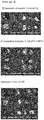
Figure 2 shows photographs measuring expression of Luciferase gene by luminescence measurement imaging system in order to confirm the gene absorption ratio in liver tissue of polymer nanoparticle delivery system according to an embodiment of the present invention. -
Figure 3 shows photographs measuring luminescence generated by expression of Luciferase gene by luminescence measurement imaging system in Ex vivo form in order to confirm the gene absorption ratio in targeted living tissues of polymer nanoparticle delivery system according to an embodiment of the present invention. -
Figure 4 shows graphs comparing the toxicity in liver tissue of polymer nanoparticle delivery system according to an embodiment of the present invention. -
Figure 5 shows graphs comparing the anticancer efficacy in liver tissue of polymer nanoparticle delivery system according to an embodiment of the present invention. - The present invention will be explained in detail below.
- The virus used in the composition for delivering virus of the present invention is a virus for treating or preventing disease, and is an effective ingredient of the finally prepared composition.
- In an embodiment, the virus for treating disease can be oncolytic virus. Example of the oncolytic virus is one or more selected from the group consisting of adenovirus, vaccinia virus, herpes simplex virus (HSV) and vesicular stomatitis virus (VSV). In an embodiment, the oncolytic virus is adenovirus. Adenovirus used in an embodiment of the present invention comprises Luciferase, and it can be confirmed through imaging.
- The virus for treatment can express several kinds of treatment genes in the body of the subject, and it is not limited in terms of specific molecular weight, protein, bioactivity or field of treatment. The virus for prevention can induce immunity to the target disease in the body of the subject. A composition comprising virus for preventing disease according to an example of the present invention can reduce immunity induction due to the virus itself, designate or extend the target cell, and reduce hyperimmune reaction to the virus when administrated again and thereby provide advantage of obtaining significant effect by inoculation for several times.
- In an example of the present invention, the virus can be comprised preferably in an amount of 0.001 to 10 % by weight, and more concretely 0.01 to 5 % by weight, based on the total weight of the finally prepared composition. If the amount of virus is less than 0.001 % by weight, the amount of delivery system used becomes too much as compared with the drug, and thus there may be a side effect due to the delivery system. If the amount of virus is greater than 10 % by weight, the size of nanoparticle becomes too large, and thus the stability of nanoparticle may be lowered and the rate of loss during filter sterilization may increase.
- The amphiphilic block copolymer used in the composition for delivering virus of the present invention may be an A-B type block copolymer comprising a hydrophilic A block and a hydrophobic B block. The A-B type block copolymer is a core-shell type wherein in an aqueous phase the hydrophobic B block forms the core (inner wall) and the hydrophilic A block forms the shell (outer wall), and can control the in vivo distribution of the polymer delivery system or increase the efficiency of delivery of the system into cells.
- The hydrophilic A block may be one or more selected from the group consisting of polyalkyleneglycol, polyvinyl alcohol, polyvinyl pyrrolidone, polyacrylamide, and derivatives thereof. More concretely, the hydrophilic A block may be one or more selected from the group consisting of monomethoxy polyethylene glycol, monoacetoxy polyethylene glycol, polyethylene glycol, a copolymer of polyethylene and propylene glycol, and polyvinyl pyrrolidone. In an embodiment, the hydrophilic A block may have a number average molecular weight of 200 to 50,000 Daltons, more concretely 1,000 to 20,000 Daltons, and still more concretely 1,000 to 5,000 Daltons.
- In addition, if necessary, a functional group, a ligand, or a functional group capable of promoting intracellular delivery may be chemically bound to the end of the hydrophilic A block so as to control the in vivo distribution of the polymer nanoparticle delivery system formed by the amphiphilic block copolymer and the salt of polylactic acid, or to increase the efficiency of delivery of the nanoparticle delivery system into cells. The functional group or ligand may be one or more selected from the group consisting of monosaccharides, polysaccharides, vitamins, peptides, proteins, and antibodies to cell surface receptors. More concretely, the functional group or ligand may be one or more selected from the group consisting of anisamide, vitamin B9 (folic acid), vitamin B12, vitamin A, galactose, lactose, mannose, hyaluronic acid, RGD peptide, NGR peptide, transferrin, antibody to transferrin receptor, etc.
- The hydrophobic B block is a biocompatible and biodegradable polymer, and it may be one or more selected from the group consisting of polyester, polyanhydride, polyamino acid, polyorthoester and polyphosphazine. More concretely, the hydrophobic B block may be one or more selected from the group consisting of polylactide, polyglycolide, polycaprolactone, polydioxane-2-one, a copolymer of polylactide and glycolide, a copolymer of polylactide and polydioxane-2-one, a copolymer of polylactide and polycaprolactone, and a copolymer of polyglycolide and polycaprolactone. In another embodiment, the hydrophobic B block may have a number average molecular weight of 50 to 50,000 Daltons, more concretely 200 to 20,000 Daltons, and still more concretely 1,000 to 5,000 Daltons. Also, in another embodiment, to improve the stability of the nanoparticle by increasing hydrophobicity of the hydrophobic B block, the hydroxyl group at the end of the hydrophobic B block may be modified with one or more selected from the group consisting of tocopherol, cholesterol, and C10-24 fatty acid.
- The amount of the amphiphilic block copolymer comprising the hydrophilic block (A) and the hydrophobic block (B) is 1 to 99.98 % by weight, and preferably, it may be concretely 10 to 99.8 % by weight, and more concretely 20 to 80 % by weight, based on the total dry weight of the composition. If the amount of the amphiphilic block copolymer is less than 1 % by weight, the size of the nanoparticle becomes too large, and thus the stability of the nanoparticle may be lowered and the rate of loss during filter sterilization may increase. If the amount of the amphiphilic block copolymer is greater than 99.98 % by weight, the amount of virus that can be incorporated may become too small.
- Furthermore, regarding the compositional ratio of the hydrophilic block (A) and hydrophobic block (B) in the amphiphilic block copolymer, the amount of the hydrophilic block (A) may be 30 to 80 % by weight, more concretely 40 to 70 % by weight, based on the weight of the copolymer. If the amount of the hydrophilic block (A) is less than 30 % by weight, solubility of the polymer in water is low, and thus it may be difficult to form a nanoparticle. Thus, it is advantageous that the amount of the hydrophilic block (A) is 30 % by weight or greater so that the copolymer can have a solubility in water sufficient to form a nanoparticle. If the amount of the hydrophilic block (A) is greater than 80 % by weight, hydrophilicity becomes too high and thus the stability of the polymer nanoparticle may be lowered and it may be difficult to use as a composition for solubilizing the complex. Thus, considering stability of the nanoparticle, it is advantageous that the amount of the hydrophilic block (A) is 80 % by weight or less.
- The salt of polylactic acid (e.g. PLANa) used in the composition for delivering virus of the present invention is distributed in the core (inner wall) of the nanoparticle, and acts to stabilize the nanoparticle by strengthening the hydrophobicity of the core, and at the same time, to effectively avoid reticuloendothelial system (RES) in the body. That is, the carboxylic anion in the salt of polylactic acid binds to the virus more efficiently than a polylactic acid, and decreases the surface potential of the polymer nanoparticle. Thereby, positive charge of the surface potential of the polymer nanoparticle becomes less than that of a polymer nanoparticle which does not contain a salt of polylactic acid, and thus it may be less captured by reticuloendothelial system and efficiently delivered to target sites (e.g., cancer cells, inflammatory cells, etc.).
- The salt of polylactic acid-which is contained as a separate ingredient from the amphiphilic block copolymer-is a component of the inner wall of the nanoparticle, and may have a number average molecular weight of 500 to 50,000 Daltons, and more concretely 1,000 to 10,000 Daltons. If the molecular weight of the salt of polylactic acid is less than 500 Daltons, the hydrophobicity becomes too low and thus the salt of polylactic acid may not easily exist at the core (inner wall) of the nanoparticle. If the molecular weight of the salt of polylactic acid is greater than 50,000 Daltons, the size of the polymer nanoparticle may become too large.
- The salt of polylactic acid may be used in an amount of 1 to 500 parts by weight, more concretely 20 to 400 parts by weight, and still more concretely 40 to 300 parts by weight, based on 100 parts by weight of the amphiphilic block copolymer. If the amount of the salt of polylactic acid is greater than 500 parts by weight based on 100 parts by weight of the amphiphilic block copolymer, the size of the nanoparticle increases and thus the filtration using sterilization membrane may become difficult. If the amount of the salt of polylactic acid is less than 1 part by weight based on 100 parts by weight of the amphiphilic block copolymer, it is hard to obtain the desired effect.
- In an embodiment, the composition of the present invention may comprise 1 to 2,000 parts by weight of the amphiphilic block copolymer and 1 to 1,000 parts by weight of the salt of polylactic acid, based on 1 part by weight of the virus. Preferably, the amphiphilic block copolymer may be contained in an amount of 5 to 1,000 parts by weight, and more preferably 10 to 500 parts by weight. Preferably, the salt of polylactic acid may be contained in an amount of 5 to 500 parts by weight, and more preferably 10 to 250 parts by weight.
- In an embodiment, the end of the salt of polylactic acid opposite to the end of carboxylic acid-metal (e.g., sodium) may be substituted with one selected from the group consisting of hydroxyl, acetoxy, benzoyloxy, decanoyloxy, palmitoyloxy, and C1-2 alkoxy.
- As a preferred embodiment, the salt of polylactic acid in the present invention may be one or more selected from the group consisting of the compounds of the following
Formulas 1 to 6:
[Formula 1] RO-CHZ-[A]n-[B]m-COOM
- In
Formula 1 above, A is -COO-CHZ-; B is -COO-CHY-, -COO-CH2CH2CH2CH2CH2- or -COO-CH2CH2OCH2; R is a hydrogen atom, or acetyl, benzoyl, decanoyl, palmitoyl, methyl or ethyl; each of Z and Y is a hydrogen atom, or methyl or phenyl; M is Na, K or Li; n is an integer of from 1 to 30; and m is an integer of from 0 to 20.
[Formula 2] RO-CHZ-[COO-CHX]p-[COO-CHY']q-COO-CHZ-COOM
- In
Formula 2 above, X is methyl; Y' is a hydrogen atom or phenyl; p is an integer of from 0 to 25, q is an integer of from 0 to 25, with the proviso that p + q is an integer of from 5 to 25; R is a hydrogen atom, or acetyl, benzoyl, decanoyl, palmitoyl, methyl or ethyl; M is Na, K or Li; and Z is a hydrogen atom, methyl or phenyl.
[Formula 3] RO-PAD-COO-W-M'
- In
Formula 3 above, W-M' is
[Formula 4] S-O-PAD-COO-Q
- In Formula 4 above, S is


- In Formula 5 above, R' is -PAD-O-C(O)-CH2CH2-C(O)-OM, wherein PAD is selected from the group consisting of D,L-polylactic acid, D-polylactic acid, polymandelic acid, copolymer of D,L-lactic acid and glycolic acid, copolymer of D,L-lactic acid and mandelic acid, copolymer of D,L-lactic acid and caprolactone, and copolymer of D,L-lactic acid and 1,4-dioxane-2-one, M is Na, K or Li; and a is an integer of from 1 to 4.
[Formula 6] YO-[-C(O)-(CHX)a-O-]m-C(O)-R-C(O)-[-O-(CHX')b-C(O)-]n-OZ
- In
Formula 6 above, X and X' are independently hydrogen, C1-10 alkyl or C6-20 aryl; Y and Z are independently Na, K or Li; m and n are independently an integer of from 0 to 95, with the proviso that 5 < m + n < 100; a and b are independently an integer of from 1 to 6; and R is - (CH2)k-, C2-10 divalent alkenyl, C6-20 divalent aryl or a combination thereof, wherein k is an integer of from 0 to 10. - The salt of polylactic acid is preferably the compound of
Formula 1 orFormula 2. - In an embodiment, the composition for delivering virus of the present invention may further comprise cationic compound.
- That is, in the present invention the amphiphilic block copolymer and the salt of polylactic acid form nanoparticle structure, inside of which the virus is entrapped, and according to an embodiment, this nanoparticle structure may further comprise cationic compound.
- The cationic compound is combined with the negatively charged outer shell of the virus by electrostatic interaction, and thereby it can contribute to stabilization of the virus within the nanoparticle structure. The virus can be combined simultaneously with the hydrophobic parts of the amphiphilic block copolymer and the salt of polylactic acid.
- The cationic compound includes any type of compound capable of forming a complex with the virus by electrostatic interaction, and for example, it may be cationic lipids and polymers.
- The cationic lipid may may be-for example, but not limited thereto-one or a combination of two or more selected from the group consisting of N,N-dioleyl-N,N-dimethylammoniumchloride (DODAC), N,N-distearyl-N,N-dimethylammoniumbromide (DDAB), N-(1-(2,3-dioleoyloxy)propyl-N,N,N-trimethylammoniumchloride (DOTAP), N,N-dimethyl-(2,3-dioleoyloxy)propylamine (DODMA), N,N,N-trimethyl-(2,3-dioleoyloxy)propylamine (DOTMA), 1,2-diacyl-3-trimethylammonium-propane (TAP), 1,2-diacyl-3-dimethylammonium-propane (DAP), 3β-[N-(N,N,N'-trimethylaminoethane)carbamoyl]cholesterol (TC-cholesterol), 3β-[N-(N',N'-dimethylaminoethane)carbamoyl] cholesterol (DC-cholesterol), 3β-[N-(N'-monomethylaminoethane)carbamoyl] cholesterol (MC-cholesterol), 3β-[N-(aminoethane)carbamoyl]cholesterol (AC-cholesterol), cholesteryloxypropane-1-amine (COPA), N-(N'-aminoethane)carbamoylpropanoic tocopherol (AC-tocopherol) and N-(N'-methylaminoethane)carbamoylpropanoic tocopherol (MC-tocopherol). If such a cationic lipid is used, it is preferable to use polycationic lipid having high cation density as less as possible in order to decrease toxicity induced by the cationic lipid, and more concretely, the number of the functional group in a molecule which is capable of exhibiting positive charge in an aqueous solution may be one.
- In a more preferable embodiment, the cationic lipid may be one or more selected from the group consisting of 3β-[N-(N',N',N'-trimethylaminoethane)carbamoyl]cholesterol (TC-cholesterol), 3β-[N-(N',N'-dimethylaminoethane)carbamoyl]cholesterol (DC-cholesterol), 3β-[N-(N'-monomethylaminoethane)carbamoyl]cholesterol (MC-cholesterol), 3β-[N-(aminoethane)carbamoyl]cholesterol (AC-cholesterol), N-(1-(2,3-dioleoyloxy)propyl-N,N,N-trimethylammoniumchloride (DOTAP), N,N-dimethyl-(2,3-dioleoyloxy)propylamine (DODMA) and N,N,N-trimethyl-(2,3-dioleoyloxy)propylamine (DOTMA).
- In addition, the cationic lipid may be a lipid having several functional groups which are capable of exhibiting positive charge in an aqueous solution. Concretely, it may be one or more selected from the group consisting of N,N-dioleyl-N,N-dimethylammoniumchloride (DODAC), N,N-distearyl-N,N-dimethylammoniumbromide (DDAB), 1,2-diacyl-3-trimethylammonium-propane (TAP), 1,2-diacyl-3-dimethylammonium-propane (DAP).
- In a concrete embodiment, the cationic lipid may be represented by the following Formula A:

- In the above formula,
each of n, m and 1 is 0 to 12 with the proviso that 1 ≤ n + m + 1 ≤ 12; each of a, b and c is 1 to 6; and each of R1, R2 and R3 is independently hydrogen or a saturated or unsaturated C11-25 hydrocarbon with the proviso that at least one of R1, R2 and R3 is a saturated or unsaturated C11-25 hydrocarbon. - Preferably, n, m and 1 may be independently 0 to 7, and 1 ≤ n + m + 1 ≤ 7.
- Preferably, a, b and c may be 2 to 4.
- Preferably, each of R1, R2 and R3 may be independently selected from the group consisting of lauryl, myristyl, palmityl, stearyl, arachidyl, behenyl, lignoceryl, cerotyl, myristoleyl, palmitoleyl, sapienyl, oleyl, linoleyl, arachidonyl, eicosapentaenyl, erucyl, docosahexaenyl and cerotyl.
- Concrete example of the cationic lipid may be one or more selected from the group consisting of 1,6-dioleoyl triethylenetetramide(N,N'-((ethane-1,2-diylbis(azanediyl))bis(ethane-2,1-diyl))dioleamide), 1,8-dilinoleoyl tetraethylenepentamide ((9Z,9'Z,12Z,12'Z)-N,N'-(((azanediylbis(ethane-2,1-diyl))bis(azanediyl))bis(ethane-2,1-diyl))bis(octadeca-9,12-dienamide)), 1,4-dimyristoleoyl diethylenetriamide ((9Z,9'Z)-N,N'-(azanediylbis(ethane-2,1-diyl))bis(tetradec-9-enamide)), 1,10-distearoyl pentaethylenehexamide (N,N'-(3,6,9,12-tetraazatetradecane-1,14-diyl)distearamide), and 1,10-dioleoyl pentaethylenehexamide (N,N'-(3,6,9,12-tetraazatetradecane-1,14-diyl)dioleamide).
- On the other hand, the cationic polymer may be selected from the group consisting of chitosan, glycol chitosan, protamine, polylysine, polyarginine, polyamidoamine (PAMAM), polyethylenimine, dextran, hyaluronic acid, albumin, polyethylenimine (PEI), polyamine and polyvinylamine (PVAm), and preferably it may be one or more selected from polyethylenimine (PEI), polyamine and polyvinylamine (PVA).
- The cationic compound used in the present invention may be used in an amount of 0.01 to 50 % by weight, more concretely 0.1 to 20 % by weight, based on the total weight of the finally prepared composition. If the amount of the cationic compound is less than 0.01 % by weight, it may not be sufficient to entrap the virus. If the amount of the cationic compound is greater than 50 % by weight, the size of the nanoparticle becomes too large, and thus the stability of the nanoparticle may be lowered and the rate of loss during filter sterilization may increase.
- In a concrete embodiment, the amount of the cationic compound used, based on 1
X 1010 VP of virus, may be preferably 0.1 to 40 µg, concretely 0.5 to 35 µg, more concretely 1 to 30 µg, still more concretely 1 to 25 µg, and most concretely 6 to 24 µg. If the amount of the cationic compound is less than 0.1 µg, the cationic compound may not sufficiently entrap the virus. Thus, it is advantageous that the amount of the cationic compound is 0.1 µg or greater so that a complex containing a sufficient amount of virus can be formed by the electrostatic binding of the cationic compound and the virus. In contrast, the amount of the cationic compound may be preferably 40 µg or less since if the amount is greater than 40 µg, toxicity may be caused. - In an embodiment, the composition for delivering virus of the present invention may further comprise divalent or trivalent metal ion.
- The divalent or trivalent metal ion may be preferably selected from calcium (Ca2+), magnesium (Mg2+), barium (Ba2+), chromium (Cr3+), iron (Fe3+), manganese (Mn2+), nickel (Ni2+), copper (Cu2+), zinc (Zn2+) or aluminum (Al3+), etc.
- The divalent or trivalent metal ion may be added to the polymer nanoparticle composition in a form of sulfate salt, chloride salt, carbonate salt, phosphate salt or hydroxide. Preferably, it may be added in a form of calcium chloride (CaCl2), magnesium chloride (MgCl2), zinc chloride (ZnCl2), aluminum chloride (AlCl3), ferric chloride (FeCl3), calcium carbonate (CaCO3), magnesium carbonate (MgCO3), calcium phosphate (Ca3(PO4)2), magnesium phosphate (Mg3(PO4)2), aluminum phosphate (AlPO4), magnesium sulfate (MgSO4), calcium hydroxide (Ca(OH)2), magnesium hydroxide (Mg(OH)2), aluminum hydroxide (Al(OH)3), zinc hydroxide (Zn(OH)2) or a mixture thereof.
- By controlling the amount of equivalent of the divalent or trivalent metal ion, the release rate of drug entrapped in the polymer nanoparticle can be controlled. Concretely, if the divalent or trivalent metal ion is contained in the polymer nanoparticle composition in an amount of 1 equivalent or less to the equivalent of the carboxyl group of the salt of polylactic acid, the number thereof binding to the carboxyl terminal group of the salt of polylactic acid is small and the release rate of drug increases, and if it is contained in an amount of 1 equivalent or more, the number thereof binding to the carboxyl terminal group of the salt of polylactic acid is large and the drug release is sustained. Thus, in order to increase the release rate of drug in blood, less equivalent of metal ion may be used, whereas in order to sustain the drug release, more equivalent of metal ion may be used.
- Also, the divalent or trivalent metal ion may be contained in amount of 0.01 to 10 equivalents, 0.1 to 5 equivalents or 0.2 to 2 equivalents, to the equivalent of the carboxyl terminal group of the salt of polylactic acid.
- Another aspect of the present invention provides a method for preparing a composition for delivering virus, comprising: (a) a step of dissolving virus in aqueous solvent; (b) a step of dissolving each of amphiphilic block copolymer and salt of polylactic acid in organic solvent; and (c) a step of mixing the solution of the steps (a) and (b) to form an emulsion.
- The above steps (a) to (c) are steps for preparing a complex of amphiphilic block copolymer and salt of polylactic acid by dissolving virus in aqueous solvent and each of amphiphilic block copolymer and salt of polylactic acid in organic solvent, and mixing them to prepare an emulsion in monophase system.
- In the above step (a), the aqueous solvent used may be distilled water, water for injection, or buffer, and a preferable buffer may be phosphate buffered saline.
- In the above step (b), the organic solvent used may be water-miscible organic solvent, and may be, for example, C1 to C5 lower alcohol (including methanol, ethanol, propanol, etc. but not limited thereto), acetone, ethyl acetate or mixture thereof.
- In the above step (b), each of the amphiphilic block copolymer and the salt of polylactic acid is dissolved in organic solvent, and the organic solvent used at this time may be one or more selected from the group consisting of acetone, ethanol, methanol, methylene chloride, chloroform, dioxane, dimethyl sulfoxide, acetonitrile, ethyl acetate and acetic acid. Preferably, it may be one or more selected from the group consisting of ethanol, ethyl acetate and acetic acid. There is no special limitation to the amount of organic solvent used, and it can be properly adjusted and used for dissolution of the amphiphilic block copolymer and the salt of polylactic acid.
- In an embodiment of the present invention, the above step (b) may further comprise a step of dissolving cationic compound in organic solvent.
- In the above step (c), an aqueous solution of virus obtained in step (a), an organic solution of amphiphilic block copolymer and an organic solution of salt of polylactic acid, and optionally an organic solution of cationic compound obtained in step (b) are mixed to form an emulsion. There is no special limitation to the mixing ratio between the aqueous solution of virus and the organic solution of amphiphilic block copolymer, salt of polylactic acid and optionally cationic compound. For example, based on volume, the ratio of the organic solution of amphiphilic block copolymer, salt of polylactic acid and optionally cationic compound to the aqueous solution of virus (the organic solution of amphiphilic block copolymer, salt of polylactic acid and optionally cationic compound / the aqueous solution of virus) may be 1 to 30, and more concretely 2 to 20, but it is not limited thereto. The solutions are mixed through suitable mixing means known in this field of art, and an example of such means may be ultrasonicator, etc.
- As an additional embodiment, the method for preparing a composition for delivering virus according to the present invention may further comprise: (d) a step of selectively removing the organic solvent from the mixture obtained in step (c).
- Preferably, in the above step (d), the organic solvent is removed from the mixture containing stabilized nanoparticle prepared in step (c) by various removal methods, for example, organic solvent evaporation, etc. to obtain an aqueous solution of polymer nanoparticle. In addition, the organic solvent may be diluted and removed by dialysis using osmotic membrane.
- As a preferable embodiment, the method of the present invention may further comprise: (e) a step of adding divalent or trivalent metal ion, after the above step (d).
- Furthermore, as a preferable embodiment, the method of the present invention may further comprise: (f) a step of lyophilization with addition of lyophilization aid, after the above step (e).
- As a further additional embodiment, the method of the present invention may further comprise: a step of sterilizing the aqueous solution of polymer nanoparticle obtained in the above step (e) with sterilization filter, before the lyophilization of the above step (f).
- The lyophilization aid used in the present invention is added to allow the lyophilized composition to maintain a cake form, or to help uniform dissolution of the composition of amphiphilic block copolymer, salt of polylactic acid, etc. in short time during the course of reconstitution after lyophilization. Concretely, the lyophilization aid may be one or more selected from the group consisting of lactose, mannitol, sorbitol and sucrose. The amount of the lyophilization aid may be 1 to 90 % by weight, and more concretely 4 to 20 % by weight, based on the total dry weight of the lyophilized composition.
- By a method according to an embodiment of the present invention, the virus, amphiphilic block copolymer and salt of polylactic acid are emulsified in an aqueous phase which is monophase system. The monophase system means a system which does not include phase separation by using one solvent or mixable solvents in the production process. If a monophase system is used, a complex in nanoparticle form is effectively formed by hydrophobic binding, and the binding force increases in the procedure of removing aqueous solution through lyophilization, and the yield of the polymer nanoparticle prepared finally becomes improved significantly. In addition, since such a method uses relatively less organic solvent, it is eco-friendly, reproducible, and easy for production, and advantageous for mass production by changing to hydrophobic drug particle though virus complex formation. Furthermore, since the organic solvent is used in relatively less amount, an effect of reducing toxicity due to organic solvent in case of in vivo application can be expected.
- Also, in a composition prepared according to an embodiment of the present invention, the virus maintains the state of being entrapped in nanoparticle structure formed by the amphiphilic block copolymer and salt of polylactic acid, and thus the safety and stability in blood or body fluid are improved.
- As another embodiment, the present invention relates to a composition for delivering virus comprising polymer nanoparticle that can be prepared by the above preparation method. According to a preparation method of an embodiment of the present invention, the virus and the salt of polylactic acid bind to each other through hydrophobic interaction to form a complex, and the complex is entrapped in the nanoparticle structure formed by the amphiphilic block copolymer, resulting in polymer nanoparticle structure. A schematic structure of polymer nanoparticle delivery system prepared by a preparation method according to an embodiment of the present invention as such is shown in
Figure 1 . The matters relating to the virus, amphiphilic block copolymer, etc. as constitutional components of the composition are the same as described above. - An embodiment of the present invention may further comprise divalent or trivalent metal ion in order for the polymer nanoparticle to have more improved stability in aqueous solution. The divalent or trivalent metal ion binds to the carboxyl terminal group of the salt of polylactic acid in the polymer nanoparticle. The divalent or trivalent metal ion forms metal ion bonding by substitution reaction with the monovalent metal cation of the carboxyl terminal group of the salt of polylactic acid in the polymer nanoparticle. The formed metal ion bonding has a stronger bonding force, and forms more stable polymer nanoparticle.
- In a preferable embodiment, the particle size of the nanoparticle in the composition is preferably 10 to 300 nm, and more concretely 10 to 150 nm. In addition, the standard charge of the nanoparticle is preferably -40 to 10 mV, and more concretely -30 or 0 mV. The particle size and the standard charge are most preferable in terms of the stability of the nanoparticle structure, and the amounts of the constitutional components and in vivo absorption and stability of the virus.
- The composition containing virus-salt of polylactic acid entrapped in nanoparticle structure of amphiphilic block copolymer according to the present invention may be administered in the route of blood vessel, muscle, subcutaneous, oral, bone, transdermal or local tissue, and the like, and it may be formulated into various formulations for oral or parenteral administration to be suitable for such administration routes. Examples of the formulation for oral administration may include tablet, capsule, powder, liquid, etc. and the examples of the formulation for parenteral administration may include eye drop, injection, etc. As a preferred embodiment, the composition may be a formulation for injection, and more preferably a formulation for intravenous injection. For example, in case of lyophilizing the composition according to the present invention, it may be prepared in a form of formulation for injection by reconstituting it with distilled water for injection, 0.9% physiological saline, 5% dextrose aqueous solution, or the like.
- An embodiment of the present invention provides a method of treating or preventing disease in a subject, comprising a step of administering nanoparticle structure formed by amphiphilic block copolymer and salt of polylactic acid and entrapping virus therein, to a subject in need thereof.
- The present invention will be explained below in more detail with reference to the following Examples. However, the Examples are only to illustrate the invention, and the scope of the present invention is not limited thereby in any manner.
- 1
X 1010 VP of wild-type adenovirus expressing luciferase gene of SEQ ID NO: 1 was dissolved in 10 µl of PBS to prepare a composition (referred to as 'Naked Ad' hereinafter). The composition obtained in Comparative Example 1 was that as shown in the following Table 1.[Table 1] Composition Ad mPEG-PLA PLA-Na Comparative Example 1 Naked Ad 1 X 10¹⁰ VP- - - A solution of 1 µg of plasmid DNA having 35,000 base pairs expressing luciferase gene of SEQ ID NO: 1 dissolved in 4.35 µl of distilled water, a solution of 10.4 µg of dio-TETA dissolved in 10.4 µl of ethanol, a solution of 10.4 µg of DOPE dissolved in 10.4 µl of ethanol, a solution of 20 µg of mPEG-PLA-tocopherol (2k-1.7k) dissolved in 0.2 µl of ethanol, and a solution of 20 µg of PLA-Na dissolved in 2 µl of ethanol were mixed in this order and further mixed for 10 minutes in ultrasonicator (bath type). The prepared complex emulsion solution was put into 1-neck round bottom flask and distilled under reduced pressure in a rotary evaporator to selectively remove ethanol, and thereby to prepare a composition containing Ad pDNA/dioTETA/DOPE/mPEG-PLA-tocopherol (2k-1.7k)/PLA-Na (1.7k) (referred to as 'Ad DNA/SENS' hereinafter). The prepared composition was filtered through 0.45 µm hydrophilic filter and then stored at 4°C, and in experimental procedures thereafter, it was mixed with 10X PBS to make IX to the final volume. The composition obtained in Comparative Example 2 was that as shown in the following Table 2.
[Table 2] Composition Ad DNA dio-TETA DOPE mPEG-PLA-tocopherol PLA-Na Comparative Example 2 Ad pDNA/ SENS 1 µg 10.4 µg 10.4 µg 20 µg 20 µg - 1
X 1010 VP of wild-type adenovirus expressing luciferase gene of SEQ ID NO: 1 was dissolved in 10 µl of PBS, and thereto a solution of 40 µg of mPEG-PLA (2k-1.7k) dissolved in 0.4 µl of ethanol and a solution of 100 µg of PLA-Na (1.7k) dissolved in 10 µl of ethanol were mixed in this order and further mixed for 10 minutes in ultrasonicator (bath type). The prepared complex emulsion solution was put into 1-neck round bottom flask and distilled under reduced pressure in a rotary evaporator to selectively remove ethanol, and thereby to prepare a composition containing Ad/mPEG-PLA(2k-1.7k)/PLA-Na (1.7k) (referred to as 'Ad-vSENS' hereinafter). The prepared composition was filtered through 0.45 µm hydrophilic filter and then stored at 4°C, and in experimental procedures thereafter, it was mixed with 10X PBS to make IX to the final volume. The composition obtained in Example 1 was that as shown in the following Table 3.[Table 3] Composition Ad mPEG-PLA PLA-Na Example 1 Ad-vSENS 1 X 10¹⁰VP40 µg 100 µg - 1
X 1010 VP of wild-type adenovirus expressing luciferase gene of SEQ ID NO: 1 was dissolved in 10 µl of PBS, and thereto a solution of 40 µg of mPEG-PLA (2k-1.7k) dissolved in 0.4 µl of ethanol and a solution of 100 µg of PLA-Na (1.7k) dissolved in 10 µl of ethanol were mixed in this order and further mixed for 10 minutes in ultrasonicator (bath type). The prepared complex emulsion solution was put into 1-neck round bottom flask and distilled under reduced pressure in a rotary evaporator to selectively remove ethanol, and thereby to prepare a composition containing Ad/mPEG-PLA(2k-1.7k)/PLA-Na (1.7k). Then, a solution of 3.3 µg of CaCl2 dissolved in 1.7 µl of PBS was added thereto (referred to as 'Ad-vSENS+CaCl2' hereinafter). The prepared composition was filtered through 0.45 µm hydrophilic filter and then stored at 4°C, and in experimental procedures thereafter, it was mixed with 10X PBS to make IX to the final volume. The composition obtained in Example 2 was that as shown in the following Table 4.[Table 4] Composition Ad mPEG-PLA PLA-Na CaCl2 Example 2 Ad-vSENS+CaCh 1 X 10¹⁰VP40 µg 100 µg 3.3 µg - 1
X 1010 VP of wild-type adenovirus expressing luciferase gene of SEQ ID NO: 1 was dissolved in 100 µl of PBS. A solution of 20 µg of dio-TETA dissolved in 2 µl of ethanol, a solution of 100 µg of PLA-Na (1.7k) dissolved in 2 µl of ethanol and a solution of 100 µg of mPEG-PLA-tocopherol (2k-1.7k) dissolved in 2 µl of ethanol were mixed in this order, and finally mixed with the previously prepared 100 µl PBS containing the virus to prepare a composition containing Ad/dio-TETA/PLA-Na (1.7k)/mPEG-PLA-tocopherol (2k-1.7k) (referred to as 'Ad-vSENS_2' hereinafter). The composition obtained in Example 3 was that as shown in the following Table 5.[Table 5] Composition Ad dio-TETA PLA-Na (1.7k) mPEG-PLA-tocopherol (2k-1.7k) Example 3 Ad-vSENS_2 1 X 10¹⁰VP 20 µg 100 µg 50 µg - In order to confirm whether or not nanoparticles were formed according to formulation, the size and surface charge were measured. The measurements of size and surface charge of particles were made by using dynamic light scattering (DLS) method. Concretely, He-Ne laser was used as a light source, and Zetasizer Nano ZS90 device (MALVERN) was operated according to the manual. The sizes and surface charges of the nanoparticles of Comparative Examples 1 and 2 and Examples 1 to 3 according to formulation are shown in the following Table 6.
[Table 6] Kind of composition Particle size (based on intensity) Surface charge Comparative Example 1 Naked Ad 119.8 nm -16.8 mV Comparative Example 2 Ad pDNA/SENS 152.3 nm -10.7 mV Example 1 Ad-vSENS 129.7 nm -29.5 mV Example 2 Ad-vSENS+CaCh 125.3 nm -28.2 mV Example 3 Ad-vSENS_2 191.8 nm -2.81 mV - In vivo gene expression levels were measured by using luciferase expression gene. In vivo bioluminescence values were measured by using IVIS spectrum in vivo imaging system method. IVIS LUMINA III device (PerkinElmer) was operated according to the manual. The liver uptake values and ratios of Comparative Example 1 and Examples 1 to 3 according to formulation are shown in the following Table 7 and
Figure 2 .[Table 7] Kind of composition Liver Liver uptake ratio (to Naked) Comparative Example 1 Naked Ad 5.7 X 10¹⁰ 1 Example 1 Ad-vSENS 2.9 X 10⁸ 0.005 Example 2 Ad-vSENS(+CaCl2) 2.6 X 10⁷ 0.0005 Example 3 Ad- vSENS 24.3 X 10⁶ 0.000075 - Ex vivo gene expression levels were measured by using luciferase expression gene. Ex vivo bioluminescence values were measured by using IVIS spectrum in vivo imaging system method. IVIS LUMINA III device (PerkinElmer) was operated according to the manual. The distributions of gene expression for each organ of Comparative Examples 1 and 2 and Example 1 according to formulation are shown in the
Figure 3 . - All tested materials were administered one time through intravenous administration (i.v.). In case of comparison tests for toxicity in liver tissue, the serum was extracted and analyzed at 72 hours after the administration. The compared values of toxicity in liver tissue of Comparative Example 1 and Example 3 according to formulation are shown in the
Figure 4 . - All tested materials were administered one time through intravenous administration (i.v.). For comparison according to immunization, the experiments were divided and conducted for the immunized test group and the non-immunized control group. For immunization, total of 2 administrations of virus were made for 4 weeks with 2 weeks' interval. In case of Comparative Example 1 and Example 3, total of 5 administrations were made for 11 days with 2 days' interval. In case of negative control material, the same dose was administered in the same manner. In case of intravenous administration, the animal was carefully put into a retaining appliance, and then intravenous administration was made to caudal vein by using a syringe equipped with 26 gauge needle. The values of tumor size change exhibiting anticancer efficacy of Comparative Example 1 and Example 3 according to formulation are shown in the
Figure 5 .

Claims (15)
- A composition for delivering virus, comprising: virus as effective ingredient;
amphiphilic block copolymer; and salt of polylactic acid;
wherein the virus is entrapped in a nanoparticle structure formed by the amphiphilic block copolymer and the salt of polylactic acid. - The composition for delivering virus of Claim 1, wherein the virus is oncolytic virus.
- The composition for delivering virus of Claim 2, wherein the oncolytic virus is one or more selected from the group consisting of adenovirus, vaccinia virus, herpes simplex virus (HSV) and vesicular stomatitis virus (VSV).
- The composition for delivering virus of Claim 1, wherein the amphiphilic block copolymer is an A-B type block copolymer comprising a hydrophilic A block and a hydrophobic B block, wherein the hydrophilic A block is one or more selected from the group consisting of monomethoxy polyethylene glycol, monoacetoxy polyethylene glycol, polyethylene glycol, a copolymer of polyethylene and propylene glycol, and polyvinyl pyrrolidone, and the hydrophobic B block is one or more selected from the group consisting of polyester, polyanhydride, polyamino acid, polyorthoester and polyphosphazine.
- The composition for delivering virus of Claim 4, wherein a hydroxyl group at the end of the hydrophobic B block is modified by one or more selected from the group consisting of tocopherol, cholesterol, and C10-24 fatty acid.
- The composition for delivering virus of Claim 1, wherein the salt of polylactic acid is one or more selected from the group consisting of the compounds of the following Formulas 1 to 6:
[Formula 1] RO-CHZ-[A]n-[B]m-COOM
wherein A is -COO-CHZ-; B is -COO-CHY-, -COO-CH2CH2CH2CH2CH2- or -COO-CH2CH2OCH2-; R is a hydrogen atom, or acetyl, benzoyl, decanoyl, palmitoyl, methyl or ethyl; each of Z and Y is a hydrogen atom, or methyl or phenyl; M is Na, K or Li; n is an integer of from 1 to 30; and m is an integer of from 0 to 20;
[Formula 2] RO-CHZ-[COO-CHX]p-[COO-CHY']q-COO-CHZ-COOM
wherein X is methyl; Y' is a hydrogen atom or phenyl; p is an integer of from 0 to 25, q is an integer of from 0 to 25, with the proviso that p + q is an integer of from 5 to 25; R is a hydrogen atom, or acetyl, benzoyl, decanoyl, palmitoyl, methyl or ethyl; M is Na, K or Li; and Z is a hydrogen atom, methyl or phenyl.;
[Formula 3] RO-PAD-COO-W-M'
wherein W-M' is
[Formula 4] S-O-PAD-COO-Q
wherein S is

[Formula 6] YO-[-C(O)-(CHX)a-O-]m -C(O)-R-C(O)-[-O-(CHX')b-C(O)-]n-OZ
wherein X and X' are independently hydrogen, C1-10 alkyl or C6-20 aryl; Y and Z are independently Na, K or Li; m and n are independently an integer of from 0 to 95, with the proviso that 5 < m + n < 100; a and b are independently an integer of from 1 to 6; and R is -(CH2)k-, C2-10 divalent alkenyl, C6-20 divalent aryl or a combination thereof, wherein k is an integer of from 0 to 10. - The composition for delivering virus of Claim 6, wherein the salt of polylactic acid is a compound of the Formula 1 or 2.
- The composition for delivering virus of Claim 1, further comprising cationic compound.
- The composition for delivering virus of Claim 1, further comprising divalent or trivalent metal ion.
- The composition for delivering virus of Claim 9, wherein the divalent or trivalent metal ion is one or more selected from the group consisting of calcium (Ca2+), magnesium (Mg2+), barium (Ba2+), chromium (Cr3+), iron (Fe3+), manganese (Mn2+), nickel (Ni2+), copper (Cu2+), zinc (Zn2+) and aluminum (Al3+).
- The composition for delivering virus of Claim 9, wherein the divalent or trivalent metal ion is comprised in form of sulfate salt, chloride salt, carbonate salt, phosphate salt or hydroxide.
- A method for preparing a composition for delivering virus according to Claim 1, comprising:(a) a step of dissolving virus in aqueous solvent;(b) a step of dissolving each of amphiphilic block copolymer and salt of polylactic acid in organic solvent; and(c) a step of mixing the solution of the steps (a) and (b) to form an emulsion.
- The method for preparing a composition for delivering virus of Claim 12, wherein step (b) further comprises a step of dissolving cationic compound in organic solvent.
- The method for preparing a composition for delivering virus of Claim 12, further comprising (d) a step of selectively removing the organic solvent from the emulsion obtained in step (c).
- The method for preparing a composition for delivering virus of Claim 14, further comprising (e) a step of adding divalent or trivalent metal ion after step (d).
Applications Claiming Priority (2)
| Application Number | Priority Date | Filing Date | Title |
|---|---|---|---|
| KR20180092089 | 2018-08-07 | ||
| PCT/KR2019/009893 WO2020032581A1 (en) | 2018-08-07 | 2019-08-07 | Polymer nanoparticle composition for delivering virus, and preparation method therefor |
Publications (4)
| Publication Number | Publication Date |
|---|---|
| EP3834822A1 true EP3834822A1 (en) | 2021-06-16 |
| EP3834822A4 EP3834822A4 (en) | 2022-04-06 |
| EP3834822C0 EP3834822C0 (en) | 2023-10-25 |
| EP3834822B1 EP3834822B1 (en) | 2023-10-25 |
Family
ID=69414920
Family Applications (1)
| Application Number | Title | Priority Date | Filing Date |
|---|---|---|---|
| EP19846017.2A Active EP3834822B1 (en) | 2018-08-07 | 2019-08-07 | Polymer nanoparticle composition for delivering virus, and preparation method therefor |
Country Status (9)
| Country | Link |
|---|---|
| US (1) | US20220257679A1 (en) |
| EP (1) | EP3834822B1 (en) |
| JP (1) | JP7179154B2 (en) |
| KR (1) | KR102384003B1 (en) |
| CN (1) | CN112566627A (en) |
| AU (1) | AU2019317180B2 (en) |
| BR (1) | BR112021002126A2 (en) |
| CA (1) | CA3108053C (en) |
| WO (1) | WO2020032581A1 (en) |
Families Citing this family (2)
| Publication number | Priority date | Publication date | Assignee | Title |
|---|---|---|---|---|
| KR102232002B1 (en) | 2019-05-24 | 2021-03-25 | 박정욱 | Antibacterial functional fiber yarn comprising copper nano powder and method for producing the same |
| BR112023022543A2 (en) * | 2021-04-30 | 2024-01-23 | Samyang Holdings Corp | COMPOSITION FOR DRUG DISTRIBUTION |
Family Cites Families (8)
| Publication number | Priority date | Publication date | Assignee | Title |
|---|---|---|---|---|
| KR100492805B1 (en) | 2001-10-18 | 2005-06-07 | 주식회사 삼양사 | Polymeric micelle composition with improved stability |
| CA2564719C (en) * | 2004-05-06 | 2011-11-01 | Samyang Corporation | Delivery system for bioactive agents on the basis of a polymeric drug carrier comprising an amphiphilic block polymer and a polylactic acid derivative |
| KR101508275B1 (en) * | 2011-12-16 | 2015-04-08 | 주식회사 삼양바이오팜 | Polymeric nanoparticle solution composition and its manufacturing process |
| JP6525959B2 (en) * | 2013-04-18 | 2019-06-05 | ザ リージェンツ オブ ザ ユニバーシティ オブ カリフォルニア | Nanoscale coatings for the encapsulation of biological entities |
| MX386005B (en) * | 2015-09-15 | 2025-03-18 | Samyang Holdings Corp | PHARMACEUTICAL COMPOSITION CONTAINING ANIONIC DRUG, AND METHOD OF PREPARATION THEREOF. |
| DK3391875T3 (en) * | 2015-12-18 | 2022-01-24 | Samyang Holdings Corp | PROCEDURE FOR THE PREPARATION OF POLYMER MICELLE CONTAINING AN ANIONIC MEDICINAL PRODUCT |
| US11654117B2 (en) * | 2016-11-03 | 2023-05-23 | Case Western Reserve University | Melt processed viral nanoparticle constructs |
| WO2018112470A1 (en) * | 2016-12-16 | 2018-06-21 | The Brigham And Women's Hospital, Inc. | Co-delivery of nucleic acids for simultaneous suppression and expression of target genes |
-
2019
- 2019-08-07 CA CA3108053A patent/CA3108053C/en active Active
- 2019-08-07 EP EP19846017.2A patent/EP3834822B1/en active Active
- 2019-08-07 BR BR112021002126A patent/BR112021002126A2/en unknown
- 2019-08-07 US US17/266,241 patent/US20220257679A1/en active Pending
- 2019-08-07 CN CN201980052679.XA patent/CN112566627A/en active Pending
- 2019-08-07 JP JP2021506413A patent/JP7179154B2/en active Active
- 2019-08-07 WO PCT/KR2019/009893 patent/WO2020032581A1/en not_active Ceased
- 2019-08-07 AU AU2019317180A patent/AU2019317180B2/en active Active
- 2019-08-07 KR KR1020190095903A patent/KR102384003B1/en active Active
Also Published As
| Publication number | Publication date |
|---|---|
| AU2019317180B2 (en) | 2022-08-11 |
| EP3834822A4 (en) | 2022-04-06 |
| BR112021002126A2 (en) | 2022-01-25 |
| CA3108053A1 (en) | 2020-02-13 |
| EP3834822C0 (en) | 2023-10-25 |
| AU2019317180A1 (en) | 2021-02-25 |
| NZ772538A (en) | 2024-05-31 |
| US20220257679A1 (en) | 2022-08-18 |
| JP7179154B2 (en) | 2022-11-28 |
| CA3108053C (en) | 2024-05-14 |
| JP2021532164A (en) | 2021-11-25 |
| EP3834822B1 (en) | 2023-10-25 |
| KR20200016806A (en) | 2020-02-17 |
| CN112566627A (en) | 2021-03-26 |
| KR102384003B1 (en) | 2022-04-07 |
| WO2020032581A1 (en) | 2020-02-13 |
Similar Documents
| Publication | Publication Date | Title |
|---|---|---|
| US20220125929A1 (en) | Pharmaceutical composition containing anionic drug, and preparation method therefor | |
| JP7795461B2 (en) | Kit for producing nanoparticle composition containing polylactate for drug delivery | |
| KR102769095B1 (en) | Polymeric nanoparticle composition for immunity inducer and preparation method thereof | |
| WO2017105138A1 (en) | Method for preparing polymeric micelle containing anionic drug | |
| KR20190127277A (en) | Polymeric nanoparticle composition for delivering mRNA and preparation method thereof | |
| WO2017048018A1 (en) | Pharmaceutical composition containing anionic drug, and preparation method therefor | |
| EP3834822B1 (en) | Polymer nanoparticle composition for delivering virus, and preparation method therefor | |
| US20190328903A1 (en) | Polymer nanoparticle composition for plasmid dna delivery, and preparation method therefor | |
| KR102259513B1 (en) | Composition and process for freeze-drying of a pharmaceutical composition containing an anionic drug | |
| AU2022266501A1 (en) | Composition for drug delivery comprising nanoparticles not containing amphiphilic polymer | |
| CA3157437C (en) | Polymer nanoparticle composition for inducing immunity and preparation method therefor | |
| JP7771412B2 (en) | Nanoparticle compositions for pulmonary drug delivery | |
| EP4585212A1 (en) | Kit for manufacture of drug-containing nanoparticles and nanoparticle composition for drug delivery | |
| KR20200036773A (en) | Composition for inducing immunogenic cell death |
Legal Events
| Date | Code | Title | Description |
|---|---|---|---|
| STAA | Information on the status of an ep patent application or granted ep patent |
Free format text: STATUS: THE INTERNATIONAL PUBLICATION HAS BEEN MADE |
|
| PUAI | Public reference made under article 153(3) epc to a published international application that has entered the european phase |
Free format text: ORIGINAL CODE: 0009012 |
|
| STAA | Information on the status of an ep patent application or granted ep patent |
Free format text: STATUS: REQUEST FOR EXAMINATION WAS MADE |
|
| 17P | Request for examination filed |
Effective date: 20210128 |
|
| AK | Designated contracting states |
Kind code of ref document: A1 Designated state(s): AL AT BE BG CH CY CZ DE DK EE ES FI FR GB GR HR HU IE IS IT LI LT LU LV MC MK MT NL NO PL PT RO RS SE SI SK SM TR |
|
| RAP1 | Party data changed (applicant data changed or rights of an application transferred) |
Owner name: SAMYANG HOLDINGS CORPORATION |
|
| DAV | Request for validation of the european patent (deleted) | ||
| DAX | Request for extension of the european patent (deleted) | ||
| A4 | Supplementary search report drawn up and despatched |
Effective date: 20220309 |
|
| RIC1 | Information provided on ipc code assigned before grant |
Ipc: A61K 47/34 20170101ALI20220302BHEP Ipc: A61K 9/107 20060101ALI20220302BHEP Ipc: C12N 15/861 20060101ALI20220302BHEP Ipc: A61K 35/76 20150101ALI20220302BHEP Ipc: A61K 9/51 20060101AFI20220302BHEP |
|
| STAA | Information on the status of an ep patent application or granted ep patent |
Free format text: STATUS: EXAMINATION IS IN PROGRESS |
|
| 17Q | First examination report despatched |
Effective date: 20220831 |
|
| GRAP | Despatch of communication of intention to grant a patent |
Free format text: ORIGINAL CODE: EPIDOSNIGR1 |
|
| STAA | Information on the status of an ep patent application or granted ep patent |
Free format text: STATUS: GRANT OF PATENT IS INTENDED |
|
| INTG | Intention to grant announced |
Effective date: 20230517 |
|
| GRAS | Grant fee paid |
Free format text: ORIGINAL CODE: EPIDOSNIGR3 |
|
| GRAA | (expected) grant |
Free format text: ORIGINAL CODE: 0009210 |
|
| STAA | Information on the status of an ep patent application or granted ep patent |
Free format text: STATUS: THE PATENT HAS BEEN GRANTED |
|
| AK | Designated contracting states |
Kind code of ref document: B1 Designated state(s): AL AT BE BG CH CY CZ DE DK EE ES FI FR GB GR HR HU IE IS IT LI LT LU LV MC MK MT NL NO PL PT RO RS SE SI SK SM TR |
|
| REG | Reference to a national code |
Ref country code: GB Ref legal event code: FG4D |
|
| REG | Reference to a national code |
Ref country code: CH Ref legal event code: EP |
|
| REG | Reference to a national code |
Ref country code: DE Ref legal event code: R096 Ref document number: 602019040261 Country of ref document: DE |
|
| REG | Reference to a national code |
Ref country code: IE Ref legal event code: FG4D |
|
| U01 | Request for unitary effect filed |
Effective date: 20231117 |
|
| U07 | Unitary effect registered |
Designated state(s): AT BE BG DE DK EE FI FR IT LT LU LV MT NL PT SE SI Effective date: 20231123 |
|
| PG25 | Lapsed in a contracting state [announced via postgrant information from national office to epo] |
Ref country code: GR Free format text: LAPSE BECAUSE OF FAILURE TO SUBMIT A TRANSLATION OF THE DESCRIPTION OR TO PAY THE FEE WITHIN THE PRESCRIBED TIME-LIMIT Effective date: 20240126 |
|
| PG25 | Lapsed in a contracting state [announced via postgrant information from national office to epo] |
Ref country code: IS Free format text: LAPSE BECAUSE OF FAILURE TO SUBMIT A TRANSLATION OF THE DESCRIPTION OR TO PAY THE FEE WITHIN THE PRESCRIBED TIME-LIMIT Effective date: 20240225 |
|
| PG25 | Lapsed in a contracting state [announced via postgrant information from national office to epo] |
Ref country code: ES Free format text: LAPSE BECAUSE OF FAILURE TO SUBMIT A TRANSLATION OF THE DESCRIPTION OR TO PAY THE FEE WITHIN THE PRESCRIBED TIME-LIMIT Effective date: 20231025 |
|
| PG25 | Lapsed in a contracting state [announced via postgrant information from national office to epo] |
Ref country code: IS Free format text: LAPSE BECAUSE OF FAILURE TO SUBMIT A TRANSLATION OF THE DESCRIPTION OR TO PAY THE FEE WITHIN THE PRESCRIBED TIME-LIMIT Effective date: 20240225 Ref country code: GR Free format text: LAPSE BECAUSE OF FAILURE TO SUBMIT A TRANSLATION OF THE DESCRIPTION OR TO PAY THE FEE WITHIN THE PRESCRIBED TIME-LIMIT Effective date: 20240126 Ref country code: ES Free format text: LAPSE BECAUSE OF FAILURE TO SUBMIT A TRANSLATION OF THE DESCRIPTION OR TO PAY THE FEE WITHIN THE PRESCRIBED TIME-LIMIT Effective date: 20231025 |
|
| PG25 | Lapsed in a contracting state [announced via postgrant information from national office to epo] |
Ref country code: RS Free format text: LAPSE BECAUSE OF FAILURE TO SUBMIT A TRANSLATION OF THE DESCRIPTION OR TO PAY THE FEE WITHIN THE PRESCRIBED TIME-LIMIT Effective date: 20231025 Ref country code: PL Free format text: LAPSE BECAUSE OF FAILURE TO SUBMIT A TRANSLATION OF THE DESCRIPTION OR TO PAY THE FEE WITHIN THE PRESCRIBED TIME-LIMIT Effective date: 20231025 Ref country code: NO Free format text: LAPSE BECAUSE OF FAILURE TO SUBMIT A TRANSLATION OF THE DESCRIPTION OR TO PAY THE FEE WITHIN THE PRESCRIBED TIME-LIMIT Effective date: 20240125 Ref country code: HR Free format text: LAPSE BECAUSE OF FAILURE TO SUBMIT A TRANSLATION OF THE DESCRIPTION OR TO PAY THE FEE WITHIN THE PRESCRIBED TIME-LIMIT Effective date: 20231025 |
|
| PG25 | Lapsed in a contracting state [announced via postgrant information from national office to epo] |
Ref country code: CZ Free format text: LAPSE BECAUSE OF FAILURE TO SUBMIT A TRANSLATION OF THE DESCRIPTION OR TO PAY THE FEE WITHIN THE PRESCRIBED TIME-LIMIT Effective date: 20231025 |
|
| REG | Reference to a national code |
Ref country code: DE Ref legal event code: R097 Ref document number: 602019040261 Country of ref document: DE |
|
| PG25 | Lapsed in a contracting state [announced via postgrant information from national office to epo] |
Ref country code: SK Free format text: LAPSE BECAUSE OF FAILURE TO SUBMIT A TRANSLATION OF THE DESCRIPTION OR TO PAY THE FEE WITHIN THE PRESCRIBED TIME-LIMIT Effective date: 20231025 |
|
| PG25 | Lapsed in a contracting state [announced via postgrant information from national office to epo] |
Ref country code: SM Free format text: LAPSE BECAUSE OF FAILURE TO SUBMIT A TRANSLATION OF THE DESCRIPTION OR TO PAY THE FEE WITHIN THE PRESCRIBED TIME-LIMIT Effective date: 20231025 Ref country code: SK Free format text: LAPSE BECAUSE OF FAILURE TO SUBMIT A TRANSLATION OF THE DESCRIPTION OR TO PAY THE FEE WITHIN THE PRESCRIBED TIME-LIMIT Effective date: 20231025 Ref country code: RO Free format text: LAPSE BECAUSE OF FAILURE TO SUBMIT A TRANSLATION OF THE DESCRIPTION OR TO PAY THE FEE WITHIN THE PRESCRIBED TIME-LIMIT Effective date: 20231025 Ref country code: CZ Free format text: LAPSE BECAUSE OF FAILURE TO SUBMIT A TRANSLATION OF THE DESCRIPTION OR TO PAY THE FEE WITHIN THE PRESCRIBED TIME-LIMIT Effective date: 20231025 |
|
| U20 | Renewal fee for the european patent with unitary effect paid |
Year of fee payment: 6 Effective date: 20240624 |
|
| PLBE | No opposition filed within time limit |
Free format text: ORIGINAL CODE: 0009261 |
|
| STAA | Information on the status of an ep patent application or granted ep patent |
Free format text: STATUS: NO OPPOSITION FILED WITHIN TIME LIMIT |
|
| 26N | No opposition filed |
Effective date: 20240726 |
|
| REG | Reference to a national code |
Ref country code: CH Ref legal event code: PL |
|
| PG25 | Lapsed in a contracting state [announced via postgrant information from national office to epo] |
Ref country code: CH Free format text: LAPSE BECAUSE OF NON-PAYMENT OF DUE FEES Effective date: 20240831 Ref country code: MC Free format text: LAPSE BECAUSE OF FAILURE TO SUBMIT A TRANSLATION OF THE DESCRIPTION OR TO PAY THE FEE WITHIN THE PRESCRIBED TIME-LIMIT Effective date: 20231025 |
|
| PGFP | Annual fee paid to national office [announced via postgrant information from national office to epo] |
Ref country code: GB Payment date: 20250610 Year of fee payment: 7 |
|
| PG25 | Lapsed in a contracting state [announced via postgrant information from national office to epo] |
Ref country code: IE Free format text: LAPSE BECAUSE OF NON-PAYMENT OF DUE FEES Effective date: 20240807 |
|
| U20 | Renewal fee for the european patent with unitary effect paid |
Year of fee payment: 7 Effective date: 20250822 |
|
| PG25 | Lapsed in a contracting state [announced via postgrant information from national office to epo] |
Ref country code: CY Free format text: LAPSE BECAUSE OF FAILURE TO SUBMIT A TRANSLATION OF THE DESCRIPTION OR TO PAY THE FEE WITHIN THE PRESCRIBED TIME-LIMIT; INVALID AB INITIO Effective date: 20190807 |
|
| PG25 | Lapsed in a contracting state [announced via postgrant information from national office to epo] |
Ref country code: HU Free format text: LAPSE BECAUSE OF FAILURE TO SUBMIT A TRANSLATION OF THE DESCRIPTION OR TO PAY THE FEE WITHIN THE PRESCRIBED TIME-LIMIT; INVALID AB INITIO Effective date: 20190807 |