EP3832348B1 - Systems and methods for enhanced awareness of obstacle proximity during taxi operations - Google Patents
Systems and methods for enhanced awareness of obstacle proximity during taxi operations Download PDFInfo
- Publication number
- EP3832348B1 EP3832348B1 EP21150078.0A EP21150078A EP3832348B1 EP 3832348 B1 EP3832348 B1 EP 3832348B1 EP 21150078 A EP21150078 A EP 21150078A EP 3832348 B1 EP3832348 B1 EP 3832348B1
- Authority
- EP
- European Patent Office
- Prior art keywords
- obstacle
- aircraft
- zone
- icon
- processor
- Prior art date
- Legal status (The legal status is an assumption and is not a legal conclusion. Google has not performed a legal analysis and makes no representation as to the accuracy of the status listed.)
- Active
Links
Images


Classifications
-
- G—PHYSICS
- G01—MEASURING; TESTING
- G01S—RADIO DIRECTION-FINDING; RADIO NAVIGATION; DETERMINING DISTANCE OR VELOCITY BY USE OF RADIO WAVES; LOCATING OR PRESENCE-DETECTING BY USE OF THE REFLECTION OR RERADIATION OF RADIO WAVES; ANALOGOUS ARRANGEMENTS USING OTHER WAVES
- G01S13/00—Systems using the reflection or reradiation of radio waves, e.g. radar systems; Analogous systems using reflection or reradiation of waves whose nature or wavelength is irrelevant or unspecified
- G01S13/66—Radar-tracking systems; Analogous systems
-
- B—PERFORMING OPERATIONS; TRANSPORTING
- B60—VEHICLES IN GENERAL
- B60Q—ARRANGEMENT OF SIGNALLING OR LIGHTING DEVICES, THE MOUNTING OR SUPPORTING THEREOF OR CIRCUITS THEREFOR, FOR VEHICLES IN GENERAL
- B60Q9/00—Arrangement or adaptation of signal devices not provided for in one of main groups B60Q1/00 - B60Q7/00, e.g. haptic signalling
- B60Q9/008—Arrangement or adaptation of signal devices not provided for in one of main groups B60Q1/00 - B60Q7/00, e.g. haptic signalling for anti-collision purposes
-
- B—PERFORMING OPERATIONS; TRANSPORTING
- B64—AIRCRAFT; AVIATION; COSMONAUTICS
- B64C—AEROPLANES; HELICOPTERS
- B64C25/00—Alighting gear
- B64C25/32—Alighting gear characterised by elements which contact the ground or similar surface
- B64C25/42—Arrangement or adaptation of brakes
-
- B—PERFORMING OPERATIONS; TRANSPORTING
- B64—AIRCRAFT; AVIATION; COSMONAUTICS
- B64D—EQUIPMENT FOR FITTING IN OR TO AIRCRAFT; FLIGHT SUITS; PARACHUTES; ARRANGEMENT OR MOUNTING OF POWER PLANTS OR PROPULSION TRANSMISSIONS IN AIRCRAFT
- B64D43/00—Arrangements or adaptations of instruments
-
- B—PERFORMING OPERATIONS; TRANSPORTING
- B64—AIRCRAFT; AVIATION; COSMONAUTICS
- B64D—EQUIPMENT FOR FITTING IN OR TO AIRCRAFT; FLIGHT SUITS; PARACHUTES; ARRANGEMENT OR MOUNTING OF POWER PLANTS OR PROPULSION TRANSMISSIONS IN AIRCRAFT
- B64D45/00—Aircraft indicators or protectors not otherwise provided for
-
- G—PHYSICS
- G01—MEASURING; TESTING
- G01C—MEASURING DISTANCES, LEVELS OR BEARINGS; SURVEYING; NAVIGATION; GYROSCOPIC INSTRUMENTS; PHOTOGRAMMETRY OR VIDEOGRAMMETRY
- G01C23/00—Combined instruments indicating more than one navigational value, e.g. for aircraft; Combined measuring devices for measuring two or more variables of movement, e.g. distance, speed or acceleration
-
- G—PHYSICS
- G01—MEASURING; TESTING
- G01S—RADIO DIRECTION-FINDING; RADIO NAVIGATION; DETERMINING DISTANCE OR VELOCITY BY USE OF RADIO WAVES; LOCATING OR PRESENCE-DETECTING BY USE OF THE REFLECTION OR RERADIATION OF RADIO WAVES; ANALOGOUS ARRANGEMENTS USING OTHER WAVES
- G01S13/00—Systems using the reflection or reradiation of radio waves, e.g. radar systems; Analogous systems using reflection or reradiation of waves whose nature or wavelength is irrelevant or unspecified
- G01S13/74—Systems using reradiation of radio waves, e.g. secondary radar systems; Analogous systems
- G01S13/76—Systems using reradiation of radio waves, e.g. secondary radar systems; Analogous systems wherein pulse-type signals are transmitted
- G01S13/765—Systems using reradiation of radio waves, e.g. secondary radar systems; Analogous systems wherein pulse-type signals are transmitted with exchange of information between interrogator and responder
-
- G—PHYSICS
- G01—MEASURING; TESTING
- G01S—RADIO DIRECTION-FINDING; RADIO NAVIGATION; DETERMINING DISTANCE OR VELOCITY BY USE OF RADIO WAVES; LOCATING OR PRESENCE-DETECTING BY USE OF THE REFLECTION OR RERADIATION OF RADIO WAVES; ANALOGOUS ARRANGEMENTS USING OTHER WAVES
- G01S13/00—Systems using the reflection or reradiation of radio waves, e.g. radar systems; Analogous systems using reflection or reradiation of waves whose nature or wavelength is irrelevant or unspecified
- G01S13/88—Radar or analogous systems specially adapted for specific applications
- G01S13/93—Radar or analogous systems specially adapted for specific applications for anti-collision purposes
-
- G—PHYSICS
- G01—MEASURING; TESTING
- G01S—RADIO DIRECTION-FINDING; RADIO NAVIGATION; DETERMINING DISTANCE OR VELOCITY BY USE OF RADIO WAVES; LOCATING OR PRESENCE-DETECTING BY USE OF THE REFLECTION OR RERADIATION OF RADIO WAVES; ANALOGOUS ARRANGEMENTS USING OTHER WAVES
- G01S13/00—Systems using the reflection or reradiation of radio waves, e.g. radar systems; Analogous systems using reflection or reradiation of waves whose nature or wavelength is irrelevant or unspecified
- G01S13/88—Radar or analogous systems specially adapted for specific applications
- G01S13/93—Radar or analogous systems specially adapted for specific applications for anti-collision purposes
- G01S13/931—Radar or analogous systems specially adapted for specific applications for anti-collision purposes of land vehicles
-
- G—PHYSICS
- G01—MEASURING; TESTING
- G01S—RADIO DIRECTION-FINDING; RADIO NAVIGATION; DETERMINING DISTANCE OR VELOCITY BY USE OF RADIO WAVES; LOCATING OR PRESENCE-DETECTING BY USE OF THE REFLECTION OR RERADIATION OF RADIO WAVES; ANALOGOUS ARRANGEMENTS USING OTHER WAVES
- G01S7/00—Details of systems according to groups G01S13/00, G01S15/00, G01S17/00
- G01S7/02—Details of systems according to groups G01S13/00, G01S15/00, G01S17/00 of systems according to group G01S13/00
- G01S7/04—Display arrangements
-
- G—PHYSICS
- G08—SIGNALLING
- G08G—TRAFFIC CONTROL SYSTEMS
- G08G5/00—Traffic control systems for aircraft
- G08G5/50—Navigation or guidance aids
- G08G5/51—Navigation or guidance aids for control when on the ground, e.g. taxiing or rolling
-
- G—PHYSICS
- G08—SIGNALLING
- G08G—TRAFFIC CONTROL SYSTEMS
- G08G5/00—Traffic control systems for aircraft
- G08G5/80—Anti-collision systems
-
- G—PHYSICS
- G01—MEASURING; TESTING
- G01S—RADIO DIRECTION-FINDING; RADIO NAVIGATION; DETERMINING DISTANCE OR VELOCITY BY USE OF RADIO WAVES; LOCATING OR PRESENCE-DETECTING BY USE OF THE REFLECTION OR RERADIATION OF RADIO WAVES; ANALOGOUS ARRANGEMENTS USING OTHER WAVES
- G01S13/00—Systems using the reflection or reradiation of radio waves, e.g. radar systems; Analogous systems using reflection or reradiation of waves whose nature or wavelength is irrelevant or unspecified
- G01S13/88—Radar or analogous systems specially adapted for specific applications
- G01S13/93—Radar or analogous systems specially adapted for specific applications for anti-collision purposes
- G01S13/933—Radar or analogous systems specially adapted for specific applications for anti-collision purposes of aircraft or spacecraft
- G01S13/934—Radar or analogous systems specially adapted for specific applications for anti-collision purposes of aircraft or spacecraft on airport surfaces, e.g. while taxiing
-
- G—PHYSICS
- G01—MEASURING; TESTING
- G01S—RADIO DIRECTION-FINDING; RADIO NAVIGATION; DETERMINING DISTANCE OR VELOCITY BY USE OF RADIO WAVES; LOCATING OR PRESENCE-DETECTING BY USE OF THE REFLECTION OR RERADIATION OF RADIO WAVES; ANALOGOUS ARRANGEMENTS USING OTHER WAVES
- G01S13/00—Systems using the reflection or reradiation of radio waves, e.g. radar systems; Analogous systems using reflection or reradiation of waves whose nature or wavelength is irrelevant or unspecified
- G01S13/88—Radar or analogous systems specially adapted for specific applications
- G01S13/93—Radar or analogous systems specially adapted for specific applications for anti-collision purposes
- G01S13/931—Radar or analogous systems specially adapted for specific applications for anti-collision purposes of land vehicles
- G01S2013/9329—Radar or analogous systems specially adapted for specific applications for anti-collision purposes of land vehicles cooperating with reflectors or transponders
Definitions
- FR 2932279 A1 discloses a device having a detection unit to detect obstructions and a method for monitoring obstructions for an aircraft.
- US 2008/0306691 describes a collision prevent device and method for a vehicle in motion on the ground.
- US 2009/0174591 A1 discloses a system for detecting obstacles on the ground.
- the present invention provides systems and methods for predicting and displaying targets based on height in relation to the wing or other elements of the aircraft, such as engine nacelles.
- the systems and methods for depicting target threat based on lateral and/or vertical proximity of targets are included.
- the location of ground obstacles is based on radar returns (from sensors deployed on the ownship); aircraft surveillance data, such as automatic dependent surveillance-broadcast (ADS-B); and/or an airport moving map database (e.g., location of buildings, towers, etc., on the airport surface).
- ADS-B data provides aircraft-type data and an onboard database provides a look-up table for aircraft and/or other vehicle geometry information.
- airport ground vehicles equipped with ADS-B are detectable.
- FIGURE 1 shows an exemplary airport surface collision-avoidance system (ASCAS) 18 that includes components on an aircraft 20 for providing enhanced awareness of proximate obstacles relative to ownship (e.g., aircraft) components (e.g., wingtip, nacelles).
- the aircraft 20 includes sensors (e.g., active sensor (e.g., radar)) and/or passive sensor (e.g., camera) 26 included within an obstacle detection module 30, for example an aircraft light module.
- sensors 30 also include other elements such as navigation/position lights 34, a processor 36, and a communication device 38.
- the sensors 26 are in communication via the communication device 38 (wired or wirelessly) to a cockpit user interface (UI) device 44.
- UI cockpit user interface
- the UI device 44 includes a processor 50 (optional), a communication device (wired or wireless) 52, and an alerting device(s) 54.
- the UI device 44 provides audio and/or visual cues (e.g., via headphones, PC tablets, etc.) based on sensor-derived and processed information.
- the UI device 44 Based on information from the sensors 26, the UI device 44 provides some or all of the following functions: detect and track intruders, evaluate and prioritize threats, and declare and determine actions. Once an alert associated with a detection has been produced, then execution of a collision-avoidance action (e.g., stop the aircraft, maneuver around intruder, etc.) is manually performed by a pilot or automatically by an automated system (e.g., autobrakes).
- a collision-avoidance action e.g., stop the aircraft, maneuver around intruder, etc.
- an automated system e.g., autobrakes
- processing of the sensor information is done by the processor 36 at the sensor level and/or by the processor 50 at the UI device 44.
- situational awareness is improved by integration with automatic dependent surveillance-broadcast/traffic information service-broadcast (ADS-B/TIS-B), airport/airline information on vehicles/aircraft/obstacles (e.g., through WiMax), and with synthetic vision system/enhanced vision system/combined vision system (SVS/EVS/CVS) received by the respective devices using the communication device 38.
- ADS-B/TIS-B automatic dependent surveillance-broadcast/traffic information service-broadcast
- ADS-B/TIS-B airport/airline information on vehicles/aircraft/obstacles
- SVS/EVS/CVS synthetic vision system/enhanced vision system/combined vision system
- the present invention reduces false alarms by utilizing flight plan and taxi clearance information, and airport building/obstacle databases stored in memory 60 or received from a source via the communication devices 52.
- the stored airport building/obstacle databases include height information for any ground obstacle.
- the sensors 26 integrated in the wing and tail modules 30 provide near-complete sensor coverage of the aircraft 20. Full coverage can be attained by placing sensors at various locations on the aircraft 20.
- the pilot is alerted aurally, visually, and/or tactilely.
- aural alerting is through existing installed equipment, such as the interphone or other warning electronics (e.g. Crew Alerting System) or possibly the Enhanced Ground Proximity Warning System (EGPWS) platform.
- the interphone or other warning electronics e.g. Crew Alerting System
- EGPWS Enhanced Ground Proximity Warning System
- FIGURE 2 shows a top down image 120 presented by the alerting device(s) 54.
- the image 120 includes an ownship aircraft icon 126 located at the bottom of the image 120 with two radar beam coverage areas 124 that project forward from wingtips of the icon 126.
- Two range rings 132, 134 are shown on the display at fixed distances in front of the wing.
- the range rings 132, 134 are scalable, using either an interface on an electronic flight bag (EFB), or a flight deck display control panel, or a cursor control device (CCD) in the aircraft 20, when shown on a device such as a navigation display.
- EFB electronic flight bag
- CCD cursor control device
- Gray (or other) colored gridlines 128, 130 are included in the areas 124.
- the gridlines 128, 130 add perspective and situational awareness at fixed intervals on the image 120.
- each vertical and horizontal gridline 128, 130 represents 10 feet each, when units are in English feet, and 5 meters each, when units are in metric. Other increments may be used.
- an image 180 generated by the processor 36 or 50 allows the flightcrew to visualize the lateral path of both wingtips of their aircraft, by integrating obstacle information on the image 180.
- Primary targets are those objects on the ground that are in a direct strike zone of the aircraft's structure, such as a wing, wingtip, or nacelle (for example, within a radar beam zone).
- Secondary targets are those objects on the ground that are outside the direct strike zone of an aircraft wing, wingtip, or nacelle but within a predetermined distance from the aircraft in both lateral and vertical dimensions (for example, within the radar beam's zone if radar is the primary sensor).
- a primary strike zone 190 is identified as the zone from the wingtip inward toward the aircraft (i.e., the icon 126).
- a secondary strike zone 194 is a predetermined distance from the wingtip outward within the defined coverage area 124.
- Primary targets are those inside the primary strike zone 190 and secondary targets are those in the secondary strike zone 194. Separation between the zones 190, 194 is shown with a dashed line 196 (e.g., white or other color).
- primary targets are shown as a large solid circle 200 (e.g., brown or other color) and secondary targets are shown as a smaller, hollow circle 202 (e.g., brown or other color).
- display differentiation could also be used to identify the primary and secondary targets, such as texture (patterns).
- texture patterns
- a different symbolic shape is used to distinguish between the primary and secondary targets.
- the secondary targets represent targets that would not be threats if the intended trajectory of the host aircraft (vehicle) is maintained.
- the dashed line 196 does not appear on the display image 180. However, differentiation between primary and secondary zones is shown with a thicker white or gray line in the middle of the radar beam area 124 (i.e., visual coding is used to distinguish between primary and secondary zones 190, 194). Other visual coding techniques may be used.
- the processor 36 or 50 shows (in the image 180) those targets that are in the primary strike zone 190 but either above or below the host vehicle component (e.g., wing or nacelle area).
- the secondary targets represent targets that would not be threats if the intended trajectory of the host aircraft (vehicle) is maintained with secondary target icons 220.
- a clearance threshold is applied to obstacles in the primary strike zone 190. Those obstacles that are not within the clearance threshold of the aircraft's structure (e.g., 5 to 30 inches) are deemed to be secondary targets. These are depicted as the smaller, hollow circles (see target icon 224 in FIGURE 4 ).
- a value of how far (vertically) the associated targets are from the host vehicle structure is identified (+ means above, - means below).
- FIGURE 5 shows a top down/moving map image 230 that shows target icons 240, 242 that are parked at the end of the displayed area 124 farthest from the aircraft icon 126 when the associated targets are off the scale of the areas 124.
- the target icon 240 indicates that there is an obstacle in the primary zone to the port side of the aircraft.
- the target icon 242 indicates that there is an obstacle in the secondary zone outside the right wingtip.
- the off-scale targets are shown as half-circle icons at the correct sensed bearing from the host aircraft.
- an airport moving map display or vertical situation display (e.g., displayed below the plan view display) incorporates obstacle information from an airport database, based on received target information.
- VSD vertical situation display
- an ownship wing position (or other aircraft structure) is shown as a triangle icon 284, within a VSD image 280.
- Previously identified primary targets are shown as solid diamonds 286 (e.g., brown) and secondary targets are shown as hollow, smaller diamonds 288, 290 (e.g., brown).
- a vertical (y) scale in the VSD image 280 shows obstacle height in either meters or feet (set through either a menu or maintenance options user interface).
- the lateral distance (feet or meters) to the target is shown along the lateral (x) scale of the VSD image 280.
- the horizontal scale can be adjusted using a zoom knob on a cursor control device (CCD) or using a range set knob.
- a vertical line 292 is drawn from the primary target icon 286 to the lateral scale to show how far the associated object is from the wingtip (or other aircraft structure).
- FIGURE 7 shows a VSD image 300 that includes information that distinguishes whether targets are to the left or right of the aircraft's nose.
- an "L” or an “R” is presented adjacent the target icons 308, 310, 312 to indicate left or right side location of the target, respectively.
- the flightcrew is presented with the option of selecting either a "LEFT WING” or “RIGHT WING” vertical profile depiction.
- the selection causes the processors 36, 50 to show icons for obstacles located on only the selected side of the host aircraft.
- VSD image 340 FIGURE 8 If vertical information related to obstacles is available (i.e., received via the communication device 52, or retrieved from local memory (60) based on identifying of the associated target), the distance in feet or meters of objects below (or above) the wing or nacelle is shown adjacent the respective icon, see VSD image 340 FIGURE 8 . A negative number indicates an obstacle below the host aircraft's part; a positive number is for those obstacles above the respective part.
- FIGURE 8 also shows a "relative altitude" vertical display.
- the datum for the vertical scale is set to zero at the bottom of the ownship wing symbol 344 (or other reference position on the aircraft) and increase/decrease from the symbol 344.
- the target associated with a first icon 342 in the image 340 is 9 feet below the host aircraft structure indicated by a symbol 344 on the left side of the image 340.
Landscapes
- Engineering & Computer Science (AREA)
- Radar, Positioning & Navigation (AREA)
- Remote Sensing (AREA)
- Physics & Mathematics (AREA)
- General Physics & Mathematics (AREA)
- Aviation & Aerospace Engineering (AREA)
- Computer Networks & Wireless Communication (AREA)
- Electromagnetism (AREA)
- Mechanical Engineering (AREA)
- Human Computer Interaction (AREA)
- Traffic Control Systems (AREA)
- Radar Systems Or Details Thereof (AREA)
Description
- There currently exists an expensive safety problem of aircraft wingtips clipping obstacles (e.g., 2011 Paris Air Show, an A380 accident in which a wing hit a building; 2012 Chicago O'Hare accident in which a Boeing 747 cargo aircraft's wing clipped an Embraer 140's rudder). Some solutions have radar sensors placed at the wingtips and information about these potential obstacles is presented to the pilot on a human-machine interface (e.g., head-up, head-down, or head-mounted display). Having such information available improves crewmembers' awareness of obstacles, allowing them to better adjust the current aircraft speed and direction to the detected obstacles and to evaluate if a particular obstacle is a threat. However, providing information about only the lateral location of obstacles relative to an aircraft does not explicitly address whether its height of the wing, wingtips, or nacelle will clear the obstacles, based on height of the object.
-
FR 2932279 A1 US 2008/0306691 describes a collision prevent device and method for a vehicle in motion on the ground.US 2009/0174591 A1 discloses a system for detecting obstacles on the ground. - The present invention is defined by the independent claims to which reference should now be made. Advantageous embodiments are set out in the dependent claims.
- The present invention provides systems and methods for predicting and displaying targets based on height in relation to the wing or other elements of the aircraft, such as engine nacelles. In addition, the systems and methods for depicting target threat based on lateral and/or vertical proximity of targets are included. The location of ground obstacles is based on radar returns (from sensors deployed on the ownship); aircraft surveillance data, such as automatic dependent surveillance-broadcast (ADS-B); and/or an airport moving map database (e.g., location of buildings, towers, etc., on the airport surface). The ADS-B data provides aircraft-type data and an onboard database provides a look-up table for aircraft and/or other vehicle geometry information. In addition, airport ground vehicles equipped with ADS-B are detectable.
- Preferred and alternative embodiments of the present invention are described in detail below with reference to the following drawings:
-
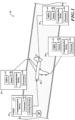
FIGURE 1 is a diagram of an aircraft configured with an obstacle awareness system formed in accordance with an embodiment of the present invention; -
FIGURES 2 through 5 show exemplary graphical user interfaces of sensed obstacles relative to an ownship; and -
FIGURES 6 through 8 show exemplary vertical profile interfaces of sensed obstacles relative to an ownship. -
FIGURE 1 shows an exemplary airport surface collision-avoidance system (ASCAS) 18 that includes components on anaircraft 20 for providing enhanced awareness of proximate obstacles relative to ownship (e.g., aircraft) components (e.g., wingtip, nacelles). Theaircraft 20 includes sensors (e.g., active sensor (e.g., radar)) and/or passive sensor (e.g., camera) 26 included within anobstacle detection module 30, for example an aircraft light module. Thesemodules 30 also include other elements such as navigation/position lights 34, aprocessor 36, and acommunication device 38. Thesensors 26 are in communication via the communication device 38 (wired or wirelessly) to a cockpit user interface (UI)device 44. - The
UI device 44 includes a processor 50 (optional), a communication device (wired or wireless) 52, and an alerting device(s) 54. TheUI device 44 provides audio and/or visual cues (e.g., via headphones, PC tablets, etc.) based on sensor-derived and processed information. - Based on information from the
sensors 26, theUI device 44 provides some or all of the following functions: detect and track intruders, evaluate and prioritize threats, and declare and determine actions. Once an alert associated with a detection has been produced, then execution of a collision-avoidance action (e.g., stop the aircraft, maneuver around intruder, etc.) is manually performed by a pilot or automatically by an automated system (e.g., autobrakes). - In one embodiment, processing of the sensor information is done by the
processor 36 at the sensor level and/or by theprocessor 50 at theUI device 44. - In one embodiment, situational awareness is improved by integration with automatic dependent surveillance-broadcast/traffic information service-broadcast (ADS-B/TIS-B), airport/airline information on vehicles/aircraft/obstacles (e.g., through WiMax), and with synthetic vision system/enhanced vision system/combined vision system (SVS/EVS/CVS) received by the respective devices using the
communication device 38. - In one embodiment, the present invention reduces false alarms by utilizing flight plan and taxi clearance information, and airport building/obstacle databases stored in
memory 60 or received from a source via thecommunication devices 52. The stored airport building/obstacle databases include height information for any ground obstacle. - The
sensors 26 integrated in the wing andtail modules 30 provide near-complete sensor coverage of theaircraft 20. Full coverage can be attained by placing sensors at various locations on theaircraft 20. - The pilot is alerted aurally, visually, and/or tactilely. For example, aural alerting is through existing installed equipment, such as the interphone or other warning electronics (e.g. Crew Alerting System) or possibly the Enhanced Ground Proximity Warning System (EGPWS) platform.
- The present invention provides systems and methods for allowing a flight crew to visualize an object's distance from the host aircraft using two scalable range rings, which can be set to either feet or meters.
FIGURE 2 shows a top downimage 120 presented by the alerting device(s) 54. Theimage 120 includes anownship aircraft icon 126 located at the bottom of theimage 120 with two radarbeam coverage areas 124 that project forward from wingtips of theicon 126. Tworange rings range rings aircraft 20, when shown on a device such as a navigation display. - Gray (or other) colored
gridlines areas 124. Thegridlines image 120. In one embodiment, each vertical andhorizontal gridline - In one embodiment, as shown in
FIGURE 3 , animage 180 generated by theprocessor image 180. Primary targets are those objects on the ground that are in a direct strike zone of the aircraft's structure, such as a wing, wingtip, or nacelle (for example, within a radar beam zone). Secondary targets are those objects on the ground that are outside the direct strike zone of an aircraft wing, wingtip, or nacelle but within a predetermined distance from the aircraft in both lateral and vertical dimensions (for example, within the radar beam's zone if radar is the primary sensor). - In the
image 180, aprimary strike zone 190 is identified as the zone from the wingtip inward toward the aircraft (i.e., the icon 126). Asecondary strike zone 194 is a predetermined distance from the wingtip outward within thedefined coverage area 124. Primary targets are those inside theprimary strike zone 190 and secondary targets are those in thesecondary strike zone 194. Separation between thezones - In one embodiment, the
dashed line 196 does not appear on thedisplay image 180. However, differentiation between primary and secondary zones is shown with a thicker white or gray line in the middle of the radar beam area 124 (i.e., visual coding is used to distinguish between primary andsecondary zones 190, 194). Other visual coding techniques may be used. - If information is available on the vertical extent of detected obstacles (targets) the
processor primary strike zone 190 but either above or below the host vehicle component (e.g., wing or nacelle area). The secondary targets represent targets that would not be threats if the intended trajectory of the host aircraft (vehicle) is maintained withsecondary target icons 220. In one embodiment, a clearance threshold is applied to obstacles in theprimary strike zone 190. Those obstacles that are not within the clearance threshold of the aircraft's structure (e.g., 5 to 30 inches) are deemed to be secondary targets. These are depicted as the smaller, hollow circles (seetarget icon 224 inFIGURE 4 ). In one embodiment, a value of how far (vertically) the associated targets are from the host vehicle structure is identified (+ means above, - means below). -
FIGURE 5 shows a top down/movingmap image 230 that showstarget icons area 124 farthest from theaircraft icon 126 when the associated targets are off the scale of theareas 124. Thetarget icon 240 indicates that there is an obstacle in the primary zone to the port side of the aircraft. Thetarget icon 242 indicates that there is an obstacle in the secondary zone outside the right wingtip. The off-scale targets are shown as half-circle icons at the correct sensed bearing from the host aircraft. - If vertical information related to obstacles is available, an airport moving map display or vertical situation display (VSD) (e.g., displayed below the plan view display) incorporates obstacle information from an airport database, based on received target information.
- As shown in
FIGURE 6 , an ownship wing position (or other aircraft structure) is shown as atriangle icon 284, within aVSD image 280. Previously identified primary targets are shown as solid diamonds 286 (e.g., brown) and secondary targets are shown as hollow,smaller diamonds 288, 290 (e.g., brown). - In one embodiment, a vertical (y) scale in the
VSD image 280 shows obstacle height in either meters or feet (set through either a menu or maintenance options user interface). The lateral distance (feet or meters) to the target is shown along the lateral (x) scale of theVSD image 280. The horizontal scale can be adjusted using a zoom knob on a cursor control device (CCD) or using a range set knob. - In one embodiment, a
vertical line 292 is drawn from theprimary target icon 286 to the lateral scale to show how far the associated object is from the wingtip (or other aircraft structure). -
FIGURE 7 shows aVSD image 300 that includes information that distinguishes whether targets are to the left or right of the aircraft's nose. In one embodiment, an "L" or an "R" is presented adjacent thetarget icons - In one embodiment, the flightcrew is presented with the option of selecting either a "LEFT WING" or "RIGHT WING" vertical profile depiction. The selection causes the
processors - If vertical information related to obstacles is available (i.e., received via the
communication device 52, or retrieved from local memory (60) based on identifying of the associated target), the distance in feet or meters of objects below (or above) the wing or nacelle is shown adjacent the respective icon, seeVSD image 340FIGURE 8 . A negative number indicates an obstacle below the host aircraft's part; a positive number is for those obstacles above the respective part. -
FIGURE 8 also shows a "relative altitude" vertical display. The datum for the vertical scale is set to zero at the bottom of the ownship wing symbol 344 (or other reference position on the aircraft) and increase/decrease from thesymbol 344. The target associated with afirst icon 342 in theimage 340 is 9 feet below the host aircraft structure indicated by asymbol 344 on the left side of theimage 340.
Claims (13)
- A system comprising:one or more sensors (26) configured to be positioned on an aircraft (20) and to generate sensed ground obstacle information;a processor (36, 50) configured to:receive the sensed ground obstacle information from the one or more sensors (26); anddetermine locations of a first obstacle and a second obstacle relative to a first zone or a second zone within a predefined field of view based on at least one of the received sensor information, previously received surveillance data, or previously stored ground obstacle data;a communication device configured to receive height information of the first obstacle:wherein the processor is further configured to generate a numerical value based on the height information; andgenerate an image (120, 180, 340) comprising:an ownship icon (126, 224);first icon (342) associated with the first obstacle, the first obstacle being located within the first zone;second icon (126, 224) associated with the second obstacle, the second obstacle being located within the second zone, wherein the first and second icons are visually different; andthe numerical value; anda display device (54) configured to present the generated image (120, 180, 340),characterised in that the generated image (120, 180, 340) comprises a vertical scale that represents at least one of height above ground or vertical distance from a predefined structure of the aircraft (20),and a horizontal scale that represents distance from the predefined structure of the aircraft (20),wherein the ownship icon (126, 224) is presented adjacent the vertical scale at a location on the vertical scale equal to a predefined height of the associated predefined structure of the aircraft (20).
- The system of claim 1, wherein the numerical value comprises a value of how far vertically the first obstacle is from the aircraft (20).
- The system of claim 1, wherein the image (120, 180, 340) further comprises a vertical line (292) drawn from the first obstacle to a horizontal lateral scale.
- The system of claim 1, wherein the image (120, 180, 340) comprises a line that connects one of the first or second icons to the horizontal scale.
- The system of claim 1, wherein the image (120, 180, 340) comprises the numerical value adjacent the first icon (342).
- The system of claim 1, wherein the numerical value comprises a distance in feet or meters of the first obstacle above or below a wing or nacelle of the aircraft (20).
- The system of claim 1, wherein the generated image (120, 180, 340) comprises:a first sensed coverage area (124) adjacent at least one feature associated with a left wing of the aircraft (20); anda second sensed coverage area (124) adjacent the at least one feature associated with a right wing of the aircraft (20),wherein, when the processor (36, 50) determines that an obstacle is beyond a range of the first zone or the and second zone but is within a lateral extent of a respective one of the first zone or the second zone, the processor (36, 50) generates the image (120, 180, 340) to include at least a partial icon (126, 224) at a limit of the respective coverage area (124).
- The system of claim 1, wherein the processor (36, 50) is further configured to determine whether the first obstacle vertically clears a predefined vertical distance from a structure of the aircraft (20), and
wherein the processor (36, 50) is configured to select a visual characteristic of the first icon (342) based on whether the first obstacle is determined to vertically clear the structure of the aircraft (20). - A method comprising:receiving, by a processor (36, 50), sensed ground obstacle information from one or more sensors (26) positioned on an aircraft (20) and configured to sense obstacles within a field of view;determining, by the processor (36, 50), locations of a first obstacle and a second obstacle relative to a first zone or a second zone within a predefined field of view based on at least one of the received sensor information, previously received surveillance data, or previously stored ground obstacle data;at a communication device, receiving height information of the first obstacle:at the processor, generating a numerical value based on the height information;generating, by the processor (36, 50), an image (120, 180, 340) comprising:an ownship icon (126, 224);first icon (342) associated with the first obstacle, the first obstacle being located within the first zone;second icon (126, 224) associated with the second obstacle, the second obstacle being located within the second zone, wherein the first and second icons are visually different; andthe numerical value;presenting, by a display device (54), the generated image (120, 180, 340);characterised by generating, by the processor (36, 50), a vertical situation display, the generated image (120, 180, 340) comprising a vertical scale that represents at least one of height above ground or vertical distance from a predefined structure of the aircraft (20); anda horizontal scale that represents distance from the predefined structure of the aircraft; andpresenting, by the display device (54), the ownship icon (126, 224) adjacent the vertical scale at a location on the vertical scale equal to a predefined height of the associated predefined structure of the aircraft (20).
- The method of claim 9, wherein the numerical value comprises a value of how far vertically the first obstacle is from the aircraft (20).
- The method of claim 9, wherein the image (120, 180, 340) further comprises a vertical line (292) drawn from the first obstacle to a lateral scale.
- The method of claim 9, wherein the numerical value comprises a distance in feet or meters of the first obstacle above or below a wing or nacelle of the aircraft (20).
- The method of claim 9, further comprising generating a vertical situation display, wherein the generated image (120, 180, 340) comprises a horizontal scale that represents distance from a predefined structure.
Applications Claiming Priority (5)
| Application Number | Priority Date | Filing Date | Title |
|---|---|---|---|
| US201261653297P | 2012-05-30 | 2012-05-30 | |
| US201261706632P | 2012-09-27 | 2012-09-27 | |
| US13/872,889 US9223017B2 (en) | 2012-05-30 | 2013-04-29 | Systems and methods for enhanced awareness of obstacle proximity during taxi operations |
| EP13796644.6A EP2856455B1 (en) | 2012-05-30 | 2013-05-30 | Systems and methods for enhanced awareness of obstacle proximity during taxi operations |
| PCT/US2013/043287 WO2013181351A1 (en) | 2012-05-30 | 2013-05-30 | Systems and methods for enhanced awareness of obstacle proximity during taxi operations |
Related Parent Applications (1)
| Application Number | Title | Priority Date | Filing Date |
|---|---|---|---|
| EP13796644.6A Division EP2856455B1 (en) | 2012-05-30 | 2013-05-30 | Systems and methods for enhanced awareness of obstacle proximity during taxi operations |
Publications (2)
| Publication Number | Publication Date |
|---|---|
| EP3832348A1 EP3832348A1 (en) | 2021-06-09 |
| EP3832348B1 true EP3832348B1 (en) | 2025-01-15 |
Family
ID=49669535
Family Applications (2)
| Application Number | Title | Priority Date | Filing Date |
|---|---|---|---|
| EP21150078.0A Active EP3832348B1 (en) | 2012-05-30 | 2013-05-30 | Systems and methods for enhanced awareness of obstacle proximity during taxi operations |
| EP13796644.6A Active EP2856455B1 (en) | 2012-05-30 | 2013-05-30 | Systems and methods for enhanced awareness of obstacle proximity during taxi operations |
Family Applications After (1)
| Application Number | Title | Priority Date | Filing Date |
|---|---|---|---|
| EP13796644.6A Active EP2856455B1 (en) | 2012-05-30 | 2013-05-30 | Systems and methods for enhanced awareness of obstacle proximity during taxi operations |
Country Status (6)
| Country | Link |
|---|---|
| US (4) | US9223017B2 (en) |
| EP (2) | EP3832348B1 (en) |
| JP (1) | JP2015524111A (en) |
| CN (1) | CN104380363A (en) |
| IN (1) | IN2014DN09499A (en) |
| WO (1) | WO2013181351A1 (en) |
Families Citing this family (31)
| Publication number | Priority date | Publication date | Assignee | Title |
|---|---|---|---|---|
| US9223017B2 (en) | 2012-05-30 | 2015-12-29 | Honeywell International Inc. | Systems and methods for enhanced awareness of obstacle proximity during taxi operations |
| EP2901178A4 (en) | 2012-09-27 | 2016-03-30 | Honeywell Int Inc | SYSTEMS AND METHODS FOR USING ADAPTIVE RADAR BEAM CONFIGURATION FOR WINGBORNE PROTECTION |
| US9286794B2 (en) | 2013-10-18 | 2016-03-15 | Elwha Llc | Pedestrian warning system |
| US20150029051A1 (en) * | 2013-07-25 | 2015-01-29 | Elwha Llc | Wearable radar reflectors |
| US10431105B2 (en) | 2014-01-07 | 2019-10-01 | Honeywell International Inc. | Enhanced awareness of obstacle proximity |
| US10963133B2 (en) | 2014-01-07 | 2021-03-30 | Honeywell International Inc. | Enhanced awareness of obstacle proximity |
| US20150213721A1 (en) * | 2014-01-30 | 2015-07-30 | Honeywell International Inc. | Passive aircraft wingtip strike detection system and method |
| RU2553270C1 (en) * | 2014-04-15 | 2015-06-10 | Федеральное государственное казенное военное образовательное учреждение высшего профессионального образования "ВОЕННАЯ АКАДЕМИЯ СВЯЗИ имени Маршала Советского Союза С.М. Буденного" Министерства обороны Российской Федерации | Method and apparatus for determining angular orientation of aircraft |
| FR3020043B1 (en) * | 2014-04-17 | 2016-04-22 | Sagem Defense Securite | AIRCRAFT COMPRISING A RETRACTABLE ARM HAVING OBSTACLE DETECTOR |
| US9721475B2 (en) | 2014-09-05 | 2017-08-01 | Honeywell International Inc. | Systems and methods for displaying object and/or approaching vehicle data within an airport moving map |
| WO2016045703A1 (en) * | 2014-09-23 | 2016-03-31 | Airbus Operations (S.A.S.) | Method and device for determining the ground collision risk of an aircraft |
| CN107004369A (en) | 2014-11-05 | 2017-08-01 | 霍尼韦尔国际公司 | Use the Air Traffic System of program trajectory predictions |
| US9536435B1 (en) | 2015-07-13 | 2017-01-03 | Double Black Aviation Technology L.L.C. | System and method for optimizing an aircraft trajectory |
| USD842718S1 (en) | 2017-07-25 | 2019-03-12 | uAvionix Corporation | Position indicator |
| US10156627B2 (en) | 2015-10-15 | 2018-12-18 | uAvionix Corporation | Aircraft navigation light ADS-B radio |
| US9898934B2 (en) | 2016-07-25 | 2018-02-20 | Honeywell International Inc. | Prediction of vehicle maneuvers |
| US9997078B2 (en) | 2016-09-09 | 2018-06-12 | Garmin International, Inc. | Obstacle determination and display system |
| CN108154715B (en) * | 2016-12-02 | 2022-02-25 | 上海航空电器有限公司 | Lateral collision monitoring method |
| US10830873B2 (en) | 2017-01-06 | 2020-11-10 | Honeywell International Inc. | Synthesizer for radar sensing |
| US10403158B2 (en) * | 2017-04-06 | 2019-09-03 | The Boeing Company | Vertical landing vehicle, situational awareness system, and method thereof |
| US10453351B2 (en) * | 2017-07-17 | 2019-10-22 | Aurora Flight Sciences Corporation | System and method for detecting obstacles in aerial systems |
| US10410530B1 (en) | 2018-02-27 | 2019-09-10 | Honeywell International Inc. | Systems and methods for detecting potential surface collisions and providing warnings onboard an aircraft or airport vehicle |
| US10234303B1 (en) | 2018-02-28 | 2019-03-19 | Honeywell International Inc. | Methods and systems for providing visually automated in-cockpit aircraft docking guidance with use of airport moving map applications |
| CN112088344B (en) * | 2018-12-04 | 2024-02-02 | 深圳市大疆创新科技有限公司 | Method and system for controlling movement of movable devices |
| FR3090978B1 (en) * | 2018-12-19 | 2020-12-04 | Airbus Helicopters | method of detecting the proximity of a lateral arrangement of an aircraft with the ground and aircraft |
| US10867522B1 (en) * | 2019-08-28 | 2020-12-15 | Honeywell International Inc. | Systems and methods for vehicle pushback collision notification and avoidance |
| CN114423673B (en) * | 2019-09-30 | 2023-04-04 | 本田技研工业株式会社 | Straddle-type vehicle, control method for straddle-type vehicle, and storage medium |
| DE102020103298B4 (en) | 2020-02-10 | 2023-12-14 | Evitado Technologies GmbH | Method and system for monitoring an object in the vicinity of an aircraft |
| US11770689B2 (en) * | 2020-12-16 | 2023-09-26 | Qorvo Us, Inc. | Systems and methods for communication via passive radar modulation |
| CN114044164B (en) * | 2021-11-10 | 2023-06-27 | 北京环境特性研究所 | Low-scattering carrier for RCS (wing component handling System) test of wing component |
| US12345798B2 (en) | 2022-02-04 | 2025-07-01 | Honeywell International Inc. | FMCW radar with elevation scanning |
Family Cites Families (94)
| Publication number | Priority date | Publication date | Assignee | Title |
|---|---|---|---|---|
| CH434030A (en) * | 1963-07-02 | 1967-04-15 | Bofors Ab | Fire control system for a ship |
| US3212089A (en) * | 1963-09-30 | 1965-10-12 | Longacre Andrew | Monopulse resolution improvement |
| US3349394A (en) * | 1965-12-23 | 1967-10-24 | Motorola Inc | Radar sensing system |
| US3372890A (en) * | 1966-02-04 | 1968-03-12 | Martin Marietta Corp | Data processor for circular scanning tracking system |
| US3416752A (en) * | 1966-03-23 | 1968-12-17 | Martin Marietta Corp | Correlation guidance system having multiple switchable field of view |
| US4128837A (en) * | 1968-07-22 | 1978-12-05 | Rockwell International Corporation | Prediction computation for weapon control |
| US4170774A (en) * | 1972-01-24 | 1979-10-09 | United Technologies Corporation | Amplitude selected phase interferometer angle measuring radar |
| US3761927A (en) * | 1972-03-20 | 1973-09-25 | United Aircraft Corp | Rf phase detected interferometer radar |
| US3766556A (en) * | 1972-03-28 | 1973-10-16 | United Aircraft Corp | Channel switching phase interferometer radar receiver |
| US3841585A (en) * | 1973-03-06 | 1974-10-15 | Us Army | Constant bearing course homing missile |
| DE2623643C2 (en) * | 1976-05-26 | 1986-11-20 | Daimler-Benz Ag, 7000 Stuttgart | Method for automatically regulating the safety distance between a vehicle and vehicles in front and a device for carrying out this method |
| US4148029A (en) * | 1976-10-13 | 1979-04-03 | Westinghouse Electric Corp. | System for estimating acceleration of maneuvering targets |
| US4160974A (en) * | 1976-10-29 | 1979-07-10 | The Singer Company | Target sensing and homing system |
| FR2378318A1 (en) * | 1977-01-21 | 1978-08-18 | Thomson Csf | MOBILE TARGET TRACKING SYSTEM |
| US4101893A (en) * | 1977-08-05 | 1978-07-18 | The United States Of America As Represented By The Secretary Of The Navy | Aircraft landing aid for zero-zero visibility landings |
| US6297762B1 (en) * | 1979-06-27 | 2001-10-02 | Raytheon Company | Electronic countermeasures system |
| GB2057808A (en) * | 1979-08-23 | 1981-04-01 | Marconi Co Ltd | Secondary surveillance radar |
| US4918442A (en) * | 1988-10-03 | 1990-04-17 | Bogart Jr Donald W | Airplane collision avoidance system |
| US5129595A (en) * | 1991-07-03 | 1992-07-14 | Alliant Techsystems Inc. | Focal plane array seeker for projectiles |
| IT223271Z2 (en) | 1991-07-31 | 1995-06-21 | Fiat Ricerche | FANTASY GROUP FOR VEHICLES INCORPORATING AN OBSTACLE RELIEF SYSTEM. |
| JPH07306995A (en) | 1994-05-13 | 1995-11-21 | Hitachi Ltd | Traffic safety system, pedestrian portable device and vehicle-mounted device used for the system, and pedestrian danger warning method |
| KR100270523B1 (en) * | 1995-12-27 | 2000-11-01 | 정몽규 | Unmanned car having control function according to the road condition |
| US6118401A (en) * | 1996-07-01 | 2000-09-12 | Sun Microsystems, Inc. | Aircraft ground collision avoidance system and method |
| JP3421058B2 (en) | 1997-12-22 | 2003-06-30 | 三菱電機株式会社 | Automotive radar equipment |
| JP2000019246A (en) | 1998-07-03 | 2000-01-21 | Denso Corp | Obstacle detection system, radar device, transponder |
| GB2342251A (en) * | 1998-09-29 | 2000-04-05 | Secr Defence | Proximity measuring apparatus |
| US6459411B2 (en) | 1998-12-30 | 2002-10-01 | L-3 Communications Corporation | Close/intra-formation positioning collision avoidance system and method |
| US6087995A (en) * | 1999-02-17 | 2000-07-11 | Anritsu Company | Universal autoradar antenna alignment system |
| JP2001021644A (en) | 1999-07-12 | 2001-01-26 | Denso Corp | Obstacle detection system, in-vehicle radar device, wireless portable device |
| US6963293B1 (en) | 2000-05-11 | 2005-11-08 | Rastar Corporation | System and method of preventing aircraft wingtip ground incursion |
| US6486798B2 (en) | 2000-05-11 | 2002-11-26 | Rastar Corporation | System and method of preventing aircraft wing damage |
| US7055994B2 (en) | 2000-09-19 | 2006-06-06 | L-3 Communications Corporation | Light source assembly and methods for aircraft external lighting |
| WO2003009254A1 (en) | 2001-07-16 | 2003-01-30 | 727823 Ontario Limited | Method and apparatus for avoiding collisions |
| US7295154B2 (en) | 2002-01-17 | 2007-11-13 | The Ohio State University | Vehicle obstacle warning radar |
| FR2837591B1 (en) * | 2002-03-20 | 2004-07-02 | Airbus France | AIRPORT VISUALIZATION DEVICE |
| JP2004258898A (en) | 2003-02-25 | 2004-09-16 | Denso Corp | Vehicle-mounted device that detects the position of a pedestrian or vehicle |
| US7095336B2 (en) * | 2003-09-23 | 2006-08-22 | Optimus Corporation | System and method for providing pedestrian alerts |
| US20050107934A1 (en) | 2003-11-18 | 2005-05-19 | Caterpillar Inc. | Work site tracking system and method |
| US7188983B2 (en) | 2004-01-05 | 2007-03-13 | Matthew Dunn | Vehicle lighting apparatus and method |
| IL161082A (en) * | 2004-03-25 | 2008-08-07 | Rafael Advanced Defense Sys | System and method for automatically acquiring a target with a narrow field-of-view gimbaled imaging sensor |
| US7541944B2 (en) * | 2004-07-12 | 2009-06-02 | The Boeing Company | Systems and methods for collision avoidance |
| US7167126B2 (en) | 2004-09-01 | 2007-01-23 | The Boeing Company | Radar system and method for determining the height of an object |
| US20080062011A1 (en) * | 2004-09-07 | 2008-03-13 | Butler William M | Collision Avoidance Warning And Taxi Guidance Device |
| US7379014B1 (en) * | 2004-09-15 | 2008-05-27 | Rockwell Collins, Inc. | Taxi obstacle detecting radar |
| US7379165B2 (en) | 2004-09-30 | 2008-05-27 | The Boeing Company | Ground vehicle collision prevention systems and methods |
| US8629800B2 (en) * | 2004-09-30 | 2014-01-14 | The Boeing Company | Ground vehicle collision prevention systems and methods |
| FR2888955B1 (en) | 2005-07-21 | 2007-08-24 | Airbus Sas | METHOD AND DEVICE FOR SECURING AUTOMATIC LOW ALTITUDE FLIGHT OF AN AIRCRAFT |
| JP4812080B2 (en) * | 2005-10-12 | 2011-11-09 | 株式会社 日立ディスプレイズ | Image display device |
| JP2007132768A (en) | 2005-11-10 | 2007-05-31 | Hitachi Ltd | In-vehicle radar device with communication function |
| CN1979517A (en) | 2005-11-30 | 2007-06-13 | 华为技术有限公司 | Radio-frequency identifying method and apparatus |
| CN100405775C (en) | 2006-01-16 | 2008-07-23 | 北京大学 | Anti-collision reading method of radio frequency identification information |
| DE102006007536A1 (en) | 2006-02-16 | 2007-08-30 | Aloys Wobben | Wind turbine with flight lighting device |
| US7592929B2 (en) * | 2006-04-06 | 2009-09-22 | Honeywell International Inc. | Runway and taxiway turning guidance |
| JP4739112B2 (en) | 2006-05-17 | 2011-08-03 | 住友ナコ マテリアル ハンドリング株式会社 | Industrial vehicle safety device |
| CA2549870A1 (en) | 2006-06-06 | 2007-12-06 | Donald Wayne Ablitt | Collision avoidance and rfid system |
| US7783427B1 (en) * | 2006-07-14 | 2010-08-24 | Rockwell Collins, Inc. | Combined runway obstacle detection system and method |
| FR2908218B1 (en) * | 2006-11-07 | 2014-08-15 | Thales Sa | DEVICE FOR AIDING NAVIGATION OF AN AIRCRAFT IN AN AIRPORT AREA |
| CN100466014C (en) | 2006-11-08 | 2009-03-04 | 北京航空航天大学 | Surveillance System for Moving Targets on Airport Surface |
| JP2008123014A (en) | 2006-11-08 | 2008-05-29 | Shinko Electric Co Ltd | Contact prevention system |
| US7623061B2 (en) | 2006-11-15 | 2009-11-24 | Autoliv Asp | Method and apparatus for discriminating with respect to low elevation target objects |
| US7865300B2 (en) * | 2006-11-15 | 2011-01-04 | International Business Machines Corporation | System and method for providing turn-by-turn directions to a moving waypoint |
| FR2910681B1 (en) * | 2006-12-20 | 2009-03-06 | Thales Sa | SELECTIVE DISPLAY SYSTEM FOR AIRCRAFT TRAFFIC INFORMATION |
| JP4920431B2 (en) | 2007-01-23 | 2012-04-18 | 本田技研工業株式会社 | Collision damage reduction system |
| FR2913775B1 (en) * | 2007-03-16 | 2010-08-13 | Thales Sa | OBSTACLE DETECTION SYSTEM, IN PARTICULAR FOR ANTICOLLISION SYSTEM |
| EP2153245A1 (en) | 2007-05-04 | 2010-02-17 | Teledyne Australia Pty Ltd. | Collision avoidance system and method |
| FR2917222B1 (en) * | 2007-06-05 | 2009-10-30 | Thales Sa | COLLISION PREVENTION DEVICE AND METHOD FOR A GROUND VEHICLE |
| FR2917223B1 (en) * | 2007-06-08 | 2009-07-17 | Thales Sa | AIDING SYSTEM FOR GUIDING AN AIRCRAFT ON AN AIRPORT |
| CN101122957B (en) | 2007-09-06 | 2010-11-17 | 复旦大学 | An RFID reader-writer with collision detection function and its collision detection method |
| US8786467B2 (en) | 2007-11-14 | 2014-07-22 | The Boeing Company | Methods and systems for filtering traffic information for display |
| FR2925739B1 (en) | 2007-12-20 | 2010-11-05 | Airbus France | METHOD AND DEVICE FOR PREVENTING GROUND COLLISIONS FOR AIRCRAFT. |
| US8077081B2 (en) * | 2008-01-29 | 2011-12-13 | Honeywell International Inc. | Ground collision instrument for aircraft and marine vehicles |
| FR2932279B1 (en) * | 2008-06-10 | 2011-08-19 | Thales Sa | DEVICE AND METHOD FOR MONITORING OBSTRUCTIONS IN THE ENVIRONMENT CLOSE TO AN AIRCRAFT. |
| US7932838B2 (en) * | 2008-11-17 | 2011-04-26 | Honeywell International, Inc. | Aircraft collision avoidance system |
| US8264377B2 (en) | 2009-03-02 | 2012-09-11 | Griffith Gregory M | Aircraft collision avoidance system |
| FR2947639B1 (en) * | 2009-07-03 | 2012-01-13 | Airbus Operations Sas | METHOD AND DEVICE FOR DETECTING CIRCULATING AIRCRAFT IN AN AIRSPACE SURROUNDING AN AIRCRAFT |
| CN101593437A (en) | 2009-07-10 | 2009-12-02 | 贵州盖克无人机有限责任公司 | A kind of unmanned plane flight collision avoidance method and device |
| JP2011028579A (en) | 2009-07-27 | 2011-02-10 | Toshiba Corp | Ground travel guidance support system |
| CN101989383A (en) | 2009-08-03 | 2011-03-23 | 西安费斯达自动化工程有限公司 | Miniature TCAS (Traffic Collision Avoidance System) |
| FR2950149B1 (en) * | 2009-09-17 | 2012-08-17 | Mbda France | METHOD AND SYSTEM FOR AVOIDING AN INTERCEPTION MACHINE BY AN AIR MOBILE |
| US20110125349A1 (en) * | 2009-11-23 | 2011-05-26 | Danny Ace | Integrated Bird-Aircraft Strike Prevention System - IBSPS |
| US8366054B2 (en) * | 2009-12-17 | 2013-02-05 | The United States Of America As Represented By The Secretary Of The Navy | Hand launchable unmanned aerial vehicle |
| US8922431B2 (en) * | 2010-04-13 | 2014-12-30 | Becker Research And Development (Proprietary) Limited | Apparatus, a system and a method for collission avoidance |
| JP4919179B2 (en) | 2010-05-11 | 2012-04-18 | 独立行政法人電子航法研究所 | Millimeter wave radar built-in headlamp |
| DE102010022282A1 (en) * | 2010-05-31 | 2011-12-01 | Andreas Lewandowski | Method and radio system for warning of moving persons and objects in traffic |
| US8325082B2 (en) * | 2010-08-31 | 2012-12-04 | Raytheon Company | Predictive and adaptive wide area surveillance |
| US8378881B2 (en) * | 2010-10-18 | 2013-02-19 | Raytheon Company | Systems and methods for collision avoidance in unmanned aerial vehicles |
| CN202193050U (en) | 2011-08-17 | 2012-04-18 | 胡鹏 | Novel anti-collision system |
| US8988277B2 (en) * | 2011-11-08 | 2015-03-24 | Raytheon Company | Dual monopulse/interferometer radar AESA aperture |
| US9959774B2 (en) | 2012-05-30 | 2018-05-01 | Honeywell International Inc. | Systems and methods for displaying obstacle-avoidance information during surface operations |
| US9207319B2 (en) | 2012-05-30 | 2015-12-08 | Honeywell International Inc. | Collision-avoidance system for ground crew using sensors |
| US9223017B2 (en) | 2012-05-30 | 2015-12-29 | Honeywell International Inc. | Systems and methods for enhanced awareness of obstacle proximity during taxi operations |
| US9575174B2 (en) | 2012-05-30 | 2017-02-21 | Honeywell International Inc. | Systems and methods for filtering wingtip sensor information |
| US20130321169A1 (en) | 2012-05-30 | 2013-12-05 | Honeywell International Inc. | Airport surface collision-avoidance system (ascas) |
| US8958942B2 (en) | 2012-05-30 | 2015-02-17 | Honeywell International Inc. | Systems and methods for displaying aircraft braking distance during surface operations |
-
2013
- 2013-04-29 US US13/872,889 patent/US9223017B2/en active Active
- 2013-05-06 US US13/888,216 patent/US10274595B2/en active Active
- 2013-05-08 US US13/889,537 patent/US20140085124A1/en not_active Abandoned
- 2013-05-21 US US13/899,298 patent/US9229101B2/en active Active
- 2013-05-30 IN IN9499DEN2014 patent/IN2014DN09499A/en unknown
- 2013-05-30 EP EP21150078.0A patent/EP3832348B1/en active Active
- 2013-05-30 JP JP2015515177A patent/JP2015524111A/en active Pending
- 2013-05-30 CN CN201380027882.4A patent/CN104380363A/en active Pending
- 2013-05-30 WO PCT/US2013/043287 patent/WO2013181351A1/en not_active Ceased
- 2013-05-30 EP EP13796644.6A patent/EP2856455B1/en active Active
Also Published As
| Publication number | Publication date |
|---|---|
| EP3832348A1 (en) | 2021-06-09 |
| EP2856455A1 (en) | 2015-04-08 |
| EP2856455B1 (en) | 2021-01-27 |
| US9223017B2 (en) | 2015-12-29 |
| WO2013181351A1 (en) | 2013-12-05 |
| CN104380363A (en) | 2015-02-25 |
| IN2014DN09499A (en) | 2015-07-17 |
| US10274595B2 (en) | 2019-04-30 |
| JP2015524111A (en) | 2015-08-20 |
| US9229101B2 (en) | 2016-01-05 |
| US20130321177A1 (en) | 2013-12-05 |
| US20130325312A1 (en) | 2013-12-05 |
| EP2856455A4 (en) | 2015-12-02 |
| US20140085124A1 (en) | 2014-03-27 |
| US20130321194A1 (en) | 2013-12-05 |
Similar Documents
| Publication | Publication Date | Title |
|---|---|---|
| EP3832348B1 (en) | Systems and methods for enhanced awareness of obstacle proximity during taxi operations | |
| US10140876B2 (en) | Systems and methods for enhanced awareness of obstacle proximity during taxi operations | |
| US9959774B2 (en) | Systems and methods for displaying obstacle-avoidance information during surface operations | |
| EP2168112B1 (en) | Systems and methods for providing aircraft runway guidance | |
| US9575174B2 (en) | Systems and methods for filtering wingtip sensor information | |
| US8378852B2 (en) | Aircraft-centered ground maneuvering monitoring and alerting system | |
| US10963133B2 (en) | Enhanced awareness of obstacle proximity | |
| US8271186B2 (en) | Viewing device for aircraft comprising means of displaying trajectories of intruders presenting a risk of collision in all the space surrounding the aircraft | |
| CN103803092B (en) | Method relative to airport optical alignment aircraft | |
| EP2892040A1 (en) | Obstacle detection system providing context awareness | |
| US20180075762A1 (en) | Obstacle determination and display system | |
| US10431105B2 (en) | Enhanced awareness of obstacle proximity | |
| EP3309519B1 (en) | Aircraft system and corresponding method for displaying wind shear | |
| US20100052973A1 (en) | Device and Method for Monitoring the Location of Aircraft on the Ground | |
| CN103473958A (en) | System and method for displaying obstacle-avoidance information during surface operation |
Legal Events
| Date | Code | Title | Description |
|---|---|---|---|
| PUAI | Public reference made under article 153(3) epc to a published international application that has entered the european phase |
Free format text: ORIGINAL CODE: 0009012 |
|
| STAA | Information on the status of an ep patent application or granted ep patent |
Free format text: STATUS: REQUEST FOR EXAMINATION WAS MADE |
|
| 17P | Request for examination filed |
Effective date: 20210104 |
|
| AC | Divisional application: reference to earlier application |
Ref document number: 2856455 Country of ref document: EP Kind code of ref document: P |
|
| AK | Designated contracting states |
Kind code of ref document: A1 Designated state(s): AL AT BE BG CH CY CZ DE DK EE ES FI FR GB GR HR HU IE IS IT LI LT LU LV MC MK MT NL NO PL PT RO RS SE SI SK SM TR |
|
| P01 | Opt-out of the competence of the unified patent court (upc) registered |
Effective date: 20230421 |
|
| GRAP | Despatch of communication of intention to grant a patent |
Free format text: ORIGINAL CODE: EPIDOSNIGR1 |
|
| STAA | Information on the status of an ep patent application or granted ep patent |
Free format text: STATUS: GRANT OF PATENT IS INTENDED |
|
| INTG | Intention to grant announced |
Effective date: 20240813 |
|
| GRAS | Grant fee paid |
Free format text: ORIGINAL CODE: EPIDOSNIGR3 |
|
| GRAA | (expected) grant |
Free format text: ORIGINAL CODE: 0009210 |
|
| STAA | Information on the status of an ep patent application or granted ep patent |
Free format text: STATUS: THE PATENT HAS BEEN GRANTED |
|
| AC | Divisional application: reference to earlier application |
Ref document number: 2856455 Country of ref document: EP Kind code of ref document: P |
|
| AK | Designated contracting states |
Kind code of ref document: B1 Designated state(s): AL AT BE BG CH CY CZ DE DK EE ES FI FR GB GR HR HU IE IS IT LI LT LU LV MC MK MT NL NO PL PT RO RS SE SI SK SM TR |
|
| REG | Reference to a national code |
Ref country code: CH Ref legal event code: EP Ref country code: GB Ref legal event code: FG4D |
|
| REG | Reference to a national code |
Ref country code: DE Ref legal event code: R096 Ref document number: 602013086461 Country of ref document: DE |
|
| REG | Reference to a national code |
Ref country code: IE Ref legal event code: FG4D |
|
| REG | Reference to a national code |
Ref country code: NL Ref legal event code: FP |
|
| PGFP | Annual fee paid to national office [announced via postgrant information from national office to epo] |
Ref country code: NL Payment date: 20250526 Year of fee payment: 13 |
|
| PG25 | Lapsed in a contracting state [announced via postgrant information from national office to epo] |
Ref country code: RS Free format text: LAPSE BECAUSE OF FAILURE TO SUBMIT A TRANSLATION OF THE DESCRIPTION OR TO PAY THE FEE WITHIN THE PRESCRIBED TIME-LIMIT Effective date: 20250415 |
|
| PG25 | Lapsed in a contracting state [announced via postgrant information from national office to epo] |
Ref country code: FI Free format text: LAPSE BECAUSE OF FAILURE TO SUBMIT A TRANSLATION OF THE DESCRIPTION OR TO PAY THE FEE WITHIN THE PRESCRIBED TIME-LIMIT Effective date: 20250115 |
|
| PG25 | Lapsed in a contracting state [announced via postgrant information from national office to epo] |
Ref country code: PL Free format text: LAPSE BECAUSE OF FAILURE TO SUBMIT A TRANSLATION OF THE DESCRIPTION OR TO PAY THE FEE WITHIN THE PRESCRIBED TIME-LIMIT Effective date: 20250115 |
|
| PG25 | Lapsed in a contracting state [announced via postgrant information from national office to epo] |
Ref country code: ES Free format text: LAPSE BECAUSE OF FAILURE TO SUBMIT A TRANSLATION OF THE DESCRIPTION OR TO PAY THE FEE WITHIN THE PRESCRIBED TIME-LIMIT Effective date: 20250115 |
|
| REG | Reference to a national code |
Ref country code: LT Ref legal event code: MG9D |
|
| PG25 | Lapsed in a contracting state [announced via postgrant information from national office to epo] |
Ref country code: IS Free format text: LAPSE BECAUSE OF FAILURE TO SUBMIT A TRANSLATION OF THE DESCRIPTION OR TO PAY THE FEE WITHIN THE PRESCRIBED TIME-LIMIT Effective date: 20250515 Ref country code: NO Free format text: LAPSE BECAUSE OF FAILURE TO SUBMIT A TRANSLATION OF THE DESCRIPTION OR TO PAY THE FEE WITHIN THE PRESCRIBED TIME-LIMIT Effective date: 20250415 |
|
| PGFP | Annual fee paid to national office [announced via postgrant information from national office to epo] |
Ref country code: IT Payment date: 20250522 Year of fee payment: 13 |
|
| REG | Reference to a national code |
Ref country code: AT Ref legal event code: MK05 Ref document number: 1760179 Country of ref document: AT Kind code of ref document: T Effective date: 20250115 |
|
| PG25 | Lapsed in a contracting state [announced via postgrant information from national office to epo] |
Ref country code: HR Free format text: LAPSE BECAUSE OF FAILURE TO SUBMIT A TRANSLATION OF THE DESCRIPTION OR TO PAY THE FEE WITHIN THE PRESCRIBED TIME-LIMIT Effective date: 20250115 |
|
| PG25 | Lapsed in a contracting state [announced via postgrant information from national office to epo] |
Ref country code: PT Free format text: LAPSE BECAUSE OF FAILURE TO SUBMIT A TRANSLATION OF THE DESCRIPTION OR TO PAY THE FEE WITHIN THE PRESCRIBED TIME-LIMIT Effective date: 20250515 Ref country code: LV Free format text: LAPSE BECAUSE OF FAILURE TO SUBMIT A TRANSLATION OF THE DESCRIPTION OR TO PAY THE FEE WITHIN THE PRESCRIBED TIME-LIMIT Effective date: 20250115 |
|
| PGFP | Annual fee paid to national office [announced via postgrant information from national office to epo] |
Ref country code: FR Payment date: 20250526 Year of fee payment: 13 |
|
| PG25 | Lapsed in a contracting state [announced via postgrant information from national office to epo] |
Ref country code: BG Free format text: LAPSE BECAUSE OF FAILURE TO SUBMIT A TRANSLATION OF THE DESCRIPTION OR TO PAY THE FEE WITHIN THE PRESCRIBED TIME-LIMIT Effective date: 20250115 Ref country code: GR Free format text: LAPSE BECAUSE OF FAILURE TO SUBMIT A TRANSLATION OF THE DESCRIPTION OR TO PAY THE FEE WITHIN THE PRESCRIBED TIME-LIMIT Effective date: 20250416 |
|
| PG25 | Lapsed in a contracting state [announced via postgrant information from national office to epo] |
Ref country code: AT Free format text: LAPSE BECAUSE OF FAILURE TO SUBMIT A TRANSLATION OF THE DESCRIPTION OR TO PAY THE FEE WITHIN THE PRESCRIBED TIME-LIMIT Effective date: 20250115 |
|
| PG25 | Lapsed in a contracting state [announced via postgrant information from national office to epo] |
Ref country code: SE Free format text: LAPSE BECAUSE OF FAILURE TO SUBMIT A TRANSLATION OF THE DESCRIPTION OR TO PAY THE FEE WITHIN THE PRESCRIBED TIME-LIMIT Effective date: 20250115 |
|
| PG25 | Lapsed in a contracting state [announced via postgrant information from national office to epo] |
Ref country code: SM Free format text: LAPSE BECAUSE OF FAILURE TO SUBMIT A TRANSLATION OF THE DESCRIPTION OR TO PAY THE FEE WITHIN THE PRESCRIBED TIME-LIMIT Effective date: 20250115 |
|
| PG25 | Lapsed in a contracting state [announced via postgrant information from national office to epo] |
Ref country code: DK Free format text: LAPSE BECAUSE OF FAILURE TO SUBMIT A TRANSLATION OF THE DESCRIPTION OR TO PAY THE FEE WITHIN THE PRESCRIBED TIME-LIMIT Effective date: 20250115 |
|
| REG | Reference to a national code |
Ref country code: DE Ref legal event code: R097 Ref document number: 602013086461 Country of ref document: DE |
|
| PG25 | Lapsed in a contracting state [announced via postgrant information from national office to epo] |
Ref country code: CZ Free format text: LAPSE BECAUSE OF FAILURE TO SUBMIT A TRANSLATION OF THE DESCRIPTION OR TO PAY THE FEE WITHIN THE PRESCRIBED TIME-LIMIT Effective date: 20250115 Ref country code: EE Free format text: LAPSE BECAUSE OF FAILURE TO SUBMIT A TRANSLATION OF THE DESCRIPTION OR TO PAY THE FEE WITHIN THE PRESCRIBED TIME-LIMIT Effective date: 20250115 |
|
| PG25 | Lapsed in a contracting state [announced via postgrant information from national office to epo] |
Ref country code: RO Free format text: LAPSE BECAUSE OF FAILURE TO SUBMIT A TRANSLATION OF THE DESCRIPTION OR TO PAY THE FEE WITHIN THE PRESCRIBED TIME-LIMIT Effective date: 20250115 |
|
| PG25 | Lapsed in a contracting state [announced via postgrant information from national office to epo] |
Ref country code: SK Free format text: LAPSE BECAUSE OF FAILURE TO SUBMIT A TRANSLATION OF THE DESCRIPTION OR TO PAY THE FEE WITHIN THE PRESCRIBED TIME-LIMIT Effective date: 20250115 |
|
| PLBE | No opposition filed within time limit |
Free format text: ORIGINAL CODE: 0009261 |
|
| STAA | Information on the status of an ep patent application or granted ep patent |
Free format text: STATUS: NO OPPOSITION FILED WITHIN TIME LIMIT |
|
| REG | Reference to a national code |
Ref country code: CH Ref legal event code: L10 Free format text: ST27 STATUS EVENT CODE: U-0-0-L10-L00 (AS PROVIDED BY THE NATIONAL OFFICE) Effective date: 20251126 |
|
| REG | Reference to a national code |
Ref country code: DE Ref legal event code: R119 Ref document number: 602013086461 Country of ref document: DE |
|
| REG | Reference to a national code |
Ref country code: CH Ref legal event code: H13 Free format text: ST27 STATUS EVENT CODE: U-0-0-H10-H13 (AS PROVIDED BY THE NATIONAL OFFICE) Effective date: 20251223 |
|
| 26N | No opposition filed |
Effective date: 20251016 |
|
| PG25 | Lapsed in a contracting state [announced via postgrant information from national office to epo] |
Ref country code: LU Free format text: LAPSE BECAUSE OF NON-PAYMENT OF DUE FEES Effective date: 20250530 |
|
| PG25 | Lapsed in a contracting state [announced via postgrant information from national office to epo] |
Ref country code: CH Free format text: LAPSE BECAUSE OF NON-PAYMENT OF DUE FEES Effective date: 20250531 |
|
| GBPC | Gb: european patent ceased through non-payment of renewal fee |
Effective date: 20250530 |
|
| REG | Reference to a national code |
Ref country code: BE Ref legal event code: MM Effective date: 20250531 |
|
| PG25 | Lapsed in a contracting state [announced via postgrant information from national office to epo] |
Ref country code: MC Free format text: LAPSE BECAUSE OF FAILURE TO SUBMIT A TRANSLATION OF THE DESCRIPTION OR TO PAY THE FEE WITHIN THE PRESCRIBED TIME-LIMIT Effective date: 20250115 |
|
| PG25 | Lapsed in a contracting state [announced via postgrant information from national office to epo] |
Ref country code: GB Free format text: LAPSE BECAUSE OF NON-PAYMENT OF DUE FEES Effective date: 20250530 |
|
| PG25 | Lapsed in a contracting state [announced via postgrant information from national office to epo] |
Ref country code: IE Free format text: LAPSE BECAUSE OF NON-PAYMENT OF DUE FEES Effective date: 20250530 Ref country code: DE Free format text: LAPSE BECAUSE OF NON-PAYMENT OF DUE FEES Effective date: 20251202 |
|
| PG25 | Lapsed in a contracting state [announced via postgrant information from national office to epo] |
Ref country code: BE Free format text: LAPSE BECAUSE OF NON-PAYMENT OF DUE FEES Effective date: 20250531 |