EP3831820A1 - Compounds and methods for amine oxidase imaging - Google Patents
Compounds and methods for amine oxidase imaging Download PDFInfo
- Publication number
- EP3831820A1 EP3831820A1 EP19213787.5A EP19213787A EP3831820A1 EP 3831820 A1 EP3831820 A1 EP 3831820A1 EP 19213787 A EP19213787 A EP 19213787A EP 3831820 A1 EP3831820 A1 EP 3831820A1
- Authority
- EP
- European Patent Office
- Prior art keywords
- optionally
- substituted
- group
- peptide
- branched
- Prior art date
- Legal status (The legal status is an assumption and is not a legal conclusion. Google has not performed a legal analysis and makes no representation as to the accuracy of the status listed.)
- Withdrawn
Links
- 102000004316 Oxidoreductases Human genes 0.000 title claims abstract description 87
- 108090000854 Oxidoreductases Proteins 0.000 title claims abstract description 87
- 238000000034 method Methods 0.000 title claims abstract description 27
- 150000001875 compounds Chemical class 0.000 title claims description 103
- 238000003384 imaging method Methods 0.000 title 1
- 230000000694 effects Effects 0.000 claims abstract description 48
- 208000037265 diseases, disorders, signs and symptoms Diseases 0.000 claims abstract description 40
- 201000010099 disease Diseases 0.000 claims abstract description 35
- 102000008186 Collagen Human genes 0.000 claims abstract description 27
- 108010035532 Collagen Proteins 0.000 claims abstract description 27
- 229920001436 collagen Polymers 0.000 claims abstract description 27
- 206010028980 Neoplasm Diseases 0.000 claims abstract description 21
- KDXKERNSBIXSRK-UHFFFAOYSA-N Lysine Natural products NCCCCC(N)C(O)=O KDXKERNSBIXSRK-UHFFFAOYSA-N 0.000 claims abstract description 15
- 239000004472 Lysine Substances 0.000 claims abstract description 15
- 208000031229 Cardiomyopathies Diseases 0.000 claims abstract description 7
- 206010019668 Hepatic fibrosis Diseases 0.000 claims abstract description 6
- 206010027476 Metastases Diseases 0.000 claims abstract description 6
- 230000009401 metastasis Effects 0.000 claims abstract description 6
- 230000002685 pulmonary effect Effects 0.000 claims abstract description 6
- 208000005069 pulmonary fibrosis Diseases 0.000 claims abstract description 6
- 108090000765 processed proteins & peptides Proteins 0.000 claims description 93
- 239000002202 Polyethylene glycol Substances 0.000 claims description 65
- 229920001223 polyethylene glycol Polymers 0.000 claims description 65
- RTZKZFJDLAIYFH-UHFFFAOYSA-N ether Substances CCOCC RTZKZFJDLAIYFH-UHFFFAOYSA-N 0.000 claims description 58
- -1 alkenyl ether Chemical compound 0.000 claims description 50
- 125000000008 (C1-C10) alkyl group Chemical group 0.000 claims description 42
- 125000001436 propyl group Chemical group [H]C([*])([H])C([H])([H])C([H])([H])[H] 0.000 claims description 39
- 229910052739 hydrogen Inorganic materials 0.000 claims description 36
- 239000001257 hydrogen Substances 0.000 claims description 36
- 210000001519 tissue Anatomy 0.000 claims description 35
- 108010003894 Protein-Lysine 6-Oxidase Proteins 0.000 claims description 34
- 102100026858 Protein-lysine 6-oxidase Human genes 0.000 claims description 34
- 125000001495 ethyl group Chemical group [H]C([H])([H])C([H])([H])* 0.000 claims description 33
- 125000002496 methyl group Chemical group [H]C([H])([H])* 0.000 claims description 33
- 229930182852 proteinogenic amino acid Natural products 0.000 claims description 30
- 229920002549 elastin Polymers 0.000 claims description 29
- 229910052757 nitrogen Inorganic materials 0.000 claims description 29
- 229910052731 fluorine Inorganic materials 0.000 claims description 28
- RIOQSEWOXXDEQQ-UHFFFAOYSA-N triphenylphosphine Chemical class C1=CC=CC=C1P(C=1C=CC=CC=1)C1=CC=CC=C1 RIOQSEWOXXDEQQ-UHFFFAOYSA-N 0.000 claims description 28
- 229910052736 halogen Inorganic materials 0.000 claims description 26
- 125000000304 alkynyl group Chemical group 0.000 claims description 25
- 229910052794 bromium Inorganic materials 0.000 claims description 25
- 229910052801 chlorine Inorganic materials 0.000 claims description 24
- 108010014258 Elastin Proteins 0.000 claims description 23
- 102000016942 Elastin Human genes 0.000 claims description 23
- 125000003342 alkenyl group Chemical group 0.000 claims description 23
- IAYPIBMASNFSPL-UHFFFAOYSA-N Ethylene oxide Chemical compound C1CO1 IAYPIBMASNFSPL-UHFFFAOYSA-N 0.000 claims description 22
- 229910052740 iodine Inorganic materials 0.000 claims description 22
- DHMQDGOQFOQNFH-UHFFFAOYSA-N Glycine Chemical compound NCC(O)=O DHMQDGOQFOQNFH-UHFFFAOYSA-N 0.000 claims description 20
- 102000010909 Monoamine Oxidase Human genes 0.000 claims description 20
- 108010062431 Monoamine oxidase Proteins 0.000 claims description 20
- 229910052760 oxygen Inorganic materials 0.000 claims description 20
- 125000003837 (C1-C20) alkyl group Chemical group 0.000 claims description 19
- 150000001413 amino acids Chemical class 0.000 claims description 18
- 150000002367 halogens Chemical class 0.000 claims description 17
- IYMAXBFPHPZYIK-BQBZGAKWSA-N Arg-Gly-Asp Chemical compound NC(N)=NCCC[C@H](N)C(=O)NCC(=O)N[C@@H](CC(O)=O)C(O)=O IYMAXBFPHPZYIK-BQBZGAKWSA-N 0.000 claims description 16
- 150000001540 azides Chemical class 0.000 claims description 16
- 201000011510 cancer Diseases 0.000 claims description 15
- 102100039160 Amiloride-sensitive amine oxidase [copper-containing] Human genes 0.000 claims description 14
- UFHFLCQGNIYNRP-UHFFFAOYSA-N Hydrogen Chemical compound [H][H] UFHFLCQGNIYNRP-UHFFFAOYSA-N 0.000 claims description 14
- PMMYEEVYMWASQN-UHFFFAOYSA-N dl-hydroxyproline Natural products OC1C[NH2+]C(C([O-])=O)C1 PMMYEEVYMWASQN-UHFFFAOYSA-N 0.000 claims description 14
- BHEPBYXIRTUNPN-UHFFFAOYSA-N hydridophosphorus(.) (triplet) Chemical compound [PH] BHEPBYXIRTUNPN-UHFFFAOYSA-N 0.000 claims description 14
- 150000003839 salts Chemical class 0.000 claims description 14
- 102100021949 Lysyl oxidase homolog 3 Human genes 0.000 claims description 13
- PMMYEEVYMWASQN-DMTCNVIQSA-N Hydroxyproline Chemical compound O[C@H]1CN[C@H](C(O)=O)C1 PMMYEEVYMWASQN-DMTCNVIQSA-N 0.000 claims description 12
- 239000004471 Glycine Substances 0.000 claims description 11
- ONIBWKKTOPOVIA-BYPYZUCNSA-N L-Proline Chemical compound OC(=O)[C@@H]1CCCN1 ONIBWKKTOPOVIA-BYPYZUCNSA-N 0.000 claims description 11
- ONIBWKKTOPOVIA-UHFFFAOYSA-N Proline Natural products OC(=O)C1CCCN1 ONIBWKKTOPOVIA-UHFFFAOYSA-N 0.000 claims description 11
- 210000004027 cell Anatomy 0.000 claims description 11
- 150000002431 hydrogen Chemical class 0.000 claims description 11
- 229910052717 sulfur Inorganic materials 0.000 claims description 11
- KDXKERNSBIXSRK-YFKPBYRVSA-N L-lysine Chemical compound NCCCC[C@H](N)C(O)=O KDXKERNSBIXSRK-YFKPBYRVSA-N 0.000 claims description 10
- 150000001408 amides Chemical group 0.000 claims description 10
- 238000003745 diagnosis Methods 0.000 claims description 10
- 229960002591 hydroxyproline Drugs 0.000 claims description 10
- 238000001727 in vivo Methods 0.000 claims description 10
- CFHRFEWVIOURLB-BKLSDQPFSA-N (2S)-4-aminooxypyrrolidine-2-carboxylic acid Chemical compound NOC1CN[C@H](C(O)=O)C1 CFHRFEWVIOURLB-BKLSDQPFSA-N 0.000 claims description 9
- SHINASQYHDCLEU-BKLSDQPFSA-N (2s)-4-aminopyrrolidine-2-carboxylic acid Chemical compound NC1CN[C@H](C(O)=O)C1 SHINASQYHDCLEU-BKLSDQPFSA-N 0.000 claims description 9
- 125000003118 aryl group Chemical group 0.000 claims description 9
- 125000001424 substituent group Chemical group 0.000 claims description 9
- 108010028700 Amine Oxidase (Copper-Containing) Proteins 0.000 claims description 8
- 108010067306 Fibronectins Proteins 0.000 claims description 8
- 102000016359 Fibronectins Human genes 0.000 claims description 8
- 101000694718 Homo sapiens Amine oxidase [flavin-containing] A Proteins 0.000 claims description 8
- 102100021948 Lysyl oxidase homolog 2 Human genes 0.000 claims description 8
- 108030000925 Primary-amine oxidases Proteins 0.000 claims description 8
- 208000000102 Squamous Cell Carcinoma of Head and Neck Diseases 0.000 claims description 8
- 108010072041 arginyl-glycyl-aspartic acid Proteins 0.000 claims description 8
- 125000002837 carbocyclic group Chemical group 0.000 claims description 8
- 108060002895 fibrillin Proteins 0.000 claims description 8
- 102000013370 fibrillin Human genes 0.000 claims description 8
- 201000000459 head and neck squamous cell carcinoma Diseases 0.000 claims description 8
- 125000005842 heteroatom Chemical group 0.000 claims description 8
- 125000000623 heterocyclic group Chemical group 0.000 claims description 8
- 238000000338 in vitro Methods 0.000 claims description 8
- 208000007064 occipital horn syndrome Diseases 0.000 claims description 8
- 125000003088 (fluoren-9-ylmethoxy)carbonyl group Chemical group 0.000 claims description 7
- 102100028661 Amine oxidase [flavin-containing] A Human genes 0.000 claims description 7
- 102100028116 Amine oxidase [flavin-containing] B Human genes 0.000 claims description 7
- 101000768078 Homo sapiens Amine oxidase [flavin-containing] B Proteins 0.000 claims description 7
- 101001043321 Homo sapiens Lysyl oxidase homolog 1 Proteins 0.000 claims description 7
- 101000694615 Homo sapiens Membrane primary amine oxidase Proteins 0.000 claims description 7
- 101000889523 Homo sapiens Retina-specific copper amine oxidase Proteins 0.000 claims description 7
- 102100027159 Membrane primary amine oxidase Human genes 0.000 claims description 7
- 102100039141 Retina-specific copper amine oxidase Human genes 0.000 claims description 7
- 238000001514 detection method Methods 0.000 claims description 7
- 125000004433 nitrogen atom Chemical group N* 0.000 claims description 7
- 239000012453 solvate Substances 0.000 claims description 7
- UVJWCNFWEYPYSP-MPRVYTNRSA-N 2-aminoacetic acid;(2s)-4-hydroxypyrrolidine-2-carboxylic acid;(2s)-pyrrolidine-2-carboxylic acid Chemical group NCC(O)=O.OC(=O)[C@@H]1CCCN1.OC1CN[C@H](C(O)=O)C1 UVJWCNFWEYPYSP-MPRVYTNRSA-N 0.000 claims description 6
- 206010016654 Fibrosis Diseases 0.000 claims description 6
- 101710183214 Lysyl oxidase homolog 1 Proteins 0.000 claims description 6
- 102100021958 Lysyl oxidase homolog 1 Human genes 0.000 claims description 6
- 101710183215 Lysyl oxidase homolog 2 Proteins 0.000 claims description 6
- 101710183207 Lysyl oxidase homolog 3 Proteins 0.000 claims description 6
- 102100021968 Lysyl oxidase homolog 4 Human genes 0.000 claims description 6
- 101710183212 Lysyl oxidase homolog 4 Proteins 0.000 claims description 6
- 125000000217 alkyl group Chemical group 0.000 claims description 6
- 230000003367 anti-collagen effect Effects 0.000 claims description 6
- 125000000484 butyl group Chemical group [H]C([*])([H])C([H])([H])C([H])([H])C([H])([H])[H] 0.000 claims description 6
- 230000004761 fibrosis Effects 0.000 claims description 6
- 125000001147 pentyl group Chemical group C(CCCC)* 0.000 claims description 6
- 208000035475 disorder Diseases 0.000 claims description 5
- 208000024827 Alzheimer disease Diseases 0.000 claims description 4
- 201000001320 Atherosclerosis Diseases 0.000 claims description 4
- 208000008439 Biliary Liver Cirrhosis Diseases 0.000 claims description 4
- 208000033222 Biliary cirrhosis primary Diseases 0.000 claims description 4
- 206010005003 Bladder cancer Diseases 0.000 claims description 4
- 206010006187 Breast cancer Diseases 0.000 claims description 4
- 208000026310 Breast neoplasm Diseases 0.000 claims description 4
- 201000009030 Carcinoma Diseases 0.000 claims description 4
- 206010009944 Colon cancer Diseases 0.000 claims description 4
- 208000001333 Colorectal Neoplasms Diseases 0.000 claims description 4
- 206010014733 Endometrial cancer Diseases 0.000 claims description 4
- 206010014759 Endometrial neoplasm Diseases 0.000 claims description 4
- 201000009273 Endometriosis Diseases 0.000 claims description 4
- 208000010412 Glaucoma Diseases 0.000 claims description 4
- 206010019280 Heart failures Diseases 0.000 claims description 4
- 208000002972 Hepatolenticular Degeneration Diseases 0.000 claims description 4
- 201000008450 Intracranial aneurysm Diseases 0.000 claims description 4
- 208000002260 Keloid Diseases 0.000 claims description 4
- 206010023330 Keloid scar Diseases 0.000 claims description 4
- 206010023825 Laryngeal cancer Diseases 0.000 claims description 4
- 206010058467 Lung neoplasm malignant Diseases 0.000 claims description 4
- 206010027294 Menkes' syndrome Diseases 0.000 claims description 4
- 206010061902 Pancreatic neoplasm Diseases 0.000 claims description 4
- 208000012654 Primary biliary cholangitis Diseases 0.000 claims description 4
- 206010060862 Prostate cancer Diseases 0.000 claims description 4
- 208000000236 Prostatic Neoplasms Diseases 0.000 claims description 4
- 206010039710 Scleroderma Diseases 0.000 claims description 4
- 208000005718 Stomach Neoplasms Diseases 0.000 claims description 4
- 208000033133 Testicular seminomatous germ cell tumor Diseases 0.000 claims description 4
- 208000007097 Urinary Bladder Neoplasms Diseases 0.000 claims description 4
- 208000018839 Wilson disease Diseases 0.000 claims description 4
- 125000002344 aminooxy group Chemical group [H]N([H])O[*] 0.000 claims description 4
- 125000000649 benzylidene group Chemical group [H]C(=[*])C1=C([H])C([H])=C([H])C([H])=C1[H] 0.000 claims description 4
- 210000001124 body fluid Anatomy 0.000 claims description 4
- 239000010839 body fluid Substances 0.000 claims description 4
- 201000002816 chronic venous insufficiency Diseases 0.000 claims description 4
- 208000019425 cirrhosis of liver Diseases 0.000 claims description 4
- 208000007276 esophageal squamous cell carcinoma Diseases 0.000 claims description 4
- 201000004949 exfoliation syndrome Diseases 0.000 claims description 4
- 238000000799 fluorescence microscopy Methods 0.000 claims description 4
- 206010017758 gastric cancer Diseases 0.000 claims description 4
- 125000005843 halogen group Chemical group 0.000 claims description 4
- 201000010235 heart cancer Diseases 0.000 claims description 4
- 208000024348 heart neoplasm Diseases 0.000 claims description 4
- 206010073071 hepatocellular carcinoma Diseases 0.000 claims description 4
- 210000001117 keloid Anatomy 0.000 claims description 4
- 206010023841 laryngeal neoplasm Diseases 0.000 claims description 4
- 208000014018 liver neoplasm Diseases 0.000 claims description 4
- 201000005202 lung cancer Diseases 0.000 claims description 4
- 208000020816 lung neoplasm Diseases 0.000 claims description 4
- 208000015486 malignant pancreatic neoplasm Diseases 0.000 claims description 4
- 208000031225 myocardial ischemia Diseases 0.000 claims description 4
- 201000002528 pancreatic cancer Diseases 0.000 claims description 4
- 208000008443 pancreatic carcinoma Diseases 0.000 claims description 4
- 208000013823 pelvic organ prolapse Diseases 0.000 claims description 4
- XKJCHHZQLQNZHY-UHFFFAOYSA-N phthalimide Chemical compound C1=CC=C2C(=O)NC(=O)C2=C1 XKJCHHZQLQNZHY-UHFFFAOYSA-N 0.000 claims description 4
- 210000004927 skin cell Anatomy 0.000 claims description 4
- 201000011549 stomach cancer Diseases 0.000 claims description 4
- 208000024662 testicular seminoma Diseases 0.000 claims description 4
- 201000005112 urinary bladder cancer Diseases 0.000 claims description 4
- 201000002282 venous insufficiency Diseases 0.000 claims description 4
- 125000001559 cyclopropyl group Chemical group [H]C1([H])C([H])([H])C1([H])* 0.000 claims description 3
- 241000124008 Mammalia Species 0.000 claims description 2
- 101000889548 Homo sapiens Amiloride-sensitive amine oxidase [copper-containing] Proteins 0.000 claims 3
- 238000004132 cross linking Methods 0.000 abstract description 9
- 125000002485 formyl group Chemical class [H]C(*)=O 0.000 abstract description 9
- 239000007850 fluorescent dye Substances 0.000 abstract description 8
- 230000002596 correlated effect Effects 0.000 abstract description 4
- 238000007833 oxidative deamination reaction Methods 0.000 abstract description 4
- 238000012544 monitoring process Methods 0.000 abstract description 3
- 229940125782 compound 2 Drugs 0.000 description 48
- 239000000523 sample Substances 0.000 description 30
- 210000003491 skin Anatomy 0.000 description 24
- 239000000243 solution Substances 0.000 description 21
- 239000011347 resin Substances 0.000 description 20
- 229920005989 resin Polymers 0.000 description 20
- OKKJLVBELUTLKV-UHFFFAOYSA-N Methanol Chemical compound OC OKKJLVBELUTLKV-UHFFFAOYSA-N 0.000 description 18
- 238000004293 19F NMR spectroscopy Methods 0.000 description 16
- YMWUJEATGCHHMB-UHFFFAOYSA-N Dichloromethane Chemical compound ClCCl YMWUJEATGCHHMB-UHFFFAOYSA-N 0.000 description 16
- HEDRZPFGACZZDS-MICDWDOJSA-N Trichloro(2H)methane Chemical compound [2H]C(Cl)(Cl)Cl HEDRZPFGACZZDS-MICDWDOJSA-N 0.000 description 16
- 235000001014 amino acid Nutrition 0.000 description 16
- 125000004429 atom Chemical group 0.000 description 16
- 102000004196 processed proteins & peptides Human genes 0.000 description 16
- IJGRMHOSHXDMSA-UHFFFAOYSA-N Atomic nitrogen Chemical compound N#N IJGRMHOSHXDMSA-UHFFFAOYSA-N 0.000 description 13
- 102000004190 Enzymes Human genes 0.000 description 13
- 108090000790 Enzymes Proteins 0.000 description 13
- 125000004432 carbon atom Chemical group C* 0.000 description 13
- 238000007792 addition Methods 0.000 description 11
- 229910052799 carbon Inorganic materials 0.000 description 11
- 229940125904 compound 1 Drugs 0.000 description 11
- 125000001183 hydrocarbyl group Chemical group 0.000 description 11
- 239000007787 solid Substances 0.000 description 11
- IAZDPXIOMUYVGZ-WFGJKAKNSA-N Dimethyl sulfoxide Chemical compound [2H]C([2H])([2H])S(=O)C([2H])([2H])[2H] IAZDPXIOMUYVGZ-WFGJKAKNSA-N 0.000 description 10
- 150000001412 amines Chemical class 0.000 description 10
- 238000006243 chemical reaction Methods 0.000 description 10
- 238000002474 experimental method Methods 0.000 description 10
- 238000004896 high resolution mass spectrometry Methods 0.000 description 10
- 238000011534 incubation Methods 0.000 description 10
- 125000005647 linker group Chemical group 0.000 description 10
- 238000001228 spectrum Methods 0.000 description 10
- XLYOFNOQVPJJNP-UHFFFAOYSA-N water Substances O XLYOFNOQVPJJNP-UHFFFAOYSA-N 0.000 description 10
- QGZKDVFQNNGYKY-UHFFFAOYSA-N Ammonia Chemical compound N QGZKDVFQNNGYKY-UHFFFAOYSA-N 0.000 description 9
- 241000699666 Mus <mouse, genus> Species 0.000 description 9
- 239000000872 buffer Substances 0.000 description 9
- 229920001184 polypeptide Polymers 0.000 description 9
- OKTJSMMVPCPJKN-UHFFFAOYSA-N Carbon Chemical compound [C] OKTJSMMVPCPJKN-UHFFFAOYSA-N 0.000 description 8
- XEKOWRVHYACXOJ-UHFFFAOYSA-N Ethyl acetate Chemical compound CCOC(C)=O XEKOWRVHYACXOJ-UHFFFAOYSA-N 0.000 description 8
- 230000015572 biosynthetic process Effects 0.000 description 8
- 229940125898 compound 5 Drugs 0.000 description 8
- 229960000956 coumarin Drugs 0.000 description 8
- 238000000132 electrospray ionisation Methods 0.000 description 8
- 238000005259 measurement Methods 0.000 description 8
- VYNDHICBIRRPFP-UHFFFAOYSA-N pacific blue Chemical compound FC1=C(O)C(F)=C2OC(=O)C(C(=O)O)=CC2=C1 VYNDHICBIRRPFP-UHFFFAOYSA-N 0.000 description 8
- 238000003786 synthesis reaction Methods 0.000 description 8
- 241000699670 Mus sp. Species 0.000 description 7
- WEVYAHXRMPXWCK-FIBGUPNXSA-N acetonitrile-d3 Chemical compound [2H]C([2H])([2H])C#N WEVYAHXRMPXWCK-FIBGUPNXSA-N 0.000 description 7
- 238000004458 analytical method Methods 0.000 description 7
- 238000003776 cleavage reaction Methods 0.000 description 7
- 125000004435 hydrogen atom Chemical group [H]* 0.000 description 7
- 238000001543 one-way ANOVA Methods 0.000 description 7
- 238000010647 peptide synthesis reaction Methods 0.000 description 7
- 125000002572 propoxy group Chemical group [*]OC([H])([H])C(C([H])([H])[H])([H])[H] 0.000 description 7
- 235000018102 proteins Nutrition 0.000 description 7
- 102000004169 proteins and genes Human genes 0.000 description 7
- 108090000623 proteins and genes Proteins 0.000 description 7
- 238000004007 reversed phase HPLC Methods 0.000 description 7
- 230000007017 scission Effects 0.000 description 7
- 238000005160 1H NMR spectroscopy Methods 0.000 description 6
- VYPSYNLAJGMNEJ-UHFFFAOYSA-N Silicium dioxide Chemical compound O=[Si]=O VYPSYNLAJGMNEJ-UHFFFAOYSA-N 0.000 description 6
- HEMHJVSKTPXQMS-UHFFFAOYSA-M Sodium hydroxide Chemical compound [OH-].[Na+] HEMHJVSKTPXQMS-UHFFFAOYSA-M 0.000 description 6
- 230000005284 excitation Effects 0.000 description 6
- 230000014509 gene expression Effects 0.000 description 6
- 239000000203 mixture Substances 0.000 description 6
- 238000000746 purification Methods 0.000 description 6
- 238000001644 13C nuclear magnetic resonance spectroscopy Methods 0.000 description 5
- 125000003275 alpha amino acid group Chemical group 0.000 description 5
- AGSPXMVUFBBBMO-UHFFFAOYSA-N beta-aminopropionitrile Chemical compound NCCC#N AGSPXMVUFBBBMO-UHFFFAOYSA-N 0.000 description 5
- 238000001460 carbon-13 nuclear magnetic resonance spectrum Methods 0.000 description 5
- 229940126214 compound 3 Drugs 0.000 description 5
- 239000002552 dosage form Substances 0.000 description 5
- 125000001033 ether group Chemical group 0.000 description 5
- 238000007306 functionalization reaction Methods 0.000 description 5
- 238000004128 high performance liquid chromatography Methods 0.000 description 5
- 239000001301 oxygen Substances 0.000 description 5
- 239000008194 pharmaceutical composition Substances 0.000 description 5
- 238000000425 proton nuclear magnetic resonance spectrum Methods 0.000 description 5
- NLXLAEXVIDQMFP-UHFFFAOYSA-N Ammonia chloride Chemical compound [NH4+].[Cl-] NLXLAEXVIDQMFP-UHFFFAOYSA-N 0.000 description 4
- OKKJLVBELUTLKV-MZCSYVLQSA-N Deuterated methanol Chemical compound [2H]OC([2H])([2H])[2H] OKKJLVBELUTLKV-MZCSYVLQSA-N 0.000 description 4
- 241001465754 Metazoa Species 0.000 description 4
- JGFZNNIVVJXRND-UHFFFAOYSA-N N,N-Diisopropylethylamine (DIPEA) Chemical compound CCN(C(C)C)C(C)C JGFZNNIVVJXRND-UHFFFAOYSA-N 0.000 description 4
- SECXISVLQFMRJM-UHFFFAOYSA-N N-Methylpyrrolidone Chemical compound CN1CCCC1=O SECXISVLQFMRJM-UHFFFAOYSA-N 0.000 description 4
- 239000007832 Na2SO4 Substances 0.000 description 4
- PMZURENOXWZQFD-UHFFFAOYSA-L Sodium Sulfate Chemical compound [Na+].[Na+].[O-]S([O-])(=O)=O PMZURENOXWZQFD-UHFFFAOYSA-L 0.000 description 4
- 238000002835 absorbance Methods 0.000 description 4
- 150000003973 alkyl amines Chemical class 0.000 description 4
- 229910021529 ammonia Inorganic materials 0.000 description 4
- 238000003556 assay Methods 0.000 description 4
- 230000008859 change Effects 0.000 description 4
- 238000001142 circular dichroism spectrum Methods 0.000 description 4
- 238000004925 denaturation Methods 0.000 description 4
- 230000036425 denaturation Effects 0.000 description 4
- 235000019439 ethyl acetate Nutrition 0.000 description 4
- 239000006260 foam Substances 0.000 description 4
- 239000012634 fragment Substances 0.000 description 4
- 238000004108 freeze drying Methods 0.000 description 4
- 238000004895 liquid chromatography mass spectrometry Methods 0.000 description 4
- 229910052938 sodium sulfate Inorganic materials 0.000 description 4
- 239000000126 substance Substances 0.000 description 4
- 238000012360 testing method Methods 0.000 description 4
- VCFCFPNRQDANPN-IBGZPJMESA-N (2s)-2-(9h-fluoren-9-ylmethoxycarbonylamino)hexanoic acid Chemical compound C1=CC=C2C(COC(=O)N[C@@H](CCCC)C(O)=O)C3=CC=CC=C3C2=C1 VCFCFPNRQDANPN-IBGZPJMESA-N 0.000 description 3
- WEVYAHXRMPXWCK-UHFFFAOYSA-N Acetonitrile Chemical compound CC#N WEVYAHXRMPXWCK-UHFFFAOYSA-N 0.000 description 3
- IAZDPXIOMUYVGZ-UHFFFAOYSA-N Dimethylsulphoxide Chemical compound CS(C)=O IAZDPXIOMUYVGZ-UHFFFAOYSA-N 0.000 description 3
- 102000010834 Extracellular Matrix Proteins Human genes 0.000 description 3
- 108010037362 Extracellular Matrix Proteins Proteins 0.000 description 3
- 101001043352 Homo sapiens Lysyl oxidase homolog 2 Proteins 0.000 description 3
- MUBZPKHOEPUJKR-UHFFFAOYSA-N Oxalic acid Chemical compound OC(=O)C(O)=O MUBZPKHOEPUJKR-UHFFFAOYSA-N 0.000 description 3
- NINIDFKCEFEMDL-UHFFFAOYSA-N Sulfur Chemical compound [S] NINIDFKCEFEMDL-UHFFFAOYSA-N 0.000 description 3
- 239000005864 Sulphur Substances 0.000 description 3
- 206010052428 Wound Diseases 0.000 description 3
- 208000027418 Wounds and injury Diseases 0.000 description 3
- 239000002253 acid Substances 0.000 description 3
- 230000004913 activation Effects 0.000 description 3
- 239000002671 adjuvant Substances 0.000 description 3
- 125000001118 alkylidene group Chemical group 0.000 description 3
- 125000002915 carbonyl group Chemical group [*:2]C([*:1])=O 0.000 description 3
- 238000004587 chromatography analysis Methods 0.000 description 3
- PMMYEEVYMWASQN-IMJSIDKUSA-N cis-4-Hydroxy-L-proline Chemical compound O[C@@H]1CN[C@H](C(O)=O)C1 PMMYEEVYMWASQN-IMJSIDKUSA-N 0.000 description 3
- 230000008878 coupling Effects 0.000 description 3
- 238000010168 coupling process Methods 0.000 description 3
- 238000005859 coupling reaction Methods 0.000 description 3
- 230000007423 decrease Effects 0.000 description 3
- 230000007547 defect Effects 0.000 description 3
- 238000011033 desalting Methods 0.000 description 3
- 210000002744 extracellular matrix Anatomy 0.000 description 3
- 239000007788 liquid Substances 0.000 description 3
- 230000004807 localization Effects 0.000 description 3
- 239000002324 mouth wash Substances 0.000 description 3
- 229940051866 mouthwash Drugs 0.000 description 3
- 238000007248 oxidative elimination reaction Methods 0.000 description 3
- 125000004043 oxo group Chemical group O=* 0.000 description 3
- 125000004430 oxygen atom Chemical group O* 0.000 description 3
- 238000006862 quantum yield reaction Methods 0.000 description 3
- 239000010453 quartz Substances 0.000 description 3
- 229920006395 saturated elastomer Polymers 0.000 description 3
- 239000000741 silica gel Substances 0.000 description 3
- 229910002027 silica gel Inorganic materials 0.000 description 3
- 239000011734 sodium Substances 0.000 description 3
- 125000000547 substituted alkyl group Chemical group 0.000 description 3
- 238000006467 substitution reaction Methods 0.000 description 3
- 238000004809 thin layer chromatography Methods 0.000 description 3
- 238000000825 ultraviolet detection Methods 0.000 description 3
- SHINASQYHDCLEU-DMTCNVIQSA-N (2s,4r)-4-aminopyrrolidine-2-carboxylic acid Chemical compound N[C@H]1CN[C@H](C(O)=O)C1 SHINASQYHDCLEU-DMTCNVIQSA-N 0.000 description 2
- HNSDLXPSAYFUHK-UHFFFAOYSA-N 1,4-bis(2-ethylhexyl) sulfosuccinate Chemical compound CCCCC(CC)COC(=O)CC(S(O)(=O)=O)C(=O)OCC(CC)CCCC HNSDLXPSAYFUHK-UHFFFAOYSA-N 0.000 description 2
- FONLLLUDNVICFX-UHFFFAOYSA-N C(=O)(O)CC=1C(OC2=C(C(=C(C=C2C=1)F)O)F)=O Chemical compound C(=O)(O)CC=1C(OC2=C(C(=C(C=C2C=1)F)O)F)=O FONLLLUDNVICFX-UHFFFAOYSA-N 0.000 description 2
- CABWIMWFDQGGSD-UHFFFAOYSA-N C(C)(=O)OC=1C(OC2=C(C(=C(C=C2C=1)F)O)F)=O Chemical compound C(C)(=O)OC=1C(OC2=C(C(=C(C=C2C=1)F)O)F)=O CABWIMWFDQGGSD-UHFFFAOYSA-N 0.000 description 2
- IERHLVCPSMICTF-XVFCMESISA-N CMP group Chemical group P(=O)(O)(O)OC[C@@H]1[C@H]([C@H]([C@@H](O1)N1C(=O)N=C(N)C=C1)O)O IERHLVCPSMICTF-XVFCMESISA-N 0.000 description 2
- PXGOKWXKJXAPGV-UHFFFAOYSA-N Fluorine Chemical compound FF PXGOKWXKJXAPGV-UHFFFAOYSA-N 0.000 description 2
- 239000007821 HATU Substances 0.000 description 2
- 241000282412 Homo Species 0.000 description 2
- 101001018382 Homo sapiens Cartilage matrix protein Proteins 0.000 description 2
- YQEZLKZALYSWHR-UHFFFAOYSA-N Ketamine Chemical compound C=1C=CC=C(Cl)C=1C1(NC)CCCCC1=O YQEZLKZALYSWHR-UHFFFAOYSA-N 0.000 description 2
- 229940121922 Lysyl oxidase inhibitor Drugs 0.000 description 2
- CFHRFEWVIOURLB-DMTCNVIQSA-N NO[C@@H]1C[C@H](NC1)C(=O)O Chemical compound NO[C@@H]1C[C@H](NC1)C(=O)O CFHRFEWVIOURLB-DMTCNVIQSA-N 0.000 description 2
- NQRYJNQNLNOLGT-UHFFFAOYSA-N Piperidine Chemical compound C1CCNCC1 NQRYJNQNLNOLGT-UHFFFAOYSA-N 0.000 description 2
- 230000035508 accumulation Effects 0.000 description 2
- 238000009825 accumulation Methods 0.000 description 2
- 150000007513 acids Chemical class 0.000 description 2
- 150000001338 aliphatic hydrocarbons Chemical class 0.000 description 2
- 125000005741 alkyl alkenyl group Chemical group 0.000 description 2
- 235000019270 ammonium chloride Nutrition 0.000 description 2
- 239000007864 aqueous solution Substances 0.000 description 2
- QVGXLLKOCUKJST-UHFFFAOYSA-N atomic oxygen Chemical compound [O] QVGXLLKOCUKJST-UHFFFAOYSA-N 0.000 description 2
- 239000002585 base Substances 0.000 description 2
- 125000002618 bicyclic heterocycle group Chemical group 0.000 description 2
- 210000004369 blood Anatomy 0.000 description 2
- 239000008280 blood Substances 0.000 description 2
- 239000008366 buffered solution Substances 0.000 description 2
- 230000003197 catalytic effect Effects 0.000 description 2
- 210000001175 cerebrospinal fluid Anatomy 0.000 description 2
- 238000002983 circular dichroism Methods 0.000 description 2
- 238000004590 computer program Methods 0.000 description 2
- 239000013317 conjugated microporous polymer Substances 0.000 description 2
- 238000012217 deletion Methods 0.000 description 2
- 230000037430 deletion Effects 0.000 description 2
- 238000010511 deprotection reaction Methods 0.000 description 2
- 239000006185 dispersion Substances 0.000 description 2
- 239000003480 eluent Substances 0.000 description 2
- 150000002148 esters Chemical class 0.000 description 2
- 230000003176 fibrotic effect Effects 0.000 description 2
- 238000001914 filtration Methods 0.000 description 2
- 238000001506 fluorescence spectroscopy Methods 0.000 description 2
- 239000011737 fluorine Substances 0.000 description 2
- 125000000524 functional group Chemical group 0.000 description 2
- 230000013595 glycosylation Effects 0.000 description 2
- 238000006206 glycosylation reaction Methods 0.000 description 2
- PCHJSUWPFVWCPO-UHFFFAOYSA-N gold Chemical compound [Au] PCHJSUWPFVWCPO-UHFFFAOYSA-N 0.000 description 2
- 239000010931 gold Substances 0.000 description 2
- 229910052737 gold Inorganic materials 0.000 description 2
- 230000001965 increasing effect Effects 0.000 description 2
- 238000002347 injection Methods 0.000 description 2
- 239000007924 injection Substances 0.000 description 2
- 150000002500 ions Chemical class 0.000 description 2
- 229960003299 ketamine Drugs 0.000 description 2
- 230000000873 masking effect Effects 0.000 description 2
- 239000011159 matrix material Substances 0.000 description 2
- 230000035800 maturation Effects 0.000 description 2
- 230000001404 mediated effect Effects 0.000 description 2
- 239000002207 metabolite Substances 0.000 description 2
- 125000000956 methoxy group Chemical group [H]C([H])([H])O* 0.000 description 2
- 239000000178 monomer Substances 0.000 description 2
- 210000003643 myeloid progenitor cell Anatomy 0.000 description 2
- 125000006574 non-aromatic ring group Chemical group 0.000 description 2
- 125000001997 phenyl group Chemical group [H]C1=C([H])C([H])=C(*)C([H])=C1[H] 0.000 description 2
- 238000002360 preparation method Methods 0.000 description 2
- 239000000047 product Substances 0.000 description 2
- 238000011002 quantification Methods 0.000 description 2
- 238000011894 semi-preparative HPLC Methods 0.000 description 2
- 210000002966 serum Anatomy 0.000 description 2
- 239000002904 solvent Substances 0.000 description 2
- 238000007619 statistical method Methods 0.000 description 2
- 239000006228 supernatant Substances 0.000 description 2
- 230000008961 swelling Effects 0.000 description 2
- 230000008685 targeting Effects 0.000 description 2
- 125000000999 tert-butyl group Chemical group [H]C([H])([H])C(*)(C([H])([H])[H])C([H])([H])[H] 0.000 description 2
- 125000003718 tetrahydrofuranyl group Chemical group 0.000 description 2
- CXWXQJXEFPUFDZ-UHFFFAOYSA-N tetralin Chemical compound C1=CC=C2CCCCC2=C1 CXWXQJXEFPUFDZ-UHFFFAOYSA-N 0.000 description 2
- 230000000699 topical effect Effects 0.000 description 2
- SHINASQYHDCLEU-UHFFFAOYSA-N trans-4-aminoproline Natural products NC1CNC(C(O)=O)C1 SHINASQYHDCLEU-UHFFFAOYSA-N 0.000 description 2
- 238000001195 ultra high performance liquid chromatography Methods 0.000 description 2
- 125000000391 vinyl group Chemical group [H]C([*])=C([H])[H] 0.000 description 2
- 230000029663 wound healing Effects 0.000 description 2
- BPICBUSOMSTKRF-UHFFFAOYSA-N xylazine Chemical compound CC1=CC=CC(C)=C1NC1=NCCCS1 BPICBUSOMSTKRF-UHFFFAOYSA-N 0.000 description 2
- 229960001600 xylazine Drugs 0.000 description 2
- BJBUEDPLEOHJGE-UHFFFAOYSA-N (2R,3S)-3-Hydroxy-2-pyrolidinecarboxylic acid Natural products OC1CCNC1C(O)=O BJBUEDPLEOHJGE-UHFFFAOYSA-N 0.000 description 1
- ZPGDWQNBZYOZTI-SFHVURJKSA-N (2s)-1-(9h-fluoren-9-ylmethoxycarbonyl)pyrrolidine-2-carboxylic acid Chemical compound OC(=O)[C@@H]1CCCN1C(=O)OCC1C2=CC=CC=C2C2=CC=CC=C21 ZPGDWQNBZYOZTI-SFHVURJKSA-N 0.000 description 1
- IFXTXGJKSDQSSJ-BYPYZUCNSA-N (2s)-1-aminooxypyrrolidine-2-carboxylic acid Chemical compound NON1CCC[C@H]1C(O)=O IFXTXGJKSDQSSJ-BYPYZUCNSA-N 0.000 description 1
- OUCUOMVLTQBZCY-BYPYZUCNSA-N (2s)-1-azaniumylpyrrolidine-2-carboxylate Chemical compound NN1CCC[C@H]1C(O)=O OUCUOMVLTQBZCY-BYPYZUCNSA-N 0.000 description 1
- VJLXSTXGGXYQCT-BKLSDQPFSA-N (2s)-3-aminopyrrolidine-2-carboxylic acid Chemical compound NC1CCN[C@@H]1C(O)=O VJLXSTXGGXYQCT-BKLSDQPFSA-N 0.000 description 1
- 125000005871 1,3-benzodioxolyl group Chemical group 0.000 description 1
- RYHBNJHYFVUHQT-UHFFFAOYSA-N 1,4-Dioxane Chemical compound C1COCCO1 RYHBNJHYFVUHQT-UHFFFAOYSA-N 0.000 description 1
- 125000005940 1,4-dioxanyl group Chemical group 0.000 description 1
- YBYIRNPNPLQARY-UHFFFAOYSA-N 1H-indene Natural products C1=CC=C2CC=CC2=C1 YBYIRNPNPLQARY-UHFFFAOYSA-N 0.000 description 1
- IHPYMWDTONKSCO-UHFFFAOYSA-N 2,2'-piperazine-1,4-diylbisethanesulfonic acid Chemical compound OS(=O)(=O)CCN1CCN(CCS(O)(=O)=O)CC1 IHPYMWDTONKSCO-UHFFFAOYSA-N 0.000 description 1
- 125000000453 2,2,2-trichloroethyl group Chemical group [H]C([H])(*)C(Cl)(Cl)Cl 0.000 description 1
- IBNBFQFUGXNAKU-UHFFFAOYSA-N 2,4-difluorobenzene-1,3-diol Chemical compound OC1=CC=C(F)C(O)=C1F IBNBFQFUGXNAKU-UHFFFAOYSA-N 0.000 description 1
- NDKDFTQNXLHCGO-UHFFFAOYSA-N 2-(9h-fluoren-9-ylmethoxycarbonylamino)acetic acid Chemical compound C1=CC=C2C(COC(=O)NCC(=O)O)C3=CC=CC=C3C2=C1 NDKDFTQNXLHCGO-UHFFFAOYSA-N 0.000 description 1
- 125000003903 2-propenyl group Chemical group [H]C([*])([H])C([H])=C([H])[H] 0.000 description 1
- 125000001494 2-propynyl group Chemical group [H]C#CC([H])([H])* 0.000 description 1
- FWMNVWWHGCHHJJ-SKKKGAJSSA-N 4-amino-1-[(2r)-6-amino-2-[[(2r)-2-[[(2r)-2-[[(2r)-2-amino-3-phenylpropanoyl]amino]-3-phenylpropanoyl]amino]-4-methylpentanoyl]amino]hexanoyl]piperidine-4-carboxylic acid Chemical compound C([C@H](C(=O)N[C@H](CC(C)C)C(=O)N[C@H](CCCCN)C(=O)N1CCC(N)(CC1)C(O)=O)NC(=O)[C@H](N)CC=1C=CC=CC=1)C1=CC=CC=C1 FWMNVWWHGCHHJJ-SKKKGAJSSA-N 0.000 description 1
- 102000016893 Amine Oxidase (Copper-Containing) Human genes 0.000 description 1
- QGZKDVFQNNGYKY-UHFFFAOYSA-O Ammonium Chemical compound [NH4+] QGZKDVFQNNGYKY-UHFFFAOYSA-O 0.000 description 1
- COVZYZSDYWQREU-UHFFFAOYSA-N Busulfan Chemical compound CS(=O)(=O)OCCCCOS(C)(=O)=O COVZYZSDYWQREU-UHFFFAOYSA-N 0.000 description 1
- VEHFRUKCUXXCSV-UHFFFAOYSA-N C(=O)(O)C=1C(OC2=C(C(=C(C=C2C=1)F)OCCCCNC(=O)OC(C)(C)C)F)=O Chemical compound C(=O)(O)C=1C(OC2=C(C(=C(C=C2C=1)F)OCCCCNC(=O)OC(C)(C)C)F)=O VEHFRUKCUXXCSV-UHFFFAOYSA-N 0.000 description 1
- JVMADICOTUQKQO-UHFFFAOYSA-N C1=CC=C2C(=C1)C(=O)OC23C4=C(C=C(C=C4)OCCCN)OC5=C3C=CC(=C5)OCCCN.Cl.Cl Chemical compound C1=CC=C2C(=C1)C(=O)OC23C4=C(C=C(C=C4)OCCCN)OC5=C3C=CC(=C5)OCCCN.Cl.Cl JVMADICOTUQKQO-UHFFFAOYSA-N 0.000 description 1
- 238000011740 C57BL/6 mouse Methods 0.000 description 1
- 0 CC*(CC(C)(*)CC)C1=C(CCCCCCC=C)c2c(*)c(C)c(**)c(*)c2OC1=O Chemical compound CC*(CC(C)(*)CC)C1=C(CCCCCCC=C)c2c(*)c(C)c(**)c(*)c2OC1=O 0.000 description 1
- RYGMFSIKBFXOCR-UHFFFAOYSA-N Copper Chemical compound [Cu] RYGMFSIKBFXOCR-UHFFFAOYSA-N 0.000 description 1
- NZNMSOFKMUBTKW-UHFFFAOYSA-N Cyclohexanecarboxylic acid Natural products OC(=O)C1CCCCC1 NZNMSOFKMUBTKW-UHFFFAOYSA-N 0.000 description 1
- 150000008574 D-amino acids Chemical class 0.000 description 1
- YZCKVEUIGOORGS-OUBTZVSYSA-N Deuterium Chemical compound [2H] YZCKVEUIGOORGS-OUBTZVSYSA-N 0.000 description 1
- MYMOFIZGZYHOMD-UHFFFAOYSA-N Dioxygen Chemical compound O=O MYMOFIZGZYHOMD-UHFFFAOYSA-N 0.000 description 1
- LFQSCWFLJHTTHZ-UHFFFAOYSA-N Ethanol Chemical compound CCO LFQSCWFLJHTTHZ-UHFFFAOYSA-N 0.000 description 1
- KMTRUDSVKNLOMY-UHFFFAOYSA-N Ethylene carbonate Chemical compound O=C1OCCO1 KMTRUDSVKNLOMY-UHFFFAOYSA-N 0.000 description 1
- DGAQECJNVWCQMB-PUAWFVPOSA-M Ilexoside XXIX Chemical compound C[C@@H]1CC[C@@]2(CC[C@@]3(C(=CC[C@H]4[C@]3(CC[C@@H]5[C@@]4(CC[C@@H](C5(C)C)OS(=O)(=O)[O-])C)C)[C@@H]2[C@]1(C)O)C)C(=O)O[C@H]6[C@@H]([C@H]([C@@H]([C@H](O6)CO)O)O)O.[Na+] DGAQECJNVWCQMB-PUAWFVPOSA-M 0.000 description 1
- FYYHWMGAXLPEAU-UHFFFAOYSA-N Magnesium Chemical compound [Mg] FYYHWMGAXLPEAU-UHFFFAOYSA-N 0.000 description 1
- PEEHTFAAVSWFBL-UHFFFAOYSA-N Maleimide Chemical compound O=C1NC(=O)C=C1 PEEHTFAAVSWFBL-UHFFFAOYSA-N 0.000 description 1
- PBQSGPPEXNRAHP-DMTCNVIQSA-N N(N)C(=O)[C@@H]1C[C@H](NC1)C(=O)O Chemical class N(N)C(=O)[C@@H]1C[C@H](NC1)C(=O)O PBQSGPPEXNRAHP-DMTCNVIQSA-N 0.000 description 1
- VXYLUCPUYSWAEG-BKLSDQPFSA-N O(N)C1[C@H](NCC1)C(=O)O Chemical compound O(N)C1[C@H](NCC1)C(=O)O VXYLUCPUYSWAEG-BKLSDQPFSA-N 0.000 description 1
- 102000015636 Oligopeptides Human genes 0.000 description 1
- 108010038807 Oligopeptides Proteins 0.000 description 1
- 239000007990 PIPES buffer Substances 0.000 description 1
- 239000004793 Polystyrene Substances 0.000 description 1
- LEIKGVHQTKHOLM-IUCAKERBSA-N Pro-Pro-Gly Chemical compound OC(=O)CNC(=O)[C@@H]1CCCN1C(=O)[C@H]1NCCC1 LEIKGVHQTKHOLM-IUCAKERBSA-N 0.000 description 1
- 108010076504 Protein Sorting Signals Proteins 0.000 description 1
- AUNGANRZJHBGPY-SCRDCRAPSA-N Riboflavin Chemical compound OC[C@@H](O)[C@@H](O)[C@@H](O)CN1C=2C=C(C)C(C)=CC=2N=C2C1=NC(=O)NC2=O AUNGANRZJHBGPY-SCRDCRAPSA-N 0.000 description 1
- YPWFISCTZQNZAU-UHFFFAOYSA-N Thiane Chemical compound C1CCSCC1 YPWFISCTZQNZAU-UHFFFAOYSA-N 0.000 description 1
- DTQVDTLACAAQTR-UHFFFAOYSA-M Trifluoroacetate Chemical compound [O-]C(=O)C(F)(F)F DTQVDTLACAAQTR-UHFFFAOYSA-M 0.000 description 1
- YZCKVEUIGOORGS-NJFSPNSNSA-N Tritium Chemical compound [3H] YZCKVEUIGOORGS-NJFSPNSNSA-N 0.000 description 1
- 229920004890 Triton X-100 Polymers 0.000 description 1
- 239000013504 Triton X-100 Substances 0.000 description 1
- 238000011481 absorbance measurement Methods 0.000 description 1
- 238000004847 absorption spectroscopy Methods 0.000 description 1
- 230000021736 acetylation Effects 0.000 description 1
- 238000006640 acetylation reaction Methods 0.000 description 1
- 230000009471 action Effects 0.000 description 1
- 239000004480 active ingredient Substances 0.000 description 1
- 239000013543 active substance Substances 0.000 description 1
- 230000010933 acylation Effects 0.000 description 1
- 238000005917 acylation reaction Methods 0.000 description 1
- 238000013019 agitation Methods 0.000 description 1
- 229910052783 alkali metal Inorganic materials 0.000 description 1
- 150000001340 alkali metals Chemical class 0.000 description 1
- 229910052784 alkaline earth metal Inorganic materials 0.000 description 1
- 150000001342 alkaline earth metals Chemical class 0.000 description 1
- 150000005215 alkyl ethers Chemical class 0.000 description 1
- 150000001371 alpha-amino acids Chemical class 0.000 description 1
- 235000008206 alpha-amino acids Nutrition 0.000 description 1
- AFVLVVWMAFSXCK-VMPITWQZSA-N alpha-cyano-4-hydroxycinnamic acid Chemical compound OC(=O)C(\C#N)=C\C1=CC=C(O)C=C1 AFVLVVWMAFSXCK-VMPITWQZSA-N 0.000 description 1
- 125000000539 amino acid group Chemical group 0.000 description 1
- 150000001450 anions Chemical class 0.000 description 1
- 239000012062 aqueous buffer Substances 0.000 description 1
- 239000011324 bead Substances 0.000 description 1
- 150000008107 benzenesulfonic acids Chemical class 0.000 description 1
- 125000003785 benzimidazolyl group Chemical group N1=C(NC2=C1C=CC=C2)* 0.000 description 1
- 125000002047 benzodioxolyl group Chemical group O1OC(C2=C1C=CC=C2)* 0.000 description 1
- WPYMKLBDIGXBTP-UHFFFAOYSA-N benzoic acid group Chemical group C(C1=CC=CC=C1)(=O)O WPYMKLBDIGXBTP-UHFFFAOYSA-N 0.000 description 1
- 150000001576 beta-amino acids Chemical class 0.000 description 1
- 229920001222 biopolymer Polymers 0.000 description 1
- 238000001574 biopsy Methods 0.000 description 1
- 230000037396 body weight Effects 0.000 description 1
- 239000007853 buffer solution Substances 0.000 description 1
- 125000004369 butenyl group Chemical group C(=CCC)* 0.000 description 1
- 150000001721 carbon Chemical group 0.000 description 1
- 239000000969 carrier Substances 0.000 description 1
- 230000015556 catabolic process Effects 0.000 description 1
- 238000005119 centrifugation Methods 0.000 description 1
- 230000002490 cerebral effect Effects 0.000 description 1
- 125000003636 chemical group Chemical group 0.000 description 1
- 239000003153 chemical reaction reagent Substances 0.000 description 1
- 239000003795 chemical substances by application Substances 0.000 description 1
- BJBUEDPLEOHJGE-DMTCNVIQSA-N cis-3-hydroxy-L-proline Chemical compound O[C@@H]1CC[NH2+][C@@H]1C([O-])=O BJBUEDPLEOHJGE-DMTCNVIQSA-N 0.000 description 1
- 229940125773 compound 10 Drugs 0.000 description 1
- 230000021615 conjugation Effects 0.000 description 1
- 230000001276 controlling effect Effects 0.000 description 1
- 229910052802 copper Inorganic materials 0.000 description 1
- 239000010949 copper Substances 0.000 description 1
- 238000005100 correlation spectroscopy Methods 0.000 description 1
- 230000000875 corresponding effect Effects 0.000 description 1
- 239000006071 cream Substances 0.000 description 1
- 125000000392 cycloalkenyl group Chemical group 0.000 description 1
- 125000000753 cycloalkyl group Chemical group 0.000 description 1
- 125000001995 cyclobutyl group Chemical group [H]C1([H])C([H])([H])C([H])(*)C1([H])[H] 0.000 description 1
- 125000001162 cycloheptenyl group Chemical group C1(=CCCCCC1)* 0.000 description 1
- 125000000596 cyclohexenyl group Chemical group C1(=CCCCC1)* 0.000 description 1
- 125000000113 cyclohexyl group Chemical group [H]C1([H])C([H])([H])C([H])([H])C([H])(*)C([H])([H])C1([H])[H] 0.000 description 1
- 125000002433 cyclopentenyl group Chemical group C1(=CCCC1)* 0.000 description 1
- 125000001511 cyclopentyl group Chemical group [H]C1([H])C([H])([H])C([H])([H])C([H])(*)C1([H])[H] 0.000 description 1
- 230000009615 deamination Effects 0.000 description 1
- 238000006481 deamination reaction Methods 0.000 description 1
- 125000004855 decalinyl group Chemical group C1(CCCC2CCCCC12)* 0.000 description 1
- 238000010908 decantation Methods 0.000 description 1
- 230000003247 decreasing effect Effects 0.000 description 1
- 238000006731 degradation reaction Methods 0.000 description 1
- 238000013461 design Methods 0.000 description 1
- 238000003795 desorption Methods 0.000 description 1
- 229910052805 deuterium Inorganic materials 0.000 description 1
- 238000011161 development Methods 0.000 description 1
- 230000018109 developmental process Effects 0.000 description 1
- 238000002405 diagnostic procedure Methods 0.000 description 1
- 238000010586 diagram Methods 0.000 description 1
- 125000005046 dihydronaphthyl group Chemical group 0.000 description 1
- IJKVHSBPTUYDLN-UHFFFAOYSA-N dihydroxy(oxo)silane Chemical compound O[Si](O)=O IJKVHSBPTUYDLN-UHFFFAOYSA-N 0.000 description 1
- XREKLQOUFWBSFH-UHFFFAOYSA-N dimethyl 2-acetylbutanedioate Chemical compound COC(=O)CC(C(C)=O)C(=O)OC XREKLQOUFWBSFH-UHFFFAOYSA-N 0.000 description 1
- 125000004276 dioxalanyl group Chemical group 0.000 description 1
- 208000037765 diseases and disorders Diseases 0.000 description 1
- 238000004090 dissolution Methods 0.000 description 1
- 239000003814 drug Substances 0.000 description 1
- 239000003937 drug carrier Substances 0.000 description 1
- 238000012377 drug delivery Methods 0.000 description 1
- 230000002500 effect on skin Effects 0.000 description 1
- 238000004993 emission spectroscopy Methods 0.000 description 1
- 230000002255 enzymatic effect Effects 0.000 description 1
- 125000002534 ethynyl group Chemical group [H]C#C* 0.000 description 1
- 238000001704 evaporation Methods 0.000 description 1
- 230000008020 evaporation Effects 0.000 description 1
- 230000001747 exhibiting effect Effects 0.000 description 1
- 238000000605 extraction Methods 0.000 description 1
- 238000003818 flash chromatography Methods 0.000 description 1
- 238000000806 fluorine-19 nuclear magnetic resonance spectrum Methods 0.000 description 1
- 239000000499 gel Substances 0.000 description 1
- 238000005227 gel permeation chromatography Methods 0.000 description 1
- 230000002068 genetic effect Effects 0.000 description 1
- 230000012010 growth Effects 0.000 description 1
- 125000001188 haloalkyl group Chemical group 0.000 description 1
- 230000036541 health Effects 0.000 description 1
- 238000003505 heat denaturation Methods 0.000 description 1
- 238000010438 heat treatment Methods 0.000 description 1
- 238000003919 heteronuclear multiple bond coherence Methods 0.000 description 1
- 238000005570 heteronuclear single quantum coherence Methods 0.000 description 1
- 102000045293 human LOXL2 Human genes 0.000 description 1
- 102000000154 human monoamine oxidase A Human genes 0.000 description 1
- 150000003840 hydrochlorides Chemical class 0.000 description 1
- 125000002887 hydroxy group Chemical group [H]O* 0.000 description 1
- 238000005286 illumination Methods 0.000 description 1
- 125000002883 imidazolyl group Chemical group 0.000 description 1
- 238000005462 in vivo assay Methods 0.000 description 1
- 238000011503 in vivo imaging Methods 0.000 description 1
- 125000003392 indanyl group Chemical group C1(CCC2=CC=CC=C12)* 0.000 description 1
- 125000003453 indazolyl group Chemical group N1N=C(C2=C1C=CC=C2)* 0.000 description 1
- 125000003454 indenyl group Chemical group C1(C=CC2=CC=CC=C12)* 0.000 description 1
- 239000000543 intermediate Substances 0.000 description 1
- 239000007927 intramuscular injection Substances 0.000 description 1
- 238000010255 intramuscular injection Methods 0.000 description 1
- 239000007928 intraperitoneal injection Substances 0.000 description 1
- 238000001990 intravenous administration Methods 0.000 description 1
- 238000010253 intravenous injection Methods 0.000 description 1
- 230000001678 irradiating effect Effects 0.000 description 1
- 125000000959 isobutyl group Chemical group [H]C([H])([H])C([H])(C([H])([H])[H])C([H])([H])* 0.000 description 1
- 125000001972 isopentyl group Chemical group [H]C([H])([H])C([H])(C([H])([H])[H])C([H])([H])C([H])([H])* 0.000 description 1
- 125000000555 isopropenyl group Chemical group [H]\C([H])=C(\*)C([H])([H])[H] 0.000 description 1
- 125000001449 isopropyl group Chemical group [H]C([H])([H])C([H])(*)C([H])([H])[H] 0.000 description 1
- 210000004185 liver Anatomy 0.000 description 1
- 210000004072 lung Anatomy 0.000 description 1
- 229910052749 magnesium Inorganic materials 0.000 description 1
- 239000011777 magnesium Substances 0.000 description 1
- 239000000463 material Substances 0.000 description 1
- 238000001906 matrix-assisted laser desorption--ionisation mass spectrometry Methods 0.000 description 1
- 230000007246 mechanism Effects 0.000 description 1
- 230000002503 metabolic effect Effects 0.000 description 1
- LVWZTYCIRDMTEY-UHFFFAOYSA-N metamizole Chemical compound O=C1C(N(CS(O)(=O)=O)C)=C(C)N(C)N1C1=CC=CC=C1 LVWZTYCIRDMTEY-UHFFFAOYSA-N 0.000 description 1
- 125000000325 methylidene group Chemical group [H]C([H])=* 0.000 description 1
- 230000003278 mimic effect Effects 0.000 description 1
- 150000007522 mineralic acids Chemical class 0.000 description 1
- 125000002950 monocyclic group Chemical group 0.000 description 1
- 235000021281 monounsaturated fatty acids Nutrition 0.000 description 1
- 125000002757 morpholinyl group Chemical group 0.000 description 1
- 210000000214 mouth Anatomy 0.000 description 1
- 125000004108 n-butyl group Chemical group [H]C([H])([H])C([H])([H])C([H])([H])C([H])([H])* 0.000 description 1
- 125000001280 n-hexyl group Chemical group C(CCCCC)* 0.000 description 1
- 125000000740 n-pentyl group Chemical group [H]C([H])([H])C([H])([H])C([H])([H])C([H])([H])C([H])([H])* 0.000 description 1
- 125000001624 naphthyl group Chemical group 0.000 description 1
- QJGQUHMNIGDVPM-UHFFFAOYSA-N nitrogen group Chemical group [N] QJGQUHMNIGDVPM-UHFFFAOYSA-N 0.000 description 1
- 125000002868 norbornyl group Chemical group C12(CCC(CC1)C2)* 0.000 description 1
- 239000012038 nucleophile Substances 0.000 description 1
- 230000000269 nucleophilic effect Effects 0.000 description 1
- 150000007524 organic acids Chemical class 0.000 description 1
- 235000005985 organic acids Nutrition 0.000 description 1
- 230000002018 overexpression Effects 0.000 description 1
- 235000006408 oxalic acid Nutrition 0.000 description 1
- 230000003647 oxidation Effects 0.000 description 1
- 238000007254 oxidation reaction Methods 0.000 description 1
- 150000002926 oxygen Chemical class 0.000 description 1
- 239000002245 particle Substances 0.000 description 1
- 230000001575 pathological effect Effects 0.000 description 1
- 239000008188 pellet Substances 0.000 description 1
- 239000000816 peptidomimetic Substances 0.000 description 1
- 239000003208 petroleum Substances 0.000 description 1
- 239000000546 pharmaceutical excipient Substances 0.000 description 1
- 125000004437 phosphorous atom Chemical group 0.000 description 1
- 229910052698 phosphorus Inorganic materials 0.000 description 1
- 230000026731 phosphorylation Effects 0.000 description 1
- 238000006366 phosphorylation reaction Methods 0.000 description 1
- 230000002186 photoactivation Effects 0.000 description 1
- 125000004193 piperazinyl group Chemical group 0.000 description 1
- 125000003386 piperidinyl group Chemical group 0.000 description 1
- 150000004291 polyenes Chemical class 0.000 description 1
- 229920002223 polystyrene Polymers 0.000 description 1
- 235000020777 polyunsaturated fatty acids Nutrition 0.000 description 1
- 239000011148 porous material Substances 0.000 description 1
- 230000004481 post-translational protein modification Effects 0.000 description 1
- 229910052700 potassium Inorganic materials 0.000 description 1
- 239000012286 potassium permanganate Substances 0.000 description 1
- 239000002244 precipitate Substances 0.000 description 1
- 230000008569 process Effects 0.000 description 1
- 108010087846 prolyl-prolyl-glycine Proteins 0.000 description 1
- 125000004368 propenyl group Chemical group C(=CC)* 0.000 description 1
- 125000006239 protecting group Chemical group 0.000 description 1
- 230000002797 proteolythic effect Effects 0.000 description 1
- 125000003226 pyrazolyl group Chemical group 0.000 description 1
- 125000004076 pyridyl group Chemical group 0.000 description 1
- 125000000719 pyrrolidinyl group Chemical group 0.000 description 1
- 125000001422 pyrrolinyl group Chemical group 0.000 description 1
- 230000008707 rearrangement Effects 0.000 description 1
- 230000009467 reduction Effects 0.000 description 1
- 238000007634 remodeling Methods 0.000 description 1
- 239000013557 residual solvent Substances 0.000 description 1
- 230000004044 response Effects 0.000 description 1
- 238000012552 review Methods 0.000 description 1
- 210000003296 saliva Anatomy 0.000 description 1
- 125000002914 sec-butyl group Chemical group [H]C([H])([H])C([H])([H])C([H])(*)C([H])([H])[H] 0.000 description 1
- 239000002002 slurry Substances 0.000 description 1
- 150000003384 small molecules Chemical class 0.000 description 1
- 229910052708 sodium Inorganic materials 0.000 description 1
- 239000007790 solid phase Substances 0.000 description 1
- 239000007921 spray Substances 0.000 description 1
- 238000010186 staining Methods 0.000 description 1
- 239000007858 starting material Substances 0.000 description 1
- 238000007920 subcutaneous administration Methods 0.000 description 1
- 239000007929 subcutaneous injection Substances 0.000 description 1
- 238000010254 subcutaneous injection Methods 0.000 description 1
- 125000005017 substituted alkenyl group Chemical group 0.000 description 1
- 125000004426 substituted alkynyl group Chemical group 0.000 description 1
- HXJUTPCZVOIRIF-UHFFFAOYSA-N sulfolane Chemical compound O=S1(=O)CCCC1 HXJUTPCZVOIRIF-UHFFFAOYSA-N 0.000 description 1
- 125000000472 sulfonyl group Chemical group *S(*)(=O)=O 0.000 description 1
- 238000001356 surgical procedure Methods 0.000 description 1
- IOKGWQZQCNXXLD-UHFFFAOYSA-N tert-butyl n-(3-bromopropyl)carbamate Chemical compound CC(C)(C)OC(=O)NCCCBr IOKGWQZQCNXXLD-UHFFFAOYSA-N 0.000 description 1
- BLROSIRAEKEFNI-UHFFFAOYSA-N tert-butyl n-(4-bromobutan-2-yl)carbamate Chemical compound BrCCC(C)NC(=O)OC(C)(C)C BLROSIRAEKEFNI-UHFFFAOYSA-N 0.000 description 1
- 125000001712 tetrahydronaphthyl group Chemical group C1(CCCC2=CC=CC=C12)* 0.000 description 1
- 125000001412 tetrahydropyranyl group Chemical group 0.000 description 1
- RAOIDOHSFRTOEL-UHFFFAOYSA-N tetrahydrothiophene Chemical compound C1CCSC1 RAOIDOHSFRTOEL-UHFFFAOYSA-N 0.000 description 1
- ISXOBTBCNRIIQO-UHFFFAOYSA-N tetrahydrothiophene 1-oxide Chemical compound O=S1CCCC1 ISXOBTBCNRIIQO-UHFFFAOYSA-N 0.000 description 1
- CZDYPVPMEAXLPK-UHFFFAOYSA-N tetramethylsilane Chemical compound C[Si](C)(C)C CZDYPVPMEAXLPK-UHFFFAOYSA-N 0.000 description 1
- BUGOPWGPQGYYGR-UHFFFAOYSA-N thiane 1,1-dioxide Chemical compound O=S1(=O)CCCCC1 BUGOPWGPQGYYGR-UHFFFAOYSA-N 0.000 description 1
- NNLBRYQGMOYARS-UHFFFAOYSA-N thiane 1-oxide Chemical compound O=S1CCCCC1 NNLBRYQGMOYARS-UHFFFAOYSA-N 0.000 description 1
- 125000004568 thiomorpholinyl group Chemical group 0.000 description 1
- WCNFFKHKJLERFM-UHFFFAOYSA-N thiomorpholinyl sulfone group Chemical group N1(CCSCC1)S(=O)(=O)N1CCSCC1 WCNFFKHKJLERFM-UHFFFAOYSA-N 0.000 description 1
- ZCAGUOCUDGWENZ-UHFFFAOYSA-N thiomorpholinyl sulfoxide group Chemical group N1(CCSCC1)S(=O)N1CCSCC1 ZCAGUOCUDGWENZ-UHFFFAOYSA-N 0.000 description 1
- 230000008467 tissue growth Effects 0.000 description 1
- 230000007838 tissue remodeling Effects 0.000 description 1
- 238000011200 topical administration Methods 0.000 description 1
- BJBUEDPLEOHJGE-IMJSIDKUSA-N trans-3-hydroxy-L-proline Chemical compound O[C@H]1CC[NH2+][C@@H]1C([O-])=O BJBUEDPLEOHJGE-IMJSIDKUSA-N 0.000 description 1
- FGMPLJWBKKVCDB-UHFFFAOYSA-N trans-L-hydroxy-proline Natural products ON1CCCC1C(O)=O FGMPLJWBKKVCDB-UHFFFAOYSA-N 0.000 description 1
- 230000007704 transition Effects 0.000 description 1
- 238000013519 translation Methods 0.000 description 1
- 125000002023 trifluoromethyl group Chemical group FC(F)(F)* 0.000 description 1
- 239000013638 trimer Substances 0.000 description 1
- YFHICDDUDORKJB-UHFFFAOYSA-N trimethylene carbonate Chemical compound O=C1OCCCO1 YFHICDDUDORKJB-UHFFFAOYSA-N 0.000 description 1
- 229910052722 tritium Inorganic materials 0.000 description 1
- 238000002371 ultraviolet--visible spectrum Methods 0.000 description 1
- 230000009452 underexpressoin Effects 0.000 description 1
- 229920002554 vinyl polymer Polymers 0.000 description 1
- 238000012800 visualization Methods 0.000 description 1
- 238000005757 von Pechmann cycloaddition reaction Methods 0.000 description 1
Images


Classifications
-
- C—CHEMISTRY; METALLURGY
- C07—ORGANIC CHEMISTRY
- C07D—HETEROCYCLIC COMPOUNDS
- C07D311/00—Heterocyclic compounds containing six-membered rings having one oxygen atom as the only hetero atom, condensed with other rings
- C07D311/02—Heterocyclic compounds containing six-membered rings having one oxygen atom as the only hetero atom, condensed with other rings ortho- or peri-condensed with carbocyclic rings or ring systems
- C07D311/04—Benzo[b]pyrans, not hydrogenated in the carbocyclic ring
- C07D311/06—Benzo[b]pyrans, not hydrogenated in the carbocyclic ring with oxygen or sulfur atoms directly attached in position 2
- C07D311/08—Benzo[b]pyrans, not hydrogenated in the carbocyclic ring with oxygen or sulfur atoms directly attached in position 2 not hydrogenated in the hetero ring
-
- C—CHEMISTRY; METALLURGY
- C12—BIOCHEMISTRY; BEER; SPIRITS; WINE; VINEGAR; MICROBIOLOGY; ENZYMOLOGY; MUTATION OR GENETIC ENGINEERING
- C12Q—MEASURING OR TESTING PROCESSES INVOLVING ENZYMES, NUCLEIC ACIDS OR MICROORGANISMS; COMPOSITIONS OR TEST PAPERS THEREFOR; PROCESSES OF PREPARING SUCH COMPOSITIONS; CONDITION-RESPONSIVE CONTROL IN MICROBIOLOGICAL OR ENZYMOLOGICAL PROCESSES
- C12Q1/00—Measuring or testing processes involving enzymes, nucleic acids or microorganisms; Compositions therefor; Processes of preparing such compositions
- C12Q1/26—Measuring or testing processes involving enzymes, nucleic acids or microorganisms; Compositions therefor; Processes of preparing such compositions involving oxidoreductase
-
- C—CHEMISTRY; METALLURGY
- C07—ORGANIC CHEMISTRY
- C07D—HETEROCYCLIC COMPOUNDS
- C07D311/00—Heterocyclic compounds containing six-membered rings having one oxygen atom as the only hetero atom, condensed with other rings
- C07D311/02—Heterocyclic compounds containing six-membered rings having one oxygen atom as the only hetero atom, condensed with other rings ortho- or peri-condensed with carbocyclic rings or ring systems
- C07D311/04—Benzo[b]pyrans, not hydrogenated in the carbocyclic ring
- C07D311/06—Benzo[b]pyrans, not hydrogenated in the carbocyclic ring with oxygen or sulfur atoms directly attached in position 2
- C07D311/08—Benzo[b]pyrans, not hydrogenated in the carbocyclic ring with oxygen or sulfur atoms directly attached in position 2 not hydrogenated in the hetero ring
- C07D311/16—Benzo[b]pyrans, not hydrogenated in the carbocyclic ring with oxygen or sulfur atoms directly attached in position 2 not hydrogenated in the hetero ring substituted in position 7
-
- C—CHEMISTRY; METALLURGY
- C12—BIOCHEMISTRY; BEER; SPIRITS; WINE; VINEGAR; MICROBIOLOGY; ENZYMOLOGY; MUTATION OR GENETIC ENGINEERING
- C12Y—ENZYMES
- C12Y104/00—Oxidoreductases acting on the CH-NH2 group of donors (1.4)
- C12Y104/03—Oxidoreductases acting on the CH-NH2 group of donors (1.4) with oxygen as acceptor (1.4.3)
- C12Y104/03006—Amine oxidase (copper-containing)(1.4.3.6)
-
- G—PHYSICS
- G01—MEASURING; TESTING
- G01N—INVESTIGATING OR ANALYSING MATERIALS BY DETERMINING THEIR CHEMICAL OR PHYSICAL PROPERTIES
- G01N21/00—Investigating or analysing materials by the use of optical means, i.e. using sub-millimetre waves, infrared, visible or ultraviolet light
- G01N21/62—Systems in which the material investigated is excited whereby it emits light or causes a change in wavelength of the incident light
- G01N21/63—Systems in which the material investigated is excited whereby it emits light or causes a change in wavelength of the incident light optically excited
- G01N21/64—Fluorescence; Phosphorescence
- G01N21/6428—Measuring fluorescence of fluorescent products of reactions or of fluorochrome labelled reactive substances, e.g. measuring quenching effects, using measuring "optrodes"
-
- G—PHYSICS
- G01—MEASURING; TESTING
- G01N—INVESTIGATING OR ANALYSING MATERIALS BY DETERMINING THEIR CHEMICAL OR PHYSICAL PROPERTIES
- G01N21/00—Investigating or analysing materials by the use of optical means, i.e. using sub-millimetre waves, infrared, visible or ultraviolet light
- G01N21/62—Systems in which the material investigated is excited whereby it emits light or causes a change in wavelength of the incident light
- G01N21/63—Systems in which the material investigated is excited whereby it emits light or causes a change in wavelength of the incident light optically excited
- G01N21/64—Fluorescence; Phosphorescence
- G01N21/6428—Measuring fluorescence of fluorescent products of reactions or of fluorochrome labelled reactive substances, e.g. measuring quenching effects, using measuring "optrodes"
- G01N2021/6439—Measuring fluorescence of fluorescent products of reactions or of fluorochrome labelled reactive substances, e.g. measuring quenching effects, using measuring "optrodes" with indicators, stains, dyes, tags, labels, marks
-
- G—PHYSICS
- G01—MEASURING; TESTING
- G01N—INVESTIGATING OR ANALYSING MATERIALS BY DETERMINING THEIR CHEMICAL OR PHYSICAL PROPERTIES
- G01N2333/00—Assays involving biological materials from specific organisms or of a specific nature
- G01N2333/90—Enzymes; Proenzymes
- G01N2333/902—Oxidoreductases (1.)
- G01N2333/906—Oxidoreductases (1.) acting on nitrogen containing compounds as donors (1.4, 1.5, 1.7)
- G01N2333/90605—Oxidoreductases (1.) acting on nitrogen containing compounds as donors (1.4, 1.5, 1.7) acting on the CH-NH2 group of donors (1.4)
- G01N2333/90633—Oxidoreductases (1.) acting on nitrogen containing compounds as donors (1.4, 1.5, 1.7) acting on the CH-NH2 group of donors (1.4) with oxygen as acceptor (1.4.3) in general
- G01N2333/90638—Oxidoreductases (1.) acting on nitrogen containing compounds as donors (1.4, 1.5, 1.7) acting on the CH-NH2 group of donors (1.4) with oxygen as acceptor (1.4.3) in general with a definite EC number (1.4.3.-)
Definitions
- the invention pertains to a functionalizable and enzyme-activatable fluorescent probe and methods for monitoring the activity of amine oxidases.
- Amine oxidases catalyze the oxidative deamination, e.g. of the ⁇ -amine of a lysine to an aldehyde which in turn can form covalent bonds with neighboring side chains, e.g. in the context of collagen cross-linking.
- Amine oxidase activity can be correlated with collagen-associated diseases including pulmonary and hepatic fibrosis, cardiomyopathy and tumor metastasis.
- Amine oxidases are enzymes that catalyze the oxidative cleavage of alkylamines into aldehydes and ammonia, e.g. the oxidative deamination of the ⁇ -amine of a lysine to an aldehyde.
- amine oxidases There are two subfamilies of amine oxidases characterized by the cofactor they contain.
- Representative amine oxidases with copper as cofactor are lysyl oxidase (LOX), primary-amine oxidase (e.g. AOC2, AOC3) and diamine oxidase (AOC1).
- Representative monoamine oxidases with flavin as cofactor are monoamine oxidases A and B (MAOA and MAOB).
- Collagen is an essential protein that provides mechanical strength to skin and other tissues.
- the cross-linking of collagen gives rise to many of the macroscopic structural qualities of collagen, such as tensile strength and proteolytic resistance.
- This cross-linking occurs post-translationally by amine oxidases, e.g. LOX, which form covalent bonds with adjacent amino acid strands of collagen.
- Cross-linking can occur as a normal mechanism, e.g. during tissue maturation, growth and development as well as for wound healing.
- increases in amine oxidase activity, e.g. LOX activity are correlated with a number of diseases and disorders including fibrosis, cardiomyopathy and cancer.
- the objective technical problem underlying the present invention is the provision of a new compound and method for detecting amine oxidase activity.
- the present invention is directed to a compound according to Formula I wherein
- the enzyme-cleavable masking group A-Z of the compounds described herein greatly reduces quantum yield, e.g. by a factor of more than 10, while the functionalization possibilities provide a platform for introducing the fluorescent probe into collagen model peptides, e.g. for in vivo imaging of collagen-associated processes (e.g. wound healing, see Example 16 and Fig. 31 ).
- the compounds can also be, e.g., attached to specific targeting moieties such as, e.g., antibodies which direct the compounds to the desired location.
- the compounds described herein feature a significant shift in excitation wavelength.
- the wavelength when masked, the wavelength is shifted from a maximum to a shorter wavelength such that the fluorescence characteristics of the compound are efficiently masked under a normal excitation wavelength, e.g. used for fluorescence microscopy or other means of detection (e.g. 400-405 nm).
- a normal excitation wavelength e.g. used for fluorescence microscopy or other means of detection (e.g. 400-405 nm).
- the excitation wavelength is shifted essentially to that of the fluorophore core of the compounds, whereby enzyme activity and localization can be determined (see, e.g. Fig. 1 and 2 ).
- enzyme activity and localization can be determined (see, e.g. Fig. 1 and 2 ).
- the compounds of the present invention unexpectedly show a significantly higher (e.g. 4-fold higher) increase in fluorescence upon unmasking by an amine oxidase while not showing any background fluorescence before unmasking (see, e.g., Fig. 13 ).
- a nucleophilic residue of the compounds described herein can be reacted with an electrophilic group of a target, e.g. an amino acid sequence or a protein.
- the compounds according to the present invention specifically detect amine oxidase activity of different amine oxidases in vitro (see, e.g., Figs. 11, 12 and 13 ), ex vivo (see, e.g., Figs. 3 to 5 , 8 to 10 and 13 ) and in vivo (see, e.g., Fig. 31 ).
- the compounds of the present may comprise residues, e.g. functional groups, that are protected, e.g. by protecting groups used in organic chemistry or peptide chemistry.
- the compounds described herein can be installed into a peptide, e.g. a synthetic peptide, by applying common peptide synthetic strategies such as Fmoc/t-Bu peptide synthesis protocols which are compatible with but not limited to all stages of peptide synthesis.
- the compound of the present invention is one, wherein
- the compound of the present invention is one, wherein
- the compound of the present invention is a compound according to Formula II wherein
- a “substituent” or “residue” or “R” refers to a molecular moiety that is covalently bound to an atom within a molecule of interest.
- a “substituent”, “R” or “residue” may be a moiety such as a halogen, alkyl group, haloalkyl group or any other substituent described herein that is covalently bonded to an atom, optionally a carbon, oxygen or nitrogen atom, that forms part of a molecule of interest.
- substituted means that any one or more hydrogens on the designated atom or group is replaced with a different atom than hydrogen, optionally by a halogen, optionally by fluorine, by a sulfonyl group, by a tertiary or quaternary amine or by a selection from the indicated substituents, provided that the designated atom's normal valence is not exceeded, and that the substitution results in a stable compound, i.e., a compound that can be isolated and characterized using conventional means.
- substituted means that any one or more hydrogens on the designated atom or group is replaced with a group that increases solubility of the compounds described herein, e.g. in water, aqueous buffers or physiological liquids such as, e.g. serum, saliva or blood.
- substitution can be in the form of an oxygen bound to any chemical atom other than carbon, e.g. hydroxyl group, or an oxygen anion.
- a pyridyl group substituted by oxo is a pyridone.
- R 3 , R 4 and/or R 9 can be, e.g., selected from maleimide, resulting in the following exemplary structures: wherein all residues R, Z, A and the integers a, b and c are as defined herein and the residues shown for R 3 can also, e.g. instead, be selected for R 4 .
- the linker L as used herein for all aspects and embodiments can be, e.g., a substituted or non-substituted (C 1-10 ) alkyl comprising one or more amide functionalities in the alkyl chain, i.e. wherein at least two carbon atoms are linked to each other via an amide bond, for example: wherein e is selected from 1, 2 or 3 and c and d are independently selected from 1, 2, 3, 4, and 5.
- the linker L can either be attached to the structure of formulas I or II on the amine side of the amide or on the carbonyl side of the amide, optionally on the amine side, and to R 9 at the carbonyl side of the amine or the amine side of the amide, optionally at the carbonyl side, e.g. as follows: wherein X is as defined herein or optionally N, or
- the triphenylphosphine moiety for R 3 , R 4 , R 9 , R 9' and R 9" is attached at the phosphorous atom, i.e. as follows: and may be complemented by any suitable anion such as, e.g., a halogen anion, optionally Cl - , Br - , I - or trifluoroacetate. Also, the triphenylphosphine may be substituted or non-substituted, i.e. the phenyl rings of the triphenylphosphine moiety may be substituted or non-substituted, optionally by halogens.
- triphenylphosphine-comprising compounds are shown below: wherein X is as defined herein or optionally N; or, e.g.,
- proteinogenic amino acid refers to any amino acid that is incorporated biosynthetically into proteins during translation, optionally lysine, proline and glycine.
- non-proteinogenic amino acid refers to any amino acid that is not naturally encoded in the genetic code of any organism, for example D-amino acids, non-alpha amino acids, amino acids lacking a hydrogen on the alpha-carbon.
- proline, lysine, glycine or hydroxy, amino, aminooxy or hydrazide derivatives of proteinogenic or non-proteinogenic amino acids are encompassed for use in the present invention.
- the derivatives can be selected from the group consisting of hydroxyproline, 4-hydroxyproline, cis- 4-hydroxyproline, trans- 4-hydroxyproline, 3-hydroxyproline, cis- 3-hydroxyproline, trans- 4-hydroxyproline, aminoproline, 4-aminoproline, cis- 4-aminoproline, trans- 4-aminoproline, 3-aminoproline, cis- 3-aminoproline, trans -4-aminoproline, aminoxyproline, 4-aminoxyproline, cis -4-aminoxyproline, trans- 4-aminoxyproline, 3-aminoxyproline, cis- 3-aminoxyproline, trans- 4-aminoxyproline, cis- or trans -4-hydrazinecarbonyl proline derivatives, optionally and cis- or trans -4-hydrazinecarboxylate proline derivates, optionally
- one or more proline-hydroxyproline-glycine or 4-proline-hydroxyproline-glycine units are preferred to mimic the structure of collagen.
- heteroatom as used herein shall be understood to mean atoms other than carbon and hydrogen such as, e.g., O, N, S and P.
- linear or branched, substituted or non-substituted alkyl, alkenyl, alkynyl, carbocycle encompasses linear or branched, substituted or non-substituted alkyl; linear or branched, substituted or non-substituted alkenyl; linear or branched, substituted or non-substituted alkynyl; linear or branched, substituted or non-substituted alkylidene; and linear or branched, substituted or non-substituted carbocycle.
- the term “(C 2-10 ) alkenyl, alkynyl or alkylidene” indicates the group of compounds having 2 to 10
- alkyl refers to a saturated, straight-chain or branched hydrocarbon group that contains the number of carbon items indicated, e.g. "(C 1-10 )alkyl” denotes a hydrocarbon residue containing from 1 to 10 carbon atoms, e.g. a methyl, ethyl, propyl, iso-propyl, n-butyl, iso-butyl, sec-butyl, tert-butyl, n-pentyl, iso-pentyl, n-hexyl, 2,2-dimethylbutyl, etc.
- alkenyl refers to an at least partially unsaturated, substituted or non-substituted straight-chain or branched hydrocarbon group that contains the number of carbon atoms indicated, e.g. "(C 2-10 )alkenyl” denotes a hydrocarbon residue containing from 2 to 10 carbon atoms, for example an ethenyl (vinyl), propenyl (allyl), iso-propenyl, butenyl, isoprenyl or hex-2-enyl group, or, for example, a hydrocarbon group comprising a methylene chain interrupted by one double bond as, for example, found in monounsaturated fatty acids or a hydrocarbon group comprising methylene-interrupted polyenes, e.g.
- Alkenyl groups have one or more, e.g. 1, 2, 3, 4, 5, or 6 double bond(s).
- alkynyl refers to at least partially unsaturated, substituted or non-substituted straight-chain or branched hydrocarbon groups that contain the number of carbon items indicated, e.g. "(C 2-10 )alkynyl” denotes a hydrocarbon residue containing from 2 to 10 carbon atoms, for example an ethinyl, propinyl, butinyl, acetylenyl, or propargyl group.
- alkynyl groups have one or two (e.g. one) triple bond(s).
- alkyl also refer to groups in which one or more hydrogen atom(s) have been replaced, e.g. by a halogen atom, optionally F, Cl or Br, such as, for example, a 2,2,2-trichloroethyl, tribromoethyl or a trifluoromethyl group.
- carbocycle shall be understood to mean a substituted or non-substituted aliphatic hydrocarbon cycle containing the number of carbon items indicated, e.g. "(C 3-10 )carbocycle” or from 3 to 10, optionally from 3 to 6 carbon atoms, optionally 5 or 6 carbon atoms.
- carbocycles may be either aromatic or non-aromatic systems.
- the non-aromatic ring systems may be mono- or polyunsaturated.
- carbocycle refers to a carbocycle as defined above comprising more than 1 ring, optionally two rings.
- Exemplary carbocycles and carbobicycles include but are not limited to cyclopropyl, cyclobutyl, cyclopentyl, cyclopentenyl, cyclohexyl, cyclohexenyl, cycloheptanyl, cycloheptenyl, phenyl, indanyl, indenyl, benzocyclobutanyl, dihydronaphthyl, tetrahydronaphthyl, naphthyl, decahydronaphthyl, benzocycloheptanyl, benzocycloheptenyl, spiro[4,5]decanyl, norbornyl, decalinyl, bicyclo[4.3.0]nonyl, tetraline, or cyclopentylcyclohexyl.
- Carbocycle shall also include “cycloalkyl” which is to be understood to mean aliphatic hydrocarbon-containing rings optionally having from 3 to 12 carbon atoms. These non-aromatic ring systems may be mono- or polyunsaturated, i.e. the term encompasses cycloalkenyl and cycloalkynyl.
- heterocycle refers to a stable substituted or non-substituted, aromatic or non-aromatic, optionally 3 to 10 membered, optionally 3 - 6 membered, optionally 5 or 6 membered, monocyclic, heteroatom-containing cycle.
- Each heterocycle consists of carbon atoms and one or more, optionally 1 to 4, optionally 1 to 3 heteroatoms optionally chosen from nitrogen, oxygen and sulphur.
- a heterocycle may contain the number of carbon atoms in addition to the non-carbon atoms as indicated: a "(C 3-6 )heterocycle” is meant to have 3 to 6 carbon atoms in addition to a given number of heteroatoms.
- heterocycle refers to a heterocycle as defined above comprising more than 1 ring, optionally two rings.
- hetero- and/or heterobicyclic residue may be bound to the remaining structure of the complete molecule by any atom of the cycle, which results in a stable structure.
- exemplary heterocycles and heterobicycles include, but are not limited to pyrrolidinyl, pyrrolinyl, morpholinyl, thiomorpholinyl, thiomorpholinyl sulfoxide, thiomorpholinyl sulfone, dioxalanyl, piperidinyl, piperazinyl, tetrahydrofuranyl, 1-oxo- ⁇ 4-thiomorpholinyl, 13-oxa-11-aza-tricyclo[7.3.1.0-2,7]-tridecy-2,4,6-triene, tetrahydropyranyl, 2-oxo-2H-pyranyl, tetrahydrofuranyl, 1,3-dioxolanone, 1,3-dioxanone, 1,4-dioxanyl,
- alkyl/alkenyl/alkynyl ether refer to a saturated or non-saturated, straight-chain or branched hydrocarbon group that contains the number of carbon items indicated.
- (C 1-20 )alkyl ether denotes a hydrocarbon residue containing from 1 to 20 carbon atoms, and any suitable number of oxygen atoms that will result in an ether structure.
- Alkyl/alkenyl/alkynyl ether groups as used herein, shall be understood to mean any linear or branched, substituted or non-substituted alkyl/alkenyl/alkynyl chain comprising an oxygen atom either as an ether motif, i.e. an oxygen bound by two carbons.
- Exemplary alkyl ethers are polyethylene glycol (PEG) chains.
- PEG polyethylene glycol
- the term polyethylene glycol as used herein refers to a chain of substituted or non-substituted ethylene oxide monomers.
- a PEG chain may comprise 1 to 10 ethylene oxide monomers.
- the ether residue can be attached to the Formulas provided in the present invention either via the carbon atom or via the oxygen atom of the ether residue.
- R 3 , R 4 , R 5 , R 6 , R 7 , R 8 , R 9 , R 9' , R 9" , and/or R 10 can be attached directly to the Formulas provided in the present invention or optionally by means of a linker.
- Said linker can also be in the form of PEG.
- one residue R can be absent if the attachment of the other R leads to a full valency of the atom.
- R 7 can be -N 2 . This leads to an azide formed with the nitrogen to which R 7 is attached. In this case, only one R 7 is attached to the nitrogen and the other R 7 is absent as shown below.
- nitrogen or "N” and “sulphur” or “S” include any oxidized form of nitrogen and sulphur and the quaternized form of any basic nitrogen as long as the resulting compound is chemically stable.
- -S-C 1-6 alkyl radical shall be understood to include -S(O)-C 1-6 alkyl and -S(O) 2 -C 1-6 alkyl.
- a wording defining the limits of a range of length such as, e. g., "from 1 to 5" or "(C 1-5 )” means any integer from 1 to 5, i. e. 1, 2, 3, 4 and 5.
- any range defined by two integers explicitly mentioned is meant to comprise and disclose any integer defining said limits and any integer comprised in said range.
- the scope of the present invention includes those analogs of the compounds as described above and in the claims that feature the exchange of one or more carbon-bonded hydrogens, optionally one or more aromatic carbon-bonded hydrogens, with halogen atoms such as F, CI, or Br, optionally F.
- the exchange of one or more of the carbon-bonded hydrogens, e.g. by fluorine, can be done, e.g., for reasons of metabolic stability and/or pharmacokinetic and physicochemical properties.
- the present invention is directed to a composition, optionally a pharmaceutical composition, comprising as active substance a compound for use as described herein or a pharmaceutically acceptable derivative thereof, optionally combined with excipients and/or carriers.
- the invention includes pharmaceutically acceptable salts or solvates of the compounds of Formula (I) and (II) of the present invention.
- a "pharmaceutically acceptable salt or solvate” refers to any pharmaceutically acceptable salt, solvate or ester or any other compound which, upon administration to a patient, is capable of providing (directly or indirectly) a compound of the invention, or a pharmacologically active metabolite or pharmacologically active residue thereof.
- a pharmacologically active metabolite shall be understood to mean any compound of the invention capable of being metabolized enzymatically or chemically. This includes, for example, hydroxylated or oxidized derivative compounds of the present invention.
- Pharmaceutically acceptable salts include those derived from pharmaceutically acceptable inorganic and organic acids and bases.
- suitable acids include hydrochloric, hydrobromic, sulphuric, nitric, perchloric, fumaric, maleic, phosphoric, glycolic, lactic, salicylic, succinic, toluene-p-sulfuric, tartaric, acetic, citric, methanesulfonic, formic, benzoic, malonic, naphthalene-2-sulfuric and benzenesulfonic acids.
- Other acids such as oxalic acid, while not themselves pharmaceutically acceptable, may be employed in the preparation of salts useful as intermediates in obtaining the compounds and their pharmaceutically acceptable acid addition salts.
- Salts derived from appropriate bases include alkali metal (e.g., sodium), alkaline earth metal (e.g. magnesium), ammonium and N-(C 1 -C 4 alkyl) 4 + salts.
- polypeptide and “peptide” are used interchangeably and, as used herein, are meant to comprise peptides, polypeptides, oligopeptides and proteins that comprise two or more amino acids linked covalently through peptide bonds. The term does not refer to a specific length of the product.
- Polypeptides include post-translational modifications of the polypeptides, for example, glycosylations, acetylations, phosphorylations, disulfide bridges, cleavages and the like.
- the terms peptide and polypeptide also encompass polypeptide analogs, (poly)peptides comprising non-natural amino acids, peptidomimetics, ⁇ -amino acids, etc.
- peptide and “polypeptide”, as used herein, also encompasses an isolated and purified glycosylated or non-glycosylated polypeptide.
- the present invention is directed to a compound as described herein or a pharmaceutically acceptable salt thereof, for use in the diagnosis of an amine oxidase-associated disease and/or a collagen- or elastin-associated disease.
- amine oxidase as used herein, for all aspects is meant to describe any enzyme, i.e. a polypeptide, having catalytic activity in at least catalyzing the oxidative cleavage of alkylamines into aldehydes and ammonia, optionally the oxidative deamination of the ⁇ -amine of a lysine to an aldehyde.
- Tests and assays for determining whether a given enzyme is an amine oxidase as defined herein are well known in the art (see, e.g., A. H. Palamakumbura, P. C. Trackman, Analytical Biochemistry 2002, 300, 245-251 ).
- Example 2 can be used to determine whether a given enzyme is an amine oxidase as defined herein.
- a change in at least 5%, 10%, 15%, 20%, 25%, 30%, 35%, 40%, 45%, 50%, 55%, 60%, 65%, 70%, 75% or 80% in fluorescence emission at the emission maximum of the fluorescent cleavage probe is indicative of amine oxidase activity as used herein.
- a change in at least 1000, 1500, 2000, 2500, 3000, 3500, 4000, 4500, 5000, 5500, 6000, 6500, 7000, 7500, 8000, 8500, 9000, 9500, 10000, 10500, 11000, 12000, 13000, 14000, 15000, 16000, 17000, 18000, 19000 or 20000 RFU in fluorescence emission at the emission maximum of the fluorescent cleavage probe is indicative of amine oxidase activity as used herein.
- any enzyme that cleaves 95, 90, 85, 80, 75, 70, 65, 60, 55, 50, 45, 40, 35, 30, 25 or 20% of the provided alkylamines into aldehydes and ammonia under the known conditions or the conditions set forth in Example 2, is an amine oxidase as used herein.
- the amine oxidase described herein is an animal or human amine oxidase, optionally a mammalian amine oxidase, optionally a human amine oxidase.
- catalyze means that the amine oxidase described herein increases the rate of the reaction towards the desired product, i.e. towards the oxidative cleavage of alkylamines into aldehydes and ammonia, optionally towards the deamination of an ⁇ -amine of lysine to an aldehyde, to a greater extent compared to the rate of the reaction in the absence of the amine oxidase.
- amine oxidase associated disease is any disease that is directly or indirectly caused or exacerbated by an amine oxidase.
- the disease may be caused or exacerbated by, e.g., a defect in the expression of the amine oxidase, amine oxidase under-expression, amine oxidase over-expression, amine oxidase degradation or accumulation, increased or decreased amine oxidase activity or any other influence on an amine oxidase that leads to a non-healthy, e.g. non-standard or pathological amine oxidase function.
- the amine oxidase associated disease may be a disease which results from, leads to, is based on or is connected with a collagen- or elastin-associated disease.
- collagen- or elastin-associated disease as used herein for all aspects is a disease that results from or leads to defects in the collagen or elastin structures, e.g. the extracellular matrix.
- the collagen- or elastin-associated diseases described herein are based on or reflected in defects in the cross-linking of collagen or elastin, e.g. due to increases or decreases in amine oxidase activity.
- the present invention is directed to a use of a compound as described herein in the in vitro or ex vivo diagnosis of an amine oxidase-associated disease and/or a collagen- or elastin-associated disease.
- the diagnosis of an amine oxidase-, collagen- or elastin-associated disease is based on the detection of the catalytic activity of an amine oxidase by the compounds described herein.
- the compounds' fluorescent signal may be used to detect, localize and/or quantify amine oxidase activity. Based on the detection, localization or quantification of the amine oxidase activity, an amine oxidase-, collagen- or elastin-associated disease can be diagnosed or detected and progression of such a disease can be monitored.
- a mouthwash comprising a compound according to the present invention, wherein the mouthwash is suitable for diagnosing amine oxidase activity in the oral cavity of a subject by irradiating the cavity with light and assessing the fluorescence emitted by the compound.
- Another diagnostic method may include treating the tissue topically or contacting a site of tissue removal in a patient, e.g. during surgery, with a compound according to the present invention in order to determine whether tissue with, e.g. elevated, amine oxidase activity is still present in the patient.
- fluorescence can be detected by any method known in the art, including by fluorescence microscopy or the naked eye to qualitatively determine the presence or absence of, e.g. elevated, amine oxidase activity.
- the compound or pharmaceutical composition as described herein is for use in the diagnosis of animals or humans, optionally mammalians, optionally humans.
- a sample of a patient as used in the present context is meant to include any tissue, e.g. biopsy, body liquid, e.g. blood, serum, cerebral or cerebrospinal fluid.
- the compounds described herein may be administered in any conventional dosage form in any conventional manner.
- Routes of administration include, but are not limited to oral administration, e.g. a mouth wash, topical administration, e.g. a liquid, cream, gel, spray or dispersion, dermal administration, inhaled administration, intravenous, intramuscular and subcutaneous injections.
- Exemplary modes of administration are topical, intravenous, intradermal or subcutaneous.
- the compounds may be administered alone or in combination in certain embodiments with adjuvants that enhance stability of the compounds, facilitate administration of pharmaceutical compositions containing them, retard or enhance the release of the compounds, provide increased dissolution or dispersion, increase activity, and the like, including other active ingredients.
- the herein-described compounds may be physically combined with conventional therapeutics, diagnostics or other adjuvants into a single pharmaceutical composition.
- Reference in this regard may be made to Cappola et al.: U.S. patent application no. 09/902,822 , PCT/US 01/21860 und US provisional application no. 60/313,527 , each incorporated by reference herein in their entirety.
- the compounds may then be administered together in a single dosage form.
- the pharmaceutical compositions comprising such combinations of compounds contain at least about 5 %, optionally at least about 20 %, of a compound of the present invention (w/w).
- the optimum percentage (w/w) of a compound of the invention may vary and is within the purview of those skilled in the art.
- the compounds may be administered separately (either serially or in parallel). Separate dosing allows for greater flexibility in the dosing regime.
- dosage forms of the compounds described herein in all aspects include pharmaceutically acceptable carriers and adjuvants known to those of ordinary skill in the art. Methods for preparing such dosage forms are known (see, for example, H. C. Ansel and N. G. Popovish, Pharmaceutical Dosage Forms and Drug Delivery Systems, 5th ed., Lea and Febiger (1990 )). Dosage levels and requirements are well-recognized in the art and may be selected by those of ordinary skill in the art from available methods and techniques suitable for a particular patient. In some embodiments, dosage levels range from 1-500 mg/dose for a 70 kg patient. Although one dose per day may be sufficient, up to 5 doses per day may be given. For oral doses, up to 2500 mg/day may be required.
- a concentration of e.g. 10-10000 ⁇ M per cm 2 can be used. Reference in this regard may also be made to US provisional application no. 60/339,249 . As the skilled artisan will appreciate, lower or higher doses may be required depending on particular factors. For instance, specific doses and diagnostic regimens will depend on factors such as the patient's general health profile, the severity and course of the patient's disorder or disposition thereto, and the judgment of the treating physician.
- the compound for use or the use as described herein is one, wherein the amine oxidase associated disease is a disease associated with an amine oxidase selected from the group consisting of
- the percentage identity of amino acid sequences as described herein can be determined with the assistance of known methods. In general, special computer programs are employed that use algorithms adapted to accommodate the specific needs of this task. Exemplary methods for determining amino acid identity begin with the generation of the largest degree of identity among the sequences to be compared. Exemplary computer programs for determining the identity among two amino acid sequences comprise, but are not limited to, TBLASTN, BLASTP, BLASTX, TBLASTX ( Altschul et al., J. Mol. Biol., 215, 403-410, 1990 ), or ClustalW ( Larkin MA et al., Bioinformatics, 23, 2947-2948, 2007 ).
- the BLAST programs can be obtained from the National Center for Biotechnology Information (NCBI) and from other sources ( BLAST handbook, Altschul et al., NCB NLM NIH Bethesda, MD 20894 ).
- the ClustalW program can be obtained from http://www.clustal.org.
- the amine oxidases described herein which may be monitored by means of the compounds of the invention encompass any functional derivative or functional fragment thereof.
- the term "functional derivative" of an enzyme or peptide described in the context of the present invention is meant to include any enzyme or peptide or fragment thereof that has been chemically, post-translationally or genetically modified in its amino acid sequence, e.g. by addition, substitution and/or deletion of amino acid residue(s) and/or has been chemically modified in at least one of its atoms and/or functional chemical groups, e.g. by glycosylation(s), additions, deletions, rearrangement, oxidation, reduction, disulphide bridging etc.
- amine oxidase activity to a measurable extent, e.g. of at least about 1 to 10 %, optionally at least about 20 to 50 % amine oxidase activity of the unmodified peptide, e.g. an amine oxidase, a LOX, LOXL, primary amine oxidase, diamine oxidase, monoamine oxidase or an amine oxidase comprising any one of SEQ ID NOs: 1 to 7.
- a "functional fragment” as used herein is one that forms part of a peptide or derivative mentioned in the context of the invention and still has at least some amine oxidase activity to a measurable extent, e.g. of at least about 1 to 10 %, optionally at least about 20 to 50 % amine oxidase activity of the unmodified peptide.
- lysyl oxidase according to SEQ ID NO: 1 is cleaved in cells into a signal peptide (amino acids 1 to 21), a propeptide (amino acids 22 to 168), a lysyl oxidase long form (amino acids 169 to 417; SEQ ID NO: 2) and a lysyl oxidase short form (amino acids 219 to 417; SEQ ID NO: 3).
- the long and short form are functional fragments of the lysyl oxidase according to SEQ ID NO:1.
- the compound for use or the use as described herein is one, wherein the disease is selected from the group consisting of fibrosis, optionally pulmonary and hepatic fibrosis, cardiomyopathy, occipital horn syndrome (OHS), Menkes' syndrome, myocardial ischaemia, atherosclerosis, scleroderma, keloid disorder, liver cirrhosis, Alzheimer's and non-Alzheimer's dementia, Wilson's disease, primary biliary cirrhosis, chronic venous insufficiency, pseudoexfoliation syndrome, glaucoma, pelvic organ prolapse, endometriosis, intracranial aneurysms, heart failure and cancer including tumor metastasis.
- the disease is selected from the group consisting of fibrosis, optionally pulmonary and hepatic fibrosis, cardiomyopathy, occipital horn syndrome (OHS), Menkes' syndrome, myocardial ischaemia, atherosclerosis, scler
- the compound for use or the use as described herein is one, wherein the cancer is selected from the group consisting of colorectal cancer, bladder cancer, pancreatic cancer, breast cancer, head and neck squamous-cell carcinoma (HNSCC), laryngeal cancer, lung cancer, gastric cancer, prostate cancer, esophageal squamous cell cancer, endometrial cancer, testicular seminoma cancer, hepatocellular cancer, renal clear cell cancer, and basal and squamous skin cell carcinoma.
- the cancer is selected from the group consisting of colorectal cancer, bladder cancer, pancreatic cancer, breast cancer, head and neck squamous-cell carcinoma (HNSCC), laryngeal cancer, lung cancer, gastric cancer, prostate cancer, esophageal squamous cell cancer, endometrial cancer, testicular seminoma cancer, hepatocellular cancer, renal clear cell cancer, and basal and squamous skin cell carcinoma.
- HNSCC head and neck s
- the present invention is directed to a use of a compound as described herein for the detection of amine oxidase activity, optionally of activity of an amine oxidase selected from the group consisting of
- the present invention is directed to a method, optionally an in vivo, in vitro or ex vivo method, for the detection of amine oxidase activity comprising the following steps:
- the present invention is directed to a method for the diagnosis of an amine oxidase-associated disease and/or a collagen- or elastin-associated disease in a patient, optionally a mammal, or sample of a patient in need thereof, comprising the following steps:
- the method as described herein is one, wherein the amine oxidase is selected from the group consisting of
- the method as described herein is one, wherein the disease is selected from the group consisting of fibrosis, optionally pulmonary and hepatic fibrosis, cardiomyopathy, occipital horn syndrome (OHS), Menkes' syndrome, myocardial ischaemia, atherosclerosis, scleroderma, keloid disorder, liver cirrhosis, Alzheimer's and non-Alzheimer's dementia, Wilson's disease, primary biliary cirrhosis, chronic venous insufficiency, pseudoexfoliation syndrome, glaucoma, pelvic organ prolapse, endometriosis, intracranial aneurysms, heart failure and cancer including tumor metastasis, optionally a cancer selected from the group consisting of colorectal cancer, bladder cancer, pancreatic cancer, breast cancer, head and neck squamous-cell carcinoma (HNSCC), laryngeal cancer, lung cancer, gastric cancer, prostate cancer, esophageal squa
- the present invention is directed to a use of a compound as described herein in the method as described herein.
- High-resolution mass spectrometry was performed by the Molecular and Biomolecular Analysis (MoBiAs) service of the D-CHAB at ETH Zurich using a Bruker Daltons maXis equipped with an ESI (electrospray ionization) source and a Q-TOF ion analyzer, or a Bruker Daltonics SOLARIX equipped with a MALDI (matrix-assisted laser desorption/ionization) /ESI source and a Q-TOF ion analyzer. -Cyano-4-hydroxycinnamic (CHCA) was used as MALDI-MS matrix.
- MoBiAs Molecular and Biomolecular Analysis
- RP HPLC reversed-phase high-performance liquid chromatography
- Example 2 General and exemplary experimental protocol for determining amine-oxidase activity
- Fluorescence experiments for determining amine oxidase activity of a given enzyme are conducted using a fluorescence plate reader and a standard 96-well black polystyrene plate with a clear flat bottom.
- buffer e.g. 25 mM at pH 7.5
- a solution in buffer of the amine-oxidase reactive probe e.g. Compound 2, (e.g. at 100 ⁇ M)
- a buffered solution of the sample containing an amine-oxidase at the desired concentration(s) e.g.
- a buffered solution of the sample containing amine-oxidases with addition of the probe e.g. Compound 2, (e.g. at 100 ⁇ M).
- the plate is incubated in the dark at 37°C for a period of time between 15 min and 24 hours before measurements are taken. Fluorescence is measured by exciting the unmasked probe at the absorbance maximum (e.g. 360 nm) or at 405 nm, and measuring the fluorescence at the emission maximum of the probe, for example at 460 nm. Enzyme activity is observed as fluorescence measured relative to the untreated controls, for example as expressed in relative fluorescent units (RFUs).
- REUs relative fluorescent units
- amine oxidase activity can be displayed in a diagram (see Fig. 4a ). Any change, optionally any statistically relevant change, in fluorescence relative to the untreated controls is indicative of amine oxidase activity.
- Boc-PB-LOX-OMe (5.2 mmol, 2.3 g) was dissolved in 8 mL of 1:1 THF:MeOH, and NaOH (15.6 mmol, 624 mg) was added as an aqueous solution in 1 mL of H 2 O, and the resulting solution was heated to 50 °C for 5 hours.
- R f 0.1 for 5% MeOH in DCM
- the solution was cooled to room temperature, and the reaction was carefully acidified to pH 2 with 1M HCl, and immediately extracted with EtOAc (3x 50 mL), dried over Na 2 SO 4 (s), and concentrated under reduced pressure to give Compound 1 as a white solid (2.2 g, 99%).
- MRA_3068 (0.5 mmol, 241 mg) was dissolved in 1.3 mL of 1:1 THF:MeOH, and NaOH (1.6 mmol, 64 mg) was added as an aqueous solution in 0.6 mL of H 2 O, and the resulting solution was heated to 50 °C for 5 hours.
- R f 0.1 for 5% MeOH in DCM
- the solution was cooled to room temperature, and the reaction was carefully acidified to pH 2 with 1M HCl, and immediately extracted with EtOAc (3x 50 mL), dried over Na 2 SO 4 (s), and concentrated under reduced pressure to produce MRA_3069 as a clear oil (231 mg, 97%).
- Skin tissue used for enzymatic analysis of LOX activity was harvested (1 cm x 1 cm) and placed in 2 ml of ice-cold PBS. Skin tissue was homogenized using an Ultra-TURRAX homogenizer (KA®-Werke GmbH & CO. KG, Staufen, Germany) and samples were spun at 2000 x g to pellet out tissue debris. The supernatant was further purified using a 0.2 ⁇ m filter. Tissue homogenates were then evaluated with regard to total in solution protein retrieval using a nanospec absorbance measurement standardized to BSA at 1 mg/mL (PierceTM, Thermo Fisher Scientific Inc, Waltham, USA). Homogenates were diluted to appropriate concentrations (e.g.
- Protocol A General procedure for swelling: Before automated peptide synthesis, the resin was swelled in CH 2 Cl 2 for 15 min while shaking. Then the resin was drained and washed with DMF (3 x 6 mL) and drained again. Protocol B - General protocol for automated peptide synthesis: For automated peptide synthesis, a Syro I peptide synthesizer (Biotage, Sweden) was used. Couplings were performed either with the appropriate Fmoc-protected amino acid or the trimer Fmoc-Pro-Hyp-Gly-OH. After swelling the resin in DMF on the synthesizer, i -Pr 2 NEt (9 equiv.
- Tripeptide couplings and Fmoc-deprotections were repeated until the desired peptides were obtained.
- no acylation (capping) was performed.
- Protocol C - On resin N -terminal functionalization with Compound 1 Functionalization was performed manually at room temperature on the solid support-bound peptide.
- Compound 1 (2.0 equiv.), HATU (1.9 equiv.) and i -Pr 2 NEt (4 equiv.) were dissolved in DMF (1-2 mL). After pre-activation for 5 min, the coupling mixture was added to the resin and agitated for 1-2 hrs.
- Protocol D Cleavage from the resin: The resin was shaken for 1 h in a mixture of TFA/( i -Pr 2 ) 3 Si-H/H 2 O (92.5:2.5:2.5), and washed with pure TFA (2x). The peptide in solution was collected by filtration in a conical flask. Addition of ice-cold Et 2 O afforded the peptide as a white precipitate. The solid was isolated by centrifugation followed by decantation.
- Protocol E Purification and analysis by RP HPLC: CH 3 CN (A) and H 2 O containing 1% CH 3 CN and 0.1% TFA (B) were used as eluents.
- RP HPLC RP HPLC
- the samples were heated with a heating rate of 1°C/100 s while monitoring the molar ellipticity at 224 nm.
- the experiment was repeated for each sample at least 3 times.
- the data obtained from the thermal denaturation experiments were fit to an all-or-none transition in which three single strands combine to a triple helix as previously reported by J. Engel, H. T. Chen, D. J. Prokop, H. Klump, Biopolymers 1997, 16, 601-622 and S. Frank, R. A. Kammerer, D.
- mice were housed and fed according to Swiss guidelines and all animal experiments were approved by the local veterinary authorities (Kantonales Veterinäramt Switzerland). All mice used for these experiments are on a C57BL/6 background.
- Administration of Compounds 3, 4 and 5 into skin Peptide solutions at 100 ⁇ M were brought to room temperature for 30 min. Male or female mice at 8 weeks of age were anesthetized by intraperitoneal injection of ketamine/xylazine (100 mg ketamine / 5-10 mg xylazine per kg body weight), skin shaved and an injection of 50 ⁇ L was made intradermally into the back skin. Mice were housed for an additional five days and then skin harvested for histological analysis.
- This example demonstrates the successful design and synthesis of a representative activity-based fluorescent compound according to the present invention which is capable of real-time quantification of lysyl oxidase activity in fibrotic conditions.
- the activation of the compound by enzymes was confirmed in ex vivo tissue homogenate models (see above), and demonstrated in vivo via conjugation to peptides that specifically and precisely target collagen and elastin undergoing real-time cross-linking and remodeling in the extracellular matrix.
- the compounds according to the present invention with the addition of a conjugated peptide show utility for analysis of enzyme-mediated tissue remodeling in a relevant model of fibrogenesis.
Landscapes
- Chemical & Material Sciences (AREA)
- Organic Chemistry (AREA)
- Health & Medical Sciences (AREA)
- Life Sciences & Earth Sciences (AREA)
- Zoology (AREA)
- Wood Science & Technology (AREA)
- Immunology (AREA)
- Biochemistry (AREA)
- General Health & Medical Sciences (AREA)
- Physics & Mathematics (AREA)
- Engineering & Computer Science (AREA)
- Genetics & Genomics (AREA)
- Analytical Chemistry (AREA)
- General Engineering & Computer Science (AREA)
- Bioinformatics & Cheminformatics (AREA)
- Proteomics, Peptides & Aminoacids (AREA)
- General Physics & Mathematics (AREA)
- Microbiology (AREA)
- Molecular Biology (AREA)
- Chemical Kinetics & Catalysis (AREA)
- Biotechnology (AREA)
- Biophysics (AREA)
- Pathology (AREA)
- Optics & Photonics (AREA)
- Nuclear Medicine, Radiotherapy & Molecular Imaging (AREA)
- Peptides Or Proteins (AREA)
- Medicines Containing Antibodies Or Antigens For Use As Internal Diagnostic Agents (AREA)
- Plural Heterocyclic Compounds (AREA)
- Investigating Or Analysing Biological Materials (AREA)
Abstract
The invention pertains to a functionalizable and enzyme-activatable fluorescent probe and methods for monitoring the activity of amine oxidases. Amine oxidases catalyze the oxidative deamination, e.g. of the ε-amine of a lysine to an aldehyde which in turn can form covalent bonds with neighboring side chains, e.g. in the context of collagen cross-linking. Amine oxidase activity can be correlated with collagen-associated diseases including pulmonary and hepatic fibrosis, cardiomyopathy and tumor metastasis.
Description
- The invention pertains to a functionalizable and enzyme-activatable fluorescent probe and methods for monitoring the activity of amine oxidases. Amine oxidases catalyze the oxidative deamination, e.g. of the ε-amine of a lysine to an aldehyde which in turn can form covalent bonds with neighboring side chains, e.g. in the context of collagen cross-linking. Amine oxidase activity can be correlated with collagen-associated diseases including pulmonary and hepatic fibrosis, cardiomyopathy and tumor metastasis.
- Amine oxidases are enzymes that catalyze the oxidative cleavage of alkylamines into aldehydes and ammonia, e.g. the oxidative deamination of the ε-amine of a lysine to an aldehyde. There are two subfamilies of amine oxidases characterized by the cofactor they contain. Representative amine oxidases with copper as cofactor are lysyl oxidase (LOX), primary-amine oxidase (e.g. AOC2, AOC3) and diamine oxidase (AOC1). Representative monoamine oxidases with flavin as cofactor are monoamine oxidases A and B (MAOA and MAOB).
- Collagen is an essential protein that provides mechanical strength to skin and other tissues. The cross-linking of collagen gives rise to many of the macroscopic structural qualities of collagen, such as tensile strength and proteolytic resistance. This cross-linking occurs post-translationally by amine oxidases, e.g. LOX, which form covalent bonds with adjacent amino acid strands of collagen. Cross-linking can occur as a normal mechanism, e.g. during tissue maturation, growth and development as well as for wound healing. However, increases in amine oxidase activity, e.g. LOX activity, are correlated with a number of diseases and disorders including fibrosis, cardiomyopathy and cancer.
- Existing probes for amine oxidases, e.g. for LOX, do not enable synthetic functionalization which is necessary for controlling the localization, spatial accumulation and site of action of the probe, e.g. in cells or tissues, also in the context of diagnosis. Furthermore, existing fluorescent probes for other enzymes share a low quantum yield.
- Aslam et al. (Chemical Science 2015, 6, 4946-4953) disclose a fluorescent probe to visualize LOX activity. However, this probe exhibits a poor fluorescence increase upon unmasking and cannot be functionalized for diagnostic purposes.
- The objective technical problem underlying the present invention is the provision of a new compound and method for detecting amine oxidase activity.
- In a first aspect, the present invention is directed to a compound according to Formula I

- a and b are independently an integer from 0 to 10, optionally 1 or 2;
- A is a structure selected from the group consisting of

- R3 and R4 are independently selected from the group consisting of
- -NHR9', -OR9', SR9',

- linear or branched, substituted or non-substituted (C1-10)alkyl, optionally methyl, ethyl and propyl, (C2-10)alkenyl and (C2-10)alkynyl, substituted or non-substituted carbocycle selected from the group consisting of (C3-10)carbocycle, optionally aromatic (C6)carbocycle, optionally if a and/or b are/is 0;
- substituted or non-substituted triphenylphosphine connected via the phosphorous;
- N-maleimidyl; and
- halogens, optionally F, Cl, Br and I, optionally if one of R3 or R4 is a proteinogenic amino acid, a non-proteinogenic amino acid or a peptide, the other of R3 or R4 is a halogen, optionally F, Cl, Br or I;
- -NHR9', -OR9', SR9',
- L is absent or a linker, optionally a linker selected from the group consisting of
- linear or branched, substituted or non-substituted (C1-10)alkyl, optionally propyl, butyl and pentyl, (C2-10)alkenyl and (C2-10)alkynyl;
- a (C1-10) alkyl comprising one or more amide functionalities in the alkyl chain, optionally

- linear or branched, substituted or non-substituted (C1-20)alkyl ether, optionally a polyethylene glycol (PEG) chain, optionally a PEG chain with 1 to 10 ethylene oxide entities, (C2-10)-alkenyl ether, (C2-10)alkynyl ether and (C4-10)carbocyclic ether;
- X, Y and Z are independently selected from the group consisting of O, N and S, optionally Z is selected from the group consisting of O and N, optionally Z is O;
- R9' is selected from the group consisting of
- hydrogen;
- linear or branched, substituted or non-substituted, optionally sulfonated, (C1-10)alkyl, optionally methyl, ethyl and propyl, (C2-10)alkenyl and (C2-10)alkynyl;
- linear or branched, substituted or non-substituted (C1-20)alkyl ether, optionally a polyethylene glycol (PEG) chain, optionally a PEG chain with 1 to 10 ethylene oxide entities, (C2-10)-alkenyl ether, (C2-10)alkynyl ether and (C4-10)carbocyclic ether;
- substituted or non-substituted carbocycle selected from the group consisting of (C3-10)-carbocycle, optionally aromatic (C6)carbocycle, optionally a carbocycle substituted by a substituent selected from the group consisting of Cl, F, Br, substituted or non-substituted methyl, optionally -(CF3), ethyl, propyl and cyclopropyl;
- substituted or non-substituted triphenylphosphine connected via the phosphorous;
- substituted or non-substituted (C3-6)heterocycle and (C7-C10)carbo- or heterobicycle having 1 to 3 heteroatoms each independently selected from N, O and S, optionally substituted or non-substituted (C7)heterobicycle having 2 heteroatoms selected from N and S;
- a proteinogenic amino acid, a non-proteinogenic amino acid, optionally an aminooxy or hydrazide derivative of a proteinogenic or non-proteinogenic amino acid, optionally lysine, proline, glycine, 4-hydroxyproline, 4-aminoproline, and 4-aminooxyproline;
- a peptide, optionally comprising 1 to 2000, optionally 1 to 100, optionally 1 to 25 amino acids, optionally a peptide comprising 1 to 10, optionally 7 [proline]-[4-hydroxyproline]-[glycine] units;
- a collagen peptide, fibronectin peptide, fibrillin peptide, elastin peptide and an RGD (arginylglycylaspartic acid) peptide; and
- an antibody, optionally an anti-collagen, anti-elastin, anti-fibronectin and anti-fibrillin antibody;
- R9 is selected from residues defined for R9' and is further selected from the group consisting of
- azide, N-maleimidyl, -NH2, -OH and -SH2;
- R9" is selected from the group consisting of
- halogens, optionally F, Cl, Br and I, substituted or non-substituted triphenylphosphine connected via the phosphorous, azide, -SR10,

- halogens, optionally F, Cl, Br and I, substituted or non-substituted triphenylphosphine connected via the phosphorous, azide, -SR10,
- R10 is selected from the group consisting of
- linear or branched, substituted or non-substituted (C1-10)alkyl, optionally methyl, ethyl and propyl, (C2-10)alkenyl and (C2-10)alkynyl; and
- linear or branched, substituted or non-substituted (C1-20)alkyl ether, optionally a polyethylene glycol (PEG) chain, optionally a PEG chain with 1 to 10 ethylene oxide entities, (C2-10)alkenyl ether, (C2-10)alkynyl ether and (C4-10)carbocyclic ether;
- R5 is selected from the group consisting of
- hydrogen and -OH; and
- halogens, optionally F, Cl, Br and I;
- R6 and R8 are independently selected from the group consisting of hydrogen, -OH, halogens, optionally F, Cl, Br and I; and/or
- R7 is each independently selected from the group consisting of
- hydrogen;
- linear or branched, substituted or non-substituted (C1-10)alkyl, optionally methyl, ethyl and propyl, (C2-10) or (C3-10)alkenyl and (C2-10) or (C3-10)alkynyl;
- linear or branched, substituted or non-substituted (C1-20)alkyl ether, optionally a polyethylene glycol (PEG) chain, optionally a PEG chain with 1 to 10 ethylene oxide entities, (C2-10)alkenyl ether, (C2-10)alkynyl ether and (C4-10)carbocyclic ether;
- -N2 forming an azide with the nitrogen atom of A; and
- Boc, Fmoc, Cbz, Ac, TFA, phthalimide, Bn, Tr, benzylidene, and Ts;
- Without wishing to be bound by theory, the cleavable masking group A-Z of the present compounds masks the fluorescence of the fluorescent probe until cleavage by an amine oxidase (see scheme below for a representative example, LOX = lysyl oxidase). Furthermore, the cleavage leads to a shift in the emission wavelength of the compounds which allows to discriminate between the unaltered probe and the probe that is deaminated by an amine oxidase.

- For example, the enzyme-cleavable masking group A-Z of the compounds described herein greatly reduces quantum yield, e.g. by a factor of more than 10, while the functionalization possibilities provide a platform for introducing the fluorescent probe into collagen model peptides, e.g. for in vivo imaging of collagen-associated processes (e.g. wound healing, see Example 16 and
Fig. 31 ). Furthermore, the compounds can also be, e.g., attached to specific targeting moieties such as, e.g., antibodies which direct the compounds to the desired location. - The compounds described herein feature a significant shift in excitation wavelength. For example, when masked, the wavelength is shifted from a maximum to a shorter wavelength such that the fluorescence characteristics of the compound are efficiently masked under a normal excitation wavelength, e.g. used for fluorescence microscopy or other means of detection (e.g. 400-405 nm). When unmasked, e.g. by an amine oxidase enzyme, the excitation wavelength is shifted essentially to that of the fluorophore core of the compounds, whereby enzyme activity and localization can be determined (see, e.g.
Fig. 1 and 2 ). In comparison to state of the art probes (e.g. oLOX probe of Aslam et al., ) the compounds of the present invention unexpectedly show a significantly higher (e.g. 4-fold higher) increase in fluorescence upon unmasking by an amine oxidase while not showing any background fluorescence before unmasking (see, e.g.,Fig. 13 ). - Furthermore, functionalization of the compounds can be easily done due to the presence of functional groups such as, e.g., esters which can react with any molecule exhibiting a nucleophile such as, e.g., an alcohol or amine. Alternatively, a nucleophilic residue of the compounds described herein can be reacted with an electrophilic group of a target, e.g. an amino acid sequence or a protein. The compounds according to the present invention specifically detect amine oxidase activity of different amine oxidases in vitro (see, e.g.,
Figs. 11, 12 and13 ), ex vivo (see, e.g.,Figs. 3 to 5 ,8 to 10 and 13 ) and in vivo (see, e.g.,Fig. 31 ). - The compounds of the present may comprise residues, e.g. functional groups, that are protected, e.g. by protecting groups used in organic chemistry or peptide chemistry. The compounds described herein can be installed into a peptide, e.g. a synthetic peptide, by applying common peptide synthetic strategies such as Fmoc/t-Bu peptide synthesis protocols which are compatible with but not limited to all stages of peptide synthesis.
- In an embodiment, the compound of the present invention is one, wherein
- a and b are independently an integer from 0 to 3, optionally 1 or 2;
- A is a structure selected from the group consisting of

- R3 and R4 are independently selected from the group consisting of
- -NHR9', -OR9', SR9',

- linear or branched, substituted or non-substituted (C1-10)alkyl, optionally methyl, ethyl and propyl, optionally if a and/or b are/is 0;
- triphenylphosphine connected via the phosphorous;
- N-maleimidyl; and
- halogens, optionally F, Cl, Br and I, optionally if one of R3 or R4 is a proteinogenic amino acid, a non-proteinogenic amino acid or a peptide, the other of R3 or R4 is a halogen, optionally F, Cl, Br or I;
- -NHR9', -OR9', SR9',
- L is absent or a linker, optionally a linker selected from the group consisting of
- linear or branched, substituted or non-substituted (C1-10)alkyl, optionally propyl, butyl and pentyl;

- linear or branched, substituted or non-substituted (C1-20)alkyl ether, optionally a polyethylene glycol (PEG) chain, optionally a PEG chain with 1 to 10 ethylene oxide entities;
- linear or branched, substituted or non-substituted (C1-10)alkyl, optionally propyl, butyl and pentyl;
- X, Y and Z are independently selected from the group consisting of O, N and S, optionally Z is selected from the group consisting of O and N, optionally Z is O;
- R9' is selected from the group consisting of
- hydrogen;
- linear or branched, substituted or non-substituted, optionally sulfonated, (C1-10)alkyl, optionally methyl, ethyl and propyl, (C2-10)alkenyl and (C2-10)alkynyl;
- linear or branched, substituted or non-substituted (C1-20)alkyl ether, optionally a polyethylene glycol (PEG) chain, optionally a PEG chain with 1 to 10 ethylene oxide entities;
- triphenylphosphine connected via the phosphorous;
- a proteinogenic amino acid, a non-proteinogenic amino acid, optionally an aminooxy or hydrazide derivative of a proteinogenic or non-proteinogenic amino acid, optionally lysine, proline, glycine, 4-hydroxyproline, 4-aminoproline, and 4-aminooxyproline;
- a peptide, optionally comprising 1 to 2000, optionally 1 to 100, optionally 1 to 25 amino acids, optionally a peptide comprising 1 to 10, optionally 7 [proline]-[4-hydroxyproline]-[glycine] units;
- a collagen peptide, fibronectin peptide, fibrillin peptide, elastin peptide and an RGD (arginylglycylaspartic acid) peptide; and
- an antibody, optionally an anti-collagen, anti-elastin, anti-fibronectin and anti-fibrillin antibody;
- R9 is selected from residues defined for R9' and is further selected from the group consisting of
- azide, N-maleimidyl, -NH2, -OH and -SH2;
- R9" is selected from the group consisting of
- azide, -SR10,

- azide, -SR10,
- R10 is selected from the group consisting of
- linear or branched, substituted or non-substituted (C1-10)alkyl, optionally methyl, ethyl and propyl; and
- linear or branched, substituted or non-substituted (C1-20)alkyl ether, optionally a polyethylene glycol (PEG) chain, optionally a PEG chain with 1 to 10 ethylene oxide entities;
- R5 is selected from the group consisting of
- hydrogen and -OH; and
- halogens, optionally F, Cl, Br and I;
- R6 and R8 are independently selected from the group consisting of hydrogen, halogens, optionally F, Cl, Br and I; and/or
- R7 is each independently selected from the group consisting of
- hydrogen;
- linear or branched, substituted or non-substituted (C1-10)alkyl, optionally methyl, ethyl and propyl;
- linear or branched, substituted or non-substituted (C1-20)alkyl ether, optionally a polyethylene glycol (PEG) chain, optionally a PEG chain with 1 to 10 ethylene oxide entities;
- -N2 forming an azide with the nitrogen atom of A; and
- Boc, Fmoc, Cbz, Ac, TFA, phthalimide, Bn, Tr, benzylidene, and Ts;
- In a further embodiment, the compound of the present invention is one, wherein
- a is an integer from 0 to 3, optionally 1 or 2;
- b is 0;
- A is a structure selected from the group consisting of
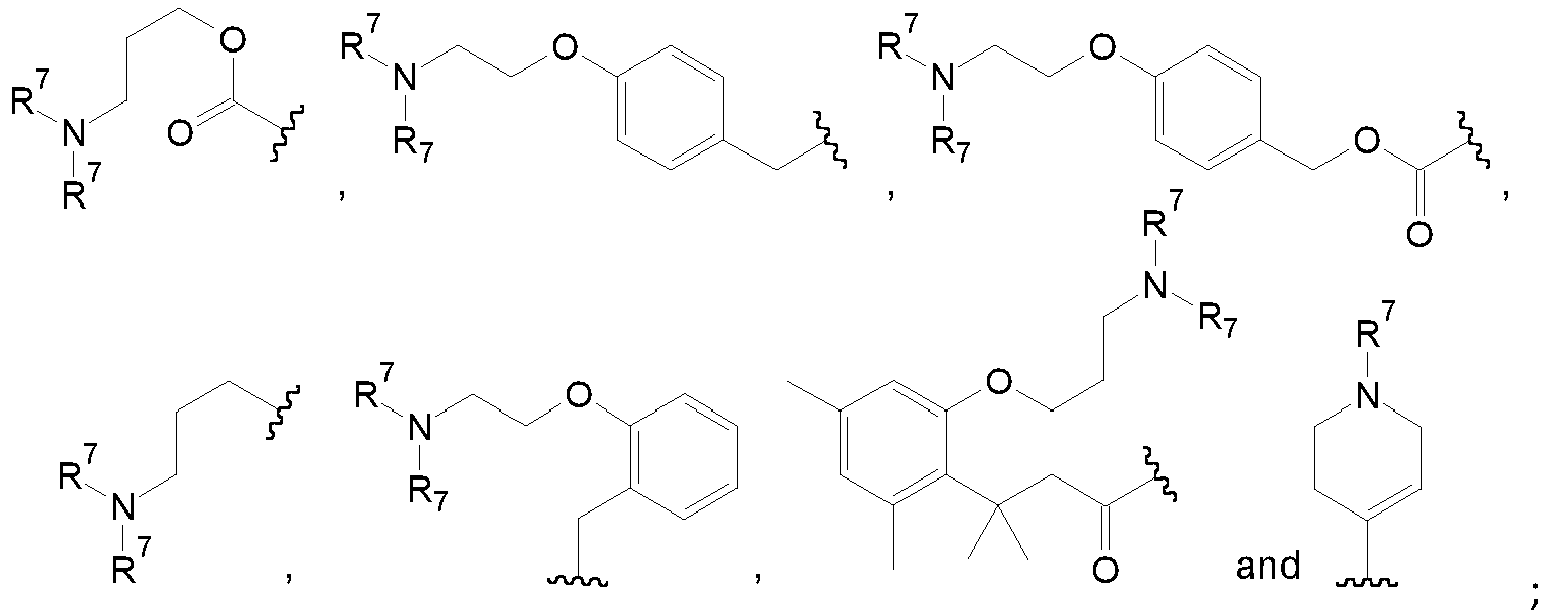
- R3 is

- R4 is hydrogen, linear or branched, substituted or non-substituted (C1-10)alkyl, optionally methyl, ethyl and propyl;
- L is absent or a linker, optionally a linker selected from the group consisting of
- linear or branched, substituted or non-substituted (C1-10)alkyl, optionally propyl, butyl and pentyl;
-
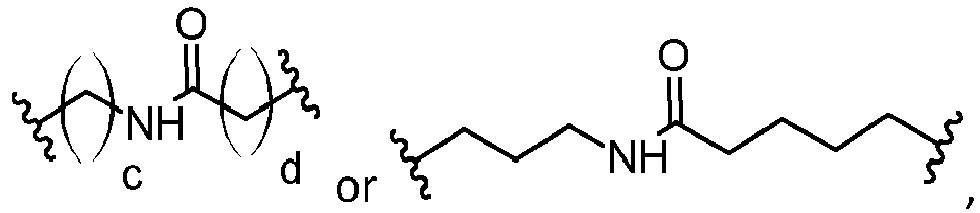
- linear or branched, substituted or non-substituted (C1-10)alkyl ether, optionally a polyethylene glycol (PEG) chain, optionally a PEG chain with 1 to 10 ethylene oxide entities;
- X is selected from the group consisting of O, N and S;
- Z is O;
- R9 is selected from the group consisting of
- hydrogen, N-maleimidyl;
- linear or branched, substituted or non-substituted (C1-10)alkyl, optionally methyl, ethyl and propyl, (C2-10)alkenyl and (C2-10)alkynyl;
- linear or branched, substituted or non-substituted (C1-20)alkyl ether, optionally a polyethylene glycol (PEG) chain, optionally a PEG chain with 1 to 10 ethylene oxide entities;
- triphenylphosphine connected via the phosphorous;
- a proteinogenic amino acid, a non-proteinogenic amino acid, optionally lysine, proline, glycine, 4-hydroxyproline, 4-aminoproline, and 4-aminooxyproline;
- a peptide, optionally comprising 1 to 2000, optionally 1 to 100, optionally 1 to 25 amino acids, optionally a peptide comprising 1 to 10, optionally 7 [proline]-[4-hydroxyproline]-[glycine] units;
- a collagen peptide, fibronectin peptide, fibrillin peptide, elastin peptide and an RGD (arginylglycylaspartic acid) peptide;
- an antibody, optionally an anti-collagen, anti-elastin, anti-fibronectin and anti-fibrillin antibody; and
- azide, -NH2, -OH and -SH2;
- R9" is selected from the group consisting of
- azide, -SR10,

- azide, -SR10,
- R10 is selected from the group consisting of linear or branched, substituted or non-substituted (C1-10)alkyl, optionally methyl, ethyl and propyl, (C2-10)alkenyl and (C2-10)alkynyl;
- R5 is selected from the group consisting of
- hydrogen and -OH; and
- halogens, optionally F, Cl, Br and I;
- R6 and R8 are independently selected from the group consisting of hydrogen, halogens, optionally F, Cl, Br and I; and/or
- R7 is each independently selected from the group consisting of
- hydrogen;
- linear or branched, substituted or non-substituted (C1-10)alkyl, optionally methyl, ethyl and propyl;
- -N2 forming an azide with the nitrogen atom of A; and
- Boc, Fmoc and Cbz.
- In another embodiment, the compound of the present invention is a compound according to Formula II

- a is 1 or 2;
- b is 0;
- A is a structure selected from the group consisting of

- R3 is

- R4 is hydrogen, linear or branched, substituted or non-substituted (C1-10)alkyl, optionally methyl, ethyl and propyl;
- L is absent,

- X is selected from the group consisting of O and N;
- Z is O;
- R9 is selected from the group consisting of
- hydrogen, N-maleimidyl;
- linear or branched, substituted or non-substituted (C1-10)alkyl, optionally methyl, ethyl and propyl,
- triphenylphosphine connected via the phosphorous;
- a proteinogenic amino acid, a non-proteinogenic amino acid, optionally lysine, proline, glycine, 4-hydroxyproline, 4-aminoproline, and 4-aminooxyproline;
- a collagen peptide, fibronectin peptide, fibrillin peptide, elastin peptide and an RGD (arginylglycylaspartic acid) peptide; and
- azide, -NH2, -OH and -SH2;
- R9" is selected from the group consisting of
- azide,

- azide,
- R7 is each independently selected from the group consisting of
- hydrogen; and
- linear or branched, substituted or non-substituted (C1-10)alkyl, optionally methyl, ethyl and propyl.
- Where a compound described herein exists in various tautomeric forms, a recited compound is not limited to any one specific tautomer, but rather is intended to encompass all tautomeric forms.
- Recited compounds are further intended to encompass compounds in which one or more atoms are replaced with an isotope, i.e., an atom having the same atomic number but a different mass number. By way of general example, and without limitation, isotopes of hydrogen include tritium and deuterium and isotopes of carbon include 11C, 13C, and 14C.
- As used herein, a "substituent" or "residue" or "R", refers to a molecular moiety that is covalently bound to an atom within a molecule of interest. For example, a "substituent", "R" or "residue" may be a moiety such as a halogen, alkyl group, haloalkyl group or any other substituent described herein that is covalently bonded to an atom, optionally a carbon, oxygen or nitrogen atom, that forms part of a molecule of interest.
- The term "substituted" as used herein, means that any one or more hydrogens on the designated atom or group is replaced with a different atom than hydrogen, optionally by a halogen, optionally by fluorine, by a sulfonyl group, by a tertiary or quaternary amine or by a selection from the indicated substituents, provided that the designated atom's normal valence is not exceeded, and that the substitution results in a stable compound, i.e., a compound that can be isolated and characterized using conventional means. Optionally, "substituted" as used herein, means that any one or more hydrogens on the designated atom or group is replaced with a group that increases solubility of the compounds described herein, e.g. in water, aqueous buffers or physiological liquids such as, e.g. serum, saliva or blood. For example, substitution can be in the form of an oxygen bound to any chemical atom other than carbon, e.g. hydroxyl group, or an oxygen anion. When a substituent is oxo, i.e., =O, then 2 hydrogens on the atom are replaced. An oxo group that is a substituent of an aromatic carbon atom results in a conversion of -CH- to -C(=O)- and a loss of aromaticity. For example, a pyridyl group substituted by oxo is a pyridone.
- For all aspects and embodiments of the present invention, R3, R4 and/or R9 can be, e.g., selected from maleimide, resulting in the following exemplary structures:


- The linker L as used herein for all aspects and embodiments, can be, e.g., a substituted or non-substituted (C1-10) alkyl comprising one or more amide functionalities in the alkyl chain, i.e. wherein at least two carbon atoms are linked to each other via an amide bond, for example:


- The triphenylphosphine moiety for R3, R4, R9, R9' and R9" is attached at the phosphorous atom, i.e. as follows:

- Exemplary structures of triphenylphosphine-comprising compounds according to the present invention are shown below:


- The terms "proteinogenic amino acid" as used herein, refers to any amino acid that is incorporated biosynthetically into proteins during translation, optionally lysine, proline and glycine. The term "non-proteinogenic amino acid", as used herein, refers to any amino acid that is not naturally encoded in the genetic code of any organism, for example D-amino acids, non-alpha amino acids, amino acids lacking a hydrogen on the alpha-carbon. Optionally, e.g. for R9' in all aspects of the present invention, proline, lysine, glycine or hydroxy, amino, aminooxy or hydrazide derivatives of proteinogenic or non-proteinogenic amino acids are encompassed for use in the present invention. Optionally, the derivatives can be selected from the group consisting of hydroxyproline, 4-hydroxyproline, cis-4-hydroxyproline, trans-4-hydroxyproline, 3-hydroxyproline, cis-3-hydroxyproline, trans-4-hydroxyproline, aminoproline, 4-aminoproline, cis-4-aminoproline, trans-4-aminoproline, 3-aminoproline, cis-3-aminoproline, trans-4-aminoproline, aminoxyproline, 4-aminoxyproline, cis-4-aminoxyproline, trans-4-aminoxyproline, 3-aminoxyproline, cis-3-aminoxyproline, trans-4-aminoxyproline, cis- or trans-4-hydrazinecarbonyl proline derivatives, optionally


- Optionally, e.g. for R9', in all aspects of the present invention, one or more proline-hydroxyproline-glycine or 4-proline-hydroxyproline-glycine units are preferred to mimic the structure of collagen.
- The term "heteroatom" as used herein shall be understood to mean atoms other than carbon and hydrogen such as, e.g., O, N, S and P.
- In the context of the present invention it is understood that antecedent terms such as "linear or branched", "substituted or non-substituted" indicate that each one of the subsequent terms is to be interpreted as being modified by said antecedent term. For example, the scope of the term "linear or branched, substituted or non-substituted alkyl, alkenyl, alkynyl, carbocycle" encompasses linear or branched, substituted or non-substituted alkyl; linear or branched, substituted or non-substituted alkenyl; linear or branched, substituted or non-substituted alkynyl; linear or branched, substituted or non-substituted alkylidene; and linear or branched, substituted or non-substituted carbocycle. For example, the term "(C2-10) alkenyl, alkynyl or alkylidene" indicates the group of compounds having 2 to 10 carbons and alkenyl, alkynyl or alkylidene functionality.
- The expression "alkyl" refers to a saturated, straight-chain or branched hydrocarbon group that contains the number of carbon items indicated, e.g. "(C1-10)alkyl" denotes a hydrocarbon residue containing from 1 to 10 carbon atoms, e.g. a methyl, ethyl, propyl, iso-propyl, n-butyl, iso-butyl, sec-butyl, tert-butyl, n-pentyl, iso-pentyl, n-hexyl, 2,2-dimethylbutyl, etc.
- The expression "alkenyl" refers to an at least partially unsaturated, substituted or non-substituted straight-chain or branched hydrocarbon group that contains the number of carbon atoms indicated, e.g. "(C2-10)alkenyl" denotes a hydrocarbon residue containing from 2 to 10 carbon atoms, for example an ethenyl (vinyl), propenyl (allyl), iso-propenyl, butenyl, isoprenyl or hex-2-enyl group, or, for example, a hydrocarbon group comprising a methylene chain interrupted by one double bond as, for example, found in monounsaturated fatty acids or a hydrocarbon group comprising methylene-interrupted polyenes, e.g. hydrocarbon groups comprising two or more of the following structural unit -[CH=CH-CH2]-, as, for example, found in polyunsaturated fatty acids. Alkenyl groups have one or more, e.g. 1, 2, 3, 4, 5, or 6 double bond(s).
- The expression "alkynyl" refers to at least partially unsaturated, substituted or non-substituted straight-chain or branched hydrocarbon groups that contain the number of carbon items indicated, e.g. "(C2-10)alkynyl" denotes a hydrocarbon residue containing from 2 to 10 carbon atoms, for example an ethinyl, propinyl, butinyl, acetylenyl, or propargyl group. Optionally, alkynyl groups have one or two (e.g. one) triple bond(s).
- Furthermore, the terms "alkyl", "alkenyl" and "alkynyl" also refer to groups in which one or more hydrogen atom(s) have been replaced, e.g. by a halogen atom, optionally F, Cl or Br, such as, for example, a 2,2,2-trichloroethyl, tribromoethyl or a trifluoromethyl group.
- The term "carbocycle" shall be understood to mean a substituted or non-substituted aliphatic hydrocarbon cycle containing the number of carbon items indicated, e.g. "(C3-10)carbocycle" or from 3 to 10, optionally from 3 to 6 carbon atoms, optionally 5 or 6 carbon atoms. These carbocycles may be either aromatic or non-aromatic systems. The non-aromatic ring systems may be mono- or polyunsaturated.
- The term "carbobicycle" refers to a carbocycle as defined above comprising more than 1 ring, optionally two rings. Exemplary carbocycles and carbobicycles include but are not limited to cyclopropyl, cyclobutyl, cyclopentyl, cyclopentenyl, cyclohexyl, cyclohexenyl, cycloheptanyl, cycloheptenyl, phenyl, indanyl, indenyl, benzocyclobutanyl, dihydronaphthyl, tetrahydronaphthyl, naphthyl, decahydronaphthyl, benzocycloheptanyl, benzocycloheptenyl, spiro[4,5]decanyl, norbornyl, decalinyl, bicyclo[4.3.0]nonyl, tetraline, or cyclopentylcyclohexyl. The carbo- and/or carbobicyclic residue may be bound to the remaining structure of the complete molecule by any atom of the cycle, which results in a stable structure.
- The term "carbocycle" shall also include "cycloalkyl" which is to be understood to mean aliphatic hydrocarbon-containing rings optionally having from 3 to 12 carbon atoms. These non-aromatic ring systems may be mono- or polyunsaturated, i.e. the term encompasses cycloalkenyl and cycloalkynyl.
- The term "heterocycle" refers to a stable substituted or non-substituted, aromatic or non-aromatic, optionally 3 to 10 membered, optionally 3 - 6 membered, optionally 5 or 6 membered, monocyclic, heteroatom-containing cycle. Each heterocycle consists of carbon atoms and one or more, optionally 1 to 4, optionally 1 to 3 heteroatoms optionally chosen from nitrogen, oxygen and sulphur. A heterocycle may contain the number of carbon atoms in addition to the non-carbon atoms as indicated: a "(C3-6)heterocycle" is meant to have 3 to 6 carbon atoms in addition to a given number of heteroatoms.
- The term "heterobicycle" refers to a heterocycle as defined above comprising more than 1 ring, optionally two rings.
- The hetero- and/or heterobicyclic residue may be bound to the remaining structure of the complete molecule by any atom of the cycle, which results in a stable structure. Exemplary heterocycles and heterobicycles include, but are not limited to pyrrolidinyl, pyrrolinyl, morpholinyl, thiomorpholinyl, thiomorpholinyl sulfoxide, thiomorpholinyl sulfone, dioxalanyl, piperidinyl, piperazinyl, tetrahydrofuranyl, 1-oxo-λ4-thiomorpholinyl, 13-oxa-11-aza-tricyclo[7.3.1.0-2,7]-tridecy-2,4,6-triene, tetrahydropyranyl, 2-oxo-2H-pyranyl, tetrahydrofuranyl, 1,3-dioxolanone, 1,3-dioxanone, 1,4-dioxanyl, 8-oxa-3-aza-bicyclo[3.2.1]octanyl, 2-oxa-5-aza-bicyclo[2.2.1]heptanyl, 2-thia-5-aza-bicyclo[2.2.1]heptanyl, piperidinonyl, tetrahydro-pyrimidonyl, pentamethylene sulphide, pentamethylene sulfoxide, pentamethylene sulfone, tetramethylene sulphide, tetramethylene sulfoxide and tetramethylene sulfone, indazolyl, benzimidazolyl, benzodioxolyl, imidazolyl, 1,3-benzodioxolyl and pyrazolyl.
- The expressions "alkyl/alkenyl/alkynyl ether" refer to a saturated or non-saturated, straight-chain or branched hydrocarbon group that contains the number of carbon items indicated. For example, "(C1-20)alkyl ether" denotes a hydrocarbon residue containing from 1 to 20 carbon atoms, and any suitable number of oxygen atoms that will result in an ether structure. Alkyl/alkenyl/alkynyl ether groups as used herein, shall be understood to mean any linear or branched, substituted or non-substituted alkyl/alkenyl/alkynyl chain comprising an oxygen atom either as an ether motif, i.e. an oxygen bound by two carbons. Exemplary alkyl ethers are polyethylene glycol (PEG) chains. The term polyethylene glycol as used herein refers to a chain of substituted or non-substituted ethylene oxide monomers. For example, a PEG chain may comprise 1 to 10 ethylene oxide monomers. The ether residue can be attached to the Formulas provided in the present invention either via the carbon atom or via the oxygen atom of the ether residue.
- The "substituent" or "residue" or "R" as used herein, optionally R3, R4, R5, R6, R7, R8, R9, R9', R9", and/or R10 can be attached directly to the Formulas provided in the present invention or optionally by means of a linker. Said linker can also be in the form of PEG.
- If more than one residue R is attached to a given atom of a formula described herein, one residue R can be absent if the attachment of the other R leads to a full valency of the atom. For Example, R7 can be -N2. This leads to an azide formed with the nitrogen to which R7 is attached. In this case, only one R7 is attached to the nitrogen and the other R7 is absent as shown below.

- As used herein, the terms "nitrogen" or "N" and "sulphur" or "S" include any oxidized form of nitrogen and sulphur and the quaternized form of any basic nitrogen as long as the resulting compound is chemically stable. For example, for an -S-C1-6 alkyl radical shall be understood to include -S(O)-C1-6alkyl and -S(O)2-C1-6alkyl.
- As used herein, a wording defining the limits of a range of length such as, e. g., "from 1 to 5" or "(C1-5)" means any integer from 1 to 5, i. e. 1, 2, 3, 4 and 5. In other words, any range defined by two integers explicitly mentioned is meant to comprise and disclose any integer defining said limits and any integer comprised in said range.
- The scope of the present invention includes those analogs of the compounds as described above and in the claims that feature the exchange of one or more carbon-bonded hydrogens, optionally one or more aromatic carbon-bonded hydrogens, with halogen atoms such as F, CI, or Br, optionally F. The exchange of one or more of the carbon-bonded hydrogens, e.g. by fluorine, can be done, e.g., for reasons of metabolic stability and/or pharmacokinetic and physicochemical properties.
- In another aspect, the present invention is directed to a composition, optionally a pharmaceutical composition, comprising as active substance a compound for use as described herein or a pharmaceutically acceptable derivative thereof, optionally combined with excipients and/or carriers.
- The invention includes pharmaceutically acceptable salts or solvates of the compounds of Formula (I) and (II) of the present invention. A "pharmaceutically acceptable salt or solvate" refers to any pharmaceutically acceptable salt, solvate or ester or any other compound which, upon administration to a patient, is capable of providing (directly or indirectly) a compound of the invention, or a pharmacologically active metabolite or pharmacologically active residue thereof. A pharmacologically active metabolite shall be understood to mean any compound of the invention capable of being metabolized enzymatically or chemically. This includes, for example, hydroxylated or oxidized derivative compounds of the present invention.
- Pharmaceutically acceptable salts include those derived from pharmaceutically acceptable inorganic and organic acids and bases. Examples of suitable acids include hydrochloric, hydrobromic, sulphuric, nitric, perchloric, fumaric, maleic, phosphoric, glycolic, lactic, salicylic, succinic, toluene-p-sulfuric, tartaric, acetic, citric, methanesulfonic, formic, benzoic, malonic, naphthalene-2-sulfuric and benzenesulfonic acids. Other acids, such as oxalic acid, while not themselves pharmaceutically acceptable, may be employed in the preparation of salts useful as intermediates in obtaining the compounds and their pharmaceutically acceptable acid addition salts. Salts derived from appropriate bases include alkali metal (e.g., sodium), alkaline earth metal (e.g. magnesium), ammonium and N-(C1-C4alkyl)4 + salts.
- The terms "compound (according to the present invention)" and "probe" are used interchangeably herein.
- The terms "polypeptide" and "peptide" are used interchangeably and, as used herein, are meant to comprise peptides, polypeptides, oligopeptides and proteins that comprise two or more amino acids linked covalently through peptide bonds. The term does not refer to a specific length of the product. Polypeptides include post-translational modifications of the polypeptides, for example, glycosylations, acetylations, phosphorylations, disulfide bridges, cleavages and the like. The terms peptide and polypeptide also encompass polypeptide analogs, (poly)peptides comprising non-natural amino acids, peptidomimetics, β-amino acids, etc.
- The terms "peptide" and "polypeptide", as used herein, also encompasses an isolated and purified glycosylated or non-glycosylated polypeptide.
- In another aspect, the present invention is directed to a compound as described herein or a pharmaceutically acceptable salt thereof, for use in the diagnosis of an amine oxidase-associated disease and/or a collagen- or elastin-associated disease.
- The term "amine oxidase" as used herein, for all aspects is meant to describe any enzyme, i.e. a polypeptide, having catalytic activity in at least catalyzing the oxidative cleavage of alkylamines into aldehydes and ammonia, optionally the oxidative deamination of the ε-amine of a lysine to an aldehyde. Tests and assays for determining whether a given enzyme is an amine oxidase as defined herein are well known in the art (see, e.g., A. H. Palamakumbura, P. C. Trackman, ). Alternatively or additionally, the test of Example 2 below can be used to determine whether a given enzyme is an amine oxidase as defined herein. Optionally, a change in at least 5%, 10%, 15%, 20%, 25%, 30%, 35%, 40%, 45%, 50%, 55%, 60%, 65%, 70%, 75% or 80% in fluorescence emission at the emission maximum of the fluorescent cleavage probe is indicative of amine oxidase activity as used herein. Optionally and with reference to the Figures and Examples (and the corresponding conditions) provided herein, a change in at least 1000, 1500, 2000, 2500, 3000, 3500, 4000, 4500, 5000, 5500, 6000, 6500, 7000, 7500, 8000, 8500, 9000, 9500, 10000, 10500, 11000, 12000, 13000, 14000, 15000, 16000, 17000, 18000, 19000 or 20000 RFU in fluorescence emission at the emission maximum of the fluorescent cleavage probe is indicative of amine oxidase activity as used herein. Optionally, any enzyme that cleaves 95, 90, 85, 80, 75, 70, 65, 60, 55, 50, 45, 40, 35, 30, 25 or 20% of the provided alkylamines into aldehydes and ammonia under the known conditions or the conditions set forth in Example 2, is an amine oxidase as used herein.
- Optionally, the amine oxidase described herein is an animal or human amine oxidase, optionally a mammalian amine oxidase, optionally a human amine oxidase.
- The term "catalyze" as used herein means that the amine oxidase described herein increases the rate of the reaction towards the desired product, i.e. towards the oxidative cleavage of alkylamines into aldehydes and ammonia, optionally towards the deamination of an ε-amine of lysine to an aldehyde, to a greater extent compared to the rate of the reaction in the absence of the amine oxidase.
- An "amine oxidase associated disease" described herein is any disease that is directly or indirectly caused or exacerbated by an amine oxidase. The disease may be caused or exacerbated by, e.g., a defect in the expression of the amine oxidase, amine oxidase under-expression, amine oxidase over-expression, amine oxidase degradation or accumulation, increased or decreased amine oxidase activity or any other influence on an amine oxidase that leads to a non-healthy, e.g. non-standard or pathological amine oxidase function. The amine oxidase associated disease may be a disease which results from, leads to, is based on or is connected with a collagen- or elastin-associated disease.
- The term "collagen- or elastin-associated disease" as used herein for all aspects is a disease that results from or leads to defects in the collagen or elastin structures, e.g. the extracellular matrix. Optionally, the collagen- or elastin-associated diseases described herein are based on or reflected in defects in the cross-linking of collagen or elastin, e.g. due to increases or decreases in amine oxidase activity.
- In another aspect, the present invention is directed to a use of a compound as described herein in the in vitro or ex vivo diagnosis of an amine oxidase-associated disease and/or a collagen- or elastin-associated disease.
- The diagnosis of an amine oxidase-, collagen- or elastin-associated disease is based on the detection of the catalytic activity of an amine oxidase by the compounds described herein. The compounds' fluorescent signal may be used to detect, localize and/or quantify amine oxidase activity. Based on the detection, localization or quantification of the amine oxidase activity, an amine oxidase-, collagen- or elastin-associated disease can be diagnosed or detected and progression of such a disease can be monitored.
- The diagnosis of any aspect described herein or the diagnostic use and method described herein can be performed in vitro, in or ex vivo. In vivo application may include, e.g. a mouthwash comprising a compound according to the present invention, wherein the mouthwash is suitable for diagnosing amine oxidase activity in the oral cavity of a subject by irradiating the cavity with light and assessing the fluorescence emitted by the compound. Another diagnostic method may include treating the tissue topically or contacting a site of tissue removal in a patient, e.g. during surgery, with a compound according to the present invention in order to determine whether tissue with, e.g. elevated, amine oxidase activity is still present in the patient. In general, fluorescence can be detected by any method known in the art, including by fluorescence microscopy or the naked eye to qualitatively determine the presence or absence of, e.g. elevated, amine oxidase activity.
- Optionally, the compound or pharmaceutical composition as described herein is for use in the diagnosis of animals or humans, optionally mammalians, optionally humans.
- The term "a sample of a patient" as used in the present context is meant to include any tissue, e.g. biopsy, body liquid, e.g. blood, serum, cerebral or cerebrospinal fluid.
- For diagnostic use, the compounds described herein may be administered in any conventional dosage form in any conventional manner. Routes of administration include, but are not limited to oral administration, e.g. a mouth wash, topical administration, e.g. a liquid, cream, gel, spray or dispersion, dermal administration, inhaled administration, intravenous, intramuscular and subcutaneous injections. Exemplary modes of administration are topical, intravenous, intradermal or subcutaneous.
- The compounds may be administered alone or in combination in certain embodiments with adjuvants that enhance stability of the compounds, facilitate administration of pharmaceutical compositions containing them, retard or enhance the release of the compounds, provide increased dissolution or dispersion, increase activity, and the like, including other active ingredients.
- The herein-described compounds may be physically combined with conventional therapeutics, diagnostics or other adjuvants into a single pharmaceutical composition. Reference in this regard may be made to
Cappola et al.: U.S. patent application no. 09/902,822 ,PCT/US 01/21860 undUS provisional application no. 60/313,527 , each incorporated by reference herein in their entirety. Advantageously, the compounds may then be administered together in a single dosage form. In some embodiments, the pharmaceutical compositions comprising such combinations of compounds contain at least about 5 %, optionally at least about 20 %, of a compound of the present invention (w/w). The optimum percentage (w/w) of a compound of the invention may vary and is within the purview of those skilled in the art. Alternatively, the compounds may be administered separately (either serially or in parallel). Separate dosing allows for greater flexibility in the dosing regime. - As mentioned above, dosage forms of the compounds described herein in all aspects include pharmaceutically acceptable carriers and adjuvants known to those of ordinary skill in the art. Methods for preparing such dosage forms are known (see, for example, H. C. Ansel and N. G. Popovish, Pharmaceutical Dosage Forms and Drug Delivery Systems, 5th ed., Lea and Febiger (1990)). Dosage levels and requirements are well-recognized in the art and may be selected by those of ordinary skill in the art from available methods and techniques suitable for a particular patient. In some embodiments, dosage levels range from 1-500 mg/dose for a 70 kg patient. Although one dose per day may be sufficient, up to 5 doses per day may be given. For oral doses, up to 2500 mg/day may be required. For topical doses, a concentration of e.g. 10-10000 µM per cm2 can be used. Reference in this regard may also be made to
US provisional application no. 60/339,249 . As the skilled artisan will appreciate, lower or higher doses may be required depending on particular factors. For instance, specific doses and diagnostic regimens will depend on factors such as the patient's general health profile, the severity and course of the patient's disorder or disposition thereto, and the judgment of the treating physician. - In an embodiment, the compound for use or the use as described herein is one, wherein the amine oxidase associated disease is a disease associated with an amine oxidase selected from the group consisting of
- (i) a lysyl oxidase (LOX), optionally a lysyl oxidase having at least 80%, optionally at least 85%, 90% or 95% sequence identity, optionally over the whole sequence, with at least one of SEQ ID NOs: 1 to 3;
- (ii)
lysyl oxidase homolog LOXL - (iii) a primary-amine oxidase, optionally AOC2 or AOC3,
- (iv) a diamine oxidase, optionally AOC1,
- (v) a monoamine oxidase, optionally MAOA or MAOB, optionally a monoamine oxidase having at least 80%, optionally at least 85%, 90% or 95% sequence identity, optionally over the whole sequence, with at least one of SEQ ID NOs: 4 to 7.
- The percentage identity of amino acid sequences as described herein can be determined with the assistance of known methods. In general, special computer programs are employed that use algorithms adapted to accommodate the specific needs of this task. Exemplary methods for determining amino acid identity begin with the generation of the largest degree of identity among the sequences to be compared. Exemplary computer programs for determining the identity among two amino acid sequences comprise, but are not limited to, TBLASTN, BLASTP, BLASTX, TBLASTX (Altschul et al., J. Mol. Biol., 215, 403-410, 1990), or ClustalW (Larkin MA et al., Bioinformatics, 23, 2947-2948, 2007). The BLAST programs can be obtained from the National Center for Biotechnology Information (NCBI) and from other sources (BLAST handbook, Altschul et al., NCB NLM NIH Bethesda, MD 20894). The ClustalW program can be obtained from http://www.clustal.org.
- The amine oxidases described herein which may be monitored by means of the compounds of the invention encompass any functional derivative or functional fragment thereof. The term "functional derivative" of an enzyme or peptide described in the context of the present invention is meant to include any enzyme or peptide or fragment thereof that has been chemically, post-translationally or genetically modified in its amino acid sequence, e.g. by addition, substitution and/or deletion of amino acid residue(s) and/or has been chemically modified in at least one of its atoms and/or functional chemical groups, e.g. by glycosylation(s), additions, deletions, rearrangement, oxidation, reduction, disulphide bridging etc. as long as the derivative still has at least some amine oxidase activity to a measurable extent, e.g. of at least about 1 to 10 %, optionally at least about 20 to 50 % amine oxidase activity of the unmodified peptide, e.g. an amine oxidase, a LOX, LOXL, primary amine oxidase, diamine oxidase, monoamine oxidase or an amine oxidase comprising any one of SEQ ID NOs: 1 to 7.
- In this context a "functional fragment" as used herein is one that forms part of a peptide or derivative mentioned in the context of the invention and still has at least some amine oxidase activity to a measurable extent, e.g. of at least about 1 to 10 %, optionally at least about 20 to 50 % amine oxidase activity of the unmodified peptide. For example, lysyl oxidase according to SEQ ID NO: 1 is cleaved in cells into a signal peptide (
amino acids 1 to 21), a propeptide (amino acids 22 to 168), a lysyl oxidase long form (amino acids 169 to 417; SEQ ID NO: 2) and a lysyl oxidase short form (amino acids 219 to 417; SEQ ID NO: 3). Both, the long and short form are functional fragments of the lysyl oxidase according to SEQ ID NO:1. - Inappropriate expression of amine oxidases has been observed in a number of human diseases (many involving a fibrotic response), in particular cancer (Barker et al. 2012, Nature Reviews Cancer, 12, 540-552).
- In an embodiment, the compound for use or the use as described herein is one, wherein the disease is selected from the group consisting of fibrosis, optionally pulmonary and hepatic fibrosis, cardiomyopathy, occipital horn syndrome (OHS), Menkes' syndrome, myocardial ischaemia, atherosclerosis, scleroderma, keloid disorder, liver cirrhosis, Alzheimer's and non-Alzheimer's dementia, Wilson's disease, primary biliary cirrhosis, chronic venous insufficiency, pseudoexfoliation syndrome, glaucoma, pelvic organ prolapse, endometriosis, intracranial aneurysms, heart failure and cancer including tumor metastasis.
- In an embodiment, the compound for use or the use as described herein is one,, wherein the cancer is selected from the group consisting of colorectal cancer, bladder cancer, pancreatic cancer, breast cancer, head and neck squamous-cell carcinoma (HNSCC), laryngeal cancer, lung cancer, gastric cancer, prostate cancer, esophageal squamous cell cancer, endometrial cancer, testicular seminoma cancer, hepatocellular cancer, renal clear cell cancer, and basal and squamous skin cell carcinoma.
- In another aspect, the present invention is directed to a use of a compound as described herein for the detection of amine oxidase activity, optionally of activity of an amine oxidase selected from the group consisting of
- (i) a lysyl oxidase (LOX), optionally a lysyl oxidase having at least 80%, optionally at least 85%, 90% or 95% sequence identity, optionally over the whole sequence, with at least one of SEQ ID NOs: 1 to 3;
- (ii)
lysyl oxidase homolog LOXL - (iii) a primary-amine oxidase, optionally AOC2 or AOC3,
- (iv) a diamine oxidase, optionally AOC1,
- (v) a monoamine oxidase, optionally MAOA or MAOB, optionally a monoamine oxidase having at least 80%, optionally at least 85%, 90% or 95% sequence identity, optionally over the whole sequence, with at least one of SEQ ID NOs: 4 to 7.
- In another aspect, the present invention is directed to a method, optionally an in vivo, in vitro or ex vivo method, for the detection of amine oxidase activity comprising the following steps:
- (a) providing a compound as described herein;
- (b) providing and contacting a cell, tissue or body fluid with the compound of step (a), optionally in vivo, in vitro or ex vivo, under conditions which allow for amine oxidase activity;
- (c) measuring fluorescence in the cell, tissue or body fluid, optionally by fluorescence microscopy, and
- (d) determining the activity and/or location of the amine oxidase based on the fluorescence measured in step (c).
- In another aspect, the present invention is directed to a method for the diagnosis of an amine oxidase-associated disease and/or a collagen- or elastin-associated disease in a patient, optionally a mammal, or sample of a patient in need thereof, comprising the following steps:
- (a) providing a compound as described herein;
- (b) contacting the patient or the sample of the patient in need thereof with an effective amount of the compound of step (a), wherein the effective amount is effective for detecting an amine oxidase activity;
- (c) measuring fluorescence in the patient or sample of the patient; and
- (d) determining activity and/or location of the amine oxidase based on the fluorescence measured in step (c).
- In an embodiment, the method as described herein is one, wherein the amine oxidase is selected from the group consisting of
- (i) a lysyl oxidase (LOX), optionally a lysyl oxidase having at least 80%, optionally at least 85%, 90% or 95% sequence identity, optionally over the whole sequence, with at least one of SEQ ID NOs: 1 to 3;
- (ii)
lysyl oxidase homolog LOXL - (iii) a primary-amine oxidase, optionally AOC2 or AOC3,
- (iv) a diamine oxidase, optionally AOC1,
- (v) a monoamine oxidase, optionally MAOA or MAOB, optionally a monoamine oxidase having at least 80%, optionally at least 85%, 90% or 95% sequence identity, optionally over the whole sequence, with at least one of SEQ ID NOs: 4 to 7.
- In an embodiment, the method as described herein is one, wherein the disease is selected from the group consisting of fibrosis, optionally pulmonary and hepatic fibrosis, cardiomyopathy, occipital horn syndrome (OHS), Menkes' syndrome, myocardial ischaemia, atherosclerosis, scleroderma, keloid disorder, liver cirrhosis, Alzheimer's and non-Alzheimer's dementia, Wilson's disease, primary biliary cirrhosis, chronic venous insufficiency, pseudoexfoliation syndrome, glaucoma, pelvic organ prolapse, endometriosis, intracranial aneurysms, heart failure and cancer including tumor metastasis, optionally a cancer selected from the group consisting of colorectal cancer, bladder cancer, pancreatic cancer, breast cancer, head and neck squamous-cell carcinoma (HNSCC), laryngeal cancer, lung cancer, gastric cancer, prostate cancer, esophageal squamous cell cancer, endometrial cancer, testicular seminoma cancer, hepatocellular cancer, renal clear cell cancer, and basal and squamous skin cell carcinoma.
- In another aspect, the present invention is directed to a use of a compound as described herein in the method as described herein.
- The following Figures and Examples serve to illustrate the invention and are not intended to limit the scope of the invention as described in the appended claims.
-
Fig. 1 shows the absorbance scan (excitation) ofCompound 2 and 3-Acetoxy-6,8-difluor-7-hydroxycumarin (Pacific Blue). -
Fig. 2 shows the fluorescent emission scans ofCompound 2 and 3-Acetoxy-6,8-difluor-7-hydroxycumarin (Pacific Blue). Samples were excited at their respective absorbance maximum (Compound 2 at 313 nm, and Pacific Blue at 360nm) and the emission is monitored from 333 nm or 380 nm to 600 nm. -
Fig. 3 shows the fluorescent signal obtained fromCompound 2 treated with mouse tissue homogenate of isolated lung, skin, and liver samples. Fluorescent signals generated by 100 µM ofCompound 2 during an 18 h incubation at 37°C with tissue homogenates are shown as relative fluorescence units (RFU) when excited at 405 nm and measured at 460 nm (Ex/Em respectively). Background controls for buffer,untreated Compound 2 at 100 µM, and untreated homogenate samples are measured concurrently with treated samples (100 µM of Compound 2). The most significant increase in fluorescent signal was obtained for skin tissue type (p<0.0001, one-way ANOVA). Error bars represent SD, n≥3. -
Fig. 4 (a) shows the fluorescent signals obtained from a masked fluorescent probe cleaved by an amine oxidase according to Example 2. (b) shows the fluorescent signal obtained fromCompound 2 treated with mouse tissue homogenate of isolated skin. Signals generated byCompound 2 at 100 µM during a 1h incubation at 37°C with tissue homogenate are shown as relative fluorescence units (RFU) when excited at 405 nm and measured at 460 nm (Ex/Em respectively). Background controls for buffer,untreated Compound 2 at 100 µM, and untreated homogenate samples are measured concurrently with all samples treated with 100 µM ofCompound 2. Error bars represent SD, n≥3. -
Fig. 5 shows the fluorescent signal obtained fromCompound 2 treated with mouse tissue homogenate of isolated skin with and without heat denaturation (1.5 h at 90°C). Fluorescent signals generated byCompound 2 at 100 µM during a 1 h incubation at 37°C with tissue homogenate after treatment are shown as relative fluorescence units (RFU) when excited at 405 nm and measured at 460 nm (Ex/Em respectively). Background controls for buffer,untreated Compound 2 at 100 µM, and untreated samples are measured concurrently with all treated samples. A significant decrease in fluorescent signal was obtained forCompound 2 when incubated with the heat-denatured homogenate (p<0.0001, one-way ANOVA). Error bars represent SD, n≥3. -
Fig. 6 shows the fluorescent signal obtained fromCompound 2 treated with mouse tissue homogenate from isolated skin with and without the addition of a lysyl-oxidase inhibitor, BAPN. Skin homogenate was pretreated with 100 µM BAPN and incubated for 2h at 37°C prior to the addition ofCompound 2. Fluorescent signals generated by 100µM Compound 2 during a 1h incubation at 37 °C with tissue homogenate after treatment are shown as relative fluorescence units (RFU) when excited at 405 nm and measured at 460 nm (Ex/Em respectively). All samples and controls are measured concurrently with all treated samples (Compound 2 at 100 µM). A significant decrease in fluorescent signal was obtained forCompound 2 when incubated with the BAPN-inhibited homogenate (p<0.0001, one-way ANOVA). Error bars represent SD, n≥3. -
Fig. 7 shows the fluorescent emission scans of experiment fromFig. 6 obtained fromCompound 2 alone, and fromCompound 2 treated with mouse tissue homogenate of isolated skin with and without the addition of a lysyl-oxidase inhibitor, BAPN. Skin homogenate was pretreated with 100 µM BAPN and incubated for 2h at 37°C prior to the addition ofCompound 2. Fluorescent signals generated by 100µM Compound 2 during a 1h incubation at 37°C with tissue homogenate after treatment are shown as relative fluorescence units (RFU) when excited at 360 nm and measured from 400 to 600 nm (Ex/Em respectively). All samples and controls were measured concurrently with all treated samples. Traces represent average values of replicates (n=3). -
Fig. 8 shows the fluorescent signals obtained with mouse tissue homogenate of isolated skin from specimens representing two different age groups. Skin homogenates from 6 d and 9 wk mice were treated withCompound 2 at 10 µM and incubated for 18h at 37°C before measurements. Fluorescent signals generated are shown as relative fluorescence units (RFU) when excited at 405 nm and measured at 460 nm (Ex/Em respectively). All samples and controls are measured in concurrent assays as treated samples (10 µM Probe). Error bars represent SD, n≥3. -
Fig. 9 shows the fluorescent signals obtained with mouse tissue homogenate of isolated skin of wounded or unwounded tissues. Wounds were created 5d prior to sample collection and activity assay. Skin homogenates were treated withCompound 2 at 10 µM and incubated for 18h at 37°C before measurements. Fluorescent signals generated are shown as relative fluorescence units (RFU) when excited at 405 nm and measured at 460 nm (Ex/Em respectively). All samples and controls are measured simultaneously with the treated samples (10 µM Compound 2). Error bars represent SD, n≥3. -
Fig. 10 (a) shows the fluorescent signals obtained with tissue homogenate of isolated skin of male and female mice. Skin homogenates were treated with 10 µM ofCompound 2 and incubated for 18h at 37°C before measurements. Fluorescent signals generated are shown as relative fluorescence units (RFU) when excited at 405 nm and measured at 460 nm (Ex/Em respectively). All samples and controls are measured in concurrent assays with the treated samples (10 µM Compound 2). Error bars represent SD, n≥3. (b) shows the fluorescent signals obtained fromCompound 5 treated with homogenate of isolated mouse skin at 1 mg/mL total protein concentration. Signals ofCompound 5 at 20 µM during a 1h incubation at 37°C with tissue homogenate are shown as relative fluorescence units (RFU) when excited at 405 nm and measured at 460 nm (Ex/Em respectively). Background controls for untreated homogenate anduntreated Compound 5 at 20 µM are measured concurrently with all treated samples. Error bars represent SD, n≥3. -
Fig. 11 shows the fluorescent signal obtained fromCompound 2 treated with recombinant human lysyl oxidase-like 2 (LOX-L2). Fluorescent signals were measured after a 24 h incubation at 37°C and normalized to background signals of empty wells. Values are shown as relative fluorescence units (RFU) when excited at 360 nm and measured at 460 nm (Ex/Em respectively). All samples including buffer,untreated Compound 2 at 100 µM, and LOX-L2 were treated and measured concurrently with treated samples (100 µM of Compound 2). Error bars represent SD, n≥3. -
Fig. 12 shows the fluorescent signal obtained fromCompound 2 treated with recombinant human monoamine oxidase A (MAO-A) and B (MAO-B). Fluorescent signal generated during a 2 h incubation at 37°C is shown as relative fluorescence units (RFU) when excited at 405 nm and measured at 460 nm (Ex/Em respectively). Background controls for buffer,untreated Compound 2 at 100 µM, and MAO-A and MAO-B are measured simultaneously with treated samples (100 µM of Compound 2). A significant increase in fluorescent signal compared to controls after 2h incubation was obtained forCompound 2 when incubated with MAO-B (p<0.0001, one-way ANOVA). Error bars represent SD, n≥3. -
Fig. 13 shows the fluorescent signal obtained fromCompound 2 treated with mouse tissue homogenate of isolated skin in comparison to 3',6'-Bis(3-aminopropoxy)-3H-spiro[2-benzofuran-1,9'-xanthen]-3-one dihydrochloride (oLOX probe). Fluorescent signals generated by 10µM Compound Compound 2 Ex. 360 nm/Em. 460 nm). All controls are measured simultaneously with their respective treated samples under otherwise identical instrument settings. A significant increase in fluorescent signal was obtained for theprobe Compound 2 when incubated with the homogenate (****, p<0.0001, one-way ANOVA), but not for oLOX (ns, p=0.2696, one-way ANOVA). Error bars represent SD, n≥3. -
Fig. 14 shows the 1H NMR spectrum of 3-methylacetate-6,8-difluoro-7-(4-((tert-butoxycarbonyl)amino)propoxy)-coumarin in CD3CN (400 MHz). -
Fig. 15 shows the 13C NMR spectrum of 3-methylacetate-6,8-difluoro-7-(4-((tert-butoxycarbonyl)amino)propoxy)-coumarin in CD3CN (101 MHz). -
Fig. 16 shows the 19F NMR H-F decoupled spectrum of 3-methylacetate-6,8-difluoro-7-(4-((tert-butoxycarbonyl)amino)propoxy)-coumarin in CD3CN (376 MHz). -
Fig. 17 shows the 1H NMR spectrum ofCompound 1 in DMSO-d6 (400 MHz). -
Fig. 18 shows the 13C NMR spectrum ofCompound 1 in DMSO-d6 (101 MHz). -
Fig. 19 shows the 19F NMR F-H decoupled spectrum ofCompound 1 in DMSO-d6 (376 MHz). -
Fig. 20 shows the 19F NMR F-H coupled spectrum ofCompound 1 in DMSO-d6 (376 MHz). -
Fig. 21 shows the 1H NMR spectrum ofCompound 2 in DMSO-d6 (400 MHz). -
Fig. 22 shows the 13C NMR spectrum ofCompound 2 in d6-DMF (101 MHz). -
Fig. 23 shows the 19F NMR F-H decoupled spectrum ofCompound 2 in CDCl3 (376 MHz). -
Fig. 24 shows the 19F NMR F-H coupled spectrum ofCompound 2 in CDCl3 (376 MHz). -
Fig. 25 shows the 1H NMR spectrum of MRA_3068 in CDCl3 (400 MHz). -
Fig. 26 shows the 13C NMR spectrum of MRA_3068 in CDCl3 (101 MHz). -
Fig. 27 shows the 19F NMR (F-H decoupled) spectrum of MRA_3068 in CDCl3 (376 MHz). -
Fig. 28 shows the 19F NMR spectrum of MRA_3068 in CDCl3 (376 MHz). -
Fig. 29 shows the CD spectra ofCompounds -
Fig. 30 shows the thermal denaturation curves ofCompounds -
Fig. 31 (a) to (c) show the analysis of skin tissue after in vivo administration of (a) Compound 3 (b)Compound 4 and (c)Compound 5 to mice. In these images of the cross section of a wound fluorescence can be clearly visualized at the locations where the peptide-bound probe has been unmasked by reacting in vivo with an amine-oxidase (blue color) in and around the sites of injection. InFig. 31 (a) , the top image shows the context of the lower three images.Fig. 31 (a) (center) proves that the compound localizes the probe to collagen and elastin at the sites of LOX-mediated crosslinking during new tissue growth and maturation in the wound within a living organism, and demonstrates that the compounds according to the present invention can be used in vivo for targeting and analysis of collagen crosslinking in the extracellular matrix, such as, e.g., that which occurs during fibrosis. - Materials and reagents were of highest commercially available grade and used without further purification. They were purchased from Acros Organics (Switzerland), Sigma Aldrich (Switzerland), Fischer (Switzerland), Bachem (Switzerland), Chem-Impex (USA), and TCI (Germany). Water used for peptide preparation and purification was nanopure with resistivity of 18.2 MΩ*cm, prepared by a Sartorius Arium611VF (Switzerland) water purification system or bidistilled, water was purchased from AppliChem Panreac (Switzerland). For small molecule synthesis, reactions were monitored by thin layer chromatography using Merck Millipore (Switzerland)
silica gel 60 F254 glass-backed plates. Visualization of compounds was achieved by UV-Vis or via staining with KMnO4. Flash chromatography and plug filtrations were performed using silica gel (60Å pore size, and 230-400 mesh particle size, Sigma Aldrich (Switzerland)). Solvents for extraction and chromatography were of technical quality and distilled before usage. 1H and 13C NMR spectra were recorded on aBruker DRX 400, a Bruker AV III 400 (400 MHz/100 MHz), or a Bruker AV III 600 (600 MHz/150 MHz). All spectra were recorded at 25°C, unless stated otherwise. Chemical shifts (δ) are reported in parts per million (ppm) relative to the signal of tetramethylsilane (TMS) or residual solvent. The signals were assigned with COSY, HSQC, HMBC, and NOESY spectra. Solid phase peptide synthesis (SPPS) was performed on Rink amide ChemMatrix resin from Biotage (Sweden), and automated peptide synthesis on a Syro I peptide synthesizer (MultiSynTech GmbH, Witten Germany). High-resolution mass spectrometry (HRMS) was performed by the Molecular and Biomolecular Analysis (MoBiAs) service of the D-CHAB at ETH Zurich using a Bruker Daltons maXis equipped with an ESI (electrospray ionization) source and a Q-TOF ion analyzer, or a Bruker Daltonics SOLARIX equipped with a MALDI (matrix-assisted laser desorption/ionization) /ESI source and a Q-TOF ion analyzer.-Cyano-4-hydroxycinnamic (CHCA) was used as MALDI-MS matrix. Analytical reversed-phase high-performance liquid chromatography (RP HPLC) was performed on a Dionex UHPLC, Ultimate 3000 (Thermo Fisher Scientific, Waltham/USA). Preparative RP HPLC purification were carried out on a Dionex UHPLC, Ultimate 3000 (Thermo Fisher Scientific, Waltham/USA). Circular dichroism (CD) spectra were recorded on a Chirascan plus spectrometer (Applied Photophysics Ltd, Leatherhead/UK) with a Nitropack nitrogen generator (Parker Balston, Haverhill/USA) and a temperature controller TC 125 (Quantum Northwest). The solutions were measured in a quartz cell with a path length of 1.0 mm (Hellma 110-QS). Peptides were dried by lyophilization on a Christ Alpha 2-4 LD plus (Kuhnner AG, Birsfelden/CH) lyophilizer. Absorption and emission spectroscopy. UV-visible spectra were obtained with a Cary-500 Scan spectrophotometer. The spectra were measured in quartz cuvettes (ThorLabs, CV10Q3500, Newton, NJ USA). Samples were irradiated with an LED transilluminator (Roithner Lasertechnik, LED405-06V, Vienna, Austria) emitting at a wavelength as stated with an incident intensity of ca. 2 mW cm-2, measured with a power-meter (ThorLabs, PM100D, Newton, NJ USA) equipped with a Si photodiode detector (ThorLabs, S120VC, Newton, NJ USA). Fluorescence spectroscopy was measured in a
Fluorolog 3 fluorimeter (Horiba Jobin-Yvon, Germany) fluorimeter with a cuvette sample changer for quartz cuvettes (ThorLabs, CV10Q3500F-E, Newton, NJ USA). All measurements were conducted at 25 °C in 50 mM PBS pH 7.4 buffer solution under red light for ambient illumination to avoid photoactivation. Quantum yields were determined in PBS and as applicable correlated with known reference for Pacific Blue (Φ F = 0.884 meas. versus Φ F = 0.89). Ex vivo Fluorescence measurements were taken using a Tecan Spark 10M Multi-Mode Microplate Reader (Tecan, Männedorf, Switzerland) at ambient temperature with a filter for excitation/emission (e.g. 405/460 nm respectively) unless stated otherwise, and values are expressed in relative fluorescent units (RFUs) for each experiment. All experiments were performed in triplicate. Graphical presentation and statistical analysis were performed using Graphpad Prism 7 software, (GraphPad Software, Inc., San Diego, USA.) with statistical significance determined as p<0.05 by ordinary one-way ANOVA with multiple comparisons. - Fluorescence experiments for determining amine oxidase activity of a given enzyme are conducted using a fluorescence plate reader and a standard 96-well black polystyrene plate with a clear flat bottom. To the
plate 150 µL of the following solutions are added to individual wells, e.g. with at least three replicates: buffer (e.g. 25 mM at pH 7.5), a solution in buffer of the amine-oxidase reactive probe,e.g. Compound 2, (e.g. at 100 µM), a buffered solution of the sample containing an amine-oxidase at the desired concentration(s) (e.g. 40 µg/mL), and a buffered solution of the sample containing amine-oxidases with addition of the probe,e.g. Compound 2, (e.g. at 100 µM). The plate is incubated in the dark at 37°C for a period of time between 15 min and 24 hours before measurements are taken. Fluorescence is measured by exciting the unmasked probe at the absorbance maximum (e.g. 360 nm) or at 405 nm, and measuring the fluorescence at the emission maximum of the probe, for example at 460 nm. Enzyme activity is observed as fluorescence measured relative to the untreated controls, for example as expressed in relative fluorescent units (RFUs). The probe activation, and thus amine oxidase activity can be displayed in a diagram (seeFig. 4a ). Any change, optionally any statistically relevant change, in fluorescence relative to the untreated controls is indicative of amine oxidase activity. -

- Pacific Blue was prepared as previously reported in Chang, D.; Kim, K. T.; Lindberg, E.; Winssinger, N., Bioconj. Chem. 2018, 29, 158-163 via Pechmann condensation of 2,4-difluororesorcinol with dimethyl acetylsuccinate. 1H NMR (400 MHz, DMF-d 7) δ 7.61 (dd, J = 11.8, 2.2 Hz, 1H), 3.79 (s, 2H), 3.71 (s, 3H), 2.48 (s, 3H).
-

- Pacific Blue (5.4 mmol, 1.56 g) and 3-(tert-butoxycarbonylamino)-propyl bromide (11 mmol, 2.6 g) were dissolved in 18 mL of anhydrous DMF. CsCO3 (8.1 mmol, 2.64 g) was added, and the resulting solution was heated to 60 °C for 2 hours. The solution was cooled to room temperature, and the reaction was quenched with 200 mL of an aqueous ammonium chloride solution, extracted with EtOAc (
3x 50 mL), dried over Na2SO4(s), and concentrated under reduced pressure. The crude mixture was purified by chromatography on silica gel (1-5% gradient of MeOH in dichloromethane), and concentrated under reduced pressure to produce 3-methylacetate-6,8-difluoro-7-(4-((tert-butoxycarbonyl)amino)propoxy)-coumarin ("Boc-PB-LOX-OMe") as a clear oil (2.3 g, 96%). 1H NMR (400 MHz, CD3CN) δ 7.27 (dd, J = 12.0, 2.2 Hz, 1H), 5.38 (s, 1H), 4.25 (t, J = 6.2 Hz, 2H), 3.60 (s, 5H), 3.16 (q, J = 6.6 Hz, 2H), 2.26 (s, 3H), 1.84 (p, J = 6.4 Hz, 2H), 1.32 (s, 9H). 13C NMR (101 MHz, CD3CN) δ 171.31, 160.66, 156.92, 152.40 (dd, J = 243.1, 4.6 Hz), 149.54 (t, J = 2.8 Hz), 143.70 (dd, J = 249.3, 6.3 Hz), 139.43 (dd, J = 10.3, 2.5 Hz), 138.78 (dd, J = 16.0, 10.9 Hz), 120.63 (d, J = 0.8 Hz), 116.21 (dd, J = 9.2, 1.3 Hz), 107.68 (dd, J = 22.9, 3.6 Hz), 79.12, 73.76, 52.76, 37.83, 33.62, 31.21, 28.60, 15.96. 19F NMR, F-H decoupled (377 MHz, CD3CN) δ -133.72 (d, J = 5.4 Hz), -150.18 (d, J = 5.4 Hz). 19F NMR (377 MHz, CD3CN) δ -133.72 (dd, J = 11.9, 5.4 Hz), -150.18 (d, J = 5.4 Hz). HRMS (ESI): m/z calcd. for C21H25F2NNaO7: 464.1491 [M+Na]+; found: 464.1494. -

- Boc-PB-LOX-OMe (5.2 mmol, 2.3 g) was dissolved in 8 mL of 1:1 THF:MeOH, and NaOH (15.6 mmol, 624 mg) was added as an aqueous solution in 1 mL of H2O, and the resulting solution was heated to 50 °C for 5 hours. Upon completion as observed by thin layer chromatography, (Rf=0.1 for 5% MeOH in DCM), the solution was cooled to room temperature, and the reaction was carefully acidified to
pH 2 with 1M HCl, and immediately extracted with EtOAc (3x 50 mL), dried over Na2SO4(s), and concentrated under reduced pressure to giveCompound 1 as a white solid (2.2 g, 99%). 1H NMR (400 MHz, DMSO-d 6) δ 12.53 (s, 1H), 7.66 (d, J = 12.5 Hz, 1H), 6.89 (t, J = 5.7 Hz, 1H), 4.29 (t, J = 6.3 Hz, 2H), 3.63 (s, 2H), 3.11 (q, J = 6.5 Hz, 2H), 2.38 (s, 3H), 1.84 (p, J = 6.6 Hz, 2H), 1.37 (s, 9H). 13C NMR (101 MHz, DMSO) δ 171.06, 159.32, 155.61, 152.13, 152.08, 149.71, 149.67, 148.34, 143.36, 143.29, 140.88, 140.82, 137.90, 137.88, 137.80, 137.78, 137.32, 137.21, 137.16, 137.05, 119.92, 115.16, 115.07, 107.40, 107.18, 77.53, 72.55, 36.41, 32.94, 29.97, 28.21, 15.39. 19F NMR, F-H decoupled (376 MHz, DMSO-d 6) δ -132.45 (d, J = 5.0 Hz), -149.31 (d, J = 5.1 Hz). 19F NMR (376 MHz, DMSO-d 6) δ -132.45 (dd, J = 11.9, 4.9 Hz), -149.31 (d, J = 4.7 Hz). HRMS (ESI): m/z calcd. for C20H23F2NNaO7: 450.1335 [M+Na]+; found: 450.1340. -

- Compound 1 (0.047 mmol, 20 mg) was dissolved in 250L of 4N HCl in dioxane at ambient temperature and stirred for 1 hour. Solvent was then removed from the resulting slurry by evaporation with a gentle stream of compressed air, and the white solid was dried overnight under high vacuum to produce the HCl salt of

Compound 2 as a white solid (17 mg, quant.). 1H NMR (400 MHz, DMSO-d 6) δ 8.13 (s, 3H), 7.67 (dd, J = 12.1, 2.1 Hz, 1H), 4.37 (t, J = 6.1 Hz, 2H), 3.62 (s, 2H), 2.97 (t, J = 7.5 Hz, 2H), 2.36 (s, 3H), 2.05 (p, J = 6.4 Hz, 2H). 13C NMR (101 MHz, DMSO-d 6) δ 171.14, 159.38, 150.92 (dd, J = 242.9, 4.2 Hz), 148.43 (t, J = 2.5 Hz), 142.14 (dd, J = 249.1, 6.2 Hz), 137.87 (dd, J = 10.1, 2.3 Hz), 136.95 (dd, J = 16.3, 11.0 Hz), 120.14, 115.41 (d, J = 9.3 Hz), 107.44 (dd, J = 22.5, 3.4 Hz), 71.92, 66.43, 35.84, 33.06, 27.65, 15.51. 19F NMR, F-H decoupled (376 MHz, DMSO-d 6) δ -132.51 (d, J = 4.9 Hz), -149.30 (d, J = 4.9 Hz). 19F NMR (376 MHz, DMSO-d 6) δ -132.51 (dd, J = 12.0, 4.9 Hz), -149.30 (d, J = 5.1 Hz). HRMS (ESI): m/z calcd. for C15H16F2NO5: 328.0991 [M+H]+; found: 328.0989. -

- 3-Carboxymethyl-6,8-difluoro-7-hydroxycoumarin (Pacific Blue) (1 mmol, 284 mg) and 3-(tert-butoxycarbonylamino)-butyl bromide (2 mmol, 504 mg) were dissolved in 2 mL of anhydrous DMF. CsCO3 (1.5 mmol, 489 mg) was added, and the resulting solution was heated to 60 °C for 2 hours. The solution was cooled to room temperature, and the reaction was quenched with 100 mL of an aqueous ammonium chloride solution, extracted with EtOAc (
3x 50 mL), dried over Na2SO4(s), and concentrated under reduced pressure. The crude mixture was purified by chromatography on silica gel (1-5% gradient of MeOH in dichloromethane), and concentrated under reduced pressure to produce MRA_3068 as a white solid (341 mg, 75%). 1H NMR (400 MHz, CDCI3) δ 7.13 (dd, J = 11.4, 2.3 Hz, 1H), 4.60 (s, 1H), 4.29 (tt, J = 6.2, 1.0 Hz, 2H), 3.73 (s, 2H), 3.71 (s, 3H), 3.19 (s, 2H), 2.34 (s, 3H), 1.86 - 1.78 (m, 2H), 1.73 - 1.65 (m, 2H), 1.43 (s, 9H). 13C NMR (101 MHz, CDCI3) δ 170.35, 160.05, 156.13, 151.71 (dd, J = 245.5, 4.5 Hz), 148.03 (t, J = 2.7 Hz), 143.14 (dd, J = 253.0, 6.0 Hz), 138.76 (dd, J = 10.5, 2.5 Hz), 138.33 (dd, J = 15.7, 10.7 Hz), 119.76, 115.20 (dd, J = 8.8, 1.0 Hz), 106.03 (dd, J = 22.4, 3.7 Hz), 74.73 (t, J = 3.5 Hz), 52.54, 33.01, 28.53, 27.34, 26.54, 15.81. 19F NMR, F-H decoupled (376 MHz, CDCl3) δ -131.81 (d, J = 5.6 Hz), -147.25 (d, J = 5.8 Hz). 19F NMR (376 MHz, CDCl3) δ -131.81 (dd, J = 11.4, 5.7 Hz), -147.25 (dd, J = 5.7, 2.0 Hz). HRMS (ESI): m/z calcd. for C22H31F2N2O7: 473.2094 [M+NH4]+; found: 473.2087. -

- MRA_3068 (0.5 mmol, 241 mg) was dissolved in 1.3 mL of 1:1 THF:MeOH, and NaOH (1.6 mmol, 64 mg) was added as an aqueous solution in 0.6 mL of H2O, and the resulting solution was heated to 50 °C for 5 hours. Upon consumption of starting material as observed by thin layer chromatography, (Rf = 0.1 for 5% MeOH in DCM), the solution was cooled to room temperature, and the reaction was carefully acidified to
pH 2 with 1M HCl, and immediately extracted with EtOAc (3x 50 mL), dried over Na2SO4(s), and concentrated under reduced pressure to produce MRA_3069 as a clear oil (231 mg, 97%). 1H NMR (400 MHz, Methanol-d 4) δ 7.40 (dd, J = 11.8, 2.2 Hz, 1H), 4.30 (t, J = 6.2 Hz, 2H), 3.70 (s, 2H), 3.11 (t, J = 6.8 Hz, 2H), 2.38 (s, 3H), 1.85 - 1.76 (m, 3H), 1.71 - 1.63 (m, 3H), 1.42 (s, 9H). 13C NMR (101 MHz, Methanol-d 4) δ 173.51, 161.70, 158.51, 153.00 (dd, J = 244.3, 4.4 Hz), 150.12 (t, J = 2.7 Hz), 144.08 (dd, J = 250.5, 6.2 Hz), 139.63 (dd, J = 10.3, 2.5 Hz), 139.28 (dd, J = 16.0, 10.9 Hz), 121.06, 116.66 (d, J = 9.1 Hz), 107.66 (dd, J = 22.9, 3.6 Hz), 79.85, 75.86 (t, J = 3.4 Hz), 40.86, 33.62, 28.77, 28.34, 27.25, 15.68. 19F NMR, F-H decoupled (376 MHz, Methanol-d 4) δ -133.41 (d, J = 5.5 Hz), -150.56 (d, J = 5.5 Hz). 19F NMR (377 MHz, Methanol-d 4) δ -133.41 (dd, J = 11.8, 5.4 Hz), -150.55 (d, J = 5.4 Hz). HRMS (ESI): m/z calcd. for C21H23F2NNaO7: 462.1346 [M+Na-2H]-; found: 462.1356. - Skin tissue used for enzymatic analysis of LOX activity was harvested (1 cm x 1 cm) and placed in 2 ml of ice-cold PBS. Skin tissue was homogenized using an Ultra-TURRAX homogenizer (KA®-Werke GmbH & CO. KG, Staufen, Germany) and samples were spun at 2000 x g to pellet out tissue debris. The supernatant was further purified using a 0.2 µm filter. Tissue homogenates were then evaluated with regard to total in solution protein retrieval using a nanospec absorbance measurement standardized to BSA at 1 mg/mL (PierceTM, Thermo Fisher Scientific Inc, Waltham, USA). Homogenates were diluted to appropriate concentrations (e.g. 1 mg/ml total protein) with 25 mM PIPES, 0.5% Triton X-100 (Sigma Aldrich, St Louis, MA, USA) and preincubated with the probe (10 µM or 100 µM) at 37°C in the dark for the designated period of time prior to fluorescence measurements. The resultant fluorescence was then measured using a Tecan Spark 10M Multi-Mode Microplate Reader (Tecan, Männedorf, Switzerland) at ambient temperature with a filter for excitation/emission (e.g. 405/460 nm respectively) as defined for the experiment. Activity is observed as fluorescence measured, and is expressed in relative fluorescent units (RFUs). Graphical presentation and statistical analysis were carried out using Graphpad Prism 7 software, (GraphPad Software, Inc., San Diego, USA.) with statistical significance determined as p<0.05.
- Protocol A - General procedure for swelling: Before automated peptide synthesis, the resin was swelled in CH2Cl2 for 15 min while shaking. Then the resin was drained and washed with DMF (3 x 6 mL) and drained again. Protocol B - General protocol for automated peptide synthesis: For automated peptide synthesis, a Syro I peptide synthesizer (Biotage, Sweden) was used. Couplings were performed either with the appropriate Fmoc-protected amino acid or the trimer Fmoc-Pro-Hyp-Gly-OH. After swelling the resin in DMF on the synthesizer, i-Pr2NEt (9 equiv. as a 3 M solution in NMP (N-methyl-2-pyrrolidone)), HATU (3 equiv., 0.5 M in DMF) and the Fmoc-amino acid/Fmoc-tripeptide (3 equiv., 0.5 M in DMF) were added to the resin. The mixture was allowed to react in intervals of 1 min. agitation and 5 min. rests for 30 min. (2x) and was then washed with DMF (5x). Fmoc-deprotection was carried out by addition of a solution of 40% (v/v) piperidine in DMF and reaction for 1 min. This step was repeated 4 times. The resin was then washed with DMF (5x). Tripeptide couplings and Fmoc-deprotections were repeated until the desired peptides were obtained. For the automated synthesis of CMPs no acylation (capping) was performed. Protocol C - On resin N-terminal functionalization with Compound 1: Functionalization was performed manually at room temperature on the solid support-bound peptide. Compound 1 (2.0 equiv.), HATU (1.9 equiv.) and i-Pr2NEt (4 equiv.) were dissolved in DMF (1-2 mL). After pre-activation for 5 min, the coupling mixture was added to the resin and agitated for 1-2 hrs. The resin was washed with CH2Cl2 (3x), DMF (3x), CH2Cl2 (3x), and petroleum ether (2x). The reaction was monitored by the qualitative color tests on bead or by LC-MS after test cleavage (see Protocol E). Protocol D -- Cleavage from the resin: The resin was shaken for 1 h in a mixture of TFA/(i-Pr2)3Si-H/H2O (92.5:2.5:2.5), and washed with pure TFA (2x). The peptide in solution was collected by filtration in a conical flask. Addition of ice-cold Et2O afforded the peptide as a white precipitate. The solid was isolated by centrifugation followed by decantation. The solid was suspended in Et2O, sonicated, centrifuged again and the supernatant was decanted. The residual white solid was dissolved in water/CH3CN, frozen, and lyophilized to obtain a white foam. Protocol E - Purification and analysis by RP HPLC: CH3CN (A) and H2O containing 1% CH3CN and 0.1% TFA (B) were used as eluents. For semi-preparative HPLC a flow rate of 6 mL/min, for analytical HPLC a flow rate of 1 mL/min and for LC-MS a flow rate of 0.5 mL/min was used. After purification by semi-preparative HPLC all collected fractions were analyzed by analytical HPLC or LC-MS and only pure fractions were combined. Amine containing CMPs were desalted with a VariPure cartridge prior to lyophilizing. Preparative Columns:
Reprosil Gold 120 C18, 150 x 10 mm. Analytical Columns: Phenomenex,Jupiter 5 µm, 300Å, 250 x 4.6 mm. LC-MS:Reprosil Gold C18 5 µm, 125 x 3mm. Protocol F- Gel permeation chromatography: Nanopure H2O was used as eluent. A flow rate of 0.1 mL/min. was used at room temperature. -

-
Compound 3 was synthesized on Rink amide ChemMatrix resin (∼0.5 mmol/g). The resin was swelled according to protocol A. Fmoc-γ-Aminoxyproline(Aop)-OH, Fmoc-ProHypGly-OH, Fmoc-Pro-OH, and Fmoc-Gly-OH, and Fmoc-Ahx-OH, were coupled according to protocol B, and 1 was coupled to the resin using the manualprotocol C. Compound 3 was cleaved from the solid support according to protocol D and purified according to protocol E using a gradient of 92% B to 72% B over 20 min, tR = 14.0 min. After desalting and lyophilization,Compound 3 was obtained as a white foam that was stored at -20°C in the dark. Analytical reverse-phase HPLC: 91% to 60% B over 20 min, tR = 8.99 min; Purity determined by analytical HPLC using UV detection at 214 nm: >97%. HRMS (MALDI): m/z calcd. for [C105H148F2N25O33]+: 2325.0634; found: 2325.0668 [M+H]+. -

-
Compound 4 was synthesized on Rink amide ChemMatrix resin (∼0.5 mmol/g). The resin was swelled according to protocol A. Fmoc-ProHypGly-OH and Fmoc-Ahx-OH were coupled according to protocol B, andCompound 1 was coupled to the resin usingprotocol C. Compound 4 was cleaved from the solid support according to protocol D and purified according to protocol E using a gradient of 92% B to 60% B over 20 min, tR = 15.1 min. After desalting and lyophilization,Compound 4 was obtained as a white foam that was stored at -20 °C in the dark. Analytical reverse-phase HPLC: 91% to 45% B over 20 min, tR = 7.47 min; Purity determined by analytical HPLC using UV detection at 214 nm: >97%. HRMS (MALDI): m/z calcd. for [C105H147F2N24O33]+: 2310.0525; found: 2310.0537 [M+H]+. -

-
Compound 5 was synthesized on Rink amide ChemMatrix resin (∼0.5 mmol/g). The resin was swelled according to protocol A. Fmoc-ProProGly-OH and Fmoc-Ahx-OH were coupled according to protocol B, andCompound 1 was coupled to the resin usingprotocol C. Compound 5 was cleaved from the solid support according to protocol D and purified according to protocol E using a gradient of 92% B to 62% B over 20 min, tR = 14.8 min. After desalting and lyophilization,Compound 5 was obtained as a white foam that was stored at -20 °C in the dark. Analytical reverse-phase HPLC: 91% B to 60% B over 20 min, tR = 13.7 min. Purity determined by analytical HPLC using UV detection at 214 nm: >99 %. HRMS (MALDI): m/z for [C105H147F2N24O26]+: 2198.0881; found: 2198.0909 [M+H]+. - CD spectra (see
Fig. 29 ) were recorded of 0.2 mM solution ofCompounds - The thermal denaturation experiments were performed with 0.2 mM solutions of
Compounds
// Model two state; IndVars: TEMP; DepVars: F, CD, K; Params: H, DEU, REFU, DEN, REFN,
Tm; R=8.31; K=EXP(H/R*(TEMP+273.15))*((TEMP+273.15)/(Tm+273.15)-1)-ln(0.75*0.0002^2));
P=1/(3*K*(0.0002^2)); U=(-P/2+(P^2/4+P^3/27)^(1/2))^(1/3); V=-(P/2+(P^2/4+P^3/27)^(1/2))
^(1/3); F= U+V+1; CDU=REFU+DEU*(TEMP+273.15); CDN=REFN+DEN*(TEMP+273.15);
CD=F*(CDN-CDU)+CDU.
The thermal denaturation curves of Compounds 3, 4 and 5 are shown in Fig. 30 .
Animals: Mice were housed and fed according to Swiss guidelines and all animal experiments were approved by the local veterinary authorities (Kantonales Veterinäramt Zürich). All mice used for these experiments are on a C57BL/6 background. Administration of Compounds 3, 4 and 5 into skin: Peptide solutions at 100 µM were brought to room temperature for 30 min. Male or female mice at 8 weeks of age were anesthetized by intraperitoneal injection of ketamine/xylazine (100 mg ketamine / 5-10 mg xylazine per kg body weight), skin shaved and an injection of 50 µL was made intradermally into the back skin. Mice were housed for an additional five days and then skin harvested for histological analysis.
This example demonstrates the successful design and synthesis of a representative activity-based fluorescent compound according to the present invention which is capable of real-time quantification of lysyl oxidase activity in fibrotic conditions. The activation of the compound by enzymes was confirmed in ex vivo tissue homogenate models (see above), and demonstrated in vivo via conjugation to peptides that specifically and precisely target collagen and elastin undergoing real-time cross-linking and remodeling in the extracellular matrix. Additionally, the compounds according to the present invention with the addition of a conjugated peptide show utility for analysis of enzyme-mediated tissue remodeling in a relevant model of fibrogenesis.


Claims (15)
- A compound according to Formula I
 a and b are independently an integer from 0 to 10, optionally 1 or 2;A is a structure selected from the group consisting of
 R3 and R4 are independently selected from the group consisting of- -NHR9', -OR9', SR9',
 - linear or branched, substituted or non-substituted (C1-10)alkyl, optionally methyl, ethyl and propyl, (C2-10)alkenyl and (C2-10)alkynyl, substituted or non-substituted carbocycle selected from the group consisting of (C3-10)carbocycle, optionally aromatic (C6)carbocycle, optionally if a and/or b are 0;- substituted or non-substituted triphenylphosphine connected via the phosphorous;- N-maleimidyl; and- halogens, optionally F, Cl, Br and I, optionally if one of R3 or R4 is a proteinogenic amino acid, a non-proteinogenic amino acid or a peptide, the other of R3 or R4 is a halogen, optionally F, Cl, Br or I;L is absent or a linker, optionally a linker selected from the group consisting of- linear or branched, substituted or non-substituted (C1-10)alkyl, optionally propyl, butyl and pentyl, (C2-10)alkenyl and (C2-10)alkynyl;- a (C1-10) alkyl comprising one or more amide functionalities in the alkyl chain, optionally
 - linear or branched, substituted or non-substituted (C1-20)alkyl ether, optionally a polyethylene glycol (PEG) chain, optionally a PEG chain with 1 to 10 ethylene oxide entities, (C2-10)alkenyl ether, (C2-10)alkynyl ether and (C4-10)carbocyclic ether;X, Y and Z are independently selected from the group consisting of O, N and S, optionally Z is selected from the group consisting of O and N, optionally Z is O;R9' is selected from the group consisting of- hydrogen;- linear or branched, substituted or non-substituted, optionally sulfonated, (C1-10)alkyl, optionally methyl, ethyl and propyl, (C2-10)alkenyl and (C2-10)alkynyl;- linear or branched, substituted or non-substituted (C1-20)alkyl ether, optionally a polyethylene glycol (PEG) chain, optionally a PEG chain with 1 to 10 ethylene oxide entities, (C2-10)alkenyl ether, (C2-10)alkynyl ether and (C4-10)carbocyclic ether;- substituted or non-substituted carbocycle selected from the group consisting of (C3-10)carbocycle, optionally aromatic (C6)carbocycle, optionally a carbocycle substituted by a substituent selected from the group consisting of CI, F, Br, substituted or non-substituted methyl, optionally -(CF3), ethyl, propyl and cyclopropyl;- substituted or non-substituted triphenylphosphine connected via the phosphorous;- substituted or non-substituted (C3-6)heterocycle and (C7-C10)carbo- or heterobicycle having 1 to 3 heteroatoms each independently selected from N, O and S, optionally substituted or non-substituted (C7)heterobicycle having 2 heteroatoms selected from N and S;- a proteinogenic amino acid, a non-proteinogenic amino acid, optionally an aminooxy or hydrazide derivative of a proteinogenic or non-proteinogenic amino acid, optionally lysine, proline, glycine, 4-hydroxyproline, 4-aminoproline, and 4-aminooxyproline;- a peptide, optionally comprising 1 to 2000, optionally 1 to 100, optionally 1 to 25 amino acids, optionally a peptide comprising 1 to 10, optionally 7 [proline]-[4-hydroxyproline]-[glycine] units;- a collagen peptide, fibronectin peptide, fibrillin peptide, elastin peptide and an RGD (arginylglycylaspartic acid) peptide; and- an antibody, optionally an anti-collagen, anti-elastin, anti-fibronectin and anti-fibrillin antibody;R9 is selected from residues defined for R9' and is further selected from the group consisting of- azide, N-maleimidyl, -NH2, -OH and -SH2;R9" is selected from the group consisting of- halogens, optionally F, Cl, Br and I, substituted or non-substituted triphenylphosphine connected via the phosphorous, azide, -SR10,
 R10 is selected from the group consisting of- linear or branched, substituted or non-substituted (C1-10)alkyl, optionally methyl, ethyl and propyl, (C2-10)alkenyl and (C2-10)alkynyl; and- linear or branched, substituted or non-substituted (C1-20)alkyl ether, optionally a polyethylene glycol (PEG) chain, optionally a PEG chain with 1 to 10 ethylene oxide entities, (C2-10)alkenyl ether, (C2-10)alkynyl ether and (C4-10)carbocyclic ether;R5 is selected from the group consisting of- hydrogen and -OH; and- halogens, optionally F, Cl, Br and I;R6 and R8 are independently selected from the group consisting of hydrogen, -OH, halogens, optionally F, Cl, Br and I; andR7 is each independently selected from the group consisting ofand salts and solvates thereof, optionally physiologically acceptable salts and solvates.- hydrogen;- linear or branched, substituted or non-substituted (C1-10)alkyl, optionally methyl, ethyl and propyl, (C2-10) or (C3-10)alkenyl and (C2-10) or (C3-10)alkynyl;- linear or branched, substituted or non-substituted (C1-20)alkyl ether, optionally a polyethylene glycol (PEG) chain, optionally a PEG chain with 1 to 10 ethylene oxide entities, (C2-10)alkenyl ether, (C2-10)alkynyl ether and (C4-10)carbocyclic ether;- -N2 forming an azide with the nitrogen atom of A; and- Boc, Fmoc, Cbz, Ac, TFA, phthalimide, Bn, Tr, benzylidene, and Ts;
 - The compound according to claim 1, whereina and b are independently an integer from 0 to 3, optionally 1 or 2;A is a structure selected from the group consisting of
 R3 and R4 are independently selected from the group consisting of- -NHR9', -OR9', SR9',
 - linear or branched, substituted or non-substituted (C1-10)alkyl, optionally methyl, ethyl and propyl, optionally if a and/or b are 0;- triphenylphosphine connected via the phosphorous;- N-maleimidyl; and- halogens, optionally F, Cl, Br and I, optionally if one of R3 or R4 is a proteinogenic amino acid, a non-proteinogenic amino acid or a peptide, the other of R3 or R4 is a halogen, optionally F, Cl, Br or I;L is absent or a linker, optionally a linker selected from the group consisting of- linear or branched, substituted or non-substituted (C1-10)alkyl, optionally propyl, butyl and pentyl;-
 - linear or branched, substituted or non-substituted (C1-20)alkyl ether, optionally a polyethylene glycol (PEG) chain, optionally a PEG chain with 1 to 10 ethylene oxide entities;X, Y and Z are independently selected from the group consisting of O, N and S, optionally Z is selected from the group consisting of O and N, optionally Z is O;R9' is selected from the group consisting of- hydrogen;- linear or branched, substituted or non-substituted, optionally sulfonated, (C1-10)alkyl, optionally methyl, ethyl and propyl, (C2-10)alkenyl and (C2-10)alkynyl;- linear or branched, substituted or non-substituted (C1-20)alkyl ether, optionally a polyethylene glycol (PEG) chain, optionally a PEG chain with 1 to 10 ethylene oxide entities;- triphenylphosphine connected via the phosphorous;- a proteinogenic amino acid, a non-proteinogenic amino acid, optionally an aminooxy or hydrazide derivative of a proteinogenic or non-proteinogenic amino acid, optionally lysine, proline, glycine, 4-hydroxyproline, 4-aminoproline, and 4-aminooxyproline;- a peptide, optionally comprising 1 to 2000, optionally 1 to 100, optionally 1 to 25 amino acids, optionally a peptide comprising 1 to 10, optionally 7 [proline]-[4-hydroxyproline]-[glycine] units;- a collagen peptide, fibronectin peptide, fibrillin peptide, elastin peptide and an RGD (arginylglycylaspartic acid) peptide; and- an antibody, optionally an anti-collagen, anti-elastin, anti-fibronectin and anti-fibrillin antibody;R9 is selected from residues defined for R9' and is further selected from the group consisting of- azide, N-maleimidyl, -NH2, -OH and -SH2;R9" is selected from the group consisting of- azide, -SR10,
 R10 is selected from the group consisting of- linear or branched, substituted or non-substituted (C1-10)alkyl, optionally methyl, ethyl and propyl; and- linear or branched, substituted or non-substituted (C1-20)alkyl ether, optionally a polyethylene glycol (PEG) chain, optionally a PEG chain with 1 to 10 ethylene oxide entities;R5 is selected from the group consisting of- hydrogen and -OH; and- halogens, optionally F, Cl, Br and I;R6 and R8 are independently selected from the group consisting of hydrogen, halogens, optionally F, Cl, Br and I; andR7 is each independently selected from the group consisting of- hydrogen;- linear or branched, substituted or non-substituted (C1-10)alkyl, optionally methyl, ethyl and propyl;- linear or branched, substituted or non-substituted (C1-20)alkyl ether, optionally a polyethylene glycol (PEG) chain, optionally a PEG chain with 1 to 10 ethylene oxide entities;- -N2 forming an azide with the nitrogen atom of A; and- Boc, Fmoc, Cbz, Ac, TFA, phthalimide, Bn, Tr, benzylidene, and Ts;
 - The compound according to claim 1 or 2, whereina is an integer from 0 to 3, optionally 1 or 2;b is 0;A is a structure selected from the group consisting of
 R3 is
R3 is R4 is hydrogen, linear or branched, substituted or non-substituted (C1-10)alkyl, optionally methyl, ethyl and propyl;L is absent or a linker, optionally a linker selected from the group consisting of- linear or branched, substituted or non-substituted (C1-10)alkyl, optionally propyl, butyl and pentyl;
 - linear or branched, substituted or non-substituted (C1-10)alkyl ether, optionally a polyethylene glycol (PEG) chain, optionally a PEG chain with 1 to 10 ethylene oxide entities;X is selected from the group consisting of O, N and S;Z is O;R9 is selected from the group consisting of- hydrogen, N-maleimidyl;- linear or branched, substituted or non-substituted (C1-10)alkyl, optionally methyl, ethyl and propyl, (C2-10)alkenyl and (C2-10)alkynyl;- linear or branched, substituted or non-substituted (C1-20)alkyl ether, optionally a polyethylene glycol (PEG) chain, optionally a PEG chain with 1 to 10 ethylene oxide entities;- triphenylphosphine connected via the phosphorous:- a proteinogenic amino acid, a non-proteinogenic amino acid, optionally lysine, proline, glycine, 4-hydroxyproline, 4-aminoproline, and 4-aminooxyproline;- a peptide, optionally comprising 1 to 2000, optionally 1 to 100, optionally 1 to 25 amino acids, optionally a peptide comprising 1 to 10, optionally 7 [proline]-[4-hydroxyproline]-[glycine] units;- a collagen peptide, fibronectin peptide, fibrillin peptide, elastin peptide and an RGD (arginylglycylaspartic acid) peptide;- an antibody, optionally an anti-collagen, anti-elastin, anti-fibronectin and anti-fibrillin antibody; and- azide, -NH2, -OH and -SH2;R9" is selected from the group consisting of- azide, -SR10,
 R10 is selected from the group consisting of linear or branched, substituted or non-substituted (C1-10)alkyl, optionally methyl, ethyl and propyl, (C2-10)alkenyl and (C2-10)alkynyl;R5 is selected from the group consisting of- hydrogen and -OH; and- halogens, optionally F, Cl, Br and I;R6 and R8 are independently selected from the group consisting of hydrogen, halogens, optionally F, Cl, Br and I; andR7 is each independently selected from the group consisting of- hydrogen;- linear or branched, substituted or non-substituted (C1-10)alkyl, optionally methyl, ethyl and propyl;- -N2 forming an azide with the nitrogen atom of A; and- Boc, Fmoc and Cbz.
 - The compound according to any of claims 1 to 3, wherein the compound is a compound according to Formula II
 a is 1 or 2;b is 0;A is a structure selected from the group consisting of
 R3 is
R3 is R4 is hydrogen, linear or branched, substituted or non-substituted (C1-10)alkyl, optionally methyl, ethyl and propyl;L is absent,
 X is selected from the group consisting of O and N;Z is O;R9 is selected from the group consisting of- hydrogen, N-maleimidyl;- linear or branched, substituted or non-substituted (C1-10)alkyl, optionally methyl, ethyl and propyl;- triphenylphosphine connected via the phosphorous;- a proteinogenic amino acid, a non-proteinogenic amino acid, optionally lysine, proline, glycine, 4-hydroxyproline, 4-aminoproline, and 4-aminooxyproline;- a collagen peptide, fibronectin peptide, fibrillin peptide, elastin peptide and an RGD (arginylglycylaspartic acid) peptide; and- azide, -NH2, -OH and -SH2;R9" is selected from the group consisting of- azide,
 R7 is each independently selected from the group consisting of- hydrogen; and- linear or branched, substituted or non-substituted (C1-10)alkyl, optionally methyl, ethyl and propyl.
 - A compound according to any of claims 1 to 4 or a pharmaceutically acceptable salt thereof, for use in the diagnosis of an amine oxidase-associated disease and/or a collagen or elastin-associated disease.
- A use of a compound according to any of claims 1 to 4 in the in vitro or ex vivo diagnosis of an amine oxidase-associated disease and/or a collagen or elastin-associated disease.
- The compound for use according to claim 5 or the use according to claim 6, wherein the amine oxidase associated disease is a disease associated with an amine oxidase selected from the group consisting of(i) a lysyl oxidase (LOX), optionally a lysyl oxidase having at least 80%, optionally at least 85%, 90% or 95% sequence identity, optionally over the whole sequence, with at least one of SEQ ID NOs: 1 to 3;(ii) lysyl oxidase homolog 1, 2, 3 or 4 (LOXL 1, 2, 3 or 4),(iii) a primary-amine oxidase, optionally AOC2 or AOC3,(iv) a diamine oxidase, optionally AOC1,(v) a monoamine oxidase, optionally MAOA or MAOB, optionally a monoamine oxidase having at least 80%, optionally at least 85%, 90% or 95% sequence identity, optionally over the whole sequence, with at least one of SEQ ID NOs: 4 to 7.
- The compound for use or the use according to any of claims 5 to 7, wherein the disease is selected from the group consisting of fibrosis, optionally pulmonary and hepatic fibrosis, cardiomyopathy, occipital horn syndrome (OHS), Menkes' syndrome, myocardial ischaemia, atherosclerosis, scleroderma, keloid disorder, liver cirrhosis, Alzheimer's and non-Alzheimer's dementia, Wilson's disease, primary biliary cirrhosis, chronic venous insufficiency, pseudoexfoliation syndrome, glaucoma, pelvic organ prolapse, endometriosis, intracranial aneurysms, heart failure and cancer including tumor metastasis.
- The compound for use or the use according to claim 8, wherein the cancer is selected from the group consisting of colorectal cancer, bladder cancer, pancreatic cancer, breast cancer, head and neck squamous-cell carcinoma (HNSCC), laryngeal cancer, lung cancer, gastric cancer, prostate cancer, esophageal squamous cell cancer, endometrial cancer, testicular seminoma cancer, hepatocellular cancer, renal clear cell cancer, and basal and squamous skin cell carcinoma.
- Use of a compound according to any of claims 1 to 4 for the detection of amine oxidase activity, optionally of activity of an amine oxidase selected from the group consisting of(i) a lysyl oxidase (LOX), optionally a lysyl oxidase having at least 80%, optionally at least 85%, 90% or 95% sequence identity, optionally over the whole sequence, with at least one of SEQ ID NOs: 1 to 3;(ii) lysyl oxidase homolog 1, 2, 3 or 4 (LOXL 1, 2, 3 or 4),(iii) a primary-amine oxidase, optionally AOC2 or AOC3,(iv) a diamine oxidase, optionally AOC1,(v) a monoamine oxidase, optionally MAOA or MAOB, optionally a monoamine oxidase having at least 80%, optionally at least 85%, 90% or 95% sequence identity, optionally over the whole sequence, with at least one of SEQ ID NOs: 4 to 7.
- A method, optionally an in vivo, in vitro or ex vivo method, for the detection of amine oxidase activity comprising the following steps:(a) providing a compound according to any of claims 1 to 4;(b) providing and contacting a cell, tissue or body fluid with the compound of step (a), optionally in vivo, in vitro or ex vivo, under conditions which allow for amine oxidase activity;(c) measuring fluorescence in the cell, tissue or body fluid, optionally by fluorescence microscopy, and(d) determining the activity and/or location of the amine oxidase based on the fluorescence measured in step (c).
- A method for the diagnosis of an amine oxidase-associated disease and/or a collagen- or elastin-associated disease in a patient, optionally a mammal, or sample of a patient in need thereof, comprising the following steps:(a) providing a compound according to any of claims 1 to 4;(b) contacting the patient or the sample of the patient in need thereof with an effective amount of the compound of step (a), wherein the effective amount is effective for detecting an amine oxidase activity;(c) measuring fluorescence in the patient or sample of the patient; and(d) determining activity and/or location of the amine oxidase based on the fluorescence measured in step (c).
- The method according to claim 11 or 12, wherein the amine oxidase is selected from the group consisting of(i) a lysyl oxidase (LOX), optionally a lysyl oxidase having at least 80%, optionally at least 85%, 90% or 95% sequence identity, optionally over the whole sequence, with at least one of SEQ ID NOs: 1 to 3;(vi) lysyl oxidase homolog 1, 2, 3 or 4 (LOXL 1, 2, 3 or 4),(vii) a primary-amine oxidase, optionally AOC2 or AOC3,(viii) a diamine oxidase, optionally AOC1,(ix) a monoamine oxidase, optionally MAOA or MAOB, optionally a monoamine oxidase having at least 80%, optionally at least 85%, 90% or 95% sequence identity, optionally over the whole sequence, with at least one of SEQ ID NOs: 4 to 7.
- The method according to claim 12 or 13, wherein the disease is selected from the group consisting of fibrosis, optionally pulmonary and hepatic fibrosis, cardiomyopathy, occipital horn syndrome (OHS), Menkes' syndrome, myocardial ischaemia, atherosclerosis, scleroderma, keloid disorder, liver cirrhosis, Alzheimer's and non-Alzheimer's dementia, Wilson's disease, primary biliary cirrhosis, chronic venous insufficiency, pseudoexfoliation syndrome, glaucoma, pelvic organ prolapse, endometriosis, intracranial aneurysms, heart failure and cancer including tumor metastasis,
optionally a cancer selected from the group consisting of colorectal cancer, bladder cancer, pancreatic cancer, breast cancer, head and neck squamous-cell carcinoma (HNSCC), laryngeal cancer, lung cancer, gastric cancer, prostate cancer, esophageal squamous cell cancer, endometrial cancer, testicular seminoma cancer, hepatocellular cancer, renal clear cell cancer, and basal and squamous skin cell carcinoma. - Use of a compound according to any of claims 1 to 4 in the method according to any of claims 11 to 14.
Priority Applications (5)
| Application Number | Priority Date | Filing Date | Title |
|---|---|---|---|
| EP19213787.5A EP3831820A1 (en) | 2019-12-05 | 2019-12-05 | Compounds and methods for amine oxidase imaging |
| EP20816210.7A EP4069684A2 (en) | 2019-12-05 | 2020-12-03 | Compounds and methods for amine oxidase imaging |
| JP2022533592A JP7660918B2 (en) | 2019-12-05 | 2020-12-03 | Compounds and methods for amine oxidase imaging - Patents.com |
| US17/782,479 US20230104758A1 (en) | 2019-12-05 | 2020-12-03 | Compounds and methods for amine oxidase imaging |
| PCT/EP2020/084462 WO2021110834A2 (en) | 2019-12-05 | 2020-12-03 | Compounds and methods for amine oxidase imaging |
Applications Claiming Priority (1)
| Application Number | Priority Date | Filing Date | Title |
|---|---|---|---|
| EP19213787.5A EP3831820A1 (en) | 2019-12-05 | 2019-12-05 | Compounds and methods for amine oxidase imaging |
Publications (1)
| Publication Number | Publication Date |
|---|---|
| EP3831820A1 true EP3831820A1 (en) | 2021-06-09 |
Family
ID=68806644
Family Applications (2)
| Application Number | Title | Priority Date | Filing Date |
|---|---|---|---|
| EP19213787.5A Withdrawn EP3831820A1 (en) | 2019-12-05 | 2019-12-05 | Compounds and methods for amine oxidase imaging |
| EP20816210.7A Pending EP4069684A2 (en) | 2019-12-05 | 2020-12-03 | Compounds and methods for amine oxidase imaging |
Family Applications After (1)
| Application Number | Title | Priority Date | Filing Date |
|---|---|---|---|
| EP20816210.7A Pending EP4069684A2 (en) | 2019-12-05 | 2020-12-03 | Compounds and methods for amine oxidase imaging |
Country Status (4)
| Country | Link |
|---|---|
| US (1) | US20230104758A1 (en) |
| EP (2) | EP3831820A1 (en) |
| JP (1) | JP7660918B2 (en) |
| WO (1) | WO2021110834A2 (en) |
Citations (3)
| Publication number | Priority date | Publication date | Assignee | Title |
|---|---|---|---|---|
| EP0411912A2 (en) * | 1989-07-31 | 1991-02-06 | Sankyo Company Limited | Coumarin derivatives, their preparation and their use in the treatment of cerebrovascular disorders |
| EP0424525A1 (en) * | 1987-12-11 | 1991-05-02 | Mitsui Petrochemical Industries, Ltd. | Novel amines and their use |
| WO2007050810A2 (en) * | 2005-10-27 | 2007-05-03 | The Regents Of The University Of California | Fluorogenic probes for reactive oxygen species |
Family Cites Families (3)
| Publication number | Priority date | Publication date | Assignee | Title |
|---|---|---|---|---|
| JPH04128224A (en) * | 1989-11-28 | 1992-04-28 | Sankyo Co Ltd | Cerebral circulation metabolism-improving agent having coumarin ring |
| CN100501370C (en) | 2007-03-19 | 2009-06-17 | 浙江工业大学 | A kind of fluorescence detection method of monoamine oxidase activity |
| CN101812055B (en) | 2010-04-28 | 2012-11-14 | 浙江工业大学 | Compound and method applying same for fluorescence detection of activity of monoamine oxidase |
-
2019
- 2019-12-05 EP EP19213787.5A patent/EP3831820A1/en not_active Withdrawn
-
2020
- 2020-12-03 WO PCT/EP2020/084462 patent/WO2021110834A2/en not_active Ceased
- 2020-12-03 US US17/782,479 patent/US20230104758A1/en active Pending
- 2020-12-03 JP JP2022533592A patent/JP7660918B2/en active Active
- 2020-12-03 EP EP20816210.7A patent/EP4069684A2/en active Pending
Patent Citations (3)
| Publication number | Priority date | Publication date | Assignee | Title |
|---|---|---|---|---|
| EP0424525A1 (en) * | 1987-12-11 | 1991-05-02 | Mitsui Petrochemical Industries, Ltd. | Novel amines and their use |
| EP0411912A2 (en) * | 1989-07-31 | 1991-02-06 | Sankyo Company Limited | Coumarin derivatives, their preparation and their use in the treatment of cerebrovascular disorders |
| WO2007050810A2 (en) * | 2005-10-27 | 2007-05-03 | The Regents Of The University Of California | Fluorogenic probes for reactive oxygen species |
Non-Patent Citations (9)
| Title |
|---|
| A. H. PALAMAKUMBURAP. C. TRACKMAN, ANALYTICAL BIOCHEMISTRY, vol. 300, 2002, pages 245 - 251 |
| ALTSCHUL ET AL., J. MOL. BIOL., vol. 215, 1990, pages 403 - 410 |
| ASLAM ET AL., CHEMICAL SCIENCE, vol. 6, 2015, pages 4946 - 4953 |
| BARKER ET AL., NATURE REVIEWS CANCER, vol. 12, 2012, pages 540 - 552 |
| CHANG, D.KIM, K. T.LINDBERG, E.WINSSINGER, N., BIOCONJ. CHEM., vol. 29, 2018, pages 158 - 163 |
| J. ENGELH. T. CHEND. J. PROKOPH. KLUMP, BIOPOLYMERS, vol. 16, 1997, pages 601 - 622 |
| LARKIN MA ET AL., BIOINFORMATICS, vol. 23, 2007, pages 2947 - 2948 |
| ROBERTA FARINA ET AL: "Structure-Based Design and Optimization of Multitarget-Directed 2 H -Chromen-2-one Derivatives as Potent Inhibitors of Monoamine Oxidase B and Cholinesterases", JOURNAL OF MEDICINAL CHEMISTRY, vol. 58, no. 14, 9 July 2015 (2015-07-09), US, pages 5561 - 5578, XP055676848, ISSN: 0022-2623, DOI: 10.1021/acs.jmedchem.5b00599 * |
| S. FRANKR. A. KAMMERERD. MECHLINGT. SCHULTHESSR. LANDWEHRJ. BANNY. GUOA. LUSTIGH. P. BACHINGERJ. ENGEL, J. MOL. BIOL., vol. 308, 2001, pages 1081 - 1089 |
Also Published As
| Publication number | Publication date |
|---|---|
| WO2021110834A2 (en) | 2021-06-10 |
| JP7660918B2 (en) | 2025-04-14 |
| JP2023505507A (en) | 2023-02-09 |
| US20230104758A1 (en) | 2023-04-06 |
| EP4069684A2 (en) | 2022-10-12 |
| WO2021110834A3 (en) | 2021-10-28 |
Similar Documents
| Publication | Publication Date | Title |
|---|---|---|
| JP6942147B2 (en) | Bicyclic peptide-toxin conjugate specific for MT1-MMP | |
| Harker et al. | β-Peptides with improved affinity for hDM2 and hDMX | |
| US12202881B2 (en) | Integrin binding peptides and uses thereof | |
| RU2430107C2 (en) | Metastin derivatives and application thereof | |
| BRPI0717441A2 (en) | COMPOUND, MEDICINAL PRODUCT, AND USE OF THE METASTINE DERIVATIVE | |
| US20110118172A1 (en) | Metastin derivative and use thereof | |
| BR112017019919A2 (en) | optical probes for matrix metalloproteinases | |
| KR20090115944A (en) | Imaging probe | |
| WO2016151297A1 (en) | Optical probe for thrombin | |
| EP4410816A1 (en) | Peptide | |
| NO332926B1 (en) | Peptide-based compounds, pharmaceutical compositions comprising such, methods of preparation and use | |
| JP2024532604A (en) | Novel VASH inhibitors, complexes thereof, and their use as drugs or research tools | |
| Hou et al. | Development of an environmentally sensitive fluorescent peptide probe for MrgX2 and application in ligand screening of peptide antibiotics | |
| JP7660918B2 (en) | Compounds and methods for amine oxidase imaging - Patents.com | |
| EP3765852A1 (en) | Stabilized peptides for biomarker detection | |
| CN116891479B (en) | Response half-cyanine fluorescent probe for targeting MOR, and synthesis method and application thereof | |
| Romieu et al. | N-Fmoc-α-sulfo-β-alanine: a versatile building block for the water solubilisation of chromophores and fluorophores by solid-phase strategy | |
| CN101336248A (en) | Novel compounds that interact with PEA-15 | |
| Chen et al. | Gram-scale preparation of DAMGO by typical solid phase synthesis | |
| HU228993B1 (en) | Low molecular weight peptide derivatives as inhibitors of the laminin/nidogen interaction, their use in preparation of medicaments, medicaments and process for their preparation | |
| WO2025070731A1 (en) | Peptidepeptide | |
| CN119219647B (en) | Responsive pyridine near infrared fluorescent probe for targeting MOR and synthesis method and application thereof | |
| KR101650778B1 (en) | Peptide analog binding to polo-box domain of polo-like kinase-1 and pharmaceutical composition for contraception containing thereof | |
| US20250186540A1 (en) | Vipr2 antagonist peptide for suppressing cancer metastasis | |
| US7482473B2 (en) | Coumarin derivative |
Legal Events
| Date | Code | Title | Description |
|---|---|---|---|
| PUAI | Public reference made under article 153(3) epc to a published international application that has entered the european phase |
Free format text: ORIGINAL CODE: 0009012 |
|
| STAA | Information on the status of an ep patent application or granted ep patent |
Free format text: STATUS: THE APPLICATION HAS BEEN PUBLISHED |
|
| AK | Designated contracting states |
Kind code of ref document: A1 Designated state(s): AL AT BE BG CH CY CZ DE DK EE ES FI FR GB GR HR HU IE IS IT LI LT LU LV MC MK MT NL NO PL PT RO RS SE SI SK SM TR |
|
| STAA | Information on the status of an ep patent application or granted ep patent |
Free format text: STATUS: THE APPLICATION IS DEEMED TO BE WITHDRAWN |
|
| 18D | Application deemed to be withdrawn |
Effective date: 20211210 |