EP3828267A2 - Car-t lymphocytes engineered to home to lymph node b cell zone, skin, or gastrointestinal tract - Google Patents
Car-t lymphocytes engineered to home to lymph node b cell zone, skin, or gastrointestinal tract Download PDFInfo
- Publication number
- EP3828267A2 EP3828267A2 EP20195244.7A EP20195244A EP3828267A2 EP 3828267 A2 EP3828267 A2 EP 3828267A2 EP 20195244 A EP20195244 A EP 20195244A EP 3828267 A2 EP3828267 A2 EP 3828267A2
- Authority
- EP
- European Patent Office
- Prior art keywords
- homing receptor
- skin
- lymphocyte
- lymphocytes
- receptor
- Prior art date
- Legal status (The legal status is an assumption and is not a legal conclusion. Google has not performed a legal analysis and makes no representation as to the accuracy of the status listed.)
- Withdrawn
Links
Classifications
-
- C—CHEMISTRY; METALLURGY
- C12—BIOCHEMISTRY; BEER; SPIRITS; WINE; VINEGAR; MICROBIOLOGY; ENZYMOLOGY; MUTATION OR GENETIC ENGINEERING
- C12N—MICROORGANISMS OR ENZYMES; COMPOSITIONS THEREOF; PROPAGATING, PRESERVING, OR MAINTAINING MICROORGANISMS; MUTATION OR GENETIC ENGINEERING; CULTURE MEDIA
- C12N5/00—Undifferentiated human, animal or plant cells, e.g. cell lines; Tissues; Cultivation or maintenance thereof; Culture media therefor
- C12N5/06—Animal cells or tissues; Human cells or tissues
- C12N5/0602—Vertebrate cells
- C12N5/0634—Cells from the blood or the immune system
- C12N5/0636—T lymphocytes
- C12N5/0638—Cytotoxic T lymphocytes [CTL] or lymphokine activated killer cells [LAK]
-
- A—HUMAN NECESSITIES
- A61—MEDICAL OR VETERINARY SCIENCE; HYGIENE
- A61K—PREPARATIONS FOR MEDICAL, DENTAL OR TOILETRY PURPOSES
- A61K40/00—Cellular immunotherapy
- A61K40/10—Cellular immunotherapy characterised by the cell type used
- A61K40/11—T-cells, e.g. tumour infiltrating lymphocytes [TIL] or regulatory T [Treg] cells; Lymphokine-activated killer [LAK] cells
-
- A—HUMAN NECESSITIES
- A61—MEDICAL OR VETERINARY SCIENCE; HYGIENE
- A61K—PREPARATIONS FOR MEDICAL, DENTAL OR TOILETRY PURPOSES
- A61K40/00—Cellular immunotherapy
- A61K40/30—Cellular immunotherapy characterised by the recombinant expression of specific molecules in the cells of the immune system
- A61K40/31—Chimeric antigen receptors [CAR]
-
- A—HUMAN NECESSITIES
- A61—MEDICAL OR VETERINARY SCIENCE; HYGIENE
- A61K—PREPARATIONS FOR MEDICAL, DENTAL OR TOILETRY PURPOSES
- A61K40/00—Cellular immunotherapy
- A61K40/30—Cellular immunotherapy characterised by the recombinant expression of specific molecules in the cells of the immune system
- A61K40/32—T-cell receptors [TCR]
-
- A—HUMAN NECESSITIES
- A61—MEDICAL OR VETERINARY SCIENCE; HYGIENE
- A61K—PREPARATIONS FOR MEDICAL, DENTAL OR TOILETRY PURPOSES
- A61K40/00—Cellular immunotherapy
- A61K40/40—Cellular immunotherapy characterised by antigens that are targeted or presented by cells of the immune system
- A61K40/41—Vertebrate antigens
- A61K40/42—Cancer antigens
-
- A—HUMAN NECESSITIES
- A61—MEDICAL OR VETERINARY SCIENCE; HYGIENE
- A61P—SPECIFIC THERAPEUTIC ACTIVITY OF CHEMICAL COMPOUNDS OR MEDICINAL PREPARATIONS
- A61P1/00—Drugs for disorders of the alimentary tract or the digestive system
-
- A—HUMAN NECESSITIES
- A61—MEDICAL OR VETERINARY SCIENCE; HYGIENE
- A61P—SPECIFIC THERAPEUTIC ACTIVITY OF CHEMICAL COMPOUNDS OR MEDICINAL PREPARATIONS
- A61P17/00—Drugs for dermatological disorders
-
- A—HUMAN NECESSITIES
- A61—MEDICAL OR VETERINARY SCIENCE; HYGIENE
- A61P—SPECIFIC THERAPEUTIC ACTIVITY OF CHEMICAL COMPOUNDS OR MEDICINAL PREPARATIONS
- A61P35/00—Antineoplastic agents
-
- C—CHEMISTRY; METALLURGY
- C07—ORGANIC CHEMISTRY
- C07K—PEPTIDES
- C07K14/00—Peptides having more than 20 amino acids; Gastrins; Somatostatins; Melanotropins; Derivatives thereof
- C07K14/435—Peptides having more than 20 amino acids; Gastrins; Somatostatins; Melanotropins; Derivatives thereof from animals; from humans
- C07K14/705—Receptors; Cell surface antigens; Cell surface determinants
- C07K14/70546—Integrin superfamily
-
- C—CHEMISTRY; METALLURGY
- C07—ORGANIC CHEMISTRY
- C07K—PEPTIDES
- C07K14/00—Peptides having more than 20 amino acids; Gastrins; Somatostatins; Melanotropins; Derivatives thereof
- C07K14/435—Peptides having more than 20 amino acids; Gastrins; Somatostatins; Melanotropins; Derivatives thereof from animals; from humans
- C07K14/705—Receptors; Cell surface antigens; Cell surface determinants
- C07K14/715—Receptors; Cell surface antigens; Cell surface determinants for cytokines; for lymphokines; for interferons
- C07K14/7158—Receptors; Cell surface antigens; Cell surface determinants for cytokines; for lymphokines; for interferons for chemokines
-
- C—CHEMISTRY; METALLURGY
- C07—ORGANIC CHEMISTRY
- C07K—PEPTIDES
- C07K16/00—Immunoglobulins [IG], e.g. monoclonal or polyclonal antibodies
- C07K16/18—Immunoglobulins [IG], e.g. monoclonal or polyclonal antibodies against material from animals or humans
- C07K16/28—Immunoglobulins [IG], e.g. monoclonal or polyclonal antibodies against material from animals or humans against receptors, cell surface antigens or cell surface determinants
- C07K16/30—Immunoglobulins [IG], e.g. monoclonal or polyclonal antibodies against material from animals or humans against receptors, cell surface antigens or cell surface determinants from tumour cells
- C07K16/3007—Carcino-embryonic Antigens
-
- A—HUMAN NECESSITIES
- A61—MEDICAL OR VETERINARY SCIENCE; HYGIENE
- A61K—PREPARATIONS FOR MEDICAL, DENTAL OR TOILETRY PURPOSES
- A61K39/00—Medicinal preparations containing antigens or antibodies
- A61K2039/51—Medicinal preparations containing antigens or antibodies comprising whole cells, viruses or DNA/RNA
- A61K2039/515—Animal cells
- A61K2039/5156—Animal cells expressing foreign proteins
-
- A—HUMAN NECESSITIES
- A61—MEDICAL OR VETERINARY SCIENCE; HYGIENE
- A61K—PREPARATIONS FOR MEDICAL, DENTAL OR TOILETRY PURPOSES
- A61K39/00—Medicinal preparations containing antigens or antibodies
- A61K2039/51—Medicinal preparations containing antigens or antibodies comprising whole cells, viruses or DNA/RNA
- A61K2039/515—Animal cells
- A61K2039/5158—Antigen-pulsed cells, e.g. T-cells
-
- A—HUMAN NECESSITIES
- A61—MEDICAL OR VETERINARY SCIENCE; HYGIENE
- A61K—PREPARATIONS FOR MEDICAL, DENTAL OR TOILETRY PURPOSES
- A61K2239/00—Indexing codes associated with cellular immunotherapy of group A61K40/00
- A61K2239/10—Indexing codes associated with cellular immunotherapy of group A61K40/00 characterized by the structure of the chimeric antigen receptor [CAR]
- A61K2239/22—Intracellular domain
-
- A—HUMAN NECESSITIES
- A61—MEDICAL OR VETERINARY SCIENCE; HYGIENE
- A61K—PREPARATIONS FOR MEDICAL, DENTAL OR TOILETRY PURPOSES
- A61K2239/00—Indexing codes associated with cellular immunotherapy of group A61K40/00
- A61K2239/46—Indexing codes associated with cellular immunotherapy of group A61K40/00 characterised by the cancer treated
- A61K2239/51—Stomach
-
- A—HUMAN NECESSITIES
- A61—MEDICAL OR VETERINARY SCIENCE; HYGIENE
- A61K—PREPARATIONS FOR MEDICAL, DENTAL OR TOILETRY PURPOSES
- A61K2239/00—Indexing codes associated with cellular immunotherapy of group A61K40/00
- A61K2239/46—Indexing codes associated with cellular immunotherapy of group A61K40/00 characterised by the cancer treated
- A61K2239/57—Skin; melanoma
-
- C—CHEMISTRY; METALLURGY
- C07—ORGANIC CHEMISTRY
- C07K—PEPTIDES
- C07K14/00—Peptides having more than 20 amino acids; Gastrins; Somatostatins; Melanotropins; Derivatives thereof
- C07K14/435—Peptides having more than 20 amino acids; Gastrins; Somatostatins; Melanotropins; Derivatives thereof from animals; from humans
- C07K14/705—Receptors; Cell surface antigens; Cell surface determinants
- C07K14/70503—Immunoglobulin superfamily
- C07K14/7051—T-cell receptor (TcR)-CD3 complex
-
- C—CHEMISTRY; METALLURGY
- C07—ORGANIC CHEMISTRY
- C07K—PEPTIDES
- C07K2319/00—Fusion polypeptide
- C07K2319/01—Fusion polypeptide containing a localisation/targetting motif
- C07K2319/03—Fusion polypeptide containing a localisation/targetting motif containing a transmembrane segment
-
- C—CHEMISTRY; METALLURGY
- C12—BIOCHEMISTRY; BEER; SPIRITS; WINE; VINEGAR; MICROBIOLOGY; ENZYMOLOGY; MUTATION OR GENETIC ENGINEERING
- C12N—MICROORGANISMS OR ENZYMES; COMPOSITIONS THEREOF; PROPAGATING, PRESERVING, OR MAINTAINING MICROORGANISMS; MUTATION OR GENETIC ENGINEERING; CULTURE MEDIA
- C12N2500/00—Specific components of cell culture medium
- C12N2500/30—Organic components
- C12N2500/38—Vitamins
-
- C—CHEMISTRY; METALLURGY
- C12—BIOCHEMISTRY; BEER; SPIRITS; WINE; VINEGAR; MICROBIOLOGY; ENZYMOLOGY; MUTATION OR GENETIC ENGINEERING
- C12N—MICROORGANISMS OR ENZYMES; COMPOSITIONS THEREOF; PROPAGATING, PRESERVING, OR MAINTAINING MICROORGANISMS; MUTATION OR GENETIC ENGINEERING; CULTURE MEDIA
- C12N2501/00—Active agents used in cell culture processes, e.g. differentation
- C12N2501/20—Cytokines; Chemokines
- C12N2501/21—Chemokines, e.g. MIP-1, MIP-2, RANTES, MCP, PF-4
-
- C—CHEMISTRY; METALLURGY
- C12—BIOCHEMISTRY; BEER; SPIRITS; WINE; VINEGAR; MICROBIOLOGY; ENZYMOLOGY; MUTATION OR GENETIC ENGINEERING
- C12N—MICROORGANISMS OR ENZYMES; COMPOSITIONS THEREOF; PROPAGATING, PRESERVING, OR MAINTAINING MICROORGANISMS; MUTATION OR GENETIC ENGINEERING; CULTURE MEDIA
- C12N2501/00—Active agents used in cell culture processes, e.g. differentation
- C12N2501/20—Cytokines; Chemokines
- C12N2501/23—Interleukins [IL]
- C12N2501/2312—Interleukin-12 (IL-12)
-
- C—CHEMISTRY; METALLURGY
- C12—BIOCHEMISTRY; BEER; SPIRITS; WINE; VINEGAR; MICROBIOLOGY; ENZYMOLOGY; MUTATION OR GENETIC ENGINEERING
- C12N—MICROORGANISMS OR ENZYMES; COMPOSITIONS THEREOF; PROPAGATING, PRESERVING, OR MAINTAINING MICROORGANISMS; MUTATION OR GENETIC ENGINEERING; CULTURE MEDIA
- C12N2501/00—Active agents used in cell culture processes, e.g. differentation
- C12N2501/30—Hormones
- C12N2501/38—Hormones with nuclear receptors
- C12N2501/385—Hormones with nuclear receptors of the family of the retinoic acid recptor, e.g. RAR, RXR; Peroxisome proliferator-activated receptor [PPAR]
-
- C—CHEMISTRY; METALLURGY
- C12—BIOCHEMISTRY; BEER; SPIRITS; WINE; VINEGAR; MICROBIOLOGY; ENZYMOLOGY; MUTATION OR GENETIC ENGINEERING
- C12N—MICROORGANISMS OR ENZYMES; COMPOSITIONS THEREOF; PROPAGATING, PRESERVING, OR MAINTAINING MICROORGANISMS; MUTATION OR GENETIC ENGINEERING; CULTURE MEDIA
- C12N2501/00—Active agents used in cell culture processes, e.g. differentation
- C12N2501/30—Hormones
- C12N2501/38—Hormones with nuclear receptors
- C12N2501/39—Steroid hormones
-
- C—CHEMISTRY; METALLURGY
- C12—BIOCHEMISTRY; BEER; SPIRITS; WINE; VINEGAR; MICROBIOLOGY; ENZYMOLOGY; MUTATION OR GENETIC ENGINEERING
- C12N—MICROORGANISMS OR ENZYMES; COMPOSITIONS THEREOF; PROPAGATING, PRESERVING, OR MAINTAINING MICROORGANISMS; MUTATION OR GENETIC ENGINEERING; CULTURE MEDIA
- C12N2501/00—Active agents used in cell culture processes, e.g. differentation
- C12N2501/50—Cell markers; Cell surface determinants
- C12N2501/515—CD3, T-cell receptor complex
-
- C—CHEMISTRY; METALLURGY
- C12—BIOCHEMISTRY; BEER; SPIRITS; WINE; VINEGAR; MICROBIOLOGY; ENZYMOLOGY; MUTATION OR GENETIC ENGINEERING
- C12N—MICROORGANISMS OR ENZYMES; COMPOSITIONS THEREOF; PROPAGATING, PRESERVING, OR MAINTAINING MICROORGANISMS; MUTATION OR GENETIC ENGINEERING; CULTURE MEDIA
- C12N2510/00—Genetically modified cells
Definitions
- the disclosure herein relates to the field of immunology, and more specifically, to the modification of T lymphocytes or other immune cells.
- T lymphocytes recognize and interact with specific antigens, including tumor-associated or tumor-specific antigens. Because T lymphocytes are able to kill tumor cells, the last 25 years has seen a great deal of interest in targeting tumor cells with T lymphocytes, either antigen-specific T lymphocytes, or T lymphocytes genetically modified to express one or more chimeric antigen receptors (CARs; see, e.g., Eshhar, U.S. Patent No. 7,741,465 ; Eshhar, U.S. Patent Application Publication No. 2012/0093842 ). However, given the difficulty of targeting CAR T cells to the necessary areas of the body, it is desirable to find new methods to enhance the homing of CAR T cells.
- CARs chimeric antigen receptors
- genetically modified cells for example immune cells, such as T lymphocytes, e.g., human T lymphocytes, that comprise a receptor that causes a cell expressing said receptor to home to a particular anatomical zone, a particular tissue, or a particular type of cell, e.g., the B cell zone of the lymph nodes, gastrointestinal tract, or skin.
- T lymphocytes e.g., human T lymphocytes
- the genetically modified cells provided herein are T lymphocytes, for example, primary T lymphocytes.
- the genetically modified cells express a chimeric antigen receptor (CAR).
- CAR chimeric antigen receptor
- the genetically modified cells herein express receptors that cause a cell expressing said receptors to home to a particular zone, they are more likely to be exposed to native antigen, where the cells, for example, cells expressing a CAR, are capable of being activated.
- a cell e.g., a T lymphocyte, for example, a primary T lymphocyte, or a population of such cells, that comprises, e.g., has been engineered to express, a homing receptor and a CAR.
- the homing receptor is not normally or endogenously expressed in the T lymphocyte.
- the homing receptor is a B cell zone homing receptor.
- the B cell zone homing receptor is CXCR5.
- the cell, or population of cells comprising the homing receptor e.g., the B cell zone homing receptor
- the homing receptor is a gastrointestinal homing receptor.
- the gastrointestinal homing receptor is integrin ⁇ 4 ⁇ 7 (also known as lymphocyte Peyer patch adhesion molecule).
- the gastrointestinal homing receptor is CCR9 (C-C chemokines receptor type 9).
- the cell e.g., a T lymphocyte, for example, a primary T lymphocyte, or population of such cells, comprises, e.g., has been engineered to express more than one, e.g., a second, gastrointestinal homing receptor, e.g., the primary T lymphocyte comprises CCR9 and integrin ⁇ 4 ⁇ 7.
- the cell e.g., the T lymphocyte, or a population of such cells, that comprises, e.g., has been engineered to express, a gastrointestinal homing receptor has been activated, expanded, or both activated and expanded in the presence of a Vitamin A metabolite.
- the Vitamin A metabolite is retinoic acid.
- the homing receptor is a skin homing receptor.
- the skin homing receptor is CLA (cutaneous lymphocyte-associated antigen receptor).
- the skin homing receptor is CCR4, CCR8, or CCR10.
- the cell e.g., a T lymphocyte, for example, a primary T lymphocyte, or population of such cells comprises, e.g., has been engineered to express, second skin homing receptor.
- the cell e.g., a T lymphocyte, for example, a primary T lymphocyte, or population of such cells, comprises, e.g., expresses, a third skin homing receptor.
- the cell e.g., a T lymphocyte, for example, a primary T lymphocyte, or population of such cells, comprises, e.g., expresses, a fourth skin homing receptor.
- the cell or population of cells comprises, e.g., expresses, two or more skin homing receptors, e.g., two or more of CLA, CCR4, CCR8, and/or CCR10.
- the cell e.g., the T lymphocyte, for example, the primary T lymphocyte, or population of such cells comprising, e.g., expressing, a skin-homing receptor has been activated, expanded, or both activated and expanded in the presence of a Vitamin D metabolite.
- the Vitamin D metabolite is 1,26-dihydroxycholecalciferol (1,25(OH) 2 D 3 ).
- the cell e.g., the T lymphocyte, for example, the primary T lymphocyte, or population of such cells has been activated, expanded, or both activated and expanded in the presence of IL-12.
- the cell e.g., the T lymphocyte, for example, the primary T lymphocyte, or population of such cells, have been activated, expanded, or activated and expanded in the presence of both IL-12 and a vitamin D metabolite.
- the cell e.g., the T lymphocyte, for example, the primary T lymphocyte, or population of such cells, comprises, e.g., has been engineered to express, either a gastrointestinal homing receptor or a skin homing receptor, and additionally comprises a B cell homing receptor.
- the B cell homing receptor is CXCR5.
- a cell e.g., a T lymphocyte, for example, a primary T lymphocyte, or population of such cells, which expresses a homing receptor.
- a method of generating a cell e.g., a T lymphocyte, for example, a primary T lymphocyte, or population of such cells, that homes to the B cell zone of a lymph node, comprising engineering the cell or population of cells to express a B cell zone homing receptor in an amount or at a level sufficient to cause the cell or population of cells to home to the B cell zone of the lymph node.
- the B cell zone homing receptor is CXCR5.
- a method of generating a cell e.g., a T lymphocyte, for example, a primary T lymphocyte, or population of such cells, that homes to the gastrointestinal tract, comprising engineering the cell or population of cells to express a gastrointestinal homing receptor in an amount or at a level sufficient to cause the cell or population of cells to home to the gastrointestinal tract.
- the gastrointestinal homing receptor is integrin ⁇ 4 ⁇ 7.
- the gastrointestinal homing receptor is CCR9.
- a method of generating a cell comprising engineering the cell or population of cells to express an additional gastrointestinal homing receptor, e.g., additionally express a second gastrointestinal homing receptor.
- the methods provided herein additionally comprise a step wherein the cell or population of cells is activated, expanded, or both activated and expanded in the presence of a Vitamin A metabolite.
- the Vitamin A metabolite is retinoic acid.
- a method of generating a cell e.g., a T lymphocyte, for example, a primary T lymphocyte, or population of such cells, that homes to the skin, comprising engineering the cell or population of cells to express a skin homing receptor in an amount or at a level sufficient to cause the cell or population of cells to home to the skin.
- the skin homing receptor is CLA.
- the skin homing receptor is CCR4, CCR8, or CCR10.
- a method of generating a cell comprising engineering the cell or population of cells to express an additional skin homing receptor, e.g., additionally express a second skin homing receptor.
- a method of generating a cell e.g., a T lymphocyte, for example, a primary T lymphocyte, or population of such cells, comprising engineering the cell or population of cells to additionally express a third skin homing receptor.
- a method of generating a cell comprising engineering the cell or population of cells to additionally express a fourth skin homing receptor.
- the methods provided herein additionally comprise a step wherein the cell or population of cells is activated, expanded, or both activated and expanded in the presence of a Vitamin D metabolite.
- the Vitamin D metabolite is 1,26-dihydroxycholecalciferol (1,25(OH) 2 D 3 ).
- the methods provided herein additionally comprise a step wherein the cell or population of cells is activated, expanded, or both activated and expanded in the presence of IL-12.
- a method of generating a cell e.g., a T lymphocyte, for example, a primary T lymphocyte, or a population of such cells, that is engineered to express a gastrointestinal homing receptor or a skin homing receptor, and additionally is engineered to express a B cell zone homing receptor.
- a method of generating a cell e.g., a T lymphocyte, for example, a primary T lymphocyte, or a population of such cells, that is engineered to express a gastrointestinal homing receptor or a skin homing receptor, and additionally is engineered to express CXCR5.
- a method of generating a cell e.g., a T lymphocyte, for example, a primary T lymphocyte, or a population of such cells, that is engineered to express a gastrointestinal homing receptor or a skin homing receptor, which method comprises a step of administering to the T lymphocyte a lentiviral vector encoding a chimeric antigen receptor (CAR).
- a cell e.g., a T lymphocyte, for example, a primary T lymphocyte, or a population of such cells, that is engineered to express a gastrointestinal homing receptor or a skin homing receptor
- CAR chimeric antigen receptor
- a cancer or tumor in an individual comprising administering to an individual in need thereof a T lymphocyte, or a population of T lymphocytes, comprising (i) a B cell zone homing receptor; and (ii) a CAR.
- the B cell zone homing receptor is CXCR5.
- a gastrointestinal cancer or tumor in an individual comprising administering to an individual in need thereof a T lymphocyte, or a population of T lymphocytes, comprising, e.g., expressing, (i) a gastrointestinal homing receptor; and (ii) a CAR.
- the gastrointestinal homing receptor is integrin ⁇ 4 ⁇ 7.
- the gastrointestinal homing receptor is CCR9.
- kits for treating a gastrointestinal cancer or tumor in an individual comprising administering to an individual in need thereof a T lymphocyte, or a population of Ty lymphocytes, additionally comprising, e.g., expressing, a second gastrointestinal homing receptor.
- provided herein are methods of treating a skin cancer or tumor in an individual, comprising administering to an individual in need thereof a T lymphocyte, or a population of T lymphocytes, comprising (i) a skin homing receptor; and (ii) a CAR.
- the skin homing receptor is CLA.
- the skin homing receptor is CCR4, CCR8, or CCR10.
- methods of treating a skin cancer or tumor in an individual comprising administering to an individual in need thereof a T lymphocyte, or a population of T lymphocytes, additionally comprising a second skin homing receptor.
- provided herein are methods of treating a skin cancer or tumor in an individual, comprising administering to an individual in need thereof a T lymphocyte, or a population of T lymphocytes, additionally comprising a third skin homing receptor. In certain embodiments, provided herein are methods of treating a skin cancer or tumor in an individual, comprising administering to an individual in need thereof a T lymphocyte, or a population of T lymphocytes, additionally comprising a fourth skin homing receptor.
- provided herein are methods of treating a gastrointestinal cancer or tumor in an individual, comprising administering to an individual in need thereof a T lymphocyte, or a population of T lymphocytes, comprising (i) a gastrointestinal homing receptor; and (ii) a CAR, wherein the T lymphocyte, or a population of T lymphocytes, further comprises a B cell zone homing receptor.
- the B cell zone homing receptor is CXCR5.
- the T lymphocytes provided herein are for use in methods of treating a gastrointestinal cancer or tumor.
- provided herein are methods of treating a skin cancer or tumor in an individual, comprising administering to an individual in need thereof a T lymphocyte, or a population of T lymphocytes, comprising (i) a skin homing receptor; and (ii) a CAR, wherein the T lymphocyte, or a population of T lymphocytes, further comprises a B cell zone homing receptor.
- the B cell zone homing receptor is CXCR5.
- the T lymphocytes provided herein are for use in methods of treating a skin cancer or tumor.
- a cancer or tumor in an individual comprising administering to an individual in need thereof a T lymphocyte, or a population of T lymphocytes, comprising (i) a homing receptor; and (ii) a CAR, wherein the extracellular domain of the CAR binds an antigen selected from the group consisting of Her2, prostate stem cell antigen (PSCA), alpha-fetoprotein (AFP), carcinoembryonic antigen (CEA), cancer antigen-125 (CA-125), CA19-9, calretinin, MUC-1, epithelial membrane protein (EMA), epithelial tumor antigen (ETA), tyrosinase, melanoma-associated antigen (MAGE), CD19, CD34, CD45, CD99, CD117, chromogranin, cytokeratin, desmin, glial fibrillary acidic protein (GFAP), gross cystic disease fluid protein (GCDFP-15), HMB-45 antigen, high mole
- PSCA prostate stem cell antigen
- provided herein are methods of treating a gastrointestinal cancer or tumor in an individual, comprising administering to an individual in need thereof a T lymphocyte, or a population of T lymphocytes, comprising (i) a gastrointestinal homing receptor; and (ii) a CAR, wherein the extracellular domain of the CAR binds an antigen associated with, e.g., expressed by, a gastrointestinal tumor or cancer.
- the antigen associated with, e.g., expressed by, a gastrointestinal tumor or cancer is CEA, Her2, CA242, MUC1, CA125, or CA19-9.
- the T lymphocytes provided herein are for use in methods of treating a cancer or tumor.
- provided herein are methods of treating a skin cancer or tumor in an individual, comprising administering to an individual in need thereof a T lymphocyte, or a population of T lymphocytes, comprising (i) a skin homing receptor; and (ii) a CAR, wherein the extracellular domain of the CAR binds an antigen associated with a skin tumor or cancer.
- the antigen associated with, e.g., expressed by, a skin tumor or cancer is HMW-MAA, Her2, GD2, GD3, CEA, or SPAG9.
- the T lymphocytes provided herein are for use in methods of treating a skin cancer or tumor.
- B cells and T cells are sequestered in distinct regions of the lymph nodes, termed the "B cell zone,” located in the outer cortex of the lymph node, or follicles, and the “T cell zone,” which is more diffusely distributed in the area surrounding the follicles (also known as the paracortex) respectively.
- B cells and T cells express receptors that allow them to home to these respective zones so that they can be exposed to antigen.
- Intact antigens are present in the B cell zone, whereas in the T cell zone, antigens are presented by antigen-presenting cells, such as dendritic cells.
- Intact antigens such as tumor antigens, are also present at the site of the tumor.
- genetically modified cells for example immune cells, such as T lymphocytes, e.g., human T lymphocytes, that comprise a receptor that causes a cell expressing said receptor to home to a particular anatomical zone, a particular tissue, or a particular type of cell, e.g., B cell zone of the lymph nodes, gastrointestinal tract, or skin.
- T lymphocytes e.g., human T lymphocytes
- the genetically modified cells provided herein are T lymphocytes.
- the genetically modified cells express a chimeric antigen receptor (CAR), as described in Section 4.4.
- CAR chimeric antigen receptor
- the genetically modified cells express a CAR and endogenously express one or more homing receptors, e.g., receptors that that cause a cell expressing the receptors to home to the B cell zone of the lymph nodes, gastrointestinal tract, or skin.
- homing receptors e.g., receptors that that cause a cell expressing the receptors to home to the B cell zone of the lymph nodes, gastrointestinal tract, or skin.
- a receptor that causes the cells to home to the B cell zone of the lymph nodes, e.g., the follicles of the lymph node.
- a receptor is referred to herein as a "B cell zone homing receptor.”
- the B cell zone homing receptor is CXCR5, for example, human CXCR5.
- GenBankTM accession numbers NM_001716.4 and NM_032966.2 provide exemplary nucleotide sequences for human CXCR5.
- GenBankTM accession numbers NP_116743.1 and NP_001707.1 provide exemplary amino acid sequences for human CXCR5. Exemplary nucleotide and amino acid sequences for human homing receptors can be found in Table 1.
- the genetically modified cells provided herein are T lymphocytes.
- the genetically modified cells express a B cell zone homing receptor and also express a CAR, as described in Section 4.4.
- the genetically modified cells express a CAR and endogenously express one or more B cell zone homing receptors.
- Also provided herein is a method of generating genetically engineered T lymphocytes that home to the B cell zone of a lymph node, e.g., the follicles of a lymph node, comprising a step of engineering a T lymphocyte to express a B cell zone homing receptor, e.g., CXCR5, wherein said B cell zone homing receptor is expressed by the cell at a sufficient level or sufficient amount to cause the cell to home to the B cell zone of the lymph node.
- a B cell zone homing receptor e.g., CXCR5
- the step of engineering a T cell to express a B cell zone homing receptor comprises a step of introducing to the cells one or more vectors comprising the receptor nucleic acid sequence(s), i.e., the nucleic acid sequence (s) encoding the receptor(s).
- the vector comprises the nucleic acid sequence for human CXCR5.
- the step of engineering a T cell to express a B cell zone homing receptor is performed by any method known to one of skill in the art.
- nucleic acids useful for engineering a T lymphocyte to express a B cell zone homing receptor are disclosed, for example, in Section 4.5.
- Also provided herein are methods of treating a cancer or tumor in an individual comprising administering to the individual a therapeutically effective amount of genetically modified cells, e.g. human T lymphocytes, that comprise (i) a receptor that causes a cell expressing said receptor to home to a B cell zone of the lymph nodes, e.g., the follicles of the lymph node, and (ii) a CAR.
- genetically modified cells e.g. human T lymphocytes
- a receptor that causes a cell expressing said receptor to home to a B cell zone of the lymph nodes e.g., the follicles of the lymph node
- a CAR e.g., a CAR.
- the B cell zone homing receptor is CXCR5.
- the genetically modified cells e.g.
- human T lymphocytes that comprise (i) a receptor that causes a cell expressing said receptor to home to a B cell zone of the lymph nodes, e.g., the follicles of the lymph node, and (ii) a CAR, suppress the proliferation of tumor cells.
- the genetically modified cells e.g. human T lymphocytes, that comprise (i) a receptor that causes a cell expressing said receptor to home to a B cell zone of the lymph nodes, e.g., the follicles of the lymph node, and (ii) a CAR, inhibit growth of the tumor.
- the genetically modified cells e.g.
- human T lymphocytes that comprise (i) a receptor that causes a cell expressing said receptor to home to a B cell zone of the lymph nodes, e.g., the follicles of the lymph node, and (ii) a CAR, kill tumor cells.
- the extracellular domain of the CAR binds an antigen binds an antigen selected from the group consisting of Her2, prostate stem cell antigen (PSCA), alpha-fetoprotein (AFP), carcinoembryonic antigen (CEA), cancer antigen-125 (CA-125), CA19-9, calretinin, MUC-1, epithelial membrane protein (EMA), epithelial tumor antigen (ETA), tyrosinase, melanoma-associated antigen (MAGE), CD19, CD34, CD45, CD99, CD117, chromogranin, cytokeratin, desmin, glial fibrillary acidic protein (GFAP), gross cystic disease fluid protein (GCDFP-15), HMB-45 antigen, high molecular weight melanoma-associated antigen (HMW-MAA), protein melan-A (melanoma antigen recognized by T lymphocytes; MART-1), myo-D1, muscle-specific actin (MSA), neurofilament,
- PSCA
- genetically modified cells for example immune cells, such as T lymphocytes, e.g., human T lymphocytes, that comprise, e.g., have been engineered to express, a receptor that causes a cell expressing said receptor to home to the gastrointestinal tract, e.g., gastrointestinal organs, tissues, or cells.
- a receptor that causes a cell to home to the gastrointestinal tract is referred to herein as a "gastrointestinal homing receptor.”
- the genetically modified cells provided herein are T lymphocytes.
- the gastrointestinal homing receptor is CCR9 or integrin ⁇ 4 ⁇ 7, for example, human CCR9 or human integrin ⁇ 4 ⁇ 7.
- GenBankTM accession numbers NM_031200.2 and NM001256369.1 provide exemplary nucleotide sequences for human CCR9.
- GenBankTM accession numbers NP_112477.1 and NP_001243298.1 provide exemplary amino acid sequences for human CCR9.
- GenBankTM accession numbers NM_000885.4 and NM_000889.2 provide exemplary nucleotide sequences for human ⁇ 4 and human ⁇ 7, respectively.
- GenBankTM accession numbers NP_000876.3 and NP_000880.1 provide exemplary amino acid sequences for human ⁇ 4 and human ⁇ 7, respectively.
- Exemplary nucleotide and amino acid sequences for human homing receptors can be found in Table 1.
- the genetically modified cells further comprise a second gastrointestinal homing receptor.
- the genetically modified cells comprise a first gastrointestinal homing receptor, wherein the first gastrointestinal homing receptor is CCR9, and further comprise a second gastrointestinal homing receptor, wherein the second gastrointestinal homing receptor is integrin ⁇ 4 ⁇ 7.
- the genetically modified cells comprise the gastrointestinal-homing receptor CXCR3.
- the genetically modified cells containing one or more gastrointestinal homing receptors are expanded, activated, or both expanded and activated in the presence of a Vitamin A metabolite.
- the expansion, activation, or both expansion and activation occurs in vivo, in vitro, or ex vivo.
- the Vitamin A metabolite is retinoic acid.
- the genetically modified cells containing one or more gastrointestinal homing receptors additionally comprise a B cell zone homing receptor.
- the B cell zone homing receptor is CXCR5.
- the genetically modified cells express a gastrointestinal homing receptor and also express a CAR, as described in Section 4.4.
- the genetically modified cells express a CAR and endogenously express one or more gastrointestinal homing receptors.
- T lymphocytes which comprise one or more receptors that cause a cell expressing the one or more receptors to home to the gastrointestinal tract, e.g., gastrointestinal organs, skin, or tissue.
- T lymphocytes comprising one or more receptors that that cause a cell expressing the one or more receptors to home to the gastrointestinal tract, e.g., CCR9 or integrin ⁇ 4 ⁇ 7, are generated by a method comprising a step of engineering a T lymphocyte to express one or more gastrointestinal homing receptors.
- the step of engineering a T cell to express one or more gastrointestinal homing receptors comprises introducing to the cells one or more vectors comprising a nucleic acid sequence encoding the receptor.
- the vector comprises the nucleic acid sequence for human CCR9, the nucleic acid sequence for human integrin ⁇ 4 ⁇ 7, or both.
- T lymphocytes that home to the gastrointestinal tract are generated by a method comprising a step of treating the cells with a molecule that induces the expression of one or more gastrointestinal homing receptors, e.g., CCR9 or ⁇ 4 ⁇ 7.
- the molecule is Vitamin A.
- the method for generating the genetically modified T lymphocytes that comprise one or more receptors that that cause a cell expressing the one or more receptors to home to the gastrointestinal tract comprises a step of expanding the cells, which step is carried out in the presence of a vitamin A metabolite.
- the method for generating the genetically modified T lymphocytes that comprise one or more receptors homing to the gastrointestinal tract comprises a step of activating the cells, which step is carried out in the presence of a vitamin A metabolite.
- both the expanding and activating steps are carried out in the presence of a vitamin A metabolite.
- the vitamin A metabolite is retinoic acid.
- the step of engineering a T cell to express a gastrointestinal homing receptor is performed by any method known to one of skill in the art.
- nucleic acids useful for engineering a T lymphocyte to express a gastrointestinal homing receptor are discussed, for example, in Section 4.5.
- Also provided herein are methods of treating a gastrointestinal cancer or tumor in an individual comprising administering to the individual a therapeutically effective amount of genetically modified cells, e.g. human T lymphocytes that comprise (i) one or more receptors that cause a cell expressing the one or more receptors to home to the gastrointestinal tract, and (ii) a CAR.
- genetically modified cells e.g. human T lymphocytes that comprise (i) one or more receptors that cause a cell expressing the one or more receptors to home to the gastrointestinal tract, and (ii) a CAR.
- the gastrointestinal homing receptor is CCR9 or ⁇ 4 ⁇ 7.
- the genetically modified cells further comprise a second gastrointestinal homing receptor.
- the genetically modified cells comprise a first gastrointestinal homing receptor, wherein the first gastrointestinal homing receptor is CCR9, and further comprise a second gastrointestinal homing receptor, wherein the second gastrointestinal homing receptor is ⁇ 4 ⁇ 7.
- the genetically modified cells e.g. human T lymphocytes, that comprise (i) one or more receptors that cause a cell expressing the one or more receptors to home to the gastrointestinal tract, and (ii) a CAR, suppress the proliferation of tumor cells.
- the genetically modified cells e.g.
- human T lymphocytes that comprise (i) one or more receptors that cause a cell expressing the one or more receptors to home to the gastrointestinal tract, and (ii) a CAR, inhibit growth of the tumor.
- the genetically modified cells e.g. human T lymphocytes, that comprise (i) one or more receptors that cause a cell expressing the one or more receptors to home to the gastrointestinal tract, and (ii) a CAR, kill tumor cells.
- the gastrointestinal cancer or tumor is liver cancer, stomach cancer, esophageal cancer, gallbladder cancer, colorectal cancer, anal cancer, or pancreatic cancer.
- the extracellular domain of the CAR binds an antigen associated with a gastrointestinal cancer or tumor. Also provided herein are genetically modified cells for use in methods of treating a gastrointestinal cancer or tumor.
- genetically modified cells for example immune cells, such as T lymphocytes, e.g., human T lymphocytes, that comprise a receptor that causes a cell expressing said receptor to home to the skin, e.g., skin tissue, or skin cells.
- the genetically modified cells provided herein are T lymphocytes.
- the skin homing receptor is CCR10, CCR8, CCR4, or CLA, for example, human CCR10, human CCR8, human CCR4, or human CLA.
- GenBankTM accession numbers NM_016602.2 and AF215981.1 provide exemplary nucleotide sequences for human CCR10.
- GenBankTM accession numbers NP_057686.2 and P46092.3 provide exemplary amino acid sequences for human CCR10.
- GenBankTM accession numbers NM_005201.3 and BC107159.1 provide exemplary nucleotide sequences for human CCR8.
- GenBankTM accession numbers NP_005192.1 and AAI07160.1 provide exemplary amino acid sequences for human CCR8.
- GenBankTM accession number NM_005508.4 provides an exemplary nucleotide sequence for human CCR4.
- GenBankTM accession number P51679.1 provides an exemplary amino acid sequence for human CCR4.
- GenBankTM accession numbers NM_001206609.1 and NM_003006.4 provide exemplary nucleotide sequences for human CLA.
- GenBankTM accession numbers NP_001193538.1 and NP_002997.2 provide exemplary amino acid sequences for human CLA. Exemplary nucleotide and amino acid sequences for human homing receptors can be found in Table 1.
- the genetically modified cells further comprise a second skin homing receptor. In some embodiments, the genetically modified cells comprise a first skin homing receptor, wherein the first skin homing receptor is CCR10, and further comprise a second skin homing receptor, wherein the second skin homing receptor is CLA.
- the genetically modified cells comprise a first skin homing receptor, wherein the first skin homing receptor is CCR10, and further comprise a second skin homing receptor, wherein the second skin homing receptor is CCR4.
- the genetically modified cells comprise a first skin homing receptor, wherein the first skin homing receptor is CCR4, and further comprise a second skin homing receptor, wherein the second skin homing receptor is CLA.
- the genetically modified cells further comprise a third skin homing receptor.
- the genetically modified cells comprise a first skin homing receptor, wherein the first skin homing receptor is CCR10, further comprise a second skin homing receptor, wherein the second skin homing receptor is CCR4, and further comprise a third skin homing receptor, wherein the third skin homing receptor is CLA.
- the genetically modified cells comprise a first skin homing receptor, wherein the first skin homing receptor is CCR8, and further comprise a second skin homing receptor, wherein the second skin homing receptor is CLA, CCR4, or CCR10.
- the genetically modified cells comprise a first skin homing receptor, wherein the first skin homing receptor is CCR8, further comprise a second skin homing receptor, wherein the second skin homing receptor is CLA, CCR4, or CCR10, and further comprise a third skin homing receptor, wherein the third skin homing receptor is distinct from the second skin homing receptor, and is selected from the group consisting of CLA, CCR4, and CCR10.
- the genetically modified cells further comprise a third skin homing receptor.
- the genetically modified cells comprise a first skin homing receptor, wherein the first skin homing receptor is CCR10, further comprise a second skin homing receptor, wherein the second skin homing receptor is CCR4, further comprise a third skin homing receptor, wherein the third skin homing receptor is CLA, and further comprise a fourth skin homing receptor, wherein the fourth skin homing receptor is CCR8.
- the genetically modified cells comprise one or more skin homing receptors.
- the genetically modified cells comprise the skin-homing receptor CCR6.
- the genetically modified cells containing one or more skin homing receptors are expanded, activated, or both expanded and activated in the presence of a Vitamin D metabolite.
- the expansion, activation, or both expansion and activation occurs in vivo, in vitro, or ex vivo.
- the Vitamin D metabolite is 1,25-dihydroxycholecalciferol (1,25(OH) 2 D 3 ).
- the genetically modified cells containing one or more skin homing receptors are expanded, activated, or both expanded and activated in the presence of IL-12.
- the expansion, activation, or both expansion and activation occurs in vivo, in vitro, or ex vivo.
- the genetically modified cells containing one or more skin homing receptors are expanded, activated, or both expanded and activated in the presence of a Vitamin D metabolite and IL-12.
- the expansion, activation, or both expansion and activation occurs in vivo, in vitro, or ex vivo.
- the genetically modified cells containing one or more skin homing receptors additionally comprise a B cell zone homing receptor.
- the B cell zone homing receptor is CXCR5.
- the genetically modified cells express a skin homing receptor and also express a CAR, as described in Section 4.4.
- the genetically modified cells express a CAR and endogenously express one or more skin homing receptors.
- T lymphocytes that home to the skin are generated by a method comprising a step of engineering the T lymphocytes to express a skin homing receptor, e.g., CCR4, CCR8, CCR10, or CLA.
- the step of engineering the T lymphocytes to express a skin homing receptor comprises introducing into the cells one or more vectors comprising the receptor nucleic acid sequence(s), i.e., the nucleic acid sequence(s) encoding the receptor(s).
- the vector comprises the nucleic acid sequence for human CCR10, the nucleic acid sequence for human CLA, or both. In specific embodiments, the vector comprises the nucleic acid sequence for human CCR4, and optionally the nucleic acid sequence for human CLA. In specific embodiments, the vector comprises the nucleic acid sequence for human CCR4 and the nucleic acid sequence for human CCR10. In specific embodiments, the vector comprises the nucleic acid sequence for human CCR10, the nucleic acid sequence for human CCR4, and the nucleic acid sequence for human CLA. In specific embodiments, the vector comprises the nucleic acid sequence for human CCR8.
- the vector comprises the nucleic acid sequence for human CCR8, and optionally the nucleic acid sequence for human CLA. In specific embodiments, the vector comprises the nucleic acid sequence for human CCR8 and the nucleic acid sequence for human CCR10. In specific embodiments, the vector comprises the nucleic acid sequence for human CCR8, the nucleic acid sequence for human CCR4, and the nucleic acid sequence for human CLA. In specific embodiments, the vector comprises the nucleic acid sequence for human CCR8, the nucleic acid sequence for human CCR10, and the nucleic acid sequence for human CLA. In specific embodiments, the vector comprises the nucleic acid sequence for human CCR8, the nucleic acid sequence for human CCR4, and the nucleic acid sequence for human CCR10. In specific embodiments, the vector comprises the nucleic acid sequence for human CCR8, the nucleic acid sequence for human CCR4, the nucleic acid for CCR10, and the nucleic acid sequence for human CLA.
- cells that home to the skin are generated by a method comprising a step of treating the cells, e.g., T lymphocytes, with a molecule that induces, e.g., increases, the expression of one or more skin homing receptors, e.g., CCR4, CCR10, CCR8, or CLA.
- the molecule is Vitamin D.
- the induction of expression of skin homing receptors is aided by treating the cells, e.g., T lymphocytes, with IL-12, e.g., contacting the cells with IL-12 in an amount and for a time sufficient to increase expression of one or more of CCR4, CCR8, CCR10, or CLA by said cells.
- the method for generating the genetically modified T lymphocytes that comprise one or more receptors that cause a cell expressing the one or more receptors to home to the skin comprises a step of expanding the cells, which step is carried out in the presence of a vitamin D metabolite and, optionally, IL-12.
- the method for generating the genetically modified T lymphocytes that comprise one or more receptors that that cause a cell expressing the one or more receptors to home to the gastrointestinal tract comprises a step of activating the cells, which step is carried out in the presence of a vitamin D metabolite, and, optionally, IL-12.
- both the expanding and activating steps are carried out in the presence of a vitamin D metabolite, and, optionally, IL-12.
- the vitamin D metabolite is 1,25(OH) 2 D 3 .
- the step of engineering a T cell to express a skin homing receptor is performed by any method known to one of skill in the art.
- nucleic acids useful for engineering a T lymphocyte to express a skin homing receptor are discussed, for example, in Section 4.5.
- Also provided herein are methods of treating a skin cancer or tumor in an individual comprising administering to the individual a therapeutically effective amount of genetically modified cells, e.g. human T lymphocytes that comprise (i) one or more receptors that that cause a cell expressing the one or more receptors to home to the skin, and (ii) a CAR.
- the skin homing receptor is CCR10, CCR8, CCR4, or CLA.
- the genetically modified cells further comprise a second skin homing receptor.
- the genetically modified cells comprise a first skin homing receptor, wherein the first skin homing receptor is CCR10, and further comprise a second skin homing receptor, wherein the second skin homing receptor is CLA.
- the genetically modified cells comprise a first skin homing receptor, wherein the first skin homing receptor is CCR10, and further comprise a second skin homing receptor, wherein the second skin homing receptor is CCR4.
- the genetically modified cells comprise a first skin homing receptor, wherein the first skin homing receptor is CCR10, and further comprise a second skin homing receptor, wherein the second skin homing receptor is CCR8.
- the genetically modified cells comprise a first skin homing receptor, wherein the first skin homing receptor is CCR4, and further comprise a second skin homing receptor, wherein the second skin homing receptor is CLA.
- the genetically modified cells comprise a first skin homing receptor, wherein the first skin homing receptor is CCR4, and further comprise a second skin homing receptor, wherein the second skin homing receptor is CCR8.
- the genetically modified cells comprise a first skin homing receptor, wherein the first skin homing receptor is CLA, and further comprise a second skin homing receptor, wherein the second skin homing receptor is CCR8.
- the genetically modified cells further comprise a third skin homing receptor.
- the genetically modified cells comprise a first skin homing receptor, wherein the first skin homing receptor is CCR10, further comprise a second skin homing receptor, wherein the second skin homing receptor is CCR4, and further comprise a third skin homing receptor, wherein the third skin homing receptor is CLA.
- the genetically modified cells comprise a first skin homing receptor, wherein the first skin homing receptor is CCR10, further comprise a second skin homing receptor, wherein the second skin homing receptor is CCR4, and further comprise a third skin homing receptor, wherein the third skin homing receptor is CCR8.
- the genetically modified cells comprise a first skin homing receptor, wherein the first skin homing receptor is CCR8, further comprise a second skin homing receptor, wherein the second skin homing receptor is CCR4, and further comprise a third skin homing receptor, wherein the third skin homing receptor is CLA.
- the genetically modified cells comprise a first skin homing receptor, wherein the first skin homing receptor is CCR10, further comprise a second skin homing receptor, wherein the second skin homing receptor is CCR8, and further comprise a third skin homing receptor, wherein the third skin homing receptor is CLA.
- the genetically modified cells further comprise a fourth skin homing receptor.
- the genetically modified cells comprise a first skin homing receptor, wherein the first skin homing receptor is CCR10, further comprise a second skin homing receptor, wherein the second skin homing receptor is CCR4, further comprise a third skin homing receptor, wherein the third skin homing receptor is CLA, and further comprise a fourth skin homing receptor, wherein the fourth skin homing receptor is CCR8.
- the genetically modified cells e.g. human T lymphocytes, that comprise (i) one or more receptors that cause a cell expressing the one or more receptors to home to the skin, and (ii) a CAR, suppress the proliferation of tumor cells.
- the genetically modified cells e.g.
- human T lymphocytes that comprise (i) one or more receptors that cause a cell expressing the one or more receptors to home to the skin, and (ii) a CAR, inhibit growth of the tumor.
- the genetically modified cells e.g. human T lymphocytes, that comprise (i) one or more receptors that cause a cell expressing the one or more receptors to home to the skin, and (ii) a CAR, kill tumor cells.
- the skin cancer or tumor is melanoma, squamous cell carcinoma, or basal cell carcinoma.
- the extracellular domain of the CAR binds an antigen associated with a skin cancer or tumor.
- nucleotide and amino acid sequences for human homing receptors SEQ ID NO: GenBank Accession Number and Description Sequence 1 NM_001716.4 Exemplary nucleic acid sequence encoding human CXCR5 2 NM_032966.2 Exemplary nucleic acid sequence encoding human CXCR5 3 NP_116743.1 Exemplary amino acid sequence for human CXCR5 precursor 4 NP_001707.1 Exemplary amino acid sequence for human CXCR5 precursor 5 NM_031200.2 Exemplary nucleic acid sequence encoding human CCR9 6 NM001256369.1 Exemplary nucleic acid sequence encoding human CCR9 7 NP_112477.1 Exemplary amino acid sequence for human CCR9 precursor 8 NP_001243298.1 Exemplary amino acid sequence for human CCR9 precursor 9 NM_000885.4 Exemplary nucleic acid sequence encoding human ⁇ 4 10 NM_000889.2 Exemplary nucleic acid sequence encoding human ⁇ 4 10 NM_000889.2 Exemplary nucleic acid sequence
- T lymphocytes which comprise homing receptors
- T lymphocytes can, in certain embodiments, comprise chimeric antigen receptors (CARs), which are artificial membrane-bound proteins that direct a T lymphocyte to an antigen, and stimulate the T lymphocyte to kill a cell displaying the antigen.
- CARs chimeric antigen receptors
- the CAR comprises an extracellular domain that binds to an antigen, e.g., an antigen on a cell, a transmembrane domain, and an intracellular (cytoplasmic) signaling domain that transmits a primary activation signal to an immune cell.
- the intracellular signaling domain transmits a signal to the T lymphocyte to activate and/or proliferate, and, if the antigen is present on a cell surface, to kill the cell expressing the antigen.
- T lymphocytes require two signals, a primary activation signal and a costimulatory signal, in order to maximally activate, typically CARs also comprise a costimulatory domain such that binding of the antigen to the extracellular domain results in transmission of both a primary activation signal and a costimulatory signal.
- the intracellular domain of the CAR is or comprises an intracellular domain or motif of a protein that is expressed on the surface of T lymphocytes and triggers activation and/or proliferation of said T lymphocytes.
- a domain or motif is able to transmit a primary antigen-binding signal that is necessary for the activation of a T lymphocyte in response to the antigen's binding to the CAR's extracellular portion.
- this domain or motif comprises, or is, an ITAM (immunoreceptor tyrosine-based activation motif).
- ITAM-containing polypeptides suitable for CARs include, for example, the zeta CD3 chain (CD3 ⁇ ) or ITAM-containing portions thereof.
- the intracellular domain is a CD3 ⁇ intracellular signaling domain.
- the intracellular domain is from a lymphocyte receptor chain, a TCR/CD3 complex protein, an Fc receptor subunit or an IL-2 receptor subunit.
- the CAR additionally comprises one or more co-stimulatory domains or motifs, e.g., as part of the intracellular domain of the polypeptide.
- the one or more co-stimulatory domains or motifs can be, or comprise, one or more of a co-stimulatory CD27 polypeptide sequence, a co-stimulatory CD28 polypeptide sequence, a co-stimulatory OX40 (CD134) polypeptide sequence, a co-stimulatory 4-1BB (CD137) polypeptide sequence, or a co-stimulatory inducible T-cell costimulatory (ICOS) polypeptide sequence, or other costimulatory domain or motif.
- a co-stimulatory CD27 polypeptide sequence e.g., a co-stimulatory CD28 polypeptide sequence
- a co-stimulatory OX40 (CD134) polypeptide sequence e.g., a co-stimulatory 4-1BB (CD137) polypeptide sequence
- CD137 co-stimulatory
- the transmembrane region can be any transmembrane region that can be incorporated into a functional CAR, typically a transmembrane region from a CD4 or a CD8 molecule.
- the extracellular domain of the polypeptide binds to an antigen of interest.
- the extracellular domain comprises a receptor, or a portion of a receptor, that binds to said antigen.
- the extracellular domain may be, e.g., a receptor, or a portion of a receptor, that binds to said antigen.
- the extracellular domain comprises, or is, an antibody or an antigen-binding portion thereof.
- the extracellular domain comprises, or is, a single-chain Fv domain.
- the single-chain Fv domain can comprise, for example, a V L linked to V H by a flexible linker, wherein said V L and V H are from an antibody that binds said antigen.
- the antigen to which the extracellular domain of the polypeptide binds can be any antigen of interest, e.g., can be an antigen on a tumor cell.
- the tumor cell may be, e.g., a cell in a solid tumor, or a cell of a blood cancer.
- the antigen can be any antigen that is expressed on a cell of any tumor or cancer type, e.g., cells of a lymphoma, a lung cancer, a breast cancer, a prostate cancer, an adrenocortical carcinoma, a thyroid carcinoma, a nasopharyngeal carcinoma, a melanoma, e.g., a malignant melanoma, a skin carcinoma, a colorectal carcinoma, a desmoid tumor, a desmoplastic small round cell tumor, an endocrine tumor, an Ewing sarcoma, a peripheral primitive neuroectodermal tumor, a solid germ cell tumor, a hepatoblastoma, a neuroblastoma, a non-rhabdomyosarcoma soft tissue sarcoma, an osteosarcoma, a retinoblastoma, a rhabdomyosarcoma, a Wilms tumor, a glio
- said lymphoma can be chronic lymphocytic leukemia (small lymphocytic lymphoma), B-cell prolymphocytic leukemia, lymphoplasmacytic lymphoma, Waldenstrom macroglobulinemia, splenic marginal zone lymphoma, plasma cell myeloma, plasmacytoma, extranodal marginal zone B cell lymphoma, MALT lymphoma, nodal marginal zone B cell lymphoma, follicular lymphoma, mantle cell lymphoma, diffuse large B cell lymphoma, mediastinal (thymic) large B cell lymphoma, intravascular large B cell lymphoma, primary effusion lymphoma, Burkitt's lymphoma, T lymphocyte prolymphocytic leukemia, T lymphocyte large granular lymphocytic leukemia, aggressive NK cell leukemia, adult T lymphocyte leukemia/lymphoma, extranodal NK/T
- the antigen is a tumor-associated antigen or a tumor-specific antigen.
- the tumor-associated antigen or tumor-specific antigen is Her2, prostate stem cell antigen (PSCA), alpha-fetoprotein (AFP), carcinoembryonic antigen (CEA), cancer antigen-125 (CA-125), CA19-9, calretinin, MUC-1, epithelial membrane protein (EMA), epithelial tumor antigen (ETA), tyrosinase, melanoma-associated antigen (MAGE), CD19, CD34, CD45, CD99, CD117, chromogranin, cytokeratin, desmin, glial fibrillary acidic protein (GFAP), gross cystic disease fluid protein (GCDFP-15), HMB-45 antigen, high molecular weight melanoma-associated antigen (HMW-MAA), protein melan-A (melanoma antigen recognized by T lymphocytes; MART-1), myo-D
- HMW-MAA high molecular
- the TAA or TSA is a cancer/testis (CT) antigen, e.g., BAGE, CAGE, CTAGE, FATE, GAGE, HCA661, HOM-TES-85, MAGEA, MAGEB, MAGEC, NA88, NY-ESO-1, NY-SAR-35, OY-TES-1, SPANXB1, SPA17, SSX, SYCP1, or TPTE.
- CT cancer/testis
- the TAA or TSA is a carbohydrate or ganglioside, e.g., fuc-GM1, GM2 (oncofetal antigen-immunogenic-1; OFA-I-1); GD2 (OFA-I-2), GM3, GD3, and the like.
- fuc-GM1, GM2 oncofetal antigen-immunogenic-1; OFA-I-1); GD2 (OFA-I-2), GM3, GD3, and the like.
- the TAA or TSA is alpha-actinin-4, Bage-1, BCR-ABL, Bcr-Abl fusion protein, beta-catenin, CA 125, CA 15-3 (CA 27.29 ⁇ BCAA), CA 195, CA 242, CA-50, CAM43, Casp-8, cdc27, cdk4, cdkn2a, CEA, coa-1, dek-can fusion protein, EBNA, EF2, Epstein Barr virus antigens, ETV6-AML1 fusion protein, HLA-A2, HLA-A11, hsp70-2, KIAAO205, Mart2, Mum-1, 2, and 3, neo-PAP, myosin class I, OS-9, pml-RARa fusion protein, PTPRK, K-ras, N-ras, triosephosphate isomerase, Gage 3,4,5,6,7, GnTV, Herv-K-mel, Lü-1, NA-88, NY
- said tumor-associated antigen or tumor-specific antigen is integrin ⁇ v ⁇ 3 (CD61), galactin, K-Ras (V-Ki-ras2 Kirsten rat sarcoma viral oncogene), or Ral-B.
- integrin ⁇ v ⁇ 3 CD61
- galactin galactin
- K-Ras V-Ki-ras2 Kirsten rat sarcoma viral oncogene
- Ral-B tumor-associated and tumor-specific antigens are known to those in the art.
- Antibodies, and scFvs, that bind to TSAs and TAAs are known in the art, as are nucleotide sequences that encode them.
- the antigen is an antigen not considered to be a TSA or a TAA, but which is nevertheless associated with tumor cells, or damage caused by a tumor.
- the antigen is, e.g., a growth factor, cytokine or interleukin, e.g., a growth factor, cytokine, or interleukin associated with angiogenesis or vasculogenesis.
- Such growth factors, cytokines, or interleukins can include, e.g., vascular endothelial growth factor (VEGF), basic fibroblast growth factor (bFGF), platelet-derived growth factor (PDGF), hepatocyte growth factor (HGF), insulin-like growth factor (IGF), or interleukin-8 (IL-8).
- VEGF vascular endothelial growth factor
- bFGF basic fibroblast growth factor
- PDGF platelet-derived growth factor
- HGF hepatocyte growth factor
- IGF insulin-like growth factor
- IL-8 interleukin-8
- Tumors can also create a hypoxic environment local to the tumor.
- the antigen is a hypoxia-associated factor, e.g., HIF-1 ⁇ , HIF-1 ⁇ , HIF-2 ⁇ , HIF-2 ⁇ , HIF-3 ⁇ , or HIF-3 ⁇ .
- the antigen is a DAMP, e.g., a heat shock protein, chromatin-associated protein high mobility group box 1 (HMGB1), S100A8 (MRP8, calgranulin A), S100A9 (MRP14, calgranulin B), serum amyloid A (SAA), or can be a deoxyribonucleic acid, adenosine triphosphate, uric acid, or heparin sulfate.
- DAMP damage associated molecular pattern molecules
- the antigen is an antigen specific for or associated with a gastrointestinal cancer.
- T lymphocytes provided herein express a gastrointestinal homing receptor and also express a CAR with an extracellular domain that binds to an antigen associated with a gastrointestinal cancer.
- the extracellular domain of the CAR binds CEA.
- the extracellular domain of the CAR binds Her2, CA242, MUC1, CA125, or CA19-9.
- the antigen is an antigen specific for or associated with a skin cancer.
- T lymphocytes provided herein express a skin homing receptor and also express a CAR with an extracellular domain that binds to an antigen associated with a skin cancer.
- the extracellular domain of the CAR binds HMW-MAA.
- the extracellular domain of the CAR binds Her2, GD2, GD3, CEA, or SPAG9.
- the extracellular domain is joined to said transmembrane domain by a linker, spacer or hinge polypeptide sequence, e.g., a sequence from CD28.
- polynucleotide sequences that encode the polypeptides provided herein (e.g., chimeric receptors and homing receptors).
- the polynucleotides may be contained within any polynucleotide vector suitable for the transformation of immune cells, e.g., T lymphocytes.
- T lymphocytes may be transformed using synthetic vectors, lentiviral or retroviral vectors, autonomously replicating plasmids, a virus (e.g., a retrovirus, lentivirus, adenovirus, or herpes virus), or the like, containing polynucleotides encoding the first and second polypeptides (e.g., chimeric receptors).
- Lentiviral vectors suitable for transformation of T lymphocytes include, but are not limited to, e.g., the lentiviral vectors described in U.S. Patent Nos. 5,994,136 ; 6,165,782 ; 6,428,953 ; 7,083,981 ; and 7,250,299 , the disclosures of which are hereby incorporated by reference in their entireties.
- HIV vectors suitable for transformation of T lymphocytes include, but are not limited to, e.g., the vectors described in U.S. Patent No. 5,665,577 , the disclosure of which is hereby incorporated by reference in its entirety.
- Nucleic acids useful in the production of the polypeptides provided herein, e.g., within a T lymphocyte, include DNA, RNA, or nucleic acid analogs.
- Nucleic acid analogs can be modified at the base moiety, sugar moiety, or phosphate backbone, and can include deoxyuridine substitution for deoxythymidine, 5-methyl-2'-deoxycytidine or 5-bromo-2'-deoxycytidine substitution for deoxycytidine.
- Modifications of the sugar moiety can include modification of the 2' hydroxyl of the ribose sugar to form 2'-O-methyl or 2'-O-allyl sugars.
- the deoxyribose phosphate backbone can be modified to produce morpholino nucleic acids, in which each base moiety is linked to a six membered, morpholino ring, or peptide nucleic acids, in which the deoxyphosphate backbone is replaced by a pseudopeptide backbone and the four bases are retained. See, for example, Summerton and Weller (1997) Antisense Nucleic Acid Drug Dev. 7:187-195 ; and Hyrup et al. (1996) Bioorgan. Med. Chain. 4:5-23 .
- the deoxyphosphate backbone can be replaced with, for example, a phosphorothioate or phosphorodithioate backbone, a phosphoroamidite, or an alkyl phosphotriester backbone.
- a nucleic acid encoding a polypeptide provided herein may be introduced into host cells as part of a vector, such as, e.g., an expression vector.
- a polypeptide provided herein may be produced by transfecting a host cell with a nucleic acid encoding such a polypeptide, and such nucleic acid may be part of a vector.
- the vector is an expression vector that is capable of directing the expression of a nucleic acid encoding a polypeptide provided herein.
- Non-limiting examples of expression vectors include, but are not limited to, plasmids and viral vectors, such as replication defective retroviruses, adenoviruses, adeno-associated viruses, Newcastle disease virus, vaccinia virus and baculoviruses. Standard molecular biology techniques may be used to introduce a nucleic acid encoding a polypeptide provided herein into an expression vector.
- An expression vector comprises a nucleic acid encoding a polypeptide provided herein in a form suitable for expression of the nucleic acid in a host cell or non-human subject.
- an expression vector includes one or more regulatory sequences, selected on the basis of the host cells to be used for expression, which is operably linked to the nucleic acid to be expressed.
- "operably linked" is intended to mean that a nucleic acid of interest is linked to the regulatory sequence(s) in a manner which allows for expression of the nucleic acid (e.g., in an in vitro transcription/translation system or in a host cell when the vector is introduced into the host cell).
- Regulatory sequences include promoters, enhancers and other expression control elements (e.g ., polyadenylation signals). Regulatory sequences include those which direct constitutive expression of a nucleic acid in many types of host cells, those which direct expression of the nucleic acid only in certain host cells ( e.g., tissue-specific regulatory sequences), and those which direct the expression of the nucleic acid upon stimulation with a particular agent (e.g., inducible regulatory sequences). It will be appreciated by those skilled in the art that the design of the expression vector can depend on such factors as, e.g. , the choice of the host cell to be transformed, the level of expression of protein desired, etc.
- An expression vector can be introduced into host cells via conventional transformation or transfection techniques. Such techniques include, but are not limited to, calcium phosphate or calcium chloride co-precipitation, DEAE-dextran-mediated transfection, lipofection, and electroporation. Suitable methods for transforming or transfecting host cells can be found in Sambrook et al., 1989, Molecular Cloning - A Laboratory Manual, 2nd Edition, Cold Spring Harbor Press, New York , and other laboratory manuals.
- a host cell is transiently transfected with an expression vector containing a nucleic acid encoding a polypeptide provided herein.
- a host cell is stably transfected with an expression vector containing a nucleic acid encoding a polypeptide provided herein.
- Non-limiting examples of cells in which the homing receptors may be used include, but are not limited to, natural killer (NK) cells, dendritic cells (DC), placental stem cells (e.g., the placental stem cells disclosed in U.S. Patent Nos.
- NK natural killer
- DC dendritic cells
- placental stem cells e.g., the placental stem cells disclosed in U.S. Patent Nos.
- mesenchymal-like stem cells from umbilical cord blood, placental blood, peripheral blood, bone marrow, dental pulp, adipose tissue, osteochondral tissue, and the like; embryonic stem cells, embryonic germ cells, neural crest stem cells, neural stem cells, and differentiated cells (e.g., fibroblasts, etc.).
- the homing receptors may also be used in tumor cell lines, e.g., for animal model experimental purposes.
- the cells comprising the polypeptides provided herein are T lymphocytes.
- the T lymphocytes comprising the polypeptides provided herein may be naive T lymphocytes or MHC-restricted T lymphocytes.
- the T lymphocytes are tumor infiltrating lymphocytes (TILs).
- TILs tumor infiltrating lymphocytes
- the T lymphocytes have been isolated from a tumor biopsy, or have been expanded from T lymphocytes isolated from a tumor biopsy.
- the T lymphocytes have been isolated from, or are expanded from T lymphocytes expanded from, peripheral blood, cord blood, or lymph.
- the immune cells used in the present methods are autologous to an individual to whom the T lymphocytes are to be administered.
- the T lymphocytes are allogeneic to an individual to whom the T lymphocytes are to be administered.
- allogeneic T lymphocytes are used to prepare T lymphocytes, it is preferable to select T lymphocytes that will reduce the possibility of graft-versus-host disease (GVHD) in the individual.
- GVHD graft-versus-host disease
- virus-specific T lymphocytes are selected for preparation of T lymphocytes; such lymphocytes will be expected to have a greatly reduced native capacity to bind to, and thus become activated by, any recipient antigens.
- recipient-mediated rejection of allogeneic T lymphocytes can be reduced by co-administration to the host of one or more immunosuppressive agents, e.g., cyclosporine, tacrolimus, sirolimus, cyclophosphamide, or the like.
- immunosuppressive agents e.g., cyclosporine, tacrolimus, sirolimus, cyclophosphamide, or the like.
- T lymphocytes are obtained from an individual, optionally then expanded, and then transformed with a polynucleotide encoding one or more homing receptors, and optionally one or more polynucleotides encoding one or more CAR(s), and optionally then expanded.
- T lymphocytes are obtained from an individual, optionally then expanded, and then transformed with a polynucleotide encoding one or more homing receptors, and optionally one or more polynucleotides encoding one or more CAR(s), and optionally then expanded.
- Cells containing any of the polynucleotide may be selected using one or more selectable markers.
- any of the T lymphocytes provided herein express or comprise native TCR proteins, e.g., TCR- ⁇ and TCR- ⁇ that are capable of forming native TCR complexes.
- native TCR proteins e.g., TCR- ⁇ and TCR- ⁇ that are capable of forming native TCR complexes.
- either or both of the native genes encoding TCR- ⁇ and TCR- ⁇ in the T lymphocytes are modified to be non-functional, e.g., a portion or all are deleted, a mutation is inserted, etc.
- any of the T lymphocytes provided herein are isolated from a tumor lesion, e.g., are tumor-infiltrating lymphocytes; such T lymphocytes are expected to be specific for a TSA or TAA.
- T lymphocytes, and T lymphocytes comprising a polypeptide comprising a CD3 ⁇ signaling domain and a CD28 co-stimulatory domain can be expanded using antibodies to CD3 and CD28, e.g., antibodies attached to beads, or to the surface of a cell culture plate; see, e.g., U.S. Patent Nos. 5,948,893 ; 6,534,055 ; 6,352,694 ; 6,692,964 ; 6,887,466 ; and 6,905,681 .
- the antigen and/or antibody can exist free in the medium in which the T lymphocytes are cultured, or either or both can be attached to a solid support, e.g., tissue culture plastic surface, beads, or the like.
- the cells e.g., T lymphocytes, provided herein that comprise one or more homing receptors and optionally one or more CARs, as described elsewhere herein, are used to treat an individual having one or more types of cells desired to be targeted by the cells described herein, e.g., one or more types of cells to be killed.
- the cells to be killed are cancer cells, e.g., tumor cells.
- the cancer cells are cells of a solid tumor.
- the cells are cells of a lymphoma, a lung cancer, a breast cancer, a prostate cancer, an adrenocortical carcinoma, a thyroid carcinoma, a nasopharyngeal carcinoma, a melanoma, e.g., a malignant melanoma, a skin carcinoma, a colorectal carcinoma, a desmoid tumor, a desmoplastic small round cell tumor, an endocrine tumor, an Ewing sarcoma, a peripheral primitive neuroectodermal tumor, a solid germ cell tumor, a hepatoblastoma, a neuroblastoma, a non-rhabdomyosarcoma soft tissue sarcoma, an osteosarcoma, a retinoblastoma, a rhabdomyosarcoma, a Wilms tumor, a glioblastoma, a myxoma, a fibroma,
- said lymphoma can be chronic lymphocytic leukemia (small lymphocytic lymphoma), B-cell prolymphocytic leukemia, lymphoplasmacytic lymphoma, Waldenstrom macroglobulinemia, splenic marginal zone lymphoma, plasma cell myeloma, plasmacytoma, extranodal marginal zone B cell lymphoma, MALT lymphoma, nodal marginal zone B cell lymphoma, follicular lymphoma, mantle cell lymphoma, diffuse large B cell lymphoma, mediastinal (thymic) large B cell lymphoma, intravascular large B cell lymphoma, primary effusion lymphoma, Burkitt's lymphoma, T lymphocyte prolymphocytic leukemia, T lymphocyte large granular lymphocytic leukemia, aggressive NK cell leukemia, adult T lymphocyte leukemia/lymphoma, extranodal NK/T
- the modified cells e.g., modified T lymphocytes described herein are administered to a subject in need thereof, such that the combination of homing receptors selected is compatible with the patient population (or subpopulation) in which the cells, e.g., T lymphocytes, have been administered.
- the combination of homing receptors is chosen based on the type of tumor or cancer present in the patient.
- T lymphocytes expressing gastrointestinal homing receptors are administered to patients having a gastrointestinal tumor or cancer.
- the gastrointestinal tumor or cancer is esophageal cancer, stomach cancer, liver cancer, gallbladder cancer, pancreatic cancer, colorectal cancer, or anal cancer.
- said T cells further comprise a CAR with an extracellular domain that binds to an antigen associated with a gastrointestinal tumor or cancer.
- T lymphocytes expressing skin homing receptors are administered to patients having a skin tumor or cancer.
- the skin tumor or cancer is melanoma, basal cell carcinoma, or squamous cell carcinoma.
- said T cells further comprise a CAR with an extracellular domain that binds to an antigen associated with a skin tumor or cancer.
- the T lymphocytes comprising a homing receptor also comprise a CAR with an extracellular domain that binds to an antigen expressed in the tumor or cancer cells of the patient.
- Efficacy of the cells, e.g., T lymphocytes, after administration to an individual having a disease or disorder remediable by such cells, e.g., T lymphocytes, e.g., an individual having cancer, can be assessed by one or more criteria, specific to the particular disease or disorder, known to those of ordinary skill in the art, to be indicative of progress of the disease or disorder.
- administration of the cells to such an individual is effective when one or more of said criteria detectably, e.g., significantly, moves from a disease state value or range to, or towards, a normal value or range.
- the cells are formulated in a pharmaceutically-acceptable solution.
- the pharmaceutically-acceptable solution is suitable for the delivery of living cells.
- the pharmaceutically-acceptable solution is, for example, saline solution (such as Ringer's solution), gelatins, carbohydrates (e.g., lactose, amylose, starch, or the like), fatty acid esters, hydroxymethylcellulose, or polyvinyl pyrolidine.
- the pharmaceutically-acceptable solution is sterilized prior to addition of the cells.
- the pharmaceutically-acceptable solution may be mixed with auxiliary agents such as lubricants, preservatives, stabilizers, emulsifiers, salts for influencing osmotic pressure, buffers, and coloring.
- auxiliary agents such as lubricants, preservatives, stabilizers, emulsifiers, salts for influencing osmotic pressure, buffers, and coloring.
- Pharmaceutical carriers suitable for use in formulating the cells are known in the art and are described, for example, in WO 96/05309 .
- the cells e.g., T lymphocytes
- T lymphocytes are formulated into individual doses, wherein said individual doses comprise at least, at most, or about 1 ⁇ 10 4 , 5 ⁇ 10 4 , 1 ⁇ 10 5 , 5 ⁇ 10 5 , 1 ⁇ 10 6 , 5 ⁇ 10 6 , 1 ⁇ 10 7 , 5 ⁇ 10 7 , 1 ⁇ 10 8 , 5 ⁇ 10 8 , 1 ⁇ 10 9 , 5 ⁇ 10 9 , 1 ⁇ 10 10 , 5 ⁇ 10 10 , or 1 ⁇ 10 11 T lymphocytes.
- the cells are formulated into individual doses, wherein said individual does comprise a range from 1 ⁇ 10 4 to 5 ⁇ 10 4 , 5 ⁇ 10 4 to 1 ⁇ 10 5 , 1 ⁇ 10 5 to 5 ⁇ 10 5 , 5 ⁇ 10 5 to 1 ⁇ 10 6 , 1 ⁇ 10 6 to 5 ⁇ 10 6 5 ⁇ 10 6 to 1 ⁇ 10 7 , 1 ⁇ 10 7 to 5 ⁇ 10 7 5 ⁇ 10 7 to 1 ⁇ 10 8 , 1 ⁇ 10 8 to 5 ⁇ 10 8 , 5 ⁇ 10 8 to 1 ⁇ 10 9 , 1 ⁇ 10 9 to 5 ⁇ 10 9 , 5 ⁇ 10 9 to 1 ⁇ 10 10 , 1 ⁇ 10 10 to 5 ⁇ 10 10 , or 5 ⁇ 10 10 to 1 ⁇ 10 11 T lymphocytes.
- the cells are formulated for intravenous, intra-arterial, parenteral, intramuscular, subcutaneous, intrathecal, or intraocular administration, or administration within a particular organ or tissue.
- T lymphocytes are obtained from the spleen of B6 Thy 1.1 mice.
- a lentiviral construct comprising a chimeric antigen receptor (CAR) comprising humanized mouse anti-human CEA-scFv or anti-human HER2-scFv and mouse co-stimulation intracellular domain and CD3 ⁇ is generated.
- CAR chimeric antigen receptor
- Validation of the CAR T cells is done via phenotypic characterization and functional evaluation via a mouse CXCL13 chemotaxis assay.
- the activities of murine CXCR5+ CAR T cells are compared to the activities of CXCR5- CAR T cells and non-transduced T cells.
- Human CEA (or HER2)-transgenic mice that can spontaneously develop CEA+ gastrointestinal tumors (or HER2+ mammary tumors) are used as subjects.
- Adoptive transfer of the cells is accomplished with one or more doses by intravenous administration.
- a readout assay is done via draining lymph node immunohistochemistry. Animals are sacrificed and the draining lymph nodes are identified. Lymph nodes are grasped with curved forceps and pulled free of attached tissue. Lymph nodes are embedded in optimal cutting temperature compound and frozen on dry ice, and then stored at -80°C. Cryosections are cut, air-dried, and fixed in acetone.
- Sections are pre-incubated with rabbit (or goat) serum at room temperature, and subsequently incubated with primary antibodies (rat anti-mouse CD3, CD8, CD4, biotinylated mouse anti-mouse Thy-1.1, biotinylated goat-anti-human IgG (H+L)), and biotinylated rabbit (or goat) anti-rat IgG (mouse adsorbed) followed by avidin-peroxidase (or fluorochrome) conjugate. Then sections are incubated with substrate of peroxidase for color development. The images of immunohistochemistry staining results are acquired using confocal microscopy. Donor T cells are identified via anti-mouse Thy1.1 and CAR T cells are identified with anti-human IgG.
- primary antibodies rat anti-mouse CD3, CD8, CD4, biotinylated mouse anti-mouse Thy-1.1, biotinylated goat-anti-human IgG (H+L)
- a readout assay is done via flow cytometry of CAR T cells isolated from draining lymph nodes. Phenotypic characterization of surface markers Thy 1.1, anti-human IgG, CXCR5, CD69, and HLA-DR is performed. CD69 is a marker for activated T cells. HLA-DR is a marker for antigen-presenting cells. Functional evaluation is done to assay proliferation, Ki67 expression, and numerization of CAR T cells. Cytokine production is evaluated by intracellular cytokine staining upon stimulation.
- T lymphocytes are obtained from human PBMCs.
- a lentiviral construct comprising a chimeric antigen receptor (CAR) composed of humanized mouse anti-human CEA-scFv or anti-human HER2-scFv and human co-stimulation intracellular domain and CD3 ⁇ is generated and used to transduce the T cells to create a population of CEA-specific CAR T cells.
- the CAR T cells are further transduced with lentiviral vectors containing nucleic acid sequences encoding human CXCR5; CAR T cells expressing CXCR5 are selected for further study. Validation of the CAR T cells is done via phenotypic characterization and functional evaluation via a human CXCL13 chemotaxis assay.
- T lymphocytes are obtained from the spleen of mice.
- CAR T cells are generated using a lentiviral construct, as described above, containing a nucleotide sequence encoding a CAR comprising a humanized mouse anti-human CEA-scFv and mouse co-stimulation intracellular domain and CD3 ⁇ .
- the gastrointestinal homing receptors are introduced via lentiviral transduction of mouse CCR9 and ⁇ 4 ⁇ 7 nucleic acid sequences. Retinoic acid treatment is performed during T cell activation.
- Validation of the CAR T cells is done via phenotypic characterization and functional evaluation via a mouse TECK (thymus expressed chemokine, or CCL25) chemotaxis assay ( Binger, et al., 2009, Experimental Cell Research 315:1468-79 ).
- the chemotactic response to TECK is assessed using 5 ⁇ m pore-size polycarbonate membranes in 96-multiwell format chemotaxis plates. Lower wells containing TECK in deprivation medium are separated from the upper wells by the membrane.
- the T cells, in deprivation medium are seeded into the upper wells and incubated at 37°C for 20 hours. Non-migrated cells left on top of the membrane are removed.
- Migrated cells are fixed, stained, and enumerated microscopically or are enumerated via flow cytometry with counting beads. Negative controls are performed with deprivation medium without chemokine, and positive controls are performed with medium for cell culturing containing 10% FBS.
- human CEA-transgenic mice that can spontaneously develop CEA+ gastrointestinal tumors are used as subjects.
- Adoptive transfer of the cells is accomplished with one or more doses by intravenous administration.
- a readout assay is done via gastrointestinal tract immunohistochemistry. Animals are sacrificed and the gastrointestinal tracts are removed. The small intestine is sectioned into 4-5 parts before immersion fixation. Sections are pre-incubated with rabbit (or goat) serum at room temperature, and subsequently incubated with primary antibodies (rat anti-mouse CD3, biotinylated mouse anti-mouse Thy-1.1, biotinylated goat-anti-human IgG (H+L)), and biotinylated rabbit (or goat) anti-rat IgG (mouse adsorbed) followed by avidin-peroxidase (or fluorochrome) conjugate.
- primary antibodies rat anti-mouse CD3, biotinylated mouse anti-mouse Thy-1.1, biotinylated goat-anti-human IgG (H+L)
- biotinylated rabbit (or goat) anti-rat IgG mimethylated rabbit (or goat) anti-rat IgG
- a readout assay is done via flow cytometry of CAR T cells isolated from the gastrointestinal tract. Phenotypic characterization of surface markers Thy 1.1, anti-human IgG, CCR9, ⁇ 4 ⁇ 7, CD69, and HLA-DR is performed. Functional evaluation is done to assay proliferation, Ki67 expression, and numerization of CAR T cells. Cytokine production is evaluated by intracellular cytokine staining upon stimulation.
- tumor volume and survival are assayed.
- T lymphocytes are obtained from human PBMCs.
- Generation of CAR T cells is performed using a CAR comprising humanized mouse anti-human CEA-scFv and mouse co-stimulation intracellular domain and CD3 ⁇ .
- the CAR T cells are further transduced with lentiviral vectors containing nucleic acid sequences encoding human CCR9 and ⁇ 4 ⁇ 7; CAR T cells expressing both of these proteins are selected for further study.
- the CAR T cells are contacted with retinoic acid such that the level of the CCR9 and ⁇ 4 ⁇ 7 are increased as compared to CAR T cells expressing these two proteins, but not contacted with retinoic acid.
- Validation of the CAR T cells is done via phenotypic characterization and functional evaluation via a human TECK chemotaxis assay.
- T lymphocytes are obtained from mouse spleen.
- Generation of CAR T cells is performed using a CAR comprising humanized mouse anti-human HMW-MAA-scFv and mouse co-stimulation intracellular domain and CD3 ⁇ .
- the CAR T cell s are further transduced with lentiviral vectors containing nucleic acid sequences encoding human CCR10 or CCR4, and/or CLA; CAR T cells expressing both of these proteins are selected for further study.
- Validation of the CAR T cells is done via phenotypic characterization and functional evaluation via a mouse CCL27 chemotaxis assay.
- the chemotactic response to CCL27 is assessed using 5 ⁇ m pore-size polycarbonate membranes in 96-multiwell format chemotaxis plates. Lower wells containing CCL27 in deprivation medium are separated from the upper wells by the membrane. The T cells, in deprivation medium, are seeded into the upper wells and incubated at 37°C for 20 hours. Non-migrated cells left on top of the membrane are removed. Migrated cells are fixed, stained, and enumerated microscopically or are enumerated via flow cytometry with counting beads. Negative controls are performed with deprivation medium without chemokine, and positive controls are performed with medium for cell culturing containing 10% FBS.
- immunodeficient mice engrafted with human melanoma cell line that expresses HMW-MAA are used as subjects.
- Cells are administered through adoptive transfer with multiple doses of intravenous administration.
- a readout assay is done via immunohistochemistry.
- Donor T cells are identified via anti-CD3 and CAR T cells are identified with anti-mouse IgG.
- qRT-PCR or PCR for detection of migrated CAR T cells in the tissue is also performed.
- a readout assay is done via flow cytometry of CAR T cells isolated from the melanoma. Phenotypic characterization of surface markers CD3, anti-mouse IgG, CCR10 (or CCR4), CLA, CD69, and HLA-DR is performed. Functional evaluation is done to assay proliferation, Ki67 expression, and numerization of CAR T cells. Cytokine production is evaluated by intracellular cytokine staining upon stimulation.
- tumor volume and survival are assayed.
- T lymphocytes are obtained from human PBMCs.
- CAR T cells generation is performed using a CAR composed of humanized mouse anti-human HMW-MAA-scFv and human co-stimulation intracellular domain and CD3 ⁇ .
- the gastrointestinal homing receptors are introduced via lentiviral transduction of human CCR10 or CCR4, and CLA nucleic acid sequences.
- Treatment with 1,25(OH) 2 VD 3 and IL-12 is performed during T cell activation.
- Validation of the CAR T cells is done via phenotypic characterization and functional evaluation via a human CCL27 chemotaxis assay, as in Example 5.
- T lymphocytes are obtained from the individual, transfected with a lentiviral vector comprising a nucleotide sequence that encodes a chimeric antigen receptor (CAR), and transfected with a second lentiviral vector comprising a nucleotide sequence encoding human CCR9 and/or ⁇ 4 ⁇ 7 nucleic acid sequences.
- CAR chimeric antigen receptor
- the T lymphocytes are expanded using CD3+CD28-coated beads in the presence of retinoic acid to sufficient numbers for administration.
- the chimeric receptor comprises an extracellular antigen-binding region that binds to CEA; a transmembrane domain; an intracellular co-stimulatory domain from CD28; and an intracellular CD3 ⁇ domain.
- the individual is administered between 10 9 and 10 10 of the T lymphocytes in 200 mL saline solution by intravenous infusion over 30 minutes.
- the individual is re-assessed for the gastrointestinal tumor stage and spread to lymph nodes, and histology of biopsied gastrointestinal tissue is performed at 30, 60, and 90 days post-administration.
- T lymphocytes are obtained from the individual, transfected with a lentiviral vector comprising a nucleotide sequence that encodes a chimeric antigen receptor (CAR), and transfected with a second lentiviral vector comprising a nucleotide sequence encoding human CCR10 (or CCR4) and CLA nucleic acid sequences.
- CAR chimeric antigen receptor
- the T lymphocytes are expanded using CD3+CD28-coated beads in the presence of 1,25(OH) 2 VD 3 and IL-12 to sufficient numbers for administration.
- the chimeric receptor comprises an extracellular antigen-binding region that binds to HMW-MAA; a transmembrane domain; an intracellular co-stimulatory domain from CD28; and an intracellular CD3 ⁇ domain.
- the individual is administered between 10 9 and 10 10 of the T lymphocytes in 200 mL saline solution by intravenous infusion over 30 minutes.
- the individual is re-assessed for the melanoma stage and spread to lymph nodes, and histology of biopsied skin tissue is performed at 30, 60, and 90 days post-administration.
- T lymphocytes of the invention are for use in the methods disclosed herein Also disclosed herein are inter alia the following items (said items are not claims):
Landscapes
- Health & Medical Sciences (AREA)
- Life Sciences & Earth Sciences (AREA)
- Chemical & Material Sciences (AREA)
- General Health & Medical Sciences (AREA)
- Organic Chemistry (AREA)
- Immunology (AREA)
- Engineering & Computer Science (AREA)
- Animal Behavior & Ethology (AREA)
- Public Health (AREA)
- Veterinary Medicine (AREA)
- Genetics & Genomics (AREA)
- Epidemiology (AREA)
- Zoology (AREA)
- Biomedical Technology (AREA)
- Medicinal Chemistry (AREA)
- Bioinformatics & Cheminformatics (AREA)
- Cell Biology (AREA)
- Biochemistry (AREA)
- Biotechnology (AREA)
- Wood Science & Technology (AREA)
- Biophysics (AREA)
- Molecular Biology (AREA)
- Proteomics, Peptides & Aminoacids (AREA)
- Pharmacology & Pharmacy (AREA)
- Nuclear Medicine, Radiotherapy & Molecular Imaging (AREA)
- General Chemical & Material Sciences (AREA)
- Chemical Kinetics & Catalysis (AREA)
- Microbiology (AREA)
- Gastroenterology & Hepatology (AREA)
- Toxicology (AREA)
- General Engineering & Computer Science (AREA)
- Hematology (AREA)
- Oncology (AREA)
- Dermatology (AREA)
- Medicines Containing Material From Animals Or Micro-Organisms (AREA)
- Micro-Organisms Or Cultivation Processes Thereof (AREA)
- Mycology (AREA)
- Medicines That Contain Protein Lipid Enzymes And Other Medicines (AREA)
- Peptides Or Proteins (AREA)
- Developmental Biology & Embryology (AREA)
Abstract
Description
- This application claims benefit of
U.S. Provisional Patent Application No. 62/036,447, filed August 12, 2014 - The disclosure herein relates to the field of immunology, and more specifically, to the modification of T lymphocytes or other immune cells.
- T lymphocytes recognize and interact with specific antigens, including tumor-associated or tumor-specific antigens. Because T lymphocytes are able to kill tumor cells, the last 25 years has seen a great deal of interest in targeting tumor cells with T lymphocytes, either antigen-specific T lymphocytes, or T lymphocytes genetically modified to express one or more chimeric antigen receptors (CARs; see, e.g.,
Eshhar, U.S. Patent No. 7,741,465 ;Eshhar, U.S. Patent Application Publication No. 2012/0093842 ). However, given the difficulty of targeting CAR T cells to the necessary areas of the body, it is desirable to find new methods to enhance the homing of CAR T cells. - Provided herein are genetically modified cells, for example immune cells, such as T lymphocytes, e.g., human T lymphocytes, that comprise a receptor that causes a cell expressing said receptor to home to a particular anatomical zone, a particular tissue, or a particular type of cell, e.g., the B cell zone of the lymph nodes, gastrointestinal tract, or skin. In a specific embodiment, the genetically modified cells provided herein are T lymphocytes, for example, primary T lymphocytes. In certain embodiments, the genetically modified cells express a chimeric antigen receptor (CAR). Without wishing to be bound by any particular mechanism or theory, it is thought that when the genetically modified cells herein express receptors that cause a cell expressing said receptors to home to a particular zone, they are more likely to be exposed to native antigen, where the cells, for example, cells expressing a CAR, are capable of being activated.
- In a first aspect, provided herein is a cell, e.g., a T lymphocyte, for example, a primary T lymphocyte, or a population of such cells, that comprises, e.g., has been engineered to express, a homing receptor and a CAR. In certain embodiments, the homing receptor is not normally or endogenously expressed in the T lymphocyte. In certain embodiments, the homing receptor is a B cell zone homing receptor. In a specific embodiment, the B cell zone homing receptor is CXCR5. In a more specific embodiment, the cell, or population of cells comprising the homing receptor, e.g., the B cell zone homing receptor, additionally lacks expression of a T cell zone homing receptor, e.g., CXCR7, or has reduced expression of said T cell zone homing receptor as compared to normal T cells, e.g., the cell, or population of cells, is engineered to express a T cell homing receptor at a lower level than normal T cells.
- In certain embodiments, the homing receptor is a gastrointestinal homing receptor. In a specific embodiment, the gastrointestinal homing receptor is integrin α4β7 (also known as lymphocyte Peyer patch adhesion molecule). In other specific embodiments, the gastrointestinal homing receptor is CCR9 (C-C chemokines receptor type 9). In certain embodiments, the cell, e.g., a T lymphocyte, for example, a primary T lymphocyte, or population of such cells, comprises, e.g., has been engineered to express more than one, e.g., a second, gastrointestinal homing receptor, e.g., the primary T lymphocyte comprises CCR9 and integrin α4β7.
- In one embodiment, the cell, e.g., the T lymphocyte, or a population of such cells, that comprises, e.g., has been engineered to express, a gastrointestinal homing receptor has been activated, expanded, or both activated and expanded in the presence of a Vitamin A metabolite. In specific embodiments, the Vitamin A metabolite is retinoic acid.
- In certain embodiments, the homing receptor is a skin homing receptor. In a specific embodiment, the skin homing receptor is CLA (cutaneous lymphocyte-associated antigen receptor). In other specific embodiments, the skin homing receptor is CCR4, CCR8, or CCR10. In certain embodiments, the cell, e.g., a T lymphocyte, for example, a primary T lymphocyte, or population of such cells comprises, e.g., has been engineered to express, second skin homing receptor. In yet other embodiments, the cell, e.g., a T lymphocyte, for example, a primary T lymphocyte, or population of such cells, comprises, e.g., expresses, a third skin homing receptor. In yet other embodiments, the cell, e.g., a T lymphocyte, for example, a primary T lymphocyte, or population of such cells, comprises, e.g., expresses, a fourth skin homing receptor. In other embodiments, the cell or population of cells comprises, e.g., expresses, two or more skin homing receptors, e.g., two or more of CLA, CCR4, CCR8, and/or CCR10.
- In one embodiment, the cell, e.g., the T lymphocyte, for example, the primary T lymphocyte, or population of such cells comprising, e.g., expressing, a skin-homing receptor has been activated, expanded, or both activated and expanded in the presence of a Vitamin D metabolite. In specific embodiments, the Vitamin D metabolite is 1,26-dihydroxycholecalciferol (1,25(OH)2D3). In some embodiments, the cell, e.g., the T lymphocyte, for example, the primary T lymphocyte, or population of such cells has been activated, expanded, or both activated and expanded in the presence of IL-12. In specific embodiments, the cell, e.g., the T lymphocyte, for example, the primary T lymphocyte, or population of such cells, have been activated, expanded, or activated and expanded in the presence of both IL-12 and a vitamin D metabolite.
- In some embodiments, the cell, e.g., the T lymphocyte, for example, the primary T lymphocyte, or population of such cells, comprises, e.g., has been engineered to express, either a gastrointestinal homing receptor or a skin homing receptor, and additionally comprises a B cell homing receptor. In specific embodiments, the B cell homing receptor is CXCR5.
- In another aspect, provided herein are methods of generating a cell, e.g., a T lymphocyte, for example, a primary T lymphocyte, or population of such cells, which expresses a homing receptor. In certain embodiments, provided herein is a method of generating a cell, e.g., a T lymphocyte, for example, a primary T lymphocyte, or population of such cells, that homes to the B cell zone of a lymph node, comprising engineering the cell or population of cells to express a B cell zone homing receptor in an amount or at a level sufficient to cause the cell or population of cells to home to the B cell zone of the lymph node. In a specific embodiment, the B cell zone homing receptor is CXCR5.
- In certain embodiments, provided herein is a method of generating a cell, e.g., a T lymphocyte, for example, a primary T lymphocyte, or population of such cells, that homes to the gastrointestinal tract, comprising engineering the cell or population of cells to express a gastrointestinal homing receptor in an amount or at a level sufficient to cause the cell or population of cells to home to the gastrointestinal tract. In a specific embodiment, the gastrointestinal homing receptor is integrin α4β7. In other specific embodiments, the gastrointestinal homing receptor is CCR9. In certain embodiments, provided herein is a method of generating a cell, e.g., a T lymphocyte, for example, a primary T lymphocyte, or population of such cells, comprising engineering the cell or population of cells to express an additional gastrointestinal homing receptor, e.g., additionally express a second gastrointestinal homing receptor. In certain embodiments, the methods provided herein additionally comprise a step wherein the cell or population of cells is activated, expanded, or both activated and expanded in the presence of a Vitamin A metabolite. In specific embodiments, the Vitamin A metabolite is retinoic acid.
- In certain embodiments, provided herein is a method of generating a cell, e.g., a T lymphocyte, for example, a primary T lymphocyte, or population of such cells, that homes to the skin, comprising engineering the cell or population of cells to express a skin homing receptor in an amount or at a level sufficient to cause the cell or population of cells to home to the skin. In a specific embodiment, the skin homing receptor is CLA. In other specific embodiments, the skin homing receptor is CCR4, CCR8, or CCR10. In certain embodiments, provided herein is a method of generating a cell, e.g., a T lymphocyte, for example, a primary T lymphocyte, or population of such cells, comprising engineering the cell or population of cells to express an additional skin homing receptor, e.g., additionally express a second skin homing receptor. In certain embodiments, provided herein is a method of generating a cell, e.g., a T lymphocyte, for example, a primary T lymphocyte, or population of such cells, comprising engineering the cell or population of cells to additionally express a third skin homing receptor. In certain embodiments, provided herein is a method of generating a cell, e.g., a T lymphocyte, for example, a primary T lymphocyte, or a population of such cells, comprising engineering the cell or population of cells to additionally express a fourth skin homing receptor. In certain embodiments, the methods provided herein additionally comprise a step wherein the cell or population of cells is activated, expanded, or both activated and expanded in the presence of a Vitamin D metabolite. In specific embodiments, the Vitamin D metabolite is 1,26-dihydroxycholecalciferol (1,25(OH)2D3). In certain embodiments, the methods provided herein additionally comprise a step wherein the cell or population of cells is activated, expanded, or both activated and expanded in the presence of IL-12.
- In certain embodiments, provided herein is a method of generating a cell, e.g., a T lymphocyte, for example, a primary T lymphocyte, or a population of such cells, that is engineered to express a gastrointestinal homing receptor or a skin homing receptor, and additionally is engineered to express a B cell zone homing receptor. In specific embodiments, provided herein is a method of generating a cell, e.g., a T lymphocyte, for example, a primary T lymphocyte, or a population of such cells, that is engineered to express a gastrointestinal homing receptor or a skin homing receptor, and additionally is engineered to express CXCR5.
- In certain embodiments, provided herein is a method of generating a cell, e.g., a T lymphocyte, for example, a primary T lymphocyte, or a population of such cells, that is engineered to express a gastrointestinal homing receptor or a skin homing receptor, which method comprises a step of administering to the T lymphocyte a lentiviral vector encoding a chimeric antigen receptor (CAR).
- In another aspect, provided herein are methods of treating a cancer or tumor in an individual, comprising administering to an individual in need thereof a T lymphocyte, or a population of T lymphocytes, comprising (i) a B cell zone homing receptor; and (ii) a CAR. In certain embodiments, the B cell zone homing receptor is CXCR5.
- In certain embodiments, provided herein are methods of treating a gastrointestinal cancer or tumor in an individual, comprising administering to an individual in need thereof a T lymphocyte, or a population of T lymphocytes, comprising, e.g., expressing, (i) a gastrointestinal homing receptor; and (ii) a CAR. In specific embodiments, the gastrointestinal homing receptor is integrin α4β7. In other specific embodiments, the gastrointestinal homing receptor is CCR9. In certain embodiments, provided herein are methods of treating a gastrointestinal cancer or tumor in an individual, comprising administering to an individual in need thereof a T lymphocyte, or a population of Ty lymphocytes, additionally comprising, e.g., expressing, a second gastrointestinal homing receptor.
- In certain embodiments, provided herein are methods of treating a skin cancer or tumor in an individual, comprising administering to an individual in need thereof a T lymphocyte, or a population of T lymphocytes, comprising (i) a skin homing receptor; and (ii) a CAR. In specific embodiments, the skin homing receptor is CLA. In other specific embodiments, the skin homing receptor is CCR4, CCR8, or CCR10. In certain embodiments, provided herein are methods of treating a skin cancer or tumor in an individual, comprising administering to an individual in need thereof a T lymphocyte, or a population of T lymphocytes, additionally comprising a second skin homing receptor. In certain embodiments, provided herein are methods of treating a skin cancer or tumor in an individual, comprising administering to an individual in need thereof a T lymphocyte, or a population of T lymphocytes, additionally comprising a third skin homing receptor. In certain embodiments, provided herein are methods of treating a skin cancer or tumor in an individual, comprising administering to an individual in need thereof a T lymphocyte, or a population of T lymphocytes, additionally comprising a fourth skin homing receptor.
- In certain embodiments, provided herein are methods of treating a gastrointestinal cancer or tumor in an individual, comprising administering to an individual in need thereof a T lymphocyte, or a population of T lymphocytes, comprising (i) a gastrointestinal homing receptor; and (ii) a CAR, wherein the T lymphocyte, or a population of T lymphocytes, further comprises a B cell zone homing receptor. In specific embodiments, the B cell zone homing receptor is CXCR5. In certain embodiments, the T lymphocytes provided herein are for use in methods of treating a gastrointestinal cancer or tumor.
- In certain embodiments, provided herein are methods of treating a skin cancer or tumor in an individual, comprising administering to an individual in need thereof a T lymphocyte, or a population of T lymphocytes, comprising (i) a skin homing receptor; and (ii) a CAR, wherein the T lymphocyte, or a population of T lymphocytes, further comprises a B cell zone homing receptor. In specific embodiments, the B cell zone homing receptor is CXCR5. In certain embodiments, the T lymphocytes provided herein are for use in methods of treating a skin cancer or tumor.
- In specific embodiments, provided herein are methods of treating a cancer or tumor in an individual, comprising administering to an individual in need thereof a T lymphocyte, or a population of T lymphocytes, comprising (i) a homing receptor; and (ii) a CAR, wherein the extracellular domain of the CAR binds an antigen selected from the group consisting of Her2, prostate stem cell antigen (PSCA), alpha-fetoprotein (AFP), carcinoembryonic antigen (CEA), cancer antigen-125 (CA-125), CA19-9, calretinin, MUC-1, epithelial membrane protein (EMA), epithelial tumor antigen (ETA), tyrosinase, melanoma-associated antigen (MAGE), CD19, CD34, CD45, CD99, CD117, chromogranin, cytokeratin, desmin, glial fibrillary acidic protein (GFAP), gross cystic disease fluid protein (GCDFP-15), HMB-45 antigen, high molecular weight melanoma-associated antigen (HMW-MAA), protein melan-A (melanoma antigen recognized by T lymphocytes; MART-1), myo-D1, muscle-specific actin (MSA), neurofilament, neuron-specific enolase (NSE), placental alkaline phosphatase, synaptophysis, thyroglobulin, thyroid transcription factor-1, the dimeric form of the pyruvate kinase isoenzyme type M2 (tumor M2-PK), an abnormal ras protein, an abnormal p53 protein, fuc-GM1, GM2 (oncofetal antigen-immunogenic-1; OFA-I-1); GD2 (OFA-I-2), GM3, GD3, alpha-actinin-4, Bage-1, BCR-ABL, Bcr-Abl fusion protein, beta-catenin, CA 15-3 (CA 27.29\BCAA), CA 195, CA 242, CA-50, CAM43, Casp-8, cdc27, cdk4, cdkn2a, coa-1, dek-can fusion protein, EBNA, EF2, Epstein Barr virus antigens, ETV6-AML1 fusion protein, HLA-A2, HLA-A11, hsp70-2, KIAAO205, Mart2, Mum-1, 2, and 3, neo-PAP, myosin class I, OS-9, pml-RARa fusion protein, PTPRK, triosephosphate isomerase, Gage 3,4,5,6,7, GnTV, Herv-K-mel, Lage-1, NA-88, NY-Eso-1/Lage-2, SP17, SSX-2, TRP2-Int2, , gp100 (Pmel 17), tyrosinase, TRP-1, TRP-2, MAGE-1, MAGE-3, RAGE, GAGE-1, GAGE-2, p15(58), RAGE,, SCP-1, Hom/Mel-40, PRAME, HER-2/neu, E2A-PRL, H4-RET, IGH-IGK, MYL-RAR, human papillomavirus (HPV) antigens E6 and E7, TSP-180, p185erbB2, p180erbB-3, c-met, nm-23H1, PSA, TAG-72-4, CA 19-9, CA 72-4, CAM 17.1, NuMa, 13-Catenin, Mum-1, p16, TAGE, PSMA, CT7, telomerase, 43-9F, 5T4, 791Tgp72, 13HCG, BCA225, BTAA, , CD68\KP1, CO-029, FGF-5, G250, Ga733 (EpCAM), HTgp-175, M344, MA-50, MG7-Ag, MOV18, NB\70K, NY-CO-1, RCAS1, SDCCAG16, TA-90, TAAL6, TAG72, TLP, TPS, CD19, CD22, CD27, CD30, CD70, EGFRvIII (epidermal growth factor variant III), sperm protein 17 (Sp17), mesothelin, PAP (prostatic acid phosphatase), prostein, TARP (T cell receptor gamma alternate reading frame protein), Trp-p8, STEAP1 (six-transmembrane epithelial antigen of the prostate 1), integrin αvβ3 (CD61), galactin, and Ral-B. In specific embodiments, provided herein are methods of treating a gastrointestinal cancer or tumor in an individual, comprising administering to an individual in need thereof a T lymphocyte, or a population of T lymphocytes, comprising (i) a gastrointestinal homing receptor; and (ii) a CAR, wherein the extracellular domain of the CAR binds an antigen associated with, e.g., expressed by, a gastrointestinal tumor or cancer. In specific embodiments, the antigen associated with, e.g., expressed by, a gastrointestinal tumor or cancer is CEA, Her2, CA242, MUC1, CA125, or CA19-9. In specific embodiments, the T lymphocytes provided herein are for use in methods of treating a cancer or tumor.
- In other specific embodiments, provided herein are methods of treating a skin cancer or tumor in an individual, comprising administering to an individual in need thereof a T lymphocyte, or a population of T lymphocytes, comprising (i) a skin homing receptor; and (ii) a CAR, wherein the extracellular domain of the CAR binds an antigen associated with a skin tumor or cancer. In specific embodiments, the antigen associated with, e.g., expressed by, a skin tumor or cancer is HMW-MAA, Her2, GD2, GD3, CEA, or SPAG9. In other specific embodiments, the T lymphocytes provided herein are for use in methods of treating a skin cancer or tumor.
- Adaptive immune responses are initiated in secondary lymphoid organs, including the lymph nodes. B cells and T cells are sequestered in distinct regions of the lymph nodes, termed the "B cell zone," located in the outer cortex of the lymph node, or follicles, and the "T cell zone," which is more diffusely distributed in the area surrounding the follicles (also known as the paracortex) respectively. B cells and T cells express receptors that allow them to home to these respective zones so that they can be exposed to antigen. Intact antigens are present in the B cell zone, whereas in the T cell zone, antigens are presented by antigen-presenting cells, such as dendritic cells. Intact antigens, such as tumor antigens, are also present at the site of the tumor.
- Provided herein are genetically modified cells, for example immune cells, such as T lymphocytes, e.g., human T lymphocytes, that comprise a receptor that causes a cell expressing said receptor to home to a particular anatomical zone, a particular tissue, or a particular type of cell, e.g., B cell zone of the lymph nodes, gastrointestinal tract, or skin. In a specific embodiment, the genetically modified cells provided herein are T lymphocytes. In certain embodiments, the genetically modified cells express a chimeric antigen receptor (CAR), as described in Section 4.4. In certain embodiments, the genetically modified cells express a CAR and endogenously express one or more homing receptors, e.g., receptors that that cause a cell expressing the receptors to home to the B cell zone of the lymph nodes, gastrointestinal tract, or skin. Without wishing to be bound by any particular mechanism or theory, it is thought that when the genetically modified cells herein express receptors that cause a cell expressing said receptors to home to a particular zone, they are more likely to be exposed to native antigen, where the cells, for example, cells expressing a CAR, are capable of being activated.
- In one embodiment, provided herein are genetically modified cells, for example immune cells, such as T lymphocytes, e.g., human T lymphocytes, that comprise, e.g., have been engineered to express, a receptor that causes the cells to home to the B cell zone of the lymph nodes, e.g., the follicles of the lymph node. Such a receptor is referred to herein as a "B cell zone homing receptor." In specific embodiments, the B cell zone homing receptor is CXCR5, for example, human CXCR5. GenBank™ accession numbers NM_001716.4 and NM_032966.2 provide exemplary nucleotide sequences for human CXCR5. GenBank™ accession numbers NP_116743.1 and NP_001707.1 provide exemplary amino acid sequences for human CXCR5. Exemplary nucleotide and amino acid sequences for human homing receptors can be found in Table 1. In a specific embodiment, the genetically modified cells provided herein are T lymphocytes. In certain embodiments, the genetically modified cells express a B cell zone homing receptor and also express a CAR, as described in Section 4.4. In certain embodiments, the genetically modified cells express a CAR and endogenously express one or more B cell zone homing receptors.
- Also provided herein is a method of generating genetically engineered T lymphocytes that home to the B cell zone of a lymph node, e.g., the follicles of a lymph node, comprising a step of engineering a T lymphocyte to express a B cell zone homing receptor, e.g., CXCR5, wherein said B cell zone homing receptor is expressed by the cell at a sufficient level or sufficient amount to cause the cell to home to the B cell zone of the lymph node. In some embodiments, the step of engineering a T cell to express a B cell zone homing receptor comprises a step of introducing to the cells one or more vectors comprising the receptor nucleic acid sequence(s), i.e., the nucleic acid sequence (s) encoding the receptor(s). In specific embodiments, the vector comprises the nucleic acid sequence for human CXCR5. In a certain embodiment, the step of engineering a T cell to express a B cell zone homing receptor is performed by any method known to one of skill in the art.
- Exemplary nucleic acids useful for engineering a T lymphocyte to express a B cell zone homing receptor are disclosed, for example, in Section 4.5.
- Also provided herein are methods of treating a cancer or tumor in an individual comprising administering to the individual a therapeutically effective amount of genetically modified cells, e.g. human T lymphocytes, that comprise (i) a receptor that causes a cell expressing said receptor to home to a B cell zone of the lymph nodes, e.g., the follicles of the lymph node, and (ii) a CAR. In specific embodiments, the B cell zone homing receptor is CXCR5. In certain embodiments, the genetically modified cells, e.g. human T lymphocytes, that comprise (i) a receptor that causes a cell expressing said receptor to home to a B cell zone of the lymph nodes, e.g., the follicles of the lymph node, and (ii) a CAR, suppress the proliferation of tumor cells. In certain embodiments, the genetically modified cells, e.g. human T lymphocytes, that comprise (i) a receptor that causes a cell expressing said receptor to home to a B cell zone of the lymph nodes, e.g., the follicles of the lymph node, and (ii) a CAR, inhibit growth of the tumor. In certain embodiments, the genetically modified cells, e.g. human T lymphocytes, that comprise (i) a receptor that causes a cell expressing said receptor to home to a B cell zone of the lymph nodes, e.g., the follicles of the lymph node, and (ii) a CAR, kill tumor cells. In specific embodiments, the extracellular domain of the CAR binds an antigen binds an antigen selected from the group consisting of Her2, prostate stem cell antigen (PSCA), alpha-fetoprotein (AFP), carcinoembryonic antigen (CEA), cancer antigen-125 (CA-125), CA19-9, calretinin, MUC-1, epithelial membrane protein (EMA), epithelial tumor antigen (ETA), tyrosinase, melanoma-associated antigen (MAGE), CD19, CD34, CD45, CD99, CD117, chromogranin, cytokeratin, desmin, glial fibrillary acidic protein (GFAP), gross cystic disease fluid protein (GCDFP-15), HMB-45 antigen, high molecular weight melanoma-associated antigen (HMW-MAA), protein melan-A (melanoma antigen recognized by T lymphocytes; MART-1), myo-D1, muscle-specific actin (MSA), neurofilament, neuron-specific enolase (NSE), placental alkaline phosphatase, synaptophysis, thyroglobulin, thyroid transcription factor-1, the dimeric form of the pyruvate kinase isoenzyme type M2 (tumor M2-PK), an abnormal ras protein, an abnormal p53 protein, fuc-GM1, GM2 (oncofetal antigen-immunogenic-1; OFA-I-1); GD2 (OFA-I-2), GM3, GD3, alpha-actinin-4, Bage-1, BCR-ABL, Bcr-Abl fusion protein, beta-catenin, CA 15-3 (CA 27.29\BCAA), CA 195, CA 242, CA-50, CAM43, Casp-8, cdc27, cdk4, cdkn2a, coa-1, dek-can fusion protein, EBNA, EF2, Epstein Barr virus antigens, ETV6-AML1 fusion protein, HLA-A2, HLA-A11, hsp70-2, KIAAO205, Mart2, Mum-1, 2, and 3, neo-PAP, myosin class I, OS-9, pml-RARα fusion protein, PTPRK, triosephosphate isomerase, Gage 3,4,5,6,7, GnTV, Herv-K-mel, Lage-1, NA-88, NY-Eso-1/Lage-2, SP17, SSX-2, TRP2-Int2, , gp100 (Pmel 17), tyrosinase, TRP-1, TRP-2, MAGE-1, MAGE-3, RAGE, GAGE-1, GAGE-2, p15(58), RAGE,, SCP-1, Hom/Mel-40, PRAME, HER-2/neu, E2A-PRL, H4-RET, IGH-IGK, MYL-RAR, human papillomavirus (HPV) antigens E6 and E7, TSP-180, p185erbB2, p180erbB-3, c-met, nm-23H1, PSA, TAG-72-4, CA 19-9, CA 72-4, CAM 17.1, NuMa, 13-Catenin, Mum-1, p16, TAGE, PSMA, CT7, telomerase, 43-9F, 5T4, 791Tgp72, 13HCG, BCA225, BTAA, , CD68\KP1, CO-029, FGF-5, G250, Ga733 (EpCAM), HTgp-175, M344, MA-50, MG7-Ag, MOV18, NB\70K, NY-CO-1, RCAS1, SDCCAG16, TA-90, TAAL6, TAG72, TLP, TPS, CD19, CD22, CD27, CD30, CD70, EGFRvIII (epidermal growth factor variant III), sperm protein 17 (Sp17), mesothelin, PAP (prostatic acid phosphatase), prostein, TARP (T cell receptor gamma alternate reading frame protein), Trp-p8, STEAP1 (six-transmembrane epithelial antigen of the prostate 1), integrin αvβ3 (CD61), galactin, and Ral-B. Also provided herein are genetically modified cells for use in methods of treating a cancer or tumor.
- In one embodiment, provided herein are genetically modified cells, for example immune cells, such as T lymphocytes, e.g., human T lymphocytes, that comprise, e.g., have been engineered to express, a receptor that causes a cell expressing said receptor to home to the gastrointestinal tract, e.g., gastrointestinal organs, tissues, or cells. Such a receptor that causes a cell to home to the gastrointestinal tract is referred to herein as a "gastrointestinal homing receptor." In a specific embodiment, the genetically modified cells provided herein are T lymphocytes. In certain embodiments, the gastrointestinal homing receptor is CCR9 or integrin α4β7, for example, human CCR9 or human integrin α4β7. GenBank™ accession numbers NM_031200.2 and NM001256369.1 provide exemplary nucleotide sequences for human CCR9. GenBank™ accession numbers NP_112477.1 and NP_001243298.1 provide exemplary amino acid sequences for human CCR9. GenBank™ accession numbers NM_000885.4 and NM_000889.2 provide exemplary nucleotide sequences for human α4 and human β7, respectively. GenBank™ accession numbers NP_000876.3 and NP_000880.1 provide exemplary amino acid sequences for human α4 and human β7, respectively. Exemplary nucleotide and amino acid sequences for human homing receptors can be found in Table 1. In some embodiments, the genetically modified cells further comprise a second gastrointestinal homing receptor. In some embodiments, the genetically modified cells comprise a first gastrointestinal homing receptor, wherein the first gastrointestinal homing receptor is CCR9, and further comprise a second gastrointestinal homing receptor, wherein the second gastrointestinal homing receptor is integrin α4β7. In other specific embodiments, the genetically modified cells comprise the gastrointestinal-homing receptor CXCR3.
- In certain embodiments, the genetically modified cells containing one or more gastrointestinal homing receptors are expanded, activated, or both expanded and activated in the presence of a Vitamin A metabolite. In specific embodiments, the expansion, activation, or both expansion and activation occurs in vivo, in vitro, or ex vivo. In specific embodiments, the Vitamin A metabolite is retinoic acid. In certain embodiments, the genetically modified cells containing one or more gastrointestinal homing receptors additionally comprise a B cell zone homing receptor. In specific embodiments, the B cell zone homing receptor is CXCR5. In certain embodiments, the genetically modified cells express a gastrointestinal homing receptor and also express a CAR, as described in Section 4.4. In certain embodiments, the genetically modified cells express a CAR and endogenously express one or more gastrointestinal homing receptors.
- Also provided herein are methods of generating genetically modified cells, e.g. human T lymphocytes, which comprise one or more receptors that cause a cell expressing the one or more receptors to home to the gastrointestinal tract, e.g., gastrointestinal organs, skin, or tissue. In certain embodiments, T lymphocytes comprising one or more receptors that that cause a cell expressing the one or more receptors to home to the gastrointestinal tract, e.g., CCR9 or integrin α4β7, are generated by a method comprising a step of engineering a T lymphocyte to express one or more gastrointestinal homing receptors. In some embodiments, the step of engineering a T cell to express one or more gastrointestinal homing receptors comprises introducing to the cells one or more vectors comprising a nucleic acid sequence encoding the receptor. In specific embodiments, the vector comprises the nucleic acid sequence for human CCR9, the nucleic acid sequence for human integrin α4β7, or both.
- In certain embodiments, T lymphocytes that home to the gastrointestinal tract are generated by a method comprising a step of treating the cells with a molecule that induces the expression of one or more gastrointestinal homing receptors, e.g., CCR9 or α4β7. In specific embodiments, the molecule is Vitamin A.
- In certain embodiments, the method for generating the genetically modified T lymphocytes that comprise one or more receptors that that cause a cell expressing the one or more receptors to home to the gastrointestinal tract comprises a step of expanding the cells, which step is carried out in the presence of a vitamin A metabolite. In certain embodiments, the method for generating the genetically modified T lymphocytes that comprise one or more receptors homing to the gastrointestinal tract comprises a step of activating the cells, which step is carried out in the presence of a vitamin A metabolite. In certain embodiments, both the expanding and activating steps are carried out in the presence of a vitamin A metabolite. In certain embodiments the vitamin A metabolite is retinoic acid. In a certain embodiment, the step of engineering a T cell to express a gastrointestinal homing receptor is performed by any method known to one of skill in the art.
- Exemplary nucleic acids useful for engineering a T lymphocyte to express a gastrointestinal homing receptor are discussed, for example, in Section 4.5.
- Also provided herein are methods of treating a gastrointestinal cancer or tumor in an individual comprising administering to the individual a therapeutically effective amount of genetically modified cells, e.g. human T lymphocytes that comprise (i) one or more receptors that cause a cell expressing the one or more receptors to home to the gastrointestinal tract, and (ii) a CAR. In certain embodiments, the gastrointestinal homing receptor is CCR9 or α4β7. In some embodiments, the genetically modified cells further comprise a second gastrointestinal homing receptor. In some embodiments, the genetically modified cells comprise a first gastrointestinal homing receptor, wherein the first gastrointestinal homing receptor is CCR9, and further comprise a second gastrointestinal homing receptor, wherein the second gastrointestinal homing receptor is α4β7. In certain embodiments, the genetically modified cells, e.g. human T lymphocytes, that comprise (i) one or more receptors that cause a cell expressing the one or more receptors to home to the gastrointestinal tract, and (ii) a CAR, suppress the proliferation of tumor cells. In certain embodiments, the genetically modified cells, e.g. human T lymphocytes, that comprise (i) one or more receptors that cause a cell expressing the one or more receptors to home to the gastrointestinal tract, and (ii) a CAR, inhibit growth of the tumor. In certain embodiments, the genetically modified cells, e.g. human T lymphocytes, that comprise (i) one or more receptors that cause a cell expressing the one or more receptors to home to the gastrointestinal tract, and (ii) a CAR, kill tumor cells. In specific embodiments, the gastrointestinal cancer or tumor is liver cancer, stomach cancer, esophageal cancer, gallbladder cancer, colorectal cancer, anal cancer, or pancreatic cancer. In certain embodiments, the extracellular domain of the CAR binds an antigen associated with a gastrointestinal cancer or tumor. Also provided herein are genetically modified cells for use in methods of treating a gastrointestinal cancer or tumor.
- In one embodiment, provided herein are genetically modified cells, for example immune cells, such as T lymphocytes, e.g., human T lymphocytes, that comprise a receptor that causes a cell expressing said receptor to home to the skin, e.g., skin tissue, or skin cells. In a specific embodiment, the genetically modified cells provided herein are T lymphocytes. In certain embodiments, the skin homing receptor is CCR10, CCR8, CCR4, or CLA, for example, human CCR10, human CCR8, human CCR4, or human CLA. GenBank™ accession numbers NM_016602.2 and AF215981.1 provide exemplary nucleotide sequences for human CCR10. GenBank™ accession numbers NP_057686.2 and P46092.3 provide exemplary amino acid sequences for human CCR10. GenBank™ accession numbers NM_005201.3 and BC107159.1 provide exemplary nucleotide sequences for human CCR8. GenBank™ accession numbers NP_005192.1 and AAI07160.1 provide exemplary amino acid sequences for human CCR8. GenBank™ accession number NM_005508.4 provides an exemplary nucleotide sequence for human CCR4. GenBank™ accession number P51679.1 provides an exemplary amino acid sequence for human CCR4. GenBank™ accession numbers NM_001206609.1 and NM_003006.4 provide exemplary nucleotide sequences for human CLA. GenBank™ accession numbers NP_001193538.1 and NP_002997.2 provide exemplary amino acid sequences for human CLA. Exemplary nucleotide and amino acid sequences for human homing receptors can be found in Table 1. In some embodiments, the genetically modified cells further comprise a second skin homing receptor. In some embodiments, the genetically modified cells comprise a first skin homing receptor, wherein the first skin homing receptor is CCR10, and further comprise a second skin homing receptor, wherein the second skin homing receptor is CLA. In some embodiments, the genetically modified cells comprise a first skin homing receptor, wherein the first skin homing receptor is CCR10, and further comprise a second skin homing receptor, wherein the second skin homing receptor is CCR4. In some embodiments, the genetically modified cells comprise a first skin homing receptor, wherein the first skin homing receptor is CCR4, and further comprise a second skin homing receptor, wherein the second skin homing receptor is CLA. In some embodiments, the genetically modified cells further comprise a third skin homing receptor. In some embodiments, the genetically modified cells comprise a first skin homing receptor, wherein the first skin homing receptor is CCR10, further comprise a second skin homing receptor, wherein the second skin homing receptor is CCR4, and further comprise a third skin homing receptor, wherein the third skin homing receptor is CLA. In some embodiments, the genetically modified cells comprise a first skin homing receptor, wherein the first skin homing receptor is CCR8, and further comprise a second skin homing receptor, wherein the second skin homing receptor is CLA, CCR4, or CCR10. In some embodiments, the genetically modified cells comprise a first skin homing receptor, wherein the first skin homing receptor is CCR8, further comprise a second skin homing receptor, wherein the second skin homing receptor is CLA, CCR4, or CCR10, and further comprise a third skin homing receptor, wherein the third skin homing receptor is distinct from the second skin homing receptor, and is selected from the group consisting of CLA, CCR4, and CCR10. In some embodiments, the genetically modified cells further comprise a third skin homing receptor. In some embodiments, the genetically modified cells comprise a first skin homing receptor, wherein the first skin homing receptor is CCR10, further comprise a second skin homing receptor, wherein the second skin homing receptor is CCR4, further comprise a third skin homing receptor, wherein the third skin homing receptor is CLA, and further comprise a fourth skin homing receptor, wherein the fourth skin homing receptor is CCR8. In certain embodiments, the genetically modified cells comprise one or more skin homing receptors. In other specific embodiments, the genetically modified cells comprise the skin-homing receptor CCR6.
- In certain embodiments, the genetically modified cells containing one or more skin homing receptors are expanded, activated, or both expanded and activated in the presence of a Vitamin D metabolite. In specific embodiments, the expansion, activation, or both expansion and activation occurs in vivo, in vitro, or ex vivo. In specific embodiments, the Vitamin D metabolite is 1,25-dihydroxycholecalciferol (1,25(OH)2D3). In certain embodiments, the genetically modified cells containing one or more skin homing receptors are expanded, activated, or both expanded and activated in the presence of IL-12. In specific embodiments, the expansion, activation, or both expansion and activation occurs in vivo, in vitro, or ex vivo. In more specific embodiments, the genetically modified cells containing one or more skin homing receptors are expanded, activated, or both expanded and activated in the presence of a Vitamin D metabolite and IL-12. In specific embodiments, the expansion, activation, or both expansion and activation occurs in vivo, in vitro, or ex vivo. In certain embodiments, the genetically modified cells containing one or more skin homing receptors additionally comprise a B cell zone homing receptor. In specific embodiments, the B cell zone homing receptor is CXCR5. In certain embodiments, the genetically modified cells express a skin homing receptor and also express a CAR, as described in Section 4.4. In certain embodiments, the genetically modified cells express a CAR and endogenously express one or more skin homing receptors.
- Also provided herein are methods of generating genetically modified cells, e.g. human T lymphocytes, that comprise one or more receptors homing to the skin, e.g., skin tissue or cells. In certain embodiments, T lymphocytes that home to the skin are generated by a method comprising a step of engineering the T lymphocytes to express a skin homing receptor, e.g., CCR4, CCR8, CCR10, or CLA. In some embodiments, the step of engineering the T lymphocytes to express a skin homing receptor comprises introducing into the cells one or more vectors comprising the receptor nucleic acid sequence(s), i.e., the nucleic acid sequence(s) encoding the receptor(s). In specific embodiments, the vector comprises the nucleic acid sequence for human CCR10, the nucleic acid sequence for human CLA, or both. In specific embodiments, the vector comprises the nucleic acid sequence for human CCR4, and optionally the nucleic acid sequence for human CLA. In specific embodiments, the vector comprises the nucleic acid sequence for human CCR4 and the nucleic acid sequence for human CCR10. In specific embodiments, the vector comprises the nucleic acid sequence for human CCR10, the nucleic acid sequence for human CCR4, and the nucleic acid sequence for human CLA. In specific embodiments, the vector comprises the nucleic acid sequence for human CCR8. In specific embodiments, the vector comprises the nucleic acid sequence for human CCR8, and optionally the nucleic acid sequence for human CLA. In specific embodiments, the vector comprises the nucleic acid sequence for human CCR8 and the nucleic acid sequence for human CCR10. In specific embodiments, the vector comprises the nucleic acid sequence for human CCR8, the nucleic acid sequence for human CCR4, and the nucleic acid sequence for human CLA. In specific embodiments, the vector comprises the nucleic acid sequence for human CCR8, the nucleic acid sequence for human CCR10, and the nucleic acid sequence for human CLA. In specific embodiments, the vector comprises the nucleic acid sequence for human CCR8, the nucleic acid sequence for human CCR4, and the nucleic acid sequence for human CCR10. In specific embodiments, the vector comprises the nucleic acid sequence for human CCR8, the nucleic acid sequence for human CCR4, the nucleic acid for CCR10, and the nucleic acid sequence for human CLA.
- In certain embodiments, cells, e.g., T lymphocytes, that home to the skin are generated by a method comprising a step of treating the cells, e.g., T lymphocytes, with a molecule that induces, e.g., increases, the expression of one or more skin homing receptors, e.g., CCR4, CCR10, CCR8, or CLA. In specific embodiments, the molecule is Vitamin D. In certain embodiments, the induction of expression of skin homing receptors is aided by treating the cells, e.g., T lymphocytes, with IL-12, e.g., contacting the cells with IL-12 in an amount and for a time sufficient to increase expression of one or more of CCR4, CCR8, CCR10, or CLA by said cells.
- In certain embodiments, the method for generating the genetically modified T lymphocytes that comprise one or more receptors that cause a cell expressing the one or more receptors to home to the skin, comprises a step of expanding the cells, which step is carried out in the presence of a vitamin D metabolite and, optionally, IL-12. In certain embodiments, the method for generating the genetically modified T lymphocytes that comprise one or more receptors that that cause a cell expressing the one or more receptors to home to the gastrointestinal tract, comprises a step of activating the cells, which step is carried out in the presence of a vitamin D metabolite, and, optionally, IL-12. In certain embodiments, both the expanding and activating steps are carried out in the presence of a vitamin D metabolite, and, optionally, IL-12. In certain embodiments the vitamin D metabolite is 1,25(OH)2D3. In a certain embodiment, the step of engineering a T cell to express a skin homing receptor is performed by any method known to one of skill in the art.
- Exemplary nucleic acids useful for engineering a T lymphocyte to express a skin homing receptor are discussed, for example, in Section 4.5.
- Also provided herein are methods of treating a skin cancer or tumor in an individual comprising administering to the individual a therapeutically effective amount of genetically modified cells, e.g. human T lymphocytes that comprise (i) one or more receptors that that cause a cell expressing the one or more receptors to home to the skin, and (ii) a CAR. In certain embodiments, the skin homing receptor is CCR10, CCR8, CCR4, or CLA. In some embodiments, the genetically modified cells further comprise a second skin homing receptor. In some embodiments, the genetically modified cells comprise a first skin homing receptor, wherein the first skin homing receptor is CCR10, and further comprise a second skin homing receptor, wherein the second skin homing receptor is CLA. In some embodiments, the genetically modified cells comprise a first skin homing receptor, wherein the first skin homing receptor is CCR10, and further comprise a second skin homing receptor, wherein the second skin homing receptor is CCR4. In some embodiments, the genetically modified cells comprise a first skin homing receptor, wherein the first skin homing receptor is CCR10, and further comprise a second skin homing receptor, wherein the second skin homing receptor is CCR8. In some embodiments, the genetically modified cells comprise a first skin homing receptor, wherein the first skin homing receptor is CCR4, and further comprise a second skin homing receptor, wherein the second skin homing receptor is CLA. In some embodiments, the genetically modified cells comprise a first skin homing receptor, wherein the first skin homing receptor is CCR4, and further comprise a second skin homing receptor, wherein the second skin homing receptor is CCR8. In some embodiments, the genetically modified cells comprise a first skin homing receptor, wherein the first skin homing receptor is CLA, and further comprise a second skin homing receptor, wherein the second skin homing receptor is CCR8. In some embodiments, the genetically modified cells further comprise a third skin homing receptor. In some embodiments, the genetically modified cells comprise a first skin homing receptor, wherein the first skin homing receptor is CCR10, further comprise a second skin homing receptor, wherein the second skin homing receptor is CCR4, and further comprise a third skin homing receptor, wherein the third skin homing receptor is CLA. In some embodiments, the genetically modified cells comprise a first skin homing receptor, wherein the first skin homing receptor is CCR10, further comprise a second skin homing receptor, wherein the second skin homing receptor is CCR4, and further comprise a third skin homing receptor, wherein the third skin homing receptor is CCR8. In some embodiments, the genetically modified cells comprise a first skin homing receptor, wherein the first skin homing receptor is CCR8, further comprise a second skin homing receptor, wherein the second skin homing receptor is CCR4, and further comprise a third skin homing receptor, wherein the third skin homing receptor is CLA. In some embodiments, the genetically modified cells comprise a first skin homing receptor, wherein the first skin homing receptor is CCR10, further comprise a second skin homing receptor, wherein the second skin homing receptor is CCR8, and further comprise a third skin homing receptor, wherein the third skin homing receptor is CLA. In some embodiments, the genetically modified cells further comprise a fourth skin homing receptor. In some embodiments, the genetically modified cells comprise a first skin homing receptor, wherein the first skin homing receptor is CCR10, further comprise a second skin homing receptor, wherein the second skin homing receptor is CCR4, further comprise a third skin homing receptor, wherein the third skin homing receptor is CLA, and further comprise a fourth skin homing receptor, wherein the fourth skin homing receptor is CCR8. In certain embodiments, the genetically modified cells, e.g. human T lymphocytes, that comprise (i) one or more receptors that cause a cell expressing the one or more receptors to home to the skin, and (ii) a CAR, suppress the proliferation of tumor cells. In certain embodiments, the genetically modified cells, e.g. human T lymphocytes, that comprise (i) one or more receptors that cause a cell expressing the one or more receptors to home to the skin, and (ii) a CAR, inhibit growth of the tumor. In certain embodiments, the genetically modified cells, e.g. human T lymphocytes, that comprise (i) one or more receptors that cause a cell expressing the one or more receptors to home to the skin, and (ii) a CAR, kill tumor cells. In specific embodiments, the skin cancer or tumor is melanoma, squamous cell carcinoma, or basal cell carcinoma. In certain embodiments, the extracellular domain of the CAR binds an antigen associated with a skin cancer or tumor. Also provided herein are genetically modified cells for use in methods of treating a skin cancer or tumor.
Table 1. Exemplary nucleotide and amino acid sequences for human homing receptors. SEQ ID NO: GenBank Accession Number and Description Sequence 1 NM_001716.4 Exemplary nucleic acid sequence encoding human CXCR5 

2 NM_032966.2 Exemplary nucleic acid sequence encoding human 
CXCR5 
3 NP_116743.1 
Exemplary amino acid sequence for human CXCR5 precursor 
4 NP_001707.1 Exemplary amino acid sequence for human CXCR5 precursor 
5 NM_031200.2 Exemplary nucleic acid sequence encoding human CCR9 

6 NM001256369.1 Exemplary nucleic acid sequence encoding human CCR9 

7 NP_112477.1 Exemplary amino acid sequence for human CCR9 precursor 
8 NP_001243298.1 Exemplary amino acid sequence for human CCR9 precursor 
9 NM_000885.4 Exemplary nucleic acid sequence encoding human α4 


10 NM_000889.2 Exemplary nucleic acid sequence encoding human β7 

11 NP_000876.3 Exemplary amino acid sequence for human α4 precursor 

12 NP_000880.1 Exemplary amino acid sequence for human β7 precursor 
13 NM_016602.2 Exemplary nucleic acid sequence encoding human CCR10 
14 AF215981.1 Exemplary nucleic 
acid sequence encoding human CCR10 
15 NP_057686.2 Exemplary amino acid sequence for human CCR10 precursor 
16 P46092.3 Exemplary amino acid sequence for human CCR10 precursor 
17 NM_ 005201.3 Exemplary nucleic acid sequence encoding human CCR8 

18 BC107159.1 Exemplary nucleic acid sequence encoding human CCR8 
19 NP_005192.1 Exemplary amino acid sequence for human CCR8 precursor 
20 AAI07160.1 
Exemplary amino acid sequence for human CCR8 precursor 
21 NM_005508.4 Exemplary nucleic acid sequence encoding human CCR4 
22 P51679.1 Exemplary amino acid sequence for human CCR4 precursor 
23 NM_001206609.1 Exemplary nucleic acid sequence encoding human 
CLA 
24 NM_003006.4 Exemplary nucleic acid sequence encoding human CLA 

25 NP_001193538.1 Exemplary amino acid sequence for human CLA precursor 
26 NP_002997.2 
Exemplary amino acid sequence for human CLA precursor 
- When the cells provided herein are T lymphocytes which comprise homing receptors, as described above, such T lymphocytes can, in certain embodiments, comprise chimeric antigen receptors (CARs), which are artificial membrane-bound proteins that direct a T lymphocyte to an antigen, and stimulate the T lymphocyte to kill a cell displaying the antigen. See, e.g., Eshhar,
U.S. Patent No. 7,741,465 . At a minimum, the CAR comprises an extracellular domain that binds to an antigen, e.g., an antigen on a cell, a transmembrane domain, and an intracellular (cytoplasmic) signaling domain that transmits a primary activation signal to an immune cell. All other conditions being satisfied, when the CAR is expressed on the surface of, e.g., a T lymphocyte, for example, a primary T lymphocyte, and the extracellular domain of the CAR binds to an antigen, the intracellular signaling domain transmits a signal to the T lymphocyte to activate and/or proliferate, and, if the antigen is present on a cell surface, to kill the cell expressing the antigen. Because T lymphocytes require two signals, a primary activation signal and a costimulatory signal, in order to maximally activate, typically CARs also comprise a costimulatory domain such that binding of the antigen to the extracellular domain results in transmission of both a primary activation signal and a costimulatory signal. - In certain embodiments, the intracellular domain of the CAR is or comprises an intracellular domain or motif of a protein that is expressed on the surface of T lymphocytes and triggers activation and/or proliferation of said T lymphocytes. Such a domain or motif is able to transmit a primary antigen-binding signal that is necessary for the activation of a T lymphocyte in response to the antigen's binding to the CAR's extracellular portion. Typically, this domain or motif comprises, or is, an ITAM (immunoreceptor tyrosine-based activation motif). ITAM-containing polypeptides suitable for CARs include, for example, the zeta CD3 chain (CD3ζ) or ITAM-containing portions thereof. In a specific embodiment, the intracellular domain is a CD3ζ intracellular signaling domain. In other specific embodiments, the intracellular domain is from a lymphocyte receptor chain, a TCR/CD3 complex protein, an Fc receptor subunit or an IL-2 receptor subunit.
- In certain embodiments, the CAR additionally comprises one or more co-stimulatory domains or motifs, e.g., as part of the intracellular domain of the polypeptide. The one or more co-stimulatory domains or motifs can be, or comprise, one or more of a co-stimulatory CD27 polypeptide sequence, a co-stimulatory CD28 polypeptide sequence, a co-stimulatory OX40 (CD134) polypeptide sequence, a co-stimulatory 4-1BB (CD137) polypeptide sequence, or a co-stimulatory inducible T-cell costimulatory (ICOS) polypeptide sequence, or other costimulatory domain or motif.
- The transmembrane region can be any transmembrane region that can be incorporated into a functional CAR, typically a transmembrane region from a CD4 or a CD8 molecule.
- The extracellular domain of the polypeptide binds to an antigen of interest. In certain embodiments of any of the polypeptides described herein, the extracellular domain comprises a receptor, or a portion of a receptor, that binds to said antigen. The extracellular domain may be, e.g., a receptor, or a portion of a receptor, that binds to said antigen. In certain embodiments, the extracellular domain comprises, or is, an antibody or an antigen-binding portion thereof. In specific embodiments, the extracellular domain comprises, or is, a single-chain Fv domain. The single-chain Fv domain can comprise, for example, a V L linked to V H by a flexible linker, wherein said V L and V H are from an antibody that binds said antigen.
- The antigen to which the extracellular domain of the polypeptide binds can be any antigen of interest, e.g., can be an antigen on a tumor cell. The tumor cell may be, e.g., a cell in a solid tumor, or a cell of a blood cancer. The antigen can be any antigen that is expressed on a cell of any tumor or cancer type, e.g., cells of a lymphoma, a lung cancer, a breast cancer, a prostate cancer, an adrenocortical carcinoma, a thyroid carcinoma, a nasopharyngeal carcinoma, a melanoma, e.g., a malignant melanoma, a skin carcinoma, a colorectal carcinoma, a desmoid tumor, a desmoplastic small round cell tumor, an endocrine tumor, an Ewing sarcoma, a peripheral primitive neuroectodermal tumor, a solid germ cell tumor, a hepatoblastoma, a neuroblastoma, a non-rhabdomyosarcoma soft tissue sarcoma, an osteosarcoma, a retinoblastoma, a rhabdomyosarcoma, a Wilms tumor, a glioblastoma, a myxoma, a fibroma, a lipoma, or the like. In more specific embodiments, said lymphoma can be chronic lymphocytic leukemia (small lymphocytic lymphoma), B-cell prolymphocytic leukemia, lymphoplasmacytic lymphoma, Waldenstrom macroglobulinemia, splenic marginal zone lymphoma, plasma cell myeloma, plasmacytoma, extranodal marginal zone B cell lymphoma, MALT lymphoma, nodal marginal zone B cell lymphoma, follicular lymphoma, mantle cell lymphoma, diffuse large B cell lymphoma, mediastinal (thymic) large B cell lymphoma, intravascular large B cell lymphoma, primary effusion lymphoma, Burkitt's lymphoma, T lymphocyte prolymphocytic leukemia, T lymphocyte large granular lymphocytic leukemia, aggressive NK cell leukemia, adult T lymphocyte leukemia/lymphoma, extranodal NK/T lymphocyte lymphoma, nasal type, enteropathy-type T lymphocyte lymphoma, hepatosplenic T lymphocyte lymphoma, blastic NK cell lymphoma, mycosis fungoides, Sezary syndrome, primary cutaneous anaplastic large cell lymphoma, lymphomatoid papulosis, angioimmunoblastic T lymphocyte lymphoma, peripheral T lymphocyte lymphoma (unspecified), anaplastic large cell lymphoma, Hodgkin lymphoma, or a non-Hodgkin lymphoma.
- In certain embodiments, the antigen is a tumor-associated antigen or a tumor-specific antigen. In various specific embodiments, without limitation, the tumor-associated antigen or tumor-specific antigen is Her2, prostate stem cell antigen (PSCA), alpha-fetoprotein (AFP), carcinoembryonic antigen (CEA), cancer antigen-125 (CA-125), CA19-9, calretinin, MUC-1, epithelial membrane protein (EMA), epithelial tumor antigen (ETA), tyrosinase, melanoma-associated antigen (MAGE), CD19, CD34, CD45, CD99, CD117, chromogranin, cytokeratin, desmin, glial fibrillary acidic protein (GFAP), gross cystic disease fluid protein (GCDFP-15), HMB-45 antigen, high molecular weight melanoma-associated antigen (HMW-MAA), protein melan-A (melanoma antigen recognized by T lymphocytes; MART-1), myo-D1, muscle-specific actin (MSA), neurofilament, neuron-specific enolase (NSE), placental alkaline phosphatase, synaptophysis, thyroglobulin, thyroid transcription factor-1, the dimeric form of the pyruvate kinase isoenzyme type M2 (tumor M2-PK), an abnormal ras protein, or an abnormal p53 protein.
- In certain embodiments, the TAA or TSA is a cancer/testis (CT) antigen, e.g., BAGE, CAGE, CTAGE, FATE, GAGE, HCA661, HOM-TES-85, MAGEA, MAGEB, MAGEC, NA88, NY-ESO-1, NY-SAR-35, OY-TES-1, SPANXB1, SPA17, SSX, SYCP1, or TPTE.
- In certain other embodiments, the TAA or TSA is a carbohydrate or ganglioside, e.g., fuc-GM1, GM2 (oncofetal antigen-immunogenic-1; OFA-I-1); GD2 (OFA-I-2), GM3, GD3, and the like.
- In certain other embodiments, the TAA or TSA is alpha-actinin-4, Bage-1, BCR-ABL, Bcr-Abl fusion protein, beta-catenin, CA 125, CA 15-3 (CA 27.29\BCAA), CA 195, CA 242, CA-50, CAM43, Casp-8, cdc27, cdk4, cdkn2a, CEA, coa-1, dek-can fusion protein, EBNA, EF2, Epstein Barr virus antigens, ETV6-AML1 fusion protein, HLA-A2, HLA-A11, hsp70-2, KIAAO205, Mart2, Mum-1, 2, and 3, neo-PAP, myosin class I, OS-9, pml-RARa fusion protein, PTPRK, K-ras, N-ras, triosephosphate isomerase, Gage 3,4,5,6,7, GnTV, Herv-K-mel, Lage-1, NA-88, NY-Eso-1/Lage-2, SP17, SSX-2, TRP2-Int2, gp100 (Pmel 17), tyrosinase, TRP-1, TRP-2, MAGE-1, MAGE-3, RAGE, GAGE-1, GAGE-2, p15(58), RAGE,, SCP-1, Hom/Mel-40, PRAME, p53, H-Ras, HER-2/neu, E2A-PRL, H4-RET, IGH-IGK, MYL-RAR, human papillomavirus (HPV) antigens E6 and E7, TSP-180, MAGE-4, MAGE-5, MAGE-6, p185erbB2, p180erbB-3, c-met, nm-23H1, PSA, TAG-72-4, CA 19-9, CA 72-4, CAM 17.1, NuMa, K-ras, 13-Catenin, Mum-1, p16, TAGE, PSMA, CT7, telomerase, 43-9F, 5T4, 791Tgp72, 13HCG, BCA225, BTAA, CD68\KP1, CO-029, FGF-5, G250, Ga733 (EpCAM), HTgp-175, M344, MA-50, MG7-Ag, MOV18, NB\70K, NY-CO-1, RCAS1, SDCCAG16, TA-90, TAAL6, TAG72, TLP, TPS, CD19, CD22, CD27, CD30, CD70, GD2 (ganglioside G2), EGFRvIII (epidermal growth factor variant III), sperm protein 17 (Sp17), mesothelin, PAP (prostatic acid phosphatase), prostein, TARP (T cell receptor gamma alternate reading frame protein), Trp-p8, STEAP1 (six-transmembrane epithelial antigen of the prostate 1), an abnormal ras protein, or an abnormal p53 protein. In another specific embodiment, said tumor-associated antigen or tumor-specific antigen is integrin αvβ3 (CD61), galactin, K-Ras (V-Ki-ras2 Kirsten rat sarcoma viral oncogene), or Ral-B. Other tumor-associated and tumor-specific antigens are known to those in the art.
- Antibodies, and scFvs, that bind to TSAs and TAAs are known in the art, as are nucleotide sequences that encode them.
- In certain specific embodiments, the antigen is an antigen not considered to be a TSA or a TAA, but which is nevertheless associated with tumor cells, or damage caused by a tumor. In certain embodiments, for example, the antigen is, e.g., a growth factor, cytokine or interleukin, e.g., a growth factor, cytokine, or interleukin associated with angiogenesis or vasculogenesis. Such growth factors, cytokines, or interleukins can include, e.g., vascular endothelial growth factor (VEGF), basic fibroblast growth factor (bFGF), platelet-derived growth factor (PDGF), hepatocyte growth factor (HGF), insulin-like growth factor (IGF), or interleukin-8 (IL-8). Tumors can also create a hypoxic environment local to the tumor. As such, in other specific embodiments, the antigen is a hypoxia-associated factor, e.g., HIF-1α, HIF-1β, HIF-2α, HIF-2β, HIF-3α, or HIF-3β. Tumors can also cause localized damage to normal tissue, causing the release of molecules known as damage associated molecular pattern molecules (DAMPs; also known as alarmins). In certain other specific embodiments, therefore, the antigen is a DAMP, e.g., a heat shock protein, chromatin-associated protein high mobility group box 1 (HMGB1), S100A8 (MRP8, calgranulin A), S100A9 (MRP14, calgranulin B), serum amyloid A (SAA), or can be a deoxyribonucleic acid, adenosine triphosphate, uric acid, or heparin sulfate.
- In a specific embodiment, in which the cancer a gastrointestinal cancer, for example, liver cancer, stomach cancer, esophageal cancer, gallbladder cancer, colorectal cancer, anal cancer, or pancreatic cancer, the antigen is an antigen specific for or associated with a gastrointestinal cancer. In a specific embodiment, T lymphocytes provided herein express a gastrointestinal homing receptor and also express a CAR with an extracellular domain that binds to an antigen associated with a gastrointestinal cancer. In a specific embodiment, the extracellular domain of the CAR binds CEA. In other specific embodiments, the extracellular domain of the CAR binds Her2, CA242, MUC1, CA125, or CA19-9.
- In a specific embodiment, in which the cancer is a skin cancer, for example, melanoma, squamous cell carcinoma, or basal cell carcinoma, the antigen is an antigen specific for or associated with a skin cancer. In a specific embodiment, T lymphocytes provided herein express a skin homing receptor and also express a CAR with an extracellular domain that binds to an antigen associated with a skin cancer. In a specific embodiment, the extracellular domain of the CAR binds HMW-MAA. In other specific embodiments, the extracellular domain of the CAR binds Her2, GD2, GD3, CEA, or SPAG9.
- In certain embodiments of the polypeptides described herein, the extracellular domain is joined to said transmembrane domain by a linker, spacer or hinge polypeptide sequence, e.g., a sequence from CD28.
- In one embodiment, provided herein are polynucleotide sequences that encode the polypeptides provided herein (e.g., chimeric receptors and homing receptors). The polynucleotides may be contained within any polynucleotide vector suitable for the transformation of immune cells, e.g., T lymphocytes. For example, T lymphocytes may be transformed using synthetic vectors, lentiviral or retroviral vectors, autonomously replicating plasmids, a virus (e.g., a retrovirus, lentivirus, adenovirus, or herpes virus), or the like, containing polynucleotides encoding the first and second polypeptides (e.g., chimeric receptors). Lentiviral vectors suitable for transformation of T lymphocytes include, but are not limited to, e.g., the lentiviral vectors described in
U.S. Patent Nos. 5,994,136 ;6,165,782 ;6,428,953 ;7,083,981 ; and7,250,299 , the disclosures of which are hereby incorporated by reference in their entireties. HIV vectors suitable for transformation of T lymphocytes include, but are not limited to, e.g., the vectors described inU.S. Patent No. 5,665,577 , the disclosure of which is hereby incorporated by reference in its entirety. - Nucleic acids useful in the production of the polypeptides provided herein, e.g., within a T lymphocyte, include DNA, RNA, or nucleic acid analogs. Nucleic acid analogs can be modified at the base moiety, sugar moiety, or phosphate backbone, and can include deoxyuridine substitution for deoxythymidine, 5-methyl-2'-deoxycytidine or 5-bromo-2'-deoxycytidine substitution for deoxycytidine. Modifications of the sugar moiety can include modification of the 2' hydroxyl of the ribose sugar to form 2'-O-methyl or 2'-O-allyl sugars. The deoxyribose phosphate backbone can be modified to produce morpholino nucleic acids, in which each base moiety is linked to a six membered, morpholino ring, or peptide nucleic acids, in which the deoxyphosphate backbone is replaced by a pseudopeptide backbone and the four bases are retained. See, for example, Summerton and Weller (1997) Antisense Nucleic Acid Drug Dev. 7:187-195; and Hyrup et al. (1996) Bioorgan. Med. Chain. 4:5-23. In addition, the deoxyphosphate backbone can be replaced with, for example, a phosphorothioate or phosphorodithioate backbone, a phosphoroamidite, or an alkyl phosphotriester backbone.
- A nucleic acid encoding a polypeptide provided herein may be introduced into host cells as part of a vector, such as, e.g., an expression vector. In addition, a polypeptide provided herein may be produced by transfecting a host cell with a nucleic acid encoding such a polypeptide, and such nucleic acid may be part of a vector. In a specific embodiment, the vector is an expression vector that is capable of directing the expression of a nucleic acid encoding a polypeptide provided herein. Non-limiting examples of expression vectors include, but are not limited to, plasmids and viral vectors, such as replication defective retroviruses, adenoviruses, adeno-associated viruses, Newcastle disease virus, vaccinia virus and baculoviruses. Standard molecular biology techniques may be used to introduce a nucleic acid encoding a polypeptide provided herein into an expression vector.
- An expression vector comprises a nucleic acid encoding a polypeptide provided herein in a form suitable for expression of the nucleic acid in a host cell or non-human subject. In a specific embodiment, an expression vector includes one or more regulatory sequences, selected on the basis of the host cells to be used for expression, which is operably linked to the nucleic acid to be expressed. Within an expression vector, "operably linked" is intended to mean that a nucleic acid of interest is linked to the regulatory sequence(s) in a manner which allows for expression of the nucleic acid (e.g., in an in vitro transcription/translation system or in a host cell when the vector is introduced into the host cell). Regulatory sequences include promoters, enhancers and other expression control elements (e.g., polyadenylation signals). Regulatory sequences include those which direct constitutive expression of a nucleic acid in many types of host cells, those which direct expression of the nucleic acid only in certain host cells (e.g., tissue-specific regulatory sequences), and those which direct the expression of the nucleic acid upon stimulation with a particular agent (e.g., inducible regulatory sequences). It will be appreciated by those skilled in the art that the design of the expression vector can depend on such factors as, e.g., the choice of the host cell to be transformed, the level of expression of protein desired, etc.
- An expression vector can be introduced into host cells via conventional transformation or transfection techniques. Such techniques include, but are not limited to, calcium phosphate or calcium chloride co-precipitation, DEAE-dextran-mediated transfection, lipofection, and electroporation. Suitable methods for transforming or transfecting host cells can be found in Sambrook et al., 1989, Molecular Cloning - A Laboratory Manual, 2nd Edition, Cold Spring Harbor Press, New York, and other laboratory manuals. In certain embodiments, a host cell is transiently transfected with an expression vector containing a nucleic acid encoding a polypeptide provided herein. In other embodiments, a host cell is stably transfected with an expression vector containing a nucleic acid encoding a polypeptide provided herein.
- Non-limiting examples of cells in which the homing receptors may be used include, but are not limited to, natural killer (NK) cells, dendritic cells (DC), placental stem cells (e.g., the placental stem cells disclosed in
U.S. Patent Nos. 7,468,276 ;8,057,788 and8,202,703 , the disclosures of which are hereby incorporated by reference in their entireties), mesenchymal-like stem cells from umbilical cord blood, placental blood, peripheral blood, bone marrow, dental pulp, adipose tissue, osteochondral tissue, and the like; embryonic stem cells, embryonic germ cells, neural crest stem cells, neural stem cells, and differentiated cells (e.g., fibroblasts, etc.). The homing receptors may also be used in tumor cell lines, e.g., for animal model experimental purposes. - In a specific embodiment, the cells comprising the polypeptides provided herein are T lymphocytes. The T lymphocytes comprising the polypeptides provided herein may be naive T lymphocytes or MHC-restricted T lymphocytes. In certain embodiments, the T lymphocytes are tumor infiltrating lymphocytes (TILs). In certain embodiments, the T lymphocytes have been isolated from a tumor biopsy, or have been expanded from T lymphocytes isolated from a tumor biopsy. In certain other embodiments, the T lymphocytes have been isolated from, or are expanded from T lymphocytes expanded from, peripheral blood, cord blood, or lymph.
- In certain embodiments, the immune cells, e.g., T lymphocytes, used in the present methods are autologous to an individual to whom the T lymphocytes are to be administered. In certain embodiments, the T lymphocytes are allogeneic to an individual to whom the T lymphocytes are to be administered. Where allogeneic T lymphocytes are used to prepare T lymphocytes, it is preferable to select T lymphocytes that will reduce the possibility of graft-versus-host disease (GVHD) in the individual. For example, in certain embodiments, virus-specific T lymphocytes are selected for preparation of T lymphocytes; such lymphocytes will be expected to have a greatly reduced native capacity to bind to, and thus become activated by, any recipient antigens. In certain embodiments, recipient-mediated rejection of allogeneic T lymphocytes can be reduced by co-administration to the host of one or more immunosuppressive agents, e.g., cyclosporine, tacrolimus, sirolimus, cyclophosphamide, or the like.
- In one embodiment, T lymphocytes are obtained from an individual, optionally then expanded, and then transformed with a polynucleotide encoding one or more homing receptors, and optionally one or more polynucleotides encoding one or more CAR(s), and optionally then expanded. In another embodiment, T lymphocytes are obtained from an individual, optionally then expanded, and then transformed with a polynucleotide encoding one or more homing receptors, and optionally one or more polynucleotides encoding one or more CAR(s), and optionally then expanded. Cells containing any of the polynucleotide may be selected using one or more selectable markers.
- In certain embodiments, any of the T lymphocytes provided herein express or comprise native TCR proteins, e.g., TCR-α and TCR-β that are capable of forming native TCR complexes. In certain other embodiments, either or both of the native genes encoding TCR-α and TCR-β in the T lymphocytes are modified to be non-functional, e.g., a portion or all are deleted, a mutation is inserted, etc.
- In certain embodiments, any of the T lymphocytes provided herein are isolated from a tumor lesion, e.g., are tumor-infiltrating lymphocytes; such T lymphocytes are expected to be specific for a TSA or TAA.
- T lymphocytes, and T lymphocytes comprising a polypeptide comprising a CD3ζ signaling domain and a CD28 co-stimulatory domain can be expanded using antibodies to CD3 and CD28, e.g., antibodies attached to beads, or to the surface of a cell culture plate; see, e.g.,
U.S. Patent Nos. 5,948,893 ;6,534,055 ;6,352,694 ;6,692,964 ;6,887,466 ; and6,905,681 . - In certain embodiments, the antigen and/or antibody can exist free in the medium in which the T lymphocytes are cultured, or either or both can be attached to a solid support, e.g., tissue culture plastic surface, beads, or the like.
- In one aspect, the cells, e.g., T lymphocytes, provided herein that comprise one or more homing receptors and optionally one or more CARs, as described elsewhere herein, are used to treat an individual having one or more types of cells desired to be targeted by the cells described herein, e.g., one or more types of cells to be killed. In certain embodiments, the cells to be killed are cancer cells, e.g., tumor cells. In specific embodiments, the cancer cells are cells of a solid tumor. In specific embodiments, the cells are cells of a lymphoma, a lung cancer, a breast cancer, a prostate cancer, an adrenocortical carcinoma, a thyroid carcinoma, a nasopharyngeal carcinoma, a melanoma, e.g., a malignant melanoma, a skin carcinoma, a colorectal carcinoma, a desmoid tumor, a desmoplastic small round cell tumor, an endocrine tumor, an Ewing sarcoma, a peripheral primitive neuroectodermal tumor, a solid germ cell tumor, a hepatoblastoma, a neuroblastoma, a non-rhabdomyosarcoma soft tissue sarcoma, an osteosarcoma, a retinoblastoma, a rhabdomyosarcoma, a Wilms tumor, a glioblastoma, a myxoma, a fibroma, a lipoma, or the like. In more specific embodiments, said lymphoma can be chronic lymphocytic leukemia (small lymphocytic lymphoma), B-cell prolymphocytic leukemia, lymphoplasmacytic lymphoma, Waldenstrom macroglobulinemia, splenic marginal zone lymphoma, plasma cell myeloma, plasmacytoma, extranodal marginal zone B cell lymphoma, MALT lymphoma, nodal marginal zone B cell lymphoma, follicular lymphoma, mantle cell lymphoma, diffuse large B cell lymphoma, mediastinal (thymic) large B cell lymphoma, intravascular large B cell lymphoma, primary effusion lymphoma, Burkitt's lymphoma, T lymphocyte prolymphocytic leukemia, T lymphocyte large granular lymphocytic leukemia, aggressive NK cell leukemia, adult T lymphocyte leukemia/lymphoma, extranodal NK/T lymphocyte lymphoma, nasal type, enteropathy-type T lymphocyte lymphoma, hepatosplenic T lymphocyte lymphoma, blastic NK cell lymphoma, mycosis fungoides, Sezary syndrome, primary cutaneous anaplastic large cell lymphoma, lymphomatoid papulosis, angioimmunoblastic T lymphocyte lymphoma, peripheral T lymphocyte lymphoma (unspecified), anaplastic large cell lymphoma, Hodgkin lymphoma, or a non-Hodgkin lymphoma.
- In certain embodiments, the modified cells, e.g., modified T lymphocytes described herein are administered to a subject in need thereof, such that the combination of homing receptors selected is compatible with the patient population (or subpopulation) in which the cells, e.g., T lymphocytes, have been administered. For example, the combination of homing receptors is chosen based on the type of tumor or cancer present in the patient.
- In specific embodiments, T lymphocytes expressing gastrointestinal homing receptors are administered to patients having a gastrointestinal tumor or cancer. In certain embodiments, the gastrointestinal tumor or cancer is esophageal cancer, stomach cancer, liver cancer, gallbladder cancer, pancreatic cancer, colorectal cancer, or anal cancer. In a specific embodiment, said T cells further comprise a CAR with an extracellular domain that binds to an antigen associated with a gastrointestinal tumor or cancer.
- In other specific embodiments, T lymphocytes expressing skin homing receptors are administered to patients having a skin tumor or cancer. In certain embodiments, the skin tumor or cancer is melanoma, basal cell carcinoma, or squamous cell carcinoma. In a specific embodiment, said T cells further comprise a CAR with an extracellular domain that binds to an antigen associated with a skin tumor or cancer. In specific embodiments, the T lymphocytes comprising a homing receptor also comprise a CAR with an extracellular domain that binds to an antigen expressed in the tumor or cancer cells of the patient.
- Efficacy of the cells, e.g., T lymphocytes, after administration to an individual having a disease or disorder remediable by such cells, e.g., T lymphocytes, e.g., an individual having cancer, can be assessed by one or more criteria, specific to the particular disease or disorder, known to those of ordinary skill in the art, to be indicative of progress of the disease or disorder. Generally, administration of the cells to such an individual is effective when one or more of said criteria detectably, e.g., significantly, moves from a disease state value or range to, or towards, a normal value or range.
- In certain embodiments, the cells, e.g., T lymphocytes, are formulated in a pharmaceutically-acceptable solution. In preferred embodiments, the pharmaceutically-acceptable solution is suitable for the delivery of living cells. In specific embodiments, the pharmaceutically-acceptable solution is, for example, saline solution (such as Ringer's solution), gelatins, carbohydrates (e.g., lactose, amylose, starch, or the like), fatty acid esters, hydroxymethylcellulose, or polyvinyl pyrolidine. In more specific embodiments, the pharmaceutically-acceptable solution is sterilized prior to addition of the cells. In other more specific embodiments, the pharmaceutically-acceptable solution may be mixed with auxiliary agents such as lubricants, preservatives, stabilizers, emulsifiers, salts for influencing osmotic pressure, buffers, and coloring. Pharmaceutical carriers suitable for use in formulating the cells are known in the art and are described, for example, in
WO 96/05309 - In certain embodiments, the cells, e.g., T lymphocytes, are formulated into individual doses, wherein said individual doses comprise at least, at most, or about 1×10⁴, 5×10⁴, 1×10⁵, 5×10⁵, 1×10⁶, 5×10⁶, 1×10⁷, 5×10⁷, 1×10⁸, 5×10⁸, 1×10⁹, 5×10⁹, 1×10¹⁰, 5×10¹⁰, or 1×10¹¹ T lymphocytes. In certain embodiments, the cells, e.g., T lymphocytes, are formulated into individual doses, wherein said individual does comprise a range from 1×10⁴ to 5×10⁴, 5×10⁴ to 1×10⁵, 1×10⁵ to 5×10⁵, 5×10⁵ to 1×10⁶, 1×10⁶ to 5×10⁶ 5×10⁶ to 1×10⁷, 1×10⁷ to 5×10⁷ 5×10⁷ to 1×10⁸, 1×10⁸ to 5×10⁸, 5×10⁸ to 1×10⁹, 1×10⁹ to 5×10⁹, 5×10⁹ to 1×10¹⁰, 1×10¹⁰ to 5×10¹⁰, or 5×10¹⁰ to 1×10¹¹ T lymphocytes. In certain embodiments, the cells are formulated for intravenous, intra-arterial, parenteral, intramuscular, subcutaneous, intrathecal, or intraocular administration, or administration within a particular organ or tissue.
- T lymphocytes are obtained from the spleen of B6 Thy 1.1 mice. A lentiviral construct comprising a chimeric antigen receptor (CAR) comprising humanized mouse anti-human CEA-scFv or anti-human HER2-scFv and mouse co-stimulation intracellular domain and CD3ζ is generated. Validation of the CAR T cells is done via phenotypic characterization and functional evaluation via a mouse CXCL13 chemotaxis assay.
- For the in vivo assay, the activities of murine CXCR5+ CAR T cells are compared to the activities of CXCR5- CAR T cells and non-transduced T cells. Human CEA (or HER2)-transgenic mice that can spontaneously develop CEA+ gastrointestinal tumors (or HER2+ mammary tumors) are used as subjects. Adoptive transfer of the cells is accomplished with one or more doses by intravenous administration.
- To examine the location of adoptively transferred CAR T cells in draining lymph nodes, (mesenteric lymph nodes for CEA transgenic mice or axillary lymph nodes for HER2 transgenic mice), a readout assay is done via draining lymph node immunohistochemistry. Animals are sacrificed and the draining lymph nodes are identified. Lymph nodes are grasped with curved forceps and pulled free of attached tissue. Lymph nodes are embedded in optimal cutting temperature compound and frozen on dry ice, and then stored at -80°C. Cryosections are cut, air-dried, and fixed in acetone. Sections are pre-incubated with rabbit (or goat) serum at room temperature, and subsequently incubated with primary antibodies (rat anti-mouse CD3, CD8, CD4, biotinylated mouse anti-mouse Thy-1.1, biotinylated goat-anti-human IgG (H+L)), and biotinylated rabbit (or goat) anti-rat IgG (mouse adsorbed) followed by avidin-peroxidase (or fluorochrome) conjugate. Then sections are incubated with substrate of peroxidase for color development. The images of immunohistochemistry staining results are acquired using confocal microscopy. Donor T cells are identified via anti-mouse Thy1.1 and CAR T cells are identified with anti-human IgG.
- To examine the antigen-specific immune response establishment in the draining lymph nodes, a readout assay is done via flow cytometry of CAR T cells isolated from draining lymph nodes. Phenotypic characterization of surface markers Thy 1.1, anti-human IgG, CXCR5, CD69, and HLA-DR is performed. CD69 is a marker for activated T cells. HLA-DR is a marker for antigen-presenting cells. Functional evaluation is done to assay proliferation, Ki67 expression, and numerization of CAR T cells. Cytokine production is evaluated by intracellular cytokine staining upon stimulation.
- To examine tumor killing activity of CAR T cells in a tumor site, tumor volume and survival are assayed. Volumes of tumors are determined in vivo by external caliper. The greatest longitudinal diameter (length) and the greatest transverse diameter (width) are determined. Tumor volume based on caliper measurements are calculated by the modified ellipsoidal formula: tumor volume = ½(length × width2).
- T lymphocytes are obtained from human PBMCs. A lentiviral construct comprising a chimeric antigen receptor (CAR) composed of humanized mouse anti-human CEA-scFv or anti-human HER2-scFv and human co-stimulation intracellular domain and CD3ζ is generated and used to transduce the T cells to create a population of CEA-specific CAR T cells. The CAR T cells are further transduced with lentiviral vectors containing nucleic acid sequences encoding human CXCR5; CAR T cells expressing CXCR5 are selected for further study. Validation of the CAR T cells is done via phenotypic characterization and functional evaluation via a human CXCL13 chemotaxis assay.
- T lymphocytes are obtained from the spleen of mice. CAR T cells are generated using a lentiviral construct, as described above, containing a nucleotide sequence encoding a CAR comprising a humanized mouse anti-human CEA-scFv and mouse co-stimulation intracellular domain and CD3ζ. The gastrointestinal homing receptors are introduced via lentiviral transduction of mouse CCR9 and α4β7 nucleic acid sequences. Retinoic acid treatment is performed during T cell activation. Validation of the CAR T cells is done via phenotypic characterization and functional evaluation via a mouse TECK (thymus expressed chemokine, or CCL25) chemotaxis assay (Binger, et al., 2009, Experimental Cell Research 315:1468-79). The chemotactic response to TECK is assessed using 5 µm pore-size polycarbonate membranes in 96-multiwell format chemotaxis plates. Lower wells containing TECK in deprivation medium are separated from the upper wells by the membrane. The T cells, in deprivation medium, are seeded into the upper wells and incubated at 37°C for 20 hours. Non-migrated cells left on top of the membrane are removed. Migrated cells are fixed, stained, and enumerated microscopically or are enumerated via flow cytometry with counting beads. Negative controls are performed with deprivation medium without chemokine, and positive controls are performed with medium for cell culturing containing 10% FBS.
- For an in vivo assay, human CEA-transgenic mice that can spontaneously develop CEA+ gastrointestinal tumors are used as subjects. Adoptive transfer of the cells is accomplished with one or more doses by intravenous administration.
- To examine the location of adoptively transferred CAR T cells in established gastrointestinal tract tumors, a readout assay is done via gastrointestinal tract immunohistochemistry. Animals are sacrificed and the gastrointestinal tracts are removed. The small intestine is sectioned into 4-5 parts before immersion fixation. Sections are pre-incubated with rabbit (or goat) serum at room temperature, and subsequently incubated with primary antibodies (rat anti-mouse CD3, biotinylated mouse anti-mouse Thy-1.1, biotinylated goat-anti-human IgG (H+L)), and biotinylated rabbit (or goat) anti-rat IgG (mouse adsorbed) followed by avidin-peroxidase (or fluorochrome) conjugate. Then sections are incubated with substrate of peroxidase for color development. The images of immunohistochemistry staining results are acquired using microscopy. Donor T cells are identified via anti-mouse Thy1.1 and CAR T cells are identified with anti-human IgG. qRT-PCR or PCR of gastrointestinal tract for detection of migrated CAR T cells in the tissue is also performed.
- To examine the antigen-specific immune response establishment in the gastrointestinal tract, a readout assay is done via flow cytometry of CAR T cells isolated from the gastrointestinal tract. Phenotypic characterization of surface markers Thy 1.1, anti-human IgG, CCR9, α4β7, CD69, and HLA-DR is performed. Functional evaluation is done to assay proliferation, Ki67 expression, and numerization of CAR T cells. Cytokine production is evaluated by intracellular cytokine staining upon stimulation.
- To examine tumor killing activity of CAR T cells in a tumor site, tumor volume and survival are assayed.
- T lymphocytes are obtained from human PBMCs. Generation of CAR T cells is performed using a CAR comprising humanized mouse anti-human CEA-scFv and mouse co-stimulation intracellular domain and CD3ζ. The CAR T cells are further transduced with lentiviral vectors containing nucleic acid sequences encoding human CCR9 and α4β7; CAR T cells expressing both of these proteins are selected for further study. During subsequent T cell activation, the CAR T cells are contacted with retinoic acid such that the level of the CCR9 and α4β7 are increased as compared to CAR T cells expressing these two proteins, but not contacted with retinoic acid. Validation of the CAR T cells is done via phenotypic characterization and functional evaluation via a human TECK chemotaxis assay.
- T lymphocytes are obtained from mouse spleen. Generation of CAR T cells is performed using a CAR comprising humanized mouse anti-human HMW-MAA-scFv and mouse co-stimulation intracellular domain and CD3ζ. The CAR T cell s are further transduced with lentiviral vectors containing nucleic acid sequences encoding human CCR10 or CCR4, and/or CLA; CAR T cells expressing both of these proteins are selected for further study. Validation of the CAR T cells is done via phenotypic characterization and functional evaluation via a mouse CCL27 chemotaxis assay. The chemotactic response to CCL27 is assessed using 5 µm pore-size polycarbonate membranes in 96-multiwell format chemotaxis plates. Lower wells containing CCL27 in deprivation medium are separated from the upper wells by the membrane. The T cells, in deprivation medium, are seeded into the upper wells and incubated at 37°C for 20 hours. Non-migrated cells left on top of the membrane are removed. Migrated cells are fixed, stained, and enumerated microscopically or are enumerated via flow cytometry with counting beads. Negative controls are performed with deprivation medium without chemokine, and positive controls are performed with medium for cell culturing containing 10% FBS.
- For the in vivo assay, immunodeficient mice engrafted with human melanoma cell line that expresses HMW-MAA are used as subjects. Cells are administered through adoptive transfer with multiple doses of intravenous administration.
- To examine the location of adoptively transferred CAR T cells in established melanoma, a readout assay is done via immunohistochemistry. Donor T cells are identified via anti-CD3 and CAR T cells are identified with anti-mouse IgG. qRT-PCR or PCR for detection of migrated CAR T cells in the tissue is also performed.
- To examine the antigen-specific immune response establishment in the melanoma, a readout assay is done via flow cytometry of CAR T cells isolated from the melanoma. Phenotypic characterization of surface markers CD3, anti-mouse IgG, CCR10 (or CCR4), CLA, CD69, and HLA-DR is performed. Functional evaluation is done to assay proliferation, Ki67 expression, and numerization of CAR T cells. Cytokine production is evaluated by intracellular cytokine staining upon stimulation.
- To examine tumor killing activity of CAR T cells in a tumor site, tumor volume and survival are assayed.
- T lymphocytes are obtained from human PBMCs. CAR T cells generation is performed using a CAR composed of humanized mouse anti-human HMW-MAA-scFv and human co-stimulation intracellular domain and CD3ζ. The gastrointestinal homing receptors are introduced via lentiviral transduction of human CCR10 or CCR4, and CLA nucleic acid sequences. Treatment with 1,25(OH)2VD3 and IL-12 is performed during T cell activation. Validation of the CAR T cells is done via phenotypic characterization and functional evaluation via a human CCL27 chemotaxis assay, as in Example 5.
- An individual presents with a gastrointestinal tumor, for example, adenomatous polyposis coli. Testing of tumor cells from the individual determines that the tumor cells express CEA. T lymphocytes are obtained from the individual, transfected with a lentiviral vector comprising a nucleotide sequence that encodes a chimeric antigen receptor (CAR), and transfected with a second lentiviral vector comprising a nucleotide sequence encoding human CCR9 and/or α4β7 nucleic acid sequences. The T lymphocytes are expanded using CD3+CD28-coated beads in the presence of retinoic acid to sufficient numbers for administration. The chimeric receptor comprises an extracellular antigen-binding region that binds to CEA; a transmembrane domain; an intracellular co-stimulatory domain from CD28; and an intracellular CD3ζ domain. The individual is administered between 109 and 1010 of the T lymphocytes in 200 mL saline solution by intravenous infusion over 30 minutes. The individual is re-assessed for the gastrointestinal tumor stage and spread to lymph nodes, and histology of biopsied gastrointestinal tissue is performed at 30, 60, and 90 days post-administration.
- An individual presents with melanoma. Testing of tumor cells from the individual determines that the tumor cells express HMW-MAA. T lymphocytes are obtained from the individual, transfected with a lentiviral vector comprising a nucleotide sequence that encodes a chimeric antigen receptor (CAR), and transfected with a second lentiviral vector comprising a nucleotide sequence encoding human CCR10 (or CCR4) and CLA nucleic acid sequences. The T lymphocytes are expanded using CD3+CD28-coated beads in the presence of 1,25(OH)2VD3 and IL-12 to sufficient numbers for administration. The chimeric receptor comprises an extracellular antigen-binding region that binds to HMW-MAA; a transmembrane domain; an intracellular co-stimulatory domain from CD28; and an intracellular CD3ζ domain. The individual is administered between 109 and 1010 of the T lymphocytes in 200 mL saline solution by intravenous infusion over 30 minutes. The individual is re-assessed for the melanoma stage and spread to lymph nodes, and histology of biopsied skin tissue is performed at 30, 60, and 90 days post-administration.
- The present disclosure is not to be limited in scope by the specific embodiments described herein. Indeed, various modifications of the subject matter provided herein, in addition to those described, will become apparent to those skilled in the art from the foregoing description. Such modifications are intended to fall within the scope of the appended claims.
- Various publications, patents and patent applications are cited herein, the disclosures of which are incorporated by reference in their entireties.
- The T lymphocytes of the invention are for use in the methods disclosed herein
Also disclosed herein are inter alia the following items (said items are not claims): - 1. A T lymphocyte expressing a homing receptor not normally expressed by the T lymphocyte, and a chimeric antigen receptor (CAR).
- 2. The T lymphocyte of item 1, wherein the homing receptor is a B cell zone homing receptor.
- 3. The T lymphocyte of item 2, wherein the B cell zone homing receptor is CXCR5.
- 4. The T lymphocyte of item 1, wherein the homing receptor is a gastrointestinal homing receptor.
- 5. The T lymphocyte of item 4, wherein the gastrointestinal homing receptor is α4β7.
- 6. The T lymphocyte of item 4, wherein the gastrointestinal homing receptor is CCR9.
- 7. The T lymphocyte of item 4, comprising a second gastrointestinal homing receptor.
- 8. The T lymphocyte of any one of items 4-7, wherein the T lymphocyte is activated, expanded, or both activated and expanded in the presence of a Vitamin A metabolite, for a time and in an amount sufficient to cause increased expression of one or more gastrointestinal homing receptors.
- 9. The T lymphocyte of item 8, wherein the Vitamin A metabolite is retinoic acid.
- 10. The T lymphocyte of item 1, wherein the homing receptor is a skin homing receptor.
- 11. The T lymphocyte of item 10, wherein the skin homing receptor is CLA.
- 12. The T lymphocyte of item 10, wherein the skin homing receptor is CCR4.
- 13. The T lymphocyte of item 10, wherein the skin homing receptor is CCR10.
- 14. The T lymphocyte of item 10, comprising a second skin homing receptor.
- 15. The T lymphocyte of item 14, comprising a third skin homing receptor.
- 16. The T lymphocyte of any one of items 10-15, wherein the T lymphocyte is activated, expanded, or both activated and expanded in the presence of a Vitamin D metabolite for a time and in an amount sufficient to cause increased expression of one or more skin homing receptors.
- 17. The T lymphocyte of item 16, wherein the Vitamin D metabolite is 1,26-dihydroxycholecalciferol (1,25(OH)2D3).
- 18. The T lymphocyte of any one of items 10-17, wherein the T lymphocyte is activated, expanded, or both activated and expanded in the presence of IL-12 for a time and in an amount sufficient to cause increased expression of one or more skin homing receptors
- 19. The T lymphocyte of any one of items 4-18, additionally comprising a B cell zone homing receptor.
- 20. The T lymphocyte of item 19, wherein the B cell zone homing receptor is CXCR5.
- 21. A method of generating a population of T lymphocytes, wherein a plurality of said T lymphocytes home to the B cell zone of the lymph nodes, said method comprising engineering a population of T lymphocytes to express a B cell zone homing receptor.
- 22. The method of item 21, wherein the receptor is CXCR5.
- 23. A method of generating a population of T lymphocytes, wherein a plurality of said T lymphocytes home to the gastrointestinal tract, said method comprising engineering a population of T lymphocytes to express a gastrointestinal homing receptor.
- 24. The method of item 23, wherein the gastrointestinal homing receptor is α4β7.
- 25. The method of item 23, wherein the gastrointestinal homing receptor is CCR9.
- 26. The method of item 23, wherein the population of T lymphocytes is engineered to express a second gastrointestinal homing receptor.
- 27. The method of any one of items 23-26, the method further comprising a step wherein the population of T lymphocytes is activated, expanded, or both activated and expanded in the presence of a Vitamin A metabolite for a time and in an amount sufficient to cause increased expression of one or more gastrointestinal homing receptors.
- 28. The method of item 27, wherein the Vitamin A metabolite is retinoic acid.
- 29. A method of generating a population of T lymphocytes, wherein a plurality of said T lymphocytes home to skin tissue or cells, said method comprising engineering a population of T lymphocytes to express a receptor which homes to skin tissue or cells.
- 30. The method of item 29, wherein the skin homing receptor CLA.
- 31. The method of item 29, wherein the skin homing receptor is CCR4.
- 32. The method of item 29, wherein the skin homing receptor is CCR10.
- 33. The method of item 29, wherein the population of T lymphocytes is engineered to express a second skin homing receptor.
- 34. The method of item 33, wherein the population of T lymphocytes is engineered to express a third skin homing receptor.
- 35. The method of any one of items 29-34, wherein the method further comprises a step wherein the population of T lymphocytes is activated, expanded, or both activated and expanded in the presence of a Vitamin D metabolite for a time and in an amount sufficient to cause increased expression of one or more skin homing receptors.
- 36. The method of item 35, wherein the Vitamin D metabolite is 1,26-dihydroxycholecalciferol (1,25(OH)2D3).
- 37. The method of any one of items 29-36, wherein the method further comprises a step wherein the population of T lymphocytes is activated, expanded, or both activated and expanded in the presence of IL-12 for a time and in an amount sufficient to cause increased expression of one or more skin homing receptors.
- 38. The method of any one of items 23-37, wherein the method comprises a step of engineering the population of T lymphocytes to express a B cell zone homing receptor.
- 39. The method of item 38, wherein the B cell zone homing receptor is CXCR5.
- 40. The method of any of items 21-39, wherein the method further comprises a step of administering a lentiviral vector encoding a chimeric antigen receptor (CAR).
- 41. A method of treating a cancer or tumor in an individual comprising administering to an individual in need thereof a T lymphocyte comprising (i) a B cell zone homing receptor; and (ii) a CAR.
- 42. The method of item 41, wherein the B cell zone homing receptor is CXCR5.
- 43. A method of treating a gastrointestinal cancer or tumor in an individual comprising administering to an individual in need thereof a T lymphocyte comprising (i) a gastrointestinal homing receptor; and (ii) a CAR.
- 44. The method of item 43, wherein the gastrointestinal homing receptor is α4β7.
- 45. The method of item 43, wherein the gastrointestinal homing receptor is CCR9.
- 46. The method of item 43, wherein the T lymphocyte comprises a second gastrointestinal homing receptor.
- 47. The method of any one of items 43 to 46, wherein the extracellular domain of the CAR binds an antigen associated with a gastrointestinal tumor or cancer.
- 48. A method of treating a skin cancer or a skin tumor in an individual comprising administering to an individual in need thereof a T lymphocyte comprising (i) a skin homing receptor; and (ii) a CAR.
- 49. The method of item 48, wherein the skin homing receptor is CLA.
- 50. The method of item 48, wherein the skin homing receptor is CCR4.
- 51. The method of item 48, wherein the skin homing receptor is CCR10.
- 52. The method of item 48, wherein the T lymphocyte comprises a second skin homing receptor.
- 53. The method of item 52, wherein the T lymphocyte comprises a third skin homing receptor.
- 54. The method of any one of items 48 to 53, wherein the extracellular domain of the CAR binds an antigen associated with a skin tumor or cancer.
- 55. The method of any one of items 41-46 or 48-53, wherein the extracellular domain of the CAR binds an antigen selected from the group consisting of Her2, prostate stem cell antigen (PSCA), alpha-fetoprotein (AFP), carcinoembryonic antigen (CEA), cancer antigen-125 (CA-125), CA19-9, calretinin, MUC-1, epithelial membrane protein (EMA), epithelial tumor antigen (ETA), tyrosinase, melanoma-associated antigen (MAGE), CD19, CD34, CD45, CD99, CD117, chromogranin, cytokeratin, desmin, glial fibrillary acidic protein (GFAP), gross cystic disease fluid protein (GCDFP-15), HMB-45 antigen, high molecular weight melanoma-associated antigen (HMW-MAA), protein melan-A (melanoma antigen recognized by T lymphocytes; MART-1), myo-D1, muscle-specific actin (MSA), neurofilament, neuron-specific enolase (NSE), placental alkaline phosphatase, synaptophysis, thyroglobulin, thyroid transcription factor-1, the dimeric form of the pyruvate kinase isoenzyme type M2 (tumor M2-PK), an abnormal ras protein, an abnormal p53 protein, fuc-GM1, GM2 (oncofetal antigen-immunogenic-1; OFA-I-1); GD2 (OFA-I-2), GM3, GD3, alpha-actinin-4, Bage-1, BCR-ABL, Bcr-Abl fusion protein, beta-catenin, CA 15-3 (CA 27.29\BCAA), CA 195, CA 242, CA-50, CAM43, Casp-8, cdc27, cdk4, cdkn2a, coa-1, dek-can fusion protein, EBNA, EF2, Epstein Barr virus antigens, ETV6-AML1 fusion protein, HLA-A2, HLA-A11, hsp70-2, KlAAO205, Mart2, Mum-1, 2, and 3, neo-PAP, myosin class I, OS-9, pml-RARa fusion protein, PTPRK, triosephosphate isomerase, Gage 3,4,5,6,7, GnTV, Herv-K-mel, Lage-1, NA-88, NY-Eso-1/Lage-2, SP17, SSX-2, TRP2-Int2, , gp100 (Pmel 17), tyrosinase, TRP-1, TRP-2, MAGE-1, MAGE-3, RAGE, GAGE-1, GAGE-2, p15(58), RAGE,, SCP-1, Hom/Mel-40, PRAME, HER-2/neu, E2A-PRL, H4-RET, IGH-IGK, MYL-RAR, human papillomavirus (HPV) antigens E6 and E7, TSP-180, p185erbB2, p180erbB-3, c-met, nm-23H1, PSA, TAG-72-4, CA 19-9, CA 72-4, CAM 17.1, NuMa, 13-Catenin, Mum-1, p16, TAGE, PSMA, CT7, telomerase, 43-9F, 5T4, 791Tgp72, 13HCG, BCA225, BTAA, , CD68\KP1, CO-029, FGF-5, G250, Ga733 (EpCAM), HTgp-175, M344, MA-50, MG7-Ag, MOV18, NB\70K, NY-CO-1, RCAS1, SDCCAG16, TA-90, TAAL6, TAG72, TLP, TPS, CD19, CD22, CD27, CD30, CD70, EGFRvIII (epidermal growth factor variant III), sperm protein 17 (Sp17), mesothelin, PAP (prostatic acid phosphatase), prostein, TARP (T cell receptor gamma alternate reading frame protein), Trp-p8, STEAP1 (six-transmembrane epithelial antigen of the prostate 1), integrin αvβ3 (CD61), galactin, and Ral-B.
- 56. The method of any one of items 43-54, wherein the T lymphocyte further comprises a B cell zone homing receptor.
- 57. The method of item 56, wherein the B cell zone homing receptor is CXCR5.
- 58. A T lymphocyte comprising (i) a B cell zone homing receptor; and (ii) a CAR for use in a method of treating a cancer or tumor in an individual comprising administering said T lymphocyte to an individual in need thereof.
- 59. The T lymphocyte for use according to item 58, wherein the B cell zone homing receptor is CXCR5.
- 60. A T lymphocyte comprising (i) a gastrointestinal homing receptor; and (ii) a CAR for use in a method of treating a gastrointestinal cancer or tumor in an individual comprising administering said T lymphocyte to an individual in need thereof.
- 61. The T lymphocyte for use according to item 60, wherein the gastrointestinal homing receptor is α4β7.
- 62. The T lymphocyte for use according to item 60, wherein the gastrointestinal homing receptor is CCR9.
- 63. The T lymphocyte for use according to item 60, wherein said T lymphocyte comprises a second gastrointestinal homing receptor.
- 64. The T lymphocyte for use according to any one of items 60 to 63, wherein the extracellular domain of the CAR binds an antigen associated with a gastrointestinal tumor or cancer.
- 65. A T lymphocyte comprising (i) a skin homing receptor; and (ii) a CAR for use in a method of treating a skin cancer or a skin tumor in an individual comprising administering said T lymphocyte to an individual in need thereof.
- 66. The T lymphocyte for use according to item 65, wherein the skin homing receptor is CLA.
- 67. The T lymphocyte for use according to item 65, wherein the skin homing receptor is CCR4.
- 68. The T lymphocyte for use according to item 65, wherein the skin homing receptor is CCR10.
- 69. The T lymphocyte for use according to item 65, wherein said T lymphocyte comprises a second skin homing receptor.
- 70. The T lymphocyte for use according to item 69, wherein said T lymphocyte comprises a third skin homing receptor.
- 71. The T lymphocyte for use according to any one of items 65 to 70, wherein the extracellular domain of the CAR binds an antigen associated with a skin tumor or cancer.
- 72. The T lymphocyte for use according to any one of items 58-63 or 65-70, wherein the extracellular domain of the CAR binds an antigen selected from the group consisting of Her2, prostate stem cell antigen (PSCA), alpha-fetoprotein (AFP), carcinoembryonic antigen (CEA), cancer antigen-125 (CA-125), CA19-9, calretinin, MUC-1, epithelial membrane protein (EMA), epithelial tumor antigen (ETA), tyrosinase, melanoma-associated antigen (MAGE), CD19, CD34, CD45, CD99, CD117, chromogranin, cytokeratin, desmin, glial fibrillary acidic protein (GFAP), gross cystic disease fluid protein (GCDFP-15), HMB-45 antigen, high molecular weight melanoma-associated antigen (HMW-MAA), protein melan-A (melanoma antigen recognized by T lymphocytes; MART-1), myo-D1, muscle-specific actin (MSA), neurofilament, neuron-specific enolase (NSE), placental alkaline phosphatase, synaptophysis, thyroglobulin, thyroid transcription factor-1, the dimeric form of the pyruvate kinase isoenzyme type M2 (tumor M2-PK), an abnormal ras protein, an abnormal p53 protein, fuc-GM1, GM2 (oncofetal antigen-immunogenic-1; OFA-I-1); GD2 (OFA-I-2), GM3, GD3, alpha-actinin-4, Bage-1, BCR-ABL, Bcr-Abl fusion protein, beta-catenin, CA 15-3 (CA 27.29\BCAA), CA 195, CA 242, CA-50, CAM43, Casp-8, cdc27, cdk4, cdkn2a, coa-1, dek-can fusion protein, EBNA, EF2, Epstein Barr virus antigens, ETV6-AML1 fusion protein, HLA-A2, HLA-A11, hsp70-2, KIAAO205, Mart2, Mum-1, 2, and 3, neo-PAP, myosin class I, OS-9, pml-RARa fusion protein, PTPRK, triosephosphate isomerase, Gage 3,4,5,6,7, GnTV, Herv-K-mel, Lage-1, NA-88, NY-Eso-1/Lage-2, SP17, SSX-2, TRP2-Int2, , gp100 (Pmel 17), tyrosinase, TRP-1, TRP-2, MAGE-1, MAGE-3, RAGE, GAGE-1, GAGE-2, p15(58), RAGE,, SCP-1, Hom/Mel-40, PRAME, HER-2/neu, E2A-PRL, H4-RET, IGH-IGK, MYL-RAR, human papillomavirus (HPV) antigens E6 and E7, TSP-180, p185erbB2, p180erbB-3, c-met, nm-23H1, PSA, TAG-72-4, CA 19-9, CA 72-4, CAM 17.1, NuMa, 13-Catenin, Mum-1, p16, TAGE, PSMA, CT7, telomerase, 43-9F, 5T4, 791Tgp72, 13HCG, BCA225, BTAA, , CD68\KP1, CO-029, FGF-5, G250, Ga733 (EpCAM), HTgp-175, M344, MA-50, MG7-Ag, MOV18, NB\70K, NY-CO-1, RCAS1, SDCCAG16, TA-90, TAAL6, TAG72, TLP, TPS, CD19, CD22, CD27, CD30, CD70, EGFRvIII (epidermal growth factor variant III), sperm protein 17 (Sp17), mesothelin, PAP (prostatic acid phosphatase), prostein, TARP (T cell receptor gamma alternate reading frame protein), Trp-p8, STEAP1 (six-transmembrane epithelial antigen of the prostate 1), integrin αvβ3 (CD61), galactin, and Ral-B.
- 73. The T lymphocyte for use according to any one of items 60-71, wherein said T lymphocyte further comprises a B cell zone homing receptor.
- 74. The T lymphocyte for use according to item 73, wherein the B cell zone homing receptor is CXCR5.


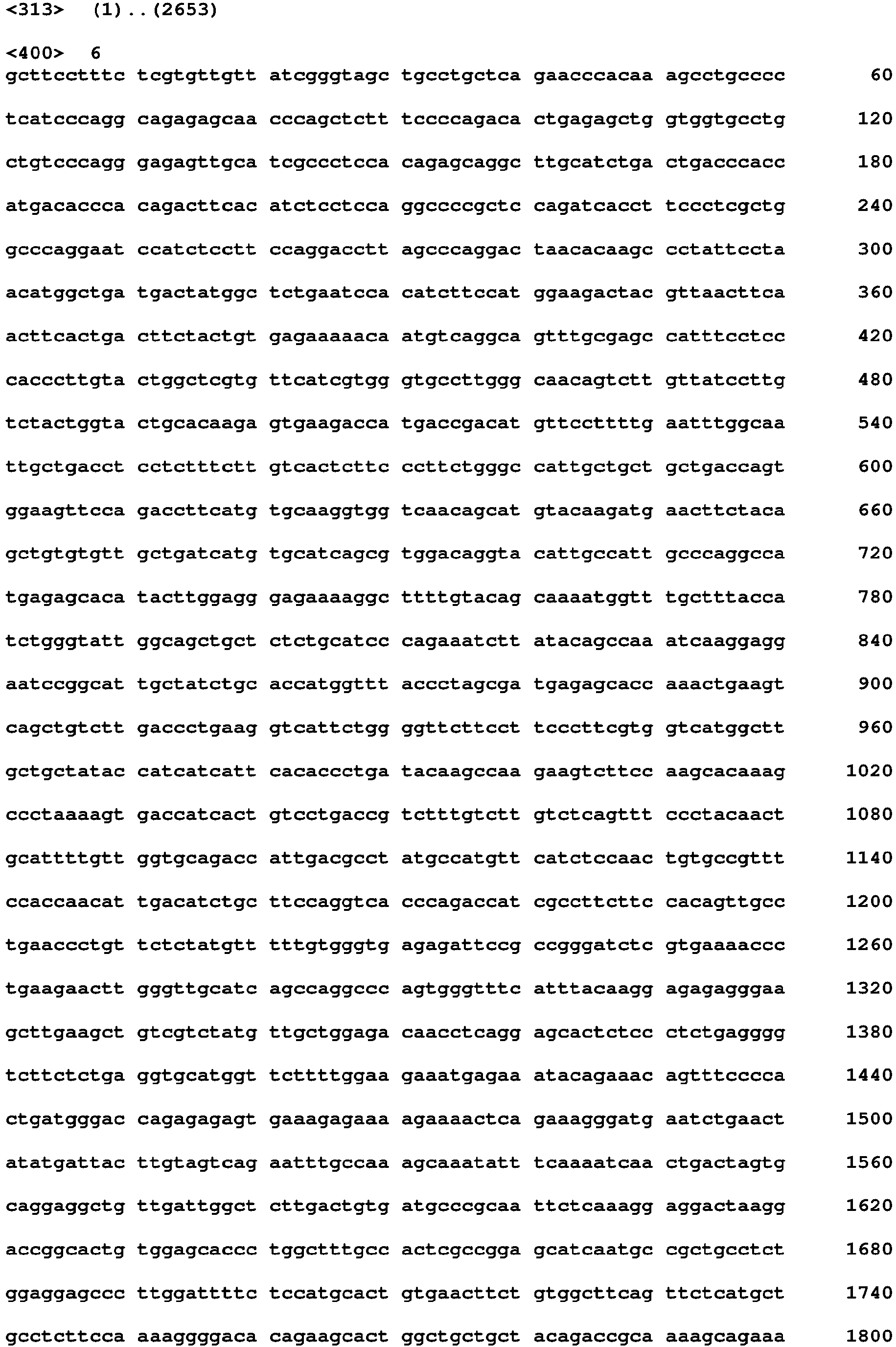


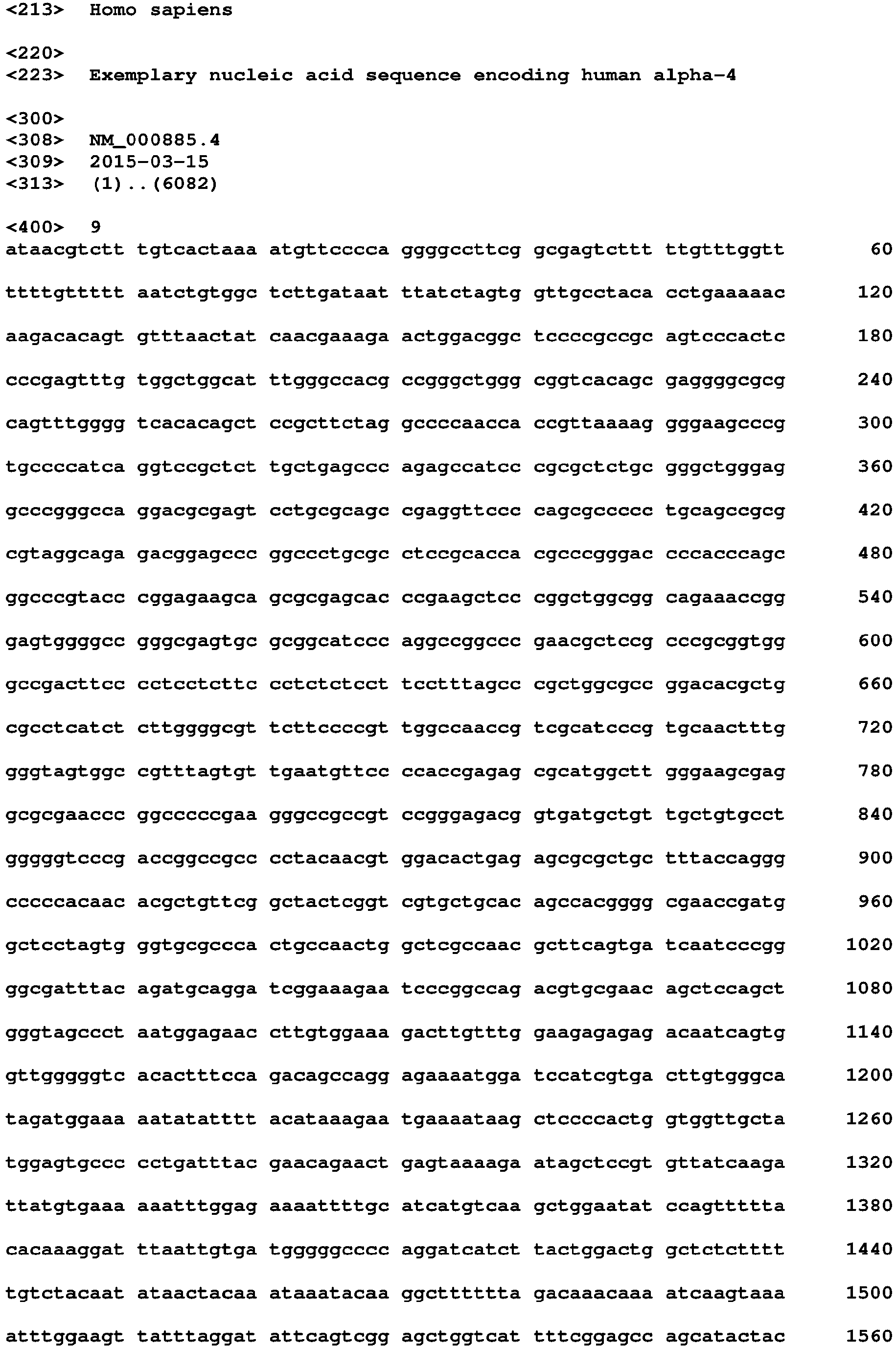


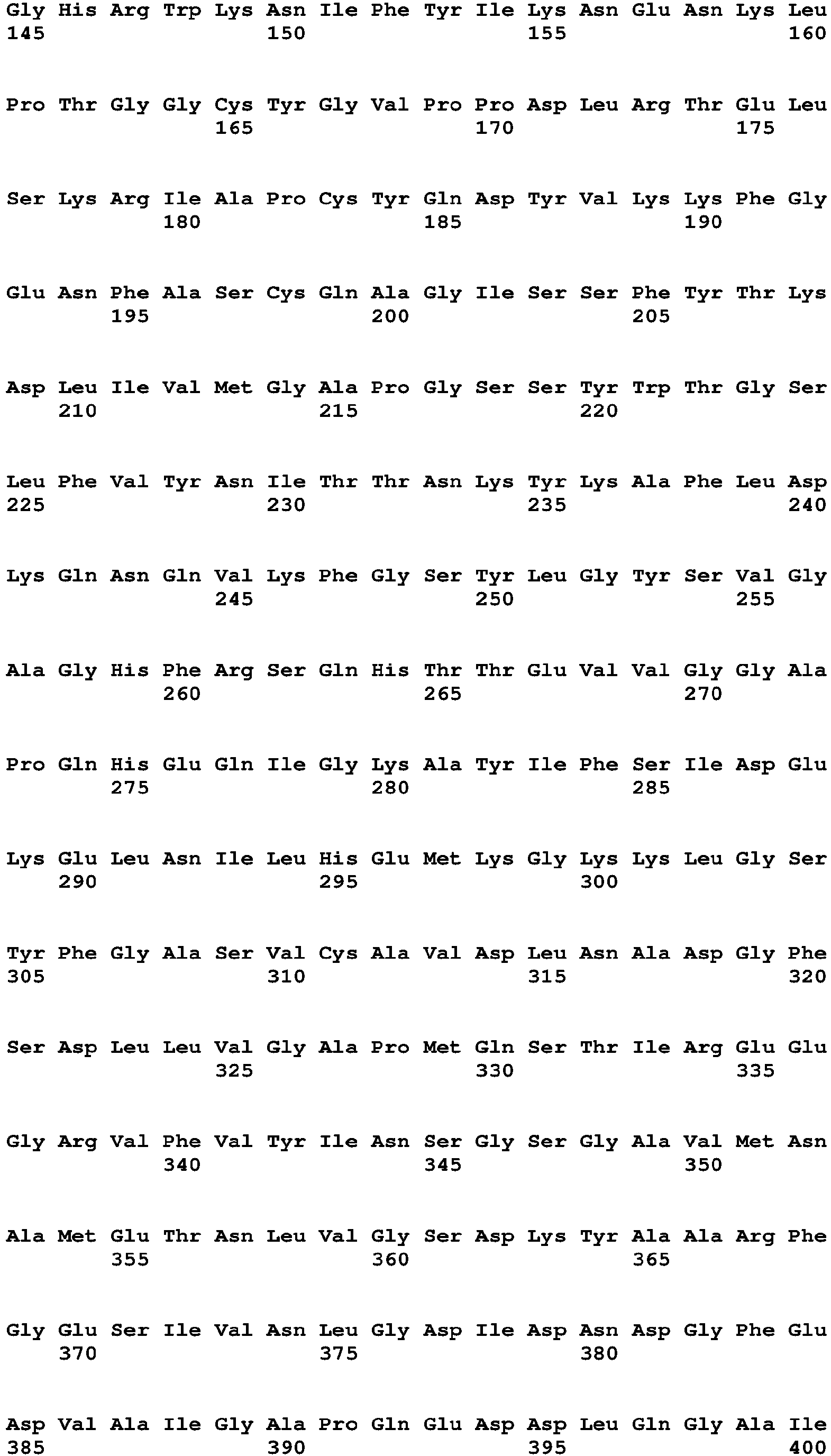


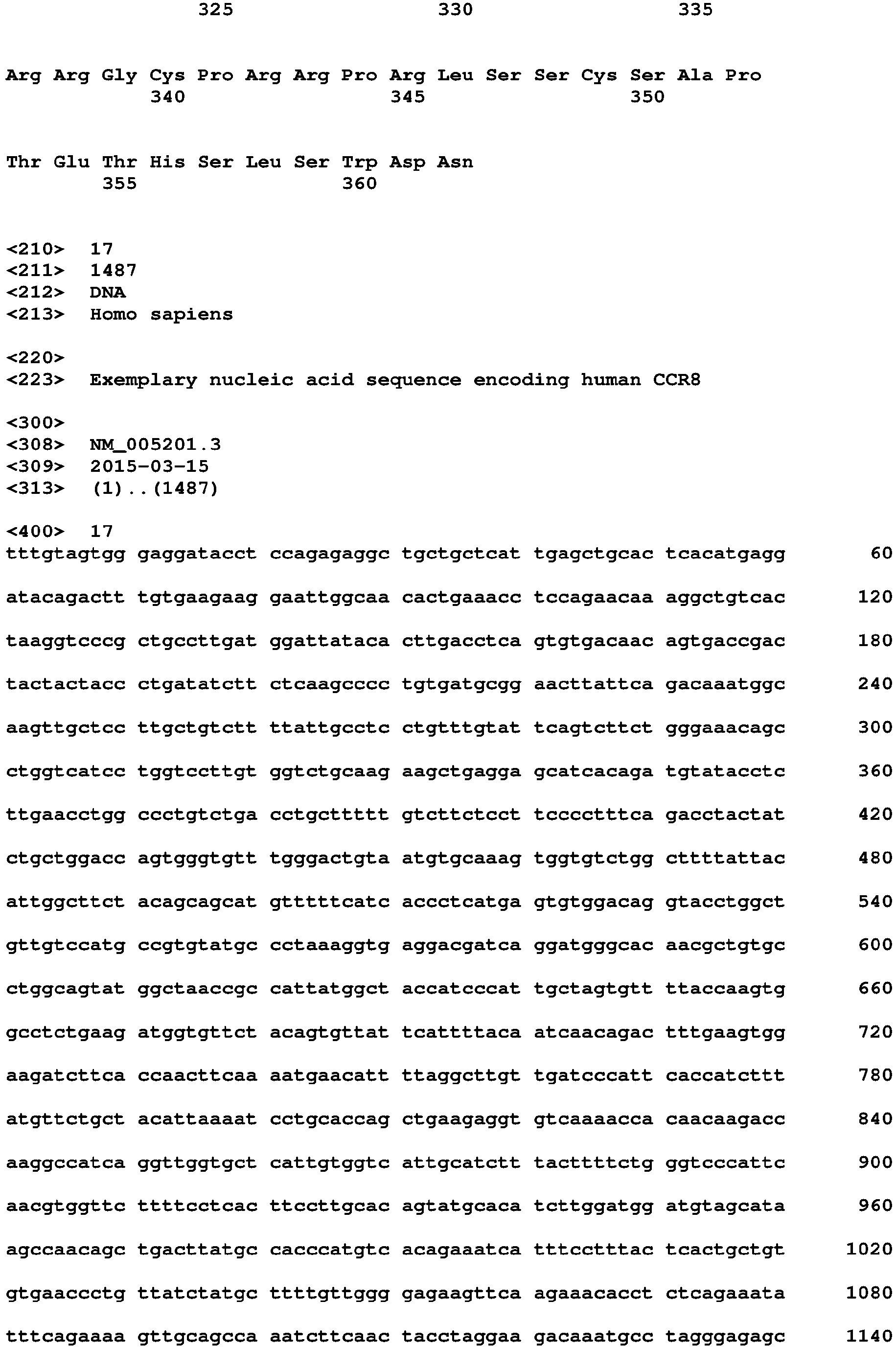

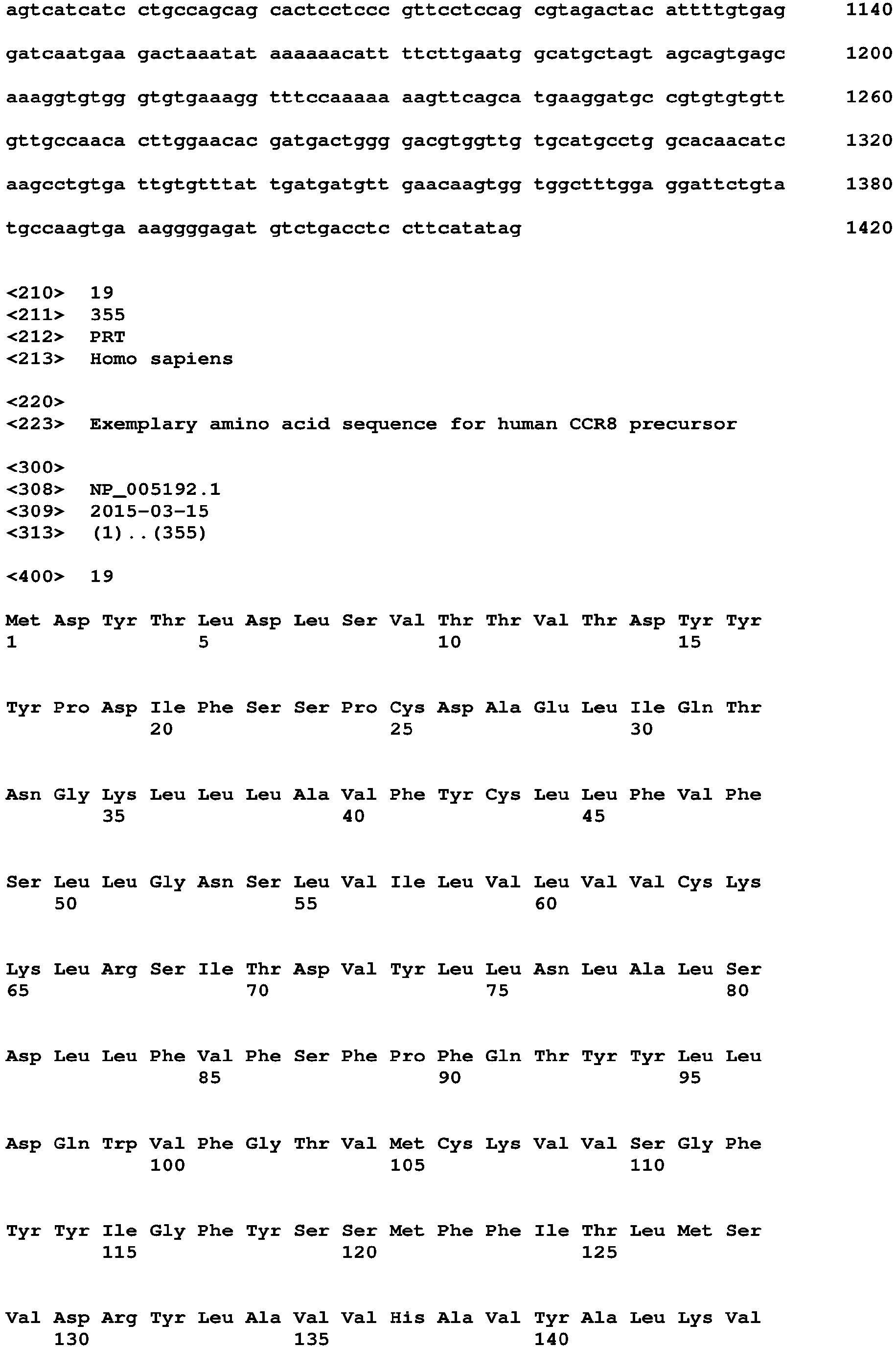
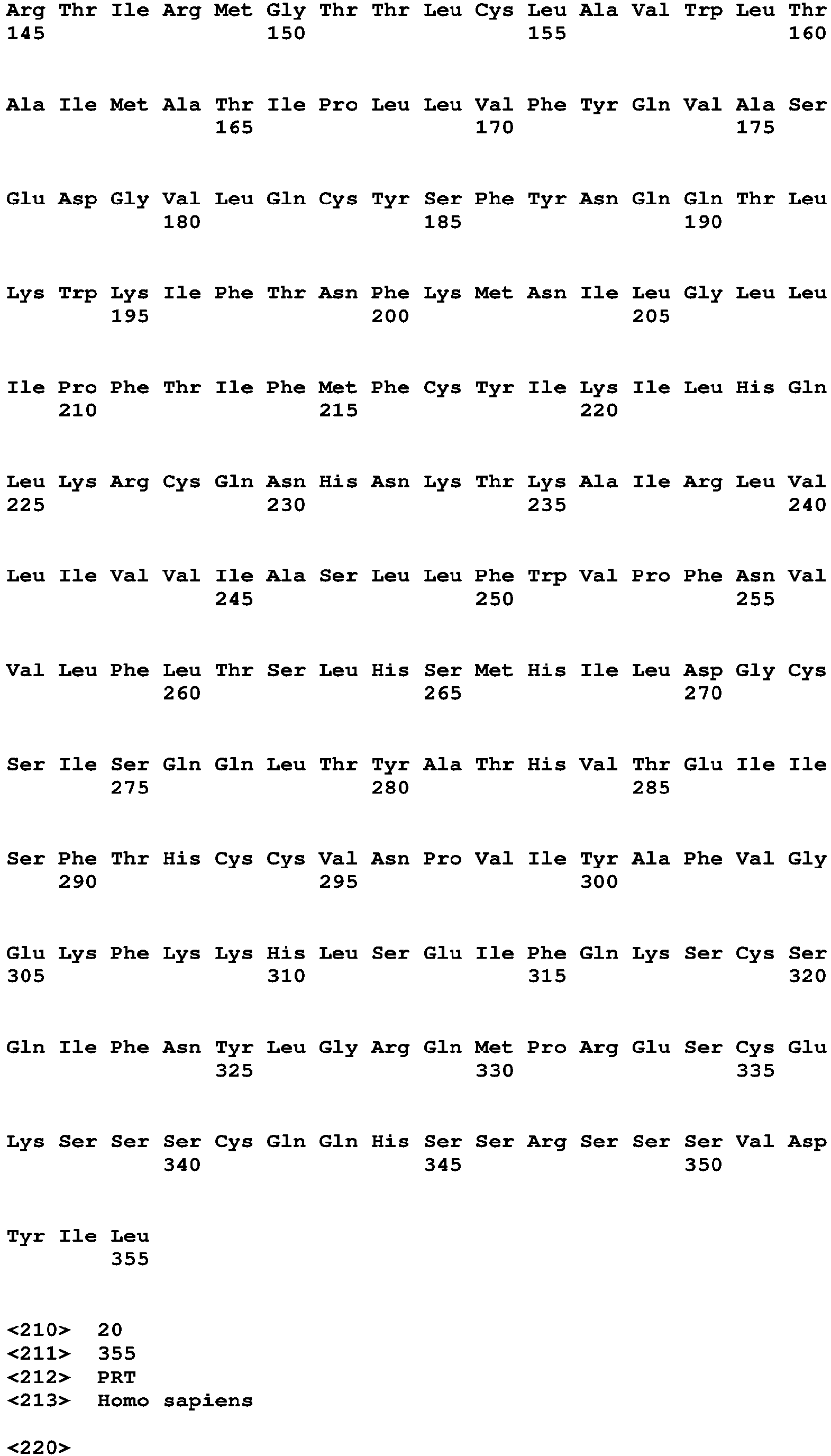


Claims (16)
- A T lymphocyte comprising: (i) a skin homing receptor; and (ii) a chimeric antigen receptor (CAR).
- The T lymphocyte of claim 1, wherein the skin homing receptor is CLA, CCR4, CCR8 or CCR10.
- The T lymphocyte of claim 1 or 2, wherein the T lymphocyte further comprises a second skin homing receptor; or
wherein the T lymphocyte further comprises a second and a third skin homing receptor; or
wherein the T lymphocyte further comprises a second, a third and a fourth skin homing receptor; preferably wherein the second, the third or the fourth skin homing receptor is CLA, CCR4, CCR8 or CCR10. - The T lymphocyte of any one of claims 1 to 3, wherein the T lymphocyte further comprises a B cell zone homing receptor, preferably wherein the B cell zone homing receptor is CXCR5.
- The T lymphocyte of any one of claims 1 to 4, wherein the extracellular domain of the CAR binds an antigen associated with a skin tumor or cancer; or
wherein the extracellular domain of the CAR binds high molecular weight melanoma-associated antigen (HMW-MAA), Her2, GD2, GD3, carcinoembryonic antigen (CEA) or sperm associated antigen 9 (SPAG9). - A T lymphocyte as defined in any one of claims 1 to 5 for use in a method of treating a skin tumor or cancer in an individual.
- A method of generating a population of T lymphocytes, wherein a plurality of said T lymphocytes home to skin tissue or skin cells; and wherein said method comprises engineering a population of T lymphocytes to express a skin homing receptor, preferably wherein the skin homing receptor is CLA, CCR4, CCR8 or CCR10; optionally
wherein the population of T lymphocytes is engineered to express a second skin homing receptor; or optionally
wherein the population of T lymphocytes is engineered to express a second and a third skin homing receptor; or optionally
wherein the population of T lymphocytes is engineered to express a second, a third and a fourth skin homing receptor; preferably wherein the second, the third or the fourth skin homing receptor is CLA, CCR4, CCR8 or CCR10. - The method of claim 7, wherein the method further comprises a step wherein the population of T lymphocytes is activated, expanded, or both activated and expanded in the presence of a Vitamin D metabolite for a time and in an amount sufficient to cause increased expression of one or more skin homing receptors, preferably wherein the Vitamin D metabolite is 1,26- dihydroxycholecalciferol (1,25(OH)2D3); and/or
wherein the method further comprises a step wherein the population of T lymphocytes is activated, expanded, or both activated and expanded in the presence of IL-12 for a time and in an amount sufficient to cause increased expression of one or more skin homing receptors; and/or
wherein the method further comprises a step of engineering the population of T lymphocytes to express a B cell zone homing receptor, preferably wherein the B cell zone homing receptor is CXCR5; and/or
wherein the method further comprises a step of administering a lentiviral vector encoding a CAR. - A T lymphocyte comprising: (i) a gastrointestinal homing receptor; and (ii) a chimeric antigen receptor (CAR).
- The T lymphocyte of claim 9, wherein the gastrointestinal homing receptor is α4β7 or CCR9.
- The T lymphocyte of claim 9 or 10, wherein the T lymphocyte further comprises a second gastrointestinal homing receptor, preferably wherein the second gastrointestinal homing receptor is α4β7 or CCR9; and/or
wherein the T lymphocyte further comprises a B cell zone homing receptor, preferably wherein the B cell zone homing receptor is CXCR5. - The T lymphocyte of any one of claims 9 to 11, wherein the extracellular domain of the CAR binds an antigen associated with a gastrointestinal tumor or cancer; or
wherein the extracellular domain of the CAR binds CEA, cancer antigen-125 (CA-125), CA19-9, CD117, CA72-4, Her2, CA242, or MUC1. - A T lymphocyte as defined in any one of claims 9 to 12 for use in a method of treating a gastrointestinal tumor or cancer in an individual.
- A method of generating a population of T lymphocytes, wherein a plurality of said T lymphocytes home to gastrointestinal tract; and wherein said method comprises engineering a population of T lymphocytes to express a gastrointestinal homing receptor, preferably wherein the gastrointestinal homing receptor is α4β7 or CCR9; optionally
wherein the population of T lymphocytes is engineered to express a second gastrointestinal homing receptor, preferably wherein the second gastrointestinal homing receptor is α4β7 or CCR9. - The method of claim 14, wherein the method further comprises a step wherein the population of T lymphocytes is activated, expanded, or both activated and expanded in the presence of a Vitamin A metabolite for a time and in an amount sufficient to cause increased expression of one or more gastrointestinal homing receptors, preferably wherein the Vitamin A metabolite is retinoic acid; and/or
wherein the method further comprises a step of engineering the population of T lymphocytes to express a B cell zone homing receptor, preferably wherein the B cell zone homing receptor is CXCR5; and/or
wherein the method further comprises a step of administering a lentiviral vector encoding a CAR. - A T lymphocyte comprising: (i) a B cell zone homing receptor; and (ii) a chimeric antigen receptor (CAR), preferably wherein the B cell zone homing receptor is CXCR5.
Applications Claiming Priority (3)
| Application Number | Priority Date | Filing Date | Title |
|---|---|---|---|
| US201462036447P | 2014-08-12 | 2014-08-12 | |
| EP15831772.7A EP3194579A4 (en) | 2014-08-12 | 2015-08-11 | Car-t lymphocytes engineered to home to lymph node b cell zone, skin, or gastrointestinal tract |
| PCT/US2015/044611 WO2016025454A2 (en) | 2014-08-12 | 2015-08-11 | Car-t lymphocytes engineered to home to lymph node b cell zone, skin, or gastrointestinal tract |
Related Parent Applications (1)
| Application Number | Title | Priority Date | Filing Date |
|---|---|---|---|
| EP15831772.7A Division EP3194579A4 (en) | 2014-08-12 | 2015-08-11 | Car-t lymphocytes engineered to home to lymph node b cell zone, skin, or gastrointestinal tract |
Publications (2)
| Publication Number | Publication Date |
|---|---|
| EP3828267A2 true EP3828267A2 (en) | 2021-06-02 |
| EP3828267A3 EP3828267A3 (en) | 2021-08-11 |
Family
ID=55304746
Family Applications (2)
| Application Number | Title | Priority Date | Filing Date |
|---|---|---|---|
| EP20195244.7A Withdrawn EP3828267A3 (en) | 2014-08-12 | 2015-08-11 | Car-t lymphocytes engineered to home to lymph node b cell zone, skin, or gastrointestinal tract |
| EP15831772.7A Withdrawn EP3194579A4 (en) | 2014-08-12 | 2015-08-11 | Car-t lymphocytes engineered to home to lymph node b cell zone, skin, or gastrointestinal tract |
Family Applications After (1)
| Application Number | Title | Priority Date | Filing Date |
|---|---|---|---|
| EP15831772.7A Withdrawn EP3194579A4 (en) | 2014-08-12 | 2015-08-11 | Car-t lymphocytes engineered to home to lymph node b cell zone, skin, or gastrointestinal tract |
Country Status (11)
| Country | Link |
|---|---|
| US (2) | US20180080008A1 (en) |
| EP (2) | EP3828267A3 (en) |
| JP (3) | JP2017524365A (en) |
| KR (2) | KR20220150428A (en) |
| CN (1) | CN106795497A (en) |
| AU (1) | AU2015301921A1 (en) |
| CA (1) | CA2957929A1 (en) |
| NZ (1) | NZ729046A (en) |
| SG (1) | SG11201701111SA (en) |
| TW (2) | TW202235619A (en) |
| WO (1) | WO2016025454A2 (en) |
Families Citing this family (27)
| Publication number | Priority date | Publication date | Assignee | Title |
|---|---|---|---|---|
| AU2013204922B2 (en) | 2012-12-20 | 2015-05-14 | Celgene Corporation | Chimeric antigen receptors |
| EP4282419A1 (en) | 2012-12-20 | 2023-11-29 | Purdue Research Foundation | Chimeric antigen receptor-expressing t cells as anti-cancer therapeutics |
| CA2907397C (en) | 2013-03-15 | 2022-11-22 | Anthrogenesis Corporation | Modified t lymphocytes |
| BR112017024757A2 (en) | 2015-05-18 | 2018-11-13 | TCR2 Therapeutics Inc. | compositions and methods for reprogramming tcr using fusion proteins |
| US12144850B2 (en) | 2016-04-08 | 2024-11-19 | Purdue Research Foundation | Methods and compositions for car T cell therapy |
| US11499168B2 (en) | 2016-04-25 | 2022-11-15 | Universitat Basel | Allele editing and applications thereof |
| WO2018026953A1 (en) | 2016-08-02 | 2018-02-08 | TCR2 Therapeutics Inc. | Compositions and methods for tcr reprogramming using fusion proteins |
| MX2019003899A (en) | 2016-10-07 | 2019-08-14 | Tcr2 Therapeutics Inc | Compositions and methods for t-cell receptors reprogramming using fusion proteins. |
| WO2018075820A2 (en) | 2016-10-20 | 2018-04-26 | Celgene Corporation | Cereblon-based heterodimerizable chimeric antigen receptors |
| AU2017363311A1 (en) | 2016-11-22 | 2019-06-13 | TCR2 Therapeutics Inc. | Compositions and methods for TCR reprogramming using fusion proteins |
| WO2018152572A1 (en) * | 2017-02-21 | 2018-08-30 | The University Of Adelaide | T cells expressing chemokine receptors for treating cancer |
| ES3010559T3 (en) | 2017-02-28 | 2025-04-03 | Endocyte Inc | Compositions and methods for car t cell therapy |
| US11166985B2 (en) | 2017-05-12 | 2021-11-09 | Crispr Therapeutics Ag | Materials and methods for engineering cells and uses thereof in immuno-oncology |
| BR112019023608A2 (en) | 2017-05-12 | 2020-05-26 | Crispr Therapeutics Ag | MATERIALS AND METHODS FOR HANDLED CELLS AND THEIR USES IN IMMUNO-ONCOLOGY |
| US12384830B2 (en) | 2017-06-02 | 2025-08-12 | Regents Of The University Of Minnesota | Compositions and methods for improving immunotherapy |
| CN107287207B (en) * | 2017-08-01 | 2019-02-26 | 上海优卡迪生物医药科技有限公司 | A kind of label and application for tracing in vivo and artificial removing CAR-T cell |
| WO2019032699A1 (en) * | 2017-08-09 | 2019-02-14 | Eureka Therapeutics, Inc. | Cells expressing cell surface receptors and antibodies |
| WO2019056174A1 (en) * | 2017-09-19 | 2019-03-28 | 中山大学 | Mesenchymal stem cell over-expressing cxcr5, preparation method therefor and use thereof |
| CN112040957A (en) * | 2018-01-08 | 2020-12-04 | H·李·莫菲特癌症中心和研究所公司 | Compositions and methods for targeting CD99-expressing cancers |
| US11311576B2 (en) | 2018-01-22 | 2022-04-26 | Seattle Children's Hospital | Methods of use for CAR T cells |
| CA3091674A1 (en) | 2018-02-23 | 2019-08-29 | Endocyte, Inc. | Sequencing method for car t cell therapy |
| EP3790629A1 (en) | 2018-05-11 | 2021-03-17 | CRISPR Therapeutics AG | Methods and compositions for treating cancer |
| US20220403001A1 (en) | 2018-06-12 | 2022-12-22 | Obsidian Therapeutics, Inc. | Pde5 derived regulatory constructs and methods of use in immunotherapy |
| JP7459046B2 (en) * | 2018-07-18 | 2024-04-01 | アムジエン・インコーポレーテツド | Chimeric receptors for STEAP1 and methods of use thereof |
| CN109666074B (en) * | 2018-12-29 | 2020-04-24 | 广州百暨基因科技有限公司 | Application of chemokine receptor CXCR5 |
| US20220143087A1 (en) * | 2019-03-08 | 2022-05-12 | Klinikum Der Universitat Munchen | Ccr8 expressing lymphocytes for targeted tumor therapy |
| AU2020267057A1 (en) | 2019-04-30 | 2021-11-18 | Crispr Therapeutics Ag | Allogeneic cell therapy of B cell malignancies using genetically engineered T cells targeting CD19 |
Citations (12)
| Publication number | Priority date | Publication date | Assignee | Title |
|---|---|---|---|---|
| WO1996005309A2 (en) | 1994-08-17 | 1996-02-22 | The Rockefeller University | Modulators of body weight, corresponding nucleic acids and proteins, and diagnostic and therapeutic uses thereof |
| US5665577A (en) | 1989-02-06 | 1997-09-09 | Dana-Farber Cancer Institute | Vectors containing HIV packaging sequences, packaging defective HIV vectors, and uses thereof |
| US5948893A (en) | 1996-01-17 | 1999-09-07 | The United States Of America As Represented By The Secretary Of The Navy | Murine hybridoma and antibody binding to CD28 receptor secreted by the hybridoma and method of using the antibody |
| US5994136A (en) | 1997-12-12 | 1999-11-30 | Cell Genesys, Inc. | Method and means for producing high titer, safe, recombinant lentivirus vectors |
| US6352694B1 (en) | 1994-06-03 | 2002-03-05 | Genetics Institute, Inc. | Methods for inducing a population of T cells to proliferate using agents which recognize TCR/CD3 and ligands which stimulate an accessory molecule on the surface of the T cells |
| US6534055B1 (en) | 1988-11-23 | 2003-03-18 | Genetics Institute, Inc. | Methods for selectively stimulating proliferation of T cells |
| US6692964B1 (en) | 1995-05-04 | 2004-02-17 | The United States Of America As Represented By The Secretary Of The Navy | Methods for transfecting T cells |
| US7250299B1 (en) | 1999-04-29 | 2007-07-31 | Cell Genesys, Inc. | Method and means for producing high titer, safe, recombinant lentivirus vectors |
| US7468276B2 (en) | 2000-12-06 | 2008-12-23 | Anthrogenesis Corporation | Placental stem cells |
| US7741465B1 (en) | 1992-03-18 | 2010-06-22 | Zelig Eshhar | Chimeric receptor genes and cells transformed therewith |
| US8057788B2 (en) | 2000-12-06 | 2011-11-15 | Anthrogenesis Corporation | Placental stem cell populations |
| US20120093842A1 (en) | 1992-03-18 | 2012-04-19 | The United States of America, as represented by the Secretary, Dept. of Health & Human Service | Chimeric receptor genes and cells transformed therewith |
Family Cites Families (8)
| Publication number | Priority date | Publication date | Assignee | Title |
|---|---|---|---|---|
| US20070155663A1 (en) * | 2003-03-24 | 2007-07-05 | Rudolf Richter | Use of chemokine receptor agonists for stem cell transplantation |
| JP2005336062A (en) * | 2004-05-24 | 2005-12-08 | Mitsubishi Chemicals Corp | Agent for inducing homing of T cells to intestinal tissue |
| WO2010003002A2 (en) * | 2008-07-02 | 2010-01-07 | Board Of Regents, The University Of Texas System | Modulation of follicular helper t cells |
| EP3594245A1 (en) * | 2012-02-13 | 2020-01-15 | Seattle Children's Hospital d/b/a Seattle Children's Research Institute | Bispecific chimeric antigen receptors and therapeutic uses thereof |
| IL288241B2 (en) * | 2012-06-11 | 2023-10-01 | Wilson Wolf Mfg Corporation | Improved methods of cell culture for adoptive cell therapy |
| CN103483452B (en) * | 2012-06-12 | 2021-08-13 | 上海细胞治疗集团有限公司 | Dual-signal-independent chimeric antigen receptors and their uses |
| ES2871349T3 (en) * | 2012-09-04 | 2021-10-28 | Inven2 As | Selective and controlled expansion of educated NK cells |
| US9393268B2 (en) * | 2013-03-15 | 2016-07-19 | Thomas Jefferson University | Cell-based anti-cancer compositions with reduced toxicity and methods of making and using the same |
-
2015
- 2015-08-11 KR KR1020227037473A patent/KR20220150428A/en not_active Ceased
- 2015-08-11 AU AU2015301921A patent/AU2015301921A1/en not_active Abandoned
- 2015-08-11 EP EP20195244.7A patent/EP3828267A3/en not_active Withdrawn
- 2015-08-11 JP JP2017507842A patent/JP2017524365A/en active Pending
- 2015-08-11 NZ NZ729046A patent/NZ729046A/en not_active IP Right Cessation
- 2015-08-11 SG SG11201701111SA patent/SG11201701111SA/en unknown
- 2015-08-11 WO PCT/US2015/044611 patent/WO2016025454A2/en not_active Ceased
- 2015-08-11 KR KR1020177006518A patent/KR20170045244A/en not_active Ceased
- 2015-08-11 US US15/502,752 patent/US20180080008A1/en not_active Abandoned
- 2015-08-11 CN CN201580055115.3A patent/CN106795497A/en active Pending
- 2015-08-11 EP EP15831772.7A patent/EP3194579A4/en not_active Withdrawn
- 2015-08-11 CA CA2957929A patent/CA2957929A1/en active Pending
- 2015-08-12 TW TW110145417A patent/TW202235619A/en unknown
- 2015-08-12 TW TW104126314A patent/TW201614072A/en unknown
-
2020
- 2020-09-30 US US17/039,507 patent/US20210254003A1/en not_active Abandoned
- 2020-10-15 JP JP2020173659A patent/JP2021035366A/en active Pending
-
2022
- 2022-10-06 JP JP2022161320A patent/JP2023011593A/en active Pending
Patent Citations (18)
| Publication number | Priority date | Publication date | Assignee | Title |
|---|---|---|---|---|
| US6534055B1 (en) | 1988-11-23 | 2003-03-18 | Genetics Institute, Inc. | Methods for selectively stimulating proliferation of T cells |
| US6887466B2 (en) | 1988-11-23 | 2005-05-03 | Genetics Institute, Inc. | Methods for selectively stimulating proliferation of T cells |
| US5665577A (en) | 1989-02-06 | 1997-09-09 | Dana-Farber Cancer Institute | Vectors containing HIV packaging sequences, packaging defective HIV vectors, and uses thereof |
| US20120093842A1 (en) | 1992-03-18 | 2012-04-19 | The United States of America, as represented by the Secretary, Dept. of Health & Human Service | Chimeric receptor genes and cells transformed therewith |
| US7741465B1 (en) | 1992-03-18 | 2010-06-22 | Zelig Eshhar | Chimeric receptor genes and cells transformed therewith |
| US6905681B1 (en) | 1994-06-03 | 2005-06-14 | Genetics Institute, Inc. | Methods for selectively stimulating proliferation of T cells |
| US6352694B1 (en) | 1994-06-03 | 2002-03-05 | Genetics Institute, Inc. | Methods for inducing a population of T cells to proliferate using agents which recognize TCR/CD3 and ligands which stimulate an accessory molecule on the surface of the T cells |
| WO1996005309A2 (en) | 1994-08-17 | 1996-02-22 | The Rockefeller University | Modulators of body weight, corresponding nucleic acids and proteins, and diagnostic and therapeutic uses thereof |
| US6692964B1 (en) | 1995-05-04 | 2004-02-17 | The United States Of America As Represented By The Secretary Of The Navy | Methods for transfecting T cells |
| US5948893A (en) | 1996-01-17 | 1999-09-07 | The United States Of America As Represented By The Secretary Of The Navy | Murine hybridoma and antibody binding to CD28 receptor secreted by the hybridoma and method of using the antibody |
| US6165782A (en) | 1997-12-12 | 2000-12-26 | Cell Genesys, Inc. | Method and means for producing high titer, safe, recombinant lentivirus vectors |
| US7083981B2 (en) | 1997-12-12 | 2006-08-01 | Cell Genesys, Inc. | Method and means for producing high titer, safe, recombinant lentivirus vectors |
| US6428953B1 (en) | 1997-12-12 | 2002-08-06 | Cell Genesys, Inc. | Method and means for producing high titer, safe, recombinant lentivirus vectors |
| US5994136A (en) | 1997-12-12 | 1999-11-30 | Cell Genesys, Inc. | Method and means for producing high titer, safe, recombinant lentivirus vectors |
| US7250299B1 (en) | 1999-04-29 | 2007-07-31 | Cell Genesys, Inc. | Method and means for producing high titer, safe, recombinant lentivirus vectors |
| US7468276B2 (en) | 2000-12-06 | 2008-12-23 | Anthrogenesis Corporation | Placental stem cells |
| US8057788B2 (en) | 2000-12-06 | 2011-11-15 | Anthrogenesis Corporation | Placental stem cell populations |
| US8202703B2 (en) | 2005-12-29 | 2012-06-19 | Anthrogenesis Corporation | Placental stem cell populations |
Non-Patent Citations (5)
| Title |
|---|
| "GenBank", Database accession no. NP 001193538.1 |
| BINGER ET AL., EXPERIMENTAL CELL RESEARCH, vol. 315, 2009, pages 1468 - 79 |
| HYRUP ET AL., BIOORGAN. MED. CHAIN., vol. 4, 1996, pages 5 - 23 |
| SAMBROOK ET AL.: "Molecular Cloning - A Laboratory Manual", 1989, COLD SPRING HARBOR PRESS |
| SUMMERTONWELLER, ANTISENSE NUCLEIC ACID DRUG DEV, vol. 7, 1997, pages 187 - 195 |
Also Published As
| Publication number | Publication date |
|---|---|
| WO2016025454A2 (en) | 2016-02-18 |
| WO2016025454A3 (en) | 2016-04-07 |
| NZ729046A (en) | 2022-07-29 |
| EP3194579A2 (en) | 2017-07-26 |
| TW202235619A (en) | 2022-09-16 |
| US20210254003A1 (en) | 2021-08-19 |
| KR20170045244A (en) | 2017-04-26 |
| JP2021035366A (en) | 2021-03-04 |
| US20180080008A1 (en) | 2018-03-22 |
| TW201614072A (en) | 2016-04-16 |
| EP3194579A4 (en) | 2018-04-04 |
| CA2957929A1 (en) | 2016-02-18 |
| EP3828267A3 (en) | 2021-08-11 |
| CN106795497A (en) | 2017-05-31 |
| SG11201701111SA (en) | 2017-03-30 |
| JP2023011593A (en) | 2023-01-24 |
| KR20220150428A (en) | 2022-11-10 |
| AU2015301921A1 (en) | 2017-03-02 |
| JP2017524365A (en) | 2017-08-31 |
Similar Documents
| Publication | Publication Date | Title |
|---|---|---|
| US11806365B2 (en) | Modified T lymphocytes comprising a CD52 antibody-inducible caspase and methods of apoptosis | |
| JP2023011593A (en) | CAR-T cells engineered to home to B-cell areas of lymph nodes, skin, or the gastrointestinal tract | |
| US20220106404A1 (en) | Chimeric antigen receptors | |
| WO2014124143A1 (en) | Modified t lymphocytes having improved specificity | |
| AU2013204923A1 (en) | Modified t lymphocytes having improved specificity | |
| NZ712373B2 (en) | Modified t lymphocytes | |
| HK1215267B (en) | Chimeric antigen receptors | |
| NZ749028B2 (en) | Chimeric antigen receptors | |
| NZ751539B2 (en) | Modified t lymphocytes |
Legal Events
| Date | Code | Title | Description |
|---|---|---|---|
| PUAI | Public reference made under article 153(3) epc to a published international application that has entered the european phase |
Free format text: ORIGINAL CODE: 0009012 |
|
| STAA | Information on the status of an ep patent application or granted ep patent |
Free format text: STATUS: THE APPLICATION HAS BEEN PUBLISHED |
|
| AC | Divisional application: reference to earlier application |
Ref document number: 3194579 Country of ref document: EP Kind code of ref document: P |
|
| AK | Designated contracting states |
Kind code of ref document: A2 Designated state(s): AL AT BE BG CH CY CZ DE DK EE ES FI FR GB GR HR HU IE IS IT LI LT LU LV MC MK MT NL NO PL PT RO RS SE SI SK SM TR |
|
| PUAL | Search report despatched |
Free format text: ORIGINAL CODE: 0009013 |
|
| AK | Designated contracting states |
Kind code of ref document: A3 Designated state(s): AL AT BE BG CH CY CZ DE DK EE ES FI FR GB GR HR HU IE IS IT LI LT LU LV MC MK MT NL NO PL PT RO RS SE SI SK SM TR |
|
| RIC1 | Information provided on ipc code assigned before grant |
Ipc: C12N 5/22 20060101AFI20210708BHEP Ipc: C12N 5/0783 20100101ALI20210708BHEP Ipc: A61K 39/00 20060101ALI20210708BHEP Ipc: C07K 14/725 20060101ALI20210708BHEP Ipc: A61P 35/00 20060101ALI20210708BHEP Ipc: A61P 17/00 20060101ALI20210708BHEP Ipc: A61P 1/00 20060101ALI20210708BHEP |
|
| STAA | Information on the status of an ep patent application or granted ep patent |
Free format text: STATUS: REQUEST FOR EXAMINATION WAS MADE |
|
| 17P | Request for examination filed |
Effective date: 20220210 |
|
| RBV | Designated contracting states (corrected) |
Designated state(s): AL AT BE BG CH CY CZ DE DK EE ES FI FR GB GR HR HU IE IS IT LI LT LU LV MC MK MT NL NO PL PT RO RS SE SI SK SM TR |
|
| STAA | Information on the status of an ep patent application or granted ep patent |
Free format text: STATUS: THE APPLICATION HAS BEEN WITHDRAWN |
|
| RAP3 | Party data changed (applicant data changed or rights of an application transferred) |
Owner name: CELGENE CORPORATION |
|
| 18W | Application withdrawn |
Effective date: 20240307 |