EP3827829B1 - Pharmaceutical composition for use in preventing or treating nonalcoholic fatty liver disease, containing a gpr119 ligand as active ingredient - Google Patents
Pharmaceutical composition for use in preventing or treating nonalcoholic fatty liver disease, containing a gpr119 ligand as active ingredient Download PDFInfo
- Publication number
- EP3827829B1 EP3827829B1 EP19860397.9A EP19860397A EP3827829B1 EP 3827829 B1 EP3827829 B1 EP 3827829B1 EP 19860397 A EP19860397 A EP 19860397A EP 3827829 B1 EP3827829 B1 EP 3827829B1
- Authority
- EP
- European Patent Office
- Prior art keywords
- pharmaceutical composition
- fatty liver
- liver disease
- present
- preventing
- Prior art date
- Legal status (The legal status is an assumption and is not a legal conclusion. Google has not performed a legal analysis and makes no representation as to the accuracy of the status listed.)
- Active
Links
Images



Classifications
-
- A—HUMAN NECESSITIES
- A61—MEDICAL OR VETERINARY SCIENCE; HYGIENE
- A61K—PREPARATIONS FOR MEDICAL, DENTAL OR TOILETRY PURPOSES
- A61K31/00—Medicinal preparations containing organic active ingredients
- A61K31/33—Heterocyclic compounds
- A61K31/395—Heterocyclic compounds having nitrogen as a ring hetero atom, e.g. guanethidine or rifamycins
- A61K31/41—Heterocyclic compounds having nitrogen as a ring hetero atom, e.g. guanethidine or rifamycins having five-membered rings with two or more ring hetero atoms, at least one of which being nitrogen, e.g. tetrazole
- A61K31/4245—Oxadiazoles
-
- A—HUMAN NECESSITIES
- A61—MEDICAL OR VETERINARY SCIENCE; HYGIENE
- A61K—PREPARATIONS FOR MEDICAL, DENTAL OR TOILETRY PURPOSES
- A61K31/00—Medicinal preparations containing organic active ingredients
- A61K31/33—Heterocyclic compounds
- A61K31/395—Heterocyclic compounds having nitrogen as a ring hetero atom, e.g. guanethidine or rifamycins
- A61K31/495—Heterocyclic compounds having nitrogen as a ring hetero atom, e.g. guanethidine or rifamycins having six-membered rings with two or more nitrogen atoms as the only ring heteroatoms, e.g. piperazine or tetrazines
- A61K31/505—Pyrimidines; Hydrogenated pyrimidines, e.g. trimethoprim
- A61K31/506—Pyrimidines; Hydrogenated pyrimidines, e.g. trimethoprim not condensed and containing further heterocyclic rings
-
- A—HUMAN NECESSITIES
- A23—FOODS OR FOODSTUFFS; TREATMENT THEREOF, NOT COVERED BY OTHER CLASSES
- A23L—FOODS, FOODSTUFFS OR NON-ALCOHOLIC BEVERAGES, NOT OTHERWISE PROVIDED FOR; PREPARATION OR TREATMENT THEREOF
- A23L33/00—Modifying nutritive qualities of foods; Dietetic products; Preparation or treatment thereof
- A23L33/10—Modifying nutritive qualities of foods; Dietetic products; Preparation or treatment thereof using additives
-
- A—HUMAN NECESSITIES
- A61—MEDICAL OR VETERINARY SCIENCE; HYGIENE
- A61K—PREPARATIONS FOR MEDICAL, DENTAL OR TOILETRY PURPOSES
- A61K31/00—Medicinal preparations containing organic active ingredients
- A61K31/33—Heterocyclic compounds
- A61K31/395—Heterocyclic compounds having nitrogen as a ring hetero atom, e.g. guanethidine or rifamycins
- A61K31/41—Heterocyclic compounds having nitrogen as a ring hetero atom, e.g. guanethidine or rifamycins having five-membered rings with two or more ring hetero atoms, at least one of which being nitrogen, e.g. tetrazole
- A61K31/425—Thiazoles
-
- A—HUMAN NECESSITIES
- A61—MEDICAL OR VETERINARY SCIENCE; HYGIENE
- A61K—PREPARATIONS FOR MEDICAL, DENTAL OR TOILETRY PURPOSES
- A61K31/00—Medicinal preparations containing organic active ingredients
- A61K31/33—Heterocyclic compounds
- A61K31/395—Heterocyclic compounds having nitrogen as a ring hetero atom, e.g. guanethidine or rifamycins
- A61K31/41—Heterocyclic compounds having nitrogen as a ring hetero atom, e.g. guanethidine or rifamycins having five-membered rings with two or more ring hetero atoms, at least one of which being nitrogen, e.g. tetrazole
- A61K31/433—Thidiazoles
-
- A—HUMAN NECESSITIES
- A61—MEDICAL OR VETERINARY SCIENCE; HYGIENE
- A61K—PREPARATIONS FOR MEDICAL, DENTAL OR TOILETRY PURPOSES
- A61K31/00—Medicinal preparations containing organic active ingredients
- A61K31/33—Heterocyclic compounds
- A61K31/395—Heterocyclic compounds having nitrogen as a ring hetero atom, e.g. guanethidine or rifamycins
- A61K31/435—Heterocyclic compounds having nitrogen as a ring hetero atom, e.g. guanethidine or rifamycins having six-membered rings with one nitrogen as the only ring hetero atom
- A61K31/44—Non condensed pyridines; Hydrogenated derivatives thereof
- A61K31/4427—Non condensed pyridines; Hydrogenated derivatives thereof containing further heterocyclic ring systems
- A61K31/4439—Non condensed pyridines; Hydrogenated derivatives thereof containing further heterocyclic ring systems containing a five-membered ring with nitrogen as a ring hetero atom, e.g. omeprazole
-
- A—HUMAN NECESSITIES
- A61—MEDICAL OR VETERINARY SCIENCE; HYGIENE
- A61K—PREPARATIONS FOR MEDICAL, DENTAL OR TOILETRY PURPOSES
- A61K31/00—Medicinal preparations containing organic active ingredients
- A61K31/33—Heterocyclic compounds
- A61K31/395—Heterocyclic compounds having nitrogen as a ring hetero atom, e.g. guanethidine or rifamycins
- A61K31/435—Heterocyclic compounds having nitrogen as a ring hetero atom, e.g. guanethidine or rifamycins having six-membered rings with one nitrogen as the only ring hetero atom
- A61K31/44—Non condensed pyridines; Hydrogenated derivatives thereof
- A61K31/445—Non condensed piperidines, e.g. piperocaine
-
- A—HUMAN NECESSITIES
- A61—MEDICAL OR VETERINARY SCIENCE; HYGIENE
- A61K—PREPARATIONS FOR MEDICAL, DENTAL OR TOILETRY PURPOSES
- A61K31/00—Medicinal preparations containing organic active ingredients
- A61K31/33—Heterocyclic compounds
- A61K31/395—Heterocyclic compounds having nitrogen as a ring hetero atom, e.g. guanethidine or rifamycins
- A61K31/435—Heterocyclic compounds having nitrogen as a ring hetero atom, e.g. guanethidine or rifamycins having six-membered rings with one nitrogen as the only ring hetero atom
- A61K31/44—Non condensed pyridines; Hydrogenated derivatives thereof
- A61K31/445—Non condensed piperidines, e.g. piperocaine
- A61K31/4523—Non condensed piperidines, e.g. piperocaine containing further heterocyclic ring systems
-
- A—HUMAN NECESSITIES
- A61—MEDICAL OR VETERINARY SCIENCE; HYGIENE
- A61K—PREPARATIONS FOR MEDICAL, DENTAL OR TOILETRY PURPOSES
- A61K31/00—Medicinal preparations containing organic active ingredients
- A61K31/33—Heterocyclic compounds
- A61K31/395—Heterocyclic compounds having nitrogen as a ring hetero atom, e.g. guanethidine or rifamycins
- A61K31/435—Heterocyclic compounds having nitrogen as a ring hetero atom, e.g. guanethidine or rifamycins having six-membered rings with one nitrogen as the only ring hetero atom
- A61K31/44—Non condensed pyridines; Hydrogenated derivatives thereof
- A61K31/445—Non condensed piperidines, e.g. piperocaine
- A61K31/4523—Non condensed piperidines, e.g. piperocaine containing further heterocyclic ring systems
- A61K31/454—Non condensed piperidines, e.g. piperocaine containing further heterocyclic ring systems containing a five-membered ring with nitrogen as a ring hetero atom, e.g. pimozide, domperidone
-
- A—HUMAN NECESSITIES
- A61—MEDICAL OR VETERINARY SCIENCE; HYGIENE
- A61K—PREPARATIONS FOR MEDICAL, DENTAL OR TOILETRY PURPOSES
- A61K31/00—Medicinal preparations containing organic active ingredients
- A61K31/33—Heterocyclic compounds
- A61K31/395—Heterocyclic compounds having nitrogen as a ring hetero atom, e.g. guanethidine or rifamycins
- A61K31/435—Heterocyclic compounds having nitrogen as a ring hetero atom, e.g. guanethidine or rifamycins having six-membered rings with one nitrogen as the only ring hetero atom
- A61K31/44—Non condensed pyridines; Hydrogenated derivatives thereof
- A61K31/445—Non condensed piperidines, e.g. piperocaine
- A61K31/4523—Non condensed piperidines, e.g. piperocaine containing further heterocyclic ring systems
- A61K31/4545—Non condensed piperidines, e.g. piperocaine containing further heterocyclic ring systems containing a six-membered ring with nitrogen as a ring hetero atom, e.g. pipamperone, anabasine
-
- A—HUMAN NECESSITIES
- A61—MEDICAL OR VETERINARY SCIENCE; HYGIENE
- A61K—PREPARATIONS FOR MEDICAL, DENTAL OR TOILETRY PURPOSES
- A61K31/00—Medicinal preparations containing organic active ingredients
- A61K31/33—Heterocyclic compounds
- A61K31/395—Heterocyclic compounds having nitrogen as a ring hetero atom, e.g. guanethidine or rifamycins
- A61K31/495—Heterocyclic compounds having nitrogen as a ring hetero atom, e.g. guanethidine or rifamycins having six-membered rings with two or more nitrogen atoms as the only ring heteroatoms, e.g. piperazine or tetrazines
- A61K31/4965—Non-condensed pyrazines
- A61K31/497—Non-condensed pyrazines containing further heterocyclic rings
-
- A—HUMAN NECESSITIES
- A61—MEDICAL OR VETERINARY SCIENCE; HYGIENE
- A61P—SPECIFIC THERAPEUTIC ACTIVITY OF CHEMICAL COMPOUNDS OR MEDICINAL PREPARATIONS
- A61P1/00—Drugs for disorders of the alimentary tract or the digestive system
- A61P1/06—Anti-spasmodics, e.g. drugs for colics, esophagic dyskinesia
-
- A—HUMAN NECESSITIES
- A61—MEDICAL OR VETERINARY SCIENCE; HYGIENE
- A61P—SPECIFIC THERAPEUTIC ACTIVITY OF CHEMICAL COMPOUNDS OR MEDICINAL PREPARATIONS
- A61P1/00—Drugs for disorders of the alimentary tract or the digestive system
- A61P1/16—Drugs for disorders of the alimentary tract or the digestive system for liver or gallbladder disorders, e.g. hepatoprotective agents, cholagogues, litholytics
Definitions
- the present invention relates to a pharmaceutical composition, a food composition, and a feed composition for use in preventing or treating non-alcoholic fatty liver disease.
- Fatty liver is a pathological condition in which triglycerides are excessively accumulated in hepatocytes, and medically defined as a condition in which triglycerides account for 5% or more of a liver weight.
- Fatty liver is classified into alcoholic and non-alcoholic fatty livers depending on whether fatty liver is caused by excessive alcohol intake or not.
- Non-alcoholic fatty liver disease is a group of diseases that encompass all aspects of the disease ranging from non-alcoholic fatty liver to steatohepatitis and cirrhosis. Simple non-alcoholic fatty liver, which has only fat deposits in the liver and shows an increase in fat deposits in liver tissues caused by insulin resistance, etc.
- non-alcoholic steatohepatitis (NASH), which is accompanied by damage to hepatocytes caused by inflammatory responses due to oxidative stress and sometimes fibrosis, and may progress into liver cirrhosis, which is accompanied by irreversible liver damage if not treated properly.
- NASH non-alcoholic steatohepatitis
- a prevalence rate of non-alcoholic fatty liver disease has rapidly increased worldwide, and a prevalence rate of simple fatty liver is estimated to be 6.3 to 33%, and a prevalence rate of non-alcoholic steatohepatitis accompanied by inflammation is reported to be 3 to 5% ( Hepatology, 2012(55): 2005-2023 ).
- Simple fatty liver very slowly progresses to serious liver disease and does not increase a mortality rate associated with liver disease, but steatohepatitis may lead to cirrhosis and liver cancer and increases a mortality rate associated with liver disease as well as an overall mortality.
- simple fatty liver may be easily ameliorated if a weight loss is made by 3 to 5% through revision of general living habits, but it is recommended to make a weight loss by at least 10% for reduction of inflammation.
- this weight loss may induce inflammation and fibrosis to be ameliorated in the liver ( Korean J Gastroenterol, 2012(60): 64-66 ).
- hepatitis C has been considered as the most common cause of liver transplantation, followed by non-alcoholic steatohepatitis as of 2013.
- an increase rate of liver transplantation for 10 years from 2004 was 14% for hepatitis C, while 170% for non-alcoholic steatohepatitis showing rapid increase and NASH is also expected to become the first cause of liver transplantation since 2020, leaving hepatitis C behind, and thus there is an urgent need to develop an effective therapeutic agent for non-alcoholic fatty liver disease including non-alcoholic steatohepatitis.
- a drug therapy for non-alcoholic steatohepatitis includes a method of taking in an insulin resistance enhancer (e.g., pioglitazone) or an antioxidant (e.g., vitamin E), in which findings of fat accumulation and inflammation amelioration have been confirmed through small-scale clinical trials in patients with non-alcoholic steatohepatitis.
- an insulin resistance enhancer e.g., pioglitazone
- an antioxidant e.g., vitamin E
- G protein-coupled receptor 119 is distributed in L and K cells of the small intestine. If GPR119 is activated by triglyceride metabolites (2-monoacylglycerol), etc., GPR119 increases secretion of incretin hormones such as glucagon-like peptide-1 (GLP-1) or glucose-dependent insulinotropic polypeptide (GIP). GPR119 is also distributed in pancreatic beta cells and alpha cells and contributes to maintaining blood sugar levels by controlling secretion of insulin and glucagon in a glucose-dependent manner.
- GLP-1 glucagon-like peptide-1
- GIP glucose-dependent insulinotropic polypeptide
- GPR119 ligand directly inhibits an inflammatory response and thus inhibits the inflammatory response, which is the core of hepatocyte damage in non-alcoholic fatty liver disease. Also, it has not been reported if GPR119 ligand ameliorates inflammation and fibrosis after the induction of non-alcoholic fatty liver disease.
- Prior art document EP3212640 A discloses compounds relevant for the current invention but does not disclose a compound for use in preventing or treating non-alcoholic steatohepatitis.
- Prior art document US 2017/049773 A discloses the effect of GPR 119 agonist on obesity and type 2 diabetes as well as on improving hepatic steatosis.
- the chemical structures disclosed in this prior art document differ from the one of the current invention.
- An object of the present invention is to provide a pharmaceutical composition for use in preventing or treating non-alcoholic fatty liver disease..
- the pharmaceutical composition according to the present invention may be useful in preventing or treating non-alcoholic fatty liver disease by remarkably inhibiting triglyceride deposition, inflammation and fibrosis in liver tissues.
- halogen may refer to fluorine, chlorine, bromine or iodine.
- alkyl may refer to a straight-chain or branched-chain hydrocarbon residue unless otherwise noted.
- An example of the C1-C6 alkyl may include methyl, ethyl, propyl, isopropyl, butyl, isobutyl, pentyl, hexyl, etc.
- alkoxy may include an alkyl-oxygen radical having alkyl as defined above unless otherwise noted.
- An example of the C1-C6 alkoxy may include methoxy, ethoxy, propoxy, butoxy, pentoxy, etc.
- heterocycle or “heterocyclic” may refer to 5 to 13-membered hetero-aromatic or non-aromatic compound including one to three heteroatoms selected from the group consisting of N, O, and S unless otherwise noted.
- the compound represented by the chemical formula 1 may be a compound specifically selected from the group consisting of the following compounds:
- references to methods of treatment by therapy or surgery or in vivo diagnosis methods refer to the compounds, pharmaceutical compositions and medicaments of the present invention for use in those methods.
- a non-limiting example of the pharmaceutically acceptable salt of the compound represented by the chemical formula 1 may include inorganic acid salts such as hydrochloric acid, bromic acid, phosphoric acid or sulfuric acid; organic carboxylic acid salts such as acetic acid, trifluoroacetic acid, citric acid, maleic acid, oxalic acid, succinic acid, benzoic acid, tartaric acid, fumaric acid, mandelic acid, ascorbic acid or malic acid, or sulfonic acid salts such as methanesulfonic acid or para-toluenesulfonic acid; alkali metal salts such as sodium, potassium or lithium; various acid salts known to be capable of forming other pharmaceutically acceptable salts; or the like.
- inorganic acid salts such as hydrochloric acid, bromic acid, phosphoric acid or sulfuric acid
- organic carboxylic acid salts such as acetic acid, trifluoroacetic acid, citric acid, maleic acid, oxa
- the compound represented by the chemical formula 1 inhibits a differentiation of human monocytes and an activation of differentiated macrophages by an inflammatory factor in a concentration-dependent manner through a mechanism for inhibiting inflammatory responses (Example 2).
- the pharmaceutical composition for use in preventing or treating non-alcoholic fatty liver disease according to the present invention may be used in the form of a general pharmaceutical preparation.
- the pharmaceutical preparation may be administered in various oral and parenteral dosage forms upon administration, and the dosage form may be variously determined according to the method of use.
- the pharmaceutical preparation is formulated into various oral and parenteral dosage forms, it may be possible to use the generally used excipients such as fillers, diluents, extenders, binders, humectants, disintegrants, surfactants, etc.
- a solid preparation for oral administration may include tablets, pills, powders, granules, capsules, etc., and this solid preparation may be prepared by mixing at least one excipient, for example, starch, calcium carbonate, sucrose, lactose, gelatin or the like in the pharmaceutical composition.
- excipient for example, starch, calcium carbonate, sucrose, lactose, gelatin or the like in the pharmaceutical composition.
- lubricants such as magnesium stearate, talc, etc., may be used in addition to simple excipients.
- a liquid preparation for oral administration may include suspending agents, liquids for internal use, emulsions, syrups, etc., but may also include various excipients, for example, humectants, sweetening agents, flavoring agents, preservatives, etc. in addition to water and liquid paraffin, which are the frequently used simple diluents.
- a preparation for parenteral administration may include sterile aqueous solutions, non-aqueous solvents, suspensions, emulsions, lyophilized preparations and suppositories.
- the non-aqueous solvent and the suspending agent may include propylene glycol, polyethylene glycol, vegetable oil like olive oil, injectable ester like ethyl oleate, etc.
- a base of the suppository may include witepsol, macrogol, tween 61, cacao butter, laurinum, glycerogelatin, etc.
- the pharmaceutical composition for use in preventing or treating non-alcoholic fatty liver disease according to the present invention may represent an effective amount in an administration range of about 1 to about 1,000 mg.
- An administered amount or an intake amount may be administered in a variety of administered doses and methods, such as once a day or several times a day by dividing the composition depending on the subject's body weight, age, gender, health condition, diet, administration time, administration method, excretion rate, and severity of the disease.
- non-alcoholic fatty liver disease may include both primary and secondary non-alcoholic fatty liver diseases.
- non-alcoholic fatty liver disease may include simple steatosis, non-alcoholic steatohepatitis (NASH) and liver fibrosis and liver cirrhosis caused by the progression of these diseases, but is not limited to.
- the pharmaceutical composition of the present invention may comprise the compound represented by the chemical formula 1 or one or more effective ingredients which show a similar function thereto.
- Not according to the current invention is a method for preventing or treating non-alcoholic fatty liver disease, which includes administering a therapeutically effective amount of the compound represented by the chemical formula 1, pharmaceutically acceptable salts thereof, optical isomers thereof, hydrates or solvates thereof, or mixtures thereof into a subject in need of treatment.
- the term "subject in need of treatment” may refer to mammals including humans, and the term “administration” may refer to providing a predetermined material to subjects by any appropriate method.
- the term “therapeutically effective amount” may refer to an amount of an active ingredient or a pharmaceutical composition which induces animals or humans to show the biological or medical responses considered by investigators, veterinarians, doctors or other clinicians, and such amount may include an amount thereof for inducing a relief of diseases or disorders to be treated. It is apparent to those skilled in the art that the therapeutically effective dosage and the number of administration for effective ingredients of the present invention may vary depending on a desired effect.
- a route of administration of the pharmaceutical composition of the present invention may be administered through any general route as long as it can reach a target tissue.
- Administration may be performed orally, intraperitoneally, intravenously, intramuscularly, subcutaneously, endothelially, intranasally, intrapulmonarily, rectally, intracavitarily, intraperitoneally and intrathecally, but is not limited thereto.
- the pharmaceutical composition of the present invention may be administered once a day or at least twice a day at a certain interval of time.
- the pharmaceutical composition of the present invention may be used alone or in combination with a surgery, endocrinotherapy, drug treatment and methods of using a biologic response modifier, in order to prevent and treat non-alcoholic fatty liver disease.
- the present invention may also provide a food composition for use in preventing or ameliorating non-alcoholic fatty liver disease, which comprises the compound represented by the chemical formula 1, pharmaceutically acceptable salts thereof, optical isomers thereof, hydrates or solvates thereof, or mixtures thereof as an effective ingredient.
- the term "alleviation" may refer to all the acts, in which a disease gets better or takes a favorable turn by administering the composition.
- the term "food” may refer to meats, sausages, breads, chocolates, candies, snacks, confectioneries, pizzas, instant noodles, other noodles, chewing gums, dairy products including ice creams, various types of soup, beverages, teas, health drinks, alcohol beverages, vitamin complexes, health functional foods, health foods, health supplement foods and the like, and include all the foods in a conventional sense.
- health functional food may be the same term as food for special health use (FoSHU), and refer to the food having a high medical and medicinal effect, which is processed to efficiently show a biological regulation function in addition to supplying nutrients.
- function(ality) may refer to controlling nutrients or obtaining a beneficial effect on health such as a physiological action, etc., with regard to the structure and function of the human body.
- health food may refer to food having an effect of actively maintaining or enhancing health compared to general food
- health supplement food may refer to food for a health supplement purpose.
- the terms of health functional food, health food, and health supplement food may be used interchangeably.
- the food of the present invention may be prepared by a method conventionally used in the art, and raw materials and ingredients conventionally added in the art may be added to prepare the food during the preparation. Specifically, proteins, carbohydrates, fats, nutrients, seasoning agents, and flavoring agents may be included, and an example of the carbohydrates may include glucose, fructose, maltose, sucrose, oligosaccharide, dextrin, cyclodextrin, xylitol, sorbitol, erythrol, saccharin or synthetic flavoring agents, but is not limited thereto.
- the food composition of the present invention may be prepared into various dosage forms without limitation, as long as the dosage form is recognized as food.
- the present invention may also provide a method for use in preventing or ameliorating non-alcoholic fatty liver disease, which includes administering the food composition comprising the compound represented by the chemical formula 1, pharmaceutically acceptable salts thereof, optical isomers thereof, hydrate or solvates thereof, or mixtures thereof as an effective ingredient into a subject in need of amelioration.
- the present invention may also provide a feed composition for use in preventing or ameliorating non-alcoholic fatty liver disease, which comprises the compound represented by the chemical formula 1, pharmaceutically acceptable salts thereof, optical isomers thereof, hydrates or solvates thereof, or mixtures thereof as an effective ingredient.
- the term "feed” may refer to any natural or artificial diet, one meal, etc., or an ingredient of the one meal, which is to be consumed or digested by livestock or appropriate thereto.
- the feed may comprise feed additives or auxiliary feeds.
- the kind of the feed is not particularly limited, and the feed conventionally used in the art may be used.
- a non-limiting example of the feed may include vegetable feeds such as grains, root fruits, food processing by-products, algae, fibers, pharmaceutical by-products, oils and fats, starches, oil meals, grain by-products or the like; animal feeds such as proteins, inorganic matters, oils and fats, minerals, single-cell proteins, zooplanktons, foods or the like.
- the feed may be used alone or by mixing at least two thereof.
- the compound represented by the chemical formula 1 may be specifically 3-(4-(3-(1-(5-ethylpyrimidine-2-yl)piperidine-4-yl)propoxy)-2,6-difluorophenyl)-5-isop ropyl-1,2,4-oxadiazole.
- a pharmaceutical composition according to the present invention shows an excellent effect of alleviating lipid metabolism, reducing fat accumulation in liver tissues, and preventing histological damage caused by inflammation and fibrosis of liver tissues, and thus can be useful in preventing or treating non-alcoholic fatty liver disease.
- a six-week-old male ob/ob mouse with leptin deficiency was fed with a special diet containing high fat, high fructose, and high cholesterol for 10 weeks, and thus was induced to develop non-alcoholic steatohepatitis.
- a mixed form of diet was prepared so that a daily dose of (3-(4-(3-(1-(5-ethylpyrimidin-2-yl)piperidin-4-yl)propoxy)-2,6-difluorophenyl)-5-isopr opyl-1,2,4-oxadiazole (hereinafter, "compound 1”) reaches 100 mg/kg/day in the compound represented by the chemical formula 1, and supplied to the mouse from a time point of starting the supply of the special diet for 10 weeks.
- compound 1 3-(4-(3-(1-(5-ethylpyrimidin-2-yl)piperidin-4-yl)propoxy)-2,6-difluorophenyl)-5-isopr opyl-1,2,4-oxadiazole
- the prepared mouse model with induced non-alcoholic steatohepatitis was subjected to autopsy to fix an isolated liver tissue in 10% formalin and prepare a paraffin block, thereby obtaining a 2 ⁇ m-thick tissue section.
- Hematoxylin and Eosin (HE) stain was performed using an automatic staining machine (Autostainner XL, Leica), and the results thereof are shown in FIGS. 1 and 2 .
- the ob/ob mouse (Ob-NASH) fed with the special diet for 10 weeks showed a remarkable increase in triglycerides lipid droplets in liver tissues compared to C57BL/6 mouse fed with a normal diet (Normal), and the infiltration of inflammatory cells was also confirmed. In contrast, it was confirmed that the infiltration of inflammatory cells is significantly inhibited when the compound 1 of the present invention is simultaneously supplied with the special diet (Ob-NASH + Compd 1).
- the mouse model with induced non-alcoholic steatohepatitis was subjected to autopsy, after which plasma was separated therefrom, so as to quantify aspartate aminotransferase (AST) and alanine aminotransferase (ALT) by using an automatic blood analyzer (Konelab 20i), and the results thereof are shown in FIG. 4 .
- ob/ob mouse fed with the special diet for 10 weeks shows a significant increase in ALT and AST levels in blood, which is a marker of liver damage, due to damage to liver tissues unlike the C57BL/6 mouse fed with the normal diet.
- ob/ob mouse is administered compound 1 of the present invention together with the special diet shows a significant inhibition of increase in ALT and AST, which means that hepatocytes damage is alleviated.
- Trizol ® Invitrogen was added to the liver tissues collected from the mouse model, after which a total RNA was extracted from the tissues according to the method provided by the manufacturer, and then cDNA was synthesized by using a reverse transcriptase. Then, a real-time polymerase chain reaction was performed in LightCycler ® 480 Instrument II (RocheLifeScience) equipment by using a reagent of SYBR Green I Master Mix (Roche, 04707516001), and the results thereof are shown in FIG. 6 .
- the mouse fed with the special diet for 10 weeks shows an increase in expression of inflammation-related mouse genes ( Ccl2, Lgals3, Tnfa ) and fibrosis-related genes ( Tgfb1, Col1a, Timp1, Timp2, Acta2 ) , while the increase in expression of genes associated with inflammation and fibrosis is significantly inhibited when the compound 1 of the present invention is administered together with the special diet.
- inflammation-related mouse genes Ccl2, Lgals3, Tnfa
- fibrosis-related genes Tgfb1, Col1a, Timp1, Timp2, Acta2
- the compound of the present invention has an excellent effect on non-alcoholic fatty liver disease by inhibiting damage, inflammation and fibrosis of liver tissues.
- THP-1 monocytes were treated with PMA (50 ng/ml) for 48 hours to be differentiate into macrophages, while the compound 1 was co-treated, then replaced with serum-free medium, and then treated with lipopolysaccharides (LPS, 0.5 ng/ml) for four hours so as to quantify interleukin-1 ⁇ (IL-1 ⁇ , R&D Systems, DY201) secreted into the medium by using a commercialized ELISKA kit and evaluate an effect on the differentiation of monocytes, so that the results thereof are shown in FIG. 8 .
- PMA 50 ng/ml
- LPS lipopolysaccharides
- IL-1 ⁇ secretion caused by activation of macrophages is decreased in a concentration-dependent manner when treated with the compound of the present invention in a process of differentiating monocytes into macrophages.
- the secreted IL-1 ⁇ was quantified by the same method as above with regard to the activation of immune cells by LPS, so as to evaluate an effect on the activation of differentiated macrophages.
- the results thereof are shown in FIG. 9 .
- IL-1 ⁇ secretion caused by activation of macrophages is decreased in a concentration-dependent manner even when the differentiated macrophages are treated with the compound of the present invention.
- the compound of the present invention has an excellent effect on preventing and treating non-alcoholic fatty liver disease by directly inhibiting the differentiation and activation of immune cells.
- a six-week-old male C57BL/6J mouse was fed with a special diet comprising high fat, high fructose, and high cholesterol for at least 26 weeks, and thus was induced to develop non-alcoholic steatohepatitis. It was confirmed that fatty liver and inflammatory fibrosis are induced through a biopsy of liver tissues three weeks before drug supply, and mice were evenly distributed into each group based on the area of collagen stained in the liver tissues.
- a feed was prepared by mixing the compounds according to the present invention in a special diet and supplied for additional eight weeks.
- each of the groups was classified as a control group fed with a normal diet (Normal), a positive control group in which mice with induced non-alcoholic steatohepatitis due to the special diet were not supplied with a drug (DIO-NASH), and a group in which mice with induced non-alcoholic steatohepatitis were supplied with the compound 1 in an amount of 30 mg/kg/day (L) and 100 mg/mg/day (H) (Cmpd1 (L) and Cmpd1 (H), respectively).
- Normal normal diet
- DIO-NASH a positive control group in which mice with induced non-alcoholic steatohepatitis due to the special diet were not supplied with a drug
- mice with induced non-alcoholic steatohepatitis were supplied with the compound 1 in an amount of 30 mg/kg/day (L) and 100 mg/mg/day (H) (Cmpd1 (L) and Cmpd1 (H), respectively).
- the prepared C57BL/6J mouse model was subjected to autopsy to fix an isolated liver tissue in 10% formalin and prepare a paraffin block, thereby obtaining a 2 ⁇ m-thick tissue section. Then, Hematoxylin and Eosin (HE) stain was performed using an automatic staining machine (Autostainner XL, Leica), and the results thereof are shown in FIG. 10 .
- the liver tissue isolated from the C57BL/6J mouse model was used to measure a content of triglycerides in the liver tissue by using a Triglyceride reagent (Roche Diagnotics, #22-045-795), and the results are shown in FIG. 11 .
- mice fed with a special diet only showed a remarkable increase in fat deposits and infiltration of inflammatory cells in liver tissues compared to the mice fed with a normal diet (Normal), while the DIO-NASH_Compd1 (H) group fed with the compound 1 of the present invention together with the special diet showed a significant decrease in fat deposits and infiltration of inflammatory cells.
- NAS NAFLD activity score
- the fibers of the liver tissues were specifically stained with Sirius Res stain in the mice of each group, and a content of type I collagen in the liver tissues was measured by an imaging analysis method after immunostaining, so that the results thereof are shown in FIGS. 13 and 14 .
- mice fed with the special diet only showed a remarkable progress of fibrosis in liver tissues compared to the mice fed with the normal diet (Normal), while the group fed with the compound 1 of the present invention together with the special diet (DIO-NASH_Compd1) showed a remarkable decrease in a cross-linking formation in fibers of the liver tissues and also showed a significant decrease in type I collagen.
- mice groups were subjected to autopsy, after which plasma was separated therefrom, so as to quantify aspartate aminotransferase (AST) and alanine aminotransferase (ALT) by using an automatic blood analyzer (Konelab 20i). Thus, the results thereof are shown in FIG. 15 .
- the group of mice fed with the special diet only showed a significant increase in a concentration of ALT and AST in blood compared to the mice fed with the normal diet, while the group of mice fed with the compound 1 of the present invention together with the special diet (DIO-NASH_Compd1) showed a significantly inhibited increase in ALT and AST.
- RNAseq profiling Through NexSeq 500 (Illumina), after which bioinformatics analysis was performed and changes in major gene groups were classified for each function, so that the results thereof are shown in FIG. 16 .
- mice fed with the special diet only showed an increase in the expression of monocyte attractants, macrophage markers and fibrosis markers in liver tissues compared to the mice fed with the normal diet (Normal), while the DIO-NASH_Compd1 group of mice fed with the compound 1 of the present invention together with the special diet showed a remarkable decrease in the above markers.
- the compound of the present invention has an effect on non-alcoholic fatty liver disease by inhibiting the damage, inflammation and fibrosis of liver tissues, and has a more excellent therapeutic effect by co-administering a DPPIV inhibitor.
Landscapes
- Health & Medical Sciences (AREA)
- Life Sciences & Earth Sciences (AREA)
- Chemical & Material Sciences (AREA)
- Veterinary Medicine (AREA)
- Public Health (AREA)
- Medicinal Chemistry (AREA)
- General Health & Medical Sciences (AREA)
- Animal Behavior & Ethology (AREA)
- Pharmacology & Pharmacy (AREA)
- Epidemiology (AREA)
- Engineering & Computer Science (AREA)
- General Chemical & Material Sciences (AREA)
- Organic Chemistry (AREA)
- Nuclear Medicine, Radiotherapy & Molecular Imaging (AREA)
- Chemical Kinetics & Catalysis (AREA)
- Bioinformatics & Cheminformatics (AREA)
- Gastroenterology & Hepatology (AREA)
- Nutrition Science (AREA)
- Mycology (AREA)
- Food Science & Technology (AREA)
- Polymers & Plastics (AREA)
- Pharmaceuticals Containing Other Organic And Inorganic Compounds (AREA)
- Medicines That Contain Protein Lipid Enzymes And Other Medicines (AREA)
- Fodder In General (AREA)
- Coloring Foods And Improving Nutritive Qualities (AREA)
- Plural Heterocyclic Compounds (AREA)
Description
- The present invention relates to a pharmaceutical composition, a food composition, and a feed composition for use in preventing or treating non-alcoholic fatty liver disease.
- Fatty liver is a pathological condition in which triglycerides are excessively accumulated in hepatocytes, and medically defined as a condition in which triglycerides account for 5% or more of a liver weight. Fatty liver is classified into alcoholic and non-alcoholic fatty livers depending on whether fatty liver is caused by excessive alcohol intake or not. Non-alcoholic fatty liver disease (NAFLD) is a group of diseases that encompass all aspects of the disease ranging from non-alcoholic fatty liver to steatohepatitis and cirrhosis. Simple non-alcoholic fatty liver, which has only fat deposits in the liver and shows an increase in fat deposits in liver tissues caused by insulin resistance, etc. without any findings of damage to hepatocytes and fibrosis, progresses into non-alcoholic steatohepatitis (NASH), which is accompanied by damage to hepatocytes caused by inflammatory responses due to oxidative stress and sometimes fibrosis, and may progress into liver cirrhosis, which is accompanied by irreversible liver damage if not treated properly.
- Recently, a prevalence rate of non-alcoholic fatty liver disease has rapidly increased worldwide, and a prevalence rate of simple fatty liver is estimated to be 6.3 to 33%, and a prevalence rate of non-alcoholic steatohepatitis accompanied by inflammation is reported to be 3 to 5% (Hepatology, 2012(55): 2005-2023). Simple fatty liver very slowly progresses to serious liver disease and does not increase a mortality rate associated with liver disease, but steatohepatitis may lead to cirrhosis and liver cancer and increases a mortality rate associated with liver disease as well as an overall mortality. In addition, simple fatty liver may be easily ameliorated if a weight loss is made by 3 to 5% through revision of general living habits, but it is recommended to make a weight loss by at least 10% for reduction of inflammation. However, it is not clear whether or not this weight loss may induce inflammation and fibrosis to be ameliorated in the liver (Korean J Gastroenterol, 2012(60): 64-66).
- So far, there has not been a therapeutic agent for non-alcoholic steatohepatitis. If the disease worsens, a liver transplantation is performed. According to U.S. statistical data, hepatitis C has been considered as the most common cause of liver transplantation, followed by non-alcoholic steatohepatitis as of 2013. In addition, an increase rate of liver transplantation for 10 years from 2004 was 14% for hepatitis C, while 170% for non-alcoholic steatohepatitis showing rapid increase and NASH is also expected to become the first cause of liver transplantation since 2020, leaving hepatitis C behind, and thus there is an urgent need to develop an effective therapeutic agent for non-alcoholic fatty liver disease including non-alcoholic steatohepatitis.
- Currently, a drug therapy for non-alcoholic steatohepatitis includes a method of taking in an insulin resistance enhancer (e.g., pioglitazone) or an antioxidant (e.g., vitamin E), in which findings of fat accumulation and inflammation amelioration have been confirmed through small-scale clinical trials in patients with non-alcoholic steatohepatitis. However, such method has failed to show a clear effect of ameliorating inflammation and fibrosis, and it is still impossible to provide those drugs as an intensive therapeutic option due to safety concerns about a long-term use.
- G protein-coupled receptor 119 (GPR119) is distributed in L and K cells of the small intestine. If GPR119 is activated by triglyceride metabolites (2-monoacylglycerol), etc., GPR119 increases secretion of incretin hormones such as glucagon-like peptide-1 (GLP-1) or glucose-dependent insulinotropic polypeptide (GIP). GPR119 is also distributed in pancreatic beta cells and alpha cells and contributes to maintaining blood sugar levels by controlling secretion of insulin and glucagon in a glucose-dependent manner. In addition, it is reported that, if GPR119 is overexpressed in a human macrophage line, an expression of GLP-1 receptor is increased to raise ATP-binding cassette protein A1 (ABCA1), which is a transporter of taking cholesterol out of cells, thereby increasing an ApoA1-mediated reflux of cholesterol, improving lipid metabolism, and decreasing a concentration of inflammatory cytokines in blood (J Lipid Res, 2014(55): 681-697).
- However, it has not yet been reported if GPR119 ligand directly inhibits an inflammatory response and thus inhibits the inflammatory response, which is the core of hepatocyte damage in non-alcoholic fatty liver disease. Also, it has not been reported if GPR119 ligand ameliorates inflammation and fibrosis after the induction of non-alcoholic fatty liver disease.
- Prior art document
EP3212640 A discloses compounds relevant for the current invention but does not disclose a compound for use in preventing or treating non-alcoholic steatohepatitis. - Prior art document
US 2017/049773 A discloses the effect of GPR 119 agonist on obesity andtype 2 diabetes as well as on improving hepatic steatosis. The chemical structures disclosed in this prior art document differ from the one of the current invention. - Prior art document by BAHIRAT UMAKANT ASHOK ET AL, which is titled: "Combination of APD668, a G protein coupled receptor 119 agonist with linagliptin, a DPPIV inhibitor, prevents progression of steatohepatitis in a murine model of non-alcoholic steatohepatitis with diabetes" and was published in MEDICAL MOLECULAR MORPHOLOGY, vol. 52, no. 1, on 29 June 2018 on pages 36-43 discloses compounds which seem promising for non-alcoholic steatohepatitis. However, these compounds differ from the one of the current invention.
- An object of the present invention is to provide a pharmaceutical composition for use in preventing or treating non-alcoholic fatty liver disease..
- The current invention is best summarized by the following items:
- [Item 1] The present invention relates to a pharmaceutical composition for use in preventing or treating non-alcoholic fatty liver disease, which comprises a compound represented by a following
chemical formula 1, pharmaceutically acceptable salts thereof, optical isomers thereof, hydrates or solvates thereof, or mixtures thereof as an effective ingredient:
- wherein A is

- B is

- Xis F.
- wherein A is
- [Item 2] The pharmaceutical composition for use according to [Item 1], wherein the compound represented by the
chemical formula 1 is 3-(4-(3-(1-(5-ethylpyrimidine-2-yl)piperidine-4-yl)propoxy)-2,6-difluorophenyl)-5-isop ropyl-1,2,4-oxadiazole. - [Item 3] The pharmaceutical composition for use according to [Item 1], wherein the non-alcoholic fatty liver disease is selected from the group consisting of simple fatty liver, non-alcoholic steatohepatitis, liver fibrosis and cirrhosis.
- [Item 4] The pharmaceutical composition for use according to [Item 1], wherein the pharmaceutical composition inhibits deposition of triglycerides in liver tissues.
- [Item 5] The pharmaceutical composition for use according to [Item 1], wherein thepharmaceutical composition inhibits infiltration of inflammatory cells in liver tissues.
- [Item 6] The pharmaceutical composition for use according to [Item 1], wherein thepharmaceutical composition inhibits fibrosis of liver tissues.
- [Item 7] A food composition for use in preventing or alleviating non-alcoholic fatty liver disease, which comprises a compound represented by a following
chemical formula 1, pharmaceutically acceptable salts thereof, optical isomers thereof, hydrates or solvates thereof, or mixtures thereof as an effective ingredient:
- [Item 8] A feed composition for use in preventing or alleviating non-alcoholic fatty liver disease, which comprises a compound represented by a following
chemical formula 1, pharmaceutically acceptable salts thereof, optical isomers thereof, hydrates or solvates thereof, or mixtures thereof as an effective ingredient:
- The pharmaceutical composition according to the present invention may be useful in preventing or treating non-alcoholic fatty liver disease by remarkably inhibiting triglyceride deposition, inflammation and fibrosis in liver tissues.
- In the present invention, the term "halogen" may refer to fluorine, chlorine, bromine or iodine.
- In the present invention, the term "alkyl" may refer to a straight-chain or branched-chain hydrocarbon residue unless otherwise noted. An example of the C1-C6 alkyl may include methyl, ethyl, propyl, isopropyl, butyl, isobutyl, pentyl, hexyl, etc.
- In the present invention, the term "alkoxy" may include an alkyl-oxygen radical having alkyl as defined above unless otherwise noted. An example of the C1-C6 alkoxy may include methoxy, ethoxy, propoxy, butoxy, pentoxy, etc.
- In the present invention, the term "heterocycle" or "heterocyclic" may refer to 5 to 13-membered hetero-aromatic or non-aromatic compound including one to three heteroatoms selected from the group consisting of N, O, and S unless otherwise noted.
- In the present invention, the compound represented by the
chemical formula 1 may be a compound specifically selected from the group consisting of the following compounds: - 3-(4-(3-(1-(5-ethylpyrimidine-2-yl)piperidine-4-yl)propoxy)-2,6-difluorophenyl) -5-methyl-1,2,4-oxadiazole,
- 3-(4-(3-(1-(5-ethylpyrimidine-2-yl)piperidine-4-yl)propoxy)-2,6-difluorophenyl) -5-propyl-1,2,4-oxadiazole,
- 3-(4-(3-(1-(5-ethylpyrimidine-2-yl)piperidine-4-yl)propoxy)-2,6-difluorophenyl) -5-isopropyl-1,2,4-oxadiazole,
- 5-(tert-butyl)-3-(4-(3-(1-(5-ethylpyrimidine-2-yl)piperidine-4-yl)propoxy)-2,6-d ifluorophenyl)-1,2,4-oxadiazole.
- In the following, any references to methods of treatment by therapy or surgery or in vivo diagnosis methods refer to the compounds, pharmaceutical compositions and medicaments of the present invention for use in those methods.
- In the present invention, a non-limiting example of the pharmaceutically acceptable salt of the compound represented by the
chemical formula 1 may include inorganic acid salts such as hydrochloric acid, bromic acid, phosphoric acid or sulfuric acid; organic carboxylic acid salts such as acetic acid, trifluoroacetic acid, citric acid, maleic acid, oxalic acid, succinic acid, benzoic acid, tartaric acid, fumaric acid, mandelic acid, ascorbic acid or malic acid, or sulfonic acid salts such as methanesulfonic acid or para-toluenesulfonic acid; alkali metal salts such as sodium, potassium or lithium; various acid salts known to be capable of forming other pharmaceutically acceptable salts; or the like. - In one specific embodiment of the present invention, it was confirmed through an experiment of conducting a histological examination, measuring the concentration of ALT and AST in blood, measuring the expression level of genes and proteins associated with inflammation and fibrosis and the like that damage to liver tissues, deposition of triglycerides in liver tissues, infiltration of inflammatory cells and fibrosis are remarkably inhibited in an ob/ob mouse model, in which non-alcoholic fatty liver disease has been induced by special diet, by administering the compound represented by the
chemical formula 1 during the process of inducing the disease (Example 1). - In one specific embodiment of the present invention, it was confirmed for the first time that the compound represented by the
chemical formula 1 inhibits a differentiation of human monocytes and an activation of differentiated macrophages by an inflammatory factor in a concentration-dependent manner through a mechanism for inhibiting inflammatory responses (Example 2). - In one specific embodiment of the present invention, it was confirmed that damage to liver tissues, deposition of triglycerides in liver tissues, infiltration of inflammatory cells and fibrosis are remarkably ameliorated in a C57BL6 mouse model, in which non-alcoholic fatty liver disease has been induced by special diet, by administering the compound represented by the
chemical formula 1 after inducing the disease (Example 3). - The pharmaceutical composition for use in preventing or treating non-alcoholic fatty liver disease according to the present invention may be used in the form of a general pharmaceutical preparation. The pharmaceutical preparation may be administered in various oral and parenteral dosage forms upon administration, and the dosage form may be variously determined according to the method of use.
- If the pharmaceutical preparation is formulated into various oral and parenteral dosage forms, it may be possible to use the generally used excipients such as fillers, diluents, extenders, binders, humectants, disintegrants, surfactants, etc.
- A solid preparation for oral administration may include tablets, pills, powders, granules, capsules, etc., and this solid preparation may be prepared by mixing at least one excipient, for example, starch, calcium carbonate, sucrose, lactose, gelatin or the like in the pharmaceutical composition. In addition, lubricants such as magnesium stearate, talc, etc., may be used in addition to simple excipients.
- Furthermore, a liquid preparation for oral administration may include suspending agents, liquids for internal use, emulsions, syrups, etc., but may also include various excipients, for example, humectants, sweetening agents, flavoring agents, preservatives, etc. in addition to water and liquid paraffin, which are the frequently used simple diluents.
- A preparation for parenteral administration may include sterile aqueous solutions, non-aqueous solvents, suspensions, emulsions, lyophilized preparations and suppositories. The non-aqueous solvent and the suspending agent may include propylene glycol, polyethylene glycol, vegetable oil like olive oil, injectable ester like ethyl oleate, etc. A base of the suppository may include witepsol, macrogol, tween 61, cacao butter, laurinum, glycerogelatin, etc.
- In addition, the pharmaceutical composition for use in preventing or treating non-alcoholic fatty liver disease according to the present invention may represent an effective amount in an administration range of about 1 to about 1,000 mg. An administered amount or an intake amount may be administered in a variety of administered doses and methods, such as once a day or several times a day by dividing the composition depending on the subject's body weight, age, gender, health condition, diet, administration time, administration method, excretion rate, and severity of the disease.
- In the present invention, non-alcoholic fatty liver disease (NAFLD) may include both primary and secondary non-alcoholic fatty liver diseases. Specifically, in the present invention, non-alcoholic fatty liver disease (NAFLD) may include simple steatosis, non-alcoholic steatohepatitis (NASH) and liver fibrosis and liver cirrhosis caused by the progression of these diseases, but is not limited to.
- The pharmaceutical composition of the present invention may comprise the compound represented by the
chemical formula 1 or one or more effective ingredients which show a similar function thereto. - Not according to the current invention is a method for preventing or treating non-alcoholic fatty liver disease, which includes administering a therapeutically effective amount of the compound represented by the
chemical formula 1, pharmaceutically acceptable salts thereof, optical isomers thereof, hydrates or solvates thereof, or mixtures thereof into a subject in need of treatment. - In the present invention, the term "subject in need of treatment" may refer to mammals including humans, and the term "administration" may refer to providing a predetermined material to subjects by any appropriate method. The term "therapeutically effective amount" may refer to an amount of an active ingredient or a pharmaceutical composition which induces animals or humans to show the biological or medical responses considered by investigators, veterinarians, doctors or other clinicians, and such amount may include an amount thereof for inducing a relief of diseases or disorders to be treated. It is apparent to those skilled in the art that the therapeutically effective dosage and the number of administration for effective ingredients of the present invention may vary depending on a desired effect.
- In the present invention, a route of administration of the pharmaceutical composition of the present invention may be administered through any general route as long as it can reach a target tissue.
- Administration may be performed orally, intraperitoneally, intravenously, intramuscularly, subcutaneously, endothelially, intranasally, intrapulmonarily, rectally, intracavitarily, intraperitoneally and intrathecally, but is not limited thereto.
- The pharmaceutical composition of the present invention may be administered once a day or at least twice a day at a certain interval of time.
- The pharmaceutical composition of the present invention may be used alone or in combination with a surgery, endocrinotherapy, drug treatment and methods of using a biologic response modifier, in order to prevent and treat non-alcoholic fatty liver disease.
- The present invention may also provide a food composition for use in preventing or ameliorating non-alcoholic fatty liver disease, which comprises the compound represented by the
chemical formula 1, pharmaceutically acceptable salts thereof, optical isomers thereof, hydrates or solvates thereof, or mixtures thereof as an effective ingredient. - In the present invention, the term "alleviation" may refer to all the acts, in which a disease gets better or takes a favorable turn by administering the composition.
- In the present invention, the term "food" may refer to meats, sausages, breads, chocolates, candies, snacks, confectioneries, pizzas, instant noodles, other noodles, chewing gums, dairy products including ice creams, various types of soup, beverages, teas, health drinks, alcohol beverages, vitamin complexes, health functional foods, health foods, health supplement foods and the like, and include all the foods in a conventional sense.
- The term "health functional food" may be the same term as food for special health use (FoSHU), and refer to the food having a high medical and medicinal effect, which is processed to efficiently show a biological regulation function in addition to supplying nutrients. In this case, the term "function(ality)" may refer to controlling nutrients or obtaining a beneficial effect on health such as a physiological action, etc., with regard to the structure and function of the human body.
- The "health food" may refer to food having an effect of actively maintaining or enhancing health compared to general food, and "health supplement food" may refer to food for a health supplement purpose. In some cases, the terms of health functional food, health food, and health supplement food may be used interchangeably.
- The food of the present invention may be prepared by a method conventionally used in the art, and raw materials and ingredients conventionally added in the art may be added to prepare the food during the preparation. Specifically, proteins, carbohydrates, fats, nutrients, seasoning agents, and flavoring agents may be included, and an example of the carbohydrates may include glucose, fructose, maltose, sucrose, oligosaccharide, dextrin, cyclodextrin, xylitol, sorbitol, erythrol, saccharin or synthetic flavoring agents, but is not limited thereto. The food composition of the present invention may be prepared into various dosage forms without limitation, as long as the dosage form is recognized as food.
- The present invention may also provide a method for use in preventing or ameliorating non-alcoholic fatty liver disease, which includes administering the food composition comprising the compound represented by the
chemical formula 1, pharmaceutically acceptable salts thereof, optical isomers thereof, hydrate or solvates thereof, or mixtures thereof as an effective ingredient into a subject in need of amelioration. - The present invention may also provide a feed composition for use in preventing or ameliorating non-alcoholic fatty liver disease, which comprises the compound represented by the
chemical formula 1, pharmaceutically acceptable salts thereof, optical isomers thereof, hydrates or solvates thereof, or mixtures thereof as an effective ingredient. - In the present invention, the term "feed" may refer to any natural or artificial diet, one meal, etc., or an ingredient of the one meal, which is to be consumed or digested by livestock or appropriate thereto. The feed may comprise feed additives or auxiliary feeds.
- The kind of the feed is not particularly limited, and the feed conventionally used in the art may be used. A non-limiting example of the feed may include vegetable feeds such as grains, root fruits, food processing by-products, algae, fibers, pharmaceutical by-products, oils and fats, starches, oil meals, grain by-products or the like; animal feeds such as proteins, inorganic matters, oils and fats, minerals, single-cell proteins, zooplanktons, foods or the like. The feed may be used alone or by mixing at least two thereof.
- In the therapeutic method, the food composition, the alleviation method, the feed composition and the use thereof, the compound represented by the
chemical formula 1 may be specifically 3-(4-(3-(1-(5-ethylpyrimidine-2-yl)piperidine-4-yl)propoxy)-2,6-difluorophenyl)-5-isop ropyl-1,2,4-oxadiazole. - Matters mentioned in the pharmaceutical composition, the therapeutic method, the food composition, the alleviation method, the feed composition and the use thereof according to the present invention are applied the same, if not contradictory to each other.
- A pharmaceutical composition according to the present invention shows an excellent effect of alleviating lipid metabolism, reducing fat accumulation in liver tissues, and preventing histological damage caused by inflammation and fibrosis of liver tissues, and thus can be useful in preventing or treating non-alcoholic fatty liver disease.
-
-
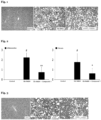
FIG. 1 is a picture of a tissue sample showing an effect of reducing triglycerides and inhibiting infiltration of inflammatory cells by the compound of the present invention in a mouse model with induced non-alcoholic steatohepatitis. -
FIG. 2 is an analysis graph showing an effect of inhibiting infiltration of inflammatory cells and inhibiting fibrosis by the compound of the present invention in a mouse model with induced non-alcoholic steatohepatitis (#, p<0.05 vs. Normal; * & **, p<0.05 & p<0.01 vs. Ob-NASH). -
FIG. 3 is a picture of a tissue sample showing an effect of inhibiting fibrosis by the compound of the present invention in a mouse model with induced non-alcoholic steatohepatitis. -
FIG. 4 is a view showing an effect of reducing AST and ALT by the compound of the present invention in a mouse model with induced non-alcoholic steatohepatitis (#, p<0.05 vs. Normal; *, p<0.05 vs. Ob-NASH). -
FIG. 5 is a view showing results of measuring a concentration of proteins associated with inflammation and fibrosis in a mouse model with induced non-alcoholic steatohepatitis (###, p<0.001 vs. Normal; ** & ***, p<0.01 & p<0.001 vs. Ob-NASH). -
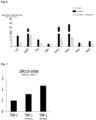
FIG. 6 is a view showing results of measuring an expression level of genes associated with inflammation and fibrosis in a mouse model with induced non-alcoholic steatohepatitis. -
FIG. 7 is a view showing results of evaluating a gene expression of GPR119 in cells at a time point before differentiating human monocytes into macrophages and after differentiation for 24 and 48 hours. -
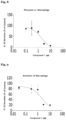
FIG. 8 is a view showing results of evaluating an effect on differentiation of human monocytes into macrophages according to treatment with the compound of the present invention. -
FIG. 9 is a view showing results of evaluating an effect on activation of differentiated macrophages according to treatment with the compound of the present invention. -
FIG. 10 is a picture of a tissue sample showing an effect of reducing triglycerides and inhibiting infiltration of inflammatory cells in liver tissues by the compound of the present invention in a mouse model with induced non-alcoholic steatohepatitis. -
FIG. 11 is a view showing results of measuring a content of triglycerides in liver tissues in a mouse model with induced non-alcoholic steatohepatitis (** & ***, p<0.01 & p<0.001 vs. DIO-NASH). -
FIG. 12 is a view showing a change in NAFLD activity score (NAS) before and after administration into the same individual in a mouse model with induced non-alcoholic steatohepatitis. -
FIG. 13 is a picture of a tissue sample showing an effect of inhibiting fibrosis by the compound of the present invention in a mouse model with induced non-alcoholic steatohepatitis. -
FIG. 14 is a view showing results of measuring a content of type I collagen in liver tissues in a mouse model with induced non-alcoholic steatohepatitis (* & ***, p<0.05 & p<0.001 vs. DIO-NASH). -
FIG. 15 is a view showing results of measuring a concentration of AST and ALT in blood in a mouse model with induced non-alcoholic steatohepatitis (** & ***, p<0.01 & p<0.001 vs. DIO-NASH). -
FIG. 16 is a view showing results of measuring a gene expression level of monocyte attractant, macrophage markers and fibrosis markers in liver tissues of a mouse model with induced non-alcoholic steatohepatitis (*, ** & ***, p<0.05, p<0.01 & p<0.001 vs. DIO-NASH). - The features and advantages of the present invention as well as methods for achieving them will be apparent with reference to exemplary embodiments described in detail hereinafter. However, the present invention is not limited to the Examples disclosed hereinafter, but will be implemented in various different forms. Hereinafter, the following Examples will be suggested for better understanding of the present invention and are provided only for the purpose of completely illustrating the scope of the present invention to those skilled in the art, and thus the present invention will be defined only by the scope of the claims thereto.
- In order to confirm an effect of a GPR119 ligand compound according to the present invention on preventing non-alcoholic fatty liver disease, a following experiment was performed.
- A six-week-old male ob/ob mouse with leptin deficiency was fed with a special diet containing high fat, high fructose, and high cholesterol for 10 weeks, and thus was induced to develop non-alcoholic steatohepatitis. A mixed form of diet was prepared so that a daily dose of (3-(4-(3-(1-(5-ethylpyrimidin-2-yl)piperidin-4-yl)propoxy)-2,6-difluorophenyl)-5-isopr opyl-1,2,4-oxadiazole (hereinafter, "
compound 1") reaches 100 mg/kg/day in the compound represented by thechemical formula 1, and supplied to the mouse from a time point of starting the supply of the special diet for 10 weeks. - For a histological examination, the prepared mouse model with induced non-alcoholic steatohepatitis was subjected to autopsy to fix an isolated liver tissue in 10% formalin and prepare a paraffin block, thereby obtaining a 2 µm-thick tissue section. To confirm infiltration of inflammatory cells, Hematoxylin and Eosin (HE) stain was performed using an automatic staining machine (Autostainner XL, Leica), and the results thereof are shown in
FIGS. 1 and 2 . - As understood from
FIGS. 1 and 2 , the ob/ob mouse (Ob-NASH) fed with the special diet for 10 weeks showed a remarkable increase in triglycerides lipid droplets in liver tissues compared to C57BL/6 mouse fed with a normal diet (Normal), and the infiltration of inflammatory cells was also confirmed. In contrast, it was confirmed that the infiltration of inflammatory cells is significantly inhibited when thecompound 1 of the present invention is simultaneously supplied with the special diet (Ob-NASH + Compd 1). - Then, for evaluation of fibrosis, fibers in liver tissue were specifically stained by using Masson's Trichrome stain or Sirius Res stain, and the results thereof are shown in
FIGS. 2 and 3 . - As understood from
FIGS. 2 and 3 , it was confirmed that the ob/ob mouse fed with the special diet for 10 weeks shows purple-colored liver tissues as a whole with a remarkable progress of fibrosis unlike the C57BL/6 mouse fed with the normal diet, but fibrosis of liver tissues is significantly inhibited when thecompound 1 of the present invention is simultaneously supplied with the special diet. - The mouse model with induced non-alcoholic steatohepatitis was subjected to autopsy, after which plasma was separated therefrom, so as to quantify aspartate aminotransferase (AST) and alanine aminotransferase (ALT) by using an automatic blood analyzer (Konelab 20i), and the results thereof are shown in
FIG. 4 . - As shown in
FIG. 4 , it was confirmed that the ob/ob mouse fed with the special diet for 10 weeks shows a significant increase in ALT and AST levels in blood, which is a marker of liver damage, due to damage to liver tissues unlike the C57BL/6 mouse fed with the normal diet. On the other hand, it was confirmed that ob/ob mouse is administeredcompound 1 of the present invention together with the special diet shows a significant inhibition of increase in ALT and AST, which means that hepatocytes damage is alleviated. - To evaluate an effect on the expression of inflammation-related genes and fibrosis-related proteins in liver tissues, the liver tissues obtained from the mouse model were put into RIPA buffer (Cell Signaling) and pulverized with TissueLyser II™ (Quiagen), after which a total protein concentration was quantified with Pierce BCA Protein Assay Kit (Thermo Fisher Scientific) and a protein concentration of Mouse Ccl2 (=Mcp1; R&D Systems, MJEoo) and Timp1 (R&D Systems, MTM100) in the liver tissues was quantified by using a commercially available ELISA kit, so that the results thereof are shown in
FIG. 5 . - As shown in
FIG. 5 , it was confirmed that the mouse fed with the special diet shows an increase in protein concentrations of Ccl2 (=Mcp1), in the liver tissues with regard to Ccl2 (=Mcp1), which is a factor for inducing inflammatory cells to the liver tissues, and Timp1, an endogenous inhibitor for enzymes degrading fibers deposited in the liver tissues, while protein levels of Ccl2 and Timp1 are significantly inhibited when thecompound 1 of the present invention is administered together with the special diet. - To measure an expression level of inflammation-related genes and fibrosis-related genes in liver tissues, Trizol® (Invitrogen) was added to the liver tissues collected from the mouse model, after which a total RNA was extracted from the tissues according to the method provided by the manufacturer, and then cDNA was synthesized by using a reverse transcriptase. Then, a real-time polymerase chain reaction was performed in LightCycler®480 Instrument II (RocheLifeScience) equipment by using a reagent of SYBR Green I Master Mix (Roche, 04707516001), and the results thereof are shown in
FIG. 6 . - As shown in
FIG. 6 , it was confirmed that the mouse fed with the special diet for 10 weeks shows an increase in expression of inflammation-related mouse genes (Ccl2, Lgals3, Tnfa) and fibrosis-related genes (Tgfb1, Col1a, Timp1, Timp2, Acta2), while the increase in expression of genes associated with inflammation and fibrosis is significantly inhibited when thecompound 1 of the present invention is administered together with the special diet. - The above results suggest that the compound of the present invention has an excellent effect on non-alcoholic fatty liver disease by inhibiting damage, inflammation and fibrosis of liver tissues.
- To evaluate a direct anti-inflammatory effect of the compound according to the present invention, the effect on the differentiation of human monocytes and the activation thereof was confirmed.
- First, as a result of evaluating a gene expression of GPR119 in cells at a time point before differentiating human monocytes (THP-1, ATCC® TIB-202™) into macrophages and after differentiation for 24 and 48 hours by using Phorbol 12-myristate 13-acetate (PMA), it was confirmed that an expression of GPR119 receptor increases with time as monocytes are differentiated into macrophages (
FIG. 7 ). - Then, THP-1 monocytes were treated with PMA (50 ng/ml) for 48 hours to be differentiate into macrophages, while the
compound 1 was co-treated, then replaced with serum-free medium, and then treated with lipopolysaccharides (LPS, 0.5 ng/ml) for four hours so as to quantify interleukin-1β (IL-1β, R&D Systems, DY201) secreted into the medium by using a commercialized ELISKA kit and evaluate an effect on the differentiation of monocytes, so that the results thereof are shown inFIG. 8 . - As shown in
FIG. 8 , it was confirmed that IL-1β secretion caused by activation of macrophages is decreased in a concentration-dependent manner when treated with the compound of the present invention in a process of differentiating monocytes into macrophages. - In addition, after treating the differentiated macrophages with the
compound 1 for 48 hours, the secreted IL-1β was quantified by the same method as above with regard to the activation of immune cells by LPS, so as to evaluate an effect on the activation of differentiated macrophages. Thus, the results thereof are shown inFIG. 9 . - As shown in
FIG. 9 , it was confirmed that IL-1β secretion caused by activation of macrophages is decreased in a concentration-dependent manner even when the differentiated macrophages are treated with the compound of the present invention. - The above results suggest that the compound of the present invention has an excellent effect on preventing and treating non-alcoholic fatty liver disease by directly inhibiting the differentiation and activation of immune cells.
- In order to confirm an effect of a GPR119 ligand compound according to the present invention on treating non-alcoholic fatty liver disease, a following experiment was performed.
- A six-week-old male C57BL/6J mouse was fed with a special diet comprising high fat, high fructose, and high cholesterol for at least 26 weeks, and thus was induced to develop non-alcoholic steatohepatitis. It was confirmed that fatty liver and inflammatory fibrosis are induced through a biopsy of liver tissues three weeks before drug supply, and mice were evenly distributed into each group based on the area of collagen stained in the liver tissues. A feed was prepared by mixing the compounds according to the present invention in a special diet and supplied for additional eight weeks. According to the diet supplied to the mice, each of the groups was classified as a control group fed with a normal diet (Normal), a positive control group in which mice with induced non-alcoholic steatohepatitis due to the special diet were not supplied with a drug (DIO-NASH), and a group in which mice with induced non-alcoholic steatohepatitis were supplied with the
compound 1 in an amount of 30 mg/kg/day (L) and 100 mg/mg/day (H) (Cmpd1 (L) and Cmpd1 (H), respectively). - For a histological examination, the prepared C57BL/6J mouse model was subjected to autopsy to fix an isolated liver tissue in 10% formalin and prepare a paraffin block, thereby obtaining a 2 µm-thick tissue section. Then, Hematoxylin and Eosin (HE) stain was performed using an automatic staining machine (Autostainner XL, Leica), and the results thereof are shown in
FIG. 10 . In addition, the liver tissue isolated from the C57BL/6J mouse model was used to measure a content of triglycerides in the liver tissue by using a Triglyceride reagent (Roche Diagnotics, #22-045-795), and the results are shown inFIG. 11 . - As understood from
FIGS. 10 and 11 , the mice fed with a special diet only (DIO-NASH) showed a remarkable increase in fat deposits and infiltration of inflammatory cells in liver tissues compared to the mice fed with a normal diet (Normal), while the DIO-NASH_Compd1 (H) group fed with thecompound 1 of the present invention together with the special diet showed a significant decrease in fat deposits and infiltration of inflammatory cells. - In addition, as a result of calculating an NAFLD activity score (NAS) reflecting a ratio of fat cells, infiltration of inflammatory cells and damage to hepatocytes based on the above histological examination, before and after administration, the disease worsened in 50% of the DIO-NASH group, while no individual was deteriorated in case of administering the compound, and the disease was ameliorated in about 50% of the DIO-NASH_Compd1 group (
FIG. 12 ). - Then, for the evaluation of fibrosis, the fibers of the liver tissues were specifically stained with Sirius Res stain in the mice of each group, and a content of type I collagen in the liver tissues was measured by an imaging analysis method after immunostaining, so that the results thereof are shown in
FIGS. 13 and14 . - As shown in
FIGS. 13 and14 , the mice fed with the special diet only (DIO-NASH) showed a remarkable progress of fibrosis in liver tissues compared to the mice fed with the normal diet (Normal), while the group fed with thecompound 1 of the present invention together with the special diet (DIO-NASH_Compd1) showed a remarkable decrease in a cross-linking formation in fibers of the liver tissues and also showed a significant decrease in type I collagen. - Each of the mouse groups was subjected to autopsy, after which plasma was separated therefrom, so as to quantify aspartate aminotransferase (AST) and alanine aminotransferase (ALT) by using an automatic blood analyzer (Konelab 20i). Thus, the results thereof are shown in
FIG. 15 . - As shown in
FIG. 15 , the group of mice fed with the special diet only (DIO-NASH) showed a significant increase in a concentration of ALT and AST in blood compared to the mice fed with the normal diet, while the group of mice fed with thecompound 1 of the present invention together with the special diet (DIO-NASH_Compd1) showed a significantly inhibited increase in ALT and AST. - To analyze a change in total gene expression in liver tissues isolated from the above mouse model in eight weeks after drug administration, the isolated RNA fraction was used to generate a library by using NeoPrep (Illumina), and subjected to RNAseq profiling through NexSeq 500 (Illumina), after which bioinformatics analysis was performed and changes in major gene groups were classified for each function, so that the results thereof are shown in
FIG. 16 . - As shown in
FIG. 16 , the mice fed with the special diet only (DIO-NASH) showed an increase in the expression of monocyte attractants, macrophage markers and fibrosis markers in liver tissues compared to the mice fed with the normal diet (Normal), while the DIO-NASH_Compd1 group of mice fed with thecompound 1 of the present invention together with the special diet showed a remarkable decrease in the above markers. - The above results suggest that the compound of the present invention has an effect on non-alcoholic fatty liver disease by inhibiting the damage, inflammation and fibrosis of liver tissues, and has a more excellent therapeutic effect by co-administering a DPPIV inhibitor.
Claims (8)
- A pharmaceutical composition for use in preventing or treating non-alcoholic fatty liver disease, comprising a compound represented by a following chemical formula 1, pharmaceutically acceptable salts thereof, optical isomers thereof, hydrates or solvates thereof, or mixtures thereof as an effective ingredient:
 wherein A is
 B is
B is X is F.
 - The pharmaceutical composition for use according to claim 1, wherein the compound represented by the chemical formula 1 is 3-(4-(3-(1-(5-ethylpyrimidine-2-yl)piperidine-4-yl)propoxy)-2,6-difluorophenyl)-5-isopropyl-1,2,4-oxadiazole.
- The pharmaceutical composition for use according to claim 1, wherein the non-alcoholic fatty liver disease is selected from the group consisting of simple fatty liver, non-alcoholic steatohepatitis, liver fibrosis and cirrhosis.
- The pharmaceutical composition for use according to claim 1, wherein the pharmaceutical composition inhibits deposition of triglycerides in liver tissues.
- The pharmaceutical composition for use according to claim 1, wherein thepharmaceutical composition inhibits infiltration of inflammatory cells in liver tissues.
- The pharmaceutical composition for use according to claim 1, wherein thepharmaceutical composition inhibits fibrosis of liver tissues.
- A food composition for use in preventing or alleviating non-alcoholic fatty liver disease, which comprises a compound represented by a following chemical formula 1, pharmaceutically acceptable salts thereof, optical isomers thereof, hydrates or solvates thereof, or mixtures thereof as an effective ingredient:

- A feed composition for use in preventing or alleviating non-alcoholic fatty liver disease, which comprises a compound represented by a following chemical formula 1, pharmaceutically acceptable salts thereof, optical isomers thereof, hydrates or solvates thereof, or mixtures thereof as an effective ingredient:

Priority Applications (4)
| Application Number | Priority Date | Filing Date | Title |
|---|---|---|---|
| HRP20250643TT HRP20250643T1 (en) | 2018-09-12 | 2019-09-11 | PHARMACEUTICAL MIXTURE FOR USE IN THE PREVENTION OR TREATMENT OF NON-ALCOHOLIC FATTY LIVER DISEASE, CONTAINING THE GPR119 LIGAND AS AN ACTIVE INGREDIENT |
| RS20250529A RS66907B1 (en) | 2018-09-12 | 2019-09-11 | Pharmaceutical composition for use in preventing or treating nonalcoholic fatty liver disease, containing a gpr119 ligand as active ingredient |
| SM20250251T SMT202500251T1 (en) | 2018-09-12 | 2019-09-11 | Pharmaceutical composition for use in preventing or treating nonalcoholic fatty liver disease, containing a gpr119 ligand as active ingredient |
| SI201930932T SI3827829T1 (en) | 2018-09-12 | 2019-09-11 | Pharmaceutical composition for use in preventing or treating nonalcoholic fatty liver disease, containing a gpr119 ligand as active ingredient |
Applications Claiming Priority (2)
| Application Number | Priority Date | Filing Date | Title |
|---|---|---|---|
| KR20180109219 | 2018-09-12 | ||
| PCT/KR2019/011839 WO2020055170A1 (en) | 2018-09-12 | 2019-09-11 | Pharmaceutical composition for preventing or treating nonalcoholic fatty liver disease, containing gpr119 ligand as active ingredient |
Publications (3)
| Publication Number | Publication Date |
|---|---|
| EP3827829A1 EP3827829A1 (en) | 2021-06-02 |
| EP3827829A4 EP3827829A4 (en) | 2022-06-08 |
| EP3827829B1 true EP3827829B1 (en) | 2025-05-07 |
Family
ID=69778000
Family Applications (1)
| Application Number | Title | Priority Date | Filing Date |
|---|---|---|---|
| EP19860397.9A Active EP3827829B1 (en) | 2018-09-12 | 2019-09-11 | Pharmaceutical composition for use in preventing or treating nonalcoholic fatty liver disease, containing a gpr119 ligand as active ingredient |
Country Status (23)
| Country | Link |
|---|---|
| US (1) | US12115159B2 (en) |
| EP (1) | EP3827829B1 (en) |
| JP (1) | JP7194264B2 (en) |
| KR (1) | KR102295300B1 (en) |
| CN (2) | CN112805002A (en) |
| AU (1) | AU2019337286B2 (en) |
| DK (1) | DK3827829T3 (en) |
| ES (1) | ES3030718T3 (en) |
| FI (1) | FI3827829T3 (en) |
| HR (1) | HRP20250643T1 (en) |
| HU (1) | HUE071580T2 (en) |
| IL (1) | IL281353B2 (en) |
| LT (1) | LT3827829T (en) |
| MX (1) | MX2021002902A (en) |
| PH (1) | PH12021550391A1 (en) |
| PL (1) | PL3827829T3 (en) |
| PT (1) | PT3827829T (en) |
| RS (1) | RS66907B1 (en) |
| RU (1) | RU2768943C1 (en) |
| SG (1) | SG11202101820YA (en) |
| SI (1) | SI3827829T1 (en) |
| SM (1) | SMT202500251T1 (en) |
| WO (1) | WO2020055170A1 (en) |
Families Citing this family (5)
| Publication number | Priority date | Publication date | Assignee | Title |
|---|---|---|---|---|
| PH12021550391A1 (en) | 2018-09-12 | 2022-03-21 | Dong A St Co Ltd | Pharmaceutical composition for preventing or treating nonalcoholic fatty liver disease, containing gpr119 ligand as active ingredient |
| AU2021235832B2 (en) * | 2020-03-11 | 2024-02-29 | Dong-A St Co., Ltd. | Pharmaceutical composition for prevention or treatment of nonalcoholic steatohepatitis |
| CN115243689A (en) * | 2020-03-11 | 2022-10-25 | 东亚St株式会社 | Pharmaceutical composition for preventing or treating diabetes and metabolic diseases associated therewith |
| CN116963760A (en) | 2020-12-22 | 2023-10-27 | 美迪引擎 | Pharmaceutical composition for preventing or treating alcoholic and nonalcoholic fatty liver disease |
| WO2025099562A1 (en) * | 2023-11-06 | 2025-05-15 | 동아에스티 주식회사 | Pharmaceutical composition for prevention or treatment of nonalcoholic fatty liver disease |
Family Cites Families (24)
| Publication number | Priority date | Publication date | Assignee | Title |
|---|---|---|---|---|
| DOP2006000008A (en) | 2005-01-10 | 2006-08-31 | Arena Pharm Inc | COMBINED THERAPY FOR THE TREATMENT OF DIABETES AND RELATED AFFECTIONS AND FOR THE TREATMENT OF AFFECTIONS THAT IMPROVE THROUGH AN INCREASE IN THE BLOOD CONCENTRATION OF GLP-1 |
| CN101128192A (en) | 2005-01-10 | 2008-02-20 | 艾尼纳制药公司 | Combination therapy for the treatment of diabetes and conditions related thereto and for the treatment of conditions ameliorated by increasing blood GLP-1 levels |
| EP2148870A1 (en) | 2007-04-20 | 2010-02-03 | Schering Corporation | Pyrimidinone derivatives and methods of use thereof |
| GB0812648D0 (en) * | 2008-07-10 | 2008-08-20 | Prosidion Ltd | Compounds |
| UY32030A (en) | 2008-08-06 | 2010-03-26 | Boehringer Ingelheim Int | "TREATMENT FOR DIABETES IN INAPPROPRIATE PATIENTS FOR THERAPY WITH METFORMIN" |
| BR112012023139A2 (en) | 2010-03-24 | 2018-06-26 | Dong A Pharm Co Ltd | pharmaceutical composition for the prevention or treatment of non-alcoholic fatty liver disease and the method for the prevention or treatment of non-alcoholic fatty liver disease using the same. |
| WO2012006955A1 (en) | 2010-07-14 | 2012-01-19 | Zhejiang Beta Pharma Inc. | Compounds for treatment of metabolic disorders |
| US20120053180A1 (en) | 2010-08-27 | 2012-03-01 | Chemizon, A Division Of Optomagic Co., Ltd. | Cyclohexane analogues as gpr119 agonists |
| ES2526660T3 (en) | 2010-10-07 | 2015-01-14 | Zadec Aps | Enidia glycoside of antidiabetic phenylpyruvic acid |
| RU2465896C2 (en) | 2011-01-20 | 2012-11-10 | Открытое акционерное общество "Химико-фармацевтический комбинат "АКРИХИН" (ОАО "АКРИХИН") | Pharmaceutical anti-diabetic composition of prolonged action |
| US20140051714A1 (en) | 2011-04-22 | 2014-02-20 | Arena Pharmaceuticals, Inc. | Modulators Of The GPR119 Receptor And The Treatment Of Disorders Related Thereto |
| KR101984281B1 (en) | 2013-08-08 | 2019-05-31 | 동아에스티 주식회사 | Novel compound having activity to gpr119, process of preparing thereof and pharmaceutical compositon comprising the same |
| KR101665846B1 (en) | 2014-01-23 | 2016-10-12 | 동국대학교 산학협력단 | Pharmaceutical composition for preventing or treating of nonalcoholic fatty liver disease comprising G protein coupled receptor 119 ligand as an active ingredient |
| WO2015111971A1 (en) | 2014-01-23 | 2015-07-30 | 동국대학교 산학협력단 | Pharmaceutical composition containing gpr119 ligand as active ingredient for preventing or treating non-alcoholic fatty liver disease |
| US20190008864A1 (en) | 2014-01-23 | 2019-01-10 | Pharmedix.Co., Ltd. | Pharmaceutical composition containing gpr119 ligand as effective ingredient for preventing or treating non-alcoholic steatohepatitis |
| TW201625670A (en) | 2014-04-07 | 2016-07-16 | 賽諾菲公司 | Dual GLP-1/glucagon receptor agonists derived from EXENDIN-4 |
| WO2016068453A1 (en) * | 2014-10-27 | 2016-05-06 | Dong-A St Co., Ltd. | Compound having gpr119 agonistic activity, method for preparing the same, and pharmaceutical composition including the same as effective component |
| KR101726819B1 (en) * | 2014-10-27 | 2017-04-13 | 동아에스티 주식회사 | Compound having agonistic activity to gpr119, method for preparation thereof and pharmaceutical compositon comprising the same |
| US9895370B2 (en) | 2015-11-19 | 2018-02-20 | Pharmedix.Co., Ltd | Pharmaceutical composition for preventing or treating of cirrhosis of liver comprising G protein coupled receptor 119 ligand as an active ingredient |
| US20180353507A1 (en) | 2015-12-16 | 2018-12-13 | Merck Sharp & Dohme Corp. | Methods of preventing or treating hypoglycemia by administering a gpr119 agonist |
| AR110988A1 (en) | 2017-02-21 | 2019-05-22 | Sanofi Sa | AZETIDINE COMPOUNDS AS MODULATORS OF GPR119 FOR THE TREATMENT OF DIABETES, OBESITY, DYSLIPIDEMIA AND RELATED DISORDERS |
| PH12021550391A1 (en) | 2018-09-12 | 2022-03-21 | Dong A St Co Ltd | Pharmaceutical composition for preventing or treating nonalcoholic fatty liver disease, containing gpr119 ligand as active ingredient |
| CN115243689A (en) | 2020-03-11 | 2022-10-25 | 东亚St株式会社 | Pharmaceutical composition for preventing or treating diabetes and metabolic diseases associated therewith |
| AU2021235832B2 (en) * | 2020-03-11 | 2024-02-29 | Dong-A St Co., Ltd. | Pharmaceutical composition for prevention or treatment of nonalcoholic steatohepatitis |
-
2019
- 2019-09-11 PH PH1/2021/550391A patent/PH12021550391A1/en unknown
- 2019-09-11 DK DK19860397.9T patent/DK3827829T3/en active
- 2019-09-11 WO PCT/KR2019/011839 patent/WO2020055170A1/en not_active Ceased
- 2019-09-11 CN CN201980059145.XA patent/CN112805002A/en active Pending
- 2019-09-11 SM SM20250251T patent/SMT202500251T1/en unknown
- 2019-09-11 IL IL281353A patent/IL281353B2/en unknown
- 2019-09-11 CN CN202510689612.4A patent/CN120531736A/en active Pending
- 2019-09-11 EP EP19860397.9A patent/EP3827829B1/en active Active
- 2019-09-11 RU RU2021109691A patent/RU2768943C1/en active
- 2019-09-11 PL PL19860397.9T patent/PL3827829T3/en unknown
- 2019-09-11 SI SI201930932T patent/SI3827829T1/en unknown
- 2019-09-11 JP JP2021513203A patent/JP7194264B2/en active Active
- 2019-09-11 MX MX2021002902A patent/MX2021002902A/en unknown
- 2019-09-11 KR KR1020190112561A patent/KR102295300B1/en active Active
- 2019-09-11 LT LTEPPCT/KR2019/011839T patent/LT3827829T/en unknown
- 2019-09-11 HR HRP20250643TT patent/HRP20250643T1/en unknown
- 2019-09-11 US US17/275,555 patent/US12115159B2/en active Active
- 2019-09-11 AU AU2019337286A patent/AU2019337286B2/en active Active
- 2019-09-11 FI FIEP19860397.9T patent/FI3827829T3/en active
- 2019-09-11 PT PT198603979T patent/PT3827829T/en unknown
- 2019-09-11 SG SG11202101820YA patent/SG11202101820YA/en unknown
- 2019-09-11 ES ES19860397T patent/ES3030718T3/en active Active
- 2019-09-11 HU HUE19860397A patent/HUE071580T2/en unknown
- 2019-09-11 RS RS20250529A patent/RS66907B1/en unknown
Also Published As
Similar Documents
| Publication | Publication Date | Title |
|---|---|---|
| US12115159B2 (en) | Pharmaceutical composition for preventing or treating nonalcoholic fatty liver disease, containing GPR119 ligand as active ingredient | |
| US20220054459A1 (en) | Prophylactic and therapeutic drug for nonalcoholic fatty liver disease | |
| AU2021235832B2 (en) | Pharmaceutical composition for prevention or treatment of nonalcoholic steatohepatitis | |
| CA3113579C (en) | Pharmaceutical composition for preventing or treating nonalcoholic fatty liver disease, containing gpr119 ligand as active ingredient | |
| RU2803733C1 (en) | Pharmaceutical composition for prevention or treatment of non-alcoholic steathoepatitis | |
| EP4098262A1 (en) | Pharmaceutical composition for prevention or treatment of diabetes and metabolic diseases associated therewith | |
| KR20250066402A (en) | Pharmaceutical composition for the prevention or treatment of nonalcoholic fatty liver disease | |
| KR101898610B1 (en) | Fetal reprogramming of PPARδ agonists | |
| KR102625224B1 (en) | Composition for preventing, improving or treating autoimmune diseases comprising pyrazol-one derivatives | |
| HK40075146A (en) | Pharmaceutical composition for prevention or treatment of nonalcoholic steatohepatitis | |
| HK40130220A (en) | Pharmaceutical composition for preventing or treating nonalcoholic fatty liver disease, containing gpr119 ligand as active ingredient | |
| WO2025099562A1 (en) | Pharmaceutical composition for prevention or treatment of nonalcoholic fatty liver disease | |
| BR112021004716B1 (en) | PHARMACEUTICAL COMPOSITION FOR PREVENTING OR TREATING NON-ALCOHOLIC FATTY LIVER DISEASE CONTAINING GPR119 LIGAND AS ACTIVE INGREDIENT | |
| HK40044060A (en) | Pharmaceutical composition for preventing or treating nonalcoholic fatty liver disease, containing gpr119 ligand as active ingredient | |
| US12370152B2 (en) | Pharmaceutical composition for preventing or treating metabolic diseases | |
| KR101898608B1 (en) | Fetal reprogramming of PPARδ agonists | |
| KR101934074B1 (en) | Fetal reprogramming of PPARδ agonists | |
| JP5973108B2 (en) | Pharmaceutical composition and health functional food composition for prevention or treatment of ovarian granule cell tumor comprising glycogen synthase kinase 3β inhibitor as an active ingredient | |
| KR20230067992A (en) | Composition for preventing or treating fatty liver disease | |
| JP2011032267A (en) | 11 beta hsd1 inhibitor and application thereof |
Legal Events
| Date | Code | Title | Description |
|---|---|---|---|
| REG | Reference to a national code |
Ref country code: HR Ref legal event code: TUEP Ref document number: P20250643T Country of ref document: HR |
|
| STAA | Information on the status of an ep patent application or granted ep patent |
Free format text: STATUS: THE INTERNATIONAL PUBLICATION HAS BEEN MADE |
|
| PUAI | Public reference made under article 153(3) epc to a published international application that has entered the european phase |
Free format text: ORIGINAL CODE: 0009012 |
|
| STAA | Information on the status of an ep patent application or granted ep patent |
Free format text: STATUS: REQUEST FOR EXAMINATION WAS MADE |
|
| 17P | Request for examination filed |
Effective date: 20210226 |
|
| AK | Designated contracting states |
Kind code of ref document: A1 Designated state(s): AL AT BE BG CH CY CZ DE DK EE ES FI FR GB GR HR HU IE IS IT LI LT LU LV MC MK MT NL NO PL PT RO RS SE SI SK SM TR |
|
| DAV | Request for validation of the european patent (deleted) | ||
| DAX | Request for extension of the european patent (deleted) | ||
| REG | Reference to a national code |
Ref country code: DE Ref legal event code: R079 Free format text: PREVIOUS MAIN CLASS: A61K0031445000 Ipc: A61K0031506000 Ref document number: 602019069762 Country of ref document: DE |
|
| A4 | Supplementary search report drawn up and despatched |
Effective date: 20220506 |
|
| RIC1 | Information provided on ipc code assigned before grant |
Ipc: A61P 1/16 20060101ALI20220502BHEP Ipc: A61K 31/4545 20060101ALI20220502BHEP Ipc: A61K 31/454 20060101ALI20220502BHEP Ipc: A61K 31/433 20060101ALI20220502BHEP Ipc: A61K 31/425 20060101ALI20220502BHEP Ipc: A61K 31/4245 20060101ALI20220502BHEP Ipc: A61K 31/4439 20060101ALI20220502BHEP Ipc: A61K 31/497 20060101ALI20220502BHEP Ipc: A61K 31/506 20060101AFI20220502BHEP |
|
| STAA | Information on the status of an ep patent application or granted ep patent |
Free format text: STATUS: EXAMINATION IS IN PROGRESS |
|
| 17Q | First examination report despatched |
Effective date: 20240926 |
|
| GRAP | Despatch of communication of intention to grant a patent |
Free format text: ORIGINAL CODE: EPIDOSNIGR1 |
|
| STAA | Information on the status of an ep patent application or granted ep patent |
Free format text: STATUS: GRANT OF PATENT IS INTENDED |
|
| INTG | Intention to grant announced |
Effective date: 20241216 |
|
| GRAS | Grant fee paid |
Free format text: ORIGINAL CODE: EPIDOSNIGR3 |
|
| GRAA | (expected) grant |
Free format text: ORIGINAL CODE: 0009210 |
|
| STAA | Information on the status of an ep patent application or granted ep patent |
Free format text: STATUS: THE PATENT HAS BEEN GRANTED |
|
| AK | Designated contracting states |
Kind code of ref document: B1 Designated state(s): AL AT BE BG CH CY CZ DE DK EE ES FI FR GB GR HR HU IE IS IT LI LT LU LV MC MK MT NL NO PL PT RO RS SE SI SK SM TR |
|
| REG | Reference to a national code |
Ref country code: GB Ref legal event code: FG4D |
|
| REG | Reference to a national code |
Ref country code: CH Ref legal event code: EP |
|
| REG | Reference to a national code |
Ref country code: DE Ref legal event code: R096 Ref document number: 602019069762 Country of ref document: DE |
|
| REG | Reference to a national code |
Ref country code: DK Ref legal event code: T3 Effective date: 20250522 |
|
| REG | Reference to a national code |
Ref country code: PT Ref legal event code: SC4A Ref document number: 3827829 Country of ref document: PT Date of ref document: 20250602 Kind code of ref document: T Free format text: AVAILABILITY OF NATIONAL TRANSLATION Effective date: 20250526 |
|
| P01 | Opt-out of the competence of the unified patent court (upc) registered |
Free format text: CASE NUMBER: APP_20548/2025 Effective date: 20250430 |
|
| REG | Reference to a national code |
Ref country code: IE Ref legal event code: FG4D |
|
| REG | Reference to a national code |
Ref country code: SE Ref legal event code: TRGR |
|
| REG | Reference to a national code |
Ref country code: NL Ref legal event code: FP |
|
| REG | Reference to a national code |
Ref country code: FI Ref legal event code: FGE Ref country code: ES Ref legal event code: FG2A Ref document number: 3030718 Country of ref document: ES Kind code of ref document: T3 Effective date: 20250701 |
|
| REG | Reference to a national code |
Ref country code: HR Ref legal event code: T1PR Ref document number: P20250643 Country of ref document: HR |
|
| REG | Reference to a national code |
Ref country code: SK Ref legal event code: T3 Ref document number: E 46526 Country of ref document: SK |
|
| REG | Reference to a national code |
Ref country code: GR Ref legal event code: EP Ref document number: 20250401196 Country of ref document: GR Effective date: 20250707 |
|
| REG | Reference to a national code |
Ref country code: EE Ref legal event code: FG4A Ref document number: E025138 Country of ref document: EE Effective date: 20250606 |
|
| REG | Reference to a national code |
Ref country code: HU Ref legal event code: AG4A Ref document number: E071580 Country of ref document: HU |
|
| REG | Reference to a national code |
Ref country code: CH Ref legal event code: U11 Free format text: ST27 STATUS EVENT CODE: U-0-0-U10-U11 (AS PROVIDED BY THE NATIONAL OFFICE) Effective date: 20251001 |
|
| PGFP | Annual fee paid to national office [announced via postgrant information from national office to epo] |
Ref country code: SM Payment date: 20250923 Year of fee payment: 7 |
|
| PGFP | Annual fee paid to national office [announced via postgrant information from national office to epo] |
Ref country code: FI Payment date: 20250925 Year of fee payment: 7 Ref country code: PT Payment date: 20250917 Year of fee payment: 7 |
|
| PGFP | Annual fee paid to national office [announced via postgrant information from national office to epo] |
Ref country code: LT Payment date: 20250917 Year of fee payment: 7 Ref country code: DK Payment date: 20250924 Year of fee payment: 7 Ref country code: DE Payment date: 20250924 Year of fee payment: 7 |
|
| REG | Reference to a national code |
Ref country code: HR Ref legal event code: ODRP Ref document number: P20250643 Country of ref document: HR Payment date: 20250918 Year of fee payment: 7 |
|
| PGFP | Annual fee paid to national office [announced via postgrant information from national office to epo] |
Ref country code: MC Payment date: 20250926 Year of fee payment: 7 Ref country code: GR Payment date: 20250925 Year of fee payment: 7 |
|
| PGFP | Annual fee paid to national office [announced via postgrant information from national office to epo] |
Ref country code: LU Payment date: 20250926 Year of fee payment: 7 Ref country code: PL Payment date: 20250922 Year of fee payment: 7 Ref country code: TR Payment date: 20250917 Year of fee payment: 7 Ref country code: NL Payment date: 20250925 Year of fee payment: 7 Ref country code: IT Payment date: 20250922 Year of fee payment: 7 |
|
| PGFP | Annual fee paid to national office [announced via postgrant information from national office to epo] |
Ref country code: BG Payment date: 20250925 Year of fee payment: 7 Ref country code: HU Payment date: 20250926 Year of fee payment: 7 Ref country code: BE Payment date: 20250925 Year of fee payment: 7 Ref country code: GB Payment date: 20250925 Year of fee payment: 7 |
|
| PGFP | Annual fee paid to national office [announced via postgrant information from national office to epo] |
Ref country code: HR Payment date: 20250918 Year of fee payment: 7 |
|
| PGFP | Annual fee paid to national office [announced via postgrant information from national office to epo] |
Ref country code: AL Payment date: 20250930 Year of fee payment: 7 Ref country code: FR Payment date: 20250925 Year of fee payment: 7 Ref country code: AT Payment date: 20250926 Year of fee payment: 7 |
|
| PGFP | Annual fee paid to national office [announced via postgrant information from national office to epo] |
Ref country code: SE Payment date: 20250924 Year of fee payment: 7 Ref country code: MT Payment date: 20250925 Year of fee payment: 7 |
|
| PGFP | Annual fee paid to national office [announced via postgrant information from national office to epo] |
Ref country code: IE Payment date: 20250924 Year of fee payment: 7 Ref country code: EE Payment date: 20250926 Year of fee payment: 7 Ref country code: CZ Payment date: 20250918 Year of fee payment: 7 Ref country code: RS Payment date: 20250917 Year of fee payment: 7 |
|
| PGFP | Annual fee paid to national office [announced via postgrant information from national office to epo] |
Ref country code: RO Payment date: 20250919 Year of fee payment: 7 |
|
| PGFP | Annual fee paid to national office [announced via postgrant information from national office to epo] |
Ref country code: SK Payment date: 20250919 Year of fee payment: 7 |
|
| PGFP | Annual fee paid to national office [announced via postgrant information from national office to epo] |
Ref country code: IS Payment date: 20250924 Year of fee payment: 7 |
|
| PGFP | Annual fee paid to national office [announced via postgrant information from national office to epo] |
Ref country code: LV Payment date: 20250922 Year of fee payment: 7 |
|
| PGFP | Annual fee paid to national office [announced via postgrant information from national office to epo] |
Ref country code: SI Payment date: 20250918 Year of fee payment: 7 |
|
| PGFP | Annual fee paid to national office [announced via postgrant information from national office to epo] |
Ref country code: MK Payment date: 20250917 Year of fee payment: 7 |
|
| PGFP | Annual fee paid to national office [announced via postgrant information from national office to epo] |
Ref country code: NO Payment date: 20251001 Year of fee payment: 7 |
|
| PGFP | Annual fee paid to national office [announced via postgrant information from national office to epo] |
Ref country code: CH Payment date: 20251001 Year of fee payment: 7 |
|
| PGFP | Annual fee paid to national office [announced via postgrant information from national office to epo] |
Ref country code: CY Payment date: 20250923 Year of fee payment: 7 |
|
| PGFP | Annual fee paid to national office [announced via postgrant information from national office to epo] |
Ref country code: ES Payment date: 20251008 Year of fee payment: 7 |
|
| REG | Reference to a national code |
Ref country code: DE Ref legal event code: R097 Ref document number: 602019069762 Country of ref document: DE |
|
| PLBE | No opposition filed within time limit |
Free format text: ORIGINAL CODE: 0009261 |
|
| STAA | Information on the status of an ep patent application or granted ep patent |
Free format text: STATUS: NO OPPOSITION FILED WITHIN TIME LIMIT |
|
| REG | Reference to a national code |
Ref country code: CH Ref legal event code: L10 Free format text: ST27 STATUS EVENT CODE: U-0-0-L10-L00 (AS PROVIDED BY THE NATIONAL OFFICE) Effective date: 20260318 |
|
| 26N | No opposition filed |
Effective date: 20260210 |