Technical Field
-
The present invention belongs to the field of gene engineering technology. More particularly, the present invention relates to a Diels-Alderase identified from Morus alba and use thereof in promoting Diels-Alder reaction.
Background Art
-
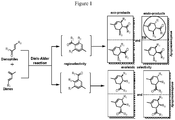
Diels-Alder (D-A) reaction, a [4+2] cycloaddition reaction between a conjugated diene and a dienophile, is one of the most powerful carbon-carbon bond forming reactions in organic chemistry. It can construct new six-membered rings and multiple chiral centers in one step, rapidly increase the complexity of molecules and plays an important role in synthetic chemistry. There are numerous six-membered ring-containing natural products with complex structure and excellent bioactivities, such as anti-cancer drugs taxol and dynemycin A. Total syntheses of these natural products often rely on D-A reaction as the key step to construct six-membered ring skeleton and form new chiral center. However, due to the lack of good catalyst to control the regio-, endo/exo and stereoselectivity of D-A reaction, there will be many byproducts in the reaction, which will reduce the yield and stereoselectivity of the target products, as shown in Fig. 1. Thus, the synthetic value of D-A reaction in total synthesis and drug synthesis is limited. Therefore, the development and utilization of enzymes that can catalyze the D-A reaction and enable it to selectively produce D-A products with defined stereo-structure (as shown in the circular box in Fig. 1) not only contributes to scientific innovation, but also has strong industrial application value. Unfortunately, no enzyme that can selectively catalyze the intermolecular D-A reaction has been found in nature.
-
"Sang-bai-pi" (the mulberry root bark or stem bark) is a traditional Chinese medicine used for anti-inflammatory, diuretic, antiasthmatic and other purposes. Moreover, it is a major bioactive component of the effective anti-HIV medicine ("oral suspension SH"). "Sang-bai-pi" is rich in D-A type flavonoids natural products. These natural products have unique structures and show good antibacterial, anti-viral and anti-diabetic activities. Biosynthetically, they are proposed to be synthesized by an oxidase and an enzyme catalyzing Diels-Alder reactions (Diel-Alderase) in mulberry, as shown in Fig. 2. Due to their complex structures with multiple chiral centers, the asymmetric total syntheses of these natural products are faced with great challenges. Although there are few reports on asymmetric D-A reaction promoted by chiral boric acid complexes to realize asymmetric total synthesis of these natural products, the synthetic routes are still faced with the problems of long synthetic route, poor selectivity and low yield. Compared with the chemical catalyst, enzymes normally have higher efficiency and stereoselectivity. Therefore, discovery of the intermolecular Diels-Alderase in mulberry can not only contribute to a green and efficient synthesis of endo type D-A natural product in mulberry and their analogues, laying the foundation for developing and utilizing this type of natural products for medicinal purposes, but also offers new possibilities for efficient synthesis of important chemical precursors or natural products containing six-membered rings.
Summary of the Invention
-
The purpose of the present invention is to provide a Diels-Alderase and use thereof in promoting D-A reaction.
-
Firstly, the present invention provides a Diels-Alderase identified from Morus alba, which is named as MaDA and has: 1) an amino acid sequence represented by SEQ ID No.1; or 2) an amino acid sequence that is derived from the amino acid sequence represented by SEQ ID No. 1 by substitution, deletion and/or addition of one or more amino acids and is 80%, 85%, 90%, 95%, 98%, 99% homologous to SEQ ID No. 1, wherein the protein formed by the amino acid sequence shares similar activity to the protein derived from 1).
-
Moreover, the present invention also provides homologous proteins of MaDA, i.e. MaDA-1 and MaDA-2, which have the amino acid sequences represented by SEQ ID Nos. 10 and 12, respectively. Their nucleotide sequences are represented by SEQ ID Nos.9 and 11, respectively.
-
The present invention also provides a gene coding the Diels-Alderase, and the gene has:
- 1) a nucleotide sequence represented by SEQ ID No.2; or
- 2) a nucleotide sequence derived from SEQ ID No.2 by substitution, deletion and/or addition of one or more nucleotides; or
- 3) a nucleotide sequence that hybridizes with the sequence defined in 1) under a stringent condition.
-
The MaDA gene is amplified from cDNA of mulberry (Morus alba), and its nucleotide sequence is represented by SEQ ID No.2, which is a complete open reading frame (ORF). This open reading frame starts from ATG and ends with TGA, with a total of 1653 nucleotides. Among them, the first 81 nucleotides ATGCAGTACTTTTCCTTCCCTTCATCGTTAGCCAAAATCACCATCTTTCTGATCTTT TCATTTGTATTCGCAAGTTCAGCT is the nucleotide sequence of a signal peptide.
-
As shown in SEQ ID No.1, the Diels-Alderase MaDA contains 550 amino acids. The first 27 amino acids (MQYFSFPSSLAKITIFLIFSFVFASSA) is the signal peptide encoded by the gene, which will be removed during the secretion of the mature enzyme protein into the extracellular space. Therefore, the mature MaDA starts from Asn28, with a total of 523 amino acids, a theoretical molecular weight (MWt) of 59075.78 and a theoretical isoelectric point (PI) of 6.62.
-
Secondly, the present invention also provides a bio-material containing a gene encoding the MaDA enzyme, and the bio-material is an expression kit, a plasmid, a vector, a microorganism, an insect cell, an animal cell or a plant cell.
-
Preferably, the bio-materials is expression vector pI-sec-sumostar-tev2, the nucleotide sequences of which is represented by SEQ ID No.3.
-
The present invention provides the use of the expression vector pI-sec-sumostar-tev2 in expressing mature MaDA enzyme protein without a signal peptide in insect cells.
-
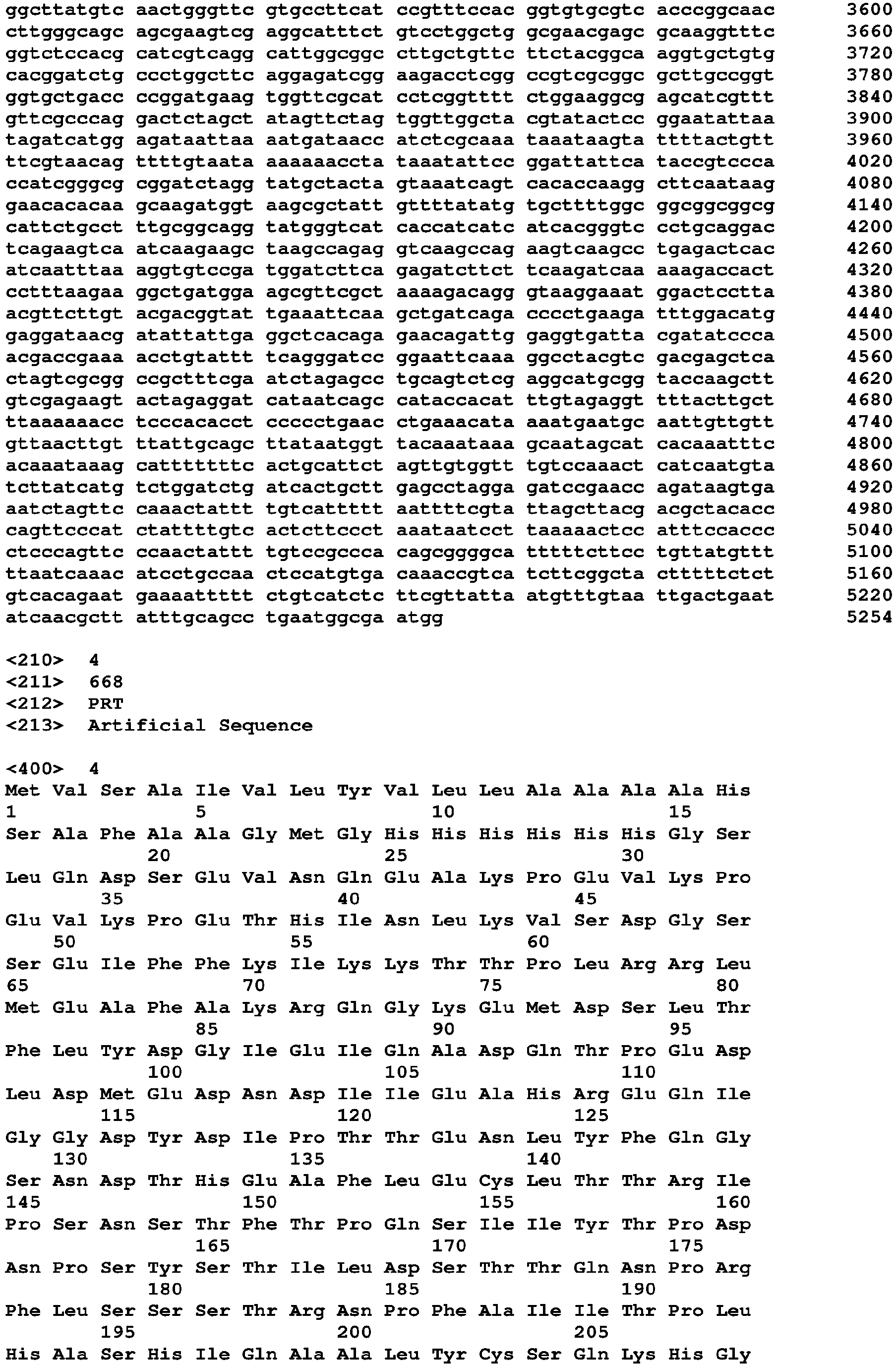
In the Examples of the present invention, the expression vector pI-sec-sumostar-tev2 containing a MaDA gene sequence was constructed, and large-scale expression of MaDA in insect cells (Hi5) was achieved. The SUMO-MaDA protein expressed in insects by this vector contains a signal peptide, a 6 × His tag and a SUMO tag at N-terminal. The amino acid sequence of SUMO-MaDA protein is represented by SEQ ID No.4.
-
Wherein, the first 20 amino acids (MVSAIVLYVLLAAAAHSAFA) is the signal peptide, HHHHHH is the 6 × his tag, DSEVNQEAKPEVKPEVKPETHINLKVSDGSSEIFFKIKKTTPLRRLMEAFAKRQGKE MDSLTFLYDGIEIQADQTPEDLDMEDNDIIEAHREQIGG is the SUMO tag, and ENLYFQG is the TEV restriction site. The mature protein expressed by the insect expression system and purified has no signal peptide. Its theoretical molecular weight (MWt) is 73288.49, and the theoretical isoelectric point (PI) of the enzyme protein is 5.76. After hydrolysis with TEV enzyme, the mature protein of MaDA could be obtained without a signal peptide.
-
Thirdly, the present invention provides the use of the Diels-Alderase or coding gene thereof, or a biomaterial containing the coding gene in catalyzing Diels-Alder reaction.
-
The present invention provides the use of the Diels-Alderase or coding gene thereof or a biomaterial containing the coding gene in the preparation of natural products containing 6-membered ring skeleton or stereospecific synthesis of natural products with endo-configuration, preferably in the preparation of natural flavonoid products or analogues thereof.
-
Specifically, the above use is to utilize Diels-Alderases MaDA, MaDA -1, MaDA -2 or encoding genes thereof or a bio-material containing the coding gene of the Diels-Alderase as a catalytic enzyme to stereospecifically synthesize natural products with endo-configuration in mulberry tree and their derivatives from dienophiles and dienes as substrates.
-
Furthermore, as for the dienophile chalcones, different substituents at different positions of the benzene ring are tolerated. As for the dienes, they can be the compounds containing dehydroprenyl moiety found in moraceous plants, which include dehydroprenyl flavonoids, dehydroprenyl stilbenes, dehydroprenyl chalcones and dehydroprenyl benzofurans. All the compounds mentioned above can be used as substrates for the Diels-Alderase.
-
The present invention provides a method for catalyzing Diels-Alder reaction, wherein the method comprises using bio-material containing Diels-Alderase or homologous proteins of the Diels-Alderase;
wherein the Diels-Alderase has
- 1) an amino acid sequence represented by SEQ ID No. 1; or
- 2) an amino acid sequence that is derived from the amino acid sequence represented by SEQ ID No. 1 by substitution, deletion and/or addition of one or more amino acids and is 80%, 85%, 90%, 95%, 98%, 99% homologous to SEQ ID No. 1, wherein the protein formed by the amino acid sequence shares similar activity to the protein derived from 1).
-
Preferably, the Diels-Alder reaction is performed for generating natural products containing 6-membered ring skeleton or natural products with endo-configuration, preferably, the Diels-Alder reaction is performed for generating natural flavonoid products or analogues thereof.
-
Preferably, the bio-material is an expressing kit, a plasmid, a vector, a microorganism, an insect cell, an animal cell or a plant cell.
-
Preferably, in the Diels-Alder reaction, dienophiles and dienes are used as substrates.
-
Preferably, the dienophiles are chalcone or its derivatives, and the dienes are dehydroprenyl flavonoids, dehydroprenyl stilbenes, dehydroprenyl chalcones, or dehydroprenyl benzofurans.
-
Preferably, in the Diels-Alder reaction, reaction temperature is 50°C, and pH is 8.0.
-
The beneficial effect of the invention further reveals that the optimum reaction temperature and pH of MaDA from mulberry are 50°C and 8.0, respectively, and the catalytic efficiency of MaDA to form chalcomoracin is very high at this optimum condition.
-
The beneficial effect of the present invention lies in that MaDA identified from mulberry tree can stereospecifically synthesize natural products with endo configuration with chalcone or its derivatives and compounds containing dehydroprenyl moiety as substrates, and can be used to synthesize D-A type natural products and their derivatives in vitro. The MaDA has good substrate adaptability. Different substituted chalcones and its derivatives can be used as dienophiles to generate natural products such as mulberofurans E/O, chalcomarcin and its derivatives at a conversion of 70% or more. The MaDA provided in the present invention has certain activity on different dienes (dehydroprenyl-benzene diene) containing dehydroprenyl structural unit found in moraceae plants, can specifically generate endo products, and exhibits a good substrate adaptability and selectivity. Different types of D-A natural products from Moraceae plants can be obtained in high yield (up to 62%) by two-step cascade reactions composed of a hydrolysis in situ to form unstable dienes under basic conditions and an asymmetric D-A reaction catalyzed by MaDA. The successful application of MaDA has laid the foundation for developing and utilizing this type of natural products for medicinal purposes, meanwhile, offers new possibilities for efficient synthesis of important chemical precursors or natural products containing six-membered rings.
Brief Description of the Drawings
-
- Fig. 1 shows the D-A reaction and its selectivity. When the catalyst cannot control the selectivity of D-A reaction, there will be eight different isomers formed at the same time.
- Fig. 2 shows the typical D-A type natural products in Moraceae plants and their biosynthesis pathways. The D-A type natural products from Moraceae plants are composed of same dienophile chalcones and different dienes, including dehydroprenyl flavonoids, dehydroprenyl chalcones, dehydroprenyl stilbenes and dehydroprenyl benzofurans.
- Fig. 3 shows the sequence map of the insect expression vector pI-secSUMOstar.
- Fig. 4 shows the HPLC analysis results of the crude extract from cell callus of Morus alba. A is the high performance liquid chromatography (HPLC) analysis result of the chemical components of the cell callus; B is the standard substance of natural product chalcomoracin.
- Fig. 5 shows the activity test results of different purified components. A was the negative control, there was no protein in the system. B was added with crude enzyme of the cell callus; C was added with the active protein fraction purified by hydrophobic column chromatography; D was added with the active protein fraction further purified with ion exchange column chromatography; E was added with the active protein fraction further purified with molecular sieve column chromatography.
- Fig. 6 shows the 12% SDS-PAGE of different protein active components. i) shows the total protein in the crude enzyme solution of mulberry suspension cells; ii) shows the active total protein in the crude enzyme solution of mulberry suspension cells purified by hydrophobic column chromatography; iii) shows the active total protein obtained from the previous hydrophobic column chromatography and then purified by ion exchange column chromatography; iv) shows the active protein that was obtained and sequentially purified by hydrophobic column chromatography, ion exchange column chromatography and molecular sieve column chromatography.
- Fig. 7 shows the mass spectrometry analysis results of the enriched bands.
- Fig. 8 shows the transcription levels of different reticuline oxidase-like enzyme family proteins in Morus alba.
- Fig. 9 shows the agarose gel electrophoresis map of MaDAgene. M is nucleic acid marker and lane 1 is MaDA gene nucleic acid.
- Fig. 10 is the SDS-PAGE map of SUMO-MaDA protein.
- Fig. 11A shows the structures of different dienophiles and corresponding D-A products; Fig. 11B shows the UV absorption and mass spectrometry results of D-A products; Fig. 11C shows the HPLC results of the activity test.
- Fig. 12 shows the determination results of conversion of some dienophiles.
- Fig. 13 shows the enzymatic synthesis of D-A natural products.
- Fig. 14 shows the determination of enantioselectivity of the D-A product chalcomoracin (4). i) shows the chiral HPLC analysis of the enzymatically obtained chalcomoracin (4); ii) shows the chiral HPLC analysis of the racemic chalcomorcin.
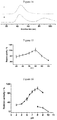
- Fig. 15 shows the optimum temperature determination results of MaDA protein.
- Fig. 16 shows the optimum pH determination results of MaDA protein.
- Fig. 17 shows the alignment analysis between MaDA-1 and MaDA protein sequences.
- Fig. 18 shows the activity test results of MaDA-1.
- Fig. 19 shows the alignment analysis between MaDA-2 and MaDA protein sequences.
- Fig. 20 shows the activity test results for reaction between different dienes and dienophile 1 under catalyzation of MaDA-2
- Fig. 21 shows the activity test results for reaction between different dienes and dienophile 5 under catalyzation of MaDA-2.
Specific Modes for Carrying Out the Embodiments
-
The following embodiments give a detailed and specific description of the present invention, but it should be understood that the present invention is not limited to the following examples. Unless otherwise specified, the reagents and raw materials used in the following embodiments are commercially available. The strains, vectors, culture media and reagents used in the following embodiments are mainly as follows:
Competent cells of E.coli DH5α and DH10Bac were bought from Beijing Zoman Biotechnology Co., Ltd. Insect cells sf21 and Hi5 were purchased from Invitrogen.
-
The insect expression vector pI-secSUMOstar was purchased from LifeSensors company, and its sequence map is shown in Figure 3. A nucleotide sequence (AGAGACGATCTGCCGTCTCTCTAGAGCGGCC) in the above-mentioned pI-secSUMOstar vector was replaced with a nucleotide sequence containing a TEV restriction site
(GATTACGATCCCACAACGACCGAAAACCTGTATTTTCAGGGATCCCGGAATTCAA AGGCCTAGCGTCGACGAGCTCACTAGCGCGCGCCTTTCGAATCTAGGCCTGCAGT CTCGAGGCAT, SEQ ID No.15) to construct the pI-sec-SUMOstar-tev2 vector. When using the pI-sec-SUMOstar-tev2 vector to express a protein, a new TEV restriction site was added between the SUMO tag and the target protein, which facilitates the subsequent removal of N-terminal SUMO tag. The nucleotide sequence of the pI-sec-SUMOstar-tev2 vector is shown in SEQ ID No.3.
-
LB solid medium: peptone 10 g/L, yeast powder 5 g/L, NaCl 10 g/L, 1.5% agar.
-
LB liquid medium: peptone 10 g/L, yeast powder 5 g/L, NaCl 10 g/L.
-
The total RNA extraction kit, plasmid extraction kit and gel Recovery Kit were purchased from Tiangen Biochemical Co., Ltd. and reverse transcriptional kits were purchased from thermo company. Homologous recombinant enzyme was purchased from Vazyme company. PCR high fidelity enzyme was purchased from TransGen Biotech. PCR primer synthesis and plasmid sequencing were completed by GENEWIZ Biotechnology Co., Ltd.. MS medium was purchased from Beijing Solarbio Technology Co., Ltd.. SIM SF medium was purchased from Sino Biological Inc.. Compound 2 and Dienophile 6 were purchased from BioBioPha.
-
Dienophile 1 was synthesized according to one literature (Romano, J. J. & Casillas, E. A short synthesis of morachalcone A. Tetrahedron Lett. 2005, 46, 2323-2326). Dienophile 5 was synthesized according to one literature (Han, J., et al. Enantioselective biomimetic total syntheses of kuwanons I and J and brosimones A and B, Angew. Chem. Int. Ed. 2014, 53, 9257-9261). Dienophile 11 was synthesized according to one literature (Lee, Y R., et al. An Efficient and Rapid Synthetic Route to Biologically Interesting Pyranochalcone Natural Products, ).
Synthesis of Dienophile 7
-
-
S1 (29.3 mg, 0.055 mmol) was dissolved in acetone (3 mL) in a sealed tube, then 1,4-cyclohexadiene (52 µL, 0.27 mmol), HCOOH (2 µL, 0.027 mmol), HCOONH4 (3.5 mg, 0.056 mmol) and Pd/C (11.6 mg, 0.011 mmol) were added. The resulting mixture was subjected to a dry ice/acetone bath to remove oxygen, and stirred at 40°C for 2 h. After cooling to room temperature, the resultant was filtered with celite and spin dried to remove the solvent. After purification by column chromatography (EtOAc/petroleum ether = 1/4), Dienophile 7 was obtained (8.7 mg, 45%).
1H NMR (400 MHz, Acetone-d6 ) δ 14.11 (s, 1H), 8.22 (d, J= 15.4 Hz, 1H), 7.89 (d, J= 8.8 Hz, 1H), 7.83 (d, J= 15.4 Hz, 1H), 7.76 (d, J= 8.4 Hz, 1H), 6.62 - 6.38 (m, 3H), 5.28 (t, J= 7.2 Hz, 1H), 3.81 (s, 3H), 3.37 (d, J= 7.2 Hz, 2H), 1.78 (s, 3H), 1.64 (s, 3H);
13C NMR (101 MHz, Acetone-d6 ) δ 193.4, 165.1, 164.1, 162.5, 159.7, 140.4, 131.5, 131.4, 130.0, 123.3, 118.4, 116.2, 114.5, 107.9, 107.5, 102.2, 55.7, 25.8, 22.3, 17.9.
Synthesis of Dienophile 8
-
-
S2 (175 mg, 0.32 mmol) was dissolved in acetone (7 mL) in a sealed tube, then 1,4-cyclohexadiene (150 µL, 1.59 mmol), HCOOH (6 µL, 0.16 mmol), HCOONH4 (20 mg, 0.32 mmol) and Pd/C (67 mg, 0.064 mmol) were added. The resulting mixture was subjected to a dry ice/acetone bath to remove oxygen, and stirred at 40°C for 2 h. After cooling to room temperature, the resultant was filtered with celite and spin dried to remove the solvent. After purification by column chromatography (EtOAc/petroleum ether = 1/4), Dienophile 8 was obtained (56.0 mg, 50%).
1H NMR (400 MHz, Acetone-d6 ) δ 14.11 (s, 1H), 8.18 (d, J= 15.6 Hz, 1H), 7.91 (d, J = 8.8 Hz, 1H), 7.77 (d, J= 15.6 Hz, 1H),7.73 (d, J= 8.4, Hz, 1H),6.57 (s, 1H), 6.52 (m, 2H), 5.28 (t, J= 6.6 Hz, 1H), 3.93 (s, 3H), 3.38 (d, J= 7.0 Hz, 2H), 1.78 (s, 3H), 1.64 (s, 3H);
13C NMR (101 MHz, Acetone-d6 ) δ 193.4, 165.1, 162.6, 162.5, 161.7, 140.2, 131.6, 131.4, 130.0, 123.3, 118.1, 116.5, 116.1, 114.5, 109.0, 107.9, 99.9, 56.0, 25.9, 22.3, 17.9.
Synthesis of Dienophile 9
-
-
S3 (80.2 mg, 0.15 mmol) was dissolved in acetone (4 mL) in a sealed tube, then 1,4-cyclohexadiene (70.9 µL, 0.75 mmol), HCOOH (2.8 µL, 0.075mmol), HCOONH4 (9.5 mg, 0.15 mmol) and Pd/C (31.8 mg, 0.030 mmol) were added. The resulting mixture was subjected to a dry ice/acetone bath to remove oxygen, and stirred at 40°C for 2 h. After cooling to room temperature, the resultant was filtered with celite and spin dried to remove the solvent. After purification by column chromatography (dichloromethane/methanol = 1/4), Dienophile 9 was obtained (25 mg, 47%).
1H NMR (400 MHz, Acetone-d6 ) δ 13.92 (s, 1H), 8.24 (d, J= 15.4 Hz, 1H), 8.05 (d, J= 9.2 Hz, 1H), 7.83 (d, J= 15.4 Hz, 1H), 7.70 (d, J= 8.6 Hz, 1H), 6.65 (d, J= 9.0 Hz, 1H), 6.52 (d, J= 2.4 Hz, 1H), 6.47 (dd, J= 8.6, 2.4 Hz, 1H), 5.21 (t, J= 7.2 Hz, 1H), 3.93 (s, 3H), 3.35 (d, J= 7.2 Hz, 2H), 1.77 (s, 3H), 1.63 (s, 3H);
13C NMR (101 MHz, Acetone-d6 ) δ 193.8, 163.9, 163.7, 162.4, 160.0, 141.2, 131.8, 131.5, 130.4, 123.2, 117.5, 117.4, 115.5, 115.2, 109.2, 103.6, 103.0, 56.2, 25.8, 22.2, 17.8.
Synthesis of Dienophile 10
-
-
S4 (26.5 mg, 0.048 mmol) was dissolved in THF (0.6 mL) and i-PrOH (0.6 mL) at 0°C. 3M HCl aqueous solution (0.4 mL) was slowly added. The reaction mixture was slowly warmed to room temperature. After stirring for 32 h, the reaction was quenched by water and extracted by EtOAc. The organic layers were dried over anhydrous sodium sulfate. After purification by preparative TLC, Dienophile 10 was obtained (16.5 mg, 74%).
1H NMR (400 MHz, Acetone-d6 ) δ 13.95 (s, 1H), 8.25 (d, J= 15.4 Hz, 1H), 8.04 (d, J= 9.2 Hz, 1H), 7.84 (d, J= 15.4 Hz, 1H), 7.71 (d, J= 8.6 Hz, 1H), 6.63 (d, J= 9.0 Hz, 1H), 6.53 (d, J = 2.0 Hz, 1H), 6.47 (dd, J = 8.6, 2.0 Hz, 1H), 5.30 (t, J = 7.0 Hz, 1H), 3.44 (d, J = 7.2 Hz, 2H), 2.12 - 2.03 (m, 5H), 2.01 (t, J= 6.0 Hz, 2H), 1.81 (s, 3H), 1.77 (t, J= 7.6 Hz, 2H), 1.65 (s, 3H);
13C NMR (101 MHz, Acetone-d6 ) δ 193.8, 163.8, 162.8, 162.4, 160.0, 141.3, 131.8, 131.5, 130.3, 123.4, 117.8, 117.4, 115.6, 115.2, 109.2, 103.7, 103.6, 83.5, 70.6, 64.0, 54.9, 33.4, 33.1, 25.9, 22.4, 18.1, 13.6.
Synthesis of Diene 3
-
-
S5 (191.5 mg, 0.39 mmol) and
S6 (301.2 mg, 1.53 mmol) were dissolved in DMF (40 mL), followed by adding K
3PO4 (823 mg, 3.9mmol), AsPh
3 (16.6 mg, 0.054 mmol), and Pd
2(dba)
3 (24.8 mg, 0.027 mmol). The reaction mixture was degassed by bubbling argon for 30 min, and the reaction was stirred at 50°C for 5h, and then quenched by water and extracted with EtOAc. The organic layer was dried with anhydrous sodium sulfate and spin dried to remove the solvent. The resultant was dissolved in DCM (20 mL), and then Et
3N (539 µL, 3.9mmol) and AC
2O (220 µL,2.33 mmol) were added. After stirring at room temperature for 5 h, the reaction mixture was quenched by water and extracted with DCM. The organic layer was dried with anhydrous sodium sulfate. After purification by column chromatography (EtOAc/petroleum ether = 1/10), Diene precursor
S7 was obtained (155.3 mg, 92%).
1H NMR (400 MHz, CDCl
3) δ 7.54 (dd,
J = 8.6, 4.8 Hz, 1H), 7.45 (d,
J = 5.2 Hz, 2H), 7.45 (s, 1H), 7.26 (s, 1H), 7.08 - 6.96 (m, 2H), 6.92 (d
, J= 16.6 Hz, 1H), 5.13 (d,
J= 9.6 Hz, 2H), 2.34 (s, 3H), 2.33 (s, 6H), 1.93 (s, 3H);
13C NMR (101 MHz, CDCl
3) δ 169.7, 168.8, 154.8, 153.0, 149.5, 148.3, 142.1, 138.3, 129.8, 126.8, 124.3, 121.2, 119.1, 117.8, 117.4, 116.9, 116.5, 105.2, 102.6,21.0, 18.0.
-
Diene 3 is unstable and can only be obtained by in-situ hydrolysis of its acetyl precursor S7: 5 volumes of methanol, 3 volumes of water and 1 volume of potassium carbonate aqueous solution (1M) were mixed together, and then 1 volume of S7 DMSO stock solution (100 mm) was added. After mixing and standing for reaction for 35 minutes, 10 mM solution of Diene 3 was obtained, and directly used for activity test.
Synthesis of Diene 23 and its acetyl precursor S10:
-
-
To a solution
of S8 (15.9 mg, 0.0322 mmol) and
S9 (17.0 mg, 0.0476 mmol) in DMF (0.6 mL) was added AsPh
3 (1.4 mg, 4.5 µmol) and Pd
2(dba)
3 (2.1 mg, 2.2 µmol) under argon atmosphere, and the reaction was performed at room temperature for 3.5 h. Then, the reaction was quenched by saturated ammonium chloride solution and extracted with Et
2O. The organic layers were combined and spin dried. After purification by column chromatography (EtOAc/ petroleum ether = 1/4), Diene precursor
S10 was obtained (13 mg, 93%)
1H NMR (400 MHz, CDCl
3) δ 7.75 (s, 1H), 7.45 (d,
J= 2.1 Hz, 2H), 7.22 (s, 1H), 6.99 (s, 1H), 6.93 (t,
J= 2.0 Hz, 1H), 6.86 (d,
J= 16.1 Hz, 1H), 6.58 (d,
J= 16.1 Hz, 1H), 5.14 (s, 1H), 5.10 (s, 1H), 2.38 (s, 3H), 2.33 (s, 6H), 1.97 (s, 3H);
13C NMR (101 MHz, CDCl
3) δ 169.5, 169.0, 155.4, 154.2, 151.5, 146.2, 142.0, 133.4, 132.2, 127.4, 126.5, 122.2, 118.1, 117.9, 115.7, 115.5, 105.8, 102.7, 21.2, 21.0, 18.6.
-
To a solution of Diene precursor S10 (10.3 mg, 0.024 mmol) in 0.8 ml of MeOH and 0.2 ml of H2O (MeOH/H2O = 4:1) was added K2CO3 (16.4 mg, 0.119 mmol) under argon atmosphere. The reaction was performed at room temperature for 30 min, then quenched by saturated NH4Cl solution and extracted with EtOAc. The organic layers were combined and spin dried. After purification by column chromatography (EtOAc/ petroleum ether, 1/4), Diene 23 was obtained (2.6 mg, 0.0084 mmol, 35%).
1H NMR (600 MHz, Acetone-d6 ) δ 8.78 (s, 1H), 8.35 (d, J = 6.3 Hz, 2H), 7.74 (s, 1H), 7.04 (s, 2H), 7.02 (s, 1H), 7.00 (s, 1H), 6.86 (d, J= 2.2 Hz, 2H), 6.37 (t, J= 2.2 Hz, 1H), 5.11 (d, J = 1.7 Hz, 1H), 5.03 (s, 1H), 1.99 (s, 3H);
13 C NMR(125 MHz, Acetone-d6 ) 159.8, 156.1, 155.9, 154.3, 143.6, 133.2, 131.2, 124.8, 123.1, 122.7, 118.4, 116.5, 103.8, 103.6, 102.3, 98.4, 18.8.
synthesis of Diene 24 and its acetyl precursor S13
-
-
Compounds S11 (68.8 mg, 0.194 mmol) was dissolved in a mixed solution of 5 ml of DCM and 5 ml of MeOH, and then BTMA•ICl2 (67.5 mg, 0.194 mmol) and CaCO3 (194 mg, 1.94 mmol) were added. The resulting mixture was reacted at room temperature for 15 h and then filtered to remove CaCO3. The resulting filtrate was extracted with DCM. The organic layers were combined and spin dried. The resultant was purified by column chromatography (MeOH/ DCM = 1/10) to obtain crude S12.
-
The crude
S12 (70 mg, 0.146 mmol) and
S6 (113 mg, 0.584 mmol) were dissolved in DMF (2 mL), then K
3PO
4 (318 mg, 1.46 mmol) and AsPh
3 (6.4 mg, 0.0204 mmol) were added. The reaction mixture was degassed by bubbling argon for 30 min to remove oxygen in the solution. Then Pd
2(dba)
3 (9.4 mg, 0.0102 mol) was added, and the reaction was performed at 50°C for 5 h, and then filtered, and the filtrate was collected. The filtrate was spin dried and dissolved in DCM (4 mL), and then Et
3N (122 µL, 0.875 mmol) and AC
2O (55.2 µL, 0.584 mmol) were added. After reacting at room temperature overnight, the reaction mixture was quenched by water and extracted with DCM. After purification by column chromatography (Acetone/ Petroleum ether, 1/4), Diene precursor
S13 was obtained (12.0 mg, 15% over three steps).
1H NMR (400 MHz, Acetone-
d6 ) δ 13.97 (s, 1H), 8.15 (d,
J = 8.6 Hz, 2H), 7.38 (dd,
J= 12.5, 9.2 Hz, 3H), 7.03 (s, 1H), 6.94 (s, 1H), 6.56 (d,
J= 16.5 Hz, 1H), 5.16 (s, 1H), 5.12 (s, 1H), 2.39 (s, 3H), 2.31 (s, 3H), 1.96 (s, 3H);
13C NMR (101 MHz, Acetone-
d6 ) δ 184.1, 169.3, 168.8, 164.8, 160.8, 155.7, 155.0, 154.9, 143.7, 137.4, 129.1, 128.9, 123.5, 118.4, 118.3, 114.8, 109.2, 106.4, 103.2, 21.0, 20.9, 18.1.
-
Diene 24 is unstable and can only be obtained by in-situ hydrolysis of its acetyl precursor S13: 4 volumes of methanol, 3 volumes of water and 1 volume of potassium carbonate aqueous solution (1M) were mixed together, and then 2 volumes of S13 DMSO stock solution (50 mM) were added. After mixing and standing for 35 minutes, 10 mM solution of Diene 24 can be obtained and directly used for activity test.
Synthesis of Dienes 25 and 22
-
-
Diene precursor S14 was synthesized according to one literature (Gao, L., Han, J., Lei, X. Enantioselective total syntheses of kuwanon X, kuwanon Y, and kuwanol A, Org. Lett. 2016, 18, 360-363), and then subjected to in-situ hydrolysis with K2CO3 to generate Diene 25, and the operation was the same as the synthesis of Diene 3. Diene precursor S15 was synthesized according to one literature (Han, J., et al. Enantioselective biomimetic total syntheses of kuwanons I and J and brosimones A and B, Angew. Chem. Int. Ed. 2014, 53, 9257-9261), and then subjected to in-situ hydrolysis with K2CO3 to generate Diene 22, and the operation was the same as the synthesis of Diene 3.
Synthesis of racemic chalcomoracin (4)
-
-
Compound S16 was synthesized according to one literature (Han, J., et al. Enantioselective biomimetic total syntheses of kuwanons I and J and brosimones A and B, Angew. Chem. Int. Ed. 2014, 53, 9257-9261).
-
(±)-BINOL (25.4 mg, 0.107 mmol) was dissolved in THF (1.5 mL), and then BH3▪THF (51.5 µL, 0.0515 mmol) and AcOH (3.0 µL, 0.0515 mmol) were added. The resulting mixture was stirred at room temperature for 25 min, and then dried under high vacuum. THF (2.5 mL) was added into the resulting solid, and then 5Å molecular sieve (200 mg) and Dienophile S16 (20.0 mg, 0.0429 mmol) were added. The resultant was reacted at room temperature for 1.5 h, and then S7 (22.4 mg, 0.0515 mmol) was added. The reaction mixture was reacted for 72 h, and then quenched by H2O. The resultant was filtered, and the filtrate was collected and extracted with EtOAc, and then the resultant was spin dried. After purification by preliminary column chromatography (EtOAc/petroleum ether =1:5 to 1:2), crude S17 was obtained.
-
Rαc- S17 (4.4 mg, 0.00489 mmol) was added to a mixed solution of MeOH (0.5 mL) and THF (0.25 mL), and then K2CO3 (6.7 mg, 0.0489 mmol) was added. The reaction was performed at room temperature for 1 h, and then quenched by 0.1N HCl aqueous solution (0.9 mL), and the resulting mixture was extracted with EtOAc and spin dried. After purification by column chromatography (MeOH/DCM = 5:95), racemic natural product chalcomoracin (4) was obtained. The NMR data of racemic natural product chalcomoracin (4) is consistent with the following literature: Takasugi, M., Nagao, S., Masamune, T., Shirata, A., Takahashi, K. Chalcomoracin, a natural Diels-Alder adduct from diseased mulberry. Chem. Lett. 1980, 9, 1573-1576.
Example 1
1. Induction and culture of the cell callus of the mulberry tree
-
The young leaves were superficially sterilized with 70% ethanol for 30 s, then sterilized with saturated sodium hypochlorite solution for 10 min, and then rinsed with 5 volumes of distilled water for 3 times. The sterilized leaves were cut into small pieces of about 1 cm2 and inoculated on MS solid medium supplemented with NAA (naphthalene acetic acid) 0.5 mg·L-1 + 6-BA (6-benzylaminoadenine) 0.5 mg·L-1 + 2,4-D (2,4-dichlorophenoxyacetic acid) 0.2 mg·L-1, at pH 5.8. The callus was induced under dark conditions. Expanded culture was carried out by inoculating the induced callus on the above-mentioned MS solid medium, subculture was performed every 4 weeks, and the culture temperature was 25 ± 1°C. Mulberry suspension cell line was established by inoculating the callus with good growth condition into the same MS liquid medium. The suspension cell line was cultured on a shaker at 25 ± 1°C in darkness at 110r-min-1.
2. Component analysis of D-A type natural products in the mulberry cell callus.
-
0.1 g dried mulberry callus was weighed and added into 1.5 mL EP tube. Then 1ml methanol aqueous solution (methanol: water = 4:1) was added, and sonicated twice. After filtration with 0.22 µL filter membrane, the callus crude extract was obtained. The crude extract was analyzed by HPLC, and the results as shown in A in Fig. 4 were obtained. Compared with chalcomoracin standard (B in Fig. 4), the cell callus of the present invention is rich in D-A type natural product chalcomoracin. This indicates that Diels-Alderases catalyzing the synthesis of chalcomoracin exists and may be highly expressed in the cell callus of the present invention.
3. Activity-based protein purification
1). Preparation of the cell crude enzyme solution
-
Fresh M. alba cell cultures (200 g) was added into lysis buffer (400 ml) that consisted of 50 mM sodium phosphate (pH 7.4), 1 mM EDTA, 3 mM 2-mercaptoethanol and 100 mM phenylmethanesulfonyl fluoride at a ratio of 1:100 (v/v) and treated with a Waring blender at 4°C. The mixture was centrifuged at 9,000 g at 4°C for 30 min, and the supernatant was collected and added into a 500 ml Erlenmeyer flask for precipitation. Solid ammonium sulfate (AS) was added to the supernatant to 80% saturation. After gentle agitation at 4 °C for 12 h, the mixture was distributed into the test tube and centrifuged at 9,000 g at 4°C for 30 min. The resulting pellet was resuspended in a buffer that contained 20 mM Tris-HCl (pH 7.4), 2 mM EDTA and 3 mM 2-mercaptoethanol, and then transferred to new test tube. The protein sample was centrifuged at 160,000g at 4°C for 2 h to remove particulates. The supernatant was collected and concentrated using a centrifugal concentrator with Amicon Ultra-30K (Millipore) to obtain the cell crude enzyme solution.
2). Purification by hydrophobic column chromatography
-
The above cell crude enzyme solution was loaded onto a Hitrap Butyl FF column (5 ml) equilibrated with a 50 mM sodium phosphate buffer (pH 7.0, containing 1.5 M AS). Protein elution was performed at a flow rate of 2 ml/min using a 50 mM sodium phosphate buffer (pH 7.0), with the following gradient: 0 to 20 min at 0% (v/v), 20-70 min at 20% (v/v) and 70-120 min at 100% (v/v).
3). Purification by ion exchange column chromatography
-
The active fractions from the above Hitrap Butyl FF chromatography were collected, and buffer-exchanged to 20 mM Tris-HCl, pH 8.0, and loaded onto a HiTrap Q FF (5 mL) column (GE Healthcare, USA) equilibrated with 20 mM Tris-HCl, pH 8.0. Protein elution was performed at a flow rate of 2 ml/min using a buffer that contained 20 mM Tris-HCl, pH 8.0, and 1 M NaCl with the following gradient: 0-20 min at 0% (v/v), 20-40 min at 10% (v/v), 40-60 min at 20% (v/v) and 60-100 min at 100% (v/v).
4). Purification by size exclusion column chromatography (SEC)
-
The active fractions from the above HiTrap Q chromatography were concentrated and fractionated using Superdex 200 Increase 10/300 GL columns (GE Healthcare, USA) connected in series. Isocratic protein elution was performed at a flow rate of 0.25 ml/min using a buffer that contained 20 mM Tris-HCl (pH 7.2) and 0.15 M NaCl. The eluted fractions were tested for activity by Agilent 1260 HPLC. Gel filtration chromatography (size-exclusion chromatography) was performed using the NGC™ chromatographic system.
5). Activity tests was performed on different protein fractions after purification
-
9.8 µg of different proteins obtained from the above-mentioned steps 1-4 was added to a reaction liquid, which contained 20 mM Tris-HCl (pH 7.5), 100 µM dienophile morachalcone A (1) and 100µM moracin C (2), to a final volume of 100 µl. The resultant reaction mixture was incubated at 30°C for 1 h. The reactions were terminated by the addition of 200 µl of ice-cold MeOH and were centrifuged at 15,000g for 30 min. The supernatants were analyzed by HPLC-MS. When the cell crude enzyme solution or the purified active protein fraction was not added into the reaction liquid, Dienophile 1 and the diene precursor moracin C (2) will not change, as shown in Fig. 5A. Diene 3 and the corresponding D-A natural product chalcomoracin (4) can be detected after addition of cell lysate, as shown in the Fig. 5B; Diene 3 and the D-A natural product chalcomoracin (4) can also be detected when the active protein fraction purified by hydrophobic column chromatography was added into the reaction liquid, as shown in Fig. 5C. When the active protein fraction purified by ion-exchange column was added into the reaction liquid, the production of D-A natural product 4 increased, as shown in Fig. 5D. When the active protein fraction purified by gel filtration chromatography was added to the reaction liquid, the production of D-A natural product 4 increased significantly, as shown in Fig. 5E, and this indicated that the Diels-Alderase might be enriched in this fraction.
4. SDS-PAGE analysis of different protein fractions
-
The concentration of each protein fraction was diluted to 0.4 µg/µL, and 25 µL protein sample was added with 5 µL loading buffer, then heated at 100°C for 5 min, and analyzed by 12% SDS-PAGE. After electrophoresis, Coomassie brilliant blue staining was performed to obtain the results as shown in Fig. 6. By comparing the protein bands in different protein fractions, an obvious enrichment band in the SEC fraction was observed, which band was indicated with an arrow in Fig. 6, this band was used as a candidate protein band, and was subsequently analyzed by protein mass spectrometry.
5. LC-MS-MS protein mass spectrometry analysis
-
The enriched bands were cut off and sent to National Institute of Biological Sciences, Beijing(NIBS) for LC-MS/MS analysis, and the obtained peptide information was aligned with Morus notabilis protein sequences so as to obtain information of proteins in the enrichment band, as shown in Fig. 7. It is believed that the enrichment band is very likely to be a type of reticuline oxidase-like protein in mulberry. It is speculated that this type of protein might be an enzyme that catalyzes the intermolecular D-A reaction.
Example 2 Transcriptome analysis of cell callus of Morus alba
-
0.1 mm Methyl jasmonate was added into the medium of the cell callus which had been growing for about 10 days. After 20 hours of induction, the cell callus was sent to BGI for transcriptome sequencing. In the obtained transcriptome data, a total of 14 transcripts annotated as reticuline oxidase like oxidase or its homologous protein (cannabidiolic acid synthase) were found. According to the size of fragments per kilobase of exon per million reads mapped (FKPM), these proteins were sorted according to the transcriptional levels, and the result is shown in Fig. 8.
1. Extraction of total RNA from cell callus of Morus alba
-
100 g fresh cell callus was added into a mortar, and grinded to powder with liquid N2. The total RNA from the cell callus was extracted using the plant total RNA extraction kit from Tiangen Biotech., Beijing following the protocol as follows:
- 1) To 100 mg of ground sample in 1.5 ml EP tube, 450 µL lysis solution was added, and then shaken vigorously to mix well, and centrifuged (15000 × g, 5 min). the supernatant was collected.
- 2) The supernatant was transferred to the filter column CS (the filter column CS was placed in the collection tube), and centrifuged at 12,000 rpm (13400 × g) for 2 to 5 min. The supernatant in the collection tube was carefully sucked into the RNase free centrifuge tube. The aspirator should avoid contacting with the cell debris precipitation in the collection tube.
- 3) 0.5 volume of the supernatant volume of absolute ethanol (about 225 µL) was slowly added and mixed well, then the obtained solution and precipitation were transferred into the adsorption column CR3, and centrifuged at 12,000 rpm (∼ 13400 × g) for 30 to 60 seconds, the waste liquid in the collection pipe was poured out, and the adsorption column CR3 was put back into the collecting tube.
- 4) 350 µL deproteinized solution RW1 was added to the adsorption column CR3, centrifuged at 12,000 RPM (~ 13400 × g) for 30 to 60 sec. The waste liquid in the collection tube was poured out, and the adsorption column CR3 was put back into the collecting tube.
- 5) 80 µL DNase I working solution was added into the center of CR3 column and placed at room temperature for 15 min.
- 6) 350 µL deproteinized solution RW1 was added to the adsorption column CR3, centrifuged at 12,000 RPM (~ 13400 × g) for 30 to 60 sec. The waste liquid in the collection tube was poured out, and the adsorption column CR3 was put back into the collecting tube.
- 7) 500 µL rinsing solution RW was added to the adsorption column CR3, stood at room temperature for 2 min, and centrifuged at 12,000 rpm (~ 13400 × g) for 30 to 60 sec, the waste liquid in the collection pipe was poured out, and the adsorption column CR3 was put back into the collection pipe.
- 8) Step 7 was repeated.
- 9) The resultant was centrifuged at 12,000 rpm (~ 13400 × g) for 2 min, and the waste liquid was poured out. The adsorption column CR3 was placed at room temperature for several minutes to dry the remaining rinsing solution in the adsorption material thoroughly.
- 10) The adsorption column CR3 was put into a new RNase-free centrifuge tube, 30-100 µL of RNase-free ddH2O was added to the middle part of the adsorption membrane, placed at room temperature for 2 min, and centrifuged at 12,000 rpm (~ 13400 × g) for 2 min to obtain a RNA solution.
2. The preparation of cDNA of cell callus of Morus alba
-
The total extracted RNA was treated with DNAase at 37°C for half an hour, then purified with RNA Purification Kit, and its recovery concentration was determined by nanodrop. The cDNA was obtained by reverse transcription with Thermo Scientific RevertAid First Strand cDNA Synthesis Kit.
3. The amplification of the MaDA gene
-
- Upstream primer sequence: 5'-AACCTGTATTTTCAGGGATCCAACGACACTCATGAAGCCTTTCTTG-3' (SEQ ID No.5)
- Downstream primer sequence:
5'-CTCGAGACTGCAGGCTCTAGATCACATTGCTGAATGTAGAGGAGGAAGAG-3' (SEQ ID No.6)
- PCR reaction system (50 µL) :
| Template cDNA |
1 µL |
| Upstream primer |
1.5 µL |
| Downstream primer |
1.5 µL |
| 5 × Transstart Fastpfu Buffer |
10 µL |
| Transstart fastpfu DNA polymerase |
1 µL |
| 10 mM dNTPs |
4 µL |
| ddH2O |
31 µL |
-
PCR cycle conditions (50 µL system) were as follows: 95°C for 2 min, 98°C for 30 s, 52°C for 30 s, 72°C for 1 min, 32 cycles in total; 72°C, 5 min.
-
1% agarose gel electrophoresis of PCR product was carried out after PCR, as shown in Fig. 9, and the specific band was recovered and purified.
4. The construction of baculovirus
-
The Bac-to-Bac system developed by Invivogen Company was used:
pI-secSUMOstar-tev2 empty vector was subjected to double enzyme digestion with BamHI and XbaI, and after 1% agarose gel electrophoresis, a single band was recovered with a gel recovery kit, and the concentration of recovered DNA was measured with nanodrop. Vazyme homologous recombinase was used to generate the pI-secSUMOstar-tev2-MaDA plasmid. The ligation system (10 µL) was composed of 1 µL Exnase II, 2 µL 5xCE buffer, 3 µL linearized vector, 4 µL PCR product of MaDA.
-
In the above ligation system, the molar ratio of MaDA to linearized pI-sec-sumostar-tev2 vector was about 2:1. After 30 min ligation reaction at 37°C, the reaction system was placed on ice immediately. Then, the linked products were added into 100 µL DH5α competent cells. After 30 min of ice bath, heat shock was performed at 42 °C for 1 min, and then immediately put the mixture on ice for 3 min, then 1 ml LB medium was added and cultured at 37°C and 220 rpm. After about one hour of incubation, the resultant was centrifuged to discard 900 µl culture media. The cells were suspended in the remaining 100 µL medium, and then inoculated on a solid LB plate containing ampicillin (100 µg/ml) by pipette. After overnight culture at 37°C, the monoclonal cells on solid medium were selected and cultured in LB liquid medium for 12 to 16 hours, and then the plasmids were extracted and sequenced.
-
1 µg pI-sec-sumostar-tev2-MaDA was added into 100 µL DH10Bac competent cells. After 30 min of ice bath and heat shock at 42°C for 1 min, the resulting mixture was then placed on ice for about 3 min, and then 1 ml LB liquid medium was added. After incubation at 37°C and 220 rpm for about 4 hours, the bacterial solution was diluted with 5 mL liquid LB medium, and 100 µL diluted solution was inoculated on a solid LB plate containing kanamycin (50 µg/mL), gentamicin (7 µg/mL), tetracycline (10 µg/mL), IPTG (40 µg/mL) and Bluo-gal (100 µg/mL). After overnight culture at 37°C, 3 to 4 large white clones were selected and inoculated into liquid LB containing kanamycin (50 µg/mL), gentamicin (7 µg/mL), tetracycline (10 µg/mL) for overnight culture. The E. coli strains cultured overnight were collected, and the Bacmid was purified using isopropanol precipitation method. The Bacmid was verified by PCR and the primers were as follows:
- Upstream primer sequence: 5'-AAATGATAACCATCTCGC-3' (SEQ ID No.7)
- Downstream primer sequence: 5'-GGAGGATAACGATATTATTGAGGC-3' (SEQ ID No.8)
-
PCR reaction system is:
| Bacmid | 1 µL |
| Upstream primer | 1.5 µL |
| Downstream primer | 1.5 µL |
| 5 × Transstart Fastpfu Buffer | 10 µL |
| Transstart fastpfu DNA polymerase | 1 µL |
| 10 mM dNTPs | 4 µL |
| ddH2O | 31 µL |
-
The Bacmid containing the target gene (confirmed by PCR as positive) was transfected into Sf21 insect cells and adherently cultured in SIM-SF medium for 96 hours to obtain PI generation baculovirus. The sf21 cells were suspension cultured, and when the cell density reached 1.5 × 10⁶ to 2.5 × 10⁶ cells/mL, PI generation baculovirus was added at a volume ratio of 1:200, and P2 generation baculovirus was obtained 96 hours later.
5. Expression of the secretory protein
-
Insect cells Hi5 was used as protein expression system. Hi5 cells were suspension cultured in SIM-HF medium and infected with recombinant baculovirus when the cell density reached 1.5×10⁵ to 2.5 × 10⁶ cells ml-1. The cells were removed by centrifugation after 48 h, and the supernatant was collected. The supernatant was concentrated and then buffer-exchanged using viva flow 200 enrichment facility from Sartorius company. Then, the target protein with His tag was purified by nickel ion chelating affinity chromatography, as shown in Fig. 10.
Example 3 Enzyme activity test of MaDA
1) Determination of the scope of application of dienophile substrate
-
To 97 µL reaction buffer (20 mM Tris-HCl, pH 8.0) was added 1 µL Diene 3 (final concentration, 100µM) and 1 µL different chalcones or their derivatives (final concentration, 100 µM). Then 1 µL SUMO-MaDA (final concentration, 2.7 nM) was added, and the resulting mixture was reacted at 50°C for 10 min. The reactions were terminated by the addition of 200 µl of methanol and centrifuged at 13,000 rpm for 30 min. Supernatants were analyzed by HPLC.
-
The HPLC condition was as follows:
column: Shiseido MGIII C18 (250 mm × 4.6 mm, 5 µm) ; mobile phase: methanol-water (0.1% formic acid); The gradient programs were as follows: 40→70% methanol, 0-15 min; 70—>100% methanol, 15-35 min; 100→40% methanol, 35-45 min. Flow rate: 1.0 mL·min-1, detection wavelength: 340 nm, column temperature: 25°C; and injection volume: 10 µL.
-
The structures of different dienophiles and corresponding D-A products were shown in Fig. 11A; the UV absorption and mass spectrometry results of D-A products were shown in Fig. 11B, and the HPLC analysis results were shown in Fig. 11C. MaDA can recognize different substituted chalcones and their derivatives (compounds 1, 6-11) to generate the natural product mulberofurans E/O, chalcomoracin and its derivatives, showing good substrate adaptability, but could not recognize chalcone 5 without prenyl group. In order to further confirm the structure of the products, the natural product chalcomoracin (4) and its derivative 13 were prepared through large-scale enzymatic reactions, and their structures was confirmed to be consistent with the reported structures. See Example 3 for details.
2) Determining conversion of some dienophile substrates
-
In the present Example, the conversion of Dienophiles 1 and 5-9 under enzymatic D-A reaction conditions were also determined. The reaction conditions were as follows:
To 96 µL reaction buffer (20 mM Tris-HCl, pH 8.0) was added 2 µL Diene 3 (final concentration, 200 µM) and 1 µL different chalcones or their derivatives (i.e., Dienophiles 1 and 5-9, final concentration, 100 µM). Then 1 µL MaDA or SUMO-MaDA (final concentration, 540 nM) was added. The resulting mixture was reacted at 50°C for 5 min. The reactions were terminated by the addition of 200 µl of methanol. The reaction liquid were analyzed using the HPLC analysis condition mentioned above. After three repeated experiments, the conversion of Dienophiles 1, 7, 8, 9, 5 and 6 are determined as 74%, 55%, 13%, 78%, 0%, 71% respectively, as shown in Fig. 12. These results showed that under this reaction condition, MaDA protein could effectively recognize Dienophiles 1, 6 and 9 to synthesize the corresponding D-A natural products or their derivatives.
3) Determination of the scope of application of diene substrates
-
In the present Example, many dienes with dehydroprenyl group were also obtained by chemical synthesis. Then, the reaction efficiencies between different dienes and Dienophile 1 were determined. The reaction conditions and experimental results were shown in Fig. 13. The specific procedure was as follows: the acetyl precursor of corresponding diene (0.026 mmol, 1.2 equivalents) was dissolved in a 1 mL mixture of water and methanol (water: methanol = 1:4), and then potassium carbonate (0.087 mmol, 5.0 equivalents) was added .After stirring at room temperature for 35 minutes, the mixture was added to 48 ml of reaction buffer (20 mm Tris-HCl, pH = 8.0), Then, 0.35 mg SUMO-MaDA enzyme and 7.4 mg dienophile 1 (0.022 mmol, 1.0 equivalent, dissolved in 0.34 ml DMSO) were added to the reaction system. After mixing well, the resultant was incubated in static at 37°C for 14 to 18 hours. Then 50 ml saturated ammonium chloride solution was added to quench the reaction, and then the mixture was extracted with ethyl acetate (50ml) for three times and then spin dried. The final product was separated and purified by C18 reverse high performance liquid chromatography (Waters, XBridge@ pre C18 OBDTM, 150 mm×19 mm i.d., 5 µm ), as shown in Fig. 13. The liquid phase preparation system was water (A) and acetonitrile (B), with the following gradient: 50% - 80% B, 0-5 min; 80% - 95% B, 5-12 min; 95% - 95% B, 12-15 min; 95-50% B, 15-16 min; and 50% B, 16-18 min.
-
From the above results, it can be seen that MaDA enzyme has certain activity towards Dienes 3 and 22-25, and can specifically produce endo products, showing good substrate adaptability and selectivity. Five different types of D-A type natural products can be obtained in high yield (up to 62%) by two-step tandem reactions of in-situ formation of unstable dienes under alkaline conditions and asymmetric D-A reaction catalyzed by MaDA.
-
The ee value of chalcomoracin (4) prepared by the enzymatic method was also determined. The results proved that the D-A reaction catalyzed by MaDA was not only endo - selective, but also stereospecific, as shown in Fig. 14. This indicates that MaDA has certain application value in stereospecific synthesis of D-A type natural products.
4) Determination of optimum temperature and pH of MaDA
-
The effects of different reaction temperatures (25, 30, 35, 40, 45, 50, 55, 60, and 70°C) on [4 + 2] cyclization catalyzed by MaDA were investigated using Diene 3 and Dienophile 1 as substrates. The reaction system was as follows: the reaction mixture (100 µL) containing Diene 3 (0.1 mM) and Dienophile 1 (0.1 mM), and 0.02 µg MaDA was reacted for 5 min in Tris HCl buffer at pH 7.5 (the buffer solution was balanced at different temperatures for 15 min in advance). After the reaction, 200 µL ice-cold methanol was added to terminate the reaction, and vortex mixing was carried out. The resulting mixture was centrifuged at15,000 g for 30 min. The supernatant was analyzed by HPLC. Three reactions in each group were parallel. The conversion of the substrate was calculated by substituting the peak area of the product into the standard curve to calculate the reduction of the substrate. Finally, the relative activity of MaDA at different temperatures was obtained, as shown in Fig. 15.
-
The effects of buffer at different pH (pH 4.0-6.0, citric acid-sodium citrate buffer; 6.0-7.0, disodium hydrogen phosphate- sodium dihydrogen phosphate buffer; 7.0-9.0, Tris HCl buffer; 9.0-11.0, sodium carbonate-sodium bicarbonate buffer) on the [4+2] cyclization reaction of MaDA was investigated using Diene 3 and Dienophile 1 as substrates. The reaction system was as follows: the reaction mixture (100 µL) containing Diene 3 (0.1mM) and Dienophile 1 (0.1mM), and 0.02 µg MaDA was reacted for 5 min in different buffer with different pH (the buffer solution was balanced at different reaction temperatures for 15 min in advance). After the reaction, 200 µl of cold methanol was added to terminate the reaction, and vortex mixing was performed. The supernatant was centrifuged at 15,000 g for 30 min. The supernatant was analyzed by HPLC. Three reactions in each group were parallel. The conversion of the substrate was calculated by substituting the peak area of the product into the standard curve to calculate the reduction of substrate. The relative activity of MaDA at different pH was obtained, as shown in Fig. 16.
Example 4 Application of MaDA
1. The preparation of chalcomoracin (4) using MaDA as catalyst
-
-
Diene precursor S7 (11.3 mg, 0.0261 mmol) was added to 1 mL mixture solution of MeOH and H2O (MeOH/H2O = 4:1), and then K2CO3 (18.0 mg, 0.131 mmol) was added. The resulting mixture was reacted at room temperature for about 35 min to generate Diene 3 in situ. Then the resulting solution was added to 98 mL reaction solution (59 nM MaDA in 20 mM Tris-HCl, pH = 8.0). To this mixture, dienophile morachalcone A (1, 7.4 mg dissolved in 0.37 mL DMSO) was added. The resulting mixture was reacted at 37°C overnight. The resulting mixture was extracted with ethyl acetate. The organic layers were combined and spin dried, and purified by HPLC to give natural product chalcomoracin (4) (7.2 mg, 51%).
[α]D 20 +178.8° (c 0.10, MeOH);
1H NMR (600 MHz, Acetone-d6 ) δ 8.44 (1H, d, J = 9.0 Hz, H-14"), 7.34 (1H, d, J = 8.4 Hz, H-4), 6.98 (1H, d, J = 8.4 Hz, H-20"), 6.93 (1H, s, H-7), 6.92 (1H, s, H-3), 6.76 (2H, s, H-2', H-6'), 6.75 (1H, dd, J = 8.4, 2.4 Hz, H-5), 6.52 (1H, d, J = 2.4 Hz, H-17"), 6.46 (1H, d, J = 9.0 Hz, H-13"), 6.31 (1H, dd, J = 8.4, 2.0 Hz, H-19"), 5.77 (1H, br s, H-2"), 5.16 (1H, t, J = 7.2 Hz, H-22"), 4.65 (1H, t, J = 4.8 Hz, H-4"), 4.10 (1H, br s, H-3"), 3.75 (1H, br s, H-5"), 3.25 (2H, d, J= 7.2 Hz, H-21"), 2.48 (1H, m, H-6"), 2.11 (1H, m, H-6"), 1.94 (3H, s, H-7"), 1.71 (3H, s, H-24"), 1.57 (3H, s, H-25");
13C NMR (150 MHz, Acetone-d6 ) δ: 155.4 (C-2), 101.9 (C-3), 121.9 (C-4), 113.2 (C-5), 156.6 (C-6), 98.4 (C-7), 122.7 (C-3a), 156.7 (C-7a), 131.6 (C-1'), 113.5 (C-2'), 157.9 (C-3', C-5'), 116.6 (C-4'), 104.9 (C-6'), 133.8 (C-1"), 124.4 (C-2"), 33.2 (C-3"), 47.8 (C-4"), 36.6 (C-5"), 32.2 (C-6"), 23.9 (C-7"), 209.9 (C-8"), 113.2 (C-9"), 164.7 (C-10"), 116.0 (C-11"), 163.3 (C-12"), 108.2 (C-13"), 132.2 (C-14"), 122.7 (C-15"), 157.9 (C-16"), 103.6 (C-17"), 157.8 (C-18"), 107.6 (C-19"), 128.8 (C-20"), 22.2 (C-21"), 123.2 (C-22"), 131.8 (C-23"), 17.9 (C-24"), 25.9 (C-25");
HRMS (ESI) calculated for C39H37O9 [M+H]+ 649.2432, found 649.2405.
2. The preparation of 18 "-O-methychalcomoracin (13) using MaDA as catalyst
-
-
Diene precursor S7 (10.0 mg, 0.023 mmol) was added to 1 mL mixture solution of MeOH and H2O (MeOH/H2O = 4:1), and then K2CO3 (12.7 mg, 0.092 mmol) was added. The resulting mixture was reacted at room temperature for about 35 min to generate Diene 3 in situ. Then the resulting mixture was added to 98 mL reaction solution (118 nM MaDA in 20 mM Tris-HCl, pH = 8.0). To this mixture, Dienophile 7 (6.8 mg dissolved in 1mL DMSO) was added. The resulting mixture was reacted at 37°C overnight. The resulting mixture was extracted with ethyl acetate. The organic layers were combined and spin dried, and purified by HPLC to give 18"-O-methychalcomoracin (13) (1.6 mg, 13%).
[α]D 20+180.2° (c 0.10, MeOH);
1H NMR (Acetone-d6 , 400 MHz) δ: 8.42 (1H, d, J = 8.0 Hz, H-14"), 7.35 (1H, d, J = 8.4 Hz, H-4), 7.09 (1H, d, J = 8.4 Hz, H-20"), 6.93 (1H, s, H-7), 6.93 (1H, s, H-3), 6.77 (2H, s, H-2', H-6'), 6.77 (1H, dd, J = 8.4, 2.4 Hz, H-5), 6.55 (1H, d, J = 2.4 Hz, H-17"), 6.44 (1H, d, J = 9.0 Hz, H-13"), 6.40 (1H, dd, J = 8.4, 2.0 Hz, H-19"), 5.78 (1H, br s, H-2"), 5.16 (1H, t, J = 7.2 Hz, H-22"), 4.65 (1H, t, J= 4.2 Hz, H-4"), 4.11 (1H,br s,H-3"), 3.79 (1H, br s, H-5"), 3.25 (2H, d, J = 7.2 Hz, H-21"), 2.52 (1H, m, H-6"), 2.24 (1H, m, H-6"), 1.94 (3H, s, H-7"), 1.71 (3H, s, H-24"), 1.57 (3H, s, H-25"), 3.73 (OCH3);
13C NMR(Acetone-d6 ,100 MHz) δ: 155.3 (C-2), 101.9 (C-3), 121.9 (C-4), 113.0 (C-5), 156.5 (C-6), 98.3 (C-7),122.6 (C-3a), 156.6 (C-7a),131.5 (C-1'),1 13.9 (C-2'),157.6 (C-3',C-5'),117.7 (C-4'), 105.4 (C-6'), 133.8 (C-1"), 124.3 (C-2"), 33.2 (C-3"), 47.7 (C-4"), 36.5 (C-5"), 32.3 (C-6"), 23.8 (C-7"), 209.6 (C-8"), 113.4 (C-9"), 164.6 (C-10"), 115.9 (C-11"), 163.3 (C-12"), 108.1 (C-13"), 132.1 (C-14"), 123.1 (C-15"), 157.7 (C-16"), 102.4 (C-17"), 160.3 (C-18"), 107.1 (C-19"), 128.8 (C-20"), 22.2 (C-21"), 123.2 (C-22"), 132.1 (C-23"), 17.8 (C-24"), 25.8 (C-25"), 55.3 (OCH3);
HRMS (ESI) calculated for C40H39O9 [M+H]+663.2589, found 663.2549.
3. The preparation of guangsangon E (18) using MaDA as catalyst
-
-
Diene precursor S10 (9.2 mg, 0.0212 mmol) was added to 1 mL mixture solution of MeOH and H2O (MeOH/H2O = 4:1), and then K2CO3 (12.0 mg, 0.0870 mmol) was added. The resulting mixture was reacted at room temperature for about 35 min to generate Diene 23 in situ. Then the resulting solution was added to 48 mL reaction solution (118 nM MaDA in 20 mM Tris-HCl, pH = 8.0). To this mixture, Dienophile 1 (5.2 mg, dissolved in 0.26 mL DMSO) was added. The resulting mixture was reacted at 37°C overnight. The resulting mixture was extracted with ethyl acetate. The organic layers were combined and spin dried, and purified by HPLC to give guangsangon E (13) (6.0 mg, 62%).
[α]D 20 +376.6° (c 0.11, MeOH);
1H NMR (Acetone-d6 , 600 MHz) δ: 13.04 (1H, s), 9.04 (1H, s), 8.38 (2H, br s), 8.29 (1H, s), 8. 02 (1H, d, J= 8. 8 Hz, H-14"), 7.99 (1H, s), 7.86 (1H, s), 7.46 (1H, s, H-4), 7.04 (1H, d, J= 0.7 Hz, H-3), 6.87 (1H, d, J= 8.4 Hz, H-20"), 6. 84 (2H, d, J= 2.2 Hz, H-2', 6'), 6. 82 (1H, s, H-7), 6.44 (1H, d, J = 8.8 Hz, H-13"), 6.34 (1H, t, J = 2.2 Hz, H-4'), 6. 27 (1H, d, J = 2.4 Hz, H-17"), 6.14 (1H, dd, J = 8.4, 2.4 Hz, H-19"), 5. 57-5.56 (1H, m, H-2"), 5.17-5.09 (1H, m, H-22") , 4.70 (1H, dd, J = 9.7, 5.4 Hz, H-4"), 4. 39 (1H, brs, H-3"), 3.71-3.67 (1H, m, H-5"), 3.20 (2H, d, J = 7.0 Hz, H-21"), 2.48-2.44 (1H, m, H-6"), 2.07-2.06 (1H, m, H-6"), 1.90 (3H, s, H-7"), 1.67 (3H, s, H-24"), 1.57 (3H, s, H-25");
13C NMR (Acetone-d6 , 150 MHz) δ: 155.1 (C-2), 102.6 (C-3), 123.8 (C-4), 125.5 (C-5), 156.4 (C-6), 97.2 (C-7), 121.9 (C-3a), 154.7 (C-7a), 129.7 (C-1'), 103.7 (C-2'), 159.7 (C-3'), 103.3 (C-4'), 159.7 (C-5'), 103.7 (C-6'), 135.1 (C-1"), 125.5 (C-2"), 37.8 (C-3"), 48.4 (C-4"), 33.5 (C-5"), 37.3 (C-6"), 23.6 (C-7"), 207.0 (C-8"), 115.7 (C-9"), 163.8 (C-10"), 115.3 (C-11"), 161.8 (C-12"), 107.2 (C-13"), 130.5 (C-14"), 123.1 (C-15"), 155.2 (C-16"), 103.8 (C-17"), 156.4 (C-18"), 107.5 (C-19"), 129.7 (C-20"), 22.2 (C-21"), 123.5 (C-22"), 131.1 (C-23"), 17.8 (C-24"), 25.8 (C-25");
HRMS (ESI) calculated for C39H37O9 [M+H]+649.2438, found 649.2435.
4. The preparation of kuwanol E (21) using MaDA as catalyst
-
-
Acetyl protected precursor S14 (12.5 mg, 0.0261 mmol) was added to 1 mL mixture solution of MeOH and H2O (MeOH/H2O = 4:1), and then K2CO3 (21.6 mg, 0.1567 mmol) was added. The resulting mixture was reacted at room temperature for about 35 min to generate Diene 25 in situ. Then the resulting solution was added to 98 mL reaction solution (59 nM MaDA in 20 mM Tris-HCl, pH = 8.0). To this mixture, Dienophile 1 (7.4 mg, dissolved in 0.34 mL DMSO) was added. The resulting mixture was reacted at 37°C overnight. The resulting mixture was extracted with ethyl acetate. The organic layers were combined and spin dried, and purified by HPLC to give kuwanol E (21) (6.4 mg, 45%).
[α]D 20 +160.0° (c 0.03, MeOH);
1H NMR (Acetone-d6 , 600 MHz) δ: 13.00 (1H, s), 8.42 (1H, d, J = 9.0 Hz, H-14"), 6.76 (1H, d, J= 15.6 Hz, H-β), 6.43 (1H, H-6'), 7.21 (1H, d, J= 15.6 Hz, H-α), 7.36 (1H, d, J= 9.0 Hz, H-6), 6.99 (1H, d, J= 8.0 Hz, H-20"), 6.50 (1H, d, J= 2.4 Hz, H-17"), 6.40 (1H, d, J= 2.4 Hz, H-3), 6.43 (1H, H-2'), 6.35 (1H, dd, J= 2.4, 9.0 Hz, H-5), 6.43 (1H, d, J= 9.0Hz, H-13"), 6.31 (1H, dd, J = 2.4, 8.4 Hz, H-19"), 5.77 (1H, s, H-2"), 5.17 (1H, t, J= 7.2 Hz, H-22"), 4.61 (1H, t, J= 4.0 Hz, H-4"), 4.08 (1H br s, H-3"), 3.74 (1H br s, H-5"), 3.27 (2H, d, J= 7.2 Hz, H-21"), 2.50 (1H, br d, J= 18.0 Hz, H-6"), 2.17 (1H, br d, J = 18.0 Hz, H-6"), 1.92 (3H, s, H-7"), 1.71 (3H, s, H-24"), 1.58 (3H, s, H-25");
13C NMR (Acetone-d6 , 150 MHz) δ: 117.4 (C-1), 157.4 (C-2), 103.5 (C-3), 158.9 (C-4), 108.4 (C-5), 124.8 (C-6), 126.1 (C-α), 126.8 (C-β), 139.2 (C-1'), 106.6 (C-2'), 157.5 (C-3'), 115.8 (C-4'), 157.5 (C-5'), 106.6 (C-6'), 133.6 (C-1"), 123.9(C-2"), 33.2 (C-3"), 47.9(C-4"), 36.5 (C-5"), 32.3 (C-3", C-6"), 23.9 (C-7"), 209.9 (C-8"), 113.6 (C-9"), 164.7 (C-10"), 115.9 (C-11"), 164.4 (C-12"), 108.1 (C-13"), 132.3 (C-14"), 122.0 (C-15"), 156.8 (C-16"), 103.5 (C-17"), 157.9 (C-18"), 107.5 (C-19"), 128.8 (C-20"), 22.3 (C-21"), 123.2 (C-22"), 131.6 (C-23"), 17.9 (C-24"), 25.9 (C-25").
HRMS (ESI) calculated for C39H39O9 [M+H]+651.2549, found 651.2589.
5. The preparation of Kuwanon J (19) using MaDA as catalyst
-
-
The acetyl protected precursor S15 (8.5 mg, 0.017 mmol) was added to 1 mL mixture solution of MeOH and H2O (MeOH/H2O = 4:1), and then K2CO3 (11.2 mg, 0.081 mmol) was added. The resulting mixture was reacted at room temperature for about 35 min to generate Diene 22 in situ. Then the resulting solution was added to 98 mL reaction solution (59 nM MaDA in 20 mM Tris-HCl, pH = 8.0). To this mixture, Dienophile 1 (4.8 mg, dissolved in 0.5 mL DMSO) was added. The resulting mixture was reacted at37 °C overnight. The resulting mixture was extracted with ethyl acetate. The organic layers were combined and spin dried, and purified by HPLC to give kuwanon J (19) (1.8 mg, 19%).
[α]D 20 +90.0° (c 0.03, MeOH);
1H NMR (Acetone-d6 , 600 MHz) δ: 14.37 (1H, s), 12.88 (1H, s), 8.39 (1H, d, J= 9.0 Hz, H-14"), 8.15 (1H, d, J = 15.6 Hz, H-β), 7.85 (1H, d, J = 9.0 Hz, H-6'), 7.72 (1H, d, J = 15.6 Hz, H-α), 7.66 (1H, d, J = 9.0 Hz, H-6), 6.98 (1H, d, J= 8.0 Hz, H-20"), 6.53 (1H, d, J = 2.4 Hz, H-17"), 6.48 (1H, d, J = 2.4 Hz, H-3), 6.43 (1H, d, J = 9.0 Hz, H-5'), 6.43 (1H, dd, J = 2.4, 9.0 Hz, H-5), 6.36 (1H, d, J = 9.0 Hz, H-13"), 6.32 (1H, dd, J = 2.4, 8.4 Hz, H-19"), 5.68 (1H, s, H-2"), 5.16 (1H, t, J= 7.2 Hz, H-22"), 4.67 (1H, t, J= 4.0 Hz, H-4"), 4.14 (1H br s, H-3"), 3.78 (1H br s, H-5"), 3.26 (2H, d, J= 7.2 Hz, H-21"), 2.53 (1H, br d, J= 18.0 Hz, H-6"), 2.25 (1H, br d, J = 18.0 Hz, H-6"), 1.92 (3H, s, H-7"), 1.71 (3H, s, H-24"), 1.58 (3H, s, H-25");
13C NMR (Acetone-d6 , 150 MHz) δ: 114.4 (C-1), 160.7 (C-2), 108.0 (C-3), 162.7 (C-4), 103.7 (C-5), 132.3 (C-6), 117.8 (C-α), 141.9 (C-β), 115.6 (C-1'), 163.9 (C-2'), 116.7 (C-3'), 165.8 (C-4'), 110.0 (C-5'), 131.0 (C-6'), 134.7 (C-1"), 123.9 (C-2"), 33.3 (C-3", C-6"), 47.9 (C-4"), 36.7 (C-5"), 23.8 (C-7"), 209.8 (C-8"), 113.9 (C-9"), 164.5 (C-10"), 116.1 (C-11"), 163.9 (C-12"), 109.0 (C-13"), 132.3 (C-14"), 122.9 (C-15"), 157.0 (C-16"), 103.5 (C-17"), 157.8 (C-18"), 107.3 (C-19"), 129.0 (C-20"), 22.4 (C-21"), 123.6 (C-22"), 131.8 (C-23"), 17.9 (C-24"), 25.9 (C-25").
HRMS (ESI) calculated for C40H39O10 [M+H]+ 679.2498, found 679.2489.
6. The preparation of deoxy-artonin I (20) using MaDA as catalyst
-
-
The acetyl protected precursor S13 (11.0 mg, 0.0262 mmol) was added to 1 mL mixture solution of MeOH and H2O (MeOH/H2O = 4:1), and then K2CO3 (11.1 mg, 0.105 mmol) was added. The resulting mixture was reacted at room temperature for about 35 min to generate Diene 24 in situ. Then the resulting solution was added to 150 mL reaction solution (118 nM MaDA in 20 mM Tris-HCl, pH = 8.0). To this mixture, Dienophile 1 (7.4 mg, dissolved in 0.37 mL DMSO) was added. The resulting mixture was reacted at 37°C overnight. The resulting mixture was extracted with ethyl acetate. The organic layers were combined and spin dried, and purified by HPLC to give deoxy-artonin I (20) (6.9 mg, 47%).
[α]D 20 +176.8° (c 0.23, MeOH);
1H NMR (Acetone-d6 , 600 MHz) δ: 13.46 (1H, s), 12.86 (1H, s), 9.42 (1H, br s), 9.22 (1H, br s), 8.89 (1H, d, J= 4.9 Hz), 8.68 (1H, br s), 8.38-8.33 (1H, m), 8.10(1H, s), 7.89 (2H, d, J= 8.6 Hz), 7.02-6.98 (2H, m), 6.97 (1H, d, J= 8.4 Hz), 6.55 (1H, d, J= 2.5 Hz), 6.51 (1H, s), 6.46-6.44 (2H, m), 6.30 (1H, dd, J = 2.4, 8.4 Hz), 5.66 (1H, s), 5.15 (1H, ddd, J = 1.3, 4.2, 7.1 Hz), 4.66 (1H , t, J= 5.1 Hz), 4.15(1H, s), 3.84(1H, s), 3.25 (2H, d, J= 7.2 Hz), 2.48 (1H, brd, J = 17.9 Hz),
2.25 (1H, br d, J= 18.0 Hz), 1.92 (3H, s), 1.70 (3H, s), 1.58 (3H, s);
13C NMR (Acetone-d6 , 150 MHz) δ: 209.3, 183.1, 164.9, 164.5, 163.4, 163.3, 161.9,161.1, 157.9,156.9, 156.5, 134.8, 132.0, 131.4, 129.2, 128.8, 123.3, 123.1, 123.0,121.9, 116.8, 115.8, 113.5, 112.4,108.1,107.6, 104.8, 103.8, 103.7, 95.8, 47.8, 36.3, 32.9, 32.6,25.8, 23.8, 22.1, 17.8; HRMS (ESI) calculated for C40H37O10 [M+H]+677.2387, found 677.2383.
Example 5 Activity test of MaDA-homologous protein MaDA-1
-
In the transcriptome of the mulberry cell callus, the inventor not only expressed and verified the function of MaDA, but also carried out the hetero-expression and enzyme activity test of MaDA homologous protein MaDA-1.
1, Amplification of gene MaDA-1
-
- Upstream primer sequence:
5'-AACCTGTATTTTCAGGGATCCGATCAAATTGGTCATGAAGGC-3' (SEQ ID No. 13)
- Downstream primer sequence: 5'-CTCGAGACTGCAGGCTCTAGATTACCTTTTGTAATGTGGTGAAAGAG-3' (SEQ ID No. 14)
-
The PCR amplification system and procedures for MaDA-1 were the same as those for MaDA. The nucleotide sequence of MaDA-1 without a signal peptide was shown in SEQ ID No. 9.
2, Construction of pI-sec-sumostar-tev2-MaDA-1plasmid and protein expression
-
According to the protocol for constructing pI-sec-SUMOstar-tev2-MaDA plasmid, the MaDA-1 gene sequence was inserted into pI-sec-SUMOstar-tev2 vector and expressed in insect cells. The amino acid sequence of the obtained protein was shown in SEQ ID No. 16. In the sequence of SEQ ID No. 16, the first 20 amino acids MVSAIVLYVLLAAAAHSAFA) were the signal peptide contained in the vector itself, HHHHHH was the 6 × his tag, DSEVNQEAKPEVKPEVKPETHINLKVSDGSSEIFFKIKKTTPLRRLMEAFAKRQGKE MDSLTFLYDGIEIQADQTPEDLDMEDNDIIEAHREQIGG was the SUMO tag, and ENLYFQG was the TEV restriction site. The purified mature protein expressed by the insect expression system do not contain a signal peptide, and contains 648 amino acids including the SUMO tag, with a theoretical molecular weight (MWt) of 73679.52, and a theoretical isoelectric point (PI) of 5.96. After the N-terminal of the protein was cut off by TEV enzyme, MaDA-1 protein was obtained, and the amino acid sequence of the MaDA-1 protein was shown in SEQ ID No. 10. The MaDA-1 protein contains 524 amino acids, with a theoretical molecular weight (MWt) of 59553.88, and a theoretical isoelectric point (PI) of 7.19. By comparing the amino acid sequences of mature MaDA protein and MaDA-1 protein, it is found that the amino acid sequences of the two proteins are highly similar, as shown in Fig. 17, and the sequence identity is 74%, which indicates that MaDA-1 is one homologous protein of MaDA and may also have the enzymatic activity of catalyzing intermolecular D-A reaction.
3. Enzymatic activity test for MaDA-1
-
The activity of MaDA-1 was tested as follows: to a 97 µL reaction buffer (20 mm Tris-HCl, pH = 8.0), 1 µL of Diene 3 (final concentration of 100 µM) and 1 µL of Dienophile 1 (final concentration of 100 µM) were added, and then 1 µL of SUMO-MaDA protein (final concentration 27 nM) or SUMO-MaDA-1 (final concentration 27 nM) was added. The reaction mixture was reacted at 50 °C for 10 min, then quenched by adding 200 µL methanol, and centrifuged at 13,000 rpm for 30 min. The supernatant was analyzed by HPLC. In the control group as blank control, no protein was added. When MaDA or MaDA-1 is added, Diene 3 and Dienophile 1 are almost completely consumed, and chalcomoracin (4) can be produced, as shown in Fig. 18.
Example 6 Enzymatic activity test of MaDA-homologous protein MaDA-2
-
In the transcriptome of the cell callus, another homologous protein of MaDA was subjected to heterogenous expression and enzymatic activity test.
1. Amplification of gene MaDA-2
-
- Upstream primer sequence: 5'-AACCTGTATTTTCAGGGATCCCATGAAGAGTTTCTTCAGTGCC-3' ( SEQ ID No. 18)
- Downstream primer sequene: 5'-CTCGAGACTGCAGGCTCTAGATTAATGGTGAAGAATAGGTGG-3' (SEQ ID No. 19)
-
The PCR amplification system and procedures for MaDA-2 were the same as those for MaDA. The nucleotide sequence of MaDA-2 without signal peptide was shown in SEQ ID No. 11.
2. Construction of the pI-sec-SUMOstar-tev2-MaDA-2 plamisd and protein expression
-
According to the protocol of constructing pI-sec-SUMOstar-tev2-MaDA plasmid, the above MaDA-2 gene sequence was inserted into pI-sec-SUMOstar-tev2 vector and expressed in insect cells. The amino acid sequence of the obtained protein was as shown in SEQ ID No. 17. In this sequence, the first 20 amino acids (MVSAIVLYVLLAAAAHSAFA) were the signal peptide contained in the vector itself, HHHHHH was the 6 × his tag, DSEVNQEAKPEVKPEVKPETHINLKVSDGSSEIFFKIKKTTPLRRLMEAFAKRQGKE MDSLTFLYDGIEIQADQTPEDLDMEDNDIIEAHREQIGG was the SUMO tag, and ENLYFQG was the TEV restriction site. The purified mature protein expressed by the insect expression system do not include a signal peptide, and contains 638 amino acids including the SUMO tag, with a theoretical molecular weight (MWt) of 72487.69, and a theoretical isoelectric point (PI) of 6.13. After the N-terminal of the protein was cut off by TEV, MaDA-2 protein was obtained, and the amino acid sequence of MaDA-2 was shown in SEQ ID No. 12.
-
MaDA-2 protein contains 513 amino acids, with a theoretical molecular weight (MWt) of 58274.97, and a theoretical isoelectric point (PI) of 8.42. By comparing the amino acid sequences of mature MaDA and MaDA-2, it is found that the amino acid sequences of the two proteins are highly similar, as shown in Fig. 19, and the sequence identity is 72%, which indicates that MaDA-2 is one homologous protein of MaDA and may have the enzymatic activity of catalyzing intermolecular D-A reaction.
3. Activity test of MaDA-2
-
Under the catalyzation of MaDA-2, the reaction activity between Dienophile 1 and different dienes 3, 22, 23 and 24 was measured following the protocol as follows: to a 98 µL reaction buffer (20 mm Tris-HCl, pH = 8.0), 1 µL of Dienophile 1 (final concentration of 100 µM) and 1 µL Diene 3, 22, 23 or 24 (final concentration of 100 µM) were added, and then 1 µL of SUMO-MaDA-2 (final concentration 54 nM) was added. The reaction mixture was reacted at 50°C for 5 min, then quenched by adding 200 µL methanol. The reaction solution was analyzed by HPLC under the analysis conditions mentioned above, and the results were shown in Fig. 20. It can be seen from Fig. 20 that, MaDA-2 can also catalyze the reaction between Dienophile 1 and different dienes to generate corresponding natural products. In addition, it is also found that MaDA-2 can catalyze the reaction between Dienophile 5 and different dienes to generate corresponding natural products, as shown in Fig. 21. These data show that MaDA-2 and MaDA have the same function, and both of them can catalyze the reaction between Dienophile chalcone 1 and different dienes to produce D-A type natural products or their analogs. However, unlike MaDA, MaDA-2 can recognize Dienophile 5 to generate corresponding natural products or their analogs.
-
Although the present invention has been described in detail with general description and specific embodiments, it is obvious to a person skilled in the art that some modifications or improvements can be made on the basis of the present invention. Therefore, these modifications or improvements made without deviating from the spirit of the present invention belong to the scope of protection claimed in the present invention.