EP3823860B1 - Autonomous vehicle intent signaling - Google Patents
Autonomous vehicle intent signaling Download PDFInfo
- Publication number
- EP3823860B1 EP3823860B1 EP19798427.1A EP19798427A EP3823860B1 EP 3823860 B1 EP3823860 B1 EP 3823860B1 EP 19798427 A EP19798427 A EP 19798427A EP 3823860 B1 EP3823860 B1 EP 3823860B1
- Authority
- EP
- European Patent Office
- Prior art keywords
- autonomous vehicle
- person
- driving environment
- visual indicator
- vehicle
- Prior art date
- Legal status (The legal status is an assumption and is not a legal conclusion. Google has not performed a legal analysis and makes no representation as to the accuracy of the status listed.)
- Active
Links
Images





Classifications
-
- B—PERFORMING OPERATIONS; TRANSPORTING
- B60—VEHICLES IN GENERAL
- B60Q—ARRANGEMENT OF SIGNALLING OR LIGHTING DEVICES, THE MOUNTING OR SUPPORTING THEREOF OR CIRCUITS THEREFOR, FOR VEHICLES IN GENERAL
- B60Q1/00—Arrangement of optical signalling or lighting devices, the mounting or supporting thereof or circuits therefor
- B60Q1/26—Arrangement of optical signalling or lighting devices, the mounting or supporting thereof or circuits therefor the devices being primarily intended to indicate the vehicle, or parts thereof, or to give signals, to other traffic
- B60Q1/50—Arrangement of optical signalling or lighting devices, the mounting or supporting thereof or circuits therefor the devices being primarily intended to indicate the vehicle, or parts thereof, or to give signals, to other traffic for indicating other intentions or conditions, e.g. request for waiting or overtaking
- B60Q1/525—Arrangement of optical signalling or lighting devices, the mounting or supporting thereof or circuits therefor the devices being primarily intended to indicate the vehicle, or parts thereof, or to give signals, to other traffic for indicating other intentions or conditions, e.g. request for waiting or overtaking automatically indicating risk of collision between vehicles in traffic or with pedestrians, e.g. after risk assessment using the vehicle sensor data
-
- B—PERFORMING OPERATIONS; TRANSPORTING
- B60—VEHICLES IN GENERAL
- B60Q—ARRANGEMENT OF SIGNALLING OR LIGHTING DEVICES, THE MOUNTING OR SUPPORTING THEREOF OR CIRCUITS THEREFOR, FOR VEHICLES IN GENERAL
- B60Q1/00—Arrangement of optical signalling or lighting devices, the mounting or supporting thereof or circuits therefor
- B60Q1/0029—Spatial arrangement
- B60Q1/0035—Spatial arrangement relative to the vehicle
-
- B—PERFORMING OPERATIONS; TRANSPORTING
- B60—VEHICLES IN GENERAL
- B60Q—ARRANGEMENT OF SIGNALLING OR LIGHTING DEVICES, THE MOUNTING OR SUPPORTING THEREOF OR CIRCUITS THEREFOR, FOR VEHICLES IN GENERAL
- B60Q1/00—Arrangement of optical signalling or lighting devices, the mounting or supporting thereof or circuits therefor
- B60Q1/26—Arrangement of optical signalling or lighting devices, the mounting or supporting thereof or circuits therefor the devices being primarily intended to indicate the vehicle, or parts thereof, or to give signals, to other traffic
- B60Q1/2611—Indicating devices mounted on the roof of the vehicle
-
- B—PERFORMING OPERATIONS; TRANSPORTING
- B60—VEHICLES IN GENERAL
- B60Q—ARRANGEMENT OF SIGNALLING OR LIGHTING DEVICES, THE MOUNTING OR SUPPORTING THEREOF OR CIRCUITS THEREFOR, FOR VEHICLES IN GENERAL
- B60Q1/00—Arrangement of optical signalling or lighting devices, the mounting or supporting thereof or circuits therefor
- B60Q1/26—Arrangement of optical signalling or lighting devices, the mounting or supporting thereof or circuits therefor the devices being primarily intended to indicate the vehicle, or parts thereof, or to give signals, to other traffic
- B60Q1/2661—Arrangement of optical signalling or lighting devices, the mounting or supporting thereof or circuits therefor the devices being primarily intended to indicate the vehicle, or parts thereof, or to give signals, to other traffic mounted on parts having other functions
- B60Q1/268—Arrangement of optical signalling or lighting devices, the mounting or supporting thereof or circuits therefor the devices being primarily intended to indicate the vehicle, or parts thereof, or to give signals, to other traffic mounted on parts having other functions on windscreens or windows
-
- B—PERFORMING OPERATIONS; TRANSPORTING
- B60—VEHICLES IN GENERAL
- B60Q—ARRANGEMENT OF SIGNALLING OR LIGHTING DEVICES, THE MOUNTING OR SUPPORTING THEREOF OR CIRCUITS THEREFOR, FOR VEHICLES IN GENERAL
- B60Q1/00—Arrangement of optical signalling or lighting devices, the mounting or supporting thereof or circuits therefor
- B60Q1/26—Arrangement of optical signalling or lighting devices, the mounting or supporting thereof or circuits therefor the devices being primarily intended to indicate the vehicle, or parts thereof, or to give signals, to other traffic
- B60Q1/50—Arrangement of optical signalling or lighting devices, the mounting or supporting thereof or circuits therefor the devices being primarily intended to indicate the vehicle, or parts thereof, or to give signals, to other traffic for indicating other intentions or conditions, e.g. request for waiting or overtaking
- B60Q1/507—Arrangement of optical signalling or lighting devices, the mounting or supporting thereof or circuits therefor the devices being primarily intended to indicate the vehicle, or parts thereof, or to give signals, to other traffic for indicating other intentions or conditions, e.g. request for waiting or overtaking specific to autonomous vehicles
-
- B—PERFORMING OPERATIONS; TRANSPORTING
- B60—VEHICLES IN GENERAL
- B60Q—ARRANGEMENT OF SIGNALLING OR LIGHTING DEVICES, THE MOUNTING OR SUPPORTING THEREOF OR CIRCUITS THEREFOR, FOR VEHICLES IN GENERAL
- B60Q1/00—Arrangement of optical signalling or lighting devices, the mounting or supporting thereof or circuits therefor
- B60Q1/26—Arrangement of optical signalling or lighting devices, the mounting or supporting thereof or circuits therefor the devices being primarily intended to indicate the vehicle, or parts thereof, or to give signals, to other traffic
- B60Q1/50—Arrangement of optical signalling or lighting devices, the mounting or supporting thereof or circuits therefor the devices being primarily intended to indicate the vehicle, or parts thereof, or to give signals, to other traffic for indicating other intentions or conditions, e.g. request for waiting or overtaking
- B60Q1/543—Arrangement of optical signalling or lighting devices, the mounting or supporting thereof or circuits therefor the devices being primarily intended to indicate the vehicle, or parts thereof, or to give signals, to other traffic for indicating other intentions or conditions, e.g. request for waiting or overtaking for indicating other states or conditions of the vehicle
-
- B—PERFORMING OPERATIONS; TRANSPORTING
- B60—VEHICLES IN GENERAL
- B60Q—ARRANGEMENT OF SIGNALLING OR LIGHTING DEVICES, THE MOUNTING OR SUPPORTING THEREOF OR CIRCUITS THEREFOR, FOR VEHICLES IN GENERAL
- B60Q5/00—Arrangement or adaptation of acoustic signal devices
- B60Q5/005—Arrangement or adaptation of acoustic signal devices automatically actuated
-
- B—PERFORMING OPERATIONS; TRANSPORTING
- B60—VEHICLES IN GENERAL
- B60Q—ARRANGEMENT OF SIGNALLING OR LIGHTING DEVICES, THE MOUNTING OR SUPPORTING THEREOF OR CIRCUITS THEREFOR, FOR VEHICLES IN GENERAL
- B60Q5/00—Arrangement or adaptation of acoustic signal devices
- B60Q5/005—Arrangement or adaptation of acoustic signal devices automatically actuated
- B60Q5/006—Arrangement or adaptation of acoustic signal devices automatically actuated indicating risk of collision between vehicles or with pedestrians
-
- B—PERFORMING OPERATIONS; TRANSPORTING
- B60—VEHICLES IN GENERAL
- B60W—CONJOINT CONTROL OF VEHICLE SUB-UNITS OF DIFFERENT TYPE OR DIFFERENT FUNCTION; CONTROL SYSTEMS SPECIALLY ADAPTED FOR HYBRID VEHICLES; ROAD VEHICLE DRIVE CONTROL SYSTEMS FOR PURPOSES NOT RELATED TO THE CONTROL OF A PARTICULAR SUB-UNIT
- B60W10/00—Conjoint control of vehicle sub-units of different type or different function
- B60W10/04—Conjoint control of vehicle sub-units of different type or different function including control of propulsion units
-
- B—PERFORMING OPERATIONS; TRANSPORTING
- B60—VEHICLES IN GENERAL
- B60W—CONJOINT CONTROL OF VEHICLE SUB-UNITS OF DIFFERENT TYPE OR DIFFERENT FUNCTION; CONTROL SYSTEMS SPECIALLY ADAPTED FOR HYBRID VEHICLES; ROAD VEHICLE DRIVE CONTROL SYSTEMS FOR PURPOSES NOT RELATED TO THE CONTROL OF A PARTICULAR SUB-UNIT
- B60W10/00—Conjoint control of vehicle sub-units of different type or different function
- B60W10/18—Conjoint control of vehicle sub-units of different type or different function including control of braking systems
-
- B—PERFORMING OPERATIONS; TRANSPORTING
- B60—VEHICLES IN GENERAL
- B60W—CONJOINT CONTROL OF VEHICLE SUB-UNITS OF DIFFERENT TYPE OR DIFFERENT FUNCTION; CONTROL SYSTEMS SPECIALLY ADAPTED FOR HYBRID VEHICLES; ROAD VEHICLE DRIVE CONTROL SYSTEMS FOR PURPOSES NOT RELATED TO THE CONTROL OF A PARTICULAR SUB-UNIT
- B60W50/00—Details of control systems for road vehicle drive control not related to the control of a particular sub-unit, e.g. process diagnostic or vehicle driver interfaces
- B60W50/0097—Predicting future conditions
-
- B—PERFORMING OPERATIONS; TRANSPORTING
- B60—VEHICLES IN GENERAL
- B60W—CONJOINT CONTROL OF VEHICLE SUB-UNITS OF DIFFERENT TYPE OR DIFFERENT FUNCTION; CONTROL SYSTEMS SPECIALLY ADAPTED FOR HYBRID VEHICLES; ROAD VEHICLE DRIVE CONTROL SYSTEMS FOR PURPOSES NOT RELATED TO THE CONTROL OF A PARTICULAR SUB-UNIT
- B60W60/00—Drive control systems specially adapted for autonomous road vehicles
- B60W60/001—Planning or execution of driving tasks
- B60W60/0015—Planning or execution of driving tasks specially adapted for safety
- B60W60/0017—Planning or execution of driving tasks specially adapted for safety of other traffic participants
-
- G—PHYSICS
- G05—CONTROLLING; REGULATING
- G05D—SYSTEMS FOR CONTROLLING OR REGULATING NON-ELECTRIC VARIABLES
- G05D1/00—Control of position, course, altitude or attitude of land, water, air or space vehicles, e.g. using automatic pilots
- G05D1/0088—Control of position, course, altitude or attitude of land, water, air or space vehicles, e.g. using automatic pilots characterized by the autonomous decision making process, e.g. artificial intelligence, predefined behaviours
-
- G—PHYSICS
- G06—COMPUTING OR CALCULATING; COUNTING
- G06V—IMAGE OR VIDEO RECOGNITION OR UNDERSTANDING
- G06V20/00—Scenes; Scene-specific elements
- G06V20/50—Context or environment of the image
- G06V20/56—Context or environment of the image exterior to a vehicle by using sensors mounted on the vehicle
- G06V20/58—Recognition of moving objects or obstacles, e.g. vehicles or pedestrians; Recognition of traffic objects, e.g. traffic signs, traffic lights or roads
-
- G—PHYSICS
- G08—SIGNALLING
- G08G—TRAFFIC CONTROL SYSTEMS
- G08G1/00—Traffic control systems for road vehicles
- G08G1/005—Traffic control systems for road vehicles including pedestrian guidance indicator
-
- G—PHYSICS
- G08—SIGNALLING
- G08G—TRAFFIC CONTROL SYSTEMS
- G08G1/00—Traffic control systems for road vehicles
- G08G1/01—Detecting movement of traffic to be counted or controlled
- G08G1/0104—Measuring and analyzing of parameters relative to traffic conditions
- G08G1/0108—Measuring and analyzing of parameters relative to traffic conditions based on the source of data
- G08G1/0112—Measuring and analyzing of parameters relative to traffic conditions based on the source of data from the vehicle, e.g. floating car data [FCD]
-
- G—PHYSICS
- G08—SIGNALLING
- G08G—TRAFFIC CONTROL SYSTEMS
- G08G1/00—Traffic control systems for road vehicles
- G08G1/16—Anti-collision systems
- G08G1/161—Decentralised systems, e.g. inter-vehicle communication
- G08G1/163—Decentralised systems, e.g. inter-vehicle communication involving continuous checking
-
- G—PHYSICS
- G08—SIGNALLING
- G08G—TRAFFIC CONTROL SYSTEMS
- G08G1/00—Traffic control systems for road vehicles
- G08G1/16—Anti-collision systems
- G08G1/166—Anti-collision systems for active traffic, e.g. moving vehicles, pedestrians, bikes
-
- B—PERFORMING OPERATIONS; TRANSPORTING
- B60—VEHICLES IN GENERAL
- B60W—CONJOINT CONTROL OF VEHICLE SUB-UNITS OF DIFFERENT TYPE OR DIFFERENT FUNCTION; CONTROL SYSTEMS SPECIALLY ADAPTED FOR HYBRID VEHICLES; ROAD VEHICLE DRIVE CONTROL SYSTEMS FOR PURPOSES NOT RELATED TO THE CONTROL OF A PARTICULAR SUB-UNIT
- B60W2420/00—Indexing codes relating to the type of sensors based on the principle of their operation
- B60W2420/40—Photo, light or radio wave sensitive means, e.g. infrared sensors
- B60W2420/403—Image sensing, e.g. optical camera
-
- B—PERFORMING OPERATIONS; TRANSPORTING
- B60—VEHICLES IN GENERAL
- B60W—CONJOINT CONTROL OF VEHICLE SUB-UNITS OF DIFFERENT TYPE OR DIFFERENT FUNCTION; CONTROL SYSTEMS SPECIALLY ADAPTED FOR HYBRID VEHICLES; ROAD VEHICLE DRIVE CONTROL SYSTEMS FOR PURPOSES NOT RELATED TO THE CONTROL OF A PARTICULAR SUB-UNIT
- B60W2420/00—Indexing codes relating to the type of sensors based on the principle of their operation
- B60W2420/40—Photo, light or radio wave sensitive means, e.g. infrared sensors
- B60W2420/408—Radar; Laser, e.g. lidar
-
- B—PERFORMING OPERATIONS; TRANSPORTING
- B60—VEHICLES IN GENERAL
- B60W—CONJOINT CONTROL OF VEHICLE SUB-UNITS OF DIFFERENT TYPE OR DIFFERENT FUNCTION; CONTROL SYSTEMS SPECIALLY ADAPTED FOR HYBRID VEHICLES; ROAD VEHICLE DRIVE CONTROL SYSTEMS FOR PURPOSES NOT RELATED TO THE CONTROL OF A PARTICULAR SUB-UNIT
- B60W2554/00—Input parameters relating to objects
-
- B—PERFORMING OPERATIONS; TRANSPORTING
- B60—VEHICLES IN GENERAL
- B60W—CONJOINT CONTROL OF VEHICLE SUB-UNITS OF DIFFERENT TYPE OR DIFFERENT FUNCTION; CONTROL SYSTEMS SPECIALLY ADAPTED FOR HYBRID VEHICLES; ROAD VEHICLE DRIVE CONTROL SYSTEMS FOR PURPOSES NOT RELATED TO THE CONTROL OF A PARTICULAR SUB-UNIT
- B60W2554/00—Input parameters relating to objects
- B60W2554/40—Dynamic objects, e.g. animals, windblown objects
- B60W2554/402—Type
- B60W2554/4029—Pedestrians
-
- B—PERFORMING OPERATIONS; TRANSPORTING
- B60—VEHICLES IN GENERAL
- B60W—CONJOINT CONTROL OF VEHICLE SUB-UNITS OF DIFFERENT TYPE OR DIFFERENT FUNCTION; CONTROL SYSTEMS SPECIALLY ADAPTED FOR HYBRID VEHICLES; ROAD VEHICLE DRIVE CONTROL SYSTEMS FOR PURPOSES NOT RELATED TO THE CONTROL OF A PARTICULAR SUB-UNIT
- B60W2710/00—Output or target parameters relating to a particular sub-units
- B60W2710/08—Electric propulsion units
-
- B—PERFORMING OPERATIONS; TRANSPORTING
- B60—VEHICLES IN GENERAL
- B60W—CONJOINT CONTROL OF VEHICLE SUB-UNITS OF DIFFERENT TYPE OR DIFFERENT FUNCTION; CONTROL SYSTEMS SPECIALLY ADAPTED FOR HYBRID VEHICLES; ROAD VEHICLE DRIVE CONTROL SYSTEMS FOR PURPOSES NOT RELATED TO THE CONTROL OF A PARTICULAR SUB-UNIT
- B60W2710/00—Output or target parameters relating to a particular sub-units
- B60W2710/18—Braking system
-
- B—PERFORMING OPERATIONS; TRANSPORTING
- B60—VEHICLES IN GENERAL
- B60W—CONJOINT CONTROL OF VEHICLE SUB-UNITS OF DIFFERENT TYPE OR DIFFERENT FUNCTION; CONTROL SYSTEMS SPECIALLY ADAPTED FOR HYBRID VEHICLES; ROAD VEHICLE DRIVE CONTROL SYSTEMS FOR PURPOSES NOT RELATED TO THE CONTROL OF A PARTICULAR SUB-UNIT
- B60W2710/00—Output or target parameters relating to a particular sub-units
- B60W2710/30—Auxiliary equipments
Definitions
- An autonomous vehicle is a motorized vehicle that can operate without a human driver.
- An exemplary autonomous vehicle includes a plurality of sensor systems, such as but not limited to, a lidar sensor system, a camera sensor system, and a radar sensor system, amongst others. The autonomous vehicle operates based upon sensor signals output by the sensor systems.
- these scenarios are resolved through signals initiated or performed by a driver that communicate intent of the driver. For instance, if a first driver wishes to yield a right-of-way to a second driver, the first driver may make a hand gesture (e.g., a wave) towards the second driver, flash headlights of his/her vehicle at a vehicle of the second driver, beep a horn of his/her vehicle, etc.
- a hand gesture e.g., a wave
- a conventional autonomous vehicle may attempt to navigate based upon motion of the other vehicle/pedestrian. This may lead to feedback loops where the autonomous vehicle begins to move in response to the vehicle/pedestrian stopping, ceases moving in response to the vehicle/pedestrian beginning to move, and again begins to move when the vehicle/pedestrian stops in response to the autonomous vehicle beginning to move. This may lead to undesirable situations in which it is unclear as to whether the autonomous vehicle is yielding to the vehicle/pedestrian.
- US 2016/0167648 A1 discloses arrangements that relate to the interaction between an autonomous vehicle and an external environment of the autonomous vehicle. Such interaction can occur in various ways. For example, a non-verbal human gesture in the external environment can be detected. The non-verbal human gesture can be identified. A future driving maneuver can be determined based on the identified non-verbal human gesture. The autonomous vehicle can be caused to implement the determined future driving maneuver. As another example, the external environment of the autonomous vehicle can be detected to identify a person (e.g., a human pedestrian, a human bicyclist, a human driver or occupant of another vehicle, etc.) therein. The identified person can be located. It can be determined whether the person is potentially related to a future driving maneuver of the autonomous vehicle. The autonomous vehicle can be caused to send a directional message to the person.
- a person e.g., a human pedestrian, a human bicyclist, a human driver or occupant of another vehicle, etc.
- the autonomous vehicle 100 further includes several mechanical systems that are used to effectuate appropriate motion of the autonomous vehicle 100.
- the mechanical systems can include, but are not limited to, a vehicle propulsion system 106, a braking system 108, and a steering system 110.
- the vehicle propulsion system 106 may be an electric motor, an internal combustion engine, or a combination thereof.
- the braking system 108 can include an engine brake, brake pads, actuators, and/or any other suitable componentry that is configured to assist in decelerating the autonomous vehicle 100.
- the steering system 110 includes suitable componentry that is configured to control the direction of movement of the autonomous vehicle 100.
- the intent signaling system 122 can cause the notification system 112 to emit a first type of indicator for a first type of person and a second type of indicator for a second type of person.
- the first type of indicator may be a visual indicator of a first color for the first type of person
- the second type of indicator may be a visual indicator of a second color for the second type of person.
- a type of person may be, but is not limited to, a pedestrian, a driver of a vehicle, or a cyclist.
- the person 124 is a driver of a vehicle, the person 124 in the vehicle need not be perceived by the autonomous vehicle 100; instead, the vehicle itself may be perceived by the autonomous vehicle 100 in such a scenario.
- the autonomous vehicle 100 may also output the indicator 114 to pedestrians crossing the road 604 at areas other than the crosswalk 606.
- FIG. 8 an exemplary driving environment 800 that includes the autonomous vehicle 100 and a vehicle 802 operated by the person 124 is illustrated.
- the driving environment 800 includes a first road 804 and a second road 806 that intersect at an intersection 808 with stop signs.
- the autonomous vehicle 100 is operating on the first road 804 and the vehicle 802 is operating on the second road 806. It is contemplated that the autonomous vehicle 100 and the vehicle 802 arrive at the intersection 808 at a similar time such that it is ambiguous as to which vehicle arrived at the intersection 808 first.
- the autonomous vehicle 100 may then control the notification system 112 to output the indicator 114.
- the indicator 114 indicates that the autonomous vehicle 100 plans to execute the maneuver subsequent to the vehicle 802 traversing the intersection 808.
- the indicator 114 indicates that that the autonomous vehicle 100 plans to execute the maneuver prior to the vehicle 802 traversing the intersection 808.
- the computing device 1200 may be a distributed system. Thus, for instance, several devices may be in communication by way of a network connection and may collectively perform tasks described as being performed by the computing device 1200.
- the software is transmitted from a website, server, or other remote source using a coaxial cable, fiber optic cable, twisted pair, digital subscriber line (DSL), or wireless technologies such as infrared, radio, and microwave
- coaxial cable, fiber optic cable, twisted pair, DSL, or wireless technologies such as infrared, radio and microwave
- the coaxial cable, fiber optic cable, twisted pair, DSL, or wireless technologies such as infrared, radio and microwave
- the functionality described herein can be performed, at least in part, by one or more hardware logic components.
- illustrative types of hardware logic components include Field-programmable Gate Arrays (FPGAs), Application-specific Integrated Circuits (ASICs), Application-specific Standard Products (ASSPs), System-on-a-chip systems (SOCs), Complex Programmable Logic Devices (CPLDs), etc.
Landscapes
- Engineering & Computer Science (AREA)
- Mechanical Engineering (AREA)
- Physics & Mathematics (AREA)
- Transportation (AREA)
- General Physics & Mathematics (AREA)
- Automation & Control Theory (AREA)
- Chemical & Material Sciences (AREA)
- Combustion & Propulsion (AREA)
- Acoustics & Sound (AREA)
- Human Computer Interaction (AREA)
- Medical Informatics (AREA)
- Game Theory and Decision Science (AREA)
- Remote Sensing (AREA)
- Business, Economics & Management (AREA)
- Health & Medical Sciences (AREA)
- Artificial Intelligence (AREA)
- Evolutionary Computation (AREA)
- Radar, Positioning & Navigation (AREA)
- Aviation & Aerospace Engineering (AREA)
- Analytical Chemistry (AREA)
- Multimedia (AREA)
- Theoretical Computer Science (AREA)
- Lighting Device Outwards From Vehicle And Optical Signal (AREA)
- Traffic Control Systems (AREA)
Description
- An autonomous vehicle is a motorized vehicle that can operate without a human driver. An exemplary autonomous vehicle includes a plurality of sensor systems, such as but not limited to, a lidar sensor system, a camera sensor system, and a radar sensor system, amongst others. The autonomous vehicle operates based upon sensor signals output by the sensor systems.
- It is well known that human drivers adhere to traffic rules when operating conventional vehicles. For instance, drivers cause conventional vehicles to stop at red lights and stop signs, proceed through intersections at green lights, signal an intent to turn with turn signals, etc. However, it is understood that in certain driving scenarios, application of traffic rules may be unclear. In an example, when a first vehicle and a second vehicle arrive at an intersection with stop signs at the same time, it may be unclear as to whether the first vehicle or the second vehicle has the right-of-way. In another example, when a first vehicle is stopped on a road (e.g., waiting to parallel park, dropping off a passenger, etc.) in front of a second vehicle on the road, it may be unclear as to whether the second vehicle should maneuver around the first vehicle or wait for the first vehicle to begin moving again. In yet another example, when a pedestrian is about to cross a road, it may be unclear as to whether a vehicle operating on the road should yield to the pedestrian or whether the pedestrian should yield to the vehicle.
- Conventionally, these scenarios are resolved through signals initiated or performed by a driver that communicate intent of the driver. For instance, if a first driver wishes to yield a right-of-way to a second driver, the first driver may make a hand gesture (e.g., a wave) towards the second driver, flash headlights of his/her vehicle at a vehicle of the second driver, beep a horn of his/her vehicle, etc.
- Conventional autonomous vehicles are not well suited for the above-described scenarios as autonomous vehicles do not have human drivers to signal intent. Thus, in the scenarios identified above, a conventional autonomous vehicle may attempt to navigate based upon motion of the other vehicle/pedestrian. This may lead to feedback loops where the autonomous vehicle begins to move in response to the vehicle/pedestrian stopping, ceases moving in response to the vehicle/pedestrian beginning to move, and again begins to move when the vehicle/pedestrian stops in response to the autonomous vehicle beginning to move. This may lead to undesirable situations in which it is unclear as to whether the autonomous vehicle is yielding to the vehicle/pedestrian.
-
US 2017/0240098 A1 discloses a control system of a self-driving vehicle (SDV) that can process sensor data from a sensor system of the SDV to autonomously control acceleration, steering, and braking systems of the SDV along a current route. Based on the current route, the control system can dynamically determine a set of immediate actions to be performed by the SDV. Based on the set of immediate actions, the control system can generate a set of intention outputs on a lighting strip of the SDV, the set of intention outputs indicating the set of immediate actions prior to the SDV executing the set of immediate actions. -
US 2016/0167648 A1 discloses arrangements that relate to the interaction between an autonomous vehicle and an external environment of the autonomous vehicle. Such interaction can occur in various ways. For example, a non-verbal human gesture in the external environment can be detected. The non-verbal human gesture can be identified. A future driving maneuver can be determined based on the identified non-verbal human gesture. The autonomous vehicle can be caused to implement the determined future driving maneuver. As another example, the external environment of the autonomous vehicle can be detected to identify a person (e.g., a human pedestrian, a human bicyclist, a human driver or occupant of another vehicle, etc.) therein. The identified person can be located. It can be determined whether the person is potentially related to a future driving maneuver of the autonomous vehicle. The autonomous vehicle can be caused to send a directional message to the person. -
US 8,954,252 B1 relates to notifying a pedestrian of the intent of a self-driving vehicle. For example, the vehicle may include sensors which detect an object such as a pedestrian attempting or about to cross the roadway in front of the vehicle. The vehicle's computer may then determine the correct way to respond to the pedestrian. For example, the computer may determine that the vehicle should stop or slow down, yield, or stop if it is safe to do so. The vehicle may then provide a notification to the pedestrian of what the vehicle is going to or is currently doing. For example, the vehicle may include a physical signaling device, an electronic sign or lights, a speaker for providing audible notifications, etc. -
US 2018/0240344 A1 discloses a method that includes detecting, by a computing device of an autonomous vehicle, one of multiple entities within a proximity of the autonomous vehicle. The method also includes determining a location of the one of the entities relative to the autonomous vehicle, determining a type of the one of the entities, and determining a predefined message to be presented to the one of the entities based on the location of the one of the entities relative to the autonomous vehicle and further based on the type of the one of the entities. The predefined message is specific to the type of the one of the entities. The method includes causing the predefined message to be presented to the one of the entities by a notification device of the autonomous vehicle associated with the location of the one of the entities relative to the autonomous vehicle. -
US 2018/0136654 A1 discloses systems, apparatus and methods implemented in algorithms, software, firmware, logic, or circuitry that may be configured to process data and sensory input to determine whether an object external to an autonomous vehicle (e.g., another vehicle, a pedestrian, a bicyclist, etc.) may be a potential collision threat to the autonomous vehicle. The autonomous vehicle may include a light emitter positioned external to a surface of the autonomous vehicle and being configured to implement a visual alert by emitting light from the light emitter. Data representing a light pattern may be received by the light emitter and the light emitted by the display may be indicative of the light pattern. The light pattern may be selected to gain the attention of the object (e.g., a pedestrian, a driver of a car, a bicyclist, etc.) in order to avoid the potential collision or to alert the object to the presence of the autonomous vehicle. - The following is a brief summary of subject matter that is described in greater detail herein. This summary is not intended to be limiting as to the scope of the claims.
- Described herein are various technologies that pertain to controlling an autonomous vehicle to provide an indicator to a person in a driving environment of the autonomous vehicle that indicate intent of the autonomous vehicle. With more specificity, described herein are various technologies pertaining to controlling a notification system of an autonomous vehicle configured to output an indicator that is perceivable external to the autonomous vehicle. In an example, the indicator may indicate that the autonomous vehicle detects the person and that the autonomous vehicle plans to yield to the person to enable the person to traverse a portion of a driving environment of the autonomous vehicle. In another example, the indicator may indicate that the autonomous vehicle detects the person and that the autonomous vehicle plans to not yield to the person.
- According to various embodiments, an autonomous vehicle according to appended
claim 1 is disclosed. - In operation, the autonomous vehicle is operating in the driving environment. The autonomous vehicle (by way of the computing system) determines that the autonomous vehicle is to execute a maneuver that will cause the autonomous vehicle to traverse a portion of the driving environment. In an example, the portion of the driving environment may be a crosswalk on a road or an intersection of two or more roads. The autonomous vehicle (by way of the computing system) also predicts that the person is to traverse the portion of the driving environment based upon the plurality of sensor signals. More specifically, the autonomous vehicle may predict that the person is to traverse the portion of the driving environment using a computer-implemented machine learning model that takes at least some of the plurality of sensor signals as input.
- The computing system of the autonomous vehicle may then control the notification system of the autonomous vehicle to output at least one indicator that is perceivable external to the autonomous vehicle. In a first example, the at least one indicator may be a first indicator that indicates that the autonomous vehicle plans to execute the maneuver subsequent to the person traversing the portion of the driving environment (i.e., the autonomous vehicle plans to yield to the pedestrian). In the first example, the notification system may output the first indicator when the autonomous vehicle determines that the person is expected to fail to yield to the autonomous vehicle. The autonomous vehicle may base the determination based upon the plurality of sensor signals. After the person traverses the portion of the driving environment, the autonomous vehicle may control at least one of the vehicle propulsion system or the braking system to execute the maneuver.
- In a second example, the at least one indicator may be a second indicator that indicates that the autonomous vehicle plans to execute the maneuver prior to the person traversing the portion of the driving environment (i.e. the pedestrian is expected to yield to the autonomous vehicle). In the second example, the autonomous vehicle may output the second indicator when the autonomous vehicle determines that the person is expected yield to the autonomous vehicle. The autonomous vehicle may base the determination based upon the plurality of sensor signals. The autonomous vehicle may then control at least one of the vehicle propulsion system or the braking system to execute the maneuver.
- As noted above, the notification system comprises a lighting system and may include a sound system. Thus, the at least one indicator comprises a visual indicator and the lighting system may be configured to emit the visual indicator which is viewable external to the autonomous vehicle. The at least one indicator may also comprise an audible indicator and the sound system may be configured to emit the audible indicator which is perceivable external to the autonomous vehicle.
- In an embodiment, the lighting system may emit the visual indicator with a first coloring when the autonomous vehicle plans to execute the maneuver subsequent to the person traversing the portion of the driving environment. The lighting system may emit the visual indicator with a second coloring when the autonomous vehicle plans to execute the maneuver prior to the person traversing the portion of the driving environment.
- In an embodiment, the lighting system may emit the visual indicator at the portion of the driving environment, thereby visually highlighting the portion of the driving environment that the person is to traverse. In another embodiment, the lighting system may emit the visual indicator at the person.
- In an embodiment, a type of indicator outputted by the notification system may be based upon characteristics of the driving environment of the autonomous vehicle. The autonomous vehicle may ascertain the characteristics based upon the plurality of sensor signals. The characteristics may include a time of day, weather conditions of the driving environment, a type of the person (e.g., pedestrian, cyclist, conventional vehicle operator, etc.).
- The above-described technologies present various advantages over conventional technologies pertaining to autonomous vehicles. First, the above-described technologies enable an autonomous vehicle to mimic conventional intent signaling employed by drivers of conventional vehicles. Second, by utilizing a combination of visual indicators and audible indicators, the technologies described above enable the autonomous vehicle to more effectively convey intent to persons in the driving environment.
- The above summary presents a simplified summary in order to provide a basic understanding of some aspects of the systems and/or methods discussed herein. This summary is not an extensive overview of the systems and/or methods discussed herein. It is not intended to identify key/critical elements or to delineate the scope of such systems and/or methods. Its sole purpose is to present some concepts in a simplified form as a prelude to the more detailed description that is presented later.
-
-
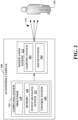
Fig. 1 illustrates a functional block diagram of an exemplary autonomous vehicle. -
Fig. 2 illustrates a functional block diagram of an exemplary autonomous vehicle. -
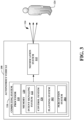
Fig. 3 illustrates a functional block diagram of an exemplary autonomous vehicle. -
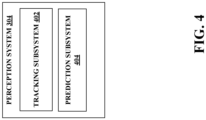
Fig. 4 illustrates a functional block diagram of an exemplary perception system of an autonomous vehicle. -
Figs. 5A and5B illustrate exemplary placements of a notification system (e.g., a lighting system) on an autonomous vehicle. -
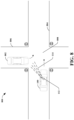
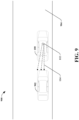
Fig. 6 illustrates an exemplary driving environment of an autonomous vehicle that includes a pedestrian. -
Fig. 7 illustrates another exemplary driving environment of an autonomous vehicle that includes a pedestrian. -
Fig. 8 illustrates an exemplary driving environment of an autonomous vehicle that includes an intersection and another vehicle. -
Fig. 9 illustrates an exemplary driving environment of an autonomous vehicle that includes another vehicle. -
Fig. 10 is a flow diagram that illustrates an exemplary methodology performed by an autonomous vehicle to provide an indicator to signal autonomous vehicle intent. -
Fig. 11 is a flow diagram that illustrates another exemplary methodology performed by an autonomous vehicle to select a type of indicator that is to be provided by the autonomous vehicle. -
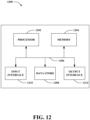
Fig. 12 illustrates an exemplary computing device. - Various technologies pertaining to controlling an autonomous vehicle to provide an indicator, which is perceivable external to the autonomous vehicle, to signal intent of the autonomous vehicle to one or more persons in a driving environment of the autonomous vehicle, are now described with reference to the drawings, wherein like reference numerals are used to refer to like elements throughout. In the following description, for purposes of explanation, numerous specific details are set forth in order to provide a thorough understanding of one or more aspects. It may be evident, however, that such aspect(s) may be practiced without these specific details. In other instances, well-known structures and devices are shown in block diagram form in order to facilitate describing one or more aspects. Further, it is to be understood that functionality that is described as being carried out by certain system components may be performed by multiple components. Similarly, for instance, a component may be configured to perform functionality that is described as being carried out by multiple components.
- Moreover, the term "or" is intended to mean an inclusive "or" rather than an exclusive "or." That is, unless specified otherwise, or clear from the context, the phrase "X employs A or B" is intended to mean any of the natural inclusive permutations. That is, the phrase "X employs A or B" is satisfied by any of the following instances: X employs A; X employs B; or X employs both A and B. In addition, the articles "a" and "an" as used in this application and the appended claims should generally be construed to mean "one or more" unless specified otherwise or clear from the context to be directed to a singular form.
- As used herein, the terms "component" and "system" are intended to encompass computer-readable data storage that is configured with computer-executable instructions that cause certain functionality to be performed when executed by a processor. The computer-executable instructions may include a routine, a function, or the like. It is also to be understood that a component or system may be localized on a single device or distributed across several devices. Further, as used herein, the term "exemplary" is intended to mean "serving as an illustration or example of something."
- Referring now to the drawings,
Fig. 1 illustrates anautonomous vehicle 100. Theautonomous vehicle 100 can navigate about roadways without human conduction based upon sensor signals outputted by sensor systems of theautonomous vehicle 100. Theautonomous vehicle 100 includes a plurality of sensor systems, namely, asensor system 1 102, ..., and asensor system N 104, where N can be substantially any integer greater than 1 (collectively referred to herein as sensor systems 102-104). The sensor systems 102-104 are of different types and are arranged about theautonomous vehicle 100. For example, thesensor system 1 102 may be a lidar sensor system and thesensor system N 104 may be a camera sensor (image) system. Other exemplary sensor systems included in the sensor systems 102-104 can include radar sensor systems, GPS sensor systems, sonar sensor systems, infrared sensor systems, and the like. - The
autonomous vehicle 100 further includes several mechanical systems that are used to effectuate appropriate motion of theautonomous vehicle 100. For instance, the mechanical systems can include, but are not limited to, avehicle propulsion system 106, abraking system 108, and asteering system 110. Thevehicle propulsion system 106 may be an electric motor, an internal combustion engine, or a combination thereof. Thebraking system 108 can include an engine brake, brake pads, actuators, and/or any other suitable componentry that is configured to assist in decelerating theautonomous vehicle 100. Thesteering system 110 includes suitable componentry that is configured to control the direction of movement of theautonomous vehicle 100. - The
autonomous vehicle 100 includes anotification system 112. Thenotification system 112 includes a hardware device (or a plurality of hardware devices) configured to output anindicator 114. Theindicator 114 outputted by thenotification system 112 is perceivable external to theautonomous vehicle 100. For example, theindicator 114 may be perceived by aperson 124 in a driving environment of theautonomous vehicle 100. In an example, theperson 124 may be a pedestrian, a driver of a conventional vehicle, or a cyclist. According to an example, thenotification system 112 can include a lighting system that emits a visual indicator viewable external to theautonomous vehicle 100. Following this example, the lighting system can include a hardware device (or hardware devices) integrated into, mounted on, or otherwise physically coupled to theautonomous vehicle 100; the hardware device(s) of the lighting system can emit a visual indicator (e.g., the indicator 114), which can be or include light rays. According to yet another example, thenotification system 112 can include a sound system that can emit an audible indicator perceivable external to theautonomous vehicle 100. Pursuant to this example, the sound system can include a hardware device (or hardware devices) integrated into, mounted on, or otherwise physically coupled to theautonomous vehicle 100; the hardware device(s) of the sound system can emit an audible indicator (e.g., the indicator 114), which can be or include sound waves. Further, it is contemplated that thenotification system 112 can include both a lighting system and a sound system. Thus, theindicator 114 outputted by thenotification system 112 can be a visual indicator, an audible indicator, or a combination thereof. Pursuant to an illustration in which thenotification system 112 includes both a lighting system and a sound system, it is to be appreciated that thenotification system 112 can concurrently emit a visual indicator and an audible indicator during a common time period (e.g., theindicator 114 can include the visual indicator and the audible indicator) or thenotification system 112 can emit a visual indicator and an audible indicator during different time periods (e.g., theindicator 114 outputted during a particular time period can be one of the visual indicator or the audible indicator). As described in greater detail below, anintent signaling system 122, for instance, can cause thenotification system 112 to emit either (or both) a visual indicator or an audible indicator based on characteristics of the driving environment such as time of day, location of theautonomous vehicle 100 within the driving environment, a type of theperson 124, a combination thereof, or the like. - According to an example, the audible indicator emitted by the sound system of the
notification system 112 can be a spoken word (or spoken words). Following this example, the spoken word(s) can signify to the person 124 (or others nearby the autonomous vehicle 100) whether or not theautonomous vehicle 100 plans to yield to theperson 124. For instance, the spoken word(s) can be "Please proceed in front of vehicle" when theautonomous vehicle 100 plans to yield to theperson 124, or the spoken word(s) can be "Caution - wait for vehicle to pass" when theperson 124 is to yield to theautonomous vehicle 100. By way of another example, the audible indicator emitted by the sound system of thenotification system 112 can be a sound other than spoken words. Pursuant to this example, the sound can be a chime that intuitively indicates to theperson 124 whether or not to proceed (e.g., whether theautonomous vehicle 100 plans to yield or not yield to the person 124). - The
autonomous vehicle 100 additionally includes acomputing system 116 that is in communication with the sensor systems 102-104, thevehicle propulsion system 106, thebraking system 108, thesteering system 110, and thenotification system 112. Thecomputing system 116 includes aprocessor 118 andmemory 120. Thememory 120 includes computer-executable instructions that are executed by theprocessor 118. Pursuant to various examples, theprocessor 118 can be or include a graphics processing unit (GPU), a plurality of GPUs, a central processing unit (CPU), a plurality of CPUs, an application-specific integrated circuit (ASIC), a microcontroller, a programmable logic controller (PLC), a field programmable gate array (FPGA), or the like. - The
memory 120 of thecomputing system 116 includes theintent signaling system 122 that is configured to control thenotification system 112 of theautonomous vehicle 100 to output theindicator 114. As will be described in greater detail below, theintent signaling system 122 can control theindicator 114 outputted by thenotification system 112 such that a characteristic of theindicator 114 is controlled based on one or more characteristics of a driving environment of theautonomous vehicle 100. According to an illustration, theintent signaling system 122 can cause thenotification system 112 to emit a green light for theperson 124 when theautonomous vehicle 100 plans to yield to theperson 124, while theintent signaling system 122 can cause thenotification system 112 to emit a red light for theperson 124 when theautonomous vehicle 100 expects theperson 124 to yield to theautonomous vehicle 100. Moreover, theintent signaling system 122 can modify the characteristic of theindicator 114 over time based on a state of theautonomous vehicle 100. For instance, theindicator 114 may have an intensity (e.g., a coloring intensity, a sound intensity, etc.) and the autonomousintent signaling system 122 can control thenotification system 112 to vary the intensity (e.g., vary from a dull color to a bright color, vary from a low volume sound to a high volume sound) of theindicator 114 based upon a distance between theautonomous vehicle 100 and theperson 124. Further, a characteristic of theindicator 114 outputted by thenotification system 112 can be controlled by theintent signaling system 122 to signify that theindicator 114 is intended to be communicated to a particular person (e.g., the person 124) in the driving environment; for instance, theintent signaling system 122 can cause a direction of an emitted light outputted by thenotification system 112 to be pointed at or near the particular person (e.g., a crosswalk can be illuminated when theautonomous vehicle 114 plans to yield to the particular person crossing a street in the crosswalk). - In an embodiment, the
intent signaling system 122 can cause thenotification system 112 to emit a first type of indicator for a first type of person and a second type of indicator for a second type of person. For instance, the first type of indicator may be a visual indicator of a first color for the first type of person and the second type of indicator may be a visual indicator of a second color for the second type of person. A type of person may be, but is not limited to, a pedestrian, a driver of a vehicle, or a cyclist. When theperson 124 is a driver of a vehicle, theperson 124 in the vehicle need not be perceived by theautonomous vehicle 100; instead, the vehicle itself may be perceived by theautonomous vehicle 100 in such a scenario. - The
memory 120 additionally includes acontrol system 126. Thecontrol system 126 is configured to control at least one of the mechanical systems of the autonomous vehicle 100 (e.g., at least one of thevehicle propulsion system 106, thebraking system 108, and/or the steering system 110). Moreover, thecontrol system 126 can be configured to provide data corresponding to the control of the mechanical system(s) to theintent signaling system 122. For instance, thecontrol system 126 can provide data to theintent signaling system 122 specifying the state of theautonomous vehicle 100. Thus, theintent signaling system 122 can control thenotification system 112 to output theindicator 114 based on the data corresponding to the control of the mechanical system(s) received from thecontrol system 126. - Now turning to
Fig. 2 , illustrated is theautonomous vehicle 100 in accordance with various embodiments. Again, theautonomous vehicle 100 includes thecomputing system 116 and thenotification system 112. While not shown, it is to be appreciated that theautonomous vehicle 100 further includes the sensor systems 102-104 and the mechanical systems as described herein. As depicted inFig. 2 , thenotification system 112 can include alighting system 202 and asound system 204; thus, theintent signaling system 122 can control thelighting system 202 and/or thesound system 204 to output theindicator 114. - According to an example, the
intent signaling system 122 can cause thelighting system 202 to emit a visual indicator viewable external to theautonomous vehicle 100. It is contemplated that the visual indicator can be displayed on the autonomous vehicle 100 (or a portion thereof) and/or nearby the autonomous vehicle 100 (e.g., the visual indicator can be projected by thelighting system 202 onto the ground nearby theautonomous vehicle 100, at theperson 124, etc.). - The
lighting system 202 can include substantially any number of lights that can be incorporated into or mounted upon theautonomous vehicle 100. The lights of thelighting system 202 can include substantially any type of lights (e.g., thelighting system 202 can include various light emitting diodes (LEDs)). It is contemplated that a subset of the lights of thelighting system 202 can emit the visual indicator at a given time, while a remainder of the lights of thelighting system 202 need not be illuminated (e.g., a light bar on one door of theautonomous vehicle 100 can be illuminated while a light bar on a differing door is not illuminated). The lights of thelighting system 202 can be color addressable. Moreover, according to an example, the lights of thelighting system 202 can emit light in a controllable direction from theautonomous vehicle 100. Further, is to be appreciated that the lights of thelighting system 202 can be located at substantially any location on the autonomous vehicle 100 (e.g., on a top of theautonomous vehicle 100 around a lidar sensor system, underneath theautonomous vehicle 100, on doors of theautonomous vehicle 100, on a front or rear bumper of theautonomous vehicle 100, on windows of theautonomous vehicle 100, on trim surrounding doors and/or windows of the autonomous vehicle 100). - Pursuant to an example, a characteristic of the visual indicator can be a color of the visual indicator. According to an illustration, the
intent signaling system 122 can cause thelighting system 202 to emit the visual indicator in a first color (e.g., green) when theautonomous vehicle 100 plans to yield to theperson 124 and in a second color (e.g., red) when theautonomous vehicle 100 plans to not yield to theperson 124. - Pursuant to another example, the characteristic of the visual indicator can be an animation. According to an illustration, the predefined animation outputted by the
lighting system 202 can include marching green ants depicted to be marching around theautonomous vehicle 100 when theautonomous vehicle 100 is yielding or plans to yield to theperson 124. - In an embodiment, the
lighting system 202 may be mounted underneath theautonomous vehicle 100. In the embodiment, thelighting system 202 may include at least one light strip that extends across the perimeter of the bottom of theautonomous vehicle 100. For instance, the at least one light strip may include a first light strip that extends from a bottom front right portion of theautonomous vehicle 100 to a bottom front left portion of theautonomous vehicle 100, a second light strip that extends from a bottom back right potion of theautonomous vehicle 100 to a bottom back left portion of theautonomous vehicle 100, a third light strip that extends from a bottom front right portion of theautonomous vehicle 100 to a bottom back right portion of theautonomous vehicle 100, and a fourth light strip that extends from a bottom front left portion of theautonomous vehicle 100 to a bottom back left portion of theautonomous vehicle 100. It is contemplated that the foregoing light strips can extend across an entire width or length of theautonomous vehicle 100. Alternatively, the light strips noted above can extend across a portion of the width or a portion of the length of theautonomous vehicle 100. - The
lighting system 202 includes articulating (i.e., orientable) light sources that be configured to emit the visual indicator at different areas around the driving environment. Thelighting system 202 causes the visual indicator to be emitted at theperson 124 and/or at a portion of the driving environment that theperson 124 is to traverse. Moreover, thelighting system 202 is configured to continually emit the visual indicator at theperson 124 as the person traverses the driving environment of theautonomous vehicle 100. - Moreover, as noted above, the
notification system 112 can include thesound system 204. Thesound system 204 can include substantially any number of speakers. Thesound system 204 may be placed on any location of theautonomous vehicle 100. Theintent signaling system 122 can cause thesound system 204 to emit an audible indicator perceivable external to theautonomous vehicle 100. A characteristic of the audible indicator can be controlled by theintent signaling system 122. For instance, theintent signaling system 122 may cause thenotification system 112 to emit the audible indicator as a first sound when theautonomous vehicle 100 plans to execute the maneuver subsequent to theperson 124 traversing a portion of the driving environment. Theintent signaling system 122 may cause thenotification system 112 to emit the audible indicator as a second sound when theautonomous vehicle 100 plans to execute the maneuver prior to theperson 124 traversing the portion the driving environment. - With reference to
Fig. 3 , illustrated is theautonomous vehicle 100 in accordance with various embodiments. Again, theautonomous vehicle 100 includes thecomputing system 116 and thenotification system 112. While not shown, it is to be appreciated that theautonomous vehicle 100 further includes the sensor systems 102-104 and the mechanical systems as described herein. In accordance with various embodiments, thememory 120 of thecomputing system 116 includes aplanning system 302 and aperception system 304. Theplanning system 302 is configured to plan a route that theautonomous vehicle 100 is to follow. For instance, theplanning system 302 may plan a series of maneuvers that are to be performed by theautonomous vehicle 100. Generally speaking, theperception system 304 is configured to track objects (e.g., vehicles, people, etc.) in the driving environment surrounding theautonomous vehicle 100. - Referring now to
Fig. 4 , a functional block diagram of theperception system 304 is illustrated. Theperception system 304 may include atracking subsystem 402 and aprediction subsystem 404. Thetracking subsystem 402 is configured to track objects surrounding theautonomous vehicle 100. As such, thetracking subsystem 402 may be configured to interact with the plurality of sensor systems 102-104 in order to effectuate the tracking. In an example, when the plurality of sensor systems 102-104 include articulating (i.e., orientable) sensors, thetracking subsystem 402 may be configured to cause the articulating sensors to remain directed at objects in the driving environment of theautonomous vehicle 100 as theautonomous vehicle 100 is moving. In another example, thetracking subsystem 402 may be configured to control sensor systems in the plurality of sensor systems 102-104 such that objects remain tracked. - The
prediction subsystem 404 is configured to predict future paths of objects (e.g., vehicles, people, etc.) in the driving environment based on sensor signals generated by the plurality of sensor systems 102-104. Theprediction subsystem 404 may utilize computer-implemented machine learning models, such as a deep neural network (DNN), in order to predict the future paths. In an example, theprediction subsystem 404 may predict future paths of the objects for a period of time ranging from 10-12 seconds. - In an embodiment where the
indicator 114 is a visual indicator, thetracking subsystem 402 and theprediction subsystem 404 may work in conjunction with one another in order to determine where to direct the visual indicator in the driving environment. For instance, thetracking subsystem 402 and theprediction subsystem 404 may utilize quaternion transforms in order to facilitate directing the visual indicator at theperson 124 in the driving environment. - In an embodiment, the
perception system 304 may be configured to assign labels to objects (in proximity to the autonomous vehicle 100) captured in sensor signals output by the sensor systems 102-104. These predefined types of objects can include, but are not limited to, pedestrian, bike, car, truck, bus, and static (unknown), where the type "static" can represent telephone poles, construction equipment, etc.). - With reference generally now to
Figs. 1-4 , exemplary operation of theautonomous vehicle 100 is set forth. It is contemplated that theautonomous vehicle 100 is operating in a driving environment. Thecomputing system 116 of theautonomous vehicle 100 determines that theautonomous vehicle 100 is to execute a maneuver that will cause theautonomous vehicle 100 to traverse a portion of the driving environment. In a nonlimiting example, the portion of the driving environment may be a crosswalk on a road or an intersection of two or more roads. Thecomputing system 116 also predicts that aperson 124 is to traverse the portion of the driving environment based upon a plurality of sensor signals generated by the plurality of sensor systems 102-104. More specifically, thecomputing system 116 may predict that theperson 124 is to traverse the portion of the driving environment using a computer-implemented machine learning model that takes at least some of the plurality of sensor signals as input. - The
computing system 116 of theautonomous vehicle 100 may then control thenotification system 112 of theautonomous vehicle 100 to output theindicator 114 that is perceivable external to theautonomous vehicle 100. In a first example, theindicator 114 may be a first indicator that indicates that theautonomous vehicle 100 plans to execute the maneuver subsequent to theperson 124 traversing the portion of the driving environment (i.e., theautonomous vehicle 100 plans to yield to the pedestrian). In the first example, thenotification system 112 may output the first indicator when thecomputing system 116 determines that theperson 124 is expected to fail to yield to theautonomous vehicle 100. Theautonomous vehicle 100 may then yield to theperson 124. After theperson 124 traverses the portion of the driving environment, theautonomous vehicle 100 may control at least one of thevehicle propulsion system 106, thebraking system 108, or thesteering system 100 to execute the maneuver. - In a second example, the
indicator 114 may be a second indicator that indicates that theautonomous vehicle 100 plans to execute the maneuver prior to theperson 124 traversing the portion of the driving environment (i.e. thepedestrian 124 is expected to yield to the autonomous vehicle 100). In the second example, thecomputing system 116 controls thenotification system 112 to output the second indicator when thecomputing system 116 determines that theperson 124 is expected yield to theautonomous vehicle 100. Theautonomous vehicle 100 may control at least one of thevehicle propulsion system 106, thebraking system 108, or thesteering system 100 to execute the maneuver. Subsequently, it is contemplated that theperson 124 will then traverse the portion of the driving environment. - In an embodiment, the
computing system 116 may control thenotification system 112 to output the first indicator for a first duration of time during which theperson 124 traverses the portion of the driving environment. In the embodiment, thecomputing system 116 may control thenotification system 112 to output the second indicator for a second duration of time during which theautonomous vehicle 100 traverses the portion of the driving environment. - Now turning to
Figs. 5A and5B , front-views of theautonomous vehicle 100 depicting exemplary placement of a notification system (e.g., the notification system 112) on theautonomous vehicle 100 are illustrated. As shown inFig. 5A , the notification system includes thelighting system 202. In the depicted example ofFig. 5A , thelighting system 202 is mounted underneath theautonomous vehicle 100. Thelighting system 202 can include a plurality of light strips that can be controlled to emit theindicator 114. Thus, in the example shown inFig. 5A , theindicator 114 may be emitted from a one of the light strips mounted underneath theautonomous vehicle 124; the light strip from which theindicator 114 is emitted (or a portion thereof) can be controlled based on the location of theperson 124. - According to another embodiment, as shown in
Fig. 5B , thelighting system 202 can be mounted on a front end of the autonomous vehicle on or near a front windshield of theautonomous vehicle 100. More specifically, as depicted inFig. 5B , thelighting system 202 can include lights (e.g., LEDs) mounted on or incorporated into theautonomous vehicle 100 on a driver side of the windshield (i.e., near where a driver of a conventional vehicle would be expected to sit). In this embodiment, theindicator 114 can be emitted from the lighting system 202 (e.g., one or more lights of the lighting system 202) from a location on theautonomous vehicle 100 where theperson 124 would expect a driver of a conventional vehicle to be located. - Referring now to
Fig. 6 , anexemplary driving environment 600 that includes theautonomous vehicle 100 and apedestrian 602 is illustrated. Thepedestrian 602 may be theperson 124. The drivingenvironment 600 includes aroad 604 that includes acrosswalk 606. In an example, thepedestrian 602 is to traverse thecrosswalk 606 to cross theroad 604. As described above, theautonomous vehicle 100 determines that theautonomous vehicle 100 is to execute a maneuver (i.e., going straight on the road 604) that will cause theautonomous vehicle 100 to traverse a portion of the driving environment 600 (i.e., the crosswalk 606). Theautonomous vehicle 100 also predicts that thepedestrian 602 is to traverse thecrosswalk 606 based upon a plurality of sensor signals generated by the sensor systems 102-104. Theautonomous vehicle 100 then controls thenotification system 112 to output theindicator 114 at thepedestrian 602 such that theindicator 114 is perceivable by thepedestrian 602. In an example, theindicator 114 indicates that theautonomous vehicle 100 is aware of thepedestrian 602 and thatautonomous vehicle 100 plans to yield to thepedestrian 602 allowing thepedestrian 602 to traverse thecrosswalk 606 prior to theautonomous vehicle 100 traversing the crosswalk. Thepedestrian 600 may then traverse thecrosswalk 606. Subsequently, theautonomous vehicle 100 may then continue heading straight on theroad 604 thereby (perpendicularly) traversing thecrosswalk 606. - Although the previously described scenario has been described as involving the
crosswalk 606, it is understood that theautonomous vehicle 100 may also output theindicator 114 to pedestrians crossing theroad 604 at areas other than thecrosswalk 606. - With reference to
Fig. 7 , anexemplary driving environment 700 that includes theautonomous vehicle 100 and apedestrian 702 is illustrated. Thepedestrian 702 may be theperson 124. The drivingenvironment 700 includes aroad 704 that includes acrosswalk 706. In an example, thepedestrian 702 is to traverse thecrosswalk 706 in order to cross theroad 704. As described above, theautonomous vehicle 100 determines that theautonomous vehicle 100 is to execute a maneuver (i.e., going straight on the road 704) that will cause theautonomous vehicle 100 to traverse a portion of the driving environment 700 (i.e., the crosswalk 706). Theautonomous vehicle 100 also predicts that thepedestrian 702 is to traverse thecrosswalk 706 based upon a plurality of sensor signals generated by the sensor systems 102-104. Theautonomous vehicle 100 then controls thenotification system 112 to output theindicator 114 at thecrosswalk 706. For instance, theindicator 114 may be a visual indicator that is emitted at thecrosswalk 706 such that thecrosswalk 706 is illuminated in the drivingenvironment 700, thereby indicating that theautonomous vehicle 100 is yielding to thepedestrian 700. Thepedestrian 700 may then traverse thecrosswalk 706. Subsequently, theautonomous vehicle 100 may then continue heading straight on theroad 704 thereby (perpendicularly) traversing thecrosswalk 706. - Turning now to
Fig. 8 , anexemplary driving environment 800 that includes theautonomous vehicle 100 and avehicle 802 operated by theperson 124 is illustrated. The drivingenvironment 800 includes afirst road 804 and asecond road 806 that intersect at anintersection 808 with stop signs. Theautonomous vehicle 100 is operating on thefirst road 804 and thevehicle 802 is operating on thesecond road 806. It is contemplated that theautonomous vehicle 100 and thevehicle 802 arrive at theintersection 808 at a similar time such that it is ambiguous as to which vehicle arrived at theintersection 808 first. In an example, theautonomous vehicle 100 is to execute a maneuver (i.e., maintaining a straight heading on the first road 804) that will cause theautonomous vehicle 100 to traverse a portion of the driving environment 800 (i.e., the intersection 808). In the example, theautonomous vehicle 100 predicts that thevehicle 802 is also to traverse the intersection 808 (by making a left-turn at the intersection 808). - The
autonomous vehicle 100 may then control thenotification system 112 to output theindicator 114. When theautonomous vehicle 100 will yield to thevehicle 802, theindicator 114 indicates that theautonomous vehicle 100 plans to execute the maneuver subsequent to thevehicle 802 traversing theintersection 808. When theautonomous vehicle 100 expects thevehicle 802 to yield to theautonomous vehicle 100, theindicator 114 indicates that that theautonomous vehicle 100 plans to execute the maneuver prior to thevehicle 802 traversing theintersection 808. - Referring now to
Fig. 9 , anexemplary driving environment 900 that includes theautonomous vehicle 100 and avehicle 902 operated by theperson 124 is illustrated. In the drivingenvironment 900, theautonomous vehicle 100 is temporarily stopped at a position on aroad 904 and thevehicle 902 is located behind theautonomous vehicle 100. For instance, theautonomous vehicle 100 may be temporarily stopped for passenger drop-off or pick-up. Theautonomous vehicle 100 may detect thevehicle 902 based upon sensor signals generated by the plurality of sensor systems 102-104. Theautonomous vehicle 100 may then control thenotification system 112 to output theindicator 114, wherein theindicator 114 indicates that thevehicle 902 should maneuver around theautonomous vehicle 100. - Although the previously described scenario has been described as including a four-way intersection, it is to be appreciated that a similar process may be utilized in different types of intersections (e.g., a three-way intersection, a five-way intersection, etc.)
- While the above-described processes have been described as involving a single person, it is to be understood that above-described process may be employed for many different persons in the driving environment of the
autonomous vehicle 100. Moreover, the many different persons may be of different types (e.g., pedestrians, conventional vehicle drivers, cyclists, etc.). - While the above-described processes have been described as involving pedestrians, intersections, and vehicle passing, other possibilities are contemplated. For instance, the above-described processes may also be used to signal that a door of the
autonomous vehicle 100 will be opened. Additionally, the above-described processes may be used to display intent of theautonomous vehicle 100 during a left turn. -
Figs. 10 and11 illustrate exemplary methodologies relating to controlling an autonomous vehicle to provide an indicator signal intent of the autonomous vehicle. While the methodologies are shown and described as being a series of acts that are performed in a sequence, it is to be understood and appreciated that the methodologies are not limited by the order of the sequence. For example, some acts can occur in a different order than what is described herein. In addition, an act can occur concurrently with another act. Further, in some instances, not all acts may be required to implement a methodology described herein. - Moreover, the acts described herein may be computer-executable instructions that can be implemented by one or more processors and/or stored on a computer-readable medium or media. The computer-executable instructions can include a routine, a sub-routine, programs, a thread of execution, and/or the like. Still further, results of acts of the methodologies can be stored in a computer-readable medium, displayed on a display device, and/or the like.
- With reference to
Fig. 10 , amethodology 1000 performed by an autonomous vehicle to provide an indicator indicative of autonomous vehicle intent is illustrated. Themethodology 1000 begins at 1002, and at 1004, the autonomous vehicle determines that the autonomous vehicle is to execute a maneuver that will cause the autonomous vehicle to traverse a portion of a driving environment of the autonomous vehicle. At 1006, the autonomous vehicle predicts that a person in the driving environment of the autonomous vehicle is to traverse the portion of the driving environment based upon sensor signals generated by a plurality of sensor systems of the autonomous vehicle. At 1008, the autonomous vehicle determines whether the autonomous vehicle is to yield to the person when the person traverses the portion of the driving environment. - When the autonomous vehicle is to yield to the person (as determined at 1008), the
methodology 1000 continues to 1010. At 1010, the autonomous vehicle controls a notification system of the autonomous vehicle to output a first indicator perceivable external to the autonomous vehicle. The first indicator may indicate that the autonomous vehicle plans to execute the maneuver subsequent to the person traversing the portion of the driving environment (i.e., the autonomous vehicle will yield to the person). Moreover, at 1012, the autonomous vehicle controls at least one of a vehicle propulsion system of the autonomous vehicle or a braking system of the autonomous vehicle to execute the maneuver subsequent to the person traversing the portion of the driving environment. Themethodology 1000 can then conclude at 1018. - Alternatively, when the person is to yield to the autonomous vehicle (as determined at 1008), the
methodology 1000 continues to 1014. At 1014, the autonomous vehicle controls the notification system of the autonomous vehicle to output a second indicator perceivable external to the autonomous vehicle. The second indicator may indicate that the autonomous vehicle plans to execute the maneuver prior to the person traversing the portion of the driving environment (i.e., signifying that the person is to yield to the autonomous vehicle). At 1016, the autonomous vehicle controls at least one of the vehicle propulsion system or the braking system to execute the maneuver prior to the person traversing the portion of the driving environment. Themethodology 1000 can then conclude at 1018. - Turning to
Fig. 11 , amethodology 1100 performed by an autonomous vehicle to provide an indicator of a given type is illustrated. Themethodology 1100 begins at 1102, and at 1104, the autonomous vehicle ascertains characteristics of a driving environment of the autonomous vehicle based upon sensor signals generated by sensor systems of the autonomous vehicle. At 1106, the autonomous vehicle selects a type of indicator that is to be outputted based upon the characteristics of the driving environment. At 1108, the autonomous vehicle (by way of a notification system) outputs the type of indicator. Themethodology 1100 concludes at 1110. - Referring now to
Fig. 12 , a high-level illustration of anexemplary computing device 1200 that can be used in accordance with the systems and methodologies disclosed herein is illustrated. For instance, thecomputing device 1200 may be or include thecomputing system 116. Thecomputing device 1200 includes at least oneprocessor 1202 that executes instructions that are stored in amemory 1204. The instructions may be, for instance, instructions for implementing functionality described as being carried out by one or more systems discussed above or instructions for implementing one or more of the methods described above. Theprocessor 1202 may be a GPU, a plurality of GPUs, a CPU, a plurality of CPUs, a multi-core processor, etc. Theprocessor 1202 may access thememory 1204 by way of asystem bus 1206. In addition to storing executable instructions, thememory 1204 may also store data specifying characteristics of indicators, computer-implemented machine learning models, and so forth. - The
computing device 1200 additionally includes adata store 1208 that is accessible by theprocessor 1202 by way of thesystem bus 1206. Thedata store 1208 may include executable instructions, data specifying characteristics of indicators, computer-implemented machine learning models, etc. Thecomputing device 1200 also includes aninput interface 1210 that allows external devices to communicate with thecomputing device 1200. For instance, theinput interface 1210 may be used to receive instructions from an external computer device, etc. Thecomputing device 1200 also includes anoutput interface 1212 that interfaces thecomputing device 1200 with one or more external devices. For example, thecomputing device 1200 may transmit control signals to thevehicle propulsion system 106, thebraking system 108, and/or thesteering system 110 by way of theoutput interface 1212. - Additionally, while illustrated as a single system, it is to be understood that the
computing device 1200 may be a distributed system. Thus, for instance, several devices may be in communication by way of a network connection and may collectively perform tasks described as being performed by thecomputing device 1200. - Various functions described herein can be implemented in hardware, software, or any combination thereof. If implemented in software, the functions can be stored on or transmitted over as one or more instructions or code on a computer-readable medium. Computer-readable media includes computer-readable storage media. A computer-readable storage media can be any available storage media that can be accessed by a computer. By way of example, and not limitation, such computer-readable storage media can comprise RAM, ROM, EEPROM, CD-ROM or other optical disk storage, magnetic disk storage or other magnetic storage devices, or any other medium that can be used to store desired program code in the form of instructions or data structures and that can be accessed by a computer. Disk and disc, as used herein, include compact disc (CD), laser disc, optical disc, digital versatile disc (DVD), floppy disk, and blu-ray disc (BD), where disks usually reproduce data magnetically and discs usually reproduce data optically with lasers. Further, a propagated signal is not included within the scope of computer-readable storage media. Computer-readable media also includes communication media including any medium that facilitates transfer of a computer program from one place to another. A connection, for instance, can be a communication medium. For example, if the software is transmitted from a website, server, or other remote source using a coaxial cable, fiber optic cable, twisted pair, digital subscriber line (DSL), or wireless technologies such as infrared, radio, and microwave, then the coaxial cable, fiber optic cable, twisted pair, DSL, or wireless technologies such as infrared, radio and microwave are included in the definition of communication medium. Combinations of the above should also be included within the scope of computer-readable media.
- Alternatively, or in addition, the functionality described herein can be performed, at least in part, by one or more hardware logic components. For example, and without limitation, illustrative types of hardware logic components that can be used include Field-programmable Gate Arrays (FPGAs), Application-specific Integrated Circuits (ASICs), Application-specific Standard Products (ASSPs), System-on-a-chip systems (SOCs), Complex Programmable Logic Devices (CPLDs), etc.
- What has been described above includes examples of one or more embodiments. It is, of course, not possible to describe every conceivable modification and alteration of the above devices or methodologies for purposes of describing the aforementioned aspects, but one of ordinary skill in the art can recognize that many further modifications and permutations of various aspects are possible. Accordingly, the described aspects are intended to embrace all such alterations, modifications, and variations that fall within the scope of the appended claims. Furthermore, to the extent that the term "includes" is used in either the details description or the claims, such term is intended to be inclusive in a manner similar to the term "comprising" as "comprising" is interpreted when employed as a transitional word in a claim.
Claims (15)
- An autonomous vehicle (100), comprising:a lighting system (202) comprising at least one light source;a plurality of sensor systems (102, 104) that generate a plurality of sensor signals, the plurality of sensor signals indicative of a person (124; 602; 702) in a driving environment of the autonomous vehicle; andcharacterized in that the light source is
a computing system (116; 1200) that is in communication with the lighting system and the plurality of sensor systems, wherein the computing system comprises:a processor (118; 1202); andmemory (120; 1204) that stores computer-executable instructions that, when executed by the processor, cause the processor to perform acts comprising:determining that the autonomous vehicle is to execute a maneuver that will cause the autonomous vehicle to traverse a portion of the driving environment;predicting a future path of the person that traverses the portion of the driving environment, the future path of the person being predicted based upon the plurality of sensor signals;controlling the lighting system of the autonomous vehicle to output a first visual indicator (114) perceivable external to the autonomous vehicle or a second visual indicator (114) perceivable external to the autonomous vehicle, wherein the first visual indicator indicates that the autonomous vehicle plans to execute the maneuver subsequent to the person traversing the portion of the driving environment, wherein the second visual indicator indicates that the autonomous vehicle plans to execute the maneuver prior to the person traversing the portion of the driving environment; andcausing the lighting system to direct emission of the first visual indicator or the second visual indicator on a ground in the drivingenvironment at a location of the person,
orientable to emit the first visual indicator or the second visual indicator at different areas around the driving environment such that the light source continually directs the emission of the first visual indicator or the second visual indicator on the ground in the driving environment at the location of the person as the location of the person changes while traversing the driving environment. - The autonomous vehicle of claim 1, wherein the autonomous vehicle further comprises a vehicle propulsion system (106) and a braking system (108), the acts further comprising:
controlling at least one of the vehicle propulsion system or the braking system to execute the maneuver subsequent to the person traversing the portion of the driving environment or controlling at least one of the vehicle propulsion system or the braking system to execute the maneuver prior to the person traversing the portion of the driving environment. - The autonomous vehicle of claim 1, wherein a characteristic of the first visual indicator and a characteristic of the second visual indicator are based on a type of the person, wherein the type of the person is one of:a pedestrian;a cyclist; oran operator of a vehicle.
- The autonomous vehicle of claim 1, wherein the portion of the driving environment is a crosswalk on a road.
- The autonomous vehicle of claim 1, wherein the lighting system emits the first visual indicator with a first coloring when the autonomous vehicle plans to execute the maneuver subsequent to the person traversing the portion of the driving environment, wherein the lighting system emits the second visual indicator with a second coloring when the autonomous vehicle plans to execute the maneuver prior to the person traversing the portion of the driving environment.
- The autonomous vehicle of claim 1, wherein the lighting system is further configured to direct the emission of the first visual indicator or the second visual indicator at the future path of the person predicted to traverse the portion of the driving environment, thereby visually highlighting the future path of the person as predicted.
- The autonomous vehicle of claim 1, wherein the lighting system is at least one of mounted on a window of the autonomous vehicle or mounted underneath the autonomous vehicle.
- The autonomous vehicle of claim 1, further comprising:
a sound system (204) configured to emit a first audible indicator or a second audible indicator, wherein the first audible indicator is emitted when the lighting system outputs the first visual indicator, and wherein the second audible indicator is emitted when the lighting system outputs the second visual indicator. - The autonomous vehicle of claim 1, wherein the portion of the driving environment is an intersection of a first road and a second road, wherein the autonomous vehicle arrives at the intersection from the first road at a certain time, wherein a vehicle operated by the person arrives at the intersection from the second road at the certain time.
- The autonomous vehicle of claim 1, the acts further comprising:
prior to controlling the lighting system of the autonomous vehicle to output the first visual indicator or the second visual indicator, one of:determining that the person is expected to yield to the autonomous vehicle based upon the plurality of sensor signals, wherein outputting the second visual indicator is based upon determining that the person is expected to yield to the autonomous vehicle; ordetermining that the person is expected to fail to yield to the autonomous vehicle based upon the plurality of sensor signals, wherein outputting the first visual indicator is based upon determining that the person is expected to fail to yield to the autonomous vehicle. - The autonomous vehicle of claim 1, wherein the first visual indicator has a first intensity and the second visual indicator has a second intensity, wherein the first intensity is varied based upon a distance between the autonomous vehicle and the person, and wherein the second intensity is varied based upon the distance between the autonomous vehicle and the person.
- The autonomous vehicle of claim 1, wherein a characteristic of the first visual indicator signifies that the first visual indicator is intended to be communicated to the person detected in the driving environment, and wherein a characteristic of the second visual indicator signifies that the second visual indicator is intended to be communicated to the person detected in the driving environment.
- A method performed by an autonomous vehicle (100) operating in a driving environment, the method comprising:determining that the autonomous vehicle is to execute a maneuver that will cause the autonomous vehicle to traverse a portion of the driving environment;predicting a future path of a person (124) in the driving environment that traverses the portion of the driving environment, the future path of the person being predicted based upon a plurality of sensor signals generated by a plurality of sensor systems (102, 104) of the autonomous vehicle;determining whether the autonomous vehicle is to yield to the person when the person traverses the portion of the driving environment;when the autonomous vehicle is to yield to the person:outputting a first visual indicator (114) perceivable external to the autonomous vehicle, wherein the first visual indicator indicates that the autonomous vehicle plans to execute the maneuver subsequent to the person traversing the portion of the driving environment, wherein the first visual indicator is directed on a ground in the driving environment at a location of the person, and wherein emission of the first visual indicator is continually directed on the ground in the driving environment at the location of the person as the location of the person changes while traversing the driving environment; andcontrolling at least one of a vehicle propulsion system (106) of the autonomous vehicle or a braking system (108) of the autonomous vehicle to execute the maneuver subsequent to the person traversing the portion of the driving environment; andwhen the person is to yield to the autonomous vehicle:outputting a second visual indicator (114) perceivable external to the autonomous vehicle, wherein the second visual indicator indicates that the autonomous vehicle plans to execute the maneuver prior to the person traversing the portion of the driving environment, wherein the second visual indicator is directed on the ground in the driving environment at the location of the person, and wherein emission of the second visual indicator is continually directed on the ground in the driving environment at the location of the person as the location of the person changes while traversing the driving environment; andcontrolling at least one of the vehicle propulsion system or the braking system to execute the maneuver prior to the person traversing the portion of the driving environment.
- The method of claim 13, further comprising:outputting a first audible indicator with the first visual indicator when the autonomous vehicle is to yield to the person; andoutputting a second audible indicator with the second visual indicator when the person is to yield to the autonomous vehicle .
- The method of claim 13, wherein the first visual indicator and the second visual indicator each has a type, wherein the type is determined based on characteristics of the driving environment as ascertained by the autonomous vehicle using the plurality of sensor signals.
Applications Claiming Priority (2)
| Application Number | Priority Date | Filing Date | Title |
|---|---|---|---|
| US16/161,206 US11345277B2 (en) | 2018-10-16 | 2018-10-16 | Autonomous vehicle intent signaling |
| PCT/US2019/056305 WO2020081553A1 (en) | 2018-10-16 | 2019-10-15 | Autonomous vehicle intent signaling |
Publications (2)
| Publication Number | Publication Date |
|---|---|
| EP3823860A1 EP3823860A1 (en) | 2021-05-26 |
| EP3823860B1 true EP3823860B1 (en) | 2024-07-10 |
Family
ID=68468806
Family Applications (1)
| Application Number | Title | Priority Date | Filing Date |
|---|---|---|---|
| EP19798427.1A Active EP3823860B1 (en) | 2018-10-16 | 2019-10-15 | Autonomous vehicle intent signaling |
Country Status (3)
| Country | Link |
|---|---|
| US (1) | US11345277B2 (en) |
| EP (1) | EP3823860B1 (en) |
| WO (1) | WO2020081553A1 (en) |
Families Citing this family (28)
| Publication number | Priority date | Publication date | Assignee | Title |
|---|---|---|---|---|
| JP6650596B2 (en) * | 2016-03-28 | 2020-02-19 | パナソニックIpマネジメント株式会社 | Vehicle status determination device, vehicle status determination method, and vehicle status determination program |
| US10261513B2 (en) | 2016-12-19 | 2019-04-16 | drive.ai Inc. | Methods for communicating state, intent, and context of an autonomous vehicle |
| US9953538B1 (en) * | 2017-01-17 | 2018-04-24 | Lyft, Inc. | Autonomous vehicle notification system |
| US10262528B2 (en) | 2017-07-21 | 2019-04-16 | State Farm Mutual Automobile Insurance Company | Autonomous vehicle mode alert system for bystanders |
| JP6691902B2 (en) * | 2017-10-24 | 2020-05-13 | 本田技研工業株式会社 | Vehicle control device |
| US11971714B2 (en) * | 2018-02-19 | 2024-04-30 | Martin Tremblay | Systems and methods for autonomous vehicles |
| US20200001779A1 (en) * | 2018-06-27 | 2020-01-02 | drive.ai Inc. | Method for communicating intent of an autonomous vehicle |
| DE102018008213B4 (en) * | 2018-10-17 | 2024-02-29 | Mercedes-Benz Group AG | Method for visualizing a transition over a road |
| JP7624290B2 (en) | 2018-12-27 | 2025-01-30 | トヨタ自動車株式会社 | Notification device |
| JP7345123B2 (en) * | 2019-08-26 | 2023-09-15 | パナソニックIpマネジメント株式会社 | Information processing device, information processing method, and computer program |
| WO2021061430A1 (en) | 2019-09-24 | 2021-04-01 | Apple Inc. | Systems and methods for hedging for different gaps in an interaction zone |
| JP2021092980A (en) * | 2019-12-10 | 2021-06-17 | 本田技研工業株式会社 | Information presentation device for automatic driving vehicle |
| US20230117660A1 (en) * | 2020-03-09 | 2023-04-20 | Toyota Motor Europe | System and method for reporting an environment characteristic from a main vehicle to a cloud server |
| JP2021157530A (en) * | 2020-03-27 | 2021-10-07 | 本田技研工業株式会社 | Autonomous work machine, autonomous work setting method, and program |
| US12175860B2 (en) * | 2020-05-15 | 2024-12-24 | Toyota Jidosha Kabushiki Kaisha | Road safety warning system for pedestrian |
| WO2021237212A1 (en) * | 2020-05-22 | 2021-11-25 | Optimus Ride, Inc. | Display system and method |
| CN112365730A (en) * | 2020-10-29 | 2021-02-12 | 北京航迹科技有限公司 | Automatic driving method, device, equipment, storage medium and vehicle |
| US11639180B1 (en) * | 2021-06-30 | 2023-05-02 | Gm Cruise Holdings Llc | Notifications from an autonomous vehicle to a driver |
| KR20230121679A (en) * | 2022-02-11 | 2023-08-21 | 김학수 | Vehicle Information Display Device and Vehicle Equipped with Same |
| KR20230168859A (en) * | 2022-06-08 | 2023-12-15 | 현대모비스 주식회사 | Vehicle lighting device and method of operating thereof |
| US20240051581A1 (en) * | 2022-08-15 | 2024-02-15 | Motional Ad Llc | Determination of an action for an autonomous vehicle in the presence of intelligent agents |
| JP7841985B2 (en) * | 2022-08-15 | 2026-04-07 | トヨタ自動車株式会社 | Vehicle display device |
| US12377777B2 (en) * | 2022-10-02 | 2025-08-05 | The Regents Of The University Of Michigan | Vehicle state-based light projection communication system |
| DE102023002501B4 (en) * | 2023-06-20 | 2025-03-27 | Mercedes-Benz Group AG | Method for illuminating a pedestrian crossing leading over a road, lighting device for carrying out the same and vehicle |
| US12280715B2 (en) * | 2023-09-01 | 2025-04-22 | International Business Machines Corporation | Intelligent vehicle horn |
| EP4527692A1 (en) * | 2023-09-21 | 2025-03-26 | Volvo Truck Corporation | Notifying others of detection status to mitigate accident risk |
| US12391173B2 (en) * | 2023-11-27 | 2025-08-19 | Deere & Company | Pedestrian warning with light spectrum that does not affect camera based object detection at night |
| US20250187534A1 (en) * | 2023-12-12 | 2025-06-12 | Volvo Car Corporation | Transmitting stopping distance to pedestrians |
Family Cites Families (12)
| Publication number | Priority date | Publication date | Assignee | Title |
|---|---|---|---|---|
| JP5269755B2 (en) | 2009-12-10 | 2013-08-21 | 株式会社日立製作所 | Cross-person support vehicle system and cross-person support method |
| US9196164B1 (en) * | 2012-09-27 | 2015-11-24 | Google Inc. | Pedestrian notifications |
| US20150268665A1 (en) | 2013-11-07 | 2015-09-24 | Google Inc. | Vehicle communication using audible signals |
| US9475422B2 (en) | 2014-05-22 | 2016-10-25 | Applied Invention, Llc | Communication between autonomous vehicle and external observers |
| US9855890B2 (en) | 2014-12-11 | 2018-01-02 | Toyota Motor Engineering & Manufacturing North America, Inc. | Autonomous vehicle interaction with external environment |
| US9483948B1 (en) | 2015-08-07 | 2016-11-01 | International Business Machines Corporation | Automated control of interactions between self-driving vehicles and pedestrians |
| US9694736B2 (en) | 2015-09-30 | 2017-07-04 | Nissan North America, Inc. | Vehicle state indication system |
| US9804599B2 (en) | 2015-11-04 | 2017-10-31 | Zoox, Inc. | Active lighting control for communicating a state of an autonomous vehicle to entities in a surrounding environment |
| US9969326B2 (en) | 2016-02-22 | 2018-05-15 | Uber Technologies, Inc. | Intention signaling for an autonomous vehicle |
| US9902311B2 (en) | 2016-02-22 | 2018-02-27 | Uber Technologies, Inc. | Lighting device for a vehicle |
| US9953538B1 (en) * | 2017-01-17 | 2018-04-24 | Lyft, Inc. | Autonomous vehicle notification system |
| JP7005112B2 (en) * | 2018-03-05 | 2022-01-21 | 矢崎総業株式会社 | Display system and in-vehicle system |
-
2018
- 2018-10-16 US US16/161,206 patent/US11345277B2/en active Active
-
2019
- 2019-10-15 EP EP19798427.1A patent/EP3823860B1/en active Active
- 2019-10-15 WO PCT/US2019/056305 patent/WO2020081553A1/en not_active Ceased
Also Published As
| Publication number | Publication date |
|---|---|
| US11345277B2 (en) | 2022-05-31 |
| US20200114813A1 (en) | 2020-04-16 |
| WO2020081553A1 (en) | 2020-04-23 |
| EP3823860A1 (en) | 2021-05-26 |
Similar Documents
| Publication | Publication Date | Title |
|---|---|---|
| EP3823860B1 (en) | Autonomous vehicle intent signaling | |
| US10160378B2 (en) | Light output system for a self-driving vehicle | |
| US10077007B2 (en) | Sidepod stereo camera system for an autonomous vehicle | |
| US9969326B2 (en) | Intention signaling for an autonomous vehicle | |
| US10139818B2 (en) | Visual communication system for autonomous driving vehicles (ADV) | |
| US20210380137A1 (en) | Multi-stage external communication of vehicle motion and external lighting | |
| US9694736B2 (en) | Vehicle state indication system | |
| US11318934B2 (en) | Vehicle control device, method and computer program product | |
| US12061478B2 (en) | Detection of active emergency vehicles shared within an autonomous vehicle fleet | |
| RU2724935C1 (en) | METHOD AND SYSTEM OF NOTIFICATION OF A LOAD CAR DRIVER | |
| US11571969B2 (en) | External communication suppression device for driving automation | |
| WO2023076343A1 (en) | Autonomous vehicle trajectory determination based on state transition model | |
| US20230064724A1 (en) | Danger notification method, danger notification device, and non-transitory storage medium | |
| US10464473B2 (en) | Vehicle display system having a rationale indicator | |
| CN107399290A (en) | Safe driving assistant system and its control method | |
| CN117058920A (en) | Leading vehicle-to-trailing vehicle distance estimation system, method and application | |
| WO2022247733A1 (en) | Control method and apparatus | |
| KR20230067799A (en) | Method and Apparatus for controlling virtual lane based on environmental conditions | |
| KR102725087B1 (en) | Lamp for vehicle |
Legal Events
| Date | Code | Title | Description |
|---|---|---|---|
| STAA | Information on the status of an ep patent application or granted ep patent |
Free format text: STATUS: UNKNOWN |
|
| STAA | Information on the status of an ep patent application or granted ep patent |
Free format text: STATUS: THE INTERNATIONAL PUBLICATION HAS BEEN MADE |
|
| PUAI | Public reference made under article 153(3) epc to a published international application that has entered the european phase |
Free format text: ORIGINAL CODE: 0009012 |
|
| STAA | Information on the status of an ep patent application or granted ep patent |
Free format text: STATUS: REQUEST FOR EXAMINATION WAS MADE |
|
| 17P | Request for examination filed |
Effective date: 20210222 |
|
| AK | Designated contracting states |
Kind code of ref document: A1 Designated state(s): AL AT BE BG CH CY CZ DE DK EE ES FI FR GB GR HR HU IE IS IT LI LT LU LV MC MK MT NL NO PL PT RO RS SE SI SK SM TR |
|
| DAV | Request for validation of the european patent (deleted) | ||
| DAX | Request for extension of the european patent (deleted) | ||
| RIC1 | Information provided on ipc code assigned before grant |
Ipc: G06V 20/58 20220101ALI20231222BHEP Ipc: B60W 60/00 20200101ALI20231222BHEP Ipc: G08G 1/16 20060101ALI20231222BHEP Ipc: G08G 1/01 20060101ALI20231222BHEP Ipc: G08G 1/005 20060101ALI20231222BHEP Ipc: G05D 1/02 20200101ALI20231222BHEP Ipc: B60Q 5/00 20060101ALI20231222BHEP Ipc: B60Q 1/50 20060101ALI20231222BHEP Ipc: B60Q 1/26 20060101ALI20231222BHEP Ipc: B60Q 1/00 20060101AFI20231222BHEP |
|
| GRAP | Despatch of communication of intention to grant a patent |
Free format text: ORIGINAL CODE: EPIDOSNIGR1 |
|
| STAA | Information on the status of an ep patent application or granted ep patent |
Free format text: STATUS: GRANT OF PATENT IS INTENDED |
|
| INTG | Intention to grant announced |
Effective date: 20240206 |
|
| RIC1 | Information provided on ipc code assigned before grant |
Ipc: G06V 20/58 20220101ALI20240131BHEP Ipc: B60W 60/00 20200101ALI20240131BHEP Ipc: G08G 1/16 20060101ALI20240131BHEP Ipc: G08G 1/01 20060101ALI20240131BHEP Ipc: G08G 1/005 20060101ALI20240131BHEP Ipc: B60Q 5/00 20060101ALI20240131BHEP Ipc: B60Q 1/50 20060101ALI20240131BHEP Ipc: B60Q 1/26 20060101ALI20240131BHEP Ipc: B60Q 1/00 20060101AFI20240131BHEP |
|
| GRAS | Grant fee paid |
Free format text: ORIGINAL CODE: EPIDOSNIGR3 |
|
| GRAA | (expected) grant |
Free format text: ORIGINAL CODE: 0009210 |
|
| STAA | Information on the status of an ep patent application or granted ep patent |
Free format text: STATUS: THE PATENT HAS BEEN GRANTED |
|
| P01 | Opt-out of the competence of the unified patent court (upc) registered |
Effective date: 20240523 |
|
| AK | Designated contracting states |
Kind code of ref document: B1 Designated state(s): AL AT BE BG CH CY CZ DE DK EE ES FI FR GB GR HR HU IE IS IT LI LT LU LV MC MK MT NL NO PL PT RO RS SE SI SK SM TR |
|
| REG | Reference to a national code |
Ref country code: CH Ref legal event code: EP |
|
| REG | Reference to a national code |
Ref country code: DE Ref legal event code: R096 Ref document number: 602019055039 Country of ref document: DE |
|
| REG | Reference to a national code |
Ref country code: LT Ref legal event code: MG9D |
|
| REG | Reference to a national code |
Ref country code: NL Ref legal event code: MP Effective date: 20240710 |
|
| PG25 | Lapsed in a contracting state [announced via postgrant information from national office to epo] |
Ref country code: PT Free format text: LAPSE BECAUSE OF FAILURE TO SUBMIT A TRANSLATION OF THE DESCRIPTION OR TO PAY THE FEE WITHIN THE PRESCRIBED TIME-LIMIT Effective date: 20241111 |
|
| REG | Reference to a national code |
Ref country code: AT Ref legal event code: MK05 Ref document number: 1701780 Country of ref document: AT Kind code of ref document: T Effective date: 20240710 |
|
| PG25 | Lapsed in a contracting state [announced via postgrant information from national office to epo] |
Ref country code: NL Free format text: LAPSE BECAUSE OF FAILURE TO SUBMIT A TRANSLATION OF THE DESCRIPTION OR TO PAY THE FEE WITHIN THE PRESCRIBED TIME-LIMIT Effective date: 20240710 |
|
| PG25 | Lapsed in a contracting state [announced via postgrant information from national office to epo] |
Ref country code: PT Free format text: LAPSE BECAUSE OF FAILURE TO SUBMIT A TRANSLATION OF THE DESCRIPTION OR TO PAY THE FEE WITHIN THE PRESCRIBED TIME-LIMIT Effective date: 20241111 Ref country code: NL Free format text: LAPSE BECAUSE OF FAILURE TO SUBMIT A TRANSLATION OF THE DESCRIPTION OR TO PAY THE FEE WITHIN THE PRESCRIBED TIME-LIMIT Effective date: 20240710 |
|
| PG25 | Lapsed in a contracting state [announced via postgrant information from national office to epo] |
Ref country code: NO Free format text: LAPSE BECAUSE OF FAILURE TO SUBMIT A TRANSLATION OF THE DESCRIPTION OR TO PAY THE FEE WITHIN THE PRESCRIBED TIME-LIMIT Effective date: 20241010 |
|
| PG25 | Lapsed in a contracting state [announced via postgrant information from national office to epo] |
Ref country code: GR Free format text: LAPSE BECAUSE OF FAILURE TO SUBMIT A TRANSLATION OF THE DESCRIPTION OR TO PAY THE FEE WITHIN THE PRESCRIBED TIME-LIMIT Effective date: 20241011 Ref country code: FI Free format text: LAPSE BECAUSE OF FAILURE TO SUBMIT A TRANSLATION OF THE DESCRIPTION OR TO PAY THE FEE WITHIN THE PRESCRIBED TIME-LIMIT Effective date: 20240710 Ref country code: PL Free format text: LAPSE BECAUSE OF FAILURE TO SUBMIT A TRANSLATION OF THE DESCRIPTION OR TO PAY THE FEE WITHIN THE PRESCRIBED TIME-LIMIT Effective date: 20240710 |
|
| PG25 | Lapsed in a contracting state [announced via postgrant information from national office to epo] |
Ref country code: BG Free format text: LAPSE BECAUSE OF FAILURE TO SUBMIT A TRANSLATION OF THE DESCRIPTION OR TO PAY THE FEE WITHIN THE PRESCRIBED TIME-LIMIT Effective date: 20240710 |
|
| PG25 | Lapsed in a contracting state [announced via postgrant information from national office to epo] |
Ref country code: LV Free format text: LAPSE BECAUSE OF FAILURE TO SUBMIT A TRANSLATION OF THE DESCRIPTION OR TO PAY THE FEE WITHIN THE PRESCRIBED TIME-LIMIT Effective date: 20240710 |
|
| PG25 | Lapsed in a contracting state [announced via postgrant information from national office to epo] |
Ref country code: AT Free format text: LAPSE BECAUSE OF FAILURE TO SUBMIT A TRANSLATION OF THE DESCRIPTION OR TO PAY THE FEE WITHIN THE PRESCRIBED TIME-LIMIT Effective date: 20240710 Ref country code: IS Free format text: LAPSE BECAUSE OF FAILURE TO SUBMIT A TRANSLATION OF THE DESCRIPTION OR TO PAY THE FEE WITHIN THE PRESCRIBED TIME-LIMIT Effective date: 20241110 |
|
| PG25 | Lapsed in a contracting state [announced via postgrant information from national office to epo] |
Ref country code: HR Free format text: LAPSE BECAUSE OF FAILURE TO SUBMIT A TRANSLATION OF THE DESCRIPTION OR TO PAY THE FEE WITHIN THE PRESCRIBED TIME-LIMIT Effective date: 20240710 |
|
| PG25 | Lapsed in a contracting state [announced via postgrant information from national office to epo] |
Ref country code: ES Free format text: LAPSE BECAUSE OF FAILURE TO SUBMIT A TRANSLATION OF THE DESCRIPTION OR TO PAY THE FEE WITHIN THE PRESCRIBED TIME-LIMIT Effective date: 20240710 Ref country code: RS Free format text: LAPSE BECAUSE OF FAILURE TO SUBMIT A TRANSLATION OF THE DESCRIPTION OR TO PAY THE FEE WITHIN THE PRESCRIBED TIME-LIMIT Effective date: 20241010 |
|
| PG25 | Lapsed in a contracting state [announced via postgrant information from national office to epo] |
Ref country code: RS Free format text: LAPSE BECAUSE OF FAILURE TO SUBMIT A TRANSLATION OF THE DESCRIPTION OR TO PAY THE FEE WITHIN THE PRESCRIBED TIME-LIMIT Effective date: 20241010 Ref country code: PL Free format text: LAPSE BECAUSE OF FAILURE TO SUBMIT A TRANSLATION OF THE DESCRIPTION OR TO PAY THE FEE WITHIN THE PRESCRIBED TIME-LIMIT Effective date: 20240710 Ref country code: NO Free format text: LAPSE BECAUSE OF FAILURE TO SUBMIT A TRANSLATION OF THE DESCRIPTION OR TO PAY THE FEE WITHIN THE PRESCRIBED TIME-LIMIT Effective date: 20241010 Ref country code: LV Free format text: LAPSE BECAUSE OF FAILURE TO SUBMIT A TRANSLATION OF THE DESCRIPTION OR TO PAY THE FEE WITHIN THE PRESCRIBED TIME-LIMIT Effective date: 20240710 Ref country code: IS Free format text: LAPSE BECAUSE OF FAILURE TO SUBMIT A TRANSLATION OF THE DESCRIPTION OR TO PAY THE FEE WITHIN THE PRESCRIBED TIME-LIMIT Effective date: 20241110 Ref country code: HR Free format text: LAPSE BECAUSE OF FAILURE TO SUBMIT A TRANSLATION OF THE DESCRIPTION OR TO PAY THE FEE WITHIN THE PRESCRIBED TIME-LIMIT Effective date: 20240710 Ref country code: GR Free format text: LAPSE BECAUSE OF FAILURE TO SUBMIT A TRANSLATION OF THE DESCRIPTION OR TO PAY THE FEE WITHIN THE PRESCRIBED TIME-LIMIT Effective date: 20241011 Ref country code: FI Free format text: LAPSE BECAUSE OF FAILURE TO SUBMIT A TRANSLATION OF THE DESCRIPTION OR TO PAY THE FEE WITHIN THE PRESCRIBED TIME-LIMIT Effective date: 20240710 Ref country code: ES Free format text: LAPSE BECAUSE OF FAILURE TO SUBMIT A TRANSLATION OF THE DESCRIPTION OR TO PAY THE FEE WITHIN THE PRESCRIBED TIME-LIMIT Effective date: 20240710 Ref country code: BG Free format text: LAPSE BECAUSE OF FAILURE TO SUBMIT A TRANSLATION OF THE DESCRIPTION OR TO PAY THE FEE WITHIN THE PRESCRIBED TIME-LIMIT Effective date: 20240710 Ref country code: AT Free format text: LAPSE BECAUSE OF FAILURE TO SUBMIT A TRANSLATION OF THE DESCRIPTION OR TO PAY THE FEE WITHIN THE PRESCRIBED TIME-LIMIT Effective date: 20240710 |
|
| REG | Reference to a national code |
Ref country code: DE Ref legal event code: R097 Ref document number: 602019055039 Country of ref document: DE |
|
| PG25 | Lapsed in a contracting state [announced via postgrant information from national office to epo] |
Ref country code: SM Free format text: LAPSE BECAUSE OF FAILURE TO SUBMIT A TRANSLATION OF THE DESCRIPTION OR TO PAY THE FEE WITHIN THE PRESCRIBED TIME-LIMIT Effective date: 20240710 Ref country code: DK Free format text: LAPSE BECAUSE OF FAILURE TO SUBMIT A TRANSLATION OF THE DESCRIPTION OR TO PAY THE FEE WITHIN THE PRESCRIBED TIME-LIMIT Effective date: 20240710 Ref country code: RO Free format text: LAPSE BECAUSE OF FAILURE TO SUBMIT A TRANSLATION OF THE DESCRIPTION OR TO PAY THE FEE WITHIN THE PRESCRIBED TIME-LIMIT Effective date: 20240710 |
|
| PG25 | Lapsed in a contracting state [announced via postgrant information from national office to epo] |
Ref country code: EE Free format text: LAPSE BECAUSE OF FAILURE TO SUBMIT A TRANSLATION OF THE DESCRIPTION OR TO PAY THE FEE WITHIN THE PRESCRIBED TIME-LIMIT Effective date: 20240710 |
|
| PG25 | Lapsed in a contracting state [announced via postgrant information from national office to epo] |
Ref country code: CZ Free format text: LAPSE BECAUSE OF FAILURE TO SUBMIT A TRANSLATION OF THE DESCRIPTION OR TO PAY THE FEE WITHIN THE PRESCRIBED TIME-LIMIT Effective date: 20240710 |
|
| PG25 | Lapsed in a contracting state [announced via postgrant information from national office to epo] |
Ref country code: IT Free format text: LAPSE BECAUSE OF FAILURE TO SUBMIT A TRANSLATION OF THE DESCRIPTION OR TO PAY THE FEE WITHIN THE PRESCRIBED TIME-LIMIT Effective date: 20240710 Ref country code: SK Free format text: LAPSE BECAUSE OF FAILURE TO SUBMIT A TRANSLATION OF THE DESCRIPTION OR TO PAY THE FEE WITHIN THE PRESCRIBED TIME-LIMIT Effective date: 20240710 |
|
| PLBE | No opposition filed within time limit |
Free format text: ORIGINAL CODE: 0009261 |
|
| STAA | Information on the status of an ep patent application or granted ep patent |
Free format text: STATUS: NO OPPOSITION FILED WITHIN TIME LIMIT |
|
| REG | Reference to a national code |
Ref country code: CH Ref legal event code: PL |
|
| 26N | No opposition filed |
Effective date: 20250411 |
|
| GBPC | Gb: european patent ceased through non-payment of renewal fee |
Effective date: 20241015 |
|
| PG25 | Lapsed in a contracting state [announced via postgrant information from national office to epo] |
Ref country code: MC Free format text: LAPSE BECAUSE OF FAILURE TO SUBMIT A TRANSLATION OF THE DESCRIPTION OR TO PAY THE FEE WITHIN THE PRESCRIBED TIME-LIMIT Effective date: 20240710 |
|
| PG25 | Lapsed in a contracting state [announced via postgrant information from national office to epo] |
Ref country code: GB Free format text: LAPSE BECAUSE OF NON-PAYMENT OF DUE FEES Effective date: 20241015 |
|
| REG | Reference to a national code |
Ref country code: DE Ref legal event code: R082 Ref document number: 602019055039 Country of ref document: DE Representative=s name: MANITZ FINSTERWALD PATENT- UND RECHTSANWALTSPA, DE |
|
| PG25 | Lapsed in a contracting state [announced via postgrant information from national office to epo] |
Ref country code: BE Free format text: LAPSE BECAUSE OF NON-PAYMENT OF DUE FEES Effective date: 20241031 Ref country code: LU Free format text: LAPSE BECAUSE OF NON-PAYMENT OF DUE FEES Effective date: 20241015 |
|
| PG25 | Lapsed in a contracting state [announced via postgrant information from national office to epo] |
Ref country code: FR Free format text: LAPSE BECAUSE OF NON-PAYMENT OF DUE FEES Effective date: 20241031 |
|
| PG25 | Lapsed in a contracting state [announced via postgrant information from national office to epo] |
Ref country code: CH Free format text: LAPSE BECAUSE OF NON-PAYMENT OF DUE FEES Effective date: 20241031 |
|
| REG | Reference to a national code |
Ref country code: BE Ref legal event code: MM Effective date: 20241031 |
|
| PG25 | Lapsed in a contracting state [announced via postgrant information from national office to epo] |
Ref country code: SE Free format text: LAPSE BECAUSE OF FAILURE TO SUBMIT A TRANSLATION OF THE DESCRIPTION OR TO PAY THE FEE WITHIN THE PRESCRIBED TIME-LIMIT Effective date: 20240710 |
|
| PG25 | Lapsed in a contracting state [announced via postgrant information from national office to epo] |
Ref country code: IE Free format text: LAPSE BECAUSE OF NON-PAYMENT OF DUE FEES Effective date: 20241015 |
|
| PGFP | Annual fee paid to national office [announced via postgrant information from national office to epo] |
Ref country code: DE Payment date: 20251028 Year of fee payment: 7 |
|
| PG25 | Lapsed in a contracting state [announced via postgrant information from national office to epo] |
Ref country code: CY Free format text: LAPSE BECAUSE OF FAILURE TO SUBMIT A TRANSLATION OF THE DESCRIPTION OR TO PAY THE FEE WITHIN THE PRESCRIBED TIME-LIMIT; INVALID AB INITIO Effective date: 20191015 |
|
| PG25 | Lapsed in a contracting state [announced via postgrant information from national office to epo] |
Ref country code: HU Free format text: LAPSE BECAUSE OF FAILURE TO SUBMIT A TRANSLATION OF THE DESCRIPTION OR TO PAY THE FEE WITHIN THE PRESCRIBED TIME-LIMIT; INVALID AB INITIO Effective date: 20191015 |