EP3822931A1 - A vehicle alert system for notifying a potentially dangerous driving situation to a driver - Google Patents
A vehicle alert system for notifying a potentially dangerous driving situation to a driver Download PDFInfo
- Publication number
- EP3822931A1 EP3822931A1 EP19208632.0A EP19208632A EP3822931A1 EP 3822931 A1 EP3822931 A1 EP 3822931A1 EP 19208632 A EP19208632 A EP 19208632A EP 3822931 A1 EP3822931 A1 EP 3822931A1
- Authority
- EP
- European Patent Office
- Prior art keywords
- vehicle
- driver
- potentially dangerous
- driving situation
- dangerous driving
- Prior art date
- Legal status (The legal status is an assumption and is not a legal conclusion. Google has not performed a legal analysis and makes no representation as to the accuracy of the status listed.)
- Granted
Links
Images

Classifications
-
- G—PHYSICS
- G08—SIGNALLING
- G08B—SIGNALLING SYSTEMS, e.g. PERSONAL CALLING SYSTEMS; ORDER TELEGRAPHS; ALARM SYSTEMS
- G08B5/00—Visible signalling systems, e.g. visible personal calling systems or remote indication of seats occupied
- G08B5/22—Visible signalling systems, e.g. visible personal calling systems or remote indication of seats occupied using electric transmission; using electromagnetic transmission
- G08B5/36—Visible signalling systems, e.g. visible personal calling systems or remote indication of seats occupied using electric transmission; using electromagnetic transmission using visible light sources
-
- G—PHYSICS
- G01—MEASURING; TESTING
- G01C—MEASURING DISTANCES, LEVELS OR BEARINGS; SURVEYING; NAVIGATION; GYROSCOPIC INSTRUMENTS; PHOTOGRAMMETRY OR VIDEOGRAMMETRY
- G01C21/00—Navigation; Navigational instruments not provided for in groups G01C1/00 - G01C19/00
- G01C21/26—Navigation; Navigational instruments not provided for in groups G01C1/00 - G01C19/00 specially adapted for navigation in a road network
- G01C21/34—Route searching; Route guidance
- G01C21/36—Input/output arrangements for on-board computers
- G01C21/3697—Output of additional, non-guidance related information, e.g. low fuel level
-
- G—PHYSICS
- G08—SIGNALLING
- G08G—TRAFFIC CONTROL SYSTEMS
- G08G1/00—Traffic control systems for road vehicles
- G08G1/16—Anti-collision systems
- G08G1/166—Anti-collision systems for active traffic, e.g. moving vehicles, pedestrians, bikes
-
- G—PHYSICS
- G08—SIGNALLING
- G08G—TRAFFIC CONTROL SYSTEMS
- G08G1/00—Traffic control systems for road vehicles
- G08G1/16—Anti-collision systems
- G08G1/167—Driving aids for lane monitoring, lane changing, e.g. blind spot detection
-
- G—PHYSICS
- G08—SIGNALLING
- G08B—SIGNALLING SYSTEMS, e.g. PERSONAL CALLING SYSTEMS; ORDER TELEGRAPHS; ALARM SYSTEMS
- G08B21/00—Alarms responsive to a single specified undesired or abnormal condition and not otherwise provided for
- G08B21/02—Alarms for ensuring the safety of persons
- G08B21/06—Alarms for ensuring the safety of persons indicating a condition of sleep, e.g. anti-dozing alarms
Definitions
- the present disclosure relates to the field of vehicle alert systems for notifying a potentially dangerous driving situation outside the vehicle to a vehicle driver.
- An existing system is a side view assistance system that helps the vehicle driver to avoid visual blind spots, i.e. areas the vehicle driver cannot see due to physical limitations of the vehicles.
- a side view assistance system can show a video stream, captured by an outside camera, on a display inside the car, for example a center stack display or a dedicated display that directly overlays a physical element of the car, e.g. a A-pillar, and shows what is behind this physical element.
- the side view assistance system uses an information provided by an outside camera to detect if there is another vehicle in the optical blind spot of a side mirror of the vehicle. When another vehicle is detected, the assistance system issues a alert signal, which is useful when the driver has intention of changing lanes.
- ADAS Advanced driver-assistance systems
- sensors like cameras, LIDAR or radar to detect and classify an object, such as a pedestrian, a bicycle or another vehicle, and determine a risk of a collision of the vehicle with that object.
- the ADAS may take over control of the vehicle, for example by decelerating up to an emergency brake.
- Document US6859144B2 discloses a vehicle situation alert system and deals with the problem of generating alert signals when the driver does not need or want to be warned, for example because he or she has no intention of changing lane or is already aware of a potentially dangerous vehicle situation that is currently happening. Such generated alert signals may be useless and annoying.
- US6859144B2 discloses a system comprising an external detector that detects objects in an adjacent lane, an eye gaze direction detection apparatus that detects a lane change intention of the driver (for example when the driver eye gaze direction is toward driver side rear view mirror) or a lack of intention of changing lane (for example when the driver eye gaze direction is directly forward), a control unit that receives the output signals from the external detector and the eye gaze direction detection apparatus as inputs and determines whether or not to activate an alert signal generator to generate a visual alert signal.
- US6859144B2 also describes a situation where the driver is not focused on a danger spot. This information is detected and then used to determine whether or not it is needed to generate an alert signal.
- the driver may miss the visual alert signal or be delayed looking at it.
- the present disclosure improves the situation.
- the present disclosure concerns a vehicle alert system for notifying a potentially dangerous driving situation to a driver, comprising at least one external detector that provides a detection information related to a potentially dangerous driving situation outside the vehicle, an eye gaze direction detector that provides a driver eye gaze direction information, an alert unit that receives the detection information and the driver eye gaze direction information, generates a visual alert signal, when a potentially dangerous driving situation is detected, and controls display of the visual alert signal on a display of the vehicle, characterized in that, the vehicle comprising a plurality of displays, the alert unit selects one of said plurality of displays of the vehicle, depending on the driver eye gaze direction information, and controls display of the visual alert signal on the selected display.
- the driver gets a warning on a detected potentially dangerous driving situation on an appropriate display, determined according to the eye gaze direction of the driver.
- the selected display can be located in the vehicle driver's eye gaze direction or, if there is no display in the vehicle driver's eye gaze direction, the selected display is located the nearest to the vehicle driver's eye gaze direction. In this way, the driver gets the warning by a simple look on the display that is the most appropriate in consideration of the driver's eye gaze direction.
- the visual alert signal includes at least one of the following elements:
- the alert unit selects a succession of displays, depending on a movement of the eye gaze direction of the vehicle driver, and controls display of the visual alert signal successively on the succession of selected displays.
- the alert unit determines an awareness status of the vehicle driver, said awareness status indicating whether or not the vehicle driver is aware of the detected potentially dangerous driving situation, for example by comparing a location information related to the potentially dangerous driving situation with the information related to an eye gaze direction of the vehicle driver, and then determines whether or not a visual alert signal has to be generated, depending on the awareness status of the vehicle driver. In this way, the visual alert signal may not be generated when the driver is already aware of the detected potentially dangerous situation.
- the alert unit determines whether or not a visual alert signal has to be generated, depending on a criticality level of the detected potentially dangerous driving situation.
- the criticality level represents how potentially dangerous is the detected driving situation. For example, when the criticality level is low, the alert unit may not generate the visual alert signal in order to avoid annoying the driver.
- the criticality level of the detected potentially dangerous driving situation is for example included in the detection information provided by the at least one external detector.
- the criticality level of the detected potentially dangerous driving situation is determined by the alert unit from the detection information provided by the at least one external detector.
- the present disclosure also concerns a method for notifying a potentially dangerous driving situation to a vehicle driver, comprising:
- the present disclosure also concerns:
- Figure 1 shows schematically a vehicle 100 incorporating a plurality of displays 10a to 10g and a vehicle alert system 20 for notifying a potentially dangerous driving situation to a driver of the vehicle 100.
- the displays of the vehicle include for example: a center infotainment display 10a, a right-side mirror 10d, a left-side mirror 10f, one or more passenger displays 10c, an auxiliary display 10b, a virtual HUD (Head-Up Display) 10e, using the wind shield to project an image from a HUD projector 11, a cluster display 10g.
- a center infotainment display 10a a right-side mirror 10d, a left-side mirror 10f, one or more passenger displays 10c, an auxiliary display 10b, a virtual HUD (Head-Up Display) 10e, using the wind shield to project an image from a HUD projector 11, a cluster display 10g.
- a center infotainment display 10a for example: a center infotainment display 10a, a right-side mirror 10d, a left-side mirror 10f, one or more passenger displays 10c, an auxiliary display 10b, a virtual HUD (Head-Up Display) 10e
- the vehicle alert system 20 has at least one detector 21 for providing a detection information related to a potentially dangerous driving situation, an eye gaze direction detection unit 22 for providing a driver eye gaze direction information, and an alert unit 23.
- the vehicle alert system 20 has a plurality of detectors 21 that provide a detection information related to a driving situation in an external environment around the vehicle 100, that may be potentially dangerous, as an output information.
- the detectors 21 are for example camera systems capturing images or videos outside the vehicle 100.
- the detection information output by the detectors 21 can comprise images or videos captured by the camera systems and/or a pre-processed information (that is information already processed by the camera systems from the captured images or videos).
- the pre-processed information can include any appropriate indication related to the detected object, such as the nature of the detected object (e.g. a person, adult or child, an animal, another vehicle, etc.), the location and moving direction of the detected object.
- the detectors 21 can be detectors of other systems of the vehicle, for example ADAS detectors.
- the driver eye gaze direction detection unit 22 provides a driver eye gaze direction information, as an output information.
- the driver eye gaze direction information is an information that indicates the eye gaze direction of the vehicle driver.
- the driver eye gaze direction detection unit 22 has a driver camera system that captures images of the driver's eyes and an analyzer that analyses the captured image and determines an eye gaze direction of the driver from these captured images.
- the alert unit 23 has a first receiver 230 that receives the detection information transmitted by the detectors 21, and a second receiver 231 that receives the driver eye gaze direction information transmitted by the driver eye gaze direction detection unit 22.
- the alert unit 23 has a first determiner 232 that determines whether a potentially dangerous driving situation is detected, on the basis of the detection information.
- the classification of a detected driving situation as a potentially dangerous driving situation may be achieved by the detectors themselves. In that case, the detection information received by the first receiver 230 indicates that the detected driving situation is potentially dangerous and the determiner reads out this indication in the received detection information.
- Some detectors 21, in particular ADAS detectors have processing resources that are capable of analyzing the captured images and determining whether a detected driving situation is potentially dangerous or not.
- the determiner 232 determines whether a detected driving situation is potentially dangerous on the basis of the received detection information.
- a driving situation is considered as potentially dangerous if it may result in an accident if the driver would continue his drive with given and predicted speed and trajectory not be becoming aware of the situation.
- the alert unit 23 has also a visual alert signal generator 233 and a display controller 234.
- the generator 233 When a potentially dangerous driving situation is detected, the generator 233 generates a visual alert signal 30 and the display controller 234 controls display of the visual alert signal 30 on a display of the vehicle 100.
- the display controller 234 has a display selector 235 that selects one of the plurality of displays 10a-10h of the vehicle 100, depending on the driver eye gaze direction information received by the second receiver 231, and then the display controller 234 controls display of the visual alert signal 30 on the selected display.
- the display selector 235 determines first whether or not there is a vehicle display located in the vehicle driver's eye gaze direction.
- the display selector 235 selects this vehicle display located in the vehicle driver's eye gaze direction and the display controller 234 controls display of the visual alert signal 30 on this selected display. If not, that is if there is no display in the vehicle driver's eye gaze direction, the display selector 23 proceeds with selecting, among the plurality of vehicle displays 10a-10h, the one that is located closest to the vehicle driver's eye gaze direction, and the display controller 234 controls display of the generated visual alert signal 30 on the selected display.
- the visual alert signal 30 generated by the generator 233 can contain at least one of the following elements:
- the alert unit 23 detects that the driving situation is potentially dangerous, generates a visual alert signal 30, selects the center infotainment display 10a of the vehicle 100 and controls display of the visual alert signal 30 on the selected display.
- the visual alert signal 30 contains a schematic picture of a person and an arrow pointing in the direction of the detected potentially dangerous situation.
- a second exemplary embodiment is based on the first exemplary embodiment and only differs by the features described below. The same references are given to the same or corresponding elements.
- the display selector 235 of the alert unit 23 selects a succession of n displays (with n>1), depending on a movement of the eye gaze direction of the vehicle driver, and the display controller 234 controls display of a succession of n visual alert signals successively on the selected displays.
- the visual alert signals successively displayed on the different selected displays follow the movement of the driver eye gaze direction.
- Each of the successive displays are selected as previously described in connection with the first exemplary embodiment.
- Figure 3 shows schematically the vehicle alert system of figure 1 when a pedestrian located outside the car at a position represented by a pedestrian icon 31 between brackets. More precisely, the pedestrian icon represents the position of a real pedestrian as seen through the wind shield from the driver's position.
- An eye-symbol (partially overlapping the display 10a in figure 3 ) is represented only to indicate the display on which the driver is currently focused.
- a visual alert signal 30 including for example an arrow pointing the driver's look to the detected pedestrian and a schematic picture representing the pedestrian, is displayed on the display 10a. Consequently, the driver looks up to right part of wind shield and looks at the pedestrian.
- the visual alert signal 30 can follow to that position, be displayed on the left part of the wind shield used as a virtual HUD and point to the right in direction of the pedestrian.
- the eye-symbol or any other visual warning symbol could be displayed on the display on which the driver is currently focused, in order to reinforce the warning.
- a third exemplary embodiment is based on any of the first and second exemplary embodiments and only differs by the features described below. The same references are given to the same or corresponding elements.
- the alert unit 23 has a second determiner that is a driver awareness status determiner 236 that determines an awareness status of the vehicle driver, indicating whether or not the vehicle driver is aware of the detected potentially dangerous driving situation, and then the generator 233 determines whether or not a visual alert signal 30 has to be generated, depending on the awareness status of the vehicle driver.
- a driver awareness status determiner 236 that determines an awareness status of the vehicle driver, indicating whether or not the vehicle driver is aware of the detected potentially dangerous driving situation, and then the generator 233 determines whether or not a visual alert signal 30 has to be generated, depending on the awareness status of the vehicle driver.
- a visual alert signal 30 is generated by the generator 233 and displayed as previously described in the first exemplary embodiment. Determining the awareness status of the driver allows to avoid displaying a visual alert signal when the driver is already aware of the potentially dangerous driving situation, which would be annoying for the driver. In this way, the visual alert signal 30 is generated and then displayed only when this is appropriate, that is when it is highly probable that the driver is not aware of the danger.
- the determiner 236 determines the awareness status of the driver by comparing a location information related to the potentially dangerous driving situation (here provided by the first determiner 232) with the information related to an eye gaze direction of the vehicle driver (provided by the second receiver 231). For example, if the outcome of the comparison indicates that the potentially dangerous driving situation is located in the driver visual field, that is determined on the basis of the driver eye gaze direction, the determiner 236 determines that the driver is aware of the potentially dangerous driving situation and consequently the generator 233 does not necessarily have to generate a visual alert signal.
- the alert unit 23 determines that the driver is not aware of the potentially dangerous driving situation and therefore the generator 233 generates a visual alert signal 30 and the controller 234 controls display of it on a selected display of the vehicle, as previously described.
- a fourth exemplary embodiment is based on any of preceding exemplary embodiments and only differs by the features described below. The same references are given to the same or corresponding elements.
- the alert unit 23 has a third determiner that is a criticality level determiner 237 that determines whether or not a visual alert signal 30 has to be generated, depending on a criticality level of the detected potentially dangerous driving situation.
- the assignment of a criticality level to the detected potentially dangerous driving situations allows to put them in order of importance (or in order of criticality). Then, the alert unit 23 may determine that only the potentially dangerous driving situations having a predetermined criticality level are notified to the driver by way of a generated visual alert signal displayed on a selected display of the vehicle.
- a high level of criticality means that the driving situation is considered as very dangerous, whereas a low level of criticality means that the driving situation is considered as not very dangerous.
- the criticality level can be determined depending on one or more parameters such as the type of the detected object, the trajectory and speed of the vehicle, the trajectory and speed of the detected object, etc.
- the criticality level can be determined with reference to a database that stores a criticality level information in connection to different parameters. Concerning the type of the detected object, for example a child at the side of the road might have a higher weighting than an adult as there is a higher risk that a child might run onto the road unexpectedly.
- the criticality level is evaluated on the basis of first parameters related to the object(s) detected by the external detectors (type, position, speed, trajectory, etc.) and second parameters related to the vehicle (position, speed, trajectory, etc.). It can be represented by a value on a predefined scale from a minimal value, corresponding to the lowest criticality level, to a maximal value, corresponding to the highest criticality level. Two different intermediate thresholds are defined on this scale, in order to classify the potentially dangerous driving situations into the three categories of criticality level: low, mid and high.
- the criticality level of the detected potentially dangerous driving situation is determined by the third determiner 237 from the detection information provided by the at least one external detector.
- the criticality level of the detected potentially dangerous driving situation is included in the detection information provided by the external detector(s).
- the generator 233 When a potentially dangerous driving situation is detected, the generator 233 generates, or does not generate, a visual alert signal 30, depending on the criticality level assigned to the potentially dangerous driving situation. For example:
- the criticality level allows to avoid generating and then displaying a visual alert signal 30 when it is not necessary, which would the effect of annoying the driver.
- the criticality level is high and consequently a visual alert signal 30 is systematically generated and then displayed.
- the visual alert signal 30 is generated and displayed.
- the criticality level is low and the generator 233 does not generate any visual alert signal.
- Figure 4 shows a flow chart of a method for notifying a potentially dangerous driving situation to a driver, according to an exemplary embodiment. The method is performed by the vehicle 100 having the alert unit 23 that has a driver awareness status determiner 236 and a criticality level determiner 237, according the third and fourth embodiments.
- the method comprises a first reception step S01, wherein the first receiver 230 receives the detection information from the external detectors 21 of the vehicle 100, and a second reception step S02, wherein the second receiver 231 receives the driver eye gaze direction information from the eye gaze direction detection unit 22.
- a detection step S1 the determiner 232 detects that a detected driving situation is potentially dangerous from the detection information received by the first receiver 230.
- the determiner 236 determines an awareness status of the vehicle, that is whether or not the vehicle driver is aware of the detected potentially dangerous driving situation, by using the driver eye gaze direction information received by the second receiver 231. For example, if the detected potentially dangerous driving situation is located in the visual field of the driver, the driver is considered as aware of the detected potentially dangerous driving situation. If not, the driver is considered as unaware of the detected potentially dangerous driving situation.
- step S3 the determiner 237 determines whether or not the criticality level of the detected potentially dangerous driving situation is low. If the criticality level is low, the process goes back to steps S01, S02. If the criticality level is not low, the process goes to a step S4.
- the determiner 237 determines whether or not the criticality level of the detected potentially dangerous driving situation is mid. If the criticality level is mid, the process goes to a step S5 of checking the awareness status of the vehicle driver. If the criticality level is not mid, the process goes to a step S6 of issuing a warning.
- step S5 the determiner 236 determines whether or not the vehicle driver is aware of the potentially dangerous situation. If the driver is considered as aware of the detected potentially dangerous driving situation, the process goes back to steps S01, S02 and no visual alert signal is generated. If the driver is considered as unaware of the detected potentially dangerous driving situation, the process goes to step S6 of issuing a warning.
- steps S2, S3, S4 and S5 is optional and may not be performed.
- the generator 233 In the step S6 of issuing a warning, the generator 233 generates a visual alert signal 30, as previously described.
- the selector 235 selects the most appropriate display of the vehicle displays, by using the detected driver eye gaze direction information received by the second receiver 231, as previously described. Then, the display controller 234 displays the generated visual alert signal 30 on the selected display.
- any detected potentially dangerous driving situation is assigned a status of driver awareness that remains valid for a given time period (configurable). Once a detected potentially dangerous situation is assigned a status like "driver aware" corresponding to the situation where the driver is aware of the detected potentially dangerous situation, it will keep this status during the given time period. A detected potentially dangerous situation which the driver has become aware of a short time ago (within the given time period) will not cause warning any more, even if the driver does not currently look in the direction of the detected potentially dangerous situation. A warning might be issued once the criticality level changes or the awareness status changes (due to timeout, after expiration of the given time period).
- the present disclosure also concerns a non-transitory computer readable medium comprising program instructions for causing a computer to execute the steps of the method previously described.
- the program instructions are stored in a storage module related to the vehicle, such as volatile memory, e.g., ROM, RAM, etc., and/or non-volatile memory, e.g., Flash, NAND, etc., that is permanently or removably integrated in the vehicle or connectable to the vehicle, e.g., via the 'cloud', and can be executed by a computer, or a calculator, of the vehicle, such as one or more modules of electronic control units (ECUs).
Landscapes
- Physics & Mathematics (AREA)
- General Physics & Mathematics (AREA)
- Engineering & Computer Science (AREA)
- Radar, Positioning & Navigation (AREA)
- Remote Sensing (AREA)
- Electromagnetism (AREA)
- Automation & Control Theory (AREA)
- Traffic Control Systems (AREA)
Abstract
Description
- The present disclosure relates to the field of vehicle alert systems for notifying a potentially dangerous driving situation outside the vehicle to a vehicle driver.
- There are different kinds of existing systems for helping a vehicle operator, or driver, become aware of a potentially dangerous situation outside of the vehicle which he or she might have missed and not handled.
- An existing system is a side view assistance system that helps the vehicle driver to avoid visual blind spots, i.e. areas the vehicle driver cannot see due to physical limitations of the vehicles. Such a side view assistance system can show a video stream, captured by an outside camera, on a display inside the car, for example a center stack display or a dedicated display that directly overlays a physical element of the car, e.g. a A-pillar, and shows what is behind this physical element. Alternatively, the side view assistance system uses an information provided by an outside camera to detect if there is another vehicle in the optical blind spot of a side mirror of the vehicle. When another vehicle is detected, the assistance system issues a alert signal, which is useful when the driver has intention of changing lanes.
- Other existing systems, ADAS (Advanced driver-assistance systems), use sensors like cameras, LIDAR or radar to detect and classify an object, such as a pedestrian, a bicycle or another vehicle, and determine a risk of a collision of the vehicle with that object. The ADAS may take over control of the vehicle, for example by decelerating up to an emergency brake.
- Document
US6859144B2 discloses a vehicle situation alert system and deals with the problem of generating alert signals when the driver does not need or want to be warned, for example because he or she has no intention of changing lane or is already aware of a potentially dangerous vehicle situation that is currently happening. Such generated alert signals may be useless and annoying. This documentUS6859144B2 discloses a system comprising an external detector that detects objects in an adjacent lane, an eye gaze direction detection apparatus that detects a lane change intention of the driver (for example when the driver eye gaze direction is toward driver side rear view mirror) or a lack of intention of changing lane (for example when the driver eye gaze direction is directly forward), a control unit that receives the output signals from the external detector and the eye gaze direction detection apparatus as inputs and determines whether or not to activate an alert signal generator to generate a visual alert signal.US6859144B2 also describes a situation where the driver is not focused on a danger spot. This information is detected and then used to determine whether or not it is needed to generate an alert signal. - In a situation wherein the driver is not focused on a danger spot because he or she may be distracted for example by an In-Vehicle Infotainment system, the driver may miss the visual alert signal or be delayed looking at it.
- The present disclosure improves the situation.
- The present disclosure concerns a vehicle alert system for notifying a potentially dangerous driving situation to a driver, comprising at least one external detector that provides a detection information related to a potentially dangerous driving situation outside the vehicle, an eye gaze direction detector that provides a driver eye gaze direction information, an alert unit that receives the detection information and the driver eye gaze direction information, generates a visual alert signal, when a potentially dangerous driving situation is detected, and controls display of the visual alert signal on a display of the vehicle, characterized in that, the vehicle comprising a plurality of displays, the alert unit selects one of said plurality of displays of the vehicle, depending on the driver eye gaze direction information, and controls display of the visual alert signal on the selected display.
- Thus, the driver gets a warning on a detected potentially dangerous driving situation on an appropriate display, determined according to the eye gaze direction of the driver.
- The selected display can be located in the vehicle driver's eye gaze direction or, if there is no display in the vehicle driver's eye gaze direction, the selected display is located the nearest to the vehicle driver's eye gaze direction. In this way, the driver gets the warning by a simple look on the display that is the most appropriate in consideration of the driver's eye gaze direction.
- Advantageously, the visual alert signal includes at least one of the following elements:
- a visual indication, for example an arrow, showing a direction indicating where the detected potentially dangerous driving situation is located; and
- a schematic image representing a detected object.
- Advantageously, the alert unit selects a succession of displays, depending on a movement of the eye gaze direction of the vehicle driver, and controls display of the visual alert signal successively on the succession of selected displays.
- In this way, the driver's look is guided towards the scene outside the vehicle corresponding to the detected potentially dangerous driving situation.
- Advantageously, the alert unit determines an awareness status of the vehicle driver, said awareness status indicating whether or not the vehicle driver is aware of the detected potentially dangerous driving situation, for example by comparing a location information related to the potentially dangerous driving situation with the information related to an eye gaze direction of the vehicle driver, and then determines whether or not a visual alert signal has to be generated, depending on the awareness status of the vehicle driver. In this way, the visual alert signal may not be generated when the driver is already aware of the detected potentially dangerous situation.
- Advantageously, the alert unit determines whether or not a visual alert signal has to be generated, depending on a criticality level of the detected potentially dangerous driving situation. The criticality level represents how potentially dangerous is the detected driving situation. For example, when the criticality level is low, the alert unit may not generate the visual alert signal in order to avoid annoying the driver.
- The criticality level of the detected potentially dangerous driving situation is for example included in the detection information provided by the at least one external detector.
- Alternatively, the criticality level of the detected potentially dangerous driving situation is determined by the alert unit from the detection information provided by the at least one external detector.
- The present disclosure also concerns a method for notifying a potentially dangerous driving situation to a vehicle driver, comprising:
- at a first receiver, the step of receiving a detection information related to a potentially dangerous driving situation, from at least one external detector,
- at a second receiver, the step of receiving a driver eye gaze direction information, from an eye gaze direction detector,
- at a generator, the step of generating a visual alert signal, when a potentially dangerous driving situation is detected, and
- at a display controller, the step of controlling display of the visual alert signal on a display of the vehicle, characterized in that,
the vehicle comprising a plurality of displays, the method further comprises, at a display selector, the step of selecting one of said plurality of displays of the vehicle, depending on the driver eye gaze direction information,
and, at the display controller, the step of controlling display of the visual alert signal on the selected display. - The present disclosure also concerns:
- a non-transitory computer readable medium comprising program instructions for causing a computer to execute the steps of the method defined above; and
- a vehicle integrating the vehicle alert system previously described.
- Other features, purposes and advantages of the disclosure will become more explicit by means of reading the detailed statement of the non-restrictive embodiments made with reference to the accompanying drawings.
-
Figure 1 represents schematically a vehicle having a vehicle alert system, according to an exemplary embodiment; -
Figure 2 represents schematically an alert unit of the vehicle alert system offigure 1 ; -
Figure 3 represents the vehicle offigure 1 with visual alert signals; -
Figure 4 is a flow chart of a method for notifying a potentially dangerous driving situation to a vehicle driver, according to an exemplary embodiment. -
Figure 1 shows schematically avehicle 100 incorporating a plurality ofdisplays 10a to 10g and avehicle alert system 20 for notifying a potentially dangerous driving situation to a driver of thevehicle 100. - The displays of the vehicle include for example: a
center infotainment display 10a, a right-side mirror 10d, a left-side mirror 10f, one ormore passenger displays 10c, anauxiliary display 10b, a virtual HUD (Head-Up Display) 10e, using the wind shield to project an image from aHUD projector 11, acluster display 10g. - The
vehicle alert system 20 has at least onedetector 21 for providing a detection information related to a potentially dangerous driving situation, an eye gazedirection detection unit 22 for providing a driver eye gaze direction information, and analert unit 23. - In a first exemplary embodiment, the
vehicle alert system 20 has a plurality ofdetectors 21 that provide a detection information related to a driving situation in an external environment around thevehicle 100, that may be potentially dangerous, as an output information. Thedetectors 21 are for example camera systems capturing images or videos outside thevehicle 100. The detection information output by thedetectors 21 can comprise images or videos captured by the camera systems and/or a pre-processed information (that is information already processed by the camera systems from the captured images or videos). The pre-processed information can include any appropriate indication related to the detected object, such as the nature of the detected object (e.g. a person, adult or child, an animal, another vehicle, etc.), the location and moving direction of the detected object. Thedetectors 21 can be detectors of other systems of the vehicle, for example ADAS detectors. - The driver eye gaze
direction detection unit 22 provides a driver eye gaze direction information, as an output information. The driver eye gaze direction information is an information that indicates the eye gaze direction of the vehicle driver. The driver eye gazedirection detection unit 22 has a driver camera system that captures images of the driver's eyes and an analyzer that analyses the captured image and determines an eye gaze direction of the driver from these captured images. - With reference to
figure 2 , thealert unit 23 has afirst receiver 230 that receives the detection information transmitted by thedetectors 21, and asecond receiver 231 that receives the driver eye gaze direction information transmitted by the driver eye gazedirection detection unit 22. Thealert unit 23 has afirst determiner 232 that determines whether a potentially dangerous driving situation is detected, on the basis of the detection information. The classification of a detected driving situation as a potentially dangerous driving situation may be achieved by the detectors themselves. In that case, the detection information received by thefirst receiver 230 indicates that the detected driving situation is potentially dangerous and the determiner reads out this indication in the received detection information. Somedetectors 21, in particular ADAS detectors, have processing resources that are capable of analyzing the captured images and determining whether a detected driving situation is potentially dangerous or not. Alternatively, or in addition, thedeterminer 232 determines whether a detected driving situation is potentially dangerous on the basis of the received detection information. A driving situation is considered as potentially dangerous if it may result in an accident if the driver would continue his drive with given and predicted speed and trajectory not be becoming aware of the situation. - The
alert unit 23 has also a visualalert signal generator 233 and adisplay controller 234. When a potentially dangerous driving situation is detected, thegenerator 233 generates avisual alert signal 30 and thedisplay controller 234 controls display of thevisual alert signal 30 on a display of thevehicle 100. More precisely, thedisplay controller 234 has adisplay selector 235 that selects one of the plurality ofdisplays 10a-10h of thevehicle 100, depending on the driver eye gaze direction information received by thesecond receiver 231, and then thedisplay controller 234 controls display of thevisual alert signal 30 on the selected display. In order to select the most appropriate display to warn the driver of the potentially dangerous driving situation, thedisplay selector 235 determines first whether or not there is a vehicle display located in the vehicle driver's eye gaze direction. If so, thedisplay selector 235 selects this vehicle display located in the vehicle driver's eye gaze direction and thedisplay controller 234 controls display of thevisual alert signal 30 on this selected display. If not, that is if there is no display in the vehicle driver's eye gaze direction, thedisplay selector 23 proceeds with selecting, among the plurality ofvehicle displays 10a-10h, the one that is located closest to the vehicle driver's eye gaze direction, and thedisplay controller 234 controls display of the generatedvisual alert signal 30 on the selected display. - The
visual alert signal 30 generated by thegenerator 233 can contain at least one of the following elements: - a visual indicator showing a direction and indicating where the detected potentially dangerous driving situation is located, for example an arrow showing a direction and pointing the driver's look to the detected potentially dangerous driving situation;
- a schematic picture representing the detected object, for example a schematic picture of a person if a person has been detected.
- For example, we assume that the driver is currently looking at a
center infotainment display 10a of the vehicle and, at the same time, a child is walking on the right sidewalk towards a pedestrian crossing located on the road in front of thevehicle 100. Thealert unit 23 detects that the driving situation is potentially dangerous, generates avisual alert signal 30, selects thecenter infotainment display 10a of thevehicle 100 and controls display of thevisual alert signal 30 on the selected display. Thevisual alert signal 30 contains a schematic picture of a person and an arrow pointing in the direction of the detected potentially dangerous situation. - A second exemplary embodiment is based on the first exemplary embodiment and only differs by the features described below. The same references are given to the same or corresponding elements.
- In the second exemplary embodiment, the
display selector 235 of thealert unit 23 selects a succession of n displays (with n>1), depending on a movement of the eye gaze direction of the vehicle driver, and thedisplay controller 234 controls display of a succession of n visual alert signals successively on the selected displays. The visual alert signals successively displayed on the different selected displays, follow the movement of the driver eye gaze direction. Each of the successive displays are selected as previously described in connection with the first exemplary embodiment. -
Figure 3 shows schematically the vehicle alert system offigure 1 when a pedestrian located outside the car at a position represented by apedestrian icon 31 between brackets. More precisely, the pedestrian icon represents the position of a real pedestrian as seen through the wind shield from the driver's position. An eye-symbol (partially overlapping thedisplay 10a infigure 3 ) is represented only to indicate the display on which the driver is currently focused. Upon detection of the pedestrian by the vehicle alert system, avisual alert signal 30, including for example an arrow pointing the driver's look to the detected pedestrian and a schematic picture representing the pedestrian, is displayed on thedisplay 10a. Consequently, the driver looks up to right part of wind shield and looks at the pedestrian. - Alternatively, if the driver does not follow the direction indicated by the arrow displayed on the
display 10a but looks up to the left part of the wind shield, thevisual alert signal 30 can follow to that position, be displayed on the left part of the wind shield used as a virtual HUD and point to the right in direction of the pedestrian. - When the driver looks at the detected pedestrian, the warning is dismissed.
- Alternatively, the eye-symbol or any other visual warning symbol could be displayed on the display on which the driver is currently focused, in order to reinforce the warning.
- A third exemplary embodiment is based on any of the first and second exemplary embodiments and only differs by the features described below. The same references are given to the same or corresponding elements.
- In the third exemplary embodiment, the
alert unit 23 has a second determiner that is a driverawareness status determiner 236 that determines an awareness status of the vehicle driver, indicating whether or not the vehicle driver is aware of the detected potentially dangerous driving situation, and then thegenerator 233 determines whether or not avisual alert signal 30 has to be generated, depending on the awareness status of the vehicle driver. - For example, if the
determiner 236 determines that the vehicle driver is aware of the detected potentially dangerous driving situation, no visual alert signal is generated by thegenerator 233. But, if thedeterminer 236 determines that the vehicle driver is not or might not be aware of the detected potentially dangerous driving situation, avisual alert signal 30 is generated by thegenerator 233 and displayed as previously described in the first exemplary embodiment. Determining the awareness status of the driver allows to avoid displaying a visual alert signal when the driver is already aware of the potentially dangerous driving situation, which would be annoying for the driver. In this way, thevisual alert signal 30 is generated and then displayed only when this is appropriate, that is when it is highly probable that the driver is not aware of the danger. - The
determiner 236 determines the awareness status of the driver by comparing a location information related to the potentially dangerous driving situation (here provided by the first determiner 232) with the information related to an eye gaze direction of the vehicle driver (provided by the second receiver 231). For example, if the outcome of the comparison indicates that the potentially dangerous driving situation is located in the driver visual field, that is determined on the basis of the driver eye gaze direction, thedeterminer 236 determines that the driver is aware of the potentially dangerous driving situation and consequently thegenerator 233 does not necessarily have to generate a visual alert signal. If the outcome of the comparison indicates that the potentially dangerous driving situation is located out of the driver visual field, thealert unit 23 determines that the driver is not aware of the potentially dangerous driving situation and therefore thegenerator 233 generates avisual alert signal 30 and thecontroller 234 controls display of it on a selected display of the vehicle, as previously described. - A fourth exemplary embodiment is based on any of preceding exemplary embodiments and only differs by the features described below. The same references are given to the same or corresponding elements.
- In the fourth exemplary embodiment, the
alert unit 23 has a third determiner that is acriticality level determiner 237 that determines whether or not avisual alert signal 30 has to be generated, depending on a criticality level of the detected potentially dangerous driving situation. The assignment of a criticality level to the detected potentially dangerous driving situations allows to put them in order of importance (or in order of criticality). Then, thealert unit 23 may determine that only the potentially dangerous driving situations having a predetermined criticality level are notified to the driver by way of a generated visual alert signal displayed on a selected display of the vehicle. - For example, three levels of criticality are defined: high, mid and low. A high level of criticality means that the driving situation is considered as very dangerous, whereas a low level of criticality means that the driving situation is considered as not very dangerous. The criticality level can be determined depending on one or more parameters such as the type of the detected object, the trajectory and speed of the vehicle, the trajectory and speed of the detected object, etc. The criticality level can be determined with reference to a database that stores a criticality level information in connection to different parameters. Concerning the type of the detected object, for example a child at the side of the road might have a higher weighting than an adult as there is a higher risk that a child might run onto the road unexpectedly. The criticality level is evaluated on the basis of first parameters related to the object(s) detected by the external detectors (type, position, speed, trajectory, etc.) and second parameters related to the vehicle (position, speed, trajectory, etc.). It can be represented by a value on a predefined scale from a minimal value, corresponding to the lowest criticality level, to a maximal value, corresponding to the highest criticality level. Two different intermediate thresholds are defined on this scale, in order to classify the potentially dangerous driving situations into the three categories of criticality level: low, mid and high.
- The criticality level of the detected potentially dangerous driving situation is determined by the
third determiner 237 from the detection information provided by the at least one external detector. - Alternatively, or additionally, the criticality level of the detected potentially dangerous driving situation is included in the detection information provided by the external detector(s).
- When a potentially dangerous driving situation is detected, the
generator 233 generates, or does not generate, avisual alert signal 30, depending on the criticality level assigned to the potentially dangerous driving situation. For example: - when the criticality level of a potentially dangerous situation is low, the
generator 233 does not generate any visual alert signal; - when the criticality level of a potentially dangerous situation is mid, the
generator 233 generates a visual alert signal either systematically or only if, in addition, it is determined that the driver is not aware of the potentially dangerous driving situation; - when the criticality level of a potentially dangerous situation is high, the
alert unit 23 decides to generate systematically a visual alert signal (whatever the awareness status of the driver, that is even if the driver is considered as aware of the potentially dangerous driving situation). - Taking into account the criticality level allows to avoid generating and then displaying a
visual alert signal 30 when it is not necessary, which would the effect of annoying the driver. - For example, when a detected object is a child who is walking or running, the criticality level is high and consequently a
visual alert signal 30 is systematically generated and then displayed. In particular, even if it is highly probable that the driver is aware of the detected potentially dangerous situation, thevisual alert signal 30 is generated and displayed. On the contrary, if the detected object is a person that stays still and is out of the vehicle trajectory, the criticality level is low and thegenerator 233 does not generate any visual alert signal. -
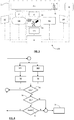
Figure 4 shows a flow chart of a method for notifying a potentially dangerous driving situation to a driver, according to an exemplary embodiment. The method is performed by thevehicle 100 having thealert unit 23 that has a driverawareness status determiner 236 and acriticality level determiner 237, according the third and fourth embodiments. - The method comprises a first reception step S01, wherein the
first receiver 230 receives the detection information from theexternal detectors 21 of thevehicle 100, and a second reception step S02, wherein thesecond receiver 231 receives the driver eye gaze direction information from the eye gazedirection detection unit 22. - In a detection step S1, the
determiner 232 detects that a detected driving situation is potentially dangerous from the detection information received by thefirst receiver 230. - In a step S2 of assignment of an awareness status, the
determiner 236 determines an awareness status of the vehicle, that is whether or not the vehicle driver is aware of the detected potentially dangerous driving situation, by using the driver eye gaze direction information received by thesecond receiver 231. For example, if the detected potentially dangerous driving situation is located in the visual field of the driver, the driver is considered as aware of the detected potentially dangerous driving situation. If not, the driver is considered as unaware of the detected potentially dangerous driving situation. - In a step S3, the
determiner 237 determines whether or not the criticality level of the detected potentially dangerous driving situation is low. If the criticality level is low, the process goes back to steps S01, S02. If the criticality level is not low, the process goes to a step S4. - In the step S4, the
determiner 237 determines whether or not the criticality level of the detected potentially dangerous driving situation is mid. If the criticality level is mid, the process goes to a step S5 of checking the awareness status of the vehicle driver. If the criticality level is not mid, the process goes to a step S6 of issuing a warning. - In step S5, the
determiner 236 determines whether or not the vehicle driver is aware of the potentially dangerous situation. If the driver is considered as aware of the detected potentially dangerous driving situation, the process goes back to steps S01, S02 and no visual alert signal is generated. If the driver is considered as unaware of the detected potentially dangerous driving situation, the process goes to step S6 of issuing a warning. - Each of the steps S2, S3, S4 and S5 is optional and may not be performed.
- In the step S6 of issuing a warning, the
generator 233 generates avisual alert signal 30, as previously described. In addition, theselector 235 selects the most appropriate display of the vehicle displays, by using the detected driver eye gaze direction information received by thesecond receiver 231, as previously described. Then, thedisplay controller 234 displays the generatedvisual alert signal 30 on the selected display. - Thus, when the criticality level of the detected potentially dangerous driving situation is low, no action is taken. When the criticality level of the detected potentially dangerous driving situation is mid, a warning is issued only if the driver is not aware thereof. When the criticality level of the detected potentially dangerous driving situation is high, a warning is always issued and in addition an active car control, like braking, might be activated.
- Optionnally, any detected potentially dangerous driving situation is assigned a status of driver awareness that remains valid for a given time period (configurable). Once a detected potentially dangerous situation is assigned a status like "driver aware" corresponding to the situation where the driver is aware of the detected potentially dangerous situation, it will keep this status during the given time period. A detected potentially dangerous situation which the driver has become aware of a short time ago (within the given time period) will not cause warning any more, even if the driver does not currently look in the direction of the detected potentially dangerous situation. A warning might be issued once the criticality level changes or the awareness status changes (due to timeout, after expiration of the given time period).
- The present disclosure also concerns a non-transitory computer readable medium comprising program instructions for causing a computer to execute the steps of the method previously described. The program instructions are stored in a storage module related to the vehicle, such as volatile memory, e.g., ROM, RAM, etc., and/or non-volatile memory, e.g., Flash, NAND, etc., that is permanently or removably integrated in the vehicle or connectable to the vehicle, e.g., via the 'cloud', and can be executed by a computer, or a calculator, of the vehicle, such as one or more modules of electronic control units (ECUs).
Claims (13)
- A vehicle alert system for notifying a potentially dangerous driving situation to a driver, comprising at least one external detector (21) that provides a detection information related to a potentially dangerous driving situation outside the vehicle (100), an eye gaze direction detector (22) that provides a driver eye gaze direction information, an alert unit (23) that receives the detection information and the driver eye gaze direction information, generates a visual alert signal (30), when a potentially dangerous driving situation is detected, and controls display of the visual alert signal (30) on a display of the vehicle, characterized in that, the vehicle (100) comprising a plurality of displays (10a-10g), the alert unit (23) selects one of said plurality of displays of the vehicle, depending on the driver eye gaze direction information, and controls display of the visual alert signal (30) on the selected display.
- The vehicle alert system according to claim 1, wherein the selected display (10a) is located in the vehicle driver's eye gaze direction.
- The vehicle alert system according to claim 2, wherein, if there is no display in the vehicle driver's eye gaze direction, the selected display is located the nearest to the vehicle driver's eye gaze direction.
- The vehicle alert system according to any of claims 1 to 3, wherein the visual alert signal includes a visual indication showing a direction indicating where the detected potentially dangerous driving situation is located.
- The vehicle alert system according to any of claims 1 to 4, wherein the visual alert signal includes an arrow showing a direction indicating where the detected potentially dangerous driving situation is located.
- The vehicle alert system according to any of claims 1 to 5, wherein the alert unit (23) selects a succession of displays, depending on a movement of the eye gaze direction of the vehicle driver, and controls display of the visual alert signal successively on the succession of selected displays.
- The vehicle alert system according to any of claims 1 to 6, wherein the alert unit (23, 236) determines an awareness status of the vehicle driver, said awareness status indicating whether or not the vehicle driver is aware of the detected potentially dangerous driving situation and then determines whether or not a visual alert signal has to be generated, depending on the awareness status of the vehicle driver.
- The vehicle alert system according to any of claims 1 to 7, wherein the alert unit (23, 237) determines whether or not a visual alert signal has to be generated, depending on a criticality level of the detected potentially dangerous driving situation.
- The vehicle alert system according to claim 8, wherein the criticality level of the detected potentially dangerous driving situation is included in the detection information provided by the at least one external detector (21).
- The vehicle alert system according to claim 8, wherein the criticality level of the detected potentially dangerous driving situation is determined by the alert unit (23) from the detection information provided by the at least one external detector (21).
- A method for notifying a potentially dangerous driving situation to a vehicle driver, comprising the steps of :- receiving (S01) a detection information related to a potentially dangerous driving situation, from at least one external detector (21),- receiving (S02) a driver eye gaze direction information, from an eye gaze direction detector (22),- generating a visual alert signal, when a potentially dangerous driving situation is detected, and- controlling display of the visual alert signal on a display of the vehicle, characterized in that,the vehicle comprising a plurality of displays, the method further comprises the step of selecting one of said plurality of displays of the vehicle, depending on the driver eye gaze direction information,
and the step of controlling display of the visual alert signal on the selected display. - A non-transitory computer readable medium comprising program instructions for causing a computer to execute the steps of the method defined in claim 11.
- A vehicle integrating the vehicle alert system according to any of claims 1 to 10.
Priority Applications (1)
| Application Number | Priority Date | Filing Date | Title |
|---|---|---|---|
| EP19208632.0A EP3822931B1 (en) | 2019-11-12 | 2019-11-12 | A vehicle alert system for notifying a potentially dangerous driving situation to a driver |
Applications Claiming Priority (1)
| Application Number | Priority Date | Filing Date | Title |
|---|---|---|---|
| EP19208632.0A EP3822931B1 (en) | 2019-11-12 | 2019-11-12 | A vehicle alert system for notifying a potentially dangerous driving situation to a driver |
Publications (2)
| Publication Number | Publication Date |
|---|---|
| EP3822931A1 true EP3822931A1 (en) | 2021-05-19 |
| EP3822931B1 EP3822931B1 (en) | 2023-12-27 |
Family
ID=68581277
Family Applications (1)
| Application Number | Title | Priority Date | Filing Date |
|---|---|---|---|
| EP19208632.0A Active EP3822931B1 (en) | 2019-11-12 | 2019-11-12 | A vehicle alert system for notifying a potentially dangerous driving situation to a driver |
Country Status (1)
| Country | Link |
|---|---|
| EP (1) | EP3822931B1 (en) |
Cited By (2)
| Publication number | Priority date | Publication date | Assignee | Title |
|---|---|---|---|---|
| WO2022239672A1 (en) * | 2021-05-12 | 2022-11-17 | 株式会社デンソー | Information presentation device |
| EP4375963A1 (en) * | 2022-11-24 | 2024-05-29 | Toyota Jidosha Kabushiki Kaisha | Notification method for vehicle driver, notification system and vehicle |
Citations (6)
| Publication number | Priority date | Publication date | Assignee | Title |
|---|---|---|---|---|
| US6859144B2 (en) | 2003-02-05 | 2005-02-22 | Delphi Technologies, Inc. | Vehicle situation alert system with eye gaze controlled alert signal generation |
| EP2893867A1 (en) * | 2014-01-09 | 2015-07-15 | Harman International Industries, Incorporated | Detecting visual inattention based on eye convergence |
| EP3040809A1 (en) * | 2015-01-02 | 2016-07-06 | Harman Becker Automotive Systems GmbH | Method and system for controlling a human-machine interface having at least two displays |
| US20180268701A1 (en) * | 2017-03-15 | 2018-09-20 | Subaru Corporation | Vehicle display system and method of controlling vehicle display system |
| JP2019040354A (en) * | 2017-08-24 | 2019-03-14 | 本田技研工業株式会社 | Driving support device, and driving support method |
| JP6587776B1 (en) * | 2018-11-26 | 2019-10-09 | 三菱電機株式会社 | Information presentation control device, information presentation device, information presentation control method, program, and recording medium |
-
2019
- 2019-11-12 EP EP19208632.0A patent/EP3822931B1/en active Active
Patent Citations (6)
| Publication number | Priority date | Publication date | Assignee | Title |
|---|---|---|---|---|
| US6859144B2 (en) | 2003-02-05 | 2005-02-22 | Delphi Technologies, Inc. | Vehicle situation alert system with eye gaze controlled alert signal generation |
| EP2893867A1 (en) * | 2014-01-09 | 2015-07-15 | Harman International Industries, Incorporated | Detecting visual inattention based on eye convergence |
| EP3040809A1 (en) * | 2015-01-02 | 2016-07-06 | Harman Becker Automotive Systems GmbH | Method and system for controlling a human-machine interface having at least two displays |
| US20180268701A1 (en) * | 2017-03-15 | 2018-09-20 | Subaru Corporation | Vehicle display system and method of controlling vehicle display system |
| JP2019040354A (en) * | 2017-08-24 | 2019-03-14 | 本田技研工業株式会社 | Driving support device, and driving support method |
| JP6587776B1 (en) * | 2018-11-26 | 2019-10-09 | 三菱電機株式会社 | Information presentation control device, information presentation device, information presentation control method, program, and recording medium |
Cited By (3)
| Publication number | Priority date | Publication date | Assignee | Title |
|---|---|---|---|---|
| WO2022239672A1 (en) * | 2021-05-12 | 2022-11-17 | 株式会社デンソー | Information presentation device |
| EP4375963A1 (en) * | 2022-11-24 | 2024-05-29 | Toyota Jidosha Kabushiki Kaisha | Notification method for vehicle driver, notification system and vehicle |
| US12403826B2 (en) | 2022-11-24 | 2025-09-02 | Toyota Jidosha Kabushiki Kaisha | Notification method, notification system, and vehicle |
Also Published As
| Publication number | Publication date |
|---|---|
| EP3822931B1 (en) | 2023-12-27 |
Similar Documents
| Publication | Publication Date | Title |
|---|---|---|
| US20220189307A1 (en) | Presentation of dynamic threat information based on threat and trajectory prediction | |
| EP3261871B1 (en) | Display control apparatus and method | |
| JP7544502B2 (en) | Driving assistance device and data collection system | |
| US8085140B2 (en) | Travel information providing device | |
| US10009580B2 (en) | Method for supplementing a piece of object information assigned to an object and method for selecting objects in surroundings of a vehicle | |
| US9139133B2 (en) | Vehicle collision warning system and method | |
| JP5718942B2 (en) | Apparatus and method for assisting safe operation of transportation means | |
| US9851715B2 (en) | Method for the automatic operation of a vehicle | |
| US11584373B2 (en) | Method, device and means of transport for an automated starting up of a means of transport at a light signal system | |
| KR102130059B1 (en) | Digital rearview mirror control unit and method | |
| GB2500690A (en) | Driver monitoring and vehicle control system | |
| US11657709B2 (en) | Safety confirmation support system and safety confirmation support method | |
| US11279371B2 (en) | Method, system and vehicle for use of an object displaying device in a vehicle | |
| EP3822931B1 (en) | A vehicle alert system for notifying a potentially dangerous driving situation to a driver | |
| CN111497745B (en) | Display system, driving control device, display control method and storage medium | |
| GB2566611B (en) | Display control apparatus and method | |
| CN105469639B (en) | Use the system for prompting and method of transparent display | |
| EP4434837A1 (en) | User interface for driver situational awareness | |
| JP7163578B2 (en) | Driving state determination device and driving state determination method | |
| JP2017174043A (en) | Display device | |
| JP2023166227A (en) | Information processing device, information processing system, information processing method, and information processing program | |
| CN115071745A (en) | Method and apparatus for visualization of traffic content in a vehicle | |
| JP2008162550A (en) | External environment display device | |
| JP6992493B2 (en) | Operating condition determination device and operating condition determination method | |
| JP7861882B2 (en) | In-vehicle display device, method, and program |
Legal Events
| Date | Code | Title | Description |
|---|---|---|---|
| PUAI | Public reference made under article 153(3) epc to a published international application that has entered the european phase |
Free format text: ORIGINAL CODE: 0009012 |
|
| STAA | Information on the status of an ep patent application or granted ep patent |
Free format text: STATUS: THE APPLICATION HAS BEEN PUBLISHED |
|
| AK | Designated contracting states |
Kind code of ref document: A1 Designated state(s): AL AT BE BG CH CY CZ DE DK EE ES FI FR GB GR HR HU IE IS IT LI LT LU LV MC MK MT NL NO PL PT RO RS SE SI SK SM TR |
|
| STAA | Information on the status of an ep patent application or granted ep patent |
Free format text: STATUS: REQUEST FOR EXAMINATION WAS MADE |
|
| 17P | Request for examination filed |
Effective date: 20211118 |
|
| RBV | Designated contracting states (corrected) |
Designated state(s): AL AT BE BG CH CY CZ DE DK EE ES FI FR GB GR HR HU IE IS IT LI LT LU LV MC MK MT NL NO PL PT RO RS SE SI SK SM TR |
|
| RAP3 | Party data changed (applicant data changed or rights of an application transferred) |
Owner name: APTIV TECHNOLOGIES LIMITED |
|
| GRAP | Despatch of communication of intention to grant a patent |
Free format text: ORIGINAL CODE: EPIDOSNIGR1 |
|
| STAA | Information on the status of an ep patent application or granted ep patent |
Free format text: STATUS: GRANT OF PATENT IS INTENDED |
|
| INTG | Intention to grant announced |
Effective date: 20230703 |
|
| GRAS | Grant fee paid |
Free format text: ORIGINAL CODE: EPIDOSNIGR3 |
|
| P01 | Opt-out of the competence of the unified patent court (upc) registered |
Effective date: 20230920 |
|
| GRAA | (expected) grant |
Free format text: ORIGINAL CODE: 0009210 |
|
| STAA | Information on the status of an ep patent application or granted ep patent |
Free format text: STATUS: THE PATENT HAS BEEN GRANTED |
|
| AK | Designated contracting states |
Kind code of ref document: B1 Designated state(s): AL AT BE BG CH CY CZ DE DK EE ES FI FR GB GR HR HU IE IS IT LI LT LU LV MC MK MT NL NO PL PT RO RS SE SI SK SM TR |
|
| REG | Reference to a national code |
Ref country code: GB Ref legal event code: FG4D |
|
| REG | Reference to a national code |
Ref country code: CH Ref legal event code: EP |
|
| REG | Reference to a national code |
Ref country code: DE Ref legal event code: R096 Ref document number: 602019043931 Country of ref document: DE |
|
| REG | Reference to a national code |
Ref country code: IE Ref legal event code: FG4D |
|
| PG25 | Lapsed in a contracting state [announced via postgrant information from national office to epo] |
Ref country code: GR Free format text: LAPSE BECAUSE OF FAILURE TO SUBMIT A TRANSLATION OF THE DESCRIPTION OR TO PAY THE FEE WITHIN THE PRESCRIBED TIME-LIMIT Effective date: 20240328 |
|
| REG | Reference to a national code |
Ref country code: LT Ref legal event code: MG9D |
|
| PG25 | Lapsed in a contracting state [announced via postgrant information from national office to epo] |
Ref country code: LT Free format text: LAPSE BECAUSE OF FAILURE TO SUBMIT A TRANSLATION OF THE DESCRIPTION OR TO PAY THE FEE WITHIN THE PRESCRIBED TIME-LIMIT Effective date: 20231227 |
|
| RAP2 | Party data changed (patent owner data changed or rights of a patent transferred) |
Owner name: APTIV TECHNOLOGIES AG |
|
| PG25 | Lapsed in a contracting state [announced via postgrant information from national office to epo] |
Ref country code: ES Free format text: LAPSE BECAUSE OF FAILURE TO SUBMIT A TRANSLATION OF THE DESCRIPTION OR TO PAY THE FEE WITHIN THE PRESCRIBED TIME-LIMIT Effective date: 20231227 |
|
| PG25 | Lapsed in a contracting state [announced via postgrant information from national office to epo] |
Ref country code: LT Free format text: LAPSE BECAUSE OF FAILURE TO SUBMIT A TRANSLATION OF THE DESCRIPTION OR TO PAY THE FEE WITHIN THE PRESCRIBED TIME-LIMIT Effective date: 20231227 Ref country code: GR Free format text: LAPSE BECAUSE OF FAILURE TO SUBMIT A TRANSLATION OF THE DESCRIPTION OR TO PAY THE FEE WITHIN THE PRESCRIBED TIME-LIMIT Effective date: 20240328 Ref country code: FI Free format text: LAPSE BECAUSE OF FAILURE TO SUBMIT A TRANSLATION OF THE DESCRIPTION OR TO PAY THE FEE WITHIN THE PRESCRIBED TIME-LIMIT Effective date: 20231227 Ref country code: ES Free format text: LAPSE BECAUSE OF FAILURE TO SUBMIT A TRANSLATION OF THE DESCRIPTION OR TO PAY THE FEE WITHIN THE PRESCRIBED TIME-LIMIT Effective date: 20231227 Ref country code: BG Free format text: LAPSE BECAUSE OF FAILURE TO SUBMIT A TRANSLATION OF THE DESCRIPTION OR TO PAY THE FEE WITHIN THE PRESCRIBED TIME-LIMIT Effective date: 20240327 |
|
| REG | Reference to a national code |
Ref country code: CH Ref legal event code: PK Free format text: DIE PUBLIKATION VOM 27.03.2024 WURDE AM 24.04.2024 IRRTUEMLICHERWEISE ERNEUT PUBLIZIERT. LA PUBLICATION DU 27.03.2024 A ETE REPUBLIEE PAR ERREUR LE 24.04.2024. LA PUBBLICAZIONE DEL 27.03.2024 E STATA ERRONEAMENTE RIPUBBLICATA IL 24.04.2024. |
|
| REG | Reference to a national code |
Ref country code: NL Ref legal event code: MP Effective date: 20231227 |
|
| REG | Reference to a national code |
Ref country code: AT Ref legal event code: MK05 Ref document number: 1645268 Country of ref document: AT Kind code of ref document: T Effective date: 20231227 |
|
| PG25 | Lapsed in a contracting state [announced via postgrant information from national office to epo] |
Ref country code: NL Free format text: LAPSE BECAUSE OF FAILURE TO SUBMIT A TRANSLATION OF THE DESCRIPTION OR TO PAY THE FEE WITHIN THE PRESCRIBED TIME-LIMIT Effective date: 20231227 |
|
| PG25 | Lapsed in a contracting state [announced via postgrant information from national office to epo] |
Ref country code: SE Free format text: LAPSE BECAUSE OF FAILURE TO SUBMIT A TRANSLATION OF THE DESCRIPTION OR TO PAY THE FEE WITHIN THE PRESCRIBED TIME-LIMIT Effective date: 20231227 Ref country code: RS Free format text: LAPSE BECAUSE OF FAILURE TO SUBMIT A TRANSLATION OF THE DESCRIPTION OR TO PAY THE FEE WITHIN THE PRESCRIBED TIME-LIMIT Effective date: 20231227 Ref country code: NO Free format text: LAPSE BECAUSE OF FAILURE TO SUBMIT A TRANSLATION OF THE DESCRIPTION OR TO PAY THE FEE WITHIN THE PRESCRIBED TIME-LIMIT Effective date: 20240327 Ref country code: NL Free format text: LAPSE BECAUSE OF FAILURE TO SUBMIT A TRANSLATION OF THE DESCRIPTION OR TO PAY THE FEE WITHIN THE PRESCRIBED TIME-LIMIT Effective date: 20231227 Ref country code: LV Free format text: LAPSE BECAUSE OF FAILURE TO SUBMIT A TRANSLATION OF THE DESCRIPTION OR TO PAY THE FEE WITHIN THE PRESCRIBED TIME-LIMIT Effective date: 20231227 Ref country code: HR Free format text: LAPSE BECAUSE OF FAILURE TO SUBMIT A TRANSLATION OF THE DESCRIPTION OR TO PAY THE FEE WITHIN THE PRESCRIBED TIME-LIMIT Effective date: 20231227 |
|
| PG25 | Lapsed in a contracting state [announced via postgrant information from national office to epo] |
Ref country code: IS Free format text: LAPSE BECAUSE OF FAILURE TO SUBMIT A TRANSLATION OF THE DESCRIPTION OR TO PAY THE FEE WITHIN THE PRESCRIBED TIME-LIMIT Effective date: 20240427 |
|
| PG25 | Lapsed in a contracting state [announced via postgrant information from national office to epo] |
Ref country code: AT Free format text: LAPSE BECAUSE OF FAILURE TO SUBMIT A TRANSLATION OF THE DESCRIPTION OR TO PAY THE FEE WITHIN THE PRESCRIBED TIME-LIMIT Effective date: 20231227 Ref country code: CZ Free format text: LAPSE BECAUSE OF FAILURE TO SUBMIT A TRANSLATION OF THE DESCRIPTION OR TO PAY THE FEE WITHIN THE PRESCRIBED TIME-LIMIT Effective date: 20231227 |
|
| PG25 | Lapsed in a contracting state [announced via postgrant information from national office to epo] |
Ref country code: SK Free format text: LAPSE BECAUSE OF FAILURE TO SUBMIT A TRANSLATION OF THE DESCRIPTION OR TO PAY THE FEE WITHIN THE PRESCRIBED TIME-LIMIT Effective date: 20231227 |
|
| PG25 | Lapsed in a contracting state [announced via postgrant information from national office to epo] |
Ref country code: SM Free format text: LAPSE BECAUSE OF FAILURE TO SUBMIT A TRANSLATION OF THE DESCRIPTION OR TO PAY THE FEE WITHIN THE PRESCRIBED TIME-LIMIT Effective date: 20231227 Ref country code: SK Free format text: LAPSE BECAUSE OF FAILURE TO SUBMIT A TRANSLATION OF THE DESCRIPTION OR TO PAY THE FEE WITHIN THE PRESCRIBED TIME-LIMIT Effective date: 20231227 Ref country code: RO Free format text: LAPSE BECAUSE OF FAILURE TO SUBMIT A TRANSLATION OF THE DESCRIPTION OR TO PAY THE FEE WITHIN THE PRESCRIBED TIME-LIMIT Effective date: 20231227 Ref country code: IT Free format text: LAPSE BECAUSE OF FAILURE TO SUBMIT A TRANSLATION OF THE DESCRIPTION OR TO PAY THE FEE WITHIN THE PRESCRIBED TIME-LIMIT Effective date: 20231227 Ref country code: IS Free format text: LAPSE BECAUSE OF FAILURE TO SUBMIT A TRANSLATION OF THE DESCRIPTION OR TO PAY THE FEE WITHIN THE PRESCRIBED TIME-LIMIT Effective date: 20240427 Ref country code: EE Free format text: LAPSE BECAUSE OF FAILURE TO SUBMIT A TRANSLATION OF THE DESCRIPTION OR TO PAY THE FEE WITHIN THE PRESCRIBED TIME-LIMIT Effective date: 20231227 Ref country code: CZ Free format text: LAPSE BECAUSE OF FAILURE TO SUBMIT A TRANSLATION OF THE DESCRIPTION OR TO PAY THE FEE WITHIN THE PRESCRIBED TIME-LIMIT Effective date: 20231227 Ref country code: AT Free format text: LAPSE BECAUSE OF FAILURE TO SUBMIT A TRANSLATION OF THE DESCRIPTION OR TO PAY THE FEE WITHIN THE PRESCRIBED TIME-LIMIT Effective date: 20231227 |
|
| PG25 | Lapsed in a contracting state [announced via postgrant information from national office to epo] |
Ref country code: PT Free format text: LAPSE BECAUSE OF FAILURE TO SUBMIT A TRANSLATION OF THE DESCRIPTION OR TO PAY THE FEE WITHIN THE PRESCRIBED TIME-LIMIT Effective date: 20240429 Ref country code: PL Free format text: LAPSE BECAUSE OF FAILURE TO SUBMIT A TRANSLATION OF THE DESCRIPTION OR TO PAY THE FEE WITHIN THE PRESCRIBED TIME-LIMIT Effective date: 20231227 |
|
| PG25 | Lapsed in a contracting state [announced via postgrant information from national office to epo] |
Ref country code: PT Free format text: LAPSE BECAUSE OF FAILURE TO SUBMIT A TRANSLATION OF THE DESCRIPTION OR TO PAY THE FEE WITHIN THE PRESCRIBED TIME-LIMIT Effective date: 20240429 Ref country code: PL Free format text: LAPSE BECAUSE OF FAILURE TO SUBMIT A TRANSLATION OF THE DESCRIPTION OR TO PAY THE FEE WITHIN THE PRESCRIBED TIME-LIMIT Effective date: 20231227 |
|
| RAP4 | Party data changed (patent owner data changed or rights of a patent transferred) |
Owner name: APTIV TECHNOLOGIES AG |
|
| REG | Reference to a national code |
Ref country code: DE Ref legal event code: R097 Ref document number: 602019043931 Country of ref document: DE |
|
| PG25 | Lapsed in a contracting state [announced via postgrant information from national office to epo] |
Ref country code: DK Free format text: LAPSE BECAUSE OF FAILURE TO SUBMIT A TRANSLATION OF THE DESCRIPTION OR TO PAY THE FEE WITHIN THE PRESCRIBED TIME-LIMIT Effective date: 20231227 |
|
| PG25 | Lapsed in a contracting state [announced via postgrant information from national office to epo] |
Ref country code: DK Free format text: LAPSE BECAUSE OF FAILURE TO SUBMIT A TRANSLATION OF THE DESCRIPTION OR TO PAY THE FEE WITHIN THE PRESCRIBED TIME-LIMIT Effective date: 20231227 |
|
| PLBE | No opposition filed within time limit |
Free format text: ORIGINAL CODE: 0009261 |
|
| STAA | Information on the status of an ep patent application or granted ep patent |
Free format text: STATUS: NO OPPOSITION FILED WITHIN TIME LIMIT |
|
| 26N | No opposition filed |
Effective date: 20240930 |
|
| PG25 | Lapsed in a contracting state [announced via postgrant information from national office to epo] |
Ref country code: SI Free format text: LAPSE BECAUSE OF FAILURE TO SUBMIT A TRANSLATION OF THE DESCRIPTION OR TO PAY THE FEE WITHIN THE PRESCRIBED TIME-LIMIT Effective date: 20231227 |
|
| REG | Reference to a national code |
Ref country code: DE Ref legal event code: R081 Ref document number: 602019043931 Country of ref document: DE Owner name: APTIV TECHNOLOGIES AG, CH Free format text: FORMER OWNER: APTIV TECHNOLOGIES LIMITED, ST. MICHAEL, BB |
|
| REG | Reference to a national code |
Ref country code: CH Ref legal event code: PL |
|
| PG25 | Lapsed in a contracting state [announced via postgrant information from national office to epo] |
Ref country code: MC Free format text: LAPSE BECAUSE OF FAILURE TO SUBMIT A TRANSLATION OF THE DESCRIPTION OR TO PAY THE FEE WITHIN THE PRESCRIBED TIME-LIMIT Effective date: 20231227 |
|
| PG25 | Lapsed in a contracting state [announced via postgrant information from national office to epo] |
Ref country code: LU Free format text: LAPSE BECAUSE OF NON-PAYMENT OF DUE FEES Effective date: 20241112 |
|
| REG | Reference to a national code |
Ref country code: CH Ref legal event code: PL |
|
| PG25 | Lapsed in a contracting state [announced via postgrant information from national office to epo] |
Ref country code: CH Free format text: LAPSE BECAUSE OF NON-PAYMENT OF DUE FEES Effective date: 20241130 |
|
| REG | Reference to a national code |
Ref country code: BE Ref legal event code: MM Effective date: 20241130 |
|
| PG25 | Lapsed in a contracting state [announced via postgrant information from national office to epo] |
Ref country code: BE Free format text: LAPSE BECAUSE OF NON-PAYMENT OF DUE FEES Effective date: 20241130 |
|
| PG25 | Lapsed in a contracting state [announced via postgrant information from national office to epo] |
Ref country code: IE Free format text: LAPSE BECAUSE OF NON-PAYMENT OF DUE FEES Effective date: 20241112 |
|
| PGFP | Annual fee paid to national office [announced via postgrant information from national office to epo] |
Ref country code: DE Payment date: 20251010 Year of fee payment: 7 |
|
| PGFP | Annual fee paid to national office [announced via postgrant information from national office to epo] |
Ref country code: GB Payment date: 20251015 Year of fee payment: 7 |
|
| PGFP | Annual fee paid to national office [announced via postgrant information from national office to epo] |
Ref country code: FR Payment date: 20251014 Year of fee payment: 7 |
|
| PG25 | Lapsed in a contracting state [announced via postgrant information from national office to epo] |
Ref country code: HU Free format text: LAPSE BECAUSE OF FAILURE TO SUBMIT A TRANSLATION OF THE DESCRIPTION OR TO PAY THE FEE WITHIN THE PRESCRIBED TIME-LIMIT; INVALID AB INITIO Effective date: 20191112 |
|
| PG25 | Lapsed in a contracting state [announced via postgrant information from national office to epo] |
Ref country code: CY Free format text: LAPSE BECAUSE OF FAILURE TO SUBMIT A TRANSLATION OF THE DESCRIPTION OR TO PAY THE FEE WITHIN THE PRESCRIBED TIME-LIMIT; INVALID AB INITIO Effective date: 20191112 |