EP3821514B1 - Method, apparatus and computer program product for monitoring energy consumption in an electric vehicle charging network - Google Patents
Method, apparatus and computer program product for monitoring energy consumption in an electric vehicle charging network Download PDFInfo
- Publication number
- EP3821514B1 EP3821514B1 EP20724886.5A EP20724886A EP3821514B1 EP 3821514 B1 EP3821514 B1 EP 3821514B1 EP 20724886 A EP20724886 A EP 20724886A EP 3821514 B1 EP3821514 B1 EP 3821514B1
- Authority
- EP
- European Patent Office
- Prior art keywords
- charging
- energy consumption
- energy
- processor
- message
- Prior art date
- Legal status (The legal status is an assumption and is not a legal conclusion. Google has not performed a legal analysis and makes no representation as to the accuracy of the status listed.)
- Active
Links
Images


Classifications
-
- B—PERFORMING OPERATIONS; TRANSPORTING
- B60—VEHICLES IN GENERAL
- B60L—PROPULSION OF ELECTRICALLY-PROPELLED VEHICLES; SUPPLYING ELECTRIC POWER FOR AUXILIARY EQUIPMENT OF ELECTRICALLY-PROPELLED VEHICLES; ELECTRODYNAMIC BRAKE SYSTEMS FOR VEHICLES IN GENERAL; MAGNETIC SUSPENSION OR LEVITATION FOR VEHICLES; MONITORING OPERATING VARIABLES OF ELECTRICALLY-PROPELLED VEHICLES; ELECTRIC SAFETY DEVICES FOR ELECTRICALLY-PROPELLED VEHICLES
- B60L53/00—Methods of charging batteries, specially adapted for electric vehicles; Charging stations or on-board charging equipment therefor; Exchange of energy storage elements in electric vehicles
- B60L53/60—Monitoring or controlling charging stations
- B60L53/68—Off-site monitoring or control, e.g. remote control
-
- H—ELECTRICITY
- H02—GENERATION; CONVERSION OR DISTRIBUTION OF ELECTRIC POWER
- H02J—ELECTRIC POWER NETWORKS; CIRCUIT ARRANGEMENTS OR SYSTEMS FOR SUPPLYING OR DISTRIBUTING ELECTRIC POWER; SYSTEMS FOR STORING ELECTRIC ENERGY
- H02J7/00—Circuit arrangements for charging or discharging batteries or for supplying loads from batteries
- H02J7/80—Circuit arrangements for charging or discharging batteries or for supplying loads from batteries including monitoring or indicating arrangements
-
- B—PERFORMING OPERATIONS; TRANSPORTING
- B60—VEHICLES IN GENERAL
- B60L—PROPULSION OF ELECTRICALLY-PROPELLED VEHICLES; SUPPLYING ELECTRIC POWER FOR AUXILIARY EQUIPMENT OF ELECTRICALLY-PROPELLED VEHICLES; ELECTRODYNAMIC BRAKE SYSTEMS FOR VEHICLES IN GENERAL; MAGNETIC SUSPENSION OR LEVITATION FOR VEHICLES; MONITORING OPERATING VARIABLES OF ELECTRICALLY-PROPELLED VEHICLES; ELECTRIC SAFETY DEVICES FOR ELECTRICALLY-PROPELLED VEHICLES
- B60L53/00—Methods of charging batteries, specially adapted for electric vehicles; Charging stations or on-board charging equipment therefor; Exchange of energy storage elements in electric vehicles
- B60L53/60—Monitoring or controlling charging stations
- B60L53/62—Monitoring or controlling charging stations in response to charging parameters, e.g. current, voltage or electrical charge
-
- B—PERFORMING OPERATIONS; TRANSPORTING
- B60—VEHICLES IN GENERAL
- B60L—PROPULSION OF ELECTRICALLY-PROPELLED VEHICLES; SUPPLYING ELECTRIC POWER FOR AUXILIARY EQUIPMENT OF ELECTRICALLY-PROPELLED VEHICLES; ELECTRODYNAMIC BRAKE SYSTEMS FOR VEHICLES IN GENERAL; MAGNETIC SUSPENSION OR LEVITATION FOR VEHICLES; MONITORING OPERATING VARIABLES OF ELECTRICALLY-PROPELLED VEHICLES; ELECTRIC SAFETY DEVICES FOR ELECTRICALLY-PROPELLED VEHICLES
- B60L53/00—Methods of charging batteries, specially adapted for electric vehicles; Charging stations or on-board charging equipment therefor; Exchange of energy storage elements in electric vehicles
- B60L53/60—Monitoring or controlling charging stations
- B60L53/66—Data transfer between charging stations and vehicles
- B60L53/665—Methods related to measuring, billing or payment
-
- B—PERFORMING OPERATIONS; TRANSPORTING
- B60—VEHICLES IN GENERAL
- B60L—PROPULSION OF ELECTRICALLY-PROPELLED VEHICLES; SUPPLYING ELECTRIC POWER FOR AUXILIARY EQUIPMENT OF ELECTRICALLY-PROPELLED VEHICLES; ELECTRODYNAMIC BRAKE SYSTEMS FOR VEHICLES IN GENERAL; MAGNETIC SUSPENSION OR LEVITATION FOR VEHICLES; MONITORING OPERATING VARIABLES OF ELECTRICALLY-PROPELLED VEHICLES; ELECTRIC SAFETY DEVICES FOR ELECTRICALLY-PROPELLED VEHICLES
- B60L53/00—Methods of charging batteries, specially adapted for electric vehicles; Charging stations or on-board charging equipment therefor; Exchange of energy storage elements in electric vehicles
- B60L53/60—Monitoring or controlling charging stations
- B60L53/67—Controlling two or more charging stations
-
- G—PHYSICS
- G01—MEASURING; TESTING
- G01R—MEASURING ELECTRIC VARIABLES; MEASURING MAGNETIC VARIABLES
- G01R22/00—Arrangements for measuring time integral of electric power or current, e.g. electricity meters
- G01R22/06—Arrangements for measuring time integral of electric power or current, e.g. electricity meters by electronic methods
- G01R22/061—Details of electronic electricity meters
- G01R22/063—Details of electronic electricity meters related to remote communication
-
- G—PHYSICS
- G01—MEASURING; TESTING
- G01R—MEASURING ELECTRIC VARIABLES; MEASURING MAGNETIC VARIABLES
- G01R22/00—Arrangements for measuring time integral of electric power or current, e.g. electricity meters
- G01R22/06—Arrangements for measuring time integral of electric power or current, e.g. electricity meters by electronic methods
- G01R22/10—Arrangements for measuring time integral of electric power or current, e.g. electricity meters by electronic methods using digital techniques
-
- G—PHYSICS
- G06—COMPUTING OR CALCULATING; COUNTING
- G06F—ELECTRIC DIGITAL DATA PROCESSING
- G06F16/00—Information retrieval; Database structures therefor; File system structures therefor
- G06F16/20—Information retrieval; Database structures therefor; File system structures therefor of structured data, e.g. relational data
- G06F16/29—Geographical information databases
-
- G—PHYSICS
- G06—COMPUTING OR CALCULATING; COUNTING
- G06Q—INFORMATION AND COMMUNICATION TECHNOLOGY [ICT] SPECIALLY ADAPTED FOR ADMINISTRATIVE, COMMERCIAL, FINANCIAL, MANAGERIAL OR SUPERVISORY PURPOSES; SYSTEMS OR METHODS SPECIALLY ADAPTED FOR ADMINISTRATIVE, COMMERCIAL, FINANCIAL, MANAGERIAL OR SUPERVISORY PURPOSES, NOT OTHERWISE PROVIDED FOR
- G06Q10/00—Administration; Management
- G06Q10/04—Forecasting or optimisation specially adapted for administrative or management purposes, e.g. linear programming or "cutting stock problem"
-
- G—PHYSICS
- G06—COMPUTING OR CALCULATING; COUNTING
- G06Q—INFORMATION AND COMMUNICATION TECHNOLOGY [ICT] SPECIALLY ADAPTED FOR ADMINISTRATIVE, COMMERCIAL, FINANCIAL, MANAGERIAL OR SUPERVISORY PURPOSES; SYSTEMS OR METHODS SPECIALLY ADAPTED FOR ADMINISTRATIVE, COMMERCIAL, FINANCIAL, MANAGERIAL OR SUPERVISORY PURPOSES, NOT OTHERWISE PROVIDED FOR
- G06Q30/00—Commerce
- G06Q30/02—Marketing; Price estimation or determination; Fundraising
- G06Q30/0201—Market modelling; Market analysis; Collecting market data
-
- G—PHYSICS
- G06—COMPUTING OR CALCULATING; COUNTING
- G06Q—INFORMATION AND COMMUNICATION TECHNOLOGY [ICT] SPECIALLY ADAPTED FOR ADMINISTRATIVE, COMMERCIAL, FINANCIAL, MANAGERIAL OR SUPERVISORY PURPOSES; SYSTEMS OR METHODS SPECIALLY ADAPTED FOR ADMINISTRATIVE, COMMERCIAL, FINANCIAL, MANAGERIAL OR SUPERVISORY PURPOSES, NOT OTHERWISE PROVIDED FOR
- G06Q50/00—Information and communication technology [ICT] specially adapted for implementation of business processes of specific business sectors, e.g. utilities or tourism
- G06Q50/06—Energy or water supply
-
- H—ELECTRICITY
- H02—GENERATION; CONVERSION OR DISTRIBUTION OF ELECTRIC POWER
- H02J—ELECTRIC POWER NETWORKS; CIRCUIT ARRANGEMENTS OR SYSTEMS FOR SUPPLYING OR DISTRIBUTING ELECTRIC POWER; SYSTEMS FOR STORING ELECTRIC ENERGY
- H02J13/00—Circuit arrangements for providing remote monitoring or remote control of equipment in a power distribution network
- H02J13/12—Monitoring network conditions, e.g. electrical magnitudes or operational status
-
- B—PERFORMING OPERATIONS; TRANSPORTING
- B60—VEHICLES IN GENERAL
- B60L—PROPULSION OF ELECTRICALLY-PROPELLED VEHICLES; SUPPLYING ELECTRIC POWER FOR AUXILIARY EQUIPMENT OF ELECTRICALLY-PROPELLED VEHICLES; ELECTRODYNAMIC BRAKE SYSTEMS FOR VEHICLES IN GENERAL; MAGNETIC SUSPENSION OR LEVITATION FOR VEHICLES; MONITORING OPERATING VARIABLES OF ELECTRICALLY-PROPELLED VEHICLES; ELECTRIC SAFETY DEVICES FOR ELECTRICALLY-PROPELLED VEHICLES
- B60L2240/00—Control parameters of input or output; Target parameters
- B60L2240/80—Time limits
-
- Y—GENERAL TAGGING OF NEW TECHNOLOGICAL DEVELOPMENTS; GENERAL TAGGING OF CROSS-SECTIONAL TECHNOLOGIES SPANNING OVER SEVERAL SECTIONS OF THE IPC; TECHNICAL SUBJECTS COVERED BY FORMER USPC CROSS-REFERENCE ART COLLECTIONS [XRACs] AND DIGESTS
- Y02—TECHNOLOGIES OR APPLICATIONS FOR MITIGATION OR ADAPTATION AGAINST CLIMATE CHANGE
- Y02T—CLIMATE CHANGE MITIGATION TECHNOLOGIES RELATED TO TRANSPORTATION
- Y02T10/00—Road transport of goods or passengers
- Y02T10/60—Other road transportation technologies with climate change mitigation effect
- Y02T10/70—Energy storage systems for electromobility, e.g. batteries
-
- Y—GENERAL TAGGING OF NEW TECHNOLOGICAL DEVELOPMENTS; GENERAL TAGGING OF CROSS-SECTIONAL TECHNOLOGIES SPANNING OVER SEVERAL SECTIONS OF THE IPC; TECHNICAL SUBJECTS COVERED BY FORMER USPC CROSS-REFERENCE ART COLLECTIONS [XRACs] AND DIGESTS
- Y02—TECHNOLOGIES OR APPLICATIONS FOR MITIGATION OR ADAPTATION AGAINST CLIMATE CHANGE
- Y02T—CLIMATE CHANGE MITIGATION TECHNOLOGIES RELATED TO TRANSPORTATION
- Y02T10/00—Road transport of goods or passengers
- Y02T10/60—Other road transportation technologies with climate change mitigation effect
- Y02T10/7072—Electromobility specific charging systems or methods for batteries, ultracapacitors, supercapacitors or double-layer capacitors
-
- Y—GENERAL TAGGING OF NEW TECHNOLOGICAL DEVELOPMENTS; GENERAL TAGGING OF CROSS-SECTIONAL TECHNOLOGIES SPANNING OVER SEVERAL SECTIONS OF THE IPC; TECHNICAL SUBJECTS COVERED BY FORMER USPC CROSS-REFERENCE ART COLLECTIONS [XRACs] AND DIGESTS
- Y02—TECHNOLOGIES OR APPLICATIONS FOR MITIGATION OR ADAPTATION AGAINST CLIMATE CHANGE
- Y02T—CLIMATE CHANGE MITIGATION TECHNOLOGIES RELATED TO TRANSPORTATION
- Y02T90/00—Enabling technologies or technologies with a potential or indirect contribution to GHG emissions mitigation
- Y02T90/10—Technologies relating to charging of electric vehicles
- Y02T90/12—Electric charging stations
-
- Y—GENERAL TAGGING OF NEW TECHNOLOGICAL DEVELOPMENTS; GENERAL TAGGING OF CROSS-SECTIONAL TECHNOLOGIES SPANNING OVER SEVERAL SECTIONS OF THE IPC; TECHNICAL SUBJECTS COVERED BY FORMER USPC CROSS-REFERENCE ART COLLECTIONS [XRACs] AND DIGESTS
- Y04—INFORMATION OR COMMUNICATION TECHNOLOGIES HAVING AN IMPACT ON OTHER TECHNOLOGY AREAS
- Y04S—SYSTEMS INTEGRATING TECHNOLOGIES RELATED TO POWER NETWORK OPERATION, COMMUNICATION OR INFORMATION TECHNOLOGIES FOR IMPROVING THE ELECTRICAL POWER GENERATION, TRANSMISSION, DISTRIBUTION, MANAGEMENT OR USAGE, i.e. SMART GRIDS
- Y04S30/00—Systems supporting specific end-user applications in the sector of transportation
- Y04S30/10—Systems supporting the interoperability of electric or hybrid vehicles
- Y04S30/14—Details associated with the interoperability, e.g. vehicle recognition, authentication, identification or billing
-
- Y—GENERAL TAGGING OF NEW TECHNOLOGICAL DEVELOPMENTS; GENERAL TAGGING OF CROSS-SECTIONAL TECHNOLOGIES SPANNING OVER SEVERAL SECTIONS OF THE IPC; TECHNICAL SUBJECTS COVERED BY FORMER USPC CROSS-REFERENCE ART COLLECTIONS [XRACs] AND DIGESTS
- Y04—INFORMATION OR COMMUNICATION TECHNOLOGIES HAVING AN IMPACT ON OTHER TECHNOLOGY AREAS
- Y04S—SYSTEMS INTEGRATING TECHNOLOGIES RELATED TO POWER NETWORK OPERATION, COMMUNICATION OR INFORMATION TECHNOLOGIES FOR IMPROVING THE ELECTRICAL POWER GENERATION, TRANSMISSION, DISTRIBUTION, MANAGEMENT OR USAGE, i.e. SMART GRIDS
- Y04S50/00—Market activities related to the operation of systems integrating technologies related to power network operation or related to communication or information technologies
- Y04S50/14—Marketing, i.e. market research and analysis, surveying, promotions, advertising, buyer profiling, customer management or rewards
Definitions
- the present disclosure relates generally to electric vehicles, and more specifically, to a method, apparatus, and computer program product for monitoring energy consumption in an electric vehicle (EV) charging network.
- EV electric vehicle
- each EV charging station is usually equipped with an energy meter configured to take energy measurements at a given time and send information about the energy measurements to a specialized data center for further processing.
- different EV charging stations may send such information by using different communication protocols and time intervals.
- there may be errors such as data communication problems, which cause the EV charging stations to miss sending the above-mentioned information to the data center. All of this does not allow obtaining a suitable accuracy of energy consumption distribution in time, and makes it difficult or even impossible to calculate a total average energy consumed by the electric vehicles at the EV charging stations of interest at a certain time.
- Related background art can be found in Zeming J.
- a method for monitoring energy consumption in an electric vehicle (EV) charging network comprises multiple EV charging stations each equipped with an energy meter.
- the method starts with the step of receiving a new message from at least one of the EV charging stations.
- the new message comprises a timestamp, a station identifier (ID), a charging session ID unique for each charging session, and an energy meter reading.
- the method next proceeds to the step of storing the new message in a database comprising similar old messages from the EV charging stations.
- the method further comprises the step of checking whether the database comprises an older message comprising the same station ID and charging session ID as the new message.
- the method proceeds to the step of calculating a time difference and an energy difference between the new message and the older message.
- the method further comprises the steps of selecting a time granularity level based on the calculated time difference, and obtaining an energy consumption distribution between the timestamps of the new message and the older message based on the time granularity level and the energy difference.
- the station ID comprises a name, manufacturer information and/or geographical location of the EV charging station. This allows obtaining more detailed information about the EV charging stations of interest.
- the charging session ID is represented by one or more letter and/or digital characters. This simplifies the distinction between the charging sessions at each EV charging station.
- the timestamp is presented in accordance with the ISO 8601 standard. This makes the method more flexible in use.
- the method further comprises storing the energy consumption distribution in the database. By so doing, one may monitor the time history of energy consumption at a particular EV charging station more easily and efficiently.
- the step of obtaining the energy consumption distribution comprises: dividing the time difference between the new message and the older message into a number of equal time intervals in accordance with the time granularity level; and calculating an average energy consumption for each time interval by dividing the energy difference by the number of equal time intervals. This allows controlling how the average energy consumption changes over time.
- the energy meter readings and the average energy consumption are given in Watt-hour or Watt-hour multiples. This makes the method more flexible in use.
- the method further comprises the steps of: calculating an average power consumption for each time interval by converting the average energy consumption expressed in Watt-hour or Watt-hour multiples into Watt; obtaining a power consumption distribution in time between the new message and the older message based on the time granularity level and the average power consumption; and storing the power consumption distribution in the database.
- This power consumption distribution may help optimize EV charging and energy production at a particular EV charging station more efficiently.
- the above-indicated steps of the method are repeated for the new messages received from the other EV charging stations.
- the method further comprises the step of calculating a total energy consumption in the EV charging network at a given time by comparing the energy consumption distributions obtained for the other EV charging stations. This may help optimize EV charging and energy production at the EV charging stations of interest more efficiently.
- an apparatus for monitoring energy consumption in an electric vehicle (EV) charging network comprises multiple EV charging stations each equipped with an energy meter.
- the apparatus comprises at least one processor, and a memory coupled to the at least one processor and storing a database comprising old messages from the EV charging stations.
- Each of the old messages comprises a timestamp, a station identifier (ID), a charging session ID unique for each charging session, and an energy meter reading.
- the memory further stores processor-executable instructions which, when executed by the at least one processor, cause the at least one processor to: receive a new message from at least one of the EV charging stations; store the new message in the database; check whether the database comprises an older message comprising the same station ID and charging session ID as the new message; if the older message is present in the database, calculate a time difference and an energy difference between the new message and the older message; select a time granularity level based on the calculated time difference; and obtain an energy consumption distribution between the timestamps of the new message and the older message based on the time granularity level and the energy difference.
- processor-executable instructions which, when executed by the at least one processor, cause the at least one processor to: receive a new message from at least one of the EV charging stations; store the new message in the database; check whether the database comprises an older message comprising the same station ID and charging session ID as the new message; if the older message is present in the database, calculate a time difference and an energy difference between the new
- the station ID comprises a name, manufacturer information and/or geographical location of the EV charging station. This allows obtaining more detailed information about the EV charging stations of interest.
- the charging session ID is represented by one or more letter and/or digital characters. This simplifies the distinction between the charging sessions at each EV charging station.
- the timestamp is presented in accordance with the ISO 8601 standard. This makes the apparatus more flexible in use.
- the memory further store instructions causing the at least one processor to store the energy consumption distribution in the database.
- the at least one processor is configured to obtain the energy consumption distribution by: dividing the time difference between the new message and the older message into a number of equal time intervals in accordance with the time granularity level; and calculating an average energy consumption for each time interval by dividing the energy difference by the number of equal time intervals. This allows understanding how the average energy consumption changes over time.
- the energy meter readings and the average energy consumption are given in Watt-hour or Watt-hour multiples. This makes the apparatus more flexible in use.
- the memory further stores instructions causing the at least one processor to: calculate an average power consumption for each time interval by converting the average energy consumption expressed in Watt-hour or Watt-hour multiples into Watt; obtain a power consumption distribution in time between the new message and the older message based on the time granularity level and the average power consumption; and store the power consumption distribution in the database.
- This power consumption distribution may help optimize EV charging and energy production at a particular EV charging station more efficiently.
- the at least one processor is configured to repeat the above-indicated operations for new messages received from the other EV charging stations.
- the memory further stores instructions causing the at least one processor to calculate a total energy consumption in the EV charging network at a given time by comparing the energy consumption distributions obtained for the other EV charging stations. This may help optimize EV charging and energy production at the EV charging stations of interest more efficiently.
- a computer program product comprising a computer-readable storage medium storing a computer program. Being executed by at least one processor, the computer program causes the at least one processor to perform the method according to the first aspect.
- the method according to the first aspect can be embodied in the form of the computer program, thereby providing flexibility in use thereof.
- the term “energy” relates to electrical energy produced by one or more electric generators arranged either at an EV charging station or at a remote electric plant. In the latter case, the electrical energy may be provided to the EV charging station via cables or as removable batteries.
- the term “energy consumption” refers to the consumption of the electrical energy thus produced and stored at the EV charging stations.
- Fig. 1 shows an exemplary EV charging network 100 typically deployed in a geographical region of interest.
- the EV charging network 100 comprises four EV charging stations 102, 104, 106, and 108, and a data center 110.
- the geographical region of interest is exemplified by three roads 112, 114, and 116, with four electric cars 118, 120, 122, and 124 moving thereon.
- the location of each EV charging station is schematically shown as a solid circle in Fig. 1 .
- the EV charging station 102 is located along the road 112
- the EV charging station 104 is located at the intersection of the roads 114 and 116
- the EV charging station 106 is located at the intersection of the roads 112 and 116
- the EV charging station 108 is located along the road 116.
- each of the EV charging stations 102, 104, 106, and 108 is intended to be equipped with an energy meter configured to take energy measurements at some time and send a message about the energy measurements to the data center 110, as schematically shown by dashed arrows in Fig. 1 .
- the message may comprise a timestamp, a station identifier (ID), a charging session ID unique for each charging session, and an energy meter reading, so that the data center 110 could properly distinguish between the messages sent from the EV charging stations 102, 104, 106, and 108.
- ID station identifier
- Charging session ID unique for each charging session
- energy meter reading so that the data center 110 could properly distinguish between the messages sent from the EV charging stations 102, 104, 106, and 108.
- the energy meters of the EV charging stations 102, 104, 106, and 108 may send the following text messages to the data center 110:
- the energy meters of the EV charging stations 102, 104, 106, and 108 may send the messages at different times.
- the energy meter of each EV charging station may send the messages at irregular intervals, as can be easily seen from the timestamps of the messages sent from the EV charging station 102. This irregularity may be caused by errors such as data communication problems, for which reason the EV charging station 102 could miss sending the message at some time.
- one problem is exposed, which relates to the impossibility of calculating a total energy consumption in the EV charging network 100 at a certain time. For example, relative to the messages above, it is impossible to determine what total energy consumption was at 2018-05-10 11:10:00.
- Another problem may be caused by different message formats which the energy meters of the EV charging stations 102, 104, 106, and 108 may use to send the energy readings to the data center 110.
- the present disclosure provides a technical solution for monitoring energy consumption in an electric vehicle (EV) charging network, with the technical solution being capable of mitigating or even eliminating the problems indicated above.
- EV electric vehicle
- the aspects of the technical solution are discussed below with reference to electric cars, one should not consider this as any limitation.
- the aspects of the technical solution disclosed herein may be equally used in relation to other kinds of electric vehicles, such as electric aircrafts and vessels.
- the EV charging stations 102, 104, 106, and 108 may be located at different airports. Being applicable to the electric vessels, the EV charging stations 102, 104, 106, and 108 may be located at different seaports.
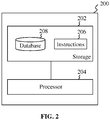
- Fig. 2 shows a block-scheme of an apparatus 200 for monitoring energy consumption in an EV charging network in accordance with one aspect of the present disclosure.
- the EV charging network is intended to be the same as that shown in Fig. 1 .
- the apparatus 200 is intended to be arranged in the data center 110 of the EV charging network 100.
- the apparatus 200 comprises a storage 202 and a processor 204 coupled to the storage 202.
- the storage 202 stores processor executable instructions 206 to be executed by the at least one processor 204 to monitor the energy consumption in the EV charging network 100.
- the memory 202 further comprises a database 208 storing old messages from the energy meters of the EV charging stations 102, 104, 106, and 108.
- the storage 202 may be implemented as a nonvolatile or volatile memory used in modern electronic computing machines.
- the nonvolatile memory may include Read-Only Memory (ROM), ferroelectric Random-Access Memory (RAM), Programmable ROM (PROM), Electrically Erasable PROM (EEPROM), solid state drive (SSD), flash memory, magnetic disk storage (such as hard drives and magnetic tapes), optical disc storage (such as CD, DVD and Blu-ray discs), etc.
- ROM Read-Only Memory
- RAM ferroelectric Random-Access Memory
- PROM Programmable ROM
- EEPROM Electrically Erasable PROM
- SSD solid state drive
- flash memory magnetic disk storage (such as hard drives and magnetic tapes), optical disc storage (such as CD, DVD and Blu-ray discs), etc.
- the volatile memory examples thereof include Dynamic RAM, Synchronous DRAM (SDRAM), Double Data Rate SDRAM (DDR SDRAM), Static RAM, etc.
- the processor 204 may be implemented as a central processing unit (CPU), general-purpose processor, single-purpose processor, microcontroller, microprocessor, application specific integrated circuit (ASIC), field programmable gate array (FPGA), digital signal processor (DSP), complex programmable logic device, or the like. It is worth noting that the processor 204 may be implemented as any combination of the aforesaid. As an example, the processor 204 may be a combination of two or more CPUs, general-purpose processors, etc.
- CPU central processing unit
- ASIC application specific integrated circuit
- FPGA field programmable gate array
- DSP digital signal processor
- the processor executable instructions 206 stored in the storage 202 may be configured as a computer executable code causing the processor 204 to perform the aspects of the present disclosure.
- the computer executable code for carrying out operations or steps for the aspects of the present disclosure may be written in any combination of one or more programming languages, such as Java, C, C++, Python, or the like.
- the computer executable code may be in the form of a high-level language or in a pre-compiled form, and be generated by an interpreter (also pre-stored in the storage 202) on the fly.
- the database 208 may be structured in a tabular form, with each row corresponding to one of the messages received from the EV charging stations, like those shown in Fig. 1 , and each column corresponding to a certain attribute of that message, such as the timestamp, the station ID, the charging session ID, or the energy meter reading.
- the database 208 may be configured as a set of tables, with each table being associated with the messages received from the same EV charging station.
- the processor 204 may be configured to query and maintain the database 208 by using any suitable programming language, for example, Structured Query Language (SQL).
- SQL Structured Query Language
- Fig. 3 shows a flowchart for a method 300 for monitoring the energy consumption in the EV charging network in accordance with another aspect of the present disclosure.
- the method 300 is intended to be performed by the processor 204 of the apparatus 200 when the processor 204 is caused to execute the processor executable instructions 206.
- the method 300 starts with the step S302, in which the processor 204 receives a new message from at least one of the EV charging stations 102, 104, 106, and 108.
- the new message comprises the timestamp, the station ID, the charging session ID, and the energy meter reading.
- the station ID may comprise a name, manufacturer information and/or geographical location of the EV charging station.
- the charging session ID it may be represented by one or more letter and/or digital characters. It should be apparent that the charging session ID is selected for each next charging session in ascending order.
- the timestamp may be presented in accordance with the ISO 8601 standard covering the exchange of date- and time-related data.
- the energy meter reading may be expressed in different energy units, but the watt-hour (Wh) and its multiples, such, for example, as kilowatt-hour (kWh), are most common in the context of electrical applications.
- step S304 in which the processor 204 accesses the database 208 in order to make therein a new entry about the new message. This means that the processor 204 creates a new row in the database 208 and fills in the new row with attribute values indicated in the new message.
- step S306 the processor 204 checks whether the database 208 comprises an older message comprising the same station ID and charging session ID as the new message. For this purpose, the processor 204 may use SQR queries to retrieve respective data from the database 208. If there is no older message with the above-requested message attributes, then the method 300 ends up. However, if the database 208 comprises such an older message, the method proceeds further.
- step S308 the processor 204 calculates a time difference and an energy difference between the new message and the suitable older message found in the database 208.
- the time difference is calculated by comparing the timestamps of the new and older messages. For example, if the new and older messages are received during one minute, the time difference may be given in seconds.
- the energy difference it is calculated based on the energy meter readings of the new and older messages.
- step S310 in which the processor 204 selects a time granularity level based on the calculated time difference.
- step S312 of the method 300 the processor 204 divides the energy difference evenly between the two timestamps of the new and older messages in accordance with the time granularity level. By so doing, the processor 204 eventually obtains an energy consumption distribution between the two timestamps of the new and older messages. After that, the method 300 ends up.
- the method 300 is applied to the messages from the EV charging stations. Assuming that the data center 110 of the EV charging network 100 receives a new message from the EV charging station 102, according to which the energy meter reading is equal to 110 Wh at 10:05. It is also assumed that the database 108 stored in the memory 202 of the apparatus 200 comprises an older message comprising the same station ID and charging session ID as the new message, as well as the energy meter reading equal to 100 Wh at 10:00. Given these initial data, one may proceed to perform the method 300 as follows. At first, it is determined that the time difference is 5 minutes and the energy difference is 10 Wh. In this case, it is reasonable to choose one minute as the time granularity level.
- this example results in the creation of the following five data fields: 10:01 - 2 Wh, 10:02 - 2 Wh, 10:03 - 2 Wh, 10:04 - 2 Wh, 10:05 - 2 Wh.
- the data fields may be then stored either in the memory 202 of the apparatus 200, in particular in the database 208 as an additional attribute of the new message (i.e. its association to the older message).
- the energy consumption distribution is thus obtained between 10:00 and 10:05.
- this energy consumption distribution presents averaged data about the energy consumption at the EV charging station 102, but it allows a station operator to have a clue about the use rate of the EV charging station 102 at a certain time.
- the method 300 is then performed in respect of each of the new messages.
- the database 208 comprises a suitable older message for each of the new messages
- the method 300 may further comprise the step of conversing the average energy consumption in Watt-hour or Watt-hour multiples (or in any other energy units) into an average power consumption in Watt (W) for each EV charging station at certain times.
- the power consumption distribution may be then stored in the memory 202 of the apparatus 200, in particular in the database 208.
- similar power consumption distributions may be obtained for the other EV charging stations 104, 106, and 108, if required.
- the total average power consumption in the EV charging network 100 at a certain time may be calculated by comparing the power consumption distributions for the EV charging stations 102, 104, 106, and 108.
- the processor 204 of the apparatus 200 may properly query the database 208.
- a database query may look as follows (given that the message attribute "timestamp" is divided into sub-attributes “year”, “month”, “day”, “hour”, “minute”, etc.): "Calculate the sum of all power consumption values satisfying the following conditions:
- the processor 204 may readily retrieve information about the average total power consumption at all EV charging stations located in Finland at 2018-10-22 13:04:00.
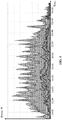
- Fig. 4 shows multiple dependences of the average power consumption on time for multiple EV charging stations in the EV charging network.
- Each dependence corresponds to one EV charging station and is obtained by using the method 300, with each point on the dependence representing the sum of all power consumption values corresponding to different charging session IDs and the same station ID at a certain time.
- By using such dependences one can get an insight into the use rate of any available EV charging station, as well as determine a time period when the use rate is the highest for any one or all of the available EV charging stations. This information may then be used to optimize EV charging and energy production at the EV charging stations.
- each block or step of the method 300 can be implemented by various means, such as hardware, firmware, and/or software.
- one or more of the blocks or steps described above can be embodied by computer executable instructions, data structures, program modules, and other suitable data representations.
- the computer executable instructions which embody the blocks or steps described above can be stored on a corresponding data carrier and executed by at least one processor like the processor 204 of the apparatus 200.
- This data carrier can be implemented as any computer-readable storage medium configured to be readable by said at least one processor to execute the computer executable instructions.
- Such computer-readable storage media can include both volatile and nonvolatile media, removable and non-removable media.
- the computer-readable media comprise media implemented in any method or technology suitable for storing information.
- the practical examples of the computer-readable media include, but are not limited to information-delivery media, RAM, ROM, EEPROM, flash memory or other memory technology, CD-ROM, digital versatile discs (DVD), holographic media or other optical disc storage, magnetic tape, magnetic cassettes, magnetic disk storage, and other magnetic storage devices.
Landscapes
- Engineering & Computer Science (AREA)
- Business, Economics & Management (AREA)
- Power Engineering (AREA)
- General Physics & Mathematics (AREA)
- Physics & Mathematics (AREA)
- Economics (AREA)
- Strategic Management (AREA)
- Theoretical Computer Science (AREA)
- Mechanical Engineering (AREA)
- Transportation (AREA)
- Health & Medical Sciences (AREA)
- Human Resources & Organizations (AREA)
- General Business, Economics & Management (AREA)
- Marketing (AREA)
- Development Economics (AREA)
- Tourism & Hospitality (AREA)
- Finance (AREA)
- Entrepreneurship & Innovation (AREA)
- Accounting & Taxation (AREA)
- Databases & Information Systems (AREA)
- Public Health (AREA)
- Data Mining & Analysis (AREA)
- Water Supply & Treatment (AREA)
- General Health & Medical Sciences (AREA)
- Primary Health Care (AREA)
- Game Theory and Decision Science (AREA)
- General Engineering & Computer Science (AREA)
- Remote Sensing (AREA)
- Quality & Reliability (AREA)
- Operations Research (AREA)
- Charge And Discharge Circuits For Batteries Or The Like (AREA)
- Management, Administration, Business Operations System, And Electronic Commerce (AREA)
- Electric Propulsion And Braking For Vehicles (AREA)
- Remote Monitoring And Control Of Power-Distribution Networks (AREA)
Description
- The present disclosure relates generally to electric vehicles, and more specifically, to a method, apparatus, and computer program product for monitoring energy consumption in an electric vehicle (EV) charging network.
- At the present time, electric vehicles are being used more frequently for land, sea and air travel. However, due to a limited battery capacity, the electric vehicles often need to be charged one or more times at EV charging stations located on the way to destination points. The location and density of the EV charging stations directly depend on the use rate of the electric vehicles within a geographical area of interest. It is therefore important to know how often EV owners use particular EV charging stations during the day, in order to optimize EV charging and energy production at those EV charging stations.
- Given the above, each EV charging station is usually equipped with an energy meter configured to take energy measurements at a given time and send information about the energy measurements to a specialized data center for further processing. However, different EV charging stations may send such information by using different communication protocols and time intervals. On top of that, there may be errors such as data communication problems, which cause the EV charging stations to miss sending the above-mentioned information to the data center. All of this does not allow obtaining a suitable accuracy of energy consumption distribution in time, and makes it difficult or even impossible to calculate a total average energy consumed by the electric vehicles at the EV charging stations of interest at a certain time. Related background art can be found in Zeming J. et al., "Statistical analysis of Electric Vehicles charging, station usage and impact on the grid", 2016 IEEE POWER & ENERGY SOCIETY INNOVATIVE SMART GRID TECHNOLOGIES CONFERENCE (ISGT), IEEE, in
WO2010/140664 , and inUS2011153474 A1 . - This summary is provided to introduce a selection of concepts in a simplified form that are further described below in the detailed description. This summary is not intended to identify key features or essential features of the claimed subject matter, nor is it intended to be used to limit the scope of the claimed subject matter.
- It is an object of the present disclosure to provide a technical solution that allows one to obtain a more accurate energy consumption distribution in time at each of EV charging stations of interest, and provide based thereon the calculation of the total average energy consumed by electric vehicles at the EV charging stations of interest at a certain time.
- The object above is achieved by the features of the independent claims in the appended claims. Further embodiments and examples are apparent from the dependent claims, the detailed description and the accompanying drawings.
- According to a first aspect, a method for monitoring energy consumption in an electric vehicle (EV) charging network is provided. The EV charging network comprises multiple EV charging stations each equipped with an energy meter. The method starts with the step of receiving a new message from at least one of the EV charging stations. The new message comprises a timestamp, a station identifier (ID), a charging session ID unique for each charging session, and an energy meter reading. The method next proceeds to the step of storing the new message in a database comprising similar old messages from the EV charging stations. The method further comprises the step of checking whether the database comprises an older message comprising the same station ID and charging session ID as the new message. If said older message is present in the database, the method proceeds to the step of calculating a time difference and an energy difference between the new message and the older message. The method further comprises the steps of selecting a time granularity level based on the calculated time difference, and obtaining an energy consumption distribution between the timestamps of the new message and the older message based on the time granularity level and the energy difference. By so doing, it is possible to obtain information about changes in energy consumption over time at the EV charging stations, which in turn can be used to optimize EV charging and energy production at the EV charging stations.
- In one implementation form of the first aspect, the station ID comprises a name, manufacturer information and/or geographical location of the EV charging station. This allows obtaining more detailed information about the EV charging stations of interest.
- In one implementation form of the first aspect, the charging session ID is represented by one or more letter and/or digital characters. This simplifies the distinction between the charging sessions at each EV charging station.
- In one implementation form of the first aspect, the timestamp is presented in accordance with the ISO 8601 standard. This makes the method more flexible in use.
- In one implementation form of the first aspect, the method further comprises storing the energy consumption distribution in the database. By so doing, one may monitor the time history of energy consumption at a particular EV charging station more easily and efficiently.
- In one implementation form of the first aspect, the step of obtaining the energy consumption distribution comprises: dividing the time difference between the new message and the older message into a number of equal time intervals in accordance with the time granularity level; and calculating an average energy consumption for each time interval by dividing the energy difference by the number of equal time intervals. This allows controlling how the average energy consumption changes over time.
- In one implementation form of the first aspect, the energy meter readings and the average energy consumption are given in Watt-hour or Watt-hour multiples. This makes the method more flexible in use.
- In one implementation form of the first aspect, the method further comprises the steps of: calculating an average power consumption for each time interval by converting the average energy consumption expressed in Watt-hour or Watt-hour multiples into Watt; obtaining a power consumption distribution in time between the new message and the older message based on the time granularity level and the average power consumption; and storing the power consumption distribution in the database. This power consumption distribution may help optimize EV charging and energy production at a particular EV charging station more efficiently.
- In one implementation form of the first aspect, the above-indicated steps of the method are repeated for the new messages received from the other EV charging stations. In this case, the method further comprises the step of calculating a total energy consumption in the EV charging network at a given time by comparing the energy consumption distributions obtained for the other EV charging stations. This may help optimize EV charging and energy production at the EV charging stations of interest more efficiently.
- According to a second aspect, an apparatus for monitoring energy consumption in an electric vehicle (EV) charging network is provided. The EV charging network comprises multiple EV charging stations each equipped with an energy meter. The apparatus comprises at least one processor, and a memory coupled to the at least one processor and storing a database comprising old messages from the EV charging stations. Each of the old messages comprises a timestamp, a station identifier (ID), a charging session ID unique for each charging session, and an energy meter reading. The memory further stores processor-executable instructions which, when executed by the at least one processor, cause the at least one processor to: receive a new message from at least one of the EV charging stations; store the new message in the database; check whether the database comprises an older message comprising the same station ID and charging session ID as the new message; if the older message is present in the database, calculate a time difference and an energy difference between the new message and the older message; select a time granularity level based on the calculated time difference; and obtain an energy consumption distribution between the timestamps of the new message and the older message based on the time granularity level and the energy difference. By so doing, it is possible to obtain information about changes in energy consumption over time at the EV charging stations, which in turn can be used to optimize EV charging and energy production at the EV charging stations.
- In one implementation form of the second aspect, the station ID comprises a name, manufacturer information and/or geographical location of the EV charging station. This allows obtaining more detailed information about the EV charging stations of interest.
- In one implementation form of the second aspect, the charging session ID is represented by one or more letter and/or digital characters. This simplifies the distinction between the charging sessions at each EV charging station.
- In one implementation form of the second aspect, the timestamp is presented in accordance with the ISO 8601 standard. This makes the apparatus more flexible in use.
- In one implementation form of the second aspect, the memory further store instructions causing the at least one processor to store the energy consumption distribution in the database. By so doing, one may monitor the time history of energy consumption at a particular EV charging station more easily and efficiently.
- In one implementation form of the second aspect, the at least one processor is configured to obtain the energy consumption distribution by: dividing the time difference between the new message and the older message into a number of equal time intervals in accordance with the time granularity level; and calculating an average energy consumption for each time interval by dividing the energy difference by the number of equal time intervals. This allows understanding how the average energy consumption changes over time.
- In one implementation form of the second aspect, the energy meter readings and the average energy consumption are given in Watt-hour or Watt-hour multiples. This makes the apparatus more flexible in use.
- In one implementation form of the second aspect, the memory further stores instructions causing the at least one processor to: calculate an average power consumption for each time interval by converting the average energy consumption expressed in Watt-hour or Watt-hour multiples into Watt; obtain a power consumption distribution in time between the new message and the older message based on the time granularity level and the average power consumption; and store the power consumption distribution in the database. This power consumption distribution may help optimize EV charging and energy production at a particular EV charging station more efficiently.
- In one implementation form of the second aspect, the at least one processor is configured to repeat the above-indicated operations for new messages received from the other EV charging stations. In this case, the memory further stores instructions causing the at least one processor to calculate a total energy consumption in the EV charging network at a given time by comparing the energy consumption distributions obtained for the other EV charging stations. This may help optimize EV charging and energy production at the EV charging stations of interest more efficiently.
- According to a third aspect, a computer program product comprising a computer-readable storage medium storing a computer program is provided. Being executed by at least one processor, the computer program causes the at least one processor to perform the method according to the first aspect. Thus, the method according to the first aspect can be embodied in the form of the computer program, thereby providing flexibility in use thereof.
- Other features and advantages of the present disclosure will be apparent upon reading the following detailed description and reviewing the accompanying drawings.
- The essence of the present disclosure is explained below with reference to the accompanying drawings in which:
-
Fig. 1 shows an example of a typical EV charging network; -
Fig. 2 shows a block-scheme of an apparatus for monitoring energy consumption in the EV charging network in accordance with one aspect of the present disclosure; -
Fig. 3 shows a block-scheme of a method for monitoring energy consumption in the EV charging network in accordance with another aspect of the present disclosure; -
Fig. 4 shows dependences of power consumption during the day at the EV charging stations, which are obtained by using the method ofFig. 3 . - Various embodiments of the present disclosure are further described in more detail with reference to the accompanying drawings. However, the present disclosure can be embodied in many other forms and should not be construed as limited to any certain structure or function disclosed in the following description. In contrast, these embodiments are provided to make the description of the present disclosure detailed and complete.
- According to the present disclosure, it will be apparent to those skilled in the art that the scope of the present disclosure covers any embodiment, which is disclosed herein, irrespective of whether this embodiment is implemented independently or in concert with any other embodiment of the present disclosure. For example, the apparatus and method disclosed herein can be implemented by using any numbers of the embodiments provided herein. Furthermore, it should be understood that any embodiment of the present disclosure can be implemented using one or more of the elements or steps presented in the appended claims.
- As used herein, the term "energy" relates to electrical energy produced by one or more electric generators arranged either at an EV charging station or at a remote electric plant. In the latter case, the electrical energy may be provided to the EV charging station via cables or as removable batteries. Correspondingly, the term "energy consumption" refers to the consumption of the electrical energy thus produced and stored at the EV charging stations.
-
Fig. 1 shows an exemplaryEV charging network 100 typically deployed in a geographical region of interest. In particular, theEV charging network 100 comprises fourEV charging stations data center 110. In turn, the geographical region of interest is exemplified by threeroads electric cars Fig. 1 . As can be seen, theEV charging station 102 is located along theroad 112, theEV charging station 104 is located at the intersection of theroads EV charging station 106 is located at the intersection of theroads EV charging station 108 is located along theroad 116. Moreover, each of theEV charging stations data center 110, as schematically shown by dashed arrows inFig. 1 . The message may comprise a timestamp, a station identifier (ID), a charging session ID unique for each charging session, and an energy meter reading, so that thedata center 110 could properly distinguish between the messages sent from theEV charging stations - Let us now consider a situation in which the
car 118 is being charged at theEV charging station 102, thecar 120 is being charged at theEV charging station 104, thecar 122 is being charged at theEV charging station 108, and thecar 124 is being charged at theEV charging station 106. In this situation, the energy meters of theEV charging stations - 2018-05-10 11:00:05 - Station 102 - Charge ID 10 - meter reading: 1100 Wh;
- 2018-05-10 11:05:23 - Station 104 - Charge ID 13 - meter reading: 436 Wh;
- 2018-05-10 11:06:25 - Station 102 - Charge ID 10 - meter reading: 1145 Wh;
- 2018-05-10 11:10:15 - Station 106 - Charge ID 27 - meter reading: 9923 Wh;
- 2018-05-10 11:11:45 - Station 104 - Charge ID 13 - meter reading: 550 Wh;
- 2018-05-10 11:12:30 - Station 108 - Charge ID 30 - meter reading: 12340 Wh;
- 2018-05-10 11:16:23 - Station 102 - Charge ID 10 - meter reading: 1240 Wh.
- From the messages above, one can easily make the following conclusions. Firstly, the energy meters of the
EV charging stations EV charging station 102. This irregularity may be caused by errors such as data communication problems, for which reason theEV charging station 102 could miss sending the message at some time. Given these conclusions, one problem is exposed, which relates to the impossibility of calculating a total energy consumption in theEV charging network 100 at a certain time. For example, relative to the messages above, it is impossible to determine what total energy consumption was at 2018-05-10 11:10:00. - Another problem may be caused by different message formats which the energy meters of the
EV charging stations data center 110. For example, the energy readings sent by the energy meters of theEV charging stations EV charging stations - The present disclosure provides a technical solution for monitoring energy consumption in an electric vehicle (EV) charging network, with the technical solution being capable of mitigating or even eliminating the problems indicated above. Although the aspects of the technical solution are discussed below with reference to electric cars, one should not consider this as any limitation. In other words, the aspects of the technical solution disclosed herein may be equally used in relation to other kinds of electric vehicles, such as electric aircrafts and vessels. In case of the electric aircrafts, the
EV charging stations EV charging stations -
Fig. 2 shows a block-scheme of anapparatus 200 for monitoring energy consumption in an EV charging network in accordance with one aspect of the present disclosure. For simplicity, the EV charging network is intended to be the same as that shown inFig. 1 . In this case, theapparatus 200 is intended to be arranged in thedata center 110 of theEV charging network 100. As shown inFig. 2 , theapparatus 200 comprises astorage 202 and aprocessor 204 coupled to thestorage 202. Thestorage 202 stores processorexecutable instructions 206 to be executed by the at least oneprocessor 204 to monitor the energy consumption in theEV charging network 100. Thememory 202 further comprises adatabase 208 storing old messages from the energy meters of theEV charging stations - The
storage 202 may be implemented as a nonvolatile or volatile memory used in modern electronic computing machines. As an example, the nonvolatile memory may include Read-Only Memory (ROM), ferroelectric Random-Access Memory (RAM), Programmable ROM (PROM), Electrically Erasable PROM (EEPROM), solid state drive (SSD), flash memory, magnetic disk storage (such as hard drives and magnetic tapes), optical disc storage (such as CD, DVD and Blu-ray discs), etc. As for the volatile memory, examples thereof include Dynamic RAM, Synchronous DRAM (SDRAM), Double Data Rate SDRAM (DDR SDRAM), Static RAM, etc. - The
processor 204 may be implemented as a central processing unit (CPU), general-purpose processor, single-purpose processor, microcontroller, microprocessor, application specific integrated circuit (ASIC), field programmable gate array (FPGA), digital signal processor (DSP), complex programmable logic device, or the like. It is worth noting that theprocessor 204 may be implemented as any combination of the aforesaid. As an example, theprocessor 204 may be a combination of two or more CPUs, general-purpose processors, etc. - The processor
executable instructions 206 stored in thestorage 202 may be configured as a computer executable code causing theprocessor 204 to perform the aspects of the present disclosure. The computer executable code for carrying out operations or steps for the aspects of the present disclosure may be written in any combination of one or more programming languages, such as Java, C, C++, Python, or the like. In some examples, the computer executable code may be in the form of a high-level language or in a pre-compiled form, and be generated by an interpreter (also pre-stored in the storage 202) on the fly. - The
database 208 may be structured in a tabular form, with each row corresponding to one of the messages received from the EV charging stations, like those shown inFig. 1 , and each column corresponding to a certain attribute of that message, such as the timestamp, the station ID, the charging session ID, or the energy meter reading. In one other embodiment, thedatabase 208 may be configured as a set of tables, with each table being associated with the messages received from the same EV charging station. At the same time, theprocessor 204 may be configured to query and maintain thedatabase 208 by using any suitable programming language, for example, Structured Query Language (SQL). -
Fig. 3 shows a flowchart for amethod 300 for monitoring the energy consumption in the EV charging network in accordance with another aspect of the present disclosure. Themethod 300 is intended to be performed by theprocessor 204 of theapparatus 200 when theprocessor 204 is caused to execute the processorexecutable instructions 206. - In particular, the
method 300 starts with the step S302, in which theprocessor 204 receives a new message from at least one of theEV charging stations - Once the new message is received, the
method 300 proceeds to step S304, in which theprocessor 204 accesses thedatabase 208 in order to make therein a new entry about the new message. This means that theprocessor 204 creates a new row in thedatabase 208 and fills in the new row with attribute values indicated in the new message. - Next, the
method 300 proceeds to step S306, in which theprocessor 204 checks whether thedatabase 208 comprises an older message comprising the same station ID and charging session ID as the new message. For this purpose, theprocessor 204 may use SQR queries to retrieve respective data from thedatabase 208. If there is no older message with the above-requested message attributes, then themethod 300 ends up. However, if thedatabase 208 comprises such an older message, the method proceeds further. - In step S308, the
processor 204 calculates a time difference and an energy difference between the new message and the suitable older message found in thedatabase 208. The time difference is calculated by comparing the timestamps of the new and older messages. For example, if the new and older messages are received during one minute, the time difference may be given in seconds. As for the energy difference, it is calculated based on the energy meter readings of the new and older messages. - Further, the method proceeds to step S310, in which the
processor 204 selects a time granularity level based on the calculated time difference. Next, in step S312 of themethod 300, theprocessor 204 divides the energy difference evenly between the two timestamps of the new and older messages in accordance with the time granularity level. By so doing, theprocessor 204 eventually obtains an energy consumption distribution between the two timestamps of the new and older messages. After that, themethod 300 ends up. - Let us now give one example of how the
method 300 is applied to the messages from the EV charging stations. Assuming that thedata center 110 of theEV charging network 100 receives a new message from theEV charging station 102, according to which the energy meter reading is equal to 110 Wh at 10:05. It is also assumed that thedatabase 108 stored in thememory 202 of theapparatus 200 comprises an older message comprising the same station ID and charging session ID as the new message, as well as the energy meter reading equal to 100 Wh at 10:00. Given these initial data, one may proceed to perform themethod 300 as follows. At first, it is determined that the time difference is 5 minutes and the energy difference is 10 Wh. In this case, it is reasonable to choose one minute as the time granularity level. With the time granularity level thus chosen, there are five one-minute intervals between the timestamps of the new and older messages. Next, the energy difference is divided evenly between the five one-minute intervals, which means 10/5=2 Wh/min. In other words, this example results in the creation of the following five data fields: 10:01 - 2 Wh, 10:02 - 2 Wh, 10:03 - 2 Wh, 10:04 - 2 Wh, 10:05 - 2 Wh. The data fields may be then stored either in thememory 202 of theapparatus 200, in particular in thedatabase 208 as an additional attribute of the new message (i.e. its association to the older message). The energy consumption distribution is thus obtained between 10:00 and 10:05. Although this energy consumption distribution presents averaged data about the energy consumption at theEV charging station 102, but it allows a station operator to have a clue about the use rate of theEV charging station 102 at a certain time. - If the
data center 110 of theEV charging network 100 receives new messages from all of theEV charging stations method 300 is then performed in respect of each of the new messages. As a result, and assuming that thedatabase 208 comprises a suitable older message for each of the new messages, there will be an energy consumption distribution associated with each of theEV charging stations EV charging network 100 at a certain time. For example, if the average energy consumption is equal to 2 Wh at 10:03 at theEV charging station 102, 4 Wh at 10:03 at theEV charging station 104, 6 Wh at 10:03 at theEV charging station 106, and 8 Wh at 10:03 at theEV charging station 108, then the total average energy consumption in theEV charging network 100 at 10:03 will be 2+4+6+8=20Wh. - In one embodiment, the
method 300 may further comprise the step of conversing the average energy consumption in Watt-hour or Watt-hour multiples (or in any other energy units) into an average power consumption in Watt (W) for each EV charging station at certain times. As is well known, energy (E) is equivalent to power (P) multiplied by time (t), i.e. E = P·t. Given the example above, this means that the average power consumption at 10:03 at theEV charging station 102 is equal to P = 2 Wh/(1/60 h) = 120 W. By so doing, such conversion results in obtaining an average power consumption distribution between the timestamps of the new and older messages received from theEV charging station 102. Similar to the energy consumption distribution, the power consumption distribution may be then stored in thememory 202 of theapparatus 200, in particular in thedatabase 208. Of course, similar power consumption distributions may be obtained for the otherEV charging stations - Correspondingly, the total average power consumption in the
EV charging network 100 at a certain time may be calculated by comparing the power consumption distributions for theEV charging stations processor 204 of theapparatus 200 may properly query thedatabase 208. For example, a database query may look as follows (given that the message attribute "timestamp" is divided into sub-attributes "year", "month", "day", "hour", "minute", etc.):
"Calculate the sum of all power consumption values satisfying the following conditions: - Station_ID location = 'Finland'
- and Timestamp_year = 2018
- and Timestamp_month = 10
- and Timestamp_day = 22
- and Timestamp_hour = 13
- and Timestamp_minute = 4".
- With the query above, the
processor 204 may readily retrieve information about the average total power consumption at all EV charging stations located in Finland at 2018-10-22 13:04:00. -
Fig. 4 shows multiple dependences of the average power consumption on time for multiple EV charging stations in the EV charging network. Each dependence corresponds to one EV charging station and is obtained by using themethod 300, with each point on the dependence representing the sum of all power consumption values corresponding to different charging session IDs and the same station ID at a certain time. By using such dependences, one can get an insight into the use rate of any available EV charging station, as well as determine a time period when the use rate is the highest for any one or all of the available EV charging stations. This information may then be used to optimize EV charging and energy production at the EV charging stations. - Those skilled in the art should understand that each block or step of the
method 300, or any combinations of the blocks or steps, can be implemented by various means, such as hardware, firmware, and/or software. As an example, one or more of the blocks or steps described above can be embodied by computer executable instructions, data structures, program modules, and other suitable data representations. Furthermore, the computer executable instructions which embody the blocks or steps described above can be stored on a corresponding data carrier and executed by at least one processor like theprocessor 204 of theapparatus 200. This data carrier can be implemented as any computer-readable storage medium configured to be readable by said at least one processor to execute the computer executable instructions. Such computer-readable storage media can include both volatile and nonvolatile media, removable and non-removable media. By way of example, and not limitation, the computer-readable media comprise media implemented in any method or technology suitable for storing information. In more detail, the practical examples of the computer-readable media include, but are not limited to information-delivery media, RAM, ROM, EEPROM, flash memory or other memory technology, CD-ROM, digital versatile discs (DVD), holographic media or other optical disc storage, magnetic tape, magnetic cassettes, magnetic disk storage, and other magnetic storage devices. - Although the exemplary embodiments of the present disclosure are described herein, it should be noted that any various changes and modifications could be made in the embodiments of the present disclosure, without departing from the scope of legal protection which is defined by the appended claims. In the appended claims, the word "comprising" does not exclude other elements or steps, and the indefinite article "a" or "an" does not exclude a plurality. The mere fact that certain measures are recited in mutually different dependent claims does not indicate that a combination of these measures cannot be used to advantage.
Claims (19)
- A method (300) for monitoring energy consumption in an electric vehicle EV charging network (100), wherein the EV charging network (100) comprises multiple EV charging stations (102, 104, 106, 108) each equipped with an energy meter, characterized in that the method (300) comprises:a) receiving (S302) a new message from at least one of the EV charging stations (102, 104, 106, 108), the new message comprising a timestamp, a station identifier (ID), a charging session ID unique for each charging session, and an energy meter reading;b) storing (S304) the new message in a database (208) comprising old messages from the EV charging stations (102, 104, 106, 108);c) checking (S306) whether the database (208) comprises an older message comprising the same station ID and charging session ID as the new message;d) if the older message is present in the database (208), calculating (S308) a time difference and an energy difference between the new message and the older message;e) selecting (S310) a time granularity level based on the calculated time difference;f) obtaining (S312) an energy consumption distribution between the timestamps of the new message and the older message based on the time granularity level and the energy difference; andg) providing the energy consumption distribution to a station operator.
- The method (300) of claim 1, wherein the station ID comprises a name, manufacturer information and/or geographical location of the EV charging station.
- The method (300) of claim 1 or 2, wherein the charging session ID is represented by one or more letter and/or digital characters.
- The method (300) of any one of claims 1 to 3, wherein the timestamp is presented in accordance with the ISO 8601 standard.
- The method (300) of any one of claims 1 to 4, further comprising storing the energy consumption distribution in the database (208).
- The method (300) of any one of claims 1 to 5, wherein said obtaining (S312) the energy consumption distribution comprises:- dividing the time difference between the new message and the older message into a number of equal time intervals in accordance with the time granularity level; and- calculating an average energy consumption for each time interval by dividing the energy difference by the number of equal time intervals.
- The method (300) of claim 6, wherein the energy meter readings and the average energy consumption are given in Watt-hour or Watt-hour multiples.
- The method (300) of claim 7, further comprising:- calculating an average power consumption for each time interval by conversing the average energy consumption expressed in Watt-hour or Watt-hour multiples into Watt;- obtaining a power consumption distribution between the timestamps of the new message and the older message based on the time granularity level and the average power consumption; and- storing the power consumption distribution in the database (208).
- The method (300) of any one of claims 1 to 8, wherein steps a)-g) are repeated for the new messages received from the other EV charging stations (102, 104, 106, 108), and wherein the method further comprises calculating a total energy consumption in the EV charging network (100) at a given time by comparing the energy consumption distributions obtained for the EV charging stations (102, 104, 106, 108).
- An apparatus (200) for monitoring energy consumption in an electric vehicle EV charging network (100), whereinthe EV charging network (100) comprises multiple EV charging stations (102, 104, 106, 108) each equipped with an energy meter, the apparatus (200) comprising:at least one processor (204), anda memory (202) coupled to the at least one processor (204),characterized in thatthe memory (202) stores a database (208) comprising old messages from the EV charging stations (102, 104, 106, 108), each of the old messages comprising a timestamp, a station identifier (ID), a charging session ID unique for each charging session, and an energy meter reading, andthe memory further stores processor-executable instructions (206) which, when executed by the at least one processor (204), cause the at least one processor (204) to:a) receive (S302) a new message from at least one of the EV charging stations;b) store (S304) the new message in the database (208);c) check (S306) whether the database (208) comprises an older message comprising the same station ID and charging session ID as the new message;d) if the older message is present in the database (208), calculate (S308) a time difference and an energy difference between the new message and the older message;e) select (S310) a time granularity level based on the calculated time difference;f) obtain (S312) an energy consumption distribution between the timestamps of the new message and the older message based on the time granularity level and the energy difference; andg) provide the energy consumption distribution to a station operator.
- The apparatus (200) of claim 10, wherein the station ID comprises a name, manufacturer information and/or geographical location of the EV charging station.
- The apparatus (200) of claim 10 or 11, wherein the charging session ID is represented by one or more letter and/or digital characters.
- The apparatus (200) of any one of claims 10 to 12, wherein the timestamp is presented in accordance with the ISO 8601 standard.
- The apparatus (200) of any one claims 10 to 13, wherein the memory (202) further comprises computer-executable instructions (206) causing the at least one processor to store the energy consumption distribution in the memory (202) or the database (208).
- The apparatus (200) of any one of claims 10 to 14, wherein the at least one processor (204) is configured to obtain the energy consumption distribution by:- dividing the time difference between the new message and the older message into a number of equal time intervals in accordance with the time granularity level; and- calculating an average energy consumption for each time interval by dividing the energy difference by the number of equal time intervals.
- The apparatus (200) of claim 15, wherein the energy meter readings and the average energy consumption are given in Watt-hour or Watt-hour multiples.
- The apparatus (200) of claim 16, wherein the memory (202) further comprises computer-executable instructions (206) causing the at least one processor (204) to:- calculate an average power consumption for each time interval by conversing the average energy consumption expressed in Watt-hour or Watt-hour multiples into Watt;- obtain a power consumption distribution between the timestamps of the new message and the older message based on the time granularity level and the average power consumption; and- storing the power consumption distribution in the memory or the database (208).
- The apparatus (200) of any one of claims 10 to 17, wherein the at least one processor (204) is configured to repeat operations a)-g) for the new messages received from the other EV charging stations (102, 104, 106, 108), and wherein the memory (202) further comprises computer-executable instructions (206) causing the at least one processor (204) to calculate a total energy consumption in the EV charging network (100) at a given time by comparing the energy consumption distributions obtained for all the EV charging stations (102, 104, 106, 108).
- A computer program product comprising a computer readable storage medium, characterized in that the storage medium stores computer executable instructions which, when executed by at least one processor (204), cause the at least one processor (204) to perform the method (300) of any of claims 1 to 9.
Applications Claiming Priority (2)
| Application Number | Priority Date | Filing Date | Title |
|---|---|---|---|
| FI20195345A FI20195345A1 (en) | 2019-04-29 | 2019-04-29 | Method, apparatus and computer program product for monitoring energy consumption in an electric vehicle charging station |
| PCT/FI2020/050278 WO2020221959A1 (en) | 2019-04-29 | 2020-04-29 | Method, apparatus and computer program product for monitoring energy consumption in an electric vehicle charging network |
Publications (2)
| Publication Number | Publication Date |
|---|---|
| EP3821514A1 EP3821514A1 (en) | 2021-05-19 |
| EP3821514B1 true EP3821514B1 (en) | 2021-12-15 |
Family
ID=70617142
Family Applications (1)
| Application Number | Title | Priority Date | Filing Date |
|---|---|---|---|
| EP20724886.5A Active EP3821514B1 (en) | 2019-04-29 | 2020-04-29 | Method, apparatus and computer program product for monitoring energy consumption in an electric vehicle charging network |
Country Status (7)
| Country | Link |
|---|---|
| US (1) | US11597292B2 (en) |
| EP (1) | EP3821514B1 (en) |
| JP (1) | JP7148630B2 (en) |
| CN (1) | CN113892220B (en) |
| DK (1) | DK3821514T3 (en) |
| FI (1) | FI20195345A1 (en) |
| WO (1) | WO2020221959A1 (en) |
Families Citing this family (5)
| Publication number | Priority date | Publication date | Assignee | Title |
|---|---|---|---|---|
| US20220332209A1 (en) * | 2021-04-20 | 2022-10-20 | Volta Charging, Llc | System and method for estimating the optimal number and mixture of types of electric vehicle charging stations at one or more points of interest |
| CN113895276A (en) * | 2021-09-03 | 2022-01-07 | 国网北京市电力公司 | Electric vehicle charging network adjusting method and device and nonvolatile storage medium |
| FI20225124A1 (en) * | 2022-02-11 | 2023-08-12 | Liikennevirta Oy / Virta Ltd | Optimization of a network of electric vehicle charging stations |
| EP4293859A1 (en) * | 2022-06-13 | 2023-12-20 | ABB E-Mobility B.V. | Method for metering a charging device, charging device, computer program element and computer readable medium |
| US12319167B2 (en) * | 2023-06-09 | 2025-06-03 | Siemens Industry, Inc. | Sending sampled meter data from an electric vehicle charger to a backend for reporting via open charge point protocol (OCPP) for use by a utility to charge a customer |
Family Cites Families (15)
| Publication number | Priority date | Publication date | Assignee | Title |
|---|---|---|---|---|
| JP4713623B2 (en) | 2008-09-25 | 2011-06-29 | 株式会社日立製作所 | Charge / discharge management device |
| WO2010140664A1 (en) * | 2009-06-05 | 2010-12-09 | ソフトバンクモバイル株式会社 | Power supply adapter and power supply system |
| US20110153474A1 (en) | 2009-12-17 | 2011-06-23 | Tormey Milton T | Electric vehicle charging and accounting |
| WO2011151844A2 (en) | 2010-06-02 | 2011-12-08 | Anil Ananthakrishna | Charging power outpost for an electric powered/hybrid vehicle |
| JP5541210B2 (en) | 2011-03-29 | 2014-07-09 | 株式会社デンソー | Power distribution device |
| JP5788735B2 (en) | 2011-08-10 | 2015-10-07 | 株式会社日立ソリューションズ | Charger information distribution device |
| EP2645514A1 (en) | 2012-03-30 | 2013-10-02 | EH Europe GmbH | Method and apparatus for controlling battery chargers |
| US9148027B2 (en) * | 2012-07-30 | 2015-09-29 | General Electric Company | Method and system for charging of electric vehicles |
| US9994118B2 (en) * | 2013-05-29 | 2018-06-12 | General Motors Llc | Optimizing vehicle recharging to maximize use of energy generated from particular identified sources |
| CN105659188B (en) * | 2013-11-27 | 2019-12-06 | 英特尔公司 | Contextual power management |
| DE102015101041A1 (en) * | 2015-01-26 | 2016-07-28 | Dr. Ing. H.C. F. Porsche Aktiengesellschaft | Electric charging device, electric charging station and method for controlling an electric charging device |
| DE102016005630A1 (en) * | 2016-05-06 | 2017-11-09 | Audi Ag | Data processing unit for communication between at least one motor vehicle and between a plurality of charging stations for charging an energy storage device of a motor vehicle |
| CN107139741B (en) * | 2017-04-17 | 2019-07-23 | 东南大学 | A kind of electric car charging bootstrap technique |
| KR101920058B1 (en) | 2017-08-31 | 2018-11-19 | 서강대학교 산학협력단 | System and method for electric power quantity monitoring |
| CN108973741A (en) * | 2018-08-01 | 2018-12-11 | 佛山市苔藓云链科技有限公司 | A kind of scheduling system of electric vehicle charging |
-
2019
- 2019-04-29 FI FI20195345A patent/FI20195345A1/en unknown
-
2020
- 2020-04-29 CN CN202080002952.0A patent/CN113892220B/en active Active
- 2020-04-29 WO PCT/FI2020/050278 patent/WO2020221959A1/en not_active Ceased
- 2020-04-29 DK DK20724886.5T patent/DK3821514T3/en active
- 2020-04-29 JP JP2020556253A patent/JP7148630B2/en active Active
- 2020-04-29 EP EP20724886.5A patent/EP3821514B1/en active Active
- 2020-04-29 US US17/049,296 patent/US11597292B2/en active Active
Also Published As
| Publication number | Publication date |
|---|---|
| US20210362615A1 (en) | 2021-11-25 |
| DK3821514T3 (en) | 2022-03-21 |
| WO2020221959A1 (en) | 2020-11-05 |
| JP2021530755A (en) | 2021-11-11 |
| EP3821514A1 (en) | 2021-05-19 |
| US11597292B2 (en) | 2023-03-07 |
| CN113892220B (en) | 2025-07-04 |
| FI20195345A1 (en) | 2020-10-30 |
| JP7148630B2 (en) | 2022-10-05 |
| CN113892220A (en) | 2022-01-04 |
Similar Documents
| Publication | Publication Date | Title |
|---|---|---|
| EP3821514B1 (en) | Method, apparatus and computer program product for monitoring energy consumption in an electric vehicle charging network | |
| US11201486B2 (en) | Battery control device, charge and discharge system, parking lot system, secondary battery reuse system, battery control method, and non-transitory storage medium | |
| US20200011932A1 (en) | Battery capacity fading model using deep learning | |
| EP3570058A1 (en) | Battery monitoring system and method | |
| CN111880106B (en) | Battery state of charge detection method, equipment, storage medium and device | |
| EP3306735A1 (en) | Device for estimating degree of battery degradation, and estimation method | |
| CN109886429A (en) | Management method, device, electronic equipment and the storage medium of battery of electric vehicle | |
| WO2023142685A1 (en) | Battery insulation fault early warning method, apparatus and system, and computer device | |
| CN110147409B (en) | Method, apparatus, and medium for querying battery information of vehicle | |
| CN103679972B (en) | The monitoring method of tax-control terminal, Apparatus and system | |
| CN117799440A (en) | Consistency early warning method, device and computer equipment for power battery | |
| CN109697883A (en) | Bus reporting station method and equipment | |
| CN111311337B (en) | Service charge processing method and device based on charging pile | |
| CN109697882A (en) | Bus reporting station method and equipment | |
| CN116977063A (en) | Loan risk monitoring device, method, equipment and storage medium | |
| CN116047316A (en) | SOC correction method and storage medium of lithium iron phosphate battery during charging | |
| US11714136B2 (en) | Method of determining battery degradation | |
| AU2024219807B2 (en) | Detection and disaggregation of electrical vehicle charging | |
| CN114024302B (en) | Method and device for evaluating stage area | |
| CN112213577A (en) | Method and device for detecting electrical operation, computer key and storage medium | |
| CN114519235B (en) | A method, system, device and medium for diagnosing electric vehicle charging failure | |
| US20250209473A1 (en) | Information processing apparatus, evaluation method, and computer readable recording medium | |
| CN120278421A (en) | Standby battery demand prediction method, equipment and medium for urban operation | |
| Moy | Towards Decarbonized Electric Grid and Transportation Sectors: a Modelling, Battery-Centric Study | |
| JP2026011897A (en) | Information processing method, information processing device, and computer program |
Legal Events
| Date | Code | Title | Description |
|---|---|---|---|
| STAA | Information on the status of an ep patent application or granted ep patent |
Free format text: STATUS: UNKNOWN |
|
| STAA | Information on the status of an ep patent application or granted ep patent |
Free format text: STATUS: THE INTERNATIONAL PUBLICATION HAS BEEN MADE |
|
| PUAI | Public reference made under article 153(3) epc to a published international application that has entered the european phase |
Free format text: ORIGINAL CODE: 0009012 |
|
| STAA | Information on the status of an ep patent application or granted ep patent |
Free format text: STATUS: REQUEST FOR EXAMINATION WAS MADE |
|
| 17P | Request for examination filed |
Effective date: 20210212 |
|
| AK | Designated contracting states |
Kind code of ref document: A1 Designated state(s): AL AT BE BG CH CY CZ DE DK EE ES FI FR GB GR HR HU IE IS IT LI LT LU LV MC MK MT NL NO PL PT RO RS SE SI SK SM TR |
|
| GRAP | Despatch of communication of intention to grant a patent |
Free format text: ORIGINAL CODE: EPIDOSNIGR1 |
|
| STAA | Information on the status of an ep patent application or granted ep patent |
Free format text: STATUS: GRANT OF PATENT IS INTENDED |
|
| DAV | Request for validation of the european patent (deleted) | ||
| DAX | Request for extension of the european patent (deleted) | ||
| INTG | Intention to grant announced |
Effective date: 20210803 |
|
| GRAS | Grant fee paid |
Free format text: ORIGINAL CODE: EPIDOSNIGR3 |
|
| GRAA | (expected) grant |
Free format text: ORIGINAL CODE: 0009210 |
|
| STAA | Information on the status of an ep patent application or granted ep patent |
Free format text: STATUS: THE PATENT HAS BEEN GRANTED |
|
| AK | Designated contracting states |
Kind code of ref document: B1 Designated state(s): AL AT BE BG CH CY CZ DE DK EE ES FI FR GB GR HR HU IE IS IT LI LT LU LV MC MK MT NL NO PL PT RO RS SE SI SK SM TR |
|
| REG | Reference to a national code |
Ref country code: GB Ref legal event code: FG4D Ref country code: CH Ref legal event code: EP |
|
| REG | Reference to a national code |
Ref country code: DE Ref legal event code: R096 Ref document number: 602020001302 Country of ref document: DE |
|
| REG | Reference to a national code |
Ref country code: IE Ref legal event code: FG4D |
|
| REG | Reference to a national code |
Ref country code: AT Ref legal event code: REF Ref document number: 1456201 Country of ref document: AT Kind code of ref document: T Effective date: 20220115 |
|
| REG | Reference to a national code |
Ref country code: SE Ref legal event code: TRGR |
|
| REG | Reference to a national code |
Ref country code: NL Ref legal event code: FP |
|
| REG | Reference to a national code |
Ref country code: FI Ref legal event code: FGE |
|
| REG | Reference to a national code |
Ref country code: DK Ref legal event code: T3 Effective date: 20220315 Ref country code: NO Ref legal event code: T2 Effective date: 20211215 |
|
| REG | Reference to a national code |
Ref country code: LT Ref legal event code: MG9D |
|
| PG25 | Lapsed in a contracting state [announced via postgrant information from national office to epo] |
Ref country code: RS Free format text: LAPSE BECAUSE OF FAILURE TO SUBMIT A TRANSLATION OF THE DESCRIPTION OR TO PAY THE FEE WITHIN THE PRESCRIBED TIME-LIMIT Effective date: 20211215 Ref country code: LT Free format text: LAPSE BECAUSE OF FAILURE TO SUBMIT A TRANSLATION OF THE DESCRIPTION OR TO PAY THE FEE WITHIN THE PRESCRIBED TIME-LIMIT Effective date: 20211215 Ref country code: BG Free format text: LAPSE BECAUSE OF FAILURE TO SUBMIT A TRANSLATION OF THE DESCRIPTION OR TO PAY THE FEE WITHIN THE PRESCRIBED TIME-LIMIT Effective date: 20220315 |
|
| REG | Reference to a national code |
Ref country code: AT Ref legal event code: MK05 Ref document number: 1456201 Country of ref document: AT Kind code of ref document: T Effective date: 20211215 |
|
| PG25 | Lapsed in a contracting state [announced via postgrant information from national office to epo] |
Ref country code: LV Free format text: LAPSE BECAUSE OF FAILURE TO SUBMIT A TRANSLATION OF THE DESCRIPTION OR TO PAY THE FEE WITHIN THE PRESCRIBED TIME-LIMIT Effective date: 20211215 Ref country code: HR Free format text: LAPSE BECAUSE OF FAILURE TO SUBMIT A TRANSLATION OF THE DESCRIPTION OR TO PAY THE FEE WITHIN THE PRESCRIBED TIME-LIMIT Effective date: 20211215 Ref country code: GR Free format text: LAPSE BECAUSE OF FAILURE TO SUBMIT A TRANSLATION OF THE DESCRIPTION OR TO PAY THE FEE WITHIN THE PRESCRIBED TIME-LIMIT Effective date: 20220316 |
|
| PG25 | Lapsed in a contracting state [announced via postgrant information from national office to epo] |
Ref country code: SM Free format text: LAPSE BECAUSE OF FAILURE TO SUBMIT A TRANSLATION OF THE DESCRIPTION OR TO PAY THE FEE WITHIN THE PRESCRIBED TIME-LIMIT Effective date: 20211215 Ref country code: SK Free format text: LAPSE BECAUSE OF FAILURE TO SUBMIT A TRANSLATION OF THE DESCRIPTION OR TO PAY THE FEE WITHIN THE PRESCRIBED TIME-LIMIT Effective date: 20211215 Ref country code: RO Free format text: LAPSE BECAUSE OF FAILURE TO SUBMIT A TRANSLATION OF THE DESCRIPTION OR TO PAY THE FEE WITHIN THE PRESCRIBED TIME-LIMIT Effective date: 20211215 Ref country code: PT Free format text: LAPSE BECAUSE OF FAILURE TO SUBMIT A TRANSLATION OF THE DESCRIPTION OR TO PAY THE FEE WITHIN THE PRESCRIBED TIME-LIMIT Effective date: 20220418 Ref country code: ES Free format text: LAPSE BECAUSE OF FAILURE TO SUBMIT A TRANSLATION OF THE DESCRIPTION OR TO PAY THE FEE WITHIN THE PRESCRIBED TIME-LIMIT Effective date: 20211215 Ref country code: EE Free format text: LAPSE BECAUSE OF FAILURE TO SUBMIT A TRANSLATION OF THE DESCRIPTION OR TO PAY THE FEE WITHIN THE PRESCRIBED TIME-LIMIT Effective date: 20211215 Ref country code: CZ Free format text: LAPSE BECAUSE OF FAILURE TO SUBMIT A TRANSLATION OF THE DESCRIPTION OR TO PAY THE FEE WITHIN THE PRESCRIBED TIME-LIMIT Effective date: 20211215 |
|
| PG25 | Lapsed in a contracting state [announced via postgrant information from national office to epo] |
Ref country code: PL Free format text: LAPSE BECAUSE OF FAILURE TO SUBMIT A TRANSLATION OF THE DESCRIPTION OR TO PAY THE FEE WITHIN THE PRESCRIBED TIME-LIMIT Effective date: 20211215 Ref country code: AT Free format text: LAPSE BECAUSE OF FAILURE TO SUBMIT A TRANSLATION OF THE DESCRIPTION OR TO PAY THE FEE WITHIN THE PRESCRIBED TIME-LIMIT Effective date: 20211215 |
|
| REG | Reference to a national code |
Ref country code: DE Ref legal event code: R097 Ref document number: 602020001302 Country of ref document: DE |
|
| PG25 | Lapsed in a contracting state [announced via postgrant information from national office to epo] |
Ref country code: IS Free format text: LAPSE BECAUSE OF FAILURE TO SUBMIT A TRANSLATION OF THE DESCRIPTION OR TO PAY THE FEE WITHIN THE PRESCRIBED TIME-LIMIT Effective date: 20220415 |
|
| PLBE | No opposition filed within time limit |
Free format text: ORIGINAL CODE: 0009261 |
|
| STAA | Information on the status of an ep patent application or granted ep patent |
Free format text: STATUS: NO OPPOSITION FILED WITHIN TIME LIMIT |
|
| PG25 | Lapsed in a contracting state [announced via postgrant information from national office to epo] |
Ref country code: AL Free format text: LAPSE BECAUSE OF FAILURE TO SUBMIT A TRANSLATION OF THE DESCRIPTION OR TO PAY THE FEE WITHIN THE PRESCRIBED TIME-LIMIT Effective date: 20211215 |
|
| 26N | No opposition filed |
Effective date: 20220916 |
|
| REG | Reference to a national code |
Ref country code: BE Ref legal event code: MM Effective date: 20220430 |
|
| PG25 | Lapsed in a contracting state [announced via postgrant information from national office to epo] |
Ref country code: MC Free format text: LAPSE BECAUSE OF FAILURE TO SUBMIT A TRANSLATION OF THE DESCRIPTION OR TO PAY THE FEE WITHIN THE PRESCRIBED TIME-LIMIT Effective date: 20211215 Ref country code: LU Free format text: LAPSE BECAUSE OF NON-PAYMENT OF DUE FEES Effective date: 20220429 |
|
| PG25 | Lapsed in a contracting state [announced via postgrant information from national office to epo] |
Ref country code: BE Free format text: LAPSE BECAUSE OF NON-PAYMENT OF DUE FEES Effective date: 20220430 |
|
| PG25 | Lapsed in a contracting state [announced via postgrant information from national office to epo] |
Ref country code: IE Free format text: LAPSE BECAUSE OF NON-PAYMENT OF DUE FEES Effective date: 20220429 |
|
| PG25 | Lapsed in a contracting state [announced via postgrant information from national office to epo] |
Ref country code: IT Free format text: LAPSE BECAUSE OF FAILURE TO SUBMIT A TRANSLATION OF THE DESCRIPTION OR TO PAY THE FEE WITHIN THE PRESCRIBED TIME-LIMIT Effective date: 20211215 |
|
| PG25 | Lapsed in a contracting state [announced via postgrant information from national office to epo] |
Ref country code: MK Free format text: LAPSE BECAUSE OF FAILURE TO SUBMIT A TRANSLATION OF THE DESCRIPTION OR TO PAY THE FEE WITHIN THE PRESCRIBED TIME-LIMIT Effective date: 20211215 Ref country code: CY Free format text: LAPSE BECAUSE OF FAILURE TO SUBMIT A TRANSLATION OF THE DESCRIPTION OR TO PAY THE FEE WITHIN THE PRESCRIBED TIME-LIMIT Effective date: 20211215 |
|
| PG25 | Lapsed in a contracting state [announced via postgrant information from national office to epo] |
Ref country code: HU Free format text: LAPSE BECAUSE OF FAILURE TO SUBMIT A TRANSLATION OF THE DESCRIPTION OR TO PAY THE FEE WITHIN THE PRESCRIBED TIME-LIMIT; INVALID AB INITIO Effective date: 20200429 |
|
| PG25 | Lapsed in a contracting state [announced via postgrant information from national office to epo] |
Ref country code: TR Free format text: LAPSE BECAUSE OF FAILURE TO SUBMIT A TRANSLATION OF THE DESCRIPTION OR TO PAY THE FEE WITHIN THE PRESCRIBED TIME-LIMIT Effective date: 20211215 |
|
| PG25 | Lapsed in a contracting state [announced via postgrant information from national office to epo] |
Ref country code: MT Free format text: LAPSE BECAUSE OF FAILURE TO SUBMIT A TRANSLATION OF THE DESCRIPTION OR TO PAY THE FEE WITHIN THE PRESCRIBED TIME-LIMIT Effective date: 20211215 |
|
| PGFP | Annual fee paid to national office [announced via postgrant information from national office to epo] |
Ref country code: NL Payment date: 20250416 Year of fee payment: 6 |
|
| PGFP | Annual fee paid to national office [announced via postgrant information from national office to epo] |
Ref country code: FI Payment date: 20250422 Year of fee payment: 6 |
|
| PGFP | Annual fee paid to national office [announced via postgrant information from national office to epo] |
Ref country code: DE Payment date: 20250423 Year of fee payment: 6 |
|
| PGFP | Annual fee paid to national office [announced via postgrant information from national office to epo] |
Ref country code: DK Payment date: 20250422 Year of fee payment: 6 |
|
| PGFP | Annual fee paid to national office [announced via postgrant information from national office to epo] |
Ref country code: NO Payment date: 20250424 Year of fee payment: 6 |
|
| PGFP | Annual fee paid to national office [announced via postgrant information from national office to epo] |
Ref country code: FR Payment date: 20250417 Year of fee payment: 6 |
|
| PGFP | Annual fee paid to national office [announced via postgrant information from national office to epo] |
Ref country code: CH Payment date: 20250501 Year of fee payment: 6 |
|
| PGFP | Annual fee paid to national office [announced via postgrant information from national office to epo] |
Ref country code: SE Payment date: 20250417 Year of fee payment: 6 |
|
| PG25 | Lapsed in a contracting state [announced via postgrant information from national office to epo] |
Ref country code: SI Free format text: LAPSE BECAUSE OF FAILURE TO SUBMIT A TRANSLATION OF THE DESCRIPTION OR TO PAY THE FEE WITHIN THE PRESCRIBED TIME-LIMIT Effective date: 20211215 |
|
| PGFP | Annual fee paid to national office [announced via postgrant information from national office to epo] |
Ref country code: GB Payment date: 20260331 Year of fee payment: 7 |