EP3815703A1 - Interleukin-6, 10 production promoter - Google Patents
Interleukin-6, 10 production promoter Download PDFInfo
- Publication number
- EP3815703A1 EP3815703A1 EP19825767.7A EP19825767A EP3815703A1 EP 3815703 A1 EP3815703 A1 EP 3815703A1 EP 19825767 A EP19825767 A EP 19825767A EP 3815703 A1 EP3815703 A1 EP 3815703A1
- Authority
- EP
- European Patent Office
- Prior art keywords
- yeast cell
- cell wall
- interleukin
- production
- cell walls
- Prior art date
- Legal status (The legal status is an assumption and is not a legal conclusion. Google has not performed a legal analysis and makes no representation as to the accuracy of the status listed.)
- Pending
Links
Images

Classifications
-
- A—HUMAN NECESSITIES
- A61—MEDICAL OR VETERINARY SCIENCE; HYGIENE
- A61K—PREPARATIONS FOR MEDICAL, DENTAL OR TOILETRY PURPOSES
- A61K36/00—Medicinal preparations of undetermined constitution containing material from algae, lichens, fungi or plants, or derivatives thereof, e.g. traditional herbal medicines
- A61K36/06—Fungi, e.g. yeasts
- A61K36/062—Ascomycota
-
- C—CHEMISTRY; METALLURGY
- C12—BIOCHEMISTRY; BEER; SPIRITS; WINE; VINEGAR; MICROBIOLOGY; ENZYMOLOGY; MUTATION OR GENETIC ENGINEERING
- C12P—FERMENTATION OR ENZYME-USING PROCESSES TO SYNTHESISE A DESIRED CHEMICAL COMPOUND OR COMPOSITION OR TO SEPARATE OPTICAL ISOMERS FROM A RACEMIC MIXTURE
- C12P21/00—Preparation of peptides or proteins
- C12P21/06—Preparation of peptides or proteins produced by the hydrolysis of a peptide bond, e.g. hydrolysate products
-
- A—HUMAN NECESSITIES
- A23—FOODS OR FOODSTUFFS; TREATMENT THEREOF, NOT COVERED BY OTHER CLASSES
- A23L—FOODS, FOODSTUFFS OR NON-ALCOHOLIC BEVERAGES, NOT OTHERWISE PROVIDED FOR; PREPARATION OR TREATMENT THEREOF
- A23L33/00—Modifying nutritive qualities of foods; Dietetic products; Preparation or treatment thereof
- A23L33/10—Modifying nutritive qualities of foods; Dietetic products; Preparation or treatment thereof using additives
- A23L33/14—Yeasts or derivatives thereof
- A23L33/145—Extracts
-
- A—HUMAN NECESSITIES
- A61—MEDICAL OR VETERINARY SCIENCE; HYGIENE
- A61K—PREPARATIONS FOR MEDICAL, DENTAL OR TOILETRY PURPOSES
- A61K36/00—Medicinal preparations of undetermined constitution containing material from algae, lichens, fungi or plants, or derivatives thereof, e.g. traditional herbal medicines
- A61K36/06—Fungi, e.g. yeasts
- A61K36/062—Ascomycota
- A61K36/064—Saccharomycetales, e.g. baker's yeast
-
- C—CHEMISTRY; METALLURGY
- C12—BIOCHEMISTRY; BEER; SPIRITS; WINE; VINEGAR; MICROBIOLOGY; ENZYMOLOGY; MUTATION OR GENETIC ENGINEERING
- C12N—MICROORGANISMS OR ENZYMES; COMPOSITIONS THEREOF; PROPAGATING, PRESERVING, OR MAINTAINING MICROORGANISMS; MUTATION OR GENETIC ENGINEERING; CULTURE MEDIA
- C12N1/00—Microorganisms; Compositions thereof; Processes of propagating, maintaining or preserving microorganisms or compositions thereof; Processes of preparing or isolating a composition containing a microorganism; Culture media therefor
- C12N1/06—Lysis of microorganisms
- C12N1/063—Lysis of microorganisms of yeast
-
- A—HUMAN NECESSITIES
- A23—FOODS OR FOODSTUFFS; TREATMENT THEREOF, NOT COVERED BY OTHER CLASSES
- A23C—DAIRY PRODUCTS, e.g. MILK, BUTTER OR CHEESE; MILK OR CHEESE SUBSTITUTES; PREPARATION THEREOF
- A23C19/00—Cheese; Cheese preparations; Making thereof
- A23C19/06—Treating cheese curd after whey separation; Products obtained thereby
- A23C19/09—Other cheese preparations; Mixtures of cheese with other foodstuffs
-
- A—HUMAN NECESSITIES
- A23—FOODS OR FOODSTUFFS; TREATMENT THEREOF, NOT COVERED BY OTHER CLASSES
- A23C—DAIRY PRODUCTS, e.g. MILK, BUTTER OR CHEESE; MILK OR CHEESE SUBSTITUTES; PREPARATION THEREOF
- A23C9/00—Milk preparations; Milk powder or milk powder preparations
- A23C9/12—Fermented milk preparations; Treatment using microorganisms or enzymes
- A23C9/13—Fermented milk preparations; Treatment using microorganisms or enzymes using additives
-
- A—HUMAN NECESSITIES
- A23—FOODS OR FOODSTUFFS; TREATMENT THEREOF, NOT COVERED BY OTHER CLASSES
- A23C—DAIRY PRODUCTS, e.g. MILK, BUTTER OR CHEESE; MILK OR CHEESE SUBSTITUTES; PREPARATION THEREOF
- A23C9/00—Milk preparations; Milk powder or milk powder preparations
- A23C9/152—Milk preparations; Milk powder or milk powder preparations containing additives
-
- A—HUMAN NECESSITIES
- A61—MEDICAL OR VETERINARY SCIENCE; HYGIENE
- A61K—PREPARATIONS FOR MEDICAL, DENTAL OR TOILETRY PURPOSES
- A61K2236/00—Isolation or extraction methods of medicinal preparations of undetermined constitution containing material from algae, lichens, fungi or plants, or derivatives thereof, e.g. traditional herbal medicine
Definitions
- the present invention relates to interleukin-6, 10 production.
- phagocytosis by phagocytes such as neutrophils and macrophages
- cytotoxic substances such as perforin from cytotoxic T cells
- B cells adaptive immune system
- Cytokines play important roles in the activation and the functional inhibition of cells involved in the immune system and such cytokines include interleukins secreted by leukocytes.
- interleukin-6 is known to have actions such as induction of acute reactions by stimulating macrophages.
- Interleukin-10 is known to be mainly produced by type 2 helper T cells (Th2) and act on inhibition of inflammatory reactions.
- Non Patent Literature 1 the immunopotentiating effect of ⁇ -glucan, obtained by centrifugal purification after hydrolysis or an enzymatic treatment of yeast cell walls, has been reported.
- An object of the present invention is to provide a novel technique that makes it possible to promote production of interleukin-6.
- Another object of the present invention is to provide a novel technique that makes it possible to promote production of interleukin-10.
- the present inventors have studied diligently and, as a result, found that crude state yeast cell wall hydrolysates have higher potency to promote production of interleukin-6 and interleukin-10 in comparison with purified yeast cell wall hydrolysates, thereby completing the present invention.
- the gist of the present invention is as follows.
- a novel technique that makes it possible to promote production of interleukin-6 can be provided.
- a novel technique that makes it possible to promote production of interleukin-10 can be provided.
- IL-6 interleukin-6
- IL-10 interleukin-10
- the IL-production promoters contain a crude yeast cell wall hydrolysate.
- the crude yeast cell wall hydrolysate can be obtained by subjecting yeast cell walls to a hydrolysis treatment.
- the yeast cell walls that is used may be a commercially available product or prepared from yeast cells.
- the method for obtaining the yeast cell walls from yeast cells is not particularly limited, but, for example, the yeast cell walls can be obtained from yeast cells by a known method. Specific examples thereof include a method involving heating yeast cells to 45 to 65°C to allow the cells to autodigest for 5 to 20 hours and then removing supernatant with a centrifuge, a method involving killing yeast cells by heating to 80°C or a higher temperature and then removing supernatant by centrifugation as they are, and a method involving addition of an enzyme to yeast cells, reaction with the enzyme and the yeast cells, and subsequent centrifugation and removal of supernatant.
- the yeast which the yeast cell walls are derived from is not particularly limited, but can be determined by a person skilled in the art as appropriate. Examples thereof include food grade products of yeasts that belong to the genus Saccharomyces, the genus Kluyveromyces, the genus Candida, the genus Pichia, and the genus Torulopsis ( Bekatorou et al., 2006, Food Technol. Biotechnol. 44(3), 407-415 ) .
- yeasts belonging to the genus Saccharomyces such as brewer's yeast are preferred in terms of promoting more production of IL-6 and IL-10.
- yeasts belonging to the genus Saccharomyces include brewer's yeasts, whiskey yeasts, shochu yeasts, baker's yeasts, wine yeasts, and sake yeasts, and, for example, one or more of them may be used for preparation of the yeast cell wall hydrolysate.
- yeast cell walls include yeast cell wall preparations from slurry brewer's yeast, compressed brewer's yeast, dry brewer's yeast, and brewer's yeast suspensions.
- the method for hydrolyzing the yeast cell walls is not particularly limited, but can be determined by a person skilled in the art as appropriate.
- preferred embodiments in terms of further promotion of the amount of IL-6 and IL-10 production, include adjusting pH of yeast cell walls to 8.0 to 14.0 (more preferably 10.0 to 12.0) and hydrolyzing the yeast cell walls at 60 to 120°C (more preferably 85 to 95°C) for 3 to 24 hours (more preferably 12 to 20 hours). In the hydrolysis, stirring is not necessary.
- yeast cell walls to be hydrolyzed may be subjected to a washing treatment under alkaline conditions before the hydrolysis treatment, as needed.
- the IL-production promoters comprise a crude yeast cell wall hydrolysate that can be obtained, for example, as described above.
- the term "crude” refers to a state in which the product has not been subjected to a step for increasing purity of a specific component in the yeast cell walls, for example, ⁇ -glucan, or mannan.
- the step for the purpose of increasing purity of a specific component in the yeast cell walls include steps of centrifugation, filtration, distillation, recrystallization, extraction, sublimation, chromatography, separation by isoelectric precipitation, separation by ethanol precipitation, and salt precipitation of the yeast cell wall hydrolysate obtained as described above.
- steps similar to these, but not for the purpose of increasing purity of a specific component in yeast cell walls for example, steps for the purpose of removing contaminated substances to secure quality as a food or drink, are not included.
- Those skilled in the art can determine whether a step is for increasing purity of a specific component in a yeast cell wall hydrolysate, from equipment or treatment conditions used in the step.
- the IL-production promoters may comprise other components, as long as they allow the purpose of the present invention to be achieved.
- the form (dosage form) of the IL-production promoters is not particularly limited and they can be produced as a pharmaceutical preparation, a quasi-drug, or a food or drink.
- the crude yeast cell wall lysate may be mixed with, for example, a filler, a binder, a stabilizer, a disintegrant, a lubricant, a corrigent, a suspending agent, a coating, or any other components, as appropriate, to be formulated into such a formulation.
- Possible dosage forms include tablets, pills, capsules, granules, powder, powdered drugs, and syrups and these are preferably administered orally.
- the food or drink is not particularly limited, but it may be a food for special dietary uses such as a food for specified health uses or a functional nutritional food, as well as a usual food or drink.
- Specific examples of the food or drink include dietary supplements (supplements), bovine milk, processed milk, milk beverages, refreshing beverages, fermented milk, yogurt, cheese, bread, cookies, crackers, pizza crusts, ice creams, candies, gummy candies, chewing gum, infant formula, fluid diets, foods for invalids, foods such as powdered milk for infants, and foods such as powdered milk for nursing mothers.
- the IL-production promoters are not limited to pharmaceutical preparations, quasi drugs, foods and drinks for humans, but may be in a form of a pharmaceutical preparation or a feeding-stuff for animals other than humans.
- the animals other than humans include higher vertebrates other than humans and, in particular, mammals other than humans, and more specific examples include pets such as dogs and cats and domestic animals such as cows, horses, pigs, and sheep.
- birds and fishes are also included and more specific examples include meat chicken, egg chicken, and turkey; and farmed fish such as salmon, carp, crucian carp, tilapia, catfish, sea bass, yellowtail, amberjack, flatfish, sea bream, and tuna.
- invertebrates such as shrimp and crabs are also included.
- the daily intake of IL-production promoters is not particularly limited as well, and the content of the crude yeast cell wall hydrolysate may be adjusted so that an adult can ingest, for example, 0.01 to 100 g, preferably 0.1 to 10 g thereof per day.
- the content percentage of the crude yeast cell wall hydrolysate in the IL-production promoters is not particularly limited as well and it may be adjusted as appropriate depending on the easiness of production, the preferred daily dose, or the like.
- a novel technique that makes it possible to promote production of IL-6 and/or IL-10 can be provided.
- Production of IL-6 and/or IL-10 can be promoted by ingesting the crude yeast cell wall hydrolysate according to the embodiment, without limiting the aspect of ingestion, for example, in an aspect of a pharmaceutical preparation, a quasi-drug, or a food comprising the crude yeast cell wall hydrolysate described above.
- ingestion for example, in an aspect of a pharmaceutical preparation, a quasi-drug, or a food comprising the crude yeast cell wall hydrolysate described above.
- yeast cell walls were adjusted to pH 11 with sodium hydroxide, then heated to 90°C, and treated for 18 hours. These were dried with a drum dryer to obtain yeast cell wall hydrolysates (hereinafter, HYCW).
- the hydrolysates were adjusted to pH 5.5 with hydrochloric acid and then centrifuged to obtain heavy solutions.
- the heavy solutions were dried with a drum dryer to obtain yeast glucan (hereinafter, YG).
- the light solutions were concentrated to Brix 40%, then sterilized under conditions at 125°C for 40 seconds, and dried by spray drying to obtain yeast mannan (hereinafter,
- Examples HYCW and Comparative Examples YG and YM were treated in order with ⁇ -amylase, protease, and amyloglucosidase and then ethanol was added thereto. The generated precipitates were washed with 80% ethanol and acetone. Subsequently, 5 mL of 72% sulfuric acid was added and degradation was performed at 20°C for 4 hours. 70 mL of water was then added and hydrolysis was performed for 2 hours in a boiling water bath. After cooling and neutralization, the glucose concentration was quantified by the glucose oxidase method and the concentration was multiplied by 0.9 to calculate the purity of ⁇ -glucan.
- HYCW can be divide into a ⁇ -glucan fraction and a mannan fraction by centrifugation.
- YG was obtained by drying the precipitate and ⁇ -glucan purity thereof was increased to approximately 33%, while YM was obtained by drying the supernatant and ⁇ -glucan was hardly contained and the purity thereof was approximately 1%.
- IL-6 and IL-10 were measured according to a known method ( Sonck et al., 2010, Veterinary Immunology and Immunopathology 135, 199-207 ).
- Peripheral blood was collected into heparin tubes from the jugular vein of 5 weaning piglets at 14 weeks of age. Subsequently, peripheral blood mononuclear cells (PBMCs) were obtained by density gradient centrifugation under conditions at 800 ⁇ g at 18°C for 25 minutes using Lymphoprep.
- PBMCs peripheral blood mononuclear cells
- Erythrocytes were hemolyzed with ammonium chloride and centrifugation was performed at 350 ⁇ g at 18°C for 10 minutes and then the precipitation was washed three times with the RPMI1640 medium containing 10% fetal bovine serum, a solution of non-essential amino acids, 100 ⁇ g/mL sodium pyruvate, 292 mg/mL L-glutamine, 100 IU/mL penicillin, 100 ⁇ g/mL streptomycin, and 100 ⁇ g/mL kanamycin and suspended to 10 7 cells/mL.
- the RPMI1640 medium containing 10% fetal bovine serum, a solution of non-essential amino acids, 100 ⁇ g/mL sodium pyruvate, 292 mg/mL L-glutamine, 100 IU/mL penicillin, 100 ⁇ g/mL streptomycin, and 100 ⁇ g/mL kanamycin and suspended to 10 7 cells/mL.
- PBMCs Peripheral blood mononuclear cells
- HBSS Hank's Balanced Salt Solution
Landscapes
- Life Sciences & Earth Sciences (AREA)
- Health & Medical Sciences (AREA)
- Chemical & Material Sciences (AREA)
- Engineering & Computer Science (AREA)
- Mycology (AREA)
- Organic Chemistry (AREA)
- Biotechnology (AREA)
- Microbiology (AREA)
- Wood Science & Technology (AREA)
- Zoology (AREA)
- General Health & Medical Sciences (AREA)
- Natural Medicines & Medicinal Plants (AREA)
- Bioinformatics & Cheminformatics (AREA)
- Genetics & Genomics (AREA)
- Medicinal Chemistry (AREA)
- Biochemistry (AREA)
- General Engineering & Computer Science (AREA)
- Medical Informatics (AREA)
- Alternative & Traditional Medicine (AREA)
- Botany (AREA)
- Pharmacology & Pharmacy (AREA)
- Epidemiology (AREA)
- Animal Behavior & Ethology (AREA)
- Public Health (AREA)
- Veterinary Medicine (AREA)
- General Chemical & Material Sciences (AREA)
- Chemical Kinetics & Catalysis (AREA)
- Molecular Biology (AREA)
- Tropical Medicine & Parasitology (AREA)
- Virology (AREA)
- Biomedical Technology (AREA)
- Polymers & Plastics (AREA)
- Food Science & Technology (AREA)
- Nutrition Science (AREA)
- Medicines Containing Material From Animals Or Micro-Organisms (AREA)
- Coloring Foods And Improving Nutritive Qualities (AREA)
- Pharmaceuticals Containing Other Organic And Inorganic Compounds (AREA)
Abstract
Description
- The present invention relates to interleukin-6, 10 production.
- Attacks of the immune system against pathogens that have invaded the body include phagocytosis by phagocytes such as neutrophils and macrophages (innate immune system), the disruption of host cells by the release of cytotoxic substances such as perforin from cytotoxic T cells, and the inactivation of pathogens by antibodies produced by B cells (adaptive immune system).
- Cytokines play important roles in the activation and the functional inhibition of cells involved in the immune system and such cytokines include interleukins secreted by leukocytes.
- A plurality of interleukins has been identified up to now. Among them, interleukin-6 (IL-6) is known to have actions such as induction of acute reactions by stimulating macrophages. Interleukin-10 (IL-10) is known to be mainly produced by
type 2 helper T cells (Th2) and act on inhibition of inflammatory reactions. - Meanwhile, the immunopotentiating effect of β-glucan, obtained by centrifugal purification after hydrolysis or an enzymatic treatment of yeast cell walls, has been reported (Non Patent Literature 1).
- Non Patent Literature 1:
https://www.ncbi.nlm.nih.gov/pubmed/?term=Triggering +dectin1+pathway+alone+is+not+sufficient - An object of the present invention is to provide a novel technique that makes it possible to promote production of interleukin-6. Another object of the present invention is to provide a novel technique that makes it possible to promote production of interleukin-10.
- The present inventors have studied diligently and, as a result, found that crude state yeast cell wall hydrolysates have higher potency to promote production of interleukin-6 and interleukin-10 in comparison with purified yeast cell wall hydrolysates, thereby completing the present invention.
- The gist of the present invention is as follows.
- [1] An interleukin-6 production promoter comprising a crude yeast cell wall hydrolysate.
- [2] The interleukin-6 production promoter according to [1], wherein the yeast cell wall hydrolysate is a yeast cell wall hydrolysate obtained by adjusting pH of yeast cell walls to 8.0 to 14.0 and hydrolyzing the yeast cell walls at 60 to 120°C for 3 to 24 hours.
- [3] An interleukin-10 production promoter comprising a crude yeast cell wall hydrolysate.
- [4] The interleukin-10 production promoter according to [3], wherein the yeast cell wall hydrolysate is a yeast cell wall hydrolysate obtained by adjusting pH of yeast cell walls to 8.0 to 14.0 and hydrolyzing the yeast cell walls at 60 to 120°C for 3 to 24 hours.
- [5] Use of a crude yeast cell wall hydrolysate for preparing a composition that promotes production of interleukin-6.
- [6] The use according to [5], wherein the yeast cell wall hydrolysate is a yeast cell wall hydrolysate obtained by adjusting pH of yeast cell walls to 8.0 to 14.0 and hydrolyzing the yeast cell walls at 60 to 120°C for 3 to 24 hours.
- [7] Use of a crude yeast cell wall hydrolysate for preparing a composition that promotes production of interleukin-10.
- [8] The use according to [7], wherein the yeast cell wall hydrolysate is a yeast cell wall hydrolysate obtained by adjusting pH of yeast cell walls to 8.0 to 14.0 and hydrolyzing the yeast cell walls at 60 to 120°C for 3 to 24 hours.
- [9] The use according to any one of [5] to [8], wherein the composition is a food composition or a pharmaceutical composition.
- [10] Non-therapeutic use of a yeast cell wall hydrolysate for promoting production of interleukin-6.
- [11] The use according to [10], wherein the yeast cell wall hydrolysate is a yeast cell wall hydrolysate obtained by adjusting pH of yeast cell walls to 8.0 to 14.0 and hydrolyzing the yeast cell walls at 60 to 120°C for 3 to 24 hours.
- [12] Non-therapeutic use of a crude yeast cell wall hydrolysate for promoting production of interleukin-10.
- [13] The use according to [12], wherein the yeast cell wall hydrolysate is a yeast cell wall hydrolysate obtained by adjusting pH of yeast cell walls to 8.0 to 14.0 and hydrolyzing the yeast cell walls at 60 to 120°C for 3 to 24 hours.
- [14] A method for promoting production of interleukin-6 in a subject, comprising ingesting a crude yeast cell wall hydrolysate.
- [15] The method according to [14], wherein the yeast cell wall hydrolysate is a yeast cell wall hydrolysate obtained by adjusting pH of yeast cell walls to 8.0 to 14.0 and hydrolyzing the yeast cell walls at 60 to 120°C for 3 to 24 hours.
- [16] A method for promoting production of interleukin-10 in a subject, comprising ingesting a crude yeast cell wall hydrolysate.
- [17] The method according to [16], wherein the yeast cell wall hydrolysate is a yeast cell wall hydrolysate obtained by adjusting pH of yeast cell walls to 8.0 to 14.0 and hydrolyzing the yeast cell walls at 60 to 120°C for 3 to 24 hours.
- According to the present invention, a novel technique that makes it possible to promote production of interleukin-6 can be provided. Moreover, according to the present invention, a novel technique that makes it possible to promote production of interleukin-10 can be provided.
-
- [
Figure 1] Figure 1 is a graph of β-glucan purity of Examples. - [
Figure 2] Figure 2 is a graph illustrating amounts of IL-6 production in Examples. - [
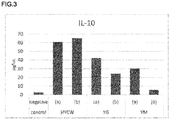
Figure 3] Figure 3 is a graph illustrating amounts of IL-10 production in Examples. - One aspect of the present invention relates to an interleukin-6 (IL-6) production promoter. Another embodiment of the present invention relates to an interleukin-10 (IL-10) production promoter. Herein, these are generically referred to as IL-production promoters and one embodiment common to them will be described in detail below.
- The IL-production promoters contain a crude yeast cell wall hydrolysate.
- The crude yeast cell wall hydrolysate can be obtained by subjecting yeast cell walls to a hydrolysis treatment. The yeast cell walls that is used may be a commercially available product or prepared from yeast cells.
- The method for obtaining the yeast cell walls from yeast cells is not particularly limited, but, for example, the yeast cell walls can be obtained from yeast cells by a known method. Specific examples thereof include a method involving heating yeast cells to 45 to 65°C to allow the cells to autodigest for 5 to 20 hours and then removing supernatant with a centrifuge, a method involving killing yeast cells by heating to 80°C or a higher temperature and then removing supernatant by centrifugation as they are, and a method involving addition of an enzyme to yeast cells, reaction with the enzyme and the yeast cells, and subsequent centrifugation and removal of supernatant.
- The yeast which the yeast cell walls are derived from is not particularly limited, but can be determined by a person skilled in the art as appropriate. Examples thereof include food grade products of yeasts that belong to the genus Saccharomyces, the genus Kluyveromyces, the genus Candida, the genus Pichia, and the genus Torulopsis (Bekatorou et al., 2006, Food Technol. Biotechnol. 44(3), 407-415) .
- Among them, yeasts belonging to the genus Saccharomyces such as brewer's yeast are preferred in terms of promoting more production of IL-6 and IL-10. Examples of the yeasts belonging to the genus Saccharomyces include brewer's yeasts, whiskey yeasts, shochu yeasts, baker's yeasts, wine yeasts, and sake yeasts, and, for example, one or more of them may be used for preparation of the yeast cell wall hydrolysate.
- When a brewer's yeast is used, examples of the yeast cell walls include yeast cell wall preparations from slurry brewer's yeast, compressed brewer's yeast, dry brewer's yeast, and brewer's yeast suspensions.
- The method for hydrolyzing the yeast cell walls is not particularly limited, but can be determined by a person skilled in the art as appropriate.
- Among them, preferred embodiments, in terms of further promotion of the amount of IL-6 and IL-10 production, include adjusting pH of yeast cell walls to 8.0 to 14.0 (more preferably 10.0 to 12.0) and hydrolyzing the yeast cell walls at 60 to 120°C (more preferably 85 to 95°C) for 3 to 24 hours (more preferably 12 to 20 hours). In the hydrolysis, stirring is not necessary.
- Moreover, the yeast cell walls to be hydrolyzed may be subjected to a washing treatment under alkaline conditions before the hydrolysis treatment, as needed.
- The IL-production promoters comprise a crude yeast cell wall hydrolysate that can be obtained, for example, as described above. The term "crude" refers to a state in which the product has not been subjected to a step for increasing purity of a specific component in the yeast cell walls, for example, β-glucan, or mannan. Examples of the step for the purpose of increasing purity of a specific component in the yeast cell walls include steps of centrifugation, filtration, distillation, recrystallization, extraction, sublimation, chromatography, separation by isoelectric precipitation, separation by ethanol precipitation, and salt precipitation of the yeast cell wall hydrolysate obtained as described above. However, steps similar to these, but not for the purpose of increasing purity of a specific component in yeast cell walls, for example, steps for the purpose of removing contaminated substances to secure quality as a food or drink, are not included. Those skilled in the art can determine whether a step is for increasing purity of a specific component in a yeast cell wall hydrolysate, from equipment or treatment conditions used in the step.
- In addition to the crude yeast cell wall hydrolysate, the IL-production promoters may comprise other components, as long as they allow the purpose of the present invention to be achieved.
- The form (dosage form) of the IL-production promoters is not particularly limited and they can be produced as a pharmaceutical preparation, a quasi-drug, or a food or drink.
- When the IL-production promoters are to be provided in a pharmaceutical preparation, a quasi-drug, or a food or drink, the crude yeast cell wall lysate may be mixed with, for example, a filler, a binder, a stabilizer, a disintegrant, a lubricant, a corrigent, a suspending agent, a coating, or any other components, as appropriate, to be formulated into such a formulation. Possible dosage forms include tablets, pills, capsules, granules, powder, powdered drugs, and syrups and these are preferably administered orally.
- Alternatively, when the IL-production promoters are manufactured in the aspect of a food or drink, the food or drink is not particularly limited, but it may be a food for special dietary uses such as a food for specified health uses or a functional nutritional food, as well as a usual food or drink. Specific examples of the food or drink include dietary supplements (supplements), bovine milk, processed milk, milk beverages, refreshing beverages, fermented milk, yogurt, cheese, bread, cookies, crackers, pizza crusts, ice creams, candies, gummy candies, chewing gum, infant formula, fluid diets, foods for invalids, foods such as powdered milk for infants, and foods such as powdered milk for nursing mothers.
- Moreover, the IL-production promoters are not limited to pharmaceutical preparations, quasi drugs, foods and drinks for humans, but may be in a form of a pharmaceutical preparation or a feeding-stuff for animals other than humans. Examples of the animals other than humans include higher vertebrates other than humans and, in particular, mammals other than humans, and more specific examples include pets such as dogs and cats and domestic animals such as cows, horses, pigs, and sheep. Moreover, birds and fishes are also included and more specific examples include meat chicken, egg chicken, and turkey; and farmed fish such as salmon, carp, crucian carp, tilapia, catfish, sea bass, yellowtail, amberjack, flatfish, sea bream, and tuna. Furthermore, invertebrates such as shrimp and crabs are also included.
- The daily intake of IL-production promoters is not particularly limited as well, and the content of the crude yeast cell wall hydrolysate may be adjusted so that an adult can ingest, for example, 0.01 to 100 g, preferably 0.1 to 10 g thereof per day. The content percentage of the crude yeast cell wall hydrolysate in the IL-production promoters is not particularly limited as well and it may be adjusted as appropriate depending on the easiness of production, the preferred daily dose, or the like.
- According to the foregoing embodiment, a novel technique that makes it possible to promote production of IL-6 and/or IL-10 can be provided.
- Production of IL-6 and/or IL-10 can be promoted by ingesting the crude yeast cell wall hydrolysate according to the embodiment, without limiting the aspect of ingestion, for example, in an aspect of a pharmaceutical preparation, a quasi-drug, or a food comprising the crude yeast cell wall hydrolysate described above. As a result, palliation of symptoms of infections by activation of the immune function and the like can be expected with some individual differences.
- The present invention will be described in more detail with reference to Examples below. However, the present invention is not limited thereto.
- Yeast cell walls (10% solid contents) derived from a brewer's yeast, which belongs to the genus Saccharomyces, produced at Asahi Group Foods, Ltd. Tochigi Koganei Factory were subjected to a hydrolysis treatment.
- Specifically, the yeast cell walls were adjusted to pH 11 with sodium hydroxide, then heated to 90°C, and treated for 18 hours. These were dried with a drum dryer to obtain yeast cell wall hydrolysates (hereinafter, HYCW).
- Without drying after the aforementioned hydrolysis treatment, the hydrolysates were adjusted to pH 5.5 with hydrochloric acid and then centrifuged to obtain heavy solutions. The heavy solutions were dried with a drum dryer to obtain yeast glucan (hereinafter, YG). The light solutions were concentrated to
Brix 40%, then sterilized under conditions at 125°C for 40 seconds, and dried by spray drying to obtain yeast mannan (hereinafter, - Both Examples and Comparative Examples were prepared as described above by using two lots of yeast cell walls produced in August, 2013 and in September of the year. Hereinafter, those derived from the yeast cell walls produced in August, 2013 are designated as (a) and those derived from the yeast cell walls produced in September of the year are designated as (b).
- Collected samples of Examples HYCW and Comparative Examples YG and YM were treated in order with α-amylase, protease, and amyloglucosidase and then ethanol was added thereto. The generated precipitates were washed with 80% ethanol and acetone. Subsequently, 5 mL of 72% sulfuric acid was added and degradation was performed at 20°C for 4 hours. 70 mL of water was then added and hydrolysis was performed for 2 hours in a boiling water bath. After cooling and neutralization, the glucose concentration was quantified by the glucose oxidase method and the concentration was multiplied by 0.9 to calculate the purity of β-glucan.
- The results are shown in
Figure 1 . HYCW can be divide into a β-glucan fraction and a mannan fraction by centrifugation. YG was obtained by drying the precipitate and β-glucan purity thereof was increased to approximately 33%, while YM was obtained by drying the supernatant and β-glucan was hardly contained and the purity thereof was approximately 1%. - IL-6 and IL-10 were measured according to a known method (Sonck et al., 2010, Veterinary Immunology and Immunopathology 135, 199-207). Peripheral blood was collected into heparin tubes from the jugular vein of 5 weaning piglets at 14 weeks of age. Subsequently, peripheral blood mononuclear cells (PBMCs) were obtained by density gradient centrifugation under conditions at 800 × g at 18°C for 25 minutes using Lymphoprep. Erythrocytes were hemolyzed with ammonium chloride and centrifugation was performed at 350 × g at 18°C for 10 minutes and then the precipitation was washed three times with the RPMI1640 medium containing 10% fetal bovine serum, a solution of non-essential amino acids, 100 µg/mL sodium pyruvate, 292 mg/mL L-glutamine, 100 IU/mL penicillin, 100 µg/mL streptomycin, and 100 µg/mL kanamycin and suspended to 107 cells/mL.
- Peripheral blood mononuclear cells (PBMCs) were stimulated with HYCW, YG, or YM and the amounts of IL-6 and IL-10 production were measured.
- Specifically, 1 × 10⁷ cells of PBMCs were stimulated with samples at 20 µg/mL or 200 µg/mL on a multi-well plate for 24 hours.
- Subsequently, the supernatant was collected and measured with a commercially available cytokine measurement ELISA kit (R&D Systems, Inc.) according to the manual. HBSS (Hank's Balanced Salt Solution) was used as a negative control.
- The results are shown in
Figures 2 and3 . - As seen in
Figures 2 and3 , it is found that the amounts of IL-6 and IL-10 production were greatly increased by stimulation with HYCW in comparison with those with YG or YM.
Claims (4)
- An interleukin-6 production promoter comprising a crude yeast cell wall hydrolysate.
- The interleukin-6 production promoter according to claim 1, wherein the yeast cell wall hydrolysate is a yeast cell wall hydrolysate obtained by adjusting pH of yeast cell walls to 8.0 to 14.0 and hydrolyzing the yeast cell walls at 60 to 120°C for 3 to 24 hours.
- An interleukin-10 production promoter comprising a crude yeast cell wall hydrolysate.
- The interleukin-10 production promoter according to claim 3, wherein the yeast cell wall hydrolysate is a yeast cell wall hydrolysate obtained by adjusting pH of yeast cell walls to 8.0 to 14.0 and hydrolyzing the yeast cell walls at 60 to 120°C for 3 to 24 hours.
Applications Claiming Priority (2)
| Application Number | Priority Date | Filing Date | Title |
|---|---|---|---|
| JP2018121852 | 2018-06-27 | ||
| PCT/JP2019/021912 WO2020003905A1 (en) | 2018-06-27 | 2019-06-03 | Interleukin-6, 10 production promoter |
Publications (2)
| Publication Number | Publication Date |
|---|---|
| EP3815703A1 true EP3815703A1 (en) | 2021-05-05 |
| EP3815703A4 EP3815703A4 (en) | 2022-05-04 |
Family
ID=68986473
Family Applications (1)
| Application Number | Title | Priority Date | Filing Date |
|---|---|---|---|
| EP19825767.7A Pending EP3815703A4 (en) | 2018-06-27 | 2019-06-03 | Interleukin-6, 10 production promoter |
Country Status (7)
| Country | Link |
|---|---|
| US (1) | US11739360B2 (en) |
| EP (1) | EP3815703A4 (en) |
| JP (1) | JP7254798B2 (en) |
| CN (1) | CN112334146A (en) |
| BR (1) | BR112020023401A2 (en) |
| TW (1) | TWI811375B (en) |
| WO (1) | WO2020003905A1 (en) |
Families Citing this family (1)
| Publication number | Priority date | Publication date | Assignee | Title |
|---|---|---|---|---|
| KR20240011139A (en) * | 2021-05-21 | 2024-01-25 | 아사히 그룹 홀딩스 가부시키가이샤 | Method for producing immunostimulant and glucan compositions |
Family Cites Families (3)
| Publication number | Priority date | Publication date | Assignee | Title |
|---|---|---|---|---|
| DE602004014390D1 (en) * | 2003-08-15 | 2008-07-24 | Grain Processing Corp | PROCESS FOR THE RELEASE OF CELLS FROM TISSUE |
| US10392639B2 (en) | 2014-03-21 | 2019-08-27 | Dsm Ip Assets B.V. | Process for the treatment of yeast cell walls with a laminaripentaose producing beta-1,3-glucanase |
| IT201600069379A1 (en) * | 2016-07-04 | 2018-01-04 | Prosol S P A | Composition consisting substantially of cell walls of yeast and process for its preparation |
-
2019
- 2019-06-03 WO PCT/JP2019/021912 patent/WO2020003905A1/en not_active Ceased
- 2019-06-03 EP EP19825767.7A patent/EP3815703A4/en active Pending
- 2019-06-03 US US16/972,709 patent/US11739360B2/en active Active
- 2019-06-03 JP JP2020527320A patent/JP7254798B2/en active Active
- 2019-06-03 CN CN201980043413.9A patent/CN112334146A/en active Pending
- 2019-06-03 BR BR112020023401-0A patent/BR112020023401A2/en not_active Application Discontinuation
- 2019-06-05 TW TW108119424A patent/TWI811375B/en active
Also Published As
| Publication number | Publication date |
|---|---|
| US11739360B2 (en) | 2023-08-29 |
| TW202000218A (en) | 2020-01-01 |
| US20210254118A1 (en) | 2021-08-19 |
| WO2020003905A1 (en) | 2020-01-02 |
| JPWO2020003905A1 (en) | 2021-07-08 |
| JP7254798B2 (en) | 2023-04-10 |
| TWI811375B (en) | 2023-08-11 |
| CN112334146A (en) | 2021-02-05 |
| BR112020023401A2 (en) | 2021-02-09 |
| EP3815703A4 (en) | 2022-05-04 |
Similar Documents
| Publication | Publication Date | Title |
|---|---|---|
| TWI907335B (en) | Immunostimulant and infection prevention method | |
| Luo et al. | Bitter peptides from enzymatically hydrolyzed protein increase the number of leucocytes and lysozyme activity of large yellow croaker (Larimichthys crocea) | |
| CN110944643A (en) | Application of sophorolipid as feed additive | |
| JP6469394B2 (en) | Apoptosis inhibitor | |
| FI114895B (en) | Additive for food | |
| US11739360B2 (en) | Interleukin-6, 10 production promoter | |
| Muthusamy et al. | β-glucan from edible mushroom (Pleurotus florida) enhances mucosal immunity in poultry | |
| US20240226135A1 (en) | Immunostimulator and method of producing glucan composition | |
| JP2010077056A (en) | Infectious disease prophylactic | |
| JP2004008073A (en) | Method for preventing reduction in mammalian breast milk amount | |
| JPS61277630A (en) | Breeding of animal | |
| JP2008195713A (en) | Immunomodulator | |
| CN107691760A (en) | A kind of oyster peptide of enhancing development and its preparation method and application | |
| JPH0699315B2 (en) | Weight gain and immunopotentiator, method for producing the same, and feed containing the same | |
| Tabassum et al. | Use of Saccharomyces cerevisiae as probiotic in ruminants feed | |
| JP2024121661A (en) | Blood sugar improver | |
| JP2001029040A (en) | Lipid metabolism improver | |
| JP6647623B2 (en) | Macrophage activator | |
| JP2007117014A (en) | Nutritive supplement for preventing rheumatoid arthritis | |
| WO2024003223A1 (en) | Fucosylated saccharide for use in the prevention or treatment of parasitic disease | |
| CN111419875A (en) | Blood pressure increase inhibitor containing chondroitin sulfate-containing pig cartilage extract as effective component, and food composition containing the same | |
| JP2011016728A (en) | Prophylactic agent and/or therapeutic agent for inflammatory disease | |
| KR20220091904A (en) | Exosomal miRNA derived from breast milk | |
| SK862007A3 (en) | Full artificial animal and/or poultry feed concentrate | |
| JPH09140335A (en) | Poultry egg containing mucopolysaccharide and its production |
Legal Events
| Date | Code | Title | Description |
|---|---|---|---|
| STAA | Information on the status of an ep patent application or granted ep patent |
Free format text: STATUS: THE INTERNATIONAL PUBLICATION HAS BEEN MADE |
|
| PUAI | Public reference made under article 153(3) epc to a published international application that has entered the european phase |
Free format text: ORIGINAL CODE: 0009012 |
|
| STAA | Information on the status of an ep patent application or granted ep patent |
Free format text: STATUS: REQUEST FOR EXAMINATION WAS MADE |
|
| 17P | Request for examination filed |
Effective date: 20210127 |
|
| AK | Designated contracting states |
Kind code of ref document: A1 Designated state(s): AL AT BE BG CH CY CZ DE DK EE ES FI FR GB GR HR HU IE IS IT LI LT LU LV MC MK MT NL NO PL PT RO RS SE SI SK SM TR |
|
| DAV | Request for validation of the european patent (deleted) | ||
| DAX | Request for extension of the european patent (deleted) | ||
| A4 | Supplementary search report drawn up and despatched |
Effective date: 20220404 |
|
| RIC1 | Information provided on ipc code assigned before grant |
Ipc: A61K 36/064 20060101ALI20220328BHEP Ipc: A61P 43/00 20060101ALI20220328BHEP Ipc: A61P 37/02 20060101ALI20220328BHEP Ipc: A23L 33/145 20160101ALI20220328BHEP Ipc: A23L 2/84 20060101ALI20220328BHEP Ipc: A23L 2/00 20060101ALI20220328BHEP Ipc: A23G 9/32 20060101ALI20220328BHEP Ipc: A23G 4/06 20060101ALI20220328BHEP Ipc: A23G 3/36 20060101ALI20220328BHEP Ipc: A23G 3/34 20060101ALI20220328BHEP Ipc: A23C 19/00 20060101ALI20220328BHEP Ipc: A23C 9/152 20060101ALI20220328BHEP Ipc: A23C 1/00 20060101ALI20220328BHEP Ipc: A21D 13/80 20170101ALI20220328BHEP Ipc: A21D 13/00 20170101ALI20220328BHEP Ipc: A61K 36/062 20060101AFI20220328BHEP |
|
| STAA | Information on the status of an ep patent application or granted ep patent |
Free format text: STATUS: EXAMINATION IS IN PROGRESS |
|
| 17Q | First examination report despatched |
Effective date: 20250429 |