EP3815699A1 - New means and methods for therapy and diagnosis of adenoviral infection - Google Patents
New means and methods for therapy and diagnosis of adenoviral infection Download PDFInfo
- Publication number
- EP3815699A1 EP3815699A1 EP19205530.9A EP19205530A EP3815699A1 EP 3815699 A1 EP3815699 A1 EP 3815699A1 EP 19205530 A EP19205530 A EP 19205530A EP 3815699 A1 EP3815699 A1 EP 3815699A1
- Authority
- EP
- European Patent Office
- Prior art keywords
- subject
- infection
- adenovirus
- arsenic trioxide
- protein
- Prior art date
- Legal status (The legal status is an assumption and is not a legal conclusion. Google has not performed a legal analysis and makes no representation as to the accuracy of the status listed.)
- Withdrawn
Links
- 238000000034 method Methods 0.000 title claims abstract description 59
- 238000002560 therapeutic procedure Methods 0.000 title abstract description 18
- 238000003745 diagnosis Methods 0.000 title abstract description 7
- 206010001258 Adenoviral infections Diseases 0.000 title description 40
- HJTAZXHBEBIQQX-UHFFFAOYSA-N 1,5-bis(chloromethyl)naphthalene Chemical compound C1=CC=C2C(CCl)=CC=CC2=C1CCl HJTAZXHBEBIQQX-UHFFFAOYSA-N 0.000 claims abstract description 123
- GOLCXWYRSKYTSP-UHFFFAOYSA-N arsenic trioxide Inorganic materials O1[As]2O[As]1O2 GOLCXWYRSKYTSP-UHFFFAOYSA-N 0.000 claims abstract description 123
- 208000010370 Adenoviridae Infections Diseases 0.000 claims abstract description 69
- 206010060931 Adenovirus infection Diseases 0.000 claims abstract description 67
- 208000011589 adenoviridae infectious disease Diseases 0.000 claims abstract description 67
- 230000010741 sumoylation Effects 0.000 claims abstract description 52
- 102200157658 rs1555229948 Human genes 0.000 claims abstract 5
- 241000598171 Human adenovirus sp. Species 0.000 claims description 133
- 208000037265 diseases, disorders, signs and symptoms Diseases 0.000 claims description 79
- 238000011282 treatment Methods 0.000 claims description 62
- 201000010099 disease Diseases 0.000 claims description 43
- 230000010076 replication Effects 0.000 claims description 42
- 208000035475 disorder Diseases 0.000 claims description 36
- 239000003795 chemical substances by application Substances 0.000 claims description 34
- 230000009385 viral infection Effects 0.000 claims description 34
- 208000036142 Viral infection Diseases 0.000 claims description 32
- 241000701161 unidentified adenovirus Species 0.000 claims description 32
- 206010028980 Neoplasm Diseases 0.000 claims description 29
- 230000002401 inhibitory effect Effects 0.000 claims description 24
- 238000003556 assay Methods 0.000 claims description 23
- 201000011510 cancer Diseases 0.000 claims description 22
- 206010061598 Immunodeficiency Diseases 0.000 claims description 21
- 208000024891 symptom Diseases 0.000 claims description 20
- 230000002265 prevention Effects 0.000 claims description 14
- 208000006454 hepatitis Diseases 0.000 claims description 12
- 208000037581 Persistent Infection Diseases 0.000 claims description 10
- 231100000283 hepatitis Toxicity 0.000 claims description 9
- 230000002085 persistent effect Effects 0.000 claims description 9
- 210000000130 stem cell Anatomy 0.000 claims description 9
- 108010057856 Adenovirus E2 Proteins Proteins 0.000 claims description 8
- 230000003263 anti-adenoviral effect Effects 0.000 claims description 8
- 239000003550 marker Substances 0.000 claims description 8
- 230000000306 recurrent effect Effects 0.000 claims description 8
- 206010035664 Pneumonia Diseases 0.000 claims description 7
- 210000002345 respiratory system Anatomy 0.000 claims description 7
- 208000005577 Gastroenteritis Diseases 0.000 claims description 6
- 201000003146 cystitis Diseases 0.000 claims description 6
- 206010014599 encephalitis Diseases 0.000 claims description 5
- 206010023332 keratitis Diseases 0.000 claims description 5
- 201000010666 keratoconjunctivitis Diseases 0.000 claims description 5
- 206010010741 Conjunctivitis Diseases 0.000 claims description 4
- 241000124008 Mammalia Species 0.000 claims description 3
- 239000013610 patient sample Substances 0.000 abstract description 2
- 210000004027 cell Anatomy 0.000 description 165
- 108090000623 proteins and genes Proteins 0.000 description 159
- 102000004169 proteins and genes Human genes 0.000 description 147
- 235000018102 proteins Nutrition 0.000 description 127
- 241000700605 Viruses Species 0.000 description 86
- 102000051619 SUMO-1 Human genes 0.000 description 79
- 208000015181 infectious disease Diseases 0.000 description 73
- 101000879203 Caenorhabditis elegans Small ubiquitin-related modifier Proteins 0.000 description 72
- 230000003612 virological effect Effects 0.000 description 60
- 230000014509 gene expression Effects 0.000 description 50
- 230000003993 interaction Effects 0.000 description 46
- 101000573199 Homo sapiens Protein PML Proteins 0.000 description 37
- 102100026375 Protein PML Human genes 0.000 description 37
- 108020004414 DNA Proteins 0.000 description 28
- 230000009467 reduction Effects 0.000 description 28
- 210000000234 capsid Anatomy 0.000 description 25
- 238000004458 analytical method Methods 0.000 description 24
- 230000000694 effects Effects 0.000 description 20
- 239000000523 sample Substances 0.000 description 20
- 239000012472 biological sample Substances 0.000 description 19
- 230000015572 biosynthetic process Effects 0.000 description 18
- 238000002474 experimental method Methods 0.000 description 18
- 230000029812 viral genome replication Effects 0.000 description 18
- 150000001875 compounds Chemical class 0.000 description 17
- 238000003119 immunoblot Methods 0.000 description 17
- 108020004999 messenger RNA Proteins 0.000 description 17
- 238000001114 immunoprecipitation Methods 0.000 description 15
- 230000002829 reductive effect Effects 0.000 description 15
- 230000005764 inhibitory process Effects 0.000 description 14
- 230000027455 binding Effects 0.000 description 13
- 239000000872 buffer Substances 0.000 description 13
- 239000003814 drug Substances 0.000 description 13
- 239000000203 mixture Substances 0.000 description 13
- 230000004481 post-translational protein modification Effects 0.000 description 13
- NTIZESTWPVYFNL-UHFFFAOYSA-N Methyl isobutyl ketone Chemical compound CC(C)CC(C)=O NTIZESTWPVYFNL-UHFFFAOYSA-N 0.000 description 12
- 239000003443 antiviral agent Substances 0.000 description 12
- 150000001495 arsenic compounds Chemical class 0.000 description 12
- 239000013592 cell lysate Substances 0.000 description 12
- 238000001514 detection method Methods 0.000 description 12
- 238000002415 sodium dodecyl sulfate polyacrylamide gel electrophoresis Methods 0.000 description 12
- FAPWRFPIFSIZLT-UHFFFAOYSA-M Sodium chloride Chemical compound [Na+].[Cl-] FAPWRFPIFSIZLT-UHFFFAOYSA-M 0.000 description 11
- 230000021615 conjugation Effects 0.000 description 11
- 239000013615 primer Substances 0.000 description 11
- 238000000746 purification Methods 0.000 description 11
- 241000283973 Oryctolagus cuniculus Species 0.000 description 10
- 108010067390 Viral Proteins Proteins 0.000 description 10
- 108090000765 processed proteins & peptides Proteins 0.000 description 10
- 230000001225 therapeutic effect Effects 0.000 description 10
- 230000004543 DNA replication Effects 0.000 description 9
- 102100024542 Small ubiquitin-related modifier 2 Human genes 0.000 description 9
- 230000000840 anti-viral effect Effects 0.000 description 9
- 239000012634 fragment Substances 0.000 description 9
- 238000004519 manufacturing process Methods 0.000 description 9
- 239000013612 plasmid Substances 0.000 description 9
- 230000004044 response Effects 0.000 description 9
- 239000000243 solution Substances 0.000 description 9
- 108091032973 (ribonucleotides)n+m Proteins 0.000 description 8
- 108090000565 Capsid Proteins Proteins 0.000 description 8
- 102100023321 Ceruloplasmin Human genes 0.000 description 8
- 230000000903 blocking effect Effects 0.000 description 8
- 230000007423 decrease Effects 0.000 description 8
- 229940079593 drug Drugs 0.000 description 8
- 230000035772 mutation Effects 0.000 description 8
- 210000000056 organ Anatomy 0.000 description 8
- 210000001519 tissue Anatomy 0.000 description 8
- 239000013598 vector Substances 0.000 description 8
- KCXVZYZYPLLWCC-UHFFFAOYSA-N EDTA Chemical compound OC(=O)CN(CC(O)=O)CCN(CC(O)=O)CC(O)=O KCXVZYZYPLLWCC-UHFFFAOYSA-N 0.000 description 7
- 108700038981 SUMO-1 Proteins 0.000 description 7
- DBMJMQXJHONAFJ-UHFFFAOYSA-M Sodium laurylsulphate Chemical compound [Na+].CCCCCCCCCCCCOS([O-])(=O)=O DBMJMQXJHONAFJ-UHFFFAOYSA-M 0.000 description 7
- 108020005202 Viral DNA Proteins 0.000 description 7
- 150000001413 amino acids Chemical class 0.000 description 7
- 229940093920 gynecological arsenic compound Drugs 0.000 description 7
- 210000000987 immune system Anatomy 0.000 description 7
- 239000002245 particle Substances 0.000 description 7
- 229920001184 polypeptide Polymers 0.000 description 7
- 230000008569 process Effects 0.000 description 7
- 102000004196 processed proteins & peptides Human genes 0.000 description 7
- 239000011780 sodium chloride Substances 0.000 description 7
- 235000019333 sodium laurylsulphate Nutrition 0.000 description 7
- 238000003786 synthesis reaction Methods 0.000 description 7
- XLYOFNOQVPJJNP-UHFFFAOYSA-N water Substances O XLYOFNOQVPJJNP-UHFFFAOYSA-N 0.000 description 7
- 238000001262 western blot Methods 0.000 description 7
- PEDCQBHIVMGVHV-UHFFFAOYSA-N Glycerine Chemical compound OCC(O)CO PEDCQBHIVMGVHV-UHFFFAOYSA-N 0.000 description 6
- -1 Palivizumab Chemical compound 0.000 description 6
- HEMHJVSKTPXQMS-UHFFFAOYSA-M Sodium hydroxide Chemical compound [OH-].[Na+] HEMHJVSKTPXQMS-UHFFFAOYSA-M 0.000 description 6
- 238000002487 chromatin immunoprecipitation Methods 0.000 description 6
- 230000001684 chronic effect Effects 0.000 description 6
- 230000006870 function Effects 0.000 description 6
- 244000052769 pathogen Species 0.000 description 6
- 230000001717 pathogenic effect Effects 0.000 description 6
- 238000002360 preparation method Methods 0.000 description 6
- 238000003757 reverse transcription PCR Methods 0.000 description 6
- UCSJYZPVAKXKNQ-HZYVHMACSA-N streptomycin Chemical compound CN[C@H]1[C@H](O)[C@@H](O)[C@H](CO)O[C@H]1O[C@@H]1[C@](C=O)(O)[C@H](C)O[C@H]1O[C@@H]1[C@@H](NC(N)=N)[C@H](O)[C@@H](NC(N)=N)[C@H](O)[C@H]1O UCSJYZPVAKXKNQ-HZYVHMACSA-N 0.000 description 6
- 238000013518 transcription Methods 0.000 description 6
- 230000035897 transcription Effects 0.000 description 6
- 238000001890 transfection Methods 0.000 description 6
- 239000012130 whole-cell lysate Substances 0.000 description 6
- 208000036762 Acute promyelocytic leukaemia Diseases 0.000 description 5
- 101100539164 Caenorhabditis elegans ubc-9 gene Proteins 0.000 description 5
- 241000450599 DNA viruses Species 0.000 description 5
- 108010067770 Endopeptidase K Proteins 0.000 description 5
- 102100031181 Glyceraldehyde-3-phosphate dehydrogenase Human genes 0.000 description 5
- 238000011529 RT qPCR Methods 0.000 description 5
- 101710081711 Small ubiquitin-related modifier 2 Proteins 0.000 description 5
- 230000001154 acute effect Effects 0.000 description 5
- 125000000539 amino acid group Chemical group 0.000 description 5
- 235000009697 arginine Nutrition 0.000 description 5
- 230000003833 cell viability Effects 0.000 description 5
- 238000003570 cell viability assay Methods 0.000 description 5
- 230000001413 cellular effect Effects 0.000 description 5
- 230000002354 daily effect Effects 0.000 description 5
- 238000000326 densiometry Methods 0.000 description 5
- 238000002405 diagnostic procedure Methods 0.000 description 5
- 230000005284 excitation Effects 0.000 description 5
- 108020004445 glyceraldehyde-3-phosphate dehydrogenase Proteins 0.000 description 5
- 230000028993 immune response Effects 0.000 description 5
- 125000003588 lysine group Chemical group [H]N([H])C([H])([H])C([H])([H])C([H])([H])C([H])([H])C([H])(N([H])[H])C(*)=O 0.000 description 5
- 239000002609 medium Substances 0.000 description 5
- 238000003752 polymerase chain reaction Methods 0.000 description 5
- 238000003753 real-time PCR Methods 0.000 description 5
- 239000000758 substrate Substances 0.000 description 5
- QKNYBSVHEMOAJP-UHFFFAOYSA-N 2-amino-2-(hydroxymethyl)propane-1,3-diol;hydron;chloride Chemical compound Cl.OCC(N)(CO)CO QKNYBSVHEMOAJP-UHFFFAOYSA-N 0.000 description 4
- 239000004475 Arginine Substances 0.000 description 4
- 102000053602 DNA Human genes 0.000 description 4
- 102100030987 E3 SUMO-protein ligase PIAS4 Human genes 0.000 description 4
- 101000583450 Homo sapiens E3 SUMO-protein ligase PIAS4 Proteins 0.000 description 4
- 101000832685 Homo sapiens Small ubiquitin-related modifier 2 Proteins 0.000 description 4
- 206010061218 Inflammation Diseases 0.000 description 4
- 208000033826 Promyelocytic Acute Leukemia Diseases 0.000 description 4
- 230000001594 aberrant effect Effects 0.000 description 4
- 239000004480 active ingredient Substances 0.000 description 4
- ODKSFYDXXFIFQN-UHFFFAOYSA-N arginine Natural products OC(=O)C(N)CCCNC(N)=N ODKSFYDXXFIFQN-UHFFFAOYSA-N 0.000 description 4
- 230000037396 body weight Effects 0.000 description 4
- 230000005889 cellular cytotoxicity Effects 0.000 description 4
- 238000006243 chemical reaction Methods 0.000 description 4
- PJJJBBJSCAKJQF-UHFFFAOYSA-N guanidinium chloride Chemical compound [Cl-].NC(N)=[NH2+] PJJJBBJSCAKJQF-UHFFFAOYSA-N 0.000 description 4
- 238000003125 immunofluorescent labeling Methods 0.000 description 4
- 239000012678 infectious agent Substances 0.000 description 4
- 230000004054 inflammatory process Effects 0.000 description 4
- 239000003112 inhibitor Substances 0.000 description 4
- 238000002347 injection Methods 0.000 description 4
- 239000007924 injection Substances 0.000 description 4
- 238000002372 labelling Methods 0.000 description 4
- KWGKDLIKAYFUFQ-UHFFFAOYSA-M lithium chloride Chemical compound [Li+].[Cl-] KWGKDLIKAYFUFQ-UHFFFAOYSA-M 0.000 description 4
- 210000004185 liver Anatomy 0.000 description 4
- 230000007246 mechanism Effects 0.000 description 4
- 239000012528 membrane Substances 0.000 description 4
- 238000012544 monitoring process Methods 0.000 description 4
- 239000000825 pharmaceutical preparation Substances 0.000 description 4
- 239000002953 phosphate buffered saline Substances 0.000 description 4
- 239000003755 preservative agent Substances 0.000 description 4
- 238000011002 quantification Methods 0.000 description 4
- 230000001105 regulatory effect Effects 0.000 description 4
- 230000003362 replicative effect Effects 0.000 description 4
- 150000003839 salts Chemical class 0.000 description 4
- 241000894007 species Species 0.000 description 4
- 238000010186 staining Methods 0.000 description 4
- 239000000126 substance Substances 0.000 description 4
- 238000012360 testing method Methods 0.000 description 4
- 230000017613 viral reproduction Effects 0.000 description 4
- 238000001086 yeast two-hybrid system Methods 0.000 description 4
- 108091003079 Bovine Serum Albumin Proteins 0.000 description 3
- 201000009030 Carcinoma Diseases 0.000 description 3
- 208000035473 Communicable disease Diseases 0.000 description 3
- 230000006820 DNA synthesis Effects 0.000 description 3
- 102000052510 DNA-Binding Proteins Human genes 0.000 description 3
- 239000006144 Dulbecco’s modified Eagle's medium Substances 0.000 description 3
- WSFSSNUMVMOOMR-UHFFFAOYSA-N Formaldehyde Chemical compound O=C WSFSSNUMVMOOMR-UHFFFAOYSA-N 0.000 description 3
- 241001465754 Metazoa Species 0.000 description 3
- 239000000020 Nitrocellulose Substances 0.000 description 3
- 229930182555 Penicillin Natural products 0.000 description 3
- JGSARLDLIJGVTE-MBNYWOFBSA-N Penicillin G Chemical compound N([C@H]1[C@H]2SC([C@@H](N2C1=O)C(O)=O)(C)C)C(=O)CC1=CC=CC=C1 JGSARLDLIJGVTE-MBNYWOFBSA-N 0.000 description 3
- 229920002873 Polyethylenimine Polymers 0.000 description 3
- 201000000582 Retinoblastoma Diseases 0.000 description 3
- 102000002669 Small Ubiquitin-Related Modifier Proteins Human genes 0.000 description 3
- 108010043401 Small Ubiquitin-Related Modifier Proteins Proteins 0.000 description 3
- 239000013504 Triton X-100 Substances 0.000 description 3
- 229920004890 Triton X-100 Polymers 0.000 description 3
- 238000001790 Welch's t-test Methods 0.000 description 3
- 238000000246 agarose gel electrophoresis Methods 0.000 description 3
- 230000000735 allogeneic effect Effects 0.000 description 3
- 235000001014 amino acid Nutrition 0.000 description 3
- 229940024606 amino acid Drugs 0.000 description 3
- 239000012298 atmosphere Substances 0.000 description 3
- 238000000211 autoradiogram Methods 0.000 description 3
- 230000009286 beneficial effect Effects 0.000 description 3
- 230000008901 benefit Effects 0.000 description 3
- 238000001574 biopsy Methods 0.000 description 3
- 210000001185 bone marrow Anatomy 0.000 description 3
- 239000002775 capsule Substances 0.000 description 3
- 230000010261 cell growth Effects 0.000 description 3
- 238000002512 chemotherapy Methods 0.000 description 3
- 238000002648 combination therapy Methods 0.000 description 3
- 238000010217 densitometric analysis Methods 0.000 description 3
- 230000001419 dependent effect Effects 0.000 description 3
- 230000029087 digestion Effects 0.000 description 3
- 231100000676 disease causative agent Toxicity 0.000 description 3
- 230000012010 growth Effects 0.000 description 3
- 238000003306 harvesting Methods 0.000 description 3
- 210000005260 human cell Anatomy 0.000 description 3
- 239000002054 inoculum Substances 0.000 description 3
- 238000001990 intravenous administration Methods 0.000 description 3
- 239000007788 liquid Substances 0.000 description 3
- 210000004072 lung Anatomy 0.000 description 3
- 239000006166 lysate Substances 0.000 description 3
- 235000018977 lysine Nutrition 0.000 description 3
- 239000012139 lysis buffer Substances 0.000 description 3
- 230000004048 modification Effects 0.000 description 3
- 238000012986 modification Methods 0.000 description 3
- 229920001220 nitrocellulos Polymers 0.000 description 3
- 229940049954 penicillin Drugs 0.000 description 3
- 210000005259 peripheral blood Anatomy 0.000 description 3
- 239000011886 peripheral blood Substances 0.000 description 3
- 239000000843 powder Substances 0.000 description 3
- 239000000047 product Substances 0.000 description 3
- 239000003531 protein hydrolysate Substances 0.000 description 3
- 238000004445 quantitative analysis Methods 0.000 description 3
- 238000001959 radiotherapy Methods 0.000 description 3
- 238000011084 recovery Methods 0.000 description 3
- 230000002441 reversible effect Effects 0.000 description 3
- 102200033974 rs1555427497 Human genes 0.000 description 3
- 210000002966 serum Anatomy 0.000 description 3
- 238000002741 site-directed mutagenesis Methods 0.000 description 3
- 229960005322 streptomycin Drugs 0.000 description 3
- 239000000725 suspension Substances 0.000 description 3
- 238000003146 transient transfection Methods 0.000 description 3
- 238000002054 transplantation Methods 0.000 description 3
- 210000000605 viral structure Anatomy 0.000 description 3
- YBJHBAHKTGYVGT-ZKWXMUAHSA-N (+)-Biotin Chemical compound N1C(=O)N[C@@H]2[C@H](CCCCC(=O)O)SC[C@@H]21 YBJHBAHKTGYVGT-ZKWXMUAHSA-N 0.000 description 2
- 229920001817 Agar Polymers 0.000 description 2
- 101100239079 Arabidopsis thaliana MUR3 gene Proteins 0.000 description 2
- 108091026890 Coding region Proteins 0.000 description 2
- 239000003155 DNA primer Substances 0.000 description 2
- 101710096438 DNA-binding protein Proteins 0.000 description 2
- 102000016928 DNA-directed DNA polymerase Human genes 0.000 description 2
- 108010014303 DNA-directed DNA polymerase Proteins 0.000 description 2
- 102100028559 Death domain-associated protein 6 Human genes 0.000 description 2
- 101710114676 E1B 55 kDa protein Proteins 0.000 description 2
- 238000002965 ELISA Methods 0.000 description 2
- WQZGKKKJIJFFOK-GASJEMHNSA-N Glucose Chemical compound OC[C@H]1OC(O)[C@H](O)[C@@H](O)[C@@H]1O WQZGKKKJIJFFOK-GASJEMHNSA-N 0.000 description 2
- DHMQDGOQFOQNFH-UHFFFAOYSA-N Glycine Chemical compound NCC(O)=O DHMQDGOQFOQNFH-UHFFFAOYSA-N 0.000 description 2
- 241000700721 Hepatitis B virus Species 0.000 description 2
- 241000282412 Homo Species 0.000 description 2
- 101000644655 Homo sapiens Ubiquitin-conjugating enzyme E2 E1 Proteins 0.000 description 2
- 108010001336 Horseradish Peroxidase Proteins 0.000 description 2
- 241000701806 Human papillomavirus Species 0.000 description 2
- 102000014150 Interferons Human genes 0.000 description 2
- 108010050904 Interferons Proteins 0.000 description 2
- 208000008839 Kidney Neoplasms Diseases 0.000 description 2
- ROHFNLRQFUQHCH-YFKPBYRVSA-N L-leucine Chemical compound CC(C)C[C@H](N)C(O)=O ROHFNLRQFUQHCH-YFKPBYRVSA-N 0.000 description 2
- 239000004472 Lysine Substances 0.000 description 2
- KDXKERNSBIXSRK-UHFFFAOYSA-N Lysine Natural products NCCCCC(N)C(O)=O KDXKERNSBIXSRK-UHFFFAOYSA-N 0.000 description 2
- 229920000168 Microcrystalline cellulose Polymers 0.000 description 2
- 108010077850 Nuclear Localization Signals Proteins 0.000 description 2
- 108091034117 Oligonucleotide Proteins 0.000 description 2
- 102000015636 Oligopeptides Human genes 0.000 description 2
- 108010038807 Oligopeptides Proteins 0.000 description 2
- 101710185720 Putative ethidium bromide resistance protein Proteins 0.000 description 2
- 230000006819 RNA synthesis Effects 0.000 description 2
- 101150092391 RSA3 gene Proteins 0.000 description 2
- 206010038389 Renal cancer Diseases 0.000 description 2
- 102100029807 SUMO-conjugating enzyme UBC9 Human genes 0.000 description 2
- 240000004808 Saccharomyces cerevisiae Species 0.000 description 2
- VYPSYNLAJGMNEJ-UHFFFAOYSA-N Silicium dioxide Chemical compound O=[Si]=O VYPSYNLAJGMNEJ-UHFFFAOYSA-N 0.000 description 2
- 108020004682 Single-Stranded DNA Proteins 0.000 description 2
- UIIMBOGNXHQVGW-UHFFFAOYSA-M Sodium bicarbonate Chemical compound [Na+].OC([O-])=O UIIMBOGNXHQVGW-UHFFFAOYSA-M 0.000 description 2
- 108091023040 Transcription factor Proteins 0.000 description 2
- 102000040945 Transcription factor Human genes 0.000 description 2
- 239000007983 Tris buffer Substances 0.000 description 2
- 108700025716 Tumor Suppressor Genes Proteins 0.000 description 2
- 102000044209 Tumor Suppressor Genes Human genes 0.000 description 2
- 102000044159 Ubiquitin Human genes 0.000 description 2
- 108090000848 Ubiquitin Proteins 0.000 description 2
- 102100020711 Ubiquitin-conjugating enzyme E2 E1 Human genes 0.000 description 2
- 108700005077 Viral Genes Proteins 0.000 description 2
- JLCPHMBAVCMARE-UHFFFAOYSA-N [3-[[3-[[3-[[3-[[3-[[3-[[3-[[3-[[3-[[3-[[3-[[5-(2-amino-6-oxo-1H-purin-9-yl)-3-[[3-[[3-[[3-[[3-[[3-[[5-(2-amino-6-oxo-1H-purin-9-yl)-3-[[5-(2-amino-6-oxo-1H-purin-9-yl)-3-hydroxyoxolan-2-yl]methoxy-hydroxyphosphoryl]oxyoxolan-2-yl]methoxy-hydroxyphosphoryl]oxy-5-(5-methyl-2,4-dioxopyrimidin-1-yl)oxolan-2-yl]methoxy-hydroxyphosphoryl]oxy-5-(6-aminopurin-9-yl)oxolan-2-yl]methoxy-hydroxyphosphoryl]oxy-5-(6-aminopurin-9-yl)oxolan-2-yl]methoxy-hydroxyphosphoryl]oxy-5-(6-aminopurin-9-yl)oxolan-2-yl]methoxy-hydroxyphosphoryl]oxy-5-(6-aminopurin-9-yl)oxolan-2-yl]methoxy-hydroxyphosphoryl]oxyoxolan-2-yl]methoxy-hydroxyphosphoryl]oxy-5-(5-methyl-2,4-dioxopyrimidin-1-yl)oxolan-2-yl]methoxy-hydroxyphosphoryl]oxy-5-(4-amino-2-oxopyrimidin-1-yl)oxolan-2-yl]methoxy-hydroxyphosphoryl]oxy-5-(5-methyl-2,4-dioxopyrimidin-1-yl)oxolan-2-yl]methoxy-hydroxyphosphoryl]oxy-5-(5-methyl-2,4-dioxopyrimidin-1-yl)oxolan-2-yl]methoxy-hydroxyphosphoryl]oxy-5-(6-aminopurin-9-yl)oxolan-2-yl]methoxy-hydroxyphosphoryl]oxy-5-(6-aminopurin-9-yl)oxolan-2-yl]methoxy-hydroxyphosphoryl]oxy-5-(4-amino-2-oxopyrimidin-1-yl)oxolan-2-yl]methoxy-hydroxyphosphoryl]oxy-5-(4-amino-2-oxopyrimidin-1-yl)oxolan-2-yl]methoxy-hydroxyphosphoryl]oxy-5-(4-amino-2-oxopyrimidin-1-yl)oxolan-2-yl]methoxy-hydroxyphosphoryl]oxy-5-(6-aminopurin-9-yl)oxolan-2-yl]methoxy-hydroxyphosphoryl]oxy-5-(4-amino-2-oxopyrimidin-1-yl)oxolan-2-yl]methyl [5-(6-aminopurin-9-yl)-2-(hydroxymethyl)oxolan-3-yl] hydrogen phosphate Polymers Cc1cn(C2CC(OP(O)(=O)OCC3OC(CC3OP(O)(=O)OCC3OC(CC3O)n3cnc4c3nc(N)[nH]c4=O)n3cnc4c3nc(N)[nH]c4=O)C(COP(O)(=O)OC3CC(OC3COP(O)(=O)OC3CC(OC3COP(O)(=O)OC3CC(OC3COP(O)(=O)OC3CC(OC3COP(O)(=O)OC3CC(OC3COP(O)(=O)OC3CC(OC3COP(O)(=O)OC3CC(OC3COP(O)(=O)OC3CC(OC3COP(O)(=O)OC3CC(OC3COP(O)(=O)OC3CC(OC3COP(O)(=O)OC3CC(OC3COP(O)(=O)OC3CC(OC3COP(O)(=O)OC3CC(OC3COP(O)(=O)OC3CC(OC3COP(O)(=O)OC3CC(OC3COP(O)(=O)OC3CC(OC3COP(O)(=O)OC3CC(OC3CO)n3cnc4c(N)ncnc34)n3ccc(N)nc3=O)n3cnc4c(N)ncnc34)n3ccc(N)nc3=O)n3ccc(N)nc3=O)n3ccc(N)nc3=O)n3cnc4c(N)ncnc34)n3cnc4c(N)ncnc34)n3cc(C)c(=O)[nH]c3=O)n3cc(C)c(=O)[nH]c3=O)n3ccc(N)nc3=O)n3cc(C)c(=O)[nH]c3=O)n3cnc4c3nc(N)[nH]c4=O)n3cnc4c(N)ncnc34)n3cnc4c(N)ncnc34)n3cnc4c(N)ncnc34)n3cnc4c(N)ncnc34)O2)c(=O)[nH]c1=O JLCPHMBAVCMARE-UHFFFAOYSA-N 0.000 description 2
- 230000004913 activation Effects 0.000 description 2
- 239000000654 additive Substances 0.000 description 2
- 239000008272 agar Substances 0.000 description 2
- 239000000427 antigen Substances 0.000 description 2
- 108091007433 antigens Proteins 0.000 description 2
- 102000036639 antigens Human genes 0.000 description 2
- 229940121357 antivirals Drugs 0.000 description 2
- 125000000637 arginyl group Chemical group N[C@@H](CCCNC(N)=N)C(=O)* 0.000 description 2
- 239000011230 binding agent Substances 0.000 description 2
- 239000013060 biological fluid Substances 0.000 description 2
- 229960000074 biopharmaceutical Drugs 0.000 description 2
- 210000004369 blood Anatomy 0.000 description 2
- 239000008280 blood Substances 0.000 description 2
- 238000004113 cell culture Methods 0.000 description 2
- 239000003153 chemical reaction reagent Substances 0.000 description 2
- 239000003086 colorant Substances 0.000 description 2
- 239000002299 complementary DNA Substances 0.000 description 2
- 239000013068 control sample Substances 0.000 description 2
- 230000003247 decreasing effect Effects 0.000 description 2
- 230000007123 defense Effects 0.000 description 2
- WHBIGIKBNXZKFE-UHFFFAOYSA-N delavirdine Chemical compound CC(C)NC1=CC=CN=C1N1CCN(C(=O)C=2NC3=CC=C(NS(C)(=O)=O)C=C3C=2)CC1 WHBIGIKBNXZKFE-UHFFFAOYSA-N 0.000 description 2
- 230000003292 diminished effect Effects 0.000 description 2
- 231100000673 dose–response relationship Toxicity 0.000 description 2
- 239000003937 drug carrier Substances 0.000 description 2
- 239000000284 extract Substances 0.000 description 2
- 239000012091 fetal bovine serum Substances 0.000 description 2
- 239000000796 flavoring agent Substances 0.000 description 2
- 239000012530 fluid Substances 0.000 description 2
- 235000013355 food flavoring agent Nutrition 0.000 description 2
- 150000002334 glycols Chemical class 0.000 description 2
- 210000003958 hematopoietic stem cell Anatomy 0.000 description 2
- JYGXADMDTFJGBT-VWUMJDOOSA-N hydrocortisone Chemical compound O=C1CC[C@]2(C)[C@H]3[C@@H](O)C[C@](C)([C@@](CC4)(O)C(=O)CO)[C@@H]4[C@@H]3CCC2=C1 JYGXADMDTFJGBT-VWUMJDOOSA-N 0.000 description 2
- 238000003384 imaging method Methods 0.000 description 2
- 238000010166 immunofluorescence Methods 0.000 description 2
- 238000002650 immunosuppressive therapy Methods 0.000 description 2
- 230000001771 impaired effect Effects 0.000 description 2
- 238000000338 in vitro Methods 0.000 description 2
- 238000001727 in vivo Methods 0.000 description 2
- 238000011534 incubation Methods 0.000 description 2
- 230000001939 inductive effect Effects 0.000 description 2
- 238000001802 infusion Methods 0.000 description 2
- 229940079322 interferon Drugs 0.000 description 2
- 238000010253 intravenous injection Methods 0.000 description 2
- 238000011835 investigation Methods 0.000 description 2
- 201000010982 kidney cancer Diseases 0.000 description 2
- 231100000518 lethal Toxicity 0.000 description 2
- 230000001665 lethal effect Effects 0.000 description 2
- 239000002502 liposome Substances 0.000 description 2
- 239000000314 lubricant Substances 0.000 description 2
- HQKMJHAJHXVSDF-UHFFFAOYSA-L magnesium stearate Chemical compound [Mg+2].CCCCCCCCCCCCCCCCCC([O-])=O.CCCCCCCCCCCCCCCCCC([O-])=O HQKMJHAJHXVSDF-UHFFFAOYSA-L 0.000 description 2
- 239000000463 material Substances 0.000 description 2
- 238000005259 measurement Methods 0.000 description 2
- 239000008108 microcrystalline cellulose Substances 0.000 description 2
- 235000019813 microcrystalline cellulose Nutrition 0.000 description 2
- 229940016286 microcrystalline cellulose Drugs 0.000 description 2
- NQDJXKOVJZTUJA-UHFFFAOYSA-N nevirapine Chemical compound C12=NC=CC=C2C(=O)NC=2C(C)=CC=NC=2N1C1CC1 NQDJXKOVJZTUJA-UHFFFAOYSA-N 0.000 description 2
- 231100000252 nontoxic Toxicity 0.000 description 2
- 230000003000 nontoxic effect Effects 0.000 description 2
- 238000010606 normalization Methods 0.000 description 2
- 102000039446 nucleic acids Human genes 0.000 description 2
- 108020004707 nucleic acids Proteins 0.000 description 2
- 150000007523 nucleic acids Chemical class 0.000 description 2
- 210000004940 nucleus Anatomy 0.000 description 2
- 239000003921 oil Substances 0.000 description 2
- 235000019198 oils Nutrition 0.000 description 2
- 230000036961 partial effect Effects 0.000 description 2
- 230000001575 pathological effect Effects 0.000 description 2
- 239000008194 pharmaceutical composition Substances 0.000 description 2
- ZJAOAACCNHFJAH-UHFFFAOYSA-N phosphonoformic acid Chemical compound OC(=O)P(O)(O)=O ZJAOAACCNHFJAH-UHFFFAOYSA-N 0.000 description 2
- 230000003389 potentiating effect Effects 0.000 description 2
- 238000011321 prophylaxis Methods 0.000 description 2
- 238000001243 protein synthesis Methods 0.000 description 2
- 230000004063 proteosomal degradation Effects 0.000 description 2
- RXWNCPJZOCPEPQ-NVWDDTSBSA-N puromycin Chemical compound C1=CC(OC)=CC=C1C[C@H](N)C(=O)N[C@H]1[C@@H](O)[C@H](N2C3=NC=NC(=C3N=C2)N(C)C)O[C@@H]1CO RXWNCPJZOCPEPQ-NVWDDTSBSA-N 0.000 description 2
- 108091008146 restriction endonucleases Proteins 0.000 description 2
- 238000010839 reverse transcription Methods 0.000 description 2
- 238000000926 separation method Methods 0.000 description 2
- 238000013207 serial dilution Methods 0.000 description 2
- 208000002491 severe combined immunodeficiency Diseases 0.000 description 2
- DAEPDZWVDSPTHF-UHFFFAOYSA-M sodium pyruvate Chemical compound [Na+].CC(=O)C([O-])=O DAEPDZWVDSPTHF-UHFFFAOYSA-M 0.000 description 2
- 239000007787 solid Substances 0.000 description 2
- 235000000346 sugar Nutrition 0.000 description 2
- 239000000375 suspending agent Substances 0.000 description 2
- 239000003826 tablet Substances 0.000 description 2
- 229940124597 therapeutic agent Drugs 0.000 description 2
- 230000001988 toxicity Effects 0.000 description 2
- 231100000419 toxicity Toxicity 0.000 description 2
- 230000009466 transformation Effects 0.000 description 2
- 230000014616 translation Effects 0.000 description 2
- LENZDBCJOHFCAS-UHFFFAOYSA-N tris Chemical compound OCC(N)(CO)CO LENZDBCJOHFCAS-UHFFFAOYSA-N 0.000 description 2
- 238000010200 validation analysis Methods 0.000 description 2
- 239000003981 vehicle Substances 0.000 description 2
- 230000006648 viral gene expression Effects 0.000 description 2
- UBCHPRBFMUDMNC-UHFFFAOYSA-N 1-(1-adamantyl)ethanamine Chemical compound C1C(C2)CC3CC2CC1(C(N)C)C3 UBCHPRBFMUDMNC-UHFFFAOYSA-N 0.000 description 1
- IIZPXYDJLKNOIY-JXPKJXOSSA-N 1-palmitoyl-2-arachidonoyl-sn-glycero-3-phosphocholine Chemical compound CCCCCCCCCCCCCCCC(=O)OC[C@H](COP([O-])(=O)OCC[N+](C)(C)C)OC(=O)CCC\C=C/C\C=C/C\C=C/C\C=C/CCCCC IIZPXYDJLKNOIY-JXPKJXOSSA-N 0.000 description 1
- FWMNVWWHGCHHJJ-SKKKGAJSSA-N 4-amino-1-[(2r)-6-amino-2-[[(2r)-2-[[(2r)-2-[[(2r)-2-amino-3-phenylpropanoyl]amino]-3-phenylpropanoyl]amino]-4-methylpentanoyl]amino]hexanoyl]piperidine-4-carboxylic acid Chemical compound C([C@H](C(=O)N[C@H](CC(C)C)C(=O)N[C@H](CCCCN)C(=O)N1CCC(N)(CC1)C(O)=O)NC(=O)[C@H](N)CC=1C=CC=CC=1)C1=CC=CC=C1 FWMNVWWHGCHHJJ-SKKKGAJSSA-N 0.000 description 1
- JYCQQPHGFMYQCF-UHFFFAOYSA-N 4-tert-Octylphenol monoethoxylate Chemical compound CC(C)(C)CC(C)(C)C1=CC=C(OCCO)C=C1 JYCQQPHGFMYQCF-UHFFFAOYSA-N 0.000 description 1
- 208000030507 AIDS Diseases 0.000 description 1
- 102100022900 Actin, cytoplasmic 1 Human genes 0.000 description 1
- 108010085238 Actins Proteins 0.000 description 1
- 208000030090 Acute Disease Diseases 0.000 description 1
- 208000024893 Acute lymphoblastic leukemia Diseases 0.000 description 1
- 208000014697 Acute lymphocytic leukaemia Diseases 0.000 description 1
- 208000031261 Acute myeloid leukaemia Diseases 0.000 description 1
- 241000701242 Adenoviridae Species 0.000 description 1
- 235000019489 Almond oil Nutrition 0.000 description 1
- 206010061424 Anal cancer Diseases 0.000 description 1
- 241000272525 Anas platyrhynchos Species 0.000 description 1
- 241000272814 Anser sp. Species 0.000 description 1
- 208000007860 Anus Neoplasms Diseases 0.000 description 1
- 206010003571 Astrocytoma Diseases 0.000 description 1
- 241001443586 Atadenovirus Species 0.000 description 1
- 241000701802 Aviadenovirus Species 0.000 description 1
- 208000010839 B-cell chronic lymphocytic leukemia Diseases 0.000 description 1
- 208000032791 BCR-ABL1 positive chronic myelogenous leukemia Diseases 0.000 description 1
- 206010005003 Bladder cancer Diseases 0.000 description 1
- 101001011741 Bos taurus Insulin Proteins 0.000 description 1
- 208000003174 Brain Neoplasms Diseases 0.000 description 1
- 206010006187 Breast cancer Diseases 0.000 description 1
- 208000026310 Breast neoplasm Diseases 0.000 description 1
- QAGYKUNXZHXKMR-UHFFFAOYSA-N CPD000469186 Natural products CC1=C(O)C=CC=C1C(=O)NC(C(O)CN1C(CC2CCCCC2C1)C(=O)NC(C)(C)C)CSC1=CC=CC=C1 QAGYKUNXZHXKMR-UHFFFAOYSA-N 0.000 description 1
- 241000283707 Capra Species 0.000 description 1
- 101710167800 Capsid assembly scaffolding protein Proteins 0.000 description 1
- 102000053642 Catalytic RNA Human genes 0.000 description 1
- 108090000994 Catalytic RNA Proteins 0.000 description 1
- 206010008342 Cervix carcinoma Diseases 0.000 description 1
- 108010077544 Chromatin Proteins 0.000 description 1
- 206010008909 Chronic Hepatitis Diseases 0.000 description 1
- 208000010833 Chronic myeloid leukaemia Diseases 0.000 description 1
- VWFCHDSQECPREK-LURJTMIESA-N Cidofovir Chemical compound NC=1C=CN(C[C@@H](CO)OCP(O)(O)=O)C(=O)N=1 VWFCHDSQECPREK-LURJTMIESA-N 0.000 description 1
- 206010009944 Colon cancer Diseases 0.000 description 1
- 241000272201 Columbiformes Species 0.000 description 1
- 108091035707 Consensus sequence Proteins 0.000 description 1
- 229920002261 Corn starch Polymers 0.000 description 1
- 206010011416 Croup infectious Diseases 0.000 description 1
- 201000003883 Cystic fibrosis Diseases 0.000 description 1
- 206010011793 Cystitis haemorrhagic Diseases 0.000 description 1
- 206010063057 Cystitis noninfective Diseases 0.000 description 1
- 108020003215 DNA Probes Proteins 0.000 description 1
- 208000004449 DNA Virus Infections Diseases 0.000 description 1
- 239000003298 DNA probe Substances 0.000 description 1
- 230000033616 DNA repair Effects 0.000 description 1
- 101100447432 Danio rerio gapdh-2 gene Proteins 0.000 description 1
- 101710091772 Death domain-associated protein 6 Proteins 0.000 description 1
- BXZVVICBKDXVGW-NKWVEPMBSA-N Didanosine Chemical compound O1[C@H](CO)CC[C@@H]1N1C(NC=NC2=O)=C2N=C1 BXZVVICBKDXVGW-NKWVEPMBSA-N 0.000 description 1
- XPOQHMRABVBWPR-UHFFFAOYSA-N Efavirenz Natural products O1C(=O)NC2=CC=C(Cl)C=C2C1(C(F)(F)F)C#CC1CC1 XPOQHMRABVBWPR-UHFFFAOYSA-N 0.000 description 1
- XQSPYNMVSIKCOC-NTSWFWBYSA-N Emtricitabine Chemical compound C1=C(F)C(N)=NC(=O)N1[C@H]1O[C@@H](CO)SC1 XQSPYNMVSIKCOC-NTSWFWBYSA-N 0.000 description 1
- 206010014733 Endometrial cancer Diseases 0.000 description 1
- 206010014759 Endometrial neoplasm Diseases 0.000 description 1
- 108010032976 Enfuvirtide Proteins 0.000 description 1
- 102000004190 Enzymes Human genes 0.000 description 1
- 108090000790 Enzymes Proteins 0.000 description 1
- LFQSCWFLJHTTHZ-UHFFFAOYSA-N Ethanol Chemical compound CCO LFQSCWFLJHTTHZ-UHFFFAOYSA-N 0.000 description 1
- 208000006168 Ewing Sarcoma Diseases 0.000 description 1
- 241000282326 Felis catus Species 0.000 description 1
- 102100039556 Galectin-4 Human genes 0.000 description 1
- 208000022072 Gallbladder Neoplasms Diseases 0.000 description 1
- 241000287828 Gallus gallus Species 0.000 description 1
- 101150112014 Gapdh gene Proteins 0.000 description 1
- 206010017993 Gastrointestinal neoplasms Diseases 0.000 description 1
- WHUUTDBJXJRKMK-UHFFFAOYSA-N Glutamic acid Natural products OC(=O)C(N)CCC(O)=O WHUUTDBJXJRKMK-UHFFFAOYSA-N 0.000 description 1
- 239000004471 Glycine Substances 0.000 description 1
- 101710088172 HTH-type transcriptional regulator RipA Proteins 0.000 description 1
- 206010019233 Headaches Diseases 0.000 description 1
- 101000915428 Homo sapiens Death domain-associated protein 6 Proteins 0.000 description 1
- 101000608765 Homo sapiens Galectin-4 Proteins 0.000 description 1
- 101000701614 Homo sapiens Nuclear autoantigen Sp-100 Proteins 0.000 description 1
- 101000939246 Homo sapiens SUMO-conjugating enzyme UBC9 Proteins 0.000 description 1
- 101000614277 Homo sapiens Ubiquitin thioesterase OTUB1 Proteins 0.000 description 1
- 241001135569 Human adenovirus 5 Species 0.000 description 1
- 241000701024 Human betaherpesvirus 5 Species 0.000 description 1
- 241001502974 Human gammaherpesvirus 8 Species 0.000 description 1
- GRRNUXAQVGOGFE-UHFFFAOYSA-N Hygromycin-B Natural products OC1C(NC)CC(N)C(O)C1OC1C2OC3(C(C(O)C(O)C(C(N)CO)O3)O)OC2C(O)C(CO)O1 GRRNUXAQVGOGFE-UHFFFAOYSA-N 0.000 description 1
- 241001651351 Ichtadenovirus Species 0.000 description 1
- 208000029462 Immunodeficiency disease Diseases 0.000 description 1
- 108010021625 Immunoglobulin Fragments Proteins 0.000 description 1
- 102000008394 Immunoglobulin Fragments Human genes 0.000 description 1
- 206010062016 Immunosuppression Diseases 0.000 description 1
- 208000005615 Interstitial Cystitis Diseases 0.000 description 1
- ZDXPYRJPNDTMRX-VKHMYHEASA-N L-glutamine Chemical compound OC(=O)[C@@H](N)CCC(N)=O ZDXPYRJPNDTMRX-VKHMYHEASA-N 0.000 description 1
- 229930182816 L-glutamine Natural products 0.000 description 1
- AGPKZVBTJJNPAG-WHFBIAKZSA-N L-isoleucine Chemical compound CC[C@H](C)[C@H](N)C(O)=O AGPKZVBTJJNPAG-WHFBIAKZSA-N 0.000 description 1
- KZSNJWFQEVHDMF-BYPYZUCNSA-N L-valine Chemical compound CC(C)[C@H](N)C(O)=O KZSNJWFQEVHDMF-BYPYZUCNSA-N 0.000 description 1
- GUBGYTABKSRVRQ-QKKXKWKRSA-N Lactose Natural products OC[C@H]1O[C@@H](O[C@H]2[C@H](O)[C@@H](O)C(O)O[C@@H]2CO)[C@H](O)[C@@H](O)[C@H]1O GUBGYTABKSRVRQ-QKKXKWKRSA-N 0.000 description 1
- BQVUABVGYYSDCJ-ZFWWWQNUSA-N Leu-Trp Chemical compound C1=CC=C2C(C[C@H](NC(=O)[C@@H](N)CC(C)C)C(O)=O)=CNC2=C1 BQVUABVGYYSDCJ-ZFWWWQNUSA-N 0.000 description 1
- 235000010643 Leucaena leucocephala Nutrition 0.000 description 1
- 240000007472 Leucaena leucocephala Species 0.000 description 1
- ROHFNLRQFUQHCH-UHFFFAOYSA-N Leucine Natural products CC(C)CC(N)C(O)=O ROHFNLRQFUQHCH-UHFFFAOYSA-N 0.000 description 1
- 208000019693 Lung disease Diseases 0.000 description 1
- 206010058467 Lung neoplasm malignant Diseases 0.000 description 1
- 208000031422 Lymphocytic Chronic B-Cell Leukemia Diseases 0.000 description 1
- 206010025323 Lymphomas Diseases 0.000 description 1
- 101150039798 MYC gene Proteins 0.000 description 1
- 235000019759 Maize starch Nutrition 0.000 description 1
- 108700018351 Major Histocompatibility Complex Proteins 0.000 description 1
- 208000002720 Malnutrition Diseases 0.000 description 1
- 241000701244 Mastadenovirus Species 0.000 description 1
- 208000000172 Medulloblastoma Diseases 0.000 description 1
- 206010027476 Metastases Diseases 0.000 description 1
- 241000551546 Minerva Species 0.000 description 1
- 208000034578 Multiple myelomas Diseases 0.000 description 1
- 108010085220 Multiprotein Complexes Proteins 0.000 description 1
- 102000007474 Multiprotein Complexes Human genes 0.000 description 1
- 241000204031 Mycoplasma Species 0.000 description 1
- 208000033761 Myelogenous Chronic BCR-ABL Positive Leukemia Diseases 0.000 description 1
- 208000033776 Myeloid Acute Leukemia Diseases 0.000 description 1
- QJMCKEPOKRERLN-UHFFFAOYSA-N N-3,4-tridhydroxybenzamide Chemical compound ONC(=O)C1=CC=C(O)C(O)=C1 QJMCKEPOKRERLN-UHFFFAOYSA-N 0.000 description 1
- 206010029260 Neuroblastoma Diseases 0.000 description 1
- 208000015914 Non-Hodgkin lymphomas Diseases 0.000 description 1
- 108091028043 Nucleic acid sequence Proteins 0.000 description 1
- 108700020796 Oncogene Proteins 0.000 description 1
- 208000005141 Otitis Diseases 0.000 description 1
- 206010033128 Ovarian cancer Diseases 0.000 description 1
- 206010061535 Ovarian neoplasm Diseases 0.000 description 1
- 208000002193 Pain Diseases 0.000 description 1
- 206010061902 Pancreatic neoplasm Diseases 0.000 description 1
- 208000000450 Pelvic Pain Diseases 0.000 description 1
- 201000007100 Pharyngitis Diseases 0.000 description 1
- 241000286209 Phasianidae Species 0.000 description 1
- 206010035226 Plasma cell myeloma Diseases 0.000 description 1
- 208000007452 Plasmacytoma Diseases 0.000 description 1
- 239000002202 Polyethylene glycol Substances 0.000 description 1
- 241001505332 Polyomavirus sp. Species 0.000 description 1
- 208000006664 Precursor Cell Lymphoblastic Leukemia-Lymphoma Diseases 0.000 description 1
- 102000029797 Prion Human genes 0.000 description 1
- 108091000054 Prion Proteins 0.000 description 1
- 101710130420 Probable capsid assembly scaffolding protein Proteins 0.000 description 1
- 206010060862 Prostate cancer Diseases 0.000 description 1
- 208000000236 Prostatic Neoplasms Diseases 0.000 description 1
- 241000287531 Psittacidae Species 0.000 description 1
- 239000012083 RIPA buffer Substances 0.000 description 1
- 108091034057 RNA (poly(A)) Proteins 0.000 description 1
- 208000015634 Rectal Neoplasms Diseases 0.000 description 1
- IWUCXVSUMQZMFG-AFCXAGJDSA-N Ribavirin Chemical compound N1=C(C(=O)N)N=CN1[C@H]1[C@H](O)[C@H](O)[C@@H](CO)O1 IWUCXVSUMQZMFG-AFCXAGJDSA-N 0.000 description 1
- 229940127395 Ribonucleotide Reductase Inhibitors Drugs 0.000 description 1
- NCDNCNXCDXHOMX-UHFFFAOYSA-N Ritonavir Natural products C=1C=CC=CC=1CC(NC(=O)OCC=1SC=NC=1)C(O)CC(CC=1C=CC=CC=1)NC(=O)C(C(C)C)NC(=O)N(C)CC1=CSC(C(C)C)=N1 NCDNCNXCDXHOMX-UHFFFAOYSA-N 0.000 description 1
- 241000283984 Rodentia Species 0.000 description 1
- 101710201957 SUMO-conjugating enzyme UBC9 Proteins 0.000 description 1
- 108091005616 SUMOylated proteins Proteins 0.000 description 1
- 238000010818 SYBR green PCR Master Mix Methods 0.000 description 1
- 206010039491 Sarcoma Diseases 0.000 description 1
- 101710204410 Scaffold protein Proteins 0.000 description 1
- 241000620568 Siadenovirus Species 0.000 description 1
- 208000000453 Skin Neoplasms Diseases 0.000 description 1
- 239000004141 Sodium laurylsulphate Substances 0.000 description 1
- 229920002472 Starch Polymers 0.000 description 1
- XNKLLVCARDGLGL-JGVFFNPUSA-N Stavudine Chemical compound O=C1NC(=O)C(C)=CN1[C@H]1C=C[C@@H](CO)O1 XNKLLVCARDGLGL-JGVFFNPUSA-N 0.000 description 1
- 208000005718 Stomach Neoplasms Diseases 0.000 description 1
- 108010090804 Streptavidin Proteins 0.000 description 1
- 238000000692 Student's t-test Methods 0.000 description 1
- 230000024932 T cell mediated immunity Effects 0.000 description 1
- 210000001744 T-lymphocyte Anatomy 0.000 description 1
- 208000024313 Testicular Neoplasms Diseases 0.000 description 1
- 206010057644 Testis cancer Diseases 0.000 description 1
- 208000024770 Thyroid neoplasm Diseases 0.000 description 1
- 101710120037 Toxin CcdB Proteins 0.000 description 1
- 206010044302 Tracheitis Diseases 0.000 description 1
- 206010052779 Transplant rejections Diseases 0.000 description 1
- 102100040461 Ubiquitin thioesterase OTUB1 Human genes 0.000 description 1
- 102000006275 Ubiquitin-Protein Ligases Human genes 0.000 description 1
- 108010083111 Ubiquitin-Protein Ligases Proteins 0.000 description 1
- 208000007097 Urinary Bladder Neoplasms Diseases 0.000 description 1
- 208000006593 Urologic Neoplasms Diseases 0.000 description 1
- 208000006105 Uterine Cervical Neoplasms Diseases 0.000 description 1
- 208000002495 Uterine Neoplasms Diseases 0.000 description 1
- HDOVUKNUBWVHOX-QMMMGPOBSA-N Valacyclovir Chemical compound N1C(N)=NC(=O)C2=C1N(COCCOC(=O)[C@@H](N)C(C)C)C=N2 HDOVUKNUBWVHOX-QMMMGPOBSA-N 0.000 description 1
- KZSNJWFQEVHDMF-UHFFFAOYSA-N Valine Natural products CC(C)C(N)C(O)=O KZSNJWFQEVHDMF-UHFFFAOYSA-N 0.000 description 1
- OIRDTQYFTABQOQ-UHTZMRCNSA-N Vidarabine Chemical compound C1=NC=2C(N)=NC=NC=2N1[C@@H]1O[C@H](CO)[C@@H](O)[C@@H]1O OIRDTQYFTABQOQ-UHTZMRCNSA-N 0.000 description 1
- 241000726445 Viroids Species 0.000 description 1
- 208000008383 Wilms tumor Diseases 0.000 description 1
- WREGKURFCTUGRC-POYBYMJQSA-N Zalcitabine Chemical compound O=C1N=C(N)C=CN1[C@@H]1O[C@H](CO)CC1 WREGKURFCTUGRC-POYBYMJQSA-N 0.000 description 1
- 229960004748 abacavir Drugs 0.000 description 1
- MCGSCOLBFJQGHM-SCZZXKLOSA-N abacavir Chemical compound C=12N=CN([C@H]3C=C[C@@H](CO)C3)C2=NC(N)=NC=1NC1CC1 MCGSCOLBFJQGHM-SCZZXKLOSA-N 0.000 description 1
- 229960004150 aciclovir Drugs 0.000 description 1
- MKUXAQIIEYXACX-UHFFFAOYSA-N aciclovir Chemical compound N1C(N)=NC(=O)C2=C1N(COCCO)C=N2 MKUXAQIIEYXACX-UHFFFAOYSA-N 0.000 description 1
- 239000002253 acid Substances 0.000 description 1
- 150000007513 acids Chemical class 0.000 description 1
- 231100000354 acute hepatitis Toxicity 0.000 description 1
- 230000000996 additive effect Effects 0.000 description 1
- 108700010877 adenoviridae proteins Proteins 0.000 description 1
- 239000000443 aerosol Substances 0.000 description 1
- 150000001298 alcohols Chemical class 0.000 description 1
- 208000028004 allergic respiratory disease Diseases 0.000 description 1
- 239000008168 almond oil Substances 0.000 description 1
- 229960003805 amantadine Drugs 0.000 description 1
- DKNWSYNQZKUICI-UHFFFAOYSA-N amantadine Chemical compound C1C(C2)CC3CC2CC1(N)C3 DKNWSYNQZKUICI-UHFFFAOYSA-N 0.000 description 1
- 229960001830 amprenavir Drugs 0.000 description 1
- YMARZQAQMVYCKC-OEMFJLHTSA-N amprenavir Chemical compound C([C@@H]([C@H](O)CN(CC(C)C)S(=O)(=O)C=1C=CC(N)=CC=1)NC(=O)O[C@@H]1COCC1)C1=CC=CC=C1 YMARZQAQMVYCKC-OEMFJLHTSA-N 0.000 description 1
- 230000003042 antagnostic effect Effects 0.000 description 1
- 230000000692 anti-sense effect Effects 0.000 description 1
- 239000003963 antioxidant agent Substances 0.000 description 1
- 201000011165 anus cancer Diseases 0.000 description 1
- 239000007864 aqueous solution Substances 0.000 description 1
- 239000003125 aqueous solvent Substances 0.000 description 1
- 239000008135 aqueous vehicle Substances 0.000 description 1
- 150000001484 arginines Chemical class 0.000 description 1
- RQNWIZPPADIBDY-UHFFFAOYSA-N arsenic atom Chemical class [As] RQNWIZPPADIBDY-UHFFFAOYSA-N 0.000 description 1
- 208000006673 asthma Diseases 0.000 description 1
- 239000011324 bead Substances 0.000 description 1
- 210000003445 biliary tract Anatomy 0.000 description 1
- 238000012742 biochemical analysis Methods 0.000 description 1
- 230000033228 biological regulation Effects 0.000 description 1
- 229960002685 biotin Drugs 0.000 description 1
- 235000020958 biotin Nutrition 0.000 description 1
- 239000011616 biotin Substances 0.000 description 1
- IXIBAKNTJSCKJM-BUBXBXGNSA-N bovine insulin Chemical compound C([C@@H](C(=O)N[C@@H](CC(C)C)C(=O)N[C@H]1CSSC[C@H]2C(=O)N[C@@H](C)C(=O)N[C@@H](CO)C(=O)N[C@H](C(=O)N[C@H](C(N[C@@H](CO)C(=O)N[C@@H](CC(C)C)C(=O)N[C@@H](CC=3C=CC(O)=CC=3)C(=O)N[C@@H](CCC(N)=O)C(=O)N[C@@H](CC(C)C)C(=O)N[C@@H](CCC(O)=O)C(=O)N[C@@H](CC(N)=O)C(=O)N[C@@H](CC=3C=CC(O)=CC=3)C(=O)N[C@@H](CSSC[C@H](NC(=O)[C@H](C(C)C)NC(=O)[C@H](CC(C)C)NC(=O)[C@H](CC=3C=CC(O)=CC=3)NC(=O)[C@H](CC(C)C)NC(=O)[C@H](C)NC(=O)[C@H](CCC(O)=O)NC(=O)[C@H](C(C)C)NC(=O)[C@H](CC(C)C)NC(=O)[C@H](CC=3NC=NC=3)NC(=O)[C@H](CO)NC(=O)CNC1=O)C(=O)NCC(=O)N[C@@H](CCC(O)=O)C(=O)N[C@@H](CCCNC(N)=N)C(=O)NCC(=O)N[C@@H](CC=1C=CC=CC=1)C(=O)N[C@@H](CC=1C=CC=CC=1)C(=O)N[C@@H](CC=1C=CC(O)=CC=1)C(=O)N[C@@H]([C@@H](C)O)C(=O)N1[C@@H](CCC1)C(=O)N[C@@H](CCCCN)C(=O)N[C@@H](C)C(O)=O)C(=O)N[C@@H](CC(N)=O)C(O)=O)=O)CSSC[C@@H](C(N2)=O)NC(=O)[C@H](CCC(N)=O)NC(=O)[C@H](CCC(O)=O)NC(=O)[C@H](C(C)C)NC(=O)[C@@H](NC(=O)CN)[C@@H](C)CC)C(C)C)NC(=O)[C@H](CCC(N)=O)NC(=O)[C@H](CC(N)=O)NC(=O)[C@@H](NC(=O)[C@@H](N)CC=1C=CC=CC=1)C(C)C)C1=CN=CN1 IXIBAKNTJSCKJM-BUBXBXGNSA-N 0.000 description 1
- UDSAIICHUKSCKT-UHFFFAOYSA-N bromophenol blue Chemical compound C1=C(Br)C(O)=C(Br)C=C1C1(C=2C=C(Br)C(O)=C(Br)C=2)C2=CC=CC=C2S(=O)(=O)O1 UDSAIICHUKSCKT-UHFFFAOYSA-N 0.000 description 1
- 206010006451 bronchitis Diseases 0.000 description 1
- 239000008366 buffered solution Substances 0.000 description 1
- 239000006227 byproduct Substances 0.000 description 1
- 210000004899 c-terminal region Anatomy 0.000 description 1
- FUFJGUQYACFECW-UHFFFAOYSA-L calcium hydrogenphosphate Chemical compound [Ca+2].OP([O-])([O-])=O FUFJGUQYACFECW-UHFFFAOYSA-L 0.000 description 1
- 230000034303 cell budding Effects 0.000 description 1
- 230000033077 cellular process Effects 0.000 description 1
- 239000001913 cellulose Substances 0.000 description 1
- 229920002678 cellulose Polymers 0.000 description 1
- 235000010980 cellulose Nutrition 0.000 description 1
- 229920002301 cellulose acetate Polymers 0.000 description 1
- 238000005119 centrifugation Methods 0.000 description 1
- 201000010881 cervical cancer Diseases 0.000 description 1
- 230000008859 change Effects 0.000 description 1
- 238000001311 chemical methods and process Methods 0.000 description 1
- 210000003483 chromatin Anatomy 0.000 description 1
- 210000000349 chromosome Anatomy 0.000 description 1
- 208000020832 chronic kidney disease Diseases 0.000 description 1
- 208000032852 chronic lymphocytic leukemia Diseases 0.000 description 1
- 229960000724 cidofovir Drugs 0.000 description 1
- 238000010367 cloning Methods 0.000 description 1
- 208000029742 colonic neoplasm Diseases 0.000 description 1
- 238000013329 compounding Methods 0.000 description 1
- 230000001010 compromised effect Effects 0.000 description 1
- 230000001268 conjugating effect Effects 0.000 description 1
- 238000011109 contamination Methods 0.000 description 1
- 238000013270 controlled release Methods 0.000 description 1
- 239000003246 corticosteroid Substances 0.000 description 1
- 229960001334 corticosteroids Drugs 0.000 description 1
- 230000008878 coupling Effects 0.000 description 1
- 238000010168 coupling process Methods 0.000 description 1
- 238000005859 coupling reaction Methods 0.000 description 1
- 238000004132 cross linking Methods 0.000 description 1
- 201000010549 croup Diseases 0.000 description 1
- 230000009089 cytolysis Effects 0.000 description 1
- 210000000805 cytoplasm Anatomy 0.000 description 1
- 230000003013 cytotoxicity Effects 0.000 description 1
- 231100000135 cytotoxicity Toxicity 0.000 description 1
- 238000002784 cytotoxicity assay Methods 0.000 description 1
- 230000006378 damage Effects 0.000 description 1
- 229960005107 darunavir Drugs 0.000 description 1
- CJBJHOAVZSMMDJ-HEXNFIEUSA-N darunavir Chemical compound C([C@@H]([C@H](O)CN(CC(C)C)S(=O)(=O)C=1C=CC(N)=CC=1)NC(=O)O[C@@H]1[C@@H]2CCO[C@@H]2OC1)C1=CC=CC=C1 CJBJHOAVZSMMDJ-HEXNFIEUSA-N 0.000 description 1
- 229960005319 delavirdine Drugs 0.000 description 1
- 230000002939 deleterious effect Effects 0.000 description 1
- 230000003297 denaturating effect Effects 0.000 description 1
- 238000004925 denaturation Methods 0.000 description 1
- 230000036425 denaturation Effects 0.000 description 1
- KXGVEGMKQFWNSR-LLQZFEROSA-N deoxycholic acid Chemical compound C([C@H]1CC2)[C@H](O)CC[C@]1(C)[C@@H]1[C@@H]2[C@@H]2CC[C@H]([C@@H](CCC(O)=O)C)[C@@]2(C)[C@@H](O)C1 KXGVEGMKQFWNSR-LLQZFEROSA-N 0.000 description 1
- 229960003964 deoxycholic acid Drugs 0.000 description 1
- KXGVEGMKQFWNSR-UHFFFAOYSA-N deoxycholic acid Natural products C1CC2CC(O)CCC2(C)C2C1C1CCC(C(CCC(O)=O)C)C1(C)C(O)C2 KXGVEGMKQFWNSR-UHFFFAOYSA-N 0.000 description 1
- 230000000994 depressogenic effect Effects 0.000 description 1
- 238000011161 development Methods 0.000 description 1
- 238000000502 dialysis Methods 0.000 description 1
- 235000019700 dicalcium phosphate Nutrition 0.000 description 1
- 229960002656 didanosine Drugs 0.000 description 1
- 239000003085 diluting agent Substances 0.000 description 1
- 238000010790 dilution Methods 0.000 description 1
- 239000012895 dilution Substances 0.000 description 1
- 239000013024 dilution buffer Substances 0.000 description 1
- LOKCTEFSRHRXRJ-UHFFFAOYSA-I dipotassium trisodium dihydrogen phosphate hydrogen phosphate dichloride Chemical compound P(=O)(O)(O)[O-].[K+].P(=O)(O)([O-])[O-].[Na+].[Na+].[Cl-].[K+].[Cl-].[Na+] LOKCTEFSRHRXRJ-UHFFFAOYSA-I 0.000 description 1
- 229940042399 direct acting antivirals protease inhibitors Drugs 0.000 description 1
- 208000037765 diseases and disorders Diseases 0.000 description 1
- 239000007884 disintegrant Substances 0.000 description 1
- 239000002270 dispersing agent Substances 0.000 description 1
- 239000002552 dosage form Substances 0.000 description 1
- 229960003722 doxycycline Drugs 0.000 description 1
- XQTWDDCIUJNLTR-CVHRZJFOSA-N doxycycline monohydrate Chemical compound O.O=C1C2=C(O)C=CC=C2[C@H](C)[C@@H]2C1=C(O)[C@]1(O)C(=O)C(C(N)=O)=C(O)[C@@H](N(C)C)[C@@H]1[C@H]2O XQTWDDCIUJNLTR-CVHRZJFOSA-N 0.000 description 1
- 238000012377 drug delivery Methods 0.000 description 1
- 238000007876 drug discovery Methods 0.000 description 1
- 229940126534 drug product Drugs 0.000 description 1
- 241001493065 dsRNA viruses Species 0.000 description 1
- 208000019258 ear infection Diseases 0.000 description 1
- 229960003804 efavirenz Drugs 0.000 description 1
- XPOQHMRABVBWPR-ZDUSSCGKSA-N efavirenz Chemical compound C([C@]1(C2=CC(Cl)=CC=C2NC(=O)O1)C(F)(F)F)#CC1CC1 XPOQHMRABVBWPR-ZDUSSCGKSA-N 0.000 description 1
- 238000010828 elution Methods 0.000 description 1
- 239000012149 elution buffer Substances 0.000 description 1
- 229960000366 emtricitabine Drugs 0.000 description 1
- 239000003995 emulsifying agent Substances 0.000 description 1
- 239000000839 emulsion Substances 0.000 description 1
- 208000028208 end stage renal disease Diseases 0.000 description 1
- 201000000523 end stage renal failure Diseases 0.000 description 1
- PEASPLKKXBYDKL-FXEVSJAOSA-N enfuvirtide Chemical compound C([C@@H](C(=O)N[C@@H](CO)C(=O)N[C@@H](CC(C)C)C(=O)N[C@@H]([C@@H](C)CC)C(=O)N[C@@H](CCC(O)=O)C(=O)N[C@@H](CCC(O)=O)C(=O)N[C@@H](CO)C(=O)N[C@@H](CCC(N)=O)C(=O)N[C@@H](CC(N)=O)C(=O)N[C@@H](CCC(N)=O)C(=O)N[C@@H](CCC(N)=O)C(=O)N[C@@H](CCC(O)=O)C(=O)N[C@@H](CCCCN)C(=O)N[C@@H](CC(N)=O)C(=O)N[C@@H](CCC(O)=O)C(=O)N[C@@H](CCC(N)=O)C(=O)N[C@@H](CCC(O)=O)C(=O)N[C@@H](CC(C)C)C(=O)N[C@@H](CC(C)C)C(=O)N[C@@H](CCC(O)=O)C(=O)N[C@@H](CC(C)C)C(=O)N[C@@H](CC(O)=O)C(=O)N[C@@H](CCCCN)C(=O)N[C@@H](CC=1C2=CC=CC=C2NC=1)C(=O)N[C@@H](C)C(=O)N[C@@H](CO)C(=O)N[C@@H](CC(C)C)C(=O)N[C@@H](CC=1C2=CC=CC=C2NC=1)C(=O)N[C@@H](CC(N)=O)C(=O)N[C@@H](CC=1C2=CC=CC=C2NC=1)C(=O)N[C@@H](CC=1C=CC=CC=1)C(N)=O)NC(=O)[C@@H](NC(=O)[C@H](CC(C)C)NC(=O)[C@H](CO)NC(=O)[C@@H](NC(=O)[C@H](CC=1C=CC(O)=CC=1)NC(C)=O)[C@@H](C)O)[C@@H](C)CC)C1=CN=CN1 PEASPLKKXBYDKL-FXEVSJAOSA-N 0.000 description 1
- 229960002062 enfuvirtide Drugs 0.000 description 1
- 238000005516 engineering process Methods 0.000 description 1
- 239000003623 enhancer Substances 0.000 description 1
- 229960000980 entecavir Drugs 0.000 description 1
- YXPVEXCTPGULBZ-WQYNNSOESA-N entecavir hydrate Chemical compound O.C1=NC=2C(=O)NC(N)=NC=2N1[C@H]1C[C@H](O)[C@@H](CO)C1=C YXPVEXCTPGULBZ-WQYNNSOESA-N 0.000 description 1
- 230000009483 enzymatic pathway Effects 0.000 description 1
- 235000020776 essential amino acid Nutrition 0.000 description 1
- 239000003797 essential amino acid Substances 0.000 description 1
- 150000002148 esters Chemical class 0.000 description 1
- 235000019441 ethanol Nutrition 0.000 description 1
- BEFDCLMNVWHSGT-UHFFFAOYSA-N ethenylcyclopentane Chemical compound C=CC1CCCC1 BEFDCLMNVWHSGT-UHFFFAOYSA-N 0.000 description 1
- 238000011156 evaluation Methods 0.000 description 1
- 230000003203 everyday effect Effects 0.000 description 1
- 239000013613 expression plasmid Substances 0.000 description 1
- 229960004396 famciclovir Drugs 0.000 description 1
- GGXKWVWZWMLJEH-UHFFFAOYSA-N famcyclovir Chemical compound N1=C(N)N=C2N(CCC(COC(=O)C)COC(C)=O)C=NC2=C1 GGXKWVWZWMLJEH-UHFFFAOYSA-N 0.000 description 1
- 239000003925 fat Substances 0.000 description 1
- 210000004700 fetal blood Anatomy 0.000 description 1
- 239000012894 fetal calf serum Substances 0.000 description 1
- 239000000945 filler Substances 0.000 description 1
- 238000002073 fluorescence micrograph Methods 0.000 description 1
- 235000003599 food sweetener Nutrition 0.000 description 1
- 238000009472 formulation Methods 0.000 description 1
- 229960005102 foscarnet Drugs 0.000 description 1
- 230000000799 fusogenic effect Effects 0.000 description 1
- 201000010175 gallbladder cancer Diseases 0.000 description 1
- 229960002963 ganciclovir Drugs 0.000 description 1
- IRSCQMHQWWYFCW-UHFFFAOYSA-N ganciclovir Chemical compound O=C1NC(N)=NC2=C1N=CN2COC(CO)CO IRSCQMHQWWYFCW-UHFFFAOYSA-N 0.000 description 1
- 206010017758 gastric cancer Diseases 0.000 description 1
- 210000001035 gastrointestinal tract Anatomy 0.000 description 1
- 239000000499 gel Substances 0.000 description 1
- 230000002068 genetic effect Effects 0.000 description 1
- 208000005017 glioblastoma Diseases 0.000 description 1
- 235000013922 glutamic acid Nutrition 0.000 description 1
- 239000004220 glutamic acid Substances 0.000 description 1
- 239000003979 granulating agent Substances 0.000 description 1
- 201000010536 head and neck cancer Diseases 0.000 description 1
- 208000014829 head and neck neoplasm Diseases 0.000 description 1
- 231100000869 headache Toxicity 0.000 description 1
- 210000002216 heart Anatomy 0.000 description 1
- 208000019622 heart disease Diseases 0.000 description 1
- 230000002489 hematologic effect Effects 0.000 description 1
- 201000002802 hemorrhagic cystitis Diseases 0.000 description 1
- 239000012145 high-salt buffer Substances 0.000 description 1
- 230000005745 host immune response Effects 0.000 description 1
- 102000044266 human Sp100 Human genes 0.000 description 1
- 229960000890 hydrocortisone Drugs 0.000 description 1
- 230000002209 hydrophobic effect Effects 0.000 description 1
- 239000001866 hydroxypropyl methyl cellulose Substances 0.000 description 1
- 235000010979 hydroxypropyl methyl cellulose Nutrition 0.000 description 1
- 229920003088 hydroxypropyl methyl cellulose Polymers 0.000 description 1
- UFVKGYZPFZQRLF-UHFFFAOYSA-N hydroxypropyl methyl cellulose Chemical compound OC1C(O)C(OC)OC(CO)C1OC1C(O)C(O)C(OC2C(C(O)C(OC3C(C(O)C(O)C(CO)O3)O)C(CO)O2)O)C(CO)O1 UFVKGYZPFZQRLF-UHFFFAOYSA-N 0.000 description 1
- GRRNUXAQVGOGFE-NZSRVPFOSA-N hygromycin B Chemical compound O[C@@H]1[C@@H](NC)C[C@@H](N)[C@H](O)[C@H]1O[C@H]1[C@H]2O[C@@]3([C@@H]([C@@H](O)[C@@H](O)[C@@H](C(N)CO)O3)O)O[C@H]2[C@@H](O)[C@@H](CO)O1 GRRNUXAQVGOGFE-NZSRVPFOSA-N 0.000 description 1
- 229940097277 hygromycin b Drugs 0.000 description 1
- 230000036039 immunity Effects 0.000 description 1
- 230000007813 immunodeficiency Effects 0.000 description 1
- 238000010820 immunofluorescence microscopy Methods 0.000 description 1
- 230000002163 immunogen Effects 0.000 description 1
- 230000001506 immunosuppresive effect Effects 0.000 description 1
- 239000003018 immunosuppressive agent Substances 0.000 description 1
- 229940124589 immunosuppressive drug Drugs 0.000 description 1
- 229960001936 indinavir Drugs 0.000 description 1
- CBVCZFGXHXORBI-PXQQMZJSSA-N indinavir Chemical compound C([C@H](N(CC1)C[C@@H](O)C[C@@H](CC=2C=CC=CC=2)C(=O)N[C@H]2C3=CC=CC=C3C[C@H]2O)C(=O)NC(C)(C)C)N1CC1=CC=CN=C1 CBVCZFGXHXORBI-PXQQMZJSSA-N 0.000 description 1
- 230000006698 induction Effects 0.000 description 1
- 230000002458 infectious effect Effects 0.000 description 1
- 239000004615 ingredient Substances 0.000 description 1
- 150000002484 inorganic compounds Chemical class 0.000 description 1
- 229910010272 inorganic material Inorganic materials 0.000 description 1
- 230000010354 integration Effects 0.000 description 1
- 230000002452 interceptive effect Effects 0.000 description 1
- 230000000968 intestinal effect Effects 0.000 description 1
- 238000001361 intraarterial administration Methods 0.000 description 1
- 238000007918 intramuscular administration Methods 0.000 description 1
- 238000007912 intraperitoneal administration Methods 0.000 description 1
- 238000007913 intrathecal administration Methods 0.000 description 1
- 238000007914 intraventricular administration Methods 0.000 description 1
- 230000009545 invasion Effects 0.000 description 1
- 230000001788 irregular Effects 0.000 description 1
- 238000002955 isolation Methods 0.000 description 1
- 229960000310 isoleucine Drugs 0.000 description 1
- AGPKZVBTJJNPAG-UHFFFAOYSA-N isoleucine Natural products CCC(C)C(N)C(O)=O AGPKZVBTJJNPAG-UHFFFAOYSA-N 0.000 description 1
- 210000003734 kidney Anatomy 0.000 description 1
- 230000002147 killing effect Effects 0.000 description 1
- 239000008101 lactose Substances 0.000 description 1
- 229960001627 lamivudine Drugs 0.000 description 1
- JTEGQNOMFQHVDC-NKWVEPMBSA-N lamivudine Chemical compound O=C1N=C(N)C=CN1[C@H]1O[C@@H](CO)SC1 JTEGQNOMFQHVDC-NKWVEPMBSA-N 0.000 description 1
- 210000002429 large intestine Anatomy 0.000 description 1
- 239000000787 lecithin Substances 0.000 description 1
- 235000010445 lecithin Nutrition 0.000 description 1
- 229940067606 lecithin Drugs 0.000 description 1
- 208000032839 leukemia Diseases 0.000 description 1
- 238000010859 live-cell imaging Methods 0.000 description 1
- 201000007270 liver cancer Diseases 0.000 description 1
- 208000019423 liver disease Diseases 0.000 description 1
- 208000018191 liver inflammation Diseases 0.000 description 1
- 208000014018 liver neoplasm Diseases 0.000 description 1
- 239000012160 loading buffer Substances 0.000 description 1
- 230000004807 localization Effects 0.000 description 1
- 230000005923 long-lasting effect Effects 0.000 description 1
- 201000005202 lung cancer Diseases 0.000 description 1
- 208000020816 lung neoplasm Diseases 0.000 description 1
- 235000019359 magnesium stearate Nutrition 0.000 description 1
- 230000036210 malignancy Effects 0.000 description 1
- 208000015486 malignant pancreatic neoplasm Diseases 0.000 description 1
- 230000001071 malnutrition Effects 0.000 description 1
- 235000000824 malnutrition Nutrition 0.000 description 1
- 238000007726 management method Methods 0.000 description 1
- 239000011159 matrix material Substances 0.000 description 1
- 201000001441 melanoma Diseases 0.000 description 1
- 239000002207 metabolite Substances 0.000 description 1
- 230000009401 metastasis Effects 0.000 description 1
- 125000002496 methyl group Chemical group [H]C([H])([H])* 0.000 description 1
- 235000010270 methyl p-hydroxybenzoate Nutrition 0.000 description 1
- 150000007522 mineralic acids Chemical class 0.000 description 1
- 230000000116 mitigating effect Effects 0.000 description 1
- 101150071637 mre11 gene Proteins 0.000 description 1
- 108700024542 myc Genes Proteins 0.000 description 1
- 229960000884 nelfinavir Drugs 0.000 description 1
- QAGYKUNXZHXKMR-HKWSIXNMSA-N nelfinavir Chemical compound CC1=C(O)C=CC=C1C(=O)N[C@H]([C@H](O)CN1[C@@H](C[C@@H]2CCCC[C@@H]2C1)C(=O)NC(C)(C)C)CSC1=CC=CC=C1 QAGYKUNXZHXKMR-HKWSIXNMSA-N 0.000 description 1
- 229960000689 nevirapine Drugs 0.000 description 1
- 208000002154 non-small cell lung carcinoma Diseases 0.000 description 1
- 239000002687 nonaqueous vehicle Substances 0.000 description 1
- 239000002736 nonionic surfactant Substances 0.000 description 1
- 239000002777 nucleoside Chemical class 0.000 description 1
- 150000003833 nucleoside derivatives Chemical class 0.000 description 1
- 125000003729 nucleotide group Chemical class 0.000 description 1
- 208000015380 nutritional deficiency disease Diseases 0.000 description 1
- 238000011275 oncology therapy Methods 0.000 description 1
- 239000006186 oral dosage form Substances 0.000 description 1
- 150000007524 organic acids Chemical class 0.000 description 1
- 235000005985 organic acids Nutrition 0.000 description 1
- 150000002894 organic compounds Chemical class 0.000 description 1
- 229960003752 oseltamivir Drugs 0.000 description 1
- VSZGPKBBMSAYNT-RRFJBIMHSA-N oseltamivir Chemical compound CCOC(=O)C1=C[C@@H](OC(CC)CC)[C@H](NC(C)=O)[C@@H](N)C1 VSZGPKBBMSAYNT-RRFJBIMHSA-N 0.000 description 1
- 108700025694 p53 Genes Proteins 0.000 description 1
- 239000003002 pH adjusting agent Substances 0.000 description 1
- 238000004806 packaging method and process Methods 0.000 description 1
- 229960000402 palivizumab Drugs 0.000 description 1
- 210000000496 pancreas Anatomy 0.000 description 1
- 201000002528 pancreatic cancer Diseases 0.000 description 1
- 208000008443 pancreatic carcinoma Diseases 0.000 description 1
- 239000006201 parenteral dosage form Substances 0.000 description 1
- 230000009340 pathogen transmission Effects 0.000 description 1
- 230000037361 pathway Effects 0.000 description 1
- 210000004197 pelvis Anatomy 0.000 description 1
- 239000000137 peptide hydrolase inhibitor Substances 0.000 description 1
- 239000000546 pharmaceutical excipient Substances 0.000 description 1
- 230000035479 physiological effects, processes and functions Effects 0.000 description 1
- 239000006187 pill Substances 0.000 description 1
- 238000007747 plating Methods 0.000 description 1
- 229960000471 pleconaril Drugs 0.000 description 1
- KQOXLKOJHVFTRN-UHFFFAOYSA-N pleconaril Chemical compound O1N=C(C)C=C1CCCOC1=C(C)C=C(C=2N=C(ON=2)C(F)(F)F)C=C1C KQOXLKOJHVFTRN-UHFFFAOYSA-N 0.000 description 1
- 229920001223 polyethylene glycol Polymers 0.000 description 1
- 102000040430 polynucleotide Human genes 0.000 description 1
- 108091033319 polynucleotide Proteins 0.000 description 1
- 239000002157 polynucleotide Substances 0.000 description 1
- 229920000136 polysorbate Polymers 0.000 description 1
- 239000001267 polyvinylpyrrolidone Substances 0.000 description 1
- 229920000036 polyvinylpyrrolidone Polymers 0.000 description 1
- 235000013855 polyvinylpyrrolidone Nutrition 0.000 description 1
- 231100000683 possible toxicity Toxicity 0.000 description 1
- 229920001592 potato starch Polymers 0.000 description 1
- 239000002243 precursor Substances 0.000 description 1
- 238000002203 pretreatment Methods 0.000 description 1
- 230000000644 propagated effect Effects 0.000 description 1
- VYXXMAGSIYIYGD-NWAYQTQBSA-N propan-2-yl 2-[[[(2R)-1-(6-aminopurin-9-yl)propan-2-yl]oxymethyl-(pyrimidine-4-carbonylamino)phosphoryl]amino]-2-methylpropanoate Chemical compound CC(C)OC(=O)C(C)(C)NP(=O)(CO[C@H](C)Cn1cnc2c(N)ncnc12)NC(=O)c1ccncn1 VYXXMAGSIYIYGD-NWAYQTQBSA-N 0.000 description 1
- 230000000069 prophylactic effect Effects 0.000 description 1
- 235000010232 propyl p-hydroxybenzoate Nutrition 0.000 description 1
- QELSKZZBTMNZEB-UHFFFAOYSA-N propylparaben Chemical class CCCOC(=O)C1=CC=C(O)C=C1 QELSKZZBTMNZEB-UHFFFAOYSA-N 0.000 description 1
- 230000001681 protective effect Effects 0.000 description 1
- 108020001580 protein domains Proteins 0.000 description 1
- 230000004853 protein function Effects 0.000 description 1
- 230000006916 protein interaction Effects 0.000 description 1
- 230000004850 protein–protein interaction Effects 0.000 description 1
- 238000010379 pull-down assay Methods 0.000 description 1
- 239000012521 purified sample Substances 0.000 description 1
- 229950010131 puromycin Drugs 0.000 description 1
- 230000002285 radioactive effect Effects 0.000 description 1
- 238000010814 radioimmunoprecipitation assay Methods 0.000 description 1
- 230000007420 reactivation Effects 0.000 description 1
- 230000009257 reactivity Effects 0.000 description 1
- 108020003175 receptors Proteins 0.000 description 1
- 102000005962 receptors Human genes 0.000 description 1
- 206010038038 rectal cancer Diseases 0.000 description 1
- 201000001275 rectum cancer Diseases 0.000 description 1
- 238000011160 research Methods 0.000 description 1
- 201000004335 respiratory allergy Diseases 0.000 description 1
- 208000023504 respiratory system disease Diseases 0.000 description 1
- 206010039083 rhinitis Diseases 0.000 description 1
- 229960000329 ribavirin Drugs 0.000 description 1
- HZCAHMRRMINHDJ-DBRKOABJSA-N ribavirin Natural products O[C@@H]1[C@H](O)[C@@H](CO)O[C@H]1N1N=CN=C1 HZCAHMRRMINHDJ-DBRKOABJSA-N 0.000 description 1
- 108091092562 ribozyme Proteins 0.000 description 1
- 229960000888 rimantadine Drugs 0.000 description 1
- 229960000311 ritonavir Drugs 0.000 description 1
- NCDNCNXCDXHOMX-XGKFQTDJSA-N ritonavir Chemical compound N([C@@H](C(C)C)C(=O)N[C@H](C[C@H](O)[C@H](CC=1C=CC=CC=1)NC(=O)OCC=1SC=NC=1)CC=1C=CC=CC=1)C(=O)N(C)CC1=CSC(C(C)C)=N1 NCDNCNXCDXHOMX-XGKFQTDJSA-N 0.000 description 1
- 229960001852 saquinavir Drugs 0.000 description 1
- QWAXKHKRTORLEM-UGJKXSETSA-N saquinavir Chemical compound C([C@@H]([C@H](O)CN1C[C@H]2CCCC[C@H]2C[C@H]1C(=O)NC(C)(C)C)NC(=O)[C@H](CC(N)=O)NC(=O)C=1N=C2C=CC=CC2=CC=1)C1=CC=CC=C1 QWAXKHKRTORLEM-UGJKXSETSA-N 0.000 description 1
- 208000007056 sickle cell anemia Diseases 0.000 description 1
- 239000000377 silicon dioxide Substances 0.000 description 1
- 201000009890 sinusitis Diseases 0.000 description 1
- 210000000813 small intestine Anatomy 0.000 description 1
- 235000017557 sodium bicarbonate Nutrition 0.000 description 1
- 229910000030 sodium bicarbonate Inorganic materials 0.000 description 1
- 239000001509 sodium citrate Substances 0.000 description 1
- NLJMYIDDQXHKNR-UHFFFAOYSA-K sodium citrate Chemical compound O.O.[Na+].[Na+].[Na+].[O-]C(=O)CC(O)(CC([O-])=O)C([O-])=O NLJMYIDDQXHKNR-UHFFFAOYSA-K 0.000 description 1
- 229940054269 sodium pyruvate Drugs 0.000 description 1
- 229940079832 sodium starch glycolate Drugs 0.000 description 1
- 239000008109 sodium starch glycolate Substances 0.000 description 1
- 229920003109 sodium starch glycolate Polymers 0.000 description 1
- 239000002904 solvent Substances 0.000 description 1
- 235000010199 sorbic acid Nutrition 0.000 description 1
- 239000004334 sorbic acid Substances 0.000 description 1
- 229940075582 sorbic acid Drugs 0.000 description 1
- 239000000600 sorbitol Substances 0.000 description 1
- 235000010356 sorbitol Nutrition 0.000 description 1
- 210000000952 spleen Anatomy 0.000 description 1
- 206010041823 squamous cell carcinoma Diseases 0.000 description 1
- 239000003381 stabilizer Substances 0.000 description 1
- 230000000087 stabilizing effect Effects 0.000 description 1
- 235000019698 starch Nutrition 0.000 description 1
- 229960001203 stavudine Drugs 0.000 description 1
- 238000011476 stem cell transplantation Methods 0.000 description 1
- 210000002784 stomach Anatomy 0.000 description 1
- 201000011549 stomach cancer Diseases 0.000 description 1
- 238000007920 subcutaneous administration Methods 0.000 description 1
- 150000008163 sugars Chemical class 0.000 description 1
- 239000006228 supernatant Substances 0.000 description 1
- 230000020382 suppression by virus of host antigen processing and presentation of peptide antigen via MHC class I Effects 0.000 description 1
- 239000004094 surface-active agent Substances 0.000 description 1
- 239000003765 sweetening agent Substances 0.000 description 1
- 239000006188 syrup Substances 0.000 description 1
- 235000020357 syrup Nutrition 0.000 description 1
- 239000007885 tablet disintegrant Substances 0.000 description 1
- 239000000454 talc Substances 0.000 description 1
- 229910052623 talc Inorganic materials 0.000 description 1
- 239000006068 taste-masking agent Substances 0.000 description 1
- 201000003120 testicular cancer Diseases 0.000 description 1
- 238000011287 therapeutic dose Methods 0.000 description 1
- 238000011285 therapeutic regimen Methods 0.000 description 1
- 201000002510 thyroid cancer Diseases 0.000 description 1
- 238000011200 topical administration Methods 0.000 description 1
- 230000000699 topical effect Effects 0.000 description 1
- 239000003053 toxin Substances 0.000 description 1
- 231100000765 toxin Toxicity 0.000 description 1
- 108700012359 toxins Proteins 0.000 description 1
- 108091006106 transcriptional activators Proteins 0.000 description 1
- 230000002103 transcriptional effect Effects 0.000 description 1
- 238000012546 transfer Methods 0.000 description 1
- 230000001052 transient effect Effects 0.000 description 1
- 230000000472 traumatic effect Effects 0.000 description 1
- 238000011269 treatment regimen Methods 0.000 description 1
- 210000004881 tumor cell Anatomy 0.000 description 1
- 208000029729 tumor suppressor gene on chromosome 11 Diseases 0.000 description 1
- 231100000588 tumorigenic Toxicity 0.000 description 1
- 230000000381 tumorigenic effect Effects 0.000 description 1
- 241001529453 unidentified herpesvirus Species 0.000 description 1
- 201000005112 urinary bladder cancer Diseases 0.000 description 1
- 206010046766 uterine cancer Diseases 0.000 description 1
- 238000002255 vaccination Methods 0.000 description 1
- 229940093257 valacyclovir Drugs 0.000 description 1
- 239000004474 valine Substances 0.000 description 1
- 235000015112 vegetable and seed oil Nutrition 0.000 description 1
- 239000008158 vegetable oil Substances 0.000 description 1
- 229960003636 vidarabine Drugs 0.000 description 1
- 230000007502 viral entry Effects 0.000 description 1
- 230000010464 virion assembly Effects 0.000 description 1
- 210000001835 viscera Anatomy 0.000 description 1
- 239000000080 wetting agent Substances 0.000 description 1
- 238000003158 yeast two-hybrid assay Methods 0.000 description 1
- 229960000523 zalcitabine Drugs 0.000 description 1
- 229960001028 zanamivir Drugs 0.000 description 1
- ARAIBEBZBOPLMB-UFGQHTETSA-N zanamivir Chemical compound CC(=O)N[C@@H]1[C@@H](N=C(N)N)C=C(C(O)=O)O[C@H]1[C@H](O)[C@H](O)CO ARAIBEBZBOPLMB-UFGQHTETSA-N 0.000 description 1
- 229960002555 zidovudine Drugs 0.000 description 1
- HBOMLICNUCNMMY-XLPZGREQSA-N zidovudine Chemical compound O=C1NC(=O)C(C)=CN1[C@@H]1O[C@H](CO)[C@@H](N=[N+]=[N-])C1 HBOMLICNUCNMMY-XLPZGREQSA-N 0.000 description 1
Images


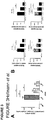
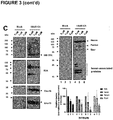


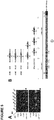
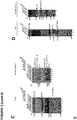
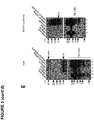

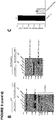


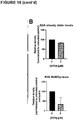
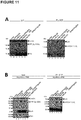

Classifications
-
- A—HUMAN NECESSITIES
- A61—MEDICAL OR VETERINARY SCIENCE; HYGIENE
- A61K—PREPARATIONS FOR MEDICAL, DENTAL OR TOILETRY PURPOSES
- A61K33/00—Medicinal preparations containing inorganic active ingredients
- A61K33/24—Heavy metals; Compounds thereof
- A61K33/36—Arsenic; Compounds thereof
-
- A—HUMAN NECESSITIES
- A61—MEDICAL OR VETERINARY SCIENCE; HYGIENE
- A61K—PREPARATIONS FOR MEDICAL, DENTAL OR TOILETRY PURPOSES
- A61K45/00—Medicinal preparations containing active ingredients not provided for in groups A61K31/00 - A61K41/00
- A61K45/06—Mixtures of active ingredients without chemical characterisation, e.g. antiphlogistics and cardiaca
-
- A—HUMAN NECESSITIES
- A61—MEDICAL OR VETERINARY SCIENCE; HYGIENE
- A61P—SPECIFIC THERAPEUTIC ACTIVITY OF CHEMICAL COMPOUNDS OR MEDICINAL PREPARATIONS
- A61P31/00—Antiinfectives, i.e. antibiotics, antiseptics, chemotherapeutics
- A61P31/12—Antivirals
- A61P31/20—Antivirals for DNA viruses
-
- G—PHYSICS
- G01—MEASURING; TESTING
- G01N—INVESTIGATING OR ANALYSING MATERIALS BY DETERMINING THEIR CHEMICAL OR PHYSICAL PROPERTIES
- G01N33/00—Investigating or analysing materials by specific methods not covered by groups G01N1/00 - G01N31/00
- G01N33/48—Biological material, e.g. blood, urine; Haemocytometers
- G01N33/50—Chemical analysis of biological material, e.g. blood, urine; Testing involving biospecific ligand binding methods; Immunological testing
- G01N33/53—Immunoassay; Biospecific binding assay; Materials therefor
- G01N33/569—Immunoassay; Biospecific binding assay; Materials therefor for microorganisms, e.g. protozoa, bacteria, viruses
- G01N33/56983—Viruses
-
- G—PHYSICS
- G01—MEASURING; TESTING
- G01N—INVESTIGATING OR ANALYSING MATERIALS BY DETERMINING THEIR CHEMICAL OR PHYSICAL PROPERTIES
- G01N2440/00—Post-translational modifications [PTMs] in chemical analysis of biological material
- G01N2440/36—Post-translational modifications [PTMs] in chemical analysis of biological material addition of addition of other proteins or peptides, e.g. SUMOylation, ubiquitination
Definitions
- the present invention relates to the field of adenovirus infection, in particular to therapy and diagnosis of an adenovirus infection in a subject. Specifically, the present invention relates to the use of arsenic trioxide (As 2 O 3 ) for treating or preventing an adenovirus infection in a subject. Furthermore, the present invention relates to a method of detecting an adenovirus infection based on detecting SUMOylation of adenoviral E2A protein in a patient sample.
- As 2 O 3 arsenic trioxide
- Adenovirus infections are widely distributed in human populations.
- Human adenoviruses are the causative agent of acute and chronic infections, associated with a variety of clinical symptoms such as gastroenteritis, keratoconjunctivitis, pneumonia, hepatitis and encephalitis.
- HAdV infections can become lethal.
- various outbreaks of highly pathogenic, pneumotropic HAdV types were reported, causing severe and lethal respiratory diseases in immunocompetent patients.
- Adenovirus is known to be a persistent virus, remaining latent in previously infected individuals, and it can be reactivated by various factors, leading to the development of more severe diseases.
- HAdV infections can lead to severe complications with high morbidity and mortality ( Razonable, R.R. and A.J. Eid, Viral infections in transplant recipients. Minerva Med, 2009. 100(6): p. 479-501 ).
- HAdV are large, non-enveloped icosahedral viruses containing a double stranded (ds) DNA genome.
- HAdV is reliant on the host cell for replication and virus growth.
- HAdV forms replication and transcriptional domains called replication centers (RCs) that are marked by viral protein E2A.
- This early HAdV DNA binding protein is involved in viral replication, regulation of viral gene expression, mRNA stability and virion assembly. Formation of RCs often takes place in close proximity to promyelocytic leukemia nuclear bodies (PML-NBs) in the nucleus of the host cell, suggesting a role of some PML components in viral replication.
- PML-NBs promyelocytic leukemia nuclear bodies
- PML-NBs are interferon inducible, matrix-associated multiprotein complexes, and various proteins localize in these aggregate structures, including transient or constitutive components such as PML, Daxx (death domain-associated protein), SUMO, or Sp100.
- PML-NBs exhibit antiviral activity by impairing efficient viral replication.
- DNA viruses express early viral proteins, which interact with PML-NBs and specifically interfere with the antiviral function.
- SUMO is a small ubiquitin-like modifier that regulates PML-NB function, integrity and formation by posttranslational modification (PTM) of PML and PML-associated proteins.
- SUMO proteins are covalently conjugated to substrate proteins via a three step enzymatic pathway and usually attach to lysine residues of the substrates, which are part of the short SUMO conjugation motif (SCM) consensus sequence ⁇ KXE ( ⁇ is a large hydrophobic amino acid, generally isoleucine, leucine, or valine; K is the lysine residue that is modified; X is any amino acid residue; and E is a glutamic acid).
- SCM short SUMO conjugation motif
- the present invention addresses these needs based on the surprising finding that arsenic trioxide (As 2 O 3 /ATO) treatment represents a general antiviral strategy against DNA viruses.
- Arsenic trioxide (As 2 O 3 /ATO) is a compound originally used since over 2000 years in traditional Chinese medicine. In 1992, ATO was first described to induce an efficient and complete response in patients suffering from acute promyelocytic leukemia (APL), prior to approval by the U.S. Food and Drug Administration (FDA) for APL treatment in 2000 ( Soignet, S.L., et al., United States multicenter study of arsenic trioxide in relapsed acute promyelocytic leukemia. J Clin Oncol, 2001. 19(18): p. 3852-60 ).
- APL acute promyelocytic leukemia
- FDA U.S. Food and Drug Administration
- the present invention is based on the surprising finding that arsenic trioxide (As 2 O 3 /ATO) treatment represents a general antiviral strategy against DNA viruses.
- the new means and methods for therapy and diagnosis of adenoviral infection provided by the present invention are based, to a large extent, on the surprising finding that ATO acts as a potent inhibitor of adenovirus infection, in particular human adenovirus (HAdV) infection, due to inhibition of adenoviral replication by de-SUMOylation of early adenoviral protein E2A.
- ATO treatment negatively regulates an efficient adenovirus, in particular HAdV, infection cycle.
- the present invention provides:
- the present invention provides new means and methods for therapy and diagnosis of adenoviral infection. It has surprisingly been found that ATO acts as a potent inhibitor of adenovirus infection, in particular human adenovirus (HAdV) infection, due to inhibiting adenoviral replication by de-SUMOylation of early adenoviral protein E2A.
- HdV human adenovirus
- the present invention provides arsenic trioxide (As 2 O 3 ) for use in the treatment or prevention of an adenovirus infection in a subject.
- the present invention also provides arsenic trioxide (As 2 O 3 ) for use in the treatment or prevention of a viral infection in a subject, wherein the virus is a DNA virus.
- the present invention provides a method of treating or preventing an adenovirus infection in a subject, the method comprising administering a therapeutically effective amount of arsenic trioxide (As 2 O 3 ) to a subject in need thereof.
- the present invention provides a method of treating or preventing a viral infection in a subject, the method comprising administering a therapeutically effective amount of arsenic trioxide (As 2 O 3 ) to a subject in need thereof, wherein the virus is a DNA virus.
- a therapeutically effective amount refers to an amount of an agent which is effective, upon single or multiple dose administration to the subject, in providing a therapeutic benefit to the subject.
- the therapeutic benefit is inhibiting virus activity.
- a method for suppressing viral replication comprising the step of administering to a subject in need thereof a therapeutically effective amount of arsenic trioxide alone or in combination with a compound having anti-viral activity.
- a “therapeutically effective amount” refers to an amount that will provide some alleviation, mitigation, and/or decrease in at least one clinical symptom associated with the viral infection, and/or disease or disorder described herein.
- the therapeutic effects need not be complete or curative, as long as some benefit is provided to the subject.
- the skilled artisan will recognize that the form of arsenic trioxide to be used should be therapeutically effective without unreasonable toxicity. The toxicity may be dependent upon the dose, the dosage form, the mode of administration and frequency of dosing.
- the subject may suffer from an adenoviral infection, or may be at risk of contracting an adenoviral infection.
- the DNA virus may be any of a herpesvirus (including, but not limited to, HCMV, HSV, KSHV, EBV, VZV), HPV (human papilloma virus), HBV (hepatitis B virus), and polyomaviruses.
- a DNA virus is a virus that has DNA as its genetic material and replicates using a DNA-dependent DNA polymerase.
- the nucleic acid is usually double-stranded DNA (dsDNA) but may also be single-stranded DNA (ssDNA).
- arsenic trioxide As 2 O 3 /ATO refers to a compound having the formula As 2 O 3 , and may also refer to derivatives thereof. Arsenic derivatives and uses thereof are described, for example, in Waxman et al. (Oncologist 6: 3-10, 2001 ; incorporated herein by reference).
- arsenic compound refers to a pharmaceutically acceptable form of arsenic trioxide (As 2 O 3 ) or its derivatives thereof. Accordingly, in one embodiment, arsenic trioxide, arsenic compounds or derivatives thereof are used in the treatment or prevention of a viral infection, in particular in the treatment or prevention of a DNA virus infection.
- the viral infection is an adenoviral infection, more preferably a human adenovirus (HAdV) infection.
- arsenic trioxide encompasses a pharmaceutically acceptable form of arsenic trioxide including salts, solutions, complexes, chelates and organic and inorganic compounds incorporating arsenic trioxide.
- the arsenic trioxide of the present invention can be synthesized or commercially purchased.
- the arsenic trioxide can be prepared from well-known chemical techniques. (See for example, Kirk-Othmer, Encyclopedia of Chemical Technology, 4th ed. Vol. 3, pp. 633-655, John Wiley & Sons ).
- the arsenic trioxide of the invention is dissolved in an aqueous solution of sodium hydroxide, with the pH adjusted to a physiologically acceptable range, e.g. about pH 6-8. Accordingly, the term "arsenic trioxide" encompasses a physiologically acceptable form of arsenic trioxide.
- adenovirus is a member of the family Adenoviridae and refers to all known genre including Genus Atadenovirus; Genus Aviadenovirus; Genus Ichtadenovirus; Genus Mastadenovirus (including all human adenoviruses); and Genus Siadenovirus.
- adenovirus refers to all adenoviral species including known Human Adenovirus (HAdV) species, namely A, B, C, D, E, F, G and their individual serotypes including, but not limited to, types 1, 2, 3, 4, 4a, 5, 6, 7, 8, 9, 10, 11 (AdI 1A and AdI IP), 12, 13, 14, 15, 16, 17, 18, 19, 19a, 20, 21, 22, 23, 24, 25, 26, 27, 28, 29, 30, 31, 32, 33, 34, 34a, 35, 35p, 36, 37, 38, 39, 40, 41, 42, 43, 44, 45, 46, 47, 48 and 91. Each possibility represents a separate embodiment of the present invention.
- adenovirus as used herein is HAdV-C5.
- infectious agent may be a pathogen, in particular a virus, more specifically a DNA virus, or even more specifically an adenovirus, as described herein.
- infectious disease also known as transmissible disease or communicable disease, may be considered as illness resulting from an infection.
- Infections are caused by infectious agents (pathogens), including viruses as described above, as well as related agents such as viroids and prions.
- infection as used herein is an adenoviral infection. More preferably, adenoviral infection may be HAdV-C5 infection.
- treatment may be considered to refer to reversing, alleviating, inhibiting the progress of a disease or disorder as described herein, or delaying, eliminating or reducing the incidence or onset of a disorder or disease as described herein, as compared to that which would occur in the absence of the measure taken.
- treatment may be applied or administered after one or more symptoms have developed.
- the treatment may be applied or administered in the absence of symptoms. For example, treatment may occur to a susceptible subject or individual prior to the onset of symptoms (e.g ., in light of a history of symptoms and/or in light of genetic or other susceptibility factors).
- Treatment may also be continued after symptoms have resolved, for example to prevent or delay their recurrence. Accordingly, the term “treating” may further encompass prophylaxis or preemptive treatment, namely the prevention of infection and/or disease or condition as described herein in yet uninfected or infected asymptomatic subjects.
- prevention means causing the clinical symptoms of a disease or condition not to develop, i.e., inhibiting the onset of an infection and/or disease or condition as described herein in a subject that may be exposed to or predisposed to the infection, and/or disease or condition, but does not yet experience or display symptoms of the infection, and/or disease or condition.
- Preventative administration may be considered to mean that a compound or therapy according to the invention is administered to a subject prior to observation of symptoms and/or a suspected exposure to a causative agent of the condition, wherein the causative agent in the present invention is a virus as described herein, including DNA viruses, in particular adenoviruses as described herein.
- preventative administration may reduce (a) the likelihood that a subject that receives the treatment contracts the infection/develops the condition and/or (b) the duration and/or severity of symptoms in the event the subject contracts the infection/develops the condition.
- Subject refers to any organism or portion thereof to be administered a composition as described herein (e.g., arsenic trioxide, anti-viral agents and combinations or derivatives thereof).
- a composition as described herein (e.g., arsenic trioxide, anti-viral agents and combinations or derivatives thereof).
- 'Portion' as used herein is intended to include tissues, cells and biological fluids or any other biological sample isolated from a subject, as well as tissues, cells and fluids present within a subject.
- a subject may be a mammal, in particular an animal, such as a mouse, rat, rabbit, dog, cat, goat, pig, and horse.
- the subject is a human.
- subject may be a bird, such as a pigeon, parrot, chicken, duck, goose, turkey and pheasant.
- within the scope of the present invention is the treatment of newborns, infants, or toddlers that are infected with adenovirus or are at risk thereof, pregnant women who are infected with adenovirus or are at risk thereof, and transplantation recipients that are at risk of contracting a viral infection as described herein, in particular an adenoviral infection.
- Each possibility represents a separate embodiment of the present invention.
- a subject as described herein is a subject suffering from an adenovirus infection.
- subject as used herein is a subject at a risk of contracting an adenovirus infection.
- the viral infection which is treated or prevented by arsenic trioxide, arsenic compounds or derivatives thereof is an adenovirus infection in a human.
- the subject is suffering from a disease or disorder caused by and/or associated with an adenovirus infection.
- the subject is at risk of contracting a disease or disorder caused by and/or associated with an adenovirus infection.
- the subject is a subject suffering from, or at risk of contracting, a disease and/or disorder of the respiratory system.
- the subject is suffering from, or at risk of contracting, conjunctivitis.
- the subject is suffering from, or at risk of contracting, keratoconjunctivitis.
- the subject is suffering from, or at risk of contracting, gastroenteritis.
- the subject is suffering from, or at risk of contracting, pneumonia. In another preferred embodiment, the subject is suffering from, or at risk of contracting, hepatitis. In another preferred embodiment, the subject is suffering from, or at risk of contracting, encephalitis. In still another preferred embodiment, the subject is suffering from, or at risk of contracting, cystitis.
- the subject is an immunocompromised subject.
- the treatment or prevention of the present invention is directed to an adenovirus infection in an immunocompromised subject.
- immunocompromised may be considered to refer to a state in which the immune system's ability to fight an infection and/or an infectious disease or to mount an immune response is compromised or entirely absent.
- immunocompromised may refer to any reduction in number or function of any cells of the immune system, in particular T cells. The response by the immune system to an immunogen may be depressed as a consequence of certain diseases or pathological conditions.
- an "immunocompromised” subject may be a subject that is more susceptible to a (pathological) infection or malignancy, against which a normal immune system would have otherwise provided sufficient response or protection.
- the term “immunocompromised” may refer to a subject incapable of developing, or unlikely to develop, a robust immune response, e.g., as a result of disease, malnutrition or immunosuppressive therapy.
- AIDS or HIV positive
- SCID severe combined immune deficiency
- diabetics subjects who have had transplants and who are taking immunosuppressive drugs, and those that are receiving chemotherapy or radiotherapy.
- Immunocompromised individuals may also include subjects with all forms of cancer, sickle cell anemia, cystic fibrosis, those who do not have a spleen, subjects with end stage kidney disease (dialysis), and those who have been taking corticosteroids on a frequent basis by pill or injection within the last year.
- Subjects with severe liver, lung or heart disease also may be immunocompromised.
- immune responses tend to be weaker in the elderly than in young humans. For this reason, the methods, uses and compositions of the present invention may also be particularly beneficial for elderly populations. Accordingly, in one embodiment the subject may be an elderly human (optionally wherein the elderly human is more than 50, 55, 60, 65, 70, and 75 or 80 years old).
- the subject may be a human adult, which may be a human of ⁇ 18 years of age.
- the subject may be an elderly human or person aged 60, 62, 65, 67, or 70 years and over.
- the subject may be a younger adult (e.g., between 18 and 50 years of age).
- the subject may be an infant human such as a child more than 6 months old, especially children 6 to 23 months of age.
- the subject may be a toddler such as a child between 24 months and 3 years of age.
- arsenic trioxide is used in the treatment or prevention of an adenoviral infection in a subject that is incapable of developing a normal immune response.
- immunocompromised subjects are recipient subjects.
- Recipient subject refers to a subject that may receive an organ transplant, specifically a solid-organ transplant.
- Subjects with an organ transplant are also in need of treatment to suppress the immune system in order to suppress or prevent organ transplant rejection.
- An "organ transplant” includes transferring or “transplanting" an internal organ (e.g., heart, lung, kidney, liver, pancreas, stomach, large intestine and small intestine) or external organ (e.g. skin) from a donor to a recipient, wherein the donor is genetically distinct from the individual or animal who has received the transplant.
- An "organ transplant” also includes cross species transplants.
- Recipient subject also refers to a subject that is receiving a "stem cell transplant", which may be considered to refer to a composition comprising stem cells, wherein the composition is suitable for administration by transplantation into a recipient subject.
- the stem cell transplant may advantageously be obtained from a (tissue) biopsy, such as peripheral blood, umbilical cord blood or bone marrow. Collection of bone marrow or peripheral blood for use in autologous or allogeneic stem cell transplantation therapies is common practice and methods to collect bone marrow or peripheral blood biopsies are well known in the art.
- Recipients of the stem cell transplants of the invention can be autologous or allogeneic.
- the cell transplant of the invention is an autologous transplant.
- the stem cell transplant of the invention is an allogeneic transplant.
- Hematopoietic stem cell transplant refers to the collection and transplantation of hematopoietic stem cells.
- immunocompromised subjects may be subjects suffering from cancer and/or an additional chronic infection. It is well known to those of skill in the art that the immune system of cancer patients often is impaired due to the disease and also due to immunosuppressive therapies such as chemotherapy and radiation therapy.
- the subject of the present invention may in particular be an immunocompromised (solid) organ transplant recipient.
- the subject may in particular be an immunocompromised stem cell transplant recipient.
- the subject may be an immunocompromised subject suffering from cancer.
- the subject suffering from cancer may in particular be immunocompromised due to cancer therapy received, including, but not limited to, cancer radiotherapy and/or cancer chemotherapy.
- cancer refers to all types of cancers or neoplasms or malignant tumors.
- the term "cancer” includes solid tumors and haematological cancers, and also includes cancer metastasis.
- Representative types of cancer include cervical cancer, uterine cancer, ovarian cancer, kidney cancer, gallbladder cancer, liver cancer, head and neck cancer, squamous cell carcinoma, gastrointestinal cancer, breast cancer, pancreatic cancer, prostate cancer, testicular cancer, lung cancer, non-small cell lung cancer, non-Hodgkin's lymphoma, multiple myeloma, leukemia (such as acute lymphocytic leukemia, chronic lymphocytic leukemia, acute myelogenous leukemia, and chronic myelogenous leukemia), brain cancer (e.g.
- astrocytoma glioblastoma, medulloblastoma
- neuroblastoma sarcomas
- colon cancer rectum cancer
- stomach cancer anal cancer
- bladder cancer cancer of the urinary tract
- thyroid cancer renal cancer
- carcinoma endometrial cancer
- plasmacytoma lymphomas
- retinoblastoma Wilm's tumor
- Ewing sarcoma melanoma and other skin cancers.
- the arsenic trioxide is for use in a method of preventing and/or inhibiting recurrent, persistent, and/or de novo viral infection, wherein the virus is a DNA virus.
- the arsenic trioxide is for use in a method of preventing and/or inhibiting recurrent, persistent, and/or de novo adenoviral infection.
- “Inhibition” as used herein is inhibition of viral cell entry or early steps of the viral life cycle (such as reverse transcription or integration into the host cell genome) by a candidate inhibitor where the indicator cell survives. Inhibition of these early steps of the viral life cycle is therapeutically superior to inhibition of later steps like viral assembly or budding since at that late stage the viral genome has already integrated into the host cell genome and is thus inevitably conserved.
- the inhibitor is arsenic trioxide, or an arsenic compound, and may encompass derivatives thereof.
- arsenic trioxide is inhibiting adenovirus infection by antagonizing (productive) adenovirus infection cycles.
- ATO does not cause cellular cytotoxicity.
- Figure 2B shows highly efficient inhibition of adenovirus infection with ATO after 24 and 48h p.i. (post infection). Accordingly, in an embodiment of the invention, ATO, preferably ATO at 2 ⁇ M, inhibits adenoviral infection by up to 50% after 24h p.i. In another embodiment of the invention, ATO, preferably ATO at 2 ⁇ M, inhibits adenoviral infection by more than 50% after 48h p.i.
- ATO preferably ATO at 4 ⁇ M
- ATO inhibits adenoviral infection by up to 75% after 24h p.i.
- ATO preferably ATO at 4 ⁇ M
- arsenic trioxide is inhibiting adenovirus infection by reducing the number of cells expressing viral E2A protein. In still other embodiments, arsenic trioxide is inhibiting adenovirus infection by reducing the number of cells expressing late adenovirus capsid protein.
- Figure 1A shows that the number of E2A and capsid expressing cells was counted and a reduction of up to 40% and up to 80% in cells expressing E2A and capsid, was observed, respectively.
- arsenic trioxide is inhibiting adenovirus infection by reconstitution of PML-NB antiviral activity.
- arsenic trioxide is inhibiting adenovirus infection by blocking efficient adenovirus protein expression.
- arsenic trioxide is inhibiting adenovirus infection by reducing the expression of E2A protein.
- Figure 2A and 3C show reduction in E2A protein expression upon ATO treatment.
- ATO preferably ATO at 8 ⁇ M, inhibits adenoviral infection by completely blocking E2A protein expression at 24h p.i.
- ATO preferably ATO at 4 ⁇ M, inhibits adenoviral infection by reducing E2A protein expression by more than 50% at 24h p.i.
- ATO preferably ATO at 8 ⁇ M
- ATO inhibits adenoviral infection by completely blocking E2A protein expression at 48h p.i.
- ATO preferably ATO at 8 ⁇ M
- arsenic trioxide is inhibiting adenovirus infection by interfering with efficient virus particle assembly.
- Figure 2A and 3D show reduction in capsid protein concentrations upon ATO treatment.
- arsenic trioxide is inhibiting adenovirus infection by reducing the expression of late capsid protein.
- ATO preferably ATO at 4 ⁇ M, inhibits adenoviral infection by complete loss of capsid expression at 48h p.i.
- ATO preferably ATO at 2 ⁇ M, inhibits adenoviral infection by reducing capsid expression by 40% at 48h p.i..
- arsenic trioxide is inhibiting adenovirus infection by reducing the virus yield.
- Figure 1B shows virus progeny production upon ATO treatment, where a reduction of 80% in virus yield was observed.
- ATO preferably ATO at 2 ⁇ M
- ATO inhibits adenoviral infection by completely abolishing virus yield.
- ATO preferably ATO at 1 ⁇ M, inhibits adenoviral infection the by 80% reduction of virus yield.
- the viral infection is a de novo viral infection, more specifically a de novo adenoviral infection.
- recurrent viral infection is an infection following recovery from or superimposed on infection of the same type. Accordingly, in various embodiments of the invention, the viral infection is a recurrent viral infection, more specifically a recurrent viral infection.
- the term "persistent infection” refers to those infections that, in contrast to acute infections, are not effectively cleared by therapy and/or the induction of a host immune response. During such persistent infections, the infectious agent and the immune response reach equilibrium such that the infected subject remains infectious over a long period of time without necessarily showing symptoms. Accordingly, in various embodiments of the invention, the viral infection is a persistent viral infection, more specifically a persistent adenoviral infection.
- a persistent infection as described herein may involve stages of both silent and productive infection without rapidly killing or even producing excessive damage of the host cells.
- a persistent infection may include, for example, latent, chronic and slow infections. Each possibility represents a separate embodiment of the present invention.
- arsenic trioxide is for use in a method of preventing and/or inhibiting replication of adenovirus.
- viral replication may be considered as the formation of biological viruses during the infection process in the host cell of a subject of the present invention. It is understood to a skilled person that the virus must first get into the cell before viral replication can occur. Through the generation of abundant copies of its genome and packaging these copies, the virus continues infecting new hosts or host cells, respectively. Replication between viruses is greatly varied and depends on the type of genes involved in them. Most DNA viruses assemble in the nucleus while most RNA viruses develop solely in cytoplasm. Viruses multiply only in living cells.
- viral replication is a replication of a DNA virus.
- viral replication refers to adenovirus replication.
- the viral replication is a de novo adenoviral replication.
- the viral replication is a recurrent adenoviral replication.
- the viral replication is a persistent adenoviral replication.
- Adenoviral genomes have been observed to be juxtaposed to PML-NBs, and the formation of replication and transcription domains (RCs; replication centers) often takes place in close proximity to PML-NBs.
- RCs replication and transcription domains
- ATO may be considered to reduce the number of adenovirus replication centers.
- ATO has been shown to reduce the number of PML-NBs. Figure 4 shows these results.
- arsenic trioxide is used in method for the treatment, prevention and/or inhibition of adenovirus infection by reducing the adenoviral DNA synthesis.
- ATO has been shown to reduce adenoviral DNA replication.
- Figure 3A shows blocking of adenoviral DNA replication by ATO treatment. Accordingly, in various embodiments, ATO, preferably ATO at 1 ⁇ M, blocks adenoviral DNA replication by up to 60% reduction of viral DNA. In other embodiments, ATO, preferably ATO at 2 ⁇ M, blocks adenoviral DNA replication by up to 80% reduction of viral DNA.
- arsenic trioxide for use in reducing the adenoviral load.
- Quantitative polymerase chain reaction (PCR) can be used to detect adenovirus genome and to determine viral load. Tracking viral load can be used to monitor therapy during viral infections.
- Viral load as used herein preferably means adenoviral load, and arsenic trioxide can be used in a method for treating adenoviral infection by reducing the adenoviral load in a subject.
- Figure 2D shows the real-time kinetic data of adenoviral expression at different ATO concentrations. Accordingly, in various embodiments, ATO reduces the viral load (over time) with a four-fold reduction at 60h p.i.
- arsenic trioxide is inhibiting adenovirus infection by blocking efficient adenovirus gene expression.
- Figure 3B shows gene expression of early (E1A) and late (Hexon) adenoviral genes.
- ATO directly affects early and late viral mRNA production.
- ATO preferably ATO at 1 ⁇ M
- ATO preferably ATO at 2 ⁇ M
- ATO, preferably ATO at 2 ⁇ M leads to a reduction of E1A viral transcripts by up to 60%.
- compositions and methods of the present invention have utility for treating not only (adeno)viral infections themselves, but also preventing or treating diseases and disorders engendered by (adeno)viral infections.
- the subject is a subject suffering from, or at risk of contracting, a disease or disorder associated with, or caused by, an adenovirus infection.
- a disease or disorder engendered by adenovirus infection may include a disease or disorder of the respiratory system, conjunctivitis, keratoconjunctivitis, gastroenteritis, pneumonia, hepatitis, encephalitis, and/or cystitis, without being limited thereto.
- a disease or disorder engendered by adenovirus infection may include a disease or disorder of the respiratory system, conjunctivitis, keratoconjunctivitis, gastroenteritis, pneumonia, hepatitis, encephalitis, and/or cystitis, without being limited thereto.
- Each possibility represents a separate embodiment of the
- diseases or disorders of the respiratory system include, but are not limited to, asthma, respiratory allergy, pneumonia, bronchitis, rhinitis, sinusitis, tracheitis, pharyngitis, croup, and otitis.
- the disease or disorder of the respiratory system may a chronic or an acute disease or disorder of the respiratory system.
- gastroenteritis refers to inflammation of the gastrointestinal tract.
- pneumonia refers to an infection and/or inflammation of the lungs.
- hepatitis may be considered to refer to any clinically significant inflammation of the liver or biliary system, regardless of etiology.
- Hepatitis as used herein includes "acute hepatitis” referring to any short term (less than six months) or initial-stage liver inflammation, such as the initial stages of hepatitis virus infection. Hepatitis as used herein also includes “chronic hepatitis” including any inflammation of the liver persisting six months or longer. Cystitis as used herein includes interstitial cystitis and may be considered to refer to chronic pelvic pain disorders, a condition resulting in recurring discomfort or pain in the bladder and the surrounding pelvic region. Cystitis as used herein also includes "hemorrhagic cystitis” and refers to bladder inflammation as the result of a chemical or other traumatic insult to the bladder.
- a viral infection according to the present invention may be a chronic or an acute viral infection, in particular a chronic or an acute adenoviral infection.
- Tumorigenic potential has been attributed to the capacity of some adenoviruses to turn off the expression of genes of the major histocompatibility complex and thus to allow the transformed cells to overcome host defenses and grow into solid tumors.
- Most of the adenovirus-induced tumors, tumor cell lines, and transformed cell lines carry one or several copies of the viral genome integrated into the chromosomes.
- the tumor or transformed state is also associated with the differential expression of the integrated viral genes.
- the early viral genes are often the predominant genes expressed. It is thought that the E1 region of the viral genome is particularly important in eliciting the transformed state.
- a disease caused by adenovirus infection may be cancer.
- arsenic trioxide may be used in a method for treating or preventing cancer caused by an adenovirus, or cancer associated with an adenoviral infection.
- the present invention excludes the use of arsenic trioxide, or arsenic compounds or derivatives thereof as described herein, in a method for treating or preventing cancer in a subject, in particular treating or preventing in a subject cancer caused by an adenovirus, or cancer associated with an adenoviral infection.
- arsenic trioxide is used for lessening the severity of clinical symptoms in a subject suffering from a disease or disorder associated with, or caused by, a viral infection as described herein, in particular an adenoviral infection as described herein.
- a viral infection as described herein, in particular an adenoviral infection as described herein.
- the term "reduction of clinical symptoms” or “lessening of the severity of clinical symptoms” may be considered to mean, but is not limited thereto, reducing the severity of any clinical signs or symptoms that are present in a subject suffering from a disease or disorder associated with, or caused by, a viral infection as described herein, in comparison to a subject not suffering the disease or disorder associated with, or caused by, the viral infection.
- pathogen as used herein is adenovirus.
- the clinical signs are reduced in one or more subjects receiving the therapeutic treatment of the present invention by at least 10% in comparison to a subject suffering from the disease or disorder associated with, or caused by, a viral infection as described herein not receiving the therapeutic treatment according to the present invention. More preferably, clinical signs are reduced in subjects receiving the therapeutic treatment of the present invention by at least 20%, still more preferably by at least 30%, or at least 40%, and even more preferably by at least 50%.
- the "lessening of the severity of clinical symptoms”, and similar phrases, may also mean a partial or complete response against an infection and/or disease or condition generated by administration of one or more therapeutic compositions of the invention, or a combination thereof, that results in fewer deleterious effects than would be expected in a subject that has been exposed to infection, and/or disease or condition.
- the ATO therapy described herein further comprises treatment of the subject with an anti-viral agent, which is not arsenic trioxide, in particular with an anti-adenoviral agent, which is not arsenic trioxide.
- anti-(adeno) viral agent refers to a chemical material or compound which, when administered to a subject or an organism (human or animal), kills viruses, blocks virus effects on the host cells, prevents infection with a virus, and/or suppresses viral replication and, hence, inhibits the capability of the virus to infect, multiply, reproduce, or alter host physiology and biochemistry.
- the "anti-(adeno)viral agent” (which is not ATO) may encompass a single biological or a biological chemical compound, or a combination of biological compounds, that may be required to cause a desirable therapeutic effect.
- Such antiviral agents may be useful in the early stages of some viral infections, or to prevent reoccurrences or reactivation in chronic infections. Most antiviral agents exert their effects only during a certain stage of viral replication. Antivirals are designed to target and disable viral proteins, or parts of proteins that are specific to the virus, and ideally these viral targets are as distinct as possible from any proteins, or parts of proteins, in humans in order to reduce unacceptable side effects.
- Antiviral agents have been developed to disable viral replication at different steps of the viral life cycle including, but not limited to, viral entry into the host cell, replication of the viral genome, activation of viral protein, and release of new virus particles.
- antiviral agents may inhibit the ability of a virus to enter a host cell by preventing the virus from binding to receptors on the host cell that are required for entry, or blocking the virus uncoating process inside the host cell such that the virus cannot release its contents.
- antiviral agents may target the processes that synthesize viral components after a virus invades a host cell (e.g., adenovirus DNA polymerase).
- antiviral agents that block viral synthesis including ribonucleotide reductase inhibitors, nucleotide analogs, nucleoside analogs, antisense drugs, ribozymes, and protease inhibitors.
- antiviral agents such as interferon drugs, may function to prevent the release of newly packaged virus particles from the infected host cell thereby blocking the final stage of the viral life cycle.
- Anti-(adeno)viral agents (which are not ATO) as used herein may block (adeno)virus replication at any of the stages in the (adeno)virus life cycle, and may be effective treatments for preventing (adeno)virus related diseases or disorders.
- antiviral agents include, without limitation, Abacavir, Acyclovir, Amantadine, Amprenavir, Cidofovir, Didanosine, Darunavir, Delavirdine, Didox, Efavirenz, Emtricitabine, Enfuvirtide, Entecavir, Famciclovir, Foscarnet, Gancyclovir, Indinavir, Lamivudine, Nevirapine, Nelfinavir, Oseltamivir, Palivizumab,Pleconaril, Ribavirin, Rimantadine, Ritonavir, Saquinavir, Stavudine, Tridox, Valacyclovir, Vidarabine, Zalcitabine, Zanamivir, and Zidovudine.
- the present invention provides a combination therapy comprising the ATO therapy according to the present invention and at least one other anti-(adeno)viral drug.
- the ATO therapy of the present invention be administered as a combination therapy with one or more additional therapeutic agents (e.g., one or more other anti-(adeno)viral agents not being ATO)
- the treatment may take place sequentially in any order, simultaneously, or as a combination thereof.
- ATO therapy of the invention can take place prior to, after, or at the same time as administration of the additional therapeutic agent(s).
- the additional agent(s) can be administered during the period of ATO therapy of the invention, but does not need to occur over the entire treatment period.
- the treatment regimen may include pre-treatment with one agent, followed by the addition of the other agent or agents. Alternating sequences of administration are also contemplated herein.
- the therapeutic efficacy of a combination therapy as described herein may be considered at least additive.
- administration can be accomplished by or may include, e.g., oral, rectal, transdermal, topical, transmucosal, especially transnasal, intestinal or parenteral delivery, including intramuscular, subcutaneous and intramedullary injections, as well as intrathecal, direct intraventricular, intravenous, intraperitoneal, intranasal, intraarterial, intravesicle (into the bladder) or intraocular injections.
- the pharmaceutical preparation may be in liquid form, e.g., solutions, syrups or suspensions, or may be presented as a drug product for reconstitution with water or other suitable vehicle before use.
- Such liquid preparations may be prepared by conventional means with pharmaceutically acceptable additives such as suspending agents (e.g., sorbitol syrup, cellulose derivatives or hydrogenated edible fats); emulsifying agents (e.g., lecithin or acacia); non-aqueous vehicles (e.g., almond oil, oily esters, or fractionated vegetable oils); and preservatives (e.g., methyl or propyl-p-hydroxybenzoates or sorbic acid.
- suspending agents e.g., sorbitol syrup, cellulose derivatives or hydrogenated edible fats
- emulsifying agents e.g., lecithin or acacia
- non-aqueous vehicles e.g., almond oil, oily esters, or fractionated vegetable oils
- preservatives e.g., methyl or propyl-p-hydroxybenzoates or sorbic acid.
- Preparations for oral administration may be suitably formulated to give controlled release of the active compound
- the ATO, or arsenic compounds, of the invention may be formulated into pharmaceutical preparations for administration according to the present invention.
- the pharmaceutical preparations or compositions of the present invention comprise ATO, or a pharmaceutically acceptable salt thereof, or a derivative thereof, as the active ingredient, and may also contain a pharmaceutically acceptable carrier, and optionally other therapeutic ingredients, for example non-ATO anti-virals as described elsewhere herein.
- pharmaceutically acceptable salts refers to salts prepared from pharmaceutically acceptable non-toxic acids and bases, including inorganic and organic acids and bases. If the complex is water-soluble, then it may be formulated in an appropriate buffer, for example, phosphate buffered saline or other physiologically compatible solutions.
- the resulting complex may be formulated with a non-ionic surfactant such as Tween, polyethylene glycol or glycerol.
- a non-ionic surfactant such as Tween, polyethylene glycol or glycerol.
- the pharmaceutical compositions may take the form of, for example, tablets or capsules prepared by conventional means with pharmaceutically acceptable excipients such as binding agents (e.g., pregelatinized maize starch, polyvinyl pyrrolidone or hydroxypropyl methylcellulose); fillers (e.g., lactose, microcrystalline cellulose or calcium hydrogen phosphate); lubricants (e.g., magnesium stearate, talc or silica); disintegrants (e.g., potato starch or sodium starch glycolate); or wetting agents (e.g., sodium lauryl sulphate).
- binding agents e.g., pregelatinized maize starch, polyvinyl pyrrolidone or hydroxypropyl
- the tablets may be coated by methods well-known in the art.
- the compositions may take such forms as suspensions, solutions or emulsions in oily or aqueous vehicles, and may contain formulatory agents such as suspending, stabilizing and/or dispersing agents.
- the active ingredient may be in powder form for constitution with a suitable vehicle, e.g., sterile pyrogen-free water, before use.
- a suitable vehicle e.g., sterile pyrogen-free water
- the total daily dose ranges for the conditions described herein are generally from about 10 ⁇ g to about 200 mg administered in divided doses administered parenterally or orally or topically.
- a total daily dose may be from about 0.1 mg to about 70 mg of the active ingredient, preferably from about 0.1 mg/kg/d to 0.5 mg/kg/d, more preferably from about 0.1 mg/kg/d to 0.3 mg/kg/d, still more preferably from about 0.1 mg/kg/d to 0.2 mg/kg/d, and even more preferred at a dose of 0.15 mg/kg/d.
- arsenic trioxide carrier could be delivered via charged and uncharged matrices used as drug delivery devices such as cellulose acetate membranes, also through targeted delivery systems such as fusogenic liposomes attached to antibodies or specific antigens
- an arsenic compound can be combined as the active ingredient in intimate admixture with a pharmaceutical carrier according to conventional pharmaceutical compounding techniques.
- the carrier may take a wide variety of forms depending on the form of preparation desired for administration, e.g ., oral or parenteral (including tablets, capsules, powders, intravenous injections or infusions).
- any of the usual pharmaceutical media may be employed, e.g ., water, glycols, oils, alcohols, flavoring agents, preservatives, coloring agents, and the like; in the case of oral liquid preparations, e.g., suspensions, solutions, elixirs, liposomes and aerosols; starches, sugars, microcrystalline cellulose, diluents, granulating agents, lubricants, binders, disintegrating agents, and the like in the case of oral solid preparations, e.g ., powders, capsules, and tablets.
- oral liquid preparations e.g., suspensions, solutions, elixirs, liposomes and aerosols
- starches sugars, microcrystalline cellulose, diluents, granulating agents, lubricants, binders, disintegrating agents, and the like
- oral solid preparations e.g ., powders, capsules, and tablets.
- compositions for parenteral dosage form such as intravenous injection or infusion
- similar pharmaceutical media e.g ., water, glycols, oils, buffers, sugar, preservatives and the like know to those skilled in the art.
- Auxiliary components such as tablet disintegrants, solubilisers, preservatives, antioxidants, surfactants, viscosity enhancers, coloring agents, flavoring agents, pH modifiers, sweeteners or taste-masking agents may also be incorporated into the composition.
- the administration schedule can be taken once-daily, twice-daily, thrice-daily, once-weekly, twice-weekly, thrice-weekly, once-monthly, twice-monthly, thrice-monthly, or any other administration schedule known to those of skill in the art.
- the administration can be continuous, i.e., every day, or intermittently.
- intermittent administration can be administration in one to six days per week or it may mean administration in cycles (e.g. daily administration for two to eight consecutive weeks, then a rest period with no administration for up to one week) or it may mean administration on alternate days.
- arsenic trioxide is to be administered in the therapy according to the present invention at a low dose, which may be considered as a dose of 0.15-0.16 mg/kg/d or less, more specifically, 0.15 mg/kg/d or less.
- the administration regimen can be determined by a skilled artisan depending on the infection and the severity of the condition, the patient population, age, weight etc., and can be determined by standard clinical techniques. The precise dose to be employed may also depend on the route of administration, and the progression of the infection, and/or disease or disorder, and should be decided according to the judgment of the practitioner.
- the dosage and the duration of the treatment are determined in an appropriate manner, according to the seriousness of the infection, and/or disease or disorder and the long-lasting nature, or otherwise, of the recovery, it being possible for the treatment to last from a few days to a few months until complete or at least partial recovery is achieved.
- the formulation is typically administered daily or less frequently. Several successive treatments may be carried out, of the order of one month apart.
- a "low dose” or “low dosage” may be considered to mean a dosage of at least 5% less (e.g., at least 5%, 10%, 20%, 25%, 30%,40%, 50%, 60%, 70%, 80%, 90%, 91%, 92%, 93%, 94%,95%, 96%, 97%, 98%, or 99% less) than the standard recommended dosage or lowest standard recommended dosage of a particular agent, e.g ., a therapeutic agent formulated for a given route of administration for treatment of any infection, and/or disease or condition.
- a low dosage of an agent formulated for oral administration may differ from a low dosage of the agent formulated for intravenous administration.
- a low dosage of an agent may be selected to be a nontoxic dosage of the agent.
- a low dosage may be selected as a dosage that minimizes particular side effects of an agent, but which may still retain some side effects.
- a dosage may be selected that minimizes or eliminates side effects that can lead to significant mortality or severe illness among subjects while still permitting more tolerable side effects, such as headache.
- a low dose of arsenic trioxide may be considered as a dose of about 2 mg/kg body weight (per day) or less (e.g., about 0.1, 0.15, 0.16, 0.2, 0.3, 0.4, 0.5, 0.6, 0.7, 0.8, 0.9, 1.0, 1.25, 1.5, 1.75, or 2 mg/kg/d or less).
- a low dose of arsenic trioxide may be a dose between about 0.5 mg/kg and about 5 mg/kg body weight per day (e.g., about 0.5, 0.6, 0.7, 0.8, 0.9, 1, 2, 3, 4, or 5, mg/kg/d or less).
- the effective amount intended to be administered daily may be a dose of 0.01 to 0.5mg/kg (of body weight), preferably 0.05 to 0.5 mg/kg, even more preferably 0.05 to 0.30 mg/kg, for example 0.10 to 0.30 mg/kg, or more precisely 0.10 to 0.20 mg/kg, even more preferably 0.05 to 0.15 mg/kg.
- an effective amount of arsenic trioxide when used in a biological sample obtained from a subject thereof is in molar concentration.
- arsenic trioxide is used in concentrations of up to 8.0 ⁇ M.
- arsenic trioxide is used in concentrations of up to 7.0 ⁇ M or up to 6.0 ⁇ M.
- arsenic trioxide is used in concentrations of up to 5.0 ⁇ M. In other preferred embodiments, arsenic trioxide is used in concentrations of up to 4.0 ⁇ M. In other preferred embodiments, arsenic trioxide is used in concentrations of up to 3.0 ⁇ M. In other preferred embodiments, arsenic trioxide is used in concentrations of up to 2.0 ⁇ M. In other preferred embodiments, arsenic trioxide is used in concentrations of up to 1.0 ⁇ M. In other preferred embodiments, arsenic trioxide is used in concentrations between 1.0 ⁇ M to 8.0 ⁇ M.
- an effective amount of arsenic trioxide leads to peak serum levels of 5.0 to 8.0 ⁇ M in a subject, preferably between 5.10 to 7.90 ⁇ M, more preferably between, 5.20 to 7.80 ⁇ M, even more preferably between 5.30 to 7.70 ⁇ M, even more preferably between 5.40 to 7.60 ⁇ M, even more preferably between 5.50 to 7.50 ⁇ M, more preferably between 5.45 to 7.40 ⁇ M, and most preferably between 5.54 to 7.30 ⁇ M.
- kits for carrying out the therapeutic regimens of the invention.
- kits comprise in one or more containers therapeutically effective amounts of the arsenic compounds in pharmaceutically acceptable form.
- the arsenic compound in a vial of a kit of the invention may be in the form of a pharmaceutically acceptable solution, e.g., in combination with sterile saline, dextrose solution, or buffered solution, or other pharmaceutically acceptable sterile fluid.
- the complex may be lyophilized or desiccated; in this instance, the kit optionally further comprises in a container a pharmaceutically acceptable solution (e.g., saline, dextrose solution, etc.), preferably sterile, to reconstitute the complex to form a solution for injection purposes.
- a kit of the invention further comprises a needle or syringe, preferably packaged in sterile form, for injecting the complex, and/or a packaged alcohol pad. Instructions are optionally included for administration of arsenic compounds by a clinician or by the patient.
- the present invention provides a method of detecting an adenovirus infection in a subject, comprising detecting SUMOylation of E2A protein, preferably detecting E2A SUMO conjugates, in a sample obtained from the subject.
- E2A SUMO conjugates and "E2A SUMO moieties” may be used herein interchangeably.
- SUMO means Small Ubiquitin-like Modifier, or Small Ubiquitin-related Modifier.
- the term SUMO protein is used, in general, to mean any SUMO protein, i.e., SUMO 1-4 from any species, preferably human. In preferred embodiments, the SUMO protein is SUMO-2.
- the SUMO protein as used herein may have at least 90%, 95% or 99% identity with the sequence of SEQ ID NO:1, SEQ ID NO:2, SEQ ID NO:3, and/or SEQ ID NO:4.
- the SUMO proteins may have 90%, 95%, or 99% sequence identity with the mature form of the protein, polypeptide or a pro-peptide thereof.
- the mature form of SEQ ID NO: 1 is amino acid residues 1-97.
- the mature form of SEQ ID NO: 2 is amino acid residues 1-93.
- the mature form of SEQ ID NO: 3 is amino acid residues 1-92.
- the mature form of SEQ ID NO: 4 is amino acid residues 1-93.
- the present invention relates to the finding that SUMOylation of the early adenoviral protein E2A is prevented that directly regulates the replication of the adenovirus.
- the inventors have found that adenoviral E2A is a novel target of the host SUMO conjugation machinery to enhance viral replication.
- adenoviral E2A protein undergoes the process of SUMOylation by the interaction with the SUMO protein at its SUMO conjugation motifs (SCM) as shown in Figure 5B .
- SCM SUMO conjugation motifs
- E2A wt protein binds to SUMO more efficiently than E2A SCM mutated one as shown in Figure 5C .
- E2A SUMOylation controls its binding to PML-NBs.
- E2A SUMOylation regulates E2A/PML interaction during adenoviral infection.
- E2A SUMOylation affects the number of adenoviral RCs.
- the number of adenoviral RCs was reduced by 26.9% in E2A SCM mutant virus as shown in Figure 8 .
- the inventors found that E2A SUMOylation is beneficial for adenoviral replication and affects adenoviral progeny as shown in Figure 9A .
- E2A SCM mutant virus progeny was reduced by 62% after 24h, 41% after 48h and 50% after 72h.
- Figure 9B the inventors found that the late protein expression and Hexon mRNA synthesis in infected cells was reduced with E2A SCM mutant virus.
- ATO treatment leads to the decrease in E2A SUMOylation as shown in Figure 10B .
- ATO decreases the presence of E2A SUMO moieties in a subject or portion thereof by up to 70%.
- detection of E2A SUMO moieties can be an important tool for determining adenovirus infection and replication in a subject.
- one aspect of the invention is directed to diagnostic methods, where the methods comprise determining SUMOylation of the E2A protein in a subject or portion thereof, wherein, SUMOylation of E2A indicates replicating adenoviral infection.
- arsenic trioxide is used in a method for the treatment, prevention and/or inhibition of adenovirus infection by preventing and/or inhibiting adenoviral replication by reducing, preventing and/or inhibiting SUMOylation of adenoviral E2A protein in a subject.
- the method for detecting adenoviral infection in a subject comprises determining SUMOylation of the E2A protein in a sample obtained from a subject.
- the method for detecting adenoviral infection in a subject comprises determining E2A SUMO conjugates in a sample obtained from a subject.
- the present invention also provides a method of detecting an adenovirus infection in a subject comprising detecting Sp100A levels and/or its interaction with E2A.
- the inventors surprisingly found a PML independent interaction between Sp100A and E2A ( Fig. 11A , right panel, lane 4). Further, the levels of SP100A protein levels are regulated by E2A SUMOylation as shown in Fig. 11A (left panel, lane 6). Therefore, the inventors have determined a novel role for the viral E2A factor involving Sp100A protein to promote efficient HAdV infection.
- one aspect of the invention is directed to a diagnostic method, where the method comprises determining interaction of E2A and Sp100A and/or levels of Sp100A protein in a subject or portion thereof, wherein increased interaction and/or levels, respectively, indicate replicating adenoviral infection.
- a method of detecting an adenovirus infection in a subject comprising detecting interaction of E2A and Sp100A and/or levels of Sp100A protein in a sample obtained from the subject.
- an ATO therapy wherein arsenic trioxide is used in a method for the treatment, prevention and/or inhibition of adenovirus infection by reducing, preventing and/or inhibiting adenoviral replication by preventing interaction E2A with Sp100A and/or increased levels of Sp100A in a subject.
- Rapid and accurate diagnosis of viral infections remains a major hurdle, especially in the low and middle income countries.
- diagnosis of adenoviruses relies on the detection of either the virus antigen or its genome.
- the reverse transcription-polymerase chain reaction (RT-PCR) is costly and is not affordable for conducting surveillance studies, especially in poor countries.
- E2A SUMOylation is required for adenoviral replication and the interaction of E2A with Sp100A protein has provided an opportunity for early detection methods of adenoviral infection. This method is feasible and cost effective and also indicates the presence of the virus in an active state and thereby allows the clinicians to attribute a specific disease to the adenovirus infection in a subject.
- the present invention provides the use of SUMOylated E2A protein, or E2A SUMO conjugates, as a marker for detecting an adenovirus infection in a subject.
- adenoviral Sp100A protein, or E2A Sp100A conjugates as a marker for detecting an adenovirus infection in a subject.
- the term "marker” as used herein may be considered to refer to a molecule that is associated quantitatively or qualitatively with the presence of a biological phenomenon, in the present case in particular adenoviral infection.
- markers may include a polynucleotide, such as a gene or gene fragment, RNA or RNA fragment; or a gene product, including a polypeptide such as a peptide, oligopeptide, polypeptide, protein, or protein fragment; or any related metabolites, by products, or any other identifying molecules, such as antibodies or antibody fragments, whether related directly or indirectly to a mechanism underlying the phenomenon.
- the markers disclosed herein may include the nucleotide sequences (e.g., GenBank sequences), in particular the full-length sequences, any coding sequences, any fragments, or any complements thereof, and any measurable marker thereof as defined above.
- Polypeptide refers to an oligopeptide, peptide, or protein sequence, or fragment thereof, and to naturally occurring, recombinant, synthetic, or semi-synthetic molecules. Where “polypeptide” is recited herein to refer to an amino acid sequence of a naturally occurring protein molecule, “polypeptide” and like terms, are not meant to limit the amino acid sequence to the complete, native amino acid sequence for the full-length molecule. It will be understood that each reference to a “polypeptide” or like term, herein, will include the full-length sequence, as well as any fragments, derivatives, or variants thereof.
- the present invention also provides the use of SUMOylated adenoviral E2A protein, or E2A SUMO conjugates or moieties, in a method for detecting an adenovirus infection in a subject.
- the present invention further provides the use of adenoviral Sp100A protein, or the interaction between adenoviral Sp100A protein and E2A protein, in a method for detecting an adenovirus infection in a subject.
- a diagnostic assay or kit for detecting an adenovirus infection in a subject comprising means for detecting SUMOylation of E2A protein, preferably means for detecting E2A SUMO conjugates or moieties, in a sample obtained from the subject.
- a diagnostic assay or kit for detecting an adenovirus infection in a subject comprising means for detecting adenoviral Sp100A protein, or detecting the interaction between adenoviral Sp100A protein and E2A protein, in a sample obtained from the subject.
- the present invention also pertains to the field of predictive medicine in which diagnostic assays, prognostic assays, and monitoring clinical trials are used for prognostic (predictive) purposes to thereby treat an individual prophylactically.
- diagnostic assays for determining E2A SUMO conjugates in the context of a biological sample (e.g., blood, cells, tissue) to thereby determine whether an individual is afflicted with a disease or disorder, or is at risk of developing a disorder, associated with aberrant E2A SUMO conjugates.
- the invention also provides for prognostic (or predictive) assays for determining whether an individual is at risk of developing a disorder associated with levels of E2A SUMO conjugates.
- Such assays can be used for prognostic or predictive purpose to thereby prophylactically treat an individual prior to the onset of a disorder characterized by or associated with E2A SUMO conjugates.
- Another aspect of the invention pertains to monitoring the influence of agents (e.g., drugs, compounds) on the levels of E2A SUMO conjugates in clinical trials.
- An exemplary method for detecting the presence or absence of E2A SUMO moieties in a biological sample involves obtaining a biological sample obtained from a test subject and contacting the biological sample with a compound or an agent capable of detecting E2A SUMO moieties such that the presence of E2A SUMO moieties is detected in the biological sample.
- a preferred agent for detecting E2A SUMO moieties is an antibody capable of binding to E2A SUMO moieties, preferably an antibody with a detectable label.
- Antibodies can be polyclonal, or more preferably, monoclonal.
- an intact antibody, or a fragment thereof can be used.
- labeled with regard to the probe or antibody, is intended to encompass direct labeling of the probe or antibody by coupling ( i.e., physically linking) a detectable substance to the probe or antibody, as well as indirect labeling of the probe or antibody by reactivity with another reagent that is directly labeled.
- indirect labeling include detection of a primary antibody using a fluorescently labeled secondary antibody and end-labeling of a DNA probe with biotin such that it can be detected with fluorescently labeled streptavidin.
- Another aspect of the present invention relates to diagnostic assays for determining adenoviral Sp100A protein, or the interaction between adenoviral Sp100A protein and E2A protein, in the context of a biological sample (e.g., blood, cells, tissue) to thereby determine whether an individual is afflicted with a disease or disorder, or is at risk of developing a disorder, associated with aberrant or increased Sp100A levels.
- a biological sample e.g., blood, cells, tissue
- the invention also provides for prognostic (or predictive) assays for determining whether an individual is at risk of developing a disorder associated with aberrant levels of adenoviral Sp100A levels.
- Such assays can be used for prognostic or predictive purpose to thereby prophylactically treat an individual prior to the onset of a disorder characterized by or associated with aberrant Sp100A levels, or with the interaction between adenoviral Sp100A protein and E2A protein.
- Another aspect of the invention pertains to monitoring the influence of agents (e.g., drugs, compounds) on the levels of Sp100A protein, or on interaction between adenoviral Sp100A protein and E2A protein in clinical trials.
- biological sample is intended to include, but not limited to, biopsy, tissue sample, cells and biological fluids obtained or isolated from a subject.
- the diagnostic and detection methods of the invention can be used to detect E2A SUMO conjugates, or Sp100A protein, or the interaction between adenoviral Sp100A protein and E2A protein, in a biological sample in vitro as well as in vivo.
- in vitro techniques for detection of E2A SUMO conjugates, or the interaction between adenoviral Sp100A protein and E2A protein may include enzyme linked immunosorbent assays (ELISAs), Western blot, immunoprecipitation and immunofluorescence.
- ELISAs enzyme linked immunosorbent assays
- Western blot Western blot
- immunoprecipitation immunofluorescence
- corresponding in vivo techniques for detection may include introducing into a subject a labeled antibody.
- the antibody can be labeled with a radioactive marker whose presence, and location in a subject can be detected by standard imaging techniques.
- the diagnostic and detection methods may further involve obtaining a control biological sample from a control subject, contacting the control sample with a compound or agent capable of detecting E2A SUMO conjugates (or Sp100A protein, or the interaction between adenoviral Sp100A protein and E2A protein), such that the presence of E2A SUMO conjugates (or Sp100A protein, or the interaction between adenoviral Sp100A protein and E2A protein) is detected in the biological sample, and comparing the presence of E2A SUMO conjugates (or Sp100A protein, or the interaction between adenoviral Sp100A protein and E2A protein) in the control sample with the presence of E2A SUMO conjugates (or Sp100A protein, or the interaction between adenoviral Sp100A
- kits for detecting the presence of E2A SUMO conjugates (or Sp100A protein, or the interaction between adenoviral Sp100A protein and E2A protein) in a biological sample can comprise a labeled compound or agent capable of detecting E2A SUMO conjugates (or Sp100A protein, or the interaction between adenoviral Sp100A protein and E2A protein) in a biological sample; means for determining the amount of E2A SUMO conjugates (or Sp100A protein, or the interaction between adenoviral Sp100A protein and E2A protein) in the sample; and means for comparing the amount of E2A SUMO conjugates (or Sp100A protein, or the interaction between adenoviral Sp100A protein and E2A protein) in the sample with a standard.
- the compound or agent can be packaged in a suitable container.
- the kit can further comprise instructions for using the kit to detect E2A SUMO conjugates (or Sp100A protein, or the interaction between adenoviral Sp100A protein and E
- H1299 ATCC, No. CRL-5803
- HEK293 cells ECACC European Collection of Authenticated Cell Cultures; Sigma Aldrich, No. 85120602-1VL
- A549 cells ATCC, No. CCL-185
- Dulbecco's modified Eagle's medium supplemented with 5% fetal calf serum, 100U of penicillin, 100 ⁇ g of streptomycin per ml in a 5% CO 2 atmosphere at 37 °C.
- HepG2-NTCP-K7 cells were maintained in Dulbecco's modified Eagle's medium supplemented with 10% fetal bovine serum (FBS), 2mM L-glutamine, 100U of penicillin, 100 ⁇ g of streptomycin per ml, 1mM sodium pyruvate and non-essential amino acids (Thermo-Fisher Scientific, Waltham, MA, USA) in a 5% CO 2 atmosphere at 37 °C.
- FBS fetal bovine serum
- penicillin 100 ⁇ g of streptomycin per ml
- 1mM sodium pyruvate 1mM sodium pyruvate
- non-essential amino acids Thermo-Fisher Scientific, Waltham, MA, USA
- HepaRG (66; Thermo Scientific), HepaRG cells stably expressing His/HA/SUMO-2, HepaRG shPML cells (67,68), H1299 (69; ATCC CRL-5803), HEK-293 (Sigma-Aldrich Inc), 2E2 and HeLa cells stably expressing 6His- SUMO-2 were grown in DMEM medium supplemented with 10% FCS, 100 U of penicillin and 100 pg of streptomycin per ml at 37°C in atmosphere with 5% CO 2 .
- HeLa/HepaRG 6His-SUMO/HepaRG shPML cell lines were maintained under 2 ⁇ M puromycin selection.
- 2E2 cells were maintained under 90 pg/pl hygromycin B and 250 pg/pl of G-418. Helper function was induced by 1 pg/ml of doxycycline in the described media. All cell lines are frequently tested for mycoplasma contamination.
- ATO treatment was purchased from Sigma Aldrich (St. Louis, MO) and dissolved in 1M NaOH to a stock concentration of 100mM and diluted to 1mM in PBS.
- the inoculum was removed, and the medium was exchanged to medium containing ATO in the depicted concentrations.
- Plasmids and transient transfection Plasmids and transient transfection.
- pcDNA-His6-SUMO2 was used for transient transfections, subconfluent H1299 cells were transfected with a mixture of linear polyethylenimine (PEI; 25 kDa) and the respective DNA.
- PEI linear polyethylenimine
- pCMX3bE2A pE2A-wt
- pCMX3b-E2AK94/132/202R pE2A-SCM
- pGFP-E2A-wt pGFP-E2A-wt
- pGFP-E2AK94/132/202R pGFP-E2A-SCM
- N-terminal Flag tagged construct pFlag- Sp100A was used as template.
- Sp100A was inserted into pEYFP vector using restriction enzymes HindIII and Smal.
- cDNA of selected ORFs (UBE2E1, UBC9, SUM01, PIAS4, OTUB1, SUM02 and full length adenoviral E2A) were amplified via PCR and cloned into pGAD-C1 and pGBD-C1 plasmids using restriction enzymes EcoRI and BamHI.
- a mixture of DNA and 25 kDa linear polyethylenimine (Polysciences) was applied to subconfluent cells.
- Cytotoxicity and cell viability assays were determined 24h to 48h post infection (p.i.) treatment using the Promega (Madison, WI) CellTiter-Blue Cell Viability Assay system according to the manufacturer's manual. Fluorescence values were detected using a Tecan (Männedorf, Switzerland) Infinite 200M plate reader.
- H5 pg 4100 served as the wild-type HAdV-C5 parental virus (HAdV wt).
- HAdV wt wild-type HAdV-C5 parental virus
- a replication competent HAdV-C5 delta E3 virus, encoding a CMV promoter driven eGFP expression cassette, as well as an eGFP expressing HAdV-C5 based first generation adenoviral vector were generated and used in this study.
- infected cells were harvested after 48h p.i. and lysed by three times of freeze and thaw and reinfected into HEK293 cells.
- Virus growth was determined by immunofluorescence staining of the adenoviral DNA binding protein E2A.
- HAdV E2A SCM mutant virus was also generated and used in the experiments (cf. Fig. 5B ):
- This virus carries point mutations in the E2A gene leading to exchange of amino acids at positions 94, 132 and 202 from lysine to arginine, disrupting the SCM in E2A.
- Viruses were propagated in H1299 cells and titrated in 2E2 cells with an inducible E2A helper function. Virus yield was determined by quantitative HAdV capsid immunofluorescence staining in 2E2 cells. Viral DNA replication was monitored by quantitative PCR using Hexon-specific primers (Table 2). Cells were lysed with RIPA buffer and total DNA was isolated by proteinase K digestion.
- E2A and Capsid proteins were stained by indirect immuno-fluorescence and fluorescence intensity was measured using a Tecan Infinite 200M plate reader using an excitation and emission wavelength of 488 and 520 nm for Alexa 488 (E2A) and 640 and 670 nm for Alexa 647 (Capsid), respectively.
- Yeast two-hybrid assay Competent S. cerevisiae were prepared as previously described (74). Yeast two-hybrid expression plasmids pGAD-C1 or pGBD-C1 were used to fuse the GAL4 transcription factor activation domain (AD) or binding domain (BD) to the proteins of interest. AD and BD plasmids contained LEU and TRP as makers, respectively. Co-transformation of these plasmids in PJ69-7A cells was performed following a standard protocol (74) and plated on -LEU-TRP selection media (+HIS) to monitor successful transformation and spotted on -HIS-LEU-TRP selection media to monitor protein-protein-interaction.
- AD transcription factor activation domain
- BD binding domain
- Antibodies and protein analysis Primary antibodies specific for adenoviral proteins included E1B-55K mouse mAb 2A6, E4orf6 mouse mAb RSA3, E4orf3 mouse mAb 6A-11, E2A-72K mouse mAb B6-8, E1A mouse mAb M73, and HAdV-5 rabbit polyclonal serum L133.
- PCR conditions 10 min at 95°C and 40 cycles of 30s at 95°C, 30s at 62°C and 30s at 72°C.
- the viral mRNA levels obtained from triplicate reactions were calculated in relation to levels of the cellular 18S mRNA.
- protein lysates were digested with Proteinase K (PK) for 1h at 55°C and boiled afterwards for 10min at 95°C to inactivate the PK.
- PK Proteinase K
- Viral capsid formation Cells for determination of viral capsid formation were resuspended in a low stringent lysis buffer (50mM Tris-Cl (pH 8.0), 100 mM NaCl, 1mM EDTA, and 1% NP-40) and incubated for 10min on ice. Samples were centrifuged at 12.000 xg /4°C. Samples were mixed with 6x loading buffer (50% glycerol and 0.1% bromophenolblue) and subjected to agarose gel electrophoresis. Proteins were transferred to nitrocellulose blotting membranes (0.2 ⁇ m) by capillary transfer using 10x saline sodium citrate (SSC) buffer and visualized by immunoblotting. Autoradiograms were scanned and cropped using Adobe Photoshop CS5 and figures were prepared using Adobe Illustrator CS5 software. Fiji was used for quantitative analysis and amount comparison of western blots.
- a low stringent lysis buffer 50mM Tris-Cl (pH 8.0),
- Chromatin immunoprecipitation (ChIP) assay HepaRG cells were transfected with pFlag E2A-wt or pFlag E2A SCM constructs and after 4h infected with corresponding HAdV. The cells were cross- linked with 1% methanol-free formaldehyde (ThermoFisher Scientific) for 10 min at room temperature, 24 h after infection. Glycine was added to a final concentration of 125 mM to stop the cross-linking reaction, and the samples were incubated for another 5 min at room temperature.
- ChIP Chromatin immunoprecipitation
- ChIP sheared chromatin from 1.5 ⁇ 106 cells in 50 ⁇ l (Flag/E2A-ChIP) was combined with 9 volumes of ChIP dilution buffer (16.7 mM Tris-HCl [pH 8.1], 167 mM NaCl, 1.2 mM EDTA, 1.1% Triton X-100, 0.01% SDS) and subjected to immunoprecipitation for 16 h at 4°C with gentle rotation using 5 ⁇ g mouse anti-Flag M2 antibody (Sigma-Aldrich, F3165), or 5 ⁇ g normal mouse IgG (Sigma-Aldrich, 15381).
- Immune complexes were washed consecutively with 1 ml each of low-salt buffer (20 mM Tris-HCl [pH 8.1], 150 mM NaCl, 2 mM EDTA, 1% Triton X-100, 0.1% SDS), high-salt buffer (20 mM Tris [pH 8.1], 0.5 M NaCl, 2 mM EDTA, 1% Triton X-100, 0.1% SDS), and lithium chloride buffer (10 mM Tris [pH 8.1], 0.25 M LiCl, 1 mM EDTA, 1% IGEPAL CA-630, 1% deoxycholic acid), and twice with TE (10 mM Tris-HCl [pH 8.0], 1 mM EDTA) buffer.
- low-salt buffer (20 mM Tris-HCl [pH 8.1], 150 mM NaCl, 2 mM EDTA, 1% Triton X-100, 0.1% SDS)
- Elution of the chromatin-antibody complexes was carried out by incubation with 150 pi freshly prepared elution buffer (100 mM NaHCO3, 1% SDS) containing 1.5 pi proteinase K (Roche) at 62°C for 2 h, followed by a 10 min incubation step at 95°C.
- DNA was purified using the MinElute PCR Purification Kit from Qiagen according to manufacturer's instructions. DNA was eluted twice with 20 ⁇ l buffer EB, and 2 ⁇ l of the DNA solution was used as template DNA for qPCR with primers listed in Table 2.
- Example 1- ATO antagonizes productive adenovirus infection cycles
- Example 2- ATO blocks efficient HAdV gene expression.
- Human carcinoma cells with HAdV wild type virus were treated with different concentrations of ATO.
- ATO concentrations (0-10 ⁇ M) were used.
- E2A (24/48h p.i.)/ capsid (48h p.i.) protein concentrations were measured (p.i.: post infection).
- 8 ⁇ M ATO showed the ability to completely block HAdV E2A protein expression, however less than 50% E2A expression compared to the untreated control were already observed with 4 ⁇ M ATO after 24h p.i. (IC50 1.910 ⁇ M; Fig. 2A ).
- 4 ⁇ M ATO reduced E2A expression to 60% and was not detectable with 8 ⁇ M ATO (IC50 4.062 ⁇ M).
- a replication competent HAdV was generated with an inserted GFP expression cassette in the viral genome.
- Successful GFP transcription from an inserted CMV promoter was measured and quantified to assess HAdV productive infection.
- Highly efficient inhibition of HAdV infection with ATO after 24 and 48h p.i. ( Fig. 2B ) was observed.
- the cellular cytotoxicity of ATO in these assays was analyzed simultaneously and showed no clear effect ( Fig. 2B , lower panel).
- an assay to measure viral transcript levels was carried out using a non-replicating eGFP expressing HAdV-C5 based first generation adenoviral vector. Different ATO concentrations (0-8 ⁇ M) were used and GFP protein concentrations were measured. Less than 50% GFP expression compared to the untreated control was only observed with 8 ⁇ M ATO after 24h (IC50 6.485 ⁇ M) and 48h p.i. (IC50 10.240 ⁇ M; Fig. 2C ). The cellular cytotoxicity of ATO in these assays were analyzed simultaneously and showed no clear effect ( Fig. 2C , lower panel).
- ATO affects either the entry process or the transcription of the GFP cassette in the viral genome.
- Example 3 - ATO reduces HAdV DNA and RNA synthesis.
- Example 5 - ATO interferes with efficient virus particle assembly.
- ATO treatment on HAdV assembly was monitored.
- a low stringent lysis of infected cells was performed in the presence of ATO prior to separation of native lysates with agarose gel electrophoresis and immunoblotting using capsid antibody.
- Proper capsid formation without ATO treatment in infected cells was detected ( Fig. 3D , left panel).
- Native gel assay showed that ATO presence significantly reduced the signal obtained after capsid staining, however also capsid protein expression was reduced ( Fig 3D , right panel). Normalization to capsid input strengthened the observation that ATO blocks HAdV capsid assembly ( Fig. 3D , right panel).
- HAdV localize their genomes juxtaposed to PML-NBs for the formation of replication and transcription domains (RCs; replication centers), i.e. in close proximity to PML-NBs.
- ATO treatment significantly decreases the number of PML-NBs in non-infected cells ( Fig. 4A ). Intriguingly, after ATO treatment in HAdV infected cells, we observed a significant reduction of RC in number ( Fig. 4B ).
- Example 7 - HAdV E2A is a novel target of the host SUMO conjugation machinery.
- HAdV utilize host SUMOylation processes to enhance viral replication and evade cellular immune responses.
- Potential interactors by yeast two-hybrid experiments (Y2H) were searched for and revealed, in at least one Y2H combination setting, a novel direct interaction between E2A and the SUMO conjugating enzyme Ubc9, but not with the SUMO E3 ligase PIAS4 ( Fig. 5A ).
- PIAS4 yeast two-hybrid experiments
- E2A GPS software was used to determine putative SCMs (SUMO conjugation motifs) within the E2A protein. Highly scored E2A SCMs were identified and used to exchange the respective lysines for arginines by site-directed mutagenesis ( Fig. 5B ). E2A wt and E2A SCM variants with Flag expressing epitopes were then transfected into human cells stably expressing His-SUMO-2 ( Fig. 5C ).
- Ni-NTA purified His-SUMO-2 conjugates and total-cell lysates were subjected to Western blot analyses, which revealed an E2A signal at 72 kDa and higher migrating protein bands ( Fig. 5C , right panel, lane 2). Since covalent SUMO attachment to a substrate protein increases the molecular weight by 20 to 40 kDa, these higher migrating bands correspond to SUMOylated moieties of the adenoviral protein. Less SUMO binding to E2A K94R, K132R and K202R was detected than to the wt protein (pE2A-wt; Fig. 5C , right panel, lanes 2-5).
- pE2A-K94/132R triple SCM mutant pE2A-K94/132/202R (pE2A-SCM) generated to efficiently reduce covalent SUMOylation of the viral factor, showed even less SUMO binding, in particular E2A SUMO conjugation was drastically diminished when all three putative SCM motifs were disrupted ( Fig. 5C , lane 7).
- E2A wt and E2A SCM versions were transfected into human cells in combination with His-Ubiquitin (Ubi) ( Fig. 5E ).
- His-Ubiquitin Ubi
- Ni-NTA purified His-Ubi conjugates and total-cell lysates were subjected to Western blot analyses and showed a similar Ubiquitin PTM above 72 kDa, when E2A was detected with specific antibody after His purification ( Fig. 5E , right panel, lanes 5 and 6).
- Example 8 Generation and validation of an E2A SCM mutant virus.
- a mutant virus was generated mimicking the mutant pE2A-SCM construct, where lysine residues K94/132/202 are substituted by arginine to reduce SUMOylation of the viral protein.
- a two-plasmid system was used with a large viral bacmid and a small region-specific plasmid (L4-Box) to insert point mutations into E2A in the 36 kb linear genome of HAdV ( Fig. 6A ).
- Example 9 E2A SUMOylation controls PML binding to the viral factor in infected cells.
- E2A SUMOylation on the number of HAdV RC during infection were investigated.
- the number of HAdV RCs per infected cell was reduced by 26.9% during HAdV E2A SCM infection compared to HAdV wt infection ( Fig. 8 ).
- E2A SUMO PTM represents a potential link to the number of HAdV RCs.
- Example 11 - SUMOylation of E2A is beneficial for HAdV replication.
- Example 12 - ATO interferes with E2A SUMOylation during HAdV infection.
- E2A Due to its essential role in HAdV replication, E2A is termed as marker for HAdV replication centers. Biochemical analysis revealed viral E2A as a novel interaction partner of PML. Host SUMOylation machinery targets E2A, facilitating E2A protein functions and host interactions. E2A SUMOylation status in ATO treated infected cells were investigated. NiNTA pull down assays in infected cells under 2 ⁇ M ATO were performed ( Fig. 10A ). Compared to the untreated controls, data indicates that ATO significantly decreases the presence of E2A SUMO moieties in infected cells by 70% compared to untreated cells ( Fig. 10B ).
- Example 13 Diagnostic Method to detect Adenoviral infection with E2A SUMOylation
- An exemplary method for detecting the presence or absence of E2A SUMO moieties in a biological sample involves obtaining a biological sample from a subject and contacting the biological sample with a compound or an agent capable of detecting E2A SUMO moieties such that the presence of E2A SUMO moieties is detected in the biological sample.
- Example 14- E2A SUMOylation promotes interaction with the HAdV transcriptional activator Sp100A
- Sp100A is associated with PML-NBs during wt HAdV infection, independent on the E2A SUMO status.
- human cells were transfected with pYFP-Sp100A and superinfected with wt HAdV or E2A SCM virus mutant, immunoprecipitation of YFP and staining for E2A revealed an interaction between Sp100A and E2A SUMO-moieties.
- Fig. 11A right panel, lane 4; Fig. 11C ).
- Reduced amount of E2A protein was detected, when Sp100A interaction was monitored in presence of the SCM mutant variant, confirming an E2A SUMO dependent interaction between the viral factor and the host transcription factor ( Fig.
- Fig. 12 The mechanism of adenoviral replication, E2A SUMOylation and response to ATO treatment provided is summarized in Fig. 12 .
- E2A protein Upon infection with adenovirus ( FIG. 12A ), E2A protein associates with PML and forms E2A SUMO moieties.
- E2A Upon treatment with arsenic trioxide ( Fig. 12B ), E2A is de-SUMOylated, which inhibits adenoviral replication. The adenoviral infection is therefore decreased ( Fig. 12C ).
Landscapes
- Health & Medical Sciences (AREA)
- Life Sciences & Earth Sciences (AREA)
- Chemical & Material Sciences (AREA)
- Engineering & Computer Science (AREA)
- General Health & Medical Sciences (AREA)
- Medicinal Chemistry (AREA)
- Virology (AREA)
- Molecular Biology (AREA)
- Veterinary Medicine (AREA)
- Immunology (AREA)
- Pharmacology & Pharmacy (AREA)
- Animal Behavior & Ethology (AREA)
- Public Health (AREA)
- Urology & Nephrology (AREA)
- Epidemiology (AREA)
- Hematology (AREA)
- Biomedical Technology (AREA)
- Biotechnology (AREA)
- Chemical Kinetics & Catalysis (AREA)
- Tropical Medicine & Parasitology (AREA)
- Organic Chemistry (AREA)
- Nuclear Medicine, Radiotherapy & Molecular Imaging (AREA)
- Cell Biology (AREA)
- General Chemical & Material Sciences (AREA)
- Microbiology (AREA)
- Oncology (AREA)
- Food Science & Technology (AREA)
- Physics & Mathematics (AREA)
- Analytical Chemistry (AREA)
- Biochemistry (AREA)
- General Physics & Mathematics (AREA)
- Pathology (AREA)
- Communicable Diseases (AREA)
- Inorganic Chemistry (AREA)
- Medicines That Contain Protein Lipid Enzymes And Other Medicines (AREA)
- Medicines Containing Antibodies Or Antigens For Use As Internal Diagnostic Agents (AREA)
Abstract
The present invention relates to the field of adenovirus infection, in particular to therapy and diagnosis of an adenovirus infection in a subject. Specifically, the present invention relates to the use of arsenic trioxide (As<sub>2</sub>O<sub>3</sub>) for treating or preventing an adenovirus infection in a subject. Furthermore, the present invention relates to a method of detecting an adenovirus infection based on detecting SUMOylation of adenoviral E2A protein in a patient sample.
Description
- The present invention relates to the field of adenovirus infection, in particular to therapy and diagnosis of an adenovirus infection in a subject. Specifically, the present invention relates to the use of arsenic trioxide (As2O3) for treating or preventing an adenovirus infection in a subject. Furthermore, the present invention relates to a method of detecting an adenovirus infection based on detecting SUMOylation of adenoviral E2A protein in a patient sample.
- Adenovirus infections are widely distributed in human populations. Human adenoviruses (HAdV) are the causative agent of acute and chronic infections, associated with a variety of clinical symptoms such as gastroenteritis, keratoconjunctivitis, pneumonia, hepatitis and encephalitis. In the absence of protective immunity, HAdV infections can become lethal. Alarmingly, various outbreaks of highly pathogenic, pneumotropic HAdV types were reported, causing severe and lethal respiratory diseases in immunocompetent patients. Adenovirus is known to be a persistent virus, remaining latent in previously infected individuals, and it can be reactivated by various factors, leading to the development of more severe diseases. In immunocompromised populations, like organ transplant or stem cell transplant recipients and patients suffering from cancer or additional chronic infections, HAdV infections can lead to severe complications with high morbidity and mortality (Razonable, R.R. and A.J. Eid, Viral infections in transplant recipients. Minerva Med, 2009. 100(6): p. 479-501).
- HAdV are large, non-enveloped icosahedral viruses containing a double stranded (ds) DNA genome. HAdV is reliant on the host cell for replication and virus growth. In particular, HAdV forms replication and transcriptional domains called replication centers (RCs) that are marked by viral protein E2A. This early HAdV DNA binding protein is involved in viral replication, regulation of viral gene expression, mRNA stability and virion assembly. Formation of RCs often takes place in close proximity to promyelocytic leukemia nuclear bodies (PML-NBs) in the nucleus of the host cell, suggesting a role of some PML components in viral replication. PML-NBs are interferon inducible, matrix-associated multiprotein complexes, and various proteins localize in these aggregate structures, including transient or constitutive components such as PML, Daxx (death domain-associated protein), SUMO, or Sp100. PML-NBs exhibit antiviral activity by impairing efficient viral replication. To counteract these measurements, several DNA viruses express early viral proteins, which interact with PML-NBs and specifically interfere with the antiviral function.
- SUMO is a small ubiquitin-like modifier that regulates PML-NB function, integrity and formation by posttranslational modification (PTM) of PML and PML-associated proteins. SUMO proteins are covalently conjugated to substrate proteins via a three step enzymatic pathway and usually attach to lysine residues of the substrates, which are part of the short SUMO conjugation motif (SCM) consensus sequence ΨKXE (Ψ is a large hydrophobic amino acid, generally isoleucine, leucine, or valine; K is the lysine residue that is modified; X is any amino acid residue; and E is a glutamic acid). This process is called SUMOylation, a post-translational modification involved in various cellular processes.
- Despite HAdV being subject to extensive research and having high clinical significance, neither a specific anti-adenoviral treatment nor an efficient vaccination strategy are available yet (Martinez-Aguado, P., et al., Anti-adenovirus drug discovery: potential targets and evaluation methodologies. Drug Discov Today, 2015. 20(10): p. 1235-42). Hence, there is still a need for effective treatment/prevention strategies that are useful to target adenovirus infections.
- The present invention addresses these needs based on the surprising finding that arsenic trioxide (As2O3/ATO) treatment represents a general antiviral strategy against DNA viruses.
- Arsenic trioxide (As2O3/ATO) is a compound originally used since over 2000 years in traditional Chinese medicine. In 1992, ATO was first described to induce an efficient and complete response in patients suffering from acute promyelocytic leukemia (APL), prior to approval by the U.S. Food and Drug Administration (FDA) for APL treatment in 2000 (Soignet, S.L., et al., United States multicenter study of arsenic trioxide in relapsed acute promyelocytic leukemia. J Clin Oncol, 2001. 19(18): p. 3852-60).
- The present invention is based on the surprising finding that arsenic trioxide (As2O3/ATO) treatment represents a general antiviral strategy against DNA viruses. The new means and methods for therapy and diagnosis of adenoviral infection provided by the present invention are based, to a large extent, on the surprising finding that ATO acts as a potent inhibitor of adenovirus infection, in particular human adenovirus (HAdV) infection, due to inhibition of adenoviral replication by de-SUMOylation of early adenoviral protein E2A. Thus, ATO treatment negatively regulates an efficient adenovirus, in particular HAdV, infection cycle.
- Accordingly, the present invention provides:
- [1] Arsenic trioxide (As2O3) for use in the treatment or prevention of an adenovirus infection in a subject.
- [2] Arsenic trioxide for the use according to [1], wherein arsenic trioxide is preventing and/or inhibiting recurrent, persistent, and/or de novo viral infection.
- [3] Arsenic trioxide for the use according to [1] or [2], wherein arsenic trioxide is preventing and/or inhibiting replication of adenovirus.
- [4] Arsenic trioxide for the use according to [1], wherein the arsenic trioxide is reducing the adenoviral load.
- [5] Arsenic trioxide for the use according to any one of [1] to [4], wherein the subject is a subject suffering from, or at risk of contracting, a disease or disorder associated with, or caused by, an adenovirus infection.
- [6] Arsenic trioxide for the use according to [5], which is for lessening the severity of clinical symptoms in the subject suffering from the disease or disorder associated with, or caused by, an adenovirus infection.
- [7] Arsenic trioxide for the use according to [5] or [6], wherein the disease or disorder associated with, or caused by, an adenovirus infection is any one of a disease or disorder of the respiratory system, conjunctivitis, preferably keratoconjunctivitis, gastroenteritis, pneumonia, hepatitis, encephalitis, or cystitis.
- [8] Arsenic trioxide for the use according to any one of [1] to [7], wherein the subject is an immunocompromised subject, preferably wherein the immunocompromised subject is a solid-organ transplant recipient, a stem cell transplant recipient, or a subject suffering from cancer and/or an additional chronic infection.
- [9] Arsenic trioxide for the use according to any one of [1] to [8], further comprising treatment of the subject with an anti-adenovirus agent, which is not arsenic trioxide.
- [10] Arsenic trioxide for the use according to [9], wherein the anti-adenovirus agent is to be administered to the subject before, after, or simultaneously with arsenic trioxide.
- [11] Arsenic trioxide for the use according to any one of [1] to [10], wherein the arsenic trioxide is to be administered at a low dose of 0.15 - 0.16 mg/kg/d or less.
- [12] A kit comprising a therapeutically effective amount of arsenic trioxide (As2O3) and instructions for the administration of arsenic trioxide to a subject suffering from an adenovirus infection, or at risk of being infected with an adenovirus.
- [13] The kit of [12], further comprising an anti-adenovirus agent, which is not arsenic trioxide.
- [14] A method of detecting an adenovirus infection in a subject, comprising detecting SUMOylation of adenovirus E2A protein, preferably detecting E2A SUMO conjugates, in a sample obtained from the subject.
- [15] Use of SUMOylated adenovirus E2A protein, or E2A SUMO conjugates, as a marker for detecting an adenovirus infection in a subject.
- [16] Use of SUMOylated adenovirus E2A protein, or E2A SUMO conjugates, in a method for detecting an adenovirus infection in a subject.
- [17] A diagnostic assay or kit for detecting an adenovirus infection in a subject, comprising means for detecting SUMOylation of adenovirus E2A protein, preferably means for detecting E2A SUMO conjugates, in a sample obtained from the subject.
- [18] Arsenic trioxide for the use according to any one of [1] to [11], or the kit according to [12] or [13], or the method of [14], or the use according to [15] or [16], or the diagnostic assay or kit according to [17], wherein the subject is a mammal, preferably a human.
- [19] Arsenic trioxide for the use according to any one of
claims 1 to 11 and 18, or the kit according to any one of [12], [13], and [18], or the method of [14] or [18], or the diagnostic assay or kit according to [17] or [18], or the use according to any one of [15], [16] and [18], wherein the adenovirus is human adenovirus (HAdV). - [20] Arsenic trioxide for the use according to any one of [1] to [11], [18] and [19], or the kit according to any one of [12], [13], [18], and [19], wherein the arsenic trioxide is formulated for oral administration, administration via inhalation, topical administration, or intravenous administration.
-
-
Figure 1 : ATO efficiently reduces HAdV infectivity (cf. Example 1). H1299 cells were infected with HAdV-C5 wt at a multiplicity of 5 FFU/cell, treated with the depicted concentrations of ATO at 2 h.p.i., fixed 48 h.p.i. with 4 % PFA and double labeled with mAb B6-8 (α-E2A) and pAb L133 (α-Capsid). Primary antibodies were detected using Alexa488 (E2A, green) and Alexa568 (Capsid, red) conjugated secondary antibodies. (A) The number of E2A and Capsid expressing cells, respectively, was counted in n=40 overview pictures (not shown), normalized to untreated, infected cells, and represented in bar charts. Bar charts represent average values and standard deviations based on four independent experiments. (B) H1299 cells were infected with HAdV-C5 at a multiplicity of 20 FFU/cell, and treated with the depicted concentrations of ATO at 2 h.p.i.. Viral particles were harvested 48 h.p.i. and virus yield was determined by quantitative E2A immunofluorescence staining in 293 cells. Bar charts represent average values and standard deviations based on three independent experiments. Statistically significant differences were determined using a two-sided Welch's t-test. *: P ≤ 0.05, **: P ≤ 0.01, ***: P ≤ 0.001, ****: P ≤ 0.0001. -
Figure 2 : ATO induces a dose dependent reduction of HAdV infectivity with minor effects on cell viability (cf. Example 2). (A) H1299 cells were infected with HAdV-C5 wt at a multiplicity of 20 FFU/cell and treated with the depicted concentrations of ATO at 2 h.p.i.. 24 or 48 h.p.i., cell viability was assessed using the Promega CellTiter-Blue Cell Viability Assay system, prior to fixation with 4 % PFA and cells were double labeled with mAb B6-8 (α-E2A) and pAb L133 (α-Capsid). Primary antibodies were detected using Alexa488 (E2A, green) and Alexa647 (Capsid, red) conjugated secondary antibodies. Fluorescence intensity was measured using a Tecan Infinite 200M plate reader using an excitation and emission wavelength of 488 and 520nm for Alexa488 and 640 and 670nm for Alexa647 respectively. Fluorescence intensity was normalized to untreated, infected cells at 48h p.i.. xy charts represent average values and standard deviations based on three independent experiments measured in triplicates. (B) H1299 cells were infected with an HAdV-C5 delta E3 virus, encoding a CMV promoter driven eGFP expression cassette, at a multiplicity of 20FFU/cell and treated with the depicted concentrations of ATO at 2h p.i.; 24 or 48 h p.i. cell viability was assessed using the Promega CellTiter-Blue Cell Viability Assay system, and GFP fluorescence intensity was measured using a Tecan Infinite 200M plate reader using an excitation and emission wavelength of 488 and 520nm. Fluorescence intensity was normalized to untreated, infected cells at 48h p.i.; xy charts represent average values and standard deviations based on three independent experiments measured in triplicates. (C) H1299 cells were infected with an eGFP expressing HAdV-C5 based first generation adenoviral vector at a multiplicity of 20 FFU/cell and treated with the depicted concentrations of ATO at 2h p.i.; 24 or 48h p.i., cell viability was assessed using the Promega CellTiter-Blue Cell Viability Assay system, and GFP fluorescence intensity was measured using a Tecan Infinite 200M plate reader using an excitation and emission wavelength of 488 and 520nm. Fluorescence intensity was normalized to untreated, infected cells at 48h p..i.; xy charts represent average values and standard deviations based on three independent experiments measured in triplicates. (D) A549 cells were infected with an HAdV-C5 delta E3 virus, encoding a CMV promoter driven eGFP expression cassette, at a multiplicity of 20FFU/cell and treated with the depicted concentrations of ATO at 2h p.i.. GFP-fluorescence, as well as cell growth via phase contrast-imaging was assessed for 48 h with a 2h increment using an IncuCyte S3 Live-Cell Analysis System. Average Fluorescence Area (top) and Average Fluorescence intensity (bottom) were determined and plotted over the time. -
Figure 3 : ATO interferes with HAdV gene expression and capsid formation (cf. Examples 3, 4 and 5). H1299 cells were infected with HAdV-C5 wt at a multiplicity of 20FFU/cell and treated with the depicted concentrations of ATO at 2 h.p.i.. (A) Cells were harvested 24h p.i., total DNA was isolated and subjected to qPCR using primers specific for the viral e1b coding region. As internal control, primers for GAPDH were used. Bar charts represent average values and standard deviations based on two independent experiments measured in triplicates. (B) Cells were harvested 48h p.i. and total mRNA was isolated using TRIzol, reverse transcribed and quantified by RT-PCR using primers specific for HAdV E1A and hexon. The data was normalized to the respective 18S mRNA levels. Bar charts represent average values and standard deviations based on two independent experiments measured in triplicates. (C) 48 h.p.i., proteins from total-cell protein lysates were separated by SDS-PAGE and subjected to immunoblotting using mAb 2A-6 (α-E1B-55K), mAb RSA3 (α-E4orf6), mAb B6-8 (α-E2A), mAb6A11 (α-E4orf3), pAb L133 (a-Capsid), pAb NB100-59787 (a-PML), and mAb AC-15 (α-β-actin). Relevant proteins are depicted on the right, molecular weights in kDa on the left of each blot, respectively. For quantification of protein expression, densitometric analysis of detected bands was performed using ImageJ (version 1.45s). Relative protein expression was normalized on the respective α-β-actin steady state levels. Bar charts represent average values and standard deviations based on three independent experiments. (D) Cells were lysed using a low stringent NP-40 lysis buffer. Native lysates were separated by agarose gel electrophoresis and further analyzed by immunoblotting using pAb L133 (α-Capsid). For determination of protein steady state levels, lysates were denatured using Laemmli buffer, separated by SDS-PAGE and subjected to immunoblotting using pAb L133 (a-Capsid) and mAb AC-15 (α-β-actin). Relevant proteins are depicted on the right, molecular weights in kDa on the left of each blot, respectively. For quantification of protein expression, densitometric analysis of detected bands was performed using ImageJ (version 1.45s). Relative protein expression was normalized on the respective α-β-actin steady state levels. Relative Capsid levels as detected by NAGE were normalized to input Capsid expression levels, as well as the respective α-β-actin steady state levels. Bar charts represent average values and standard deviations based on three independent experiments. Statistically significant differences were determined using a two-sided Welch's t-test. *: P ≤ 0.05, **: P ≤ 0.01, ***: P ≤ 0.001, ****: P ≤ 0.0001. -
Figure 4 : ATO interferes with efficient HAdV replication center formation and number of PML-NBs (cf. Example 6). H1299 cells were infected with HAdV-C5 wt at a multiplicity of 20 FFU/cell, treated with the depicted concentrations of ATO at 2h p.i., fixed 48 h.p.i. with 4 % PFA and double labeled with mAb B6-8 (α-E2A) and pAb NB100-59787 (α-PML). Primary antibodies were detected using Alexa488 (PML, green) and Alexa647 (E2A, red) conjugated secondary antibodies. (A) Number of PML-NBs per cell in uninfected cells was determined using Volocity for at least n=461 cells from two independent biological replicates. Statistically significant differences were determined using a two-sided Welch's t-test. *: P ≤ 0.05, **: P ≤ 0.01, ***: P ≤ 0.001, ****: P ≤ 0.0001. (B) The proportion of infected cells showing formation of HAdV replication centers marked by the viral protein E2A was determined by counting for at least n=212 cells and normalization to untreated infected cells. -
Figure 5 : E2A harbors at least three SUMO conjugation motifs (cf. Example 7). (A) E2A, PIAS4, 0TUB1, SUM01, SUM02, Ubc9, UBE2E1 and empty vector constructs were co-transformed into the yeast strain PJ69- 7A as indicated. AD and BD empty vectors were used as controls (empty). Co-transformation was confirmed by plating cells on _LEU-TRP agar plates (+HIS). Interaction of candidate proteins was assessed by spotting cells on -LEU-TRP-HIS-agar plates. (B) Schematic representation of the E2A protein structure with amino acid (aa) numbering above. Known protein domains are indicated by NLS (nuclear localization signal), N-terminal arm, and C-terminal arm. Below are depicted point mutations that change lysine residue into arginine within the SUMO conjugation motifs (SCM). (C) HeLa cells stably expressing 6His-SUMO-2 were transfected with 5 pg of pCMX3b-Flag E2A (pFlag-E2A-wt) (lane 2) and pCMX3b-Flag E2A (pFlag-E2A) variants containing mutations in SCMs (lanes 3-7). 48 h after transfection whole-cell lysates were prepared with guanidinium chloride buffer, subjected to Ni- NTA purification of 6His-SUM0 conjugates and separated by SDS-PAGE prior to immunoblot analyses. Ni-NTA purified proteins and input levels of cell lysates were detected using mAb B6-8 (a- E2A), mAb 6His (anti-6xHis-tag) and mAb AC- 15 (anti-β-actin). Molecular weights in kDa are indicated on the left, relevant proteins on the right. (D) H1299 cells were transfected with 5 pg of pGFP-E2A-wt (lane 2) and pGFP-E2A-SCM (lane 3). After 30 h, cells were harvested, and total-cell lysates were prepared. Immunoprecipitation was performed using pAb ab290 (anti-GFP) and proteins were subjected to immunoblot analyses. Input levels of total-cell lysates and co-precipitated proteins were detected using mAb B6-8 (anti-E2A), pAb ab290 (anti-GFP), mAb C-12 (anti-Ubc9) and mAb AC-15 (anti-β-actin). Molecular weights in kDa are indicated on the left, relevant proteins on the right. (E) H1299 cells were transfected with 10pg of p6xHis-Ubi and 5pg of pE2A-wt or pE2A-SCM. 30 h after transfection cells were harvested and whole-cell lysates were prepared with guanidinium chloride buffer. After Ni-NTA purification of 6His-SUMO conjugates and separation by SDS-PAGE immunoblot analyses was performed using mAb B6-8 (anti-E2A), mAb 6His (a-6xHis-tag) and mAb AC-15 (anti-β-actin). Molecular weights in kDa are indicated on the left, relevant proteins on the right. -
Figure 6 : Generation and validation of the E2A SCM mutant virus (cf. Example 8). (A) Point mutations were inserted into the E2A gene in the late HAdV region L4 from nt 21438-27081 (pL41513) by site-directed mutagenesis. The L4 plasmid and bacmid pH5pg4100 were linearized by AsiSI plus Spel digestion and the 5.6 kb AsiSI/Spel fragment from pH5pg4100 was replaced with the corresponding fragment from the mutated pL4 construct. The viral genome was released by Pacl digestion and used to transfect H1299 cells followed by virus propagation and isolation. (B) HepaRG cells stably expressing His/HA or His/HA-SUMO-2 were infected with wt HAdV and HAdV E2A SCM mutant at a multiplicity of 20 FFU/cell. The cells were harvested 24 h p.i., whole-cell lysates were prepared with guanidinium chloride buffer, subjected to Ni-NTA purification of 6His-SUMO conjugates and separated by SDS-PAGE. Input levels of total-cell lysates and Ni-NTA purified conjugates were detected with mAb B6-8 (anti-E2A), mAb 6His (a-6xHis-tag) and mAb AC- 15 (anti-β-actin). Molecular weights in kDa are indicated on the left, relevant proteins on the right. (C) Densitometry analysis of E2A SUMOylation levels in panel B (lanes 5 and 6), quantified with ImageJ (version 1.45s) software, normalized to the respective steady state E2A levels in HAdV wt and HAdV E2A SCM infected cells. Bar plot represents average values and standard deviations calculated based on three separate experiments. -
Figure 7 : E2A SUMOylation controls E2A/PML and PML/PML interactions (cf. Example 9). (A) HepaRG cells transfected with 5 pg of pE2A-wt (lane 2) and pE2A-SCM (lane 3) were harvested 30 h after transfection. After preparation of total cell lysates immunoprecipitation of PML was performed using polyclonal rabbit antibody raised against PML protein pAb NB100-59787 (a-PML) and proteins resolved by SDS-PAGE were visualized by immunoblotting. Input levels of total-cell lysates and co-precipitated proteins were detected using mAb B6-8 (a-E2A), pAb NB100-59787 (a-PML) and mAb AC-15 (α-β-actin). Molecular weights in kDa are indicated on the left, relevant proteins on the right. (B) Densitometry analyses of E2A levels immunoprecipitated with PML in panel A (lanes 3 and 4) were quantified with ImageJ (version 1.45s) software, normalized to respective levels of immunoprecipitated PML in pE2A-wt and pE2A-SCM transfected cells. Bar plot represents average values and standard deviations calculated based on data obtained in three separate experiments. (C) HepaRG cells were infected with HAdV wt (leftpanel lane 2, right panel lane 3), HAdV E2A SCM mutant (leftpanel lane 3, right panel lane 4) and HAdV E4orf3 mutant (leftpanel lane 4, right panel lane 5) at a multiplicity of 20 FFU/cell, before harvesting cells 24 h after infection and preparing total cell lysates. After immunoprecipitation by PML using polyclonal rabbit Ab raised against PML protein NB100-59787 (anti-PML), proteins were subjected to immunoblot analyses. Input levels of total-cell lysates and co-precipitated proteins were detected using mAb B6-8 (anti-E2A), pAb NB100-59787 (anti-PML), mAb AC-15 (anti-β-actin) and E4orf3 (6A11). Molecular weights in kDa are indicated on the left, relevant proteins on the right. (D) Densitometry analyses of E2A coimmunoprecipitated with PML in panel C (right panel lanes 3 and 4), quantified with ImageJ (version 1.45s) software, normalized to respective levels of immunoprecipitated PML in HAdV wt and HAdV E2A SCM infected cells. Average values and standard deviations represented on bar plot were calculated based on three independent experiments. -
Figure 8 : Abundance of HAdV RC depends on E2A SUMOylation (cf. Example 10). Using immunofluorescence microscopy RCs were counted per cell during infection with HAdV wt and HAdV E2A SCM using Volocity software. Numbers of replication centers were plotted in box plots. P values were calculated employing a two-sided Mann-Whitey test. -
Figure 9 : E2A SUMOylation promotes HAdV replication (cf. Example 11). (A) Viral particles were harvested 24, 48 and 72 h p.i. and virus yield was determined by quantitative capsid immunofluorescence staining in 2E2 cells. Statistically significant differences were assessed using a two-sided Mann-Whitney test. (B) Cells were harvested 30 h p.i. and total RNA was extracted, reverse transcribed and quantified by RT-PCR using primers specific for HAdV E1A (left plot) and Hexon (right plot). The data was normalized to respective GAPDH mRNA levels. Statistics were calculated using a student's t test. (C) Cells were harvested 30, 48 and 72 h p.i. Proteins from total-cell extracts were separated by SDS-PAGE and subjected to immunoblotting using mAb AC-15 (anti-β-actin), and B6-8 (anti-E2A). Anti HAdV-C5 rabbit polyclonal serum LI 33 was used for detection of capsid proteins. Molecular weights in kDa are indicated on the left, relevant proteins on the right. -
Figure 10 : ATO highly reduces SUMO2 modification of E2A (cf. Example 12). (A) H1299 cells were transfected with 10µg of p6xHis-SUMO2 for 4h. After transfection, cells were infected with HAdV-C5 wt at a multiplicity of 20 FFU/cell, treated with 2µM of ATO and harvested 24h p.i.. Whole-cell lysates were prepared with guanidinium chloride buffer and subjected to Ni-NTA purification of 6His-SUMO2 conjugates. After Ni-NTA purification, the 6His-SUMO2 conjugates, as well as proteins from total-cell protein lysates were separated by SDS-PAGE and subjected to immunoblotting using mAb B6-8 (α-E2A), mAb 6His (α-6xHis-tag) and mAb AC-15 (α-β-actin). Relevant proteins are depicted on the right, molecular weights in kDa on the left of each blot, respectively. (B) For quantification of protein expression, densitometric analysis of detected bands was performed using ImageJ (version 1.45s). Relative protein expression was normalized on the respective α-β-actin steady state levels. The degree of E2A SUMO2 modification was further normalized on E2A steady state levels. Bar charts represent average values and standard deviations based on two independent experiments. -
Figure 11 : E2A SUMOylation promotes Sp100A-E2A interaction (cf. Example 14). (A) HepaRG cells were transfected with pYFP-Sp100A (lane 2) and superinfected with HAdV wt (lane 4) and HAdV E2A SCM mutant (lane 6) at a multiplicity of 50 FFU/cell. The cells were harvested 24 h p.i. and whole-cell lysates were prepared. Immunoprecipitation analysis was performed using polyclonal rabbit antibody against GFP pAb260 (anti-GFP). Proteins were subjected to immunoblot analyses. Input levels of total-cell lysates and coprecipitated proteins were detected using mAb B6-8 (anti-E2A), pAb260 (anti-GFP) and mAb AC- 15 (anti-β-actin). Molecular weights in kDa are indicated on the left, relevant proteins on the right. (B) HepaRG shPML cells were transfected with pYFP-Sp100A (lane 2) and superinfected with HAdV wt (lane 4) and HAdV E2A SCM mutant (lane 6) at a multiplicity of 50 FFU/cell. The cells were harvested 24 h p.i. and whole-cell lysates were prepared. HepaRG shCtrl cells were used to verify PML depletion in HepaRG sh PML cells (left panel, lane 7). Immunoprecipitation analysis was performed using polyclonal rabbit antibody against GFP pAb260 (anti-GFP). After immunoblotting input levels of total-cell lysates and co-precipitated proteins were detected using mAb B6-8 (anti-E2A), pAb260 (anti-GFP), pAb NB100-59787 (anti-PML) and mAb AC-15 (anti-β-actin). Molecular weights in kDa are indicated on the left, relevant proteins on the right. (C) Densitometry analysis of E2A interaction with Sp100A in (A) above, (lanes 4 and 6), quantified with ImageJ (version 1.45s) software, normalized to the respective levels of immunoprecipitated YFP- Sp100A. (D) Densitometry analysis of E2A interaction with Sp100A in (B) above (lanes 4 and 6), quantified with ImageJ (version 1.45s) software, normalized to the respective levels of immunoprecipitated YFP-Sp100A. -
Figure 12 : Mechanism of adenoviral replication and ATO treatment response (cf. Example 15). - The present invention provides new means and methods for therapy and diagnosis of adenoviral infection. It has surprisingly been found that ATO acts as a potent inhibitor of adenovirus infection, in particular human adenovirus (HAdV) infection, due to inhibiting adenoviral replication by de-SUMOylation of early adenoviral protein E2A.
- In one aspect, the present invention provides arsenic trioxide (As2O3) for use in the treatment or prevention of an adenovirus infection in a subject. On a more general basis, the present invention also provides arsenic trioxide (As2O3) for use in the treatment or prevention of a viral infection in a subject, wherein the virus is a DNA virus.
- In one aspect, the present invention provides a method of treating or preventing an adenovirus infection in a subject, the method comprising administering a therapeutically effective amount of arsenic trioxide (As2O3) to a subject in need thereof. On a more general basis, the present invention provides a method of treating or preventing a viral infection in a subject, the method comprising administering a therapeutically effective amount of arsenic trioxide (As2O3) to a subject in need thereof, wherein the virus is a DNA virus.
- The term "a therapeutically effective amount" as used herein refers to an amount of an agent which is effective, upon single or multiple dose administration to the subject, in providing a therapeutic benefit to the subject. In one embodiment, the therapeutic benefit is inhibiting virus activity. Within the scope of the present invention is a method for suppressing viral replication, the method comprising the step of administering to a subject in need thereof a therapeutically effective amount of arsenic trioxide alone or in combination with a compound having anti-viral activity. As further described herein, a "therapeutically effective amount" refers to an amount that will provide some alleviation, mitigation, and/or decrease in at least one clinical symptom associated with the viral infection, and/or disease or disorder described herein. Those skilled in the art will appreciate that the therapeutic effects need not be complete or curative, as long as some benefit is provided to the subject. Generally, the skilled artisan will recognize that the form of arsenic trioxide to be used should be therapeutically effective without unreasonable toxicity. The toxicity may be dependent upon the dose, the dosage form, the mode of administration and frequency of dosing.
- The subject may suffer from an adenoviral infection, or may be at risk of contracting an adenoviral infection.
- In various embodiments, the DNA virus may be any of a herpesvirus (including, but not limited to, HCMV, HSV, KSHV, EBV, VZV), HPV (human papilloma virus), HBV (hepatitis B virus), and polyomaviruses. As used herein, a DNA virus is a virus that has DNA as its genetic material and replicates using a DNA-dependent DNA polymerase. The nucleic acid is usually double-stranded DNA (dsDNA) but may also be single-stranded DNA (ssDNA).
- As used herein, the term "arsenic trioxide" (As2O3/ATO) refers to a compound having the formula As2O3, and may also refer to derivatives thereof. Arsenic derivatives and uses thereof are described, for example, in Waxman et al. (Oncologist 6: 3-10, 2001; incorporated herein by reference). As used herein, "arsenic compound" refers to a pharmaceutically acceptable form of arsenic trioxide (As2O3) or its derivatives thereof. Accordingly, in one embodiment, arsenic trioxide, arsenic compounds or derivatives thereof are used in the treatment or prevention of a viral infection, in particular in the treatment or prevention of a DNA virus infection. In a preferred embodiment, the viral infection is an adenoviral infection, more preferably a human adenovirus (HAdV) infection.
- As used herein, "arsenic trioxide" encompasses a pharmaceutically acceptable form of arsenic trioxide including salts, solutions, complexes, chelates and organic and inorganic compounds incorporating arsenic trioxide. The arsenic trioxide of the present invention can be synthesized or commercially purchased. For example, the arsenic trioxide can be prepared from well-known chemical techniques. (See for example, Kirk-Othmer, Encyclopedia of Chemical Technology, 4th ed. Vol. 3, pp. 633-655, John Wiley & Sons).
- In various embodiments, the arsenic trioxide of the invention is dissolved in an aqueous solution of sodium hydroxide, with the pH adjusted to a physiologically acceptable range, e.g. about pH 6-8. Accordingly, the term "arsenic trioxide" encompasses a physiologically acceptable form of arsenic trioxide.
- As used herein, "adenovirus" is a member of the family Adenoviridae and refers to all known genre including Genus Atadenovirus; Genus Aviadenovirus; Genus Ichtadenovirus; Genus Mastadenovirus (including all human adenoviruses); and Genus Siadenovirus. As used herein, "adenovirus" refers to all adenoviral species including known Human Adenovirus (HAdV) species, namely A, B, C, D, E, F, G and their individual serotypes including, but not limited to,
types - The term "infection" as used herein may be considered as the invasion of an organism's body, or an organism's body tissues, by disease-causing agents, their multiplication, and the reaction of the host body, or host body tissues, to the infectious agents and the toxins they produce. The infectious agent may be a pathogen, in particular a virus, more specifically a DNA virus, or even more specifically an adenovirus, as described herein. Infectious disease, also known as transmissible disease or communicable disease, may be considered as illness resulting from an infection. Infections are caused by infectious agents (pathogens), including viruses as described above, as well as related agents such as viroids and prions. In preferred embodiments of the invention, infection as used herein is an adenoviral infection. More preferably, adenoviral infection may be HAdV-C5 infection.
- As used herein, the terms "treatment", "treat", and "treating", may be considered to refer to reversing, alleviating, inhibiting the progress of a disease or disorder as described herein, or delaying, eliminating or reducing the incidence or onset of a disorder or disease as described herein, as compared to that which would occur in the absence of the measure taken. In some embodiments, treatment may be applied or administered after one or more symptoms have developed. In various embodiments, the treatment may be applied or administered in the absence of symptoms. For example, treatment may occur to a susceptible subject or individual prior to the onset of symptoms (e.g., in light of a history of symptoms and/or in light of genetic or other susceptibility factors). Treatment may also be continued after symptoms have resolved, for example to prevent or delay their recurrence. Accordingly, the term "treating" may further encompass prophylaxis or preemptive treatment, namely the prevention of infection and/or disease or condition as described herein in yet uninfected or infected asymptomatic subjects.
- As used herein, the terms "prevention", "prophylactic", or "prophylaxis" means causing the clinical symptoms of a disease or condition not to develop, i.e., inhibiting the onset of an infection and/or disease or condition as described herein in a subject that may be exposed to or predisposed to the infection, and/or disease or condition, but does not yet experience or display symptoms of the infection, and/or disease or condition. Preventative administration may be considered to mean that a compound or therapy according to the invention is administered to a subject prior to observation of symptoms and/or a suspected exposure to a causative agent of the condition, wherein the causative agent in the present invention is a virus as described herein, including DNA viruses, in particular adenoviruses as described herein. Generally, preventative administration may reduce (a) the likelihood that a subject that receives the treatment contracts the infection/develops the condition and/or (b) the duration and/or severity of symptoms in the event the subject contracts the infection/develops the condition.
- "Subject," as used herein, refers to any organism or portion thereof to be administered a composition as described herein (e.g., arsenic trioxide, anti-viral agents and combinations or derivatives thereof). 'Portion' as used herein is intended to include tissues, cells and biological fluids or any other biological sample isolated from a subject, as well as tissues, cells and fluids present within a subject.
- A subject may be a mammal, in particular an animal, such as a mouse, rat, rabbit, dog, cat, goat, pig, and horse. In a preferred embodiment, the subject is a human. In another embodiment, subject may be a bird, such as a pigeon, parrot, chicken, duck, goose, turkey and pheasant. In another embodiment, within the scope of the present invention is the treatment of newborns, infants, or toddlers that are infected with adenovirus or are at risk thereof, pregnant women who are infected with adenovirus or are at risk thereof, and transplantation recipients that are at risk of contracting a viral infection as described herein, in particular an adenoviral infection. Each possibility represents a separate embodiment of the present invention. In one embodiment, a subject as described herein is a subject suffering from an adenovirus infection. In another embodiment, subject as used herein is a subject at a risk of contracting an adenovirus infection. Accordingly, in a preferred embodiment, the viral infection which is treated or prevented by arsenic trioxide, arsenic compounds or derivatives thereof is an adenovirus infection in a human.
- In various embodiments of the invention, the subject is suffering from a disease or disorder caused by and/or associated with an adenovirus infection. In other embodiments of the invention, the subject is at risk of contracting a disease or disorder caused by and/or associated with an adenovirus infection. Preferably, the subject is a subject suffering from, or at risk of contracting, a disease and/or disorder of the respiratory system. In another preferred embodiment, the subject is suffering from, or at risk of contracting, conjunctivitis. In another preferred embodiment, the subject is suffering from, or at risk of contracting, keratoconjunctivitis. In another preferred embodiment, the subject is suffering from, or at risk of contracting, gastroenteritis. In another preferred embodiment, the subject is suffering from, or at risk of contracting, pneumonia. In another preferred embodiment, the subject is suffering from, or at risk of contracting, hepatitis. In another preferred embodiment, the subject is suffering from, or at risk of contracting, encephalitis. In still another preferred embodiment, the subject is suffering from, or at risk of contracting, cystitis.
- In various embodiments of the invention, the subject is an immunocompromised subject. Accordingly, in preferred embodiments, the treatment or prevention of the present invention is directed to an adenovirus infection in an immunocompromised subject. The term "immunodeficiency" or "immunosuppression" or "immunocompromised" as used herein may be considered to refer to a state in which the immune system's ability to fight an infection and/or an infectious disease or to mount an immune response is compromised or entirely absent. In this context, "immunocompromised" may refer to any reduction in number or function of any cells of the immune system, in particular T cells. The response by the immune system to an immunogen may be depressed as a consequence of certain diseases or pathological conditions. As described herein, an "immunocompromised" subject may be a subject that is more susceptible to a (pathological) infection or malignancy, against which a normal immune system would have otherwise provided sufficient response or protection. In various embodiments of the present invention, the term "immunocompromised" may refer to a subject incapable of developing, or unlikely to develop, a robust immune response, e.g., as a result of disease, malnutrition or immunosuppressive therapy. Those who can be considered to be immunocompromised include, but are not limited to, subjects with AIDS (or HIV positive), subjects with severe combined immune deficiency (SCID), and diabetics, subjects who have had transplants and who are taking immunosuppressive drugs, and those that are receiving chemotherapy or radiotherapy. Immunocompromised individuals may also include subjects with all forms of cancer, sickle cell anemia, cystic fibrosis, those who do not have a spleen, subjects with end stage kidney disease (dialysis), and those who have been taking corticosteroids on a frequent basis by pill or injection within the last year. Subjects with severe liver, lung or heart disease also may be immunocompromised. Furthermore, immune responses tend to be weaker in the elderly than in young humans. For this reason, the methods, uses and compositions of the present invention may also be particularly beneficial for elderly populations. Accordingly, in one embodiment the subject may be an elderly human (optionally wherein the elderly human is more than 50, 55, 60, 65, 70, and 75 or 80 years old). In further embodiments, the subject may be a human adult, which may be a human of ≥18 years of age. In further embodiments, the subject may be an elderly human or person aged 60, 62, 65, 67, or 70 years and over. In still further embodiments, the subject may be a younger adult (e.g., between 18 and 50 years of age). In other embodiment of the invention, the subject may be an infant human such as a child more than 6 months old, especially
children 6 to 23 months of age. Optionally the subject may be a toddler such as a child between 24 months and 3 years of age. Accordingly, in various embodiments of the invention, arsenic trioxide is used in the treatment or prevention of an adenoviral infection in a subject that is incapable of developing a normal immune response. - In preferred embodiments of the invention, immunocompromised subjects are recipient subjects. Recipient subject, as used herein, refers to a subject that may receive an organ transplant, specifically a solid-organ transplant. Subjects with an organ transplant are also in need of treatment to suppress the immune system in order to suppress or prevent organ transplant rejection. An "organ transplant" includes transferring or "transplanting" an internal organ (e.g., heart, lung, kidney, liver, pancreas, stomach, large intestine and small intestine) or external organ (e.g. skin) from a donor to a recipient, wherein the donor is genetically distinct from the individual or animal who has received the transplant. An "organ transplant" also includes cross species transplants. Recipient subject, as used herein, also refers to a subject that is receiving a "stem cell transplant", which may be considered to refer to a composition comprising stem cells, wherein the composition is suitable for administration by transplantation into a recipient subject. The stem cell transplant may advantageously be obtained from a (tissue) biopsy, such as peripheral blood, umbilical cord blood or bone marrow. Collection of bone marrow or peripheral blood for use in autologous or allogeneic stem cell transplantation therapies is common practice and methods to collect bone marrow or peripheral blood biopsies are well known in the art. Recipients of the stem cell transplants of the invention can be autologous or allogeneic. In a preferred embodiment, the cell transplant of the invention is an autologous transplant. In another embodiment, the stem cell transplant of the invention is an allogeneic transplant. Hematopoietic stem cell transplant refers to the collection and transplantation of hematopoietic stem cells.
- In other embodiments, immunocompromised subjects may be subjects suffering from cancer and/or an additional chronic infection. It is well known to those of skill in the art that the immune system of cancer patients often is impaired due to the disease and also due to immunosuppressive therapies such as chemotherapy and radiation therapy.
- In accordance with the above, the subject of the present invention may in particular be an immunocompromised (solid) organ transplant recipient. In other embodiments, the subject may in particular be an immunocompromised stem cell transplant recipient.
- In other preferred embodiments, the subject may be an immunocompromised subject suffering from cancer. The subject suffering from cancer may in particular be immunocompromised due to cancer therapy received, including, but not limited to, cancer radiotherapy and/or cancer chemotherapy.
- Cancer as used herein, refers to all types of cancers or neoplasms or malignant tumors. The term "cancer" includes solid tumors and haematological cancers, and also includes cancer metastasis. Representative types of cancer include cervical cancer, uterine cancer, ovarian cancer, kidney cancer, gallbladder cancer, liver cancer, head and neck cancer, squamous cell carcinoma, gastrointestinal cancer, breast cancer, pancreatic cancer, prostate cancer, testicular cancer, lung cancer, non-small cell lung cancer, non-Hodgkin's lymphoma, multiple myeloma, leukemia (such as acute lymphocytic leukemia, chronic lymphocytic leukemia, acute myelogenous leukemia, and chronic myelogenous leukemia), brain cancer (e.g. astrocytoma, glioblastoma, medulloblastoma), neuroblastoma, sarcomas, colon cancer, rectum cancer, stomach cancer, anal cancer, bladder cancer, cancer of the urinary tract, thyroid cancer, renal cancer, carcinoma, endometrial cancer, plasmacytoma, lymphomas, retinoblastoma, Wilm's tumor, Ewing sarcoma, melanoma and other skin cancers. Each possibility represents a separate embodiment of the present invention.
- In one aspect, the arsenic trioxide is for use in a method of preventing and/or inhibiting recurrent, persistent, and/or de novo viral infection, wherein the virus is a DNA virus. Preferably, the arsenic trioxide is for use in a method of preventing and/or inhibiting recurrent, persistent, and/or de novo adenoviral infection.
- "Inhibition" as used herein is inhibition of viral cell entry or early steps of the viral life cycle (such as reverse transcription or integration into the host cell genome) by a candidate inhibitor where the indicator cell survives. Inhibition of these early steps of the viral life cycle is therapeutically superior to inhibition of later steps like viral assembly or budding since at that late stage the viral genome has already integrated into the host cell genome and is thus inevitably conserved. In the present invention, the inhibitor is arsenic trioxide, or an arsenic compound, and may encompass derivatives thereof.
- In an embodiment of the invention, arsenic trioxide is inhibiting adenovirus infection by antagonizing (productive) adenovirus infection cycles. In various embodiments of the invention, ATO does not cause cellular cytotoxicity.
Figure 2B shows highly efficient inhibition of adenovirus infection with ATO after 24 and 48h p.i. (post infection). Accordingly, in an embodiment of the invention, ATO, preferably ATO at 2µM, inhibits adenoviral infection by up to 50% after 24h p.i. In another embodiment of the invention, ATO, preferably ATO at 2µM, inhibits adenoviral infection by more than 50% after 48h p.i. In another embodiment of the invention, ATO, preferably ATO at 4µM, inhibits adenoviral infection by up to 75% after 24h p.i. In yet another embodiment of the invention, ATO, preferably ATO at 4µM, inhibits adenoviral infection by more than 75% after 48h p.i. - In other embodiments of the invention, arsenic trioxide is inhibiting adenovirus infection by reducing the number of cells expressing viral E2A protein. In still other embodiments, arsenic trioxide is inhibiting adenovirus infection by reducing the number of cells expressing late adenovirus capsid protein.
Figure 1A shows that the number of E2A and capsid expressing cells was counted and a reduction of up to 40% and up to 80% in cells expressing E2A and capsid, was observed, respectively. - In other embodiments of the invention, arsenic trioxide is inhibiting adenovirus infection by reconstitution of PML-NB antiviral activity.
- In other embodiments of the invention, arsenic trioxide is inhibiting adenovirus infection by blocking efficient adenovirus protein expression. In a preferred embodiment of the invention, arsenic trioxide is inhibiting adenovirus infection by reducing the expression of E2A protein.
Figure 2A and3C show reduction in E2A protein expression upon ATO treatment. In one embodiment, ATO, preferably ATO at 8µM, inhibits adenoviral infection by completely blocking E2A protein expression at 24h p.i. In another embodiment, ATO, preferably ATO at 4µM, inhibits adenoviral infection by reducing E2A protein expression by more than 50% at 24h p.i. In another preferred embodiment, ATO, preferably ATO at 8µM, inhibits adenoviral infection by completely blocking E2A protein expression at 48h p.i. In another embodiment, ATO, preferably ATO at 8µM, inhibits adenoviral infection by reducing E2A protein expression by up to 60% at 48h p.i.. - In another embodiment, arsenic trioxide is inhibiting adenovirus infection by interfering with efficient virus particle assembly.
Figure 2A and3D show reduction in capsid protein concentrations upon ATO treatment. In a preferred embodiment, arsenic trioxide is inhibiting adenovirus infection by reducing the expression of late capsid protein. In one embodiment, ATO, preferably ATO at 4µM, inhibits adenoviral infection by complete loss of capsid expression at 48h p.i. In another embodiment, ATO, preferably ATO at 2µM, inhibits adenoviral infection by reducing capsid expression by 40% at 48h p.i.. - In other embodiments of the invention, arsenic trioxide is inhibiting adenovirus infection by reducing the virus yield.
Figure 1B shows virus progeny production upon ATO treatment, where a reduction of 80% in virus yield was observed. Accordingly, in preferred embodiments of the invention, ATO, preferably ATO at 2µM, inhibits adenoviral infection by completely abolishing virus yield. In other preferred embodiments, ATO, preferably ATO at 1µM, inhibits adenoviral infection the by 80% reduction of virus yield. - The term 'de novo' as used herein means "from the beginning" or "anew". In various embodiments of the invention, the viral infection is a de novo viral infection, more specifically a de novo adenoviral infection.
- The term "recurrent viral infection" as used herein is an infection following recovery from or superimposed on infection of the same type. Accordingly, in various embodiments of the invention, the viral infection is a recurrent viral infection, more specifically a recurrent viral infection.
- The term "persistent infection" refers to those infections that, in contrast to acute infections, are not effectively cleared by therapy and/or the induction of a host immune response. During such persistent infections, the infectious agent and the immune response reach equilibrium such that the infected subject remains infectious over a long period of time without necessarily showing symptoms. Accordingly, in various embodiments of the invention, the viral infection is a persistent viral infection, more specifically a persistent adenoviral infection. A persistent infection as described herein may involve stages of both silent and productive infection without rapidly killing or even producing excessive damage of the host cells. A persistent infection may include, for example, latent, chronic and slow infections. Each possibility represents a separate embodiment of the present invention.
- In one aspect of the invention, arsenic trioxide is for use in a method of preventing and/or inhibiting replication of adenovirus. As used herein, viral replication may be considered as the formation of biological viruses during the infection process in the host cell of a subject of the present invention. It is understood to a skilled person that the virus must first get into the cell before viral replication can occur. Through the generation of abundant copies of its genome and packaging these copies, the virus continues infecting new hosts or host cells, respectively. Replication between viruses is greatly varied and depends on the type of genes involved in them. Most DNA viruses assemble in the nucleus while most RNA viruses develop solely in cytoplasm. Viruses multiply only in living cells. The host cell must provide the energy and synthetic machinery and the low molecular-weight precursors for the synthesis of viral proteins and nucleic acids. In a preferred embodiment, viral replication, as used herein, is a replication of a DNA virus. In an even preferred embodiment, viral replication refers to adenovirus replication. In various embodiments, the viral replication is a de novo adenoviral replication. In other embodiments, the viral replication is a recurrent adenoviral replication. In still other embodiments, the viral replication is a persistent adenoviral replication.
- Adenoviral genomes have been observed to be juxtaposed to PML-NBs, and the formation of replication and transcription domains (RCs; replication centers) often takes place in close proximity to PML-NBs. In the present invention, ATO may be considered to reduce the number of adenovirus replication centers. ATO has been shown to reduce the number of PML-NBs.
Figure 4 shows these results. - In another embodiment, arsenic trioxide is used in method for the treatment, prevention and/or inhibition of adenovirus infection by reducing the adenoviral DNA synthesis. ATO has been shown to reduce adenoviral DNA replication.
Figure 3A shows blocking of adenoviral DNA replication by ATO treatment. Accordingly, in various embodiments, ATO, preferably ATO at 1µM, blocks adenoviral DNA replication by up to 60% reduction of viral DNA. In other embodiments, ATO, preferably ATO at 2µM, blocks adenoviral DNA replication by up to 80% reduction of viral DNA. - In one aspect, provided is arsenic trioxide for use in reducing the adenoviral load. The term "viral load" as used herein, also known as viral burden, viral titer or viral titer, may be considered as a numerical expression of the quantity of virus in a given volume. Quantitative polymerase chain reaction (PCR) can be used to detect adenovirus genome and to determine viral load. Tracking viral load can be used to monitor therapy during viral infections. Viral load as used herein preferably means adenoviral load, and arsenic trioxide can be used in a method for treating adenoviral infection by reducing the adenoviral load in a subject.
Figure 2D shows the real-time kinetic data of adenoviral expression at different ATO concentrations. Accordingly, in various embodiments, ATO reduces the viral load (over time) with a four-fold reduction at 60h p.i. - In another embodiment of the invention, arsenic trioxide is inhibiting adenovirus infection by blocking efficient adenovirus gene expression.
Figure 3B shows gene expression of early (E1A) and late (Hexon) adenoviral genes. Accordingly, in various embodiments, ATO directly affects early and late viral mRNA production. In other embodiments, ATO, preferably ATO at 1µM, leads to a reduction of E1A and Hexon viral transcripts by up to 40%. In another embodiment, ATO, preferably ATO at 2µM, leads to a reduction of E1A viral transcripts by up to 80%. In another embodiment, ATO, preferably ATO at 2µM, leads to a reduction of E1A viral transcripts by up to 60%. - It will be understood by those skilled in the art that the compositions and methods of the present invention have utility for treating not only (adeno)viral infections themselves, but also preventing or treating diseases and disorders engendered by (adeno)viral infections. Accordingly, in various embodiments of the invention, the subject is a subject suffering from, or at risk of contracting, a disease or disorder associated with, or caused by, an adenovirus infection. Preferably, a disease or disorder engendered by adenovirus infection may include a disease or disorder of the respiratory system, conjunctivitis, keratoconjunctivitis, gastroenteritis, pneumonia, hepatitis, encephalitis, and/or cystitis, without being limited thereto. Each possibility represents a separate embodiment of the present invention.
- As described herein, diseases or disorders of the respiratory system include, but are not limited to, asthma, respiratory allergy, pneumonia, bronchitis, rhinitis, sinusitis, tracheitis, pharyngitis, croup, and otitis. The disease or disorder of the respiratory system may a chronic or an acute disease or disorder of the respiratory system. As further described herein, gastroenteritis refers to inflammation of the gastrointestinal tract. As further described herein, pneumonia refers to an infection and/or inflammation of the lungs. As further described herein, hepatitis may be considered to refer to any clinically significant inflammation of the liver or biliary system, regardless of etiology. Hepatitis as used herein includes "acute hepatitis" referring to any short term (less than six months) or initial-stage liver inflammation, such as the initial stages of hepatitis virus infection. Hepatitis as used herein also includes "chronic hepatitis" including any inflammation of the liver persisting six months or longer. Cystitis as used herein includes interstitial cystitis and may be considered to refer to chronic pelvic pain disorders, a condition resulting in recurring discomfort or pain in the bladder and the surrounding pelvic region. Cystitis as used herein also includes "hemorrhagic cystitis" and refers to bladder inflammation as the result of a chemical or other traumatic insult to the bladder.
- As further described herein, a viral infection according to the present invention may be a chronic or an acute viral infection, in particular a chronic or an acute adenoviral infection. Tumorigenic potential has been attributed to the capacity of some adenoviruses to turn off the expression of genes of the major histocompatibility complex and thus to allow the transformed cells to overcome host defenses and grow into solid tumors. Most of the adenovirus-induced tumors, tumor cell lines, and transformed cell lines carry one or several copies of the viral genome integrated into the chromosomes. The tumor or transformed state is also associated with the differential expression of the integrated viral genes. The early viral genes are often the predominant genes expressed. It is thought that the E1 region of the viral genome is particularly important in eliciting the transformed state. The few studies on this topic have reported occasional changes of oncogene activity, particularly for the myc gene. Moreover, E1 proteins can bind tightly to the product of the retinoblastoma (RB) or the p53 gene, which are considered to be anti-oncogenes. It has been suggested that the fixation of the anti-oncogene products by E1 proteins might contribute to the transformation of cells. The interplay of several viral and cellular factors may eventually alter the cellular growth control and weaken or overcome the host defenses in such a way that an adenovirus-transformed rodent cell can grow into a solid tumor. Accordingly, in a specific embodiment, a disease caused by adenovirus infection may be cancer. Hence, in yet another specific embodiment of the invention, arsenic trioxide may be used in a method for treating or preventing cancer caused by an adenovirus, or cancer associated with an adenoviral infection. In still other specific embodiments, the present invention excludes the use of arsenic trioxide, or arsenic compounds or derivatives thereof as described herein, in a method for treating or preventing cancer in a subject, in particular treating or preventing in a subject cancer caused by an adenovirus, or cancer associated with an adenoviral infection.
- In another aspect of the invention, arsenic trioxide is used for lessening the severity of clinical symptoms in a subject suffering from a disease or disorder associated with, or caused by, a viral infection as described herein, in particular an adenoviral infection as described herein. As used herein, the term "reduction of clinical symptoms" or "lessening of the severity of clinical symptoms" may be considered to mean, but is not limited thereto, reducing the severity of any clinical signs or symptoms that are present in a subject suffering from a disease or disorder associated with, or caused by, a viral infection as described herein, in comparison to a subject not suffering the disease or disorder associated with, or caused by, the viral infection. For example, it may refer to any reduction of pathogen load, pathogen shedding, reduction in pathogen transmission, or reduction of any clinical sign symptomatic of the pathogen. In a preferred embodiment, pathogen as used herein is adenovirus. Preferably, the clinical signs are reduced in one or more subjects receiving the therapeutic treatment of the present invention by at least 10% in comparison to a subject suffering from the disease or disorder associated with, or caused by, a viral infection as described herein not receiving the therapeutic treatment according to the present invention. More preferably, clinical signs are reduced in subjects receiving the therapeutic treatment of the present invention by at least 20%, still more preferably by at least 30%, or at least 40%, and even more preferably by at least 50%.
- The "lessening of the severity of clinical symptoms", and similar phrases, may also mean a partial or complete response against an infection and/or disease or condition generated by administration of one or more therapeutic compositions of the invention, or a combination thereof, that results in fewer deleterious effects than would be expected in a subject that has been exposed to infection, and/or disease or condition.
- In another aspect of the present invention, the ATO therapy described herein further comprises treatment of the subject with an anti-viral agent, which is not arsenic trioxide, in particular with an anti-adenoviral agent, which is not arsenic trioxide. The term "anti-(adeno) viral agent" (which is not ATO) as used herein refers to a chemical material or compound which, when administered to a subject or an organism (human or animal), kills viruses, blocks virus effects on the host cells, prevents infection with a virus, and/or suppresses viral replication and, hence, inhibits the capability of the virus to infect, multiply, reproduce, or alter host physiology and biochemistry. In particular, the "anti-(adeno)viral agent" (which is not ATO) may encompass a single biological or a biological chemical compound, or a combination of biological compounds, that may be required to cause a desirable therapeutic effect. Such antiviral agents may be useful in the early stages of some viral infections, or to prevent reoccurrences or reactivation in chronic infections. Most antiviral agents exert their effects only during a certain stage of viral replication. Antivirals are designed to target and disable viral proteins, or parts of proteins that are specific to the virus, and ideally these viral targets are as distinct as possible from any proteins, or parts of proteins, in humans in order to reduce unacceptable side effects. Antiviral agents have been developed to disable viral replication at different steps of the viral life cycle including, but not limited to, viral entry into the host cell, replication of the viral genome, activation of viral protein, and release of new virus particles. For example, antiviral agents may inhibit the ability of a virus to enter a host cell by preventing the virus from binding to receptors on the host cell that are required for entry, or blocking the virus uncoating process inside the host cell such that the virus cannot release its contents. Additionally, antiviral agents may target the processes that synthesize viral components after a virus invades a host cell (e.g., adenovirus DNA polymerase). There are several classes of antiviral agents that block viral synthesis including ribonucleotide reductase inhibitors, nucleotide analogs, nucleoside analogs, antisense drugs, ribozymes, and protease inhibitors. Finally, antiviral agents, such as interferon drugs, may function to prevent the release of newly packaged virus particles from the infected host cell thereby blocking the final stage of the viral life cycle.
- Anti-(adeno)viral agents (which are not ATO) as used herein may block (adeno)virus replication at any of the stages in the (adeno)virus life cycle, and may be effective treatments for preventing (adeno)virus related diseases or disorders.
- A number of prescription agents have been shown to have antiviral effects, which may be used in combination with the ATO therapy of the present invention. In some embodiments, antiviral agents include, without limitation, Abacavir, Acyclovir, Amantadine, Amprenavir, Cidofovir, Didanosine, Darunavir, Delavirdine, Didox, Efavirenz, Emtricitabine, Enfuvirtide, Entecavir, Famciclovir, Foscarnet, Gancyclovir, Indinavir, Lamivudine, Nevirapine, Nelfinavir, Oseltamivir, Palivizumab,Pleconaril, Ribavirin, Rimantadine, Ritonavir, Saquinavir, Stavudine, Tridox, Valacyclovir, Vidarabine, Zalcitabine, Zanamivir, and Zidovudine.
- Accordingly, in certain aspects and embodiments, the present invention provides a combination therapy comprising the ATO therapy according to the present invention and at least one other anti-(adeno)viral drug. Should the ATO therapy of the present invention be administered as a combination therapy with one or more additional therapeutic agents (e.g., one or more other anti-(adeno)viral agents not being ATO), the treatment may take place sequentially in any order, simultaneously, or as a combination thereof. For example, ATO therapy of the invention can take place prior to, after, or at the same time as administration of the additional therapeutic agent(s). In addition, the additional agent(s) can be administered during the period of ATO therapy of the invention, but does not need to occur over the entire treatment period. In another embodiment, the treatment regimen may include pre-treatment with one agent, followed by the addition of the other agent or agents. Alternating sequences of administration are also contemplated herein. The therapeutic efficacy of a combination therapy as described herein may be considered at least additive.
- As used herein, "administration" (of a therapy of the present invention) can be accomplished by or may include, e.g., oral, rectal, transdermal, topical, transmucosal, especially transnasal, intestinal or parenteral delivery, including intramuscular, subcutaneous and intramedullary injections, as well as intrathecal, direct intraventricular, intravenous, intraperitoneal, intranasal, intraarterial, intravesicle (into the bladder) or intraocular injections. For oral administration, the pharmaceutical preparation may be in liquid form, e.g., solutions, syrups or suspensions, or may be presented as a drug product for reconstitution with water or other suitable vehicle before use. Such liquid preparations may be prepared by conventional means with pharmaceutically acceptable additives such as suspending agents (e.g., sorbitol syrup, cellulose derivatives or hydrogenated edible fats); emulsifying agents (e.g., lecithin or acacia); non-aqueous vehicles (e.g., almond oil, oily esters, or fractionated vegetable oils); and preservatives (e.g., methyl or propyl-p-hydroxybenzoates or sorbic acid. Preparations for oral administration may be suitably formulated to give controlled release of the active compound. Each possibility represents a separate embodiment of the present invention.
- The ATO, or arsenic compounds, of the invention may be formulated into pharmaceutical preparations for administration according to the present invention. The pharmaceutical preparations or compositions of the present invention comprise ATO, or a pharmaceutically acceptable salt thereof, or a derivative thereof, as the active ingredient, and may also contain a pharmaceutically acceptable carrier, and optionally other therapeutic ingredients, for example non-ATO anti-virals as described elsewhere herein. The term "pharmaceutically acceptable salts" refers to salts prepared from pharmaceutically acceptable non-toxic acids and bases, including inorganic and organic acids and bases. If the complex is water-soluble, then it may be formulated in an appropriate buffer, for example, phosphate buffered saline or other physiologically compatible solutions. Alternatively, if the resulting complex has poor solubility in aqueous solvents, then it may be formulated with a non-ionic surfactant such as Tween, polyethylene glycol or glycerol. The pharmaceutical compositions may take the form of, for example, tablets or capsules prepared by conventional means with pharmaceutically acceptable excipients such as binding agents (e.g., pregelatinized maize starch, polyvinyl pyrrolidone or hydroxypropyl methylcellulose); fillers (e.g., lactose, microcrystalline cellulose or calcium hydrogen phosphate); lubricants (e.g., magnesium stearate, talc or silica); disintegrants (e.g., potato starch or sodium starch glycolate); or wetting agents (e.g., sodium lauryl sulphate). The tablets may be coated by methods well-known in the art. The compositions may take such forms as suspensions, solutions or emulsions in oily or aqueous vehicles, and may contain formulatory agents such as suspending, stabilizing and/or dispersing agents. Alternatively, the active ingredient may be in powder form for constitution with a suitable vehicle, e.g., sterile pyrogen-free water, before use. As will be appreciated by those of ordinary skill in the art, the magnitude of a therapeutic dose of an arsenic compound in the acute or chronic management of an (adeno)viral infection will vary with the severity of the condition to be treated and the route of administration. The dose, and perhaps dose frequency, will also vary according to the age, body weight, condition and response of the individual patient. In general, the total daily dose ranges for the conditions described herein are generally from about 10 µg to about 200 mg administered in divided doses administered parenterally or orally or topically. A total daily dose may be from about 0.1 mg to about 70 mg of the active ingredient, preferably from about 0.1 mg/kg/d to 0.5 mg/kg/d, more preferably from about 0.1 mg/kg/d to 0.3 mg/kg/d, still more preferably from about 0.1 mg/kg/d to 0.2 mg/kg/d, and even more preferred at a dose of 0.15 mg/kg/d.
- In addition, the arsenic trioxide carrier could be delivered via charged and uncharged matrices used as drug delivery devices such as cellulose acetate membranes, also through targeted delivery systems such as fusogenic liposomes attached to antibodies or specific antigens In practical use, an arsenic compound can be combined as the active ingredient in intimate admixture with a pharmaceutical carrier according to conventional pharmaceutical compounding techniques. The carrier may take a wide variety of forms depending on the form of preparation desired for administration, e.g., oral or parenteral (including tablets, capsules, powders, intravenous injections or infusions). In preparing the compositions for oral dosage form any of the usual pharmaceutical media may be employed, e.g., water, glycols, oils, alcohols, flavoring agents, preservatives, coloring agents, and the like; in the case of oral liquid preparations, e.g., suspensions, solutions, elixirs, liposomes and aerosols; starches, sugars, microcrystalline cellulose, diluents, granulating agents, lubricants, binders, disintegrating agents, and the like in the case of oral solid preparations, e.g., powders, capsules, and tablets. In preparing the compositions for parenteral dosage form, such as intravenous injection or infusion, similar pharmaceutical media may be employed, e.g., water, glycols, oils, buffers, sugar, preservatives and the like know to those skilled in the art.
- Auxiliary components such as tablet disintegrants, solubilisers, preservatives, antioxidants, surfactants, viscosity enhancers, coloring agents, flavoring agents, pH modifiers, sweeteners or taste-masking agents may also be incorporated into the composition.
- The administration schedule can be taken once-daily, twice-daily, thrice-daily, once-weekly, twice-weekly, thrice-weekly, once-monthly, twice-monthly, thrice-monthly, or any other administration schedule known to those of skill in the art. In addition, the administration can be continuous, i.e., every day, or intermittently. The terms "intermittent" or "intermittently" as used herein means stopping and starting at either regular or irregular intervals. For example, intermittent administration can be administration in one to six days per week or it may mean administration in cycles (e.g. daily administration for two to eight consecutive weeks, then a rest period with no administration for up to one week) or it may mean administration on alternate days.
- In a particularly preferred embodiment, arsenic trioxide is to be administered in the therapy according to the present invention at a low dose, which may be considered as a dose of 0.15-0.16 mg/kg/d or less, more specifically, 0.15 mg/kg/d or less. The administration regimen can be determined by a skilled artisan depending on the infection and the severity of the condition, the patient population, age, weight etc., and can be determined by standard clinical techniques. The precise dose to be employed may also depend on the route of administration, and the progression of the infection, and/or disease or disorder, and should be decided according to the judgment of the practitioner. Given the potential toxicity of arsenic compounds, the dosage and the duration of the treatment are determined in an appropriate manner, according to the seriousness of the infection, and/or disease or disorder and the long-lasting nature, or otherwise, of the recovery, it being possible for the treatment to last from a few days to a few months until complete or at least partial recovery is achieved. The formulation is typically administered daily or less frequently. Several successive treatments may be carried out, of the order of one month apart.
- As described herein, a "low dose" or "low dosage" may be considered to mean a dosage of at least 5% less (e.g., at least 5%, 10%, 20%, 25%, 30%,40%, 50%, 60%, 70%, 80%, 90%, 91%, 92%, 93%, 94%,95%, 96%, 97%, 98%, or 99% less) than the standard recommended dosage or lowest standard recommended dosage of a particular agent, e.g., a therapeutic agent formulated for a given route of administration for treatment of any infection, and/or disease or condition. For example, a low dosage of an agent formulated for oral administration may differ from a low dosage of the agent formulated for intravenous administration. In some instances, a low dosage of an agent may be selected to be a nontoxic dosage of the agent. In some instances, a low dosage may be selected as a dosage that minimizes particular side effects of an agent, but which may still retain some side effects. For example, a dosage may be selected that minimizes or eliminates side effects that can lead to significant mortality or severe illness among subjects while still permitting more tolerable side effects, such as headache. In some instances, a low dose of arsenic trioxide may be considered as a dose of about 2 mg/kg body weight (per day) or less (e.g., about 0.1, 0.15, 0.16, 0.2, 0.3, 0.4, 0.5, 0.6, 0.7, 0.8, 0.9, 1.0, 1.25, 1.5, 1.75, or 2 mg/kg/d or less). In other instances, a low dose of arsenic trioxide may be a dose between about 0.5 mg/kg and about 5 mg/kg body weight per day (e.g., about 0.5, 0.6, 0.7, 0.8, 0.9, 1, 2, 3, 4, or 5, mg/kg/d or less). The effective amount intended to be administered daily may be a dose of 0.01 to 0.5mg/kg (of body weight), preferably 0.05 to 0.5 mg/kg, even more preferably 0.05 to 0.30 mg/kg, for example 0.10 to 0.30 mg/kg, or more precisely 0.10 to 0.20 mg/kg, even more preferably 0.05 to 0.15 mg/kg. In yet another embodiment, an effective amount of arsenic trioxide when used in a biological sample obtained from a subject thereof, is in molar concentration. In a preferred embodiment, arsenic trioxide is used in concentrations of up to 8.0 µM. In other preferred embodiments, arsenic trioxide is used in concentrations of up to 7.0 µM or up to 6.0 µM. In other preferred embodiments, arsenic trioxide is used in concentrations of up to 5.0 µM. In other preferred embodiments, arsenic trioxide is used in concentrations of up to 4.0 µM. In other preferred embodiments, arsenic trioxide is used in concentrations of up to 3.0 µM. In other preferred embodiments, arsenic trioxide is used in concentrations of up to 2.0 µM. In other preferred embodiments, arsenic trioxide is used in concentrations of up to 1.0 µM. In other preferred embodiments, arsenic trioxide is used in concentrations between 1.0 µM to 8.0 µM.
- In another embodiment, an effective amount of arsenic trioxide leads to peak serum levels of 5.0 to 8.0 µM in a subject, preferably between 5.10 to 7.90 µM, more preferably between, 5.20 to 7.80 µM, even more preferably between 5.30 to 7.70 µM, even more preferably between 5.40 to 7.60 µM, even more preferably between 5.50 to 7.50 µM, more preferably between 5.45 to 7.40 µM, and most preferably between 5.54 to 7.30 µM.
- The present invention also provides a kit for carrying out the therapeutic regimens of the invention. Such kits comprise in one or more containers therapeutically effective amounts of the arsenic compounds in pharmaceutically acceptable form. The arsenic compound in a vial of a kit of the invention may be in the form of a pharmaceutically acceptable solution, e.g., in combination with sterile saline, dextrose solution, or buffered solution, or other pharmaceutically acceptable sterile fluid. Alternatively, the complex may be lyophilized or desiccated; in this instance, the kit optionally further comprises in a container a pharmaceutically acceptable solution (e.g., saline, dextrose solution, etc.), preferably sterile, to reconstitute the complex to form a solution for injection purposes. In another embodiment, a kit of the invention further comprises a needle or syringe, preferably packaged in sterile form, for injecting the complex, and/or a packaged alcohol pad. Instructions are optionally included for administration of arsenic compounds by a clinician or by the patient.
- In a further aspect, the present invention provides a method of detecting an adenovirus infection in a subject, comprising detecting SUMOylation of E2A protein, preferably detecting E2A SUMO conjugates, in a sample obtained from the subject. The terms "E2A SUMO conjugates" and "E2A SUMO moieties" may be used herein interchangeably. SUMO means Small Ubiquitin-like Modifier, or Small Ubiquitin-related Modifier. As used herein, the term SUMO protein is used, in general, to mean any SUMO protein, i.e., SUMO 1-4 from any species, preferably human. In preferred embodiments, the SUMO protein is SUMO-2. For example, in various embodiments, the SUMO protein as used herein may have at least 90%, 95% or 99% identity with the sequence of SEQ ID NO:1, SEQ ID NO:2, SEQ ID NO:3, and/or SEQ ID NO:4. The SUMO proteins may have 90%, 95%, or 99% sequence identity with the mature form of the protein, polypeptide or a pro-peptide thereof.


- The mature form of SEQ ID NO: 1 is amino acid residues 1-97. The mature form of SEQ ID NO: 2 is amino acid residues 1-93. The mature form of SEQ ID NO: 3 is amino acid residues 1-92. The mature form of SEQ ID NO: 4 is amino acid residues 1-93.
- The present invention relates to the finding that SUMOylation of the early adenoviral protein E2A is prevented that directly regulates the replication of the adenovirus. The inventors have found that adenoviral E2A is a novel target of the host SUMO conjugation machinery to enhance viral replication.
- The inventors found that adenoviral E2A protein undergoes the process of SUMOylation by the interaction with the SUMO protein at its SUMO conjugation motifs (SCM) as shown in
Figure 5B . By mutating these SCMs, the inventors surprisingly found that E2A wt protein binds to SUMO more efficiently than E2A SCM mutated one as shown inFigure 5C . The inventors also found that E2A SUMOylation controls its binding to PML-NBs. As shown inFigure 7 , E2A SUMOylation regulates E2A/PML interaction during adenoviral infection. The inventors found that E2A SUMOylation affects the number of adenoviral RCs. The number of adenoviral RCs was reduced by 26.9% in E2A SCM mutant virus as shown inFigure 8 . The inventors found that E2A SUMOylation is beneficial for adenoviral replication and affects adenoviral progeny as shown inFigure 9A . E2A SCM mutant virus progeny was reduced by 62% after 24h, 41% after 48h and 50% after 72h. Further, as shown inFigure 9B , the inventors found that the late protein expression and Hexon mRNA synthesis in infected cells was reduced with E2A SCM mutant virus. Finally, the inventors surprisingly found that ATO treatment leads to the decrease in E2A SUMOylation as shown inFigure 10B . Accordingly, in a preferred embodiment, ATO decreases the presence of E2A SUMO moieties in a subject or portion thereof by up to 70%. Thus, detection of E2A SUMO moieties can be an important tool for determining adenovirus infection and replication in a subject. To that end, one aspect of the invention is directed to diagnostic methods, where the methods comprise determining SUMOylation of the E2A protein in a subject or portion thereof, wherein, SUMOylation of E2A indicates replicating adenoviral infection. Accordingly, in various embodiments, arsenic trioxide is used in a method for the treatment, prevention and/or inhibition of adenovirus infection by preventing and/or inhibiting adenoviral replication by reducing, preventing and/or inhibiting SUMOylation of adenoviral E2A protein in a subject. In a preferred embodiment, the method for detecting adenoviral infection in a subject comprises determining SUMOylation of the E2A protein in a sample obtained from a subject. In a preferred embodiment, the method for detecting adenoviral infection in a subject comprises determining E2A SUMO conjugates in a sample obtained from a subject. - Similarly, the present invention also provides a method of detecting an adenovirus infection in a subject comprising detecting Sp100A levels and/or its interaction with E2A. The inventors surprisingly found a PML independent interaction between Sp100A and E2A (
Fig. 11A , right panel, lane 4). Further, the levels of SP100A protein levels are regulated by E2A SUMOylation as shown inFig. 11A (left panel, lane 6). Therefore, the inventors have determined a novel role for the viral E2A factor involving Sp100A protein to promote efficient HAdV infection. Therefore, one aspect of the invention is directed to a diagnostic method, where the method comprises determining interaction of E2A and Sp100A and/or levels of Sp100A protein in a subject or portion thereof, wherein increased interaction and/or levels, respectively, indicate replicating adenoviral infection. In particular, provided is a method of detecting an adenovirus infection in a subject, comprising detecting interaction of E2A and Sp100A and/or levels of Sp100A protein in a sample obtained from the subject. Also provided is an ATO therapy, wherein arsenic trioxide is used in a method for the treatment, prevention and/or inhibition of adenovirus infection by reducing, preventing and/or inhibiting adenoviral replication by preventing interaction E2A with Sp100A and/or increased levels of Sp100A in a subject. Rapid and accurate diagnosis of viral infections remains a major hurdle, especially in the low and middle income countries. Currently, the diagnosis of adenoviruses relies on the detection of either the virus antigen or its genome. Although highly sensitive, the reverse transcription-polymerase chain reaction (RT-PCR) is costly and is not affordable for conducting surveillance studies, especially in poor countries. Furthermore, even if a person has adenovirus infection as detected by the viral genome, it does not necessarily mean it is causing the person's particular illness. Some people, especially those who have weakened immune systems, can shed the virus for weeks or longer and not have symptoms. The finding of the present invention that E2A SUMOylation is required for adenoviral replication and the interaction of E2A with Sp100A protein has provided an opportunity for early detection methods of adenoviral infection. This method is feasible and cost effective and also indicates the presence of the virus in an active state and thereby allows the clinicians to attribute a specific disease to the adenovirus infection in a subject. - Accordingly, the present invention provides the use of SUMOylated E2A protein, or E2A SUMO conjugates, as a marker for detecting an adenovirus infection in a subject. In another aspect of the invention, provided is the use of adenoviral Sp100A protein, or E2A Sp100A conjugates, as a marker for detecting an adenovirus infection in a subject. The term "marker" as used herein may be considered to refer to a molecule that is associated quantitatively or qualitatively with the presence of a biological phenomenon, in the present case in particular adenoviral infection. Examples of "markers" may include a polynucleotide, such as a gene or gene fragment, RNA or RNA fragment; or a gene product, including a polypeptide such as a peptide, oligopeptide, polypeptide, protein, or protein fragment; or any related metabolites, by products, or any other identifying molecules, such as antibodies or antibody fragments, whether related directly or indirectly to a mechanism underlying the phenomenon. The markers disclosed herein may include the nucleotide sequences (e.g., GenBank sequences), in particular the full-length sequences, any coding sequences, any fragments, or any complements thereof, and any measurable marker thereof as defined above. "Polypeptide", as used herein, refers to an oligopeptide, peptide, or protein sequence, or fragment thereof, and to naturally occurring, recombinant, synthetic, or semi-synthetic molecules. Where "polypeptide" is recited herein to refer to an amino acid sequence of a naturally occurring protein molecule, "polypeptide" and like terms, are not meant to limit the amino acid sequence to the complete, native amino acid sequence for the full-length molecule. It will be understood that each reference to a "polypeptide" or like term, herein, will include the full-length sequence, as well as any fragments, derivatives, or variants thereof.
- The present invention also provides the use of SUMOylated adenoviral E2A protein, or E2A SUMO conjugates or moieties, in a method for detecting an adenovirus infection in a subject. The present invention further provides the use of adenoviral Sp100A protein, or the interaction between adenoviral Sp100A protein and E2A protein, in a method for detecting an adenovirus infection in a subject.
- Further provided herein is a diagnostic assay or kit for detecting an adenovirus infection in a subject, comprising means for detecting SUMOylation of E2A protein, preferably means for detecting E2A SUMO conjugates or moieties, in a sample obtained from the subject. Further provided herein is a diagnostic assay or kit for detecting an adenovirus infection in a subject, comprising means for detecting adenoviral Sp100A protein, or detecting the interaction between adenoviral Sp100A protein and E2A protein, in a sample obtained from the subject.
- The present invention also pertains to the field of predictive medicine in which diagnostic assays, prognostic assays, and monitoring clinical trials are used for prognostic (predictive) purposes to thereby treat an individual prophylactically. Accordingly, one aspect of the present invention relates to diagnostic assays for determining E2A SUMO conjugates in the context of a biological sample (e.g., blood, cells, tissue) to thereby determine whether an individual is afflicted with a disease or disorder, or is at risk of developing a disorder, associated with aberrant E2A SUMO conjugates. The invention also provides for prognostic (or predictive) assays for determining whether an individual is at risk of developing a disorder associated with levels of E2A SUMO conjugates. Such assays can be used for prognostic or predictive purpose to thereby prophylactically treat an individual prior to the onset of a disorder characterized by or associated with E2A SUMO conjugates. Another aspect of the invention pertains to monitoring the influence of agents (e.g., drugs, compounds) on the levels of E2A SUMO conjugates in clinical trials.
- An exemplary method for detecting the presence or absence of E2A SUMO moieties in a biological sample involves obtaining a biological sample obtained from a test subject and contacting the biological sample with a compound or an agent capable of detecting E2A SUMO moieties such that the presence of E2A SUMO moieties is detected in the biological sample. Suitable probes for use in the diagnostic assays of the invention are described herein. A preferred agent for detecting E2A SUMO moieties is an antibody capable of binding to E2A SUMO moieties, preferably an antibody with a detectable label. Antibodies can be polyclonal, or more preferably, monoclonal. An intact antibody, or a fragment thereof (e.g., Fab or F(ab')2) can be used. The term "labeled", with regard to the probe or antibody, is intended to encompass direct labeling of the probe or antibody by coupling (i.e., physically linking) a detectable substance to the probe or antibody, as well as indirect labeling of the probe or antibody by reactivity with another reagent that is directly labeled. Examples of indirect labeling include detection of a primary antibody using a fluorescently labeled secondary antibody and end-labeling of a DNA probe with biotin such that it can be detected with fluorescently labeled streptavidin.
- Another aspect of the present invention relates to diagnostic assays for determining adenoviral Sp100A protein, or the interaction between adenoviral Sp100A protein and E2A protein, in the context of a biological sample (e.g., blood, cells, tissue) to thereby determine whether an individual is afflicted with a disease or disorder, or is at risk of developing a disorder, associated with aberrant or increased Sp100A levels. The invention also provides for prognostic (or predictive) assays for determining whether an individual is at risk of developing a disorder associated with aberrant levels of adenoviral Sp100A levels. Such assays can be used for prognostic or predictive purpose to thereby prophylactically treat an individual prior to the onset of a disorder characterized by or associated with aberrant Sp100A levels, or with the interaction between adenoviral Sp100A protein and E2A protein. Another aspect of the invention pertains to monitoring the influence of agents (e.g., drugs, compounds) on the levels of Sp100A protein, or on interaction between adenoviral Sp100A protein and E2A protein in clinical trials.
- The term "biological sample" is intended to include, but not limited to, biopsy, tissue sample, cells and biological fluids obtained or isolated from a subject. The diagnostic and detection methods of the invention can be used to detect E2A SUMO conjugates, or Sp100A protein, or the interaction between adenoviral Sp100A protein and E2A protein, in a biological sample in vitro as well as in vivo. For example, in vitro techniques for detection of E2A SUMO conjugates, or the interaction between adenoviral Sp100A protein and E2A protein, may include enzyme linked immunosorbent assays (ELISAs), Western blot, immunoprecipitation and immunofluorescence. Furthermore, corresponding in vivo techniques for detection may include introducing into a subject a labeled antibody. For example, the antibody can be labeled with a radioactive marker whose presence, and location in a subject can be detected by standard imaging techniques. In one embodiment, the diagnostic and detection methods may further involve obtaining a control biological sample from a control subject, contacting the control sample with a compound or agent capable of detecting E2A SUMO conjugates (or Sp100A protein, or the interaction between adenoviral Sp100A protein and E2A protein), such that the presence of E2A SUMO conjugates (or Sp100A protein, or the interaction between adenoviral Sp100A protein and E2A protein) is detected in the biological sample, and comparing the presence of E2A SUMO conjugates (or Sp100A protein, or the interaction between adenoviral Sp100A protein and E2A protein) in the control sample with the presence of E2A SUMO conjugates (or Sp100A protein, or the interaction between adenoviral Sp100A protein and E2A protein) in the test sample.
- The invention also encompasses kits for detecting the presence of E2A SUMO conjugates (or Sp100A protein, or the interaction between adenoviral Sp100A protein and E2A protein) in a biological sample. For example, the kit can comprise a labeled compound or agent capable of detecting E2A SUMO conjugates (or Sp100A protein, or the interaction between adenoviral Sp100A protein and E2A protein) in a biological sample; means for determining the amount of E2A SUMO conjugates (or Sp100A protein, or the interaction between adenoviral Sp100A protein and E2A protein) in the sample; and means for comparing the amount of E2A SUMO conjugates (or Sp100A protein, or the interaction between adenoviral Sp100A protein and E2A protein) in the sample with a standard. The compound or agent can be packaged in a suitable container. The kit can further comprise instructions for using the kit to detect E2A SUMO conjugates (or Sp100A protein, or the interaction between adenoviral Sp100A protein and E2A protein).
- Cell culture and cell lines. H1299 (ATCC, No. CRL-5803), HEK293 cells (ECACC European Collection of Authenticated Cell Cultures; Sigma Aldrich, No. 85120602-1VL) and A549 cells (ATCC, No. CCL-185) were grown in Dulbecco's modified Eagle's medium supplemented with 5% fetal calf serum, 100U of penicillin, 100µg of streptomycin per ml in a 5% CO2 atmosphere at 37 °C. HepG2-NTCP-K7 cells were maintained in Dulbecco's modified Eagle's medium supplemented with 10% fetal bovine serum (FBS), 2mM L-glutamine, 100U of penicillin, 100µg of streptomycin per ml, 1mM sodium pyruvate and non-essential amino acids (Thermo-Fisher Scientific, Waltham, MA, USA) in a 5% CO2 atmosphere at 37 °C.
- HepaRG (66; Thermo Scientific), HepaRG cells stably expressing His/HA/SUMO-2, HepaRG shPML cells (67,68), H1299 (69; ATCC CRL-5803), HEK-293 (Sigma-Aldrich Inc), 2E2 and HeLa cells stably expressing 6His- SUMO-2 were grown in DMEM medium supplemented with 10% FCS, 100 U of penicillin and 100 pg of streptomycin per ml at 37°C in atmosphere with 5% CO2. For propagation of HepaRG cells media was additionally supplemented with 5 pg/ml of bovine insulin and 0.5 µM of hydrocortisone. HeLa/HepaRG 6His-SUMO/HepaRG shPML cell lines were maintained under 2 µM puromycin selection. 2E2 cells were maintained under 90 pg/pl hygromycin B and 250 pg/pl of G-418. Helper function was induced by 1 pg/ml of doxycycline in the described media. All cell lines are frequently tested for mycoplasma contamination.
- ATO treatment. ATO was purchased from Sigma Aldrich (St. Louis, MO) and dissolved in 1M NaOH to a stock concentration of 100mM and diluted to 1mM in PBS. For treatment of infected cells, the inoculum was removed, and the medium was exchanged to medium containing ATO in the depicted concentrations.
- Plasmids and transient transfection. pcDNA-His6-SUMO2 was used for transient transfections, subconfluent H1299 cells were transfected with a mixture of linear polyethylenimine (PEI; 25 kDa) and the respective DNA.
- Mutations were introduced into the E2A gene by site-directed mutagenesis using oligonucleotides (Table 1). pCMX3b-Flag E2A (pFlag-E2A-wt) and pCMX3b-Flag E2A (pFlag-E2A) variants were used to transfect HepaRG SUMO-2 cells for Ni-NTA analysis. pCMX3bE2A (pE2A-wt) and pCMX3b-E2AK94/132/202R (pE2A-SCM) as well as pGFP- E2A (pGFP-E2A-wt) and pGFP-E2AK94/132/202R (pGFP-E2A-SCM) cloned into an pEGFP-C1 vector (KpnI and BamHI) were used for transfections for immunoprecipitation analyses in H1299 cells and Ni-NTA analyses in H1299 cells. N-terminally YFP-tagged human Sp100 isoform A construct was generated using specific oligonucleotides (Table 1). N-terminal Flag tagged construct pFlag- Sp100A was used as template. Sp100A was inserted into pEYFP vector using restriction enzymes HindIII and Smal. For yeast experiments, cDNA of selected ORFs (UBE2E1, UBC9, SUM01, PIAS4, OTUB1, SUM02 and full length adenoviral E2A) were amplified via PCR and cloned into pGAD-C1 and pGBD-C1 plasmids using restriction enzymes EcoRI and BamHI. For transient transfections, a mixture of DNA and 25 kDa linear polyethylenimine (Polysciences) was applied to subconfluent cells.
- Cytotoxicity and cell viability assays. Cell viability in response to infection and treatment with ATO was determined 24h to 48h post infection (p.i.) treatment using the Promega (Madison, WI) CellTiter-Blue Cell Viability Assay system according to the manufacturer's manual. Fluorescence values were detected using a Tecan (Männedorf, Switzerland) Infinite 200M plate reader.
- Viruses. H5pg4100 served as the wild-type HAdV-C5 parental virus (HAdV wt). In addition, a replication competent HAdV-C5 delta E3 virus, encoding a CMV promoter driven eGFP expression cassette, as well as an eGFP expressing HAdV-C5 based first generation adenoviral vector were generated and used in this study. For this, infected cells were harvested after 48h p.i. and lysed by three times of freeze and thaw and reinfected into HEK293 cells. Virus growth was determined by immunofluorescence staining of the adenoviral DNA binding protein E2A.
- HAdV E2A SCM mutant virus was also generated and used in the experiments (cf.
Fig. 5B ): - K94 Mutant (SEQ ID NO: 5 showing the region around position K94)
- K132 Mutant (SEQ ID NO: 6 showing the region around position K132)
- K202 Mutant (SEQ ID NO: 7 showing the region around position K202)
- K94/K132 Mutant (SEQ ID NO: 8 and 9 showing the regions around position K94 and K132, respectively)
- K94/132/202 Mutant (SEQ ID NO: 10, 11 and 12 showing the regions around position K94, K132, and K202, respectively)
- This virus carries point mutations in the E2A gene leading to exchange of amino acids at
positions - Tecan Measurement. Sub-confluent H1299 cells in 96-well plates were infected with either wt HAdV-C5, a replication competent HAdV-C5 deltaE3 virus, encoding a CMV promoter driven eGFP expression cassette, or an eGFP expressing HAdV-C5 based first generation adenoviral vector. 2 h p.i., the inoculum was removed and the cells were treated with serial dilutions of ATO in the respective medium. For GFP expressing viruses, the GFP fluorescence was measured 24h, as well as 48 h p.i. using a Tecan Infinite 200M plate reader using an excitation and emission wavelength of 488 and 520 nm. For HAdV-C5 wt, E2A and Capsid proteins were stained by indirect immuno-fluorescence and fluorescence intensity was measured using a Tecan Infinite 200M plate reader using an excitation and emission wavelength of 488 and 520 nm for Alexa 488 (E2A) and 640 and 670 nm for Alexa 647 (Capsid), respectively.
- Determination of viral infection using the IncuCyte S3 Live-Cell Analysis System. Sub-confluent A549 cells in 96-well plates were infected with a replication competent HAdV-C5 delta E3 virus, encoding a CMV promoter driven eGFP expression cassette. 2h p.i., the inoculum was removed and the cells were treated with serial dilutions of ATO in the respective medium. GFP expression, as well as cell growth were monitored at four positions per well for 48h with a 1h increment using the Sartorius (Göttingen, Germany) IncuCyte S3 Live-Cell Analysis System.
- Yeast two-hybrid assay. Competent S. cerevisiae were prepared as previously described (74). Yeast two-hybrid expression plasmids pGAD-C1 or pGBD-C1 were used to fuse the GAL4 transcription factor activation domain (AD) or binding domain (BD) to the proteins of interest. AD and BD plasmids contained LEU and TRP as makers, respectively. Co-transformation of these plasmids in PJ69-7A cells was performed following a standard protocol (74) and plated on -LEU-TRP selection media (+HIS) to monitor successful transformation and spotted on -HIS-LEU-TRP selection media to monitor protein-protein-interaction.
- Antibodies and protein analysis. Primary antibodies specific for adenoviral proteins included E1B-55K mouse mAb 2A6, E4orf6 mouse mAb RSA3, E4orf3 mouse mAb 6A-11, E2A-72K mouse mAb B6-8, E1A mouse mAb M73, and HAdV-5 rabbit polyclonal serum L133. Primary antibodies specific for cellular proteins included monoclonal mouse Ab against the 6xHis epitope (631213; Clontech), polyclonal rabbit Ab raised against the PML protein (NB100-59787; Novus Biologicals), Sp100 rabbit pAb GH3, Mre11 rabbit pAB pNB 100-142 (Novus Biologicals, Inc.), and β-actin mouse mAb AC-15 (Sigma-Aldrich, Inc.).Secondary antibodies conjugated to horseradish peroxidase (HRP) for detection of proteins by immunoblotting were anti-rabbit IgG, anti-mouse IgG, anti-mouse light chain IgG and anti-rat IgG (Jackson/Dianova). All protein extracts were prepared in RIPA lysis buffer as described recently. To detect SUMO2 PTM of E2A, cells were transfected with pcDNA-His6-SUMO2 constructs, cell harvesting was performed on 4°C and denaturating purification was performed. Proteins were separated by SDS-PAGE, transferred to nitrocellulose blotting membranes (0.45µm) and visualized by immunoblotting. Autoradiograms were scanned and cropped using Adobe Photoshop CS5 and figures were prepared using Adobe Illustrator CS5 software. Fiji was used for quantitative analysis and amount comparison of western blots.
- HAdV RNA and DNA synthesis. Total RNA was isolated with Trizol reagent (Invitrogen) as described by the manufacturer. The amount of total RNA was measured, and one microgram of RNA was reverse transcribed using the Reverse Transcription Kit from Promega including anchored-oligo (dT)15 primer specific to the poly(A)+RNA. Quantitative RT-PCR was performed in a LightCycler 480 (Roche) using 4µl of 1/10 diluted cDNA, 10pmol/µl of the corresponding oligonucleotide primers and 5µl of SYBR Green Mastermix (Roche) per sample. The following PCR conditions were used: 10 min at 95°C and 40 cycles of 30s at 95°C, 30s at 62°C and 30s at 72°C. The viral mRNA levels obtained from triplicate reactions were calculated in relation to levels of the cellular 18S mRNA. For the analysis of viral DNA, protein lysates were digested with Proteinase K (PK) for 1h at 55°C and boiled afterwards for 10min at 95°C to inactivate the PK. Samples were then subjected to quantitative PCR analysis in a LightCycler 480 (Roche) using 4µl of 1/200 diluted DNA, 10pmol/µl of the corresponding oligonucleotide primers and 5µl of SYBR Green Mastermix (Roche) per sample. The following PCR conditions were used: 10min at 95°C and 40 cycles of 30s at 95°C, 30s at 62°C and 30s at 72°C. The viral DNA levels obtained from triplicate reactions were calculated in relation to levels of the cellular gapdh coding region. Primers are listed in Table 2.
- Viral capsid formation. Cells for determination of viral capsid formation were resuspended in a low stringent lysis buffer (50mM Tris-Cl (pH 8.0), 100 mM NaCl, 1mM EDTA, and 1% NP-40) and incubated for 10min on ice. Samples were centrifuged at 12.000 xg/4°C. Samples were mixed with 6x loading buffer (50% glycerol and 0.1% bromophenolblue) and subjected to agarose gel electrophoresis. Proteins were transferred to nitrocellulose blotting membranes (0.2µm) by capillary transfer using 10x saline sodium citrate (SSC) buffer and visualized by immunoblotting. Autoradiograms were scanned and cropped using Adobe Photoshop CS5 and figures were prepared using Adobe Illustrator CS5 software. Fiji was used for quantitative analysis and amount comparison of western blots.
- Chromatin immunoprecipitation (ChIP) assay. HepaRG cells were transfected with pFlag E2A-wt or pFlag E2A SCM constructs and after 4h infected with corresponding HAdV. The cells were cross- linked with 1% methanol-free formaldehyde (ThermoFisher Scientific) for 10 min at room temperature, 24 h after infection. Glycine was added to a final concentration of 125 mM to stop the cross-linking reaction, and the samples were incubated for another 5 min at room temperature. Cells were washed twice with ice-cold PBS, harvested, and lysed in SDS buffer (50 mM Tris-HCl [pH 8.1], 10 mM EDTA, 1% SDS). Samples were incubated on ice for 10 min, sonicated for 15 min in a Diagenode Bioruptor Pico (30-s on-off intervals) and cleared by centrifugation two times for 10 min at 16,000 χ g and 4°C. For ChIP, sheared chromatin from 1.5 χ 106 cells in 50 µl (Flag/E2A-ChIP) was combined with 9 volumes of ChIP dilution buffer (16.7 mM Tris-HCl [pH 8.1], 167 mM NaCl, 1.2 mM EDTA, 1.1% Triton X-100, 0.01% SDS) and subjected to immunoprecipitation for 16 h at 4°C with gentle rotation using 5 µg mouse anti-Flag M2 antibody (Sigma-Aldrich, F3165), or 5 µg normal mouse IgG (Sigma-Aldrich, 15381). Samples were centrifuged for 10 min at 20,000 χ g and 4°C to remove any precipitated material, and the supernatants were combined with 20 pi Magna ChIP protein G (E2A/Flag-ChIP) magnetic beads (Millipore) and incubated for 2 h at 4°C with gentle rotation. Immune complexes were washed consecutively with 1 ml each of low-salt buffer (20 mM Tris-HCl [pH 8.1], 150 mM NaCl, 2 mM EDTA, 1% Triton X-100, 0.1% SDS), high-salt buffer (20 mM Tris [pH 8.1], 0.5 M NaCl, 2 mM EDTA, 1% Triton X-100, 0.1% SDS), and lithium chloride buffer (10 mM Tris [pH 8.1], 0.25 M LiCl, 1 mM EDTA, 1% IGEPAL CA-630, 1% deoxycholic acid), and twice with TE (10 mM Tris-HCl [pH 8.0], 1 mM EDTA) buffer. Elution of the chromatin-antibody complexes was carried out by incubation with 150 pi freshly prepared elution buffer (100 mM NaHCO3, 1% SDS) containing 1.5 pi proteinase K (Roche) at 62°C for 2 h, followed by a 10 min incubation step at 95°C. DNA was purified using the MinElute PCR Purification Kit from Qiagen according to manufacturer's instructions. DNA was eluted twice with 20 µl buffer EB, and 2 µl of the DNA solution was used as template DNA for qPCR with primers listed in Table 2.
Table 1 - Cloning Primers used Sequence IDs Name Sequence (5'->3') SEQ ID NO: 13 Sp100A fwd ATAAAGCTTATATGGCAGGTGGGGGCGGC SEQ ID NO: 14 Sp100A rev TATCCCGGGCATCTTCTTTACCTGACCCTCTTC SEQ ID NO: 15 E2A K94R fwd GAAGCGCCCTTCTCCCAGGCCCGAGCGCCCG SEQ ID NO: 16 E2A K94R rev CGGGCGCTCGGGCCTGGGAGAAGGGCGCTTC SEQ ID NO: 17 E2A K202R fwd GTG ATAACGATCTAAGGGCGAACTTCAAACTAC SEQ ID NO: 18 E2A K202R rev GTAGTTTGAAGTTCGCCCTTAGATCGTTATCCAC SEQ ID NO: 19 E2A K132R fwd GCTAATCAAGCATGGCAGAGGAGGTAAGCGCACAG SEQ ID NO: 20 E2A K132R rev CTGTGCGCTTACCTCCTCTGCCATGCTTGATTAGC Table 2 - qPCR primers used Sequence IDs Name Sequence (5'->3') Target SEQ ID NO: 21 HAdV P1 fwd CTTGCATGGCGTGTTAAATG HAdV 1635-1654 SEQ ID NO: 22 HAdV P1 rev GCCTCCATGAGGTCAGATGT HAdV 1702-1721 SEQ ID NO: 23 HAdV P3 fwd GGTGCACTTGGGAAATTTGT HAdV 4508-4527 SEQ ID NO: 24 HAdV P3 rev TATGGACGAATGCATGGAAA HAdV 4588-4607 SEQ ID NO: 25 HAdV P7 fwd TGACGAGGACGATGAGTACG HAdV 12255-12274 SEQ ID NO: 26 HAdV P7 rev GTTGCGTCTTGCATCATCTG HAdV 12315-12334 SEQ ID NO: 27 HAdV P11 fwd CTGTGGGTGATAACCGTGTG HAdV 19101-19120 SEQ ID NO: 28 HAdV P11 rev TAAAAGTAGGGCCCCTGTCC HAdV 19162-19181 SEQ ID NO: 29 HAdV P16 fwd AACGCCATAGTTGCTTGCTT HAdV 26588-26607 SEQ ID NO: 30 HAdV P16 rev ACGCCGTGATGGTAGAGAAG HAdV 26648-26667 SEQ ID NO: 31 GAPDH fwd CATCCTGGGCTACACTGA SEQ ID NO: 32 GAPDH fwd TTGACAAAGTGGTCGTTG SEQ ID NO: 33 EIA fwd GTGCCCCATTAACCAGTTG SEQ ID NO: 34 E1A rev GGCGTTTACAGCTCAAGTCC SEQ ID NO: 35 Hexon fwd CGCTGGACATGACTTTTG SEQ ID NO: 36 Hexon rev AGGAACGGTGTGCGCAGGTA SEQ ID NO: 37 18S fwd CGGCTACCACATCCAAGGAA SEQ ID NO: 38 18S rev GCTGGAATTACCGCGGCT - Embodiments of inventive methods are illustrated in the following examples. These examples are provided for illustrative purposes and are not considered limitations on the scope of the inventive methods.
- Human carcinoma cells with HAdV wild type virus were treated with different concentrations of ATO. ATO concentrations between 0 and 2.0µM were used. These initial studies determined a dose-dependent anti-HAdV activity with 40% reduction of early viral DNA binding protein E2A expression at 1µM, and almost 80% inhibition of late capsid protein expression at 2.0µM ATO (
Fig. 1A ). Virus progeny production upon ATO treatment was also observed. Treatment with 1µM ATO was associated with 80% reduction of virus yield, while 2µM ATO abolished virus particle synthesis compared to non-treated and infected control cells (Fig. 1B ). - Human carcinoma cells with HAdV wild type virus were treated with different concentrations of ATO. ATO concentrations (0-10 µM) were used.
- E2A (24/48h p.i.)/ capsid (48h p.i.) protein concentrations were measured (p.i.: post infection). 8µM ATO showed the ability to completely block HAdV E2A protein expression, however less than 50% E2A expression compared to the untreated control were already observed with 4µM ATO after 24h p.i. (IC50 1.910µM;
Fig. 2A ). At 48h p.i., 4µM ATO reduced E2A expression to 60% and was not detectable with 8µM ATO (IC50 4.062µM). For capsid expression after 48h p.i., a 40% reduction with 2µM ATO and complete loss of capsid detection with 4µM ATO (IC50: 2.067µM) was observed. The cellular cytotoxicity of ATO in these assays were analyzed simultaneously and showed no clear effect (Fig. 2A , lower panel). Using HAdV wt infection, it is shown that ATO efficiently reduces the amount of cells infected and expressing early E2A and late capsid protein (Fig. 2A ). - To further validate significant reduction of HAdV gene expression, a replication competent HAdV was generated with an inserted GFP expression cassette in the viral genome. Successful GFP transcription from an inserted CMV promoter was measured and quantified to assess HAdV productive infection. Highly efficient inhibition of HAdV infection with ATO after 24 and 48h p.i. (
Fig. 2B ) was observed. Data indicates 50% reduction of HAdV infection under treatment with 2µM ATO after 24h p.i. (IC50 1.610µM), which was even stronger after 48 h p.i. (IC50 1.177µM). Again, the cellular cytotoxicity of ATO in these assays was analyzed simultaneously and showed no clear effect (Fig. 2B , lower panel). - To clarify ATO capacity to block viral gene expression without viral spread occurring, an assay to measure viral transcript levels was carried out using a non-replicating eGFP expressing HAdV-C5 based first generation adenoviral vector. Different ATO concentrations (0-8µM) were used and GFP protein concentrations were measured. Less than 50% GFP expression compared to the untreated control was only observed with 8µM ATO after 24h (IC50 6.485µM) and 48h p.i. (IC50 10.240µM;
Fig. 2C ). The cellular cytotoxicity of ATO in these assays were analyzed simultaneously and showed no clear effect (Fig. 2C , lower panel). - Using replication incompetent HAdV infection, it was shown that ATO affects either the entry process or the transcription of the GFP cassette in the viral genome.
- To further validate HAdV block by ATO, real-time kinetic data was determined with a dilution of different ATO concentrations after HAdV-GFP wt infection and monitored every second hour up to 60h p.i. with an IncuCyte® automated live-cell imaging system. Fluorescence images were taken every 2h for 60h in a 37°C CO2 incubator. ATO efficiently represses GFP expression over time with a four-fold reduction at 60h p.i. (
Fig. 2D ). - The effect of ATO upon efficient HAdV DNA replication using quantitative real-time PCR (qPCR) was examined. Cells were infected with HAdV and incubated for 24h or 48h. HAdV DNA was extracted and quantitative PCR was performed to quantify the synthesis of new HAdV DNA as a measure of DNA replication efficiency. The presence of ATO shows a significant effect in blocking HAdV DNA replication treated with 1µM (60% reduction) and 2µM (80% reduction) of the drug (
Fig. 3A ). Quantification of GAPDH DNA was used as a control and did not show a significant effect. - To assay the inhibition of HAdV mRNA transcription by ATO, cells were infected in the presence of the compound (0-2µM) for 2h p.i. and harvested 48h later. After infection, mRNA copy number of E1A (early gene) and Hexon (late gene) were quantified using quantitative RT-PCR. Results showed significant differences in total E1A/Hexon mRNA levels (
Fig. 3B ). For both viral transcripts, 40% reduction at 1µM ATO was observed compared with the control treated with PBS. 80% (E1A) and 60% (Hexon) inhibition of viral mRNA expression was detected at 2µM, without significant impact of the compound on host 18S mRNA. Thus, ATO directly affects early and late viral mRNA production. - Western blot analysis was used for viral protein expression under 1 and 2µM ATO treatment, viral early and late protein synthesis was significantly impaired (
Fig. 3C ). Consistent with the delay in viral mRNA synthesis under ATO treatment, a decrease in subsequent expression of the early viral protein E2A and a decrease in late capsid and capsid associated proteins (Fig. 3C ) was also detected. Under ATO treatment, a decrease in E1B-55K and E4orf6 viral proteins (Fig. 3C ) was detected. These two viral factors are viral components of an E3 ubiquitin ligase complex, which is essential for efficient virus replication due to proteasomal degradation of host substrates. In line with these facts, an insufficient proteasomal degradation in infected cells treated with ATO compared to untreated cells (data not shown) was observed, resulting in a more efficient inhibition of antiviral components of the DNA repair pathway. - The impact of ATO treatment on HAdV assembly was monitored. A low stringent lysis of infected cells was performed in the presence of ATO prior to separation of native lysates with agarose gel electrophoresis and immunoblotting using capsid antibody. Proper capsid formation without ATO treatment in infected cells was detected (
Fig. 3D , left panel). Native gel assay showed that ATO presence significantly reduced the signal obtained after capsid staining, however also capsid protein expression was reduced (Fig 3D , right panel). Normalization to capsid input strengthened the observation that ATO blocks HAdV capsid assembly (Fig. 3D , right panel). - HAdV localize their genomes juxtaposed to PML-NBs for the formation of replication and transcription domains (RCs; replication centers), i.e. in close proximity to PML-NBs. ATO treatment significantly decreases the number of PML-NBs in non-infected cells (
Fig. 4A ). Intriguingly, after ATO treatment in HAdV infected cells, we observed a significant reduction of RC in number (Fig. 4B ). - HAdV utilize host SUMOylation processes to enhance viral replication and evade cellular immune responses. Potential interactors by yeast two-hybrid experiments (Y2H) were searched for and revealed, in at least one Y2H combination setting, a novel direct interaction between E2A and the SUMO conjugating enzyme Ubc9, but not with the SUMO E3 ligase PIAS4 (
Fig. 5A ). To ensure specificity, interaction of Ubc9 with various elements of the SUMO conjugation machinery was confirmed, such as PIAS4, SUM01 and SUM02. - Based on these findings, SUMO GPS software was used to determine putative SCMs (SUMO conjugation motifs) within the E2A protein. Highly scored E2A SCMs were identified and used to exchange the respective lysines for arginines by site-directed mutagenesis (
Fig. 5B ). E2A wt and E2A SCM variants with Flag expressing epitopes were then transfected into human cells stably expressing His-SUMO-2 (Fig. 5C ). - Ni-NTA purified His-SUMO-2 conjugates and total-cell lysates were subjected to Western blot analyses, which revealed an E2A signal at 72 kDa and higher migrating protein bands (
Fig. 5C , right panel, lane 2). Since covalent SUMO attachment to a substrate protein increases the molecular weight by 20 to 40 kDa, these higher migrating bands correspond to SUMOylated moieties of the adenoviral protein. Less SUMO binding to E2A K94R, K132R and K202R was detected than to the wt protein (pE2A-wt;Fig. 5C , right panel, lanes 2-5). pE2A-K94/132R, and triple SCM mutant pE2A-K94/132/202R (pE2A-SCM) generated to efficiently reduce covalent SUMOylation of the viral factor, showed even less SUMO binding, in particular E2A SUMO conjugation was drastically diminished when all three putative SCM motifs were disrupted (Fig. 5C , lane 7). - To further confirm that Ubc9 interacts with E2A in mammalian systems and thereby serves as a SUMO conjugating enzyme for E2A, cells were transfected with pE2A-wt and pE2A-SCM plasmids tagged with GFP-expressing epitopes. Immunoprecipitation analyses of GFP tagged E2A and subsequent staining for endogenous Ubc9 revealed an interaction between E2A and Ubc9. As this binding was absent in cells transfected with the triple SCM mutant pE2A-K94/132/202R (pE2A-SCM;
Fig. 5D , right panel,lanes 2 and 3), this variant was included into further investigations on the role of E2A SUMO PTM. - It was tested whether the lysine to arginine exchange in the E2A SCM simultaneously affects E2A ubiquitin PTM or only SUMOylation. Therefore, E2A wt and E2A SCM versions were transfected into human cells in combination with His-Ubiquitin (Ubi) (
Fig. 5E ). Ni-NTA purified His-Ubi conjugates and total-cell lysates were subjected to Western blot analyses and showed a similar Ubiquitin PTM above 72 kDa, when E2A was detected with specific antibody after His purification (Fig. 5E , right panel,lanes 5 and 6). - To elucidate the role of E2A SUMOylation during the course of adenoviral infection, a mutant virus was generated mimicking the mutant pE2A-SCM construct, where lysine residues K94/132/202 are substituted by arginine to reduce SUMOylation of the viral protein. A two-plasmid system was used with a large viral bacmid and a small region-specific plasmid (L4-Box) to insert point mutations into E2A in the 36 kb linear genome of HAdV (
Fig. 6A ). Analyses of Ni-NTA purified samples from infected HepaRG His/HA SUMO-2 cells revealed that E2A SUMO chains are diminished during infection with E2A SCM mutant virus (HAdV E2A SCM) compared to wt virus (HAdV wt) infection (Fig. 6B , right panel,lanes 5 and 6). E2A SUMOylation in E2A SCM mutant infected cells was reduced by 70 % compared to HAdV wt infection (Fig. 6C ). These results concurred with the transfection experiments above (Fig. 5C, D ), confirming that E2A is a novel viral target of the cellular SUMO conjugation machinery, and that triple SCM mutation of K94/132/202 efficiently reduced PTM. - SUMOylation is involved in regulating the protein/protein interactions of its substrates in cells. As the scaffold protein of PML-NBs, PML preferentially recruits SUMOylated proteins through SUMO/SIM interactions. Thus, it was investigated whether SUMOylation of E2A affects PML binding independently of any other viral component.
- Immunoprecipitation of cells transfected with E2A encoding plasmid pE2A-wt and pE2A-SCM showed that E2A SUMO conjugation does not influence PML binding without the viral background (
Fig. 7A , right panel,lanes Fig. 7B ). To investigate the influence of E2A SUMOylation on E2A/PML binding during HAdV infection, immunoprecipitation of PML from cells infected with HAdV wt, HAdV E2A SCM or HAdV AE4orf3 viruses was performed. Subsequent detection of E2A revealed that E2A interaction with PML during infection depends on E2A SUMO PTM (Fig. 7C , right panel,lanes Fig. 7C and 7D ). Additional investigation of a virus mutant lacking E4orf3 showed no effect of this viral factor on E2A/PML binding (Fig. 7C , right panel, lane 5). In sum, these data suggest that E2A SUMOylation regulates E2A/PML interaction during HAdV infection. - Effects of E2A SUMOylation on the number of HAdV RC during infection were investigated. The number of HAdV RCs per infected cell was reduced by 26.9% during HAdV E2A SCM infection compared to HAdV wt infection (
Fig. 8 ). Taken together, it is shown that E2A SUMO PTM represents a potential link to the number of HAdV RCs. - To investigate, whether E2A SUMOylation affects production of adenoviral progeny, virus growth was determined in HepaRG cells (
Fig. 9A ). The results pointed to progeny production depending on E2A SUMOylation at all three time points examined post infection. A 62% reduction in viral progeny production 24h p.i. with HAdV E2A SCM virus was detected. Compared to HAdV wt infection, production of viral progeny was reduced by 41% after 48 h, and reached 50% after 72h (Fig. 9A ).To examine the influence of SUMO PTM on E2A stability, protein levels of E2A during infection with HAdV wt and HAdV E2A SCM virus were monitored. Even though the data showed that viral progeny production depends on E2A SUMOylation (Fig. 9A ). Consistent with the virus yield data, we observed reduced amounts of late protein expression during E2A SCM mutant virus infection compared to HAdV wt, 30, 48 and 72h p.i. (Fig. 9C ). Similar results were obtained monitoring viral E1A and Hexon (Fig. 9B ) mRNA synthesis in infected cells. - Due to its essential role in HAdV replication, E2A is termed as marker for HAdV replication centers. Biochemical analysis revealed viral E2A as a novel interaction partner of PML. Host SUMOylation machinery targets E2A, facilitating E2A protein functions and host interactions. E2A SUMOylation status in ATO treated infected cells were investigated. NiNTA pull down assays in infected cells under 2µM ATO were performed (
Fig. 10A ). Compared to the untreated controls, data indicates that ATO significantly decreases the presence of E2A SUMO moieties in infected cells by 70% compared to untreated cells (Fig. 10B ). - To detect SUMO2 PTM of E2A or E2A SUMO moieties, cells were transfected with pcDNA-His6-SUMO2 constructs, cell harvesting was performed on 4°C and denaturation purification was performed. Proteins were separated by SDS-PAGE, transferred to nitrocellulose blotting membranes (0.45µm) and visualized by immunoblotting. Autoradiograms were scanned and cropped using Adobe Photoshop CS5 and figures were prepared using Adobe Illustrator CS5 software. Fiji was used for quantitative analysis and amount comparison of western blots. The same principle and experimental methods, with or without modifications, can be used to detect E2A SUMO moieties in a biological sample obtained from a subject that may or may not have E2A SUMO moieties thereby confirming the presence or absence of replicating adenovirus. An exemplary method for detecting the presence or absence of E2A SUMO moieties in a biological sample involves obtaining a biological sample from a subject and contacting the biological sample with a compound or an agent capable of detecting E2A SUMO moieties such that the presence of E2A SUMO moieties is detected in the biological sample.
- Sp100A is associated with PML-NBs during wt HAdV infection, independent on the E2A SUMO status. After human cells were transfected with pYFP-Sp100A and superinfected with wt HAdV or E2A SCM virus mutant, immunoprecipitation of YFP and staining for E2A revealed an interaction between Sp100A and E2A SUMO-moieties. (
Fig. 11A , right panel,lane 4;Fig. 11C ). Reduced amount of E2A protein was detected, when Sp100A interaction was monitored in presence of the SCM mutant variant, confirming an E2A SUMO dependent interaction between the viral factor and the host transcription factor (Fig. 11A , right panel,lane 6;Fig. 11C ). We note, that wt HAdV infection increased Sp100A protein levels (Fig. 11A , left panel, lane 4) compared to SCM virus mutant infections (Fig. 11A , left panel, lane 6). To next determine whether PML mediates Sp100A/E2A interaction, PML-depleted cells were transfected with pYFP-Sp100A, and subsequently infected with wt HAdV or E2A SCM virus mutant. Immunoprecipitation of YFP and staining for E2A revealed a PML independent interaction between Sp100A and E2A (Fig. 11C , right panel, lane 4). Taken together, Sp100A/E2A interaction (Fig. 11B , right panel,lane 6;Fig. 11D ), and Sp100A protein levels (Fig. 11B , left panel, lane 6) are regulated by E2A SUMOylation also in the absence of PML; this result highlights a novel role for the viral E2A factor regulated by its own SUMO PTM to promote efficient HAdV infection. - The mechanism of adenoviral replication, E2A SUMOylation and response to ATO treatment provided is summarized in
Fig. 12 . Upon infection with adenovirus (Fig. 12A ), E2A protein associates with PML and forms E2A SUMO moieties. Upon treatment with arsenic trioxide (Fig. 12B ), E2A is de-SUMOylated, which inhibits adenoviral replication. The adenoviral infection is therefore decreased (Fig. 12C ).


Claims (17)
- Arsenic trioxide (As2O3) for use in the treatment or prevention of an adenovirus infection in a subject.
- Arsenic trioxide for the use according to claim 1, wherein arsenic trioxide is preventing and/or inhibiting recurrent, persistent, and/or de novo viral infection.
- Arsenic trioxide for the use according to claim 1 or 2, wherein arsenic trioxide is preventing and/or inhibiting replication of adenovirus.
- Arsenic trioxide for the use according to claim 1, wherein arsenic trioxide is reducing the adenoviral load.
- Arsenic trioxide for the use according to any one of claims 1 to 4, wherein the subject is a subject suffering from, or at risk of contracting, a disease or disorder associated with, or caused by, an adenovirus infection, preferably wherein the use is for lessening the severity of clinical symptoms in the subject suffering from the disease or disorder associated with, or caused by, an adenovirus infection.
- Arsenic trioxide for the use according to claim 5, wherein the disease or disorder associated with, or caused by, an adenovirus infection is any one of a disease or disorder of the respiratory system, conjunctivitis, keratoconjunctivitis, gastroenteritis, pneumonia, hepatitis, encephalitis, or cystitis.
- Arsenic trioxide for the use according to any one of claims 1 to 6, wherein the subject is an immunocompromised subject, preferably wherein the immunocompromised subject is a solid-organ transplant recipient, a stem cell transplant recipient, or a subject suffering from cancer and/or an additional chronic infection.
- Arsenic trioxide for the use according to any one of claims 1 to 7, further comprising treatment of the subject with an anti-adenovirus agent, which is not arsenic trioxide.
- Arsenic trioxide for the use according to any one of claims 1 to 8, wherein the arsenic trioxide is to be administered at a low dose of 0.15 mg/kg/d or less.
- A kit comprising a therapeutically effective amount of arsenic trioxide (As2O3) and instructions for the administration of arsenic trioxide to a subject suffering from an adenovirus infection, or at risk of being infected with an adenovirus.
- The kit of claim 10, further comprising an anti-adenovirus agent, which is not arsenic trioxide.
- A method of detecting an adenovirus infection in a subject, comprising detecting SUMOylation of adenovirus E2A protein, preferably detecting E2A SUMO conjugates, in a sample obtained from the subject.
- Use of SUMOylated adenovirus E2A protein, or E2A SUMO conjugates, as a marker for detecting an adenovirus infection in a subject.
- Use of SUMOylated adenovirus E2A protein, or E2A SUMO conjugates, in a method for detecting an adenovirus infection in a subject.
- A diagnostic assay or kit for detecting an adenovirus infection in a subject, comprising means for detecting SUMOylation of adenovirus E2A protein, preferably means for detecting E2A SUMO conjugates, in a sample obtained from the subject.
- Arsenic trioxide for the use according to any one of claims 1 to 9, or the kit according to claim 10 or 11, or the method of claim 12, or the use according to claim 13 or 14, or the diagnostic assay or kit according to claim 15, wherein the subject is a mammal, preferably a human.
- Arsenic trioxide for the use according to any one of claims 1 to 9 and 16, or the kit according to any one of claims 10, 11, and 16, or the method of claim 12 or 16, or the diagnostic assay or kit according to claim 15 or 16, or the use according to any one of claims 13, 14 and 16, wherein the adenovirus is human adenovirus (HAdV).
Priority Applications (2)
| Application Number | Priority Date | Filing Date | Title |
|---|---|---|---|
| EP19205530.9A EP3815699A1 (en) | 2019-10-28 | 2019-10-28 | New means and methods for therapy and diagnosis of adenoviral infection |
| PCT/EP2020/080299 WO2021083964A1 (en) | 2019-10-28 | 2020-10-28 | New means and methods for therapy and diagnosis of dna virus infections |
Applications Claiming Priority (1)
| Application Number | Priority Date | Filing Date | Title |
|---|---|---|---|
| EP19205530.9A EP3815699A1 (en) | 2019-10-28 | 2019-10-28 | New means and methods for therapy and diagnosis of adenoviral infection |
Publications (1)
| Publication Number | Publication Date |
|---|---|
| EP3815699A1 true EP3815699A1 (en) | 2021-05-05 |
Family
ID=68382238
Family Applications (1)
| Application Number | Title | Priority Date | Filing Date |
|---|---|---|---|
| EP19205530.9A Withdrawn EP3815699A1 (en) | 2019-10-28 | 2019-10-28 | New means and methods for therapy and diagnosis of adenoviral infection |
Country Status (2)
| Country | Link |
|---|---|
| EP (1) | EP3815699A1 (en) |
| WO (1) | WO2021083964A1 (en) |
Citations (3)
| Publication number | Priority date | Publication date | Assignee | Title |
|---|---|---|---|---|
| EP1369120A1 (en) * | 2002-06-03 | 2003-12-10 | National Health Research Institutes | Treatment of flavivirus infection |
| WO2009121219A1 (en) * | 2008-04-02 | 2009-10-08 | Ding Xinkan | An use of arsenide for the preparation of antiviral drugs |
| WO2012139068A2 (en) * | 2011-04-06 | 2012-10-11 | Administrators Of The Tulane Educational Fund | Co-administration of arsenic compounds and anti-herpes virus anti-virals |
-
2019
- 2019-10-28 EP EP19205530.9A patent/EP3815699A1/en not_active Withdrawn
-
2020
- 2020-10-28 WO PCT/EP2020/080299 patent/WO2021083964A1/en not_active Ceased
Patent Citations (3)
| Publication number | Priority date | Publication date | Assignee | Title |
|---|---|---|---|---|
| EP1369120A1 (en) * | 2002-06-03 | 2003-12-10 | National Health Research Institutes | Treatment of flavivirus infection |
| WO2009121219A1 (en) * | 2008-04-02 | 2009-10-08 | Ding Xinkan | An use of arsenide for the preparation of antiviral drugs |
| WO2012139068A2 (en) * | 2011-04-06 | 2012-10-11 | Administrators Of The Tulane Educational Fund | Co-administration of arsenic compounds and anti-herpes virus anti-virals |
Non-Patent Citations (7)
| Title |
|---|
| KIRK-OTHMER: "Encyclopedia of Chemical Technology", vol. 3, JOHN WILEY & SONS, pages: 633 - 655 |
| LIUZUO ET AL: "The research progress of realgar", INTERNET CITATION, 29 March 2009 (2009-03-29), pages 1 - 4, XP002725755, Retrieved from the Internet <URL:http://www.yourpaper.net/article/20090329/83374.html#.U5qt71Psx8E> [retrieved on 20140613] * |
| MARTINEZ-AGUADO, P. ET AL.: "Anti-adenovirus drug discovery: potential targets and evaluation methodologies", DRUG DISCOV TODAY, vol. 20, no. 10, 2015, pages 1235 - 42 |
| RAZONABLE, R.R.A.J. EID: "Viral infections in transplant recipients", MINERVA MED, vol. 100, no. 6, 2009, pages 479 - 501 |
| SAMUEL HOFMANN ET AL: "ATO (Arsenic Trioxide) Effects on Promyelocytic Leukemia Nuclear Bodies Reveals Antiviral Intervention Capacity", ADVANCED SCIENCE, 27 February 2020 (2020-02-27), pages 1902130, XP055682457, ISSN: 2198-3844, DOI: 10.1002/advs.201902130 * |
| SOIGNET, S.L. ET AL.: "United States multicenter study of arsenic trioxide in relapsed acute promyelocytic leukemia", J CLIN ONCOL, vol. 19, no. 18, 2001, pages 3852 - 60, XP009021573 |
| WAXMAN ET AL., ONCOLOGIST, vol. 6, 2001, pages 3 - 10 |
Also Published As
| Publication number | Publication date |
|---|---|
| WO2021083964A1 (en) | 2021-05-06 |
Similar Documents
| Publication | Publication Date | Title |
|---|---|---|
| Civra et al. | 25-Hydroxycholesterol and 27-hydroxycholesterol inhibit human rotavirus infection by sequestering viral particles into late endosomes | |
| Wang et al. | Human cytomegalovirus primary infection and reactivation: insights from virion-carried molecules | |
| RU2685876C2 (en) | Desmoglein 2 (dsg2) binding proteins, and use thereof | |
| Lee et al. | Autophagic machinery activated by dengue virus enhances virus replication | |
| Ying et al. | Ganciclovir inhibits human adenovirus replication and pathogenicity in permissive immunosuppressed Syrian hamsters | |
| CN105008535B (en) | Desmoglein 2 (DSG2) binding proteins and uses thereof | |
| Kumar Singh et al. | KSHV-encoded vCyclin can modulate HIF1α levels to promote DNA replication in hypoxia | |
| Seth et al. | Advances in the biology of JC virus and induction of progressive multifocal leukoencephalopathy | |
| Adlakha et al. | The herpes simplex virus 1 immediate early protein ICP22 is a functional mimic of a cellular J protein | |
| Dünn-Kittenplon et al. | The KSHV portal protein ORF43 is essential for the production of infectious viral particles | |
| Arnoult et al. | The murine cytomegalovirus cell death suppressor m38. 5 binds Bax and blocks Bax-mediated mitochondrial outer membrane permeabilization | |
| Stubenrauch et al. | Expression of E8^ E2 is required for wart formation by mouse papillomavirus 1 in vivo | |
| Weinrib et al. | Cisplatin chemotherapy plus adenoviral p53 gene therapy in EBV-positive and-negative nasopharyngeal carcinoma | |
| Fan et al. | Cell division control protein 42 interacts with hepatitis E virus capsid protein and participates in hepatitis E virus infection | |
| Yeo et al. | The U95 protein of human herpesvirus 6B interacts with human GRIM-19: silencing of U95 expression reduces viral load and abrogates loss of mitochondrial membrane potential | |
| Reszka et al. | Simian TRIM5α proteins reduce replication of herpes simplex virus | |
| Cao et al. | JEV NS1'protein enhances cell-to-cell viral spread by inducing the formation of tunneling nanotubes | |
| Ritthipichai et al. | Viral FLICE inhibitory protein of rhesus monkey rhadinovirus inhibits apoptosis by enhancing autophagosome formation | |
| Sasaki et al. | Histone deacetylase inhibitor FK228 enhances adenovirus-mediated p53 family gene therapy in cancer models | |
| CN115873942B (en) | TRIM35 as new target point of anti-adenovirus infection therapeutic drug and application thereof | |
| Sun et al. | Integrity of a HPV11 infection cell model and identification of (-)-Epigallocatechin-3-gallate as a potential HPV11 inhibitor | |
| Ghosh et al. | Harnessing the noncanonical keap1-nrf2 pathway for human cytomegalovirus control | |
| WO2021083964A1 (en) | New means and methods for therapy and diagnosis of dna virus infections | |
| EP2561885A2 (en) | Use of hades as tumor suppressor target | |
| Li et al. | The HIV-1 matrix protein p17 activates the transcription factors c-Myc and CREB in human B cells. |
Legal Events
| Date | Code | Title | Description |
|---|---|---|---|
| PUAI | Public reference made under article 153(3) epc to a published international application that has entered the european phase |
Free format text: ORIGINAL CODE: 0009012 |
|
| STAA | Information on the status of an ep patent application or granted ep patent |
Free format text: STATUS: THE APPLICATION HAS BEEN PUBLISHED |
|
| AK | Designated contracting states |
Kind code of ref document: A1 Designated state(s): AL AT BE BG CH CY CZ DE DK EE ES FI FR GB GR HR HU IE IS IT LI LT LU LV MC MK MT NL NO PL PT RO RS SE SI SK SM TR |
|
| STAA | Information on the status of an ep patent application or granted ep patent |
Free format text: STATUS: THE APPLICATION IS DEEMED TO BE WITHDRAWN |
|
| 18D | Application deemed to be withdrawn |
Effective date: 20211106 |