EP3813942B1 - Composition comprising centhaquin or a salt thereof for use in treating an individual suffering acute kidney function decline - Google Patents
Composition comprising centhaquin or a salt thereof for use in treating an individual suffering acute kidney function decline Download PDFInfo
- Publication number
- EP3813942B1 EP3813942B1 EP19796519.7A EP19796519A EP3813942B1 EP 3813942 B1 EP3813942 B1 EP 3813942B1 EP 19796519 A EP19796519 A EP 19796519A EP 3813942 B1 EP3813942 B1 EP 3813942B1
- Authority
- EP
- European Patent Office
- Prior art keywords
- centhaquin
- salt
- composition
- blood
- use according
- Prior art date
- Legal status (The legal status is an assumption and is not a legal conclusion. Google has not performed a legal analysis and makes no representation as to the accuracy of the status listed.)
- Active
Links
Images








Classifications
-
- A—HUMAN NECESSITIES
- A61—MEDICAL OR VETERINARY SCIENCE; HYGIENE
- A61K—PREPARATIONS FOR MEDICAL, DENTAL OR TOILETRY PURPOSES
- A61K38/00—Medicinal preparations containing peptides
- A61K38/16—Peptides having more than 20 amino acids; Gastrins; Somatostatins; Melanotropins; Derivatives thereof
- A61K38/17—Peptides having more than 20 amino acids; Gastrins; Somatostatins; Melanotropins; Derivatives thereof from animals; from humans
- A61K38/1703—Peptides having more than 20 amino acids; Gastrins; Somatostatins; Melanotropins; Derivatives thereof from animals; from humans from vertebrates
- A61K38/1709—Peptides having more than 20 amino acids; Gastrins; Somatostatins; Melanotropins; Derivatives thereof from animals; from humans from vertebrates from mammals
-
- A—HUMAN NECESSITIES
- A61—MEDICAL OR VETERINARY SCIENCE; HYGIENE
- A61P—SPECIFIC THERAPEUTIC ACTIVITY OF CHEMICAL COMPOUNDS OR MEDICINAL PREPARATIONS
- A61P13/00—Drugs for disorders of the urinary system
- A61P13/12—Drugs for disorders of the urinary system of the kidneys
-
- A—HUMAN NECESSITIES
- A61—MEDICAL OR VETERINARY SCIENCE; HYGIENE
- A61K—PREPARATIONS FOR MEDICAL, DENTAL OR TOILETRY PURPOSES
- A61K31/00—Medicinal preparations containing organic active ingredients
- A61K31/33—Heterocyclic compounds
- A61K31/395—Heterocyclic compounds having nitrogen as a ring hetero atom, e.g. guanethidine or rifamycins
- A61K31/495—Heterocyclic compounds having nitrogen as a ring hetero atom, e.g. guanethidine or rifamycins having six-membered rings with two or more nitrogen atoms as the only ring heteroatoms, e.g. piperazine or tetrazines
- A61K31/496—Non-condensed piperazines containing further heterocyclic rings, e.g. rifampin, thiothixene or sparfloxacin
-
- A—HUMAN NECESSITIES
- A61—MEDICAL OR VETERINARY SCIENCE; HYGIENE
- A61K—PREPARATIONS FOR MEDICAL, DENTAL OR TOILETRY PURPOSES
- A61K38/00—Medicinal preparations containing peptides
- A61K38/16—Peptides having more than 20 amino acids; Gastrins; Somatostatins; Melanotropins; Derivatives thereof
- A61K38/17—Peptides having more than 20 amino acids; Gastrins; Somatostatins; Melanotropins; Derivatives thereof from animals; from humans
- A61K38/22—Hormones
- A61K38/2285—Endothelin, vasoactive intestinal contractor [VIC]
-
- Y—GENERAL TAGGING OF NEW TECHNOLOGICAL DEVELOPMENTS; GENERAL TAGGING OF CROSS-SECTIONAL TECHNOLOGIES SPANNING OVER SEVERAL SECTIONS OF THE IPC; TECHNICAL SUBJECTS COVERED BY FORMER USPC CROSS-REFERENCE ART COLLECTIONS [XRACs] AND DIGESTS
- Y02—TECHNOLOGIES OR APPLICATIONS FOR MITIGATION OR ADAPTATION AGAINST CLIMATE CHANGE
- Y02A—TECHNOLOGIES FOR ADAPTATION TO CLIMATE CHANGE
- Y02A50/00—TECHNOLOGIES FOR ADAPTATION TO CLIMATE CHANGE in human health protection, e.g. against extreme weather
- Y02A50/30—Against vector-borne diseases, e.g. mosquito-borne, fly-borne, tick-borne or waterborne diseases whose impact is exacerbated by climate change
Definitions
- the present disclosure is related to a composition comprising centhaquin or a salt thereof for use in treating an individual suffering acute kidney function decline.
- Hemorrhagic shock often leads to multiple organ failure due to inadequate blood circulation, perfusion and oxygenation as a result of rapid and excessive blood loss (Wu et al. 2009).
- Multiple compensatory mechanisms to preserve oxygenation and tissue blood flow are initiated with the onset of hemorrhage.
- patients may still undergo irreversible loss of blood perfusion, coagulopathy, hypothermia, acidosis, immune suppression, systemic inflammation, oxidative stress, multiple organ failure, and death (Acosta et al. 1998; Jacob and Kumar 2014).
- Deaths from hemorrhagic shock typically occur very early, mostly within the first 6 hours of admission (Shackford et al. 1993).
- ET-1 Endothelin
- ET-2 Endothelin-2
- ET-3 Endothelin-3
- the ET peptides produce their biological effects through activation of G-protein-coupled receptors: ET A and ET B (Arai et al. 1990).
- ET-1 and its receptors are not limited to the vascular system.
- WO2010127096 and WO2014035446 disclose centhaquin and centhaquin citrate for use in methods of hypotensive/hemorrhagic shock resuscitation.
- US2010209433 discloses methods of treating (acute) renal insufficiency, renal failure by administering an endothelin agonist such as endothelin-1, big-endothelin, endothelin-2 or endothelin-3.
- an endothelin agonist such as endothelin-1, big-endothelin, endothelin-2 or endothelin-3.
- WO9219644 discloses peptides having a vasorelaxant action by selectively activating the ETB receptor of endothelin useful for the treatment of acute renal failure.
- WO2008122020 and WO2008124803 disclose endothelin receptor modulators for use in the treatment, prevention or amelioration of renal failure (amongst other endothelin-mediated disorders/diseases).
- Cialis tadalafil
- a small molecule for use in the treatment of renal dysfunction induced by acute kidney injury.
- the present disclosure is directed to a composition comprising centhaquin or a salt thereof for use in the treatment of acute kidney function decline.
- the acute kidney function decline is preferably associated with acute kidney failure.
- the disclosure provides a composition comprising centhaquin or a salt thereof for use in treating an individual suffering acute kidney function decline, wherein the centhaquin or salt thereof is administered with an endothelin B (ETB) receptor agonist.
- the ET B receptor agonist is selected from the group consisting of N-Succinyl-[Glu 9 , Ala 11,15 ] endothelin 1 (IRL-1620), BQ-3020, [Ala 1,3,11,15 ]-endothelin, sarafotoxin S6c, and endothelin 3.
- the ET B receptor agonist is administered at a dose ranging from about 0.0001 mg/kg to about 0.5 mg/kg.
- the ET B receptor agonist is administered in multiple doses.
- the administering comprises a single dose of the ET B receptor agonist.
- the kidney injury or failure is acute.
- the kidney failure results from exposure to radiocontrast media, a non-steroidal anti-inflammatory drug (NSAID), an antibiotic, a chemotherapeutic agent, nivolumab-induced acute granulomatous tubulointerstitial nephritis or a nephrotoxic drug.
- NSAID non-steroidal anti-inflammatory drug
- an antibiotic an antibiotic
- a chemotherapeutic agent nivolumab-induced acute granulomatous tubulointerstitial nephritis or a nephrotoxic drug.
- the acute kidney failure is caused by or is associated with critical illness, reduced cardiac output, trauma, reduced blood oxygenation, systemic toxicity caused by reaction to injury in another organ, systemic hypotension resulting from cardiorenal syndrome, cardiac surgery or acute decompensated heart failure, a reduction in circulating volume due to hemorrhage, septic shock, hypovolemic shock, severe dengue, a surgical procedure, rhabdomyolysis or a reduction in local renal blood flow resulting from hepatorenal syndrome or liver transplant, or dehydration caused by diarrhea, vomiting, diuretics or excessive sweating.
- the disclosure provides a composition comprising centhaquin or a salt thereof for use in treating an individual suffering acute kidney function decline.
- the acute kidney function decline is associated with acute kidney failure.
- the causes of acute decline in kidney functions are prerenal due to decreased blood flow to the kidney, intrinsic where the tissues within the kidneys are directly damaged, and postrenal where the urine flow is blocked.
- the acute kidney failure is caused by or is associated with critical illness, reduced cardiac output, trauma, reduced blood oxygenation, systemic toxicity caused by reaction to injury in another organ, systemic hypotension resulting from cardiorenal syndrome, cardiac surgery or acute decompensated heart failure, a reduction in circulating volume due to hemorrhage, septic shock, hypovolemic shock, severe dengue, a surgical procedure, rhabdomyolysis or a reduction in local renal blood flow resulting from hepatorenal syndrome or liver transplant, nephrotoxicity resulting from drugs, radiocontrast media, a non-steroidal anti-inflammatory drug (NSAID), an antibiotic, or a chemotherapeutic agent, or dehydration caused by diarrhea, vomiting, diuretics or excessive sweating.
- NSAID non-steroidal anti-inflammatory drug
- the kidney injury results from an ischemic event or an ischemic reperfusion event.
- the salt is citrate, pyruvate, or lactate.
- centhaquin or salt thereof is administered at a dose of about 0.0001 mg/kg to about 1.0 mg/kg. In further embodiments, centhaquin or salt thereof is administered in single or multiple doses.
- centhaquin (2-[2-(4-(3-methyphenyl)-1-piperazinyl)]ethyl-quinoline) citrate
- MAP mean arterial pressure
- PP pulse pressure
- CO cardiac output
- centhaquin and status quo resuscitative agents were performed between centhaquin and status quo resuscitative agents grouped into 3 different categories: (a) fluids such as Lactated Ringer's, hypertonic saline; (b) adrenergic agents such as norepinephrine, and (c) fresh blood. Results using (i) a rat model of fixed pressure blood loss, (ii) a rabbit model of uncontrolled bleeding with trauma, and (iii) a pig model of massive blood loss indicate that centhaquin is highly effective in reducing the mortality following hypovolemic shock (Gulati et al. 2012; Gulati et al. 2013; Lavhale et al. 2013; Papapanagiotou et al. 2016). Unlike other resuscitative agents (vasopressors), centhaquin increased MAP by increasing stroke volume (SV) and CO; and decreased heart rate and systemic vascular resistance (SVR).
- fluids such as Lac
- Elevated plasma ET-1 levels during hemorrhagic shock along with a decrease in blood flow to the kidneys and the lungs have been previously reported (Chang et al. 1993; Edwards et al. 1994).
- a decrease in pulmonary and renal blood flow following hemorrhagic shock, causing reduced clearance of ET-1 may be responsible for an increase in circulating plasma ET-1 which plays an important role in maintaining vascular tone and tissue blood perfusion (Chang et al. 1993).
- Circulating ET-1 may regulate cardiovascular system following hemorrhagic shock by acting on ET A receptors, as a vasoconstrictor and on ET B receptors as a vasodilator to maintain vascular tone (Bourque et al. 2011; Cardillo et al. 2000; Helmy et al. 2001; Sandoo et al. 2010).
- Centhaquin is currently in clinical development as a resuscitative agent for hemorrhagic shock.
- the proposed mechanism is that centhaquin acts on venous ⁇ 2B adrenergic receptors to produce constriction and increase venous return to the heart and stimulate central ⁇ 2A adrenergic receptors to produce a decrease in SVR.
- adrenergic receptors have been shown to be modulated by endothelin (ET) receptors (Gulati 1992; Gulati and Srimal 1993; Lavhale et al. 2010; Sanchez et al. 2014) therefore, it is possible that ET receptors may be involved in the mechanism of action of centhaquin in hemorrhagic shock.
- ET endothelin
- Acute renal failure is the sudden loss of the kidney's ability to filter wastes without losing electrolytes. Most often, acute renal failure (also termed acute kidney injury or AKI) is caused by reduced blood flow to the kidneys (prerenal acute renal failure), though about 20% of the cases are due to infections or toxins affecting the kidneys directly (intrinsic ARF), and about 10% are due to blockages downstream of the kidneys (postrenal obstruction).
- Acute kidney injury (AKI) has a high prevalence in critical care patients. Early detection might prevent patients from developing chronic kidney disease and requirement for renal replacement therapy. In the majority of hospitalized patients, acute renal failure is caused by acute tubular necrosis, which results from ischemic and/or nephrotoxic insults.
- Renal hypoperfusion is caused by hypovolemic, cardiogenic and septic shock, by administration of vasoconstrictive drugs or renovascular injury.
- Nephrotoxins include exogenous toxins such as contrast media and aminoglycosides as well as endogenous toxin such as myoglobin.
- endogenous toxin such as myoglobin.
- apoptosis in renal tissue is prominent in most human cases of acute renal failure, with the principal site of apoptotic cell death being the distal nephron.
- loss of integrity of the actin cytoskeleton leads to flattening of the epithelium, with loss of the brush border, loss of focal cell contacts, and subsequent disengagement of the cell from the underlying substratum.
- An individual at risk for developing ischemic acute renal failure includes individuals with diabetes, underlying renal insufficiency, nephritic syndrome, elderly, atherosclerotic disease, nephrotoxic agent recipients, sepsis, hypotensive individuals, hypoxic individuals, pre-surgery, myoglobinuria-hematuria, pregnancy associated acute renal failure, and liver disease.
- the acute kidney injury is characterized by at least one condition selected from the group consisting of an increase in serum creatinine by at least 50% over baseline, an absolute increase in serum creatinine of at least 0.3 mg/dL over baseline, a reduction in glomerular filtration rate of at least 25% compared to baseline, and a decrease in urine output to 0.5 ml per kilogram of body weight or less per hour persisting for at least 6 hours.
- ARF community acquired acute renal failure
- An acute kidney injury may involve a pre-renal kidney injury caused by or associated with a reduced cardiac output leading to reduced overall blood flow to the kidneys, trauma, reduced blood oxygenation, systemic toxicity caused by reaction to injury in another organ, systemic hypotension resulting from cardiorenal syndrome or acute decompensated heart failure, a reduction in circulating volume due to hemorrhage, a surgical procedure, or a reduction in local renal blood flow resulting from hepatorenal syndrome.
- diabetes surgical reason for admission, severity of illness, hypotension, and certain medications (vancomycin and calcineurin inhibitors) were all independently associated with acute kidney injury.
- Acute kidney injury was a significant predictor for longer length of stay, intensive care unit mortality, and mortality after discharge. Therefore, acute kidney injury is a common event and is associated with an increased length of stay and a high risk of mortality (Fuhrman et al. 2018).
- the treatment of acute renal failure is to give fluids to reverse hypovolemia and flush toxins while waiting for the kidneys to recover. In some instances, the patients retain too much water or their electrolyte balance suffers to such an extent that they require dialysis.
- the most common causes of death in acute renal failure patients are heart failure, sepsis, and respiratory failure. Patients who recover from acute renal failure show increased odds of death and chronic kidney disease over the following 5 and 10 years. Dozens of new treatments and drugs that showed promise in animals have been tested clinically in acute renal failure patients, but none have demonstrated benefits in randomized clinical trials.
- Some of the treatments tested include diuretics to increase urine flow, dopamine and atrial natriuretic peptide (ANP) to increase blood flow to the kidneys, many cytoprotective agents to preserve tubule epithelial cells such as free radical scavengers, heat shock proteins, hemeoxygenase, xanthine oxidase inhibitors, prostaglandins, and calcium channel blockers and several growth factors to speed the recovery of the proximal tubules (Allgren et al. 1997; Hirschberg et al. 1999).
- NBP atrial natriuretic peptide
- Acute kidney injury has been reported after cardiac surgery; liver transplant; severe dengue; septic shock; hypovolemic shock; nephrotoxic drugs such as intravenous radiographic contrast, vancomycin, piperacillin-tazobactam combined with vancomycin, colistin, nivolumab-induced acute granulomatous tubulointerstitial nephritis, anti-cancer drugs, cisplatin-induced acute kidney injury; critically ill patients with solid tumors; Lithiasis-induced acute kidney injury; rhabdomyolysis.
- nephrotoxic drugs such as intravenous radiographic contrast, vancomycin, piperacillin-tazobactam combined with vancomycin, colistin, nivolumab-induced acute granulomatous tubulointerstitial nephritis, anti-cancer drugs, cisplatin-induced acute kidney injury; critically ill patients with solid tumors; Lithiasis-induced acute kidney injury; rhabdomy
- Endothelin is an endogenous peptide which acts on two distinct G-protein-coupled receptors, ET A and ET B , and performs numerous functions throughout the body (Arai et al. 1990; Goto et al. 1989).
- the elevated plasma ET-1 levels during hemorrhagic shock along with a decrease in blood flow to the kidneys and the lungs have been previously reported (Chang et al. 1993; Edwards et al. 1994).
- a decrease in pulmonary and renal blood flow following hemorrhagic shock, causing reduced clearance of ET-1 may be responsible for an increase in circulating plasma ET-1 which plays an important role in maintaining vascular tone and tissue blood perfusion (Chang et al. 1993).
- Circulating ET-1 may regulate cardiovascular system following hemorrhagic shock by acting on ET A receptors, as a vasoconstrictor and on ET B receptors as a vasodilator to maintain vascular tone (Bourque et al. 2011; Cardillo et al. 2000; Helmy et al. 2001; Sandoo et al. 2010). It is therefore of interest to investigate the effect of hemorrhagic shock and resuscitation with centhaquin on changes in ET A and ET B receptors in various tissues. In addition, it is known that hemorrhagic shock and resuscitation contribute towards an increased risk of systemic inflammatory response (Chaudry et al. 1990) and ET-1 plays a pivotal role in inflammation following sepsis and hemorrhagic shock (Kowalczyk et al. 2015).
- the disclosure contemplates the use of an endothelin B (ET B ) receptor agonist in the compositions disclosed herein.
- the ET B receptor agonist is selected from the group consisting of N-Succinyl-[Glu 9 , Ala 11,15 ] endothelin 1 (IRL-1620), BQ-3020, [Ala 1,3,11,15 ]-endothelin, sarafotoxin S6c, and endothelin 3.
- IRL-1620 [N-Succinyl-[Glu 9 , Ala 11,15 ] endothelin 1] is an analog of ET-1 with amino acid sequence Suc-Asp-Glu-Glu-Ala-Val-Tyr-Phe-Ala-His-Leu-Asp-Ile-Ile-Trp (SEQ ID NO: 1), molecular weight of 1821.9.
- IRL-1620 is a potent and specific agonist for the ET B receptors, with Ki values for ET A and ET B receptors of 1.9 ⁇ M and 16 pM, respectively, making it approximately 120,000 times more selective for ET B over ET A receptors.
- IRL-1620 has been used in numerous studies to determine the biological actions of ET B receptors in the pulmonary, hepatic, renal, gastrointestinal, dermatological and endocrine systems (Bauer et al. 2000; Fellner and Arendshorst 2007; Khan et al. 2006; Lawrence et al. 1995; Mathison and Israel 1998; Mazzoni et al. 1999).
- the ET B receptor agonist (e.g., IRL-1620) may be administered at a dose ranging from 0.0001 to 0.5 mg/kg.
- the endothelin-B receptor agonist is administered at a dose ranging from about 0.0001 to about 0.5 mg/kg, or from about 0.0001 to about 0.4 mg/kg, or from about 0.0001 to about 0.3 mg/kg, or from about 0.0001 to about 0.2 mg/kg, or from about 0.0001 to about 0.1 mg/kg, or from about 0.001 to about 0.5 mg/kg, or from about 0.001 to about 0.4 mg/kg, or from about 0.001 to about 0.3 mg/kg, or from about 0.001 to about 0.2 mg/kg, or from about 0.001 to about 0.1 mg/kg, or from about 0.01 to about 0.5 mg/kg, or from about 0.01 to about 0.4 mg/kg, or from about 0.01 to about 0.3 mg/kg, or from about 0.01 to about 0.2 mg/kg, or from about 0.01
- the ET B receptor agonist (e.g., IRL-1620) is administered at a dose of at least about 0.0001 mg/kg, or at least about 0.0002 mg/kg, or at least about 0.0005 mg/kg, or at least about 0.001 mg/kg, or at least about 0.002 mg/kg, or at least about 0.005 mg/kg, or at least about 0.007 mg/kg, or at least about 0.01 mg/kg, or at least about 0.02 mg/kg, or at least about 0.03 mg/kg, or at least about 0.04 mg/kg, or at least about 0.05 mg/kg, or at least about 0.06 mg/kg, or at least about 0.07 mg/kg, or at least about 0.08 mg/kg, or at least about 0.09 mg/kg, or at least about 0.1 mg/kg, or at least about 0.2 mg/kg, or at least about 0.3 mg/kg, or at least about 0.4 mg/kg.
- the ET B receptor agonist (e.g., IRL-1620) is administered at a dose of less than about 0.0001 mg/kg, or less than about 0.0002 mg/kg, or less than about 0.0005 mg/kg, or less than about 0.001 mg/kg, or less than about 0.002 mg/kg, or less than about 0.005 mg/kg, or less than about 0.007 mg/kg, or less than about 0.01 mg/kg, or less than about 0.02 mg/kg, or less than about 0.03 mg/kg, or less than about 0.04 mg/kg, or less than about 0.05 mg/kg, or less than about 0.06 mg/kg, or less than about 0.07 mg/kg, or less than about 0.08 mg/kg, or less than about 0.09 mg/kg, or less than about 0.1 mg/kg, or less than about 0.2 mg/kg, or less than about 0.3 mg/kg, or less than about 0.4 mg/kg, or less than about 0.5 mg/kg.
- the ET B receptor agonist e.g., IRL-1620
- the ET B receptor agonist is administered at a dose of about 0.1 to about 0.6 ⁇ g/kg, or about 0.1 to about 0.5 ⁇ g/kg, or about 0.1 to about 0.4 ⁇ g/kg, or about 0.1 to about 0.3 ⁇ g/kg.
- the ET B receptor agonist e.g., IRL-1620
- the ET B receptor agonist (e.g., IRL-1620), in various embodiments, is administered to a patient repeatedly at intervals of 1 to 6 hours.
- the ET B receptor agonist e.g., IRL-1620
- the ET B receptor agonist is administered to the patient every 1 to 5 hours, or every 1 to 4 hours, or every 1 to 2 hours, or every hour, or every 2 hours, or every 3 hours, or every 4 hours, or every 5 hours, or every 6 hours.
- the ET B receptor agonist e.g., IRL-1620
- ET B receptor agonist is administered to the patient every two to five days, or every three to five days, or every two days, or every three days, or every four days, or every five days.
- ET B receptor agonist e.g., IRL-1620
- ET B receptor agonist is administered one, two, three, four, or five times per day.
- Centhaquin an alpha-2 receptor agonist and cardiovascular active agent
- Centhaquin has been shown to produce a positive inotropic effect and increased ventricular contractions of the isolated, perfused rabbit heart (Bhatnagar et al. 1985).
- Direct or indirect positive inotropic effect of centhaquin may lead to an increase in cardiac output (CO).
- CO cardiac output
- centhaquin 0.015 mg/kg
- SVR systemic vascular resistance
- LR Lactated Ringer's
- centhaquin significantly improved CO, decreased blood lactate and improved survival (Gulati et al. 2012; Lavhale et al. 2013).
- centhaquin ⁇ 2 adrenergic agents
- an ⁇ 2 adrenergic agent selected from the group consisting of centhaquin, clonidine, guanfacine, guanabenz, guanoxabenz, guanethidine, xylazine, tizanidine, methyldopa, fadolmidine, amidephrine, amitraz, anisodamine, apraclonidine, brimonidine, cirazoline, detomidine, dexmedetomidine, epinephrine, ergotamine, etilefrine, indanidine, lofexidine, medetomidine, mephentermine, metaraminol, methoxamine, mivazerol, naphazoline, norepinephrine, norfenefrine
- Salts of the ⁇ 2 adrenergic agents also can be used in the present compositions.
- suitable salts include, but are not limited to, acid addition salts formed with inorganic acids such as nitric, boric, hydrochloric, hydrobromic, sulfuric, and phosphoric, and organic acids such as oxalic, maleic, succinic, tartaric, and citric.
- Nonlimiting examples of salts of ⁇ 2 adrenergic agents include, but are not limited to, the hydrochloride, hydrobromide, hydroiodide, sulfate, bisulfate, 2-hydroxyethansulfonate, phosphate, hydrogen phosphate, acetate, adipate, alginate, aspartate, benzoate, bisulfate, butyrate, camphorate, camphorsulfonate, digluconate, glycerolphosphate, hemisulfate, heptanoate, hexanoate, formate, succinate, fumarate, maleate, ascorbate, isethionate, salicylate, methanesulfonate, mesitylenesulfonate, naphthylenesulfonate, nicotinate, 2-naphthalenesulfonate, oxalate, pamoate, pectinate, persulfate, 3-phenylproprionate,
- Preferred salts are salts of organic acids, such as citrate, tartrate, malate, succinate, oxalate, fumarate, maleate, ascorbate, lactate, gluconate, diglyconate, and aspartate, for example.
- a more preferred salt is a citrate salt, a lactate salt, or a tartrate salt.
- Centhaquin as the free base, may be administered in an amount of 0.001 to less than 0.05 mg per kg of weight of the individual being treated (mg/kg), preferably about 0.003 to about 0.04 mg/kg, and more preferably about 0.005 to about 0.03 mg/kg.
- centhaquin as the free base, is administered at mg/kg doses of 0.001, 0.002, 0.003, 0.004, 0.005, 0.006, 0.007, 0.008, 0.009, 0.010, 0.011, 0.012, 0.013, 0.014, 0.015, 0.016, 0.017, 0.018, 0.019, 0.020, 0.021, 0.022, 0.023, 0.024, 0.025, 0.026, 0.027, 0.028, 0.029, 0.030, 0.031, 0.032, 0.033, 0.034, 0.035, 0.036, 0.037, 0.038, 0.039, 0.040, 0.041, 0.042, 0.043, 0.044, 0.045, 0.046, 0.047, 0.048, or 0.049, and all ranges and subranges therein.
- Centhaquin also can be administered in the form of salt, e.g., centhaquin citrate, to achieve the benefits of the present disclosure.
- Centhaquin citrate is administered in an amount of about 0.0001 to about 1.5 mg/kg, preferably about 0.0002 to about 0.8 mg/kg, and more preferably about 0.0004 to about 0.5 mg/kg.
- centhaquin citrate is administered in an amount of about 0.0001 to about 1.0 mg/kg.
- centhaquin citrate can be administered at mg/kg doses (as centhaquin citrate) of about or at least about any of the following doses: 0.0001, 0.0002, 0.0003, 0.0004, 0.0005, 0.0006, 0.0007, 0.0008, 0.0009, 0.001, 0.002, 0.003, 0.004, 0.005, 0.006, 0.007, 0.008, 0.009, 0.010, 0.011, 0.012, 0.013, 0.014, 0.015, 0.016, 0.017, 0.018, 0.019, 0.020, 0.021, 0.022, 0.023, 0.024, 0.025, 0.026, 0.027, 0.028, 0.029, 0.030, 0.031, 0.032, 0.033, 0.034, 0.035, 0.036, 0.037, 0.038, 0.039, 0.040, 0.041, 0.042, 0.043, 0.044, 0.045, 0.046, 0.047, 0.048,
- the ⁇ 2 adrenergic agent e.g., centhaquin or a salt thereof
- the resuscitation fluid can be a colloid solution, a crystalloid solution, blood, a blood component or a blood substitute.
- colloid solutions and crystalloid solutions are Ringer's Lactate, saline, hypertonic saline, an albumin solution, a dextran solution, a hydroxyethyl starch solution, a gelatin solution, and a starch solution.
- a blood component are plasma, red blood cells, white blood cells, platelets, clotting factors, proteins, and hormones.
- the blood substitute can be a hemoglobin-based blood substitute or a perflourocarbon-based substitute.
- the resuscitation fluid can administered in a volume amount of up to three times the volume amount of fluid, e.g., blood, plasma, water, lost by an individual.
- the resuscitation fluid is administered in a volume amount less than and up to the volume amount of fluid lost by the individual, e.g., a volume amount of 5%, preferably 10% or 20%, and up to 100% of the volume amount of lost fluid.
- the composition comprises a therapeutically effective amount of centhaquin or salt thereof, wherein the therapeutically effective amount of centhaquin or salt thereof is administered at a dose of about 0.0001 mg/kg to about 1.0 mg/kg.
- the centhaquin salt is centhaquin citrate.
- the disclosure provides a composition for use in treating kidney injury or kidney failure further comprising a therapeutically effective amount of an ETB receptor agonist (e.g., IRL-1620), wherein the therapeutically effective amount is about from about 0.0001 mg/kg to about 0.5 mg/kg.
- an ETB receptor agonist e.g., IRL-1620
- the disclosure provides a composition for use in treating acute kidney function decline or kidney injury comprising a therapeutically effective amount of centhaquin or a salt thereof, wherein the therapeutically effective amount of centhaquin or salt thereof is administered at a dose of about 0.0001 mg/kg to about 1.0 mg/kg.
- the centhaquin salt is centhaquin citrate.
- compositions of the disclosure include those wherein the active ingredients are administered in an effective amount to achieve their intended purpose. More specifically, a “therapeutically effective amount” means an amount effective to treat or prevent kidney injury or failure, or to treat acute kidney function decline. Determination of a therapeutically effective amount is well within the capability of those skilled in the art, especially in light of the detailed disclosure provided herein.
- a “therapeutically effective dose” refers to the amount of the active agents that results in achieving the desired effect. Toxicity and therapeutic efficacy of such active agents can be determined by standard pharmaceutical procedures in cell cultures or experimental animals, e.g., determining the LD 50 (the dose lethal to 50% of the population) and the ED 50 (the dose therapeutically effective in 50% of the population). The dose ratio between toxic and therapeutic effects is the therapeutic index, which is expressed as the ratio between LD 50 and ED 50 . A high therapeutic index is preferred. The data obtained from such data can be used in formulating a range of dosage for use in humans. The dosage of the active agents preferably lies within a range of circulating concentrations that include the ED 50 with little or no toxicity. The dosage can vary within this range depending upon the dosage form employed, and the route of administration utilized.
- centhaquin For administration to a human, oral dosages of centhaquin are about 0.01 to about 200 mg daily for an average adult patient (70 kg), typically divided into two to three doses per day. Thus, for a typical adult patient, individual tablets or capsules contain about 0.1 to about 200 mg centhaquin in a suitable pharmaceutically acceptable vehicle or carrier, for administration in single or multiple doses, once or several times per day. Dosages for intravenous, buccal, or sublingual administration typically are about 0.1 to about 10 mg/kg per single dose as required. In practice, the physician determines the actual dosing regimen that is most suitable for an individual patient, and the dosage varies with the age, weight, and response of the particular patient. The above dosages are exemplary of the average case, but there can be individual instances in which higher or lower dosages are merited, and such are within the scope of this disclosure.
- dosages of an ET B receptor agonist are about 0.1 to about 0.6 ⁇ g/kg for an average adult patient, typically administered one, two, or three times per day.
- the dose of the ET B receptor agonist e.g., IRL-1620
- the dose of the ET B receptor agonist is about 0.3 ⁇ g/kg, administered one, two, or three times per day.
- Dosages of the ET B receptor agonist are in a suitable pharmaceutically acceptable vehicle or carrier. In practice, the physician determines the actual dosing regimen that is most suitable for an individual patient, and the dosage varies with the age, weight, and response of the particular patient. The above dosages are exemplary of the average case, but there can be individual instances in which higher or lower dosages are merited, and such are within the scope of this disclosure.
- compositions for use in accordance with the present disclosure thus can be formulated in a conventional manner using one or more physiologically acceptable carriers comprising excipients and auxiliaries that facilitate processing of the active agents into preparations that can be used pharmaceutically.
- compositions can be manufactured in a conventional manner, e.g., by conventional mixing, dissolving, granulating, dragee-making, emulsifying, encapsulating, entrapping, or lyophilizing processes. Proper formulation is dependent upon the route of administration chosen.
- the composition typically is in the form of a tablet, capsule, powder, solution, or elixir.
- the composition can additionally contain a solid carrier, such as a gelatin or an adjuvant.
- the tablet, capsule, and powder contain about 5% to about 95% of an active agent, and preferably from about 25% to about 90% of an active agent.
- a liquid carrier such as water, petroleum, or oils of animal or plant origin
- the liquid form of the composition can further contain physiological saline solution, dextrose or other saccharide solutions, or glycols.
- the composition When administered in liquid form, the composition contains about 0.5% to about 90% by weight of active agents, and preferably about 1% to about 50% of an active agents.
- compositions When a therapeutically effective amount of the active agents is administered by intravenous, cutaneous, or subcutaneous injection, the composition is in the form of a pyrogen-free, parenterally acceptable aqueous solution.
- parenterally acceptable aqueous solution having due regard to pH, isotonicity, stability, and the like, is within the skill in the art.
- a preferred composition for intravenous, cutaneous, or subcutaneous injection typically contains, in addition to a compound of the present disclosure, an isotonic vehicle.
- Suitable active agents can be readily combined with pharmaceutically acceptable carriers well-known in the art. Such carriers enable the active agents to be formulated as tablets, pills, dragees, capsules, liquids, gels, syrups, slurries, suspensions and the like, for oral ingestion by a patient to be treated.
- Pharmaceutical preparations for oral use can be obtained by adding the active agents with a solid excipient, optionally grinding the resulting mixture, and processing the mixture of granules, after adding suitable auxiliaries, if desired, to obtain tablets or dragee cores.
- Suitable excipients include, for example, fillers and cellulose preparations. If desired, disintegrating agents can be added.
- the active agents can be formulated for parenteral administration by injection, e.g., by bolus injection or continuous infusion.
- Formulations for injection can be presented in unit dosage form, e.g., in ampules or in multidose containers, with an added preservative.
- the compositions can take such forms as suspensions, solutions, or emulsions in oily or aqueous vehicles, and can contain formulatory agents, such as suspending, stabilizing, and/or dispersing agents.
- compositions for parenteral administration include aqueous solutions of the active agent in water-soluble form.
- suspensions of the active agents can be prepared as appropriate oily injection suspensions.
- Suitable lipophilic solvents or vehicles include fatty oils or synthetic fatty acid esters.
- Aqueous injection suspensions can contain substances which increase the viscosity of the suspension.
- the suspension also can contain suitable stabilizers or agents that increase the solubility of the compounds and allow for the preparation of highly concentrated solutions.
- a composition of the disclosure can be in powder form for constitution with a suitable vehicle, e.g., sterile pyrogen-free water, before use.
- the active agents also can be formulated in rectal compositions, such as suppositories or retention enemas, e.g., containing conventional suppository bases.
- the active agents also can be formulated as a depot preparation.
- Such long-acting formulations can be administered by implantation (for example, subcutaneously or intramuscularly) or by intramuscular injection.
- the active agents can be formulated with suitable polymeric or hydrophobic materials (for example, as an emulsion in an acceptable oil) or ion exchange resins, or as sparingly soluble derivatives, for example, as a sparingly soluble salt.
- the active agents can be administered orally, buccally, or sublingually in the form of tablets containing excipients, such as starch or lactose, or in capsules or ovules, either alone or in admixture with excipients, or in the form of elixirs or suspensions containing flavoring or coloring agents.
- excipients such as starch or lactose
- capsules or ovules either alone or in admixture with excipients, or in the form of elixirs or suspensions containing flavoring or coloring agents.
- Such liquid preparations can be prepared with pharmaceutically acceptable additives, such as suspending agents.
- An active agent also can be injected parenterally, for example, intravenously, intramuscularly, subcutaneously, intrathecally, intracisternally, or intracoronarily.
- the active agent is best used in the form of a sterile aqueous solution which can contain other substances, for example, salts, or monosaccharides, such as mannitol or glucose, to make the solution isotonic with blood.
- a sterile aqueous solution which can contain other substances, for example, salts, or monosaccharides, such as mannitol or glucose, to make the solution isotonic with blood.
- the active agents are administered as a suitably acceptable formulation in accordance with normal veterinary practice.
- the veterinarian can readily determine the dosing regimen and route of administration that is most appropriate for a particular animal.
- Endothelin-1 acts on ET A and ET B receptors and has been implicated in hemorrhagic shock (shock).
- the effect of shock and resuscitation on ET A and ET B receptor expression was studied utilizing hypertonic saline (saline) or centhaquin. Rats were anesthetized, a pressure catheter was placed in the left femoral artery; blood was withdrawn from the right femoral artery to bring mean arterial pressure (MAP) to 35 mmHg for 30 minutes, resuscitation was performed and 90 minutes later sacrificed to collect samples for biochemical estimations. Resuscitation with centhaquin decreased blood lactate and increased MAP.
- MAP mean arterial pressure
- Centhaquin citrate (PMZ-2010) was synthesized at Pharmazz India Private Limited, Greater noisya, India.
- Urethane ethyl carbamate
- Hypertonic Saline Injection USP (Hospira, Inc, Lake forest IL, USA)
- Heparin Sodium Injection USP (APP Pharmaceuticals, LLC, Schaumburg, IL, USA) were used.
- Endothelin-1 Enzyme Immunometric Assay Kit Catalog No. 900-020A, Assay Designs, Inc., Ann Arbor, MI, USA
- IL-6 ELISA kit (Catalog No.
- KRC0061 Invitrogen Corporation, Carlsbad, CA
- IL-10 ELISA kit Catalog No. KRC0101, Invitrogen Corporation, Carlsbad, CA
- TNF ⁇ ELISA kit Catalog No. ER3TNFA, Thermo Scientific, Rockford, IL
- Surgical suture (Deknatel, Research Triangle Park, NC) was secured around the proximal end of the carotid artery and an ultra-miniature pressure-volume (P-V) catheter SPR-869 (Millar Instruments, Houston, TX) was inserted through a tiny incision made near the proximal end of the artery.
- P-V ultra-miniature pressure-volume catheter SPR-869
- the P-V terminal of the catheter was connected to MPVS-300 P-V unit through PEC-4D and CEC-4B cables and advanced into the left ventricle to obtain the P-V signals.
- the signals were continuously aquired (1000 S -1 ) using the MPVS-300 P-V unit (AD Instruments, Mountain View, CA, USA) and PowerLab 16/30 data acquisition system (AD Instruments).
- MAP and HR were measured by cannulating the left femoral artery with pressure catheter SPR-320 (Millar Instruments), connected to the ML221 bridge amplifier (AD Instruments) through AEC-10C connector and the signals were acquired (1000 S -1 ) using PowerLab 16/30 data acquisition system (Gulati et al. 2012; Pacher et al. 2008).
- the left femoral vein was cannulated using PE 50 tubing (Clay Adams, Parsipanny, NJ) and secured for resuscitation.
- Hemorrhage was induced by withdrawing blood from the femoral artery at a rate of approximately 0.5 to 1 mL/min until a MAP of 35 mmHg was reached. This MAP was maintained for 30 min by further withdrawal of blood, if necessary.
- the hemorrhagic shock model used in the present study is a well-established rodent model of manageable pressure hemorrhage (Buehler et al. 2000; Gulati et al. 1997a; Gulati and Sen 1998).
- the volume of blood loss was about approximately 8.0 ml in each rat and was similar in various groups, amounting to approximately 40 % of the total blood. Measured hematocrit levels were similar in various groups.
- the duration of blood withdrawal was approximately 15 minutes.
- Resuscitation was started 30 min after induction of hemorrhagic shock as an intravenous infusion (1 mL/min) through femoral vein using an infusion pump (Harvard Apparatus Infusion/Withdrawal Pump, Millis, MA).
- the blood samples, for biochemical estimations, were collected at 30 minutes of resuscitation and cardiovascular parameters were monitored till 60 minutes after which the animal was sacrificed.
- the volume of resuscitative solution was kept equal to the volume of blood loss. Although, this does not represent a typical human resuscitation, but this volume was selected to minimize confounding factors and allow a more accurate determination of resuscitative effect of centhaquin.
- ET-1 level in the blood plasma In order to analyze the change in plasma ET-1 level after hemorrhage followed by centhaquin resuscitation, blood samples were collected from rats of various groups 30 minutes after resuscitation and were collected into chilled EDTA tubes (1 mg.ml -1 of blood) containing aprotinin (500 KIU.mL -1 of blood). The blood samples were centrifuged at 1,600 ⁇ g for 15 minutes at 0°C and plasma ET-1 level was estimated using enzyme immunoassay. Briefly, plasma samples and standards were added to wells coated with a monoclonal antibody specific for ET-1.
- HRP horseradish peroxidase
- ET A and ET B receptor expression Expression of ET A and ET B receptors was determined using the western blotting technique (Briyal et al. 2015; Leonard and Gulati 2013) with some modifications. After completion of cardiovascular experiments animals were sacrificed and the organs (brain, heart, liver, lung, kidney and abdominal aorta) were immediately dissected out, flash frozen on dry ice, and stored at -80 °C for further analysis.
- the tissue was homogenized with 10x (w/v) RIPA lysis buffer (20 mM Tris-HCl pH 7.5, 120 mM NaCl, 1.0% TritonX-100, 1.0% sodium deoxycholate, 0.1% sodium dodecyl sulfate (SDS), 10% glycerol, 1 mM disodium ethylene diamine tetraacetic acid (EDTA), 1 mM ethylene glycol-bis( ⁇ -aminoethyl ether)-N,N,N',N'-tetraacetic acid tetrasodium salt (EGTA), phosphatase inhibitors and Complete Mini Protease inhibitor cocktail tablet (Roche Diagnostics, Indianapolis, IN).
- RIPA lysis buffer 20 mM Tris-HCl pH 7.5, 120 mM NaCl, 1.0% TritonX-100, 1.0% sodium deoxycholate, 0.1% sodium dodecyl sulfate (SDS), 10% glycerol, 1 mM
- Solubilized protein 60 ⁇ g was denatured in Laemmli sample buffer (Bio-Rad Laboratories, Hercules, CA), resolved on 10% sodium dodecyl sulfate-polyacrylamide gel electrophoresis (SDS-PAGE) and then transferred onto the nitrocellulose membrane followed by blocking the membrane with SuperBlock ® Blocking Buffer in tris-buffered saline (TBS) (ThermoFisher Scientific, Hanover Park, IL).
- Laemmli sample buffer Bio-Rad Laboratories, Hercules, CA
- SDS-PAGE sodium dodecyl sulfate-polyacrylamide gel electrophoresis
- the membranes were washed three times with 1x TBS-Tween (TBST) and incubated with rabbit polyclonal anti-ET A receptor (ab85163, Abcam, Cambridge, MA, 1:1000) or anti-ET B receptor (ab117529, Abcam, Cambridge, MA, 1:1000) or mouse monoclonal anti- ⁇ -actin (a1978, Sigma-Aldrich, St.
- HRP horseradish peroxidase
- secondary antibodies goat anti-rabbit (sc2004, Santa Cruz Biotechnology, Dallas, TX, 1:2000) or goat anti-mouse (ab98693, Abcam, Cambridge, MA, 1:10,000)
- superSignal ® West Pico Chemiluminescent Substrate (ThermoFisher Scientific, Hanover Park, IL) using the ChemiDoc TM MP Imaging System (Bio-Rad Laboratories, Hercules, CA) and then analyzed using ImageJ (NIH) software.
- Plasma levels of IL-6, IL-10 and TNF- ⁇ were estimated using commercially available rat enzyme-linked immunosorbent assay kits: IL-6 (Invitrogen Corporation, with a lower detection limit of 5 pg/ml; highly specific for rat IL-6 with no cross-reactivity with other cytokines), IL-10 (Invitrogen Corporation, with a lower detection limit of 5 pg/ml; highly specific for rat IL-10 with no cross-reactivity with other cytokines) and TNF- ⁇ ELISA kit (Thermo Scientific, with a lower detection limit of 15 pg/ml; highly specific for rat TNF- ⁇ with no cross-reactivity with other cytokines) were used for various estimations. All assays were performed using plasma samples that have not been thawed previously according to the protocols provided by the manufacturers.
- centhaquin Effect of centhaquin on arterial blood pH, pO 2 , pCO 2 , hematocrit, blood lactate and base-deficit of hemorrhaged rats.
- a significant reduction in blood pH was observed in rats following hemorrhage, which was further decreased following administration of hypertonic saline.
- Centhaquin administration (0.017 and 0.05 mg/kg) significantly prevented the reduction of pH in hemorrhaged rats.
- Hemorrhage produced a significant decrease in pCO 2 and increase in pO 2 which was not affected by resuscitation with hypertonic saline or centhaquin (Table 1).
- Rats resuscitated with 0.017 and 0.05 mg/kg doses of centhaquin showed a significant decrease (p ⁇ 0.001) in base deficit (-12.0 ⁇ 0.2 and -11.6 ⁇ 0.5, respectively) compared to hypertonic saline (-16.3 ⁇ 1.3) (Table 1). Hemorrhaged rats that were not resuscitated could not survive till 60 min and hence no data could be obtained at that time point.
- Table 1 Effect of centhaquin on hematocrit, arterial blood pH, pCO 2 , pO 2 , lactate and base deficit levels in hemorrhaged rats. The values are expressed as mean ⁇ S.E.M. *p ⁇ 0.05 compared to baseline; #p ⁇ 0.05 compared to hemorrhage; ⁇ p ⁇ 0.05 compared to vehicle treated group.
- centhaquin Effect of centhaquin on plasma IL-6, IL-10 and TNF- ⁇ levels of hemorrhaged rats.
- centhaquin treatment affected the inflammatory response, we measured a select panel of cytokines in rat plasma.
- the levels of plasma IL-6, IL-10 and TNF- ⁇ were increased in all hemorrhaged rats with or without resuscitation with hypertonic saline and centhaquin.
- TNF- ⁇ and IL-6 levels were higher after hemorrhagic shock and resuscitation with hypertonic saline compared with sham control.
- Centhaquin further increased (p ⁇ 0.01) the levels of TNF- ⁇ and IL-6 as compared to hypertonic saline alone.
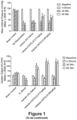
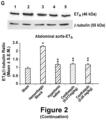
- Vascular ET A receptors have been well established to have a strong vasoconstrictor effect (Schneider et al. 2007). Hemorrhage produced an increase in the expression of ET A receptors in the abdominal aorta. Resuscitation with hypertonic saline and centhaquin significantly reversed the hemorrhage-induced increase in ET A receptor expression in the abdominal aorta. However, ET B receptors were unaltered following hemorrhagic shock, but were increased by centhaquin treatment. It is possible that following hemorrhagic shock an increase in the expression of vasoconstrictor ET A receptors in the blood vessels occurs to maintain vascular tone and MAP. However, an increase in circulating ET-1 along with increased vascular ET A receptors may produce undesired vasoconstriction and reduce tissue perfusion.
- ET-1 plasma ET-1 levels following hemorrhagic shock has been reported to be acting as a compensatory mechanism to maintain blood pressure (Chang et al. 1993; Edwards et al. 1994; Gulati et al. 1997b; Sharma et al. 2002). It was also found that a precursor of ET-1 improved the resuscitative effect of hemoglobin based blood-substitute diaspirin cross-linked hemoglobin in severely hemorrhaged rats (Gulati et al. 1995). In normal rats ET-1 produces a biphasic response: an initial transient decrease followed by a sustained increase in blood pressure (Gardiner et al. 1994; Yanagisawa et al.
- ET-1 produced a monophasic effect where only an increase in blood pressure was observed along with improved survival (Jochem et al. 2003).
- the resuscitative effect of ET-1 in hemorrhaged rats was mediated through ET A receptors since it was blocked by BQ123, a specific ET A receptor antagonist (Jochem et al. 2003).
- BQ123 a specific ET A receptor antagonist
- vascular ET A receptors are increased following hemorrhagic shock as part of compensatory mechanism which is reversed upon resuscitation with either hypertonic saline or centhaquin.
- ET B receptors in the abdominal aorta were unaltered following hemorrhagic shock, but increased by centhaquin and not by hypertonic saline resuscitation. Since vascular ET B receptors produce vasodilation (Arai et al. 1990; Cardillo et al. 2000; Yanagisawa et al. 1988) therefore centhaquin induced increase in the expression of vascular ET B receptors may contribute towards an increase in tissue blood perfusion thereby decreasing blood lactate levels of hemorrhaged rats.
- ET receptors crosstalk with each other and with adrenergic.
- the effect of ET B receptor desensitization is revealed in the presence of ET A receptor blockade (Mickley et al. 1997).
- ET B receptors are capable of altering the pharmacology of ET A receptors. It has been shown that venous ET A receptor blockade inhibited ET-1 induced contraction to a larger degree when ET B receptors were blocked (Thakali et al. 2008). Crosstalk between ET A and ET B receptors has been shown to take place in several different blood vessels in rodents (Lodge et al. 1995; Thakali et al.
- ET A receptors modulate the cardiovascular responses of adrenergic agent such as clonidine (Gulati 1992; Gulati and Srimal 1993; Lavhale et al. 2013). Since centhaquin acts on adrenergic receptors, it is possible that changes in expression of ET A receptors is responsible for some of the resuscitative effects of centhaquin.
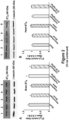
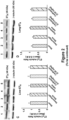
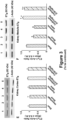
- ET A receptor levels were unaltered following hemorrhagic shock, but were decreased by centhaquin, whereas ET B receptor expression decreased following hemorrhagic shock, which was completely attenuated by centhaquin and not with hypertonic saline.
- ET-1 produces vasoconstriction and decreases glomerular filtration rate which is mediated through ET A receptors (Harris et al. 1991; Kon et al. 1989).
- a decrease in the expression of ET A receptors induced by centhaquin could reduce the vasoconstrictor effect of ET-1 in the renal medulla.
- the outer renal medulla is the site where extensive reabsorption of sodium chloride takes place by the thick ascending limb of loop of Henle making outer renal medulla a site for high metabolic activity and demand for better blood perfusion (Cowley 2008). Hence this region is highly prone to hypoxic or ischemic injury following excessive hemorrhage. It is possible that centhaquin, by decreasing the concentration of ET A receptors, prevents the renal medullary region from ischemic injury following hemorrhagic shock.
- ET B receptor stimulation has been found to increase renal medullary blood flow mediated through vasodilators such as NO, cyclo-oxygenase and cytochrome p-450 metabolites (Hercule and Oyekan 2000; Vassileva et al. 2003).
- vasodilators such as NO, cyclo-oxygenase and cytochrome p-450 metabolites
- hemorrhagic shock decreased renal medullary ET B receptor expression which was not affected by resuscitation with saline but was attenuated by centhaquin.
- the results provided herein show that severe hemorrhage produces a decrease in the expression of ET B receptors in the renal medulla which may contribute towards a decrease in blood flow to the renal medulla causing ischemia and renal failure.
- centhaquin induced changes in ET A and ET B receptors both may be contributing to prevent the renal medulla from ischemic injury following hemorrhagic shock.
- the renal medullary ET B receptors also play a role in the control of sodium and water excretion (Kohan et al. 2011; Schneider et al. 2007).
- ET B receptors in the epithelium of the renal medullary collecting ducts are mainly responsible for inhibition of ET-1 action on sodium and water reabsorption (Kitamura et al. 1989; Kohan et al. 2011).
- the diuretic and natriuretic response to ET-1 was found to be attenuated by an ET B receptor antagonist (Hoffman et al. 2000).
- Patients with excessive blood loss presenting with anuria or oliguria warrant emergency medical attention because acute kidney failure is the main cause of death in such patients (Rossaint et al.
- Hemorrhagic shock compromises the metabolic, cellular and inflammatory responses which can lead to multiple organ failure (Bonanno 2011; Gutierrez et al. 2004; Marik and Flemmer 2012).
- the response is typically characterized by release of pro-inflammatory cytokines such as IL-6 or TNF- ⁇ appearing immediately following hemorrhagic shock (Mees et al. 2009).
- This is followed by a sustained release of anti-inflammatory cytokines such as IL-10 which may contribute towards immune depression (Oberholzer et al. 2000).
- the overall impact of excessive IL-6 and TNF- ⁇ production in hemorrhage is still controversial.
- the present findings confirm increases in plasma levels of TNF- ⁇ , IL-6 and IL-10 after hemorrhage.
- IL-6 plays a dual role in the inflammatory response to injury, often classified as pro-inflammatory locally and anti-inflammatory systemically. Studies have shown the beneficial effects of IL-6 deficiency in experimental paradigms of thermal injury, sepsis, and hemorrhage (Fontanilla et al. 2000; Mommsen et al. 2011; Yang et al. 2007). In contrast, other studies demonstrate that IL-6 administration prevents epithelial cell and cardio-myocyte apoptosis induced by hemorrhage (Alten et al. 2008; Moran et al. 2009). Systemic infusion of IL-6 following hemorrhagic shock reduces inflammation and injury in the liver and lung (Meng et al. 2000).
- TNF- ⁇ TNF- ⁇ release in the hippocampus may promote neuroprotection and activate repair processes of the cerebral microvasculature as well as mediate neuronal plasticity (Kim et al. 2014; Sriram and O'Callaghan 2007).
- cytokines display protective actions in the brain (Bruce et al. 1996; Gadient et al. 1990; Hama et al. 1989; Kossmann et al. 1996).
- centhaquin did increase IL-6 and TNF- ⁇ in the present study, more markers for inflammation are being examined in order to fully understand the influence of centhaquin on inflammation, both in normal and hemorrhaged animals, as these cytokines have the capacity to perform both pro- and anti-inflammatory functions.
- Endothelin-1 acts on ET A and ET B receptors and has been implicated in hemorrhagic shock (shock).
- the effect of shock and resuscitation on ET A and ET B receptor expression was studied herein utilizing hypertonic saline (saline) or centhaquin. Rats were anesthetized, a pressure catheter was placed in the left femoral artery; blood was withdrawn from the right femoral artery to bring mean arterial pressure (MAP) to 35 mmHg for 30 minutes, resuscitation was performed and 90 minutes later sacrificed to collect samples for biochemical estimations. Resuscitation with centhaquin decreased blood lactate and increased MAP.
- MAP mean arterial pressure
- centhaquin significantly improved resuscitation following hemorrhagic shock (HS) in rats.
- the administration of centhaquin following HS resulted in a decrease in the expression of vasoconstrictor ET A receptor and an increase in the expression of vasodilator ET B receptors, the mechanism for these alterations remains to be determined.
- the significance of elevation in cytokines following hemorrhagic shock and resuscitation with centhaquin is contemplated that these changes improve tissue blood perfusion.
- Centhaquin has been shown to have significant resuscitative effect following extensive hemorrhage in rat, rabbits and swine models. Hemorrhage decreases the expression of ET B receptors and it is contemplated that resuscitation with centhaquin attenuates this effect through the increased expression of ET B receptors. Specifically, centhaquin-induced increase in ET B receptor expression in the renal medulla could lead to a vasodilatory effect and promote diuresis and natriuresis, preventing injury to the renal medulla.
- centhaquin (2-[2-(4-(3-methyphenyl)-1-piperazinyl)]ethyl-quinoline) citrate
- MAP mean arterial pressure
- PP pulse pressure
- CO cardiac output
- centhaquin Unlike other resuscitative agents (vasopressors), centhaquin increased MAP by increasing stroke volume (SV) and CO; and decreased heart rate and systemic vascular resistance (SVR). Centhaquin is currently in clinical development as a resuscitative agent for hemorrhagic shock.
- Hemorrhagic shock is a major cause of morbidity and mortality following trauma, particularly during the early stages of injury (Wu et al. 2009). Most of the deaths due to hemorrhagic shock occur in the first 6 hours after trauma (Shackford et al. 1993) and many of these deaths can be prevented (Acosta et al. 1998). Shock is accompanied by circulatory failure, which is mainly responsible for mortality and morbidity.
- the current recommended fluid therapy of using large volumes of lactated Ringer (LR) solution is effective in restoring hemodynamic parameters but presents logistic and physiological limitations (Vincenzi et al. 2009).
- ischemia causes depletion of adenosine triphosphate (ATP), an increase in cytosolic calcium, free radical formation, metabolism of membrane phospholipids, and abnormalities in cell volume regulation.
- ATP adenosine triphosphate
- Centhaquin citrate (PMZ-2010) was synthesized at Pharmazz India Private Limited, Greater noisya, India.
- Urethane ethyl carbamate
- Saline Injection USP
- Hospira, Inc Lake forest IL, USA
- Heparin Sodium Injection USP (APP Pharmaceuticals, LLC, Schaumburg, IL, USA) were used.
- MAP and HR were measured by cannulating the left femoral artery with pressure catheter SPR-320 (Millar Instruments), connected to the ML221 bridge amplifier (AD Instruments) through AEC-10C connector and the signals were acquired (1000 S -1 ) using PowerLab 16/30 data acquisition system (Gulati et al. 2012; Pacher et al. 2008).
- a Perimed laser Doppler flow probe was placed in the renal medulla to measure blood perfusion and data was captured on PowerLab 16/30 data acquisition system.
- the left femoral vein was cannulated using PE 50 tubing (Clay Adams, Parsipanny, NJ) and secured for resuscitation.
- Hemorrhage was induced by withdrawing blood from the femoral artery at a rate of approximately 0.5 to 1 mL/min until a MAP of 35 mmHg was reached. This MAP was maintained for 30 minutes by further withdrawal of blood, if necessary.
- the hemorrhagic shock model used in the present study is a well-established rodent model of manageable pressure hemorrhage (Buehler et al. 2000; Gulati et al. 1997; Gulati and Sen 1998).
- the volume of blood loss was about approximately 8.0 ml in each rat and was similar in various groups, amounting to approximately 40 % of the total blood. Measured hematocrit levels were similar in various groups.
- the duration of blood withdrawal was approximately 15 minutes.
- mice were randomly divided into three groups: Hemorrhaged rats were administered 100% shed blood volume of either normal saline (vehicle); 100% shed blood volume of either normal saline plus centhaquin (0.01 mg/kg) or 100% shed blood volume of either normal saline plus centhaquin (0.10 mg/kg) during the first 10 minutes of resuscitation.
- centhaquin Effect of centhaquin on arterial blood pH, pO 2 , pCO 2 , hematocrit, blood lactate and base-deficit of hemorrhaged rats.
- a significant reduction in blood pH was observed in rats following hemorrhage, which was further decreased following administration of saline.
- Centhaquin administration (0.01 and 0.10 mg/kg) significantly prevented the reduction of pH in hemorrhaged rats.
- Hemorrhage produced a significant decrease in pCO 2 and increase in pO 2 which was not affected by resuscitation with saline or centhaquin.
- centhaquin Effect of centhaquin on renal blood perfusion of hemorrhaged rats. Hemorrhaged rats were resuscitated with vehicle (saline) or centhaquin low dose (0.01 mg/kg) or high dose (0.1 mg/kg). The effect of centhaquin on renal blood perfusion was measured before the induction of shock, 30 minutes after shock (hemorrhage) and 10, 30, 60, 90 and 120 minutes after resuscitation. Low doses of centhaquin significantly improved renal blood perfusion of hemorrhaged male rats compared to equal volume of saline. This improved renal medullary blood perfusion is indicative of a use of centhaquin to prevent or treat injury to the kidneys ( Figure 5 ).
- Centhaquin significantly improved renal blood perfusion of hemorrhaged female rats compared to equal volume of saline ( Figure 6 ).
- a low dose of 0.02 mg/kg of centhaquin was also found to be effective in increasing the renal blood flow of hemorrhaged rats subjected to 20 minutes of renal artery occlusion.
- a ten times higher dose of 0.2 mg/kg centhaquin did not have the same efficacy in increasing renal blood flow as a low dose of 0.02 mg/kg centhaquin.
- a low dose (0.02 mg/kg) of centhaquin was more effective than a high dose (0.2 mg/kg) of centhaquin in improving renal blood flow of hemorrhaged rats subjected to 20 minutes of renal artery occlusion.
- MAP mean arterial pressure
- a laser Doppler flow probe was placed in the renal medulla to measure blood perfusion.
- Induction of hemorrhagic shock was initiated by withdrawing blood to maintain the MAP at 35 mmHg for 30 minutes.
- Norepinephrine infusion was carried out to bring and maintain the MAP to 70 mmHg.
- the effect of centhaquin on cardiovascular functions were measured before the induction of shock, 30 minutes after shock (hemorrhage) and 15, 30, 45, 60, 75 and 90 minutes after resuscitation.
- Centhaquin improved renal blood perfusion of hemorrhaged male rats compared to vehicle control following resuscitation.
- the adverse effects of norepinephrine induced vasoconstriction can be attenuated by centhaquin ( Figure 7 ).
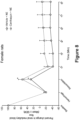
- centhaquin improved renal blood perfusion of hemorrhaged female rats compared to vehicle control following resuscitation and an improved blood perfusion was observed till the end of experiment ( Figure 8 ).
- the adverse effects of norepinephrine induced vasoconstriction can be attenuated by centhaquin.
- PMZ-2010 met its primary endpoint of safety and no adverse event was reported.
- the number of doses required in PMZ-2010 treated were less than those required in control cohort (Table 3).
- PMZ-2010 treated patients spent only 39.3% time in intensive care unit compared to 57.3% of control.
- Time spent on ventilator was only 0.85 ⁇ 0.71 days in patients from PMZ-2010 group while it was 5.09 ⁇ 3.14 days in patients from control group.
- Total fluids needed in the first 48 hours of resuscitation was 19.9% less in PMZ-2010 treated patients; similarly, total blood products administered in the first 48 hours was 23.4% less in PMZ-2010 treated group compared to control.
- Systolic blood pressure increased by 34.5% from baseline (at the time of inclusion) until 48 hours after resuscitation in the control group while an increase of 45.2% was observed in PMZ-2010 treated group ( Figure 9 ).
- diastolic blood pressure increased by 15.4% in the control group while 34.9% in PMZ-2010 treated group 48 hours after resuscitation ( Figure 9 ).
- Total amount of vasopressors needed in first 48 hours of resuscitation were 18.4 ⁇ 12.1 mg in the control group, while only 1.3 ⁇ 1.2 mg was needed in PMZ-2010 treated patients.
- Blood lactate levels decreased by 47% in control and 63% in PMZ-2010 treated patients. Interim analysis of a small number of patients indicated that PMZ-2010 improved numerous parameters that are indicative of its effectiveness as a resuscitative agent.
- Serum creatinine levels were determined when the patient was inducted in the study (baseline) and at the time of discharge from hospital (end of the study). An interim analysis as per approved protocol showed that serum creatinine level decreased by 25.35% in control cohort and by 42.61% in PMZ-2010 treated patients. The data indicated that reduction of serum creatinine levels by PMZ-2010 is 17.26% more compared to standard treatment. See Figure 10 .
- Blood urea nitrogen was determined when the patient was inducted in the study (baseline) and at the time of discharge from hospital (end of the study). An interim analysis as per approved protocol showed that blood urea nitrogen was similar in control cohort and PMZ-2010 treated patients. See Figure 11 .
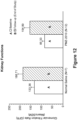
- Glomerular filtration rate was determined when the patient was inducted in the study (baseline) and at the time of discharge from hospital (end of the study). An interim analysis as per approved protocol showed that glomerular filtration rate increased by 40.00% in control cohort and by 81.52% in PMZ-2010 treated patients. The data indicated that an increase in glomerular filtration rate by PMZ-2010 is 41.52% more compared to standard treatment. See Figure 12 .
- Centhaquin has been shown to have significant resuscitative effect following extensive hemorrhage in rat, rabbits and swine models. Centhaquin was found to be an effective resuscitative agent and induced an increase in blood flow to the renal medulla and decrease serum creatinine levels in patients with hypovolemic shock. In addition, centhaquin increased glomerular filtration rate in patients with hypovolemic shock. It is contemplated that centhaquin and its salts will lead to a vasodilator effect and promote diuresis and natriuresis, and improve renal functions by increasing the glomerular filtration rate and decrease serum creatinine levels.
- ARAI H, HORI S, ARAMORI I, OHKUBO H and NAKANISHI S Cloning and expression of a cDNA encoding an endothelin receptor. Nature 348: 730-732, 1990 .
- BAUER M BAUER I, SONIN NV, KRESGE N, BAVEJA R, YOKOYAMA Y, HARDING D, ZHANG JX and CLEMENS MG: Functional significance of endothelin B receptors in mediating sinusoidal and extrasinusoidal effects of endothelins in the intact rat liver. Hepatology 31: 937-947, 2000 .
- BOURQUE SL, DAVIDGE ST and ADAMS MA The interaction between endothelin-1 and nitric oxide in the vasculature: new perspectives.
- BREUILLER-FOUCHE M MORINIERE C, DALLOT E, OGER S, REBOURCET R, CABROL D and LEROY MJ: Regulation of the endothelin/endothelin receptor system by interleukin-1 ⁇ beta ⁇ in human myometrial cells. Endocrinology 146: 4878-4886, 2005 .
- BUEHLER PW BUEHLER PW, MEHENDALE S, WANG H, XIE J, MA L, TRIMBLE CE, HSIA CJ and GULATI A: Resuscitative effects of polynitroxylated alphaalpha-cross-linked hemoglobin following severe hemorrhage in the rat. Free radical biology & medicine 29: 764-774, 2000 .
- CHANG H, WU GJ, WANG SM and HUNG CR Plasma endothelin level changes during hemorrhagic shock. The Journal of trauma 35: 825-833, 1993 .
- CHAUDRY IH, AYALA A, ERTEL W and STEPHAN RN Hemorrhage and resuscitation: immunological aspects. The American journal of physiology 259: R663-678, 1990 .
- DAVIS JW, KAUPS KL and PARKS SN Base deficit is superior to pH in evaluating clearance of acidosis after traumatic shock. The Journal of trauma 44: 114-118, 1998 .
- EDWARDS JD, DOVGAN PS, ROWLEY JM, AGRAWAL DK, THORPE PE and ADRIAN TE Endothelin-1 levels in ischaemia, reperfusion, and haemorrhagic shock in the canine infrarenal aortic revascularisation model. European journal of vascular surgery 8: 729-734, 1994 .
- FELLNER SK and ARENDSHORST W Endothelin-A and -B receptors, superoxide, and Ca2+ signaling in afferent arterioles. Am J Physiol Renal Physiol 292: F175-184, 2007 .
- FUHRMAN DY, KANE-GILL S, GOLDSTEIN SL, PRIYANKA P and KELLUM JA Acute kidney injury epidemiology, risk factors, and outcomes in critically ill patients 16-25 years of age treated in an adult intensive care unit. Ann Intensive Care 8: 26, 2018 .
- GADIENT RA, CRON KC and OTTEN U Interleukin-1 beta and tumor necrosis factor-alpha synergistically stimulate nerve growth factor (NGF) release from cultured rat astrocytes. Neuroscience letters 117: 335-340, 1990 .
- GARDINER SM Effects of bosentan (Ro 47-0203), an ETA-, ETB-receptor antagonist, on regional haemodynamic responses to endothelins in conscious rats.
- Bosentan Ro 47-0203
- ETB-receptor antagonist Effects of bosentan (Ro 47-0203), an ETA-, ETB-receptor antagonist, on regional haemodynamic responses to endothelins in conscious rats.
- British journal of pharmacology 112: 823-830, 1994 Effects of bosentan (Ro 47-0203), an ETA-, ETB-receptor antagonist, on regional haemodynamic responses to endothelins in conscious rats.
- Endothelin activates the dihydropyridine-sensitive, voltage-dependent Ca2+ channel in vascular smooth muscle. Proceedings of the National Academy of Sciences of the United States of America 86: 3915-3918, 1989 .
- GULATI A Evidence for antagonistic activity of endothelin for clonidine induced hypotension and bradycardia. Life Sci 50: 153-160, 1992 .
- GULATI A, REBELLO S and KUMAR A Role of sympathetic nervous system in cardiovascular effects of centrally administered endothelin-1 in rats.
- GULATI A and SEN AP Dose-dependent effect of diaspirin cross-linked hemoglobin on regional blood circulation of severely hemorrhaged rats. Shock 9: 65-73, 1998 .
- GULATI A, SINGH R, CHUNG SM and SEN AP Role of endothelin-converting enzyme in the systemic hemodynamics and regional circulatory effects of proendothelin-1 (1-38) and diaspirin cross-linked hemoglobin in rats. J Lab Clin Med 126: 559-570, 1995 .
- GULATI A and SRIMAL RC Endothelin antagonizes the hypotension and potentiates the hypertension induced by clonidine.
- GULATI A, ZHANG Z, MURPHY A and LAVHALE MS Efficacy of centhaquin as a small volume resuscitative agent in severely hemorrhaged rats. Am J Emerg Med 31: 1315-1321, 2013 .
- GUTIERREZ G, REINES HD and WULF-GUTIERREZ ME Clinical review: hemorrhagic shock. Critical care 8: 373-381, 2004 .
- HAMA T, MIYAMOTO M, TSUKUI H, NISHIO C and HATANAKA H Interleukin-6 as a neurotrophic factor for promoting the survival of cultured basal forebrain cholinergic neurons from postnatal rats. Neuroscience letters 104: 340-344, 1989 .
- HARRIS PJ, ZHUO J, MENDELSOHN FA and SKINNER SL Haemodynamic and renal tubular effects of low doses of endothelin in anaesthetized rats. The Journal of physiology 433: 25-39, 1991 .
- HERCULE HC and OYEKAN AO Cytochrome P450 omega/omega-1 hydroxylase-derived eicosanoids contribute to endothelin(A) and endothelin(B) receptor-mediated vasoconstriction to endothelin-1 in the rat preglomerular arteriole.
- HIRSCHBERG R KOPPLE J, LIPSETT P, BENJAMIN E, MINEI J, ALBERTSON T, MUNGER M, METZLER M, ZALOGA G, MURRAY M, LOWRY S, CONGER J, MCKEOWN W, O'SHEA M, BAUGHMAN R, WOOD K, HAUPT M, KAISER R, SIMMS H, WARNOCK D, SUMMER W, HINTZ R, MYERS B, HAENFTLING K, CAPRA W and ET AL.: Multicenter clinical trial of recombinant human insulin-like growth factor I in patients with acute renal failure. Kidney Int 55: 2423-2432, 1999 .
- HOFFMAN A ABASSI ZA, BRODSKY S, RAMADAN R and WINAVER J: Mechanisms of big endothelin-1-induced diuresis and natriuresis : role of ET(B) receptors. Hypertension 35: 732-739, 2000 .
- INOUE A YANAGISAWA M, KIMURA S, KASUYA Y, MIYAUCHI T, GOTO K and MASAKI T: The human endothelin family: three structurally and pharmacologically distinct isopeptides predicted by three separate genes. Proc Natl Acad Sci U S A 86: 2863-2867, 1989 .
- JACOB M and KUMAR P The challenge in management of hemorrhagic shock in trauma. Medical journal, Armed Forces India 70: 163-169, 2014 .
- KIM JY, KAWABORI M and YENARI MA Innate inflammatory responses in stroke: mechanisms and potential therapeutic targets. Current medicinal chemistry 21: 2076-2097, 2014 .
- KITAMURA K TANAKA T, KATO J, OGAWA T, ETO T and TANAKA K: Immunoreactive endothelin in rat kidney inner medulla: marked decrease in spontaneously hypertensive rats. Biochemical and biophysical research communications 162: 38-44, 1989 .
- KOHAN DE, ROSSI NF, INSCHO EW and POLLOCK DM Regulation of blood pressure and salt homeostasis by endothelin. Physiological reviews 91: 1-77, 2011 .
- KOMAROV PG, KOMAROVA EA, KONDRATOV RV, CHRISTOV-TSELKOV K, COON JS, CHERNOV MV and GUDKOV AV A chemical inhibitor of p53 that protects mice from the side effects of cancer therapy. Science 285: 1733-1737, 1999 .
- KOSSMANN T HANS V, IMHOF HG, TRENTZ O and MORGANTI-KOSSMANN MC: Interleukin-6 released in human cerebrospinal fluid following traumatic brain injury may trigger nerve growth factor production in astrocytes. Brain research 713: 143-152, 1996 .
- KOWALCZYK A, KLENIEWSKA P, KOLODZIEJCZYK M, SKIBSKA B and GORACA A The role of endothelin-1 and endothelin receptor antagonists in inflammatory response and sepsis.
- LAVHALE MS, HAVALAD S and GULATI A Resuscitative effect of centhaquin after hemorrhagic shock in rats. The Journal of surgical research 179: 115-124, 2013 .
- LAWRENCE E, SINEY L, WILSONCROFT P, KNOCK GA, TERENGHI G, POLAK JM and BRAIN SD Evidence for ETA and ETB receptors in rat skin and an investigation of their function in the cutaneous microvasculature. Br J Pharmacol 115: 840-844, 1995 .
- LEONARD MG and GULATI A Endothelin B receptor agonist, IRL-1620, enhances angiogenesis and neurogenesis following cerebral ischemia in rats. Brain research 1528: 28-41, 2013 .
- LIANGOS O, WALD R, O'BELL JW, PRICE L, PEREIRA BJ and JABER BL Epidemiology and outcomes of acute renal failure in hospitalized patients: a national survey. Clin J Am Soc Nephrol 1: 43-51, 2006 .
- MAGGI CA and MELI A Suitability of urethane anesthesia for physiopharmacological investigations in various systems. Part 2: Cardiovascular system. Experientia 42: 292-297, 1986 .
- MARIK PE and FLEMMER M The immune response to surgery and trauma: Implications for treatment. The journal of trauma and acute care surgery 73: 801-808, 2012 .
- MATHISON Y and ISRAEL A Endothelin ET(B) receptor subtype mediates nitric oxide/cGMP formation in rat adrenal medulla. Brain Res Bull 45: 15-19, 1998 .
- MAZZONI MR BRESCHI MC, CECCARELLI F, LAZZERI N, GIUSTI L, NIERI P and LUCACCHINI A: Suc-[Glu9,Ala11,15]-endothelin-1 (8-21), IRL 1620, identifies two populations of ET(B) receptors in guinea-pig bronchus. Br J Pharmacol 127: 1406-1414, 1999 .
- OBERHOLZER A, OBERHOLZER C and MOLDAWER LL Cytokine signalingregulation of the immune response in normal and critically ill states.
- PACHER P NAGAYAMA T, MUKHOPADHYAY P, BATKAI S and KASS DA: Measurement of cardiac function using pressure-volume conductance catheter technique in mice and rats. Nature protocols 3: 1422-1434, 2008 .
- PALADINO L SINERT R, WALLACE D, ANDERSON T, YADAV K and ZEHTABCHI S: The utility of base deficit and arterial lactate in differentiating major from minor injury in trauma patients with normal vital signs. Resuscitation 77: 363-368, 2008 .
- PAPALEXOPOULOU K CHALKIAS A, PLIATSIKA P, PAPALOIS A, PAPAPANAGIOTOU P, PAPADOPOULOS G, ARNAOUTOGLOU E, PETROU A, GULATI A and XANTHOS T: Centhaquin Effects in a Swine Model of Ventricular Fibrillation: Centhaquin and Cardiac Arrest. Heart, Lung and Circulation 26: 856-863, 2017 .
- PAPAPANAGIOTOU P XANTHOS T, GULATI A, CHALKIAS A, PAPALOIS A, KONTOULI Z, ALEGAKIS A and IACOVIDOU N: Centhaquin improves survival in a swine model of hemorrhagic shock.
- PERNOW J, BOHM F, JOHANSSON BL, HEDIN U and RYDEN L Enhanced vasoconstrictor response to endothelin-B-receptor stimulation in patients with atherosclerosis. Journal of cardiovascular pharmacology 36: S418-420, 2000 .
- ROSSAINT R CERNY V, COATS TJ, DURANTEAU J, FERNANDEZ-MONDEJAR E, GORDINI G, STAHEL PF, HUNT BJ, NEUGEBAUER E and SPAHN DR: Key issues in advanced bleeding care in trauma. Shock 26: 322-331, 2006 .
- Endothelin A (ET(A)) receptors are involved in augmented adrenergic vasoconstriction and blunted nitric oxide-mediated relaxation of penile arteries from insulin-resistant obese zucker rats. J Sex Med 11: 1463-1474, 2014 .
- SHACKFORD SR MACKERSIE RC, HOLBROOK TL, DAVIS JW, HOLLINGSWORTH-FRIDLUND P, HOYT DB and WOLF PL: The epidemiology of traumatic death. A population-based analysis. Archives of surgery 128: 571-575, 1993 .
- SHARMA AC, SINGH G and GULATI A Decompensation characterized by decreased perfusion of the heart and brain during hemorrhagic shock: role of endothelin-1. The Journal of trauma 53: 531-536, 2002 .
- VASSILEVA I, MOUNTAIN C and POLLOCK DM Functional role of ETB receptors in the renal medulla. Hypertension 41: 1359-1363, 2003 .
- VIRDIS A and SCHIFFRIN EL Vascular inflammation: a role in vascular disease in hypertension? Current opinion in nephrology and hypertension 12: 181-187, 2003 .
- YANAGISAWA M, KURIHARA H, KIMURA S, TOMOBE Y, KOBAYASHI M, MITSUI Y, YAZAKI Y, GOTO K and MASAKI T A novel potent vasoconstrictor peptide produced by vascular endothelial cells. Nature 332: 411-415, 1988 .
Landscapes
- Health & Medical Sciences (AREA)
- Life Sciences & Earth Sciences (AREA)
- Chemical & Material Sciences (AREA)
- Medicinal Chemistry (AREA)
- Pharmacology & Pharmacy (AREA)
- Animal Behavior & Ethology (AREA)
- General Health & Medical Sciences (AREA)
- Public Health (AREA)
- Veterinary Medicine (AREA)
- Epidemiology (AREA)
- Engineering & Computer Science (AREA)
- Bioinformatics & Cheminformatics (AREA)
- Urology & Nephrology (AREA)
- Zoology (AREA)
- General Chemical & Material Sciences (AREA)
- Nuclear Medicine, Radiotherapy & Molecular Imaging (AREA)
- Organic Chemistry (AREA)
- Proteomics, Peptides & Aminoacids (AREA)
- Immunology (AREA)
- Chemical Kinetics & Catalysis (AREA)
- Gastroenterology & Hepatology (AREA)
- Marine Sciences & Fisheries (AREA)
- Endocrinology (AREA)
- Vascular Medicine (AREA)
- Medicines That Contain Protein Lipid Enzymes And Other Medicines (AREA)
- Acyclic And Carbocyclic Compounds In Medicinal Compositions (AREA)
- Pharmaceuticals Containing Other Organic And Inorganic Compounds (AREA)
Priority Applications (1)
| Application Number | Priority Date | Filing Date | Title |
|---|---|---|---|
| EP24163271.0A EP4364811A3 (en) | 2018-05-03 | 2019-05-03 | Alterations in endothelin receptors following hemorrhage and resuscitation by centhaquin |
Applications Claiming Priority (3)
| Application Number | Priority Date | Filing Date | Title |
|---|---|---|---|
| US201862666675P | 2018-05-03 | 2018-05-03 | |
| IN201841019588 | 2018-05-25 | ||
| PCT/US2019/030652 WO2019213558A1 (en) | 2018-05-03 | 2019-05-03 | Alterations in endothelin receptors following hemorrhage and resuscitation by centhaquin |
Related Child Applications (2)
| Application Number | Title | Priority Date | Filing Date |
|---|---|---|---|
| EP24163271.0A Division-Into EP4364811A3 (en) | 2018-05-03 | 2019-05-03 | Alterations in endothelin receptors following hemorrhage and resuscitation by centhaquin |
| EP24163271.0A Division EP4364811A3 (en) | 2018-05-03 | 2019-05-03 | Alterations in endothelin receptors following hemorrhage and resuscitation by centhaquin |
Publications (3)
| Publication Number | Publication Date |
|---|---|
| EP3813942A1 EP3813942A1 (en) | 2021-05-05 |
| EP3813942A4 EP3813942A4 (en) | 2022-01-19 |
| EP3813942B1 true EP3813942B1 (en) | 2024-04-17 |
Family
ID=68386694
Family Applications (2)
| Application Number | Title | Priority Date | Filing Date |
|---|---|---|---|
| EP19796519.7A Active EP3813942B1 (en) | 2018-05-03 | 2019-05-03 | Composition comprising centhaquin or a salt thereof for use in treating an individual suffering acute kidney function decline |
| EP24163271.0A Pending EP4364811A3 (en) | 2018-05-03 | 2019-05-03 | Alterations in endothelin receptors following hemorrhage and resuscitation by centhaquin |
Family Applications After (1)
| Application Number | Title | Priority Date | Filing Date |
|---|---|---|---|
| EP24163271.0A Pending EP4364811A3 (en) | 2018-05-03 | 2019-05-03 | Alterations in endothelin receptors following hemorrhage and resuscitation by centhaquin |
Country Status (9)
| Country | Link |
|---|---|
| US (1) | US20210169978A1 (https=) |
| EP (2) | EP3813942B1 (https=) |
| JP (1) | JP7458032B2 (https=) |
| CN (1) | CN112469474A (https=) |
| AU (1) | AU2019262612B2 (https=) |
| BR (1) | BR112020022395A2 (https=) |
| ES (1) | ES2978951T3 (https=) |
| PL (1) | PL3813942T3 (https=) |
| WO (1) | WO2019213558A1 (https=) |
Families Citing this family (5)
| Publication number | Priority date | Publication date | Assignee | Title |
|---|---|---|---|---|
| AU2010241564B2 (en) | 2009-04-30 | 2014-07-31 | Midwestern University | Novel therapeutic treatments using centhaquin |
| JP2024517334A (ja) * | 2021-05-11 | 2024-04-19 | ファーマズ,インコーポレイテッド | コロナウイルス疾患(covid-19)における急性呼吸窮迫症候群(ards)の治療のための医薬組成物及び方法 |
| US20240207356A1 (en) * | 2022-12-26 | 2024-06-27 | Pharmazz, Inc. | Composition and method for wound healing and repair of damaged nerves |
| US20240382461A1 (en) * | 2023-05-15 | 2024-11-21 | Pharmazz, Inc. | Pharmaceutical composition and method for prevention and treatment of hearing loss |
| IN202411028038A (https=) * | 2024-04-04 | 2025-05-23 |
Family Cites Families (11)
| Publication number | Priority date | Publication date | Assignee | Title |
|---|---|---|---|---|
| JPH0597891A (ja) * | 1991-04-24 | 1993-04-20 | Banyu Pharmaceut Co Ltd | 血管弛緩ペプチド類 |
| CA2578709C (en) * | 2004-06-17 | 2010-06-15 | Virun, Inc. | Compositions comprising a mucoadhesive protein and an active principle for mucosal delivery of said agents |
| JP2009506119A (ja) * | 2005-08-31 | 2009-02-12 | ユニバーシティ オブ テネシー リサーチ ファウンデーション | 選択的アンドロゲン受容体モジュレーターを用いる腎疾患、熱傷、創傷および脊髄損傷の処置 |
| US9829494B2 (en) | 2005-12-01 | 2017-11-28 | Adrenomed Ag | Methods of treatment using ADM antibodies |
| US20080242687A1 (en) * | 2007-04-02 | 2008-10-02 | Auspex Pharmaceuticals, Inc. | Substituted pyrimidines |
| AU2008237062A1 (en) | 2007-04-10 | 2008-10-16 | Auspex Pharmaceuticals, Inc. | Substituted deuterium enriched thiophenes for the treatment of hypertension |
| EP2545920A1 (en) | 2007-08-22 | 2013-01-16 | Abbott GmbH & Co. KG | Therapy for complications of diabetes |
| AU2010241564B2 (en) * | 2009-04-30 | 2014-07-31 | Midwestern University | Novel therapeutic treatments using centhaquin |
| US20130296331A1 (en) | 2010-11-26 | 2013-11-07 | Technion Research And Development Foundation Ltd. | Compositions and methods for ameliorating renal dysfunction induced by renal hypoperfusion or acute kidney injury |
| BR112015004643A2 (pt) | 2012-08-31 | 2017-07-04 | Univ Midwestern | métodos e composições para ressucitação hipotensiva |
| AU2014287427B2 (en) | 2013-07-08 | 2019-11-21 | Midwestern University | Compositions and methods for treating neuropsychiatric disorders using an endothelin-B receptor agonist |
-
2019
- 2019-05-03 PL PL19796519.7T patent/PL3813942T3/pl unknown
- 2019-05-03 AU AU2019262612A patent/AU2019262612B2/en active Active
- 2019-05-03 EP EP19796519.7A patent/EP3813942B1/en active Active
- 2019-05-03 ES ES19796519T patent/ES2978951T3/es active Active
- 2019-05-03 WO PCT/US2019/030652 patent/WO2019213558A1/en not_active Ceased
- 2019-05-03 JP JP2020561786A patent/JP7458032B2/ja active Active
- 2019-05-03 BR BR112020022395-6A patent/BR112020022395A2/pt not_active Application Discontinuation
- 2019-05-03 US US17/052,473 patent/US20210169978A1/en active Pending
- 2019-05-03 CN CN201980038669.0A patent/CN112469474A/zh active Pending
- 2019-05-03 EP EP24163271.0A patent/EP4364811A3/en active Pending
Also Published As
| Publication number | Publication date |
|---|---|
| EP3813942A1 (en) | 2021-05-05 |
| JP2021523125A (ja) | 2021-09-02 |
| EP3813942A4 (en) | 2022-01-19 |
| AU2019262612B2 (en) | 2025-04-03 |
| AU2019262612A1 (en) | 2020-11-26 |
| WO2019213558A1 (en) | 2019-11-07 |
| CA3099128A1 (en) | 2019-11-07 |
| US20210169978A1 (en) | 2021-06-10 |
| CN112469474A (zh) | 2021-03-09 |
| PL3813942T3 (pl) | 2024-07-22 |
| JP7458032B2 (ja) | 2024-03-29 |
| ES2978951T3 (es) | 2024-09-23 |
| BR112020022395A2 (pt) | 2021-04-13 |
| EP4364811A2 (en) | 2024-05-08 |
| EP4364811A3 (en) | 2024-07-10 |
Similar Documents
| Publication | Publication Date | Title |
|---|---|---|
| EP3813942B1 (en) | Composition comprising centhaquin or a salt thereof for use in treating an individual suffering acute kidney function decline | |
| US20230310420A1 (en) | Methods and compositions for hypotensive resuscitation | |
| Gross | Treatment of hyponatremia | |
| US20200171007A1 (en) | Methods of Treating Hepatorenal Syndrome and Hepatic Encephalopathy with Thromboxane-A2 Receptor Antagonists | |
| US20200375975A1 (en) | Treatment of Renal Cell Carcinoma with Lenvatinib and Everolimus | |
| KR100445946B1 (ko) | 폐고혈압 치료법 | |
| Llach et al. | Effect of dipyridamole on kidney function in cirrhosis | |
| CA3099128C (en) | Alterations in endothelin receptors following hemorrhage and resuscitation by centhaquin | |
| CA2608271A1 (en) | Milk fat globule epidermal growth factor-factor viii and sepsis | |
| WO2021037212A9 (zh) | 用于对抗代谢疾病的组合物及其用途 | |
| WO2017179739A1 (en) | Treatment of renal cell carcinoma with lenvatinib and everolimus | |
| Abdallah | New trends in pharmacological treatment of acute kidney injury | |
| Briyal et al. | Alterations in endothelin receptors following hemorrhage and resuscitation by centhaquin. | |
| Varda et al. | Diabetic Kidney Disease: From Pathophysiology To Treatment Perspectives | |
| CN113332435B (zh) | 鞘氨醇-1-磷酸4受体激动剂及其与真武汤联合在制备治疗慢性肾小球肾炎药物中的应用 | |
| US20190142819A1 (en) | Treatment of renal cell carcinoma with lenvatinib and everolimus | |
| AU2017219121A1 (en) | Methods of Treating Hepatorenal Syndrome and Hepatic Encephalopathy with Thromboxane-A2 Receptor Antagonists |
Legal Events
| Date | Code | Title | Description |
|---|---|---|---|
| STAA | Information on the status of an ep patent application or granted ep patent |
Free format text: STATUS: THE INTERNATIONAL PUBLICATION HAS BEEN MADE |
|
| PUAI | Public reference made under article 153(3) epc to a published international application that has entered the european phase |
Free format text: ORIGINAL CODE: 0009012 |
|
| STAA | Information on the status of an ep patent application or granted ep patent |
Free format text: STATUS: REQUEST FOR EXAMINATION WAS MADE |
|
| 17P | Request for examination filed |
Effective date: 20201202 |
|
| AK | Designated contracting states |
Kind code of ref document: A1 Designated state(s): AL AT BE BG CH CY CZ DE DK EE ES FI FR GB GR HR HU IE IS IT LI LT LU LV MC MK MT NL NO PL PT RO RS SE SI SK SM TR |
|
| DAV | Request for validation of the european patent (deleted) | ||
| DAX | Request for extension of the european patent (deleted) | ||
| A4 | Supplementary search report drawn up and despatched |
Effective date: 20211220 |
|
| RIC1 | Information provided on ipc code assigned before grant |
Ipc: A61K 38/00 20060101ALI20211214BHEP Ipc: A61K 31/496 20060101ALI20211214BHEP Ipc: A61P 43/00 20060101ALI20211214BHEP Ipc: A61P 35/00 20060101ALI20211214BHEP Ipc: A61P 25/00 20060101ALI20211214BHEP Ipc: A61P 13/12 20060101ALI20211214BHEP Ipc: A61P 9/00 20060101AFI20211214BHEP |
|
| P01 | Opt-out of the competence of the unified patent court (upc) registered |
Effective date: 20230511 |
|
| STAA | Information on the status of an ep patent application or granted ep patent |
Free format text: STATUS: EXAMINATION IS IN PROGRESS |
|
| 17Q | First examination report despatched |
Effective date: 20230629 |
|
| REG | Reference to a national code |
Ref country code: DE Ref legal event code: R079 Free format text: PREVIOUS MAIN CLASS: A61P0009000000 Ipc: A61K0031496000 Ref document number: 602019050525 Country of ref document: DE |
|
| GRAP | Despatch of communication of intention to grant a patent |
Free format text: ORIGINAL CODE: EPIDOSNIGR1 |
|
| STAA | Information on the status of an ep patent application or granted ep patent |
Free format text: STATUS: GRANT OF PATENT IS INTENDED |
|
| RIC1 | Information provided on ipc code assigned before grant |
Ipc: A61P 43/00 20060101ALI20231013BHEP Ipc: A61P 35/00 20060101ALI20231013BHEP Ipc: A61P 25/00 20060101ALI20231013BHEP Ipc: A61P 13/12 20060101ALI20231013BHEP Ipc: A61P 9/00 20060101ALI20231013BHEP Ipc: A61K 38/22 20060101ALI20231013BHEP Ipc: A61K 38/00 20060101ALI20231013BHEP Ipc: A61K 31/496 20060101AFI20231013BHEP |
|
| INTG | Intention to grant announced |
Effective date: 20231113 |
|
| GRAS | Grant fee paid |
Free format text: ORIGINAL CODE: EPIDOSNIGR3 |
|
| GRAA | (expected) grant |
Free format text: ORIGINAL CODE: 0009210 |
|
| STAA | Information on the status of an ep patent application or granted ep patent |
Free format text: STATUS: THE PATENT HAS BEEN GRANTED |
|
| AK | Designated contracting states |
Kind code of ref document: B1 Designated state(s): AL AT BE BG CH CY CZ DE DK EE ES FI FR GB GR HR HU IE IS IT LI LT LU LV MC MK MT NL NO PL PT RO RS SE SI SK SM TR |
|
| REG | Reference to a national code |
Ref country code: GB Ref legal event code: FG4D |
|
| REG | Reference to a national code |
Ref country code: CH Ref legal event code: EP |
|
| REG | Reference to a national code |
Ref country code: IE Ref legal event code: FG4D Ref country code: DE Ref legal event code: R096 Ref document number: 602019050525 Country of ref document: DE |
|
| REG | Reference to a national code |
Ref country code: LT Ref legal event code: MG9D |
|
| REG | Reference to a national code |
Ref country code: NL Ref legal event code: MP Effective date: 20240417 |
|
| REG | Reference to a national code |
Ref country code: AT Ref legal event code: MK05 Ref document number: 1676591 Country of ref document: AT Kind code of ref document: T Effective date: 20240417 |
|
| PG25 | Lapsed in a contracting state [announced via postgrant information from national office to epo] |
Ref country code: NL Free format text: LAPSE BECAUSE OF FAILURE TO SUBMIT A TRANSLATION OF THE DESCRIPTION OR TO PAY THE FEE WITHIN THE PRESCRIBED TIME-LIMIT Effective date: 20240417 |
|
| REG | Reference to a national code |
Ref country code: ES Ref legal event code: FG2A Ref document number: 2978951 Country of ref document: ES Kind code of ref document: T3 Effective date: 20240923 |
|
| PG25 | Lapsed in a contracting state [announced via postgrant information from national office to epo] |
Ref country code: NL Free format text: LAPSE BECAUSE OF FAILURE TO SUBMIT A TRANSLATION OF THE DESCRIPTION OR TO PAY THE FEE WITHIN THE PRESCRIBED TIME-LIMIT Effective date: 20240417 |
|
| PG25 | Lapsed in a contracting state [announced via postgrant information from national office to epo] |
Ref country code: IS Free format text: LAPSE BECAUSE OF FAILURE TO SUBMIT A TRANSLATION OF THE DESCRIPTION OR TO PAY THE FEE WITHIN THE PRESCRIBED TIME-LIMIT Effective date: 20240817 |
|
| PG25 | Lapsed in a contracting state [announced via postgrant information from national office to epo] |
Ref country code: BG Free format text: LAPSE BECAUSE OF FAILURE TO SUBMIT A TRANSLATION OF THE DESCRIPTION OR TO PAY THE FEE WITHIN THE PRESCRIBED TIME-LIMIT Effective date: 20240417 |
|
| PG25 | Lapsed in a contracting state [announced via postgrant information from national office to epo] |
Ref country code: HR Free format text: LAPSE BECAUSE OF FAILURE TO SUBMIT A TRANSLATION OF THE DESCRIPTION OR TO PAY THE FEE WITHIN THE PRESCRIBED TIME-LIMIT Effective date: 20240417 Ref country code: FI Free format text: LAPSE BECAUSE OF FAILURE TO SUBMIT A TRANSLATION OF THE DESCRIPTION OR TO PAY THE FEE WITHIN THE PRESCRIBED TIME-LIMIT Effective date: 20240417 |
|
| PG25 | Lapsed in a contracting state [announced via postgrant information from national office to epo] |
Ref country code: GR Free format text: LAPSE BECAUSE OF FAILURE TO SUBMIT A TRANSLATION OF THE DESCRIPTION OR TO PAY THE FEE WITHIN THE PRESCRIBED TIME-LIMIT Effective date: 20240718 |
|
| PG25 | Lapsed in a contracting state [announced via postgrant information from national office to epo] |
Ref country code: PT Free format text: LAPSE BECAUSE OF FAILURE TO SUBMIT A TRANSLATION OF THE DESCRIPTION OR TO PAY THE FEE WITHIN THE PRESCRIBED TIME-LIMIT Effective date: 20240819 |
|
| PG25 | Lapsed in a contracting state [announced via postgrant information from national office to epo] |
Ref country code: AT Free format text: LAPSE BECAUSE OF FAILURE TO SUBMIT A TRANSLATION OF THE DESCRIPTION OR TO PAY THE FEE WITHIN THE PRESCRIBED TIME-LIMIT Effective date: 20240417 |
|
| PG25 | Lapsed in a contracting state [announced via postgrant information from national office to epo] |
Ref country code: LV Free format text: LAPSE BECAUSE OF FAILURE TO SUBMIT A TRANSLATION OF THE DESCRIPTION OR TO PAY THE FEE WITHIN THE PRESCRIBED TIME-LIMIT Effective date: 20240417 |
|
| PG25 | Lapsed in a contracting state [announced via postgrant information from national office to epo] |
Ref country code: PT Free format text: LAPSE BECAUSE OF FAILURE TO SUBMIT A TRANSLATION OF THE DESCRIPTION OR TO PAY THE FEE WITHIN THE PRESCRIBED TIME-LIMIT Effective date: 20240819 Ref country code: NO Free format text: LAPSE BECAUSE OF FAILURE TO SUBMIT A TRANSLATION OF THE DESCRIPTION OR TO PAY THE FEE WITHIN THE PRESCRIBED TIME-LIMIT Effective date: 20240717 Ref country code: LV Free format text: LAPSE BECAUSE OF FAILURE TO SUBMIT A TRANSLATION OF THE DESCRIPTION OR TO PAY THE FEE WITHIN THE PRESCRIBED TIME-LIMIT Effective date: 20240417 Ref country code: IS Free format text: LAPSE BECAUSE OF FAILURE TO SUBMIT A TRANSLATION OF THE DESCRIPTION OR TO PAY THE FEE WITHIN THE PRESCRIBED TIME-LIMIT Effective date: 20240817 Ref country code: HR Free format text: LAPSE BECAUSE OF FAILURE TO SUBMIT A TRANSLATION OF THE DESCRIPTION OR TO PAY THE FEE WITHIN THE PRESCRIBED TIME-LIMIT Effective date: 20240417 Ref country code: GR Free format text: LAPSE BECAUSE OF FAILURE TO SUBMIT A TRANSLATION OF THE DESCRIPTION OR TO PAY THE FEE WITHIN THE PRESCRIBED TIME-LIMIT Effective date: 20240718 Ref country code: FI Free format text: LAPSE BECAUSE OF FAILURE TO SUBMIT A TRANSLATION OF THE DESCRIPTION OR TO PAY THE FEE WITHIN THE PRESCRIBED TIME-LIMIT Effective date: 20240417 Ref country code: BG Free format text: LAPSE BECAUSE OF FAILURE TO SUBMIT A TRANSLATION OF THE DESCRIPTION OR TO PAY THE FEE WITHIN THE PRESCRIBED TIME-LIMIT Effective date: 20240417 Ref country code: AT Free format text: LAPSE BECAUSE OF FAILURE TO SUBMIT A TRANSLATION OF THE DESCRIPTION OR TO PAY THE FEE WITHIN THE PRESCRIBED TIME-LIMIT Effective date: 20240417 Ref country code: RS Free format text: LAPSE BECAUSE OF FAILURE TO SUBMIT A TRANSLATION OF THE DESCRIPTION OR TO PAY THE FEE WITHIN THE PRESCRIBED TIME-LIMIT Effective date: 20240717 |
|
| REG | Reference to a national code |
Ref country code: CH Ref legal event code: PL |
|
| PG25 | Lapsed in a contracting state [announced via postgrant information from national office to epo] |
Ref country code: DK Free format text: LAPSE BECAUSE OF FAILURE TO SUBMIT A TRANSLATION OF THE DESCRIPTION OR TO PAY THE FEE WITHIN THE PRESCRIBED TIME-LIMIT Effective date: 20240417 |
|
| PG25 | Lapsed in a contracting state [announced via postgrant information from national office to epo] |
Ref country code: LU Free format text: LAPSE BECAUSE OF NON-PAYMENT OF DUE FEES Effective date: 20240503 |
|
| REG | Reference to a national code |
Ref country code: DE Ref legal event code: R097 Ref document number: 602019050525 Country of ref document: DE |
|
| PG25 | Lapsed in a contracting state [announced via postgrant information from national office to epo] |
Ref country code: EE Free format text: LAPSE BECAUSE OF FAILURE TO SUBMIT A TRANSLATION OF THE DESCRIPTION OR TO PAY THE FEE WITHIN THE PRESCRIBED TIME-LIMIT Effective date: 20240417 |
|
| PG25 | Lapsed in a contracting state [announced via postgrant information from national office to epo] |
Ref country code: CZ Free format text: LAPSE BECAUSE OF FAILURE TO SUBMIT A TRANSLATION OF THE DESCRIPTION OR TO PAY THE FEE WITHIN THE PRESCRIBED TIME-LIMIT Effective date: 20240417 |
|
| PG25 | Lapsed in a contracting state [announced via postgrant information from national office to epo] |
Ref country code: RO Free format text: LAPSE BECAUSE OF FAILURE TO SUBMIT A TRANSLATION OF THE DESCRIPTION OR TO PAY THE FEE WITHIN THE PRESCRIBED TIME-LIMIT Effective date: 20240417 Ref country code: SK Free format text: LAPSE BECAUSE OF FAILURE TO SUBMIT A TRANSLATION OF THE DESCRIPTION OR TO PAY THE FEE WITHIN THE PRESCRIBED TIME-LIMIT Effective date: 20240417 |
|
| PG25 | Lapsed in a contracting state [announced via postgrant information from national office to epo] |
Ref country code: SM Free format text: LAPSE BECAUSE OF FAILURE TO SUBMIT A TRANSLATION OF THE DESCRIPTION OR TO PAY THE FEE WITHIN THE PRESCRIBED TIME-LIMIT Effective date: 20240417 |
|
| PG25 | Lapsed in a contracting state [announced via postgrant information from national office to epo] |
Ref country code: SM Free format text: LAPSE BECAUSE OF FAILURE TO SUBMIT A TRANSLATION OF THE DESCRIPTION OR TO PAY THE FEE WITHIN THE PRESCRIBED TIME-LIMIT Effective date: 20240417 Ref country code: SK Free format text: LAPSE BECAUSE OF FAILURE TO SUBMIT A TRANSLATION OF THE DESCRIPTION OR TO PAY THE FEE WITHIN THE PRESCRIBED TIME-LIMIT Effective date: 20240417 Ref country code: RO Free format text: LAPSE BECAUSE OF FAILURE TO SUBMIT A TRANSLATION OF THE DESCRIPTION OR TO PAY THE FEE WITHIN THE PRESCRIBED TIME-LIMIT Effective date: 20240417 Ref country code: LU Free format text: LAPSE BECAUSE OF NON-PAYMENT OF DUE FEES Effective date: 20240503 Ref country code: EE Free format text: LAPSE BECAUSE OF FAILURE TO SUBMIT A TRANSLATION OF THE DESCRIPTION OR TO PAY THE FEE WITHIN THE PRESCRIBED TIME-LIMIT Effective date: 20240417 Ref country code: DK Free format text: LAPSE BECAUSE OF FAILURE TO SUBMIT A TRANSLATION OF THE DESCRIPTION OR TO PAY THE FEE WITHIN THE PRESCRIBED TIME-LIMIT Effective date: 20240417 Ref country code: CZ Free format text: LAPSE BECAUSE OF FAILURE TO SUBMIT A TRANSLATION OF THE DESCRIPTION OR TO PAY THE FEE WITHIN THE PRESCRIBED TIME-LIMIT Effective date: 20240417 Ref country code: CH Free format text: LAPSE BECAUSE OF NON-PAYMENT OF DUE FEES Effective date: 20240531 Ref country code: MC Free format text: LAPSE BECAUSE OF FAILURE TO SUBMIT A TRANSLATION OF THE DESCRIPTION OR TO PAY THE FEE WITHIN THE PRESCRIBED TIME-LIMIT Effective date: 20240417 |
|
| PLBE | No opposition filed within time limit |
Free format text: ORIGINAL CODE: 0009261 |
|
| REG | Reference to a national code |
Ref country code: BE Ref legal event code: MM Effective date: 20240531 |
|
| STAA | Information on the status of an ep patent application or granted ep patent |
Free format text: STATUS: NO OPPOSITION FILED WITHIN TIME LIMIT |
|
| 26N | No opposition filed |
Effective date: 20250120 |
|
| PG25 | Lapsed in a contracting state [announced via postgrant information from national office to epo] |
Ref country code: IE Free format text: LAPSE BECAUSE OF NON-PAYMENT OF DUE FEES Effective date: 20240503 |
|
| PG25 | Lapsed in a contracting state [announced via postgrant information from national office to epo] |
Ref country code: BE Free format text: LAPSE BECAUSE OF NON-PAYMENT OF DUE FEES Effective date: 20240531 Ref country code: SI Free format text: LAPSE BECAUSE OF FAILURE TO SUBMIT A TRANSLATION OF THE DESCRIPTION OR TO PAY THE FEE WITHIN THE PRESCRIBED TIME-LIMIT Effective date: 20240417 |
|
| PGFP | Annual fee paid to national office [announced via postgrant information from national office to epo] |
Ref country code: PL Payment date: 20250429 Year of fee payment: 7 Ref country code: DE Payment date: 20250429 Year of fee payment: 7 |
|
| PGFP | Annual fee paid to national office [announced via postgrant information from national office to epo] |
Ref country code: GB Payment date: 20250428 Year of fee payment: 7 Ref country code: ES Payment date: 20250606 Year of fee payment: 7 |
|
| PGFP | Annual fee paid to national office [announced via postgrant information from national office to epo] |
Ref country code: IT Payment date: 20250415 Year of fee payment: 7 |
|
| PGFP | Annual fee paid to national office [announced via postgrant information from national office to epo] |
Ref country code: FR Payment date: 20250527 Year of fee payment: 7 |
|
| PG25 | Lapsed in a contracting state [announced via postgrant information from national office to epo] |
Ref country code: CY Free format text: LAPSE BECAUSE OF FAILURE TO SUBMIT A TRANSLATION OF THE DESCRIPTION OR TO PAY THE FEE WITHIN THE PRESCRIBED TIME-LIMIT; INVALID AB INITIO Effective date: 20190503 |
|
| PG25 | Lapsed in a contracting state [announced via postgrant information from national office to epo] |
Ref country code: HU Free format text: LAPSE BECAUSE OF FAILURE TO SUBMIT A TRANSLATION OF THE DESCRIPTION OR TO PAY THE FEE WITHIN THE PRESCRIBED TIME-LIMIT; INVALID AB INITIO Effective date: 20190503 |
|
| PG25 | Lapsed in a contracting state [announced via postgrant information from national office to epo] |
Ref country code: SE Free format text: LAPSE BECAUSE OF FAILURE TO SUBMIT A TRANSLATION OF THE DESCRIPTION OR TO PAY THE FEE WITHIN THE PRESCRIBED TIME-LIMIT Effective date: 20240417 |