EP3812458A1 - Expansion culture method for human-derived natural killer cells by using hdac inhibitor - Google Patents
Expansion culture method for human-derived natural killer cells by using hdac inhibitor Download PDFInfo
- Publication number
- EP3812458A1 EP3812458A1 EP19802523.1A EP19802523A EP3812458A1 EP 3812458 A1 EP3812458 A1 EP 3812458A1 EP 19802523 A EP19802523 A EP 19802523A EP 3812458 A1 EP3812458 A1 EP 3812458A1
- Authority
- EP
- European Patent Office
- Prior art keywords
- cells
- natural killer
- killer cells
- hdac inhibitor
- treated
- Prior art date
- Legal status (The legal status is an assumption and is not a legal conclusion. Google has not performed a legal analysis and makes no representation as to the accuracy of the status listed.)
- Pending
Links
Images




Classifications
-
- C—CHEMISTRY; METALLURGY
- C12—BIOCHEMISTRY; BEER; SPIRITS; WINE; VINEGAR; MICROBIOLOGY; ENZYMOLOGY; MUTATION OR GENETIC ENGINEERING
- C12N—MICROORGANISMS OR ENZYMES; COMPOSITIONS THEREOF; PROPAGATING, PRESERVING, OR MAINTAINING MICROORGANISMS; MUTATION OR GENETIC ENGINEERING; CULTURE MEDIA
- C12N5/00—Undifferentiated human, animal or plant cells, e.g. cell lines; Tissues; Cultivation or maintenance thereof; Culture media therefor
- C12N5/06—Animal cells or tissues; Human cells or tissues
- C12N5/0602—Vertebrate cells
- C12N5/0634—Cells from the blood or the immune system
- C12N5/0646—Natural killers cells [NK], NKT cells
-
- A—HUMAN NECESSITIES
- A61—MEDICAL OR VETERINARY SCIENCE; HYGIENE
- A61K—PREPARATIONS FOR MEDICAL, DENTAL OR TOILETRY PURPOSES
- A61K40/00—Cellular immunotherapy
- A61K40/10—Cellular immunotherapy characterised by the cell type used
- A61K40/15—Natural-killer [NK] cells; Natural-killer T [NKT] cells
-
- A—HUMAN NECESSITIES
- A61—MEDICAL OR VETERINARY SCIENCE; HYGIENE
- A61P—SPECIFIC THERAPEUTIC ACTIVITY OF CHEMICAL COMPOUNDS OR MEDICINAL PREPARATIONS
- A61P35/00—Antineoplastic agents
-
- C—CHEMISTRY; METALLURGY
- C12—BIOCHEMISTRY; BEER; SPIRITS; WINE; VINEGAR; MICROBIOLOGY; ENZYMOLOGY; MUTATION OR GENETIC ENGINEERING
- C12N—MICROORGANISMS OR ENZYMES; COMPOSITIONS THEREOF; PROPAGATING, PRESERVING, OR MAINTAINING MICROORGANISMS; MUTATION OR GENETIC ENGINEERING; CULTURE MEDIA
- C12N2501/00—Active agents used in cell culture processes, e.g. differentation
- C12N2501/065—Modulators of histone acetylation
-
- C—CHEMISTRY; METALLURGY
- C12—BIOCHEMISTRY; BEER; SPIRITS; WINE; VINEGAR; MICROBIOLOGY; ENZYMOLOGY; MUTATION OR GENETIC ENGINEERING
- C12N—MICROORGANISMS OR ENZYMES; COMPOSITIONS THEREOF; PROPAGATING, PRESERVING, OR MAINTAINING MICROORGANISMS; MUTATION OR GENETIC ENGINEERING; CULTURE MEDIA
- C12N2501/00—Active agents used in cell culture processes, e.g. differentation
- C12N2501/20—Cytokines; Chemokines
- C12N2501/23—Interleukins [IL]
- C12N2501/2302—Interleukin-2 (IL-2)
-
- C—CHEMISTRY; METALLURGY
- C12—BIOCHEMISTRY; BEER; SPIRITS; WINE; VINEGAR; MICROBIOLOGY; ENZYMOLOGY; MUTATION OR GENETIC ENGINEERING
- C12N—MICROORGANISMS OR ENZYMES; COMPOSITIONS THEREOF; PROPAGATING, PRESERVING, OR MAINTAINING MICROORGANISMS; MUTATION OR GENETIC ENGINEERING; CULTURE MEDIA
- C12N2501/00—Active agents used in cell culture processes, e.g. differentation
- C12N2501/70—Enzymes
- C12N2501/73—Hydrolases (EC 3.)
-
- C—CHEMISTRY; METALLURGY
- C12—BIOCHEMISTRY; BEER; SPIRITS; WINE; VINEGAR; MICROBIOLOGY; ENZYMOLOGY; MUTATION OR GENETIC ENGINEERING
- C12N—MICROORGANISMS OR ENZYMES; COMPOSITIONS THEREOF; PROPAGATING, PRESERVING, OR MAINTAINING MICROORGANISMS; MUTATION OR GENETIC ENGINEERING; CULTURE MEDIA
- C12N2501/00—Active agents used in cell culture processes, e.g. differentation
- C12N2501/999—Small molecules not provided for elsewhere
Definitions
- the present invention relates to a culture method for expansion of natural killer cells, and more particularly to a culture method for expansion of natural killer cells, the method comprising treating cultured natural killer cells with an HDAC inhibitor.
- the human immune system is regulated by complex mechanisms, and abnormalities in the immune system may lead to imbalances in the immune system, causing various intractable diseases such as cancer. Therefore, attention has been paid on the development of immune cell therapy, which is a method of treating immune-related diseases by resolving imbalances in the immune system, restoring the immune system to a normal state and strengthening the immune system.
- the human immune system is divided into an innate immune system and an acquired immune system.
- the innate immune system is composed of cells that first attack foreign antigens entering the human body.
- Representative cells include natural killer cells, which have attracted attention as cell therapy products because these natural killer cells have advantages in that they can kill various types of cancer cells and recognize cancer cells regardless of the presence or absence of antigens.
- immune cells In order to use immune cells as cell therapy products, it is particularly necessary to obtain a large number of cells and to enable the cells to have high anticancer activity. In addition, when the obtained immune cells are injected into the patient's body, they should effectively survive in the body.
- Epigenetics is a phenomenon in which gene expression is regulated while the nucleotide sequence of DNA does not change.
- the structural change of chromatin affects "chromatin remodeling" and gene expression is regulated. This field has recently attracted attention and has been reported to play an important role in the activation and deactivation of immune cells ( Schenk et al., Int J Mol Sci, 2016 ) .
- Histone deacetylases are enzymes that are involved in chromatin remodeling. It is known that HDACs mainly affect the transcription process, and it has been reported that overacetylation of histones leads to the inhibition of transcription ( Smith et al., BioEssay, 30:15-24, 2007 ). In addition HDACs are known to regulate gene expression by targeting many non-histone protein substrates, in addition to modifying histones. Thus, when HDACs are inhibited, the chromatin structure opens up, so that various transcriptional regulatory factors may bind thereto.
- HDAC inhibitors histone deacetylase inhibitors (HDACi) induce differentiation, cell cycle arrest, cell death, autophagy and necrosis in various cancer cell lines ( Senese et al., Molecular and Cellular Biology, 27:4784-4795, 2007 ). HDAC inhibitors are known to promote cancer cell apoptosis by enhancing the DNA damage response of cancer cells and inhibiting DNA repair, and this mechanism does not occur in normal cells. Therefore, it was thought that HDAC inhibitors would show differential effects in cancer and normal cells.
- HDACi histone deacetylase inhibitors
- T cells In the case of T cells, it has been reported that, when CD4 T cells are treated with an inhibitor, the cell viability thereof decreases and the proliferation and cytokine secretion thereof are inhibited ( Schmudde et al., Cancer Lett, 295:173-181, 2010 ). In addition, it has been reported that, when CD8 T cells are treated with an inhibitor, the memory function thereof increases ( Vo et al., Cancer Research, 69:8693-9699, 2009 ).
- Treg cells which are regulatory immune cells
- Foxp3 expression and immune suppression ability are increased ( Tao et al., Nature Med, 13:1299-1307, 2007 ), and that MDSC differentiation is enhanced ( Rosborough et al., J Leukoc Biol, 91:701-709, 2012 ).
- the present inventors have made extensive efforts to develop a method of effectively increasing the viability and yield of immune cells during expansion thereof, and as a result, have found that, when NK cells are treated with an HDAC inhibitor during ex vivo expansion culture of the NK cells, expansion of the NK cells is enhanced, so that the viability and yield of the cells significantly increase, thereby completing the present invention.
- An object of the present invention is to provide a culture method of enhancing expansion of natural killer cells during ex vivo culture.
- the present invention provides a culture method for expansion of natural killer cells, the method comprising: (a) culturing natural killer cells for 1 to 15 days; (b) treating the cultured natural killer cells with an HDAC inhibitor; and (c) additionally culturing the treated natural killer cells.
- NK cells natural killer cells
- HDAC histone deacetylase
- HDAC activity is important in the proliferation of resting natural killer cells, unlike proliferating cells, treatment of proliferating cells with an HDAC inhibitor is key to increasing the number of cells.
- natural killer cells treated with the HDAC inhibitor may maintain the cancer cell killing ability thereof regardless of treatment or non-treatment with the HDAC inhibitor.
- the present invention is directed to a culture method for expansion of natural killer cells, the method comprising: (a) culturing natural killer cells for 5 to 15 days; (b) treating the cultured natural killer cells with an HDAC inhibitor; and (c) additionally culturing the treated natural killer cells.
- the HDAC inhibitor may be selected from the group consisting of SAHA, valproic acid, vorinostat, entinostat, and romidepsin.
- the HDAC inhibitor is preferably used at a concentration of 20 to 500 nM, more preferably 31.25 to 125 nM, even more preferably 50 to 80 nM.
- the natural killer cells are treated with the HDAC inhibitor after 5 to 15 days of culture, preferably 6 to 12 days of culture, more preferably 7 to 10 days of culture.
- the natural killer cells may be first treated with the HDAC inhibitor on day 6 of culture, and then additionally treated with the HDAC inhibitor 3 to 4 times at 4 day-intervals.
- the culturing in step (c) may be performed in medium supplemented with IL-2.
- the natural killer cells may be co-cultured with feeder cells such as Jurkat (KL-1) cells, EBV-LCL cells or K562 cells.
- feeder cells such as Jurkat (KL-1) cells, EBV-LCL cells or K562 cells.
- the method of the present invention is a method which does not change the function of natural killer cells, but makes it possible to obtain a larger number of cells by inhibiting apoptosis, compared to a conventional method.
- the natural killer cells cultured for 6 days under the above-described conditions were treated with 125 nM of an HDAC inhibitor (SAHA, Sigma Aldrich, USA) once every 4 days, and the number of the cells was counted ( FIG. 1A ) .
- SAHA an HDAC inhibitor
- FIG. 1A the number of the cells was counted using a hematocytometer once every 4 days while the cells were further cultured for about 12 days, and during culture, the medium was replaced with hRPMI medium containing 500 U/ml of IL-2.
- FIG. 1C shows a growth curve of the natural killer cells cultured after the HDAC inhibitor was added on day 0 or day 10 during culture of the natural killer cells.
- the proliferation of the NK cells decreased when the NK cells were treated with the HDAC inhibitor on day 0 of culture compared to when the NK cells were treated with the HDAC inhibitor on day 10 of culture.
- the number of cells in the experimental group treated with SAHA from co-culture day 6 was measured to be the highest.
- FIG. 2B it was confirmed that the proliferation of the NK cells was the highest when the NK cells were treated with SAHA at a concentration of 62.5 nM ( FIG. 2B ).
- the timing and amount of treatment were optimized.
- the cells were washed with FACS buffer, and analyzed by staining Ki67 in the cell nucleus with the eBioscience Foxp3/transcription factor staining buffer set (eBioscience Cat No. 00-5523-00).
- K562 (Korea Cell Line Bank) and A375 (Korea Cell Line Bank) cells were prepared as target cancer cells, labeled with chromium for 1 hour, mixed with natural killer cells at a ratio of 1:1, and then co-cultured 37°C. After 4 hours, the supernatant was taken and the isotope value thereof was analyzed using a gamma counter.
- FITC-labeled anti-CD107a mAb 2.5 ⁇ l was added to the cells, and Golgi stop (BD Pharmingen) was added, followed by culture at 37°C for 5 hours. After completion of culture, PerCPp-labeled CD3 mAb (Biolgend Cat No.344814 clone SK7) and APC-labeled CD56mAb (Biolegend Cat No.362504 clone 5.1H11) were added to the cells and allowed to react at 4°C for 20 minutes.
- the cells were washed with FACS buffer, fixed, permeabilized using a BD Cytoperm/Cytofix kit (BD Pharmingen, San Diego, CA), stained with PE-labeled IFN-g mAb, and then analyzed by flow cytometry.
- BD Cytoperm/Cytofix kit BD Pharmingen, San Diego, CA
- PE-labeled IFN-g mAb PE-labeled IFN-g mAb
- FIG. 4 shows the results of analyzing the expression of CD107a (a measure of cytotoxic ability) and secretion of IFN-g (cytokine) in the cultured natural killer cells treated or not treated with the HDAC inhibitor. As can be seen therein, after treatment with the HDAC inhibitor, there was no change in the function of the natural killer cells.
- natural killer cells necessary for cell therapy such as cancer therapy may be efficiently obtained by inhibiting apoptosis of natural killer cells during ex vivo expansion culture thereof to significantly increase the viability and yield of the cells.
Landscapes
- Health & Medical Sciences (AREA)
- Engineering & Computer Science (AREA)
- Life Sciences & Earth Sciences (AREA)
- Biomedical Technology (AREA)
- Chemical & Material Sciences (AREA)
- Organic Chemistry (AREA)
- Zoology (AREA)
- Wood Science & Technology (AREA)
- Genetics & Genomics (AREA)
- Bioinformatics & Cheminformatics (AREA)
- Biotechnology (AREA)
- General Health & Medical Sciences (AREA)
- Hematology (AREA)
- Cell Biology (AREA)
- General Engineering & Computer Science (AREA)
- Immunology (AREA)
- Biochemistry (AREA)
- Microbiology (AREA)
- Animal Behavior & Ethology (AREA)
- Public Health (AREA)
- Veterinary Medicine (AREA)
- Pharmacology & Pharmacy (AREA)
- Nuclear Medicine, Radiotherapy & Molecular Imaging (AREA)
- Medicinal Chemistry (AREA)
- Epidemiology (AREA)
- General Chemical & Material Sciences (AREA)
- Chemical Kinetics & Catalysis (AREA)
- Micro-Organisms Or Cultivation Processes Thereof (AREA)
- Medicines Containing Material From Animals Or Micro-Organisms (AREA)
- Medicines That Contain Protein Lipid Enzymes And Other Medicines (AREA)
Abstract
Description
- The present invention relates to a culture method for expansion of natural killer cells, and more particularly to a culture method for expansion of natural killer cells, the method comprising treating cultured natural killer cells with an HDAC inhibitor.
- The human immune system is regulated by complex mechanisms, and abnormalities in the immune system may lead to imbalances in the immune system, causing various intractable diseases such as cancer. Therefore, attention has been paid on the development of immune cell therapy, which is a method of treating immune-related diseases by resolving imbalances in the immune system, restoring the immune system to a normal state and strengthening the immune system.
- The human immune system is divided into an innate immune system and an acquired immune system. The innate immune system is composed of cells that first attack foreign antigens entering the human body. Representative cells include natural killer cells, which have attracted attention as cell therapy products because these natural killer cells have advantages in that they can kill various types of cancer cells and recognize cancer cells regardless of the presence or absence of antigens.
- In order to use immune cells as cell therapy products, it is particularly necessary to obtain a large number of cells and to enable the cells to have high anticancer activity. In addition, when the obtained immune cells are injected into the patient's body, they should effectively survive in the body.
- However, when immune cells cultured ex vivo are injected into the body, their activity is not maintained for a long time. In particular, when cells are excessively expanded, they are inevitably prone to cell death or cell aging. Therefore, only when the cultured immune cells remain stable in the patient's body for a long time, these cells can effectively act as cell therapy products.
- Epigenetics is a phenomenon in which gene expression is regulated while the nucleotide sequence of DNA does not change. The structural change of chromatin affects "chromatin remodeling" and gene expression is regulated. This field has recently attracted attention and has been reported to play an important role in the activation and deactivation of immune cells (Schenk et al., Int J Mol Sci, 2016) .
- Histone deacetylases (HDACs) are enzymes that are involved in chromatin remodeling. It is known that HDACs mainly affect the transcription process, and it has been reported that overacetylation of histones leads to the inhibition of transcription (Smith et al., BioEssay, 30:15-24, 2007). In addition HDACs are known to regulate gene expression by targeting many non-histone protein substrates, in addition to modifying histones. Thus, when HDACs are inhibited, the chromatin structure opens up, so that various transcriptional regulatory factors may bind thereto.
- It has been previously reported that, when natural killer cells (NK cells) cultured with IL-2 are treated with an anti-CD2 antibody, chromatin is condensed and cell death is induced (Ida et al., Eur J Immunol, 28:1292-1300, 1998). Thus, as NK cells are activated by external stimuli, the chromatin structure is closed by HDACs, so that transcription factors cannot bind thereto, resulting in inhibition of cell proliferation and induction of cell death. Accordingly, efforts have been made to develop a method of inhibiting cell death by inhibiting HDACs to induce structural changes in chromatin so that cell survival-related transcription factors can bind to the chromatin.
- Regarding HDAC inhibitors, it has been reported that histone deacetylase inhibitors (HDACi) induce differentiation, cell cycle arrest, cell death, autophagy and necrosis in various cancer cell lines (Senese et al., Molecular and Cellular Biology, 27:4784-4795, 2007). HDAC inhibitors are known to promote cancer cell apoptosis by enhancing the DNA damage response of cancer cells and inhibiting DNA repair, and this mechanism does not occur in normal cells. Therefore, it was thought that HDAC inhibitors would show differential effects in cancer and normal cells.
- In relation to immune cells, it has been reported that, when cancer cells are treated with HDAC inhibitors, the expression of NKG2D ligand is increased, so that NK cells readily recognize cancer cells (Lopez-Soto et al., Oncogene, 28:2370-2382, 2009), indicating that this treatment has an anticancer effect. In addition, it has been reported that treatment with HDAC inhibitors increases immunogenic cell death (West et al., Cancer Research, 7:7265-7276, 2013).
- It has been reported that treatment of NK cells with the HDAC inhibitor valproic acid decreases the proliferation and cancer cell killing ability of the NK cells (Ogbomo et al., FEBS Letters, 581:1317-1322, 2007). In addition, it has been reported that, when activated NK cells are treated with vorinostat, there is no change in the cancer cell killing ability of the NK cells (Wang et al., Biol Blood Marrow Transplant, 18:747-753, 2012).
- In the case of T cells, it has been reported that, when CD4 T cells are treated with an inhibitor, the cell viability thereof decreases and the proliferation and cytokine secretion thereof are inhibited (Schmudde et al., Cancer Lett, 295:173-181, 2010). In addition, it has been reported that, when CD8 T cells are treated with an inhibitor, the memory function thereof increases (Vo et al., Cancer Research, 69:8693-9699, 2009).
- In contrast, it has been reported that, in the case of Treg cells which are regulatory immune cells, Foxp3 expression and immune suppression ability are increased (Tao et al., Nature Med, 13:1299-1307, 2007), and that MDSC differentiation is enhanced (Rosborough et al., J Leukoc Biol, 91:701-709, 2012).
- Accordingly, the present inventors have made extensive efforts to develop a method of effectively increasing the viability and yield of immune cells during expansion thereof, and as a result, have found that, when NK cells are treated with an HDAC inhibitor during ex vivo expansion culture of the NK cells, expansion of the NK cells is enhanced, so that the viability and yield of the cells significantly increase, thereby completing the present invention.
- An object of the present invention is to provide a culture method of enhancing expansion of natural killer cells during ex vivo culture.
- To achieve the above object, the present invention provides a culture method for expansion of natural killer cells, the method comprising: (a) culturing natural killer cells for 1 to 15 days; (b) treating the cultured natural killer cells with an HDAC inhibitor; and (c) additionally culturing the treated natural killer cells.
-
-
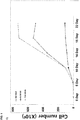
FIG. 1 shows the results of analyzing the effect of an HDAC inhibitor on the growth of natural killer cells.FIG. 1(A) shows a method of treating natural killer cells with an HDAC inhibitor during expansion culture thereof,FIG. 1(B) shows a growth curve of the natural killer cells and a change in the distribution of the natural killer cells after treatment with the HDAC inhibitor, andFIG. 1(C) shows a growth curve of the NK cells cultured after the HDAC inhibitor was added onday 0 orday 10. -
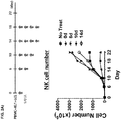
FIG. 2 shows the results of analyzing the effect of an HDAC inhibitor on the growth of natural killer cells.FIG. 2(A) shows a method of treating natural killer cells with an HDAC inhibitor during expansion culture thereof, and growth curves of the treated natural killer cells, andFIG. 2(B) shows growth curves of natural killer cells treated with various concentrations of an HDAC inhibitor during expansion culture of the natural killer cells. -
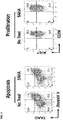
FIG. 3 shows the results of analyzing the effect of an HDAC inhibitor on the growth of natural killer cells, and shows apoptosis and proliferation of the natural killer cells treated or not treated with the HDAC inhibitor. -
FIG. 4(A) shows the results of analyzing the cancer cell killing ability of natural killer cells after treatment with an HDAC inhibitor, andFIG. 4(B) shows the results of analyzing the expression of CD107a (a measure of cytotoxic ability) and secretion of IFN-g (cytokine) in the cultured natural killer cells treated or not treated with the HDAC inhibitor. - Unless otherwise defined, all technical and scientific terms used in the present specification have the same meanings as commonly understood by those skilled in the art to which the present disclosure pertains. In general, the nomenclature used in the present specification is well known and commonly used in the art.
- In the present invention, a method of enhancing the yield of natural killer cells (NK cells) using a histone deacetylase (HDAC) inhibitor during ex vivo expansion culture of the NK cells was developed. In addition, it was found that, when NK cells are treated with an HDAC inhibitor at an initial stage, proliferation of the NK cells is inhibited in the same manner as in the previous report, but when proliferating NK cells are treated with an HDAC inhibitor, expansion of the NK cells is enhanced compared to that of a control group not treated with the HDAC inhibitor, unlike the previous report. This fact suggests that treatment with the HDAC inhibitor makes it possible to obtain a larger number of natural killer cells by inhibiting apoptosis. That is, it was newly found that, since HDAC activity is important in the proliferation of resting natural killer cells, unlike proliferating cells, treatment of proliferating cells with an HDAC inhibitor is key to increasing the number of cells. In addition, it was found that natural killer cells treated with the HDAC inhibitor may maintain the cancer cell killing ability thereof regardless of treatment or non-treatment with the HDAC inhibitor.
- Therefore, the present invention is directed to a culture method for expansion of natural killer cells, the method comprising: (a) culturing natural killer cells for 5 to 15 days; (b) treating the cultured natural killer cells with an HDAC inhibitor; and (c) additionally culturing the treated natural killer cells.
- In the present invention, the HDAC inhibitor may be selected from the group consisting of SAHA, valproic acid, vorinostat, entinostat, and romidepsin. In the present invention, the HDAC inhibitor is preferably used at a concentration of 20 to 500 nM, more preferably 31.25 to 125 nM, even more preferably 50 to 80 nM.
- In the present invention, the natural killer cells are treated with the HDAC inhibitor after 5 to 15 days of culture, preferably 6 to 12 days of culture, more preferably 7 to 10 days of culture.
- In the present invention, the natural killer cells may be first treated with the HDAC inhibitor on
day 6 of culture, and then additionally treated with the HDAC inhibitor 3 to 4 times at 4 day-intervals. - In the present invention, the culturing in step (c) may be performed in medium supplemented with IL-2.
- In the present invention, the natural killer cells may be co-cultured with feeder cells such as Jurkat (KL-1) cells, EBV-LCL cells or K562 cells.
- In one example of the present invention, it was confirmed that, when human peripheral blood mononuclear cells were isolated, co-cultured with Jurkat cells and EBV-LCL cells for 10 days, and then treated with SAHA as an HDAC inhibitor, the number of the natural killer cells increased compared to that in a conventional culture method, and treatment with the inhibitor did not change the proliferation of the cells, and inhibited apoptosis of the natural killer cells, and also treatment with the inhibitor did not change the cancer cell killing ability of the natural killer cells. In addition, treatment with the inhibitor did not change interferon-gamma secretion of the cells
- Therefore, the method of the present invention is a method which does not change the function of natural killer cells, but makes it possible to obtain a larger number of cells by inhibiting apoptosis, compared to a conventional method.
- In another example of the present invention, it was confirmed that, when natural killer cells were treated with SAHA as an HDAC inhibitor at an initial stage without being cultured, no increase in the number of cells was observed.
- Hereinafter, the present invention will be described in more detail with reference to examples. It will be obvious to those skilled in the art that these examples serve merely to illustrate the present invention, and the scope of the present invention is not construed as being limited by these examples.
- Human blood was collected, and then centrifuged using Ficoll (Ficoll-Paque™ PLUS, GE Healthcare) at 2500 rpm for 30 minutes, and peripheral blood mononuclear cells were isolated from the buffy coat. Thereafter, the isolated cells were co-cultured with the Jurkat cell line (Korea Cell Line Bank) and EBV-LCL cell line (Korea Cell Line Bank) (each cell line was irradiated with 100 Gy) at a peripheral blood mononuclear cell:Jurkat cell:EBV-LCL cell ratio of 1:0.5:0.5 in hRPMI medium (RPMI1640 medium (Corning) containing 10% FBS and 1% penicillin/streptomycin) in the presence of 500 U/ml of IL-2. During culture, the medium was replaced with hRPMI medium containing 500 U/ml of IL-2 once every 3 to 4 days.
- In order to confirm the effect of an HDAC inhibitor on natural killer cells, the natural killer cells cultured for 6 days under the above-described conditions were treated with 125 nM of an HDAC inhibitor (SAHA, Sigma Aldrich, USA) once every 4 days, and the number of the cells was counted (
FIG. 1A ) . At this time, the number of the cells was counted using a hematocytometer once every 4 days while the cells were further cultured for about 12 days, and during culture, the medium was replaced with hRPMI medium containing 500 U/ml of IL-2. - As a result, as shown in
FIG. 1B , it was confirmed that the number of cells in the experimental group treated with the HDAC inhibitor SAHA was more than double that in the control group not treated with the HDAC inhibitor. - In addition,
FIG. 1C shows a growth curve of the natural killer cells cultured after the HDAC inhibitor was added onday 0 orday 10 during culture of the natural killer cells. As can be seen therein, the proliferation of the NK cells decreased when the NK cells were treated with the HDAC inhibitor onday 0 of culture compared to when the NK cells were treated with the HDAC inhibitor onday 10 of culture. - In addition, as can be seen in
FIG. 2A , the number of cells in the experimental group treated with SAHA fromco-culture day 6 was measured to be the highest. As shown inFIG. 2B , it was confirmed that the proliferation of the NK cells was the highest when the NK cells were treated with SAHA at a concentration of 62.5 nM (FIG. 2B ). Thus, the timing and amount of treatment were optimized. - In the same manner as in Example 1, natural killer cells expanded ex vivo for 10 days were treated with an HDAC inhibitor and further cultured for 8 days. After harvesting the cells, 5×10⁵ cells were obtained and apoptosis and proliferation thereof were measured using a flow cytometer.
- To measure apoptosis, cells were harvested and stained with annexin V (2.5 µl) and 7AAD (2 µl) for 15 minutes, and then the proportion of the cells stained with annexin V/7AAD was analyzed using FACS CantoII (BD). To measure cell proliferation, PerCP-labeled CD3 mAb (Biolgend Cat No.344814 clone SK7) and APC-labeled CD56 mAb (Biolegend Cat No.362504 clone 5.1H11) were added to the cells and allowed to react at 4°C for 20 minutes. For intracellular FACS, the cells were washed with FACS buffer, and analyzed by staining Ki67 in the cell nucleus with the eBioscience Foxp3/transcription factor staining buffer set (eBioscience Cat No. 00-5523-00).
- As a result, as shown in
FIG. 3 , it could be confirmed that, when the natural killer cells were treated with the HDAC inhibitor, there was no significant change in the proliferation of the natural killer cells, and apoptosis of the natural killer cells was inhibited by treatment of HDAC inhibitor. - In order to examine whether the cancer cell killing ability of the natural killer cells expanded ex vivo by the method of Example 1 changes, K562 (Korea Cell Line Bank) and A375 (Korea Cell Line Bank) cells were prepared as target cancer cells, labeled with chromium for 1 hour, mixed with natural killer cells at a ratio of 1:1, and then co-cultured 37°C. After 4 hours, the supernatant was taken and the isotope value thereof was analyzed using a gamma counter.
- 2.5 µl of FITC-labeled anti-CD107a mAb was added to the cells, and Golgi stop (BD Pharmingen) was added, followed by culture at 37°C for 5 hours. After completion of culture, PerCPp-labeled CD3 mAb (Biolgend Cat No.344814 clone SK7) and APC-labeled CD56mAb (Biolegend Cat No.362504 clone 5.1H11) were added to the cells and allowed to react at 4°C for 20 minutes. For intracellular FACS, the cells were washed with FACS buffer, fixed, permeabilized using a BD Cytoperm/Cytofix kit (BD Pharmingen, San Diego, CA), stained with PE-labeled IFN-g mAb, and then analyzed by flow cytometry. As a positive control, natural killer cells treated with PMA/ionomycin were used.
- As a result, as shown in
FIG. 4 , it could be seen found that the cancer cell killing ability of the natural killer cell group treated with the HDAC inhibitor was similar to that of the untreated control group.FIG. 4B shows the results of analyzing the expression of CD107a (a measure of cytotoxic ability) and secretion of IFN-g (cytokine) in the cultured natural killer cells treated or not treated with the HDAC inhibitor. As can be seen therein, after treatment with the HDAC inhibitor, there was no change in the function of the natural killer cells. - According to the present invention, natural killer cells necessary for cell therapy such as cancer therapy may be efficiently obtained by inhibiting apoptosis of natural killer cells during ex vivo expansion culture thereof to significantly increase the viability and yield of the cells.
- Although the present invention has been described in detail with reference to specific features, it will be apparent to those skilled in the art that this description is only of a preferred embodiment thereof, and does not limit the scope of the present invention. Thus, the substantial scope of the present invention will be defined by the appended claims and equivalents thereto.
Claims (5)
- A culture method for expansion of natural killer cells, the method comprising:(a) culturing natural killer cells for 5 to 15 days;(b) treating the cultured natural killer cells with an HDAC inhibitor; and(c) additionally culturing the treated natural killer cells.
- The method of claim 1, wherein the natural killer cells are first treated with the HDAC inhibitor on day 5 to day 15 of culture, and then additionally treated with the HDAC inhibitor 1 to 3 times at intervals of 2 to 4 days.
- The method of claim 1, wherein the HDAC inhibitor is selected from the group consisting of SAHA, valproic acid, vorinostat, entinostat and romidepsin.
- The method of claim 1, wherein the HDAC inhibitor is used at a concentration of 20 to 500 nM.
- The method of claim 1, wherein step (c) is performed by culturing in a medium containing IL-2.
Applications Claiming Priority (2)
| Application Number | Priority Date | Filing Date | Title |
|---|---|---|---|
| KR1020180055858A KR102069704B1 (en) | 2018-05-16 | 2018-05-16 | Method for Expansion of Human NK Cell Using HDAC Inhibitor |
| PCT/KR2019/005721 WO2019221463A1 (en) | 2018-05-16 | 2019-05-13 | Expansion culture method for human-derived natural killer cells by using hdac inhibitor |
Publications (2)
| Publication Number | Publication Date |
|---|---|
| EP3812458A1 true EP3812458A1 (en) | 2021-04-28 |
| EP3812458A4 EP3812458A4 (en) | 2022-01-26 |
Family
ID=68540602
Family Applications (1)
| Application Number | Title | Priority Date | Filing Date |
|---|---|---|---|
| EP19802523.1A Pending EP3812458A4 (en) | 2018-05-16 | 2019-05-13 | EXPANSION CULTURE METHOD FOR HUMAN NATURAL KILLER CELLS USING HDAC INHIBITOR |
Country Status (5)
| Country | Link |
|---|---|
| US (1) | US12435310B2 (en) |
| EP (1) | EP3812458A4 (en) |
| KR (1) | KR102069704B1 (en) |
| CN (1) | CN112368371A (en) |
| WO (1) | WO2019221463A1 (en) |
Families Citing this family (1)
| Publication number | Priority date | Publication date | Assignee | Title |
|---|---|---|---|---|
| WO2024014643A1 (en) * | 2022-07-11 | 2024-01-18 | 주식회사 노보셀바이오 | Method for producing immunocytes having improved cytotoxicity |
Family Cites Families (8)
| Publication number | Priority date | Publication date | Assignee | Title |
|---|---|---|---|---|
| EP2411507B1 (en) * | 2009-03-26 | 2019-09-25 | CellProtect Nordic Pharmaceuticals AB | Expansion of nk cells |
| KR101384203B1 (en) | 2012-01-17 | 2014-04-10 | 공주대학교 산학협력단 | Method for proliferating natural killer cell from canine peripheral blood |
| CN104321425B (en) * | 2012-05-07 | 2018-08-10 | 株式会社Nkmax | Method for inducing and expanding natural killer cells derived from peripheral blood mononuclear cells |
| JP6585041B2 (en) * | 2013-07-18 | 2019-10-02 | ベイラー カレッジ オブ メディスンBaylor College Of Medicine | Methods for enhancing the capacity of immune cells |
| KR101697473B1 (en) | 2014-11-26 | 2017-01-18 | 주식회사 녹십자랩셀 | Method for Preparation of Natural Killer Cells Using T Cells |
| EP3240551A4 (en) * | 2014-12-31 | 2018-08-08 | Anthrogenesis Corporation | Methods of treating hematological disorders, solid tumors, or infectious diseases using natural killer cells |
| KR101909879B1 (en) * | 2015-06-24 | 2018-10-19 | 주식회사 차바이오텍 | Method and Composition for Proliferating of Natural Killer Cell |
| JP7447011B2 (en) * | 2018-03-28 | 2024-03-11 | ボード オブ リージェンツ ザ ユニヴァーシティ オブ テキサス システム | Use of histone modifiers to reprogram effector T cells |
-
2018
- 2018-05-16 KR KR1020180055858A patent/KR102069704B1/en active Active
-
2019
- 2019-05-13 CN CN201980042879.7A patent/CN112368371A/en active Pending
- 2019-05-13 WO PCT/KR2019/005721 patent/WO2019221463A1/en not_active Ceased
- 2019-05-13 US US17/055,678 patent/US12435310B2/en active Active
- 2019-05-13 EP EP19802523.1A patent/EP3812458A4/en active Pending
Also Published As
| Publication number | Publication date |
|---|---|
| WO2019221463A1 (en) | 2019-11-21 |
| EP3812458A4 (en) | 2022-01-26 |
| KR102069704B1 (en) | 2020-01-23 |
| KR20190131239A (en) | 2019-11-26 |
| US20210198627A1 (en) | 2021-07-01 |
| US12435310B2 (en) | 2025-10-07 |
| CN112368371A (en) | 2021-02-12 |
Similar Documents
| Publication | Publication Date | Title |
|---|---|---|
| Siddiqui et al. | Epithelial miR-141 regulates IL-13–induced airway mucus production | |
| Xu et al. | Uptake of oxidized lipids by the scavenger receptor CD36 promotes lipid peroxidation and dysfunction in CD8+ T cells in tumors | |
| Kim et al. | Tonsil‐derived mesenchymal stem cells (T‐MSCs) prevent Th17‐mediated autoimmune response via regulation of the programmed death‐1/programmed death ligand‐1 (PD‐1/PD‐L1) pathway | |
| Scottà et al. | Differential effects of rapamycin and retinoic acid on expansion, stability and suppressive qualities of human CD4+ CD25+ FOXP3+ T regulatory cell subpopulations | |
| Preglej et al. | Histone deacetylases 1 and 2 restrain CD4+ cytotoxic T lymphocyte differentiation | |
| KR101851270B1 (en) | Method of expanding nk cell and composition for culturing | |
| US20190204299A1 (en) | Single-cell genomic methods to generate ex vivo cell systems that recapitulate in vivo biology with improved fidelity | |
| Tarique et al. | Differential expression of programmed death 1 (PD-1) on various immune cells and its role in human leprosy | |
| Lin et al. | Dendritic cells: versatile players in renal transplantation | |
| EP3842522B1 (en) | Method for producing regulatory t cells | |
| Liu et al. | Interferon-γ converts human microvascular pericytes into negative regulators of alloimmunity through induction of indoleamine 2, 3-dioxygenase 1 | |
| Cho et al. | Poly I: C primes the suppressive function of human palatine tonsil-derived MSCs against Th17 differentiation by increasing PD-L1 expression | |
| Sécca et al. | IRF2BP2 transcriptional repressor restrains naive CD4 T cell activation and clonal expansion induced by TCR triggering | |
| Ye et al. | A novel immunosuppressant, luteolin, modulates alloimmunity and suppresses murine allograft rejection | |
| Sousa et al. | MicroRNA expression profiles in human CD3+ T cells following stimulation with anti-human CD3 antibodies | |
| US12435310B2 (en) | Expansion culture method for human-derived natural killer cells by using HDAC inhibitor | |
| Yan et al. | The transcription factor IRF4 determines the anti-tumor immunity of CD8+ T cells | |
| Gao et al. | Induced regulatory T cells modified by knocking down T-bet in combination with ectopic expression of inhibitory cytokines effectively protect graft-versus-host disease | |
| CN106929509B (en) | A novel long-chain non-coding RNA, lnc-Smad3, its sequence, immune effect and use | |
| CN112469817B (en) | Expansion and culture of human natural killer cells by using IGFBP2 | |
| Matuschek et al. | Analysis of parathyroid graft rejection suggests alloantigen-specific production of nitric oxide by iNOS-positive intragraft macrophages | |
| CN115724997B (en) | Anti-CD 97 chimeric antigen receptor, gene, expression vector, T cell and application | |
| Zaher et al. | Suppression of the allogeneic response by the anti‐allergy drug N‐(3, 4‐dimethoxycinnamonyl) anthranilic acid results from T‐cell cycle arrest | |
| Minter | Ex Vivo-Generated Autologous iTregs as a Cell-Based Therapy for Acquired Aplastic Anemia | |
| Qiu et al. | Improved Heat Tolerance in Heat-acclimated Mice: The Probable Role of the PD-L1 Pathway |
Legal Events
| Date | Code | Title | Description |
|---|---|---|---|
| STAA | Information on the status of an ep patent application or granted ep patent |
Free format text: STATUS: THE INTERNATIONAL PUBLICATION HAS BEEN MADE |
|
| PUAI | Public reference made under article 153(3) epc to a published international application that has entered the european phase |
Free format text: ORIGINAL CODE: 0009012 |
|
| STAA | Information on the status of an ep patent application or granted ep patent |
Free format text: STATUS: REQUEST FOR EXAMINATION WAS MADE |
|
| 17P | Request for examination filed |
Effective date: 20201117 |
|
| AK | Designated contracting states |
Kind code of ref document: A1 Designated state(s): AL AT BE BG CH CY CZ DE DK EE ES FI FR GB GR HR HU IE IS IT LI LT LU LV MC MK MT NL NO PL PT RO RS SE SI SK SM TR |
|
| AX | Request for extension of the european patent |
Extension state: BA ME |
|
| DAV | Request for validation of the european patent (deleted) | ||
| DAX | Request for extension of the european patent (deleted) | ||
| A4 | Supplementary search report drawn up and despatched |
Effective date: 20220107 |
|
| RIC1 | Information provided on ipc code assigned before grant |
Ipc: C12N 5/0783 20100101AFI20211223BHEP |
|
| STAA | Information on the status of an ep patent application or granted ep patent |
Free format text: STATUS: EXAMINATION IS IN PROGRESS |
|
| 17Q | First examination report despatched |
Effective date: 20250918 |