EP3807295B1 - Ligand controling interaction between gags with their effector molecules and use thereof - Google Patents
Ligand controling interaction between gags with their effector molecules and use thereof Download PDFInfo
- Publication number
- EP3807295B1 EP3807295B1 EP19729797.1A EP19729797A EP3807295B1 EP 3807295 B1 EP3807295 B1 EP 3807295B1 EP 19729797 A EP19729797 A EP 19729797A EP 3807295 B1 EP3807295 B1 EP 3807295B1
- Authority
- EP
- European Patent Office
- Prior art keywords
- ligand
- gag
- nervous system
- plasticity
- glycosaminoglycan
- Prior art date
- Legal status (The legal status is an assumption and is not a legal conclusion. Google has not performed a legal analysis and makes no representation as to the accuracy of the status listed.)
- Active
Links
Images



Classifications
-
- C—CHEMISTRY; METALLURGY
- C07—ORGANIC CHEMISTRY
- C07K—PEPTIDES
- C07K7/00—Peptides having 5 to 20 amino acids in a fully defined sequence; Derivatives thereof
- C07K7/04—Linear peptides containing only normal peptide links
- C07K7/08—Linear peptides containing only normal peptide links having 12 to 20 amino acids
-
- A—HUMAN NECESSITIES
- A61—MEDICAL OR VETERINARY SCIENCE; HYGIENE
- A61K—PREPARATIONS FOR MEDICAL, DENTAL OR TOILETRY PURPOSES
- A61K38/00—Medicinal preparations containing peptides
- A61K38/04—Peptides having up to 20 amino acids in a fully defined sequence; Derivatives thereof
-
- C—CHEMISTRY; METALLURGY
- C07—ORGANIC CHEMISTRY
- C07K—PEPTIDES
- C07K14/00—Peptides having more than 20 amino acids; Gastrins; Somatostatins; Melanotropins; Derivatives thereof
- C07K14/001—Peptides having more than 20 amino acids; Gastrins; Somatostatins; Melanotropins; Derivatives thereof by chemical synthesis
-
- C—CHEMISTRY; METALLURGY
- C07—ORGANIC CHEMISTRY
- C07K—PEPTIDES
- C07K14/00—Peptides having more than 20 amino acids; Gastrins; Somatostatins; Melanotropins; Derivatives thereof
- C07K14/435—Peptides having more than 20 amino acids; Gastrins; Somatostatins; Melanotropins; Derivatives thereof from animals; from humans
- C07K14/46—Peptides having more than 20 amino acids; Gastrins; Somatostatins; Melanotropins; Derivatives thereof from animals; from humans from vertebrates
- C07K14/47—Peptides having more than 20 amino acids; Gastrins; Somatostatins; Melanotropins; Derivatives thereof from animals; from humans from vertebrates from mammals
- C07K14/4701—Peptides having more than 20 amino acids; Gastrins; Somatostatins; Melanotropins; Derivatives thereof from animals; from humans from vertebrates from mammals not used
- C07K14/4725—Proteoglycans, e.g. aggreccan
Definitions
- GAG Glycosaminoglycans
- GAG's are linear, non-branched chains of repeating two-sugar (disaccharide) units which may be up to 150 units in length, and are well known and described in the art. GAG's are often, but not always, found covalently bound to protein cores in structures called proteoglycans. Proteoglycan structures are abundant on cell surfaces and are associated with the extracellular matrix around cells.
- Glycosaminoglycans can be divided into four main classes on the basis of the repeating disaccharide unit in the backbone. Typically, one sugar is a uronic acid, and the other is either an N-acetylglucosamine or an N-acetylgalactosamine.
- the classes are exemplified by the following four GAGs: (1) heparan sulfate (D-glucuronic acid/N-acetyl- or N-sulfo-D-glucosamine); (2) chondroitin/dermatan sulfate (D-glucuronic acid or L-iduronic acid/N-acetyl-D-glactosamine); (3) keratan sulfate (D-galactose/N-acetyl-D-glucosamine), and (4) hyaluronic acid. All GAG's, with the exception of hyaluronic acid, contain sulfate groups variously esterified to the ring hydroxyl groups of the sugars.
- GAG glycosaminoglycan
- CNS central nervous system
- GAGs A fascinating characteristic of GAGs is that their polysaccharide units are modified through epimerisation, N - and O-sulfation, and deacetylation, and thus can be finely tuned for interactions.
- critical period refers to a time period during the development of an organism in which the organism's nervous system is able to acquire a specific functional ability and/or structural configuration, typically at least in part in response to external environmental stimuli.
- the timing and duration of the critical period may depend upon the environmental stimuli received. For example, lack of certain environmental stimuli prolongs the critical period.
- These critical periods are remodeling neuronal connectivity and are essential for adapting to the environment and for learning and behavior.
- plasticity refers to the capacity of the nervous system, or a portion thereof, to change (e.g., to reorganize) its structure and/or function, generally in response to an environmental condition, injury, experience, or ongoing nervous system activity. Plasticity may involve the proliferation, growth or movement of neurons or glial cells. Plasticity may involve formation of new synaptic connections between neurons and/or strengthening or weakening of existing synaptic connections. Plasticity may involve neurogenesis.
- Otx2 cortical inhibitory GABAergic Parvalbumin neurons
- PV cells cortical inhibitory GABAergic Parvalbumin neurons
- Otx2 Orthodenticle homeobox protein 2
- CS-D cortical inhibitory GABAergic Parvalbumin neurons
- CS-E Orthodenticle homeobox protein 2
- PNN perineuronal net
- PV cells After this critical periods closure, PV cells remain mature and intrinsic potential for plasticity is actively dampened resulting in the stabilization of brain circuits, which is accompanied by the formation of perineuronal nets (PNNs) around maturing PV cells.
- PNNs perineuronal nets
- RKQRRER GAG-binding motif
- critical periods and associated plasticity timing is controlled in part by the interaction of GAGs with its effector molecule, e.g. Otx2 or Semaphorin, and propose to interfere with said interaction to provide an approach to modify the critical periods timing, more particularly to modify the plasticity of the nervous system, for research and therapeutic applications. It it thus necessary to provide compounds able to control interaction between GAGs with effector molecules.
- effector molecule e.g. Otx2 or Semaphorin
- GAG surrogates such as for example polyacrylate, poly 2-acrylamido-2-methylpropane sulfonic acid, poly(sodium-4-styrenesulfonate) (PSS), poly(vinyl sulfonate) (pVS), sulfated lignin derivatives, polyphenols, polyglycidol copolymers, poly(ethylene oxide)-bl-poly(propylene oxide)-bl-poly(ethylene oxide) (Pluronic F-127) with sulfate groups. While these strategies showed some success, they lack sequence modulations and show only non-specific electrostatic interactions with proteins.
- GAG mimics sulfated aminosides, N-hetero-aroyl amino-saccharide, b-cyclodextrin sulfates, and aptamers.
- the inventors aimed to develop new compounds able to control interaction between GAGs with their effector molecules, more particularly new ligands that do not have the drawbacks of previously developed polymers.
- a ligand or any of its pharmaceutically acceptable salt, said ligand comprising or consisting of a polypeptide of the general formula (I): (I) [X] n wherein
- n is an integer between 3 and 35, more particularly between 3 and 15, preferably between 3 and 6.
- the present invention relates to a ligand or any of its pharmaceutically acceptable salt as claimed in the annexed claims.
- the present invention relates to a ligand, or any of its pharmaceutically acceptable salt, said ligand comprising or consisting of a polypeptide of the general formula (I): (I) [X] n wherein
- the compound of formula (I) can be in the form of its pharmaceutically acceptable salt.
- the counter ion of the salt may be selected in the group consisting of metallic cations such as sodium, potassium, magnesium, calcium, ammonium or alkylammonium .
- Cysteic acid is an amino sulfonic acid that is the sulfonic acid analogue of cysteine; i.e. it is an amino acid that has a C-terminal sulfonic acid group. Its synthesis is widely disclosed in the art, and the compound is commercially available.
- Cystein is a natural ⁇ -amino acid characterized by the presence of a sulfhydryl -SH group forming a thiol. Cysteine is present in most proteins in small amounts. Its presence in proteins is very important since it allows the formation of disulfide bridges. The thiol group is very fragile because it oxidizes easily. Its oxidation leads to cystine, which consists of two molecules of cysteine linked by a disulfide bridge. A more energetic oxidant can oxidize cysteine by giving cysteic acid.
- Homocysteine is a non-proteinogenic amino acid that is a result of the catabolism of methionine or cystathionine.
- the denomination of homocystein comes from its similarity with cysteine. Indeed, homocystein differs from cystein in that the later chain of homocystein contains two methyl goups while the lateral chain of cystein contain only one methyl group. The reactivity of the sulfhydryl is similar in cystein and homocystein.
- the cysteic acid can be replaced by homocysteic acid and consequently X can comprise one or two amino acid(s), preferably two identical or different, selected in the group comprising cysteic acid and homocysteic acid.
- X comprises two cysteic acids.
- X comprises two homocysteic acids.
- ligand "at least one neutral amino acid other than cysteine” is chosen from the group consisting of Alanin, Aspargin, Glutamin, Histidin, Isoleucin, Methionin, Phenylalanin, Prolin, Serin, Threonin, Tryptophan, Tyrosin, Valin and 2-aminoisobutyric acid.
- the at least one neutral amino acid other than cysteine is alanine, serine, threonine, and more preferably alanine
- he ligand is characterized in that the neutral amino acid other than cysteine is alanine.
- X may comprise at least one and up to 2, preferably up to 3, more preferably up to 4 neutral amino acid other than cystein.
- the ligand as disclosed herein but not claimed may comprise the amino acid selected from the group consisting of glutamic acid and aspartic acid, placed in the first position of peptide X starting from the C-terminus.
- amino acid residues of the ligand of the invention can be D or L or a mixture of D and L.
- the ligand of the invention is characterized in that X is the same or different.
- X is the same or different.
- the "n" repetition of the motif "X” can comprise a repetition of several identical peptide motifs or several different peptide motifs, of mixture thereof.
- the ligand is characterized in that X is identical. This means that the ligand comprises the repetitions, from 3 to 6 times of an identical peptide motif X.
- the ligand according to the invention is characterized in that X is a peptide comprising 4 amino acids.
- the ligand is characterized in that it is synthetic and non-natural.
- X in polypeptide [X] n is selected in the group consisting of EACC, ECCA and ECAC, with C is cysteic acid, A is alanine, E is glutamic acid.
- amino acids are in L-from.
- the ligand according to the invention is comprising or consisting of polypeptide [X] n selected in the group consisting of , (ECCA) n , (ECAC) n .
- amino acid are in L-from.
- n is from 3 to 6, more preferably n is 5 or 6, even more preferably n is 6.
- the ligand according to the invention is comprising or consisting of polypeptide [X] n selected in the group consisting of (ECCA) n or (ECAC) n , with n is an integer between 3 and 6, particularly n is 5 or 6, even more preferably n is 6.
- the polypeptide [X] n can be linear or dendritic.
- the polypeptide [X] n according to the invention is linear.
- Linear means that the polypeptide comprises a succession of [X] moieties repeated according to a continuous chain of amino acids linked by a peptide bond.
- polypeptide [X] n according to the invention is dendritic and [X] moieties, more particularly (ECCA) or (ECAC) moieties, are grafted on a polylysine core chain, K p as described below.
- Peptide dendrimers are radial or wedge-like molecules, of high molecular weight, that comprise basic amino acids linked through peptide or amide bonds that are found both inside the branching core and on the outer surface. This gives a "hairy" presentation of ligand favoring multivalent interactions (e.g. two ligand chains, one protein), which may be more pertinent for affinity and specificity in vivo.
- the polypeptide may then be in the form of a comb, wherein a principal branching core is grafted with the polypeptide [X] n .
- the branching core is a polylysine core chain (K) p ; wherein K is Lys and p is an integer between 3 and 8, preferably between 3 and 5, particularly 4; and is grafted with the polypeptide [X] n .
- the term "ligand is able to interact with binding of one effector molecule with at least one glycosaminoglycan (GAG)” means that the ligand of the invention is able to prevent or reduce the binding of at least one effector molecule with at least one glycosaminoglycan (GAG).
- the ligand of the Invention is able to prevent the binding of at least one effector molecule with at least one glycosaminoglycan (GAG).
- GAG glycosaminoglycan
- the ligand of the Invention is able to reduce the binding of at least one effector molecule with at least one glycosaminoglycan (GAG).
- GAG glycosaminoglycan
- the ligand of the Invention is able to bind to at least one effector molecule.
- the said effector molecule is a protein comprising a glycosaminoglycan binding site.
- glycosaminoglycan binding site means region of the said protein that interact strongly with glycosaminoglycan GAG (particularly GAG consisting of heparan sulfate, heparin or chondroitin sulfate).
- This binding pocket is generally fitted from basic side chains of the protein, and contains BBXB motif where X is a hydrophilic residue and B is selected in the group consisting of Arginine and Lysine.
- glycosaminoglycan binding site can be achieved by a skilled person according to technical means known such as protein sequence analysis, X rays and NMR structure determinations.
- a "glycosaminoglycan binding site" can be RKQRRER or RKQRRQR.
- the ligand of the Invention is able to interact with a glycosaminoglycan (GAG) binding site.
- GAG glycosaminoglycan
- the ligand of the Invention is able to mimic glycosaminoglycan (GAG) binding.
- GAG glycosaminoglycan
- the ligand of the Invention is able to prevent the binding of at least one glycosaminoglycan (GAG) to a glycosaminoglycan binding site.
- GAG glycosaminoglycan
- the ligand of the Invention is able to reduce the binding of at least one glycosaminoglycan (GAG) to a glycosaminoglycan binding site.
- GAG glycosaminoglycan
- the said glycosaminoglycan GAG is selected in the group consisting of heparan sulfate, heparin and chondroitin sulfate.
- the said effector molecule is selected from the group consisting of transcription factors, growth factors, signaling factors, coagulation cascade proteins.
- the said effector molecule is chosen from the group consisting of Semaphorins, homeoprotein family, and preferably it is Otx2 or Semaphorin-3A.
- the ligand according to the invention is comprising or consisting of polypeptide [X] n selected in the group consisting of (ECAC) 5 , (ECAC) 6 and (ECCA) 5 and (ECCA) 6 and the said effector molecule is homeoprotein family, and preferably is Otx2.
- the ligand according to the invention is comprising or consisting of polypeptide [X] n selected in the group consisting of (ECAC) 5 and (ECAC) 6 and the said effector molecule is Semaphorins, and preferably is Semaphorin-3A.
- the polypeptide [X] n comprised is the ligand according to the invention can be manufactured according to usual and well known techniques. Synthesis route can use Fmoc strategy on a Rink amide MBHA resin as known in the art. A 6-aminohexanoic acid (Ahx) spacer can be introduced at the N -terminus and the peptidyl resins can either acetylated (Ac) or acylated with a biotin sulfone (Biot(SO2)).
- the peptides can be cleaved from the resin by TFA and precipitated in diethyl ether to give either Ac-Ahx-(X) n -NH2, Ac-Ahx-(X) n -NH2, Biot(SO2)-Ahx-(X) n -NH2, or Biot(SO2)-Ahx-(X) n -NH2.
- These precursors can be oxidized with performic acid to give cysteic acid peptides, then neutralized with aqueous ammonia resulting in GAG mimics peptides according to the invention with either an acetyl or a biotin sulfone at the N -terminus and an amide at the C -terminus.
- Crude sulfopeptides can desalted on Sephadex G25 and purified, for example by reverse phase HPLC and characterized by mass spectroscopy. These GAG mimic peptides can be stored for months at -20°C as sodium salts.
- the present invention further concerns a composition comprising at least one ligand according to the invention, and a pharmaceutically acceptable excipient.
- pharmaceutically acceptable refers to excipient that do not produce an adverse, allergic or other unwanted reaction when administered to an animal, or human, as appropriate.
- pharmaceutically acceptable excipient includes any and all solvents, dispersion media, coatings, antibacterial and antifungal agents, isotonic and absorption delaying agents and the like. The use of such excipient for pharmaceutical active substances is well known in the art.
- composition of the invention is suitably buffered in order to be appropriate for human use at a physiological or slightly basic pH (e.g. from approximately pH 7 to approximately pH 9).
- Suitable buffers include without limitation phosphate buffer (e.g. PBS), bicarbonate buffer, HEPES and PIPES buffers and/or Tris buffer.
- the composition of the invention can further comprise a diluent appropriate for human or animal use. It is preferably isotonic, hypotonic or weakly hypertonic and has a relatively low ionic strength. Representative examples include sterile water, physiological saline (e.g.
- composition of the invention must also allow the preservation of its stability under the conditions of manufacture and long-term storage (i.e. at least one month with a preference for at least one year) at freezing (e.g. -70 deg. C., -20 deg. C.), refrigerated (e.g. 4 deg. C.) or ambient temperatures.
- Additional pharmaceutically acceptable excipients may be used for providing desirable properties, including for example modifying or maintaining the pH, osmolarity, viscosity, clarity, colour, sterility, stability, rate of dissolution of the formulation, modifying or maintaining release or absorption into an the human or animal organism, promoting transport across the blood barrier or penetration in a particular organ (e.g. brain).
- a composition comprising any one of the ligand according to the invention may be formulated for sustained or slow release (also called timed release or controlled release).
- sustained or slow release also called timed release or controlled release
- Such compositions may generally be prepared using well-known technology and administered by, for example, oral, rectal, intradermal, intranasal, or subcutaneous implantation, or by implantation at the desired target site.
- Sustained-release formulations may contain the compound dispersed in a carrier matrix and/or contained within a reservoir surrounded by a rate controlling membrane.
- plasticity-modifying agent refers to a substance or composition whose administration to a subject, either alone or in combination with one or more other substances or non-pharmacological therapy, results in a detectable modification in the plasticity of at least a portion of the nervous system.
- the modification may be evidenced by a modification in nervous system function and/or structure as compared with the function and/or structure that would be observed in the absence of the agent.
- the plasticity-modifying agent is able to reopen critical period (e.g. the plasticity-modifying agent of the invention is able to initiate critical period and/or to control critical period timing and duration).
- the plasticity-modifying agent is able to initiate plasticity in nervous system, or a portion thereof, and to change (e.g., to reorganize) structure and/or function of the said nervous system, or a portion thereof.
- the plasticity-modifying agent is able to stimulate neurogenesis.
- a method for modifying plasticity in the nervous system, or a portion thereof, in a subject in need comprising the steps of administering a plasticity-modifying agent in an amount effective to modify nervous system plasticity, wherein the plasticity-modifying agent is a ligand or composition according to the present invention and interacts with binding of one effector molecule with at least one glycosaminoglycan (GAG) in nervous system , or a portion thereof, of said subject in need.
- GAG glycosaminoglycan
- a method for modifying plasticity in the nervous system, or a portion thereof, in a subject in need comprising the step of administering a plasticity-modifying agent in an amount effective to modify nervous system plasticity, wherein the plasticity-modifying agent is a ligand or composition according to the present invention and prevents or reduces the binding of one effector molecule with at least one glycosaminoglycan (GAG) in nervous system , or a portion thereof, of said subject in need.
- GAG glycosaminoglycan
- plasticity-modifying agent a plasticity-modifying agent to a subject in need thereof, wherein the agent is administered either alone or in combination with one or more additional agents in an amount effective to promote nervous system reorganization or recovery
- the plasticity-modifying agent is a ligand or composition according to the present invention and interacts with binding of one effector molecule with at least one glycosaminoglycan (GAG) in nervous system , or a portion thereof, of said subject in need.
- GAG glycosaminoglycan
- plasticity-modifying agent a plasticity-modifying agent to a subject in need thereof, wherein the agent is administered either alone or in combination with one or more additional agents in an amount effective to promote nervous system reorganization or recovery
- the plasticity-modifying agent is a ligand or composition according to the present invention and prevents or reduces the binding of one effector molecule with at least one glycosaminoglycan (GAG) in nervous system , or a portion thereof, of said subject in need.
- GAG glycosaminoglycan
- the plasticity-modifying agent may contribute to (e.g., enhance) recovery or reorganization in the subject's nervous system and/or promote normalization of function.
- the degree of reorganization or recovery of the nervous system, or improvement of function is greater than would have been the case if the agent had not been administered to the subject.
- a method for stimulating neurogenesis in the nervous system, or a portion thereof, in a subject in need comprising the steps of administering a plasticity-modifying agent in an amount effective to stimulate neurogenesis, wherein the plasticity-modifying agent is a ligand or composition according to the present invention and interacts with binding of one effector molecule with at least one glycosaminoglycan (GAG) in nervous system , or a portion thereof, of said subject in need.
- GAG glycosaminoglycan
- a method for stimulating neurogenesis in the nervous system, or a portion thereof, in a subject in need comprising the step of administering a plasticity-modifying agent in an amount effective to stimulate neurogenesis, wherein the plasticity-modifying agent is a ligand or composition according to the present invention and prevents or reduces the binding of one effector molecule with at least one glycosaminoglycan (GAG) in nervous system , or a portion thereof, of said subject in need.
- GAG glycosaminoglycan
- the plasticity-modifying agent may contribute to stimulate neurogenesis in the subject's nervous system.
- the degree of neurogenesis is greater than would have been the case if the agent had not been administered to the subject.
- the said effector molecule is a protein comprising a glycosaminoglycan binding site.
- the said glycosaminoglycan GAG is selected in the group consisting of heparan sulfate, heparin and chondroitin sulfate.
- the said effector molecule is selected from the group consisting of transcription factors, growth factors, signaling factors, coagulation cascade proteins.
- the said effector molecule is chosen from the group consisting of Semaphorins, homeoprotein family, and preferably it is Otx2 or Semaphorin-3A.
- neural system designates the “central nervous system” (CNS) which includes the brain, spinal cord, optic, olfactory, and auditory systems.
- the CNS comprises both neurons and glial cells (neuroglia), which are support cells that aid the function of neurons. Oligodendrocytes, astrocytes, and microglia are glial cells within the CNS.
- the portion of the nervous system may be any functionally or structurally defined part, area, region, unit, or component of the nervous system (which terms are used interchangeably herein).
- Portions of the nervous system include cortex, cerebellum, thalamus, hypothalamus, hippocampus, amygdala, basal ganglia (caudate nucleus, putamen and globus pallidus), midbrain, pons, medulla, nerve tracts, etc. , and any sub-portion of the foregoing.
- subregions of the cortex include visual cortex, auditory cortex, somatosensory cortex, entorhinal cortex, olfactory cortex, etc. It will be appreciated that these regions themselves may be composed of smaller subregions.
- recovery refers to the process in which a nervous system or part thereof that has at least in part lost the ability to perform a function that it previously performed, regains at least in part the ability to perform the function.
- reorganization refers to the process in which a portion of the nervous system wholly or partially assumes, i.e., takes on, a function (e.g., a sensory, motor, or cognitive function) that was not previously performed by that portion of the nervous system.
- the function or task may, but need not have been, previously performed by a different portion of the nervous system.
- Functional reorganization may, but need not, entail one or more aspects of structural reorganization. Functional reorganization may also be referred to as functional rearrangement.
- the choroid plexus is important for brain homeostasis and delivers signals, including Otx2, that are implicated in brain development, neurogenesis and plasticity.
- the ligand of the Invention is an anti-Otx2 compounds active in the intracellular space of choroid plexus cells.
- the ligand of the Invention is able to sequester Otx2 in the extracellular milieu and thus can alter ocular dominance plasticity.
- subject refers to an individual to whom an agent is to be delivered.
- Preferred subjects are mammals, particularly primates or humans.
- the said subject in need is suffering of disease and/ or neurological conditions and/or nervous system damage, more particularly disease and/ or neurological conditions and/or nervous system damage requiring stimulation of the neuronal plasticity.
- said diseases and / or neurological conditions and/or nervous system damage is regulated by Otx2 or Sema 3A.
- said disease and / or neurological conditions and/or nervous system damage is selected from the group comprising :
- an "effective amount" of a plasticity-modifying agent refers to the amount of the plasticity-modifying agent sufficient to elicit a desired biological response.
- the absolute amount of a particular plasticity-modifying agent that is effective may vary depending on such factors as the desired biological endpoint, the agent to be delivered, the target tissue, etc.
- an "effective amount” may be administered in a single dose, or may be achieved by administration of multiple doses.
- a desired biological response may be, for example, (i) functional or structural reorganization of synaptic connections, dendrites, or axon projections; (ii) maintenance of synaptic connections, dendrites, or axon projections under conditions in which they would otherwise deteriorate ; (iii) regeneration of a nerve or an axonal projection system or its maintenance under conditions in which it would otherwise deteriorate; (iv) an improvement in performance of a task requiring motor or sensory function; (v) an improvement in performance of a task requiring cognitive function, e.g., improved performance on a test that measures learning and/or memory; (vi) a slowing in the rate of decline in motor, sensory, and/or cognitive function.
- the term "function,” with reference to the nervous system or a part thereof, is used broadly herein to refer to any function, role, task, or activity performed by the nervous system or a component thereof.
- the term includes, without limitation, the ability to process and recall information, regulate behavior, stimulate release of endogenous chemicals, control motor functions, receive and process sensory input, maintain consciousness, etc.
- plasticity-modifying agent to be administered according to the Invention may depend upon the subject's condition, that is, stage of the disease and/ or neurological conditions and/or nervous system damage, severity of symptoms caused by the disease and/ or neurological conditions and/or nervous system damage, general health status, as well as age, gender, and weight, and other factors apparent to a person skilled in the medical art.
- Plasticity-modifying agent may be administered in a manner appropriate to the disease and/ or neurological conditions and/or nervous system damage to be treated as determined by persons skilled in the medical arts.
- suitable duration and frequency of administration of the plasticity-modifying agent may also be determined or adjusted by such factors as the condition of the patient, the type and severity of the patient's disease, the particular form of the active ingredient, and the method of administration.
- Optimal doses of the plasticity-modifying agent may generally be determined using experimental models and/or clinical trials. The optimal dose may depend upon the body mass, weight, or blood volume of the subject. The use of the minimum dose that is sufficient to provide effective therapy is usually preferred. Design and execution of pre-clinical and clinical studies for a plasticity-modifying agent described herein are well within the skill of a person skilled in the relevant art.
- the plasticity-modifying agent may be administered locally, in particular by injection or infusion into the targeted cerebral area. It can also be administered using a controlled-release device, for example an osmotic minipump connected to a canula implanted in the brain.
- the invention also comprises other arrangements, which will emerge from the description, which refers to exemplary embodiments, with reference to the Figures in which:
- a 6-aminohexanoic acid (Ahx) spacer was introduced at the N -terminus and the peptidyl resins were either acetylated (Ac) or acylated with a biotin sulfone (Biot(SO2)).
- the peptides were cleaved from the resin by TFA and precipitated in diethyl ether to give either Ac-Ahx-(ECAC) n - NH2, Ac-Ahx-(ECCA) n -NH2, Biot(SO2)-Ahx-(ECAC)n-NH2, or Biot(SO2)-Ahx-(ECCA) n- NH2.
- GAG mimics (EC'AC') n and (EC'C'A) n , with either an acetyl or a biotin sulfone at the N -terminus and an amide at th e C -terminus.
- Crude sulfopeptides were desalted on Sephadex G25, purified by reverse phase HPLC and characterized by mass spectroscopy. These GAG mimic peptides can be stored for months at -20°C as sodium salts.
- Otx2 protein (0.1 ⁇ g) was incubated at room temperature for 30 min with 40 fmol of biotinylated IRBP1 oligonucleotide and 4 pmol of (EC'AC') 5 or hexaCSE in 50 ng/ ⁇ l dldC, PBS. Samples were separated on 6% native polyacrylamide gels at 100 V in TBE then transferred onto a nylon membrane at 380 mA for 45 min, crosslinked with UV (120,000 ⁇ J/cm 2 , Amersham).
- the LightShift Chemiluminescent EMSA Kit (#89880, ThermoFisher Scientific) was used for detection and membranes were digitized with an LAS-4000 (Fujifilm) and quantified by densitometry with ImageJ.
- Immunoprecipitated proteins were separated on NuPAGE 4-12% Bis-Tris pre-cast gels (Invitrogen) for 1 h at 200 V and transferred onto a methanol-activated PVDF membrane at 400 mA for 1 h. Membranes were blocked with 5% non-fat dry milk for 1 h before incubation with primary antibody anti-Sema3A (rabbit, 1/1000, Millipore) overnight at 4°C. Membranes were washed and incubated 1 h with secondary antibody anti-rabbit HRP-linked (Cell Signaling). Membranes were digitized with an LAS-4000 (Fujifilm) and quantified by densitometry with ImageJ.
- Cryostat sections (20 ⁇ m) were incubated overnight with primary antibody anti-parvalbumin (rabbit, 1/500, Swant) and WFA-FITC (1/100, Vector), followed by secondary antibody anti-rabbit Alexa Fluor-546 (1/2000, Molecular Probes) for 1 h. Images were acquired with a Leica SP5 confocal microscope and quantified by analysis with ImageJ.
- the GAG-binding site in Otx2 contains an arginine-lysine doublet (RK) which when mutated to an alanine doublet (AA), no longer binds ECM and causes critical period defects in the Otx2 + / AA mouse model.
- RK arginine-lysine doublet
- AA alanine doublet
- Dot blot assays with peptides (15-mer) based on this motif were used to assess whether (EC'AC') 6 binds specifically ( Figure 2b ).
- Otx2 and Semaphorin-3A are both keys actors of visual cortex plasticity and share a similar motif for binding CS-E ( Figure 3a ).
- Sema-3A cortical Otx2 levels are too low to be reliably detected biochemically.
- ligands in pull-down experiments with lysates of adult mouse visual cortex we found that (EC'AC') 5 and (EC'AC') 6 but not (EC'C'A) 6 interact with Sema-3A ( Figure 3b-c ).
- the RKpep specifically disrupts Sema-3A interaction with (EC'AC') 6 in these lysates ( Figure 3d-e ), suggesting involvement of Sema-3A GAG-binding motif.
Landscapes
- Health & Medical Sciences (AREA)
- Chemical & Material Sciences (AREA)
- Life Sciences & Earth Sciences (AREA)
- Organic Chemistry (AREA)
- Proteomics, Peptides & Aminoacids (AREA)
- General Health & Medical Sciences (AREA)
- Medicinal Chemistry (AREA)
- Gastroenterology & Hepatology (AREA)
- Biochemistry (AREA)
- Biophysics (AREA)
- Genetics & Genomics (AREA)
- Molecular Biology (AREA)
- Engineering & Computer Science (AREA)
- Animal Behavior & Ethology (AREA)
- Toxicology (AREA)
- Bioinformatics & Cheminformatics (AREA)
- Immunology (AREA)
- Pharmacology & Pharmacy (AREA)
- Epidemiology (AREA)
- Zoology (AREA)
- Public Health (AREA)
- Veterinary Medicine (AREA)
- Chemical Kinetics & Catalysis (AREA)
- General Chemical & Material Sciences (AREA)
- Medicines That Contain Protein Lipid Enzymes And Other Medicines (AREA)
- Medicinal Preparation (AREA)
- Peptides Or Proteins (AREA)
- Pharmaceuticals Containing Other Organic And Inorganic Compounds (AREA)
Description
- Glycosaminoglycans (GAG) are naturally-occurring carbohydrate-based molecules implicated in regulation of a number of cellular processes, including blood coagulation, angiogenesis, tumour growth, nerve cell development, smooth muscle cell proliferation, and gene expression, most likely by interaction with effector molecules such as cytokines, growth factors, serpins, etc.
- GAG's are linear, non-branched chains of repeating two-sugar (disaccharide) units which may be up to 150 units in length, and are well known and described in the art. GAG's are often, but not always, found covalently bound to protein cores in structures called proteoglycans. Proteoglycan structures are abundant on cell surfaces and are associated with the extracellular matrix around cells.
- Glycosaminoglycans can be divided into four main classes on the basis of the repeating disaccharide unit in the backbone. Typically, one sugar is a uronic acid, and the other is either an N-acetylglucosamine or an N-acetylgalactosamine. The classes are exemplified by the following four GAGs: (1) heparan sulfate (D-glucuronic acid/N-acetyl- or N-sulfo-D-glucosamine); (2) chondroitin/dermatan sulfate (D-glucuronic acid or L-iduronic acid/N-acetyl-D-glactosamine); (3) keratan sulfate (D-galactose/N-acetyl-D-glucosamine), and (4) hyaluronic acid. All GAG's, with the exception of hyaluronic acid, contain sulfate groups variously esterified to the ring hydroxyl groups of the sugars. These negatively charged groups are believed to figure prominently in the biological properties attributed to glycosaminoglycans. The naturally-occurring forms of GAG's, particularly heparin, heparan sulfate, chondroitin sulfate and dermatan sulfate, in fact are complex hetero-oligosaccharides composed of mixtures of differentially sulfated sugar residues. For example, chondroitin sulfate (CS) is the most abundant glycosaminoglycan (GAG) in the central nervous system (CNS) matrix (Djerbal et al., 2017, Glycoconj. 34, 363-376) and consists of a protein backbone to which is linked chains containing hundreds of disaccharide repeats.
- A fascinating characteristic of GAGs is that their polysaccharide units are modified through epimerisation, N- and O-sulfation, and deacetylation, and thus can be finely tuned for interactions.
- For example, it has been shown during postnatal brain development that specific sulfation patterns are crucial for the timing of critical periods during which a given neural circuit is highly plastic. As used herein, the term "critical period" refers to a time period during the development of an organism in which the organism's nervous system is able to acquire a specific functional ability and/or structural configuration, typically at least in part in response to external environmental stimuli. The timing and duration of the critical period may depend upon the environmental stimuli received. For example, lack of certain environmental stimuli prolongs the critical period. These critical periods are remodeling neuronal connectivity and are essential for adapting to the environment and for learning and behavior.
- These critical periods are closely related to nervous system plasticity. As used herein, the term "plasticity" refers to the capacity of the nervous system, or a portion thereof, to change (e.g., to reorganize) its structure and/or function, generally in response to an environmental condition, injury, experience, or ongoing nervous system activity. Plasticity may involve the proliferation, growth or movement of neurons or glial cells. Plasticity may involve formation of new synaptic connections between neurons and/or strengthening or weakening of existing synaptic connections. Plasticity may involve neurogenesis.
- These critical periods are known to be present in sensory systems such as binocular vision in the visual cortex or tonotopic map refinement in auditory cortex. They are also present in motor systems and even areas of higher cognitions in the brain such as human language acquisition.
- These critical periods arise for example from the maturation of cortical inhibitory GABAergic Parvalbumin neurons (PV cells) driven by Orthodenticle homeobox protein 2 (Otx2) homeoprotein transcription factor. Otx2 is synthesized outside the cerebral cortex, transported in the extracellular milieu, and internalized specifically by PV cells. This internalization specificity is mediated by disulfated chondroitin sulfate (type D (CS-D) or type E (CS-E)) contained within as specialized extracellular matrix called perineuronal net (PNN).
- After this critical periods closure, PV cells remain mature and intrinsic potential for plasticity is actively dampened resulting in the stabilization of brain circuits, which is accompanied by the formation of perineuronal nets (PNNs) around maturing PV cells.
- It has further been shown that the critical periods during which a given neural circuit is highly plastic appear to be altered in several neurological and psychiatric diseases including for example epilepsy, schizophrenia, depression, autism and Alzheimer's disease.
- Moreover, a GAG-binding motif (RKQRRER) was discovered in the primary sequence of Otx2, revealing interactions between Otx2 and glycosaminoglycans (e.g. disulfated chondroitin sulfate) contained within PNNs surrounding PV cells. Beurdeley et al., (2012, J. Neurosci., 32, 9429-37) have further shown that cortical infusion of a peptide containing this "RK" motif competes with Otx2 for GAG binding, depleting mature PV cells of their Otx2 content, restoring visual cortical plasticity in mature mice and rescuing cortical acuity in amblyopic mice.
- Lee et al.,(2017, Mol. Psychiatry, 22, 680-688) have shown that Otx2 is involved not only in visual, but also auditory plasticity.
- Winter et al., (2016, Neural Plast., 3679545) have shown that controlled neutralization of Sema3A in PNN may be an important approach to enhance neuronal plasticity and functional repair after injury.
- Miyata et al., 2012,. Nat Neurosci ., 15, 414-422 and Dick et al., 2013, J Biol Chem, 288, 27384-95 have shown that Otx2 and Semaphorin-3A (Sema-3A) are both keys actors of visual cortex plasticity and share similar motif for binding disulfated chondroitin sulfate type E (CS-E) (RKQRRER and RKQRRQR, respectively).
- The Inventors thus concluded that critical periods and associated plasticity timing is controlled in part by the interaction of GAGs with its effector molecule, e.g. Otx2 or Semaphorin, and propose to interfere with said interaction to provide an approach to modify the critical periods timing, more particularly to modify the plasticity of the nervous system, for research and therapeutic applications. It it thus necessary to provide compounds able to control interaction between GAGs with effector molecules.
- Extraction of pure compounds from natural sources and chemical or enzymatic synthesis of GAG fragments remains difficult and inefficient. Efforts have been made to reduce the complexity of GAG structures and syntheses, showing for example that the interactions between proteins and GAGs are mainly electrostatic and that the most critical aspect is the correct space distribution of charges, but these results are still at the research level and do not allow to define compounds able to control interaction between GAGs with effector molecules.
- Similarly, modified natural and synthetic polymers have been proposed as GAG surrogates (such as for example polyacrylate, poly 2-acrylamido-2-methylpropane sulfonic acid, poly(sodium-4-styrenesulfonate) (PSS), poly(vinyl sulfonate) (pVS), sulfated lignin derivatives, polyphenols, polyglycidol copolymers, poly(ethylene oxide)-bl-poly(propylene oxide)-bl-poly(ethylene oxide) (Pluronic F-127) with sulfate groups. While these strategies showed some success, they lack sequence modulations and show only non-specific electrostatic interactions with proteins. Alternatively, defined small molecules have been used as GAG mimics: sulfated aminosides, N-hetero-aroyl amino-saccharide, b-cyclodextrin sulfates, and aptamers.
- Thus, there is still an important need in the art to develop new compounds and methods allowing to control interaction between GAGs with their effector molecules. More particularly, there is still a need for alternative approaches for modifying the plasticity of the nervous system, more particularly for modifying the critical periods timing of the nervous system plasticity.
- Thus there is an important need in the art to develop compounds and methods able to modify the nervous system critical periods timing, more particularly able to modify the plasticity of the nervous system.
- Similarly, there is a need in the art for improved treatments that would enhance recovery following damage to the CNS and /or help improve CNS and cognitive function in neuropsychiatric and neurodevelopmental disorders. More particularly, there is a need for new compounds and methods that play a role in key nervous system properties such as plasticity and that can be modulated to provide a therapeutic benefit.
- According to the present invention, the inventors aimed to develop new compounds able to control interaction between GAGs with their effector molecules, more particularly new ligands that do not have the drawbacks of previously developed polymers.
- It is disclosed herein but not claimed a ligand, or any of its pharmaceutically acceptable salt, said ligand comprising or consisting of a polypeptide of the general formula (I):
(I) [X]n
wherein - n is comprised an integer between 3 and 50,
- X is a peptide comprising from 4 to 6 amino acids,
- X comprises an amino acid selected from the group consisting of glutamic acid and aspartic acid,
- X comprises one or two cysteic acid (s), preferably two,
- X comprises at least one neutral amino acid other than cysteine, wherein said ligand is able to interact with binding of one effector molecule with at least one glycosaminoglycan (GAG).
- In this ligand n is an integer between 3 and 35, more particularly between 3 and 15, preferably between 3 and 6.
- According to one aspect, the present invention relates to a ligand or any of its pharmaceutically acceptable salt as claimed in the annexed claims. Particularly, the present invention relates to a ligand, or any of its pharmaceutically acceptable salt, said ligand comprising or consisting of a polypeptide of the general formula (I):
(I) [X]n
wherein - n is an integer between 3 and 6,
- X is selected from
- the group consisting of ECCA and ECAC, with C is cysteic acid, A is alanine, E is glutamic acid,
- wherein said ligand is able to interact with binding of one effector molecule with at least one glycosaminoglycan (GAG).
- The compound of formula (I) can be in the form of its pharmaceutically acceptable salt. In particular the counter ion of the salt may be selected in the group consisting of metallic cations such as sodium, potassium, magnesium, calcium, ammonium or alkylammonium .
- Cysteic acid is an amino sulfonic acid that is the sulfonic acid analogue of cysteine; i.e. it is an amino acid that has a C-terminal sulfonic acid group. Its synthesis is widely disclosed in the art, and the compound is commercially available.
- Cystein is a natural α-amino acid characterized by the presence of a sulfhydryl -SH group forming a thiol. Cysteine is present in most proteins in small amounts. Its presence in proteins is very important since it allows the formation of disulfide bridges. The thiol group is very fragile because it oxidizes easily. Its oxidation leads to cystine, which consists of two molecules of cysteine linked by a disulfide bridge. A more energetic oxidant can oxidize cysteine by giving cysteic acid.
- Homocysteine is a non-proteinogenic amino acid that is a result of the catabolism of methionine or cystathionine. The denomination of homocystein comes from its similarity with cysteine. Indeed, homocystein differs from cystein in that the later chain of homocystein contains two methyl goups while the lateral chain of cystein contain only one methyl group. The reactivity of the sulfhydryl is similar in cystein and homocystein.
- The cysteic acid can be replaced by homocysteic acid and consequently X can comprise one or two amino acid(s), preferably two identical or different, selected in the group comprising cysteic acid and homocysteic acid.
- It is described herein but not claimed that X comprises two cysteic acids.
- It is also described herein but not claimed that the ligand is characterized in that X comprises two homocysteic acids.
- In the herein disclosed but not claimed ligand "at least one neutral amino acid other than cysteine"" is chosen from the group consisting of Alanin, Aspargin, Glutamin, Histidin, Isoleucin, Methionin, Phenylalanin, Prolin, Serin, Threonin, Tryptophan, Tyrosin, Valin and 2-aminoisobutyric acid.
- "The at least one neutral amino acid other than cysteine" is alanine, serine, threonine, and more preferably alanine
- As indicated above, he ligand is characterized in that the neutral amino acid other than cysteine is alanine.
- Preferably, X may comprise at least one and up to 2, preferably up to 3, more preferably up to 4 neutral amino acid other than cystein.
- The ligand as disclosed herein but not claimed may comprise the amino acid selected from the group consisting of glutamic acid and aspartic acid, placed in the first position of peptide X starting from the C-terminus.
- According to special embodiment, the amino acid residues of the ligand of the invention can be D or L or a mixture of D and L.
- According to special embodiment, the ligand of the invention is characterized in that X is the same or different. This means that the "n" repetition of the motif "X" can comprise a repetition of several identical peptide motifs or several different peptide motifs, of mixture thereof. Different means that at least one motif X can be different from the other ones. Different means differing in the nature and quantity of amino acids.
- According to another embodiment, the ligand is characterized in that X is identical. This means that the ligand comprises the repetitions, from 3 to 6 times of an identical peptide motif X.
- The ligand according to the invention is characterized in that X is a peptide comprising 4 amino acids.
- In a particular embodiment the ligand is characterized in that it is synthetic and non-natural.
- X in polypeptide [X]n is selected in the group consisting of EACC, ECCA and ECAC, with C is cysteic acid, A is alanine, E is glutamic acid.
- According to preferred embodiment, amino acids are in L-from.
- The ligand according to the invention is comprising or consisting of polypeptide [X]n selected in the group consisting of , (ECCA)n, (ECAC)n.
- According to preferred embodiment, amino acid are in L-from.
- According to preferred embodiment, n is from 3 to 6, more preferably n is 5 or 6, even more preferably n is 6.
- The ligand according to the invention is comprising or consisting of polypeptide [X]n selected in the group consisting of (ECCA)n or (ECAC)n, with n is an integer between 3 and 6, particularly n is 5 or 6, even more preferably n is 6.
- According to the invention, the polypeptide [X]n can be linear or dendritic.
- According to one special embodiment, the polypeptide [X]n according to the invention is linear. Linear means that the polypeptide comprises a succession of [X] moieties repeated according to a continuous chain of amino acids linked by a peptide bond.
- According to another special embodiment, the polypeptide [X]n according to the invention is dendritic and [X] moieties, more particularly (ECCA) or (ECAC) moieties, are grafted on a polylysine core chain, Kp as described below.
- Peptide dendrimers are radial or wedge-like molecules, of high molecular weight, that comprise basic amino acids linked through peptide or amide bonds that are found both inside the branching core and on the outer surface. This gives a "hairy" presentation of ligand favoring multivalent interactions (e.g. two ligand chains, one protein), which may be more pertinent for affinity and specificity in vivo.
- Accordingly the polypeptide may then be in the form of a comb, wherein a principal branching core is grafted with the polypeptide [X]n. Preferably the branching core is a polylysine core chain (K)p ; wherein K is Lys and p is an integer between 3 and 8, preferably between 3 and 5, particularly 4; and is grafted with the polypeptide [X]n.
- As used herein, the term "ligand is able to interact with binding of one effector molecule with at least one glycosaminoglycan (GAG)" means that the ligand of the invention is able to prevent or reduce the binding of at least one effector molecule with at least one glycosaminoglycan (GAG).
- According to one preferred embodiment, the ligand of the Invention is able to prevent the binding of at least one effector molecule with at least one glycosaminoglycan (GAG).
- According to another preferred embodiment, the ligand of the Invention is able to reduce the binding of at least one effector molecule with at least one glycosaminoglycan (GAG).
- According to preferred embodiment, the ligand of the Invention is able to bind to at least one effector molecule.
- According to preferred embodiment, the said effector molecule is a protein comprising a glycosaminoglycan binding site. In the present application, the expression "glycosaminoglycan binding site" means region of the said protein that interact strongly with glycosaminoglycan GAG (particularly GAG consisting of heparan sulfate, heparin or chondroitin sulfate). This binding pocket is generally fitted from basic side chains of the protein, and contains BBXB motif where X is a hydrophilic residue and B is selected in the group consisting of Arginine and Lysine. The identification of the glycosaminoglycan binding site can be achieved by a skilled person according to technical means known such as protein sequence analysis, X rays and NMR structure determinations. In particular a "glycosaminoglycan binding site" can be RKQRRER or RKQRRQR.
- According to one preferred embodiment, the ligand of the Invention is able to interact with a glycosaminoglycan (GAG) binding site.
- According to another preferred embodiment, the ligand of the Invention is able to mimic glycosaminoglycan (GAG) binding.
- According to one preferred embodiment, the ligand of the Invention is able to prevent the binding of at least one glycosaminoglycan (GAG) to a glycosaminoglycan binding site.
- According to another preferred embodiment, the ligand of the Invention is able to reduce the binding of at least one glycosaminoglycan (GAG) to a glycosaminoglycan binding site.
- According to preferred embodiment, the said glycosaminoglycan GAG is selected in the group consisting of heparan sulfate, heparin and chondroitin sulfate.
- In a preferred embodiment, the said effector molecule is selected from the group consisting of transcription factors, growth factors, signaling factors, coagulation cascade proteins.
- In a preferred embodiment, the said effector molecule is chosen from the group consisting of Semaphorins, homeoprotein family, and preferably it is Otx2 or Semaphorin-3A.
- According to one preferred embodiment, the ligand according to the invention is comprising or consisting of polypeptide [X]n selected in the group consisting of (ECAC)5, (ECAC)6 and (ECCA)5 and (ECCA)6 and the said effector molecule is homeoprotein family, and preferably is Otx2.
- According to another preferred embodiment, the ligand according to the invention is comprising or consisting of polypeptide [X]n selected in the group consisting of (ECAC)5 and (ECAC)6 and the said effector molecule is Semaphorins, and preferably is Semaphorin-3A.
- The polypeptide [X]n comprised is the ligand according to the invention can be manufactured according to usual and well known techniques. Synthesis route can use Fmoc strategy on a Rink amide MBHA resin as known in the art. A 6-aminohexanoic acid (Ahx) spacer can be introduced at the N-terminus and the peptidyl resins can either acetylated (Ac) or acylated with a biotin sulfone (Biot(SO2)).
- The peptides can be cleaved from the resin by TFA and precipitated in diethyl ether to give either Ac-Ahx-(X)n-NH2, Ac-Ahx-(X)n-NH2, Biot(SO2)-Ahx-(X)n-NH2, or Biot(SO2)-Ahx-(X)n-NH2. These precursors can be oxidized with performic acid to give cysteic acid peptides, then neutralized with aqueous ammonia resulting in GAG mimics peptides according to the invention with either an acetyl or a biotin sulfone at the N-terminus and an amide at the C-terminus. Crude sulfopeptides can desalted on Sephadex G25 and purified, for example by reverse phase HPLC and characterized by mass spectroscopy. These GAG mimic peptides can be stored for months at -20°C as sodium salts.
- It is also an object of the present invention to provide a ligand as described above according to any previous embodiment for its use as a medicament.
- The present invention further concerns a composition comprising at least one ligand according to the invention, and a pharmaceutically acceptable excipient.
- As used herein, the term " pharmaceutically acceptable" refers to excipient that do not produce an adverse, allergic or other unwanted reaction when administered to an animal, or human, as appropriate. As used herein, " pharmaceutically acceptable excipient " includes any and all solvents, dispersion media, coatings, antibacterial and antifungal agents, isotonic and absorption delaying agents and the like. The use of such excipient for pharmaceutical active substances is well known in the art.
- The composition of the invention is suitably buffered in order to be appropriate for human use at a physiological or slightly basic pH (e.g. from approximately pH 7 to approximately pH 9). Suitable buffers include without limitation phosphate buffer (e.g. PBS), bicarbonate buffer, HEPES and PIPES buffers and/or Tris buffer. The composition of the invention can further comprise a diluent appropriate for human or animal use. It is preferably isotonic, hypotonic or weakly hypertonic and has a relatively low ionic strength. Representative examples include sterile water, physiological saline (e.g. sodium chloride), Ringer's solution, glucose, trehalose or saccharose solutions, Hank's solution, and other aqueous physiologically balanced salt solutions (see for example the most current edition of Remington: The Science and Practice of Pharmacy, A. Gennaro, Lippincott, Williams & Wilkins). Pharmaceutically acceptable vehicles included in the composition of the invention must also allow the preservation of its stability under the conditions of manufacture and long-term storage (i.e. at least one month with a preference for at least one year) at freezing (e.g. -70 deg. C., -20 deg. C.), refrigerated (e.g. 4 deg. C.) or ambient temperatures. Additional pharmaceutically acceptable excipients may be used for providing desirable properties, including for example modifying or maintaining the pH, osmolarity, viscosity, clarity, colour, sterility, stability, rate of dissolution of the formulation, modifying or maintaining release or absorption into an the human or animal organism, promoting transport across the blood barrier or penetration in a particular organ (e.g. brain).
- A composition comprising any one of the ligand according to the invention may be formulated for sustained or slow release (also called timed release or controlled release). Such compositions may generally be prepared using well-known technology and administered by, for example, oral, rectal, intradermal, intranasal, or subcutaneous implantation, or by implantation at the desired target site. Sustained-release formulations may contain the compound dispersed in a carrier matrix and/or contained within a reservoir surrounded by a rate controlling membrane.
- It is also disclosed herewith but not claimed a ligand or composition for its use as a plasticity-modifying agent.
- As used herein, the term "plasticity-modifying agent" refers to a substance or composition whose administration to a subject, either alone or in combination with one or more other substances or non-pharmacological therapy, results in a detectable modification in the plasticity of at least a portion of the nervous system. The modification may be evidenced by a modification in nervous system function and/or structure as compared with the function and/or structure that would be observed in the absence of the agent.
- According to preferred embodiment, the plasticity-modifying agent is able to reopen critical period (e.g. the plasticity-modifying agent of the invention is able to initiate critical period and/or to control critical period timing and duration). According to another preferred embodiment, the plasticity-modifying agent is able to initiate plasticity in nervous system, or a portion thereof, and to change (e.g., to reorganize) structure and/or function of the said nervous system, or a portion thereof. According to another preferred embodiment, the plasticity-modifying agent is able to stimulate neurogenesis.
- The reference to methods of treatment in subsequent paragraphs of this description are to be interpreted as reference to ligands, pharmaceutical compositions and medicaments of the present invention for use in those methods.
- It is also described herein but not claimed a method for modifying plasticity in the nervous system, or a portion thereof, in a subject in need, comprising the steps of administering a plasticity-modifying agent in an amount effective to modify nervous system plasticity, wherein the plasticity-modifying agent is a ligand or composition according to the present invention and interacts with binding of one effector molecule with at least one glycosaminoglycan (GAG) in nervous system , or a portion thereof, of said subject in need.
- It is also described herein but not claimed a method for modifying plasticity in the nervous system, or a portion thereof, in a subject in need, comprising the step of administering a plasticity-modifying agent in an amount effective to modify nervous system plasticity, wherein the plasticity-modifying agent is a ligand or composition according to the present invention and prevents or reduces the binding of one effector molecule with at least one glycosaminoglycan (GAG) in nervous system , or a portion thereof, of said subject in need.
- There are also described herein but not claimed methods of promoting reorganization or recovery in the nervous system , or a portion thereof, of a subject comprising step of administering a plasticity-modifying agent to a subject in need thereof, wherein the agent is administered either alone or in combination with one or more additional agents in an amount effective to promote nervous system reorganization or recovery, wherein the plasticity-modifying agent is a ligand or composition according to the present invention and interacts with binding of one effector molecule with at least one glycosaminoglycan (GAG) in nervous system , or a portion thereof, of said subject in need.
- There are also described herein but not claimed methods of promoting reorganization or recovery in the nervous system, or a portion thereof, of a subject comprising step of administering a plasticity-modifying agent to a subject in need thereof, wherein the agent is administered either alone or in combination with one or more additional agents in an amount effective to promote nervous system reorganization or recovery, wherein the plasticity-modifying agent is a ligand or composition according to the present invention and prevents or reduces the binding of one effector molecule with at least one glycosaminoglycan (GAG) in nervous system , or a portion thereof, of said subject in need.
- The plasticity-modifying agent may contribute to (e.g., enhance) recovery or reorganization in the subject's nervous system and/or promote normalization of function. In other words, the degree of reorganization or recovery of the nervous system, or improvement of function, is greater than would have been the case if the agent had not been administered to the subject.
- It is also described herein but not claimed a method for stimulating neurogenesis in the nervous system, or a portion thereof, in a subject in need, comprising the steps of administering a plasticity-modifying agent in an amount effective to stimulate neurogenesis, wherein the plasticity-modifying agent is a ligand or composition according to the present invention and interacts with binding of one effector molecule with at least one glycosaminoglycan (GAG) in nervous system , or a portion thereof, of said subject in need.
- It is also described herein but not claimed a method for stimulating neurogenesis in the nervous system, or a portion thereof, in a subject in need, comprising the step of administering a plasticity-modifying agent in an amount effective to stimulate neurogenesis, wherein the plasticity-modifying agent is a ligand or composition according to the present invention and prevents or reduces the binding of one effector molecule with at least one glycosaminoglycan (GAG) in nervous system , or a portion thereof, of said subject in need.
- The plasticity-modifying agent may contribute to stimulate neurogenesis in the subject's nervous system. In other words, the degree of neurogenesis is greater than would have been the case if the agent had not been administered to the subject.
- In such methods the said effector molecule is a protein comprising a glycosaminoglycan binding site.
- In such methods the said glycosaminoglycan GAG is selected in the group consisting of heparan sulfate, heparin and chondroitin sulfate.
- In such methods the said effector molecule is selected from the group consisting of transcription factors, growth factors, signaling factors, coagulation cascade proteins.
- In such methods the said effector molecule is chosen from the group consisting of Semaphorins, homeoprotein family, and preferably it is Otx2 or Semaphorin-3A.
- As used herein,, "nervous system, or a portion thereof" designates the "central nervous system" (CNS) which includes the brain, spinal cord, optic, olfactory, and auditory systems. The CNS comprises both neurons and glial cells (neuroglia), which are support cells that aid the function of neurons. Oligodendrocytes, astrocytes, and microglia are glial cells within the CNS. The portion of the nervous system may be any functionally or structurally defined part, area, region, unit, or component of the nervous system (which terms are used interchangeably herein). Portions of the nervous system include cortex, cerebellum, thalamus, hypothalamus, hippocampus, amygdala, basal ganglia (caudate nucleus, putamen and globus pallidus), midbrain, pons, medulla, nerve tracts, etc. , and any sub-portion of the foregoing. For example, subregions of the cortex include visual cortex, auditory cortex, somatosensory cortex, entorhinal cortex, olfactory cortex, etc. It will be appreciated that these regions themselves may be composed of smaller subregions.
- As used herein, the term " recovery" refers to the process in which a nervous system or part thereof that has at least in part lost the ability to perform a function that it previously performed, regains at least in part the ability to perform the function.
- The term " reorganization," as used in reference to the nervous system or a portion thereof, refers to the process in which a portion of the nervous system wholly or partially assumes, i.e., takes on, a function (e.g., a sensory, motor, or cognitive function) that was not previously performed by that portion of the nervous system. The function or task may, but need not have been, previously performed by a different portion of the nervous system. Functional reorganization may, but need not, entail one or more aspects of structural reorganization. Functional reorganization may also be referred to as functional rearrangement.
- There is a need to develop non-invasive approaches that target specific proteins within the choroid plexus. Through secretion of CSF, the choroid plexus is important for brain homeostasis and delivers signals, including Otx2, that are implicated in brain development, neurogenesis and plasticity.
- It is also described herein but not claimed the use of a ligand according to the invention to treat a patient in need thereof by the alteration of choroid plexus function.
- In a preferred embodiment the ligand of the Invention is an anti-Otx2 compounds active in the intracellular space of choroid plexus cells.
- In a preferred embodiment the ligand of the Invention is able to sequester Otx2 in the extracellular milieu and thus can alter ocular dominance plasticity.
- As used herein, the term "subject" refers to an individual to whom an agent is to be delivered. Preferred subjects are mammals, particularly primates or humans.
- According to special embodiment, the said subject in need is suffering of disease and/ or neurological conditions and/or nervous system damage, more particularly disease and/ or neurological conditions and/or nervous system damage requiring stimulation of the neuronal plasticity. According to special embodiment, said diseases and / or neurological conditions and/or nervous system damage is regulated by Otx2 or
Sema 3A. - According to special embodiment, said disease and / or neurological conditions and/or nervous system damage is selected from the group comprising :
- nervous system damage following for example cerebrovascular accident, ischemic, hemorrhagic, neoplastic, degenerative, traumatic, and/or neurodevelopmental damage ;
- nervous system damage following events such as stroke or injury (e.g., due to accident or surgery);
- diseases and conditions including, but not limited to, neurodegenerative diseases such as multiple sclerosis, amyotrophic lateral sclerosis, subacute sclerosing panencephalitis, Parkinson's disease, Huntington's disease, muscular dystrophy, Alzheimer's disease, idiopathic dystonia, Spinal muscular atrophy or Wilson's disease;
- conditions caused by nutrient deprivation or toxins (e.g., neurotoxins, drugs of abuse);
- neurodevelopmental diseases such as autism or dyslexia, i.e., diseases in which at least a portion of the nervous system fails to develop normal structure and/or function;
- neuropsychiatric diseases such as schizophrenia and bipolar disorders, i.e., diseases in which at least a portion of the nervous system fails to achieve its typical level of cognitive function;
- depression, epilepsy;
- degenerative diseases affecting the eyes or ears (i.e., the vision or audition) such as glaucoma or amblyopia, for example.
- As used herein, an "effective amount" of a plasticity-modifying agent refers to the amount of the plasticity-modifying agent sufficient to elicit a desired biological response. As will be appreciated by those of ordinary skill in this art, the absolute amount of a particular plasticity-modifying agent that is effective may vary depending on such factors as the desired biological endpoint, the agent to be delivered, the target tissue, etc. Those of ordinary skill in the art will further understand that an "effective amount" may be administered in a single dose, or may be achieved by administration of multiple doses. A desired biological response may be, for example, (i) functional or structural reorganization of synaptic connections, dendrites, or axon projections; (ii) maintenance of synaptic connections, dendrites, or axon projections under conditions in which they would otherwise deteriorate ; (iii) regeneration of a nerve or an axonal projection system or its maintenance under conditions in which it would otherwise deteriorate; (iv) an improvement in performance of a task requiring motor or sensory function; (v) an improvement in performance of a task requiring cognitive function, e.g., improved performance on a test that measures learning and/or memory; (vi) a slowing in the rate of decline in motor, sensory, and/or cognitive function.
- As used herein, the term "function," with reference to the nervous system or a part thereof, is used broadly herein to refer to any function, role, task, or activity performed by the nervous system or a component thereof. The term includes, without limitation, the ability to process and recall information, regulate behavior, stimulate release of endogenous chemicals, control motor functions, receive and process sensory input, maintain consciousness, etc.
- The dose of plasticity-modifying agent to be administered according to the Invention may depend upon the subject's condition, that is, stage of the disease and/ or neurological conditions and/or nervous system damage, severity of symptoms caused by the disease and/ or neurological conditions and/or nervous system damage, general health status, as well as age, gender, and weight, and other factors apparent to a person skilled in the medical art. Plasticity-modifying agent may be administered in a manner appropriate to the disease and/ or neurological conditions and/or nervous system damage to be treated as determined by persons skilled in the medical arts. In addition, suitable duration and frequency of administration of the plasticity-modifying agent may also be determined or adjusted by such factors as the condition of the patient, the type and severity of the patient's disease, the particular form of the active ingredient, and the method of administration. Optimal doses of the plasticity-modifying agent may generally be determined using experimental models and/or clinical trials. The optimal dose may depend upon the body mass, weight, or blood volume of the subject. The use of the minimum dose that is sufficient to provide effective therapy is usually preferred. Design and execution of pre-clinical and clinical studies for a plasticity-modifying agent described herein are well within the skill of a person skilled in the relevant art.
- For the treatment of neurodegenerative diseases, the plasticity-modifying agent may be administered locally, in particular by injection or infusion into the targeted cerebral area. It can also be administered using a controlled-release device, for example an osmotic minipump connected to a canula implanted in the brain.
- In addition to the above arrangements, the invention also comprises other arrangements, which will emerge from the description, which refers to exemplary embodiments, with reference to the Figures in which:
-
Figure 1 . Ligands interact with Otx2. (a) Example dot blot (DB) of biotinylated sulfopeptides incubated or not with Otx2 protein. (b) Quantification of DB chemiluminescence with at least 3 duplicate experiments per data point. -
Figure 2 . Ligands interact with the GAG-binding site of Otx2. (a) Electrophoretic mobility shift assay (EMSA) with biotinylated IRBP1 DNA probe and Otx2 protein shows loss of shift when incubated with hexaCSE and (EC'AC')5. (b) Dot blot (DB) of (EC'AC')6 incubated with GAG motif peptide (RKpep) or control peptides (AApep, SCpep). (c) Quantification of DBs. All values: N=3; mean ± SEM; one-way ANOVA with Bonferonni posthoc test; **P<0.01. -
Figure 3 . Ligand pull-down experiments with lysates of adult mouse visual cortex. (a) Comparison of GAG-binding motifs. (b) Western blot (WB) for Sema-3A after pull-down with ligands retained on streptavidin beads (Control is beads alone). (c) Quantification of WBs. (d) WB for Sema-3A after pull-down with (EC'AC')6 incubated with GAG motif peptide (RKpep) or control peptides (AApep, SCpep). (e) Quantification of WBs. All values: N=3; mean ± SEM; one-way ANOVA with Bonferonni posthoc test; *P<0.05, **P<0.01, ***P<0.001. -
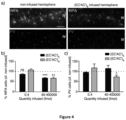
Figure 4 . Ligands have in vivo activity. (a) Representative images of staining for Wisteria floribunda agglutinin (WFA), which labels PNNs, and parvalbumin (PV) in adult mouse primary visual cortex layer IV infused or not with 40 fmol (EC'AC')6. (b) Quantification of WFA+ cell numbers. (c) Quantification of PV cell numbers. Scale bar = 100 µm. All values: N=3-6; mean ± SEM; t-test; *P<0.05, **P<0.01, ***P<0.001. -
Figure 5 . GAG mimics peptide scaffold of the invention: EC'C'A and EC'AC', where C' represents cysteic acid. - The sequences (ECCA)n and (ECAC)n (n=3-6) were synthesized by Fmoc strategy on a Rink amide MBHA resin. A 6-aminohexanoic acid (Ahx) spacer was introduced at the N-terminus and the peptidyl resins were either acetylated (Ac) or acylated with a biotin sulfone (Biot(SO2)). The peptides were cleaved from the resin by TFA and precipitated in diethyl ether to give either Ac-Ahx-(ECAC)n- NH2, Ac-Ahx-(ECCA)n-NH2, Biot(SO2)-Ahx-(ECAC)n-NH2, or Biot(SO2)-Ahx-(ECCA)n-NH2. These precursors were oxidized with performic acid to give cysteic acid (C') peptides, then neutralized with aqueous ammonia resulting in GAG mimics (EC'AC')n and (EC'C'A)n, with either an acetyl or a biotin sulfone at the N-terminus and an amide at the C-terminus. Crude sulfopeptides were desalted on Sephadex G25, purified by reverse phase HPLC and characterized by mass spectroscopy. These GAG mimic peptides can be stored for months at -20°C as sodium salts.
- For competition assays, 400 pmol of biotinylated ligand or hexaCSE were incubated 30 min at 37°C in 100 mM ammonium acetate with 1 µg of Otx2 protein (in-house) and with 3 µg of RK-, AA- or SC-peptide. Each solution was then spotted on a nitrocellulose membrane and biotin was detected by 30-min incubation with streptavidin-HRP (ThermoFisher Scientific) followed by chemiluminescence (#34580, ThermoFisher Scientific) reaction. Membranes were digitized with an LAS-4000 (Fujifilm) and quantified by densitometry with ImageJ.
- Otx2 protein (0.1 µg) was incubated at room temperature for 30 min with 40 fmol of biotinylated IRBP1 oligonucleotide and 4 pmol of (EC'AC')5 or hexaCSE in 50 ng/µl dldC, PBS. Samples were separated on 6% native polyacrylamide gels at 100 V in TBE then transferred onto a nylon membrane at 380 mA for 45 min, crosslinked with UV (120,000 µJ/cm2, Amersham). The LightShift Chemiluminescent EMSA Kit (#89880, ThermoFisher Scientific) was used for detection and membranes were digitized with an LAS-4000 (Fujifilm) and quantified by densitometry with ImageJ.
- Visual cortex of adult mice were dissected and lysed in homogenization buffer (0.32 M sucrose, 5 mM HEPES, 10 mM MgCl2 and protease inhibitors). Samples were centrifuged (8 min, 1700 g) at 4°C and the supernatant was incubated 2 hours at 37°C with 5 nmol of GAG mimics. For the competition assay, ligands were pre-incubated 30 min with 50 nmol of RK-, AA- or SC-peptide at 37°C prior to incubation overnight at 4°C with streptavidin-coupled Dynabeads (Life technologies). The loaded beads were washed with homogenization buffer and heated 10 min at 95°C in Laemmli buffer (with DTT) to detach proteins for western blot analysis.
- Immunoprecipitated proteins were separated on NuPAGE 4-12% Bis-Tris pre-cast gels (Invitrogen) for 1 h at 200 V and transferred onto a methanol-activated PVDF membrane at 400 mA for 1 h. Membranes were blocked with 5% non-fat dry milk for 1 h before incubation with primary antibody anti-Sema3A (rabbit, 1/1000, Millipore) overnight at 4°C. Membranes were washed and incubated 1 h with secondary antibody anti-rabbit HRP-linked (Cell Signaling). Membranes were digitized with an LAS-4000 (Fujifilm) and quantified by densitometry with ImageJ.
- Three-month-old C57BL/6J mice (Janvier) were infused for 7 days into V1 (lambda: x = 1.7 mm, y = 0 mm, z = 0.5 mm) with various concentrations of ligands (4 pM, 400 pM or 4 µM), using Alzet micro-osmotic pumps (0.5 µL/h). Animals were then perfused with PBS and 4% paraformaldehyde. Cryostat sections (20 µm) were incubated overnight with primary antibody anti-parvalbumin (rabbit, 1/500, Swant) and WFA-FITC (1/100, Vector), followed by secondary antibody anti-rabbit Alexa Fluor-546 (1/2000, Molecular Probes) for 1 h. Images were acquired with a Leica SP5 confocal microscope and quantified by analysis with ImageJ.
- Analysis was performed with Prism 6 (GraphPad). Single comparisons were made by t-test, whereas multiple group analyses were made by ANOVA followed by Bonferonni's posthoc test.
- To evaluate affinity of the biotinylated (EC'C'A) n and (EC'AC') n libraries to Otx2 protein, we performed dot blots with nitrocellulose membranes for which sulfopeptide retention requires interaction with protein (
Figure 1a ). While Otx2 binding did not favor one motif over the other, there was a clear increase in affinity as a function of n repeats (Figure 1b ). For comparison, dot blots were performed with hexaCSE, which was previously shown to bind Otx2 and interfere with its in vivo activity in the mouse brain. Sequences with n = 4 or 5 repeats were found to bind to Otx2 equally as well as hexaCSE, while those with n = 6 where found to bind 2- to 3-fold better. - To confirm the biotinylated ligands interact with Otx2 through its previously identified GAG-binding site, we performed DNA chase and peptide binding experiments (
Figure 2 ). In Otx2, a GAG-binding motif is located in the first helix of its DNA-binding domain, thus specific binding of GAG molecules may interfere with DNA binding. Assays show the (EC'AC')5 mimic is able to chase the IRBP1 DNA probe from Otx2 to the same extent as biotinylated hexaCSE positive control (Figure 2a ). The GAG-binding site in Otx2 (RKQRRER) contains an arginine-lysine doublet (RK) which when mutated to an alanine doublet (AA), no longer binds ECM and causes critical period defects in the Otx2 +/AA mouse model. Dot blot assays with peptides (15-mer) based on this motif were used to assess whether (EC'AC')6 binds specifically (Figure 2b ). While the wild type peptide (RKpep: RKQRRERTTFTRAQL) retained the ligand, the mutated peptide (AApep: AAQRRERTTFTRAQL) did not; neither did a scrambled peptide (SCpep: RTQTRFRTRARLEQK) containing the same residues as the RKpep but in random order (Figure 2c ). These assays confirm the interaction is not simply electrostatic but requires a specific residue sequence. - To measure the in vivo activity and specificity of biotinylated GAG mimics, we performed biochemical and immunohistochemical analyses. Otx2 and Semaphorin-3A (Sema-3A) are both keys actors of visual cortex plasticity and share a similar motif for binding CS-E (
Figure 3a ). We first focused on Sema-3A, as cortical Otx2 levels are too low to be reliably detected biochemically. By using ligands in pull-down experiments with lysates of adult mouse visual cortex, we found that (EC'AC')5 and (EC'AC')6 but not (EC'C'A)6 interact with Sema-3A (Figure 3b-c ). The RKpep specifically disrupts Sema-3A interaction with (EC'AC')6 in these lysates (Figure 3d-e ), suggesting involvement of Sema-3A GAG-binding motif. - After 7-day infusion of either (EC'AC')5 or (EC'AC')6 in adult mouse visual cortex, 40 fmol caused a reduction in PNN assembly (
Figure 4a-b ). Infusion with up to 105-fold more of either mimic provided the same reduction. A feedback loop exists between Otx2 accumulation in PV cells and assembly of surrounding PNNs; PNNs attract extracellular Otx2 while Otx2 activity in PV cells increases PNN expression. These results suggest that these ligands interfere with Otx2 signaling enough to break this feedback loop and diminish PNN assembly. Furthermore, interfering with Otx2 signaling in the adult visual cortex has been shown to reverse PV cell maturation state and induce plasticity. Here, only infusion of (EC'AC')6 (>40 fmol) resulted in significantly reduced PV expression (Figure 4c ). This modest reduction (>25%) has been previously shown to be sufficient for re-opening brain plasticity. - These pull-down and infusion experiments confirm in vitro findings that the longer ligands have higher affinity for GAG-binding proteins; only when n=6 for the (EC'AC') n mimic do we observe full effects on PV cell maturation (
Figure 4c ). They also suggest that (EC'AC') n and (EC'C'A) n mimics can provide specificity and selectivity. While Otx2 shows no preference for either motif in vitro (Figure 1b ), Sema-3A interacts with the (EC'AC') n motif but not the (EC'C'A) n motif in brain lysates (Figure 3c ). Thus, these GAG mimics contain valid electrostatic patterns to recapitulate specific sulfation patterns present in natural GAGs.
Claims (8)
- A ligand, or any of its pharmaceutically acceptable salt, said ligand comprising or consisting of a polypeptide of the general formula (I):
(I) [X]n
whereinn is an integer between 3 and 6,X is selected in the group consisting of ECCA and ECAC, with C is cysteic acid, A is alanine, E is glutamic acid,wherein said ligand is able to interact with binding of one effector molecule with at least one glycosaminoglycan (GAG). - The ligand according to claim 1, characterized in that the ligand is able to interact with a glycosaminoglycan (GAG) binding site.
- The ligand according to claim 2, characterized in that the said glycosaminoglycan GAG is selected in the group consisting of heparan sulfate, heparin and chondroitin sulfate.
- The ligand according to any one of claims 1 to 3, characterized in that the ligand is able to prevent the binding of at least one effector molecule with at least one glycosaminoglycan (GAG).
- The ligand according to claim 4, characterized in that the said effector molecule is selected from the group consisting of transcription factors, growth factors, signaling factors, coagulation cascade proteins, in particular an effector molecule chosen from the group consisting of Semaphorins, homeoprotein family, and preferably Otx2 or Semaphorin-3A.
- The ligand according to any preceding claims for use as a medicament.
- The ligand according to any one of claims 1 to 5, for use in the treatment of a disease and/or neurological conditions and/or nervous system damage selected from the group consisting of:- nervous system damage following cerebrovascular accident, ischemic, hemorrhagic, neoplastic, degenerative, traumatic, and/or neurodevelopmental damage ;- nervous system damage following events such as stroke or injury;- neurodegenerative diseases such as multiple sclerosis, amyotrophic lateral sclerosis, subacute sclerosing panencephalitis, Parkinson's disease, Huntington's disease, muscular dystrophy, Alzheimer's disease, idiopathic dystonia, Spinal muscular atrophy or Wilson's disease;- conditions caused by nutrient deprivation or toxins;- neurodevelopmental diseases such as autism or dyslexia;- neuropsychiatric diseases such as schizophrenia and bipolar disorders;- depression, epilepsy; and- degenerative diseases affecting the eyes or ears such as glaucoma or amblyopia.
- A pharmaceutical composition comprising a ligand according to any one of claims 1 to 5 and a pharmaceutically acceptable excipient.
Applications Claiming Priority (2)
| Application Number | Priority Date | Filing Date | Title |
|---|---|---|---|
| EP18305752 | 2018-06-18 | ||
| PCT/EP2019/065911 WO2019243272A1 (en) | 2018-06-18 | 2019-06-17 | Ligand controling interaction between gags with their effector molecules and use thereof |
Publications (2)
| Publication Number | Publication Date |
|---|---|
| EP3807295A1 EP3807295A1 (en) | 2021-04-21 |
| EP3807295B1 true EP3807295B1 (en) | 2025-02-12 |
Family
ID=62814971
Family Applications (1)
| Application Number | Title | Priority Date | Filing Date |
|---|---|---|---|
| EP19729797.1A Active EP3807295B1 (en) | 2018-06-18 | 2019-06-17 | Ligand controling interaction between gags with their effector molecules and use thereof |
Country Status (7)
| Country | Link |
|---|---|
| US (1) | US11357816B2 (en) |
| EP (1) | EP3807295B1 (en) |
| JP (1) | JP7413286B2 (en) |
| CN (1) | CN112566921B (en) |
| CA (1) | CA3103181A1 (en) |
| ES (1) | ES3021225T3 (en) |
| WO (1) | WO2019243272A1 (en) |
Family Cites Families (4)
| Publication number | Priority date | Publication date | Assignee | Title |
|---|---|---|---|---|
| BRPI0511914A (en) * | 2004-06-10 | 2008-01-15 | Enkam Pharmaceuticals As | heparin binder peptide |
| WO2006072601A2 (en) * | 2005-01-07 | 2006-07-13 | Nsgene A/S | THERAPEUTIC USE OF GROWTH FACTORS, NsG29 AND NsG31 |
| EP2475380A1 (en) | 2009-09-11 | 2012-07-18 | Protaffin Biotechnologie AG | Composition for treatment of cxcl8-mediated lung inflammation |
| CA2986235A1 (en) * | 2015-05-20 | 2016-11-24 | The Broad Institute, Inc. | Shared neoantigens |
-
2019
- 2019-06-17 US US17/252,573 patent/US11357816B2/en active Active
- 2019-06-17 JP JP2020570729A patent/JP7413286B2/en active Active
- 2019-06-17 WO PCT/EP2019/065911 patent/WO2019243272A1/en not_active Ceased
- 2019-06-17 CN CN201980040938.7A patent/CN112566921B/en active Active
- 2019-06-17 ES ES19729797T patent/ES3021225T3/en active Active
- 2019-06-17 CA CA3103181A patent/CA3103181A1/en active Pending
- 2019-06-17 EP EP19729797.1A patent/EP3807295B1/en active Active
Also Published As
| Publication number | Publication date |
|---|---|
| EP3807295A1 (en) | 2021-04-21 |
| WO2019243272A1 (en) | 2019-12-26 |
| JP7413286B2 (en) | 2024-01-15 |
| CN112566921B (en) | 2024-08-20 |
| CA3103181A1 (en) | 2019-12-26 |
| US11357816B2 (en) | 2022-06-14 |
| JP2021527667A (en) | 2021-10-14 |
| CN112566921A (en) | 2021-03-26 |
| ES3021225T3 (en) | 2025-05-26 |
| US20210252101A1 (en) | 2021-08-19 |
Similar Documents
| Publication | Publication Date | Title |
|---|---|---|
| Cigognini et al. | Evaluation of early and late effects into the acute spinal cord injury of an injectable functionalized self-assembling scaffold | |
| US20220306704A1 (en) | Neurotoxins for use in inhibiting cgrp | |
| KR101491860B1 (en) | MU-conotoxin peptides and uses thereof as topical anesthetics | |
| Shigyo et al. | Extracellular vimentin is a novel axonal growth facilitator for functional recovery in spinal cord-injured mice | |
| CN108503690B (en) | A repair peptide for promoting post-traumatic tissue repair and regeneration and its application | |
| US11260101B2 (en) | Repair peptide for use in promoting post-traumatic tissue repair and regeneration, and application thereof | |
| JP2020533281A (en) | New use of dextran sulfate | |
| US20250255939A1 (en) | Methods and compositions for inducing neural plasticity | |
| US20120276073A1 (en) | Treatment of nerve injuries | |
| US11357816B2 (en) | Ligand controling interaction between gags with their effector molecules and use thereof | |
| Trofimova | Molecular mechanisms of retina pathology and ways of its correction | |
| US9078851B2 (en) | Composition for preventing or treating a spinal cord injury | |
| JPH11515003A (en) | Use of protein S-100b in medicine, and medicine containing protein S-100b | |
| US7202211B2 (en) | Methods of preventing or treating brain ischemia or brain injury | |
| Le Roux | Neuron-glial interactions in dendrite growth | |
| Mishra | Identification of novel polysialic acid interacting partners and functional relevance of their interaction for peripheral nerve regeneration after injury in Mus musculus (Linnaeus, 1758). |
Legal Events
| Date | Code | Title | Description |
|---|---|---|---|
| STAA | Information on the status of an ep patent application or granted ep patent |
Free format text: STATUS: UNKNOWN |
|
| STAA | Information on the status of an ep patent application or granted ep patent |
Free format text: STATUS: THE INTERNATIONAL PUBLICATION HAS BEEN MADE |
|
| PUAI | Public reference made under article 153(3) epc to a published international application that has entered the european phase |
Free format text: ORIGINAL CODE: 0009012 |
|
| STAA | Information on the status of an ep patent application or granted ep patent |
Free format text: STATUS: REQUEST FOR EXAMINATION WAS MADE |
|
| 17P | Request for examination filed |
Effective date: 20201224 |
|
| AK | Designated contracting states |
Kind code of ref document: A1 Designated state(s): AL AT BE BG CH CY CZ DE DK EE ES FI FR GB GR HR HU IE IS IT LI LT LU LV MC MK MT NL NO PL PT RO RS SE SI SK SM TR |
|
| AX | Request for extension of the european patent |
Extension state: BA ME |
|
| DAV | Request for validation of the european patent (deleted) | ||
| DAX | Request for extension of the european patent (deleted) | ||
| STAA | Information on the status of an ep patent application or granted ep patent |
Free format text: STATUS: EXAMINATION IS IN PROGRESS |
|
| 17Q | First examination report despatched |
Effective date: 20220905 |
|
| P01 | Opt-out of the competence of the unified patent court (upc) registered |
Effective date: 20230428 |
|
| GRAP | Despatch of communication of intention to grant a patent |
Free format text: ORIGINAL CODE: EPIDOSNIGR1 |
|
| STAA | Information on the status of an ep patent application or granted ep patent |
Free format text: STATUS: GRANT OF PATENT IS INTENDED |
|
| INTG | Intention to grant announced |
Effective date: 20240904 |
|
| GRAS | Grant fee paid |
Free format text: ORIGINAL CODE: EPIDOSNIGR3 |
|
| GRAA | (expected) grant |
Free format text: ORIGINAL CODE: 0009210 |
|
| STAA | Information on the status of an ep patent application or granted ep patent |
Free format text: STATUS: THE PATENT HAS BEEN GRANTED |
|
| AK | Designated contracting states |
Kind code of ref document: B1 Designated state(s): AL AT BE BG CH CY CZ DE DK EE ES FI FR GB GR HR HU IE IS IT LI LT LU LV MC MK MT NL NO PL PT RO RS SE SI SK SM TR |
|
| REG | Reference to a national code |
Ref country code: GB Ref legal event code: FG4D |
|
| REG | Reference to a national code |
Ref country code: CH Ref legal event code: EP |
|
| REG | Reference to a national code |
Ref country code: DE Ref legal event code: R096 Ref document number: 602019065762 Country of ref document: DE |
|
| REG | Reference to a national code |
Ref country code: IE Ref legal event code: FG4D |
|
| REG | Reference to a national code |
Ref country code: NL Ref legal event code: FP |
|
| REG | Reference to a national code |
Ref country code: ES Ref legal event code: FG2A Ref document number: 3021225 Country of ref document: ES Kind code of ref document: T3 Effective date: 20250526 |
|
| PGFP | Annual fee paid to national office [announced via postgrant information from national office to epo] |
Ref country code: NL Payment date: 20250528 Year of fee payment: 7 |
|
| PG25 | Lapsed in a contracting state [announced via postgrant information from national office to epo] |
Ref country code: RS Free format text: LAPSE BECAUSE OF FAILURE TO SUBMIT A TRANSLATION OF THE DESCRIPTION OR TO PAY THE FEE WITHIN THE PRESCRIBED TIME-LIMIT Effective date: 20250512 |
|
| PG25 | Lapsed in a contracting state [announced via postgrant information from national office to epo] |
Ref country code: FI Free format text: LAPSE BECAUSE OF FAILURE TO SUBMIT A TRANSLATION OF THE DESCRIPTION OR TO PAY THE FEE WITHIN THE PRESCRIBED TIME-LIMIT Effective date: 20250212 |
|
| PG25 | Lapsed in a contracting state [announced via postgrant information from national office to epo] |
Ref country code: PL Free format text: LAPSE BECAUSE OF FAILURE TO SUBMIT A TRANSLATION OF THE DESCRIPTION OR TO PAY THE FEE WITHIN THE PRESCRIBED TIME-LIMIT Effective date: 20250212 |
|
| PGFP | Annual fee paid to national office [announced via postgrant information from national office to epo] |
Ref country code: DE Payment date: 20250617 Year of fee payment: 7 |
|
| PGFP | Annual fee paid to national office [announced via postgrant information from national office to epo] |
Ref country code: GB Payment date: 20250625 Year of fee payment: 7 |
|
| REG | Reference to a national code |
Ref country code: LT Ref legal event code: MG9D |
|
| PG25 | Lapsed in a contracting state [announced via postgrant information from national office to epo] |
Ref country code: IS Free format text: LAPSE BECAUSE OF FAILURE TO SUBMIT A TRANSLATION OF THE DESCRIPTION OR TO PAY THE FEE WITHIN THE PRESCRIBED TIME-LIMIT Effective date: 20250612 Ref country code: NO Free format text: LAPSE BECAUSE OF FAILURE TO SUBMIT A TRANSLATION OF THE DESCRIPTION OR TO PAY THE FEE WITHIN THE PRESCRIBED TIME-LIMIT Effective date: 20250512 |
|
| PG25 | Lapsed in a contracting state [announced via postgrant information from national office to epo] |
Ref country code: HR Free format text: LAPSE BECAUSE OF FAILURE TO SUBMIT A TRANSLATION OF THE DESCRIPTION OR TO PAY THE FEE WITHIN THE PRESCRIBED TIME-LIMIT Effective date: 20250212 |
|
| PG25 | Lapsed in a contracting state [announced via postgrant information from national office to epo] |
Ref country code: LV Free format text: LAPSE BECAUSE OF FAILURE TO SUBMIT A TRANSLATION OF THE DESCRIPTION OR TO PAY THE FEE WITHIN THE PRESCRIBED TIME-LIMIT Effective date: 20250212 Ref country code: PT Free format text: LAPSE BECAUSE OF FAILURE TO SUBMIT A TRANSLATION OF THE DESCRIPTION OR TO PAY THE FEE WITHIN THE PRESCRIBED TIME-LIMIT Effective date: 20250612 |
|
| PGFP | Annual fee paid to national office [announced via postgrant information from national office to epo] |
Ref country code: FR Payment date: 20250513 Year of fee payment: 7 |
|
| PG25 | Lapsed in a contracting state [announced via postgrant information from national office to epo] |
Ref country code: BG Free format text: LAPSE BECAUSE OF FAILURE TO SUBMIT A TRANSLATION OF THE DESCRIPTION OR TO PAY THE FEE WITHIN THE PRESCRIBED TIME-LIMIT Effective date: 20250212 Ref country code: GR Free format text: LAPSE BECAUSE OF FAILURE TO SUBMIT A TRANSLATION OF THE DESCRIPTION OR TO PAY THE FEE WITHIN THE PRESCRIBED TIME-LIMIT Effective date: 20250513 |
|
| REG | Reference to a national code |
Ref country code: AT Ref legal event code: MK05 Ref document number: 1766000 Country of ref document: AT Kind code of ref document: T Effective date: 20250212 |
|
| PG25 | Lapsed in a contracting state [announced via postgrant information from national office to epo] |
Ref country code: SE Free format text: LAPSE BECAUSE OF FAILURE TO SUBMIT A TRANSLATION OF THE DESCRIPTION OR TO PAY THE FEE WITHIN THE PRESCRIBED TIME-LIMIT Effective date: 20250212 |
|
| PG25 | Lapsed in a contracting state [announced via postgrant information from national office to epo] |
Ref country code: SM Free format text: LAPSE BECAUSE OF FAILURE TO SUBMIT A TRANSLATION OF THE DESCRIPTION OR TO PAY THE FEE WITHIN THE PRESCRIBED TIME-LIMIT Effective date: 20250212 |
|
| PGFP | Annual fee paid to national office [announced via postgrant information from national office to epo] |
Ref country code: ES Payment date: 20250710 Year of fee payment: 7 |
|
| PG25 | Lapsed in a contracting state [announced via postgrant information from national office to epo] |
Ref country code: DK Free format text: LAPSE BECAUSE OF FAILURE TO SUBMIT A TRANSLATION OF THE DESCRIPTION OR TO PAY THE FEE WITHIN THE PRESCRIBED TIME-LIMIT Effective date: 20250212 |
|
| PGFP | Annual fee paid to national office [announced via postgrant information from national office to epo] |
Ref country code: IT Payment date: 20250606 Year of fee payment: 7 |
|
| PG25 | Lapsed in a contracting state [announced via postgrant information from national office to epo] |
Ref country code: AT Free format text: LAPSE BECAUSE OF FAILURE TO SUBMIT A TRANSLATION OF THE DESCRIPTION OR TO PAY THE FEE WITHIN THE PRESCRIBED TIME-LIMIT Effective date: 20250212 |
|
| PGFP | Annual fee paid to national office [announced via postgrant information from national office to epo] |
Ref country code: CH Payment date: 20250701 Year of fee payment: 7 |
|
| PG25 | Lapsed in a contracting state [announced via postgrant information from national office to epo] |
Ref country code: CZ Free format text: LAPSE BECAUSE OF FAILURE TO SUBMIT A TRANSLATION OF THE DESCRIPTION OR TO PAY THE FEE WITHIN THE PRESCRIBED TIME-LIMIT Effective date: 20250212 Ref country code: EE Free format text: LAPSE BECAUSE OF FAILURE TO SUBMIT A TRANSLATION OF THE DESCRIPTION OR TO PAY THE FEE WITHIN THE PRESCRIBED TIME-LIMIT Effective date: 20250212 |
|
| PG25 | Lapsed in a contracting state [announced via postgrant information from national office to epo] |
Ref country code: RO Free format text: LAPSE BECAUSE OF FAILURE TO SUBMIT A TRANSLATION OF THE DESCRIPTION OR TO PAY THE FEE WITHIN THE PRESCRIBED TIME-LIMIT Effective date: 20250212 |
|
| PG25 | Lapsed in a contracting state [announced via postgrant information from national office to epo] |
Ref country code: SK Free format text: LAPSE BECAUSE OF FAILURE TO SUBMIT A TRANSLATION OF THE DESCRIPTION OR TO PAY THE FEE WITHIN THE PRESCRIBED TIME-LIMIT Effective date: 20250212 |
|
| REG | Reference to a national code |
Ref country code: DE Ref legal event code: R097 Ref document number: 602019065762 Country of ref document: DE |
|
| PLBE | No opposition filed within time limit |
Free format text: ORIGINAL CODE: 0009261 |
|
| STAA | Information on the status of an ep patent application or granted ep patent |
Free format text: STATUS: NO OPPOSITION FILED WITHIN TIME LIMIT |
|
| 26N | No opposition filed |
Effective date: 20251113 |
|
| PG25 | Lapsed in a contracting state [announced via postgrant information from national office to epo] |
Ref country code: MC Free format text: LAPSE BECAUSE OF FAILURE TO SUBMIT A TRANSLATION OF THE DESCRIPTION OR TO PAY THE FEE WITHIN THE PRESCRIBED TIME-LIMIT Effective date: 20250212 |
|
| PG25 | Lapsed in a contracting state [announced via postgrant information from national office to epo] |
Ref country code: LU Free format text: LAPSE BECAUSE OF NON-PAYMENT OF DUE FEES Effective date: 20250617 |
|
| REG | Reference to a national code |
Ref country code: BE Ref legal event code: MM Effective date: 20250630 |
|
| PG25 | Lapsed in a contracting state [announced via postgrant information from national office to epo] |
Ref country code: IE Free format text: LAPSE BECAUSE OF NON-PAYMENT OF DUE FEES Effective date: 20250617 |
|
| PG25 | Lapsed in a contracting state [announced via postgrant information from national office to epo] |
Ref country code: BE Free format text: LAPSE BECAUSE OF NON-PAYMENT OF DUE FEES Effective date: 20250630 |