EP3805761A1 - Composition for diagnosing diseases associated with cox2 overexpression and screening method therefor - Google Patents
Composition for diagnosing diseases associated with cox2 overexpression and screening method therefor Download PDFInfo
- Publication number
- EP3805761A1 EP3805761A1 EP19815849.5A EP19815849A EP3805761A1 EP 3805761 A1 EP3805761 A1 EP 3805761A1 EP 19815849 A EP19815849 A EP 19815849A EP 3805761 A1 EP3805761 A1 EP 3805761A1
- Authority
- EP
- European Patent Office
- Prior art keywords
- cox2
- group
- compound
- protein
- composition
- Prior art date
- Legal status (The legal status is an assumption and is not a legal conclusion. Google has not performed a legal analysis and makes no representation as to the accuracy of the status listed.)
- Pending
Links
- 0 CC(CC(C(CO)C(O)=C=CCCCCCCC*)=N)=* Chemical compound CC(CC(C(CO)C(O)=C=CCCCCCCC*)=N)=* 0.000 description 1
Images




Classifications
-
- G—PHYSICS
- G01—MEASURING; TESTING
- G01N—INVESTIGATING OR ANALYSING MATERIALS BY DETERMINING THEIR CHEMICAL OR PHYSICAL PROPERTIES
- G01N33/00—Investigating or analysing materials by specific methods not covered by groups G01N1/00 - G01N31/00
- G01N33/48—Biological material, e.g. blood, urine; Haemocytometers
- G01N33/50—Chemical analysis of biological material, e.g. blood, urine; Testing involving biospecific ligand binding methods; Immunological testing
- G01N33/53—Immunoassay; Biospecific binding assay; Materials therefor
- G01N33/573—Immunoassay; Biospecific binding assay; Materials therefor for enzymes or isoenzymes
-
- A—HUMAN NECESSITIES
- A61—MEDICAL OR VETERINARY SCIENCE; HYGIENE
- A61K—PREPARATIONS FOR MEDICAL, DENTAL OR TOILETRY PURPOSES
- A61K51/00—Preparations containing radioactive substances for use in therapy or testing in vivo
- A61K51/02—Preparations containing radioactive substances for use in therapy or testing in vivo characterised by the carrier, i.e. characterised by the agent or material covalently linked or complexing the radioactive nucleus
- A61K51/04—Organic compounds
- A61K51/0474—Organic compounds complexes or complex-forming compounds, i.e. wherein a radioactive metal (e.g. 111In3+) is complexed or chelated by, e.g. a N2S2, N3S, NS3, N4 chelating group
-
- G—PHYSICS
- G01—MEASURING; TESTING
- G01N—INVESTIGATING OR ANALYSING MATERIALS BY DETERMINING THEIR CHEMICAL OR PHYSICAL PROPERTIES
- G01N33/00—Investigating or analysing materials by specific methods not covered by groups G01N1/00 - G01N31/00
- G01N33/48—Biological material, e.g. blood, urine; Haemocytometers
- G01N33/50—Chemical analysis of biological material, e.g. blood, urine; Testing involving biospecific ligand binding methods; Immunological testing
- G01N33/53—Immunoassay; Biospecific binding assay; Materials therefor
- G01N33/575—Immunoassay; Biospecific binding assay; Materials therefor for cancer
- G01N33/5758—Immunoassay; Biospecific binding assay; Materials therefor for cancer involving compounds serving as markers for tumours, cancers or neoplasias, e.g. cellular determinants, receptors, heat shock/stress proteins, A-protein, oligosaccharides or metabolites
-
- G—PHYSICS
- G01—MEASURING; TESTING
- G01N—INVESTIGATING OR ANALYSING MATERIALS BY DETERMINING THEIR CHEMICAL OR PHYSICAL PROPERTIES
- G01N33/00—Investigating or analysing materials by specific methods not covered by groups G01N1/00 - G01N31/00
- G01N33/48—Biological material, e.g. blood, urine; Haemocytometers
- G01N33/50—Chemical analysis of biological material, e.g. blood, urine; Testing involving biospecific ligand binding methods; Immunological testing
- G01N33/58—Chemical analysis of biological material, e.g. blood, urine; Testing involving biospecific ligand binding methods; Immunological testing involving labelled substances
- G01N33/60—Chemical analysis of biological material, e.g. blood, urine; Testing involving biospecific ligand binding methods; Immunological testing involving labelled substances involving radioactive labelled substances
-
- G—PHYSICS
- G01—MEASURING; TESTING
- G01N—INVESTIGATING OR ANALYSING MATERIALS BY DETERMINING THEIR CHEMICAL OR PHYSICAL PROPERTIES
- G01N33/00—Investigating or analysing materials by specific methods not covered by groups G01N1/00 - G01N31/00
- G01N33/48—Biological material, e.g. blood, urine; Haemocytometers
- G01N33/50—Chemical analysis of biological material, e.g. blood, urine; Testing involving biospecific ligand binding methods; Immunological testing
- G01N33/68—Chemical analysis of biological material, e.g. blood, urine; Testing involving biospecific ligand binding methods; Immunological testing involving proteins, peptides or amino acids
- G01N33/6893—Chemical analysis of biological material, e.g. blood, urine; Testing involving biospecific ligand binding methods; Immunological testing involving proteins, peptides or amino acids related to diseases not provided for elsewhere
- G01N33/6896—Neurological disorders, e.g. Alzheimer's disease
-
- G—PHYSICS
- G01—MEASURING; TESTING
- G01N—INVESTIGATING OR ANALYSING MATERIALS BY DETERMINING THEIR CHEMICAL OR PHYSICAL PROPERTIES
- G01N2333/00—Assays involving biological materials from specific organisms or of a specific nature
- G01N2333/90—Enzymes; Proenzymes
- G01N2333/902—Oxidoreductases (1.)
- G01N2333/90245—Oxidoreductases (1.) acting on paired donors with incorporation of molecular oxygen (1.14)
- G01N2333/9027—Miscellaneous (1.14.99)
- G01N2333/90274—Miscellaneous (1.14.99) with a definite EC number (1.14.99.-)
-
- G—PHYSICS
- G01—MEASURING; TESTING
- G01N—INVESTIGATING OR ANALYSING MATERIALS BY DETERMINING THEIR CHEMICAL OR PHYSICAL PROPERTIES
- G01N2500/00—Screening for compounds of potential therapeutic value
- G01N2500/04—Screening involving studying the effect of compounds C directly on molecule A (e.g. C are potential ligands for a receptor A, or potential substrates for an enzyme A)
-
- G—PHYSICS
- G01—MEASURING; TESTING
- G01N—INVESTIGATING OR ANALYSING MATERIALS BY DETERMINING THEIR CHEMICAL OR PHYSICAL PROPERTIES
- G01N2500/00—Screening for compounds of potential therapeutic value
- G01N2500/20—Screening for compounds of potential therapeutic value cell-free systems
Definitions
- the present invention relates to a composition for diagnosing diseases associated with cyclooxygenase 2 (COX2) overexpression and a screening method therefor and, more particularly, to a composition for diagnosing diseases associated with COX2 overexpression containing a compound with a structural feature of exhibiting strong binding activity to a COX2 protein, and a screening method therefor.
- COX2 cyclooxygenase 2
- COX cyclooxygenase
- COX2 The expression of COX2 is under the regulation of pro-inflammatory cytokines and growth factors. Thus, it is widely known up to now that COX2 acts on the regulation of both inflammation and cell growth.
- the COX2 is induced in many tissues and simultaneously shown structurally in the brain and spinal cord, wherein the COX2 acts on nerve transmission for pain and fever.
- the two subtypes of COX are almost similar in structure, but have important differences in selectivity of a substrate and an inhibitor and intracellular locations thereof.
- Protective prostaglandin (PG) which preserves the shape of the gastric mucosa and maintains normal renal function in the damaged kidney, is synthesized by COX1.
- PG synthesized by COX2 in immune cells plays a very important role in the inflammatory process.
- COX2 in a normal state is known to mediate various physiological phenomena such as immune responses, but it has been reported that abnormal overexpression or overactivation of COX2 is closely associated with the occurrence and development of various diseases.
- the COX2 is overexpressed in most of acute or chronic inflammatory diseases and very closely associated with the development process of the diseases, and it has been reported that the expression of the COX2 is increased in cancer tissues compared to normal tissues in most of human cancers including bladder cancer, breast cancer, colon cancer, liver cancer, lung cancer, prostate cancer and stomach cancer (Koga et al., 1999; Lim HY et al., 2000; Soslow et al., 2000; Yoshimura et al., 2000; Yoshimura et al., 2001). In addition, it has been reported that the expression of the COX2 is increased in various diseases, such as neuroinflammatory disease, Alzheimer's disease, Parkinson's disease ( PNAS, April 29, 2003, vol. 100, no.
- amyotrophic lateral sclerosis European Journal of Neuroscience, Vol 18, pp. 1527 ⁇ 1534, 2003
- traumatic brain injury JOURNAL OF NEUROTRAUMA Volume 17, Number 8, 2000 695-711
- ischemia 1294-1299, PNAS, January 30, 2001, vol. 98, no. 3 ), etc.
- a substance capable of detecting the expression level of the COX2 protein very quickly and accurately it will be very useful in diagnosis and prognosis prediction of various diseases associated with COX2 overexpression.
- a substance capable of detecting the expression level of the COX2 protein very quickly and accurately is developed, it will be very useful in diagnosis and prognosis prediction of various diseases associated with COX2 overexpression.
- BBB brain-blood barrier
- the present inventors have made many efforts to develop a diagnostic substance capable of not only exhibiting direct binding activity to a COX2 protein, but also quickly and accurately detecting diseases associated with the COX2 overexpression including inflammatory brain diseases due to excellent BBB permeability.
- the present inventors have found that substances interacting directly with specific amino acids of the COX2 protein exhibit very high binding force to the COX2 protein to be very useful in the diagnosis of associated diseases, and completed the present invention.
- an object of the present invention is to provide a composition for diagnosing diseases associated with COX2 overexpression comprising a compound containing a functional group that interacts with at least one amino acid selected from the group consisting of N181, T564, S567, and S565 of a cyclooxygenase 2 (COX2) protein defined by SEQ ID NO: 1.
- an object of the present invention is to provide a composition for diagnosing diseases associated with COX2 overexpression consisting of a compound containing a functional group that interacts with at least one amino acid selected from the group consisting of N181, T564, S567, and S565 of a COX2 protein defined by SEQ ID NO: 1.
- an object of the present invention is to provide a composition for diagnosing diseases associated with COX2 overexpression consisting essentially of a compound containing a functional group that interacts with at least one amino acid selected from the group consisting of N181, T564, S567, and S565 of a COX2 protein defined by SEQ ID NO: 1.
- Another object of the present invention is to provide a screening method of a diagnostic substance for diseases associated with COX2 overexpression comprising the steps of: (a) contacting a test substance with a COX2 protein defined by SEQ ID NO: 1; (b) measuring whether the test substance interacts with at least one amino acid selected from the group consisting of N181, T564, S567 and S565 of the COX2 protein defined by SEQ ID NO: 1; and (c) selecting a substance that interacts with the COX2 protein in step (b).
- Yet another object of the present invention is to provide use of a compound containing a functional group that interacts with at least one amino acid selected from the group consisting of N181, T564, S567, and S565 of a cyclooxygenase 2 (COX2) protein defined by SEQ ID NO: 1 to prepare an agent for diagnosing diseases associated with COX2 overexpression.
- COX2 cyclooxygenase 2
- Still another object of the present invention is to provide a method for diagnosing diseases associated with COX2 overexpression comprising the steps of:
- the present invention provides a composition for diagnosing diseases associated with COX2 overexpression comprising a compound containing a functional group that interacts with at least one amino acid selected from the group consisting of N181, T564, S567, and S565 of a cyclooxygenase 2 (COX2) protein defined by SEQ ID NO: 1.
- a composition for diagnosing diseases associated with COX2 overexpression comprising a compound containing a functional group that interacts with at least one amino acid selected from the group consisting of N181, T564, S567, and S565 of a cyclooxygenase 2 (COX2) protein defined by SEQ ID NO: 1.
- the present invention provides a composition for diagnosing diseases associated with COX2 overexpression consisting of a compound containing a functional group that interacts with at least one amino acid selected from the group consisting of N181, T564, S567, and S565 of a COX2 protein defined by SEQ ID NO: 1.
- the present invention provides a composition for diagnosing diseases associated with COX2 overexpression consisting essentially of a compound containing a functional group that interacts with at least one amino acid selected from the group consisting of N181, T564, S567, and S565 of a COX2 protein defined by SEQ ID NO: 1.
- the present invention provides a screening method of a diagnostic substance for diseases associated with COX2 overexpression comprising the steps of: (a) contacting a test substance with a COX2 protein defined by SEQ ID NO: 1; (b) measuring whether the test substance interacts with at least one amino acid selected from the group consisting of N181, T564, S567 and S565 of the COX2 protein defined by SEQ ID NO: 1; and (c) selecting a substance that interacts with the COX2 protein in step (b).
- the present invention provides use of a compound containing a functional group that interacts with at least one amino acid selected from the group consisting of N181, T564, S567, and S565 of a cyclooxygenase 2 (COX2) protein defined by SEQ ID NO: 1 to prepare an agent for diagnosing diseases associated with COX2 overexpression.
- a compound containing a functional group that interacts with at least one amino acid selected from the group consisting of N181, T564, S567, and S565 of a cyclooxygenase 2 (COX2) protein defined by SEQ ID NO: 1 to prepare an agent for diagnosing diseases associated with COX2 overexpression.
- the present invention provides a method for diagnosing diseases associated with COX2 overexpression comprising the steps of:
- the present invention provides a composition for diagnosing diseases associated with COX2 overexpression comprising a compound containing a functional group that interacts with at least one amino acid selected from the group consisting of N181, T564, S567, and S565 of a COX2 protein defined by SEQ ID NO: 1.
- the present invention provides a composition for diagnosing diseases associated with COX2 overexpression consisting of a compound containing a functional group that interacts with at least one amino acid selected from the group consisting of N181, T564, S567, and S565 of a COX2 protein defined by SEQ ID NO: 1, and a composition for diagnosing diseases associated with COX2 overexpression consisting essentially of the compound.
- N181, T564, S567, and S565 in the COX2 protein defined by SEQ ID NO: 1 plays a very important role in binding to a compound having a specific structure. That is, it is meant that the compound that interacts with at least one amino acid selected from the group consisting of N181, T564, S567 and S565 of the COX2 protein defined by SEQ ID NO: 1 exhibits the activity of binding directly to COX2 to be used for diagnosing diseases associated with the overexpression of the COX2 protein.
- an amino acid sequence of the COX2 protein defined by SEQ ID NO: 1 is as follows (SEQ ID NO: 1):
- the "interaction" may be understood as including all physical and chemical binding relationships, substitution reactions, etc. that may be formed between functional groups, and a kind thereof is not particularly limited. Non-limiting examples thereof may include ionic bonds, covalent bonds, van der Waals bonds, hydrogen bonds, nucleophilic substitution reactions, electrophilic addition reactions, and the like.
- the interaction may be a bond or interaction between a specific functional group contained in the compound of the present invention and a hydroxyl group or amine group of the polar amino acid (asparagine, threonine or serine) contained in the COX2 protein. More preferably, the interaction may be a van der Waals bond, a hydrogen bond or a nucleophilic acyl substitution reaction, and most preferably a hydrogen bond or a nucleophilic acyl substitution reaction.
- the "specific structure” means having (i) a functional group capable of forming a hydrogen bond with at least one amino acid selected from the group consisting of N181, T564 and S567 of the COX2 protein, or (ii) a functional group capable of having a nucleophilic acyl substitution reaction with S565.
- the "functional group” refers to an atomic group having a commonly chemical property in an organic compound, and is a cause of imparting the properties of the compound.
- the compound may contain at least one functional group capable of forming a hydrogen bond with at least one amino acid selected from the group consisting of N181, T564 and S567 of the COX2, and may contain at least one functional group capable of having a nucleophilic acyl substitution reaction with S565.
- the compound of the present invention may contain (i) at least one functional group capable of forming a hydrogen bond with at least one amino acid selected from the group consisting of N181, T564 and S567 of the COX2 protein, or (ii) at least one functional group capable of having a nucleophilic acyl substitution reaction with S565.
- the compound of the present invention may contain (i) at least one functional group capable of forming a hydrogen bond with at least one amino acid selected from the group consisting of N181, T564 and S567 of the COX2 protein, and (ii) at least one functional group capable of having a nucleophilic acyl substitution reaction with S565.
- the compound of the present invention may contain (i) at least one functional group capable of forming a hydrogen bond with N181, T564 and S567 of the COX2 protein, and (ii) at least one functional group capable of having a nucleophilic acyl substitution reaction with S565.
- a kind of functional group capable of forming a hydrogen bond with at least one amino acid selected from the group consisting of N181, T564 and S567 of the COX2 protein defined by SEQ ID NO: 1 is not particularly limited, but preferably, may be a hydroxyl or amine group.
- the functional group capable of having the nucleophilic acyl substitution reaction may be acid halide, acid anhydride, ester, or amide, preferably ester or amide.
- the carbonyl carbon of the functional group contained in the compound of the present invention binds directly to oxygen or nitrogen with strong electronegativity to act as an electrophile, and the hydroxyl group or amine group of the polar amino acid contained in the COX2 protein acts as a nucleophile so that the nucleophilic acyl substitution reaction may occur.
- the compound of the present invention contains (i) at least one functional group capable of forming a hydrogen bond with at least one amino acid selected from the group consisting of N181, T564 and S567 of the COX2 protein, or (ii) at least one functional group capable of having a nucleophilic acyl substitution reaction with S565, preferably, all of these functional groups may bind to carbon, nitrogen or oxygen within 5 atoms, and more preferably, all of these functional groups may bind to carbon, nitrogen or oxygen within 3 atoms.
- the compound capable of forming a hydrogen bond with at least one amino acid selected from the group consisting of N181, T564 and S567 of the COX2 protein defined by SEQ ID NO: 1 or interacting with S565 through a nucleophilic acyl substitution reaction may bind strongly to the COX2 protein without affecting a binding site of arachidonic acid, which is a substrate of COX2, it is preferable in that the compound does not block a normal physiological reaction of COX2, so that side effects may not occur.
- the present invention also provides a composition for diagnosing diseases associated with COX2 overexpression comprising a compound defined by the following Chemical Formula 1 or a pharmaceutically acceptable salt thereof as a compound capable of interacting with at least one amino acid selected from the group consisting of N181, T564, S567 and S565 of a COX2 protein defined by SEQ ID NO: 1: Wherein,
- Ri, R 2 and R 3 is C 1 -C 3 alkylcarbonyl.
- Ri, R 2 and R 3 is an acetyl group.
- Ri, R 2 and R 3 is an acetyl group.
- Ri, R 2 and R 3 is an acetyl group.
- acetyl group refers to alkylcarbonyl in which alkyl is methyl.
- alkyl refers to a saturated, aliphatic hydrocarbon group containing a straight or branched carbon chain having 1 to 6 carbon atoms.
- the compound defined by Chemical Formula 1 above may be prepared as a pharmaceutically acceptable salt or a solvate according to a general method in the art, and the form of such a salt is also included in the scope of Chemical Formula 1 above of the present invention.
- an acid addition salt formed by a pharmaceutically acceptable free acid is useful as the salt of the compound defined by Chemical Formula 1 above.
- the acid addition salt is prepared by a general method, for example, by dissolving the compound in an excess acid aqueous solution and precipitating the salt using a water-miscible organic solvent, such as methanol, ethanol, acetone or acetonitrile.
- a water-miscible organic solvent such as methanol, ethanol, acetone or acetonitrile.
- the same molar amount of the compound and an acid or alcohol (e.g., glycol monomethyl ether) in water may be heated, and then the mixture may be evaporated and dried, or the precipitated salt may be suction-filtered.
- organic acids and inorganic acids may be used.
- inorganic acids hydrochloric acid, phosphoric acid, sulfuric acid, nitric acid, tartaric acid, etc.
- organic acids methanesulfonic acid, p-toluenesulfonic acid, acetic acid, trifluoroacetic acid, maleic acid, succinic acid, oxalic acid, benzoic acid, tartaric acid, fumaric acid, manderic acid, propionic acid, citric acid, lactic acid, glycolic acid, gluconic acid, galacturonic acid, glutamic acid, glutaric acid, glucuronic acid, aspartic acid, ascorbic acid, carbonic acid, vanillic acid, hydroiodic acid, etc. may be used, but the free acid is not limited thereto.
- bases may also be used to prepare pharmaceutically acceptable metal salts.
- An alkali metal salt or an alkaline earth metal salt may be obtained, for example, by dissolving the compound in a large amount of alkali metal hydroxide or alkaline earth metal hydroxide solution, filtering a non-dissolved compound salt, and then evaporating and drying a filtrate.
- the metal salt is pharmaceutically suitable to prepare, particularly, sodium, potassium or calcium salts, but is not limited thereto.
- a silver salt corresponding thereto may be obtained by reacting the alkali metal or alkaline earth metal salt with a suitable silver salt (e.g., silver nitrate).
- a suitable silver salt e.g., silver nitrate
- the pharmaceutically acceptable salt of the compound defined by Chemical Formula 1 of the present invention includes salts of acidic or basic groups that may exist in the compound defined by Chemical Formula 1, unless otherwise indicated.
- the pharmaceutically acceptable salt may include a sodium, potassium, calcium or magnesium salt having a hydroxyl group
- other pharmaceutically acceptable salts having an amino group include hydrobromide, sulfate, hydrogen sulfate, phosphate, hydrogen phosphate, dihydrogen phosphate, acetate, succinate, citrate, tartrate, lactate, mandelate, methanesulfonate (mesylate), and p-toluenesulfonate (tosylate) salts, which may be prepared through methods or processes for preparing salts known in the art.
- the compound defined by Chemical Formula 1 above has an asymmetric center
- the compound may exist in different enantiomeric forms, and all optical isomers and R or S-type stereoisomers of the compound defined by Chemical Formula 1 and mixtures thereof are also within the scope of the present invention.
- At least one atom of the compound defined by Chemical Formula 1 above may be a radioactive isotope.
- the radioactive isotope refers to an atom having an atomic mass or mass number different from an atomic mass or mass number typically found in nature.
- at least one atom of hydrogen, nitrogen, or carbon contained in the compound defined by Chemical Formula 1 above may be a radioactive isotope. That is, in the present invention, the hydrogen, nitrogen or carbon contained in the compound defined by Chemical Formula 1 above may be selected from the group consisting of 2 H, 3 H, 11 C, 13 C, 14 C, 13 N, 15 N, 15 O and 17 O, respectively.
- the compound defined by Chemical Formula 1 above may be C 1 -C 7 alkylcarbonyl wherein at least one atom is a radioactive isotope in at least one selected from the group consisting of R 1 , R 2 and R 3 .
- the alkyl carbon of R 1 , R 2 and/or R 3 may be 11 C, 13 C, and 14 C and/or the carbonyl carbon may be 11 C, 13 C, and 14 C, or the hydrogen of the alkyl group may be 2 H or 3 H, or the oxygen of the carbonyl group may be 15 O or 17 O.
- the carbonyl carbon of R 1 , R 2 and/or R 3 may be 11 C, 13 C, and 14 C, more preferably, the carbonyl carbon of Ri, R 2 and/or R 3 may be 11 C or 14 C, and most preferably, the carbonyl carbon of R 1 may be 11 C or 14 C.
- the compound defined by Chemical Formula 1 may be labeled with one or more radioactive isotopes selected from the group consisting of 2 H, 3 H, 11 C , 13 C, 14 C, 13 N, 15 N, 15 O, 17 O, 18 F, 35 S, 36 Cl, 82 Br, 76 Br, 77 Br, 123 I, 124 I, 125 I and 131 I.
- the labeling with the radioactive isotope means that the atom contained in the compound of Chemical Formula 1 is replaced or substituted by the isotope.
- the radioactive isotope labeled in the compound defined by Chemical Formula 1 above may vary depending on a specific application of the compound.
- the isotope-labeling of the compound of the present invention may be performed according to methods known in the art, and for example, may be prepared by mixing 2 H, 3 H, 11 C, 13 C, 14 C, 13 N, 15 N, 15 O, 17 O, 18 F, 35 S, 36 Cl, 82 Br, 76 Br, 77 Br, 123 I, 124 I, 125 I or 131 I into the compound of the present invention. This is achieved by placing a reagent into a source of radioactivity such as a nuclear reactor, a cyclotron, or the like to use a reagent that makes one or more of the atoms contained therein radioactive. Additionally, many isotopically labeled reagents, such as 2 H 2 O, 3 H 3 CI, 14 C 6 H 5 Br, ClCH 2 14 COCl, and the like, are commercially available.
- the present invention also provides a diagnostic composition, characterized in that the compound of Chemical Formula 1 above is selected from the group consisting of compounds defined by the following Chemical Formulas 2 to 11:
- any atom contained in the compounds defined by Chemical Formulas 2 to 11 above of the present invention may be a radioactive isotope. That is, hydrogen, nitrogen or carbon contained in the compounds defined by Chemical Formulas 2 to 11 above may be selected from the group consisting of 2 H, 3 H, 11 C, 13 C, 14 C, 13 N, 15 N, 15 O and 17 O, respectively. A detailed description of the radioactive isotope is as described above.
- any carbon contained in the compounds defined by Chemical Formulas 2 to 11 above may be 11 C, 13 C, or 14 C, more preferably, carbon (i.e., alkyl carbon or carbonyl carbon) contained in an acetyl group of each compound may be 11 C, 13 C, or 14 C, and most preferably, the carbonyl carbon included in the acetyl group may be 11 C, 13 C, or 14 C.
- the compounds defined by Chemical Formulas 2 to 11 above may be labeled with one or more radioactive isotopes selected from the group consisting of 2 H, 3 H, 11 C, 13 C, 14 C, 13 N, 15 N, 15 O, 17 O, 18 F, 35 S, 36 Cl, 82 Br, 76 Br, 77 Br, 123 I, 124 I, 125 I and 131 I.
- one or more radioactive isotopes selected from the group consisting of 2 H, 3 H, 11 C, 13 C, 14 C, 13 N, 15 N, 15 O, 17 O, 18 F, 35 S, 36 Cl, 82 Br, 76 Br, 77 Br, 123 I, 124 I, 125 I and 131 I.
- the diagnostic composition of the present invention may further include any biocompatible carrier in addition to the compound of the present invention that binds to COX2.
- the "biocompatible carrier” is a fluid, particularly a liquid, in which the compound according to the present invention is suspended or dissolved so that the composition can be administered into a mammalian body so as to have physiologically drug tolerance, that is, without toxicity or excessive discomfort.
- the biocompatible carrier may be suitably an injectable carrier liquid, such as a sterile, pyrogen-free injection; aqueous solutions such as saline (preferably, a final product for injection may be in a balanced state so as not to be isotonic or storable); and aqueous solutions of one or more tension modulating substances (e.g., salts of plasma cations with biocompatible counterions), sugars (e.g., glucose or sucrose), sugar alcohols (e.g., sorbitol or mannitol), glycols (e.g., glycerol), or other nonionic polyol substances (e.g., polyethylene glycol, propylene glycol, etc.).
- injectable carrier liquid such as a sterile, pyrogen-free injection
- aqueous solutions such as saline (preferably, a final product for injection may be in a balanced state so as not to be isotonic or storable)
- the biocompatible carrier may also include biocompatible organic solvents such as ethanol. These organic solvents are useful for solubilizing more lipophilic compounds or formulations.
- the biocompatible carrier may be a pyrogen-free injection, an isotonic saline, or an aqueous ethanol solution.
- the pH of the biocompatible carrier for intravenous injection may suitably be 4.0 to 10.5.
- the diagnostic composition may be detected by various means, and the means for detecting a radioactive isotope may be appropriately selected by a person skilled in the art according to a type of radioisotope contained or labeled in the compound of the present invention.
- the isotopes may be detected using imaging techniques, photographic films or scintillation counters, and may be applied to preferably imaging techniques, more preferably positron emission tomography (PET), single photon emission computed tomography (SPECT), or magnetic resonance imaging (MRI) to be applied to image the COX2 protein in a pathological site.
- PET positron emission tomography
- SPECT single photon emission computed tomography
- MRI magnetic resonance imaging
- the diagnostic composition of the present invention is administered orally or parenterally to mammals including humans, and then may be in contact with COX2 expressed in the body to bind directly to COX2 through the body, preferably through the brain via a blood-brain barrier. Thereafter, the compound of the present invention binding to COX2 reaches a specific time point to be detectable, and a signal emitted from the radioactive isotope contained or labeled in the compound of the present invention may be detected by the PET, SPECT or MRI technique.
- the diseases associated with COX2 overexpression are diseases accompanying the overexpression of the COX2 protein, and may be selected from the group consisting of an inflammatory disease, a neurodegenerative disease, traumatic brain injury, cancer, and ischemia.
- the neurodegenerative disease may be selected from the group consisting of Alzheimer's disease, Parkinson's disease, Niemann's disease, amyotrophic lateral sclerosis, multiple sclerosis, neuroblastoma, stroke, Lou Gehrig's disease, Huntington's disease, Creutzfeldt-Jakob disease, post-traumatic stress disorder, depression, schizophrenia, and spinal muscular atrophy, but is not limited thereto.
- the inflammatory disease may be selected from the group consisting of inflammatory bowel disease, peritonitis, osteomyelitis, cellulitis, pancreatitis, trauma-induced shock, bronchial asthma, allergic rhinitis, cystic fibrosis, acute bronchitis, chronic bronchitis, acute bronchiolitis, chronic bronchiolitis, osteoarthritis, gout, spondyloarthropathy, ankylosing spondylitis, Reiter's syndrome, psoriatic arthrosis, intestinal spondylitis, juvenile arthritis, juvenile ankylosing spondylitis, reactive arthritis, infectious arthritis, post-infectious arthritis, gonococcal arthritis, tuberculous arthritis, viral arthritis, fungal arthritis, syphilitic arthritis, Lyme disease, arthritis associated with vasculitis syndrome, polyarteritis nodosa, irritable vasculitis, Lou Gehrig's granulomatosis, polymyalgia
- the cancer may be selected from the group consisting of breast cancer, colon cancer, lung cancer, small cell lung cancer, stomach cancer, liver cancer, blood cancer, bone cancer, pancreatic cancer, skin cancer, head or neck cancer, melanoma in the skin or eye, eye tumor, peritoneal cancer, uterine cancer, ovarian cancer, rectal cancer, anal cancer, colon cancer, fallopian tube carcinoma, endometrial carcinoma, cervical cancer, vaginal cancer, vulval carcinoma, Hodgkin's disease, esophageal cancer, small intestine cancer, endocrine cancer, thyroid cancer, parathyroid cancer, adrenal cancer, soft tissue sarcoma, urethral cancer, penile cancer, prostate cancer, testicular cancer, oral cancer, gallbladder cancer, bile duct cancer, chronic or acute leukemia, lymphocytic lymphoma, bladder cancer, kidney cancer, ureteral cancer, renal cell carcinoma (neuroblastoma), renal pelvic carcinoma, CNS tumor, primary CNS lymph
- the present invention provides a screening method of a diagnostic substance for diseases associated with COX2 overexpression comprising the steps of: (a) contacting a test substance with a COX2 protein defined by SEQ ID NO: 1; (b) measuring whether the test substance interacts with at least one amino acid selected from the group consisting of N181, T564, S567 and S565 of the COX2 protein defined by SEQ ID NO: 1; and (c) selecting a substance that interacts with the COX2 protein in step (b).
- test substance used while referring to the screening method of the present invention means an unknown substance used in screening to examine whether the test substance interacts with at least one amino acid selected from the group consisting of N181, T564, S567 and S565 of the COX2 protein defined by SEQ ID NO: 1 or binds to the COX2 protein.
- the binding between the COX2 protein defined by SEQ ID NO: 1 and the test substance is measured in an environment treated with the test substance.
- the measurement of binding may be performed by various methods known in the art, and as a result of the measurement, when the binding between the COX2 protein defined by SEQ ID NO: 1 and the test substance is significantly formed, the test substance may be determined as a diagnostic substance of diseases associated with COX2 overexpression.
- the "measurement” means encompassing a series of deductive and inductive processes that derive an unknown value by using specific data, and is used in the same meaning as calculation, prediction, identification, and determination. Accordingly, the term measurement in the present invention includes all of experimental measurement, computational calculation on in silico, and establishment of a relationship between multiple variables based thereon.
- step (a) of the present invention the contacting of the test substance with the COX2 protein defined by SEQ ID NO: 1 means directly treating the test substance to cells or tissues expressing the COX2 protein, or includes virtually contacting a structure of the test substance with a molecular structure model of the COX2 protein defined by SEQ ID NO: 1 on a computational simulation.
- step (b) may be performed using a computational simulation.
- the "computational simulation” means a simulation of predicting and reproducing the behavior of a specific system through mathematical modeling using one or multiple computing equipment constituting a network. More specifically, the computational simulation may be a molecular dynamic simulation.
- the molecular dynamic simulation is a computational simulation that numerically calculates the trajectories of atoms or molecules according to established physical laws and reproduces their physical motions.
- the present inventors perform a molecular docking search and a molecular dynamic simulation for the compound exhibiting strong binding force to the COX2 protein defined by SEQ ID NO: 1 and the COX2 protein to examine structural features of the interaction between the COX2 protein and the compound.
- a substance that interacts with at least one amino acid selected from the group consisting of N181, T564, S567 and S565 of the COX2 protein defined by SEQ ID NO: 1 may exhibit very high binding force to the COX2 protein.
- the screening method may further include administering the selected test substance to a COX2 overexpression animal model and then comparing the test substance with a control to compare a detection level in the animal model.
- This step is a step of confirming whether a substance confirmed to interact with at least one amino acid selected from the group consisting of N181, T564, S567 and S565 of the COX2 protein defined by SEQ ID NO: 1 may bind to the COX2 protein even in an actual in vivo experiment through a computational simulation. Whether there is a possibility to be developed as an actual diagnostic substance may be further searched by additionally confirming in vivo kinetics of the test substance, whether to pass through the BBB, and pharmacokinetic properties through such an animal experiment.
- control means a substance known to have activity of binding to the COX2 protein, and a kind thereof is not particularly limited.
- the present invention provides use of a compound containing a functional group that interacts with at least one amino acid selected from the group consisting of N181, T564, S567, and S565 of a cyclooxygenase 2 (COX2) protein defined by SEQ ID NO: 1 to prepare an agent for diagnosing diseases associated with COX2 overexpression.
- COX2 cyclooxygenase 2
- the present invention provides a method for diagnosing diseases associated with COX2 overexpression comprising:
- COX2 protein and the compound is increased as compared with a normal control.
- the present invention provides a method of diagnosing and treating diseases associated with COX2 overexpression comprising the steps of:
- Step e) is a step of performing the treatment of the diseases by a means such as administration of the therapeutic drug or surgery, to the subject in which the disease is diagnosed in step d).
- treatment' of the present invention comprehensively refers to improving diseases associated with COX2 overexpression or symptoms of the diseases associated with COX2 overexpression, and may include treating or substantially preventing these diseases associated with COX2 overexpression, or improving the conditions thereof and includes alleviating, treating or preventing a symptom or most of symptoms derived from the diseases, but is not limited thereto.
- the 'diseases associated with COX2 overexpression' may be inflammatory diseases, neurodegenerative diseases, traumatic brain injury, cancer, or ischemia as described above.
- the type of 'therapeutic drug' is not particularly limited as long as the therapeutic drug is a drug used for the treatment of the diseases associated with COX2 overexpression, that is, inflammatory diseases, neurodegenerative diseases, traumatic brain injury, cancer, or ischemia.
- the therapeutic drug is administered to a subject in a 'therapeutically effective dose', and the therapeutically effective dose to a patient may be determined by those skilled in the art in consideration of various factors, such as the age, weight, health conditions, and gender of a patient, the severity of a disease, diet and excretion rate, etc. as well as unique properties, route of administration, and treatment number of times of a drug.
- the route of administration of the therapeutic drug is not particularly limited, and the therapeutic drug may be administered orally or parenterally, and the route of administration includes both local administration and systemic administration.
- the parenteral administration is not limited thereto, but may be, for example, intranasal drug application, subcutaneous injection, and the like, and as another example, a method such as intramuscular injection, intravenous injection, or the like may be used.
- the 'biological sample' of the present invention is isolated and obtained from a subject suspected of having a disease, but is not limited thereto, but may be selected from the group consisting of cells, tissues, blood, serum, plasma, saliva, mucosa, and urine.
- the "subject” may be animals, preferably animals including mammals, particularly humans, and may be cells, tissues, organs, etc. derived from animals.
- the subject may be a patient requiring the therapeutic effects.
- the term 'comprising' of the present invention is used in the same manner as 'containing' or 'characterizing', and does not exclude additional ingredients or steps of the method which are not mentioned in the composition or the method.
- the term 'consisting of' means excluding additional elements, steps or ingredients, etc., unless otherwise noted.
- the term 'consisting essentially of' means including ingredients or steps that do not substantially affect basic properties thereof in addition to the described ingredients or steps within the range of the composition or the method.
- the compound provided in the present invention not only has very excellent binding force with COX2, but also has very high blood-brain barrier (BBB) permeability, and can be very useful in diagnosing and predicting prognosis of diseases associated with COX2 overexpression including neurodegenerative diseases.
- BBB blood-brain barrier
- the three-dimensional structure of a COX2 protein (PDB code: 3HS5) and the molecular docking of each compound according to the present invention were analyzed using Discovery Studio 2018 implemented based on a DS-CDOCKER protocol.
- a docking position of the compound was simulated by designating a substrate binding site region including R106, Y341, Y371 and S516 of an amino acid sequence of a COX2 protein (GeneBank accession No.AAR23927.1).
- Arachidonic acid (AA) a substrate for COX2 was used as a positive control.
- a specific experimental method was performed with reference to Nat Commun. 2018 Jan 9;9(1):128 ., etc.
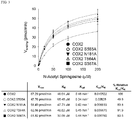
- the binding rate (Vbinding) of [ 14 C]N-acetyl sphingosine (American Radiolabeled Chemicals, ARC1024) to wild-type COX2 and mutant COX2 (N181A, T564A, S565A, S567A) was expressed as the concentration of N-acetyl sphingosine.
- the nonlinear regression analysis of a saturation plot showed the binding activity of N-acetyl sphingosine and wild-type COX2 or mutant COX2 (N181A, T564A, S565A, S567A) using K cat (catalyst constant) and K M (Michaelis-Menten constant).
- K cat /K M catalytic efficiency
- APP mouse refers to a mouse overexpressing APPswe
- PS1 mouse refers to a mouse overexpressing presenilin-1M146V; GlaxoSmithKline
- Microglia were isolated from the cerebrum of a 3-month-old, 5-month-old or 9-month-old wild type or APP/PS1 mouse, treated with anti-COX2 (rabbit, 1:10, Abcam) and anti-CX3CR1 (mouse, 1:100, Biolegend) antibodies, and then cultured. The microglia were quantified and analyzed for the percentage of cells stained with anti-COX2 among all microglia using an Operetta CLS High-Content Analysis System (PerkinElmer, USA).
- neuroblastoma SH-SY5Y was treated with 2 ⁇ Ci of [ 14 C]N-acetyl sphingosine (American Radiolabeled Chemicals, ARC1024) for 1 hour, and then cells were collected.
- the COX2 protein of isolated microglia and neuroblastoma SH-SY5Y were isolated by immunoprecipitation, and then liquid scintillation counting was performed on [ 14 C].
- the expression of the proteins was analyzed using Western blotting. First, antibodies against COX2 (abcam) and ⁇ -actin (Santa Cruz) were used, and the densitometric quantification was performed using ImageJ software (US National Institutes of Health).
- a T-test of students was performed to compare two groups, while for comparison of multiple groups, repeated measurement analysis of a Tukey's HSD test and a variance test was performed according to an SAS statistical package (release 9.1; SAS Institute Inc., Cary, NC). *p ⁇ 0.05, **p ⁇ 0.01, and ***p ⁇ 0.001 were considered significant.
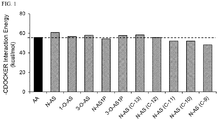
- the docking simulation was performed to confirm whether the compounds of the present invention listed in the experimental methods directly bind to COX2, and the binding energy of these compounds to COX2 was compared with the binding energy of arachidonic acid, a substrate of COX2, to COX2.
- the compounds of the present invention can bind to COX2 well in the same level as that arachidonic acid (AA), a substrate of COX2, binds to COX2.
- AA arachidonic acid
- N-acetyl sphingosine (N-AS) compound exhibited the highest binding energy with COX2.
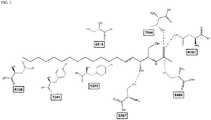
- the present inventors selected the N-AS compound and analyzed the docking simulation result to confirm the structural characteristics of these compounds binding to COX2.
- the present inventors attempted to confirm once again through an enzymatic analysis method that a hydrogen bond at each amino acid position of the COX2 protein played an important role in binding to N-AS.
- the binding of the N-AS to the wild-type COX2 was saturated as the concentration of N-AS increased, and the K M and K cat values were 46.01 ⁇ m and 0.48 min-1, respectively. Through this, it was confirmed once again that the N-AS bound well to the COX2.
- the present inventors have confirmed that the compounds of the present invention are very excellent in binding activity to COX2 through "Experimental Result 1". Therefore, it could be determined that these compounds could be used for diagnosis of various diseases caused by overexpression of the COX2 protein. In particular, it was confirmed whether the compounds of the present invention could be used for degenerative brain diseases in which the COX2 protein is overexpressed.
- the N-AS was administered orally (10 mg/kg) or through tail vein (1 mg/kg), and then the brain was extracted by time to measure the concentration of N-AS, and after 24 hours, the brain was extracted to measure the concentration of the remaining N-AS.
- FIGS. 4A and 4B As a result, it was confirmed that the concentration of N-AS was high in the brain ( FIGS. 4A and 4B ). On the other hand, as a result of confirming pharmacokinetic parameters in the brain, it was confirmed that the brain distribution value was 3.18 for oral administration and 2.16 for tail vein administration ( FIG. 4C ).
- the N-AS exhibits a high brain distribution in terms of pharmacokinetics to be very usefully used in the development of diagnostic substances for brain diseases such as neurodegenerative diseases.
- the present inventors confirmed from when the COX2 expression in microglia increased in an Alzheimer's environment.
- the present inventors confirmed that the expression of the COX2 protein in brain microglia was increased from the early stage of the occurrence of Alzheimer's in "Experimental Result 5", and then attempted to determine whether the increased expression of the COX2 protein may be directly detected in the Alzheimer's brain using the compounds of the present invention.
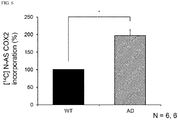
- [ 14 C]N-acetyl sphingosine [ 14 C]N-AS), in which carbon of N-AS which strongly bound to COX2 and had a brain distribution was substituted with an isotope, was administered orally (10 ⁇ Ci) to a 5-month-old Alzheimer's animal model. After 1 hour, the COX2 in microglia was isolated from the control and the Alzheimer's animal model by immunoprecipitation, and the amount of COX2 labeled with [ 14 C] was confirmed.
- the compounds of the present invention can be used for diagnosis or prognosis prediction of various diseases caused by overexpression of the COX2 protein, including Alzheimer's.
- the present inventors confirmed whether the COX2 expression was increased in cancer cells.
- the present inventors confirmed that the expression of the COX2 protein in cancer cells, neuroblastoma SH-SY5Y was increased in "Experimental Result 7", and then attempted to confirm whether the increased expression of the COX2 protein may be directly detected in the cancer cells using the compounds of the present invention.
- [ 14 C]N-acetyl sphingosine [ 14 C]N-AS), in which carbon of N-AS strongly binding to COX2 was substituted with an isotope, was treated to the cancer cells (2 ⁇ Ci). After 1 hour, the COX2 was isolated from the control and the cancer cells, neuroblastoma SH-SY5Y by immunoprecipitation, and the amount of COX2 labeled with [ 14 C] was confirmed.
- the compounds of the present invention can be used for diagnosis or prognosis prediction of various diseases caused by overexpression of the COX2 protein, including Alzheimer's and cancer.
- the compounds provided in the present invention not only have very excellent binding force with COX2, but also have very high blood-brain barrier (BBB) permeability, and can be very useful in diagnosing and predicting prognosis of diseases associated with COX2 overexpression including neurodegenerative diseases. Therefore, the compounds of the present invention have very excellent industrial applicability.
- BBB blood-brain barrier
Landscapes
- Health & Medical Sciences (AREA)
- Life Sciences & Earth Sciences (AREA)
- Engineering & Computer Science (AREA)
- Immunology (AREA)
- Biomedical Technology (AREA)
- Chemical & Material Sciences (AREA)
- Molecular Biology (AREA)
- Hematology (AREA)
- Urology & Nephrology (AREA)
- Physics & Mathematics (AREA)
- Medicinal Chemistry (AREA)
- General Health & Medical Sciences (AREA)
- Cell Biology (AREA)
- Food Science & Technology (AREA)
- Biotechnology (AREA)
- Analytical Chemistry (AREA)
- Biochemistry (AREA)
- General Physics & Mathematics (AREA)
- Pathology (AREA)
- Microbiology (AREA)
- Proteomics, Peptides & Aminoacids (AREA)
- Neurology (AREA)
- Neurosurgery (AREA)
- Optics & Photonics (AREA)
- Pharmacology & Pharmacy (AREA)
- Epidemiology (AREA)
- Animal Behavior & Ethology (AREA)
- Public Health (AREA)
- Veterinary Medicine (AREA)
- Medicines Containing Antibodies Or Antigens For Use As Internal Diagnostic Agents (AREA)
- Medicines That Contain Protein Lipid Enzymes And Other Medicines (AREA)
Abstract
Description
- This application claims the priority of Korean Patent Application No.
10-2018-0066312, filed on June 8, 2018 - The present invention relates to a composition for diagnosing diseases associated with cyclooxygenase 2 (COX2) overexpression and a screening method therefor and, more particularly, to a composition for diagnosing diseases associated with COX2 overexpression containing a compound with a structural feature of exhibiting strong binding activity to a COX2 protein, and a screening method therefor.
- Inflammatory diseases are closely associated with most of diseases, and as a result of basic research in molecular and cellular immunology, methods for diagnosing, treating and preventing diseases based on such immunology have been dramatically changed. One example of this is the discovery of an inducible form of a cyclooxygenase (COX) enzyme. A COX protein was first purified in 1976, and constitutive cyclooxygenase (COX) cloned in 1988 was found to act in the synthesis of prostaglandin (PGs) from arachidonic acid (AA). After 3 years of such purification, an inducible enzyme having COX activity was identified and named as COX2, while the constitutive COX was named as COX1.
- The expression of COX2 is under the regulation of pro-inflammatory cytokines and growth factors. Thus, it is widely known up to now that COX2 acts on the regulation of both inflammation and cell growth. The COX2 is induced in many tissues and simultaneously shown structurally in the brain and spinal cord, wherein the COX2 acts on nerve transmission for pain and fever. The two subtypes of COX are almost similar in structure, but have important differences in selectivity of a substrate and an inhibitor and intracellular locations thereof. Protective prostaglandin (PG), which preserves the shape of the gastric mucosa and maintains normal renal function in the damaged kidney, is synthesized by COX1. On the other hand, PG synthesized by COX2 in immune cells plays a very important role in the inflammatory process.
- COX2 in a normal state is known to mediate various physiological phenomena such as immune responses, but it has been reported that abnormal overexpression or overactivation of COX2 is closely associated with the occurrence and development of various diseases.
- Specifically, the COX2 is overexpressed in most of acute or chronic inflammatory diseases and very closely associated with the development process of the diseases, and it has been reported that the expression of the COX2 is increased in cancer tissues compared to normal tissues in most of human cancers including bladder cancer, breast cancer, colon cancer, liver cancer, lung cancer, prostate cancer and stomach cancer (Koga et al., 1999; Lim HY et al., 2000; Soslow et al., 2000; Yoshimura et al., 2000; Yoshimura et al., 2001). In addition, it has been reported that the expression of the COX2 is increased in various diseases, such as neuroinflammatory disease, Alzheimer's disease, Parkinson's disease (PNAS, April 29, 2003, vol. 100, no. 9, 5473-5478), amyotrophic lateral sclerosis (European Journal of Neuroscience, Vol 18, pp. 1527~1534, 2003), traumatic brain injury (JOURNAL OF NEUROTRAUMA Volume 17, Number 8, 2000 695-711), ischemia (1294-1299, PNAS, January 30, 2001, vol. 98, no. 3), etc.
- In particular, according to the research results of the present inventors, it was confirmed that in the case of degenerative neurological diseases including Alzheimer's, the brain expression of the COX2 protein was rapidly increased from a very early stage before observable symptoms of the diseases were expressed.
- Therefore, if a substance capable of detecting the expression level of the COX2 protein very quickly and accurately is developed, it will be very useful in diagnosis and prognosis prediction of various diseases associated with COX2 overexpression. Particularly, if such a substance can exhibit a high distribution in the brain by passing through a brain-blood barrier (BBB), it will be possible to diagnose early neurodegenerative diseases, in which rapid detection of the diseases is most important.
- Accordingly, the present inventors have made many efforts to develop a diagnostic substance capable of not only exhibiting direct binding activity to a COX2 protein, but also quickly and accurately detecting diseases associated with the COX2 overexpression including inflammatory brain diseases due to excellent BBB permeability. As a result, the present inventors have found that substances interacting directly with specific amino acids of the COX2 protein exhibit very high binding force to the COX2 protein to be very useful in the diagnosis of associated diseases, and completed the present invention.
- Therefore, an object of the present invention is to provide a composition for diagnosing diseases associated with COX2 overexpression comprising a compound containing a functional group that interacts with at least one amino acid selected from the group consisting of N181, T564, S567, and S565 of a cyclooxygenase 2 (COX2) protein defined by SEQ ID NO: 1.
- Further, an object of the present invention is to provide a composition for diagnosing diseases associated with COX2 overexpression consisting of a compound containing a functional group that interacts with at least one amino acid selected from the group consisting of N181, T564, S567, and S565 of a COX2 protein defined by SEQ ID NO: 1.
- Further, an object of the present invention is to provide a composition for diagnosing diseases associated with COX2 overexpression consisting essentially of a compound containing a functional group that interacts with at least one amino acid selected from the group consisting of N181, T564, S567, and S565 of a COX2 protein defined by SEQ ID NO: 1.
- Another object of the present invention is to provide a screening method of a diagnostic substance for diseases associated with COX2 overexpression comprising the steps of: (a) contacting a test substance with a COX2 protein defined by SEQ ID NO: 1; (b) measuring whether the test substance interacts with at least one amino acid selected from the group consisting of N181, T564, S567 and S565 of the COX2 protein defined by SEQ ID NO: 1; and (c) selecting a substance that interacts with the COX2 protein in step (b).
- Yet another object of the present invention is to provide use of a compound containing a functional group that interacts with at least one amino acid selected from the group consisting of N181, T564, S567, and S565 of a cyclooxygenase 2 (COX2) protein defined by SEQ ID NO: 1 to prepare an agent for diagnosing diseases associated with COX2 overexpression.
- Still another object of the present invention is to provide a method for diagnosing diseases associated with COX2 overexpression comprising the steps of:
- a) obtaining a biological sample from a subject suspected of having the diseases associated with COX2 overexpression;
- b) administering a compound containing a functional group that interacts with at least one amino acid selected from the group consisting of N181, T564, S567, and S565 of a cyclooxygenase 2 (COX2) protein defined by SEQ ID NO: 1 to the sample;
- c) measuring whether the administered compound interacts with the COX2 protein in the sample in step b); and
- d) comparing the degree of interaction between the COX2 protein and the compound in comparison with that of a normal control group, and diagnosing the subject as having the diseases associated with COX2 overexpression when the degree of interaction between the COX2 protein and the compound is increased as compared with that of the normal control group.
- In order to achieve the object of the present invention, the present invention provides a composition for diagnosing diseases associated with COX2 overexpression comprising a compound containing a functional group that interacts with at least one amino acid selected from the group consisting of N181, T564, S567, and S565 of a cyclooxygenase 2 (COX2) protein defined by SEQ ID NO: 1.
- Further, the present invention provides a composition for diagnosing diseases associated with COX2 overexpression consisting of a compound containing a functional group that interacts with at least one amino acid selected from the group consisting of N181, T564, S567, and S565 of a COX2 protein defined by SEQ ID NO: 1.
- Further, the present invention provides a composition for diagnosing diseases associated with COX2 overexpression consisting essentially of a compound containing a functional group that interacts with at least one amino acid selected from the group consisting of N181, T564, S567, and S565 of a COX2 protein defined by SEQ ID NO: 1.
- In order to achieve another object of the present invention, the present invention provides a screening method of a diagnostic substance for diseases associated with COX2 overexpression comprising the steps of: (a) contacting a test substance with a COX2 protein defined by SEQ ID NO: 1; (b) measuring whether the test substance interacts with at least one amino acid selected from the group consisting of N181, T564, S567 and S565 of the COX2 protein defined by SEQ ID NO: 1; and (c) selecting a substance that interacts with the COX2 protein in step (b).
- In order to achieve yet another object of the present invention, the present invention provides use of a compound containing a functional group that interacts with at least one amino acid selected from the group consisting of N181, T564, S567, and S565 of a cyclooxygenase 2 (COX2) protein defined by SEQ ID NO: 1 to prepare an agent for diagnosing diseases associated with COX2 overexpression.
- In order to achieve still another object of the present invention, the present invention provides a method for diagnosing diseases associated with COX2 overexpression comprising the steps of:
- a) obtaining a biological sample from a subject suspected of having the diseases associated with COX2 overexpression;
- b) administering a compound containing a functional group that interacts with at least one amino acid selected from the group consisting of N181, T564, S567, and S565 of a cyclooxygenase 2 (COX2) protein defined by SEQ ID NO: 1 to the sample;
- c) measuring whether the administered compound interacts with the COX2 protein in the sample in step b); and
- d) comparing the degree of interaction between the COX2 protein and the compound in comparison with that of a normal control group, and diagnosing the subject as having the diseases associated with COX2 overexpression when the degree of interaction between the COX2 protein and the compound is increased as compared with that of the normal control group.
- Hereinafter, the present invention will be described in detail.
- The present invention provides a composition for diagnosing diseases associated with COX2 overexpression comprising a compound containing a functional group that interacts with at least one amino acid selected from the group consisting of N181, T564, S567, and S565 of a COX2 protein defined by SEQ ID NO: 1.
- Further, the present invention provides a composition for diagnosing diseases associated with COX2 overexpression consisting of a compound containing a functional group that interacts with at least one amino acid selected from the group consisting of N181, T564, S567, and S565 of a COX2 protein defined by SEQ ID NO: 1, and a composition for diagnosing diseases associated with COX2 overexpression consisting essentially of the compound.
- According to an embodiment of the present invention, it was conformed that compounds exhibiting strong binding force to COX2 to the same degree as arachidonic acid, a substrate of COX2, form hydrogen bonds with N181, T564, and S567 of the COX2 protein defined by SEQ ID NO: 1, and interact through a nucleophilic acyl substitution reaction with S565.
- According to another embodiment of the present invention, after preparing a mutant COX2 protein in which asparagine (N181), threonine (T564), or serine (S567, S565) capable of forming hydrogen bonds as polar amino acids is substituted with alanine (A), a non-polar amino acid, it has been compared which level a compound of the present invention, which strongly binds to wild-type COX2, can exhibit the binding force with each mutant COX2. As a result, it was confirmed that the binding force between the mutant COX2 in which any one amino acid selected from the group consisting of N181, T564, S567, and S565 was substituted with alanine and the compound of the present invention was significantly lower than that of the wild-type COX2.
- Such a result means that at least one amino acid selected from the group consisting of
- N181, T564, S567, and S565 in the COX2 protein defined by SEQ ID NO: 1 plays a very important role in binding to a compound having a specific structure. That is, it is meant that the compound that interacts with at least one amino acid selected from the group consisting of N181, T564, S567 and S565 of the COX2 protein defined by SEQ ID NO: 1 exhibits the activity of binding directly to COX2 to be used for diagnosing diseases associated with the overexpression of the COX2 protein.
- In the present invention, an amino acid sequence of the COX2 protein defined by SEQ ID NO: 1 is as follows (SEQ ID NO: 1):
- mlaralllca vlalshtanp ccshpcqnrg vcmsvgfdqy kcdctrtgfy gencstpefl
- triklflkpt pntvhyilth fkgfwnvvnn ipflrnaims yvltsrshli dspptynady
- gyksweafsn lsyytralpp vpddcptplg vkgkkqlpds neiveklllr rkfipdpqgs
- nmmfaffaqh fthqffktdh krgpaftngl ghgvdlnhiy getlarqrkl rlfkdgkmky
- qiidgemypp tvkdtqaemi yppqvpehlr favgqevfgl vpglmmyati wlrehnrvcd
- vlkqehpewg deqlfqtsrl iligetikiv iedyvqhlsg yhfklkfdpe llfnkqfqyq
- nriaaefntl yhwhpllpdt fqihdqkyny qqfiynnsil lehgitqfve sftrqiagrv
- aggrnvppav qkvsqasidq srqmkyqsfn eyrkrfmlkp yesfeeltge kemsaeleal
- ygdidavely pallvekprp daifgetmve vgapfslkgl mgnvicspay wkpstfggev
- gfqiintasi qslicnnvkg cpftsfsvpd peliktvtin asssrsgldd inptvllker
- stel
- In the present invention, the "interaction" may be understood as including all physical and chemical binding relationships, substitution reactions, etc. that may be formed between functional groups, and a kind thereof is not particularly limited. Non-limiting examples thereof may include ionic bonds, covalent bonds, van der Waals bonds, hydrogen bonds, nucleophilic substitution reactions, electrophilic addition reactions, and the like.
- Preferably, the interaction may be a bond or interaction between a specific functional group contained in the compound of the present invention and a hydroxyl group or amine group of the polar amino acid (asparagine, threonine or serine) contained in the COX2 protein. More preferably, the interaction may be a van der Waals bond, a hydrogen bond or a nucleophilic acyl substitution reaction, and most preferably a hydrogen bond or a nucleophilic acyl substitution reaction.
- Meanwhile, in the compound of the present invention, the "specific structure" means having (i) a functional group capable of forming a hydrogen bond with at least one amino acid selected from the group consisting of N181, T564 and S567 of the COX2 protein, or (ii) a functional group capable of having a nucleophilic acyl substitution reaction with S565.
- In the present invention, the "functional group" refers to an atomic group having a commonly chemical property in an organic compound, and is a cause of imparting the properties of the compound. In the present invention, the compound may contain at least one functional group capable of forming a hydrogen bond with at least one amino acid selected from the group consisting of N181, T564 and S567 of the COX2, and may contain at least one functional group capable of having a nucleophilic acyl substitution reaction with S565.
- That is, the compound of the present invention may contain (i) at least one functional group capable of forming a hydrogen bond with at least one amino acid selected from the group consisting of N181, T564 and S567 of the COX2 protein, or (ii) at least one functional group capable of having a nucleophilic acyl substitution reaction with S565.
- Preferably, the compound of the present invention may contain (i) at least one functional group capable of forming a hydrogen bond with at least one amino acid selected from the group consisting of N181, T564 and S567 of the COX2 protein, and (ii) at least one functional group capable of having a nucleophilic acyl substitution reaction with S565.
- More preferably, the compound of the present invention may contain (i) at least one functional group capable of forming a hydrogen bond with N181, T564 and S567 of the COX2 protein, and (ii) at least one functional group capable of having a nucleophilic acyl substitution reaction with S565.
- In the compound of the present invention, a kind of functional group capable of forming a hydrogen bond with at least one amino acid selected from the group consisting of N181, T564 and S567 of the COX2 protein defined by SEQ ID NO: 1 is not particularly limited, but preferably, may be a hydroxyl or amine group. Asparagine (N), threonine (T), or serine (S), which is a polar amino acid, forms a hydrogen bond with the hydroxyl group or amine group contained in the compound to maintain strong binding force.
- In the present invention, the functional group capable of having the nucleophilic acyl substitution reaction may be acid halide, acid anhydride, ester, or amide, preferably ester or amide. The carbonyl carbon of the functional group contained in the compound of the present invention binds directly to oxygen or nitrogen with strong electronegativity to act as an electrophile, and the hydroxyl group or amine group of the polar amino acid contained in the COX2 protein acts as a nucleophile so that the nucleophilic acyl substitution reaction may occur.
- When the compound of the present invention contains (i) at least one functional group capable of forming a hydrogen bond with at least one amino acid selected from the group consisting of N181, T564 and S567 of the COX2 protein, or (ii) at least one functional group capable of having a nucleophilic acyl substitution reaction with S565, preferably, all of these functional groups may bind to carbon, nitrogen or oxygen within 5 atoms, and more preferably, all of these functional groups may bind to carbon, nitrogen or oxygen within 3 atoms.
- In particular, according to an embodiment of the present invention, since the compound capable of forming a hydrogen bond with at least one amino acid selected from the group consisting of N181, T564 and S567 of the COX2 protein defined by SEQ ID NO: 1 or interacting with S565 through a nucleophilic acyl substitution reaction may bind strongly to the COX2 protein without affecting a binding site of arachidonic acid, which is a substrate of COX2, it is preferable in that the compound does not block a normal physiological reaction of COX2, so that side effects may not occur.
- The present invention also provides a composition for diagnosing diseases associated with COX2 overexpression comprising a compound defined by the following
Chemical Formula 1 or a pharmaceutically acceptable salt thereof as a compound capable of interacting with at least one amino acid selected from the group consisting of N181, T564, S567 and S565 of a COX2 protein defined by SEQ ID NO: 1:
- R1 is hydrogen or C1-C7 alkylcarbonyl,
- R2 and R3 are each independently hydrogen, C1-C7 alkylcarbonyl, or
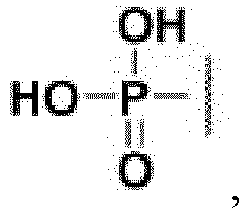
- n is an integer of 5 to 15.
- Preferably,
- R1 is hydrogen or C1-C3 alkylcarbonyl,
- R2 and R3 are each independently hydrogen, C1-C3 alkylcarbonyl, or

- n is an integer of 7 to 14.
- However, at least one of Ri, R2 and R3 is C1-C3 alkylcarbonyl.
- More preferably,
- R1 is hydrogen or an acetyl group,
- R2 and R3 are each independently hydrogen, an acetyl group, or

- n is an integer of 7 to 13.
- However, at least one of Ri, R2 and R3 is an acetyl group.
- Much more preferably,
- R1 and R2 are each independently hydrogen or an acetyl group,
- R3 is hydrogen, an acetyl group or

- n is an integer of 7 to 13.
- However, at least one of Ri, R2 and R3 is an acetyl group.
- Most preferably,
- R1 and R2 are each independently hydrogen or an acetyl group,
- R3 is hydrogen, an acetyl group or

- n is an integer of 7 to 12.
- However, at least one of Ri, R2 and R3 is an acetyl group.
- In the present invention, the "alkylcarbonyl" refers to a structure in which a carbonyl group (C=O) binds to an alkyl group. In the present invention, the "acetyl group" refers to alkylcarbonyl in which alkyl is methyl.
- In the present invention, the "alkyl" refers to a saturated, aliphatic hydrocarbon group containing a straight or branched carbon chain having 1 to 6 carbon atoms.
- In the present invention, the compound defined by
Chemical Formula 1 above may be prepared as a pharmaceutically acceptable salt or a solvate according to a general method in the art, and the form of such a salt is also included in the scope ofChemical Formula 1 above of the present invention. - Meanwhile, as the salt of the compound defined by
Chemical Formula 1 above, an acid addition salt formed by a pharmaceutically acceptable free acid is useful. The acid addition salt is prepared by a general method, for example, by dissolving the compound in an excess acid aqueous solution and precipitating the salt using a water-miscible organic solvent, such as methanol, ethanol, acetone or acetonitrile. The same molar amount of the compound and an acid or alcohol (e.g., glycol monomethyl ether) in water may be heated, and then the mixture may be evaporated and dried, or the precipitated salt may be suction-filtered. - At this time, as the free acid, organic acids and inorganic acids may be used. As the inorganic acids, hydrochloric acid, phosphoric acid, sulfuric acid, nitric acid, tartaric acid, etc. may be used, and as the organic acids, methanesulfonic acid, p-toluenesulfonic acid, acetic acid, trifluoroacetic acid, maleic acid, succinic acid, oxalic acid, benzoic acid, tartaric acid, fumaric acid, manderic acid, propionic acid, citric acid, lactic acid, glycolic acid, gluconic acid, galacturonic acid, glutamic acid, glutaric acid, glucuronic acid, aspartic acid, ascorbic acid, carbonic acid, vanillic acid, hydroiodic acid, etc. may be used, but the free acid is not limited thereto.
- Further, bases may also be used to prepare pharmaceutically acceptable metal salts. An alkali metal salt or an alkaline earth metal salt may be obtained, for example, by dissolving the compound in a large amount of alkali metal hydroxide or alkaline earth metal hydroxide solution, filtering a non-dissolved compound salt, and then evaporating and drying a filtrate. In this case, the metal salt is pharmaceutically suitable to prepare, particularly, sodium, potassium or calcium salts, but is not limited thereto.
- Further, a silver salt corresponding thereto may be obtained by reacting the alkali metal or alkaline earth metal salt with a suitable silver salt (e.g., silver nitrate).
- The pharmaceutically acceptable salt of the compound defined by
Chemical Formula 1 of the present invention includes salts of acidic or basic groups that may exist in the compound defined byChemical Formula 1, unless otherwise indicated. For example, the pharmaceutically acceptable salt may include a sodium, potassium, calcium or magnesium salt having a hydroxyl group, and other pharmaceutically acceptable salts having an amino group include hydrobromide, sulfate, hydrogen sulfate, phosphate, hydrogen phosphate, dihydrogen phosphate, acetate, succinate, citrate, tartrate, lactate, mandelate, methanesulfonate (mesylate), and p-toluenesulfonate (tosylate) salts, which may be prepared through methods or processes for preparing salts known in the art. - In addition, when the compound defined by
Chemical Formula 1 above has an asymmetric center, the compound may exist in different enantiomeric forms, and all optical isomers and R or S-type stereoisomers of the compound defined byChemical Formula 1 and mixtures thereof are also within the scope of the present invention. - In the present invention, at least one atom of the compound defined by
Chemical Formula 1 above may be a radioactive isotope. The radioactive isotope refers to an atom having an atomic mass or mass number different from an atomic mass or mass number typically found in nature. In the present invention, at least one atom of hydrogen, nitrogen, or carbon contained in the compound defined byChemical Formula 1 above may be a radioactive isotope. That is, in the present invention, the hydrogen, nitrogen or carbon contained in the compound defined byChemical Formula 1 above may be selected from the group consisting of 2H, 3H, 11C, 13C, 14C, 13N, 15N, 15O and 17O, respectively. - In addition, in the present invention, the compound defined by
Chemical Formula 1 above may be C1-C7 alkylcarbonyl wherein at least one atom is a radioactive isotope in at least one selected from the group consisting of R1, R2 and R3. In this case, the alkyl carbon of R1, R2 and/or R3 may be 11C, 13C, and 14C and/or the carbonyl carbon may be 11C, 13C, and 14C, or the hydrogen of the alkyl group may be 2H or 3H, or the oxygen of the carbonyl group may be 15O or 17O. Preferably, the carbonyl carbon of R1, R2 and/or R3 may be 11C, 13C, and 14C, more preferably, the carbonyl carbon of Ri, R2 and/or R3 may be 11C or 14C, and most preferably, the carbonyl carbon of R1 may be 11C or 14C. - In addition, in the present invention, the compound defined by
Chemical Formula 1 may be labeled with one or more radioactive isotopes selected from the group consisting of 2H, 3H, 11C , 13C, 14C, 13N, 15N, 15O, 17O, 18F, 35S, 36Cl, 82Br, 76Br, 77Br, 123I, 124I, 125I and 131I. The labeling with the radioactive isotope means that the atom contained in the compound ofChemical Formula 1 is replaced or substituted by the isotope. In the present invention, the radioactive isotope labeled in the compound defined byChemical Formula 1 above may vary depending on a specific application of the compound. - The isotope-labeling of the compound of the present invention may be performed according to methods known in the art, and for example, may be prepared by mixing 2H, 3H, 11C, 13C, 14C, 13N, 15N, 15O, 17O, 18F, 35S, 36Cl, 82Br, 76Br, 77Br, 123I, 124I, 125I or 131I into the compound of the present invention. This is achieved by placing a reagent into a source of radioactivity such as a nuclear reactor, a cyclotron, or the like to use a reagent that makes one or more of the atoms contained therein radioactive. Additionally, many isotopically labeled reagents, such as 2H2O, 3H3CI, 14C6H5Br, ClCH2 14COCl, and the like, are commercially available.
- The present invention also provides a diagnostic composition, characterized in that the compound of
Chemical Formula 1 above is selected from the group consisting of compounds defined by the followingChemical Formulas 2 to 11:

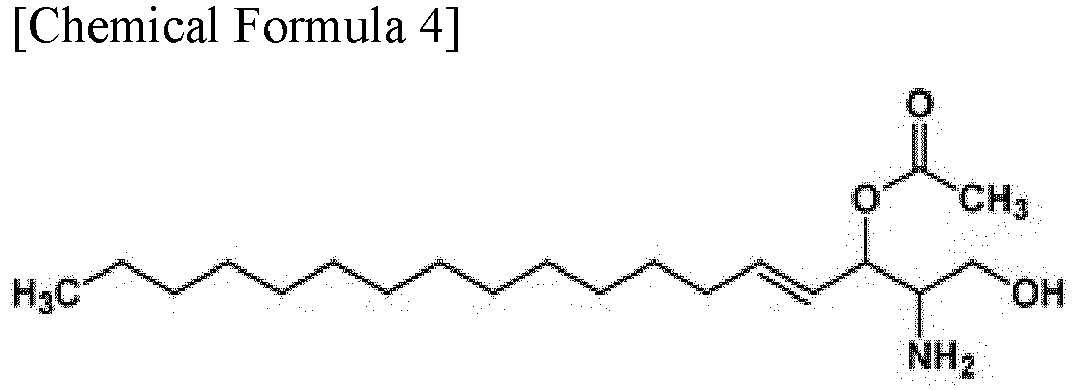


- Any atom contained in the compounds defined by
Chemical Formulas 2 to 11 above of the present invention may be a radioactive isotope. That is, hydrogen, nitrogen or carbon contained in the compounds defined byChemical Formulas 2 to 11 above may be selected from the group consisting of 2H, 3H, 11C, 13C, 14C, 13N, 15N, 15O and 17O, respectively. A detailed description of the radioactive isotope is as described above. - Preferably, any carbon contained in the compounds defined by
Chemical Formulas 2 to 11 above may be 11C, 13C, or 14C, more preferably, carbon (i.e., alkyl carbon or carbonyl carbon) contained in an acetyl group of each compound may be 11C, 13C, or 14C, and most preferably, the carbonyl carbon included in the acetyl group may be 11C, 13C, or 14C. - In addition, the compounds defined by
Chemical Formulas 2 to 11 above may be labeled with one or more radioactive isotopes selected from the group consisting of 2H, 3H, 11C, 13C, 14C, 13N, 15N, 15O, 17O, 18F, 35S, 36Cl, 82Br, 76Br, 77Br, 123I, 124I, 125I and 131I. A detailed description of the method of labeling the radioactive isotope on each of the compounds, etc. is as described above. - The diagnostic composition of the present invention may further include any biocompatible carrier in addition to the compound of the present invention that binds to COX2. The "biocompatible carrier" is a fluid, particularly a liquid, in which the compound according to the present invention is suspended or dissolved so that the composition can be administered into a mammalian body so as to have physiologically drug tolerance, that is, without toxicity or excessive discomfort. The biocompatible carrier may be suitably an injectable carrier liquid, such as a sterile, pyrogen-free injection; aqueous solutions such as saline (preferably, a final product for injection may be in a balanced state so as not to be isotonic or storable); and aqueous solutions of one or more tension modulating substances (e.g., salts of plasma cations with biocompatible counterions), sugars (e.g., glucose or sucrose), sugar alcohols (e.g., sorbitol or mannitol), glycols (e.g., glycerol), or other nonionic polyol substances (e.g., polyethylene glycol, propylene glycol, etc.). The biocompatible carrier may also include biocompatible organic solvents such as ethanol. These organic solvents are useful for solubilizing more lipophilic compounds or formulations. Preferably, the biocompatible carrier may be a pyrogen-free injection, an isotonic saline, or an aqueous ethanol solution. The pH of the biocompatible carrier for intravenous injection may suitably be 4.0 to 10.5.
- Meanwhile, in the present invention, the diagnostic composition may be detected by various means, and the means for detecting a radioactive isotope may be appropriately selected by a person skilled in the art according to a type of radioisotope contained or labeled in the compound of the present invention. For example, the isotopes may be detected using imaging techniques, photographic films or scintillation counters, and may be applied to preferably imaging techniques, more preferably positron emission tomography (PET), single photon emission computed tomography (SPECT), or magnetic resonance imaging (MRI) to be applied to image the COX2 protein in a pathological site.
- That is, the diagnostic composition of the present invention is administered orally or parenterally to mammals including humans, and then may be in contact with COX2 expressed in the body to bind directly to COX2 through the body, preferably through the brain via a blood-brain barrier. Thereafter, the compound of the present invention binding to COX2 reaches a specific time point to be detectable, and a signal emitted from the radioactive isotope contained or labeled in the compound of the present invention may be detected by the PET, SPECT or MRI technique.
- In the present invention, the diseases associated with COX2 overexpression are diseases accompanying the overexpression of the COX2 protein, and may be selected from the group consisting of an inflammatory disease, a neurodegenerative disease, traumatic brain injury, cancer, and ischemia.
- In the present invention, the neurodegenerative disease may be selected from the group consisting of Alzheimer's disease, Parkinson's disease, Niemann's disease, amyotrophic lateral sclerosis, multiple sclerosis, neuroblastoma, stroke, Lou Gehrig's disease, Huntington's disease, Creutzfeldt-Jakob disease, post-traumatic stress disorder, depression, schizophrenia, and spinal muscular atrophy, but is not limited thereto.
- In the present invention, the inflammatory disease may be selected from the group consisting of inflammatory bowel disease, peritonitis, osteomyelitis, cellulitis, pancreatitis, trauma-induced shock, bronchial asthma, allergic rhinitis, cystic fibrosis, acute bronchitis, chronic bronchitis, acute bronchiolitis, chronic bronchiolitis, osteoarthritis, gout, spondyloarthropathy, ankylosing spondylitis, Reiter's syndrome, psoriatic arthrosis, intestinal spondylitis, juvenile arthritis, juvenile ankylosing spondylitis, reactive arthritis, infectious arthritis, post-infectious arthritis, gonococcal arthritis, tuberculous arthritis, viral arthritis, fungal arthritis, syphilitic arthritis, Lyme disease, arthritis associated with vasculitis syndrome, polyarteritis nodosa, irritable vasculitis, Lou Gehrig's granulomatosis, polymyalgia rheumatica, joint cell arteritis, calcium crystal deposition arthropathy, pseudogout, non-articular rheumatism, bursitis, tendonitis, epicondylitis (tennis elbow), neuropathic joint disease, hemarthrosic, Henoch-Scherein purpura, hypertrophic osteoarthropathy, multicentric reticular histiocytoma, scoliosis, hemoglobinosis, hemoglobinopathy, hyperlipoproteinemia, hypogammaglobulinemia, familial mediterranean fever, Behat's disease, systemic lupus erythematosus, recursive fever, multiple sclerosis, sepsis, septic shock, acute respiratory distress syndrome, multiple organ failure, chronic obstructive pulmonary disease, rheumatoid arthritis, acute lung injury, broncho-pulmonary dysplasia, and inflammatory skin disease, but is not limited thereto.
- In the present invention, the cancer may be selected from the group consisting of breast cancer, colon cancer, lung cancer, small cell lung cancer, stomach cancer, liver cancer, blood cancer, bone cancer, pancreatic cancer, skin cancer, head or neck cancer, melanoma in the skin or eye, eye tumor, peritoneal cancer, uterine cancer, ovarian cancer, rectal cancer, anal cancer, colon cancer, fallopian tube carcinoma, endometrial carcinoma, cervical cancer, vaginal cancer, vulval carcinoma, Hodgkin's disease, esophageal cancer, small intestine cancer, endocrine cancer, thyroid cancer, parathyroid cancer, adrenal cancer, soft tissue sarcoma, urethral cancer, penile cancer, prostate cancer, testicular cancer, oral cancer, gallbladder cancer, bile duct cancer, chronic or acute leukemia, lymphocytic lymphoma, bladder cancer, kidney cancer, ureteral cancer, renal cell carcinoma (neuroblastoma), renal pelvic carcinoma, CNS tumor, primary CNS lymphoma, spinal cord tumor, brainstem glioma and pituitary adenoma, but is not limited thereto.
- The present invention provides a screening method of a diagnostic substance for diseases associated with COX2 overexpression comprising the steps of: (a) contacting a test substance with a COX2 protein defined by SEQ ID NO: 1; (b) measuring whether the test substance interacts with at least one amino acid selected from the group consisting of N181, T564, S567 and S565 of the COX2 protein defined by SEQ ID NO: 1; and (c) selecting a substance that interacts with the COX2 protein in step (b).
- The "test substance" used while referring to the screening method of the present invention means an unknown substance used in screening to examine whether the test substance interacts with at least one amino acid selected from the group consisting of N181, T564, S567 and S565 of the COX2 protein defined by SEQ ID NO: 1 or binds to the COX2 protein.
- In the screening method of the present invention, the binding between the COX2 protein defined by SEQ ID NO: 1 and the test substance is measured in an environment treated with the test substance. The measurement of binding may be performed by various methods known in the art, and as a result of the measurement, when the binding between the COX2 protein defined by SEQ ID NO: 1 and the test substance is significantly formed, the test substance may be determined as a diagnostic substance of diseases associated with COX2 overexpression.
- In the screening method of the present invention, the "measurement" means encompassing a series of deductive and inductive processes that derive an unknown value by using specific data, and is used in the same meaning as calculation, prediction, identification, and determination. Accordingly, the term measurement in the present invention includes all of experimental measurement, computational calculation on in silico, and establishment of a relationship between multiple variables based thereon.
- In step (a) of the present invention, the contacting of the test substance with the COX2 protein defined by SEQ ID NO: 1 means directly treating the test substance to cells or tissues expressing the COX2 protein, or includes virtually contacting a structure of the test substance with a molecular structure model of the COX2 protein defined by SEQ ID NO: 1 on a computational simulation.
- According to an embodiment of the present invention, step (b) may be performed using a computational simulation.
- In the present invention, the "computational simulation" means a simulation of predicting and reproducing the behavior of a specific system through mathematical modeling using one or multiple computing equipment constituting a network. More specifically, the computational simulation may be a molecular dynamic simulation. The molecular dynamic simulation is a computational simulation that numerically calculates the trajectories of atoms or molecules according to established physical laws and reproduces their physical motions. According to the present invention, the present inventors perform a molecular docking search and a molecular dynamic simulation for the compound exhibiting strong binding force to the COX2 protein defined by SEQ ID NO: 1 and the COX2 protein to examine structural features of the interaction between the COX2 protein and the compound. As a result, it is confirmed that a substance that interacts with at least one amino acid selected from the group consisting of N181, T564, S567 and S565 of the COX2 protein defined by SEQ ID NO: 1 may exhibit very high binding force to the COX2 protein.
- In the screening method, a detailed description of "the interaction of the test substance with at least one amino acid selected from the group consisting of N181, T564, S567 and S565 of the COX2 protein defined by SEQ ID NO: 1" may refer to those described above.
- Meanwhile, in the present invention, after step (c), the screening method may further include administering the selected test substance to a COX2 overexpression animal model and then comparing the test substance with a control to compare a detection level in the animal model.
- This step is a step of confirming whether a substance confirmed to interact with at least one amino acid selected from the group consisting of N181, T564, S567 and S565 of the COX2 protein defined by SEQ ID NO: 1 may bind to the COX2 protein even in an actual in vivo experiment through a computational simulation. Whether there is a possibility to be developed as an actual diagnostic substance may be further searched by additionally confirming in vivo kinetics of the test substance, whether to pass through the BBB, and pharmacokinetic properties through such an animal experiment.
- In the present invention, the control means a substance known to have activity of binding to the COX2 protein, and a kind thereof is not particularly limited.
- The present invention provides use of a compound containing a functional group that interacts with at least one amino acid selected from the group consisting of N181, T564, S567, and S565 of a cyclooxygenase 2 (COX2) protein defined by SEQ ID NO: 1 to prepare an agent for diagnosing diseases associated with COX2 overexpression.
- The present invention provides a method for diagnosing diseases associated with COX2 overexpression comprising:
- a) obtaining a biological sample from a subject suspected of having the diseases associated with COX2 overexpression;
- b) administering a compound containing a functional group that interacts with at least one amino acid selected from the group consisting of N181, T564, S567, and S565 of a cyclooxygenase 2 (COX2) protein defined by SEQ ID NO: 1 to the sample;
- c) measuring whether the administered compound interacts with the COX2 protein in the sample in step b); and
- d) diagnosing the degree of interaction between the COX2 protein and the compound as the diseases associated with COX2 overexpression when the degree of interaction between the
- COX2 protein and the compound is increased as compared with a normal control.
- In one embodiment, the present invention provides a method of diagnosing and treating diseases associated with COX2 overexpression comprising the steps of:
- a) obtaining a biological sample from a subject suspected of having the diseases associated with COX2 overexpression;
- b) administering an effective dose of compound containing a functional group that interacts with at least one amino acid selected from the group consisting of N181, T564, S567, and S565 of a cyclooxygenase 2 (COX2) protein defined by SEQ ID NO: 1 to the sample;
- c) measuring whether the administered compound interacts with the COX2 protein in the sample in step b);
- d) diagnosing the degree of interaction between the COX2 protein and the compound as the diseases associated with COX2 overexpression when the degree of interaction between the COX2 protein and the compound is increased as compared with a normal control; and
- e) administering a therapeutic drug for treating the diseases associated with COX2 overexpression to the diagnosed subject or treating the diseases through surgery.
- Step e) is a step of performing the treatment of the diseases by a means such as administration of the therapeutic drug or surgery, to the subject in which the disease is diagnosed in step d).
- The term 'treatment' of the present invention comprehensively refers to improving diseases associated with COX2 overexpression or symptoms of the diseases associated with COX2 overexpression, and may include treating or substantially preventing these diseases associated with COX2 overexpression, or improving the conditions thereof and includes alleviating, treating or preventing a symptom or most of symptoms derived from the diseases, but is not limited thereto.
- The 'diseases associated with COX2 overexpression' may be inflammatory diseases, neurodegenerative diseases, traumatic brain injury, cancer, or ischemia as described above.
- The type of 'therapeutic drug' is not particularly limited as long as the therapeutic drug is a drug used for the treatment of the diseases associated with COX2 overexpression, that is, inflammatory diseases, neurodegenerative diseases, traumatic brain injury, cancer, or ischemia. The therapeutic drug is administered to a subject in a 'therapeutically effective dose', and the therapeutically effective dose to a patient may be determined by those skilled in the art in consideration of various factors, such as the age, weight, health conditions, and gender of a patient, the severity of a disease, diet and excretion rate, etc. as well as unique properties, route of administration, and treatment number of times of a drug. The route of administration of the therapeutic drug is not particularly limited, and the therapeutic drug may be administered orally or parenterally, and the route of administration includes both local administration and systemic administration. The parenteral administration is not limited thereto, but may be, for example, intranasal drug application, subcutaneous injection, and the like, and as another example, a method such as intramuscular injection, intravenous injection, or the like may be used.
- The 'biological sample' of the present invention is isolated and obtained from a subject suspected of having a disease, but is not limited thereto, but may be selected from the group consisting of cells, tissues, blood, serum, plasma, saliva, mucosa, and urine. The "subject" may be animals, preferably animals including mammals, particularly humans, and may be cells, tissues, organs, etc. derived from animals. The subject may be a patient requiring the therapeutic effects.
- The term 'comprising' of the present invention is used in the same manner as 'containing' or 'characterizing', and does not exclude additional ingredients or steps of the method which are not mentioned in the composition or the method. The term 'consisting of' means excluding additional elements, steps or ingredients, etc., unless otherwise noted. The term 'consisting essentially of' means including ingredients or steps that do not substantially affect basic properties thereof in addition to the described ingredients or steps within the range of the composition or the method.
- The compound provided in the present invention not only has very excellent binding force with COX2, but also has very high blood-brain barrier (BBB) permeability, and can be very useful in diagnosing and predicting prognosis of diseases associated with COX2 overexpression including neurodegenerative diseases.
-
-
FIG. 1 is a diagram illustrating confirming and quantifying binding energy at which compounds according to the present invention directly bind to COX2 through a docking simulation. -
FIG. 2 is a schematic diagram illustrating that N-acetyl sphingosine (N-AS) directly binds to COX2 through hydrogen bonds with N181, T564, and S567 of a COX2 protein and a nucleophilic interaction with S565. -
FIG. 3 illustrates a result of evaluating the degree of binding between N-acetyl sphingosine and wild type COX2 or mutant COX2 (M181A, T564A, S565A or S567A). -
FIGS. 4A to 4C illustrate a result of showing a concentration remaining in the brain for each time period after oral (p.o. 10 mg/kg) or intravenous administration (i.v. 1 mg/kg) of N-acetyl sphingosine to normal mice (FIG. 4A ), a result of showing a concentration remaining in the brain after 24 hours (FIG. 4B ), and a pharmacokinetic test analysis result for a brain distribution (FIG. 4C ) (n = 3/group). -
FIG. 5 illustrates a result of confirming expression levels of COX2 protein in microglia (CX3CR1+) derived from wild-type or APP/PS1 mice at 3 months, 5 months and 9 months (WT: wild type, AD: Alzheimer's animal model). -
FIG. 6 illustrates a result of confirming the degree of binding of the COX2 protein and [14C] in microglia isolated from the brain after administration of [14C]N-acetyl sphingosine to 5-month-old wild-type or APP/PS1 mice (WT: wild type, AD: Alzheimer's animal model). -
FIG. 7 illustrates results of confirming and quantifying through Western blot that the expression of the COX2 protein is increased in a neuroblastoma cell line (neuroblastoma SH-SY5Y). -
FIG. 8 illustrates a result showing a result of detecting an amount of [14C] binding to the COX2 protein by collecting cells after treatment with [14C]N-acetyl sphingosine in a neuroblastoma cell line (neuroblastoma SH-SY5Y) for 1 hour. - Hereinafter, the present invention will be described in detail.
- However, the following Examples are just illustrative of the present invention, and the contents of the present invention are not limited to the following Examples.
- The structures and names of compounds used in experiments in the present invention were shown below:
- (1) N-acetyl sphingosine (N-AS)

- (2) 1-O-acetyl sphingosine (1-O-AS)

- (3) 3-O-acetyl sphingosine (3-O-AS)

- (4) N-acetyl sphingosine-1-phosphate (N-AS1P)

- (5) 3-O-acetyl sphingosine-1-phosphate (3-O-AS1P)

- (6) N-acetyl sphingosine derivative 1 (N-AS(C-13))

- (7) N-acetyl sphingosine derivative 2 (N-AS(C-12))

- (8) N-acetyl sphingosine derivative 3 (N-AS(C-11))

- (9) N-acetyl sphingosine derivative 4 (N-AS(C-10))
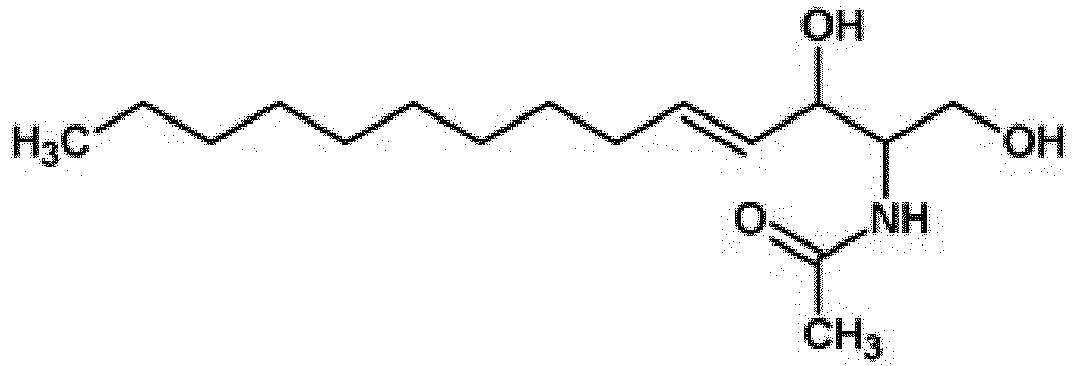
- (10) N-acetyl sphingosine derivative 5 (N-AS(C-9))

- (11) [14C]N-acetyl sphingosine ([14C]N-AS)

- The three-dimensional structure of a COX2 protein (PDB code: 3HS5) and the molecular docking of each compound according to the present invention were analyzed using Discovery Studio 2018 implemented based on a DS-CDOCKER protocol. A docking position of the compound was simulated by designating a substrate binding site region including R106, Y341, Y371 and S516 of an amino acid sequence of a COX2 protein (GeneBank accession No.AAR23927.1). Arachidonic acid (AA), a substrate for COX2, was used as a positive control. A specific experimental method was performed with reference to Nat Commun. 2018 ., etc.
- The binding activity of wild type COX2 or mutant COX2 (N181A, T564A, S565A, S567A) and N-acetyl sphingosine (N-AS) was analyzed by filter binding assay (Nat Commun. 2018 Apr 16;9(1): 1479.).
- The binding rate (Vbinding) of [14C]N-acetyl sphingosine (American Radiolabeled Chemicals, ARC1024) to wild-type COX2 and mutant COX2 (N181A, T564A, S565A, S567A) was expressed as the concentration of N-acetyl sphingosine. The nonlinear regression analysis of a saturation plot showed the binding activity of N-acetyl sphingosine and wild-type COX2 or mutant COX2 (N181A, T564A, S565A, S567A) using Kcat (catalyst constant) and KM (Michaelis-Menten constant). By using the calculated Kcat and KM, Kcat/KM (catalytic efficiency), which has been widely used as a measure of enzyme performance, was calculated from wild-type COX2 and mutant-type COX2 (N181A, T564A, S565A, S567A).
- Mouse experiments have been approved by the Kyungpook National University Institutional Animal Care and Use Committee (IACUC). A transgenic mouse line overexpressing APPswe (hAPP695swe) or PS1 (presenilin-1M146V) based on C57BL/6 mice (Charles River, UK) was used [Hereinafter, "APP mouse": refers to a mouse overexpressing APPswe, "PS1 mouse": refers to a mouse overexpressing presenilin-1M146V; GlaxoSmithKline]
- Microglia were isolated from the cerebrum of a 3-month-old, 5-month-old or 9-month-old wild type or APP/PS1 mouse, treated with anti-COX2 (rabbit, 1:10, Abcam) and anti-CX3CR1 (mouse, 1:100, Biolegend) antibodies, and then cultured. The microglia were quantified and analyzed for the percentage of cells stained with anti-COX2 among all microglia using an Operetta CLS High-Content Analysis System (PerkinElmer, USA).
- After oral administration of 10 µCi of [14C]N-acetyl sphingosine (American Radiolabeled Chemicals, ARC1024) to 5-month-old wild-type and APP/PS1 mice, microglia were isolated from the cerebra of the mice after 1 hour.
- In addition, neuroblastoma SH-SY5Y was treated with 2 µCi of [14C]N-acetyl sphingosine (American Radiolabeled Chemicals, ARC1024) for 1 hour, and then cells were collected.
- The COX2 protein of isolated microglia and neuroblastoma SH-SY5Y were isolated by immunoprecipitation, and then liquid scintillation counting was performed on [14C].
- The expression of the proteins was analyzed using Western blotting. First, antibodies against COX2 (abcam) and β-actin (Santa Cruz) were used, and the densitometric quantification was performed using ImageJ software (US National Institutes of Health).
- A T-test of students was performed to compare two groups, while for comparison of multiple groups, repeated measurement analysis of a Tukey's HSD test and a variance test was performed according to an SAS statistical package (release 9.1; SAS Institute Inc., Cary, NC). *p < 0.05, **p < 0.01, and ***p < 0.001 were considered significant.
- The docking simulation was performed to confirm whether the compounds of the present invention listed in the experimental methods directly bind to COX2, and the binding energy of these compounds to COX2 was compared with the binding energy of arachidonic acid, a substrate of COX2, to COX2.
- The result thereof was illustrated in
FIG. 1 . - As illustrated in
FIG. 1 , it was confirmed that the binding energy of COX2 and arachidonic acid (AA) and the binding energy of the compounds according to the present invention to COX2 had similar values. - That is, it was found that the compounds of the present invention can bind to COX2 well in the same level as that arachidonic acid (AA), a substrate of COX2, binds to COX2.
- Referring to "
Experimental Result 1", it was confirmed that among 10 kinds of compounds applied in the experiment, the N-acetyl sphingosine (N-AS) compound exhibited the highest binding energy with COX2. - Accordingly, the present inventors selected the N-AS compound and analyzed the docking simulation result to confirm the structural characteristics of these compounds binding to COX2.
- The result thereof was illustrated in
FIG. 2 . - As illustrated in
FIG. 2 , it was confirmed that the N-AS bound to COX2 through hydrogen bonds (FIG. 2 , dotted lines) with N181, T564, and S567 of the COX2 protein, and through these hydrogen bonds, S565 had a nucleophilic acyl substitution reaction (arrow). In addition, it was confirmed that a site at which the N-AS bound to COX2 included a binding site (R106, Y341, Y371, S516) of arachidonic acid (AA), a substrate of COX2 known in the related art (FIG. 2 ). - In "
Experimental Result 2", it was confirmed that the positions of N181, T564, S567 and S565 of the COX2 protein played a very important role in binding to N-AS through a docking simulation. - Accordingly, the present inventors attempted to confirm once again through an enzymatic analysis method that a hydrogen bond at each amino acid position of the COX2 protein played an important role in binding to N-AS.
- That is, after preparing a mutant COX2 protein in which asparagine (N181), threonine (T564), or serine (S567, S565) capable of forming a hydrogen bond as a polar amino acid was substituted with alanine (A), a non-polar amino acid, which level of the binding activity to the N-AS was exhibited was compared by comparing each mutant COX2 with wild-type COX2.
- The result thereof was illustrated in
FIG. 3 . - As illustrated in
FIG. 3 , the binding of the N-AS to the wild-type COX2 was saturated as the concentration of N-AS increased, and the KM and Kcat values were 46.01 µm and 0.48 min-1, respectively. Through this, it was confirmed once again that the N-AS bound well to the COX2. - On the other hand, in the case of mutant COX2 (N181A, T564A, S565A and S567A) in which the amino acid at the N-AS binding site of COX2 confirmed in "
Experiment 2" was substituted with alanine, it was confirmed that when the catalytic efficiency (Kcat/KM), which was widely used as a measure of enzyme performance, was compared with the catalytic efficiency of the wild-type COX2, the catalytic efficiency of the mutant COX2 decreased compared to the wild-type COX2. Among them, it was confirmed that when S565 was mutated, the catalytic efficiency decreased the most, and these results showed that the N-AS directly bound to the COX2 protein through the hydrogen bonds with N181, T564, S565, and S567 of COX2 and the nucleophilic acyl substitution reaction. - Therefore, it was found that a compound capable of having the hydrogen bonds with N181, T564, S565, and S567 of COX2 and the nucleophilic acyl substitution reaction may strongly bind to COX2.
- The present inventors have confirmed that the compounds of the present invention are very excellent in binding activity to COX2 through "
Experimental Result 1". Therefore, it could be determined that these compounds could be used for diagnosis of various diseases caused by overexpression of the COX2 protein. In particular, it was confirmed whether the compounds of the present invention could be used for degenerative brain diseases in which the COX2 protein is overexpressed. - In order to apply the compounds of the present invention to the diagnosis of degenerative brain diseases, it is important to distribute the compounds well to the brain after administration. To confirm this, the N-AS was administered orally (10 mg/kg) or through tail vein (1 mg/kg), and then the brain was extracted by time to measure the concentration of N-AS, and after 24 hours, the brain was extracted to measure the concentration of the remaining N-AS.
- The result thereof was illustrated in
FIG. 4 . - As a result, it was confirmed that the concentration of N-AS was high in the brain (
FIGS. 4A and4B ). On the other hand, as a result of confirming pharmacokinetic parameters in the brain, it was confirmed that the brain distribution value was 3.18 for oral administration and 2.16 for tail vein administration (FIG. 4C ). - From these results, it can be seen that the N-AS exhibits a high brain distribution in terms of pharmacokinetics to be very usefully used in the development of diagnostic substances for brain diseases such as neurodegenerative diseases.
- According to previous studies, it has been reported that the expression level of COX2 protein was increased in brain microglia of patients with degenerative neuroinflammatory diseases including Alzheimer's (Curr Neuropharmacol. 2010 Mar; 8(1): 62-68.).
- The present inventors confirmed from when the COX2 expression in microglia increased in an Alzheimer's environment.
- As a result, it was confirmed that the COX2 expression in microglia was significantly increased from 5 months, which was an early stage of the occurrence of Alzheimer's, compared with a control as illustrated in
FIG. 5 . - Through the results, it was confirmed that the COX2 expression in microglia was increased from the early stage of the occurrence of Alzheimer's, and it could be determined that the compounds of the present invention, which have excellent brain distribution and direct binding activity with the COX2 protein, may be used for diagnosis or prognosis prediction from the early stage of Alzheimer's.
- The present inventors confirmed that the expression of the COX2 protein in brain microglia was increased from the early stage of the occurrence of Alzheimer's in "
Experimental Result 5", and then attempted to determine whether the increased expression of the COX2 protein may be directly detected in the Alzheimer's brain using the compounds of the present invention. - In other words, [14C]N-acetyl sphingosine ([14C]N-AS), in which carbon of N-AS which strongly bound to COX2 and had a brain distribution was substituted with an isotope, was administered orally (10 µCi) to a 5-month-old Alzheimer's animal model. After 1 hour, the COX2 in microglia was isolated from the control and the Alzheimer's animal model by immunoprecipitation, and the amount of COX2 labeled with [14C] was confirmed.
- The result thereof was illustrated in
FIG. 6 . - As can be seen in
FIG. 6 , it was confirmed that the [14C]-labeled COX2 was increased in the Alzheimer's animal model compared to a control (WT). - Therefore, it can be determined that the compounds of the present invention can be used for diagnosis or prognosis prediction of various diseases caused by overexpression of the COX2 protein, including Alzheimer's.
- According to previous studies, it has been reported that the expression level of the COX2 protein was increased in cancer cells (J Cell Physiol. 2019 May;234(5):5683-5699.).
- Accordingly, the present inventors confirmed whether the COX2 expression was increased in cancer cells.
- As a result, it was confirmed that the COX2 expression of the cancer cells, neuroblastoma SH-SY5Y was significantly increased compared to a control (normal nerve cells) as illustrated in
FIG. 7 . - Through the results, it was confirmed that the expression of COX2 was increased in cancer cells, and it was determined that the compounds of the present invention having very excellent direct binding activity with the COX2 protein may be useful for diagnosis or prognosis prediction of cancer.
- The present inventors confirmed that the expression of the COX2 protein in cancer cells, neuroblastoma SH-SY5Y was increased in "Experimental Result 7", and then attempted to confirm whether the increased expression of the COX2 protein may be directly detected in the cancer cells using the compounds of the present invention.
- In other words, [14C]N-acetyl sphingosine ([14C]N-AS), in which carbon of N-AS strongly binding to COX2 was substituted with an isotope, was treated to the cancer cells (2 µCi). After 1 hour, the COX2 was isolated from the control and the cancer cells, neuroblastoma SH-SY5Y by immunoprecipitation, and the amount of COX2 labeled with [14C] was confirmed.
- The result thereof was illustrated in
FIG. 8 . - As can be seen in
FIG. 8 , it was confirmed that the [14C]-labeled COX2 was increased in the cancer cells, neuroblastoma SH-SY5Y compared to a control. - Therefore, it can be determined that the compounds of the present invention can be used for diagnosis or prognosis prediction of various diseases caused by overexpression of the COX2 protein, including Alzheimer's and cancer.
- The compounds provided in the present invention not only have very excellent binding force with COX2, but also have very high blood-brain barrier (BBB) permeability, and can be very useful in diagnosing and predicting prognosis of diseases associated with COX2 overexpression including neurodegenerative diseases. Therefore, the compounds of the present invention have very excellent industrial applicability.


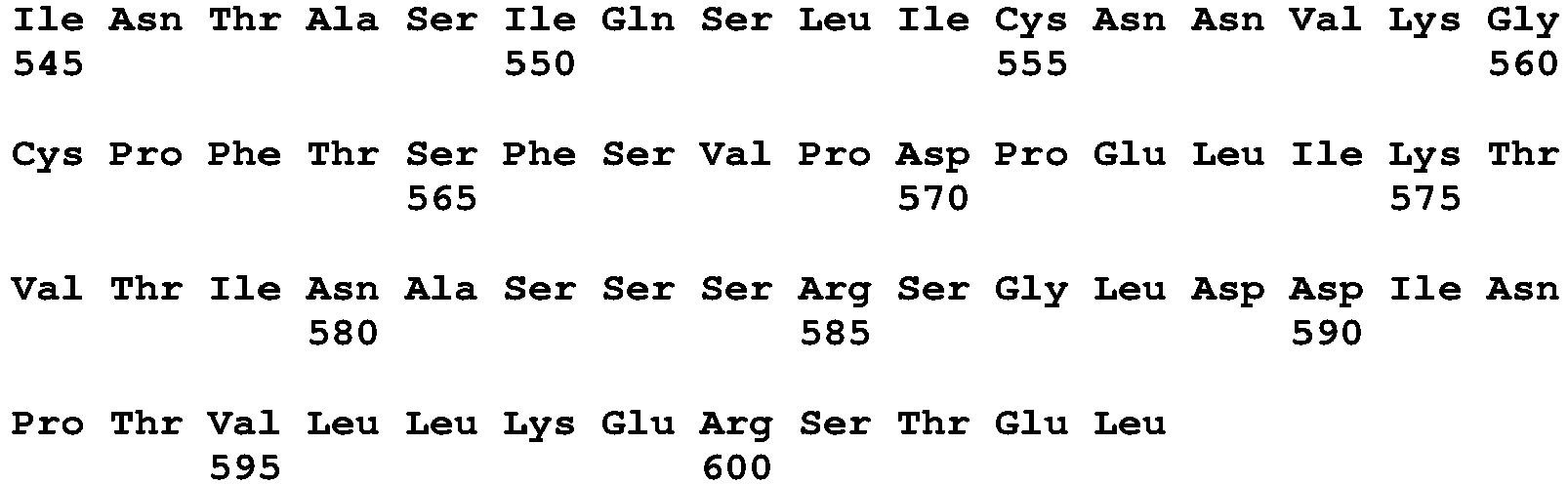
Claims (19)
- A composition for diagnosing diseases associated with COX2 overexpression comprising a compound containing a functional group that interacts with at least one amino acid selected from the group consisting of N181, T564, S567, and S565 of a cyclooxygenase 2 (COX2) protein defined by SEQ ID NO: 1.
- The composition of claim 1, wherein the interaction is a hydrogen bond or a nucleophilic acyl substitution reaction.
- The composition of claim 1, wherein the interaction is a hydrogen bond with at least one amino acid selected from the group consisting of N181, T564 and S567 of the COX2 protein defined by SEQ ID NO: 1 or a nucleophilic acyl substitution reaction with S565.
- The composition of claim 1, wherein the compound is a compound defined by the following Chemical Formula 1 or a pharmaceutically acceptable salt thereof: [Chemical Formula 1]
 R1 is hydrogen or C1-C7 alkylcarbonyl,R2 and R3 are each independently hydrogen, C1-C7 alkylcarbonyl, or
 n is an integer of 5 to 15.
 - The composition of claim 4, wherein at least one atom of the compound defined by Chemical Formula 1 above is a radioactive isotope.
- The composition of claim 4, wherein at least one selected from the group consisting of R1, R2 and R3 is C1-C7 alkylcarbonyl wherein at least one atom is a radioactive isotope.
- The composition of claim 4, wherein the compound defined by Chemical Formula 1 above is labeled with one or more radioactive isotopes selected from the group consisting of 2H, 3H, 11C, 13C, 14C, 13N, 15N, 15O, 17O, 18F, 35S, 36Cl, 82Br, 76Br, 77Br, 123I, 124I, 125I, and 131I.
- The composition of claim 4, wherein the compound defined by Chemical Formula 1 above is selected from compounds defined by the following Chemical Formulas 2 to 11:


- The composition of claim 8, wherein in the compounds defined by Chemical Formulas 2 to 11 above, an atom of an acetyl group is a radioactive isotope.
- The composition of any one of claims 1 to 9, wherein the composition is applied to positron emission tomography (PET), single photon emission computed tomography (SPECT), or magnetic resonance imaging (MRI).
- The composition of any one of claims 1 to 9, wherein the disease associated with COX2 overexpression is selected from the group consisting of an inflammatory disease, a neurodegenerative disease, traumatic brain injury, cancer, and ischemia.
- The composition of claim 11, wherein the neurodegenerative disease is selected from the group consisting of Alzheimer's disease, Parkinson's disease, Niemann's disease, amyotrophic lateral sclerosis, multiple sclerosis, neuroblastoma, stroke, Lou Gehrig's disease, Huntington's disease, Creutzfeldt-Jakob disease, post-traumatic stress disorder, depression, schizophrenia, and spinal muscular atrophy.
- A screening method for a diagnostic substance of diseases associated with COX2 overexpression comprising:(a) contacting a test substance with a COX2 protein defined by SEQ ID NO: 1;(b) measuring whether the test substance interacts with at least one amino acid selected from the group consisting of N181, T564, S567, and S565 of the COX2 protein defined by SEQ ID NO: 1; and(c) selecting a substance that interacts with the COX2 protein in step (b).
- The screening method of claim 13, wherein in step (b), the interaction between the COX2 protein and the test substance is measured using a computational simulation.
- The screening method of claim 14, wherein the computational simulation is a molecular dynamic simulation.
- The screening method of claim 13, further comprising: administering the selected test substance to a COX2 overexpression animal model and then comparing the test substance with a control to compare a detection level in the animal model, after step (c).
- Use of a compound containing a functional group that interacts with at least one amino acid selected from the group consisting of N181, T564, S567, and S565 of a cyclooxygenase 2 (COX2) protein defined by SEQ ID NO: 1 to prepare an agent for diagnosing diseases associated with COX2 overexpression.
- A method for diagnosing diseases associated with COX2 overexpression, the method comprising:a) obtaining a biological sample from a subject suspected of having the diseases associated with COX2 overexpression;b) administering a compound containing a functional group that interacts with at least one amino acid selected from the group consisting of N181, T564, S567, and S565 of a cyclooxygenase 2 (COX2) protein defined by SEQ ID NO: 1 to the sample;c) measuring whether the administered compound interacts with the COX2 protein in the sample in step b); andd) comparing the degree of interaction between the COX2 protein and the compound in comparison with that of a normal control group, and diagnosing the subject as having the diseases associated with COX2 overexpression when the degree of interaction between the COX2 protein and the compound is increased as compared with that of the normal control group.
- The method of claim 18, wherein the disease associated with COX2 overexpression is selected from the group consisting of an inflammatory disease, a neurodegenerative disease, traumatic brain injury, cancer, and ischemia.
Applications Claiming Priority (2)
| Application Number | Priority Date | Filing Date | Title |
|---|---|---|---|
| KR20180066312 | 2018-06-08 | ||
| PCT/KR2019/006751 WO2019235824A1 (en) | 2018-06-08 | 2019-06-04 | Composition for diagnosing diseases associated with cox2 overexpression and screening method therefor |
Publications (2)
| Publication Number | Publication Date |
|---|---|
| EP3805761A1 true EP3805761A1 (en) | 2021-04-14 |
| EP3805761A4 EP3805761A4 (en) | 2022-04-27 |
Family
ID=68769520
Family Applications (1)
| Application Number | Title | Priority Date | Filing Date |
|---|---|---|---|
| EP19815849.5A Pending EP3805761A4 (en) | 2018-06-08 | 2019-06-04 | COMPOSITION FOR DIAGNOSTIZING DISEASES ASSOCIATED WITH COX2 OVEREXPRESSION AND METHOD FOR SCREENING THEREOF |
Country Status (4)
| Country | Link |
|---|---|
| US (2) | US12332244B2 (en) |
| EP (1) | EP3805761A4 (en) |
| KR (1) | KR102228460B1 (en) |
| WO (1) | WO2019235824A1 (en) |
Families Citing this family (2)
| Publication number | Priority date | Publication date | Assignee | Title |
|---|---|---|---|---|
| WO2021054778A1 (en) * | 2019-09-20 | 2021-03-25 | 경북대학교 산학협력단 | Antibody for detecting acetylation of cox2 protein, and uses thereof |
| KR20230054098A (en) | 2021-10-15 | 2023-04-24 | 단국대학교 천안캠퍼스 산학협력단 | Method and system for evaluating pharmacokinetic and pharmacodynamic distribution of materials using radiotracer in brain animal disease model |
Family Cites Families (8)
| Publication number | Priority date | Publication date | Assignee | Title |
|---|---|---|---|---|
| JPS5352053A (en) * | 1976-10-22 | 1978-05-12 | Dainippon Toryo Kk | Color braun tube |
| BR9611047A (en) * | 1995-10-17 | 2000-03-08 | Searle & Co | Detection process of oxygenase-2 cycle |
| JPH11343249A (en) * | 1998-05-29 | 1999-12-14 | Ltt Kenkyusho:Kk | Fat emulsion containing ceramide derivative, production method and use |
| US20060088862A1 (en) * | 2004-09-30 | 2006-04-27 | Nancy Lee | Drug screening and molecular diagnostic test for early detection of colorectal cancer: reagents, methods, and kits thereof |
| EP2114461A2 (en) * | 2007-01-19 | 2009-11-11 | Mallinckrodt Inc. | Diagnostic and therapeutic cyclooxygenase-2 binding ligands |
| JP5721231B2 (en) | 2009-08-03 | 2015-05-20 | 国立研究開発法人理化学研究所 | Isotope-labeled 2-arylpropionic acids and method for producing the same, molecular probe for positron emission tomographic imaging, and imaging method for cyclooxygenase and the like using the same |
| KR20180066312A (en) | 2016-12-07 | 2018-06-19 | 주식회사 지원바이오 | Method for optimal extraction of Camellia sinensis and Artemisia argyi mixture using response surface methodology |
| WO2019182191A1 (en) * | 2018-03-21 | 2019-09-26 | 경북대학교 산학협력단 | Pharmaceutical composition for prevention or treatment of neurodegenerative disease and comprising cox2-acetylating agent as active ingredient |
-
2019
- 2019-06-04 WO PCT/KR2019/006751 patent/WO2019235824A1/en not_active Ceased
- 2019-06-04 US US16/972,492 patent/US12332244B2/en active Active
- 2019-06-04 EP EP19815849.5A patent/EP3805761A4/en active Pending
- 2019-06-10 KR KR1020190068246A patent/KR102228460B1/en active Active
-
2025
- 2025-05-14 US US19/208,471 patent/US20250271433A1/en active Pending
Also Published As
| Publication number | Publication date |
|---|---|
| EP3805761A4 (en) | 2022-04-27 |
| US20210270834A1 (en) | 2021-09-02 |
| WO2019235824A1 (en) | 2019-12-12 |
| US20250271433A1 (en) | 2025-08-28 |
| US12332244B2 (en) | 2025-06-17 |
| KR102228460B1 (en) | 2021-03-16 |
| KR20190139796A (en) | 2019-12-18 |
Similar Documents
| Publication | Publication Date | Title |
|---|---|---|
| US20250271433A1 (en) | Composition for diagnosing diseases associated with cox2 overexpression and screening method therefor | |
| McConathy et al. | Non-natural amino acids for tumor imaging using positron emission tomography and single photon emission computed tomography | |
| JP7036996B2 (en) | RI-labeled humanized antibody | |
| US20220062449A1 (en) | Labeled Probe and Methods of Use | |
| US20130064768A1 (en) | Lipophilic cationic probe for pet-imaging | |
| TW202005669A (en) | The structural molecule of peptide derivative for PSMA-targeted radiotherapy diagnosis and treatment | |
| Brockschnieder et al. | Preclinical characterization of a novel class of 18F-labeled PET tracers for amyloid-β | |
| CN120309590A (en) | A PET tracer precursor compound and its preparation method and application | |
| JP2023184564A (en) | new compound | |
| US8501154B2 (en) | Fluorinated fructose derivatives for PET imaging | |
| CN111548305B (en) | A kind of quinoline compound that can be used for targeting PSMA and preparation method thereof | |
| US20180185523A1 (en) | Method for imaging arthritis | |
| US8981053B2 (en) | Molecules specifically binding pancreatic beta cells biomarkers | |
| Wang et al. | Development of a novel EphA2-targeting radioligand for SPECT imaging in different tumor models | |
| CN100506822C (en) | A [18F] fluorine-labeled purine compound and its preparation method and application | |
| JP7338128B2 (en) | Radiolabeled progastrin in cancer diagnosis | |
| CN107674117B (en) | Preparation method of Cu-64 labeled Dimer-San A cyclic peptide derivative pancreatic cancer molecular probe | |
| CN106687145A (en) | Renal imaging agent | |
| Dobelmann et al. | Fluorine‐18‐Labeled Nucleotide Analogs Targeting Ecto‐5'‐Nucleotidase (CD73) for Positron Emission Tomography Imaging of Solid Tumors | |
| CN118812636B (en) | A polypeptide compound, a pharmaceutical composition containing the same, and its applications | |
| Hopkins | Design, synthesis, and evaluation of novel lysophosphatidic acid receptor-targeting small molecules as therapeutic and diagnostic agents | |
| Hong et al. | Radiosynthesis and evaluation of a 68Ga‐labeled brominated benzamide derivative for detection of melanoma in small animals | |
| CN113429384B (en) | Interferon gene stimulating factor targeted radioactive PET imaging agent | |
| RU2811734C2 (en) | Radiolabeled progastrin in cancer diagnosis | |
| Cui et al. | Protonation-Guided Design and Evaluation of Selective PET Tracers for Light Chain Cardiac Amyloidosis |
Legal Events
| Date | Code | Title | Description |
|---|---|---|---|
| STAA | Information on the status of an ep patent application or granted ep patent |
Free format text: STATUS: THE INTERNATIONAL PUBLICATION HAS BEEN MADE |
|
| PUAI | Public reference made under article 153(3) epc to a published international application that has entered the european phase |
Free format text: ORIGINAL CODE: 0009012 |
|
| STAA | Information on the status of an ep patent application or granted ep patent |
Free format text: STATUS: REQUEST FOR EXAMINATION WAS MADE |
|
| 17P | Request for examination filed |
Effective date: 20201203 |
|
| AK | Designated contracting states |
Kind code of ref document: A1 Designated state(s): AL AT BE BG CH CY CZ DE DK EE ES FI FR GB GR HR HU IE IS IT LI LT LU LV MC MK MT NL NO PL PT RO RS SE SI SK SM TR |
|
| AX | Request for extension of the european patent |
Extension state: BA ME |
|
| RIN1 | Information on inventor provided before grant (corrected) |
Inventor name: BAE, JAE-SUNG Inventor name: JIN, HEE KYUNG Inventor name: LEE, JU YOUN |
|
| DAV | Request for validation of the european patent (deleted) | ||
| DAX | Request for extension of the european patent (deleted) | ||
| A4 | Supplementary search report drawn up and despatched |
Effective date: 20220328 |
|
| RIC1 | Information provided on ipc code assigned before grant |
Ipc: A61K 51/04 20060101ALI20220322BHEP Ipc: G01N 33/60 20060101ALI20220322BHEP Ipc: G01N 33/68 20060101AFI20220322BHEP |
|
| STAA | Information on the status of an ep patent application or granted ep patent |
Free format text: STATUS: EXAMINATION IS IN PROGRESS |
|
| 17Q | First examination report despatched |
Effective date: 20240104 |