EP3805214A1 - Jak3 selective inhibitor - Google Patents
Jak3 selective inhibitor Download PDFInfo
- Publication number
- EP3805214A1 EP3805214A1 EP19809988.9A EP19809988A EP3805214A1 EP 3805214 A1 EP3805214 A1 EP 3805214A1 EP 19809988 A EP19809988 A EP 19809988A EP 3805214 A1 EP3805214 A1 EP 3805214A1
- Authority
- EP
- European Patent Office
- Prior art keywords
- compound
- pharmaceutically acceptable
- acceptable salt
- alkyl
- formula
- Prior art date
- Legal status (The legal status is an assumption and is not a legal conclusion. Google has not performed a legal analysis and makes no representation as to the accuracy of the status listed.)
- Granted
Links
- 0 CC*=C(C(C=C1)=C(C)C(C)[C@@](C2)[C@@](C)CC*2C(CC#*)=O)*1=* Chemical compound CC*=C(C(C=C1)=C(C)C(C)[C@@](C2)[C@@](C)CC*2C(CC#*)=O)*1=* 0.000 description 7
- FQVDXLYJTMHMCG-UHFFFAOYSA-N Ic1c[nH]c2c1cccc2 Chemical compound Ic1c[nH]c2c1cccc2 FQVDXLYJTMHMCG-UHFFFAOYSA-N 0.000 description 2
- FUOYEZGBHLBBCI-UHFFFAOYSA-N C=[O]C(Cc1cc([F]C2=C3C2C3)ccc1C(F)(F)F)=O Chemical compound C=[O]C(Cc1cc([F]C2=C3C2C3)ccc1C(F)(F)F)=O FUOYEZGBHLBBCI-UHFFFAOYSA-N 0.000 description 1
- PXYBAIHPRVJLAT-UHFFFAOYSA-N CC(C)(C)OC(N(CC1)CCN1c(cc1)cc(C(C(N2)=O)=C(c3c[nH]c4ccccc34)C2=O)c1[N+]([O-])=O)=O Chemical compound CC(C)(C)OC(N(CC1)CCN1c(cc1)cc(C(C(N2)=O)=C(c3c[nH]c4ccccc34)C2=O)c1[N+]([O-])=O)=O PXYBAIHPRVJLAT-UHFFFAOYSA-N 0.000 description 1
- XDHONNCARLDLMH-LLVKDONJSA-N CCCN1C[C@@H](CNC(C=C)=O)CCC1 Chemical compound CCCN1C[C@@H](CNC(C=C)=O)CCC1 XDHONNCARLDLMH-LLVKDONJSA-N 0.000 description 1
- CCZGMFHMJOBKJB-UHFFFAOYSA-N CN(C1CN(C)CC1)C(C=C)=O Chemical compound CN(C1CN(C)CC1)C(C=C)=O CCZGMFHMJOBKJB-UHFFFAOYSA-N 0.000 description 1
- YVNNRQCAABDUMX-UHFFFAOYSA-N CN(CC1)CCN1C(C=C)=O Chemical compound CN(CC1)CCN1C(C=C)=O YVNNRQCAABDUMX-UHFFFAOYSA-N 0.000 description 1
- UWKXSQRBFKDTLF-UHFFFAOYSA-N CN(CC1)CCN1C(CNC(C=C)=O)=O Chemical compound CN(CC1)CCN1C(CNC(C=C)=O)=O UWKXSQRBFKDTLF-UHFFFAOYSA-N 0.000 description 1
- FZGONJFXUHURTC-UHFFFAOYSA-N CNCCNC(C=C)=O Chemical compound CNCCNC(C=C)=O FZGONJFXUHURTC-UHFFFAOYSA-N 0.000 description 1
- DQTMYQWGYQORFK-UHFFFAOYSA-N NC(Cc1cc(F)ccc1C(F)(F)F)=O Chemical compound NC(Cc1cc(F)ccc1C(F)(F)F)=O DQTMYQWGYQORFK-UHFFFAOYSA-N 0.000 description 1
Images


Classifications
-
- C—CHEMISTRY; METALLURGY
- C07—ORGANIC CHEMISTRY
- C07D—HETEROCYCLIC COMPOUNDS
- C07D403/00—Heterocyclic compounds containing two or more hetero rings, having nitrogen atoms as the only ring hetero atoms, not provided for by group C07D401/00
- C07D403/14—Heterocyclic compounds containing two or more hetero rings, having nitrogen atoms as the only ring hetero atoms, not provided for by group C07D401/00 containing three or more hetero rings
-
- A—HUMAN NECESSITIES
- A61—MEDICAL OR VETERINARY SCIENCE; HYGIENE
- A61P—SPECIFIC THERAPEUTIC ACTIVITY OF CHEMICAL COMPOUNDS OR MEDICINAL PREPARATIONS
- A61P19/00—Drugs for skeletal disorders
- A61P19/02—Drugs for skeletal disorders for joint disorders, e.g. arthritis, arthrosis
-
- A—HUMAN NECESSITIES
- A61—MEDICAL OR VETERINARY SCIENCE; HYGIENE
- A61K—PREPARATIONS FOR MEDICAL, DENTAL OR TOILETRY PURPOSES
- A61K31/00—Medicinal preparations containing organic active ingredients
- A61K31/33—Heterocyclic compounds
- A61K31/395—Heterocyclic compounds having nitrogen as a ring hetero atom, e.g. guanethidine or rifamycins
- A61K31/40—Heterocyclic compounds having nitrogen as a ring hetero atom, e.g. guanethidine or rifamycins having five-membered rings with one nitrogen as the only ring hetero atom, e.g. sulpiride, succinimide, tolmetin, buflomedil
- A61K31/403—Heterocyclic compounds having nitrogen as a ring hetero atom, e.g. guanethidine or rifamycins having five-membered rings with one nitrogen as the only ring hetero atom, e.g. sulpiride, succinimide, tolmetin, buflomedil condensed with carbocyclic rings, e.g. carbazole
- A61K31/404—Indoles, e.g. pindolol
-
- A—HUMAN NECESSITIES
- A61—MEDICAL OR VETERINARY SCIENCE; HYGIENE
- A61K—PREPARATIONS FOR MEDICAL, DENTAL OR TOILETRY PURPOSES
- A61K31/00—Medicinal preparations containing organic active ingredients
- A61K31/33—Heterocyclic compounds
- A61K31/395—Heterocyclic compounds having nitrogen as a ring hetero atom, e.g. guanethidine or rifamycins
- A61K31/435—Heterocyclic compounds having nitrogen as a ring hetero atom, e.g. guanethidine or rifamycins having six-membered rings with one nitrogen as the only ring hetero atom
- A61K31/44—Non condensed pyridines; Hydrogenated derivatives thereof
- A61K31/445—Non condensed piperidines, e.g. piperocaine
- A61K31/4523—Non condensed piperidines, e.g. piperocaine containing further heterocyclic ring systems
- A61K31/454—Non condensed piperidines, e.g. piperocaine containing further heterocyclic ring systems containing a five-membered ring with nitrogen as a ring hetero atom, e.g. pimozide, domperidone
-
- A—HUMAN NECESSITIES
- A61—MEDICAL OR VETERINARY SCIENCE; HYGIENE
- A61K—PREPARATIONS FOR MEDICAL, DENTAL OR TOILETRY PURPOSES
- A61K31/00—Medicinal preparations containing organic active ingredients
- A61K31/33—Heterocyclic compounds
- A61K31/395—Heterocyclic compounds having nitrogen as a ring hetero atom, e.g. guanethidine or rifamycins
- A61K31/435—Heterocyclic compounds having nitrogen as a ring hetero atom, e.g. guanethidine or rifamycins having six-membered rings with one nitrogen as the only ring hetero atom
- A61K31/47—Quinolines; Isoquinolines
- A61K31/4709—Non-condensed quinolines and containing further heterocyclic rings
-
- A—HUMAN NECESSITIES
- A61—MEDICAL OR VETERINARY SCIENCE; HYGIENE
- A61K—PREPARATIONS FOR MEDICAL, DENTAL OR TOILETRY PURPOSES
- A61K31/00—Medicinal preparations containing organic active ingredients
- A61K31/33—Heterocyclic compounds
- A61K31/395—Heterocyclic compounds having nitrogen as a ring hetero atom, e.g. guanethidine or rifamycins
- A61K31/435—Heterocyclic compounds having nitrogen as a ring hetero atom, e.g. guanethidine or rifamycins having six-membered rings with one nitrogen as the only ring hetero atom
- A61K31/47—Quinolines; Isoquinolines
- A61K31/472—Non-condensed isoquinolines, e.g. papaverine
- A61K31/4725—Non-condensed isoquinolines, e.g. papaverine containing further heterocyclic rings
-
- A—HUMAN NECESSITIES
- A61—MEDICAL OR VETERINARY SCIENCE; HYGIENE
- A61K—PREPARATIONS FOR MEDICAL, DENTAL OR TOILETRY PURPOSES
- A61K31/00—Medicinal preparations containing organic active ingredients
- A61K31/33—Heterocyclic compounds
- A61K31/395—Heterocyclic compounds having nitrogen as a ring hetero atom, e.g. guanethidine or rifamycins
- A61K31/495—Heterocyclic compounds having nitrogen as a ring hetero atom, e.g. guanethidine or rifamycins having six-membered rings with two or more nitrogen atoms as the only ring heteroatoms, e.g. piperazine or tetrazines
- A61K31/496—Non-condensed piperazines containing further heterocyclic rings, e.g. rifampin, thiothixene or sparfloxacin
-
- A—HUMAN NECESSITIES
- A61—MEDICAL OR VETERINARY SCIENCE; HYGIENE
- A61P—SPECIFIC THERAPEUTIC ACTIVITY OF CHEMICAL COMPOUNDS OR MEDICINAL PREPARATIONS
- A61P29/00—Non-central analgesic, antipyretic or antiinflammatory agents, e.g. antirheumatic agents; Non-steroidal antiinflammatory drugs [NSAID]
-
- A—HUMAN NECESSITIES
- A61—MEDICAL OR VETERINARY SCIENCE; HYGIENE
- A61P—SPECIFIC THERAPEUTIC ACTIVITY OF CHEMICAL COMPOUNDS OR MEDICINAL PREPARATIONS
- A61P37/00—Drugs for immunological or allergic disorders
- A61P37/02—Immunomodulators
- A61P37/06—Immunosuppressants, e.g. drugs for graft rejection
-
- C—CHEMISTRY; METALLURGY
- C07—ORGANIC CHEMISTRY
- C07D—HETEROCYCLIC COMPOUNDS
- C07D207/00—Heterocyclic compounds containing five-membered rings not condensed with other rings, with one nitrogen atom as the only ring hetero atom
- C07D207/02—Heterocyclic compounds containing five-membered rings not condensed with other rings, with one nitrogen atom as the only ring hetero atom with only hydrogen or carbon atoms directly attached to the ring nitrogen atom
- C07D207/44—Heterocyclic compounds containing five-membered rings not condensed with other rings, with one nitrogen atom as the only ring hetero atom with only hydrogen or carbon atoms directly attached to the ring nitrogen atom having three double bonds between ring members or between ring members and non-ring members
- C07D207/444—Heterocyclic compounds containing five-membered rings not condensed with other rings, with one nitrogen atom as the only ring hetero atom with only hydrogen or carbon atoms directly attached to the ring nitrogen atom having three double bonds between ring members or between ring members and non-ring members having two doubly-bound oxygen atoms directly attached in positions 2 and 5
- C07D207/448—Heterocyclic compounds containing five-membered rings not condensed with other rings, with one nitrogen atom as the only ring hetero atom with only hydrogen or carbon atoms directly attached to the ring nitrogen atom having three double bonds between ring members or between ring members and non-ring members having two doubly-bound oxygen atoms directly attached in positions 2 and 5 with only hydrogen atoms or radicals containing only hydrogen and carbon atoms directly attached to other ring carbon atoms, e.g. maleimide
-
- C—CHEMISTRY; METALLURGY
- C07—ORGANIC CHEMISTRY
- C07D—HETEROCYCLIC COMPOUNDS
- C07D401/00—Heterocyclic compounds containing two or more hetero rings, having nitrogen atoms as the only ring hetero atoms, at least one ring being a six-membered ring with only one nitrogen atom
- C07D401/14—Heterocyclic compounds containing two or more hetero rings, having nitrogen atoms as the only ring hetero atoms, at least one ring being a six-membered ring with only one nitrogen atom containing three or more hetero rings
-
- C—CHEMISTRY; METALLURGY
- C07—ORGANIC CHEMISTRY
- C07D—HETEROCYCLIC COMPOUNDS
- C07D403/00—Heterocyclic compounds containing two or more hetero rings, having nitrogen atoms as the only ring hetero atoms, not provided for by group C07D401/00
- C07D403/02—Heterocyclic compounds containing two or more hetero rings, having nitrogen atoms as the only ring hetero atoms, not provided for by group C07D401/00 containing two hetero rings
- C07D403/04—Heterocyclic compounds containing two or more hetero rings, having nitrogen atoms as the only ring hetero atoms, not provided for by group C07D401/00 containing two hetero rings directly linked by a ring-member-to-ring-member bond
-
- C—CHEMISTRY; METALLURGY
- C07—ORGANIC CHEMISTRY
- C07D—HETEROCYCLIC COMPOUNDS
- C07D471/00—Heterocyclic compounds containing nitrogen atoms as the only ring hetero atoms in the condensed system, at least one ring being a six-membered ring with one nitrogen atom, not provided for by groups C07D451/00 - C07D463/00
- C07D471/02—Heterocyclic compounds containing nitrogen atoms as the only ring hetero atoms in the condensed system, at least one ring being a six-membered ring with one nitrogen atom, not provided for by groups C07D451/00 - C07D463/00 in which the condensed system contains two hetero rings
- C07D471/04—Ortho-condensed systems
Definitions
- the present invention relates to JAK3 selective inhibitors.
- JAK kinases JAKs and their downstream effectors, signal transducer and activator of transcription (STATs), are essential for T cell signal transduction.
- the JAK family has four members, JAK1, JAK2, JAK3 and TYK2, which bind to cytokine receptors in pairs and participate in regulation of cytokine-mediated signal pathways.
- JAK3 paired with JAK1 binds to cytokine receptors containing ⁇ -common chains, and is involved in signal transduction of interleukins IL-2, IL-4, IL-7, IL-9, IL-15, IL-21, etc.
- JAK3 In contrast to other JAKs, which are broadly expressed, JAK3 is only expressed in the hematopoietic system. Therefore, it was generally believed that selective inhibition of JAK3 could achieve safe and effective immune effects.
- Tofacitinib an approved drug developed by Pfizer, which was initially developed as a selective JAK3 inhibitor, but was later discovered that Tofacitinib also had high inhibitory activity against JAK1 and was actually a non-selective JAKs inhibitor.
- the highly selective JAK3 inhibitor NIBR3049 which was developed by Novartis, was significantly less potent than Tofacitinib in the aspect of intracellular inhibitory activity against phosphorylation of a downstream substrate STAT5.
- JAK3 inhibitors have been obtained by covalently targeting Cys909, a unique cysteine residue of JAK3, including PF-06651600 developed by Pfizer, which is currently under Phase II clinical research.
- One of the objectives of the present invention is to provide a JAK3 selective inhibitor with biological activity.
- the present invention provides a compound (including stable isotope substitutes thereof) of Formula I or a pharmaceutically acceptable salt thereof, wherein,
- the present invention provides a compound (including stable isotope substitutes thereof) of Formula II or a pharmaceutically acceptable salt thereof:
- the present invention provides a pharmaceutical composition
- a pharmaceutical composition comprising the compound of Formula I (including stable isotope substitutes thereof) or a pharmaceutically acceptable salt thereof, or the compound of Formula II (including stable isotope substitutes thereof) or a pharmaceutically acceptable salt thereof, and a pharmaceutically acceptable carrier.
- the pharmaceutically acceptable carrier includes inert solid fillers or excipients and sterile aqueous solutions or organic solutions.
- the compounds should be present in the pharmaceutical composition in an amount sufficient to provide the desired dosage.
- the techniques of formulating and administering the compounds disclosed in the present invention are well known to those skilled in the art, which, for example, can be found in Remington: the Science and Practice of Pharmacy, 19th edition, Mack Publishing Company, Easton, PA (1995 ).
- the present invention provides use of the compound of Formula I (including stable isotope substitutes thereof) or a pharmaceutically acceptable salt thereof, the compound of Formula II (including stable isotope substitutes thereof) or a pharmaceutically acceptable salt thereof, or the pharmaceutical composition of the present invention in the manufacture of a medicament for treating inflammations such as rheumatoid arthritis.
- the present invention provides a compound of Formula I or Formula II (including stable isotope substitutes thereof) as a JAK3 selective inhibitor.
- High-resolution mass spectrometry was conducted using an ABI Q-star Elite high-resolution mass spectrometer; the purity of the final product was detected by a high-performance liquid (HPLC) Agilent 1260 series chromatograph (Agilent PN959990-902 Eclipse Plus C18 (250 mm*4.6 mm) chromatographic column), and the detection was measured at 254 nm.
- CDI (1.0 g, 4.5 mmol) was added to a solution of (5-fluoro-2-(trifluoromethyl)phenyl)acetic acid in 4 mL of DMF in batches. After stirring for 0.5h at room temperature (rt), NH 3 (3.6 mL, 7 N in methanol solution) was added dropwise, and allowed to stir for another 1 hour at rt. The solvent was evaporated, water and ethyl acetate (2 x 120 mL) were used to extract the product.
- Step 2 3-(5-fluoro-2-(trifluoromethyl)phenyl)-4-(1 H -indol-3-yl)-1 H -pyrrole-2,5-dione (Compound 40a)
- Step 3 Tert-butyl 4-(3-(4-(1 H -indol-3-yl)-2,5-dioxo-2,5-dihydro-1 H -pyrrol-3-yl)-4-(trifluoromethyl)phenyl)piperazine-1-carboxylate (Compound 41a)
- Step 4 3-(5-(4-acryloylpiperazin-1-yl)-2-(trifluoromethyl)-phenyl)-4-(1 H -indol-3-yl)-1 H -pyrrole-2,5-dione (Compound 5)
- Trifluoroacetyl acid (2.0 mL) was added to a solution of Compound 41a (0.10 g, 0.18 mmol) in DCM (2.0 mL) and the mixture was stirred at rt for 15 min. After the completion of the reaction (detected by TLC), TFA and DCM were evaporated, and the residue was dried and used in the next step without further purification. The residue was dissolved in a mixture of THF (2.0 mL) and water (1 drop), followed by adding DIEA (0.10 mL, 0.36 mmol) and acryloyl chloride (24 ⁇ L, 0.27 mmol). The ice bath was removed and the resulting solution was stirred at rt for 10 min.
- TFA Trifluoroacetyl acid
- Step 2 3-(6-fluoro-1 H -indol-3-yl)-4-(5-fluoro-2-(trifluoromethyl)phenyl)-1 H- pyrrole-2,5-dione (Compound 44a)
- Step 3 tert-butyl 4-(3-(4-(6-fluoro-1 H -indol-3-yl)-2,5-dioxo-2,5-dihydro-1 H -pyrrol-3-yl)-4-(trifluoromethyl)phenyl)piperazine-1-carboxylate (Compound 45a)
- Step 4 3-(5-(4-acryloylpiperazin-1-yl)-2-(trifluoromethyl)-phenyl)-4-(6-fluoro-1 H- indol-3-yl)-1 H -pyrrole-2,5-dione (Compound 20)
- Trifluoroacetyl acid (TFA) (2.0 mL) was added to a solution of Compound 45a (0.10 g, 0.18 mmol) in DCM (2.0 mL) and the mixture was stirred at rt for 15 min. After the completion of the reaction (detected by TLC), TFA and DCM were evaporated, and the residue was dried and used in the next step without further purification. The residue was dissolved in a mixture of THF (2.0 mL) and water (1 drop), followed by adding DIEA (0.10 mL, 0.36 mmol) and acryloyl chloride (24 ⁇ L, 0.27 mmol). The ice bath was removed and the resulting solution was stirred at rt for 10 min.
- TFA Trifluoroacetyl acid
- CDI (0.29 g, 1.29 mmol) was added in batches to a solution of Compound 47d (0.30 g, 0.86 mmol) in 4.0 mL of DMF. After stirring for 0.5 h at rt, NH 3 (0.6 mL, 7 N in methanol solution) was added and allowed to stir for another 1 h at rt. The solvent was evaporated, water and ethyl acetate (2 ⁇ 120 mL) were used to extract the product. The organic phase was washed with saturated brine (2 x 40 mL), collected, dried over anhydrous Na 2 SO 4 , concentrated, and then separated and purified by column chromatography to give a white solid (0.73 g) with a yield of 73%.
- Step 3 tert-butyl 4-(3-(4-(1 H -indol-3-yl)-2,5-dioxo-2,5-dihydro-1 H -pyrrol-3-yl)-4-methoxyphenyl)piperazine-1-carboxylate (Compound 49d)
- Step 4 3-(1 H -indol-3-yl)-4-(2-methoxy-5-(piperazin-1-yl)phenyl)-1 H -pyrrole-2,5-dione (Compound 50d)
- Trifluoroacetyl acid (TFA) (2.0 mL) was added to a solution of Compound 49d (0.12 g, 0.24 mmol) in DCM (2.0 mL) and the mixture was stirred at rt for 15 min. After the completion of the reaction (detected by TLC), TFA and DCM were evaporated, and the mixture was extracted with water and ethyl acetate (2 x 60 mL), and the organic phase was washed with saturated brine (2 x 30 mL), collected, dried over anhydrous Na 2 SO 4 , concentrated, and then separated and purified by column chromatography to give a yellow solid (0.15 g) with a yield of 52%.
- TFA Trifluoroacetyl acid
- Step 5 3-(5-(4-acryloylpiperazin-1-yl)-2-methoxyphenyl)-4-(1 H -indol-3-yl)-1 H- pyrrole-2,5-dione (Compound 28)
- CDI (1.2 g, 7.5 mmol) was added in batches to a solution of 5-fluoro-2-(nitro)phenylacetic acid (1.0 g, 5.0 mmol) in 4.0 mL of DMF. After stirring for 0.5 h at rt, NH3 (3.5 mL, 7 N in methanol solution) was added as dropwise and allowed to stir for another 1 h at rt. The solvent was evaporated, water and ethyl acetate (2 ⁇ 120 mL) were used to extract the product.
- Step 3 Tert-butyl 4-(3-(4-(1 H -indol-3-yl)-2,5-dioxo-2,5-dihydro-1 H -pyrrol-3-yl)-4-(nitro)phenyl) piperazine-1-carboxylate (Compound 41b)
- Step 4 3-(5-(4-acryloylpiperazin-1-yl)-2-(nitro)phenyl)-4-(1 H -indol-3-yl)-1 H- pyrrole-2,5-dione (Compound 32)
- Trifluoroacetyl acid (TFA) (2.0 mL) was added to a solution of Compound 41b (0.10 g, 0.19 mmol) in DCM (2.0 mL) and the mixture was stirred at rt for 15 min. After the completion of the reaction (detected by TLC), TFA and DCM were evaporated, and the residue was dried and used in the next step without further purification. The residue was dissolved in a mixture of THF (2.0 mL) and water (1 drop), followed by adding DIEA (70 ⁇ L, 0.38 mmol) and acryloyl chloride (26 ⁇ L, 0.28 mmol). The ice bath was removed and the resulting solution was stirred at rt for 10 min.
- TFA Trifluoroacetyl acid
- indole 0.3 g, 1.2 mmol was dissolved in anhydrous THF (8.0 mL).
- a solution of ethyl magnesium bromide in Et 2 O (1.57 mL, 4.7 mmol) was added dropwise into the mixture, which was then heated to reflux for 2 h.
- a solution of 3,4-dibromo-1 H -pyrrole-2,5-dione (Compound 51, 0.55 g, 4.7 mmol) in THF was added dropwise over about 1 h. Then, the reaction mixture was stirred at rt for 1 h.
- Step 2 tert-butyl 4-((4-(1 H -indol-3-yl)-2,5-dioxo-2,5-dihydro-1 H -pyrrol-3-yl)amino)piperidine-1-carboxylate (Compound 53)
- Step 3 3-((1-acryloylpiperidin-4-yl)amino)-4-(1 H -indol-3-yl)-1 H -pyrrole-2,5-dione (Compound 34)
- TFA (2.0 mL) was added to a solution of Compound 53 (0.10 g, 0.18 mmol) in DCM (2.0 mL) and the mixture was stirred at rt for 15 min. After the completion of the reaction (detected by TLC), TFA and DCM were evaporated, and the residue was dried and used in the next step without further purification. The residue was dissolved in a mixture of THF (2.0 mL) and water (1 drop), followed by the addition of DIEA (0.10 mL, 0.36 mmol) and acryloyl chloride (24 ⁇ L, 0.27 mmol). The ice bath was removed and the resulting solution was stirred at rt for 10 min.
- the enzymatic assay in vitro was performed with the conditions of K m ATP (0.6 micromole) and high-concentration ATP (1 millimole). The results of the enzymatic assay in vitro were listed in the table above.
- HTRF® KinEaseTM assay The procedures for the enzymatic assay in vitro are as follows: Kinases were purchased from Carna Biosciences. The enzymatic activities of JAK3 were assessed using HTRF® KinEaseTM assay with concentrations of ATP at Km and 1 mM, separately. The ATP Kinase enzymology assays were performed according to the protocols specified by HTRF® KinEaseTM assay instructions (Cisbio Bioassays).
- Compound 32 was shown to have high selectivity. Tested at 1 ⁇ M against a panel of kinases, most kinases exhibited no more than 50% inhibition, and only three kinases PKC ⁇ , PKC ⁇ and GSK3 ⁇ exhibited more than 50% inhibition, which was consistent with the selectivity results of NIBR3049. Compound 32 also exhibited high selectivity within the JAK family and among other 10 kinases with a cysteine at a comparable position to Cys909, indicating that Compound 32, as a small molecule probe, can be used for the studies on JAK3 function and JAKs-STATs signal pathway.
- Mouse T cells (CTLL-2 cells) were deprived of growth factors and starved overnight. Then, cells were incubated with a specified concentration of a compound (JAK3 inhibitor or DMSO) at 37°C for 2 hours. After stimulation with 500 ng/mL IL-2 or 500 ng/mL IL-5 (R&D Systems) for 30 min, cells were collected and lysed in cell lysis buffer containing protease and phosphatase inhibitors. Western blotting analyses were then conducted after separation by SDS/PAGE electrophoresis and transfer to nitrocellulose membranes. Phospho-STAT5, STAT5, and ⁇ -actin (all antibodies were from Cell Signaling Technologies) were blotted separately with specific antibodies. The results are shown in Figure 2 and Figure 3 . The EC 50 values were calculated by quantitative stripe gray analysis using GraphPad Prism software.
- PBMCs purchased from AllCells
- PBMCs purchased from AllCells
- IL-2 500 ng/mL, R&D Systems
- IL-15 500 ng/mL, R&D Systems
- IL-6 600 ng/mL, R&D Systems
- IFN- ⁇ 400 ng/mL, R&D Systems
- the washout procedures are as follows: CTLL-2 cells were treated with compounds for 2 hours. Then, for washout groups, cells were washed three times with PBS. The non-washout groups were kept constant. Cells were then stimulated with IL-15 for 30 min, lysed, and subjected to standard Western blot. The results are shown in Figure 9 . Cells, treated with compounds, were extensively washed with PBS. Cells treated with Compound 32 (which is covalently bound to JAK3 in cells) sustained inhibition of STAT5 phosphorylation. In comparison, the inhibitory activities of the reversible inhibitor Tofacitinib and Compound NIBR3049 were almost lost after washing out.
- JAK1 does not have a cysteine at the same position as Cys909 in JAK3
- Compound 32 would unlikely interfere JAK1 activity after washing out with PBS. Therefore, this washout experiment mitigated the influence of JAK1 and demonstrated that specific inhibition of JAK3 alone was sufficient to effectively inhibit IL-15-mediated ⁇ c cytokine receptor signal pathway.
- RA rheumatoid arthritis
- joint erosion is coincident with increases in inflammatory cytokines, including IL-6, IL-1 ⁇ , TNF- ⁇ , and MCP-1.
- IL-6, IL-1 ⁇ , TNF- ⁇ and MCP-1 The release of IL-6, IL-1 ⁇ , TNF- ⁇ and MCP-1 was regulated by the negative feedback of IL-10-JAKs-STAT3 signal pathway.
- the LPS-induced IL-6 and TNF- ⁇ release assay was carried out as follows: frozen PBMCs (from Allcells) were thawed in RPMI1640 (Thermo Fisher) containing 10% FBS and recovered overnight at 37 °C. The next day, cells were diluted to 1 ⁇ 10 6 cells/mL and seeded (500 ⁇ L) in 6-well plates. Compounds or DMSO (5 ⁇ L, serially diluted in DMSO) were added to the plates and incubated with cells for 2 h at 37 °C, followed by stimulation with LPS (5 ⁇ L, 1 ⁇ g/mL) and incubation for 24 h at 37 °C in 5% CO 2 . Supernatants were collected for determination of IL-6 and TNF- ⁇ levels using human IL-6 or human THF- ⁇ DuoSet ELISA Kits (R&D Systems) according to the manufacturer's instructions.
- PKs Pharmacokinetics
- PKs Study of Compound 32 in ICR Mice Compound 32 iv (2 mg/kg) po (5 mg/kg) AUC 0-t (ng ⁇ hr/mL) 995 ⁇ 181 578 ⁇ 47 AUC 0- ⁇ (ng ⁇ hr/mL) 997 ⁇ 181 608 T 1/2 (hr) 0.44 ⁇ 0.02 1.66 ⁇ 1.06 V z (L/kg) 1.3 ⁇ 0.21 18.8 ⁇ 10.06 Cl (mL min -1 kg -1 ) 34.1 ⁇ 5.62 138.47 ⁇ 16.3 MRT(hr) 0.48 ⁇ 0.05 1.51 ⁇ 0.69 Bioavailability (%) 24.4
- Compound 32 Upon 5 mg/kg oral delivery, Compound 32 exhibited a PK profile with a half-life (t 1/2 ) of 1.66 h, area under curve (AUC) of 608 ng ⁇ hr/mL, and a moderate oral bioavailability of 24.4%. These potent PK properties suggested that Compound 32 could be an oral inhibitor or probe for further pharmacodynamics studies and biological function exploration in animals.
Landscapes
- Chemical & Material Sciences (AREA)
- Organic Chemistry (AREA)
- Health & Medical Sciences (AREA)
- Medicinal Chemistry (AREA)
- Veterinary Medicine (AREA)
- Public Health (AREA)
- General Health & Medical Sciences (AREA)
- Animal Behavior & Ethology (AREA)
- Life Sciences & Earth Sciences (AREA)
- Pharmacology & Pharmacy (AREA)
- Nuclear Medicine, Radiotherapy & Molecular Imaging (AREA)
- Chemical Kinetics & Catalysis (AREA)
- General Chemical & Material Sciences (AREA)
- Immunology (AREA)
- Rheumatology (AREA)
- Epidemiology (AREA)
- Bioinformatics & Cheminformatics (AREA)
- Engineering & Computer Science (AREA)
- Orthopedic Medicine & Surgery (AREA)
- Physical Education & Sports Medicine (AREA)
- Pain & Pain Management (AREA)
- Transplantation (AREA)
- Pharmaceuticals Containing Other Organic And Inorganic Compounds (AREA)
- Plural Heterocyclic Compounds (AREA)
Abstract
Description
- The present invention relates to JAK3 selective inhibitors.
- JAK kinases (JAKs) and their downstream effectors, signal transducer and activator of transcription (STATs), are essential for T cell signal transduction. The JAK family has four members, JAK1, JAK2, JAK3 and TYK2, which bind to cytokine receptors in pairs and participate in regulation of cytokine-mediated signal pathways. JAK3 paired with JAK1 binds to cytokine receptors containing γ-common chains, and is involved in signal transduction of interleukins IL-2, IL-4, IL-7, IL-9, IL-15, IL-21, etc. In contrast to other JAKs, which are broadly expressed, JAK3 is only expressed in the hematopoietic system. Therefore, it was generally believed that selective inhibition of JAK3 could achieve safe and effective immune effects.
- Tofacitinib, an approved drug developed by Pfizer, which was initially developed as a selective JAK3 inhibitor, but was later discovered that Tofacitinib also had high inhibitory activity against JAK1 and was actually a non-selective JAKs inhibitor.

- Although had similar inhibitory activity to Tofacitinib at the level of enzymatic activity, the highly selective JAK3 inhibitor NIBR3049, which was developed by Novartis, was significantly less potent than Tofacitinib in the aspect of intracellular inhibitory activity against phosphorylation of a downstream substrate STAT5.

- During the recent years, highly selective JAK3 inhibitors have been obtained by covalently targeting Cys909, a unique cysteine residue of JAK3, including PF-06651600 developed by Pfizer, which is currently under Phase II clinical research.

- There is still an urgent need in the art for a JAK3 selective inhibitor with high enzymatic activity and cellular activity.
- One of the objectives of the present invention is to provide a JAK3 selective inhibitor with biological activity.
- In one aspect, the present invention provides a compound (including stable isotope substitutes thereof) of Formula I or a pharmaceutically acceptable salt thereof,

- Rh is H or methyl, preferably H;
- Rg is CH, -C-Rf or N, preferably CH;
- Rf is a substituent, preferably selected from methyl or halogen (such as F, Cl, Br or I);
- m is 0, 1, 2 or 3, preferably 0 or 1, more preferably 0;
- Re is an electron-withdrawing group selected from the group consisting of tertiary amine cations (-N+R'3, wherein R' is independently selected from H and C1-C6 alkyl), nitro (-NO2), trihalomethyl (-CX3, X=F, Cl, Br or I), halogen (such as F, Cl, Br and I), formyl (-CHO), acyl (-CO-C1-4 alkyl), carboxyl (-COOH), cyano (-CN), sulfonic acid group (-SO3H);
- Rd is alkenyl or alkynyl, for example, having 2, 3, 4, 5 or 6 carbon atoms;
- Ra, Rb and Rc are selected from the following combinations:
- (1) Rb is C1-C4 alkylene (e.g. C1-C3 alkylene, such as methylene, ethylidene, 1,3-propylidene), and
Ra and Rc are hydrogen or C1-C6 alkyl (e.g. C1-C4 alkyl, such as methyl, ethyl, n-propyl, isopropyl, n-butyl, tert-butyl); - (2) Rb is C1-C4 alkylene (e.g. C1-C3 alkylene, such as methylene, ethylidene, 1,3-propylidene), and
Ra and Rc are attached together to form C2-C4 alkylene (e.g. C2-C3 alkylene, such as ethylidene, 1,3-propylidene); - (3) Ra is hydrogen or C1-C6 alkyl (e.g. C1-C4 alkyl, such as methyl, ethyl, n-propyl, isopropyl, n-butyl, tert-butyl), and
Rb and Rc together with the N atom to which they are attached form a 5- or 6-membered saturated heterocyclic ring containing a N atom; - (4) Rc is hydrogen or C1-C6 alkyl (e.g. C1-C4 alkyl, such as methyl, ethyl, n-propyl, isopropyl, n-butyl, tert-butyl), and
- (1) Rb is C1-C4 alkylene (e.g. C1-C3 alkylene, such as methylene, ethylidene, 1,3-propylidene), and
- Ra and Rb together with the N atom to which they are attached form a 5- or 6-membered saturated heterocyclic ring containing a N atom.
- In one aspect, the present invention provides a compound (including stable isotope substitutes thereof) of Formula II or a pharmaceutically acceptable salt thereof:

- In one aspect, the present invention provides a pharmaceutical composition comprising the compound of Formula I (including stable isotope substitutes thereof) or a pharmaceutically acceptable salt thereof, or the compound of Formula II (including stable isotope substitutes thereof) or a pharmaceutically acceptable salt thereof, and a pharmaceutically acceptable carrier. The pharmaceutically acceptable carrier includes inert solid fillers or excipients and sterile aqueous solutions or organic solutions. The compounds should be present in the pharmaceutical composition in an amount sufficient to provide the desired dosage. The techniques of formulating and administering the compounds disclosed in the present invention are well known to those skilled in the art, which, for example, can be found in Remington: the Science and Practice of Pharmacy, 19th edition, Mack Publishing Company, Easton, PA (1995).
- In one aspect, the present invention provides use of the compound of Formula I (including stable isotope substitutes thereof) or a pharmaceutically acceptable salt thereof, the compound of Formula II (including stable isotope substitutes thereof) or a pharmaceutically acceptable salt thereof, or the pharmaceutical composition of the present invention in the manufacture of a medicament for treating inflammations such as rheumatoid arthritis.
- In one aspect, the present invention provides a compound of Formula I or Formula II (including stable isotope substitutes thereof) as a JAK3 selective inhibitor.
-
-
Figure 1 : selectivity assay results of compounds against a panel of kinases; -
Figures 2-5 : cellular activity assay results of compounds; -
Figures 6-8 : selectivity assay results of compounds in cells; -
Figure 9 : evaluation results of compounds in a cell washout experiment; and -
Figures 10-12 : assay results of compounds in inhibiting release of stimulated inflammatory cytokines. - Definition of Abbreviations:
- Ala: alanine
- ATP: adenosine triphosphate
- AUC: area under the curve
- Boc: tert-butoxycarbonyl
- BTK: Bruton's tyrosine kinase
- CDI: 1,1' -carbonyldiimidazole
- Cys: cysteine
- DCM: dichloromethane
- DIEA: N,N-diisopropyethyllamine
- DMF: dimethyl formamide
- DMSO: dimethyl sulfoxide
- EGFR: epidermal growth factor receptor
- GSK3β: glycogen synthase kinase 3-β
- HTRF: homogeneous time-resolved fluorescence
- IL-2: interleukin-2
- IL-6: interleukin-6
- IL-15: interleukin-15
- IFN-α: interferon-a
- ITK: interleukin-2 inducible T cell kinase
- JAK: janus kinase
- JAK3:
janus kinase 3 - Leu: leucine
- LPS: lipopolysaccharide
- Lys: lysine
- MCP-1: monocyte
chemotactic protein 1 - Met: methionine
- PBMC: peripheral blood mononuclear cell
- PBS: phosphate-buffered saline
- PE: petroleum ether
- PK: pharmacokinetics
- PKC: protein kinase C
- RA: rheumatoid arthritis
- RT (or rt): room temperature
- STAT: signal transducer and activator of transcription
- TFA: trifluoroacetic acid
- THF: tetrahydrofuran
- Val: valine
- HATU: 1-[Bis(dimethylamino)methylenel-1H-1,2,3-triazolo[4,5-b]pyridinium 3-oxid hexafluorophosphate
- Pd2(dba)3: tris(dibenzylideneacetone)dipalladium(0)
- JohnPhos: 2-(di-tert-butylphosphino)biphenyl
- RuPhos: 2-dicyclohexylphosphino-2',6'-diisopropoxybiphenyl.
- The compounds were prepared according to Schemes I, II, III or IV as follows.


- R1 is selected from CF3 and NO2;
- R2 is selected from


- R3 is selected from


-
- (a)
- i) CDI, DMF, rt, about 0.5 hour;
- ii) NH3 (7N) in MeOH, rt, about 1 hour;
- (b) t BuOK, THF, 0°C -10°C, about 45 minutes;
- (c) Boc-protected piperazine or amines, DMSO, 150°C, overnight;
- (d)
- i) TFA/DCM, rt, about 15 minutes;
- ii) acryloyl chloride/DIEA, THF, H2O, 0°C to rt, about 10 minutes, or carboxylic acid, HATU, DIEA, DMF.
-
- (a) ethyl 2-chloro-2-oxoacetate, Et2AlCl, DCM, about 2 hours, 0°C;
- (b)
- i) CDI, DMF, rt, about 0.5 hour;
- ii) NH3 (7N) in MeOH, rt, about 1 hour;
- (c) t BuOK, THF, 0°C to 10°C, about 45 minutes;
- (d) Boc-protected piperazine, DMSO, 150°C, overnight;
- (e)
- i) TFA/DCM, rt, about 15 minutes,
- ii) acryloyl chloride/DIEA, THF, H2O, 0°C to rt, about 10 minutes.

-
- (a) JohnPhos or RuPhos reagent, Boc-protected piperazine, Pd2(dba)3, NaO t Bu, PhMe or DMF, microwave, 110°C, 1 hour;
- (b)
- i) CDI, DMF, rt, about 0.5 hour;
- ii) NH3 (7N) in MeOH, rt, about 1 hour;
- (c) t BuOK, THF, 0°C to 10°C, about 45 minutes (60-70%);
- (d) TFA/DCM, rt, about 15 minutes;
- (e) acryloyl chloride/DIEA, THF, H2O, 0°C to rt, about 10 minutes.
-
(a) indole, EtMgBr in Et2O, THF, reflux, about 1 hour;
(b) Boc-protected amine, DIEA, DMSO, 100°C;
(c) - (i) TFA/DCM, rt, about 15 minutes;
- (ii) acryloyl chloride/DIEA, THF, H2O, 0°C to rt, about 10 minutes.
- The synthesis processes of compounds are described in detail below by referring to Schemes I to IV above and taking
Compounds - All reagents were purchased commercially and used without further purification, unless otherwise stated. Solvents were re-evaporated before use. Reactions were monitored by thin-layer silica gel plate (TLC, GF254, 60-F250, 0.2 mm, Yantai Jiangyou silica gel thin-layer chromatography). Flash column chromatography was performed using Puke silica gel (ZCX-II, 200-300 mesh). NMR spectra were recorded on a Bruker ADVANCE 400 (1H: 400 MHz; 13C: 100 MHz) or Bruker ADVANCE 500 (1H: 500 MHz; 13C: 125 MHz) nuclear magnetic resonance instrument. TMS was used as the internal standard, and the peak shape was described as s (singlet), d (doublet), t (triplet) and m (multiplet). High-resolution mass spectrometry (HRMS) was conducted using an ABI Q-star Elite high-resolution mass spectrometer; the purity of the final product was detected by a high-performance liquid (HPLC) Agilent 1260 series chromatograph (Agilent PN959990-902 Eclipse Plus C18 (250 mm*4.6 mm) chromatographic column), and the detection was measured at 254 nm.
- CDI (1.0 g, 4.5 mmol) was added to a solution of (5-fluoro-2-(trifluoromethyl)phenyl)acetic acid in 4 mL of DMF in batches. After stirring for 0.5h at room temperature (rt), NH3 (3.6 mL, 7 N in methanol solution) was added dropwise, and allowed to stir for another 1 hour at rt. The solvent was evaporated, water and ethyl acetate (2 x 120 mL) were used to extract the product. The organic phase was washed with saturated brine (2 x 40 mL), collected, dried over anhydrous Na2SO4, concentrated, and then separated and purified by column chromatography to give a white solid (0.73 g) with a yield of 73%.
1HNMR (400 MHz, DMSO-d6) δ 7.75 (dd, J = 8.7, 5.6 Hz, 1H), 7.52 (s, 1H), 7.32 (m, 2H), 7.03 (s, 1H), 3.66 (s, 2H); MS (ESI) m/z 222.0 (M+H)+. - At 0 °C, t BuOK (5.5 mL, 1 M in THF) was added to a solution of Compound 38a (0.30 g, 1.3 mmol) and Compound 39 (0.41 g, 2.0 mmol) in anhydrous THF (8.0 mL). The solution was stirred for 45 min at 10 °C. After the completion of the reaction (detected by TLC), HCl (5N) was added to adjust pH to 6, the solvent was removed, the mixture was extracted with ethyl acetate (2 x 120 mL), and the organic phase was washed with saturated brine (2 x 40 mL), collected, dried over anhydrous Na2SO4, concentrated, and then separated and purified by column chromatography to give a yellow solid (0.35 g) with a yield of 66%.
1HNMR (400 MHz, DMSO-d6) δ 11.99 (s, 1H), 11.23 (s, 1H), 8.02 (d, J = 3.0 Hz, 1H), 7.97 (dd, J = 8.9, 5.4 Hz, 1H), 7.60-7.52 (m, 1H), 7.49-7.38 (m, 2H), 7.07 (ddd, J = 8.1, 7.0, 1.1 Hz, 1H), 6.75 (ddd, J = 8.2, 7.1, 1.1 Hz, 1H), 6.46 (d, J = 8.3 Hz, 1H).
13CNMR (101 MHz, DMSO) δ 172.48, 172.01, 165.30, 162.80, 137.08, 136.25, 132.67, 126.18, 125.48, 125.25, 122.91, 120.95, 120.56, 120.19, 119.96, 117.31, 117.09, 112.94, 105.14. - MS (ESI) m/z 375.1 (M+H)+.
- 1-Boc-piperazine (0.44 g, 2.4 mmol) was added to a solution of Compound 40a (0.3 g, 0.55 mmol) in DMSO (2.0 mL) and the mixture was refluxed overnight at 150 °C. After the completion of the reaction (detected by TLC), the mixture was cooled down to rt, extracted with ethyl acetate (2 x 120 mL), and the organic phase was washed with saturated brine (2 x 40 mL), collected, dried over anhydrous Na2SO4, concentrated, and then separated and purified by column chromatography to give a yellow solid (0.35 g) with a yield of 66%.
1HNMR (400 MHz, DMSO-d6) δ 11.88 (s, 1H), 11.10 (s, 1H), 7.95 (d, J = 2.9 Hz, 1H), 7.64 (d, J = 9.0 Hz, 1H), 7.38 (d, J = 8.1 Hz, 1H), 7.18-7.10 (m, 1H), 7.09-6.99 (m, 1H), 6.92 (d, J = 2.6 Hz, 1H), 6.72 (dd, J = 8.2, 7.0 Hz, 1H), 6.61 (d, J = 8.2 Hz, 1H), 3.34-3.22 (m, 5H), 3.24-3.09 (m, 4H), 1.38 (s, 9H).
13CNMR (101 MHz, DMSO) δ 172.85, 172.40, 154.34, 152.82, 136.97, 135.64, 132.09, 131.86, 131.85, 128.70, 128.42, 126.50, 126.50, 125.39, 125.38, 122.69, 121.37, 120.70, 117.97, 114.87, 112.64, 105.55, 79.57, 49.00, 47.32, 30.63, 29.52, 28.55.
MS (ESI) m/z 541.2 (M+H)+. - Trifluoroacetyl acid (TFA) (2.0 mL) was added to a solution of Compound 41a (0.10 g, 0.18 mmol) in DCM (2.0 mL) and the mixture was stirred at rt for 15 min. After the completion of the reaction (detected by TLC), TFA and DCM were evaporated, and the residue was dried and used in the next step without further purification. The residue was dissolved in a mixture of THF (2.0 mL) and water (1 drop), followed by adding DIEA (0.10 mL, 0.36 mmol) and acryloyl chloride (24 µL, 0.27 mmol). The ice bath was removed and the resulting solution was stirred at rt for 10 min. After the completion of the reaction (detected by TLC), the mixture was extracted with ethyl acetate (2 x 120 mL), and the organic phase was washed with saturated brine (2 x 40 mL), collected, dried over anhydrous Na2SO4, concentrated, and then separated and purified by column chromatography to give a yellow solid (73 mg) with a yield of 82%.
1HNMR (400 MHz, DMSO-d6) δ 11.88 (d, J = 3.0 Hz, 1H), 11.11 (s, 1H), 7.96 (d, J = 2.6 Hz, 1H), 7.65 (d, J = 8.9 Hz, 1H), 7.38 (d, J = 8.1 Hz, 1H), 7.18-7.10 (m, 1H), 7.08-7.00 (m, 1H), 6.96 (d, J = 2.5 Hz, 1H), 6.76 (m, 2H), 6.65 (d, J = 8.3 Hz, 1H), 6.11 (dd, J = 16.6, 2.4 Hz, 1H), 5.68 (dd, J = 10.4, 2.4 Hz, 1H), 3.66-3.46 (m, 4H), 3.23 (m, 4H).
13CNMR (101 MHz, DMSO) δ 172.64, 172.20, 164.62, 152.49, 136.73, 135.43, 131.85, 131.65, 128.49, 128.34, 127.86, 126.28, 125.18, 123.57, 122.50, 121.15, 120.51, 117.67, 114.54, 112.42, 105.35, 47.58, 47.01, 44.37, 40.90.
HRMS (ESI) m/z calculated value for C26H21F3N4O3[M+H]+: 495.1566; found, 495.1578. - To a solution of Compound 42a (0.50 g, 3.7 mmol) in DCM (40 mL) was added 5.6 mL of Et2AlCl (1 M in hexane) under ice bath. The mixture was stirred at 0 °C for 30 min. To this solution was added ethyl oxalyl monochloride (0.61 mL, 5.5 mmol) as dropwise at 0 °C. The resulting solution was stirred at 0 °C for 2 h, then ice water was added to quench the reaction after the reaction was completed (detected by TLC). The solvent was evaporated, water and ethyl acetate (3 × 50 mL) were used to extract the product. The organic phase was washed with saturated brine (2 x 30 mL), collected, dried over anhydrous Na2SO4, concentrated, and then separated and purified by column chromatography to give a grayish white solid (0.38 g) with a yield of 50%.
1HNMR (400 MHz, DMSO-d6) δ 12.41 (s, 1H), 8.44 (s, 1H), 8.14 (dd, J = 8.7, 5.5 Hz, 1H), 7.35 (dd, J = 9.5, 2.4 Hz, 1H), 7.13 (ddd, J = 9.8, 8.7, 2.4 Hz, 1H), 4.35 (q, J = 7.1 Hz, 2H), 1.33 (t, J = 7.1 Hz, 3H).
MS (ESI) m/z 236.1 (M+H)+. - At 0 °C, t BuOK (4.0 mL, 1 M in THF) was added to a solution of Compound 38a (0.19 g, 0.85 mmol) and Compound 43a (0.30 g, 1.3 mmol) in anhydrous THF (4.0 mL). The solution was stirred for 1 h at 10 °C. After the completion of the reaction (detected by TLC), HCl (5N) was added to adjust pH to 6, the solvent was removed, the mixture was extracted with ethyl acetate (3 x 50 mL), and the organic phase was washed with saturated brine (2 x 20 mL), collected, dried over anhydrous Na2SO4, concentrated, and then separated and purified by column chromatography to give a yellow solid (0.25 g) with a yield of 75%.
1HNMR (400 MHz, DMSO-d6) δ 12.06 (s, 1H), 11.26 (s, 1H), 8.03 (d, J = 3.1 Hz, 1H), 8.00 (dd, J = 8.9, 5.4 Hz, 1H), 7.60 (m, 1H), 7.49 (dd, J = 9.2, 2.7 Hz, 1H), 7.42 (dd, J = 8.9, 4.8 Hz, 1H), 6.94 (m, 1H), 6.14 (dd, J = 11.1, 2.5 Hz, 1H).
MS (ESI) m/z 393.0 (M+H)+. - 1-Boc-piperazine (0.44 g, 2.4 mmol) was added to a solution of Compound 44a (0.3 g, 0.55 mmol) in DMSO (2.0 mL) and the mixture was refluxed overnight at 150 °C. After the completion of the reaction (detected by TLC), the mixture was cooled down to rt, extracted with ethyl acetate (2 x 120 mL), and the organic phase was washed with saturated brine (2 x 40 mL), collected, dried over anhydrous Na2SO4, concentrated, and then separated and purified by column chromatography to give a yellow solid (0.35 g) with a yield of 30%.
1HNMR (400 MHz, DMSO-d6) δ 11.87 (s, 1H), 11.13 (s, 1H), 7.89 (s, 1H), 7.64 (d, J = 9.0 Hz, 1H), 7.17 (dd, J = 9.5, 2.3 Hz, 1H), 7.13 (dd, J = 8.8, 2.6 Hz, 1H), 6.94 (d, J = 2.6 Hz, 1H), 6.70-6.57 (m, 2H), 3.33-3.25 (m, 4H), 3.22 (m, 4H), 1.39 (s, 9H).
MS (ESI) m/z 559.2 (M+H)+. - Trifluoroacetyl acid (TFA) (2.0 mL) was added to a solution of Compound 45a (0.10 g, 0.18 mmol) in DCM (2.0 mL) and the mixture was stirred at rt for 15 min. After the completion of the reaction (detected by TLC), TFA and DCM were evaporated, and the residue was dried and used in the next step without further purification. The residue was dissolved in a mixture of THF (2.0 mL) and water (1 drop), followed by adding DIEA (0.10 mL, 0.36 mmol) and acryloyl chloride (24 µL, 0.27 mmol). The ice bath was removed and the resulting solution was stirred at rt for 10 min. After the completion of the reaction (detected by TLC), the mixture was extracted with ethyl acetate (2 x 120 mL), and the organic phase was washed with saturated brine (2 x 40 mL), collected, dried over anhydrous Na2SO4, concentrated, and then separated and purified by column chromatography to give a yellow solid (73 mg) with a yield of 80%.
1HNMR (400 MHz, DMSO-d6) δ 11.86 (s, 1H), 11.12 (s, 1H), 7.87 (s, 1H), 7.64 (d, J = 9.0 Hz, 1H), 7.21-7.08 (m, 2H), 6.97 (d, J = 2.3 Hz, 1H), 6.78 (m, 1H), 6.69 (m, 1H), 6.62 (m, 1H), 6.11 (dd, J = 16.7, 2.3 Hz, 1H), 5.68 (dd, J = 10.4, 2.3 Hz, 1H), 3.55 (m, 4H), 3.24 (m, 4H).
13CNMR (101 MHz, DMSO-d6) δ 172.70, 172.30, 164.88, 158.20, 152.82, 137.14, 137.02, 135.41, 132.57, 129.48, 128.63, 128.05, 122.60, 122.51, 122.17, 117.72, 114.79, 109.16, 108.92, 105.65, 98.84, 98.59, 47.75, 47.16, 44.65, 41.14.
HRMS (ESI) m/z calculated value for C26H20F4N4O3 [M+H]+: 513.1472; found, 513.1479. Purity: 99.2%. - Compound 46d (0.52 g, 2.0 mmol), 1-Boc-piperazine (0.49 g, 2.6 mmol), sodium tert-butoxide (0.59 g, 2.6 mmol), 2-(ditert-butylphosphino)biphenyl (JohnPhos, 0.16 g, 0.41 mmol), and Pd2(dba)3 (0.19 g, 0.20 mmol) were taken up in anhydrous PhMe (15 mL) in a microwave vial and purged with argon gas to remove oxygen. The vial was capped and heat to 110 °C for 1 h. After cooling to rt and the reaction was completed (detected by TLC), the mixture was filtered through diatomite, and the filtrate was adjusted to a pH of 5 and extracted with ethyl acetate (3 x 100 mL). The organic phase was washed with saturated brine (2 x 40 mL), collected, dried over anhydrous Na2SO4, concentrated, and then separated and purified by column chromatography to give a white solid (0.35 g) with a yield of 49%.
1HNMR (500 MHz, DMSO-d6) δ 6.87-6.84 (m, 1H), 6.84 (s, 1H), 6.82 (d, J = 2.8 Hz, 1H), 3.68 (s, 3H), 3.45 (s, 2H), 3.45-3.41 (m, 4H), 2.95-2.93 (m, 4H), 1.42 (s, 9H).
13CNMR (126 MHz, DMSO) δ 173.04, 154.32, 152.01, 145.32, 124.49, 121.12, 116.45, 111.74, 79.40, 56.13, 50.34, 36.23, 28.53.
MS/ESI 351.2 (M+1)+. - CDI (0.29 g, 1.29 mmol) was added in batches to a solution of Compound 47d (0.30 g, 0.86 mmol) in 4.0 mL of DMF. After stirring for 0.5 h at rt, NH3 (0.6 mL, 7 N in methanol solution) was added and allowed to stir for another 1 h at rt. The solvent was evaporated, water and ethyl acetate (2 × 120 mL) were used to extract the product. The organic phase was washed with saturated brine (2 x 40 mL), collected, dried over anhydrous Na2SO4, concentrated, and then separated and purified by column chromatography to give a white solid (0.73 g) with a yield of 73%.
1HNMR (400 MHz, DMSO-d6) δ 7.75 (dd, J = 8.7, 5.6 Hz, 1H), 7.52 (s, 1H), 7.32 (m, 2H), 7.03 (s, 1H), 3.66 (s, 2H);
MS (ESI) m/z 222.0 (M+H)+. - At 0 °C, t BuOK (2.2 mL, 1 M in THF) was slowly added to a solution of Compound 48d (0.2 g, 0.57 mmol) and Compound 38a (0.17 g, 0.85 mmol) in anhydrous THF (4.0 mL). The solution was stirred for 1 h at 10 °C. After the completion of the reaction (detected by TLC), HCl (5N) was added to adjust pH to 5, the solvent was removed, the mixture was extracted with ethyl acetate (3 x 40 mL), and the organic phase was washed with saturated brine (2 x 20 mL), collected, dried over anhydrous Na2SO4, concentrated to give an intermediate Compound 49d.
MS (ESI) m/z 503.2 (M+H)+. - Trifluoroacetyl acid (TFA) (2.0 mL) was added to a solution of Compound 49d (0.12 g, 0.24 mmol) in DCM (2.0 mL) and the mixture was stirred at rt for 15 min. After the completion of the reaction (detected by TLC), TFA and DCM were evaporated, and the mixture was extracted with water and ethyl acetate (2 x 60 mL), and the organic phase was washed with saturated brine (2 x 30 mL), collected, dried over anhydrous Na2SO4, concentrated, and then separated and purified by column chromatography to give a yellow solid (0.15 g) with a yield of 52%.
1HNMR (400 MHz, DMSO-d6) δ 11.80 (s, 1H), 7.91 (s, 1H), 7.37 (d, J = 8.1 Hz, 1H), 7.02 (ddd, J = 8.2, 7.0, 1.1 Hz, 1H), 6.95 (dd, J = 9.0, 3.0 Hz, 1H), 6.88 (d, J = 9.1 Hz, 1H), 6.78 (d, J = 2.9 Hz, 1H), 6.65 (ddd, J = 8.2, 7.0, 1.1 Hz, 1H), 6.51-6.41 (m, 1H), 3.26 (s, 3H), 2.89-2.81 (m, 4H), 2.80-2.78 (m, 4H).
13CNMR(101 MHz, DMSO) δ 173.08, 172.67, 152.06, 145.93, 136.87, 134.69, 130.87, 128.29, 125.38, 122.39, 121.29, 121.12, 120.23, 119.96, 118.58, 113.08, 112.38, 106.29, 55.97, 50.91, 45.78.
MS/ESI 503.2 (M+1)+. - Compound 50d (0.12 g, 0.24 mmol) was dissolved in a mixture of THF (2.0 mL) and water (1 drop), followed by adding DIEA (0.16 mL, 0.96 mmol) and acryloyl chloride (30 µL, 0.36 mmol). The ice bath was removed, and the resulting solution was stirred at rt for 10 min. After completion of the reaction (detected by TLC), the mixture was extracted with ethyl acetate (2 x 60 mL). The organic phase was washed with saturated brine (2 x 30 mL), collected, dried over anhydrous Na2SO4, concentrated, and then separated and purified by column chromatography to give a yellow solid (90 mg) with a yield of 82%.
1HNMR (400 MHz, DMSO-d6) δ 11.81 (s, 1H), 10.93 (s, 1H), 7.93 (d, J = 2.8 Hz, 1H), 7.38 (d, J = 8.1 Hz, 1H), 7.07-6.98 (m, 2H), 6.92 (d, J = 9.0 Hz, 1H), 6.84 (d, J = 2.9 Hz, 1H), 6.80 (dd, J = 16.7, 10.5 Hz, 1H), 6.66 (t, J = 7.3 Hz, 1H), 6.45 (d, J = 8.1 Hz, 1H), 6.10 (dd, J = 16.7, 2.4 Hz, 1H), 5.68 (dd, J = 10.4, 2.4 Hz, 1H), 3.59 (m, 4H), 3.29 (s, 3H), 2.91 (m, 4H).
13CNMR (101 MHz, DMSO-d6) δ 173.05, 172.62, 164.74, 152.47, 144.97, 136.88, 134.75, 130.96, 128.69, 128.10, 127.93, 125.33, 122.42, 121.25, 121.20, 120.60, 120.26, 119.13, 113.12, 112.42, 106.23, 55.98, 50.83, 50.22, 45.27, 41.73. - HRMS (ESI) m/z calculated value for C26H24N4O4 [M+H]+: 457.1798; found, 457.1794.
- CDI (1.2 g, 7.5 mmol) was added in batches to a solution of 5-fluoro-2-(nitro)phenylacetic acid (1.0 g, 5.0 mmol) in 4.0 mL of DMF. After stirring for 0.5 h at rt, NH3 (3.5 mL, 7 N in methanol solution) was added as dropwise and allowed to stir for another 1 h at rt. The solvent was evaporated, water and ethyl acetate (2 × 120 mL) were used to extract the product. The organic phase was washed with saturated brine (2 x 40 mL), collected, dried over anhydrous Na2SO4, concentrated, and then separated and purified by column chromatography to give a white solid (0.70 g) with a yield of 70%.
1H NMR (400 MHz, DMSO-d6) δ 8.11 (dd, J = 9.0, 5.2 Hz, 1H), 7.54 (s, 1H), 7.46-7.29 (m, 2H), 7.02 (s, 1H), 3.88 (s, 2H).
MS (ESI) m/z 199.1 (M+H)+. -

- At 0 °C, t BuOK (7.5 mL, 1 M in THF) was slowly added to a solution of Compound 38b (0.30 g, 1.5 mmol) and Compound 39 (0.45 g, 2.2 mmol) in anhydrous THF (15 mL). The solution was stirred for 45 min at 10 °C. After the completion of the reaction (detected by TLC), HCl (5N) was added to adjust pH to 6, the solvent was removed, the mixture was extracted with ethyl acetate (2 x 120 mL), and the organic phase was washed with saturated brine (2 x 40 mL), collected, dried over anhydrous Na2SO4, concentrated to give a yellow solid 0.30 g with a yield of 72%.
MS (ESI) m/z 352.2 (M+H)+. - Step 3: Tert-butyl 4-(3-(4-(1H-indol-3-yl)-2,5-dioxo-2,5-dihydro-1H-pyrrol-3-yl)-4-(nitro)phenyl) piperazine-1-carboxylate (Compound 41b)

- 1-Boc-piperazine (0.64 g, 3.4 mmol) was added to a solution of Compound 40b (0.3 g, 0.85 mmol) in DMSO (2.0 mL) and the mixture was refluxed overnight at 150 °C. After the completion of the reaction (detected by TLC), the mixture was cooled down to rt, extracted with ethyl acetate (2 x 120 mL), and the organic phase was washed with saturated brine (2 x 40 mL), collected, dried over anhydrous Na2SO4, concentrated, and then separated and purified by column chromatography to give a yellow solid (0.27 g) with a yield of 62%.
1H NMR (400 MHz, DMSO-d6) δ 11.94 (s, 1H), 11.12 (s, 1H), 8.17 (d, J = 9.4 Hz, 1H), 8.03 (s, 1H), 7.42 (d, J = 8.1 Hz, 1H), 7.16-6.94 (m, 2H), 6.74 (t, J = 7.6 Hz, 1H), 6.65-6.49 (m, 2H), 3.14 (d, J = 48.7 Hz, 4H), 2.97 (s, 4H), 1.37 (s, 9H).
13C NMR (101 MHz, DMSO) δ 172.88, 171.47, 154.25, 153.43, 137.86, 137.08, 132.84, 131.86, 129.73, 129.47, 127.83, 124.65, 122.61, 121.04, 120.56, 116.08, 114.18, 112.80, 104.45, 79.61, 60.29, 57.90, 46.77, 28.52.
MS (ESI) m/z 518.4 (M+H)+. - Step 4: 3-(5-(4-acryloylpiperazin-1-yl)-2-(nitro)phenyl)-4-(1H-indol-3-yl)-1H-pyrrole-2,5-dione (Compound 32)

- Trifluoroacetyl acid (TFA) (2.0 mL) was added to a solution of Compound 41b (0.10 g, 0.19 mmol) in DCM (2.0 mL) and the mixture was stirred at rt for 15 min. After the completion of the reaction (detected by TLC), TFA and DCM were evaporated, and the residue was dried and used in the next step without further purification. The residue was dissolved in a mixture of THF (2.0 mL) and water (1 drop), followed by adding DIEA (70 µL, 0.38 mmol) and acryloyl chloride (26 µL, 0.28 mmol). The ice bath was removed and the resulting solution was stirred at rt for 10 min. After the completion of the reaction (detected by TLC), the mixture was extracted with ethyl acetate (2 x 120 mL), and the organic phase was washed with saturated brine (2 x 40 mL), collected, dried over anhydrous Na2SO4, concentrated, and then separated and purified by column chromatography to give a yellow solid (70 mg) with a yield of 78%.
1H NMR (400 MHz, DMSO-d6) δ 11.96 (s, 1H), 11.14 (s, 1H), 8.18 (d, J = 9.3 Hz, 1H), 8.03 (s, 1H), 7.41 (d, J = 8.1 Hz, 1H), 7.07 (d, J = 9.6 Hz, 1H), 7.02 (d, J = 7.9 Hz, 1H), 6.82-6.71 (m, 1H), 6.70-6.62 (m, 1H), 6.60-6.50 (m, 2H), 6.08 (d, J = 16.6 Hz, 1H), 5.66 (d, J = 10.5 Hz, 1H), 3.26 (m, 4H), 3.10 (m, 4H).
13C NMR (101 MHz, DMSO-d6) δ 173.17, 171.51, 164.85, 153.40, 138.29, 137.06, 133.13, 131.87, 129.76, 128.52, 128.09, 127.85, 124.69, 122.67, 121.05, 120.60, 115.95, 114.10, 112.83, 104.46, 80.45, 47.53, 46.29, 44.15, 43.52.
HRMS (ESI) m/z calculated value for C25H21N5O5 [M+H]+: 472.1543; found, 472.1539. - In a two-necked flask equipped with a dropping funnel under argon, indole (0.3 g, 1.2 mmol) was dissolved in anhydrous THF (8.0 mL). A solution of ethyl magnesium bromide in Et2O (1.57 mL, 4.7 mmol) was added dropwise into the mixture, which was then heated to reflux for 2 h. After cooling to rt, a solution of 3,4-dibromo-1H-pyrrole-2,5-dione (Compound 51, 0.55 g, 4.7 mmol) in THF was added dropwise over about 1 h. Then, the reaction mixture was stirred at rt for 1 h. After the completion of reaction (detected by TLC), the mixture was then hydrolyzed to pH = 9 with aqueous HCl solution. After adding saturated aqueous NH4Cl solution, the aqueous phase was extracted with ethyl acetate (2 x 60 mL). The organic phase was washed with saturated brine (2 x 30 mL), collected, dried over anhydrous Na2SO4, concentrated, and then separated and purified by column chromatography to give a yellow solid (0.28 g) with a yield of 82%.
1HNMR (400 MHz, DMSO-d6) δ 12.10 (s, 1H), 11.35 (s, 1H), 8.03 (d, J = 2.9 Hz, 1H), 7.89 (dt, J = 8.1, 1.0 Hz, 1H), 7.51 (dt, J = 8.1, 1.0 Hz, 1H), 7.22 (ddd, J = 8.1, 7.0, 1.2 Hz, 1H), 7.14 (ddd, J = 8.1, 7.1, 1.2 Hz, 1H).
13CNMR(101 MHz, DMSO) δ 170.75, 167.99, 138.54, 137.01, 131.54, 125.05, 122.95, 122.77, 120.92, 115.13, 112.84, 104.25.
MS/ESI 291.0 (M+1)+. - Compound 52 (0.13 g, 0.45 mmol) and Boc protected piperidin-4-amine (0.18 g, 0.89 mmol) were dissolved in DMSO (1.5 mL), followed by the addition of DIEA (0.15 mL, 0.89 mmol). The mixture was heated at 126 °C overnight. After cooling to rt and the completion of reaction (detected by TLC), water and ethyl acetate were used to extract the mixture. The organic phase was washed with saturated brine (2 x 20 mL), collected, dried over anhydrous Na2SO4, concentrated, and then separated and purified by column chromatography to give a yellow solid (0.11 g) with a yield of 60%.
1HNMR (400 MHz, DMSO-d6) δ 11.21 (d, J = 2.5 Hz, 1H), 10.34 (s, 1H), 7.40 (d, J = 8.1 Hz, 1H), 7.37-7.27 (m, 2H), 7.14-7.06 (m, 1H), 7.04-6.95 (m, 1H), 6.86 (d, J = 9.0 Hz, 1H), 3.67 (m, 2H), 3.43 (m, 1H), 1.97 (m, 2H), 1.47 (m, 2H), 1.31 (s, 9H), 1.26 (m, 2H). 13CNMR (101 MHz, DMSO).
13CNMR (101 MHz, DMSO) δ 173.82, 169.57, 154.19, 143.23, 136.10, 128.71, 126.48, 121.70, 119.91, 119.37, 112.05, 104.59, 100.05, 93.48, 79.22, 50.31, 32.01, 28.52.
MS/ESI 410.1 (M+1)+. - TFA (2.0 mL) was added to a solution of Compound 53 (0.10 g, 0.18 mmol) in DCM (2.0 mL) and the mixture was stirred at rt for 15 min. After the completion of the reaction (detected by TLC), TFA and DCM were evaporated, and the residue was dried and used in the next step without further purification. The residue was dissolved in a mixture of THF (2.0 mL) and water (1 drop), followed by the addition of DIEA (0.10 mL, 0.36 mmol) and acryloyl chloride (24 µL, 0.27 mmol). The ice bath was removed and the resulting solution was stirred at rt for 10 min. After the completion of the reaction (detected by TLC), the mixture was extracted with ethyl acetate (2 x 120 mL), and the organic phase was washed with saturated brine (2 x 40 mL), collected, dried over anhydrous Na2SO4, concentrated, and then separated and purified by column chromatography to give a yellow solid (80 mg) with a yield of 90%.
1HNMR (400 MHz, DMSO-d6) δ 11.23 (s, 1H), 10.43 (s, 1H), 7.54-7.20 (m, 3 H), 7.09 (d, J = 7.1 Hz, 1H), 7.01 (t, J = 7.0 Hz, 1H), 6.64 (d, J = 7.5 Hz, 1H), 5.75 (t, J = 14.6 Hz, 1H), 5.27 (d, J = 7.8 Hz, 1H), 3.87 (d, J = 12.2 Hz, 1H), 2.93 (m, 1H), 2.82 (m, 1H), 2.56 (m, 1H), 1.75 (m, 1H), 1.57 (m, 2 H), 0.84 (m, 1H).
13CNMR (101 MHz, DMSO) δ 173.79, 169.60, 164.78, 142.34, 136.13, 128.48, 128.46, 127.84, 127.35, 126.68, 121.84, 119.96, 119.59, 112.24, 104.14, 50.10, 49.39, 41.81, 30.50, 28.52.
HRMS (ESI) m/z calculated value for C20H20N4O3[M+H]+: 365.1535; found, 365.1541. Purity: 99.3%. - The enzymatic assay in vitro was performed with the conditions of Km ATP (0.6 micromole) and high-concentration ATP (1 millimole). The results of the enzymatic assay in vitro were listed in the table above.
- The procedures for the enzymatic assay in vitro are as follows: Kinases were purchased from Carna Biosciences. The enzymatic activities of JAK3 were assessed using HTRF® KinEase™ assay with concentrations of ATP at Km and 1 mM, separately. The ATP Kinase enzymology assays were performed according to the protocols specified by HTRF® KinEase™ assay instructions (Cisbio Bioassays).
- To evaluate the selectivity of
Compound 32 against a panel of kinases, 50 representative kinases were selected for a preliminary selectivity assay, and the results are shown inFigure 1 . -
Compound 32 was shown to have high selectivity. Tested at 1 µM against a panel of kinases, most kinases exhibited no more than 50% inhibition, and only three kinases PKCα, PKCγ and GSK3β exhibited more than 50% inhibition, which was consistent with the selectivity results of NIBR3049.Compound 32 also exhibited high selectivity within the JAK family and among other 10 kinases with a cysteine at a comparable position to Cys909, indicating thatCompound 32, as a small molecule probe, can be used for the studies on JAK3 function and JAKs-STATs signal pathway. - To evaluate the cellular activities of
Compound 32, the ability ofCompound 32 to inhibit phosphorylation of a downstream substrate STAT5 in cells was detected. - Mouse T cells (CTLL-2 cells) were deprived of growth factors and starved overnight. Then, cells were incubated with a specified concentration of a compound (JAK3 inhibitor or DMSO) at 37°C for 2 hours. After stimulation with 500 ng/mL IL-2 or 500 ng/mL IL-5 (R&D Systems) for 30 min, cells were collected and lysed in cell lysis buffer containing protease and phosphatase inhibitors. Western blotting analyses were then conducted after separation by SDS/PAGE electrophoresis and transfer to nitrocellulose membranes. Phospho-STAT5, STAT5, and β-actin (all antibodies were from Cell Signaling Technologies) were blotted separately with specific antibodies. The results are shown in
Figure 2 andFigure 3 . The EC50 values were calculated by quantitative stripe gray analysis using GraphPad Prism software. - In CTLL-2, IL-2-induced STAT5 phosphorylation was almost completely inhibited by 600 nanomoles of Compound 32 (EC50=305 nanomoles). In comparison, 6000 nanomoles was required in Compound NIBR3049 treated cells to completely inhibit STAT5 activation (EC50=1999 nanomoles).
Compound 32 was more sensitive in inhibiting IL-15-induced STAT5 phosphorylation (EC50=141 nanomoles). - Similarly, in human peripheral blood mononuclear cells (PBMC), compared with NIBR3049,
Compound 32 also exhibited higher inhibitory activity against IL-2 and IL-15-induced STAT5 phosphorylation. The results are shown inFigures 4 and5 . - Methods: After thawing, PBMCs (purchased from AllCells) were resuspended in RPMI-1640 containing 10% FBS overnight and then incubated with specified concentrations of JAK3 inhibitors or DMSO for 2 h. After stimulation with IL-2 (500 ng/mL, R&D Systems), IL-15 (500 ng/mL, R&D Systems), IL-6 (600 ng/mL, R&D Systems), or IFN-α (400 ng/mL, R&D Systems) for 30 min, cells were collected and lysed in cell lysis buffer containing protease and phosphatase inhibitors. Western blotting analyses were then conducted after separation by SDS/PAGE electrophoresis and transferred to nitrocellulose membranes. Phospho-STAT5, Phospho-STAT3, and phospho-STAT1 (all from Cell Signaling Technologies) were blotted separately with specific antibodies. β-actin was blotted for equal loading. The EC50 values were calculated by quantitative stripe gray analysis using GraphPad Prism software.
- We further characterized the cellular selectivity of
Compound 32 in PBMCs upon stimulation with different cytokines (IL-15, IL-6 or IFN-α) by detecting the inhibitory effects of compounds on the phosphorylation of downstream substrates of JAKs. The methods are as described in section (4), and the results are shown inFigures 6 ,7 and 8 . - Among these cytokines, only signaling via IL-15 is dependent on JAK3. Signaling via IL-6 is dependent on JAK1, JAK2 and TYK2, and signaling via IFN-α is exclusively related to JAK1 and TYK2.
Compound 32 effectively abrogated phosphorylation of STAT5 at a concentration of 300 nM. In comparison, in 1-6 and IFN-α signal pathways, even at doses as high as 10 µM, only partial inhibition was observed for STAT3 phosphorylation and STAT1 phosphorylation. Compared with Compound NIBR3049,Compound 32 exhibited not only enhanced cellular activity, but also an improved selectivity for other JAKs in cellular environment with high-concentration ATP. In contrast, non-selective Tofacitinib did not show obvious selectivity in inhibiting the phosphorylation of downstream substrates stimulated by three cytokines. - In order to further prove that
Compound 32 is covalently bound to JAK3 in cells, a cell washout experiment was performed. - The washout procedures are as follows: CTLL-2 cells were treated with compounds for 2 hours. Then, for washout groups, cells were washed three times with PBS. The non-washout groups were kept constant. Cells were then stimulated with IL-15 for 30 min, lysed, and subjected to standard Western blot. The results are shown in
Figure 9 . Cells, treated with compounds, were extensively washed with PBS. Cells treated with Compound 32 (which is covalently bound to JAK3 in cells) sustained inhibition of STAT5 phosphorylation. In comparison, the inhibitory activities of the reversible inhibitor Tofacitinib and Compound NIBR3049 were almost lost after washing out. Because JAK1 does not have a cysteine at the same position as Cys909 in JAK3,Compound 32 would unlikely interfere JAK1 activity after washing out with PBS. Therefore, this washout experiment mitigated the influence of JAK1 and demonstrated that specific inhibition of JAK3 alone was sufficient to effectively inhibit IL-15-mediated γc cytokine receptor signal pathway. - In rheumatoid arthritis (RA) patients, joint erosion is coincident with increases in inflammatory cytokines, including IL-6, IL-1β, TNF-α, and MCP-1. The release of IL-6, IL-1β, TNF-α and MCP-1 was regulated by the negative feedback of IL-10-JAKs-STAT3 signal pathway.
- The LPS-induced IL-6 and TNF-α release assay was carried out as follows: frozen PBMCs (from Allcells) were thawed in RPMI1640 (Thermo Fisher) containing 10% FBS and recovered overnight at 37 °C. The next day, cells were diluted to 1 × 10⁶ cells/mL and seeded (500 µL) in 6-well plates. Compounds or DMSO (5 µL, serially diluted in DMSO) were added to the plates and incubated with cells for 2 h at 37 °C, followed by stimulation with LPS (5 µL, 1 µg/mL) and incubation for 24 h at 37 °C in 5% CO2. Supernatants were collected for determination of IL-6 and TNF-α levels using human IL-6 or human THF-α DuoSet ELISA Kits (R&D Systems) according to the manufacturer's instructions.
- IL-6 stimulated inflammatory cytokine MCP-1 release assay was performed in a similar way. The experimental results are as shown in
Figures 10-12 . - In LPS-challenged PBMCs, the release of IL-6 and TNF-α was significantly inhibited by
Compound 32. In contrast, the non-selective inhibitor Tofacitinib increased cytokine production in different degrees, because of the inhibition of IL-10-JAKs-STAT3 negative feedback signaling due to Tofacitinib's inhibition on JAK1.Compound 32 sustained IL-10 signal pathway function due to its selective inhibition on JAK3. BothCompound 32 and Tofacitinib did not inhibit IL-6-induced MCP-1 release (which is not mediated by JAKs), indicating that these two compounds adjust the release of inflammatory cytokines through the JAK-STAT signal pathway. These results demonstrated thatCompound 32 selectively inhibits JAK3, and play an important role in modulating inflammatory cytokine release through inhibiting the JAK3-STATs signal pathway. - Pharmacokinetics (PKs) properties of
Compound 32 in mice were evaluated following intravenous and oral administration. - For in vivo PKs study, male ICR mice (n = 3) were fasted overnight and
Compound 32 was received as an intravenous dose (2 mg/kg) or via oral gavage (5 mg/kg). Blood samples were collected at 0.08, 0.25, 0.5, 1, 2, 4, 8, and 24 h (iv) and 0.25, 0.5, 1, 2, 4, 8, and 24 h (po). The plasma samples were deproteinized with acetonitrile containing an internal standard. After centrifugation at 4 °C, supernatants were collected for LC/MS/MS analysis. - The PKs were measured by the analysis of plasma concentrations at indicated time points. The results are shown in the table below. The data represents mean concentration in plasma (n=3), following a single 2.0 mg/kg intravenous dose and 5 mg/kg oral dose.
Table: PKs Study of Compound 32 inICR Mice Compound 32 iv (2 mg/kg) po (5 mg/kg) AUC0-t (ng·hr/mL) 995 ± 181 578 ± 47 AUC0-∞ (ng·hr/mL) 997 ± 181 608 T1/2 (hr) 0.44 ± 0.02 1.66± 1.06 Vz (L/kg) 1.3 ± 0.21 18.8 ± 10.06 Cl (mL min-1 kg-1) 34.1 ± 5.62 138.47 ± 16.3 MRT(hr) 0.48 ± 0.05 1.51 ± 0.69 Bioavailability (%) 24.4 - Upon 5 mg/kg oral delivery,
Compound 32 exhibited a PK profile with a half-life (t1/2) of 1.66 h, area under curve (AUC) of 608 ng·hr/mL, and a moderate oral bioavailability of 24.4%. These potent PK properties suggested thatCompound 32 could be an oral inhibitor or probe for further pharmacodynamics studies and biological function exploration in animals. - It should be understood that the embodiments above are for illustrative purpose only, and shall not constitute any limitation to the protection scope of the present invention. The protection scope of the present invention is determined by the appended claims, which include not only the literal interpretation of the technical solutions in the claims, but also the equivalents of the technical solutions in the claims. For example, stable isotope substitutes of compounds are also included in the protection scope of the present invention.


 | IC50 (nM) | |||
| No. | R | Preparation Scheme | K m ATP | 1mM |
| 5 |  | I | 1.5 | 520 |
| 6 |  | I | 6.4 | 3456 |
| 7 |  | I | 41 | ND |
| 8 |  | I | 4.4 | ND |
| 9 |  | I | 21 | >30000 |
| 10 | 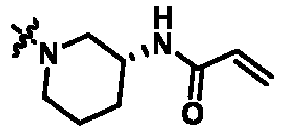 | I | 21 | 3690 |
| 11 |  | I | 0.6 | ND |
| 12 |  | I | 0.6 | 1276 |
| 13 |  | I | 16 | ND |
 | IC50 (nM) | |||
| No. | R | Preparation Scheme | K mATP | 1mM |
| 14 |  | I | 21 | ND |
| 15 |  | I | 104 | ND |
| 16 |  | I | 0.4 | 210 |
| 17 |  | I | 19 | 709 |
| 18 |  | I | 0.8 | 212 |
 | IC50 (nM) | ||||
| NO. | R1 | R2 | Preparation Scheme | K m ATP | 1mM |
| 19 |  |  | 2.0 | 584 | |
| 20 | 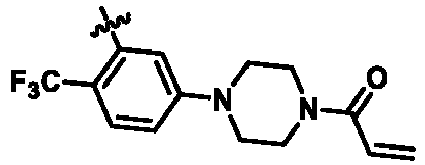 |  | II | 2.8 | 817 |
| 21 |  |  | II | 5.4 | 895 |
| 22 | 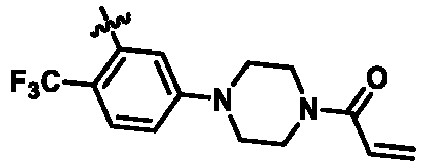 |  | II | 7.5 | 650 |
| 23 |  |  | II | 4.0 | 750 |
| 25 |  |  | III | 894 | ND |
| 26 |  |  | III | 873 | ND |
| 27 |  |  | III | 232 | ND |
| 28 |  |  | III | 52 | ND |
| 29 |  |  | III | 21 | |
| 30 |  |  | III | 4.3 | 450 |
| 31 |  |  | I | 0.4 | 332 |
| 32 |  |  | I | 0.4 | 80 |
| 33 |  |  | I | <0.1 | 90 |
| 34 | 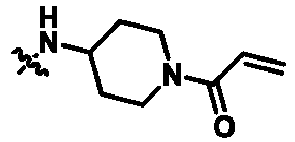 |  | IV | 1777 | ND |
| 35 |  |  | I | 27 | 1000 |
| 36 |  |  | I | 6 | 210 |
| ND: not determined. |
Claims (8)
- A compound of Formula I or a pharmaceutically acceptable salt thereof,
 Rh is H or methyl, preferably H;Rg is CH, -C-Rf or N, preferably CH;Rf is a substituent, preferably selected from methyl or halogen (such as F, Cl, Br or I);m is 0, 1, 2 or 3, preferably 0 or 1, more preferably 0;Re is an electron-withdrawing group selected from the group consisting of tertiary amine cations (-N+R'3, wherein R' is independently selected from H and C1-C6 alkyl), nitro (-NO2), trihalomethyl (-CX3, X=F, Cl, Br or I), halogen (such as F, Cl, Br and I), formyl(-CHO), acyl (-CO-C1-4 alkyl), carboxyl (-COOH), cyano (-CN) and sulfonic acid group (-SO3H);Rd is alkenyl or alkynyl, for example, having 2, 3, 4, 5 or 6 carbon atoms;Ra, Rb and Rc are selected from the following combinations:(1) Rb is C1-C4 alkylene (e.g. C1-C3 alkylene, such as methylene, ethylidene, 1,3-propylidene), and
Ra and Rc are hydrogen or C1-C6 alkyl (e.g. C1-C4 alkyl, such as methyl, ethyl, n-propyl, isopropyl, n-butyl, tert-butyl);(2) Rb is C1-C4 alkylene (e.g. C1-C3 alkylene, such as methylene, ethylidene, 1,3-propylidene), and
Ra and Rc are attached together to form C2-C4 alkylene (e.g. C2-C3 alkylene, such as ethylidene, 1,3-propylidene);(3) Ra is hydrogen or C1-C6 alkyl (e.g. C1-C4 alkyl, such as methyl, ethyl, n-propyl, isopropyl, n-butyl, tert-butyl), and
Rb and Rc together with the N atom to which they are attached form a 5- or 6-membered saturated heterocyclic ring containing a N atom;(4) Rc is hydrogen or C1-C6 alkyl (e.g. C1-C4 alkyl, such as methyl, ethyl, n-propyl, isopropyl, n-butyl, tert-butyl), andRa and Rb together with the N atom to which they are attached form a 5- or 6-membered saturated heterocyclic ring containing a N atom. - The compound or a pharmaceutically acceptable salt thereof according to claim 1,
wherein -N(Ra)-Rb-N(Rc)- forms

- The compound or a pharmaceutically acceptable salt thereof according to any one of claims 1 to 2, wherein Rh is H, Rg is CH, and m is 0.
- The compound or a pharmaceutically acceptable salts thereof according to any one of claims 1 to 3, wherein Re is -NO2.
- The compound or a pharmaceutically acceptable salt thereof according to any one of claims 1 to 4, wherein Rd is vinyl.
- A compound of Formula II or a pharmaceutically acceptable salt thereof:

- A pharmaceutical composition comprising the compound of Formula I or a pharmaceutically acceptable salt thereof according to any one of claims 1 to 5, or the compound of Formula II or a pharmaceutically acceptable salt thereof according to claim 6, and a pharmaceutically acceptable carrier.
- Use of the compound of Formula I or a pharmaceutically acceptable salt thereof according to any one of claims 1 to 5, the compound of Formula II or a pharmaceutically acceptable salt thereof according to claim 6, or the pharmaceutical composition according to claim 3 in the manufacture of a medicament for treating an inflammation such as rheumatoid arthritis.
Applications Claiming Priority (2)
| Application Number | Priority Date | Filing Date | Title |
|---|---|---|---|
| CN201810535993.0A CN110551103B (en) | 2018-05-30 | 2018-05-30 | JAK3 selective inhibitor |
| PCT/CN2019/089213 WO2019228442A1 (en) | 2018-05-30 | 2019-05-30 | Jak3 selective inhibitor |
Publications (4)
| Publication Number | Publication Date |
|---|---|
| EP3805214A1 true EP3805214A1 (en) | 2021-04-14 |
| EP3805214A4 EP3805214A4 (en) | 2021-10-13 |
| EP3805214C0 EP3805214C0 (en) | 2023-07-05 |
| EP3805214B1 EP3805214B1 (en) | 2023-07-05 |
Family
ID=68698541
Family Applications (1)
| Application Number | Title | Priority Date | Filing Date |
|---|---|---|---|
| EP19809988.9A Active EP3805214B1 (en) | 2018-05-30 | 2019-05-30 | Jak3 selective inhibitor |
Country Status (9)
| Country | Link |
|---|---|
| US (1) | US11578060B2 (en) |
| EP (1) | EP3805214B1 (en) |
| JP (1) | JP7443252B2 (en) |
| KR (1) | KR20210023902A (en) |
| CN (1) | CN110551103B (en) |
| AU (1) | AU2019278104B2 (en) |
| CA (1) | CA3101525A1 (en) |
| ES (1) | ES2958835T3 (en) |
| WO (1) | WO2019228442A1 (en) |
Family Cites Families (6)
| Publication number | Priority date | Publication date | Assignee | Title |
|---|---|---|---|---|
| EP2070921A1 (en) | 2000-11-07 | 2009-06-17 | Novartis Ag | Indolylmaleimide derivatives as protein kinase c inhibitors |
| TW200918046A (en) * | 2002-04-03 | 2009-05-01 | Novartis Ag | Indolylmaleimide derivatives |
| GB0303319D0 (en) * | 2003-02-13 | 2003-03-19 | Novartis Ag | Organic compounds |
| US7691861B2 (en) | 2004-01-19 | 2010-04-06 | Novartis Ag | Indolymaleimide derivatives |
| GB0410713D0 (en) * | 2004-05-13 | 2004-06-16 | Novartis Ag | Organic compounds |
| BR112015009214A2 (en) * | 2012-11-07 | 2017-07-04 | Novartis Ag | substituted indole derivatives |
-
2018
- 2018-05-30 CN CN201810535993.0A patent/CN110551103B/en active Active
-
2019
- 2019-05-30 ES ES19809988T patent/ES2958835T3/en active Active
- 2019-05-30 US US17/059,211 patent/US11578060B2/en active Active
- 2019-05-30 WO PCT/CN2019/089213 patent/WO2019228442A1/en not_active Ceased
- 2019-05-30 CA CA3101525A patent/CA3101525A1/en active Pending
- 2019-05-30 AU AU2019278104A patent/AU2019278104B2/en not_active Expired - Fee Related
- 2019-05-30 JP JP2020566808A patent/JP7443252B2/en active Active
- 2019-05-30 KR KR1020207037750A patent/KR20210023902A/en not_active Ceased
- 2019-05-30 EP EP19809988.9A patent/EP3805214B1/en active Active
Also Published As
| Publication number | Publication date |
|---|---|
| CN110551103B (en) | 2022-08-23 |
| KR20210023902A (en) | 2021-03-04 |
| JP7443252B2 (en) | 2024-03-05 |
| CA3101525A1 (en) | 2019-12-05 |
| AU2019278104B2 (en) | 2024-05-23 |
| WO2019228442A1 (en) | 2019-12-05 |
| ES2958835T3 (en) | 2024-02-15 |
| EP3805214C0 (en) | 2023-07-05 |
| CN110551103A (en) | 2019-12-10 |
| EP3805214A4 (en) | 2021-10-13 |
| US20210214344A1 (en) | 2021-07-15 |
| EP3805214B1 (en) | 2023-07-05 |
| US11578060B2 (en) | 2023-02-14 |
| JP2021526144A (en) | 2021-09-30 |
| AU2019278104A1 (en) | 2020-12-17 |
Similar Documents
| Publication | Publication Date | Title |
|---|---|---|
| KR102216479B1 (en) | Alkylpyrimidine derivatives for the treatment of viral infections and further diseases | |
| EP4038063B1 (en) | Heterocyclic compounds for inhibiting tyk2 activities | |
| KR20140129011A (en) | Piperidino-pyrimidine derivatives for the treatment of viral infections | |
| ES2846741T3 (en) | New aminoimidazopyridine derivatives as Janus kinase inhibitors and their pharmaceutical use | |
| CA3105485C (en) | Pyrrolo[1,2-b]pyridazine derivatives | |
| CN115872927A (en) | AAK1 inhibitors and uses thereof | |
| US10501466B2 (en) | WDR5 inhibitors and modulators | |
| JP2023520595A (en) | Pyrazolopyridazinone compound, pharmaceutical composition thereof and use thereof | |
| WO2021193756A1 (en) | Novel benzimidazole derivative | |
| EP3805214B1 (en) | Jak3 selective inhibitor | |
| HK40048079A (en) | Jak3 selective inhibitor | |
| HK40048079B (en) | Jak3 selective inhibitor | |
| EP3818060B1 (en) | Novel amino-imidazopyrimidine derivatives as janus kinase inhibitors and pharmaceutical use thereof | |
| TW202227434A (en) | Novel jak inhibitor compounds, method for synthesizing same and use thereof | |
| BR112019014191B1 (en) | Pharmaceutical compound and composition | |
| JP2019089710A (en) | Imidazole compound and medicine containing the same | |
| NZ754320B2 (en) | Pyrrolo[3,2-d]pyrimidine derivatives for the treatment of viral infections and other diseases |
Legal Events
| Date | Code | Title | Description |
|---|---|---|---|
| STAA | Information on the status of an ep patent application or granted ep patent |
Free format text: STATUS: THE INTERNATIONAL PUBLICATION HAS BEEN MADE |
|
| PUAI | Public reference made under article 153(3) epc to a published international application that has entered the european phase |
Free format text: ORIGINAL CODE: 0009012 |
|
| STAA | Information on the status of an ep patent application or granted ep patent |
Free format text: STATUS: REQUEST FOR EXAMINATION WAS MADE |
|
| 17P | Request for examination filed |
Effective date: 20210105 |
|
| AK | Designated contracting states |
Kind code of ref document: A1 Designated state(s): AL AT BE BG CH CY CZ DE DK EE ES FI FR GB GR HR HU IE IS IT LI LT LU LV MC MK MT NL NO PL PT RO RS SE SI SK SM TR |
|
| AX | Request for extension of the european patent |
Extension state: BA ME |
|
| DAV | Request for validation of the european patent (deleted) | ||
| DAX | Request for extension of the european patent (deleted) | ||
| A4 | Supplementary search report drawn up and despatched |
Effective date: 20210910 |
|
| RIC1 | Information provided on ipc code assigned before grant |
Ipc: A61P 29/00 20060101ALI20210906BHEP Ipc: A61P 19/02 20060101ALI20210906BHEP Ipc: A61K 31/4725 20060101ALI20210906BHEP Ipc: A61K 31/4709 20060101ALI20210906BHEP Ipc: A61K 31/404 20060101ALI20210906BHEP Ipc: C07D 471/04 20060101ALI20210906BHEP Ipc: C07D 403/14 20060101ALI20210906BHEP Ipc: C07D 403/04 20060101ALI20210906BHEP Ipc: C07D 401/14 20060101AFI20210906BHEP |
|
| REG | Reference to a national code |
Ref country code: HK Ref legal event code: DE Ref document number: 40048079 Country of ref document: HK |
|
| REG | Reference to a national code |
Ref country code: DE Ref legal event code: R079 Ref document number: 602019032268 Country of ref document: DE Free format text: PREVIOUS MAIN CLASS: C07D0403040000 Ipc: C07D0401140000 |
|
| RIC1 | Information provided on ipc code assigned before grant |
Ipc: A61P 29/00 20060101ALI20220928BHEP Ipc: A61P 19/02 20060101ALI20220928BHEP Ipc: A61K 31/4725 20060101ALI20220928BHEP Ipc: A61K 31/4709 20060101ALI20220928BHEP Ipc: A61K 31/404 20060101ALI20220928BHEP Ipc: C07D 471/04 20060101ALI20220928BHEP Ipc: C07D 403/14 20060101ALI20220928BHEP Ipc: C07D 403/04 20060101ALI20220928BHEP Ipc: C07D 401/14 20060101AFI20220928BHEP |
|
| GRAP | Despatch of communication of intention to grant a patent |
Free format text: ORIGINAL CODE: EPIDOSNIGR1 |
|
| STAA | Information on the status of an ep patent application or granted ep patent |
Free format text: STATUS: GRANT OF PATENT IS INTENDED |
|
| INTG | Intention to grant announced |
Effective date: 20230116 |
|
| GRAS | Grant fee paid |
Free format text: ORIGINAL CODE: EPIDOSNIGR3 |
|
| GRAA | (expected) grant |
Free format text: ORIGINAL CODE: 0009210 |
|
| STAA | Information on the status of an ep patent application or granted ep patent |
Free format text: STATUS: THE PATENT HAS BEEN GRANTED |
|
| AK | Designated contracting states |
Kind code of ref document: B1 Designated state(s): AL AT BE BG CH CY CZ DE DK EE ES FI FR GB GR HR HU IE IS IT LI LT LU LV MC MK MT NL NO PL PT RO RS SE SI SK SM TR |
|
| REG | Reference to a national code |
Ref country code: CH Ref legal event code: EP |
|
| REG | Reference to a national code |
Ref country code: AT Ref legal event code: REF Ref document number: 1584757 Country of ref document: AT Kind code of ref document: T Effective date: 20230715 |
|
| REG | Reference to a national code |
Ref country code: DE Ref legal event code: R096 Ref document number: 602019032268 Country of ref document: DE |
|
| REG | Reference to a national code |
Ref country code: IE Ref legal event code: FG4D |
|
| U01 | Request for unitary effect filed |
Effective date: 20230804 |
|
| U07 | Unitary effect registered |
Designated state(s): AT BE BG DE DK EE FI FR IT LT LU LV MT NL PT SE SI Effective date: 20230809 |
|
| REG | Reference to a national code |
Ref country code: LT Ref legal event code: MG9D |
|
| PG25 | Lapsed in a contracting state [announced via postgrant information from national office to epo] |
Ref country code: GR Free format text: LAPSE BECAUSE OF FAILURE TO SUBMIT A TRANSLATION OF THE DESCRIPTION OR TO PAY THE FEE WITHIN THE PRESCRIBED TIME-LIMIT Effective date: 20231006 |
|
| PG25 | Lapsed in a contracting state [announced via postgrant information from national office to epo] |
Ref country code: IS Free format text: LAPSE BECAUSE OF FAILURE TO SUBMIT A TRANSLATION OF THE DESCRIPTION OR TO PAY THE FEE WITHIN THE PRESCRIBED TIME-LIMIT Effective date: 20231105 |
|
| PG25 | Lapsed in a contracting state [announced via postgrant information from national office to epo] |
Ref country code: RS Free format text: LAPSE BECAUSE OF FAILURE TO SUBMIT A TRANSLATION OF THE DESCRIPTION OR TO PAY THE FEE WITHIN THE PRESCRIBED TIME-LIMIT Effective date: 20230705 Ref country code: NO Free format text: LAPSE BECAUSE OF FAILURE TO SUBMIT A TRANSLATION OF THE DESCRIPTION OR TO PAY THE FEE WITHIN THE PRESCRIBED TIME-LIMIT Effective date: 20231005 Ref country code: IS Free format text: LAPSE BECAUSE OF FAILURE TO SUBMIT A TRANSLATION OF THE DESCRIPTION OR TO PAY THE FEE WITHIN THE PRESCRIBED TIME-LIMIT Effective date: 20231105 Ref country code: HR Free format text: LAPSE BECAUSE OF FAILURE TO SUBMIT A TRANSLATION OF THE DESCRIPTION OR TO PAY THE FEE WITHIN THE PRESCRIBED TIME-LIMIT Effective date: 20230705 Ref country code: GR Free format text: LAPSE BECAUSE OF FAILURE TO SUBMIT A TRANSLATION OF THE DESCRIPTION OR TO PAY THE FEE WITHIN THE PRESCRIBED TIME-LIMIT Effective date: 20231006 |
|
| REG | Reference to a national code |
Ref country code: ES Ref legal event code: FG2A Ref document number: 2958835 Country of ref document: ES Kind code of ref document: T3 Effective date: 20240215 |
|
| PG25 | Lapsed in a contracting state [announced via postgrant information from national office to epo] |
Ref country code: PL Free format text: LAPSE BECAUSE OF FAILURE TO SUBMIT A TRANSLATION OF THE DESCRIPTION OR TO PAY THE FEE WITHIN THE PRESCRIBED TIME-LIMIT Effective date: 20230705 |
|
| REG | Reference to a national code |
Ref country code: DE Ref legal event code: R097 Ref document number: 602019032268 Country of ref document: DE |
|
| PG25 | Lapsed in a contracting state [announced via postgrant information from national office to epo] |
Ref country code: SM Free format text: LAPSE BECAUSE OF FAILURE TO SUBMIT A TRANSLATION OF THE DESCRIPTION OR TO PAY THE FEE WITHIN THE PRESCRIBED TIME-LIMIT Effective date: 20230705 Ref country code: RO Free format text: LAPSE BECAUSE OF FAILURE TO SUBMIT A TRANSLATION OF THE DESCRIPTION OR TO PAY THE FEE WITHIN THE PRESCRIBED TIME-LIMIT Effective date: 20230705 Ref country code: CZ Free format text: LAPSE BECAUSE OF FAILURE TO SUBMIT A TRANSLATION OF THE DESCRIPTION OR TO PAY THE FEE WITHIN THE PRESCRIBED TIME-LIMIT Effective date: 20230705 Ref country code: SK Free format text: LAPSE BECAUSE OF FAILURE TO SUBMIT A TRANSLATION OF THE DESCRIPTION OR TO PAY THE FEE WITHIN THE PRESCRIBED TIME-LIMIT Effective date: 20230705 |
|
| PLBE | No opposition filed within time limit |
Free format text: ORIGINAL CODE: 0009261 |
|
| STAA | Information on the status of an ep patent application or granted ep patent |
Free format text: STATUS: NO OPPOSITION FILED WITHIN TIME LIMIT |
|
| 26N | No opposition filed |
Effective date: 20240408 |
|
| REG | Reference to a national code |
Ref country code: CH Ref legal event code: PL |
|
| PG25 | Lapsed in a contracting state [announced via postgrant information from national office to epo] |
Ref country code: MC Free format text: LAPSE BECAUSE OF FAILURE TO SUBMIT A TRANSLATION OF THE DESCRIPTION OR TO PAY THE FEE WITHIN THE PRESCRIBED TIME-LIMIT Effective date: 20230705 |
|
| U90 | Renewal fees not paid: noting of loss of rights |
Free format text: RENEWAL FEE NOT PAID FOR YEAR 06 Effective date: 20241217 |
|
| GBPC | Gb: european patent ceased through non-payment of renewal fee |
Effective date: 20240530 |
|
| PG25 | Lapsed in a contracting state [announced via postgrant information from national office to epo] |
Ref country code: MC Free format text: LAPSE BECAUSE OF FAILURE TO SUBMIT A TRANSLATION OF THE DESCRIPTION OR TO PAY THE FEE WITHIN THE PRESCRIBED TIME-LIMIT Effective date: 20230705 Ref country code: CH Free format text: LAPSE BECAUSE OF NON-PAYMENT OF DUE FEES Effective date: 20240531 |
|
| U93 | Unitary patent lapsed |
Free format text: RENEWAL FEE NOT PAID Effective date: 20240531 |
|
| PG25 | Lapsed in a contracting state [announced via postgrant information from national office to epo] |
Ref country code: IE Free format text: LAPSE BECAUSE OF NON-PAYMENT OF DUE FEES Effective date: 20240530 |
|
| PG25 | Lapsed in a contracting state [announced via postgrant information from national office to epo] |
Ref country code: GB Free format text: LAPSE BECAUSE OF NON-PAYMENT OF DUE FEES Effective date: 20240530 |
|
| REG | Reference to a national code |
Ref country code: ES Ref legal event code: FD2A Effective date: 20250627 |
|
| PG25 | Lapsed in a contracting state [announced via postgrant information from national office to epo] |
Ref country code: ES Free format text: LAPSE BECAUSE OF NON-PAYMENT OF DUE FEES Effective date: 20240531 |
|
| PG25 | Lapsed in a contracting state [announced via postgrant information from national office to epo] |
Ref country code: CY Free format text: LAPSE BECAUSE OF FAILURE TO SUBMIT A TRANSLATION OF THE DESCRIPTION OR TO PAY THE FEE WITHIN THE PRESCRIBED TIME-LIMIT; INVALID AB INITIO Effective date: 20190530 |
|
| PG25 | Lapsed in a contracting state [announced via postgrant information from national office to epo] |
Ref country code: HU Free format text: LAPSE BECAUSE OF FAILURE TO SUBMIT A TRANSLATION OF THE DESCRIPTION OR TO PAY THE FEE WITHIN THE PRESCRIBED TIME-LIMIT; INVALID AB INITIO Effective date: 20190530 |