EP3804733A1 - Composition for inflammatory gastrointestinal disorders - Google Patents
Composition for inflammatory gastrointestinal disorders Download PDFInfo
- Publication number
- EP3804733A1 EP3804733A1 EP19815925.3A EP19815925A EP3804733A1 EP 3804733 A1 EP3804733 A1 EP 3804733A1 EP 19815925 A EP19815925 A EP 19815925A EP 3804733 A1 EP3804733 A1 EP 3804733A1
- Authority
- EP
- European Patent Office
- Prior art keywords
- composition
- item
- concentration
- composition according
- solvent
- Prior art date
- Legal status (The legal status is an assumption and is not a legal conclusion. Google has not performed a legal analysis and makes no representation as to the accuracy of the status listed.)
- Granted
Links
Images

Classifications
-
- A—HUMAN NECESSITIES
- A61—MEDICAL OR VETERINARY SCIENCE; HYGIENE
- A61K—PREPARATIONS FOR MEDICAL, DENTAL OR TOILETRY PURPOSES
- A61K33/00—Medicinal preparations containing inorganic active ingredients
-
- A—HUMAN NECESSITIES
- A61—MEDICAL OR VETERINARY SCIENCE; HYGIENE
- A61K—PREPARATIONS FOR MEDICAL, DENTAL OR TOILETRY PURPOSES
- A61K47/00—Medicinal preparations characterised by the non-active ingredients used, e.g. carriers or inert additives; Targeting or modifying agents chemically bound to the active ingredient
- A61K47/06—Organic compounds, e.g. natural or synthetic hydrocarbons, polyolefins, mineral oil, petrolatum or ozokerite
- A61K47/08—Organic compounds, e.g. natural or synthetic hydrocarbons, polyolefins, mineral oil, petrolatum or ozokerite containing oxygen, e.g. ethers, acetals, ketones, quinones, aldehydes, peroxides
- A61K47/14—Esters of carboxylic acids, e.g. fatty acid monoglycerides, medium-chain triglycerides, parabens or PEG fatty acid esters
-
- A—HUMAN NECESSITIES
- A61—MEDICAL OR VETERINARY SCIENCE; HYGIENE
- A61K—PREPARATIONS FOR MEDICAL, DENTAL OR TOILETRY PURPOSES
- A61K9/00—Medicinal preparations characterised by special physical form
- A61K9/0012—Galenical forms characterised by the site of application
- A61K9/0031—Rectum, anus
-
- A—HUMAN NECESSITIES
- A61—MEDICAL OR VETERINARY SCIENCE; HYGIENE
- A61K—PREPARATIONS FOR MEDICAL, DENTAL OR TOILETRY PURPOSES
- A61K9/00—Medicinal preparations characterised by special physical form
- A61K9/0012—Galenical forms characterised by the site of application
- A61K9/0053—Mouth and digestive tract, i.e. intraoral and peroral administration
-
- A—HUMAN NECESSITIES
- A61—MEDICAL OR VETERINARY SCIENCE; HYGIENE
- A61K—PREPARATIONS FOR MEDICAL, DENTAL OR TOILETRY PURPOSES
- A61K9/00—Medicinal preparations characterised by special physical form
- A61K9/08—Solutions
-
- A—HUMAN NECESSITIES
- A61—MEDICAL OR VETERINARY SCIENCE; HYGIENE
- A61P—SPECIFIC THERAPEUTIC ACTIVITY OF CHEMICAL COMPOUNDS OR MEDICINAL PREPARATIONS
- A61P1/00—Drugs for disorders of the alimentary tract or the digestive system
- A61P1/04—Drugs for disorders of the alimentary tract or the digestive system for ulcers, gastritis or reflux esophagitis, e.g. antacids, inhibitors of acid secretion, mucosal protectants
-
- A—HUMAN NECESSITIES
- A61—MEDICAL OR VETERINARY SCIENCE; HYGIENE
- A61P—SPECIFIC THERAPEUTIC ACTIVITY OF CHEMICAL COMPOUNDS OR MEDICINAL PREPARATIONS
- A61P1/00—Drugs for disorders of the alimentary tract or the digestive system
- A61P1/10—Laxatives
-
- A—HUMAN NECESSITIES
- A61—MEDICAL OR VETERINARY SCIENCE; HYGIENE
- A61P—SPECIFIC THERAPEUTIC ACTIVITY OF CHEMICAL COMPOUNDS OR MEDICINAL PREPARATIONS
- A61P29/00—Non-central analgesic, antipyretic or antiinflammatory agents, e.g. antirheumatic agents; Non-steroidal antiinflammatory drugs [NSAID]
Definitions
- the present invention relates to, for example, a composition for preventing and/or treating inflammatory gastrointestinal diseases.
- CO carbon monoxide
- NPL Takagi, et al., Med Gas Res. 2012 Sep 3;2 (1): 23
- An object of the present invention is to provide a more efficient means capable of treating inflammatory gastrointestinal diseases using CO.
- the present inventors found that the preventive and/or therapeutic effect on inflammatory gastrointestinal diseases based on CO remarkably improves when the CO concentration used exceeds a specific concentration. The inventors made further improvements and completed the present invention.
- the present invention encompasses the subject matter described in the following items.
- the composition for preventing and/or treating inflammatory gastrointestinal diseases encompassed by the present invention exhibits a significantly greater preventive and/or therapeutic effect compared to previously. Therefore, a further effect can also be obtained; i.e., the number of times the composition is administered can be reduced.
- a preventive and/or therapeutic composition is administered by enema. Since enema administration imposes a huge burden on patients, a reduction in the number of times the composition is administered is greatly advantageous.
- composition for preventing and/or treating inflammatory gastrointestinal diseases encompassed by the present invention comprises carbon monoxide (CO) and a solvent.
- CO carbon monoxide
- This composition may be referred to as "the composition of the present invention.”
- the solvent is not particularly limited as long as it can retain (preferably dissolve) CO.
- Examples include water, organic solvents, and liquid mixtures of these.
- the liquid mixtures can be homogeneous or heterogeneous.
- organic solvents include saturated aliphatic hydrocarbons, fatty acids, vegetable oils, carboxylic acid esters, alcohols, ethers, ketones, glycols, fatty acid esters, and the like.
- fatty acid esters include esters of fatty acids containing 12 to 18 carbon atoms and alkyl alcohols containing 1 to 20 carbon atoms.
- the alkyl alcohol preferably contains 1 to 6 carbon atoms from the viewpoint of economy, safety, etc.
- the fatty acids may be saturated fatty acids or unsaturated fatty acids (preferably containing 1, 2, or 3 unsaturated bonds). More specific examples include lauric acid, myristic acid, palmitic acid, stearic acid, oleic acid, and the like.
- the alkyl alcohol may be straight-chain or branched-chain alkyl alcohol. More specific examples include methanol, ethanol, n-propanol, isopropanol, n-butanol, isobutanol, n-pentanol, isopentanol, n-hexanol, isohexanol, and the like.
- fatty acid esters include isopropyl myristate, isopropyl palmitate, and the like.
- organic solvents other than fatty acid esters include diisopropyl adipate, acetone, benzyl benzoate, isopropanol, fennel oil, almond oil, ethanol, ethylene glycol, 2-ethyl-1,3-hexanediol, diethyl ether, octyldodecanol, olive oil, oleic acid, glycerin fatty acid ester, crotamiton, geraniol-modified alcohol, synthetic squalane, sesame oil, wheat germ oil, ethyl acetate, normal butyl acetate, safflower oil, safflower oil fatty acid, ethylene glycol salicylate, diisopropanolamine, diethylene glycol, diethylene glycol monobutyl ether, diethylene glycol
- composition of the present invention is preferably a liquid composition.
- the composition of the present invention contains CO in a concentration of 800 ⁇ M or more.
- the CO concentration may be, for example, 850 ⁇ M or more, 900 ⁇ M or more, 950 ⁇ M or more, 1000 ⁇ M or more, 1050 ⁇ M or more, 1100 ⁇ M or more, 1150 ⁇ M or more, 1200 ⁇ M or more, 1250 ⁇ M or more, 1300 ⁇ M or more, 1350 ⁇ M or more, 1400 ⁇ M or more, 1450 ⁇ M or more, or 1500 ⁇ M or more.
- the CO concentration is preferably 1000 ⁇ M or more.
- the upper limit of the CO concentration is not particularly limited, and CO can be incorporated into the solvent until saturation is achieved. The upper limit is, for example, 10000 ⁇ M or less, 9500 ⁇ M or less, or 9000 ⁇ M or less.
- a composition with a high CO concentration for example, simply bringing CO into contact with, or blowing CO into, a solvent under ordinary pressure is usually insufficient.
- the composition of the present invention is preferably used for preventing and/or treating inflammatory gastrointestinal diseases.
- the inflammatory gastrointestinal diseases are preferably inflammatory diseases of, for example, the stomach or intestine.
- the intestine includes the small intestine, large intestine, duodenum, and the like.
- the composition of the present invention is particularly preferably applied to inflammatory bowel diseases.
- the inflammatory bowel diseases usually represent, in a narrow sense, ulcerative colitis (UC) and Crohn's disease (CD), which are persistent inflammatory bowel diseases.
- UC ulcerative colitis
- CD Crohn's disease
- the inflammatory bowel diseases are understood as a concept including diseases caused by pathogenic microorganisms, drugs, blood circulation disorders, or radiation, and diseases caused by, for example, chemical and/or physical factors.
- “Inflammatory bowel diseases” as used herein represents the broad concept unless otherwise specified.
- the composition of the present invention can be particularly preferably used for ulcerative colitis.
- composition of the present invention can be applied not only to humans but also to non-human mammals.
- non-human mammals include mice, rats, cats, dogs, monkeys, cows, horses, and the like.
- the administration method of the composition of the present invention include oral administration and transanal administration.
- the composition of the present invention may be, for example, an oral composition or a transanal composition.
- the inflammatory disease site for prevention and/or treatment by oral administration is preferably the stomach, duodenum, small intestine, or large intestine.
- the inflammatory disease site for prevention and/or treatment by transanal administration is preferably the duodenum, small intestine, or large intestine.
- the composition of the present invention is preferably an enteric oral composition.
- This composition can be prepared by known methods for producing an enteric oral composition or methods obvious from these methods.
- the composition can be prepared by encapsulating a composition comprising CO and a solvent into an enteric-coated capsule.
- the composition of the present invention is preferably an enema composition.
- the enema composition may be a liquid formulation or a foam-like formulation (enema foam formulation).
- the enema-foam-like formulation can be applied to the intestine by ejecting a mixture of a liquid composition and an injection gas from a spray nozzle.
- a spray nozzle For ejection, in particular, it is often the case that the liquid composition and the injection gas are mixed in a spray bottle immediately before ejection.
- Compositions that have a CO concentration of 800 ⁇ M or more as a result of mixing the liquid composition and the injection gas are encompassed by the present invention. As long as the resulting composition has a CO concentration of 800 ⁇ M or more after the liquid composition and the injection gas are mixed, CO may be contained in the liquid composition or the injection gas, or both.
- composition of the present invention can be preferably used as a pharmaceutical composition.
- the composition of the present invention is an oral composition
- the composition can also be used as a food composition.
- composition of the present invention can be administered, for example, once or multiple times (for example, 2 or 3 times) per day.
- the dose can be set appropriately.
- the amount of the composition is preferably about 10 to 500 cc/day.
- composition of the present invention has a markedly improved preventive and/or therapeutic effect on inflammatory gastrointestinal diseases; therefore, according to the severity of the symptom (i.e., when the symptom is not so serious), a single administration (administration performed only once) can provide a sufficient preventive and/or therapeutic effect, and is preferable.
- composition of the present invention may further comprise a thickener.
- thickeners include monosaccharides and derivatives thereof, polysaccharides and derivatives thereof, fatty acids, amino acids and derivatives thereof, sugar alcohols, fatty acid esters, saturated aliphatic hydrocarbons, aliphatic alcohols, inorganic compounds, and the like.
- xanthan gum examples include xanthan gum, gum arabic, guar gum, carrageenan, gellan gum, agar, locust bean gum, carbomer (carboxyvinyl polymer), carboxymethyl cellulose, sodium carboxyethyl cellulose, shellac, methyl cellulose, hydroxyethyl cellulose, hydroxypropyl cellulose, hydroxypropylmethyl cellulose, polyvinylpyrrolidone, polyvinyl alcohol, acrylic acid-alkyl methacrylate copolymer, polyacrylic acid salt, sodium alginate, propylene glycol alginate, ethyl cellulose, sodium carboxymethyl cellulose, magnesium aluminum silicate, sodium chondroitin sulfate, ⁇ -cyclodextrin, concentrated glycerin, polyethylene glycol, liquid paraffin, carob bean gum, glucono- ⁇ -lactone, light anhydrous silicic acid, squalane, stearyl alcohol, aluminum stearate,
- composition of the present invention may further comprise other components as long as the effect of the present invention is not impaired.
- Other such components may be known components.
- components known to be used in oral administration compositions or transanal administration compositions can be used. Examples include disintegrating agents, lubricants (anti-aggregation agents), fluidizing agents, pH-adjusting agents, tonicity agents, absorption promoters, coloring agents, flavoring agents, antioxidants, antibacterial agents, preservatives, and the like.
- disintegrating agents include carmellose calcium, low-substituted hydroxypropylcellulose, carmellose, croscarmellose sodium, partially pregelatinized starch, dried starch, sodium carboxymethyl starch, crospovidone, polysorbate 80 (polyoxyethylene sorbitan oleate), and the like.
- lubricants examples include talc, magnesium stearate, calcium stearate, colloidal silica, stearic acid, hydrous silicon dioxide, synthetic magnesium silicate, fine-particle silicon oxide, starch, sodium lauryl sulfate, boric acid, magnesium oxide, waxes, hydrogenated oil, polyethylene glycol, sodium benzoate, and the like.
- fluidizing agents examples include silicic acid anhydride and the like.
- pH-adjusting agents include hydrochloric acid, sodium hydroxide, citric acid, anhydrous citric acid, sodium citrate, sodium citrate dihydrate, anhydrous sodium monohydrogen phosphate, anhydrous sodium dihydrogen phosphate, and the like.
- tonicity agents examples include sodium chloride, glucose, D-mannitol, glycerin, and the like.
- absorption promoters examples include quaternary ammonium base, sodium lauryl sulfate, and the like.
- the content of these other components in the composition can be appropriately determined according to their type.
- Table 1 shows the CO concentrations of the obtained CO-containing compositions (solvent: water).
- the CO concentration of the compositions was analyzed by gas chromatography (GC-2014 FID produced by Shimadzu Corporation).
- Isopropyl myristate (Wako first grade, produced by Fujifilm Wako Pure Chemical Corporation) (2.5 mL) was placed in a vial (3 mL, produced by Maruemu Corporation), and the vial was sealed with a rubber stopper and an aluminum seal.
- a gas (N 2 balance) having an arbitrarily adjusted CO concentration was collected in a Tedlar bag (1 L, produced by AS ONE Corporation). The air in the gas phase in the vial was replaced with the gas in the Tedlar bag until pressure reached about 2 atm by using a gas-tight syringe (MS-GAN500, produced by Ito Corporation). Subsequently, the resulting product was allowed to stand until CO in the gas phase was dissolved in the liquid phase to reach equilibrium.
- MS-GAN500 gas-tight syringe
- the CO concentration of the obtained compositions was analyzed by gas chromatography (GC-2014 FID produced by Shimadzu Corporation).
- GC-2014 FID gas chromatography
- ulcerative colitis model rats Wistar rats, male, 6 weeks old
- TNBS trinitrobenzene sulfonic acid
- the model rats administered with the composition that comprised CO in a concentration of 100 ⁇ M or 500 ⁇ M showed a tendency toward reduction in the ulcer area, compared to the model rats that were administered with only water; however, the effect was insufficient.
- the model rats administered with the composition that comprised CO in a concentration of 1000 ⁇ M or 1500 ⁇ M showed a significant reduction in the ulcer area.
- the asterisk (*) indicates a significant difference with respect to the group administered with only water (P ⁇ 0.05).
- Pure water 300 g was placed in a 500-mL poly beaker. While stirring was performed at 400 rpm with a three-one motor (BL-1200, produced by Shinto Scientific Co., Ltd.), 2.79 g of carbomer (Aqupec, 501E, produced by Sumitomo Seika Co., Ltd.) was added and dissolved by stirring at 240 rpm for 5 hours. Thereafter, 15.8 g of 6% sodium hydroxide aqueous solution was added and stirred for 30 minutes to prepare a carbomer aqueous solution. The carbomer aqueous solution (150 mL) was placed in a 200-mL beaker, and the resulting product was allowed to stand in a constant temperature water tank at 25°C for 30 minutes.
- the carbomer aqueous solution (2.5 mL) was placed in a vial (3 mL, produced by Maruemu Corporation), and the vial was sealed with a rubber stopper and an aluminum seal.
- a gas (N 2 balance) having an arbitrarily adjusted CO concentration was collected in a Tedlar bag (1 L, produced by AS ONE Corporation).
- the air in the gas phase in the vial was replaced with the gas in the Tedlar bag until pressure reached about 2 atm by using a gas-tight syringe (MS-GAN500, produced by Ito Corporation).
- MS-GAN500 gas-tight syringe
- the CO concentration of the obtained CO-containing compositions was analyzed by gas chromatography (GC-2014 FID produced by Shimadzu Corporation). When the CO (%) in the gas phase in the Tedlar bag was 100%, the CO concentration of the carbomer aqueous solution was 1500 ⁇ M.
- the model rats were administered by enema with the CO-containing composition that comprised carbomer (CO concentration: 1500 ⁇ M) prepared as described above. More specifically, the completion date of preparation of the model rats was set as the test start date, and 1 mL of the CO-containing composition was administered by enema only on day 1.
Landscapes
- Health & Medical Sciences (AREA)
- Chemical & Material Sciences (AREA)
- Medicinal Chemistry (AREA)
- Pharmacology & Pharmacy (AREA)
- Life Sciences & Earth Sciences (AREA)
- Animal Behavior & Ethology (AREA)
- General Health & Medical Sciences (AREA)
- Public Health (AREA)
- Veterinary Medicine (AREA)
- Epidemiology (AREA)
- General Chemical & Material Sciences (AREA)
- Chemical Kinetics & Catalysis (AREA)
- Engineering & Computer Science (AREA)
- Nuclear Medicine, Radiotherapy & Molecular Imaging (AREA)
- Organic Chemistry (AREA)
- Bioinformatics & Cheminformatics (AREA)
- Oil, Petroleum & Natural Gas (AREA)
- Inorganic Chemistry (AREA)
- Physiology (AREA)
- Nutrition Science (AREA)
- Pain & Pain Management (AREA)
- Rheumatology (AREA)
- Medicinal Preparation (AREA)
- Acyclic And Carbocyclic Compounds In Medicinal Compositions (AREA)
- Pharmaceuticals Containing Other Organic And Inorganic Compounds (AREA)
Abstract
Description
- The present invention relates to, for example, a composition for preventing and/or treating inflammatory gastrointestinal diseases.
- It is gradually becoming clear that carbon monoxide (CO) acts as a chemical mediator in the body. For example, it has been reported that direct inhalation of CO (gas) into rats inhibited colitis, and that transanal administration of CO solution inhibited ulcer formation in a rat model of enteritis.
- PTL 1:
JP2008-179569A - NPL: Takagi, et al., Med Gas Res. 2012 Sep 3;2 (1): 23
- However, the treatment of inflammatory gastrointestinal diseases using CO as described above has not yet achieved a sufficient effect.
- An object of the present invention is to provide a more efficient means capable of treating inflammatory gastrointestinal diseases using CO.
- The present inventors found that the preventive and/or therapeutic effect on inflammatory gastrointestinal diseases based on CO remarkably improves when the CO concentration used exceeds a specific concentration. The inventors made further improvements and completed the present invention.
- For example, the present invention encompasses the subject matter described in the following items.
- Item 1. A composition for preventing and/or treating inflammatory gastrointestinal diseases, the composition comprising carbon monoxide and a solvent, the CO concentration being 800 µM or more.
- Item 2. The composition according to Item 1, wherein the inflammatory gastrointestinal diseases are inflammatory diseases of the stomach, duodenum, small intestine, or large intestine.
- Item 3. The composition according to Item 1 or 2, which is an oral composition or a transanal composition.
- Item 4. The composition according to any one of Items 1 to 3, wherein the solvent is water.
- Item 5. The composition according to any one of Items 1 to 3, wherein the solvent is isopropyl myristate.
- Item 6. The composition according to any one of Items 1 to 5, further comprising a thickener.
- Item 7. The composition according to any one of Items 1 to 6, wherein the inflammatory gastrointestinal disease is an inflammatory bowel disease.
- Item 8. The composition according to Item 7, wherein the inflammatory bowel disease is an ulcerative colorectal disease.
- Item 9. The composition according to any one of Items 1 to 8, wherein the carbon monoxide concentration is 1000 µM or more.
-
Item 10. The composition according to any one of Items 1 to 9, which is an enema composition (for example, an enema liquid formulation or an enema foam formulation). - Item 11. The composition according to any one of Items 1 to 10, for use in a single administration.
- Item A-1. A method for preventing and/or treating inflammatory gastrointestinal diseases, the method comprising administering to a subject a composition comprising carbon monoxide and a solvent, the CO concentration being 800 µM or more.
- Item A-2. The method according to Item A-1, wherein the inflammatory gastrointestinal diseases are inflammatory diseases of the stomach, duodenum, small intestine, or large intestine.
- Item A-3. The method according to Item A-1 or A-2, wherein the administration is oral administration or transanal administration (preferably enema administration).
- Item A-4. The method according to any one of Items A-1 to A-3, wherein the solvent is water.
- Item A-5. The method according to any one of Items A-1 to A-3, wherein the solvent is isopropyl myristate.
- Item A-6. The method according to any one of Items A-1 to A-5, wherein the composition further comprises a thickener.
- Item A-7. The method according to any one of Items A-1 to A-6, wherein the inflammatory gastrointestinal disease is an inflammatory bowel disease.
- Item A-8. The method according to Item A-7, wherein the inflammatory bowel disease is an ulcerative colorectal disease.
- Item A-9. The method according to any one of Items A-1 to A-8, wherein the concentration of carbon monoxide contained in the composition is 1000 µM or more.
- Item A-10. The method according to any one of Items A-1 to A-9, wherein the composition is an enema liquid formulation or an enema foam formulation.
- Item A-11. The method according to any one of Items A-1 to A-10, wherein the administration is a single administration.
- Item B-1. A composition for use in the prevention and/or treatment of inflammatory gastrointestinal diseases, the composition comprising carbon monoxide and a solvent, the CO concentration being 800 µM or more.
- Item B-2. The composition according to Item B-1, wherein the inflammatory gastrointestinal diseases are inflammatory diseases of the stomach, duodenum, small intestine, or large intestine.
- Item B-3. The composition according to Item B-1 or B-2, which is an oral composition or a transanal composition.
- Item B-4. The composition according to any one of Items B-1 to B-3, wherein the solvent is water.
- Item B-5. The composition according to any one of Items B-1 to B-3, wherein the solvent is isopropyl myristate.
- Item B-6. The composition according to any one of Items B-1 to B-5, further comprising a thickener.
- Item B-7. The composition according to any one of Items B-1 to B-6, wherein the inflammatory gastrointestinal disease is an inflammatory bowel disease.
- Item B-8. The composition according to Item B-7, wherein the inflammatory bowel disease is an ulcerative colorectal disease.
- Item B-9. The composition according to any one of Items B-1 to B-8, wherein the concentration of carbon monoxide contained in the composition is 1000 µM or more.
- Item B-10. The composition according to any one of Items B-1 to B-9, wherein the use in the prevention and/or treatment of inflammatory gastrointestinal diseases is enema use in the prevention and/or treatment of inflammatory gastrointestinal diseases.
- Item B-11. The composition according to any one of Items B-1 to B-10, wherein the prevention and/or treatment of inflammatory gastrointestinal diseases is prevention and/or treatment of inflammatory gastrointestinal diseases by a single administration.
- Item C-1. Use of a composition for the manufacture of a medicament for prevention and/or treatment of inflammatory gastrointestinal diseases, the composition comprising carbon monoxide and a solvent, the CO concentration being 800 µM or more.
- Item C-2. The use according to Item C-1, wherein the inflammatory gastrointestinal diseases are inflammatory diseases of the stomach, duodenum, small intestine, or large intestine.
- Item C-3. The use according to Item C-1 or C-2, wherein the composition is an oral composition or a transanal composition.
- Item C-4. The use according to any one of Items C-1 to C-3, wherein the solvent is water.
- Item C-5. The use according to any of Items C-1 to C-3, wherein the solvent is isopropyl myristate.
- Item C-6. The use according to any of Items C-1 to C-5, wherein the composition further comprises a thickener.
- Item C-7. The use according to any one of Items C-1 to C-6, wherein the inflammatory gastrointestinal disease is an inflammatory bowel disease.
- Item C-8. The use according to Item C-7, wherein the inflammatory bowel disease is an ulcerative colorectal disease.
- Item C-9. The use according to any one of Items C-1 to C-8, wherein the concentration of carbon monoxide contained in the composition is 1000 uM or more.
- Item C-10. The use according to any one of Items C-1 to C-9, wherein the medicament is an enema medicament (e.g., enema liquid formulation or enema foam formulation).
- Item C-11. The use according to any of Items C-1 to C-10, wherein the prevention and/or treatment of inflammatory gastrointestinal diseases is prevention and/or treatment of inflammatory gastrointestinal diseases by a single administration.
- The composition for preventing and/or treating inflammatory gastrointestinal diseases encompassed by the present invention exhibits a significantly greater preventive and/or therapeutic effect compared to previously. Therefore, a further effect can also be obtained; i.e., the number of times the composition is administered can be reduced. In particular, for diseases such as colitis, a preventive and/or therapeutic composition is administered by enema. Since enema administration imposes a huge burden on patients, a reduction in the number of times the composition is administered is greatly advantageous.
-
-
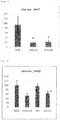
Fig. 1 is a graph showing the ulcer area when a CO-containing composition (solvent: water) was administered by enema (twice) to ulcerative colitis model rats. The horizontal axis shows the CO concentration, and the vertical axis shows the ulcer area (mm2). -
Fig. 2 is a graph showing the ulcer area when a CO-containing composition (solvent: water) was administered by enema (once) to ulcerative colitis model rats. The horizontal axis shows the CO concentration, and the vertical axis shows the ulcer area (mm2). -
Fig. 3 is a graph showing the ulcer area when a CO-containing composition (solvent: isopropyl myristate) was administered by enema (once) to ulcerative colitis model rats. The horizontal axis shows the CO concentration, and the vertical axis shows the ulcer area (mm2) . -
Fig. 4 is a graph showing the ulcer area when a CO-containing composition (solvent: water or carbomer-containing water) was administered by enema (once) to ulcerative colitis model rats. The horizontal axis shows the formulation of the compositions, and the vertical axis shows the ulcer area (mm2). The CO concentration in the CO-containing composition is 1500 µM. - Below, each embodiment of the present invention is described in more detail.
- The composition for preventing and/or treating inflammatory gastrointestinal diseases encompassed by the present invention comprises carbon monoxide (CO) and a solvent. This composition may be referred to as "the composition of the present invention."
- The solvent is not particularly limited as long as it can retain (preferably dissolve) CO. Examples include water, organic solvents, and liquid mixtures of these. The liquid mixtures can be homogeneous or heterogeneous. There is no particular limitation to combinations of selected solvents. Examples of organic solvents include saturated aliphatic hydrocarbons, fatty acids, vegetable oils, carboxylic acid esters, alcohols, ethers, ketones, glycols, fatty acid esters, and the like. Examples of fatty acid esters include esters of fatty acids containing 12 to 18 carbon atoms and alkyl alcohols containing 1 to 20 carbon atoms. The alkyl alcohol preferably contains 1 to 6 carbon atoms from the viewpoint of economy, safety, etc. The fatty acids may be saturated fatty acids or unsaturated fatty acids (preferably containing 1, 2, or 3 unsaturated bonds). More specific examples include lauric acid, myristic acid, palmitic acid, stearic acid, oleic acid, and the like. The alkyl alcohol may be straight-chain or branched-chain alkyl alcohol. More specific examples include methanol, ethanol, n-propanol, isopropanol, n-butanol, isobutanol, n-pentanol, isopentanol, n-hexanol, isohexanol, and the like. Particularly preferable examples of fatty acid esters include isopropyl myristate, isopropyl palmitate, and the like. Specific examples of organic solvents other than fatty acid esters include diisopropyl adipate, acetone, benzyl benzoate, isopropanol, fennel oil, almond oil, ethanol, ethylene glycol, 2-ethyl-1,3-hexanediol, diethyl ether, octyldodecanol, olive oil, oleic acid, glycerin fatty acid ester, crotamiton, geraniol-modified alcohol, synthetic squalane, sesame oil, wheat germ oil, ethyl acetate, normal butyl acetate, safflower oil, safflower oil fatty acid, ethylene glycol salicylate, diisopropanolamine, diethylene glycol, diethylene glycol monobutyl ether, diethylene glycol monomethyl ether, cyclohexanone, perilla oil, dipropylene glycol, dimethylpolysiloxane, squalene, diethyl sebacate, sorbitan acid fatty acid ester, soybean oil, soybean lecithin, propylene carbonate, medium-chain fatty acid triglyceride, camellia oil, corn oil, dodecylbenzene, triacetin, sorbitan trioleate, glyceryl tricaprylate, trichloroethane, concentrated glycerin, peppermint oil, octaacetyl sucrose-modified alcohol, castor oil, 1,3-butylene glycol, propionic acid, propylene glycol, propylene glycol fatty acid ester, benzyl alcohol, polyoxyethylene oleyl ether, polyoxyethylene sorbitan monostearate, polysorbate, polyethylene glycol, ethanol, methanol, methyl isobutyl ketone, methyl ethyl ketone, cottonseed oil, α-monoisostearyl glyceryl ether, polyethylene glycol monooleate, sorbitan monolaurate, coconut oil, polyoxyethylene lauryl alcohol ether, peanut oil, liquid paraffin, and the like.
- The composition of the present invention is preferably a liquid composition.
- The composition of the present invention contains CO in a concentration of 800 µM or more. The CO concentration may be, for example, 850 µM or more, 900 µM or more, 950 µM or more, 1000 µM or more, 1050 µM or more, 1100 µM or more, 1150 µM or more, 1200 µM or more, 1250 µM or more, 1300 µM or more, 1350 µM or more, 1400 µM or more, 1450 µM or more, or 1500 µM or more. From the viewpoint of effects, in particular, the CO concentration is preferably 1000 µM or more. The upper limit of the CO concentration is not particularly limited, and CO can be incorporated into the solvent until saturation is achieved. The upper limit is, for example, 10000 µM or less, 9500 µM or less, or 9000 µM or less.
- To obtain such a composition with a high CO concentration, for example, simply bringing CO into contact with, or blowing CO into, a solvent under ordinary pressure is usually insufficient. To prepare such a composition with a high CO concentration, it is preferable, for example, to perform replacement of CO by adjusting the pressure to, for example, 2 atm (or more) by using a gas-tight syringe or the like in a sealed container in which CO is collected.
- The composition of the present invention is preferably used for preventing and/or treating inflammatory gastrointestinal diseases. The inflammatory gastrointestinal diseases are preferably inflammatory diseases of, for example, the stomach or intestine. The intestine includes the small intestine, large intestine, duodenum, and the like. Among inflammatory gastrointestinal diseases, the composition of the present invention is particularly preferably applied to inflammatory bowel diseases. The inflammatory bowel diseases usually represent, in a narrow sense, ulcerative colitis (UC) and Crohn's disease (CD), which are persistent inflammatory bowel diseases. In a broad sense, the inflammatory bowel diseases are understood as a concept including diseases caused by pathogenic microorganisms, drugs, blood circulation disorders, or radiation, and diseases caused by, for example, chemical and/or physical factors. "Inflammatory bowel diseases" as used herein represents the broad concept unless otherwise specified. Among the inflammatory bowel diseases, the composition of the present invention can be particularly preferably used for ulcerative colitis.
- The composition of the present invention can be applied not only to humans but also to non-human mammals. Examples of the non-human mammals include mice, rats, cats, dogs, monkeys, cows, horses, and the like.
- Examples of the administration method of the composition of the present invention include oral administration and transanal administration. In other words, the composition of the present invention may be, for example, an oral composition or a transanal composition. The inflammatory disease site for prevention and/or treatment by oral administration is preferably the stomach, duodenum, small intestine, or large intestine. The inflammatory disease site for prevention and/or treatment by transanal administration is preferably the duodenum, small intestine, or large intestine.
- When the composition of the present invention is applied by oral administration (particularly when applied to the small intestine or the large intestine), the composition of the present invention is preferably an enteric oral composition. This composition can be prepared by known methods for producing an enteric oral composition or methods obvious from these methods. For example, the composition can be prepared by encapsulating a composition comprising CO and a solvent into an enteric-coated capsule.
- When the composition of the present invention is applied by transanal administration (in particular, when applied to the large intestine), the composition of the present invention is preferably an enema composition. The enema composition may be a liquid formulation or a foam-like formulation (enema foam formulation). The enema-foam-like formulation can be applied to the intestine by ejecting a mixture of a liquid composition and an injection gas from a spray nozzle. For ejection, in particular, it is often the case that the liquid composition and the injection gas are mixed in a spray bottle immediately before ejection. Compositions that have a CO concentration of 800 µM or more as a result of mixing the liquid composition and the injection gas are encompassed by the present invention. As long as the resulting composition has a CO concentration of 800 µM or more after the liquid composition and the injection gas are mixed, CO may be contained in the liquid composition or the injection gas, or both.
- The composition of the present invention can be preferably used as a pharmaceutical composition. In particular, when the composition of the present invention is an oral composition, the composition can also be used as a food composition.
- The composition of the present invention can be administered, for example, once or multiple times (for example, 2 or 3 times) per day. The dose can be set appropriately. For example, the amount of the composition is preferably about 10 to 500 cc/day.
- The composition of the present invention has a markedly improved preventive and/or therapeutic effect on inflammatory gastrointestinal diseases; therefore, according to the severity of the symptom (i.e., when the symptom is not so serious), a single administration (administration performed only once) can provide a sufficient preventive and/or therapeutic effect, and is preferable.
- The composition of the present invention may further comprise a thickener. Examples of thickeners include monosaccharides and derivatives thereof, polysaccharides and derivatives thereof, fatty acids, amino acids and derivatives thereof, sugar alcohols, fatty acid esters, saturated aliphatic hydrocarbons, aliphatic alcohols, inorganic compounds, and the like. Specific examples include xanthan gum, gum arabic, guar gum, carrageenan, gellan gum, agar, locust bean gum, carbomer (carboxyvinyl polymer), carboxymethyl cellulose, sodium carboxyethyl cellulose, shellac, methyl cellulose, hydroxyethyl cellulose, hydroxypropyl cellulose, hydroxypropylmethyl cellulose, polyvinylpyrrolidone, polyvinyl alcohol, acrylic acid-alkyl methacrylate copolymer, polyacrylic acid salt, sodium alginate, propylene glycol alginate, ethyl cellulose, sodium carboxymethyl cellulose, magnesium aluminum silicate, sodium chondroitin sulfate, α-cyclodextrin, concentrated glycerin, polyethylene glycol, liquid paraffin, carob bean gum, glucono-δ-lactone, light anhydrous silicic acid, squalane, stearyl alcohol, aluminum stearate, lanolin, cetyl alcohol, gelatin, dextrin, urea, Vaseline, palmitic acid, potato starch, sodium hyaluronate, hydroxyethyl methylcellulose, castor oil, 1,3-butylene glycol, propylene glycol, polysorbate, polyethylene glycol, sodium metaphosphate, starch syrup, beeswax, methyl vinyl ether-maleic anhydride copolymer, rosin, dextrin palmitate, dextrin myristate, inulin stearate, 12-hydroxystearic acid, 1,3:2,4-dibenzylidene-D-sorbitol, L-leucine derivatives, L-isoleucine derivatives, L-valine derivatives, N-lauroyl-L-glutamic acid-a, and the like. Carbomers are particularly preferable from the viewpoint of economy, safety, etc.
- The composition of the present invention may further comprise other components as long as the effect of the present invention is not impaired. Other such components may be known components. In particular, components known to be used in oral administration compositions or transanal administration compositions can be used. Examples include disintegrating agents, lubricants (anti-aggregation agents), fluidizing agents, pH-adjusting agents, tonicity agents, absorption promoters, coloring agents, flavoring agents, antioxidants, antibacterial agents, preservatives, and the like.
- Examples of disintegrating agents include carmellose calcium, low-substituted hydroxypropylcellulose, carmellose, croscarmellose sodium, partially pregelatinized starch, dried starch, sodium carboxymethyl starch, crospovidone, polysorbate 80 (polyoxyethylene sorbitan oleate), and the like.
- Examples of lubricants (anti-aggregation agents) include talc, magnesium stearate, calcium stearate, colloidal silica, stearic acid, hydrous silicon dioxide, synthetic magnesium silicate, fine-particle silicon oxide, starch, sodium lauryl sulfate, boric acid, magnesium oxide, waxes, hydrogenated oil, polyethylene glycol, sodium benzoate, and the like.
- Examples of fluidizing agents include silicic acid anhydride and the like.
- Examples of pH-adjusting agents include hydrochloric acid, sodium hydroxide, citric acid, anhydrous citric acid, sodium citrate, sodium citrate dihydrate, anhydrous sodium monohydrogen phosphate, anhydrous sodium dihydrogen phosphate, and the like.
- Examples of tonicity agents include sodium chloride, glucose, D-mannitol, glycerin, and the like.
- Examples of absorption promoters include quaternary ammonium base, sodium lauryl sulfate, and the like. The content of these other components in the composition can be appropriately determined according to their type.
- In the present specification, the term "comprise" or "contain" includes the meanings of consisting essentially of and consisting of.
- The present invention is described in more detail below.
- Pure water (2.5 mL) was placed in a vial (3 mL, produced by Maruemu Corporation), and the vial was sealed with a rubber stopper and an aluminum seal. Next, a gas (N2 balance) having an arbitrarily adjusted CO concentration was collected in a Tedlar bag (1 L, produced by AS ONE Corporation). The air in the gas phase in the vial was replaced with the gas in the Tedlar bag until pressure reached about 2 atm by using a gas-tight syringe (MS-GAN500, produced by Ito Corporation). Subsequently, the resulting product was allowed to stand until CO in the gas phase was dissolved in the liquid phase to reach equilibrium.
- Table 1 shows the CO concentrations of the obtained CO-containing compositions (solvent: water). The CO concentration of the compositions was analyzed by gas chromatography (GC-2014 FID produced by Shimadzu Corporation).
Table 1 CO in gas phase in Tedlar bag (%) (theoretical value) 8 34 67 100 CO concentration of liquid phase obtained by actual measurement (µM) Solvent (H2O) 100 500 1000 1500 - Isopropyl myristate (Wako first grade, produced by Fujifilm Wako Pure Chemical Corporation) (2.5 mL) was placed in a vial (3 mL, produced by Maruemu Corporation), and the vial was sealed with a rubber stopper and an aluminum seal. Next, a gas (N2 balance) having an arbitrarily adjusted CO concentration was collected in a Tedlar bag (1 L, produced by AS ONE Corporation). The air in the gas phase in the vial was replaced with the gas in the Tedlar bag until pressure reached about 2 atm by using a gas-tight syringe (MS-GAN500, produced by Ito Corporation). Subsequently, the resulting product was allowed to stand until CO in the gas phase was dissolved in the liquid phase to reach equilibrium.
- The CO concentration of the obtained compositions was analyzed by gas chromatography (GC-2014 FID produced by Shimadzu Corporation). When the CO (%) in the gas phase in the Tedlar bag was 18%, the CO concentration of IPM was 1500 µM. When the CO (%) in the gas phase in the Tedlar bag was 100%, the CO concentration of IPM was 9000 µM.
- Following a known method (Takagi et al., Med Gas Res. 2012 Sep 3;2(1): 23), ulcerative colitis model rats (Wistar rats, male, 6 weeks old) were prepared. Specifically, the abdominal cavity of a 6-week-old male Wistar rat was opened at the midline to expose the distal large intestine, and trinitrobenzene sulfonic acid (TNBS), 0.1 M, 100 µl (35% ETOH), was injected into the large-intestine cavity according to the previous report to create TNBS enteritis.
- The CO-containing compositions prepared as described above using water as a solvent were administered by enema to the model rats. More specifically, the model rats were divided into groups according to the CO concentrations contained in the composition (n=5 to 7), and the completion date of preparation of the model rats was set as the test start date. On day 3 and day 5, 1 mL of the CO-containing composition was administered by enema.
- On day 7 after the test start date, the model rats were euthanized by pentobarbital overdose. Thereafter, the large intestine was removed, and the ulcer area was measured. As a control experiment, an experiment was conducted in the same manner as described above except that water was used instead of the CO-containing compositions.
Fig. 1 shows the results. - The model rats administered with the composition that comprised CO in a concentration of 100 µM or 500 µM showed a tendency toward reduction in the ulcer area, compared to the model rats that were administered with only water; however, the effect was insufficient. On the other hand, the model rats administered with the composition that comprised CO in a concentration of 1000 µM or 1500 µM showed a significant reduction in the ulcer area. In the figure, the asterisk (*) indicates a significant difference with respect to the group administered with only water (P<0.05).
- Therefore, analysis was performed in the same manner as described above (Test 1), except that the CO-containing composition (which comprised water as the solvent and CO in a concentration of 1500 µM) was administered only on day 3 after the test start date, and the ulcer area of the model rats was measured.
Fig. 2 shows the results. The asterisk (*) indicates a significant difference with respect to the group administered with only water (P<0.05). The results revealed that the use of the composition that comprised CO in a concentration of 1500 µM achieved a therapeutic effect even when the administration was a single administration. - Furthermore, analysis was performed in the same manner as in the single administration test above (Test 2), except that the CO-containing composition that comprised isopropyl myristate as the solvent and had a CO concentration of 1500 µM or 9000 µM was used, and the ulcer area of the model rats was measured.
Fig. 3 shows the results. The asterisk (*) indicates a significant difference with respect to the group administered with only isopropyl myristate (P<0.05). The results revealed that the use of the composition that had a high CO concentration achieved a therapeutic effect even when the solvent was an organic solvent and even when the administration was a single administration. - Pure water (300 g) was placed in a 500-mL poly beaker. While stirring was performed at 400 rpm with a three-one motor (BL-1200, produced by Shinto Scientific Co., Ltd.), 2.79 g of carbomer (Aqupec, 501E, produced by Sumitomo Seika Co., Ltd.) was added and dissolved by stirring at 240 rpm for 5 hours. Thereafter, 15.8 g of 6% sodium hydroxide aqueous solution was added and stirred for 30 minutes to prepare a carbomer aqueous solution. The carbomer aqueous solution (150 mL) was placed in a 200-mL beaker, and the resulting product was allowed to stand in a constant temperature water tank at 25°C for 30 minutes.
- The carbomer aqueous solution (2.5 mL) was placed in a vial (3 mL, produced by Maruemu Corporation), and the vial was sealed with a rubber stopper and an aluminum seal. Next, a gas (N2 balance) having an arbitrarily adjusted CO concentration was collected in a Tedlar bag (1 L, produced by AS ONE Corporation). The air in the gas phase in the vial was replaced with the gas in the Tedlar bag until pressure reached about 2 atm by using a gas-tight syringe (MS-GAN500, produced by Ito Corporation). Subsequently, the resulting product was allowed to stand until CO in the gas phase was dissolved in the liquid phase to reach equilibrium.
- The CO concentration of the obtained CO-containing compositions was analyzed by gas chromatography (GC-2014 FID produced by Shimadzu Corporation). When the CO (%) in the gas phase in the Tedlar bag was 100%, the CO concentration of the carbomer aqueous solution was 1500 µM.
- Ulcerative colitis model rats were prepared in the same manner as described above (Test 1), except that SD rats were used.
- The model rats were administered by enema with the CO-containing composition that comprised carbomer (CO concentration: 1500 µM) prepared as described above. More specifically, the completion date of preparation of the model rats was set as the test start date, and 1 mL of the CO-containing composition was administered by enema only on day 1.
- On day 3 after the test start date, the model rats were euthanized by pentobarbital overdose. Thereafter, the large intestine was removed, and the ulcer area was measured. As a control experiment, an experiment was performed in the same manner as described above except that only water or a composition comprising only carbomer was used instead of the CO-containing composition. The composition comprising only carbomer was the carbomer aqueous solution obtained in the "Method for Preparing Carbomer + CO Sample" section above.
Fig. 4 shows the results. InFig. 4 , "AQ" represents carbomer. The asterisk (*) indicates a significant difference with respect to the composition that comprised only carbomer (P<0.05). The results revealed that a therapeutic effect was exhibited even when the thickener was present and even when the administration was a single administration.
Claims (11)
- A composition for preventing and/or treating inflammatory gastrointestinal diseases, the composition comprising carbon monoxide and a solvent, the carbon monoxide concentration being 800 µM or more.
- The composition according to claim 1, wherein the inflammatory gastrointestinal diseases are inflammatory diseases of the stomach, duodenum, small intestine, or large intestine.
- The composition according to claim 1 or 2, which is an oral composition or a transanal composition.
- The composition according to any one of claims 1 to 3, wherein the solvent is water.
- The composition according to any one of claims 1 to 3, wherein the solvent is isopropyl myristate.
- The composition according to any one of claims 1 to 5, further comprising a thickener.
- The composition according to any one of claims 1 to 6, wherein the inflammatory gastrointestinal disease is an inflammatory bowel disease.
- The composition according to claim 7, wherein the inflammatory bowel disease is an ulcerative colorectal disease.
- The composition according to any one of claims 1 to 8, wherein the carbon monoxide concentration is 1000 µM or more.
- The composition according to any one of claims 1 to 9, which is an enema composition.
- The composition according to any one of claims 1 to 10, for use in a single administration.
Applications Claiming Priority (2)
| Application Number | Priority Date | Filing Date | Title |
|---|---|---|---|
| JP2018110688 | 2018-06-08 | ||
| PCT/JP2019/019578 WO2019235165A1 (en) | 2018-06-08 | 2019-05-16 | Composition for inflammatory gastrointestinal disorders |
Publications (3)
| Publication Number | Publication Date |
|---|---|
| EP3804733A1 true EP3804733A1 (en) | 2021-04-14 |
| EP3804733A4 EP3804733A4 (en) | 2022-03-16 |
| EP3804733B1 EP3804733B1 (en) | 2026-04-01 |
Family
ID=68770341
Family Applications (1)
| Application Number | Title | Priority Date | Filing Date |
|---|---|---|---|
| EP19815925.3A Active EP3804733B1 (en) | 2018-06-08 | 2019-05-16 | Composition for inflammatory gastrointestinal disorders |
Country Status (6)
| Country | Link |
|---|---|
| US (1) | US11576929B2 (en) |
| EP (1) | EP3804733B1 (en) |
| JP (1) | JP7396597B2 (en) |
| KR (1) | KR20210019434A (en) |
| CN (1) | CN112236150A (en) |
| WO (1) | WO2019235165A1 (en) |
Families Citing this family (1)
| Publication number | Priority date | Publication date | Assignee | Title |
|---|---|---|---|---|
| US20230398141A1 (en) * | 2020-09-08 | 2023-12-14 | The Brigham And Women's Hospital, Inc. | Therapeutic carbon monoxide formulations |
Family Cites Families (10)
| Publication number | Priority date | Publication date | Assignee | Title |
|---|---|---|---|---|
| IT1312356B1 (en) * | 1999-06-17 | 2002-04-15 | Eni Spa | IMPROVED FISCHER-TROPSCH PROCEDURE |
| HRP20040972A2 (en) * | 2002-04-15 | 2005-06-30 | University Of Pittsburgh Of The Commonwealth Systeyale University | Methods of treating ileus |
| KR20040106515A (en) | 2002-05-09 | 2004-12-17 | 예일 유니버시티 | Carbon monoxide as a biomarker and therapeutic agent |
| JP2008179569A (en) | 2007-01-25 | 2008-08-07 | Tomohisa Takagi | Medicine and method for applying the same |
| EP2252333A4 (en) | 2008-02-13 | 2013-07-10 | Oxygen Biotherapeutics Inc | WOUND AND GAS TISSUE TREATMENTS |
| US8322383B2 (en) * | 2009-05-27 | 2012-12-04 | Praxair Technology, Inc. | Cylinder preparation for high purity acetylene |
| WO2012096912A1 (en) * | 2011-01-14 | 2012-07-19 | Children's Hospital Los Angeles | Solution of carbon monoxide for treatment of disease, including sickle cell disease |
| CA2943010A1 (en) | 2014-03-21 | 2015-09-24 | Universite Paris Est Creteil Val De Marne | Fumarate-co-releasing molecule hybrids, their use in the treatment of inflammatory or cardiovascular diseases and their process of preparation |
| PL3579888T3 (en) | 2017-02-09 | 2024-05-27 | Noxsano Inc. | Electrochemical gasotransmitter generating compositions and methods of using same and dressings and treatment systems incorporating same |
| JP7396598B2 (en) * | 2018-06-08 | 2023-12-12 | 住友精化株式会社 | Composition for skin wounds |
-
2019
- 2019-05-16 WO PCT/JP2019/019578 patent/WO2019235165A1/en not_active Ceased
- 2019-05-16 CN CN201980037216.6A patent/CN112236150A/en active Pending
- 2019-05-16 KR KR1020207035171A patent/KR20210019434A/en active Pending
- 2019-05-16 JP JP2020523591A patent/JP7396597B2/en active Active
- 2019-05-16 US US16/972,304 patent/US11576929B2/en active Active
- 2019-05-16 EP EP19815925.3A patent/EP3804733B1/en active Active
Also Published As
| Publication number | Publication date |
|---|---|
| EP3804733A4 (en) | 2022-03-16 |
| US11576929B2 (en) | 2023-02-14 |
| EP3804733B1 (en) | 2026-04-01 |
| US20210161951A1 (en) | 2021-06-03 |
| JP7396597B2 (en) | 2023-12-12 |
| WO2019235165A1 (en) | 2019-12-12 |
| CN112236150A (en) | 2021-01-15 |
| KR20210019434A (en) | 2021-02-22 |
| JPWO2019235165A1 (en) | 2021-06-17 |
Similar Documents
| Publication | Publication Date | Title |
|---|---|---|
| EP4035657B1 (en) | Drug composition containing abiraterone acetate, and preparation method therefor and application thereof | |
| EP3505161B1 (en) | Sublingual pharmaceutical composition of edaravone and (+)-2-borneol | |
| CN102138903B (en) | Everolimus solid oral medicinal composition | |
| US20240374516A1 (en) | Ready to use oral pharmaceutical suspension of dasatinib | |
| KR101627860B1 (en) | Stable solid formulation of egualen sodium | |
| CN102342931B (en) | Injectable parenteral medicinal preparation of temozolomide and preparation method thereof | |
| US11576929B2 (en) | Composition for inflammatory gastrointestinal disorders | |
| US20230355591A1 (en) | Pharmaceutical composition and use thereof | |
| CN100335134C (en) | Nimodipine soft capsule and its prepn | |
| CN103687592A (en) | Pharmaceutical composition comprising fexofenadine | |
| WO2004073692A1 (en) | Hard capsule of hardly water-soluble drug | |
| CN104224728A (en) | Esomeprazole enteric-coated pellets and preparation method for same | |
| US20210228621A1 (en) | Composition for skin wounds | |
| ES2960427T3 (en) | High-density L-tryptophan, its preparation and uses of it | |
| KR20220062367A (en) | Injection solution containing p-boronophenylalanine | |
| ES2884573T3 (en) | Liquid compositions of thioureylenes | |
| TWI619716B (en) | Pharmaceutical composition of temozolomide comprising vitamin c or its derivatives and preparation method thereof | |
| KR20240080282A (en) | A sustained-release preparation containing Dutasteride and a method for manufacturing the same | |
| CN102861337A (en) | Egualen sodium containing solid preparation | |
| HK40009745B (en) | Sublingual pharmaceutical composition of edaravone and (+)-2-borneol | |
| HK40009745A (en) | Sublingual pharmaceutical composition of edaravone and (+)-2-borneol | |
| CN103330932A (en) | Drug composition of micafungin or salt thereof | |
| JP2008081468A (en) | Preventive or therapeutic agent for psoriasis | |
| TW201311239A (en) | Pharmaceutical composition comprising fexofenadine | |
| TW201302755A (en) | Pharmaceutical composition of Temozolomide comprising amino acid stabilizer and preparation method thereof |
Legal Events
| Date | Code | Title | Description |
|---|---|---|---|
| STAA | Information on the status of an ep patent application or granted ep patent |
Free format text: STATUS: THE INTERNATIONAL PUBLICATION HAS BEEN MADE |
|
| PUAI | Public reference made under article 153(3) epc to a published international application that has entered the european phase |
Free format text: ORIGINAL CODE: 0009012 |
|
| STAA | Information on the status of an ep patent application or granted ep patent |
Free format text: STATUS: REQUEST FOR EXAMINATION WAS MADE |
|
| 17P | Request for examination filed |
Effective date: 20210108 |
|
| AK | Designated contracting states |
Kind code of ref document: A1 Designated state(s): AL AT BE BG CH CY CZ DE DK EE ES FI FR GB GR HR HU IE IS IT LI LT LU LV MC MK MT NL NO PL PT RO RS SE SI SK SM TR |
|
| AX | Request for extension of the european patent |
Extension state: BA ME |
|
| DAV | Request for validation of the european patent (deleted) | ||
| DAX | Request for extension of the european patent (deleted) | ||
| A4 | Supplementary search report drawn up and despatched |
Effective date: 20220211 |
|
| RIC1 | Information provided on ipc code assigned before grant |
Ipc: A61P 1/04 20060101ALI20220207BHEP Ipc: A61K 47/14 20170101ALI20220207BHEP Ipc: A61K 9/08 20060101ALI20220207BHEP Ipc: A61K 33/00 20060101AFI20220207BHEP |
|
| STAA | Information on the status of an ep patent application or granted ep patent |
Free format text: STATUS: EXAMINATION IS IN PROGRESS |
|
| 17Q | First examination report despatched |
Effective date: 20230322 |
|
| GRAP | Despatch of communication of intention to grant a patent |
Free format text: ORIGINAL CODE: EPIDOSNIGR1 |
|
| STAA | Information on the status of an ep patent application or granted ep patent |
Free format text: STATUS: GRANT OF PATENT IS INTENDED |
|
| INTG | Intention to grant announced |
Effective date: 20251105 |
|
| GRAS | Grant fee paid |
Free format text: ORIGINAL CODE: EPIDOSNIGR3 |
|
| GRAA | (expected) grant |
Free format text: ORIGINAL CODE: 0009210 |
|
| STAA | Information on the status of an ep patent application or granted ep patent |
Free format text: STATUS: THE PATENT HAS BEEN GRANTED |
|
| RAP3 | Party data changed (applicant data changed or rights of an application transferred) |
Owner name: SUMITOMO SEIKA CHEMICALS CO., LTD. Owner name: KYOTO PREFECTURAL PUBLIC UNIVERSITY CORPORATION |
|
| AK | Designated contracting states |
Kind code of ref document: B1 Designated state(s): AL AT BE BG CH CY CZ DE DK EE ES FI FR GB GR HR HU IE IS IT LI LT LU LV MC MK MT NL NO PL PT RO RS SE SI SK SM TR |
|
| P01 | Opt-out of the competence of the unified patent court (upc) registered |
Free format text: CASE NUMBER: UPC_APP_0006157_3804733/2026 Effective date: 20260219 |
|
| REG | Reference to a national code |
Ref country code: CH Ref legal event code: F10 Free format text: ST27 STATUS EVENT CODE: U-0-0-F10-F00 (AS PROVIDED BY THE NATIONAL OFFICE) Effective date: 20260401 Ref country code: GB Ref legal event code: FG4D |
|
| REG | Reference to a national code |
Ref country code: IE Ref legal event code: FG4D |
|
| REG | Reference to a national code |
Ref country code: DE Ref legal event code: R096 Ref document number: 602019083157 Country of ref document: DE |