EP3801559B1 - Method of reducing pulmonary exacerbations in respiratory disease patients - Google Patents
Method of reducing pulmonary exacerbations in respiratory disease patients Download PDFInfo
- Publication number
- EP3801559B1 EP3801559B1 EP19811606.3A EP19811606A EP3801559B1 EP 3801559 B1 EP3801559 B1 EP 3801559B1 EP 19811606 A EP19811606 A EP 19811606A EP 3801559 B1 EP3801559 B1 EP 3801559B1
- Authority
- EP
- European Patent Office
- Prior art keywords
- acebilustat
- patient
- patients
- cftr
- pulmonary
- Prior art date
- Legal status (The legal status is an assumption and is not a legal conclusion. Google has not performed a legal analysis and makes no representation as to the accuracy of the status listed.)
- Active
Links
Images









Classifications
-
- A—HUMAN NECESSITIES
- A61—MEDICAL OR VETERINARY SCIENCE; HYGIENE
- A61K—PREPARATIONS FOR MEDICAL, DENTAL OR TOILETRY PURPOSES
- A61K31/00—Medicinal preparations containing organic active ingredients
- A61K31/33—Heterocyclic compounds
- A61K31/395—Heterocyclic compounds having nitrogen as a ring hetero atom, e.g. guanethidine or rifamycins
- A61K31/495—Heterocyclic compounds having nitrogen as a ring hetero atom, e.g. guanethidine or rifamycins having six-membered rings with two or more nitrogen atoms as the only ring heteroatoms, e.g. piperazine or tetrazines
- A61K31/4985—Pyrazines or piperazines ortho- or peri-condensed with heterocyclic ring systems
-
- A—HUMAN NECESSITIES
- A61—MEDICAL OR VETERINARY SCIENCE; HYGIENE
- A61K—PREPARATIONS FOR MEDICAL, DENTAL OR TOILETRY PURPOSES
- A61K31/00—Medicinal preparations containing organic active ingredients
- A61K31/33—Heterocyclic compounds
- A61K31/395—Heterocyclic compounds having nitrogen as a ring hetero atom, e.g. guanethidine or rifamycins
- A61K31/40—Heterocyclic compounds having nitrogen as a ring hetero atom, e.g. guanethidine or rifamycins having five-membered rings with one nitrogen as the only ring hetero atom, e.g. sulpiride, succinimide, tolmetin, buflomedil
- A61K31/403—Heterocyclic compounds having nitrogen as a ring hetero atom, e.g. guanethidine or rifamycins having five-membered rings with one nitrogen as the only ring hetero atom, e.g. sulpiride, succinimide, tolmetin, buflomedil condensed with carbocyclic rings, e.g. carbazole
- A61K31/404—Indoles, e.g. pindolol
-
- A—HUMAN NECESSITIES
- A61—MEDICAL OR VETERINARY SCIENCE; HYGIENE
- A61K—PREPARATIONS FOR MEDICAL, DENTAL OR TOILETRY PURPOSES
- A61K31/00—Medicinal preparations containing organic active ingredients
- A61K31/33—Heterocyclic compounds
- A61K31/395—Heterocyclic compounds having nitrogen as a ring hetero atom, e.g. guanethidine or rifamycins
- A61K31/435—Heterocyclic compounds having nitrogen as a ring hetero atom, e.g. guanethidine or rifamycins having six-membered rings with one nitrogen as the only ring hetero atom
- A61K31/44—Non condensed pyridines; Hydrogenated derivatives thereof
- A61K31/4427—Non condensed pyridines; Hydrogenated derivatives thereof containing further heterocyclic ring systems
- A61K31/443—Non condensed pyridines; Hydrogenated derivatives thereof containing further heterocyclic ring systems containing a five-membered ring with oxygen as a ring hetero atom
-
- A—HUMAN NECESSITIES
- A61—MEDICAL OR VETERINARY SCIENCE; HYGIENE
- A61K—PREPARATIONS FOR MEDICAL, DENTAL OR TOILETRY PURPOSES
- A61K31/00—Medicinal preparations containing organic active ingredients
- A61K31/33—Heterocyclic compounds
- A61K31/395—Heterocyclic compounds having nitrogen as a ring hetero atom, e.g. guanethidine or rifamycins
- A61K31/435—Heterocyclic compounds having nitrogen as a ring hetero atom, e.g. guanethidine or rifamycins having six-membered rings with one nitrogen as the only ring hetero atom
- A61K31/47—Quinolines; Isoquinolines
-
- A—HUMAN NECESSITIES
- A61—MEDICAL OR VETERINARY SCIENCE; HYGIENE
- A61K—PREPARATIONS FOR MEDICAL, DENTAL OR TOILETRY PURPOSES
- A61K31/00—Medicinal preparations containing organic active ingredients
- A61K31/33—Heterocyclic compounds
- A61K31/395—Heterocyclic compounds having nitrogen as a ring hetero atom, e.g. guanethidine or rifamycins
- A61K31/495—Heterocyclic compounds having nitrogen as a ring hetero atom, e.g. guanethidine or rifamycins having six-membered rings with two or more nitrogen atoms as the only ring heteroatoms, e.g. piperazine or tetrazines
- A61K31/4995—Pyrazines or piperazines forming part of bridged ring systems
-
- A—HUMAN NECESSITIES
- A61—MEDICAL OR VETERINARY SCIENCE; HYGIENE
- A61K—PREPARATIONS FOR MEDICAL, DENTAL OR TOILETRY PURPOSES
- A61K31/00—Medicinal preparations containing organic active ingredients
- A61K31/33—Heterocyclic compounds
- A61K31/395—Heterocyclic compounds having nitrogen as a ring hetero atom, e.g. guanethidine or rifamycins
- A61K31/495—Heterocyclic compounds having nitrogen as a ring hetero atom, e.g. guanethidine or rifamycins having six-membered rings with two or more nitrogen atoms as the only ring heteroatoms, e.g. piperazine or tetrazines
- A61K31/505—Pyrimidines; Hydrogenated pyrimidines, e.g. trimethoprim
- A61K31/519—Pyrimidines; Hydrogenated pyrimidines, e.g. trimethoprim ortho- or peri-condensed with heterocyclic rings
-
- A—HUMAN NECESSITIES
- A61—MEDICAL OR VETERINARY SCIENCE; HYGIENE
- A61P—SPECIFIC THERAPEUTIC ACTIVITY OF CHEMICAL COMPOUNDS OR MEDICINAL PREPARATIONS
- A61P11/00—Drugs for disorders of the respiratory system
-
- A—HUMAN NECESSITIES
- A61—MEDICAL OR VETERINARY SCIENCE; HYGIENE
- A61K—PREPARATIONS FOR MEDICAL, DENTAL OR TOILETRY PURPOSES
- A61K2121/00—Preparations for use in therapy
-
- A—HUMAN NECESSITIES
- A61—MEDICAL OR VETERINARY SCIENCE; HYGIENE
- A61K—PREPARATIONS FOR MEDICAL, DENTAL OR TOILETRY PURPOSES
- A61K45/00—Medicinal preparations containing active ingredients not provided for in groups A61K31/00 - A61K41/00
- A61K45/06—Mixtures of active ingredients without chemical characterisation, e.g. antiphlogistics and cardiaca
Definitions
- CF lung Pulmonary pathology in the cystic fibrosis (CF) lung is characterized by high levels of inflammation that leads to pulmonary exacerbations, lung function decline and associated morbidity and mortality. Inflammatory lung damage is evident early in life, with increased neutrophil elastase in bronchoalveolar lavage fluid clearly linked to the risk of developing structural lung damage (including bronchiectasis) at as early as three months of age in children with cystic fibrosis [Sly et al., 2013]. Inflammation-induced damage can occur even in the absence of detectable infection [Tirouvanziam et al., 2002; Verhaeghe et al., 2007].
- CFTR cystic fibrosis transmembrane conductance regulator
- LTB 4 leukotriene B4
- LTB 4 is an immune cell chemoattractant and activator implicated in the initiation of cytokine and chemokine cascades that amplify and perpetuate inflammation via neutrophil swarming behavior [Lämmerman et al., 2013; Afonso, et al. 2012; Sadik and Luster, 2012].
- LTB 4 is generated from leukotriene A4 (LTA 4 ) by the enzyme leukotriene A4 hydrolase (LTA 4 -h).
- LTA 4 -h is a monomeric, soluble 69 kD zinc metalloenzyme that catalyses two reactions: the stereospecific epoxide hydrolase reaction to convert LTA 4 to leukotriene B 4 (LTB 4 ) and an aminopeptidase cleavage of small peptide substrates. Inhibition of LTA 4 -h has the potential to reduce LTB 4 production, thus reducing neutrophil influx and the release of neutrophil-derived enzymes such as neutrophil elastase ( Figure 1 ). [Woolhouse et al., 2002; Tirouvanziam 2006].
- LTA 4 -h inhibitors have been described, for example, in U.S. Patent No. 7,737,145 , U.S. Patent No. 9,820,974 (in the same patent family as US Patent Application Publication No. US2018/117014A1 ), and U.S. Patent Application Publication No. 20100210630A1 .
- a specific LTA 4 -h inhibitor described in these patent publications is 4- ⁇ [(1S,4S)-5-( ⁇ 4-[4-oxazol-2-yl-phenoxy]phenyl ⁇ methyl)-2,5-diazabicyclo[2.2.1]heptan-2-yl]methyl ⁇ benzoic acid (also referred to herein as CTX-4430 and by its International Nonproprietary Name, acebilustat).
- Acebilustat is an oral therapy that modulates LTB 4 production and targets inflammatory process in CF [Elborn et al., 2017a]. In two Phase I trials, acebilustat reduced LTB 4 production and other inflammatory markers in healthy volunteers and patients with CF [Elborn et al., 2017a, Elborn et al., 2017b].
- the presently claimed invention is directed to acebilustat for use in a method of reducing pulmonary exacerbations in a cystic fibrosis patient and/or treating cystic fibrosis in a patient, wherein the patient has a FEV 1 pp greater than or equal to 75% at baseline, the method comprising orally administering to the patient acebilustat at a total daily dose of 100 mg or less.
- the method includes methods of decreasing pulmonary exacerbations, including reducing the risk of pulmonary exacerbations and/or reducing the rate (such as the annual or annualized rate), number or frequency of pulmonary exacerbations, increasing the time to first pulmonary exacerbation, and/or reducing pulmonary exacerbations such that the patient does not experience any pulmonary exacerbations for at least one year (after initiating treatment with acebilustat).
- the methods comprise orally administering to cystic fibrosis patients acebilustat at a total daily dose of 100 mg or less, 50 mg or less, from 50 mg to 100 mg, 100 mg, or 50 mg.
- the methods also include reducing pulmonary inflammation and methods of treating chronic pulmonary inflammation in a cystic fibrosis patient.
- acebilustat treatment results in an increased proportion of patients that were exacerbation free (experienced no pulmonary exacerbations) after initiating acebilustat treatment over the course of the 48 weeks of study.
- acebilustat treatment has its greatest effect in cystic fibrosis patients having a phenotype characterized as mild lung disease (e.g., patients having a FEV 1 pp greater than 65% at the start of treatment or at baseline) as compared to patients with more severe lung disease.
- anti-inflammatory treatment comprising acebilustat reduced the rate of pulmonary exacerbations and increased the time to first pulmonary exacerbation in cystic fibrosis patients of the mild lung disease phenotype as compared to that in patients treated with placebo or in patients with moderate or severe lung disease. This effect was observed whether patients were taking or not taking concomitant treatment with CFTR modulator therapy.
- acebilustat treatment was observed in patients having the mild lung disease phenotype and taking CFTR modulator therapy, although a benefit was also observed in patients with mild disease not taking CFTR modulator therapy.
- the benefit of acebilustat treatment observed in patients taking concomitant CFTR modulator therapy was observed regardless of lung disease phenotype, and the effect on pulmonary exacerbation was greater than that in patients not taking CFTR modulator therapy in this population with a broader range of disease severity.
- the presently claimed invention is directed to acebilustat for use in a method of decreasing pulmonary exacerbations, including reducing the rate (for example, number or frequency) of pulmonary exacerbations or increasing the time to first pulmonary exacerbation, in a patient in need thereof comprising orally administering to the patient acebilustat at a total daily dose of 100 mg or less.
- the patient in need of treatment is a patient suffering from a respiratory condition characterized by the occurrence of pulmonary exacerbations, wherein the respiratory condition is cystic fibrosis.
- Respiratory conditions characterized by the occurrence of pulmonary exacerbations include, for example, cystic fibrosis, bronchiectasis, chronic obstructive pulmonary disease, and interstitial lung disease.
- the presently claimed invention includes acebilustat for use in a method of decreasing pulmonary exacerbations, including reducing the number or frequency of pulmonary exacerbations or increasing the time to first pulmonary exacerbation, in a cystic fibrosis patient comprising orally administering to the patient acebilustat at a total daily dose of 100 mg or less.
- the cystic fibrosis patient does not experience any pulmonary exacerbations for at least one year after initiating oral administration with acebilustat.
- Acebilustat can also, for example, be administered to the cystic fibrosis patient, at a total daily dose of 50 mg or less, or 100 mg, or 50 mg, 50 mg to 100 mg. In yet additional aspects, the total daily dose of acebilustat is 100 mg.
- the cystic fibrosis patient has a mild lung disease phenotype, for example, the patient has a FEV 1 pp greater than 75% at baseline, or greater than or equal to 75% at baseline (wherein greater than 70% at baseline is the CF community standard definition of "mild" CF disease).
- the method comprises measuring FEV 1 pp in a patient (at baseline or prior to initiating treatment), for example, by spirometry, and administering acebilustat (at a total daily dose of 100 mg or less, as described herein) to the patient if the patient has an FEV 1 pp greater than or equal to 75%.
- the patient does not experience a pulmonary exacerbation for at least forty-eight weeks after initiating treatment with acebilustat.
- the patient is a cystic fibrosis patient undergoing concomitant treatment with a CFTR modulator, such as a CFTR corrector and/or CFTR potentiator.
- the patient is not undergoing concomitant treatment with a CFTR modulator, for example, the patient is not undergoing concomitant treatment with a CFTR corrector and/or a CFTR potentiator.
- the presently claimed invention also includes acebilustat for use in a method of treating cystic fibrosis in a patient in need thereof and/or a method of reducing pulmonary exacerbations and/or reducing pulmonary inflammation in a cystic fibrosis patient, wherein the patient is of the mild lung disease phenotype, having a FEV 1 pp greater than 75% at baseline or greater than or equal to 75% at baseline, the method comprising orally administering to the patient acebilustat at a total daily dose of 100 mg or less.
- the acebilustat is administered to the patient at a total daily dose of 50 mg or less, 50 mg to 100 mg, 100 mg, or 50 mg.
- the total daily dose of acebilustat is 100 mg.
- the cystic fibrosis patient of the mild lung disease phenotype is undergoing concomitant treatment with a CFTR modulator, such as a CFTR corrector, and/or a CFTR potentiator.
- the patient is not undergoing concomitant treatment with a CFTR modulator, for example, the patient is not undergoing concomitant treatment with a CFTR modulator, such as a CFTR corrector and/or a CFTR potentiator.
- the patient does not experience a pulmonary exacerbation for at least forty-eight weeks, for example, at least one year, after initiating treatment with acebilustat.
- the method comprises measuring FEV 1 pp in a patient (at baseline or prior to initiating treatment), for example by spirometry, and administering acebilustat (at a total daily dose of 100 mg or less, as described herein) to the patient if the patient has an FEV 1 pp greater than or equal to 75%.
- the presently claimed invention additionally includes acebilustat for use in a method of treating cystic fibrosis in a patient in need thereof comprising orally administering to the patient acebilustat at a total daily dose of 100 mg or less, 50 mg or less, of 100 mg, of 50 mg, or 50 mg to 100 mg, wherein pulmonary inflammation in the patient is reduced but the risk of pulmonary infection is not increased.
- the total daily dose of acebilustat administered to the cystic fibrosis patient is 100 mg.
- the patient has a mild lung disease phenotype, having a FEV1pp greater than 75% at baseline, or greater than or equal to 75% at baseline.
- the method comprises measuring FEV 1 pp in a patient (at baseline or prior to initiating treatment), for example by spirometry, and administering acebilustat (at a total daily dose of 100 mg or less, as described herein) to the patient if the patient has an FEV 1 pp greater than or equal to 75%.
- the cystic fibrosis patient is undergoing concomitant treatment with a CFTR modulator, such as a CFTR corrector and/or CFTR potentiator.
- the patient is not undergoing concomitant treatment with a CFTR modulator, for example, the patient is not undergoing concomitant treatment with a CFTR corrector and/or a CFTR potentiator.
- the patient experiences a decrease in the rate of pulmonary exacerbations in the twelve month period after initiating treatment with acebilustat. In further aspects, the patient does not experience a pulmonary exacerbation for at least forty-eight weeks, for example, at least one year, after initiating treatment with acebilustat.
- references to methods of treatment herein are to be interpreted as references to compounds, pharmaceutical compositions and medicaments of the presently claimed invention for use in those methods.
- an additional therapeutic agent encompasses both a single additional therapeutic agent and a combination of two or more additional therapeutic agents.
- a drug or active ingredient e.g., acebilustat and/or CFTR modulator, such as CFTR potentiator and/or CFTR corrector, and/or additional therapeutic agent
- a drug or active ingredient e.g., acebilustat and/or CFTR modulator, such as CFTR potentiator and/or CFTR corrector, and/or additional therapeutic agent
- the range is meant to include both, the low end and the high end as well as doses in between the low and high ends.
- a dose between about 50 mg and about 100 mg it is to be understood that the range includes the low end of the range, about 50 mg, and the high end of the range, about 100 mg, as well as the doses in between, for example, about 75 mg.
- a dose of about 50 mg or less is intended to include the about 50 mg dose as well as doses less than about 50 mg.
- the methods of the invention comprise administration of an effective oral dose of 4- ⁇ [(1S,4S)-5-( ⁇ 4-[4-oxazol-2-yl-phenoxy]phenyl ⁇ methyl)-2,5-diazabicyclo[2.2.1]heptan-2-yl]methyl ⁇ benzoic acid (CTX-4430; Acebilustat) to human patients.
- CTX-4430 Acebilustat
- This compound and methods for the preparation thereof have been described in detail in U.S. Patent No. 7,737,145 , U.S. Pat. No. 9,820,974 , and U.S. Patent Application Publication No. 20100210630A1 .
- Acebilustat has the chemical structure shown below:
- the invention encompasses acebilustat for use in methods of reducing pulmonary exacerbations in a cystic fibrosis patient in need thereof as well as methods of treating pulmonary inflammation and/or reducing chronic lung inflammation and/or reducing pulmonary inflammation and/or decreasing pulmonary exacerbations in a cystic fibrosis patient in need thereof, the methods comprising oral administration of 100 mg acebilustat to said patient; for example, chronic oral administration (e.g., for a long period of time and/or throughout the patient's treatment).
- the invention also encompasses a acebilustat for use in a method of reducing pulmonary exacerbations in a cystic fibrosis patient in need thereof as well as a method of treating pulmonary inflammation and/or reducing chronic lung inflammation and/or reducing pulmonary inflammation and/or decreasing pulmonary exacerbations in a cystic fibrosis patient in need thereof comprising chronic oral administration of 50 mg acebilustat to said patient; for example, chronic oral administration (e.g., for a long period of time and/or throughout the patient's treatment).
- Acebilustat can, for example, be administered at a dose of 50 mg every 12 or 24 hours (or once or twice a day), or at a dose of 100 mg every 24 hours (or once a day).
- the invention additionally encompasses a method of reducing pulmonary exacerbations in a cystic fibrosis patient in need thereof as well as a method of treating pulmonary inflammation and/or reducing chronic lung inflammation and/or reducing pulmonary inflammation and/or decreasing pulmonary exacerbations in a cystic fibrosis patient comprising chronic oral administration of 100 mg or less, or of 50 mg or less, of acebilustat to said patient; for example, chronic oral administration (e.g., for a long period of time and/or throughout the patient's treatment).
- the total daily dose of acebilustat can be a dose that is 50 mg or less, for example, 25 mg, 15 mg, 10 mg, or 5 mg.
- the total daily dose of acebilustat can also be from 50 mg to 100 mg, for example, 75 mg. In certain aspects, the dose of acebilustat is 25 mg administered twice a day or a dose between 25 and 50 mg administered twice a day. Acebilustat can be administered with or without food.
- a major effect of acebilustat treatment is a reduction in pulmonary exacerbations or a reduction in the rate of pulmonary exacerbations, including a higher proportion of patients that were exacerbation free (or had no pulmonary exacerbations) after initiating acebilustat treatment (as compared to placebo).
- the rate or frequency of pulmonary exacerbations is decreased as compared to that before initiating acebilustat treatment.
- Pulmonary exacerbations which are a clinical marker of lung inflammation, are significant events leading to acute decompensation and chronic decline of lung function and are strongly related to reduced survival.
- the rate of pulmonary exacerbations is reduced when the number of pulmonary exacerbations in a certain period of time (for example, over forty-eight weeks or a year) is less than that for the same period of time prior to initiating the treatment and/or as compared to that without acebilustat (for example, treated with placebo or untreated group, and/or as would have been predicted from prior medical history).
- the rate of pulmonary exacerbation can, for example, be an annual rate of pulmonary exacerbations or an annualized rate of pulmonary exacerbations.
- a reduction in the rate, number, or frequency of pulmonary exacerbations includes, for example, a reduction of at least about 5%, at least about 10%, at least about 15%, at least about 20%, at least about 25%, at least about 30%, at least about 35%, at least about 40%, at least about 45%, at least about 50%, at least about 55%, at least about 60%, at least about 65%, at least about 70%, at least about 75%, at least about 80%, at least about 85%, at least about 90%, and at least about 95%.
- the rate, number, or frequency of pulmonary exacerbations is reduced by at least about 15%, or at least about 20%, or at least about 25%, or at least about 30%, or at least about 35%, or at least about 40%.
- the rate, number, or frequency of pulmonary exacerbations can be reduced by at least about 15%, or at least about 20%, or at least about 25% as compared to that with the CFTR modulator without acebilustat.
- the rate, number, or frequency of pulmonary exacerbations can, for example, be reduced by at least about 15%, at least about 20%, at least about 25%, at least about 35%, at least about 40%, or at least about 50% as compared to that with the CFTR modulator without acebilustat.
- the invention encompasses methods of reducing pulmonary exacerbations, including reducing the number or frequency of pulmonary exacerbations, in a patient in need thereof.
- the patient in need of such treatment is a patient suffering from cystic fibrosis.
- a patient in need of such treatment can, for example, be a patient suffering from a respiratory disease characterized by the occurrence of pulmonary exacerbations.
- Respiratory diseases include diseases associated with a pathological condition of the upper respiratory tract, bronchi, bronchioles, alveoli, pleura, and/or pleural cavity.
- Non-limiting examples of respiratory diseases characterized by pulmonary exacerbations include cystic fibrosis, chronic obstructive pulmonary disease (COPD), bronchiectasis, and interstitial lung disease.
- the patient may be suffering from bronchiectasis, including forms of non-cystic fibrosis bronchiectasis such as, but not limited to, primary ciliary dyskinesia or idiopathic bronchiectasis.
- the patient may be suffering from COPD.
- the patient may be suffering from interstitial lung disease.
- acebilustat treatment was shown to reduce pulmonary exacerbations in cystic fibrosis patients of the mild lung disease phenotype (e.g., having an FEV 1 pp greater than about 65% at baseline) as compared to a matched population taking placebo and as compared to that in acebilustat-treated patients with more severe lung disease.
- Patients having "mild lung disease phenotype” can also be described as being of the mild lung disease subpopulation of CF patients.
- the terms "mild lung disease phenotype,” “mild CF disease,” “mild CF,” and “mild disease” in reference to CF patients, are used interchangeably herein.
- FEV 1 pp and "ppFEV1”, used interchangeably, refer to forced expiratory volume in one (1) second percent predicted and can be measured using spirometry.
- the severity of lung disease in cystic fibrosis patients is routinely classified according to FEV 1 pp values. For example, in the literature, mild lung disease is classified as FEV 1 pp ⁇ 70%, moderate lung disease is classified as having a FEV1pp between 40 and 69%, and severe lung disease as having a FEV1pp of less than 40% ( Cystic Fibrosis Patient Registry. 2016. Cystic Fibrosis Foundation.
- the severity of lung disease has also been classified as follows in the literature: mild disease is classified as FEV1 ⁇ 70% predicted; moderate disease is classified as having FEV1 60-69% predicted; moderately severe lung disease is classified have a FEV1 50-59% predicted; and severe lung disease is classified as having FEV1 35-49% predicted; and very severe lung disease is classified as having an FEV1 ⁇ 35% predicted. ( Morrow et al.
- a CF patient of the mild lung disease phenotype has a baseline FEV 1 pp greater than or equal to about 65%.
- a patient of the mild lung disease phenotype can, for example, have a baseline FEV 1 pp greater than or equal to about 68%, a baseline FEV 1 pp greater than or equal to about 70%, or a baseline FEV1pp greater than or equal to about 75%.
- the method comprises treating a patient having a FEV 1 pp greater than or equal to 75% at baseline with acebilustat at a dose of 100 mg or less, or 50 mg or less; for example, a daily dose of 100 mg or a daily dose of 50 mg.
- the patient can have a FEV 1 pp greater than 75% at baseline.
- the inventive methods can also include measuring baseline FEV 1 pp in a patient (at baseline or prior to initiating treatment), for example by spirometry, and administering acebilustat to the patient if the patient has an FEV 1 pp greater than or equal to 75%.
- a FEV 1 pp at baseline is the FEV 1 pp measured pretreatment, for example, at a point in time prior to or shortly prior to the first administration of acebilustat, or in other words, prior to the initiation of acebilustat treatment, or is the FEV 1 pp at the start or initiation of treatment.
- Acebilustat can be administered to a patient, such as a cystic fibrosis patient (regardless of disease phenotype), on top of their current treatment regime, or on top of the standard of care.
- the standard of care for the treatment of cystic fibrosis patients includes, but is not limited to, mucolytics, antibiotics, and CFTR modulators, or a combination thereof.
- the standard of care for the treatment of chronic obstructive pulmonary disease (COPD) includes, but is not limited to, bronchodilators, beta-agonists, anticholinergics, glucocorticoids, or a combination thereof.
- the standard of care for the treatment of interstitial lung disease includes, but is not limited to, glucocorticoids, cyclophosphamide, azathioprine, methotrexate, and mycophenolate mofetil, or a combination thereof.
- the standard of care for the treatment of bronchiectasis includes, but is not limited to, bronchodilators, steroids, and antibiotics such as penicillin antibiotics and inhaled antibiotics including tobramycin and aztreonam, as well as combinations of any of thereof.
- antibiotics such as penicillin antibiotics and inhaled antibiotics including tobramycin and aztreonam
- Acebilustat can be administered concomitantly to cystic fibrosis patients with an additional therapeutic agent including, for example, a CFTR modulator and/or a CFTR amplifier.
- CFTR modulator includes an agent or compound that modulates (for example, increases) the activity of CFTR; in certain specific aspects, the CFTR modulator increases the activity of a CFTR protein.
- the increase in activity resulting from a CFTR modulator includes, but is not limited to, compounds that correct, potentiate, stabilize and/or amplify CFTR.
- the term "CFTR modulator” as used herein includes CFTR correctors, CFTR potentiators, CFTR stabilizers, and CFTR amplifiers.
- a CFTR corrector is an agent or compound that increases the amount of functional CFTR protein to the cell surface, resulting in enhanced ion transport.
- a CFTR potentiator is an agent or compound that increases the channel activity of CFTR protein located at the cell surface, resulting in enhanced ion transport.
- a CFTR stabilizer results in an elongated presence of CFTR in the epithelial cell membrane.
- a CFTR amplifier is an agent that enhances the effect of a CFTR potentiator, corrector, and/or stabilizer.
- That acebilustat provides a benefit when used in combination with a CFTR modulator is important given the number of cystic fibrosis patients currently treated with CFTR modulators and the likelihood of an increase in number of cystic fibrosis patients who are eligible to be treated with new CFTR modulators over the coming years.
- Concomitant treatment or administration of acebilustat and a CFTR modulator is intended to mean administration of acebilustat and the additional therapeutic agent at such time that both will have a therapeutic effect and/or coadministration of the agents, for example, as part of the same treatment regimen.
- Such concomitant administration can involve concurrent (i.e., at the same time), prior, or subsequent administration of acebilustat with respect to the administration of the additional therapeutic agent.
- the initiation of acebilustat treatment can be subsequent to the initiation of treatment with a CFTR modulator such as a CFTR corrector and/or CFTR potentiator; for example, the patient can have undergone treatment with the CFTR modulator for several weeks, months, or years, prior to initiating treatment with acebilustat.
- a CFTR modulator such as a CFTR corrector and/or CFTR potentiator
- the patient can have undergone treatment with the CFTR modulator for several weeks, months, or years, prior to initiating treatment with acebilustat.
- the at least one additional therapeutic agent e.g., a CFTR potentiator and/or a CFTR corrector and/or other therapeutic agent
- the compound can be administered simultaneously with, prior to, or after administration of one or more other therapeutic agents.
- Such combination therapy includes administration of a single pharmaceutical dosage formulation which contains the acebilustat and the one or more additional active agents, as well as administration of the acebilustat and each active agent in its own separate pharmaceutical dosage formulation.
- the acebilustat and the other therapeutic agent can be administered to the patient together in a single oral dosage composition such as a tablet or capsule, or each agent can be administered in separate oral dosage formulations.
- acebilustat and one or more additional active agents can be administered at essentially the same time, i.e., concurrently, or at separately staggered times, i.e., sequentially; and/or in the same treatment session and/or as part of the same treatment regimen; and/or daily administration of acebilustat and daily administration of the one or more additional active agents.
- Combination therapy and concomitant administration is understood to include all these regimens.
- the Phase Ilb study was designed in order to provide the first proof-of-concept for an anti-inflammatory therapy (acebilustat) designed to prevent or reduce progressive loss of lung function by reducing pulmonary exacerbations in cystic fibrosis (CF) patients.
- acebilustat anti-inflammatory therapy
- the primary analysis was based upon an analysis of variance (ANOVA) in which the average of the Week 48 change from baseline in FEV 1 pp for the two acebilustat doses was compared to that in the placebo group.
- the ANOVA model contained a separate term for each dose group with the average over the two acebilustat doses created by averaging the parameter estimates from the ANOVA model.
- the ANOVA included stratification for the factors used for randomization.
- stratified factors include baseline lung function, frequency of pulmonary exacerbations in the prior year, and concomitant CFTR modulator use.
- the analysis for difference in pulmonary exacerbations may include contrast analyses using confidence intervals, t-test of simple means, Poisson regression and, most preferably, negative binomial regression.
- CF cystic fibrosis
- patients for the Phase Ilb study were selected based on stringent inclusion criteria (age 18-30 years, FEV 1 pp ⁇ 50, and at least one exacerbation in the past year). This enriched the study population with patients who are most susceptible to pulmonary exacerbations and annual lung function decline. It is also believed that this population of patients will achieve greater benefit from acebilustat treatment with respect to decreased lung function decline than other populations.
- patients most likely to benefit from acebilustat treatment include patients that are ⁇ 30 years old (for example, between about 12 to about 30 years old), and/or patients that had at least one pulmonary exacerbation in the year prior to the first administration of acebilustat and/or patients that have a FEV 1 pp ⁇ about 50%, as described in more detail below.
- Patients with less severe impairment of lung function or having a mild lung disease phenotype achieved the largest benefit from acebilustat therapy in the analysis of data from the combined 50 mg and 100 mg dose groups compared to placebo, achieving about 35% reduction in PEx rate (48% reduction for the 100 mg dose) versus placebo, about 43% reduction in risk of experiencing their first exacerbation (48% reduction in risk for the 100 mg dose) versus placebo and an about 96% higher proportion patients who were exacerbation free after 48 weeks of treatment (100% higher for the 100 mg dose).
- patients concomitantly treated with CFTR modulator therapy and acebilustat regardless of disease severity phenotype exhibited a clinically meaningful about 20% reduction in rate of PEx (14% reduction for the 100 mg dose), about 29% increased time to first exacerbation (27% increase for the 100mg dose) and about 47% higher proportion of patients with no exacerbations compared to patients treated with CFTR modulators and placebo (51% higher for the 100mg dose).
- patients off CFTR modulator therapy about 15% higher percentage of patients that were exacerbation free was observed.
- a pulmonary exacerbation for the purposes of the clinical trial is defined as the requirement for oral, inhaled or intravenous antibiotics for four or more signs or symptoms according to the modified Fuchs' criteria (change in sputum; new or increased hemoptysis; increased cough; increased dyspnea; malaise, fatigue or lethargy; temperature >38°C; anorexia or weight loss; sinus pain or tenderness; change in sinus discharge; change in physical examination of the chest; ⁇ 10% absolute decrease in FEV 1 pp from the previously recorded value; radiographic changes indicative of pulmonary infection) [Fuchs et al., 1994], referred collectively (antibiotics plus the four or more signs and symptoms) as expanded Fuchs criteria.
- modified Fuchs' criteria change in sputum; new or increased hemoptysis; increased cough; increased dyspnea; malaise, fatigue or lethargy; temperature >38°C; anorexia or weight loss; sinus pain or tenderness; change in sinus discharge; change in
- the method comprises identifying a cystic fibrosis patient that has had at least one pulmonary exacerbation in the prior year (in other words, in the about twelve month period or about 52 week period prior to the initiation of treatment) and treating such a patient with acebilustat at total oral daily dose of 50 mg to 100 mg, or 100 mg or less, or 50 mg or less, or 100 mg, or 50 mg.
- the method can also include identifying a cystic fibrosis patient that has had at least one pulmonary exacerbation in the prior year, and treating such a patient with acebilustat at a total oral daily dose of 50 mg to 100 mg, or 100 mg or less, or 50 mg or less, or 100 mg, or 50 mg.
- the method can include identifying a patient that has had two or more, or more than two pulmonary exacerbations in the prior year, and treating such a patient with acebilustat at a total oral daily dose of 50 mg to 100 mg, or 100 mg or less, or 50 mg or less, or 100 mg, or 50 mg.
- the method comprises identifying a cystic fibrosis patient that has had at least one pulmonary exacerbations within the past two years, within the past three years, within the past four years, or within the past five years, and treating such a patient with acebilustat at a total oral daily dose of 50 mg to 100 mg, or 100 mg or less, or 50 mg or less, or 100 mg, or 50 mg.
- the methods include identifying a cystic fibrosis patient that has had at least one pulmonary exacerbation, two or more pulmonary exacerbations, or more than two pulmonary exacerbations, within the prior year, the past two years, within the past three years, within the past four years, or within the past five years, and treating such a patient with acebilustat at a total oral daily dose of 50 mg to 100 mg, or 100 mg or less, or 50 mg or less, or 100 mg, or 50 mg.
- the Phase 2b study includes stratification based on concomitant CFTR modulator use. This is important since about half of cystic fibrosis patients in the U.S. are currently treated with CFTR modulators. Stratification based on concomitant CFTR modulator use was also considered important as neutrophil elastase is shown to downregulate CFTR [Le Gars et al., 2013]; and it was believed that acebilustat, which has been shown to reduce neutrophil elastase [Elborn et al., 2017], may have synergistic effects with CFTR modulators, including CFTR potentiators and/or CFTR correctors.
- the methods include orally administering to a cystic fibrosis patient acebilustat at a total daily dose of 100 mg or less, of 50 mg or less, or from 50 mg to 100 mg, or a total daily dose of 100 mg, or a total daily dose of 50 mg.
- the patient treated with acebilustat can be undergoing concomitant CFTR modulator therapy (regardless of lung disease phenotype) wherein a therapeutically effective amount of a CFTR potentiator and/or a CFTR corrector is concomitantly administered to said patient.
- a preferred CFTR potentiator is ivacaftor (KALYDECO ® ).
- Preferred CFTR correctors are lumacaftor and tezacaftor.
- one CFTR potentiator and at least one CFTR corrector are administered.
- a combination including ivacaftor can be administered; for example, a combination of ivacaftor and lumacaftor, preferably ORKAMBI ® (lumacaftor/ivacaftor) is administered.
- the method includes administering at least two CFTR correctors, or at least one CFTR corrector and at least one CFTR potentiator.
- a combination of ivacaftor and lumacaftor preferably ORKAMBI ® (lumacaftor/ivacaftor) can be administered.
- two CFTR correctors can be administered, optionally with a CFTR potentiator; the combination can, for example, include ivacaftor.
- acebilustat can, for example, be administered at a dose of 50 mg every 12 or 24 hours (or once or twice a day), or at a dose of 100 mg every 24 hours (or once a day).
- Acebilustat can also be administered at a total daily dose of 50 mg or less, wherein acebilustat is administered once or multiple times a day.
- an exemplary oral dose is 150 mg every 12 hours (or twice a day) and/or at a total daily dose of about 300 mg.
- an exemplary oral dose of ivacaftor is 50 mg or 75 mg twice a day.
- the total daily dose of lumacaftor administered is about 800 mg and the total daily dose of ivacaftor administered is about 500 mg for patients aged 12 years and over.
- the total daily dose of lumacaftor administered is 400 mg and the total daily dose of ivacaftor administered is about 500 mg.
- Certain triple combination regimens comprising ivacaftor, such as ivacaftor, tezacaftor, and another corrector have also been described for the treatment of cystic fibrosis.
- the invention encompasses administration of acebilustat, as described herein, in combination with a triple combination regimen; optionally, wherein the triple combination regimen comprises ivacaftor.
- the invention is directed to a method comprising administering acebilustat and a triple combination regimen, for example, such a triple combination can include tezacaftor plus ivacaftor and one of the following: VX-445, VX-659, VX-440 or VX-152.
- a triple combination can include tezacaftor plus ivacaftor and one of the following: VX-445, VX-659, VX-440 or VX-152.
- the triple combination can be comprised of other CFTR modulators.
- the combination may be comprised of four or more such CFTR modulators.
- Cystic fibrosis is caused by loss-of-function mutation(s) in the cystic fibrosis membrane conductance regulator (CFTR) gene.
- CFTR cystic fibrosis membrane conductance regulator
- F508del deletion of phenylalanine at position 508
- Class II mutation in which the CFTR protein does not reach the cell surface due to misfolding.
- a person can have a F508del mutation on one allele and other mutation on the other allele (heterozygous), or on both alleles (homozygous).
- Other mutations include Class III mutations, such as G551D and S549N, where CFTR reaches the cell surface but the channel has compromised function.
- the patient to be treated according to the described methods can, for example, have a F508del mutation (either heterozygous or homozygous), and/or have a CFTR functional mutation (Classes III-VI or III to VI, depending on the classification system used), or have a non-F508del mutation.
- Exemplary mutations in addition to F508del are E56K, P67L, R74W, D110E, D110H, R117C, R117H, E193K, L206W, R347H, R352Q, A455E, D579G, S945L, S977F, F1052V, K1060T, A1067T, G1069R, R1070Q, R1070W, F1074L, D1152H, D1270N, G551D, G178R, S549R, S549N, G551S, G1244E, S1251N, S1255P, and G1349D.
- CFTR correctors increase the amount of functional CFTR protein at the cell surface, resulting in enhanced ion transport.
- CFTR potentiators are compounds that increase the channel activity of the CFTR on the cell surface (for example, in patients with a gating mutation).
- CFTR correctors for example, can target patients with the F508del mutation.
- the method of treatment can include treating patients with a F508del mutation and treating patients with a non-F508del mutation.
- the invention is directed to a method of treating cystic fibrosis or a method of reducing pulmonary inflammation or a method of treating chronic lung inflammation and/or decreasing pulmonary exacerbations in a cystic fibrosis patient in need thereof comprising administering to said patient acebilustat at a total daily dose of 100 mg or less, or 50 mg or less, or from 50 mg to 100 mg, or 100 mg, or 50 mg, wherein said patient is not undergoing concomitant treatment with a CFTR modulator such as a CFTR corrector/and or CFTR potentiator and/or CFTR amplifier.
- a CFTR modulator such as a CFTR corrector/and or CFTR potentiator and/or CFTR amplifier.
- Such patients include, but are not limited to, patients of the mild lung disease phenotype as described herein.
- the patient is not undergoing concomitant treatment with a CFTR corrector. In additional aspects, the patient is not undergoing concomitant treatment a CFTR potentiator. In yet additional aspects, the patient is not undergoing concomitant treatment with either a CFTR corrector or a CFTR potentiator, or a combination thereof.
- the total daily dose of acebilustat administered to the cystic fibrosis patient not undergoing treatment with a CFTR corrector and/or CFTR potentiator is 50 mg. In additional aspects, the total daily dose of acebilustat administered to the cystic fibrosis patient not undergoing treatment with a CFTR corrector and/or CFTR potentiator is 100 mg.
- the total daily dose of acebilustat administered to the cystic fibrosis patient not undergoing treatment with a CFTR corrector and/or CFTR potentiator is 50 mg or less. In further aspects, the total daily dose of acebilustat administered to the cystic fibrosis patient not undergoing treatment with a CFTR corrector and/or CFTR potentiator is 100 mg or less.
- the methods comprise administering acebilustat to a cystic fibrosis patient, wherein the patient is 30 years old or younger.
- the patient is two years or older, six years or older, 12 years and older, 18 years and older, about six to 12 years old, about 12 to about 30 years old, or about 18 to about 30 years old.
- the patient is greater than 30 years old.
- the patient is 18 years or older.
- the invention encompasses methods of reducing pulmonary inflammation and/or decreasing pulmonary exacerbations in a cystic fibrosis patient in need thereof comprising administering to the patient a therapeutically effective amount of acebilustat as described herein, wherein the patient is greater than 6 years older, two years or older, six years or older, 12 years or older, 18 years or older, 30 years or older, between about 6 years and 12 years old, between about 6 years old and about 30 years old, between about 12 and about 30 years old, or between about 18 and about 30 years and has had at least one pulmonary exacerbation in the year prior to the first administration of acebilustat.
- the invention additionally encompasses methods of treating cystic fibrosis, reducing pulmonary inflammation, and/or treating chronic lung inflammation and/or decreasing pulmonary exacerbations in a cystic fibrosis patient in need thereof comprising administering to the patient a therapeutically effective amount of acebilustat as described herein, wherein the patient is six years or older, two years or older, six years or older, 12 years or older, 18 years or older, 30 years or older, between about 6 years and 12 years old, between about 12 to about 30 years old, or between about 18 and about 30 years and has had two or fewer pulmonary exacerbations in the year prior to the first administration of acebilustat.
- the patient is about six years old or older, two years or older, six years or older, 12 years or older, 18 years or older, 30 years or older, between about 6 years and 12 years old, between about 12 and about 30 years old, or between about 18 and about 30 years old and has a FEV 1 pp greater than or equal to 75%.
- the invention also encompasses methods of reducing pulmonary inflammation and/or decreasing pulmonary exacerbations in a cystic fibrosis patient in need thereof comprising administering to the patient a therapeutically effective amount of acebilustat, wherein the patient is 30 years old or older and has had at least one pulmonary exacerbation in the year prior to the first administration of acebilustat.
- the patient is 30 years old or older and has had two or fewer pulmonary exacerbations in the year prior to the first administration of acebilustat.
- the patient is 30 years old or older and has a FEV 1 pp greater than 75%, or greater than or equal to 75%.
- chronic lung inflammation is treated and/or pulmonary inflammation is reduced when there is a decrease in the number of pulmonary exacerbations and/or attenuation in the rate of lung function decline.
- the decrease in pulmonary exacerbations can also be a decrease in the annualized rate of pulmonary exacerbations.
- the number of pulmonary exacerbations experienced by the CF or other respiratory disease patient in the six (6), twelve (12), twenty-four (24), thirty-six (36), or forty-eight (48) month period after initiating the treatment can be decreased as compared to that in the six, twelve, twenty-four, thirty-six, or forty-eight month period, respectively, prior to initiating the treatment.
- a reduction in chronic lung inflammation or pulmonary inflammation can be evidenced by a reduction in the number of pulmonary exacerbations (e.g., only one or no pulmonary exacerbations) in the twelve month period after initiating the treatment.
- the CF or other respiratory disease patient is exacerbation free for the six (6), twelve (12), twenty-four (24), thirty-six (36), or forty-eight (48) month period after initiating the treatment (comprising acebilustat).
- the CF patient is exacerbation free for the six (6), twelve (12), twenty-four (24), thirty-six (36), or forty-eight (48) month period after initiating the treatment (comprising acebilustat).
- chronic lung inflammation is treated and/or pulmonary inflammation is reduced when the rate of lung function decline is attenuated after initiating the treatment (comprising acebilustat) as compared to that prior to initiating the treatment.
- the acebilustat treatment is "initiated" at the time the first dose of acebilustat is administered; thus, for example, the six month period after initiating the treatment is the six month period from the day or date the first dose of acebilustat is administered and the six month period prior to initiating the treatment is the six month period prior to the day or date the first dose of acebilustat is administered.
- a “therapeutically effective amount” or an “effective amount” refers to that amount of a compound or drug that, when administered to a mammal, preferably a human, is sufficient to effect treatment, as defined below, of a disease or condition of interest in the mammal, preferably a human.
- the amount of a compound of the invention which constitutes a “therapeutically effective amount” or an “effective amount” will vary depending on, for example, the activity of the specific compound employed; the metabolic stability and length of action of the compound; the age, body weight, general health, sex, and diet of the patient; the mode and time of administration; the rate of excretion; the drug combination; the severity of the particular disorder or condition; and the subject undergoing therapy, but it can be determined routinely by one of ordinary skill in the art having regard to his own knowledge and to this disclosure.
- Treating” or “treatment” covers the treatment of the disease or condition of interest in a mammal, preferably a human, having the disease or condition of interest, and includes, for example: (i) inhibiting or decreasing the severity of the disease or condition, or one or more symptoms thereof, i.e., arresting or slowing development or progression of the disease or condition, and/or ameliorating one or more symptoms; (ii) relieving the disease or condition, i.e., causing regression of the disease or condition, or one more symptoms thereof; and/ or (iii) stabilizing the disease or condition.
- treating or “treatment” in the context of cystic fibrosis can include treating chronic lung inflammation and/or decreasing pulmonary inflammation such as by reducing pulmonary exacerbations (for example, reducing the rate, number, or frequency of pulmonary exacerbation or increasing the time to first pulmonary exacerbation), attenuating the decline in lung function, increasing lung function, reducing inflammation (including reducing neutrophil-induced inflammation), reducing neutrophil influx, increasing FEV 1 pp, and/or slowing the decrease in FEV 1 pp, or a combination thereof, as described herein.
- reducing pulmonary exacerbations for example, reducing the rate, number, or frequency of pulmonary exacerbation or increasing the time to first pulmonary exacerbation
- attenuating the decline in lung function increasing lung function
- reducing inflammation including reducing neutrophil-induced inflammation
- reducing neutrophil influx increasing FEV 1 pp
- slowing the decrease in FEV 1 pp or a combination thereof, as described herein.
- treating can include reducing pulmonary exacerbations (for example, reducing the rate, number, or frequency of pulmonary exacerbation or increasing the time to first pulmonary exacerbation).
- the terms “disease” and “condition” may be used interchangeably or may be different in that the particular malady or condition may not have a known causative agent (so that etiology has not yet been worked out) and it is therefore not yet recognized as a disease but only as an undesirable condition or syndrome, wherein a more or less specific set of symptoms have been identified by clinicians.
- a “pharmaceutical composition” refers to a formulation of a compound described herein, for example, acebilustat and/or a CFTR modulator, and a medium generally accepted in the art for the delivery of the biologically active compound to mammals, for example, humans.
- a medium includes all pharmaceutically acceptable carriers, diluents or excipients.
- “Pharmaceutically acceptable excipient” includes without limitation any adjuvant, carrier, excipient, glidant, sweetening agent, diluent, preservative, dye/colorant, flavor enhancer, surfactant, wetting agent, dispersing agent, suspending agent, stabilizer, isotonic agent, solvent, or emulsifier which, for example, has been approved by the United States Food and Drug Administration as being acceptable for use in humans or domestic animals.
- Administration of the compounds or drugs described herein encompasses administration of a pharmaceutically acceptable salt of said compound or drug, for example, administration of a pharmaceutically acceptable salt of acebilustat or a pharmaceutically acceptable salt of a CFTR modulator.
- Administration of the compounds or drugs as described herein (such as acebilustat, a CFTR modulator or other additional therapeutic agent), or their pharmaceutically acceptable salts, in pure form or in an appropriate pharmaceutical composition can be carried out via any of the accepted modes of administration of agents for serving similar utilities.
- the preferred mode of administration for acebilustat is oral administration.
- compositions described herein can be prepared by combining a compound or drug with an appropriate pharmaceutically acceptable carrier, diluent or excipient, and may be formulated into preparations in solid, semi-solid, liquid or gaseous forms, such as tablets, capsules, powders, granules, ointments, solutions, suppositories, injections, inhalants, gels, microspheres, and aerosols.
- Typical routes of administering such pharmaceutical compositions include, without limitation, oral, topical, transdermal, inhalation, parenteral, sublingual, rectal, vaginal, and intranasal.
- parenteral as used herein includes subcutaneous injections, intravenous, intramuscular, intrasternal injection or infusion techniques.
- a pharmaceutical composition can be in the form of a solid or liquid.
- the carrier(s) are particulate, so that the compositions are, for example, in tablet or powder form.
- the composition can be an encapsulated powder or granular form.
- an encapsulated powder or granular formulation can be opened and sprinkled in food or administered by gastric intubation.
- the carrier(s) can be liquid, with the compositions being, for example, an oral syrup, injectable liquid or an aerosol, which is useful in, for example, inhalatory administration.
- the pharmaceutical composition can be in either solid or liquid form, where semi-solid, semiliquid, suspension and gel forms are included within the forms considered herein as either solid or liquid.
- the pharmaceutical composition may be formulated into a powder, granule, compressed tablet, pill, capsule, chewing gum, wafer or the like form.
- a solid composition will typically contain one or more inert diluents or edible carriers.
- binders such as carboxymethylcellulose, ethyl cellulose, microcrystalline cellulose, gum tragacanth or gelatin; excipients such as starch, lactose or dextrins, disintegrating agents such as alginic acid, sodium alginate, Primogel, corn starch and the like; lubricants such as magnesium stearate or Sterotex; glidants such as colloidal silicon dioxide; sweetening agents such as sucrose or saccharin; a flavoring agent such as peppermint, methyl salicylate or orange flavoring; and a coloring agent.
- excipients such as starch, lactose or dextrins, disintegrating agents such as alginic acid, sodium alginate, Primogel, corn starch and the like
- lubricants such as magnesium stearate or Sterotex
- glidants such as colloidal silicon dioxide
- sweetening agents such as sucrose or saccharin
- a flavoring agent such as peppermint, methyl sal
- the pharmaceutical composition when in the form of a capsule, for example, a gelatin capsule, it may contain, in addition to materials of the above type, a liquid carrier such as polyethylene glycol or oil.
- a liquid carrier such as polyethylene glycol or oil.
- the pharmaceutical composition can be in the form of a liquid, for example, an elixir, syrup, solution, emulsion or suspension.
- the liquid can be for oral administration or for delivery by injection, as two examples.
- a composition can contain, in addition to the present compounds, one or more of a sweetening agent, preservatives, dye/colorant and flavor enhancer.
- a surfactant, preservative, wetting agent, dispersing agent, suspending agent, buffer, stabilizer and isotonic agent may be included.
- the liquid pharmaceutical compositions of the invention can include one or more of the following adjuvants: sterile diluents such as water for injection, saline solution, preferably physiological saline, Ringer's solution, isotonic sodium chloride or physiological saline, fixed oils such as synthetic mono or diglycerides which may serve as the solvent or suspending medium, polyethylene glycols, glycerin, propylene glycol or other solvents; antibacterial agents such as benzyl alcohol or methyl paraben; antioxidants such as ascorbic acid or sodium bisulfite; chelating agents such as ethylenediaminetetraacetic acid; buffers such as acetates, citrates or phosphates and agents for the adjustment of tonicity such as sodium chloride or dextrose.
- the parenteral preparation can be enclosed in ampoules, disposable syringes or multiple dose vials made of glass or plastic.
- Physiological saline is a preferred
- the invention includes methods wherein acebilustat is administered with an additional therapeutic agent, for example, that is part of the standard of care for the respiratory disease suffered by the patient, including, for example, cystic fibrosis, chronic obstructive pulmonary disease, bronchiectasis, and interstitial lung disease.
- the invention specifically encompasses methods wherein acebilustat is administered with an additional therapeutic agent (for example, that is part of the standard of care for cystic fibrosis), or the combination of acebilustat and a CFTR potentiator and/or CFTR corrector is co-administered with an additional therapeutic agent.
- the additional therapeutic agent can, for example, be a drug used in the treatment of cystic fibrosis can include, but is not limited to, a bronchodilator, an antibiotic, a mucolytic, a surfactant, a pancreatic enzyme replacement drug, a CFTR modulator, or a combination thereof.
- the invention encompasses methods wherein acebilustat or the combination of acebilustat and a CFTR modulator such as CFTR potentiator and/or CFTR corrector is combined with an airway clearance technique.
- airway clearance techniques include coughing or huffing and can include percussion (clapping) or vibration.
- the additional therapeutic agent used in the treatment of CF or other respiratory disease is a beta-agonist.
- beta-agonists are albuterol, salbutamol, levalbuterol, formoterol, fenoterol, salmeterol, bambuterol, brocaterol, clenbuterol, terbutalin, tulobuterol, epinephrin, isoprenalin, and hexoprenalin.
- the yet additional therapeutic agent is an anticholinergic agent.
- Exemplary anticholinergics are tiotropium, oxitropium, ipratropium, and glycopyrrolate.
- antibiotics are beta-lactam antibiotics, including amoxycillin, piperacillin, cephalosporines, including cefaclor, cefazedon, cefuroxim, cefoxitin, cefodizim, cefsulodin, cefpodixim, and cefixim, carbapenemes such as imipenem and cilastatin, monbactames, such as, aztrenonam, aminoglycosides, including streptomycin, neomycin, paromomycin, kanamycin, gentamycin, amicacin, tobramycin, and spectinomycine, tetracyclines, such as doxycyclin and minocycline, macrolides including erythromycine, clarithromycine, roxithromycine, azithromycin, josamycine, and spiramycine, gyrase inhibitors or quinolones such as ciprofloxacin, ofloxacine, lev
- corticosteroids are beclomethasone, betamethasone, budesonide, ciclesonide, flunisolide, fluticasone, icomethasone, mometasone, rofleponide, and triamcinolone.
- the additional therapeutic agent is bradykinin, prostaglandin, leukotriene and platelet activating factor antagonists.
- the invention encompasses administration of one or more additional therapeutic agents, or a combination thereof concomitantly with acebilustat. In certain additional aspects, the invention encompasses administration of one or more additional therapeutic agents, or a combination thereof concomitantly with acebilustat to a cystic fibrosis patient.
- Acebilustat is a novel, synthetic, small-molecule leukotriene A4 hydrolase inhibitor in development as a once-daily oral therapy that modulates LTB4 production and targets the inflammatory process in CF [Elborn et al., 2017a].
- acebilustat reduced LTB4 production and other inflammatory markers in healthy volunteers and patients with CF [Elborn et al., 2017a, Elborn et al., 2017b].
- EMPIRE CF E valuation of the m odulation of the p ulmonary i nflammatory r esponse in CF ) was designed and completed to determine the dose, duration and endpoints for future clinical trial(s).
- the study was the first proof-of-concept for a novel anti-inflammatory therapy designed to show prevention of progressive loss of lung function and/or reduction of pulmonary exacerbations in CF patients. Described below is the study design, rationale, and results. The demographics of the study population are also presented, and their importance to the study outcomes is discussed.
- the present year rate of decline is estimated to be 3.47 percentage points per year. Detection of differences in rate of FEV 1 pp decline versus placebo on the order of 3 percentage points per year requires observation over at least 48 weeks.
- the patient population for the current study was enriched based on optimal patient age, FEV 1 pp and exacerbation history, in order to detect versus placebo a difference in rate of FEV 1 decline and difference in exacerbation rate over 48 weeks in a Phase II study (see section 2.4). This population and study duration is in line with published guidance from the Cystic Fibrosis Foundation (CFF) [Torphy et al., 2015].
- CFF Cystic Fibrosis Foundation
- LTA4H leukotriene A4 hydrolase
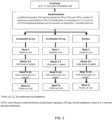
- EMPIRE-CF was a Phase II multicenter, randomized, double-blind, placebo-controlled, parallel-group study to evaluate the efficacy and safety of acebilustat in adult patients with CF (NCT02443688). The study consisted of a 48-week treatment period and follow-up visit 4 weeks after treatment completion. Screening visits occurred up to 21 days prior to the first study drug dose ( FIG. 2 ).
- Mean compliance with study drug was 93% in the acebilustat 100 mg group, 96% in the acebilustat 50 mg group, and 96% in the placebo group.
- Patients were randomized 1: 1: 1 to receive either once-daily oral acebilustat 50 mg or 100 mg (Celtaxsys, Atlanta, GA, USA), or placebo supplied as capsules.
- the two acebilustat doses were selected based on the levels of reduction of serum LTB4 production seen in Phase I studies.
- the 100 mg dose resulted in near-maximum LTB4 reduction (86% reduction) whilst the 50 mg dose showed a peak reduction in LTB4 production of ⁇ 75% [Elborn et al., 2017b].
- the primary endpoints were absolute change from baseline in FEV 1 pp and safety outcomes. Secondary endpoints included rate of pulmonary exacerbations and time to first pulmonary exacerbation, and the effects on biomarkers of lung and systemic inflammation. Analyses are described in section entitled "Analysis.”
- Pulmonary exacerbations were defined as the requirement for oral, inhaled or intravenous antibiotics for four or more signs or symptoms according to the modified Fuch's criteria (change in sputum; new or increased hemoptysis; increased cough; increased dyspnea; malaise, fatigue or lethargy; temperature >38°C; anorexia or weight loss; sinus pain or tenderness; change in sinus discharge; change in physical examination of the chest; ⁇ 10% absolute decrease in FEV 1 pp from the previously recorded value; radiographic changes indicative of pulmonary infection) [Fuchs et al., 1994], referred collectively (antibiotics plus the four or more signs and symptoms) as expanded Fuchs criteria. The date the pulmonary exacerbation began was defined as the first day of antibiotic use.
- CFTR modulators such as ivacaftor or lumacaftor, use of dornase alfa and chronic azithromycin
- history of Pseudomonas aeruginosa colonization and CFTR genotype were recorded.
- the number of pulmonary exacerbations in the last 12 months and the date of last pulmonary exacerbation were also recorded at screening.
- Spirometry data were recorded at screening and baseline; all other spirometric measurements at subsequent visits are ideally recorded within ⁇ 1 h of the baseline visit measurement. All tests met American Thoracic Society/European Respiratory Society criteria for quality (acceptability, reproducibility, and end of test criteria) [Miller et al., 2005]. To ensure consistency of measurement, spirometry measurements were ideally performed by the same researcher and the patient coached to use maximum effort at every attempt. Patients were able to take all of their concomitant medications according to their regular schedule; however, they were to refrain from using short-acting bronchodilators within 4 h of the scheduled spirometry time, and long-acting bronchodilators within 12-24 h of the scheduled spirometry time.
- Treatment-emergent adverse events including serious adverse events, were collected at each visit, and summarized by MEDRA system organ class and preferred term, severity, and relatedness to the study drug.
- An independent data monitoring committee monitored the safety and study conduct at approximately 8-week intervals.
- Sample size calculations were based on the primary efficacy endpoint of an absolute change from baseline in FEV 1 pp. Assumptions in the calculation are that: there is a 1:1:1 ratio of patients receiving 50 mg acebilustat vs 100 mg acebilustat vs placebo; the difference in average treatment effect for active treatment (both doses of acebilustat) vs placebo is at least 3.5 units at 48 weeks. With a standard deviation of 7 units the study had a power of at least 90% with one-sided alpha of 0.05 to detect the difference in average treatment effect (change from baseline in FEV 1 pp) for active treatment (both doses of acebilustat) vs placebo of 3.5 units at 48 weeks.
- Eligible patients were randomized to active treatment by an interactive web-based randomization system (IWRS). Randomization was stratified by baseline FEV 1 pp (50 to 75% and >75%), number of pulmonary exacerbations in the 12 months before screening (1 or >1) and use of CFTR-modulating therapy ivacaftor or ivacaftor+lumacaftor (yes/no). All patients, investigators and others in direct contact with patients were blinded to treatment assignment as were the sponsor and contract research organization staff.
- IWRS interactive web-based randomization system
- the primary analysis was based upon an analysis of variance (ANOVA) in which the average of the Week 48 change from baseline in FEV 1 pp for the two acebilustat doses was compared to that in the placebo group.
- the ANOVA model contained a separate term for each dose group with the average over the two acebilustat doses created by averaging the parameter estimates from the ANOVA model.
- the ANOVA included stratification for the factors used for randomization. If the primary analysis (aggregate acebilustat effect) reached the 0.05 level of significance (one-sided), the individual acebilustat doses would be compared to the placebo arm using Dunnett's procedure at the 0.05 (two-sided) alpha level.
- Pulmonary exacerbations were analyzed both as the time to first pulmonary exacerbation and the rate of pulmonary exacerbations.
- the time to first protocol defined-pulmonary exacerbation were analyzed using a Cox proportional hazards model.
- the number of protocol-defined pulmonary exacerbations reported through the Week 48/Early Termination visit were annualized (where a year was defined as 52 weeks) analyzed using a negative binomial regression.
- the two active doses were compared to placebo individually as well as pooled together using a contrast statement similar to that used for the primary analysis. Point estimates, standard errors, and 95% CIs for the mean of number of pulmonary exacerbations were presented.
- cystic fibrosis (CF) patients were enrolled into one of three treatment arms: placebo, 50 mg acebilustat, or 100 mg acebilustat ( FIG. 2 ).
- the patients were pre-stratified across the treatment arms by three criteria: baseline lung function (as measured by FEV1 percent predicted, FEV1pp), the number of pulmonary exacerbations in the year prior to enrollment, and the use of concomitant treatment with CFTR modulator therapies.
- Enrolled patients were followed through 48 weeks of treatment and an additional 4 weeks post-treatment.
- patients were monitored for changes in lung function and occurrence of pulmonary exacerbations in order to assess treatment effects.
- Pulmonary exacerbations were an important secondary endpoint, since anti-inflammatory therapies are expected to demonstrate benefit in pulmonary exacerbations as compared to changes in spirometry, although this Phase 2 study was not powered to detect statistically significant changes in pulmonary exacerbations.
- the annual rate of pulmonary exacerbations was calculated by standard methods for each treatment group. Two main overall populations were examined: a Full Analysis Population (FAP), which consisted of any patient taking at least one dose of treatment, and a Per Protocol Population (PP), which consisted of patients meeting all inclusion/exclusion criteria and compliant with at least 80% of their treatment regimen and who also had an assessment at week 48.
- FAP Full Analysis Population
- PP Per Protocol Population
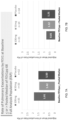
- the adjusted mean (95% CI) annualized pulmonary exacerbation rates based on the negative binomial regression model were 1.51 (1.26, 1.81) in the combined acebilustat groups, 1.57 (1.22, 2.02) in the 100 mg dose group and 1.46 (1.13, 1.89) in the 50 mg dose group), and 1.56 (1.21, 2.01) in the placebo group ( FIG. 3A ).
- the time to first pulmonary exacerbation was numerically greater in patients receiving acebilustat (combined and individual dose groups) versus placebo.
- the hazard ratios versus placebo (95% CI) were 0.87 (0.605, 1.246) in the acebilustat combined group, 0.88 (0.576, 1.339) in the acebilustat 100 mg group, and 0.86 (0.563, 1.308) in the acebilustat 50 mg group ( FIG. 4A ).
- the proportion of patients who did not experience a pulmonary exacerbation during the study period was also numerically greater in the acebilustat groups (51 of 133 patients [38%] in the combined acebilustat dose group, 25 of 66 patients [38%] in the 100 mg dose group, and 26 of 67 patients [39%] in the 50 mg group) than in the placebo group (20 of 66 patients [30%]) ( FIG.
- Kaplan-Meier analysis was conducted based on the fraction of patients remaining exacerbation free as a function of time ( FIGs. 4A and 4B ).
- the curves for the treated groups diverged from the placebo curve indicating an increased time to first exacerbation for both dose groups in both the FAP and PP ( FIGs. 4A and 4B , respectively).
- the hazard ratios for risk of exacerbation indicate a treatment effect for both acebilustat dose groups in reduced risk of exacerbation compared to placebo.
- the number of patients who did not experience a pulmonary exacerbation over the course of the 48 weeks of treatment was determined for each treatment group. This analysis indicates a larger proportion of patients treated with acebilustat remained exacerbation-free in both the FAP ( FIG. 5A and 6A ) and PP ( FIGs. 5B and 6B ).
- CF patients in the study were grouped according to their baseline lung function being above or below the median FEV1pp for the entire study population, which was found to be 68%.
- patients with baseline FEV1pp at or below the median ( ⁇ 68%) did not exhibit the same level of response to acebilustat treatment ( FIG. 7A ).
- CF patients in the study were grouped according to their baseline lung function (FEV1pp 50-75, or >75%). Patients with milder lung disease (baseline FEV1pp >75%), were found to respond to acebilustat treatment as evidenced by a lower annual rate of pulmonary exacerbations in both the FAP and PP ( FIGs. 8A and 8B , respectively). Specifically, the mean annualized rate of pulmonary exacerbation in patients with baseline FEV1pp > 75% was lower by about 35% in the combined acebilustat dose groups versus placebo; this difference was greater than in the overall study population.
- the adjusted mean (95% CI) annualized rate of pulmonary exacerbations in this pre-specified FAP population was 1.04 (0.74, 1.46) in the combined acebilustat groups, 0.84 (0.49, 1.44) in the 100 mg dose group, and 1.28 (0.84, 1.96) in the 50 mg dose group versus 1.61 (1.07, 2.42) in the placebo group ( FIG. 9A ).
- the effect of acebilustat versus placebo on time to first pulmonary exacerbation was also more pronounced in this population than in the overall trial population.
- FIGs. 15A and 15B show the effect of acebilustat on pulmonary exacerbation rate in patients having baseline FEV1pp >70, which is the CF community standard definition of "mild” CF disease, compared to patients having baseline FEV1pp >75 (the prespecified definition of "mild” CF used in the clinical study).
- acebilustat demonstrates a substantial reduction in pulmonary exacerbations in both groups with varying definitions of "mild” CF disease.
- acebilustat treated patients had a lower pulmonary exacerbation rate in CF patients with mild disease (FEV1pp > 75) whether taking ("on") or not taking ("off") concomitant CFTR modulator therapy.
- FEV1pp > 75 pulmonary exacerbation rate in CF patients with mild disease
- the greatest effect of acebilustat on pulmonary exacerbations in the entire study was observed in patients with mild disease concomitantly treated with CFTR modulator therapies ( FIG. 16A ), suggesting the potential for mechanistic synergy.
- the corresponding placebo groups were matched with the acebilustat treatment groups in regard to CFTR modulator use, i.e., for the patients "on" CFTR modulator, patients taking acebilustat plus CFTR modulator were compared to those taking CFTR modulator alone.
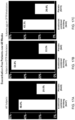
- acebilustat treated patients had a higher proportion (versus placebo) of patients free from pulmonary exacerbations during the course of the 48 weeks of treatment in the total study population ( FIG. 17A ) as well as in mild CF patients whether taking ("on") ( FIG. 17B ) or not taking ("off') ( FIG. 17C ) concomitant CFTR modulator therapy.
- FIG. 17B the effect of acebilustat in increasing the percentage of exacerbation-free patients was greatest in patients taking concomitant CFTR modulator therapy (see FIG. 17B ).
- FIG. 18A and 18B shows that both the 100 mg and 50 mg dose of acebilustat had a higher percentage of exacerbation-free patients in the mild (FEV1pp>75%) subgroup.
- FIGs. 20 and 21 show that the 100 mg dose of acebilustat had a lower rate of pulmonary exacerbations requiring hospitalization and a lower the rate of pulmonary exacerbations requiring intravenous antibiotics as compared to placebo.
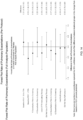
- FIGs. 19A and 19B show the effect acebilustat (100 mg in the mild population) and CFTR modulator therapies (KALYDECO ® , SYMDEKO ® , and ORKAMBI ® ) on percent differences from placebo in rate of pulmonary exacerbations and risk of pulmonary exacerbations, respectively.
- CFTR modulator therapies KLYDECO ® , SYMDEKO ® , and ORKAMBI ®
- FIGs. 19A and 19B show the effect acebilustat (100 mg in the mild population) and CFTR modulator therapies (KALYDECO ® , SYMDEKO ® , and ORKAMBI ® ) on percent differences from placebo in rate of pulmonary exacerbations and risk of pulmonary exacerbations, respectively.
- These figures show that the magnitude of effect of acebilustat (100 mg dose) in the mild CF population in terms of benefit in both annual rate and risk of pulmonary exacerbations was similar or
- acebilustat is a reduction in the rate of pulmonary exacerbations (PEx) and reduced risk of progression to pulmonary exacerbations.
- PEx pulmonary exacerbations
- acebilustat demonstrated clinically meaningful improvements in pulmonary exacerbations, both reducing the frequency of pulmonary exacerbations (PEx) and increasing time to next exacerbation over 48 weeks of therapy.
- the benefit, when used in combination with a CFTR modulator, is an important consideration given the likelihood of an increase in number of CF patients who are eligible to be treated with CFTR modulators over the coming years. This addresses the unmet need to reduce lung inflammation, that persists despite CFTR modulator therapy, adequately for the optimal treatment of patients with cystic fibrosis.
- Acebilustat-treated patients exhibited an 18% reduction in PEx and a 22% reduced risk in progressing to first PEx versus placebo. Additionally, compared with placebo, 32% more patients treated with acebilustat had no PEx during the study.
- the benefits of acebilustat on pulmonary exacerbations were apparent as early as four months after start of treatment and persisted throughout the 48 weeks of the study.
- FEV1pp FEV1 percent predicted
- FEV1pp had wide variability and was not predictive of decreased pulmonary exacerbation (PEx responders). This study provides evidence that decrease in pulmonary exacerbations is a better outcome measurement from anti-inflammatory therapy than FEV1pp.
- the LTA4 inhibitor acebilustat is in development as an anti-inflammatory therapy in CF and has shown promising results in Phase I studies.
- the drug significantly reduced sputum neutrophil levels by up to 65% and sputum elastase levels by up to 58%.
- Numerical reductions in C-reactive protein were observed in the acebilustat treated groups [Elborn et al., 2017a].
- Sputum LTB4 levels decreased significantly in acebilustat- vs placebo-treated patients [Elborn et al., 2017b].
- acebilustat did not induce CYP3A4, a known metabolizer of the CFTR modulator ivacaftor and, importantly, these data show that the two drugs (acebilustat and ivacaftor) could be taken concomitantly [Elborn et al., 2017b].
- the adverse event profile of acebilustat was closely monitored in the Phase I studies. Reassuringly, acebilustat was well tolerated in these trials. The majority of treatment-emergent adverse events (AEs) were mild or moderate in severity and no drug-related serious AEs occurred in these studies [Elborn et al., 2017a, b].
- Enrolling the most appropriate patient phenotype is key to assessing clinical outcomes in a trial for a novel potential therapy.
- Patients for EMPIRE-CF were selected based on stringent inclusion criteria (age 18-30 years, FEV 1 pp ⁇ 50, and at least one exacerbation in the past year). This enriched the study population with patients who are most susceptible to pulmonary exacerbations and annual lung function decline. The enrolled patients experienced a mean of 2.1 exacerbations in the prior year.
- Ensuring treatment arms were well balanced with respect to patient characteristics would help identify any specific patient groups that are more likely to benefit from acebilustat and who could be included in future clinical trials. Randomization was, therefore, stratified by baseline FEV 1 pp, number of pulmonary exacerbations in the prior 12 months, and use of CFTR-modulating therapy. Stratification based on concomitant CFTR modulator use is important as neutrophil elastase is shown to downregulate CFTR [Le Gars, et al. 2013]; an anti-inflammatory agent, such as acebilustat, that reduces neutrophil elastase could have synergistic effects with CFTR modulators.
- CFTR modulators have been shown to reduce the rate of lung function decline, they have not consistently shown an impact on markers of airway inflammation, and patients receiving CFTR modulator treatment still experience exacerbations and progressive loss of lung function [Sawicki et al. 2015; Konstan et al. 2017; Hisert et al. 2017; Rowe et al. 2014].
- Our study findings suggest that the addition of acebilustat to CFTR modulator therapy may further reduce pulmonary exacerbations and potentially further reduce long-term loss of lung function. Trials of longer duration are needed to detect the effect of combination treatment on the trajectory of lung function decline.
- acebilustat acts to reduce LTB 4 synthesis by inhibiting the LTA 4 H enzyme, it is likely to downregulate signaling through the BLT1 receptor rather than block signaling. This is reflected in the acceptable safety profile observed for acebilustat in this study where acebilustat was safe and well tolerated in patients with CF. Most AEs were either mild or moderate in intensity and considered by the investigator to be unrelated or unlikely to be related to study drug. There were few discontinuations due to AEs.
- Neutrophil elastase is a key marker of inflammation associated with lung function decline in patients with CF [Mayer et al. (2007)].
- sputum levels of neutrophil elastase, as well as sputum neutrophil DNA and serum high-sensitivity C-reactive protein were reduced with acebilustat treatment compared with placebo [Elborn et al. (2017)].
- High-sensitivity C-reactive protein a marker of systemic inflammation, may have been impacted by intercurrent illnesses in this study where patients, though stable at randomization, had pulmonary exacerbations throughout the trial increasing variance and adversely influencing detection of stable changes between groups.
- acebilustat is the first novel anti-inflammatory molecule to prospectively demonstrate benefits in both reducing the frequency of pulmonary exacerbations and prolonging time to first exacerbation, when added to a CF patient's existing treatment regimen in a clinical trial.
- Acebilustat treatment had a significant effect on reducing the rate of pulmonary exacerbation and this effect was most notable in patients of the mild lung disease population (having a FEV1pp of greater than 75 at baseline) and in patients on CFTR modulator therapy.
- Acebilustat-treated patients had a lower frequency of pulmonary exacerbations, particularly as recruited patients had exacerbations in the year prior to study entry and therefore at high risk of new exacerbations.
- Inclusion and Exclusion criteria 18 to 30 years of age inclusive at the time of screening •
- Documented, confirmed diagnosis of pulmonary CF (defined as follows): CF signs and symptoms AND either two CFTR mutations on genetic testing OR sweat chloride ⁇ 60 mEq/L • At least one pulmonary exacerbation, based on the investigator's judgment, in the 12 months before screening •
- CF cystic fibrosis
- CFTR cystic fibrosis transmembrane conductance regulator
- FEV 1 pp forced expiratory volume in 1 second percent predicted
- NSAID non-steroidal anti-inflammatory drug
- ULN upper limit of normal. Table 3.
- Primary and secondary endpoints Primary and secondary endpoints Primary endpoints • Absolute change from baseline to Week 48 in FEV 1 pp • Safety and tolerability Secondary endpoints • Number of pulmonary exacerbations • Time to first pulmonary exacerbation Biomarker levels (sputum DNA and elastase, serum hs-CRP) Exploratory endpoints • Sputum bacterial density (total and that of P. aeruginosa, Burkholderia cepacia complex, Achromobacter xylosoxidans, Stenotrophomonas maltophilia, and Staphylococcus aureus [including methicillin-resistant S. aureus and small colony variants of S. aureus ]) • Change from baseline in health-related quality of life as measured by the CFQ-R
- CFQ-R Cystic Fibrosis Questionnaire - Revised
- CFU colony-forming unit
- FEF 25-75% forced expiratory flow during the middle portion of the forced vital capacity
- FEV 1 pp forced expiratory volume in 1 second percent predicted
- FVCpp forced vital capacity percent predicted
- hs-CRP serum high-sensitivity C-reactive protein.
Landscapes
- Health & Medical Sciences (AREA)
- Veterinary Medicine (AREA)
- Chemical & Material Sciences (AREA)
- Medicinal Chemistry (AREA)
- Pharmacology & Pharmacy (AREA)
- Life Sciences & Earth Sciences (AREA)
- Animal Behavior & Ethology (AREA)
- General Health & Medical Sciences (AREA)
- Public Health (AREA)
- Epidemiology (AREA)
- Engineering & Computer Science (AREA)
- Bioinformatics & Cheminformatics (AREA)
- Pulmonology (AREA)
- Chemical Kinetics & Catalysis (AREA)
- General Chemical & Material Sciences (AREA)
- Nuclear Medicine, Radiotherapy & Molecular Imaging (AREA)
- Organic Chemistry (AREA)
- Pharmaceuticals Containing Other Organic And Inorganic Compounds (AREA)
- Medicines That Contain Protein Lipid Enzymes And Other Medicines (AREA)
Applications Claiming Priority (3)
| Application Number | Priority Date | Filing Date | Title |
|---|---|---|---|
| US201862678964P | 2018-05-31 | 2018-05-31 | |
| US201862702038P | 2018-07-23 | 2018-07-23 | |
| PCT/US2019/034810 WO2019232306A1 (en) | 2018-05-31 | 2019-05-31 | Method of reducing pulmonary exacerbations in respiratory disease patients |
Publications (4)
| Publication Number | Publication Date |
|---|---|
| EP3801559A1 EP3801559A1 (en) | 2021-04-14 |
| EP3801559A4 EP3801559A4 (en) | 2022-03-02 |
| EP3801559C0 EP3801559C0 (en) | 2025-01-01 |
| EP3801559B1 true EP3801559B1 (en) | 2025-01-01 |
Family
ID=68694908
Family Applications (1)
| Application Number | Title | Priority Date | Filing Date |
|---|---|---|---|
| EP19811606.3A Active EP3801559B1 (en) | 2018-05-31 | 2019-05-31 | Method of reducing pulmonary exacerbations in respiratory disease patients |
Country Status (6)
| Country | Link |
|---|---|
| US (3) | US10898484B2 (https=) |
| EP (1) | EP3801559B1 (https=) |
| JP (2) | JP7386815B2 (https=) |
| AU (1) | AU2019278935B2 (https=) |
| ES (1) | ES3014615T3 (https=) |
| WO (1) | WO2019232306A1 (https=) |
Families Citing this family (4)
| Publication number | Priority date | Publication date | Assignee | Title |
|---|---|---|---|---|
| EP3801559B1 (en) * | 2018-05-31 | 2025-01-01 | Celltaxis, LLC | Method of reducing pulmonary exacerbations in respiratory disease patients |
| US20240016941A1 (en) * | 2020-03-24 | 2024-01-18 | Antabio Sas | Combination therapy |
| CA3207882A1 (en) * | 2021-01-15 | 2022-07-21 | Children's Hospital Medical Center | Methods for optimizing cftr-modulator therapy |
| WO2024254377A2 (en) * | 2023-06-09 | 2024-12-12 | Celltaxis, Llc | Methods of treating lipedema and lymphatic disease of the subcutaneous tissue |
Family Cites Families (91)
| Publication number | Priority date | Publication date | Assignee | Title |
|---|---|---|---|---|
| NL6815872A (https=) | 1967-11-22 | 1969-05-27 | ||
| JPS5614663B2 (https=) | 1971-08-21 | 1981-04-06 | ||
| US4582833A (en) | 1984-04-16 | 1986-04-15 | American Cyanamid Company | 2-(substituted-1-piperazinyl)[1,2,4]triazolo[1,5-a]pyrimidines |
| US4576943A (en) | 1984-10-09 | 1986-03-18 | American Cyanamid Company | Pyrazolo[1,5-a]pyrimidines |
| US5308852A (en) | 1992-06-29 | 1994-05-03 | Merck Frosst Canada, Inc. | Heteroarylnaphthalenes as inhibitors of leukotriene biosynthesis |
| US6506876B1 (en) | 1994-10-11 | 2003-01-14 | G.D. Searle & Co. | LTA4 hydrolase inhibitor pharmaceutical compositions and methods of use |
| AU1952597A (en) | 1996-02-13 | 1997-09-02 | G.D. Searle & Co. | Combinations, having immunosuppressive effects, containing cyclooxygenase-2 inhibitor and a leukotriene a4 hydrolase inhibitor |
| US5952349A (en) | 1996-07-10 | 1999-09-14 | Schering Corporation | Muscarinic antagonists for treating memory loss |
| JP2000516611A (ja) | 1996-08-14 | 2000-12-12 | ワーナー―ランバート・コンパニー | Mcp―1アンタゴニストとしての2―フェニルベンズイミダゾール誘導体 |
| US6309561B1 (en) | 1997-12-24 | 2001-10-30 | 3M Innovative Properties Company | Liquid crystal compounds having a chiral fluorinated terminal portion |
| US6380203B1 (en) | 1998-01-14 | 2002-04-30 | Merck & Co., Inc. | Angiogenesis inhibitors |
| GB9815880D0 (en) | 1998-07-21 | 1998-09-16 | Pfizer Ltd | Heterocycles |
| GB9919776D0 (en) | 1998-08-31 | 1999-10-27 | Zeneca Ltd | Compoujnds |
| AR023659A1 (es) | 1998-09-18 | 2002-09-04 | Vertex Pharma | Un compuesto inhibidor de p38, una composicion farmaceutica que lo comprende y el uso de dicha composicion en el tratamiento y prevencion de estados patologicos |
| US6699873B1 (en) | 1999-08-04 | 2004-03-02 | Millennium Pharmaceuticals, Inc. | Melanocortin-4 receptor binding compounds and methods of use thereof |
| US6924313B1 (en) | 1999-09-23 | 2005-08-02 | Pfizer Inc. | Substituted tertiary-heteroalkylamines useful for inhibiting cholesteryl ester transfer protein activity |
| WO2001056990A2 (en) | 2000-02-03 | 2001-08-09 | Eli Lilly And Company | Pyridine derivates as potentiators of glutamate receptors |
| US6552023B2 (en) | 2000-02-22 | 2003-04-22 | Cv Therapeutics, Inc. | Aralkyl substituted piperazine compounds |
| US6451798B2 (en) | 2000-02-22 | 2002-09-17 | Cv Therapeutics, Inc. | Substituted alkyl piperazine derivatives |
| JP2001354657A (ja) | 2000-06-09 | 2001-12-25 | Sds Biotech:Kk | 置換ピペラジン誘導体及び農園芸用殺菌剤 |
| EP1170353B1 (en) | 2000-07-06 | 2005-11-02 | Fuji Photo Film Co., Ltd. | Liquid crystal composition comprising liquid crystal molecules and aligment promoter |
| WO2002064211A1 (en) | 2001-02-09 | 2002-08-22 | Merck & Co., Inc. | Thrombin inhibitors |
| EP1372655B1 (en) | 2001-03-02 | 2008-10-01 | Merck Frosst Canada Ltd. | Cathepsin cysteine protease inhibitors |
| AUPR362001A0 (en) | 2001-03-08 | 2001-04-05 | Fujisawa Pharmaceutical Co., Ltd. | New compound |
| FR2826011B1 (fr) | 2001-06-14 | 2004-12-10 | Oreal | Nouveaux derives de la 7-oxo-dhea et utilisation cosmetique |
| SE0102616D0 (sv) | 2001-07-25 | 2001-07-25 | Astrazeneca Ab | Novel compounds |
| EP1435946B8 (en) | 2001-09-14 | 2013-12-18 | Amgen Inc. | Linked biaryl compounds |
| AU2002363236A1 (en) | 2001-10-30 | 2003-05-12 | Millennium Pharmaceuticals, Inc. | Compounds, pharmaceutical compositions and methods of use therefor |
| EP1693061A1 (en) | 2002-10-04 | 2006-08-23 | Ucb, S.A. | Use of 4-aminoderivatives for the preparation of a medicament for treating neurological diseases |
| US7851486B2 (en) | 2002-10-17 | 2010-12-14 | Decode Genetics Ehf. | Susceptibility gene for myocardial infarction, stroke, and PAOD; methods of treatment |
| AU2003290527A1 (en) | 2002-10-17 | 2004-05-04 | Decode Genetics Ehf. | Susceptibility gene for myocardial infarction |
| WO2004058683A2 (en) | 2002-12-20 | 2004-07-15 | Migenix Corp. | Ligands of adenine nucleotide translocase (ant) and compositions and methods related thereto |
| WO2004089410A1 (ja) | 2003-04-03 | 2004-10-21 | Kyowa Hakko Kogyo Co., Ltd. | 神経因性疼痛の予防及び/または治療剤 |
| WO2004099164A1 (en) | 2003-05-02 | 2004-11-18 | Rigel Pharmaceuticals, Inc. | Substituted diphenyl isoxazoles, pyrazoles and oxadiazoles useful for treating hcv infection |
| JP2005008581A (ja) | 2003-06-20 | 2005-01-13 | Kissei Pharmaceut Co Ltd | 新規なピラゾロ[1,5−a]ピリミジン誘導体、それを含有する医薬組成物およびそれらの用途 |
| CN1856490A (zh) | 2003-07-28 | 2006-11-01 | 詹森药业有限公司 | 苯并咪唑、苯并噻唑和苯并噁唑衍生物及其作为lta4h调节剂的应用 |
| US20050272051A1 (en) | 2003-09-17 | 2005-12-08 | Decode Genetics Ehf. | Methods of preventing or treating recurrence of myocardial infarction |
| WO2005033079A1 (ja) | 2003-09-30 | 2005-04-14 | Eisai Co., Ltd. | ヘテロ環化合物を含有する新規な抗真菌剤 |
| GB0326632D0 (en) | 2003-11-14 | 2003-12-17 | Jagotec Ag | Dry powder formulations |
| DE10356579A1 (de) | 2003-12-04 | 2005-07-07 | Merck Patent Gmbh | Aminderivate |
| SE0303480D0 (sv) | 2003-12-19 | 2003-12-19 | Biovitrum Ab | Benzofuranes |
| WO2005066238A1 (en) | 2003-12-30 | 2005-07-21 | 3M Innovative Properties Company | Medicinal compositions and method for the preparation thereof |
| DE602005015682D1 (de) | 2004-02-04 | 2009-09-10 | Neurosearch As | Dimere azacyclische verbindungen und deren verwendung |
| WO2006033795A2 (en) | 2004-09-17 | 2006-03-30 | Wyeth | Substituted pyrazolo [1, 5-a] pyrimidines for inhibiting abnormal cell growth |
| ES2570332T3 (es) | 2005-03-16 | 2016-05-17 | Meda Pharma Gmbh & Co Kg | La combinación de anticolinérgicos y antagonistas del receptor de leucotrieno para el tratamiento de enfermedades respiratorias |
| US20060223792A1 (en) | 2005-03-31 | 2006-10-05 | Butler Christopher R | Phenyl and pyridyl LTA4H modulators |
| GB0514018D0 (en) | 2005-07-07 | 2005-08-17 | Ionix Pharmaceuticals Ltd | Chemical compounds |
| US20070078263A1 (en) | 2005-09-21 | 2007-04-05 | Decode Chemistry, Inc. | Biaryl substituted heterocycle inhibitors of lta4h for treating inflammation |
| CN1947717B (zh) | 2005-10-14 | 2012-09-26 | 卓敏 | 选择性抑制腺苷酸环化酶1的化合物在制备用于治疗神经性疼痛和炎性疼痛的药物中的应用 |
| DE102005049954A1 (de) | 2005-10-19 | 2007-05-31 | Sanofi-Aventis Deutschland Gmbh | Triazolopyridin-derivate als Inhibitoren von Lipasen und Phospholipasen |
| WO2007079078A1 (en) | 2005-12-29 | 2007-07-12 | Bayer Schering Pharma Aktiengesellschaft | Diamine derivatives as inhibitors of leukotriene a4 hydrolase |
| WO2007079003A2 (en) | 2005-12-29 | 2007-07-12 | Bayer Schering Pharma Aktiengesellschaft | Amide inhibitors of leukotriene a4 hydrolase |
| CN102633783A (zh) | 2006-02-10 | 2012-08-15 | 转化技术制药公司 | 作为Aurora激酶抑制剂的苯并唑系衍生物、组合物和使用方法 |
| US20100029619A1 (en) | 2006-08-04 | 2010-02-04 | Takeda Pharmaceutical Company Limted | Fused heterocyclic compound |
| JP5167265B2 (ja) | 2006-10-19 | 2013-03-21 | エフ.ホフマン−ラ ロシュ アーゲー | 微量アミン関連受容体に親和性を有するアミノメチル−2−イミダゾール |
| HRP20170621T1 (hr) | 2006-12-14 | 2017-07-28 | Janssen Pharmaceutica N.V. | Postupak za pripremanje derivata piperazinil i diazepanil benzamida |
| FR2911140B1 (fr) | 2007-01-05 | 2009-02-20 | Sanofi Aventis Sa | Nouveaux derives de 2-anilino 4-heteroaryle pyrimides, leur preparation a titre de medicaments, compositions pharmaceutiques et notamment comme inhibiteurs de ikk |
| FR2911138B1 (fr) | 2007-01-05 | 2009-02-20 | Sanofi Aventis Sa | Nouveaux derives de n, n'-2,4-dianilinopyrimidines, leur preparation a titre de medicaments, compositions pharmaceutiques et notamment comme inhibiteurs de ikk |
| FR2911139A1 (fr) | 2007-01-05 | 2008-07-11 | Sanofi Aventis Sa | Nouveaux derives de phenyl-(4-phenyl-pyrimidin-2-yl)amines, leur preparation a titre de medicaments, compositions pharmaceutiques et notamment comme inhibiteurs de ikk |
| CN101687844B (zh) | 2007-07-02 | 2013-11-13 | 弗·哈夫曼-拉罗切有限公司 | 用作ccr2受体拮抗剂的咪唑衍生物 |
| AR068498A1 (es) | 2007-09-27 | 2009-11-18 | Merck & Co Inc | Compuestos de oxadiazol para inhibicion de biosintesis de leucotrienos |
| WO2009074829A1 (en) | 2007-12-12 | 2009-06-18 | Astrazeneca Ab | Peptidyl nitriles and use thereof as dipeptidyl peptidase i inhibitors |
| US20110009429A1 (en) | 2008-02-26 | 2011-01-13 | Paul Oakley | Heterocyclic compounds as inhibitors of cxcr2 |
| FR2928070A1 (fr) | 2008-02-27 | 2009-09-04 | Sumitomo Chemical Co | Composition agricole, utilisation d'un compose pour sa production et procede pour matriser ou prevenir les maladies des plantes. |
| US20100029657A1 (en) | 2008-02-29 | 2010-02-04 | Wyeth | Bridged, Bicyclic Heterocyclic or Spiro Bicyclic Heterocyclic Derivatives of Pyrazolo[1, 5-A]Pyrimidines, Methods for Preparation and Uses Thereof |
| SI2336125T1 (sl) | 2008-04-11 | 2013-04-30 | Janssen Pharmaceutica N.V. | Tiazolopiridin-2-iloksi-fenil in tiazolopirazin-2-iloksi-fenil amini kot modulatorji levkotrien a4 hidrolaze |
| EP2110374A1 (en) | 2008-04-18 | 2009-10-21 | Merck Sante | Benzofurane, benzothiophene, benzothiazol derivatives as FXR modulators |
| WO2010011912A1 (en) | 2008-07-25 | 2010-01-28 | Smithkline Beecham Corporation | Trpv4 antagonists |
| ES2399179T3 (es) | 2008-08-07 | 2013-03-26 | Pulmagen Therapeutics (Inflammation) Limited | Tratamiento de enfermedad respiratoria |
| RU2589823C2 (ru) | 2009-04-09 | 2016-07-10 | Алкермес Фарма Айэленд Лимитед | Композиция для доставки лекарственных средств |
| CN102030700B (zh) | 2009-09-30 | 2016-06-01 | 中国医学科学院药物研究所 | 苯甲酰胺基羧酸类化合物及其制法和药物用途 |
| JP5781527B2 (ja) | 2009-10-30 | 2015-09-24 | ヤンセン ファーマシューティカ エヌ.ベー. | 4−置換−2−フェノキシ−フェニルアミンデルオピオイド受容体調節因子 |
| PH12012501068A1 (en) | 2009-12-07 | 2013-02-04 | Targacept Inc | 3,6-diazabicyclo [3.1.1] heptanes as neuronal nicotinic acetylcholine receptor ligands |
| BR112013002112B1 (pt) | 2010-07-29 | 2021-04-06 | Rigel Pharmaceuticals, Inc. | Composto, composição farmacêutica, e, uso de um composto, ou de um respectivo sal farmaceuticamente aceitável, ou de uma composição |
| WO2012067822A1 (en) | 2010-11-16 | 2012-05-24 | Abbott Laboratories | Pyrazolo [1, 5 -a] pyrimidin potassium channel modulators |
| CA2835617C (en) | 2011-03-14 | 2020-07-21 | Boehringer Ingelheim International Gmbh | Benzodioxane inhibitors of leukotriene production |
| PH12013501882A1 (en) | 2011-03-15 | 2013-10-14 | Rib X Pharmaceuticals Inc | Antimicrobial agents |
| KR101862291B1 (ko) | 2011-04-12 | 2018-05-29 | 모레 매트릭스 인코포레이티드 | 이상 섬유모세포 증식 및 세포외 기질 침착을 특징으로 하는 질병, 질환, 또는 과정을 예방하거나 치료하기 위한 조성물 및 방법 |
| WO2012162407A1 (en) | 2011-05-23 | 2012-11-29 | Janssen Pharmaceutica Nv | Picolinamido - propanoic acid derivatives useful as glucagon receptor antagonists |
| EP2589381B1 (en) | 2011-11-04 | 2016-08-31 | Rabindra Tirouvanziam | Compositions for improving or preserving lung function in a patient with a pulmonary disorder |
| CN103159742B (zh) | 2011-12-16 | 2015-08-12 | 北京韩美药品有限公司 | 5-氯嘧啶类化合物及其作为egfr酪氨酸激酶抑制剂的应用 |
| US9006235B2 (en) | 2012-03-06 | 2015-04-14 | Bristol-Myers Squibb Company | Inhibitors of human immunodeficiency virus replication |
| US9233089B2 (en) | 2012-03-23 | 2016-01-12 | The Board Of Trustees Of The Leland Stanford Junior University | Treatment of pulmonary hypertension with leukotriene inhibitors |
| ES2864862T3 (es) * | 2013-03-12 | 2021-10-14 | Celltaxis Llc | Métodos de inhibición de la leucotrieno A4 hidrolasa |
| MX2015011677A (es) | 2013-03-14 | 2016-07-08 | Celtaxsys Inc | Inhibidores de leucotrieno a4 hidrolasa. |
| RU2678196C2 (ru) | 2013-03-14 | 2019-01-24 | Селтакссис, Инк. | Производные 2-фениламино-3-цианопиразоло[1,5-а]пиримидина, полезные в качестве ингибитора лейкотриен-a4-гидролазы |
| WO2014152536A2 (en) | 2013-03-14 | 2014-09-25 | Celtaxsys, Inc. | Inhibitors of leukotriene a4 hydrolase |
| US9480676B2 (en) * | 2014-05-15 | 2016-11-01 | Celgene Corporation | Use of PDE4 inhibitors and combinations thereof for the treatment of cystic fibrosis |
| MA41253A (fr) * | 2014-12-23 | 2017-10-31 | Proteostasis Therapeutics Inc | Composés, compositions et procédés pour augmenter l'activité du cftr |
| HUP1600271A2 (hu) * | 2016-04-25 | 2017-10-30 | Druggability Tech Ip Holdco Ltd | Ivacaftor és Lumacaftor sóinak és származékainak komplexei, eljárás azok elõállítására és azok gyógyszerészetileg elfogadható készítményei |
| EP3801559B1 (en) * | 2018-05-31 | 2025-01-01 | Celltaxis, LLC | Method of reducing pulmonary exacerbations in respiratory disease patients |
-
2019
- 2019-05-31 EP EP19811606.3A patent/EP3801559B1/en active Active
- 2019-05-31 JP JP2020566936A patent/JP7386815B2/ja active Active
- 2019-05-31 US US16/427,571 patent/US10898484B2/en active Active
- 2019-05-31 WO PCT/US2019/034810 patent/WO2019232306A1/en not_active Ceased
- 2019-05-31 ES ES19811606T patent/ES3014615T3/es active Active
- 2019-05-31 AU AU2019278935A patent/AU2019278935B2/en active Active
-
2021
- 2021-01-11 US US17/145,586 patent/US11890282B2/en active Active
-
2023
- 2023-11-14 JP JP2023193448A patent/JP7603775B2/ja active Active
- 2023-12-20 US US18/390,000 patent/US12558353B2/en active Active
Also Published As
| Publication number | Publication date |
|---|---|
| ES3014615T3 (en) | 2025-04-23 |
| US20210236484A1 (en) | 2021-08-05 |
| AU2019278935B2 (en) | 2025-02-13 |
| US20240358699A1 (en) | 2024-10-31 |
| JP2024014938A (ja) | 2024-02-01 |
| US20190365750A1 (en) | 2019-12-05 |
| AU2019278935A1 (en) | 2020-12-10 |
| CA3102077A1 (en) | 2019-12-05 |
| EP3801559A1 (en) | 2021-04-14 |
| US10898484B2 (en) | 2021-01-26 |
| JP7603775B2 (ja) | 2024-12-20 |
| JP2021525763A (ja) | 2021-09-27 |
| JP7386815B2 (ja) | 2023-11-27 |
| EP3801559A4 (en) | 2022-03-02 |
| US12558353B2 (en) | 2026-02-24 |
| EP3801559C0 (en) | 2025-01-01 |
| US11890282B2 (en) | 2024-02-06 |
| WO2019232306A1 (en) | 2019-12-05 |
Similar Documents
| Publication | Publication Date | Title |
|---|---|---|
| US12558353B2 (en) | Method of reducing pulmonary exacerbations in respiratory disease patients | |
| Suh et al. | Considerations for the use of phage therapy in clinical practice | |
| Brodlie et al. | Targeted therapies to improve CFTR function in cystic fibrosis | |
| Dinarello et al. | Histone deacetylase inhibitors for treating a spectrum of diseases not related to cancer | |
| Bilton et al. | Inhaled dry powder mannitol in cystic fibrosis: an efficacy and safety study | |
| Chalmers et al. | Management of bronchiectasis in adults | |
| Nussbaumer-Ochsner et al. | Systemic manifestations of COPD | |
| Lo et al. | Interventions for the eradication of methicillin‐resistant Staphylococcus aureus (MRSA) in people with cystic fibrosis | |
| Jaques et al. | Novel therapeutic approaches for the management of cystic fibrosis | |
| Elborn et al. | Phase I studies of acebilustat: biomarker response and safety in patients with cystic fibrosis | |
| Dhand | The rationale and evidence for use of inhaled antibiotics to control Pseudomonas aeruginosa infection in non-cystic fibrosis bronchiectasis | |
| Perrem et al. | Anti‐inflammatories and mucociliary clearance therapies in the age of CFTR modulators | |
| Buhl et al. | Future directions in the pharmacologic therapy of chronic obstructive pulmonary disease | |
| Karimzadeh et al. | Aminoglycosides: single-or multiple-daily dosing? An updated qualitative systematic review of randomized trials on toxicity and efficacy | |
| Hamilos | Nasal and sinus problems in cystic fibrosis patients | |
| Ohbayashi et al. | Pharmacological effects of lysozyme on COPD and bronchial asthma with sputum: A randomized, placebo-controlled, small cohort, cross-over study | |
| CA3102077C (en) | Method of reducing pulmonary exacerbations in respiratory disease patients | |
| Ratjen | Update in cystic fibrosis 2008 | |
| Leuthner et al. | Real-world evaluation of ceftolozane/tazobactam (C/T) use and clinical outcomes at an Academic Medical Center in Las Vegas | |
| Brochet et al. | Comparative efficacy of two doses of nebulized colistimethate for the eradication of Pseudomonas aeruginosa in children with cystic fibrosis | |
| US20240342239A1 (en) | Treatment of non-cystic fibrosis bronchiectasis | |
| US20200253960A1 (en) | Antibiotic formulations for treating of cavity infections | |
| EA052469B1 (ru) | Лечение некистозных фиброзных (немуковисцидозных) бронхоэктазов | |
| US20230052317A1 (en) | Treatment of non-cystic fibrosis bronchiectasis | |
| Dhais et al. | Cystic fibrosis: A review |
Legal Events
| Date | Code | Title | Description |
|---|---|---|---|
| STAA | Information on the status of an ep patent application or granted ep patent |
Free format text: STATUS: THE INTERNATIONAL PUBLICATION HAS BEEN MADE |
|
| PUAI | Public reference made under article 153(3) epc to a published international application that has entered the european phase |
Free format text: ORIGINAL CODE: 0009012 |
|
| STAA | Information on the status of an ep patent application or granted ep patent |
Free format text: STATUS: REQUEST FOR EXAMINATION WAS MADE |
|
| 17P | Request for examination filed |
Effective date: 20201209 |
|
| AK | Designated contracting states |
Kind code of ref document: A1 Designated state(s): AL AT BE BG CH CY CZ DE DK EE ES FI FR GB GR HR HU IE IS IT LI LT LU LV MC MK MT NL NO PL PT RO RS SE SI SK SM TR |
|
| AX | Request for extension of the european patent |
Extension state: BA ME |
|
| RAV | Requested validation state of the european patent: fee paid |
Extension state: MD Effective date: 20201209 |
|
| A4 | Supplementary search report drawn up and despatched |
Effective date: 20220202 |
|
| RIC1 | Information provided on ipc code assigned before grant |
Ipc: A61K 45/06 20060101ALI20220127BHEP Ipc: A61P 11/00 20060101ALI20220127BHEP Ipc: A61K 31/47 20060101ALI20220127BHEP Ipc: A61K 31/519 20060101ALI20220127BHEP Ipc: A61K 31/443 20060101ALI20220127BHEP Ipc: A61K 31/4995 20060101ALI20220127BHEP Ipc: A61K 31/404 20060101ALI20220127BHEP Ipc: A61K 31/7036 20060101AFI20220127BHEP |
|
| P01 | Opt-out of the competence of the unified patent court (upc) registered |
Effective date: 20230518 |
|
| GRAP | Despatch of communication of intention to grant a patent |
Free format text: ORIGINAL CODE: EPIDOSNIGR1 |
|
| STAA | Information on the status of an ep patent application or granted ep patent |
Free format text: STATUS: GRANT OF PATENT IS INTENDED |
|
| INTG | Intention to grant announced |
Effective date: 20240322 |
|
| GRAJ | Information related to disapproval of communication of intention to grant by the applicant or resumption of examination proceedings by the epo deleted |
Free format text: ORIGINAL CODE: EPIDOSDIGR1 |
|
| STAA | Information on the status of an ep patent application or granted ep patent |
Free format text: STATUS: REQUEST FOR EXAMINATION WAS MADE |
|
| GRAP | Despatch of communication of intention to grant a patent |
Free format text: ORIGINAL CODE: EPIDOSNIGR1 |
|
| STAA | Information on the status of an ep patent application or granted ep patent |
Free format text: STATUS: GRANT OF PATENT IS INTENDED |
|
| INTC | Intention to grant announced (deleted) | ||
| INTG | Intention to grant announced |
Effective date: 20240724 |
|
| GRAS | Grant fee paid |
Free format text: ORIGINAL CODE: EPIDOSNIGR3 |
|
| GRAA | (expected) grant |
Free format text: ORIGINAL CODE: 0009210 |
|
| STAA | Information on the status of an ep patent application or granted ep patent |
Free format text: STATUS: THE PATENT HAS BEEN GRANTED |
|
| AK | Designated contracting states |
Kind code of ref document: B1 Designated state(s): AL AT BE BG CH CY CZ DE DK EE ES FI FR GB GR HR HU IE IS IT LI LT LU LV MC MK MT NL NO PL PT RO RS SE SI SK SM TR |
|
| REG | Reference to a national code |
Ref country code: GB Ref legal event code: FG4D |
|
| REG | Reference to a national code |
Ref country code: CH Ref legal event code: EP |
|
| REG | Reference to a national code |
Ref country code: DE Ref legal event code: R096 Ref document number: 602019064331 Country of ref document: DE |
|
| REG | Reference to a national code |
Ref country code: IE Ref legal event code: FG4D |
|
| P04 | Withdrawal of opt-out of the competence of the unified patent court (upc) registered |
Free format text: CASE NUMBER: APP_5775/2025 Effective date: 20250204 |
|
| U01 | Request for unitary effect filed |
Effective date: 20250131 |
|
| U07 | Unitary effect registered |
Designated state(s): AT BE BG DE DK EE FI FR IT LT LU LV MT NL PT RO SE SI Effective date: 20250206 |
|
| REG | Reference to a national code |
Ref country code: ES Ref legal event code: FG2A Ref document number: 3014615 Country of ref document: ES Kind code of ref document: T3 Effective date: 20250423 |
|
| U20 | Renewal fee for the european patent with unitary effect paid |
Year of fee payment: 7 Effective date: 20250522 |
|
| PG25 | Lapsed in a contracting state [announced via postgrant information from national office to epo] |
Ref country code: PL Free format text: LAPSE BECAUSE OF FAILURE TO SUBMIT A TRANSLATION OF THE DESCRIPTION OR TO PAY THE FEE WITHIN THE PRESCRIBED TIME-LIMIT Effective date: 20250101 |
|
| PGFP | Annual fee paid to national office [announced via postgrant information from national office to epo] |
Ref country code: ES Payment date: 20250603 Year of fee payment: 7 |
|
| PG25 | Lapsed in a contracting state [announced via postgrant information from national office to epo] |
Ref country code: NO Free format text: LAPSE BECAUSE OF FAILURE TO SUBMIT A TRANSLATION OF THE DESCRIPTION OR TO PAY THE FEE WITHIN THE PRESCRIBED TIME-LIMIT Effective date: 20250401 Ref country code: IS Free format text: LAPSE BECAUSE OF FAILURE TO SUBMIT A TRANSLATION OF THE DESCRIPTION OR TO PAY THE FEE WITHIN THE PRESCRIBED TIME-LIMIT Effective date: 20250501 |
|
| PG25 | Lapsed in a contracting state [announced via postgrant information from national office to epo] |
Ref country code: HR Free format text: LAPSE BECAUSE OF FAILURE TO SUBMIT A TRANSLATION OF THE DESCRIPTION OR TO PAY THE FEE WITHIN THE PRESCRIBED TIME-LIMIT Effective date: 20250101 |
|
| PG25 | Lapsed in a contracting state [announced via postgrant information from national office to epo] |
Ref country code: GR Free format text: LAPSE BECAUSE OF FAILURE TO SUBMIT A TRANSLATION OF THE DESCRIPTION OR TO PAY THE FEE WITHIN THE PRESCRIBED TIME-LIMIT Effective date: 20250402 |
|
| PGFP | Annual fee paid to national office [announced via postgrant information from national office to epo] |
Ref country code: CH Payment date: 20250601 Year of fee payment: 7 |
|
| PG25 | Lapsed in a contracting state [announced via postgrant information from national office to epo] |
Ref country code: CZ Free format text: LAPSE BECAUSE OF FAILURE TO SUBMIT A TRANSLATION OF THE DESCRIPTION OR TO PAY THE FEE WITHIN THE PRESCRIBED TIME-LIMIT Effective date: 20250101 |
|
| PG25 | Lapsed in a contracting state [announced via postgrant information from national office to epo] |
Ref country code: SM Free format text: LAPSE BECAUSE OF FAILURE TO SUBMIT A TRANSLATION OF THE DESCRIPTION OR TO PAY THE FEE WITHIN THE PRESCRIBED TIME-LIMIT Effective date: 20250101 |
|
| VS25 | Lapsed in a validation state [announced via postgrant information from nat. office to epo] |
Ref country code: MD Free format text: LAPSE BECAUSE OF FAILURE TO SUBMIT A TRANSLATION OF THE DESCRIPTION OR TO PAY THE FEE WITHIN THE PRESCRIBED TIME-LIMIT Effective date: 20250101 |
|
| PG25 | Lapsed in a contracting state [announced via postgrant information from national office to epo] |
Ref country code: SK Free format text: LAPSE BECAUSE OF FAILURE TO SUBMIT A TRANSLATION OF THE DESCRIPTION OR TO PAY THE FEE WITHIN THE PRESCRIBED TIME-LIMIT Effective date: 20250101 |
|
| PLBE | No opposition filed within time limit |
Free format text: ORIGINAL CODE: 0009261 |
|
| STAA | Information on the status of an ep patent application or granted ep patent |
Free format text: STATUS: NO OPPOSITION FILED WITHIN TIME LIMIT |
|
| 26N | No opposition filed |
Effective date: 20251002 |
|
| PG25 | Lapsed in a contracting state [announced via postgrant information from national office to epo] |
Ref country code: MC Free format text: LAPSE BECAUSE OF FAILURE TO SUBMIT A TRANSLATION OF THE DESCRIPTION OR TO PAY THE FEE WITHIN THE PRESCRIBED TIME-LIMIT Effective date: 20250101 |
|
| PGFP | Annual fee paid to national office [announced via postgrant information from national office to epo] |
Ref country code: GB Payment date: 20260313 Year of fee payment: 8 |
|
| PGFP | Annual fee paid to national office [announced via postgrant information from national office to epo] |
Ref country code: IE Payment date: 20260310 Year of fee payment: 8 |