EP3800603A1 - Payment collection control method and device, server, and readable storage medium - Google Patents
Payment collection control method and device, server, and readable storage medium Download PDFInfo
- Publication number
- EP3800603A1 EP3800603A1 EP19850319.5A EP19850319A EP3800603A1 EP 3800603 A1 EP3800603 A1 EP 3800603A1 EP 19850319 A EP19850319 A EP 19850319A EP 3800603 A1 EP3800603 A1 EP 3800603A1
- Authority
- EP
- European Patent Office
- Prior art keywords
- equal
- share
- user
- friends list
- collection
- Prior art date
- Legal status (The legal status is an assumption and is not a legal conclusion. Google has not performed a legal analysis and makes no representation as to the accuracy of the status listed.)
- Withdrawn
Links
Images



Classifications
-
- G—PHYSICS
- G06—COMPUTING OR CALCULATING; COUNTING
- G06Q—INFORMATION AND COMMUNICATION TECHNOLOGY [ICT] SPECIALLY ADAPTED FOR ADMINISTRATIVE, COMMERCIAL, FINANCIAL, MANAGERIAL OR SUPERVISORY PURPOSES; SYSTEMS OR METHODS SPECIALLY ADAPTED FOR ADMINISTRATIVE, COMMERCIAL, FINANCIAL, MANAGERIAL OR SUPERVISORY PURPOSES, NOT OTHERWISE PROVIDED FOR
- G06Q20/00—Payment architectures, schemes or protocols
- G06Q20/08—Payment architectures
- G06Q20/085—Payment architectures involving remote charge determination or related payment systems
-
- G—PHYSICS
- G06—COMPUTING OR CALCULATING; COUNTING
- G06Q—INFORMATION AND COMMUNICATION TECHNOLOGY [ICT] SPECIALLY ADAPTED FOR ADMINISTRATIVE, COMMERCIAL, FINANCIAL, MANAGERIAL OR SUPERVISORY PURPOSES; SYSTEMS OR METHODS SPECIALLY ADAPTED FOR ADMINISTRATIVE, COMMERCIAL, FINANCIAL, MANAGERIAL OR SUPERVISORY PURPOSES, NOT OTHERWISE PROVIDED FOR
- G06Q40/00—Finance; Insurance; Tax strategies; Processing of corporate or income taxes
- G06Q40/02—Banking, e.g. interest calculation or account maintenance
-
- G—PHYSICS
- G06—COMPUTING OR CALCULATING; COUNTING
- G06F—ELECTRIC DIGITAL DATA PROCESSING
- G06F16/00—Information retrieval; Database structures therefor; File system structures therefor
- G06F16/90—Details of database functions independent of the retrieved data types
- G06F16/903—Querying
- G06F16/9035—Filtering based on additional data, e.g. user or group profiles
-
- G—PHYSICS
- G06—COMPUTING OR CALCULATING; COUNTING
- G06F—ELECTRIC DIGITAL DATA PROCESSING
- G06F16/00—Information retrieval; Database structures therefor; File system structures therefor
- G06F16/90—Details of database functions independent of the retrieved data types
- G06F16/903—Querying
- G06F16/9038—Presentation of query results
-
- G—PHYSICS
- G06—COMPUTING OR CALCULATING; COUNTING
- G06Q—INFORMATION AND COMMUNICATION TECHNOLOGY [ICT] SPECIALLY ADAPTED FOR ADMINISTRATIVE, COMMERCIAL, FINANCIAL, MANAGERIAL OR SUPERVISORY PURPOSES; SYSTEMS OR METHODS SPECIALLY ADAPTED FOR ADMINISTRATIVE, COMMERCIAL, FINANCIAL, MANAGERIAL OR SUPERVISORY PURPOSES, NOT OTHERWISE PROVIDED FOR
- G06Q10/00—Administration; Management
- G06Q10/40—Business processes related to social networking or social networking services
- G06Q10/42—Determination of affinities or common interests between users
-
- G—PHYSICS
- G06—COMPUTING OR CALCULATING; COUNTING
- G06Q—INFORMATION AND COMMUNICATION TECHNOLOGY [ICT] SPECIALLY ADAPTED FOR ADMINISTRATIVE, COMMERCIAL, FINANCIAL, MANAGERIAL OR SUPERVISORY PURPOSES; SYSTEMS OR METHODS SPECIALLY ADAPTED FOR ADMINISTRATIVE, COMMERCIAL, FINANCIAL, MANAGERIAL OR SUPERVISORY PURPOSES, NOT OTHERWISE PROVIDED FOR
- G06Q20/00—Payment architectures, schemes or protocols
- G06Q20/04—Payment circuits
- G06Q20/06—Private payment circuits, e.g. involving electronic currency used among participants of a common payment scheme
- G06Q20/065—Private payment circuits, e.g. involving electronic currency used among participants of a common payment scheme using e-cash
- G06Q20/0655—Private payment circuits, e.g. involving electronic currency used among participants of a common payment scheme using e-cash e-cash managed centrally
-
- G—PHYSICS
- G06—COMPUTING OR CALCULATING; COUNTING
- G06Q—INFORMATION AND COMMUNICATION TECHNOLOGY [ICT] SPECIALLY ADAPTED FOR ADMINISTRATIVE, COMMERCIAL, FINANCIAL, MANAGERIAL OR SUPERVISORY PURPOSES; SYSTEMS OR METHODS SPECIALLY ADAPTED FOR ADMINISTRATIVE, COMMERCIAL, FINANCIAL, MANAGERIAL OR SUPERVISORY PURPOSES, NOT OTHERWISE PROVIDED FOR
- G06Q20/00—Payment architectures, schemes or protocols
- G06Q20/08—Payment architectures
- G06Q20/10—Payment architectures specially adapted for electronic funds transfer [EFT] systems; specially adapted for home banking systems
- G06Q20/102—Bill distribution or payments
-
- G—PHYSICS
- G06—COMPUTING OR CALCULATING; COUNTING
- G06Q—INFORMATION AND COMMUNICATION TECHNOLOGY [ICT] SPECIALLY ADAPTED FOR ADMINISTRATIVE, COMMERCIAL, FINANCIAL, MANAGERIAL OR SUPERVISORY PURPOSES; SYSTEMS OR METHODS SPECIALLY ADAPTED FOR ADMINISTRATIVE, COMMERCIAL, FINANCIAL, MANAGERIAL OR SUPERVISORY PURPOSES, NOT OTHERWISE PROVIDED FOR
- G06Q20/00—Payment architectures, schemes or protocols
- G06Q20/08—Payment architectures
- G06Q20/16—Payments settled via telecommunication systems
-
- G—PHYSICS
- G06—COMPUTING OR CALCULATING; COUNTING
- G06Q—INFORMATION AND COMMUNICATION TECHNOLOGY [ICT] SPECIALLY ADAPTED FOR ADMINISTRATIVE, COMMERCIAL, FINANCIAL, MANAGERIAL OR SUPERVISORY PURPOSES; SYSTEMS OR METHODS SPECIALLY ADAPTED FOR ADMINISTRATIVE, COMMERCIAL, FINANCIAL, MANAGERIAL OR SUPERVISORY PURPOSES, NOT OTHERWISE PROVIDED FOR
- G06Q20/00—Payment architectures, schemes or protocols
- G06Q20/30—Payment architectures, schemes or protocols characterised by the use of specific devices or networks
- G06Q20/32—Payment architectures, schemes or protocols characterised by the use of specific devices or networks using wireless devices
- G06Q20/326—Payment applications installed on the mobile devices
-
- G—PHYSICS
- G06—COMPUTING OR CALCULATING; COUNTING
- G06Q—INFORMATION AND COMMUNICATION TECHNOLOGY [ICT] SPECIALLY ADAPTED FOR ADMINISTRATIVE, COMMERCIAL, FINANCIAL, MANAGERIAL OR SUPERVISORY PURPOSES; SYSTEMS OR METHODS SPECIALLY ADAPTED FOR ADMINISTRATIVE, COMMERCIAL, FINANCIAL, MANAGERIAL OR SUPERVISORY PURPOSES, NOT OTHERWISE PROVIDED FOR
- G06Q20/00—Payment architectures, schemes or protocols
- G06Q20/38—Payment protocols; Details thereof
- G06Q20/386—Payment protocols; Details thereof using messaging services or messaging apps
-
- G—PHYSICS
- G06—COMPUTING OR CALCULATING; COUNTING
- G06Q—INFORMATION AND COMMUNICATION TECHNOLOGY [ICT] SPECIALLY ADAPTED FOR ADMINISTRATIVE, COMMERCIAL, FINANCIAL, MANAGERIAL OR SUPERVISORY PURPOSES; SYSTEMS OR METHODS SPECIALLY ADAPTED FOR ADMINISTRATIVE, COMMERCIAL, FINANCIAL, MANAGERIAL OR SUPERVISORY PURPOSES, NOT OTHERWISE PROVIDED FOR
- G06Q30/00—Commerce
- G06Q30/02—Marketing; Price estimation or determination; Fundraising
- G06Q30/0279—Fundraising management
Definitions
- Embodiments of the present application relate to the field of Internet technologies, and in particular, to a payment collection control method and device, a server, and a computer-readable storage medium.
- Embodiments of the present application provide a payment collection control method and device, a server, and a computer-readable storage medium.
- the embodiments of the present application provide a payment collection control method for controlling selection of friends to equally share a cost, including: obtaining an equal-share collection order initiated by a user, and determining the quantity of payers; determining whether a user selects to invoke a one-click equal-share friends list, and if so, generating a one-click equal-share friends list corresponding to the quantity of payers, where the one-click equal-share friends list is determined by collecting and analyzing the cumulative behavioral data of the user based on the historical equal-share collection orders of the user within a predetermined time period; and interacting with the user to determine whether the one-click equal-share friends list matches the friends list for the current collection order, and if so, initiating the collection, or if not, adjusting the friends list and then initiating the collection.
- the embodiments of the present application provide a payment collection control device for controlling selection of friends for an equal-share collection
- the device includes an equal-share collection determining unit, a one-click equal-share friend invoking unit, an equal-share friends list adjustment unit, and a collection unit
- the equal-share collection determining unit is configured to obtain an equal-share collection order initiated by a user, and determine the quantity of payers
- the one-click equal-share friend invoking unit is configured to generate a one-click equal-share friends list corresponding to the quantity of payers when the user invokes the one-click equal-share friends, where the one-click equal-share friends list is determined by collecting and analyzing cumulative behavioral data of the user based on the historical equal-share collection orders of the user within a predetermined time period
- the equal-share friends list adjustment unit is configured to interact with the user to determine whether the one-click equal-share friends list matches the friends list for the current collection order, and if so, instruct the collection unit to initiate the collection, or
- the embodiments of the present application provide a server, including a memory, a processor, and a computer program that is stored in the memory and can be run on the processor, where when the processor executes the computer program, the method according to any one of the previous aspects is implemented.
- the embodiments of the present application provide a computer computer-readable storage medium, where the medium stores a computer program, and when the computer program is executed by a processor, the steps of the method according to any one of the previous aspects are implemented.
- the friend selections for equal share of payment (AA) collection are similar in an actual situation, in order to prevent the user from repeatedly selecting the AA friends manually, a one-click AA collection order is automatically generated for the user based on the result of analyzing big data, so that the AA friends can be quickly determined, the collection efficiency and accuracy are improved, and the user experience is improved.
- the friends list is optimized based on the level of participation of the friends in the AA collection, so that the user can quickly identify the friends for the AA collection.
- FIG. 1 is a schematic diagram illustrating a scenario of a payment collection control method, according to embodiments of the present application.
- the scenario includes a collection operation platform 10 and a payment collection control platform 20.
- the collection operation platform 10 can be a platform provided by a financial APP or an instant messaging APP, and it can be understood that the collection operation platform 10 is typically located at a user terminal (for example, a smartphone or pad).
- the payment collection control platform 20 is a module for controlling the collection operation platform 10.
- the payment collection control platform 20 can be integrated with a financial APP or an instant messaging APP (that is, also located at a user terminal) or can be located at a server.
- the equal-share collection (equal-share collection or AA collection) is controlled, that is, the payment collection control platform 20 performs quick matching on the collection operation platform 10 on selection of the equal-share friends, thereby improving the efficiency of the entire equal-share collection.
- the embodiments of the present application provide a payment collection control method for controlling selection of friends for an equal-share collection.
- the method includes: S201: Obtain an equal-share collection order initiated by a user, and determine the quantity of payers.
- AA collection means that a plurality of payers equally share the required expenses, which is also referred to as equal-share collection in some embodiments of the present application.
- a typical example of the AA collection is that several friends travel together, and the travel expenses are shared equally by the friends after the travel is completed.
- AA collection function At present, many instant messaging or financial APPs provide the AA collection function. After the user enters the AA collection interface, the user enters the collection amount and the quantity of payers (or the collection reason/details). The APP can automatically calculate the amount of the expenses to be equally paid by each payer, but cannot automatically determine the friends of the AA collection. If the user manually selects friends one by one, it is cumbersome.
- S202 Determine whether the user selects to invoke a one-click equal-share friends list, and if so, generate a one-click equal-share friends list corresponding to the quantity of payers, where the one-click equal-share friends list is determined by collecting and analyzing the cumulative behavioral data of the user based on the historical equal-share collection orders of the user within a predetermined time period.
- the function of "one-click equal-share friends list" is added to the payment collection control platform 20 (see FIG. 1 ), so that the user does not need to manually add the AA friends one by one, but can invoke the AA friends through one click.
- the function of the one-click equal-share friends list is used to determine a one-click equal-share friends list that is consistent with the quantity of the payers for the current AA collection by collecting and analyzing the cumulative behavioral data of the user based on the historical equal-share collection orders of the user within a predetermined time period.
- the most likely five friends can be determined by analyzing the AA collection data of the user within the last month, and the five friends can be added to the previous one-click equal-share friends list.
- S203 Interact with the user to determine whether the one-click equal-share friends list matches the friends list for the current collection order, and if so, initiate the collection, or if not, adjust the friends list and then initiate the collection.
- the user needs to determine whether the friends list matches the actual situation. If the one-click equal-share friends list matches the friends list for the current collection order, the collection is initiated; otherwise, the friends list needs to be adjusted before the collection is initiated.
- the friends list can be adjusted in different methods.
- a mismatched friend is manually deleted by the user, and then a manual adjustment interface (an optimized address book) is presented to the user, and the user adds a missing friend from the optimized address book.
- the one-click equal-share friends list includes friends A, B, C, D, and E.
- the user After the user determines that friend B does not match, the user first deletes friend B, and then selects another friend, for example, friend F, from the optimized address book, and the final equal-share friends list includes friends A, C, D, E, and F.
- the one-click equal-share friends list can be regenerated by adjusting the priorities of the friends in the existing one-click equal-share friends list.
- a one-click equal-share friends list is generally determined based on the level of equal-share participation of each friend in the historical equal-share collection orders of the user, that is, a friend with a higher level of equal-share participation (the frequency to participate AA) has a higher priority.
- the levels of equal participation of two or more friends may be very close to or similar to each other. In this case, the priorities of the friends can be adjusted to generate a one-click equal-share friends list different from the previous one.
- the first equal-share friends list includes friends A, B, C, D, and E
- the priorities of the friends can be adjusted to generate the second equal-share friends list that includes friends A, C, D, E, and F.
- the one-click equal-share friends list is regenerated, it is determined, through interaction with the user, whether the current one-click equal-share friends list matches the friends list for the current collection order; and if so, the collection is initiated, or if not, it is determined whether to regenerate or manually adjust the one-click equal-share friends list or select friends based on the optimized address book until that the equal-share friends list matches the friends list for the current collection order.
- the conventional friend address book can be optimized.
- the optimized address book is obtained based on the levels of participation of the friends in the AA collection. For example, the cumulative behavioral data of the user is collected and analyzed based on the historical equal-share collection orders within a predetermined time period, to determine the arrangement order of each friend in the optimized address book.
- the optimized address book can be displayed to the user to determine that each friend selected by the user in the optimized address book is a friend of the current collection order. Because the optimized address book sorts the friends based on the levels of participation of the friends in the AA collection, the user can quickly identify the payers of the AA collection.
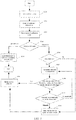
- FIG. 3 is a flowchart illustrating an example payment collection control method, according to the first aspect of the embodiments of the present application.
- each step of the AA collection is provided in detail, and the implementation process of the one-click equal-share friends list and the implementation process of the optimized address book are described in detail.
- the process in FIG. 3 includes following steps:
- User behavioral accumulation is to record daily detailed behaviors of a user in daily life.
- AA collection is used as an example, each time a user initiates an AA collection, the quantity of AA collections made by the user (accumulation subject) in the list increases by 1; and each time a friend participates in the AA collection, the quantity of AA collections the user (accumulation subject) and the friend (accumulation object) has participated in increase by 1.
- Table 1 Accumulation target Accumulation count Last accumulation time A 3 Today B 5 Today C 4 Today D 3 Today E 4 Today F 2 Two days ago G 3 Two days ago H 1 Two days ago X 1 Yesterday
- the accumulation count and the latest accumulation time of each payer can be an important indicator for determining the correlation between the target and related participants.
- a plurality of variables can be added to separately define the cumulative subject, the cumulative object, the cumulative time, the cumulative method, and the like, so as to finally form a big data user behavioral accumulation system.
- a person's "friend circle for example, dining friends
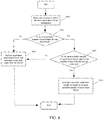
- An AA collection someone may initiate can be easily obtained based on the cumulative behavioral information of the user. The process is shown in FIG. 4 .
- S401 Collect and analyze the cumulative behavioral data of the user to obtain the cumulative table of the user's equal-share friend information (for example, Table 1).
- S402 Determine whether the most probable quantity of equal-share objects whose equal-share probabilities exceed a predetermined probability threshold can be determined based on the user's equal-share friend information; and if so, perform S403, or if not, perform S405.
- the most frequent AA combination happens over 50% of the time (the predetermined probability threshold) among all possible AA combinations in the last 30 days
- the most probable quantity of equal-share objects is 5. If no AA combination happens over 50% of the time (the predetermined probability threshold), S405 is performed.
- S403 Determine whether the most probable quantity of equal-share objects is equal to the quantity of the payers for the current collection order; and if so, perform S404, or if not, perform S405.
- the probability of the five-person AA combination exceeds 50%. If the current AA collection is initiated to eight persons, the quantity of persons does not match. If the current AA collection is initiated to five persons, the quantity of persons matches, and then the five-person combination is used as the one-click equal-share friends list.
- S404 Generate a one-click equal-share friends list based on each target corresponding to the most probable quantity of equal-share targets.
- S405 Counting the equal-share participation level of each friend in the equal-share information cumulative table, and select friends based on the quantity of payers for the current order in an descending order of the equal-share participation level as the one-click equal-share friends list.
- the accuracy of the one-click AA collection can be greatly improved. If the one-click AA collection is still not accurate enough, another method is provided in some embodiments of the present application: The user selects friend collection, but the friend selection interface is optimized based on the cumulative behavioral information of the user.
- FIG. 5 is a flowchart illustrating optimizing an address book, including:
- execution order of the S502 to S504 is not limited.
- S506 Sort the friends in the address book by the AA participation level.
- the friend selections for AA collection are similar in an actual situation, in order to prevent the user from repeatedly selecting the AA friends manually, a one-click AA collection order is automatically generated for the user based on the result of analyzing big data, so that the AA friends can be quickly determined, the collection efficiency and accuracy are improved, and the user experience is improved.
- the friends list is optimized based on the levels of participation of the friends in the AA collection, so that the user can quickly identify the friends for the AA collection.
- the embodiments of the present application provide a payment collection control device for controlling selection of friends for an equal-share collection.
- the device includes an equal-share collection determining unit 601, a one-click equal-share friend invoking unit 602, an equal-share friends list adjustment unit 603, and a collection unit 604, where: the equal-share collection determining unit 601 is configured to obtain an equal-share collection order initiated by a user, and determine the quantity of payers; the one-click equal-share friend invoking unit 602 is configured to generate a one-click equal-share friends list corresponding to the quantity of payers when the user invokes the one-click equal-share friends, where the one-click equal-share friends list is determined by collecting and analyzing cumulative behavioral data of the user based on the historical equal-share collection orders of the user within a predetermined time period; and the equal-share friends list adjustment unit 603 is configured to interact with the user to determine whether the one-click equal-share friends list matches
- the device further includes: an address book invoking optimization unit 605, configured to display an optimized address book to the user when the user does not select to invoke the one-click equal-share friends list, where the cumulative behavioral data of the user is collected and analyzed based on the historical equal-share collection orders within a predetermined time period, to determine the arrangement order of each friend in the optimized address book; and determine each friend selected by the user in the optimized address book as a friend for the current collection order.
- an address book invoking optimization unit 605 configured to display an optimized address book to the user when the user does not select to invoke the one-click equal-share friends list, where the cumulative behavioral data of the user is collected and analyzed based on the historical equal-share collection orders within a predetermined time period, to determine the arrangement order of each friend in the optimized address book; and determine each friend selected by the user in the optimized address book as a friend for the current collection order.
- the equal-share friends list adjustment unit 603 is specifically configured to display a manual adjustment interface to the user based on the one-click equal-share friends list, and obtain the friends list that is adjusted manually by the user.
- the equal-share friends list adjustment unit 603 is specifically configured to display the optimized address book to the user as the manual adjustment interface.
- the equal-share friends list adjustment unit 603 is specifically configured to regenerate a one-click equal-share friends list, where the regenerated one-click equal-share friends list is obtained by adjusting the priorities of the friends in the one-click equal-share friends list.
- the equal-share friends list adjustment unit 603 is further configured to interact with the user to determine whether the current one-click equal-share friends list matches the friends list for the current collection order; and if so, initiate the collection unit 604 to initiate the collection, or if not, determine whether to regenerate or manually adjust the one-click equal-share friends list or select friends based on the optimized address book until that the equal-share friends list matches the friends list for the current collection order.
- the method further includes a one-click equal-share friend generation unit 606.
- the one-click equal-share friend generation unit 606 includes: a data analysis subunit 6061, configured to collect and analyze the cumulative behavioral data of the user to obtain a cumulative table of the user's equal-share friend information; a most probable equal-share object quantity determining subunit 6062, configured to determine the most probable quantity of equal-share objects that exceed predetermined probability threshold based on the cumulative table of the user's equal-share friend information; a determining subunit 6063, configured to determine whether the most probable quantity of equal-share objects is equal to the quantity of the payers for the current collection order; and a one-click equal-share friends list determining subunit 6064, configured to: if the most probable quantity of equal-share objects is equal to the quantity of payers for the current collection order, generate a one-click equal-share friends list based on the objects corresponding to the most probable quantity of equal-share objects; or if the most probable quantity of equal-share objects is different from the quantity of payers for the current collection order, analyze the equal-share participation level of each friend in the equal
- the device further includes an address book optimization unit 607, configured to: collect and analyze the cumulative behavioral data of the user to obtain a cumulative table of the user's equal-share friend information; and analyze the equal-share participation level of each friend in the equal-share information cumulative table, and determine the arrangement order of each friend in the optimized address book in descending order of the equal-share participation level.
- an address book optimization unit 607 configured to: collect and analyze the cumulative behavioral data of the user to obtain a cumulative table of the user's equal-share friend information; and analyze the equal-share participation level of each friend in the equal-share information cumulative table, and determine the arrangement order of each friend in the optimized address book in descending order of the equal-share participation level.
- the embodiments of the present application further provide a server.
- the server includes a memory 704, a processor 702, and a computer program that is stored in the memory 704 and can be run on the processor 702, where when the processor 702 executes the computer program, steps of the previously described payment collection control method are implemented.
- the bus architecture is represented by a bus 700.
- the bus 700 can include any quantity of interconnected buses and bridges.
- the bus 700 links various circuits of one or more processors (represented by the processor 702) and one or more memories (represented by the memory 704).
- the bus 700 can also link various other circuits, such as peripherals, voltage regulators, and power management circuits, all of which are well known in the art and therefore will not be described further here.
- the bus interface 706 provides an interface between the bus 700 and a receiver 701 and an interface between the bus 700 and a transmitter 703.
- the receiver 701 and the transmitter 703 can be the same element, that is, a transceiver.
- the receiver 701 and the transmitter 703 provide units for communicating with various other devices on the transmission medium.
- the processor 702 is responsible for managing the bus 700 and general processing.
- the memory 704 is configured to store data used by processor 702 when performing operations.
- the embodiments of the present application further provide a computer computer-readable storage medium, where the medium stores a computer program, and when the computer program is executed by a processor, steps of the previously described payment collection control method are implemented.
- These computer program instructions can be provided for a general-purpose computer, a dedicated computer, an embedded processor, or a processor of another programmable data processing device to generate a machine, so the instructions executed by the computer or the processor of the another programmable data processing device generate a device for implementing a specific function in one or more processes in the flowcharts and/or in one or more blocks in the block diagrams.
- These computer program instructions can be stored in a computer computer-readable memory that can instruct the computer or the another programmable data processing device to work in a specific method, so the instructions stored in the computer computer-readable memory generate an artifact that includes an instruction device.
- the instruction device implements a specific function in one or more processes in the flowcharts and/or in one or more blocks in the block diagrams.
Landscapes
- Business, Economics & Management (AREA)
- Engineering & Computer Science (AREA)
- Accounting & Taxation (AREA)
- Theoretical Computer Science (AREA)
- Finance (AREA)
- Physics & Mathematics (AREA)
- General Physics & Mathematics (AREA)
- Strategic Management (AREA)
- General Business, Economics & Management (AREA)
- Economics (AREA)
- Development Economics (AREA)
- Databases & Information Systems (AREA)
- Marketing (AREA)
- Entrepreneurship & Innovation (AREA)
- Computational Linguistics (AREA)
- Data Mining & Analysis (AREA)
- General Engineering & Computer Science (AREA)
- Human Resources & Organizations (AREA)
- Operations Research (AREA)
- Quality & Reliability (AREA)
- Tourism & Hospitality (AREA)
- Technology Law (AREA)
- Game Theory and Decision Science (AREA)
- Computer Networks & Wireless Communication (AREA)
- Management, Administration, Business Operations System, And Electronic Commerce (AREA)
Abstract
Description
- Embodiments of the present application relate to the field of Internet technologies, and in particular, to a payment collection control method and device, a server, and a computer-readable storage medium.
- With the development of Internet-based finance, Internet-based collection becomes increasingly popular. How to effectively control the collection process is a technical problem to be considered in network finance.
- Embodiments of the present application provide a payment collection control method and device, a server, and a computer-readable storage medium.
- According to a first aspect, the embodiments of the present application provide a payment collection control method for controlling selection of friends to equally share a cost, including: obtaining an equal-share collection order initiated by a user, and determining the quantity of payers; determining whether a user selects to invoke a one-click equal-share friends list, and if so, generating a one-click equal-share friends list corresponding to the quantity of payers, where the one-click equal-share friends list is determined by collecting and analyzing the cumulative behavioral data of the user based on the historical equal-share collection orders of the user within a predetermined time period; and interacting with the user to determine whether the one-click equal-share friends list matches the friends list for the current collection order, and if so, initiating the collection, or if not, adjusting the friends list and then initiating the collection.
- According to a second aspect, the embodiments of the present application provide a payment collection control device for controlling selection of friends for an equal-share collection, and the device includes an equal-share collection determining unit, a one-click equal-share friend invoking unit, an equal-share friends list adjustment unit, and a collection unit, where: the equal-share collection determining unit is configured to obtain an equal-share collection order initiated by a user, and determine the quantity of payers; the one-click equal-share friend invoking unit is configured to generate a one-click equal-share friends list corresponding to the quantity of payers when the user invokes the one-click equal-share friends, where the one-click equal-share friends list is determined by collecting and analyzing cumulative behavioral data of the user based on the historical equal-share collection orders of the user within a predetermined time period; and the equal-share friends list adjustment unit is configured to interact with the user to determine whether the one-click equal-share friends list matches the friends list for the current collection order, and if so, instruct the collection unit to initiate the collection, or if not, adjust the friends list and then instruct the collection unit to initiate the collection.
- According to a third aspect, the embodiments of the present application provide a server, including a memory, a processor, and a computer program that is stored in the memory and can be run on the processor, where when the processor executes the computer program, the method according to any one of the previous aspects is implemented.
- According to a fourth aspect, the embodiments of the present application provide a computer computer-readable storage medium, where the medium stores a computer program, and when the computer program is executed by a processor, the steps of the method according to any one of the previous aspects are implemented.
- The beneficial effects of the embodiments of the present application are as follows:
- According to the payment collection control method provided in some embodiments of the present application, because the friend selections for equal share of payment (AA) collection are similar in an actual situation, in order to prevent the user from repeatedly selecting the AA friends manually, a one-click AA collection order is automatically generated for the user based on the result of analyzing big data, so that the AA friends can be quickly determined, the collection efficiency and accuracy are improved, and the user experience is improved. In addition, the friends list is optimized based on the level of participation of the friends in the AA collection, so that the user can quickly identify the friends for the AA collection.
-
-
FIG. 1 is a schematic diagram illustrating a scenario of a payment collection control method, according to embodiments of the present application; -
FIG. 2 is a flowchart illustrating a payment collection control method, according to a first aspect of the embodiments of the present application; -
FIG. 3 is a flowchart illustrating an example payment collection control method, according to the first aspect of the embodiments of the present application; -
FIG. 4 is a flowchart illustrating generating a one-click equal-share friends list in the example payment collection control method, according to the first aspect of the embodiments of the present application; -
FIG. 5 is a flowchart illustrating optimizing an address book in the example payment collection control method, according to the first aspect of the embodiments of the present application; -
FIG. 6 is a schematic diagram illustrating a payment collection control device, according to a second aspect of the embodiments of the present application; and -
FIG. 7 is a schematic structural diagram illustrating a server, according to a third aspect of the embodiments of the present application. - In order that the previous technical solutions can be better understood, the following describes the technical solutions of the embodiments of the present application with reference to the accompanying drawings and specific embodiments of the present application. It should be understood that specific features of the technical solutions of the embodiments of the present application are described in detail, rather than limiting the technical solutions of the present application; and the technical features of the embodiments of the present application and the embodiments can be combined with each other when no conflict occurs.
-
FIG. 1 is a schematic diagram illustrating a scenario of a payment collection control method, according to embodiments of the present application. The scenario includes acollection operation platform 10 and a paymentcollection control platform 20. Thecollection operation platform 10 can be a platform provided by a financial APP or an instant messaging APP, and it can be understood that thecollection operation platform 10 is typically located at a user terminal (for example, a smartphone or pad). The paymentcollection control platform 20 is a module for controlling thecollection operation platform 10. The paymentcollection control platform 20 can be integrated with a financial APP or an instant messaging APP (that is, also located at a user terminal) or can be located at a server. In some embodiments of the present application, in particular, the equal-share collection (equal-share collection or AA collection) is controlled, that is, the paymentcollection control platform 20 performs quick matching on thecollection operation platform 10 on selection of the equal-share friends, thereby improving the efficiency of the entire equal-share collection. - According to a first aspect, the embodiments of the present application provide a payment collection control method for controlling selection of friends for an equal-share collection. Referring to
FIG. 2 , the method includes:
S201: Obtain an equal-share collection order initiated by a user, and determine the quantity of payers. - AA collection means that a plurality of payers equally share the required expenses, which is also referred to as equal-share collection in some embodiments of the present application. For example, a typical example of the AA collection is that several friends travel together, and the travel expenses are shared equally by the friends after the travel is completed.
- At present, many instant messaging or financial APPs provide the AA collection function. After the user enters the AA collection interface, the user enters the collection amount and the quantity of payers (or the collection reason/details). The APP can automatically calculate the amount of the expenses to be equally paid by each payer, but cannot automatically determine the friends of the AA collection. If the user manually selects friends one by one, it is cumbersome.
- S202: Determine whether the user selects to invoke a one-click equal-share friends list, and if so, generate a one-click equal-share friends list corresponding to the quantity of payers, where the one-click equal-share friends list is determined by collecting and analyzing the cumulative behavioral data of the user based on the historical equal-share collection orders of the user within a predetermined time period.
- In some embodiments of the present application, the function of "one-click equal-share friends list" is added to the payment collection control platform 20 (see
FIG. 1 ), so that the user does not need to manually add the AA friends one by one, but can invoke the AA friends through one click. - The function of the one-click equal-share friends list is used to determine a one-click equal-share friends list that is consistent with the quantity of the payers for the current AA collection by collecting and analyzing the cumulative behavioral data of the user based on the historical equal-share collection orders of the user within a predetermined time period.
- For example, if the quantity of the payers for the current AA collection is 5 (excluding the user), the most likely five friends (for example, friends A, B, C, D, and E) can be determined by analyzing the AA collection data of the user within the last month, and the five friends can be added to the previous one-click equal-share friends list.
- S203: Interact with the user to determine whether the one-click equal-share friends list matches the friends list for the current collection order, and if so, initiate the collection, or if not, adjust the friends list and then initiate the collection.
- After the one-click equal-share friends list is determined, the user needs to determine whether the friends list matches the actual situation. If the one-click equal-share friends list matches the friends list for the current collection order, the collection is initiated; otherwise, the friends list needs to be adjusted before the collection is initiated.
- The friends list can be adjusted in different methods.
- For example, a mismatched friend is manually deleted by the user, and then a manual adjustment interface (an optimized address book) is presented to the user, and the user adds a missing friend from the optimized address book. For example, the one-click equal-share friends list includes friends A, B, C, D, and E. After the user determines that friend B does not match, the user first deletes friend B, and then selects another friend, for example, friend F, from the optimized address book, and the final equal-share friends list includes friends A, C, D, E, and F.
- For another example, the one-click equal-share friends list can be regenerated by adjusting the priorities of the friends in the existing one-click equal-share friends list. For example, a one-click equal-share friends list is generally determined based on the level of equal-share participation of each friend in the historical equal-share collection orders of the user, that is, a friend with a higher level of equal-share participation (the frequency to participate AA) has a higher priority. However, in practice, the levels of equal participation of two or more friends may be very close to or similar to each other. In this case, the priorities of the friends can be adjusted to generate a one-click equal-share friends list different from the previous one. For example, the first equal-share friends list includes friends A, B, C, D, and E, and the priorities of the friends can be adjusted to generate the second equal-share friends list that includes friends A, C, D, E, and F. After the one-click equal-share friends list is regenerated, it is determined, through interaction with the user, whether the current one-click equal-share friends list matches the friends list for the current collection order; and if so, the collection is initiated, or if not, it is determined whether to regenerate or manually adjust the one-click equal-share friends list or select friends based on the optimized address book until that the equal-share friends list matches the friends list for the current collection order.
- In some embodiments of the present application, the conventional friend address book can be optimized. The optimized address book is obtained based on the levels of participation of the friends in the AA collection. For example, the cumulative behavioral data of the user is collected and analyzed based on the historical equal-share collection orders within a predetermined time period, to determine the arrangement order of each friend in the optimized address book.
- In the previous step S202, if the user does not select to invoke the one-click equal-share friends list, the optimized address book can be displayed to the user to determine that each friend selected by the user in the optimized address book is a friend of the current collection order. Because the optimized address book sorts the friends based on the levels of participation of the friends in the AA collection, the user can quickly identify the payers of the AA collection.
-
FIG. 3 is a flowchart illustrating an example payment collection control method, according to the first aspect of the embodiments of the present application. In this example, each step of the AA collection is provided in detail, and the implementation process of the one-click equal-share friends list and the implementation process of the optimized address book are described in detail. - The process in
FIG. 3 includes following steps: - S301: The user enters the APP and selects the AA collection.
- S302: The user enters information related to the AA collection order, such as a total amount, a total quantity of payers, and a collection reason. The quantity of payers entered by the user generally includes the user, so as to calculate the amount of the expenses to be equally paid by each payer. However, the quantity of payers in some embodiments of the present application does not include the user.
- S303. The AA collection order (collection QR code) is generated, and the amount of the expenses to be equally paid by each payer is determined, for example, by dividing the total amount by the total quantity of payers.
- S304: The user selects an AA collection mode, for example, the AA collection mode includes two types: QR code AA and friends AA. The QR code AA means that each friend can scan the QR code in person to complete the payment. The friend AA is the method of determining friends that is described in some embodiments of the present application; this method does not require that each friend is with the user, and is particularly suitable for a situation in which the friend is not present. For the QR code AA, S305 is performed; for the friend AA, S306 is performed.
- S305: Each friend scans the QR code, and then the AA collection process is completed.
- S306: Determine whether the AA collection mode is the one-click friends AA; and if so, perform S307, or if not, perform S311.
- S307: Generate a one-click AA friends list.
- S308: Determine whether the one-click AA friends list matches the friends list for the current AA collection; and if so, S309 is performed, or if not, S310 is performed.
- S309: Initiate the AA collection, and then complete the AA collection process.
- S310: Determine whether to manually or automatically adjust the friends list? If the friends list needs to be manually adjusted, S311 is performed; or if the friends list needs to be automatically adjusted, S307 is performed again to regenerate a one-click AA friends list
- S311: Select a friend from the optimized address book, and then perform S309.
- The following describes the one-click AA and optimized address book in more detail.
- User behavioral accumulation is to record daily detailed behaviors of a user in daily life. AA collection is used as an example, each time a user initiates an AA collection, the quantity of AA collections made by the user (accumulation subject) in the list increases by 1; and each time a friend participates in the AA collection, the quantity of AA collections the user (accumulation subject) and the friend (accumulation object) has participated in increase by 1.
- A simple example is described below.
- The user initiated an AA collection one month ago, and the payers include A, B, C, D, and E;
- The user initiated an AA collection ten days ago, and the payers include E, F, and G;
- The user initiated an AA collection seven days ago, and the payer is B;
- The user initiated an AA collection five days ago, and the payers include C and G;
- The user initiated an AA collection two days ago, and the payers include A, B, C, D, E, F, G, and H;
- The user initiated an AA collection yesterday, and the payers include B and X;
- The user initiates an AA collection today, and the payers include A, B, C, D, and E.
- Then, it can be calculated that the AA collection information accumulation table of the user (for example, Mike) is shown in Table 1.
Table 1 Accumulation target Accumulation count Last accumulation time A 3 Today B 5 Today C 4 Today D 3 Today E 4 Today F 2 Two days ago G 3 Two days ago H 1 Two days ago X 1 Yesterday - Therefore, the accumulation count and the latest accumulation time of each payer can be an important indicator for determining the correlation between the target and related participants. On this basis, a plurality of variables can be added to separately define the cumulative subject, the cumulative object, the cumulative time, the cumulative method, and the like, so as to finally form a big data user behavioral accumulation system.
- In practice, a person's "friend circle (for example, dining friends) is relatively stable. An AA collection someone may initiate can be easily obtained based on the cumulative behavioral information of the user. The process is shown in
FIG. 4 . - S401: Collect and analyze the cumulative behavioral data of the user to obtain the cumulative table of the user's equal-share friend information (for example, Table 1).
- S402: Determine whether the most probable quantity of equal-share objects whose equal-share probabilities exceed a predetermined probability threshold can be determined based on the user's equal-share friend information; and if so, perform S403, or if not, perform S405.
- For example, if the most frequent AA combination happens over 50% of the time (the predetermined probability threshold) among all possible AA combinations in the last 30 days, the most probable quantity of equal-share objects is 5. If no AA combination happens over 50% of the time (the predetermined probability threshold), S405 is performed.
- S403: Determine whether the most probable quantity of equal-share objects is equal to the quantity of the payers for the current collection order; and if so, perform S404, or if not, perform S405.
- To continue with the previous example, assume that the most frequent AA combination in the last 30 days is a group of five, the probability of the five-person AA combination exceeds 50%. If the current AA collection is initiated to eight persons, the quantity of persons does not match. If the current AA collection is initiated to five persons, the quantity of persons matches, and then the five-person combination is used as the one-click equal-share friends list.
- S404: Generate a one-click equal-share friends list based on each target corresponding to the most probable quantity of equal-share targets.
- S405: Counting the equal-share participation level of each friend in the equal-share information cumulative table, and select friends based on the quantity of payers for the current order in an descending order of the equal-share participation level as the one-click equal-share friends list.
- The accuracy of the one-click AA collection can be greatly improved. If the one-click AA collection is still not accurate enough, another method is provided in some embodiments of the present application: The user selects friend collection, but the friend selection interface is optimized based on the cumulative behavioral information of the user.
-
FIG. 5 is a flowchart illustrating optimizing an address book, including: - S501: Query a set of AA collection objects that are generated within a time period (for example, 90 days);
- S502: Obtain the quantity of times that each friend participates in AA collections;
- S503: Obtain the latest time when each friend participates in AA collections;
- S504: Obtain closeness information (for example, recent chat records) of each friend;
- Here, the execution order of the S502 to S504 is not limited.
- S505: Calculate the AA participation level of each friend based on the previous information;
- S506: Sort the friends in the address book by the AA participation level.
- An example is described below.
- If the user initiates a 5-person AA today, the following steps are performed according to the method in some embodiments of the present description:
- (1) Based on Table 1, it is found that in the last 30 days, the most frequent combination of AA subjects includes five persons: A, B, C, D, and E. This means that quantity of persons is satisfied.
- (2) However, the quantity of occurrences of this combination is 2, and the total quantity of occurrences is 7; and because 2/7<50%, the condition for forming a one-click equal-share friends list is not satisfied.
- (3) Based on Table 1, the five persons that are most correlated are A, B, C, D, and E;
- (4) The objects included in the AA collection information output to the user are A, B, C, D, and E;
- (5) After the interaction with the user, if the expectation is not met, the user clicks to select friends to initiate the AA collection.
- (6) In the friend selection interface, the arrangement order of the friends is as follows: B-C-E-A-D-G-F-X-H.
- It can be seen that according to the payment collection control method provided in some embodiments of the present application, because the friend selections for AA collection are similar in an actual situation, in order to prevent the user from repeatedly selecting the AA friends manually, a one-click AA collection order is automatically generated for the user based on the result of analyzing big data, so that the AA friends can be quickly determined, the collection efficiency and accuracy are improved, and the user experience is improved. In addition, the friends list is optimized based on the levels of participation of the friends in the AA collection, so that the user can quickly identify the friends for the AA collection.
- According to a second aspect, based on the same inventive concept, the embodiments of the present application provide a payment collection control device for controlling selection of friends for an equal-share collection. Referring to
FIG. 6 , the device includes an equal-sharecollection determining unit 601, a one-click equal-sharefriend invoking unit 602, an equal-share friends list adjustment unit 603, and acollection unit 604, where: the equal-sharecollection determining unit 601 is configured to obtain an equal-share collection order initiated by a user, and determine the quantity of payers; the one-click equal-sharefriend invoking unit 602 is configured to generate a one-click equal-share friends list corresponding to the quantity of payers when the user invokes the one-click equal-share friends, where the one-click equal-share friends list is determined by collecting and analyzing cumulative behavioral data of the user based on the historical equal-share collection orders of the user within a predetermined time period; and the equal-share friends list adjustment unit 603 is configured to interact with the user to determine whether the one-click equal-share friends list matches the friends list for the current collection order, and if so, instruct thecollection unit 604 to initiate the collection, or if not, adjust the friends list and then instruct thecollection unit 604 to initiate the collection. - Optionally, the device further includes: an address book invoking
optimization unit 605, configured to display an optimized address book to the user when the user does not select to invoke the one-click equal-share friends list, where the cumulative behavioral data of the user is collected and analyzed based on the historical equal-share collection orders within a predetermined time period, to determine the arrangement order of each friend in the optimized address book; and determine each friend selected by the user in the optimized address book as a friend for the current collection order. - Optionally, the equal-share friends list adjustment unit 603 is specifically configured to display a manual adjustment interface to the user based on the one-click equal-share friends list, and obtain the friends list that is adjusted manually by the user.
- Optionally, the equal-share friends list adjustment unit 603 is specifically configured to display the optimized address book to the user as the manual adjustment interface.
- Optionally, the equal-share friends list adjustment unit 603 is specifically configured to regenerate a one-click equal-share friends list, where the regenerated one-click equal-share friends list is obtained by adjusting the priorities of the friends in the one-click equal-share friends list.
- Optionally, the equal-share friends list adjustment unit 603 is further configured to interact with the user to determine whether the current one-click equal-share friends list matches the friends list for the current collection order; and if so, initiate the
collection unit 604 to initiate the collection, or if not, determine whether to regenerate or manually adjust the one-click equal-share friends list or select friends based on the optimized address book until that the equal-share friends list matches the friends list for the current collection order. - Optionally, the method further includes a one-click equal-share
friend generation unit 606. - The one-click equal-share friend generation unit 606 includes: a data analysis subunit 6061, configured to collect and analyze the cumulative behavioral data of the user to obtain a cumulative table of the user's equal-share friend information; a most probable equal-share object quantity determining subunit 6062, configured to determine the most probable quantity of equal-share objects that exceed predetermined probability threshold based on the cumulative table of the user's equal-share friend information; a determining subunit 6063, configured to determine whether the most probable quantity of equal-share objects is equal to the quantity of the payers for the current collection order; and a one-click equal-share friends list determining subunit 6064, configured to: if the most probable quantity of equal-share objects is equal to the quantity of payers for the current collection order, generate a one-click equal-share friends list based on the objects corresponding to the most probable quantity of equal-share objects; or if the most probable quantity of equal-share objects is different from the quantity of payers for the current collection order, analyze the equal-share participation level of each friend in the equal-share information cumulative table, and select friends based on the quantity of payers for the current collection order in descending order of the equal-share participation level as the one-click equal-share friends list.
- Optionally, the device further includes an address
book optimization unit 607, configured to: collect and analyze the cumulative behavioral data of the user to obtain a cumulative table of the user's equal-share friend information; and analyze the equal-share participation level of each friend in the equal-share information cumulative table, and determine the arrangement order of each friend in the optimized address book in descending order of the equal-share participation level. - According to a third aspect, based on the same inventive concept as the payment collection control method in the previous embodiments, the embodiments of the present application further provide a server. Referring to
FIG. 7 , the server includes amemory 704, aprocessor 702, and a computer program that is stored in thememory 704 and can be run on theprocessor 702, where when theprocessor 702 executes the computer program, steps of the previously described payment collection control method are implemented. - In
FIG. 7 , the bus architecture is represented by abus 700. Thebus 700 can include any quantity of interconnected buses and bridges. Thebus 700 links various circuits of one or more processors (represented by the processor 702) and one or more memories (represented by the memory 704). Thebus 700 can also link various other circuits, such as peripherals, voltage regulators, and power management circuits, all of which are well known in the art and therefore will not be described further here. Thebus interface 706 provides an interface between thebus 700 and areceiver 701 and an interface between thebus 700 and atransmitter 703. Thereceiver 701 and thetransmitter 703 can be the same element, that is, a transceiver. Thereceiver 701 and thetransmitter 703 provide units for communicating with various other devices on the transmission medium. Theprocessor 702 is responsible for managing thebus 700 and general processing. Thememory 704 is configured to store data used byprocessor 702 when performing operations. - According to a fourth aspect, based on the same inventive concept as the payment collection control method in the previous embodiments, the embodiments of the present application further provide a computer computer-readable storage medium, where the medium stores a computer program, and when the computer program is executed by a processor, steps of the previously described payment collection control method are implemented.
- The present application is described with reference to at least one of a flowchart or block diagram of the method, device (system), and computer program product according to the embodiments of the present application. It is worthwhile to note that computer program instructions can be used to implement each process and/or each block in the flowcharts and/or the block diagrams and a combination of a process and/or a block in the flowcharts and/or the block diagrams. These computer program instructions can be provided for a general-purpose computer, a dedicated computer, an embedded processor, or a processor of another programmable data processing device to generate a machine, so the instructions executed by the computer or the processor of the another programmable data processing device generate a device for implementing a specific function in one or more processes in the flowcharts and/or in one or more blocks in the block diagrams.
- These computer program instructions can be stored in a computer computer-readable memory that can instruct the computer or the another programmable data processing device to work in a specific method, so the instructions stored in the computer computer-readable memory generate an artifact that includes an instruction device. The instruction device implements a specific function in one or more processes in the flowcharts and/or in one or more blocks in the block diagrams.
- These computer program instructions can be loaded onto the computer or another programmable data processing device, so that a series of operations and steps are performed on the computer or the another programmable device, thereby generating computer-implemented processing. Therefore, the instructions executed on the computer or the another programmable device provide steps for implementing a specific function in one or more processes in the flowcharts and/or in one or more blocks in the block diagrams.
- Although the preferred embodiments of the present application have been described, those skilled in the art will be able to make additional changes and modifications to these embodiments after understanding the basic inventive concept. Thus, the appended claims are intended to be interpreted to include the preferred embodiments and all changes and modifications that fall within the scope of the present application.
- It is to be understood that those skilled in the art that various modifications and variations can be made to the present application without departing from the spirit and scope of the present application. Thus, provided that such modifications and variations of the present application are within the scope of the claims of the present application and their equivalents, the present application is intended to include such modifications and variations.
Claims (18)
- A payment collection control method for controlling selection of friends for an equal-share collection, comprising:obtaining an equal-share collection order initiated by a user, and determining the quantity of payers;determining whether a user selects to invoke a one-click equal-share friends list, and if so, generating a one-click equal-share friends list corresponding to the quantity of payers, wherein the one-click equal-share friends list is determined by collecting and analyzing the cumulative behavioral data of the user based on the historical equal-share collection orders of the user within a predetermined time period; andinteracting with the user to determine whether the one-click equal-share friends list matches the friends list for the current collection order, and if so, initiating the collection, or if not, adjusting the friends list and then initiating the collection.
- The method according to claim 1, further comprising:displaying an optimized address book to the user when the user does not select to invoke the one-click equal-share friends list, wherein the cumulative behavioral data of the user is collected and analyzed based on the historical equal-share collection orders within a predetermined time period, to determine the arrangement order of each friend in the optimized address book; anddetermining each friend selected by the user in the optimized address book as a friend for the current collection order.
- The method according to claim 1 or 2, wherein when determining that the one-click equal-share friends list does not match the friends list for the current collection order, the adjusting the friends list comprises:
displaying a manual adjustment interface to the user based on the one-click equal-share friends list, and obtaining the friends list that is adjusted manually by the user. - The method according to claim 3, wherein the displaying a manual adjustment interface to the user further comprises:
displaying the optimized address book to the user as the manual adjustment interface. - The method according to claim 1 or 2, wherein when determining that the one-click equal-share friends list does not match the friends list for the current collection order, the adjusting the friends list comprises:
regenerating a one-click equal-share friends list, wherein the regenerated one-click equal-share friends list is obtained by adjusting the priorities of the friends in the existing one-click equal-share friends list. - The method according to claim 5, after the one-click equal-share friends list is regenerated, further comprising:
after the one-click equal-share friends list is regenerated, determining, through interaction with the user, whether the current one-click equal-share friends list matches the friends list for the current collection order; and if so, initiating the collection, or if not, determining whether to regenerate or manually adjust the one-click equal-share friends list or select friends based on the optimized address book until that the equal-share friends list matches the friends list for the current collection order. - The method according to any one of claims 1 to 5, wherein the determining the one-click equal-share friends list by collecting and analyzing the cumulative behavioral data of the user comprises:collecting and analyzing the cumulative behavioral data of the user to obtain a cumulative table of the user's equal-share friend information;determining the most probable quantity of equal-share objects that exceed predetermined probability threshold based on the cumulative table of the user's equal-share friend information; anddetermining whether the most probable quantity of equal-share objects is equal to the quantity of the payers for the current collection order; and if so, generating a one-click equal-share friends list based on the objects corresponding to the most probable quantity of equal-share objects; or if not, analyzing the equal-share participation level of each friend in the equal-share information cumulative table, and selecting friends based on the quantity of payers for the current collection order in descending order of the equal-share participation level as the one-click equal-share friends list.
- The method according to claim 2, wherein the collecting and analyzing the cumulative behavioral data of the user to determine the arrangement order of each friend in the optimized address book comprises:collecting and analyzing the cumulative behavioral data of the user to obtain a cumulative table of the user's equal-share friend information;analyzing the equal-share participation level of each friend in the equal-share information cumulative table, and determining the arrangement order of each friend in the optimized address book in descending order of the equal-share participation level.
- A payment collection control device for controlling selection of friends for an equal-share collection, and the device comprises an equal-share collection determining unit, a one-click equal-share friend invoking unit, an equal-share friends list adjustment unit, and a collection unit, wherein:the equal-share collection determining unit is configured to obtain an equal-share collection order initiated by a user, and determine the quantity of payers;the one-click equal-share friend invoking unit is configured to generate a one-click equal-share friends list corresponding to the quantity of payers when the user invokes the one-click equal-share friends, wherein the one-click equal-share friends list is determined by collecting and analyzing cumulative behavioral data of the user based on the historical equal-share collection orders of the user within a predetermined time period; andthe equal-share friends list adjustment unit is configured to interact with the user to determine whether the one-click equal-share friends list matches the friends list for the current collection order, and if so, instruct the collection unit to initiate the collection, or if not, adjust the friends list and then instruct the collection unit to initiate the collection.
- The device according to claim 9, further comprising:
an address book invoking optimization unit, configured to display an optimized address book to the user when the user does not select to invoke the one-click equal-share friends list, wherein the cumulative behavioral data of the user is collected and analyzed based on the historical equal-share collection orders within a predetermined time period, to determine the arrangement order of each friend in the optimized address book; and determine each friend selected by the user in the optimized address book as a friend for the current collection order. - The device according to claim 9 or 10, wherein the equal-share friends list adjustment unit is specifically configured to display a manual adjustment interface to the user based on the one-click equal-share friends list, and obtain the friends list that is adjusted manually by the user.
- The device according to claim 11, wherein the equal-share friends list adjustment unit is specifically configured to display the optimized address book to the user as the manual adjustment interface.
- The device according to claim 9 or 10, wherein the equal-share friends list adjustment unit is specifically configured to:
regenerate a one-click equal-share friends list, wherein the regenerated one-click equal-share friends list is obtained by adjusting the priorities of the friends in the existing one-click equal-share friends list. - The device according to claim 13, wherein the equal-share friends list adjustment unit is further configured to interact with the user to determine whether the current one-click equal-share friends list matches the friends list for the current collection order; and if so, initiate the collection unit to initiate the collection, or if not, determine whether to regenerate or manually adjust the one-click equal-share friends list or select friends based on the optimized address book until that the equal-share friends list matches the friends list for the current collection order.
- The device according to any one of claims 9 to 14, further comprising: a one-click equal-share friend generation unit, wherein:
the one-click equal-share friend generation unit comprises:a data analysis subunit, configured to collect and analyze the cumulative behavioral data of the user to obtain a cumulative table of the user's equal-share friend information;a most probable equal-share object quantity determining subunit, configured to determine the most probable quantity of equal-share objects that exceed predetermined probability threshold based on the cumulative table of the user's equal-share friend information;a determining subunit, configured to determine whether the most probable quantity of equal-share objects is equal to the quantity of the payers for the current collection order; anda one-click equal-share friends list determining subunit, configured to: if the most probable quantity of equal-share objects is equal to the quantity of payers for the current collection order, generate a one-click equal-share friends list based on the objects corresponding to the most probable quantity of equal-share objects; or if the most probable quantity of equal-share objects is different from the quantity of payers for the current collection order, analyze the equal-share participation level of each friend in the equal-share information cumulative table, and select friends based on the quantity of payers for the current collection order in descending order of the equal-share participation level as the one-click equal-share friends list. - The device according to claim 10, further comprising: an address book optimization unit, configured to: collect and analyze the cumulative behavioral data of the user to obtain a cumulative table of the user's equal-share friend information; and analyze the equal-share participation level of each friend in the equal-share information cumulative table, and determine the arrangement order of each friend in the optimized address book in descending order of the equal-share participation level.
- A computer device, comprising a memory, a processor, and a computer program that is stored in the memory and can be run on the processor, wherein when the processor executes the computer program, the steps of the method according to any one of claims 1 to 8 are implemented.
- A computer computer-readable storage medium, wherein the medium stores a computer program, and when the computer program is executed by a processor, the steps of the method according to any one of claims 1 to 8 are implemented.
Applications Claiming Priority (2)
| Application Number | Priority Date | Filing Date | Title |
|---|---|---|---|
| CN201810916993.5A CN109345219B (en) | 2018-08-13 | 2018-08-13 | Payment control method, device, server and readable storage medium |
| PCT/CN2019/089036 WO2020034719A1 (en) | 2018-08-13 | 2019-05-29 | Payment collection control method and device, server, and readable storage medium |
Publications (2)
| Publication Number | Publication Date |
|---|---|
| EP3800603A1 true EP3800603A1 (en) | 2021-04-07 |
| EP3800603A4 EP3800603A4 (en) | 2021-08-04 |
Family
ID=65294116
Family Applications (1)
| Application Number | Title | Priority Date | Filing Date |
|---|---|---|---|
| EP19850319.5A Withdrawn EP3800603A4 (en) | 2018-08-13 | 2019-05-29 | PAYMENT COLLECTION CONTROL PROCESS AND DEVICE, READABLE REGISTRATION SERVER AND MEDIA |
Country Status (6)
| Country | Link |
|---|---|
| US (1) | US11200547B2 (en) |
| EP (1) | EP3800603A4 (en) |
| CN (2) | CN112036854B (en) |
| SG (1) | SG11202010617RA (en) |
| TW (1) | TWI766167B (en) |
| WO (1) | WO2020034719A1 (en) |
Families Citing this family (2)
| Publication number | Priority date | Publication date | Assignee | Title |
|---|---|---|---|---|
| CN112036854B (en) * | 2018-08-13 | 2024-08-27 | 创新先进技术有限公司 | Payment collection control method, device, server and readable storage medium |
| CN115599266B (en) * | 2022-10-26 | 2025-04-08 | 抖音视界有限公司 | Collection management method, device, equipment and medium |
Family Cites Families (58)
| Publication number | Priority date | Publication date | Assignee | Title |
|---|---|---|---|---|
| US6879691B1 (en) * | 2000-05-12 | 2005-04-12 | Bluetie, Inc. | Information autocompletion system |
| US20040054592A1 (en) * | 2002-09-13 | 2004-03-18 | Konrad Hernblad | Customer-based wireless ordering and payment system for food service establishments using terminals and mobile devices |
| US20060031510A1 (en) * | 2004-01-26 | 2006-02-09 | Forte Internet Software, Inc. | Methods and apparatus for enabling a dynamic network of interactors according to personal trust levels between interactors |
| US7580363B2 (en) * | 2004-08-16 | 2009-08-25 | Nokia Corporation | Apparatus and method for facilitating contact selection in communication devices |
| US8037421B2 (en) * | 2005-10-11 | 2011-10-11 | Research In Motion Limited | System and method for organizing application indicators on an electronic device |
| US8370349B2 (en) * | 2007-02-28 | 2013-02-05 | Yahoo! Inc. | Instant contact searching and presentation by category |
| US20090319425A1 (en) * | 2007-03-30 | 2009-12-24 | Obopay, Inc. | Mobile Person-to-Person Payment System |
| US8326353B1 (en) * | 2007-06-27 | 2012-12-04 | ENORCOM Corporation | Customizable mobile device |
| TWI431494B (en) * | 2007-09-21 | 2014-03-21 | E Ten Information Sys Co Ltd | Use color to identify contact person friendly methods, instant messaging systems and devices |
| US20090265429A1 (en) * | 2008-04-22 | 2009-10-22 | Amivox Limited | Communications framework using hand held devices |
| WO2010013899A2 (en) * | 2008-07-30 | 2010-02-04 | 에스케이텔레콤 주식회사 | Method of providing communication function for communication group, and mobile communication terminal and presence server for the same |
| US8498953B2 (en) * | 2010-03-30 | 2013-07-30 | Sap Ag | Method for allocating trip sharing |
| US20120173396A1 (en) * | 2010-12-30 | 2012-07-05 | Paydivvy, Inc. | Bill division and group payment systems and methods |
| US10078819B2 (en) * | 2011-06-21 | 2018-09-18 | Oath Inc. | Presenting favorite contacts information to a user of a computing device |
| US20130054413A1 (en) * | 2011-08-22 | 2013-02-28 | American Express Travel Related Services Company Inc. | Methods and systems for contactless payments |
| US9576284B2 (en) * | 2011-09-29 | 2017-02-21 | Paypal, Inc. | Social proximity payments |
| US20130159173A1 (en) * | 2011-12-19 | 2013-06-20 | Sridhar Sivaraman | Shared Mobile Payments |
| US8904689B2 (en) * | 2012-12-26 | 2014-12-09 | Theodosios Kountotsis | Methods and systems for detecting a gun and/or bullet within one's vicinity via an electronic device |
| US20140241216A1 (en) * | 2013-02-27 | 2014-08-28 | Yi-Chuan Cheng | Portable device with dynamic ranking module |
| US10282713B2 (en) * | 2013-03-15 | 2019-05-07 | Brandon Ham | Bill splitting and payment system and method |
| US20150040027A1 (en) * | 2013-07-31 | 2015-02-05 | Yi-Chuan Cheng | Portable Device with Handedness Switching Module |
| CN104144240B (en) * | 2013-09-24 | 2018-03-27 | 腾讯科技(深圳)有限公司 | A kind of contact management method and device, terminal device |
| US9721314B2 (en) * | 2013-10-28 | 2017-08-01 | Square, Inc. | Apportioning shared financial expenses |
| CN104636921B (en) * | 2013-11-06 | 2016-12-21 | 腾讯科技(深圳)有限公司 | On-line payment method based on communication group, payment system and server system |
| US10402899B2 (en) * | 2013-11-20 | 2019-09-03 | Capital One Services, Llc | Shared expensive management |
| US20150156149A1 (en) * | 2013-12-04 | 2015-06-04 | At&T Mobility Ii Llc | Method and apparatus for sharing content from third party websites via messaging |
| CN104717340B (en) * | 2013-12-13 | 2018-03-27 | 中国电信股份有限公司 | The method and apparatus that dialed number is provided |
| US9571427B2 (en) * | 2013-12-31 | 2017-02-14 | Google Inc. | Determining strength of association between user contacts |
| US9830597B2 (en) * | 2014-03-04 | 2017-11-28 | Bank Of America Corporation | Formation and funding of a shared token |
| US9710134B1 (en) * | 2014-03-20 | 2017-07-18 | Amazon Technologies, Inc. | Smart contact lists |
| US10043184B2 (en) * | 2014-05-30 | 2018-08-07 | Paypal, Inc. | Systems and methods for implementing transactions based on facial recognition |
| US9922094B1 (en) * | 2014-06-18 | 2018-03-20 | Symantec Corporation | Sharing data based on user ranking |
| US20160019472A1 (en) * | 2014-07-16 | 2016-01-21 | TableDivide, Inc. | System and method for organizing a group activity for multiple paying parties |
| US20160041982A1 (en) * | 2014-08-05 | 2016-02-11 | Facebook, Inc. | Conditioned Search Ranking Models on Online Social Networks |
| US10152698B2 (en) * | 2014-08-26 | 2018-12-11 | Samsung Electronics Co., Ltd. | System and method for mobile payments in a vehicle |
| US9396483B2 (en) * | 2014-08-28 | 2016-07-19 | Jehan Hamedi | Systems and methods for determining recommended aspects of future content, actions, or behavior |
| KR20160060855A (en) * | 2014-11-20 | 2016-05-31 | 삼성전자주식회사 | Method for sharing a contens and electronic device thereof |
| CN105654293B (en) * | 2014-12-03 | 2020-01-17 | 阿里巴巴集团控股有限公司 | Payment method and device |
| JP2016151785A (en) * | 2015-02-16 | 2016-08-22 | Line株式会社 | Information processing system and information processing method |
| CN106296154B (en) * | 2015-06-11 | 2021-08-24 | 创新先进技术有限公司 | Transaction processing method and system |
| CN106330657B (en) * | 2015-06-19 | 2020-01-21 | 阿里巴巴集团控股有限公司 | A friend processing method and device |
| CN106686030A (en) * | 2015-11-09 | 2017-05-17 | 阿里巴巴集团控股有限公司 | Service implementing method and device |
| KR20170077425A (en) * | 2015-12-28 | 2017-07-06 | 삼성전자주식회사 | Apparatus and method for paying using handoff thereof |
| CN108713183B (en) * | 2016-02-05 | 2021-08-10 | 三星电子株式会社 | Method and electronic device for managing operation of application |
| US10187395B2 (en) * | 2016-04-28 | 2019-01-22 | Microsoft Technology Licensing, Llc | Resource sharing and designation of permissions for other tenants and unregistered users of same tenant |
| CN107404500B (en) * | 2016-05-18 | 2020-07-03 | 阿里巴巴集团控股有限公司 | Group communication method, device and mobile terminal |
| CN107545423A (en) * | 2016-06-24 | 2018-01-05 | 华为终端(东莞)有限公司 | A kind of method of payment, payment terminal and pay out server |
| CN106296158A (en) * | 2016-07-27 | 2017-01-04 | 努比亚技术有限公司 | Mobile terminal and method of payment |
| CN106651336A (en) * | 2016-09-20 | 2017-05-10 | 北京小米移动软件有限公司 | Fee-receiving method and apparatus |
| CN106682890A (en) * | 2016-12-08 | 2017-05-17 | 腾讯科技(深圳)有限公司 | Method and device for transferring business value between multiple user accounts |
| CN107045540A (en) * | 2017-02-14 | 2017-08-15 | 阿里巴巴集团控股有限公司 | Data processing method and device, server and data handling system |
| US20190279317A1 (en) * | 2017-02-15 | 2019-09-12 | Cherise Marissa Burton | Travel Planning Resource Mobile Application |
| TWM548302U (en) * | 2017-06-12 | 2017-09-01 | 華南商業銀行股份有限公司 | Credit card bill sharing system |
| US10558673B2 (en) * | 2017-07-12 | 2020-02-11 | Facebook, Inc. | Techniques for prospective contact ranking of address book entries |
| US10917180B2 (en) * | 2018-07-24 | 2021-02-09 | Comcast Cable Communications, Llc | Controlling vibration output from a computing device |
| CN112036854B (en) * | 2018-08-13 | 2024-08-27 | 创新先进技术有限公司 | Payment collection control method, device, server and readable storage medium |
| US20200159777A1 (en) * | 2018-11-21 | 2020-05-21 | International Business Machines Corporation | Simplifying electronic communication based on dynamically structured contact entries |
| US20200334724A1 (en) * | 2019-04-20 | 2020-10-22 | Peter Garrett | Peer-to-peer bill sharing payment application |
-
2018
- 2018-08-13 CN CN202010762495.7A patent/CN112036854B/en active Active
- 2018-08-13 CN CN201810916993.5A patent/CN109345219B/en active Active
-
2019
- 2019-05-29 WO PCT/CN2019/089036 patent/WO2020034719A1/en not_active Ceased
- 2019-05-29 SG SG11202010617RA patent/SG11202010617RA/en unknown
- 2019-05-29 EP EP19850319.5A patent/EP3800603A4/en not_active Withdrawn
- 2019-06-10 TW TW108119892A patent/TWI766167B/en not_active IP Right Cessation
-
2020
- 2020-10-30 US US17/086,192 patent/US11200547B2/en active Active
Also Published As
| Publication number | Publication date |
|---|---|
| US20210049564A1 (en) | 2021-02-18 |
| CN112036854A (en) | 2020-12-04 |
| TW202014953A (en) | 2020-04-16 |
| CN109345219B (en) | 2020-07-28 |
| SG11202010617RA (en) | 2020-11-27 |
| TWI766167B (en) | 2022-06-01 |
| US11200547B2 (en) | 2021-12-14 |
| WO2020034719A1 (en) | 2020-02-20 |
| CN109345219A (en) | 2019-02-15 |
| CN112036854B (en) | 2024-08-27 |
| EP3800603A4 (en) | 2021-08-04 |
Similar Documents
| Publication | Publication Date | Title |
|---|---|---|
| US20150262111A1 (en) | Apparatus and method for efficient task allocation in crowdsourcing | |
| CN105138371B (en) | Method for upgrading software and device | |
| CN107832291B (en) | Man-machine cooperation customer service method, electronic device and storage medium | |
| JP6147433B2 (en) | Agent system having natural conversation ability with user, agent control method, agent control program, and recording medium | |
| CN109344044B (en) | Method and system for calculating rendering time of first screen of page | |
| CN111062518B (en) | Method, device and storage medium for processing collect-promoting business based on artificial intelligence | |
| CN113377777A (en) | Data loading method, data loading device, computer program product and storage medium | |
| CN107886424B (en) | Settlement data processing method and device, computer equipment and storage medium | |
| US11200547B2 (en) | Payment collection control method and device, server, and computer-readable storage medium | |
| WO2018121156A1 (en) | Application program sorting method and device | |
| CN113592036B (en) | Traffic fraud behavior identification method, device, storage medium and electronic device | |
| CN111901405B (en) | Multi-node monitoring method and device, electronic equipment and storage medium | |
| CN109375146B (en) | Supplementary collection method and system for electricity consumption data and terminal equipment | |
| CN114416699A (en) | Relational database data management method and device and electronic equipment | |
| CN115984022B (en) | Unified account checking method and device for distributed payment system | |
| CN111931019A (en) | Method and device for processing transfer transaction | |
| CN117972559A (en) | Index data anomaly detection method, computer device, and storage medium | |
| CN109543880A (en) | E-commerce development level optimization method and apparatus based on prospect theory | |
| HK40042421A (en) | Cash collection control method, device, server and readable storage medium | |
| CN112380204B (en) | Data quality evaluation method and device | |
| CN114490288A (en) | Information matching method and device based on user operation behaviors | |
| CN116188190B (en) | Multi-batch semi-real-time reconciliation method and system for high-concurrency payment system | |
| HK40042421B (en) | Cash collection control method, device, server and readable storage medium | |
| CN112445825A (en) | SLA time limit processing method and device and storage medium | |
| CN118861418B (en) | Methods, devices, equipment, and storage media for updating the popularity ranking of community posts |
Legal Events
| Date | Code | Title | Description |
|---|---|---|---|
| STAA | Information on the status of an ep patent application or granted ep patent |
Free format text: STATUS: THE INTERNATIONAL PUBLICATION HAS BEEN MADE |
|
| PUAI | Public reference made under article 153(3) epc to a published international application that has entered the european phase |
Free format text: ORIGINAL CODE: 0009012 |
|
| STAA | Information on the status of an ep patent application or granted ep patent |
Free format text: STATUS: REQUEST FOR EXAMINATION WAS MADE |
|
| 17P | Request for examination filed |
Effective date: 20201229 |
|
| AK | Designated contracting states |
Kind code of ref document: A1 Designated state(s): AL AT BE BG CH CY CZ DE DK EE ES FI FR GB GR HR HU IE IS IT LI LT LU LV MC MK MT NL NO PL PT RO RS SE SI SK SM TR |
|
| AX | Request for extension of the european patent |
Extension state: BA ME |
|
| A4 | Supplementary search report drawn up and despatched |
Effective date: 20210706 |
|
| RIC1 | Information provided on ipc code assigned before grant |
Ipc: G06Q 50/00 20120101ALI20210630BHEP Ipc: G06Q 20/10 20120101AFI20210630BHEP Ipc: G06Q 20/32 20120101ALI20210630BHEP Ipc: G06Q 20/38 20120101ALI20210630BHEP Ipc: G06Q 30/02 20120101ALI20210630BHEP Ipc: G06Q 40/02 20120101ALI20210630BHEP |
|
| DAV | Request for validation of the european patent (deleted) | ||
| DAX | Request for extension of the european patent (deleted) | ||
| STAA | Information on the status of an ep patent application or granted ep patent |
Free format text: STATUS: EXAMINATION IS IN PROGRESS |
|
| 17Q | First examination report despatched |
Effective date: 20220404 |
|
| STAA | Information on the status of an ep patent application or granted ep patent |
Free format text: STATUS: THE APPLICATION HAS BEEN WITHDRAWN |
|
| 18W | Application withdrawn |
Effective date: 20220704 |