EP3798195A1 - A multilayer hydrophilic coating and methods of making the same - Google Patents
A multilayer hydrophilic coating and methods of making the same Download PDFInfo
- Publication number
- EP3798195A1 EP3798195A1 EP20184722.5A EP20184722A EP3798195A1 EP 3798195 A1 EP3798195 A1 EP 3798195A1 EP 20184722 A EP20184722 A EP 20184722A EP 3798195 A1 EP3798195 A1 EP 3798195A1
- Authority
- EP
- European Patent Office
- Prior art keywords
- doping agent
- hydrophilic coating
- nanometers
- solution
- base layer
- Prior art date
- Legal status (The legal status is an assumption and is not a legal conclusion. Google has not performed a legal analysis and makes no representation as to the accuracy of the status listed.)
- Granted
Links
Images


Classifications
-
- B—PERFORMING OPERATIONS; TRANSPORTING
- B05—SPRAYING OR ATOMISING IN GENERAL; APPLYING FLUENT MATERIALS TO SURFACES, IN GENERAL
- B05D—PROCESSES FOR APPLYING FLUENT MATERIALS TO SURFACES, IN GENERAL
- B05D7/00—Processes, other than flocking, specially adapted for applying liquids or other fluent materials to particular surfaces or for applying particular liquids or other fluent materials
- B05D7/50—Multilayers
- B05D7/52—Two layers
- B05D7/53—Base coat plus clear coat type
- B05D7/532—Base coat plus clear coat type the two layers being cured or baked together, i.e. wet on wet
- B05D7/5323—Base coat plus clear coat type the two layers being cured or baked together, i.e. wet on wet the two layers being applied simultaneously
-
- C—CHEMISTRY; METALLURGY
- C03—GLASS; MINERAL OR SLAG WOOL
- C03C—CHEMICAL COMPOSITION OF GLASSES, GLAZES OR VITREOUS ENAMELS; SURFACE TREATMENT OF GLASS; SURFACE TREATMENT OF FIBRES OR FILAMENTS MADE FROM GLASS, MINERALS OR SLAGS; JOINING GLASS TO GLASS OR OTHER MATERIALS
- C03C17/00—Surface treatment of glass, not in the form of fibres or filaments, by coating
- C03C17/34—Surface treatment of glass, not in the form of fibres or filaments, by coating with at least two coatings having different compositions
- C03C17/42—Surface treatment of glass, not in the form of fibres or filaments, by coating with at least two coatings having different compositions at least one coating of an organic material and at least one non-metal coating
-
- B—PERFORMING OPERATIONS; TRANSPORTING
- B05—SPRAYING OR ATOMISING IN GENERAL; APPLYING FLUENT MATERIALS TO SURFACES, IN GENERAL
- B05D—PROCESSES FOR APPLYING FLUENT MATERIALS TO SURFACES, IN GENERAL
- B05D1/00—Processes for applying liquids or other fluent materials
- B05D1/18—Processes for applying liquids or other fluent materials performed by dipping
-
- B—PERFORMING OPERATIONS; TRANSPORTING
- B05—SPRAYING OR ATOMISING IN GENERAL; APPLYING FLUENT MATERIALS TO SURFACES, IN GENERAL
- B05D—PROCESSES FOR APPLYING FLUENT MATERIALS TO SURFACES, IN GENERAL
- B05D3/00—Pretreatment of surfaces to which liquids or other fluent materials are to be applied; After-treatment of applied coatings, e.g. intermediate treating of an applied coating preparatory to subsequent applications of liquids or other fluent materials
- B05D3/04—Pretreatment of surfaces to which liquids or other fluent materials are to be applied; After-treatment of applied coatings, e.g. intermediate treating of an applied coating preparatory to subsequent applications of liquids or other fluent materials by exposure to gases
- B05D3/0406—Pretreatment of surfaces to which liquids or other fluent materials are to be applied; After-treatment of applied coatings, e.g. intermediate treating of an applied coating preparatory to subsequent applications of liquids or other fluent materials by exposure to gases the gas being air
- B05D3/0413—Heating with air
-
- B—PERFORMING OPERATIONS; TRANSPORTING
- B05—SPRAYING OR ATOMISING IN GENERAL; APPLYING FLUENT MATERIALS TO SURFACES, IN GENERAL
- B05D—PROCESSES FOR APPLYING FLUENT MATERIALS TO SURFACES, IN GENERAL
- B05D7/00—Processes, other than flocking, specially adapted for applying liquids or other fluent materials to particular surfaces or for applying particular liquids or other fluent materials
- B05D7/50—Multilayers
- B05D7/52—Two layers
- B05D7/54—No clear coat specified
- B05D7/546—No clear coat specified each layer being cured, at least partially, separately
-
- B—PERFORMING OPERATIONS; TRANSPORTING
- B32—LAYERED PRODUCTS
- B32B—LAYERED PRODUCTS, i.e. PRODUCTS BUILT-UP OF STRATA OF FLAT OR NON-FLAT, e.g. CELLULAR OR HONEYCOMB, FORM
- B32B5/00—Layered products characterised by the non- homogeneity or physical structure, i.e. comprising a fibrous, filamentary, particulate or foam layer; Layered products characterised by having a layer differing constitutionally or physically in different parts
-
- C—CHEMISTRY; METALLURGY
- C23—COATING METALLIC MATERIAL; COATING MATERIAL WITH METALLIC MATERIAL; CHEMICAL SURFACE TREATMENT; DIFFUSION TREATMENT OF METALLIC MATERIAL; COATING BY VACUUM EVAPORATION, BY SPUTTERING, BY ION IMPLANTATION OR BY CHEMICAL VAPOUR DEPOSITION, IN GENERAL; INHIBITING CORROSION OF METALLIC MATERIAL OR INCRUSTATION IN GENERAL
- C23C—COATING METALLIC MATERIAL; COATING MATERIAL WITH METALLIC MATERIAL; SURFACE TREATMENT OF METALLIC MATERIAL BY DIFFUSION INTO THE SURFACE, BY CHEMICAL CONVERSION OR SUBSTITUTION; COATING BY VACUUM EVAPORATION, BY SPUTTERING, BY ION IMPLANTATION OR BY CHEMICAL VAPOUR DEPOSITION, IN GENERAL
- C23C18/00—Chemical coating by decomposition of either liquid compounds or solutions of the coating forming compounds, without leaving reaction products of surface material in the coating; Contact plating
- C23C18/02—Chemical coating by decomposition of either liquid compounds or solutions of the coating forming compounds, without leaving reaction products of surface material in the coating; Contact plating by thermal decomposition
- C23C18/12—Chemical coating by decomposition of either liquid compounds or solutions of the coating forming compounds, without leaving reaction products of surface material in the coating; Contact plating by thermal decomposition characterised by the deposition of inorganic material other than metallic material
- C23C18/125—Process of deposition of the inorganic material
- C23C18/1262—Process of deposition of the inorganic material involving particles, e.g. carbon nanotubes [CNT], flakes
- C23C18/127—Preformed particles
-
- C—CHEMISTRY; METALLURGY
- C23—COATING METALLIC MATERIAL; COATING MATERIAL WITH METALLIC MATERIAL; CHEMICAL SURFACE TREATMENT; DIFFUSION TREATMENT OF METALLIC MATERIAL; COATING BY VACUUM EVAPORATION, BY SPUTTERING, BY ION IMPLANTATION OR BY CHEMICAL VAPOUR DEPOSITION, IN GENERAL; INHIBITING CORROSION OF METALLIC MATERIAL OR INCRUSTATION IN GENERAL
- C23C—COATING METALLIC MATERIAL; COATING MATERIAL WITH METALLIC MATERIAL; SURFACE TREATMENT OF METALLIC MATERIAL BY DIFFUSION INTO THE SURFACE, BY CHEMICAL CONVERSION OR SUBSTITUTION; COATING BY VACUUM EVAPORATION, BY SPUTTERING, BY ION IMPLANTATION OR BY CHEMICAL VAPOUR DEPOSITION, IN GENERAL
- C23C18/00—Chemical coating by decomposition of either liquid compounds or solutions of the coating forming compounds, without leaving reaction products of surface material in the coating; Contact plating
- C23C18/54—Contact plating, i.e. electroless electrochemical plating
-
- F—MECHANICAL ENGINEERING; LIGHTING; HEATING; WEAPONS; BLASTING
- F28—HEAT EXCHANGE IN GENERAL
- F28F—DETAILS OF HEAT-EXCHANGE AND HEAT-TRANSFER APPARATUS, OF GENERAL APPLICATION
- F28F19/00—Preventing the formation of deposits or corrosion, e.g. by using filters or scrapers
- F28F19/02—Preventing the formation of deposits or corrosion, e.g. by using filters or scrapers by using coatings, e.g. vitreous or enamel coatings
-
- B—PERFORMING OPERATIONS; TRANSPORTING
- B05—SPRAYING OR ATOMISING IN GENERAL; APPLYING FLUENT MATERIALS TO SURFACES, IN GENERAL
- B05D—PROCESSES FOR APPLYING FLUENT MATERIALS TO SURFACES, IN GENERAL
- B05D2451/00—Type of carrier, type of coating (Multilayers)
-
- B—PERFORMING OPERATIONS; TRANSPORTING
- B05—SPRAYING OR ATOMISING IN GENERAL; APPLYING FLUENT MATERIALS TO SURFACES, IN GENERAL
- B05D—PROCESSES FOR APPLYING FLUENT MATERIALS TO SURFACES, IN GENERAL
- B05D2601/00—Inorganic fillers
- B05D2601/20—Inorganic fillers used for non-pigmentation effect
- B05D2601/22—Silica
-
- C—CHEMISTRY; METALLURGY
- C03—GLASS; MINERAL OR SLAG WOOL
- C03C—CHEMICAL COMPOSITION OF GLASSES, GLAZES OR VITREOUS ENAMELS; SURFACE TREATMENT OF GLASS; SURFACE TREATMENT OF FIBRES OR FILAMENTS MADE FROM GLASS, MINERALS OR SLAGS; JOINING GLASS TO GLASS OR OTHER MATERIALS
- C03C2217/00—Coatings on glass
- C03C2217/40—Coatings comprising at least one inhomogeneous layer
- C03C2217/43—Coatings comprising at least one inhomogeneous layer consisting of a dispersed phase in a continuous phase
- C03C2217/46—Coatings comprising at least one inhomogeneous layer consisting of a dispersed phase in a continuous phase characterized by the dispersed phase
- C03C2217/47—Coatings comprising at least one inhomogeneous layer consisting of a dispersed phase in a continuous phase characterized by the dispersed phase consisting of a specific material
- C03C2217/475—Inorganic materials
- C03C2217/478—Silica
-
- C—CHEMISTRY; METALLURGY
- C03—GLASS; MINERAL OR SLAG WOOL
- C03C—CHEMICAL COMPOSITION OF GLASSES, GLAZES OR VITREOUS ENAMELS; SURFACE TREATMENT OF GLASS; SURFACE TREATMENT OF FIBRES OR FILAMENTS MADE FROM GLASS, MINERALS OR SLAGS; JOINING GLASS TO GLASS OR OTHER MATERIALS
- C03C2217/00—Coatings on glass
- C03C2217/70—Properties of coatings
- C03C2217/75—Hydrophilic and oleophilic coatings
-
- F—MECHANICAL ENGINEERING; LIGHTING; HEATING; WEAPONS; BLASTING
- F28—HEAT EXCHANGE IN GENERAL
- F28F—DETAILS OF HEAT-EXCHANGE AND HEAT-TRANSFER APPARATUS, OF GENERAL APPLICATION
- F28F2245/00—Coatings; Surface treatments
- F28F2245/02—Coatings; Surface treatments hydrophilic
Definitions
- Exemplary embodiments pertain to the art of hydrophilic coatings, more particularly, to multilayer hydrophilic coatings for spacecraft components.
- Aircraft and/or spacecraft components for example, heat exchangers aboard the International Space Station, use hydrophilic coatings in order to facilitate the collection of condensed humidity.
- Common coatings include, for example, zinc silicate with silver oxide as an antimicrobial agent.
- these coatings suffer from problems such as flacking, dissolution of the coating, and DMSD catalysis.
- Antifungal properties are also lacking. For example, fungal build up can necessitate frequent and undesired maintenance of the aircraft components.
- a multilayer hydrophilic coating comprising: a base layer comprising oxide particles, wherein a shape of an oxide particle is a hollow, generally spherical shell; a topcoat layer deposited on the base layer, wherein the topcoat layer comprises a sol-gel; and a doping agent, wherein the doping agent is located within the topcoat layer, deposited on the topcoat layer, located between the base layer and the topcoat layer, or combinations thereof.
- Also disclosed is a method of making the multilayer hydrophilic coating comprising: dip coating a substrate with a solution comprising the oxide particles to form the base layer; and dip coating and calcining the substrate with a solution comprising a sol-gel precursor to form the sol-gel and the topcoat layer; wherein the doping agent is included in the topcoat solution, the base layer solution, or combinations thereof; or the method further comprises dip coating and calcining the substrate with a solution comprising the doping agent.
- a multilayer hydrophilic coating 12 can comprise a base layer 14.
- a thickness of the base layer 14 (in the X direction) can be about 200 nanometers to about 1000 nanometers, for example, about 400 nanometers to about 800 nanometers, for example, about 500 nanometers to about 700 nanometers, or for example, about 600 nanometers.
- the base layer 14 can comprise oxide particles 20 as shown in FIG. 2 .
- oxide particles 20 can be oxides of silicon, zirconium, aluminum, titanium, boron, phosphorus, vanadium, strontium, magnesium, calcium, zinc, chromium, iron, cobalt, copper, nickel, manganese, niobium, tantalum, yttrium, lanthanum, hafnium, gallium, indium, silver, or any combination(s) thereof.
- base layer 14 can comprise silicon dioxide particles.
- a shape of an oxide particle 20 can be a hollow shell that is generally spherical.
- spherical can refer to a spherical shape or a spheroid shape (i.e., a sphere-like but not perfectly spherical body).
- a diameter 22 of an oxide particle 20 can be about 50 nanometers to about 100 nanometers, for example, about 65 nanometers to about 85 nanometers, for example, about 70 nanometers to about 80 nanometers, for example, about 75 nanometers.
- a thickness 24 of an oxide particle 20 can be about 10 nanometers to about 20 nanometers, for example, about 14 nanometers to about 16 nanometers, for example, about 15 nanometers.
- the multilayer hydrophilic coating 12 can comprise a topcoat layer 16 deposited on the base layer 14.
- a thickness of the topcoat layer 16 (in the X direction) can be about 200 nanometers to about 1000 nanometers, for example, about 400 nanometers to about 800 nanometers, for example, about 500 nanometers to about 700 nanometers, or for example, about 600 nanometers.
- the thickness of the base layer 14 can be equal to the thickness of the topcoat layer 16.
- the topcoat layer 16 can comprise sol-gel.
- sol-gel can refer to a solid material made via transformation of monomers into a colloidal solution (the “sol”) that acts as the forerunner for an integrated network (the “gel”) of discrete particles or network polymers.
- the sol-gel of the topcoat layer 16 can comprise an oxide of silicon, zirconium, aluminum, titanium, boron, phosphorus, vanadium, strontium, magnesium, calcium, zinc, chromium, iron, cobalt, copper, nickel, manganese, niobium, tantalum, yttrium, lanthanum, hafnium, gallium, indium, or combinations thereof.
- the sol-gel of the topcoat layer 16 can comprise silicon dioxide.
- the topcoat layer 16 can immobilize the oxide particles 20 of the base layer 14 and allow the coating 12 to achieve hydrophilic properties.
- the hydrophilic coating 12 can exhibit high degrees of wetting and/or a low liquid contact angle.
- Contact angle can refer to an angle measured where a liquid meets a surface of the hydrophilic coating 12.
- a contact angle of the hydrophilic coating 12 can be about 2 degrees to about 20 degrees, for example, about 5 degrees to about 15 degrees, for example, about 10 degrees to about 12 degrees, or for example, about 11 degrees.
- the multilayer hydrophilic coating 12 can further comprise a doping agent.
- the doping agent can be located within the topcoat layer 16. Additionally or alternatively, the doping agent can be deposited into the hydrophilic coating 12 as its own distinct layer 15, as shown in FIG. 1 .
- the doping agent can be a deposited on the topcoat layer 16, located between the base layer 14 and the topcoat layer 16, or any combinations thereof.
- the base layer 14, like the topcoat layer 16 described herein, can also comprise a sol-gel.
- a doping agent can be located within the sol-gel of the base layer 14.
- the doping agent can be an antimicrobial agent, an antifungal agent, or combinations thereof.
- the doping agent can comprise inorganic constituents.
- the doping agent can comprise silver nitrate, silver oxide, copper sulfate, zinc sulfate, potassium silicate, potassium bicarbonate, or combinations thereof.
- the doping agent can comprise organic constituents.
- the doping agent can comprise benzimidazoles, thiophanates, dicarboximides, imidazoles, piperazines, triazoles, triazolinthiones, acylalanine, piperidines, pyrazole-4-carboxamides, pyridine-carboxamides, pyridinyl-ethyl-benzamides, anilinopyrimidines, methoxy acrylates, dihydro dioxazines, imidazolinones, methoxycarbarmates, oximino acetates, phenylpyrroles, aryloxyquinolines, 1,2,4-triadiazoles, hydroxyanilides, cyano-imidazoles, toluamides, cyanoacetamides oximes, carbamates, 2,6-dinitroanilines, triphenyl tin compounds, ethyl phospho6nates, cinnamic acid amides, tetracyclines,
- a substrate 18 can be coated with the multilayer hydrophilic coating 12, as shown in FIG. 1 .
- the substrate 18 can be a component of an aircraft and/or spacecraft.
- the substrate 18 can be a wing, a heat exchanger, a propeller blade, a propeller shank, a propeller hub, a propeller barrel, a propeller tulip, a landing gear component, an engine gear, an engine disc, a shaft, a strut, a counterweight, or combinations thereof.
- the substrate 18 can be a surface of a heat exchanger aboard a spacecraft.
- a method of making the multilayer hydrophilic coating 12 can comprise step 32: dip coating a substrate 18 with a solution comprising the oxide particles 20 to form the base layer 14.
- the method can further comprise step 34: dip coating and calcining the substrate 18 with a solution comprising a sol-gel precursor to form the sol-gel and the topcoat layer 34.
- a sol-gel "precursor" can refer to a solution that will solidify into the sol-gel.
- the doping agent can be included in the topcoat solution, the base layer solution, or combinations thereof; or the method can further comprise step 36: dip coating and calcining the substrate 18 with a solution comprising the doping agent.
- the solution comprising the doping agent can be about 1% doping agent to about 20% doping agent by weight, based on a total weight of the doping agent solution, for example, about 5% doping agent to about 15% doping agent, for example, about 10% doping agent by weight.
- the doping agent can be included in the topcoat solution. Additionally or alternatively, the doping agent can be deposited into the hydrophilic coating 12 as its own distinct layer 15, as shown in FIG. 1 . For example, the doping agent can be dip coated and calcined onto the topcoat layer 16, located between the base layer 14 and the topcoat layer 16, or combinations thereof.
- a calcining temperature can be about 300°C to about 500°C (about 572°F to about 932°F), for example, about 350°C to about 450°C (about 662°F to about 842°F), for example, about 400°C (about 752°F).
- a calcining time can be about 0.5 hours to about 1.5 hours, for example, about 1 hour.
- a submersion time of the substrate 18 in solution can be about 15 minutes to about 45 minutes, for example, about 20 minutes to about 40 minutes, for example, about 25 minutes to about 35 minutes, for example, about 30 minutes.
Landscapes
- Chemical & Material Sciences (AREA)
- Engineering & Computer Science (AREA)
- Materials Engineering (AREA)
- Mechanical Engineering (AREA)
- Organic Chemistry (AREA)
- Chemical Kinetics & Catalysis (AREA)
- General Chemical & Material Sciences (AREA)
- Metallurgy (AREA)
- Life Sciences & Earth Sciences (AREA)
- Physics & Mathematics (AREA)
- Thermal Sciences (AREA)
- Wood Science & Technology (AREA)
- Inorganic Chemistry (AREA)
- Nanotechnology (AREA)
- Electrochemistry (AREA)
- General Engineering & Computer Science (AREA)
- Geochemistry & Mineralogy (AREA)
- Laminated Bodies (AREA)
- Application Of Or Painting With Fluid Materials (AREA)
Abstract
Description
- This invention was made with Government support under contract 80JFC018P0039 awarded by the National Aeronautics and Space Administration. The Government has certain rights in the invention.
- Exemplary embodiments pertain to the art of hydrophilic coatings, more particularly, to multilayer hydrophilic coatings for spacecraft components.
- Aircraft and/or spacecraft components, for example, heat exchangers aboard the International Space Station, use hydrophilic coatings in order to facilitate the collection of condensed humidity. Common coatings include, for example, zinc silicate with silver oxide as an antimicrobial agent. However, these coatings suffer from problems such as flacking, dissolution of the coating, and DMSD catalysis. Antifungal properties are also lacking. For example, fungal build up can necessitate frequent and undesired maintenance of the aircraft components.
- Therefore, there is a need to develop a hydrophilic coating that avoids problems such as flacking, dissolution, DMSD catalysis, and fungal build up.
- Disclosed is a multilayer hydrophilic coating, comprising: a base layer comprising oxide particles, wherein a shape of an oxide particle is a hollow, generally spherical shell; a topcoat layer deposited on the base layer, wherein the topcoat layer comprises a sol-gel; and a doping agent, wherein the doping agent is located within the topcoat layer, deposited on the topcoat layer, located between the base layer and the topcoat layer, or combinations thereof.
- Also disclosed is a substrate coated with the multilayer hydrophilic coating.
- Also disclosed is a method of making the multilayer hydrophilic coating, the method comprising: dip coating a substrate with a solution comprising the oxide particles to form the base layer; and dip coating and calcining the substrate with a solution comprising a sol-gel precursor to form the sol-gel and the topcoat layer; wherein the doping agent is included in the topcoat solution, the base layer solution, or combinations thereof; or the method further comprises dip coating and calcining the substrate with a solution comprising the doping agent.
- The following descriptions should not be considered limiting in any way. With reference to the accompanying drawings, like elements are numbered alike:
-
FIG. 1 is a cross-section of a multilayer hydrophilic coating according to an exemplary embodiment; -
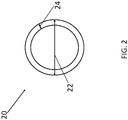
FIG. 2 is a cross-section of an oxide particle according to an exemplary embodiment; and -
FIG. 3 is a flow diagram representing a method of making a multilayer hydrophilic coating according to an exemplary embodiment. - A detailed description of one or more embodiments of the disclosed coating and method are presented herein by way of exemplification and not limitation with reference to the Figures.
- Referring to
FIG. 1 , a multilayerhydrophilic coating 12 can comprise abase layer 14. A thickness of the base layer 14 (in the X direction) can be about 200 nanometers to about 1000 nanometers, for example, about 400 nanometers to about 800 nanometers, for example, about 500 nanometers to about 700 nanometers, or for example, about 600 nanometers. - The
base layer 14 can compriseoxide particles 20 as shown inFIG. 2 . For example,oxide particles 20 can be oxides of silicon, zirconium, aluminum, titanium, boron, phosphorus, vanadium, strontium, magnesium, calcium, zinc, chromium, iron, cobalt, copper, nickel, manganese, niobium, tantalum, yttrium, lanthanum, hafnium, gallium, indium, silver, or any combination(s) thereof. For example,base layer 14 can comprise silicon dioxide particles. A shape of anoxide particle 20 can be a hollow shell that is generally spherical. Generally spherical can refer to a spherical shape or a spheroid shape (i.e., a sphere-like but not perfectly spherical body). Adiameter 22 of anoxide particle 20 can be about 50 nanometers to about 100 nanometers, for example, about 65 nanometers to about 85 nanometers, for example, about 70 nanometers to about 80 nanometers, for example, about 75 nanometers. Athickness 24 of anoxide particle 20 can be about 10 nanometers to about 20 nanometers, for example, about 14 nanometers to about 16 nanometers, for example, about 15 nanometers. - The multilayer
hydrophilic coating 12 can comprise atopcoat layer 16 deposited on thebase layer 14. A thickness of the topcoat layer 16 (in the X direction) can be about 200 nanometers to about 1000 nanometers, for example, about 400 nanometers to about 800 nanometers, for example, about 500 nanometers to about 700 nanometers, or for example, about 600 nanometers. In an embodiment, the thickness of thebase layer 14 can be equal to the thickness of thetopcoat layer 16. - The
topcoat layer 16 can comprise sol-gel. "Sol-gel" can refer to a solid material made via transformation of monomers into a colloidal solution (the "sol") that acts as the forerunner for an integrated network (the "gel") of discrete particles or network polymers. - The sol-gel of the
topcoat layer 16 can comprise an oxide of silicon, zirconium, aluminum, titanium, boron, phosphorus, vanadium, strontium, magnesium, calcium, zinc, chromium, iron, cobalt, copper, nickel, manganese, niobium, tantalum, yttrium, lanthanum, hafnium, gallium, indium, or combinations thereof. For example, the sol-gel of thetopcoat layer 16 can comprise silicon dioxide. - The
topcoat layer 16 can immobilize theoxide particles 20 of thebase layer 14 and allow thecoating 12 to achieve hydrophilic properties. For example, thehydrophilic coating 12 can exhibit high degrees of wetting and/or a low liquid contact angle. Contact angle can refer to an angle measured where a liquid meets a surface of thehydrophilic coating 12. For example, a contact angle of thehydrophilic coating 12 can be about 2 degrees to about 20 degrees, for example, about 5 degrees to about 15 degrees, for example, about 10 degrees to about 12 degrees, or for example, about 11 degrees. - The multilayer
hydrophilic coating 12 can further comprise a doping agent. For example, the doping agent can be located within thetopcoat layer 16. Additionally or alternatively, the doping agent can be deposited into thehydrophilic coating 12 as its owndistinct layer 15, as shown inFIG. 1 . For example, the doping agent can be a deposited on thetopcoat layer 16, located between thebase layer 14 and thetopcoat layer 16, or any combinations thereof. - In an embodiment, the
base layer 14, like thetopcoat layer 16 described herein, can also comprise a sol-gel. A doping agent can be located within the sol-gel of thebase layer 14. - The doping agent can be an antimicrobial agent, an antifungal agent, or combinations thereof. The doping agent can comprise inorganic constituents. For example, the doping agent can comprise silver nitrate, silver oxide, copper sulfate, zinc sulfate, potassium silicate, potassium bicarbonate, or combinations thereof. The doping agent can comprise organic constituents. For example, the doping agent can comprise benzimidazoles, thiophanates, dicarboximides, imidazoles, piperazines, triazoles, triazolinthiones, acylalanine, piperidines, pyrazole-4-carboxamides, pyridine-carboxamides, pyridinyl-ethyl-benzamides, anilinopyrimidines, methoxy acrylates, dihydro dioxazines, imidazolinones, methoxycarbarmates, oximino acetates, phenylpyrroles, aryloxyquinolines, 1,2,4-triadiazoles, hydroxyanilides, cyano-imidazoles, toluamides, cyanoacetamides oximes, carbamates, 2,6-dinitroanilines, triphenyl tin compounds, ethyl phospho6nates, cinnamic acid amides, tetracyclines, pyridinylmethyl-benzamides, triazolo-pyrimidylamines, benzothiadiazoles, phenyl-acetamides, benzophenones, piperidinyl thiazole isoxazolines, dithiocarbamates, phthalimides, chloronitriles, cinnamaldehyde, citric acid, or combinations thereof. A weight percent of the doping agent can be about 1% to about 50%, for example, about 5% to about 45%, for example, about 10% to about 40%, for example, about 20% to about 30%, for example, about 25%, based on a total weight of the coating.
- A
substrate 18 can be coated with the multilayerhydrophilic coating 12, as shown inFIG. 1 . In an embodiment, thesubstrate 18 can be a component of an aircraft and/or spacecraft. For example, thesubstrate 18 can be a wing, a heat exchanger, a propeller blade, a propeller shank, a propeller hub, a propeller barrel, a propeller tulip, a landing gear component, an engine gear, an engine disc, a shaft, a strut, a counterweight, or combinations thereof. For example, in an embodiment, thesubstrate 18 can be a surface of a heat exchanger aboard a spacecraft. - Now referring to
FIG. 3 , a method of making the multilayerhydrophilic coating 12 can comprise step 32: dip coating asubstrate 18 with a solution comprising theoxide particles 20 to form thebase layer 14. The method can further comprise step 34: dip coating and calcining thesubstrate 18 with a solution comprising a sol-gel precursor to form the sol-gel and thetopcoat layer 34. A sol-gel "precursor" can refer to a solution that will solidify into the sol-gel. The doping agent can be included in the topcoat solution, the base layer solution, or combinations thereof; or the method can further comprise step 36: dip coating and calcining thesubstrate 18 with a solution comprising the doping agent. - In an embodiment, the solution comprising the doping agent can be about 1% doping agent to about 20% doping agent by weight, based on a total weight of the doping agent solution, for example, about 5% doping agent to about 15% doping agent, for example, about 10% doping agent by weight.
- In an embodiment, the doping agent can be included in the topcoat solution. Additionally or alternatively, the doping agent can be deposited into the
hydrophilic coating 12 as its owndistinct layer 15, as shown inFIG. 1 . For example, the doping agent can be dip coated and calcined onto thetopcoat layer 16, located between thebase layer 14 and thetopcoat layer 16, or combinations thereof. - A calcining temperature can be about 300°C to about 500°C (about 572°F to about 932°F), for example, about 350°C to about 450°C (about 662°F to about 842°F), for example, about 400°C (about 752°F). A calcining time can be about 0.5 hours to about 1.5 hours, for example, about 1 hour. A submersion time of the
substrate 18 in solution can be about 15 minutes to about 45 minutes, for example, about 20 minutes to about 40 minutes, for example, about 25 minutes to about 35 minutes, for example, about 30 minutes. - The term "about" is intended to include the degree of error associated with measurement of the particular quantity based upon the equipment available at the time of filing the application.
- The terminology used herein is for the purpose of describing particular embodiments only and is not intended to be limiting of the present disclosure. As used herein, the singular forms "a", "an" and "the" are intended to include the plural forms as well, unless the context clearly indicates otherwise. It will be further understood that the terms "comprises" and/or "comprising," when used in this specification, specify the presence of stated features, integers, steps, operations, elements, and/or components (and encompasses "consist(s) of', "consisting of', "consist(s) essentially of' and "consisting essentially of'), but do not necessarily preclude the presence or addition of one or more other features, integers, steps, operations, element components, and/or groups thereof.
- While the present disclosure has been described with reference to an exemplary embodiment or embodiments, it will be understood by those skilled in the art that various changes may be made and equivalents may be substituted for elements thereof without departing from the scope of the present disclosure. In addition, many modifications may be made to adapt a particular situation or material to the teachings of the present disclosure without departing from the essential scope thereof. Therefore, it is intended that the present disclosure not be limited to the particular embodiment disclosed as the best mode contemplated for carrying out this present disclosure, but that the present disclosure will include all embodiments falling within the scope of the claims.
Claims (15)
- A multilayer hydrophilic coating (12), comprising:a base layer (14) comprising oxide particles (20), wherein a shape of an oxide particle is a hollow, generally spherical shell;a topcoat layer (16) deposited on the base layer, wherein the topcoat layer comprises a sol-gel; anda doping agent, wherein the doping agent is located within the topcoat layer, deposited on the topcoat layer, located between the base layer and the topcoat layer, or combinations thereof.
- The multilayer hydrophilic coating of Claim 1, wherein a thickness of the base layer (14) is about 200 nanometers to about 1000 nanometers.
- The multilayer hydrophilic coating of any of the preceding claims, wherein a thickness of the topcoat layer (16) is about 200 nanometers to about 1000 nanometers.
- The multilayer hydrophilic coating of any of the preceding claims, wherein a diameter of an oxide particle (20) is about 50 nanometers to about 100 nanometers or wherein a thickness of an oxide particle is about 10 nanometers to about 20 nanometers.
- The multilayer hydrophilic coating of any of the preceding claims, wherein the base layer (14) further comprises a sol-gel, wherein a doping agent is located within the sol-gel of the base layer, wherein the sol-gel of the topcoat layer comprises silicon dioxide.
- The multilayer hydrophilic coating of any of the preceding claims, wherein the oxide particles (20) are silicon dioxide particles.
- The multilayer hydrophilic coating of any of the preceding claims, wherein the doping agent is an antimicrobial agent, an antifungal agent, or combinations thereof; and wherein the doping agent comprises silver nitrate, silver oxide, copper sulfate, zinc sulfate, potassium silicate, potassium bicarbonate, or combinations thereof.
- The multilayer hydrophilic coating of any of the preceding claims, wherein a weight percent of the doping agent is about 1% to about 50% based on a total weight of the coating.
- The multilayer hydrophilic coating of any of the preceding claims, wherein a contact angle of the coating is about 2 degrees to about 20 degrees.
- A substrate coated with the multilayer hydrophilic coating of any of Claims 1-9, wherein the substrate is a component of a spacecraft, wherein the substrate is a surface of a heat exchanger.
- A method of making the multilayer hydrophilic coating of any of Claims 1-9, the method comprising:dip coating a substrate with a solution comprising the oxide particles to form the base layer; anddip coating and calcining the substrate with a solution comprising a sol-gel precursor to form the sol-gel and the topcoat layer;wherein the doping agent isincluded in the topcoat solution, the base layer solution, or combinations thereof; orthe method further comprises dip coating and calcining the substrate with a solution comprising the doping agent.
- The method of Claim 11, wherein a calcining temperature is about 300°C to about 500°C (about 572°F to about 932°F), wherein a calcining time is about 0.5 hours to about 1.5 hours.
- The method of any of Claims 11-12, wherein a submersion time of the substrate in solution is about 15 minutes to about 45 minutes.
- The method of any of Claims 11-13, wherein the doping agent is included in the topcoat solution.
- The method of any of Claims 11-14, wherein the doping agent solution comprises about 1% doping agent to about 20% doping agent by weight, based on a total weight of the doping agent solution.
Applications Claiming Priority (1)
| Application Number | Priority Date | Filing Date | Title |
|---|---|---|---|
| US16/583,675 US11433424B2 (en) | 2019-09-26 | 2019-09-26 | Multilayer hydrophilic coating and methods of making the same |
Publications (2)
| Publication Number | Publication Date |
|---|---|
| EP3798195A1 true EP3798195A1 (en) | 2021-03-31 |
| EP3798195B1 EP3798195B1 (en) | 2024-01-17 |
Family
ID=71527669
Family Applications (1)
| Application Number | Title | Priority Date | Filing Date |
|---|---|---|---|
| EP20184722.5A Active EP3798195B1 (en) | 2019-09-26 | 2020-07-08 | A multilayer hydrophilic coating and methods of making the same |
Country Status (2)
| Country | Link |
|---|---|
| US (1) | US11433424B2 (en) |
| EP (1) | EP3798195B1 (en) |
Citations (2)
| Publication number | Priority date | Publication date | Assignee | Title |
|---|---|---|---|---|
| US20140004334A1 (en) * | 2012-06-28 | 2014-01-02 | Intermolecular, Inc. | Antireflective coatings with self-cleaning, moisture resistance and antimicrobial properties |
| WO2016064494A2 (en) * | 2014-09-17 | 2016-04-28 | Enki Technology, Inc. | Multi-layer coatings |
Family Cites Families (5)
| Publication number | Priority date | Publication date | Assignee | Title |
|---|---|---|---|---|
| TWI486412B (en) | 2011-12-16 | 2015-06-01 | Eternal Materials Co Ltd | Anti-reflection coating composition and process for preparing the same |
| GB2522178B (en) * | 2013-11-12 | 2018-07-18 | First Water Ltd | Multilayer composition |
| WO2015133606A1 (en) | 2014-03-06 | 2015-09-11 | 国立大学法人名古屋工業大学 | Method for producing nano hollow particles composed of silica shell |
| US20170056834A1 (en) * | 2015-08-24 | 2017-03-02 | Ohio State Innovation Foundation | Multilayer coatings and methods of making and using thereof |
| JP6967256B2 (en) | 2016-08-31 | 2021-11-17 | 国立大学法人 名古屋工業大学 | Manufacturing method of nanosilica hollow particles |
-
2019
- 2019-09-26 US US16/583,675 patent/US11433424B2/en active Active
-
2020
- 2020-07-08 EP EP20184722.5A patent/EP3798195B1/en active Active
Patent Citations (2)
| Publication number | Priority date | Publication date | Assignee | Title |
|---|---|---|---|---|
| US20140004334A1 (en) * | 2012-06-28 | 2014-01-02 | Intermolecular, Inc. | Antireflective coatings with self-cleaning, moisture resistance and antimicrobial properties |
| WO2016064494A2 (en) * | 2014-09-17 | 2016-04-28 | Enki Technology, Inc. | Multi-layer coatings |
Also Published As
| Publication number | Publication date |
|---|---|
| EP3798195B1 (en) | 2024-01-17 |
| US20210094069A1 (en) | 2021-04-01 |
| US11433424B2 (en) | 2022-09-06 |
Similar Documents
| Publication | Publication Date | Title |
|---|---|---|
| CN104937042B (en) | Structural coatings having dewetting and anti-icing properties, and coating precursors for the manufacture of said structural coatings | |
| JP5518157B2 (en) | Metal protective coating, hot dip Zn plated metal material, and hot dip Al-Zn plated metal material using the same | |
| US20230031778A1 (en) | Selectively Applied Gradient Coating Compositions | |
| JP6087461B1 (en) | Surface treated steel | |
| CN105121589A (en) | Structural coatings with dewetting and anti-icing properties, and processes for fabricating these coatings | |
| WO2005005559A1 (en) | Use of yttrium, zirconium, lanthanum, cerium, praseodymium and/or neodymium as reinforcing agent for an anticorrosin coating composition | |
| JPS6480522A (en) | Organic composite coated sheet of superior corrosion resistance | |
| CN102010646A (en) | Low-temperature quick-drying solvent-free epoxy coating for drinking water tank and preparation method thereof | |
| EP3867319B1 (en) | Chromium-free silicate-based ceramic compositions with reduced curing temperature | |
| JP2018048332A (en) | Rust preventive coating material, rust preventive coating film, and rust preventive laminated coating film | |
| US11433424B2 (en) | Multilayer hydrophilic coating and methods of making the same | |
| EP3650506A1 (en) | Graphene based corrosion-resistant coating | |
| JP2013213211A (en) | Metal protective coating agent, use thereof, and hot-dip metallic material using the same | |
| CN112266637B (en) | Nano antibacterial antiseptic hydrosol coating composition | |
| CA2011387A1 (en) | Coating composition exhibiting improved resistance to environmental attack | |
| JP2003535221A (en) | Protective coating for metal components | |
| CN114044880A (en) | Polycarbonate epoxy resin, solvent-free anticorrosive paint and application | |
| JP2020094280A (en) | Anticorrosion coating and substrate | |
| Prasad et al. | Bioinspired superhydrophobic material with nafion polymer for anti-icing coating on aluminium alloy surface | |
| CN108047774A (en) | For coating the Nano-meter SiO_2 of valve2Modified inorganic coating | |
| CN116254040A (en) | Water-based antibacterial and antiviral coating and preparation method thereof | |
| CN108410289A (en) | A kind of spanner water-repellent paint | |
| CN106590402A (en) | Waterproof globe valve | |
| Kozhukharov | Deposition of Environmentally Compliant Cerium‐Containing Coatings and Primers on Copper‐Containing Aluminium Aircraft Alloys | |
| JP2015189854A (en) | Mixed coating material |
Legal Events
| Date | Code | Title | Description |
|---|---|---|---|
| PUAI | Public reference made under article 153(3) epc to a published international application that has entered the european phase |
Free format text: ORIGINAL CODE: 0009012 |
|
| STAA | Information on the status of an ep patent application or granted ep patent |
Free format text: STATUS: THE APPLICATION HAS BEEN PUBLISHED |
|
| AK | Designated contracting states |
Kind code of ref document: A1 Designated state(s): AL AT BE BG CH CY CZ DE DK EE ES FI FR GB GR HR HU IE IS IT LI LT LU LV MC MK MT NL NO PL PT RO RS SE SI SK SM TR |
|
| AX | Request for extension of the european patent |
Extension state: BA ME |
|
| STAA | Information on the status of an ep patent application or granted ep patent |
Free format text: STATUS: REQUEST FOR EXAMINATION WAS MADE |
|
| 17P | Request for examination filed |
Effective date: 20210916 |
|
| RBV | Designated contracting states (corrected) |
Designated state(s): AL AT BE BG CH CY CZ DE DK EE ES FI FR GB GR HR HU IE IS IT LI LT LU LV MC MK MT NL NO PL PT RO RS SE SI SK SM TR |
|
| GRAP | Despatch of communication of intention to grant a patent |
Free format text: ORIGINAL CODE: EPIDOSNIGR1 |
|
| STAA | Information on the status of an ep patent application or granted ep patent |
Free format text: STATUS: GRANT OF PATENT IS INTENDED |
|
| INTG | Intention to grant announced |
Effective date: 20230825 |
|
| GRAS | Grant fee paid |
Free format text: ORIGINAL CODE: EPIDOSNIGR3 |
|
| GRAA | (expected) grant |
Free format text: ORIGINAL CODE: 0009210 |
|
| STAA | Information on the status of an ep patent application or granted ep patent |
Free format text: STATUS: THE PATENT HAS BEEN GRANTED |
|
| AK | Designated contracting states |
Kind code of ref document: B1 Designated state(s): AL AT BE BG CH CY CZ DE DK EE ES FI FR GB GR HR HU IE IS IT LI LT LU LV MC MK MT NL NO PL PT RO RS SE SI SK SM TR |
|
| REG | Reference to a national code |
Ref country code: GB Ref legal event code: FG4D |
|
| REG | Reference to a national code |
Ref country code: CH Ref legal event code: EP |
|
| REG | Reference to a national code |
Ref country code: DE Ref legal event code: R096 Ref document number: 602020024390 Country of ref document: DE |
|
| REG | Reference to a national code |
Ref country code: IE Ref legal event code: FG4D |
|
| REG | Reference to a national code |
Ref country code: LT Ref legal event code: MG9D |
|
| REG | Reference to a national code |
Ref country code: NL Ref legal event code: MP Effective date: 20240117 |
|
| REG | Reference to a national code |
Ref country code: AT Ref legal event code: MK05 Ref document number: 1650454 Country of ref document: AT Kind code of ref document: T Effective date: 20240117 |
|
| PG25 | Lapsed in a contracting state [announced via postgrant information from national office to epo] |
Ref country code: NL Free format text: LAPSE BECAUSE OF FAILURE TO SUBMIT A TRANSLATION OF THE DESCRIPTION OR TO PAY THE FEE WITHIN THE PRESCRIBED TIME-LIMIT Effective date: 20240117 |
|
| PG25 | Lapsed in a contracting state [announced via postgrant information from national office to epo] |
Ref country code: NL Free format text: LAPSE BECAUSE OF FAILURE TO SUBMIT A TRANSLATION OF THE DESCRIPTION OR TO PAY THE FEE WITHIN THE PRESCRIBED TIME-LIMIT Effective date: 20240117 |
|
| PG25 | Lapsed in a contracting state [announced via postgrant information from national office to epo] |
Ref country code: IS Free format text: LAPSE BECAUSE OF FAILURE TO SUBMIT A TRANSLATION OF THE DESCRIPTION OR TO PAY THE FEE WITHIN THE PRESCRIBED TIME-LIMIT Effective date: 20240517 |
|
| PG25 | Lapsed in a contracting state [announced via postgrant information from national office to epo] |
Ref country code: LT Free format text: LAPSE BECAUSE OF FAILURE TO SUBMIT A TRANSLATION OF THE DESCRIPTION OR TO PAY THE FEE WITHIN THE PRESCRIBED TIME-LIMIT Effective date: 20240117 |
|
| PG25 | Lapsed in a contracting state [announced via postgrant information from national office to epo] |
Ref country code: GR Free format text: LAPSE BECAUSE OF FAILURE TO SUBMIT A TRANSLATION OF THE DESCRIPTION OR TO PAY THE FEE WITHIN THE PRESCRIBED TIME-LIMIT Effective date: 20240418 |
|
| PG25 | Lapsed in a contracting state [announced via postgrant information from national office to epo] |
Ref country code: HR Free format text: LAPSE BECAUSE OF FAILURE TO SUBMIT A TRANSLATION OF THE DESCRIPTION OR TO PAY THE FEE WITHIN THE PRESCRIBED TIME-LIMIT Effective date: 20240117 Ref country code: RS Free format text: LAPSE BECAUSE OF FAILURE TO SUBMIT A TRANSLATION OF THE DESCRIPTION OR TO PAY THE FEE WITHIN THE PRESCRIBED TIME-LIMIT Effective date: 20240417 |
|
| PG25 | Lapsed in a contracting state [announced via postgrant information from national office to epo] |
Ref country code: ES Free format text: LAPSE BECAUSE OF FAILURE TO SUBMIT A TRANSLATION OF THE DESCRIPTION OR TO PAY THE FEE WITHIN THE PRESCRIBED TIME-LIMIT Effective date: 20240117 |
|
| PG25 | Lapsed in a contracting state [announced via postgrant information from national office to epo] |
Ref country code: AT Free format text: LAPSE BECAUSE OF FAILURE TO SUBMIT A TRANSLATION OF THE DESCRIPTION OR TO PAY THE FEE WITHIN THE PRESCRIBED TIME-LIMIT Effective date: 20240117 |
|
| PG25 | Lapsed in a contracting state [announced via postgrant information from national office to epo] |
Ref country code: RS Free format text: LAPSE BECAUSE OF FAILURE TO SUBMIT A TRANSLATION OF THE DESCRIPTION OR TO PAY THE FEE WITHIN THE PRESCRIBED TIME-LIMIT Effective date: 20240417 Ref country code: NO Free format text: LAPSE BECAUSE OF FAILURE TO SUBMIT A TRANSLATION OF THE DESCRIPTION OR TO PAY THE FEE WITHIN THE PRESCRIBED TIME-LIMIT Effective date: 20240417 Ref country code: LT Free format text: LAPSE BECAUSE OF FAILURE TO SUBMIT A TRANSLATION OF THE DESCRIPTION OR TO PAY THE FEE WITHIN THE PRESCRIBED TIME-LIMIT Effective date: 20240117 Ref country code: IS Free format text: LAPSE BECAUSE OF FAILURE TO SUBMIT A TRANSLATION OF THE DESCRIPTION OR TO PAY THE FEE WITHIN THE PRESCRIBED TIME-LIMIT Effective date: 20240517 Ref country code: HR Free format text: LAPSE BECAUSE OF FAILURE TO SUBMIT A TRANSLATION OF THE DESCRIPTION OR TO PAY THE FEE WITHIN THE PRESCRIBED TIME-LIMIT Effective date: 20240117 Ref country code: GR Free format text: LAPSE BECAUSE OF FAILURE TO SUBMIT A TRANSLATION OF THE DESCRIPTION OR TO PAY THE FEE WITHIN THE PRESCRIBED TIME-LIMIT Effective date: 20240418 Ref country code: FI Free format text: LAPSE BECAUSE OF FAILURE TO SUBMIT A TRANSLATION OF THE DESCRIPTION OR TO PAY THE FEE WITHIN THE PRESCRIBED TIME-LIMIT Effective date: 20240117 Ref country code: ES Free format text: LAPSE BECAUSE OF FAILURE TO SUBMIT A TRANSLATION OF THE DESCRIPTION OR TO PAY THE FEE WITHIN THE PRESCRIBED TIME-LIMIT Effective date: 20240117 Ref country code: BG Free format text: LAPSE BECAUSE OF FAILURE TO SUBMIT A TRANSLATION OF THE DESCRIPTION OR TO PAY THE FEE WITHIN THE PRESCRIBED TIME-LIMIT Effective date: 20240117 Ref country code: AT Free format text: LAPSE BECAUSE OF FAILURE TO SUBMIT A TRANSLATION OF THE DESCRIPTION OR TO PAY THE FEE WITHIN THE PRESCRIBED TIME-LIMIT Effective date: 20240117 |
|
| PG25 | Lapsed in a contracting state [announced via postgrant information from national office to epo] |
Ref country code: PL Free format text: LAPSE BECAUSE OF FAILURE TO SUBMIT A TRANSLATION OF THE DESCRIPTION OR TO PAY THE FEE WITHIN THE PRESCRIBED TIME-LIMIT Effective date: 20240117 Ref country code: PT Free format text: LAPSE BECAUSE OF FAILURE TO SUBMIT A TRANSLATION OF THE DESCRIPTION OR TO PAY THE FEE WITHIN THE PRESCRIBED TIME-LIMIT Effective date: 20240517 |
|
| PG25 | Lapsed in a contracting state [announced via postgrant information from national office to epo] |
Ref country code: SE Free format text: LAPSE BECAUSE OF FAILURE TO SUBMIT A TRANSLATION OF THE DESCRIPTION OR TO PAY THE FEE WITHIN THE PRESCRIBED TIME-LIMIT Effective date: 20240117 Ref country code: PT Free format text: LAPSE BECAUSE OF FAILURE TO SUBMIT A TRANSLATION OF THE DESCRIPTION OR TO PAY THE FEE WITHIN THE PRESCRIBED TIME-LIMIT Effective date: 20240517 Ref country code: PL Free format text: LAPSE BECAUSE OF FAILURE TO SUBMIT A TRANSLATION OF THE DESCRIPTION OR TO PAY THE FEE WITHIN THE PRESCRIBED TIME-LIMIT Effective date: 20240117 Ref country code: LV Free format text: LAPSE BECAUSE OF FAILURE TO SUBMIT A TRANSLATION OF THE DESCRIPTION OR TO PAY THE FEE WITHIN THE PRESCRIBED TIME-LIMIT Effective date: 20240117 |
|
| PG25 | Lapsed in a contracting state [announced via postgrant information from national office to epo] |
Ref country code: DK Free format text: LAPSE BECAUSE OF FAILURE TO SUBMIT A TRANSLATION OF THE DESCRIPTION OR TO PAY THE FEE WITHIN THE PRESCRIBED TIME-LIMIT Effective date: 20240117 |
|
| PG25 | Lapsed in a contracting state [announced via postgrant information from national office to epo] |
Ref country code: SM Free format text: LAPSE BECAUSE OF FAILURE TO SUBMIT A TRANSLATION OF THE DESCRIPTION OR TO PAY THE FEE WITHIN THE PRESCRIBED TIME-LIMIT Effective date: 20240117 |
|
| REG | Reference to a national code |
Ref country code: DE Ref legal event code: R097 Ref document number: 602020024390 Country of ref document: DE |
|
| PG25 | Lapsed in a contracting state [announced via postgrant information from national office to epo] |
Ref country code: EE Free format text: LAPSE BECAUSE OF FAILURE TO SUBMIT A TRANSLATION OF THE DESCRIPTION OR TO PAY THE FEE WITHIN THE PRESCRIBED TIME-LIMIT Effective date: 20240117 Ref country code: CZ Free format text: LAPSE BECAUSE OF FAILURE TO SUBMIT A TRANSLATION OF THE DESCRIPTION OR TO PAY THE FEE WITHIN THE PRESCRIBED TIME-LIMIT Effective date: 20240117 |
|
| PG25 | Lapsed in a contracting state [announced via postgrant information from national office to epo] |
Ref country code: SK Free format text: LAPSE BECAUSE OF FAILURE TO SUBMIT A TRANSLATION OF THE DESCRIPTION OR TO PAY THE FEE WITHIN THE PRESCRIBED TIME-LIMIT Effective date: 20240117 |
|
| PG25 | Lapsed in a contracting state [announced via postgrant information from national office to epo] |
Ref country code: SM Free format text: LAPSE BECAUSE OF FAILURE TO SUBMIT A TRANSLATION OF THE DESCRIPTION OR TO PAY THE FEE WITHIN THE PRESCRIBED TIME-LIMIT Effective date: 20240117 Ref country code: SK Free format text: LAPSE BECAUSE OF FAILURE TO SUBMIT A TRANSLATION OF THE DESCRIPTION OR TO PAY THE FEE WITHIN THE PRESCRIBED TIME-LIMIT Effective date: 20240117 Ref country code: RO Free format text: LAPSE BECAUSE OF FAILURE TO SUBMIT A TRANSLATION OF THE DESCRIPTION OR TO PAY THE FEE WITHIN THE PRESCRIBED TIME-LIMIT Effective date: 20240117 Ref country code: EE Free format text: LAPSE BECAUSE OF FAILURE TO SUBMIT A TRANSLATION OF THE DESCRIPTION OR TO PAY THE FEE WITHIN THE PRESCRIBED TIME-LIMIT Effective date: 20240117 Ref country code: DK Free format text: LAPSE BECAUSE OF FAILURE TO SUBMIT A TRANSLATION OF THE DESCRIPTION OR TO PAY THE FEE WITHIN THE PRESCRIBED TIME-LIMIT Effective date: 20240117 Ref country code: CZ Free format text: LAPSE BECAUSE OF FAILURE TO SUBMIT A TRANSLATION OF THE DESCRIPTION OR TO PAY THE FEE WITHIN THE PRESCRIBED TIME-LIMIT Effective date: 20240117 |
|
| PLBE | No opposition filed within time limit |
Free format text: ORIGINAL CODE: 0009261 |
|
| STAA | Information on the status of an ep patent application or granted ep patent |
Free format text: STATUS: NO OPPOSITION FILED WITHIN TIME LIMIT |
|
| PG25 | Lapsed in a contracting state [announced via postgrant information from national office to epo] |
Ref country code: IT Free format text: LAPSE BECAUSE OF FAILURE TO SUBMIT A TRANSLATION OF THE DESCRIPTION OR TO PAY THE FEE WITHIN THE PRESCRIBED TIME-LIMIT Effective date: 20240117 |
|
| 26N | No opposition filed |
Effective date: 20241018 |
|
| PG25 | Lapsed in a contracting state [announced via postgrant information from national office to epo] |
Ref country code: IT Free format text: LAPSE BECAUSE OF FAILURE TO SUBMIT A TRANSLATION OF THE DESCRIPTION OR TO PAY THE FEE WITHIN THE PRESCRIBED TIME-LIMIT Effective date: 20240117 |
|
| PG25 | Lapsed in a contracting state [announced via postgrant information from national office to epo] |
Ref country code: MC Free format text: LAPSE BECAUSE OF FAILURE TO SUBMIT A TRANSLATION OF THE DESCRIPTION OR TO PAY THE FEE WITHIN THE PRESCRIBED TIME-LIMIT Effective date: 20240117 |
|
| REG | Reference to a national code |
Ref country code: CH Ref legal event code: PL |
|
| PG25 | Lapsed in a contracting state [announced via postgrant information from national office to epo] |
Ref country code: LU Free format text: LAPSE BECAUSE OF NON-PAYMENT OF DUE FEES Effective date: 20240708 |
|
| PG25 | Lapsed in a contracting state [announced via postgrant information from national office to epo] |
Ref country code: LU Free format text: LAPSE BECAUSE OF NON-PAYMENT OF DUE FEES Effective date: 20240708 |
|
| PG25 | Lapsed in a contracting state [announced via postgrant information from national office to epo] |
Ref country code: BE Free format text: LAPSE BECAUSE OF NON-PAYMENT OF DUE FEES Effective date: 20240731 Ref country code: SI Free format text: LAPSE BECAUSE OF FAILURE TO SUBMIT A TRANSLATION OF THE DESCRIPTION OR TO PAY THE FEE WITHIN THE PRESCRIBED TIME-LIMIT Effective date: 20240117 Ref country code: CH Free format text: LAPSE BECAUSE OF NON-PAYMENT OF DUE FEES Effective date: 20240731 |
|
| REG | Reference to a national code |
Ref country code: BE Ref legal event code: MM Effective date: 20240731 |
|
| PGFP | Annual fee paid to national office [announced via postgrant information from national office to epo] |
Ref country code: GB Payment date: 20250619 Year of fee payment: 6 |
|
| PGFP | Annual fee paid to national office [announced via postgrant information from national office to epo] |
Ref country code: FR Payment date: 20250620 Year of fee payment: 6 |
|
| PG25 | Lapsed in a contracting state [announced via postgrant information from national office to epo] |
Ref country code: IE Free format text: LAPSE BECAUSE OF NON-PAYMENT OF DUE FEES Effective date: 20240708 |
|
| PGFP | Annual fee paid to national office [announced via postgrant information from national office to epo] |
Ref country code: DE Payment date: 20250620 Year of fee payment: 6 |
|
| PG25 | Lapsed in a contracting state [announced via postgrant information from national office to epo] |
Ref country code: CY Free format text: LAPSE BECAUSE OF FAILURE TO SUBMIT A TRANSLATION OF THE DESCRIPTION OR TO PAY THE FEE WITHIN THE PRESCRIBED TIME-LIMIT; INVALID AB INITIO Effective date: 20200708 |
|
| PG25 | Lapsed in a contracting state [announced via postgrant information from national office to epo] |
Ref country code: HU Free format text: LAPSE BECAUSE OF FAILURE TO SUBMIT A TRANSLATION OF THE DESCRIPTION OR TO PAY THE FEE WITHIN THE PRESCRIBED TIME-LIMIT; INVALID AB INITIO Effective date: 20200708 |