EP3797188B1 - Laundry drier - Google Patents
Laundry drier Download PDFInfo
- Publication number
- EP3797188B1 EP3797188B1 EP18726778.6A EP18726778A EP3797188B1 EP 3797188 B1 EP3797188 B1 EP 3797188B1 EP 18726778 A EP18726778 A EP 18726778A EP 3797188 B1 EP3797188 B1 EP 3797188B1
- Authority
- EP
- European Patent Office
- Prior art keywords
- wireless power
- laundry drier
- drum
- cabinet
- unit
- Prior art date
- Legal status (The legal status is an assumption and is not a legal conclusion. Google has not performed a legal analysis and makes no representation as to the accuracy of the status listed.)
- Active
Links
Images



Classifications
-
- D—TEXTILES; PAPER
- D06—TREATMENT OF TEXTILES OR THE LIKE; LAUNDERING; FLEXIBLE MATERIALS NOT OTHERWISE PROVIDED FOR
- D06F—LAUNDERING, DRYING, IRONING, PRESSING OR FOLDING TEXTILE ARTICLES
- D06F34/00—Details of control systems for washing machines, washer-dryers or laundry dryers
- D06F34/04—Signal transfer or data transmission arrangements
- D06F34/05—Signal transfer or data transmission arrangements for wireless communication between components, e.g. for remote monitoring or control
-
- D—TEXTILES; PAPER
- D06—TREATMENT OF TEXTILES OR THE LIKE; LAUNDERING; FLEXIBLE MATERIALS NOT OTHERWISE PROVIDED FOR
- D06F—LAUNDERING, DRYING, IRONING, PRESSING OR FOLDING TEXTILE ARTICLES
- D06F34/00—Details of control systems for washing machines, washer-dryers or laundry dryers
- D06F34/10—Power supply arrangements, e.g. stand-by circuits
-
- D—TEXTILES; PAPER
- D06—TREATMENT OF TEXTILES OR THE LIKE; LAUNDERING; FLEXIBLE MATERIALS NOT OTHERWISE PROVIDED FOR
- D06F—LAUNDERING, DRYING, IRONING, PRESSING OR FOLDING TEXTILE ARTICLES
- D06F34/00—Details of control systems for washing machines, washer-dryers or laundry dryers
- D06F34/14—Arrangements for detecting or measuring specific parameters
- D06F34/18—Condition of the laundry, e.g. nature or weight
-
- D—TEXTILES; PAPER
- D06—TREATMENT OF TEXTILES OR THE LIKE; LAUNDERING; FLEXIBLE MATERIALS NOT OTHERWISE PROVIDED FOR
- D06F—LAUNDERING, DRYING, IRONING, PRESSING OR FOLDING TEXTILE ARTICLES
- D06F34/00—Details of control systems for washing machines, washer-dryers or laundry dryers
- D06F34/14—Arrangements for detecting or measuring specific parameters
- D06F34/22—Condition of the washing liquid, e.g. turbidity
-
- D—TEXTILES; PAPER
- D06—TREATMENT OF TEXTILES OR THE LIKE; LAUNDERING; FLEXIBLE MATERIALS NOT OTHERWISE PROVIDED FOR
- D06F—LAUNDERING, DRYING, IRONING, PRESSING OR FOLDING TEXTILE ARTICLES
- D06F58/00—Domestic laundry dryers
- D06F58/20—General details of domestic laundry dryers
- D06F58/22—Lint collecting arrangements
-
- D—TEXTILES; PAPER
- D06—TREATMENT OF TEXTILES OR THE LIKE; LAUNDERING; FLEXIBLE MATERIALS NOT OTHERWISE PROVIDED FOR
- D06F—LAUNDERING, DRYING, IRONING, PRESSING OR FOLDING TEXTILE ARTICLES
- D06F58/00—Domestic laundry dryers
- D06F58/20—General details of domestic laundry dryers
- D06F58/26—Heating arrangements, e.g. gas heating equipment
- D06F58/263—Gas heating equipment
-
- D—TEXTILES; PAPER
- D06—TREATMENT OF TEXTILES OR THE LIKE; LAUNDERING; FLEXIBLE MATERIALS NOT OTHERWISE PROVIDED FOR
- D06F—LAUNDERING, DRYING, IRONING, PRESSING OR FOLDING TEXTILE ARTICLES
- D06F58/00—Domestic laundry dryers
- D06F58/32—Control of operations performed in domestic laundry dryers
-
- H—ELECTRICITY
- H01—ELECTRIC ELEMENTS
- H01F—MAGNETS; INDUCTANCES; TRANSFORMERS; SELECTION OF MATERIALS FOR THEIR MAGNETIC PROPERTIES
- H01F27/00—Details of transformers or inductances, in general
- H01F27/34—Special means for preventing or reducing unwanted electric or magnetic effects, e.g. no-load losses, reactive currents, harmonics, oscillations, leakage fields
- H01F27/36—Electric or magnetic shields or screens
- H01F27/366—Electric or magnetic shields or screens made of ferromagnetic material
-
- H—ELECTRICITY
- H01—ELECTRIC ELEMENTS
- H01F—MAGNETS; INDUCTANCES; TRANSFORMERS; SELECTION OF MATERIALS FOR THEIR MAGNETIC PROPERTIES
- H01F38/00—Adaptations of transformers or inductances for specific applications or functions
- H01F38/14—Inductive couplings
-
- H—ELECTRICITY
- H02—GENERATION; CONVERSION OR DISTRIBUTION OF ELECTRIC POWER
- H02J—ELECTRIC POWER NETWORKS; CIRCUIT ARRANGEMENTS OR SYSTEMS FOR SUPPLYING OR DISTRIBUTING ELECTRIC POWER; SYSTEMS FOR STORING ELECTRIC ENERGY
- H02J50/00—Circuit arrangements or systems for wireless supply or distribution of electric power
- H02J50/10—Circuit arrangements or systems for wireless supply or distribution of electric power using inductive coupling
-
- D—TEXTILES; PAPER
- D06—TREATMENT OF TEXTILES OR THE LIKE; LAUNDERING; FLEXIBLE MATERIALS NOT OTHERWISE PROVIDED FOR
- D06F—LAUNDERING, DRYING, IRONING, PRESSING OR FOLDING TEXTILE ARTICLES
- D06F2103/00—Parameters monitored or detected for the control of domestic laundry washing machines, washer-dryers or laundry dryers
- D06F2103/28—Air properties
- D06F2103/32—Temperature
-
- D—TEXTILES; PAPER
- D06—TREATMENT OF TEXTILES OR THE LIKE; LAUNDERING; FLEXIBLE MATERIALS NOT OTHERWISE PROVIDED FOR
- D06F—LAUNDERING, DRYING, IRONING, PRESSING OR FOLDING TEXTILE ARTICLES
- D06F34/00—Details of control systems for washing machines, washer-dryers or laundry dryers
- D06F34/14—Arrangements for detecting or measuring specific parameters
-
- D—TEXTILES; PAPER
- D06—TREATMENT OF TEXTILES OR THE LIKE; LAUNDERING; FLEXIBLE MATERIALS NOT OTHERWISE PROVIDED FOR
- D06F—LAUNDERING, DRYING, IRONING, PRESSING OR FOLDING TEXTILE ARTICLES
- D06F34/00—Details of control systems for washing machines, washer-dryers or laundry dryers
- D06F34/14—Arrangements for detecting or measuring specific parameters
- D06F34/26—Condition of the drying air, e.g. air humidity or temperature
-
- D—TEXTILES; PAPER
- D06—TREATMENT OF TEXTILES OR THE LIKE; LAUNDERING; FLEXIBLE MATERIALS NOT OTHERWISE PROVIDED FOR
- D06F—LAUNDERING, DRYING, IRONING, PRESSING OR FOLDING TEXTILE ARTICLES
- D06F58/00—Domestic laundry dryers
- D06F58/20—General details of domestic laundry dryers
- D06F58/206—Heat pump arrangements
-
- D—TEXTILES; PAPER
- D06—TREATMENT OF TEXTILES OR THE LIKE; LAUNDERING; FLEXIBLE MATERIALS NOT OTHERWISE PROVIDED FOR
- D06F—LAUNDERING, DRYING, IRONING, PRESSING OR FOLDING TEXTILE ARTICLES
- D06F58/00—Domestic laundry dryers
- D06F58/20—General details of domestic laundry dryers
- D06F58/26—Heating arrangements, e.g. gas heating equipment
-
- H—ELECTRICITY
- H01—ELECTRIC ELEMENTS
- H01F—MAGNETS; INDUCTANCES; TRANSFORMERS; SELECTION OF MATERIALS FOR THEIR MAGNETIC PROPERTIES
- H01F38/00—Adaptations of transformers or inductances for specific applications or functions
- H01F38/14—Inductive couplings
- H01F2038/143—Inductive couplings for signals
Definitions
- the present invention relates to a laundry drier, in particular to a tumble drier.
- Known laundry driers comprise a cabinet, typically parallelepiped-shaped, containing rotatable drum for housing the laundry to be dried. A flow of hot air is circulated through the drum, so as to dry the laundry contained therein.
- a heating system is provided for heating the air; the heating system can comprise a heat pump system or one or more electrical heaters, both housed within the cabinet, externally to the drum.
- US2016/330572 Al discloses a wireless communication assembly including a driver module connected to a first portion of a machine, such as a laundry machine, and a receiver module connected to a second portion of the machine, such as a rotatable drum.
- the first module includes a primary coil configured to generate an electromagnetic field and a first wireless transceiver.
- the second module includes a secondary coil configured to convert energy within the electromagnetic field into electric power, and a second wireless transceiver powered by the secondary coil and configured to communicate with the first wireless transceiver.
- One or more sensors may be positioned within the drum to measure various conditions.
- the receiver module may be powered by the secondary coil and when powered on, may communicate data from the one or more sensors to the first module.
- Other systems according to the prior art are also known from WO 2013/022164 A2 , US 2012/192362 A1 , JP 2017 127402 A and EP 2 604 740 A1 .
- a laundry drier comprising:
- component unmovable with respect to the cabinet means that this component, or element, is fixed to the cabinet, or in other words that this component can't move (e.g. can't rotate, translate, oscillate, etc.) with respect to the cabinet.
- a laundry dryer 10 comprising a cabinet 20, preferably but not necessarily parallelepiped-shaped, and a drying chamber, such as a drum 50, for example having the shape of a hollow cylinder, for housing the laundry, not illustrated, to be dried.
- a drying chamber such as a drum 50, for example having the shape of a hollow cylinder, for housing the laundry, not illustrated, to be dried.
- the drum 50 is rotatably supported within the cabinet 20, so that it can rotate around a, preferably horizontal, rotation axis R (in alternative embodiments, rotation axis may be tilted).
- Access to the drum 50 is achieved for example via a door 4, preferably hinged to cabinet, which can open and close a loading/unloading opening 4a realized on the cabinet 20 itself.
- Cabinet 20 generally includes a front wall 20a, a rear wall 20b, two sidewalls, not illustrated, all preferably mounted on a basement 24.
- Cabinet 20 may include also a top wall 55.
- the basement 24 is realized in plastic material, and more preferably it is molded via an injection molding process.
- basement 24 is hollow, and it preferably contains one or more electromechanical components of the laundry drier 10, as will be better explained in the following.
- Laundry dryer 10 also preferably comprises an electrical motor assembly, not illustrated, for rotating, on command, the drum 50 along its axis R.
- Laundry dryer 10 may include an electronic control unit (for example the of the type numbered 60 in Figs. 3 to 6 ) which controls both the electrical motor assembly and other components of the dryer 10, to perform, on command, one of the drying cycles preferably stored in the same central control unit.
- the programs as well other parameters of the laundry dryer 10, or alarm and warning functions can be set and/or visualized in a control panel 11, preferably positioned in a top portion of the dryer 10, such as above door 4.
- the drum 50 includes a mantle 50c, having preferably a substantially cylindrical/tubular shape, which is preferably made of metal, and is arranged inside the cabinet 20 and adapted to rotate around the rotational axis R.
- the drum 50 has a first end 50a facing the loading/unloading opening 4a, and a second end 50b facing the rear wall 20b.
- Drum 50 may be an open drum, i.e. both ends 50a and 50b can be opened (as in Fig. 1 ), or it may include a back wall (not shown in the attached Figures) fixedly connected to the mantle and rotating with the latter.
- one or more support elements for the rotation of the drum 50 are provided; these support elements include one or more roller 31 (preferably two or more), more preferably rotatably associated to the basement 24.
- the roller(s) 31 are positioned at the front and/or at the back of the drum 50; more preferably, two rollers 31 are positioned at the front and two rollers 31 are positioned at the back of the drum 50.
- a drum shaft connected to a rear end of the drum 50, can support the latter.
- Laundry dryer 10 advantageously comprises a process air circuit 18, indicated in Fig. 1 by a plurality of black arrows 18, showing the path flow of a process air stream through the dryer 10.
- the process air circuit 18 advantageously comprises the drum 50 and a duct 24a in the basement 24.
- the laundry drier 10 also advantageously comprises a fan or blower 12 for circulating process air through the process air circuit 18, and in particular through the drum 50.
- the laundry drier 10 advantageously comprise a heating system producing heat for drying the laundry.
- the heating system comprises a heat pump system arranged for removing humidity from the process air exhausted from the drum 50, and for heating such air before it re-enters the drum 50, in a condition suitable to further remove humidity from laundry.
- the heat pump system advantageously comprises a first heat exchanger (called also condenser) 191 and a second heat exchanger (called also evaporator) 192.
- Heat pump system 19 advantageously comprises a refrigerant closed circuit, not illustrated, in which a refrigerant fluid flows.
- Heat pump system also advantageously comprises a compressor 193, receiving refrigerant in a gaseous state from the evaporator 192, and supplying it in a liquid stated to the condenser 191, thereby closing the refrigerant cycle.
- the laundry dryer 10 may include a condensed-water canister (not illustrated) which collects the condensed water produced, when the laundry dryer 10 is in operation, in the evaporator 192 by condensation of the surplus moisture in the process air stream arriving from the drum 50.
- the canister is located at the bottom of the evaporator 192.
- the collected water is sent in a reservoir located preferably in correspondence of the highest portion of the dryer 10 so as to facilitate a comfortable manual discharge of the water by the user of the dryer 10.
- the condenser 191 and the evaporator 192 of the heat pump system are preferably housed within the duct 24a formed in the basement 24.
- the condenser 191 is preferably located downstream (with reference to the air flow direction) of the evaporator 192.
- the air exiting the drum 50 reaches the evaporator 192, which cools down and dehumidifies the process air, and then it enters the condenser 191, where it is warmed up by the heat pump system before re-entering the drum 50.
- the laundry drier 10 comprises a frontal wall or flange 22, facing the first end 50a of the drum 50, and preferably comprising the loading/unloading opening 4a.
- the first end 50a of the drum 50 abuts against a first cylindric gasket 22a, preferably made of felt, attached to the wall or flange 22.
- the frontal wall or flange 22 comprises a conduit 23, fluidly connected to the duct 24a of the basement 24, and comprised in the process air circuit 18.
- a removable lint filter 26 is provided in the process air circuit 18 (preferably, but not necessarily, in the conduit 23 of the frontal wall or flange 22); the lint filter 26 is arranged for intercepting the air flow exiting the drum 50 and for collecting lint particles contained therein.
- the laundry drier 10 comprises a rear pipe 25, fluidly connecting the second end 50b of the drum 50 to the duct 24a of the basement 24.
- the second end 50b of the drum 50 abuts against a second cylindric gasket 25a, preferably made of felt, attached to the rear pipe 25.
- the laundry drier 10 comprises a wireless power supply transmitter unit 62, fixed to the cabinet 20 or to a component of the laundry drier unmovable with respect to the cabinet 20; in the example of Fig. 1 , the wireless power supply transmitter unit 62 is advantageously fixed to the frontal wall or flange 22.
- component unmovable with respect to the cabinet 20 means that this component, or element, is fixed to the cabinet, or in other words that this component can't move (e.g. can't rotate, translate, oscillate, etc.) with respect to the cabinet 20.
- the wireless power transmitter unit 62 is advantageously electrically connected, preferably wired, to the electric system, not illustrated, of the laundry drier 10; the electric system is connectable, for example, to the electric mains, not illustrated, of the building where the laundry drier 10 is installed, so as to be power supplied by such electric mains.
- the laundry drier 10 comprises a wireless receiver power unit 63, mounted in/on the drum 50.
- the wireless power transmitter unit 62 is electromagnetically coupled with the wireless power receiver unit 63, for transmitting electric power to the latter.
- the wireless power receiver unit 63 is mounted on the first end 50a of the drum 50a, facing the frontal wall or flange 22.
- the wireless power supply transmitter unit 62 is mounted on the frontal wall or flange 22, so as to face the wireless power receiver unit 63.
- the wireless receiver power unit 63 and the wireless power supply transmitter unit 62 are annular shaped, centred with the drum centre and mounted radially parallel respectively on the cabinet 20 or component 22 of the laundry drier 10 unmovable with respect to the cabinet 2) to which the wireless power transmitter unit 62 is fixed, and on the drum 50.
- the drum 50 is provided with one or more lifters 500 (four in the example of Figs. 1 and 2 ), to lift the laundry in the drying cycle.
- the wireless power receiver unit 63 preferably through electric wires 63a electrically supplies the heating elements 200.
- the lifters 500 have a perforated structure (i.e. their walls can have openings), so as to allow air to pass through and be heated by the heater 200.
- the heaters 200 can be used as the heating system of the laundry drier 10, i.e. for heating the laundry contained in the drum 50.
- the heater 200 can work together with the other heating system, for example for speeding up the heating process (and thus reducing the drying cycle time).
- the wireless power receiver unit 63 is fixed parallel in radial direction opposite the wireless power transmitter unit 62.
- Fig. 3 it is shown a sectional view of an advantageous example of the power transmitter unit 62 and receiver unit 63.
- the power transmitter unit 62 has a transmission coil 620 which is electromagnetically coupled to a reception coil 630 of the power receiver unit 63.
- They can be advantageously integrated into the enclosing material 622, 632, and they can advantageously have respectively magnetic sheets 621 and 631 that provide the side magnetic shield to the sides external to the coupling area and improve the magnetic coupling between the two coils 622 and 632.
- the wireless power receiver unit 63 and the wireless power transmitter unit 62 are parallel, centred with respect to the drum 50 centre in order to maximize the electromagnetic coupling, as shown in Fig. 4 .
- the wireless power receiver unit 63 could be fixed in a U shaped opening formed in the drum 50 external periphery, while the power transmitter unit could have its side 622 fixed with screw or glued to the wall of the cabinet 200, or, as in Figure 4 , to the frontal wall of flange 22.
- the laundry drier 10 comprises a control unit 60.
- control unit 60 may generate an oscillating voltage by switching elements 602 that supply the transmission coil 620 of the power transmitter unit 62 coupled to the reception coil 630 of the power receiver unit 63.
- the voltage induced in the coil 630 is preferably rectified and conditioned in the coil interface block 611, and preferably brought, preferably with wires, to the heating elements 200, preferably connected in series.
- the components of the interface block 611 could be preferably integrated in the power receiver unit 63.
- the appliance control unit 60 manages the complete drying operations, controlling the drum motor rotation speed as well as the other electric/electronic components of the laundry drier 10.
- the appliance control units 60 can measure the temperature in the drum 50, and generate the proper voltage supplying the heating elements, for example through a switching element 602.
- Fig. 6 Another advantageous embodiment is shown in Fig. 6 where the power receiver unit 63 has multiple coils 630, each coil 630 supplying through its own interface block 611 a heating element 200.
- Fig. 7 One further advantageous embodiment is shown in Fig. 7 .
- the interface unit 61 can be supplied by a dedicated reception coil 640 of the receiver unit 63, as shown in Fig. 7 , or it could be connected in parallel to the reception coil 630 supplying the heating elements 200.
- the interface unit 61 has advantageously a wireless connection 601 to transfer measurement data to the appliance control unit 60.
- the interface unit 61 could transfer to the appliance control unit 60 measured temperatures 615 from temperature measurement elements positioned in the lifters 500.
- the interface unit 61 could be advantageously positioned integrated in the isolating support material 632 of the power receiver unit 63.
- the interface unit 61 could sense and send additional measurement parameters, not only temperatures 615, but also e.g. unbalance, providing all needed sensing information 616 to the appliance control unit 60.
- the wireless power receiver unit can supply power to any type of electric element mounted in/on the drum or fixed to the drum, including heating elements, signal transmission and/or reception elements (like wireless data transmission and/or reception devices) and sensor elements (like temperature sensors, humidity sensors, movement sensors such as speed or acceleration sensors).
- heating elements like wireless data transmission and/or reception devices
- sensor elements like temperature sensors, humidity sensors, movement sensors such as speed or acceleration sensors.
- a laundry drier which, thanks to the wireless power transmission, allows electrically powering at least one electric element mounted in/on the rotatable drum, which opens new possibilities of treating the laundry, in a more dedicated, localized and effective way.
Landscapes
- Engineering & Computer Science (AREA)
- Textile Engineering (AREA)
- Power Engineering (AREA)
- Computer Networks & Wireless Communication (AREA)
- Detail Structures Of Washing Machines And Dryers (AREA)
Description
- The present invention relates to a laundry drier, in particular to a tumble drier.
- Known laundry driers comprise a cabinet, typically parallelepiped-shaped, containing rotatable drum for housing the laundry to be dried. A flow of hot air is circulated through the drum, so as to dry the laundry contained therein.
- A heating system is provided for heating the air; the heating system can comprise a heat pump system or one or more electrical heaters, both housed within the cabinet, externally to the drum.
- In known laundry driers, there is the problem that, since the drum is rotatable, it is difficult transmitting electrical energy from the "not rotatable" parts of the laundry drier (e.g. the cabinet, or components fixed thereof) to the internal of the drum; this layout, therefore, limits the possibility to mount in the drum electrical devices for treating the laundry and/or for detecting related physical parameters, which require to be electrically powered.
-
US2016/330572 Al discloses a wireless communication assembly including a driver module connected to a first portion of a machine, such as a laundry machine, and a receiver module connected to a second portion of the machine, such as a rotatable drum. The first module includes a primary coil configured to generate an electromagnetic field and a first wireless transceiver. The second module includes a secondary coil configured to convert energy within the electromagnetic field into electric power, and a second wireless transceiver powered by the secondary coil and configured to communicate with the first wireless transceiver. One or more sensors may be positioned within the drum to measure various conditions. The receiver module may be powered by the secondary coil and when powered on, may communicate data from the one or more sensors to the first module. Other systems according to the prior art are also known fromWO 2013/022164 A2 ,US 2012/192362 A1 ,JP 2017 127402 A EP 2 604 740 A1 . - It is an object of the present invention to provide a laundry drier which does not present above mentioned problems, and which allows to treat the laundry in a more dedicated, localized, and effective way.
- Above object is solved by a laundry drier comprising:
- a cabinet,
- a drum rotatably mounted inside the cabinet,
- one or more support elements for the rotation of the drum, wherein said one or more support elements include one or more rollers,
- at least one electric element mounted in the drum,
- a wireless power transmitter unit fixed to said cabinet or to a component of said laundry drier unmovable with respect to said cabinet,
- a wireless power receiver unit mounted in/on said drum,
- wherein said wireless power transmitter unit is electromagnetically coupled with said wireless power receiver unit, for transmitting electric power to the latter, and
- wherein said wireless power receiver unit is electrically coupled with said at least one electric element, for supplying electric power to the latter. Said wireless power receiver unit and said wireless power transmitter unit are annular shaped,
- centred with the drum centre, and mounted radially parallel respectively on said cabinet, or on said component of said laundry drier unmovable with respect to said cabinet, and on said drum.
- It is underlined that "component unmovable with respect to the cabinet" means that this component, or element, is fixed to the cabinet, or in other words that this component can't move (e.g. can't rotate, translate, oscillate, etc.) with respect to the cabinet.
- Advantageous embodiments are defined by the dependent claims.
- Other advantages and features of a laundry drier according to the present invention will be clear from the following detailed description, provided only as a non limitative example, in which:
-
Fig 1 is a sectional view of a possible embodiment of a laundry drier according to this invention. -
Fig. 2 is a sectional view of the drum with lifters and heating elements, taken along the surface II-II ofFig. 1 . -
Fig. 3 is a sectional view of a detail of a possible embodiment of a wireless transmitter power unit and a wireless receiver power unit according to the invention. -
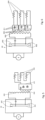
Fig. 4 is a sectional view showing more in detail an advantageous embodiment of the fixation of the wireless power transmitter unit to a fixed or static region of the cabinet and the wireless power receiver unit to the drum. -
Fig. 5 is a block diagram of a first embodiment of a power supply circuit of the heating elements. -
Fig. 6 is block diagram of another embodiment of a power supply circuit of the heating elements. -
Fig. 7 is block diagram of another embodiment of a power supply circuit of the heating elements and of interface unit. - In the figures same parts are indicated with the same reference numbers.
- In
Fig. 1 , an advantageous example of alaundry dryer 10 is illustrated, comprising acabinet 20, preferably but not necessarily parallelepiped-shaped, and a drying chamber, such as adrum 50, for example having the shape of a hollow cylinder, for housing the laundry, not illustrated, to be dried. - The
drum 50 is rotatably supported within thecabinet 20, so that it can rotate around a, preferably horizontal, rotation axis R (in alternative embodiments, rotation axis may be tilted). - Access to the
drum 50 is achieved for example via adoor 4, preferably hinged to cabinet, which can open and close a loading/unloadingopening 4a realized on thecabinet 20 itself. -
Cabinet 20 generally includes afront wall 20a, arear wall 20b, two sidewalls, not illustrated, all preferably mounted on abasement 24. -
Cabinet 20 may include also atop wall 55. Preferably, thebasement 24 is realized in plastic material, and more preferably it is molded via an injection molding process. Advantageously,basement 24 is hollow, and it preferably contains one or more electromechanical components of thelaundry drier 10, as will be better explained in the following. -
Laundry dryer 10 also preferably comprises an electrical motor assembly, not illustrated, for rotating, on command, thedrum 50 along its axis R. -
Laundry dryer 10 may include an electronic control unit (for example the of the type numbered 60 inFigs. 3 to 6 ) which controls both the electrical motor assembly and other components of thedryer 10, to perform, on command, one of the drying cycles preferably stored in the same central control unit. The programs as well other parameters of thelaundry dryer 10, or alarm and warning functions can be set and/or visualized in acontrol panel 11, preferably positioned in a top portion of thedryer 10, such asabove door 4. - The
drum 50 includes amantle 50c, having preferably a substantially cylindrical/tubular shape, which is preferably made of metal, and is arranged inside thecabinet 20 and adapted to rotate around the rotational axis R. Thedrum 50 has afirst end 50a facing the loading/unloadingopening 4a, and asecond end 50b facing therear wall 20b. -
Drum 50 may be an open drum, i.e. bothends Fig. 1 ), or it may include a back wall (not shown in the attached Figures) fixedly connected to the mantle and rotating with the latter. - In order to rotate, one or more support elements for the rotation of the
drum 50 are provided; these support elements include one or more roller 31 (preferably two or more), more preferably rotatably associated to thebasement 24. Preferably the roller(s) 31 are positioned at the front and/or at the back of thedrum 50; more preferably, tworollers 31 are positioned at the front and tworollers 31 are positioned at the back of thedrum 50. - In another advantageous embodiment, not illustrated, a drum shaft, connected to a rear end of the
drum 50, can support the latter. -
Laundry dryer 10 advantageously comprises aprocess air circuit 18, indicated inFig. 1 by a plurality ofblack arrows 18, showing the path flow of a process air stream through thedryer 10. - The
process air circuit 18 advantageously comprises thedrum 50 and aduct 24a in thebasement 24. - The
laundry drier 10 also advantageously comprises a fan orblower 12 for circulating process air through theprocess air circuit 18, and in particular through thedrum 50. - The
laundry drier 10 advantageously comprise a heating system producing heat for drying the laundry. - In the advantageous embodiment of
Fig. 1 , the heating system comprises a heat pump system arranged for removing humidity from the process air exhausted from thedrum 50, and for heating such air before it re-enters thedrum 50, in a condition suitable to further remove humidity from laundry. The heat pump system advantageously comprises a first heat exchanger (called also condenser) 191 and a second heat exchanger (called also evaporator) 192. Heat pump system 19 advantageously comprises a refrigerant closed circuit, not illustrated, in which a refrigerant fluid flows. - Heat pump system also advantageously comprises a
compressor 193, receiving refrigerant in a gaseous state from theevaporator 192, and supplying it in a liquid stated to thecondenser 191, thereby closing the refrigerant cycle. Preferably, in correspondence ofevaporator 192, thelaundry dryer 10 may include a condensed-water canister (not illustrated) which collects the condensed water produced, when thelaundry dryer 10 is in operation, in theevaporator 192 by condensation of the surplus moisture in the process air stream arriving from thedrum 50. Preferably, the canister is located at the bottom of theevaporator 192. Preferably, through a connecting pipe and a pump (not shown in the drawings), the collected water is sent in a reservoir located preferably in correspondence of the highest portion of thedryer 10 so as to facilitate a comfortable manual discharge of the water by the user of thedryer 10. - The
condenser 191 and theevaporator 192 of the heat pump system are preferably housed within theduct 24a formed in thebasement 24. - In case of a condense-type dryer - as depicted in
Fig. 1 - where theprocess air circuit 18 is a closed loop circuit, thecondenser 191 is preferably located downstream (with reference to the air flow direction) of theevaporator 192. - Advantageously, the air exiting the
drum 50 reaches theevaporator 192, which cools down and dehumidifies the process air, and then it enters thecondenser 191, where it is warmed up by the heat pump system before re-entering thedrum 50. Advantageously thelaundry drier 10 comprises a frontal wall orflange 22, facing thefirst end 50a of thedrum 50, and preferably comprising the loading/unloadingopening 4a. - Advantageously, the
first end 50a of thedrum 50 abuts against a firstcylindric gasket 22a, preferably made of felt, attached to the wall orflange 22. - Advantageously the frontal wall or
flange 22 comprises aconduit 23, fluidly connected to theduct 24a of thebasement 24, and comprised in theprocess air circuit 18. - Preferably a
removable lint filter 26 is provided in the process air circuit 18 (preferably, but not necessarily, in theconduit 23 of the frontal wall or flange 22); thelint filter 26 is arranged for intercepting the air flow exiting thedrum 50 and for collecting lint particles contained therein. - Advantageously the laundry drier 10 comprises a
rear pipe 25, fluidly connecting thesecond end 50b of thedrum 50 to theduct 24a of thebasement 24. Preferably, thesecond end 50b of thedrum 50 abuts against a secondcylindric gasket 25a, preferably made of felt, attached to therear pipe 25. - The laundry drier 10 comprises a wireless power
supply transmitter unit 62, fixed to thecabinet 20 or to a component of the laundry drier unmovable with respect to thecabinet 20; in the example ofFig. 1 , the wireless powersupply transmitter unit 62 is advantageously fixed to the frontal wall orflange 22. - It is underlined that "component unmovable with respect to the
cabinet 20" means that this component, or element, is fixed to the cabinet, or in other words that this component can't move (e.g. can't rotate, translate, oscillate, etc.) with respect to thecabinet 20. - The wireless
power transmitter unit 62 is advantageously electrically connected, preferably wired, to the electric system, not illustrated, of the laundry drier 10; the electric system is connectable, for example, to the electric mains, not illustrated, of the building where the laundry drier 10 is installed, so as to be power supplied by such electric mains. Advantageously the laundry drier 10 comprises a wirelessreceiver power unit 63, mounted in/on thedrum 50. - The wireless
power transmitter unit 62 is electromagnetically coupled with the wirelesspower receiver unit 63, for transmitting electric power to the latter. - In the advantageous example of
Fig. 1 , the wirelesspower receiver unit 63 is mounted on thefirst end 50a of thedrum 50a, facing the frontal wall orflange 22. - In the advantageous example of
Fig. 1 , the wireless powersupply transmitter unit 62 is mounted on the frontal wall orflange 22, so as to face the wirelesspower receiver unit 63. The wirelessreceiver power unit 63 and the wireless powersupply transmitter unit 62 are annular shaped, centred with the drum centre and mounted radially parallel respectively on thecabinet 20 orcomponent 22 of the laundry drier 10 unmovable with respect to the cabinet 2) to which the wirelesspower transmitter unit 62 is fixed, and on thedrum 50. - Advantageously, the
drum 50 is provided with one or more lifters 500 (four in the example ofFigs. 1 and 2 ), to lift the laundry in the drying cycle. - In a preferred embodiment, each
lifter 500 comprises or encloses aheating element 200. - The wireless
power receiver unit 63, preferably throughelectric wires 63a electrically supplies theheating elements 200. -
Fig. 2 schematically shows a sectional view of an advantageous example of alifter 500. Theheating element 200 is advantageously integrated/contained in thelifter 500; in an advantageous embodiment, the heating element can be cylindrical shaped, and have the same length of thelifter 500 in axial direction. - Preferably the
lifters 500 have a perforated structure (i.e. their walls can have openings), so as to allow air to pass through and be heated by theheater 200. - In a preferred embodiment, the
heaters 200 can be used as the heating system of the laundry drier 10, i.e. for heating the laundry contained in thedrum 50. - In another advantageous embodiment, in which another heating system, for example a heat pump system, is provided in the laundry drier 10, the
heater 200 can work together with the other heating system, for example for speeding up the heating process (and thus reducing the drying cycle time). - Preferably, the wireless
power receiver unit 63 is fixed parallel in radial direction opposite the wirelesspower transmitter unit 62. - In
Fig. 3 it is shown a sectional view of an advantageous example of thepower transmitter unit 62 andreceiver unit 63. - Advantageously, the
power transmitter unit 62 has atransmission coil 620 which is electromagnetically coupled to areception coil 630 of thepower receiver unit 63. They can be advantageously integrated into the enclosingmaterial magnetic sheets coils - Preferably, the wireless
power receiver unit 63 and the wirelesspower transmitter unit 62 are parallel, centred with respect to thedrum 50 centre in order to maximize the electromagnetic coupling, as shown inFig. 4 . - The wireless
power receiver unit 63 could be fixed in a U shaped opening formed in thedrum 50 external periphery, while the power transmitter unit could have itsside 622 fixed with screw or glued to the wall of thecabinet 200, or, as inFigure 4 , to the frontal wall offlange 22. - Advantageously the laundry drier 10 comprises a
control unit 60. - As shown in
Fig. 5 , advantageously thecontrol unit 60 may generate an oscillating voltage by switchingelements 602 that supply thetransmission coil 620 of thepower transmitter unit 62 coupled to thereception coil 630 of thepower receiver unit 63. The voltage induced in thecoil 630 is preferably rectified and conditioned in thecoil interface block 611, and preferably brought, preferably with wires, to theheating elements 200, preferably connected in series. The components of theinterface block 611 could be preferably integrated in thepower receiver unit 63. - Advantageously, the
appliance control unit 60 manages the complete drying operations, controlling the drum motor rotation speed as well as the other electric/electronic components of the laundry drier 10. Preferably, theappliance control units 60 can measure the temperature in thedrum 50, and generate the proper voltage supplying the heating elements, for example through aswitching element 602. Another advantageous embodiment is shown inFig. 6 where thepower receiver unit 63 hasmultiple coils 630, eachcoil 630 supplying through its own interface block 611 aheating element 200. - One further advantageous embodiment is shown in
Fig. 7 . In this embodiment on thedrum 50 there is fixed aninterface unit 61, together with thepower receiver unit 63 and theheating element 200. Theinterface unit 61 can be supplied by adedicated reception coil 640 of thereceiver unit 63, as shown inFig. 7 , or it could be connected in parallel to thereception coil 630 supplying theheating elements 200. - The
interface unit 61 has advantageously awireless connection 601 to transfer measurement data to theappliance control unit 60. - In particular, the
interface unit 61 could transfer to theappliance control unit 60 measuredtemperatures 615 from temperature measurement elements positioned in thelifters 500. - It would allow to design drying cycles based on the real temperature measured in the
drum 50. - The
interface unit 61 could be advantageously positioned integrated in the isolatingsupport material 632 of thepower receiver unit 63. Advantageously theinterface unit 61 could sense and send additional measurement parameters, not onlytemperatures 615, but also e.g. unbalance, providing all neededsensing information 616 to theappliance control unit 60. - Advantageously, the wireless power receiver unit can supply power to any type of electric element mounted in/on the drum or fixed to the drum, including heating elements, signal transmission and/or reception elements (like wireless data transmission and/or reception devices) and sensor elements (like temperature sensors, humidity sensors, movement sensors such as speed or acceleration sensors).
- It is seen therefore how the invention achieves the proposed aim and objects, there being provided a laundry drier which, thanks to the wireless power transmission, allows electrically powering at least one electric element mounted in/on the rotatable drum, which opens new possibilities of treating the laundry, in a more dedicated, localized and effective way.
Claims (15)
- A laundry drier (10) comprising:- a cabinet (20),- a drum (50) rotatably mounted inside the cabinet (20),- one or more support elements (31) for the rotation of the drum (50), wherein said one or more support elements include one or more rollers (31),- at least one electric element (200, 61) mounted in the drum (50),- a wireless power transmitter unit (62) fixed to said cabinet (20) or to a component (22) of said laundry drier (10) unmovable with respect to said cabinet (20),- a wireless power receiver unit (63) mounted in/on said drum (50),wherein said wireless power transmitter unit (62) is electromagnetically coupled with said wireless power receiver unit (63), for transmitting electric power to the latter, andwherein said wireless power receiver unit (63) is electrically coupled with said at least one electric element (200, 61), for supplying electric power to the latter,characterized in thatsaid wireless power receiver unit (63) and said wireless power transmitter unit (62) are annular shaped, centred with the drum (50) centre, and mounted radially parallel respectively on said cabinet (20), or on said component (22) of said laundry drier (10) unmovable with respect to said cabinet (20), and on said drum (50).
- Laundry drier (10) according to claim 1, characterized in that said at least one electric element (200, 61) comprises at least one heating element (200).
- Laundry drier (10) according to claim 1 or 2,
characterized in that said at least one electric element (200, 61) comprises at least one interface unit (61) designed to wirelessly transmit data. - Laundry drier (10) according to any of the preceding claims, characterized in that said electric element (200, 61) comprises at least one sensor element.
- Laundry drier (10) according to claim 4, characterized in that said at least one sensor element comprises at least one temperature sensing element.
- Laundry drier (10) according to one or more of the previous claims, comprising an electronic control unit (60) which controls electric and electronic components of said laundry drier (10).
- Laundry drier (10) according to anyone of the preceding claims, characterized in that the power transmitter unit (62) comprises a transmission coil (620) generating a magnetic field, and the power receiver unit (63) comprises a reception coil (630) generating power from the magnetic field generated by the transmission coil (620), and supplying the generated power to the at least one electric element (200, 61).
- Laundry drier (10) according to claim 7, characterized in that the transmission coil (620) and the reception coil (630) are aligned, centered and parallel in radial direction.
- Laundry drier (10) according to claim 7 or 8,
characterized in that the transmission coil (620) and the reception coil (630) have a common radius dimension approximately equal to the drum (50) external radius, and are distanced in axial direction by a distance lower than their radius. - Laundry drier (10) according to any of the previous claims, characterized in that the wireless power receiver unit (63) comprises a receiver magnetic shielding member (631), and the wireless power transmitter unit (62) comprises a transmission magnetic shielding member (621).
- Laundry drier (10) according to claim 10 when depending on claim 7, characterized in that the receiver magnetic shielding member (631) is positioned between the reception coil (630) and the drum (50) side, and the transmission magnetic shielding member (621) is positioned between the transmission coil (620) and the cabinet (20) or component (22) of said laundry drier (10) unmovable with respect to said cabinet (20) to which said wireless power transmitter unit (62) is fixed.
- Laundry drier (10) according to claim 10 or 11 when depending on claim 6, characterized in that the wireless power receiver unit (63) comprises a receiver shielding member (631) positioned on the opposite side of the reception coil (630) with respect to the wireless power transmitter unit (62).
- Laundry drier (10) according to claim 10 or 11 or 12, when depending on claim 7, characterized in that the wireless power transmitter unit (62) comprises a transmission shielding member (621) positioned on the opposite side of the transmission coil (620) with respect to the wireless power receiver unit (63).
- Laundry drier (10) according to any of the preceding claims, characterized in that the wireless power receiver unit (63) comprises at least two reception coils (630) and the at least one electric element (200, 61) comprises at least two electric elements (200, 61), the at least two reception coils (630) supplying, respectively, the at least two electric elements (200, 61).
- Laundry drier (10) according to any one of the preceding claims when depending on claims 4 and 6 and 7, characterized in that the wireless power receiver unit (63) comprises a further coil (640) arranged for wireless transferring to said control unit (60) measurement data from said at least one sensor element.
Priority Applications (1)
| Application Number | Priority Date | Filing Date | Title |
|---|---|---|---|
| PL18726778.6T PL3797188T3 (en) | 2018-05-21 | 2018-05-21 | Laundry drier |
Applications Claiming Priority (1)
| Application Number | Priority Date | Filing Date | Title |
|---|---|---|---|
| PCT/EP2018/063258 WO2019223849A1 (en) | 2018-05-21 | 2018-05-21 | Laundry drier |
Publications (2)
| Publication Number | Publication Date |
|---|---|
| EP3797188A1 EP3797188A1 (en) | 2021-03-31 |
| EP3797188B1 true EP3797188B1 (en) | 2025-03-19 |
Family
ID=62235949
Family Applications (1)
| Application Number | Title | Priority Date | Filing Date |
|---|---|---|---|
| EP18726778.6A Active EP3797188B1 (en) | 2018-05-21 | 2018-05-21 | Laundry drier |
Country Status (8)
| Country | Link |
|---|---|
| US (1) | US20210207315A1 (en) |
| EP (1) | EP3797188B1 (en) |
| KR (1) | KR102588467B1 (en) |
| CN (1) | CN112055766A (en) |
| AU (1) | AU2018424693B2 (en) |
| BR (1) | BR112020023481A2 (en) |
| PL (1) | PL3797188T3 (en) |
| WO (1) | WO2019223849A1 (en) |
Families Citing this family (12)
| Publication number | Priority date | Publication date | Assignee | Title |
|---|---|---|---|---|
| EP3797189B1 (en) | 2018-05-21 | 2023-10-04 | Electrolux Appliances Aktiebolag | Laundry treating apparatus |
| JP7674270B2 (en) * | 2019-06-05 | 2025-05-09 | フィリップ・モーリス・プロダクツ・ソシエテ・アノニム | Herbaceous material dryer with inclined vanes |
| WO2020253988A1 (en) | 2019-06-21 | 2020-12-24 | Pronova Ug | Laundry treating appliance |
| AU2019475468A1 (en) | 2019-11-18 | 2022-05-26 | Electrolux Appliances Aktiebolag | A laundry treating appliance having a vapor and/or mist and/or aerosol generator |
| WO2021098943A1 (en) | 2019-11-18 | 2021-05-27 | Electrolux Appliances Aktiebolag | Laundry washing machine with improved washing performances |
| WO2021135840A1 (en) * | 2019-12-31 | 2021-07-08 | 广东美的白色家电技术创新中心有限公司 | Household electrical appliance |
| PL4103776T3 (en) * | 2020-02-10 | 2024-06-24 | Electrolux Appliances Aktiebolag | A laundry washing machine |
| US11851806B2 (en) | 2020-11-06 | 2023-12-26 | Haier Us Appliance Solutions, Inc. | Wirelessly powered additive dispensing assembly and laundry appliance |
| US11692295B2 (en) | 2020-11-18 | 2023-07-04 | Haier Us Appliance Solutions, Inc. | Laundry appliance having one or more wirelessly powered features |
| WO2025246771A1 (en) * | 2024-05-30 | 2025-12-04 | 无锡小天鹅电器有限公司 | Laundry treatment device |
| WO2025246780A1 (en) * | 2024-05-30 | 2025-12-04 | 无锡小天鹅电器有限公司 | Clothes treatment device |
| WO2026051452A1 (en) * | 2024-09-05 | 2026-03-12 | 无锡美芝电器有限公司 | Laundry treatment device |
Family Cites Families (19)
| Publication number | Priority date | Publication date | Assignee | Title |
|---|---|---|---|---|
| JP2008132257A (en) * | 2006-11-29 | 2008-06-12 | Toshiba Corp | Drum type washer / dryer |
| EP1997951B1 (en) * | 2007-05-30 | 2011-03-09 | Electrolux Home Products Corporation N.V. | Laundry machine |
| WO2009061325A1 (en) * | 2007-11-09 | 2009-05-14 | Advanced Elastomer Systems, L.P. | Low noise thermoplastic vulcanizate (tpv) support roller |
| DE102008043920A1 (en) * | 2008-11-20 | 2010-05-27 | BSH Bosch und Siemens Hausgeräte GmbH | Condensation dryer with a heat pump and method for its operation |
| EP2302125A1 (en) * | 2009-09-25 | 2011-03-30 | Electrolux Home Products Corporation N.V. | Washing machine with improved heating system |
| WO2011115384A2 (en) * | 2010-03-15 | 2011-09-22 | 엘지전자 주식회사 | Laundry machine and method for controlling same |
| KR101745889B1 (en) * | 2011-01-31 | 2017-06-20 | 삼성전자주식회사 | Dryer and method for controlling the same |
| KR101847931B1 (en) * | 2011-08-10 | 2018-05-28 | 엘지전자 주식회사 | Washing machine |
| WO2013087774A1 (en) * | 2011-12-16 | 2013-06-20 | BSH Bosch und Siemens Hausgeräte GmbH | Household appliance including a power supply module and a power consumption module |
| EP2604740B1 (en) * | 2011-12-16 | 2015-12-16 | Electrolux Home Products Corporation N.V. | Laundry machine with lighting apparatus for drum lighting |
| CN104805639A (en) * | 2014-01-24 | 2015-07-29 | 无锡小天鹅股份有限公司 | Laundry equipment |
| DE102014208514A1 (en) * | 2014-05-07 | 2015-11-12 | BSH Hausgeräte GmbH | Laundry treatment device with induction heating |
| PL2990519T3 (en) * | 2014-08-29 | 2020-05-18 | Electrolux Appliances Aktiebolag | Laundry dryer |
| US9668084B2 (en) * | 2015-05-08 | 2017-05-30 | Dexter Laundry, Inc. | Wireless communication assembly |
| JP2017127402A (en) * | 2016-01-19 | 2017-07-27 | パナソニックIpマネジメント株式会社 | Clothes dryer |
| EP3246451B2 (en) * | 2016-05-19 | 2023-03-29 | Miele & Cie. KG | Method and device for operating a washing machine |
| WO2018091717A1 (en) * | 2016-11-21 | 2018-05-24 | Chiriatti Antonio Francesco | Heating system for an apparatus for the treatment of textiles |
| CN106835621B (en) * | 2017-02-24 | 2023-08-22 | 无锡小天鹅电器有限公司 | washing machine |
| KR101936638B1 (en) * | 2017-06-21 | 2019-01-09 | 엘지전자 주식회사 | Washing machine |
-
2018
- 2018-05-21 WO PCT/EP2018/063258 patent/WO2019223849A1/en not_active Ceased
- 2018-05-21 CN CN201880093070.2A patent/CN112055766A/en active Pending
- 2018-05-21 AU AU2018424693A patent/AU2018424693B2/en active Active
- 2018-05-21 US US17/056,541 patent/US20210207315A1/en not_active Abandoned
- 2018-05-21 KR KR1020207033385A patent/KR102588467B1/en active Active
- 2018-05-21 PL PL18726778.6T patent/PL3797188T3/en unknown
- 2018-05-21 EP EP18726778.6A patent/EP3797188B1/en active Active
- 2018-05-21 BR BR112020023481-8A patent/BR112020023481A2/en not_active Application Discontinuation
Also Published As
| Publication number | Publication date |
|---|---|
| WO2019223849A1 (en) | 2019-11-28 |
| AU2018424693A1 (en) | 2020-11-26 |
| AU2018424693B2 (en) | 2024-12-05 |
| KR102588467B1 (en) | 2023-10-13 |
| EP3797188A1 (en) | 2021-03-31 |
| BR112020023481A2 (en) | 2021-03-30 |
| PL3797188T3 (en) | 2025-07-21 |
| KR20210013054A (en) | 2021-02-03 |
| CN112055766A (en) | 2020-12-08 |
| US20210207315A1 (en) | 2021-07-08 |
Similar Documents
| Publication | Publication Date | Title |
|---|---|---|
| EP3797188B1 (en) | Laundry drier | |
| EP2948582B1 (en) | Laundry treatment apparatus | |
| EP2990519B1 (en) | Laundry dryer | |
| US20190319489A1 (en) | Heating system for an apparatus for the treatment of textiles | |
| EP2539502B1 (en) | Dryer | |
| EP3797189B1 (en) | Laundry treating apparatus | |
| EP4061990B1 (en) | A laundry treating appliance having a vapor and/or mist and/or aerosol generator | |
| EP2990521B1 (en) | Laundry dryer | |
| EP2175065B1 (en) | Laundry conditioning device | |
| EP3039180B1 (en) | Rotary-drum heat-pump laundry dryer | |
| EP2843115B1 (en) | Rotary-drum laundry dryer | |
| EP0250870A2 (en) | Combined machine for washing and drying laundry | |
| KR100446763B1 (en) | Apparatus for heating clothes in clothes dryer | |
| EP3039181B1 (en) | Rotary-drum laundry dryer | |
| CN114875634A (en) | Clothes treating device | |
| US20250341045A1 (en) | Dryer appliance and method for dryer cycle control | |
| US20250347046A1 (en) | Dryer accessory and dryer |
Legal Events
| Date | Code | Title | Description |
|---|---|---|---|
| STAA | Information on the status of an ep patent application or granted ep patent |
Free format text: STATUS: UNKNOWN |
|
| STAA | Information on the status of an ep patent application or granted ep patent |
Free format text: STATUS: THE INTERNATIONAL PUBLICATION HAS BEEN MADE |
|
| PUAI | Public reference made under article 153(3) epc to a published international application that has entered the european phase |
Free format text: ORIGINAL CODE: 0009012 |
|
| STAA | Information on the status of an ep patent application or granted ep patent |
Free format text: STATUS: REQUEST FOR EXAMINATION WAS MADE |
|
| 17P | Request for examination filed |
Effective date: 20201221 |
|
| AK | Designated contracting states |
Kind code of ref document: A1 Designated state(s): AL AT BE BG CH CY CZ DE DK EE ES FI FR GB GR HR HU IE IS IT LI LT LU LV MC MK MT NL NO PL PT RO RS SE SI SK SM TR |
|
| AX | Request for extension of the european patent |
Extension state: BA ME |
|
| DAV | Request for validation of the european patent (deleted) | ||
| DAX | Request for extension of the european patent (deleted) | ||
| STAA | Information on the status of an ep patent application or granted ep patent |
Free format text: STATUS: EXAMINATION IS IN PROGRESS |
|
| 17Q | First examination report despatched |
Effective date: 20230109 |
|
| REG | Reference to a national code |
Ref country code: DE Ipc: D06F0033000000 Ref legal event code: R079 Ref document number: 602018080244 Country of ref document: DE Free format text: PREVIOUS MAIN CLASS: D06F0033020000 |
|
| GRAP | Despatch of communication of intention to grant a patent |
Free format text: ORIGINAL CODE: EPIDOSNIGR1 |
|
| STAA | Information on the status of an ep patent application or granted ep patent |
Free format text: STATUS: GRANT OF PATENT IS INTENDED |
|
| RIC1 | Information provided on ipc code assigned before grant |
Ipc: H01F 27/36 20060101ALI20241206BHEP Ipc: D06F 58/26 20060101ALI20241206BHEP Ipc: H02J 50/10 20160101ALI20241206BHEP Ipc: H01F 38/14 20060101ALI20241206BHEP Ipc: H01F 27/26 20060101ALI20241206BHEP Ipc: D06F 103/32 20200101ALI20241206BHEP Ipc: D06F 34/05 20200101ALI20241206BHEP Ipc: D06F 58/20 20060101ALI20241206BHEP Ipc: D06F 37/30 20200101ALI20241206BHEP Ipc: D06F 39/00 20200101ALI20241206BHEP Ipc: D06F 58/30 20200101ALI20241206BHEP Ipc: D06F 33/00 20200101AFI20241206BHEP |
|
| GRAS | Grant fee paid |
Free format text: ORIGINAL CODE: EPIDOSNIGR3 |
|
| INTG | Intention to grant announced |
Effective date: 20250114 |
|
| GRAA | (expected) grant |
Free format text: ORIGINAL CODE: 0009210 |
|
| STAA | Information on the status of an ep patent application or granted ep patent |
Free format text: STATUS: THE PATENT HAS BEEN GRANTED |
|
| AK | Designated contracting states |
Kind code of ref document: B1 Designated state(s): AL AT BE BG CH CY CZ DE DK EE ES FI FR GB GR HR HU IE IS IT LI LT LU LV MC MK MT NL NO PL PT RO RS SE SI SK SM TR |
|
| REG | Reference to a national code |
Ref country code: GB Ref legal event code: FG4D |
|
| REG | Reference to a national code |
Ref country code: CH Ref legal event code: EP |
|
| P01 | Opt-out of the competence of the unified patent court (upc) registered |
Free format text: CASE NUMBER: APP_9066/2025 Effective date: 20250223 |
|
| REG | Reference to a national code |
Ref country code: DE Ref legal event code: R096 Ref document number: 602018080244 Country of ref document: DE |
|
| REG | Reference to a national code |
Ref country code: IE Ref legal event code: FG4D |
|
| PG25 | Lapsed in a contracting state [announced via postgrant information from national office to epo] |
Ref country code: RS Free format text: LAPSE BECAUSE OF FAILURE TO SUBMIT A TRANSLATION OF THE DESCRIPTION OR TO PAY THE FEE WITHIN THE PRESCRIBED TIME-LIMIT Effective date: 20250619 |
|
| PG25 | Lapsed in a contracting state [announced via postgrant information from national office to epo] |
Ref country code: FI Free format text: LAPSE BECAUSE OF FAILURE TO SUBMIT A TRANSLATION OF THE DESCRIPTION OR TO PAY THE FEE WITHIN THE PRESCRIBED TIME-LIMIT Effective date: 20250319 |
|
| PGFP | Annual fee paid to national office [announced via postgrant information from national office to epo] |
Ref country code: PL Payment date: 20250509 Year of fee payment: 8 Ref country code: DE Payment date: 20250528 Year of fee payment: 8 |
|
| PGFP | Annual fee paid to national office [announced via postgrant information from national office to epo] |
Ref country code: GB Payment date: 20250520 Year of fee payment: 8 |
|
| REG | Reference to a national code |
Ref country code: LT Ref legal event code: MG9D |
|
| PG25 | Lapsed in a contracting state [announced via postgrant information from national office to epo] |
Ref country code: NO Free format text: LAPSE BECAUSE OF FAILURE TO SUBMIT A TRANSLATION OF THE DESCRIPTION OR TO PAY THE FEE WITHIN THE PRESCRIBED TIME-LIMIT Effective date: 20250619 |
|
| PG25 | Lapsed in a contracting state [announced via postgrant information from national office to epo] |
Ref country code: HR Free format text: LAPSE BECAUSE OF FAILURE TO SUBMIT A TRANSLATION OF THE DESCRIPTION OR TO PAY THE FEE WITHIN THE PRESCRIBED TIME-LIMIT Effective date: 20250319 |
|
| PG25 | Lapsed in a contracting state [announced via postgrant information from national office to epo] |
Ref country code: LV Free format text: LAPSE BECAUSE OF FAILURE TO SUBMIT A TRANSLATION OF THE DESCRIPTION OR TO PAY THE FEE WITHIN THE PRESCRIBED TIME-LIMIT Effective date: 20250319 |
|
| PGFP | Annual fee paid to national office [announced via postgrant information from national office to epo] |
Ref country code: FR Payment date: 20250526 Year of fee payment: 8 |
|
| PG25 | Lapsed in a contracting state [announced via postgrant information from national office to epo] |
Ref country code: BG Free format text: LAPSE BECAUSE OF FAILURE TO SUBMIT A TRANSLATION OF THE DESCRIPTION OR TO PAY THE FEE WITHIN THE PRESCRIBED TIME-LIMIT Effective date: 20250319 Ref country code: GR Free format text: LAPSE BECAUSE OF FAILURE TO SUBMIT A TRANSLATION OF THE DESCRIPTION OR TO PAY THE FEE WITHIN THE PRESCRIBED TIME-LIMIT Effective date: 20250620 |
|
| PGFP | Annual fee paid to national office [announced via postgrant information from national office to epo] |
Ref country code: TR Payment date: 20250617 Year of fee payment: 8 |
|
| REG | Reference to a national code |
Ref country code: NL Ref legal event code: MP Effective date: 20250319 |
|
| REG | Reference to a national code |
Ref country code: AT Ref legal event code: MK05 Ref document number: 1777024 Country of ref document: AT Kind code of ref document: T Effective date: 20250319 |
|
| PG25 | Lapsed in a contracting state [announced via postgrant information from national office to epo] |
Ref country code: NL Free format text: LAPSE BECAUSE OF FAILURE TO SUBMIT A TRANSLATION OF THE DESCRIPTION OR TO PAY THE FEE WITHIN THE PRESCRIBED TIME-LIMIT Effective date: 20250319 |
|
| PG25 | Lapsed in a contracting state [announced via postgrant information from national office to epo] |
Ref country code: SE Free format text: LAPSE BECAUSE OF FAILURE TO SUBMIT A TRANSLATION OF THE DESCRIPTION OR TO PAY THE FEE WITHIN THE PRESCRIBED TIME-LIMIT Effective date: 20250319 |
|
| PG25 | Lapsed in a contracting state [announced via postgrant information from national office to epo] |
Ref country code: SM Free format text: LAPSE BECAUSE OF FAILURE TO SUBMIT A TRANSLATION OF THE DESCRIPTION OR TO PAY THE FEE WITHIN THE PRESCRIBED TIME-LIMIT Effective date: 20250319 |
|
| PG25 | Lapsed in a contracting state [announced via postgrant information from national office to epo] |
Ref country code: ES Free format text: LAPSE BECAUSE OF FAILURE TO SUBMIT A TRANSLATION OF THE DESCRIPTION OR TO PAY THE FEE WITHIN THE PRESCRIBED TIME-LIMIT Effective date: 20250319 Ref country code: PT Free format text: LAPSE BECAUSE OF FAILURE TO SUBMIT A TRANSLATION OF THE DESCRIPTION OR TO PAY THE FEE WITHIN THE PRESCRIBED TIME-LIMIT Effective date: 20250721 |
|
| PG25 | Lapsed in a contracting state [announced via postgrant information from national office to epo] |
Ref country code: IT Free format text: LAPSE BECAUSE OF FAILURE TO SUBMIT A TRANSLATION OF THE DESCRIPTION OR TO PAY THE FEE WITHIN THE PRESCRIBED TIME-LIMIT Effective date: 20250319 |
|
| PG25 | Lapsed in a contracting state [announced via postgrant information from national office to epo] |
Ref country code: AT Free format text: LAPSE BECAUSE OF FAILURE TO SUBMIT A TRANSLATION OF THE DESCRIPTION OR TO PAY THE FEE WITHIN THE PRESCRIBED TIME-LIMIT Effective date: 20250319 |
|
| PG25 | Lapsed in a contracting state [announced via postgrant information from national office to epo] |
Ref country code: CZ Free format text: LAPSE BECAUSE OF FAILURE TO SUBMIT A TRANSLATION OF THE DESCRIPTION OR TO PAY THE FEE WITHIN THE PRESCRIBED TIME-LIMIT Effective date: 20250319 Ref country code: EE Free format text: LAPSE BECAUSE OF FAILURE TO SUBMIT A TRANSLATION OF THE DESCRIPTION OR TO PAY THE FEE WITHIN THE PRESCRIBED TIME-LIMIT Effective date: 20250319 |
|
| PG25 | Lapsed in a contracting state [announced via postgrant information from national office to epo] |
Ref country code: RO Free format text: LAPSE BECAUSE OF FAILURE TO SUBMIT A TRANSLATION OF THE DESCRIPTION OR TO PAY THE FEE WITHIN THE PRESCRIBED TIME-LIMIT Effective date: 20250319 |
|
| PG25 | Lapsed in a contracting state [announced via postgrant information from national office to epo] |
Ref country code: SK Free format text: LAPSE BECAUSE OF FAILURE TO SUBMIT A TRANSLATION OF THE DESCRIPTION OR TO PAY THE FEE WITHIN THE PRESCRIBED TIME-LIMIT Effective date: 20250319 |
|
| PG25 | Lapsed in a contracting state [announced via postgrant information from national office to epo] |
Ref country code: IS Free format text: LAPSE BECAUSE OF FAILURE TO SUBMIT A TRANSLATION OF THE DESCRIPTION OR TO PAY THE FEE WITHIN THE PRESCRIBED TIME-LIMIT Effective date: 20250719 |
|
| REG | Reference to a national code |
Ref country code: DE Ref legal event code: R097 Ref document number: 602018080244 Country of ref document: DE |
|
| REG | Reference to a national code |
Ref country code: CH Ref legal event code: H13 Free format text: ST27 STATUS EVENT CODE: U-0-0-H10-H13 (AS PROVIDED BY THE NATIONAL OFFICE) Effective date: 20251223 |
|
| PG25 | Lapsed in a contracting state [announced via postgrant information from national office to epo] |
Ref country code: DK Free format text: LAPSE BECAUSE OF FAILURE TO SUBMIT A TRANSLATION OF THE DESCRIPTION OR TO PAY THE FEE WITHIN THE PRESCRIBED TIME-LIMIT Effective date: 20250319 |
|
| PG25 | Lapsed in a contracting state [announced via postgrant information from national office to epo] |
Ref country code: LU Free format text: LAPSE BECAUSE OF NON-PAYMENT OF DUE FEES Effective date: 20250521 |
|
| PG25 | Lapsed in a contracting state [announced via postgrant information from national office to epo] |
Ref country code: CH Free format text: LAPSE BECAUSE OF NON-PAYMENT OF DUE FEES Effective date: 20250531 |
|
| PLBE | No opposition filed within time limit |
Free format text: ORIGINAL CODE: 0009261 |
|
| STAA | Information on the status of an ep patent application or granted ep patent |
Free format text: STATUS: NO OPPOSITION FILED WITHIN TIME LIMIT |
|
| REG | Reference to a national code |
Ref country code: CH Ref legal event code: L10 Free format text: ST27 STATUS EVENT CODE: U-0-0-L10-L00 (AS PROVIDED BY THE NATIONAL OFFICE) Effective date: 20260128 |
|
| REG | Reference to a national code |
Ref country code: BE Ref legal event code: MM Effective date: 20250531 |
|
| PG25 | Lapsed in a contracting state [announced via postgrant information from national office to epo] |
Ref country code: MC Free format text: LAPSE BECAUSE OF FAILURE TO SUBMIT A TRANSLATION OF THE DESCRIPTION OR TO PAY THE FEE WITHIN THE PRESCRIBED TIME-LIMIT Effective date: 20250319 |
|
| 26N | No opposition filed |
Effective date: 20251222 |
|
| PG25 | Lapsed in a contracting state [announced via postgrant information from national office to epo] |
Ref country code: IE Free format text: LAPSE BECAUSE OF NON-PAYMENT OF DUE FEES Effective date: 20250521 |
|
| PG25 | Lapsed in a contracting state [announced via postgrant information from national office to epo] |
Ref country code: BE Free format text: LAPSE BECAUSE OF NON-PAYMENT OF DUE FEES Effective date: 20250531 |