EP3796414B1 - Battery module - Google Patents
Battery module Download PDFInfo
- Publication number
- EP3796414B1 EP3796414B1 EP19899744.7A EP19899744A EP3796414B1 EP 3796414 B1 EP3796414 B1 EP 3796414B1 EP 19899744 A EP19899744 A EP 19899744A EP 3796414 B1 EP3796414 B1 EP 3796414B1
- Authority
- EP
- European Patent Office
- Prior art keywords
- plate
- connecting hole
- front plate
- end part
- battery module
- Prior art date
- Legal status (The legal status is an assumption and is not a legal conclusion. Google has not performed a legal analysis and makes no representation as to the accuracy of the status listed.)
- Active
Links
Images



Classifications
-
- H—ELECTRICITY
- H01—ELECTRIC ELEMENTS
- H01M—PROCESSES OR MEANS, e.g. BATTERIES, FOR THE DIRECT CONVERSION OF CHEMICAL ENERGY INTO ELECTRICAL ENERGY
- H01M50/00—Constructional details or processes of manufacture of the non-active parts of electrochemical cells other than fuel cells, e.g. hybrid cells
- H01M50/20—Mountings; Secondary casings or frames; Racks, modules or packs; Suspension devices; Shock absorbers; Transport or carrying devices; Holders
- H01M50/204—Racks, modules or packs for multiple batteries or multiple cells
- H01M50/207—Racks, modules or packs for multiple batteries or multiple cells characterised by their shape
- H01M50/209—Racks, modules or packs for multiple batteries or multiple cells characterised by their shape adapted for prismatic or rectangular cells
-
- H—ELECTRICITY
- H01—ELECTRIC ELEMENTS
- H01M—PROCESSES OR MEANS, e.g. BATTERIES, FOR THE DIRECT CONVERSION OF CHEMICAL ENERGY INTO ELECTRICAL ENERGY
- H01M50/00—Constructional details or processes of manufacture of the non-active parts of electrochemical cells other than fuel cells, e.g. hybrid cells
- H01M50/20—Mountings; Secondary casings or frames; Racks, modules or packs; Suspension devices; Shock absorbers; Transport or carrying devices; Holders
- H01M50/202—Casings or frames around the primary casing of a single cell or a single battery
-
- H—ELECTRICITY
- H01—ELECTRIC ELEMENTS
- H01M—PROCESSES OR MEANS, e.g. BATTERIES, FOR THE DIRECT CONVERSION OF CHEMICAL ENERGY INTO ELECTRICAL ENERGY
- H01M50/00—Constructional details or processes of manufacture of the non-active parts of electrochemical cells other than fuel cells, e.g. hybrid cells
- H01M50/20—Mountings; Secondary casings or frames; Racks, modules or packs; Suspension devices; Shock absorbers; Transport or carrying devices; Holders
- H01M50/233—Mountings; Secondary casings or frames; Racks, modules or packs; Suspension devices; Shock absorbers; Transport or carrying devices; Holders characterised by physical properties of casings or racks, e.g. dimensions
- H01M50/242—Mountings; Secondary casings or frames; Racks, modules or packs; Suspension devices; Shock absorbers; Transport or carrying devices; Holders characterised by physical properties of casings or racks, e.g. dimensions adapted for protecting batteries against vibrations, collision impact or swelling
-
- H—ELECTRICITY
- H01—ELECTRIC ELEMENTS
- H01M—PROCESSES OR MEANS, e.g. BATTERIES, FOR THE DIRECT CONVERSION OF CHEMICAL ENERGY INTO ELECTRICAL ENERGY
- H01M50/00—Constructional details or processes of manufacture of the non-active parts of electrochemical cells other than fuel cells, e.g. hybrid cells
- H01M50/20—Mountings; Secondary casings or frames; Racks, modules or packs; Suspension devices; Shock absorbers; Transport or carrying devices; Holders
- H01M50/244—Secondary casings; Racks; Suspension devices; Carrying devices; Holders characterised by their mounting method
-
- H—ELECTRICITY
- H01—ELECTRIC ELEMENTS
- H01M—PROCESSES OR MEANS, e.g. BATTERIES, FOR THE DIRECT CONVERSION OF CHEMICAL ENERGY INTO ELECTRICAL ENERGY
- H01M50/00—Constructional details or processes of manufacture of the non-active parts of electrochemical cells other than fuel cells, e.g. hybrid cells
- H01M50/20—Mountings; Secondary casings or frames; Racks, modules or packs; Suspension devices; Shock absorbers; Transport or carrying devices; Holders
- H01M50/258—Modular batteries; Casings provided with means for assembling
- H01M50/26—Assemblies sealed to each other in a non-detachable manner
-
- H—ELECTRICITY
- H01—ELECTRIC ELEMENTS
- H01M—PROCESSES OR MEANS, e.g. BATTERIES, FOR THE DIRECT CONVERSION OF CHEMICAL ENERGY INTO ELECTRICAL ENERGY
- H01M50/00—Constructional details or processes of manufacture of the non-active parts of electrochemical cells other than fuel cells, e.g. hybrid cells
- H01M50/20—Mountings; Secondary casings or frames; Racks, modules or packs; Suspension devices; Shock absorbers; Transport or carrying devices; Holders
- H01M50/262—Mountings; Secondary casings or frames; Racks, modules or packs; Suspension devices; Shock absorbers; Transport or carrying devices; Holders with fastening means, e.g. locks
-
- H—ELECTRICITY
- H01—ELECTRIC ELEMENTS
- H01M—PROCESSES OR MEANS, e.g. BATTERIES, FOR THE DIRECT CONVERSION OF CHEMICAL ENERGY INTO ELECTRICAL ENERGY
- H01M50/00—Constructional details or processes of manufacture of the non-active parts of electrochemical cells other than fuel cells, e.g. hybrid cells
- H01M50/20—Mountings; Secondary casings or frames; Racks, modules or packs; Suspension devices; Shock absorbers; Transport or carrying devices; Holders
- H01M50/262—Mountings; Secondary casings or frames; Racks, modules or packs; Suspension devices; Shock absorbers; Transport or carrying devices; Holders with fastening means, e.g. locks
- H01M50/264—Mountings; Secondary casings or frames; Racks, modules or packs; Suspension devices; Shock absorbers; Transport or carrying devices; Holders with fastening means, e.g. locks for cells or batteries, e.g. straps, tie rods or peripheral frames
-
- H—ELECTRICITY
- H01—ELECTRIC ELEMENTS
- H01M—PROCESSES OR MEANS, e.g. BATTERIES, FOR THE DIRECT CONVERSION OF CHEMICAL ENERGY INTO ELECTRICAL ENERGY
- H01M50/00—Constructional details or processes of manufacture of the non-active parts of electrochemical cells other than fuel cells, e.g. hybrid cells
- H01M50/20—Mountings; Secondary casings or frames; Racks, modules or packs; Suspension devices; Shock absorbers; Transport or carrying devices; Holders
- H01M50/218—Mountings; Secondary casings or frames; Racks, modules or packs; Suspension devices; Shock absorbers; Transport or carrying devices; Holders characterised by the material
- H01M50/22—Mountings; Secondary casings or frames; Racks, modules or packs; Suspension devices; Shock absorbers; Transport or carrying devices; Holders characterised by the material of the casings or racks
- H01M50/222—Inorganic material
- H01M50/224—Metals
-
- H—ELECTRICITY
- H01—ELECTRIC ELEMENTS
- H01M—PROCESSES OR MEANS, e.g. BATTERIES, FOR THE DIRECT CONVERSION OF CHEMICAL ENERGY INTO ELECTRICAL ENERGY
- H01M50/00—Constructional details or processes of manufacture of the non-active parts of electrochemical cells other than fuel cells, e.g. hybrid cells
- H01M50/20—Mountings; Secondary casings or frames; Racks, modules or packs; Suspension devices; Shock absorbers; Transport or carrying devices; Holders
- H01M50/233—Mountings; Secondary casings or frames; Racks, modules or packs; Suspension devices; Shock absorbers; Transport or carrying devices; Holders characterised by physical properties of casings or racks, e.g. dimensions
- H01M50/236—Hardness
-
- Y—GENERAL TAGGING OF NEW TECHNOLOGICAL DEVELOPMENTS; GENERAL TAGGING OF CROSS-SECTIONAL TECHNOLOGIES SPANNING OVER SEVERAL SECTIONS OF THE IPC; TECHNICAL SUBJECTS COVERED BY FORMER USPC CROSS-REFERENCE ART COLLECTIONS [XRACs] AND DIGESTS
- Y02—TECHNOLOGIES OR APPLICATIONS FOR MITIGATION OR ADAPTATION AGAINST CLIMATE CHANGE
- Y02E—REDUCTION OF GREENHOUSE GAS [GHG] EMISSIONS, RELATED TO ENERGY GENERATION, TRANSMISSION OR DISTRIBUTION
- Y02E60/00—Enabling technologies; Technologies with a potential or indirect contribution to GHG emissions mitigation
- Y02E60/10—Energy storage using batteries
Definitions
- This application relates to the technical field of batteries, and in particular, to a battery module.
- a battery module generally includes a plurality of batteries, two end plates, and two side plates.
- the two end plates and the two side plates of a traditional battery module are generally butt welded to form an enclosure structure for fixing the plurality of batteries.
- the battery module of such a structure generally incurs the following problems: (1) during the welding, an assembling efficiency of the battery module is not high as affected by process operations; (2) when a swelling force is exerted on the battery module that is in use, the swelling force is up to 30 KN or more, and the end plates and the side plates are just connected by welding.
- the butt welding leaves many welds (generally as many as four welds) whose strength is generally just 70% of that of a parent metal.
- Document WO2013/146561-A1 discloses a battery module, comprising a plurality of batteries, first and second enclosing plates and fasteners.
- an objective of this application is to provide a battery module as specified in any of claims 1-13, so as to enhance structural strength of the battery module, simplify connection operations, facilitate installation and disassembly, and improve assembling efficiency.
- this application provides a battery module, including a plurality of batteries, a first enclosing plate, a second enclosing plate, and fasteners.
- the first enclosing plate includes a first side plate, a first front plate connected to the first side plate and containing a first connecting hole, and a first rear plate connected to the first side plate and containing a third connecting hole.
- the first rear plate and the first front plate are disposed oppositely in a longitudinal direction.
- the second enclosing plate includes a second side plate, a second front plate connected to the second side plate and containing a second connecting hole, and a second rear plate connected to the second side plate and containing a fourth connecting hole.
- the second rear plate and the second front plate are disposed oppositely in the longitudinal direction.
- the first connecting hole and the second connecting hole are fixedly connected to the first front plate and the second front plate by the fasteners.
- the third connecting hole and the fourth connecting hole are fixedly connected to the first rear plate and the second rear plate by the fasteners, so that the first enclosing plate and the second enclosing plate jointly enclose and fix the plurality of batteries.
- the batteries include a lower region and an upper-middle region in an up-down direction.
- the number of the first connecting holes disposed in a part that is of the first front plate and that corresponds to the upper-middle region is larger than the number of the first connecting holes disposed in a part that is of the first front plate and that corresponds to the lower region.
- a distance between the first connecting hole and the first side plate in a transverse direction is greater than a distance between the first connecting hole and the second side plate in the transverse direction.
- a position of the second connecting hole matches the first connecting hole.
- a distance between the third connecting hole and the first side plate in the transverse direction is less than a distance between the third connecting hole and the second side plate in the transverse direction.
- a position of the fourth connecting hole matches the third connecting hole.
- the battery module further includes two end plates disposed on two sides of the plurality of batteries along the longitudinal direction.
- the first front plate and the second front plate are fixedly connected to the corresponding end plates by the fasteners.
- the first rear plate and the second rear plate are fixedly connected to the corresponding end plates by the fasteners.
- the first front plate includes a first end part close to the second front plate in the transverse direction
- the second front plate includes a second end part close to the first front plate in the transverse direction.
- the first front plate further contains a first limiting groove that fits the second end part of the second front plate in a concave-convex manner.
- the second front plate further contains a second limiting groove that fits the first end part of the first front plate in a concave-convex manner, and a concave direction of the second limiting groove is opposite to a concave direction of the first limiting groove.
- the first limiting groove is formed on a surface of the first end part in the longitudinal direction, extends along the transverse direction, and is available for inserting the second end part.
- the second limiting groove is formed on a surface of the second end part in the longitudinal direction, extends along the transverse direction, and is available for inserting the first end part.
- the first connecting hole is disposed at the first end part, and the second connecting hole is disposed at the second end part.
- the first limiting groove is located on the side of the first end part in the transverse direction and extends along an up-down direction, and the second end part clings to a wall of the first limiting groove.
- the second limiting groove is located on the side of the second end part in the transverse direction and extends along the up-down direction, and the first end part clings to a wall of the second limiting groove.
- the first connecting hole is disposed at the first end part and/or the first limiting groove
- the second connecting hole is disposed at the second end part and/or the second limiting groove.
- the first front plate includes a first end part close to the second front plate, and the second front plate includes a second end part close to the first front plate.
- the first front plate further contains a limiting open slot configured to be available for inserting the second end part.
- the first enclosing plate further includes a first upper plate connected to the first side plate and located above the plurality of batteries.
- the second enclosing plate further includes a second upper plate connected to the second side plate and located above the plurality of batteries.
- Both the first enclosing plate and the second enclosing plate form a semi-enclosure structure, and tightly enclose the plurality of batteries in a clasping manner.
- two junctions exist between the two enclosing plates, thereby decreasing junctions, reducing risks of failure at the junctions and improving structural strength of the battery module significantly.
- the first enclosing plate and the second enclosing plate are fixedly connected into an entirety by the fasteners. Such a connection manner is easy to operate, facilitates installation and disassembly of the battery module, and thus improves the assembling efficiency.
- connection may be a fixed connection, or a detachable connection, or an integrated connection, or an electrical connection or signal connection; or may be a direct connection or an indirect connection implemented through an intermediate medium.
- the battery module includes a plurality of batteries 1, a first enclosing plate 2, a second enclosing plate 3, end plates 4, and fasteners (S).
- the first enclosing plate 2 includes a first side plate 21, a first front plate 22 connected to the first side plate 21 and containing a first connecting hole 221, and a first rear plate 23 connected to the first side plate 21 and containing a third connecting hole 231.
- the first rear plate 23 and the first front plate 22 are disposed oppositely in a longitudinal direction Y, and are respectively connected to two ends of the first side plate 21.
- the second enclosing plate 3 includes a second side plate 31, a second front plate 32 connected to the second side plate 31 and containing a second connecting hole 321, and a second rear plate 33 connected to the second side plate 31 and containing a fourth connecting hole 331.
- the second rear plate 33 and the second front plate 32 are disposed oppositely in the longitudinal direction Y, and are respectively connected to two ends of the second side plate 31.
- the first side plate 21 and the second side plate 31 are respectively located on two sides of the plurality of batteries 1 in a transverse direction X.
- the first front plate 22 and the second front plate 32 are located on one side of the plurality of batteries 1 in the longitudinal direction Y.
- the first rear plate 23 and the second rear plate 33 are located on the other side of the plurality of batteries 1 in the longitudinal direction Y, as shown in FIG. 1 .
- the first connecting hole 221 on the first front plate 22 and the second connecting hole 321 on the second front plate 32 are fixedly connected to the first front plate 22 and the second front plate 32 by the fasteners S.
- the third connecting hole 231 on the first rear plate 23 and the fourth connecting hole 331 on the second rear plate 33 are fixedly connected to the first rear plate 23 and the second rear plate 33 by the fasteners S, so that the first enclosing plate 2 and the second enclosing plate 3 jointly enclose and fix the plurality of batteries 1.
- both the first enclosing plate 2 and the second enclosing plate 3 form a semi-enclosure structure, and tightly enclose the plurality of batteries 1 in a clasping manner.
- the first front plate 22 needs to be connected to the second front plate 32, and the first rear plate 23 needs to be connected to the second rear plate 33
- the first enclosing plate 2 and the second enclosing plate 3 are fixedly connected into an entirety by the fasteners S.
- Such a connection manner is easy to operate, facilitates installation and disassembly of the battery module, and thus improves the assembling efficiency.
- the first enclosing plate 2 and the second enclosing plate 3 may adopt the same structure. Further, the structure of the first rear plate 23 is the same as that of the second front plate 32. The structure of the second rear plate 33 is the same as that of the first front plate 22.
- the batteries 1 may include a lower region 1A and an upper-middle region 1B in an up-down direction Z (that is, the two regions are demarcated by a dashed line in FIG. 3 ).
- the upper-middle region 1B of the batteries 1 is an upper 2/3 part of the batteries 1
- the lower region 1A is a lower 1/3 part of the batteries 1.
- the upper-middle region 1B of the batteries 1 swells and deforms more than the lower region 1A. Therefore, to improve capabilities of the first enclosing plate 2 and the second enclosing plate 3 in resisting swelling and deformation of the batteries 1, the number of the first connecting holes 221 disposed on a part that is of the first front plate 22 and that corresponds to the upper-middle region 1B of the batteries 1 is larger than the number of the first connecting holes 221 disposed on a part that is of the first front plate 22 and that corresponds to the lower region 1A (correspondingly, the second connecting holes 321 are disposed on the second front plate 32 in the same way as the disposing of the first connecting holes 221). In other words, the number of the fasteners S located in the upper-middle region 1B of the batteries 1 in the longitudinal direction Y is larger than the number of the fasteners S located in the lower region 1A, thereby increasing overall strength of the battery module.
- the third connecting hole 231 on the first rear plate 23 and the fourth connecting hole 331 on the second rear plate 33 may be disposed in the same way as the first connecting hole 221.
- a distance between the first connecting hole 221 and the first side plate 21 in the transverse direction X is greater than a distance between the first connecting hole 221 and the second side plate 31 in the transverse direction X (in this case, the size of the first front plate 22 in the transverse direction X is larger than the size of the second front plate 32 in the transverse direction X).
- the position of the second connecting hole 321 matches the first connecting hole 221. In other words, the fasteners S are disposed close to the second side plate 31 in the transverse direction X.
- the first connecting hole 221 and the second connecting hole 321 are a first junction between the first enclosing plate 2 and the second enclosing plate 3, and the plurality of batteries 1 swell and deform most in a middle region in the transverse direction X. Therefore, when the first connecting hole 221 and the second connecting hole 321 are disposed in the way above, the first junction between the first enclosing plate 2 and the second enclosing plate 3 deviates from the middle region that is most swollen and deformed, thereby reducing an impact caused by the swelling and deformation onto the first junction and thus improving the capabilities of the first enclosing plate 2 and the second enclosing plate 3 in resisting the swelling and deformation of the batteries 1.
- a distance between the third connecting hole 231 and the first side plate 21 in the transverse direction X is less than a distance between the third connecting hole 231 and the second side plate 31 in the transverse direction X (in this case, the size of the first rear plate 23 in the transverse direction X is less than the size of the second rear plate 33 in the transverse direction X).
- the position of the fourth connecting hole 331 matches the third connecting hole 231. In other words, the fasteners S are disposed close to the second side plate 31 in the transverse direction X.
- the third connecting hole 231 and the fourth connecting hole 331 are a second junction between the first enclosing plate 2 and the second enclosing plate 3, and the plurality of batteries 1 swell and deform most in the middle region in the transverse direction X.
- the second junction between the first enclosing plate 2 and the second enclosing plate 3 also deviates from the middle region that is most swollen and deformed, thereby reducing the impact caused by the swelling and deformation onto the second junction and thus improving the capabilities of the first enclosing plate 2 and the second enclosing plate 3 in resisting the swelling and deformation of the batteries 1.
- the second junction and the first junction are disposed diagonally, thereby increasing connection strength between the first enclosing plate 2 and the second enclosing plate 3 and thus increasing overall structural strength of the battery module.
- the first front plate 22 includes a first end part 22C close to the second front plate 32 in the transverse direction X
- the second front plate 32 includes a second end part 32C close to the first front plate 22 in the transverse direction X.
- the first front plate 22 further contains a first limiting groove 222 that fits the second end part 32C of the second front plate 32 in a concave-convex manner.
- the second front plate 32 further contains a second limiting groove 322 that fits the first end part 22C of the first front plate 22 in a concave-convex manner, and a concave direction of the second limiting groove 322 is opposite to a concave direction of the first limiting groove 222.
- the first front plate 22 fits the second front plate 32 in such a concave-convex manner, thereby enabling rapid positioning and improving the assembling efficiency.
- the concave direction of the second limiting groove 322 is opposite to the concave direction of the first limiting groove 222. Therefore, after the first front plate 22 and the second front plate 32 are installed, the overall enclosure size of the first enclosing plate 2 and the second enclosing plate 3 does not increase additionally.
- the first limiting groove 222 may be formed on a surface of the first end part 22C in the longitudinal direction Y, extends along the transverse direction X, and is available for inserting the second end part 32C.
- the second limiting groove 322 is formed on a surface of the second end part 32C in the longitudinal direction Y, extends along the transverse direction X, and is available for inserting the first end part 22C.
- the first connecting hole 221 is disposed at the first end part 22C, and the second connecting hole 321 is disposed at the second end part 32C.
- the first limiting groove 222 is formed on the surface that is of the first end part 22C and that faces the batteries 1, and correspondingly, the second limiting groove 322 is formed on the surface that is of the second end part 32C and back from the batteries 1.
- the first limiting groove 222 is formed on the surface that is of the first end part 22C and back from the batteries 1 (as shown in FIG. 4 and FIG. 5 ), and correspondingly, the second limiting groove 322 is formed on the surface that is of the second end part 32C and that faces the batteries 1 (as shown in FIG. 4 ).
- the number of the first limiting grooves 222 may be plural in number.
- the plurality of first limiting grooves 222 are spaced apart in the transverse direction X.
- the second limiting groove 322 is consistent with the first limiting groove 222 in number.
- the first limiting groove 222 is located on the side of the first end part 22C in the transverse direction and extends along the up-down direction.
- the second end part 32C clings to a wall of the first limiting groove 222.
- the second limiting groove 322 is located on the side of the second end part 32C in the transverse direction X and extends along the up-down direction Z.
- the first end part 22C clings to a wall of the second limiting groove 322.
- the first connecting hole 221 is disposed at the first end part 22C and/or the first limiting groove 222, and the second connecting hole 321 is disposed at the second end part 32C and/or the second limiting groove 322.
- the clinging effect between the second end part 32C and the first limiting groove 222, the clinging effect between the first end part 22C and the second limiting groove 322, and the connecting effect of the first connecting hole 221 and the second connecting hole 321 through the fasteners S increase the connection strength between the first enclosing plate 2 and the second enclosing plate 3, and thus increase the overall structural strength of the battery module.
- the first front plate 22 includes a first end part 22C close to the second front plate 32, and the second front plate 32 includes a second end part 32C close to the first front plate 22.
- the first front plate 22 further contains a limiting open slot 223 configured to be available for inserting the second end part 32C.
- the limiting open slot 223 may be a U-shaped structure.
- a reinforcing rib structure may be added to the first side plate 21, the first front plate 22, and the first rear plate 23 of the first enclosing plate 2 separately.
- a reinforcing rib structure may be added to the second side plate 31, the second front plate 32, the second rear plate 33 of the second enclosing plate 3 separately to increase the structural strength of the second enclosing plate 3 itself.
- the first enclosing plate 2 may further include a first upper plate 24 connected to the first side plate 21 and located above the plurality of batteries 1.
- the second enclosing plate 3 further includes a second upper plate 34 connected to the second side plate 31 and located above the plurality of batteries 1.
- the first upper plate 24 and the second upper plate 34 are configured together to limit the positions of the plurality of batteries 1 in the up-down direction Z.
- the first upper plate 24 and the second upper plate 34 may be a corrugated platelike structure.
- the two end plates 4 are disposed on two sides of the plurality of batteries 1 along the longitudinal direction Y, and are located in a space defined by the first enclosing plate 2 and the second enclosing plate 3.
- the first front plate 22 and the second front plate 32 are fixedly connected to the corresponding end plates 4 by the fasteners S.
- the first rear plate 23 and the second rear plate 33 are fixedly connected to the corresponding end plates 4 by the fasteners S.
- the end plate 4, the first enclosing plate 2, and the second enclosing plate 3 form a "double shield" to jointly resist the swelling and deformation of the batteries 1, thereby increasing the structural strength of the battery module.
Landscapes
- Chemical & Material Sciences (AREA)
- Chemical Kinetics & Catalysis (AREA)
- Electrochemistry (AREA)
- General Chemical & Material Sciences (AREA)
- Battery Mounting, Suspending (AREA)
Description
- This application relates to the technical field of batteries, and in particular, to a battery module.
- A battery module generally includes a plurality of batteries, two end plates, and two side plates. The two end plates and the two side plates of a traditional battery module are generally butt welded to form an enclosure structure for fixing the plurality of batteries. The battery module of such a structure generally incurs the following problems: (1) during the welding, an assembling efficiency of the battery module is not high as affected by process operations; (2) when a swelling force is exerted on the battery module that is in use, the swelling force is up to 30 KN or more, and the end plates and the side plates are just connected by welding. In addition, the butt welding leaves many welds (generally as many as four welds) whose strength is generally just 70% of that of a parent metal. Therefore, a problem of weld cracking often occurs (any weld crack will cause the battery module to fall apart). Document
WO2013/146561-A1 discloses a battery module, comprising a plurality of batteries, first and second enclosing plates and fasteners. - In view of problems in background technologies, an objective of this application is to provide a battery module as specified in any of claims 1-13, so as to enhance structural strength of the battery module, simplify connection operations, facilitate installation and disassembly, and improve assembling efficiency.
- To achieve the above objective, this application provides a battery module, including a plurality of batteries, a first enclosing plate, a second enclosing plate, and fasteners. The first enclosing plate includes a first side plate, a first front plate connected to the first side plate and containing a first connecting hole, and a first rear plate connected to the first side plate and containing a third connecting hole. The first rear plate and the first front plate are disposed oppositely in a longitudinal direction. The second enclosing plate includes a second side plate, a second front plate connected to the second side plate and containing a second connecting hole, and a second rear plate connected to the second side plate and containing a fourth connecting hole. The second rear plate and the second front plate are disposed oppositely in the longitudinal direction. The first connecting hole and the second connecting hole are fixedly connected to the first front plate and the second front plate by the fasteners. The third connecting hole and the fourth connecting hole are fixedly connected to the first rear plate and the second rear plate by the fasteners, so that the first enclosing plate and the second enclosing plate jointly enclose and fix the plurality of batteries.
- The batteries include a lower region and an upper-middle region in an up-down direction. The number of the first connecting holes disposed in a part that is of the first front plate and that corresponds to the upper-middle region is larger than the number of the first connecting holes disposed in a part that is of the first front plate and that corresponds to the lower region.
- A distance between the first connecting hole and the first side plate in a transverse direction is greater than a distance between the first connecting hole and the second side plate in the transverse direction. A position of the second connecting hole matches the first connecting hole.
- A distance between the third connecting hole and the first side plate in the transverse direction is less than a distance between the third connecting hole and the second side plate in the transverse direction. A position of the fourth connecting hole matches the third connecting hole.
- The battery module further includes two end plates disposed on two sides of the plurality of batteries along the longitudinal direction. The first front plate and the second front plate are fixedly connected to the corresponding end plates by the fasteners. The first rear plate and the second rear plate are fixedly connected to the corresponding end plates by the fasteners.
- The first front plate includes a first end part close to the second front plate in the transverse direction, and the second front plate includes a second end part close to the first front plate in the transverse direction. The first front plate further contains a first limiting groove that fits the second end part of the second front plate in a concave-convex manner. The second front plate further contains a second limiting groove that fits the first end part of the first front plate in a concave-convex manner, and a concave direction of the second limiting groove is opposite to a concave direction of the first limiting groove.
- The first limiting groove is formed on a surface of the first end part in the longitudinal direction, extends along the transverse direction, and is available for inserting the second end part. The second limiting groove is formed on a surface of the second end part in the longitudinal direction, extends along the transverse direction, and is available for inserting the first end part. The first connecting hole is disposed at the first end part, and the second connecting hole is disposed at the second end part.
- The first limiting groove is located on the side of the first end part in the transverse direction and extends along an up-down direction, and the second end part clings to a wall of the first limiting groove. The second limiting groove is located on the side of the second end part in the transverse direction and extends along the up-down direction, and the first end part clings to a wall of the second limiting groove. The first connecting hole is disposed at the first end part and/or the first limiting groove, and the second connecting hole is disposed at the second end part and/or the second limiting groove.
- The first front plate includes a first end part close to the second front plate, and the second front plate includes a second end part close to the first front plate. The first front plate further contains a limiting open slot configured to be available for inserting the second end part.
- The first enclosing plate further includes a first upper plate connected to the first side plate and located above the plurality of batteries. The second enclosing plate further includes a second upper plate connected to the second side plate and located above the plurality of batteries.
- Beneficial effects of this application are as follows:
Both the first enclosing plate and the second enclosing plate form a semi-enclosure structure, and tightly enclose the plurality of batteries in a clasping manner. Merely two junctions exist between the two enclosing plates, thereby decreasing junctions, reducing risks of failure at the junctions and improving structural strength of the battery module significantly. In addition, the first enclosing plate and the second enclosing plate are fixedly connected into an entirety by the fasteners. Such a connection manner is easy to operate, facilitates installation and disassembly of the battery module, and thus improves the assembling efficiency. -
-
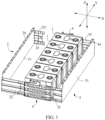
FIG. 1 is an exploded view of a battery module according to this application; -
FIG. 2 is an assembly diagram ofFIG. 1 ; -
FIG. 3 is a front view ofFIG. 2 ; -
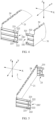
FIG. 4 is a three-dimensional view of the first enclosing plate and the second enclosing plate shown inFIG. 2 before installation, in which just a part of structures of the first enclosing plate and the second enclosing plate is shown; -
FIG. 5 is a three-dimensional view of the first enclosing plate shown inFIG. 4 ; -
FIG. 6 is a variation ofFIG. 4 ; -
FIG. 7 is a three-dimensional view of the second enclosing plate shown inFIG. 6 ; -
FIG. 8 is another variation ofFIG. 4 ; and -
FIG. 9 is a three-dimensional view of the second enclosing plate shown inFIG. 8 . - Reference numerals are as follows:
- 1: Battery;
- 1A: Lower region;
- 1B: Upper-middle region;
- 2: First enclosing plate;
- 21: First side plate;
- 22: First front plate;
- 221: First connecting hole;
- 222: First limiting groove;
- 223: Limiting open slot;
- 23: First rear plate;
- 231: Third connecting hole;
- 24: First upper plate;
- 3: Second enclosing plate;
- 31: Second side plate;
- 32: Second front plate;
- 321: Second connecting hole;
- 322: Second limiting groove;
- 33: Second rear plate;
- 331: Fourth connecting hole;
- 34: Second upper plate;
- 4: End plate;
- S: Fastener;
- X: Transverse direction;
- Y: Longitudinal direction; and
- Z: Up-down direction.
- To make the objectives, technical solutions, and advantages of this application clearer, the following describes this application in further detail with reference to accompanying drawings and embodiments. Understandably, the specific embodiments described herein are merely intended to explain this application, but are not intended to limit this application.
- In the description of this application, unless otherwise expressly specified, the terms "first", "second", "third", and "fourth" are for the sole purpose of description rather than indicating or implying any order of preference; the term "a plurality of" means two or more; unless otherwise expressly specified, the terms such as "connect" and "fix" shall be understood in a broad sense. For example, a "connection" may be a fixed connection, or a detachable connection, or an integrated connection, or an electrical connection or signal connection; or may be a direct connection or an indirect connection implemented through an intermediate medium. A person of ordinary skill in the art can understand the specific meanings of the terms in this application according to the context.
- Understandably, in the description of this application, directional terms such as "upper", "lower", "front", and "rear" described in the embodiments of this application are described from a perspective shown in the drawings, and shall not be understood as a limitation on the embodiments of this application. In addition, understandably, depending on the context, one element described as being connected "on" or "under" another element not only means that the element may be directly connected "on" or "under" the other element, but also means that the element may be indirectly connected "on" or "under" the other element through an intermediate element. The following describes this application in further detail with reference to specific embodiments and accompanying drawings.
- Referring to
FIG. 1 andFIG. 2 , the battery module according to this application includes a plurality of batteries 1, afirst enclosing plate 2, asecond enclosing plate 3,end plates 4, and fasteners (S). - Referring to
FIG. 1 andFIG. 4 toFIG. 9 , thefirst enclosing plate 2 includes afirst side plate 21, a firstfront plate 22 connected to thefirst side plate 21 and containing a first connectinghole 221, and a firstrear plate 23 connected to thefirst side plate 21 and containing a third connectinghole 231. The firstrear plate 23 and the firstfront plate 22 are disposed oppositely in a longitudinal direction Y, and are respectively connected to two ends of thefirst side plate 21. - Referring to
FIG. 1 andFIG. 4 toFIG. 9 , thesecond enclosing plate 3 includes asecond side plate 31, a secondfront plate 32 connected to thesecond side plate 31 and containing a second connectinghole 321, and a secondrear plate 33 connected to thesecond side plate 31 and containing a fourth connectinghole 331. The secondrear plate 33 and the secondfront plate 32 are disposed oppositely in the longitudinal direction Y, and are respectively connected to two ends of thesecond side plate 31. - The
first side plate 21 and thesecond side plate 31 are respectively located on two sides of the plurality of batteries 1 in a transverse direction X. The firstfront plate 22 and the secondfront plate 32 are located on one side of the plurality of batteries 1 in the longitudinal direction Y. The firstrear plate 23 and the secondrear plate 33 are located on the other side of the plurality of batteries 1 in the longitudinal direction Y, as shown inFIG. 1 . The first connectinghole 221 on the firstfront plate 22 and the second connectinghole 321 on the secondfront plate 32 are fixedly connected to the firstfront plate 22 and the secondfront plate 32 by the fasteners S. The third connectinghole 231 on the firstrear plate 23 and the fourth connectinghole 331 on the secondrear plate 33 are fixedly connected to the firstrear plate 23 and the secondrear plate 33 by the fasteners S, so that thefirst enclosing plate 2 and thesecond enclosing plate 3 jointly enclose and fix the plurality of batteries 1. - In the battery module according to this application, both the
first enclosing plate 2 and thesecond enclosing plate 3 form a semi-enclosure structure, and tightly enclose the plurality of batteries 1 in a clasping manner. Merely two junctions exist between the two enclosing plates (that is, the firstfront plate 22 needs to be connected to the secondfront plate 32, and the firstrear plate 23 needs to be connected to the second rear plate 33), thereby decreasing junctions, reducing risks of failure at the junctions and improving structural strength of the battery module significantly. In addition, thefirst enclosing plate 2 and thesecond enclosing plate 3 are fixedly connected into an entirety by the fasteners S. Such a connection manner is easy to operate, facilitates installation and disassembly of the battery module, and thus improves the assembling efficiency. - To simplify a process of forming parts of the battery module, the
first enclosing plate 2 and thesecond enclosing plate 3 may adopt the same structure. Further, the structure of the firstrear plate 23 is the same as that of the secondfront plate 32. The structure of the secondrear plate 33 is the same as that of the firstfront plate 22. - Referring to
FIG. 3 , the batteries 1 may include alower region 1A and an upper-middle region 1B in an up-down direction Z (that is, the two regions are demarcated by a dashed line inFIG. 3 ). Specifically, the upper-middle region 1B of the batteries 1 is an upper 2/3 part of the batteries 1, and thelower region 1A is a lower 1/3 part of the batteries 1. - During use of the battery module, the upper-
middle region 1B of the batteries 1 swells and deforms more than thelower region 1A. Therefore, to improve capabilities of thefirst enclosing plate 2 and thesecond enclosing plate 3 in resisting swelling and deformation of the batteries 1, the number of the first connectingholes 221 disposed on a part that is of the firstfront plate 22 and that corresponds to the upper-middle region 1B of the batteries 1 is larger than the number of the first connectingholes 221 disposed on a part that is of the firstfront plate 22 and that corresponds to thelower region 1A (correspondingly, the second connectingholes 321 are disposed on the secondfront plate 32 in the same way as the disposing of the first connecting holes 221). In other words, the number of the fasteners S located in the upper-middle region 1B of the batteries 1 in the longitudinal direction Y is larger than the number of the fasteners S located in thelower region 1A, thereby increasing overall strength of the battery module. - Similarly, on the other side of the plurality of batteries 1, the third connecting
hole 231 on the firstrear plate 23 and the fourth connectinghole 331 on the secondrear plate 33 may be disposed in the same way as the first connectinghole 221. - Referring to
FIG. 1 to FIG. 9 , after theenclosing plate 2 and thesecond enclosing plate 3 are assembled, a distance between the first connectinghole 221 and thefirst side plate 21 in the transverse direction X is greater than a distance between the first connectinghole 221 and thesecond side plate 31 in the transverse direction X (in this case, the size of the firstfront plate 22 in the transverse direction X is larger than the size of the secondfront plate 32 in the transverse direction X). The position of the second connectinghole 321 matches the first connectinghole 221. In other words, the fasteners S are disposed close to thesecond side plate 31 in the transverse direction X. - It needs to be noted that the first connecting
hole 221 and the second connectinghole 321 are a first junction between thefirst enclosing plate 2 and thesecond enclosing plate 3, and the plurality of batteries 1 swell and deform most in a middle region in the transverse direction X. Therefore, when the first connectinghole 221 and the second connectinghole 321 are disposed in the way above, the first junction between thefirst enclosing plate 2 and thesecond enclosing plate 3 deviates from the middle region that is most swollen and deformed, thereby reducing an impact caused by the swelling and deformation onto the first junction and thus improving the capabilities of thefirst enclosing plate 2 and thesecond enclosing plate 3 in resisting the swelling and deformation of the batteries 1. - Referring to
FIG. 1 to FIG. 9 , a distance between the third connectinghole 231 and thefirst side plate 21 in the transverse direction X is less than a distance between the third connectinghole 231 and thesecond side plate 31 in the transverse direction X (in this case, the size of the firstrear plate 23 in the transverse direction X is less than the size of the secondrear plate 33 in the transverse direction X). The position of the fourth connectinghole 331 matches the third connectinghole 231. In other words, the fasteners S are disposed close to thesecond side plate 31 in the transverse direction X. - Similarly, it needs to be noted that the third connecting
hole 231 and the fourth connectinghole 331 are a second junction between thefirst enclosing plate 2 and thesecond enclosing plate 3, and the plurality of batteries 1 swell and deform most in the middle region in the transverse direction X. Therefore, when the third connectinghole 231 and the fourth connectinghole 331 are disposed in the way above, the second junction between thefirst enclosing plate 2 and thesecond enclosing plate 3 also deviates from the middle region that is most swollen and deformed, thereby reducing the impact caused by the swelling and deformation onto the second junction and thus improving the capabilities of thefirst enclosing plate 2 and thesecond enclosing plate 3 in resisting the swelling and deformation of the batteries 1. In addition, the second junction and the first junction are disposed diagonally, thereby increasing connection strength between thefirst enclosing plate 2 and thesecond enclosing plate 3 and thus increasing overall structural strength of the battery module. - Referring to
FIG. 4 to FIG. 9 , the firstfront plate 22 includes afirst end part 22C close to the secondfront plate 32 in the transverse direction X, and the secondfront plate 32 includes asecond end part 32C close to the firstfront plate 22 in the transverse direction X. - Referring to
FIG. 4 to FIG. 7 , the firstfront plate 22 further contains a first limitinggroove 222 that fits thesecond end part 32C of the secondfront plate 32 in a concave-convex manner. The secondfront plate 32 further contains a second limitinggroove 322 that fits thefirst end part 22C of the firstfront plate 22 in a concave-convex manner, and a concave direction of the second limitinggroove 322 is opposite to a concave direction of the first limitinggroove 222. The firstfront plate 22 fits the secondfront plate 32 in such a concave-convex manner, thereby enabling rapid positioning and improving the assembling efficiency. In addition, the concave direction of the second limitinggroove 322 is opposite to the concave direction of the first limitinggroove 222. Therefore, after the firstfront plate 22 and the secondfront plate 32 are installed, the overall enclosure size of thefirst enclosing plate 2 and thesecond enclosing plate 3 does not increase additionally. - In an embodiment, referring to
FIG. 4 and FIG. 5 , the first limitinggroove 222 may be formed on a surface of thefirst end part 22C in the longitudinal direction Y, extends along the transverse direction X, and is available for inserting thesecond end part 32C. The second limitinggroove 322 is formed on a surface of thesecond end part 32C in the longitudinal direction Y, extends along the transverse direction X, and is available for inserting thefirst end part 22C. The first connectinghole 221 is disposed at thefirst end part 22C, and the second connectinghole 321 is disposed at thesecond end part 32C. Specifically, the first limitinggroove 222 is formed on the surface that is of thefirst end part 22C and that faces the batteries 1, and correspondingly, the second limitinggroove 322 is formed on the surface that is of thesecond end part 32C and back from the batteries 1. Alternatively, the first limitinggroove 222 is formed on the surface that is of thefirst end part 22C and back from the batteries 1 (as shown inFIG. 4 and FIG. 5 ), and correspondingly, the second limitinggroove 322 is formed on the surface that is of thesecond end part 32C and that faces the batteries 1 (as shown inFIG. 4 ). - Further, referring to
FIG. 4 and FIG. 5 , the number of the first limitinggrooves 222 may be plural in number. The plurality of first limitinggrooves 222 are spaced apart in the transverse direction X. The second limitinggroove 322 is consistent with the first limitinggroove 222 in number. - In another embodiment, referring to
FIG. 6 and FIG. 7 , the first limitinggroove 222 is located on the side of thefirst end part 22C in the transverse direction and extends along the up-down direction. Thesecond end part 32C clings to a wall of the first limitinggroove 222. The second limitinggroove 322 is located on the side of thesecond end part 32C in the transverse direction X and extends along the up-down direction Z. Thefirst end part 22C clings to a wall of the second limitinggroove 322. The first connectinghole 221 is disposed at thefirst end part 22C and/or the first limitinggroove 222, and the second connectinghole 321 is disposed at thesecond end part 32C and/or the second limitinggroove 322. In this way, the clinging effect between thesecond end part 32C and the first limitinggroove 222, the clinging effect between thefirst end part 22C and the second limitinggroove 322, and the connecting effect of the first connectinghole 221 and the second connectinghole 321 through the fasteners S increase the connection strength between thefirst enclosing plate 2 and thesecond enclosing plate 3, and thus increase the overall structural strength of the battery module. - In another embodiment, referring to
FIG. 8 and FIG. 9 , the firstfront plate 22 includes afirst end part 22C close to the secondfront plate 32, and the secondfront plate 32 includes asecond end part 32C close to the firstfront plate 22. The firstfront plate 22 further contains a limitingopen slot 223 configured to be available for inserting thesecond end part 32C. The limitingopen slot 223 may be a U-shaped structure. Such a mutual insertion method makes installation simple and fast, and improves the assembling efficiency. - In addition, to increase the structural strength of the
first enclosing plate 2 itself, a reinforcing rib structure may be added to thefirst side plate 21, the firstfront plate 22, and the firstrear plate 23 of thefirst enclosing plate 2 separately. Similarly, a reinforcing rib structure may be added to thesecond side plate 31, the secondfront plate 32, the secondrear plate 33 of thesecond enclosing plate 3 separately to increase the structural strength of thesecond enclosing plate 3 itself. - Referring to
FIG. 1 to FIG. 9 , thefirst enclosing plate 2 may further include a firstupper plate 24 connected to thefirst side plate 21 and located above the plurality of batteries 1. Thesecond enclosing plate 3 further includes a secondupper plate 34 connected to thesecond side plate 31 and located above the plurality of batteries 1. The firstupper plate 24 and the secondupper plate 34 are configured together to limit the positions of the plurality of batteries 1 in the up-down direction Z. To increase the strength, the firstupper plate 24 and the secondupper plate 34 may be a corrugated platelike structure. - Referring to
FIG. 1 andFIG. 2 , the twoend plates 4 are disposed on two sides of the plurality of batteries 1 along the longitudinal direction Y, and are located in a space defined by thefirst enclosing plate 2 and thesecond enclosing plate 3. The firstfront plate 22 and the secondfront plate 32 are fixedly connected to thecorresponding end plates 4 by the fasteners S. The firstrear plate 23 and the secondrear plate 33 are fixedly connected to thecorresponding end plates 4 by the fasteners S. During the use of the battery module, theend plate 4, thefirst enclosing plate 2, and thesecond enclosing plate 3 form a "double shield" to jointly resist the swelling and deformation of the batteries 1, thereby increasing the structural strength of the battery module.
Claims (13)
- A battery module, comprising a plurality of batteries (1), a first enclosing plate (2), a second enclosing plate (3), and fasteners (S), whereinthe first enclosing plate (2) comprises a first side plate (21), a first front plate (22) connected to the first side plate (21) and containing at least afirst connecting hole (221), and a first rear plate (23) connected to the first side plate (21) and containing a third connecting hole (231), wherein the first rear plate (23) and the first front plate (22) are disposed oppositely in a longitudinal direction (Y);the second enclosing plate (3) comprises a second side plate (31), a second front plate (32) connected to the second side plate (31) and containing a second connecting hole (321), and a second rear plate (33) connected to the second side plate (31) and containing a fourth connecting hole (331), wherein the second rear plate (33) and the second front plate (32) are disposed oppositely in the longitudinal direction (Y); andthe first connecting hole (221) and the second connecting hole (321) are fixedly connected to the first front plate (22) and the second front plate (32) by the fasteners (S), and the third connecting hole (231) and the fourth connecting hole (331) are fixedly connected to the first rear plate (23) and the second rear plate (33) by the fasteners (S), and whereinthe batteries (1) comprise a lower region (1A) and an upper-middle region (1B) in an up-down direction (Z); and whereina number of first connecting holes (221) disposed in a part that is of the first front plate (22) and that corresponds to the upper-middle region (1B) is larger than a number of first connecting holes (221) disposed in a part that is of the first front plate (22) and that corresponds to the lower region (1A).
- The battery module according to claim 1, wherein
the structure of the first rear plate (23) is the same as that of the second front plate 32 and the structure of the second rear plate (33) is the same as that of the first front plate (22). - The battery module according to claim1, wherein
the upper-middle region (1B) of the batteries (1) is an upper 2/3 part of the batteries (1), and the lower region (1A) is a lower 1/3 part of the batteries (1). - The battery module according to any of claims 1 to 3, whereina distance between the first connecting hole (221) and the first side plate (21) in a transverse direction (X) is greater than a distance between the first connecting hole (221) and the second side plate (31) in the transverse direction (X); anda position of the second connecting hole (321) matches the first connecting hole (221); wherein preferably, the first connecting hole 221 and the second connecting hole 321 are a first junction between the first enclosing plate 2 and the second enclosing plate 3.
- The battery module according to any of claims 1 to 4, whereina distance between the third connecting hole (231) and the first side plate (21) in a transverse direction (X) is less than a distance between the third connecting hole (231) and the second side plate (31) in the transverse direction (X); anda position of the fourth connecting hole (331) matches the third connecting hole (231); wherein preferably, the third connecting hole (231) and the fourth connecting hole (331) are a second junction between the first enclosing plate (2) and the second enclosing plate (3).
- The battery module according to claim 4 or 5, wherein
the fasteners (S) are disposed close to the second side plate (31) in the transverse direction (X). - The battery module according to claim 5 or 6, wherein the second junction of claim 5 and the first junction of claim 4 are disposed diagonally.
- The battery module according to any of claims 1 to 7, whereinthe battery module further comprises two end plates (4) disposed on two sides of the plurality of batteries (1) along the longitudinal direction (Y);the first front plate (22) and the second front plate (32) are fixedly connected to the corresponding end plates (4) by the fasteners (S); andthe first rear plate (23) and the second rear plate (33) are fixedly connected to the corresponding end plates (4) by the fasteners (S).
- The battery module according to any of claims 1 to 7, whereinthe first front plate (22) comprises a first end part (22C) close to the second front plate (32) in a transverse direction (X), and the second front plate (32) comprises a second end part (32C) close to the first front plate (22) in the transverse direction (X);the first front plate (22) further contains a first limiting groove (222) that fits the second end part (32C) of the second front plate (32) in a concave-convex manner; andthe second front plate (32) further contains a second limiting groove (322) that fits the first end part (22C) of the first front plate (22) in a concave-convex manner, and a concave direction of the second limiting groove (322) is opposite to a concave direction of the first limiting groove (222).
- The battery module according to claim 9, whereinthe first limiting groove (222) is formed on a surface of the first end part (22C) in the longitudinal direction (Y), extends along the transverse direction (X), and is available for inserting the second end part (32C);the second limiting groove (322) is formed on a surface of the second end part (32C) in the longitudinal direction (Y), extends along the transverse direction (X), and is available for inserting the first end part (22C); andthe first connecting hole (221) is disposed at the first end part (22C), and the second connecting hole (321) is disposed at the second end part (32C).
- The battery module according to claim 9, whereinthe first limiting groove (222) is located on the side of the first end part (22C) in the transverse direction (X) and extends along an up-down direction (Z), and the second end part (32C) clings to a wall of the first limiting groove (222);the second limiting groove (322) is located on the side of the second end part (32C) in the transverse direction (X) and extends along the up-down direction (Z), and the first end part (22C) clings to a wall of the second limiting groove (322); andthe first connecting hole (221) is disposed at the first end part (22C) and/or the first limiting groove (222), and the second connecting hole (321) is disposed at the second end part (32C) and/or the second limiting groove (322).
- The battery module according to claim 1, whereinthe first front plate (22) comprises a first end part (22C) close to the second front plate (32), and the second front plate (32) comprises a second end part (32C) close to the first front plate (22); andthe first front plate (22) further contains a limiting open slot (223) configured to be available for inserting the second end part (32C).
- The battery module according to any of claims 1 to 12, whereinthe first enclosing plate (2) further comprises a first upper plate (24) connected to the first side plate (21) and located above the plurality of batteries (1); andthe second enclosing plate (3) further comprises a second upper plate (34) connected to the second side plate (31) and located above the plurality of batteries (1).
Applications Claiming Priority (2)
| Application Number | Priority Date | Filing Date | Title |
|---|---|---|---|
| CN201822166210.4U CN209104220U (en) | 2018-12-21 | 2018-12-21 | battery module |
| PCT/CN2019/124892 WO2020125540A1 (en) | 2018-12-21 | 2019-12-12 | Battery module |
Publications (4)
| Publication Number | Publication Date |
|---|---|
| EP3796414A1 EP3796414A1 (en) | 2021-03-24 |
| EP3796414A4 EP3796414A4 (en) | 2021-10-20 |
| EP3796414B1 true EP3796414B1 (en) | 2024-08-07 |
| EP3796414B8 EP3796414B8 (en) | 2024-10-16 |
Family
ID=67163141
Family Applications (1)
| Application Number | Title | Priority Date | Filing Date |
|---|---|---|---|
| EP19899744.7A Active EP3796414B8 (en) | 2018-12-21 | 2019-12-12 | Battery module |
Country Status (4)
| Country | Link |
|---|---|
| US (1) | US12191512B2 (en) |
| EP (1) | EP3796414B8 (en) |
| CN (1) | CN209104220U (en) |
| WO (1) | WO2020125540A1 (en) |
Families Citing this family (3)
| Publication number | Priority date | Publication date | Assignee | Title |
|---|---|---|---|---|
| CN209104220U (en) * | 2018-12-21 | 2019-07-12 | 宁德时代新能源科技股份有限公司 | battery module |
| CN113745694B (en) * | 2021-08-24 | 2023-05-26 | 三一重工股份有限公司 | Battery module and vehicle |
| DE102022211184A1 (en) * | 2022-10-21 | 2024-05-02 | Robert Bosch Gesellschaft mit beschränkter Haftung | Battery module, method for producing the same and end plate unit |
Family Cites Families (13)
| Publication number | Priority date | Publication date | Assignee | Title |
|---|---|---|---|---|
| US6719150B2 (en) * | 2001-05-30 | 2004-04-13 | Kim Manufacturing Company | Battery rack and system |
| JP2011151006A (en) * | 2009-12-25 | 2011-08-04 | Sanyo Electric Co Ltd | Battery system, and electric vehicle equipped with the same |
| JP5945435B2 (en) * | 2012-03-16 | 2016-07-05 | 本田技研工業株式会社 | Battery module |
| JP2015111493A (en) * | 2012-03-28 | 2015-06-18 | 三洋電機株式会社 | Power supply device, and vehicle and power storage device comprising the same |
| KR20160091124A (en) * | 2015-01-23 | 2016-08-02 | 삼성에스디아이 주식회사 | A battery module |
| JP6449108B2 (en) * | 2015-06-04 | 2019-01-09 | 本田技研工業株式会社 | Power storage device |
| JP6310990B1 (en) * | 2016-10-26 | 2018-04-11 | 本田技研工業株式会社 | Battery module fixing structure |
| CN106910851B (en) * | 2017-04-26 | 2020-03-10 | 北京新能源汽车股份有限公司 | Battery module, battery package and vehicle |
| CN207818669U (en) * | 2017-12-21 | 2018-09-04 | 宁德时代新能源科技股份有限公司 | Frame and battery module |
| CN207818698U (en) * | 2018-01-30 | 2018-09-04 | 宁德时代新能源科技股份有限公司 | battery module |
| CN208225940U (en) * | 2018-04-11 | 2018-12-11 | 东莞塔菲尔新能源科技有限公司 | A kind of power battery module structure |
| CN208256757U (en) * | 2018-05-07 | 2018-12-18 | 宁德时代新能源科技股份有限公司 | Peripheral frame and battery modules |
| CN209104220U (en) * | 2018-12-21 | 2019-07-12 | 宁德时代新能源科技股份有限公司 | battery module |
-
2018
- 2018-12-21 CN CN201822166210.4U patent/CN209104220U/en active Active
-
2019
- 2019-12-12 WO PCT/CN2019/124892 patent/WO2020125540A1/en not_active Ceased
- 2019-12-12 EP EP19899744.7A patent/EP3796414B8/en active Active
-
2021
- 2021-06-21 US US17/352,395 patent/US12191512B2/en active Active
Also Published As
| Publication number | Publication date |
|---|---|
| CN209104220U (en) | 2019-07-12 |
| EP3796414A1 (en) | 2021-03-24 |
| US20210313643A1 (en) | 2021-10-07 |
| EP3796414A4 (en) | 2021-10-20 |
| WO2020125540A1 (en) | 2020-06-25 |
| US12191512B2 (en) | 2025-01-07 |
| EP3796414B8 (en) | 2024-10-16 |
Similar Documents
| Publication | Publication Date | Title |
|---|---|---|
| EP3796414B1 (en) | Battery module | |
| US10128472B2 (en) | Secondary battery head cover assembly, secondary battery including the same and assembling method thereof | |
| CN209183605U (en) | battery box | |
| US10840485B2 (en) | Composite end plate and battery module | |
| US11929521B2 (en) | Rechargeable battery | |
| CN216354505U (en) | Lower shell of battery pack and battery device | |
| KR20210012237A (en) | Battery case | |
| EP3790073A1 (en) | Battery pack | |
| CN106256059A (en) | Disk device frame | |
| CN210897345U (en) | Battery pack lower shell and battery pack | |
| US10700314B2 (en) | Secondary battery head cover assembly, secondary battery including the same and assembling method thereof | |
| WO2026081971A1 (en) | Battery case and vehicle | |
| US20140049032A1 (en) | Chassis Frame | |
| EP4507112A1 (en) | Battery | |
| CN207550126U (en) | Anticollision beam assembly and vehicle | |
| US10763465B2 (en) | Secondary battery head cover assembly, secondary battery including the same and assembling method thereof | |
| CN211973509U (en) | Double combination formula steel sheet pile supporting construction | |
| CN216450764U (en) | Upper shell, battery pack and power device | |
| CN223245793U (en) | Power battery box and lower box body of power battery box | |
| CN217969768U (en) | Motorcycle frame | |
| CN216850145U (en) | End plate for battery module and battery module thereof | |
| KR950003708Y1 (en) | Fixing clamp of building pipe | |
| CN115547185B (en) | A display module base shell and a display module | |
| CN221306178U (en) | Mobile phone flexible circuit board assembly component and mobile phone | |
| CN216344290U (en) | Valve bracket |
Legal Events
| Date | Code | Title | Description |
|---|---|---|---|
| STAA | Information on the status of an ep patent application or granted ep patent |
Free format text: STATUS: THE INTERNATIONAL PUBLICATION HAS BEEN MADE |
|
| PUAI | Public reference made under article 153(3) epc to a published international application that has entered the european phase |
Free format text: ORIGINAL CODE: 0009012 |
|
| STAA | Information on the status of an ep patent application or granted ep patent |
Free format text: STATUS: REQUEST FOR EXAMINATION WAS MADE |
|
| 17P | Request for examination filed |
Effective date: 20201217 |
|
| AK | Designated contracting states |
Kind code of ref document: A1 Designated state(s): AL AT BE BG CH CY CZ DE DK EE ES FI FR GB GR HR HU IE IS IT LI LT LU LV MC MK MT NL NO PL PT RO RS SE SI SK SM TR |
|
| AX | Request for extension of the european patent |
Extension state: BA ME |
|
| REG | Reference to a national code |
Ref country code: DE Ref legal event code: R079 Free format text: PREVIOUS MAIN CLASS: H01M0002100000 Ipc: H01M0050202000 Ref document number: 602019056787 Country of ref document: DE |
|
| A4 | Supplementary search report drawn up and despatched |
Effective date: 20210917 |
|
| RIC1 | Information provided on ipc code assigned before grant |
Ipc: H01M 50/236 20210101ALN20210914BHEP Ipc: H01M 50/224 20210101ALN20210914BHEP Ipc: H01M 50/264 20210101ALI20210914BHEP Ipc: H01M 50/209 20210101ALI20210914BHEP Ipc: H01M 50/26 20210101ALI20210914BHEP Ipc: H01M 50/244 20210101ALI20210914BHEP Ipc: H01M 50/242 20210101ALI20210914BHEP Ipc: H01M 50/202 20210101AFI20210914BHEP |
|
| DAV | Request for validation of the european patent (deleted) | ||
| DAX | Request for extension of the european patent (deleted) | ||
| STAA | Information on the status of an ep patent application or granted ep patent |
Free format text: STATUS: EXAMINATION IS IN PROGRESS |
|
| 17Q | First examination report despatched |
Effective date: 20220811 |
|
| GRAP | Despatch of communication of intention to grant a patent |
Free format text: ORIGINAL CODE: EPIDOSNIGR1 |
|
| STAA | Information on the status of an ep patent application or granted ep patent |
Free format text: STATUS: GRANT OF PATENT IS INTENDED |
|
| RIC1 | Information provided on ipc code assigned before grant |
Ipc: H01M 50/236 20210101ALN20240219BHEP Ipc: H01M 50/224 20210101ALN20240219BHEP Ipc: H01M 50/262 20210101ALI20240219BHEP Ipc: H01M 50/264 20210101ALI20240219BHEP Ipc: H01M 50/209 20210101ALI20240219BHEP Ipc: H01M 50/26 20210101ALI20240219BHEP Ipc: H01M 50/244 20210101ALI20240219BHEP Ipc: H01M 50/242 20210101ALI20240219BHEP Ipc: H01M 50/202 20210101AFI20240219BHEP |
|
| INTG | Intention to grant announced |
Effective date: 20240306 |
|
| GRAS | Grant fee paid |
Free format text: ORIGINAL CODE: EPIDOSNIGR3 |
|
| GRAA | (expected) grant |
Free format text: ORIGINAL CODE: 0009210 |
|
| STAA | Information on the status of an ep patent application or granted ep patent |
Free format text: STATUS: THE PATENT HAS BEEN GRANTED |
|
| AK | Designated contracting states |
Kind code of ref document: B1 Designated state(s): AL AT BE BG CH CY CZ DE DK EE ES FI FR GB GR HR HU IE IS IT LI LT LU LV MC MK MT NL NO PL PT RO RS SE SI SK SM TR |
|
| REG | Reference to a national code |
Ref country code: GB Ref legal event code: FG4D |
|
| REG | Reference to a national code |
Ref country code: DE Ref legal event code: R081 Ref document number: 602019056787 Country of ref document: DE Owner name: CONTEMPORARY AMPEREX TECHNOLOGY (HONG KONG) LI, HK Free format text: FORMER OWNER: CONTEMPORARY AMPEREX TECHNOLOGY CO., LIMITED, NINGDE CITY, FUJIAN, CN |
|
| REG | Reference to a national code |
Ref country code: CH Ref legal event code: EP |
|
| REG | Reference to a national code |
Ref country code: IE Ref legal event code: FG4D |
|
| REG | Reference to a national code |
Ref country code: DE Ref legal event code: R096 Ref document number: 602019056787 Country of ref document: DE |
|
| REG | Reference to a national code |
Ref country code: GB Ref legal event code: 732E Free format text: REGISTERED BETWEEN 20240815 AND 20240821 |
|
| REG | Reference to a national code |
Ref country code: CH Ref legal event code: PK Free format text: BERICHTIGUNG B8 |
|
| RAP2 | Party data changed (patent owner data changed or rights of a patent transferred) |
Owner name: CONTEMPORARY AMPEREX TECHNOLOGY(HONG KONG) LIMITED |
|
| P01 | Opt-out of the competence of the unified patent court (upc) registered |
Free format text: CASE NUMBER: APP_53006/2024 Effective date: 20240923 |
|
| REG | Reference to a national code |
Ref country code: LT Ref legal event code: MG9D |
|
| REG | Reference to a national code |
Ref country code: NL Ref legal event code: MP Effective date: 20240807 |
|
| PG25 | Lapsed in a contracting state [announced via postgrant information from national office to epo] |
Ref country code: NO Free format text: LAPSE BECAUSE OF FAILURE TO SUBMIT A TRANSLATION OF THE DESCRIPTION OR TO PAY THE FEE WITHIN THE PRESCRIBED TIME-LIMIT Effective date: 20241107 |
|
| REG | Reference to a national code |
Ref country code: AT Ref legal event code: MK05 Ref document number: 1711968 Country of ref document: AT Kind code of ref document: T Effective date: 20240807 |
|
| PG25 | Lapsed in a contracting state [announced via postgrant information from national office to epo] |
Ref country code: FI Free format text: LAPSE BECAUSE OF FAILURE TO SUBMIT A TRANSLATION OF THE DESCRIPTION OR TO PAY THE FEE WITHIN THE PRESCRIBED TIME-LIMIT Effective date: 20240807 Ref country code: NL Free format text: LAPSE BECAUSE OF FAILURE TO SUBMIT A TRANSLATION OF THE DESCRIPTION OR TO PAY THE FEE WITHIN THE PRESCRIBED TIME-LIMIT Effective date: 20240807 Ref country code: PL Free format text: LAPSE BECAUSE OF FAILURE TO SUBMIT A TRANSLATION OF THE DESCRIPTION OR TO PAY THE FEE WITHIN THE PRESCRIBED TIME-LIMIT Effective date: 20240807 Ref country code: GR Free format text: LAPSE BECAUSE OF FAILURE TO SUBMIT A TRANSLATION OF THE DESCRIPTION OR TO PAY THE FEE WITHIN THE PRESCRIBED TIME-LIMIT Effective date: 20241108 Ref country code: PT Free format text: LAPSE BECAUSE OF FAILURE TO SUBMIT A TRANSLATION OF THE DESCRIPTION OR TO PAY THE FEE WITHIN THE PRESCRIBED TIME-LIMIT Effective date: 20241209 |
|
| PG25 | Lapsed in a contracting state [announced via postgrant information from national office to epo] |
Ref country code: BG Free format text: LAPSE BECAUSE OF FAILURE TO SUBMIT A TRANSLATION OF THE DESCRIPTION OR TO PAY THE FEE WITHIN THE PRESCRIBED TIME-LIMIT Effective date: 20240807 |
|
| PG25 | Lapsed in a contracting state [announced via postgrant information from national office to epo] |
Ref country code: LV Free format text: LAPSE BECAUSE OF FAILURE TO SUBMIT A TRANSLATION OF THE DESCRIPTION OR TO PAY THE FEE WITHIN THE PRESCRIBED TIME-LIMIT Effective date: 20240807 |
|
| PG25 | Lapsed in a contracting state [announced via postgrant information from national office to epo] |
Ref country code: AT Free format text: LAPSE BECAUSE OF FAILURE TO SUBMIT A TRANSLATION OF THE DESCRIPTION OR TO PAY THE FEE WITHIN THE PRESCRIBED TIME-LIMIT Effective date: 20240807 Ref country code: IS Free format text: LAPSE BECAUSE OF FAILURE TO SUBMIT A TRANSLATION OF THE DESCRIPTION OR TO PAY THE FEE WITHIN THE PRESCRIBED TIME-LIMIT Effective date: 20241207 |
|
| PG25 | Lapsed in a contracting state [announced via postgrant information from national office to epo] |
Ref country code: HR Free format text: LAPSE BECAUSE OF FAILURE TO SUBMIT A TRANSLATION OF THE DESCRIPTION OR TO PAY THE FEE WITHIN THE PRESCRIBED TIME-LIMIT Effective date: 20240807 |
|
| PG25 | Lapsed in a contracting state [announced via postgrant information from national office to epo] |
Ref country code: ES Free format text: LAPSE BECAUSE OF FAILURE TO SUBMIT A TRANSLATION OF THE DESCRIPTION OR TO PAY THE FEE WITHIN THE PRESCRIBED TIME-LIMIT Effective date: 20240807 Ref country code: RS Free format text: LAPSE BECAUSE OF FAILURE TO SUBMIT A TRANSLATION OF THE DESCRIPTION OR TO PAY THE FEE WITHIN THE PRESCRIBED TIME-LIMIT Effective date: 20241107 |
|
| PG25 | Lapsed in a contracting state [announced via postgrant information from national office to epo] |
Ref country code: RS Free format text: LAPSE BECAUSE OF FAILURE TO SUBMIT A TRANSLATION OF THE DESCRIPTION OR TO PAY THE FEE WITHIN THE PRESCRIBED TIME-LIMIT Effective date: 20241107 Ref country code: PT Free format text: LAPSE BECAUSE OF FAILURE TO SUBMIT A TRANSLATION OF THE DESCRIPTION OR TO PAY THE FEE WITHIN THE PRESCRIBED TIME-LIMIT Effective date: 20241209 Ref country code: PL Free format text: LAPSE BECAUSE OF FAILURE TO SUBMIT A TRANSLATION OF THE DESCRIPTION OR TO PAY THE FEE WITHIN THE PRESCRIBED TIME-LIMIT Effective date: 20240807 Ref country code: NO Free format text: LAPSE BECAUSE OF FAILURE TO SUBMIT A TRANSLATION OF THE DESCRIPTION OR TO PAY THE FEE WITHIN THE PRESCRIBED TIME-LIMIT Effective date: 20241107 Ref country code: NL Free format text: LAPSE BECAUSE OF FAILURE TO SUBMIT A TRANSLATION OF THE DESCRIPTION OR TO PAY THE FEE WITHIN THE PRESCRIBED TIME-LIMIT Effective date: 20240807 Ref country code: LV Free format text: LAPSE BECAUSE OF FAILURE TO SUBMIT A TRANSLATION OF THE DESCRIPTION OR TO PAY THE FEE WITHIN THE PRESCRIBED TIME-LIMIT Effective date: 20240807 Ref country code: IS Free format text: LAPSE BECAUSE OF FAILURE TO SUBMIT A TRANSLATION OF THE DESCRIPTION OR TO PAY THE FEE WITHIN THE PRESCRIBED TIME-LIMIT Effective date: 20241207 Ref country code: HR Free format text: LAPSE BECAUSE OF FAILURE TO SUBMIT A TRANSLATION OF THE DESCRIPTION OR TO PAY THE FEE WITHIN THE PRESCRIBED TIME-LIMIT Effective date: 20240807 Ref country code: GR Free format text: LAPSE BECAUSE OF FAILURE TO SUBMIT A TRANSLATION OF THE DESCRIPTION OR TO PAY THE FEE WITHIN THE PRESCRIBED TIME-LIMIT Effective date: 20241108 Ref country code: FI Free format text: LAPSE BECAUSE OF FAILURE TO SUBMIT A TRANSLATION OF THE DESCRIPTION OR TO PAY THE FEE WITHIN THE PRESCRIBED TIME-LIMIT Effective date: 20240807 Ref country code: ES Free format text: LAPSE BECAUSE OF FAILURE TO SUBMIT A TRANSLATION OF THE DESCRIPTION OR TO PAY THE FEE WITHIN THE PRESCRIBED TIME-LIMIT Effective date: 20240807 Ref country code: BG Free format text: LAPSE BECAUSE OF FAILURE TO SUBMIT A TRANSLATION OF THE DESCRIPTION OR TO PAY THE FEE WITHIN THE PRESCRIBED TIME-LIMIT Effective date: 20240807 Ref country code: AT Free format text: LAPSE BECAUSE OF FAILURE TO SUBMIT A TRANSLATION OF THE DESCRIPTION OR TO PAY THE FEE WITHIN THE PRESCRIBED TIME-LIMIT Effective date: 20240807 |
|
| PG25 | Lapsed in a contracting state [announced via postgrant information from national office to epo] |
Ref country code: RO Free format text: LAPSE BECAUSE OF FAILURE TO SUBMIT A TRANSLATION OF THE DESCRIPTION OR TO PAY THE FEE WITHIN THE PRESCRIBED TIME-LIMIT Effective date: 20240807 Ref country code: DK Free format text: LAPSE BECAUSE OF FAILURE TO SUBMIT A TRANSLATION OF THE DESCRIPTION OR TO PAY THE FEE WITHIN THE PRESCRIBED TIME-LIMIT Effective date: 20240807 Ref country code: SM Free format text: LAPSE BECAUSE OF FAILURE TO SUBMIT A TRANSLATION OF THE DESCRIPTION OR TO PAY THE FEE WITHIN THE PRESCRIBED TIME-LIMIT Effective date: 20240807 |
|
| PG25 | Lapsed in a contracting state [announced via postgrant information from national office to epo] |
Ref country code: CZ Free format text: LAPSE BECAUSE OF FAILURE TO SUBMIT A TRANSLATION OF THE DESCRIPTION OR TO PAY THE FEE WITHIN THE PRESCRIBED TIME-LIMIT Effective date: 20240807 |
|
| PG25 | Lapsed in a contracting state [announced via postgrant information from national office to epo] |
Ref country code: SK Free format text: LAPSE BECAUSE OF FAILURE TO SUBMIT A TRANSLATION OF THE DESCRIPTION OR TO PAY THE FEE WITHIN THE PRESCRIBED TIME-LIMIT Effective date: 20240807 |
|
| REG | Reference to a national code |
Ref country code: DE Ref legal event code: R097 Ref document number: 602019056787 Country of ref document: DE |
|
| PLBE | No opposition filed within time limit |
Free format text: ORIGINAL CODE: 0009261 |
|
| STAA | Information on the status of an ep patent application or granted ep patent |
Free format text: STATUS: NO OPPOSITION FILED WITHIN TIME LIMIT |
|
| PG25 | Lapsed in a contracting state [announced via postgrant information from national office to epo] |
Ref country code: MC Free format text: LAPSE BECAUSE OF FAILURE TO SUBMIT A TRANSLATION OF THE DESCRIPTION OR TO PAY THE FEE WITHIN THE PRESCRIBED TIME-LIMIT Effective date: 20240807 |
|
| 26N | No opposition filed |
Effective date: 20250508 |
|
| REG | Reference to a national code |
Ref country code: CH Ref legal event code: PL |
|
| PG25 | Lapsed in a contracting state [announced via postgrant information from national office to epo] |
Ref country code: LU Free format text: LAPSE BECAUSE OF NON-PAYMENT OF DUE FEES Effective date: 20241212 |
|
| PG25 | Lapsed in a contracting state [announced via postgrant information from national office to epo] |
Ref country code: SE Free format text: LAPSE BECAUSE OF FAILURE TO SUBMIT A TRANSLATION OF THE DESCRIPTION OR TO PAY THE FEE WITHIN THE PRESCRIBED TIME-LIMIT Effective date: 20240807 |
|
| REG | Reference to a national code |
Ref country code: BE Ref legal event code: MM Effective date: 20241231 |
|
| PG25 | Lapsed in a contracting state [announced via postgrant information from national office to epo] |
Ref country code: BE Free format text: LAPSE BECAUSE OF NON-PAYMENT OF DUE FEES Effective date: 20241231 |
|
| PG25 | Lapsed in a contracting state [announced via postgrant information from national office to epo] |
Ref country code: CH Free format text: LAPSE BECAUSE OF NON-PAYMENT OF DUE FEES Effective date: 20241231 |
|
| PG25 | Lapsed in a contracting state [announced via postgrant information from national office to epo] |
Ref country code: IE Free format text: LAPSE BECAUSE OF NON-PAYMENT OF DUE FEES Effective date: 20241212 |
|
| PGFP | Annual fee paid to national office [announced via postgrant information from national office to epo] |
Ref country code: DE Payment date: 20251212 Year of fee payment: 7 |
|
| PGFP | Annual fee paid to national office [announced via postgrant information from national office to epo] |
Ref country code: GB Payment date: 20251211 Year of fee payment: 7 |
|
| PGFP | Annual fee paid to national office [announced via postgrant information from national office to epo] |
Ref country code: FR Payment date: 20251212 Year of fee payment: 7 |
|
| PG25 | Lapsed in a contracting state [announced via postgrant information from national office to epo] |
Ref country code: IT Free format text: LAPSE BECAUSE OF FAILURE TO SUBMIT A TRANSLATION OF THE DESCRIPTION OR TO PAY THE FEE WITHIN THE PRESCRIBED TIME-LIMIT Effective date: 20240807 |