EP3795221B1 - Systems and methods for guiding user control of fitness machines - Google Patents
Systems and methods for guiding user control of fitness machines Download PDFInfo
- Publication number
- EP3795221B1 EP3795221B1 EP20196346.9A EP20196346A EP3795221B1 EP 3795221 B1 EP3795221 B1 EP 3795221B1 EP 20196346 A EP20196346 A EP 20196346A EP 3795221 B1 EP3795221 B1 EP 3795221B1
- Authority
- EP
- European Patent Office
- Prior art keywords
- intensity
- operating levels
- user
- parameter
- parameter operating
- Prior art date
- Legal status (The legal status is an assumption and is not a legal conclusion. Google has not performed a legal analysis and makes no representation as to the accuracy of the status listed.)
- Active
Links
Images


Classifications
-
- A—HUMAN NECESSITIES
- A63—SPORTS; GAMES; AMUSEMENTS
- A63B—APPARATUS FOR PHYSICAL TRAINING, GYMNASTICS, SWIMMING, CLIMBING, OR FENCING; BALL GAMES; TRAINING EQUIPMENT
- A63B71/00—Games or sports accessories not covered in groups A63B1/00 - A63B69/00
- A63B71/06—Indicating or scoring devices for games or players, or for other sports activities
- A63B71/0619—Displays, user interfaces and indicating devices, specially adapted for sport equipment, e.g. display mounted on treadmills
- A63B71/0622—Visual, audio or audio-visual systems for entertaining, instructing or motivating the user
-
- A—HUMAN NECESSITIES
- A63—SPORTS; GAMES; AMUSEMENTS
- A63B—APPARATUS FOR PHYSICAL TRAINING, GYMNASTICS, SWIMMING, CLIMBING, OR FENCING; BALL GAMES; TRAINING EQUIPMENT
- A63B22/00—Exercising apparatus specially adapted for conditioning the cardio-vascular system, for training agility or co-ordination of movements
- A63B22/0015—Exercising apparatus specially adapted for conditioning the cardio-vascular system, for training agility or co-ordination of movements with an adjustable movement path of the support elements
- A63B22/0023—Exercising apparatus specially adapted for conditioning the cardio-vascular system, for training agility or co-ordination of movements with an adjustable movement path of the support elements the inclination of the main axis of the movement path being adjustable, e.g. the inclination of an endless band
-
- A—HUMAN NECESSITIES
- A63—SPORTS; GAMES; AMUSEMENTS
- A63B—APPARATUS FOR PHYSICAL TRAINING, GYMNASTICS, SWIMMING, CLIMBING, OR FENCING; BALL GAMES; TRAINING EQUIPMENT
- A63B22/00—Exercising apparatus specially adapted for conditioning the cardio-vascular system, for training agility or co-ordination of movements
- A63B22/02—Exercising apparatus specially adapted for conditioning the cardio-vascular system, for training agility or co-ordination of movements with movable endless bands, e.g. treadmills
- A63B22/0235—Exercising apparatus specially adapted for conditioning the cardio-vascular system, for training agility or co-ordination of movements with movable endless bands, e.g. treadmills driven by a motor
-
- A—HUMAN NECESSITIES
- A63—SPORTS; GAMES; AMUSEMENTS
- A63B—APPARATUS FOR PHYSICAL TRAINING, GYMNASTICS, SWIMMING, CLIMBING, OR FENCING; BALL GAMES; TRAINING EQUIPMENT
- A63B22/00—Exercising apparatus specially adapted for conditioning the cardio-vascular system, for training agility or co-ordination of movements
- A63B22/02—Exercising apparatus specially adapted for conditioning the cardio-vascular system, for training agility or co-ordination of movements with movable endless bands, e.g. treadmills
- A63B22/0235—Exercising apparatus specially adapted for conditioning the cardio-vascular system, for training agility or co-ordination of movements with movable endless bands, e.g. treadmills driven by a motor
- A63B22/0242—Exercising apparatus specially adapted for conditioning the cardio-vascular system, for training agility or co-ordination of movements with movable endless bands, e.g. treadmills driven by a motor with speed variation
- A63B22/025—Exercising apparatus specially adapted for conditioning the cardio-vascular system, for training agility or co-ordination of movements with movable endless bands, e.g. treadmills driven by a motor with speed variation electrically, e.g. D.C. motors with variable speed control
-
- A—HUMAN NECESSITIES
- A63—SPORTS; GAMES; AMUSEMENTS
- A63B—APPARATUS FOR PHYSICAL TRAINING, GYMNASTICS, SWIMMING, CLIMBING, OR FENCING; BALL GAMES; TRAINING EQUIPMENT
- A63B24/00—Electric or electronic controls for exercising apparatus of preceding groups; Controlling or monitoring of exercises, sportive games, training or athletic performances
- A63B24/0075—Means for generating exercise programmes or schemes, e.g. computerized virtual trainer, e.g. using expert databases
-
- A—HUMAN NECESSITIES
- A63—SPORTS; GAMES; AMUSEMENTS
- A63B—APPARATUS FOR PHYSICAL TRAINING, GYMNASTICS, SWIMMING, CLIMBING, OR FENCING; BALL GAMES; TRAINING EQUIPMENT
- A63B24/00—Electric or electronic controls for exercising apparatus of preceding groups; Controlling or monitoring of exercises, sportive games, training or athletic performances
- A63B24/0087—Electric or electronic controls for exercising apparatus of groups A63B21/00 - A63B23/00, e.g. controlling load
-
- A—HUMAN NECESSITIES
- A63—SPORTS; GAMES; AMUSEMENTS
- A63B—APPARATUS FOR PHYSICAL TRAINING, GYMNASTICS, SWIMMING, CLIMBING, OR FENCING; BALL GAMES; TRAINING EQUIPMENT
- A63B24/00—Electric or electronic controls for exercising apparatus of preceding groups; Controlling or monitoring of exercises, sportive games, training or athletic performances
- A63B24/0062—Monitoring athletic performances, e.g. for determining the work of a user on an exercise apparatus, the completed jogging or cycling distance
- A63B2024/0065—Evaluating the fitness, e.g. fitness level or fitness index
-
- A—HUMAN NECESSITIES
- A63—SPORTS; GAMES; AMUSEMENTS
- A63B—APPARATUS FOR PHYSICAL TRAINING, GYMNASTICS, SWIMMING, CLIMBING, OR FENCING; BALL GAMES; TRAINING EQUIPMENT
- A63B24/00—Electric or electronic controls for exercising apparatus of preceding groups; Controlling or monitoring of exercises, sportive games, training or athletic performances
- A63B24/0087—Electric or electronic controls for exercising apparatus of groups A63B21/00 - A63B23/00, e.g. controlling load
- A63B2024/0093—Electric or electronic controls for exercising apparatus of groups A63B21/00 - A63B23/00, e.g. controlling load the load of the exercise apparatus being controlled by performance parameters, e.g. distance or speed
-
- A—HUMAN NECESSITIES
- A63—SPORTS; GAMES; AMUSEMENTS
- A63B—APPARATUS FOR PHYSICAL TRAINING, GYMNASTICS, SWIMMING, CLIMBING, OR FENCING; BALL GAMES; TRAINING EQUIPMENT
- A63B71/00—Games or sports accessories not covered in groups A63B1/00 - A63B69/00
- A63B71/06—Indicating or scoring devices for games or players, or for other sports activities
- A63B71/0619—Displays, user interfaces and indicating devices, specially adapted for sport equipment, e.g. display mounted on treadmills
- A63B2071/065—Visualisation of specific exercise parameters
-
- A—HUMAN NECESSITIES
- A63—SPORTS; GAMES; AMUSEMENTS
- A63B—APPARATUS FOR PHYSICAL TRAINING, GYMNASTICS, SWIMMING, CLIMBING, OR FENCING; BALL GAMES; TRAINING EQUIPMENT
- A63B71/00—Games or sports accessories not covered in groups A63B1/00 - A63B69/00
- A63B71/06—Indicating or scoring devices for games or players, or for other sports activities
- A63B71/0619—Displays, user interfaces and indicating devices, specially adapted for sport equipment, e.g. display mounted on treadmills
- A63B2071/0658—Position or arrangement of display
-
- A—HUMAN NECESSITIES
- A63—SPORTS; GAMES; AMUSEMENTS
- A63B—APPARATUS FOR PHYSICAL TRAINING, GYMNASTICS, SWIMMING, CLIMBING, OR FENCING; BALL GAMES; TRAINING EQUIPMENT
- A63B71/00—Games or sports accessories not covered in groups A63B1/00 - A63B69/00
- A63B71/06—Indicating or scoring devices for games or players, or for other sports activities
- A63B2071/0675—Input for modifying training controls during workout
-
- A—HUMAN NECESSITIES
- A63—SPORTS; GAMES; AMUSEMENTS
- A63B—APPARATUS FOR PHYSICAL TRAINING, GYMNASTICS, SWIMMING, CLIMBING, OR FENCING; BALL GAMES; TRAINING EQUIPMENT
- A63B71/00—Games or sports accessories not covered in groups A63B1/00 - A63B69/00
- A63B71/06—Indicating or scoring devices for games or players, or for other sports activities
- A63B2071/0694—Visual indication, e.g. Indicia
-
- A—HUMAN NECESSITIES
- A63—SPORTS; GAMES; AMUSEMENTS
- A63B—APPARATUS FOR PHYSICAL TRAINING, GYMNASTICS, SWIMMING, CLIMBING, OR FENCING; BALL GAMES; TRAINING EQUIPMENT
- A63B22/00—Exercising apparatus specially adapted for conditioning the cardio-vascular system, for training agility or co-ordination of movements
- A63B22/0048—Exercising apparatus specially adapted for conditioning the cardio-vascular system, for training agility or co-ordination of movements with cantilevered support elements pivoting about an axis
- A63B22/0056—Exercising apparatus specially adapted for conditioning the cardio-vascular system, for training agility or co-ordination of movements with cantilevered support elements pivoting about an axis the pivoting movement being in a vertical plane, e.g. steppers with a horizontal axis
-
- A—HUMAN NECESSITIES
- A63—SPORTS; GAMES; AMUSEMENTS
- A63B—APPARATUS FOR PHYSICAL TRAINING, GYMNASTICS, SWIMMING, CLIMBING, OR FENCING; BALL GAMES; TRAINING EQUIPMENT
- A63B22/00—Exercising apparatus specially adapted for conditioning the cardio-vascular system, for training agility or co-ordination of movements
- A63B22/0076—Rowing machines for conditioning the cardio-vascular system
-
- A—HUMAN NECESSITIES
- A63—SPORTS; GAMES; AMUSEMENTS
- A63B—APPARATUS FOR PHYSICAL TRAINING, GYMNASTICS, SWIMMING, CLIMBING, OR FENCING; BALL GAMES; TRAINING EQUIPMENT
- A63B22/00—Exercising apparatus specially adapted for conditioning the cardio-vascular system, for training agility or co-ordination of movements
- A63B22/06—Exercising apparatus specially adapted for conditioning the cardio-vascular system, for training agility or co-ordination of movements with support elements performing a rotating cycling movement, i.e. a closed path movement
- A63B22/0605—Exercising apparatus specially adapted for conditioning the cardio-vascular system, for training agility or co-ordination of movements with support elements performing a rotating cycling movement, i.e. a closed path movement performing a circular movement, e.g. ergometers
-
- A—HUMAN NECESSITIES
- A63—SPORTS; GAMES; AMUSEMENTS
- A63B—APPARATUS FOR PHYSICAL TRAINING, GYMNASTICS, SWIMMING, CLIMBING, OR FENCING; BALL GAMES; TRAINING EQUIPMENT
- A63B22/00—Exercising apparatus specially adapted for conditioning the cardio-vascular system, for training agility or co-ordination of movements
- A63B22/06—Exercising apparatus specially adapted for conditioning the cardio-vascular system, for training agility or co-ordination of movements with support elements performing a rotating cycling movement, i.e. a closed path movement
- A63B22/0664—Exercising apparatus specially adapted for conditioning the cardio-vascular system, for training agility or co-ordination of movements with support elements performing a rotating cycling movement, i.e. a closed path movement performing an elliptic movement
-
- A—HUMAN NECESSITIES
- A63—SPORTS; GAMES; AMUSEMENTS
- A63B—APPARATUS FOR PHYSICAL TRAINING, GYMNASTICS, SWIMMING, CLIMBING, OR FENCING; BALL GAMES; TRAINING EQUIPMENT
- A63B22/00—Exercising apparatus specially adapted for conditioning the cardio-vascular system, for training agility or co-ordination of movements
- A63B22/20—Exercising apparatus specially adapted for conditioning the cardio-vascular system, for training agility or co-ordination of movements using rollers, wheels, castors or the like, e.g. gliding means, to be moved over the floor or other surface, e.g. guide tracks, during exercising
- A63B22/201—Exercising apparatus specially adapted for conditioning the cardio-vascular system, for training agility or co-ordination of movements using rollers, wheels, castors or the like, e.g. gliding means, to be moved over the floor or other surface, e.g. guide tracks, during exercising for moving a support element in reciprocating translation, i.e. for sliding back and forth on a guide track
- A63B22/203—Exercising apparatus specially adapted for conditioning the cardio-vascular system, for training agility or co-ordination of movements using rollers, wheels, castors or the like, e.g. gliding means, to be moved over the floor or other surface, e.g. guide tracks, during exercising for moving a support element in reciprocating translation, i.e. for sliding back and forth on a guide track in a horizontal plane
-
- A—HUMAN NECESSITIES
- A63—SPORTS; GAMES; AMUSEMENTS
- A63B—APPARATUS FOR PHYSICAL TRAINING, GYMNASTICS, SWIMMING, CLIMBING, OR FENCING; BALL GAMES; TRAINING EQUIPMENT
- A63B2220/00—Measuring of physical parameters relating to sporting activity
- A63B2220/80—Special sensors, transducers or devices therefor
- A63B2220/83—Special sensors, transducers or devices therefor characterised by the position of the sensor
- A63B2220/836—Sensors arranged on the body of the user
-
- A—HUMAN NECESSITIES
- A63—SPORTS; GAMES; AMUSEMENTS
- A63B—APPARATUS FOR PHYSICAL TRAINING, GYMNASTICS, SWIMMING, CLIMBING, OR FENCING; BALL GAMES; TRAINING EQUIPMENT
- A63B2225/00—Miscellaneous features of sport apparatus, devices or equipment
- A63B2225/50—Wireless data transmission, e.g. by radio transmitters or telemetry
-
- A—HUMAN NECESSITIES
- A63—SPORTS; GAMES; AMUSEMENTS
- A63B—APPARATUS FOR PHYSICAL TRAINING, GYMNASTICS, SWIMMING, CLIMBING, OR FENCING; BALL GAMES; TRAINING EQUIPMENT
- A63B2230/00—Measuring physiological parameters of the user
- A63B2230/04—Measuring physiological parameters of the user heartbeat characteristics, e.g. ECG, blood pressure modulations
- A63B2230/06—Measuring physiological parameters of the user heartbeat characteristics, e.g. ECG, blood pressure modulations heartbeat rate only
- A63B2230/065—Measuring physiological parameters of the user heartbeat characteristics, e.g. ECG, blood pressure modulations heartbeat rate only within a certain range
- A63B2230/067—Measuring physiological parameters of the user heartbeat characteristics, e.g. ECG, blood pressure modulations heartbeat rate only within a certain range used as a control parameter for the apparatus
Definitions
- Another embodiment generally relates to a non-transitory medium having instructions thereon that, when executed by a processing device, causes a fitness machine operated by a user to determine intensity ratings corresponding to an intensity for the user operating the fitness machine.
- the non-transitory medium further causes the fitness machine to display first parameter operating levels selectable by the user, where the processing device causes the fitness machine to operate based on which of the first parameter operating levels is selected and the intensity for the user varies therewith, and where the intensity rating associated with each of the first parameter operating levels is displayed.
- the non-transitory medium further causes the fitness machine to display second parameter operating levels selectable by the user, where the processing device causes the fitness machine to operate based on which of the second parameter operating levels is selected and the intensity for the user varies therewith, and where the intensity rating associated with each of the second parameter operating levels is displayed. Selecting among the first parameter operating levels changes the intensity rating displayed with at least one of the second parameter operating levels selectable by the user.
- intensity is measured as a function of the power output of the user in operating the fitness machine, though other measures of intensity may include the user's heartrate, temperature, or other metabolic measures, for example.
- the intensity is measured as a function of a user's "functional threshold power" (FTP), which is defined to be the highest power output that a user can maintain for approximately one hour without fatiguing.
- FTP functional threshold power
- FTP60 full sixty-minute period
- FTP5 abbreviated test procedures in which one-hour values are extrapolated from performance over a shorter test period and multiplied by some calculated factor.
- FTP5 assumes a 15% reduction in power output would occur if maintained over a one-hour period. Additional information regarding exemplary methods for calculating FTP were introduced and published by Allen, Coggan, and McGregor in the 2019 ( Allen H., Coggan A., McGregor S. Training and Racing with a Power Meter. 3rd ed. Boulder: Velo Press; 2019 ).
- the present inventors have identified an unmet need with respect to providing users with options for achieving such a desired intensity. For example, if the user desires or is instructed to increase the intensity level to a higher intensity rating (i.e., increasing from a level 3 to a level 4, discussed further below), this may be achievable in multiple ways. Moreover, in many circumstances it is acceptable and desirable to enable the user to choose which way to get there.
- Fig. 2 depicts exemplary intensity data 30 for a user operating a fitness machine 10, in the present case measuring intensity as FTP (discussed above), and specifically for a user operating a treadmill.
- the intensity data 30 includes particular intensity values 34 for the user to operate the treadmill 10 based on selections of first parameters 40 and second parameters 50, such as the percent grade or incline of the treadmill, and the speed of the treadmill belt 12, respectively. It should be recognized that greater or fewer parameters may be available for a particular fitness machine 10, as well as different operating conditions assigned to any of the parameters (such as resistance for a recumbent bike, for example).
- the current value 48 for the first parameter 40 remains constant across a row
- the current value 58 for a second parameter 50 remains constant within a column, whereby the two intersect to provide the user's overall intensity value 34 for operating under those conditions.
- the intensity data 30 and particularly the intensity values 34 are further categorized into intensity ratings 36, which include groups of like-valued intensity values 34.
- intensity ratings 36 which include groups of like-valued intensity values 34.
- zone 1 Z1 corresponds to an intensity rating 34 of less than 70% (of FTP)
- zone 2 Z2 corresponds to 71%-81%
- zone 3 Z3 corresponds to 82%-92%
- zone 4 Z4 corresponds to 93%-103%
- zone 5 Z5 corresponds to 104%-114%
- fire Z6 corresponds to greater than 115% for intensity values 34.
- each of the intensity ratings 36 may be further assigned an intensity color 38.
- zone 1 Z1 has an intensity color 38 of white, zone 2 Z2 of blue, zone 3 Z3 of green, zone 4 Z4 of yellow, zone 5 Z5 of red, and fire Z6 of red/orange/yellow, for example.
- alternate intensity colors 38 or other mechanisms for distinguishing between the intensity ratings 36 are also anticipated, such as providing fire Z6 as a darker red, for example.
- the user will typically not see the intensity data 30 in chart form as shown in Fig. 2 , which is stored in a memory system to be discussed below.
- the same intensity values 34, intensity ratings 36, and/or intensity colors 38 are used consistently across the different operating levels corresponding to the first parameter 40, second parameter 50, and/or others such that the user can identify the intensity for the presently operating fitness machine 10 under different settings.
- Race Pace/FTP Conversion Equation (F * 5 Kilometer Pace) + (G * Gender) + (H * Age) + (I * Body Weight) + (J * Heart Rate).
- the exemplary table of FIG. 2 provides calculated intensities using multiple underlying equations, including Walking, Transition and Running Intensity.
- Running Intensity Equation: Race Pace Relative Intensity (K * Speed) + (L * Speed * Incline) + (M * Incline).
- one or more of the coefficients shown in the exemplary equations may be set to zero, indicating that a given factor is not accounted for in that exemplary equation (e.g., setting the coefficient "G" to zero means that gender is not accounted for in the equation for a particular embodiment of the invention).
- additional factors may be accounted for in the equations set forth above, including a user's height, the ambient temperature and/or humidity, and/or the like, for example.
- VO2 max intensity as a function of the maximum rate of oxygen consumption measure during incremental exercise.
- Running VO2(ml/kg/min) [3.5(ml/kg/min) + 0.2 * speed(m/min) + 0.9 * speed(m/min) * incline (decimal)]
- VO2 is the measure used for intensity, whereby a person's "VO2 max" may be defined as 100% intensity.
- VO2 max is known in the industry as a measurement of the maximum amount of oxygen a given person can utilize during intense exercise. It will be recognized that additional or alternative variables may also be accounted for as described above, including the gender, age, height, and/or weight of the user, or those corresponding to other types of fitness equipment, such as resistance levels, for example. Likewise, other exemplary equations may include sprinting, different types of terrain, and/or the like.
- Fig. 3 depicts an exemplary method for guiding a user to control a fitness machine 10 according to the present disclosure.
- Method starts (step 200) by storing intensity ratings 34 within a memory device 184 (discussed below and shown in Fig. 7 ), wherein the intensity ratings 34 correspond to an intensity for the user operating the fitness machine 10 under particular conditions. This may be based on an internal test mode for determining FTP or another intensity basis, or inputted data, for example.
- First parameter operating levels 41-46 Fig. 4
- second parameter operating levels 51-56 corresponding to the second parameter 50 are displayed in step 204, where the intensity of the user varies with each of the first parameter operating levels 41-46 and likewise for the second parameter operating levels 51-56.
- step 206 intensity ratings 36 are determined and displayed for each of the first parameter operating levels 41-46 and second parameter operating levels 51-56 such that the user can discern the intensity for operating the fitness machine 10 if that particular first parameter operating level 41-46 and/or second parameter operating level 51-56 were selected.
- the fitness machine 10 receives a selection in step 208, and based on the selection(s), displays in step 210 updated first parameter operating levels 41-46 and second parameter operating 51-56 for operating the fitness machine 10, along with updated intensity ratings 36 associated therewith.
- the available choices are updated, as are the corresponding intensity ratings 36 associated therewith.
- step 212 the fitness machine 10 is controlled according to the selections made by the user to effectuate the choices of first parameter 40 and second parameter 50. If additional selections are made in step 214, the process continues by returning to step 208. Alternatively, if no additional selections are made at step 214, the process ends at step 216 until new selections of the first parameter 40 and/or second parameter 50 are made.
- Figs. 4 and 5 depict exemplary embodiments of interfaces 15 for controlling fitness machines 10 according to the present disclosure.
- Fig. 4 depicts an interface 15 in which selections can be made for a first parameter 40 and/or a second parameter 50, such as a treadmill incline and treadmill speed, respectively, for example.
- the first parameter 40 can be manually selected through the adjustment buttons 49, but also may be selected through quick keys shown as first parameter operating levels 41-46.
- Each of the first parameter operating levels 41-46 corresponds to a different setting for the first parameter 40, such as a distinct incline angle to set the fitness machine 10.
- the first first parameter operating level 41 corresponds to an incline angle of -3%
- the sixth first parameter operating level 46 corresponds to an incline angle of 12%.
- the intensity 36 corresponding with each is also displayed such that the user may discern the intensity for operating the fitness machine 10 when selected. In this manner, if a coach were to ask the user to transition to an intensity value 36 from zone 3 Z3 to zone 2 Z2, the user may select the first first parameter operating level 41, or the second first parameter operating level 42, as each corresponds to an intensity rating 36 of zone 2 Z2.
- each is also displayed in the corresponding intensity color 38 as previously discussed. This provides the user with a quick mechanism for identifying the intensity associated with each of the options, and transition points between intensity ratings 36.
- the current value 48 for the first parameter 40 is also shown, presently at an incline of 0.
- a set of second parameter operating levels 51-56 corresponding to the second parameter 50 is also provided on the interface 15, which are provided similarly to that described with respect to the first parameter 40.
- a current value 58 for the second parameter 50 and adjustment buttons 59 for manually selecting among the second parameter 50 options are also provided.
- the interface 15 further shows the additional feature of displaying sub-operating levels 57 within each of the second parameter operating levels 51-56 (which in certain embodiments are also or alternatively available for first parameter 40 selections as well). In the present embodiments having sub-operating levels 57, selecting one of the second parameter operating levels 51-56, results in displaying of sub-operating levels, shown here as low value 53L, mid value 53M, and high value 53H.
- the user would immediately be empowered to select the fifth first parameter operating level 45 corresponding to an incline of 6.5%, or the fifth second parameter operating level 55 corresponding to 14.64 km/h (9.1 miles per hour).
- the user may also or alternatively make selections from among other first parameter operating levels 41-46 and second parameter operating levels 51-56, whereby a first selection made within either the first parameters 40 or second parameters 50 changes the intensity ratings 36 displayed with the selections available for the other.
- a current target 70 is also provided, which particularly in virtual contexts informs the user as to an intensity rating 36 to be targeting (shown here as zone 4), and also provides instruction or motivation for the user (such as "STEP IT UP!). Additional information may also be shown on the interface 15, such as a time in zone summary 80. In certain embodiments this includes displays of time per zone 82, shown in the intensity color 38 corresponding thereto. Power capacity information 84 is also displayed, as well as general information 86 such as distance traveled and calories burned, for example.
- Fig. 7 discloses an exemplary electronics system 170 for controlling and interconnecting one or more fitness machines according to the present disclosure.
- Certain aspects of the present disclosure are described or depicted as functional and/or logical block components or processing steps, which may be performed by any number of hardware, software, and/or firmware components configured to perform the specified functions.
- certain embodiments employ integrated circuit components, such as memory elements, digital signal processing elements, logic elements, look-up tables, or the like, configured to carry out a variety of functions under the control of one or more processors or other control devices.
- the connections between functional and logical block components are merely exemplary, which may be direct or indirect, and may follow alternate pathways.
- the processing system 182 may be implemented as a single microprocessor or other circuitry, or be distributed across multiple processing devices or sub-systems that cooperate to execute the executable program 185 from the memory system 184 to display the interface 15 and control operation of the fitness machine 10.
- Non-limiting examples of the processing system include general purpose central processing units, applications specific processors, and logic devices.
- the memory system 184 may comprise any storage media readable by the processing system 182 and capable of storing the executable program 185 and/or data 186.
- the memory system 184 may be implemented as a single storage device, or be distributed across multiple storage devices or sub-systems that cooperate to store computer readable instructions, data structures, program modules, or other data.
- the memory system 184 may include volatile and/or non-volatile systems, and may include removable and/or non-removable media implemented in any method or technology for storage of information.
- the storage media may include non-transitory and/or transitory storage media, including random access memory, read only memory, magnetic discs, optical discs, flash memory, virtual memory, and non-virtual memory, magnetic storage devices, or any other medium which can be used to store information and be accessed by an instruction execution system, for example.
Landscapes
- Health & Medical Sciences (AREA)
- General Health & Medical Sciences (AREA)
- Physical Education & Sports Medicine (AREA)
- Engineering & Computer Science (AREA)
- Cardiology (AREA)
- Vascular Medicine (AREA)
- Human Computer Interaction (AREA)
- Multimedia (AREA)
- Databases & Information Systems (AREA)
- Software Systems (AREA)
- Measuring Pulse, Heart Rate, Blood Pressure Or Blood Flow (AREA)
- Rehabilitation Tools (AREA)
- Measurement And Recording Of Electrical Phenomena And Electrical Characteristics Of The Living Body (AREA)
Description
- The present disclosure generally relates to systems and methods for guiding user control of fitness machines, and more particularly to systems and methods for guiding user control of fitness machines with respect to intensity of operation.
- The following U.S. Patents and Patent Applications provide background information.
-
U.S. Patent No. 7,115,076 discloses a microprocessor based exercise treadmill control system that includes various features to enhance user operation. These features include programs operative to: permit a set of user controls to cause the treadmill to initially operate at predetermined speeds; permit the user to design custom workouts; permit the user to switch between workout programs while the treadmill is in operation; and perform an automatic cooldown program where the duration of the cooldown is a function of the duration of the workout or the user's heart rate. Another included feature is the ability to display the amount of time a user spends in a heart rate zone. -
U.S. Patent No. 9,833,661 U.S. Patent Application Publication No. US2017/0340921 disclose stationary exercise equipment for physical training, more particularly an exercise bike, comprising a frame with a movement unit which either is to be moved by the exerciser or is itself driven and interacts with the exerciser, one or more sensors, assigned to the movement unit and/or the exerciser, for capturing measured values, and a computer apparatus for establishing one or more items of measurement-value-related information, which are output on a frame-side display apparatus, letterized in that provision is made for a first display apparatus, which is directed at the exerciser for displaying one or more items of information, and in that provision is made for a second display apparatus, which is directed at the opposite side for outputting at least one item of information. -
U.S. Patent No. 9,463,356 -
- This Summary is provided to introduce a selection of concepts that are further described below in the Detailed Description. This Summary is not intended to identify key or essential features of the claimed subject matter, nor is it intended to be used as an aid in limiting the scope of the claimed subject matter.
- One embodiment of the present disclosure generally relates to a method for controlling a fitness machine by a user, where the method includes storing intensity ratings within a memory device, and the intensity ratings correspond to an intensity for the user operating the fitness machine. The method includes displaying initial operating levels selectable to control the fitness machine, where the intensity for the user varies for each of the initial operating levels. The method includes determining and displaying the intensity rating associated with each of the initial operating levels, receiving a selection from the initial operating levels and automatically controlling the fitness machine to operate according thereto, displaying, after receiving the selection among the initial operating levels, new operating levels selectable to control the fitness machine, and determining and displaying the intensity ratings associated with each of the new operating levels. At least one of the new operating levels and one of the initial operating levels are different.
- Another embodiment of the present disclosure generally relates to a method for controlling a fitness machine by a user, where the method includes storing intensity ratings within a memory device, and the intensity ratings correspond to an intensity for the user operating the fitness machine. The method includes displaying first parameter operating levels selectable to control the fitness machine, where the intensity for the user varies for each of the first parameter operating levels. The method includes displaying second parameter operating levels selectable to control the fitness machine, wherein the intensity for the user varies for each of the second parameter operating levels. The method includes determining and displaying the intensity ratings associated with each of the first parameter operating levels and each of the second parameter operating levels, and receiving selections for the first parameter operating levels and the second parameter operating levels and automatically controlling the fitness machine to operating according thereto. Selecting one of the first parameter operating levels changes at least one of the intensity ratings displayed with the second parameter operating levels.
- Another embodiment generally relates to a non-transitory medium having instructions thereon that, when executed by a processing device, causes a fitness machine operated by a user to determine intensity ratings corresponding to an intensity for the user operating the fitness machine. The non-transitory medium further causes the fitness machine to display first parameter operating levels selectable by the user, where the processing device causes the fitness machine to operate based on which of the first parameter operating levels is selected and the intensity for the user varies therewith, and where the intensity rating associated with each of the first parameter operating levels is displayed. The non-transitory medium further causes the fitness machine to display second parameter operating levels selectable by the user, where the processing device causes the fitness machine to operate based on which of the second parameter operating levels is selected and the intensity for the user varies therewith, and where the intensity rating associated with each of the second parameter operating levels is displayed. Selecting among the first parameter operating levels changes the intensity rating displayed with at least one of the second parameter operating levels selectable by the user.
- Various other features, objects and advantages of the disclosure will be made apparent from the following description taken together with the drawings.
- The present disclosure is described with reference to the following Figures.
-
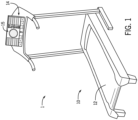
Fig. 1 depicts an exemplary system incorporated into a fitness machine according to the present disclosure; -
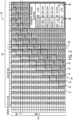
Fig. 2 depicts a system for rating intensities for using a fitness machine; -
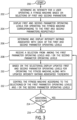
Fig. 3 depicts an exemplary process flow of a method for controlling a fitness machine according to the present disclosure; -
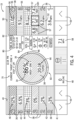
Figs. 4 and5 depict exemplary interfaces integrating the presently disclosed system for controlling fitness machines; -
Fig. 6 depicts a chart for performance tracking of a user over time using the system presently disclosed; and -
Fig. 7 is a schematic representation of an electronics system for controlling one or more fitness machines according to the present disclosure. - The present disclosure generally relates to systems and methods for controlling a fitness machine, and particularly for coaching a user thereof with respect to operating the fitness machine. In certain embodiments, the user is coached to achieve a desired intensity from using the fitness machine, which may vary over time according to the user's objectives, programs stored within the fitness machine, and/or at the instruction of a coach in a live or virtual setting.
- In certain examples, intensity is measured as a function of the power output of the user in operating the fitness machine, though other measures of intensity may include the user's heartrate, temperature, or other metabolic measures, for example. In one example, the intensity is measured as a function of a user's "functional threshold power" (FTP), which is defined to be the highest power output that a user can maintain for approximately one hour without fatiguing. When the user outputs a power that exceeds their personal FTP, fatigue will occur much sooner than the one-hour benchmark, whereas a power output just below the FTP can be maintained for much longer. Different methods for determining a user's personalized FTP are presently known in the art, including measurements taken over a full sixty-minute period (FTP60), or abbreviated test procedures in which one-hour values are extrapolated from performance over a shorter test period and multiplied by some calculated factor. For example, a five-minute test (FTP5) assumes a 15% reduction in power output would occur if maintained over a one-hour period. Additional information regarding exemplary methods for calculating FTP were introduced and published by Allen, Coggan, and McGregor in the 2019 (Allen H., Coggan A., McGregor S. Training and Racing with a Power Meter. 3rd ed. Boulder: Velo Press; 2019).
- It should be recognized that the FTP for a particular individual may change over time, particularly as the user improves in fitness level, but will also vary by activity. For example, the intensity maintainable by a user on a bicycle may be different on the street versus in recumbent form, which will each vary from the maximum output producible when running, swimming, and/or while performing other fitness activities. In this manner, the user's intensity may be used to provide coaching for individualized performance during fitness activities, allowing for customized workout plans according to the user's present capabilities. In the context of a class, this also accommodates for different intensity capabilities (such as FTP levels) for each of the participants, which may be greater or less than the FTP level of a coach leading the class.
- In addition to recognizing the value in coaching a user and guiding control of a fitness machine according to the intensity of the user, the present inventors have identified an unmet need with respect to providing users with options for achieving such a desired intensity. For example, if the user desires or is instructed to increase the intensity level to a higher intensity rating (i.e., increasing from a
level 3 to alevel 4, discussed further below), this may be achievable in multiple ways. Moreover, in many circumstances it is acceptable and desirable to enable the user to choose which way to get there. For example, in the context of a treadmill, a user may modify the intensity of operating the treadmill by any one of changing the incline of the treadmill, changing the speed of the treadmill, and/or increasing the resistance provided by the treadmill (for example in a sled-mode operation). However, present systems and methods known in the art only permit coaches to provide specific instructions with respect to each of these parameters (incline, speed, and/or resistance), such as instructing the class to increase the incline to 12%, or increase the speed to 12.9 km/h (8 miles per hour) for example. While a user could blindly modify settings, there is presently no way to know how the various options would impact the intensity of operation, and also the specific impact on that particular user. -
Fig. 1 depicts anexemplary system 1 incorporated within afitness machine 10 otherwise known in the art, such as a treadmill. In this example, the treadmill incorporates abelt 12 operable in the manner known in the art, along with adisplay device 14. However, thesystem 1 provides for particularized control of thefitness machine 10 according to the present disclosure, including through use of anovel interface 15 discussed further below. -
Fig. 2 depictsexemplary intensity data 30 for a user operating afitness machine 10, in the present case measuring intensity as FTP (discussed above), and specifically for a user operating a treadmill. Theintensity data 30 includesparticular intensity values 34 for the user to operate thetreadmill 10 based on selections offirst parameters 40 andsecond parameters 50, such as the percent grade or incline of the treadmill, and the speed of thetreadmill belt 12, respectively. It should be recognized that greater or fewer parameters may be available for aparticular fitness machine 10, as well as different operating conditions assigned to any of the parameters (such as resistance for a recumbent bike, for example). In the embodiment shown, thecurrent value 48 for thefirst parameter 40 remains constant across a row, and thecurrent value 58 for asecond parameter 50 remains constant within a column, whereby the two intersect to provide the user'soverall intensity value 34 for operating under those conditions. - The
intensity data 30 and particularly the intensity values 34 are further categorized intointensity ratings 36, which include groups of like-valued intensity values 34. In the embodiment shown, there are six intensity ratings 36: 1-5, and "fire" (akin to 6). As shown,zone 1 Z1 corresponds to anintensity rating 34 of less than 70% (of FTP),zone 2 Z2 corresponds to 71%-81%,zone 3 Z3 corresponds to 82%-92%,zone 4 Z4 corresponds to 93%-103%,zone 5 Z5 corresponds to 104%-114%, and fire Z6 corresponds to greater than 115% for intensity values 34. - As will be discussed below, each of the
intensity ratings 36 may be further assigned anintensity color 38. In the example shown,zone 1 Z1 has anintensity color 38 of white,zone 2 Z2 of blue,zone 3 Z3 of green,zone 4 Z4 of yellow,zone 5 Z5 of red, and fire Z6 of red/orange/yellow, for example. It should be recognized thatalternate intensity colors 38 or other mechanisms for distinguishing between theintensity ratings 36 are also anticipated, such as providing fire Z6 as a darker red, for example. The user will typically not see theintensity data 30 in chart form as shown inFig. 2 , which is stored in a memory system to be discussed below. However, the same intensity values 34,intensity ratings 36, and/orintensity colors 38 are used consistently across the different operating levels corresponding to thefirst parameter 40,second parameter 50, and/or others such that the user can identify the intensity for the presently operatingfitness machine 10 under different settings. - The following paragraph provides examples of how to calculate FTP. Wherein 1 mile =1.6 km. Sally is a 35 year old female that weighs 68 kg (150 LBS). She is able to perform a personal best 1 Mile Run in 7 minutes and 5 seconds with an average heart rate of 175 beats per minute. Her Race Pace/FTP calculation would result in an 8:00 Min/Mile Race Pace or a 7.5 MPH Speed. 1 Mile to Race Pace/FTP Conversion Equation = (A * 1 Mile Pace) + (B * Gender) + (C * Age) + (D * Body Weight) + (E * Heart Rate). Tim is a 50 year old male that weighs 86.1 kg (190 LBS). He is able to perform a personal best 5 Kilometer Run in 28 minutes with an average heart rate of 160 beats per minute. His Race Pace/FTP calculation would result in an 9:25 Min/Mile Race Pace or a 6.4 MPH Speed. 5 Kilometer to Race Pace/FTP Conversion Equation = (F * 5 Kilometer Pace) + (G * Gender) + (H * Age) + (I * Body Weight) + (J * Heart Rate). The exemplary table of
FIG. 2 provides calculated intensities using multiple underlying equations, including Walking, Transition and Running Intensity. Running Intensity Equation: Race Pace Relative Intensity = (K * Speed) + (L * Speed * Incline) + (M * Incline). It will be recognized that in certain embodiments, one or more of the coefficients shown in the exemplary equations may be set to zero, indicating that a given factor is not accounted for in that exemplary equation (e.g., setting the coefficient "G" to zero means that gender is not accounted for in the equation for a particular embodiment of the invention). Likewise, additional factors may be accounted for in the equations set forth above, including a user's height, the ambient temperature and/or humidity, and/or the like, for example. - The following paragraph provides examples of how to calculate intensity as a function of the maximum rate of oxygen consumption measure during incremental exercise (VO2 max). Exemplary intensity calculations recognized in the industry, including by the American College of Sports Medicine (ACSM) include:
Walking VO2(ml/kg/min) = [3.5(ml/kg/min) + 0.1 * speed(m/min) + 1.8 * speed(m/min) * incline (decimal)] Running VO2(ml/kg/min) = [3.5(ml/kg/min) + 0.2 * speed(m/min) + 0.9 * speed(m/min) * incline (decimal)]
It will be recognized that additional or alternative variables may also be accounted for as described above, including the gender, age, height, and/or weight of the user, or those corresponding to other types of fitness equipment, such as resistance levels, for example. Likewise, other exemplary equations may include sprinting, different types of terrain, and/or the like. -
Fig. 3 depicts an exemplary method for guiding a user to control afitness machine 10 according to the present disclosure. Method starts (step 200) by storingintensity ratings 34 within a memory device 184 (discussed below and shown inFig. 7 ), wherein theintensity ratings 34 correspond to an intensity for the user operating thefitness machine 10 under particular conditions. This may be based on an internal test mode for determining FTP or another intensity basis, or inputted data, for example. First parameter operating levels 41-46 (Fig. 4 ) corresponding to thefirst parameter 40, and second parameter operating levels 51-56 corresponding to thesecond parameter 50 are displayed instep 204, where the intensity of the user varies with each of the first parameter operating levels 41-46 and likewise for the second parameter operating levels 51-56. - In step 206,
intensity ratings 36 are determined and displayed for each of the first parameter operating levels 41-46 and second parameter operating levels 51-56 such that the user can discern the intensity for operating thefitness machine 10 if that particular first parameter operating level 41-46 and/or second parameter operating level 51-56 were selected. Thefitness machine 10 then receives a selection instep 208, and based on the selection(s), displays instep 210 updated first parameter operating levels 41-46 and second parameter operating 51-56 for operating thefitness machine 10, along with updatedintensity ratings 36 associated therewith. In other words, as a selection is made for one or more of the first parameter operating levels 41-46 and second parameter operating levels 51-56, the available choices are updated, as are thecorresponding intensity ratings 36 associated therewith. Instep 212, thefitness machine 10 is controlled according to the selections made by the user to effectuate the choices offirst parameter 40 andsecond parameter 50. If additional selections are made instep 214, the process continues by returning to step 208. Alternatively, if no additional selections are made atstep 214, the process ends atstep 216 until new selections of thefirst parameter 40 and/orsecond parameter 50 are made. -
Figs. 4 and5 depict exemplary embodiments ofinterfaces 15 for controllingfitness machines 10 according to the present disclosure. In particular,Fig. 4 depicts aninterface 15 in which selections can be made for afirst parameter 40 and/or asecond parameter 50, such as a treadmill incline and treadmill speed, respectively, for example. In the embodiment shown, thefirst parameter 40 can be manually selected through theadjustment buttons 49, but also may be selected through quick keys shown as first parameter operating levels 41-46. Each of the first parameter operating levels 41-46 corresponds to a different setting for thefirst parameter 40, such as a distinct incline angle to set thefitness machine 10. In the example shown, the first firstparameter operating level 41 corresponds to an incline angle of -3%, whereas the sixth firstparameter operating level 46 corresponds to an incline angle of 12%. In addition to displaying the first parameter operating levels 41-46, theintensity 36 corresponding with each is also displayed such that the user may discern the intensity for operating thefitness machine 10 when selected. In this manner, if a coach were to ask the user to transition to anintensity value 36 fromzone 3 Z3 tozone 2 Z2, the user may select the first firstparameter operating level 41, or the second firstparameter operating level 42, as each corresponds to anintensity rating 36 ofzone 2 Z2. - In addition to displaying the
intensity rating 36 for each of the first parameter operating levels 41-46, each is also displayed in thecorresponding intensity color 38 as previously discussed. This provides the user with a quick mechanism for identifying the intensity associated with each of the options, and transition points betweenintensity ratings 36. Thecurrent value 48 for thefirst parameter 40 is also shown, presently at an incline of 0. - A set of second parameter operating levels 51-56 corresponding to the
second parameter 50 is also provided on theinterface 15, which are provided similarly to that described with respect to thefirst parameter 40. Acurrent value 58 for thesecond parameter 50 andadjustment buttons 59 for manually selecting among thesecond parameter 50 options are also provided. In the embodiment shown, theinterface 15 further shows the additional feature of displayingsub-operating levels 57 within each of the second parameter operating levels 51-56 (which in certain embodiments are also or alternatively available forfirst parameter 40 selections as well). In the present embodiments havingsub-operating levels 57, selecting one of the second parameter operating levels 51-56, results in displaying of sub-operating levels, shown here as low value 53L, mid value 53M, andhigh value 53H. In other words, selection of one of the second parameter operating levels 51-56 display a finer group of selections surrounding the second parameter operating level 51-56 previously chosen, for example with the mid value 53M being the same value as the second parameter operating level 51-56 originally chosen, or close thereto. The other values, such as the low value 53L andhigh value 53H, are provided as distinct selections, but remain between the second parameter operating level 51-56 above and below the one originally chosen. This enables the user to have additional options for quick selection, without cluttering the screen by showingsub-operating levels 57 for second parameter operating levels 51-56 that are not of interest. - In this manner, if a coach were to instruct the user to transition to a new level, such as
zone 5 Z5 fromzone 3 Z3, the user would immediately be empowered to select the fifth firstparameter operating level 45 corresponding to an incline of 6.5%, or the fifth secondparameter operating level 55 corresponding to 14.64 km/h (9.1 miles per hour). The user may also or alternatively make selections from among other first parameter operating levels 41-46 and second parameter operating levels 51-56, whereby a first selection made within either thefirst parameters 40 orsecond parameters 50 changes theintensity ratings 36 displayed with the selections available for the other. - The
interface 15 further includes acurrent status region 60 that displays theintensity value 34 for presently operating thefitness machine 10, shown here to be 86% of the user's FTP, along with thecorresponding intensity rating 36 andintensity color 38. Thecurrent zone time 66 is also shown as an elapsed time for how long the user has been operating within thatparticular intensity rating 36, shown here to bezone 3 Z3. - In the embodiment shown, a
current target 70 is also provided, which particularly in virtual contexts informs the user as to anintensity rating 36 to be targeting (shown here as zone 4), and also provides instruction or motivation for the user (such as "STEP IT UP!"). Additional information may also be shown on theinterface 15, such as a time inzone summary 80. In certain embodiments this includes displays of time perzone 82, shown in theintensity color 38 corresponding thereto.Power capacity information 84 is also displayed, as well asgeneral information 86 such as distance traveled and calories burned, for example. -
Fig. 5 shows adisplay device 14 and correspondinginterface 15 for anotherfitness device 10, and particularly one in which only a singlefirst parameter 40 is controllable, (i.e., a rower). In the present embodiment, theinterface 15 includes acurrent value 48 of thefirst parameter 40 selected, and thecorresponding intensity value 36, presently shown aszone 2 Z2. Additional information such asRPM 110 andpower output 130 are also shown, whereby in the present embodiment all screens within theinterface 15 are shown in theintensity color 38 of thepresent intensity rating 36 for operating thefitness machine 10. In certain embodiments, effective use of thedisplay device 14 is maximized by providing aseparate legend 19, such as a sticker adhered nearby thedisplay device 14, showing the zones Z1-Z5 corresponding to eachintensity rating 36. Greater or fewer zones (i.e., fire Z6) are also anticipated as being provided. -
Fig. 6 discloses an exemplary performance tracking 160 output for the user following use of thefitness machine 10 according to the present disclosure. The performance tracking 160 includes achart displaying time 162 versuspower capacity 164, whereby theintensity color 38 for each of the bars andintensity value 34 are shown over time. This allows the user to track their performance over a workout, or over time through multiple workouts, for example. The performance tracking 160, as well as control of thesystem 1 andfitness machine 10 generally, may take place via thedisplay device 14, and/or a separate mobile device paired therewith (i.e., a website or an app on a smart phone). -
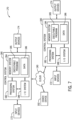
Fig. 7 discloses anexemplary electronics system 170 for controlling and interconnecting one or more fitness machines according to the present disclosure. Certain aspects of the present disclosure are described or depicted as functional and/or logical block components or processing steps, which may be performed by any number of hardware, software, and/or firmware components configured to perform the specified functions. For example, certain embodiments employ integrated circuit components, such as memory elements, digital signal processing elements, logic elements, look-up tables, or the like, configured to carry out a variety of functions under the control of one or more processors or other control devices. The connections between functional and logical block components are merely exemplary, which may be direct or indirect, and may follow alternate pathways. - The
control system 180 may be a computing system that includes aprocessing system 182,memory system 184, and input/output (I/O)system 188 for communicating with other devices, such asinput devices 172 andoutput devices 174, which in the present case would both include thedisplay 14 among other devices. Theprocessing system 182 loads and executes anexecutable program 185 from thememory system 184, accessesdata 186 stored within thememory system 184, and directs thesystem 1 to operate as described in further detail below. - The
processing system 182 may be implemented as a single microprocessor or other circuitry, or be distributed across multiple processing devices or sub-systems that cooperate to execute theexecutable program 185 from thememory system 184 to display theinterface 15 and control operation of thefitness machine 10. Non-limiting examples of the processing system include general purpose central processing units, applications specific processors, and logic devices. - The
memory system 184 may comprise any storage media readable by theprocessing system 182 and capable of storing theexecutable program 185 and/ordata 186. Thememory system 184 may be implemented as a single storage device, or be distributed across multiple storage devices or sub-systems that cooperate to store computer readable instructions, data structures, program modules, or other data. Thememory system 184 may include volatile and/or non-volatile systems, and may include removable and/or non-removable media implemented in any method or technology for storage of information. The storage media may include non-transitory and/or transitory storage media, including random access memory, read only memory, magnetic discs, optical discs, flash memory, virtual memory, and non-virtual memory, magnetic storage devices, or any other medium which can be used to store information and be accessed by an instruction execution system, for example. - This written description uses examples to disclose the invention, including the best mode, and also to enable any person skilled in the art to make and use the invention. Certain terms have been used for brevity, clarity, and understanding. No unnecessary limitations are to be inferred therefrom beyond the requirement of the prior art because such terms are used for descriptive purposes only and are intended to be broadly construed. The patentable scope of the invention is defined by the claims and may include other examples that occur to those skilled in the art.
Claims (15)
- A method for controlling a fitness machine (10) by a user, the method comprising the step of:storing intensity ratings (34) within a memory device (184), wherein the intensity ratings (34) correspond to an intensity for the user operating the fitness machine (10),characterized in that the method further comprises the steps of:displaying first parameter operating levels (41-46) selectable to control the fitness machine (10), wherein the intensity for the user varies for each of the first parameter operating levels (41-46);displaying second parameter operating levels (51-56) selectable to control the fitness machine (10), wherein the intensity for the user varies for each of the second parameter operating levels (51-56);determining and displaying the intensity ratings (34) associated with each of the first parameter operating levels (41-46) and each of the second parameter operating levels (51-56); andreceiving selections for the first parameter operating levels (41-46) and the second parameter operating levels (51-56) and automatically controlling the fitness machine (10) to operating according thereto, wherein selecting one of the first parameter operating levels (41-46) changes at least one of the intensity ratings (34) displayed with the second parameter operating levels (51-56).
- The method according to claim 1, wherein selecting one of the second parameter operating levels changes at least one of the intensity ratings displayed with the first parameter operating levels.
- The method according to claim 1 or ier 2, wherein the first parameter operating levels correspond to resistance levels for operating the fitness machine.
- The method according to any one of the preceding claims, wherein the fitness machine is a treadmill and the second parameter operating levels corresponds to speeds for operating the treadmill.
- The method according to any one of the preceding claims, wherein the intensity is an estimated power required by the user to operate the fitness machine.
- The method according to claim 5, further comprising determining a power capacity for the user and determining the intensity ratings based on the intensity required by the user to operate the fitness machine relative to the power capacity of the user.
- The method according to claim 6, wherein the power capacity for the user is a functional threshold power determined for the user.
- The method according to any one of the preceding claims, further comprising displaying a present intensity rating based on the selections among the first parameter operating levels and the second set of operating levels.
- The method according to claim 1, further comprising counting a time for which the fitness machine is operated at each of the intensity ratings, and further comprising displaying the time counted for at least one of the intensity ratings.
- The method according to any one of the preceding claims, further comprising, upon selecting one of the second parameter operating levels, displaying sub-operating levels selectable for controlling the fitness machine that are each distinct from others within the second parameter operating levels.
- The method according to claim 10, wherein the sub-operating levels include a low level in which the intensity is less than the selected one of the second parameter operating levels, but greater than each of the others of the second set of operating levels having intensities less than the selected one of the second set of operating levels.
- The method according to any one of the preceding claims, further comprising providing a target intensity rating for the user, and displaying a recommendation that the user makes a different selection of at least one of the first parameter operating levels and the second parameter operating levels such that the corresponding intensity rating is equal to the target intensity rating.
- The method according to any one of the preceding claims, further comprising determining the first parameter operating levels available for selection to be displayed such that the intensity ratings corresponding thereto include values above and below the intensity rating of the selected one of the first parameter operating levels.
- A fitness machine (10) controllable according to the method of any one of the preceding claims.
- A non-transitory medium having instructions thereon that, when executed by a processing device, causes a fitness machine (10) according to claim 14, operated by a user todetermine intensity ratings (34) corresponding to an intensity for the user operating the fitness machine (10),characterized in that the instructions further cause the fitness machine (10) to:display first parameter operating levels (41-46) selectable by the user, wherein the processing device causes the fitness machine (10) to operate based on which of the first parameter operating levels (41-46) is selected and the intensity for the user varies therewith, and wherein the intensity rating (34) associated with each of the first parameter operating levels (41-46) is displayed; anddisplay second parameter operating levels (51-56) selectable by the user, wherein the processing device causes the fitness machine (10) to operate based on which of the second parameter operating levels (51-56) is selected and the intensity for the user varies therewith, and wherein the intensity rating (34) associated with each of the second parameter operating levels (51-56) is displayed;wherein selecting among the first parameter operating levels (41-46) changes the intensity rating (34) displayed with at least one of the second parameter operating levels (51-56) selectable by the user.
Applications Claiming Priority (1)
| Application Number | Priority Date | Filing Date | Title |
|---|---|---|---|
| US16/572,792 US11179618B2 (en) | 2019-09-17 | 2019-09-17 | Systems and methods for guiding user control of fitness machines |
Publications (2)
| Publication Number | Publication Date |
|---|---|
| EP3795221A1 EP3795221A1 (en) | 2021-03-24 |
| EP3795221B1 true EP3795221B1 (en) | 2024-07-03 |
Family
ID=72521475
Family Applications (1)
| Application Number | Title | Priority Date | Filing Date |
|---|---|---|---|
| EP20196346.9A Active EP3795221B1 (en) | 2019-09-17 | 2020-09-16 | Systems and methods for guiding user control of fitness machines |
Country Status (3)
| Country | Link |
|---|---|
| US (2) | US11179618B2 (en) |
| EP (1) | EP3795221B1 (en) |
| CN (1) | CN112587878B (en) |
Families Citing this family (5)
| Publication number | Priority date | Publication date | Assignee | Title |
|---|---|---|---|---|
| US11179618B2 (en) * | 2019-09-17 | 2021-11-23 | Life Fitness, Llc | Systems and methods for guiding user control of fitness machines |
| ES2993822T3 (en) * | 2019-10-15 | 2025-01-09 | Technogym Spa | Exercise machine with power-controlled training mode and method thereof |
| US11559724B2 (en) * | 2019-12-03 | 2023-01-24 | David Lowell Norfleet-Vilaro | System to determine and dictate individual exercise thresholds to maximize desired neurological response |
| CN116414277A (en) * | 2021-12-31 | 2023-07-11 | 华为技术有限公司 | A display method, terminal, rowing machine and communication system |
| WO2024050414A1 (en) | 2022-09-01 | 2024-03-07 | Life Fitness, Llc | Lighting for fitness machines and methods for controlling lighting for fitness machines |
Family Cites Families (59)
| Publication number | Priority date | Publication date | Assignee | Title |
|---|---|---|---|---|
| US4358105A (en) * | 1980-08-21 | 1982-11-09 | Lifecycle, Inc. | Programmed exerciser apparatus and method |
| US5512025A (en) * | 1989-02-03 | 1996-04-30 | Icon Health & Fitness, Inc. | User-programmable computerized console for exercise machines |
| US5067710A (en) * | 1989-02-03 | 1991-11-26 | Proform Fitness Products, Inc. | Computerized exercise machine |
| US5484362A (en) | 1989-06-19 | 1996-01-16 | Life Fitness | Exercise treadmill |
| US5645509A (en) * | 1991-07-02 | 1997-07-08 | Icon Health & Fitness, Inc. | Remote exercise control system |
| US5318487A (en) * | 1992-05-12 | 1994-06-07 | Life Fitness | Exercise system and method for managing physiological intensity of exercise |
| US6099439A (en) | 1996-06-17 | 2000-08-08 | Brunswick Corporation | Cross training exercise apparatus |
| US5899833A (en) | 1996-06-17 | 1999-05-04 | Brunswick Corporation | Orbital stepping exercise apparatus |
| US6997852B2 (en) * | 1999-07-08 | 2006-02-14 | Icon Ip, Inc. | Methods and systems for controlling an exercise apparatus using a portable remote device |
| US7060006B1 (en) * | 1999-07-08 | 2006-06-13 | Icon Ip, Inc. | Computer systems and methods for interaction with exercise device |
| US7166064B2 (en) * | 1999-07-08 | 2007-01-23 | Icon Ip, Inc. | Systems and methods for enabling two-way communication between one or more exercise devices and computer devices and for enabling users of the one or more exercise devices to competitively exercise |
| US6447424B1 (en) * | 2000-02-02 | 2002-09-10 | Icon Health & Fitness Inc | System and method for selective adjustment of exercise apparatus |
| US7985164B2 (en) * | 1999-07-08 | 2011-07-26 | Icon Ip, Inc. | Methods and systems for controlling an exercise apparatus using a portable data storage device |
| US6458060B1 (en) * | 1999-07-08 | 2002-10-01 | Icon Ip, Inc. | Systems and methods for interaction with exercise device |
| US8029415B2 (en) | 1999-07-08 | 2011-10-04 | Icon Ip, Inc. | Systems, methods, and devices for simulating real world terrain on an exercise device |
| US7628730B1 (en) * | 1999-07-08 | 2009-12-08 | Icon Ip, Inc. | Methods and systems for controlling an exercise apparatus using a USB compatible portable remote device |
| US7115076B2 (en) | 1999-09-07 | 2006-10-03 | Brunswick Corporation | Treadmill control system |
| US6648798B2 (en) * | 2000-05-02 | 2003-11-18 | Sewoo System Co., Ltd. | Concentric control system for exercise apparatuses and method thereof |
| US20040171956A1 (en) | 2003-01-30 | 2004-09-02 | Bruce Babashan | Heart rate monitor using color to convey information |
| US20070042868A1 (en) * | 2005-05-11 | 2007-02-22 | John Fisher | Cardio-fitness station with virtual- reality capability |
| WO2007076068A2 (en) * | 2005-12-22 | 2007-07-05 | Radow Scott B | Exercise device |
| CN101466438A (en) * | 2006-04-14 | 2009-06-24 | 依康保健股份有限公司 | Exercise apparatus, components of exercise apparatus, and related methods |
| US20080009393A1 (en) * | 2006-07-07 | 2008-01-10 | Glusco Mark C | Apparatus and method for physiological testing including cardiac stress test |
| JP5181477B2 (en) * | 2007-01-11 | 2013-04-10 | ヤマハ株式会社 | Fitness exercise status display device |
| US7833135B2 (en) * | 2007-06-27 | 2010-11-16 | Scott B. Radow | Stationary exercise equipment |
| US20100022354A1 (en) * | 2008-07-25 | 2010-01-28 | Expresso Fitness Corp. | Exercise equipment with movable handle bars to simulate steering motion in a simulated environment and methods therefor |
| US20100035726A1 (en) * | 2008-08-07 | 2010-02-11 | John Fisher | Cardio-fitness station with virtual-reality capability |
| US8364389B2 (en) * | 2009-02-02 | 2013-01-29 | Apple Inc. | Systems and methods for integrating a portable electronic device with a bicycle |
| US8105208B2 (en) | 2009-05-18 | 2012-01-31 | Adidas Ag | Portable fitness monitoring systems with displays and applications thereof |
| US8200323B2 (en) | 2009-05-18 | 2012-06-12 | Adidas Ag | Program products, methods, and systems for providing fitness monitoring services |
| TWI449557B (en) * | 2009-05-27 | 2014-08-21 | Johnson Health Tech Co Ltd | The man - machine interface method and man - machine interface device of sports equipment |
| US8840526B2 (en) * | 2013-01-10 | 2014-09-23 | Johnson Health Tech Co., Ltd. | Method of controlling an exercise apparatus |
| US8801578B2 (en) * | 2009-12-21 | 2014-08-12 | Core Industries, Llc | Instructional displays and methods for exercise machine |
| ITBO20110208A1 (en) * | 2011-04-18 | 2012-10-19 | Technogym Spa | GINNICA MACHINE AND METHOD TO PERFORM A GYMNASTIC EXERCISE. |
| WO2012159087A1 (en) | 2011-05-19 | 2012-11-22 | Trilife Eternal, Llc | System and method for producing customized training plans for multi-discipline endurance athletic competitions |
| US20130137073A1 (en) | 2011-05-20 | 2013-05-30 | Gene Edward Nacey | Software and method for indoor cycling instruction |
| US20130274067A1 (en) * | 2011-09-01 | 2013-10-17 | Icon Health & Fitness, Inc. | System and method for simulating environmental conditions on an exercise device |
| DE102011114521B4 (en) | 2011-09-29 | 2014-07-17 | Andreas Fischer | Stationary exercise device for physical exercise, especially exercise bike |
| US9119983B2 (en) * | 2011-11-15 | 2015-09-01 | Icon Health & Fitness, Inc. | Heart rate based training system |
| US9886871B1 (en) | 2011-12-27 | 2018-02-06 | PEAR Sports LLC | Fitness and wellness system with dynamically adjusting guidance |
| TW201328660A (en) | 2012-01-06 | 2013-07-16 | Advanced Mediwatch Co Ltd | A real-time exercise coaching system |
| US9375629B2 (en) * | 2012-02-13 | 2016-06-28 | Gusto Technologies, Inc. | Method and apparatus for visual simulation of exercise |
| US9367668B2 (en) * | 2012-02-28 | 2016-06-14 | Precor Incorporated | Dynamic fitness equipment user interface adjustment |
| TWI458521B (en) * | 2012-10-19 | 2014-11-01 | Ind Tech Res Inst | Smart bike and operation method thereof |
| US20150209615A1 (en) | 2014-01-27 | 2015-07-30 | Sally Edwards | Zoning Method of Processing Threshold and Metabolic and Heart Rate Training Data and Sensors and Apparatus for Displaying the Same |
| US10086254B2 (en) * | 2016-03-18 | 2018-10-02 | Icon Health & Fitness, Inc. | Energy efficiency indicator in a treadmill |
| US11219799B2 (en) * | 2016-08-27 | 2022-01-11 | Peloton Interactive, Inc. | Exercise system and method |
| US11311791B2 (en) * | 2016-08-27 | 2022-04-26 | Peloton Interactive, Inc. | Exercise system and method |
| US10974094B2 (en) * | 2016-08-27 | 2021-04-13 | Peloton Interactive, Inc. | Exercise system and method |
| CN120939540A (en) * | 2016-08-27 | 2025-11-14 | 珀洛顿互动公司 | Fitness systems and methods |
| US11383134B2 (en) * | 2016-08-27 | 2022-07-12 | Peloton Interactive, Inc. | Exercise machine controls |
| CN106823270A (en) * | 2017-03-10 | 2017-06-13 | 北京京东方多媒体科技有限公司 | A kind of intelligent body-building system and its control method |
| JP6881047B2 (en) | 2017-06-06 | 2021-06-02 | 富士フイルムビジネスイノベーション株式会社 | Information processing equipment and programs |
| US10716969B2 (en) * | 2017-10-30 | 2020-07-21 | Aviron Interactive Inc. | Networked exercise devices with shared virtual training |
| US10617331B1 (en) * | 2018-04-11 | 2020-04-14 | Life Fitness, Llc | Systems and methods for detecting if a treadmill user is running or walking |
| CN108853946A (en) * | 2018-07-10 | 2018-11-23 | 燕山大学 | A kind of exercise guide training system and method based on Kinect |
| CN109200531A (en) * | 2018-09-07 | 2019-01-15 | 刘志鹏 | A kind of treadmill |
| US11040247B2 (en) * | 2019-02-28 | 2021-06-22 | Technogym S.P.A. | Real-time and dynamically generated graphical user interfaces for competitive events and broadcast data |
| US11179618B2 (en) * | 2019-09-17 | 2021-11-23 | Life Fitness, Llc | Systems and methods for guiding user control of fitness machines |
-
2019
- 2019-09-17 US US16/572,792 patent/US11179618B2/en active Active
-
2020
- 2020-09-16 EP EP20196346.9A patent/EP3795221B1/en active Active
- 2020-09-17 CN CN202010981191.XA patent/CN112587878B/en active Active
-
2021
- 2021-11-23 US US17/533,551 patent/US11865428B2/en active Active
Also Published As
| Publication number | Publication date |
|---|---|
| US20210077887A1 (en) | 2021-03-18 |
| US20220080285A1 (en) | 2022-03-17 |
| US11865428B2 (en) | 2024-01-09 |
| CN112587878A (en) | 2021-04-02 |
| US11179618B2 (en) | 2021-11-23 |
| CN112587878B (en) | 2023-11-07 |
| EP3795221A1 (en) | 2021-03-24 |
Similar Documents
| Publication | Publication Date | Title |
|---|---|---|
| EP3795221A1 (en) | Systems and methods for guiding user control of fitness machines | |
| US12444500B2 (en) | Adaptive athletic activity prescription systems | |
| US20240420821A1 (en) | Group performance monitoring system and method | |
| US20250135284A1 (en) | Methods And Program Products For Building A Workout | |
| US10417932B2 (en) | Biometric data gathering | |
| US7097588B2 (en) | Progresive heart rate monitor display | |
| EP2554224B1 (en) | Athletic performance sensing and/or tracking system and method | |
| US7805186B2 (en) | System for monitoring and predicting physiological state under physical exercise | |
| US7717827B2 (en) | Method and system for controlling training | |
| KR101999748B1 (en) | IoT FITNESS EQUIPMENT, EXERCISE INSTRUCTION SYSTEM, AND EXERCISE INSTRUCTION METHOD USING THEREOF | |
| US11289193B2 (en) | Exercise equipment | |
| TWI357343B (en) | ||
| CN105286843A (en) | Athletic performance monitoring system utilizing heart rate information | |
| CN106031824A (en) | Wearable device capable of being used for different sport types | |
| KR101940032B1 (en) | Customized smart health care system for measuring momentum | |
| JP7370082B2 (en) | electronic equipment and programs | |
| JP2026065623A (en) | Information processing device, exercise management method, and program | |
| WO2020221905A1 (en) | Method and device for processing sensor data of an exercise activity | |
| TW201634003A (en) | Wearable device used in various sport devices | |
| JP2006175240A (en) | Motor ability diagnosis system |
Legal Events
| Date | Code | Title | Description |
|---|---|---|---|
| PUAI | Public reference made under article 153(3) epc to a published international application that has entered the european phase |
Free format text: ORIGINAL CODE: 0009012 |
|
| STAA | Information on the status of an ep patent application or granted ep patent |
Free format text: STATUS: THE APPLICATION HAS BEEN PUBLISHED |
|
| AK | Designated contracting states |
Kind code of ref document: A1 Designated state(s): AL AT BE BG CH CY CZ DE DK EE ES FI FR GB GR HR HU IE IS IT LI LT LU LV MC MK MT NL NO PL PT RO RS SE SI SK SM TR |
|
| AX | Request for extension of the european patent |
Extension state: BA ME |
|
| STAA | Information on the status of an ep patent application or granted ep patent |
Free format text: STATUS: REQUEST FOR EXAMINATION WAS MADE |
|
| 17P | Request for examination filed |
Effective date: 20210924 |
|
| RBV | Designated contracting states (corrected) |
Designated state(s): AL AT BE BG CH CY CZ DE DK EE ES FI FR GB GR HR HU IE IS IT LI LT LU LV MC MK MT NL NO PL PT RO RS SE SI SK SM TR |
|
| P01 | Opt-out of the competence of the unified patent court (upc) registered |
Effective date: 20230524 |
|
| GRAP | Despatch of communication of intention to grant a patent |
Free format text: ORIGINAL CODE: EPIDOSNIGR1 |
|
| STAA | Information on the status of an ep patent application or granted ep patent |
Free format text: STATUS: GRANT OF PATENT IS INTENDED |
|
| RIC1 | Information provided on ipc code assigned before grant |
Ipc: A63B 24/00 20060101ALI20240222BHEP Ipc: A63B 22/02 20060101ALI20240222BHEP Ipc: A63B 22/00 20060101AFI20240222BHEP |
|
| INTG | Intention to grant announced |
Effective date: 20240327 |
|
| RIN1 | Information on inventor provided before grant (corrected) |
Inventor name: LAZAR, CORY H. Inventor name: MASIAS, MERCEDES R. Inventor name: MORITZ, CHRISTINA M. |
|
| GRAS | Grant fee paid |
Free format text: ORIGINAL CODE: EPIDOSNIGR3 |
|
| GRAA | (expected) grant |
Free format text: ORIGINAL CODE: 0009210 |
|
| STAA | Information on the status of an ep patent application or granted ep patent |
Free format text: STATUS: THE PATENT HAS BEEN GRANTED |
|
| AK | Designated contracting states |
Kind code of ref document: B1 Designated state(s): AL AT BE BG CH CY CZ DE DK EE ES FI FR GB GR HR HU IE IS IT LI LT LU LV MC MK MT NL NO PL PT RO RS SE SI SK SM TR |
|
| REG | Reference to a national code |
Ref country code: CH Ref legal event code: EP |
|
| REG | Reference to a national code |
Ref country code: DE Ref legal event code: R096 Ref document number: 602020033220 Country of ref document: DE |
|
| REG | Reference to a national code |
Ref country code: LT Ref legal event code: MG9D |
|
| REG | Reference to a national code |
Ref country code: NL Ref legal event code: MP Effective date: 20240703 |
|
| PG25 | Lapsed in a contracting state [announced via postgrant information from national office to epo] |
Ref country code: PT Free format text: LAPSE BECAUSE OF FAILURE TO SUBMIT A TRANSLATION OF THE DESCRIPTION OR TO PAY THE FEE WITHIN THE PRESCRIBED TIME-LIMIT Effective date: 20241104 |
|
| REG | Reference to a national code |
Ref country code: AT Ref legal event code: MK05 Ref document number: 1699206 Country of ref document: AT Kind code of ref document: T Effective date: 20240703 |
|
| PG25 | Lapsed in a contracting state [announced via postgrant information from national office to epo] |
Ref country code: NL Free format text: LAPSE BECAUSE OF FAILURE TO SUBMIT A TRANSLATION OF THE DESCRIPTION OR TO PAY THE FEE WITHIN THE PRESCRIBED TIME-LIMIT Effective date: 20240703 |
|
| PG25 | Lapsed in a contracting state [announced via postgrant information from national office to epo] |
Ref country code: PT Free format text: LAPSE BECAUSE OF FAILURE TO SUBMIT A TRANSLATION OF THE DESCRIPTION OR TO PAY THE FEE WITHIN THE PRESCRIBED TIME-LIMIT Effective date: 20241104 Ref country code: NL Free format text: LAPSE BECAUSE OF FAILURE TO SUBMIT A TRANSLATION OF THE DESCRIPTION OR TO PAY THE FEE WITHIN THE PRESCRIBED TIME-LIMIT Effective date: 20240703 |
|
| PG25 | Lapsed in a contracting state [announced via postgrant information from national office to epo] |
Ref country code: NO Free format text: LAPSE BECAUSE OF FAILURE TO SUBMIT A TRANSLATION OF THE DESCRIPTION OR TO PAY THE FEE WITHIN THE PRESCRIBED TIME-LIMIT Effective date: 20241003 |
|
| PG25 | Lapsed in a contracting state [announced via postgrant information from national office to epo] |
Ref country code: FI Free format text: LAPSE BECAUSE OF FAILURE TO SUBMIT A TRANSLATION OF THE DESCRIPTION OR TO PAY THE FEE WITHIN THE PRESCRIBED TIME-LIMIT Effective date: 20240703 Ref country code: GR Free format text: LAPSE BECAUSE OF FAILURE TO SUBMIT A TRANSLATION OF THE DESCRIPTION OR TO PAY THE FEE WITHIN THE PRESCRIBED TIME-LIMIT Effective date: 20241004 Ref country code: PL Free format text: LAPSE BECAUSE OF FAILURE TO SUBMIT A TRANSLATION OF THE DESCRIPTION OR TO PAY THE FEE WITHIN THE PRESCRIBED TIME-LIMIT Effective date: 20240703 |
|
| PG25 | Lapsed in a contracting state [announced via postgrant information from national office to epo] |
Ref country code: BG Free format text: LAPSE BECAUSE OF FAILURE TO SUBMIT A TRANSLATION OF THE DESCRIPTION OR TO PAY THE FEE WITHIN THE PRESCRIBED TIME-LIMIT Effective date: 20240703 |
|
| PG25 | Lapsed in a contracting state [announced via postgrant information from national office to epo] |
Ref country code: LV Free format text: LAPSE BECAUSE OF FAILURE TO SUBMIT A TRANSLATION OF THE DESCRIPTION OR TO PAY THE FEE WITHIN THE PRESCRIBED TIME-LIMIT Effective date: 20240703 |
|
| PG25 | Lapsed in a contracting state [announced via postgrant information from national office to epo] |
Ref country code: IS Free format text: LAPSE BECAUSE OF FAILURE TO SUBMIT A TRANSLATION OF THE DESCRIPTION OR TO PAY THE FEE WITHIN THE PRESCRIBED TIME-LIMIT Effective date: 20241103 Ref country code: AT Free format text: LAPSE BECAUSE OF FAILURE TO SUBMIT A TRANSLATION OF THE DESCRIPTION OR TO PAY THE FEE WITHIN THE PRESCRIBED TIME-LIMIT Effective date: 20240703 |
|
| PG25 | Lapsed in a contracting state [announced via postgrant information from national office to epo] |
Ref country code: CZ Free format text: LAPSE BECAUSE OF FAILURE TO SUBMIT A TRANSLATION OF THE DESCRIPTION OR TO PAY THE FEE WITHIN THE PRESCRIBED TIME-LIMIT Effective date: 20240703 Ref country code: HR Free format text: LAPSE BECAUSE OF FAILURE TO SUBMIT A TRANSLATION OF THE DESCRIPTION OR TO PAY THE FEE WITHIN THE PRESCRIBED TIME-LIMIT Effective date: 20240703 |
|
| PG25 | Lapsed in a contracting state [announced via postgrant information from national office to epo] |
Ref country code: RS Free format text: LAPSE BECAUSE OF FAILURE TO SUBMIT A TRANSLATION OF THE DESCRIPTION OR TO PAY THE FEE WITHIN THE PRESCRIBED TIME-LIMIT Effective date: 20241003 Ref country code: ES Free format text: LAPSE BECAUSE OF FAILURE TO SUBMIT A TRANSLATION OF THE DESCRIPTION OR TO PAY THE FEE WITHIN THE PRESCRIBED TIME-LIMIT Effective date: 20240703 |
|
| PG25 | Lapsed in a contracting state [announced via postgrant information from national office to epo] |
Ref country code: RS Free format text: LAPSE BECAUSE OF FAILURE TO SUBMIT A TRANSLATION OF THE DESCRIPTION OR TO PAY THE FEE WITHIN THE PRESCRIBED TIME-LIMIT Effective date: 20241003 Ref country code: PL Free format text: LAPSE BECAUSE OF FAILURE TO SUBMIT A TRANSLATION OF THE DESCRIPTION OR TO PAY THE FEE WITHIN THE PRESCRIBED TIME-LIMIT Effective date: 20240703 Ref country code: NO Free format text: LAPSE BECAUSE OF FAILURE TO SUBMIT A TRANSLATION OF THE DESCRIPTION OR TO PAY THE FEE WITHIN THE PRESCRIBED TIME-LIMIT Effective date: 20241003 Ref country code: LV Free format text: LAPSE BECAUSE OF FAILURE TO SUBMIT A TRANSLATION OF THE DESCRIPTION OR TO PAY THE FEE WITHIN THE PRESCRIBED TIME-LIMIT Effective date: 20240703 Ref country code: IS Free format text: LAPSE BECAUSE OF FAILURE TO SUBMIT A TRANSLATION OF THE DESCRIPTION OR TO PAY THE FEE WITHIN THE PRESCRIBED TIME-LIMIT Effective date: 20241103 Ref country code: HR Free format text: LAPSE BECAUSE OF FAILURE TO SUBMIT A TRANSLATION OF THE DESCRIPTION OR TO PAY THE FEE WITHIN THE PRESCRIBED TIME-LIMIT Effective date: 20240703 Ref country code: GR Free format text: LAPSE BECAUSE OF FAILURE TO SUBMIT A TRANSLATION OF THE DESCRIPTION OR TO PAY THE FEE WITHIN THE PRESCRIBED TIME-LIMIT Effective date: 20241004 Ref country code: FI Free format text: LAPSE BECAUSE OF FAILURE TO SUBMIT A TRANSLATION OF THE DESCRIPTION OR TO PAY THE FEE WITHIN THE PRESCRIBED TIME-LIMIT Effective date: 20240703 Ref country code: ES Free format text: LAPSE BECAUSE OF FAILURE TO SUBMIT A TRANSLATION OF THE DESCRIPTION OR TO PAY THE FEE WITHIN THE PRESCRIBED TIME-LIMIT Effective date: 20240703 Ref country code: CZ Free format text: LAPSE BECAUSE OF FAILURE TO SUBMIT A TRANSLATION OF THE DESCRIPTION OR TO PAY THE FEE WITHIN THE PRESCRIBED TIME-LIMIT Effective date: 20240703 Ref country code: BG Free format text: LAPSE BECAUSE OF FAILURE TO SUBMIT A TRANSLATION OF THE DESCRIPTION OR TO PAY THE FEE WITHIN THE PRESCRIBED TIME-LIMIT Effective date: 20240703 Ref country code: AT Free format text: LAPSE BECAUSE OF FAILURE TO SUBMIT A TRANSLATION OF THE DESCRIPTION OR TO PAY THE FEE WITHIN THE PRESCRIBED TIME-LIMIT Effective date: 20240703 |
|
| REG | Reference to a national code |
Ref country code: DE Ref legal event code: R097 Ref document number: 602020033220 Country of ref document: DE |
|
| PG25 | Lapsed in a contracting state [announced via postgrant information from national office to epo] |
Ref country code: SM Free format text: LAPSE BECAUSE OF FAILURE TO SUBMIT A TRANSLATION OF THE DESCRIPTION OR TO PAY THE FEE WITHIN THE PRESCRIBED TIME-LIMIT Effective date: 20240703 Ref country code: RO Free format text: LAPSE BECAUSE OF FAILURE TO SUBMIT A TRANSLATION OF THE DESCRIPTION OR TO PAY THE FEE WITHIN THE PRESCRIBED TIME-LIMIT Effective date: 20240703 Ref country code: DK Free format text: LAPSE BECAUSE OF FAILURE TO SUBMIT A TRANSLATION OF THE DESCRIPTION OR TO PAY THE FEE WITHIN THE PRESCRIBED TIME-LIMIT Effective date: 20240703 |
|
| PG25 | Lapsed in a contracting state [announced via postgrant information from national office to epo] |
Ref country code: EE Free format text: LAPSE BECAUSE OF FAILURE TO SUBMIT A TRANSLATION OF THE DESCRIPTION OR TO PAY THE FEE WITHIN THE PRESCRIBED TIME-LIMIT Effective date: 20240703 Ref country code: MC Free format text: LAPSE BECAUSE OF FAILURE TO SUBMIT A TRANSLATION OF THE DESCRIPTION OR TO PAY THE FEE WITHIN THE PRESCRIBED TIME-LIMIT Effective date: 20240703 |
|
| PG25 | Lapsed in a contracting state [announced via postgrant information from national office to epo] |
Ref country code: SK Free format text: LAPSE BECAUSE OF FAILURE TO SUBMIT A TRANSLATION OF THE DESCRIPTION OR TO PAY THE FEE WITHIN THE PRESCRIBED TIME-LIMIT Effective date: 20240703 |
|
| REG | Reference to a national code |
Ref country code: CH Ref legal event code: PL |
|
| PLBE | No opposition filed within time limit |
Free format text: ORIGINAL CODE: 0009261 |
|
| STAA | Information on the status of an ep patent application or granted ep patent |
Free format text: STATUS: NO OPPOSITION FILED WITHIN TIME LIMIT |
|
| PG25 | Lapsed in a contracting state [announced via postgrant information from national office to epo] |
Ref country code: LU Free format text: LAPSE BECAUSE OF NON-PAYMENT OF DUE FEES Effective date: 20240916 |
|
| 26N | No opposition filed |
Effective date: 20250404 |
|
| REG | Reference to a national code |
Ref country code: BE Ref legal event code: MM Effective date: 20240930 |
|
| PG25 | Lapsed in a contracting state [announced via postgrant information from national office to epo] |
Ref country code: BE Free format text: LAPSE BECAUSE OF NON-PAYMENT OF DUE FEES Effective date: 20240930 |
|
| PG25 | Lapsed in a contracting state [announced via postgrant information from national office to epo] |
Ref country code: FR Free format text: LAPSE BECAUSE OF NON-PAYMENT OF DUE FEES Effective date: 20240930 |
|
| PG25 | Lapsed in a contracting state [announced via postgrant information from national office to epo] |
Ref country code: CH Free format text: LAPSE BECAUSE OF NON-PAYMENT OF DUE FEES Effective date: 20240930 |
|
| PG25 | Lapsed in a contracting state [announced via postgrant information from national office to epo] |
Ref country code: IE Free format text: LAPSE BECAUSE OF NON-PAYMENT OF DUE FEES Effective date: 20240916 |
|
| PG25 | Lapsed in a contracting state [announced via postgrant information from national office to epo] |
Ref country code: SE Free format text: LAPSE BECAUSE OF FAILURE TO SUBMIT A TRANSLATION OF THE DESCRIPTION OR TO PAY THE FEE WITHIN THE PRESCRIBED TIME-LIMIT Effective date: 20240703 |
|
| PGFP | Annual fee paid to national office [announced via postgrant information from national office to epo] |
Ref country code: DE Payment date: 20250820 Year of fee payment: 6 |
|
| PGFP | Annual fee paid to national office [announced via postgrant information from national office to epo] |
Ref country code: IT Payment date: 20250820 Year of fee payment: 6 |
|
| PGFP | Annual fee paid to national office [announced via postgrant information from national office to epo] |
Ref country code: GB Payment date: 20250820 Year of fee payment: 6 |
|
| PG25 | Lapsed in a contracting state [announced via postgrant information from national office to epo] |
Ref country code: CY Free format text: LAPSE BECAUSE OF FAILURE TO SUBMIT A TRANSLATION OF THE DESCRIPTION OR TO PAY THE FEE WITHIN THE PRESCRIBED TIME-LIMIT; INVALID AB INITIO Effective date: 20200916 |
|
| PG25 | Lapsed in a contracting state [announced via postgrant information from national office to epo] |
Ref country code: HU Free format text: LAPSE BECAUSE OF FAILURE TO SUBMIT A TRANSLATION OF THE DESCRIPTION OR TO PAY THE FEE WITHIN THE PRESCRIBED TIME-LIMIT; INVALID AB INITIO Effective date: 20200916 |