EP3791713A1 - Polymorphism for pathogen resistance - Google Patents
Polymorphism for pathogen resistance Download PDFInfo
- Publication number
- EP3791713A1 EP3791713A1 EP19196396.6A EP19196396A EP3791713A1 EP 3791713 A1 EP3791713 A1 EP 3791713A1 EP 19196396 A EP19196396 A EP 19196396A EP 3791713 A1 EP3791713 A1 EP 3791713A1
- Authority
- EP
- European Patent Office
- Prior art keywords
- seq
- hemipteran
- polymorphism
- plant
- beet
- Prior art date
- Legal status (The legal status is an assumption and is not a legal conclusion. Google has not performed a legal analysis and makes no representation as to the accuracy of the status listed.)
- Withdrawn
Links
- 206010034133 Pathogen resistance Diseases 0.000 title 1
- 241000258937 Hemiptera Species 0.000 claims abstract description 37
- 244000052769 pathogen Species 0.000 claims abstract description 34
- 238000000034 method Methods 0.000 claims abstract description 12
- 101100216025 Arabidopsis thaliana AMSH2 gene Proteins 0.000 claims description 41
- 241000196324 Embryophyta Species 0.000 claims description 40
- 241000335053 Beta vulgaris Species 0.000 claims description 31
- 241000219310 Beta vulgaris subsp. vulgaris Species 0.000 claims description 21
- 241000700605 Viruses Species 0.000 claims description 19
- 235000001014 amino acid Nutrition 0.000 claims description 19
- 235000021536 Sugar beet Nutrition 0.000 claims description 18
- 150000001413 amino acids Chemical group 0.000 claims description 18
- 229940024606 amino acid Drugs 0.000 claims description 15
- 230000003993 interaction Effects 0.000 claims description 15
- 108090000623 proteins and genes Proteins 0.000 claims description 15
- 235000018102 proteins Nutrition 0.000 claims description 13
- 102000004169 proteins and genes Human genes 0.000 claims description 13
- 239000002917 insecticide Substances 0.000 claims description 11
- 108020004707 nucleic acids Proteins 0.000 claims description 10
- 102000039446 nucleic acids Human genes 0.000 claims description 10
- 150000007523 nucleic acids Chemical class 0.000 claims description 10
- 235000021533 Beta vulgaris Nutrition 0.000 claims description 9
- 239000013598 vector Substances 0.000 claims description 9
- 238000004383 yellowing Methods 0.000 claims description 9
- 241000026318 Beet mild yellowing virus Species 0.000 claims description 8
- 230000001717 pathogenic effect Effects 0.000 claims description 7
- 238000012360 testing method Methods 0.000 claims description 7
- 235000016068 Berberis vulgaris Nutrition 0.000 claims description 6
- 108020004705 Codon Proteins 0.000 claims description 6
- 239000000523 sample Substances 0.000 claims description 6
- 230000002195 synergetic effect Effects 0.000 claims description 6
- DCXYFEDJOCDNAF-UHFFFAOYSA-N Asparagine Natural products OC(=O)C(N)CC(N)=O DCXYFEDJOCDNAF-UHFFFAOYSA-N 0.000 claims description 5
- 229960001230 asparagine Drugs 0.000 claims description 5
- 235000009582 asparagine Nutrition 0.000 claims description 5
- 230000009261 transgenic effect Effects 0.000 claims description 5
- FWMNVWWHGCHHJJ-SKKKGAJSSA-N 4-amino-1-[(2r)-6-amino-2-[[(2r)-2-[[(2r)-2-[[(2r)-2-amino-3-phenylpropanoyl]amino]-3-phenylpropanoyl]amino]-4-methylpentanoyl]amino]hexanoyl]piperidine-4-carboxylic acid Chemical compound C([C@H](C(=O)N[C@H](CC(C)C)C(=O)N[C@H](CCCCN)C(=O)N1CCC(N)(CC1)C(O)=O)NC(=O)[C@H](N)CC=1C=CC=CC=1)C1=CC=CC=C1 FWMNVWWHGCHHJJ-SKKKGAJSSA-N 0.000 claims description 4
- DCXYFEDJOCDNAF-REOHCLBHSA-N L-asparagine Chemical compound OC(=O)[C@@H](N)CC(N)=O DCXYFEDJOCDNAF-REOHCLBHSA-N 0.000 claims description 4
- 239000002773 nucleotide Substances 0.000 claims description 4
- 125000003729 nucleotide group Chemical group 0.000 claims description 4
- 108700028369 Alleles Proteins 0.000 claims description 3
- 241000900547 Beet chlorosis virus Species 0.000 claims description 3
- 241000702325 Beet curly top virus Species 0.000 claims description 3
- 241001468265 Candidatus Phytoplasma Species 0.000 claims description 3
- 238000001514 detection method Methods 0.000 claims description 3
- 208000011580 syndromic disease Diseases 0.000 claims description 3
- 102000007056 Recombinant Fusion Proteins Human genes 0.000 abstract 1
- 108010008281 Recombinant Fusion Proteins Proteins 0.000 abstract 1
- 241000238631 Hexapoda Species 0.000 description 19
- 230000035772 mutation Effects 0.000 description 13
- 241001124076 Aphididae Species 0.000 description 8
- 238000000338 in vitro Methods 0.000 description 8
- 239000003642 reactive oxygen metabolite Substances 0.000 description 8
- 102220487762 Isoaspartyl peptidase/L-asparaginase_V45D_mutation Human genes 0.000 description 6
- 241000721621 Myzus persicae Species 0.000 description 6
- 244000005700 microbiome Species 0.000 description 6
- 238000006467 substitution reaction Methods 0.000 description 6
- 238000001086 yeast two-hybrid system Methods 0.000 description 6
- 230000004044 response Effects 0.000 description 5
- 241001466042 Fulgoromorpha Species 0.000 description 4
- 241001472103 Neoaliturus tenellus Species 0.000 description 4
- 239000012636 effector Substances 0.000 description 4
- 230000028993 immune response Effects 0.000 description 4
- 239000008188 pellet Substances 0.000 description 4
- 238000011282 treatment Methods 0.000 description 4
- 230000035899 viability Effects 0.000 description 4
- 241000219194 Arabidopsis Species 0.000 description 3
- 239000011248 coating agent Substances 0.000 description 3
- 238000000576 coating method Methods 0.000 description 3
- 208000015181 infectious disease Diseases 0.000 description 3
- 231100000518 lethal Toxicity 0.000 description 3
- 230000001665 lethal effect Effects 0.000 description 3
- 102000054765 polymorphisms of proteins Human genes 0.000 description 3
- 102220044703 rs118029772 Human genes 0.000 description 3
- 230000009885 systemic effect Effects 0.000 description 3
- 108020005345 3' Untranslated Regions Proteins 0.000 description 2
- 108020003589 5' Untranslated Regions Proteins 0.000 description 2
- 241001425390 Aphis fabae Species 0.000 description 2
- 241001414720 Cicadellidae Species 0.000 description 2
- 241000207746 Nicotiana benthamiana Species 0.000 description 2
- 108020004485 Nonsense Codon Proteins 0.000 description 2
- 239000013043 chemical agent Substances 0.000 description 2
- 230000002759 chromosomal effect Effects 0.000 description 2
- 230000000694 effects Effects 0.000 description 2
- 230000035784 germination Effects 0.000 description 2
- 238000004519 manufacturing process Methods 0.000 description 2
- 239000011159 matrix material Substances 0.000 description 2
- 230000004048 modification Effects 0.000 description 2
- 238000012986 modification Methods 0.000 description 2
- 230000037452 priming Effects 0.000 description 2
- 230000008569 process Effects 0.000 description 2
- 230000009467 reduction Effects 0.000 description 2
- 102220005127 rs1061234 Human genes 0.000 description 2
- 102220332829 rs1553258115 Human genes 0.000 description 2
- 238000012216 screening Methods 0.000 description 2
- 238000010200 validation analysis Methods 0.000 description 2
- 241000219195 Arabidopsis thaliana Species 0.000 description 1
- 241000894006 Bacteria Species 0.000 description 1
- 244000233287 Beta vulgaris ssp maritima Species 0.000 description 1
- 241001489610 Cixiidae Species 0.000 description 1
- 241001362614 Crassa Species 0.000 description 1
- 241000208135 Nicotiana sp. Species 0.000 description 1
- 108700026244 Open Reading Frames Proteins 0.000 description 1
- 241000885654 Pentastiridius Species 0.000 description 1
- 241001466027 Sternorrhyncha Species 0.000 description 1
- NINIDFKCEFEMDL-UHFFFAOYSA-N Sulfur Chemical compound [S] NINIDFKCEFEMDL-UHFFFAOYSA-N 0.000 description 1
- 125000003275 alpha amino acid group Chemical group 0.000 description 1
- 125000000539 amino acid group Chemical group 0.000 description 1
- 150000001450 anions Chemical class 0.000 description 1
- 125000000613 asparagine group Chemical group N[C@@H](CC(N)=O)C(=O)* 0.000 description 1
- QVGXLLKOCUKJST-UHFFFAOYSA-N atomic oxygen Chemical compound [O] QVGXLLKOCUKJST-UHFFFAOYSA-N 0.000 description 1
- 230000001580 bacterial effect Effects 0.000 description 1
- 238000010170 biological method Methods 0.000 description 1
- 150000001768 cations Chemical class 0.000 description 1
- 230000008859 change Effects 0.000 description 1
- 238000000749 co-immunoprecipitation Methods 0.000 description 1
- 239000003086 colorant Substances 0.000 description 1
- 239000002299 complementary DNA Substances 0.000 description 1
- 150000001875 compounds Chemical class 0.000 description 1
- 229910052802 copper Inorganic materials 0.000 description 1
- 238000012217 deletion Methods 0.000 description 1
- 230000037430 deletion Effects 0.000 description 1
- 238000001035 drying Methods 0.000 description 1
- 238000002474 experimental method Methods 0.000 description 1
- 239000000417 fungicide Substances 0.000 description 1
- 238000003306 harvesting Methods 0.000 description 1
- 239000004009 herbicide Substances 0.000 description 1
- BHEPBYXIRTUNPN-UHFFFAOYSA-N hydridophosphorus(.) (triplet) Chemical compound [PH] BHEPBYXIRTUNPN-UHFFFAOYSA-N 0.000 description 1
- 238000012405 in silico analysis Methods 0.000 description 1
- 229910052500 inorganic mineral Inorganic materials 0.000 description 1
- 229910052742 iron Inorganic materials 0.000 description 1
- 229910052748 manganese Inorganic materials 0.000 description 1
- 239000003550 marker Substances 0.000 description 1
- 239000011707 mineral Substances 0.000 description 1
- 229910052750 molybdenum Inorganic materials 0.000 description 1
- 239000003471 mutagenic agent Substances 0.000 description 1
- 231100000707 mutagenic chemical Toxicity 0.000 description 1
- 230000003505 mutagenic effect Effects 0.000 description 1
- 239000013642 negative control Substances 0.000 description 1
- 229910052759 nickel Inorganic materials 0.000 description 1
- 229910052760 oxygen Inorganic materials 0.000 description 1
- 239000001301 oxygen Substances 0.000 description 1
- 239000000575 pesticide Substances 0.000 description 1
- 229920000642 polymer Polymers 0.000 description 1
- 239000013641 positive control Substances 0.000 description 1
- 230000000644 propagated effect Effects 0.000 description 1
- 230000008261 resistance mechanism Effects 0.000 description 1
- 229910052709 silver Inorganic materials 0.000 description 1
- 238000009331 sowing Methods 0.000 description 1
- 229910052717 sulfur Inorganic materials 0.000 description 1
- 239000011593 sulfur Substances 0.000 description 1
- 208000024891 symptom Diseases 0.000 description 1
- 229920001059 synthetic polymer Polymers 0.000 description 1
- 238000011144 upstream manufacturing Methods 0.000 description 1
- 229910052725 zinc Inorganic materials 0.000 description 1
Images
Classifications
-
- A—HUMAN NECESSITIES
- A01—AGRICULTURE; FORESTRY; ANIMAL HUSBANDRY; HUNTING; TRAPPING; FISHING
- A01H—NEW PLANTS OR NON-TRANSGENIC PROCESSES FOR OBTAINING THEM; PLANT REPRODUCTION BY TISSUE CULTURE TECHNIQUES
- A01H5/00—Angiosperms, i.e. flowering plants, characterised by their plant parts; Angiosperms characterised otherwise than by their botanic taxonomy
- A01H5/06—Roots
-
- A—HUMAN NECESSITIES
- A01—AGRICULTURE; FORESTRY; ANIMAL HUSBANDRY; HUNTING; TRAPPING; FISHING
- A01H—NEW PLANTS OR NON-TRANSGENIC PROCESSES FOR OBTAINING THEM; PLANT REPRODUCTION BY TISSUE CULTURE TECHNIQUES
- A01H1/00—Processes for modifying genotypes ; Plants characterised by associated natural traits
- A01H1/04—Processes of selection involving genotypic or phenotypic markers; Methods of using phenotypic markers for selection
-
- A—HUMAN NECESSITIES
- A01—AGRICULTURE; FORESTRY; ANIMAL HUSBANDRY; HUNTING; TRAPPING; FISHING
- A01H—NEW PLANTS OR NON-TRANSGENIC PROCESSES FOR OBTAINING THEM; PLANT REPRODUCTION BY TISSUE CULTURE TECHNIQUES
- A01H6/00—Angiosperms, i.e. flowering plants, characterised by their botanic taxonomy
- A01H6/02—Amaranthaceae or Chenopodiaceae, e.g. beet or spinach
- A01H6/024—Beta vulgaris [beet]
-
- C—CHEMISTRY; METALLURGY
- C12—BIOCHEMISTRY; BEER; SPIRITS; WINE; VINEGAR; MICROBIOLOGY; ENZYMOLOGY; MUTATION OR GENETIC ENGINEERING
- C12N—MICROORGANISMS OR ENZYMES; COMPOSITIONS THEREOF; PROPAGATING, PRESERVING, OR MAINTAINING MICROORGANISMS; MUTATION OR GENETIC ENGINEERING; CULTURE MEDIA
- C12N15/00—Mutation or genetic engineering; DNA or RNA concerning genetic engineering, vectors, e.g. plasmids, or their isolation, preparation or purification; Use of hosts therefor
- C12N15/09—Recombinant DNA-technology
- C12N15/63—Introduction of foreign genetic material using vectors; Vectors; Use of hosts therefor; Regulation of expression
- C12N15/79—Vectors or expression systems specially adapted for eukaryotic hosts
- C12N15/82—Vectors or expression systems specially adapted for eukaryotic hosts for plant cells, e.g. plant artificial chromosomes (PACs)
- C12N15/8241—Phenotypically and genetically modified plants via recombinant DNA technology
- C12N15/8261—Phenotypically and genetically modified plants via recombinant DNA technology with agronomic (input) traits, e.g. crop yield
- C12N15/8271—Phenotypically and genetically modified plants via recombinant DNA technology with agronomic (input) traits, e.g. crop yield for stress resistance, e.g. heavy metal resistance
- C12N15/8279—Phenotypically and genetically modified plants via recombinant DNA technology with agronomic (input) traits, e.g. crop yield for stress resistance, e.g. heavy metal resistance for biotic stress resistance, pathogen resistance, disease resistance
- C12N15/8283—Phenotypically and genetically modified plants via recombinant DNA technology with agronomic (input) traits, e.g. crop yield for stress resistance, e.g. heavy metal resistance for biotic stress resistance, pathogen resistance, disease resistance for virus resistance
-
- C—CHEMISTRY; METALLURGY
- C12—BIOCHEMISTRY; BEER; SPIRITS; WINE; VINEGAR; MICROBIOLOGY; ENZYMOLOGY; MUTATION OR GENETIC ENGINEERING
- C12N—MICROORGANISMS OR ENZYMES; COMPOSITIONS THEREOF; PROPAGATING, PRESERVING, OR MAINTAINING MICROORGANISMS; MUTATION OR GENETIC ENGINEERING; CULTURE MEDIA
- C12N9/00—Enzymes; Proenzymes; Compositions thereof; Processes for preparing, activating, inhibiting, separating or purifying enzymes
- C12N9/14—Hydrolases (3)
- C12N9/48—Hydrolases (3) acting on peptide bonds (3.4)
- C12N9/485—Exopeptidases (3.4.11-3.4.19)
-
- C—CHEMISTRY; METALLURGY
- C12—BIOCHEMISTRY; BEER; SPIRITS; WINE; VINEGAR; MICROBIOLOGY; ENZYMOLOGY; MUTATION OR GENETIC ENGINEERING
- C12Q—MEASURING OR TESTING PROCESSES INVOLVING ENZYMES, NUCLEIC ACIDS OR MICROORGANISMS; COMPOSITIONS OR TEST PAPERS THEREFOR; PROCESSES OF PREPARING SUCH COMPOSITIONS; CONDITION-RESPONSIVE CONTROL IN MICROBIOLOGICAL OR ENZYMOLOGICAL PROCESSES
- C12Q1/00—Measuring or testing processes involving enzymes, nucleic acids or microorganisms; Compositions therefor; Processes of preparing such compositions
- C12Q1/68—Measuring or testing processes involving enzymes, nucleic acids or microorganisms; Compositions therefor; Processes of preparing such compositions involving nucleic acids
- C12Q1/6876—Nucleic acid products used in the analysis of nucleic acids, e.g. primers or probes
- C12Q1/6888—Nucleic acid products used in the analysis of nucleic acids, e.g. primers or probes for detection or identification of organisms
- C12Q1/6895—Nucleic acid products used in the analysis of nucleic acids, e.g. primers or probes for detection or identification of organisms for plants, fungi or algae
-
- C—CHEMISTRY; METALLURGY
- C12—BIOCHEMISTRY; BEER; SPIRITS; WINE; VINEGAR; MICROBIOLOGY; ENZYMOLOGY; MUTATION OR GENETIC ENGINEERING
- C12Q—MEASURING OR TESTING PROCESSES INVOLVING ENZYMES, NUCLEIC ACIDS OR MICROORGANISMS; COMPOSITIONS OR TEST PAPERS THEREFOR; PROCESSES OF PREPARING SUCH COMPOSITIONS; CONDITION-RESPONSIVE CONTROL IN MICROBIOLOGICAL OR ENZYMOLOGICAL PROCESSES
- C12Q2600/00—Oligonucleotides characterized by their use
- C12Q2600/13—Plant traits
-
- C—CHEMISTRY; METALLURGY
- C12—BIOCHEMISTRY; BEER; SPIRITS; WINE; VINEGAR; MICROBIOLOGY; ENZYMOLOGY; MUTATION OR GENETIC ENGINEERING
- C12Q—MEASURING OR TESTING PROCESSES INVOLVING ENZYMES, NUCLEIC ACIDS OR MICROORGANISMS; COMPOSITIONS OR TEST PAPERS THEREFOR; PROCESSES OF PREPARING SUCH COMPOSITIONS; CONDITION-RESPONSIVE CONTROL IN MICROBIOLOGICAL OR ENZYMOLOGICAL PROCESSES
- C12Q2600/00—Oligonucleotides characterized by their use
- C12Q2600/156—Polymorphic or mutational markers
Definitions
- the present invention is in the field of agronomy and of resistance of sugar beet towards sucking (sap-feeding) insect (i.e. Hemipteran) and/or towards sucking insect-borne pathogens.
- Pathogens such as viruses, as well as prokaryotes, need vector for their propagation.
- vectors are (sap-feeding) sucking insects (hemipteran).
- transgenic plants represents one way to tackle this problem.
- the commercialization of transgenic crops even the crops transformed with constructs designed to exclusively target one or several pathogen(s), is difficult, especially for a crop like sugar beet.
- a first aspect of the present invention is a method for selecting a Beta vulgaris plant resistant towards Hemipteran and/or Hemipteran-borne pathogens comprising the step of measuring the presence of a polymorphism in SEQ ID NO:1 or in SEQ ID NO:2 in the said Beta vulgaris plant and of selecting a Beta vulgaris plant having the said polymorphism, and preferably a further step of selecting a Beta vulgaris plant having a polymorphism in SEQ ID NO:1 or in SEQ ID NO:2 which results into a loss of interaction with SEQ ID NO:4 (and/or with the orthologs thereof) and/or which results into a resistance towards Hemipteran and/or towards (at least one) Hemipteran-borne pathogen(s).
- this polymorphism in SEQ ID NO:1 or in SEQ ID NO:2 causes the loss of functional interaction with Mp10 (SEQ ID NO:4) and ortholog proteins of hemipteran (such as SEQ ID NO:10).
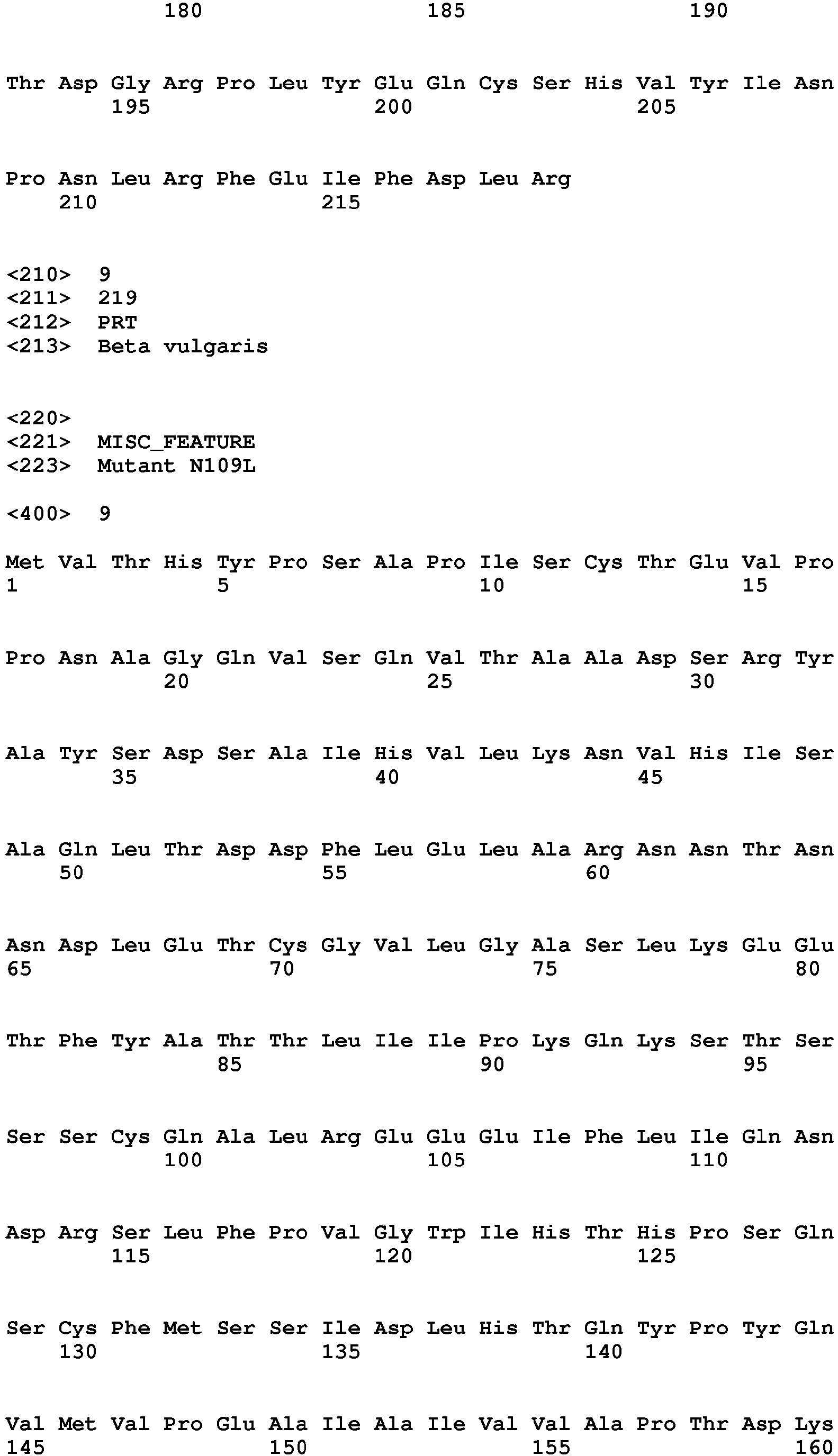
- the preferred polymorphism is at the amino acids (residues) 20 (instead of a G), 25 (instead of a V), 27 (instead of a A), 38 (instead of a A), 45 (instead of a V), 52 (instead of a T), 60 (instead of a R), 72 (instead of a V), 109 (instead of a N), 175 (instead of a M), 177 (instead of a V), 188 (instead of a P), 206 (instead of a F) and/or 208 (instead of a N) of SEQ ID NO:2, being more preferably a D at position 45, a I at position 52, a T at position 72, a I (or a L) at position 109, a K at position 175, a I at position 177, a L at position 188, a Y at position 206 and/or a K at position 208, more preferably being a I or a L at
- a related aspect of the present invention is the corresponding nucleotide probe(s) for the detection of a polymorphism in SEQ ID NO:2, preferably wherein the polymorphism is at the codon encoding the amino acid (residues) 20, 25, 27, 38, 45, 52, 60, 72, 109, 175, 177, 188, 206 and/or 208 of SEQ ID NO:2, being preferably V45D, V72T, N109I (or N109L), F206Y and/or N208K , respectively, and more preferably at the codon encoding asparagine 109 of SEQ ID NO:2.
- Beta vulgaris plant, plant part or plant cell having a polymorphism in SEQ ID NO:1 or in SEQ ID NO:2, preferably the polymorphism depicted here above, possibly homozygote for this polymorphism, and more preferably having on both alleles a polymorphism in SEQ ID NO:1 and/or in SEQ ID NO:2.
- this plant part is a treated Beta vulgaris seed, not comprising neonicotinoid insecticide.
- Beta vulgaris plant is genetically altered.
- Beta vulgaris plant (or plant part, possibly a seed not comprising neonicotinoid insecticide) for growing in a field affected by Hemipteran and/or by Hemipteran-borne pathogens, possibly selected from the group consisting of Beet mild yellowing virus (BMYV), Beet yellowing virus (BYV), Beet Curly Top virus, Beet chlorosis virus, Beet Leaf yellowing virus, Beet Western Yellowing virus, Syndrome Basse Richesse' (SBR) proteobacterium and SBR phytoplasma.
- BYV Beet mild yellowing virus
- BYV Beet yellowing virus
- SBR Syndrome Basse Richesse'
- Another related aspect of the present invention is an isolated AMSH2 variant protein sharing at least 95% of identity with SEQ ID NO: 2 over at least 50 consecutive amino acids, and harboring preferably a polymorphism at the residues 20, 25, 27, 38, 45, 52, 60, 72, 109, 175, 177, 188, 206 and/or 208 of SEQ ID NO:2, being more preferably the variant selected from the group consisting of SEQ ID NO:5, SEQ ID NO:6, SEQ ID NO:7, SEQ ID NO:8 and SEQ ID NO:9.
- Another related aspect of the present invention is an isolated nucleic acid molecule comprising a sequence sharing at least 95% of identity, but less than 100% of identity with SEQ ID NO:1 and preferably encoding the mutant (AMSH2 variant depicted here above).
- Another related aspect of the present invention is a vector comprising this isolated nucleic acid.
- Another related aspect of the present invention is a transgenic plant or (plant) cell comprising this isolated nucleic acid molecule or this vector.
- Still another related aspect of the present invention is a method to select a sugar beet plant expressing an additional factor providing synergistic resistance towards Hemipteran and/or Hemipteran-borne pathogens comprising to generate a sugar beet population expressing the AMSH2 mutant (depicted here above), to test this generated population for a resistance towards this Hemipteran and/or towards this Hemipteran-borne pathogens and to identify the (non-AMSH2) factor providing this synergistic resistance and to select the identified plants having increased resistance towards Hemipteran and/or Hemipteran-borne pathogens.
- BvAMSH2 protein (SEQ ID NO: 2; the protein encoded by XM_010684251.2) interacts with sap-feeding insects (Hemipteran, i.e. plant-feeding Hemipteran, such as Sternorrhyncha (comprising aphids) and/or Auchenorryncha (comprising hoppers)), and/or sap-feeding insects effectors, at least aphids (and planthoppers or leafhoppers) factors (such as Mp10; SEQ ID NO:4), and that this interaction hampers the plant response towards the insect (Hemipteran) infection.
- Hemipteran i.e. plant-feeding Hemipteran, such as Sternorrhyncha (comprising aphids) and/or Auchenorryncha (comprising hoppers)
- sap-feeding insects effectors, at least aphids (and planthoppers or leafhopper
- AMSH2 (SEQ ID NO:3) knock-out is lethal in Arabidopsis; however, the inventors have found specific AtAMSH2 mutants which are not lethal, whereas they are no longer recognized by insects' effectors.
- AMSH2 (SEQ ID NO:2) knock-out is not lethal in sugar beet, providing more flexibility in this crop.
- AMSH2 mutant plants are more resistant towards pathogen infections borne by sap-feeding insects (Hemipteran), also in synergy with other factors providing resistance towards sap-feeding insects (Hemipteran) and/or towards the pathogen (viruses, microorganism) carried by them.
- a first aspect of the present invention is a method for selecting a sugar beet ( Beta vulgaris ) plant being resistant to hemipteran insects and/or to hemipteran-borne pathogens (virus, microorganism), comprising the identification of a polymorphism in SEQ ID NO:1 or in SEQ ID NO:2.
- the inventors have found that the factor of Myzus persicae responsible of the interaction with AMSH2 (SEQ ID NO:4; herein also referred to as Mp10; a member of the OS-D superfamily) is conserved in all the Hemipteran species analyzed so far, even in planthoppers (SEQ ID NO:10).
- Hemipteran (or “Hemiptera”) preferably refers to a taxonomic order of insects comprising aphids and planthoppers.
- Important Hemipteran insects acting as vector for pathogens are selected from the group consisting of Pentastiridius sp. (Cixiidae), beet leafhopper (Circulifer tenellus), Myzus persicae, and Aphis fabae, wherein Circulifer tenellus, Myzus persicae, and Aphis fabae are the most important so far.
- Beta vulgaris preferably refers to its normal taxonomic denomination.
- Beta vulgaris encompasses "Beta vulgaris vulgaris” (including the Altissima Group, the Cicla Group, the Flavescens Group and the Crassa Group) and "Beta vulgaris maritima", as well as any other subspecies or variety belonging to the Beta vulgaris species.
- any modification in the gene (including the promoter and the 3' and 5' UTR regions) encoding SEQ ID NO:1 or SEQ ID NO:2 are encompassed by the present invention, including amino acid substitution(s), addition(s) or deletion(s) of one or of several amino acid(s), as well as the loss of functionality of SEQ ID NO:1 or of SEQ ID NO:2, due to a lower expression level (e.g. a mutation in the non-coding regions, such as in the promoter, the 3' UTR and/or in the 5'UTR) or to a premature STOP codon.
- SEQ ID NO:1 or SEQ ID NO:2 result into amino acid substitutions, and more preferably at amino acids G20, V25, A27, A38, V45, V72, and/or N109 SEQ ID NO:2.
- SEQ ID NO:1 or SEQ ID NO:2 are located at amino acids V45, V72 and N109, and still more preferably at amino acid N109.
- Suitable mutations are selected from the group consisting of V45D, V72T and N109I (or N109L).
- N109I One substitution at a key residue, e.g. N109I, is enough to confer resistance to Hemipterans and/or Hemipteran-borne pathogens (micro-organisms or virus).
- the present invention also covers a stack of several mutations.
- SEQ ID NO:1 or SEQ ID NO:2 One convenient way to identify suitable mutations in SEQ ID NO:1 or SEQ ID NO:2 is an in vitro test for measuring the loss of interaction with its Hemipteran-binding factor, such as SEQ ID NO:4, SEQ ID NO:10 and the orthologs thereof.
- an ortholog of SEQ ID NO:4 and/or of SEQ ID NO:10 is an Hemipteran factor being member of the OS-D superfamily and having a significant homology with SEQ ID NO:4 and/or SEQ ID NO:10, as well as the capacity to bind in vitro to (non-mutated) SEQ ID NO:1 or SEQ ID NO:2, or possibly to SEQ ID NO:2 harboring a V72I and/or a Y206F mutation.
- a "significant homology” means at least 20% (preferably at least 30%, more preferably at least 40%) of identity (or of homology) with SEQ ID NO:4 and/or with SEQ ID NO:10 over the full-length of SEQ ID NO:4 or of SEQ ID NO:10, for instance, measured using BLASTp algorithm (e.g. using a BLOSUM 62 matrix, a "word size” of 6, and a “gap cost (Existence; Extension)” of 11; 1; when BLASTp is used with these parameters, "homology” is equated as the proportion of identical residues plus the proportion of the residues marked as "positive” by the BLASTp algorithm).
- Other bio-informatic tools can be used for determining a significant homology.
- the in vitro binding between (i) SEQ ID NO:4 and/or the orthologs thereof and (ii) AMSH2 (SEQ ID NO:2) or the AMSH2 variants having a substitution of one or of several amino acids in SEQ ID NO:2 is measured (quantified) preferably by yeast two hybrid system, by pull-down or by co-immunoprecipitation.
- a possible way to quantify such in vitro binding is performed by comparison between (i) the in vitro binding between SEQ ID NO:2 (or possibly to SEQ ID NO:2 harboring a V72I and/or a Y206F mutation) and SEQ ID NO:4 (positive control) and (ii) the in vitro binding between SEQ ID NO:8 or SEQ ID NO:9, and SEQ ID NO:4 (negative control) .
- Another possible method to determine the loss of interaction between BvAMSH2 mutants and its sap-feeding insect effector is to transform Nicotiana benthamiana leaf discs expressing the sap-feeding insect effector (such as SEQ ID NO:4 or SEQ ID NO:10) with the BvAMSH2 mutant, to induce an immune response (e.g. ROS production), and to measure whether the BvAMSH2 mutant allows for an increased response over the WT BvAMSH2 (for more details, see below the Example 3).
- a related aspect of the present invention is the (isolated) gene (or cDNA) encoding an AMSH2 variant, resulting into a lower expression of SEQ ID NO:2, or into the expression of a premature STOP codon in SEQ ID NO:2 or into a substitution of one or of several amino acid(s) in SEQ ID NO:2, as depicted here above (also referred to as AMSH2 variant).
- AMSH2 variant is a (an isolated) nucleic acid molecule comprising a sequence sharing at least 95% of identity, but less than 100% of identity with SEQ ID NO:1, and encoding the full-length (e.g.
- SEQ ID NO:2 with a substitution of one or of several amino acid(s) therein, preferably at the residues 20, 25, 27, 38, 45, 52, 60, 72, 109, 175, 177, 188, 206 and/or 208 of SEQ ID NO:2, as mentioned here above.
- Such probes preferably, span over the above-mentioned polymorphism.
- equivalent probes can be designed using other polymorphisms, even polymorphisms at the nucleotide level and not resulting into an amino acid change in SEQ ID NO:2, or chromosomal polymorphism upstream and/or downstream of SEQ ID NO:1, since these additional polymorphisms also reflect the presence of the mutant AMSH2, even if not necessarily directly causing a reduced interaction with Mp10 (SEQ ID NO:4) and the orthologs thereof.
- Beta vulgaris plant is a Beta vulgaris plant, plant part or plant cell harboring a polymorphism in SEQ ID NO:1 or in SEQ ID NO:2.
- a polymorphism in SEQ ID NO:1 or in SEQ ID NO:2.
- such plant is not obtained by essentially biological methods.
- the polymorphism can be at the residues 20, 25, 27, 38, 45, 52, 60, 72, 109, 175, 177, 188, 206 and/or 208 of SEQ ID NO:2.
- the present invention relates to isolated cell or plant part harboring a polymorphism in SEQ ID NO:1 or in SEQ ID NO:2.
- this Beta vulgaris plant is harboring a polymorphism in SEQ ID NO:1 or in SEQ ID NO:2, but not the V45D or V72T or Y206F polymorphisms.
- this Beta vulgaris plant comprises (expresses the protein of) SEQ ID NO:8 or SEQ ID NO:9.
- the present invention relates to a treated sugar beet seed harboring a polymorphism in SEQ ID NO:1 or in SEQ ID NO:2, wherein this treated seed does not comprise systemic insecticides, such as the neonicotinoid insecticide.
- treated sugar beet seed it is preferably meant any seed treatment involving a (one or several, e.g. two or three) technical step under controlled conditions (humidity, temperature and/or duration).
- a technical step under controlled conditions (humidity, temperature and/or duration).
- controlled conditions humidity, temperature and/or duration.
- seed treatments are the coating, the pelleting and the priming of the seeds.
- Coating of a seed in the context of the present invention, preferably refers to the addition of an external layer to the seed or to the pellet comprising a seed (see below).
- Such layer can comprise a coloring agent, and one or several active chemical agent(s), preferably selected from the group consisting of minerals/cations (B, K, Ca, Mg, Cu, Fe, Co, Ni, Mo, Mn, Zn, Ag), anions (phosphorous-based or sulfur-based), oligomers of biomolecules, synthetic polymers, herbicides, fungicides, or insecticides (not systemic insecticides).
- a sugar beet seed pellet preferably refers to an (artificially) embedded sugar beet seed in a polymer matrix.
- the pellet can comprise active chemical agent(s), as in the coating (see above).
- the seed pellet can further comprise one or several exogenous (i.e. not naturally present in the seed) microorganism species or spores for one or several exogenous microorganisms.
- a "primed sugar beet seed” preferably refers to a seed that has undergone a treatment under controlled humid conditions (humidity, temperature and/or time), then a controlled drying stage.
- the primed seeds are in late Phase II, or even in Phase III of the germination process.
- the priming of seeds allows to speed up, and to increase the uniformity of, the germination process upon sowing.
- Still another related aspect of the present invention is the use of such a Beta vulgaris plant harboring a polymorphism in SEQ ID NO:1 or in SEQ ID NO:2 for growing in a field affected by Hemipteran and/or by Hemipteran-borne pathogens.
- such polymorphism in SEQ ID NO:1 or in SEQ ID NO:2 results into the loss of interaction (for instance measured in vitro ) with SEQ ID NO:4 and/or in SEQ ID NO:10 and/or the orthologs thereof.
- the preferred field affected by Hemipteran and/or by Hemipteran-borne pathogens is a field where insecticides, preferably systemic insecticides, such as neonicotinoid insecticides are not used.
- this field is infested, or is susceptible to be infested, by hemipteran-borne pathogens, more preferably selected from the group consisting of Beet mild yellowing virus (BMYV), Beet yellowing virus (BYV), Beet Curly Top virus, Beet chlorosis virus, Beet Leaf yellowing virus, Beet Western Yellowing virus, the Syndrome Basse Richesse' (SBR) proteobacterium and the SBR phytoplasma.
- BMYV Beet mild yellowing virus
- BYV Beet yellowing virus
- SBR Syndrome Basse Richesse'
- Another related aspect of the present invention is an isolated AMSH2 variant protein sharing at least 95% of identity with SEQ ID NO: 2 over at least 50 consecutive amino acids.
- the preferred AMSH2 variants have a polymorphism in SEQ ID NO:2 at one or several of the residues 20, 25, 27, 38, 45, 52, 60, 72, 109, 175, 177, 188, 206 and/or 208 of SEQ ID NO:2, being preferably V45D, V72T, N109I (or N109L) (and/or F206Y), being more preferably N109I.
- Such preferred variants are selected from the group consisting of SEQ ID NO:5, SEQ ID NO:6, SEQ ID NO:7, SEQ ID NO:8, SEQ ID NO:9, SEQ ID NO:11 and SEQ ID NO:12.
- the AMSH2 variant protein can be tested in vitro for a binding to SEQ ID NO:4 and/or SEQ ID NO:10 and/or to the ortholog(s) thereof.
- Another related aspect of the present invention is an isolated nucleic acid encoding this variant protein, as well as a vector comprising such isolated nucleic acid molecule.
- Another related aspect of the present invention is a transgenic plant or (plant) cell comprising this isolated nucleic acid molecule and/or vector.
- Another related aspect of the present invention is therefore a method to identify an additional sugar beet factor providing a synergistic resistance towards Hemipteran and/or Hemipteran-borne pathogens comprising to generate a sugar beet population expressing the AMSH2 mutant of the present invention, to test the said generated population for a resistance towards the said Hemipteran and/or towards the said Hemipteran-borne pathogens and to identify the (non-AMSH2) factor providing the said synergistic resistance.
- the inventors have performed in silico analysis and have singled out a few conserved proteins involved in insect feeding that might be associated with infectivity.
- the inventors have developed a yeast two-hybrid system to identify putative plant binding partners.
- AMSH2 from different plant species including Arabidopsis thaliana (Seq ID NO:3), Beta vulgaris (SEQ ID NO:2) and Nicotiana sp. were shown to interact with Mp10 (SEQ ID NO:4).
- ROS Reactive Oxygen Species
- Nicotiana benthamiana leaf discs transiently expressing Mp10 show a suppressed reactive oxygen species (ROS) burst in response to treatment with the bacterial elicitor-flg22, compared to control leaf discs (EV, compare black and grey bars).
- ROS reactive oxygen species
- AMSH2 mutants mutants (mutagen, screening of naturally-occurring plants, edited or lab-made constructs) and screened them in yeast-two hybrid with Mp10.
- V49D and T76I showed a markedly reduced interaction ( Figures 1 and 2 ).
- V45D and V72T showed a markedly reduced interaction, whereas V72I showed an increased interaction ( Figure 2 ).
- the mutation of the asparagine at position 109 abolished the interaction with Mp10.
- the inventors have developed the same test, starting with a mutant, non-interacting, AMSH2, and reverting back one residue as in WT AMSH2 (SEQ ID NO:2).
- the inventors have measured the binding of the AMSH2 variants towards Mp10 (SEQ ID NO:4), as well as towards its hopper ortholog CtCSP4; SEQ ID NO:10).
- the back-mutation reversing the amino acid residue at position 109 into the original Asparagine (N) allowed a positive signal.
- the inventors then measured the aphid viability in Arabidopsis AtAMSH2 mutants. Surprisingly, the inventors did not notice any major effect on aphid viability.
- the inventors then obtained a wider set of AMSH2 mutants of SEQ ID NO:2 (sugar beet; Beta vulgaris ) and cloned the mutants for yeast two-hybrid experiments.
- N109I and N109L showed a marked reduction of the interaction with Mp10.
- Sugar beet plants with heterozygote and homozygote N109I mutation in SEQ ID NO:2 have been tested in field trials for resistance towards (i) Curly top virus and (ii) Beet mild yellowing virus.
- Beet Curly top were loaded on the beet leafhopper, before challenge of sugar beet ( Figure 4 ), or Beet mild yellowing virus were loaded on green peach aphid before challenge of sugar beet.
- the plants with the homozygote N109I mutation (condition A) have a marked reduction of curly top symptoms, and the heterozygote plants at this position (condition H) have an intermediate phenotype.
- the inventors therefore conclude that mutations in AMSH2 so as to keep a functional protein but sufficient to abolish its binding to Mp10, provides a useful resistance towards sap-feeding insect (hemipteran; aphids and/or planthoppers or leafhoppers) -borne pathogens.
- sap-feeding insect hemipteran; aphids and/or planthoppers or leafhoppers
Landscapes
- Life Sciences & Earth Sciences (AREA)
- Health & Medical Sciences (AREA)
- Genetics & Genomics (AREA)
- Chemical & Material Sciences (AREA)
- Engineering & Computer Science (AREA)
- Organic Chemistry (AREA)
- Wood Science & Technology (AREA)
- Zoology (AREA)
- Biotechnology (AREA)
- Bioinformatics & Cheminformatics (AREA)
- General Health & Medical Sciences (AREA)
- Molecular Biology (AREA)
- General Engineering & Computer Science (AREA)
- Botany (AREA)
- Biochemistry (AREA)
- Developmental Biology & Embryology (AREA)
- Biomedical Technology (AREA)
- Proteomics, Peptides & Aminoacids (AREA)
- Microbiology (AREA)
- Analytical Chemistry (AREA)
- Environmental Sciences (AREA)
- Physics & Mathematics (AREA)
- Biophysics (AREA)
- Physiology (AREA)
- Cell Biology (AREA)
- Natural Medicines & Medicinal Plants (AREA)
- Medicinal Chemistry (AREA)
- Mycology (AREA)
- Virology (AREA)
- Plant Pathology (AREA)
- Immunology (AREA)
- Breeding Of Plants And Reproduction By Means Of Culturing (AREA)
- Micro-Organisms Or Cultivation Processes Thereof (AREA)
- Measuring Or Testing Involving Enzymes Or Micro-Organisms (AREA)
Abstract
A method to select for plant resistance towards Hemipteran insects and/or towards Hemipteran-borne pathogens, the corresponding markers, mutants, isolated protein, recombinant constructs, and plant or plant part.
Description
- The present invention is in the field of agronomy and of resistance of sugar beet towards sucking (sap-feeding) insect (i.e. Hemipteran) and/or towards sucking insect-borne pathogens.
- In crops, unacceptable proportions of the harvest may be lost due to pathogen infections.
- Pathogens such as viruses, as well as prokaryotes, need vector for their propagation. Among these vectors are (sap-feeding) sucking insects (hemipteran).
- Indeed, beyond the damage caused by the insect, the viruses (or other pathogens) they often carry, can result into unacceptable yield losses.
- There is a tendency of a reduced use of pesticides, or even of a total ban of several classes of chemical compounds, including the neonicotinoid insecticides, even for a culture that does not flower under normal agricultural conditions, such as sugar beet.
- As a consequence, there will be much more insects attacking plants, and also much more pathogens (viruses) propagated by these insects.
- The generation of transgenic plants represents one way to tackle this problem. However, the commercialization of transgenic crops, even the crops transformed with constructs designed to exclusively target one or several pathogen(s), is difficult, especially for a crop like sugar beet.
- Therefore, there exists a need to develop plants that are naturally resistant towards insects, or at least towards insect-borne pathogens, at least towards sap-feeding insects (i.e. Hemipteran) and/or sap-feeding insect-borne pathogens.
- A first aspect of the present invention is a method for selecting a Beta vulgaris plant resistant towards Hemipteran and/or Hemipteran-borne pathogens comprising the step of measuring the presence of a polymorphism in SEQ ID NO:1 or in SEQ ID NO:2 in the said Beta vulgaris plant and of selecting a Beta vulgaris plant having the said polymorphism, and preferably a further step of selecting a Beta vulgaris plant having a polymorphism in SEQ ID NO:1 or in SEQ ID NO:2 which results into a loss of interaction with SEQ ID NO:4 (and/or with the orthologs thereof) and/or which results into a resistance towards Hemipteran and/or towards (at least one) Hemipteran-borne pathogen(s).
- Hence, preferably, this polymorphism in SEQ ID NO:1 or in SEQ ID NO:2 causes the loss of functional interaction with Mp10 (SEQ ID NO:4) and ortholog proteins of hemipteran (such as SEQ ID NO:10).
- The preferred polymorphism is at the amino acids (residues) 20 (instead of a G), 25 (instead of a V), 27 (instead of a A), 38 (instead of a A), 45 (instead of a V), 52 (instead of a T), 60 (instead of a R), 72 (instead of a V), 109 (instead of a N), 175 (instead of a M), 177 (instead of a V), 188 (instead of a P), 206 (instead of a F) and/or 208 (instead of a N) of SEQ ID NO:2, being more preferably a D at position 45, a I at position 52, a T at position 72, a I (or a L) at position 109, a K at position 175, a I at position 177, a L at position 188, a Y at position 206 and/or a K at position 208, more preferably being a I or a L at position 109 of SEQ ID NO:2 (Y206 is already present in this sequence).
- A related aspect of the present invention is the corresponding nucleotide probe(s) for the detection of a polymorphism in SEQ ID NO:2, preferably wherein the polymorphism is at the codon encoding the amino acid (residues) 20, 25, 27, 38, 45, 52, 60, 72, 109, 175, 177, 188, 206 and/or 208 of SEQ ID NO:2, being preferably V45D, V72T, N109I (or N109L), F206Y and/or N208K , respectively, and more preferably at the codon encoding asparagine 109 of SEQ ID NO:2.
- Another related aspect of the present invention is a Beta vulgaris plant, plant part or plant cell having a polymorphism in SEQ ID NO:1 or in SEQ ID NO:2, preferably the polymorphism depicted here above, possibly homozygote for this polymorphism, and more preferably having on both alleles a polymorphism in SEQ ID NO:1 and/or in SEQ ID NO:2.
- Advantageously, this plant part is a treated Beta vulgaris seed, not comprising neonicotinoid insecticide.
- Possibly, this Beta vulgaris plant is genetically altered.
- Another related aspect of the present invention is the use of this Beta vulgaris plant (or plant part, possibly a seed not comprising neonicotinoid insecticide) for growing in a field affected by Hemipteran and/or by Hemipteran-borne pathogens, possibly selected from the group consisting of Beet mild yellowing virus (BMYV), Beet yellowing virus (BYV), Beet Curly Top virus, Beet chlorosis virus, Beet Leaf yellowing virus, Beet Western Yellowing virus, Syndrome Basse Richesse' (SBR) proteobacterium and SBR phytoplasma.
- Another related aspect of the present invention is an isolated AMSH2 variant protein sharing at least 95% of identity with SEQ ID NO: 2 over at least 50 consecutive amino acids, and harboring preferably a polymorphism at the residues 20, 25, 27, 38, 45, 52, 60, 72, 109, 175, 177, 188, 206 and/or 208 of SEQ ID NO:2, being more preferably the variant selected from the group consisting of SEQ ID NO:5, SEQ ID NO:6, SEQ ID NO:7, SEQ ID NO:8 and SEQ ID NO:9.
- Another related aspect of the present invention is an isolated nucleic acid molecule comprising a sequence sharing at least 95% of identity, but less than 100% of identity with SEQ ID NO:1 and preferably encoding the mutant (AMSH2 variant depicted here above).
- Another related aspect of the present invention is a vector comprising this isolated nucleic acid.
- Another related aspect of the present invention is a transgenic plant or (plant) cell comprising this isolated nucleic acid molecule or this vector.
- Still another related aspect of the present invention is a method to select a sugar beet plant expressing an additional factor providing synergistic resistance towards Hemipteran and/or Hemipteran-borne pathogens comprising to generate a sugar beet population expressing the AMSH2 mutant (depicted here above), to test this generated population for a resistance towards this Hemipteran and/or towards this Hemipteran-borne pathogens and to identify the (non-AMSH2) factor providing this synergistic resistance and to select the identified plants having increased resistance towards Hemipteran and/or Hemipteran-borne pathogens.
- The inventors have identified that BvAMSH2 protein (SEQ ID NO: 2; the protein encoded by XM_010684251.2) interacts with sap-feeding insects (Hemipteran, i.e. plant-feeding Hemipteran, such as Sternorrhyncha (comprising aphids) and/or Auchenorryncha (comprising hoppers)), and/or sap-feeding insects effectors, at least aphids (and planthoppers or leafhoppers) factors (such as Mp10; SEQ ID NO:4), and that this interaction hampers the plant response towards the insect (Hemipteran) infection.
- AMSH2 (SEQ ID NO:3) knock-out is lethal in Arabidopsis; however, the inventors have found specific AtAMSH2 mutants which are not lethal, whereas they are no longer recognized by insects' effectors. In addition, AMSH2 (SEQ ID NO:2) knock-out is not lethal in sugar beet, providing more flexibility in this crop.
- Although insect viability is not necessarily markedly affected by such AMSH2 mutants, the inventors have found that AMSH2 mutant plants are more resistant towards pathogen infections borne by sap-feeding insects (Hemipteran), also in synergy with other factors providing resistance towards sap-feeding insects (Hemipteran) and/or towards the pathogen (viruses, microorganism) carried by them.
- Therefore, a first aspect of the present invention is a method for selecting a sugar beet (Beta vulgaris) plant being resistant to hemipteran insects and/or to hemipteran-borne pathogens (virus, microorganism), comprising the identification of a polymorphism in SEQ ID NO:1 or in SEQ ID NO:2.
- The inventors have found that the factor of Myzus persicae responsible of the interaction with AMSH2 (SEQ ID NO:4; herein also referred to as Mp10; a member of the OS-D superfamily) is conserved in all the Hemipteran species analyzed so far, even in planthoppers (SEQ ID NO:10).
- In the context of the present invention, "Hemipteran" (or "Hemiptera") preferably refers to a taxonomic order of insects comprising aphids and planthoppers.
- Important Hemipteran insects acting as vector for pathogens (virus or microorganism) are selected from the group consisting of Pentastiridius sp. (Cixiidae), beet leafhopper (Circulifer tenellus), Myzus persicae, and Aphis fabae, wherein Circulifer tenellus, Myzus persicae, and Aphis fabae are the most important so far.
- In the context of the present invention, "Beta vulgaris" preferably refers to its normal taxonomic denomination. Hence "Beta vulgaris" encompasses "Beta vulgaris vulgaris" (including the Altissima Group, the Cicla Group, the Flavescens Group and the Crassa Group) and "Beta vulgaris maritima", as well as any other subspecies or variety belonging to the Beta vulgaris species.
- Any modification in the gene (including the promoter and the 3' and 5' UTR regions) encoding SEQ ID NO:1 or SEQ ID NO:2 are encompassed by the present invention, including amino acid substitution(s), addition(s) or deletion(s) of one or of several amino acid(s), as well as the loss of functionality of SEQ ID NO:1 or of SEQ ID NO:2, due to a lower expression level (e.g. a mutation in the non-coding regions, such as in the promoter, the 3' UTR and/or in the 5'UTR) or to a premature STOP codon.
- The preferred modifications in SEQ ID NO:1 or SEQ ID NO:2 result into amino acid substitutions, and more preferably at amino acids G20, V25, A27, A38, V45, V72, and/or N109 SEQ ID NO:2.
- The most preferred mutations in SEQ ID NO:1 or SEQ ID NO:2 are located at amino acids V45, V72 and N109, and still more preferably at amino acid N109.
- Suitable mutations are selected from the group consisting of V45D, V72T and N109I (or N109L).
- One substitution at a key residue, e.g. N109I, is enough to confer resistance to Hemipterans and/or Hemipteran-borne pathogens (micro-organisms or virus). However, the present invention also covers a stack of several mutations.
- One convenient way to identify suitable mutations in SEQ ID NO:1 or SEQ ID NO:2 is an in vitro test for measuring the loss of interaction with its Hemipteran-binding factor, such as SEQ ID NO:4, SEQ ID NO:10 and the orthologs thereof.
- In the context of the present invention, an ortholog of SEQ ID NO:4 and/or of SEQ ID NO:10 is an Hemipteran factor being member of the OS-D superfamily and having a significant homology with SEQ ID NO:4 and/or SEQ ID NO:10, as well as the capacity to bind in vitro to (non-mutated) SEQ ID NO:1 or SEQ ID NO:2, or possibly to SEQ ID NO:2 harboring a V72I and/or a Y206F mutation.
- For instance a "significant homology" means at least 20% (preferably at least 30%, more preferably at least 40%) of identity (or of homology) with SEQ ID NO:4 and/or with SEQ ID NO:10 over the full-length of SEQ ID NO:4 or of SEQ ID NO:10, for instance, measured using BLASTp algorithm (e.g. using a BLOSUM 62 matrix, a "word size" of 6, and a "gap cost (Existence; Extension)" of 11; 1; when BLASTp is used with these parameters, "homology" is equated as the proportion of identical residues plus the proportion of the residues marked as "positive" by the BLASTp algorithm). Other bio-informatic tools can be used for determining a significant homology.
- In the context of the present invention, the in vitro binding between (i) SEQ ID NO:4 and/or the orthologs thereof and (ii) AMSH2 (SEQ ID NO:2) or the AMSH2 variants having a substitution of one or of several amino acids in SEQ ID NO:2 is measured (quantified) preferably by yeast two hybrid system, by pull-down or by co-immunoprecipitation. A possible way to quantify such in vitro binding is performed by comparison between (i) the in vitro binding between SEQ ID NO:2 (or possibly to SEQ ID NO:2 harboring a V72I and/or a Y206F mutation) and SEQ ID NO:4 (positive control) and (ii) the in vitro binding between SEQ ID NO:8 or SEQ ID NO:9, and SEQ ID NO:4 (negative control) .
- Another possible method to determine the loss of interaction between BvAMSH2 mutants and its sap-feeding insect effector (such as SEQ ID NO:4 or SEQ ID NO:10) is to transform Nicotiana benthamiana leaf discs expressing the sap-feeding insect effector (such as SEQ ID NO:4 or SEQ ID NO:10) with the BvAMSH2 mutant, to induce an immune response (e.g. ROS production), and to measure whether the BvAMSH2 mutant allows for an increased response over the WT BvAMSH2 (for more details, see below the Example 3).
- A related aspect of the present invention is the (isolated) gene (or cDNA) encoding an AMSH2 variant, resulting into a lower expression of SEQ ID NO:2, or into the expression of a premature STOP codon in SEQ ID NO:2 or into a substitution of one or of several amino acid(s) in SEQ ID NO:2, as depicted here above (also referred to as AMSH2 variant). Preferably, such AMSH2 variant is a (an isolated) nucleic acid molecule comprising a sequence sharing at least 95% of identity, but less than 100% of identity with SEQ ID NO:1, and encoding the full-length (e.g. at least 200 amino acids) SEQ ID NO:2 with a substitution of one or of several amino acid(s) therein, preferably at the residues 20, 25, 27, 38, 45, 52, 60, 72, 109, 175, 177, 188, 206 and/or 208 of SEQ ID NO:2, as mentioned here above.
- Another related aspect of the present invention is nucleotide probe(s) for the detection of the presence of a polymorphism in SEQ ID NO:2, preferably wherein the polymorphism is at the codon encoding the amino acid (residues) 20, 25, 27, 38, 45, 52, 60, 72, 109, 175, 177, 188, 206 and/or 208 of SEQ ID NO:2, being preferably V45D, V72T, N109I (or N109L) and/or F206Y, respectively, more preferably at the codon for N109I (or N109L).
- Such probes, preferably, span over the above-mentioned polymorphism. However, by aligning the chromosomal region encoding WT BvAMSH2 (SEQ ID NO:1) and a mutant BvAMSH2, equivalent probes can be designed using other polymorphisms, even polymorphisms at the nucleotide level and not resulting into an amino acid change in SEQ ID NO:2, or chromosomal polymorphism upstream and/or downstream of SEQ ID NO:1, since these additional polymorphisms also reflect the presence of the mutant AMSH2, even if not necessarily directly causing a reduced interaction with Mp10 (SEQ ID NO:4) and the orthologs thereof.
- Another related aspect of the present invention is a Beta vulgaris plant, plant part or plant cell harboring a polymorphism in SEQ ID NO:1 or in SEQ ID NO:2. Preferably, such plant is not obtained by essentially biological methods. The polymorphism can be at the residues 20, 25, 27, 38, 45, 52, 60, 72, 109, 175, 177, 188, 206 and/or 208 of SEQ ID NO:2.
- Preferably, the present invention relates to isolated cell or plant part harboring a polymorphism in SEQ ID NO:1 or in SEQ ID NO:2.
- Preferably, this Beta vulgaris plant is harboring a polymorphism in SEQ ID NO:1 or in SEQ ID NO:2, but not the V45D or V72T or Y206F polymorphisms.
- More preferably, this Beta vulgaris plant comprises (expresses the protein of) SEQ ID NO:8 or SEQ ID NO:9.
- Preferably, the present invention relates to a treated sugar beet seed harboring a polymorphism in SEQ ID NO:1 or in SEQ ID NO:2, wherein this treated seed does not comprise systemic insecticides, such as the neonicotinoid insecticide.
- By "treated sugar beet seed", it is preferably meant any seed treatment involving a (one or several, e.g. two or three) technical step under controlled conditions (humidity, temperature and/or duration). Among the usual seed treatments are the coating, the pelleting and the priming of the seeds.
- "Coating of a seed", in the context of the present invention, preferably refers to the addition of an external layer to the seed or to the pellet comprising a seed (see below). Such layer can comprise a coloring agent, and one or several active chemical agent(s), preferably selected from the group consisting of minerals/cations (B, K, Ca, Mg, Cu, Fe, Co, Ni, Mo, Mn, Zn, Ag), anions (phosphorous-based or sulfur-based), oligomers of biomolecules, synthetic polymers, herbicides, fungicides, or insecticides (not systemic insecticides).
- In the context of the present invention, "a sugar beet seed pellet" preferably refers to an (artificially) embedded sugar beet seed in a polymer matrix. The pellet can comprise active chemical agent(s), as in the coating (see above). The seed pellet can further comprise one or several exogenous (i.e. not naturally present in the seed) microorganism species or spores for one or several exogenous microorganisms.
- In the context of the present invention, a "primed sugar beet seed" preferably refers to a seed that has undergone a treatment under controlled humid conditions (humidity, temperature and/or time), then a controlled drying stage. Alternatively, or in addition, the primed seeds are in late Phase II, or even in Phase III of the germination process. Hence, the priming of seeds allows to speed up, and to increase the uniformity of, the germination process upon sowing.
- Still another related aspect of the present invention is the use of such a Beta vulgaris plant harboring a polymorphism in SEQ ID NO:1 or in SEQ ID NO:2 for growing in a field affected by Hemipteran and/or by Hemipteran-borne pathogens.
- Preferably, such polymorphism in SEQ ID NO:1 or in SEQ ID NO:2 results into the loss of interaction (for instance measured in vitro) with SEQ ID NO:4 and/or in SEQ ID NO:10 and/or the orthologs thereof.
- The preferred field affected by Hemipteran and/or by Hemipteran-borne pathogens is a field where insecticides, preferably systemic insecticides, such as neonicotinoid insecticides are not used.
- Preferably, this field is infested, or is susceptible to be infested, by hemipteran-borne pathogens, more preferably selected from the group consisting of Beet mild yellowing virus (BMYV), Beet yellowing virus (BYV), Beet Curly Top virus, Beet chlorosis virus, Beet Leaf yellowing virus, Beet Western Yellowing virus, the Syndrome Basse Richesse' (SBR) proteobacterium and the SBR phytoplasma.
- Another related aspect of the present invention is an isolated AMSH2 variant protein sharing at least 95% of identity with SEQ ID NO: 2 over at least 50 consecutive amino acids. The preferred AMSH2 variants have a polymorphism in SEQ ID NO:2 at one or several of the residues 20, 25, 27, 38, 45, 52, 60, 72, 109, 175, 177, 188, 206 and/or 208 of SEQ ID NO:2, being preferably V45D, V72T, N109I (or N109L) (and/or F206Y), being more preferably N109I.
- Such preferred variants are selected from the group consisting of SEQ ID NO:5, SEQ ID NO:6, SEQ ID NO:7, SEQ ID NO:8, SEQ ID NO:9, SEQ ID NO:11 and SEQ ID NO:12.
- The AMSH2 variant protein can be tested in vitro for a binding to SEQ ID NO:4 and/or SEQ ID NO:10 and/or to the ortholog(s) thereof.
- Another related aspect of the present invention is an isolated nucleic acid encoding this variant protein, as well as a vector comprising such isolated nucleic acid molecule.
- Another related aspect of the present invention is a transgenic plant or (plant) cell comprising this isolated nucleic acid molecule and/or vector.
- Having understood the present general resistance mechanism, the inventors have found other minor resistance factor(s) that synergize(s) with it, whereas such minor additional resistance factors are not easily identified on their own.
- Another related aspect of the present invention is therefore a method to identify an additional sugar beet factor providing a synergistic resistance towards Hemipteran and/or Hemipteran-borne pathogens comprising to generate a sugar beet population expressing the AMSH2 mutant of the present invention, to test the said generated population for a resistance towards the said Hemipteran and/or towards the said Hemipteran-borne pathogens and to identify the (non-AMSH2) factor providing the said synergistic resistance.
-
-
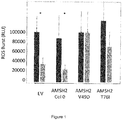
Figure 1 shows plant immune response to Mp10 (SEQ ID NO:4; grey bars; black bars, no Mp10) in function of the AMSH2 sequence. -
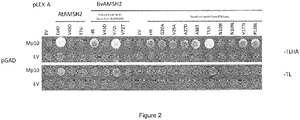
Figure 2 shows Yeast two Hybrid test based on Mp10 (SEQ ID NO:4), and on different mutations in AMSH2 (SEQ ID NO:2). -
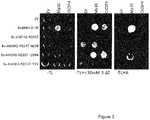
Figure 3 shows Yeast two Hybrid test based on Mp10 (SEQ ID NO:4) or on the hopper ortholog (CtCSP4), and on different revert-mutations in AMSH2 (SEQ ID NO:2). -
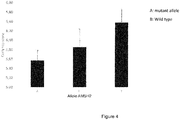
Figure 4 shows the resistance in field conditions, induced by the N109I mutation in AMSH2 against Curly top virus using a scoring scale between 1, not-damaged plants, to 9: plants completely destroyed by Curly top virus. - In the genesis of the invention, the inventors have performed in silico analysis and have singled out a few conserved proteins involved in insect feeding that might be associated with infectivity.
- Then the inventors have found that a plant tissue infected with aphids (Myzus persicae; Green Peach Aphid) bearing silenced Mp10 (SEQ ID NO:4) produces much more reactive oxygen: this Mp10 factor impairs the plant immune response.
- Example 2. Identification of plant factors interacting with Mp10.
- The inventors have developed a yeast two-hybrid system to identify putative plant binding partners.
- AMSH2 from different plant species, including Arabidopsis thaliana (Seq ID NO:3), Beta vulgaris (SEQ ID NO:2) and Nicotiana sp. were shown to interact with Mp10 (SEQ ID NO:4).
- The inventors have measured the production of Reactive Oxygen Species (ROS, a marker of plant immune response) by tissues expressing mutated AMSH2 together with Mp10: Mp10 no longer blocks ROS response in the case of non-interacting AMSH2 mutants (
Figure 1 ). More into details, Nicotiana benthamiana leaf discs transiently expressing Mp10 show a suppressed reactive oxygen species (ROS) burst in response to treatment with the bacterial elicitor-flg22, compared to control leaf discs (EV, compare black and grey bars). In leaf discs coexpressing non-interacting alleles of AMSH2 (V49D or T76I) together with Mp10; Mp10 is no longer able to suppress the flg22-induced ROS burst (right). - The inventors then obtained AMSH2 mutants (mutagen, screening of naturally-occurring plants, edited or lab-made constructs) and screened them in yeast-two hybrid with Mp10. Among them, in Arabidopsis, V49D and T76I showed a markedly reduced interaction (
Figures 1 and2 ). In Beta vulgaris, V45D and V72T showed a markedly reduced interaction, whereas V72I showed an increased interaction (Figure 2 ). The mutation of the asparagine at position 109 (into I or L) abolished the interaction with Mp10. - Then, the inventors have developed the same test, starting with a mutant, non-interacting, AMSH2, and reverting back one residue as in WT AMSH2 (SEQ ID NO:2). Here, the inventors have measured the binding of the AMSH2 variants towards Mp10 (SEQ ID NO:4), as well as towards its hopper ortholog CtCSP4; SEQ ID NO:10). The back-mutation reversing the amino acid residue at position 109 into the original Asparagine (N) allowed a positive signal. The inventors conclude that an Asparagine at such position is a key for the interaction with the Hemipteran Mp10 and the orthologs thereof; hence sugar beet mutants at this position represent ideal candidates for resistance towards Hemipteran and/or Hemipteran-borne pathogens.
- The inventors then measured the aphid viability in Arabidopsis AtAMSH2 mutants. Surprisingly, the inventors did not notice any major effect on aphid viability.
- The inventors then obtained a wider set of AMSH2 mutants of SEQ ID NO:2 (sugar beet; Beta vulgaris) and cloned the mutants for yeast two-hybrid experiments.
- Among them, again, N109I and N109L showed a marked reduction of the interaction with Mp10.
- Sugar beet plants with heterozygote and homozygote N109I mutation in SEQ ID NO:2 (i.e. SEQ ID NO:8) have been tested in field trials for resistance towards (i) Curly top virus and (ii) Beet mild yellowing virus. Beet Curly top were loaded on the beet leafhopper, before challenge of sugar beet (
Figure 4 ), or Beet mild yellowing virus were loaded on green peach aphid before challenge of sugar beet. The plants with the homozygote N109I mutation (condition A) have a marked reduction of curly top symptoms, and the heterozygote plants at this position (condition H) have an intermediate phenotype. - The inventors therefore conclude that mutations in AMSH2 so as to keep a functional protein but sufficient to abolish its binding to Mp10, provides a useful resistance towards sap-feeding insect (hemipteran; aphids and/or planthoppers or leafhoppers) -borne pathogens.




Claims (15)
- A method for selecting a Beta vulgaris plant resistant towards Hemipteran and/or Hemipteran-borne pathogens comprising the steps of measuring the presence of a polymorphism in SEQ ID NO:1 or in SEQ ID NO:2 in the said Beta vulgaris plant and of selecting a Beta vulgaris plant having the said polymorphism.
- The method of claim 1, wherein the polymorphism in SEQ ID NO:1 or in SEQ ID NO:2 causes the loss of functional interaction with Mp10 (SEQ ID NO:4) and/or with ortholog Hemipteran proteins.
- The method of claim 1 or of claim 2, wherein the polymorphism is at the amino acid position(s) selected from the group consisting of position 20, 25, 27, 38, 45, 52, 60, 72, 109, 175, 177, 188 and/or 208 of SEQ ID NO:2, being preferably selected from the group consisting of a D at position 45, a I at position 52, a T at position 72, a I or a L at position 109, a K at position 175, a I at position 177, a L at position 188 and/or a K at position 208, more preferably being a I or a L at position 109.
- Nucleotide probes for the detection of a polymorphism in SEQ ID NO:2, preferably wherein the polymorphism is at the codon encoding the amino acid position 20, 25, 27, 38, 45, 52, 60, 72, 109, 175, 177, 188 and/or 208 of SEQ ID NO:2.
- The probes of claim 4, wherein the polymorphism is at the codon encoding asparagine 109 of SEQ ID NO:2.
- A Beta vulgaris plant, plant part or plant cell having a polymorphism in SEQ ID NO:1 or in SEQ ID NO:2, preferably the polymorphism according to any one of the preceding claims, and more preferably being homozygote for the said polymorphism, and/or having on both alleles a polymorphism in SEQ ID NO:1 and/or in SEQ ID NO: 2 according to any one of the preceding claims.
- The plant part of claim 6 being a treated Beta vulgaris seed, not comprising neonicotinoid insecticide.
- The plant part of claim 6 or 7 being genetically altered.
- Use of the plant or of the plant part according to any one of the preceding claims 6 to 8 for growing in a field affected by Hemipteran and/or by Hemipteran-borne pathogens.
- Use of claim 9, wherein the Hemipteran-borne pathogen is one or several pathogen(s) selected from the group consisting of Beet mild yellowing virus (BMYV), Beet yellowing virus (BYV), Beet Curly Top virus, Beet chlorosis virus, Beet Leaf yellowing virus, Beet Western Yellowing virus, 'Syndrome Basse Richesse' (SBR) proteobacterium and SBR phytoplasma.
- An isolated AMSH2 variant protein sharing at least 95% of identity with SEQ ID NO:2 over at least 50 consecutive amino acids, and harboring preferably a polymorphism at the residues 20, 25, 27, 38, 45, 52, 60, 72, 109, 175, 177, 188 and/or 208 of SEQ ID NO:2, being more preferably the variant selected from the group consisting of SEQ ID NO:5, SEQ ID NO:6, SEQ ID NO:7, SEQ ID NO:8 and SEQ ID NO:9.
- An isolated nucleic acid molecule comprising a sequence sharing at least 95% of identity, but less than 100% of identity with SEQ ID NO:1 and preferably encoding the variant of claim 11.
- A vector comprising the isolated nucleic acid of claim 11 or of claim 12.
- A transgenic plant or (plant) cell comprising the protein of claim 11 or the nucleic acid molecule of claim 12 and/or the vector of claim 13.
- A method to select a sugar beet plant expressing an additional factor providing synergistic resistance towards Hemipteran and/or Hemipteran-borne pathogens comprising to generate a sugar beet population expressing the AMSH2 mutant of claim 11 or of claim 12, to test the said generated population for a resistance towards the said Hemipteran and/or towards the said Hemipteran-borne pathogens and to identify the (non-AMSH2) factor providing the said synergistic resistance and to select the identified plants having increased resistance towards Hemipteran and/or Hemipteran-borne pathogens.
Priority Applications (2)
| Application Number | Priority Date | Filing Date | Title |
|---|---|---|---|
| EP19196396.6A EP3791713A1 (en) | 2019-09-10 | 2019-09-10 | Polymorphism for pathogen resistance |
| PCT/EP2020/075307 WO2021048269A1 (en) | 2019-09-10 | 2020-09-10 | Polymorphism for pathogen resistance |
Applications Claiming Priority (1)
| Application Number | Priority Date | Filing Date | Title |
|---|---|---|---|
| EP19196396.6A EP3791713A1 (en) | 2019-09-10 | 2019-09-10 | Polymorphism for pathogen resistance |
Publications (1)
| Publication Number | Publication Date |
|---|---|
| EP3791713A1 true EP3791713A1 (en) | 2021-03-17 |
Family
ID=67909333
Family Applications (1)
| Application Number | Title | Priority Date | Filing Date |
|---|---|---|---|
| EP19196396.6A Withdrawn EP3791713A1 (en) | 2019-09-10 | 2019-09-10 | Polymorphism for pathogen resistance |
Country Status (2)
| Country | Link |
|---|---|
| EP (1) | EP3791713A1 (en) |
| WO (1) | WO2021048269A1 (en) |
Families Citing this family (1)
| Publication number | Priority date | Publication date | Assignee | Title |
|---|---|---|---|---|
| JP7724484B1 (en) * | 2024-03-11 | 2025-08-18 | 国立研究開発法人農業・食品産業技術総合研究機構 | Sugar beet yellows virus disease resistance markers and their applications |
-
2019
- 2019-09-10 EP EP19196396.6A patent/EP3791713A1/en not_active Withdrawn
-
2020
- 2020-09-10 WO PCT/EP2020/075307 patent/WO2021048269A1/en not_active Ceased
Non-Patent Citations (3)
| Title |
|---|
| DATABASE Arabidopsis [online] Tair; 2 November 2013 (2013-11-02), XP002796323, Database accession no. At1g10600 * |
| DATABASE GenPept [online] NCBI; 29 November 2016 (2016-11-29), XP002796322, Database accession no. XP_019105955 * |
| LUTERBACHER M C ET AL: "Sources of resistance to diseases of sugar beet in related Beta germplasm: I. Foliar diseases", EUPHYTICA, KLUWER ACADEMIC PUBLISHERS, DO, vol. 139, no. 2, 1 January 2004 (2004-01-01), pages 105 - 121, XP019240772, ISSN: 1573-5060, DOI: 10.1007/S10681-004-2488-5 * |
Also Published As
| Publication number | Publication date |
|---|---|
| WO2021048269A1 (en) | 2021-03-18 |
Similar Documents
| Publication | Publication Date | Title |
|---|---|---|
| Bundó et al. | Calcium-dependent protein kinase OsCPK10 mediates both drought tolerance and blast disease resistance in rice plants | |
| Samach et al. | The UNUSUAL FLORAL ORGANS gene of Arabidopsis thaliana is an F‐box protein required for normal patterning and growth in the floral meristem | |
| Rong et al. | Expression of a potato antimicrobial peptide SN1 increases resistance to take-all pathogen Gaeumannomyces graminis var. tritici in transgenic wheat | |
| UA115768C2 (en) | Methods of increasing yield and stress tolerance in a plant | |
| JP2008289481A6 (en) | Resistance to nematodes and / or aphids | |
| AU2005319877B2 (en) | Regulator for flowering time, transgenic plant transformed with the same, and method for regulating flowering time | |
| WO2005094562A1 (en) | Plants having improved growth characteristics and method for making the same | |
| JP2000508524A (en) | Nucleic acid molecule encoding cytochrome P450 type protein involved in brassinosteroid synthesis in plants | |
| US20250369009A1 (en) | Methods of identifying, selecting, and producing anthracnose stalk rot resistant crops | |
| EP3696188A1 (en) | Gene for resistance to plant disease | |
| JP7375028B2 (en) | Genes for resistance to plant diseases | |
| US6613962B1 (en) | Tomato nucleic acid encoding protein that confers resistance to aphids and nematodes and plants transformed therewith | |
| JP2022500039A (en) | Genes that modify resistance to beet necrotic leaf vein yellowing virus (BNYVV) | |
| MXPA99001354A (en) | Resistance against nematodes and/or aphids | |
| US7915485B2 (en) | Nod-factor perception | |
| EP3791713A1 (en) | Polymorphism for pathogen resistance | |
| WO2023145948A1 (en) | Wheat or the like having short anther trait, and method for producing same | |
| Jang et al. | Ectopic overexpression of the aluminum-induced protein gene from Panax ginseng enhances heavy metal tolerance in transgenic Arabidopsis | |
| JP2019524135A (en) | Resistance gene for plexus root disease | |
| JP7753203B2 (en) | Resistance genes against pathogens in Heterodera spp. | |
| US7772461B2 (en) | Molybdenum transporter gene and use thereof | |
| Wen et al. | Altered growth and root tip morphology in Pisum sativum L. in response to altered expression of a gene expressed in border cells | |
| KR101390832B1 (en) | Cell death-related mitochondrial Formate dehydrogenase1 gene CaFDH1, and transgenic plants using the same | |
| Brun et al. | Knockout of UBP34 in Physcomitrella patens reveals the photoaffinity labeling of another closely related IPR protein | |
| EA048343B1 (en) | PLANT RESISTANCE GENE AND MEANS OF ITS IDENTIFICATION |
Legal Events
| Date | Code | Title | Description |
|---|---|---|---|
| PUAI | Public reference made under article 153(3) epc to a published international application that has entered the european phase |
Free format text: ORIGINAL CODE: 0009012 |
|
| STAA | Information on the status of an ep patent application or granted ep patent |
Free format text: STATUS: THE APPLICATION HAS BEEN PUBLISHED |
|
| AK | Designated contracting states |
Kind code of ref document: A1 Designated state(s): AL AT BE BG CH CY CZ DE DK EE ES FI FR GB GR HR HU IE IS IT LI LT LU LV MC MK MT NL NO PL PT RO RS SE SI SK SM TR |
|
| AX | Request for extension of the european patent |
Extension state: BA ME |
|
| STAA | Information on the status of an ep patent application or granted ep patent |
Free format text: STATUS: THE APPLICATION IS DEEMED TO BE WITHDRAWN |
|
| 18D | Application deemed to be withdrawn |
Effective date: 20210918 |