EP3790282A1 - Procede de decodage d'un flux d'entree audio/video - Google Patents
Procede de decodage d'un flux d'entree audio/video Download PDFInfo
- Publication number
- EP3790282A1 EP3790282A1 EP20193229.0A EP20193229A EP3790282A1 EP 3790282 A1 EP3790282 A1 EP 3790282A1 EP 20193229 A EP20193229 A EP 20193229A EP 3790282 A1 EP3790282 A1 EP 3790282A1
- Authority
- EP
- European Patent Office
- Prior art keywords
- audio
- video
- resp
- decoding
- latency
- Prior art date
- Legal status (The legal status is an assumption and is not a legal conclusion. Google has not performed a legal analysis and makes no representation as to the accuracy of the status listed.)
- Granted
Links
Images


Classifications
-
- H—ELECTRICITY
- H04—ELECTRIC COMMUNICATION TECHNIQUE
- H04N—PICTORIAL COMMUNICATION, e.g. TELEVISION
- H04N21/00—Selective content distribution, e.g. interactive television or video on demand [VOD]
- H04N21/40—Client devices specifically adapted for the reception of or interaction with content, e.g. set-top-box [STB]; Operations thereof
- H04N21/43—Processing of content or additional data, e.g. demultiplexing additional data from a digital video stream; Elementary client operations, e.g. monitoring of home network or synchronising decoder's clock; Client middleware
- H04N21/434—Disassembling of a multiplex stream, e.g. demultiplexing audio and video streams, extraction of additional data from a video stream; Remultiplexing of multiplex streams; Extraction or processing of SI; Disassembling of packetised elementary stream
- H04N21/4343—Extraction or processing of packetized elementary streams [PES]
-
- G—PHYSICS
- G11—INFORMATION STORAGE
- G11B—INFORMATION STORAGE BASED ON RELATIVE MOVEMENT BETWEEN RECORD CARRIER AND TRANSDUCER
- G11B27/00—Editing; Indexing; Addressing; Timing or synchronising; Monitoring; Measuring tape travel
- G11B27/10—Indexing; Addressing; Timing or synchronising; Measuring tape travel
-
- H—ELECTRICITY
- H04—ELECTRIC COMMUNICATION TECHNIQUE
- H04N—PICTORIAL COMMUNICATION, e.g. TELEVISION
- H04N19/00—Methods or arrangements for coding, decoding, compressing or decompressing digital video signals
- H04N19/40—Methods or arrangements for coding, decoding, compressing or decompressing digital video signals using video transcoding, i.e. partial or full decoding of a coded input stream followed by re-encoding of the decoded output stream
-
- H—ELECTRICITY
- H04—ELECTRIC COMMUNICATION TECHNIQUE
- H04N—PICTORIAL COMMUNICATION, e.g. TELEVISION
- H04N21/00—Selective content distribution, e.g. interactive television or video on demand [VOD]
- H04N21/40—Client devices specifically adapted for the reception of or interaction with content, e.g. set-top-box [STB]; Operations thereof
- H04N21/43—Processing of content or additional data, e.g. demultiplexing additional data from a digital video stream; Elementary client operations, e.g. monitoring of home network or synchronising decoder's clock; Client middleware
- H04N21/4302—Content synchronisation processes, e.g. decoder synchronisation
- H04N21/4305—Synchronising client clock from received content stream, e.g. locking decoder clock with encoder clock, extraction of the PCR packets
-
- G—PHYSICS
- G10—MUSICAL INSTRUMENTS; ACOUSTICS
- G10L—SPEECH ANALYSIS TECHNIQUES OR SPEECH SYNTHESIS; SPEECH RECOGNITION; SPEECH OR VOICE PROCESSING TECHNIQUES; SPEECH OR AUDIO CODING OR DECODING
- G10L21/00—Speech or voice signal processing techniques to produce another audible or non-audible signal, e.g. visual or tactile, in order to modify its quality or its intelligibility
- G10L21/04—Time compression or expansion
- G10L21/055—Time compression or expansion for synchronising with other signals, e.g. video signals
-
- G—PHYSICS
- G11—INFORMATION STORAGE
- G11B—INFORMATION STORAGE BASED ON RELATIVE MOVEMENT BETWEEN RECORD CARRIER AND TRANSDUCER
- G11B27/00—Editing; Indexing; Addressing; Timing or synchronising; Monitoring; Measuring tape travel
- G11B27/36—Monitoring, i.e. supervising the progress of recording or reproducing
-
- H—ELECTRICITY
- H04—ELECTRIC COMMUNICATION TECHNIQUE
- H04L—TRANSMISSION OF DIGITAL INFORMATION, e.g. TELEGRAPHIC COMMUNICATION
- H04L65/00—Network arrangements, protocols or services for supporting real-time applications in data packet communication
- H04L65/60—Network streaming of media packets
- H04L65/61—Network streaming of media packets for supporting one-way streaming services, e.g. Internet radio
- H04L65/612—Network streaming of media packets for supporting one-way streaming services, e.g. Internet radio for unicast
-
- H—ELECTRICITY
- H04—ELECTRIC COMMUNICATION TECHNIQUE
- H04L—TRANSMISSION OF DIGITAL INFORMATION, e.g. TELEGRAPHIC COMMUNICATION
- H04L65/00—Network arrangements, protocols or services for supporting real-time applications in data packet communication
- H04L65/60—Network streaming of media packets
- H04L65/75—Media network packet handling
- H04L65/762—Media network packet handling at the source
-
- H—ELECTRICITY
- H04—ELECTRIC COMMUNICATION TECHNIQUE
- H04L—TRANSMISSION OF DIGITAL INFORMATION, e.g. TELEGRAPHIC COMMUNICATION
- H04L65/00—Network arrangements, protocols or services for supporting real-time applications in data packet communication
- H04L65/60—Network streaming of media packets
- H04L65/75—Media network packet handling
- H04L65/765—Media network packet handling intermediate
-
- H—ELECTRICITY
- H04—ELECTRIC COMMUNICATION TECHNIQUE
- H04L—TRANSMISSION OF DIGITAL INFORMATION, e.g. TELEGRAPHIC COMMUNICATION
- H04L65/00—Network arrangements, protocols or services for supporting real-time applications in data packet communication
- H04L65/80—Responding to QoS
-
- H—ELECTRICITY
- H04—ELECTRIC COMMUNICATION TECHNIQUE
- H04N—PICTORIAL COMMUNICATION, e.g. TELEVISION
- H04N19/00—Methods or arrangements for coding, decoding, compressing or decompressing digital video signals
- H04N19/44—Decoders specially adapted therefor, e.g. video decoders which are asymmetric with respect to the encoder
-
- H—ELECTRICITY
- H04—ELECTRIC COMMUNICATION TECHNIQUE
- H04N—PICTORIAL COMMUNICATION, e.g. TELEVISION
- H04N19/00—Methods or arrangements for coding, decoding, compressing or decompressing digital video signals
- H04N19/65—Methods or arrangements for coding, decoding, compressing or decompressing digital video signals using error resilience
- H04N19/68—Methods or arrangements for coding, decoding, compressing or decompressing digital video signals using error resilience involving the insertion of resynchronisation markers into the bitstream
-
- H—ELECTRICITY
- H04—ELECTRIC COMMUNICATION TECHNIQUE
- H04N—PICTORIAL COMMUNICATION, e.g. TELEVISION
- H04N21/00—Selective content distribution, e.g. interactive television or video on demand [VOD]
- H04N21/20—Servers specifically adapted for the distribution of content, e.g. VOD servers; Operations thereof
- H04N21/23—Processing of content or additional data; Elementary server operations; Server middleware
- H04N21/236—Assembling of a multiplex stream, e.g. transport stream, by combining a video stream with other content or additional data, e.g. inserting a URL [Uniform Resource Locator] into a video stream, multiplexing software data into a video stream; Remultiplexing of multiplex streams; Insertion of stuffing bits into the multiplex stream, e.g. to obtain a constant bit-rate; Assembling of a packetised elementary stream
- H04N21/23608—Remultiplexing multiplex streams, e.g. involving modifying time stamps or remapping the packet identifiers
-
- H—ELECTRICITY
- H04—ELECTRIC COMMUNICATION TECHNIQUE
- H04N—PICTORIAL COMMUNICATION, e.g. TELEVISION
- H04N21/00—Selective content distribution, e.g. interactive television or video on demand [VOD]
- H04N21/20—Servers specifically adapted for the distribution of content, e.g. VOD servers; Operations thereof
- H04N21/23—Processing of content or additional data; Elementary server operations; Server middleware
- H04N21/242—Synchronisation processes, e.g. processing of PCR [Programme Clock References]
-
- H—ELECTRICITY
- H04—ELECTRIC COMMUNICATION TECHNIQUE
- H04N—PICTORIAL COMMUNICATION, e.g. TELEVISION
- H04N21/00—Selective content distribution, e.g. interactive television or video on demand [VOD]
- H04N21/40—Client devices specifically adapted for the reception of or interaction with content, e.g. set-top-box [STB]; Operations thereof
- H04N21/43—Processing of content or additional data, e.g. demultiplexing additional data from a digital video stream; Elementary client operations, e.g. monitoring of home network or synchronising decoder's clock; Client middleware
- H04N21/4302—Content synchronisation processes, e.g. decoder synchronisation
- H04N21/4307—Synchronising the rendering of multiple content streams or additional data on devices, e.g. synchronisation of audio on a mobile phone with the video output on the TV screen
-
- H—ELECTRICITY
- H04—ELECTRIC COMMUNICATION TECHNIQUE
- H04N—PICTORIAL COMMUNICATION, e.g. TELEVISION
- H04N21/00—Selective content distribution, e.g. interactive television or video on demand [VOD]
- H04N21/40—Client devices specifically adapted for the reception of or interaction with content, e.g. set-top-box [STB]; Operations thereof
- H04N21/43—Processing of content or additional data, e.g. demultiplexing additional data from a digital video stream; Elementary client operations, e.g. monitoring of home network or synchronising decoder's clock; Client middleware
- H04N21/434—Disassembling of a multiplex stream, e.g. demultiplexing audio and video streams, extraction of additional data from a video stream; Remultiplexing of multiplex streams; Extraction or processing of SI; Disassembling of packetised elementary stream
- H04N21/4344—Remultiplexing of multiplex streams, e.g. by modifying time stamps or remapping the packet identifiers
-
- H—ELECTRICITY
- H04—ELECTRIC COMMUNICATION TECHNIQUE
- H04N—PICTORIAL COMMUNICATION, e.g. TELEVISION
- H04N21/00—Selective content distribution, e.g. interactive television or video on demand [VOD]
- H04N21/40—Client devices specifically adapted for the reception of or interaction with content, e.g. set-top-box [STB]; Operations thereof
- H04N21/43—Processing of content or additional data, e.g. demultiplexing additional data from a digital video stream; Elementary client operations, e.g. monitoring of home network or synchronising decoder's clock; Client middleware
- H04N21/434—Disassembling of a multiplex stream, e.g. demultiplexing audio and video streams, extraction of additional data from a video stream; Remultiplexing of multiplex streams; Extraction or processing of SI; Disassembling of packetised elementary stream
- H04N21/4347—Demultiplexing of several video streams
-
- H—ELECTRICITY
- H04—ELECTRIC COMMUNICATION TECHNIQUE
- H04N—PICTORIAL COMMUNICATION, e.g. TELEVISION
- H04N21/00—Selective content distribution, e.g. interactive television or video on demand [VOD]
- H04N21/40—Client devices specifically adapted for the reception of or interaction with content, e.g. set-top-box [STB]; Operations thereof
- H04N21/43—Processing of content or additional data, e.g. demultiplexing additional data from a digital video stream; Elementary client operations, e.g. monitoring of home network or synchronising decoder's clock; Client middleware
- H04N21/436—Interfacing a local distribution network, e.g. communicating with another STB or one or more peripheral devices inside the home
- H04N21/43615—Interfacing a Home Network, e.g. for connecting the client to a plurality of peripherals
-
- H—ELECTRICITY
- H04—ELECTRIC COMMUNICATION TECHNIQUE
- H04N—PICTORIAL COMMUNICATION, e.g. TELEVISION
- H04N21/00—Selective content distribution, e.g. interactive television or video on demand [VOD]
- H04N21/40—Client devices specifically adapted for the reception of or interaction with content, e.g. set-top-box [STB]; Operations thereof
- H04N21/43—Processing of content or additional data, e.g. demultiplexing additional data from a digital video stream; Elementary client operations, e.g. monitoring of home network or synchronising decoder's clock; Client middleware
- H04N21/438—Interfacing the downstream path of the transmission network originating from a server, e.g. retrieving encoded video stream packets from an IP network
- H04N21/4382—Demodulation or channel decoding, e.g. QPSK demodulation
-
- H—ELECTRICITY
- H04—ELECTRIC COMMUNICATION TECHNIQUE
- H04N—PICTORIAL COMMUNICATION, e.g. TELEVISION
- H04N21/00—Selective content distribution, e.g. interactive television or video on demand [VOD]
- H04N21/40—Client devices specifically adapted for the reception of or interaction with content, e.g. set-top-box [STB]; Operations thereof
- H04N21/43—Processing of content or additional data, e.g. demultiplexing additional data from a digital video stream; Elementary client operations, e.g. monitoring of home network or synchronising decoder's clock; Client middleware
- H04N21/439—Processing of audio elementary streams
-
- H—ELECTRICITY
- H04—ELECTRIC COMMUNICATION TECHNIQUE
- H04N—PICTORIAL COMMUNICATION, e.g. TELEVISION
- H04N21/00—Selective content distribution, e.g. interactive television or video on demand [VOD]
- H04N21/40—Client devices specifically adapted for the reception of or interaction with content, e.g. set-top-box [STB]; Operations thereof
- H04N21/43—Processing of content or additional data, e.g. demultiplexing additional data from a digital video stream; Elementary client operations, e.g. monitoring of home network or synchronising decoder's clock; Client middleware
- H04N21/44—Processing of video elementary streams, e.g. splicing a video clip retrieved from local storage with an incoming video stream or rendering scenes according to encoded video stream scene graphs
-
- H—ELECTRICITY
- H04—ELECTRIC COMMUNICATION TECHNIQUE
- H04N—PICTORIAL COMMUNICATION, e.g. TELEVISION
- H04N21/00—Selective content distribution, e.g. interactive television or video on demand [VOD]
- H04N21/40—Client devices specifically adapted for the reception of or interaction with content, e.g. set-top-box [STB]; Operations thereof
- H04N21/43—Processing of content or additional data, e.g. demultiplexing additional data from a digital video stream; Elementary client operations, e.g. monitoring of home network or synchronising decoder's clock; Client middleware
- H04N21/44—Processing of video elementary streams, e.g. splicing a video clip retrieved from local storage with an incoming video stream or rendering scenes according to encoded video stream scene graphs
- H04N21/44004—Processing of video elementary streams, e.g. splicing a video clip retrieved from local storage with an incoming video stream or rendering scenes according to encoded video stream scene graphs involving video buffer management, e.g. video decoder buffer or video display buffer
-
- H—ELECTRICITY
- H04—ELECTRIC COMMUNICATION TECHNIQUE
- H04N—PICTORIAL COMMUNICATION, e.g. TELEVISION
- H04N21/00—Selective content distribution, e.g. interactive television or video on demand [VOD]
- H04N21/80—Generation or processing of content or additional data by content creator independently of the distribution process; Content per se
- H04N21/81—Monomedia components thereof
- H04N21/8106—Monomedia components thereof involving special audio data, e.g. different tracks for different languages
-
- H—ELECTRICITY
- H04—ELECTRIC COMMUNICATION TECHNIQUE
- H04N—PICTORIAL COMMUNICATION, e.g. TELEVISION
- H04N21/00—Selective content distribution, e.g. interactive television or video on demand [VOD]
- H04N21/80—Generation or processing of content or additional data by content creator independently of the distribution process; Content per se
- H04N21/85—Assembly of content; Generation of multimedia applications
- H04N21/854—Content authoring
- H04N21/8547—Content authoring involving timestamps for synchronizing content
-
- H—ELECTRICITY
- H04—ELECTRIC COMMUNICATION TECHNIQUE
- H04N—PICTORIAL COMMUNICATION, e.g. TELEVISION
- H04N5/00—Details of television systems
- H04N5/04—Synchronising
- H04N5/06—Generation of synchronising signals
-
- H—ELECTRICITY
- H04—ELECTRIC COMMUNICATION TECHNIQUE
- H04L—TRANSMISSION OF DIGITAL INFORMATION, e.g. TELEGRAPHIC COMMUNICATION
- H04L65/00—Network arrangements, protocols or services for supporting real-time applications in data packet communication
- H04L65/60—Network streaming of media packets
- H04L65/61—Network streaming of media packets for supporting one-way streaming services, e.g. Internet radio
- H04L65/611—Network streaming of media packets for supporting one-way streaming services, e.g. Internet radio for multicast or broadcast
Definitions
- the invention relates to the field of set-top boxes and the decoding of audio / video input streams.
- a set-top box that operates according to the ISO / IEC 13818-1 standard receives an audio / video input stream, decodes the audio / video input stream, and synchronizes it before it is broadcast .
- the audio / video input stream can be transmitted to the set-top box by cable, by satellite, but also via an IP link (for example DASH-TS or HLS-TS), i.e. via a link which uses an internet protocol.
- IP link for example DASH-TS or HLS-TS
- the audio / video input stream includes audio samples and video samples which are multiplexed. Each sample is time-stamped using a presentation time stamp (or PTS, for Presentation Time Stamp).
- the presentation time stamp defines the date on which the sample is to be rendered (played for audio, displayed for video).
- the audio / video input stream carries a reference clock signal (or PCR, for Program Clock Reference ).
- the set-top box uses the reference clock signal to control its internal clock (or STC, for System Time Clock ) and correctly clock the display of the samples.
- the video display is then generally done on a television.
- the audio can be played either by television or by an audio / video amplifier (connected for example to an HDMI port or to an SPDI / F port of the box. decoder), either by other audio broadcasting equipment connected directly to the decoder box via the HDMI port or the SPD / IF port or through wireless broadcasting of the Wi-Fi or Bluetooth type.
- the audio broadcasting equipment is for example a sound bar or a connected speaker.
- Latency can, for example, be provided directly by the equipment itself, by the transmission of EDID (for Extended Display Identification Data ) data via the HDMI port. Latency can also, for example, be evaluated by measuring an offset between the transmission and reception of a sound signal.
- EDID Extended Display Identification Data
- the audio latency of the audio path and the video latency of the video path must be equal so as not to introduce a lag between the sound and the image, which would be perceived by the user.
- Such a shift can generate, for example, a lip synchronization problem.
- the decoder box 1 comprises an audio decoding module 4 and an audio capture module 5.
- the audio path comprises the audio decoding module 4, the audio capture module 5 and the enclosure 2.
- the decoder box 1 also comprises a video decoding module 6.
- the video path comprises the video decoding module 6 and the television 3.
- the decoder box 1 also comprises a mechanism 7 for synchronizing the audio samples and the video samples with respect to the reference clock signal.
- enclosure 2 introduces a latency of 90ms into the audio path.
- the audio capture module 5 introduces a latency of 80 ms into the audio path.
- the total audio latency is therefore 170ms.
- the audio latency is therefore 100ms higher than the video latency: a delay on the video path is therefore necessary.
- speaker 2 introduces a latency of 90ms into the audio path.
- the audio capture module 5 introduces a latency of 80 ms into the audio path.
- the total audio latency is therefore 170ms.
- the video latency is therefore 20ms higher than the audio latency: a delay on the audio path is therefore necessary.
- this delay is introduced into the paths by the application, by the synchronization mechanism 7, of a “decoding delay” which delays the decoding of the sound or images.
- the decoding delay is positive and corresponds to an offset introduced in the audio path or in the video path.
- the video decoding time is equal to 100ms in the case of figure 1
- the audio decoding delay is equal to 20ms in the case of figure 2 .
- the decoding delay in fact applies to each user action on the audio / video input stream.
- the “ zapping ” time time required to change the television channel
- the zapping time can therefore typically be increased from 100 to 200 ms depending on the audio broadcasting equipment used, for a total zapping time which is of the order of 800 ms in the best case.
- the effect of the decoding delay is therefore far from negligible.
- the object of the invention is to improve in a simple and inexpensive manner the experience of a user of a set-top box.
- the difference in latencies is compensated not by systematically adding an offset in the audio path or in the video path, but by exploiting the time difference between the PTS and the PCR (if it is is sufficient) to advance the dissemination of relevant samples (audio or video).
- the user is therefore not subject to the effect of a systematic offset , and his experience is significantly improved.
- the decoding method according to the invention is implemented in a decoder box 11 which is connected to audio broadcasting equipment, in this case to a speaker 12, and to video broadcasting equipment, in this case to a television 13.
- the set-top box 11 receives an audio / video input stream carrying a reference clock signal and comprising audio samples and video samples, each of which includes a presentation time stamp.
- the decoder box 11 comprises an audio decoding module 14 and an audio capture module 15.
- the audio path comprises the audio decoding module 14, the audio capture module 15 and the enclosure 12.
- the decoder box 11 also comprises a video decoding module 16.
- the video path comprises the video decoding module 16 and the television 13.
- the decoder box 11 also includes a mechanism 17 for synchronizing the audio samples and the video samples with respect to the reference clock signal.
- the enclosure 12 introduces a latency of 90 ms into the audio path.
- the audio capture module 15 introduces a latency of 80 ms into the audio path.
- the total audio latency is therefore 170ms.
- Audio latency is therefore greater than video latency.
- audio samples and video samples are received in advance for decoding.
- This advance is defined by the time difference between the sample presentation time marker and the reference clock signal. In practice, in the case of audio, this advance can vary from 100ms to 1s. In the case of video, this advance is less important because of the necessary buffering.
- the time difference ⁇ t_a for the audio sample is 200ms
- the time difference ⁇ t_v for the video sample is 50ms.
- the decoding method according to the invention therefore firstly comprises the step of evaluating the audio latency introduced by the audio path (here equal to 170 ms) and the video latency introduced by the video path (here equal to 70 ms).
- the decoding method comprises the step of verifying a first condition to ensure that a time difference between the time marker of presentation of the audio samples and the reference clock signal is sufficient to ensure correct decoding of the audio samples (step E1).
- the first condition is: ⁇ t_a > ⁇ min_a , where ⁇ t_a is the time difference and ⁇ min_a is a minimum duration to ensure that the audio decoding is correct.
- ⁇ min_a is a constant to be determined according to the type of codec, the bit rate, etc. The determination is made by measurement on a set of streams: the duration is reduced until the audio can no longer be played correctly by the decoder box 11.
- step E2 If the first condition is not fulfilled, the difference in latencies is fully compensated by adding a positive video decoding delay at the time of the video decoding carried out by the video decoding module 16 (step E2).
- Offset_a 0 means that no audio offset is applied and that the audio sample presentation time marker is not decreased.
- the decoding method comprises the step of verifying a second condition to evaluate whether the difference in latencies can be entirely compensated or not by the reduction of the presentation time marker. audio samples (step E3).
- the second condition is: ⁇ t_a - ⁇ min_a > ⁇ lat_a .
- the decoding method according to the invention takes advantage, when it is sufficient, of the time difference PTS - PCR to reduce the time marker of presentation of the audio samples and compensate for the latency by advancing their diffusion. The user no longer suffers the consequences of offset and their experience is improved.
- the synchronization mechanism 17 is used to shift the sending of the samples.
- the solution implemented therefore consists in using the audio / video input stream to accelerate the transfer rather than systematically introducing an offset , as is done in the prior art.
- This solution is particularly suitable for a system comprising a separate audio path and a separate video path. It is enabled by the fact that the decoding method is implemented in the decoder box 11 which receives both the audio stream and the video stream to redispatch them to the enclosure 12 and the television 13, and which consequently controls and can act on the audio / video input stream.
- the decoding method according to the invention is again implemented in the decoder box 11 which is connected to the speaker 12 and to the television 13.
- the enclosure 12 introduces a latency of 90 ms into the audio path.
- the audio capture module 15 introduces a latency of 80 ms into the audio path.
- the total audio latency is therefore 170ms.
- Television 13 introduces a latency of 190 ms into the video path.
- the total video latency is therefore 190ms.
- Video latency is therefore greater than audio latency.
- audio samples and video samples are received in advance for decoding. This advance is defined by the time difference between the sample presentation time marker and the reference clock signal.
- the time difference ⁇ t_a for the audio sample is + 200ms
- the time difference ⁇ t_v for the video sample is + 50ms.
- the decoding method according to the invention therefore firstly comprises the step of evaluating the audio latency introduced by the audio path (here equal to 170 ms) and the video latency introduced by the video path (here equal to 190 ms).
- the decoding method comprises the step of verifying a first condition to ensure that a time difference between the time marker of presentation of the video samples and the signal reference clock is sufficient to ensure correct decoding of video samples (step E11).
- the first condition is: ⁇ t_v > ⁇ min_v , where ⁇ t_v is the time difference and ⁇ min_v is a minimum duration to ensure that the video decoding is correct.
- ⁇ min_v is a constant to be determined according to the type of codec, the bit rate, etc. The determination is made by measurement on a set of streams: the duration is reduced until the video can no longer be played correctly by the decoder box 11.
- the difference in latencies is fully compensated by adding a positive audio decoding delay at the time of the audio decoding carried out by the audio decoding module 14 (step E12).
- V_shift 0 means that no video offset is applied and that the time stamp for presenting video samples is not reduced.
- the decoding method comprises the step of verifying a second condition to evaluate whether the The difference in latencies may or may not be entirely compensated for by reducing the time marker for presentation of the video samples (step E13).
- the second condition is: ⁇ t_v - ⁇ min_v > ⁇ lat_v .
- Delay_a 0, which means that no audio decoding delay is introduced in the audio path.
- the broadcasting equipment connected to the decoder box is not necessarily a speaker and a television.
Landscapes
- Engineering & Computer Science (AREA)
- Multimedia (AREA)
- Signal Processing (AREA)
- Computer Networks & Wireless Communication (AREA)
- Quality & Reliability (AREA)
- Computational Linguistics (AREA)
- Computer Security & Cryptography (AREA)
- Health & Medical Sciences (AREA)
- Audiology, Speech & Language Pathology (AREA)
- Human Computer Interaction (AREA)
- Physics & Mathematics (AREA)
- Acoustics & Sound (AREA)
- Two-Way Televisions, Distribution Of Moving Picture Or The Like (AREA)
- Compression Or Coding Systems Of Tv Signals (AREA)
- Television Receiver Circuits (AREA)
Abstract
Description
- L'invention concerne le domaine des boîtiers décodeurs et du décodage des flux d'entrée audio/vidéo.
- Un boîtier décodeur (ou set-top box, en anglais) qui fonctionne selon la norme ISO/IEC 13818-1 reçoit un flux d'entrée audio/vidéo, décode le flux d'entrée audio/vidéo, et le synchronise avant sa diffusion.
- Le flux d'entrée audio/vidéo peut être transmis au boîtier décodeur par câble, par satellite, mais aussi via une liaison IP (par exemple DASH-TS ou HLS-TS), c'est-à-dire via une liaison qui utilise un protocole internet.
- Le flux d'entrée audio/vidéo comprend des échantillons audio et des échantillons vidéo qui sont multiplexés. Chaque échantillon est horodaté grâce à un marqueur temporel de présentation (ou PTS, pour Présentation Time Stamp). Le marqueur temporel de présentation définit la date à laquelle l'échantillon doit être rendu (joué pour l'audio, affiché pour la vidéo).
- Le flux d'entrée audio/vidéo transporte un signal d'horloge de référence (ou PCR, pour Program Clock Reference). Le boîtier décodeur utilise le signal d'horloge de référence pour asservir son horloge interne (ou STC, pour System Time Clock) et cadencer correctement l'affichage des échantillons.
- L'affichage vidéo se fait alors généralement sur une télévision.
- L'audio, quant à lui, peut être joué soit par la télévision, soit par un amplificateur audio/vidéo (connecté par exemple à un port HDMI ou à un port SPDI/F du boîtier décodeur), soit par un autre équipement de diffusion audio connecté directement au boîtier décodeur via le port HDMI ou le port SPD/IF ou bien à travers une diffusion sans fil de type Wi-Fi ou Bluetooth. L'équipement de diffusion audio est par exemple une barre de son ou une enceinte connectée.
- Chacun de ces équipements introduit une latence qui résulte notamment du temps de traitement interne de ces équipements. L'évaluation de cette latence peut être réalisée de différentes manières. La latence peut par exemple être directement fournie par l'équipement lui-même, par la transmission des données EDID (pour Extended Display Identification Data) via le port HDMI. La latence peut aussi par exemple être évaluée par la mesure d'un décalage entre l'émission et la réception d'un signal sonore.
- Si l'audio et la vidéo ne sont pas rendus par le même équipement, la latence audio du chemin audio et la latence vidéo du chemin vidéo doivent être égales pour ne pas introduire de décalage entre le son et l'image, qui serait perçu par l'utilisateur. Un tel décalage peut générer par exemple un problème de synchronisation labiale.
- En référence à la
figure 1 , on illustre ce qui vient d'être dit avec un boîtier décodeur 1 qui est relié à une enceinte 2 et à une télévision 3. - Le boîtier décodeur 1 comprend un module de décodage audio 4 et un module de capture audio 5. Le chemin audio comprend le module de décodage audio 4, le module de capture audio 5 et l'enceinte 2.
- Le boîtier décodeur 1 comprend aussi un module de décodage vidéo 6. Le chemin vidéo comprend le module de décodage vidéo 6 et la télévision 3.
- Le boîtier décodeur 1 comprend aussi un mécanisme de synchronisation 7 des échantillons audio et des échantillons vidéo par rapport au signal d'horloge de référence.
- Dans l'exemple de la
figure 1 , on considère que l'enceinte 2 introduit dans le chemin audio une latence de 90ms. Le module de capture audio 5 introduit dans le chemin audio une latence de 80ms. La latence audio totale est donc de 170ms. - La télévision 3 introduit quant à elle dans le chemin vidéo une latence de 70ms. La latence vidéo totale est donc de 70ms.
- La latence audio est donc supérieure de 100ms à la latence vidéo : un délai sur le chemin vidéo est donc nécessaire.
- En référence à la
figure 2 , à nouveau, l'enceinte 2 introduit dans le chemin audio une latence de 90ms. Le module de capture audio 5 introduit dans le chemin audio une latence de 80ms. La latence audio totale est donc de 170ms. - La télévision 3, cette fois, introduit dans le chemin vidéo une latence de 190ms. La latence vidéo totale est donc de 190ms.
- La latence vidéo est donc supérieure de 20ms à la latence audio : un délai sur le chemin audio est donc nécessaire.
- Dans les deux cas, ce délai est introduit dans les chemins par l'application, par le mécanisme de synchronisation 7, d'un « délai de décodage » qui retarde le décodage du son ou des images. Le délai de décodage est positif et correspond à un offset introduit dans le chemin audio ou dans le chemin vidéo.
- Le délai de décodage vidéo est égal à 100ms dans le cas de la
figure 1 , et le délai de décodage audio est égal à 20ms dans le cas de lafigure 2 . - L'introduction d'un délai de décodage dans le chemin audio ou dans le chemin vidéo impacte négativement l'expérience de l'utilisateur.
- Le délai de décodage s'applique en effet à chaque action de l'utilisateur sur le flux d'entrée audio/vidéo. Ainsi, par exemple, le temps de « zapping » (temps nécessaire pour changer de chaîne de télévision) sera augmenté de ce délai de décodage. Le temps de zapping peut donc être augmenté typiquement de 100 à 200ms suivant l'équipement de diffusion audio utilisé, pour un temps de zapping total qui est de l'ordre de 800ms dans le meilleur des cas. L'effet du délai de décodage est donc loin d'être négligeable.
- L'invention a pour objet d'améliorer de manière simple et peu coûteuse l'expérience d'un utilisateur d'un boîtier décodeur.
- En vue de la réalisation de ce but, on propose un procédé de décodage d'un flux d'entrée audio/vidéo reçu par un boîtier décodeur qui est relié à un équipement de diffusion audio et à un équipement de diffusion vidéo, le flux d'entrée audio/vidéo transportant un signal d'horloge de référence et comportant des échantillons audio et des échantillons vidéo comprenant chacun un marqueur temporel de présentation, le procédé de décodage comportant les étapes de :
- évaluer une latence audio introduite par un chemin audio et une latence vidéo introduite par un chemin vidéo ;
- si la latence audio (respectivement vidéo) est supérieure à la latence vidéo (resp. audio), vérifier une première condition pour assurer qu'une différence temporelle entre le marqueur temporel de présentation des échantillons audio (resp. vidéo) et le signal d'horloge de référence est suffisante pour assurer un décodage correct des échantillons audio (resp. vidéo), et si la première condition est remplie, diminuer au moment d'un décodage audio (resp. vidéo) le marqueur temporel de présentation des échantillons audio (resp. vidéo) pour avancer une diffusion des échantillons audio (resp. vidéo) et compenser ainsi au moins partiellement une différence de latences entre la latence audio (resp. vidéo) et la latence vidéo (resp. audio).
- Ainsi, dans le procédé de décodage selon l'invention, la différence de latences est compensée non pas en ajoutant systématiquement un offset dans le chemin audio ou dans le chemin vidéo, mais en exploitant la différence temporelle entre le PTS et le PCR (si elle est suffisante) pour avancer la diffusion des échantillons (audio ou vidéo) pertinents. L'utilisateur ne subit donc pas l'effet d'un offset systématique, et son expérience s'en trouve nettement améliorée.
- L'invention sera mieux comprise à la lumière de la description qui suit d'un mode de mise en œuvre particulier non limitatif de l'invention.
- Il sera fait référence aux dessins annexés, parmi lesquels :
- [
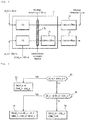
Fig. 1 ] lafigure 1 représente un boîtier décodeur de l'art antérieur, une enceinte et une télévision, la latence audio du chemin audio étant supérieure à la latence vidéo du chemin vidéo ; - [
Fig. 2 ] lafigure 2 est une figure similaire à lafigure 1 , la latence vidéo étant supérieure à la latence audio ; [Fig. 3 ] lafigure 3 représente un boîtier décodeur dans lequel est mis en œuvre le procédé de décodage selon l'invention, une enceinte et une télévision, la latence audio étant supérieure à la latence vidéo ; - [
Fig. 4 ] lafigure 4 représente des étapes du procédé de décodage selon l'invention, mis en œuvre dans la configuration de lafigure 3 ; - [
Fig. 5 ] lafigure 5 est une figure similaire à lafigure 3 , la latence vidéo étant supérieure à la latence audio ; [Fig. 6 ] lafigure 6 représente des étapes du procédé de décodage selon l'invention, mis en œuvre dans la configuration de lafigure 5 . - En référence à la
figure 3 , le procédé de décodage selon l'invention est mis en œuvre dans un boîtier décodeur 11 qui est relié à un équipement de diffusion audio, en l'occurrence à une enceinte 12, et à un équipement de diffusion vidéo, en l'occurrence à une télévision 13. - Le boîtier décodeur 11 reçoit un flux d'entrée audio/vidéo transportant un signal d'horloge de référence et comportant des échantillons audio et des échantillons vidéo, qui comprennent chacun un marqueur temporel de présentation.
- Le boîtier décodeur 11 comprend un module de décodage audio 14 et un module de capture audio 15. Le chemin audio comprend le module de décodage audio 14, le module de capture audio 15 et l'enceinte 12.
- Le boîtier décodeur 11 comprend aussi un module de décodage vidéo 16. Le chemin vidéo comprend le module de décodage vidéo 16 et la télévision 13.
- Le boîtier décodeur 11 comprend aussi un mécanisme de synchronisation 17 des échantillons audio et des échantillons vidéo par rapport au signal d'horloge de référence.
- Dans l'exemple de la
figure 3 , on considère que l'enceinte 12 introduit dans le chemin audio une latence de 90ms. Le module de capture audio 15 introduit dans le chemin audio une latence de 80ms. La latence audio totale est donc de 170ms. - La télévision 13 introduit quant à elle dans le chemin vidéo une latence de 70ms. La latence vidéo totale est donc de 70ms.
- La latence audio est donc supérieure à la latence vidéo.
- Dans le flux d'entrée audio/vidéo, les échantillons audio et les échantillons vidéo sont reçus en avance pour être décodés. Cette avance est définie par la différence temporelle entre le marqueur temporel de présentation des échantillons et le signal d'horloge de référence. En pratique, dans le cas de l'audio, cette avance peut varier de 100ms à 1s. Dans le cas de la vidéo, cette avance est moins importante en raison de la bufferisation nécessaire.
- Dans l'exemple de la
figure 3 , la différence temporelle Δt_a pour l'échantillon audio est de 200ms, et la différence temporelle Δt_v pour l'échantillon vidéo est de 50ms. - Plutôt que d'introduire systématiquement dans le chemin vidéo un délai de décodage vidéo positif pour compenser la différence de latences entre le chemin audio et le chemin vidéo, on exploite cette avance en forçant les échantillons audio à sortir plus tôt du mécanisme de synchronisation pour les rendre disponibles plus vite pour leur diffusion.
- Le procédé de décodage selon l'invention comporte donc tout d'abord l'étape d'évaluer la latence audio introduite par le chemin audio (ici égale à 170ms) et la latence vidéo introduite par le chemin vidéo (ici égale à 70ms).
- Puis, en référence à la
figure 4 , le procédé de décodage comprend l'étape de vérifier une première condition pour assurer qu'une différence temporelle entre le marqueur temporel de présentation des échantillons audio et le signal d'horloge de référence est suffisante pour assurer un décodage correct des échantillons audio (étape E1). - La première condition est :

- La valeur de Δmin_a est une constante à déterminer selon le type de codec, le débit, etc. La détermination est faite par mesure sur un ensemble de flux : on réduit la durée jusqu'à ce que l'audio ne puisse plus être joué correctement par le boîtier décodeur 11.
- Si la première condition n'est pas remplie, la différence de latences est compensée entièrement en ajoutant un délai de décodage vidéo positif au moment du décodage vidéo réalisé par le module de décodage vidéo 16 (étape E2).
- On a donc :

où Délai_v est le délai de décodage vidéo positif introduit au moment du décodage vidéo réalisé par le module de décodage vidéo 16, et où Δlat_a est la différence de latences (ici égale à 100ms). - Décal_a = 0 signifie qu'aucun décalage audio n'est appliqué et que le marqueur temporel de présentation des échantillons audio n'est pas diminué.
- Cette situation correspond au cas classique, sans mise en œuvre de l'invention.
- Si la première condition est remplie, ce qui est le cas dans notre exemple, le procédé de décodage comprend l'étape de vérifier une deuxième condition pour évaluer si la différence de latences peut être compensée entièrement ou non par la diminution du marqueur temporel de présentation des échantillons audio (étape E3).
- La deuxième condition est :

- Si la deuxième condition n'est pas remplie, la différence de latences est compensée à la fois :
- en introduisant au moment du décodage audio un décalage audio négatif Décal_a pour diminuer le marqueur temporel de présentation des échantillons audio, tel que :

- en ajoutant un délai de décodage vidéo positif Délai_v au moment du décodage vidéo, tel que :
- Par contre, si la deuxième condition est remplie, ce qui est le cas dans notre exemple, la différence de latences est entièrement compensée en introduisant au moment du décodage audio un décalage audio négatif Décal_a pour diminuer le marqueur temporel de présentation des échantillons audio, tel que :

- Cette situation correspond à l'exemple de la
figure 3 où la différence de latences est compensée entièrement par un décalage audio négatif Décal_a égal à -100ms.
On a aussi :
Délai_v = 0, ce qui signifie qu'aucun délai de décodage vidéo n'est introduit dans le chemin vidéo. - Ainsi, plutôt que d'introduire systématiquement un délai de décodage vidéo positif, le procédé de décodage selon l'invention tire profit, lorsqu'elle est suffisante, de la différence temporelle PTS - PCR pour diminuer le marqueur temporel de présentation des échantillons audio et compenser la latence en avançant leur diffusion. L'utilisateur ne subit plus les conséquences de l'offset et son expérience est améliorée. Dans l'invention, le mécanisme de synchronisation 17 est utilisé pour décaler l'envoi des échantillons.
- La solution mise en œuvre consiste donc à exploiter le flux d'entrée audio/vidéo pour accélérer le transfert plutôt qu'à introduire un offset de manière systématique, comme cela est fait dans l'art antérieur.
- Cette solution est particulièrement adaptée à un système comprenant un chemin audio et un chemin vidéo distincts. Elle est permise par le fait que le procédé de décodage est mis en œuvre dans le boîtier décodeur 11 qui reçoit à la fois le flux audio et le flux vidéo pour les redispatcher vers l'enceinte 12 et la télévision 13, et qui par conséquent maîtrise et peut agir sur le flux d'entrée audio/vidéo.
- En référence à la
figure 5 , le procédé de décodage selon l'invention est à nouveau mis en œuvre dans le boîtier décodeur 11 qui est relié à l'enceinte 12 et à la télévision 13. - Dans l'exemple de la
figure 5 , on considère que l'enceinte 12 introduit dans le chemin audio une latence de 90ms. Le module de capture audio 15 introduit dans le chemin audio une latence de 80ms. La latence audio totale est donc de 170ms. - La télévision 13 introduit quant à elle dans le chemin vidéo une latence de 190ms. La latence vidéo totale est donc de 190ms.
- La latence vidéo est donc supérieure à la latence audio.
- Dans le flux d'entrée audio/vidéo, les échantillons audio et les échantillons vidéo sont reçus en avance pour être décodés. Cette avance est définie par la différence temporelle entre le marqueur temporel de présentation des échantillons et le signal d'horloge de référence.
- Dans l'exemple de la
figure 5 , la différence temporelle Δt_a pour l'échantillon audio est de +200ms, et la différence temporelle Δt_v pour l'échantillon vidéo est de +50ms. - Plutôt que d'introduire systématiquement dans le chemin audio un délai de décodage audio positif pour compenser la différence de latences entre le chemin audio et le chemin vidéo, on exploite cette avance en forçant les échantillons vidéo à sortir plus tôt du mécanisme de synchronisation pour les rendre disponibles plus vite pour leur diffusion.
- Le procédé de décodage selon l'invention comporte donc tout d'abord l'étape d'évaluer la latence audio introduite par le chemin audio (ici égale à 170ms) et la latence vidéo introduite par le chemin vidéo (ici égale à 190ms).
- Puis, en référence à la
figure 6 , le procédé de décodage comprend l'étape, de vérifier une première condition pour assurer qu'une différence temporelle entre le marqueur temporel de présentation des échantillons vidéo et le signal d'horloge de référence est suffisante pour assurer un décodage correct de des échantillons vidéo (étape E11). - La première condition est :

- La valeur de Δmin_v est une constante à déterminer selon le type de codec, le débit, etc. La détermination est faite par mesure sur un ensemble de flux : on réduit la durée jusqu'à ce que la vidéo ne puisse plus être jouée correctement par le boîtier décodeur 11.
- Si la première condition n'est pas remplie, la différence de latences est compensée entièrement en ajoutant un délai de décodage audio positif au moment du décodage audio réalisé par le module de décodage audio 14 (étape E12).
- On a donc :

où Délai_a est le délai de décodage audio positif introduit au moment du décodage audio réalisé par le module de décodage audio 14, et où Δlat_v est la différence de latences (ici égale à 20ms). - Décal_v = 0 signifie qu'aucun décalage vidéo n'est appliqué et que le marqueur temporel de présentation des échantillons vidéo n'est pas diminué.
- Cette situation correspond au cas classique, sans mise en œuvre de l'invention.
- Si la première condition est remplie, ce qui est le cas dans notre exemple, le procédé de décodage comprend l'étape de vérifier une deuxième condition pour évaluer si la différence de latences peut être compensée entièrement ou non par la diminution du marqueur temporel de présentation des échantillons vidéo (étape E13).
- La deuxième condition est :

- Si la deuxième condition n'est pas remplie, la différence de latences est compensée à la fois :
- en introduisant au moment du décodage vidéo un décalage vidéo négatif Décal_v pour diminuer le marqueur temporel de présentation des échantillons vidéo, tel que :

- en ajoutant un délai de décodage audio positif Délai_a au moment du décodage audio, tel que :
- Par contre, si la deuxième condition est remplie, ce qui est le cas dans notre exemple, la différence de latences est entièrement compensée en introduisant au moment du décodage vidéo un décalage vidéo négatif Décal_v pour diminuer le marqueur temporel de présentation des échantillons vidéo, tel que :

- Cette situation correspond à l'exemple de la
figure 5 où la différence de latences est compensée entièrement par un décalage vidéo négatif Décal_v de -20ms. - On a aussi :
Délai_a = 0, ce qui signifie qu'aucun délai de décodage audio n'est introduit dans le chemin audio. - Bien entendu, l'invention n'est pas limitée au mode de réalisation décrit mais englobe toute variante entrant dans le champ de l'invention telle que définie par les revendications.
- En particulier, les équipements de diffusion reliés au boîtier décodeur ne sont pas nécessairement une enceinte et une télévision.


Claims (10)
- Procédé de décodage d'un flux d'entrée audio/vidéo reçu par un boîtier décodeur (11) qui est relié à un équipement de diffusion audio (12) et à un équipement de diffusion vidéo (13), le flux d'entrée audio/vidéo transportant un signal d'horloge de référence et comportant des échantillons audio et des échantillons vidéo comprenant chacun un marqueur temporel de présentation, le procédé de décodage comportant les étapes de :- évaluer une latence audio introduite par un chemin audio et une latence vidéo introduite par un chemin vidéo ;- si la latence audio (respectivement vidéo) est supérieure à la latence vidéo (resp. audio), vérifier une première condition pour assurer qu'une différence temporelle (Δt_a, Δt_b) entre le marqueur temporel de présentation des échantillons audio (resp. vidéo) et le signal d'horloge de référence est suffisante pour assurer un décodage correct des échantillons audio (resp. vidéo), et si la première condition est remplie, diminuer au moment d'un décodage audio (resp. vidéo) le marqueur temporel de présentation des échantillons audio (resp. vidéo) pour avancer une diffusion des échantillons audio (resp. vidéo) et compenser ainsi au moins partiellement une différence de latences (Δlat_a, Δlat_b) entre la latence audio (resp. vidéo) et la latence vidéo (resp. audio).
- Procédé de décodage selon la revendication 1, dans lequel la première condition est :

- Procédé de décodage selon la revendication 2, dans lequel, si la première condition n'est pas remplie, la différence de latences est compensée entièrement en ajoutant un délai de décodage vidéo (resp. audio) positif au moment du décodage vidéo (resp.audio).
- Procédé de décodage selon la revendication 2, dans lequel, si la première condition est remplie, le procédé de décodage comprend l'étape de vérifier une deuxième condition pour évaluer si la différence de latences peut être compensée entièrement ou non par la diminution du marqueur temporel de présentation des échantillons audio (resp. vidéo).
- Procédé de décodage selon la revendication 4, dans lequel la deuxième condition est :

- Procédé de décodage selon la revendication 4, dans lequel, si la deuxième condition n'est pas remplie, la différence de latences est compensée :- en introduisant au moment du décodage audio (resp. vidéo) un décalage audio (resp. vidéo) négatif pour diminuer le marqueur temporel de présentation des échantillons audio (resp. vidéo), tel que :
 - en ajoutant un délai de décodage vidéo (resp. audio) positif au moment du décodage vidéo (resp.audio), tel que :
- Procédé de décodage selon la revendication 4, dans lequel, si la deuxième condition est remplie, la différence de latences est entièrement compensée en introduisant au moment du décodage audio (resp. vidéo) un décalage audio (resp. vidéo) négatif pour diminuer le marqueur temporel de présentation des échantillons audio (resp. vidéo), tel que :

- Boîtier décodeur comportant un module de décodage audio et un module de décodage vidéo, le procédé de décodage selon l'une des revendications précédentes étant mis en œuvre dans le boîtier décodeur.
- Programme d'ordinateur comprenant des instructions qui conduisent le boîtier décodeur selon la revendication 8 à exécuter les étapes du procédé de décodage selon l'une des revendications 1 à 7.
- Support d'enregistrement lisible par ordinateur, sur lequel est enregistré le programme d'ordinateur selon la revendication 9.
Applications Claiming Priority (1)
| Application Number | Priority Date | Filing Date | Title |
|---|---|---|---|
| FR1909729A FR3100412B1 (fr) | 2019-09-04 | 2019-09-04 | Procédé de décodage d’un flux d’entrée audio/vidéo |
Publications (2)
| Publication Number | Publication Date |
|---|---|
| EP3790282A1 true EP3790282A1 (fr) | 2021-03-10 |
| EP3790282B1 EP3790282B1 (fr) | 2023-04-05 |
Family
ID=68987915
Family Applications (1)
| Application Number | Title | Priority Date | Filing Date |
|---|---|---|---|
| EP20193229.0A Active EP3790282B1 (fr) | 2019-09-04 | 2020-08-27 | Procede de decodage d'un flux d'entree audio/video |
Country Status (5)
| Country | Link |
|---|---|
| US (1) | US11756590B2 (fr) |
| EP (1) | EP3790282B1 (fr) |
| CN (1) | CN112449233A (fr) |
| BR (1) | BR102020018100A2 (fr) |
| FR (1) | FR3100412B1 (fr) |
Families Citing this family (2)
| Publication number | Priority date | Publication date | Assignee | Title |
|---|---|---|---|---|
| JP7659721B2 (ja) * | 2021-08-09 | 2025-04-10 | シェンチェン ティーシーエル ニュー テクノロジー カンパニー リミテッド | オーディオ再生方法、装置、電子装置および記憶媒体 |
| CN114710687B (zh) * | 2022-03-22 | 2024-03-19 | 阿里巴巴(中国)有限公司 | 音视频同步方法、装置、设备及存储介质 |
Citations (4)
| Publication number | Priority date | Publication date | Assignee | Title |
|---|---|---|---|---|
| US20140098811A1 (en) * | 2012-10-10 | 2014-04-10 | Samsung Electronics Co., Ltd | Method and apparatus for media data delivery control |
| EP3113498A1 (fr) * | 2015-06-30 | 2017-01-04 | STMicroelectronics International N.V. | Rendu synchronisé de contenu multimédia réparti sur des clients de réseau |
| EP3209016A1 (fr) * | 2014-10-14 | 2017-08-23 | LG Electronics Inc. | Procédé et appareil permettant l'emission et la réception de données a l'aide de hdmi |
| US20180288499A1 (en) * | 2017-03-30 | 2018-10-04 | Microsoft Technology Licensing, Llc | Low-latency mobile device audiovisual streaming |
Family Cites Families (2)
| Publication number | Priority date | Publication date | Assignee | Title |
|---|---|---|---|---|
| US9826015B2 (en) * | 2013-09-04 | 2017-11-21 | Qualcomm Incorporated | Dynamic and automatic control of latency buffering for audio/video streaming |
| EP3324638A1 (fr) * | 2016-11-16 | 2018-05-23 | Thomson Licensing | Procédé de décodage de flux de signaux audio/vidéo et dispositif correspondant |
-
2019
- 2019-09-04 FR FR1909729A patent/FR3100412B1/fr not_active Expired - Fee Related
-
2020
- 2020-08-27 EP EP20193229.0A patent/EP3790282B1/fr active Active
- 2020-09-03 CN CN202010914890.2A patent/CN112449233A/zh active Pending
- 2020-09-03 US US17/011,224 patent/US11756590B2/en active Active
- 2020-09-04 BR BR102020018100-9A patent/BR102020018100A2/pt unknown
Patent Citations (4)
| Publication number | Priority date | Publication date | Assignee | Title |
|---|---|---|---|---|
| US20140098811A1 (en) * | 2012-10-10 | 2014-04-10 | Samsung Electronics Co., Ltd | Method and apparatus for media data delivery control |
| EP3209016A1 (fr) * | 2014-10-14 | 2017-08-23 | LG Electronics Inc. | Procédé et appareil permettant l'emission et la réception de données a l'aide de hdmi |
| EP3113498A1 (fr) * | 2015-06-30 | 2017-01-04 | STMicroelectronics International N.V. | Rendu synchronisé de contenu multimédia réparti sur des clients de réseau |
| US20180288499A1 (en) * | 2017-03-30 | 2018-10-04 | Microsoft Technology Licensing, Llc | Low-latency mobile device audiovisual streaming |
Non-Patent Citations (1)
| Title |
|---|
| "Digital Video Broadcasting (DVB); Companion Screens and Streams; Part 2: Content Identification and Media Synchronization", vol. BROADCAS, no. V1.2.1, 3 August 2017 (2017-08-03), pages 1 - 174, XP014301550, Retrieved from the Internet <URL:http://www.etsi.org/deliver/etsi_ts/103200_103299/10328602/01.02.01_60/ts_10328602v010201p.pdf> [retrieved on 20170803] * |
Also Published As
| Publication number | Publication date |
|---|---|
| FR3100412B1 (fr) | 2021-08-06 |
| CN112449233A (zh) | 2021-03-05 |
| FR3100412A1 (fr) | 2021-03-05 |
| US11756590B2 (en) | 2023-09-12 |
| US20210065749A1 (en) | 2021-03-04 |
| BR102020018100A2 (pt) | 2021-03-16 |
| EP3790282B1 (fr) | 2023-04-05 |
Similar Documents
| Publication | Publication Date | Title |
|---|---|---|
| US12382119B2 (en) | Synchronizing program presentation | |
| EP1432250B1 (fr) | Procédé et dispositif de synchronisation de la présentation de Trames audio et/ou de Trames video | |
| KR101622898B1 (ko) | 스마트 텔레비전에 의하여 삽입된 텔레비전 광고를 대체하는 사용자 제어 | |
| EP2380173B1 (fr) | Procédé de gestion de la détection de publicité dans un appareil électronique, par exemple un décodeur de télévision numérique | |
| KR20060123142A (ko) | 시간-쉬프트된 방송 콘텐트에의 광고 삽입 | |
| EP2811749B1 (fr) | Synchronisation de contenus multimédia sur deuxième écran | |
| EP3790282B1 (fr) | Procede de decodage d'un flux d'entree audio/video | |
| EP2941021A1 (fr) | Procédé de communication, dispositif acoustique, et dispositif de communication | |
| FR2850820A1 (fr) | Dispositif et procede de synchronisation en lecture de donnees video et de donnees annexes et produits associes | |
| FR3044508A1 (fr) | Procede de synchronisation d'un flux audio alternatif | |
| EP3941076A1 (fr) | Procédé, système et programme de diffusion de signaux audio/vidéo avec un ajustement automatique de latence | |
| EP3840388A1 (fr) | Equipement décodeur à double liaison audio | |
| EP3284260B1 (fr) | Procédé de remplacement d'un contenu principal par au moins un contenu secondaire, équipement de remplacement de contenus et programme d'ordinateur correspondants | |
| US20060101486A1 (en) | System for preventing advertising removal from digital television bitstreams | |
| TWI223236B (en) | Method for DVD recording of a data stream and DVD recorder | |
| FR3103667A1 (fr) | Equipement décodeur transmettant des métadonnées à un équipement auxiliaire pour le piloter | |
| KR20060105890A (ko) | 디지털 방송 수신 장치 및 그 장치에서의 동기화 처리 방법 | |
| FR2984669A1 (fr) | Procede, dispositif et systeme de fourniture d'un flux video numerique a un equipement terminal | |
| FR3149455A1 (fr) | Procede de traitement de flux video et equipement pour la mise en œuvre du procede | |
| FR3075543B1 (fr) | Procede de telechargement de chaine pour le zapping d'une chaine numerique en fonction du comportement utilisateur | |
| FR3100096A1 (fr) | Systeme de restitution sonore deportee comportant un diffuseur audionumérique connecte a un recepteur audionumerique par au moins deux liaisons sans fil | |
| FR2930098A1 (fr) | Procede de transmission simplifie d'un flux de signaux entre un emetteur et un appareil electronique | |
| JP2016052058A (ja) | 映像装置および映像処理方法 | |
| CN101771576A (zh) | 一种测试的方法、装置和系统 | |
| FR2996398A1 (fr) | Enregistrement d'un contenu multimedia |
Legal Events
| Date | Code | Title | Description |
|---|---|---|---|
| STAA | Information on the status of an ep patent application or granted ep patent |
Free format text: STATUS: EXAMINATION IS IN PROGRESS |
|
| PUAI | Public reference made under article 153(3) epc to a published international application that has entered the european phase |
Free format text: ORIGINAL CODE: 0009012 |
|
| 17P | Request for examination filed |
Effective date: 20200827 |
|
| AK | Designated contracting states |
Kind code of ref document: A1 Designated state(s): AL AT BE BG CH CY CZ DE DK EE ES FI FR GB GR HR HU IE IS IT LI LT LU LV MC MK MT NL NO PL PT RO RS SE SI SK SM TR |
|
| AX | Request for extension of the european patent |
Extension state: BA ME |
|
| RBV | Designated contracting states (corrected) |
Designated state(s): AL AT BE BG CH CY CZ DE DK EE ES FI FR GB GR HR HU IE IS IT LI LT LU LV MC MK MT NL NO PL PT RO RS SE SI SK SM TR |
|
| REG | Reference to a national code |
Ref country code: DE Ref legal event code: R079 Ref document number: 602020009406 Country of ref document: DE Free format text: PREVIOUS MAIN CLASS: H04N0021430000 Ipc: H04N0021854700 |
|
| GRAP | Despatch of communication of intention to grant a patent |
Free format text: ORIGINAL CODE: EPIDOSNIGR1 |
|
| STAA | Information on the status of an ep patent application or granted ep patent |
Free format text: STATUS: GRANT OF PATENT IS INTENDED |
|
| RIC1 | Information provided on ipc code assigned before grant |
Ipc: H04N 21/436 20110101ALI20221013BHEP Ipc: H04L 65/80 20220101ALI20221013BHEP Ipc: H04N 21/434 20110101ALI20221013BHEP Ipc: H04N 21/8547 20110101AFI20221013BHEP |
|
| INTG | Intention to grant announced |
Effective date: 20221028 |
|
| RIN1 | Information on inventor provided before grant (corrected) |
Inventor name: BERGER, JEROME Inventor name: SODI, FREDERIC Inventor name: DELPLACE, STEPHANE |
|
| GRAS | Grant fee paid |
Free format text: ORIGINAL CODE: EPIDOSNIGR3 |
|
| GRAA | (expected) grant |
Free format text: ORIGINAL CODE: 0009210 |
|
| STAA | Information on the status of an ep patent application or granted ep patent |
Free format text: STATUS: THE PATENT HAS BEEN GRANTED |
|
| AK | Designated contracting states |
Kind code of ref document: B1 Designated state(s): AL AT BE BG CH CY CZ DE DK EE ES FI FR GB GR HR HU IE IS IT LI LT LU LV MC MK MT NL NO PL PT RO RS SE SI SK SM TR |
|
| REG | Reference to a national code |
Ref country code: GB Ref legal event code: FG4D Free format text: NOT ENGLISH |
|
| REG | Reference to a national code |
Ref country code: DE Ref legal event code: R096 Ref document number: 602020009406 Country of ref document: DE |
|
| REG | Reference to a national code |
Ref country code: CH Ref legal event code: EP |
|
| REG | Reference to a national code |
Ref country code: AT Ref legal event code: REF Ref document number: 1559177 Country of ref document: AT Kind code of ref document: T Effective date: 20230415 |
|
| REG | Reference to a national code |
Ref country code: IE Ref legal event code: FG4D Free format text: LANGUAGE OF EP DOCUMENT: FRENCH |
|
| REG | Reference to a national code |
Ref country code: LT Ref legal event code: MG9D |
|
| REG | Reference to a national code |
Ref country code: NL Ref legal event code: MP Effective date: 20230405 |
|
| REG | Reference to a national code |
Ref country code: AT Ref legal event code: MK05 Ref document number: 1559177 Country of ref document: AT Kind code of ref document: T Effective date: 20230405 |
|
| PG25 | Lapsed in a contracting state [announced via postgrant information from national office to epo] |
Ref country code: NL Free format text: LAPSE BECAUSE OF FAILURE TO SUBMIT A TRANSLATION OF THE DESCRIPTION OR TO PAY THE FEE WITHIN THE PRESCRIBED TIME-LIMIT Effective date: 20230405 |
|
| PG25 | Lapsed in a contracting state [announced via postgrant information from national office to epo] |
Ref country code: SE Free format text: LAPSE BECAUSE OF FAILURE TO SUBMIT A TRANSLATION OF THE DESCRIPTION OR TO PAY THE FEE WITHIN THE PRESCRIBED TIME-LIMIT Effective date: 20230405 Ref country code: PT Free format text: LAPSE BECAUSE OF FAILURE TO SUBMIT A TRANSLATION OF THE DESCRIPTION OR TO PAY THE FEE WITHIN THE PRESCRIBED TIME-LIMIT Effective date: 20230807 Ref country code: NO Free format text: LAPSE BECAUSE OF FAILURE TO SUBMIT A TRANSLATION OF THE DESCRIPTION OR TO PAY THE FEE WITHIN THE PRESCRIBED TIME-LIMIT Effective date: 20230705 Ref country code: ES Free format text: LAPSE BECAUSE OF FAILURE TO SUBMIT A TRANSLATION OF THE DESCRIPTION OR TO PAY THE FEE WITHIN THE PRESCRIBED TIME-LIMIT Effective date: 20230405 Ref country code: AT Free format text: LAPSE BECAUSE OF FAILURE TO SUBMIT A TRANSLATION OF THE DESCRIPTION OR TO PAY THE FEE WITHIN THE PRESCRIBED TIME-LIMIT Effective date: 20230405 |
|
| PG25 | Lapsed in a contracting state [announced via postgrant information from national office to epo] |
Ref country code: RS Free format text: LAPSE BECAUSE OF FAILURE TO SUBMIT A TRANSLATION OF THE DESCRIPTION OR TO PAY THE FEE WITHIN THE PRESCRIBED TIME-LIMIT Effective date: 20230405 Ref country code: PL Free format text: LAPSE BECAUSE OF FAILURE TO SUBMIT A TRANSLATION OF THE DESCRIPTION OR TO PAY THE FEE WITHIN THE PRESCRIBED TIME-LIMIT Effective date: 20230405 Ref country code: LV Free format text: LAPSE BECAUSE OF FAILURE TO SUBMIT A TRANSLATION OF THE DESCRIPTION OR TO PAY THE FEE WITHIN THE PRESCRIBED TIME-LIMIT Effective date: 20230405 Ref country code: LT Free format text: LAPSE BECAUSE OF FAILURE TO SUBMIT A TRANSLATION OF THE DESCRIPTION OR TO PAY THE FEE WITHIN THE PRESCRIBED TIME-LIMIT Effective date: 20230405 Ref country code: IS Free format text: LAPSE BECAUSE OF FAILURE TO SUBMIT A TRANSLATION OF THE DESCRIPTION OR TO PAY THE FEE WITHIN THE PRESCRIBED TIME-LIMIT Effective date: 20230805 Ref country code: HR Free format text: LAPSE BECAUSE OF FAILURE TO SUBMIT A TRANSLATION OF THE DESCRIPTION OR TO PAY THE FEE WITHIN THE PRESCRIBED TIME-LIMIT Effective date: 20230405 Ref country code: GR Free format text: LAPSE BECAUSE OF FAILURE TO SUBMIT A TRANSLATION OF THE DESCRIPTION OR TO PAY THE FEE WITHIN THE PRESCRIBED TIME-LIMIT Effective date: 20230706 Ref country code: AL Free format text: LAPSE BECAUSE OF FAILURE TO SUBMIT A TRANSLATION OF THE DESCRIPTION OR TO PAY THE FEE WITHIN THE PRESCRIBED TIME-LIMIT Effective date: 20230405 |
|
| RAP4 | Party data changed (patent owner data changed or rights of a patent transferred) |
Owner name: SAGEMCOM BROADBAND SAS |
|
| PG25 | Lapsed in a contracting state [announced via postgrant information from national office to epo] |
Ref country code: FI Free format text: LAPSE BECAUSE OF FAILURE TO SUBMIT A TRANSLATION OF THE DESCRIPTION OR TO PAY THE FEE WITHIN THE PRESCRIBED TIME-LIMIT Effective date: 20230405 |
|
| REG | Reference to a national code |
Ref country code: DE Ref legal event code: R097 Ref document number: 602020009406 Country of ref document: DE |
|
| PG25 | Lapsed in a contracting state [announced via postgrant information from national office to epo] |
Ref country code: SK Free format text: LAPSE BECAUSE OF FAILURE TO SUBMIT A TRANSLATION OF THE DESCRIPTION OR TO PAY THE FEE WITHIN THE PRESCRIBED TIME-LIMIT Effective date: 20230405 |
|
| PG25 | Lapsed in a contracting state [announced via postgrant information from national office to epo] |
Ref country code: SM Free format text: LAPSE BECAUSE OF FAILURE TO SUBMIT A TRANSLATION OF THE DESCRIPTION OR TO PAY THE FEE WITHIN THE PRESCRIBED TIME-LIMIT Effective date: 20230405 Ref country code: SK Free format text: LAPSE BECAUSE OF FAILURE TO SUBMIT A TRANSLATION OF THE DESCRIPTION OR TO PAY THE FEE WITHIN THE PRESCRIBED TIME-LIMIT Effective date: 20230405 Ref country code: RO Free format text: LAPSE BECAUSE OF FAILURE TO SUBMIT A TRANSLATION OF THE DESCRIPTION OR TO PAY THE FEE WITHIN THE PRESCRIBED TIME-LIMIT Effective date: 20230405 Ref country code: EE Free format text: LAPSE BECAUSE OF FAILURE TO SUBMIT A TRANSLATION OF THE DESCRIPTION OR TO PAY THE FEE WITHIN THE PRESCRIBED TIME-LIMIT Effective date: 20230405 Ref country code: DK Free format text: LAPSE BECAUSE OF FAILURE TO SUBMIT A TRANSLATION OF THE DESCRIPTION OR TO PAY THE FEE WITHIN THE PRESCRIBED TIME-LIMIT Effective date: 20230405 Ref country code: CZ Free format text: LAPSE BECAUSE OF FAILURE TO SUBMIT A TRANSLATION OF THE DESCRIPTION OR TO PAY THE FEE WITHIN THE PRESCRIBED TIME-LIMIT Effective date: 20230405 |
|
| PLBE | No opposition filed within time limit |
Free format text: ORIGINAL CODE: 0009261 |
|
| STAA | Information on the status of an ep patent application or granted ep patent |
Free format text: STATUS: NO OPPOSITION FILED WITHIN TIME LIMIT |
|
| PG25 | Lapsed in a contracting state [announced via postgrant information from national office to epo] |
Ref country code: MC Free format text: LAPSE BECAUSE OF FAILURE TO SUBMIT A TRANSLATION OF THE DESCRIPTION OR TO PAY THE FEE WITHIN THE PRESCRIBED TIME-LIMIT Effective date: 20230405 |
|
| 26N | No opposition filed |
Effective date: 20240108 |
|
| REG | Reference to a national code |
Ref country code: CH Ref legal event code: PL |
|
| PG25 | Lapsed in a contracting state [announced via postgrant information from national office to epo] |
Ref country code: MC Free format text: LAPSE BECAUSE OF FAILURE TO SUBMIT A TRANSLATION OF THE DESCRIPTION OR TO PAY THE FEE WITHIN THE PRESCRIBED TIME-LIMIT Effective date: 20230405 |
|
| PG25 | Lapsed in a contracting state [announced via postgrant information from national office to epo] |
Ref country code: LU Free format text: LAPSE BECAUSE OF NON-PAYMENT OF DUE FEES Effective date: 20230827 |
|
| PG25 | Lapsed in a contracting state [announced via postgrant information from national office to epo] |
Ref country code: LU Free format text: LAPSE BECAUSE OF NON-PAYMENT OF DUE FEES Effective date: 20230827 Ref country code: CH Free format text: LAPSE BECAUSE OF NON-PAYMENT OF DUE FEES Effective date: 20230831 |
|
| PG25 | Lapsed in a contracting state [announced via postgrant information from national office to epo] |
Ref country code: SI Free format text: LAPSE BECAUSE OF FAILURE TO SUBMIT A TRANSLATION OF THE DESCRIPTION OR TO PAY THE FEE WITHIN THE PRESCRIBED TIME-LIMIT Effective date: 20230405 |
|
| REG | Reference to a national code |
Ref country code: BE Ref legal event code: MM Effective date: 20230831 |
|
| REG | Reference to a national code |
Ref country code: IE Ref legal event code: MM4A |
|
| PG25 | Lapsed in a contracting state [announced via postgrant information from national office to epo] |
Ref country code: SI Free format text: LAPSE BECAUSE OF FAILURE TO SUBMIT A TRANSLATION OF THE DESCRIPTION OR TO PAY THE FEE WITHIN THE PRESCRIBED TIME-LIMIT Effective date: 20230405 Ref country code: IT Free format text: LAPSE BECAUSE OF FAILURE TO SUBMIT A TRANSLATION OF THE DESCRIPTION OR TO PAY THE FEE WITHIN THE PRESCRIBED TIME-LIMIT Effective date: 20230405 |
|
| PG25 | Lapsed in a contracting state [announced via postgrant information from national office to epo] |
Ref country code: IE Free format text: LAPSE BECAUSE OF NON-PAYMENT OF DUE FEES Effective date: 20230827 |
|
| PG25 | Lapsed in a contracting state [announced via postgrant information from national office to epo] |
Ref country code: IE Free format text: LAPSE BECAUSE OF NON-PAYMENT OF DUE FEES Effective date: 20230827 |
|
| PG25 | Lapsed in a contracting state [announced via postgrant information from national office to epo] |
Ref country code: BE Free format text: LAPSE BECAUSE OF NON-PAYMENT OF DUE FEES Effective date: 20230831 |
|
| PG25 | Lapsed in a contracting state [announced via postgrant information from national office to epo] |
Ref country code: BG Free format text: LAPSE BECAUSE OF FAILURE TO SUBMIT A TRANSLATION OF THE DESCRIPTION OR TO PAY THE FEE WITHIN THE PRESCRIBED TIME-LIMIT Effective date: 20230405 |
|
| PG25 | Lapsed in a contracting state [announced via postgrant information from national office to epo] |
Ref country code: BG Free format text: LAPSE BECAUSE OF FAILURE TO SUBMIT A TRANSLATION OF THE DESCRIPTION OR TO PAY THE FEE WITHIN THE PRESCRIBED TIME-LIMIT Effective date: 20230405 |
|
| PG25 | Lapsed in a contracting state [announced via postgrant information from national office to epo] |
Ref country code: CY Free format text: LAPSE BECAUSE OF FAILURE TO SUBMIT A TRANSLATION OF THE DESCRIPTION OR TO PAY THE FEE WITHIN THE PRESCRIBED TIME-LIMIT; INVALID AB INITIO Effective date: 20200827 |
|
| PG25 | Lapsed in a contracting state [announced via postgrant information from national office to epo] |
Ref country code: HU Free format text: LAPSE BECAUSE OF FAILURE TO SUBMIT A TRANSLATION OF THE DESCRIPTION OR TO PAY THE FEE WITHIN THE PRESCRIBED TIME-LIMIT; INVALID AB INITIO Effective date: 20200827 |
|
| PGFP | Annual fee paid to national office [announced via postgrant information from national office to epo] |
Ref country code: DE Payment date: 20250724 Year of fee payment: 6 |
|
| PGFP | Annual fee paid to national office [announced via postgrant information from national office to epo] |
Ref country code: GB Payment date: 20250725 Year of fee payment: 6 |
|
| PGFP | Annual fee paid to national office [announced via postgrant information from national office to epo] |
Ref country code: FR Payment date: 20250723 Year of fee payment: 6 |
|
| PG25 | Lapsed in a contracting state [announced via postgrant information from national office to epo] |
Ref country code: TR Free format text: LAPSE BECAUSE OF FAILURE TO SUBMIT A TRANSLATION OF THE DESCRIPTION OR TO PAY THE FEE WITHIN THE PRESCRIBED TIME-LIMIT Effective date: 20230405 |