EP3789594B1 - Internal combustion engines with unidirectional compounding drives - Google Patents
Internal combustion engines with unidirectional compounding drives Download PDFInfo
- Publication number
- EP3789594B1 EP3789594B1 EP19216240.2A EP19216240A EP3789594B1 EP 3789594 B1 EP3789594 B1 EP 3789594B1 EP 19216240 A EP19216240 A EP 19216240A EP 3789594 B1 EP3789594 B1 EP 3789594B1
- Authority
- EP
- European Patent Office
- Prior art keywords
- drive
- intermediate member
- compounding
- gear
- hydraulic pump
- Prior art date
- Legal status (The legal status is an assumption and is not a legal conclusion. Google has not performed a legal analysis and makes no representation as to the accuracy of the status listed.)
- Active
Links
Images




Classifications
-
- B—PERFORMING OPERATIONS; TRANSPORTING
- B64—AIRCRAFT; AVIATION; COSMONAUTICS
- B64D—EQUIPMENT FOR FITTING IN OR TO AIRCRAFT; FLIGHT SUITS; PARACHUTES; ARRANGEMENT OR MOUNTING OF POWER PLANTS OR PROPULSION TRANSMISSIONS IN AIRCRAFT
- B64D27/00—Arrangement or mounting of power plants in aircraft; Aircraft characterised by the type or position of power plants
- B64D27/02—Aircraft characterised by the type or position of power plants
- B64D27/30—Aircraft characterised by electric power plants
- B64D27/33—Hybrid electric aircraft
-
- B—PERFORMING OPERATIONS; TRANSPORTING
- B64—AIRCRAFT; AVIATION; COSMONAUTICS
- B64D—EQUIPMENT FOR FITTING IN OR TO AIRCRAFT; FLIGHT SUITS; PARACHUTES; ARRANGEMENT OR MOUNTING OF POWER PLANTS OR PROPULSION TRANSMISSIONS IN AIRCRAFT
- B64D27/00—Arrangement or mounting of power plants in aircraft; Aircraft characterised by the type or position of power plants
- B64D27/02—Aircraft characterised by the type or position of power plants
- B64D27/30—Aircraft characterised by electric power plants
- B64D27/35—Arrangements for on-board electric energy production, distribution, recovery or storage
- B64D27/357—Arrangements for on-board electric energy production, distribution, recovery or storage using batteries
-
- B—PERFORMING OPERATIONS; TRANSPORTING
- B64—AIRCRAFT; AVIATION; COSMONAUTICS
- B64D—EQUIPMENT FOR FITTING IN OR TO AIRCRAFT; FLIGHT SUITS; PARACHUTES; ARRANGEMENT OR MOUNTING OF POWER PLANTS OR PROPULSION TRANSMISSIONS IN AIRCRAFT
- B64D31/00—Power plant control systems; Arrangement of power plant control systems in aircraft
- B64D31/16—Power plant control systems; Arrangement of power plant control systems in aircraft for electric power plants
- B64D31/18—Power plant control systems; Arrangement of power plant control systems in aircraft for electric power plants for hybrid-electric power plants
-
- B—PERFORMING OPERATIONS; TRANSPORTING
- B64—AIRCRAFT; AVIATION; COSMONAUTICS
- B64D—EQUIPMENT FOR FITTING IN OR TO AIRCRAFT; FLIGHT SUITS; PARACHUTES; ARRANGEMENT OR MOUNTING OF POWER PLANTS OR PROPULSION TRANSMISSIONS IN AIRCRAFT
- B64D35/00—Transmitting power from power plants to propellers or rotors; Arrangements of transmissions
- B64D35/02—Transmitting power from power plants to propellers or rotors; Arrangements of transmissions specially adapted for specific power plants
- B64D35/021—Transmitting power from power plants to propellers or rotors; Arrangements of transmissions specially adapted for specific power plants for electric power plants
- B64D35/022—Transmitting power from power plants to propellers or rotors; Arrangements of transmissions specially adapted for specific power plants for electric power plants of hybrid-electric type
- B64D35/025—Transmitting power from power plants to propellers or rotors; Arrangements of transmissions specially adapted for specific power plants for electric power plants of hybrid-electric type of parallel type
-
- F—MECHANICAL ENGINEERING; LIGHTING; HEATING; WEAPONS; BLASTING
- F02—COMBUSTION ENGINES; HOT-GAS OR COMBUSTION-PRODUCT ENGINE PLANTS
- F02B—INTERNAL-COMBUSTION PISTON ENGINES; COMBUSTION ENGINES IN GENERAL
- F02B37/00—Engines characterised by provision of pumps driven at least for part of the time by exhaust
- F02B37/04—Engines with exhaust drive and other drive of pumps, e.g. with exhaust-driven pump and mechanically-driven second pump
- F02B37/10—Engines with exhaust drive and other drive of pumps, e.g. with exhaust-driven pump and mechanically-driven second pump at least one pump being alternatively or simultaneously driven by exhaust and other drive, e.g. by pressurised fluid from a reservoir or an engine-driven pump
- F02B37/105—Engines with exhaust drive and other drive of pumps, e.g. with exhaust-driven pump and mechanically-driven second pump at least one pump being alternatively or simultaneously driven by exhaust and other drive, e.g. by pressurised fluid from a reservoir or an engine-driven pump exhaust drive and pump being both connected through gearing to engine-driven shaft
-
- F—MECHANICAL ENGINEERING; LIGHTING; HEATING; WEAPONS; BLASTING
- F02—COMBUSTION ENGINES; HOT-GAS OR COMBUSTION-PRODUCT ENGINE PLANTS
- F02B—INTERNAL-COMBUSTION PISTON ENGINES; COMBUSTION ENGINES IN GENERAL
- F02B37/00—Engines characterised by provision of pumps driven at least for part of the time by exhaust
- F02B37/12—Control of the pumps
-
- F—MECHANICAL ENGINEERING; LIGHTING; HEATING; WEAPONS; BLASTING
- F02—COMBUSTION ENGINES; HOT-GAS OR COMBUSTION-PRODUCT ENGINE PLANTS
- F02B—INTERNAL-COMBUSTION PISTON ENGINES; COMBUSTION ENGINES IN GENERAL
- F02B39/00—Component parts, details, or accessories relating to, driven charging or scavenging pumps, not provided for in groups F02B33/00 - F02B37/00
- F02B39/02—Drives of pumps; Varying pump drive gear ratio
- F02B39/04—Mechanical drives; Variable-gear-ratio drives
-
- F—MECHANICAL ENGINEERING; LIGHTING; HEATING; WEAPONS; BLASTING
- F02—COMBUSTION ENGINES; HOT-GAS OR COMBUSTION-PRODUCT ENGINE PLANTS
- F02B—INTERNAL-COMBUSTION PISTON ENGINES; COMBUSTION ENGINES IN GENERAL
- F02B39/00—Component parts, details, or accessories relating to, driven charging or scavenging pumps, not provided for in groups F02B33/00 - F02B37/00
- F02B39/02—Drives of pumps; Varying pump drive gear ratio
- F02B39/08—Non-mechanical drives, e.g. fluid drives having variable gear ratio
-
- F—MECHANICAL ENGINEERING; LIGHTING; HEATING; WEAPONS; BLASTING
- F02—COMBUSTION ENGINES; HOT-GAS OR COMBUSTION-PRODUCT ENGINE PLANTS
- F02B—INTERNAL-COMBUSTION PISTON ENGINES; COMBUSTION ENGINES IN GENERAL
- F02B41/00—Engines characterised by special means for improving conversion of heat or pressure energy into mechanical power
- F02B41/02—Engines with prolonged expansion
- F02B41/10—Engines with prolonged expansion in exhaust turbines
-
- F—MECHANICAL ENGINEERING; LIGHTING; HEATING; WEAPONS; BLASTING
- F02—COMBUSTION ENGINES; HOT-GAS OR COMBUSTION-PRODUCT ENGINE PLANTS
- F02B—INTERNAL-COMBUSTION PISTON ENGINES; COMBUSTION ENGINES IN GENERAL
- F02B61/00—Adaptations of engines for driving vehicles or for driving propellers; Combinations of engines with gearing
- F02B61/04—Adaptations of engines for driving vehicles or for driving propellers; Combinations of engines with gearing for driving propellers
-
- F—MECHANICAL ENGINEERING; LIGHTING; HEATING; WEAPONS; BLASTING
- F16—ENGINEERING ELEMENTS AND UNITS; GENERAL MEASURES FOR PRODUCING AND MAINTAINING EFFECTIVE FUNCTIONING OF MACHINES OR INSTALLATIONS; THERMAL INSULATION IN GENERAL
- F16D—COUPLINGS FOR TRANSMITTING ROTATION; CLUTCHES; BRAKES
- F16D41/00—Freewheels or freewheel clutches
-
- F—MECHANICAL ENGINEERING; LIGHTING; HEATING; WEAPONS; BLASTING
- F16—ENGINEERING ELEMENTS AND UNITS; GENERAL MEASURES FOR PRODUCING AND MAINTAINING EFFECTIVE FUNCTIONING OF MACHINES OR INSTALLATIONS; THERMAL INSULATION IN GENERAL
- F16H—GEARING
- F16H1/00—Toothed gearings for conveying rotary motion
- F16H1/28—Toothed gearings for conveying rotary motion with gears having orbital motion
-
- F—MECHANICAL ENGINEERING; LIGHTING; HEATING; WEAPONS; BLASTING
- F16—ENGINEERING ELEMENTS AND UNITS; GENERAL MEASURES FOR PRODUCING AND MAINTAINING EFFECTIVE FUNCTIONING OF MACHINES OR INSTALLATIONS; THERMAL INSULATION IN GENERAL
- F16H—GEARING
- F16H47/00—Combinations of mechanical gearing with fluid clutches or fluid gearing
- F16H47/02—Combinations of mechanical gearing with fluid clutches or fluid gearing the fluid gearing being of the volumetric type
- F16H47/04—Combinations of mechanical gearing with fluid clutches or fluid gearing the fluid gearing being of the volumetric type the mechanical gearing being of the type with members having orbital motion
-
- B—PERFORMING OPERATIONS; TRANSPORTING
- B64—AIRCRAFT; AVIATION; COSMONAUTICS
- B64D—EQUIPMENT FOR FITTING IN OR TO AIRCRAFT; FLIGHT SUITS; PARACHUTES; ARRANGEMENT OR MOUNTING OF POWER PLANTS OR PROPULSION TRANSMISSIONS IN AIRCRAFT
- B64D27/00—Arrangement or mounting of power plants in aircraft; Aircraft characterised by the type or position of power plants
- B64D27/02—Aircraft characterised by the type or position of power plants
- B64D27/026—Aircraft characterised by the type or position of power plants comprising different types of power plants, e.g. combination of a piston engine and a gas-turbine
-
- F—MECHANICAL ENGINEERING; LIGHTING; HEATING; WEAPONS; BLASTING
- F16—ENGINEERING ELEMENTS AND UNITS; GENERAL MEASURES FOR PRODUCING AND MAINTAINING EFFECTIVE FUNCTIONING OF MACHINES OR INSTALLATIONS; THERMAL INSULATION IN GENERAL
- F16H—GEARING
- F16H37/00—Combinations of mechanical gearings, not provided for in groups F16H1/00 - F16H35/00
- F16H37/02—Combinations of mechanical gearings, not provided for in groups F16H1/00 - F16H35/00 comprising essentially only toothed or friction gearings
- F16H37/06—Combinations of mechanical gearings, not provided for in groups F16H1/00 - F16H35/00 comprising essentially only toothed or friction gearings with a plurality of driving or driven shafts; with arrangements for dividing torque between two or more intermediate shafts
- F16H37/08—Combinations of mechanical gearings, not provided for in groups F16H1/00 - F16H35/00 comprising essentially only toothed or friction gearings with a plurality of driving or driven shafts; with arrangements for dividing torque between two or more intermediate shafts with differential gearing
- F16H37/0833—Combinations of mechanical gearings, not provided for in groups F16H1/00 - F16H35/00 comprising essentially only toothed or friction gearings with a plurality of driving or driven shafts; with arrangements for dividing torque between two or more intermediate shafts with differential gearing with arrangements for dividing torque between two or more intermediate shafts, i.e. with two or more internal power paths
- F16H37/084—Combinations of mechanical gearings, not provided for in groups F16H1/00 - F16H35/00 comprising essentially only toothed or friction gearings with a plurality of driving or driven shafts; with arrangements for dividing torque between two or more intermediate shafts with differential gearing with arrangements for dividing torque between two or more intermediate shafts, i.e. with two or more internal power paths at least one power path being a continuously variable transmission, i.e. CVT
- F16H2037/0866—Power-split transmissions with distributing differentials, with the output of the CVT connected or connectable to the output shaft
-
- Y—GENERAL TAGGING OF NEW TECHNOLOGICAL DEVELOPMENTS; GENERAL TAGGING OF CROSS-SECTIONAL TECHNOLOGIES SPANNING OVER SEVERAL SECTIONS OF THE IPC; TECHNICAL SUBJECTS COVERED BY FORMER USPC CROSS-REFERENCE ART COLLECTIONS [XRACs] AND DIGESTS
- Y02—TECHNOLOGIES OR APPLICATIONS FOR MITIGATION OR ADAPTATION AGAINST CLIMATE CHANGE
- Y02T—CLIMATE CHANGE MITIGATION TECHNOLOGIES RELATED TO TRANSPORTATION
- Y02T10/00—Road transport of goods or passengers
- Y02T10/10—Internal combustion engine [ICE] based vehicles
- Y02T10/12—Improving ICE efficiencies
Definitions
- the present disclosure generally relates to compounded engines, and more particularly to compounded engines having unidirectional compounding drives.
- Turbochargers compress air prior to admission to the engine for combustion, generally using residual energy recovered from the exhaust gases issued by the engine during operation.
- Such turbocharges allow an engine to generate greater output power for a given engine size than otherwise possible, typically with greater efficiency than a non-turbocharged and otherwise equivalent engine.
- the residual energy recovered from the exhaust gases issuing from the engine can exceed the input energy necessary to compress the air for the engine combustion process.
- compounding can be employed.
- Compounding is technique of augmenting engine efficiency by returning energy recovered from the engine exhaust that is otherwise unused by a turbocharger, generally through gearing coupling the turbocharger to the engine, when energy in the exhaust stream exceeds that necessary to drive the turbocharger.
- a compounding drive according to claim 1 is provided.
- An engine arrangement according to claim 6 is also provided.
- a method of compounding an engine according to claim 9 is further provided.
- the method includes, at a compounding drive as described above, unidirectionally communicating mechanical rotation between the input member and the output member.
- turbo-compressors include an uncoupler module, preventing back-driving of the turbo-compressor to limit (or prevent entirely) damage associated with the limited hydraulic flow that can be present in some operating regimes.
- the uncoupler module can include an overrunning clutch, simplifying the arrangement of the turbo-compressor to provide unidirectional operation when exhaust flow through the turbo-compressor is insufficient to drive the turbo-compressor.
- FIG. 1 a partial view of an exemplary embodiment of a compounding drive in accordance with the disclosure is shown in FIG. 1 and is designated generally by reference character 100/200.
- FIGS. 2-6 Other embodiments of compounding drives, compounded engine arrangements and aircraft having compounded engine arrangements, and methods of compounding internal combustion engines are provided in FIGS. 2-6 , as will be described.
- the systems and methods described herein can be used for compounding engines carried by vehicles, such as internal combustion engines on aircraft, though the present disclosure is not limited to engines arrangements carried by aircraft or to internal combustion engines in general.
- the engine arrangement 10 includes an internal combustion engine 12, a turbo-compressor 14, and the compounding drive 100.
- the engine arrangement 10 also includes a propeller 16 (e.g., an aircraft propeller), an electric motor/generator 18, a battery 20, and a controller 22.
- the engine arrangement 10 is carried by a vehicle 24, e.g., an aircraft, and is a hybrid engine, the engine arrangement 10 including a generator/motor set 18 electrically connected to a battery 20 and operably connected/associated with the internal combustion engine 12.
- a generator/motor set 18 electrically connected to a battery 20 and operably connected/associated with the internal combustion engine 12.
- other types of engine arrangements can also benefit from the present disclosure, such as engine arrangements in terrestrial, marine, and stationary settings by way of example.
- the internal combustion engine 12 includes a crankshaft 26, an intake port 28, and an exhaust port 30.
- the intake port 28 is in fluid communication with the exhaust port 30 through the internal combustion engine 12.
- the crankshaft 26 is operably connected to the propeller 16, e.g., mechanically connected through a direct mechanical connection or an intervening gearing, for rotating the propeller 16.
- the intake port 28 is in fluid communication with the turbo-compressor 14 through an intake conduit 102 to receive from the turbo-compressor 14 a flow of intake fluid 32, e.g., compressed air.
- the exhaust port 30 is in fluid communication with the turbo-compressor 14 through an exhaust conduit 104 to provide to the turbo-compressor 14 a flow of exhaust fluid 34, e.g., combustion products, from which the turbo-compressor 14 extracts work.
- An output member 106 e.g., shafting or intervening gearing, connects the turbo-compressor 14 to the crankshaft 26 of the internal combustion engine 12, a portion of the work extracted by the turbo-compressor 14 from the exhaust fluid 34 being applied to the crankshaft 26 to compound output of the internal combustion engine 12 and employed to rotate the propeller 16.
- the turbo-compressor 14 includes a compressor 36, an interconnect shaft 38, and a turbine 40.
- the compressor 36 has a compressor inlet 42 and a compressor outlet 44 and is configured to compress air ingested from the external environment 46 to generate a flow of the intake fluid 32.
- the compressor inlet 42 is in fluid communication with the intake port 28 of the internal combustion engine 12 through the intake conduit 102.
- Work required by the compressor 36 to generate the flow of intake fluid 32 is provided to the compressor 36 by the turbine 40 through the interconnect shaft 38, the interconnect shaft 38 operatively associating the turbine 40 with the compressor 36 by communicating work thereto through mechanical rotation R 36 .
- the turbine 40 has a turbine inlet 48 and a turbine outlet 50 and is configured to extract work from fluid introduced into the turbine 40 through the turbine inlet 48 prior to issuing the fluid to the external environment 46 through the turbine outlet 50.
- the turbine inlet 48 is in fluid communication with the exhaust 30 of the internal combustion engine 12 through the exhaust conduit 104 to receive therethrough a flow of the exhaust fluid 34.
- the turbine is connected to the interconnect shaft 38 and the output member 106 to provide both the mechanical rotation R 36 to the compressor 36 compounding mechanical rotation R 106 to the crankshaft 26 of the internal combustion engine 12 using work extracted from the flow of the exhaust fluid 34.
- the compounding mechanical rotation R 106 is provided to the crankshaft 26 through the output member 106 of the compounding drive 100, which can be coupled to the turbine 40 through a direct mechanical connection, intervening gearing, and/or the interconnect shaft 38.
- the compounding drive 100 includes an input member 108, a hydraulic pump/motor set 110, and an epicyclical gear arrangement 112.
- the compounding drive 100 also includes a first intermediate member 114, a second intermediate member 116, and a third intermediate member 118.
- the input member 108 is connected to the turbine 40.
- the epicyclical gear arrangement 112 interconnects the input member 108 to the output member 106 and the first intermediate member 114.
- the second intermediate member 116, the hydraulic pump/motor set 110, and the third intermediate member 118 couple the first intermediate member 114 to the output member 106 to communicate the compounding mechanical rotation R 106 to the crankshaft 26 of the internal combustion engine 12 using work extracted from the flow of exhaust fluid 34 and in excess of that required to power the compressor 36.
- the compounding drive 100 can be as shown and described in U.S. Patent Application No. 16/431,084, filed June 4, 2019 by Spierling et al. , the contents of which are incorporated herein by reference in its entirety.
- engines equipped with turbo-compressors typically operate in modes wherein the power extracted by turbine exceeds that required to operate the compressor. This allows the excess power extracted by the turbine to be transferred to the engine through a compounding drive, e.g., by operating the hydraulic pump/motor set 110 in a positive torque/speed regime.
- a compounding drive e.g., by operating the hydraulic pump/motor set 110 in a positive torque/speed regime.
- Such operating modes can reverse the flow of power through the compounding drive, causing the hydraulic pump/motor to set 110 to operate in a negative torque/speed regime.
- operation of some hydraulic pump/motor sets in a negative torque/speed regime can limit the reliability and/or the expected service life of the hydraulic pump/motor set. Further, operation in negative torque/speed regimes can create parasitic draft on the engine coupled to the turbo-compressor, limiting efficiency of the engine.
- the compounding drive 100 includes an over-running clutch 120.
- the over-running clutch 120 couples the first intermediate member 114 to the third intermediate member 118 through the hydraulic pump/motor set 110, allowing the turbo-compressor 14 to drive the internal combustion engine 12 through the output member 106 and preventing the internal combustion engine 12 from driving the turbo-compressor 14 through the output member 106, as will be described.
- the compounding drive 100 includes the input member 108, the epicyclical gear arrangement 112, the output member 106, and the over-running clutch 120.
- the compounding drive 100 also includes the first intermediate member 114, the second intermediate member 116, the hydraulic pump/motor set 110, and the third intermediate member 118.
- the hydraulic pump/motor set 110 couples the epicyclical gear arrangement 112 to the output member 106 and includes a fixed displacement hydraulic module 122, a variable displacement hydraulic module 124, and a hydraulic circuit 126.
- the hydraulic circuit 126 fluidly connects the fixed displacement hydraulic module 122 to the variable displacement hydraulic module 124.
- the fixed displacement hydraulic module 122 is connected to the over-running clutch 120 by the second intermediate member 116.
- the variable displacement hydraulic module 124 is connected to the output member 106 by the third intermediate member 118.
- the epicyclical gear arrangement 112 includes a pinion gear 128, a plurality of planetary gears 130, a planetary gear carrier 132, and a ring gear 134.
- the pinion gear 128 is fixed relative to the input member 108.
- the planetary gear carrier 132 is fixed relative to the output member 106.
- the planetary gears 130 are each supported for rotation relative to the planetary gear carrier 132 and are intermeshed between the pinion gear 128 and the ring gear 134.
- the ring gear 134 is fixed relative to the first intermediate member 114.
- the over-running clutch 120 can include, for example a ratcheting free-wheel mechanism or a sprag clutch, and in the illustrated embodiment the over-running clutch 120 couples the epicyclical gear arrangement 112 to the hydraulic pump/motor set 110.
- the over-running clutch 120 includes a drive member 136, a driven member 138, and a latch feature 140.
- the drive member 136 is fixed in rotation relative to the first intermediate member 114 and is connected by the first intermediate member 114 to the ring gear 134.
- the driven member 138 is fixed in rotation relative to the second intermediate member 116 and is connected by the second intermediate member 116 to the fixed displacement hydraulic module 122.
- the latch feature 140 movable between drive member 136 and the driven member 138, the latch feature 140 fixing via latching (i.e. latched A) the driven member 138 in rotation relative to the drive member 136 when the drive member 136 overruns the driven member 138.
- the latch feature fixes the driven member 138 in rotation relative to the drive member 136.
- This causes the compounding drive 100 to communicate torque carried by the input member 108, e.g., associated with the mechanical rotation R 108 , to the output member 106, e.g., as the mechanical rotation R 106 .
- the ring gear 134 rotates the drive member 136 through the first intermediate member 114
- the drive member 136 rotates the driven member 138 through the latch feature 140
- the driven member 138 generates a flow of pressurized hydraulic fluid F within the fixed displacement hydraulic module 122 by operably association of the driven member 138 with the fixed displacement hydraulic module 122 via the second intermediate member 116.
- the pressurized hydraulic fluid F is carried by the hydraulic circuit 126 to the variable displacement hydraulic module 124, which applies mechanical rotation R 118 to the third intermediate member 118 and returns low pressure fluid f to the fixed displacement hydraulic module 122 via hydraulic circuit 126.
- the third intermediate member 118 in turn applies the torque associated with the mechanical rotation R 118 to the output member 106.
- the latch feature 140 fixes the driven member 138 in rotation relative to the drive member 136.
- unlatched i.e., unlatched B
- the driven member 138 is rotatable relative to the drive member 136 and substantially no mechanical rotation is communicated from the second intermediate member 116 to the first intermediate member 114.
- this prevents crankshaft 26 (shown in FIG. 1 ) or the internal combustion engine 12 (shown in FIG. 1 ) from driving the compressor 36 (shown in FIG. 1 ).
- the compounding drive 200 is shown.
- the compounding drive 200 is similar to the compounding drive 100 (shown in FIG. 2 ) and additionally includes an over-running clutch 220 coupling the second intermediate member 216 to the third intermediate member 218. More particularly, the compounding drive 200 includes the input member 108, an epicyclical gear arrangement 212, the output member 106, and the over-running clutch 220.
- the compounding drive 200 also includes a first intermediate member 214, a second intermediate member 216, a hydraulic pump/motor set 210, and a third intermediate member 218.
- the hydraulic pump/motor set 210 couples the epicyclical gear arrangement 212 to the output member 106 and includes a fixed displacement hydraulic module 222, a variable displacement hydraulic module 224, and a hydraulic circuit 226.
- the hydraulic circuit 226 fluidly connects the fixed displacement hydraulic module 222 to the variable displacement hydraulic module 224.
- the fixed displacement hydraulic module 222 is in turn connected to first intermediate member 214 and the variable displacement hydraulic module 224 is connected to the second intermediate member 216.
- the over-running clutch 220 connects the second intermediate member 216 to the third intermediate member 218, the third intermediate member 218 in turn coupling the second intermediate member 216 to the output member 106 through the over-running clutch 220.
- the epicyclical gear arrangement 212 includes a pinion gear 228, a plurality of planetary gears 230, a planetary gear carrier 232, and a ring gear 234.
- the pinion gear 228 is fixed relative to the input member 108.
- the planetary gear carrier 232 is fixed relative to the output member 106.
- the planetary gears 230 are each supported for rotation relative to the planetary gear carrier 232 and are intermeshed between the pinion gear 228 and the ring gear 234.
- the ring gear 234 is fixed relative to the first intermediate member 214.
- the over-running clutch 220 can include, for example a ratcheting free-wheel mechanism or a sprag clutch, and in the illustrated embodiment the over-running clutch 220 couples the epicyclical gear arrangement 212 through the hydraulic pump/motor set 210 to the output member 106 through the third intermediate member 218.
- the over-running clutch 220 includes a drive member 236, a driven member 238, and a latch feature 240.
- the drive member 236 is fixed in rotation relative to the second intermediate member 216 and is connected by the hydraulic pump/motor set 210 and the first intermediate member 214 to the ring gear 234.
- the driven member 238 is fixed in rotation relative to the third intermediate member 218 and is connected by therethrough to the output member 106.
- the latch feature 240 is movable between drive member 236 and the driven member 238, the latch feature 240 fixing the driven member 238 in rotation relative to the drive member 236 when torque on the drive member 236 exceeds torque on the driven member 238.
- the latch feature 240 fixes the driven member 238 in rotation relative to the drive member 236.
- Rotational fixation of the driven member 238 with the drive member 236 causes the compounding drive 200 to communicate torque carried by the input member 108, e.g., associated with the mechanical rotation R 108 , to the output member 106, e.g., as the mechanical rotation R 106 .
- the ring gear 234 rotates the first intermediate member 214.
- the first intermediate member 214 in turn pressurizes hydraulic fluid in the hydraulic fluid circuit 244 through operable association with the fixed displacement hydraulic module 222 to generate a flow of pressurized hydraulic fluid F, which the hydraulic circuit communicates to the variable displacement hydraulic module 124.
- variable displacement hydraulic module 224 in converts the flow of pressurized hydraulic fluid F to mechanical rotation R 216 of the second intermediate member 216, which the (latched) over-running clutch 220 communicates to the third intermediate member 218.
- the third intermediate member 218 in turn communicates the mechanical rotation R 216 to the output member 106, which compounds the output of the internal combustion engine 12 (shown in FIG. 1 ).
- the latch feature 240 unlatches the driven member 238 from the drive member 236. Once unlatched, the driven member 238 is rotatable relative to the drive member 236 - and substantially no mechanical rotation is communicated from the third intermediate member 186 to the second intermediate member 116. As will be appreciated by those of skill in the art in view of the present disclosure, this also prevents crankshaft 26 (shown in FIG. 1 ) or the internal combustion engine 12 (shown in FIG. 1 ) from driving the compressor 36 (shown in FIG. 1 ). In certain embodiments the hydraulic pump/motor set 210 can be idled, manually, by the above-described operation of the over-running clutch 220.
- a method 300 of compounding output of an engine e.g., the internal combustion engine 12 (shown in FIG. 1 )
- torque is recited at a least one of an input member and an output member of a compounding drive, e.g., the input member 108 (shown in FIG. 1 ) and the output member 108 (shown in FIG. 1 ) of the compounding drive 100 (shown in FIG. 1 ).
- the torque can be received that the input member, e.g., when a turbo-compressor extracts energy in excess of that required to drive a compressor, e.g., the turbo-compressor 14 (shown in FIG.
- the torque can be received at the output member, e.g., when energy in a flow of exhaust fluid issuing from the internal combustion engine is insufficient to drive the compressor. It is contemplated that torque flow unidirectionally through the compounding drive, e.g., by unidirectionally communicating mechanical rotation through the compounding drive, as shown with bracket 316.
- the torque is communicated through the compounding drive.
- the torque is communicated by connecting an epicyclical gear arrangement to a hydraulic pump/motor set with an over-running clutch, e.g., the epicyclical gear arrangement 112 (shown in FIG. 2 ) to the hydraulic pump/motor set 110 (shown in FIG. 2 ) with the over-running clutch 120 (shown in FIG. 2 ), as shown with box 322.
- the torque can be communicated by connecting a hydraulic pump/motor set to the output shaft with an over-running clutch and intervening intermediate member, e.g., the hydraulic pump/motor set 210 (shown in FIG. 4 ) and the third intermediate member 218 (shown in FIG. 4 ), as shown with box 324.
- an over-running clutch and intervening intermediate member e.g., the hydraulic pump/motor set 210 (shown in FIG. 4 ) and the third intermediate member 218 (shown in FIG. 4 ), as shown with box 324.
- an epicyclical gear arrangement can be disconnected from a hydraulic pump/motor set with an over-running clutch, e.g., the epicyclical gear arrangement 112 (shown in FIG. 2 ) disconnected from the hydraulic pump/motor set 110 (shown in FIG. 2 ) with the over-running clutch 120 (shown in FIG. 2 ), as shown with box 332.
- a hydraulic pump/motor set can be disconnected from the output shaft and an intermediate member with the over-running clutch, e.g., the hydraulic pump/motor set 210 (shown in FIG. 4 ) from the output shaft 106 (shown in FIG. 1 ) and the intermediate shaft 218 (shown in FIG. 4 ) with the over-running clutch 220 (shown in FIG. 4 ), as shown with box 334.
- the hydraulic pump/motor set 210 shown in FIG. 4
- the output shaft 106 shown in FIG. 1
- the intermediate shaft 218 shown in FIG. 4
- the over-running clutch 220 shown in FIG. 4
Landscapes
- Engineering & Computer Science (AREA)
- Mechanical Engineering (AREA)
- General Engineering & Computer Science (AREA)
- Aviation & Aerospace Engineering (AREA)
- Chemical & Material Sciences (AREA)
- Combustion & Propulsion (AREA)
- Retarders (AREA)
- Supercharger (AREA)
Description
- The present disclosure generally relates to compounded engines, and more particularly to compounded engines having unidirectional compounding drives.
- Engines, such as internal combustion engines, commonly employ turbochargers. Turbochargers compress air prior to admission to the engine for combustion, generally using residual energy recovered from the exhaust gases issued by the engine during operation. Such turbocharges allow an engine to generate greater output power for a given engine size than otherwise possible, typically with greater efficiency than a non-turbocharged and otherwise equivalent engine.
- In some engines the residual energy recovered from the exhaust gases issuing from the engine can exceed the input energy necessary to compress the air for the engine combustion process. To more fully utilize this energy and further improve engine efficiency, compounding can be employed. Compounding is technique of augmenting engine efficiency by returning energy recovered from the engine exhaust that is otherwise unused by a turbocharger, generally through gearing coupling the turbocharger to the engine, when energy in the exhaust stream exceeds that necessary to drive the turbocharger.
- Such systems and methods have generally been suitable for their intended purpose. However, there remains a need for improved compounding drives, compounded internal combustion engines and aircraft with compounded internal combustion engines, and methods of compounding output of internal combustion engines.
US4884407A relates to a turbo compound engine. - A compounding drive according to claim 1 is provided.
- An engine arrangement according to claim 6 is also provided.
- A method of compounding an engine according to claim 9 is further provided. The method includes, at a compounding drive as described above, unidirectionally communicating mechanical rotation between the input member and the output member.
- Technical effects of the present disclosure include turbo-compounded engines having limited parasitic drag in operating states when the turbo-compressor is not being fed sufficient exhaust to apply power to the engine. In certain embodiments turbo-compressors include an uncoupler module, preventing back-driving of the turbo-compressor to limit (or prevent entirely) damage associated with the limited hydraulic flow that can be present in some operating regimes. In accordance with certain embodiments the uncoupler module can include an overrunning clutch, simplifying the arrangement of the turbo-compressor to provide unidirectional operation when exhaust flow through the turbo-compressor is insufficient to drive the turbo-compressor.
- The following descriptions should not be considered limiting in any way. With reference to the accompanying drawings, like elements are numbered alike:
-
FIG. 1 is a schematic view of an engine arrangement constructed in accordance with the present disclosure, showing a compounding drive having an over-running clutch coupling an input member of the compounding drive to an input member to compound output of an internal combustion engine with power extracted from exhaust issued by the internal combustion engine; -
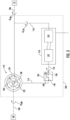
FIG. 2 is a schematic view of the compounding drive ofFIG. 1 according to a first embodiment, showing the overrunning clutch connecting an epicyclical gear arrangement to a hydraulic pump/motor set when torque applied to the input member exceeds torque carried by the output member; -
FIG. 3 is a schematic view of the compounding drive ofFIG. 1 according to the first embodiment, showing the overrunning clutch disconnecting the epicyclical gear arrangement from the hydraulic pump/motor set when torque applied to the input member is less than torque carried by the output member; -
FIG. 4 is a schematic view of the compounding drive ofFIG. 1 according to a second embodiment, showing the overrunning clutch connecting the hydraulic pump/motor set to the output member when torque applied to the input member exceeds torque carried by the output member; -
FIG. 5 is a schematic view of the compounding drive ofFIG. 1 according to the second embodiment, showing the overrunning clutch disconnecting the output member from the hydraulic pump/motor set when torque applied to the input member is less than torque carried by the output member; -
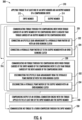
FIG. 6 is a block diagram of a method of compounding output of an engine, showing operations of the method according to an illustrative and non-limiting embodiment of the method. - Reference with now be made to the drawings wherein like reference numerals identify similar structural features or aspects of the subject disclosure. For purposes of explanation and illustration, and not limitation, a partial view of an exemplary embodiment of a compounding drive in accordance with the disclosure is shown in
FIG. 1 and is designated generally byreference character 100/200. Other embodiments of compounding drives, compounded engine arrangements and aircraft having compounded engine arrangements, and methods of compounding internal combustion engines are provided inFIGS. 2-6 , as will be described. The systems and methods described herein can be used for compounding engines carried by vehicles, such as internal combustion engines on aircraft, though the present disclosure is not limited to engines arrangements carried by aircraft or to internal combustion engines in general. - Referring to
FIG. 1 , anengine arrangement 10 is shown. Theengine arrangement 10 includes aninternal combustion engine 12, a turbo-compressor 14, and thecompounding drive 100. Theengine arrangement 10 also includes a propeller 16 (e.g., an aircraft propeller), an electric motor/generator 18, abattery 20, and acontroller 22. As shown and described herein theengine arrangement 10 is carried by avehicle 24, e.g., an aircraft, and is a hybrid engine, theengine arrangement 10 including a generator/motor set 18 electrically connected to abattery 20 and operably connected/associated with theinternal combustion engine 12. As will be appreciated by those of skill in the art in view of the present disclosures other types of engine arrangements can also benefit from the present disclosure, such as engine arrangements in terrestrial, marine, and stationary settings by way of example. - The
internal combustion engine 12 includes acrankshaft 26, anintake port 28, and anexhaust port 30. Theintake port 28 is in fluid communication with theexhaust port 30 through theinternal combustion engine 12. Thecrankshaft 26 is operably connected to thepropeller 16, e.g., mechanically connected through a direct mechanical connection or an intervening gearing, for rotating thepropeller 16. Theintake port 28 is in fluid communication with the turbo-compressor 14 through anintake conduit 102 to receive from the turbo-compressor 14 a flow ofintake fluid 32, e.g., compressed air. Theexhaust port 30 is in fluid communication with the turbo-compressor 14 through anexhaust conduit 104 to provide to the turbo-compressor 14 a flow ofexhaust fluid 34, e.g., combustion products, from which the turbo-compressor 14 extracts work. Anoutput member 106, e.g., shafting or intervening gearing, connects the turbo-compressor 14 to thecrankshaft 26 of theinternal combustion engine 12, a portion of the work extracted by the turbo-compressor 14 from theexhaust fluid 34 being applied to thecrankshaft 26 to compound output of theinternal combustion engine 12 and employed to rotate thepropeller 16. - The turbo-
compressor 14 includes acompressor 36, aninterconnect shaft 38, and aturbine 40. Thecompressor 36 has acompressor inlet 42 and acompressor outlet 44 and is configured to compress air ingested from theexternal environment 46 to generate a flow of theintake fluid 32. In this respect thecompressor inlet 42 is in fluid communication with theintake port 28 of theinternal combustion engine 12 through theintake conduit 102. Work required by thecompressor 36 to generate the flow ofintake fluid 32 is provided to thecompressor 36 by theturbine 40 through theinterconnect shaft 38, theinterconnect shaft 38 operatively associating theturbine 40 with thecompressor 36 by communicating work thereto through mechanical rotation R36. - The
turbine 40 has aturbine inlet 48 and aturbine outlet 50 and is configured to extract work from fluid introduced into theturbine 40 through theturbine inlet 48 prior to issuing the fluid to theexternal environment 46 through theturbine outlet 50. In this respect theturbine inlet 48 is in fluid communication with theexhaust 30 of theinternal combustion engine 12 through theexhaust conduit 104 to receive therethrough a flow of theexhaust fluid 34. The turbine is connected to theinterconnect shaft 38 and theoutput member 106 to provide both the mechanical rotation R36 to thecompressor 36 compounding mechanical rotation R106 to thecrankshaft 26 of theinternal combustion engine 12 using work extracted from the flow of theexhaust fluid 34. The compounding mechanical rotation R106 is provided to thecrankshaft 26 through theoutput member 106 of thecompounding drive 100, which can be coupled to theturbine 40 through a direct mechanical connection, intervening gearing, and/or theinterconnect shaft 38. - The
compounding drive 100 includes aninput member 108, a hydraulic pump/motor set 110, and anepicyclical gear arrangement 112. Thecompounding drive 100 also includes a firstintermediate member 114, a secondintermediate member 116, and a thirdintermediate member 118. Theinput member 108 is connected to theturbine 40. Theepicyclical gear arrangement 112 interconnects theinput member 108 to theoutput member 106 and the firstintermediate member 114. The secondintermediate member 116, the hydraulic pump/motor set 110, and the thirdintermediate member 118 couple the firstintermediate member 114 to theoutput member 106 to communicate the compounding mechanical rotation R106 to thecrankshaft 26 of theinternal combustion engine 12 using work extracted from the flow ofexhaust fluid 34 and in excess of that required to power thecompressor 36. In certain embodiments thecompounding drive 100 can be as shown and described inU.S. Patent Application No. 16/431,084, filed June 4, 2019 by Spierling et al. - As will be appreciated by those of skill in the art in view of the present disclosure, engines equipped with turbo-compressors typically operate in modes wherein the power extracted by turbine exceeds that required to operate the compressor. This allows the excess power extracted by the turbine to be transferred to the engine through a compounding drive, e.g., by operating the hydraulic pump/
motor set 110 in a positive torque/speed regime. In some engines it can be necessary to operate the engine in a mode where the residual energy in the engine exhaust is insufficient to power the compressor, such as when an engine is throttled back during a flight-idle operating mode. Such operating modes can reverse the flow of power through the compounding drive, causing the hydraulic pump/motor to set 110 to operate in a negative torque/speed regime. - As will also be appreciated by those of skill in the art in view of the present disclosure, operation of some hydraulic pump/motor sets in a negative torque/speed regime can limit the reliability and/or the expected service life of the hydraulic pump/motor set. Further, operation in negative torque/speed regimes can create parasitic draft on the engine coupled to the turbo-compressor, limiting efficiency of the engine. To allow the
internal combustion engine 12 to operate in modes where theexhaust fluid 34 contains insufficient energy to power thecompressor 36, limiting (or eliminate entirely) efficiency loses and reliability/service life reductions associated with operation in such modes, thecompounding drive 100 includes an over-runningclutch 120. The over-running clutch 120 couples the firstintermediate member 114 to the thirdintermediate member 118 through the hydraulic pump/motor set 110, allowing the turbo-compressor 14 to drive theinternal combustion engine 12 through theoutput member 106 and preventing theinternal combustion engine 12 from driving the turbo-compressor 14 through theoutput member 106, as will be described. - With reference to
FIGS. 2 and3 , the compoundingdrive 100 is shown. The compoundingdrive 100 includes theinput member 108, theepicyclical gear arrangement 112, theoutput member 106, and theover-running clutch 120. The compoundingdrive 100 also includes the firstintermediate member 114, the secondintermediate member 116, the hydraulic pump/motor set 110, and the thirdintermediate member 118. - The hydraulic pump/motor set 110 couples the
epicyclical gear arrangement 112 to theoutput member 106 and includes a fixed displacementhydraulic module 122, a variable displacementhydraulic module 124, and ahydraulic circuit 126. Thehydraulic circuit 126 fluidly connects the fixed displacementhydraulic module 122 to the variable displacementhydraulic module 124. The fixed displacementhydraulic module 122 is connected to theover-running clutch 120 by the secondintermediate member 116. The variable displacementhydraulic module 124 is connected to theoutput member 106 by the thirdintermediate member 118. - The
epicyclical gear arrangement 112 includes apinion gear 128, a plurality ofplanetary gears 130, aplanetary gear carrier 132, and aring gear 134. Thepinion gear 128 is fixed relative to theinput member 108. Theplanetary gear carrier 132 is fixed relative to theoutput member 106. Theplanetary gears 130 are each supported for rotation relative to theplanetary gear carrier 132 and are intermeshed between thepinion gear 128 and thering gear 134. Thering gear 134 is fixed relative to the firstintermediate member 114. - The over-running clutch 120 can include, for example a ratcheting free-wheel mechanism or a sprag clutch, and in the illustrated embodiment the over-running clutch 120 couples the
epicyclical gear arrangement 112 to the hydraulic pump/motor set 110. In this respect theover-running clutch 120 includes adrive member 136, a drivenmember 138, and alatch feature 140. Thedrive member 136 is fixed in rotation relative to the firstintermediate member 114 and is connected by the firstintermediate member 114 to thering gear 134. The drivenmember 138 is fixed in rotation relative to the secondintermediate member 116 and is connected by the secondintermediate member 116 to the fixed displacementhydraulic module 122. The latch feature 140 movable betweendrive member 136 and the drivenmember 138, thelatch feature 140 fixing via latching (i.e. latched A) the drivenmember 138 in rotation relative to thedrive member 136 when thedrive member 136 overruns the drivenmember 138. - As shown in
FIG. 2 , when thedrive member 136 overruns the drivenmember 138, e.g., the rate of the mechanical rotation R108 is greater than the rate of the mechanical rotation R106, the latch feature fixes the drivenmember 138 in rotation relative to thedrive member 136. This causes the compoundingdrive 100 to communicate torque carried by theinput member 108, e.g., associated with the mechanical rotation R108, to theoutput member 106, e.g., as the mechanical rotation R106. Specifically, thering gear 134 rotates thedrive member 136 through the firstintermediate member 114, thedrive member 136 rotates the drivenmember 138 through thelatch feature 140, and the drivenmember 138 generates a flow of pressurized hydraulic fluid F within the fixed displacementhydraulic module 122 by operably association of the drivenmember 138 with the fixed displacementhydraulic module 122 via the secondintermediate member 116. The pressurized hydraulic fluid F is carried by thehydraulic circuit 126 to the variable displacementhydraulic module 124, which applies mechanical rotation R118 to the thirdintermediate member 118 and returns low pressure fluid f to the fixed displacementhydraulic module 122 viahydraulic circuit 126. The thirdintermediate member 118 in turn applies the torque associated with the mechanical rotation R118 to theoutput member 106. - As shown in
FIG. 3 , when torque on thedrive member 136 exceeds torque on the drivenmember 138, e.g., torque associated with mechanical rotation R114 exceeds torque associated with mechanical rotation R118, thelatch feature 140 fixes the drivenmember 138 in rotation relative to thedrive member 136. Once unlatched, i.e., unlatched B, the drivenmember 138 is rotatable relative to thedrive member 136 and substantially no mechanical rotation is communicated from the secondintermediate member 116 to the firstintermediate member 114. As will be appreciated by those of skill in the art in view of the present disclosure, this prevents crankshaft 26 (shown inFIG. 1 ) or the internal combustion engine 12 (shown inFIG. 1 ) from driving the compressor 36 (shown inFIG. 1 ). - With reference to
FIGS. 4 and5 , the compoundingdrive 200 is shown. The compoundingdrive 200 is similar to the compounding drive 100 (shown inFIG. 2 ) and additionally includes anover-running clutch 220 coupling the secondintermediate member 216 to the thirdintermediate member 218. More particularly, the compoundingdrive 200 includes theinput member 108, anepicyclical gear arrangement 212, theoutput member 106, and theover-running clutch 220. The compoundingdrive 200 also includes a firstintermediate member 214, a secondintermediate member 216, a hydraulic pump/motor set 210, and a thirdintermediate member 218. - The hydraulic pump/motor set 210 couples the
epicyclical gear arrangement 212 to theoutput member 106 and includes a fixed displacementhydraulic module 222, a variable displacementhydraulic module 224, and ahydraulic circuit 226. Thehydraulic circuit 226 fluidly connects the fixed displacementhydraulic module 222 to the variable displacementhydraulic module 224. The fixed displacementhydraulic module 222 is in turn connected to firstintermediate member 214 and the variable displacementhydraulic module 224 is connected to the secondintermediate member 216. The over-runningclutch 220 connects the secondintermediate member 216 to the thirdintermediate member 218, the thirdintermediate member 218 in turn coupling the secondintermediate member 216 to theoutput member 106 through theover-running clutch 220. - The
epicyclical gear arrangement 212 includes apinion gear 228, a plurality ofplanetary gears 230, aplanetary gear carrier 232, and aring gear 234. Thepinion gear 228 is fixed relative to theinput member 108. Theplanetary gear carrier 232 is fixed relative to theoutput member 106. Theplanetary gears 230 are each supported for rotation relative to theplanetary gear carrier 232 and are intermeshed between thepinion gear 228 and thering gear 234. Thering gear 234 is fixed relative to the firstintermediate member 214. - As in the compounding drive 100 (shown in
FIG. 2 ), the over-running clutch 220 can include, for example a ratcheting free-wheel mechanism or a sprag clutch, and in the illustrated embodiment the over-running clutch 220 couples theepicyclical gear arrangement 212 through the hydraulic pump/motor set 210 to theoutput member 106 through the thirdintermediate member 218. In this respect theover-running clutch 220 includes adrive member 236, a drivenmember 238, and alatch feature 240. Thedrive member 236 is fixed in rotation relative to the secondintermediate member 216 and is connected by the hydraulic pump/motor set 210 and the firstintermediate member 214 to thering gear 234. The drivenmember 238 is fixed in rotation relative to the thirdintermediate member 218 and is connected by therethrough to theoutput member 106. Thelatch feature 240 is movable betweendrive member 236 and the drivenmember 238, thelatch feature 240 fixing the drivenmember 238 in rotation relative to thedrive member 236 when torque on thedrive member 236 exceeds torque on the drivenmember 238. - As shown in
FIG. 4 , when torque on thedrive member 236 exceeds torque on the drivenmember 238, e.g., torque associated with mechanical rotation R216 exceeds torque associated with mechanical rotation R218, thelatch feature 240 fixes the drivenmember 238 in rotation relative to thedrive member 236. Rotational fixation of the drivenmember 238 with thedrive member 236 causes the compoundingdrive 200 to communicate torque carried by theinput member 108, e.g., associated with the mechanical rotation R108, to theoutput member 106, e.g., as the mechanical rotation R106. In this respect thering gear 234 rotates the firstintermediate member 214. The firstintermediate member 214 in turn pressurizes hydraulic fluid in the hydraulic fluid circuit 244 through operable association with the fixed displacementhydraulic module 222 to generate a flow of pressurized hydraulic fluid F, which the hydraulic circuit communicates to the variable displacementhydraulic module 124. - The variable displacement
hydraulic module 224 in converts the flow of pressurized hydraulic fluid F to mechanical rotation R216 of the secondintermediate member 216, which the (latched) over-runningclutch 220 communicates to the thirdintermediate member 218. The thirdintermediate member 218 in turn communicates the mechanical rotation R216 to theoutput member 106, which compounds the output of the internal combustion engine 12 (shown inFIG. 1 ). - As shown in
FIG. 5 , when the drivenmember 238 overruns thedrive member 236, e.g., the rate of the mechanical rotation R218 of the thirdintermediate member 218 exceeds the rate of the mechanical rotation R216, thelatch feature 240 unlatches the drivenmember 238 from thedrive member 236. Once unlatched, the drivenmember 238 is rotatable relative to the drive member 236 - and substantially no mechanical rotation is communicated from the third intermediate member 186 to the secondintermediate member 116. As will be appreciated by those of skill in the art in view of the present disclosure, this also prevents crankshaft 26 (shown inFIG. 1 ) or the internal combustion engine 12 (shown inFIG. 1 ) from driving the compressor 36 (shown inFIG. 1 ). In certain embodiments the hydraulic pump/motor set 210 can be idled, manually, by the above-described operation of theover-running clutch 220. - With reference to
FIG. 6 , amethod 300 of compounding output of an engine, e.g., the internal combustion engine 12 (shown inFIG. 1 ), is shown. As shown withbox 310, torque is recited at a least one of an input member and an output member of a compounding drive, e.g., the input member 108 (shown inFIG. 1 ) and the output member 108 (shown inFIG. 1 ) of the compounding drive 100 (shown inFIG. 1 ). In certain embodiments the torque can be received that the input member, e.g., when a turbo-compressor extracts energy in excess of that required to drive a compressor, e.g., the turbo-compressor 14 (shown inFIG. 1 ) with the compressor 34 (shown inFIG. 1 ), as shown withbox 312. In accordance with certain embodiments the torque can be received at the output member, e.g., when energy in a flow of exhaust fluid issuing from the internal combustion engine is insufficient to drive the compressor. It is contemplated that torque flow unidirectionally through the compounding drive, e.g., by unidirectionally communicating mechanical rotation through the compounding drive, as shown withbracket 316. - As shown with
box 320, when torque carried by the input member is greater than torque carried by the output member, e.g., torque associated with the mechanical rotation R108 (shown inFIG. 1 ) exceeds torque associated with the mechanical rotation R106 (shown inFIG. 1 ), the torque is communicated through the compounding drive. In certain embodiments the torque is communicated by connecting an epicyclical gear arrangement to a hydraulic pump/motor set with an over-running clutch, e.g., the epicyclical gear arrangement 112 (shown inFIG. 2 ) to the hydraulic pump/motor set 110 (shown inFIG. 2 ) with the over-running clutch 120 (shown inFIG. 2 ), as shown withbox 322. In accordance with certain embodiments, the torque can be communicated by connecting a hydraulic pump/motor set to the output shaft with an over-running clutch and intervening intermediate member, e.g., the hydraulic pump/motor set 210 (shown inFIG. 4 ) and the third intermediate member 218 (shown inFIG. 4 ), as shown withbox 324. - As shown with
box 330, when torque carried by the input member is less than torque carried by the output member, e.g., the torque associated with the mechanical rotation R108 (shown inFIG. 1 ) is less than torque associated with the mechanical rotation R106 (shown inFIG. 1 ), no torque is communicated through the compounding drive. In certain embodiments an epicyclical gear arrangement can be disconnected from a hydraulic pump/motor set with an over-running clutch, e.g., the epicyclical gear arrangement 112 (shown inFIG. 2 ) disconnected from the hydraulic pump/motor set 110 (shown inFIG. 2 ) with the over-running clutch 120 (shown inFIG. 2 ), as shown withbox 332. In accordance with certain embodiments, a hydraulic pump/motor set can be disconnected from the output shaft and an intermediate member with the over-running clutch, e.g., the hydraulic pump/motor set 210 (shown inFIG. 4 ) from the output shaft 106 (shown inFIG. 1 ) and the intermediate shaft 218 (shown inFIG. 4 ) with the over-running clutch 220 (shown inFIG. 4 ), as shown withbox 334. - When the torque carried by the input member exceeds torque carried by the input member the torque is communicated through the compounding drive and applied to the output of the internal combustion engine, compounding the output of the internal combustion engine, as shown with
box 340. When the torque carried by the output member exceeds torque carried by the input member no torque is communicated through the compounding drive, and to the turbo-compressor, as shown withbox 350. - The term "about" is intended to include the degree of error associated with measurement of the particular quantity based upon the equipment available at the time of filing the application.
- The terminology used herein is for the purpose of describing particular embodiments only and is not intended to be limiting of the present disclosure. As used herein, the singular forms "a", "an" and "the" are intended to include the plural forms as well, unless the context clearly indicates otherwise. It will be further understood that the terms "comprises" and/or "comprising," when used in this specification, specify the presence of stated features, integers, steps, operations, elements, and/or components, but do not preclude the presence or addition of one or more other features, integers, steps, operations, element components, and/or groups thereof.
- While the present disclosure has been described with reference to an exemplary embodiment or embodiments, it will be understood by those skilled in the art that various changes may be made and equivalents may be substituted for elements thereof without departing from the scope of the present disclosure. In addition, many modifications may be made to adapt a particular situation or material to the teachings of the present disclosure without departing from the essential scope thereof. Therefore, it is intended that the present disclosure not be limited to the particular embodiment disclosed as the best mode contemplated for carrying out this present disclosure, but that the present disclosure will include all embodiments falling within the scope of the claims.
Claims (10)
- A compounding drive (100), comprising:an input member (108);an epicyclical gear arrangement (112) connected to the input member (108);an output member (106) connected to the input member (108) via the epicyclical gear arrangement (112); anda hydraulic pump/motor set(110) connecting the epicyclical gear arrangement to the output member (106) through an overrunning clutch (120) for unidirectional communication of mechanical rotation between the input member and the output member, and characterized by comprising a first intermediate member (114), a second intermediate member (116), and a third intermediate member (118),wherein the epicyclical gear arrangement (112) interconnects the input member (108) to the output member (106) and the first intermediate member (114),wherein the second intermediate member (116), the hydraulic pump/motor set (110), and the third intermediate member (118) couple the first intermediate member (114) to the output member (106) such that the overrunning clutch (120) is between the hydraulic pump/motor set (110) and the epicyclical gear arrangement (112),wherein the epicyclical gear arrangement (112) includes a pinion gear (128), a plurality of planetary gears (130), a planetary gear carrier (132), and a ring gear (134), the pinion gear (128) is fixed relative to the input member (108), the planetary gear carrier (132) is fixed relative to the output member (106), the planetary gears (130) are each supported for rotation relative to the planetary gear carrier (132) and are intermeshed between the pinion gear (128) and the ring gear (134), the ring gear (134) is fixed relative to the first intermediate member (114); andwherein the over-running clutch (120) includes a drive member (136), a driven member (138), and a latch feature (140), the drive member (136) is fixed in rotation relative to the first intermediate member (114) and is connected by the first intermediate member (114) to the ring gear (134).
- The compounding drive of claim 1, wherein the hydraulic pump/motor set (110) includes a fixed displacement hydraulic module (122), wherein the second intermediate member (116) operably connects the overrunning clutch to the fixed displacement hydraulic module, and wherein the hydraulic pump/motor set includes a variable displacement hydraulic module (124), wherein the third intermediate member (116) operably connects the variable displacement hydraulic module to the output member (106).
- The compounding drive of any preceding claim, further comprising:a turbine (40) connected to the input member (108) of the compounding drive (100); anda compressor (36) operably connected to the turbine by an interconnect shaft (38).
- The compounding drive of claim 1, further comprising an internal combustion engine (12) with a crankshaft (26), the crankshaft operably associated with the output member (106) of the compounding drive (100).
- The compounding drive of any preceding claim, further comprising an electric motor/generator set (18) connected to the output member (106), and/or further comprising a propeller (16) operably connected to the output member of the compounding drive (100).
- An engine arrangement, comprising:an internal combustion engine (12) with a crankshaft (26), an intake port (28), and an exhaust port (30), the exhaust port in fluid communication with the intake port through the internal combustion engine;the compounding drive (100) as recited in claim 1, wherein the output member (106) of the compounding drive is connected to the crankshaft;a turbine (40) with a turbine inlet (48) connected to the input member (108) of the compounding drive (100), the turbine inlet in fluid communication with the exhaust port (30) of the internal combustion engine (12); anda compressor (36) having a compressor outlet (44) and operably connected to the turbine by an interconnect shaft (38), the compressor outlet connected to the intake port of the internal combustion engine.
- The engine arrangement of claim 6, further comprising:an intermediate member (116) connecting the overrunning clutch (120) to the hydraulic pump/motor set (110);wherein the epicyclical gear arrangement (112) comprises:a pinion gear (128) fixed in rotation relative to the input member (108);a ring gear (134) extending about the pinion gear and operably connected to the hydraulic pump/motor set; anda planetary gear carrier (132) rotatably supporting a plurality of planetary gears (130), the planetary gear carrier fixed in rotation relative to the output member (106), the planetary gear intermeshed between the pinion gear and the ring gear and supported for rotation relative to the planetary gear carrier; andwherein the intermediate member (116) connects the ring gear to the output member through the overrunning clutch and the hydraulic pump/motor set, or further comprising:an intermediate member (116) connecting the overrunning clutch to the hydraulic pump/motor set; andwherein the overrunning clutch comprises:a drive member (136);a driven member (138) supported for rotation relative to the drive member; anda latch feature (140) for latching the drive member to the driven member, the latch feature fixing the driven member in rotation relative to the drive member when latched, the driven member rotatable relative to the drive member when the latch feature is unlatched.
- An aircraft with a propeller (16) carrying the engine arrangement as recited in claim 10 or 11, the propeller operably associated with the internal combustion engine (12) and the output member (106) of the compounding drive (100).
- A method compounding an engine, comprising:at a compounding drive (100) including an input member (108), an epicyclical gear arrangement (112) connected to the input member, an output member (106) connected to the epicyclical gear arrangement, and a hydraulic pump/motor set (110) connecting the epicyclical gear arrangement to the output member through an overrunning clutch (120);and characterized by a first intermediate member (114), a second intermediate member (116), and a third intermediate member (118),wherein the epicyclical gear arrangement (112) interconnects the input member (108) to the output member (106) and the first intermediate member (114),wherein the second intermediate member (116), the hydraulic pump/motor set (110), and the third intermediate member (118) couple the first intermediate member (114) to the output member (106) such that the overrunning clutch (120) is between the hydraulic pump/motor set (110) and the epicyclical gear arrangement (112); andunidirectionally communicating mechanical rotation between the input member and the output member;wherein the epicyclical gear arrangement (112) includes a pinion gear (128), a plurality of planetary gears (130), a planetary gear carrier (132), and a ring gear (134), the pinion gear (128) is fixed relative to the input member (108), the planetary gear carrier (132) is fixed relative to the output member (106), the planetary gears (130) are each supported for rotation relative to the planetary gear carrier (132) and are intermeshed between the pinion gear (128) and the ring gear (134), the ring gear (134) is fixed relative to the first intermediate member (114); andwherein the over-running clutch (120) includes a drive member (136), a driven member (138), and a latch feature (140), the drive member (136) is fixed in rotation relative to the first intermediate member (114) and is connected by the first intermediate member (114) to the ring gear (134).
- The method of claim 9, wherein:
the hydraulic pump/motor set includes a fixed displacement hydraulic module (122), wherein the second intermediate member (116) operably connects the overrunning clutch to the fixed displacement hydraulic module, and wherein the hydraulic pump/motor set includes a variable displacement hydraulic module (124), wherein the third intermediate member (116) operably connects the variable displacement hydraulic module to the output member (106).
Applications Claiming Priority (1)
| Application Number | Priority Date | Filing Date | Title |
|---|---|---|---|
| US16/564,449 US10850860B1 (en) | 2019-09-09 | 2019-09-09 | Internal combustion engines with unidirectional compounding drives |
Publications (2)
| Publication Number | Publication Date |
|---|---|
| EP3789594A1 EP3789594A1 (en) | 2021-03-10 |
| EP3789594B1 true EP3789594B1 (en) | 2024-10-16 |
Family
ID=68917402
Family Applications (1)
| Application Number | Title | Priority Date | Filing Date |
|---|---|---|---|
| EP19216240.2A Active EP3789594B1 (en) | 2019-09-09 | 2019-12-13 | Internal combustion engines with unidirectional compounding drives |
Country Status (2)
| Country | Link |
|---|---|
| US (1) | US10850860B1 (en) |
| EP (1) | EP3789594B1 (en) |
Families Citing this family (2)
| Publication number | Priority date | Publication date | Assignee | Title |
|---|---|---|---|---|
| US20250084796A1 (en) * | 2023-09-12 | 2025-03-13 | Pratt & Whitney Canada Corp. | Engine assembly for an aircraft propulsion system |
| DE102024121114A1 (en) * | 2024-07-24 | 2026-01-29 | Rolls-Royce Deutschland Ltd & Co Kg | Hybrid propulsion system for an aircraft |
Family Cites Families (13)
| Publication number | Priority date | Publication date | Assignee | Title |
|---|---|---|---|---|
| CH462537A (en) | 1966-09-09 | 1968-09-15 | Sulzer Ag | Turbo-charged piston internal combustion engine |
| GB1443335A (en) | 1973-08-10 | 1976-07-21 | Sss Patents Ltd | Electrical power generating plant |
| US4505117A (en) | 1982-06-07 | 1985-03-19 | Warner-Ishi | Turbocharged internal combustion engine having an engine driven positive displacement compressor |
| DE3532938C1 (en) * | 1985-09-14 | 1986-09-18 | M.A.N.-B & W Diesel GmbH, 8900 Augsburg | Internal combustion engine charged by means of an exhaust gas turbocharger with an exhaust gas excess energy conversion device |
| JPS63162936A (en) | 1986-12-26 | 1988-07-06 | Isuzu Motors Ltd | Turbo compound engine |
| JPS6435026A (en) | 1987-07-30 | 1989-02-06 | Isuzu Motors Ltd | Turbo compound engine |
| JPH01116234A (en) | 1987-10-28 | 1989-05-09 | Isuzu Motors Ltd | Turbo compound engine |
| US5125806A (en) | 1990-06-18 | 1992-06-30 | Sundstrand Corporation | Integrated variable speed compressor drive system |
| US6860726B2 (en) | 2002-02-05 | 2005-03-01 | The Boeing Company | Dual drive for hydraulic pump and air boost compressor |
| US7490594B2 (en) | 2004-08-16 | 2009-02-17 | Woodward Governor Company | Super-turbocharger |
| US10082070B2 (en) | 2010-12-08 | 2018-09-25 | Hydracharge Llc | High performance turbo-hydraulic compressor |
| CN103397934A (en) | 2013-07-04 | 2013-11-20 | 广西玉柴机器股份有限公司 | Internal combustion engine waste gas reuse device |
| US10533500B2 (en) | 2015-02-20 | 2020-01-14 | Pratt & Whitney Canada Corp. | Compound engine assembly with mount cage |
-
2019
- 2019-09-09 US US16/564,449 patent/US10850860B1/en active Active
- 2019-12-13 EP EP19216240.2A patent/EP3789594B1/en active Active
Also Published As
| Publication number | Publication date |
|---|---|
| US10850860B1 (en) | 2020-12-01 |
| EP3789594A1 (en) | 2021-03-10 |
Similar Documents
| Publication | Publication Date | Title |
|---|---|---|
| US11560233B2 (en) | Hybrid aircraft propulsion power plants | |
| US9422863B2 (en) | Method and architecture for recombining the power of a turbomachine | |
| EP3361073B1 (en) | Multi-spool gas turbine engine | |
| EP3964700B1 (en) | Split compressor gas turbine engine | |
| EP2729684B1 (en) | Hybrid system comprising a supercharging system | |
| RU2499895C2 (en) | Gas turbine engine with reversible electrical machine | |
| US20070022735A1 (en) | Pto assembly for a gas turbine engine | |
| EP3910174A1 (en) | Reverse-flow gas turbine engine with electric motor | |
| CN108137161A (en) | Auxiliary power unit with electrically driven compressor | |
| JP2009002333A (en) | Turbo engine with power turbine | |
| EP3789594B1 (en) | Internal combustion engines with unidirectional compounding drives | |
| US10266276B2 (en) | Integrated auxiliary power unit, starter-generator-motor, and vapor cycle cooling system for an aircraft | |
| EP3748143B1 (en) | Turbo-compressors for internal combustion engines | |
| CN116490682B (en) | Free turbine type turbine generator comprising a reversible electric machine coupled to a free turbine | |
| US10273826B2 (en) | Lubrication device for a turbine engine |
Legal Events
| Date | Code | Title | Description |
|---|---|---|---|
| PUAI | Public reference made under article 153(3) epc to a published international application that has entered the european phase |
Free format text: ORIGINAL CODE: 0009012 |
|
| STAA | Information on the status of an ep patent application or granted ep patent |
Free format text: STATUS: THE APPLICATION HAS BEEN PUBLISHED |
|
| AK | Designated contracting states |
Kind code of ref document: A1 Designated state(s): AL AT BE BG CH CY CZ DE DK EE ES FI FR GB GR HR HU IE IS IT LI LT LU LV MC MK MT NL NO PL PT RO RS SE SI SK SM TR |
|
| AX | Request for extension of the european patent |
Extension state: BA ME |
|
| RIN1 | Information on inventor provided before grant (corrected) |
Inventor name: SPIERLING, TODD A. Inventor name: BEHLING, DAVID S. Inventor name: LEMMERS, GLENN C. |
|
| STAA | Information on the status of an ep patent application or granted ep patent |
Free format text: STATUS: REQUEST FOR EXAMINATION WAS MADE |
|
| 17P | Request for examination filed |
Effective date: 20210910 |
|
| RBV | Designated contracting states (corrected) |
Designated state(s): AL AT BE BG CH CY CZ DE DK EE ES FI FR GB GR HR HU IE IS IT LI LT LU LV MC MK MT NL NO PL PT RO RS SE SI SK SM TR |
|
| STAA | Information on the status of an ep patent application or granted ep patent |
Free format text: STATUS: EXAMINATION IS IN PROGRESS |
|
| 17Q | First examination report despatched |
Effective date: 20220118 |
|
| RIC1 | Information provided on ipc code assigned before grant |
Ipc: F02B 61/04 20060101ALN20231130BHEP Ipc: F16H 61/14 20060101ALI20231130BHEP Ipc: F02B 41/10 20060101ALI20231130BHEP Ipc: F02B 39/08 20060101ALI20231130BHEP Ipc: F02B 39/04 20060101ALI20231130BHEP Ipc: F02B 37/10 20060101AFI20231130BHEP |
|
| RIC1 | Information provided on ipc code assigned before grant |
Ipc: F02B 61/04 20060101ALN20231218BHEP Ipc: F16H 61/14 20060101ALI20231218BHEP Ipc: F02B 41/10 20060101ALI20231218BHEP Ipc: F02B 39/08 20060101ALI20231218BHEP Ipc: F02B 39/04 20060101ALI20231218BHEP Ipc: F02B 37/10 20060101AFI20231218BHEP |
|
| GRAP | Despatch of communication of intention to grant a patent |
Free format text: ORIGINAL CODE: EPIDOSNIGR1 |
|
| STAA | Information on the status of an ep patent application or granted ep patent |
Free format text: STATUS: GRANT OF PATENT IS INTENDED |
|
| RIC1 | Information provided on ipc code assigned before grant |
Ipc: F02B 61/04 20060101ALN20240110BHEP Ipc: F16H 61/14 20060101ALI20240110BHEP Ipc: F02B 41/10 20060101ALI20240110BHEP Ipc: F02B 39/08 20060101ALI20240110BHEP Ipc: F02B 39/04 20060101ALI20240110BHEP Ipc: F02B 37/10 20060101AFI20240110BHEP |
|
| INTG | Intention to grant announced |
Effective date: 20240126 |
|
| GRAJ | Information related to disapproval of communication of intention to grant by the applicant or resumption of examination proceedings by the epo deleted |
Free format text: ORIGINAL CODE: EPIDOSDIGR1 |
|
| STAA | Information on the status of an ep patent application or granted ep patent |
Free format text: STATUS: EXAMINATION IS IN PROGRESS |
|
| GRAP | Despatch of communication of intention to grant a patent |
Free format text: ORIGINAL CODE: EPIDOSNIGR1 |
|
| STAA | Information on the status of an ep patent application or granted ep patent |
Free format text: STATUS: GRANT OF PATENT IS INTENDED |
|
| INTC | Intention to grant announced (deleted) | ||
| RIC1 | Information provided on ipc code assigned before grant |
Ipc: F02B 61/04 20060101ALN20240418BHEP Ipc: F16H 61/14 20060101ALI20240418BHEP Ipc: F02B 41/10 20060101ALI20240418BHEP Ipc: F02B 39/08 20060101ALI20240418BHEP Ipc: F02B 39/04 20060101ALI20240418BHEP Ipc: F02B 37/10 20060101AFI20240418BHEP |
|
| RIC1 | Information provided on ipc code assigned before grant |
Ipc: F02B 61/04 20060101ALN20240429BHEP Ipc: F16H 61/14 20060101ALI20240429BHEP Ipc: F02B 41/10 20060101ALI20240429BHEP Ipc: F02B 39/08 20060101ALI20240429BHEP Ipc: F02B 39/04 20060101ALI20240429BHEP Ipc: F02B 37/10 20060101AFI20240429BHEP |
|
| INTG | Intention to grant announced |
Effective date: 20240522 |
|
| GRAS | Grant fee paid |
Free format text: ORIGINAL CODE: EPIDOSNIGR3 |
|
| GRAA | (expected) grant |
Free format text: ORIGINAL CODE: 0009210 |
|
| STAA | Information on the status of an ep patent application or granted ep patent |
Free format text: STATUS: THE PATENT HAS BEEN GRANTED |
|
| AK | Designated contracting states |
Kind code of ref document: B1 Designated state(s): AL AT BE BG CH CY CZ DE DK EE ES FI FR GB GR HR HU IE IS IT LI LT LU LV MC MK MT NL NO PL PT RO RS SE SI SK SM TR |
|
| REG | Reference to a national code |
Ref country code: GB Ref legal event code: FG4D |
|
| REG | Reference to a national code |
Ref country code: CH Ref legal event code: EP Ref country code: DE Ref legal event code: R096 Ref document number: 602019060414 Country of ref document: DE |
|
| REG | Reference to a national code |
Ref country code: IE Ref legal event code: FG4D |
|
| REG | Reference to a national code |
Ref country code: LT Ref legal event code: MG9D |
|
| REG | Reference to a national code |
Ref country code: NL Ref legal event code: MP Effective date: 20241016 |
|
| REG | Reference to a national code |
Ref country code: AT Ref legal event code: MK05 Ref document number: 1733074 Country of ref document: AT Kind code of ref document: T Effective date: 20241016 |
|
| PG25 | Lapsed in a contracting state [announced via postgrant information from national office to epo] |
Ref country code: NL Free format text: LAPSE BECAUSE OF FAILURE TO SUBMIT A TRANSLATION OF THE DESCRIPTION OR TO PAY THE FEE WITHIN THE PRESCRIBED TIME-LIMIT Effective date: 20241016 |
|
| PG25 | Lapsed in a contracting state [announced via postgrant information from national office to epo] |
Ref country code: NL Free format text: LAPSE BECAUSE OF FAILURE TO SUBMIT A TRANSLATION OF THE DESCRIPTION OR TO PAY THE FEE WITHIN THE PRESCRIBED TIME-LIMIT Effective date: 20241016 |
|
| PG25 | Lapsed in a contracting state [announced via postgrant information from national office to epo] |
Ref country code: HR Free format text: LAPSE BECAUSE OF FAILURE TO SUBMIT A TRANSLATION OF THE DESCRIPTION OR TO PAY THE FEE WITHIN THE PRESCRIBED TIME-LIMIT Effective date: 20241016 Ref country code: PT Free format text: LAPSE BECAUSE OF FAILURE TO SUBMIT A TRANSLATION OF THE DESCRIPTION OR TO PAY THE FEE WITHIN THE PRESCRIBED TIME-LIMIT Effective date: 20250217 Ref country code: IS Free format text: LAPSE BECAUSE OF FAILURE TO SUBMIT A TRANSLATION OF THE DESCRIPTION OR TO PAY THE FEE WITHIN THE PRESCRIBED TIME-LIMIT Effective date: 20250216 |
|
| PG25 | Lapsed in a contracting state [announced via postgrant information from national office to epo] |
Ref country code: FI Free format text: LAPSE BECAUSE OF FAILURE TO SUBMIT A TRANSLATION OF THE DESCRIPTION OR TO PAY THE FEE WITHIN THE PRESCRIBED TIME-LIMIT Effective date: 20241016 |
|
| PG25 | Lapsed in a contracting state [announced via postgrant information from national office to epo] |
Ref country code: BG Free format text: LAPSE BECAUSE OF FAILURE TO SUBMIT A TRANSLATION OF THE DESCRIPTION OR TO PAY THE FEE WITHIN THE PRESCRIBED TIME-LIMIT Effective date: 20241016 |
|
| PG25 | Lapsed in a contracting state [announced via postgrant information from national office to epo] |
Ref country code: ES Free format text: LAPSE BECAUSE OF FAILURE TO SUBMIT A TRANSLATION OF THE DESCRIPTION OR TO PAY THE FEE WITHIN THE PRESCRIBED TIME-LIMIT Effective date: 20241016 |
|
| PG25 | Lapsed in a contracting state [announced via postgrant information from national office to epo] |
Ref country code: NO Free format text: LAPSE BECAUSE OF FAILURE TO SUBMIT A TRANSLATION OF THE DESCRIPTION OR TO PAY THE FEE WITHIN THE PRESCRIBED TIME-LIMIT Effective date: 20250116 |
|
| PG25 | Lapsed in a contracting state [announced via postgrant information from national office to epo] |
Ref country code: LV Free format text: LAPSE BECAUSE OF FAILURE TO SUBMIT A TRANSLATION OF THE DESCRIPTION OR TO PAY THE FEE WITHIN THE PRESCRIBED TIME-LIMIT Effective date: 20241016 Ref country code: AT Free format text: LAPSE BECAUSE OF FAILURE TO SUBMIT A TRANSLATION OF THE DESCRIPTION OR TO PAY THE FEE WITHIN THE PRESCRIBED TIME-LIMIT Effective date: 20241016 Ref country code: GR Free format text: LAPSE BECAUSE OF FAILURE TO SUBMIT A TRANSLATION OF THE DESCRIPTION OR TO PAY THE FEE WITHIN THE PRESCRIBED TIME-LIMIT Effective date: 20250117 |
|
| PG25 | Lapsed in a contracting state [announced via postgrant information from national office to epo] |
Ref country code: PL Free format text: LAPSE BECAUSE OF FAILURE TO SUBMIT A TRANSLATION OF THE DESCRIPTION OR TO PAY THE FEE WITHIN THE PRESCRIBED TIME-LIMIT Effective date: 20241016 |
|
| PG25 | Lapsed in a contracting state [announced via postgrant information from national office to epo] |
Ref country code: RS Free format text: LAPSE BECAUSE OF FAILURE TO SUBMIT A TRANSLATION OF THE DESCRIPTION OR TO PAY THE FEE WITHIN THE PRESCRIBED TIME-LIMIT Effective date: 20250116 |
|
| PG25 | Lapsed in a contracting state [announced via postgrant information from national office to epo] |
Ref country code: SM Free format text: LAPSE BECAUSE OF FAILURE TO SUBMIT A TRANSLATION OF THE DESCRIPTION OR TO PAY THE FEE WITHIN THE PRESCRIBED TIME-LIMIT Effective date: 20241016 |
|
| PG25 | Lapsed in a contracting state [announced via postgrant information from national office to epo] |
Ref country code: MC Free format text: LAPSE BECAUSE OF FAILURE TO SUBMIT A TRANSLATION OF THE DESCRIPTION OR TO PAY THE FEE WITHIN THE PRESCRIBED TIME-LIMIT Effective date: 20241016 |
|
| PG25 | Lapsed in a contracting state [announced via postgrant information from national office to epo] |
Ref country code: DK Free format text: LAPSE BECAUSE OF FAILURE TO SUBMIT A TRANSLATION OF THE DESCRIPTION OR TO PAY THE FEE WITHIN THE PRESCRIBED TIME-LIMIT Effective date: 20241016 |
|
| REG | Reference to a national code |
Ref country code: DE Ref legal event code: R097 Ref document number: 602019060414 Country of ref document: DE |
|
| PG25 | Lapsed in a contracting state [announced via postgrant information from national office to epo] |
Ref country code: EE Free format text: LAPSE BECAUSE OF FAILURE TO SUBMIT A TRANSLATION OF THE DESCRIPTION OR TO PAY THE FEE WITHIN THE PRESCRIBED TIME-LIMIT Effective date: 20241016 |
|
| PG25 | Lapsed in a contracting state [announced via postgrant information from national office to epo] |
Ref country code: RO Free format text: LAPSE BECAUSE OF FAILURE TO SUBMIT A TRANSLATION OF THE DESCRIPTION OR TO PAY THE FEE WITHIN THE PRESCRIBED TIME-LIMIT Effective date: 20241016 |
|
| PG25 | Lapsed in a contracting state [announced via postgrant information from national office to epo] |
Ref country code: SK Free format text: LAPSE BECAUSE OF FAILURE TO SUBMIT A TRANSLATION OF THE DESCRIPTION OR TO PAY THE FEE WITHIN THE PRESCRIBED TIME-LIMIT Effective date: 20241016 |
|
| PG25 | Lapsed in a contracting state [announced via postgrant information from national office to epo] |
Ref country code: CZ Free format text: LAPSE BECAUSE OF FAILURE TO SUBMIT A TRANSLATION OF THE DESCRIPTION OR TO PAY THE FEE WITHIN THE PRESCRIBED TIME-LIMIT Effective date: 20241016 |
|
| PG25 | Lapsed in a contracting state [announced via postgrant information from national office to epo] |
Ref country code: IT Free format text: LAPSE BECAUSE OF FAILURE TO SUBMIT A TRANSLATION OF THE DESCRIPTION OR TO PAY THE FEE WITHIN THE PRESCRIBED TIME-LIMIT Effective date: 20241016 |
|
| REG | Reference to a national code |
Ref country code: CH Ref legal event code: PL |
|
| PG25 | Lapsed in a contracting state [announced via postgrant information from national office to epo] |
Ref country code: LU Free format text: LAPSE BECAUSE OF NON-PAYMENT OF DUE FEES Effective date: 20241213 |
|
| PLBE | No opposition filed within time limit |
Free format text: ORIGINAL CODE: 0009261 |
|
| STAA | Information on the status of an ep patent application or granted ep patent |
Free format text: STATUS: NO OPPOSITION FILED WITHIN TIME LIMIT |
|
| PG25 | Lapsed in a contracting state [announced via postgrant information from national office to epo] |
Ref country code: SE Free format text: LAPSE BECAUSE OF FAILURE TO SUBMIT A TRANSLATION OF THE DESCRIPTION OR TO PAY THE FEE WITHIN THE PRESCRIBED TIME-LIMIT Effective date: 20241016 |
|
| 26N | No opposition filed |
Effective date: 20250717 |
|
| REG | Reference to a national code |
Ref country code: BE Ref legal event code: MM Effective date: 20241231 |
|
| PG25 | Lapsed in a contracting state [announced via postgrant information from national office to epo] |
Ref country code: BE Free format text: LAPSE BECAUSE OF NON-PAYMENT OF DUE FEES Effective date: 20241231 |
|
| PG25 | Lapsed in a contracting state [announced via postgrant information from national office to epo] |
Ref country code: CH Free format text: LAPSE BECAUSE OF NON-PAYMENT OF DUE FEES Effective date: 20241231 |
|
| PG25 | Lapsed in a contracting state [announced via postgrant information from national office to epo] |
Ref country code: IE Free format text: LAPSE BECAUSE OF NON-PAYMENT OF DUE FEES Effective date: 20241213 |
|
| PGFP | Annual fee paid to national office [announced via postgrant information from national office to epo] |
Ref country code: DE Payment date: 20251126 Year of fee payment: 7 |
|
| PGFP | Annual fee paid to national office [announced via postgrant information from national office to epo] |
Ref country code: GB Payment date: 20251119 Year of fee payment: 7 |
|
| PGFP | Annual fee paid to national office [announced via postgrant information from national office to epo] |
Ref country code: FR Payment date: 20251120 Year of fee payment: 7 |