EP3788320B1 - Passive infra-red guidance system - Google Patents
Passive infra-red guidance system Download PDFInfo
- Publication number
- EP3788320B1 EP3788320B1 EP19799312.4A EP19799312A EP3788320B1 EP 3788320 B1 EP3788320 B1 EP 3788320B1 EP 19799312 A EP19799312 A EP 19799312A EP 3788320 B1 EP3788320 B1 EP 3788320B1
- Authority
- EP
- European Patent Office
- Prior art keywords
- vehicle
- roadway
- thermal imaging
- thermal
- infra
- Prior art date
- Legal status (The legal status is an assumption and is not a legal conclusion. Google has not performed a legal analysis and makes no representation as to the accuracy of the status listed.)
- Active
Links
Images




Classifications
-
- G—PHYSICS
- G08—SIGNALLING
- G08G—TRAFFIC CONTROL SYSTEMS
- G08G1/00—Traffic control systems for road vehicles
- G08G1/16—Anti-collision systems
- G08G1/166—Anti-collision systems for active traffic, e.g. moving vehicles, pedestrians, bikes
-
- B—PERFORMING OPERATIONS; TRANSPORTING
- B60—VEHICLES IN GENERAL
- B60K—ARRANGEMENT OR MOUNTING OF PROPULSION UNITS OR OF TRANSMISSIONS IN VEHICLES; ARRANGEMENT OR MOUNTING OF PLURAL DIVERSE PRIME-MOVERS IN VEHICLES; AUXILIARY DRIVES FOR VEHICLES; INSTRUMENTATION OR DASHBOARDS FOR VEHICLES; ARRANGEMENTS IN CONNECTION WITH COOLING, AIR INTAKE, GAS EXHAUST OR FUEL SUPPLY OF PROPULSION UNITS IN VEHICLES
- B60K35/00—Instruments specially adapted for vehicles; Arrangement of instruments in or on vehicles
-
- B—PERFORMING OPERATIONS; TRANSPORTING
- B60—VEHICLES IN GENERAL
- B60K—ARRANGEMENT OR MOUNTING OF PROPULSION UNITS OR OF TRANSMISSIONS IN VEHICLES; ARRANGEMENT OR MOUNTING OF PLURAL DIVERSE PRIME-MOVERS IN VEHICLES; AUXILIARY DRIVES FOR VEHICLES; INSTRUMENTATION OR DASHBOARDS FOR VEHICLES; ARRANGEMENTS IN CONNECTION WITH COOLING, AIR INTAKE, GAS EXHAUST OR FUEL SUPPLY OF PROPULSION UNITS IN VEHICLES
- B60K35/00—Instruments specially adapted for vehicles; Arrangement of instruments in or on vehicles
- B60K35/10—Input arrangements, i.e. from user to vehicle, associated with vehicle functions or specially adapted therefor
-
- B—PERFORMING OPERATIONS; TRANSPORTING
- B60—VEHICLES IN GENERAL
- B60K—ARRANGEMENT OR MOUNTING OF PROPULSION UNITS OR OF TRANSMISSIONS IN VEHICLES; ARRANGEMENT OR MOUNTING OF PLURAL DIVERSE PRIME-MOVERS IN VEHICLES; AUXILIARY DRIVES FOR VEHICLES; INSTRUMENTATION OR DASHBOARDS FOR VEHICLES; ARRANGEMENTS IN CONNECTION WITH COOLING, AIR INTAKE, GAS EXHAUST OR FUEL SUPPLY OF PROPULSION UNITS IN VEHICLES
- B60K35/00—Instruments specially adapted for vehicles; Arrangement of instruments in or on vehicles
- B60K35/20—Output arrangements, i.e. from vehicle to user, associated with vehicle functions or specially adapted therefor
- B60K35/21—Output arrangements, i.e. from vehicle to user, associated with vehicle functions or specially adapted therefor using visual output, e.g. blinking lights or matrix displays
- B60K35/213—Virtual instruments
-
- B—PERFORMING OPERATIONS; TRANSPORTING
- B60—VEHICLES IN GENERAL
- B60K—ARRANGEMENT OR MOUNTING OF PROPULSION UNITS OR OF TRANSMISSIONS IN VEHICLES; ARRANGEMENT OR MOUNTING OF PLURAL DIVERSE PRIME-MOVERS IN VEHICLES; AUXILIARY DRIVES FOR VEHICLES; INSTRUMENTATION OR DASHBOARDS FOR VEHICLES; ARRANGEMENTS IN CONNECTION WITH COOLING, AIR INTAKE, GAS EXHAUST OR FUEL SUPPLY OF PROPULSION UNITS IN VEHICLES
- B60K35/00—Instruments specially adapted for vehicles; Arrangement of instruments in or on vehicles
- B60K35/20—Output arrangements, i.e. from vehicle to user, associated with vehicle functions or specially adapted therefor
- B60K35/21—Output arrangements, i.e. from vehicle to user, associated with vehicle functions or specially adapted therefor using visual output, e.g. blinking lights or matrix displays
- B60K35/23—Head-up displays [HUD]
-
- B—PERFORMING OPERATIONS; TRANSPORTING
- B60—VEHICLES IN GENERAL
- B60K—ARRANGEMENT OR MOUNTING OF PROPULSION UNITS OR OF TRANSMISSIONS IN VEHICLES; ARRANGEMENT OR MOUNTING OF PLURAL DIVERSE PRIME-MOVERS IN VEHICLES; AUXILIARY DRIVES FOR VEHICLES; INSTRUMENTATION OR DASHBOARDS FOR VEHICLES; ARRANGEMENTS IN CONNECTION WITH COOLING, AIR INTAKE, GAS EXHAUST OR FUEL SUPPLY OF PROPULSION UNITS IN VEHICLES
- B60K35/00—Instruments specially adapted for vehicles; Arrangement of instruments in or on vehicles
- B60K35/20—Output arrangements, i.e. from vehicle to user, associated with vehicle functions or specially adapted therefor
- B60K35/28—Output arrangements, i.e. from vehicle to user, associated with vehicle functions or specially adapted therefor characterised by the type of the output information, e.g. video entertainment or vehicle dynamics information; characterised by the purpose of the output information, e.g. for attracting the attention of the driver
-
- B—PERFORMING OPERATIONS; TRANSPORTING
- B60—VEHICLES IN GENERAL
- B60K—ARRANGEMENT OR MOUNTING OF PROPULSION UNITS OR OF TRANSMISSIONS IN VEHICLES; ARRANGEMENT OR MOUNTING OF PLURAL DIVERSE PRIME-MOVERS IN VEHICLES; AUXILIARY DRIVES FOR VEHICLES; INSTRUMENTATION OR DASHBOARDS FOR VEHICLES; ARRANGEMENTS IN CONNECTION WITH COOLING, AIR INTAKE, GAS EXHAUST OR FUEL SUPPLY OF PROPULSION UNITS IN VEHICLES
- B60K35/00—Instruments specially adapted for vehicles; Arrangement of instruments in or on vehicles
- B60K35/60—Instruments characterised by their location or relative disposition in or on vehicles
-
- B—PERFORMING OPERATIONS; TRANSPORTING
- B60—VEHICLES IN GENERAL
- B60W—CONJOINT CONTROL OF VEHICLE SUB-UNITS OF DIFFERENT TYPE OR DIFFERENT FUNCTION; CONTROL SYSTEMS SPECIALLY ADAPTED FOR HYBRID VEHICLES; ROAD VEHICLE DRIVE CONTROL SYSTEMS FOR PURPOSES NOT RELATED TO THE CONTROL OF A PARTICULAR SUB-UNIT
- B60W10/00—Conjoint control of vehicle sub-units of different type or different function
- B60W10/04—Conjoint control of vehicle sub-units of different type or different function including control of propulsion units
-
- B—PERFORMING OPERATIONS; TRANSPORTING
- B60—VEHICLES IN GENERAL
- B60W—CONJOINT CONTROL OF VEHICLE SUB-UNITS OF DIFFERENT TYPE OR DIFFERENT FUNCTION; CONTROL SYSTEMS SPECIALLY ADAPTED FOR HYBRID VEHICLES; ROAD VEHICLE DRIVE CONTROL SYSTEMS FOR PURPOSES NOT RELATED TO THE CONTROL OF A PARTICULAR SUB-UNIT
- B60W10/00—Conjoint control of vehicle sub-units of different type or different function
- B60W10/18—Conjoint control of vehicle sub-units of different type or different function including control of braking systems
-
- B—PERFORMING OPERATIONS; TRANSPORTING
- B60—VEHICLES IN GENERAL
- B60W—CONJOINT CONTROL OF VEHICLE SUB-UNITS OF DIFFERENT TYPE OR DIFFERENT FUNCTION; CONTROL SYSTEMS SPECIALLY ADAPTED FOR HYBRID VEHICLES; ROAD VEHICLE DRIVE CONTROL SYSTEMS FOR PURPOSES NOT RELATED TO THE CONTROL OF A PARTICULAR SUB-UNIT
- B60W10/00—Conjoint control of vehicle sub-units of different type or different function
- B60W10/18—Conjoint control of vehicle sub-units of different type or different function including control of braking systems
- B60W10/184—Conjoint control of vehicle sub-units of different type or different function including control of braking systems with wheel brakes
-
- B—PERFORMING OPERATIONS; TRANSPORTING
- B60—VEHICLES IN GENERAL
- B60W—CONJOINT CONTROL OF VEHICLE SUB-UNITS OF DIFFERENT TYPE OR DIFFERENT FUNCTION; CONTROL SYSTEMS SPECIALLY ADAPTED FOR HYBRID VEHICLES; ROAD VEHICLE DRIVE CONTROL SYSTEMS FOR PURPOSES NOT RELATED TO THE CONTROL OF A PARTICULAR SUB-UNIT
- B60W10/00—Conjoint control of vehicle sub-units of different type or different function
- B60W10/20—Conjoint control of vehicle sub-units of different type or different function including control of steering systems
-
- B—PERFORMING OPERATIONS; TRANSPORTING
- B60—VEHICLES IN GENERAL
- B60W—CONJOINT CONTROL OF VEHICLE SUB-UNITS OF DIFFERENT TYPE OR DIFFERENT FUNCTION; CONTROL SYSTEMS SPECIALLY ADAPTED FOR HYBRID VEHICLES; ROAD VEHICLE DRIVE CONTROL SYSTEMS FOR PURPOSES NOT RELATED TO THE CONTROL OF A PARTICULAR SUB-UNIT
- B60W30/00—Purposes of road vehicle drive control systems not related to the control of a particular sub-unit, e.g. of systems using conjoint control of vehicle sub-units
- B60W30/08—Active safety systems predicting or avoiding probable or impending collision or attempting to minimise its consequences
- B60W30/09—Taking automatic action to avoid collision, e.g. braking and steering
-
- B—PERFORMING OPERATIONS; TRANSPORTING
- B60—VEHICLES IN GENERAL
- B60W—CONJOINT CONTROL OF VEHICLE SUB-UNITS OF DIFFERENT TYPE OR DIFFERENT FUNCTION; CONTROL SYSTEMS SPECIALLY ADAPTED FOR HYBRID VEHICLES; ROAD VEHICLE DRIVE CONTROL SYSTEMS FOR PURPOSES NOT RELATED TO THE CONTROL OF A PARTICULAR SUB-UNIT
- B60W30/00—Purposes of road vehicle drive control systems not related to the control of a particular sub-unit, e.g. of systems using conjoint control of vehicle sub-units
- B60W30/08—Active safety systems predicting or avoiding probable or impending collision or attempting to minimise its consequences
- B60W30/095—Predicting travel path or likelihood of collision
- B60W30/0956—Predicting travel path or likelihood of collision the prediction being responsive to traffic or environmental parameters
-
- B—PERFORMING OPERATIONS; TRANSPORTING
- B60—VEHICLES IN GENERAL
- B60W—CONJOINT CONTROL OF VEHICLE SUB-UNITS OF DIFFERENT TYPE OR DIFFERENT FUNCTION; CONTROL SYSTEMS SPECIALLY ADAPTED FOR HYBRID VEHICLES; ROAD VEHICLE DRIVE CONTROL SYSTEMS FOR PURPOSES NOT RELATED TO THE CONTROL OF A PARTICULAR SUB-UNIT
- B60W30/00—Purposes of road vehicle drive control systems not related to the control of a particular sub-unit, e.g. of systems using conjoint control of vehicle sub-units
- B60W30/10—Path keeping
- B60W30/12—Lane keeping
-
- B—PERFORMING OPERATIONS; TRANSPORTING
- B60—VEHICLES IN GENERAL
- B60W—CONJOINT CONTROL OF VEHICLE SUB-UNITS OF DIFFERENT TYPE OR DIFFERENT FUNCTION; CONTROL SYSTEMS SPECIALLY ADAPTED FOR HYBRID VEHICLES; ROAD VEHICLE DRIVE CONTROL SYSTEMS FOR PURPOSES NOT RELATED TO THE CONTROL OF A PARTICULAR SUB-UNIT
- B60W50/00—Details of control systems for road vehicle drive control not related to the control of a particular sub-unit, e.g. process diagnostic or vehicle driver interfaces
- B60W50/08—Interaction between the driver and the control system
- B60W50/14—Means for informing the driver, warning the driver or prompting a driver intervention
-
- G—PHYSICS
- G01—MEASURING; TESTING
- G01C—MEASURING DISTANCES, LEVELS OR BEARINGS; SURVEYING; NAVIGATION; GYROSCOPIC INSTRUMENTS; PHOTOGRAMMETRY OR VIDEOGRAMMETRY
- G01C21/00—Navigation; Navigational instruments not provided for in groups G01C1/00 - G01C19/00
- G01C21/26—Navigation; Navigational instruments not provided for in groups G01C1/00 - G01C19/00 specially adapted for navigation in a road network
- G01C21/34—Route searching; Route guidance
- G01C21/36—Input/output arrangements for on-board computers
- G01C21/3602—Input other than that of destination using image analysis, e.g. detection of road signs, lanes, buildings, real preceding vehicles using a camera
-
- G—PHYSICS
- G05—CONTROLLING; REGULATING
- G05D—SYSTEMS FOR CONTROLLING OR REGULATING NON-ELECTRIC VARIABLES
- G05D1/00—Control of position, course, altitude or attitude of land, water, air or space vehicles, e.g. using automatic pilots
- G05D1/02—Control of position or course in two dimensions
- G05D1/021—Control of position or course in two dimensions specially adapted to land vehicles
- G05D1/0231—Control of position or course in two dimensions specially adapted to land vehicles using optical position detecting means
- G05D1/0242—Control of position or course in two dimensions specially adapted to land vehicles using optical position detecting means using non-visible light signals, e.g. IR or UV signals
-
- G—PHYSICS
- G05—CONTROLLING; REGULATING
- G05D—SYSTEMS FOR CONTROLLING OR REGULATING NON-ELECTRIC VARIABLES
- G05D1/00—Control of position, course, altitude or attitude of land, water, air or space vehicles, e.g. using automatic pilots
- G05D1/02—Control of position or course in two dimensions
- G05D1/021—Control of position or course in two dimensions specially adapted to land vehicles
- G05D1/0231—Control of position or course in two dimensions specially adapted to land vehicles using optical position detecting means
- G05D1/0246—Control of position or course in two dimensions specially adapted to land vehicles using optical position detecting means using a video camera in combination with image processing means
-
- G—PHYSICS
- G06—COMPUTING OR CALCULATING; COUNTING
- G06V—IMAGE OR VIDEO RECOGNITION OR UNDERSTANDING
- G06V10/00—Arrangements for image or video recognition or understanding
- G06V10/10—Image acquisition
- G06V10/12—Details of acquisition arrangements; Constructional details thereof
- G06V10/14—Optical characteristics of the device performing the acquisition or on the illumination arrangements
- G06V10/143—Sensing or illuminating at different wavelengths
-
- G—PHYSICS
- G06—COMPUTING OR CALCULATING; COUNTING
- G06V—IMAGE OR VIDEO RECOGNITION OR UNDERSTANDING
- G06V10/00—Arrangements for image or video recognition or understanding
- G06V10/10—Image acquisition
- G06V10/12—Details of acquisition arrangements; Constructional details thereof
- G06V10/14—Optical characteristics of the device performing the acquisition or on the illumination arrangements
- G06V10/147—Details of sensors, e.g. sensor lenses
-
- G—PHYSICS
- G06—COMPUTING OR CALCULATING; COUNTING
- G06V—IMAGE OR VIDEO RECOGNITION OR UNDERSTANDING
- G06V20/00—Scenes; Scene-specific elements
- G06V20/50—Context or environment of the image
- G06V20/56—Context or environment of the image exterior to a vehicle by using sensors mounted on the vehicle
-
- G—PHYSICS
- G06—COMPUTING OR CALCULATING; COUNTING
- G06V—IMAGE OR VIDEO RECOGNITION OR UNDERSTANDING
- G06V20/00—Scenes; Scene-specific elements
- G06V20/50—Context or environment of the image
- G06V20/56—Context or environment of the image exterior to a vehicle by using sensors mounted on the vehicle
- G06V20/58—Recognition of moving objects or obstacles, e.g. vehicles or pedestrians; Recognition of traffic objects, e.g. traffic signs, traffic lights or roads
-
- G—PHYSICS
- G06—COMPUTING OR CALCULATING; COUNTING
- G06V—IMAGE OR VIDEO RECOGNITION OR UNDERSTANDING
- G06V30/00—Character recognition; Recognising digital ink; Document-oriented image-based pattern recognition
- G06V30/10—Character recognition
- G06V30/14—Image acquisition
- G06V30/1429—Identifying or ignoring parts by sensing at different wavelengths
-
- G—PHYSICS
- G06—COMPUTING OR CALCULATING; COUNTING
- G06V—IMAGE OR VIDEO RECOGNITION OR UNDERSTANDING
- G06V40/00—Recognition of biometric, human-related or animal-related patterns in image or video data
- G06V40/10—Human or animal bodies, e.g. vehicle occupants or pedestrians; Body parts, e.g. hands
- G06V40/103—Static body considered as a whole, e.g. static pedestrian or occupant recognition
-
- G—PHYSICS
- G06—COMPUTING OR CALCULATING; COUNTING
- G06V—IMAGE OR VIDEO RECOGNITION OR UNDERSTANDING
- G06V40/00—Recognition of biometric, human-related or animal-related patterns in image or video data
- G06V40/20—Movements or behaviour, e.g. gesture recognition
- G06V40/23—Recognition of whole body movements, e.g. for sport training
-
- H—ELECTRICITY
- H04—ELECTRIC COMMUNICATION TECHNIQUE
- H04N—PICTORIAL COMMUNICATION, e.g. TELEVISION
- H04N23/00—Cameras or camera modules comprising electronic image sensors; Control thereof
- H04N23/20—Cameras or camera modules comprising electronic image sensors; Control thereof for generating image signals from infrared radiation only
- H04N23/23—Cameras or camera modules comprising electronic image sensors; Control thereof for generating image signals from infrared radiation only from thermal infrared radiation
-
- H—ELECTRICITY
- H04—ELECTRIC COMMUNICATION TECHNIQUE
- H04N—PICTORIAL COMMUNICATION, e.g. TELEVISION
- H04N5/00—Details of television systems
- H04N5/30—Transforming light or analogous information into electric information
- H04N5/33—Transforming infrared radiation
-
- B—PERFORMING OPERATIONS; TRANSPORTING
- B60—VEHICLES IN GENERAL
- B60K—ARRANGEMENT OR MOUNTING OF PROPULSION UNITS OR OF TRANSMISSIONS IN VEHICLES; ARRANGEMENT OR MOUNTING OF PLURAL DIVERSE PRIME-MOVERS IN VEHICLES; AUXILIARY DRIVES FOR VEHICLES; INSTRUMENTATION OR DASHBOARDS FOR VEHICLES; ARRANGEMENTS IN CONNECTION WITH COOLING, AIR INTAKE, GAS EXHAUST OR FUEL SUPPLY OF PROPULSION UNITS IN VEHICLES
- B60K2360/00—Indexing scheme associated with groups B60K35/00 or B60K37/00 relating to details of instruments or dashboards
- B60K2360/16—Type of output information
- B60K2360/178—Warnings
-
- B—PERFORMING OPERATIONS; TRANSPORTING
- B60—VEHICLES IN GENERAL
- B60K—ARRANGEMENT OR MOUNTING OF PROPULSION UNITS OR OF TRANSMISSIONS IN VEHICLES; ARRANGEMENT OR MOUNTING OF PLURAL DIVERSE PRIME-MOVERS IN VEHICLES; AUXILIARY DRIVES FOR VEHICLES; INSTRUMENTATION OR DASHBOARDS FOR VEHICLES; ARRANGEMENTS IN CONNECTION WITH COOLING, AIR INTAKE, GAS EXHAUST OR FUEL SUPPLY OF PROPULSION UNITS IN VEHICLES
- B60K2360/00—Indexing scheme associated with groups B60K35/00 or B60K37/00 relating to details of instruments or dashboards
- B60K2360/20—Optical features of instruments
- B60K2360/33—Illumination features
- B60K2360/334—Projection means
-
- B—PERFORMING OPERATIONS; TRANSPORTING
- B60—VEHICLES IN GENERAL
- B60K—ARRANGEMENT OR MOUNTING OF PROPULSION UNITS OR OF TRANSMISSIONS IN VEHICLES; ARRANGEMENT OR MOUNTING OF PLURAL DIVERSE PRIME-MOVERS IN VEHICLES; AUXILIARY DRIVES FOR VEHICLES; INSTRUMENTATION OR DASHBOARDS FOR VEHICLES; ARRANGEMENTS IN CONNECTION WITH COOLING, AIR INTAKE, GAS EXHAUST OR FUEL SUPPLY OF PROPULSION UNITS IN VEHICLES
- B60K2360/00—Indexing scheme associated with groups B60K35/00 or B60K37/00 relating to details of instruments or dashboards
- B60K2360/40—Hardware adaptations for dashboards or instruments
- B60K2360/48—Sensors
-
- B—PERFORMING OPERATIONS; TRANSPORTING
- B60—VEHICLES IN GENERAL
- B60W—CONJOINT CONTROL OF VEHICLE SUB-UNITS OF DIFFERENT TYPE OR DIFFERENT FUNCTION; CONTROL SYSTEMS SPECIALLY ADAPTED FOR HYBRID VEHICLES; ROAD VEHICLE DRIVE CONTROL SYSTEMS FOR PURPOSES NOT RELATED TO THE CONTROL OF A PARTICULAR SUB-UNIT
- B60W50/00—Details of control systems for road vehicle drive control not related to the control of a particular sub-unit, e.g. process diagnostic or vehicle driver interfaces
- B60W50/08—Interaction between the driver and the control system
- B60W50/14—Means for informing the driver, warning the driver or prompting a driver intervention
- B60W2050/143—Alarm means
-
- B—PERFORMING OPERATIONS; TRANSPORTING
- B60—VEHICLES IN GENERAL
- B60W—CONJOINT CONTROL OF VEHICLE SUB-UNITS OF DIFFERENT TYPE OR DIFFERENT FUNCTION; CONTROL SYSTEMS SPECIALLY ADAPTED FOR HYBRID VEHICLES; ROAD VEHICLE DRIVE CONTROL SYSTEMS FOR PURPOSES NOT RELATED TO THE CONTROL OF A PARTICULAR SUB-UNIT
- B60W50/00—Details of control systems for road vehicle drive control not related to the control of a particular sub-unit, e.g. process diagnostic or vehicle driver interfaces
- B60W50/08—Interaction between the driver and the control system
- B60W50/14—Means for informing the driver, warning the driver or prompting a driver intervention
- B60W2050/146—Display means
-
- B—PERFORMING OPERATIONS; TRANSPORTING
- B60—VEHICLES IN GENERAL
- B60W—CONJOINT CONTROL OF VEHICLE SUB-UNITS OF DIFFERENT TYPE OR DIFFERENT FUNCTION; CONTROL SYSTEMS SPECIALLY ADAPTED FOR HYBRID VEHICLES; ROAD VEHICLE DRIVE CONTROL SYSTEMS FOR PURPOSES NOT RELATED TO THE CONTROL OF A PARTICULAR SUB-UNIT
- B60W2420/00—Indexing codes relating to the type of sensors based on the principle of their operation
- B60W2420/40—Photo, light or radio wave sensitive means, e.g. infrared sensors
-
- B—PERFORMING OPERATIONS; TRANSPORTING
- B60—VEHICLES IN GENERAL
- B60W—CONJOINT CONTROL OF VEHICLE SUB-UNITS OF DIFFERENT TYPE OR DIFFERENT FUNCTION; CONTROL SYSTEMS SPECIALLY ADAPTED FOR HYBRID VEHICLES; ROAD VEHICLE DRIVE CONTROL SYSTEMS FOR PURPOSES NOT RELATED TO THE CONTROL OF A PARTICULAR SUB-UNIT
- B60W2420/00—Indexing codes relating to the type of sensors based on the principle of their operation
- B60W2420/40—Photo, light or radio wave sensitive means, e.g. infrared sensors
- B60W2420/403—Image sensing, e.g. optical camera
-
- B—PERFORMING OPERATIONS; TRANSPORTING
- B60—VEHICLES IN GENERAL
- B60W—CONJOINT CONTROL OF VEHICLE SUB-UNITS OF DIFFERENT TYPE OR DIFFERENT FUNCTION; CONTROL SYSTEMS SPECIALLY ADAPTED FOR HYBRID VEHICLES; ROAD VEHICLE DRIVE CONTROL SYSTEMS FOR PURPOSES NOT RELATED TO THE CONTROL OF A PARTICULAR SUB-UNIT
- B60W2554/00—Input parameters relating to objects
- B60W2554/40—Dynamic objects, e.g. animals, windblown objects
-
- B—PERFORMING OPERATIONS; TRANSPORTING
- B60—VEHICLES IN GENERAL
- B60W—CONJOINT CONTROL OF VEHICLE SUB-UNITS OF DIFFERENT TYPE OR DIFFERENT FUNCTION; CONTROL SYSTEMS SPECIALLY ADAPTED FOR HYBRID VEHICLES; ROAD VEHICLE DRIVE CONTROL SYSTEMS FOR PURPOSES NOT RELATED TO THE CONTROL OF A PARTICULAR SUB-UNIT
- B60W2554/00—Input parameters relating to objects
- B60W2554/40—Dynamic objects, e.g. animals, windblown objects
- B60W2554/402—Type
- B60W2554/4029—Pedestrians
-
- B—PERFORMING OPERATIONS; TRANSPORTING
- B60—VEHICLES IN GENERAL
- B60W—CONJOINT CONTROL OF VEHICLE SUB-UNITS OF DIFFERENT TYPE OR DIFFERENT FUNCTION; CONTROL SYSTEMS SPECIALLY ADAPTED FOR HYBRID VEHICLES; ROAD VEHICLE DRIVE CONTROL SYSTEMS FOR PURPOSES NOT RELATED TO THE CONTROL OF A PARTICULAR SUB-UNIT
- B60W2554/00—Input parameters relating to objects
- B60W2554/40—Dynamic objects, e.g. animals, windblown objects
- B60W2554/404—Characteristics
- B60W2554/4041—Position
-
- B—PERFORMING OPERATIONS; TRANSPORTING
- B60—VEHICLES IN GENERAL
- B60W—CONJOINT CONTROL OF VEHICLE SUB-UNITS OF DIFFERENT TYPE OR DIFFERENT FUNCTION; CONTROL SYSTEMS SPECIALLY ADAPTED FOR HYBRID VEHICLES; ROAD VEHICLE DRIVE CONTROL SYSTEMS FOR PURPOSES NOT RELATED TO THE CONTROL OF A PARTICULAR SUB-UNIT
- B60W2554/00—Input parameters relating to objects
- B60W2554/80—Spatial relation or speed relative to objects
- B60W2554/804—Relative longitudinal speed
-
- G—PHYSICS
- G06—COMPUTING OR CALCULATING; COUNTING
- G06V—IMAGE OR VIDEO RECOGNITION OR UNDERSTANDING
- G06V20/00—Scenes; Scene-specific elements
- G06V20/50—Context or environment of the image
- G06V20/56—Context or environment of the image exterior to a vehicle by using sensors mounted on the vehicle
- G06V20/588—Recognition of the road, e.g. of lane markings; Recognition of the vehicle driving pattern in relation to the road
Definitions
- the present invention generally relates to augmenting the operation of autonomous vehicles, and more particularly relates to a system and method for locating a vehicle on a roadway, and adjusting the position and operation of the vehicle accordingly.
- an autonomous vehicle is a vehicle capable of operating without a human driver.
- Such vehicles can be designed to operate utilizing an onboard computer and a system of sensors designed to drive, steer, and otherwise operate the vehicle in the same manner as if there were a human operator.
- fleets of autonomous vehicles will soon be available, similar to a network of taxis, buses or delivery vans, whereby a user can request an autonomous vehicle to pick-up, transport and drop off passengers, or pick-up, transport, and deliver packages or the like, on demand.
- users can own an autonomous vehicle for personal use and use it for ordinary tasks, such as commuting to work, running errands, dropping the kids off at school, for travel, or the like.
- a standard GPS system is used to plan a route for the vehicle. Taking into account the starting point and the destination for a trip, as well as other factors such as traffic conditions, road closures, weather conditions, preferred routes, toll roads, etc., the GPS system determines the best route for the vehicle to take.
- autonomous vehicles also need a system to recognize dynamic conditions along the route during operation of the vehicle.
- Such a system may be referred to as an augmented GPS system, which utilizes an array of technologies, such as cameras, sensors, radar, LIDAR and lasers to provide a three-dimensional view around the vehicle during operation.
- Such a system can keep track of other cars around the vehicle; detect obstacles or hazards around the car, in the road up ahead, or approaching the car from the front, rear, or sides; and determine the location of the edge of the road or travel lane, upcoming turns, hills or descents, and assess general road conditions ahead, behind and around the vehicle.
- Autonomous vehicles also require a centralized system within the car to process the information provided from the GPS system and augmented GPS system and utilize the processed information to operate the vehicle.
- Such commonly utilized systems generally include a Computer Area Network (CAN) bus in the vehicle to communicate with and coordinate operation of the GPS system, augmented GPS system and other autonomous vehicle operating systems.
- CAN Computer Area Network
- Non-autonomous vehicles also utilize similar technology to back-up a human driver.
- cars have used various forms of cruise control for decades. More recently, cars have been equipped with systems that will autonomously parallel park the car. Many modern cars are now equipped with systems that assist the driver when the car begins to drift out of its lane on the highway, or brake the car if it is getting too close to the car in front of it, or alert the driver if there is an object in the road ahead.
- While various optically-based automotive and/or autonomous guidance systems and sensors are capable of performing well under ideal visual and ambient conditions, their capabilities can quickly diminish to unusable levels under adverse ambient conditions, such as during or shortly after rain, snowfall, fog, etc., or when it is dark outside and in low-lighted areas of the roadway.
- EP 0 640 903 A1 describes a driver assistance system for a vehicle.
- the system comprises a video camera mounted on a vehicle and used to detect the lane markings on a road.
- WO 2017/184061 A1 describes a method and control unit in a vehicle for estimating a stretch of road based on a set of tracks of another vehicle.
- US 2003/0218676 A1 describes an infrared imaging system that comprises a far-infrared camera disposed at the front end of a vehicle adapted for detecting thermal radiation and producing an image signal indicative of the temperature of the surrounding objects.
- the present invention is generally directed to a passive infra-red guidance system for augmenting the operation of autonomous vehicles on a roadway.
- the system provides a superior approach to assist a vehicle or driver in finding and determining the center point of an established travel lane when the roadway visibility, in general, is low, less than optimal, or otherwise compromised, and when the performance of other navigation systems may be diminished or ineffectual, and instantly respond to any detected guidance deviation.
- IR passive infra-red
- the image processor analyzes the radiated thermal differences between a roadway's surface and areas adjacent to the roadway, which subsequently provides a data "picture" of where a roadway and/or a travel lane exists and ends.
- the image processor based on data measured by the at least one IR sensor, establishes a left edge line and a right edge line of the roadway, and then determines a centerline for a travel lane in which the vehicle is travelling.
- This information may be used to provide, for instance, a "heads up" display outlined on the windshield of a driven vehicle, or as a data input to the operating and/or navigation system of an autonomous vehicle.
- the system of the present invention can also be used in human-operated vehicles as an adjunct to a human driver, who, like the autonomous vehicle system, cannot properly identify the vehicle's position relative to the travel lane(s) on a snow- and/or ice-covered, or foggy, or poorly lit, or damaged roadway travel lane by optical means.
- the present invention provides for a method for centrally locating a vehicle within an established travel lane on a roadway according to claim 1.
- the present invention further provides for a system for centrally locating a vehicle within a travel lane on a roadway according to claim 7.
- the system in accordance with the present invention is capable of working with both manually driven, as well as autonomous vehicles.
- a vehicle 100 generally travels within a travel lane 102 on a roadway 104.
- the system generally designated by reference numeral 10, comprises at least one forward-looking passive IR imaging sensor or sensor array, generally designated as reference numeral 106, mounted on the vehicle 100 and directed in outwardly front of the vehicle 100 so that it can identify the edges of the roadway 104 or travel lane 102.
- reference numeral 106 In preferred embodiments of the present invention, as illustrated in FIG.
- a single, forward-looking IR sensor 106 is mounted on the vehicle 100, preferably on the front of the vehicle 100, and more preferably centered on the vehicle 100 so that it can measure both the left and right sides of the roadway 104 in front of the vehicle 100 during travel.
- a forward-looking IR sensor 106 would generally cover a relatively close range in front of the vehicle 100 - about 3 to 6 meters (10 to 20 feet) in front of the vehicle 100.
- the IR sensor 106 has a relatively large pixel array, for example, about 640 x 480 or greater.
- the thermal imaging sensor assembly multiple forward-looking IR sensors 106 can be mounted to the vehicle 100, preferably in over-lapping and/or redundant fashion.
- the vehicle 100 may include a dedicated right-side IR sensor 106R - directed toward the right edge of the roadway 104/travel lane 102 in a forward-looking manner - and a dedicated left-side IR sensor 106L - directed toward the left edge of the roadway 104/travel lane 102 in a forward-looking manner.
- the sensors 106R and 106L may be positioned on the front end of the vehicle 100 or alternately on the lateral sides of the vehicle 100, and be directed forwardly from the vehicle 100.
- IR sensors in regards to the present invention could be a single sensor or a set of sensors operating to a collective end of detecting edges of the roadway 104/travel lane 102 through thermal imaging.
- the IR sensors 106 are in operative communication with an image processor 108, such as a video processor, tied into the operational system of the vehicle 100, such as via a central CAN Bus unit 110.
- the CAN Bus 110 is in constant communication with various vehicle sensors, such as the IR sensors 106, for analysis and output processing, preferably immediately in real-time, based on the detected data.
- the system 10 determines the left edge and the right edge of the roadway 104 using thermal imaging.
- the image processor 108 analyzes the thermal differences between a roadway's surface and areas adjacent to the roadway 104, as well as roadway features, such as embedded roadway lane or centerline reflectors, etc., and subsequently creates a data "picture" of where a roadway 104 and/or a travel lane 102 exists and ends. Referring to FIG. 3 , the image processor 108 establishes a left curb line 112L and a right curb line 112R based on data received from the IR sensors 106.
- each IR sensor 106 preferably has a relatively large pixel array - e.g., about 640 x 480 or greater.
- the image processor 108 focuses on a subset of the pixels measured by the sensors 106 to identify the left and right edges 112L and 112R of the roadway 104 or travel lane 102.
- the image processor 108 can look at the left 200 pixels or so to identify the left edge 112L of the roadway 104/travel lane 102 and the right 200 pixels or so to identify the right edge 112R of the roadway 104/travel lane 102.
- Multiple processors may be used to analyze the sensor data more quickly and efficiently, and so that both the left and right edges 112L and 112R can be analyzed simultaneously.
- the left and right curb lines 112L and 112R will be established based on respective thermal measurements from the sensors 106L and 106R.
- a single image processor 108 may be in operative communication with each of the left and right IR sensor 106L and 106R, or alternatively, a dedicated left image processor and a dedicated right image processor may be used to determine the left and right curb lines 112L and 112R, respectively.
- the established curb line information is supplied by the image processor 108 to the CAN Bus 110, which establishes the centerline 112C for the roadway 104 or travel lane 102 depending on the calculated width of the roadway curbs.
- the CAN Bus 110 supplies adjustment instructions to the vehicle operating and guidance systems, generally designated as reference numeral 114, if such adjustments are needed. Appropriate adjustments can generally include providing direct input to a vehicle's "Driver Assist" steering system 116, automatic activation of a vehicle's braking system 118, or adjustment of a vehicle's propulsion system 120.
- the information may also be provided as a data input to the navigation system of the autonomous vehicle 100.
- the CAN Bus 110 can utilize information from a GPS or navigation system supplied with information about the roadway 104 - such as, how many lanes the roadway 104 has; which lanes travel in which direction; whether the vehicle 100 is proximate to or nearing an exit, off ramp, or side street; how large the shoulder is - in order to accurately calculate the centerline 112C for a particular roadway 104 or travel lane 102.
- the CAN Bus 110 can extrapolate the proper position of the travel lane 102 for the vehicle 100 and the vehicle's relative actual position therein in order to determine if adjustments are needed to move the vehicle 100 left or right within the travel lane 102.
- the system 10 of the present invention can also be used in driven vehicles, either having a quasi-autonomous mode or as a back-up redundancy to the human operator.
- the centerline information and suggested corrective action may be provided, for instance, as a "heads up" display outline 122 on a driven vehicle 100, or as a video or graphic "see-through” OLED panel, or other display method, ideally sandwiched between the layers of the windshield, or as a data input to the navigation system of the vehicle 100, as illustrated in FIG. 4 .
- the driver may be able to adjust the vehicle's position and speed manually, or in the alternative, the vehicle 100 may automatically adjust the vehicle's position and speed based on such continuous monitoring of the vehicle's position.
- the "see-through" OLED panel may also be used to display other vehicle-related information from other vehicle systems.
- Typical roadway surface materials present a vastly different emitted thermal characteristic from that of adjacent non-roadway materials and surfaces, and thus present a contrasting thermal picture to an IR sensor 106.
- an IR sensor 106 can make ready distinctions between the warmer pavement of the roadway 104 and the cooler dirt/grass/vegetation 124 situated on the side of the roadway 104.
- the roadway curbing is made of material such as granite that has a greater thermal mass than the roadway material, then this type of roadside curbing still thermally contrasts with the roadway surface, just in the opposite direction.
- the image processor 108 is continually and dynamically optimizing the thermal contrast range of the displayed images by utilizing outside ambient temperature data readings from the CAN Bus 110.
- definitive roadway edge lines 112L and 112R can be determined and used to further determine a centerline 112C of a roadway 104 or travel lane 102, or sent via a vehicle's CAN Bus 110 to be operatively connected to a vehicle's guidance system(s) 114 for autonomous steering, propulsion, and or braking adjustment, or, for example, to a heads-up display 122 superimposed on the windshield of a vehicle 100 for aiding a human driver.
- FIG. 7 an alternate embodiment of the present invention, especially useful in difficult road conditions, such as snow- or ice-covered roadways, is illustrated.
- FIG. 7 essentially illustrates what an IR sensor would see, as well as what would be displayed from the image processor 108, even though such tire tracks would generally be difficult or often impossible to detect in the visible wavelength spectrum as the tracks would typically be the same color as adjacent undisturbed snow, ice, or rain.
- the image processor 108 can supply a vehicle 100 with the ability to identify the ad-hoc "path" created by a previous vehicle's travel, or, as noted above, the prior application of melting agents if there are no prior tire tracks to create a target centerline of this path for an autonomous vehicle 100, or to guide a driver.
- Intrinsic friction created by the constant flexing of a tire's sidewalls and tread inherently creates heat and a subsequent rise in the internal air temperature of a vehicle's tires, which transfers through the tire's tread onto a dry, rain-covered, or snow- and/or ice-covered roadway surface creating a traceable historic path for a passive IR sensor 106 to detect. Additionally, the pressure of a previous vehicle's tires carrying the vehicle's substantial weight during the compacting of snow, ice, or rain under the tires creates additional pathway heating for the IR sensor 106 to detect.
- Such an embodiment is especially useful when a vehicle 100 is travelling on a snow-covered road.
- Traditional active optical visual sensing systems such as LIDAR or video cameras, would have an extremely difficult, if not impossible, time differentiating shallow tread depths in the generally monochromatic surface reflectively of a snow-covered roadway 104.
- the system 10 of the present invention by passively detecting thermal energy created in the tire tracks 126, can create an ad hoc centerline in the middle of the previous tire tracks 126, much as a human driver does in a roadway that has been travelled on, but not yet plowed.
- the output generated by the image processor 108 is sent to the vehicle's steering system 116 such that appropriate corrections can be made in the vehicle's operation.
- guidance information can be provided on a Heads-Up display 122 to assist the driver, such as a calculated and/or suggested ad hoc centerline projected on the windshield or left/right guidance arrows.
- the system 10 can revert to measurement of the left and right curb lines 112L and 112R, such as discussed above.
- such an alternate centerline determination method can be used for safe and efficient operation of the vehicle 100. Since the system 10 does not utilize visible light wavelengths, its operational ability is exactly the same day or night.
- existing roadway markers or reflectors embedded in the roadway 104 either in the overall roadway centerline and/or the lane markers can also provide a contrasting thermal signature easily detected by the IR sensors 106. In operation, such thermal markers would exhibit a thermal signature that will be different from the surrounding roadway 104.
- a vehicle 100 can be aware of the general design of the roadway 104 via the navigation system so that the CAN Bus 110, upon receipt of left and right edge data based on measurements of the appropriate markers, can accurately establish a centerline 112C for the roadway 104 or a particular travel lane 102, and determine necessary adjustments accordingly.
- the system 10 of the present invention is designed to be an adjunct to other sensors and guidance systems during times of challenging ambient conditions, and as such would enhance an autonomous vehicle's guidance system.
- the system 10 of the present invention functions with equal effectiveness day or night, regardless of lighting conditions.
Landscapes
- Engineering & Computer Science (AREA)
- Transportation (AREA)
- Mechanical Engineering (AREA)
- Combustion & Propulsion (AREA)
- Chemical & Material Sciences (AREA)
- Physics & Mathematics (AREA)
- General Physics & Mathematics (AREA)
- Multimedia (AREA)
- Automation & Control Theory (AREA)
- Theoretical Computer Science (AREA)
- Remote Sensing (AREA)
- Radar, Positioning & Navigation (AREA)
- Health & Medical Sciences (AREA)
- Human Computer Interaction (AREA)
- Computer Vision & Pattern Recognition (AREA)
- General Health & Medical Sciences (AREA)
- Signal Processing (AREA)
- Vascular Medicine (AREA)
- Toxicology (AREA)
- Psychiatry (AREA)
- Social Psychology (AREA)
- Aviation & Aerospace Engineering (AREA)
- Electromagnetism (AREA)
- Traffic Control Systems (AREA)
- Game Theory and Decision Science (AREA)
- Medical Informatics (AREA)
- Evolutionary Computation (AREA)
- Artificial Intelligence (AREA)
- Business, Economics & Management (AREA)
- Control Of Driving Devices And Active Controlling Of Vehicle (AREA)
- Geophysics And Detection Of Objects (AREA)
- Mathematical Physics (AREA)
- Navigation (AREA)
- Radiation Pyrometers (AREA)
- Photometry And Measurement Of Optical Pulse Characteristics (AREA)
- Steering Control In Accordance With Driving Conditions (AREA)
Description
- The present invention generally relates to augmenting the operation of autonomous vehicles, and more particularly relates to a system and method for locating a vehicle on a roadway, and adjusting the position and operation of the vehicle accordingly.
- Many companies are developing autonomous vehicles for commercial and personal use on existing roadways for a variety of applications, including but not limited to personal taxi services, delivery services, and the like. In accordance with the present invention, an autonomous vehicle is a vehicle capable of operating without a human driver. Such vehicles can be designed to operate utilizing an onboard computer and a system of sensors designed to drive, steer, and otherwise operate the vehicle in the same manner as if there were a human operator. It is envisioned that fleets of autonomous vehicles will soon be available, similar to a network of taxis, buses or delivery vans, whereby a user can request an autonomous vehicle to pick-up, transport and drop off passengers, or pick-up, transport, and deliver packages or the like, on demand. Alternatively, users can own an autonomous vehicle for personal use and use it for ordinary tasks, such as commuting to work, running errands, dropping the kids off at school, for travel, or the like.
- Current autonomous vehicles in the development and testing stages generally utilize multiple systems to fully operate the vehicle without a human operator. First, a standard GPS system is used to plan a route for the vehicle. Taking into account the starting point and the destination for a trip, as well as other factors such as traffic conditions, road closures, weather conditions, preferred routes, toll roads, etc., the GPS system determines the best route for the vehicle to take. However, for safe and efficient operation, autonomous vehicles also need a system to recognize dynamic conditions along the route during operation of the vehicle. Such a system may be referred to as an augmented GPS system, which utilizes an array of technologies, such as cameras, sensors, radar, LIDAR and lasers to provide a three-dimensional view around the vehicle during operation. Such a system can keep track of other cars around the vehicle; detect obstacles or hazards around the car, in the road up ahead, or approaching the car from the front, rear, or sides; and determine the location of the edge of the road or travel lane, upcoming turns, hills or descents, and assess general road conditions ahead, behind and around the vehicle. Autonomous vehicles also require a centralized system within the car to process the information provided from the GPS system and augmented GPS system and utilize the processed information to operate the vehicle. Such commonly utilized systems generally include a Computer Area Network (CAN) bus in the vehicle to communicate with and coordinate operation of the GPS system, augmented GPS system and other autonomous vehicle operating systems.
- Non-autonomous vehicles also utilize similar technology to back-up a human driver. For example, cars have used various forms of cruise control for decades. More recently, cars have been equipped with systems that will autonomously parallel park the car. Many modern cars are now equipped with systems that assist the driver when the car begins to drift out of its lane on the highway, or brake the car if it is getting too close to the car in front of it, or alert the driver if there is an object in the road ahead.
- Until guidance systems on-board autonomous vehicles match or exceed the perception and analytical decision-making ability of human drivers, there will be numerous ongoing daily situations which will frustrate the ability of a full autonomous vehicle to properly and dynamically respond to, or react to, its surroundings. Moreover, until autonomous vehicles can safely rely upon existing operational systems and sensors for safe and efficient operation and eliminate essentially all risks, the public will continue to be hesitant to put full faith in true autonomous operation of such vehicles. Indeed, numerous "real-world" autonomous vehicular tests have resulted in guidance failures, accidents, etc., caused by guidance systems and sensors that have failed to adequately detect, recognize and/or react in a timely fashion due to challenging ambient conditions, and as a result, most autonomous vehicle testing is usually limited to warm, sunny climate areas.
- While various optically-based automotive and/or autonomous guidance systems and sensors (e.g., video, LIDAR, etc.) are capable of performing well under ideal visual and ambient conditions, their capabilities can quickly diminish to unusable levels under adverse ambient conditions, such as during or shortly after rain, snowfall, fog, etc., or when it is dark outside and in low-lighted areas of the roadway. Additionally, while the existing level of "on-board" sensors, cameras, devices, and interfaces can alter an autonomous vehicle's driving characteristics to a limited degree (e.g., by braking for unexpected obstacles and/or other vehicles, or steering a vehicle if it drifts out of its lane, or adjusting the propulsion of the vehicle, etc.), there is currently an inherent extreme deficiency in giving autonomous vehicles the ability to react properly to harsh ambient conditions, such as fog, snow, heavy winds or extreme darkness, that can confuse or render useless many optically dependent sensors. Existing GPS navigation systems alone, and high-resolution digital maps cannot be absolutely relied upon, as their databases do not cover the majority of roadways, and are constantly becoming outdated. Accordingly, there is a need to improve upon existing optically-based guidance systems and sensors to ensure that operation of an autonomous vehicle is safe and efficient in all conditions.
- Accordingly, there is a need for an improved system for the operation of autonomous vehicles, as well as manually driven vehicles, to continue to properly guide themselves during conditions on a roadway that overcomes the drawbacks and limitations of existing dynamic guidance systems. Further, there is a need for a system that utilizes infra-red detection and imaging with sensors that can assist in the safe and efficient operation of vehicles in response to unexpected and unpredicted situations or conditions on a roadway, and that will aid the vehicles in determining appropriate responsive actions in a quick and expeditious manner.
-
EP 0 640 903 A1 describes a driver assistance system for a vehicle. The system comprises a video camera mounted on a vehicle and used to detect the lane markings on a road. -
WO 2017/184061 A1 describes a method and control unit in a vehicle for estimating a stretch of road based on a set of tracks of another vehicle. -
US 2003/0218676 A1 describes an infrared imaging system that comprises a far-infrared camera disposed at the front end of a vehicle adapted for detecting thermal radiation and producing an image signal indicative of the temperature of the surrounding objects. - The present invention is generally directed to a passive infra-red guidance system for augmenting the operation of autonomous vehicles on a roadway. In accordance with embodiments of the present invention, the system provides a superior approach to assist a vehicle or driver in finding and determining the center point of an established travel lane when the roadway visibility, in general, is low, less than optimal, or otherwise compromised, and when the performance of other navigation systems may be diminished or ineffectual, and instantly respond to any detected guidance deviation.
- Central to the operation of the system in accordance with the present invention is the use of at least one forward-looking passive infra-red (IR) image sensor mounted on a vehicle that is in operative communication with an image processor tied into the operational system of the vehicle, such as via a central CAN Bus unit in constant communication with various vehicle sensors, such as the IR sensors, for analysis and output processing, preferably immediately in real-time. In operation, the image processor analyzes the radiated thermal differences between a roadway's surface and areas adjacent to the roadway, which subsequently provides a data "picture" of where a roadway and/or a travel lane exists and ends. More particularly, the image processor, based on data measured by the at least one IR sensor, establishes a left edge line and a right edge line of the roadway, and then determines a centerline for a travel lane in which the vehicle is travelling. This information may be used to provide, for instance, a "heads up" display outlined on the windshield of a driven vehicle, or as a data input to the operating and/or navigation system of an autonomous vehicle. Though preferably used in autonomous vehicles, the system of the present invention can also be used in human-operated vehicles as an adjunct to a human driver, who, like the autonomous vehicle system, cannot properly identify the vehicle's position relative to the travel lane(s) on a snow- and/or ice-covered, or foggy, or poorly lit, or damaged roadway travel lane by optical means.
- The present invention provides for a method for centrally locating a vehicle within an established travel lane on a roadway according to claim 1.
- The present invention further provides for a system for centrally locating a vehicle within a travel lane on a roadway according to claim 7.
- The system in accordance with the present invention is capable of working with both manually driven, as well as autonomous vehicles.
- Objects, features and advantages of the present invention will become apparent in light of the description of embodiments and features thereof, as enhanced by the accompanying figures.
-
-
FIG. 1 provides an illustration of a vehicle on a roadway using the passive infra-red guidance system in accordance with an embodiment of the present invention to determine a centerline of the travel lane in which the vehicle is travelling. -
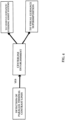
FIG. 2 provides a schematic generally illustrating the passive infra-red guidance system ofFIG. 1 . -
FIG. 3 provides a schematic generally illustrating an embodiment of a centerline determination method in accordance with the present invention in order to locate a vehicle on a roadway using curb line detection. -
FIG. 4 provides a schematic of an alternate embodiment for locating the vehicle on a roadway using parallel image processors or algorithms. -
FIG. 5 provides an illustration of a vehicle on a roadway using an alternate embodiment of the system in accordance with the present invention to determine a centerline of the travel lane. -
FIG. 6 provides a schematic generally illustrating the passive infra-red guidance system ofFIG. 5 . -
FIG. 7 provides an illustration of a vehicle on a roadway using the system in accordance with an alternate embodiment of the present invention to determine a path of travel for the vehicle based on thermal measurement from existing tire tracks of any preceding vehicle(s). - Referring to
FIGS. 1-2 , a first operational mode of a passive infra-red guidance system in accordance with the present invention is illustrated. As illustrated inFIG. 1 , avehicle 100 generally travels within atravel lane 102 on aroadway 104. The system, generally designated byreference numeral 10, comprises at least one forward-looking passive IR imaging sensor or sensor array, generally designated asreference numeral 106, mounted on thevehicle 100 and directed in outwardly front of thevehicle 100 so that it can identify the edges of theroadway 104 ortravel lane 102. In preferred embodiments of the present invention, as illustrated inFIG. 1 , a single, forward-lookingIR sensor 106 is mounted on thevehicle 100, preferably on the front of thevehicle 100, and more preferably centered on thevehicle 100 so that it can measure both the left and right sides of theroadway 104 in front of thevehicle 100 during travel. Such a forward-lookingIR sensor 106 would generally cover a relatively close range in front of the vehicle 100 - about 3 to 6 meters (10 to 20 feet) in front of thevehicle 100. Optimally, theIR sensor 106 has a relatively large pixel array, for example, about 640 x 480 or greater. - In alternate set-ups of the thermal imaging sensor assembly, multiple forward-looking
IR sensors 106 can be mounted to thevehicle 100, preferably in over-lapping and/or redundant fashion. In an alternate embodiment of the present invention, as illustrated inFIG. 5 , thevehicle 100 may include a dedicated right-side IR sensor 106R - directed toward the right edge of theroadway 104/travel lane 102 in a forward-looking manner - and a dedicated left-side IR sensor 106L - directed toward the left edge of theroadway 104/travel lane 102 in a forward-looking manner. In such an embodiment, thesensors vehicle 100 or alternately on the lateral sides of thevehicle 100, and be directed forwardly from thevehicle 100. - The following discussion of IR sensors in regards to the present invention could be a single sensor or a set of sensors operating to a collective end of detecting edges of the
roadway 104/travel lane 102 through thermal imaging. - Referring to
FIGS. 2 and6 , theIR sensors 106 are in operative communication with animage processor 108, such as a video processor, tied into the operational system of thevehicle 100, such as via a centralCAN Bus unit 110. Preferably, theCAN Bus 110 is in constant communication with various vehicle sensors, such as theIR sensors 106, for analysis and output processing, preferably immediately in real-time, based on the detected data. In operation, thesystem 10 determines the left edge and the right edge of theroadway 104 using thermal imaging. More particularly, theimage processor 108 analyzes the thermal differences between a roadway's surface and areas adjacent to theroadway 104, as well as roadway features, such as embedded roadway lane or centerline reflectors, etc., and subsequently creates a data "picture" of where aroadway 104 and/or atravel lane 102 exists and ends. Referring toFIG. 3 , theimage processor 108 establishes aleft curb line 112L and aright curb line 112R based on data received from theIR sensors 106. - As noted, each
IR sensor 106 preferably has a relatively large pixel array - e.g., about 640 x 480 or greater. In operation, theimage processor 108 focuses on a subset of the pixels measured by thesensors 106 to identify the left andright edges roadway 104 ortravel lane 102. For example, theimage processor 108 can look at the left 200 pixels or so to identify theleft edge 112L of theroadway 104/travel lane 102 and the right 200 pixels or so to identify theright edge 112R of theroadway 104/travel lane 102. Multiple processors may be used to analyze the sensor data more quickly and efficiently, and so that both the left andright edges - In embodiments of the present invention using multiple IR sensors, such as a dedicated left and
right IR sensor right curb lines sensors single image processor 108 may be in operative communication with each of the left andright IR sensor right curb lines - The established curb line information is supplied by the
image processor 108 to theCAN Bus 110, which establishes thecenterline 112C for theroadway 104 ortravel lane 102 depending on the calculated width of the roadway curbs. Upon establishing thecenterline 112C, and comparing the vehicle's relative position to thecalculated centerline 112C, theCAN Bus 110 supplies adjustment instructions to the vehicle operating and guidance systems, generally designated asreference numeral 114, if such adjustments are needed. Appropriate adjustments can generally include providing direct input to a vehicle's "Driver Assist"steering system 116, automatic activation of a vehicle'sbraking system 118, or adjustment of a vehicle'spropulsion system 120. The information may also be provided as a data input to the navigation system of theautonomous vehicle 100. - As part of the centerline establishment step, the
CAN Bus 110 can utilize information from a GPS or navigation system supplied with information about the roadway 104 - such as, how many lanes theroadway 104 has; which lanes travel in which direction; whether thevehicle 100 is proximate to or nearing an exit, off ramp, or side street; how large the shoulder is - in order to accurately calculate thecenterline 112C for aparticular roadway 104 ortravel lane 102. In this regard, upon establishment of aleft curb line 112L and aright curb line 112R by theimage processor 108, theCAN Bus 110 can extrapolate the proper position of thetravel lane 102 for thevehicle 100 and the vehicle's relative actual position therein in order to determine if adjustments are needed to move thevehicle 100 left or right within thetravel lane 102. - While generally described herein for use in connection with autonomous - or driverless - vehicles, the
system 10 of the present invention can also be used in driven vehicles, either having a quasi-autonomous mode or as a back-up redundancy to the human operator. For example, the centerline information and suggested corrective action may be provided, for instance, as a "heads up"display outline 122 on a drivenvehicle 100, or as a video or graphic "see-through" OLED panel, or other display method, ideally sandwiched between the layers of the windshield, or as a data input to the navigation system of thevehicle 100, as illustrated inFIG. 4 . The driver may be able to adjust the vehicle's position and speed manually, or in the alternative, thevehicle 100 may automatically adjust the vehicle's position and speed based on such continuous monitoring of the vehicle's position. The "see-through" OLED panel may also be used to display other vehicle-related information from other vehicle systems. - Typical roadway surface materials present a vastly different emitted thermal characteristic from that of adjacent non-roadway materials and surfaces, and thus present a contrasting thermal picture to an
IR sensor 106. For example, during a snow event, anIR sensor 106 can make ready distinctions between the warmer pavement of theroadway 104 and the cooler dirt/grass/vegetation 124 situated on the side of theroadway 104. Alternately, when the roadway curbing is made of material such as granite that has a greater thermal mass than the roadway material, then this type of roadside curbing still thermally contrasts with the roadway surface, just in the opposite direction. It is important to note that in accordance with the present invention, it does not matter what the absolute thermal reading of any area or roadway actually is, but rather thesystem 10 is looking for thermal boundary differences, however subtle, to determine where the roadway edge is located. Of additional note, theimage processor 108 is continually and dynamically optimizing the thermal contrast range of the displayed images by utilizing outside ambient temperature data readings from theCAN Bus 110. When this contrasting data is sent and processed by animage processor 108, definitiveroadway edge lines centerline 112C of aroadway 104 ortravel lane 102, or sent via a vehicle'sCAN Bus 110 to be operatively connected to a vehicle's guidance system(s) 114 for autonomous steering, propulsion, and or braking adjustment, or, for example, to a heads-updisplay 122 superimposed on the windshield of avehicle 100 for aiding a human driver. - Additionally, the application of typically used solid or liquid melting agents which are applied either before, during, or after snow/ice conditions will contrast with and further enhance the thermal signature of a
roadway 104 relative to itsadjacent areas 124, and also serve as a powerful de facto initial "marker trail" for thevehicle 100 to follow using thesystem 10 of the present invention. - Referring to
FIG. 7 , an alternate embodiment of the present invention, especially useful in difficult road conditions, such as snow- or ice-covered roadways, is illustrated.FIG. 7 essentially illustrates what an IR sensor would see, as well as what would be displayed from theimage processor 108, even though such tire tracks would generally be difficult or often impossible to detect in the visible wavelength spectrum as the tracks would typically be the same color as adjacent undisturbed snow, ice, or rain. In such an embodiment, theimage processor 108 can supply avehicle 100 with the ability to identify the ad-hoc "path" created by a previous vehicle's travel, or, as noted above, the prior application of melting agents if there are no prior tire tracks to create a target centerline of this path for anautonomous vehicle 100, or to guide a driver. Intrinsic friction created by the constant flexing of a tire's sidewalls and tread inherently creates heat and a subsequent rise in the internal air temperature of a vehicle's tires, which transfers through the tire's tread onto a dry, rain-covered, or snow- and/or ice-covered roadway surface creating a traceable historic path for apassive IR sensor 106 to detect. Additionally, the pressure of a previous vehicle's tires carrying the vehicle's substantial weight during the compacting of snow, ice, or rain under the tires creates additional pathway heating for theIR sensor 106 to detect. - As noted, such an embodiment is especially useful when a
vehicle 100 is travelling on a snow-covered road. Traditional active optical visual sensing systems, such as LIDAR or video cameras, would have an extremely difficult, if not impossible, time differentiating shallow tread depths in the generally monochromatic surface reflectively of a snow-coveredroadway 104. Thesystem 10 of the present invention, by passively detecting thermal energy created in the tire tracks 126, can create an ad hoc centerline in the middle of the previous tire tracks 126, much as a human driver does in a roadway that has been travelled on, but not yet plowed. In the case of anautonomous vehicle 100, the output generated by theimage processor 108 is sent to the vehicle'ssteering system 116 such that appropriate corrections can be made in the vehicle's operation. In the case of a drivenvehicle 100, guidance information can be provided on a Heads-Up display 122 to assist the driver, such as a calculated and/or suggested ad hoc centerline projected on the windshield or left/right guidance arrows. With light snow cover and/or no recent vehicle travel (such that there are no prior tire tracks to follow), thesystem 10 can revert to measurement of the left andright curb lines roadway 104, such an alternate centerline determination method can be used for safe and efficient operation of thevehicle 100. Since thesystem 10 does not utilize visible light wavelengths, its operational ability is exactly the same day or night. - In alternate embodiments of the present invention, existing roadway markers or reflectors embedded in the
roadway 104 either in the overall roadway centerline and/or the lane markers can also provide a contrasting thermal signature easily detected by theIR sensors 106. In operation, such thermal markers would exhibit a thermal signature that will be different from the surroundingroadway 104. Avehicle 100 can be aware of the general design of theroadway 104 via the navigation system so that theCAN Bus 110, upon receipt of left and right edge data based on measurements of the appropriate markers, can accurately establish acenterline 112C for theroadway 104 or aparticular travel lane 102, and determine necessary adjustments accordingly. - The
system 10 of the present invention is designed to be an adjunct to other sensors and guidance systems during times of challenging ambient conditions, and as such would enhance an autonomous vehicle's guidance system. - Unlike many optically-based guidance systems that have diminished effectiveness at night, especially in poorly light sections of the
roadway 104, thesystem 10 of the present invention functions with equal effectiveness day or night, regardless of lighting conditions. - The foregoing description of embodiments of the present invention has been presented for the purpose of illustration and description. It is not intended to be exhaustive or to limit the invention to the form disclosed. Obvious modifications and variations are possible in light of the above disclosure. The embodiments described were chosen to best illustrate the principles of the invention and practical applications thereof to enable one of ordinary skill in the art to utilize the invention in various embodiments and with various modifications as suited to the particular use contemplated.
Claims (10)
- A computer-implemented method for centrally locating a vehicle (100) within a travel lane (102) on a roadway (104), said method comprising:determining a left edge (112L) of the roadway (104) using thermal imaging;determining a right edge (112R) of the roadway (104) using thermal imaging;determining a centerline (112C) of the travel lane (102) based on the determined left and right edges (112L, 112R) of the roadway (104);comparing the determined centerline (112C) of the travel lane (102) with the actual position of the vehicle (100); andidentifying any adjustment for the vehicle's position based on the comparison, characterized in thatdetermining each of the left edge (112L) and the right edge (112R) of the roadway (104) comprises identifying, for each of the left edge (112L) and the right edge (112R), a thermal difference between a first thermal signature representative of a portion of the roadway being imaged and a second thermal signature representative of a non-roadway portion (124) being imaged, the non-roadway portion being located proximate to the roadway portion.
- The computer-implemented method according to claim 1, wherein each of the left edge (112L) and the right edge (112R) of the roadway (104) is determined using a thermal imaging sensor assembly (106) disposed on the vehicle (100).
- The computer-implemented method according to claim 2, wherein the thermal imaging sensor assembly comprises at least one forward-looking infra-red imaging sensor (106) mounted to the vehicle (100), and the at least one infra-red sensor (106) preferably comprises:a left infra-red sensor (106L) mounted on the left side of the vehicle (100) for thermal imaging the roadway (104) on the left side of the vehicle (100); anda right infra-red sensor (106R) mounted on the right side of the vehicle (100) for thermal imaging the roadway (104) on the right side of the vehicle (100).
- The computer-implemented method according to claim 1, further comprising the step of adjusting the vehicle's position based on the identified adjustment using a guidance system (114) of the vehicle.
- The computer-implemented method according to claim 4, wherein the adjustment of the vehicle's position comprises at least one of (i) providing input to a steering system (116) of the vehicle; (ii) activating a braking system (118) of the vehicle; and (iii) activating a propulsion system (120) of the vehicle.
- The computer-implemented method according to claim 1, further comprising a step of displaying the identified adjustment on at least one of a heads-up display and a see-through OLED panel (122) associated with the vehicle (100), either affixed to an interior of a windshield of the vehicle or sandwiched between layers of said windshield.
- A system (10) for centrally locating a vehicle (100) within a travel lane (102) on a roadway (104), said system comprising:a thermal imaging sensor assembly (106) disposed on the vehicle (100) and comprising at least one infra-red sensor, the thermal imaging sensor assembly (106) configured to thermal image the roadway (104) on left and right sides of the vehicle;an image processor (108) in operative communication with the thermal imaging sensor assembly (106) for determining a centerline (112C) of the travel lane (102) in the roadway (104) based on thermal imaging signals received from the thermal imaging sensor assembly (106), the thermal imaging signals associated with left and right edges (112L, 112R) of the roadway (104); anda central vehicle control system in operative communication with the image processor (108) for adjusting a position of the vehicle within the travel lane (102) using a guidance system (114) of the vehicle based on a comparison of an actual position the vehicle and the determined centerline (112C) of the travel lane (102),characterized in thatthe image processor (108) is configured to determine, based on the thermal imaging signals received, each of the left edge (112L) and the right edge (112R) of the roadway (104) by identifying, for each of each of the left edge (112L) and the right edge (112R), a thermal difference between a first thermal signature representative of a portion of the roadway imaged by the thermal imaging sensor assembly (106) and a second thermal signature representative of a non-roadway portion (124) imaged by the thermal imaging sensor assembly (106), wherein the non-roadway portion is located proximate to the roadway portion.
- The system according to claim 7, wherein the thermal imaging sensor assembly comprises at least one forward-looking infra-red imaging sensor (106) mounted to the vehicle (100), and the at least one infra-red sensor (106) preferably comprises:a left infra-red sensor (106L) mounted on the left side of the vehicle (100) for thermal imaging the roadway (104) on the left side of the vehicle; anda right infra-red sensor (106R) mounted on the right side of the vehicle (100) for thermal imaging the roadway (104) on the right side of the vehicle.
- The system according to claim 7, wherein the central vehicle control system is configured to adjust the position of the vehicle by at least one of (i) providing input to a steering system (116) of the vehicle, (ii) activating a braking system (118) of the vehicle, and (iii) activating a propulsion system (120) of the vehicle.
- The system according to claim 7, further comprising at least one of a heads-up display and a see-through OLED panel (122), either affixed to the interior of a windshield of the vehicle or sandwiched between layers of said windshield, for displaying any adjustment needed for the vehicle's position based on the comparison of the vehicle's position and the determined centerline of the travel lane (112C).
Priority Applications (1)
| Application Number | Priority Date | Filing Date | Title |
|---|---|---|---|
| EP23208101.8A EP4296104A3 (en) | 2018-05-11 | 2019-04-16 | Passive infra-red guidance system |
Applications Claiming Priority (2)
| Application Number | Priority Date | Filing Date | Title |
|---|---|---|---|
| US201862670209P | 2018-05-11 | 2018-05-11 | |
| PCT/US2019/027589 WO2019217037A1 (en) | 2018-05-11 | 2019-04-16 | Passive infra-red guidance system |
Related Child Applications (2)
| Application Number | Title | Priority Date | Filing Date |
|---|---|---|---|
| EP23208101.8A Division-Into EP4296104A3 (en) | 2018-05-11 | 2019-04-16 | Passive infra-red guidance system |
| EP23208101.8A Division EP4296104A3 (en) | 2018-05-11 | 2019-04-16 | Passive infra-red guidance system |
Publications (3)
| Publication Number | Publication Date |
|---|---|
| EP3788320A1 EP3788320A1 (en) | 2021-03-10 |
| EP3788320A4 EP3788320A4 (en) | 2022-01-26 |
| EP3788320B1 true EP3788320B1 (en) | 2025-03-05 |
Family
ID=68392180
Family Applications (3)
| Application Number | Title | Priority Date | Filing Date |
|---|---|---|---|
| EP19800837.7A Pending EP3788778A4 (en) | 2018-05-11 | 2019-04-16 | PASSIVE INFRARED PEDESTRIAN DETECTION AND AVOIDANCE SYSTEM |
| EP23208101.8A Pending EP4296104A3 (en) | 2018-05-11 | 2019-04-16 | Passive infra-red guidance system |
| EP19799312.4A Active EP3788320B1 (en) | 2018-05-11 | 2019-04-16 | Passive infra-red guidance system |
Family Applications Before (2)
| Application Number | Title | Priority Date | Filing Date |
|---|---|---|---|
| EP19800837.7A Pending EP3788778A4 (en) | 2018-05-11 | 2019-04-16 | PASSIVE INFRARED PEDESTRIAN DETECTION AND AVOIDANCE SYSTEM |
| EP23208101.8A Pending EP4296104A3 (en) | 2018-05-11 | 2019-04-16 | Passive infra-red guidance system |
Country Status (8)
| Country | Link |
|---|---|
| US (3) | US10467903B1 (en) |
| EP (3) | EP3788778A4 (en) |
| JP (3) | JP7258125B2 (en) |
| KR (2) | KR20210008034A (en) |
| CN (2) | CN112106348B (en) |
| CA (1) | CA3099099C (en) |
| IL (2) | IL278516B2 (en) |
| WO (2) | WO2019217038A1 (en) |
Families Citing this family (27)
| Publication number | Priority date | Publication date | Assignee | Title |
|---|---|---|---|---|
| JP6988672B2 (en) | 2018-04-25 | 2022-01-05 | トヨタ自動車株式会社 | Out-of-vehicle notification device |
| JP7059786B2 (en) * | 2018-05-08 | 2022-04-26 | トヨタ自動車株式会社 | Out-of-vehicle notification device |
| JP7202208B2 (en) * | 2019-02-13 | 2023-01-11 | 株式会社Subaru | Autonomous driving system |
| JP2020160914A (en) * | 2019-03-27 | 2020-10-01 | 株式会社豊田自動織機 | Object detector |
| US11188094B2 (en) * | 2019-04-30 | 2021-11-30 | At&T Intellectual Property I, L.P. | Autonomous vehicle signaling system |
| SE544257C2 (en) * | 2019-08-23 | 2022-03-15 | Scania Cv Ab | Method and control device for controlling driving of a vehicle along a road |
| DE102019131395A1 (en) * | 2019-11-21 | 2021-05-27 | Robert Bosch Gmbh | Method for controlling an automated driving vehicle |
| EP4075162A4 (en) * | 2019-12-09 | 2023-12-27 | Kyocera Corporation | ELECTRONIC DEVICE, METHOD FOR CONTROLLING AN ELECTRONIC DEVICE AND PROGRAM |
| CN111391828B (en) * | 2020-03-13 | 2021-06-15 | 南京航空航天大学 | Method for planning vehicle collision avoidance track under pedestrian crossing working condition |
| CN111413009B (en) * | 2020-04-14 | 2024-06-11 | 清华大学 | Pedestrian body temperature rapid screening system and screening method, human body temperature measurement method |
| CN114425987A (en) * | 2020-10-29 | 2022-05-03 | 常州星宇车灯股份有限公司 | Night overtaking reminding system, control method and vehicle |
| US20220198200A1 (en) * | 2020-12-22 | 2022-06-23 | Continental Automotive Systems, Inc. | Road lane condition detection with lane assist for a vehicle using infrared detecting device |
| US11993204B2 (en) * | 2020-12-24 | 2024-05-28 | Ronald E. Smith, JR. | Vehicle and pedestrian alert system and vehicle including an alert system |
| DE102021108807A1 (en) * | 2021-04-08 | 2022-10-13 | Bayerische Motoren Werke Aktiengesellschaft | METHOD OF DETECTING VULNERABLE ROAD USER BY A VEHICLE |
| KR102936672B1 (en) * | 2021-04-21 | 2026-03-11 | 현대모비스 주식회사 | Vehicle and driving control method thereof |
| DE102021002662A1 (en) | 2021-05-21 | 2021-07-15 | FEV Group GmbH | Method for an autonomous vehicle for detecting and / or reacting to living beings in an environment of the autonomous vehicle |
| US11780471B1 (en) * | 2021-08-30 | 2023-10-10 | Zoox, Inc. | System for determining a state of an object using thermal data |
| CN113822234B (en) * | 2021-11-22 | 2022-04-22 | 成都星宇融科电力电子股份有限公司 | Target detection early warning analysis method, system and terminal based on vehicle-mounted thermal imaging |
| US20250052591A1 (en) * | 2021-12-23 | 2025-02-13 | Grabtaxi Holdings Pte. Ltd. | System and method for detecting information about road relating to digital geographical map data |
| KR102907962B1 (en) * | 2022-02-21 | 2026-01-02 | 영남대학교 산학협력단 | Active notice device for safety of vehicle and pedestrian |
| FR3133813B1 (en) * | 2022-03-23 | 2024-09-13 | Psa Automobiles Sa | Methods and systems for driving a motor vehicle |
| CN114735001B (en) * | 2022-04-14 | 2025-09-09 | 中国第一汽车股份有限公司 | Method and device for predicting collision risk of vehicle, electronic equipment and storage medium |
| CN114852097B (en) * | 2022-05-13 | 2025-12-05 | 中国第一汽车股份有限公司 | Data processing methods, devices and vehicles |
| US20240025400A1 (en) | 2022-07-20 | 2024-01-25 | Ford Global Technologies, Llc | Far infrared detection of compacted snow for lane keeping |
| EP4373111A1 (en) * | 2022-11-21 | 2024-05-22 | Volvo Autonomous Solutions AB | Path selection for a vehicle based on heat distributed on a road surface |
| US12293592B2 (en) * | 2023-02-20 | 2025-05-06 | GM Global Technology Operations LLC | Vehicle trajectory planning |
| US20240308830A1 (en) * | 2023-03-13 | 2024-09-19 | Oshkosh Corporation | Systems and methods for direction of travel |
Family Cites Families (68)
| Publication number | Priority date | Publication date | Assignee | Title |
|---|---|---|---|---|
| GB9317983D0 (en) * | 1993-08-28 | 1993-10-13 | Lucas Ind Plc | A driver assistance system for a vehicle |
| DE19741631B4 (en) * | 1997-09-20 | 2013-08-14 | Volkswagen Ag | Method and device for avoiding and / or minimizing conflict situations in road traffic |
| DE59809476D1 (en) | 1997-11-03 | 2003-10-09 | Volkswagen Ag | Autonomous vehicle and method for controlling an autonomous vehicle |
| EP1083076A3 (en) * | 1999-09-07 | 2005-01-12 | Mazda Motor Corporation | Display apparatus for vehicle |
| US9558663B2 (en) | 2000-10-04 | 2017-01-31 | Intelligent Technologies International, Inc. | Animal detecting and notification method and system |
| US6759949B2 (en) * | 2002-05-23 | 2004-07-06 | Visteon Global Technologies, Inc. | Image enhancement in far infrared camera |
| US20050084659A1 (en) | 2003-10-20 | 2005-04-21 | General Atomics | Vehicle windshield head-up display |
| DE10349631A1 (en) | 2003-10-24 | 2005-05-19 | Robert Bosch Gmbh | Driver assistance method and apparatus based on lane information |
| JP4376653B2 (en) * | 2004-02-17 | 2009-12-02 | 富士重工業株式会社 | Outside monitoring device |
| JP2005266634A (en) * | 2004-03-22 | 2005-09-29 | Sharp Corp | Imaging device |
| DE102004016981A1 (en) * | 2004-04-07 | 2005-10-27 | Robert Bosch Gmbh | Method and device for warning the driver of a motor vehicle |
| JP4734884B2 (en) | 2004-09-30 | 2011-07-27 | 日産自動車株式会社 | Person detection apparatus and method |
| US7786898B2 (en) * | 2006-05-31 | 2010-08-31 | Mobileye Technologies Ltd. | Fusion of far infrared and visible images in enhanced obstacle detection in automotive applications |
| JP5262057B2 (en) | 2006-11-17 | 2013-08-14 | 株式会社豊田中央研究所 | Irradiation device |
| JP2008162477A (en) | 2006-12-28 | 2008-07-17 | Toyota Motor Corp | Vehicle approach notification device |
| JP4434234B2 (en) * | 2007-05-30 | 2010-03-17 | トヨタ自動車株式会社 | VEHICLE IMAGING SYSTEM AND VEHICLE CONTROL DEVICE |
| US20080306666A1 (en) * | 2007-06-05 | 2008-12-11 | Gm Global Technology Operations, Inc. | Method and apparatus for rear cross traffic collision avoidance |
| JP2009217682A (en) * | 2008-03-12 | 2009-09-24 | Yazaki Corp | Display for vehicle |
| US8103604B2 (en) | 2008-03-18 | 2012-01-24 | Manchester Metropolitan University | Remote detection and measurement of objects |
| JP2010136207A (en) * | 2008-12-05 | 2010-06-17 | Clarion Co Ltd | System for detecting and displaying pedestrian |
| US8988525B2 (en) * | 2009-08-27 | 2015-03-24 | Robert Bosch Gmbh | System and method for providing guidance information to a driver of a vehicle |
| CN102511046B (en) * | 2009-12-02 | 2015-03-25 | 塔塔咨询服务有限公司 | Cost-effective system and method for detecting, classifying and tracking the pedestrian using near infrared camera |
| US8140260B2 (en) | 2010-02-12 | 2012-03-20 | Honeywell International Inc. | System for enhancing a vehicle operator's orientation and ability to navigate |
| JP2012027773A (en) * | 2010-07-26 | 2012-02-09 | Toyota Central R&D Labs Inc | Pseudo grayscale image generation device and program |
| US20120038778A1 (en) * | 2010-08-11 | 2012-02-16 | United States Of America, As Represented By The Secretary Of The Army | Self-Scanning Passive Infrared Personnel Detection Sensor |
| US9963145B2 (en) * | 2012-04-22 | 2018-05-08 | Emerging Automotive, Llc | Connected vehicle communication with processing alerts related to traffic lights and cloud systems |
| EP2717238B1 (en) * | 2011-06-02 | 2016-11-09 | Toyota Jidosha Kabushiki Kaisha | Vehicular field of view assistance device |
| HUE061778T2 (en) | 2011-06-24 | 2023-08-28 | Surveillance Guard Co Ltd | An accident prevention system and a vehicle including the accident prevention system |
| KR101349025B1 (en) | 2011-11-25 | 2014-01-10 | 현대자동차주식회사 | Lane image composite device and method for smart night view |
| GB2497091B (en) | 2011-11-29 | 2013-11-20 | Qhi Group Ltd | Monitoring an electrical joint |
| JP2013114536A (en) * | 2011-11-30 | 2013-06-10 | Seiko Epson Corp | Safety support apparatus and safety support method |
| EP2810267A1 (en) * | 2012-02-03 | 2014-12-10 | Continental Teves AG&Co. Ohg | Signal generator, system and method for highlighting objects in road traffic, use of the system, and use of the signal generator |
| DE102012201896A1 (en) | 2012-02-09 | 2013-08-14 | Robert Bosch Gmbh | Driver assistance system and driver assistance system for snowy roads |
| EP2827318A4 (en) * | 2012-03-12 | 2016-01-13 | Honda Motor Co Ltd | DEVICE FOR MONITORING VEHICLE PERIPHERY |
| JP5529910B2 (en) * | 2012-03-12 | 2014-06-25 | 本田技研工業株式会社 | Vehicle periphery monitoring device |
| JP5696701B2 (en) * | 2012-08-31 | 2015-04-08 | 株式会社デンソー | Anti-pedestrian notification device |
| DE112012006868B4 (en) * | 2012-09-03 | 2022-09-22 | Toyota Jidosha Kabushiki Kaisha | Collision determination device and collision determination method |
| JP5904925B2 (en) * | 2012-10-25 | 2016-04-20 | 本田技研工業株式会社 | Vehicle periphery monitoring device |
| CN105324804A (en) * | 2013-05-31 | 2016-02-10 | 日立汽车系统株式会社 | Hazard alarm control device for vehicles |
| DE102013210826A1 (en) | 2013-06-11 | 2014-12-11 | Robert Bosch Gmbh | A method of operating a display device, computer program product, display device |
| JP6035207B2 (en) | 2013-06-14 | 2016-11-30 | 日立オートモティブシステムズ株式会社 | Vehicle control system |
| KR101543105B1 (en) * | 2013-12-09 | 2015-08-07 | 현대자동차주식회사 | Method And Device for Recognizing a Pedestrian and Vehicle supporting the same |
| US9589195B2 (en) | 2014-01-22 | 2017-03-07 | Polaris Sensor Technologies, Inc. | Polarization-based mapping and perception method and system |
| DE102014201159A1 (en) * | 2014-01-23 | 2015-07-23 | Robert Bosch Gmbh | Method and device for classifying a behavior of a pedestrian when crossing a roadway of a vehicle and personal protection system of a vehicle |
| DE102014201382A1 (en) * | 2014-01-27 | 2015-07-30 | Robert Bosch Gmbh | Method for operating a driver assistance system and driver assistance system |
| IL236114A (en) | 2014-12-07 | 2016-04-21 | Yoav Grauer | Improved object recognition in the reimbursement-based imaging unit |
| US20160180175A1 (en) | 2014-12-18 | 2016-06-23 | Pointgrab Ltd. | Method and system for determining occupancy |
| WO2016138518A1 (en) | 2015-02-27 | 2016-09-01 | Braeburn Inc. | Vehicle extreme temperature safety systems |
| US10023118B2 (en) * | 2015-03-23 | 2018-07-17 | Magna Electronics Inc. | Vehicle vision system with thermal sensor |
| JP6624798B2 (en) * | 2015-03-30 | 2019-12-25 | セコム工業株式会社 | Detection device |
| JP6637686B2 (en) | 2015-06-30 | 2020-01-29 | 株式会社デンソーテン | Information presentation device, in-vehicle device, information presentation system, and information presentation method |
| WO2017073348A1 (en) * | 2015-10-27 | 2017-05-04 | 富士フイルム株式会社 | Infrared imaging device, control method for same, and vehicle |
| US10019902B2 (en) * | 2015-11-06 | 2018-07-10 | Continental Automotive Systems, Inc. | Enhanced sound generation for quiet vehicles with vehicle-to-vehicle communication capabilities |
| US20170219240A1 (en) | 2016-02-03 | 2017-08-03 | Avaya Inc. | Method and apparatus for a fan auto adaptive noise |
| SE539816C2 (en) | 2016-04-19 | 2017-12-05 | Scania Cv Ab | Method and control unit in a vehicle for estimating a stretch of a road based on a set of tracks of another vehicle |
| JP6310503B2 (en) | 2016-06-06 | 2018-04-11 | 本田技研工業株式会社 | Vehicle and lane change timing determination method |
| US9898005B2 (en) | 2016-06-24 | 2018-02-20 | Toyota Motor Engineering & Manufacturing North America, Inc. | Driving path determination for autonomous vehicles |
| US10656640B2 (en) | 2016-07-07 | 2020-05-19 | Applied Minds, Llc | Systems and methods for centralized control of autonomous vehicles |
| US10737702B2 (en) | 2016-07-27 | 2020-08-11 | Toyota Motor Engineering & Manufacturing North America, Inc. | Visually simulating driving plans in autonomous vehicles |
| WO2018061084A1 (en) | 2016-09-27 | 2018-04-05 | 日産自動車株式会社 | Self-position estimation method and self-position estimation device |
| US10053089B2 (en) * | 2016-11-16 | 2018-08-21 | Nio Usa, Inc. | System for controlling a vehicle based on thermal profile tracking |
| KR101996419B1 (en) * | 2016-12-30 | 2019-07-04 | 현대자동차주식회사 | Sensor integration based pedestrian detection and pedestrian collision prevention apparatus and method |
| KR101996418B1 (en) * | 2016-12-30 | 2019-07-04 | 현대자동차주식회사 | Sensor integration based pedestrian detection and pedestrian collision prevention apparatus and method |
| JP6741603B2 (en) | 2017-01-16 | 2020-08-19 | 株式会社Soken | Estimator |
| JP7013727B2 (en) | 2017-08-25 | 2022-02-01 | 株式会社デンソー | Vehicle control device |
| US10175112B1 (en) | 2017-12-14 | 2019-01-08 | Adasky, Ltd | Compact infrared camera for automotive safety and driving systems |
| JP6965739B2 (en) | 2017-12-27 | 2021-11-10 | 株式会社デンソー | Vehicle control device |
| DE112020001663T5 (en) * | 2019-03-29 | 2022-03-24 | Intel Corporation | Autonomous Vehicle System |
-
2019
- 2019-03-15 US US16/354,833 patent/US10467903B1/en active Active
- 2019-03-18 US US16/356,043 patent/US10613545B2/en active Active
- 2019-04-16 IL IL278516A patent/IL278516B2/en unknown
- 2019-04-16 WO PCT/US2019/027594 patent/WO2019217038A1/en not_active Ceased
- 2019-04-16 CN CN201980031744.0A patent/CN112106348B/en active Active
- 2019-04-16 CN CN201980031469.2A patent/CN112105891A/en active Pending
- 2019-04-16 EP EP19800837.7A patent/EP3788778A4/en active Pending
- 2019-04-16 KR KR1020207035180A patent/KR20210008034A/en not_active Ceased
- 2019-04-16 WO PCT/US2019/027589 patent/WO2019217037A1/en not_active Ceased
- 2019-04-16 IL IL278518A patent/IL278518B2/en unknown
- 2019-04-16 JP JP2021513755A patent/JP7258125B2/en active Active
- 2019-04-16 EP EP23208101.8A patent/EP4296104A3/en active Pending
- 2019-04-16 KR KR1020207035179A patent/KR102496018B1/en active Active
- 2019-04-16 CA CA3099099A patent/CA3099099C/en active Active
- 2019-04-16 JP JP2021513756A patent/JP7696825B2/en active Active
- 2019-04-16 EP EP19799312.4A patent/EP3788320B1/en active Active
- 2019-05-17 US US16/415,288 patent/US10755576B2/en active Active
-
2023
- 2023-09-06 JP JP2023144589A patent/JP2023175741A/en not_active Withdrawn
Also Published As
Similar Documents
| Publication | Publication Date | Title |
|---|---|---|
| EP3788320B1 (en) | Passive infra-red guidance system | |
| US11294380B2 (en) | Passive infra-red guidance system | |
| US11554775B2 (en) | Passive infra-red guidance system | |
| US12585276B1 (en) | Detecting street parked vehicles | |
| US12066836B2 (en) | Detecting general road weather conditions | |
| US11062608B2 (en) | Passive infra-red pedestrian and animal detection and avoidance system | |
| US10051061B2 (en) | Smart road system for vehicles | |
| KR102089706B1 (en) | Vehicle method and control unit for estimating stretch of road based on a set of marks of other vehicles | |
| US8948972B2 (en) | Vehicle controlling system and method | |
| US20200017083A1 (en) | Method and arrangement for determining a condition of a road surface | |
| CN118265645B (en) | Vehicle travel support method and travel support device | |
| CN118266018A (en) | Vehicle driving assistance method and driving assistance device | |
| US12202475B2 (en) | Apparatus and method for assisting driving of vehicle | |
| JP7723518B2 (en) | Parking assistance device | |
| CA3099092C (en) | Passive infra-red guidance system | |
| JP7589605B2 (en) | Driving support method and driving support device |
Legal Events
| Date | Code | Title | Description |
|---|---|---|---|
| STAA | Information on the status of an ep patent application or granted ep patent |
Free format text: STATUS: THE INTERNATIONAL PUBLICATION HAS BEEN MADE |
|
| PUAI | Public reference made under article 153(3) epc to a published international application that has entered the european phase |
Free format text: ORIGINAL CODE: 0009012 |
|
| STAA | Information on the status of an ep patent application or granted ep patent |
Free format text: STATUS: REQUEST FOR EXAMINATION WAS MADE |
|
| 17P | Request for examination filed |
Effective date: 20201201 |
|
| AK | Designated contracting states |
Kind code of ref document: A1 Designated state(s): AL AT BE BG CH CY CZ DE DK EE ES FI FR GB GR HR HU IE IS IT LI LT LU LV MC MK MT NL NO PL PT RO RS SE SI SK SM TR |
|
| AX | Request for extension of the european patent |
Extension state: BA ME |
|
| DAV | Request for validation of the european patent (deleted) | ||
| DAX | Request for extension of the european patent (deleted) | ||
| REG | Reference to a national code |
Ref country code: DE Ref legal event code: R079 Free format text: PREVIOUS MAIN CLASS: G01C0021260000 Ipc: B60K0035000000 Ref document number: 602019066934 Country of ref document: DE |
|
| A4 | Supplementary search report drawn up and despatched |
Effective date: 20220107 |
|
| RIC1 | Information provided on ipc code assigned before grant |
Ipc: G01C 21/36 20060101ALI20211223BHEP Ipc: G06T 7/70 20170101ALI20211223BHEP Ipc: G06K 9/20 20060101ALI20211223BHEP Ipc: G06K 9/00 20060101ALI20211223BHEP Ipc: G08G 1/16 20060101ALI20211223BHEP Ipc: G01C 21/00 20060101ALI20211223BHEP Ipc: G01C 21/26 20060101ALI20211223BHEP Ipc: F41G 7/26 20060101ALI20211223BHEP Ipc: B60Q 11/00 20060101ALI20211223BHEP Ipc: B60W 30/12 20200101ALI20211223BHEP Ipc: B60W 30/095 20120101ALI20211223BHEP Ipc: B60W 30/09 20120101ALI20211223BHEP Ipc: B60W 10/20 20060101ALI20211223BHEP Ipc: B60W 10/184 20120101ALI20211223BHEP Ipc: B60K 35/00 20060101AFI20211223BHEP |
|
| P01 | Opt-out of the competence of the unified patent court (upc) registered |
Effective date: 20230523 |
|
| STAA | Information on the status of an ep patent application or granted ep patent |
Free format text: STATUS: EXAMINATION IS IN PROGRESS |
|
| 17Q | First examination report despatched |
Effective date: 20230724 |
|
| RIC1 | Information provided on ipc code assigned before grant |
Ipc: H04N 23/23 20230101ALI20240904BHEP Ipc: B60K 35/28 20240101ALI20240904BHEP Ipc: B60K 35/23 20240101ALI20240904BHEP Ipc: G06V 40/10 20220101ALI20240904BHEP Ipc: G06V 20/58 20220101ALI20240904BHEP Ipc: G06V 10/147 20220101ALI20240904BHEP Ipc: B60W 10/184 20120101ALI20240904BHEP Ipc: B60W 10/20 20060101ALI20240904BHEP Ipc: B60W 30/09 20120101ALI20240904BHEP Ipc: B60W 30/095 20120101ALI20240904BHEP Ipc: B60W 30/12 20200101ALI20240904BHEP Ipc: B60Q 11/00 20060101ALI20240904BHEP Ipc: F41G 7/26 20060101ALI20240904BHEP Ipc: G01C 21/26 20060101ALI20240904BHEP Ipc: G01C 21/00 20060101ALI20240904BHEP Ipc: G08G 1/16 20060101ALI20240904BHEP Ipc: G06T 7/70 20170101ALI20240904BHEP Ipc: G01C 21/36 20060101ALI20240904BHEP Ipc: B60K 35/00 20060101AFI20240904BHEP |
|
| GRAP | Despatch of communication of intention to grant a patent |
Free format text: ORIGINAL CODE: EPIDOSNIGR1 |
|
| STAA | Information on the status of an ep patent application or granted ep patent |
Free format text: STATUS: GRANT OF PATENT IS INTENDED |
|
| INTG | Intention to grant announced |
Effective date: 20241014 |
|
| GRAS | Grant fee paid |
Free format text: ORIGINAL CODE: EPIDOSNIGR3 |
|
| GRAA | (expected) grant |
Free format text: ORIGINAL CODE: 0009210 |
|
| STAA | Information on the status of an ep patent application or granted ep patent |
Free format text: STATUS: THE PATENT HAS BEEN GRANTED |
|
| AK | Designated contracting states |
Kind code of ref document: B1 Designated state(s): AL AT BE BG CH CY CZ DE DK EE ES FI FR GB GR HR HU IE IS IT LI LT LU LV MC MK MT NL NO PL PT RO RS SE SI SK SM TR |
|
| REG | Reference to a national code |
Ref country code: GB Ref legal event code: FG4D |
|
| REG | Reference to a national code |
Ref country code: CH Ref legal event code: EP |
|
| REG | Reference to a national code |
Ref country code: IE Ref legal event code: FG4D |
|
| REG | Reference to a national code |
Ref country code: DE Ref legal event code: R096 Ref document number: 602019066934 Country of ref document: DE |
|
| PG25 | Lapsed in a contracting state [announced via postgrant information from national office to epo] |
Ref country code: RS Free format text: LAPSE BECAUSE OF FAILURE TO SUBMIT A TRANSLATION OF THE DESCRIPTION OR TO PAY THE FEE WITHIN THE PRESCRIBED TIME-LIMIT Effective date: 20250605 |
|
| PG25 | Lapsed in a contracting state [announced via postgrant information from national office to epo] |
Ref country code: FI Free format text: LAPSE BECAUSE OF FAILURE TO SUBMIT A TRANSLATION OF THE DESCRIPTION OR TO PAY THE FEE WITHIN THE PRESCRIBED TIME-LIMIT Effective date: 20250305 |
|
| PGFP | Annual fee paid to national office [announced via postgrant information from national office to epo] |
Ref country code: DE Payment date: 20250422 Year of fee payment: 7 |
|
| REG | Reference to a national code |
Ref country code: NL Ref legal event code: MP Effective date: 20250305 |
|
| PG25 | Lapsed in a contracting state [announced via postgrant information from national office to epo] |
Ref country code: ES Free format text: LAPSE BECAUSE OF FAILURE TO SUBMIT A TRANSLATION OF THE DESCRIPTION OR TO PAY THE FEE WITHIN THE PRESCRIBED TIME-LIMIT Effective date: 20250305 |
|
| PGFP | Annual fee paid to national office [announced via postgrant information from national office to epo] |
Ref country code: GB Payment date: 20250423 Year of fee payment: 7 |
|
| REG | Reference to a national code |
Ref country code: LT Ref legal event code: MG9D |
|
| PG25 | Lapsed in a contracting state [announced via postgrant information from national office to epo] |
Ref country code: NO Free format text: LAPSE BECAUSE OF FAILURE TO SUBMIT A TRANSLATION OF THE DESCRIPTION OR TO PAY THE FEE WITHIN THE PRESCRIBED TIME-LIMIT Effective date: 20250605 |
|
| PG25 | Lapsed in a contracting state [announced via postgrant information from national office to epo] |
Ref country code: HR Free format text: LAPSE BECAUSE OF FAILURE TO SUBMIT A TRANSLATION OF THE DESCRIPTION OR TO PAY THE FEE WITHIN THE PRESCRIBED TIME-LIMIT Effective date: 20250305 |
|
| PG25 | Lapsed in a contracting state [announced via postgrant information from national office to epo] |
Ref country code: LV Free format text: LAPSE BECAUSE OF FAILURE TO SUBMIT A TRANSLATION OF THE DESCRIPTION OR TO PAY THE FEE WITHIN THE PRESCRIBED TIME-LIMIT Effective date: 20250305 |
|
| PGFP | Annual fee paid to national office [announced via postgrant information from national office to epo] |
Ref country code: FR Payment date: 20250429 Year of fee payment: 7 |
|
| PG25 | Lapsed in a contracting state [announced via postgrant information from national office to epo] |
Ref country code: GR Free format text: LAPSE BECAUSE OF FAILURE TO SUBMIT A TRANSLATION OF THE DESCRIPTION OR TO PAY THE FEE WITHIN THE PRESCRIBED TIME-LIMIT Effective date: 20250606 Ref country code: BG Free format text: LAPSE BECAUSE OF FAILURE TO SUBMIT A TRANSLATION OF THE DESCRIPTION OR TO PAY THE FEE WITHIN THE PRESCRIBED TIME-LIMIT Effective date: 20250305 |
|
| PGFP | Annual fee paid to national office [announced via postgrant information from national office to epo] |
Ref country code: IE Payment date: 20250422 Year of fee payment: 7 |
|
| REG | Reference to a national code |
Ref country code: AT Ref legal event code: MK05 Ref document number: 1772650 Country of ref document: AT Kind code of ref document: T Effective date: 20250305 |
|
| PG25 | Lapsed in a contracting state [announced via postgrant information from national office to epo] |
Ref country code: NL Free format text: LAPSE BECAUSE OF FAILURE TO SUBMIT A TRANSLATION OF THE DESCRIPTION OR TO PAY THE FEE WITHIN THE PRESCRIBED TIME-LIMIT Effective date: 20250305 |
|
| PG25 | Lapsed in a contracting state [announced via postgrant information from national office to epo] |
Ref country code: SE Free format text: LAPSE BECAUSE OF FAILURE TO SUBMIT A TRANSLATION OF THE DESCRIPTION OR TO PAY THE FEE WITHIN THE PRESCRIBED TIME-LIMIT Effective date: 20250305 |
|
| PG25 | Lapsed in a contracting state [announced via postgrant information from national office to epo] |
Ref country code: SM Free format text: LAPSE BECAUSE OF FAILURE TO SUBMIT A TRANSLATION OF THE DESCRIPTION OR TO PAY THE FEE WITHIN THE PRESCRIBED TIME-LIMIT Effective date: 20250305 |
|
| PG25 | Lapsed in a contracting state [announced via postgrant information from national office to epo] |
Ref country code: PT Free format text: LAPSE BECAUSE OF FAILURE TO SUBMIT A TRANSLATION OF THE DESCRIPTION OR TO PAY THE FEE WITHIN THE PRESCRIBED TIME-LIMIT Effective date: 20250707 |
|
| PG25 | Lapsed in a contracting state [announced via postgrant information from national office to epo] |
Ref country code: IT Free format text: LAPSE BECAUSE OF FAILURE TO SUBMIT A TRANSLATION OF THE DESCRIPTION OR TO PAY THE FEE WITHIN THE PRESCRIBED TIME-LIMIT Effective date: 20250305 Ref country code: PL Free format text: LAPSE BECAUSE OF FAILURE TO SUBMIT A TRANSLATION OF THE DESCRIPTION OR TO PAY THE FEE WITHIN THE PRESCRIBED TIME-LIMIT Effective date: 20250305 |
|
| PG25 | Lapsed in a contracting state [announced via postgrant information from national office to epo] |
Ref country code: AT Free format text: LAPSE BECAUSE OF FAILURE TO SUBMIT A TRANSLATION OF THE DESCRIPTION OR TO PAY THE FEE WITHIN THE PRESCRIBED TIME-LIMIT Effective date: 20250305 |
|
| PG25 | Lapsed in a contracting state [announced via postgrant information from national office to epo] |
Ref country code: CZ Free format text: LAPSE BECAUSE OF FAILURE TO SUBMIT A TRANSLATION OF THE DESCRIPTION OR TO PAY THE FEE WITHIN THE PRESCRIBED TIME-LIMIT Effective date: 20250305 Ref country code: EE Free format text: LAPSE BECAUSE OF FAILURE TO SUBMIT A TRANSLATION OF THE DESCRIPTION OR TO PAY THE FEE WITHIN THE PRESCRIBED TIME-LIMIT Effective date: 20250305 |
|
| PG25 | Lapsed in a contracting state [announced via postgrant information from national office to epo] |
Ref country code: RO Free format text: LAPSE BECAUSE OF FAILURE TO SUBMIT A TRANSLATION OF THE DESCRIPTION OR TO PAY THE FEE WITHIN THE PRESCRIBED TIME-LIMIT Effective date: 20250305 |
|
| PG25 | Lapsed in a contracting state [announced via postgrant information from national office to epo] |
Ref country code: SK Free format text: LAPSE BECAUSE OF FAILURE TO SUBMIT A TRANSLATION OF THE DESCRIPTION OR TO PAY THE FEE WITHIN THE PRESCRIBED TIME-LIMIT Effective date: 20250305 |
|
| PG25 | Lapsed in a contracting state [announced via postgrant information from national office to epo] |
Ref country code: IS Free format text: LAPSE BECAUSE OF FAILURE TO SUBMIT A TRANSLATION OF THE DESCRIPTION OR TO PAY THE FEE WITHIN THE PRESCRIBED TIME-LIMIT Effective date: 20250705 |
|
| REG | Reference to a national code |
Ref country code: CH Ref legal event code: H13 Free format text: ST27 STATUS EVENT CODE: U-0-0-H10-H13 (AS PROVIDED BY THE NATIONAL OFFICE) Effective date: 20251125 |
|
| REG | Reference to a national code |
Ref country code: DE Ref legal event code: R097 Ref document number: 602019066934 Country of ref document: DE |
|
| PG25 | Lapsed in a contracting state [announced via postgrant information from national office to epo] |
Ref country code: LU Free format text: LAPSE BECAUSE OF NON-PAYMENT OF DUE FEES Effective date: 20250416 |
|
| PG25 | Lapsed in a contracting state [announced via postgrant information from national office to epo] |
Ref country code: MC Free format text: LAPSE BECAUSE OF FAILURE TO SUBMIT A TRANSLATION OF THE DESCRIPTION OR TO PAY THE FEE WITHIN THE PRESCRIBED TIME-LIMIT Effective date: 20250305 |
|
| REG | Reference to a national code |
Ref country code: BE Ref legal event code: MM Effective date: 20250430 |
|
| PLBE | No opposition filed within time limit |
Free format text: ORIGINAL CODE: 0009261 |
|
| STAA | Information on the status of an ep patent application or granted ep patent |
Free format text: STATUS: NO OPPOSITION FILED WITHIN TIME LIMIT |
|
| PG25 | Lapsed in a contracting state [announced via postgrant information from national office to epo] |
Ref country code: DK Free format text: LAPSE BECAUSE OF FAILURE TO SUBMIT A TRANSLATION OF THE DESCRIPTION OR TO PAY THE FEE WITHIN THE PRESCRIBED TIME-LIMIT Effective date: 20250305 |
|
| REG | Reference to a national code |
Ref country code: CH Ref legal event code: L10 Free format text: ST27 STATUS EVENT CODE: U-0-0-L10-L00 (AS PROVIDED BY THE NATIONAL OFFICE) Effective date: 20260114 |
|
| PG25 | Lapsed in a contracting state [announced via postgrant information from national office to epo] |
Ref country code: BE Free format text: LAPSE BECAUSE OF NON-PAYMENT OF DUE FEES Effective date: 20250430 |
|
| PG25 | Lapsed in a contracting state [announced via postgrant information from national office to epo] |
Ref country code: CH Free format text: LAPSE BECAUSE OF NON-PAYMENT OF DUE FEES Effective date: 20250430 |
|
| 26N | No opposition filed |
Effective date: 20251208 |