EP3786284A1 - Culture scaffold for promoting stem cell differentiation comprising multilayer graphene film - Google Patents
Culture scaffold for promoting stem cell differentiation comprising multilayer graphene film Download PDFInfo
- Publication number
- EP3786284A1 EP3786284A1 EP19786191.7A EP19786191A EP3786284A1 EP 3786284 A1 EP3786284 A1 EP 3786284A1 EP 19786191 A EP19786191 A EP 19786191A EP 3786284 A1 EP3786284 A1 EP 3786284A1
- Authority
- EP
- European Patent Office
- Prior art keywords
- stem cell
- graphene film
- culture scaffold
- differentiation
- stem cells
- Prior art date
- Legal status (The legal status is an assumption and is not a legal conclusion. Google has not performed a legal analysis and makes no representation as to the accuracy of the status listed.)
- Granted
Links
Images



Classifications
-
- C—CHEMISTRY; METALLURGY
- C12—BIOCHEMISTRY; BEER; SPIRITS; WINE; VINEGAR; MICROBIOLOGY; ENZYMOLOGY; MUTATION OR GENETIC ENGINEERING
- C12N—MICROORGANISMS OR ENZYMES; COMPOSITIONS THEREOF; PROPAGATING, PRESERVING, OR MAINTAINING MICROORGANISMS; MUTATION OR GENETIC ENGINEERING; CULTURE MEDIA
- C12N5/00—Undifferentiated human, animal or plant cells, e.g. cell lines; Tissues; Cultivation or maintenance thereof; Culture media therefor
- C12N5/06—Animal cells or tissues; Human cells or tissues
- C12N5/0602—Vertebrate cells
- C12N5/0652—Cells of skeletal and connective tissues; Mesenchyme
- C12N5/0662—Stem cells
- C12N5/0667—Adipose-derived stem cells [ADSC]; Adipose stromal stem cells
-
- C—CHEMISTRY; METALLURGY
- C12—BIOCHEMISTRY; BEER; SPIRITS; WINE; VINEGAR; MICROBIOLOGY; ENZYMOLOGY; MUTATION OR GENETIC ENGINEERING
- C12N—MICROORGANISMS OR ENZYMES; COMPOSITIONS THEREOF; PROPAGATING, PRESERVING, OR MAINTAINING MICROORGANISMS; MUTATION OR GENETIC ENGINEERING; CULTURE MEDIA
- C12N5/00—Undifferentiated human, animal or plant cells, e.g. cell lines; Tissues; Cultivation or maintenance thereof; Culture media therefor
- C12N5/0068—General culture methods using substrates
-
- A—HUMAN NECESSITIES
- A61—MEDICAL OR VETERINARY SCIENCE; HYGIENE
- A61K—PREPARATIONS FOR MEDICAL, DENTAL OR TOILETRY PURPOSES
- A61K35/00—Medicinal preparations containing materials or reaction products thereof with undetermined constitution
- A61K35/12—Materials from mammals; Compositions comprising non-specified tissues or cells; Compositions comprising non-embryonic stem cells; Genetically modified cells
- A61K35/28—Bone marrow; Haematopoietic stem cells; Mesenchymal stem cells of any origin, e.g. adipose-derived stem cells
-
- A—HUMAN NECESSITIES
- A61—MEDICAL OR VETERINARY SCIENCE; HYGIENE
- A61P—SPECIFIC THERAPEUTIC ACTIVITY OF CHEMICAL COMPOUNDS OR MEDICINAL PREPARATIONS
- A61P19/00—Drugs for skeletal disorders
-
- C—CHEMISTRY; METALLURGY
- C01—INORGANIC CHEMISTRY
- C01B—NON-METALLIC ELEMENTS; COMPOUNDS THEREOF; METALLOIDS OR COMPOUNDS THEREOF NOT COVERED BY SUBCLASS C01C
- C01B32/00—Carbon; Compounds thereof
- C01B32/15—Nano-sized carbon materials
- C01B32/182—Graphene
- C01B32/184—Preparation
- C01B32/186—Preparation by chemical vapour deposition [CVD]
-
- C—CHEMISTRY; METALLURGY
- C01—INORGANIC CHEMISTRY
- C01B—NON-METALLIC ELEMENTS; COMPOUNDS THEREOF; METALLOIDS OR COMPOUNDS THEREOF NOT COVERED BY SUBCLASS C01C
- C01B32/00—Carbon; Compounds thereof
- C01B32/15—Nano-sized carbon materials
- C01B32/182—Graphene
- C01B32/184—Preparation
- C01B32/19—Preparation by exfoliation
-
- C—CHEMISTRY; METALLURGY
- C01—INORGANIC CHEMISTRY
- C01B—NON-METALLIC ELEMENTS; COMPOUNDS THEREOF; METALLOIDS OR COMPOUNDS THEREOF NOT COVERED BY SUBCLASS C01C
- C01B32/00—Carbon; Compounds thereof
- C01B32/15—Nano-sized carbon materials
- C01B32/182—Graphene
- C01B32/194—After-treatment
-
- C—CHEMISTRY; METALLURGY
- C12—BIOCHEMISTRY; BEER; SPIRITS; WINE; VINEGAR; MICROBIOLOGY; ENZYMOLOGY; MUTATION OR GENETIC ENGINEERING
- C12N—MICROORGANISMS OR ENZYMES; COMPOSITIONS THEREOF; PROPAGATING, PRESERVING, OR MAINTAINING MICROORGANISMS; MUTATION OR GENETIC ENGINEERING; CULTURE MEDIA
- C12N5/00—Undifferentiated human, animal or plant cells, e.g. cell lines; Tissues; Cultivation or maintenance thereof; Culture media therefor
- C12N5/06—Animal cells or tissues; Human cells or tissues
- C12N5/0602—Vertebrate cells
- C12N5/0652—Cells of skeletal and connective tissues; Mesenchyme
- C12N5/0654—Osteocytes, Osteoblasts, Odontocytes; Bones, Teeth
-
- C—CHEMISTRY; METALLURGY
- C12—BIOCHEMISTRY; BEER; SPIRITS; WINE; VINEGAR; MICROBIOLOGY; ENZYMOLOGY; MUTATION OR GENETIC ENGINEERING
- C12N—MICROORGANISMS OR ENZYMES; COMPOSITIONS THEREOF; PROPAGATING, PRESERVING, OR MAINTAINING MICROORGANISMS; MUTATION OR GENETIC ENGINEERING; CULTURE MEDIA
- C12N5/00—Undifferentiated human, animal or plant cells, e.g. cell lines; Tissues; Cultivation or maintenance thereof; Culture media therefor
- C12N5/06—Animal cells or tissues; Human cells or tissues
- C12N5/0602—Vertebrate cells
- C12N5/0652—Cells of skeletal and connective tissues; Mesenchyme
- C12N5/0662—Stem cells
- C12N5/0668—Mesenchymal stem cells from other natural sources
-
- C—CHEMISTRY; METALLURGY
- C01—INORGANIC CHEMISTRY
- C01B—NON-METALLIC ELEMENTS; COMPOUNDS THEREOF; METALLOIDS OR COMPOUNDS THEREOF NOT COVERED BY SUBCLASS C01C
- C01B2204/00—Structure or properties of graphene
- C01B2204/02—Single layer graphene
-
- C—CHEMISTRY; METALLURGY
- C01—INORGANIC CHEMISTRY
- C01B—NON-METALLIC ELEMENTS; COMPOUNDS THEREOF; METALLOIDS OR COMPOUNDS THEREOF NOT COVERED BY SUBCLASS C01C
- C01B2204/00—Structure or properties of graphene
- C01B2204/04—Specific amount of layers or specific thickness
-
- C—CHEMISTRY; METALLURGY
- C12—BIOCHEMISTRY; BEER; SPIRITS; WINE; VINEGAR; MICROBIOLOGY; ENZYMOLOGY; MUTATION OR GENETIC ENGINEERING
- C12N—MICROORGANISMS OR ENZYMES; COMPOSITIONS THEREOF; PROPAGATING, PRESERVING, OR MAINTAINING MICROORGANISMS; MUTATION OR GENETIC ENGINEERING; CULTURE MEDIA
- C12N2506/00—Differentiation of animal cells from one lineage to another; Differentiation of pluripotent cells
- C12N2506/13—Differentiation of animal cells from one lineage to another; Differentiation of pluripotent cells from connective tissue cells, from mesenchymal cells
- C12N2506/1346—Differentiation of animal cells from one lineage to another; Differentiation of pluripotent cells from connective tissue cells, from mesenchymal cells from mesenchymal stem cells
-
- C—CHEMISTRY; METALLURGY
- C12—BIOCHEMISTRY; BEER; SPIRITS; WINE; VINEGAR; MICROBIOLOGY; ENZYMOLOGY; MUTATION OR GENETIC ENGINEERING
- C12N—MICROORGANISMS OR ENZYMES; COMPOSITIONS THEREOF; PROPAGATING, PRESERVING, OR MAINTAINING MICROORGANISMS; MUTATION OR GENETIC ENGINEERING; CULTURE MEDIA
- C12N2506/00—Differentiation of animal cells from one lineage to another; Differentiation of pluripotent cells
- C12N2506/13—Differentiation of animal cells from one lineage to another; Differentiation of pluripotent cells from connective tissue cells, from mesenchymal cells
- C12N2506/1346—Differentiation of animal cells from one lineage to another; Differentiation of pluripotent cells from connective tissue cells, from mesenchymal cells from mesenchymal stem cells
- C12N2506/1384—Differentiation of animal cells from one lineage to another; Differentiation of pluripotent cells from connective tissue cells, from mesenchymal cells from mesenchymal stem cells from adipose-derived stem cells [ADSC], from adipose stromal stem cells
-
- C—CHEMISTRY; METALLURGY
- C12—BIOCHEMISTRY; BEER; SPIRITS; WINE; VINEGAR; MICROBIOLOGY; ENZYMOLOGY; MUTATION OR GENETIC ENGINEERING
- C12N—MICROORGANISMS OR ENZYMES; COMPOSITIONS THEREOF; PROPAGATING, PRESERVING, OR MAINTAINING MICROORGANISMS; MUTATION OR GENETIC ENGINEERING; CULTURE MEDIA
- C12N2533/00—Supports or coatings for cell culture, characterised by material
-
- C—CHEMISTRY; METALLURGY
- C12—BIOCHEMISTRY; BEER; SPIRITS; WINE; VINEGAR; MICROBIOLOGY; ENZYMOLOGY; MUTATION OR GENETIC ENGINEERING
- C12N—MICROORGANISMS OR ENZYMES; COMPOSITIONS THEREOF; PROPAGATING, PRESERVING, OR MAINTAINING MICROORGANISMS; MUTATION OR GENETIC ENGINEERING; CULTURE MEDIA
- C12N2533/00—Supports or coatings for cell culture, characterised by material
- C12N2533/10—Mineral substrates
-
- C—CHEMISTRY; METALLURGY
- C12—BIOCHEMISTRY; BEER; SPIRITS; WINE; VINEGAR; MICROBIOLOGY; ENZYMOLOGY; MUTATION OR GENETIC ENGINEERING
- C12N—MICROORGANISMS OR ENZYMES; COMPOSITIONS THEREOF; PROPAGATING, PRESERVING, OR MAINTAINING MICROORGANISMS; MUTATION OR GENETIC ENGINEERING; CULTURE MEDIA
- C12N2533/00—Supports or coatings for cell culture, characterised by material
- C12N2533/30—Synthetic polymers
Definitions
- the present invention relates to a culture scaffold for promoting the differentiation of stem cells, including a multi-layer graphene film.
- Stem cells refer to a broad concept referring to undifferentiated cells having the ability to differentiate into various types of body tissues, i.e., sternness, and these stem cells are broadly divided into embryonic stem cells, adult stem cells, gametes, and cancer stem cells, and the like. These stem cells not only are able to differentiate into various cells, but also can be used in various applications such as suppression of excessive immune responses, mediators for gene therapy, and production of various growth factors, and thus research on these stem cells as a novel cellular therapeutic agent is actively ongoing. Stem cells must not undergo a change in characteristics thereof during culture and differentiation capabilities of stem cells other than required differentiation must be suppressed, but when conventional culture apparatuses are used, there is a limitation on the above growth regulation of these stem cells. Therefore, there is a need for a culture scaffold which not only enables the culture of stem cells, but also enables easy differentiation of stem cells into target cells in full consideration of the characteristics of stem cells.
- in-vivo implantable inorganic scaffolds or protein-based organic scaffolds are commercially available and sold. These scaffolds are advantageous in terms of being easy to physically form a shape, biocompatibility, and biodegradability, but are not effective in promoting osteogenic differentiation due to low osteoconduction.
- biologically derived growth factors such as BMP-2 are further used to promote osteogenic differentiation, but the use of BMP-2 has limitations such as immune response problems, a short residence period, and cost problems (Korean Patent Publication No. 10-2017-0081684 ).
- the culture scaffold not only can be safely applied to various stem cell application fields, but can also exhibit a strong therapeutic effect on tissue or bone damage.
- the present invention has been devised to address the above-described problems of the related art, and an object of the present invention is to provide a culture scaffold for promoting the differentiation of stem cells including a multilayered graphene film, and a method of manufacturing the culture scaffold.
- a culture scaffold for promoting the differentiation of a stem cell including a multi-layer graphene film.
- the promotion of the differentiation preferably means promotion of the osteogenic differentiation of a stem cell, more preferably, promotion of the osteogenic differentiation of a mesenchymal stem cell, but is not limited as long as it is promotion of differentiation on a multi-layer graphene film.
- the present invention also provides a pharmaceutical composition for cell therapy including, as an active ingredient, a stem cell cultured on the culture scaffold.
- the pharmaceutical composition for cell therapy is preferably a pharmaceutical composition for treating diseases using cells, but is not limited as long as it is a pharmaceutical composition including, as an active ingredient, a stem cell cultured on the culture scaffold of the present invention.
- the diseases may be, preferably, bone diseases such as nonunion of fractures, hematopoietic necrosis of the femoral head, osteoporosis, and bone loss, degenerative arthritis, and cartilage diseases such as joint damage due to trauma, but is not limited as long as it is a disease that can be treated using the differentiation of stem cells.
- the present invention also provides a method of regulating the growth and differentiation of a stem cell, the method including culturing the stem cell on a culture scaffold for promoting the differentiation of a stem cell, including a multi-layer graphene film.
- the method is preferably a method of regulating the growth and differentiation of a stem cell in vitro, but is not limited as long as it is a method using the culture scaffold for promoting the differentiation of a stem cell according to the present invention.
- the stem cell may be, preferably, an embryonic stem cell, a gamete, an adult stem cell, or the like, and more preferably, may be a mesenchymal stem cell, an adipose-derived stem cell, a hematopoietic stem cell, a neural stem cell, or the like, but is not limited as long as it is a stem cell whose differentiation is promoted on the multi-layer graphene film of the present invention.
- the multi-layer graphene film may be, preferably, two- to ten-layer laminated graphene, more preferably two-to seven-layer laminated graphene, more preferably two- to five-layer laminated graphene, and more preferably two- to four-layer laminated graphene, but the number of layers of graphene is not limited as long as it is a number of layers of graphene that enables promotion of the differentiation of a stem cell.
- the multi-layer graphene film may have a wrinkle having a width of 20 nm to 60 nm.
- the multi-layer graphene film may further include a cell adhesion molecule attached to a surface thereof, and the cell adhesion molecule may be, preferably, lysine, fibronectin, fibrinogen, laminin, vitronectin, or the like, and more preferably, may be poly-D-lysine or poly-L-lysine, but is not limited as long as it is a cell adhesion factor capable of increasing the adhesion of a cell.
- the present invention provides a method of treating a bone disease, including administering, to an individual, the culture scaffold for promoting the differentiation of a stem cell including a multi-layer graphene film, or stem cells cultured on the culture scaffold.
- the present invention also provides a use of a composition for treating a bone disease, the composition including, as an active ingredient, the culture scaffold for promoting the differentiation of a stem cell, including a multi-layer graphene film, or stem cells cultured on the culture scaffold.
- the present invention also provides a method of manufacturing a culture scaffold for promoting the differentiation of a stem cell, the method including: (a) synthesizing a single-layer graphene film; and (b) laminating the synthesized graphene film.
- the synthesis of the graphene film of process (a) may be performed using chemical vapor deposition (CVD), chemical exfoliation, diffusion-assisted synthesis (DAS), or the like, but the method is not limited as long as it is a generally known method of synthesizing a graphene film.
- CVD chemical vapor deposition
- DAS diffusion-assisted synthesis
- the method may further include, after process (a), transferring the synthesized single-layer graphene film onto a substrate, and the substrate may be, preferably, glass, silicon, a silicon wafer, a cell culture plate, or the like, but is not limited as long as it is a substrate for culturing cells.
- the method may further include attaching a cell adhesion molecule onto a surface of the laminated multi-layer graphene film, and the cell adhesion molecule may be, preferably, lysine, fibronectin, fibrinogen, laminin, vitronectin, or the like, and more preferably, may be poly-D-lysine or poly-L-lysine, but is not limited as long as it is a cell adhesion factor capable of increasing the adhesion of a cell.
- the method may further include patterning the surface of the graphene film using electron beam lithography, photolithography, or the like, and the patterning of the surface may be performed using a method commonly used in stem cell culture, but the present invention is not limited thereto.
- a culture scaffold for promoting the differentiation of stem cells including a multi-layer graphene film according to the present invention not only is effective in promoting the osteogenic differentiation of stem cells only using the scaffold without using a material for promoting differentiation induction, but can also significantly reduce the occurrence of side effects since the scaffold is manufactured using only graphene consisting of carbon atoms that are harmless to the human body without the composition of other additional materials. Accordingly, the culture scaffold is expected to be applicable to various fields using stem cells.
- the multi-layer graphene film coated on the culture scaffold for promoting the differentiation of stem cells according to the present invention has excellent light transmittance, and thus can be additionally analyzed using an optical microscope, a fluorescence microscope, or Raman spectroscopy for various spectrometric analyses.
- a culture scaffold for promoting the differentiation of stem cells, including a multi-layer graphene film, according to the present invention may effectively promote the differentiation of a stem cell through graphene film lamination without additional configuration of other materials.
- the culture scaffold can effectively promote the osteogenic differentiation of a mesenchymal stem cell, and thus the multi-layer graphene film of the present invention, or a stem cell cultured on the multi-layer graphene film may be used in fields using various stem cells in vivo / in vitro, such as osteogenesis and the treatment of bone diseases.
- graphene is a material having an atomic-sized honeycomb structure made of carbon atoms, and is a next-generation new material having a thickness of 0.2 nm and very high physical and chemical stability
- multi-layer graphene film as used herein is a generic term for a structure in which single-layer graphene is laminated.
- stem cell refers to a broad concept referring to undifferentiated cells having the ability to differentiate into various types of body tissue cells, i.e., sternness. These stem cells are broadly divided into embryonic stem cells, which can be produced using embryos, adult stem cells, gametes, and cancer stem cells. Embryonic stem cells refer to the cell mass stage prior to forming specific organs within 14 days after fertilization, and recently, embryonic stem cells may be produced from normal cells through dedifferentiation. Thus, stem cells are not limited as long as they are cells capable of differentiating into all cells and tissues constituting the body.
- Adult stem cells are extracted from umbilical cord blood, bone marrow, blood, and the like, and refer to primitive cells immediately before differentiation into cells of specific organs such as bone, the liver, blood, and the like.
- Gametes are cells that pass down genetic information to the next generation through reproduction, and include human sperms and eggs, but the present invention is not limited thereto.
- Cancer stem cells refer to cancer cells in a comprehensive sense that have a self-renewal or differentiation ability, i.e., sternness, which is a characteristic ability of stem cells.
- Cancer stem cells generally proliferate at a slow rate or maintain the dormant state, unlike general cancer cells, under normal tumor growth conditions (referring to a state in which nutrients (glucose) necessary for cell growth are sufficient and the growth conditions of a tumor microenvironment are sufficient, and thus there is no cellular stress), and thus may have resistance to anticancer agents.
- the expression of transcriptional regulators such as PGC-1 ⁇ is controlled unlike normal tumor cells, and thus the functions of major metabolic regulators may differ from those of general cancer cells.
- Cancer stem cells comprehensively refer to cells that have acquired resistance to apoptosis in a nutrient-deficient state through these different metabolic regulation capabilities and the regulation of the cellular signal transduction system that is mechanically linked thereto, and have invasive and metastatic capabilities.
- cancer stem cells are not limited as long as they are cells capable of differentiating into general cancer cells.
- differentiation refers to a process in which, during division, proliferation, and growth, stem cells attain characteristic structures or functions, and thus are changed into cells of different tissues.
- treatment means all actions that alleviate or beneficially change symptoms due to bone diseases via administration of the composition according to the present invention.
- composition of the present invention can be administered, and the subject is not limited.
- pharmaceutical composition may take the form of capsules, tablets, granules, injections, ointments, powders, or beverages, and the pharmaceutical composition may be intended for humans as a subject.
- the pharmaceutical composition is not limited to the above examples, and may be formulated in the form of oral preparations such as powders, granules, capsules, tablets, and an aqueous suspension, preparations for external application, suppositories, and sterile injection solutions, according to general methods.
- the pharmaceutical composition of the present disclosure may include a pharmaceutically acceptable carrier.
- the pharmaceutically acceptable carrier may be a binder, a lubricant, a disintegrant, an excipient, a solubilizing agent, a dispersant, a stabilizer, a suspension agent, a pigment, a flavoring agent, or the like in the case of oral administration, may be used in combination with a buffer, a preservative, an analgesic agent, a solubilizer, an isotonic agent, a stabilizer, or the like in the case of injections, and may be a base, an excipient, a lubricant, a preservative, or the like in the case of local administration.
- Preparations of the pharmaceutical composition of the present invention may be formulated in a variety of ways by mixing with the above-described pharmaceutically acceptable carrier(s).
- preparations for oral administration may be formulated in the form of tablets, troches, capsules, elixirs, suspensions, syrups, wafers, or the like, and preparations for injections may be formulated in unit dosage ampoules or in multiple dosage form.
- preparations of the pharmaceutical composition may be formulated in the form of solutions, suspensions, tablets, capsules, sustained release type preparations, or the like.
- suitable carriers, excipients and diluents for formulation include lactose, dextrose, sucrose, sorbitol, mannitol, xylitol, erythritol, maltitol, starch, acacia gum, alginates, gelatin, calcium phosphate, calcium silicate, cellulose, methyl cellulose, micro-crystalline cellulose, polyvinylpyrrolidone, water, methyl hydroxybenzoate, propyl hydroxybenzoate, talc, magnesium stearate, mineral oil, and the like.
- the pharmaceutical composition may further include a filler, an anti-coagulant, a lubricant, a wetting agent, a flavoring agent, an emulsifier, a preservative, or the like.
- Administration routes of the pharmaceutical composition according to the present disclosure include, but are not limited to, oral administration, intravenous administration, intramuscular administration, intraarterial administration, intramedullary administration, intradural administration, intracardiac administration, transdermal administration, subcutaneous administration, intraperitoneal administration, intranasal administration, intestinal administration, topical administration, sublingual administration, and rectal administration. Oral or parenteral administration is preferable.
- parenteral as used herein is intended to include subcutaneous, intradermal, intravenous, intramuscular, intraarticular, intrabursal, intrasternal, intradural, intralesional, and intracranial injections or injection techniques.
- the pharmaceutical composition of the present invention may also be administered in the form of a suppository for rectal administration.
- the pharmaceutical composition of the present invention may vary depending on various factors including the activity of the used specific compound, age, body weight, general health, gender, diet, administration time, administration route, excretion rate, drug combination, and the severity of a particular disease to be prevented or treated, and a dosage of the pharmaceutical composition varies according to the condition and body weight of a patient, the severity of disease, drug form, administration route, and administration period, but may be appropriately selected by one of ordinary skill in the art, and may range from 0.0001 mg/kg to 50 mg/kg or 0.001 mg/kg to about 50 mg/kg. Administration may be performed once a day, or multiple times a day. The dosage is not intended to limit the scope of the present disclosure in any way.
- the pharmaceutical composition according to the present disclosure may be formulated into pills, dragees, capsules, a liquid, a gel, a syrup, a slurry, or a suspension.
- a graphene film was fabricated using chemical vapor deposition (CVD).
- CVD chemical vapor deposition
- a nickel film or a copper film as a catalyst was loaded into a quartz tube.
- Methane or acetylene gas was added at 1,000 °C to allow carbon to permeate into the catalyst layer or onto the surface thereof.
- the resultant structure was cooled to room temperature at the same rate as a natural cooling rate, and the catalyst film was removed using an etching solution such as ammonium persulfate (APS) or an iron(III) chloride solution, thereby completing the fabrication of a single-layer graphene (SLG) film.
- APS ammonium persulfate
- iron(III) chloride solution iron(III) chloride solution
- FIG. 2 it was confirmed that a single-layer or multi-layer graphene film was fabricated to have the desired number of layers, and it was confirmed that, as the number of laminated graphene layers increased, wrinkles having a width of about 30 to 50 nm were formed on the surface of the graphene and the formation of wrinkles was increased.
- Example 2 Experiment for Promoting Osteogenic Differentiation of Mesenchymal Stem Cells using Multi-layer Graphene Film
- stem cells were diffentiated on a glass substrate coated with graphene fabricated in the same manner as in Example 1.
- a glass substrate has one layer of a graphene film, a two layer-, three layer-, five layer-, or seven layer-laminated graphene film coated thereon.
- 1 x 10 5 cells/well of mesenchymal stem cells were seeded on a glass substrate with a multi-layer graphene film coated thereon and an uncoated glass substrate (control) in a 24-well culture plate, and then when the confluency reached about 90%, osteogenic differentiation was induced.
- the osteogenic differentiation was performed while being cultured for 14 days in each case, under the following culture environments, and media were replaced once every three days: 1) on a glass substrate without graphene film lamination in a DMEM low glucose medium excluding a differentiation inducer and supplemented with 10% fetal bovine serum and 1% antibiotic (control); 2) on a glass substrate that was not coated with a graphene film in an osteogenic induction differentiation medium; 3) on a glass substrate coated with a graphene film in a control medium (a DMEM low glucose medium supplemented with 10% fetal bovine serum and 1% antibiotic); and 4) on a glass substrate coated with a graphene film in an osteogenic induction differentiation medium.
- a DMEM low glucose medium excluding a differentiation inducer and supplemented with 10% fetal bovine serum and 1% antibiotic
- osteogenic induction differentiation medium a DMEM low glucose medium supplemented with 0.05 mM ascorbate-2-phosphate, 10 mM ⁇ -glycerophosphate, 10 -7 M dexamethasone, 10% fetal bovine serum, and 1% antibiotic was used.
- ARS Alizarin red S staining
- the ARS solution was used after adding 1% ARS to distilled water having a pH of 4.5, and stirring the resultant solution using a magnetic bar for 18 hours, followed by filtering.
- the stained cells were washed five times with distilled water, and then the presence or absence of ARS staining was confirmed under an optical microscope and photographed. Subsequently, in order to quantify the amount of ARS stained according to the above experiment, moisture remaining in the container was removed, and then 500 ⁇ L of a 10% cetylpyridinium chloride (CPC) buffer was added, and a reaction was allowed to occur at room temperature for 30 minutes to elute the ARS.
- CPC cetylpyridinium chloride
- the eluted ARS was dispensed into a 96-well plate (SPL) in an amount of 200 ⁇ L/well, and the absorbance was measured at 550 nm using a microplate reader (Molecular Device). The results thereof are illustrated in FIG. 3 .
- osteogenic differentiation was increased in the glass substrate coated with a graphene film, and compared with a single-layer graphene film, osteogenic differentiation was effectively increased in 14 days on the substrate coated with a multi-layer graphene film. It was also confirmed that a three-layer graphene film was most effective for osteogenic differentiation of stem cells, and in the case of lamination to greater than five layers, osteogenic differentiation efficiency was reduced, and the differentiation of stem cells was not promoted in a basal culture medium.
- the expression levels of the Runx2 and osteocalcin genes in mesenchymal stem cells having undergone osteogenic differentiation in the same manner as in Example 2.2 were analyzed using real-time PCR.
- the Runx2 and osteocalcin genes are known as key transcription factors for osteogenic differentiation. Specifically, mRNA was extracted by phenol-chloroform extraction using a TRIzol reagent, and cDNA was synthesized using reverse transcription-polymerase chain reaction (RT-PCR), and then real-time PCR was performed using primers specific to Runx2, osteocalcin, and the GAPDH gene as a control gene.
- a culture scaffold for promoting the differentiation of stem cells including a multi-layer graphene film according to the present invention not only is effective in promoting the osteogenic differentiation of stem cells only using the scaffold without using a material for promoting differentiation induction, but can also significantly reduce the occurrence of side effects since the scaffold is manufactured using only graphene consisting of carbon atoms that are harmless to the human body without the composition of other additional materials.
- the culture scaffold is expected to be effectively applicable to various in-vivo and in-vitro treatments requiring osteocytes.
Landscapes
- Health & Medical Sciences (AREA)
- Chemical & Material Sciences (AREA)
- Engineering & Computer Science (AREA)
- Life Sciences & Earth Sciences (AREA)
- Organic Chemistry (AREA)
- Biomedical Technology (AREA)
- Biotechnology (AREA)
- Zoology (AREA)
- Bioinformatics & Cheminformatics (AREA)
- Cell Biology (AREA)
- Developmental Biology & Embryology (AREA)
- Genetics & Genomics (AREA)
- Wood Science & Technology (AREA)
- General Health & Medical Sciences (AREA)
- Inorganic Chemistry (AREA)
- Materials Engineering (AREA)
- Nanotechnology (AREA)
- Immunology (AREA)
- General Engineering & Computer Science (AREA)
- Microbiology (AREA)
- Biochemistry (AREA)
- Public Health (AREA)
- Animal Behavior & Ethology (AREA)
- Pharmacology & Pharmacy (AREA)
- Medicinal Chemistry (AREA)
- Veterinary Medicine (AREA)
- Rheumatology (AREA)
- Epidemiology (AREA)
- Virology (AREA)
- Hematology (AREA)
- Chemical Kinetics & Catalysis (AREA)
- Physical Education & Sports Medicine (AREA)
- Orthopedic Medicine & Surgery (AREA)
- General Chemical & Material Sciences (AREA)
- Nuclear Medicine, Radiotherapy & Molecular Imaging (AREA)
- Micro-Organisms Or Cultivation Processes Thereof (AREA)
- Medicines Containing Material From Animals Or Micro-Organisms (AREA)
Abstract
Description
- The present invention relates to a culture scaffold for promoting the differentiation of stem cells, including a multi-layer graphene film.
- Stem cells refer to a broad concept referring to undifferentiated cells having the ability to differentiate into various types of body tissues, i.e., sternness, and these stem cells are broadly divided into embryonic stem cells, adult stem cells, gametes, and cancer stem cells, and the like. These stem cells not only are able to differentiate into various cells, but also can be used in various applications such as suppression of excessive immune responses, mediators for gene therapy, and production of various growth factors, and thus research on these stem cells as a novel cellular therapeutic agent is actively ongoing. Stem cells must not undergo a change in characteristics thereof during culture and differentiation capabilities of stem cells other than required differentiation must be suppressed, but when conventional culture apparatuses are used, there is a limitation on the above growth regulation of these stem cells. Therefore, there is a need for a culture scaffold which not only enables the culture of stem cells, but also enables easy differentiation of stem cells into target cells in full consideration of the characteristics of stem cells.
- Meanwhile, in order to replace and treat damaged tissue or bone, a large number of in-vivo implantable inorganic scaffolds or protein-based organic scaffolds are commercially available and sold. These scaffolds are advantageous in terms of being easy to physically form a shape, biocompatibility, and biodegradability, but are not effective in promoting osteogenic differentiation due to low osteoconduction. Thus, biologically derived growth factors such as BMP-2 are further used to promote osteogenic differentiation, but the use of BMP-2 has limitations such as immune response problems, a short residence period, and cost problems (Korean Patent Publication No.
10-2017-0081684 - Therefore, through the development of a stem cell culture scaffold capable of promoting the in-vivo or in-vitro differentiation of stem cells into target cells, it is expected that the culture scaffold not only can be safely applied to various stem cell application fields, but can also exhibit a strong therapeutic effect on tissue or bone damage.
- The present invention has been devised to address the above-described problems of the related art, and an object of the present invention is to provide a culture scaffold for promoting the differentiation of stem cells including a multilayered graphene film, and a method of manufacturing the culture scaffold.
- However, technical problems to be solved by the present invention are not limited to the above-described technical problems, and other unmentioned technical problems will become apparent to those of ordinary skill in the art from the following description.
- According to an aspect of the present invention, there is provided a culture scaffold for promoting the differentiation of a stem cell, including a multi-layer graphene film. The promotion of the differentiation preferably means promotion of the osteogenic differentiation of a stem cell, more preferably, promotion of the osteogenic differentiation of a mesenchymal stem cell, but is not limited as long as it is promotion of differentiation on a multi-layer graphene film.
- The present invention also provides a pharmaceutical composition for cell therapy including, as an active ingredient, a stem cell cultured on the culture scaffold. The pharmaceutical composition for cell therapy is preferably a pharmaceutical composition for treating diseases using cells, but is not limited as long as it is a pharmaceutical composition including, as an active ingredient, a stem cell cultured on the culture scaffold of the present invention. The diseases may be, preferably, bone diseases such as nonunion of fractures, hematopoietic necrosis of the femoral head, osteoporosis, and bone loss, degenerative arthritis, and cartilage diseases such as joint damage due to trauma, but is not limited as long as it is a disease that can be treated using the differentiation of stem cells.
- The present invention also provides a method of regulating the growth and differentiation of a stem cell, the method including culturing the stem cell on a culture scaffold for promoting the differentiation of a stem cell, including a multi-layer graphene film. The method is preferably a method of regulating the growth and differentiation of a stem cell in vitro, but is not limited as long as it is a method using the culture scaffold for promoting the differentiation of a stem cell according to the present invention.
- In one embodiment of the present invention, the stem cell may be, preferably, an embryonic stem cell, a gamete, an adult stem cell, or the like, and more preferably, may be a mesenchymal stem cell, an adipose-derived stem cell, a hematopoietic stem cell, a neural stem cell, or the like, but is not limited as long as it is a stem cell whose differentiation is promoted on the multi-layer graphene film of the present invention.
- In another embodiment of the present invention, the multi-layer graphene film may be, preferably, two- to ten-layer laminated graphene, more preferably two-to seven-layer laminated graphene, more preferably two- to five-layer laminated graphene, and more preferably two- to four-layer laminated graphene, but the number of layers of graphene is not limited as long as it is a number of layers of graphene that enables promotion of the differentiation of a stem cell.
- In another embodiment of the present invention, the multi-layer graphene film may have a wrinkle having a width of 20 nm to 60 nm.
- In another embodiment of the present invention, the multi-layer graphene film may further include a cell adhesion molecule attached to a surface thereof, and the cell adhesion molecule may be, preferably, lysine, fibronectin, fibrinogen, laminin, vitronectin, or the like, and more preferably, may be poly-D-lysine or poly-L-lysine, but is not limited as long as it is a cell adhesion factor capable of increasing the adhesion of a cell.
- The present invention provides a method of treating a bone disease, including administering, to an individual, the culture scaffold for promoting the differentiation of a stem cell including a multi-layer graphene film, or stem cells cultured on the culture scaffold.
- The present invention also provides a use of a composition for treating a bone disease, the composition including, as an active ingredient, the culture scaffold for promoting the differentiation of a stem cell, including a multi-layer graphene film, or stem cells cultured on the culture scaffold.
- The present invention also provides a method of manufacturing a culture scaffold for promoting the differentiation of a stem cell, the method including: (a) synthesizing a single-layer graphene film; and (b) laminating the synthesized graphene film.
- In one embodiment of the present invention, the synthesis of the graphene film of process (a) may be performed using chemical vapor deposition (CVD), chemical exfoliation, diffusion-assisted synthesis (DAS), or the like, but the method is not limited as long as it is a generally known method of synthesizing a graphene film.
- In another embodiment of the present invention, the method may further include, after process (a), transferring the synthesized single-layer graphene film onto a substrate, and the substrate may be, preferably, glass, silicon, a silicon wafer, a cell culture plate, or the like, but is not limited as long as it is a substrate for culturing cells.
- In another embodiment of the present invention, the method may further include attaching a cell adhesion molecule onto a surface of the laminated multi-layer graphene film, and the cell adhesion molecule may be, preferably, lysine, fibronectin, fibrinogen, laminin, vitronectin, or the like, and more preferably, may be poly-D-lysine or poly-L-lysine, but is not limited as long as it is a cell adhesion factor capable of increasing the adhesion of a cell.
- In another embodiment of the present invention, the method may further include patterning the surface of the graphene film using electron beam lithography, photolithography, or the like, and the patterning of the surface may be performed using a method commonly used in stem cell culture, but the present invention is not limited thereto.
- A culture scaffold for promoting the differentiation of stem cells, including a multi-layer graphene film according to the present invention not only is effective in promoting the osteogenic differentiation of stem cells only using the scaffold without using a material for promoting differentiation induction, but can also significantly reduce the occurrence of side effects since the scaffold is manufactured using only graphene consisting of carbon atoms that are harmless to the human body without the composition of other additional materials. Accordingly, the culture scaffold is expected to be applicable to various fields using stem cells. In addition, the multi-layer graphene film coated on the culture scaffold for promoting the differentiation of stem cells according to the present invention has excellent light transmittance, and thus can be additionally analyzed using an optical microscope, a fluorescence microscope, or Raman spectroscopy for various spectrometric analyses.
-
-
FIG. 1 is a schematic view illustrating a method of manufacturing a graphene film according to an embodiment of the present invention. -
FIG. 2 illustrates scanning electron microscope observation results of a graphene film produced according to an embodiment of the present invention. -
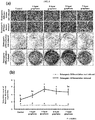
FIG. 3 illustrates the results of photographing the degree of differentiation of human adipose-derived mesenchymal stem cells according to the composition of a stem cell culture medium or an osteogenic induction differentiation medium depending on the lamination degree (1-layer, 3-layer, 5-layer, and 7-layer) of a graphene film (a) according to an embodiment of the present invention, and illustrates a graph obtained by quantitatively calculating the degree of osteogenic differentiation (b). -
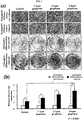
FIG. 4 illustrates the results of photographing the degree of differentiation of mesenchymal stem cells depending on the degree (1-layer, 2-layer, and 3-layer) of lamination of a graphene film (a) according to an embodiment of the present invention, and illustrates a graph obtained by quantitatively calculating the degree of osteogenic differentiation (b). -
FIG. 5 illustrates the results of quantitatively calculating the expression levels of the Runx2 and osteocalcin genes of mesenchymal stem cells according to the degree (singe-layer, two-layer, and three-layer) of lamination of graphene according to an embodiment of the present invention and the composition of a stem cell culture medium or an osteogenic induction differentiation medium. - A culture scaffold for promoting the differentiation of stem cells, including a multi-layer graphene film, according to the present invention may effectively promote the differentiation of a stem cell through graphene film lamination without additional configuration of other materials. In particular, it has been confirmed that the culture scaffold can effectively promote the osteogenic differentiation of a mesenchymal stem cell, and thus the multi-layer graphene film of the present invention, or a stem cell cultured on the multi-layer graphene film may be used in fields using various stem cells in vivo/in vitro, such as osteogenesis and the treatment of bone diseases.
- In the present specification, "graphene" is a material having an atomic-sized honeycomb structure made of carbon atoms, and is a next-generation new material having a thickness of 0.2 nm and very high physical and chemical stability, and "multi-layer graphene film" as used herein is a generic term for a structure in which single-layer graphene is laminated.
- In the present specification, "stem cell" refers to a broad concept referring to undifferentiated cells having the ability to differentiate into various types of body tissue cells, i.e., sternness. These stem cells are broadly divided into embryonic stem cells, which can be produced using embryos, adult stem cells, gametes, and cancer stem cells. Embryonic stem cells refer to the cell mass stage prior to forming specific organs within 14 days after fertilization, and recently, embryonic stem cells may be produced from normal cells through dedifferentiation. Thus, stem cells are not limited as long as they are cells capable of differentiating into all cells and tissues constituting the body. Adult stem cells are extracted from umbilical cord blood, bone marrow, blood, and the like, and refer to primitive cells immediately before differentiation into cells of specific organs such as bone, the liver, blood, and the like. Gametes are cells that pass down genetic information to the next generation through reproduction, and include human sperms and eggs, but the present invention is not limited thereto. Cancer stem cells refer to cancer cells in a comprehensive sense that have a self-renewal or differentiation ability, i.e., sternness, which is a characteristic ability of stem cells. Cancer stem cells generally proliferate at a slow rate or maintain the dormant state, unlike general cancer cells, under normal tumor growth conditions (referring to a state in which nutrients (glucose) necessary for cell growth are sufficient and the growth conditions of a tumor microenvironment are sufficient, and thus there is no cellular stress), and thus may have resistance to anticancer agents. For example, the expression of transcriptional regulators such as PGC-1α is controlled unlike normal tumor cells, and thus the functions of major metabolic regulators may differ from those of general cancer cells. Cancer stem cells comprehensively refer to cells that have acquired resistance to apoptosis in a nutrient-deficient state through these different metabolic regulation capabilities and the regulation of the cellular signal transduction system that is mechanically linked thereto, and have invasive and metastatic capabilities. However, cancer stem cells are not limited as long as they are cells capable of differentiating into general cancer cells.
- In the present specification, "differentiation" refers to a process in which, during division, proliferation, and growth, stem cells attain characteristic structures or functions, and thus are changed into cells of different tissues.
- In the present specification, "treatment" means all actions that alleviate or beneficially change symptoms due to bone diseases via administration of the composition according to the present invention.
- In the present specification, "individual" refers to a subject to which the composition of the present invention can be administered, and the subject is not limited.
- In the present specification, "pharmaceutical composition" may take the form of capsules, tablets, granules, injections, ointments, powders, or beverages, and the pharmaceutical composition may be intended for humans as a subject. The pharmaceutical composition is not limited to the above examples, and may be formulated in the form of oral preparations such as powders, granules, capsules, tablets, and an aqueous suspension, preparations for external application, suppositories, and sterile injection solutions, according to general methods. The pharmaceutical composition of the present disclosure may include a pharmaceutically acceptable carrier. The pharmaceutically acceptable carrier may be a binder, a lubricant, a disintegrant, an excipient, a solubilizing agent, a dispersant, a stabilizer, a suspension agent, a pigment, a flavoring agent, or the like in the case of oral administration, may be used in combination with a buffer, a preservative, an analgesic agent, a solubilizer, an isotonic agent, a stabilizer, or the like in the case of injections, and may be a base, an excipient, a lubricant, a preservative, or the like in the case of local administration. Preparations of the pharmaceutical composition of the present invention may be formulated in a variety of ways by mixing with the above-described pharmaceutically acceptable carrier(s). For example, preparations for oral administration may be formulated in the form of tablets, troches, capsules, elixirs, suspensions, syrups, wafers, or the like, and preparations for injections may be formulated in unit dosage ampoules or in multiple dosage form. In addition, preparations of the pharmaceutical composition may be formulated in the form of solutions, suspensions, tablets, capsules, sustained release type preparations, or the like.
- Meanwhile, examples of suitable carriers, excipients and diluents for formulation include lactose, dextrose, sucrose, sorbitol, mannitol, xylitol, erythritol, maltitol, starch, acacia gum, alginates, gelatin, calcium phosphate, calcium silicate, cellulose, methyl cellulose, micro-crystalline cellulose, polyvinylpyrrolidone, water, methyl hydroxybenzoate, propyl hydroxybenzoate, talc, magnesium stearate, mineral oil, and the like. In addition, the pharmaceutical composition may further include a filler, an anti-coagulant, a lubricant, a wetting agent, a flavoring agent, an emulsifier, a preservative, or the like.
- Administration routes of the pharmaceutical composition according to the present disclosure include, but are not limited to, oral administration, intravenous administration, intramuscular administration, intraarterial administration, intramedullary administration, intradural administration, intracardiac administration, transdermal administration, subcutaneous administration, intraperitoneal administration, intranasal administration, intestinal administration, topical administration, sublingual administration, and rectal administration. Oral or parenteral administration is preferable. The term "parenteral" as used herein is intended to include subcutaneous, intradermal, intravenous, intramuscular, intraarticular, intrabursal, intrasternal, intradural, intralesional, and intracranial injections or injection techniques. The pharmaceutical composition of the present invention may also be administered in the form of a suppository for rectal administration.
- The pharmaceutical composition of the present invention may vary depending on various factors including the activity of the used specific compound, age, body weight, general health, gender, diet, administration time, administration route, excretion rate, drug combination, and the severity of a particular disease to be prevented or treated, and a dosage of the pharmaceutical composition varies according to the condition and body weight of a patient, the severity of disease, drug form, administration route, and administration period, but may be appropriately selected by one of ordinary skill in the art, and may range from 0.0001 mg/kg to 50 mg/kg or 0.001 mg/kg to about 50 mg/kg. Administration may be performed once a day, or multiple times a day. The dosage is not intended to limit the scope of the present disclosure in any way. The pharmaceutical composition according to the present disclosure may be formulated into pills, dragees, capsules, a liquid, a gel, a syrup, a slurry, or a suspension.
- Hereinafter, the following examples will be described to aid in understanding the present invention. However, these examples are provided merely to facilitate the understanding of the present invention and are not intended to limit the contents of the present invention.
- A graphene film was fabricated using chemical vapor deposition (CVD). In order to fabricate a graphene film, a nickel film or a copper film as a catalyst was loaded into a quartz tube. Methane or acetylene gas was added at 1,000 °C to allow carbon to permeate into the catalyst layer or onto the surface thereof. After a reaction was allowed to occur for 30 minutes to 60 minutes, the resultant structure was cooled to room temperature at the same rate as a natural cooling rate, and the catalyst film was removed using an etching solution such as ammonium persulfate (APS) or an iron(III) chloride solution, thereby completing the fabrication of a single-layer graphene (SLG) film. In order to transfer the fabricated graphene to a substrate, poly(methyl methacrylate) (PMMA) was spin-coated on the graphene, and PMMA/graphene was transferred to a glass substrate, a silicon wafer, or a cell culture plate. Subsequently, PMMA was removed using acetone, and then acetone was removed using distilled water. In addition, up to 10 layers of the fabricated single-layer graphene were laminated in distilled water to fabricate a multi-layer graphene (MLG) film. The transfer method was performed in the same manner as that used for the single-layer graphene film. The graphene film fabrication method is schematically illustrated in
FIG. 1 . The fabricated graphene film was confirmed using a scanning electron microscope (SEM). The results thereof are illustrated inFIG. 2 . - As illustrated in
FIG. 2 , it was confirmed that a single-layer or multi-layer graphene film was fabricated to have the desired number of layers, and it was confirmed that, as the number of laminated graphene layers increased, wrinkles having a width of about 30 to 50 nm were formed on the surface of the graphene and the formation of wrinkles was increased. - In order to confirm the effective induction of osteogenic differentiation of human adipose tissue-derived mesenchymal stem cells, stem cells were diffentiated on a glass substrate coated with graphene fabricated in the same manner as in Example 1. Particularly a glass substrate has one layer of a graphene film, a two layer-, three layer-, five layer-, or seven layer-laminated graphene film coated thereon. To confirm the optimal osteogenic differentiation induction environment, 1 x 10⁵ cells/well of mesenchymal stem cells were seeded on a glass substrate with a multi-layer graphene film coated thereon and an uncoated glass substrate (control) in a 24-well culture plate, and then when the confluency reached about 90%, osteogenic differentiation was induced. The osteogenic differentiation was performed while being cultured for 14 days in each case, under the following culture environments, and media were replaced once every three days: 1) on a glass substrate without graphene film lamination in a DMEM low glucose medium excluding a differentiation inducer and supplemented with 10% fetal bovine serum and 1% antibiotic (control); 2) on a glass substrate that was not coated with a graphene film in an osteogenic induction differentiation medium; 3) on a glass substrate coated with a graphene film in a control medium (a DMEM low glucose medium supplemented with 10% fetal bovine serum and 1% antibiotic); and 4) on a glass substrate coated with a graphene film in an osteogenic induction differentiation medium. As the osteogenic induction differentiation medium, a DMEM low glucose medium supplemented with 0.05 mM ascorbate-2-phosphate, 10 mM β-glycerophosphate, 10-7 M dexamethasone, 10% fetal bovine serum, and 1% antibiotic was used.
- To confirm osteogenic differentiation efficiency after osteogenic differentiation was induced in the same manner as in Example 2.1, Alizarin red S (ARS, Sigma) staining was performed. Since ARS has a property of binding to metal ions, it is possible to determine the presence or absence of osteogenic differentiation by staining calcium precipitation (mineralization) secreted by cells. For staining, cell samples at the time of completion of differentiation were treated with 4% paraformaldehyde (PFA) to fix cells at room temperature for 15 minutes. The fixed cells were washed twice with distilled water, and then treated with a 1% ARS staining solution at room temperature for 15 minutes. At this time, the ARS solution was used after adding 1% ARS to distilled water having a pH of 4.5, and stirring the resultant solution using a magnetic bar for 18 hours, followed by filtering. The stained cells were washed five times with distilled water, and then the presence or absence of ARS staining was confirmed under an optical microscope and photographed. Subsequently, in order to quantify the amount of ARS stained according to the above experiment, moisture remaining in the container was removed, and then 500 µL of a 10% cetylpyridinium chloride (CPC) buffer was added, and a reaction was allowed to occur at room temperature for 30 minutes to elute the ARS. The eluted ARS was dispensed into a 96-well plate (SPL) in an amount of 200 µL/well, and the absorbance was measured at 550 nm using a microplate reader (Molecular Device). The results thereof are illustrated in
FIG. 3 . - As shown in
FIG. 3 , it was confirmed that, compared with the glass substrate that was not coated with graphene (control), osteogenic differentiation was increased in the glass substrate coated with a graphene film, and compared with a single-layer graphene film, osteogenic differentiation was effectively increased in 14 days on the substrate coated with a multi-layer graphene film. It was also confirmed that a three-layer graphene film was most effective for osteogenic differentiation of stem cells, and in the case of lamination to greater than five layers, osteogenic differentiation efficiency was reduced, and the differentiation of stem cells was not promoted in a basal culture medium. - Additionally, in order to specifically confirm the effect of a multi-layer graphene film on the osteogenic differentiation of stem cells, an osteogenic differentiation experiment was performed in the same manner using single-layer, two-layer, and three-layer graphene films. The results thereof are illustrated in
FIG. 4 . - As shown in
FIG. 4 , it was confirmed that, the same as the above experiment results, the osteogenic differentiation of mesenchymal stem cells was significantly promoted most effectively on a three-layer graphene film. - From the above results, it was confirmed that two- to four-layer graphene films were effective for the osteogenic differentiation of stem cells, and among the films, the three-layer graphene film was most effective, and the time point of stem cell differentiation can be accurately controlled using the multi-layer graphene film of the present invention.
- In order to accurately analyze the induction of osteogenic differentiation on the multi-layer graphene film of the present invention, particularly two- and three-layer glass substrates, the expression levels of the Runx2 and osteocalcin genes in mesenchymal stem cells having undergone osteogenic differentiation in the same manner as in Example 2.2 were analyzed using real-time PCR. The Runx2 and osteocalcin genes are known as key transcription factors for osteogenic differentiation. Specifically, mRNA was extracted by phenol-chloroform extraction using a TRIzol reagent, and cDNA was synthesized using reverse transcription-polymerase chain reaction (RT-PCR), and then real-time PCR was performed using primers specific to Runx2, osteocalcin, and the GAPDH gene as a control gene. Information on the primers used in PCR is shown in Table 1 below. The results of analyzing the relative gene expression levels by electrophoresis of the PCR products on an agarose gel are shown in
FIG. 5 .[Table 1] Gene Primer sequence SEQ ID NO: human Runx2 5'-gacagccccaacttcctgt-3 ' 1 5'-ccggagctcagcagaataat -3' 2 human Osteocalcin 5'-agcaaaggtgcagcctttgt- 3' 3 5'- gcgcctgggtctcttcact- 3' 4 human Gapdh 5'-gagtcaacggatttggtcgt-3 ' 5 5'-ttgattttggagggatctcg -3' 6 - As shown in
FIG. 5 , it was confirmed that, compared with the control (white bar) in which osteogenic differentiation was not induced, expression of the Runx2 and osteocalcin genes was effectively increased quantitatively significantly on the two- and three-layer graphene films of the experimental groups (black bars) in which osteogenic differentiation was induced. - From the above results, it was confirmed that the osteogenic differentiation of mesenchymal stem cells was effectively promoted by coating with the multi-layer graphene film, and the differentiation induction effect was effectively improved in two- to five-layer graphene. Through this, it was confirmed that various substrates, such as a glass substrate, a silicon wafer, and a cell culture plate, onto which the multi-layer graphene film is transferred can be widely used as a culture scaffold for promoting the differentiation of stem cells.
- While specific embodiments of the present invention have been described in detail, it will be obvious to those of ordinary skill in the art that these detailed descriptions are merely exemplary embodiments and are not intended to limit the scope of the present invention. Therefore, the substantial scope of the present invention should be defined by the appended claims and equivalents thereto.
- A culture scaffold for promoting the differentiation of stem cells, including a multi-layer graphene film according to the present invention not only is effective in promoting the osteogenic differentiation of stem cells only using the scaffold without using a material for promoting differentiation induction, but can also significantly reduce the occurrence of side effects since the scaffold is manufactured using only graphene consisting of carbon atoms that are harmless to the human body without the composition of other additional materials. Thus, the culture scaffold is expected to be effectively applicable to various in-vivo and in-vitro treatments requiring osteocytes.


Claims (15)
- A culture scaffold for promoting the differentiation of a stem cell, the culture scaffold comprising a multi-layer graphene film.
- The culture scaffold of claim 1, wherein the stem cell is an embryonic stem cell or an adult stem cell.
- The culture scaffold of claim 2, wherein the adult stem cell is a mesenchymal stem cell, a hematopoietic stem cell, an adipose-derived stem cell, or a neural stem cell.
- The culture scaffold of claim 1, wherein the promotion of the differentiation is promotion of the osteogenic differentiation of a stem cell.
- The culture scaffold of claim 1, wherein the multi-layer graphene film is two- to ten-layer laminated graphene.
- The culture scaffold of claim 1, wherein the multi-layer graphene film further comprises a cell adhesion molecule attached to a surface thereof.
- A pharmaceutical composition for cell therapy, the pharmaceutical composition comprising, as an active ingredient, stem cells cultured on the culture scaffold of any one of claims 1 to 6.
- A method of regulating the growth and differentiation of a stem cell, the method comprising culturing the stem cell on a culture scaffold for promoting the differentiation of a stem cell, the culture scaffold comprising a multi-layer graphene film.
- A method of manufacturing a culture scaffold for promoting the differentiation of a stem cell, the method comprising:(a) synthesizing a single-layer graphene film; and(b) laminating the synthesized graphene film.
- The method of claim 9, wherein the synthesizing of a single-layer graphene film of process (a) is performed using chemical vapor deposition (CVD), chemical exfoliation, or diffusion-assisted synthesis (DAS).
- The method of claim 9, further comprising, after process (a), transferring the synthesized single-layer graphene film onto a substrate.
- The method of claim 9, further comprising attaching a cell adhesion molecule onto a surface of the laminated multi-layer graphene film.
- The method of claim 9, further comprising patterning a surface of the graphene film by electron beam lithography or photolithography.
- A method of treating a bone disease, the method comprising administering, to an individual, the culture scaffold of any one of claims 1 to 6 or stem cells cultured on the culture scaffold.
- A composition for use in treating a bone disease, the composition comprising, as an active ingredient, the culture scaffold of any one of claims 1 to 6 or stem cells cultured on the culture scaffold.
Applications Claiming Priority (2)
| Application Number | Priority Date | Filing Date | Title |
|---|---|---|---|
| KR1020180041267A KR102039188B1 (en) | 2018-04-09 | 2018-04-09 | Scaffold including multi-layer graphene film for promoting of stem cell differentiation |
| PCT/KR2019/004061 WO2019198986A1 (en) | 2018-04-09 | 2019-04-05 | Culture scaffold for promoting stem cell differentiation comprising multilayer graphene film |
Publications (3)
| Publication Number | Publication Date |
|---|---|
| EP3786284A1 true EP3786284A1 (en) | 2021-03-03 |
| EP3786284A4 EP3786284A4 (en) | 2021-12-29 |
| EP3786284B1 EP3786284B1 (en) | 2025-08-06 |
Family
ID=68163244
Family Applications (1)
| Application Number | Title | Priority Date | Filing Date |
|---|---|---|---|
| EP19786191.7A Active EP3786284B1 (en) | 2018-04-09 | 2019-04-05 | Culture scaffold for promoting stem cell differentiation comprising multilayer graphene film |
Country Status (4)
| Country | Link |
|---|---|
| US (1) | US12533380B2 (en) |
| EP (1) | EP3786284B1 (en) |
| KR (1) | KR102039188B1 (en) |
| WO (1) | WO2019198986A1 (en) |
Families Citing this family (4)
| Publication number | Priority date | Publication date | Assignee | Title |
|---|---|---|---|---|
| CN110804592B (en) * | 2019-12-12 | 2021-03-23 | 天新福(北京)医疗器材股份有限公司 | Method for inducing and culturing nerve cells |
| CN112410289A (en) * | 2021-01-25 | 2021-02-26 | 朗姿赛尔生物科技(广州)有限公司 | Epidermal stem cell culture method |
| CN114369571B (en) * | 2022-01-17 | 2024-02-13 | 济南大学 | Method for inducing neural differentiation of mesenchymal stem cells based on electromagnetic induction |
| CN114561357B (en) * | 2022-01-17 | 2024-02-20 | 济南大学 | Method for accelerating differentiation of neural stem cells into neurons based on radio signals generated by electromagnetic induction |
Family Cites Families (6)
| Publication number | Priority date | Publication date | Assignee | Title |
|---|---|---|---|---|
| US10316290B2 (en) * | 2010-07-08 | 2019-06-11 | National University Of Singapore | Method for controlling differentiation of stem cells using graphene substrates |
| KR101737796B1 (en) * | 2014-08-19 | 2017-05-22 | 울산과학기술원 | Feeder-free culture system for human pluripotent stem cells |
| KR101860301B1 (en) * | 2014-09-19 | 2018-05-24 | (주)세포바이오 | 3d method for osteogenic differentiation using hydrogel |
| WO2016075154A1 (en) | 2014-11-10 | 2016-05-19 | Ethris Gmbh | Induction of osteogenesis by delivering bmp encoding rna |
| EP3440129B1 (en) | 2016-04-07 | 2023-07-19 | Molecular Rebar Design LLC | Discrete carbon nanotubes with targeted oxidation levels and formulations thereof |
| WO2017180901A1 (en) | 2016-04-14 | 2017-10-19 | Massachusetts Eye And Ear Infirmary | Medical device comprising graphene coating |
-
2018
- 2018-04-09 KR KR1020180041267A patent/KR102039188B1/en active Active
-
2019
- 2019-04-05 US US17/046,248 patent/US12533380B2/en active Active
- 2019-04-05 EP EP19786191.7A patent/EP3786284B1/en active Active
- 2019-04-05 WO PCT/KR2019/004061 patent/WO2019198986A1/en not_active Ceased
Also Published As
| Publication number | Publication date |
|---|---|
| WO2019198986A1 (en) | 2019-10-17 |
| US20210030808A1 (en) | 2021-02-04 |
| KR102039188B1 (en) | 2019-10-31 |
| EP3786284A4 (en) | 2021-12-29 |
| US12533380B2 (en) | 2026-01-27 |
| KR20190118086A (en) | 2019-10-17 |
| EP3786284B1 (en) | 2025-08-06 |
Similar Documents
| Publication | Publication Date | Title |
|---|---|---|
| EP3786284B1 (en) | Culture scaffold for promoting stem cell differentiation comprising multilayer graphene film | |
| Martini et al. | Bone morphogenetic protein-2 signaling in the osteogenic differentiation of human bone marrow mesenchymal stem cells induced by pulsed electromagnetic fields | |
| Limana et al. | Myocardial infarction induces embryonic reprogramming of epicardial c-kit+ cells: Role of the pericardial fluid | |
| Bian et al. | Human mesenchymal stem cells promote growth of osteosarcoma: Involvement of interleukin‐6 in the interaction between human mesenchymal stem cells and Saos‐2 | |
| Belviso et al. | The microenvironment of decellularized extracellular matrix from heart failure myocardium alters the balance between angiogenic and fibrotic signals from stromal primitive cells | |
| Lang et al. | LncRNA MHRT promotes cardiac fibrosis via miR-3185 pathway following myocardial infarction | |
| CN105177005B (en) | A kind of long non-coding RNA and its application | |
| Jacques et al. | Implication of the p53-Related miR-34c,-125b, and-203 in the Osteoblastic Differentiation and the Malignant Transformation of Bone Sarcomas | |
| Song et al. | Regulation of inflammation-mediated endothelial to mesenchymal transition with echinochrome a for improving myocardial dysfunction | |
| Frost et al. | Dysregulation of the Wnt signaling pathway in South African patients with diffuse systemic sclerosis | |
| Duan et al. | miR-206 inhibits FN1 expression and proliferation and promotes apoptosis of rat type II alveolar epithelial cells | |
| Kim et al. | USP1 inhibitor ML323 enhances osteogenic potential of human dental pulp stem cells | |
| Duan et al. | Effects of connective tissue growth factor on human periodontal ligament fibroblasts | |
| Lai et al. | Exosomes as vehicles for noncoding RNA in modulating inflammation: A promising regulatory approach for ischemic stroke and myocardial infarction | |
| RU2378375C2 (en) | Method of cardiac hystiocytes proliferation | |
| Zhu et al. | Sfrp1 as a pivotal paracrine factor in the trained pericardial stem cells that foster reparative activity | |
| Zhu et al. | Effect of hypoxia/reoxygenation on cell viability and expression and secretion of neurotrophic factors (NTFs) in primary cultured schwann cells | |
| Gao et al. | Two reactive behaviors of chondrocytes in an IL-1β-induced inflammatory environment revealed by the single-cell RNA sequencing | |
| WO2022221765A1 (en) | Methods of making, expanding and purifying midbrain dopaminergic progenitor cells | |
| Huang et al. | PDE-5-inhibited BMSCs alleviate high glucose-induced myocardial fibrosis and cardiomyocyte apoptosis by activating the cGMP/PKG pathway | |
| An et al. | Low oxygen tension modulates the osteogenic differentiation of mouse embryonic stem cells | |
| Song et al. | Diosmetin affects gene expression on human lung adenocarcinoma cells | |
| EP3795677B1 (en) | Composition for promoting stem cell differentiation, comprising progenitor cell culture solution and multilayer graphene film, and use thereof | |
| Abdelli et al. | A CD63+ ve/c-kit+ ve stem cell population isolated from the mouse heart | |
| CN111892540B (en) | Compound and preparation method and application thereof |
Legal Events
| Date | Code | Title | Description |
|---|---|---|---|
| STAA | Information on the status of an ep patent application or granted ep patent |
Free format text: STATUS: THE INTERNATIONAL PUBLICATION HAS BEEN MADE |
|
| PUAI | Public reference made under article 153(3) epc to a published international application that has entered the european phase |
Free format text: ORIGINAL CODE: 0009012 |
|
| STAA | Information on the status of an ep patent application or granted ep patent |
Free format text: STATUS: REQUEST FOR EXAMINATION WAS MADE |
|
| 17P | Request for examination filed |
Effective date: 20201023 |
|
| AK | Designated contracting states |
Kind code of ref document: A1 Designated state(s): AL AT BE BG CH CY CZ DE DK EE ES FI FR GB GR HR HU IE IS IT LI LT LU LV MC MK MT NL NO PL PT RO RS SE SI SK SM TR |
|
| AX | Request for extension of the european patent |
Extension state: BA ME |
|
| DAV | Request for validation of the european patent (deleted) | ||
| DAX | Request for extension of the european patent (deleted) | ||
| A4 | Supplementary search report drawn up and despatched |
Effective date: 20211129 |
|
| RIC1 | Information provided on ipc code assigned before grant |
Ipc: C01B 32/194 20170101ALI20211123BHEP Ipc: C01B 32/19 20170101ALI20211123BHEP Ipc: C01B 32/186 20170101ALI20211123BHEP Ipc: A61P 19/00 20060101ALI20211123BHEP Ipc: A61K 35/28 20150101ALI20211123BHEP Ipc: C12N 5/0775 20100101ALI20211123BHEP Ipc: C12N 5/077 20100101ALI20211123BHEP Ipc: C12N 5/00 20060101AFI20211123BHEP |
|
| STAA | Information on the status of an ep patent application or granted ep patent |
Free format text: STATUS: EXAMINATION IS IN PROGRESS |
|
| 17Q | First examination report despatched |
Effective date: 20230126 |
|
| GRAP | Despatch of communication of intention to grant a patent |
Free format text: ORIGINAL CODE: EPIDOSNIGR1 |
|
| STAA | Information on the status of an ep patent application or granted ep patent |
Free format text: STATUS: GRANT OF PATENT IS INTENDED |
|
| INTG | Intention to grant announced |
Effective date: 20250226 |
|
| GRAS | Grant fee paid |
Free format text: ORIGINAL CODE: EPIDOSNIGR3 |
|
| GRAA | (expected) grant |
Free format text: ORIGINAL CODE: 0009210 |
|
| STAA | Information on the status of an ep patent application or granted ep patent |
Free format text: STATUS: THE PATENT HAS BEEN GRANTED |
|
| AK | Designated contracting states |
Kind code of ref document: B1 Designated state(s): AL AT BE BG CH CY CZ DE DK EE ES FI FR GB GR HR HU IE IS IT LI LT LU LV MC MK MT NL NO PL PT RO RS SE SI SK SM TR |
|
| REG | Reference to a national code |
Ref country code: GB Ref legal event code: FG4D |
|
| REG | Reference to a national code |
Ref country code: CH Ref legal event code: EP |
|
| REG | Reference to a national code |
Ref country code: IE Ref legal event code: FG4D |
|
| REG | Reference to a national code |
Ref country code: DE Ref legal event code: R096 Ref document number: 602019073726 Country of ref document: DE |
|
| REG | Reference to a national code |
Ref country code: CH Ref legal event code: R17 Free format text: ST27 STATUS EVENT CODE: U-0-0-R10-R17 (AS PROVIDED BY THE NATIONAL OFFICE) Effective date: 20251027 |
|
| REG | Reference to a national code |
Ref country code: NL Ref legal event code: MP Effective date: 20250806 |
|
| PG25 | Lapsed in a contracting state [announced via postgrant information from national office to epo] |
Ref country code: IS Free format text: LAPSE BECAUSE OF FAILURE TO SUBMIT A TRANSLATION OF THE DESCRIPTION OR TO PAY THE FEE WITHIN THE PRESCRIBED TIME-LIMIT Effective date: 20251206 |
|
| PG25 | Lapsed in a contracting state [announced via postgrant information from national office to epo] |
Ref country code: NO Free format text: LAPSE BECAUSE OF FAILURE TO SUBMIT A TRANSLATION OF THE DESCRIPTION OR TO PAY THE FEE WITHIN THE PRESCRIBED TIME-LIMIT Effective date: 20251106 |
|
| REG | Reference to a national code |
Ref country code: LT Ref legal event code: MG9D |
|
| PG25 | Lapsed in a contracting state [announced via postgrant information from national office to epo] |
Ref country code: PT Free format text: LAPSE BECAUSE OF FAILURE TO SUBMIT A TRANSLATION OF THE DESCRIPTION OR TO PAY THE FEE WITHIN THE PRESCRIBED TIME-LIMIT Effective date: 20251209 |
|
| PG25 | Lapsed in a contracting state [announced via postgrant information from national office to epo] |
Ref country code: FI Free format text: LAPSE BECAUSE OF FAILURE TO SUBMIT A TRANSLATION OF THE DESCRIPTION OR TO PAY THE FEE WITHIN THE PRESCRIBED TIME-LIMIT Effective date: 20250806 |
|
| PG25 | Lapsed in a contracting state [announced via postgrant information from national office to epo] |
Ref country code: HR Free format text: LAPSE BECAUSE OF FAILURE TO SUBMIT A TRANSLATION OF THE DESCRIPTION OR TO PAY THE FEE WITHIN THE PRESCRIBED TIME-LIMIT Effective date: 20250806 Ref country code: NL Free format text: LAPSE BECAUSE OF FAILURE TO SUBMIT A TRANSLATION OF THE DESCRIPTION OR TO PAY THE FEE WITHIN THE PRESCRIBED TIME-LIMIT Effective date: 20250806 |
|
| PG25 | Lapsed in a contracting state [announced via postgrant information from national office to epo] |
Ref country code: GR Free format text: LAPSE BECAUSE OF FAILURE TO SUBMIT A TRANSLATION OF THE DESCRIPTION OR TO PAY THE FEE WITHIN THE PRESCRIBED TIME-LIMIT Effective date: 20251107 |
|
| PG25 | Lapsed in a contracting state [announced via postgrant information from national office to epo] |
Ref country code: SE Free format text: LAPSE BECAUSE OF FAILURE TO SUBMIT A TRANSLATION OF THE DESCRIPTION OR TO PAY THE FEE WITHIN THE PRESCRIBED TIME-LIMIT Effective date: 20250806 |
|
| PG25 | Lapsed in a contracting state [announced via postgrant information from national office to epo] |
Ref country code: LV Free format text: LAPSE BECAUSE OF FAILURE TO SUBMIT A TRANSLATION OF THE DESCRIPTION OR TO PAY THE FEE WITHIN THE PRESCRIBED TIME-LIMIT Effective date: 20250806 |
|
| PG25 | Lapsed in a contracting state [announced via postgrant information from national office to epo] |
Ref country code: PL Free format text: LAPSE BECAUSE OF FAILURE TO SUBMIT A TRANSLATION OF THE DESCRIPTION OR TO PAY THE FEE WITHIN THE PRESCRIBED TIME-LIMIT Effective date: 20250806 Ref country code: BG Free format text: LAPSE BECAUSE OF FAILURE TO SUBMIT A TRANSLATION OF THE DESCRIPTION OR TO PAY THE FEE WITHIN THE PRESCRIBED TIME-LIMIT Effective date: 20250806 |
|
| PG25 | Lapsed in a contracting state [announced via postgrant information from national office to epo] |
Ref country code: RS Free format text: LAPSE BECAUSE OF FAILURE TO SUBMIT A TRANSLATION OF THE DESCRIPTION OR TO PAY THE FEE WITHIN THE PRESCRIBED TIME-LIMIT Effective date: 20251106 |
|
| PG25 | Lapsed in a contracting state [announced via postgrant information from national office to epo] |
Ref country code: ES Free format text: LAPSE BECAUSE OF FAILURE TO SUBMIT A TRANSLATION OF THE DESCRIPTION OR TO PAY THE FEE WITHIN THE PRESCRIBED TIME-LIMIT Effective date: 20250806 |
|
| REG | Reference to a national code |
Ref country code: AT Ref legal event code: MK05 Ref document number: 1821861 Country of ref document: AT Kind code of ref document: T Effective date: 20250806 |
|
| PG25 | Lapsed in a contracting state [announced via postgrant information from national office to epo] |
Ref country code: SM Free format text: LAPSE BECAUSE OF FAILURE TO SUBMIT A TRANSLATION OF THE DESCRIPTION OR TO PAY THE FEE WITHIN THE PRESCRIBED TIME-LIMIT Effective date: 20250806 |
|
| PG25 | Lapsed in a contracting state [announced via postgrant information from national office to epo] |
Ref country code: DK Free format text: LAPSE BECAUSE OF FAILURE TO SUBMIT A TRANSLATION OF THE DESCRIPTION OR TO PAY THE FEE WITHIN THE PRESCRIBED TIME-LIMIT Effective date: 20250806 |
|
| PG25 | Lapsed in a contracting state [announced via postgrant information from national office to epo] |
Ref country code: AT Free format text: LAPSE BECAUSE OF FAILURE TO SUBMIT A TRANSLATION OF THE DESCRIPTION OR TO PAY THE FEE WITHIN THE PRESCRIBED TIME-LIMIT Effective date: 20250806 |
|
| PG25 | Lapsed in a contracting state [announced via postgrant information from national office to epo] |
Ref country code: IT Free format text: LAPSE BECAUSE OF FAILURE TO SUBMIT A TRANSLATION OF THE DESCRIPTION OR TO PAY THE FEE WITHIN THE PRESCRIBED TIME-LIMIT Effective date: 20250806 |
|
| PG25 | Lapsed in a contracting state [announced via postgrant information from national office to epo] |
Ref country code: CZ Free format text: LAPSE BECAUSE OF FAILURE TO SUBMIT A TRANSLATION OF THE DESCRIPTION OR TO PAY THE FEE WITHIN THE PRESCRIBED TIME-LIMIT Effective date: 20250806 |
|
| PG25 | Lapsed in a contracting state [announced via postgrant information from national office to epo] |
Ref country code: SK Free format text: LAPSE BECAUSE OF FAILURE TO SUBMIT A TRANSLATION OF THE DESCRIPTION OR TO PAY THE FEE WITHIN THE PRESCRIBED TIME-LIMIT Effective date: 20250806 Ref country code: EE Free format text: LAPSE BECAUSE OF FAILURE TO SUBMIT A TRANSLATION OF THE DESCRIPTION OR TO PAY THE FEE WITHIN THE PRESCRIBED TIME-LIMIT Effective date: 20250806 |