EP3782648A1 - Preventative and therapeutic agents for sarcopenia - Google Patents
Preventative and therapeutic agents for sarcopenia Download PDFInfo
- Publication number
- EP3782648A1 EP3782648A1 EP19789246.6A EP19789246A EP3782648A1 EP 3782648 A1 EP3782648 A1 EP 3782648A1 EP 19789246 A EP19789246 A EP 19789246A EP 3782648 A1 EP3782648 A1 EP 3782648A1
- Authority
- EP
- European Patent Office
- Prior art keywords
- prostaglandin
- phenyl
- carboxamide
- production inhibitor
- carbonyl
- Prior art date
- Legal status (The legal status is an assumption and is not a legal conclusion. Google has not performed a legal analysis and makes no representation as to the accuracy of the status listed.)
- Granted
Links
- YVYZSDBQENIEDJ-UHFFFAOYSA-N CN1C(C(N(CC2)CCN2C(Nc(cc2)ccc2N(CC2)CCC2C(N2CCOCC2)=O)=O)=O)=CCC1 Chemical compound CN1C(C(N(CC2)CCN2C(Nc(cc2)ccc2N(CC2)CCC2C(N2CCOCC2)=O)=O)=O)=CCC1 YVYZSDBQENIEDJ-UHFFFAOYSA-N 0.000 description 1
- NXJQBPWHXDGCQZ-UHFFFAOYSA-N O=C(Nc(cc1)ccc1N1CC(CC[n]2ncnc2)CC1)N(CC1)CCC1=Cc1ccccn1 Chemical compound O=C(Nc(cc1)ccc1N1CC(CC[n]2ncnc2)CC1)N(CC1)CCC1=Cc1ccccn1 NXJQBPWHXDGCQZ-UHFFFAOYSA-N 0.000 description 1
Images




Classifications
-
- A—HUMAN NECESSITIES
- A61—MEDICAL OR VETERINARY SCIENCE; HYGIENE
- A61K—PREPARATIONS FOR MEDICAL, DENTAL OR TOILETRY PURPOSES
- A61K31/00—Medicinal preparations containing organic active ingredients
- A61K31/33—Heterocyclic compounds
- A61K31/395—Heterocyclic compounds having nitrogen as a ring hetero atom, e.g. guanethidine or rifamycins
- A61K31/435—Heterocyclic compounds having nitrogen as a ring hetero atom, e.g. guanethidine or rifamycins having six-membered rings with one nitrogen as the only ring hetero atom
- A61K31/44—Non condensed pyridines; Hydrogenated derivatives thereof
- A61K31/445—Non condensed piperidines, e.g. piperocaine
- A61K31/4523—Non condensed piperidines, e.g. piperocaine containing further heterocyclic ring systems
- A61K31/454—Non condensed piperidines, e.g. piperocaine containing further heterocyclic ring systems containing a five-membered ring with nitrogen as a ring hetero atom, e.g. pimozide, domperidone
-
- A—HUMAN NECESSITIES
- A61—MEDICAL OR VETERINARY SCIENCE; HYGIENE
- A61K—PREPARATIONS FOR MEDICAL, DENTAL OR TOILETRY PURPOSES
- A61K31/00—Medicinal preparations containing organic active ingredients
- A61K31/33—Heterocyclic compounds
- A61K31/395—Heterocyclic compounds having nitrogen as a ring hetero atom, e.g. guanethidine or rifamycins
- A61K31/41—Heterocyclic compounds having nitrogen as a ring hetero atom, e.g. guanethidine or rifamycins having five-membered rings with two or more ring hetero atoms, at least one of which being nitrogen, e.g. tetrazole
- A61K31/4164—1,3-Diazoles
- A61K31/4184—1,3-Diazoles condensed with carbocyclic rings, e.g. benzimidazoles
-
- A—HUMAN NECESSITIES
- A61—MEDICAL OR VETERINARY SCIENCE; HYGIENE
- A61K—PREPARATIONS FOR MEDICAL, DENTAL OR TOILETRY PURPOSES
- A61K31/00—Medicinal preparations containing organic active ingredients
- A61K31/33—Heterocyclic compounds
- A61K31/395—Heterocyclic compounds having nitrogen as a ring hetero atom, e.g. guanethidine or rifamycins
- A61K31/535—Heterocyclic compounds having nitrogen as a ring hetero atom, e.g. guanethidine or rifamycins having six-membered rings with at least one nitrogen and one oxygen as the ring hetero atoms, e.g. 1,2-oxazines
- A61K31/5375—1,4-Oxazines, e.g. morpholine
- A61K31/5377—1,4-Oxazines, e.g. morpholine not condensed and containing further heterocyclic rings, e.g. timolol
-
- A—HUMAN NECESSITIES
- A61—MEDICAL OR VETERINARY SCIENCE; HYGIENE
- A61P—SPECIFIC THERAPEUTIC ACTIVITY OF CHEMICAL COMPOUNDS OR MEDICINAL PREPARATIONS
- A61P21/00—Drugs for disorders of the muscular or neuromuscular system
-
- A—HUMAN NECESSITIES
- A61—MEDICAL OR VETERINARY SCIENCE; HYGIENE
- A61P—SPECIFIC THERAPEUTIC ACTIVITY OF CHEMICAL COMPOUNDS OR MEDICINAL PREPARATIONS
- A61P21/00—Drugs for disorders of the muscular or neuromuscular system
- A61P21/06—Anabolic agents
Definitions
- the present invention relates to a preventive and/or therapeutic agent for sarcopenia.
- Sarcopenia is a disease characterized by progressive and systemic skeletal muscle mass loss and muscle strength loss, occurring in approximately 30% of American males and females over the age of 60, and 50% of those over the age of 80 (Non-patent Literature (NPL) 1). Sarcopenia is believed to cause mobility impairment in 2 to 5% of the elderly (NPL 2). Muscle mass loss and muscle strength loss in the elderly often occur as diminished physical functions, resulting in a reduction in quality of life and an increase in risk of adverse health events (e.g., falls and post-fall fractures).
- NPL Non-patent Literature
- Sarcopenia includes primary (age-related) sarcopenia with no apparent cause other than aging, and secondary sarcopenia with one or more apparent causes other than aging. Disuse muscle atrophy, which occurs when muscle is not used for a long period of time due to hospitalization etc., is included in secondary sarcopenia.
- PTL 1, PTL 2, and PTL 3 disclose prostaglandin D2 production inhibitors, such as 4- ⁇ (1-methyl-1H-pyrrol-2-yl)carbonyl ⁇ -N-[4- ⁇ 4-(4-morpholinylcarbonyl)-1-piperidinyl ⁇ phenyl]-1-piperazine carboxamide, N-methoxy-N-methyl-4-(5-benzoylbenzimidazol-2-yl)-3,5-dimethylpyrrole-2-carboxamide, and 4-(diphenylmethoxy)-1-[3-(2H-tetrazol-5-yl)propyl]piperidine.
- prostaglandin D2 production inhibitors such as 4- ⁇ (1-methyl-1H-pyrrol-2-yl)carbonyl ⁇ -N-[4- ⁇ 4-(4-morpholinylcarbonyl)-1-piperidinyl ⁇ phenyl]-1-piperazine carboxamide, N-methoxy-N-methyl-4-(5-benz
- An object of the present invention is to provide a novel preventive and/or therapeutic agent for sarcopenia.
- the present inventors conducted repeated studies on preventive and therapeutic methods for sarcopenia, and found that the administration of a prostaglandin D2 production inhibitor can prevent and treat sarcopenia. The inventors conducted further studies based on such findings. The present invention has thus been accomplished.
- the present invention encompasses the following embodiments.
- the present invention is capable of effectively preventing and treating sarcopenia with almost no side effects.
- the present invention relates to a preventive and/or therapeutic agent for sarcopenia, comprising a prostaglandin D2 production inhibitor as an active ingredient.
- the "prostaglandin D2 production inhibitor” is not particularly limited as long as it is a drug that inhibits the synthesis of prostaglandin D2 (sometimes referred to in this specification as "PGD2").
- PGD2 is an inflammatory mediator that is produced and released in the largest amount by mast cells activated by binding of a complex of antigens and immunoglobulin E. PGD2 participates in the onset and exacerbation of various diseases, including allergies, and in the regulatory mechanisms of the body.
- Prostaglandin D synthases Synthases that generate PGD2 are referred to as “prostaglandin D synthases", and two different types, hematopoietic prostaglandin D synthase and lipocalin-type prostaglandin D synthase, are known to exist.
- Human hematopoietic prostaglandin D synthases H-PGDS are mainly distributed throughout the placenta, lungs, fetus liver, lymph nodes, brain, heart, thymus, bone marrow, and spleen.
- microglia cells in the brain are reported to be expressed in microglia cells in the brain, bone marrow megakaryocyte, and many kinds of antigen-presenting cells such as Langerhans cells in the skin; Kupffer cells in the liver; macrophages; and dendritic cells, mast cells, and Th2 cells.
- antigen-presenting cells such as Langerhans cells in the skin; Kupffer cells in the liver; macrophages; and dendritic cells, mast cells, and Th2 cells.
- the PGD2 production inhibitor of the present invention may inhibit the synthetic activity of hematopoietic prostaglandin D synthase or lipocalin-type prostaglandin D synthase.
- the inhibitor of the present invention is preferably a drug that inhibits the synthesis of PGD2 by hematopoietic prostaglandin D synthase (H-PGDS) (H-PGDS inhibitor).
- the PGD2 production inhibitor of the present invention may be a small molecule compound targeting prostaglandin D synthases, a specific antibody against prostaglandin D synthases (e.g., an antibody capable of inhibiting the synthase activity of prostaglandin D synthase), an antisense oligonucleotide against prostaglandin D synthases, an aptamer, or the like.
- Examples of the PGD2 production inhibitor include 4- ⁇ (1-methyl-1H-pyrrol-2-yl)carbonyl ⁇ -N-[4- ⁇ 4-(4-morpholinylcarbonyl)-1-piperidinyl ⁇ phenyl]-1-piperazine carboxamide represented by the following chemical formula (which may be referred to in this specification as "compound (1)”): 4-(diphenylmethoxy)-1-[3-(2H-tetrazol-5-yl)propyl]piperidine represented by the following chemical formula (which may be referred to in this specification as "compound (2)”): N-methoxy-N-methyl-4-(5-benzoylbenzimidazol-2-yl)-3,5-dimethylpyrrole-2-carboxamide represented by the following chemical formula (which may be referred to in this specification as "compound (3)”): N-(4-(3-(2-(1H-1,2,4-triazol-1-yl)ethyl)pyrrolidin-1-y
- pharmaceutically acceptable salt refers to salts that exhibit a desired pharmacological activity of the compounds, and that are prepared from pharmaceutically acceptable non-toxic bases or acids including, inorganic or organic bases and inorganic or organic acids.
- salts include acid addition salts with inorganic acids, such as hydrochloric acid, hydrobromic acid, hydroiodic acid, sulfuric acid, nitric acid, and phosphoric acid; acid addition salts with organic acids, such as formic acid, acetic acid, propionic acid, oxalic acid, malonic acid, succinic acid, fumaric acid, maleic acid, lactic acid, malic acid, citric acid, tartaric acid, carbonic acid, picric acid, methanesulfonic acid, paratoluenesulfonic acid, and glutamic acid; salts with inorganic bases, such as sodium, potassium, magnesium, calcium, and aluminum; salts with organic bases, such as methylamine, ethylamine, meglumine, and ethanolamine; salts with basic amino acids, such as lysine, arginine, and ornithine; and ammonium salts.
- inorganic acids such as hydrochloric acid, hydrobromic acid, hydroiodic
- the PGD2 production inhibitor of the present invention can be produced by a known organic synthesis method.
- 4- ⁇ (1-methyl-1H-pyrrol-2-yl)carbonyl ⁇ -N-[4- ⁇ 4-(4-morpholinylcarbonyl)-1-piperidinyl ⁇ phenyl]-1-piperazine carboxamide can be produced in accordance with the method disclosed in WO2010/104024 .
- N-Methoxy-N-methyl-4-(5-benzoylbenzimidazol-2-yl)-3,5-dimethylpyrrole-2-carboxamide can be produced in accordance with the method disclosed in WO2007/007778 .
- 4-(Diphenylmethoxy)-1-[3-(2H-tetrazol-5-yl)propyl]piperidine can be produced in accordance with the method disclosed in WO95/01350 .
- N-(4-(3-(2-(1H-1,2,4-Triazol-1-yl)ethyl)pyrrolidin-1-yl)phenyl)-4-(pyridin-2-ylmethylene)piperidine-1-carboxamide can be produced in accordance with the method disclosed in WO2012/033069 .
- 4-((1-Methylpyrrol-2-yl)-carbonyl)-N-(1-(4-(2-(1H-1,2,3-triazol-1-yl)-ethyl)-phenyl)-piperidin-4-yl)-1-piperazine carboxamide can be produced in accordance with the method disclosed in WO2011/090062 .
- Sarcopenia is a disease characterized by progressive and systemic skeletal muscle mass loss and muscle strength loss.
- the European working group on sarcopenia in older people has proposed classifying sarcopenia into "pre-sarcopenia,” which is characterized by only a decrease in the amount of muscle, "sarcopenia,” which is characterized by two findings, i.e., muscle amount decrease and muscle strength loss or physical performance deterioration, and "severe sarcopenia,” which is characterized by three findings, i.e., muscle amount decrease, muscle strength loss, and physical performance deterioration.
- pre-sarcopenia which is characterized by only a decrease in the amount of muscle
- sarcopenia which is characterized by two findings, i.e., muscle amount decrease and muscle strength loss or physical performance deterioration
- severe sarcopenia which is characterized by three findings, i.e., muscle amount decrease, muscle strength loss, and physical performance deterioration.
- Sarcopenia includes primary (age-related) sarcopenia with no apparent cause other than aging, and secondary sarcopenia with one or more apparent causes other than aging.
- Secondary sarcopenia is categorized into three main causes, i.e., a decrease in activity, diseases (e.g., those associated with severe organ failure, inflammatory diseases, malignant tumors, or endocrine diseases), and insufficient intake of nutrients.
- Secondary sarcopenia includes disuse muscle atrophy, which occurs when muscle is not used for a long period of time due to hospitalization etc.
- sarcopenia Due to the difference in onset mechanisms, sarcopenia is distinguished from various myopathies, such as acquired myopathies and hereditary myopathies, which cause symptoms in muscle. Specific examples of acquired myopathies include myositis. Specific examples of hereditary myopathies include muscular dystrophy. Myopathies are progressive intractable diseases in which muscle strength is reduced due to muscle atrophy, and often develop at a young age, like Duchenne muscular dystrophy, which is a typical disease. On the other hand, sarcopenia is a disease caused by a negative balance between muscle synthesis and degradation, leading to a decrease in the amount of muscle. It is believed that there is no direct genetic cause in sarcopenia, as in the dystrophin gene mutation in Duchenne muscular dystrophy.
- Inflammatory myopathies such as myositis
- myositis are diseases in which inflammation is caused specifically in muscle itself.
- Sarcopenia on the other hand, can develop in association with inflammatory diseases in tissues other than muscle (e.g., rheumatoid arthritis, pulmonary tuberculosis, and inflammatory bowel disease).
- treatment or "therapeutic” as used in this specification generally means a cure or amelioration of symptoms associated with sarcopenia, or suppression of the symptoms.
- prevention or “preventive” means preventing the onset of symptoms associated with sarcopenia.
- the preventive agent and therapeutic agent of the present invention may consist only of a PGD2 production inhibitor, which is an active ingredient.
- the preventive agent and therapeutic agent also can further comprise a pharmaceutical carrier, and the like, in addition to the PGD2 production inhibitor as an active ingredient. Accordingly, the preventive agent and therapeutic agent of the present invention can be prepared as a pharmaceutical composition consisting of a single component or containing two or more components.
- the preventive agent and therapeutic agent of the present invention can be produced as various dosage formulations by a known method optionally using a pharmaceutically acceptable carrier.
- the administration may be oral or parenteral.
- examples of the formulation form include, but are not particularly limitated to, oral agents, such as tablets, coated tablets, pills, powders, granules, capsules, liquids, suspensions, and emulsions; and parenteral agents, such as injections, suppositories, and inhalants.
- examples of carriers include excipients, such as lactose, sucrose, sodium chloride, glucose, urea, starch, calcium carbonate, kaolin, crystalline cellulose, or silicic acid; binders, such as water, ethanol, propanol, cornstarch, simple syrup, glucose solution, starch solution, gelatin solution, carboxymethylcellulose, shellac, methylcellulose, hydroxypropylcellulose, hydroxypropylmethylcellulose, potassium phosphate, or polyvinyl pyrrolidone; disintegrants, such as dry starch, sodium alginate, powdered agar, powdered laminaran, sodium hydrogencarbonate, calcium carbonate, polyoxyethylene sorbitan fatty acid ester, sodium lauryl sulfate, stearic acid monoglyceride, or lactose; disintegration inhibitors, such as sucrose, stearic acid, cacao butter, or hydrogenated oils; absorbefacients, such as quaternary ammonium
- examples of the carrier include excipients, such as glucose, lactose, starch, cacao butter, hardened vegetable oil, kaolin, or talc; binders, such as gum arabic powder, tragacanth powder, gelatin, or ethanol; and disintegrators, such as laminaran or agar.
- excipients such as glucose, lactose, starch, cacao butter, hardened vegetable oil, kaolin, or talc
- binders such as gum arabic powder, tragacanth powder, gelatin, or ethanol
- disintegrators such as laminaran or agar.
- an internal liquid medicine, a syrup, an elixir, or the like may be prepared by a standard method using a sweetening/flavoring agent, buffer, stabilizer, etc.
- sweetening/flavoring agents include sucrose, orange peel, citric acid, and tartaric acid
- buffers include sodium citrate
- stabilizers include tragacanth, gum arabic, and gelatin.
- examples of usable carriers include polyethylene glycol, cacao butter, higher alcohols, esters of higher alcohols, gelatin, and semisynthetic glycerides.
- the liquids, emulsions, and suspensions are preferably sterilized and rendered isotonic to the blood.
- diluents for preparing such dosage forms include water, aqueous lactic acid solution, ethyl alcohol, propylene glycol, macrogols, ethoxylated isostearyl alcohol, polyoxyethylenated isostearyl alcohol, and polyoxyethylene sorbitan fatty acid ester.
- sodium chloride, glucose, or glycerin in an amount sufficient to prepare an isotonic solution may be added to the pharmaceutical formulation.
- solubilizers, buffers, anesthetics, and the like may also be added to the pharmaceutical formulation.
- inhalants various forms, such as an aerosol, a powdered inhalant, and a liquid inhalant, can be used.
- coloring agents may be incorporated, if necessary, into the pharmaceutical formulation.
- the daily dose refers to an amount of active ingredient to be administered daily.
- the daily dose of the PGD2 production inhibitor on the day of administration varies depending on the patient's symptoms, weight, age, sex, etc., and cannot be determined unconditionally. From the viewpoint of the prevention and/or therapeutic effect on sarcopenia, the dose is usually preferably 50 to 4000 mg/day, more preferably 100 to 4000 mg/day, and even more preferably 400 to 1600 mg/day in an adult (body weight: 50 kg).
- the PGD2 production inhibitor is preferably administered so that the blood concentration of the patient after administration is preferably 1000 to 800000 ng ⁇ hr/mL, and more preferably 1500 to 40000 ng ⁇ hr/mL.
- the amount of the prostaglandin D2 production inhibitor to be incorporated in each of the above dosage unit forms varies depending on the symptoms of the patient to which the inhibitor is applied or depending on its dosage form etc.
- the amount per dosage unit form is preferably 0.05 to 1000 mg for an oral agent, 0.01 to 500 mg for an injection, and 1 to 1000 mg for a suppository.
- the preventive agent and therapeutic agent of the present invention are appropriately determined according to the formulation form, age, sex, other conditions of the patient, the severity of the symptoms of the patient, and the like.
- tablets, pills, powders, granules, capsules, liquids, suspensions, and emulsions are orally administered.
- Injections are intravenously administered singly, or as a mixture with a general infusion liquid, such as liquid glucose or an amino acid liquid. Further, as necessary, the injections are singly administered intra-arterially, intramuscularly, intradermally, subcutaneously, or intraperitoneally. Suppositories are intrarectally administered.
- Examples of the subject of administration of the preventive or therapeutic agent of the present invention include mammals, such as humans, monkeys, mice, rats, rabbits, dogs, cats, cattle, horses, pigs, and sheep.
- the age of the subject to which the preventive or therapeutic agent of the present invention is administered is not particularly limited.
- the person may be 60 or older, at which age there is a higher tendency of developing primary (age-related) sarcopenia with age, and the person is more preferably 70 or older, and even more preferably 80 or older.
- secondary sarcopenia which includes disuse muscle atrophy, may develop in people at all ages, in addition to the elderly, and the age of the subject of administration is not limited.
- the present invention includes the following embodiments.
- a preventive and/or therapeutic agent for sarcopenia comprising a prostaglandin D2 production inhibitor as an active ingredient.
- a pharmaceutical composition for preventing and/or treating sarcopenia comprising a prostaglandin D2 production inhibitor.
- a preventive and/or therapeutic method for sarcopenia comprising administering an effective amount of a prostaglandin D2 production inhibitor to a subject in need thereof.
- a prostaglandin D2 production inhibitor for use in the prevention and/or treatment of sarcopenia.
- Use of a prostaglandin D2 production inhibitor in the manufacture of a preventive and/or therapeutic agent for sarcopenia.
- Test Example 1 Evaluation of inhibition of muscular atrophy in tail-suspended mice - Part 1
- mice Eight-week-old C57/BL6J male mice (Japan SLC, Inc., Shizuoka, Japan) were subjected to tail-suspension to obtain mice model with disuse muscle atrophy of their lower limbs.
- the tail-suspension was performed according to the description in Skelet Muscle. 2015; 5:34 . Specifically, the tail of a mouse was fixed so that the hind limbs of the mouse did not touch the ground, and this state was maintained for about 2 weeks. Tail-suspension is known to cause skeletal muscle mass loss and muscle strength loss in the hind limbs, whereby an experimental model with disuse muscle atrophy, which is one type of sarcopenia, can be produced.
- micro-CT micro-computed tomography
- the midpoint of the fibula in the lower limb of each mouse was determined using 3D images created from the micro-CT images, and the volume of total muscle mass at the measurement area starting from the midpoint was measured.
- the lower leg includes the gastrocnemius muscle, soleus muscle, tibialis anterior muscle, and extensor digitorum longus muscle.
- the triceps surae muscle refers to the gastrocnemius muscle and the soleus muscle.
- Fig. 2 shows the results.
- Fig. 3 shows the results.
- control tail-suspension group showed muscle mass loss in all of the hind limb muscles, while the compound administration groups showed a tendency to suppress a decrease in the muscle amount in all of the hind limb muscles.
- the gastrocnemius muscle collected from the mouse lower limb after tail-suspension was rapidly frozen, and PBS was added thereto, followed by disruption using a homogenizer.
- the disrupted liquid was centrifuged (4°C, 15,000 rpm) for 10 minutes, and the supernatant was collected.
- the concentration of PGD2 contained in the supernatant was measured by the ELISA method (Prostaglandin D2 ELISA, manufactured by Cayman Chemical Company).
- the measurement results of the ELISA method were corrected based on the total protein concentration of the supernatant, and the content of PGD2 per 1 mg of protein in the muscle (ng/mg of protein) was determined.
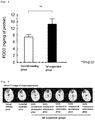
- Fig. 4 shows the results. The results revealed that the tail-suspension promoted the PGD2 production in skeletal muscle.
- the preventive and therapeutic effects of the compound of the present invention can be verified by initiating feeding the mixed feed that contained compound (1) at the same time as the tail-suspension was performed.
- the results shown in Figs. 1 to 3 above clarified the preventive effect and therapeutic effect of compound (1) of the present invention on muscle mass loss and on a decrease in the muscle amount.
- Blood was collected from the face by using an animal lancet at 10 a.m., 1, 5, and 9 p.m. on day 12 and 10 a.m. on day 13.
- Test Example 3 Evaluation of inhibition of muscular atrophy in tail-suspended mice - Part 2
- mice Eight-week-old C57/BL6J male mice (Japan SLC, Inc., Shizuoka, Japan) were subjected to the tail-suspension to obtain mice model with disuse muscle atrophy of their lower limbs.
- micro-CT imaging of the mouse hind limbs was performed.
- the muscle volume at the periphery of the tibia was measured using 3D volumetric analysis software.
- Micro-CT imaging was performed using a microfocus X-ray CT system (micro-CT: SMX-90T, manufactured by Shimadzu Corporation).
- Fig. 5 shows examples of micro-CT images.
- the midpoint of the fibula in the lower limb of each mouse was determined using 3D images created from the micro-CT images, and the volume of total muscle mass at the measurement area starting from the midpoint was measured.
- Fig. 6 shows the results.
- Fig. 7 shows the rate of increase in the muscle volume, based on the control tail-suspension group. The rate of increase was calculated according to the following: (compound administration group - control tail-suspension group)/(normal breeding group - control tail-suspension group) ⁇ 100.
- Fig. 8 shows the results.
- Fig. 9 shows the rate of increase in the muscle mass, based on the control tail-suspension group. The rate of increase was calculated according to the following: (compound administration group - control tail-suspension group)/(normal breeding group - control tail-suspension group) ⁇ 100.
- the control tail-suspension group which was subjected to tail suspension, showed considerable muscle mass loss, while the compound administration groups, which were fed with the mixed feed of compound (1), compound (3), compound (4), or compound (5), showed significant suppression of muscle mass loss.
- the group that was fed with the mixed feed that contained compound (2) did not show significant suppression of muscle mass loss although a tendency toward suppression was observed.
- the control tail-suspension group showed a decrease in the mass of gastrocnemius muscle while the compound administration groups, which were fed with the mixed feed of compound (1), compound (3), compound (4), or compound (5), showed significant suppression of the decrease in the muscle amount.
- the group that was fed with the mixed feed that contained compound (2) did not show a significant difference although a tendency toward suppression of the decrease in the muscle amount was observed.
- the preventive and therapeutic effects of the compound of the present invention can be verified by initiating feeding the mixed feed that contained the compounds at the same time as the tail-suspension was performed.
- the results shown in Figs. 5 to 9 above revealed that compound (1), compound (3), compound (4), and compound (5) showed a significant improvement, and compound (2) also showed a tendency toward improvement.
- Test Example 4 Inhibition of muscular atrophy in tail-suspended mice - Part 3
- mice Eight-week-old C57/BL6J male mice (Japan SLC, Inc., Shizuoka, Japan) were subjected to the tail-suspension to obtain mice model with disuse muscle atrophy of their lower limbs.
- Micro-CT imaging of the mouse hind limbs was performed before tail suspension, 1 week after suspension, 2 weeks after suspension, and 3 weeks after suspension.
- the muscle volume at the periphery of the tibia was measured using 3D volumetric analysis software.
- Micro-CT imaging was performed using a microfocus X-ray CT system (micro-CT: SMX-90T, manufactured by Shimadzu Corporation).
- Fig. 10 shows examples of micro-CT images 3 weeks after suspension.
- the midpoint of the fibula in the lower limb of each mouse was determined using 3D images created from the micro-CT images, and the volume of total muscle mass at the measurement area starting from the midpoint was measured.
- Fig. 11 shows the results of the volume change.
- Fig. 12 shows the results.
- the control tail-suspension group which was subjected to tail suspension, showed significant muscle mass loss at week 1 after the tail suspension, and the muscle mass loss was further promoted at week 2, and the loss was maintained at the same level until week 3.
- the group fed with the mixed feed that contained compound (1) did not show further muscle mass loss at week 1 after the tail-suspension, and the muscle amount showed a tendency toward an increase instead.
- This group showed a significantly higher muscle amount at week 2 and week 3, compared to the control tail-suspension group; accordingly, the therapeutic effect of compound (1) was confirmed.
- control tail-suspension group showed a decrease in the mass of gastrocnemius muscle while the compound administration group, which was fed with the mixed feed of compound (1), showed a significant therapeutic effect on the muscle amount.
Landscapes
- Health & Medical Sciences (AREA)
- Chemical & Material Sciences (AREA)
- Medicinal Chemistry (AREA)
- Pharmacology & Pharmacy (AREA)
- Life Sciences & Earth Sciences (AREA)
- Animal Behavior & Ethology (AREA)
- General Health & Medical Sciences (AREA)
- Public Health (AREA)
- Veterinary Medicine (AREA)
- Epidemiology (AREA)
- Engineering & Computer Science (AREA)
- Bioinformatics & Cheminformatics (AREA)
- Neurology (AREA)
- Orthopedic Medicine & Surgery (AREA)
- Physical Education & Sports Medicine (AREA)
- Chemical Kinetics & Catalysis (AREA)
- General Chemical & Material Sciences (AREA)
- Nuclear Medicine, Radiotherapy & Molecular Imaging (AREA)
- Organic Chemistry (AREA)
- Endocrinology (AREA)
- Pharmaceuticals Containing Other Organic And Inorganic Compounds (AREA)
- Medicines That Contain Protein Lipid Enzymes And Other Medicines (AREA)
- Medicines Containing Material From Animals Or Micro-Organisms (AREA)
Abstract
Description
- The present invention relates to a preventive and/or therapeutic agent for sarcopenia.
- Sarcopenia is a disease characterized by progressive and systemic skeletal muscle mass loss and muscle strength loss, occurring in approximately 30% of American males and females over the age of 60, and 50% of those over the age of 80 (Non-patent Literature (NPL) 1). Sarcopenia is believed to cause mobility impairment in 2 to 5% of the elderly (NPL 2). Muscle mass loss and muscle strength loss in the elderly often occur as diminished physical functions, resulting in a reduction in quality of life and an increase in risk of adverse health events (e.g., falls and post-fall fractures).
- Sarcopenia includes primary (age-related) sarcopenia with no apparent cause other than aging, and secondary sarcopenia with one or more apparent causes other than aging. Disuse muscle atrophy, which occurs when muscle is not used for a long period of time due to hospitalization etc., is included in secondary sarcopenia.
- There is no approved drug for treating sarcopenia at present. With an increase in the number of the patients in an aging society, the creation of therapeutic drugs has been required.
-
PTL 1,PTL 2, andPTL 3 disclose prostaglandin D2 production inhibitors, such as 4-{(1-methyl-1H-pyrrol-2-yl)carbonyl}-N-[4-{4-(4-morpholinylcarbonyl)-1-piperidinyl}phenyl]-1-piperazine carboxamide, N-methoxy-N-methyl-4-(5-benzoylbenzimidazol-2-yl)-3,5-dimethylpyrrole-2-carboxamide, and 4-(diphenylmethoxy)-1-[3-(2H-tetrazol-5-yl)propyl]piperidine. -
- PTL 1:
WO2010/104024 - PTL 2:
WO2007/007778 - PTL 3:
WO95/01350 -
- NPL 1: Baumgartner et al., Am J Epidemiol. 1998; 147: 755-63.
- NPL 2: Dam et al., J Gerontol A Biol Sci Med Sci. 2014; 69: 584-90.
- An object of the present invention is to provide a novel preventive and/or therapeutic agent for sarcopenia.
- The present inventors conducted repeated studies on preventive and therapeutic methods for sarcopenia, and found that the administration of a prostaglandin D2 production inhibitor can prevent and treat sarcopenia. The inventors conducted further studies based on such findings. The present invention has thus been accomplished.
- More specifically, the present invention encompasses the following embodiments.
-
Item 1. A preventive and/or therapeutic agent for sarcopenia comprising a prostaglandin D2 production inhibitor as an active ingredient. -
Item 2. The preventive and/or therapeutic agent according toItem 1, wherein the prostaglandin D2 production inhibitor is an H-PGDS inhibitor. -
Item 3. The preventive and/or therapeutic agent according toItem -
Item 4. The preventive and/or therapeutic agent according toItem 3, wherein the prostaglandin D2 production inhibitor is 4-{(1-methyl-1H-pyrrol-2-yl)carbonyl}-N-[4-{4-(4-morpholinylcarbonyl)-1-piperidinyl}phenyl]-1-piperazine carboxamide. -
Item 5. A pharmaceutical composition for preventing and/or treating sarcopenia, comprising a prostaglandin D2 production inhibitor. -
Item 6. The pharmaceutical composition according toItem 5, wherein the prostaglandin D2 production inhibitor is an H-PGDS inhibitor. - Item 7. The pharmaceutical composition according to
Item -
Item 8. The pharmaceutical composition according to Item 7, wherein the prostaglandin D2 production inhibitor is 4-{(1-methyl-1H-pyrrol-2-yl)carbonyl}-N-[4-{4-(4-morpholinylcarbonyl)-1-piperidinyl}phenyl]-1-piperazine carboxamide. - Item 9. A preventive and/or therapeutic method for sarcopenia, comprising administering an effective amount of a prostaglandin D2 production inhibitor.
-
Item 10. The preventive and/or therapeutic method according to Item 9, wherein the prostaglandin D2 production inhibitor is an H-PGDS inhibitor. - Item 11. The preventive and/or therapeutic method according to
Item 9 or 10, wherein the prostaglandin D2 production inhibitor is 4-{(1-methyl-1H-pyrrol-2-yl)carbonyl}-N-[4-{4-(4-morpholinylcarbonyl)-1-piperidinyl}phenyl]-1-piperazine carboxamide, N-methoxy-N-methyl-4-(5-benzoylbenzimidazol-2-yl)-3,5-dimethylpyrrole-2-carboxamide, 4-(diphenylmethoxy)-1-[3-(2H-tetrazol-5-yl)propyl]piperidine, N-(4-(3-(2-(1H-1,2,4-triazol-1-yl)ethyl)pyrrolidin-1-yl)phenyl)-4-(pyridin-2-ylmethylene)piperidine-1-carboxamide, or 4-((1-methylpyrrol-2-yl)-carbonyl)-N-(1-(4-(2-(1H-1,2,3-triazol-1-yl)-ethyl)-phenyl)-piperidin-4-yl)-1-piperazine carboxamide. -
Item 12. The preventive and/or therapeutic method according to Item 11, wherein the prostaglandin D2 production inhibitor is 4-{(1-methyl-1H-pyrrol-2-yl)carbonyl}-N-[4-{4-(4-morpholinylcarbonyl)-1-piperidinyl}phenyl]-1-piperazine carboxamide. - Item 13. A prostaglandin D2 production inhibitor for use in the prevention and/or treatment of sarcopenia.
-
Item 14. The prostaglandin D2 production inhibitor according to Item 13, wherein the prostaglandin D2 production inhibitor is an H-PGDS inhibitor. - Item 15. The prostaglandin D2 production inhibitor according to
Item 13 or 14, which is 4-{(1-methyl-1H-pyrrol-2-yl)carbonyl}-N-[4-{4-(4-morpholinylcarbonyl)-1-piperidinyl}phenyl]-1-piperazine carboxamide, N-methoxy-N-methyl-4-(5-benzoylbenzimidazol-2-yl)-3,5-dimethylpyrrole-2-carboxamide, 4-(diphenylmethoxy)-1-[3-(2H-tetrazol-5-yl)propyl]piperidine, N-(4-(3-(2-(1H-1,2,4-triazol-1-yl)ethyl)pyrrolidin-1-yl)phenyl)-4-(pyridin-2-ylmethylene)piperidine-1-carboxamide, or 4-((1-methylpyrrol-2-yl)-carbonyl)-N-(1-(4-(2-(1H-1,2,3-triazol-1-yl)-ethyl)-phenyl)-piperidin-4-yl)-1-piperazine carboxamide. - Item 16. The prostaglandin D2 production inhibitor according to Item 15, which is 4-{(1-methyl-1H-pyrrol-2-yl)carbonyl}-N-[4-{4-(4-morpholinylcarbonyl)-1-piperidinyl}phenyl]-1-piperazine carboxamide.
- Item 17. Use of a prostaglandin D2 production inhibitor in the manufacture of a preventive and/or therapeutic agent for sarcopenia.
- Item 18. The use according to Item 17, wherein the prostaglandin D2 production inhibitor is an H-PGDS inhibitor.
- Item 19. The use according to Item 17 or 18, wherein the prostaglandin D2 production inhibitor is 4-{(1-methyl-1H-pyrrol-2-yl)carbonyl}-N-[4-{4-(4-morpholinylcarbonyl)-1-piperidinyl}phenyl]-1-piperazine carboxamide, N-methoxy-N-methyl-4-(5-benzoylbenzimidazol-2-yl)-3,5-dimethylpyrrole-2-carboxamide, 4-(diphenylmethoxy)-1-[3-(2H-tetrazol-5-yl)propyl]piperidine, N-(4-(3-(2-(1H-1,2,4-triazol-1-yl)ethyl)pyrrolidin-1-yl)phenyl)-4-(pyridin-2-ylmethylene)piperidine-1-carboxamide, or 4-((1-methylpyrrol-2-yl)-carbonyl)-N-(1-(4-(2-(1H-1,2,3-triazol-1-yl)-ethyl)-phenyl)-piperidin-4-yl)-1-piperazine carboxamide.
-
Item 20. The use according to Item 19, wherein the prostaglandin D2 production inhibitor is 4-{(1-methyl-1H-pyrrol-2-yl)carbonyl}-N-[4-{4-(4-morpholinylcarbonyl)-1-piperidinyl}phenyl]-1-piperazine carboxamide. - The present invention is capable of effectively preventing and treating sarcopenia with almost no side effects.
-
-
Fig. 1 shows micro-CT images of the triceps surae muscle of tail-suspended mice. -
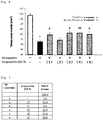
Fig. 2 is a graph showing the results of the measurement of muscle volume in tail-suspended mice. -
Fig. 3 is graphs showing the results of the measurement of muscle mass in tail-suspended mice. -
Fig. 4 is a graph showing the prostaglandin D2 content in tail-suspended mice. -
Fig. 5 is micro-CT images of the triceps surae muscle of tail-suspended mice. -
Fig. 6 is a graph showing the results of the measurement of muscle volume in tail-suspended mice. -
Fig. 7 is a table showing the rate of increase in muscle volume in tail-suspended mice. -
Fig. 8 is a graph showing the results of the measurement of muscle mass in tail-suspended mice. -
Fig. 9 is a table showing the rate of increase in muscle mass in tail-suspended mice. -
Fig. 10 is micro-CT images of the triceps surae muscle ofmice 3 weeks after tail-suspension. -
Fig. 11 is a graph showing the results of the measurement of muscle volume changes in tail-suspended mice. -
Fig. 12 is a graph showing the results of the measurement of muscle mass inmice 3 weeks after tail-suspension. - The present invention relates to a preventive and/or therapeutic agent for sarcopenia, comprising a prostaglandin D2 production inhibitor as an active ingredient.
- In the present invention, the "prostaglandin D2 production inhibitor" is not particularly limited as long as it is a drug that inhibits the synthesis of prostaglandin D2 (sometimes referred to in this specification as "PGD2").
- PGD2 is an inflammatory mediator that is produced and released in the largest amount by mast cells activated by binding of a complex of antigens and immunoglobulin E. PGD2 participates in the onset and exacerbation of various diseases, including allergies, and in the regulatory mechanisms of the body.
- Synthases that generate PGD2 are referred to as "prostaglandin D synthases", and two different types, hematopoietic prostaglandin D synthase and lipocalin-type prostaglandin D synthase, are known to exist. Human hematopoietic prostaglandin D synthases (H-PGDS) are mainly distributed throughout the placenta, lungs, fetus liver, lymph nodes, brain, heart, thymus, bone marrow, and spleen. At the cellular level, they are reported to be expressed in microglia cells in the brain, bone marrow megakaryocyte, and many kinds of antigen-presenting cells such as Langerhans cells in the skin; Kupffer cells in the liver; macrophages; and dendritic cells, mast cells, and Th2 cells.
- The PGD2 production inhibitor of the present invention may inhibit the synthetic activity of hematopoietic prostaglandin D synthase or lipocalin-type prostaglandin D synthase. From the viewpoint of preventing and/or treating sarcopenia, which causes symptoms in muscles, the inhibitor of the present invention is preferably a drug that inhibits the synthesis of PGD2 by hematopoietic prostaglandin D synthase (H-PGDS) (H-PGDS inhibitor).
- The PGD2 production inhibitor of the present invention may be a small molecule compound targeting prostaglandin D synthases, a specific antibody against prostaglandin D synthases (e.g., an antibody capable of inhibiting the synthase activity of prostaglandin D synthase), an antisense oligonucleotide against prostaglandin D synthases, an aptamer, or the like.
- Examples of the PGD2 production inhibitor include 4-{(1-methyl-1H-pyrrol-2-yl)carbonyl}-N-[4-{4-(4-morpholinylcarbonyl)-1-piperidinyl}phenyl]-1-piperazine carboxamide represented by the following chemical formula (which may be referred to in this specification as "compound (1)"):


- The phrase "pharmaceutically acceptable salt" refers to salts that exhibit a desired pharmacological activity of the compounds, and that are prepared from pharmaceutically acceptable non-toxic bases or acids including, inorganic or organic bases and inorganic or organic acids.
- Specific examples of such salts include acid addition salts with inorganic acids, such as hydrochloric acid, hydrobromic acid, hydroiodic acid, sulfuric acid, nitric acid, and phosphoric acid; acid addition salts with organic acids, such as formic acid, acetic acid, propionic acid, oxalic acid, malonic acid, succinic acid, fumaric acid, maleic acid, lactic acid, malic acid, citric acid, tartaric acid, carbonic acid, picric acid, methanesulfonic acid, paratoluenesulfonic acid, and glutamic acid; salts with inorganic bases, such as sodium, potassium, magnesium, calcium, and aluminum; salts with organic bases, such as methylamine, ethylamine, meglumine, and ethanolamine; salts with basic amino acids, such as lysine, arginine, and ornithine; and ammonium salts.
- The PGD2 production inhibitor of the present invention can be produced by a known organic synthesis method. For example, 4-{(1-methyl-1H-pyrrol-2-yl)carbonyl}-N-[4-{4-(4-morpholinylcarbonyl)-1-piperidinyl}phenyl]-1-piperazine carboxamide can be produced in accordance with the method disclosed in
WO2010/104024 . N-Methoxy-N-methyl-4-(5-benzoylbenzimidazol-2-yl)-3,5-dimethylpyrrole-2-carboxamide can be produced in accordance with the method disclosed inWO2007/007778 . 4-(Diphenylmethoxy)-1-[3-(2H-tetrazol-5-yl)propyl]piperidine can be produced in accordance with the method disclosed inWO95/01350 WO2012/033069 . 4-((1-Methylpyrrol-2-yl)-carbonyl)-N-(1-(4-(2-(1H-1,2,3-triazol-1-yl)-ethyl)-phenyl)-piperidin-4-yl)-1-piperazine carboxamide can be produced in accordance with the method disclosed inWO2011/090062 . - Sarcopenia is a disease characterized by progressive and systemic skeletal muscle mass loss and muscle strength loss. The European working group on sarcopenia in older people (EWGSOP) has proposed classifying sarcopenia into "pre-sarcopenia," which is characterized by only a decrease in the amount of muscle, "sarcopenia," which is characterized by two findings, i.e., muscle amount decrease and muscle strength loss or physical performance deterioration, and "severe sarcopenia," which is characterized by three findings, i.e., muscle amount decrease, muscle strength loss, and physical performance deterioration. The term "sarcopenia" as used in this specification includes pre-sarcopenia, sarcopenia, and severe sarcopenia.
- Sarcopenia includes primary (age-related) sarcopenia with no apparent cause other than aging, and secondary sarcopenia with one or more apparent causes other than aging. Secondary sarcopenia is categorized into three main causes, i.e., a decrease in activity, diseases (e.g., those associated with severe organ failure, inflammatory diseases, malignant tumors, or endocrine diseases), and insufficient intake of nutrients. Secondary sarcopenia includes disuse muscle atrophy, which occurs when muscle is not used for a long period of time due to hospitalization etc.
- Due to the difference in onset mechanisms, sarcopenia is distinguished from various myopathies, such as acquired myopathies and hereditary myopathies, which cause symptoms in muscle. Specific examples of acquired myopathies include myositis. Specific examples of hereditary myopathies include muscular dystrophy. Myopathies are progressive intractable diseases in which muscle strength is reduced due to muscle atrophy, and often develop at a young age, like Duchenne muscular dystrophy, which is a typical disease. On the other hand, sarcopenia is a disease caused by a negative balance between muscle synthesis and degradation, leading to a decrease in the amount of muscle. It is believed that there is no direct genetic cause in sarcopenia, as in the dystrophin gene mutation in Duchenne muscular dystrophy. Inflammatory myopathies, such as myositis, are diseases in which inflammation is caused specifically in muscle itself. Sarcopenia, on the other hand, can develop in association with inflammatory diseases in tissues other than muscle (e.g., rheumatoid arthritis, pulmonary tuberculosis, and inflammatory bowel disease).
- The term "treatment" or "therapeutic" as used in this specification generally means a cure or amelioration of symptoms associated with sarcopenia, or suppression of the symptoms. The term "prevention" or "preventive" means preventing the onset of symptoms associated with sarcopenia.
- The preventive agent and therapeutic agent of the present invention may consist only of a PGD2 production inhibitor, which is an active ingredient. The preventive agent and therapeutic agent also can further comprise a pharmaceutical carrier, and the like, in addition to the PGD2 production inhibitor as an active ingredient. Accordingly, the preventive agent and therapeutic agent of the present invention can be prepared as a pharmaceutical composition consisting of a single component or containing two or more components.
- The preventive agent and therapeutic agent of the present invention can be produced as various dosage formulations by a known method optionally using a pharmaceutically acceptable carrier. The administration may be oral or parenteral. Examples of the formulation form include, but are not particularly limitated to, oral agents, such as tablets, coated tablets, pills, powders, granules, capsules, liquids, suspensions, and emulsions; and parenteral agents, such as injections, suppositories, and inhalants.
- In preparing tablets, examples of carriers include excipients, such as lactose, sucrose, sodium chloride, glucose, urea, starch, calcium carbonate, kaolin, crystalline cellulose, or silicic acid; binders, such as water, ethanol, propanol, cornstarch, simple syrup, glucose solution, starch solution, gelatin solution, carboxymethylcellulose, shellac, methylcellulose, hydroxypropylcellulose, hydroxypropylmethylcellulose, potassium phosphate, or polyvinyl pyrrolidone; disintegrants, such as dry starch, sodium alginate, powdered agar, powdered laminaran, sodium hydrogencarbonate, calcium carbonate, polyoxyethylene sorbitan fatty acid ester, sodium lauryl sulfate, stearic acid monoglyceride, or lactose; disintegration inhibitors, such as sucrose, stearic acid, cacao butter, or hydrogenated oils; absorbefacients, such as quaternary ammonium salts or sodium lauryl sulfate; moisturizers, such as glycerin or starch; adsorbents, such as starch, lactose, kaolin, bentonite, or colloidal silicic acid; and lubricants, such as purified talc, stearate, boric acid powder, or polyethylene glycol. Further, the tablets may be tablets optionally coated with a usual coating, such as sugar-coated tables, gelatin-coated tablets, enteric-coated tablets, film-coated tablets, double-coated tablets, or multi-coated tablets.
- In preparing pills, examples of the carrier include excipients, such as glucose, lactose, starch, cacao butter, hardened vegetable oil, kaolin, or talc; binders, such as gum arabic powder, tragacanth powder, gelatin, or ethanol; and disintegrators, such as laminaran or agar. Capsules are usually prepared in a standard method by mixing the drug with one or more carriers given as examples above, and encapsulating the mixture into hard gelatin capsules, soft capsules, etc.
- In preparing oral liquid formulations, an internal liquid medicine, a syrup, an elixir, or the like may be prepared by a standard method using a sweetening/flavoring agent, buffer, stabilizer, etc. In this case, examples of sweetening/flavoring agents include sucrose, orange peel, citric acid, and tartaric acid; examples of buffers include sodium citrate; and examples of stabilizers include tragacanth, gum arabic, and gelatin.
- In preparing suppositories, examples of usable carriers include polyethylene glycol, cacao butter, higher alcohols, esters of higher alcohols, gelatin, and semisynthetic glycerides.
- In preparing injections, the liquids, emulsions, and suspensions are preferably sterilized and rendered isotonic to the blood. Examples of diluents for preparing such dosage forms include water, aqueous lactic acid solution, ethyl alcohol, propylene glycol, macrogols, ethoxylated isostearyl alcohol, polyoxyethylenated isostearyl alcohol, and polyoxyethylene sorbitan fatty acid ester.
- In this case, sodium chloride, glucose, or glycerin in an amount sufficient to prepare an isotonic solution may be added to the pharmaceutical formulation. Further, usual solubilizers, buffers, anesthetics, and the like, may also be added to the pharmaceutical formulation.
- In preparing inhalants, various forms, such as an aerosol, a powdered inhalant, and a liquid inhalant, can be used.
- Additionally, coloring agents, preservatives, aromatics, flavors, sweetening agents, or other medicinal products may be incorporated, if necessary, into the pharmaceutical formulation.
- The daily dose refers to an amount of active ingredient to be administered daily. In the preventive agent and therapeutic agent of the present invention, the daily dose of the PGD2 production inhibitor on the day of administration varies depending on the patient's symptoms, weight, age, sex, etc., and cannot be determined unconditionally. From the viewpoint of the prevention and/or therapeutic effect on sarcopenia, the dose is usually preferably 50 to 4000 mg/day, more preferably 100 to 4000 mg/day, and even more preferably 400 to 1600 mg/day in an adult (body weight: 50 kg). Further, the PGD2 production inhibitor is preferably administered so that the blood concentration of the patient after administration is preferably 1000 to 800000 ng·hr/mL, and more preferably 1500 to 40000 ng·hr/mL.
- Further, the amount of the prostaglandin D2 production inhibitor to be incorporated in each of the above dosage unit forms varies depending on the symptoms of the patient to which the inhibitor is applied or depending on its dosage form etc. Generally, the amount per dosage unit form is preferably 0.05 to 1000 mg for an oral agent, 0.01 to 500 mg for an injection, and 1 to 1000 mg for a suppository.
- The preventive agent and therapeutic agent of the present invention are appropriately determined according to the formulation form, age, sex, other conditions of the patient, the severity of the symptoms of the patient, and the like. For example, tablets, pills, powders, granules, capsules, liquids, suspensions, and emulsions are orally administered. Injections are intravenously administered singly, or as a mixture with a general infusion liquid, such as liquid glucose or an amino acid liquid. Further, as necessary, the injections are singly administered intra-arterially, intramuscularly, intradermally, subcutaneously, or intraperitoneally. Suppositories are intrarectally administered.
- Examples of the subject of administration of the preventive or therapeutic agent of the present invention include mammals, such as humans, monkeys, mice, rats, rabbits, dogs, cats, cattle, horses, pigs, and sheep.
- The age of the subject to which the preventive or therapeutic agent of the present invention is administered is not particularly limited. To treat primary (age-related) sarcopenia in people, the person may be 60 or older, at which age there is a higher tendency of developing primary (age-related) sarcopenia with age, and the person is more preferably 70 or older, and even more preferably 80 or older. On the other hand, secondary sarcopenia, which includes disuse muscle atrophy, may develop in people at all ages, in addition to the elderly, and the age of the subject of administration is not limited.
- The present invention includes the following embodiments.
A preventive and/or therapeutic agent for sarcopenia, comprising a prostaglandin D2 production inhibitor as an active ingredient. A pharmaceutical composition for preventing and/or treating sarcopenia, comprising a prostaglandin D2 production inhibitor. A preventive and/or therapeutic method for sarcopenia, comprising administering an effective amount of a prostaglandin D2 production inhibitor to a subject in need thereof. A prostaglandin D2 production inhibitor for use in the prevention and/or treatment of sarcopenia.
Use of a prostaglandin D2 production inhibitor in the manufacture of a preventive and/or therapeutic agent for sarcopenia. - The present invention is described below in more detail with reference to Test Examples; however, the present invention is not limited to these.
- Eight-week-old C57/BL6J male mice (Japan SLC, Inc., Shizuoka, Japan) were subjected to tail-suspension to obtain mice model with disuse muscle atrophy of their lower limbs.
- The tail-suspension was performed according to the description in Skelet Muscle. 2015; 5:34. Specifically, the tail of a mouse was fixed so that the hind limbs of the mouse did not touch the ground, and this state was maintained for about 2 weeks. Tail-suspension is known to cause skeletal muscle mass loss and muscle strength loss in the hind limbs, whereby an experimental model with disuse muscle atrophy, which is one type of sarcopenia, can be produced.
- During the period of tail-suspension, feed containing 0.01, 0.1, or 0.3 mass% compound (1) was fed for 2 weeks (compound (1) administration groups). As control groups, a normal breeding group, which was not subjected to the tail-suspension, as well as a control tail-suspension group, which was fed with feed that did not contain the compound, were prepared. The number of tests was n = 8 in each group.
- Two weeks after the initiation of the experiment (the initiation of the tail-suspension and the initiation of feeding of the feed that contained the compound), micro-CT (micro-computed tomography) imaging of the mouse hind limbs was performed. The muscle volume at the periphery of the tibia (triceps surae muscle) was measured using 3D volumetric analysis software. Micro-CT imaging was performed using a microfocus X-ray CT system (micro-CT: SMX-90T manufactured by Shimadzu Corporation).
Fig. 1 shows examples of micro-CT images. - The midpoint of the fibula in the lower limb of each mouse was determined using 3D images created from the micro-CT images, and the volume of total muscle mass at the measurement area starting from the midpoint was measured. The lower leg includes the gastrocnemius muscle, soleus muscle, tibialis anterior muscle, and extensor digitorum longus muscle. The triceps surae muscle refers to the gastrocnemius muscle and the soleus muscle.
Fig. 2 shows the results. - Furthermore, the gastrocnemius muscle, soleus muscle, tibialis anterior muscle, and extensor digitorum longus muscle were collected from the mouse hind limbs after tail-suspension, and the wet mass (muscle mass) of each muscle was measured.
Fig. 3 shows the results. - According to the results shown in
Fig. 2 , the control tail-suspension group, which was subjected to tail suspension, showed considerable muscle mass loss, while the compound administration groups, which were fed with the mixed feed of compound (1), showed significant suppression of muscle mass loss. - According to the results shown in
Fig. 3 , the control tail-suspension group showed muscle mass loss in all of the hind limb muscles, while the compound administration groups showed a tendency to suppress a decrease in the muscle amount in all of the hind limb muscles. - Furthermore, the gastrocnemius muscle collected from the mouse lower limb after tail-suspension was rapidly frozen, and PBS was added thereto, followed by disruption using a homogenizer. The disrupted liquid was centrifuged (4°C, 15,000 rpm) for 10 minutes, and the supernatant was collected. The concentration of PGD2 contained in the supernatant was measured by the ELISA method (Prostaglandin D2 ELISA, manufactured by Cayman Chemical Company). The measurement results of the ELISA method were corrected based on the total protein concentration of the supernatant, and the content of PGD2 per 1 mg of protein in the muscle (ng/mg of protein) was determined.
Fig. 4 shows the results. The results revealed that the tail-suspension promoted the PGD2 production in skeletal muscle. - A Student's t-test was used for the significant difference test. In the figures, *, **, and *** respectively indicate P<0.05, P<0.01, and P<0.001 for the normal breeding group (tail-suspension (-)), which was not subjected to the tail-suspension. #, ##, and ### respectively indicate P<0.05, P<0.01, and P<0.001 for the control tail-suspension group (tail-suspension (+)), which was fed with feed that did not contain the compound.
- The preventive and therapeutic effects of the compound of the present invention can be verified by initiating feeding the mixed feed that contained compound (1) at the same time as the tail-suspension was performed. The results shown in
Figs. 1 to 3 above clarified the preventive effect and therapeutic effect of compound (1) of the present invention on muscle mass loss and on a decrease in the muscle amount. - Mixed feed that contained 0.01, 0.1, or 0.3 mass% compound (1) were fed to 7-week-old C57BL/6 mice (male, Charles River Japan Ltd., weight: 20.7-23.7 g) for 13 days.
- Blood was collected from the face by using an animal lancet at 10 a.m., 1, 5, and 9 p.m. on
day - About 75 µL of blood was collected into a heparin-coated hematocrit tube. The concentration of the compound in the plasma after centrifugation was measured using liquid chromatography-mass spectrometry (LC/MS). Table 1 shows the measurement results. The results confirmed that feeding of the mixed feed that contained compound (1) achieved a dose-dependent increase in the compound concentration in blood in the range of 0.01 mass% to 0.3 mass%.
- Since a mouse with a body weight of about 20 g consumes about 4 g of the feed per day (spilling of food is not assumed), the daily intake of the compound is estimated to be 0.4 mg (0.01 mass% mixed feed), 4 mg (0.1 mass% mixed feed), or 12 mg (0.3 mass% mixed feed). The body weight conversion values were 20 mg/kg (0.01 mass% mixed feed), 200 mg/kg (0.1 mass% mixed feed), and 600 mg/kg (0.3 mass% mixed feed).
Table 1 Cmax ( µM ) AUC0-24h (µM*h) 0.01% mixed feed 0.23 4.29 0.1% mixed feed 2.21 38.31 0.3% mixed feed 6.41 103.68 - Eight-week-old C57/BL6J male mice (Japan SLC, Inc., Shizuoka, Japan) were subjected to the tail-suspension to obtain mice model with disuse muscle atrophy of their lower limbs.
- While the tail-suspension was performed, feed containing 0.01 mass% compound (1), compound (2), compound (3), compound (4), or compound (5) was fed for 2 weeks (compound (1) administration group, compound (2) administration group, compound (3) administration group, compound (4) administration group, and compound (5) administration group). As control groups, a normal breeding group, which was not subjected to the tail-suspension, as well as a control tail-suspension group, which was fed with feed that did not contain the compounds, were prepared. The number of tests was n = 8 in each group.
- Two weeks after the initiation of the experiment (the initiation of the tail-suspension and the initiation of feeding with the feed that contained the compounds), micro-CT imaging of the mouse hind limbs was performed. The muscle volume at the periphery of the tibia (triceps surae muscle) was measured using 3D volumetric analysis software. Micro-CT imaging was performed using a microfocus X-ray CT system (micro-CT: SMX-90T, manufactured by Shimadzu Corporation).
Fig. 5 shows examples of micro-CT images. - The midpoint of the fibula in the lower limb of each mouse was determined using 3D images created from the micro-CT images, and the volume of total muscle mass at the measurement area starting from the midpoint was measured.
Fig. 6 shows the results.Fig. 7 shows the rate of increase in the muscle volume, based on the control tail-suspension group. The rate of increase was calculated according to the following: (compound administration group - control tail-suspension group)/(normal breeding group - control tail-suspension group) × 100. - Furthermore, the gastrocnemius muscle was collected from the mouse hind limb after the tail-suspension, and the wet mass (muscle mass) was measured.
Fig. 8 shows the results.Fig. 9 shows the rate of increase in the muscle mass, based on the control tail-suspension group. The rate of increase was calculated according to the following: (compound administration group - control tail-suspension group)/(normal breeding group - control tail-suspension group) × 100. - According to the results shown in
Fig. 6 and Fig. 7 , the control tail-suspension group, which was subjected to tail suspension, showed considerable muscle mass loss, while the compound administration groups, which were fed with the mixed feed of compound (1), compound (3), compound (4), or compound (5), showed significant suppression of muscle mass loss. On the other hand, the group that was fed with the mixed feed that contained compound (2) did not show significant suppression of muscle mass loss although a tendency toward suppression was observed. - According to the results shown in
Fig. 8 and Fig. 9 , the control tail-suspension group showed a decrease in the mass of gastrocnemius muscle while the compound administration groups, which were fed with the mixed feed of compound (1), compound (3), compound (4), or compound (5), showed significant suppression of the decrease in the muscle amount. On the other hand, the group that was fed with the mixed feed that contained compound (2) did not show a significant difference although a tendency toward suppression of the decrease in the muscle amount was observed. - A Student's t-test was used for the significant difference test. In the figures, * indicates P<0.001 for the normal breeding group (tail-suspension (-)), which was not subjected to the tail-suspension. # and ## respectively indicate P<0.05 and P<0.01 for the control tail-suspension group (tail-suspension (+)), which was fed with the feed that did not contain the compounds.
- The preventive and therapeutic effects of the compound of the present invention can be verified by initiating feeding the mixed feed that contained the compounds at the same time as the tail-suspension was performed. The results shown in
Figs. 5 to 9 above revealed that compound (1), compound (3), compound (4), and compound (5) showed a significant improvement, and compound (2) also showed a tendency toward improvement. These results clarified the preventive effect and the therapeutic effect of the compounds of the present invention on muscle mass loss and on a decrease in the muscle amount. - Eight-week-old C57/BL6J male mice (Japan SLC, Inc., Shizuoka, Japan) were subjected to the tail-suspension to obtain mice model with disuse muscle atrophy of their lower limbs.
- One week after tail-suspension, feed that contained 0.3 mass% compound (1) was fed for 2 weeks (compound (1) administration group). As control groups, a normal breeding group, which was not subjected to the tail-suspension, as well as a control tail-suspension group, which was fed with feed that did not contain the compound for 3 weeks, were prepared. The number of tests was n = 8 in each group.
- Micro-CT imaging of the mouse hind limbs was performed before tail suspension, 1 week after suspension, 2 weeks after suspension, and 3 weeks after suspension. The muscle volume at the periphery of the tibia (triceps surae muscle) was measured using 3D volumetric analysis software. Micro-CT imaging was performed using a microfocus X-ray CT system (micro-CT: SMX-90T, manufactured by Shimadzu Corporation).
Fig. 10 shows examples ofmicro-CT images 3 weeks after suspension. - The midpoint of the fibula in the lower limb of each mouse was determined using 3D images created from the micro-CT images, and the volume of total muscle mass at the measurement area starting from the midpoint was measured.
Fig. 11 shows the results of the volume change. - Furthermore, the gastrocnemius muscle was collected from the mouse hind limb three weeks after the tail-suspension, and the wet mass (muscle mass) was measured.
Fig. 12 shows the results. - According to the results shown in
Fig. 11 , the control tail-suspension group, which was subjected to tail suspension, showed significant muscle mass loss atweek 1 after the tail suspension, and the muscle mass loss was further promoted atweek 2, and the loss was maintained at the same level untilweek 3. On the other hand, the group fed with the mixed feed that contained compound (1) did not show further muscle mass loss atweek 1 after the tail-suspension, and the muscle amount showed a tendency toward an increase instead. This group showed a significantly higher muscle amount atweek 2 andweek 3, compared to the control tail-suspension group; accordingly, the therapeutic effect of compound (1) was confirmed. - According to the results shown in
Fig. 12 , the control tail-suspension group showed a decrease in the mass of gastrocnemius muscle while the compound administration group, which was fed with the mixed feed of compound (1), showed a significant therapeutic effect on the muscle amount. - A Student's t-test was used for the significant difference test. In the figures, * indicates P<0.001 for the normal breeding group (tail-suspension (-)), which was not subjected to the tail-suspension. # and ## respectively indicate P<0.05 and P<0.01 for the control tail-suspension group (tail-suspension (+)), which was fed with the feed that did not contain the compound.
- One week after the initiation of the tail-suspension, considerable muscle mass loss was observed. The therapeutic effect of the compound of the present invention can be verified by initiating feeding the mixed feed that contained compound (1) one week after the initiation of tail suspension. The results shown in
Figs. 10 to 12 clarified the therapeutic effect of compound (1) of the present invention on muscle mass loss and on a decrease in the muscle amount.
Claims (20)
- A preventive and/or therapeutic agent for sarcopenia comprising a prostaglandin D2 production inhibitor as an active ingredient.
- The preventive and/or therapeutic agent according to claim 1, wherein the prostaglandin D2 production inhibitor is an H-PGDS inhibitor.
- The preventive and/or therapeutic agent according to claim 1 or 2, wherein the prostaglandin D2 production inhibitor is 4-{(1-methyl-1H-pyrrol-2-yl)carbonyl}-N-[4-{4-(4-morpholinylcarbonyl)-1-piperidinyl}phenyl]-1-piperazine carboxamide, N-methoxy-N-methyl-4-(5-benzoylbenzimidazol-2-yl)-3,5-dimethylpyrrole-2-carboxamide, 4-(diphenylmethoxy)-1-[3-(2H-tetrazol-5-yl)propyl]piperidine, N-(4-(3-(2-(1H-1,2,4-triazol-1-yl)ethyl)pyrrolidin-1-yl)phenyl)-4-(pyridin-2-ylmethylene)piperidine-1-carboxamide, or 4-((1-methylpyrrol-2-yl)-carbonyl)-N-(1-(4-(2-(1H-1,2,3-triazol-1-yl)-ethyl)-phenyl)-piperidin-4-yl)-1-piperazine carboxamide.
- The preventive and/or therapeutic agent according to claim 3, wherein the prostaglandin D2 production inhibitor is 4-{(1-methyl-1H-pyrrol-2-yl)carbonyl}-N-[4-{4-(4-morpholinylcarbonyl)-1-piperidinyl}phenyl]-1-piperazine carboxamide.
- A pharmaceutical composition for preventing and/or treating sarcopenia, comprising a prostaglandin D2 production inhibitor.
- The pharmaceutical composition according to claim 5, wherein the prostaglandin D2 production inhibitor is an H-PGDS inhibitor.
- The pharmaceutical composition according to claim 5 or 6, wherein the prostaglandin D2 production inhibitor is 4-{(1-methyl-1H-pyrrol-2-yl)carbonyl}-N-[4-{4-(4-morpholinylcarbonyl)-1-piperidinyl}phenyl]-1-piperazine carboxamide, N-methoxy-N-methyl-4-(5-benzoylbenzimidazol-2-yl)-3,5-dimethylpyrrole-2-carboxamide, 4-(diphenylmethoxy)-1-[3-(2H-tetrazol-5-yl)propyl]piperidine, N-(4-(3-(2-(1H-1,2,4-triazol-1-yl)ethyl)pyrrolidin-1-yl)phenyl)-4-(pyridin-2-ylmethylene)piperidine-1-carboxamide, or 4-((1-methylpyrrol-2-yl)-carbonyl)-N-(1-(4-(2-(1H-1,2,3-triazol-1-yl)-ethyl)-phenyl)-piperidin-4-yl)-1-piperazine carboxamide.
- The pharmaceutical composition according to claim 7, wherein the prostaglandin D2 production inhibitor is 4-{(1-methyl-1H-pyrrol-2-yl)carbonyl}-N-[4-{4-(4-morpholinylcarbonyl)-1-piperidinyl}phenyl]-1-piperazine carboxamide.
- A preventive and/or therapeutic method for sarcopenia, comprising administering an effective amount of a prostaglandin D2 production inhibitor.
- The preventive and/or therapeutic method according to claim 9, wherein the prostaglandin D2 production inhibitor is an H-PGDS inhibitor.
- The preventive and/or therapeutic method according to claim 9 or 10, wherein the prostaglandin D2 production inhibitor is 4-{(1-methyl-1H-pyrrol-2-yl)carbonyl}-N-[4-{4-(4-morpholinylcarbonyl)-1-piperidinyl}phenyl]-1-piperazine carboxamide, N-methoxy-N-methyl-4-(5-benzoylbenzimidazol-2-yl)-3,5-dimethylpyrrole-2-carboxamide, 4-(diphenylmethoxy)-1-[3-(2H-tetrazol-5-yl)propyl]piperidine, N-(4-(3-(2-(1H-1,2,4-triazol-1-yl)ethyl)pyrrolidin-1-yl)phenyl)-4-(pyridin-2-ylmethylene)piperidine-1-carboxamide, or 4-((1-methylpyrrol-2-yl)-carbonyl)-N-(1-(4-(2-(1H-1,2,3-triazol-1-yl)-ethyl)-phenyl)-piperidin-4-yl)-1-piperazine carboxamide.
- The preventive and/or therapeutic method according to claim 11, wherein the prostaglandin D2 production inhibitor is 4-{(1-methyl-1H-pyrrol-2-yl)carbonyl}-N-[4-{4-(4-morpholinylcarbonyl)-1-piperidinyl}phenyl]-1-piperazine carboxamide.
- A prostaglandin D2 production inhibitor for use in the prevention and/or treatment of sarcopenia.
- The prostaglandin D2 production inhibitor according to claim 13, wherein the prostaglandin D2 production inhibitor is an H-PGDS inhibitor.
- The prostaglandin D2 production inhibitor according to claim 13 or 14, which is 4-{(1-methyl-1H-pyrrol-2-yl)carbonyl}-N-[4-{4-(4-morpholinylcarbonyl)-1-piperidinyl}phenyl]-1-piperazine carboxamide, N-methoxy-N-methyl-4-(5-benzoylbenzimidazol-2-yl)-3,5-dimethylpyrrole-2-carboxamide, 4-(diphenylmethoxy)-1-[3-(2H-tetrazol-5-yl)propyl]piperidine, N-(4-(3-(2-(1H-1,2,4-triazol-1-yl)ethyl)pyrrolidin-1-yl)phenyl)-4-(pyridin-2-ylmethylene)piperidine-1-carboxamide, or 4-((1-methylpyrrol-2-yl)-carbonyl)-N-(1-(4-(2-(1H-1,2,3-triazol-1-yl)-ethyl)-phenyl)-piperidin-4-yl)-1-piperazine carboxamide.
- The prostaglandin D2 production inhibitor according to claim 15, which is 4-{(1-methyl-1H-pyrrol-2-yl)carbonyl}-N-[4-{4-(4-morpholinylcarbonyl)-1-piperidinyl}phenyl]-1-piperazine carboxamide.
- Use of a prostaglandin D2 production inhibitor in the manufacture of a preventive and/or therapeutic agent for sarcopenia.
- The use according to claim 17, wherein the prostaglandin D2 production inhibitor is an H-PGDS inhibitor.
- The use according to claim 17 or 18, wherein the prostaglandin D2 production inhibitor is 4-{(1-methyl-1H-pyrrol-2-yl)carbonyl}-N-[4-{4-(4-morpholinylcarbonyl)-1-piperidinyl}phenyl]-1-piperazine carboxamide, N-methoxy-N-methyl-4-(5-benzoylbenzimidazol-2-yl)-3,5-dimethylpyrrole-2-carboxamide, 4-(diphenylmethoxy)-1-[3-(2H-tetrazol-5-yl)propyl]piperidine, N-(4-(3-(2-(1H-1,2,4-triazol-1-yl)ethyl)pyrrolidin-1-yl)phenyl)-4-(pyridin-2-ylmethylene)piperidine-1-carboxamide, or 4-((1-methylpyrrol-2-yl)-carbonyl)-N-(1-(4-(2-(1H-1,2,3-triazol-1-yl)-ethyl)-phenyl)-piperidin-4-yl)-1-piperazine carboxamide.
- The use according to claim 19, wherein the prostaglandin D2 production inhibitor is 4-{(1-methyl-1H-pyrrol-2-yl)carbonyl}-N-[4-{4-(4-morpholinylcarbonyl)-1-piperidinyl}phenyl]-1-piperazine carboxamide.
Applications Claiming Priority (3)
| Application Number | Priority Date | Filing Date | Title |
|---|---|---|---|
| JP2018080834 | 2018-04-19 | ||
| JP2018131371 | 2018-07-11 | ||
| PCT/JP2019/016579 WO2019203296A1 (en) | 2018-04-19 | 2019-04-18 | Preventative and therapeutic agents for sarcopenia |
Publications (3)
| Publication Number | Publication Date |
|---|---|
| EP3782648A1 true EP3782648A1 (en) | 2021-02-24 |
| EP3782648A4 EP3782648A4 (en) | 2022-01-12 |
| EP3782648B1 EP3782648B1 (en) | 2024-09-18 |
Family
ID=68240046
Family Applications (1)
| Application Number | Title | Priority Date | Filing Date |
|---|---|---|---|
| EP19789246.6A Active EP3782648B1 (en) | 2018-04-19 | 2019-04-18 | Prostaglandin d2 production inhibitors as preventative and therapeutic agents for sarcopenia |
Country Status (8)
| Country | Link |
|---|---|
| US (1) | US11883410B2 (en) |
| EP (1) | EP3782648B1 (en) |
| JP (1) | JP6991315B2 (en) |
| CN (1) | CN111989119A (en) |
| ES (1) | ES2989178T3 (en) |
| MA (1) | MA52306A (en) |
| TW (1) | TWI777059B (en) |
| WO (1) | WO2019203296A1 (en) |
Families Citing this family (3)
| Publication number | Priority date | Publication date | Assignee | Title |
|---|---|---|---|---|
| US20230339937A1 (en) * | 2020-06-19 | 2023-10-26 | Sato Pharmaceutical Co., Ltd. | Condensed ring compounds that inhibit h-pgds |
| EP4450502A4 (en) | 2021-12-17 | 2025-06-11 | Sato Pharmaceutical Co., Ltd. | Azaindole derivative inhibiting h-pgds |
| JPWO2023163140A1 (en) | 2022-02-28 | 2023-08-31 |
Family Cites Families (7)
| Publication number | Priority date | Publication date | Assignee | Title |
|---|---|---|---|---|
| JP3338913B2 (en) | 1993-06-29 | 2002-10-28 | 大鵬薬品工業株式会社 | Tetrazole derivative |
| JP4550394B2 (en) | 2003-10-14 | 2010-09-22 | 財団法人大阪バイオサイエンス研究所 | Pharmaceutical composition for treatment of muscle degenerative diseases and screening method thereof |
| TW200720255A (en) | 2005-07-13 | 2007-06-01 | Taiho Pharmaceutical Co Ltd | Benzoimidazole compound capable of inhibiting prostaglandin d synthetase |
| AU2010222122B2 (en) * | 2009-03-09 | 2013-06-27 | Taiho Pharmaceutical Co., Ltd. | Piperazine compound capable of inhibiting prostaglandin D synthase |
| EP2527340B1 (en) | 2010-01-22 | 2016-08-17 | Taiho Pharmaceutical Co., Ltd. | Piperazine compound having a pgds inhibitory effect |
| WO2012033069A1 (en) | 2010-09-07 | 2012-03-15 | 大鵬薬品工業株式会社 | Prostaglandin d synthase inhibitory piperidine compounds |
| JP6998055B2 (en) * | 2016-03-02 | 2022-02-04 | 学校法人藤田学園 | Muscle atrophy inhibitor |
-
2019
- 2019-04-18 WO PCT/JP2019/016579 patent/WO2019203296A1/en not_active Ceased
- 2019-04-18 EP EP19789246.6A patent/EP3782648B1/en active Active
- 2019-04-18 TW TW108113676A patent/TWI777059B/en active
- 2019-04-18 CN CN201980026643.4A patent/CN111989119A/en active Pending
- 2019-04-18 JP JP2020514431A patent/JP6991315B2/en active Active
- 2019-04-18 MA MA052306A patent/MA52306A/en unknown
- 2019-04-18 ES ES19789246T patent/ES2989178T3/en active Active
- 2019-04-18 US US17/047,436 patent/US11883410B2/en active Active
Also Published As
| Publication number | Publication date |
|---|---|
| CN111989119A (en) | 2020-11-24 |
| EP3782648B1 (en) | 2024-09-18 |
| WO2019203296A1 (en) | 2019-10-24 |
| US20210161908A1 (en) | 2021-06-03 |
| US11883410B2 (en) | 2024-01-30 |
| TW202011992A (en) | 2020-04-01 |
| TWI777059B (en) | 2022-09-11 |
| JP6991315B2 (en) | 2022-01-12 |
| MA52306A (en) | 2021-02-24 |
| ES2989178T3 (en) | 2024-11-25 |
| JPWO2019203296A1 (en) | 2021-04-22 |
Similar Documents
| Publication | Publication Date | Title |
|---|---|---|
| AU2013205648B2 (en) | Combination treatment | |
| CZ246397A3 (en) | Use of carbazole compounds for preparing a medicament intended for treating congestive heart failure | |
| KR101996245B1 (en) | Pharmaceutical combination comprising a selective s1p1 receptor agonist | |
| JP2011514379A (en) | Administration method of selective S1P1 receptor agonist | |
| KR101848121B1 (en) | Methods for treating gout flares | |
| EP3782648B1 (en) | Prostaglandin d2 production inhibitors as preventative and therapeutic agents for sarcopenia | |
| JPWO2019160057A1 (en) | Prophylactic or therapeutic agents and pharmaceutical compositions for inflammatory or bone diseases | |
| JP2021522247A (en) | Use of neutrophil elastase inhibitors in liver disease | |
| EA028060B1 (en) | Combination amyotrophic lateral sclerosis (als) therapy | |
| CN115867289B (en) | Composition containing NR and/or NMN and sesamin | |
| JP6499634B2 (en) | Combination of solifenacin and salivary stimulant for the treatment of overactive bladder | |
| EP1834641A1 (en) | Use of CRF1 receptor antagonists for preparing a drug for treating metabolic syndrome and/or obesity and/or dyslipoproteinemia | |
| JP2015512948A (en) | Method for treating hyperuricemia in patients with gout using halofenate or halofenic acid and anti-inflammatory agents | |
| EP2162129B1 (en) | Use of hdac inhibitors for the treatment of bone destruction | |
| HK40038539A (en) | Preventative and therapeutic agents for sarcopenia | |
| KR20100016512A (en) | Use of iron chelator for the treatment of myocardial infarction | |
| CN116113408B (en) | Methods and pharmaceutical compositions for treating chronic kidney disease | |
| KR20220043046A (en) | Use of sphingosine-1-phosphate receptor agonist | |
| EP4714468A1 (en) | Method for administering modulator targeting s1pr1 and s1pr4 | |
| JP6280050B2 (en) | Obesity prevention or treatment, rheumatism prevention or treatment | |
| WO2023014748A1 (en) | Nitrated fatty acids for the treatment of sickle cell disorders | |
| JP2008513430A (en) | Pindolol for the treatment of premenstrual syndrome and premenstrual dysphoric disorder | |
| CN119698284A (en) | Thyroid beta agonist dosing regimen for the treatment of X-ALD | |
| HK40089668A (en) | Composition containing sesamin or like and nr and/or nmn | |
| WO2013051330A1 (en) | Treatment of atrial fibrillation by means of vidarabine |
Legal Events
| Date | Code | Title | Description |
|---|---|---|---|
| STAA | Information on the status of an ep patent application or granted ep patent |
Free format text: STATUS: THE INTERNATIONAL PUBLICATION HAS BEEN MADE |
|
| PUAI | Public reference made under article 153(3) epc to a published international application that has entered the european phase |
Free format text: ORIGINAL CODE: 0009012 |
|
| STAA | Information on the status of an ep patent application or granted ep patent |
Free format text: STATUS: REQUEST FOR EXAMINATION WAS MADE |
|
| 17P | Request for examination filed |
Effective date: 20201019 |
|
| AK | Designated contracting states |
Kind code of ref document: A1 Designated state(s): AL AT BE BG CH CY CZ DE DK EE ES FI FR GB GR HR HU IE IS IT LI LT LU LV MC MK MT NL NO PL PT RO RS SE SI SK SM TR |
|
| AX | Request for extension of the european patent |
Extension state: BA ME |
|
| REG | Reference to a national code |
Ref country code: DE Ref legal event code: R079 Free format text: PREVIOUS MAIN CLASS: A61K0045000000 Ipc: A61K0031537700 Ref country code: DE Ref legal event code: R079 Ref document number: 602019059140 Country of ref document: DE Free format text: PREVIOUS MAIN CLASS: A61K0045000000 Ipc: A61K0031537700 |
|
| A4 | Supplementary search report drawn up and despatched |
Effective date: 20211213 |
|
| RIC1 | Information provided on ipc code assigned before grant |
Ipc: A61P 21/00 20060101ALI20211207BHEP Ipc: A61K 31/454 20060101ALI20211207BHEP Ipc: A61K 31/4184 20060101ALI20211207BHEP Ipc: A61K 31/5377 20060101AFI20211207BHEP |
|
| STAA | Information on the status of an ep patent application or granted ep patent |
Free format text: STATUS: EXAMINATION IS IN PROGRESS |
|
| 17Q | First examination report despatched |
Effective date: 20231213 |
|
| GRAP | Despatch of communication of intention to grant a patent |
Free format text: ORIGINAL CODE: EPIDOSNIGR1 |
|
| STAA | Information on the status of an ep patent application or granted ep patent |
Free format text: STATUS: GRANT OF PATENT IS INTENDED |
|
| INTG | Intention to grant announced |
Effective date: 20240424 |
|
| GRAS | Grant fee paid |
Free format text: ORIGINAL CODE: EPIDOSNIGR3 |
|
| GRAA | (expected) grant |
Free format text: ORIGINAL CODE: 0009210 |
|
| STAA | Information on the status of an ep patent application or granted ep patent |
Free format text: STATUS: THE PATENT HAS BEEN GRANTED |
|
| AK | Designated contracting states |
Kind code of ref document: B1 Designated state(s): AL AT BE BG CH CY CZ DE DK EE ES FI FR GB GR HR HU IE IS IT LI LT LU LV MC MK MT NL NO PL PT RO RS SE SI SK SM TR |
|
| REG | Reference to a national code |
Ref country code: GB Ref legal event code: FG4D |
|
| REG | Reference to a national code |
Ref country code: CH Ref legal event code: EP |
|
| REG | Reference to a national code |
Ref country code: IE Ref legal event code: FG4D |
|
| REG | Reference to a national code |
Ref country code: DE Ref legal event code: R096 Ref document number: 602019059140 Country of ref document: DE |
|
| REG | Reference to a national code |
Ref country code: ES Ref legal event code: FG2A Ref document number: 2989178 Country of ref document: ES Kind code of ref document: T3 Effective date: 20241125 |
|
| REG | Reference to a national code |
Ref country code: LT Ref legal event code: MG9D |
|
| PG25 | Lapsed in a contracting state [announced via postgrant information from national office to epo] |
Ref country code: NO Free format text: LAPSE BECAUSE OF FAILURE TO SUBMIT A TRANSLATION OF THE DESCRIPTION OR TO PAY THE FEE WITHIN THE PRESCRIBED TIME-LIMIT Effective date: 20241218 |
|
| PG25 | Lapsed in a contracting state [announced via postgrant information from national office to epo] |
Ref country code: GR Free format text: LAPSE BECAUSE OF FAILURE TO SUBMIT A TRANSLATION OF THE DESCRIPTION OR TO PAY THE FEE WITHIN THE PRESCRIBED TIME-LIMIT Effective date: 20241219 Ref country code: FI Free format text: LAPSE BECAUSE OF FAILURE TO SUBMIT A TRANSLATION OF THE DESCRIPTION OR TO PAY THE FEE WITHIN THE PRESCRIBED TIME-LIMIT Effective date: 20240918 |
|
| PG25 | Lapsed in a contracting state [announced via postgrant information from national office to epo] |
Ref country code: BG Free format text: LAPSE BECAUSE OF FAILURE TO SUBMIT A TRANSLATION OF THE DESCRIPTION OR TO PAY THE FEE WITHIN THE PRESCRIBED TIME-LIMIT Effective date: 20240918 |
|
| PG25 | Lapsed in a contracting state [announced via postgrant information from national office to epo] |
Ref country code: LV Free format text: LAPSE BECAUSE OF FAILURE TO SUBMIT A TRANSLATION OF THE DESCRIPTION OR TO PAY THE FEE WITHIN THE PRESCRIBED TIME-LIMIT Effective date: 20240918 |
|
| PG25 | Lapsed in a contracting state [announced via postgrant information from national office to epo] |
Ref country code: HR Free format text: LAPSE BECAUSE OF FAILURE TO SUBMIT A TRANSLATION OF THE DESCRIPTION OR TO PAY THE FEE WITHIN THE PRESCRIBED TIME-LIMIT Effective date: 20240918 |
|
| REG | Reference to a national code |
Ref country code: NL Ref legal event code: MP Effective date: 20240918 |
|
| PG25 | Lapsed in a contracting state [announced via postgrant information from national office to epo] |
Ref country code: RS Free format text: LAPSE BECAUSE OF FAILURE TO SUBMIT A TRANSLATION OF THE DESCRIPTION OR TO PAY THE FEE WITHIN THE PRESCRIBED TIME-LIMIT Effective date: 20241218 |
|
| PG25 | Lapsed in a contracting state [announced via postgrant information from national office to epo] |
Ref country code: RS Free format text: LAPSE BECAUSE OF FAILURE TO SUBMIT A TRANSLATION OF THE DESCRIPTION OR TO PAY THE FEE WITHIN THE PRESCRIBED TIME-LIMIT Effective date: 20241218 Ref country code: NO Free format text: LAPSE BECAUSE OF FAILURE TO SUBMIT A TRANSLATION OF THE DESCRIPTION OR TO PAY THE FEE WITHIN THE PRESCRIBED TIME-LIMIT Effective date: 20241218 Ref country code: LV Free format text: LAPSE BECAUSE OF FAILURE TO SUBMIT A TRANSLATION OF THE DESCRIPTION OR TO PAY THE FEE WITHIN THE PRESCRIBED TIME-LIMIT Effective date: 20240918 Ref country code: HR Free format text: LAPSE BECAUSE OF FAILURE TO SUBMIT A TRANSLATION OF THE DESCRIPTION OR TO PAY THE FEE WITHIN THE PRESCRIBED TIME-LIMIT Effective date: 20240918 Ref country code: GR Free format text: LAPSE BECAUSE OF FAILURE TO SUBMIT A TRANSLATION OF THE DESCRIPTION OR TO PAY THE FEE WITHIN THE PRESCRIBED TIME-LIMIT Effective date: 20241219 Ref country code: FI Free format text: LAPSE BECAUSE OF FAILURE TO SUBMIT A TRANSLATION OF THE DESCRIPTION OR TO PAY THE FEE WITHIN THE PRESCRIBED TIME-LIMIT Effective date: 20240918 Ref country code: BG Free format text: LAPSE BECAUSE OF FAILURE TO SUBMIT A TRANSLATION OF THE DESCRIPTION OR TO PAY THE FEE WITHIN THE PRESCRIBED TIME-LIMIT Effective date: 20240918 |
|
| REG | Reference to a national code |
Ref country code: AT Ref legal event code: MK05 Ref document number: 1724121 Country of ref document: AT Kind code of ref document: T Effective date: 20240918 |
|
| PG25 | Lapsed in a contracting state [announced via postgrant information from national office to epo] |
Ref country code: NL Free format text: LAPSE BECAUSE OF FAILURE TO SUBMIT A TRANSLATION OF THE DESCRIPTION OR TO PAY THE FEE WITHIN THE PRESCRIBED TIME-LIMIT Effective date: 20240918 |
|
| PG25 | Lapsed in a contracting state [announced via postgrant information from national office to epo] |
Ref country code: PT Free format text: LAPSE BECAUSE OF FAILURE TO SUBMIT A TRANSLATION OF THE DESCRIPTION OR TO PAY THE FEE WITHIN THE PRESCRIBED TIME-LIMIT Effective date: 20250120 Ref country code: IS Free format text: LAPSE BECAUSE OF FAILURE TO SUBMIT A TRANSLATION OF THE DESCRIPTION OR TO PAY THE FEE WITHIN THE PRESCRIBED TIME-LIMIT Effective date: 20250118 |
|
| PG25 | Lapsed in a contracting state [announced via postgrant information from national office to epo] |
Ref country code: RO Free format text: LAPSE BECAUSE OF FAILURE TO SUBMIT A TRANSLATION OF THE DESCRIPTION OR TO PAY THE FEE WITHIN THE PRESCRIBED TIME-LIMIT Effective date: 20240918 Ref country code: SM Free format text: LAPSE BECAUSE OF FAILURE TO SUBMIT A TRANSLATION OF THE DESCRIPTION OR TO PAY THE FEE WITHIN THE PRESCRIBED TIME-LIMIT Effective date: 20240918 |
|
| PG25 | Lapsed in a contracting state [announced via postgrant information from national office to epo] |
Ref country code: EE Free format text: LAPSE BECAUSE OF FAILURE TO SUBMIT A TRANSLATION OF THE DESCRIPTION OR TO PAY THE FEE WITHIN THE PRESCRIBED TIME-LIMIT Effective date: 20240918 Ref country code: AT Free format text: LAPSE BECAUSE OF FAILURE TO SUBMIT A TRANSLATION OF THE DESCRIPTION OR TO PAY THE FEE WITHIN THE PRESCRIBED TIME-LIMIT Effective date: 20240918 |
|
| PG25 | Lapsed in a contracting state [announced via postgrant information from national office to epo] |
Ref country code: CZ Free format text: LAPSE BECAUSE OF FAILURE TO SUBMIT A TRANSLATION OF THE DESCRIPTION OR TO PAY THE FEE WITHIN THE PRESCRIBED TIME-LIMIT Effective date: 20240918 Ref country code: PL Free format text: LAPSE BECAUSE OF FAILURE TO SUBMIT A TRANSLATION OF THE DESCRIPTION OR TO PAY THE FEE WITHIN THE PRESCRIBED TIME-LIMIT Effective date: 20240918 |
|
| PG25 | Lapsed in a contracting state [announced via postgrant information from national office to epo] |
Ref country code: SK Free format text: LAPSE BECAUSE OF FAILURE TO SUBMIT A TRANSLATION OF THE DESCRIPTION OR TO PAY THE FEE WITHIN THE PRESCRIBED TIME-LIMIT Effective date: 20240918 |
|
| VS25 | Lapsed in a validation state [announced via postgrant information from nat. office to epo] |
Ref country code: MD Free format text: LAPSE BECAUSE OF FAILURE TO SUBMIT A TRANSLATION OF THE DESCRIPTION OR TO PAY THE FEE WITHIN THE PRESCRIBED TIME-LIMIT Effective date: 20240918 |
|
| REG | Reference to a national code |
Ref country code: DE Ref legal event code: R097 Ref document number: 602019059140 Country of ref document: DE |
|
| PGFP | Annual fee paid to national office [announced via postgrant information from national office to epo] |
Ref country code: DE Payment date: 20250305 Year of fee payment: 7 |
|
| PG25 | Lapsed in a contracting state [announced via postgrant information from national office to epo] |
Ref country code: DK Free format text: LAPSE BECAUSE OF FAILURE TO SUBMIT A TRANSLATION OF THE DESCRIPTION OR TO PAY THE FEE WITHIN THE PRESCRIBED TIME-LIMIT Effective date: 20240918 |
|
| PGFP | Annual fee paid to national office [announced via postgrant information from national office to epo] |
Ref country code: ES Payment date: 20250506 Year of fee payment: 7 |
|
| PLBE | No opposition filed within time limit |
Free format text: ORIGINAL CODE: 0009261 |
|
| STAA | Information on the status of an ep patent application or granted ep patent |
Free format text: STATUS: NO OPPOSITION FILED WITHIN TIME LIMIT |
|
| 26N | No opposition filed |
Effective date: 20250619 |
|
| PG25 | Lapsed in a contracting state [announced via postgrant information from national office to epo] |
Ref country code: SE Free format text: LAPSE BECAUSE OF FAILURE TO SUBMIT A TRANSLATION OF THE DESCRIPTION OR TO PAY THE FEE WITHIN THE PRESCRIBED TIME-LIMIT Effective date: 20240918 |
|
| REG | Reference to a national code |
Ref country code: CH Ref legal event code: H13 Free format text: ST27 STATUS EVENT CODE: U-0-0-H10-H13 (AS PROVIDED BY THE NATIONAL OFFICE) Effective date: 20251125 |
|
| PG25 | Lapsed in a contracting state [announced via postgrant information from national office to epo] |
Ref country code: LU Free format text: LAPSE BECAUSE OF NON-PAYMENT OF DUE FEES Effective date: 20250418 |
|
| PG25 | Lapsed in a contracting state [announced via postgrant information from national office to epo] |
Ref country code: MC Free format text: LAPSE BECAUSE OF FAILURE TO SUBMIT A TRANSLATION OF THE DESCRIPTION OR TO PAY THE FEE WITHIN THE PRESCRIBED TIME-LIMIT Effective date: 20240918 |
|
| REG | Reference to a national code |
Ref country code: BE Ref legal event code: MM Effective date: 20250430 |
|
| PG25 | Lapsed in a contracting state [announced via postgrant information from national office to epo] |
Ref country code: BE Free format text: LAPSE BECAUSE OF NON-PAYMENT OF DUE FEES Effective date: 20250430 |
|
| PG25 | Lapsed in a contracting state [announced via postgrant information from national office to epo] |
Ref country code: CH Free format text: LAPSE BECAUSE OF NON-PAYMENT OF DUE FEES Effective date: 20250430 |
|
| PGFP | Annual fee paid to national office [announced via postgrant information from national office to epo] |
Ref country code: GB Payment date: 20260313 Year of fee payment: 8 |
|
| PG25 | Lapsed in a contracting state [announced via postgrant information from national office to epo] |
Ref country code: IE Free format text: LAPSE BECAUSE OF NON-PAYMENT OF DUE FEES Effective date: 20250418 |
|
| PGFP | Annual fee paid to national office [announced via postgrant information from national office to epo] |
Ref country code: IT Payment date: 20260320 Year of fee payment: 8 |
|
| VS25 | Lapsed in a validation state [announced via postgrant information from nat. office to epo] |
Ref country code: MA Free format text: LAPSE BECAUSE OF FAILURE TO SUBMIT A TRANSLATION OF THE DESCRIPTION OR TO PAY THE FEE WITHIN THE PRESCRIBED TIME-LIMIT; INVALID AB INITIO Effective date: 20190418 |
|
| PGFP | Annual fee paid to national office [announced via postgrant information from national office to epo] |
Ref country code: FR Payment date: 20260309 Year of fee payment: 8 |