EP3782636A1 - Rapadocins, inhibitors of equilibrative nucleoside transporter 1 and uses thereof - Google Patents
Rapadocins, inhibitors of equilibrative nucleoside transporter 1 and uses thereof Download PDFInfo
- Publication number
- EP3782636A1 EP3782636A1 EP20198397.0A EP20198397A EP3782636A1 EP 3782636 A1 EP3782636 A1 EP 3782636A1 EP 20198397 A EP20198397 A EP 20198397A EP 3782636 A1 EP3782636 A1 EP 3782636A1
- Authority
- EP
- European Patent Office
- Prior art keywords
- improvement
- dpro
- mleu
- compound
- phe
- Prior art date
- Legal status (The legal status is an assumption and is not a legal conclusion. Google has not performed a legal analysis and makes no representation as to the accuracy of the status listed.)
- Granted
Links
- 0 CB1C(*)=C(C2)C(C3)C2CC3(C)C1 Chemical compound CB1C(*)=C(C2)C(C3)C2CC3(C)C1 0.000 description 3
- YMTYRMKERXAXGS-VIFPVBQESA-N CC(C)C[C@H](C)C(N(C)C=C)=O Chemical compound CC(C)C[C@H](C)C(N(C)C=C)=O YMTYRMKERXAXGS-VIFPVBQESA-N 0.000 description 1
- YXFVVABEGXRONW-UHFFFAOYSA-N Cc1ccccc1 Chemical compound Cc1ccccc1 YXFVVABEGXRONW-UHFFFAOYSA-N 0.000 description 1
Images


Classifications
-
- C—CHEMISTRY; METALLURGY
- C07—ORGANIC CHEMISTRY
- C07K—PEPTIDES
- C07K5/00—Peptides containing up to four amino acids in a fully defined sequence; Derivatives thereof
- C07K5/04—Peptides containing up to four amino acids in a fully defined sequence; Derivatives thereof containing only normal peptide links
- C07K5/10—Tetrapeptides
- C07K5/1002—Tetrapeptides with the first amino acid being neutral
- C07K5/1005—Tetrapeptides with the first amino acid being neutral and aliphatic
- C07K5/1008—Tetrapeptides with the first amino acid being neutral and aliphatic the side chain containing 0 or 1 carbon atoms, i.e. Gly, Ala
-
- C—CHEMISTRY; METALLURGY
- C07—ORGANIC CHEMISTRY
- C07K—PEPTIDES
- C07K7/00—Peptides having 5 to 20 amino acids in a fully defined sequence; Derivatives thereof
- C07K7/02—Linear peptides containing at least one abnormal peptide link
-
- A—HUMAN NECESSITIES
- A61—MEDICAL OR VETERINARY SCIENCE; HYGIENE
- A61K—PREPARATIONS FOR MEDICAL, DENTAL OR TOILETRY PURPOSES
- A61K38/00—Medicinal preparations containing peptides
- A61K38/04—Peptides having up to 20 amino acids in a fully defined sequence; Derivatives thereof
- A61K38/07—Tetrapeptides
-
- A—HUMAN NECESSITIES
- A61—MEDICAL OR VETERINARY SCIENCE; HYGIENE
- A61K—PREPARATIONS FOR MEDICAL, DENTAL OR TOILETRY PURPOSES
- A61K38/00—Medicinal preparations containing peptides
- A61K38/04—Peptides having up to 20 amino acids in a fully defined sequence; Derivatives thereof
- A61K38/12—Cyclic peptides, e.g. bacitracins; Polymyxins; Gramicidins S, C; Tyrocidins A, B or C
-
- A—HUMAN NECESSITIES
- A61—MEDICAL OR VETERINARY SCIENCE; HYGIENE
- A61K—PREPARATIONS FOR MEDICAL, DENTAL OR TOILETRY PURPOSES
- A61K47/00—Medicinal preparations characterised by the non-active ingredients used, e.g. carriers or inert additives; Targeting or modifying agents chemically bound to the active ingredient
- A61K47/50—Medicinal preparations characterised by the non-active ingredients used, e.g. carriers or inert additives; Targeting or modifying agents chemically bound to the active ingredient the non-active ingredient being chemically bound to the active ingredient, e.g. polymer-drug conjugates
- A61K47/51—Medicinal preparations characterised by the non-active ingredients used, e.g. carriers or inert additives; Targeting or modifying agents chemically bound to the active ingredient the non-active ingredient being chemically bound to the active ingredient, e.g. polymer-drug conjugates the non-active ingredient being a modifying agent
- A61K47/54—Medicinal preparations characterised by the non-active ingredients used, e.g. carriers or inert additives; Targeting or modifying agents chemically bound to the active ingredient the non-active ingredient being chemically bound to the active ingredient, e.g. polymer-drug conjugates the non-active ingredient being a modifying agent the modifying agent being an organic compound
- A61K47/545—Heterocyclic compounds
-
- A—HUMAN NECESSITIES
- A61—MEDICAL OR VETERINARY SCIENCE; HYGIENE
- A61K—PREPARATIONS FOR MEDICAL, DENTAL OR TOILETRY PURPOSES
- A61K9/00—Medicinal preparations characterised by special physical form
- A61K9/0012—Galenical forms characterised by the site of application
- A61K9/0014—Skin, i.e. galenical aspects of topical compositions
-
- A—HUMAN NECESSITIES
- A61—MEDICAL OR VETERINARY SCIENCE; HYGIENE
- A61K—PREPARATIONS FOR MEDICAL, DENTAL OR TOILETRY PURPOSES
- A61K9/00—Medicinal preparations characterised by special physical form
- A61K9/0012—Galenical forms characterised by the site of application
- A61K9/0019—Injectable compositions; Intramuscular, intravenous, arterial, subcutaneous administration; Compositions to be administered through the skin in an invasive manner
-
- A—HUMAN NECESSITIES
- A61—MEDICAL OR VETERINARY SCIENCE; HYGIENE
- A61K—PREPARATIONS FOR MEDICAL, DENTAL OR TOILETRY PURPOSES
- A61K9/00—Medicinal preparations characterised by special physical form
- A61K9/0012—Galenical forms characterised by the site of application
- A61K9/0031—Rectum, anus
-
- A—HUMAN NECESSITIES
- A61—MEDICAL OR VETERINARY SCIENCE; HYGIENE
- A61K—PREPARATIONS FOR MEDICAL, DENTAL OR TOILETRY PURPOSES
- A61K9/00—Medicinal preparations characterised by special physical form
- A61K9/0012—Galenical forms characterised by the site of application
- A61K9/0053—Mouth and digestive tract, i.e. intraoral and peroral administration
-
- A—HUMAN NECESSITIES
- A61—MEDICAL OR VETERINARY SCIENCE; HYGIENE
- A61P—SPECIFIC THERAPEUTIC ACTIVITY OF CHEMICAL COMPOUNDS OR MEDICINAL PREPARATIONS
- A61P1/00—Drugs for disorders of the alimentary tract or the digestive system
- A61P1/16—Drugs for disorders of the alimentary tract or the digestive system for liver or gallbladder disorders, e.g. hepatoprotective agents, cholagogues, litholytics
-
- A—HUMAN NECESSITIES
- A61—MEDICAL OR VETERINARY SCIENCE; HYGIENE
- A61P—SPECIFIC THERAPEUTIC ACTIVITY OF CHEMICAL COMPOUNDS OR MEDICINAL PREPARATIONS
- A61P11/00—Drugs for disorders of the respiratory system
-
- A—HUMAN NECESSITIES
- A61—MEDICAL OR VETERINARY SCIENCE; HYGIENE
- A61P—SPECIFIC THERAPEUTIC ACTIVITY OF CHEMICAL COMPOUNDS OR MEDICINAL PREPARATIONS
- A61P15/00—Drugs for genital or sexual disorders; Contraceptives
- A61P15/10—Drugs for genital or sexual disorders; Contraceptives for impotence
-
- A—HUMAN NECESSITIES
- A61—MEDICAL OR VETERINARY SCIENCE; HYGIENE
- A61P—SPECIFIC THERAPEUTIC ACTIVITY OF CHEMICAL COMPOUNDS OR MEDICINAL PREPARATIONS
- A61P17/00—Drugs for dermatological disorders
- A61P17/06—Antipsoriatics
-
- A—HUMAN NECESSITIES
- A61—MEDICAL OR VETERINARY SCIENCE; HYGIENE
- A61P—SPECIFIC THERAPEUTIC ACTIVITY OF CHEMICAL COMPOUNDS OR MEDICINAL PREPARATIONS
- A61P19/00—Drugs for skeletal disorders
- A61P19/02—Drugs for skeletal disorders for joint disorders, e.g. arthritis, arthrosis
-
- A—HUMAN NECESSITIES
- A61—MEDICAL OR VETERINARY SCIENCE; HYGIENE
- A61P—SPECIFIC THERAPEUTIC ACTIVITY OF CHEMICAL COMPOUNDS OR MEDICINAL PREPARATIONS
- A61P25/00—Drugs for disorders of the nervous system
-
- A—HUMAN NECESSITIES
- A61—MEDICAL OR VETERINARY SCIENCE; HYGIENE
- A61P—SPECIFIC THERAPEUTIC ACTIVITY OF CHEMICAL COMPOUNDS OR MEDICINAL PREPARATIONS
- A61P25/00—Drugs for disorders of the nervous system
- A61P25/04—Centrally acting analgesics, e.g. opioids
-
- A—HUMAN NECESSITIES
- A61—MEDICAL OR VETERINARY SCIENCE; HYGIENE
- A61P—SPECIFIC THERAPEUTIC ACTIVITY OF CHEMICAL COMPOUNDS OR MEDICINAL PREPARATIONS
- A61P25/00—Drugs for disorders of the nervous system
- A61P25/08—Antiepileptics; Anticonvulsants
-
- A—HUMAN NECESSITIES
- A61—MEDICAL OR VETERINARY SCIENCE; HYGIENE
- A61P—SPECIFIC THERAPEUTIC ACTIVITY OF CHEMICAL COMPOUNDS OR MEDICINAL PREPARATIONS
- A61P25/00—Drugs for disorders of the nervous system
- A61P25/14—Drugs for disorders of the nervous system for treating abnormal movements, e.g. chorea, dyskinesia
- A61P25/16—Anti-Parkinson drugs
-
- A—HUMAN NECESSITIES
- A61—MEDICAL OR VETERINARY SCIENCE; HYGIENE
- A61P—SPECIFIC THERAPEUTIC ACTIVITY OF CHEMICAL COMPOUNDS OR MEDICINAL PREPARATIONS
- A61P25/00—Drugs for disorders of the nervous system
- A61P25/30—Drugs for disorders of the nervous system for treating abuse or dependence
- A61P25/32—Alcohol-abuse
-
- A—HUMAN NECESSITIES
- A61—MEDICAL OR VETERINARY SCIENCE; HYGIENE
- A61P—SPECIFIC THERAPEUTIC ACTIVITY OF CHEMICAL COMPOUNDS OR MEDICINAL PREPARATIONS
- A61P27/00—Drugs for disorders of the senses
- A61P27/02—Ophthalmic agents
-
- A—HUMAN NECESSITIES
- A61—MEDICAL OR VETERINARY SCIENCE; HYGIENE
- A61P—SPECIFIC THERAPEUTIC ACTIVITY OF CHEMICAL COMPOUNDS OR MEDICINAL PREPARATIONS
- A61P27/00—Drugs for disorders of the senses
- A61P27/02—Ophthalmic agents
- A61P27/04—Artificial tears; Irrigation solutions
-
- A—HUMAN NECESSITIES
- A61—MEDICAL OR VETERINARY SCIENCE; HYGIENE
- A61P—SPECIFIC THERAPEUTIC ACTIVITY OF CHEMICAL COMPOUNDS OR MEDICINAL PREPARATIONS
- A61P29/00—Non-central analgesic, antipyretic or antiinflammatory agents, e.g. antirheumatic agents; Non-steroidal antiinflammatory drugs [NSAID]
-
- A—HUMAN NECESSITIES
- A61—MEDICAL OR VETERINARY SCIENCE; HYGIENE
- A61P—SPECIFIC THERAPEUTIC ACTIVITY OF CHEMICAL COMPOUNDS OR MEDICINAL PREPARATIONS
- A61P3/00—Drugs for disorders of the metabolism
-
- A—HUMAN NECESSITIES
- A61—MEDICAL OR VETERINARY SCIENCE; HYGIENE
- A61P—SPECIFIC THERAPEUTIC ACTIVITY OF CHEMICAL COMPOUNDS OR MEDICINAL PREPARATIONS
- A61P31/00—Antiinfectives, i.e. antibiotics, antiseptics, chemotherapeutics
- A61P31/04—Antibacterial agents
-
- A—HUMAN NECESSITIES
- A61—MEDICAL OR VETERINARY SCIENCE; HYGIENE
- A61P—SPECIFIC THERAPEUTIC ACTIVITY OF CHEMICAL COMPOUNDS OR MEDICINAL PREPARATIONS
- A61P31/00—Antiinfectives, i.e. antibiotics, antiseptics, chemotherapeutics
- A61P31/12—Antivirals
-
- A—HUMAN NECESSITIES
- A61—MEDICAL OR VETERINARY SCIENCE; HYGIENE
- A61P—SPECIFIC THERAPEUTIC ACTIVITY OF CHEMICAL COMPOUNDS OR MEDICINAL PREPARATIONS
- A61P33/00—Antiparasitic agents
-
- A—HUMAN NECESSITIES
- A61—MEDICAL OR VETERINARY SCIENCE; HYGIENE
- A61P—SPECIFIC THERAPEUTIC ACTIVITY OF CHEMICAL COMPOUNDS OR MEDICINAL PREPARATIONS
- A61P37/00—Drugs for immunological or allergic disorders
- A61P37/08—Antiallergic agents
-
- A—HUMAN NECESSITIES
- A61—MEDICAL OR VETERINARY SCIENCE; HYGIENE
- A61P—SPECIFIC THERAPEUTIC ACTIVITY OF CHEMICAL COMPOUNDS OR MEDICINAL PREPARATIONS
- A61P43/00—Drugs for specific purposes, not provided for in groups A61P1/00-A61P41/00
-
- A—HUMAN NECESSITIES
- A61—MEDICAL OR VETERINARY SCIENCE; HYGIENE
- A61P—SPECIFIC THERAPEUTIC ACTIVITY OF CHEMICAL COMPOUNDS OR MEDICINAL PREPARATIONS
- A61P7/00—Drugs for disorders of the blood or the extracellular fluid
-
- A—HUMAN NECESSITIES
- A61—MEDICAL OR VETERINARY SCIENCE; HYGIENE
- A61P—SPECIFIC THERAPEUTIC ACTIVITY OF CHEMICAL COMPOUNDS OR MEDICINAL PREPARATIONS
- A61P7/00—Drugs for disorders of the blood or the extracellular fluid
- A61P7/02—Antithrombotic agents; Anticoagulants; Platelet aggregation inhibitors
-
- A—HUMAN NECESSITIES
- A61—MEDICAL OR VETERINARY SCIENCE; HYGIENE
- A61P—SPECIFIC THERAPEUTIC ACTIVITY OF CHEMICAL COMPOUNDS OR MEDICINAL PREPARATIONS
- A61P9/00—Drugs for disorders of the cardiovascular system
-
- A—HUMAN NECESSITIES
- A61—MEDICAL OR VETERINARY SCIENCE; HYGIENE
- A61P—SPECIFIC THERAPEUTIC ACTIVITY OF CHEMICAL COMPOUNDS OR MEDICINAL PREPARATIONS
- A61P9/00—Drugs for disorders of the cardiovascular system
- A61P9/04—Inotropic agents, i.e. stimulants of cardiac contraction; Drugs for heart failure
-
- A—HUMAN NECESSITIES
- A61—MEDICAL OR VETERINARY SCIENCE; HYGIENE
- A61P—SPECIFIC THERAPEUTIC ACTIVITY OF CHEMICAL COMPOUNDS OR MEDICINAL PREPARATIONS
- A61P9/00—Drugs for disorders of the cardiovascular system
- A61P9/06—Antiarrhythmics
-
- A—HUMAN NECESSITIES
- A61—MEDICAL OR VETERINARY SCIENCE; HYGIENE
- A61P—SPECIFIC THERAPEUTIC ACTIVITY OF CHEMICAL COMPOUNDS OR MEDICINAL PREPARATIONS
- A61P9/00—Drugs for disorders of the cardiovascular system
- A61P9/10—Drugs for disorders of the cardiovascular system for treating ischaemic or atherosclerotic diseases, e.g. antianginal drugs, coronary vasodilators, drugs for myocardial infarction, retinopathy, cerebrovascula insufficiency, renal arteriosclerosis
-
- A—HUMAN NECESSITIES
- A61—MEDICAL OR VETERINARY SCIENCE; HYGIENE
- A61P—SPECIFIC THERAPEUTIC ACTIVITY OF CHEMICAL COMPOUNDS OR MEDICINAL PREPARATIONS
- A61P9/00—Drugs for disorders of the cardiovascular system
- A61P9/12—Antihypertensives
-
- C—CHEMISTRY; METALLURGY
- C07—ORGANIC CHEMISTRY
- C07D—HETEROCYCLIC COMPOUNDS
- C07D498/00—Heterocyclic compounds containing in the condensed system at least one hetero ring having nitrogen and oxygen atoms as the only ring hetero atoms
- C07D498/12—Heterocyclic compounds containing in the condensed system at least one hetero ring having nitrogen and oxygen atoms as the only ring hetero atoms in which the condensed system contains three hetero rings
- C07D498/18—Bridged systems
-
- C—CHEMISTRY; METALLURGY
- C07—ORGANIC CHEMISTRY
- C07D—HETEROCYCLIC COMPOUNDS
- C07D519/00—Heterocyclic compounds containing more than one system of two or more relevant hetero rings condensed among themselves or condensed with a common carbocyclic ring system not provided for in groups C07D453/00 or C07D455/00
-
- A—HUMAN NECESSITIES
- A61—MEDICAL OR VETERINARY SCIENCE; HYGIENE
- A61K—PREPARATIONS FOR MEDICAL, DENTAL OR TOILETRY PURPOSES
- A61K38/00—Medicinal preparations containing peptides
Definitions
- the present invention relates generally to small molecule compounds and more specifically to the use of such compounds for inhibiting human equilibrative nucleoside transporter 1 (ENT1).
- ENT1 human equilibrative nucleoside transporter 1
- Transporter proteins are involved in the cellular uptake of various molecules into and/or through cells.
- Carrier-mediated transport systems use proteins that are anchored to the cell membrane, typically by a plurality of membrane-spanning domains and function by transporting their substrates via active or passive mechanisms.
- Carrier-mediated transport systems are involved in the active or non-active, facilitated transport of many important nutrients such as vitamins, sugars, and amino acids.
- Carrier-mediated transporters are also present in organs such as the liver and kidney, in which the proteins are involved in the excretion or re-absorption of circulating compounds.
- Polar or hydrophilic compounds typically diffuse poorly across the lipid bilayers that constitute cellular membranes. For many small molecules (e.g., amino acids, di- and tripeptides, monosaccharides, nucleosides and water-soluble vitamins) there exist specific carrier-mediated transporters for active transport of the solute molecules across biological membranes.
- nucleoside transporters The uptake or release of physiological nucleosides and many of their synthetic analogs by mammalian cells occurs primarily by means of specific carrier-mediated transporters known as nucleoside transporters. Nucleoside transporters have been classified into two categories: (i) equilibrative (facilitated diffusion) and (ii) concentrative (secondary active) sodium-dependent. Two equilibrative transport systems with similar broad substrate specificities have been identified and designated as the es (equilibrative sensitive) and ei (equilibrative insensitive) transporters, on the basis of their sensitivity or insensitivity to inhibition by nitrobenzylthioinosine (NBMPR, 1), respectively.
- NBMPR nitrobenzylthioinosine
- ENTs equilibrative nucleoside transporters
- hENT-1, hENT-2, hENT-3 and hENT-4 The most thoroughly characterized are hENT-1 and hENT-2 which are cell surface proteins and are broadly selective for both purine and pyrimidine nucleosides. They can be distinguished from each other by their sensitivities to inhibition by nitrobenzylmercaptopurine riboside (NBMPR).
- NBMPR nitrobenzylmercaptopurine riboside
- ENT1 is potently inhibited by nanomolar concentrations of NBMPR and is therefore also called a NBMPR sensitive equilibrative nucleoside transport protein.
- ENT2 is insensitive to nanomolar concentrations of NBMPR, but can be inhibited by higher (micromolar) concentrations of NBMPR and is therefore also referred to as a NBMPR insensitive equilibrative nucleoside transport protein (iENTP) (see Griffith et al., Biochim. Bioph. Acta 1286:153-181 (1986 )).
- Human equilibrative nucleoside transporter 1 (ENT1) is encoded by the SLC29a1 gene.
- the gene is a member of the equilibrative nucleoside transporter family.
- the gene encodes a transmembrane glycoprotein that localizes to the plasma and mitochondrial membranes and mediates the cellular uptake of nucleosides from the surrounding medium.
- the protein is categorized as an equilibrative (as opposed to concentrative) transporter that is sensitive to inhibition by nitrobenzylmercaptopurine ribonucleoside (NBMPR).
- NBMPR nitrobenzylmercaptopurine ribonucleoside
- Nucleoside transporters are required for nucleotide synthesis in cells that lack de novo nucleoside synthesis pathways, and are also necessary for the uptake of cytotoxic nucleosides used for cancer and viral chemotherapies.
- Adenosine is an endogenous purine nucleoside that is particularly released in pathophysiological conditions like ischemia, inflammation and pain. Under these circumstances it plays an important neuro- and immunomodulatory role. Adenosine administration is analgesic in various nociceptive modalities in humans. Because of the short half-life of adenosine and side-effects caused by its administration, there has been considerable interest in finding ways to reinforce the effects of endogenous adenosine. Inhibition of the ENT1 blocks uptake of adenosine into cells and could enhance its beneficial effects.
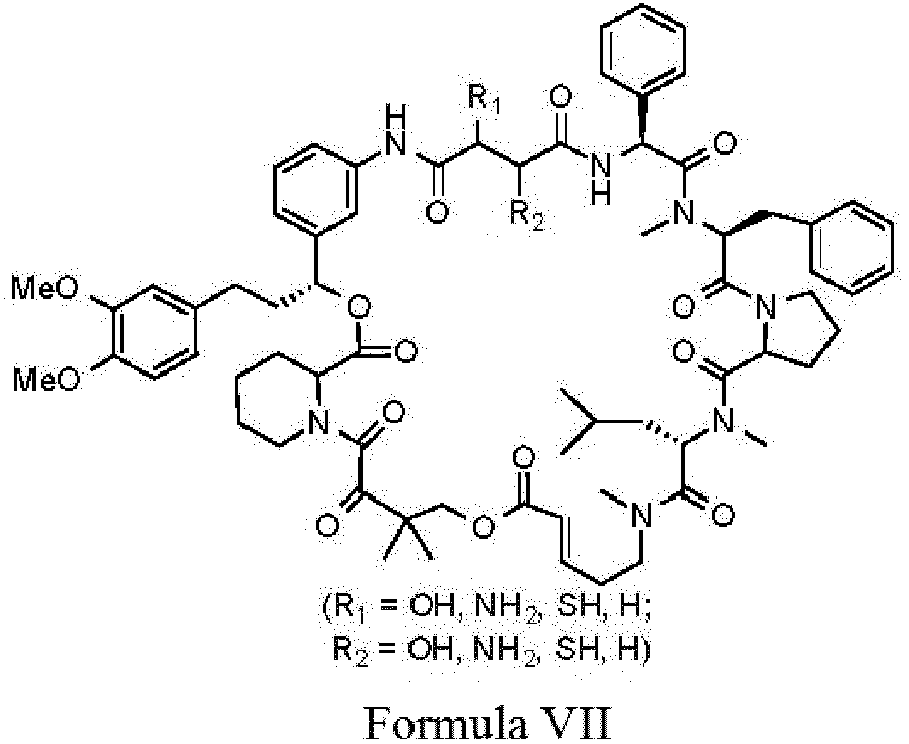
- the invention provides compounds that include the following: Formula I, Formula II, Formula III, Formula IV, Formula V, Formula VI, Formula VII, Formula VIII, Formula IX, Formula X, Formula XI, XII JW95-1, JW95-2, JW95-3, JW95-4, JW95-5, JW95-6, JW95-7, JW95-8, JW95-9, JW95-10, JW95-11, JW95-12, JW95-13, JW95-14, JW95-15, JW95-16, JW95-17, JW95-18, JW95-19, JW95-20, JW95-21, JW95-22, JW95-23, JW95-24, JW95-25, 95-15-1, 95-15-2, 95-15-3, 95-15-4, 95-15-5, 95-15-6, 95-15-7, 95-15-8, 95-15-9, 95-15-10, 95-15-11, 95-15-12, 95-15-13, 95-15-14, 95-15-15, 95-15-16, 95-15-17, 95-15-18, 95-15-19, 95-15
- Another embodiment of the present invention is to provide a method of inhibiting human equilibrative nucleoside transporter 1 (ENT1) that includes administering to a subject in need thereof an effective amount of compound listed above.
- ENT1 human equilibrative nucleoside transporter 1
- Another embodiment of the present invention is to provide a method of increasing adenosine signaling that includes administering to a subject in need thereof an effective amount of a compound listed above.
- the administering of the aforementioned compound results in one or more of the following effects: increase in antiviral activity, increase in antiparasitic activity, increase in alcohol tolerance, decrease in pain and protection from ischemia, attenuation of epileptic seizure severity, lessening of erectile dysfunction, improvement of liver function, improvement of respiratory disorders, improvement of sepsis, improvement of thrombosis, improvement of hypertension, improvement of inflammatory disorders, improvement of allergies, improvement of cardiac ischemias, improvement of arrhythmias, improvement of Parkinson's disease, improvement of chronic heart failure, improvement of rheumatoid arthritis, improvement of dry eye disease, improvement of chronic plaque type psoriasis, improvement of chronic neuropathological pain and improvement of sickle cell disease.
- the bond between the carbons bearing R 15 and R 16 can be either a single or a double bond in either E or Z configuration.
- residues 1-4 can be any amino acid building block listed in below or its modified version
- Another embodiment of the present invention is to use the foregoing compound in the methods discussed above.
- Rapadocin Formula I (stylized as RapADOcin or also named JW95) is a synthetic macrocyclic small molecule. Rapadocin specifically inhibits the human equilibrative nucleoside transporter 1 (hENT1 or SLC29a1) with high potency.
- Rapadocin has been shown to be safely tolerated in animals via a kidney ischemia model. Rapadocin is a synthetic macrocycle composed of two 'domains'- a FKBD (FKBP12 binding domain) and a peptide domain.
- the FKBD can tolerate modifications at the dimethoxy phenyl region, notably to a dihydroxy phenyl analog.
- the peptidic fragment can tolerate a range of modifications with varying effects on ENT1 inhibition. Notably, the peptidic fragment can tolerate a few important modifications on the N-methyl phenylalanine residue.
- the compound of Formula I is soluble up to 10 ⁇ M in aqueous solutions and has been shown to resist degradation over 5 days in cell culture media (37°C, 10% Fetal Bovine Serum).
- equilibrative nucleoside transporters Two different families of nucleoside transporters (NTs) have been characterized: equilibrative nucleoside transporters and concentrative nucleoside transporters.
- "Equilibrative nucleoside transporters” or “ENTs” refer to transporters that translocate substrate down the substrate's concentration gradient via passive transport or facilitated diffusion. ENT activity does not require a sodium ion (or other ion) gradient and are therefore termed "Na+-independent" transporters. ENTs are categorized into one of two subtypes based on sensitivity to inhibition by nitrobenzylmercaptopurine riboside (NBMBR).
- NMBR nitrobenzylmercaptopurine riboside
- ENT1, ENT2, ENT3, and ENT4 transport adenosine but differ from each other with respect to their ability to transport other nucleosides or nucleobases.
- ENT1 is an es subtype transporter. Exemplary polynucleotide sequences encoding human ENT1 include GenBank Accession No. U81375 and GenBank Accession No. AAC51103.1 represents the corresponding amino acid sequence.
- ENT1 is ubiquitously expressed in human and rodent tissues, although expression levels vary between tissues. ENT1 is known to transport a wide range of purine and pyrimidine nucleosides.
- ENT2 is an ei subtype transporter.
- Exemplary polynucleotide sequences encoding human ENT2 include GenBank Accession No. AF029358 and GenBank Accession No. AAC39526 represents the corresponding amino acid sequence.
- ENT2 is expressed in a wide range of human and rodent tissues, including vascular endothelium, heart, brain, placenta, thymus, pancreas, prostate, kidney, and muscle, skeletal muscle, cardiac muscle, blood, skin, and ENT2-expressing cancer cells.
- ENT2-expressing cancer cells include, for example, certain renal tumor cells, breast tumor cells, prostate cancer cells, colon cancer cells, stomach cancer cells, leukemia cells, lung cancer cells, and ovarian cancer cells.
- ENT-2 expressing cancer cells are known in the art; (see e.g., Lu X et al., Journal of Experimental Therapeutics and Oncology 2:200-212, 2002 , and Pennycooke M et al., Biochemical and Biophysical Research Communications 208, 951-959, 2001 ).
- ENT2 exhibits high expression levels in skeletal muscle.
- ENT2 is also expressed in the membrane of organelles such as the nucleus.
- ENT2 is known to transport a wide range of purine and pyrimidine nucleosides and nucleobases.
- a "therapeutically effective amount" of a compound is the quantity of a compound which, when administered to an individual or animal, results in a sufficiently high level of that compound in the individual or animal to cause a discernible inhibition of the ENT1 transporters.
- the exact dosage and frequency of administration depends on the particular compound of the invention used, the particular condition being treated, the severity of the condition being treated, the age, weight and general physical condition of the particular patient as well as the other medication, the patient may be taking, as is well known to those skilled in the art.
- said "therapeutically effective amount” may be lowered or increased depending on the response of the treated patient and/or depending on the evaluation of the physician prescribing the compounds of the instant invention.
- the effective daily amount ranges mentioned hereinabove are therefore only guidelines.
- Equilibrative nucleoside transporter ENT1 mediated conditions or disorders may include but are not limited to acute and chronic pain conditions including inflammatory pain, neuropathic pain, cancer pain, cardioprotection, cerebroprotection, traumatic brain injury (TBI), myeloprotection, neuroprotection, chronic pressure skin ulcers, wound healing, ischemia, anticonvulsant, organ transplant (organ preservation, like cardioplegia), sleep disorders, pancreatitis, glomerulonephritis, and antithrombotic (anti-platelet).
- acute and chronic pain conditions including inflammatory pain, neuropathic pain, cancer pain, cardioprotection, cerebroprotection, traumatic brain injury (TBI), myeloprotection, neuroprotection, chronic pressure skin ulcers, wound healing, ischemia, anticonvulsant, organ transplant (organ preservation, like cardioplegia), sleep disorders, pancreatitis, glomerulonephritis, and antithrombotic (anti-platelet).
- Nucleoside transport pathways refer to systems of one or more transport proteins that effect the transport of a substrate across one or more biological membranes.
- a nucleoside transport pathway may mediate the step-wise transport of a substrate across the plasma membrane followed by the transport of the substrate across the membrane of an intracellular organelle.
- the transport proteins or nucleoside transporters responsible for such a step-wise translocation of a substrate across two biological membranes may be the same type of nucleoside transporter or may be of different types.
- the nucleoside transporter may be an equilibrative nucleoside transporter.
- the nucleoside transporter may be a concentrative nucleoside transporter.
- a "transport protein” or “transporter” is a protein that has a direct or indirect role in transporting a molecule across a membrane.
- the term includes, for example, membrane-bound proteins that recognize a substrate and effects its entry into, or exit from a cell by a carrier-mediated transporter or by receptor-mediated transport.
- Transporters may be present on plasma membranes or the membranes of intracellular organelles. Thus, transporters facilitate the transport of molecules into the cytoplasm or into an intracellular organelle.
- nucleoside analog refers to a nucleoside in which the base moiety, the sugar moiety or both has been modified. Such analogs are generally synthetic and mimic natural nucleosides so that they may take the place of a nucleoside in cellular functions. For example, nucleosides may be incorporated into DNA or RNA in place of the natural corresponding nucleoside. Certain nucleoside analogs so incorporated can, for example, prevent further elongation of the nucleic acid chain during synthesis. Many nucleoside analogs have anti-viral or anti-cancer properties.
- nucleoside analogs examples include inosine, deoxyadenosine analogs such as didanosine (2',3'-dideoxyinosine, ddl) and vidarabine (9-O-D-ribofuranosyladenine), deoxycytidine analogs such as cytarabine (cytosine arabinoside, emtricitabine, lamivudine (2',3'-dideoxy-3'-thiacytidine, 3TC), and zalcitabine (2'-3'-dideoxycytidine, ddC), deoxyguanosine analogs such as abacavir, (deoxy-)thymidine analogs such as stavudine (2'-3'-didehydro-2'-3'-dideoxythymidine, d4T) and zidovudine (azidothymidine, or AZT), and deoxyuridine analogs such as idoxuridine and trifluridine.
- pharmaceutically acceptable salts refers to physiologically and pharmaceutically acceptable salts of the compounds of the invention, e.g., salts that retain the desired biological activity of the parent compound and do not impart undesired toxicological effects thereto.
- compositions of this invention an effective amount of the particular compound, in base or acid addition salt form, as the active ingredient is combined in intimate admixture with at least one pharmaceutically acceptable carrier, which carrier may take a wide variety of forms depending on the form of preparation desired for administration.
- pharmaceutically acceptable carrier which carrier may take a wide variety of forms depending on the form of preparation desired for administration.
- These pharmaceutical compositions are desirably in unitary dosage form suitable, preferably, for oral administration, rectal administration, percutaneous administration or parenteral injection.
- RapADOcin inhibits nucleoside uptake
- Rapadocin potently and specifically inhibits nucleoside uptake by human equilibrative nucleoside uptake transporter 1 (hENT1) over hENT2, the two most predominant eqilibrative nucleoside transporters ( Fig. 1 ). Rapadocin inhibits nucleoside
- Table 2 discloses the potency of various Rapadocin analogs.
- Rapadocin Two human and animal models have been studied to show the efficacy of Rapadocin ( Figs. 4 and 5 ). Under several physiological conditions, adenosine is released into the blood where it can act on adenosine receptors. Normally, this adenosine (ADO) is rapidly reabsorbed via ENT1. In the presence of Rapadocin, uptake is inhibited and ADO is able to produce enhanced signaling leading to several potentially beneficial physiological responses.
- ADO adenosine
- the bond between the carbons bearing R 15 and R 16 can be either a single or a double bond in either E or Z configuration.
- Residues 1-4 can be any amino acid building block listed in Table 3 or its modified version.
- References 11-15 describe the use of adenosine agonists in the treatment of various diseases. Based upon the information disclosed in these references, one of ordinary skill in the art would recognize that the compounds disclosed in this application could be used to treat these diseases. See e.g., Table 2 of Reference 15 as it relates to the treatment of arrhythmias.
- a method of inhibiting human equilibrative nucleoside transporter 1 (ENT1) comprising administering to a subject in need thereof an effective amount of a compound of paragraph 1, thereby inhibiting ENT1.
- a method of increasing adenosine signaling comprising administering to a subject in need thereof an effective amount of a compound of paragraph 1, thereby increasing adenosine signaling. 4.
- a method of increasing adenosine signaling comprising administering to a subject in need thereof an effective amount of a compound of paragraph 1, wherein the administering of the compound of paragraph 1 results in one or more of the effects selected from the group consisting of an increase in antiviral activity, an increase in antiparasitic activity, an increase in alcohol tolerance, a decrease in pain, protection from ischemia, attenuation of epileptic seizure severity, lessening of erectile dysfunction, improvement of liver function, improvement of respiratory disorders, improvement of sepsis, improvement of thrombosis, improvement of hypertension, improvement of inflammatory disorders, improvement of allergies, improvement of cardiac ischemias, improvement of arrhythmias, improvement of Parkinson's disease, improvement of chronic heart failure, improvement of rheumatoid arthritis, improvement of dry eye disease, improvement of chronic plaque type psoriasis, improvement of chronic neuropathological pain and improvement of sickle cell disease. 5.
Landscapes
- Health & Medical Sciences (AREA)
- Chemical & Material Sciences (AREA)
- Organic Chemistry (AREA)
- Life Sciences & Earth Sciences (AREA)
- Medicinal Chemistry (AREA)
- General Health & Medical Sciences (AREA)
- Veterinary Medicine (AREA)
- Pharmacology & Pharmacy (AREA)
- Animal Behavior & Ethology (AREA)
- Public Health (AREA)
- Bioinformatics & Cheminformatics (AREA)
- Engineering & Computer Science (AREA)
- Chemical Kinetics & Catalysis (AREA)
- General Chemical & Material Sciences (AREA)
- Nuclear Medicine, Radiotherapy & Molecular Imaging (AREA)
- Cardiology (AREA)
- Neurosurgery (AREA)
- Neurology (AREA)
- Biomedical Technology (AREA)
- Epidemiology (AREA)
- Heart & Thoracic Surgery (AREA)
- Immunology (AREA)
- Proteomics, Peptides & Aminoacids (AREA)
- Gastroenterology & Hepatology (AREA)
- Pain & Pain Management (AREA)
- Rheumatology (AREA)
- Hematology (AREA)
- Diabetes (AREA)
- Communicable Diseases (AREA)
- Oncology (AREA)
- Pulmonology (AREA)
- Dermatology (AREA)
- Ophthalmology & Optometry (AREA)
- Molecular Biology (AREA)
- Biochemistry (AREA)
- Biophysics (AREA)
- Genetics & Genomics (AREA)
- Psychology (AREA)
- Vascular Medicine (AREA)
- Physical Education & Sports Medicine (AREA)
Abstract
Description
- This application claims the benefit under 35 U.S.C. § 119(e) to
U.S. Provisional Application No. 62/291,428, filed on February 4, 2016 - This invention was made with government support under National Institutes of Health grant DP1CA174428. The government has certain rights in the invention.
- The present invention relates generally to small molecule compounds and more specifically to the use of such compounds for inhibiting human equilibrative nucleoside transporter 1 (ENT1).
- Transporter proteins are involved in the cellular uptake of various molecules into and/or through cells. Carrier-mediated transport systems use proteins that are anchored to the cell membrane, typically by a plurality of membrane-spanning domains and function by transporting their substrates via active or passive mechanisms. Carrier-mediated transport systems are involved in the active or non-active, facilitated transport of many important nutrients such as vitamins, sugars, and amino acids. Carrier-mediated transporters are also present in organs such as the liver and kidney, in which the proteins are involved in the excretion or re-absorption of circulating compounds. Polar or hydrophilic compounds typically diffuse poorly across the lipid bilayers that constitute cellular membranes. For many small molecules (e.g., amino acids, di- and tripeptides, monosaccharides, nucleosides and water-soluble vitamins) there exist specific carrier-mediated transporters for active transport of the solute molecules across biological membranes.
- The uptake or release of physiological nucleosides and many of their synthetic analogs by mammalian cells occurs primarily by means of specific carrier-mediated transporters known as nucleoside transporters. Nucleoside transporters have been classified into two categories: (i) equilibrative (facilitated diffusion) and (ii) concentrative (secondary active) sodium-dependent. Two equilibrative transport systems with similar broad substrate specificities have been identified and designated as the es (equilibrative sensitive) and ei (equilibrative insensitive) transporters, on the basis of their sensitivity or insensitivity to inhibition by nitrobenzylthioinosine (NBMPR, 1), respectively.
- Specific transporters are required for the permeation of nucleosides across cell membranes. Among the family of nucleoside transporters the equilibrative nucleoside transporters (ENTs) are the most broadly expressed and four human ENTs have been identified in humans: hENT-1, hENT-2, hENT-3 and hENT-4. The most thoroughly characterized are hENT-1 and hENT-2 which are cell surface proteins and are broadly selective for both purine and pyrimidine nucleosides. They can be distinguished from each other by their sensitivities to inhibition by nitrobenzylmercaptopurine riboside (NBMPR). ENT1 is potently inhibited by nanomolar concentrations of NBMPR and is therefore also called a NBMPR sensitive equilibrative nucleoside transport protein. ENT2 is insensitive to nanomolar concentrations of NBMPR, but can be inhibited by higher (micromolar) concentrations of NBMPR and is therefore also referred to as a NBMPR insensitive equilibrative nucleoside transport protein (iENTP) (see Griffith et al., Biochim. Bioph. Acta 1286:153-181 (1986)).
- Human equilibrative nucleoside transporter 1 (ENT1) is encoded by the SLC29a1 gene. The gene is a member of the equilibrative nucleoside transporter family. The gene encodes a transmembrane glycoprotein that localizes to the plasma and mitochondrial membranes and mediates the cellular uptake of nucleosides from the surrounding medium. The protein is categorized as an equilibrative (as opposed to concentrative) transporter that is sensitive to inhibition by nitrobenzylmercaptopurine ribonucleoside (NBMPR). Nucleoside transporters are required for nucleotide synthesis in cells that lack de novo nucleoside synthesis pathways, and are also necessary for the uptake of cytotoxic nucleosides used for cancer and viral chemotherapies.
- Adenosine is an endogenous purine nucleoside that is particularly released in pathophysiological conditions like ischemia, inflammation and pain. Under these circumstances it plays an important neuro- and immunomodulatory role. Adenosine administration is analgesic in various nociceptive modalities in humans. Because of the short half-life of adenosine and side-effects caused by its administration, there has been considerable interest in finding ways to reinforce the effects of endogenous adenosine. Inhibition of the ENT1 blocks uptake of adenosine into cells and could enhance its beneficial effects.
- In one embodiment, the invention provides compounds that include the following: Formula I, Formula II, Formula III, Formula IV, Formula V, Formula VI, Formula VII, Formula VIII, Formula IX, Formula X, Formula XI, XII JW95-1, JW95-2, JW95-3, JW95-4, JW95-5, JW95-6, JW95-7, JW95-8, JW95-9, JW95-10, JW95-11, JW95-12, JW95-13, JW95-14, JW95-15, JW95-16, JW95-17, JW95-18, JW95-19, JW95-20, JW95-21, JW95-22, JW95-23, JW95-24, JW95-25, 95-15-1, 95-15-2, 95-15-3, 95-15-4, 95-15-5, 95-15-6, 95-15-7, 95-15-8, 95-15-9, 95-15-10, 95-15-11, 95-15-12, 95-15-13, 95-15-14, 95-15-15, 95-15-16, 95-15-17, 95-15-18, 95-15-19, 95-15-20, 95-15-21, 95-15-22, 95-15-23, 95-15-13-2, 95-15-13-3, 95-15-13-4, 95-15-13-5, 95-15-13-6, 95-15-13-7, 95-15-13-8, 95-15-13-9, 95-15-13-10, 95-15-13-11, 95-15-13-12, 95-15-13-13, 95-15-13-14, 95-15-13-15 and JW95S2Biotin. The compounds are illustrated in the structures provided herein.
- Another embodiment of the present invention is to provide a method of inhibiting human equilibrative nucleoside transporter 1 (ENT1) that includes administering to a subject in need thereof an effective amount of compound listed above.
- Another embodiment of the present invention is to provide a method of increasing adenosine signaling that includes administering to a subject in need thereof an effective amount of a compound listed above.
- Another embodiment of the present invention is to provide a method of increasing adenosine signaling that includes administering to a subject in need thereof an effective amount of a compound listed above. The administering of the aforementioned compound results in one or more of the following effects: increase in antiviral activity, increase in antiparasitic activity, increase in alcohol tolerance, decrease in pain and protection from ischemia, attenuation of epileptic seizure severity, lessening of erectile dysfunction, improvement of liver function, improvement of respiratory disorders, improvement of sepsis, improvement of thrombosis, improvement of hypertension, improvement of inflammatory disorders, improvement of allergies, improvement of cardiac ischemias, improvement of arrhythmias, improvement of Parkinson's disease, improvement of chronic heart failure, improvement of rheumatoid arthritis, improvement of dry eye disease, improvement of chronic plaque type psoriasis, improvement of chronic neuropathological pain and improvement of sickle cell disease.
- Another embodiment of the present invention is to provide a compound with the following structure:

- n = 0-6
- R1:


- R2-R4: H, methyl ethyl, propyl, isopropyl, phenyl,OH, NH2, SH, CN, individually or in combination.
- R5-R6:methyl, ethyl, propyl, isopropyl, phenyl, OH, NH2, SH, CN, individually or in combination.
- R9 = OH, NH2, SH, CN, H;
- R10 = OH, NH2, SH, CN, H.
- R11-14 = H or Me
- R15 = OH, MH2, SH, CN, H;
- R16 = OH, NH2, SH, CN, H.
- The bond between the carbons bearing R15 and R16 can be either a single or a double bond in either E or Z configuration.
wherein residues 1-4 can be any amino acid building block listed in below or its modified
version


- Another embodiment of the present invention is to use the foregoing compound in the methods discussed above.
- Other aspects and advantages of the invention will be apparent from the following description and the appended claims.
-
-
Figure 1 . RapADOcin inhibits 3H-Adenosine uptake by specifically inhibiting hENT1. -
Figure 2 . Rapadocin inhibits 3H-Thymidine uptake in Human Umbilical Vein Endothelial Cells (HUVEC). -
Figure 3 . RapADOcin's uptake inhibition is antagonized by FKBP12-binders Rapamycin and FK506. -
Figure 4 .5 RapADOcin inhibits platelet aggregation in human blood when activated by ADP. -
Figure 5 . RapADOcin protects against kidney ischemia reperfusion injury in a mouse model. - Other aspects and advantages of the invention will be apparent from the following description. Rapadocin Formula I (stylized as RapADOcin or also named JW95) is a synthetic macrocyclic small molecule. Rapadocin specifically inhibits the human equilibrative nucleoside transporter 1 (hENT1 or SLC29a1) with high potency.

- Rapadocin has been shown to be safely tolerated in animals via a kidney ischemia model. Rapadocin is a synthetic macrocycle composed of two 'domains'- a FKBD (FKBP12 binding domain) and a peptide domain. The FKBD can tolerate modifications at the dimethoxy phenyl region, notably to a dihydroxy phenyl analog. The peptidic fragment can tolerate a range of modifications with varying effects on ENT1 inhibition. Notably, the peptidic fragment can tolerate a few important modifications on the N-methyl phenylalanine residue.
- The compound of Formula I is soluble up to 10 µM in aqueous solutions and has been shown to resist degradation over 5 days in cell culture media (37°C, 10% Fetal Bovine Serum).
- Two different families of nucleoside transporters (NTs) have been characterized: equilibrative nucleoside transporters and concentrative nucleoside transporters. "Equilibrative nucleoside transporters" or "ENTs" refer to transporters that translocate substrate down the substrate's concentration gradient via passive transport or facilitated diffusion. ENT activity does not require a sodium ion (or other ion) gradient and are therefore termed "Na+-independent" transporters. ENTs are categorized into one of two subtypes based on sensitivity to inhibition by nitrobenzylmercaptopurine riboside (NBMBR).
- Four members of the ENT family have been cloned and are termed ENT1, ENT2, ENT3, and ENT4. All 4 transport adenosine but differ from each other with respect to their ability to transport other nucleosides or nucleobases. ENT1 is an es subtype transporter. Exemplary polynucleotide sequences encoding human ENT1 include GenBank Accession No. U81375 and GenBank Accession No. AAC51103.1 represents the corresponding amino acid sequence. ENT1 is ubiquitously expressed in human and rodent tissues, although expression levels vary between tissues. ENT1 is known to transport a wide range of purine and pyrimidine nucleosides.
- ENT2 is an ei subtype transporter. Exemplary polynucleotide sequences encoding human ENT2 include GenBank Accession No. AF029358 and GenBank Accession No. AAC39526 represents the corresponding amino acid sequence. ENT2 is expressed in a wide range of human and rodent tissues, including vascular endothelium, heart, brain, placenta, thymus, pancreas, prostate, kidney, and muscle, skeletal muscle, cardiac muscle, blood, skin, and ENT2-expressing cancer cells. ENT2-expressing cancer cells include, for example, certain renal tumor cells, breast tumor cells, prostate cancer cells, colon cancer cells, stomach cancer cells, leukemia cells, lung cancer cells, and ovarian cancer cells. Other types of ENT-2 expressing cancer cells are known in the art; (see e.g., Lu X et al., Journal of Experimental Therapeutics and Oncology 2:200-212, 2002, and Pennycooke M et al., Biochemical and Biophysical Research Communications 208, 951-959, 2001). ENT2 exhibits high expression levels in skeletal muscle. ENT2 is also expressed in the membrane of organelles such as the nucleus. ENT2 is known to transport a wide range of purine and pyrimidine nucleosides and nucleobases.
- It is expected that inhibition of hENT1 by Rapadocin and its analogs will increase the extracellular concentrations of adenosine, thereby enhancing its signaling via adenosine receptors. Adenosine receptor agonists have been sought as treatments for multiple diseases. It is expected that Rapadocin will have similar activity as adenosine receptor agonists.
- As used herein, a "therapeutically effective amount" of a compound, is the quantity of a compound which, when administered to an individual or animal, results in a sufficiently high level of that compound in the individual or animal to cause a discernible inhibition of the ENT1 transporters. The exact dosage and frequency of administration depends on the particular compound of the invention used, the particular condition being treated, the severity of the condition being treated, the age, weight and general physical condition of the particular patient as well as the other medication, the patient may be taking, as is well known to those skilled in the art. Furthermore, said "therapeutically effective amount" may be lowered or increased depending on the response of the treated patient and/or depending on the evaluation of the physician prescribing the compounds of the instant invention. The effective daily amount ranges mentioned hereinabove are therefore only guidelines. The invention compounds may be used for the manufacture of a medicine for treatment of a condition or a disease mediated by equilibrative nucleoside transporter ENT1 activity, in particular equilibrative nucleoside transporter ENT1 inhibitory activity.
- Equilibrative nucleoside transporter ENT1 mediated conditions or disorders may include but are not limited to acute and chronic pain conditions including inflammatory pain, neuropathic pain, cancer pain, cardioprotection, cerebroprotection, traumatic brain injury (TBI), myeloprotection, neuroprotection, chronic pressure skin ulcers, wound healing, ischemia, anticonvulsant, organ transplant (organ preservation, like cardioplegia), sleep disorders, pancreatitis, glomerulonephritis, and antithrombotic (anti-platelet).
- "Nucleoside transport pathways" refer to systems of one or more transport proteins that effect the transport of a substrate across one or more biological membranes. For example, a nucleoside transport pathway may mediate the step-wise transport of a substrate across the plasma membrane followed by the transport of the substrate across the membrane of an intracellular organelle. The transport proteins or nucleoside transporters responsible for such a step-wise translocation of a substrate across two biological membranes may be the same type of nucleoside transporter or may be of different types. In certain embodiments, the nucleoside transporter may be an equilibrative nucleoside transporter. In other embodiments, the nucleoside transporter may be a concentrative nucleoside transporter.
- A "transport protein" or "transporter" is a protein that has a direct or indirect role in transporting a molecule across a membrane. The term includes, for example, membrane-bound proteins that recognize a substrate and effects its entry into, or exit from a cell by a carrier-mediated transporter or by receptor-mediated transport. Transporters may be present on plasma membranes or the membranes of intracellular organelles. Thus, transporters facilitate the transport of molecules into the cytoplasm or into an intracellular organelle.
- The term "nucleoside" refers to a purine or pyrimidine base that is covalently linked to a 5-carbon sugar (i.e., pentose). When the sugar is ribose, the nucleoside is a ribonucleoside; when it is 2-deoxyribose, the nucleoside is a deoxyribonucleoside. Exemplary nucleosides include cytidine, uridine, adenosine, guanosine, and thymidine, and the corresponding deoxyribonucleosides, which form the basis of the nucleotides that form DNA and RNA.
- The term "nucleoside analog" as used herein refers to a nucleoside in which the base moiety, the sugar moiety or both has been modified. Such analogs are generally synthetic and mimic natural nucleosides so that they may take the place of a nucleoside in cellular functions. For example, nucleosides may be incorporated into DNA or RNA in place of the natural corresponding nucleoside. Certain nucleoside analogs so incorporated can, for example, prevent further elongation of the nucleic acid chain during synthesis. Many nucleoside analogs have anti-viral or anti-cancer properties. Examples of nucleoside analogs include inosine, deoxyadenosine analogs such as didanosine (2',3'-dideoxyinosine, ddl) and vidarabine (9-O-D-ribofuranosyladenine), deoxycytidine analogs such as cytarabine (cytosine arabinoside, emtricitabine, lamivudine (2',3'-dideoxy-3'-thiacytidine, 3TC), and zalcitabine (2'-3'-dideoxycytidine, ddC), deoxyguanosine analogs such as abacavir, (deoxy-)thymidine analogs such as stavudine (2'-3'-didehydro-2'-3'-dideoxythymidine, d4T) and zidovudine (azidothymidine, or AZT), and deoxyuridine analogs such as idoxuridine and trifluridine.
- The term "pharmaceutically acceptable salts" refers to physiologically and pharmaceutically acceptable salts of the compounds of the invention, e.g., salts that retain the desired biological activity of the parent compound and do not impart undesired toxicological effects thereto.
- In order to prepare the pharmaceutical compositions of this invention, an effective amount of the particular compound, in base or acid addition salt form, as the active ingredient is combined in intimate admixture with at least one pharmaceutically acceptable carrier, which carrier may take a wide variety of forms depending on the form of preparation desired for administration. These pharmaceutical compositions are desirably in unitary dosage form suitable, preferably, for oral administration, rectal administration, percutaneous administration or parenteral injection.
- Rapadocin potently and specifically inhibits nucleoside uptake by human equilibrative nucleoside uptake transporter 1 (hENT1) over hENT2, the two most predominant eqilibrative nucleoside transporters (
Fig. 1 ). Rapadocin inhibits nucleoside - uptake in at least seven cell lines and is predicted to inhibit nucleoside uptake in all human cell lines (see e.g.,
Fig. 2 and Table 1).Table 1 3H-Thymidine uptake in various cell lines HUVEC 293T RKO A549 HeLa MCF-7 MDA MB-231 EC50 6.4nM 5.0nM 11.4nM 6.3nM 16.3nM 9.0nM 41.1nM -
Table 2 Analog Peptide Residue 1 Residue 2 Residue 3 Residue 4 EC50 3H-Tymidine uptake JW95-1 mGly dPro mGly Phe >1uM JW95-2 mAla dPro mGly Phe >1uM JW95-3 mLeu dPro mGly Phe >1uM JW95-4 mSer dPro mGly Phe 1228 JW95-5 mPhe dPro mGly Phe 440 JW95-6 mGly dPro mAla Phe >1uM JW95-7 mAla dPro mAla Phe >1uM JW95-8 mLeu dPro mAla Phe >1uM JW95-9 mSer dPro mAla Phe >1uM JW95-10 mPhe dPro mAla Phe >1uM JW95-11 mGly dPro mLeu Phe >1uM JW95-12 mAla dPro mLeu Phe >1uM JW95-13 mLeu dPro mLeu Phe 787 JW95-14 mSer dPro mLeu Phe 725 JW95-15 mPhe dPro mLeu Phe 377 JW95-16 mGly dPro mSer Phe >1uM JW95-17 mAla dPro mSer Phe >1uM JW95-18 mLeu dPro mSer Phe >1uM JW95-19 mSer dPro mSer Phe >1uM JW95-20 mPhe dPro mSer Phe >1uM JW95-21 mGly dPro mPhe Phe >1uM JW95-22 mAla dPro mPhe Phe 731 JW95-23 mLeu dPro mPhe Phe >1uM JW95-24 mSer dPro mPhe Phe >1uM JW95-25 mPhe dPro mPhe Phe >1uM 95-15-1 mLeu dPro mPhe Phe 112 95-15-2 mdLeu dPro mPhe Phe >1uM 95-15-3 mLeu dPro mPhe dhoPhe >1uM 95-15-4 Leu dPro mPhe Phe >1uM 95-15-5 mile dPro mPhe Phe >1uM 95-15-6 mNle dPro mPhe Phe >1uM 95-15-7 mLeu Pro mPhe Phe >1uM 95-15-8 mLeu Gly mPhe Phe >1uM 95-15-9 mLeu dPro mdPhe Phe >1uM 95-15-10 mLeu dPro Phe Phe 182 95-15-11 mLeu dPro mPhe dPhe >1uM 95-15-12 mLeu dPro mPhe hoPhe >1uM 95-15-13 mLeu dPro mPhe Phg 15 95-15-14 mLeu dPro mPhe PheF >1uM 95-15-15 mLeu dPro mPhe PheCl >1uM 95-15-16 mLeu dPro mPhe Phel >1uM 95-15-17 mLeu dPro mPhe Tyr >1uM 95-15-18 mLeu dPro mPhe TyrBu >1uM 95-15-19 mLeu dPro mPhe PheNO2 >1uM 95-15-20 mLeu dPro mPhe mPhe >1uM 95-15-21 mLeu dPro mPhe Cha 112 95-15-22 mLeu dPro mPhe NaI >1uM 95-15-23 mLeu dPro mPhe biPhe >1uM RapADOcin mLeu dPro mPhe Phg 6.16 95-15-13-2 mLeu dHoPro mPhe Phg 1920 95-15-13-3 mLeu dPro Phe Phg 64 95-15-13-4 mLeu dPro Pyr Phg 266 95-15-13-5 mLeu dPro hoPhe Phg 15 95-15-13-6 mLeu dPro Phg Phg 261 95-15-13-7 mLeu dPro PheF Phg 56.7 95-15-13-8 mLeu dPro PheCl Phg 123 95-15-13-9 mLeu dPro Phel Phg 62.5 95-15-13-10 mLeu dPro Tyr Phg 9.64 95-15-13-11 mLeu dPro TyrOMe Phg 32.6 95-15-13-12 mLeu dPro PheNO2 Phg 130 95-15-13-13 mLeu dPro Cha Phg 199 95-15-13-14 mLeu dPro NaI Phg 87.8 95-15-13-15 mLeu dPro biPhe Phg 194 JW95Diol1 Formula II mLeu dPro mPhe Phg 3 JW95TyrBiotin Formula III mLeu dPro Tyr(PEG)2Biotin Phg 64 JW95S2Biotin mLeu dPro mPhe Phg >1uM JW95TyrDiaz Formula IV mLeu dPro Tyr---Diaz Phg 20nM 1JW95Diol utilizes a modified FKBD where the two methoxy groups are replaced with hydroxyl groups - Table 2 discloses the potency of various Rapadocin analogs.
- Structures of selected Rapadocin analogs are represented as follows:


- Two human and animal models have been studied to show the efficacy of Rapadocin (
Figs. 4 and5 ). Under several physiological conditions, adenosine is released into the blood where it can act on adenosine receptors. Normally, this adenosine (ADO) is rapidly reabsorbed via ENT1. In the presence of Rapadocin, uptake is inhibited and ADO is able to produce enhanced signaling leading to several potentially beneficial physiological responses. - Additional compounds that can be used to improve Pharmacokinetics /Pharmacodynamics and solubility of the leads include the following:


-

- Reaction conditions: i) KOH, H2O/EtOH (1/20), RT, 6h; ii) Pd/C (10%), H2, MeOH, RT, 1.5 h; iii) tert-butyl 2-bromoacetate, K2CO3, DMF/acetone (1/2), RT, 4h; iv) (+)-DIPCl, THF, -20°C to RT, 5h; v)
FKBD 8, benzoyl chloride, DMAP (5%), NEt3, CH2Cl2, RT, 4h; vi) TFA (10%), CH2Cl2, RT, 6h; vii) succinic anhydride, DMAP (5%), CH2Cl2, RT, 3h; viii) allyl bromide, Cs2CO3, DMF, RT, 2h; ix) Pd(PPh3)4 (10%), N-methylaniline, THF, RT, 6h. - Compounds that can be used to improve Pharmacokinetics /Pharmacodynamics and solubility are represented by the following generic structure:

- n = 0-6
- R1:
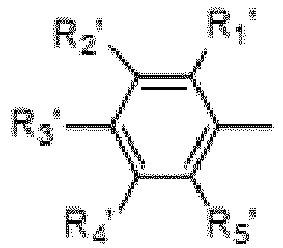
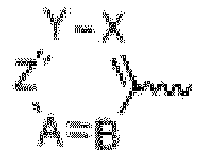


- R2-R4: H, methyl, ethyl, propyl, isopropyl, phenyl,OH, NH2, SH, CN, individually or in combination.
- R5-R6:methyl, ethyl, propyl, isopropyl, phenyl, OH, NH2, SH, CN, individually or in combination.
- R9 = OH, NH2, SH, CN, H;
- R10 = OH, NH2, SH, CN, H.
- R11-14 = H or Me.
- R15 = OH, NH2, SH, CN, H:
- R16 = OH, NH2, SH, CN, H.
- The bond between the carbons bearing R15 and R16 can be either a single or a double bond in either E or Z configuration.
- Residues 1-4 can be any amino acid building block listed in Table 3 or its modified version.

- References 11-15 describe the use of adenosine agonists in the treatment of various diseases. Based upon the information disclosed in these references, one of ordinary skill in the art would recognize that the compounds disclosed in this application could be used to treat these diseases. See e.g., Table 2 of
Reference 15 as it relates to the treatment of arrhythmias. - Although the present invention has been described in terms of specific exemplary embodiments and examples, it will be appreciated that the embodiments disclosed herein are for illustrative purposes only and various modifications and alterations might be made by those skilled in the art without departing from the spirit and scope of the invention as set forth in the following claims.
- The following references are each relied upon and incorporated herein in their entirety.
- 1. Passer, B. J. et al. Identification of the ENT1 Antagonists Dipyridamole and Dilazep as Amplifiers of Oncolytic Herpes Simplex Virus-1 Replication. Cancer Res. 70, 3890-3895 (2010).
- 2. Köse, M. & Schiedel, A. C. Nucleoside/nucleobase transporters: drug targets of the future? Future Med. Chem. 1, 303-326 (2009).
- 3. Melendez, R. I. & Kalivas, P. W. Last call for adenosine transporters. Nat. Neurosci. 7, 795-796 (2004).
- 4. Choi, D.-S. et al. The ).
- 5. Puetz, C. et al. Nitrobenzylthioinosine compounds for relief of pain. (Google Patents, 2008). at <https://www.google.com/patents/US7358235>
- 6. Sawynok, J. in Adenosine 343-360 (Springer, 2013). at <http://link.springer.com/chapter/10.1007/978-1-4614- 3903-5_17>
- 7. Bauerle, J. D., Grenz, A., Kim, J.-H., Lee, H. T. & Eltzschig, H. K. Adenosine Generation and Signaling during Acute Kidney Injury. J. Am. Soc. Nephrol. 22, 14-20 (2011).
- 8. Grenz, A. et al. The Reno-Vascular A2B Adenosine Receptor Protects the Kidney from Ischemia. PLoS Med. 5, e137 (2008).
- 9. Grenz, A. et al. Equilibrative nucleoside transporter 1 (ENT1) regulates postischemic blood flow during acute kidney injury in mice. J. Clin. Invest. 122, 693-710 (2012).
- 10. Zimmerman, M. A. et al. Equilibrative nucleoside transporter (ENT)-1-dependent elevation of extracellular adenosine protects the liver during ischemia and reperfusion. Hepatology 58, 1766-1778 (2013).
- 11. Mohamadnej ad, M. et al. Adenosine inhibits chemotaxis and induces hepatocyte-specific genes in bone marrow mesenchymal stem cells. Hepatology 51(3), 963-73 (2010).
- 12. Wen, J. et al. Adenosine signaling: good or bad in erectile function? Arterioscler Thromn Vasc Biol 32(4), 845-50 (2012).
- 13. Xu, Z. et al. ENT1 inhibition attenuates epileptic seizure severity via regulation of glutamatergic neurotransmission. Neuromolecular Med. 17(1), 1-11 (2015).
- 14. Chen, J. eta al. Adenosine receptors as drug targets-what are the challenges? Nat Rev Drug Disc 12(4), 265-86 (2013).
- 15. Sachdeva, S. et al. Adenosine and its receptors as therapeutic targets: An overview. Saudi Pharmaceutical Journal 21, 245-253 (2013).
- 16. Griffith et al., Biochim. Bioph. Acta 1286:153-181 (1986).
- 17. Lu X et al., Journal of Experimental Therapeutics and Oncology 2:200-212, 2002.
- 18. Pennycooke M et al., Biochemical and Biophysical Research Communications 208, 951-959, 2001.
- 1. A compound selected from the group consisting of one of the following:




Peptide Residue 1 Residue 2 Residue 3 Residue 4 JW95-1 mGly dPro mGly Phe JW95-2 mAla dPro mGly Phe JW95-3 mLeu dPro mGly Phe JW95-4 mSer dPro mGly Phe JW95-5 mPhe dPro mGly Phe JW95-6 mGly dPro mAla Phe JW95-7 mAla dPro mAla Phe JW95-8 mLeu dPro mAla Phe JW95-9 mSer dPro mAla Phe JW95-10 mPhe dPro mAla Phe JW95-11 mGly dPro mLeu Phe JW95-12 mAla dPro mLeu Phe JW95-13 mLeu dPro mLeu Phe JW95-14 mSer dPro mLeu Phe JW95-15 mPhe dPro mLeu Phe JW95-16 mGly dPro mSer Phe JW95-17 mAla dPro mSer Phe JW95-18 mLeu dPro mSer Phe JW95-19 mSer dPro mSer Phe JW95-20 mPhe dPro mSer Phe JW95-21 mGly dPro mPhe Phe JW95-22 mAla dPro mPhe Phe JW95-23 mLeu dPro mPhe Phe JW95-24 mSer dPro mPhe Phe JW95-25 mPhe dPro mPhe Phe 95-15-1 mLeu dPro mPhe Phe 95-15-2 mdLeu dPro mPhe Phe 95-15-3 mLeu dPro mPhe dhoPhe 95-15-4 Leu dPro mPhe Phe 95-15-5 mIle dPro mPhe Phe 95-15-6 mNle dPro mPhe Phe 95-15-7 mLeu Pro mPhe Phe 95-15-8 mLeu Gly mPhe Phe 95-15-9 mLeu dPro mdPhe Phe 95-15-10 mLeu dPro Phe Phe 95-15-11 mLeu dPro mPhe dPhe 95-15-12 mLeu dPro mPhe hoPhe 95-15-13 mLeu dPro mPhe Phg 95-15-14 mLeu dPro mPhe PheF 95-15-15 mLeu dPro mPhe PheCl 95-15-16 mLeu dPro mPhe Phel 95-15-17 mLeu dPro mPhe Tyr 95-15-18 mLeu dPro mPhe TyrBu 95-15-19 mLeu dPro mPhe PheNO2 95-15-20 mLeu dPro mPhe mPhe 95-15-21 mLeu dPro mPhe Cha 95-15-22 mLeu dPro mPhe Nal 95-15-23 mLeu dPro mPhe biPhe 95-15-13-2 mLeu dHoPro mPhe Phg 95-15-13-3 mLeu dPro Phe Phg 95-15-13-4 mLeu dPro Pyr Phg 95-15-13-5 mLeu dPro hoPhe Phg 95-15-13-6 mLeu dPro Phg Phg 95-15-13-7 mLeu dPro PheF Phg 95-15-13-8 mLeu dPro PheCl Phg 95-15-13-9 mLeu dPro Phel Phg 95-15-13-10 mLeu dPro Tyr Phg 95-15-13-11 mLeu dPro TyrOMe Phg 95-15-13-12 mLeu dPro PheNO2 Phg 95-15-13-13 mLeu dPro Cha Phg 95-15-13-14 mLeu dPro Nal Phg 95-15-13-15 mLeu dPro biPhe Phg JW95S2Biotin mLeu dPro mPhe Phg paragraph 1, thereby inhibiting ENT1.
3. A method of increasing adenosine signaling comprising administering to a subject in need thereof an effective amount of a compound ofparagraph 1, thereby increasing adenosine signaling.
4. A method of increasing adenosine signaling comprising administering to a subject in need thereof an effective amount of a compound ofparagraph 1, wherein the administering of the compound ofparagraph 1 results in one or more of the effects selected from the group consisting of an increase in antiviral activity, an increase in antiparasitic activity, an increase in alcohol tolerance, a decrease in pain, protection from ischemia, attenuation of epileptic seizure severity, lessening of erectile dysfunction, improvement of liver function, improvement of respiratory disorders, improvement of sepsis, improvement of thrombosis, improvement of hypertension, improvement of inflammatory disorders, improvement of allergies, improvement of cardiac ischemias, improvement of arrhythmias, improvement of Parkinson's disease, improvement of chronic heart failure, improvement of rheumatoid arthritis, improvement of dry eye disease, improvement of chronic plaque type psoriasis, improvement of chronic neuropathological pain and improvement of sickle cell disease.
5. A compound of the following structure:
- n = 0-6
- R1:


- R2-R4: H, methyl, ethyl, propyl, isopropyl, phenyl,OH, NH2, SH, CN, individually or in combination.
- R5-R6:methyl, ethyl, propyl, isopropyl, phenyl, OH, NH2, SH, CN, individually or in combination.
- R9 = OH, NH2, SH, CN, H;
- R10 = OH, NH2, SH, CN, H.
- R11-14 = H or Me.
- R15 = OH, NH2, SH, CN, H;
- R18 = OH, NH2, SH, CN, H.
- The bond between the carbons bearing R15 and R16 can be either a single or a double bond in either E or Z configuration.


7. A method of increasing adenosine signaling comprising administering to a subject in need thereof an effective amount of a compound of
8. A method of increasing adenosine signaling comprising administering to a subject in need thereof an effective amount of a compound of
Claims (8)
- A compound with the following formula:


- A compound as claimed in claim 1, wherein the compound inhibits human equilibrative nucleoside transporter 1 (ENT1).
- A compound as claimed in claim 1, wherein the compound increases adenosine signaling.
- A compound as claimed in claim 3 for use in increasing antiviral activity, increasing antiparasitic activity, increasing alcohol tolerance, decreasing pain, protection from ischemia, attenuation of epileptic seizure severity, lessening of erectile dysfunction, improvement of liver function, improvement of respiratory disorders, improvement of sepsis, improvement of thrombosis, improvement of hypertension, improvement of inflammatory disorders, improvement of allergies, improvement of cardiac ischemias, improvement of arrhythmias, improvement of Parkinson's disease, improvement of chronic heart failure, improvement of rheumatoid arthritis, improvement of dry eye disease, improvement of chronic plaque type psoriasis, improvement of chronic neuropathological pain, or improvement of sickle cell disease.
- A compound as claimed in claim 1 for use as a medicament.
- A compound as claimed in claim 1 for use in treatment of a condition or a disease mediated by equilibrative nucleoside transporter ENT1 activity, wherein the condition or disease is selected from the group consisting of acute and chronic pain conditions including inflammatory pain, neuropathic pain, cancer pain, cardioprotection, cerebroprotection, traumatic brain injury (TBI), myeloprotection, neuroprotection, chronic pressure skin ulcers, wound healing, ischemia, anticonvulsant, organ transplant, organ preservation, cardioplegia, sleep disorders, pancreatitis, glomerulonephritis, and antithrombotic conditions.
- A pharmaceutical composition comprising the compound of claim 1 and a pharmaceutically acceptable carrier.
- The pharmaceutical composition of claim 7, wherein the composition is in a dosage form suitable for oral administration, rectal administration, percutaneous administration or parenteral injection.
Applications Claiming Priority (3)
| Application Number | Priority Date | Filing Date | Title |
|---|---|---|---|
| US201662291428P | 2016-02-04 | 2016-02-04 | |
| EP17748270.0A EP3411032B1 (en) | 2016-02-04 | 2017-02-03 | Rapadocins, inhibitors of equilibrative nucleoside transporter 1 and uses thereof |
| PCT/US2017/016494 WO2017136717A1 (en) | 2016-02-04 | 2017-02-03 | Rapadocins, inhibitors of equilibrative nucleoside transporter 1 and uses thereof |
Related Parent Applications (1)
| Application Number | Title | Priority Date | Filing Date |
|---|---|---|---|
| EP17748270.0A Division EP3411032B1 (en) | 2016-02-04 | 2017-02-03 | Rapadocins, inhibitors of equilibrative nucleoside transporter 1 and uses thereof |
Publications (2)
| Publication Number | Publication Date |
|---|---|
| EP3782636A1 true EP3782636A1 (en) | 2021-02-24 |
| EP3782636B1 EP3782636B1 (en) | 2024-05-15 |
Family
ID=59500022
Family Applications (2)
| Application Number | Title | Priority Date | Filing Date |
|---|---|---|---|
| EP17748270.0A Active EP3411032B1 (en) | 2016-02-04 | 2017-02-03 | Rapadocins, inhibitors of equilibrative nucleoside transporter 1 and uses thereof |
| EP20198397.0A Active EP3782636B1 (en) | 2016-02-04 | 2017-02-03 | Rapadocins, inhibitors of equilibrative nucleoside transporter 1 and uses thereof |
Family Applications Before (1)
| Application Number | Title | Priority Date | Filing Date |
|---|---|---|---|
| EP17748270.0A Active EP3411032B1 (en) | 2016-02-04 | 2017-02-03 | Rapadocins, inhibitors of equilibrative nucleoside transporter 1 and uses thereof |
Country Status (9)
| Country | Link |
|---|---|
| US (2) | US10774110B2 (en) |
| EP (2) | EP3411032B1 (en) |
| JP (1) | JP7022069B2 (en) |
| CN (2) | CN108697701B (en) |
| AU (1) | AU2017214557B2 (en) |
| CA (1) | CA3013650A1 (en) |
| ES (1) | ES2837484T3 (en) |
| MX (2) | MX380313B (en) |
| WO (1) | WO2017136717A1 (en) |
Families Citing this family (7)
| Publication number | Priority date | Publication date | Assignee | Title |
|---|---|---|---|---|
| CN108697729B (en) | 2016-02-04 | 2023-05-09 | 约翰霍普金斯大学 | Novel GLUT inhibitor rapaglutin and application thereof |
| US11066416B2 (en) | 2016-02-04 | 2021-07-20 | The Johns Hopkins University | Rapafucin derivative compounds and methods of use thereof |
| AU2017214557B2 (en) * | 2016-02-04 | 2022-05-19 | The Johns Hopkins University | Rapadocins, inhibitors of equilibrative nucleoside transporter 1 and uses thereof |
| TW202126323A (en) | 2019-10-01 | 2021-07-16 | 約翰斯赫普金斯大學 | Rapafucin derivative compounds and methods of use thereof |
| MX2022012558A (en) * | 2020-04-07 | 2023-02-22 | iTeos Belgium SA | Macrocyclic diamine derivatives as ent inhibitors for the treatment of cancers, and combination thereof with adenosine receptor antagonists. |
| EP4413003A1 (en) * | 2021-10-06 | 2024-08-14 | iTeos Belgium SA | Processes for preparing a macrocyclic compound having ent1 inhibiting activity |
| EP4413004A1 (en) * | 2021-10-06 | 2024-08-14 | iTeos Belgium SA | Macrocyclic compounds having ent1 inhibiting activity |
Citations (4)
| Publication number | Priority date | Publication date | Assignee | Title |
|---|---|---|---|---|
| US5457194A (en) * | 1993-03-17 | 1995-10-10 | Abbott Laboratories | Substituted aliphatic amine-containing macrocyclic immunomodulators |
| US20140073581A1 (en) * | 2010-11-30 | 2014-03-13 | The Johns Hopkins University | Hybrid Cyclic Libraries and Screens Thereof |
| WO2017136708A1 (en) * | 2016-02-04 | 2017-08-10 | The Johns Hopkins University | Synthesis and composition of rapafucin libraries |
| WO2017136731A1 (en) * | 2016-02-04 | 2017-08-10 | The Johns Hopkins University | Rapaglutins, novel inhibitors of glut and use thereof |
Family Cites Families (28)
| Publication number | Priority date | Publication date | Assignee | Title |
|---|---|---|---|---|
| US5100899A (en) * | 1989-06-06 | 1992-03-31 | Roy Calne | Methods of inhibiting transplant rejection in mammals using rapamycin and derivatives and prodrugs thereof |
| US5798355A (en) | 1995-06-07 | 1998-08-25 | Gpi Nil Holdings, Inc. | Inhibitors of rotamase enzyme activity |
| US5527907A (en) | 1993-11-19 | 1996-06-18 | Abbott Laboratories | Macrolide immunomodulators |
| US5696135A (en) | 1995-06-07 | 1997-12-09 | Gpi Nil Holdings, Inc. | Inhibitors of rotamase enzyme activity effective at stimulating neuronal growth |
| US7056935B2 (en) | 1995-06-07 | 2006-06-06 | Gpi Nil Holdings, Inc. | Rotamase enzyme activity inhibitors |
| US6984635B1 (en) | 1998-02-13 | 2006-01-10 | Board Of Trustees Of The Leland Stanford Jr. University | Dimerizing agents, their production and use |
| EP1352910A1 (en) | 2002-04-10 | 2003-10-15 | Grünenthal GmbH | New analogs of nitrobenzylthioinosine |
| GB0228723D0 (en) * | 2002-12-09 | 2003-01-15 | Cambridge Biotechnology Ltd | Treatment of pain |
| WO2004093798A2 (en) | 2003-04-18 | 2004-11-04 | Enanta Pharmaceuticals, Inc. | Quinoxalinyl macrocyclic hepatitis c serine protease inhibitors |
| US20060003362A1 (en) * | 2004-06-04 | 2006-01-05 | Xenoport, Inc. | ENT1 transporters expressed in cancer cells |
| GB0417852D0 (en) | 2004-08-11 | 2004-09-15 | Biotica Tech Ltd | Production of polyketides and other natural products |
| JP2009513135A (en) | 2005-10-28 | 2009-04-02 | プリーシス・ファーマシューティカルズ・インコーポレイテッド | Methods for identifying compounds of interest using encoded libraries |
| US20080306098A1 (en) | 2006-11-06 | 2008-12-11 | Mutz Mitchell W | Pharmacokinetics of protease inhibitors and other drugs |
| EP3417859A1 (en) | 2007-03-07 | 2018-12-26 | Abraxis BioScience, LLC | Nanoparticle comprising rapamycin and albumin as anticancer agent |
| JP2010527618A (en) | 2007-05-24 | 2010-08-19 | アメリカ合衆国 | Nuclear protein transmission through the nucleoside salvage pathway |
| WO2010004304A1 (en) | 2008-06-17 | 2010-01-14 | Biotica Technology Limited | Novel compounds and methods for their production |
| WO2012106702A2 (en) | 2011-02-04 | 2012-08-09 | The General Hospital Corporation | Treatment of leukemia |
| EP2607352A1 (en) | 2011-12-22 | 2013-06-26 | Max-Planck-Gesellschaft zur Förderung der Wissenschaften e.V. | Pipecolate-diketoamides for treatment of psychiatric disorders |
| KR101733736B1 (en) | 2012-01-06 | 2017-05-10 | 삼성에스디아이 주식회사 | Negative active material for rechargeable lithium battery, method prepareing the same and rechargeable lithium battery including the same |
| WO2014008636A1 (en) | 2012-07-11 | 2014-01-16 | Merck Sharp & Dohme Corp. | Macrocyclic compounds as hiv integrase inhibitors |
| US10167259B2 (en) | 2013-06-14 | 2019-01-01 | The Board Of Regents Of The University Of Texas System | Allosteric inhibitors of proteasome and methods of use thereof |
| WO2016112295A1 (en) | 2015-01-09 | 2016-07-14 | Warp Drive Bio, Inc. | Compounds that participate in cooperative binding and uses thereof |
| CA3000822A1 (en) | 2015-10-01 | 2017-04-06 | Warp Drive Bio, Inc. | Methods and reagents for analyzing protein-protein interfaces |
| US11066416B2 (en) | 2016-02-04 | 2021-07-20 | The Johns Hopkins University | Rapafucin derivative compounds and methods of use thereof |
| AU2017214557B2 (en) * | 2016-02-04 | 2022-05-19 | The Johns Hopkins University | Rapadocins, inhibitors of equilibrative nucleoside transporter 1 and uses thereof |
| CR20180499A (en) | 2016-04-22 | 2019-01-25 | Astrazeneca Ab | MCL1 MACROCICLYCLES INHIBITORS TO TREAT CANCER |
| US20190224274A1 (en) | 2016-09-02 | 2019-07-25 | The Johns Hopkins University | Mif inhibitors and methods of use thereof |
| UY37900A (en) | 2017-09-26 | 2019-04-30 | Novartis Ag | NEW DERIVATIVES OF RAPAMYCIN |
-
2017
- 2017-02-03 AU AU2017214557A patent/AU2017214557B2/en active Active
- 2017-02-03 EP EP17748270.0A patent/EP3411032B1/en active Active
- 2017-02-03 CN CN201780010178.6A patent/CN108697701B/en active Active
- 2017-02-03 JP JP2018540114A patent/JP7022069B2/en active Active
- 2017-02-03 CN CN202111210158.8A patent/CN113999281A/en active Pending
- 2017-02-03 CA CA3013650A patent/CA3013650A1/en not_active Abandoned
- 2017-02-03 MX MX2018009407A patent/MX380313B/en unknown
- 2017-02-03 US US16/073,746 patent/US10774110B2/en active Active
- 2017-02-03 ES ES17748270T patent/ES2837484T3/en active Active
- 2017-02-03 EP EP20198397.0A patent/EP3782636B1/en active Active
- 2017-02-03 WO PCT/US2017/016494 patent/WO2017136717A1/en not_active Ceased
-
2018
- 2018-08-02 MX MX2021002588A patent/MX2021002588A/en unknown
-
2020
- 2020-08-26 US US17/003,940 patent/US11555054B2/en active Active
Patent Citations (4)
| Publication number | Priority date | Publication date | Assignee | Title |
|---|---|---|---|---|
| US5457194A (en) * | 1993-03-17 | 1995-10-10 | Abbott Laboratories | Substituted aliphatic amine-containing macrocyclic immunomodulators |
| US20140073581A1 (en) * | 2010-11-30 | 2014-03-13 | The Johns Hopkins University | Hybrid Cyclic Libraries and Screens Thereof |
| WO2017136708A1 (en) * | 2016-02-04 | 2017-08-10 | The Johns Hopkins University | Synthesis and composition of rapafucin libraries |
| WO2017136731A1 (en) * | 2016-02-04 | 2017-08-10 | The Johns Hopkins University | Rapaglutins, novel inhibitors of glut and use thereof |
Non-Patent Citations (19)
| Title |
|---|
| BAUERLE, J. D.GRENZ, A.KIM, J.-H.LEE, H. T.ELTZSCHIG, H. K.: "Adenosine Generation and Signaling during Acute Kidney Injury", J. AM. SOC. NEPHROL., vol. 22, 2011, pages 14 - 20 |
| CHEN, J.: "Adenosine receptors as drug targets-what are the challenges?", NAT REV DRUG DISC, vol. 12, no. 4, 2013, pages 265 - 86 |
| CHOI, D.-S. ET AL.: "The type 1 equilibrative nucleoside transporter regulates ethanol intoxication and preference", NAT. NEUROSCI., vol. 7, 2004, pages 855 - 861 |
| GRENZ, A. ET AL.: "Equilibrative nucleoside transporter 1 (ENT1) regulates postischemic blood flow during acute kidney injury in mice", J. CLIN. INVEST., vol. 122, 2012, pages 693 - 710 |
| GRENZ, A. ET AL.: "The Reno-Vascular A2B Adenosine Receptor Protects the Kidney from Ischemia", PLOSMED., vol. 5, 2008, pages e137 |
| GRIFFITH ET AL., BIOCHIM. BIOPH. ACTA, vol. 1286, 1986, pages 153 - 181 |
| GUO ZUFENG ET AL: "Rapamycin-inspired macrocycles with new target specificity", NATURE CHEMISTRY, NATURE PUBLISHING GROUP UK, LONDON, vol. 11, no. 3, 10 December 2018 (2018-12-10), pages 254 - 263, XP036706998, ISSN: 1755-4330, [retrieved on 20181210], DOI: 10.1038/S41557-018-0187-4 * |
| HUANG M ET AL: "INHIBITION OF NUCLEOSIDE TRANSPORT BY PROTEIN KINASE INHIBITORS", JOURNAL OF PHARMACOLOGY AND EXPERIMENTAL THERAPEUTICS, AMERICAN SOCIETY FOR PHARMACOLOGY AND EXPERIMENTAL THERAPEUTICS, US, vol. 304, no. 2, 1 January 2003 (2003-01-01), pages 753 - 760, XP008036291, ISSN: 0022-3565, DOI: 10.1124/JPET.102.044214 * |
| KOSE, M.SCHIEDEL, A. C.: "Nucleoside/nucleobase transporters: drug targets of the future?", FUTURE MED. CHEM., vol. 1, 2009, pages 303 - 326 |
| LU X ET AL., JOURNAL OF EXPERIMENTAL THERAPEUTICS AND ONCOLOGY, vol. 2, 2002, pages 200 - 212 |
| MELENDEZ, R. I.KALIVAS, P. W.: "Last call for adenosine transporters", NAT. NEUROSCI., vol. 7, 2004, pages 795 - 796 |
| MOHAMADNEJ AD, M. ET AL.: "Adenosine inhibits chemotaxis and induces hepatocyte-specific genes in bone marrow mesenchymal stem cells", HEPATOLOGY, vol. 51, no. 3, 2010, pages 963 - 73, XP002665195, DOI: 10.1002/HEP.23389 |
| PASSER, B. J. ET AL.: "Identification of the ENT1 Antagonists Dipyridamole and Dilazep as Amplifiers of Oncolytic Herpes Simplex Virus-1 Replication", CANCER RES., vol. 70, 2010, pages 3890 - 3895 |
| PENNYCOOKE M ET AL., BIOCHEMICAL AND BIOPHYSICAL RESEARCH COMMUNICATIONS, vol. 208, 2001, pages 951 - 959 |
| PUETZ, C. ET AL.: "Nitrobenzylthioinosine compounds for relief ofpain", GOOGLE PATENTS, 2008, Retrieved from the Internet <URL:https://www.google.com/patents/US7358235> |
| SACHDEVA, S. ET AL.: "Adenosine and its receptors as therapeutic targets: An overview", SAUDI PHARMACEUTICAL JOURNAL, vol. 21, 2013, pages 245 - 253 |
| WEN, J. ET AL.: "Adenosine signaling: good or bad in erectile function?", ARTERIOSCLER THROMN VASE BIOL, vol. 32, no. 4, 2012, pages 845 - 50 |
| XU, Z. ET AL.: "ENT1 inhibition attenuates epileptic seizure severity via regulation of glutamatergic neurotransmission", NEUROMOLECULAR MED., vol. 17, no. 1, 2015, pages 1 - 11, XP035449112, DOI: 10.1007/s12017-014-8338-2 |
| ZIMMERMAN, M. A. ET AL.: "Equilibrative nucleoside transporter (ENT)-l-dependent elevation of extracellular adenosine protects the liver during ischemia and reperfusion", HEPATOLOGY, vol. 58, 2013, pages 1766 - 1778 |
Also Published As
| Publication number | Publication date |
|---|---|
| MX380313B (en) | 2025-03-12 |
| CA3013650A1 (en) | 2017-08-10 |
| AU2017214557B2 (en) | 2022-05-19 |
| US20190031716A1 (en) | 2019-01-31 |
| US20200392182A1 (en) | 2020-12-17 |
| EP3411032A1 (en) | 2018-12-12 |
| ES2837484T3 (en) | 2021-06-30 |
| EP3782636B1 (en) | 2024-05-15 |
| AU2017214557A1 (en) | 2018-08-16 |
| MX2021002588A (en) | 2021-04-19 |
| CN108697701A (en) | 2018-10-23 |
| CN108697701B (en) | 2021-10-26 |
| US10774110B2 (en) | 2020-09-15 |
| JP2019508397A (en) | 2019-03-28 |
| EP3411032A4 (en) | 2019-08-14 |
| WO2017136717A1 (en) | 2017-08-10 |
| EP3411032B1 (en) | 2020-09-30 |
| CN113999281A (en) | 2022-02-01 |
| JP7022069B2 (en) | 2022-02-17 |
| US11555054B2 (en) | 2023-01-17 |
| MX2018009407A (en) | 2018-11-09 |
Similar Documents
| Publication | Publication Date | Title |
|---|---|---|
| EP3782636B1 (en) | Rapadocins, inhibitors of equilibrative nucleoside transporter 1 and uses thereof | |
| US9085599B2 (en) | 2′allene-substituted nucleoside derivatives | |
| ES2623287T3 (en) | Highly active nucleoside derivative for HCV treatment | |
| CA2869317C (en) | 4'-azido,3'-fluoro substituted nucleoside derivatives as inhibitors of hcv rna replication | |
| US8575119B2 (en) | 2′-chloroacetylenyl substituted nucleoside derivatives | |
| KR20100091978A (en) | 2'-fluoro-2'-deoxytetrahydrouridines as cytidine deaminase inhibitors | |
| HUE033727T2 (en) | 2',4'-difluoro-2'-methyl substituted nucleoside derivatives as inhibitors of hcv rna replication | |
| EA030189B1 (en) | 2'-chloro nucleoside analogs for hcv infection | |
| KR20110115601A (en) | Purine nucleoside monophosphate prodrugs for the treatment of cancer and viral infections | |
| US20160016986A1 (en) | Stabilized nucleotides for medical treatment | |
| CA2912684A1 (en) | 4'-azido, 3'-deoxy-3'-fluoro substituted nucleoside derivatives | |
| JP2024038011A (en) | Deoxynucleoside prodrugs for treating diseases caused by unbalanced nucleotide pools | |
| BR112016008934B1 (en) | MUTUAL PRODRUG COMPRISING SHORT CHAIN FATTY ACIDS AND ZEBULARIN OR 1- CYANO-CYTARABINE FOR TREATMENT OF CANCER, AND USE OF SAID PRODRUG | |
| HK40046506A (en) | Rapadocins, inhibitors of equilibrative nucleoside transporter 1 and uses thereof | |
| HK40046506B (en) | Rapadocins, inhibitors of equilibrative nucleoside transporter 1 and uses thereof | |
| HK1259648B (en) | Rapadocins, inhibitors of equilibrative nucleoside transporter 1 and uses thereof | |
| HK1259648A1 (en) | Rapadocins, inhibitors of equilibrative nucleoside transporter 1 and uses thereof | |
| CN107820430A (en) | Treatment of Mitochondrial Diseases | |
| JP2024522783A (en) | Deoxynucleoside prodrugs for treating mitochondrial diseases caused by imbalanced nucleotide pools | |
| Yue et al. | Research Progress on hCNT3 Structure/function And Nucleoside Anticancer Drugs | |
| AU2009230499B2 (en) | Anti-tumor agent comprising cytidine derivative and carboplatin |
Legal Events
| Date | Code | Title | Description |
|---|---|---|---|
| PUAI | Public reference made under article 153(3) epc to a published international application that has entered the european phase |
Free format text: ORIGINAL CODE: 0009012 |
|
| STAA | Information on the status of an ep patent application or granted ep patent |
Free format text: STATUS: THE APPLICATION HAS BEEN PUBLISHED |
|
| AC | Divisional application: reference to earlier application |
Ref document number: 3411032 Country of ref document: EP Kind code of ref document: P |
|
| AK | Designated contracting states |
Kind code of ref document: A1 Designated state(s): AL AT BE BG CH CY CZ DE DK EE ES FI FR GB GR HR HU IE IS IT LI LT LU LV MC MK MT NL NO PL PT RO RS SE SI SK SM TR |
|
| STAA | Information on the status of an ep patent application or granted ep patent |
Free format text: STATUS: REQUEST FOR EXAMINATION WAS MADE |
|
| 17P | Request for examination filed |
Effective date: 20210823 |
|
| RBV | Designated contracting states (corrected) |
Designated state(s): AL AT BE BG CH CY CZ DE DK EE ES FI FR GB GR HR HU IE IS IT LI LT LU LV MC MK MT NL NO PL PT RO RS SE SI SK SM TR |
|
| REG | Reference to a national code |
Ref country code: HK Ref legal event code: DE Ref document number: 40046506 Country of ref document: HK |
|
| P01 | Opt-out of the competence of the unified patent court (upc) registered |
Effective date: 20230515 |
|
| GRAP | Despatch of communication of intention to grant a patent |
Free format text: ORIGINAL CODE: EPIDOSNIGR1 |
|
| STAA | Information on the status of an ep patent application or granted ep patent |
Free format text: STATUS: GRANT OF PATENT IS INTENDED |
|
| INTG | Intention to grant announced |
Effective date: 20231213 |
|
| GRAS | Grant fee paid |
Free format text: ORIGINAL CODE: EPIDOSNIGR3 |
|
| GRAA | (expected) grant |
Free format text: ORIGINAL CODE: 0009210 |
|
| STAA | Information on the status of an ep patent application or granted ep patent |
Free format text: STATUS: THE PATENT HAS BEEN GRANTED |
|
| AC | Divisional application: reference to earlier application |
Ref document number: 3411032 Country of ref document: EP Kind code of ref document: P |
|
| AK | Designated contracting states |
Kind code of ref document: B1 Designated state(s): AL AT BE BG CH CY CZ DE DK EE ES FI FR GB GR HR HU IE IS IT LI LT LU LV MC MK MT NL NO PL PT RO RS SE SI SK SM TR |
|
| REG | Reference to a national code |
Ref country code: CH Ref legal event code: EP |
|
| REG | Reference to a national code |
Ref country code: IE Ref legal event code: FG4D |
|
| REG | Reference to a national code |
Ref country code: DE Ref legal event code: R096 Ref document number: 602017082032 Country of ref document: DE |
|
| REG | Reference to a national code |
Ref country code: LT Ref legal event code: MG9D |
|
| REG | Reference to a national code |
Ref country code: NL Ref legal event code: MP Effective date: 20240515 |
|
| PG25 | Lapsed in a contracting state [announced via postgrant information from national office to epo] |
Ref country code: IS Free format text: LAPSE BECAUSE OF FAILURE TO SUBMIT A TRANSLATION OF THE DESCRIPTION OR TO PAY THE FEE WITHIN THE PRESCRIBED TIME-LIMIT Effective date: 20240915 |
|
| PG25 | Lapsed in a contracting state [announced via postgrant information from national office to epo] |
Ref country code: BG Free format text: LAPSE BECAUSE OF FAILURE TO SUBMIT A TRANSLATION OF THE DESCRIPTION OR TO PAY THE FEE WITHIN THE PRESCRIBED TIME-LIMIT Effective date: 20240515 |
|
| PG25 | Lapsed in a contracting state [announced via postgrant information from national office to epo] |
Ref country code: HR Free format text: LAPSE BECAUSE OF FAILURE TO SUBMIT A TRANSLATION OF THE DESCRIPTION OR TO PAY THE FEE WITHIN THE PRESCRIBED TIME-LIMIT Effective date: 20240515 Ref country code: FI Free format text: LAPSE BECAUSE OF FAILURE TO SUBMIT A TRANSLATION OF THE DESCRIPTION OR TO PAY THE FEE WITHIN THE PRESCRIBED TIME-LIMIT Effective date: 20240515 |
|
| PG25 | Lapsed in a contracting state [announced via postgrant information from national office to epo] |
Ref country code: GR Free format text: LAPSE BECAUSE OF FAILURE TO SUBMIT A TRANSLATION OF THE DESCRIPTION OR TO PAY THE FEE WITHIN THE PRESCRIBED TIME-LIMIT Effective date: 20240816 |
|
| PG25 | Lapsed in a contracting state [announced via postgrant information from national office to epo] |
Ref country code: PT Free format text: LAPSE BECAUSE OF FAILURE TO SUBMIT A TRANSLATION OF THE DESCRIPTION OR TO PAY THE FEE WITHIN THE PRESCRIBED TIME-LIMIT Effective date: 20240916 |
|
| REG | Reference to a national code |
Ref country code: AT Ref legal event code: MK05 Ref document number: 1686393 Country of ref document: AT Kind code of ref document: T Effective date: 20240515 |
|
| PG25 | Lapsed in a contracting state [announced via postgrant information from national office to epo] |
Ref country code: NL Free format text: LAPSE BECAUSE OF FAILURE TO SUBMIT A TRANSLATION OF THE DESCRIPTION OR TO PAY THE FEE WITHIN THE PRESCRIBED TIME-LIMIT Effective date: 20240515 |
|
| PG25 | Lapsed in a contracting state [announced via postgrant information from national office to epo] |
Ref country code: ES Free format text: LAPSE BECAUSE OF FAILURE TO SUBMIT A TRANSLATION OF THE DESCRIPTION OR TO PAY THE FEE WITHIN THE PRESCRIBED TIME-LIMIT Effective date: 20240515 |
|
| PG25 | Lapsed in a contracting state [announced via postgrant information from national office to epo] |
Ref country code: AT Free format text: LAPSE BECAUSE OF FAILURE TO SUBMIT A TRANSLATION OF THE DESCRIPTION OR TO PAY THE FEE WITHIN THE PRESCRIBED TIME-LIMIT Effective date: 20240515 |
|
| PG25 | Lapsed in a contracting state [announced via postgrant information from national office to epo] |
Ref country code: PL Free format text: LAPSE BECAUSE OF FAILURE TO SUBMIT A TRANSLATION OF THE DESCRIPTION OR TO PAY THE FEE WITHIN THE PRESCRIBED TIME-LIMIT Effective date: 20240515 |
|
| PG25 | Lapsed in a contracting state [announced via postgrant information from national office to epo] |
Ref country code: LV Free format text: LAPSE BECAUSE OF FAILURE TO SUBMIT A TRANSLATION OF THE DESCRIPTION OR TO PAY THE FEE WITHIN THE PRESCRIBED TIME-LIMIT Effective date: 20240515 |
|
| PG25 | Lapsed in a contracting state [announced via postgrant information from national office to epo] |
Ref country code: PT Free format text: LAPSE BECAUSE OF FAILURE TO SUBMIT A TRANSLATION OF THE DESCRIPTION OR TO PAY THE FEE WITHIN THE PRESCRIBED TIME-LIMIT Effective date: 20240916 Ref country code: PL Free format text: LAPSE BECAUSE OF FAILURE TO SUBMIT A TRANSLATION OF THE DESCRIPTION OR TO PAY THE FEE WITHIN THE PRESCRIBED TIME-LIMIT Effective date: 20240515 Ref country code: NO Free format text: LAPSE BECAUSE OF FAILURE TO SUBMIT A TRANSLATION OF THE DESCRIPTION OR TO PAY THE FEE WITHIN THE PRESCRIBED TIME-LIMIT Effective date: 20240815 Ref country code: NL Free format text: LAPSE BECAUSE OF FAILURE TO SUBMIT A TRANSLATION OF THE DESCRIPTION OR TO PAY THE FEE WITHIN THE PRESCRIBED TIME-LIMIT Effective date: 20240515 Ref country code: LV Free format text: LAPSE BECAUSE OF FAILURE TO SUBMIT A TRANSLATION OF THE DESCRIPTION OR TO PAY THE FEE WITHIN THE PRESCRIBED TIME-LIMIT Effective date: 20240515 Ref country code: IS Free format text: LAPSE BECAUSE OF FAILURE TO SUBMIT A TRANSLATION OF THE DESCRIPTION OR TO PAY THE FEE WITHIN THE PRESCRIBED TIME-LIMIT Effective date: 20240915 Ref country code: HR Free format text: LAPSE BECAUSE OF FAILURE TO SUBMIT A TRANSLATION OF THE DESCRIPTION OR TO PAY THE FEE WITHIN THE PRESCRIBED TIME-LIMIT Effective date: 20240515 Ref country code: GR Free format text: LAPSE BECAUSE OF FAILURE TO SUBMIT A TRANSLATION OF THE DESCRIPTION OR TO PAY THE FEE WITHIN THE PRESCRIBED TIME-LIMIT Effective date: 20240816 Ref country code: FI Free format text: LAPSE BECAUSE OF FAILURE TO SUBMIT A TRANSLATION OF THE DESCRIPTION OR TO PAY THE FEE WITHIN THE PRESCRIBED TIME-LIMIT Effective date: 20240515 Ref country code: ES Free format text: LAPSE BECAUSE OF FAILURE TO SUBMIT A TRANSLATION OF THE DESCRIPTION OR TO PAY THE FEE WITHIN THE PRESCRIBED TIME-LIMIT Effective date: 20240515 Ref country code: BG Free format text: LAPSE BECAUSE OF FAILURE TO SUBMIT A TRANSLATION OF THE DESCRIPTION OR TO PAY THE FEE WITHIN THE PRESCRIBED TIME-LIMIT Effective date: 20240515 Ref country code: AT Free format text: LAPSE BECAUSE OF FAILURE TO SUBMIT A TRANSLATION OF THE DESCRIPTION OR TO PAY THE FEE WITHIN THE PRESCRIBED TIME-LIMIT Effective date: 20240515 Ref country code: RS Free format text: LAPSE BECAUSE OF FAILURE TO SUBMIT A TRANSLATION OF THE DESCRIPTION OR TO PAY THE FEE WITHIN THE PRESCRIBED TIME-LIMIT Effective date: 20240815 |
|
| PG25 | Lapsed in a contracting state [announced via postgrant information from national office to epo] |
Ref country code: DK Free format text: LAPSE BECAUSE OF FAILURE TO SUBMIT A TRANSLATION OF THE DESCRIPTION OR TO PAY THE FEE WITHIN THE PRESCRIBED TIME-LIMIT Effective date: 20240515 |
|
| PG25 | Lapsed in a contracting state [announced via postgrant information from national office to epo] |
Ref country code: EE Free format text: LAPSE BECAUSE OF FAILURE TO SUBMIT A TRANSLATION OF THE DESCRIPTION OR TO PAY THE FEE WITHIN THE PRESCRIBED TIME-LIMIT Effective date: 20240515 |
|
| PG25 | Lapsed in a contracting state [announced via postgrant information from national office to epo] |
Ref country code: CZ Free format text: LAPSE BECAUSE OF FAILURE TO SUBMIT A TRANSLATION OF THE DESCRIPTION OR TO PAY THE FEE WITHIN THE PRESCRIBED TIME-LIMIT Effective date: 20240515 |
|
| PG25 | Lapsed in a contracting state [announced via postgrant information from national office to epo] |
Ref country code: SK Free format text: LAPSE BECAUSE OF FAILURE TO SUBMIT A TRANSLATION OF THE DESCRIPTION OR TO PAY THE FEE WITHIN THE PRESCRIBED TIME-LIMIT Effective date: 20240515 Ref country code: RO Free format text: LAPSE BECAUSE OF FAILURE TO SUBMIT A TRANSLATION OF THE DESCRIPTION OR TO PAY THE FEE WITHIN THE PRESCRIBED TIME-LIMIT Effective date: 20240515 |
|
| PG25 | Lapsed in a contracting state [announced via postgrant information from national office to epo] |
Ref country code: SM Free format text: LAPSE BECAUSE OF FAILURE TO SUBMIT A TRANSLATION OF THE DESCRIPTION OR TO PAY THE FEE WITHIN THE PRESCRIBED TIME-LIMIT Effective date: 20240515 |
|
| PG25 | Lapsed in a contracting state [announced via postgrant information from national office to epo] |
Ref country code: SM Free format text: LAPSE BECAUSE OF FAILURE TO SUBMIT A TRANSLATION OF THE DESCRIPTION OR TO PAY THE FEE WITHIN THE PRESCRIBED TIME-LIMIT Effective date: 20240515 Ref country code: SK Free format text: LAPSE BECAUSE OF FAILURE TO SUBMIT A TRANSLATION OF THE DESCRIPTION OR TO PAY THE FEE WITHIN THE PRESCRIBED TIME-LIMIT Effective date: 20240515 Ref country code: RO Free format text: LAPSE BECAUSE OF FAILURE TO SUBMIT A TRANSLATION OF THE DESCRIPTION OR TO PAY THE FEE WITHIN THE PRESCRIBED TIME-LIMIT Effective date: 20240515 Ref country code: EE Free format text: LAPSE BECAUSE OF FAILURE TO SUBMIT A TRANSLATION OF THE DESCRIPTION OR TO PAY THE FEE WITHIN THE PRESCRIBED TIME-LIMIT Effective date: 20240515 Ref country code: DK Free format text: LAPSE BECAUSE OF FAILURE TO SUBMIT A TRANSLATION OF THE DESCRIPTION OR TO PAY THE FEE WITHIN THE PRESCRIBED TIME-LIMIT Effective date: 20240515 Ref country code: CZ Free format text: LAPSE BECAUSE OF FAILURE TO SUBMIT A TRANSLATION OF THE DESCRIPTION OR TO PAY THE FEE WITHIN THE PRESCRIBED TIME-LIMIT Effective date: 20240515 |
|
| PG25 | Lapsed in a contracting state [announced via postgrant information from national office to epo] |
Ref country code: IT Free format text: LAPSE BECAUSE OF FAILURE TO SUBMIT A TRANSLATION OF THE DESCRIPTION OR TO PAY THE FEE WITHIN THE PRESCRIBED TIME-LIMIT Effective date: 20240515 |
|
| REG | Reference to a national code |
Ref country code: DE Ref legal event code: R097 Ref document number: 602017082032 Country of ref document: DE |
|
| PLBE | No opposition filed within time limit |
Free format text: ORIGINAL CODE: 0009261 |
|
| STAA | Information on the status of an ep patent application or granted ep patent |
Free format text: STATUS: NO OPPOSITION FILED WITHIN TIME LIMIT |
|
| 26N | No opposition filed |
Effective date: 20250218 |
|
| PG25 | Lapsed in a contracting state [announced via postgrant information from national office to epo] |
Ref country code: SI Free format text: LAPSE BECAUSE OF FAILURE TO SUBMIT A TRANSLATION OF THE DESCRIPTION OR TO PAY THE FEE WITHIN THE PRESCRIBED TIME-LIMIT Effective date: 20240515 |
|
| REG | Reference to a national code |
Ref country code: DE Ref legal event code: R119 Ref document number: 602017082032 Country of ref document: DE |
|
| PG25 | Lapsed in a contracting state [announced via postgrant information from national office to epo] |
Ref country code: SE Free format text: LAPSE BECAUSE OF FAILURE TO SUBMIT A TRANSLATION OF THE DESCRIPTION OR TO PAY THE FEE WITHIN THE PRESCRIBED TIME-LIMIT Effective date: 20240515 |
|
| PG25 | Lapsed in a contracting state [announced via postgrant information from national office to epo] |
Ref country code: MC Free format text: LAPSE BECAUSE OF FAILURE TO SUBMIT A TRANSLATION OF THE DESCRIPTION OR TO PAY THE FEE WITHIN THE PRESCRIBED TIME-LIMIT Effective date: 20240515 |
|
| REG | Reference to a national code |
Ref country code: CH Ref legal event code: PL |
|
| PG25 | Lapsed in a contracting state [announced via postgrant information from national office to epo] |
Ref country code: LU Free format text: LAPSE BECAUSE OF NON-PAYMENT OF DUE FEES Effective date: 20250203 |
|
| PG25 | Lapsed in a contracting state [announced via postgrant information from national office to epo] |
Ref country code: CH Free format text: LAPSE BECAUSE OF NON-PAYMENT OF DUE FEES Effective date: 20250228 |
|
| REG | Reference to a national code |
Ref country code: BE Ref legal event code: MM Effective date: 20250228 |
|
| PG25 | Lapsed in a contracting state [announced via postgrant information from national office to epo] |
Ref country code: DE Free format text: LAPSE BECAUSE OF NON-PAYMENT OF DUE FEES Effective date: 20250902 |
|
| PG25 | Lapsed in a contracting state [announced via postgrant information from national office to epo] |
Ref country code: FR Free format text: LAPSE BECAUSE OF NON-PAYMENT OF DUE FEES Effective date: 20250228 |
|
| PG25 | Lapsed in a contracting state [announced via postgrant information from national office to epo] |
Ref country code: BE Free format text: LAPSE BECAUSE OF NON-PAYMENT OF DUE FEES Effective date: 20250228 |
|
| PG25 | Lapsed in a contracting state [announced via postgrant information from national office to epo] |
Ref country code: IE Free format text: LAPSE BECAUSE OF NON-PAYMENT OF DUE FEES Effective date: 20250203 |
|
| PGFP | Annual fee paid to national office [announced via postgrant information from national office to epo] |
Ref country code: GB Payment date: 20260227 Year of fee payment: 10 |
|
| PG25 | Lapsed in a contracting state [announced via postgrant information from national office to epo] |
Ref country code: CY Free format text: LAPSE BECAUSE OF FAILURE TO SUBMIT A TRANSLATION OF THE DESCRIPTION OR TO PAY THE FEE WITHIN THE PRESCRIBED TIME-LIMIT Effective date: 20240515 |
|
| PG25 | Lapsed in a contracting state [announced via postgrant information from national office to epo] |
Ref country code: TR Free format text: LAPSE BECAUSE OF FAILURE TO SUBMIT A TRANSLATION OF THE DESCRIPTION OR TO PAY THE FEE WITHIN THE PRESCRIBED TIME-LIMIT Effective date: 20240515 |
|
| PG25 | Lapsed in a contracting state [announced via postgrant information from national office to epo] |
Ref country code: LT Free format text: LAPSE BECAUSE OF FAILURE TO SUBMIT A TRANSLATION OF THE DESCRIPTION OR TO PAY THE FEE WITHIN THE PRESCRIBED TIME-LIMIT Effective date: 20240515 |