EP3782620B1 - Pharmaceutical composition comprising 1,2-naphthoquinone derivative for use in preventing or treating acute myeloid or lymphoblastic leukemia - Google Patents
Pharmaceutical composition comprising 1,2-naphthoquinone derivative for use in preventing or treating acute myeloid or lymphoblastic leukemia Download PDFInfo
- Publication number
- EP3782620B1 EP3782620B1 EP19784600.9A EP19784600A EP3782620B1 EP 3782620 B1 EP3782620 B1 EP 3782620B1 EP 19784600 A EP19784600 A EP 19784600A EP 3782620 B1 EP3782620 B1 EP 3782620B1
- Authority
- EP
- European Patent Office
- Prior art keywords
- cells
- leukemia
- compounds
- pharmaceutical composition
- present disclosure
- Prior art date
- Legal status (The legal status is an assumption and is not a legal conclusion. Google has not performed a legal analysis and makes no representation as to the accuracy of the status listed.)
- Active
Links
Images


Classifications
-
- C—CHEMISTRY; METALLURGY
- C07—ORGANIC CHEMISTRY
- C07D—HETEROCYCLIC COMPOUNDS
- C07D405/00—Heterocyclic compounds containing both one or more hetero rings having oxygen atoms as the only ring hetero atoms, and one or more rings having nitrogen as the only ring hetero atom
- C07D405/02—Heterocyclic compounds containing both one or more hetero rings having oxygen atoms as the only ring hetero atoms, and one or more rings having nitrogen as the only ring hetero atom containing two hetero rings
- C07D405/04—Heterocyclic compounds containing both one or more hetero rings having oxygen atoms as the only ring hetero atoms, and one or more rings having nitrogen as the only ring hetero atom containing two hetero rings directly linked by a ring-member-to-ring-member bond
-
- A—HUMAN NECESSITIES
- A61—MEDICAL OR VETERINARY SCIENCE; HYGIENE
- A61K—PREPARATIONS FOR MEDICAL, DENTAL OR TOILETRY PURPOSES
- A61K31/00—Medicinal preparations containing organic active ingredients
- A61K31/33—Heterocyclic compounds
- A61K31/395—Heterocyclic compounds having nitrogen as a ring hetero atom, e.g. guanethidine or rifamycins
- A61K31/41—Heterocyclic compounds having nitrogen as a ring hetero atom, e.g. guanethidine or rifamycins having five-membered rings with two or more ring hetero atoms, at least one of which being nitrogen, e.g. tetrazole
- A61K31/4164—1,3-Diazoles
- A61K31/4184—1,3-Diazoles condensed with carbocyclic rings, e.g. benzimidazoles
-
- A—HUMAN NECESSITIES
- A61—MEDICAL OR VETERINARY SCIENCE; HYGIENE
- A61K—PREPARATIONS FOR MEDICAL, DENTAL OR TOILETRY PURPOSES
- A61K31/00—Medicinal preparations containing organic active ingredients
- A61K31/33—Heterocyclic compounds
- A61K31/395—Heterocyclic compounds having nitrogen as a ring hetero atom, e.g. guanethidine or rifamycins
- A61K31/41—Heterocyclic compounds having nitrogen as a ring hetero atom, e.g. guanethidine or rifamycins having five-membered rings with two or more ring hetero atoms, at least one of which being nitrogen, e.g. tetrazole
- A61K31/4192—1,2,3-Triazoles
-
- A—HUMAN NECESSITIES
- A61—MEDICAL OR VETERINARY SCIENCE; HYGIENE
- A61K—PREPARATIONS FOR MEDICAL, DENTAL OR TOILETRY PURPOSES
- A61K31/00—Medicinal preparations containing organic active ingredients
- A61K31/33—Heterocyclic compounds
- A61K31/395—Heterocyclic compounds having nitrogen as a ring hetero atom, e.g. guanethidine or rifamycins
- A61K31/41—Heterocyclic compounds having nitrogen as a ring hetero atom, e.g. guanethidine or rifamycins having five-membered rings with two or more ring hetero atoms, at least one of which being nitrogen, e.g. tetrazole
- A61K31/42—Oxazoles
- A61K31/423—Oxazoles condensed with carbocyclic rings
-
- A—HUMAN NECESSITIES
- A61—MEDICAL OR VETERINARY SCIENCE; HYGIENE
- A61K—PREPARATIONS FOR MEDICAL, DENTAL OR TOILETRY PURPOSES
- A61K31/00—Medicinal preparations containing organic active ingredients
- A61K31/33—Heterocyclic compounds
- A61K31/395—Heterocyclic compounds having nitrogen as a ring hetero atom, e.g. guanethidine or rifamycins
- A61K31/41—Heterocyclic compounds having nitrogen as a ring hetero atom, e.g. guanethidine or rifamycins having five-membered rings with two or more ring hetero atoms, at least one of which being nitrogen, e.g. tetrazole
- A61K31/425—Thiazoles
- A61K31/428—Thiazoles condensed with carbocyclic rings
-
- A—HUMAN NECESSITIES
- A61—MEDICAL OR VETERINARY SCIENCE; HYGIENE
- A61K—PREPARATIONS FOR MEDICAL, DENTAL OR TOILETRY PURPOSES
- A61K31/00—Medicinal preparations containing organic active ingredients
- A61K31/33—Heterocyclic compounds
- A61K31/395—Heterocyclic compounds having nitrogen as a ring hetero atom, e.g. guanethidine or rifamycins
- A61K31/435—Heterocyclic compounds having nitrogen as a ring hetero atom, e.g. guanethidine or rifamycins having six-membered rings with one nitrogen as the only ring hetero atom
- A61K31/44—Non condensed pyridines; Hydrogenated derivatives thereof
- A61K31/4427—Non condensed pyridines; Hydrogenated derivatives thereof containing further heterocyclic ring systems
- A61K31/4439—Non condensed pyridines; Hydrogenated derivatives thereof containing further heterocyclic ring systems containing a five-membered ring with nitrogen as a ring hetero atom, e.g. omeprazole
-
- A—HUMAN NECESSITIES
- A61—MEDICAL OR VETERINARY SCIENCE; HYGIENE
- A61K—PREPARATIONS FOR MEDICAL, DENTAL OR TOILETRY PURPOSES
- A61K31/00—Medicinal preparations containing organic active ingredients
- A61K31/33—Heterocyclic compounds
- A61K31/395—Heterocyclic compounds having nitrogen as a ring hetero atom, e.g. guanethidine or rifamycins
- A61K31/435—Heterocyclic compounds having nitrogen as a ring hetero atom, e.g. guanethidine or rifamycins having six-membered rings with one nitrogen as the only ring hetero atom
- A61K31/44—Non condensed pyridines; Hydrogenated derivatives thereof
- A61K31/445—Non condensed piperidines, e.g. piperocaine
- A61K31/4523—Non condensed piperidines, e.g. piperocaine containing further heterocyclic ring systems
- A61K31/454—Non condensed piperidines, e.g. piperocaine containing further heterocyclic ring systems containing a five-membered ring with nitrogen as a ring hetero atom, e.g. pimozide, domperidone
-
- A—HUMAN NECESSITIES
- A61—MEDICAL OR VETERINARY SCIENCE; HYGIENE
- A61K—PREPARATIONS FOR MEDICAL, DENTAL OR TOILETRY PURPOSES
- A61K31/00—Medicinal preparations containing organic active ingredients
- A61K31/33—Heterocyclic compounds
- A61K31/395—Heterocyclic compounds having nitrogen as a ring hetero atom, e.g. guanethidine or rifamycins
- A61K31/435—Heterocyclic compounds having nitrogen as a ring hetero atom, e.g. guanethidine or rifamycins having six-membered rings with one nitrogen as the only ring hetero atom
- A61K31/47—Quinolines; Isoquinolines
- A61K31/4738—Quinolines; Isoquinolines ortho- or peri-condensed with heterocyclic ring systems
- A61K31/4745—Quinolines; Isoquinolines ortho- or peri-condensed with heterocyclic ring systems condensed with ring systems having nitrogen as a ring hetero atom, e.g. phenantrolines
-
- A—HUMAN NECESSITIES
- A61—MEDICAL OR VETERINARY SCIENCE; HYGIENE
- A61K—PREPARATIONS FOR MEDICAL, DENTAL OR TOILETRY PURPOSES
- A61K31/00—Medicinal preparations containing organic active ingredients
- A61K31/33—Heterocyclic compounds
- A61K31/395—Heterocyclic compounds having nitrogen as a ring hetero atom, e.g. guanethidine or rifamycins
- A61K31/535—Heterocyclic compounds having nitrogen as a ring hetero atom, e.g. guanethidine or rifamycins having six-membered rings with at least one nitrogen and one oxygen as the ring hetero atoms, e.g. 1,2-oxazines
- A61K31/5375—1,4-Oxazines, e.g. morpholine
- A61K31/5377—1,4-Oxazines, e.g. morpholine not condensed and containing further heterocyclic rings, e.g. timolol
-
- A—HUMAN NECESSITIES
- A61—MEDICAL OR VETERINARY SCIENCE; HYGIENE
- A61P—SPECIFIC THERAPEUTIC ACTIVITY OF CHEMICAL COMPOUNDS OR MEDICINAL PREPARATIONS
- A61P35/00—Antineoplastic agents
-
- A—HUMAN NECESSITIES
- A61—MEDICAL OR VETERINARY SCIENCE; HYGIENE
- A61P—SPECIFIC THERAPEUTIC ACTIVITY OF CHEMICAL COMPOUNDS OR MEDICINAL PREPARATIONS
- A61P35/00—Antineoplastic agents
- A61P35/02—Antineoplastic agents specific for leukemia
-
- C—CHEMISTRY; METALLURGY
- C07—ORGANIC CHEMISTRY
- C07D—HETEROCYCLIC COMPOUNDS
- C07D263/00—Heterocyclic compounds containing 1,3-oxazole or hydrogenated 1,3-oxazole rings
- C07D263/52—Heterocyclic compounds containing 1,3-oxazole or hydrogenated 1,3-oxazole rings condensed with carbocyclic rings or ring systems
- C07D263/60—Naphthoxazoles; Hydrogenated naphthoxazoles
-
- C—CHEMISTRY; METALLURGY
- C07—ORGANIC CHEMISTRY
- C07D—HETEROCYCLIC COMPOUNDS
- C07D401/00—Heterocyclic compounds containing two or more hetero rings, having nitrogen atoms as the only ring hetero atoms, at least one ring being a six-membered ring with only one nitrogen atom
- C07D401/02—Heterocyclic compounds containing two or more hetero rings, having nitrogen atoms as the only ring hetero atoms, at least one ring being a six-membered ring with only one nitrogen atom containing two hetero rings
- C07D401/04—Heterocyclic compounds containing two or more hetero rings, having nitrogen atoms as the only ring hetero atoms, at least one ring being a six-membered ring with only one nitrogen atom containing two hetero rings directly linked by a ring-member-to-ring-member bond
-
- C—CHEMISTRY; METALLURGY
- C07—ORGANIC CHEMISTRY
- C07D—HETEROCYCLIC COMPOUNDS
- C07D413/00—Heterocyclic compounds containing two or more hetero rings, at least one ring having nitrogen and oxygen atoms as the only ring hetero atoms
- C07D413/02—Heterocyclic compounds containing two or more hetero rings, at least one ring having nitrogen and oxygen atoms as the only ring hetero atoms containing two hetero rings
- C07D413/04—Heterocyclic compounds containing two or more hetero rings, at least one ring having nitrogen and oxygen atoms as the only ring hetero atoms containing two hetero rings directly linked by a ring-member-to-ring-member bond
-
- C—CHEMISTRY; METALLURGY
- C07—ORGANIC CHEMISTRY
- C07D—HETEROCYCLIC COMPOUNDS
- C07D417/00—Heterocyclic compounds containing two or more hetero rings, at least one ring having nitrogen and sulfur atoms as the only ring hetero atoms, not provided for by group C07D415/00
- C07D417/02—Heterocyclic compounds containing two or more hetero rings, at least one ring having nitrogen and sulfur atoms as the only ring hetero atoms, not provided for by group C07D415/00 containing two hetero rings
- C07D417/04—Heterocyclic compounds containing two or more hetero rings, at least one ring having nitrogen and sulfur atoms as the only ring hetero atoms, not provided for by group C07D415/00 containing two hetero rings directly linked by a ring-member-to-ring-member bond
Definitions
- the present invention relates to a pharmaceutical composition containing a 1,2-naphthoquinone derivative compound as defined in the claims for use in preventing or treating acute myeloid leukemia (AML) or acute lymphoblastic leukemia (ALL).
- AML acute myeloid leukemia
- ALL acute lymphoblastic leukemia
- the present invention also relates to certain novel 1,2-naphthoquinone derivative compounds per se, as defined in the claims.
- Cells are the smallest constituent unit of the body, and divide and grow by regulatory functions thereof under normal conditions. When the lifespan of cells end or cells are damaged, the cells themselves die and thus maintain the balance of overall cell number. However, if there are problems with the regulatory functions of cells themselves due to various causes, abnormal cells, which would die normally, proliferate excessively, and in some cases, infiltrate into surrounding tissues and organs to thereby form masses and destroy or deform existing structures. Such a condition may be defined as cancer.
- Cancer is one of the incurable diseases that civilization should solve, and huge capital is being invested in the development for curing cancer worldwide, and medical technology is also being developed, nevertheless cancer death continues to increase. According to the Statistics Korea, about 220,000 new cancer patients were reported in Korea as of 2012, and such a figure is about twice the number of new cancer patients in 2002, and the number of cancer patients is increasing rapidly every year. About 70,000 out of 220,000 cancer patients died of cancer, and therefore, the development of therapeutics for cancer treatment is urgent.
- leukemia is divided into acute and chronic leukemia depending on the degree of cell differentiation, i.e., the rate of aggravation, and divided into myeloid and lymphoid leukemia according to the origin of cells. Therefore, leukemia is classified into acute myeloid leukemia, acute lymphoblastic leukemia, chronic myeloid leukemia, and chronic lymphocytic leukemia.
- Acute leukemia is a disease that excessively produces abnormal leukocyte progenitor cells or platelet progenitor cells, wherein the proliferation of myeloid cells is called acute myeloid leukemia (AML) and the proliferation of lymphoid cells is called acute lymphoblastic leukemia (ALL). Since abnormal leukocytes increase to occupy blood-making locations, normal leukocytes, erythrocytes, platelets, and the like are not formed, and thus infections or bleeding occur easily, and untreated infections or bleeding results in a death within several months. The recent development of chemotherapy significantly improved the survival rate in infants with acute leukemia, but the survival rate is still low in adults.
- Acute myeloid leukemia is a malignant tumor that occurs in stem cells of non-lymphocytic leukocytes or myeloid leukocytes produced from the bone marrow, and a hematopoietic tumor in which a genetic mutation occurring in hematopoietic stem cells stops the differentiation of myeloid progenitor cells at several stages, causing immature myoblasts to proliferate into monoclonal cells.
- Acute myeloid leukemia manifests bone marrow dysfunction, such as anemia, fever, an increased susceptibility to infections, and bleeding tendency, and in some cases, shows organ infiltration of tumor cells, such as enlarged spleen and lymph node swelling.
- Acute lymphoid leukemia is a blood cancer that occurs in lymphocyte lineage cells in blood and bone marrow, and is known to be caused by mutations of several genes involved in proliferation, differentiation, maturation, and disruption of the lymphocyte lineage cells.
- the causes of genetic mutations in acute lymphoid leukemia are currently not clearly revealed, but genetic predispositions, viruses, multiple carcinogens, ionizing radiation, and the like are assumed to be involved in acute lymphoid leukemia, like in other cancers.
- Chronic myeloid leukemia is caused by a Philadelphia chromosome produced by a transition, which is a translocation of two pieces obtained by truncating predetermined portions from human chromosomes 9 and 22.
- Chronic myeloid leukemia is a disease that occurs due to excessive proliferation of abnormal cells in the bone marrow caused by abnormal enlargement of hematopoietic stem cell clones having the Philadelphia chromosome.
- Chronic myeloid leukemia accounts for about 25% of all adult leukemia. Chronic myeloid leukemia is also called adult leukemia since the disease frequently occurs in people aged 30-50 years and the older people, but chronic myeloid leukemia may occur in all ages and also occur in children and adolescents.
- a Philadelphia chromosome produces BCR-ABL fusion protein having activity of abnormal tyrosine kinase due to the BCR-ABL fusion gene obtained by the fusion of ABL gene on chromosome 9 and BCR gene on chromosome 22 through chromosomal translocation.
- the activation of abnormal tyrosine kinase brings about abnormal amplification of malignant cells, thereby causing blood cancer.
- Gleevec ® (imatinib) is a medicine, which competitively binds to the adenosine triphosphate (ATP)-binding site of the BCR-ABL fusion protein to thereby inhibit enzymatic activity of the protein.
- ATP adenosine triphosphate
- some patients become resistant to Gleevec ® due to the BCR-ABL gene mutation, resulting in disease aggravation.
- the occurrence of patient groups with Gleevec ® limits and resistance has led to the development of second-generation (nilotinib) and third-generation (dasatinib) tyrosine kinase inhibitors, but these drugs also have disadvantages that these drugs fail to achieve complete treatment and the success rate of treatment in acute patients is increased by only 30%. Therefore, studies for the treatment of chronic myeloid leukemia are continuously needed.
- Chronic lymphocytic leukemia is a disease in which lymphocytes as a kind of leukocytes grow into tumors and thus excessively proliferate in the bone marrow, thereby disturbing the production of normal blood cells.
- the reduction of normal leukocytes increases the risk of infection, reduces erythrocytes to cause anemia, and reduces platelets having a hemostatic action to cause an increased hemostasis time.
- Chronic lymphocytic leukemia is very rare in Korea but frequently occurs in USA. In most cases, chronic lymphocytic leukemia occurs in men after 50 years of age. The cause of chronic lymphocytic leukemia has not yet been identified, and is not associated with environments, occupations, viruses, and irradiation.
- Standard methods for treating leukemia include chemotherapy, hematopoietic stem cell transplantation, radiotherapy, and the like, and in a case of chemotherapy, a combination of two or more anticancer drugs is usually included.
- Ideal chemotherapy is that anti-leukemic agents do not inhibit normal hemostasis, cause no other harmful side effects, and show a selective effect for only leukemic cells.
- most of anti-leukemic agents can kill leukemia cells somewhat close to the ideal state, but also inhibit normal hemostasis and cause other harmful side effects, and thus are limited to the treatment of leukemia.
- the anti-leukemic agents have a weak antitumor effect and may cause side effects, and thus cannot implement sufficient chemotherapy, in drug-resistant leukemia cells.
- Hematopoietic stem cell transplantation refers to, currently, the transplantation, as a transplantation source, every type of hematopoietic stem cells existing in peripheral blood (PB) and cord blood (CB), beyond the area of bone marrow transplantation (BMT) using bone marrow in the past.
- PB peripheral blood
- CB cord blood
- BMT bone marrow transplantation
- Hematopoietic stem cell transplantation is a treatment in which new hematopoietic stem cells are transplanted into hematological tumor patients after removal of cancer cells and the patient's own hematopoietic stem cells using chemotherapy and radiotherapy.
- Hematopoietic stem cell transplantation has become an effective and promising treatment in various areas, such as not only leukemia, aplastic anemia, and malignant lymphoma, which are represented by leukemia, but also refractory autoimmune diseases and solid cancer, beyond the limited concept of early bone marrow transplantation.
- the hematopoietic stem cell transplantation so far is a treatment with a high risk of complications due to high-dose chemotherapy and graft-versus-host disease after allograft.
- Korean Patent Publication Nos. 10-2015-0080423 , 10-2015-0080425 , and 10-2015-0080426 which are prior art documents associated with 1,2-naphthoquinone derivative compounds, disclose 1,2-naphthoquinone derivatives and manufacturing methods therefor, but do not disclose that 1,2-naphthoquinone derivative compounds having the structure of the present disclosure, with respect to a composition for treatment of a metabolic disease, have a treatment effect on solid cancer, and blood cancer, such as acute leukemia and chronic leukemia.
- An aspect of the present disclosure is to provide a pharmaceutical composition containing a 1,2-naphthoquinone derivative compound for preventing or treating AML or ALL.
- a pharmaceutical composition for use in preventing or treating a blood cancer selected from AML and ALL the composition containing a 1,2-naphthoquinone derivative compound as defined in the claims, or a pharmaceutically acceptable salt thereof as an active ingredient.
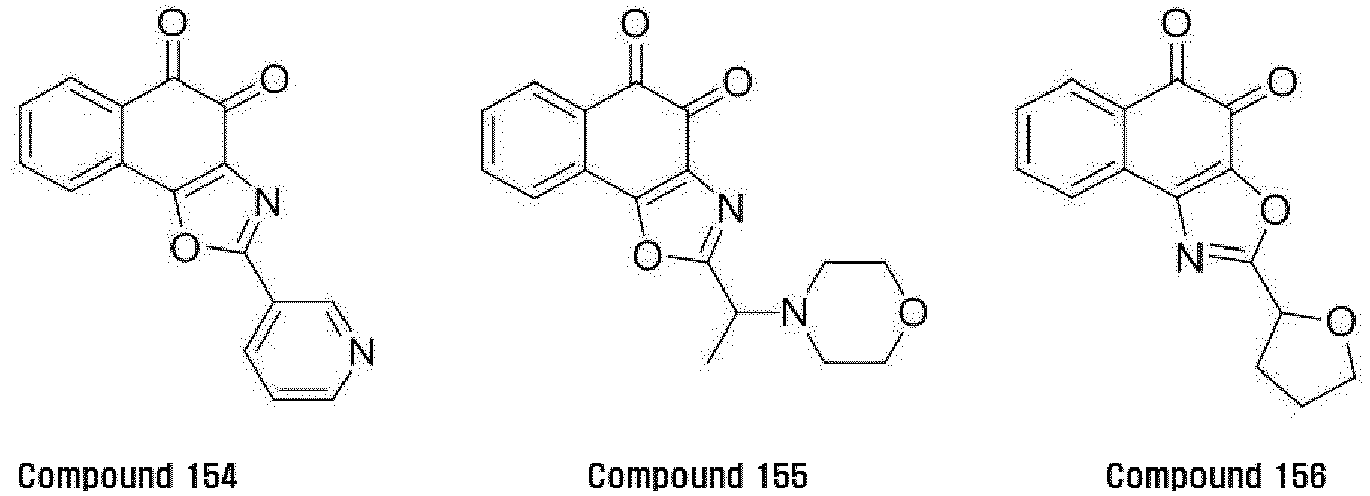
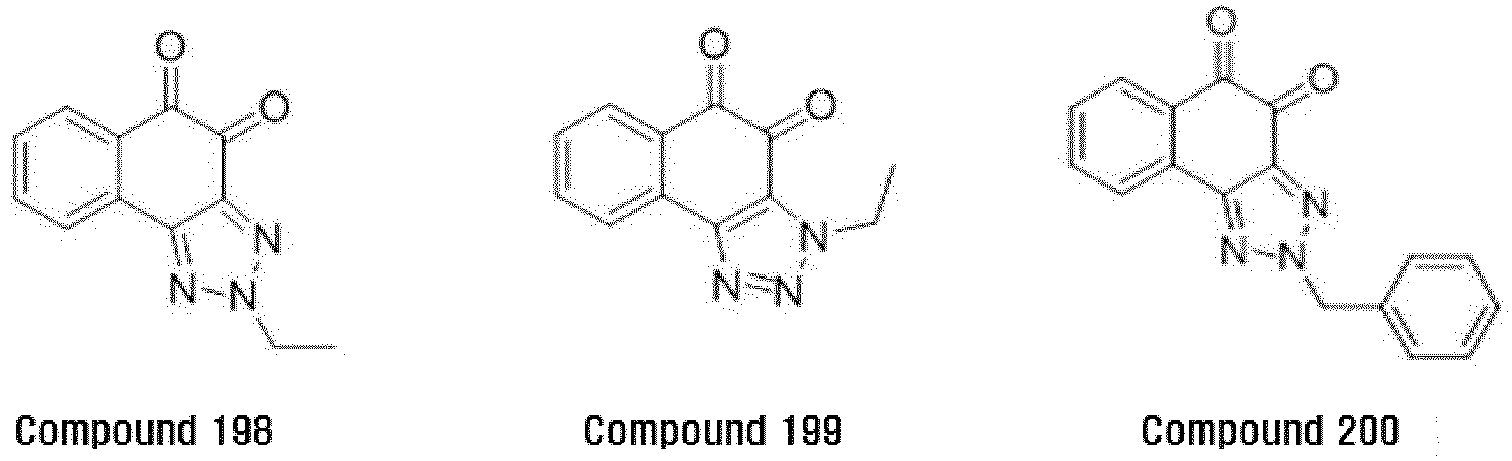
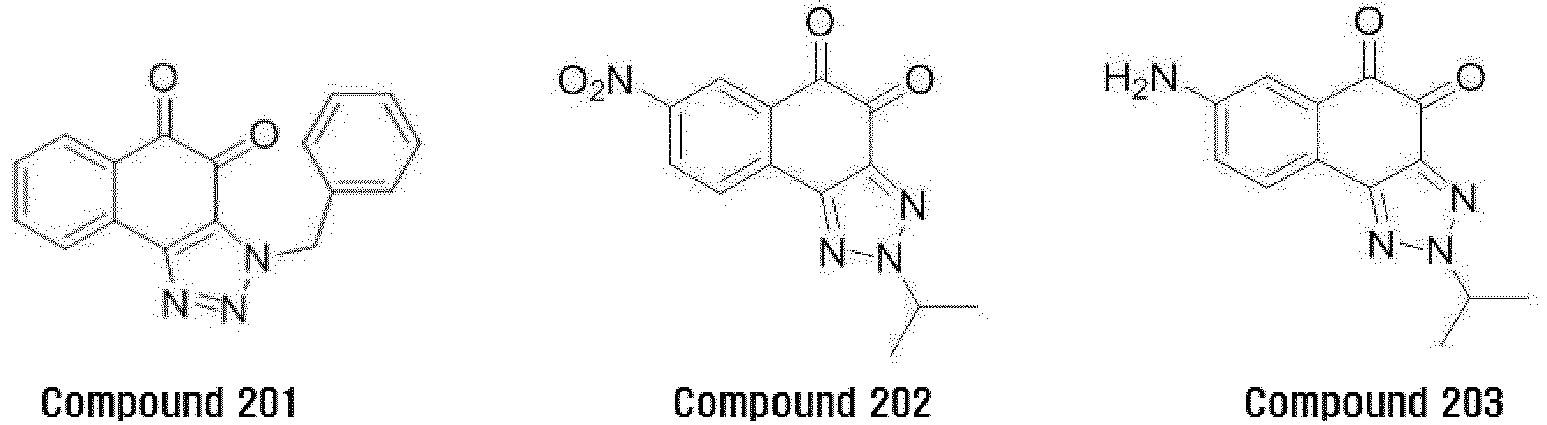
- the 1,2-naphthoquinone derivative compounds have the following individual chemical structures:
- the compound may be one of the compounds expressed below.
- the acute leukemia in the blood cancer is selected from the group consisting of acute myeloid leukemia and acute lymphoblastic leukemia.
- the blood cancer is drug-resistant leukemia having resistance to an existing anticancer drug, or refractory leukemia.
- a drug-resistant or refractory leukemia may be drug-resistant, refractory acute leukemia having resistance to idarubicin or cytarabine, which is a medicine for acute leukemia.
- Examples of the pharmaceutically acceptable salt of the 1,2-naphthoquinone derivative compound of the present disclosure may include: an addition salt formed by an inorganic acid, such as hydrochloride, sulfate, phosphate, hydrobromide, hydroiodide, nitrate, pyrosulfate, and metaphosphate; an addition salt formed by an organic acid, such as citrate, oxalate, benzoate, acetate, trifluoroacetate, propionate, succinate, fumarate, lactate, maleate, tartrate, glutarate, sulfonate; and a metal salt, such as a lithium salt, a sodium salt, a potassium salt, a magnesium salt, and a calcium salt, but are not limited thereto.
- an addition salt formed by an inorganic acid such as hydrochloride, sulfate, phosphate, hydrobromide, hydroiodide, nitrate, pyrosulfate, and metaphosphate
- compositions according to the present disclosure may be formulated into a suitable form together with a pharmaceutically acceptable carrier that is ordinarily used.
- pharmaceutically acceptable composition refers to a composition that is physiologically acceptable and does not cause allergic responses, such as gastrointestinal disorder or dizziness, or similar responses, when administered to humans.
- the composition may be formulated in the form of: an oral dosage form, such as a powder, granules, a tablet, a capsule, a suspension, an emulsion, a syrup, or an aerosol; a preparation for external application; a suppository; and a sterile injectable solution, according to usual methods, respectively.
- Examples of the carrier, excipient, and diluent that may be contained in the composition may include lactose, dextrose, sucrose, sorbitol, mannitol, xylitol, erythritol, maltitol, starch, acacia rubber, alginate, gelatin, calcium phosphate, calcium silicate, cellulose, methyl cellulose, microcrystalline cellulose, polyvinyl pyrrolidone, water, methyl parahydroxybenzoate, propyl parahydroxybenzoate, talc, magnesium stearate, and a mineral oil, but are not limited thereto.
- the composition may be formulated into a preparation by using a diluent or an excipient, such as a filler, a stabilizer, a binder, a disintegrant, or a surfactant.
- a solid preparation for oral administration includes a tablet, a pill, a powder, granules, a capsule, and the like.
- Such solid preparations may be prepared by mixing the compound of the present disclosure with at least one excipient, for example, starch, microcrystal cellulose, sucrose or lactose, low-substituted hydroxypropyl cellulose, hypromellose, or the like.
- lubricants such as magnesium stearate and talc, may be used in addition to the simple excipients.
- a liquid preparation for oral administration corresponds to a suspension, a liquid for internal use, an emulsion, a syrup, and the like, and may include simple diluents that are frequently used, such as water and liquid paraffin, and several types of excipients, for example, a wetting agent, a sweetener, an aroma, and a preservative.
- a preparation for parenteral administration includes a sterile aqueous solution, a non-aqueous solvent, a suspension, an emulsion, a lyophilizer, and a suppository.
- the non-aqueous solvent and the suspension solvent may include propylene glycol, polyethylene glycol, a vegetable oil, such as olive oil, an injectable ester, such as ethylolate, and the like.
- a substrate for the suppository Witepsol, Macrogol, Tween 61, cacao butter, laurin butter, glycerol, gelatin, or the like may be used.
- the 1,2-naphthoquinone derivative compound of the invention or the pharmaceutically acceptable salt thereof may be sterilized and/or mixed with a preservative, a stabilizer, a hydrator, an emulsion promoter, a salt for osmotic pressure regulation, and/or an adjurvant, such as a buffer, and other therapeutically useful substances in water to be made into a solution or a suspension, which is then prepared into an ampule or vial unit dosage form.
- a preservative such as a stabilizer, a hydrator, an emulsion promoter, a salt for osmotic pressure regulation, and/or an adjurvant, such as a buffer, and other therapeutically useful substances in water to be made into a solution or a suspension, which is then prepared into an ampule or vial unit dosage form.
- the pharmaceutical composition containing the compound of the invention as an active ingredient, disclosed in the present disclosure may be administered to mammalian animals, such as mice, livestock, and humans, via various routes to prevent or treat blood cancer. All manners of administration may be predicted, and for example, the administration may be carried out through oral, rectal, intravenous, intramuscular, subcutaneous, intrauterine dural, intracerebroventricular injection.
- the dose may vary depending on the age, sex, or body weight of a subject to be treated, the particular disease or pathological condition to be treated, the severity of the disease or pathological condition, the time of administration, the route of administration, the absorption, distribution, and excretion rate of a drug, the kind of another drug used, and the determination of a prescriber.
- the determination of the dose on the basis of these factors is within the level of a person skilled in the art, and the usual dose is in a range of 0.01-2000 mg/kg/day. More preferably, the dose is 1-500 mg/kg/day.
- the dose may be administered once a day or divided into multiple doses. The dose is not intended to limit the scope of the present disclosure in any way.
- the present disclosure is directed to a pharmaceutical composition for preventing or treating blood cancer, selected from AML and ALL, the pharmaceutical composition containing a 1,2-naphthoquinone derivative compound as defined in the claims, or a pharmaceutically acceptable salt thereof as an active ingredient.
- the 1,2-naphthoquinone derivative compound when used to treat acute leukemia, has an excellent cell-killing effect, and thus can be helpfully used in a pharmaceutical composition for preventing or treating the above cancer types.
- Example 2-1 Preparation of acute leukemia cell lines
- Acute leukemia has been identified to have a wide variety of causative factors and a variety of cell lines have also been established.
- KG1 ⁇ cells were constructed by selecting only cells having a stem cell phenotype from KG1 cells, which are a cell line obtained from a 59-year-old-male with acute myeloid leukemia, and then used.
- KG1 ⁇ cells were incubated in IMDM containing 20% fetal bovine serum (FBS). All the cells were incubated at 37°C in a 5% CO 2 incubator, and subcultured every 2 or 3 days before use in the test.
- FBS fetal bovine serum
- Example 2-2 Measurement of cell viability of KG1 ⁇ cells-WST assay
- KG1 ⁇ cells which have resistance to idarubicin and cytarabine, which are acute myeloid leukemia medicines, are refractory acute myeloid leukemia (AML) cells.
- AML refractory acute myeloid leukemia
- KG1 ⁇ cells incubated in Example 2-1 were seeded at 1 ⁇ 10 5 cells/well in a 96-well plate, and then for cell stabilization, the cells were incubated at 37°C in a 5% CO 2 incubator for 16 hours or longer. Thereafter, the cells were treated with compounds 99 and 163 (0.1-3 ⁇ M) shown in Table 4 out of the compounds synthesized in Example 1, and then incubated for 24 hours.
- DMSO was used as a control (hereinafter, also referred to as "CTL"; see drawings).
- Table 4 shows the cell viability of KG1 ⁇ cells treated with compounds 99 and 163 of the present disclosure compared with the control, and confirmed that the compounds showed an IC 50 value of 0.5-1 ⁇ M, indicating an excellent effect of killing acute myeloid leukemia cells.
- Example 2-3 Measurement of cell viability of KG1 ⁇ cells - CCK-8 assay
- CCK-8 assay which is a method for quantifying cell counts through responses in mitochondria
- KG1 cells which are acute myeloid leukemia cells
- KG1 ⁇ cells which were constructed by selecting only cells having a stem cell phenotype from the KG1 cells, were used.
- KG1 ⁇ and KG1 cells were incubated in IMDM containing 20% fetal bovine serum (FBS). All the cells were incubated at 37°C in a 5% CO 2 incubator and subcultured every 2 or 3 days before use in the test.
- FBS fetal bovine serum
- KG1 cells and KG1 ⁇ cells were incubated at 2 ⁇ 10 5 cells/well in 96-well plates, and then were treated for 12 hours with the compounds of the present disclosure, which were dissolved in DMSO and diluted at a ratio of 1/2000 to a final concentration of 5 ⁇ M. Thereafter, CCK-8 drug (Dojindo Molecular Technologies, Inc., MD, USA) was added at 10 ⁇ l per well. After 30 minutes, the absorbance was measured using 450-nm and 595-nm filters by the microreader, MultiSkan Ascent microplate spectrophotometer (Thermo Fisher Scientific, Inc.).
- a group treated with only DMSO is used as a control. On the basis of when the result of the control was considered to be 100%, the cell viability according to the treatment with the compounds of the present disclosure was identified, and the results are shown in FIGS. 1 and 2 .
- the compounds of the present disclosure showed an excellent anticancer effect on acute myeloid leukemia cells, and especially, showed a very excellent effect on KG1 ⁇ cells, which are refractory acute myeloid leukemia (AML) cells.
- Example 3-1 Preparation of chronic leukemia cell line
- K562 cells obtained from a 53-year-old-female with chronic myeloid leukemia were incubated in RPMI medium containing 10% fetal bovine serum (FBS) at 37°C in a 5% CO2 incubator, and subcultured every 2 days before use in the test.
- FBS fetal bovine serum
- Example 3-2 Measurement of cell viability in chronic leukemia cells - WST assay
- K562 cells incubated in Example 3-1 were seeded at 1 ⁇ 10 5 cells/well in a 96-well plate, and then for cell stabilization, the cells were incubated at 37°C in a 5% CO 2 incubator for 16 hours or longer. Thereafter, the cells were treated with compounds 99, 163, 191, and 192 (0.1-5 ⁇ M) out of the compounds synthesized in Example 1-1, and then incubated for 4 hours. DMSO was used as a control. After 4 hours of incubation, 10 ⁇ l of WST solution was added to the cells, followed by incubation for 2 hours, and then the absorbance at 450 nm was measured by a multi-scan machine. The cell viability of K562 cells are shown in Table 5. [Table 5] Condition IC 50 ( ⁇ M) 1.7 2.1 1.6 1.2
- Example 3-3 Measurement of cell viability of K562 and K562R cells - CCK-8 assay
- K562 cells which are chronic myeloid leukemia cells
- K562R cells which are a cell line having imatinib resistance by incubation in a medium containing 1 ⁇ M imatinib
- K562 cells and K562R cells were incubated in RPMI medium containing 10% fetal bovine serum (FBS) at 37°C in a 5% CO 2 incubator, and subcultured every 2 days before use in the test.
- FBS fetal bovine serum
- the cells were incubated in 96-well plates at 2 ⁇ 10 5 /well, and then were treated for 12 hours with the compounds of the present disclosure, which were dissolved in DMSO and diluted at a ratio of 1/2000 to a final concentration of 5 ⁇ M.
- CCK-8 drug was added at 10 ⁇ l per well. After 30 minutes, the absorbance was measured using 450-nm and 595-nm filters by the microreader.
- a group treated with only DMSO is used as a control. On the basis of when the result of the control was considered to be 100%, the cell viability according to the treatment with the compounds of the present disclosure was identified, and the results are shown in FIGS. 3 and 4 .
- the compounds of the present disclosure showed an excellent viability inhibitory effect on not only K562 cells, which are chronic myeloid leukemia cells, but also K562R cell line, which has resistance to imatinib as a primary chronic leukemia medicine, indicating an excellent anticancer effect on chronic leukemia.
- A549 cell line obtained from a 58-year-old-male with lung carcinoma HeLa cell line obtained from a 31-year-old female with cervix adenocarcinoma, HepG2 cell line obtained from a 15-year-old boy with hepatocellular carcinoma, MCF7 cell line obtained from a 69-year-old female with breast adenocarcinoma, and Beas-2B cell line obtained from normal lung for comparison with solid cancer cell line were used.
- A549 (lung carcinoma), HeLa (cervix adenocarcinoma), HepG2 (hepatocellular carcinoma), MCF7 (breast adenocarcinoma), and Beas-2B (normal lung) cell lines were incubated in DMEM medium containing 10% FBS at 37°C in a 5% CO 2 incubator, and subcultured every 2 days before use in the test.
- Example 4-2 Measurement of cell viability of solid cancer cells - WST assay
- A549 (lung carcinoma), HeLa (cervix adenocarcinoma), HepG2 (hepatocellular carcinoma), MCF7 (breast adenocarcinoma), and Beas-2B (normal lung) cells were seeded at 1 ⁇ 10 4 cells/well in a 96-well plate, and then for cell stabilization, the cells were incubated at 37°C in a 5% CO 2 incubator for 16 hours or longer. Thereafter, the cells were treated with compounds 99, 163, 191, and 192 (1-30 ⁇ M) out of the compounds synthesized in Example 1-1, and then incubated for 6 hours. DMSO and ⁇ -lapachone were used as a control.
- compounds 99, 163, 191, and 192 of the present disclosure when were used to treat A549 (lung carcinoma), HeLa (cervix adenocarcinoma), HepG2 (hepatocellular carcinoma), MCF7 (breast adenocarcinoma), and Beas-2B (normal lung) cells, showed a similar cell-killing effect to ⁇ -lapachone, indicating that the compounds of the present disclosure had a treatment effect on solid cancer.
- the treatment of the normal lung cell line Beas-2B cells with the compounds of the present disclosure showed a cell viability of 80% or more on average, but the treatment of the lung carcinoma A549 cells showed a cell viability of about 50%. Therefore, the 1,2-naphthoquinone derivative compound of the present disclosure did not show cell toxicity on normal cells, but showed a cell-killing effect specifically on cancer cells, indicating that the 1,2-naphthoquinone derivative compound of the present disclosure can be helpfully used as a composition for treating various types of solid cancer.
- Example 4-3 Measurement of cell viability of solid cancer cells - CCK-8 assay
- CCK-8 assay which is a method for quantifying cell counts through responses in mitochondria
- the lung carcinoma cell line A549 the cervix adenocarcinoma cell line HeLa
- the breast adenocarcinoma cell line MCF7 the breast adenocarcinoma cell line MCF7
- the hepatocellular carcinoma cell line HepG2 were used.
- the cells were incubated in 96-well plates at 2 ⁇ 10 4 /well, and then were treated for 12 hours with the compounds of the present disclosure, which were dissolved in DMSO and diluted at a ratio of 1/2000 to a final concentration of 5 ⁇ M.
- CCK-8 drug was added at 10 ⁇ l per well. After 30 minutes, the absorbance was measured using 450-nm and 595-nm filters by the microreader.
- a group treated with only DMSO is used as a control. On the basis of when the result of the control was considered to be 100%, the cell viability according to the treatment with the compounds of the present disclosure was identified, and the results are shown in FIGS. 6 and 9 .
- the compounds of the present disclosure showed an excellent viability inhibitory effect on the lung carcinoma cell line A549, the cervix adenocarcinoma cell line HeLa, the breast adenocarcinoma cell line MCF7, and the hepatocellular carcinoma cell line HepG2, indicating that the compounds of the present disclosure showed an excellent anticancer effect on various types of solid cancer.
Landscapes
- Health & Medical Sciences (AREA)
- Chemical & Material Sciences (AREA)
- Organic Chemistry (AREA)
- Life Sciences & Earth Sciences (AREA)
- Veterinary Medicine (AREA)
- Public Health (AREA)
- General Health & Medical Sciences (AREA)
- Medicinal Chemistry (AREA)
- Animal Behavior & Ethology (AREA)
- Pharmacology & Pharmacy (AREA)
- Epidemiology (AREA)
- Nuclear Medicine, Radiotherapy & Molecular Imaging (AREA)
- General Chemical & Material Sciences (AREA)
- Chemical Kinetics & Catalysis (AREA)
- Oncology (AREA)
- Hematology (AREA)
- Pharmaceuticals Containing Other Organic And Inorganic Compounds (AREA)
- Medicinal Preparation (AREA)
- Acyclic And Carbocyclic Compounds In Medicinal Compositions (AREA)
- Medicines That Contain Protein Lipid Enzymes And Other Medicines (AREA)
Description
- The application claims priorities to and the benefits of
Korean Patent Application Nos. 10-2018-0040913 10-2018-0040884 10-2018-0040895 filed on 9 April 2018 - The present invention relates to a pharmaceutical composition containing a 1,2-naphthoquinone derivative compound as defined in the claims for use in preventing or treating acute myeloid leukemia (AML) or acute lymphoblastic leukemia (ALL).
- The present invention also relates to certain novel 1,2-naphthoquinone derivative compounds per se, as defined in the claims.
- The invention is defined by the claims. Any subject-matter which is not encompassed by the claims is not part of the invention and provided for information and/or reference only.
- Any reference to a method of treatment of the human or animal body by therapy using an active compound is to be understood as concerning said active compound for use in said treatment.
- Cells are the smallest constituent unit of the body, and divide and grow by regulatory functions thereof under normal conditions. When the lifespan of cells end or cells are damaged, the cells themselves die and thus maintain the balance of overall cell number. However, if there are problems with the regulatory functions of cells themselves due to various causes, abnormal cells, which would die normally, proliferate excessively, and in some cases, infiltrate into surrounding tissues and organs to thereby form masses and destroy or deform existing structures. Such a condition may be defined as cancer.
- Cancer is one of the incurable diseases that humanity should solve, and huge capital is being invested in the development for curing cancer worldwide, and medical technology is also being developed, nevertheless cancer death continues to increase. According to the Statistics Korea, about 220,000 new cancer patients were reported in Korea as of 2012, and such a figure is about twice the number of new cancer patients in 2002, and the number of cancer patients is increasing rapidly every year. About 70,000 out of 220,000 cancer patients died of cancer, and therefore, the development of therapeutics for cancer treatment is urgent.
- Currently, the treatments of cancer patients depend on surgical procedures, radiotherapy, and chemotherapy (administering about 40 drugs showing strong cytotoxicity), but most of these treatments are limited to early cancer patients or particular cancer, and thus cancer deaths are still on the rise.
- Meanwhile, leukemia is divided into acute and chronic leukemia depending on the degree of cell differentiation, i.e., the rate of aggravation, and divided into myeloid and lymphoid leukemia according to the origin of cells. Therefore, leukemia is classified into acute myeloid leukemia, acute lymphoblastic leukemia, chronic myeloid leukemia, and chronic lymphocytic leukemia.
- Acute leukemia is a disease that excessively produces abnormal leukocyte progenitor cells or platelet progenitor cells, wherein the proliferation of myeloid cells is called acute myeloid leukemia (AML) and the proliferation of lymphoid cells is called acute lymphoblastic leukemia (ALL). Since abnormal leukocytes increase to occupy blood-making locations, normal leukocytes, erythrocytes, platelets, and the like are not formed, and thus infections or bleeding occur easily, and untreated infections or bleeding results in a death within several months. The recent development of chemotherapy significantly improved the survival rate in infants with acute leukemia, but the survival rate is still low in adults.
- Acute myeloid leukemia is a malignant tumor that occurs in stem cells of non-lymphocytic leukocytes or myeloid leukocytes produced from the bone marrow, and a hematopoietic tumor in which a genetic mutation occurring in hematopoietic stem cells stops the differentiation of myeloid progenitor cells at several stages, causing immature myoblasts to proliferate into monoclonal cells. Acute myeloid leukemia manifests bone marrow dysfunction, such as anemia, fever, an increased susceptibility to infections, and bleeding tendency, and in some cases, shows organ infiltration of tumor cells, such as enlarged spleen and lymph node swelling.
- Acute lymphoid leukemia is a blood cancer that occurs in lymphocyte lineage cells in blood and bone marrow, and is known to be caused by mutations of several genes involved in proliferation, differentiation, maturation, and disruption of the lymphocyte lineage cells. The causes of genetic mutations in acute lymphoid leukemia are currently not clearly revealed, but genetic predispositions, viruses, multiple carcinogens, ionizing radiation, and the like are assumed to be involved in acute lymphoid leukemia, like in other cancers. Similar to other leukemia symptoms, the symptoms observed in acute lymphoblastic leukemia occur when the formation of normal blood cells is disturbed by abnormal leukemia cells or abnormal leukemia cells infiltrate into organs, such as lymph nodes, the spleen, the liver, the brain, and the spinal cord. Chronic myeloid leukemia is caused by a Philadelphia chromosome produced by a transition, which is a translocation of two pieces obtained by truncating predetermined portions from human chromosomes 9 and 22. Chronic myeloid leukemia is a disease that occurs due to excessive proliferation of abnormal cells in the bone marrow caused by abnormal enlargement of hematopoietic stem cell clones having the Philadelphia chromosome. Chronic myeloid leukemia accounts for about 25% of all adult leukemia. Chronic myeloid leukemia is also called adult leukemia since the disease frequently occurs in people aged 30-50 years and the older people, but chronic myeloid leukemia may occur in all ages and also occur in children and adolescents.
- A Philadelphia chromosome produces BCR-ABL fusion protein having activity of abnormal tyrosine kinase due to the BCR-ABL fusion gene obtained by the fusion of ABL gene on chromosome 9 and BCR gene on chromosome 22 through chromosomal translocation. The activation of abnormal tyrosine kinase brings about abnormal amplification of malignant cells, thereby causing blood cancer.
- Gleevec® (imatinib) is a medicine, which competitively binds to the adenosine triphosphate (ATP)-binding site of the BCR-ABL fusion protein to thereby inhibit enzymatic activity of the protein. However, some patients become resistant to Gleevec® due to the BCR-ABL gene mutation, resulting in disease aggravation. The occurrence of patient groups with Gleevec® limits and resistance has led to the development of second-generation (nilotinib) and third-generation (dasatinib) tyrosine kinase inhibitors, but these drugs also have disadvantages that these drugs fail to achieve complete treatment and the success rate of treatment in acute patients is increased by only 30%. Therefore, studies for the treatment of chronic myeloid leukemia are continuously needed.
- Chronic lymphocytic leukemia is a disease in which lymphocytes as a kind of leukocytes grow into tumors and thus excessively proliferate in the bone marrow, thereby disturbing the production of normal blood cells. The reduction of normal leukocytes increases the risk of infection, reduces erythrocytes to cause anemia, and reduces platelets having a hemostatic action to cause an increased hemostasis time. Chronic lymphocytic leukemia is very rare in Korea but frequently occurs in USA. In most cases, chronic lymphocytic leukemia occurs in men after 50 years of age. The cause of chronic lymphocytic leukemia has not yet been identified, and is not associated with environments, occupations, viruses, and irradiation. However, immediate family members with chronic lymphocytic leukemia are more than three times more likely to develop chronic lymphocytic leukemia or other lymphoproliferative diseases than the general population, and chronic lymphocytic leukemia occurs about 10 years faster when there is a family history than when there is no family history.
- Standard methods for treating leukemia include chemotherapy, hematopoietic stem cell transplantation, radiotherapy, and the like, and in a case of chemotherapy, a combination of two or more anticancer drugs is usually included. Ideal chemotherapy is that anti-leukemic agents do not inhibit normal hemostasis, cause no other harmful side effects, and show a selective effect for only leukemic cells. However, most of anti-leukemic agents can kill leukemia cells somewhat close to the ideal state, but also inhibit normal hemostasis and cause other harmful side effects, and thus are limited to the treatment of leukemia. Furthermore, the anti-leukemic agents have a weak antitumor effect and may cause side effects, and thus cannot implement sufficient chemotherapy, in drug-resistant leukemia cells.
- Hematopoietic stem cell transplantation (HSCT) refers to, currently, the transplantation, as a transplantation source, every type of hematopoietic stem cells existing in peripheral blood (PB) and cord blood (CB), beyond the area of bone marrow transplantation (BMT) using bone marrow in the past. Hematopoietic stem cell transplantation is a treatment in which new hematopoietic stem cells are transplanted into hematological tumor patients after removal of cancer cells and the patient's own hematopoietic stem cells using chemotherapy and radiotherapy. Hematopoietic stem cell transplantation has become an effective and promising treatment in various areas, such as not only leukemia, aplastic anemia, and malignant lymphoma, which are represented by leukemia, but also refractory autoimmune diseases and solid cancer, beyond the limited concept of early bone marrow transplantation. However, the hematopoietic stem cell transplantation so far is a treatment with a high risk of complications due to high-dose chemotherapy and graft-versus-host disease after allograft.
- Therefore, for effective cancer treatment, it is important to establish and apply a treatment schedule suitable for each cancer patient by using various methods, such as radiotherapy, surgery therapy, and chemotherapy. In addition, the development of novel therapy drugs for treating various types of cancer, for example, solid cancer and blood cancer, is an important task given to the art.
- Meanwhile,
Korean Patent Publication Nos. 10-2015-0080423 10-2015-0080425 10-2015-0080426 -
- (Patent Document 1)
Korean Patent Publication No. 10-2015-0080423 (1,2-naphthoquinone derivative and preparation method therefor, 09 July 2015 - (Patent Document 2)
Korean Patent Publication No. 10-2015-0080425 (1,2-naphthoquinone derivative and preparation method therefor, 09 July 2015 - (Patent Document 3)
Korean Patent Publication No. 10-2015-0080426 (1,2-naphthoquinone derivative and preparation method therefor, 09 July 2015 -
WO 2018/005279 A1 discloses a usefulness of the o-naphthoquinone beta-lapachone for the treatment of chronic myelocytic leukemia (CML). - XIANG LI ET AL ("Novel naphtho[2,1-d]oxazole-4,5-diones as NQO1 substrates with improved aqueous solubility: Design, synthesis, and in vivo antitumor evaluation",BIOORGANIC & MEDICINAL CHEMISTRY, ELSEVIER, AMSTERDAM, NL,vol. 24, no. 5, 16 January 2016 (2016-01-16), pages 1006-1013,ISSN: 0968-0896, DOI: 10.1016/J.BMC.2016.01.0241) discloses a usefulness and use of o-naphthoquinone compounds as herein disclosed for the treatment of solid tumors, using a A549 tumor xenograft mouse model.
- CARTER-COOPER BRANDON A ET Al ("Synthesis, characterization and antineoplastic activity of bis-aziridinyl dimeric naphthoquinone - A novel class of compounds with potent activity against acute myeloid leukemia cells", BIOORGANIC & MEDICINAL CHEMISTRY LETTERS, ELSEVIER, AMSTERDAM NL, vol. 27, no. 1, 17 November 2016 (2016-11-17), pages 6-10, ISSN: 0960-894X, DOI: 10.1016/J.BMCL.2016.11.045) concerns the treatment of AML and discloses bis-aziridinyl dimeric naphthoquinones as active compounds.
- An aspect of the present disclosure is to provide a pharmaceutical composition containing a 1,2-naphthoquinone derivative compound for preventing or treating AML or ALL.
- In accordance with the present invention, there is provided a pharmaceutical composition for use in preventing or treating a blood cancer selected from AML and ALL, the composition containing a 1,2-naphthoquinone derivative compound as defined in the claims, or a pharmaceutically acceptable salt thereof as an active ingredient.
- The 1,2-naphthoquinone derivative compounds have the following individual chemical structures:


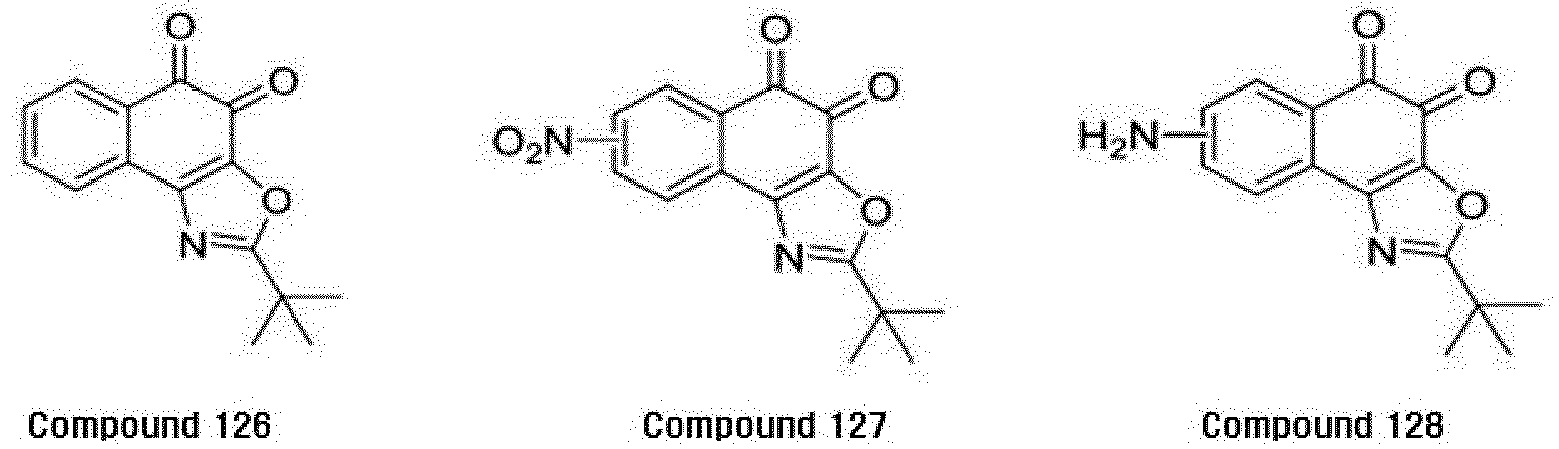


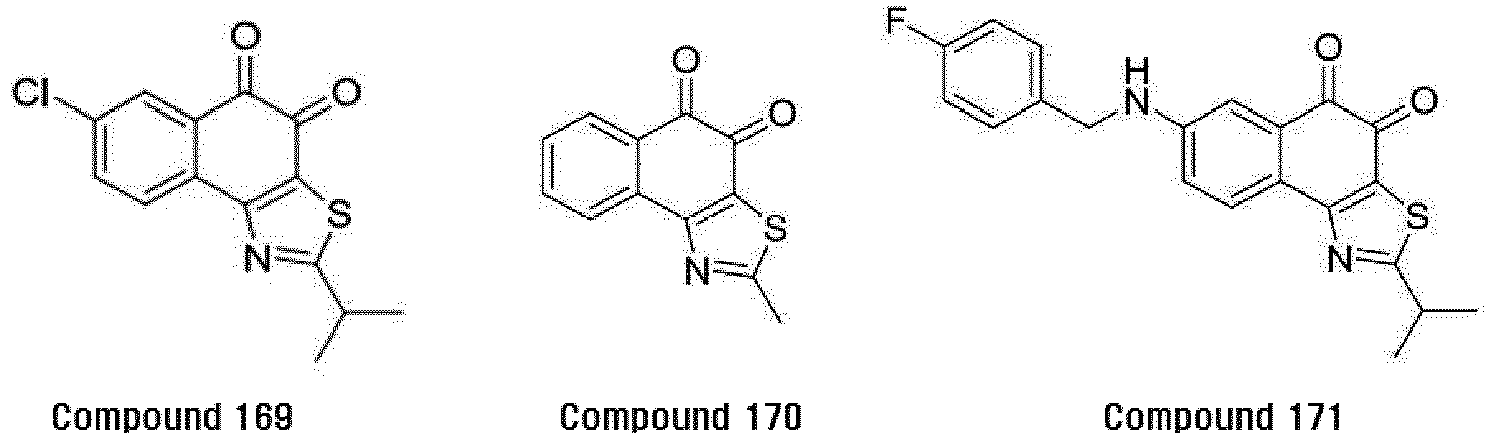


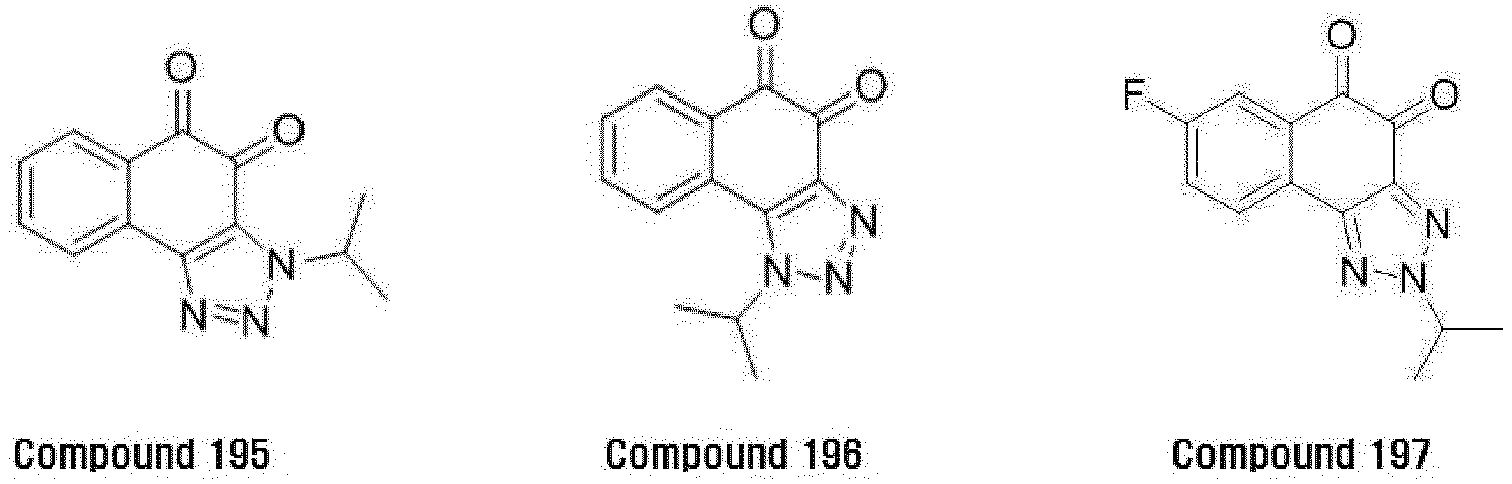


- In addition, the compound may be one of the compounds expressed below.


- The acute leukemia in the blood cancer is selected from the group consisting of acute myeloid leukemia and acute lymphoblastic leukemia.
- The blood cancer is drug-resistant leukemia having resistance to an existing anticancer drug, or refractory leukemia. Specifically, such a drug-resistant or refractory leukemia may be drug-resistant, refractory acute leukemia having resistance to idarubicin or cytarabine, which is a medicine for acute leukemia.
- Examples of the pharmaceutically acceptable salt of the 1,2-naphthoquinone derivative compound of the present disclosure may include: an addition salt formed by an inorganic acid, such as hydrochloride, sulfate, phosphate, hydrobromide, hydroiodide, nitrate, pyrosulfate, and metaphosphate; an addition salt formed by an organic acid, such as citrate, oxalate, benzoate, acetate, trifluoroacetate, propionate, succinate, fumarate, lactate, maleate, tartrate, glutarate, sulfonate; and a metal salt, such as a lithium salt, a sodium salt, a potassium salt, a magnesium salt, and a calcium salt, but are not limited thereto.
- The pharmaceutical composition according to the present disclosure may be formulated into a suitable form together with a pharmaceutically acceptable carrier that is ordinarily used. The term "pharmaceutically acceptable" composition refers to a composition that is physiologically acceptable and does not cause allergic responses, such as gastrointestinal disorder or dizziness, or similar responses, when administered to humans. The composition may be formulated in the form of: an oral dosage form, such as a powder, granules, a tablet, a capsule, a suspension, an emulsion, a syrup, or an aerosol; a preparation for external application; a suppository; and a sterile injectable solution, according to usual methods, respectively.
- Examples of the carrier, excipient, and diluent that may be contained in the composition may include lactose, dextrose, sucrose, sorbitol, mannitol, xylitol, erythritol, maltitol, starch, acacia rubber, alginate, gelatin, calcium phosphate, calcium silicate, cellulose, methyl cellulose, microcrystalline cellulose, polyvinyl pyrrolidone, water, methyl parahydroxybenzoate, propyl parahydroxybenzoate, talc, magnesium stearate, and a mineral oil, but are not limited thereto. The composition may be formulated into a preparation by using a diluent or an excipient, such as a filler, a stabilizer, a binder, a disintegrant, or a surfactant. A solid preparation for oral administration includes a tablet, a pill, a powder, granules, a capsule, and the like. Such solid preparations may be prepared by mixing the compound of the present disclosure with at least one excipient, for example, starch, microcrystal cellulose, sucrose or lactose, low-substituted hydroxypropyl cellulose, hypromellose, or the like. Alternatively, lubricants, such as magnesium stearate and talc, may be used in addition to the simple excipients. A liquid preparation for oral administration corresponds to a suspension, a liquid for internal use, an emulsion, a syrup, and the like, and may include simple diluents that are frequently used, such as water and liquid paraffin, and several types of excipients, for example, a wetting agent, a sweetener, an aroma, and a preservative. A preparation for parenteral administration includes a sterile aqueous solution, a non-aqueous solvent, a suspension, an emulsion, a lyophilizer, and a suppository. The non-aqueous solvent and the suspension solvent may include propylene glycol, polyethylene glycol, a vegetable oil, such as olive oil, an injectable ester, such as ethylolate, and the like. As a substrate for the suppository, Witepsol, Macrogol, Tween 61, cacao butter, laurin butter, glycerol, gelatin, or the like may be used. For the formulation into a dosage form for parenteral administration, the 1,2-naphthoquinone derivative compound of the invention or the pharmaceutically acceptable salt thereof may be sterilized and/or mixed with a preservative, a stabilizer, a hydrator, an emulsion promoter, a salt for osmotic pressure regulation, and/or an adjurvant, such as a buffer, and other therapeutically useful substances in water to be made into a solution or a suspension, which is then prepared into an ampule or vial unit dosage form.
- The pharmaceutical composition containing the compound of the invention as an active ingredient, disclosed in the present disclosure, may be administered to mammalian animals, such as mice, livestock, and humans, via various routes to prevent or treat blood cancer. All manners of administration may be predicted, and for example, the administration may be carried out through oral, rectal, intravenous, intramuscular, subcutaneous, intrauterine dural, intracerebroventricular injection. The dose may vary depending on the age, sex, or body weight of a subject to be treated, the particular disease or pathological condition to be treated, the severity of the disease or pathological condition, the time of administration, the route of administration, the absorption, distribution, and excretion rate of a drug, the kind of another drug used, and the determination of a prescriber. The determination of the dose on the basis of these factors is within the level of a person skilled in the art, and the usual dose is in a range of 0.01-2000 mg/kg/day. More preferably, the dose is 1-500 mg/kg/day. The dose may be administered once a day or divided into multiple doses. The dose is not intended to limit the scope of the present disclosure in any way.
- The present disclosure is directed to a pharmaceutical composition for preventing or treating blood cancer, selected from AML and ALL, the pharmaceutical composition containing a 1,2-naphthoquinone derivative compound as defined in the claims, or a pharmaceutically acceptable salt thereof as an active ingredient. The 1,2-naphthoquinone derivative compound, when used to treat acute leukemia, has an excellent cell-killing effect, and thus can be helpfully used in a pharmaceutical composition for preventing or treating the above cancer types.
-
-
FIG. 1 is a graph showing cell viability of acute myeloid leukemia KG1 cells when the cells were treated with the compounds of the present disclosure. -
FIG. 2 is a graph showing cell viability of refractory acute myeloid leukemia KG1α cells when the cells were treated with the compounds of the present disclosure. -
FIG. 3 (reference) is a graph showing cell viability of chronic myeloid leukemia K562 cells when the cells were treated with the compounds of the present disclosure. -
FIG. 4 (reference) is a graph showing cell viability of chronic myeloid leukemia imatinib-resistant K562R cells when the cells were treated with the compounds of the present disclosure. -
FIG. 5 (reference) depicts graphs showing cell survivability of A549 (lung carcinoma) and HeLa (cervix adenocarcinoma) cells when the A549 (lung carcinoma) and HeLa (cervix adenocarcinoma) cells were treated withcompounds -
FIG. 6 (reference) is a graph showing cell viability of lung carcinoma A549 cells when the cells were treated with the compounds of the present disclosure. -
FIG. 7 (reference) is a graph showing cell viability of cervix adenocarcinoma HeLa cells when the cells were treated with the compounds of the present disclosure. -
FIG. 8 (reference) is a graph showing cell viability of breast adenocarcinoma MCF7 cells when the cells were treated with the compounds of the present disclosure. -
FIG. 9 (reference) is a graph showing cell viability of hepatocellular carcinoma HepG2 cells when the cells were treated with the compounds of the present disclosure. - Hereinafter, preferable embodiments of the present disclosure will be described in detail. However, the present disclosure is not limited to the embodiments described herein.
- Rather, these embodiments are provided so that this disclosure will be thorough and complete and will fully convey the scope of the disclosure to those skilled in the art.
- As for a 1,2-naphthoquinone derivative compound of the present disclosure used to investigate the treatment effect on acute leukemia, chronic leukemia, and solid cancer, compounds 99-174 and 191-234 were synthesized with reference to the compound synthesis methods disclosed in
Korean Patent Application Nos. 10-2014-0193184 10-2014-0193306 10-2014-0193370 10-2015-0043050 10-2015-0043068 Table 1 Compound No. 1H NMR data 
1H NMR (300 MHz, CDCl3) δ 8.17-8.09 (m, 2H), 7.82-7.74 (m, 2H), 3.68(s, 3H) 
1H NMR (300 MHz, CDCl3) δ 8.16 (d, J = 7.8 Hz, 1H), 7.78-7.69 (m, 2H), 7.57 (t, J = 7.5 Hz, 1H), 5.19-5.15 (m, 1H), 4.13-3.97 (m, 2H), 2.58-2.34 (m, 2H), 2.27-2.01 (m, 2H) 
1H NMR (300 MHz, CDCl3) δ 8.15 (d, J = 7.5 Hz, 1H), 7.75-7.68 (m, 2H), 7.59-7.53 (m, 1H), 4.12-4.05 (m, 2H), 3.62-3.53 (m, 2H), 3.27-3.17 (m, 1H), 2.15-1. 98 (m, 4H) 

1H NMR (300 MHz, DMSO) δ 9.36 (s, 1H), 8.81 (d, J = 6.3 Hz, 1H), 8.53 (d, J = 8.1 Hz, 1H), 8.03 (d, J = 7.8 Hz, 1H), 7.99 (d, J = 7.8 Hz, 1H), 7.83 (t, J = 7.5 Hz, 1H), 7.69-7.62 (m, 2H) 
1H NMR (300 MHz, CDCl3) δ 8.16 (d, J = 7.8 Hz, 1H), 7.76-7.69 (m, 2H), 7.58 (t, J = 7.2 Hz, 1H), 4.08-4.01 (m, 1H), 3.74-3.71 (m, 4H), 2.72-2.55 (m, 4H), 1.60 (d, J = 7.2 Hz, 3H) 
1H NMR (300 MHz, CDCl3) δ 8.13 (d, J = 7.8 Hz, 1H), 7.99 (d, J = 7.5 Hz, 1H), 7.70 (t, J = 7.5 Hz, 1H), 7.53 (t, J = 7.5 Hz, 1H), 5.22-5.17 (m, 1H), 4.21-4.13 (m, 1H), 4.08 - 4.00 (m, 1H), 2.53-2.05 (m, 4H) [Table 2] Compound No. 1H NMR data 
1H NMR (300 MHz, CDCl3) δ 8.13 (d, J = 7.5 Hz, 1H), 7.73-7.67 (m, 2H), 7.57-7.49 (m, 1H), 2.99-2.89 (m, 1H), 2.19-2.13 (m, 2H), 1.91-1.85 (m, 2H), 1.76-1.59 (m, 3H), 1.49-1.24 (m, 3H) 
1H NMR (300 MHz, CDCl3) δ 8.17 (d, J = 7.8 Hz, 1H), 7.78-7.74 (m, 2H), 7.59 (t, J = 6.9 Hz, 1H), 4.65-4.62 (m, 1H), 3.44 (s, 3H), 1.69 (t, J = 6.6 Hz, 3H) 

1H NMR (300 MHz, CDCl3) δ 8.13 (d, J = 7.5 Hz, 1H), 7.71-7.64 (m, 2H), 7.52 (t, J = 7.8 Hz, 1H), 2.22-2.16 (m, 1H), 1.32-1.18 (m, 4H) 
1H NMR (300 MHz, CDCl3) δ 8.14-8.11 (m, 1H), 7.80-7.71 (m, 2H), 7.65-7.50 (m, 1H), 3.38-3.33 (m, 1H), 2.62-2.00 (m, 4H), 2.00-1.25 (m, 4H) 
1H NMR (300 MHz, CDCl3) δ 8.24-8.13 (m, 1H), 7.73-7.68 (m, 2H), 7.59-7.53 (m, 1H), 2.96-2.88 (m, 1H), 2.70-2.65 (m, 4H), 1.65-1.51 (m, 6H) 
1H NMR (300 MHz, CDCl3) δ 8.21 (d, J = 6.6 Hz, 1H), 8.16 (d, J = 6.6 Hz, 1H), 7.76 (t, J = 7.8 Hz, 1H), 7.57 (t, J = 7.8 Hz, 1H), 4.52 (d, J = 12.6 Hz, 1H), 4.23 (d, J = 12.3 Hz, 1H), 3.82 (d, J = 12.3 Hz, 1H), 3.68 (d, J = 12.9 Hz, 1H), 3.45 (s, 3H) 
1H NMR (300 MHz, CDCl3) δ 8.15 (d, J = 7.8 Hz, 1H), 8.11 (d, J = 7.5 Hz, 1H), 7.70 (t, J = 7.5 Hz, 1H), 7.50 (t, J = 7.8 Hz, 1H), 5.31-5.27 (m, 1H), 4.21-4.13 (m, 1H), 4.10-3.97 (m, 1H), 2.61-2.49 (m, 1H), 2.29-2.19 (m, 1H), 2.11-1.96 (m, 2H) [Table 3] Compound No. 1H NMR data 
1H NMR (300 MHz, CDCl3) δ 9.37 (s, 1H), 8.81 (d, J = 4.8 Hz, 1H), 8.41 -8.34 (m, 2H), 8.19 (d, J = 7.8 Hz, 1H), 7.79 (t, J = 7.5 Hz, 1H), 7.58 (t, J = 7.5 Hz, 1H), 7.53-7.49 (m, 1H) 
1H NMR (300 MHz, CDCl3) δ 8.32 (d, J = 7.8 Hz, 1H), 7.81-7.74 (m, 2H), 7.65 (t, J = 7.5 Hz, 1H), 4.76-4.67 (m, 1H), 3.14-3.10 (m, 2H), 2.62-2.54 (m, 2H), 2.41 (s, 3H), 2.33-2.25 (m, 4H) 
1H NMR (300 MHz, CDCl3) δ 8.19 (d, J = 7.8 Hz, 1H), 8.00 (d, J = 7.8 Hz, 1H), 7.73 (t, J = 7.8 Hz, 1H), 7.53 (t, J = 7.8 Hz, 1H), 4.63 -4.56 (m, 1H), 3.01-2.97 (m, 2H), 2.40-2.18 (m, 9H) 
1H NMR (300 MHz, CDCl3) δ 8.21 (d, J = 7.8 Hz, 1H), 8.13 (d, J = 7.8 Hz, 1H), 7.74 (t, J = 7.8 Hz, 1H), 7.52 (t, J = 7.8 Hz, 1H), 4.99-4.92 (m, 1H), 3.06-3.02 (m, 2H), 2.46-2.17 (m, 9H) 
1H NMR (300 MHz, CDCl3) δ 8.28 (d, J =5.7 Hz, 1H), 7.82 (t, J = 7.5 Hz, 1H), 7.68 (t, J = 7.8 Hz, 1H), 7.57 (d, J = 7.2 Hz, 1H), 6.16-6.12 (m, 1H), 5.43 (t, J = 6.0 Hz, 2H), 5.30 (t, J = 6.9 Hz, 2H) 
1H NMR (300 MHz, CDCl3) δ 8.23 (d, J = 7.5 Hz, 1H), 8.14 (d, J = 7.8 Hz, 1H), 7.77 (t, J = 7.5 Hz, 1H), 7.55 (t, J = 7.8 Hz, 1H), 6.18-6.09 (m, 1H), 5.29-5.17 (m, 4H) - Acute leukemia has been identified to have a wide variety of causative factors and a variety of cell lines have also been established. To investigate the availability as a wide-spectrum medicine but not a medicine for a particular type of acute leukemia, KG1α cells were constructed by selecting only cells having a stem cell phenotype from KG1 cells, which are a cell line obtained from a 59-year-old-male with acute myeloid leukemia, and then used.
- KG1α cells were incubated in IMDM containing 20% fetal bovine serum (FBS). All the cells were incubated at 37°C in a 5% CO2 incubator, and subcultured every 2 or 3 days before use in the test.
- KG1α cells, which have resistance to idarubicin and cytarabine, which are acute myeloid leukemia medicines, are refractory acute myeloid leukemia (AML) cells. KG1α cells incubated in Example 2-1 were seeded at 1×10⁵ cells/well in a 96-well plate, and then for cell stabilization, the cells were incubated at 37°C in a 5% CO2 incubator for 16 hours or longer. Thereafter, the cells were treated with
compounds 99 and 163 (0.1-3 µM) shown in Table 4 out of the compounds synthesized in Example 1, and then incubated for 24 hours. Here, DMSO was used as a control (hereinafter, also referred to as "CTL"; see drawings). After 24 hours, the cells were treated with 10 µl of WST solution and then incubated for 2 hours, and then the absorbance at 450 nm was measured by a multi-scan machine. The cell viability of KG1α cells are shown in Table 4.[Table 4] Condition IC50 (µM) 
1.2 

0.9 - Table 4 shows the cell viability of KG1α cells treated with
compounds - To measure the cell viability of KG1α cells by CCK-8 assay, which is a method for quantifying cell counts through responses in mitochondria, KG1 cells, which are acute myeloid leukemia cells, and KG1α cells, which were constructed by selecting only cells having a stem cell phenotype from the KG1 cells, were used.
- KG1α and KG1 cells were incubated in IMDM containing 20% fetal bovine serum (FBS). All the cells were incubated at 37°C in a 5% CO2 incubator and subcultured every 2 or 3 days before use in the test.
- KG1 cells and KG1α cells were incubated at 2×10⁵ cells/well in 96-well plates, and then were treated for 12 hours with the compounds of the present disclosure, which were dissolved in DMSO and diluted at a ratio of 1/2000 to a final concentration of 5 µM. Thereafter, CCK-8 drug (Dojindo Molecular Technologies, Inc., MD, USA) was added at 10 µl per well. After 30 minutes, the absorbance was measured using 450-nm and 595-nm filters by the microreader, MultiSkan Ascent microplate spectrophotometer (Thermo Fisher Scientific, Inc.).
- A group treated with only DMSO is used as a control. On the basis of when the result of the control was considered to be 100%, the cell viability according to the treatment with the compounds of the present disclosure was identified, and the results are shown in
FIGS. 1 and2 . - As can be seen from
FIGS. 1 and2 , compared with previously known β-lapachone, the compounds of the present disclosure showed an excellent anticancer effect on acute myeloid leukemia cells, and especially, showed a very excellent effect on KG1α cells, which are refractory acute myeloid leukemia (AML) cells. - K562 cells obtained from a 53-year-old-female with chronic myeloid leukemia were incubated in RPMI medium containing 10% fetal bovine serum (FBS) at 37°C in a 5% CO2 incubator, and subcultured every 2 days before use in the test.
- K562 cells incubated in Example 3-1 were seeded at 1×10⁵ cells/well in a 96-well plate, and then for cell stabilization, the cells were incubated at 37°C in a 5% CO2 incubator for 16 hours or longer. Thereafter, the cells were treated with
compounds [Table 5] Condition IC50 (µM) 
1.7 
2.1 
1.6 
1.2 - Referring to Table 5 above, it was confirmed that compared with the control, compounds 99, 163, 191, and 192 of the present disclosure, when were used to treat K562 cells, showed an IC50 value of 1-2 µM, indicating an excellent effect of killing chronic myeloid leukemia cells.
- To measure the cell viability of chronic myeloid leukemia cells by CCK-8 assay, which is a method for quantifying cell counts through responses in mitochondria, K562 cells, which are chronic myeloid leukemia cells, and K562R cells, which are a cell line having imatinib resistance by incubation in a medium containing 1 µM imatinib, were used. K562 cells and K562R cells were incubated in RPMI medium containing 10% fetal bovine serum (FBS) at 37°C in a 5% CO2 incubator, and subcultured every 2 days before use in the test.
- The cells were incubated in 96-well plates at 2×10⁵/well, and then were treated for 12 hours with the compounds of the present disclosure, which were dissolved in DMSO and diluted at a ratio of 1/2000 to a final concentration of 5 µM.
- Thereafter, CCK-8 drug was added at 10 µl per well. After 30 minutes, the absorbance was measured using 450-nm and 595-nm filters by the microreader.
- A group treated with only DMSO is used as a control. On the basis of when the result of the control was considered to be 100%, the cell viability according to the treatment with the compounds of the present disclosure was identified, and the results are shown in
FIGS. 3 and4 . - As shown in
FIGS. 3 and4 , compared with previously known β-lapachone, the compounds of the present disclosure showed an excellent viability inhibitory effect on not only K562 cells, which are chronic myeloid leukemia cells, but also K562R cell line, which has resistance to imatinib as a primary chronic leukemia medicine, indicating an excellent anticancer effect on chronic leukemia. - To investigate availability as a medicine for solid cancer, A549 cell line obtained from a 58-year-old-male with lung carcinoma, HeLa cell line obtained from a 31-year-old female with cervix adenocarcinoma, HepG2 cell line obtained from a 15-year-old boy with hepatocellular carcinoma, MCF7 cell line obtained from a 69-year-old female with breast adenocarcinoma, and Beas-2B cell line obtained from normal lung for comparison with solid cancer cell line were used.
- A549 (lung carcinoma), HeLa (cervix adenocarcinoma), HepG2 (hepatocellular carcinoma), MCF7 (breast adenocarcinoma), and Beas-2B (normal lung) cell lines were incubated in DMEM medium containing 10% FBS at 37°C in a 5% CO2 incubator, and subcultured every 2 days before use in the test.
- A549 (lung carcinoma), HeLa (cervix adenocarcinoma), HepG2 (hepatocellular carcinoma), MCF7 (breast adenocarcinoma), and Beas-2B (normal lung) cells were seeded at 1×10⁴ cells/well in a 96-well plate, and then for cell stabilization, the cells were incubated at 37°C in a 5% CO2 incubator for 16 hours or longer. Thereafter, the cells were treated with
compounds FIG. 5 .Table 6 Condition IC50 (µM) A549 Hela HepG2 MCF7 Positive control (β-lapachone) 5.0 4.8 12.3 13.2 
9.2 4.5 15.4 12.9 
6.1 4.6 14.1 13.0 
8.4 6.6 13.8 14.8 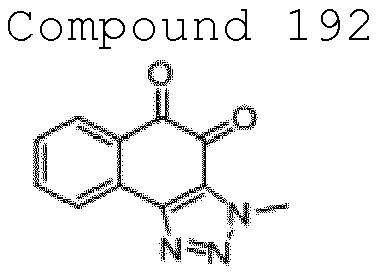
5.0 4.4 12.2 11.7 - Referring to Table 6 and
FIG. 5 , compared with the controls, compounds 99, 163, 191, and 192 of the present disclosure, when were used to treat A549 (lung carcinoma), HeLa (cervix adenocarcinoma), HepG2 (hepatocellular carcinoma), MCF7 (breast adenocarcinoma), and Beas-2B (normal lung) cells, showed a similar cell-killing effect to β-lapachone, indicating that the compounds of the present disclosure had a treatment effect on solid cancer. - Although not shown in Table 6, the treatment of the normal lung cell line Beas-2B cells with the compounds of the present disclosure showed a cell viability of 80% or more on average, but the treatment of the lung carcinoma A549 cells showed a cell viability of about 50%. Therefore, the 1,2-naphthoquinone derivative compound of the present disclosure did not show cell toxicity on normal cells, but showed a cell-killing effect specifically on cancer cells, indicating that the 1,2-naphthoquinone derivative compound of the present disclosure can be helpfully used as a composition for treating various types of solid cancer.
- To measure the cell viability of various types of solid cancer cells by CCK-8 assay, which is a method for quantifying cell counts through responses in mitochondria, the lung carcinoma cell line A549, the cervix adenocarcinoma cell line HeLa, the breast adenocarcinoma cell line MCF7, and the hepatocellular carcinoma cell line HepG2 were used.
- The cells were incubated in 96-well plates at 2×10⁴/well, and then were treated for 12 hours with the compounds of the present disclosure, which were dissolved in DMSO and diluted at a ratio of 1/2000 to a final concentration of 5 µM.
- Thereafter, CCK-8 drug was added at 10 µl per well. After 30 minutes, the absorbance was measured using 450-nm and 595-nm filters by the microreader.
- A group treated with only DMSO is used as a control. On the basis of when the result of the control was considered to be 100%, the cell viability according to the treatment with the compounds of the present disclosure was identified, and the results are shown in
FIGS. 6 and9 . - As shown in
FIGS. 6 to 9 , compared with previously known β-lapachone, the compounds of the present disclosure showed an excellent viability inhibitory effect on the lung carcinoma cell line A549, the cervix adenocarcinoma cell line HeLa, the breast adenocarcinoma cell line MCF7, and the hepatocellular carcinoma cell line HepG2, indicating that the compounds of the present disclosure showed an excellent anticancer effect on various types of solid cancer.
Claims (4)
- A pharmaceutical composition for use in preventing or treating blood cancer, the composition comprising at least one of the following 1,2-naphtoquinone derivative compounds or pharmaceutically acceptable salts thereof,
wherein the blood cancer is acute myeloid leukemia or acute lymphoblastic leukemia:






- The pharmaceutical composition for use according to claim 1, wherein the compound is one of the compounds expressed below:


- The pharmaceutical composition for use according to claim 1, wherein the pharmaceutical composition has at least one dosage form selected from the group consisting of a powder, granules, a tablet, a capsule, a suspension, an emulsion, a syrup, an aerosol, a preparation for external application, a suppository, and a sterile injectable solution.
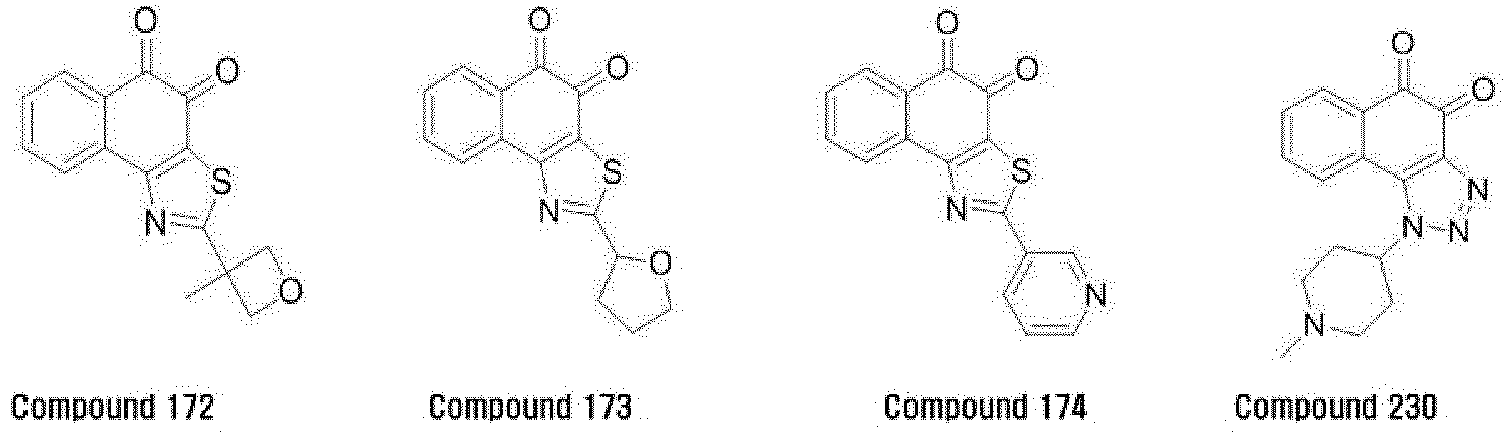
- A 1,2-naphthoquinone derivative compound having a chemical formula selected from the group consisting of compounds 151-161, 172-174, and 230-234 below, an optical isomer thereof, or a pharmaceutically acceptable salt thereof:



Applications Claiming Priority (4)
| Application Number | Priority Date | Filing Date | Title |
|---|---|---|---|
| KR20180040913 | 2018-04-09 | ||
| KR20180040895 | 2018-04-09 | ||
| KR20180040884 | 2018-04-09 | ||
| PCT/KR2019/004001 WO2019198976A1 (en) | 2018-04-09 | 2019-04-04 | Pharmaceutical composition comprising derivative compound of 1,2-naphthoquinone for preventing or treating solid cancer or blood cancer |
Publications (3)
| Publication Number | Publication Date |
|---|---|
| EP3782620A1 EP3782620A1 (en) | 2021-02-24 |
| EP3782620A4 EP3782620A4 (en) | 2021-12-08 |
| EP3782620B1 true EP3782620B1 (en) | 2023-12-20 |
Family
ID=76940686
Family Applications (1)
| Application Number | Title | Priority Date | Filing Date |
|---|---|---|---|
| EP19784600.9A Active EP3782620B1 (en) | 2018-04-09 | 2019-04-04 | Pharmaceutical composition comprising 1,2-naphthoquinone derivative for use in preventing or treating acute myeloid or lymphoblastic leukemia |
Country Status (6)
| Country | Link |
|---|---|
| US (1) | US11717511B2 (en) |
| EP (1) | EP3782620B1 (en) |
| JP (1) | JP7007746B2 (en) |
| KR (1) | KR20190118119A (en) |
| CN (1) | CN110709079B (en) |
| WO (1) | WO2019198976A1 (en) |
Families Citing this family (1)
| Publication number | Priority date | Publication date | Assignee | Title |
|---|---|---|---|---|
| KR102325607B1 (en) * | 2020-02-20 | 2021-11-12 | 한국과학기술원 | Composition for preventing or treating of leukemia comprising a benzofuran-pyrazole derivative compound that inhibits ASH1Lhistone methyltransferase activity |
Family Cites Families (14)
| Publication number | Priority date | Publication date | Assignee | Title |
|---|---|---|---|---|
| KR20080047959A (en) | 2006-11-27 | 2008-05-30 | 주식회사 엠디바이오알파 | Naphthoquinone-based pharmaceutical compositions for the treatment or prevention of obesity, diabetes, metabolic diseases, degenerative diseases and mitochondrial disorders |
| KR101468449B1 (en) | 2007-04-26 | 2014-12-04 | 주식회사 케이티앤지생명과학 | A novel pharmaceutical composition for treating or preventing a phenanthrenequinone compound and metabolic syndrome diseases comprising the same |
| CN102924429B (en) * | 2012-10-31 | 2013-12-11 | 新乡医学院 | A kind of 1,2-naphthoquinone derivative and preparation method thereof |
| KR20150043050A (en) | 2013-10-14 | 2015-04-22 | 주식회사 케이티 | System for managing control rights of electrical device in smart home configration and method thereof |
| KR101527719B1 (en) | 2013-10-14 | 2015-06-11 | 한국기계연구원 | An ammonia gas generator by using solid ammonium salt |
| EP4582424A3 (en) | 2013-12-30 | 2025-09-24 | Yungjin Pharm. Co., Ltd. | 1,2-naphthoquinone derivative and method for preparing same |
| WO2015102370A1 (en) * | 2013-12-30 | 2015-07-09 | 주식회사 케이티앤지생명과학 | 1,2-naphthoquinone derivative and method for preparing same |
| CA2935319C (en) | 2013-12-30 | 2022-07-19 | Kt&G Life Sciences Corporation | 1,2-naphthoquinone based derivative and method of preparing the same |
| KR101501612B1 (en) * | 2014-07-25 | 2015-03-12 | 충남대학교산학협력단 | Composition comprising beta-lapachone for preventing or treating chronic myeloma leukemia |
| KR101864426B1 (en) | 2015-03-27 | 2018-06-05 | 영진약품 주식회사 | 1,2-Naphthoquinone-based Derivatives and and Methods for Preparing them |
| KR102005068B1 (en) * | 2015-03-27 | 2019-07-30 | 주식회사 휴엔 | 1,2-Naphthoquinone-based Derivatives and Methods for Preparing them |
| CN105130936B (en) * | 2015-09-01 | 2017-09-26 | 中国药科大学 | One class neighbour naphthoquinone compound, its preparation method and medical usage |
| WO2018005279A1 (en) * | 2016-06-27 | 2018-01-04 | Systems Oncology, Llc | Combination chemotherapies |
| CN109481438A (en) * | 2018-11-24 | 2019-03-19 | 新乡医学院 | Application of 2- amino naphtho- [1,2-d] thiazole -4,5- diketone in tumor |
-
2019
- 2019-04-04 EP EP19784600.9A patent/EP3782620B1/en active Active
- 2019-04-04 WO PCT/KR2019/004001 patent/WO2019198976A1/en not_active Ceased
- 2019-04-04 KR KR1020190039775A patent/KR20190118119A/en not_active Ceased
- 2019-04-04 JP JP2019566065A patent/JP7007746B2/en active Active
- 2019-04-04 CN CN201980002563.5A patent/CN110709079B/en active Active
- 2019-04-04 US US16/618,289 patent/US11717511B2/en active Active
Non-Patent Citations (1)
| Title |
|---|
| CARTER-COOPER BRANDON A ET AL: "Synthesis, characterization and antineoplastic activity of bis-aziridinyl dimeric naphthoquinone - A novel class of compounds with potent activity against acute myeloid leukemia cells", BIOORGANIC & MEDICINAL CHEMISTRY LETTERS, ELSEVIER, AMSTERDAM NL, vol. 27, no. 1, 17 November 2016 (2016-11-17), pages 6 - 10, XP029837684, ISSN: 0960-894X, DOI: 10.1016/J.BMCL.2016.11.045 * |
Also Published As
| Publication number | Publication date |
|---|---|
| US11717511B2 (en) | 2023-08-08 |
| US20210155596A1 (en) | 2021-05-27 |
| EP3782620A1 (en) | 2021-02-24 |
| CN110709079A (en) | 2020-01-17 |
| JP2020524133A (en) | 2020-08-13 |
| JP7007746B2 (en) | 2022-01-25 |
| CN110709079B (en) | 2023-09-12 |
| EP3782620A4 (en) | 2021-12-08 |
| WO2019198976A1 (en) | 2019-10-17 |
| KR20190118119A (en) | 2019-10-17 |
Similar Documents
| Publication | Publication Date | Title |
|---|---|---|
| ES2258566T3 (en) | PHARMACOS COMBINATIONS (FOR EXAMPLE, CHLORPROMACINE AND PENTAMIDINE) FOR THE TREATMENT OF NEOPLASIC DISORDERS. | |
| AU2017300738A1 (en) | Combination of a BCL-2 inhibitor and a MCL-1 inhibitor, uses and pharmaceutical compositions thereof | |
| BR112020011167A2 (en) | composition and method for treating peripheral t-cell lymphoma and cutaneous t-cell lymphoma | |
| EP2862575A1 (en) | Application of piceatannol-3'-o-b-d-glucopyranoside in preparation of medicaments for improving microcirculation block | |
| KR102011105B1 (en) | pharmaceutical composition for prevention or treatment of pancreatic cancer comprising a gossypol and a phenformin | |
| US10576050B2 (en) | Methods and compositions for treatment of cancer | |
| CN113329749B (en) | Combination therapy for the treatment of uveal melanoma | |
| ES2978336T3 (en) | Combination of a Mcl-1 inhibitor and midostaurin, uses and pharmaceutical compositions thereof | |
| US11717511B2 (en) | Pharmaceutical composition comprising derivative compound of 1,2-naphthoquinone for preventing or treating solid cancer or blood cancer | |
| KR20240012533A (en) | Compositions for treating autoimmune, alloimmune, inflammatory and mitochondrial diseases and uses thereof | |
| EP3777852B1 (en) | Pharmaceutical composition including 1,2-naphthoquinone derivative compound for prevention or treatment of solid cancers or blood cancers | |
| KR20200055117A (en) | Pharmaceutical composition for prevention or treatment of cancer, including PI3 kinase inhibitor and cytotoxic anticancer agent | |
| US20240115582A1 (en) | Use of sodium trans-[tetrachloridobis(1h-indazole)ruthenate(iii)] for treating cancers | |
| WO2026081738A1 (en) | USE OF PI3Kα-MUTANT SELECTIVE INHIBITOR | |
| HK40061016A (en) | Combination therapy for the treatment of uveal melanoma | |
| WO2025162314A1 (en) | Pharmaceutical composition containing prmt5 inhibitor and pd-1/pd-l1 inhibitor | |
| HK40007956A (en) | Combination of a bcl-2 inhibitor and a mcl-1 inhibitor, uses and pharmaceutical compositions thereof | |
| HK40025641B (en) | Combination of a mcl-1 inhibitor and a standard of care treatment for hematologic cancers, uses and pharmaceutical compositions thereof |
Legal Events
| Date | Code | Title | Description |
|---|---|---|---|
| STAA | Information on the status of an ep patent application or granted ep patent |
Free format text: STATUS: THE INTERNATIONAL PUBLICATION HAS BEEN MADE |
|
| PUAI | Public reference made under article 153(3) epc to a published international application that has entered the european phase |
Free format text: ORIGINAL CODE: 0009012 |
|
| STAA | Information on the status of an ep patent application or granted ep patent |
Free format text: STATUS: REQUEST FOR EXAMINATION WAS MADE |
|
| 17P | Request for examination filed |
Effective date: 20191129 |
|
| AK | Designated contracting states |
Kind code of ref document: A1 Designated state(s): AL AT BE BG CH CY CZ DE DK EE ES FI FR GB GR HR HU IE IS IT LI LT LU LV MC MK MT NL NO PL PT RO RS SE SI SK SM TR |
|
| AX | Request for extension of the european patent |
Extension state: BA ME |
|
| DAV | Request for validation of the european patent (deleted) | ||
| DAX | Request for extension of the european patent (deleted) | ||
| A4 | Supplementary search report drawn up and despatched |
Effective date: 20211109 |
|
| RIC1 | Information provided on ipc code assigned before grant |
Ipc: C07D 417/04 20060101ALI20211103BHEP Ipc: C07D 413/04 20060101ALI20211103BHEP Ipc: C07D 405/04 20060101ALI20211103BHEP Ipc: C07D 401/04 20060101ALI20211103BHEP Ipc: C07D 263/60 20060101ALI20211103BHEP Ipc: A61K 31/5377 20060101ALI20211103BHEP Ipc: A61K 31/454 20060101ALI20211103BHEP Ipc: A61K 31/4439 20060101ALI20211103BHEP Ipc: A61P 35/00 20060101ALI20211103BHEP Ipc: A61P 35/02 20060101ALI20211103BHEP Ipc: A61K 31/4192 20060101ALI20211103BHEP Ipc: A61K 31/428 20060101ALI20211103BHEP Ipc: A61K 31/423 20060101ALI20211103BHEP Ipc: A61K 31/4745 20060101ALI20211103BHEP Ipc: A61K 31/4184 20060101AFI20211103BHEP |
|
| P01 | Opt-out of the competence of the unified patent court (upc) registered |
Effective date: 20230521 |
|
| GRAP | Despatch of communication of intention to grant a patent |
Free format text: ORIGINAL CODE: EPIDOSNIGR1 |
|
| STAA | Information on the status of an ep patent application or granted ep patent |
Free format text: STATUS: GRANT OF PATENT IS INTENDED |
|
| INTG | Intention to grant announced |
Effective date: 20230718 |
|
| GRAS | Grant fee paid |
Free format text: ORIGINAL CODE: EPIDOSNIGR3 |
|
| GRAA | (expected) grant |
Free format text: ORIGINAL CODE: 0009210 |
|
| STAA | Information on the status of an ep patent application or granted ep patent |
Free format text: STATUS: THE PATENT HAS BEEN GRANTED |
|
| AK | Designated contracting states |
Kind code of ref document: B1 Designated state(s): AL AT BE BG CH CY CZ DE DK EE ES FI FR GB GR HR HU IE IS IT LI LT LU LV MC MK MT NL NO PL PT RO RS SE SI SK SM TR |
|
| REG | Reference to a national code |
Ref country code: GB Ref legal event code: FG4D |
|
| REG | Reference to a national code |
Ref country code: DE Ref legal event code: R096 Ref document number: 602019043665 Country of ref document: DE |
|
| REG | Reference to a national code |
Ref country code: CH Ref legal event code: EP |
|
| REG | Reference to a national code |
Ref country code: IE Ref legal event code: FG4D |
|
| PG25 | Lapsed in a contracting state [announced via postgrant information from national office to epo] |
Ref country code: GR Free format text: LAPSE BECAUSE OF FAILURE TO SUBMIT A TRANSLATION OF THE DESCRIPTION OR TO PAY THE FEE WITHIN THE PRESCRIBED TIME-LIMIT Effective date: 20240321 |
|
| REG | Reference to a national code |
Ref country code: LT Ref legal event code: MG9D |
|
| PG25 | Lapsed in a contracting state [announced via postgrant information from national office to epo] |
Ref country code: LT Free format text: LAPSE BECAUSE OF FAILURE TO SUBMIT A TRANSLATION OF THE DESCRIPTION OR TO PAY THE FEE WITHIN THE PRESCRIBED TIME-LIMIT Effective date: 20231220 |
|
| REG | Reference to a national code |
Ref country code: NL Ref legal event code: MP Effective date: 20231220 |
|
| PG25 | Lapsed in a contracting state [announced via postgrant information from national office to epo] |
Ref country code: ES Free format text: LAPSE BECAUSE OF FAILURE TO SUBMIT A TRANSLATION OF THE DESCRIPTION OR TO PAY THE FEE WITHIN THE PRESCRIBED TIME-LIMIT Effective date: 20231220 |
|
| PG25 | Lapsed in a contracting state [announced via postgrant information from national office to epo] |
Ref country code: LT Free format text: LAPSE BECAUSE OF FAILURE TO SUBMIT A TRANSLATION OF THE DESCRIPTION OR TO PAY THE FEE WITHIN THE PRESCRIBED TIME-LIMIT Effective date: 20231220 Ref country code: GR Free format text: LAPSE BECAUSE OF FAILURE TO SUBMIT A TRANSLATION OF THE DESCRIPTION OR TO PAY THE FEE WITHIN THE PRESCRIBED TIME-LIMIT Effective date: 20240321 Ref country code: FI Free format text: LAPSE BECAUSE OF FAILURE TO SUBMIT A TRANSLATION OF THE DESCRIPTION OR TO PAY THE FEE WITHIN THE PRESCRIBED TIME-LIMIT Effective date: 20231220 Ref country code: ES Free format text: LAPSE BECAUSE OF FAILURE TO SUBMIT A TRANSLATION OF THE DESCRIPTION OR TO PAY THE FEE WITHIN THE PRESCRIBED TIME-LIMIT Effective date: 20231220 Ref country code: BG Free format text: LAPSE BECAUSE OF FAILURE TO SUBMIT A TRANSLATION OF THE DESCRIPTION OR TO PAY THE FEE WITHIN THE PRESCRIBED TIME-LIMIT Effective date: 20240320 |
|
| REG | Reference to a national code |
Ref country code: AT Ref legal event code: MK05 Ref document number: 1641909 Country of ref document: AT Kind code of ref document: T Effective date: 20231220 |
|
| PG25 | Lapsed in a contracting state [announced via postgrant information from national office to epo] |
Ref country code: NL Free format text: LAPSE BECAUSE OF FAILURE TO SUBMIT A TRANSLATION OF THE DESCRIPTION OR TO PAY THE FEE WITHIN THE PRESCRIBED TIME-LIMIT Effective date: 20231220 |
|
| PG25 | Lapsed in a contracting state [announced via postgrant information from national office to epo] |
Ref country code: SE Free format text: LAPSE BECAUSE OF FAILURE TO SUBMIT A TRANSLATION OF THE DESCRIPTION OR TO PAY THE FEE WITHIN THE PRESCRIBED TIME-LIMIT Effective date: 20231220 Ref country code: RS Free format text: LAPSE BECAUSE OF FAILURE TO SUBMIT A TRANSLATION OF THE DESCRIPTION OR TO PAY THE FEE WITHIN THE PRESCRIBED TIME-LIMIT Effective date: 20231220 Ref country code: NO Free format text: LAPSE BECAUSE OF FAILURE TO SUBMIT A TRANSLATION OF THE DESCRIPTION OR TO PAY THE FEE WITHIN THE PRESCRIBED TIME-LIMIT Effective date: 20240320 Ref country code: NL Free format text: LAPSE BECAUSE OF FAILURE TO SUBMIT A TRANSLATION OF THE DESCRIPTION OR TO PAY THE FEE WITHIN THE PRESCRIBED TIME-LIMIT Effective date: 20231220 Ref country code: LV Free format text: LAPSE BECAUSE OF FAILURE TO SUBMIT A TRANSLATION OF THE DESCRIPTION OR TO PAY THE FEE WITHIN THE PRESCRIBED TIME-LIMIT Effective date: 20231220 Ref country code: HR Free format text: LAPSE BECAUSE OF FAILURE TO SUBMIT A TRANSLATION OF THE DESCRIPTION OR TO PAY THE FEE WITHIN THE PRESCRIBED TIME-LIMIT Effective date: 20231220 |
|
| PG25 | Lapsed in a contracting state [announced via postgrant information from national office to epo] |
Ref country code: IS Free format text: LAPSE BECAUSE OF FAILURE TO SUBMIT A TRANSLATION OF THE DESCRIPTION OR TO PAY THE FEE WITHIN THE PRESCRIBED TIME-LIMIT Effective date: 20240420 |
|
| PG25 | Lapsed in a contracting state [announced via postgrant information from national office to epo] |
Ref country code: AT Free format text: LAPSE BECAUSE OF FAILURE TO SUBMIT A TRANSLATION OF THE DESCRIPTION OR TO PAY THE FEE WITHIN THE PRESCRIBED TIME-LIMIT Effective date: 20231220 Ref country code: CZ Free format text: LAPSE BECAUSE OF FAILURE TO SUBMIT A TRANSLATION OF THE DESCRIPTION OR TO PAY THE FEE WITHIN THE PRESCRIBED TIME-LIMIT Effective date: 20231220 |
|
| PG25 | Lapsed in a contracting state [announced via postgrant information from national office to epo] |
Ref country code: SK Free format text: LAPSE BECAUSE OF FAILURE TO SUBMIT A TRANSLATION OF THE DESCRIPTION OR TO PAY THE FEE WITHIN THE PRESCRIBED TIME-LIMIT Effective date: 20231220 |
|
| PG25 | Lapsed in a contracting state [announced via postgrant information from national office to epo] |
Ref country code: SK Free format text: LAPSE BECAUSE OF FAILURE TO SUBMIT A TRANSLATION OF THE DESCRIPTION OR TO PAY THE FEE WITHIN THE PRESCRIBED TIME-LIMIT Effective date: 20231220 Ref country code: RO Free format text: LAPSE BECAUSE OF FAILURE TO SUBMIT A TRANSLATION OF THE DESCRIPTION OR TO PAY THE FEE WITHIN THE PRESCRIBED TIME-LIMIT Effective date: 20231220 Ref country code: IT Free format text: LAPSE BECAUSE OF FAILURE TO SUBMIT A TRANSLATION OF THE DESCRIPTION OR TO PAY THE FEE WITHIN THE PRESCRIBED TIME-LIMIT Effective date: 20231220 Ref country code: IS Free format text: LAPSE BECAUSE OF FAILURE TO SUBMIT A TRANSLATION OF THE DESCRIPTION OR TO PAY THE FEE WITHIN THE PRESCRIBED TIME-LIMIT Effective date: 20240420 Ref country code: EE Free format text: LAPSE BECAUSE OF FAILURE TO SUBMIT A TRANSLATION OF THE DESCRIPTION OR TO PAY THE FEE WITHIN THE PRESCRIBED TIME-LIMIT Effective date: 20231220 Ref country code: CZ Free format text: LAPSE BECAUSE OF FAILURE TO SUBMIT A TRANSLATION OF THE DESCRIPTION OR TO PAY THE FEE WITHIN THE PRESCRIBED TIME-LIMIT Effective date: 20231220 Ref country code: AT Free format text: LAPSE BECAUSE OF FAILURE TO SUBMIT A TRANSLATION OF THE DESCRIPTION OR TO PAY THE FEE WITHIN THE PRESCRIBED TIME-LIMIT Effective date: 20231220 Ref country code: SM Free format text: LAPSE BECAUSE OF FAILURE TO SUBMIT A TRANSLATION OF THE DESCRIPTION OR TO PAY THE FEE WITHIN THE PRESCRIBED TIME-LIMIT Effective date: 20231220 |
|
| PG25 | Lapsed in a contracting state [announced via postgrant information from national office to epo] |
Ref country code: PT Free format text: LAPSE BECAUSE OF FAILURE TO SUBMIT A TRANSLATION OF THE DESCRIPTION OR TO PAY THE FEE WITHIN THE PRESCRIBED TIME-LIMIT Effective date: 20240422 Ref country code: PL Free format text: LAPSE BECAUSE OF FAILURE TO SUBMIT A TRANSLATION OF THE DESCRIPTION OR TO PAY THE FEE WITHIN THE PRESCRIBED TIME-LIMIT Effective date: 20231220 |
|
| PG25 | Lapsed in a contracting state [announced via postgrant information from national office to epo] |
Ref country code: PT Free format text: LAPSE BECAUSE OF FAILURE TO SUBMIT A TRANSLATION OF THE DESCRIPTION OR TO PAY THE FEE WITHIN THE PRESCRIBED TIME-LIMIT Effective date: 20240422 Ref country code: PL Free format text: LAPSE BECAUSE OF FAILURE TO SUBMIT A TRANSLATION OF THE DESCRIPTION OR TO PAY THE FEE WITHIN THE PRESCRIBED TIME-LIMIT Effective date: 20231220 |
|
| REG | Reference to a national code |
Ref country code: DE Ref legal event code: R097 Ref document number: 602019043665 Country of ref document: DE |
|
| PG25 | Lapsed in a contracting state [announced via postgrant information from national office to epo] |
Ref country code: DK Free format text: LAPSE BECAUSE OF FAILURE TO SUBMIT A TRANSLATION OF THE DESCRIPTION OR TO PAY THE FEE WITHIN THE PRESCRIBED TIME-LIMIT Effective date: 20231220 |
|
| PLBE | No opposition filed within time limit |
Free format text: ORIGINAL CODE: 0009261 |
|
| STAA | Information on the status of an ep patent application or granted ep patent |
Free format text: STATUS: NO OPPOSITION FILED WITHIN TIME LIMIT |
|
| PG25 | Lapsed in a contracting state [announced via postgrant information from national office to epo] |
Ref country code: SI Free format text: LAPSE BECAUSE OF FAILURE TO SUBMIT A TRANSLATION OF THE DESCRIPTION OR TO PAY THE FEE WITHIN THE PRESCRIBED TIME-LIMIT Effective date: 20231220 |
|
| PG25 | Lapsed in a contracting state [announced via postgrant information from national office to epo] |
Ref country code: SI Free format text: LAPSE BECAUSE OF FAILURE TO SUBMIT A TRANSLATION OF THE DESCRIPTION OR TO PAY THE FEE WITHIN THE PRESCRIBED TIME-LIMIT Effective date: 20231220 Ref country code: DK Free format text: LAPSE BECAUSE OF FAILURE TO SUBMIT A TRANSLATION OF THE DESCRIPTION OR TO PAY THE FEE WITHIN THE PRESCRIBED TIME-LIMIT Effective date: 20231220 |
|
| PG25 | Lapsed in a contracting state [announced via postgrant information from national office to epo] |
Ref country code: MC Free format text: LAPSE BECAUSE OF FAILURE TO SUBMIT A TRANSLATION OF THE DESCRIPTION OR TO PAY THE FEE WITHIN THE PRESCRIBED TIME-LIMIT Effective date: 20231220 |
|
| 26N | No opposition filed |
Effective date: 20240923 |
|
| PG25 | Lapsed in a contracting state [announced via postgrant information from national office to epo] |
Ref country code: MC Free format text: LAPSE BECAUSE OF FAILURE TO SUBMIT A TRANSLATION OF THE DESCRIPTION OR TO PAY THE FEE WITHIN THE PRESCRIBED TIME-LIMIT Effective date: 20231220 |
|
| REG | Reference to a national code |
Ref country code: CH Ref legal event code: PL |
|
| PG25 | Lapsed in a contracting state [announced via postgrant information from national office to epo] |
Ref country code: LU Free format text: LAPSE BECAUSE OF NON-PAYMENT OF DUE FEES Effective date: 20240404 |
|
| REG | Reference to a national code |
Ref country code: BE Ref legal event code: MM Effective date: 20240430 |
|
| PG25 | Lapsed in a contracting state [announced via postgrant information from national office to epo] |
Ref country code: LU Free format text: LAPSE BECAUSE OF NON-PAYMENT OF DUE FEES Effective date: 20240404 |
|
| PG25 | Lapsed in a contracting state [announced via postgrant information from national office to epo] |
Ref country code: BE Free format text: LAPSE BECAUSE OF NON-PAYMENT OF DUE FEES Effective date: 20240430 |
|
| PG25 | Lapsed in a contracting state [announced via postgrant information from national office to epo] |
Ref country code: BE Free format text: LAPSE BECAUSE OF NON-PAYMENT OF DUE FEES Effective date: 20240430 Ref country code: CH Free format text: LAPSE BECAUSE OF NON-PAYMENT OF DUE FEES Effective date: 20240430 |
|
| PG25 | Lapsed in a contracting state [announced via postgrant information from national office to epo] |
Ref country code: IE Free format text: LAPSE BECAUSE OF NON-PAYMENT OF DUE FEES Effective date: 20240404 |
|
| PGFP | Annual fee paid to national office [announced via postgrant information from national office to epo] |
Ref country code: DE Payment date: 20250428 Year of fee payment: 7 |
|
| PGFP | Annual fee paid to national office [announced via postgrant information from national office to epo] |
Ref country code: GB Payment date: 20250423 Year of fee payment: 7 |
|
| PGFP | Annual fee paid to national office [announced via postgrant information from national office to epo] |
Ref country code: FR Payment date: 20250422 Year of fee payment: 7 |
|
| PG25 | Lapsed in a contracting state [announced via postgrant information from national office to epo] |
Ref country code: CY Free format text: LAPSE BECAUSE OF FAILURE TO SUBMIT A TRANSLATION OF THE DESCRIPTION OR TO PAY THE FEE WITHIN THE PRESCRIBED TIME-LIMIT; INVALID AB INITIO Effective date: 20190404 |
|
| PG25 | Lapsed in a contracting state [announced via postgrant information from national office to epo] |
Ref country code: HU Free format text: LAPSE BECAUSE OF FAILURE TO SUBMIT A TRANSLATION OF THE DESCRIPTION OR TO PAY THE FEE WITHIN THE PRESCRIBED TIME-LIMIT; INVALID AB INITIO Effective date: 20190404 |
|
| PG25 | Lapsed in a contracting state [announced via postgrant information from national office to epo] |
Ref country code: TR Free format text: LAPSE BECAUSE OF FAILURE TO SUBMIT A TRANSLATION OF THE DESCRIPTION OR TO PAY THE FEE WITHIN THE PRESCRIBED TIME-LIMIT Effective date: 20231220 |