EP3782354B1 - Verfahren zur kommunikation zwischen einer anwendung und einer maschine in einer fertigung - Google Patents
Verfahren zur kommunikation zwischen einer anwendung und einer maschine in einer fertigung Download PDFInfo
- Publication number
- EP3782354B1 EP3782354B1 EP19718671.1A EP19718671A EP3782354B1 EP 3782354 B1 EP3782354 B1 EP 3782354B1 EP 19718671 A EP19718671 A EP 19718671A EP 3782354 B1 EP3782354 B1 EP 3782354B1
- Authority
- EP
- European Patent Office
- Prior art keywords
- data
- physical object
- application
- digital
- digital twin
- Prior art date
- Legal status (The legal status is an assumption and is not a legal conclusion. Google has not performed a legal analysis and makes no representation as to the accuracy of the status listed.)
- Revoked
Links
Images
Classifications
-
- H—ELECTRICITY
- H04—ELECTRIC COMMUNICATION TECHNIQUE
- H04L—TRANSMISSION OF DIGITAL INFORMATION, e.g. TELEGRAPHIC COMMUNICATION
- H04L67/00—Network arrangements or protocols for supporting network services or applications
- H04L67/50—Network services
- H04L67/56—Provisioning of proxy services
- H04L67/565—Conversion or adaptation of application format or content
-
- H—ELECTRICITY
- H04—ELECTRIC COMMUNICATION TECHNIQUE
- H04L—TRANSMISSION OF DIGITAL INFORMATION, e.g. TELEGRAPHIC COMMUNICATION
- H04L67/00—Network arrangements or protocols for supporting network services or applications
- H04L67/01—Protocols
- H04L67/12—Protocols specially adapted for proprietary or special-purpose networking environments, e.g. medical networks, sensor networks, networks in vehicles or remote metering networks
Definitions
- the invention is based on a method for communication between an application and a machine in production with the features of the independent claim.
- digital twin is understood to mean that the digital twin is a digital representation of a real-world object.
- the digital twin enables data to be exchanged between the object in the real world and digital systems.
- WAGNER CONSTANTIN ET AL "The role of the Industry 4.0 asset administration shell and the digital twin during the life cycle of a plant"
- 2017 22ND IEEE INTERNATIONAL CONFERENCE ON EMERGING TECHNOLOGIES AND FACTORY AUTOMATION (ETFA), IEEE, September 12, 2017 ( 2017-09-12), pages 1-8, DOI: 10.1109/ETFA.2017.8247583 discloses transferring data from machines to applications.
- the method according to the invention for communication between an application and a machine in production has the advantage that the creation of the digital twin is simplified by the clear separation of the description data and the communication information.
- the descriptive data can be structured clearly and comprehensibly using the descriptive meta model.
- the descriptive meta-model makes it particularly easy to use descriptive data that is already pre-structured, which simplifies the generation of this data.
- any description data for special applications can also be created using the description meta model. Due to the clear separation of the description data and communication information, the scalability, ie the use of both simple and complex machines in a production or physical objects or it is also possible to assemble a digital twin for a large machine in a production facility from the already known digital twins of a large number of small machines in a production facility.
- the design of the description data is independent of the actual implementations due to the clear separation of the description data and communication information.
- the descriptive data are therefore independent of the means of communication used, such as bus systems or communication protocols or the computer systems or operating systems used for the conversion.
- the method enables a scalable generation of any number of digital twins, since a large number of digital twins can be efficiently generated for different machines in a production facility or physical objects and different applications, ie the effort involved in generating digital twins is minimized.
- the descriptive data expediently contain a designation and properties of the data.
- the general characteristics are general properties of the data that can be used in a variety of cases in particular. Some of these general characteristics are therefore contained in the descriptive meta model as a library.
- the descriptive meta model is not complete and therefore allows special characteristics to be defined, which in particular describe specific properties of a physical object or a machine in production.
- both the general and the special characteristics allow a semantic design or interpretation, so that clear properties of the machine in production or of the physical object are assigned to these characteristics.
- Particularly typical characteristics represent a measured value of the machine in production or a control value for the machine.
- the communication information typically includes interface information and communication protocols.
- the interfaces specify addresses for exchanging digital data with the digital twin.
- the communication protocols specify the methods required to communicate with the specified interfaces.
- a digital twin is created particularly easily if the descriptive data is taken from a catalog with types of descriptive data. Entire groups of descriptive data, which are typically important for a digital twin of a specific machine, can also be kept as a catalog.
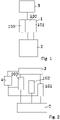
- a digital twin 1 is shown schematically, which is designed for data exchange between a machine 2 in production and an application 3 .
- Application 3 is a digital application, i.e. a program that is implemented on a computer or on a network of several computers. Such an application 3 allows a human user to request information about the machine in a production facility 2 from the application 3 or to trigger or control actions of the machine in a production facility 2 using appropriate control commands.
- the machine in a shop 2 is typically a machine tool, a machining center or any other machine in a shop. Alternatively, several such machines can also be combined into one physical object, for example several machines that together form an entire factory. Other machines that are not in production or other objects that can exchange data with an application 3 are simply referred to as physical objects. In the following, the terms machine or physical object are considered to be interchangeable. Furthermore, combinations of digital applications and real machines or physical objects are also conceivable, or simulations of physical objects, which are each considered as a physical object 2 in the sense of the invention, which is then connected to the application 3 by a digital twin 1 .
- the digital twin 1 is connected to the application 3 by a connecting arrow and to the physical object 2 by several connecting arrows. These arrows each represent an exchange of data that varies depending on nature of this data can be in one direction or the other, or in both directions.
- a first part 101, a second part 102 and a third part 103 of the digital twin 1 are shown.
- the first part 101 is, for example, the reading of a sensor value of the physical object 2 , ie data are passed from the physical object 2 to the application 3 by the digital twin 1 .
- control commands from the application 3 are forwarded to the physical twin 2.
- Status changes or diagnostic data are exchanged between the application 3 and the physical object 2 by the third part 103 .
- the application 3 can forward a switch-on or switch-off signal to the physical object, and if a fault occurs, the physical object 2 can send error codes generated in the physical object 2 to the application 3 .
- data can only be exchanged in one direction or in both directions at the same time.
- the direction of the data exchange also depends on the communication protocols used by the data exchange.
- the digital twin 1 requests data continuously and makes it available at a memory address for the application 3 .
- the application 3 would only query one current value of the physical object 2 from the digital twin 1.
- other communication protocols can also be used, in which case the application 3 first sends a request to the digital twin 1 , which then fetches the desired data by communicating with the physical object 3 and then forwards it to the application 3 . In this case, communication would be two-way.
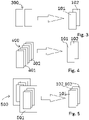
- the individual components 101, 102, 103 of a digital twin 1 can be distributed to different systems, in particular computer systems, in different configurations. This will be in the figure 2 shown schematically.
- the various parts of the digital twin 101, 102, 103 are not shown as a single block, but are shown in an exploded manner.
- the first component 101 can be implemented by a sensor that is installed directly in the physical object 2 and that immediately makes digital data available on a bus system.
- the acquisition of measurement data of the physical object 2 could also take place in that a camera is mounted in the vicinity of the physical object 2, by means of which specific measurement values of the physical object 2 are acquired.
- the part 102 of the digital twin has the function of giving control data from the application 3 to the physical object 3 .
- the physical object can be controlled, for example, by a control computer of the physical object 2 and the implementation of the digital twin 102 is then directly integrated in this control computer.
- the component 103 can be implemented, for example, in a production computer that manages a large number of physical objects 2 .
- the digital twin creates a digital image or representation of the physical object 2 here, the individual parts 101, 102, 103 of this digital twin 1 can be implemented in completely different computer systems, in particular with different operating systems.
- a directory 4 in which information relating to the digital twins is stored.
- Communication information is stored in directory 4, which is sometimes also referred to as the registry, which contains properties of the generated digital twins that are made available by the implementations.
- the directory 4 also contains an identification of which data is implemented for which physical object 2 in the digital twin.
- Directory 4 also contains information about the interfaces, ie the addresses that are used for data exchange between digital twin 1 and application 3 . With regard to these interfaces, communication protocols are then also stored, which specify the methods used or how to communicate with the interfaces.
- Directory 4 also contains references to the description data, which describe the data that can be exchanged via an interface.
- the application 3 can read out the information from the directory 4, for example when a computer on which the application 3 is running is started.
- the information can also be read from the directory into the application 3 at regular time intervals or as a reaction to an event.
- An event can be, for example, an error message that certain data of the digital twin 1 is no longer accessible, or an event which is triggered manually by a user, for example a service technician.
- this communication information containing information regarding the addresses with which an application 3 can retrieve data from the implementations 101 , 102 , 103 . Furthermore, this communication information also contains information about the communication protocols to be used for this purpose. As already explained above, the individual implementations can be realized on different computer systems with different operating systems and thus also different communication protocols. All this information is summarized in the communication information.
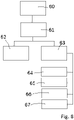
- FIG 3 are generated on the left side using the description meta model of individual files with description data.
- a specific framework for the data can be specified on the basis of the description meta model, through which a structure of the data is specified.
- a form can simply be provided for this purpose, the individual properties of which are entered by a user who wants to create such a digital twin.
- the descriptive meta-model should offer sufficient opportunities to also individually define completely new data that are only required for individual special applications in the descriptive meta-model, so that the implementations 101, 102 can be created from them.
- FIG 4 an alternative generation of the implementations 101, 102 is shown.
- a library 400 of different descriptive data is provided in the descriptive meta-model, each consisting of data sets containing individual properties of digital data.
- a record 401 and a record 402 containing the descriptions relating to the implementations 101, 102, respectively.
- the description meta-model contains a library 500 with complete data for different physical objects.
- a data record contains all the necessary data relating to the properties of digital data of a complete physical object.
- individual physical objects can also be provided that have not yet been mapped by digital twins, and then individually after the figure 3 need to be created.
- This procedure is also useful if a large number of objects that have already been realized as a digital twin are to be combined into an overall view. If, for example, in a production an indicator is desired for an overall state of production, the procedure can be followed figure 3 a specific date of all machines in production can simply be defined as implementation in order to obtain a complete overview of a production plant.
- a property is initially designated, with the descriptive data being clearly identifiable by this designation.
- Block 60 can also contain a description of the corresponding data, for example.
- the designation 60 has properties 61, with the property first being provided with a name in block 61 and also being provided with a readable description for a user of the system.
- the properties 61 have characteristics, special characteristics 62 and general characteristics 63 being provided.
- the general characteristics 63 are usually properties that are general and can therefore be reused in many different implementations. A typical example of such a property would be a measuring device for a temperature. The general characteristic oven temperature is added to the temperature property.
- Block 64 makes it clear that a quantity of temperature is involved. This information makes it clear that this reading can be compared to other temperatures.
- Block 65 makes it clear that a measurement, ie a measured temperature, is involved. It is therefore not a calculated or simulated temperature.
- Block 66 then assigns limits to this temperature, for example between 0 and 300 degrees.
- the unit 67 for example degrees Kelvin, is assigned to the furnace temperature.
- a special characteristic 62 can also be assigned to the property 61 .
- Such special characteristics are properties that are specific to an application or specific to a physical object are.
- Such a special characteristic can be, for example, a description of error codes associated with a machine that represents the physical object. Since these special characteristics describe a property that is not universally valid, it usually has to be defined individually for each application.
- the description data containing the properties of the digital data that are exchanged between the physical object 2 and the application 3 are described on the basis of this description meta model. Communication information and a designation of the respective physical object must then be added to this description data in order to arrive at a concrete implementation of the digital twin. This information is then used to create the individual implementations 101, 102, 103 and the directory 4.
- the description data for the application 3 can be interpreted by the properties described by the description meta model.
- the communication information makes the data of the physical twin 1 freely accessible for the application 3 to the extent that the specified addresses are used to read information from the digital twin 1 with the communication protocols or to give it to the digital twin 1.
Landscapes
- Engineering & Computer Science (AREA)
- Computer Networks & Wireless Communication (AREA)
- Signal Processing (AREA)
- Health & Medical Sciences (AREA)
- Computing Systems (AREA)
- General Health & Medical Sciences (AREA)
- Medical Informatics (AREA)
- Computer And Data Communications (AREA)
- Management, Administration, Business Operations System, And Electronic Commerce (AREA)
- Stored Programmes (AREA)
Description
- Die Erfindung geht aus von einem Verfahren zur Kommunikation zwischen einer Anwendung und einer Maschine in einer Fertigung mit den Merkmalen des unabhängigen Anspruchs. Im Allgemeinen wird der Begriff "digitaler Zwilling" so verstanden, dass der digitale Zwilling eine digitale Repräsentanz eines Objekts der realen Welt darstellt. Der digitale Zwilling ermöglicht dabei einen Datenaustausch zwischen dem Objekt der realen Welt und digitalen Systemen.
- WAGNER CONSTANTIN ET AL: "The role of the Industry 4.0 asset administration shell and the digital twin during the life cycle of a plant",2017 22ND IEEE INTERNATIONAL CONFERENCE ON EMERGING TECHNOLOGIES AND FACTORY AUTOMATION (ETFA), IEEE, 12. September 2017 (2017-09-12), Seiten 1-8,DOI: 10.1109/ETFA.2017.8247583 offenbart das Übertragen von Daten von Maschinen zu Anwendungen.
- Das erfindungsgemäße Verfahren zur Kommunikation zwischen einer Anwendung und einer Maschine in einer Fertigung hat den Vorteil, dass durch die klare Trennung der Beschreibungsdaten und der Kommunikationsinformationen die Erstellung des digitalen Zwillings vereinfacht wird. Die Beschreibungsdaten können durch das Beschreibungsmetamodell klar und nachvollziehbar strukturiert werden. Das Beschreibungsmetamodell erlaubt dabei besonders einfach bereits vorstrukturierte Beschreibungsdaten zu verwenden, wodurch die Erzeugung dieser Daten vereinfacht wird. Alternativ können durch das Beschreibungsmetamodell aber auch beliebige Beschreibungsdaten für spezielle Anwendungsfälle erstellt werden. Durch die klare Trennung der Beschreibungsdaten und Kommunikationsinformationen wird insbesondere auch die Skalierbarkeit, d. h. die Anwendung sowohl bei simplen wie auch komplexen Maschinen in einer Fertigung oder physikalischen Objekten ermöglicht bzw. es ist auch möglich, einen digitalen Zwilling für eine große Maschine in einer Fertigung aus den bereits bekannten digitalen Zwillingen einer Vielzahl von kleinen Maschinen in einer Fertigung zusammenzusetzen. Weiterhin wird durch die klare Trennung der Beschreibungsdaten und Kommunikationsinformationen die Ausgestaltung der Beschreibungsdaten unabhängig von den tatsächlichen Implementierungen. Die Beschreibungsdaten sind daher unabhängig von den verwendeten Kommunikationsmitteln, wie Bussystemen oder Kommunikationsprotokollen oder auch den für die Umsetzung verwendeten Rechnersystemen oder Betriebssystemen. Das Verfahren ermöglicht eine skalierbare Erzeugung einer beliebig großen Anzahl von digitalen Zwillingen, da eine Vielzahl von digitalen Zwillingen für unterschiedliche Maschinen in einer Fertigung oder physikalische Objekte und unterschiedliche Anwendungen effizient erzeugt werden können, d.h. der Aufwand zur Erzeugung digitaler Zwillinge wird minimiert.
- Weitere Vorteile und Verbesserungen ergeben sich durch die Maßnahmen der abhängigen Patentansprüche. Die Beschreibungsdaten enthalten zweckmäßigerweise eine Bezeichnung und Eigenschaften der Daten. Bei den allgemeinen Charakteristika handelt es sich um allgemeine Eigenschaften der Daten, die insbesondere in einer Vielzahl von Fällen verwendet werden können. Diese allgemeinen Charakteristika sind daher teilweise im Beschreibungsmetamodell als Bibliothek enthalten. Das Beschreibungsmetamodell ist aber nicht abgeschlossen und erlaubt daher spezielle Charakteristika zu definieren, die insbesondere spezifische Eigenschaften eines physikalischen Objekts oder einer Maschine in einer Fertigung zu beschreiben. Generell erlauben sowohl die allgemeinen wie auch die speziellen Charakteristika eine semantische Auslegung oder Interpretation, so dass diesen Charakteristika klare Eigenschaften der Maschine in einer Fertigung oder des physikalischen Objekts zugeordnet sind. Besonders typische Charakteristika stellen einen Messwert der Maschine in einer Fertigung oder ein Steuerwert für die Maschine dar. Diese können dabei eine Vielzahl von Eigenschaften darstellen, aber auch eine inhaltliche Interpretation bezüglich einer Reihenfolge, einer Zeitdauer, eines zulässigen Wertebereichs, eines anzuwendenden Maßes, einer Maßeinheit, der Datenstruktur oder der Bedeutung der Daten hinsichtlich der Maschine ermöglichen. Die Kommunikationsinformationen umfassen typischerweise Schnittstelleninformationen und Kommunikationsprotokolle. Durch die Schnittstellen werden Adressen zum Austausch von digitalen Daten mit dem digitalen Zwilling angegeben. Durch die Kommunikationsprotokolle werden die Methoden angegeben, die für die Kommunikation mit den angegebenen Schnittstellen erforderlich sind. Besonders einfach erfolgt die Erstellung eines digitalen Zwillings, wenn die Beschreibungsdaten einem Katalog mit Typen von Beschreibungsdaten entnommen werden. Dabei können auch ganze Gruppen von Beschreibungsdaten, die typischerweise für einen digitalen Zwilling einer bestimmten Maschine von Bedeutung sind, als Katalog vorgehalten werden.
- Die Erfindung wird durch die Ansprüche definiert.
- Ausführungsbeispiele der Erfindung werden in den Zeichnungen dargestellt und in der dazugehörigen Beschreibung näher erläutert.
- Es zeigen:
- Figur 1
- eine Maschine in einer Fertigung, einen dazugehörigen digitalen Zwilling und eine Anwendung, die die Daten des digitalen Zwillings nutzt,
- Figur 2
- eine Maschine in einer Fertigung, einen digitalen Zwilling und eine Anwendung,
- Figur 3
- eine Erstellung von Beschreibungsdaten, wobei jede Eigenschaft im Metamodell einzeln definiert wird,
- Figur 4
- eine Zusammenstellung von Beschreibungsdaten, bei denen im Metamodell aus einer Bibliothek von Eigenschaften einzelner Eigenschaften ausgewählt werden,
- Figur 5
- die Erstellung von Beschreibungsdaten, in dem im Metamodell aus einem Katalog verschiedener Eigenschaftsgruppen eine Eigenschaftsgruppe ausgewählt wird, und
- Figur 6
- eine Beispielsstruktur des Beschreibungsmetamodells.
- In der
Figur 1 wird schematisch ein digitaler Zwilling 1 dargestellt, der für einen Datenaustausch zwischen einer Maschine 2 in einer Fertigung und einer Anwendung 3 ausgelegt ist. - Bei der Anwendung 3 handelt es sich um eine digitale Anwendung, d.h. um ein Programm, welches auf einem Rechner oder Verbund von mehreren Rechnern realisiert ist. Durch eine derartige Anwendung 3 kann ein menschlicher Benutzer von der Anwendung 3 Informationen über die Maschine in einer Fertigung 2 abfragen oder durch entsprechende Steuerbefehle Handlungen der Maschine in einer Fertigung 2 auslösen oder steuern.
- Bei der Maschine in einer Fertigung 2 handelt es sich typischerweise um eine Werkzeugmaschine, ein Bearbeitungszentrum oder jede andere Maschine in einer Fertigung. Alternativ können auch mehrere derartige Maschinen zu einem physikalischen Objekt zusammengefasst werden, beispielsweise mehrere Maschinen, die zusammen eine gesamte Fabrik bilden. Andere Maschinen, die nicht in einer Fertigung sind, oder andere Gegenstände die Daten mit einer Anwendung 3 austauschen können, werden einfach als physikalische Objekte bezeichnet. Im Folgenden werden die Begriffe Maschine oder physikalisches Objekt jeweils als austauschbar betrachtet. Weiterhin sind auch Kombinationen von digitalen Anwendungen und realen Maschinen oder physikalischen Objekten vorstellbar oder Simulationen von physikalischen Objekten, die im Sinn der Erfindung jeweils als physikalisches Objekt 2 betrachtet werden, was dann durch eine digitalen Zwilling 1 mit der Anwendung 3 verbunden ist.
- Der digitale Zwilling 1 ist jeweils mit einem Verbindungspfeil mit der Anwendung 3 bzw. mit mehreren Verbindungspfeilen mit dem physikalischen Objekt 2 verbunden. Diese Pfeile stellen jeweils einen Austausch von Daten dar, der je nach Natur dieser Daten in die eine oder andere Richtung oder aber in beide Richtungen erfolgen kann. Als Beispiel wird in der
Figur 1 ein erster Teil 101, ein zweiter Teil 102 und ein dritter Teil 103 des digitalen Zwillings 1 gezeigt. Bei dem ersten Teil 101 handelt es sich beispielsweise um das Auslesen eines Sensorwerts des physikalischen Objekts 2, d.h. Daten werden vom physikalischen Objekt 2 durch den digitalen Zwilling 1 an die Anwendung 3 gegeben. Bei dem zweiten Beispiel 102 werden Steuerbefehle der Anwendung 3 an den physikalischen Zwilling 2 weitergeleitet. Durch den dritten Teil 103 werden Zustandsänderungen oder Diagnosedaten zwischen der Anwendung 3 und dem physikalischen Objekt 2 ausgetauscht. Dabei kann beispielsweise von der Anwendung 3 ein Ein- oder Ausschaltsignal an das physikalische Objekt weitergegeben werden, und beim Auftreten einer Störung kann das physikalische Objekt 2 in dem physikalischen Objekt 2 generierte Fehlercodes an die Anwendung 3 geben. Je nach Funktion kann somit ein Datenaustausch jeweils nur in eine Richtung oder aber in beide Richtungen gleichzeitig erfolgen. - Weiterhin hängt die Richtung des Datenaustausches auch noch von den von dem Datentausch verwendeten Kommunikationsprotokollen ab. Beispielsweise kann vorgesehen sein, dass der digitale Zwilling 1 Daten kontinuierlich abfragt und an einer Speicheradresse für die Anwendung 3 bereithält. In diesem Fall würde die Anwendung 3 jeweils nur einen aktuellen Wert des physikalischen Objekts 2 beim digitalen Zwilling 1 abfragen. Es können aber auch andere Kommunikationsprotokolle verwendet werden, bei dem die Anwendung 3 zunächst eine Anfrage an den digitalen Zwilling 1 richtet, der daraufhin die gewünschten Daten durch eine Kommunikation mit dem physikalischen Objekt 3 holt und dann an die Anwendung 3 weitergibt. In diesem Fall würde die Kommunikation in beide Richtungen erfolgen.
- Bei der Implementierung der einzelnen Teile des digitalen Zwillings 101, 102, 103 ist es nicht erforderlich, für die Implementierung ein einheitliches Gerät, Rechner oder Rechnersystem vorzusehen. Vielmehr können die einzelnen Bestandteile 101, 102, 103 eines digitalen Zwillings 1 auf unterschiedliche Systeme, insbesondere Rechnersysteme, in unterschiedlichen Ausgestaltungen verteilt sein. Dies wird in der
Figur 2 schematisch dargestellt. - In der
Figur 2 wird wieder eine Anwendung 3 und ein physikalisches Objekt 2 gezeigt, wobei jedoch die verschiedenen Teile des digitalen Zwillings 101, 102, 103 nicht als einheitlicher Block, sondern auseinandergezogen dargestellt sind. Beispielsweise kann der erste Bestandteil 101 durch einen Sensor realisiert werden, der direkt in dem physikalischen Objekt 2 angebracht ist, und der gleich digitalen Daten auf einem Bussystem zur Verfügung stellt. Alternativ könnte eine derartige Erfassung von Messdaten des physikalischen Objekts 2 auch dadurch erfolgen, dass in der Nähe des physikalischen Objekts 2 eine Kamera angebracht ist, durch die bestimmte Messwerte des physikalischen Objekts 2 erfasst werden. Der Teil 102 des digitalen Zwillings hat die Funktion Steuerdaten von der Anwendung 3 an das physikalische Objekt 3 zu geben. Die Ansteuerung des physikalischen Objekts kann beispielsweise durch einen Steuerrechner des physikalischen Objekts 2 erfolgen und die Implementierung des digitalen Zwillings 102 ist dann unmittelbar in diesem Steuerrechner integriert. Der Bestandteil 103 kann beispielsweise in einem Fabrikationsrechner realisiert sein, der eine Vielzahl von physikalischen Objekten 2 verwaltet. Obwohl somit durch den digitalen Zwilling hier ein digitales Abbild oder Repräsentanz des physikalischen Objekts 2 entsteht, können die einzelnen Teile 101, 102, 103 dieses digitalen Zwillings 1 in völlig unterschiedlichen Rechnersystemen, insbesondere auch mit unterschiedlichen Betriebssystemen realisiert sein. - Um diese unterschiedlichen Ausgestaltungen der Implementierung des digitalen Zwillings 1 Rechnung zu tragen, ist ein Verzeichnis 4 vorgesehen, in dem Informationen bezüglich der digitalen Zwillinge abgelegt sind. In dem Verzeichnis 4, welches gelegentlich auch als Registry bezeichnet wird, sind Kommunikationsinformationen abgelegt, die Eigenschaften der erzeugten digitalen Zwillinge, die von den Implementierungen zur Verfügung gestellt werden, enthalten. Weiterhin enthält das Verzeichnis 4 eine Kennzeichnung, welche Daten für welches physikalische Objekt 2 im digitalen Zwilling implementiert sind. Weiterhin enthält das Verzeichnis 4 Informationen über die Schnittstellen, d.h. die Adressen, die für den Datenaustausch zwischen dem digitalen Zwilling 1 mit der Anwendung 3 verwendet werden. Bezüglich dieser Schnittstellen sind dann auch noch Kommunikationsprotokolle gespeichert, durch die angegeben wird, mit welchen Methoden oder wie mit den Schnittstellen kommuniziert wird. Weiterhin enthält das Verzeichnis 4 Verweise auf die Beschreibungsdaten, welche die über eine Schnittstelle austauschbaren Daten beschreiben. Durch diese Bezeichnungen des physikalischen Objekts 2 wie auch der Bezeichnungen der Daten in den Implementierungen der digitalen Zwillinge werden die durch die Anwendung 3 abgerufenen Daten eindeutig identifizierbar. Es ist somit eindeutig nachvollziehbar von welchem physikalischen Objekt die Daten stammen und welche Inhalte in den Daten enthalten sind.
- Schematisch wird in der
Figur 2 eine Verbindung zwischen den einzelnen Teilen der Implementierung des digitalen Zwillings 101, 102, 103 angegeben, durch die dargestellt wird, dass die Informationen, die in der Implementierung enthalten sind, an das Verzeichnis 4 gegeben werden. Ebenfalls möglich ist auch, dass bei der Erstellung der Implementierung zeitgleich auch Einträge in das Verzeichnis 4 erstellt werden. Durch Auslesen der Informationen im Verzeichnis 4 wird die Anwendung 3 in die Lage versetzt, mit dem digitalen Zwilling 1 zu kommunizieren. Insbesondere können dabei auch verschiedene Anwendungen 3, die mit dem physikalischen Objekt 2 interagieren wollen durch Auslesen des Verzeichnisses 4 alle Informationen erhalten, die für einen Datenaustausch mit dem physikalischen Objekt 2 erforderlich sind. - Dabei kann die Anwendung 3 die Informationen aus dem Verzeichnis 4 beispielsweise bei einem Start eines Rechners, auf dem die Anwendung 3 ausgeführt wird, auslesen. Es kann aber auch ein Einlesen der Informationen aus dem Verzeichnis in die Anwendung 3 in regelmäßigen Zeitabständen oder als Reaktion auf ein Ereignis erfolgen. Als Ereignis kann dabei beispielsweise eine Fehlermeldung, das bestimmte Daten des digitalen Zwillings 1 nicht mehr zugänglich sind, sein oder ein Ereignis welche manuell von einem Benutzer bspw. einem Servicetechniker ausgelöst wird.
- Für die Erzeugung des digitalen Zwillings 1 müssen somit zunächst Beschreibungsdaten erstellt werden, die die Eigenschaften der digitalen Daten, die mit der Maschine oder dem physikalischen Objekt 2 ausgetauscht werden, enthalten. Zu diesen Informationen müssen dann noch Kommunikationsinformationen bereitgestellt werden, wobei diese Kommunikationsinformationen Informationen hinsichtlich der Adressen enthalten, mit denen eine Anwendung 3 Daten von den Implementierungen 101, 102, 103 abrufen kann. Weiterhin enthalten diese Kommunikationsinformationen auch Informationen zu den dazu zu verwendenden Kommunikationsprotokollen. Wie bereits oben ausgeführt, können die einzelnen Implementierungen auf unterschiedlichen Rechnersystemen mit unterschiedlichen Betriebssystemen und somit auch unterschiedlichen Kommunikationsprotokollen realisiert sein. All diese Informationen werden in den Kommunikationsinformationen zusammengefasst.
- In den
Figuren 3 bis 5 werden nun verschiedene Methoden beschrieben, wie anhand des Beschreibungsmetamodells die Beschreibungsdaten für die Erzeugung des digitalen Zwillings zusammengestellt werden. Auf der linken Seite ist jeweils das Beschreibungsmetamodell und auf der rechten Seite die damit erzeugten Implementierungen des digitalen Zwillings. - In der
Figur 3 werden auf der linken Seite anhand des Beschreibungsmetamodells einzelner Dateien mit Beschreibungsdaten erzeugt. Dabei kann anhand des Beschreibungsmetamodells ein bestimmter Rahmen für die Daten vorgegeben sein, durch den eine Struktur der Daten vorgegeben wird. In einer besonders einfachen Ausgestaltung kann dafür einfach ein Formular vorgesehen werden, dessen einzelne Eigenschaften durch einen Benutzer, der einen derartigen digitalen Zwilling erstellen will, eingetragen wird. Das Beschreibungsmetamodell sollte jedoch hinreichende Möglichkeiten bieten, auch völlig neue Daten, die nur für einzelne Spezialanwendungen benötigt werden, in dem Beschreibungsmetamodell einzeln zu definieren, so dass daraus die Implementierungen 101, 102 erstellt werden können. - In der
Figur 4 wird eine alternative Erzeugung der Implementierungen 101, 102 gezeigt. Dazu ist im Beschreibungsmetamodell eine Bibliothek 400 von verschiedenen Beschreibungsdaten vorgesehen, die jeweils aus Datensätzen bestehen, die einzelne Eigenschaften von digitalen Daten enthalten. In der Bibliothek 400 ist auch ein Datensatz 401 und ein Datensatz 402 enthalten, die jeweils die Beschreibungen bezüglich der Implementierungen 101, 102 enthalten. Durch Auswahl dieser Datensätze aus der Bibliothek 400 kann durch Hinzufügen der notwendigen Kommunikationsinformationen sehr einfach die Implementierung 101, 102 erzeugt werden. - In der
Figur 5 wird ein alternatives Modell gezeigt, bei dem das Beschreibungsmetamodell eine Bibliothek 500 mit kompletten Daten für unterschiedliche physikalische Objekte enthält. In einem derartigen Datensatz sind alle notwendigen Daten bezüglich der Eigenschaften von digitalen Daten eines kompletten physikalischen Objekts enthalten. Durch Auswahl des Datensatzes 501 werden somit durch Hinzufügen der notwendigen Kommunikationsinformationen die Implementierungen 101, 102, 103 wie sie in derFigur 2 dargestellt sind, mit einem einzigen Schritt erzeugt. - Für viele Anwendungen, insbesondere bei größeren Systemen, werden die in den
Figuren 3 bis 5 gezeigten Methoden zeitgleich verwendet. Für eine Vielzahl von standardisierten physikalischen Objekten, beispielsweise gleichartige Maschinen in einer Fertigung, wird typischerweise die Methode nach derFigur 5 verwendet, da jeder dieser Maschinen gleichartig ausgebildet ist und daher auch gleichartig als digitaler Zwilling realisiert wird. Weiterhin kann es auch noch Abweichungen geben, dahingehend, dass einzelne der physikalischen Objekte geringfügig anders ausgebildet sind, als die anderen. Beispielsweise können sich im Prinzip gleichartige Fertigungssysteme hinsichtlich der verwendeten Werkzeuge oder dergleichen unterscheiden. Für eine derartige Konstellation bietet sich dann die Vorgehensweise nach derFigur 4 an, bei der je nach Ausgestaltung der konkreten Maschine aus der Bibliothek 400 für einzelne Datensätze herausgegriffen werden, um maßgeschneidert für jedes physikalische Objekt eine entsprechende Implementierung zu erstellen. Weiterhin können auch einzelne physikalische Objekte vorgesehen sein, die bisher so noch nicht durch digitale Zwillinge abgebildet sind, und die dann einzeln nach derFigur 3 erstellt werden müssen. Diese Vorgehensweise ist auch dann sinnvoll, wenn eine Vielzahl von bereits als digitaler Zwilling realisierte Objekte zu einer Gesamtbetrachtung zusammengefasst werden soll. Wenn beispielsweise in einer Fertigung ein Indikator für einen Gesamtzustand der Fertigung gewünscht ist, so kann nach der Vorgehensweise derFigur 3 einfach ein bestimmtes Datum aller Maschinen der Fertigung als Implementierung definiert werden, um so einen Gesamtüberblick über eine Fertigungsanlage zu erhalten. - In der
Figur 6 wird schematisch das Metamodell dargestellt, mit dem die Beschreibungsdaten zur Erstellung der Implementierungen der digitalen Zwillinge erstellt werden. In einem ersten Block 60 erfolgt zunächst eine Bezeichnung einer Eigenschaft, wobei durch diese Benennung die Beschreibungsdaten eindeutig identifizierbar sind. Im Block 60 kann beispielsweise auch noch eine Beschreibung der entsprechenden Daten enthalten sein. Die Benennung 60 weist Eigenschaften 61 auf, wobei im Block 61 zunächst die Eigenschaft mit einem Namen versehen wird und ebenfalls mit einer lesbaren Beschreibung für einen Nutzer des Systems versehen wird. Die Eigenschaften 61 weisen Charakteristika auf, wobei spezielle Charakteristika 62 und allgemeine Charakteristika 63 vorgesehen sind. Bei den allgemeinen Charakteristika 63 handelt es sich üblicherweise um Eigenschaften, die allgemein sind und somit vielfach bei unterschiedlichen Implementierungen wieder verwendbar sind. Ein typisches Beispiel für eine derartige Eigenschaft wäre beispielsweise ein Messgerät für eine Temperatur. Der Eigenschaft Temperatur wird die allgemeine Charakteristik Ofentemperatur hinzugefügt. Der allgemeinen Charakteristik Ofentemperatur 63 werden dann noch weitere Details hinzugefügt. Durch den Verweis auf Block 64 wird klargestellt, dass es sich um eine Quantität Temperatur handelt. Durch diese Information wird klargestellt dass sich dieser Messwert mit anderen Temperaturen vergleichen lässt. Durch den Block 65 wird klargestellt, dass es sich um eine Messung, d.h. um eine gemessene Temperatur handelt. Es handelt sich somit nicht um eine berechnete oder simulierte Temperatur. Durch den Block 66 werden dieser Temperatur dann Grenzen, beispielsweise zwischen 0 und 300 Grad zugeordnet. Weiterhin ist der Ofentemperatur die Einheit 67, beispielsweise Grad Kelvin zugeordnet. - Der Eigenschaft 61 kann aber auch eine spezielle Charakteristik 62 zugeordnet werden. Bei derartigen speziellen Charakteristika handelt es sich um Eigenschaften, die speziell für eine Anwendung oder speziell für ein physikalisches Objekt sind. Eine derartige spezielle Charakteristik kann beispielsweise in einer Beschreibung von Fehlercodes, die einer Maschine zugeordnet sind, die das physikalische Objekt darstellt, bestehen. Da diese speziellen Charakteristika eine Eigenschaft beschreiben, die nicht allgemeingültig ist, muss diese in der Regel für jeden Anwendungsfall einzeln festgelegt werden.
- Anhand dieses Beschreibungsmetamodells werden die Beschreibungsdaten die Eigenschaften der digitalen Daten enthalten, die zwischen dem physikalischen Objekt 2 und der Anwendung 3 ausgetauscht werden beschrieben. Zu diesen Beschreibungsdaten müssen dann noch Kommunikationsinformationen und eine Bezeichnung des jeweiligen physikalischen Objekts hinzugefügt werden, um zu einer konkreten Implementierung des digitalen Zwillings zu gelangen. Diese Informationen werden dann zur Erstellung der einzelnen Implementierungen 101, 102, 103 und des Verzeichnisses 4 genutzt. Durch die durch das Beschreibungsmetamodell beschriebenen Eigenschaften werden die Beschreibungsdaten für die Anwendung 3 interpretierbar. Durch die Kommunikationsinformationen werden die Daten des physikalischen Zwillings 1 für die Anwendung 3 frei zugänglich, dahingehend, dass die angegebenen Adressen nutzen, um mit den Kommunikationsprotokollen Informationen vom digitalen Zwilling 1 auszulesen oder an den digitalen Zwilling 1 zu geben.
Claims (12)
- Verfahren zur Kommunikation zwischen einer Anwendung (3) und einem physikalischen Objekt (2) mittels eines digitalen Zwillings (1) des physikalischen Objekts (2), wobei anhand eines Beschreibungsmetamodells Beschreibungsdaten, die Eigenschaften von digitalen Daten des physikalischen Objekts (2) enthalten, erzeugt werden, wobei Kommunikationsinformationen erstellt werden und zur Erstellung des digitalen Zwillings (1) die Beschreibungsdaten und die Kommunikationsinformationen und eine Bezeichnung des physikalischen Objekts (2) zusammengefügt und in einem Verzeichnis (4) als Informationen gespeichert werden, die die Anwendung (3) in die Lage versetzen mit dem digitalen Zwilling (1) zu kommunizieren, wobei die Anwendung (3) so durch Auslesen des Verzeichnisses (4) alle notwendigen Informationen für einen Datenaustausch mit dem physikalischen Objekt (2) erhält und für einen Datenaustausch mit dem physikalischen Objekt (2) verwendet.
- Verfahren nach Anspruch 1, dadurch gekennzeichnet, dass die Anwendung (3) die Informationen aus dem Verzeichnis (4) bei einem Start eines Rechners auf dem die Anwendung (3) ausgeführt wird oder in regelmäßigen Zeitabständen oder als Reaktion auf ein Ereignis ausliest.
- Verfahren nach Anspruch 1 oder 2, dadurch gekennzeichnet, dass durch die digitalen Daten Sensorwerte, Zustandsänderungen oder Diagnosedaten von dem physikalischen Objekt (2) an die Anwendung (3) oder Steuerdaten von der Anwendung (3) an das physikalische Objekt (2) übertragen werden.
- Verfahren nach einem der vorhergehenden Ansprüche, dadurch gekennzeichnet, dass durch das Beschreibungsmetamodell allgemeine Charakteristika für die Eigenschaften der digitalen Daten angegeben werden.
- Verfahren nach Anspruch 4, dadurch gekennzeichnet, dass durch die allgemeinen Charakteristika die Eigenschaften der Daten hinsichtlich einer semantischen Interpretierbarkeit, bezüglich einer Reihenfolge, einer Zeit, einer Zeitdauer, eines zulässigen Wertebereichs, eines anzuwendenden Maßes, einer Maßeinheit, der Datenstruktur, oder der Bedeutung der Daten hinsichtlich des physikalischen Objekts (2) bezeichnet werden.
- Verfahren nach einem der vorhergehenden Ansprüche, dadurch gekennzeichnet, dass durch das Beschreibungsmetamodell durch zusätzliche spezielle Charakteristika spezifische Eigenschaften des physikalischen Objekts (2) bezeichnet werden.
- Verfahren nach einem der vorhergehenden Ansprüche, dadurch gekennzeichnet, dass durch die Kommunikationsinformationen Schnittstellen und Kommunikationsprotokolle eines digitalen Zwillings (1) angegeben werden.
- Verfahren nach Anspruch 7, dadurch gekennzeichnet, dass durch die Schnittstellen Adressen zum Austausch von digitalen Daten eines digitalen Zwillings (1) angegeben werden.
- Verfahren nach Anspruch 7 oder 8, dadurch gekennzeichnet, dass durch die Kommunikationsprotokolle Methoden zur Kommunikation mit den Schnittstellen angegeben werden.
- Verfahren nach einem der vorhergehenden Ansprüche, dadurch gekennzeichnet, dass die Beschreibungsdaten zur Erstellung des digitalen Zwillings (1) einem Katalog mit Typen von Beschreibungsdaten entnommen werden.
- Verfahren nach einem der vorhergehenden Ansprüchen, dadurch gekennzeichnet, dass der digitale Zwilling (1) eine Vielzahl von Beschreibungsdaten aufweist, wobei die Vielzahl von Beschreibungsdaten einem Katalog von Gruppen von Beschreibungsdaten entnommen wird.
- Verfahren nach einem der vorhergehenden Ansprüchen, dadurch gekennzeichnet, dass das physikalische Objekt (2) als eine Maschine in einer Fertigung, als Zusammenfassung mehrere derartige Maschinen, als Maschinen die nicht in einer Fertigung sind, als andere Gegenstände die Daten mit einer Anwendung (3) austauschen, oder als Kombinationen von digitalen Anwendungen und Maschinen oder Simulationen ausgebildet ist.
Applications Claiming Priority (2)
| Application Number | Priority Date | Filing Date | Title |
|---|---|---|---|
| DE102018205872.5A DE102018205872A1 (de) | 2018-04-18 | 2018-04-18 | Verfahren zur Erzeugung eines digitalen Zwillings eines physikalischen Objekts |
| PCT/EP2019/059791 WO2019201911A1 (de) | 2018-04-18 | 2019-04-16 | Verfahren zur kommunikation zwischen einer anwendung und einer maschine in einer fertigung |
Publications (2)
| Publication Number | Publication Date |
|---|---|
| EP3782354A1 EP3782354A1 (de) | 2021-02-24 |
| EP3782354B1 true EP3782354B1 (de) | 2022-10-26 |
Family
ID=66240127
Family Applications (1)
| Application Number | Title | Priority Date | Filing Date |
|---|---|---|---|
| EP19718671.1A Revoked EP3782354B1 (de) | 2018-04-18 | 2019-04-16 | Verfahren zur kommunikation zwischen einer anwendung und einer maschine in einer fertigung |
Country Status (4)
| Country | Link |
|---|---|
| US (1) | US11588917B2 (de) |
| EP (1) | EP3782354B1 (de) |
| DE (1) | DE102018205872A1 (de) |
| WO (1) | WO2019201911A1 (de) |
Families Citing this family (15)
| Publication number | Priority date | Publication date | Assignee | Title |
|---|---|---|---|---|
| DE102018205872A1 (de) | 2018-04-18 | 2019-10-24 | Robert Bosch Gmbh | Verfahren zur Erzeugung eines digitalen Zwillings eines physikalischen Objekts |
| JP7328126B2 (ja) * | 2019-11-19 | 2023-08-16 | 株式会社日立製作所 | 生産シミュレーション装置及び生産シミュレーション方法 |
| DE102020204714A1 (de) | 2020-04-15 | 2021-10-21 | Robert Bosch Gesellschaft mit beschränkter Haftung | Verfahren und Vorrichtung zum Prüfen der Kompatibilität zwischen einer Anwendungssoftware und einer mobilen Arbeitsmaschine |
| CN112288168B (zh) * | 2020-10-30 | 2022-07-29 | 西南电子技术研究所(中国电子科技集团公司第十研究所) | 基于数字孪生的smt产线质量分析平台 |
| DE102020215232A1 (de) | 2020-12-02 | 2022-06-02 | Robert Bosch Gesellschaft mit beschränkter Haftung | Verfahren und Vorrichtung zum Erzeugen einer Datenintegrationsvorrichtung |
| DE102020215230A1 (de) | 2020-12-02 | 2022-06-02 | Robert Bosch Gesellschaft mit beschränkter Haftung | Vorrichtung zum Verwalten digitaler Zwillinge |
| CN116997871B (zh) * | 2020-12-07 | 2024-09-10 | 北京达美盛软件股份有限公司 | 一种嵌入分散控制系统的工厂服务器及其安全网络结构 |
| CN112506156B (zh) * | 2020-12-07 | 2022-05-13 | 北京达美盛软件股份有限公司 | 一种嵌入分散控制系统的可视化数字孪生工厂服务器 |
| US12091259B2 (en) * | 2021-06-30 | 2024-09-17 | Ats Corporation | System and method for conveyor system configuration, testing and diagnostics |
| DE102021207869A1 (de) | 2021-07-22 | 2023-01-26 | Robert Bosch Gesellschaft mit beschränkter Haftung | Verfahren zum zumindest teilautomatisierten Führen eines Kraftfahrzeugs |
| DE102021119210A1 (de) | 2021-07-24 | 2023-01-26 | ibatec GmbH | Vorrichtung zur Überwachung von Strukturen |
| DE102021211110A1 (de) | 2021-10-01 | 2023-04-06 | Robert Bosch Gesellschaft mit beschränkter Haftung | Verfahren zum Bereitstellen von Daten zum Betreiben eines Gebäudes |
| CN114491065B (zh) * | 2022-01-14 | 2025-03-25 | 上海交通大学 | 基于认知线索的多领域数字孪生体集成方法及电子设备 |
| DE102022202717A1 (de) | 2022-03-21 | 2023-09-21 | Robert Bosch Gesellschaft mit beschränkter Haftung | Verfahren zum Prüfen einer Wirkkette |
| CN115766082B (zh) * | 2022-10-12 | 2025-09-19 | 东软集团股份有限公司 | 基于区块链的数字孪生体的构建方法、装置、存储介质及电子设备 |
Citations (3)
| Publication number | Priority date | Publication date | Assignee | Title |
|---|---|---|---|---|
| EP0997800A1 (de) | 1998-10-29 | 2000-05-03 | Endress + Hauser Gmbh + Co. | Gerät zur Verwendung in einem industriellen Prozess und Anlage mit solchen Geräten sowie Verfahren zum Simulieren des Betriebs einer solchen Anlage |
| EP2628574A1 (de) | 2012-02-17 | 2013-08-21 | Siemens Aktiengesellschaft | Verfahren zur Simulation einer Bearbeitungsmaschine |
| DE102018205872A1 (de) | 2018-04-18 | 2019-10-24 | Robert Bosch Gmbh | Verfahren zur Erzeugung eines digitalen Zwillings eines physikalischen Objekts |
Family Cites Families (17)
| Publication number | Priority date | Publication date | Assignee | Title |
|---|---|---|---|---|
| WO2001059569A2 (en) * | 2000-02-09 | 2001-08-16 | Apriva, Inc. | Communication systems, components, and methods with programmable wireless devices |
| US7376666B2 (en) * | 2004-03-19 | 2008-05-20 | Sharp Laboratories Of America, Inc. | Driver database auto-configuration methods and means |
| JP5510091B2 (ja) * | 2010-06-11 | 2014-06-04 | 株式会社リコー | 処理連携システム、情報処理装置、プログラム、及び記録媒体 |
| US9124752B2 (en) * | 2013-09-12 | 2015-09-01 | Ricoh Company, Ltd. | Activation of functions in a multi-functional apparatus on demand |
| US9513847B2 (en) * | 2014-03-03 | 2016-12-06 | Ricoh Company, Ltd. | Tools for facilitating printer installation |
| US10431005B2 (en) * | 2015-05-05 | 2019-10-01 | Ptc Inc. | Augmented reality system |
| US20200090085A1 (en) * | 2017-01-16 | 2020-03-19 | Siemens Aktiengesellschaft | Digital twin graph |
| CN110612488A (zh) * | 2017-05-03 | 2019-12-24 | 西门子股份公司 | 控制器内实现真实世界对象可见性和可及性的过程映像 |
| US10564993B2 (en) * | 2017-11-07 | 2020-02-18 | General Electric Company | Contextual digital twin runtime environment |
| US20190138662A1 (en) * | 2017-11-07 | 2019-05-09 | General Electric Company | Programmatic behaviors of a contextual digital twin |
| US11676098B2 (en) * | 2017-11-21 | 2023-06-13 | International Business Machines Corporation | Digital twin management in IoT systems |
| US11348120B2 (en) * | 2017-11-21 | 2022-05-31 | International Business Machines Corporation | Digital agreement management on digital twin ownership change |
| US20190258747A1 (en) * | 2018-02-22 | 2019-08-22 | General Electric Company | Interactive digital twin |
| US11954651B2 (en) * | 2018-03-19 | 2024-04-09 | Toyota Jidosha Kabushiki Kaisha | Sensor-based digital twin system for vehicular analysis |
| US10574840B1 (en) * | 2018-10-29 | 2020-02-25 | Toshiba Tec Kabushiki Kaisha | System and method for machine learning classification on sensitive data for telemetry |
| US11403541B2 (en) * | 2019-02-14 | 2022-08-02 | Rockwell Automation Technologies, Inc. | AI extensions and intelligent model validation for an industrial digital twin |
| US10911623B1 (en) * | 2019-09-30 | 2021-02-02 | Toshiba Tec Kabushiki Kaisha | Asset management framework for customizing multifunction peripheral configurations |
-
2018
- 2018-04-18 DE DE102018205872.5A patent/DE102018205872A1/de active Pending
-
2019
- 2019-04-16 US US17/044,562 patent/US11588917B2/en active Active
- 2019-04-16 WO PCT/EP2019/059791 patent/WO2019201911A1/de not_active Ceased
- 2019-04-16 EP EP19718671.1A patent/EP3782354B1/de not_active Revoked
Patent Citations (3)
| Publication number | Priority date | Publication date | Assignee | Title |
|---|---|---|---|---|
| EP0997800A1 (de) | 1998-10-29 | 2000-05-03 | Endress + Hauser Gmbh + Co. | Gerät zur Verwendung in einem industriellen Prozess und Anlage mit solchen Geräten sowie Verfahren zum Simulieren des Betriebs einer solchen Anlage |
| EP2628574A1 (de) | 2012-02-17 | 2013-08-21 | Siemens Aktiengesellschaft | Verfahren zur Simulation einer Bearbeitungsmaschine |
| DE102018205872A1 (de) | 2018-04-18 | 2019-10-24 | Robert Bosch Gmbh | Verfahren zur Erzeugung eines digitalen Zwillings eines physikalischen Objekts |
Non-Patent Citations (11)
| Title |
|---|
| "DIN SPEC", 20 April 2016, DEUTSCHES INSTITUT FÜR NORMUNG E. V., DE, article ANONYMOUS: "DIN SPEC 91345:2016-04 - Referenzarchitekturmodell Industrie 4.0 (RAMI4.0)", pages: 1 - 40, XP009555434, DOI: 10.31030/2436156 |
| ANONYMOUS: "Automatisierungstechnisches Engineering modularer Anlagen in der Prozessindustrie - Allgemeines Konzept und Schnittstellen ", VDI/VDE/NAMUR-RICHTLINIEN; ICS 35.240.50, 1 June 2017 (2017-06-01), XP093182292 |
| ANONYMOUS: "Examples for the Asset Administration Shell for Industrie 4.0 Components -Basic Part - White Paper", ZVEI DIE ELEKTROINDUSTRIE, 1 April 2017 (2017-04-01), XP093182282, Retrieved from the Internet <URL:https://www.zvei.org/fileadmin/user_upload/Presse_und_Medien/Publikationen/2017/April/Asset_Administration_Shell/ZVEI_WP_Verwaltungschale_Englisch_Download_03.04.17.pdf> |
| ANONYMOUS: "Interaktionsmodell für Industrie 4.0-Komponenten - Diskussionspapier", PLATTFORM INDUSTRIE 4.0, 1 March 2016 (2016-03-01), XP093182304, Retrieved from the Internet <URL:https://www.plattform-i40.de/IP/Redaktion/DE/Downloads/Publikation/interaktionsmodell-I40-komponenten.pdf?__blob=publicationFile&v=10> |
| ANONYMOUS: "Structure of the Administration Shell - Continuation of the Development of the Reference Model for the Industrie 4.0 Component - Working Paper", PLATTFORM INDUSTRIE 4.0, 1 April 2016 (2016-04-01), XP093182280, Retrieved from the Internet <URL:https://industrialdigitaltwin.org/en/wp-content/uploads/2021/09/01_structure_of_the_administration_shell_en_2016.pdf> |
| ANONYMOUS: "Umsetzungsstrategie Industrie 4.0 - Ergebnisbericht der Plattform Industrie 4.0", BITKOM VDMA ZVEI, 1 April 2015 (2015-04-01), XP093182315, Retrieved from the Internet <URL:https://www.bitkom.org/sites/default/files/file/import/150410-Umsetzungsstrategie-0.pdf> |
| ANONYMOUS: "Weiterentwicklung des Interaktionsmodells für Industrie 4.0-Komponenten - Diskussionspapier", PLATTFORM INDUSTRIE 4.0, 1 November 2016 (2016-11-01), XP093182286, Retrieved from the Internet <URL:https://www.plattform-i40.de/IP/Redaktion/DE/Downloads/Publikation/interaktionsmodell-i40-komponenten-it-gipfel.pdf?__blob=publicationFile&v=1> |
| CIORTEA ANDREI, CIORTEA ANDREI, MAYER SIMON, MICHAHELLES FLORIAN: "Repurposing Manufacturing Lines on the Fly with Multi-agent Systems for the Web of Things", PROCEEDINGS OF THE 17TH INTERNATIONAL CONFERENCE ON AUTONOMOUS AGENTS AND MULTIAGENT SYSTEMS, INTERNATIONAL FOUNDATION FOR AUTONOMOUS AGENTS AND MULTIAGENT SYSTEMS, 10 July 2018 (2018-07-10), pages 813 - 822, XP093182312, DOI: 10.5555/3237383.3237504 |
| DIEDRICH CHRISTIAN; BELYAEV ALEXANDER; SCHRODER TIZIAN; VIALKOWITSCH JENS; WILLMANN ALEXANDER; USLANDER THOMAS; KOZIOLEK HEIKO; WE: "Semantic interoperability for asset communication within smart factories", 2017 22ND IEEE INTERNATIONAL CONFERENCE ON EMERGING TECHNOLOGIES AND FACTORY AUTOMATION (ETFA), IEEE, 12 September 2017 (2017-09-12), pages 1 - 8, XP033293023, DOI: 10.1109/ETFA.2017.8247689 |
| SIMON MAYER ; DOMINIC PLANGGER ; FLORIAN MICHAHELLES ; SIMON ROTHFUSS: "UberManufacturing", THE INTERNET OF THINGS, ACM, 2 PENN PLAZA, SUITE 701 NEW YORK NY 10121-0701 USA, 7 November 2016 (2016-11-07) - 9 November 2016 (2016-11-09), 2 Penn Plaza, Suite 701 New York NY 10121-0701 USA , pages 111 - 119, XP058306871, ISBN: 978-1-4503-4814-0, DOI: 10.1145/2991561.2991569 |
| WAGNER CONSTANTIN; GROTHOFF JULIAN; EPPLE ULRICH; DRATH RAINER; MALAKUTI SOMAYEH; GRUNER STEN; HOFFMEISTER MICHAEL; ZIMERMANN PATR: "The role of the Industry 4.0 asset administration shell and the digital twin during the life cycle of a plant", 2017 22ND IEEE INTERNATIONAL CONFERENCE ON EMERGING TECHNOLOGIES AND FACTORY AUTOMATION (ETFA), IEEE, 12 September 2017 (2017-09-12), pages 1 - 8, XP033292917, DOI: 10.1109/ETFA.2017.8247583 |
Also Published As
| Publication number | Publication date |
|---|---|
| US11588917B2 (en) | 2023-02-21 |
| WO2019201911A1 (de) | 2019-10-24 |
| EP3782354A1 (de) | 2021-02-24 |
| DE102018205872A1 (de) | 2019-10-24 |
| US20210044668A1 (en) | 2021-02-11 |
Similar Documents
| Publication | Publication Date | Title |
|---|---|---|
| DE102018205872A1 (de) | Verfahren zur Erzeugung eines digitalen Zwillings eines physikalischen Objekts | |
| EP2990892B1 (de) | Verfahren zum Verbinden einer Eingabe/Ausgabe-Schnittstelle eines für das Testen eines Steuergeräts eingerichteten Testgeräts | |
| DE102008014153B4 (de) | Verfahren, Steuergerät und Steuerungssystem zur Steuerung eines Automatisierungssystems | |
| WO2012175258A1 (de) | Verfahren zum betreiben eines feldgerätes und feldgerät | |
| WO2016141998A1 (de) | Vorrichtung und verfahren zum bereitstellen einer digitalen abbildung einer physikalischen entität | |
| EP3699704A1 (de) | System und verfahren zum überprüfen von systemanforderungen von cyber-physikalischen systemen | |
| EP3761166A1 (de) | Verfahren zum verwalten eines feldgeräts und automatisierungssystem | |
| DE102008038501A1 (de) | Verfahren zum Bestimmen einer statischen Datenstruktur eines Feldgerätes | |
| DE102016222938B4 (de) | Sicherheitsmodul für ein Automatisierungssystem, Verfahren zum Betreiben eines Sicherheitsmoduls in einem Automatisierungssystem sowie Automatisierungssystem | |
| DE102020215230A1 (de) | Vorrichtung zum Verwalten digitaler Zwillinge | |
| EP3583474B1 (de) | Verpackungsanlagendatenvermittlung sowie verfahren zum betreiben einer verpackungsanlagendatenvermittlung | |
| DE102010027963A1 (de) | Verfahren zum Betreiben eines Feldgerätes der Prozessautomatisierungstechnik | |
| EP4176579B1 (de) | Verfahren zum betreiben eines automatisierungssystems einer maschine oder einer anlage | |
| WO2019011603A1 (de) | Verfahren und datenumsetzungseinheit zum überwachen einer anlage der automatisierungstechnik | |
| EP1515207A1 (de) | Automatisierungsobjekt und Verfahren zur Beschreibung eines Automatisierungsobjektes unter Verwendung einer Metasprache | |
| EP1821165B1 (de) | Nutzung von Variablen in mehreren Automatisierungssystemen | |
| DE102022134113A1 (de) | Verfahren zum Erstellen oder Aktualisieren eines digitalen Zwillings für ein Feldgerät der Automatisierungstechnik | |
| WO2010034548A1 (de) | Testmodul und verfahren zum testen einer o/r-abbildungs-middleware | |
| EP3534225B1 (de) | Baugruppe für die industrielle prozessautomatisierung und verfahren zum betrieb und projektierung | |
| EP1477905B1 (de) | Projektierungsverfahren und Diagnoseverfahren für ein Automatisierungssystem | |
| DE102014119515A1 (de) | Verfahren zum Betreiben eines Feldgerätes sowie Anordnung umfassend ein Feldgerät | |
| EP2965157A1 (de) | Verfahren und vorrichtung zum betreiben einer prozess- und/oder fertigungsanlage | |
| EP1618726B1 (de) | Automatisierungssystem mit automatischer bereitstellung von diagnoseinformationen | |
| WO2010025746A1 (de) | Kommunikationssystem und schnittstellengerät fur ein kommunikationssystem | |
| EP3706052A1 (de) | Konsistente datenhaltung für ein pharmazeutisches produkt |
Legal Events
| Date | Code | Title | Description |
|---|---|---|---|
| STAA | Information on the status of an ep patent application or granted ep patent |
Free format text: STATUS: UNKNOWN |
|
| STAA | Information on the status of an ep patent application or granted ep patent |
Free format text: STATUS: THE INTERNATIONAL PUBLICATION HAS BEEN MADE |
|
| PUAI | Public reference made under article 153(3) epc to a published international application that has entered the european phase |
Free format text: ORIGINAL CODE: 0009012 |
|
| STAA | Information on the status of an ep patent application or granted ep patent |
Free format text: STATUS: REQUEST FOR EXAMINATION WAS MADE |
|
| 17P | Request for examination filed |
Effective date: 20201118 |
|
| AK | Designated contracting states |
Kind code of ref document: A1 Designated state(s): AL AT BE BG CH CY CZ DE DK EE ES FI FR GB GR HR HU IE IS IT LI LT LU LV MC MK MT NL NO PL PT RO RS SE SI SK SM TR |
|
| AX | Request for extension of the european patent |
Extension state: BA ME |
|
| DAV | Request for validation of the european patent (deleted) | ||
| DAX | Request for extension of the european patent (deleted) | ||
| REG | Reference to a national code |
Ref country code: DE Ref legal event code: R079 Ref document number: 502019006045 Country of ref document: DE Free format text: PREVIOUS MAIN CLASS: H04L0029080000 Ipc: H04L0067120000 |
|
| RIC1 | Information provided on ipc code assigned before grant |
Ipc: H04L 67/12 20220101AFI20220413BHEP |
|
| GRAP | Despatch of communication of intention to grant a patent |
Free format text: ORIGINAL CODE: EPIDOSNIGR1 |
|
| STAA | Information on the status of an ep patent application or granted ep patent |
Free format text: STATUS: GRANT OF PATENT IS INTENDED |
|
| INTG | Intention to grant announced |
Effective date: 20220523 |
|
| GRAS | Grant fee paid |
Free format text: ORIGINAL CODE: EPIDOSNIGR3 |
|
| GRAA | (expected) grant |
Free format text: ORIGINAL CODE: 0009210 |
|
| STAA | Information on the status of an ep patent application or granted ep patent |
Free format text: STATUS: THE PATENT HAS BEEN GRANTED |
|
| AK | Designated contracting states |
Kind code of ref document: B1 Designated state(s): AL AT BE BG CH CY CZ DE DK EE ES FI FR GB GR HR HU IE IS IT LI LT LU LV MC MK MT NL NO PL PT RO RS SE SI SK SM TR |
|
| REG | Reference to a national code |
Ref country code: GB Ref legal event code: FG4D Free format text: NOT ENGLISH |
|
| REG | Reference to a national code |
Ref country code: CH Ref legal event code: EP |
|
| REG | Reference to a national code |
Ref country code: AT Ref legal event code: REF Ref document number: 1527913 Country of ref document: AT Kind code of ref document: T Effective date: 20221115 |
|
| REG | Reference to a national code |
Ref country code: DE Ref legal event code: R096 Ref document number: 502019006045 Country of ref document: DE |
|
| REG | Reference to a national code |
Ref country code: IE Ref legal event code: FG4D Free format text: LANGUAGE OF EP DOCUMENT: GERMAN |
|
| REG | Reference to a national code |
Ref country code: LT Ref legal event code: MG9D |
|
| REG | Reference to a national code |
Ref country code: NL Ref legal event code: MP Effective date: 20221026 |
|
| PG25 | Lapsed in a contracting state [announced via postgrant information from national office to epo] |
Ref country code: NL Free format text: LAPSE BECAUSE OF FAILURE TO SUBMIT A TRANSLATION OF THE DESCRIPTION OR TO PAY THE FEE WITHIN THE PRESCRIBED TIME-LIMIT Effective date: 20221026 |
|
| PG25 | Lapsed in a contracting state [announced via postgrant information from national office to epo] |
Ref country code: SE Free format text: LAPSE BECAUSE OF FAILURE TO SUBMIT A TRANSLATION OF THE DESCRIPTION OR TO PAY THE FEE WITHIN THE PRESCRIBED TIME-LIMIT Effective date: 20221026 Ref country code: PT Free format text: LAPSE BECAUSE OF FAILURE TO SUBMIT A TRANSLATION OF THE DESCRIPTION OR TO PAY THE FEE WITHIN THE PRESCRIBED TIME-LIMIT Effective date: 20230227 Ref country code: NO Free format text: LAPSE BECAUSE OF FAILURE TO SUBMIT A TRANSLATION OF THE DESCRIPTION OR TO PAY THE FEE WITHIN THE PRESCRIBED TIME-LIMIT Effective date: 20230126 Ref country code: LT Free format text: LAPSE BECAUSE OF FAILURE TO SUBMIT A TRANSLATION OF THE DESCRIPTION OR TO PAY THE FEE WITHIN THE PRESCRIBED TIME-LIMIT Effective date: 20221026 Ref country code: FI Free format text: LAPSE BECAUSE OF FAILURE TO SUBMIT A TRANSLATION OF THE DESCRIPTION OR TO PAY THE FEE WITHIN THE PRESCRIBED TIME-LIMIT Effective date: 20221026 Ref country code: ES Free format text: LAPSE BECAUSE OF FAILURE TO SUBMIT A TRANSLATION OF THE DESCRIPTION OR TO PAY THE FEE WITHIN THE PRESCRIBED TIME-LIMIT Effective date: 20221026 |
|
| PG25 | Lapsed in a contracting state [announced via postgrant information from national office to epo] |
Ref country code: RS Free format text: LAPSE BECAUSE OF FAILURE TO SUBMIT A TRANSLATION OF THE DESCRIPTION OR TO PAY THE FEE WITHIN THE PRESCRIBED TIME-LIMIT Effective date: 20221026 Ref country code: PL Free format text: LAPSE BECAUSE OF FAILURE TO SUBMIT A TRANSLATION OF THE DESCRIPTION OR TO PAY THE FEE WITHIN THE PRESCRIBED TIME-LIMIT Effective date: 20221026 Ref country code: LV Free format text: LAPSE BECAUSE OF FAILURE TO SUBMIT A TRANSLATION OF THE DESCRIPTION OR TO PAY THE FEE WITHIN THE PRESCRIBED TIME-LIMIT Effective date: 20221026 Ref country code: IS Free format text: LAPSE BECAUSE OF FAILURE TO SUBMIT A TRANSLATION OF THE DESCRIPTION OR TO PAY THE FEE WITHIN THE PRESCRIBED TIME-LIMIT Effective date: 20230226 Ref country code: HR Free format text: LAPSE BECAUSE OF FAILURE TO SUBMIT A TRANSLATION OF THE DESCRIPTION OR TO PAY THE FEE WITHIN THE PRESCRIBED TIME-LIMIT Effective date: 20221026 Ref country code: GR Free format text: LAPSE BECAUSE OF FAILURE TO SUBMIT A TRANSLATION OF THE DESCRIPTION OR TO PAY THE FEE WITHIN THE PRESCRIBED TIME-LIMIT Effective date: 20230127 |
|
| REG | Reference to a national code |
Ref country code: DE Ref legal event code: R026 Ref document number: 502019006045 Country of ref document: DE |
|
| PLBI | Opposition filed |
Free format text: ORIGINAL CODE: 0009260 |
|
| PG25 | Lapsed in a contracting state [announced via postgrant information from national office to epo] |
Ref country code: SM Free format text: LAPSE BECAUSE OF FAILURE TO SUBMIT A TRANSLATION OF THE DESCRIPTION OR TO PAY THE FEE WITHIN THE PRESCRIBED TIME-LIMIT Effective date: 20221026 Ref country code: RO Free format text: LAPSE BECAUSE OF FAILURE TO SUBMIT A TRANSLATION OF THE DESCRIPTION OR TO PAY THE FEE WITHIN THE PRESCRIBED TIME-LIMIT Effective date: 20221026 Ref country code: EE Free format text: LAPSE BECAUSE OF FAILURE TO SUBMIT A TRANSLATION OF THE DESCRIPTION OR TO PAY THE FEE WITHIN THE PRESCRIBED TIME-LIMIT Effective date: 20221026 Ref country code: DK Free format text: LAPSE BECAUSE OF FAILURE TO SUBMIT A TRANSLATION OF THE DESCRIPTION OR TO PAY THE FEE WITHIN THE PRESCRIBED TIME-LIMIT Effective date: 20221026 Ref country code: CZ Free format text: LAPSE BECAUSE OF FAILURE TO SUBMIT A TRANSLATION OF THE DESCRIPTION OR TO PAY THE FEE WITHIN THE PRESCRIBED TIME-LIMIT Effective date: 20221026 |
|
| PLAX | Notice of opposition and request to file observation + time limit sent |
Free format text: ORIGINAL CODE: EPIDOSNOBS2 |
|
| 26 | Opposition filed |
Opponent name: SIEMENS AKTIENGESELLSCHAFT Effective date: 20230725 |
|
| PG25 | Lapsed in a contracting state [announced via postgrant information from national office to epo] |
Ref country code: SK Free format text: LAPSE BECAUSE OF FAILURE TO SUBMIT A TRANSLATION OF THE DESCRIPTION OR TO PAY THE FEE WITHIN THE PRESCRIBED TIME-LIMIT Effective date: 20221026 Ref country code: AL Free format text: LAPSE BECAUSE OF FAILURE TO SUBMIT A TRANSLATION OF THE DESCRIPTION OR TO PAY THE FEE WITHIN THE PRESCRIBED TIME-LIMIT Effective date: 20221026 |
|
| PG25 | Lapsed in a contracting state [announced via postgrant information from national office to epo] |
Ref country code: SI Free format text: LAPSE BECAUSE OF FAILURE TO SUBMIT A TRANSLATION OF THE DESCRIPTION OR TO PAY THE FEE WITHIN THE PRESCRIBED TIME-LIMIT Effective date: 20221026 |
|
| REG | Reference to a national code |
Ref country code: CH Ref legal event code: PL |
|
| PLBB | Reply of patent proprietor to notice(s) of opposition received |
Free format text: ORIGINAL CODE: EPIDOSNOBS3 |
|
| GBPC | Gb: european patent ceased through non-payment of renewal fee |
Effective date: 20230416 |
|
| PG25 | Lapsed in a contracting state [announced via postgrant information from national office to epo] |
Ref country code: LU Free format text: LAPSE BECAUSE OF NON-PAYMENT OF DUE FEES Effective date: 20230416 |
|
| REG | Reference to a national code |
Ref country code: BE Ref legal event code: MM Effective date: 20230430 |
|
| PG25 | Lapsed in a contracting state [announced via postgrant information from national office to epo] |
Ref country code: MC Free format text: LAPSE BECAUSE OF FAILURE TO SUBMIT A TRANSLATION OF THE DESCRIPTION OR TO PAY THE FEE WITHIN THE PRESCRIBED TIME-LIMIT Effective date: 20221026 |
|
| PG25 | Lapsed in a contracting state [announced via postgrant information from national office to epo] |
Ref country code: GB Free format text: LAPSE BECAUSE OF NON-PAYMENT OF DUE FEES Effective date: 20230416 |
|
| PG25 | Lapsed in a contracting state [announced via postgrant information from national office to epo] |
Ref country code: MC Free format text: LAPSE BECAUSE OF FAILURE TO SUBMIT A TRANSLATION OF THE DESCRIPTION OR TO PAY THE FEE WITHIN THE PRESCRIBED TIME-LIMIT Effective date: 20221026 Ref country code: LI Free format text: LAPSE BECAUSE OF NON-PAYMENT OF DUE FEES Effective date: 20230430 Ref country code: GB Free format text: LAPSE BECAUSE OF NON-PAYMENT OF DUE FEES Effective date: 20230416 Ref country code: CH Free format text: LAPSE BECAUSE OF NON-PAYMENT OF DUE FEES Effective date: 20230430 |
|
| REG | Reference to a national code |
Ref country code: IE Ref legal event code: MM4A |
|
| PG25 | Lapsed in a contracting state [announced via postgrant information from national office to epo] |
Ref country code: BE Free format text: LAPSE BECAUSE OF NON-PAYMENT OF DUE FEES Effective date: 20230430 |
|
| PG25 | Lapsed in a contracting state [announced via postgrant information from national office to epo] |
Ref country code: IE Free format text: LAPSE BECAUSE OF NON-PAYMENT OF DUE FEES Effective date: 20230416 |
|
| PG25 | Lapsed in a contracting state [announced via postgrant information from national office to epo] |
Ref country code: IE Free format text: LAPSE BECAUSE OF NON-PAYMENT OF DUE FEES Effective date: 20230416 |
|
| PG25 | Lapsed in a contracting state [announced via postgrant information from national office to epo] |
Ref country code: IT Free format text: LAPSE BECAUSE OF FAILURE TO SUBMIT A TRANSLATION OF THE DESCRIPTION OR TO PAY THE FEE WITHIN THE PRESCRIBED TIME-LIMIT Effective date: 20221026 |
|
| PG25 | Lapsed in a contracting state [announced via postgrant information from national office to epo] |
Ref country code: BG Free format text: LAPSE BECAUSE OF FAILURE TO SUBMIT A TRANSLATION OF THE DESCRIPTION OR TO PAY THE FEE WITHIN THE PRESCRIBED TIME-LIMIT Effective date: 20221026 |
|
| RDAF | Communication despatched that patent is revoked |
Free format text: ORIGINAL CODE: EPIDOSNREV1 |
|
| PG25 | Lapsed in a contracting state [announced via postgrant information from national office to epo] |
Ref country code: BG Free format text: LAPSE BECAUSE OF FAILURE TO SUBMIT A TRANSLATION OF THE DESCRIPTION OR TO PAY THE FEE WITHIN THE PRESCRIBED TIME-LIMIT Effective date: 20221026 |
|
| APBP | Date of receipt of notice of appeal recorded |
Free format text: ORIGINAL CODE: EPIDOSNNOA2O |
|
| APAH | Appeal reference modified |
Free format text: ORIGINAL CODE: EPIDOSCREFNO |
|
| APAW | Appeal reference deleted |
Free format text: ORIGINAL CODE: EPIDOSDREFNO |
|
| REG | Reference to a national code |
Ref country code: AT Ref legal event code: MM01 Ref document number: 1527913 Country of ref document: AT Kind code of ref document: T Effective date: 20240416 |
|
| PGFP | Annual fee paid to national office [announced via postgrant information from national office to epo] |
Ref country code: DE Payment date: 20250624 Year of fee payment: 7 |
|
| PGFP | Annual fee paid to national office [announced via postgrant information from national office to epo] |
Ref country code: FR Payment date: 20250422 Year of fee payment: 7 |
|
| PG25 | Lapsed in a contracting state [announced via postgrant information from national office to epo] |
Ref country code: AT Free format text: LAPSE BECAUSE OF NON-PAYMENT OF DUE FEES Effective date: 20240416 |
|
| PG25 | Lapsed in a contracting state [announced via postgrant information from national office to epo] |
Ref country code: CY Free format text: LAPSE BECAUSE OF FAILURE TO SUBMIT A TRANSLATION OF THE DESCRIPTION OR TO PAY THE FEE WITHIN THE PRESCRIBED TIME-LIMIT; INVALID AB INITIO Effective date: 20190416 |
|
| PG25 | Lapsed in a contracting state [announced via postgrant information from national office to epo] |
Ref country code: HU Free format text: LAPSE BECAUSE OF FAILURE TO SUBMIT A TRANSLATION OF THE DESCRIPTION OR TO PAY THE FEE WITHIN THE PRESCRIBED TIME-LIMIT; INVALID AB INITIO Effective date: 20190416 |
|
| PG25 | Lapsed in a contracting state [announced via postgrant information from national office to epo] |
Ref country code: TR Free format text: LAPSE BECAUSE OF FAILURE TO SUBMIT A TRANSLATION OF THE DESCRIPTION OR TO PAY THE FEE WITHIN THE PRESCRIBED TIME-LIMIT Effective date: 20221026 |
|
| REG | Reference to a national code |
Ref country code: DE Ref legal event code: R064 Ref document number: 502019006045 Country of ref document: DE Ref country code: DE Ref legal event code: R103 Ref document number: 502019006045 Country of ref document: DE |
|
| APBU | Appeal procedure closed |
Free format text: ORIGINAL CODE: EPIDOSNNOA9O |
|
| RDAG | Patent revoked |
Free format text: ORIGINAL CODE: 0009271 |
|
| STAA | Information on the status of an ep patent application or granted ep patent |
Free format text: STATUS: PATENT REVOKED |
|
| PGFP | Annual fee paid to national office [announced via postgrant information from national office to epo] |
Ref country code: AT Payment date: 20260410 Year of fee payment: 5 |
|
| REG | Reference to a national code |
Ref country code: CH Ref legal event code: N12 Free format text: ST27 STATUS EVENT CODE: U-0-0-N10-N12 (AS PROVIDED BY THE NATIONAL OFFICE) Effective date: 20260416 |
|
| 27W | Patent revoked |
Effective date: 20260408 |