EP3778806A1 - Coating liquid composition for 3d model and method for manufacturing 3d model by using same - Google Patents
Coating liquid composition for 3d model and method for manufacturing 3d model by using same Download PDFInfo
- Publication number
- EP3778806A1 EP3778806A1 EP18913718.5A EP18913718A EP3778806A1 EP 3778806 A1 EP3778806 A1 EP 3778806A1 EP 18913718 A EP18913718 A EP 18913718A EP 3778806 A1 EP3778806 A1 EP 3778806A1
- Authority
- EP
- European Patent Office
- Prior art keywords
- model
- coating solution
- solution composition
- rubber
- preparation
- Prior art date
- Legal status (The legal status is an assumption and is not a legal conclusion. Google has not performed a legal analysis and makes no representation as to the accuracy of the status listed.)
- Withdrawn
Links
Images
Classifications
-
- C—CHEMISTRY; METALLURGY
- C09—DYES; PAINTS; POLISHES; NATURAL RESINS; ADHESIVES; COMPOSITIONS NOT OTHERWISE PROVIDED FOR; APPLICATIONS OF MATERIALS NOT OTHERWISE PROVIDED FOR
- C09D—COATING COMPOSITIONS, e.g. PAINTS, VARNISHES OR LACQUERS; FILLING PASTES; CHEMICAL PAINT OR INK REMOVERS; INKS; CORRECTING FLUIDS; WOODSTAINS; PASTES OR SOLIDS FOR COLOURING OR PRINTING; USE OF MATERIALS THEREFOR
- C09D183/00—Coating compositions based on macromolecular compounds obtained by reactions forming in the main chain of the macromolecule a linkage containing silicon, with or without sulfur, nitrogen, oxygen, or carbon only; Coating compositions based on derivatives of such polymers
- C09D183/04—Polysiloxanes
-
- B—PERFORMING OPERATIONS; TRANSPORTING
- B33—ADDITIVE MANUFACTURING TECHNOLOGY
- B33Y—ADDITIVE MANUFACTURING, i.e. MANUFACTURING OF THREE-DIMENSIONAL [3D] OBJECTS BY ADDITIVE DEPOSITION, ADDITIVE AGGLOMERATION OR ADDITIVE LAYERING, e.g. BY 3D PRINTING, STEREOLITHOGRAPHY OR SELECTIVE LASER SINTERING
- B33Y10/00—Processes of additive manufacturing
-
- B—PERFORMING OPERATIONS; TRANSPORTING
- B29—WORKING OF PLASTICS; WORKING OF SUBSTANCES IN A PLASTIC STATE IN GENERAL
- B29C—SHAPING OR JOINING OF PLASTICS; SHAPING OF MATERIAL IN A PLASTIC STATE, NOT OTHERWISE PROVIDED FOR; AFTER-TREATMENT OF THE SHAPED PRODUCTS, e.g. REPAIRING
- B29C64/00—Additive manufacturing, i.e. manufacturing of three-dimensional [3D] objects by additive deposition, additive agglomeration or additive layering, e.g. by 3D printing, stereolithography or selective laser sintering
- B29C64/10—Processes of additive manufacturing
- B29C64/106—Processes of additive manufacturing using only liquids or viscous materials, e.g. depositing a continuous bead of viscous material
-
- B—PERFORMING OPERATIONS; TRANSPORTING
- B29—WORKING OF PLASTICS; WORKING OF SUBSTANCES IN A PLASTIC STATE IN GENERAL
- B29C—SHAPING OR JOINING OF PLASTICS; SHAPING OF MATERIAL IN A PLASTIC STATE, NOT OTHERWISE PROVIDED FOR; AFTER-TREATMENT OF THE SHAPED PRODUCTS, e.g. REPAIRING
- B29C64/00—Additive manufacturing, i.e. manufacturing of three-dimensional [3D] objects by additive deposition, additive agglomeration or additive layering, e.g. by 3D printing, stereolithography or selective laser sintering
- B29C64/30—Auxiliary operations or equipment
-
- B—PERFORMING OPERATIONS; TRANSPORTING
- B33—ADDITIVE MANUFACTURING TECHNOLOGY
- B33Y—ADDITIVE MANUFACTURING, i.e. MANUFACTURING OF THREE-DIMENSIONAL [3D] OBJECTS BY ADDITIVE DEPOSITION, ADDITIVE AGGLOMERATION OR ADDITIVE LAYERING, e.g. BY 3D PRINTING, STEREOLITHOGRAPHY OR SELECTIVE LASER SINTERING
- B33Y40/00—Auxiliary operations or equipment, e.g. for material handling
- B33Y40/20—Post-treatment, e.g. curing, coating or polishing
-
- B—PERFORMING OPERATIONS; TRANSPORTING
- B33—ADDITIVE MANUFACTURING TECHNOLOGY
- B33Y—ADDITIVE MANUFACTURING, i.e. MANUFACTURING OF THREE-DIMENSIONAL [3D] OBJECTS BY ADDITIVE DEPOSITION, ADDITIVE AGGLOMERATION OR ADDITIVE LAYERING, e.g. BY 3D PRINTING, STEREOLITHOGRAPHY OR SELECTIVE LASER SINTERING
- B33Y70/00—Materials specially adapted for additive manufacturing
-
- B—PERFORMING OPERATIONS; TRANSPORTING
- B33—ADDITIVE MANUFACTURING TECHNOLOGY
- B33Y—ADDITIVE MANUFACTURING, i.e. MANUFACTURING OF THREE-DIMENSIONAL [3D] OBJECTS BY ADDITIVE DEPOSITION, ADDITIVE AGGLOMERATION OR ADDITIVE LAYERING, e.g. BY 3D PRINTING, STEREOLITHOGRAPHY OR SELECTIVE LASER SINTERING
- B33Y80/00—Products made by additive manufacturing
-
- C—CHEMISTRY; METALLURGY
- C09—DYES; PAINTS; POLISHES; NATURAL RESINS; ADHESIVES; COMPOSITIONS NOT OTHERWISE PROVIDED FOR; APPLICATIONS OF MATERIALS NOT OTHERWISE PROVIDED FOR
- C09D—COATING COMPOSITIONS, e.g. PAINTS, VARNISHES OR LACQUERS; FILLING PASTES; CHEMICAL PAINT OR INK REMOVERS; INKS; CORRECTING FLUIDS; WOODSTAINS; PASTES OR SOLIDS FOR COLOURING OR PRINTING; USE OF MATERIALS THEREFOR
- C09D121/00—Coating compositions based on unspecified rubbers
-
- C—CHEMISTRY; METALLURGY
- C09—DYES; PAINTS; POLISHES; NATURAL RESINS; ADHESIVES; COMPOSITIONS NOT OTHERWISE PROVIDED FOR; APPLICATIONS OF MATERIALS NOT OTHERWISE PROVIDED FOR
- C09D—COATING COMPOSITIONS, e.g. PAINTS, VARNISHES OR LACQUERS; FILLING PASTES; CHEMICAL PAINT OR INK REMOVERS; INKS; CORRECTING FLUIDS; WOODSTAINS; PASTES OR SOLIDS FOR COLOURING OR PRINTING; USE OF MATERIALS THEREFOR
- C09D7/00—Features of coating compositions, not provided for in group C09D5/00; Processes for incorporating ingredients in coating compositions
- C09D7/20—Diluents or solvents
-
- C—CHEMISTRY; METALLURGY
- C09—DYES; PAINTS; POLISHES; NATURAL RESINS; ADHESIVES; COMPOSITIONS NOT OTHERWISE PROVIDED FOR; APPLICATIONS OF MATERIALS NOT OTHERWISE PROVIDED FOR
- C09D—COATING COMPOSITIONS, e.g. PAINTS, VARNISHES OR LACQUERS; FILLING PASTES; CHEMICAL PAINT OR INK REMOVERS; INKS; CORRECTING FLUIDS; WOODSTAINS; PASTES OR SOLIDS FOR COLOURING OR PRINTING; USE OF MATERIALS THEREFOR
- C09D7/00—Features of coating compositions, not provided for in group C09D5/00; Processes for incorporating ingredients in coating compositions
- C09D7/40—Additives
- C09D7/60—Additives non-macromolecular
- C09D7/61—Additives non-macromolecular inorganic
-
- G—PHYSICS
- G09—EDUCATION; CRYPTOGRAPHY; DISPLAY; ADVERTISING; SEALS
- G09B—EDUCATIONAL OR DEMONSTRATION APPLIANCES; APPLIANCES FOR TEACHING, OR COMMUNICATING WITH, THE BLIND, DEAF OR MUTE; MODELS; PLANETARIA; GLOBES; MAPS; DIAGRAMS
- G09B23/00—Models for scientific, medical, or mathematical purposes, e.g. full-sized devices for demonstration purposes
- G09B23/28—Models for scientific, medical, or mathematical purposes, e.g. full-sized devices for demonstration purposes for medicine
- G09B23/30—Anatomical models
-
- B—PERFORMING OPERATIONS; TRANSPORTING
- B29—WORKING OF PLASTICS; WORKING OF SUBSTANCES IN A PLASTIC STATE IN GENERAL
- B29L—INDEXING SCHEME ASSOCIATED WITH SUBCLASS B29C, RELATING TO PARTICULAR ARTICLES
- B29L2031/00—Other particular articles
- B29L2031/40—Test specimens ; Models, e.g. model cars ; Probes
-
- C—CHEMISTRY; METALLURGY
- C08—ORGANIC MACROMOLECULAR COMPOUNDS; THEIR PREPARATION OR CHEMICAL WORKING-UP; COMPOSITIONS BASED THEREON
- C08K—Use of inorganic or non-macromolecular organic substances as compounding ingredients
- C08K3/00—Use of inorganic substances as compounding ingredients
- C08K3/02—Elements
- C08K3/08—Metals
-
- C—CHEMISTRY; METALLURGY
- C08—ORGANIC MACROMOLECULAR COMPOUNDS; THEIR PREPARATION OR CHEMICAL WORKING-UP; COMPOSITIONS BASED THEREON
- C08K—Use of inorganic or non-macromolecular organic substances as compounding ingredients
- C08K5/00—Use of organic ingredients
- C08K5/01—Hydrocarbons
-
- C—CHEMISTRY; METALLURGY
- C08—ORGANIC MACROMOLECULAR COMPOUNDS; THEIR PREPARATION OR CHEMICAL WORKING-UP; COMPOSITIONS BASED THEREON
- C08K—Use of inorganic or non-macromolecular organic substances as compounding ingredients
- C08K5/00—Use of organic ingredients
- C08K5/02—Halogenated hydrocarbons
-
- C—CHEMISTRY; METALLURGY
- C08—ORGANIC MACROMOLECULAR COMPOUNDS; THEIR PREPARATION OR CHEMICAL WORKING-UP; COMPOSITIONS BASED THEREON
- C08K—Use of inorganic or non-macromolecular organic substances as compounding ingredients
- C08K5/00—Use of organic ingredients
- C08K5/04—Oxygen-containing compounds
Definitions
- the present disclosure relates to a coating solution composition that includes a rubber material and an organic solvent, a preparation method thereof, and a preparation method for a 3D model using the same.
- the present disclosure relates to a coating solution composition for a 3D model, that includes a rubber material and an organic solvent, and that provides elasticity and strength similar to those of an organ, thereby enabling a surgical simulation and a successful surgery through the same, a preparation method thereof, and a preparation method for a 3D model using the same.
- preoperative simulation plays a very important role in inducing a successful surgery.
- Preoperative simulations using 3D models prepared using 3D printing and the like based on CT images are widely used.
- the present inventors have made diligent efforts to provide a 3D model having the same elasticity and strength as an actual organ in order to induce a successful surgery through preoperative simulation of a pediatric heart and the like, and as a result, confirmed that by coating the 3D model with a coating solution composition that includes a rubber material such as silicone and the like, and an organic solvent, it is possible to prepare a 3D model having the same texture as an actual organ without being torn during suturing, and thus completed the present disclosure.
- a coating solution composition that includes a rubber material such as silicone and the like, and an organic solvent
- a purpose of the present disclosure is to provide a coating solution composition for a 3D model, that includes a rubber material and an organic solvent.
- Another purpose of the present disclosure is to provide a preparation method for a coating solution composition for a 3D model, that includes mixing a rubber material and an organic solvent.
- Another purpose of the present disclosure is to provide a preparation method for a 3D model, that includes coating a 3D printing model with the aforementioned coating solution composition for a 3D model.
- the present disclosure provides a coating solution composition for a 3D model, that includes a rubber material and an organic solvent.
- the present disclosure also provides a preparation method for a coating solution composition for a 3D model, that includes mixing a rubber material and an organic solvent.
- the present disclosure also provides a preparation method for a 3D model, that includes coating the 3D model with the aforementioned coating solution composition for a 3D printing model.
- the coated 3D model When a 3D model is coated using the coating solution composition for a 3D model of the present disclosure, the coated 3D model will have a similar elasticity and strength as those of an organ, thus enabling surgical simulation, and therefore, it can be used in surgeries that require surgical simulation due to the small size of pediatric hearts and the like and variety and complexity of related diseases, thereby inducing successful surgeries, and thus it can be widely used in the medical industry.
- the present disclosure relates to a coating solution composition for a 3D model, that includes a rubber material and an organic solvent.
- the rubber material is characterized to be one or more selected from a group consisting of silicone, urethane, styrene butadiene rubber (SBR), chloroprene rubber (CR), chlorinated polyethylene (CPE), butadiene rubber (BR), styrene-butadiene (SB), copolymer latex, ethylene propylene diene monomer (EPDM), ethylene vinyl acetate (EVA), styrene butadienestyrene (SBS), acrylic rubber (ACM/ANM), sulfide polymer, nitrile rubber (NBR), chloroprene rubber (CR), chlorosulfonated polyethylene rubber (CSM), butyl rubber (isobutylene isoprene rubber, IIR), and fluororubber (FPM), but there is no limitation thereto.
- SBR styrene butadiene rubber
- CR chloroprene rubber
- CPE chlorinated polyethylene
- the organic solvent is characterized to be one or more selected from a group consisting of acetone, cyclohexane, chloroform, 1,2-dichloroethane, toluene, trichloroethane, trichlorobenzene, benzene carbon tetrachloride, chlorobenzene, tetrahydrofuran (THF), xylene , tertiary butyl acetate, heptane, hexane, dimethyl ether, 2-butanone, methanol, butanone and naphtha, but there is not limited thereto.
- tin may be further included as a catalyst.
- the rubber material may be, preferably, 30 to 50% by weight. If the content of the rubber material exceeds 50% by weight, it is difficult to form a uniform coating thickness, decreasing the ease of operation, and if the content of the rubber material is less than 30% by weight, it is not possible to express the property of the actual organ such as the heart and the like, and thus not preferable.
- the 3D model may be characterized to be an organ model such as the heart and the like, and may be characterized to be one that is prepared in a 3D printing method and the like.
- the present disclosure relates to a preparation method for a coating solution composition for a 3D model, that includes mixing a rubber material and an organic solvent.
- the rubber material may be characterized to be one or more selected from a group consisting of silicone, urethane, styrene butadiene rubber (SBR), chloroprene rubber (CR), chlorinated polyethylene (CPE), butadiene rubber (BR), styrene-butadiene (SB), copolymer latex, ethylene propylene diene monomer (EPDM), ethylene vinyl acetate (EVA), styrene butadiene styrene (SBS), acrylic rubber (ACM/ANM), sulfide polymer, nitrile rubber (NBR), chloroprene rubber (CR), chlorosulfonated polyethylene rubber (CSM), butyl rubber (isobutylene isoprene rubber, IIR), and fluororubber (FPM), but there is no limitation thereto.
- SBR styrene butadiene rubber
- CR chloroprene rubber
- CPE chlorinated poly
- the organic solvent may be characterized to be one or more selected from a group consisting of acetone, cyclohexane, chloroform, 1,2-dichloroethane, toluene, trichloroethane, trichlorobenzene, benzene carbon tetrachloride, chlorobenzene, tetrahydrofuran (THF), xylene, tertiary butyl acetate, heptane, hexane, dimethyl ether, 2-butanone, methanol, butanone and naphtha, but there is not limited thereto.
- tin may be further included as a catalyst.
- a concentration of the coating solution composition when mixing the rubber material and the organic solvent, a concentration of the coating solution composition may be adjusted so that the rubber material is, preferably, 30 to 50% by weight with respect to a total 100% by weight of the coating solution composition for a 3D model. If the content of the rubber material exceeds 50% by weight, it is difficult to form a uniform coating thickness, decreasing the ease of operation, and if the content of the rubber material is less than 30% by weight, it is not possible to express the property of the actual organ such as the heart and the like, and thus not preferable.
- the 3D model may be characterized to be an organ model such as the heart and the like, and may be characterized to be one that is prepared in a 3D printing method and the like.
- the present disclosure relates to a preparation method for a 3D model, that includes coating a 3D printing model with the aforementioned coating solution composition for a 3D model.
- the coating may have a thickness of, preferably, 0.5 to 10.0 mm. It is possible to finely adjust the elasticity and strength of an organ model by adjusting the concentration or number of coating times of the coating solution and thereby adjust the coating thickness.
- the coating thickness being outside the aforementioned range is not preferable due to difference of characteristics such as texture and the like compared to the actual organ.
- the coating method may be one or more selected from a group consisting of dip coating, spraying, and brushing, but there is no limitation thereto.
- a silicone rubber material and a tetrahydrofuran (THF) solvent were mixed, together with tin, as a catalyst, to prepare a coating solution composition for a 3D model.
- the concentration of the silicone rubber material was adjusted according to the content of the THF solvent. With respect to a total of 100% by weight of the coating solution composition, the concentration of the silicone rubber material was adjusted to be 30% by weight and 50% by weight, to prepare coating solution composition for a 3D model 1 and coating solution composition for a 3D model 2, respectively.
- Comparative Example 2 was prepared by mixing acetone instead of the THF solvent, with other conditions being the same as Example 1-1.
- Comparative Example 3 was prepared by mixing platinum (Pt) instead of tin, with other conditions being the same as Example 1-1.
- a coated 3D model was prepared by dip coating, with the coating solution compositions for a 3D model 1 and 2prepared in the aforementioned Example 1, and with Comparative Examples 1 to 3, an acrylate-based copolymer 3D-printed heart model that is output in a 3D printing method upon heart modeling based on a patient's medical image, and then drying the same.
- Comparative Example 2 is not suitable to be used in preoperative simulations due to its harmful smell and non-reusability (one-time use) and the like, and in the case of Comparative Example 3, it was discovered that there is a problem of peeling off when coating a model prepared by 3D printing because surface hardening did not occur.
- coating solution compositions for a 3D model 1 and 2 having concentrations of 30 to 50% by weight, are suitable to be used in preoperative simulations, in order to show the texture of an organ such as the actual heart and the like without being torn during the suture test (Table 1).
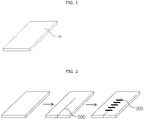
- a substrate of the shape of a bar (20.0 mm X 50.0 mm X 1.5 mm, width X length X thickness) was prepared ( FIG. 1 ).
- the substrate was coated with the coating solution composition for a 3D model 2 of Example 1 in a dip coating method, and then dried, to prepare a coated 3D model, and then was cut from the 10.0 mm point from the bottom to the 30.0 mm point starting from the left of the bar sample. Points that were 1-2 mm apart from the cut points at both sides were sutured using surgical thread and scissors ( FIG. 2 ).
Landscapes
- Chemical & Material Sciences (AREA)
- Engineering & Computer Science (AREA)
- Materials Engineering (AREA)
- Life Sciences & Earth Sciences (AREA)
- Wood Science & Technology (AREA)
- Organic Chemistry (AREA)
- Manufacturing & Machinery (AREA)
- Physics & Mathematics (AREA)
- Inorganic Chemistry (AREA)
- Mechanical Engineering (AREA)
- Optics & Photonics (AREA)
- General Physics & Mathematics (AREA)
- Computational Mathematics (AREA)
- Pure & Applied Mathematics (AREA)
- Medicinal Chemistry (AREA)
- Algebra (AREA)
- General Health & Medical Sciences (AREA)
- Health & Medical Sciences (AREA)
- Mathematical Analysis (AREA)
- Mathematical Optimization (AREA)
- Mathematical Physics (AREA)
- Medical Informatics (AREA)
- Business, Economics & Management (AREA)
- Educational Administration (AREA)
- Educational Technology (AREA)
- Theoretical Computer Science (AREA)
- Chemical Kinetics & Catalysis (AREA)
- Materials For Medical Uses (AREA)
- Compositions Of Macromolecular Compounds (AREA)
- Prostheses (AREA)
- Application Of Or Painting With Fluid Materials (AREA)
- Paints Or Removers (AREA)
Abstract
Description
- The present disclosure relates to a coating solution composition that includes a rubber material and an organic solvent, a preparation method thereof, and a preparation method for a 3D model using the same.
- Specifically, the present disclosure relates to a coating solution composition for a 3D model, that includes a rubber material and an organic solvent, and that provides elasticity and strength similar to those of an organ, thereby enabling a surgical simulation and a successful surgery through the same, a preparation method thereof, and a preparation method for a 3D model using the same.
- In general, physical deformities are found in about 4 to 5 babies in every 100 newborns, and congenital heart deformities are found in about 1 in every 100 newborns, and this occurs at about the same frequency across different countries and races. Due to unknown causes at birth, these babies are born with deformities and dysfunction of the heart. Formation of a fetus's heart is already completed before the 3rd month of pregnancy, and congenital heart disease occurs at the early stages of pregnancy due to abnormalities in the process where the fetus's heart is formed.
- Since it is not possible to administer general contrast agents for operations of pediatric congenital heart deformities, it is not only necessary for an experienced radiology specialist to be present when taking CT scans and the like to adjust the administration and timing of the contrast agents, but also due to limitations regarding equipment and time, the obtained medical images have low accuracy unlike in adult cases, which is a problem. Even during the actual surgery, since the surgery is conducted to a very small heart of about 5 cm X 5 cm, extremely difficult technique is required.
- Therefore, in surgeries such as those for pediatric congenital heart deformities, which are very small in size and have various related diseases, preoperative simulation plays a very important role in inducing a successful surgery. Preoperative simulations using 3D models prepared using 3D printing and the like based on CT images are widely used.
- However, in such a case of a preoperative simulation using a 3D model prepared through 3D printing and the like, not only the texture of the 3D model is different from the texture of the actual organ such as the heart, but also problems such as being torn during suturing may occur.
- Accordingly, the present inventors have made diligent efforts to provide a 3D model having the same elasticity and strength as an actual organ in order to induce a successful surgery through preoperative simulation of a pediatric heart and the like, and as a result, confirmed that by coating the 3D model with a coating solution composition that includes a rubber material such as silicone and the like, and an organic solvent, it is possible to prepare a 3D model having the same texture as an actual organ without being torn during suturing, and thus completed the present disclosure.
- A purpose of the present disclosure is to provide a coating solution composition for a 3D model, that includes a rubber material and an organic solvent.
- Another purpose of the present disclosure is to provide a preparation method for a coating solution composition for a 3D model, that includes mixing a rubber material and an organic solvent.
- Another purpose of the present disclosure is to provide a preparation method for a 3D model, that includes coating a 3D printing model with the aforementioned coating solution composition for a 3D model.
- In order to achieve the aforementioned purposes, the present disclosure provides a coating solution composition for a 3D model, that includes a rubber material and an organic solvent.
- The present disclosure also provides a preparation method for a coating solution composition for a 3D model, that includes mixing a rubber material and an organic solvent.
- The present disclosure also provides a preparation method for a 3D model, that includes coating the 3D model with the aforementioned coating solution composition for a 3D printing model.
- When a 3D model is coated using the coating solution composition for a 3D model of the present disclosure, the coated 3D model will have a similar elasticity and strength as those of an organ, thus enabling surgical simulation, and therefore, it can be used in surgeries that require surgical simulation due to the small size of pediatric hearts and the like and variety and complexity of related diseases, thereby inducing successful surgeries, and thus it can be widely used in the medical industry.
-
-
FIG. 1 illustrates a specimen model for a suture test of Example 4; -
FIG. 2 illustrates a schematic diagram of a suture test process of Example 4; -
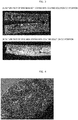
FIG. 3 illustrates a specimen suture test result of Example 4, (a) being the case where the specimen model is not coated with the coating solution composition of the present disclosure, and (b) being the case where the specimen model is coated with the coating solution composition of the present disclosure; -
FIG. 4 illustrates a 3D heart model coated with coating solution composition for a 3D model 2 of the present disclosure used in the suture test of Example 4; and -
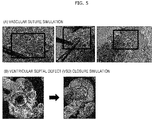
FIG. 5 illustrates the suture test process of Example 4, (a) being a vascular suture simulation process, and (b) being a Ventricular Septal Defect (VSD) closure simulation process. - Unless otherwise defined, all technical and scientific terms used in the present specification have the same meaning as commonly understood by a person skilled in the art to which the present disclosure belongs. Generally, the nomenclature used in the present specification is well known and commonly used in the related art.
- Specific structural or functional descriptions presented in the embodiments of the present disclosure are exemplified only for the purpose of describing the embodiments according to the concept of the present disclosure, and the embodiments according to the concept of the present disclosure may be implemented in various forms. In addition, it should not be construed as being limited to the embodiments described in the present specification, and should be understood as including all modifications, equivalents, and substitutes included in the spirit and scope of the present disclosure.
- In one aspect, the present disclosure relates to a coating solution composition for a 3D model, that includes a rubber material and an organic solvent.
- The rubber material is characterized to be one or more selected from a group consisting of silicone, urethane, styrene butadiene rubber (SBR), chloroprene rubber (CR), chlorinated polyethylene (CPE), butadiene rubber (BR), styrene-butadiene (SB), copolymer latex, ethylene propylene diene monomer (EPDM), ethylene vinyl acetate (EVA), styrene butadienestyrene (SBS), acrylic rubber (ACM/ANM), sulfide polymer, nitrile rubber (NBR), chloroprene rubber (CR), chlorosulfonated polyethylene rubber (CSM), butyl rubber (isobutylene isoprene rubber, IIR), and fluororubber (FPM), but there is no limitation thereto.
- In the present disclosure, the organic solvent is characterized to be one or more selected from a group consisting of acetone, cyclohexane, chloroform, 1,2-dichloroethane, toluene, trichloroethane, trichlorobenzene, benzene carbon tetrachloride, chlorobenzene, tetrahydrofuran (THF), xylene , tertiary butyl acetate, heptane, hexane, dimethyl ether, 2-butanone, methanol, butanone and naphtha, but there is not limited thereto.
- In the present disclosure, tin may be further included as a catalyst.
- In the present invention, with respect to a total of 100% by weight of the coating solution composition for a 3D model, the rubber material may be, preferably, 30 to 50% by weight. If the content of the rubber material exceeds 50% by weight, it is difficult to form a uniform coating thickness, decreasing the ease of operation, and if the content of the rubber material is less than 30% by weight, it is not possible to express the property of the actual organ such as the heart and the like, and thus not preferable.
- In the present disclosure, the 3D model may be characterized to be an organ model such as the heart and the like, and may be characterized to be one that is prepared in a 3D printing method and the like.
- In another aspect, the present disclosure relates to a preparation method for a coating solution composition for a 3D model, that includes mixing a rubber material and an organic solvent.
- In the present disclosure, the rubber material may be characterized to be one or more selected from a group consisting of silicone, urethane, styrene butadiene rubber (SBR), chloroprene rubber (CR), chlorinated polyethylene (CPE), butadiene rubber (BR), styrene-butadiene (SB), copolymer latex, ethylene propylene diene monomer (EPDM), ethylene vinyl acetate (EVA), styrene butadiene styrene (SBS), acrylic rubber (ACM/ANM), sulfide polymer, nitrile rubber (NBR), chloroprene rubber (CR), chlorosulfonated polyethylene rubber (CSM), butyl rubber (isobutylene isoprene rubber, IIR), and fluororubber (FPM), but there is no limitation thereto.
- In the present disclosure, the organic solvent may be characterized to be one or more selected from a group consisting of acetone, cyclohexane, chloroform, 1,2-dichloroethane, toluene, trichloroethane, trichlorobenzene, benzene carbon tetrachloride, chlorobenzene, tetrahydrofuran (THF), xylene, tertiary butyl acetate, heptane, hexane, dimethyl ether, 2-butanone, methanol, butanone and naphtha, but there is not limited thereto.
- In the present disclosure, tin may be further included as a catalyst.
- In the present disclosure, when mixing the rubber material and the organic solvent, a concentration of the coating solution composition may be adjusted so that the rubber material is, preferably, 30 to 50% by weight with respect to a total 100% by weight of the coating solution composition for a 3D model. If the content of the rubber material exceeds 50% by weight, it is difficult to form a uniform coating thickness, decreasing the ease of operation, and if the content of the rubber material is less than 30% by weight, it is not possible to express the property of the actual organ such as the heart and the like, and thus not preferable.
- In the present disclosure, the 3D model may be characterized to be an organ model such as the heart and the like, and may be characterized to be one that is prepared in a 3D printing method and the like.
- In another aspect, the present disclosure relates to a preparation method for a 3D model, that includes coating a 3D printing model with the aforementioned coating solution composition for a 3D model.
- In the present disclosure, the coating may have a thickness of, preferably, 0.5 to 10.0 mm. It is possible to finely adjust the elasticity and strength of an organ model by adjusting the concentration or number of coating times of the coating solution and thereby adjust the coating thickness. The coating thickness being outside the aforementioned range is not preferable due to difference of characteristics such as texture and the like compared to the actual organ.
- In the present disclosure, the coating method may be one or more selected from a group consisting of dip coating, spraying, and brushing, but there is no limitation thereto.
- Hereinbelow, the present disclosure will be described in detail through examples. These examples are for illustrative purposes only, and it will be apparent to those of ordinary skill in the related art that the scope of the present invention is not construed as being limited by these examples. Therefore, it is to be noted that the practical scope of the present disclosure is defined by the attached claims and their equivalents.
- A silicone rubber material and a tetrahydrofuran (THF) solvent were mixed, together with tin, as a catalyst, to prepare a coating solution composition for a 3D model. The concentration of the silicone rubber material was adjusted according to the content of the THF solvent. With respect to a total of 100% by weight of the coating solution composition, the concentration of the silicone rubber material was adjusted to be 30% by weight and 50% by weight, to prepare coating solution composition for a 3D model 1 and coating solution composition for a 3D model 2, respectively.
- A case of not using the coating solution composition for a 3D model, that is, where the 3D model is not coated was supposed as Comparative Example 1.
- Comparative Example 2 was prepared by mixing acetone instead of the THF solvent, with other conditions being the same as Example 1-1.
- Comparative Example 3 was prepared by mixing platinum (Pt) instead of tin, with other conditions being the same as Example 1-1.
- A coated 3D model was prepared by dip coating, with the coating solution compositions for a 3D model 1 and 2prepared in the aforementioned Example 1, and with Comparative Examples 1 to 3, an acrylate-based copolymer 3D-printed heart model that is output in a 3D printing method upon heart modeling based on a patient's medical image, and then drying the same.
- Characteristics of the 3D model coated with the coating solution compositions for a 3D model 1 and 2 prepared in the aforementioned Example 2, and characteristics of the 3D model coated with Comparative Examples 1 to 3 were checked.
- It was discovered that Comparative Example 2 is not suitable to be used in preoperative simulations due to its harmful smell and non-reusability (one-time use) and the like, and in the case of Comparative Example 3, it was discovered that there is a problem of peeling off when coating a model prepared by 3D printing because surface hardening did not occur.
- Properties such as the tensile strength, tear strength and the like of coating solution compositions for a 3D model 1 and 2, and of Comparative Example 1, were checked. As a result, is was discovered that the higher the concentration of the coating solution (the order being Comparative Example 1 → coating solution composition for a 3D model 1 → coating solution composition for a 3D model 2), the coating thickness gets greater, the tensile strength, tear strength and modulus of elasticity get lower, and the elongation gets greater. Since the tear strength and tensile strength depend on the thickness, the higher the concentration of the coating solution, the tear strength and tensile strength get lower due to the increased coating thickness. In addition, as the concentration of the coating solution increases, the silicon component increases and the amorphous portion on the surface of the 3D printing model increases, thereby lowering the tensile strength and increasing the elongation. It was discovered that, considering the modulus of elasticity and elongation, coating solution compositions for a 3D model 1 and 2, having concentrations of 30 to 50% by weight, are suitable to be used in preoperative simulations, in order to show the texture of an organ such as the actual heart and the like without being torn during the suture test (Table 1).
[Table 1] Comparative Example 1 Coating Solution Composition for a 3D Model 1 Coating Solution Composition for a 3D Model 2 Concentration of Rubber Material (weight%) 0 30 50 Thickness of Coating (mm) 0 0.15 0.35 Tensile Strength (ASTM D412) (MPa) 2.66 2.23 2.11 Tear Strength (ASTM D624) (kN/m) 5.89 5.12 4.84 Elongation (ASTM D412) (%) 226 246 257 Modulus of Elasticity (ASTM D412) (MPa) 0.55 0.52 0.50 - For the suture test, a substrate of the shape of a bar (20.0 mm X 50.0 mm X 1.5 mm, width X length X thickness) was prepared (
FIG. 1 ). The substrate was coated with the coating solution composition for a 3D model 2 of Example 1 in a dip coating method, and then dried, to prepare a coated 3D model, and then was cut from the 10.0 mm point from the bottom to the 30.0 mm point starting from the left of the bar sample. Points that were 1-2 mm apart from the cut points at both sides were sutured using surgical thread and scissors (FIG. 2 ). - As a result of a vascular suture simulation and ventricular septal defect (VSD) closure simulation, it was discovered that in the case where the model was not coated with the coating solution composition for a 3D model 2 of Example 1, when suturing, it was torn vertically from the part through which the thread passed, and the texture was very different from the actual organ, but in the case where the model was coated with the coating solution composition for a 3D model 2 of Example 1, it was not torn when suturing, and the texture was similar to the organ such as the actual heart and the like (
FIGs. 3 to 5 ). - As described above, specific parts of the present disclosure have been described in detail, and for those of ordinary skill in the artit will be obvious that these specific techniques are only preferred embodiments for those of ordinary skill in the art, and the scope of the present disclosure is not limited thereby. Accordingly, the practical scope of the present disclosure is defined by the attached claims and their equivalents.
Claims (17)
- A coating solution composition for a 3D model, comprising a rubber material and an organic solvent.
- The coating solution composition for a 3D model, according to claim 1,
wherein the rubber material is one or more selected from a group consisting of silicone, urethane, styrene butadiene rubber (SBR), chloroprene rubber (CR), chlorinated polyethylene (CPE), butadiene rubber (BR), styrene-butadiene (SB) copolymer latex, ethylene propylene diene monomer (EPDM), ethylene vinyl acetate (EVA), styrene butadiene styrene (SBS), acrylic rubber (ACM/ANM), sulfide polymer, nitrile rubber (NBR), chloroprene rubber (CR), chlorosulfonated polyethylene rubber (CSM), butyl rubber (isobutylene isoprene rubber, IIR) and fluororubber (FPM). - The coating solution composition for a 3D model, according to claim 1,
wherein the organic solvent is one or more selected from a group consisting of acetone, cyclohexane, chloroform, 1,2-dichloroethane, toluene, trichloroethane, trichlorobenzene, benzene carbon tetrachloride, chlorobenzene, tetrahydrofuran (THF), xylene, tertiary butyl acetate, heptane, hexane, dimethyl ether, 2-butanone, methanol, butanone and naphtha. - The coating solution composition for a 3D model, according to claim 1,
further comprising tin. - The coating solution composition for a 3D model, according to claim 1,
wherein the rubber material is 30 to 50% by weight with respect to a total of 100% by weight of the coating solution composition for a 3D model. - The coating solution composition for a 3D model, according to claim 1,
wherein the 3D model is an organ model. - The coating solution composition for a 3D model, according to claim 1,
wherein the 3D model is prepared by 3D printing. - A preparation method of a coating solution composition for a 3D model, comprising mixing a rubber material and an organic solvent.
- The preparation method of a coating solution composition for a 3D model, according to claim 8,
wherein the rubber material is one or more selected from a group consisting of silicone, urethane, styrene butadiene rubber (SBR), chloroprene rubber (CR), chlorinated polyethylene (CPE), butadiene rubber (BR), styrene-butadiene (SB) copolymer latex, ethylene propylene diene monomer (EPDM), ethylene vinyl acetate (EVA), styrene butadiene styrene (SBS), acrylic rubber (ACM/ANM), sulfide polymer, nitrile rubber (NBR), chloroprene rubber (CR), chlorosulfonated polyethylene rubber (CSM), butyl rubber (isobutylene isoprene rubber, IIR) and fluororubber (FPM). - The preparation method of a coating solution composition for a 3D model, according to claim 8,
wherein the organic solvent is one or more selected from a group consisting of acetone, cyclohexane, chloroform, 1,2-dichloroethane, toluene, trichloroethane, trichlorobenzene, benzene carbon tetrachloride, chlorobenzene, tetrahydrofuran (THF), xylene, tertiary butyl acetate, heptane, hexane, dimethyl ether, 2-butanone, methanol, butanone and naphtha. - The preparation method of a coating solution composition for a 3D model, according to claim 8,
further comprising tin. - The preparation method of a coating solution composition for a 3D model, according to claim 8,
wherein, when mixing the rubber material and the organic solvent, adjusting a concentration of the coating solution composition so that the rubber material is 30 to 50% by weight with respect to a total of 100% by weight of the coating solution composition for a 3D model. - The preparation method of a coating solution composition for a 3D model, according to claim 8,
wherein the 3D model is an organ model. - The preparation method of a coating solution composition for a 3D model, according to claim 8,
wherein the 3D model is prepared by 3D printing. - A preparation method of a 3D model, comprising coating a 3D printing model with the coating solution composition for a 3D model according to any one of claims 1 to 7.
- The preparation method of a 3D model, according to claim 15, wherein the 3D printing model is coated to have a thickness of 0.5 to 10.0 mm.
- The preparation method of a 3D model, according to claim 15, wherein the 3D printing model is coated in one or more method selected from a group consisting of dip coating, spraying and brushing.
Applications Claiming Priority (2)
| Application Number | Priority Date | Filing Date | Title |
|---|---|---|---|
| KR1020180038113A KR102183427B1 (en) | 2018-04-02 | 2018-04-02 | A coating solution for a 3d model and a method for preparing a 3d model using the same |
| PCT/KR2018/004097 WO2019194338A1 (en) | 2018-04-02 | 2018-04-06 | Coating liquid composition for 3d model and method for manufacturing 3d model by using same |
Publications (2)
| Publication Number | Publication Date |
|---|---|
| EP3778806A1 true EP3778806A1 (en) | 2021-02-17 |
| EP3778806A4 EP3778806A4 (en) | 2022-02-16 |
Family
ID=68100876
Family Applications (1)
| Application Number | Title | Priority Date | Filing Date |
|---|---|---|---|
| EP18913718.5A Withdrawn EP3778806A4 (en) | 2018-04-02 | 2018-04-06 | LIQUID COATING COMPOSITION FOR A 3D MODEL AND METHOD FOR MAKING A 3D MODEL USING THE SAME |
Country Status (5)
| Country | Link |
|---|---|
| US (1) | US20210095159A1 (en) |
| EP (1) | EP3778806A4 (en) |
| JP (1) | JP7111883B2 (en) |
| KR (1) | KR102183427B1 (en) |
| WO (1) | WO2019194338A1 (en) |
Families Citing this family (4)
| Publication number | Priority date | Publication date | Assignee | Title |
|---|---|---|---|---|
| KR102385589B1 (en) | 2020-04-29 | 2022-04-14 | 중앙대학교 산학협력단 | Minimalist and Tailored percutaneous left atrial appendage occlusion procedure technique using pre-procedural 3D heart model simulation |
| KR102553913B1 (en) | 2020-09-18 | 2023-07-11 | 서울대학교산학협력단 | Manufacturing method and Manufacturing device for 3D structure using 2D-3D transformation |
| CN115464744A (en) * | 2022-09-05 | 2022-12-13 | 东北石油大学 | 3D printing-based rock micro-fault similar model manufacturing method |
| CN118388999B (en) * | 2024-05-09 | 2026-02-06 | 南京工业大学 | Lignin-rubber material prepared by 3D printing |
Family Cites Families (16)
| Publication number | Priority date | Publication date | Assignee | Title |
|---|---|---|---|---|
| WO1991002607A1 (en) * | 1989-08-18 | 1991-03-07 | Fentak Pty.Ltd. | Mould release agent utilising vulcanisable silicone rubber |
| US6528122B2 (en) * | 2001-08-02 | 2003-03-04 | Mattel, Inc. | Terpene/co-solvent adhesive or paint coating composition for toy articles |
| JP4979182B2 (en) * | 2004-03-18 | 2012-07-18 | 三菱鉛筆株式会社 | Set of water-based coating liquid applicator set for miniature model and adjustment method of water-based coating liquid drawing line for miniature model |
| JP4878162B2 (en) * | 2005-01-18 | 2012-02-15 | 信越化学工業株式会社 | Liquid silicone rubber coating composition and air bag using the composition |
| DE602006002040D1 (en) * | 2005-01-18 | 2008-09-18 | Shinetsu Chemical Co | Liquid silicone rubber coating composition and airbag coated therewith |
| US7845949B2 (en) * | 2005-02-10 | 2010-12-07 | Wilkins Jason D | Ultrasound training mannequin |
| US20090246747A1 (en) * | 2008-03-25 | 2009-10-01 | Operative Experience, Inc. | Simulator for major surgical operations |
| JP5236103B1 (en) * | 2012-07-13 | 2013-07-17 | 株式会社ジェイ・エム・シー | Organ model manufacturing method, organ model manufacturing mold, and organ model |
| EP3410421A1 (en) * | 2013-07-24 | 2018-12-05 | Applied Medical Resources Corporation | First entry model |
| US10198966B2 (en) * | 2013-07-24 | 2019-02-05 | Applied Medical Resources Corporation | Advanced first entry model for surgical simulation |
| FR3020067A1 (en) * | 2014-04-18 | 2015-10-23 | Bluestar Silicones France | METHOD FOR COATING A SILICONE COMPOSITION ON A FLEXIBLE SUPPORT |
| US20180355552A1 (en) * | 2014-12-12 | 2018-12-13 | Shin-Etsu Chemical Co., Ltd. | Method for producing fabric substrate molded product coated with silicone rubber, and artificial leather-like sheet molded product |
| JP6528930B2 (en) * | 2014-12-22 | 2019-06-12 | 株式会社スリーボンド | Coating composition |
| JP2017032624A (en) * | 2015-07-29 | 2017-02-09 | セイコーエプソン株式会社 | Simulated organ |
| EP3178889A1 (en) * | 2015-12-11 | 2017-06-14 | Lanxess Inc. | Elastomeric coatings |
| KR101822151B1 (en) * | 2017-06-28 | 2018-01-25 | 비즈텍코리아 주식회사 | Photocurable polysiloxane composition for 3D printing and dental model comprising the same |
-
2018
- 2018-04-02 KR KR1020180038113A patent/KR102183427B1/en active Active
- 2018-04-06 JP JP2021503683A patent/JP7111883B2/en active Active
- 2018-04-06 WO PCT/KR2018/004097 patent/WO2019194338A1/en not_active Ceased
- 2018-04-06 EP EP18913718.5A patent/EP3778806A4/en not_active Withdrawn
- 2018-04-06 US US17/044,123 patent/US20210095159A1/en not_active Abandoned
Also Published As
| Publication number | Publication date |
|---|---|
| JP7111883B2 (en) | 2022-08-02 |
| KR20190119218A (en) | 2019-10-22 |
| JP2021519382A (en) | 2021-08-10 |
| EP3778806A4 (en) | 2022-02-16 |
| WO2019194338A1 (en) | 2019-10-10 |
| US20210095159A1 (en) | 2021-04-01 |
| KR102183427B1 (en) | 2020-11-27 |
Similar Documents
| Publication | Publication Date | Title |
|---|---|---|
| US20210095159A1 (en) | A coating solution composition for a 3d model and a method for preparing a 3d model using the same | |
| JP6113637B2 (en) | Elastomer film and gloves | |
| US6828387B2 (en) | Polyisoprene articles and process for making the same | |
| JP6896796B2 (en) | Polyisoprene / polychloroprene composition | |
| JP5934794B2 (en) | Latex containing water and styrenic block copolymer and method for making articles from the latex | |
| US8431667B2 (en) | Guayule natural rubber latex thin film articles | |
| US20090054595A1 (en) | Compounding Formulations for Producing Articles from Guayule Natural Rubber | |
| WO2007113463A1 (en) | Polyisoprene condoms | |
| KR20210039303A (en) | Elastomeric article | |
| HK1112633B (en) | Elastomeric films and gloves |
Legal Events
| Date | Code | Title | Description |
|---|---|---|---|
| STAA | Information on the status of an ep patent application or granted ep patent |
Free format text: STATUS: THE INTERNATIONAL PUBLICATION HAS BEEN MADE |
|
| PUAI | Public reference made under article 153(3) epc to a published international application that has entered the european phase |
Free format text: ORIGINAL CODE: 0009012 |
|
| STAA | Information on the status of an ep patent application or granted ep patent |
Free format text: STATUS: REQUEST FOR EXAMINATION WAS MADE |
|
| 17P | Request for examination filed |
Effective date: 20200930 |
|
| AK | Designated contracting states |
Kind code of ref document: A1 Designated state(s): AL AT BE BG CH CY CZ DE DK EE ES FI FR GB GR HR HU IE IS IT LI LT LU LV MC MK MT NL NO PL PT RO RS SE SI SK SM TR |
|
| AX | Request for extension of the european patent |
Extension state: BA ME |
|
| DAV | Request for validation of the european patent (deleted) | ||
| DAX | Request for extension of the european patent (deleted) | ||
| A4 | Supplementary search report drawn up and despatched |
Effective date: 20220114 |
|
| RIC1 | Information provided on ipc code assigned before grant |
Ipc: B33Y 80/00 20150101ALI20220110BHEP Ipc: B33Y 70/00 20200101ALI20220110BHEP Ipc: B33Y 10/00 20150101ALI20220110BHEP Ipc: C09D 7/61 20180101ALI20220110BHEP Ipc: C09D 7/20 20180101ALI20220110BHEP Ipc: C09D 121/00 20060101AFI20220110BHEP |
|
| STAA | Information on the status of an ep patent application or granted ep patent |
Free format text: STATUS: THE APPLICATION IS DEEMED TO BE WITHDRAWN |
|
| 18D | Application deemed to be withdrawn |
Effective date: 20220812 |