EP3777848B1 - Composition for prevention or treatment of stroke - Google Patents
Composition for prevention or treatment of stroke Download PDFInfo
- Publication number
- EP3777848B1 EP3777848B1 EP19781046.8A EP19781046A EP3777848B1 EP 3777848 B1 EP3777848 B1 EP 3777848B1 EP 19781046 A EP19781046 A EP 19781046A EP 3777848 B1 EP3777848 B1 EP 3777848B1
- Authority
- EP
- European Patent Office
- Prior art keywords
- stroke
- composition
- present
- food
- compound
- Prior art date
- Legal status (The legal status is an assumption and is not a legal conclusion. Google has not performed a legal analysis and makes no representation as to the accuracy of the status listed.)
- Active
Links
Images

Classifications
-
- A—HUMAN NECESSITIES
- A61—MEDICAL OR VETERINARY SCIENCE; HYGIENE
- A61K—PREPARATIONS FOR MEDICAL, DENTAL OR TOILETRY PURPOSES
- A61K31/00—Medicinal preparations containing organic active ingredients
- A61K31/16—Amides, e.g. hydroxamic acids
- A61K31/165—Amides, e.g. hydroxamic acids having aromatic rings, e.g. colchicine, atenolol, progabide
-
- A—HUMAN NECESSITIES
- A23—FOODS OR FOODSTUFFS; TREATMENT THEREOF, NOT COVERED BY OTHER CLASSES
- A23L—FOODS, FOODSTUFFS OR NON-ALCOHOLIC BEVERAGES, NOT OTHERWISE PROVIDED FOR; PREPARATION OR TREATMENT THEREOF
- A23L33/00—Modifying nutritive qualities of foods; Dietetic products; Preparation or treatment thereof
- A23L33/10—Modifying nutritive qualities of foods; Dietetic products; Preparation or treatment thereof using additives
-
- A—HUMAN NECESSITIES
- A23—FOODS OR FOODSTUFFS; TREATMENT THEREOF, NOT COVERED BY OTHER CLASSES
- A23K—FODDER
- A23K20/00—Accessory food factors for animal feeding-stuffs
- A23K20/10—Organic substances
- A23K20/111—Aromatic compounds
-
- A—HUMAN NECESSITIES
- A23—FOODS OR FOODSTUFFS; TREATMENT THEREOF, NOT COVERED BY OTHER CLASSES
- A23L—FOODS, FOODSTUFFS OR NON-ALCOHOLIC BEVERAGES, NOT OTHERWISE PROVIDED FOR; PREPARATION OR TREATMENT THEREOF
- A23L33/00—Modifying nutritive qualities of foods; Dietetic products; Preparation or treatment thereof
- A23L33/40—Complete food formulations for specific consumer groups or specific purposes, e.g. infant formula
-
- A—HUMAN NECESSITIES
- A61—MEDICAL OR VETERINARY SCIENCE; HYGIENE
- A61K—PREPARATIONS FOR MEDICAL, DENTAL OR TOILETRY PURPOSES
- A61K9/00—Medicinal preparations characterised by special physical form
- A61K9/0012—Galenical forms characterised by the site of application
- A61K9/0053—Mouth and digestive tract, i.e. intraoral and peroral administration
- A61K9/0056—Mouth soluble or dispersible forms; Suckable, eatable, chewable coherent forms; Forms rapidly disintegrating in the mouth; Lozenges; Lollipops; Bite capsules; Baked products; Baits or other oral forms for animals
-
- A—HUMAN NECESSITIES
- A61—MEDICAL OR VETERINARY SCIENCE; HYGIENE
- A61P—SPECIFIC THERAPEUTIC ACTIVITY OF CHEMICAL COMPOUNDS OR MEDICINAL PREPARATIONS
- A61P9/00—Drugs for disorders of the cardiovascular system
-
- A—HUMAN NECESSITIES
- A61—MEDICAL OR VETERINARY SCIENCE; HYGIENE
- A61P—SPECIFIC THERAPEUTIC ACTIVITY OF CHEMICAL COMPOUNDS OR MEDICINAL PREPARATIONS
- A61P9/00—Drugs for disorders of the cardiovascular system
- A61P9/10—Drugs for disorders of the cardiovascular system for treating ischaemic or atherosclerotic diseases, e.g. antianginal drugs, coronary vasodilators, drugs for myocardial infarction, retinopathy, cerebrovascula insufficiency, renal arteriosclerosis
-
- A—HUMAN NECESSITIES
- A61—MEDICAL OR VETERINARY SCIENCE; HYGIENE
- A61P—SPECIFIC THERAPEUTIC ACTIVITY OF CHEMICAL COMPOUNDS OR MEDICINAL PREPARATIONS
- A61P9/00—Drugs for disorders of the cardiovascular system
- A61P9/12—Antihypertensives
-
- A—HUMAN NECESSITIES
- A23—FOODS OR FOODSTUFFS; TREATMENT THEREOF, NOT COVERED BY OTHER CLASSES
- A23V—INDEXING SCHEME RELATING TO FOODS, FOODSTUFFS OR NON-ALCOHOLIC BEVERAGES AND LACTIC OR PROPIONIC ACID BACTERIA USED IN FOODSTUFFS OR FOOD PREPARATION
- A23V2002/00—Food compositions, function of food ingredients or processes for food or foodstuffs
-
- A—HUMAN NECESSITIES
- A23—FOODS OR FOODSTUFFS; TREATMENT THEREOF, NOT COVERED BY OTHER CLASSES
- A23V—INDEXING SCHEME RELATING TO FOODS, FOODSTUFFS OR NON-ALCOHOLIC BEVERAGES AND LACTIC OR PROPIONIC ACID BACTERIA USED IN FOODSTUFFS OR FOOD PREPARATION
- A23V2200/00—Function of food ingredients
- A23V2200/30—Foods, ingredients or supplements having a functional effect on health
- A23V2200/326—Foods, ingredients or supplements having a functional effect on health having effect on cardiovascular health
Definitions
- the present invention relates to a pharmaceutical composition for use in a method for treating a stroke and to a food or feed composition for use in a method for alleviating a stroke, each containing (S)-2-(((4'-trifluoromethylbiphenyl-4-yl)methyl)amino)propanamide methanesulfonate.
- Stroke is a cerebrovascular disease, and is one of the three major causes of death along with heart disease and cancer, and is the disease that most commonly affects the prognosis of life expectancy and increase in the population's age as the frequency thereof increases gradually.
- Hypertension, hyperlipidemia, atherosclerosis, and hypercholesterolemia are known to be important risk factors for cerebral stroke.
- Strokes are broadly divided into two types of stroke, namely ischemic strokes caused by ischemia of brain tissue due to reduction or blockage of blood supply to brain tissue, and hemorrhagic strokes causing bleeding into brain tissue due to bursting of blood vessels. Ischemic strokes account for about 80% of all stroke cases. The mortality rate from strokes is increasing every year in foreign countries as well as in Korea, and these days there is a great deal of interest in developing drugs to treat strokes.
- the present inventors found that the compound (S)-2-(((4'-trifluoromethylbiphenyl-4-yl)methyl)amino)propanamide methanesulfonate of the present invention has effects of restoring deteriorated motor function caused by stroke and reducing the size of infarction in an internal capsule and is thus useful for the prevention and treatment of strokes. Based on this finding, the present invention has been completed.
- a pharmaceutical composition for use in a method for treating strokes containing a compound represented by the following Formula 1 or a pharmaceutically acceptable salt thereof as an active ingredient, and wherein the compound or pharmaceutically acceptable salt thereof is administered to a subject in a dosage range of 1 to 1,000 mg/kg.
- a food or feed composition for use in a method for alleviating strokes containing the compound as an active ingredient.
- composition containing the compound of Formula 1 of the present invention has excellent effects in preventing, alleviating and treating strokes by restoring deterioration in motor functions caused by a stroke and reducing the size of an infarction in an internal capsule.
- the present invention is directed to a pharmaceutical composition for use in a method for treating a stroke, comprising a compound represented by the following Formula 1 or a pharmaceutically acceptable salt thereof as an active ingredient: wherein the compound or pharmaceutically acceptable salt thereof is administered to a subject in a dosage range of 1 to 1,000 mg/kg.
- the compound represented by Formula 1 is (S)-2-(((4'-trifluoromethyl biphenyl-4-yl)methyl)amino)propanamide methanesulfonate.
- the compound may be referred to as "KDS2010”.
- the (S)-2-(((4'-trifluoromethyl biphenyl-4-yl)methyl)amino)propanamide methanesulfonate of the present invention may be present in a solvated form or an unsolvated form.
- the (S)-2-(((4'-trifluoromethyl biphenyl-4-yl)methyl)amino)propanamide methanesulfonate of the present invention may be present in a crystalline or amorphous form, and all of these physical forms fall within the scope of the present invention.
- the pharmaceutical composition of the present invention may include not only the compound represented by Formula 1 but also a pharmaceutically acceptable salt thereof.
- pharmaceutically acceptable salt means a salt of the compound in combination with another substance, and refers to a substance capable of exhibiting pharmacologically similar activity.
- the types of the pharmaceutically acceptable salt include, but are not limited to, inorganic acid salts such as hydrochloride, hydrobromide, phosphate or sulfate, and organic acid salts such as carboxylate or sulfonate.
- carboxylate includes, but is not limited to, acetate, maleate, fumarate, malate, citrate, tartrate, lactate or benzoate.
- sulfonate includes, but is not limited to, methanesulfonate, ethanesulfonate, benzenesulfonate, toluene sulfonate or naphthalene disulfonate.
- stroke means a symptom of a local neurological defect that is suddenly caused by a cerebral blood flow abnormality.
- a stroke may include a cerebral infarction, wherein the death of brain cells is caused by blockage in cerebral blood vessels due to blood clots or the like, or brain hemorrhage caused by bursts of cerebral blood vessels.
- Specific symptoms of stroke include sudden headache and vomiting, hemiparalysis or paralysis of body parts, sensory paralysis and loss of body parts, language disorders (dysphasia or pronunciation disorder), facial nerve disorders, ataxia and the like.
- the stroke in the present invention may mean paralysis.
- the pharmaceutical composition of the present invention can exert effects of restoring deterioration in motor functions caused by stroke and reducing the size of the infarction in an internal capsule.
- the result of treatment of an animal stroke model with the compound of Formula 1 of the present invention shows that motor function recovery was facilitated and the size of the infarction in an internal capsule was reduced, compared to an animal stroke model not administered with the drug ( FIGS. 2 and 3 ).
- composition containing the compound of Formula 1 of the present invention has an excellent effect of preventing or treating strokes.
- the term “preventing” or “prevention” refers to any action that inhibits or delays the onset of a stroke through administration of the composition containing the compound of Formula 1 of the present invention.
- the term “treatment” refers to any action which alleviates or beneficially alters the symptoms of the disease through administration of the composition containing the compound of Formula 1 of the present invention.
- the pharmaceutical dosage form of the composition for preventing or treating strokes of the present invention may be a pharmaceutically acceptable salt thereof, and the composition may be used alone or bonded to or suitably combined with another pharmaceutically active compound.
- composition for preventing or treating stroke of the present invention may further include a pharmaceutically acceptable carrier.
- composition for preventing or treating strokes of the present invention can be prepared into a pharmaceutical formulation using a method well known in the art to provide rapid, sustained or delayed release of the active ingredient after administration to a mammal.
- the active ingredient is mixed or diluted with a carrier or encapsulated into a carrier in the form of a container.
- the composition for preventing or treating stroke of the present invention is used as an oral formulation, such as a powder, granule, tablet, capsule, suspension, emulsion, syrup or aerosol, or a formulation such as an external preparation, suppository or sterile injectable solution, according to a conventional method.
- the composition may further include a suitable carrier, excipient and diluent commonly used in the preparation of compositions.
- the carrier that can be included in the composition of the present invention includes, but is not limited to, lactose, dextrose, sucrose, sorbitol, mannitol, xylitol, erythritol, maltitol, starch, acacia rubber, alginate, gelatin, calcium phosphate, calcium silicate, cellulose, methyl cellulose, microcrystalline cellulose, polyvinyl pyrrolidone, water, methylhydroxybenzoate, propylhydroxybenzoate, talc, magnesium stearate, mineral oil and the like.
- the preparation is carried out using an ordinary diluent or excipient such as a filler, extender, binder, wetting agent, disintegrating agent or surfactant.
- Solid formulations for oral administration include tablets, pills, powders, granules, capsules and the like, and the solid formulation is prepared by mixing at least one excipient such as starch, calcium carbonate, sucrose, lactose or gelatin.
- excipients such as starch, calcium carbonate, sucrose, lactose or gelatin.
- lubricants such as magnesium stearate and talc may also be used, in addition to simple excipients.
- Liquid formulations for oral administration include suspensions, liquids/solutions, emulsions, syrups and the like.
- various excipients such as wetting agents, sweeteners, fragrances, and preservatives, may be also included.
- Formulations for parenteral administration include sterile aqueous solutions, non-aqueous solvents, suspensions, emulsions, lyophilized preparations and suppositories.
- Non-aqueous solvents and suspensions may include propylene glycol, polyethylene glycol, vegetable oils such as olive oil, and injectable esters such as ethyl oleate.
- injectable esters such as ethyl oleate.
- Witepsol As a base for suppositories, Witepsol, macrogol, tween 61, cacao butter, laurin butter and glycerogelatin may be used.
- the pharmaceutical composition of the present invention may be administered as a single therapeutic agent or in combination with another therapeutic agent, and may be administered sequentially or simultaneously with a conventional therapeutic agent.
- the pharmaceutical composition may be administered once or several times. Considering all of the factors described above, it is important to administer the composition in an amount capable of obtaining the maximum effect in a minimum amount without causing side effects, and such an amount can be easily determined by those skilled in the art.
- the term "administration" refers to introduction of the pharmaceutical composition of the present invention into a patient by any suitable method, and the route of administration of the composition of the present invention may be any one of a variety of oral or parenteral routes enabling the composition to reach the target tissue.
- the method of administration of the pharmaceutical composition according to the present invention is not particularly limited, and may be any method commonly used in the art.
- the composition may be administered by an oral or parenteral administration method.
- the pharmaceutical composition according to the present invention can be prepared into various formulations according to a desired administration method.
- the frequency of administration of the composition of the present invention is not particularly limited, but may be once a day or several times a day in a portionwise manner.
- a daily dosage of the composition containing the compound of Formula 1 of the present invention as an active ingredient is 1 to 1,000 mg/kg, preferably 11 to 100 mg/kg, and the composition may be administered once or several times in a portionwise manner.
- the present invention is directed to a food or feed composition for use in a method for alleviating strokes containing the compound represented by Formula 1 as an active ingredient.
- the food composition for preventing or alleviating strokes of the present invention includes formulations such as pills, powders, granules, acupuncture agents, tablets, capsules, or liquids, and the foods to which the composition of the present invention can be added include, for example, various foods, such as beverages, gum, teas, vitamin complexes and health supplement foods.
- the food composition for preventing or alleviating stroke of the present invention may include, as an essential ingredient, the composition or an active component thereof or a physiologically acceptable salt thereof, and there is no particular limitation as to other ingredients. Similar to common foods, the food composition may further include additional ingredients such as various herbal extracts, food supplement additives or natural carbohydrates.
- food supplement additives may also be added, and the food supplement additives include food additives commonly used in the art, for example, flavoring agents, aromas, coloring agents, fillers, stabilizers and the like.
- natural carbohydrates include conventional sugars including monosaccharides such as glucose and fructose, disaccharides such as maltose and sucrose, polysaccharides such as dextrin and cyclodextrin, and sugar alcohols such as xylitol, sorbitol and erythritol.
- natural flavoring agents for example, rebaudioside A, glycyrrhizin or the like
- synthetic flavoring agents saccharin, aspartame or the like
- the food composition for preventing or alleviating strokes of the present invention may include a variety of nutrients, vitamins, minerals (electrolytes), flavoring agents such as synthetic flavoring agents and natural flavoring agents, coloring agents and fillers (such as cheese or chocolate), pectic acid and salts thereof, alginic acid and salts thereof, organic acids, protective colloidal thickeners, pH-adjusting agents, stabilizers, preservatives, glycerin, alcohol, carbonizing agents used in carbonated beverages, and the like.
- the food composition may include natural fruit juice and fruit flesh for the production of fruit juice beverages and vegetable beverages. These ingredients can be used alone or in combination.
- the health supplement food includes a health functional food, a health food, and the like.
- the term "health functional food” has the same meaning as food for special health use (FoSHU), and means a food having excellent pharmaceutical and medicinal effects, which is processed to efficiently provide the functions of bioregulation and nutrition supply.
- “function” means obtaining effects useful for health applications, such as nutrient control or physiological actions on the structures and functions of the human body.
- the food of the present invention can be produced by a method commonly used in the art, and can be produced by adding raw materials and ingredients conventionally added in the art. In addition, any formulation of the food may also be used without limitation, as long as it is acceptable as food.
- the food composition of the present invention can be prepared into various types of formulations and has the advantages of being free from side effects that may occur upon long-term administration of the drug because it contains food as a raw material, unlike general drugs.
- the food according to the present invention can be taken as a supplement to improve the effects of preventing or alleviating strokes.
- the feed composition of the present invention may mean any suitable natural or artificial diet, single meal, or component thereof that is eaten, taken or digested by an animal, and may be prepared in various forms known in the art.
- the type of the feed is not particularly limited, and a feed commonly used in the art may be used.
- Non-limiting examples of the feed include vegetable feed such as grains, nuts, food processing byproducts, algae, fiber, pharmaceutical byproducts, fats and oils, starches, gourds or grain byproducts; and animal feed such as proteins, inorganic substances, fats and oils, minerals, fats and oils, single-cell proteins, zooplankton and food. These ingredients may be used alone or in combinations of two or more thereof.
- the feed additive composition of the present invention may include a combination of one or more of organic acids such as citric acid, fumaric acid, adipic acid, and lactic acid, phosphates such as potassium phosphate, sodium phosphate and polymerized phosphate, and natural antioxidants such as polyphenols, catechin, tocopherol, vitamin C, green tea extracts, chitosan and tannic acid, and may optionally include other conventional additives such as buffers and bacteriostatic agents.
- the composition may be prepared by further adding diluents, dispersants, surfactants, binders and lubricants.
- the feed composition can be easily administered in the state of being mixed directly with animal feed or combined with other ingredients.
- the dosage varies within a wide range depending on factors such as the animal's weight, health conditions, diet, method of administration and severity of disease.
- the present invention is directed to a method for preventing or treating strokes including administering the compound represented by Formula 1 to a subject other than a human.
- the method for preventing or treating strokes may further include rehabilitation training.
- the term "subject” may mean any animal, including a human, who has or is likely to develop a stroke.
- the animal may be a human or a mammal, such as a cow, horse, sheep, pig, goat, camel, antelope, dog or cat, which requires treatment of similar symptoms, but is not limited thereto.
- the method for preventing or treating strokes according to the present invention may specifically include administering a pharmaceutically effective amount of the composition to a subject who has or is likely to develop a stroke.
- a target drug was prepared to determine the therapeutic effect thereof on strokes.
- the drug to be administered was prepared as described in Korean Patent Registration No. 10-1746060 .
- (S)-2-(((4'-trifluoromethylbiphenyl-4-yl)methyl)amino)propanamide methanesulfonate, disclosed in Example 9 in accordance with the synthesis method in the Patent gazette (hereinafter, referred to as "KDS2010”) was synthesized.
- Light stimuli was applied to the posterior limb of the internal capsule of a 9 week-old SD rat to produce a white-matter cerebral infarction animal model.
- the animal was anesthetized with an anesthetic drug, a combination of ketamine (ketamine hydrochloride, 100 mg/kg) and xylazine (7 mg/kg), and a hole was drilled at a position of 2.0 mm rearwards and 3.1 mm laterally outwards from the skull bregma using stereotaxis, and an optical fiber (inner diameter of 62.5 ⁇ m, outer diameter of 125 ⁇ m) was inserted to a depth of 7.2 mm to target the posterior limb of the internal capsule.
- Rose bengal (20 mg/kg) was injected into the tail vein, and optical stimulation was conducted using a 3.7 mW green laser for 1.5 minutes through an optical fiber. Then, the optical fiber was removed and the operation was completed, ketoprofen (2 mg/kg) was injected for pain control, and then the animal was allowed to recover.
- the control group was injected with 0.9% saline, instead of rose bengal.
- FIG. 1 The outline of the brain structure of the produced cerebral infarction animal model is shown in FIG. 1 .
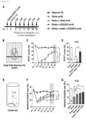
- Rats in the group administered with KDS2010 as a drug were orally administered with a solution of KDS2010 in saline at a concentration of 10 mg/kg once a day ( FIG. 2A ) .
- SPRT single-pellet reaching task
- an acrylic box (45 cm X 13 cm X 40 cm) having a 1 cm vertical slit on the front wall thereof was used, and a sugar pellet was placed in front of the slit.
- Animals were prepared in a state in which they sought food by being fasted until their body weight dropped to 90% of their original body weight. The proportion of the number of pellets remaining in the mouth, without dropping, to 20 pellets in total was calculated.
- the rats after the behavior test were sacrificed for histological examination, and brain tissues were prepared therefrom. Nerve fibers were stained using the extracted brain tissue, a neurofiber antibody (SMI-31R, BioLegend, CA, USA) and a DAB staining kit (TL-060-QHD, Thermo, MA, USA).
- a neurofiber antibody SMI-31R, BioLegend, CA, USA
- a DAB staining kit TL-060-QHD, Thermo, MA, USA.
- the nerve fibers were stained in the same manner as in Example 1-5 above to observe the size of the infarctions in internal capsules.
- the result showed that the rodent stroke models significantly increased the size of the infarction in the internal capsules, whereas the drug-administered group (Stroke+KDS) had considerably larger size of the infarction in the internal capsules than that of the control group.
- the experimental group (Stroke+rehab+KDS), which was subjected to rehabilitation training in combination with drug administration, had further reduced infarction sizes in the internal capsules.
- KDS2010 can reduce the infarction area and restore motor function, thereby being useful in the prevention or treatment of paralysis, particularly strokes.
Landscapes
- Health & Medical Sciences (AREA)
- Life Sciences & Earth Sciences (AREA)
- Chemical & Material Sciences (AREA)
- Engineering & Computer Science (AREA)
- Veterinary Medicine (AREA)
- Medicinal Chemistry (AREA)
- Pharmacology & Pharmacy (AREA)
- Public Health (AREA)
- General Health & Medical Sciences (AREA)
- Animal Behavior & Ethology (AREA)
- Bioinformatics & Cheminformatics (AREA)
- Nuclear Medicine, Radiotherapy & Molecular Imaging (AREA)
- Cardiology (AREA)
- Organic Chemistry (AREA)
- Heart & Thoracic Surgery (AREA)
- General Chemical & Material Sciences (AREA)
- Chemical Kinetics & Catalysis (AREA)
- Polymers & Plastics (AREA)
- Nutrition Science (AREA)
- Food Science & Technology (AREA)
- Epidemiology (AREA)
- Mycology (AREA)
- Urology & Nephrology (AREA)
- Vascular Medicine (AREA)
- Zoology (AREA)
- Animal Husbandry (AREA)
- Pediatric Medicine (AREA)
- Physiology (AREA)
- Acyclic And Carbocyclic Compounds In Medicinal Compositions (AREA)
- Medicinal Preparation (AREA)
- Pharmaceuticals Containing Other Organic And Inorganic Compounds (AREA)
- Coloring Foods And Improving Nutritive Qualities (AREA)
Description
- The present invention is defined by the claims. Any subject-matter falling outside the scope of the claims is provided for information only. Methods of treatment of the human body by therapy, referred to in this description, are not part of the present invention as such, but are described here in relation to compounds and pharmaceutical compositions for use in said methods for treatment of the human body by therapy, according to the present invention.
- The present invention relates to a pharmaceutical composition for use in a method for treating a stroke and to a food or feed composition for use in a method for alleviating a stroke, each containing (S)-2-(((4'-trifluoromethylbiphenyl-4-yl)methyl)amino)propanamide methanesulfonate.
- Stroke is a cerebrovascular disease, and is one of the three major causes of death along with heart disease and cancer, and is the disease that most commonly affects the prognosis of life expectancy and increase in the population's age as the frequency thereof increases gradually. Hypertension, hyperlipidemia, atherosclerosis, and hypercholesterolemia are known to be important risk factors for cerebral stroke.
- Strokes are broadly divided into two types of stroke, namely ischemic strokes caused by ischemia of brain tissue due to reduction or blockage of blood supply to brain tissue, and hemorrhagic strokes causing bleeding into brain tissue due to bursting of blood vessels. Ischemic strokes account for about 80% of all stroke cases. The mortality rate from strokes is increasing every year in foreign countries as well as in Korea, and these days there is a great deal of interest in developing drugs to treat strokes.
-
- (Patent Document 1)
Korean Patent No. 10-1795562 - (Patent Document 2)
Korean Patent No. 10-1781060 - (Patent Document 3)
US 2017/0273968 relates to methods of rehabilitation of neurological disorders, including neurological deficits associated with neurotraumas such as stroke and traumatic brain injury, and the use in such methods of MAO-B inhibitors. - The present inventors found that the compound (S)-2-(((4'-trifluoromethylbiphenyl-4-yl)methyl)amino)propanamide methanesulfonate of the present invention has effects of restoring deteriorated motor function caused by stroke and reducing the size of infarction in an internal capsule and is thus useful for the prevention and treatment of strokes. Based on this finding, the present invention has been completed.
- In accordance with one aspect of the present invention, the above and other objects can be accomplished by the provision of a pharmaceutical composition for use in a method for treating strokes, containing a compound represented by the following
Formula 1 or a pharmaceutically acceptable salt thereof as an active ingredient, and wherein the compound or pharmaceutically acceptable salt thereof is administered to a subject in a dosage range of 1 to 1,000 mg/kg.
- In another aspect of the present invention, provided is a food or feed composition for use in a method for alleviating strokes containing the compound as an active ingredient.
- The composition containing the compound of Formula 1 of the present invention has excellent effects in preventing, alleviating and treating strokes by restoring deterioration in motor functions caused by a stroke and reducing the size of an infarction in an internal capsule.
-
-
FIG. 1 is a schematic diagram illustrating a rodent stroke model; -
FIG. 2 shows an effect of recovering motor functions in a rodent stroke model through administration of KDS2010, more particularly,FIG. 2A is a diagram showing the total experimental period and the period of administration of the drug,FIG. 2B is an image showing a single-pellet reaching task (SPRT) test,FIGS. 2C and 2D show SPRT scores,FIG. 2E shows a cylinder test, andFIGS. 2F and 2G show impaired forelimb use (%) and opposite forelimb use during cycles in total in the cylinder test (Sham: normal control group, Stroke: stroke model, Stroke+rehab: rehabilitation-trained stroke model, Stroke+KDS2010: drug-administered stroke model, Stroke+rehab+KDS2010: drug-administered and rehabilitation-trained stroke model); and -
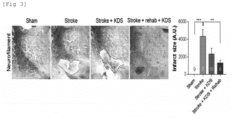
FIG. 3 shows an effect of administration of KDS2010 on recovery of injured brain tissue in the rodent stroke model. - Hereinafter, the present invention will be described in detail. Meanwhile, each description and embodiment disclosed in the present invention can be applied to other descriptions and embodiments. That is, all combinations of various elements disclosed in the present invention fall within the scope of the present invention. In addition, the scope of the present invention is not limited by the specific description given below.
- In one aspect to accomplish the object of the present invention, the present invention is directed to a pharmaceutical composition for use in a method for treating a stroke, comprising a compound represented by the following
Formula 1 or a pharmaceutically acceptable salt thereof as an active ingredient:


- In the present invention, the compound represented by Formula 1 is (S)-2-(((4'-trifluoromethyl biphenyl-4-yl)methyl)amino)propanamide methanesulfonate. In the present invention, the compound may be referred to as "KDS2010".
- Although the study of the specific pharmacological activity of the compound is still underway, to date it has not been revealed whether or not the compound has direct effects of preventing and treating strokes.
- In the present invention, there is no particular limitation as to the method for obtaining (S)-2-(((4'-trifluoromethyl biphenyl-4-yl)methyl)amino)propanamide methanesulfonate, and the compound can be chemically synthesized by a method known in the art, or may be selected from commercially available substances.
- The (S)-2-(((4'-trifluoromethyl biphenyl-4-yl)methyl)amino)propanamide methanesulfonate of the present invention may be present in a solvated form or an unsolvated form. The (S)-2-(((4'-trifluoromethyl biphenyl-4-yl)methyl)amino)propanamide methanesulfonate of the present invention may be present in a crystalline or amorphous form, and all of these physical forms fall within the scope of the present invention.
- The pharmaceutical composition of the present invention may include not only the compound represented by Formula 1 but also a pharmaceutically acceptable salt thereof. As used herein, the term "pharmaceutically acceptable salt" means a salt of the compound in combination with another substance, and refers to a substance capable of exhibiting pharmacologically similar activity.
- The types of the pharmaceutically acceptable salt include, but are not limited to, inorganic acid salts such as hydrochloride, hydrobromide, phosphate or sulfate, and organic acid salts such as carboxylate or sulfonate. In addition, the type of carboxylate includes, but is not limited to, acetate, maleate, fumarate, malate, citrate, tartrate, lactate or benzoate. Further, the type of sulfonate includes, but is not limited to, methanesulfonate, ethanesulfonate, benzenesulfonate, toluene sulfonate or naphthalene disulfonate.
- As used herein, the term "stroke" means a symptom of a local neurological defect that is suddenly caused by a cerebral blood flow abnormality. Such a stroke may include a cerebral infarction, wherein the death of brain cells is caused by blockage in cerebral blood vessels due to blood clots or the like, or brain hemorrhage caused by bursts of cerebral blood vessels. Specific symptoms of stroke include sudden headache and vomiting, hemiparalysis or paralysis of body parts, sensory paralysis and loss of body parts, language disorders (dysphasia or pronunciation disorder), facial nerve disorders, ataxia and the like. The stroke in the present invention may mean paralysis.
- The pharmaceutical composition of the present invention can exert effects of restoring deterioration in motor functions caused by stroke and reducing the size of the infarction in an internal capsule.
- In a specific embodiment of the present invention, the result of treatment of an animal stroke model with the compound of Formula 1 of the present invention shows that motor function recovery was facilitated and the size of the infarction in an internal capsule was reduced, compared to an animal stroke model not administered with the drug (
FIGS. 2 and3 ). - The result demonstrated that the composition containing the compound of Formula 1 of the present invention has an excellent effect of preventing or treating strokes.
- As used herein, the term "preventing" or "prevention" refers to any action that inhibits or delays the onset of a stroke through administration of the composition containing the compound of
Formula 1 of the present invention. As used herein, the term "treatment" refers to any action which alleviates or beneficially alters the symptoms of the disease through administration of the composition containing the compound ofFormula 1 of the present invention. - The pharmaceutical dosage form of the composition for preventing or treating strokes of the present invention may be a pharmaceutically acceptable salt thereof, and the composition may be used alone or bonded to or suitably combined with another pharmaceutically active compound.
- The composition for preventing or treating stroke of the present invention may further include a pharmaceutically acceptable carrier.
- The composition for preventing or treating strokes of the present invention can be prepared into a pharmaceutical formulation using a method well known in the art to provide rapid, sustained or delayed release of the active ingredient after administration to a mammal. In the preparation of the formulation, preferably, the active ingredient is mixed or diluted with a carrier or encapsulated into a carrier in the form of a container.
- Accordingly, the composition for preventing or treating stroke of the present invention is used as an oral formulation, such as a powder, granule, tablet, capsule, suspension, emulsion, syrup or aerosol, or a formulation such as an external preparation, suppository or sterile injectable solution, according to a conventional method. The composition may further include a suitable carrier, excipient and diluent commonly used in the preparation of compositions.
- For example, the carrier that can be included in the composition of the present invention includes, but is not limited to, lactose, dextrose, sucrose, sorbitol, mannitol, xylitol, erythritol, maltitol, starch, acacia rubber, alginate, gelatin, calcium phosphate, calcium silicate, cellulose, methyl cellulose, microcrystalline cellulose, polyvinyl pyrrolidone, water, methylhydroxybenzoate, propylhydroxybenzoate, talc, magnesium stearate, mineral oil and the like. The preparation is carried out using an ordinary diluent or excipient such as a filler, extender, binder, wetting agent, disintegrating agent or surfactant.
- Solid formulations for oral administration include tablets, pills, powders, granules, capsules and the like, and the solid formulation is prepared by mixing at least one excipient such as starch, calcium carbonate, sucrose, lactose or gelatin. In addition, lubricants such as magnesium stearate and talc may also be used, in addition to simple excipients.
- Liquid formulations for oral administration include suspensions, liquids/solutions, emulsions, syrups and the like. In addition to commonly used simple diluents, water and liquid paraffin, various excipients, such as wetting agents, sweeteners, fragrances, and preservatives, may be also included.
- Formulations for parenteral administration include sterile aqueous solutions, non-aqueous solvents, suspensions, emulsions, lyophilized preparations and suppositories. Non-aqueous solvents and suspensions may include propylene glycol, polyethylene glycol, vegetable oils such as olive oil, and injectable esters such as ethyl oleate. As a base for suppositories, Witepsol, macrogol, tween 61, cacao butter, laurin butter and glycerogelatin may be used.
- The pharmaceutical composition of the present invention may be administered as a single therapeutic agent or in combination with another therapeutic agent, and may be administered sequentially or simultaneously with a conventional therapeutic agent. The pharmaceutical composition may be administered once or several times. Considering all of the factors described above, it is important to administer the composition in an amount capable of obtaining the maximum effect in a minimum amount without causing side effects, and such an amount can be easily determined by those skilled in the art.
- As used herein, the term "administration" refers to introduction of the pharmaceutical composition of the present invention into a patient by any suitable method, and the route of administration of the composition of the present invention may be any one of a variety of oral or parenteral routes enabling the composition to reach the target tissue.
- The method of administration of the pharmaceutical composition according to the present invention is not particularly limited, and may be any method commonly used in the art. As a non-limiting example of the administration method, the composition may be administered by an oral or parenteral administration method. The pharmaceutical composition according to the present invention can be prepared into various formulations according to a desired administration method.
- The frequency of administration of the composition of the present invention is not particularly limited, but may be once a day or several times a day in a portionwise manner.
- A daily dosage of the composition containing the compound of
Formula 1 of the present invention as an active ingredient is 1 to 1,000 mg/kg, preferably 11 to 100 mg/kg, and the composition may be administered once or several times in a portionwise manner. - In another aspect, the present invention is directed to a food or feed composition for use in a method for alleviating strokes containing the compound represented by
Formula 1 as an active ingredient. - The food composition for preventing or alleviating strokes of the present invention includes formulations such as pills, powders, granules, acupuncture agents, tablets, capsules, or liquids, and the foods to which the composition of the present invention can be added include, for example, various foods, such as beverages, gum, teas, vitamin complexes and health supplement foods.
- The food composition for preventing or alleviating stroke of the present invention may include, as an essential ingredient, the composition or an active component thereof or a physiologically acceptable salt thereof, and there is no particular limitation as to other ingredients. Similar to common foods, the food composition may further include additional ingredients such as various herbal extracts, food supplement additives or natural carbohydrates.
- As mentioned above, food supplement additives may also be added, and the food supplement additives include food additives commonly used in the art, for example, flavoring agents, aromas, coloring agents, fillers, stabilizers and the like.
- Examples of the natural carbohydrates include conventional sugars including monosaccharides such as glucose and fructose, disaccharides such as maltose and sucrose, polysaccharides such as dextrin and cyclodextrin, and sugar alcohols such as xylitol, sorbitol and erythritol. In addition to the ingredients described above, natural flavoring agents (for example, rebaudioside A, glycyrrhizin or the like) and synthetic flavoring agents (saccharin, aspartame or the like) can be advantageously used as flavoring agents.
- In addition to the ingredients described above, the food composition for preventing or alleviating strokes of the present invention may include a variety of nutrients, vitamins, minerals (electrolytes), flavoring agents such as synthetic flavoring agents and natural flavoring agents, coloring agents and fillers (such as cheese or chocolate), pectic acid and salts thereof, alginic acid and salts thereof, organic acids, protective colloidal thickeners, pH-adjusting agents, stabilizers, preservatives, glycerin, alcohol, carbonizing agents used in carbonated beverages, and the like. In addition, the food composition may include natural fruit juice and fruit flesh for the production of fruit juice beverages and vegetable beverages. These ingredients can be used alone or in combination.
- In the present invention, the health supplement food includes a health functional food, a health food, and the like.
- The term "health functional food" has the same meaning as food for special health use (FoSHU), and means a food having excellent pharmaceutical and medicinal effects, which is processed to efficiently provide the functions of bioregulation and nutrition supply. Here, "function" (or "functional") means obtaining effects useful for health applications, such as nutrient control or physiological actions on the structures and functions of the human body. The food of the present invention can be produced by a method commonly used in the art, and can be produced by adding raw materials and ingredients conventionally added in the art. In addition, any formulation of the food may also be used without limitation, as long as it is acceptable as food. The food composition of the present invention can be prepared into various types of formulations and has the advantages of being free from side effects that may occur upon long-term administration of the drug because it contains food as a raw material, unlike general drugs. In addition, owing to excellent portability thereof, the food according to the present invention can be taken as a supplement to improve the effects of preventing or alleviating strokes.
- The feed composition of the present invention may mean any suitable natural or artificial diet, single meal, or component thereof that is eaten, taken or digested by an animal, and may be prepared in various forms known in the art.
- The type of the feed is not particularly limited, and a feed commonly used in the art may be used. Non-limiting examples of the feed include vegetable feed such as grains, nuts, food processing byproducts, algae, fiber, pharmaceutical byproducts, fats and oils, starches, gourds or grain byproducts; and animal feed such as proteins, inorganic substances, fats and oils, minerals, fats and oils, single-cell proteins, zooplankton and food. These ingredients may be used alone or in combinations of two or more thereof.
- For administration, in addition to the compound described above, the feed additive composition of the present invention may include a combination of one or more of organic acids such as citric acid, fumaric acid, adipic acid, and lactic acid, phosphates such as potassium phosphate, sodium phosphate and polymerized phosphate, and natural antioxidants such as polyphenols, catechin, tocopherol, vitamin C, green tea extracts, chitosan and tannic acid, and may optionally include other conventional additives such as buffers and bacteriostatic agents. In addition, the composition may be prepared by further adding diluents, dispersants, surfactants, binders and lubricants.
- The feed composition can be easily administered in the state of being mixed directly with animal feed or combined with other ingredients. The dosage varies within a wide range depending on factors such as the animal's weight, health conditions, diet, method of administration and severity of disease.
- In another aspect, the present invention is directed to a method for preventing or treating strokes including administering the compound represented by
Formula 1 to a subject other than a human. - The method for preventing or treating strokes may further include rehabilitation training.
- As used herein, the term "subject" may mean any animal, including a human, who has or is likely to develop a stroke. The animal may be a human or a mammal, such as a cow, horse, sheep, pig, goat, camel, antelope, dog or cat, which requires treatment of similar symptoms, but is not limited thereto.
- The method for preventing or treating strokes according to the present invention may specifically include administering a pharmaceutically effective amount of the composition to a subject who has or is likely to develop a stroke.
- Hereinafter, the configurations and effects of the present invention will be described in more detail with reference to examples. However, it will be obvious to those skilled in the art that these examples are provided only for illustration of the present invention and should not be construed as limiting the scope of the present invention.
- A target drug was prepared to determine the therapeutic effect thereof on strokes. The drug to be administered was prepared as described in
Korean Patent Registration No. 10-1746060 - Light stimuli was applied to the posterior limb of the internal capsule of a 9 week-old SD rat to produce a white-matter cerebral infarction animal model.
- Specifically, the animal was anesthetized with an anesthetic drug, a combination of ketamine (ketamine hydrochloride, 100 mg/kg) and xylazine (7 mg/kg), and a hole was drilled at a position of 2.0 mm rearwards and 3.1 mm laterally outwards from the skull bregma using stereotaxis, and an optical fiber (inner diameter of 62.5 µm, outer diameter of 125 µm) was inserted to a depth of 7.2 mm to target the posterior limb of the internal capsule. Rose bengal (20 mg/kg) was injected into the tail vein, and optical stimulation was conducted using a 3.7 mW green laser for 1.5 minutes through an optical fiber. Then, the optical fiber was removed and the operation was completed, ketoprofen (2 mg/kg) was injected for pain control, and then the animal was allowed to recover. The control group was injected with 0.9% saline, instead of rose bengal.
- The outline of the brain structure of the produced cerebral infarction animal model is shown in
FIG. 1 . - Rats in the group administered with KDS2010 as a drug were orally administered with a solution of KDS2010 in saline at a concentration of 10 mg/kg once a day (
FIG. 2A ) . - Rats in the rehabilitation-trained group practiced a single-pellet reaching task (SPRT) for 20 minutes daily for 3 weeks after stroke surgery. Meanwhile, rats in the non-rehabilitation-trained group practiced SPRT only twice a week for three weeks.
- In order to determine the effect of KDS2010 on rodent stroke models, a cylinder test was conducted to determine asymmetry of the use of the forelimb, and a single-pellet reaching task was conducted to evaluate elaborate motor skills.
- For the cylinder test, animals were placed in a transparent cylinder (20 cm in diameter and 30 cm in height) to observe which limb was used more when supporting the cylinder wall with the forelimbs. A total of 20 movements were recorded, and the ratio of the use of the forelimb corresponding to the stroke and the opposite forelimb was calculated during the total number of cycles.
- For the single-pellet reaching task, an acrylic box (45 cm X 13
cm X 40 cm) having a 1 cm vertical slit on the front wall thereof was used, and a sugar pellet was placed in front of the slit. Animals were prepared in a state in which they sought food by being fasted until their body weight dropped to 90% of their original body weight. The proportion of the number of pellets remaining in the mouth, without dropping, to 20 pellets in total was calculated. - In order to determine the size of the infarction in an internal capsule, the rats after the behavior test were sacrificed for histological examination, and brain tissues were prepared therefrom. Nerve fibers were stained using the extracted brain tissue, a neurofiber antibody (SMI-31R, BioLegend, CA, USA) and a DAB staining kit (TL-060-QHD, Thermo, MA, USA).
- As can be seen from B to D of
FIG. 2 , the result of evaluation of the motor function through a single-pellet reaching task in the same manner as in Example 1-4 above showed that the rodent stroke model exhibited considerably impaired motor function. The rodent stroke model substantially failed to recover motor skills even though they were rehabilitated through training after induction of stroke. On the other hand, the KDS2010-drug administrated and rehabilitation-trained group recovered motor function to an almost normal level. - In addition, the result of the determination of the effect of restoring motor function using the cylinder test, as can be seen from E to G of
FIG. 2 , showed that the rodent stroke model had significantly impaired motor function, whereas the drug-administered group (Stroke+ KDS2010) significantly recovered motor function compared to the control group. - Therefore, the result demonstrated that administration of the KDS2010 drug to the stroke model can recover impaired motor function due to stroke.
- The nerve fibers were stained in the same manner as in Example 1-5 above to observe the size of the infarctions in internal capsules.
- As can be seen from
FIG. 3 , the result showed that the rodent stroke models significantly increased the size of the infarction in the internal capsules, whereas the drug-administered group (Stroke+KDS) had considerably larger size of the infarction in the internal capsules than that of the control group. In particular, the experimental group (Stroke+rehab+KDS), which was subjected to rehabilitation training in combination with drug administration, had further reduced infarction sizes in the internal capsules. - Therefore, the result described above showed that KDS2010 can reduce the infarction area and restore motor function, thereby being useful in the prevention or treatment of paralysis, particularly strokes.
Claims (5)
- A pharmaceutical composition for use in a method for treating a stroke, comprising a compound represented by the following Formula 1 or a pharmaceutically acceptable salt thereof as an active ingredient:

- The pharmaceutical composition for use according to claim 1, wherein the stroke is an ischemic stroke or hemorrhagic stroke.
- The pharmaceutical composition for use according to claim 1, wherein the composition facilitates recovery of deteriorated motor function due to the stroke.
- The pharmaceutical composition for use according to claim 1, wherein the composition reduces a size of an infarction in an internal capsule.
- A food or feed composition for use in a method for alleviating a stroke comprising a compound represented by the following Formula 1 as an active ingredient:

Applications Claiming Priority (2)
| Application Number | Priority Date | Filing Date | Title |
|---|---|---|---|
| KR1020180039368A KR102005019B1 (en) | 2018-04-04 | 2018-04-04 | A composition for preventing and treating stroke |
| PCT/KR2019/003794 WO2019194494A1 (en) | 2018-04-04 | 2019-04-01 | Composition for prevention or treatment of stoke |
Publications (4)
| Publication Number | Publication Date |
|---|---|
| EP3777848A1 EP3777848A1 (en) | 2021-02-17 |
| EP3777848A4 EP3777848A4 (en) | 2022-05-11 |
| EP3777848C0 EP3777848C0 (en) | 2024-03-13 |
| EP3777848B1 true EP3777848B1 (en) | 2024-03-13 |
Family
ID=67473806
Family Applications (1)
| Application Number | Title | Priority Date | Filing Date |
|---|---|---|---|
| EP19781046.8A Active EP3777848B1 (en) | 2018-04-04 | 2019-04-01 | Composition for prevention or treatment of stroke |
Country Status (11)
| Country | Link |
|---|---|
| US (1) | US20210401782A1 (en) |
| EP (1) | EP3777848B1 (en) |
| JP (1) | JP6930037B2 (en) |
| KR (1) | KR102005019B1 (en) |
| CN (1) | CN111936128B (en) |
| AU (2) | AU2019248198A1 (en) |
| BR (1) | BR112020016920A2 (en) |
| CA (1) | CA3090782C (en) |
| ES (1) | ES2984508T3 (en) |
| RU (1) | RU2765151C1 (en) |
| WO (1) | WO2019194494A1 (en) |
Families Citing this family (3)
| Publication number | Priority date | Publication date | Assignee | Title |
|---|---|---|---|---|
| KR102427769B1 (en) * | 2020-08-07 | 2022-08-02 | 한국과학기술연구원 | Composition for prevention or treatment of multiple sclerosis |
| KR102578811B1 (en) * | 2020-08-26 | 2023-09-14 | 주식회사 뉴롤메드 | Pharmacological Composition for Treating or Preventing the Ischemia Stroke Disease Containing Sobrerol |
| KR102531540B1 (en) * | 2020-09-18 | 2023-05-16 | 한국과학기술연구원 | Composition for prevention or treatment of rheumatoid arthritis |
Family Cites Families (13)
| Publication number | Priority date | Publication date | Assignee | Title |
|---|---|---|---|---|
| US20030083345A1 (en) * | 2001-07-10 | 2003-05-01 | Torsten Hoffmann | Method of treatment and/or prevention of brain, spinal or nerve injury |
| AR044007A1 (en) * | 2003-04-11 | 2005-08-24 | Newron Pharmaceuticals Inc | METHODS FOR THE TREATMENT OF PARKINSON'S DISEASE |
| EP1870097A1 (en) * | 2006-06-15 | 2007-12-26 | Newron Pharmaceuticals S.p.A. | Alpha-aminoamide derivatives useful in the treatment of cognitive disorders |
| US10793515B2 (en) * | 2008-03-19 | 2020-10-06 | Aurimmed Pharma, Inc. | Compounds advantageous in the treatment of central nervous system diseases and disorders |
| WO2013049332A1 (en) * | 2011-09-29 | 2013-04-04 | Infinity Pharmaceuticals, Inc. | Inhibitors of monoacylglycerol lipase and methods of their use |
| KR101795562B1 (en) | 2011-12-27 | 2017-11-08 | (주)바이오팜솔루션즈 | Phenyl carbamate compounds for use in preventing or treating stroke |
| WO2014158916A1 (en) * | 2013-03-14 | 2014-10-02 | Dart Neuroscience, Llc | Substituted naphthyridine and quinoline compounds as mao inhibitors |
| AU2015317638A1 (en) * | 2014-09-17 | 2017-03-23 | Dart Neuroscience (Cayman) Ltd. | Mao-B inhibitors and rehabilitation |
| CA2963371C (en) * | 2014-10-02 | 2020-06-02 | Korea Institute Of Science And Technology | Alpha-aminoamide derivative compound and pharmaceutical composition containing the same |
| KR101746060B1 (en) * | 2015-09-18 | 2017-06-12 | 한국과학기술연구원 | Reversible MAO-B inhibitors for treating obesity |
| KR101679568B1 (en) * | 2014-10-02 | 2016-11-28 | 한국과학기술연구원 | Alpha-aminoamide derivatives and pharmaceutical composition comprising the same |
| KR101781060B1 (en) | 2016-02-23 | 2017-09-25 | 주식회사 레스코퍼레이션 | Pharmaceutical Composition for Treatment and Prophylaxis for Ischemic Stroke |
| JP6842512B2 (en) * | 2019-07-31 | 2021-03-17 | 本田技研工業株式会社 | Rear structure of the car body |
-
2018
- 2018-04-04 KR KR1020180039368A patent/KR102005019B1/en active Active
-
2019
- 2019-04-01 AU AU2019248198A patent/AU2019248198A1/en not_active Abandoned
- 2019-04-01 CN CN201980024643.0A patent/CN111936128B/en active Active
- 2019-04-01 US US17/045,409 patent/US20210401782A1/en not_active Abandoned
- 2019-04-01 CA CA3090782A patent/CA3090782C/en active Active
- 2019-04-01 BR BR112020016920-0A patent/BR112020016920A2/en not_active Application Discontinuation
- 2019-04-01 ES ES19781046T patent/ES2984508T3/en active Active
- 2019-04-01 EP EP19781046.8A patent/EP3777848B1/en active Active
- 2019-04-01 RU RU2020130021A patent/RU2765151C1/en active
- 2019-04-01 WO PCT/KR2019/003794 patent/WO2019194494A1/en not_active Ceased
- 2019-04-01 JP JP2020544616A patent/JP6930037B2/en active Active
-
2021
- 2021-08-31 AU AU2021225169A patent/AU2021225169A1/en not_active Abandoned
Also Published As
| Publication number | Publication date |
|---|---|
| AU2019248198A1 (en) | 2020-09-03 |
| EP3777848C0 (en) | 2024-03-13 |
| BR112020016920A2 (en) | 2020-12-15 |
| KR102005019B1 (en) | 2019-07-31 |
| JP6930037B2 (en) | 2021-09-01 |
| WO2019194494A1 (en) | 2019-10-10 |
| ES2984508T3 (en) | 2024-10-29 |
| EP3777848A4 (en) | 2022-05-11 |
| CA3090782A1 (en) | 2019-10-10 |
| RU2765151C1 (en) | 2022-01-26 |
| CN111936128A (en) | 2020-11-13 |
| US20210401782A1 (en) | 2021-12-30 |
| EP3777848A1 (en) | 2021-02-17 |
| CN111936128B (en) | 2022-08-12 |
| JP2021510728A (en) | 2021-04-30 |
| AU2021225169A1 (en) | 2021-09-30 |
| CA3090782C (en) | 2022-12-06 |
Similar Documents
| Publication | Publication Date | Title |
|---|---|---|
| US10646498B2 (en) | Composition for preventing, alleviating or treating muscle diseases or improving muscular function | |
| AU2021225169A1 (en) | Composition for prevention or treatment of stroke | |
| JP6294710B2 (en) | Glucose metabolism improver | |
| WO2006042479A9 (en) | Pharmaceutical composition and non dependence coffee comprising edible carboxylic acid and/or its acid salt and coffeine | |
| AU2021218149B2 (en) | Composition for prevention and treatment of spinal cord injury | |
| KR20200129120A (en) | Composition for improving cognitive function and composition for improving anxiety symptoms, and composition for inhibiting brain atrophy | |
| US12521364B2 (en) | Composition for preventing or treating neuropathic pain, containing syringaresinol | |
| US8193245B2 (en) | Composition comprising oleic acid and the use thereof | |
| KR102873011B1 (en) | A composition for the improvement, prevention or treatment of depression, stress or memory malfunctions containing Asimina triloba fruit extract | |
| KR20220038232A (en) | Composition for prevention or treatment of rheumatoid arthritis | |
| KR102942275B1 (en) | A composition for the improvement, prevention or treatment of depression, stress or memory malfunctions containing Cirsium setedens extract | |
| JP6345783B2 (en) | Composition for preventing or treating growth disorders containing malt extract | |
| KR102564539B1 (en) | A composition for the prevention, improvement or treatment of sleep disorders or insomnia containing Codium fragile extract | |
| KR102427769B1 (en) | Composition for prevention or treatment of multiple sclerosis | |
| US20220151987A1 (en) | Muscle building agent | |
| KR20260023120A (en) | Composition for preventing, improving or treating depression and anxiety disorders comprising buckwheat husk extract as effective component | |
| KR20160111737A (en) | Composition comprising the combined extracts of Astragalus membranaceus, Eleutherocccus senticosus and Phlomis umbrosa for stimulating bone growth |
Legal Events
| Date | Code | Title | Description |
|---|---|---|---|
| STAA | Information on the status of an ep patent application or granted ep patent |
Free format text: STATUS: THE INTERNATIONAL PUBLICATION HAS BEEN MADE |
|
| PUAI | Public reference made under article 153(3) epc to a published international application that has entered the european phase |
Free format text: ORIGINAL CODE: 0009012 |
|
| STAA | Information on the status of an ep patent application or granted ep patent |
Free format text: STATUS: REQUEST FOR EXAMINATION WAS MADE |
|
| 17P | Request for examination filed |
Effective date: 20201023 |
|
| AK | Designated contracting states |
Kind code of ref document: A1 Designated state(s): AL AT BE BG CH CY CZ DE DK EE ES FI FR GB GR HR HU IE IS IT LI LT LU LV MC MK MT NL NO PL PT RO RS SE SI SK SM TR |
|
| AX | Request for extension of the european patent |
Extension state: BA ME |
|
| DAV | Request for validation of the european patent (deleted) | ||
| DAX | Request for extension of the european patent (deleted) | ||
| A4 | Supplementary search report drawn up and despatched |
Effective date: 20220408 |
|
| RIC1 | Information provided on ipc code assigned before grant |
Ipc: A61P 9/12 20060101ALI20220404BHEP Ipc: A61P 9/10 20060101ALI20220404BHEP Ipc: A61P 9/00 20060101ALI20220404BHEP Ipc: A23L 33/10 20160101ALI20220404BHEP Ipc: A61K 31/165 20060101AFI20220404BHEP |
|
| STAA | Information on the status of an ep patent application or granted ep patent |
Free format text: STATUS: EXAMINATION IS IN PROGRESS |
|
| 17Q | First examination report despatched |
Effective date: 20230215 |
|
| GRAP | Despatch of communication of intention to grant a patent |
Free format text: ORIGINAL CODE: EPIDOSNIGR1 |
|
| STAA | Information on the status of an ep patent application or granted ep patent |
Free format text: STATUS: GRANT OF PATENT IS INTENDED |
|
| INTG | Intention to grant announced |
Effective date: 20230925 |
|
| GRAS | Grant fee paid |
Free format text: ORIGINAL CODE: EPIDOSNIGR3 |
|
| GRAA | (expected) grant |
Free format text: ORIGINAL CODE: 0009210 |
|
| STAA | Information on the status of an ep patent application or granted ep patent |
Free format text: STATUS: THE PATENT HAS BEEN GRANTED |
|
| AK | Designated contracting states |
Kind code of ref document: B1 Designated state(s): AL AT BE BG CH CY CZ DE DK EE ES FI FR GB GR HR HU IE IS IT LI LT LU LV MC MK MT NL NO PL PT RO RS SE SI SK SM TR |
|
| REG | Reference to a national code |
Ref country code: GB Ref legal event code: FG4D |
|
| REG | Reference to a national code |
Ref country code: CH Ref legal event code: EP |
|
| REG | Reference to a national code |
Ref country code: DE Ref legal event code: R096 Ref document number: 602019048260 Country of ref document: DE |
|
| REG | Reference to a national code |
Ref country code: IE Ref legal event code: FG4D |
|
| U01 | Request for unitary effect filed |
Effective date: 20240412 |
|
| U07 | Unitary effect registered |
Designated state(s): AT BE BG DE DK EE FI FR IT LT LU LV MT NL PT SE SI Effective date: 20240516 |
|
| PG25 | Lapsed in a contracting state [announced via postgrant information from national office to epo] |
Ref country code: GR Free format text: LAPSE BECAUSE OF FAILURE TO SUBMIT A TRANSLATION OF THE DESCRIPTION OR TO PAY THE FEE WITHIN THE PRESCRIBED TIME-LIMIT Effective date: 20240614 |
|
| PG25 | Lapsed in a contracting state [announced via postgrant information from national office to epo] |
Ref country code: HR Free format text: LAPSE BECAUSE OF FAILURE TO SUBMIT A TRANSLATION OF THE DESCRIPTION OR TO PAY THE FEE WITHIN THE PRESCRIBED TIME-LIMIT Effective date: 20240313 Ref country code: RS Free format text: LAPSE BECAUSE OF FAILURE TO SUBMIT A TRANSLATION OF THE DESCRIPTION OR TO PAY THE FEE WITHIN THE PRESCRIBED TIME-LIMIT Effective date: 20240613 |
|
| PG25 | Lapsed in a contracting state [announced via postgrant information from national office to epo] |
Ref country code: RS Free format text: LAPSE BECAUSE OF FAILURE TO SUBMIT A TRANSLATION OF THE DESCRIPTION OR TO PAY THE FEE WITHIN THE PRESCRIBED TIME-LIMIT Effective date: 20240613 Ref country code: NO Free format text: LAPSE BECAUSE OF FAILURE TO SUBMIT A TRANSLATION OF THE DESCRIPTION OR TO PAY THE FEE WITHIN THE PRESCRIBED TIME-LIMIT Effective date: 20240613 Ref country code: HR Free format text: LAPSE BECAUSE OF FAILURE TO SUBMIT A TRANSLATION OF THE DESCRIPTION OR TO PAY THE FEE WITHIN THE PRESCRIBED TIME-LIMIT Effective date: 20240313 Ref country code: GR Free format text: LAPSE BECAUSE OF FAILURE TO SUBMIT A TRANSLATION OF THE DESCRIPTION OR TO PAY THE FEE WITHIN THE PRESCRIBED TIME-LIMIT Effective date: 20240614 |
|
| U20 | Renewal fee for the european patent with unitary effect paid |
Year of fee payment: 6 Effective date: 20240813 |
|
| PG25 | Lapsed in a contracting state [announced via postgrant information from national office to epo] |
Ref country code: IS Free format text: LAPSE BECAUSE OF FAILURE TO SUBMIT A TRANSLATION OF THE DESCRIPTION OR TO PAY THE FEE WITHIN THE PRESCRIBED TIME-LIMIT Effective date: 20240713 |
|
| PGFP | Annual fee paid to national office [announced via postgrant information from national office to epo] |
Ref country code: IE Payment date: 20240719 Year of fee payment: 6 |
|
| PG25 | Lapsed in a contracting state [announced via postgrant information from national office to epo] |
Ref country code: SM Free format text: LAPSE BECAUSE OF FAILURE TO SUBMIT A TRANSLATION OF THE DESCRIPTION OR TO PAY THE FEE WITHIN THE PRESCRIBED TIME-LIMIT Effective date: 20240313 |
|
| PGFP | Annual fee paid to national office [announced via postgrant information from national office to epo] |
Ref country code: GB Payment date: 20240718 Year of fee payment: 6 |
|
| PG25 | Lapsed in a contracting state [announced via postgrant information from national office to epo] |
Ref country code: CZ Free format text: LAPSE BECAUSE OF FAILURE TO SUBMIT A TRANSLATION OF THE DESCRIPTION OR TO PAY THE FEE WITHIN THE PRESCRIBED TIME-LIMIT Effective date: 20240313 |
|
| PG25 | Lapsed in a contracting state [announced via postgrant information from national office to epo] |
Ref country code: PL Free format text: LAPSE BECAUSE OF FAILURE TO SUBMIT A TRANSLATION OF THE DESCRIPTION OR TO PAY THE FEE WITHIN THE PRESCRIBED TIME-LIMIT Effective date: 20240313 |
|
| PG25 | Lapsed in a contracting state [announced via postgrant information from national office to epo] |
Ref country code: SK Free format text: LAPSE BECAUSE OF FAILURE TO SUBMIT A TRANSLATION OF THE DESCRIPTION OR TO PAY THE FEE WITHIN THE PRESCRIBED TIME-LIMIT Effective date: 20240313 |
|
| REG | Reference to a national code |
Ref country code: ES Ref legal event code: FG2A Ref document number: 2984508 Country of ref document: ES Kind code of ref document: T3 Effective date: 20241029 |
|
| PG25 | Lapsed in a contracting state [announced via postgrant information from national office to epo] |
Ref country code: SM Free format text: LAPSE BECAUSE OF FAILURE TO SUBMIT A TRANSLATION OF THE DESCRIPTION OR TO PAY THE FEE WITHIN THE PRESCRIBED TIME-LIMIT Effective date: 20240313 Ref country code: SK Free format text: LAPSE BECAUSE OF FAILURE TO SUBMIT A TRANSLATION OF THE DESCRIPTION OR TO PAY THE FEE WITHIN THE PRESCRIBED TIME-LIMIT Effective date: 20240313 Ref country code: RO Free format text: LAPSE BECAUSE OF FAILURE TO SUBMIT A TRANSLATION OF THE DESCRIPTION OR TO PAY THE FEE WITHIN THE PRESCRIBED TIME-LIMIT Effective date: 20240313 Ref country code: PL Free format text: LAPSE BECAUSE OF FAILURE TO SUBMIT A TRANSLATION OF THE DESCRIPTION OR TO PAY THE FEE WITHIN THE PRESCRIBED TIME-LIMIT Effective date: 20240313 Ref country code: IS Free format text: LAPSE BECAUSE OF FAILURE TO SUBMIT A TRANSLATION OF THE DESCRIPTION OR TO PAY THE FEE WITHIN THE PRESCRIBED TIME-LIMIT Effective date: 20240713 Ref country code: CZ Free format text: LAPSE BECAUSE OF FAILURE TO SUBMIT A TRANSLATION OF THE DESCRIPTION OR TO PAY THE FEE WITHIN THE PRESCRIBED TIME-LIMIT Effective date: 20240313 |
|
| REG | Reference to a national code |
Ref country code: DE Ref legal event code: R097 Ref document number: 602019048260 Country of ref document: DE |
|
| PG25 | Lapsed in a contracting state [announced via postgrant information from national office to epo] |
Ref country code: MC Free format text: LAPSE BECAUSE OF FAILURE TO SUBMIT A TRANSLATION OF THE DESCRIPTION OR TO PAY THE FEE WITHIN THE PRESCRIBED TIME-LIMIT Effective date: 20240313 |
|
| PLBE | No opposition filed within time limit |
Free format text: ORIGINAL CODE: 0009261 |
|
| STAA | Information on the status of an ep patent application or granted ep patent |
Free format text: STATUS: NO OPPOSITION FILED WITHIN TIME LIMIT |
|
| PG25 | Lapsed in a contracting state [announced via postgrant information from national office to epo] |
Ref country code: MC Free format text: LAPSE BECAUSE OF FAILURE TO SUBMIT A TRANSLATION OF THE DESCRIPTION OR TO PAY THE FEE WITHIN THE PRESCRIBED TIME-LIMIT Effective date: 20240313 |
|
| 26N | No opposition filed |
Effective date: 20241216 |
|
| PG25 | Lapsed in a contracting state [announced via postgrant information from national office to epo] |
Ref country code: CY Free format text: LAPSE BECAUSE OF FAILURE TO SUBMIT A TRANSLATION OF THE DESCRIPTION OR TO PAY THE FEE WITHIN THE PRESCRIBED TIME-LIMIT; INVALID AB INITIO Effective date: 20190401 |
|
| PG25 | Lapsed in a contracting state [announced via postgrant information from national office to epo] |
Ref country code: HU Free format text: LAPSE BECAUSE OF FAILURE TO SUBMIT A TRANSLATION OF THE DESCRIPTION OR TO PAY THE FEE WITHIN THE PRESCRIBED TIME-LIMIT; INVALID AB INITIO Effective date: 20190401 |
|
| REG | Reference to a national code |
Ref country code: CH Ref legal event code: H13 Free format text: ST27 STATUS EVENT CODE: U-0-0-H10-H13 (AS PROVIDED BY THE NATIONAL OFFICE) Effective date: 20251125 |
|
| PG25 | Lapsed in a contracting state [announced via postgrant information from national office to epo] |
Ref country code: TR Free format text: LAPSE BECAUSE OF FAILURE TO SUBMIT A TRANSLATION OF THE DESCRIPTION OR TO PAY THE FEE WITHIN THE PRESCRIBED TIME-LIMIT Effective date: 20240313 |
|
| U90 | Renewal fees not paid: noting of loss of rights |
Free format text: RENEWAL FEE NOT PAID FOR YEAR 07 Effective date: 20251117 |
|
| GBPC | Gb: european patent ceased through non-payment of renewal fee |
Effective date: 20250401 |
|
| PG25 | Lapsed in a contracting state [announced via postgrant information from national office to epo] |
Ref country code: GB Free format text: LAPSE BECAUSE OF NON-PAYMENT OF DUE FEES Effective date: 20250401 |
|
| PG25 | Lapsed in a contracting state [announced via postgrant information from national office to epo] |
Ref country code: CH Free format text: LAPSE BECAUSE OF NON-PAYMENT OF DUE FEES Effective date: 20250430 |
|
| REG | Reference to a national code |
Ref country code: CH Ref legal event code: K11 Free format text: ST27 STATUS EVENT CODE: U-0-0-K10-K11 (AS PROVIDED BY THE NATIONAL OFFICE) Effective date: 20260123 Ref country code: CH Ref legal event code: U11 Free format text: ST27 STATUS EVENT CODE: U-0-0-U10-U11 (AS PROVIDED BY THE NATIONAL OFFICE) Effective date: 20260123 |
|
| U50 | Request for re-establishment of rights filed [unitary effect] |
Free format text: RE-ESTABLISHMENT OF RIGHTS REQUESTED DUE TO A NOTIFICATION OF LAPSE Effective date: 20260119 |
|
| PGFP | Annual fee paid to national office [announced via postgrant information from national office to epo] |
Ref country code: ES Payment date: 20260128 Year of fee payment: 7 |
|
| PG25 | Lapsed in a contracting state [announced via postgrant information from national office to epo] |
Ref country code: IE Free format text: LAPSE BECAUSE OF NON-PAYMENT OF DUE FEES Effective date: 20250401 |
|
| PG25 | Lapsed in a contracting state [announced via postgrant information from national office to epo] |
Ref country code: CH Free format text: LAPSE BECAUSE OF NON-PAYMENT OF DUE FEES Effective date: 20250430 |
|
| PGFP | Annual fee paid to national office [announced via postgrant information from national office to epo] |
Ref country code: CH Payment date: 20260123 Year of fee payment: 7 |
|
| PGRI | Patent reinstated in contracting state [announced from national office to epo] |
Ref country code: CH Effective date: 20260123 |
|
| REG | Reference to a national code |
Ref country code: CH Ref legal event code: U11 Free format text: ST27 STATUS EVENT CODE: U-0-0-U10-U11 (AS PROVIDED BY THE NATIONAL OFFICE) Effective date: 20260501 |